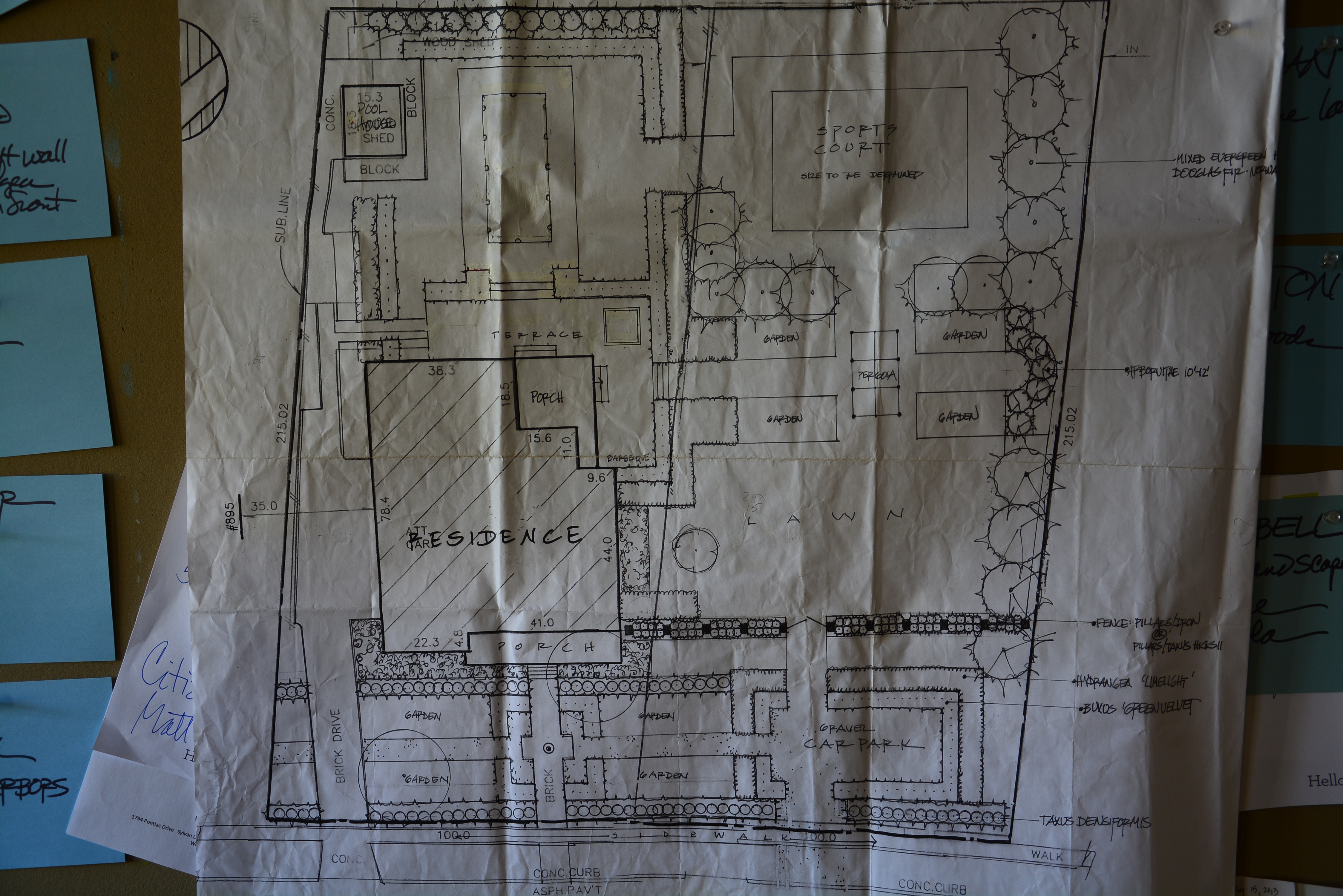
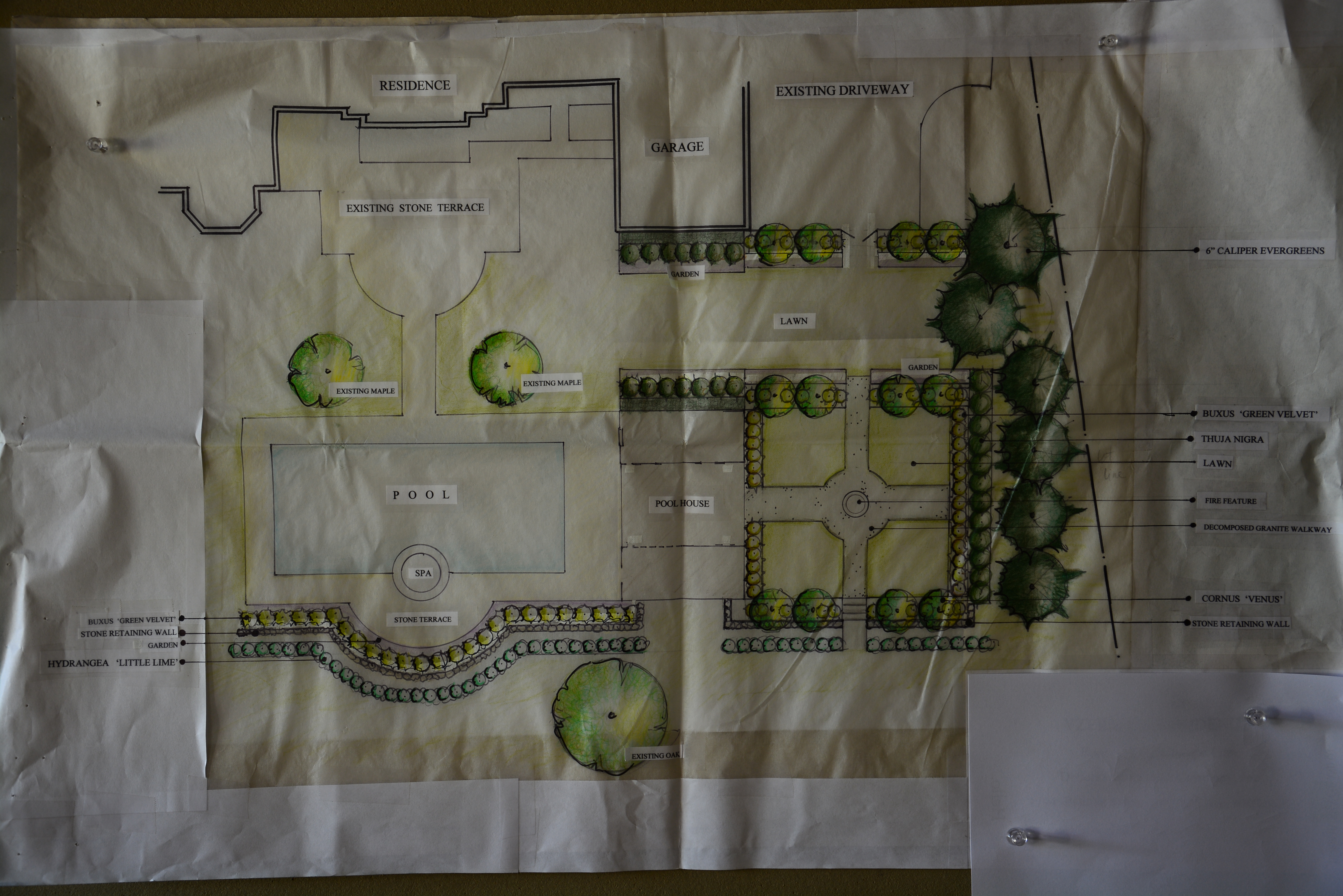
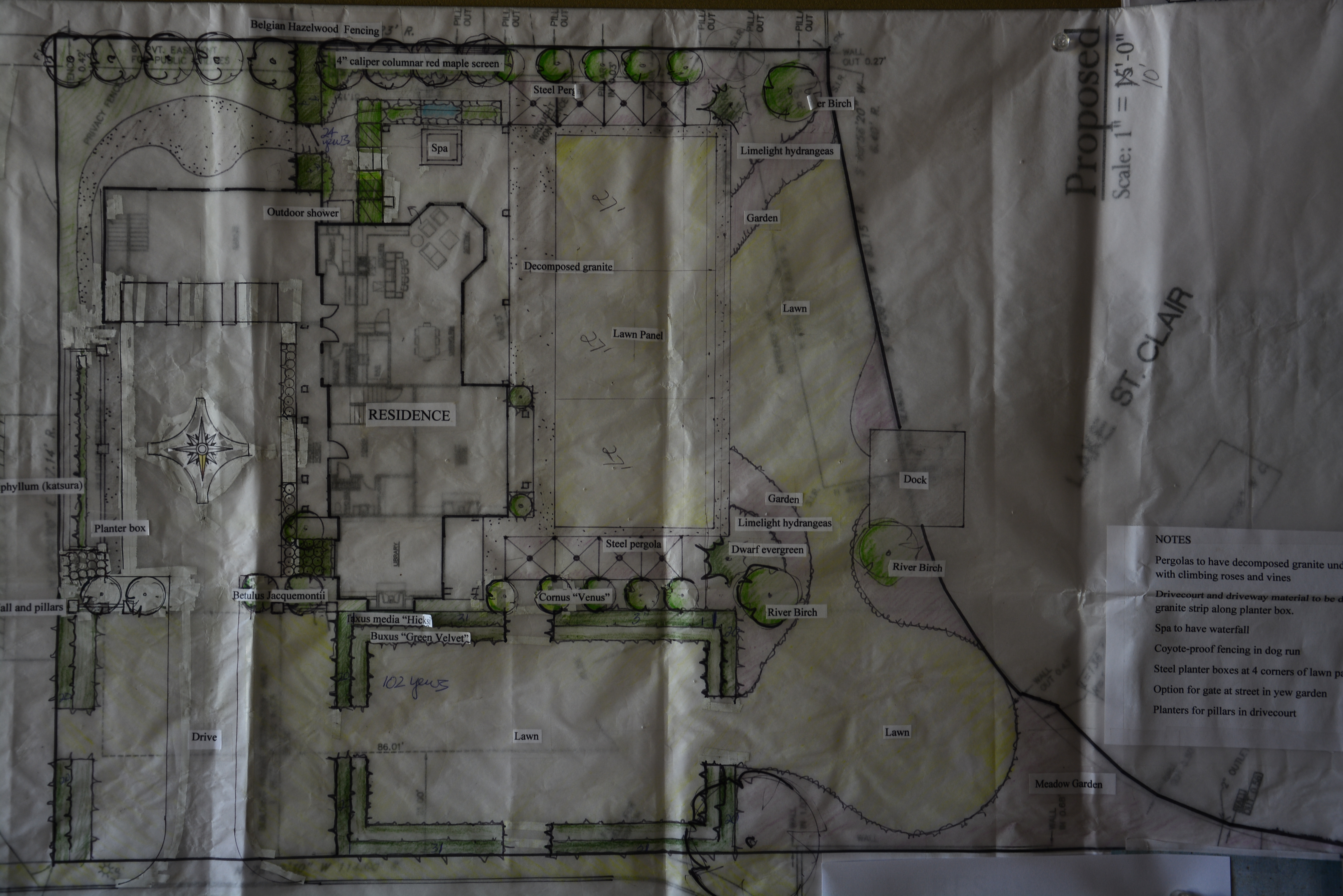
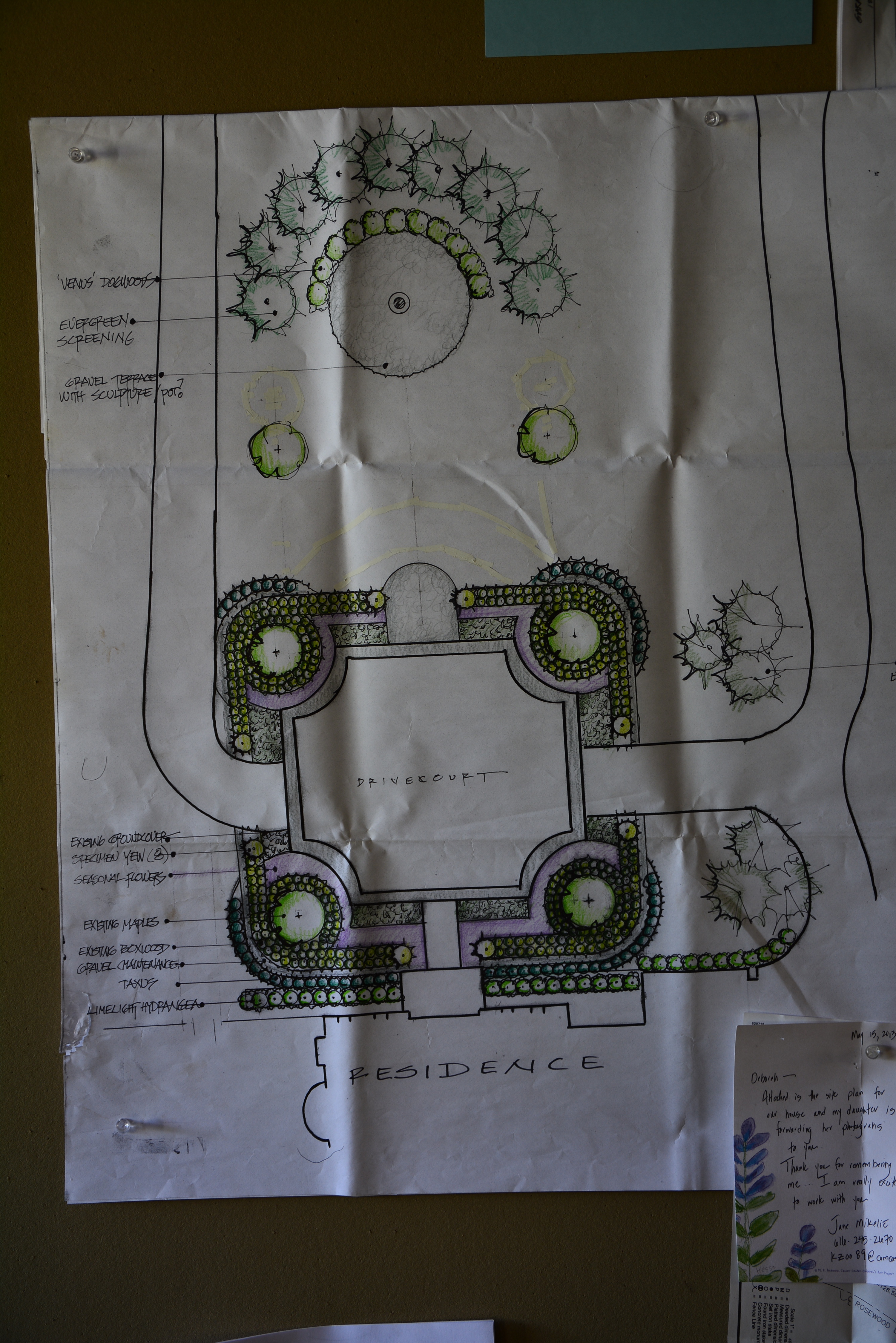
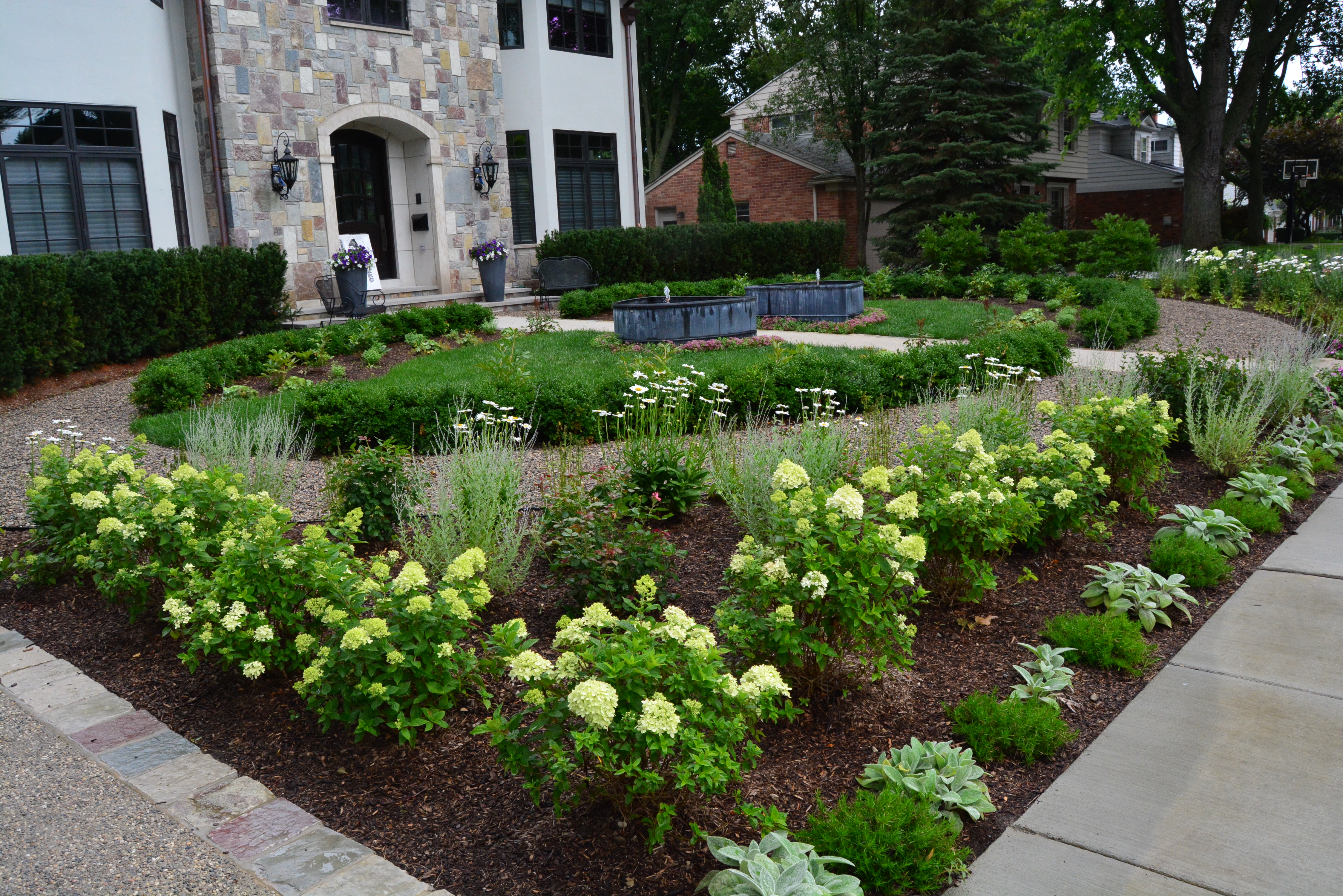
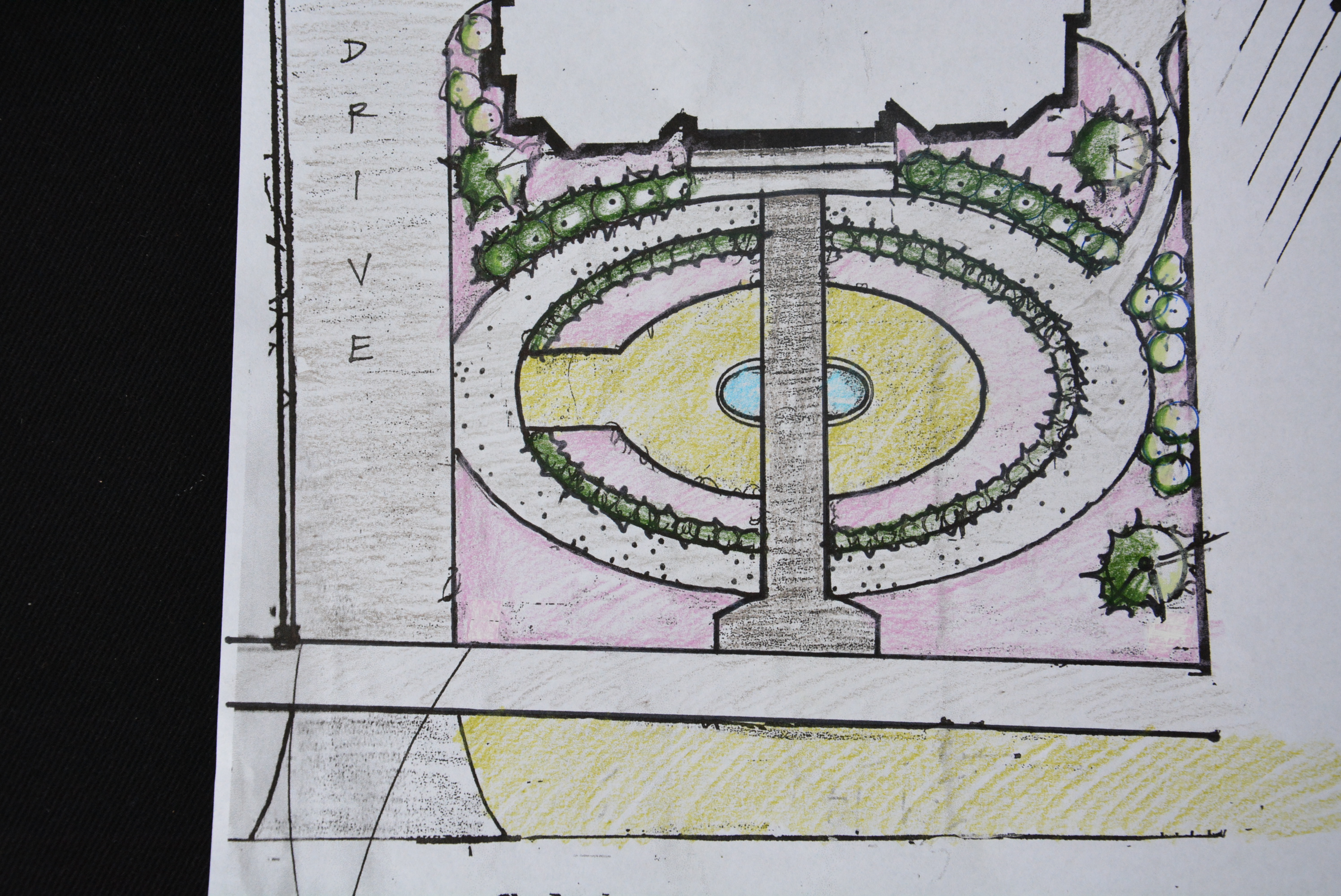
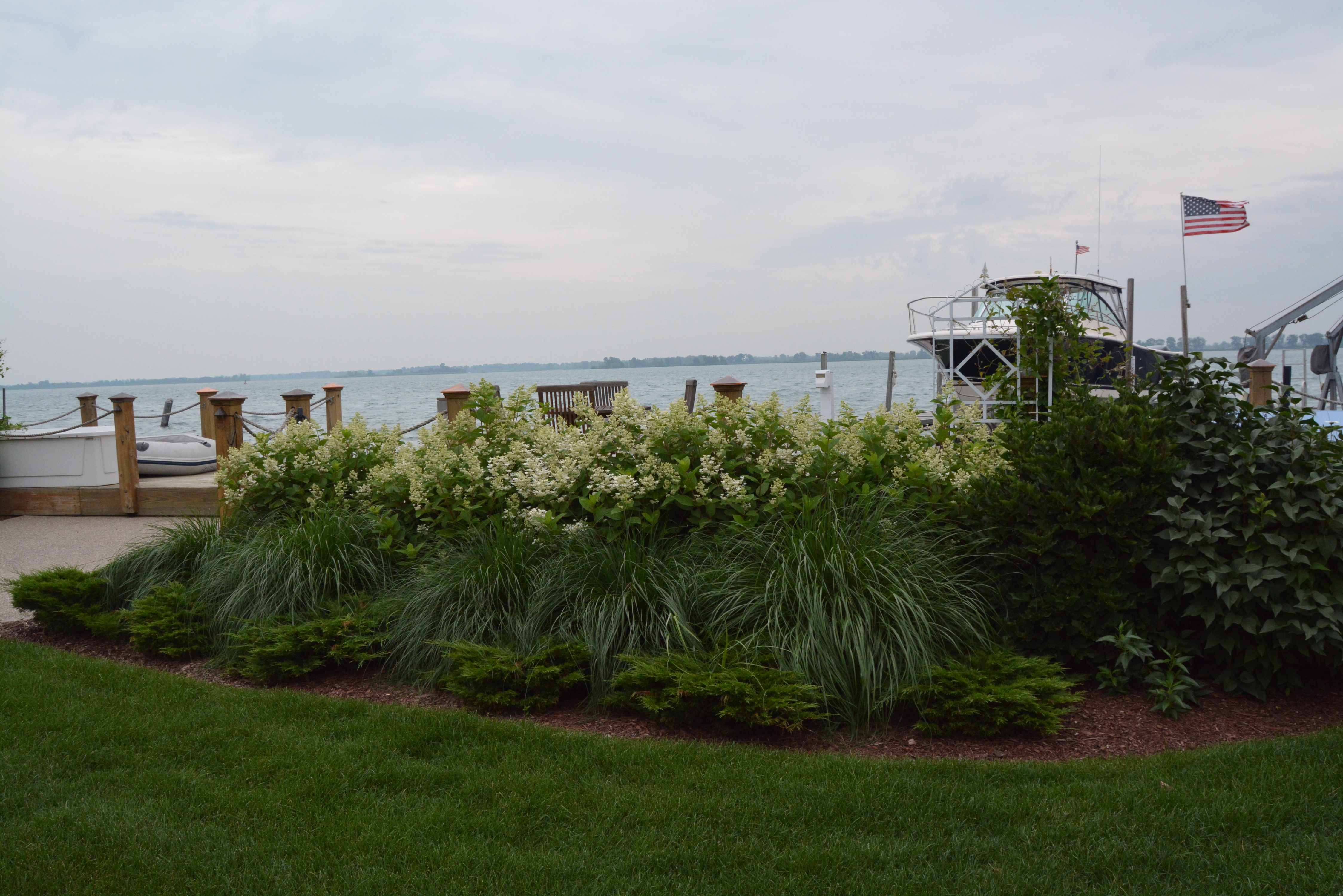
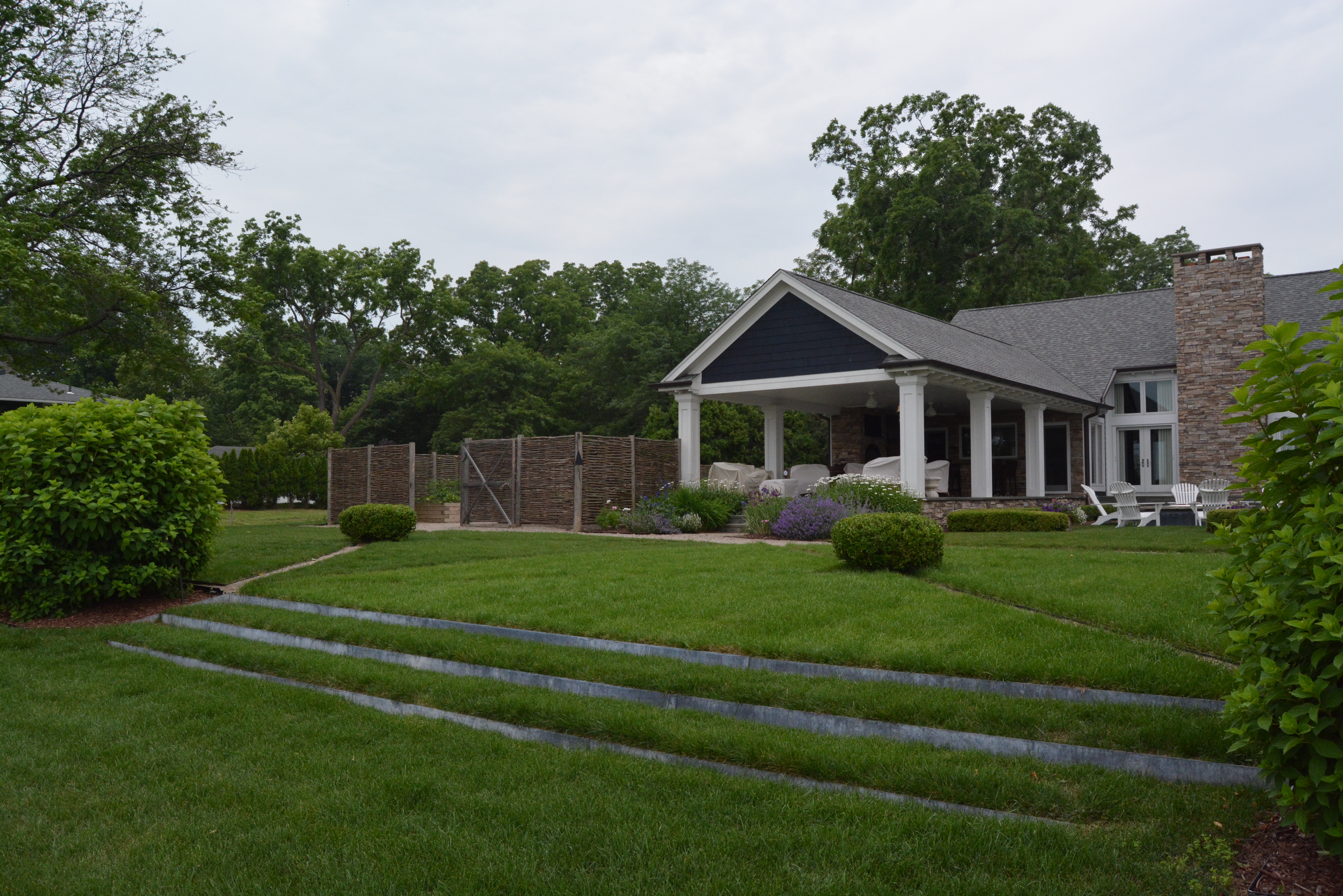
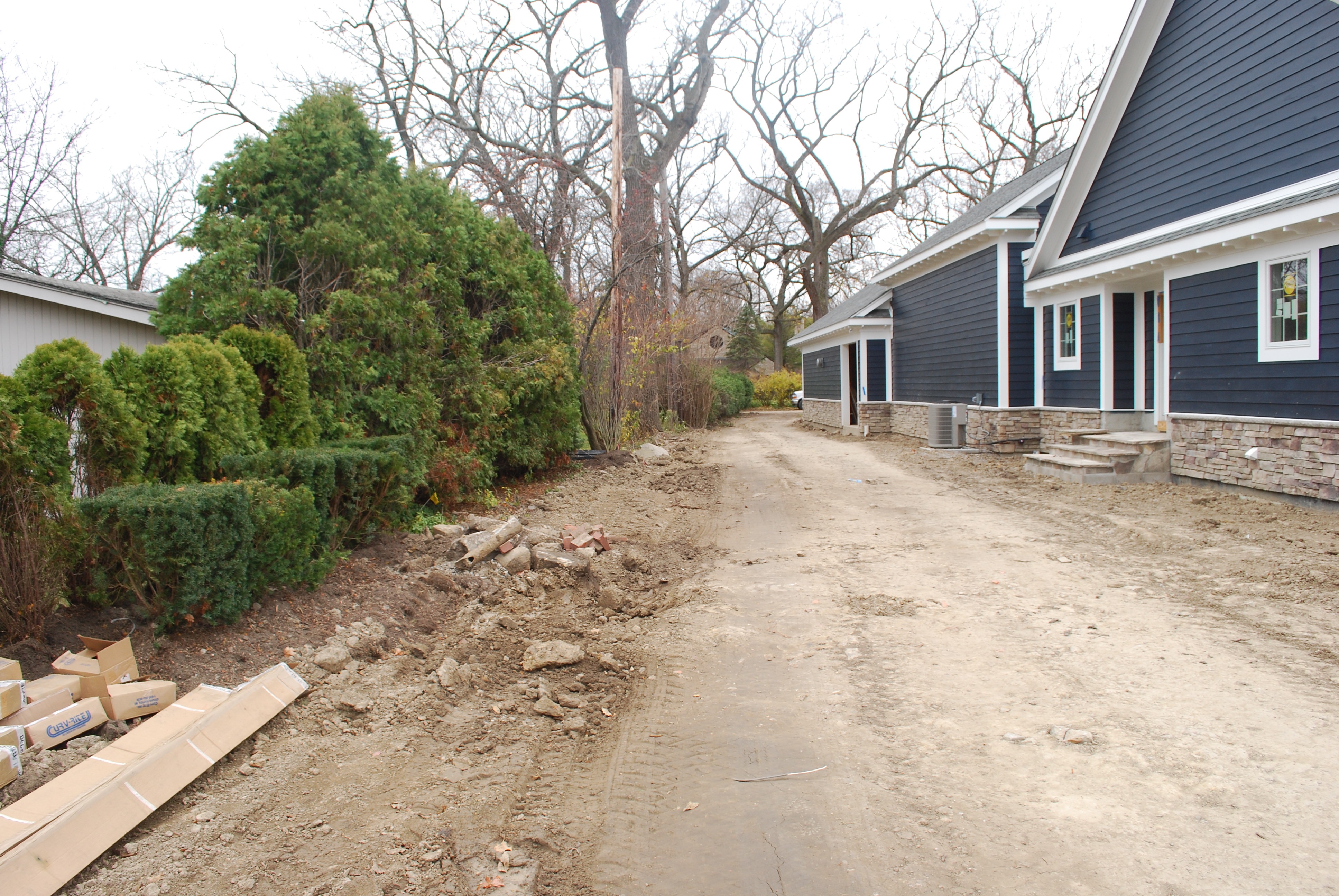
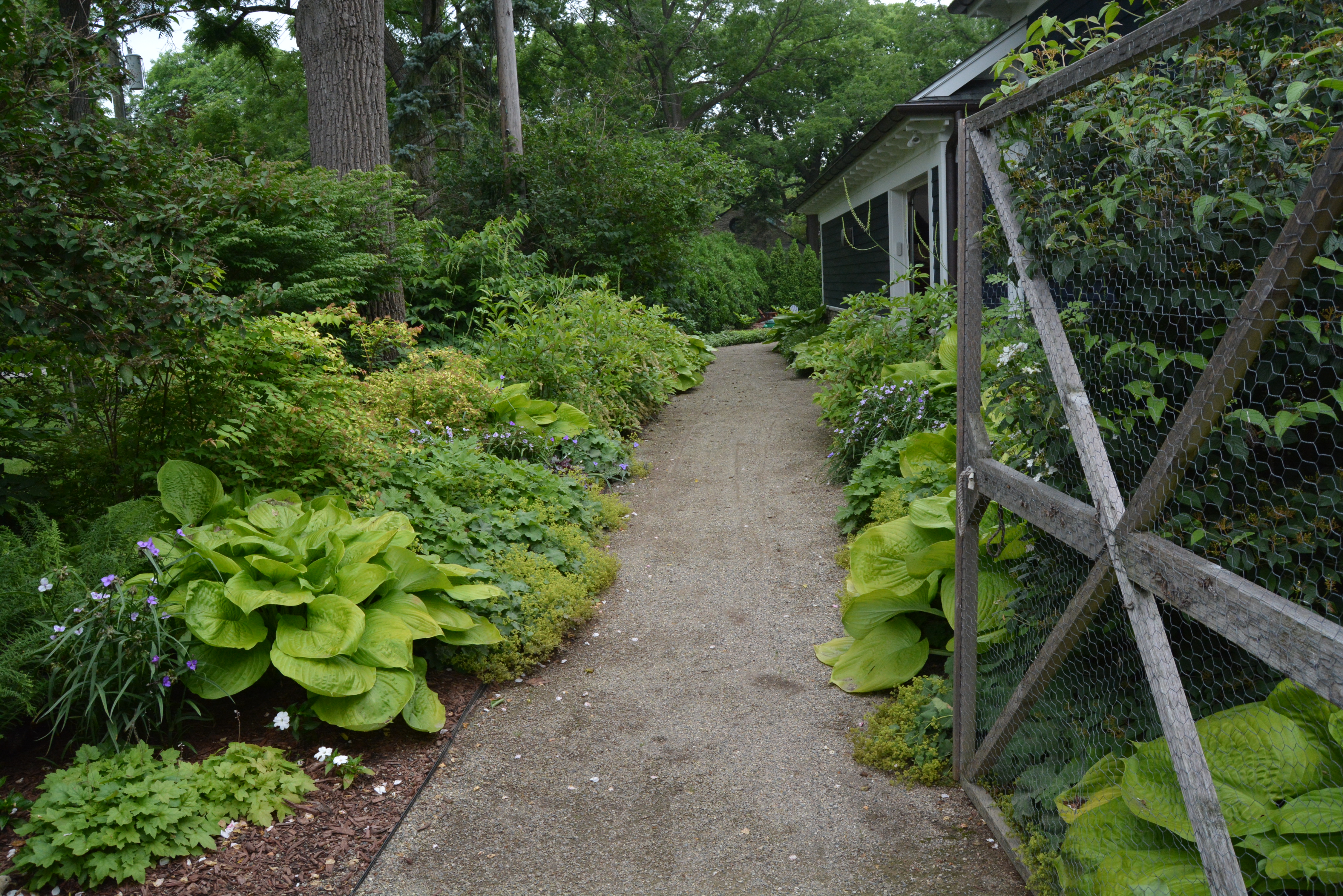
 The last two posts focused on the cultivation of hydrangeas. In short, what hydrangeas are available, and under what circumstances do they perform. Most of them are easy to grow, and willing. Some are marginally hardy. Some are not at all hardy in my zone. Some represent better than others. Growing hydrangeas is a much different and much easier topic to discuss than designing with hydrangeas. One could grow no end of them-as I do. I have 50 in my front yard. Putting them together in a coherent and satisfying way-this would be garden design. A garden or landscape design implies an idea, a scheme, or a plan. The purchase of a hydrangea is easy. Designing a place for it in a landscape-not so easy. Any plant that I have a mind to include in a landscape gets a thorough vetting. By this I mean-what does this plant require? How much space does it take? Where will it thrive? How can this plant be integrated into the whole? Once I have an idea for a space, is a hydrangea the best plant to express that idea? The picture above depicts a planting of limelight hydrangeas, before the bloom. This is the perfect moment to think over their addition to your landscape. Flowers can be very seductive, and distracting. A big growing coarse leaved shrub that needs plenty of space-that would be a hydrangea. A hydrangea planted in too small a space is like being occupied by an army-beautiful flowers notwithstanding. This is the simple and working description, not the romantic one.
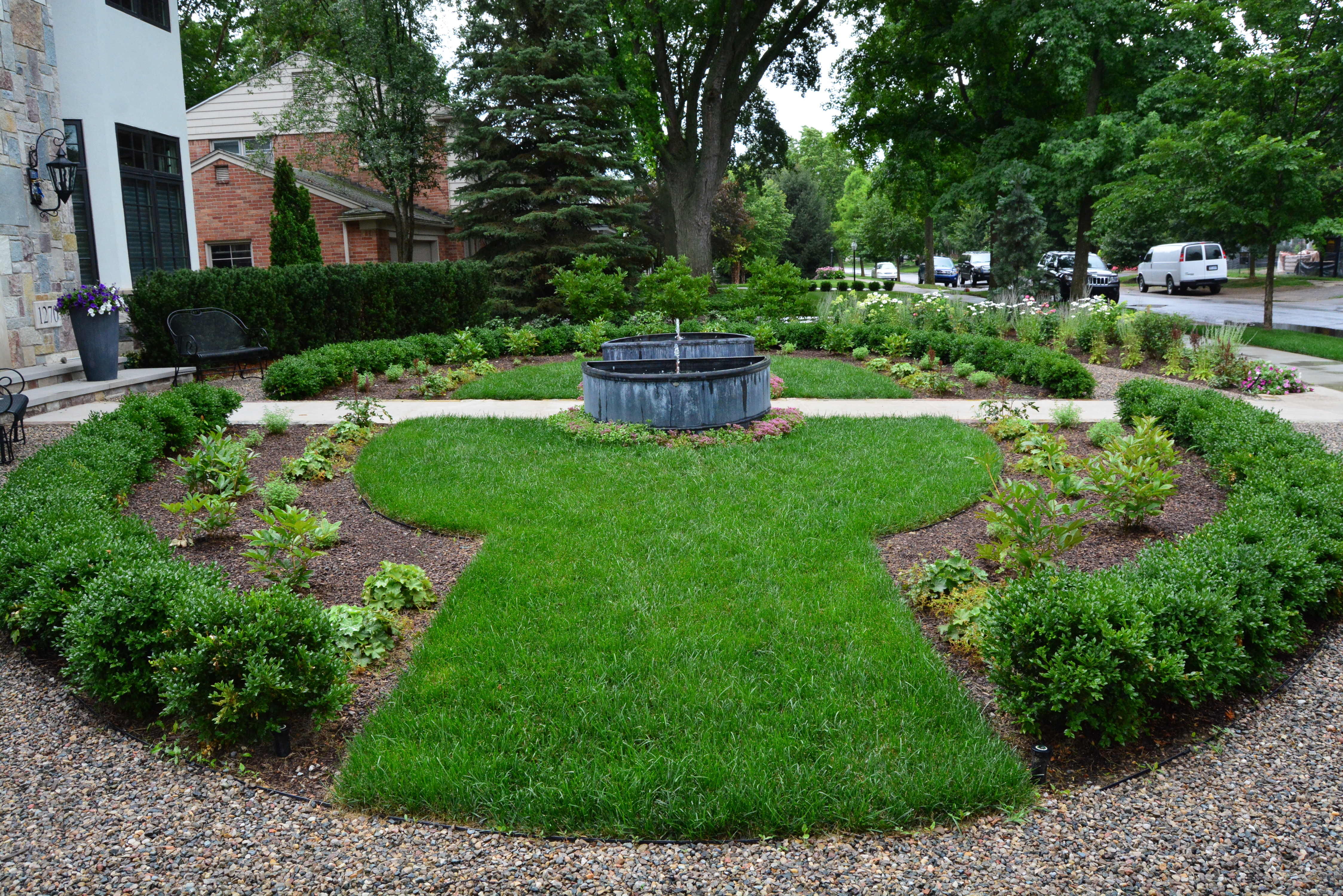
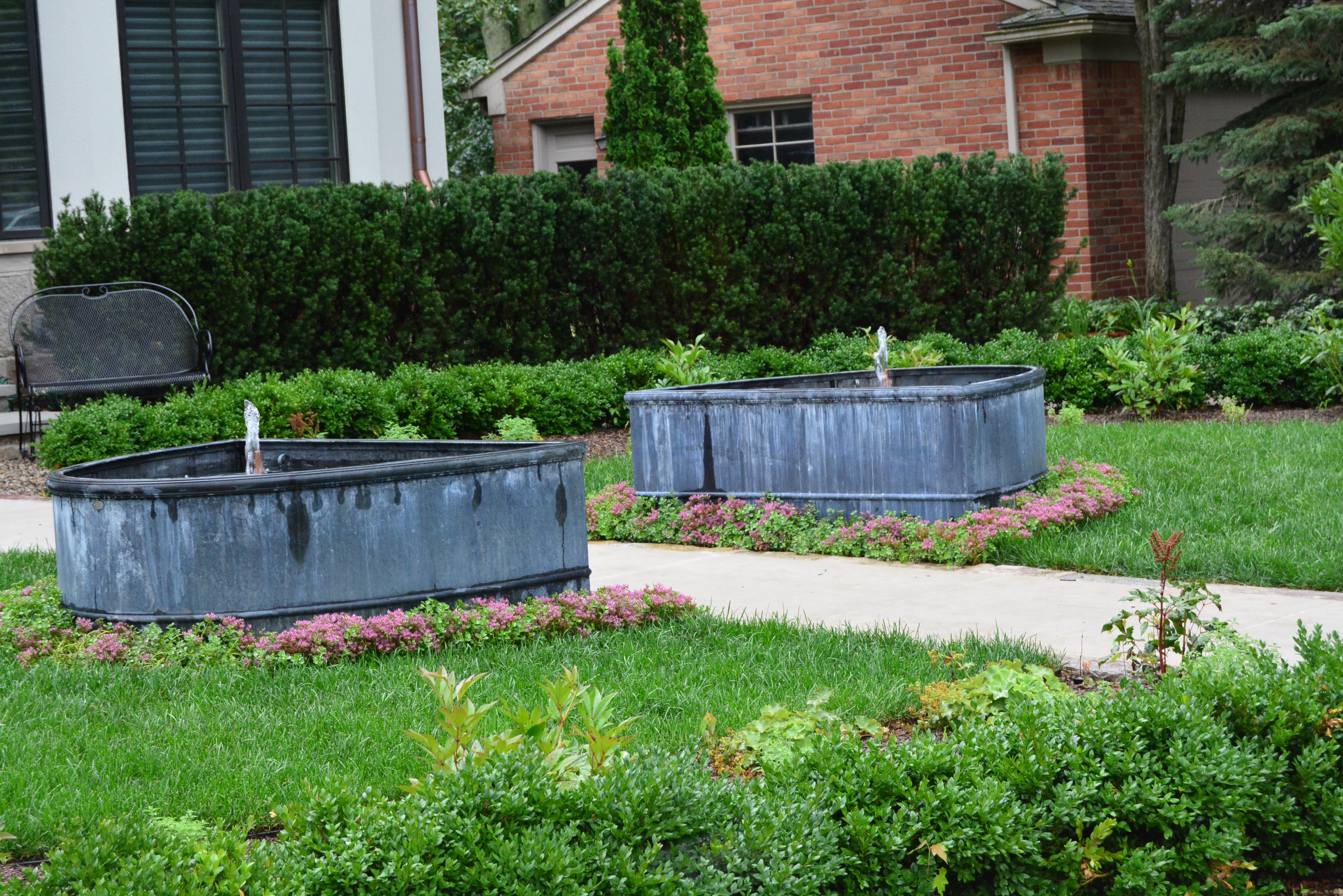
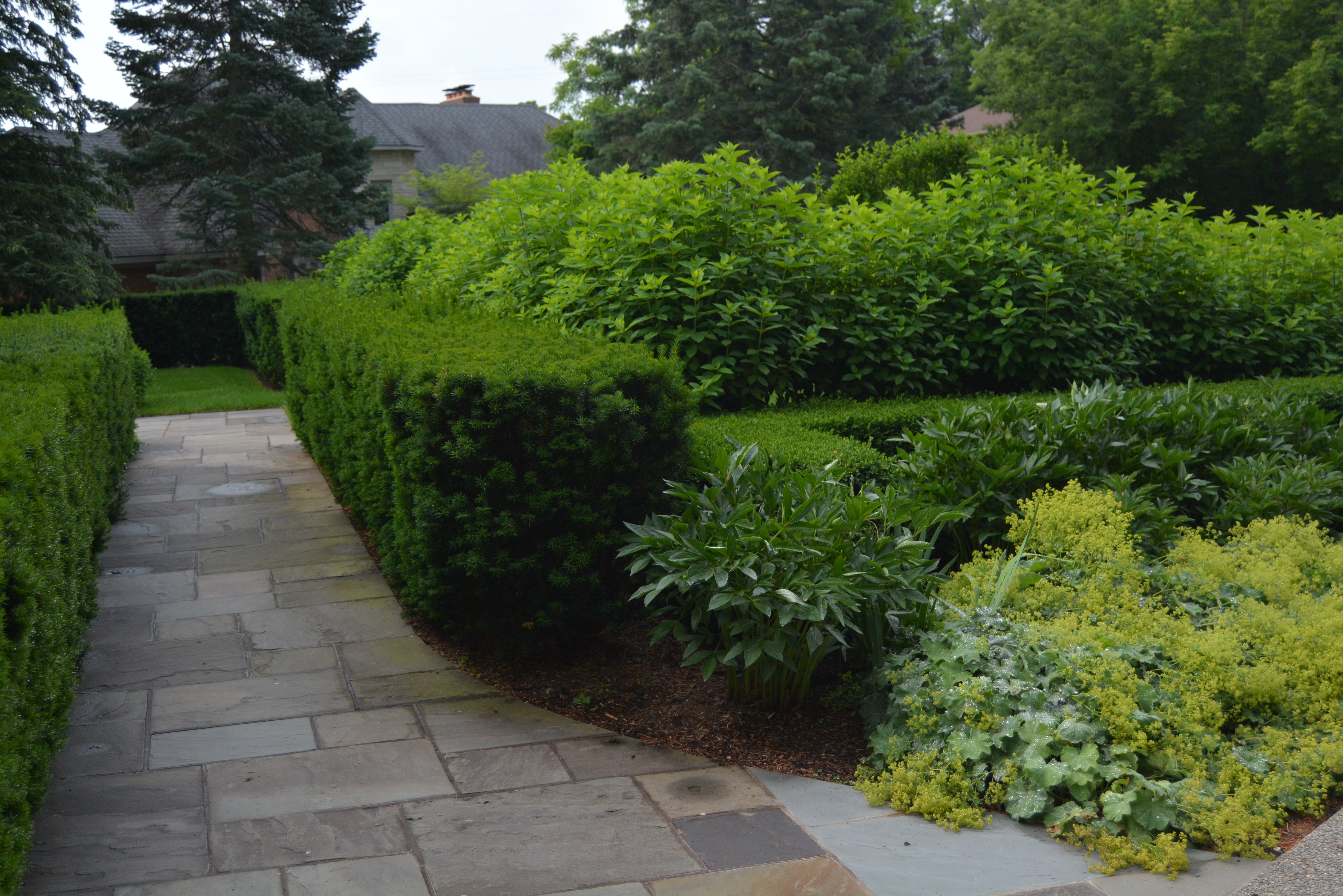 Flowers are just but one aspect to consider. There are the green times. The winter times. The fall color. The early spring. Make it a point to be intimately acquainted with anything you plan to introduce into the garden, should the overall design be important to you. This planting of hydrangeas works well with certain other elements in the landscape. The yews are dense, and clipped. The boxwood is denser, and more closely clipped. The peonies have big leaves. The lady’s mantle blooms at ground level in a sumptuous way. The hydrangeas? They preside over all-given their height and exuberance. Hydrangeas have a density and bulky aspect that makes them ideal for garden situations where they cannot overwhelm their neighbors. Small leaved or delicate perennials can be visually and physically overrun by a neighboring hydrangea. Stout evergreen hedges can give a crisp look to a blowsy growing shrub. Yews can help support the lax stems of hydrangeas.
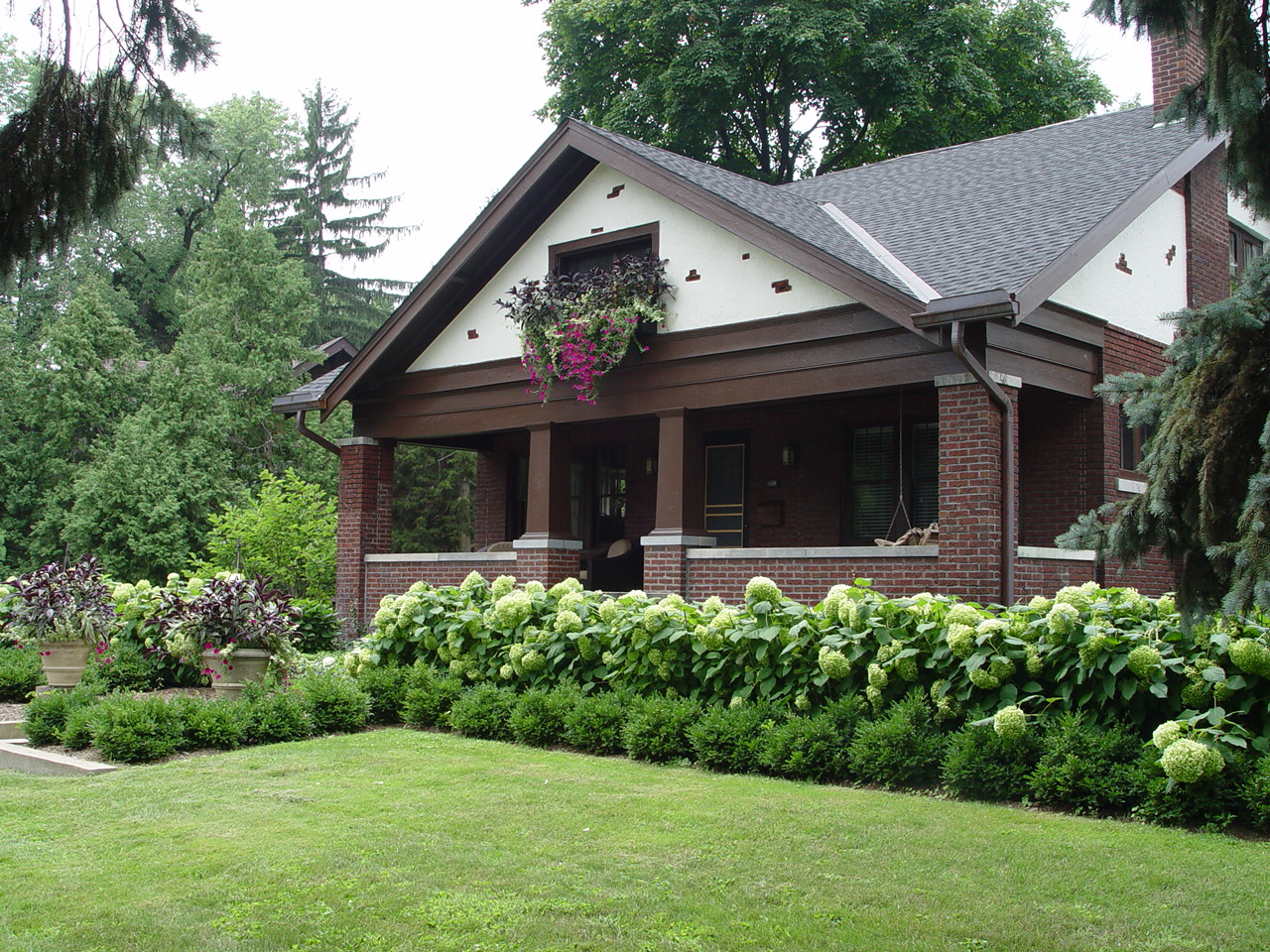 Annabelle hydrangeas will flop over in an instant. If you plan to make them part of a landscape design scheme, stake them early. This client loved the big growing rangy shrubs with their giant flower heads-but he equally loved the design of his landscape. These Annabelles were staked first thing, in the spring. The boxwood provides an orderly edge to the space. They also provide some green interest in the winter months.
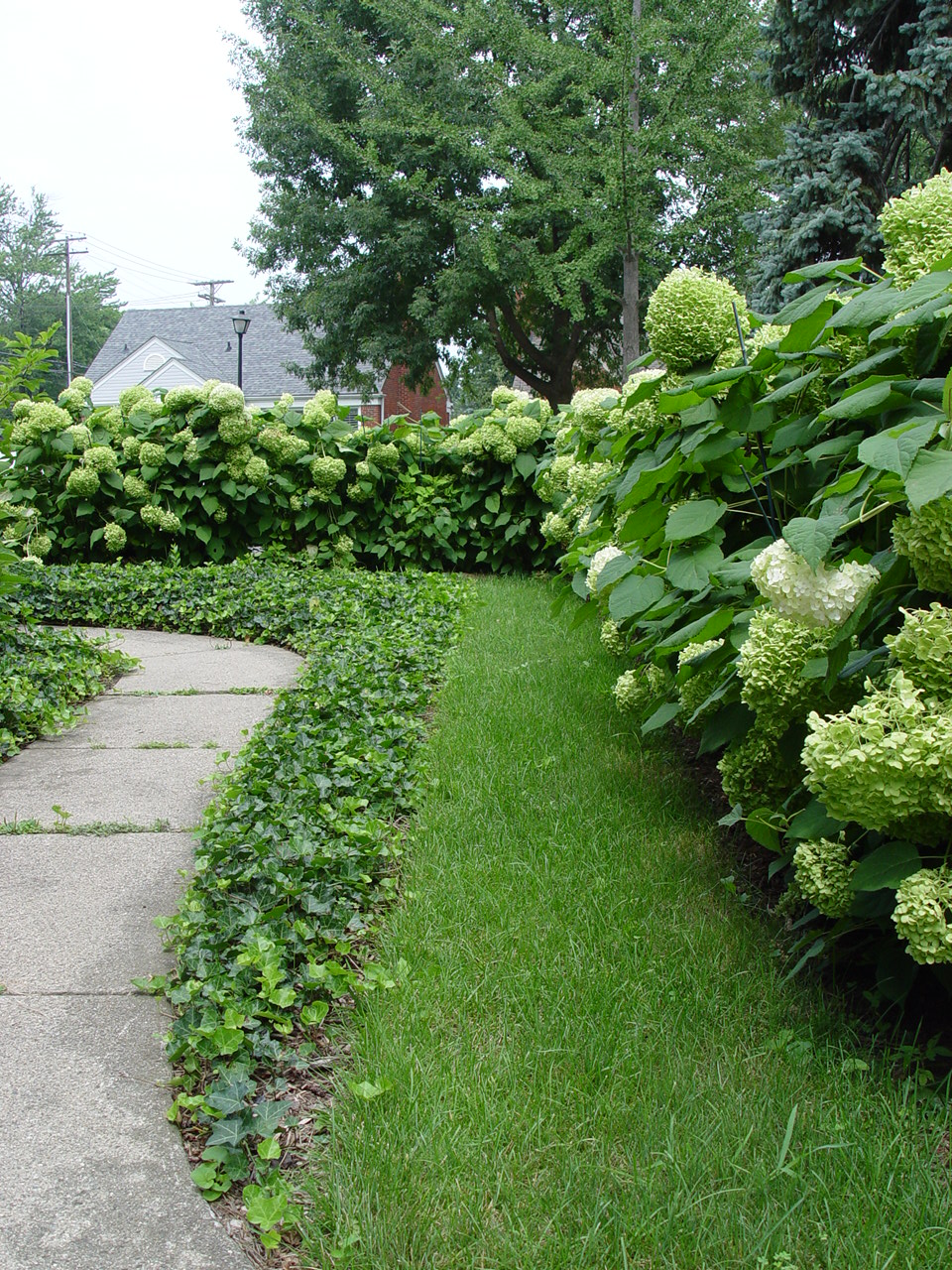 Hydrangeas are big growing. They need lots of space. This planting of Annabelles has a grass border. The slender simply textured blades of grass contrast and highlight the big leaves and rangy growth of the hydrangeas. The ivy was part of an existing bed when we renovated the space-I did not see any reason to get rid of it. The texture of the grass with the hydrangeas is more pleasing than the texture of baltic ivy.
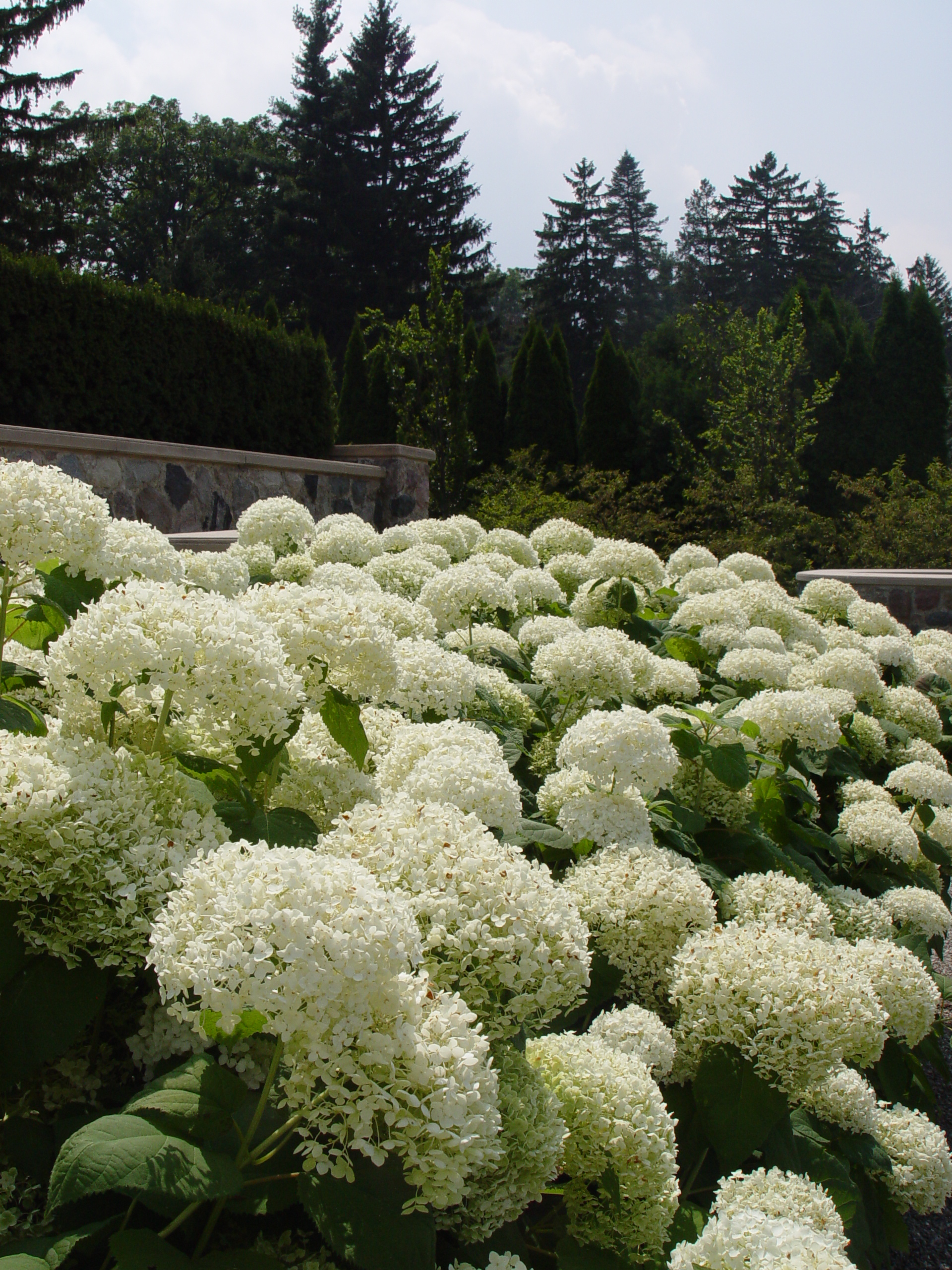 The flowers of hydrangeas are overwhelmingly beautiful. And overwhelming. They need a big space to be. They are a perfect match with massive architectural features, as a stone wall or flight of stairs. Their sheer bulk, strong presence and white flowers makes them ideal for expressing a long sweep, or directional line in a landscape. The white flowers make a great backdrop for other flowers, either perennial or annual. Their height, which can be somewhat controlled by pruning, makes them ideal for facing down other larger landscape elements, like trees.
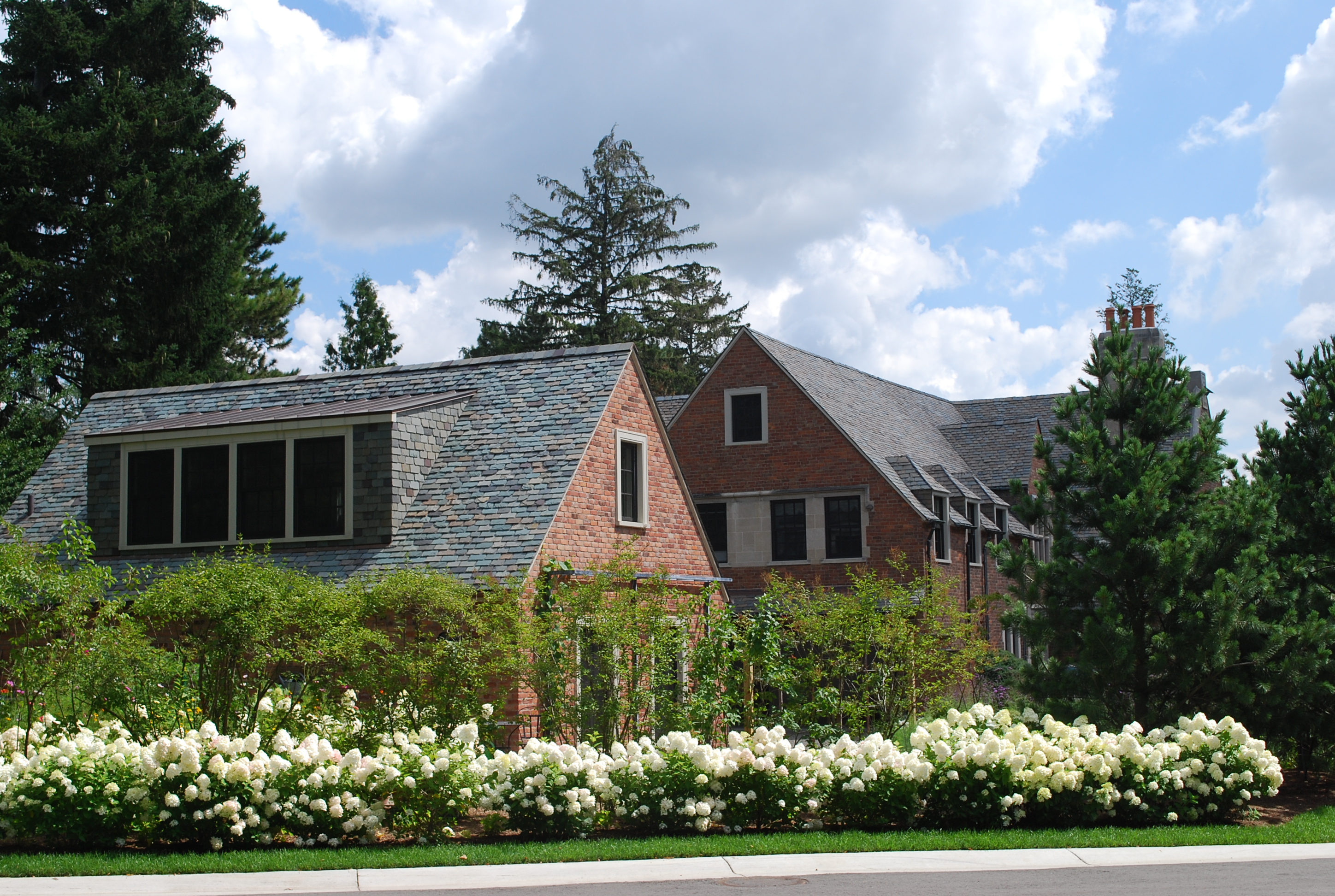 A hedge of Limelight hydrangeas is a soft way of defining a space. You need the room to let them grow up to be what they are destined to be. A long run of them can enclose a space, in a friendly way.
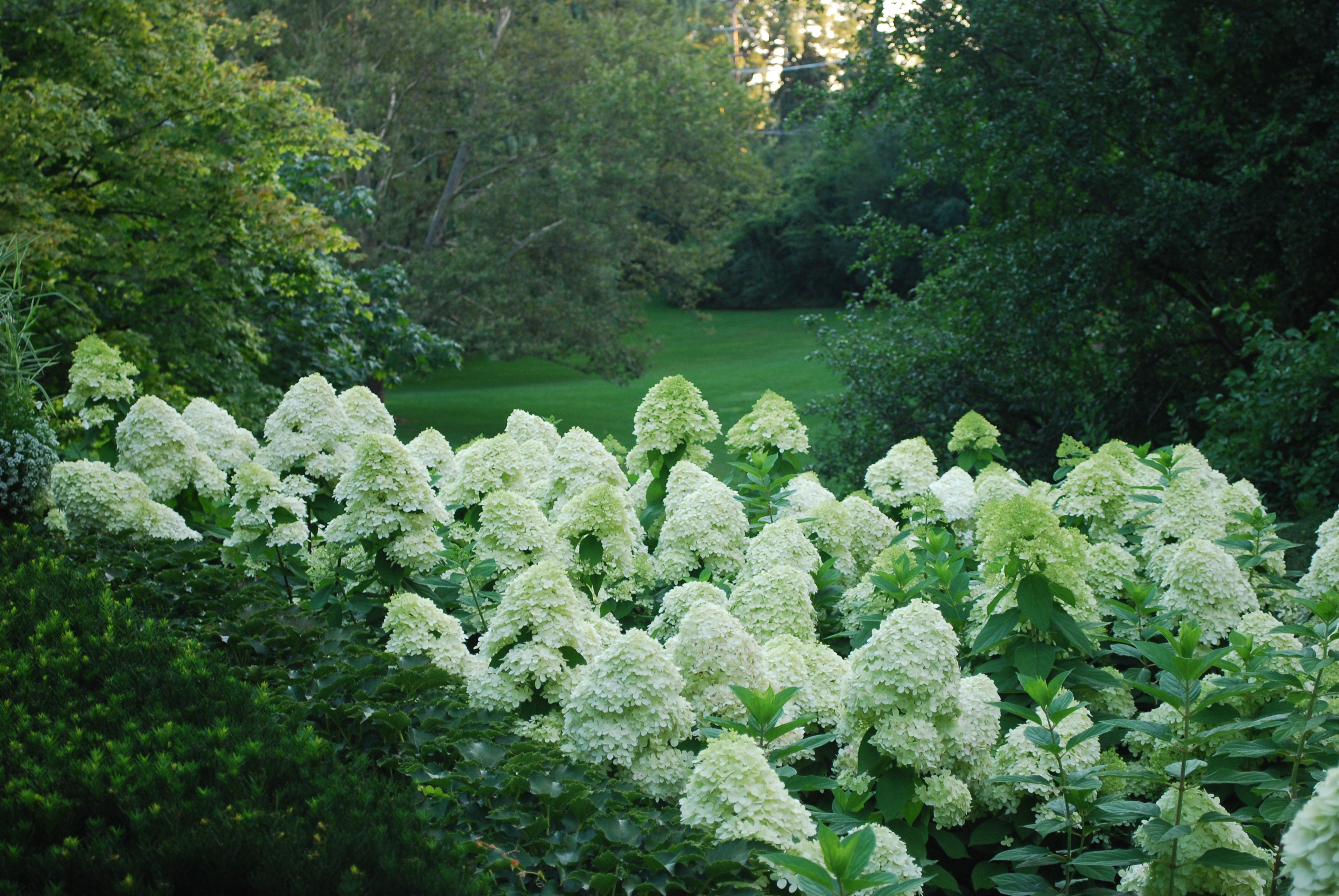 A landscape dominated by evergreens, and deciduous trees at a distance, can be leavened, brightened, by hydrangeas. The leaf is a medium green, and the white flowers can be seen from blocks away.
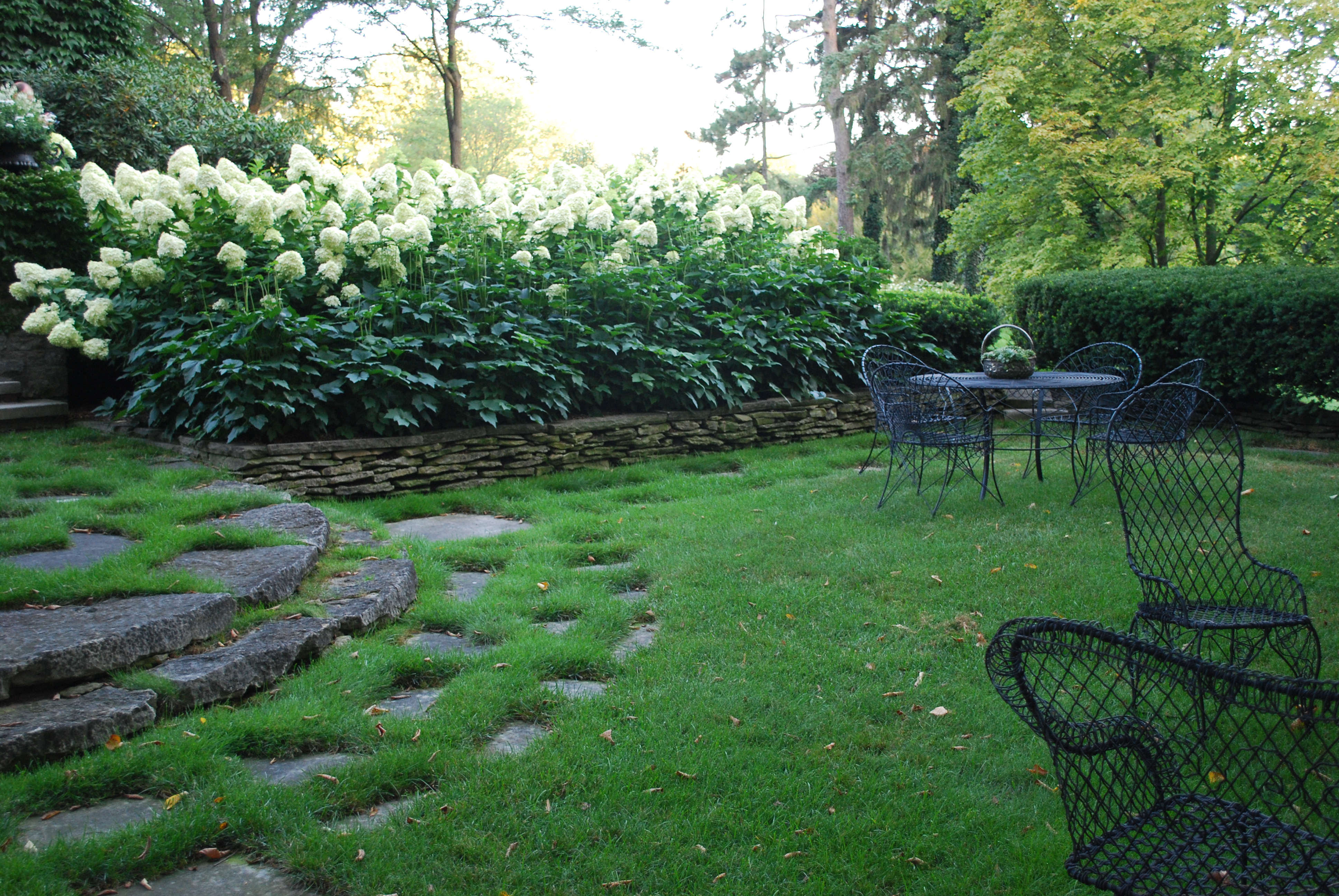 Hydrangeas develop woody legs, over time. Face them down with shorter growing ornamental grasses-or in this case, Honorine Jobert anemones. Your design may ask for layering. A design is not about this plant, or that plant. It is about a community of plants, the interaction of all with the weather and the seasons.
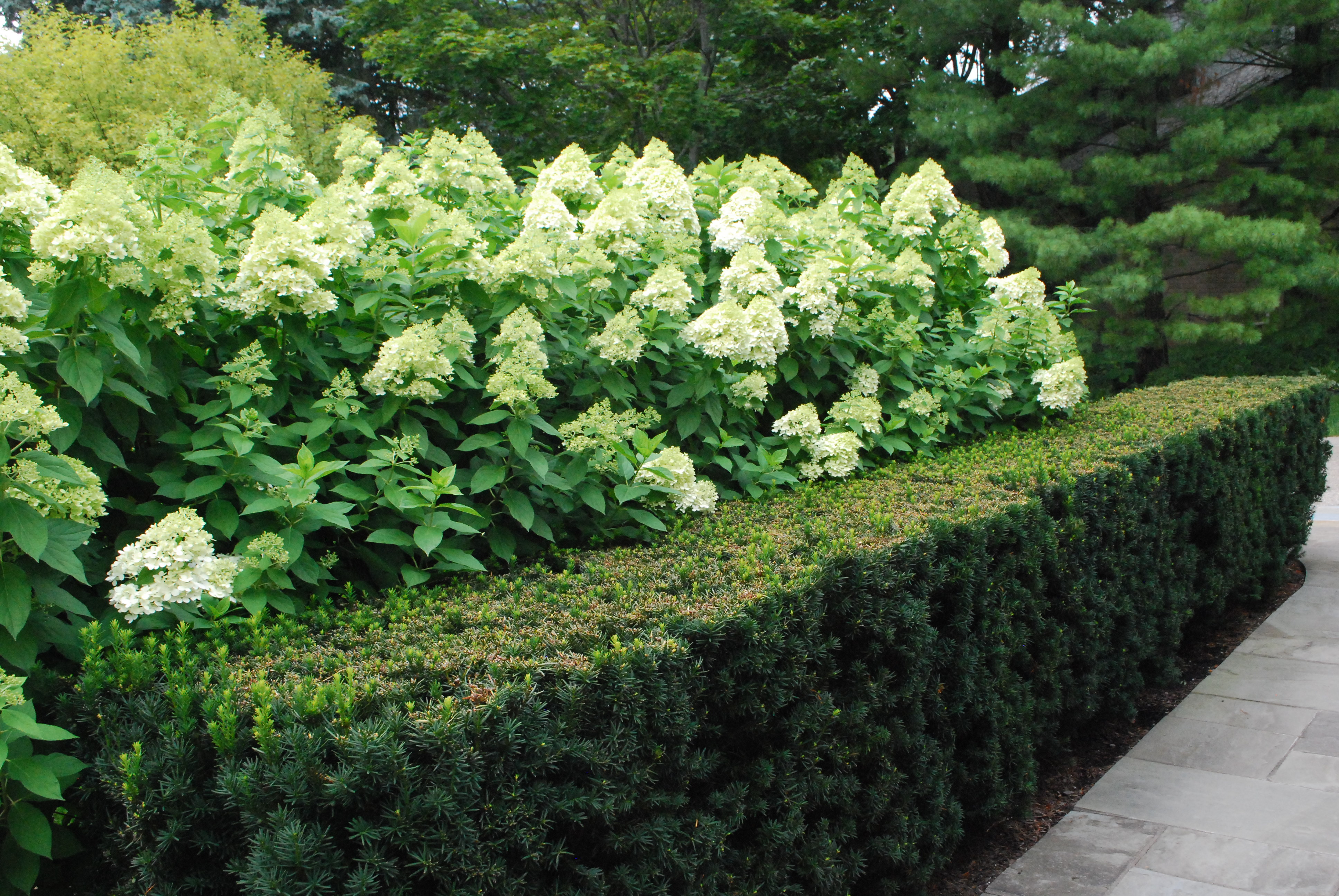 Great design is intimately associated with the relationship a designer assigns from one plant to another. The relationship of the plants to the space. What defines that relationship? Color, mass, texture, line, volume, weather-all of these design elements figure into the design of a landscape. A design that accommodates, makes use of, and features the habits of the plants involved is design that is visually sensitive.

The most important element in design? The gardener in charge. It is easy to grow hydrangeas. It is much harder to design successfully with them. But when the design plan is well done, a beautiful shrub goes on to help create a breathtakingly beautiful space.