October Light

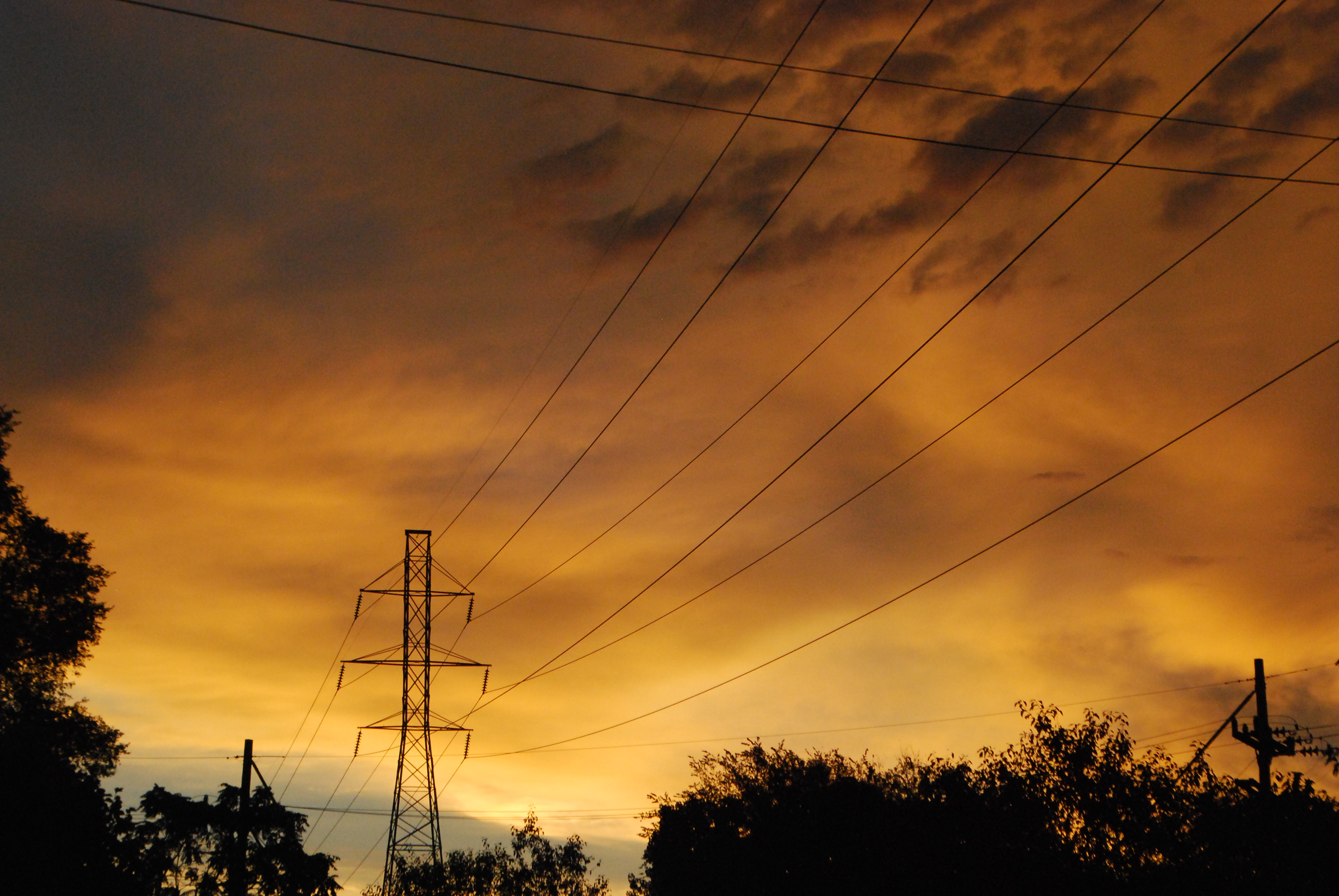
The picture I took of the sky this morning does not really capture that glowing gold and pink light that warmed everything in the landscape it touched. October skies have those moments that can take your breath away.  This beautiful light blew in like a sudden squall-I could see it would not last long.    
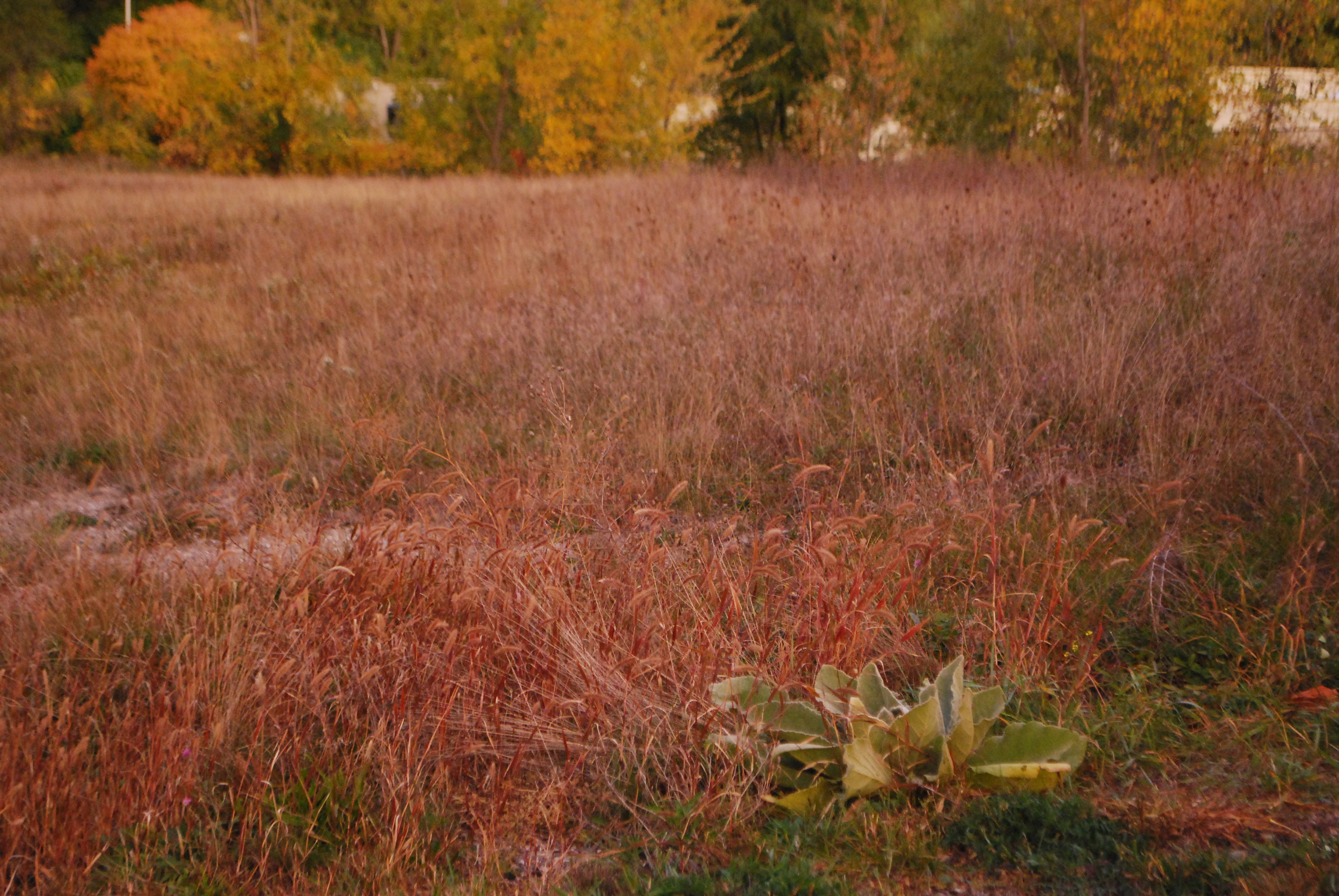
The field next door was awash in pink gold light.  So beautiful!  The intense quality of light in a sunny summer garden is very different than the filtered light of a spring shade garden.  The flat light that characterizes our gray Michigan weather is a far cry from this golden fall light.  When you design, think about what light will do for, or in spite of, your composition.
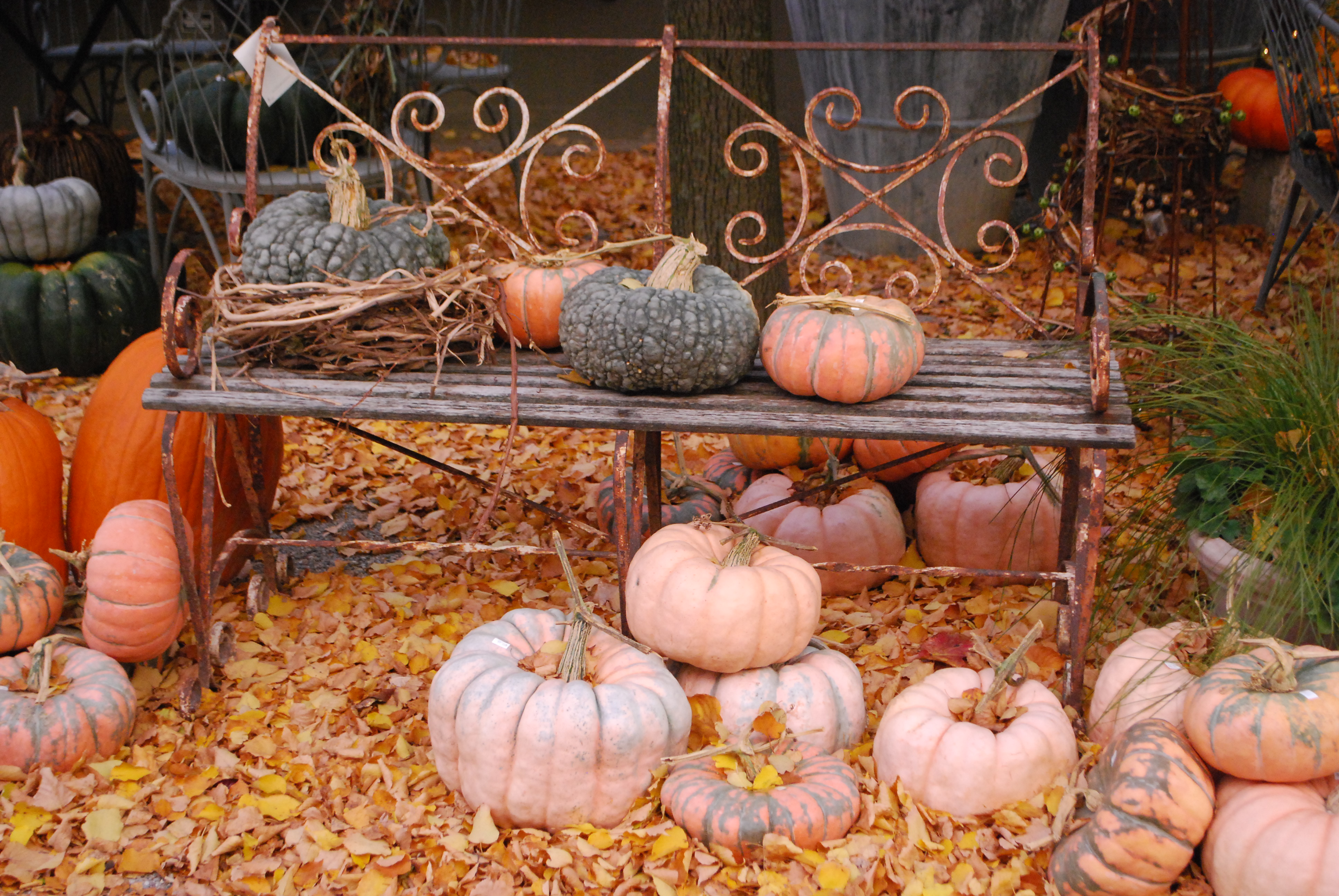

Light dramatically affects the appearance of a garden or landscape.  I read, and I look at no end of photographs of landscapes.  A landscape photographed under that very special and ephemeral October light looks dramatically different than a landscape photographed in the glare of the summer sun, or the gloomy light of winter.  Plan for both. 
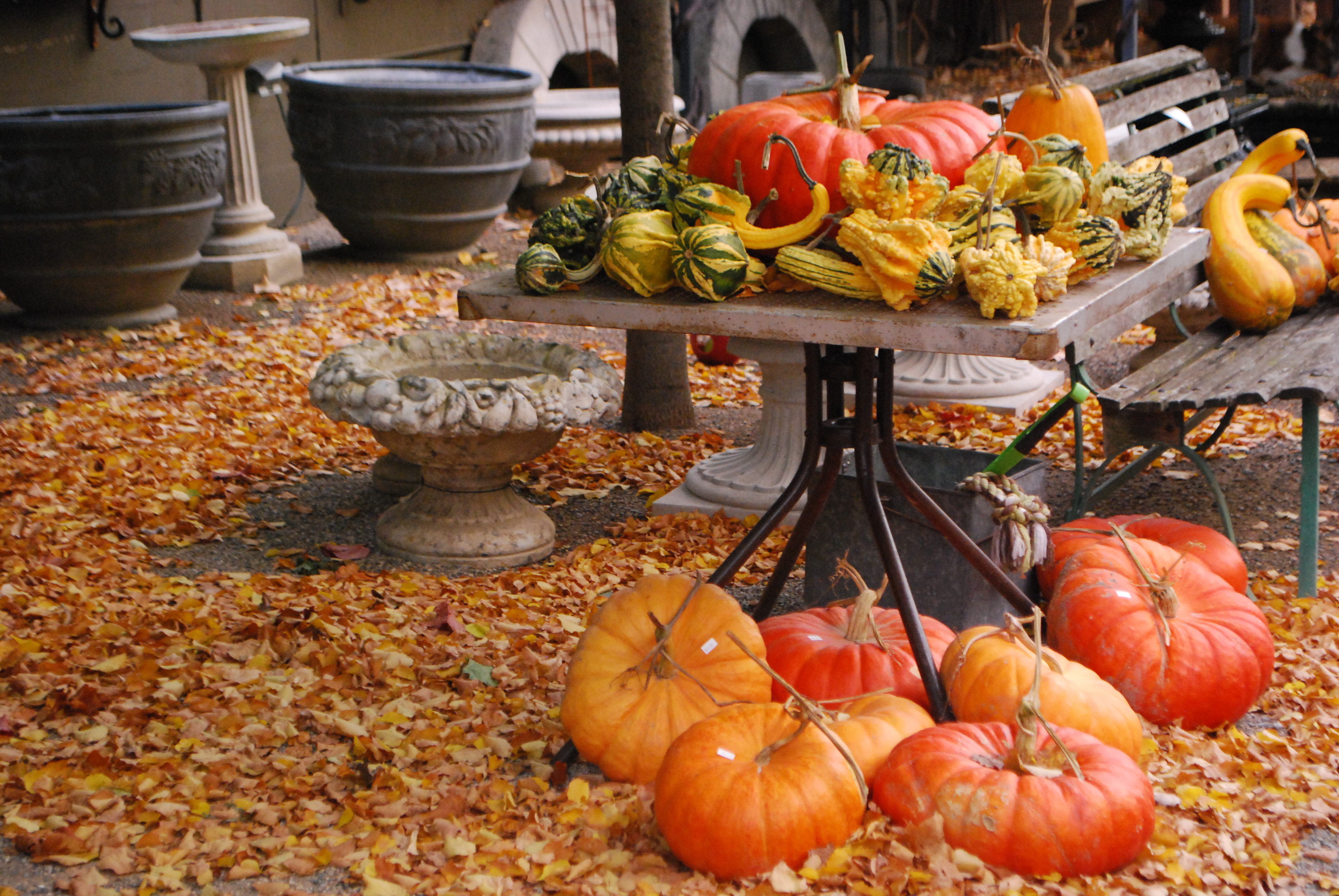
I do think light is a key element in good landscape design.  Dark areas may ask for chartreuse leaves or white flowers.  Bright areas may ask for something entirely different.  Dark foliage and shapes may benefit from a sunny placement.  Great landscapes stand up to, and engage whatever light is the daily special.  In any event, a consideration of the light, no matter the season, should play a considerable part in the design process.  When I photograph a garden or landscape, I wait for that natural light that will make for the best picture.  But I cannot count on that light for more than a moment. 
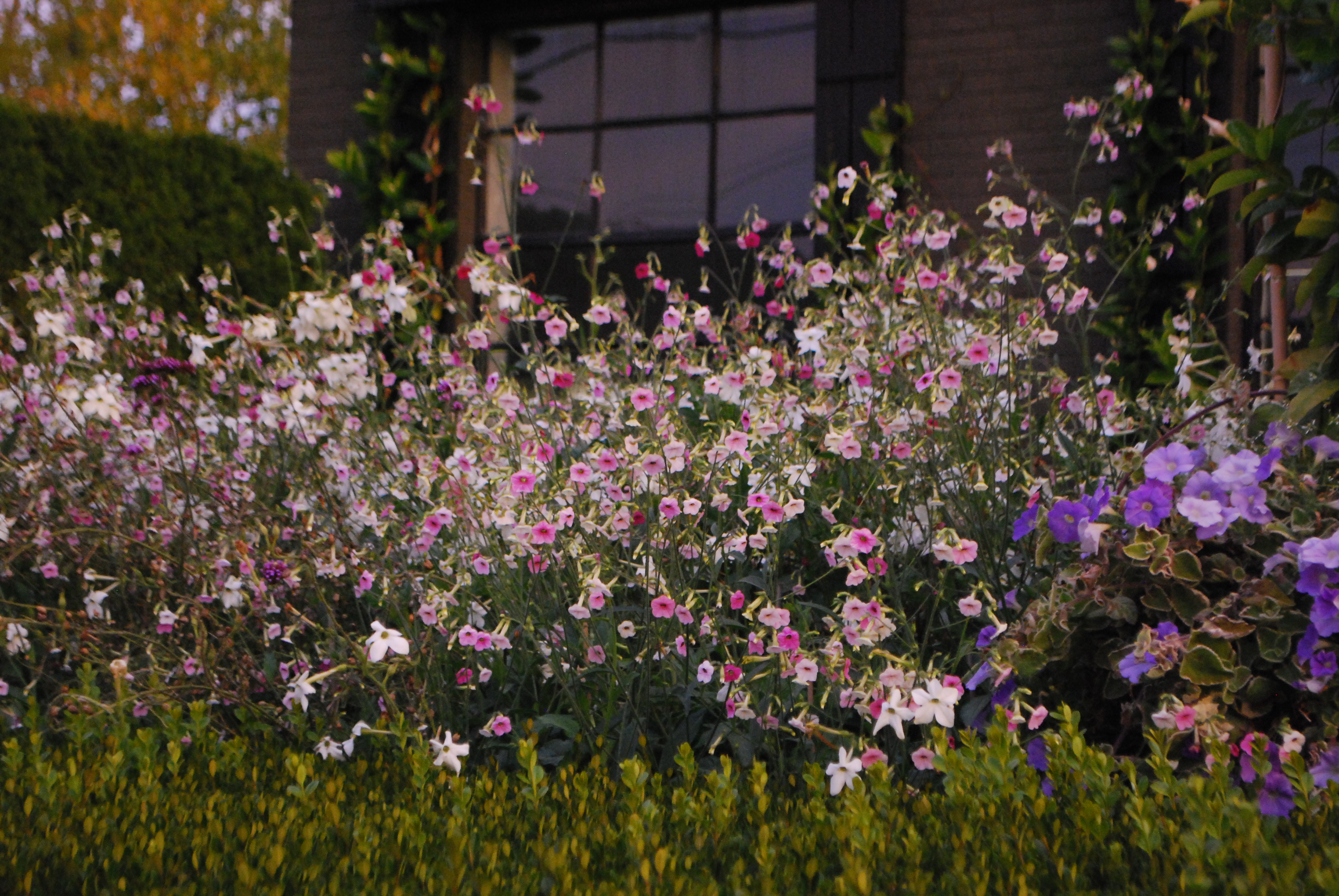
The nicotiana in the shop garden has been delightful since late May.  Who knows why the planting was never plagued by aphids.  I amazed that they did not go out of bloom entirely during this summer’s scorching heat.  This level of investment in nicotiana was in spite of my better judgment.  Who has any idea how a plant will fare in any given summer season?  I bought a ticket with no options for a change or upgrade. I was lucky.  The nicotiana still looks beautiful.  In the light this morning, this mass of nicotiana looked great.  I was faithful about the water, and the care, but how they look in mid October-much about the nature of the season and the low light.
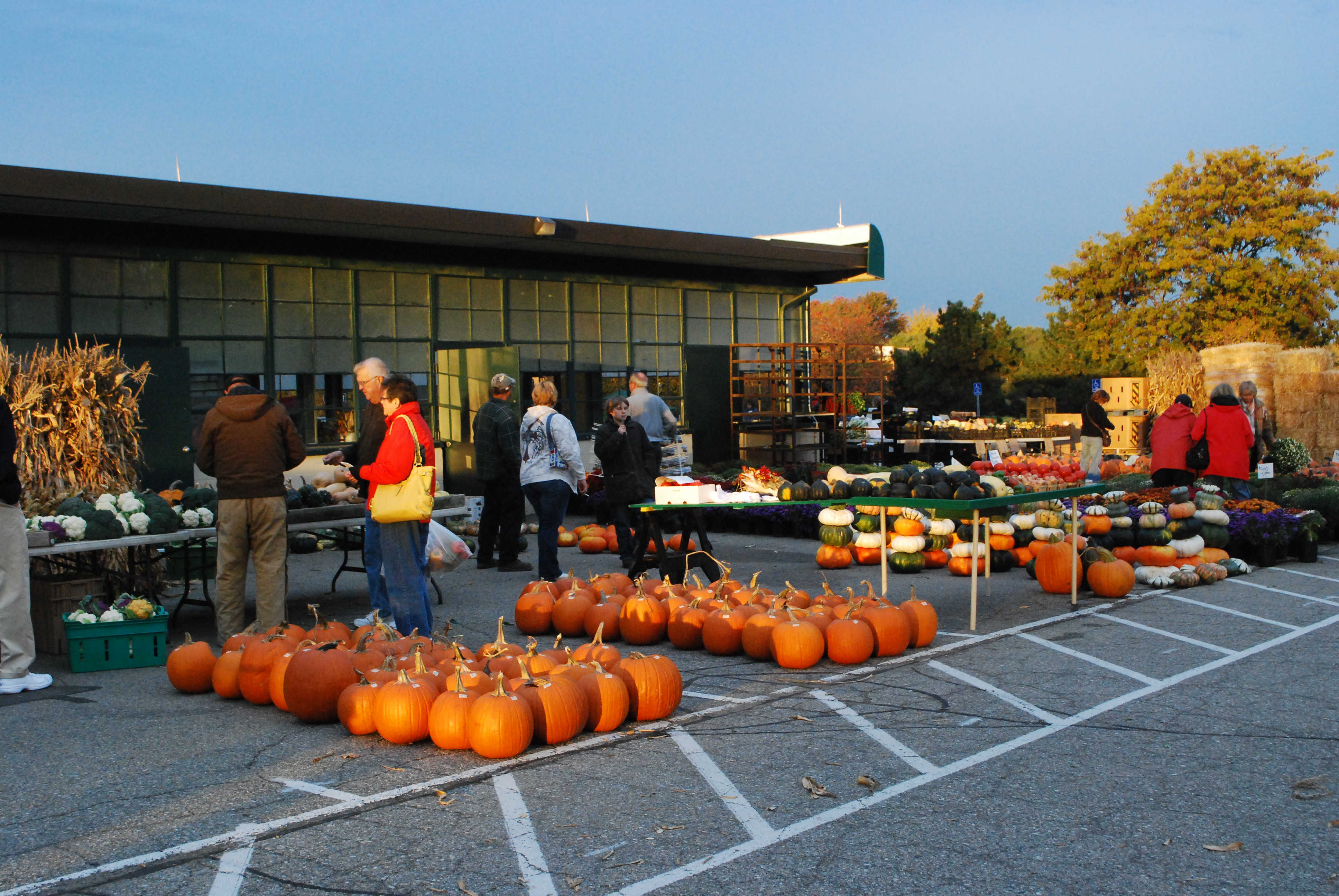
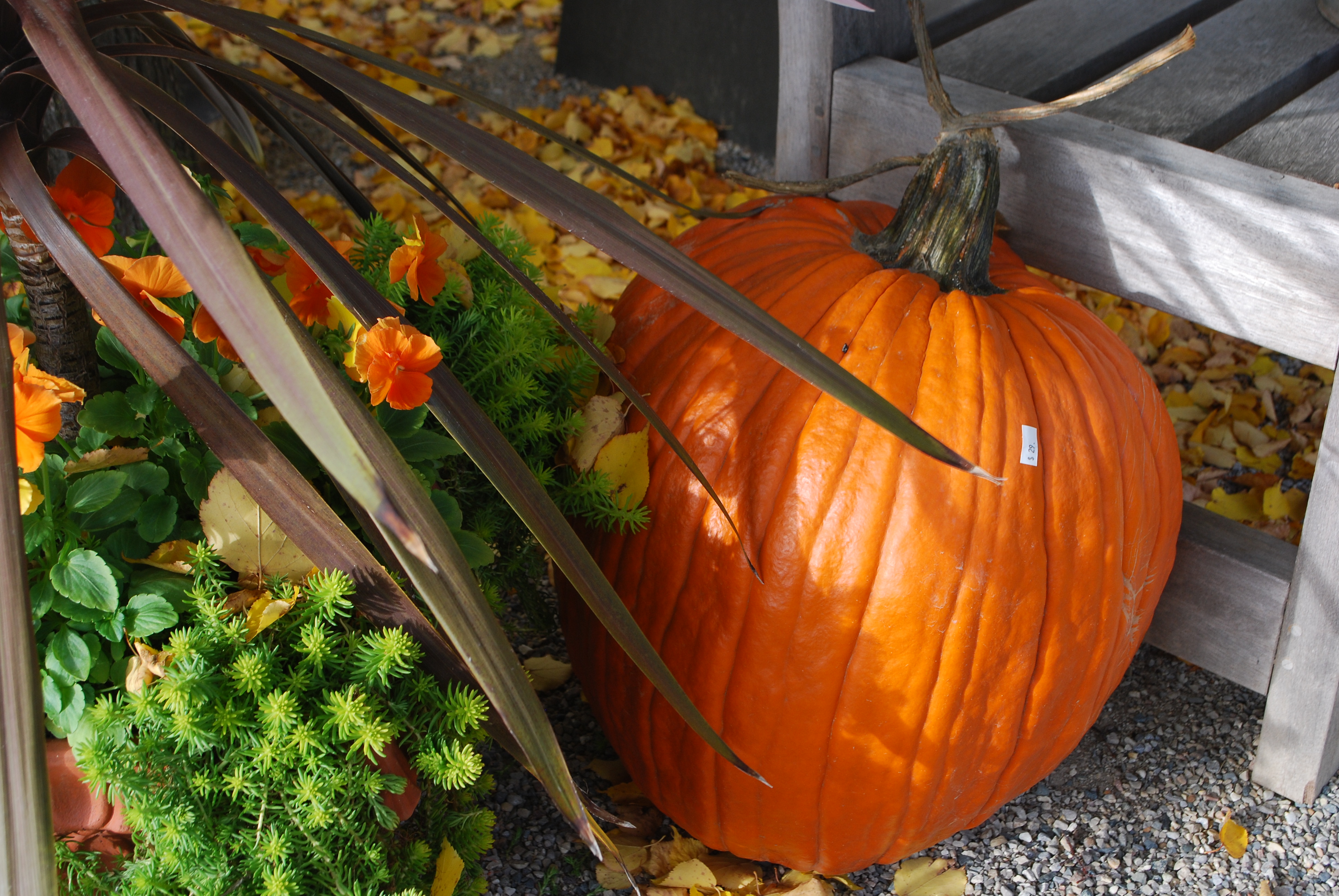
Our farmer’s market was similarly endowed by the gorgeous October light this morning.  Every pumpkin was on fire-irresistable in form and color.  Light does an incredible job of describing forms.  Hve the idea to assess the effect of light?  Look at your landscape every day, in all kinds of weather.  A tree viewed from the front side of the light appears incredibly different than a tree which is back lit. The low angle and intensity of the early morning golden light made everything in my immediate view look good-vibrant and juicy.    
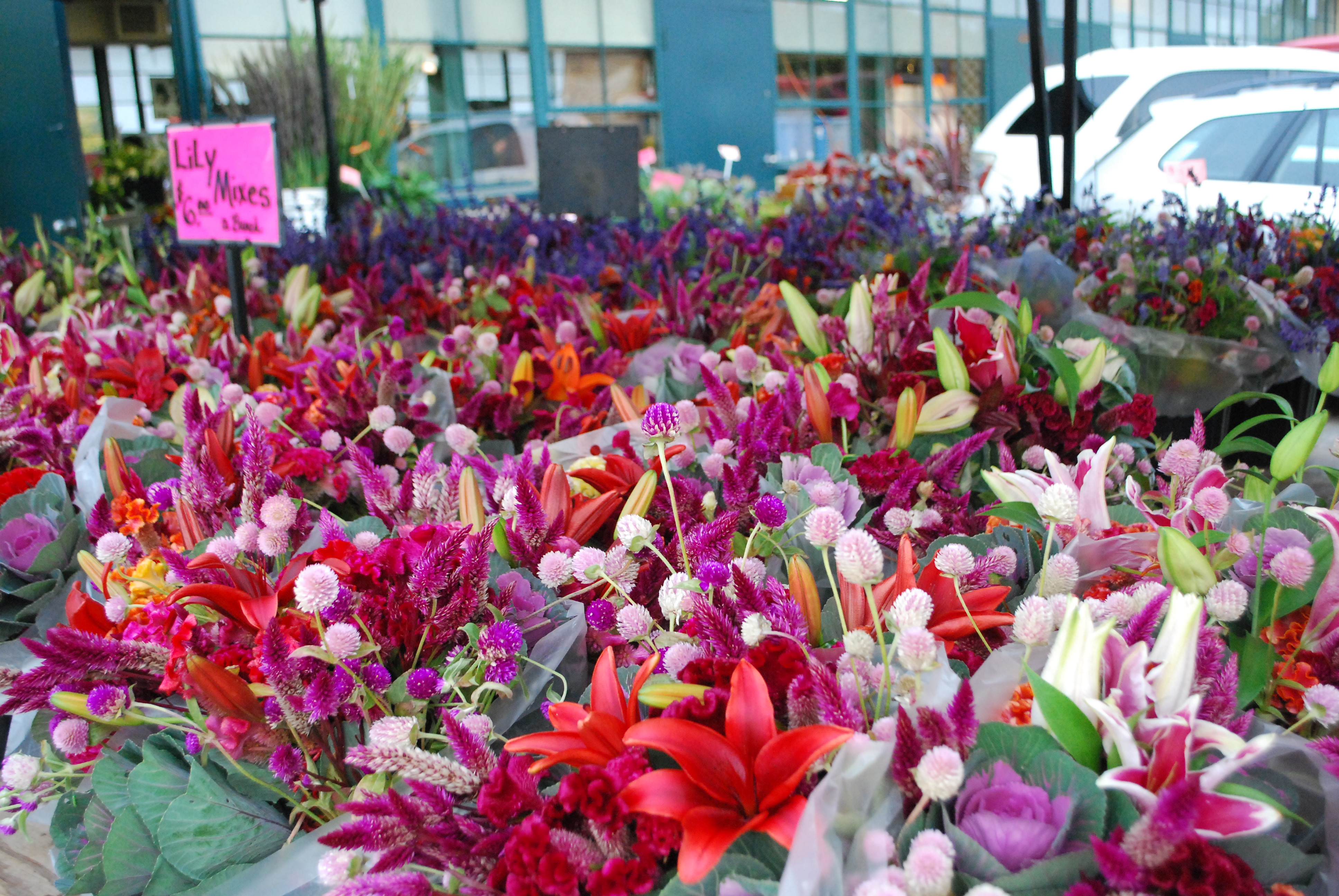
Julie’s Floral at the Oakland County Farmer’s Market specializes in fine and unusual 4″ plant material, water plants, vines, dahlias, and topiary plants from the very beginning of the market summer season to the end.  They also grow cutting flowers.  The light this morning made their flowers glow.  Did I buy?  Oh yes.     
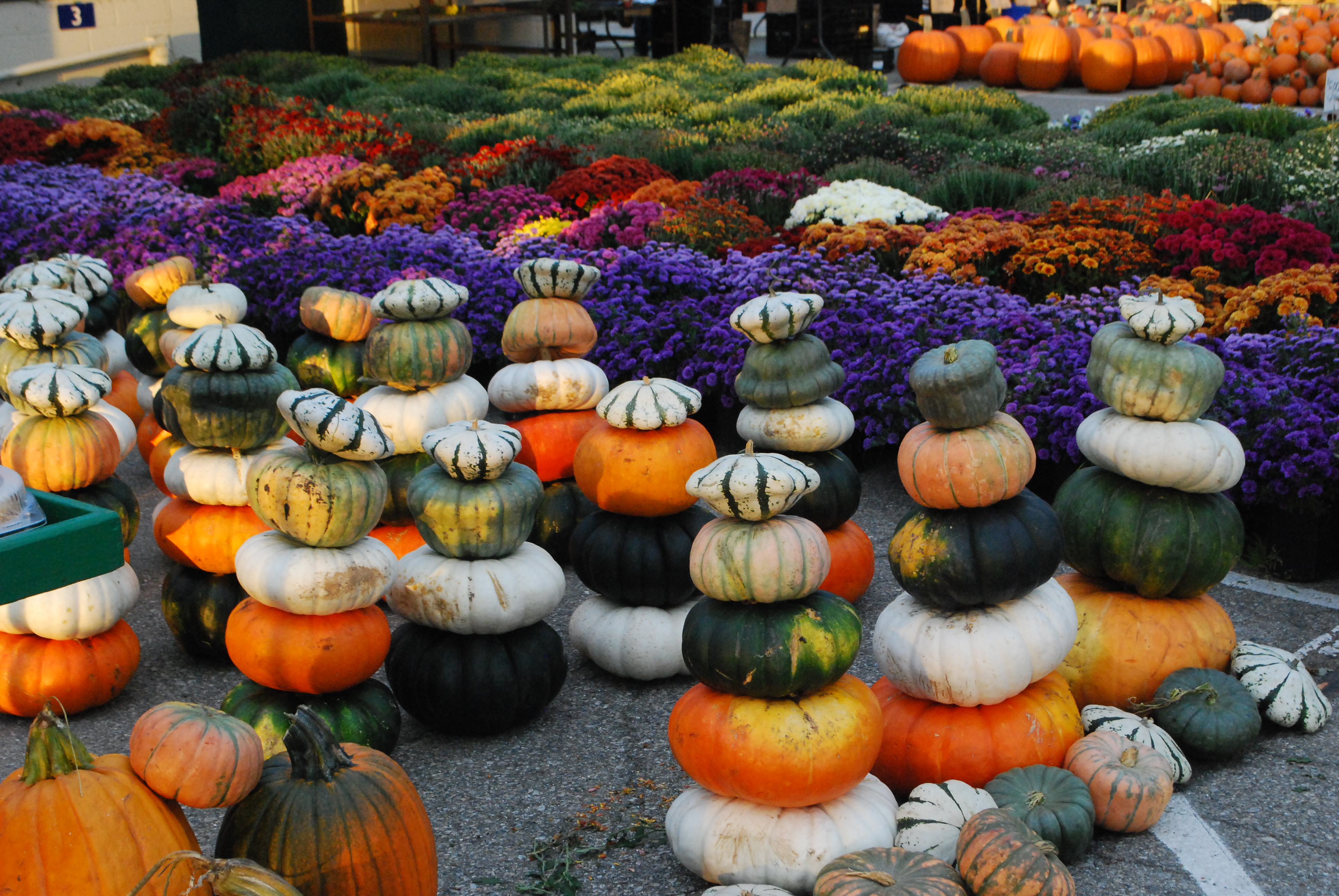
This group of pumpkin stacks looked especially good this morning. A stack of pumpkins is not so much my thing, though I would applaud the sculptural look of a 10 or 30 of stacks.  Set level, and in a shape or arrangement that enchanted my eye.  Some expression asks for lots. The sculptural look of these stacks this morning was much about the light.  
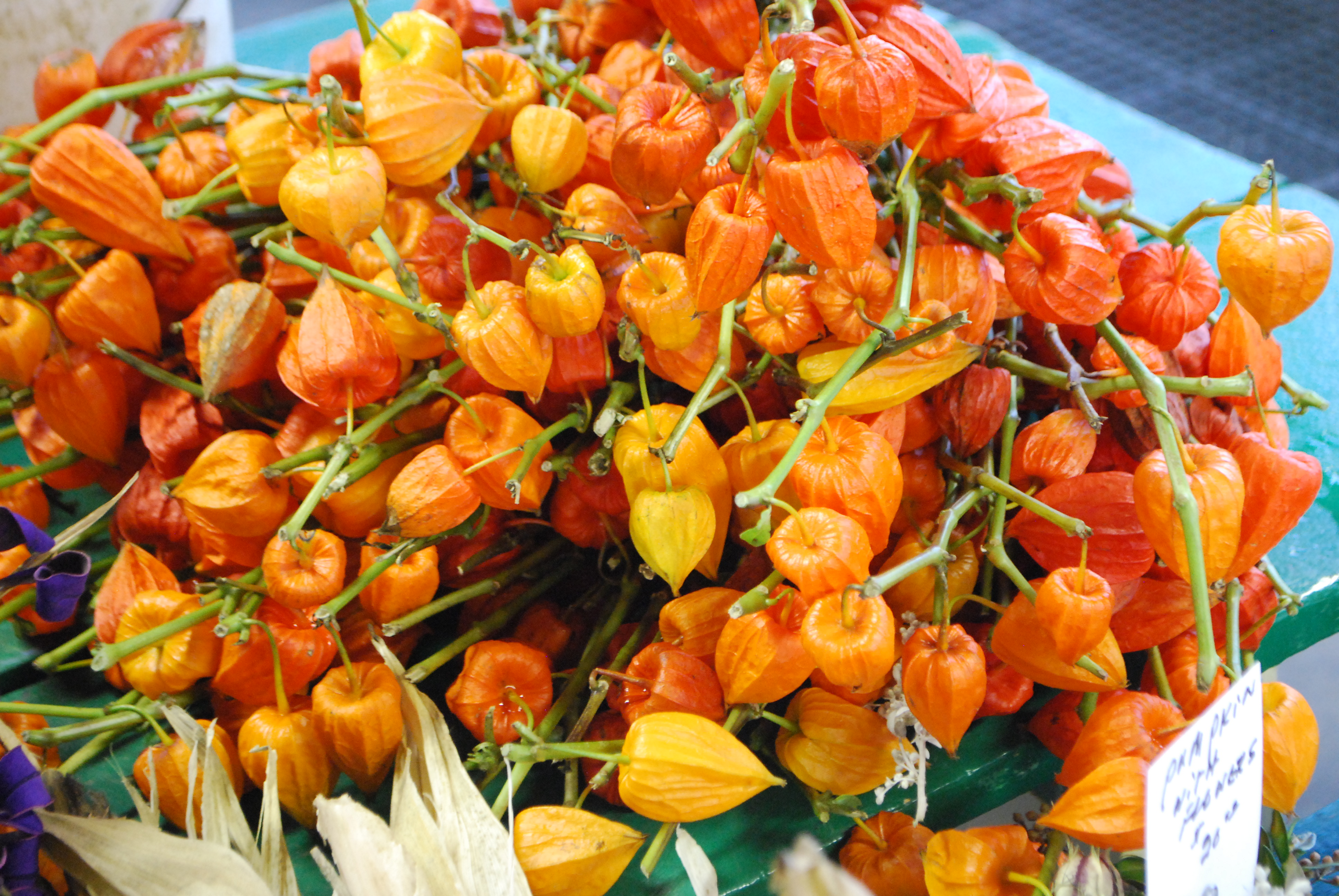
Chinese lanterns, or Physalis, mature in October.  Their color ranges from gold to intense orange.  Given the gold light this morning, I could not take my eyes off of them.  They glowed orange.  The rectangular shape and pale green color of the stems, in contrast to those orange lanterns, tell an engaging visual tale about the fall garden.   
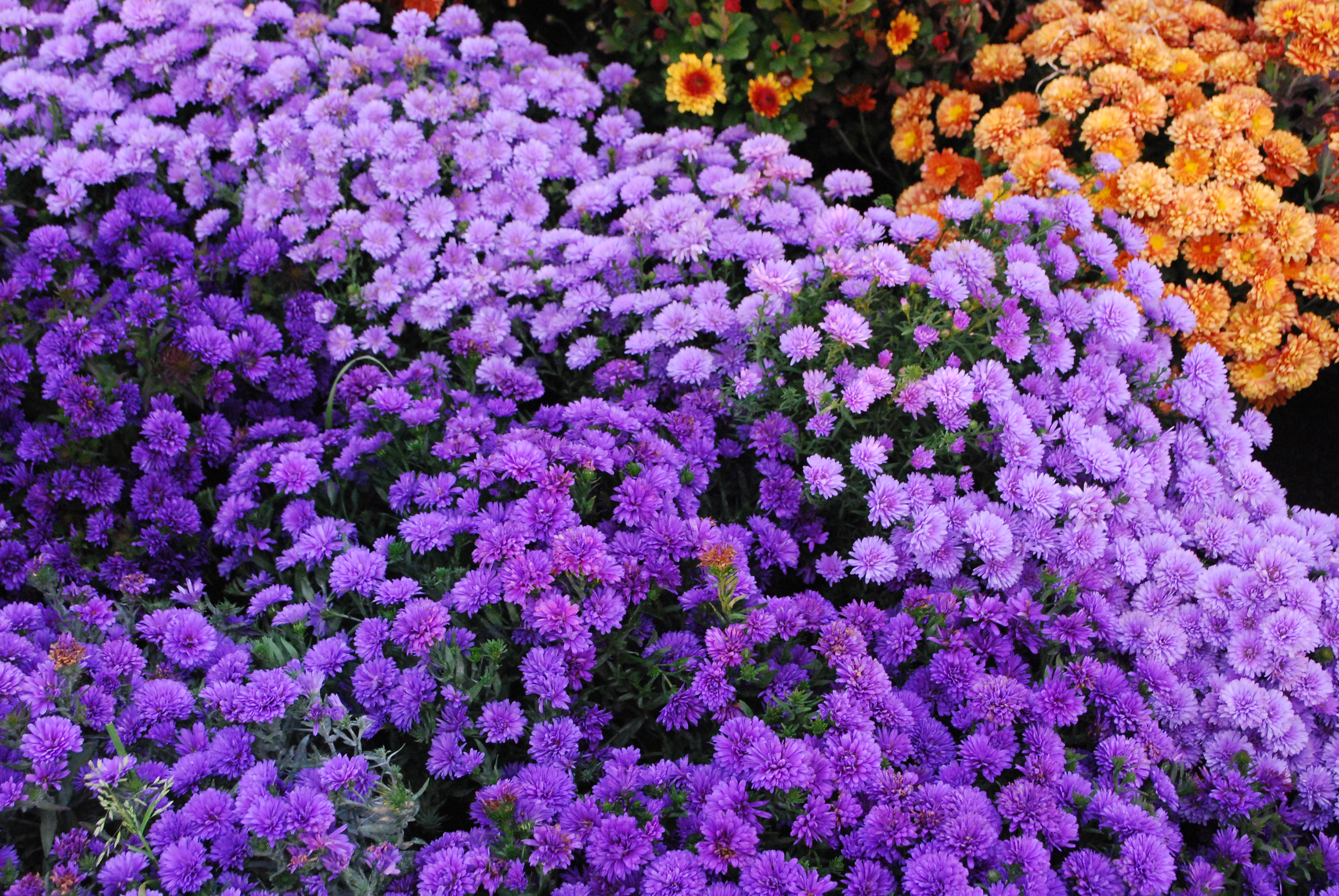
Fall asters-their willing bloom and clear color make them a favorite in a fall garden.  This morning they were achingly beautiful.  That October light made me want to take all of them home. 


Marlene had bunches of peppers suitable for drying for sale this morning.  She is a first rate grower, horticulturist, and farmer.  She is an outstanding gardener and grower.  I can count on finding what I never expected from her.  The colors of her peppers were so brilliantly saturated.  Laying eyes on these bunches made me so glad that I had gotten up early.  How any gardener chooses to light their garden, and their gardening life- extraordinarily important.
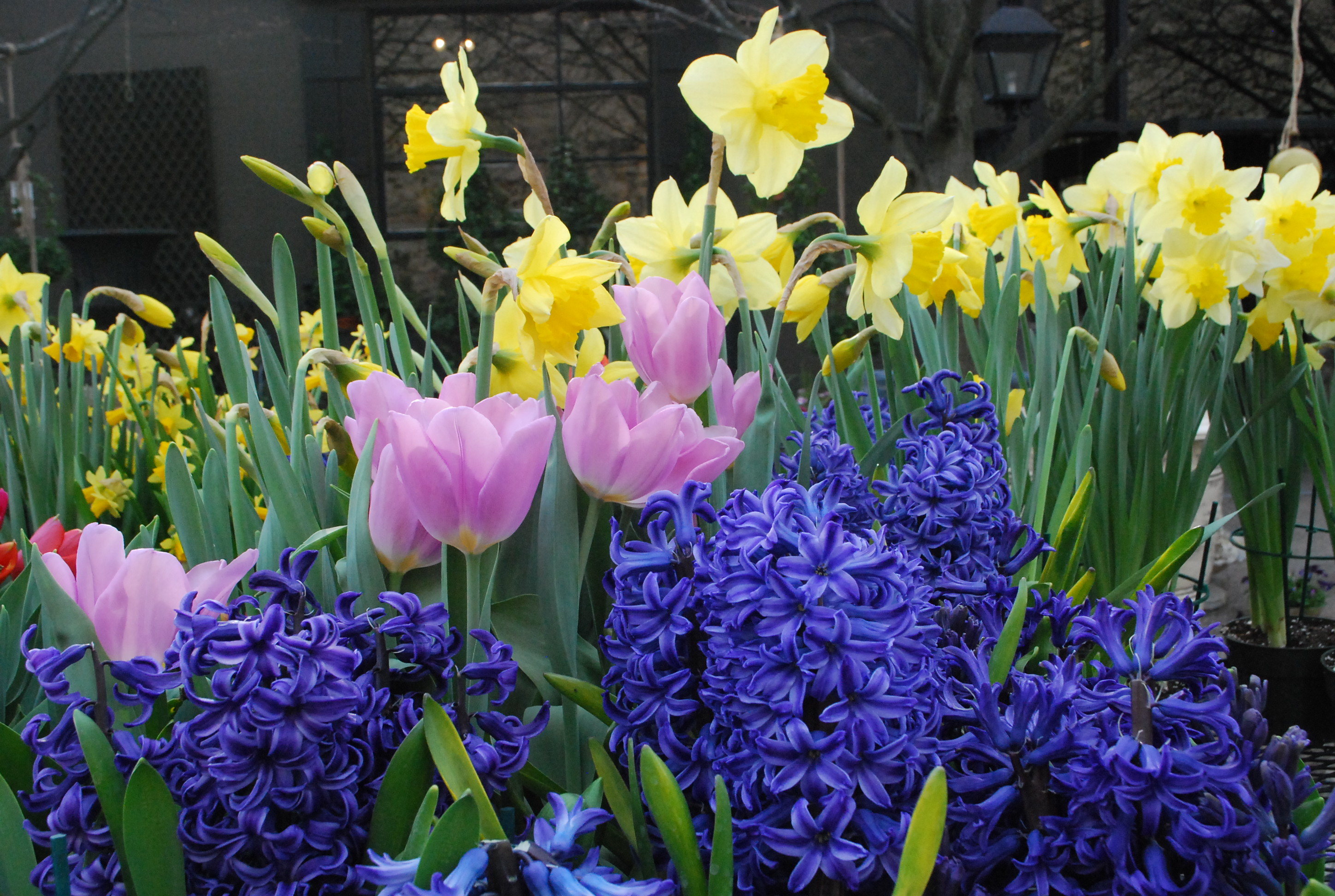
Thinking Spring

The last two nights have been astonishingly cold, considering it is early October-not early November. This morning, my brown sweet potato vines were limp-the effect of too much cold, and gravity. The summer season is indeed coming to a close.  Most of my pots have been cleaned out.  The olive tree and rosemary have been repotted, and have been brought into the greenhouse.

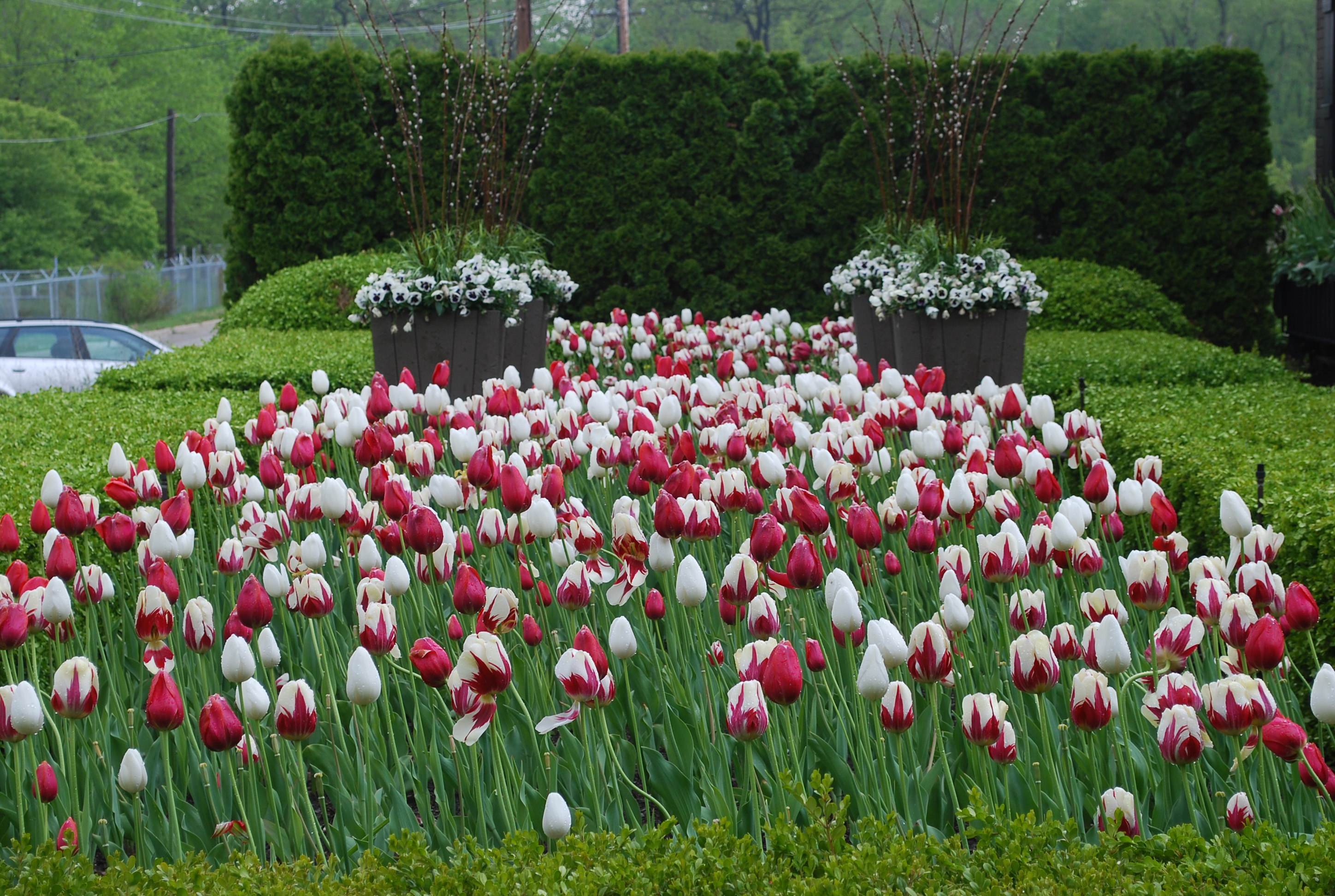
The red leaved hibiscus looks much like the potato vine-all of its spirit has drained away.   The summer season is coming to a close much faster than I bargained for.  But I have a spring ahead, that needs my attention.  The spring flowering bulbs need to be planted now, if I plan to see them begin to bloom next March.

There are lots of good reasons not to plant bulbs.  The air temperature is cold-the soil temperature is wet and cold.  Planting brown orbs is momumentally unsatisfying.  Once placed below ground, there is nothing to show for the effort.  The fruits of the efforts are months away.  Do you remember where you had crocus, and where you need more?  I don’t either. 

Can you remember where you thought a few more alliums would be good?  Me neither.  Are you tired to the bone from trying to keep your garden watered in extraordinary heat that characterized this season, and irritated about the lack of rain?  Can we not get some rain? 

As irritating as a frustrating gardening season can be, the future requires a fresh eye.  At this time of year a fresh eye takes the form of a round, brown, and plump bulb.  Or in the case of anemone blanda, a brown, wrinkled and dry bulb. 

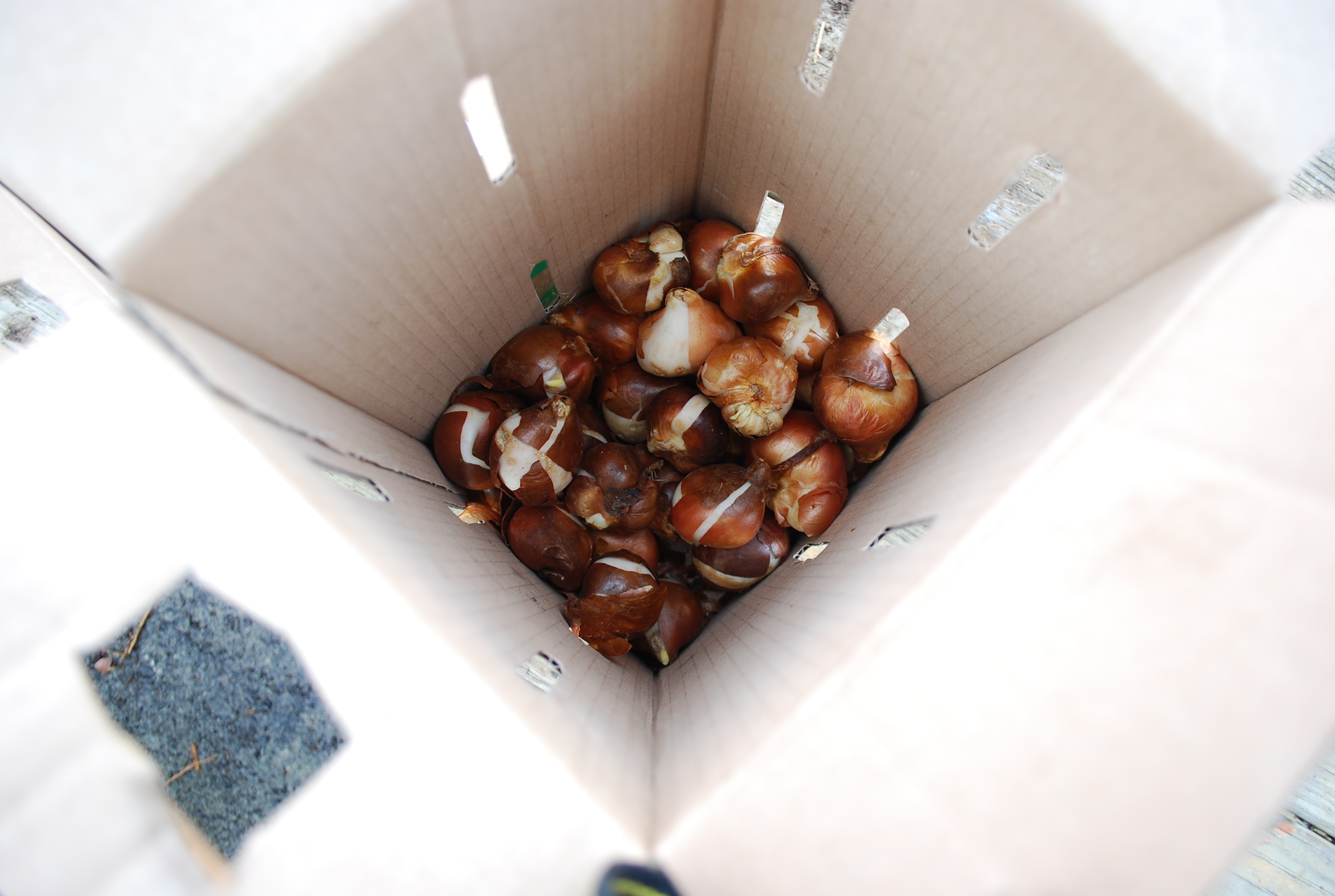
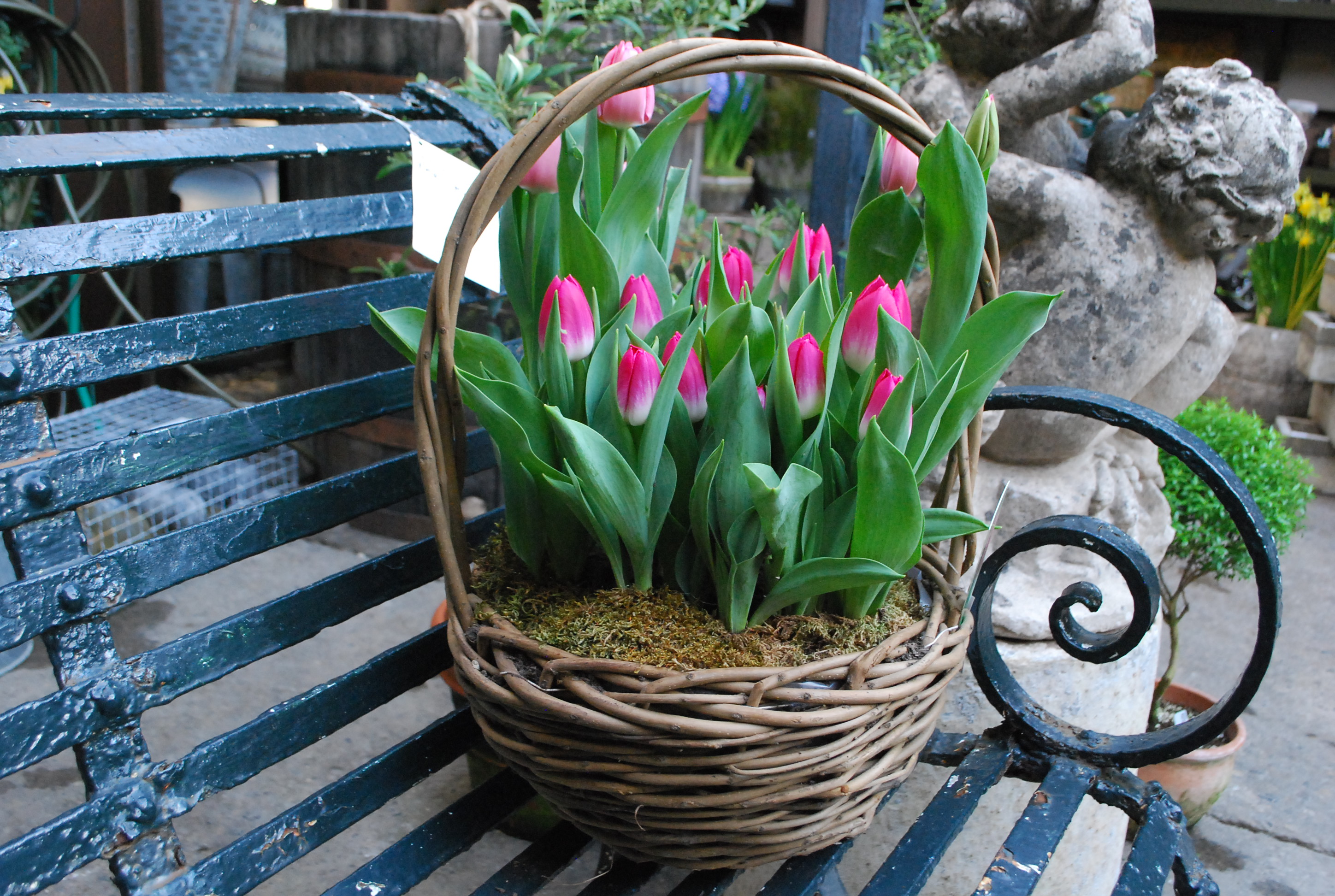
It is a miracle of nature-how a tulip and its flower and leaves are sleeping, entirely contained inside a bulb.  A tulip bulb is a small, fairly round, and brown papery promise of what is to come.

Number one grade daffodil bulbs are more complex in shape-but they are just as brown and inert.  Globemaster Allium bulbs are quite large, and juicy looking.  Allium albopilosum-is anyone in there?    I understand that when my fall bulbs arrive, they are dormant.  They need planting.  They need a cold period of a good many weeks.  But to look at them, it is hard to imagine the life that is inside.
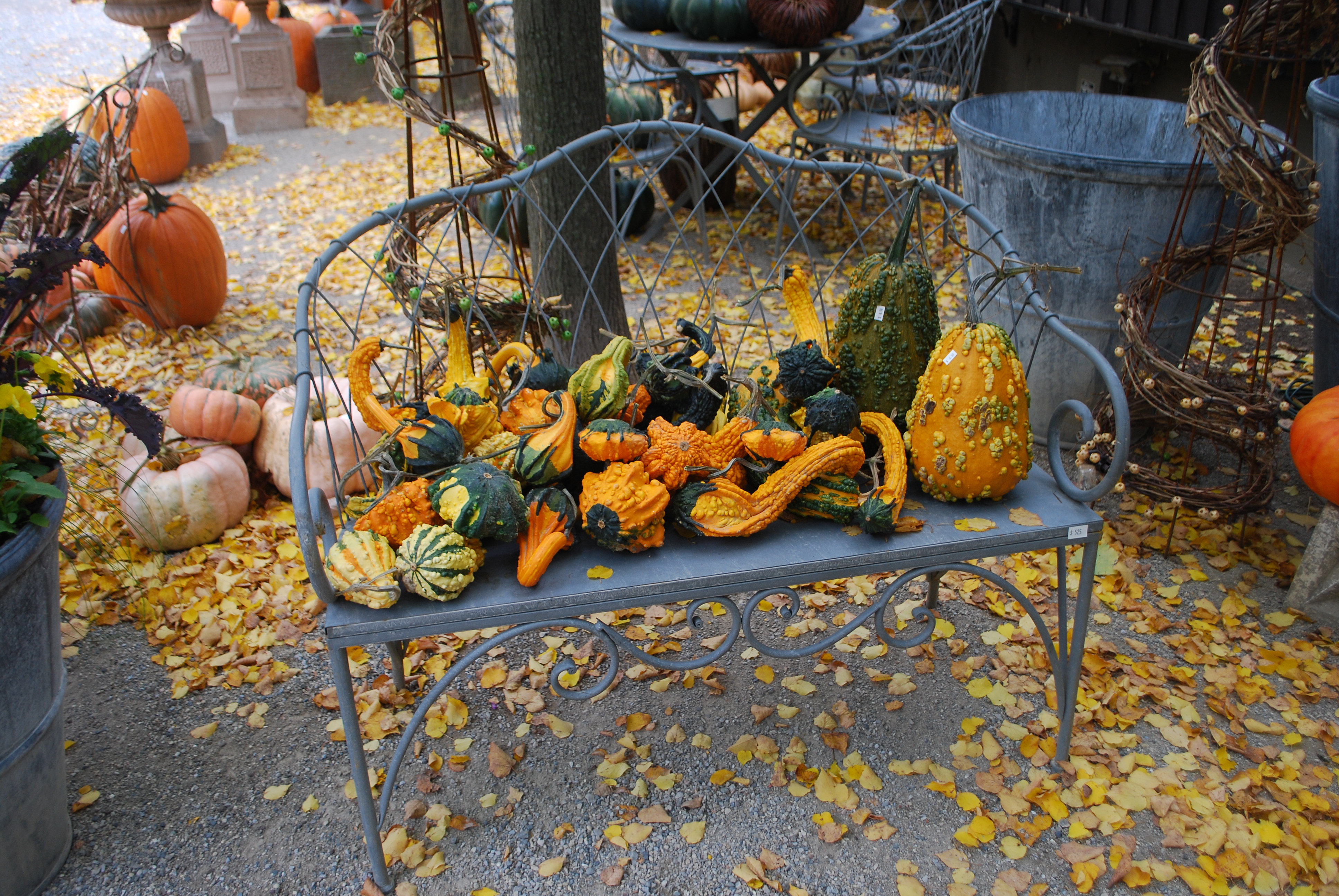
 

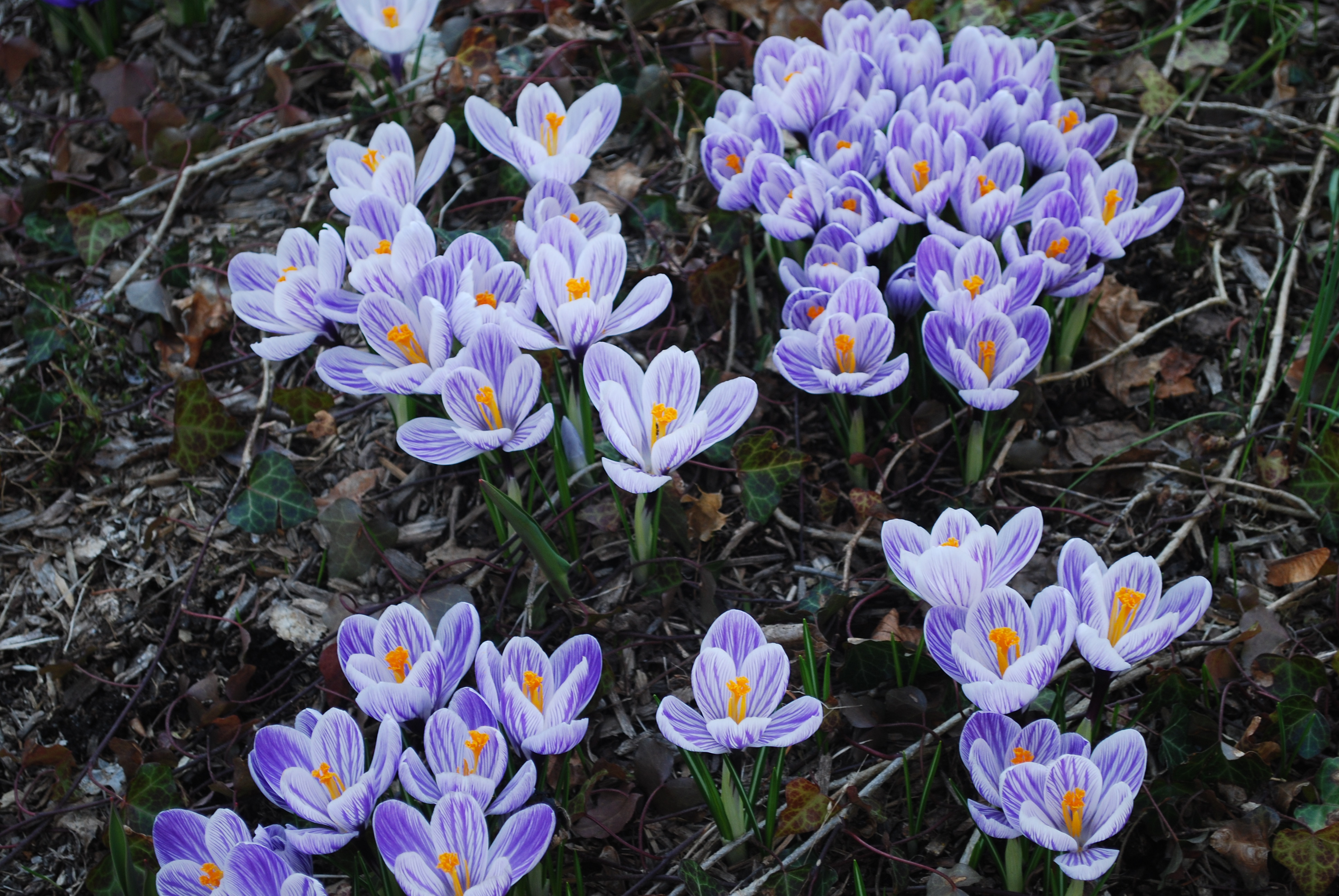
Spring blooming crocus are such a relief in March.  They are not so expensive-it is very easy to sign up for a hundred or more.  Once those 100 bulbs arrive, the thought of planting one hundred of anything seems formidable.  The small package that they arrive in is easy to loose track of.


All of this said, I would be most disappointed in myself if spring arrived, with no spring flowering bulbs breaking ground.  I would only have myself to blame.  It would just be much better if I could break free of that image of my cold sacked potato vine, and invest in my future.

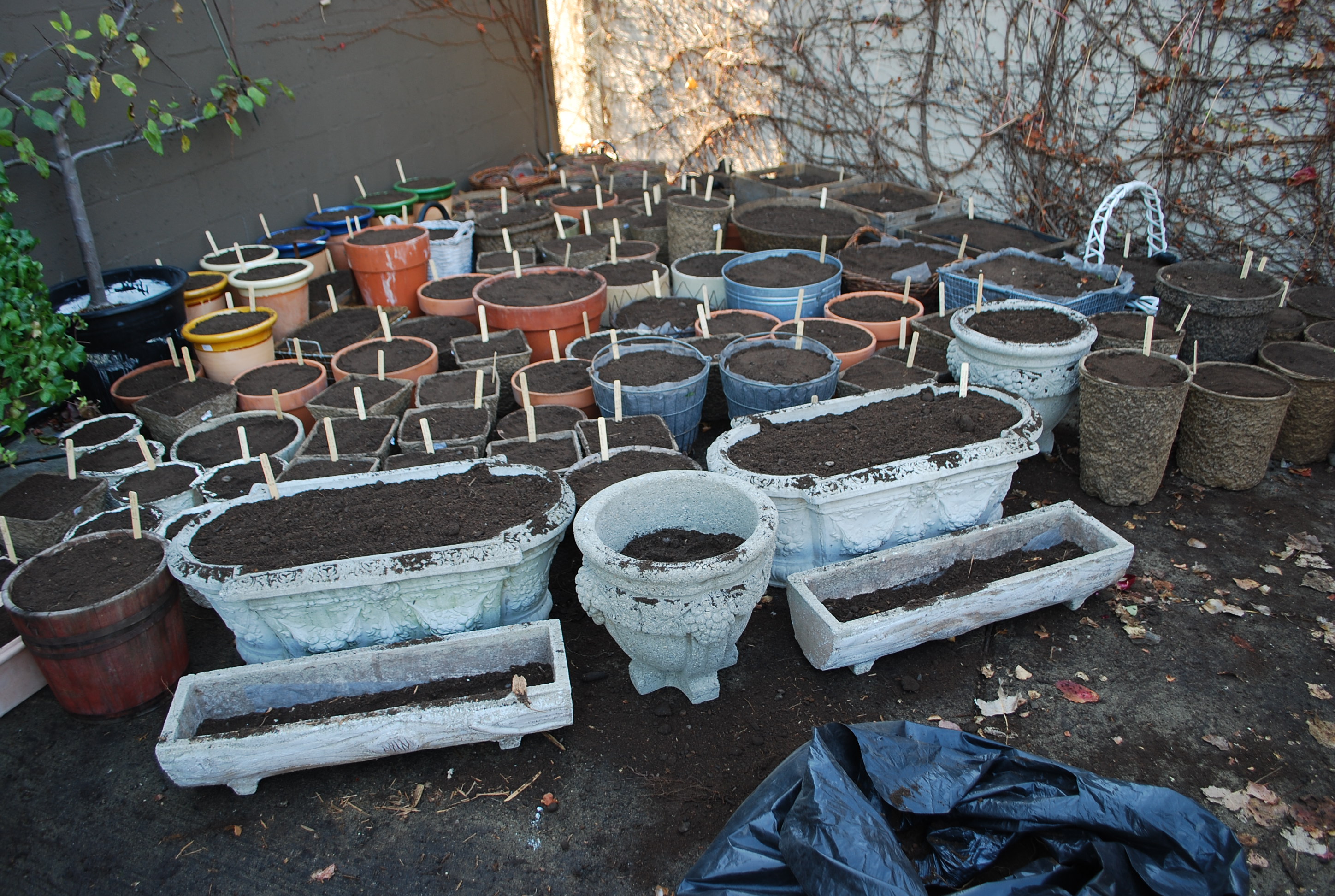
I rarely plant spring flowering bulbs in the ground.  Most of what I do in  ground involves crocus, hybrid trout lilies, and snow drops.  Planting bulbs in pots is easy, quick-and eminently satisfying.

I am not interested in forcing bulbs.  Other people/nurseries do this far better than I could ever hope to do.  Do I buy forced bulbs in March-yes. Anythoing that blooms in March lifts my spirits.  My personal plan- I like potting up bulbs in planters, and storing them in the garage.  I bring them out in March-the first hint of spring.  They bloom at the same time that they would bloom, if they were planted in ground.  They bloom on time, and in season-without all of the headache of digging in an in ground planting.

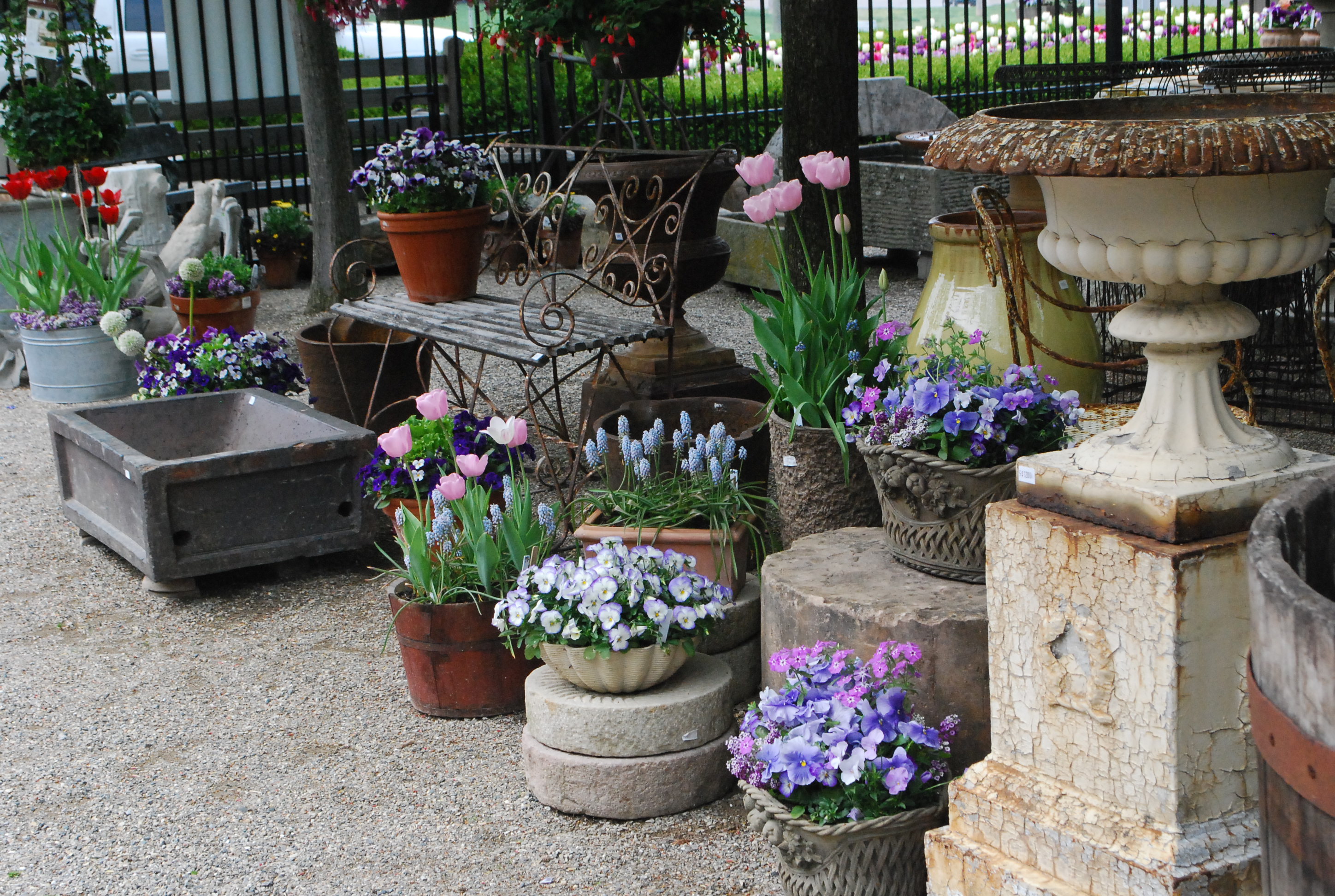
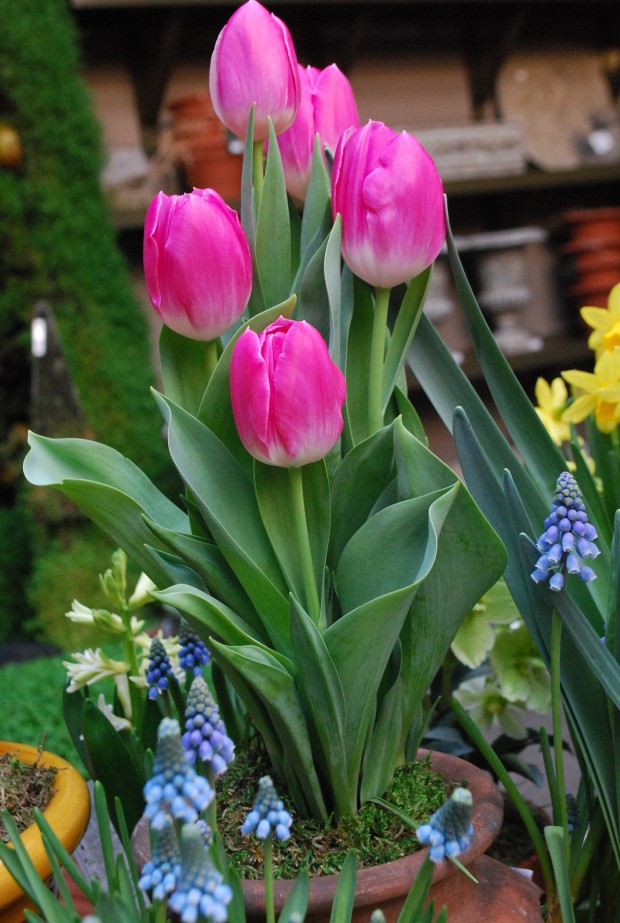
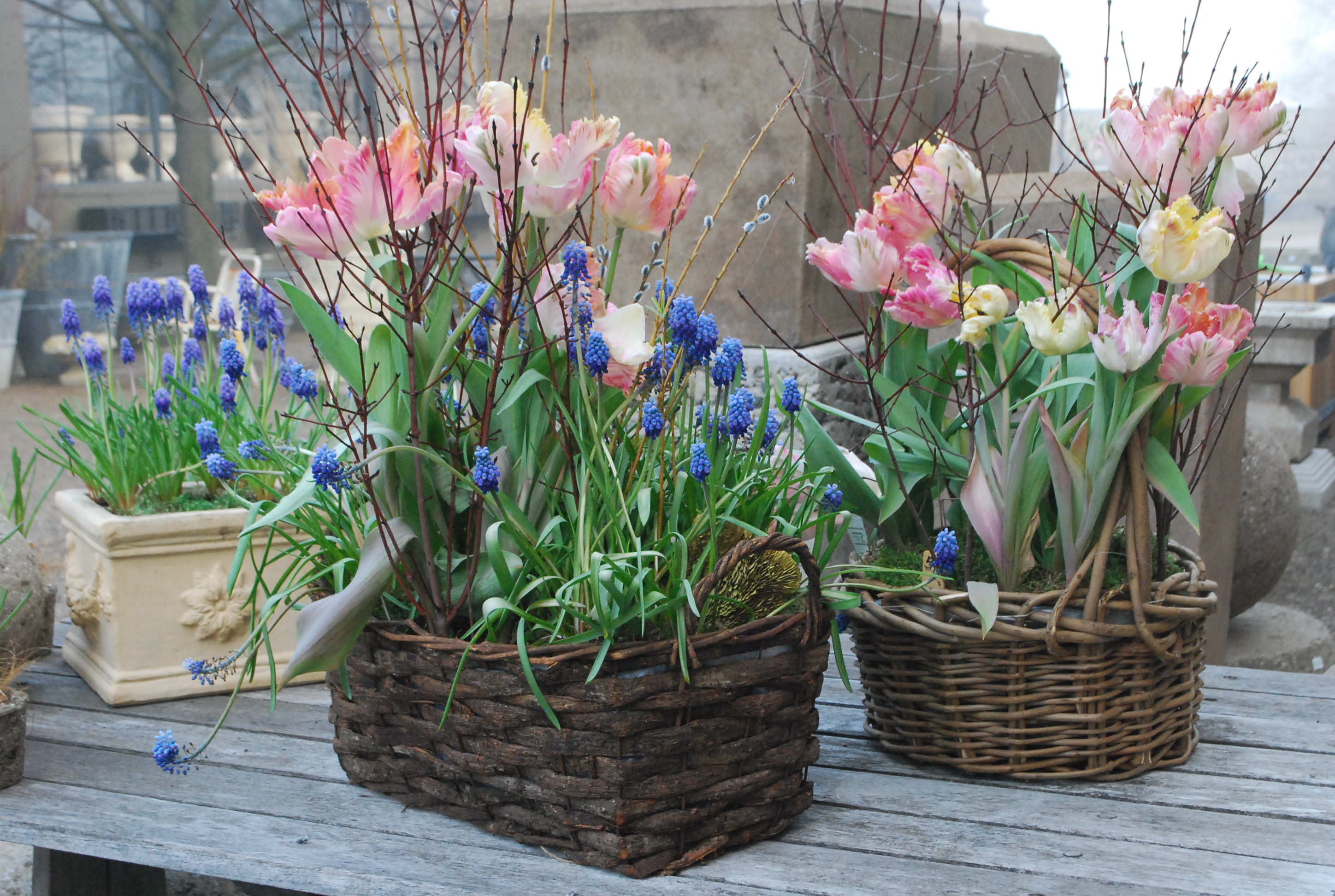
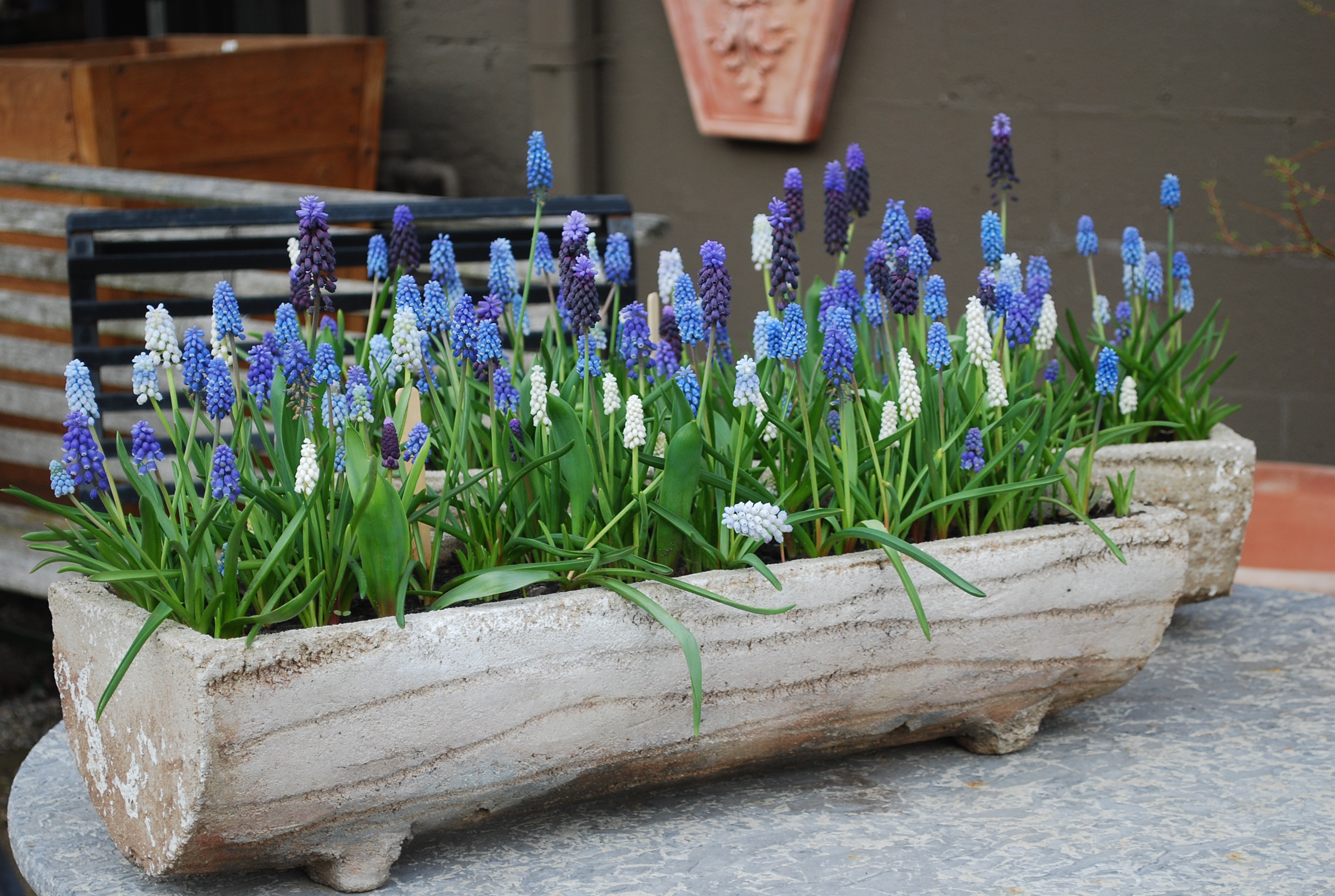
Potting up bulbs in containers is so easy.  I use a good compost loaded soil mix.  I plant the bulbs shoulder to shoulder.  Planting them in fiber pots means they can be dropped into a treasured container come spring without much fuss.  Clay pots, concrete pots, fiber pots-I plant loads of bulbs in containers.   Tulips on my front porch in spring-love this. Little pots of crocus or muscari dress up a spring table.

Best of all, the fall planting/spring blooming bulbs speak strongly to the hope for the future garden.  Every serious gardener makes something grow. 


Making something grow is a very good idea.


At A Glance: The Shop In October

Detroit Garden Works

Wow-how the time has flown since the spring!  If you are too far away to visit Detroit Garden Works, these pictures might give you an idea of how it looks in the fall season.

pots planted for fall

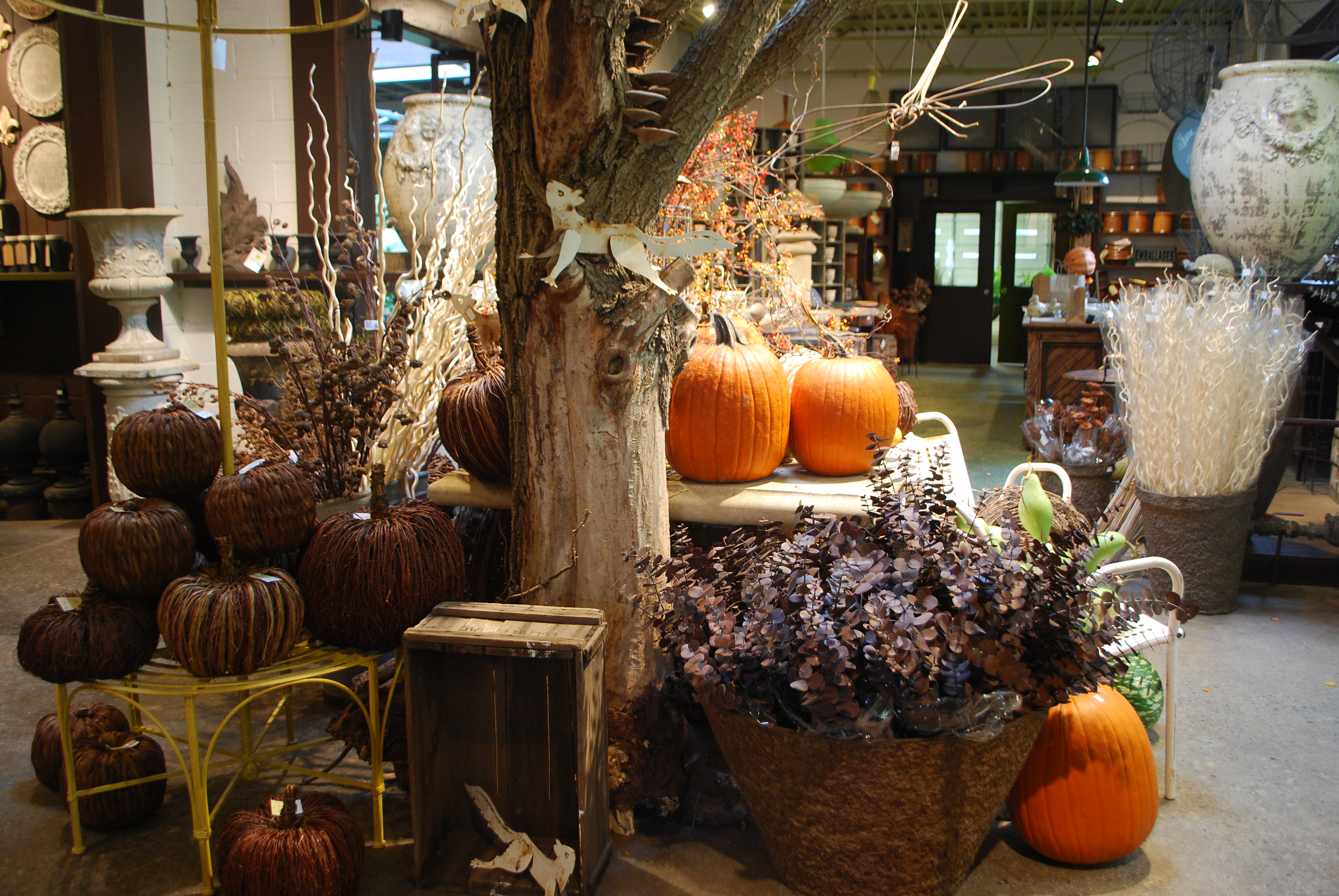
materials from the garden for the fall season

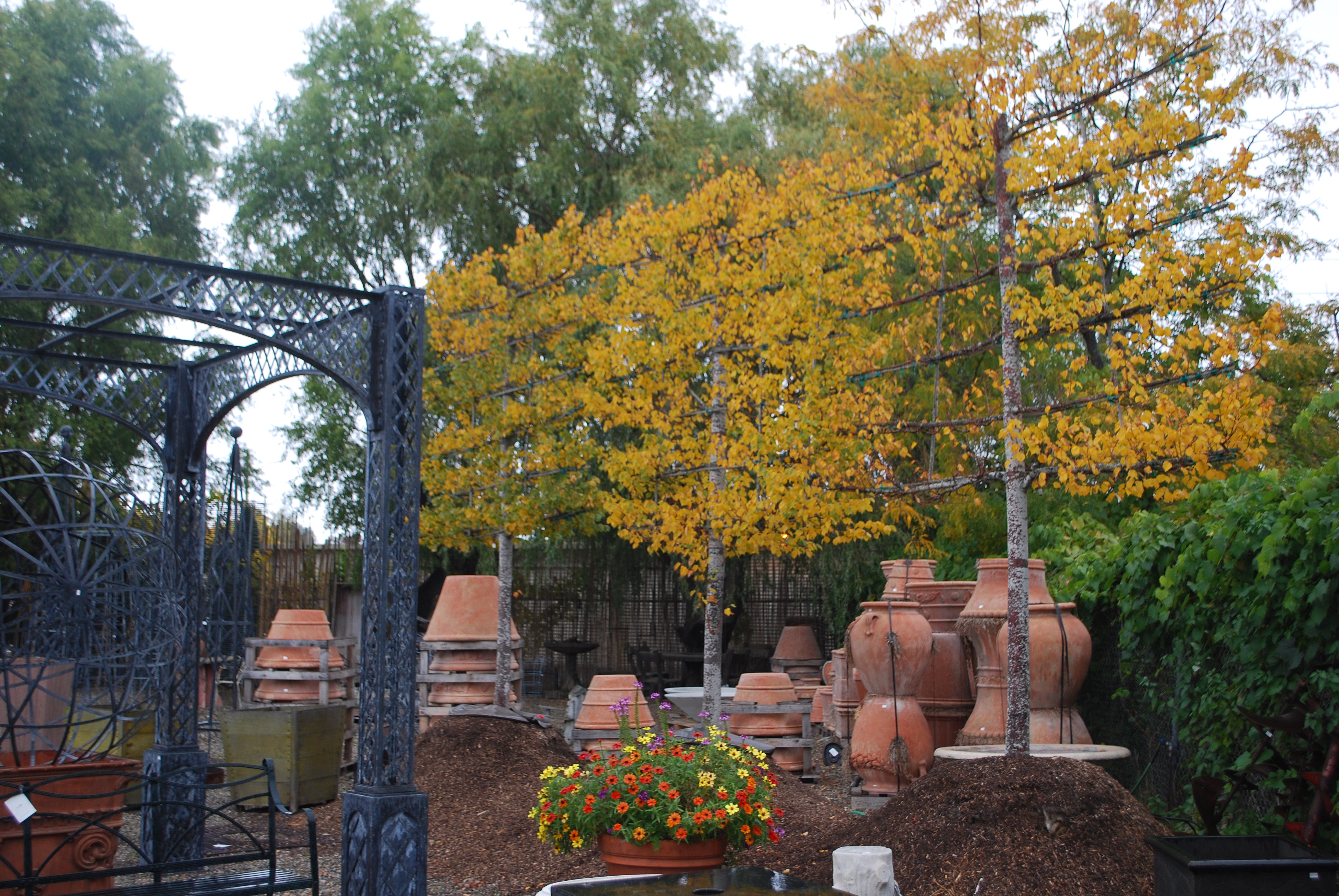
the last of the espaliered lindens showing fall color

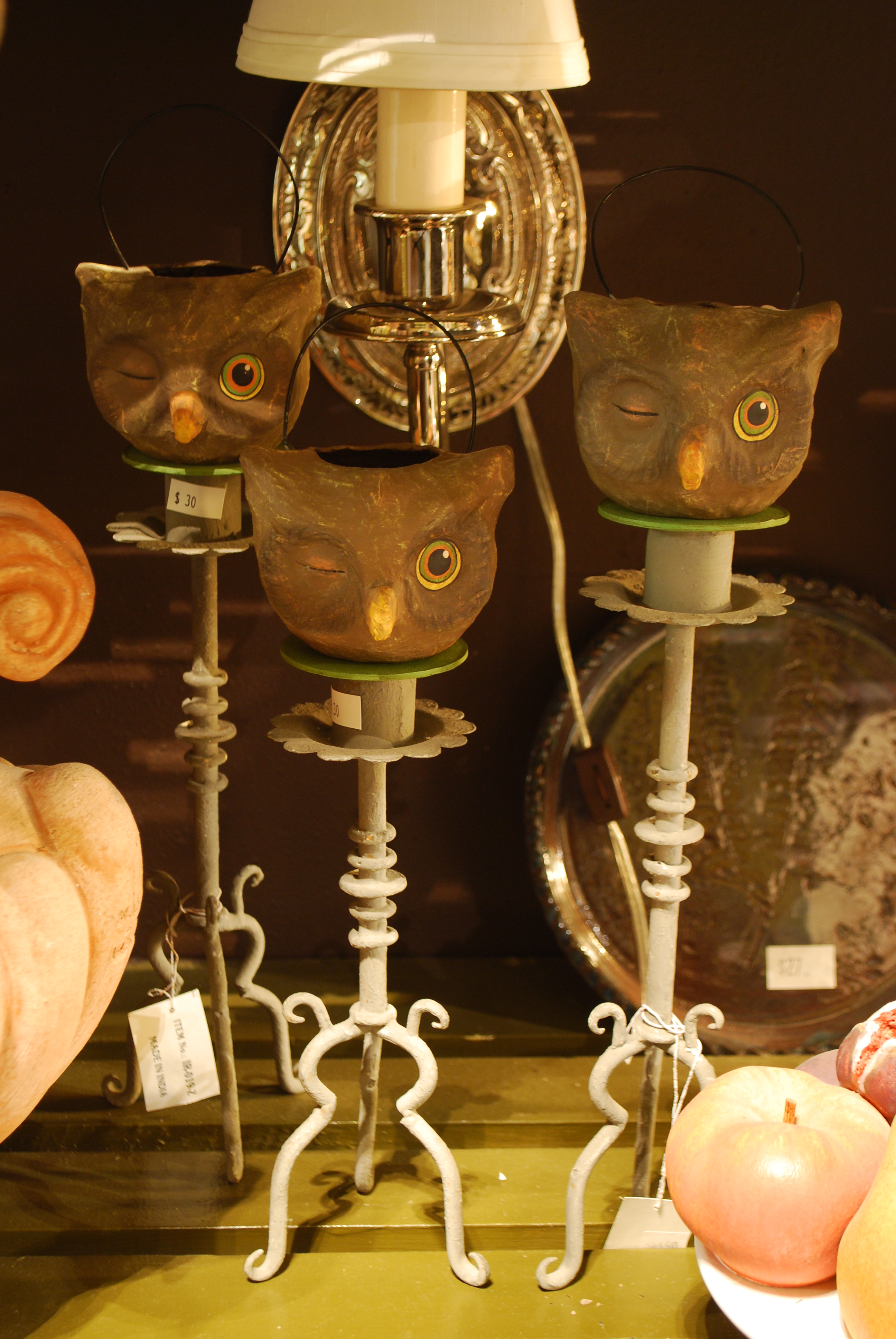
very small winking owl baskets made from paper mache

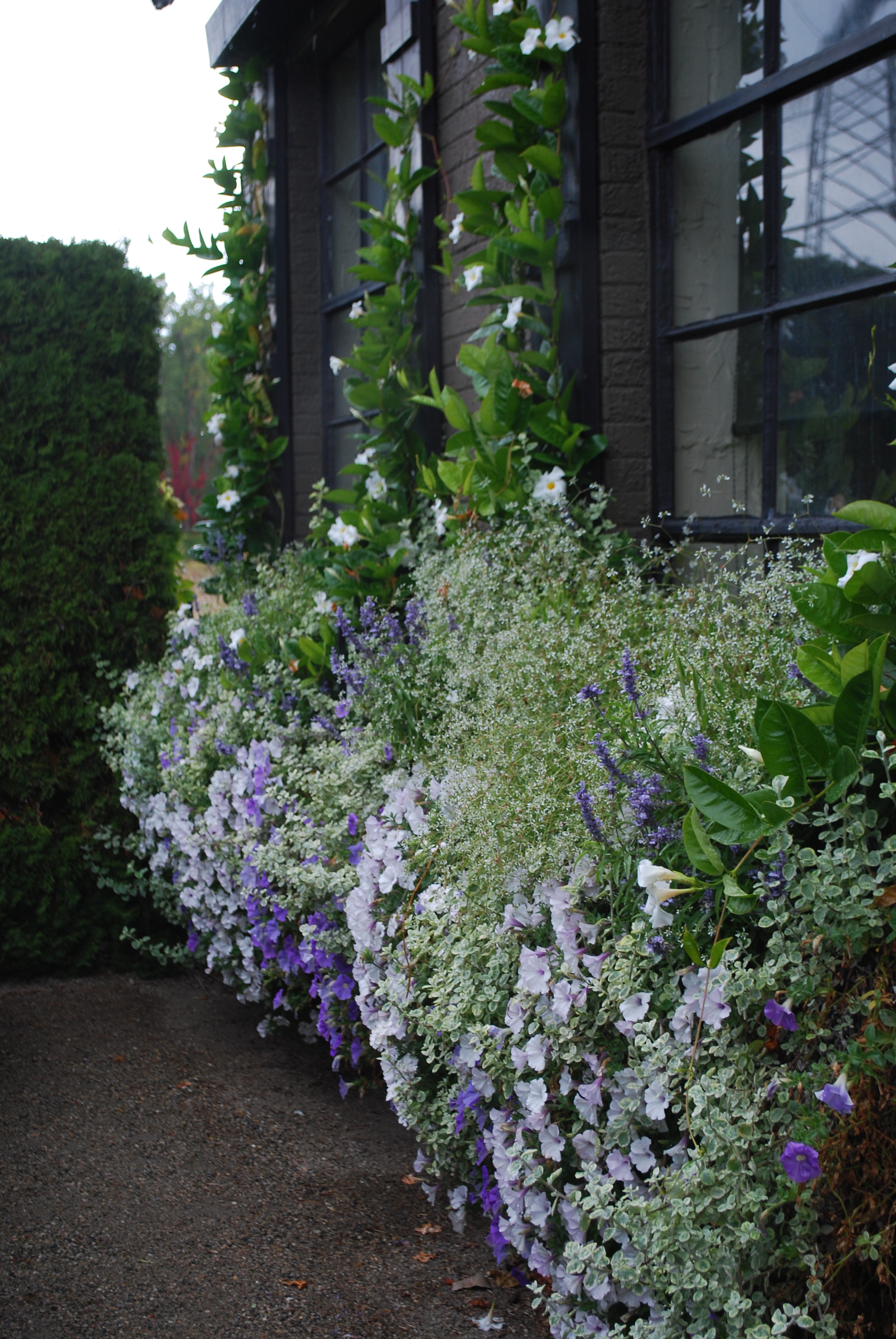
the window boxes!  The flowers have grown to within spitting distance of the ground.  The south side of the shop gives them plenty of protection from the cooler nights.

More great fall materials

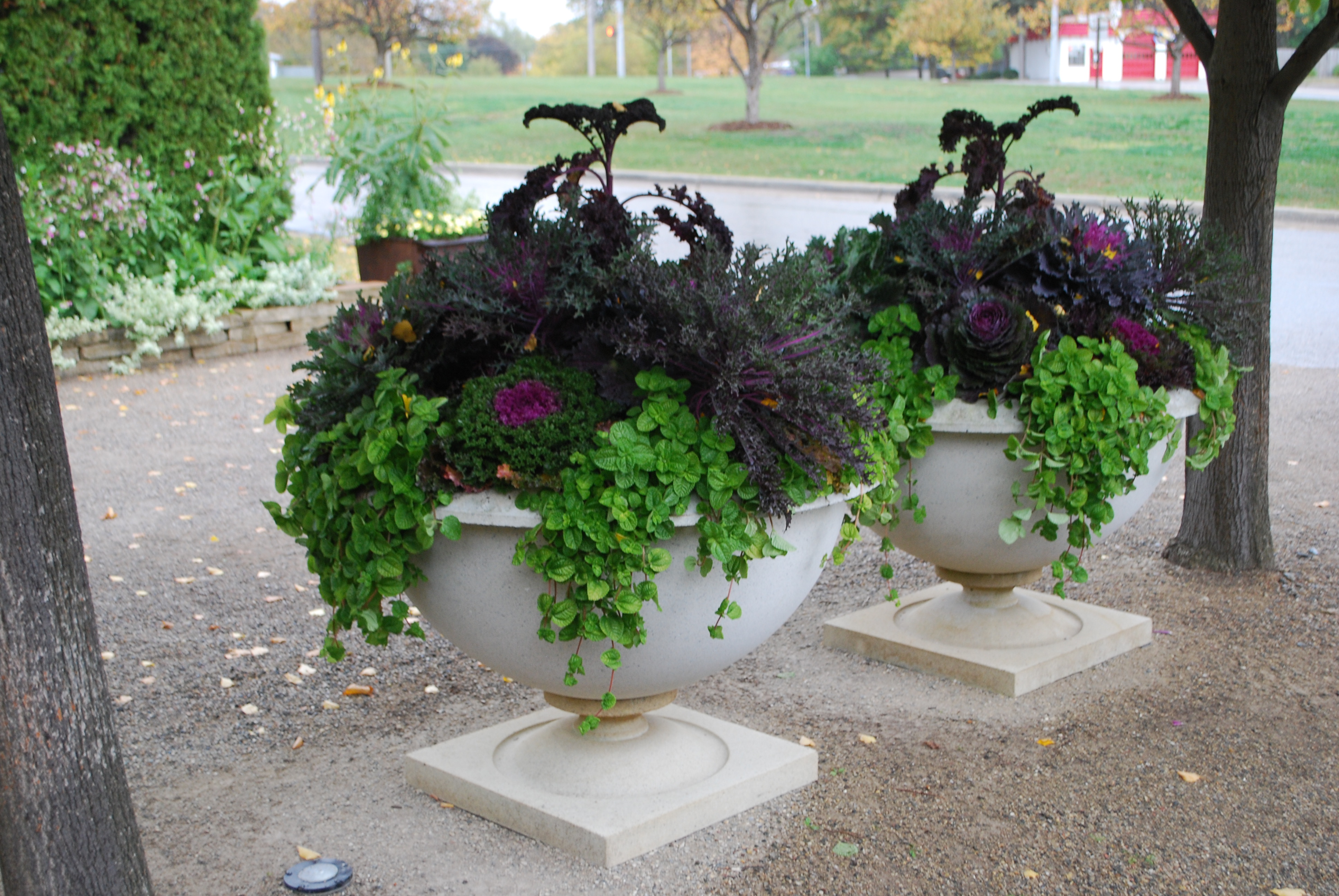
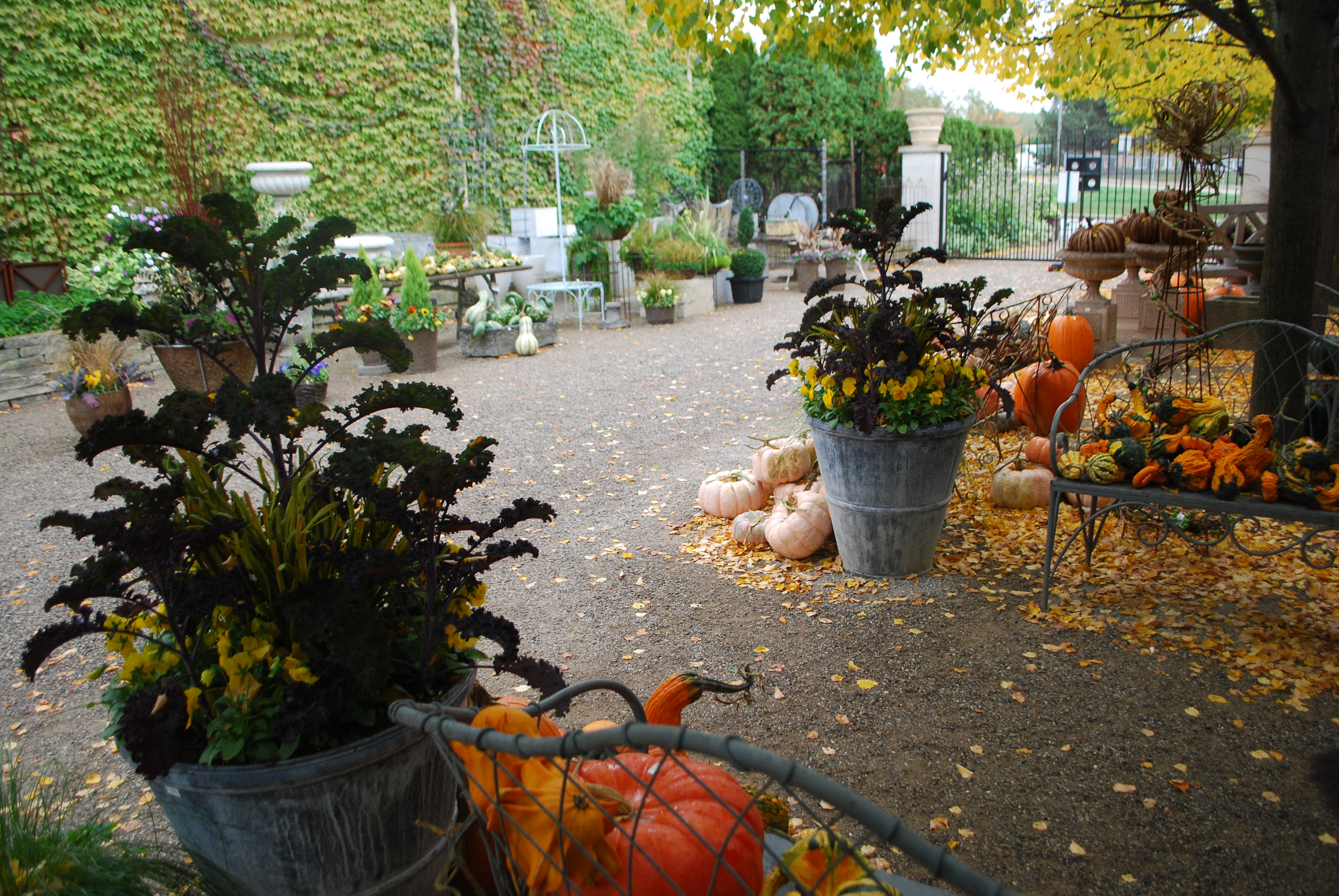
fall pots with redbor kale and yellow pansies

an October celebration of green

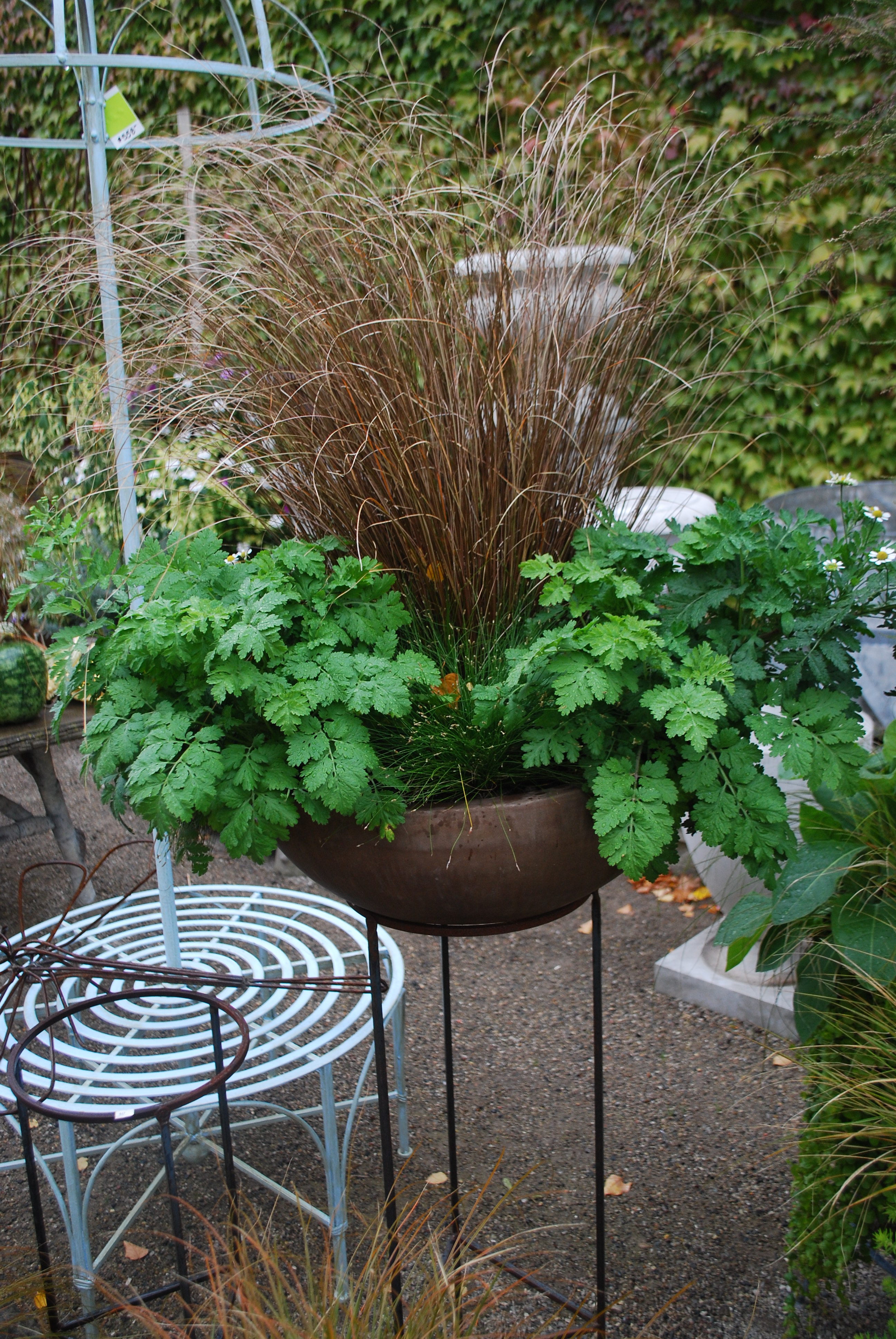
toffee twist carex and matricaria

fall pots and pumpkins

October light

How Rob keeps the shop takes my breath away.  Should you be within range (we had visitors from Deckerville Michigan, Paris France, Ann Arbor Michigan, and Washington DC today-besides the local traffic), the shop is worth the visit.  Out of range?  We’ll  stay in touch.


The Nature Of Color

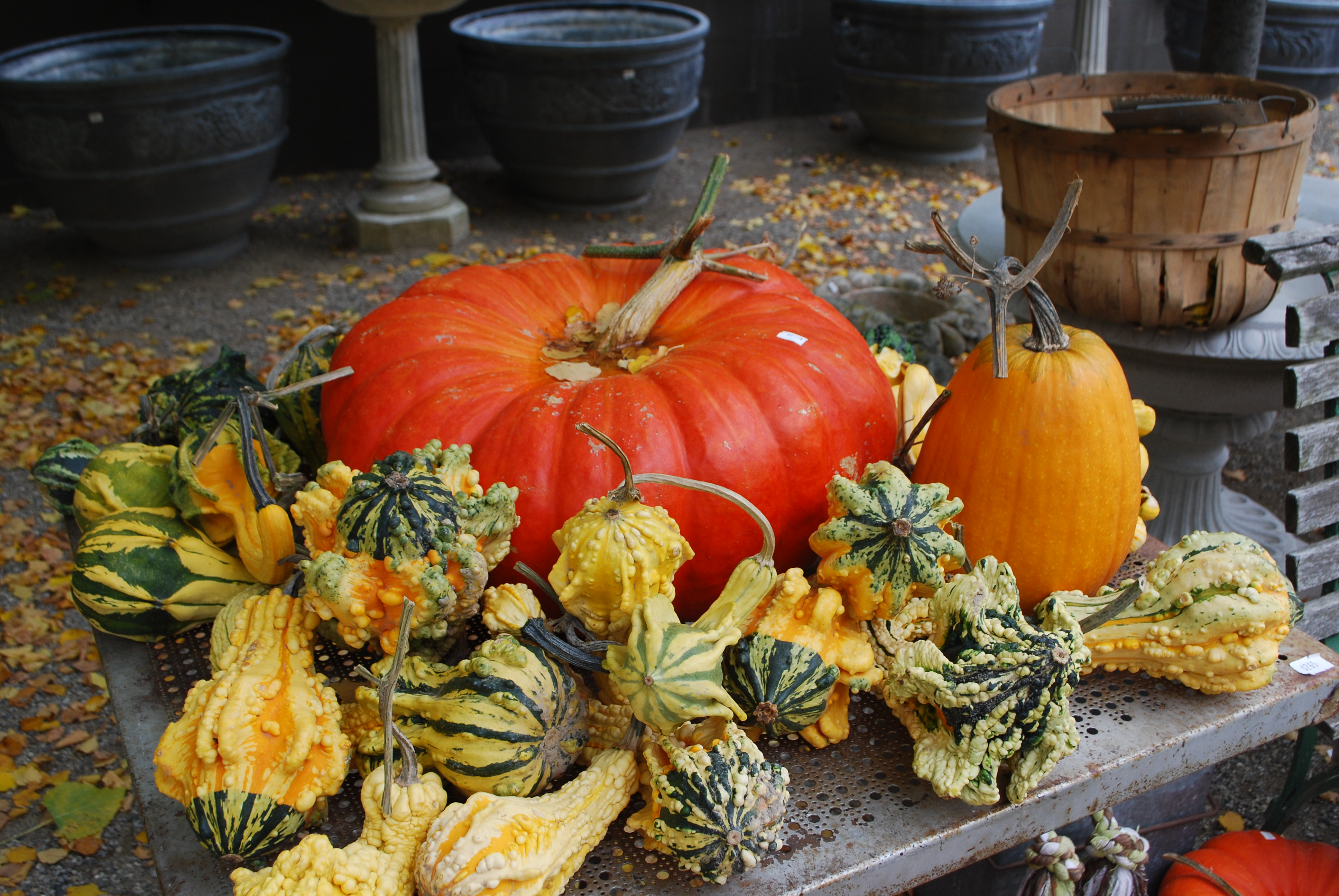
pumpkins and gourds

Color, and color relationships, have interested me for a long time.  I wore a chartreuse green crepe dress to my junior prom in 1967-no kidding.  As chartreuse was an unusual color choice for a high school eventy in 1967, that dress did stand out-as did my date’s red face. I still remember how mortified I was, given the contrast with all the blue, peach and pink chiffon in attendance.  Everyone reacts strongly, individually, and emotionally to color.   Why else would that dress have generated so much talk?  No wonder I gravitated towards the garden.  Natural color always seems just that-natural.  The fall foliage color of hardy plants and fall fruits and vegetables is in large part what makes the Michigan fall gardening season so spectacular. 

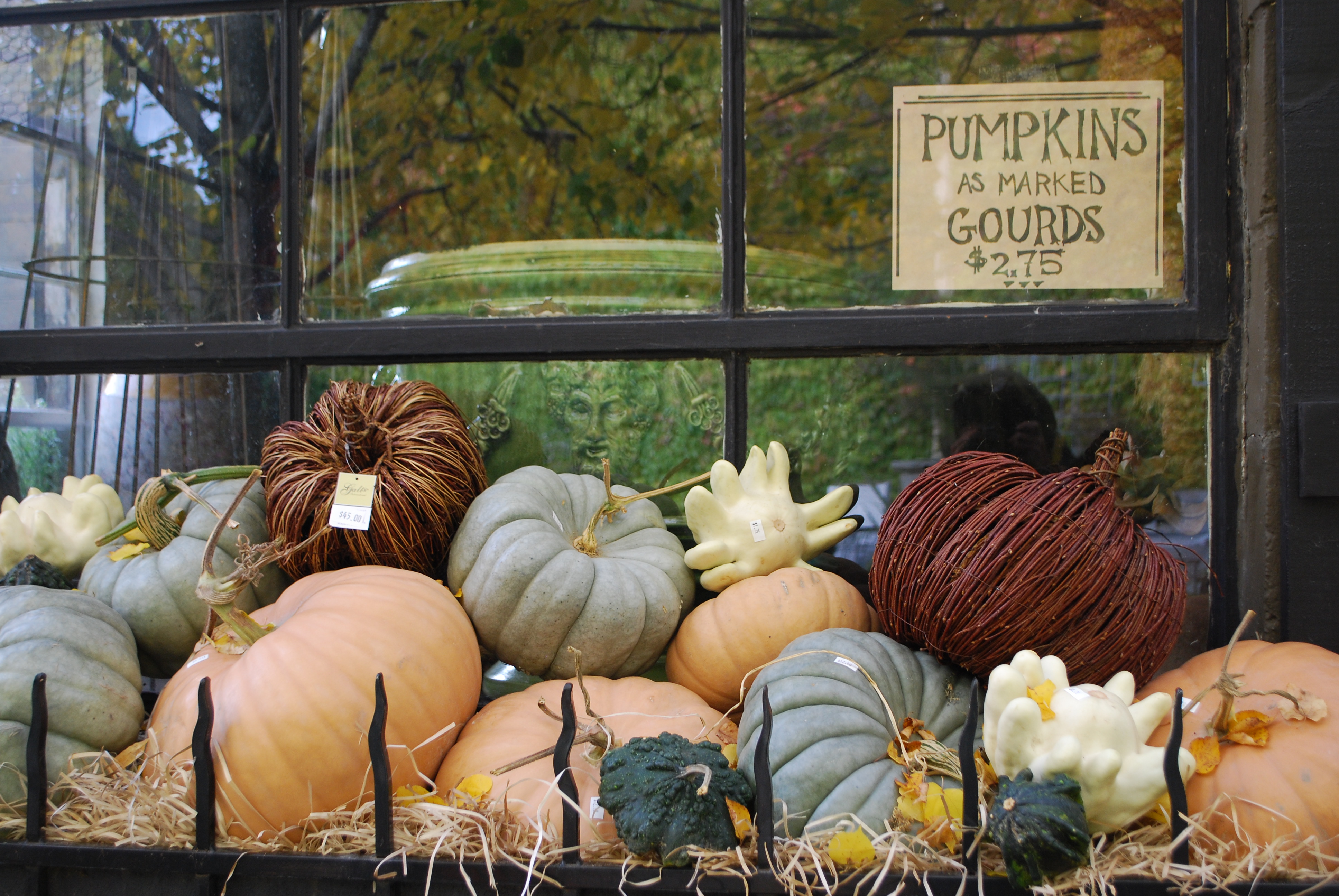
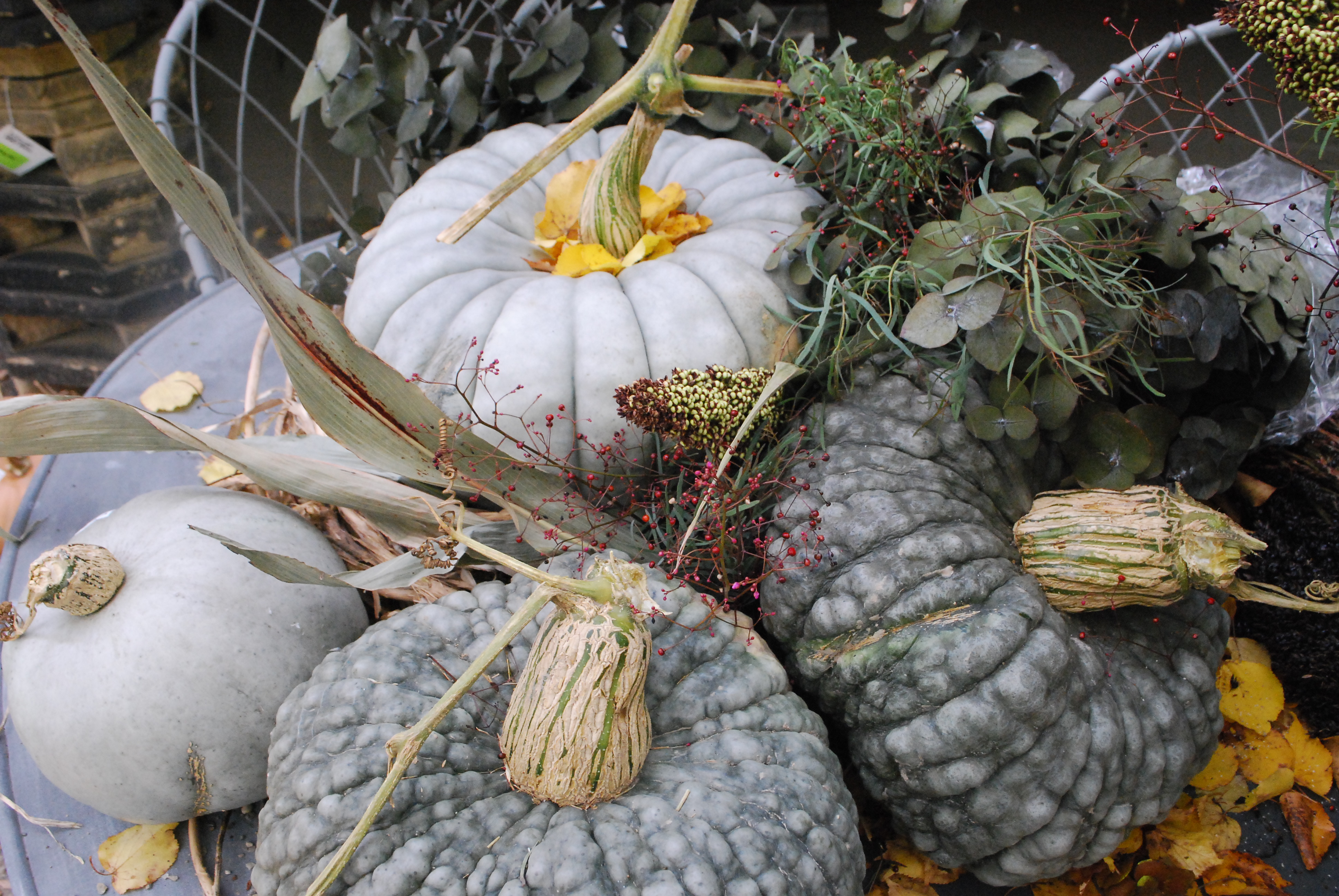
However, not all the fruits of the harvest are orange.  Many of the growers I know change up their offerings as much as they do their growing practices.  Pumpkins and gourds come in so many colors that any gardener could put together a color palette pleasing to their eye.  These steely blue green pumpkins of vastly different textures, paired with fresh eucalyptus, drying broomcorn leaves, and the delicate fruiting stems of Jewels of Opar-a subtle color palette that is unmistakeably fallish.

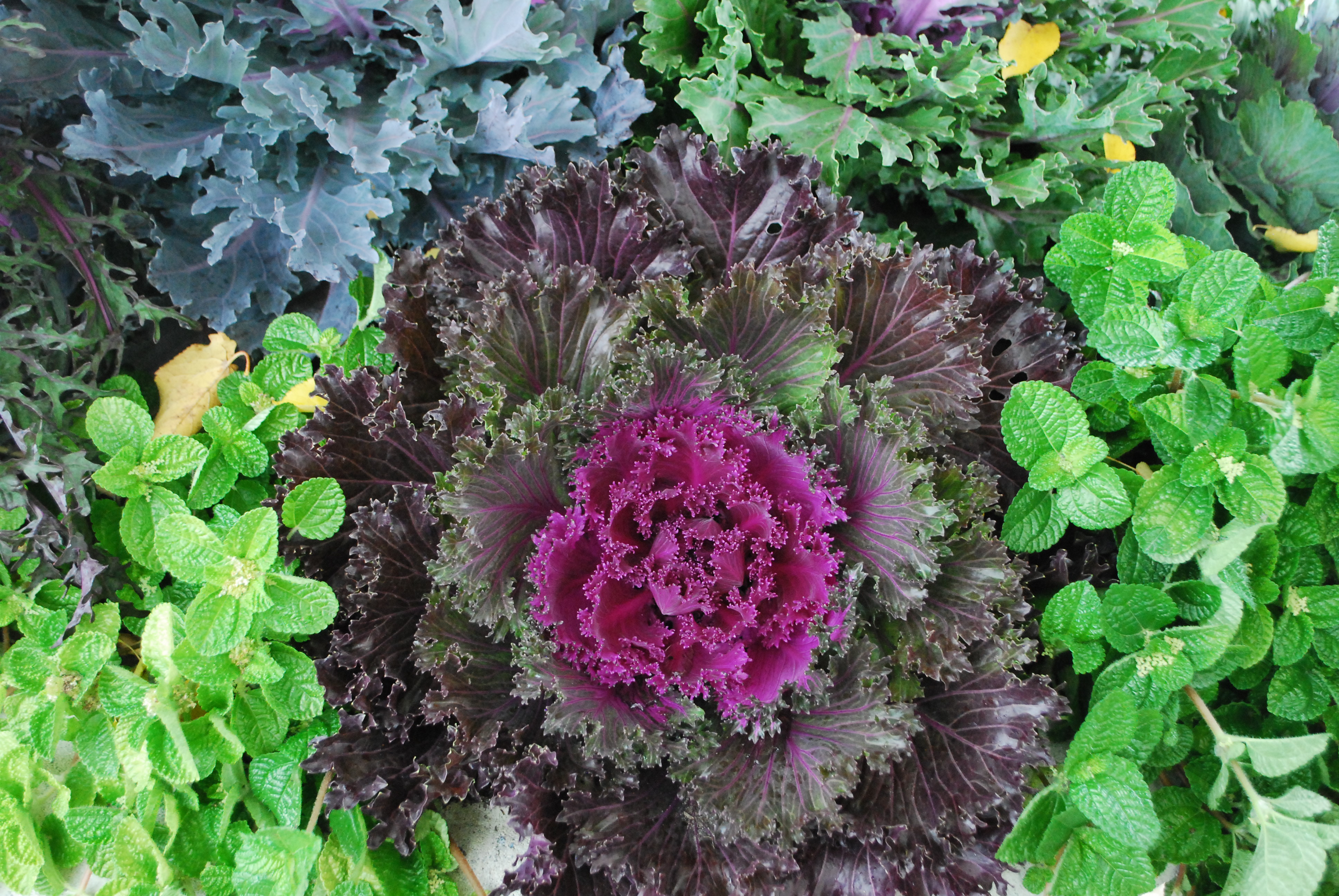
This new cabbage introduction, Glamour, is living up to its name.  Given the weather, that is.  Cool night temperatures produce incredibly saturated color in cold tolerant plants.  Cabbage and kale in September-their color is middling, at best.  Today the high temp was 49.  The kales and cabbages are quickly coloring up.  The creeping charlie, a lerftover from the summer planting, looks alarmed by the temperature.  Its intensely green leaves seem to glow in the cold.   

gourds

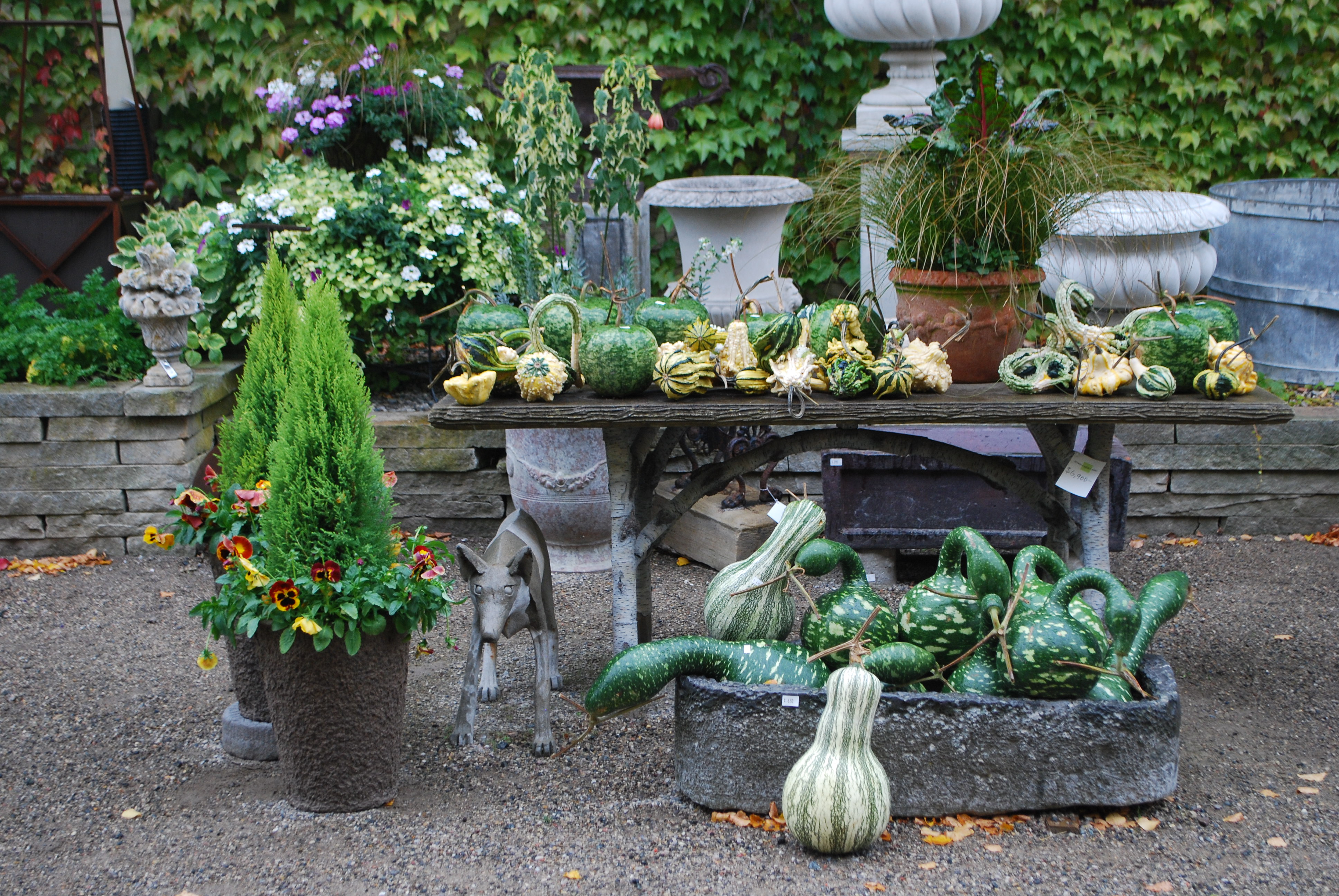
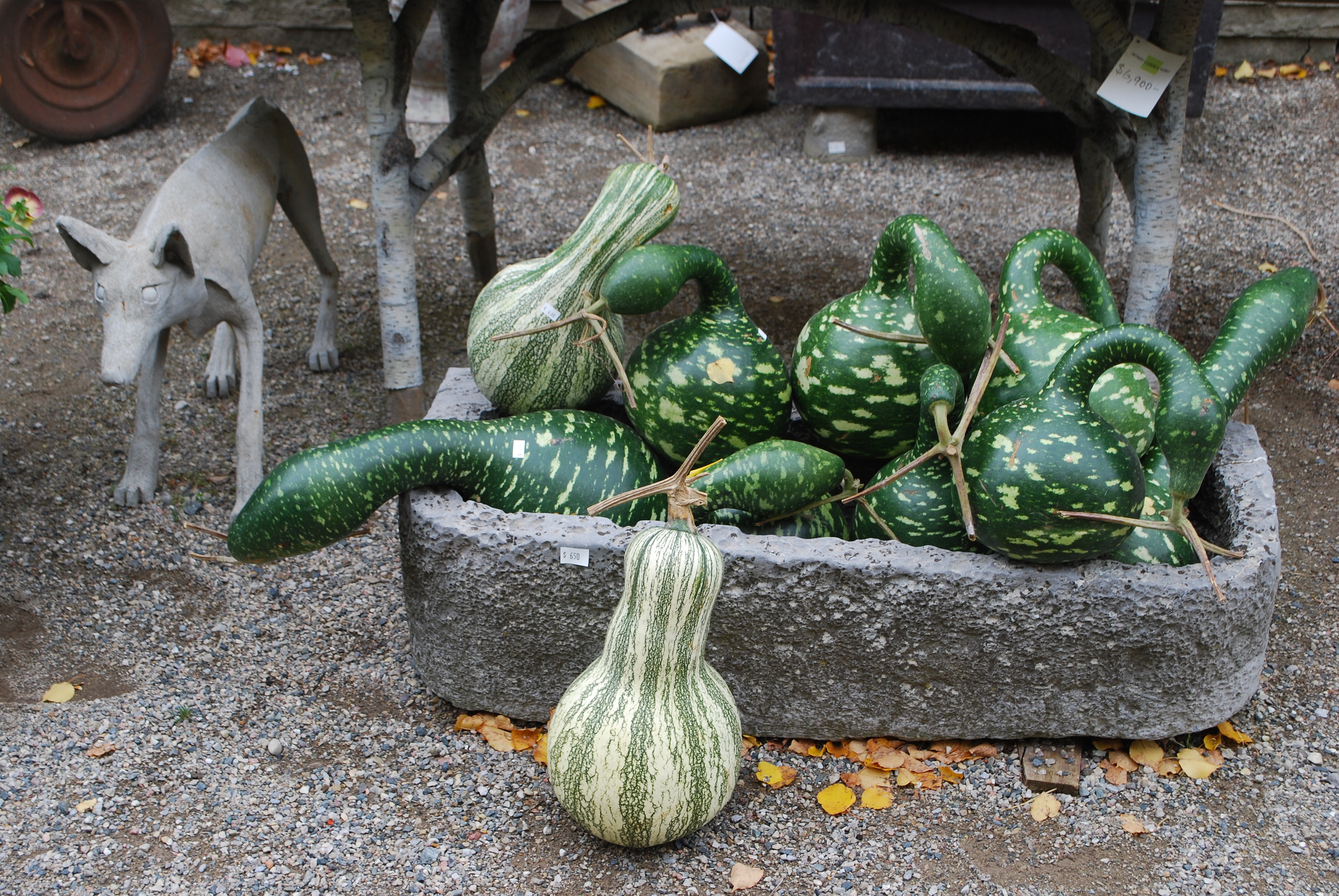
The green represented by my annuals, perennials and trees is fading fast.  It seems a little early to me-so much fall color the first week of October.  Luckily nature provides for some form of green in every season.  These bird gourds will fade to a fairly uniform yellow/taupe when they dry.  In their fresh state, the green color is as fresh and interesting as their distinctive shapes.

fall-fruits-and-flowers.jpg

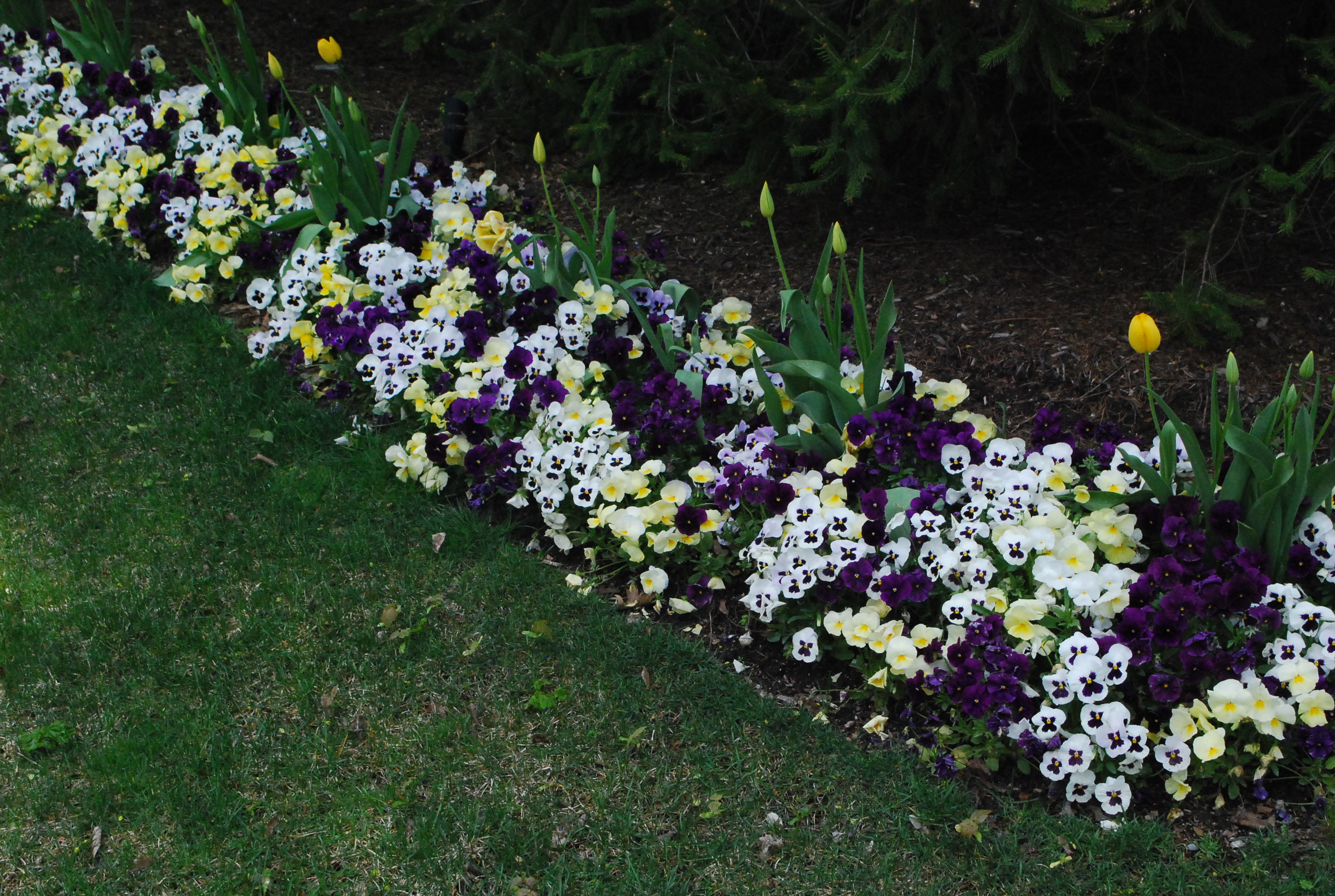
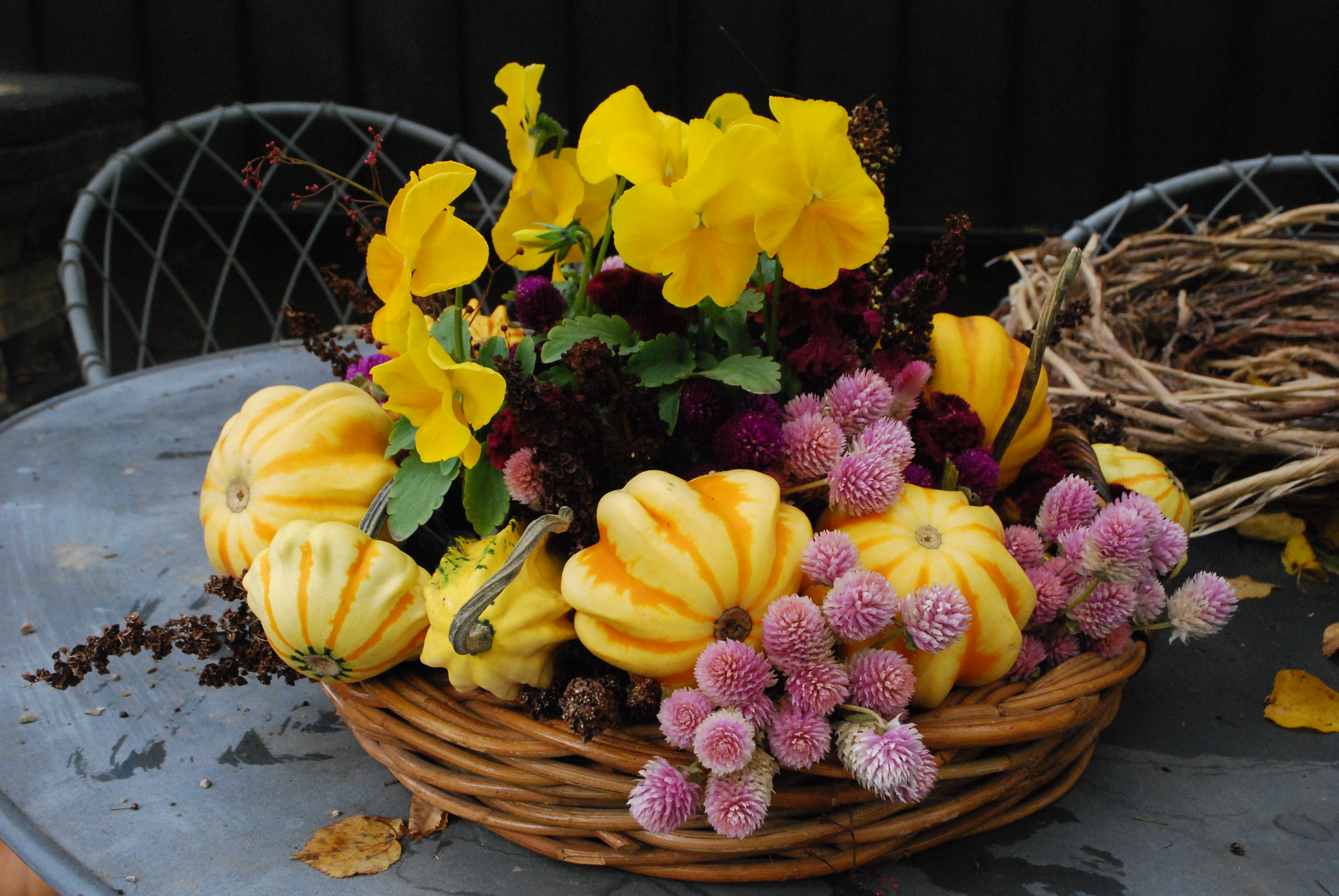
Pansies shrug off the chill.  These clear sky yellow pansies are same intense color now as they are in the spring.  They are fairly reliably hardy in my zone.  They look great carpeting a bed of tulips in the spring.  The carmine and pink gomphrena are easy to use in fall flower arrangements, as they are happy to be dry.  The orange striped yellow gourds provide lots of contrast.  Fairly lively this, considering that the garden is well on the way to going down.

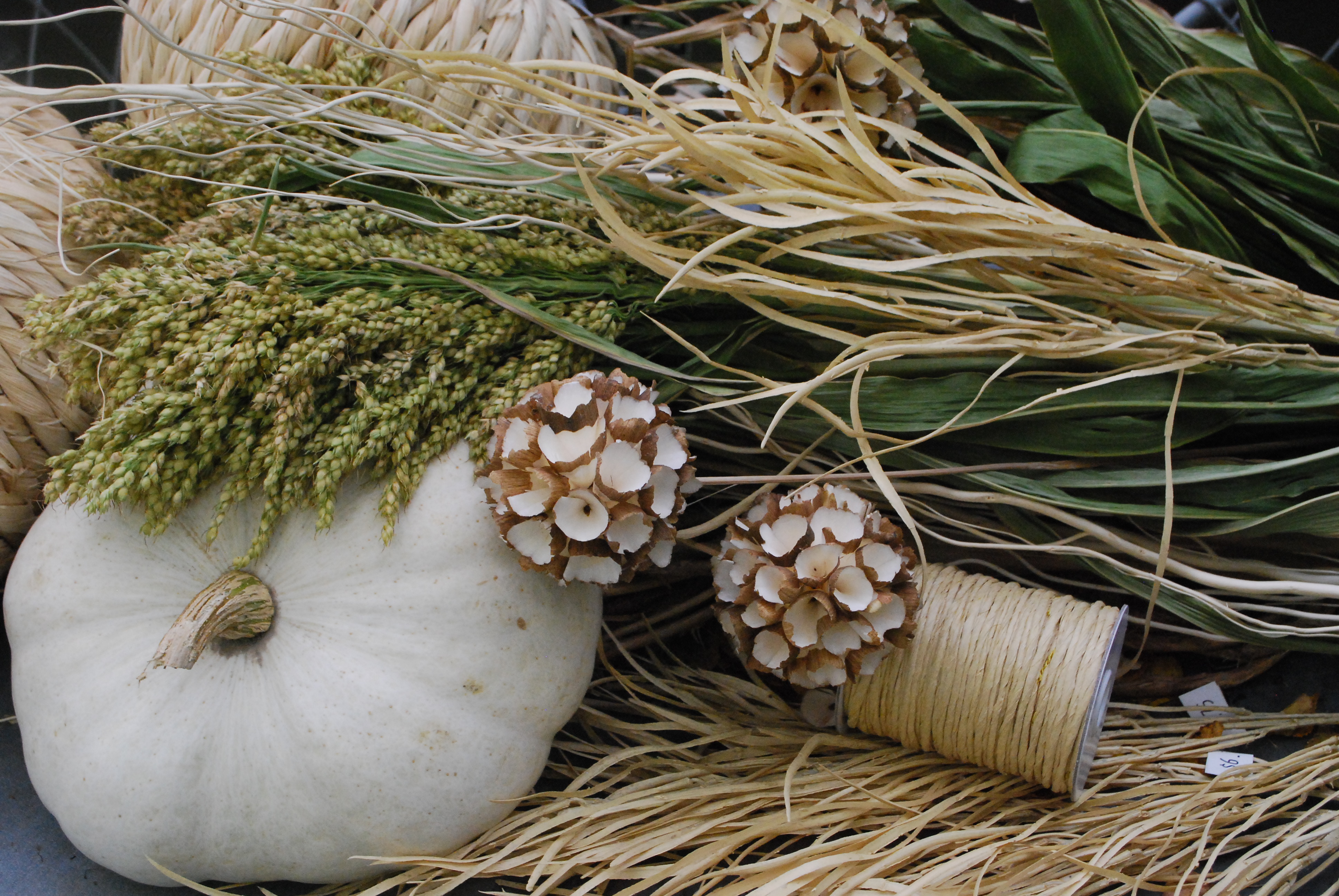
Pumpkins other than orange are relatively new to me-years ago, I would have had my choice of this orange, or that orange.  White pumpkins are a milky greenish white, and lend themselves to fall arrangements more contemplative and subtle.  Though broomcorn is available in all of the traditional fall colors of russet, brown and orange/brown, this pale green version is exquisite.  This color will fade given enough time to a creamy brown.  The color of this wired natural raffia twine is appropriately named “straw”.  Once the chlorophyll disappears from leaves and stems of grain or cereal crops, what remains is straw.  Booth the byproduct, and the color. 

cabbage coral queen

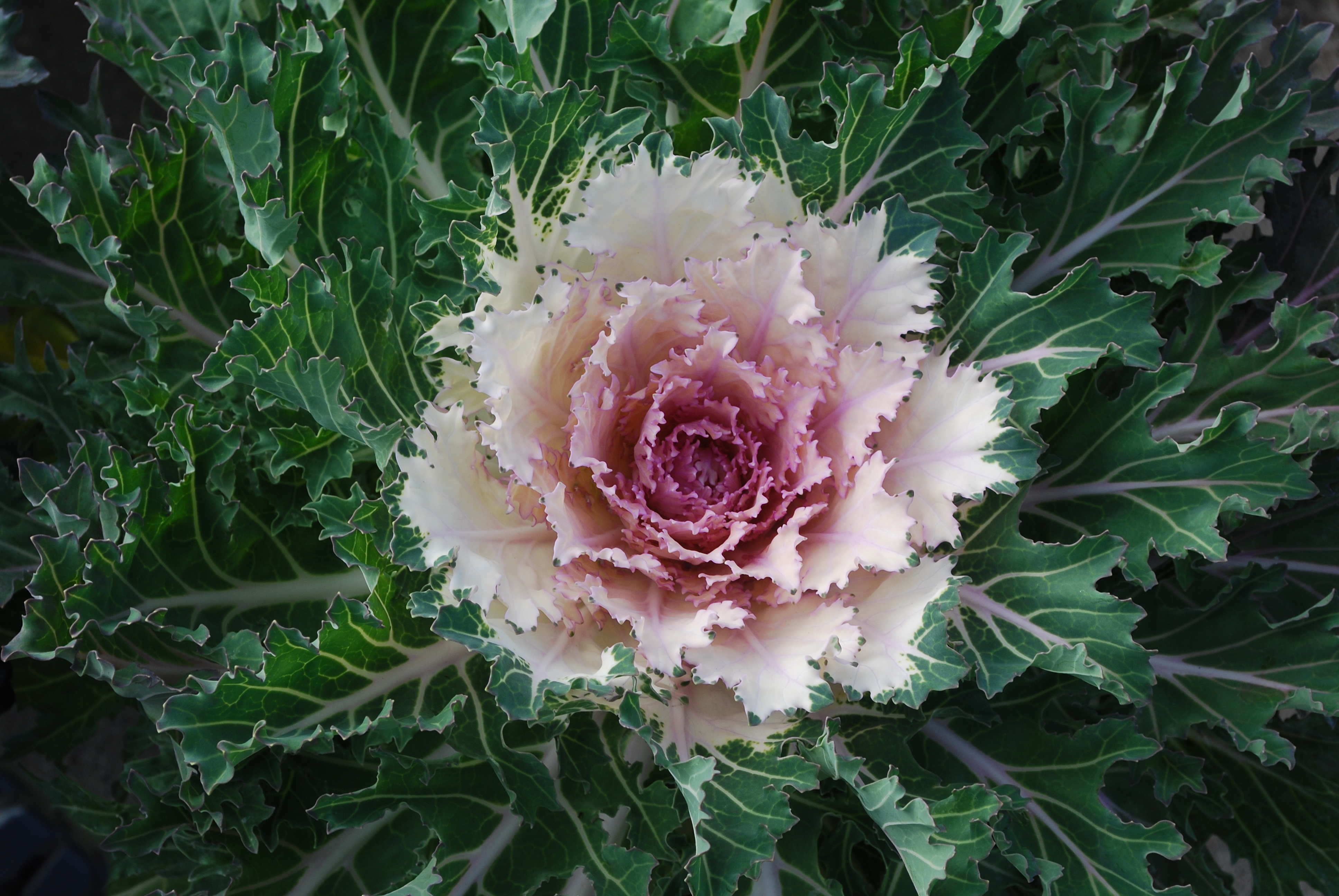
This cabbage is unusual in its shape, but most compelling in its coloration.  The center leaves of Coral King color in a way that is easy to recognize, but more difficult to describe. A brownish peachy pink, a touch of carmine, and a striking creamy white make them a beautiful plant in a fall arrangement.  The leaves-verging on turquoise.
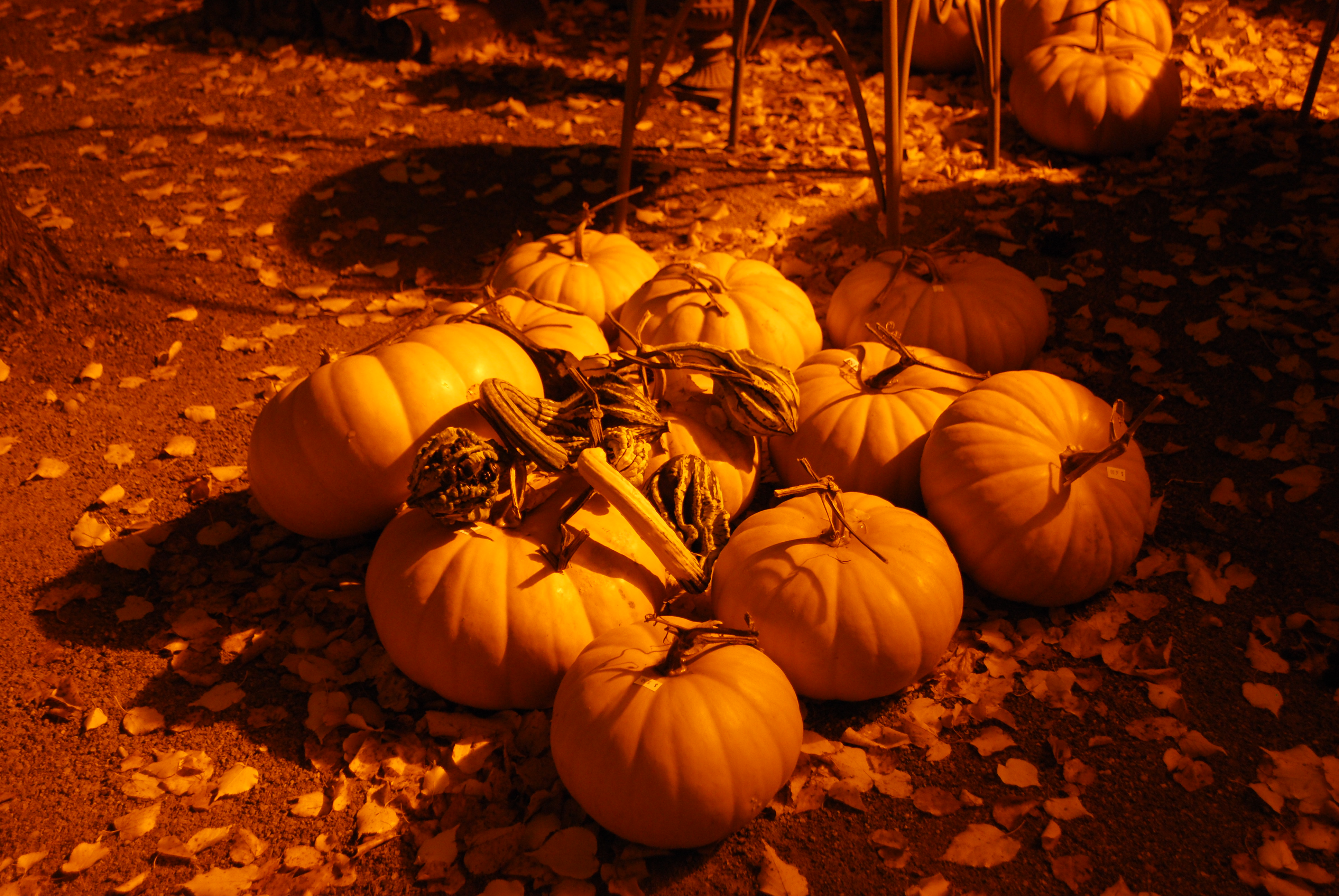
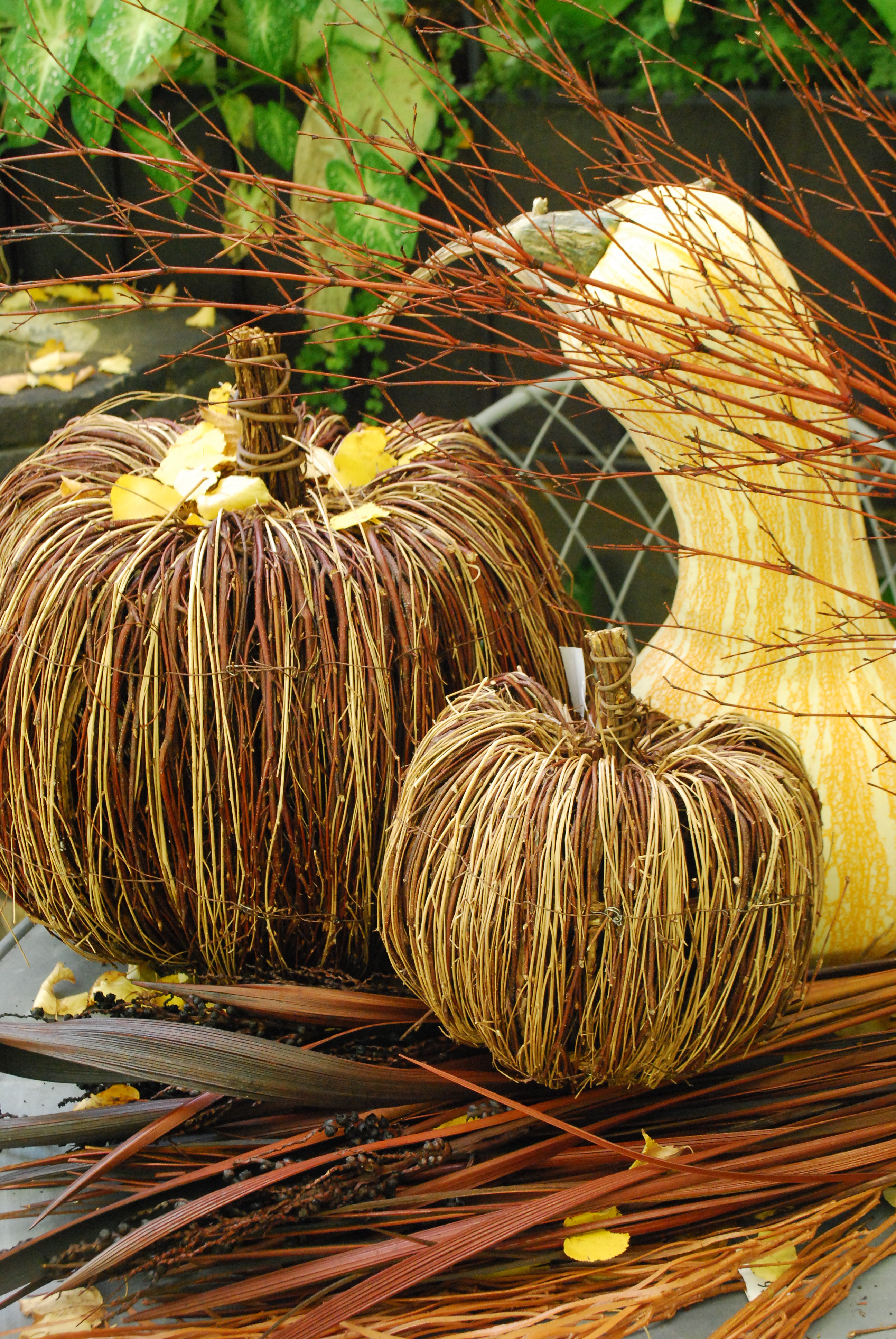
The shades of  fall browns are many.  The russet browns and creamy browns of these natural twig pumpkins look great with pale orange and cream yellow gourds.  The dried bahia stems and their chocolate/black berries are dark and rich in color.  Though all of these natural colors closely relate, the color relationships are lively-seasonal.

But by no means would I want to do without that jewel of a color we call orange in the fall.  A sugar maple in full fall color, a collection of orange pumpkins and gourds, and the fall color on the Boston ivy soon to come which will feature the most amazing yellow/coral color  imaginable.  It wouldn’t be fall without the orange.

landscape lighting

The light from the shop light fixtures early this morning-just as orange as this pile of pumpkins.  The light given off by the lamps is not at all like this in the spring, summer, or winter.  Go figure.