The Garden Designer’s Roundtable: Danger Garden

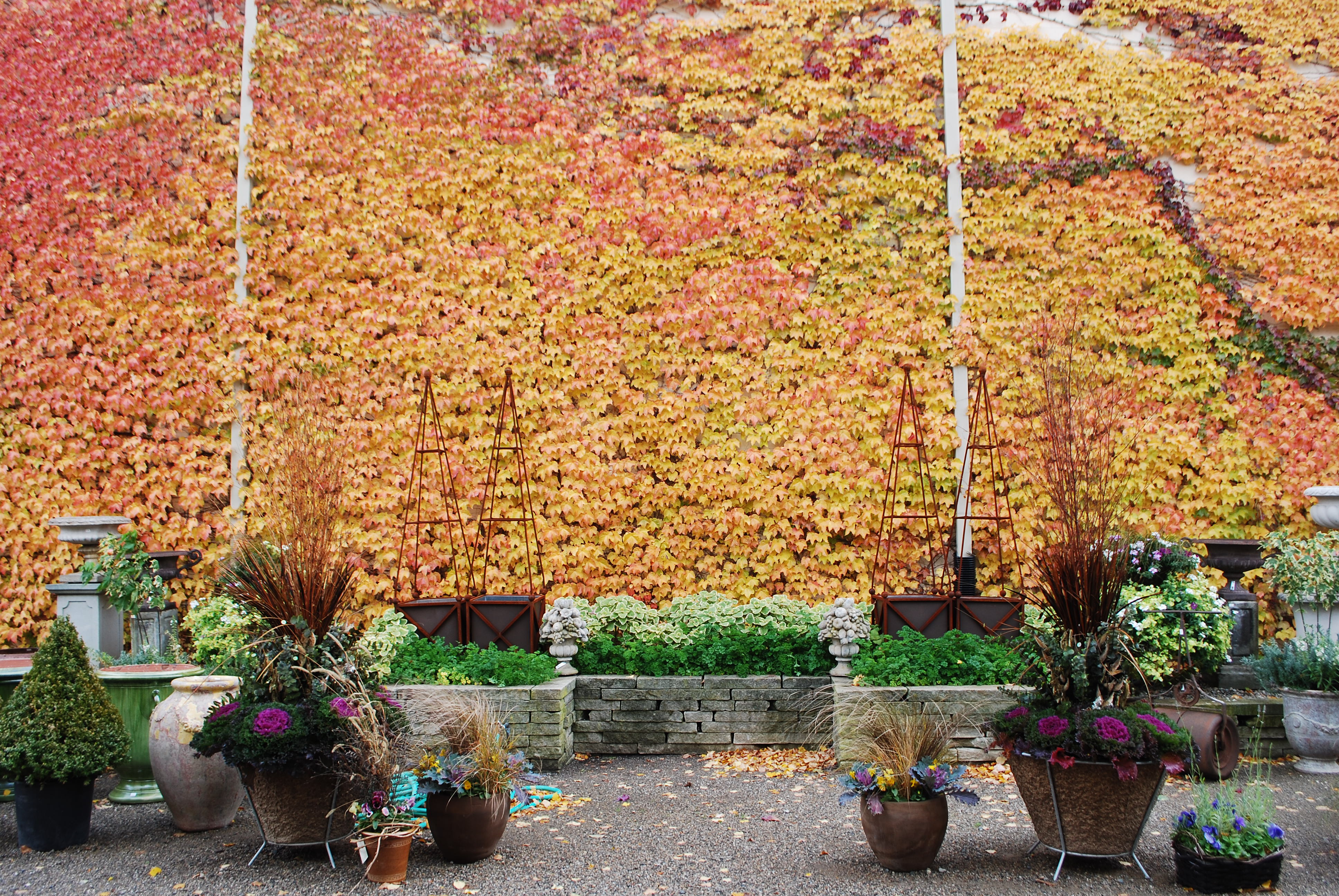
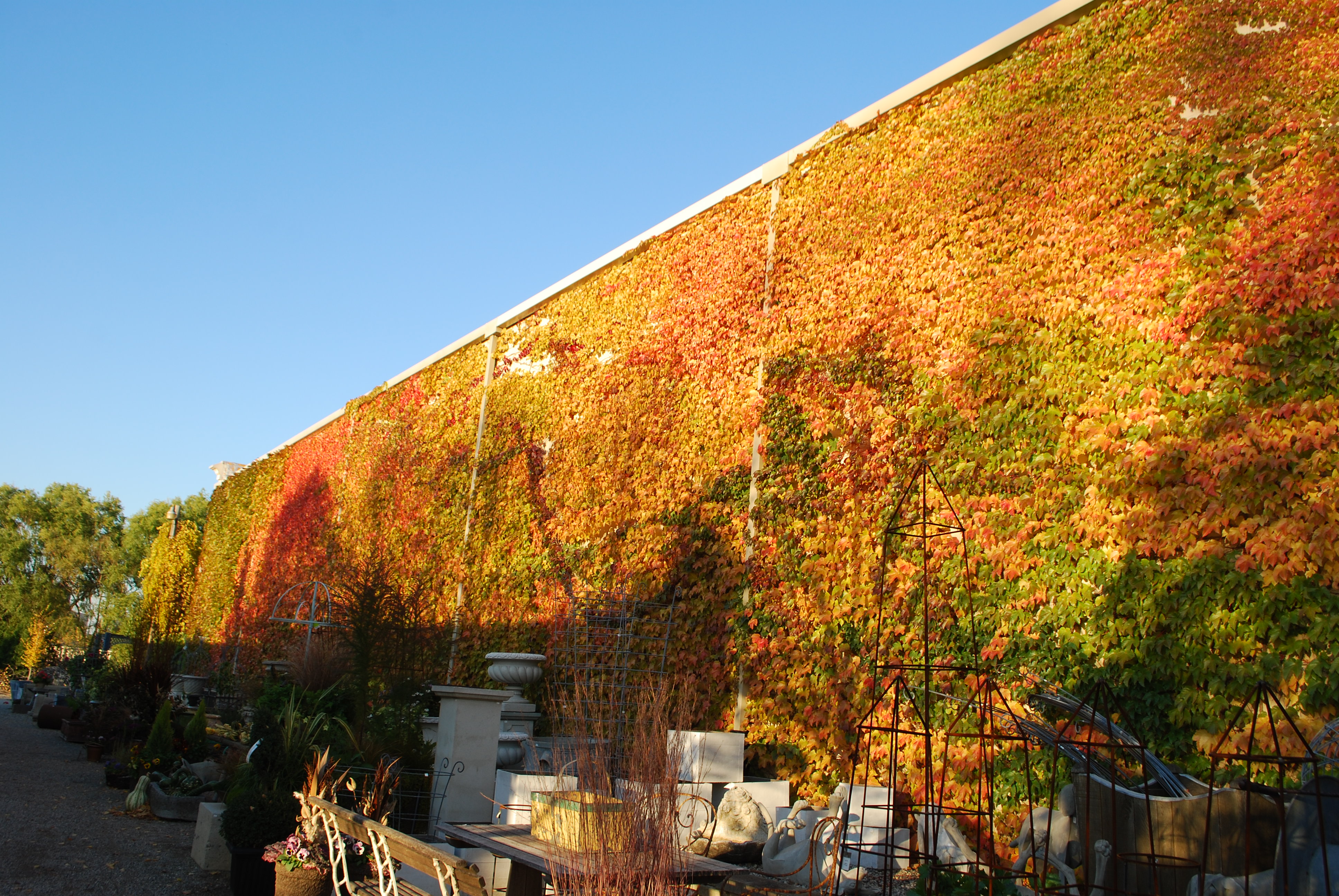
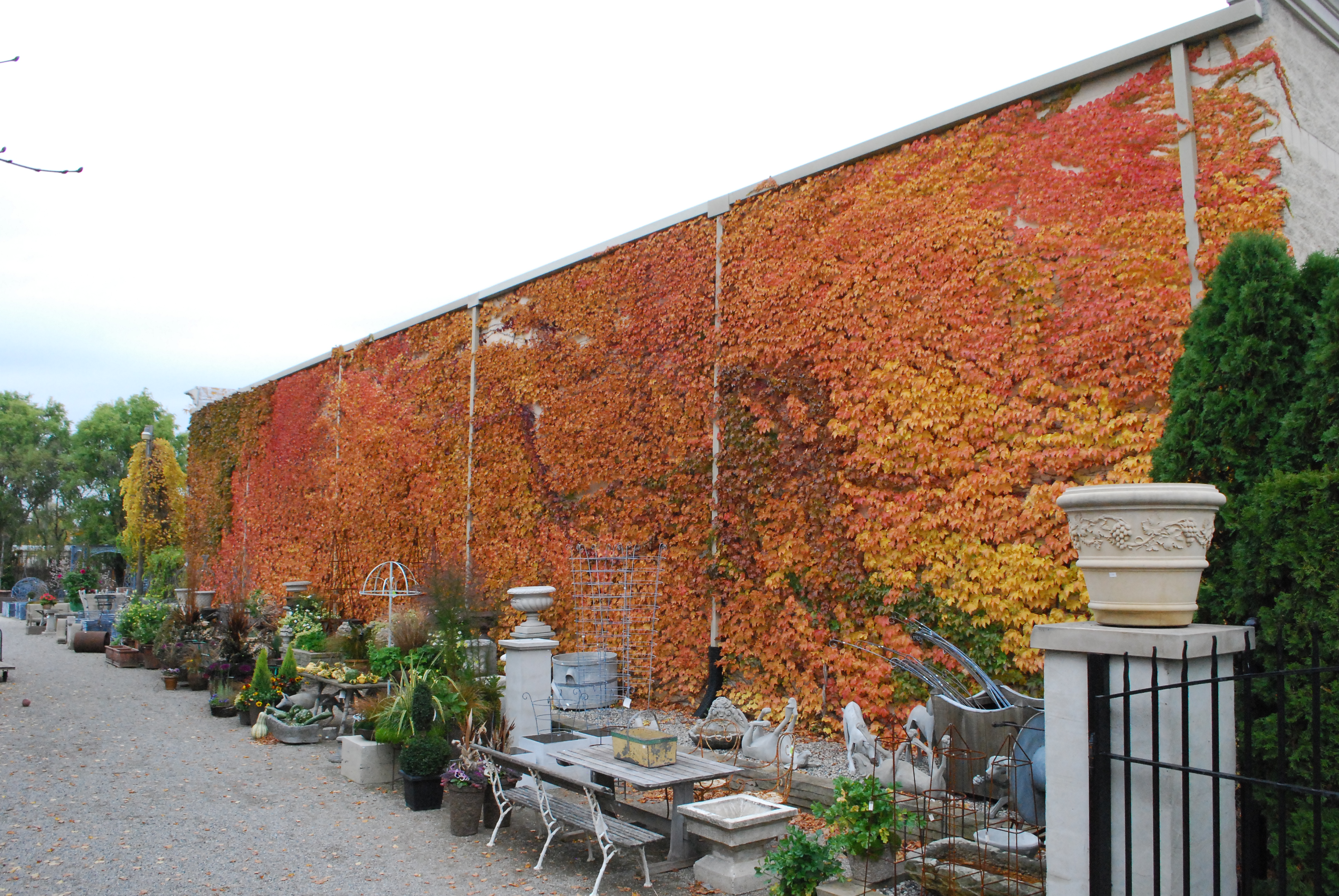
There is danger lurking in every garden.  It doesn’t take much of a brush with poison ivy to sideline the most passionate gardener.  A horde of angry bees can do the same.  The leaves of tomatoes and datura are poisonous-never mind the mushrooms that spring up here and there.  But given my zone that features a long and often bitter winter, my focus is much more about the dangers that pose a threat to my gardens.  The landscape around me, both public and private is on fire now-it is the fall season.  A good client tells me that the intensely fiery fall color is nature’s way of apologizing for what is to come.          
Leaves are green when the leaf is actively producing chlorophyll.  Leaves convert the energy from sunlight into energy that is food fore the plant.  This is a vastly oversimplified and maybe not so perfectly accurate account, but it helps to tell the story. 
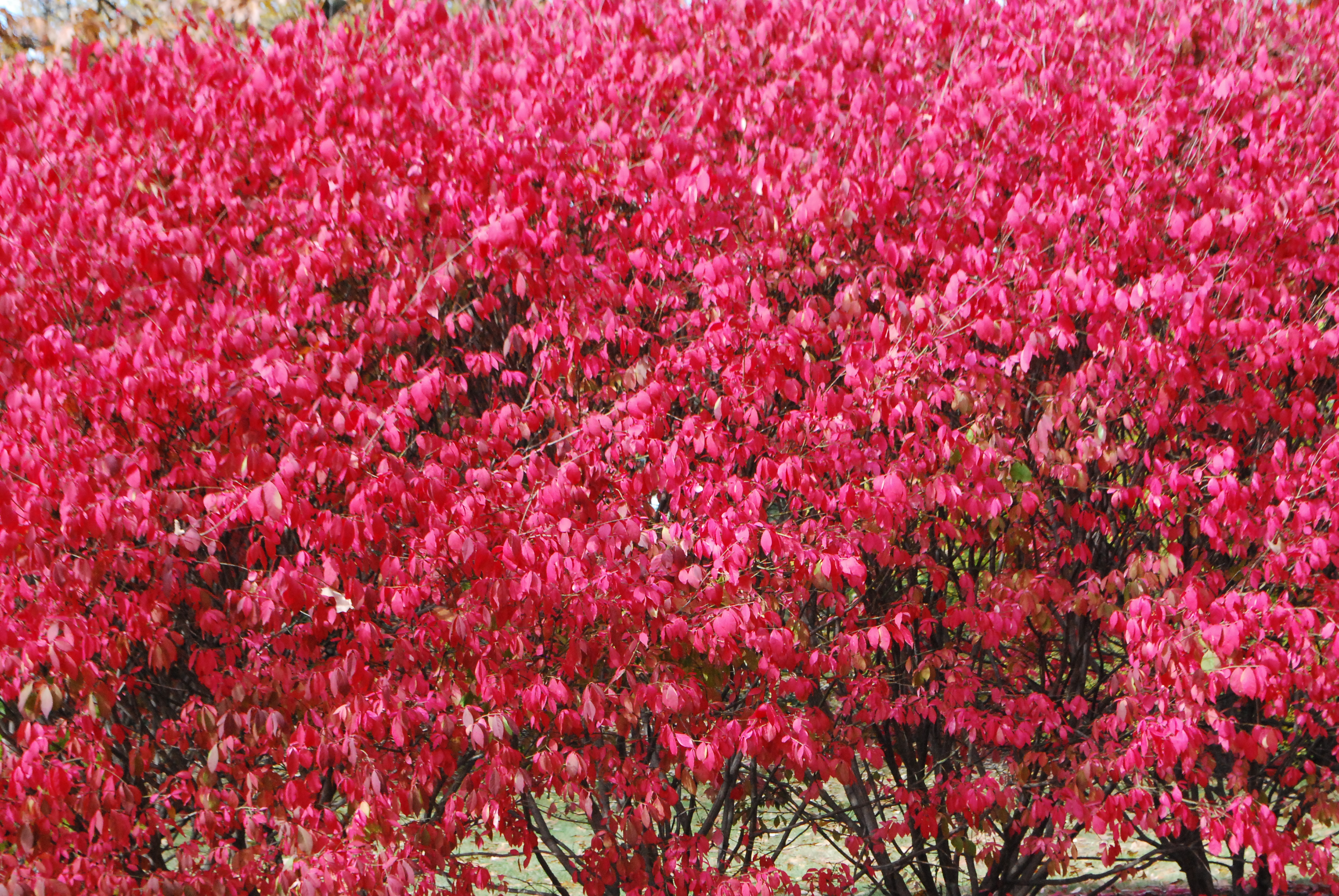
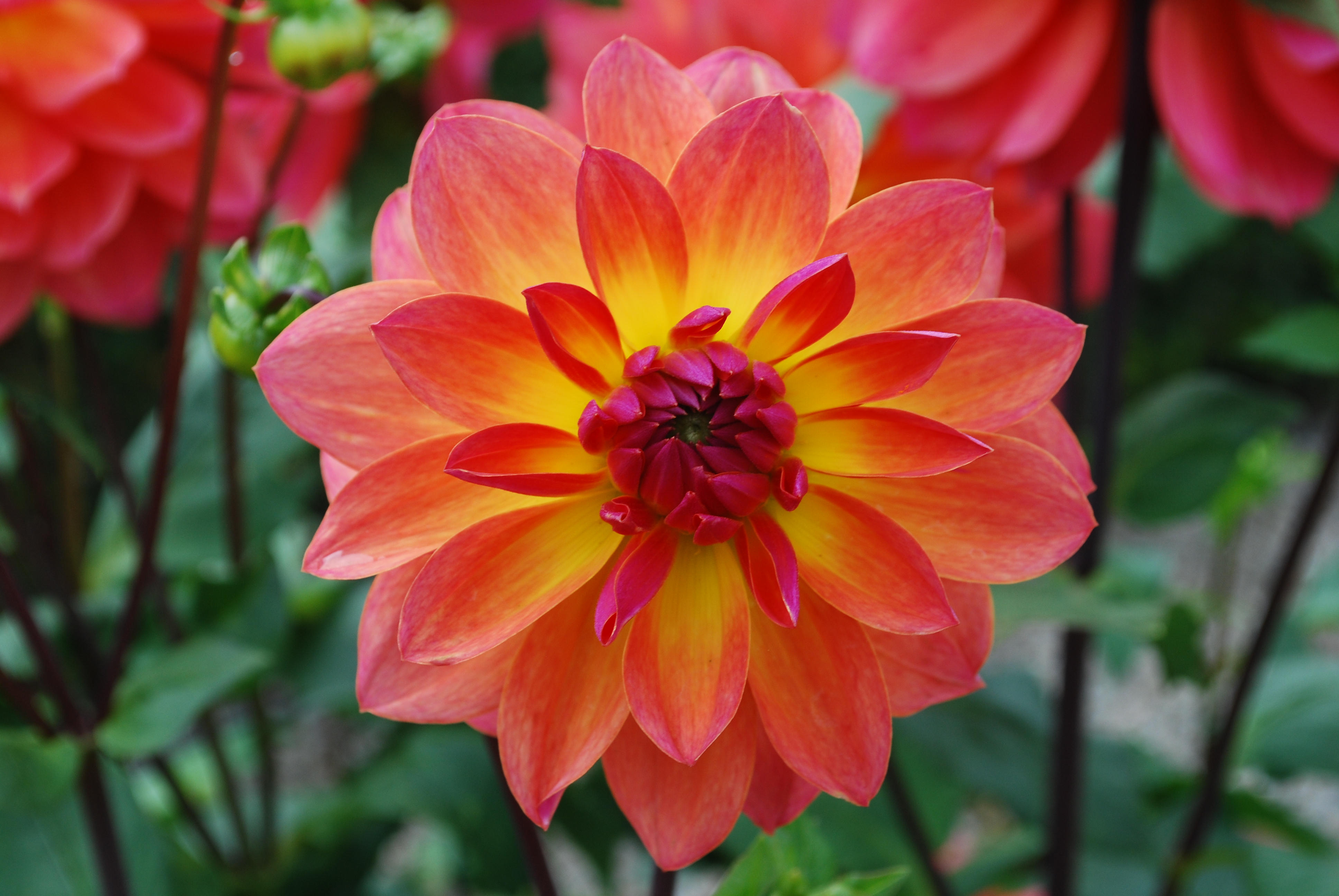
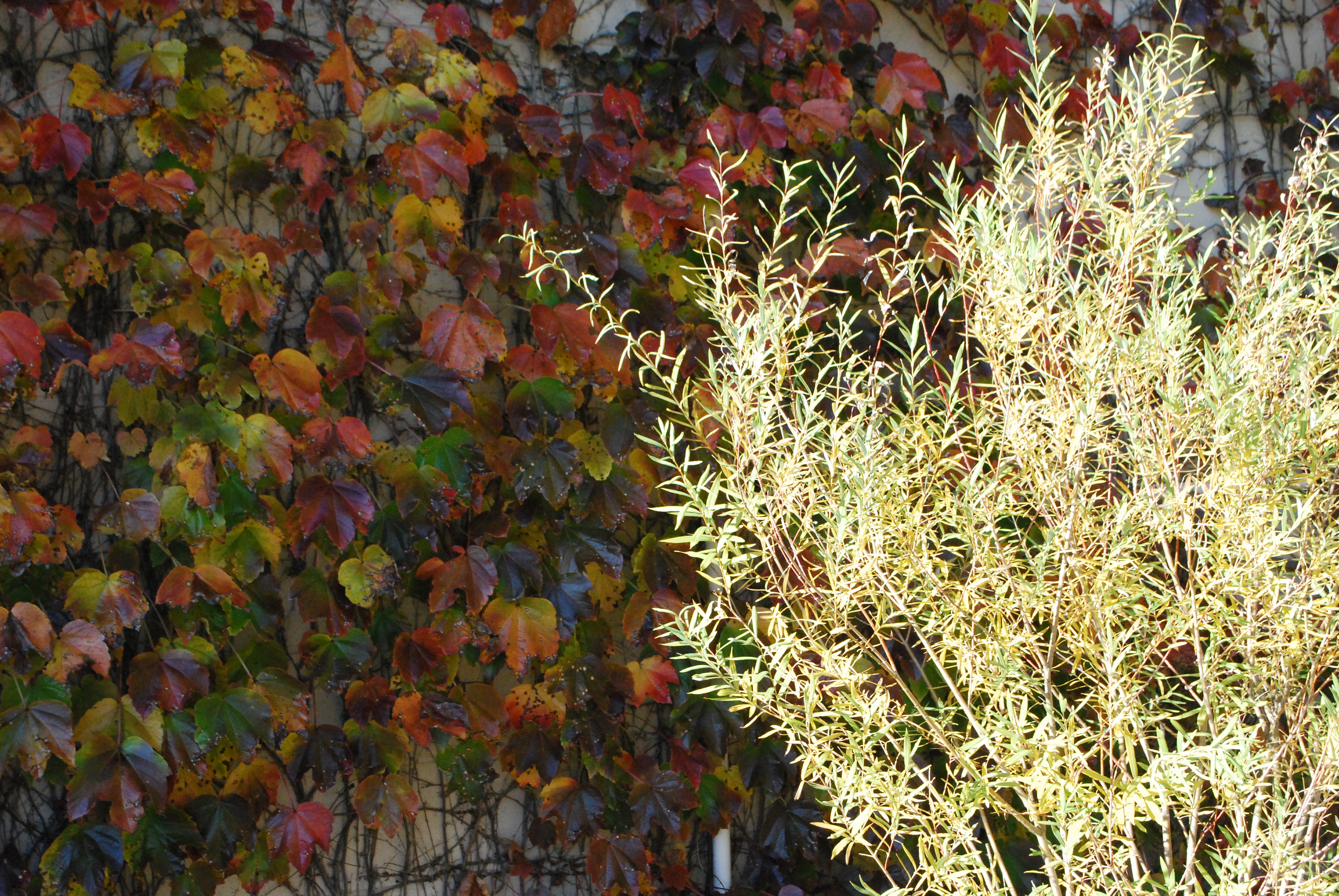
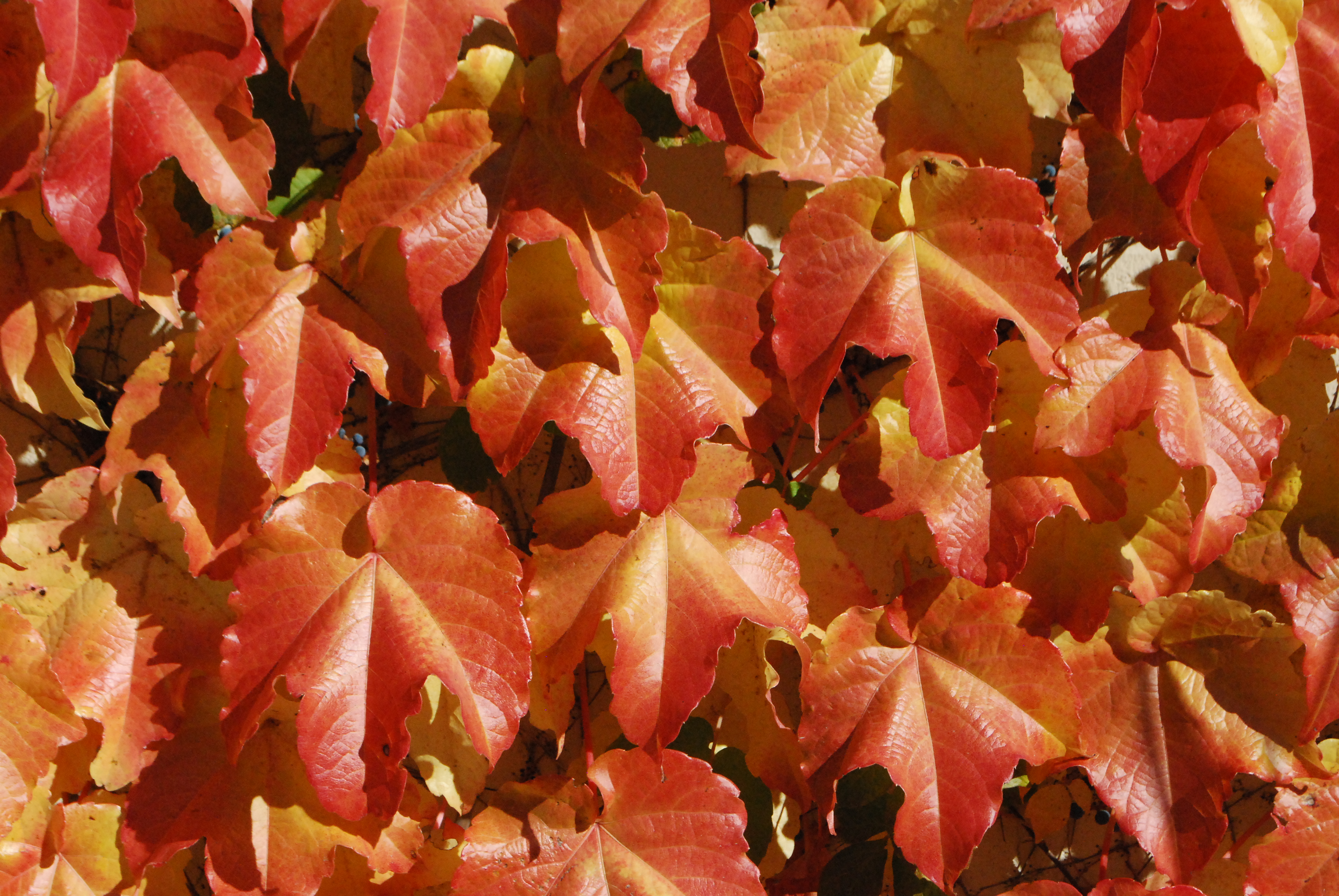
Yellow, orange, red and hot pink pigments exist in leaves, but that color is masked while the plant is in active growth, and producing chlorophyll.  Once the days begin to shorten, the plant responds to this slowing down of the growing season by reducing, and finally ending its production of chlorophyll.
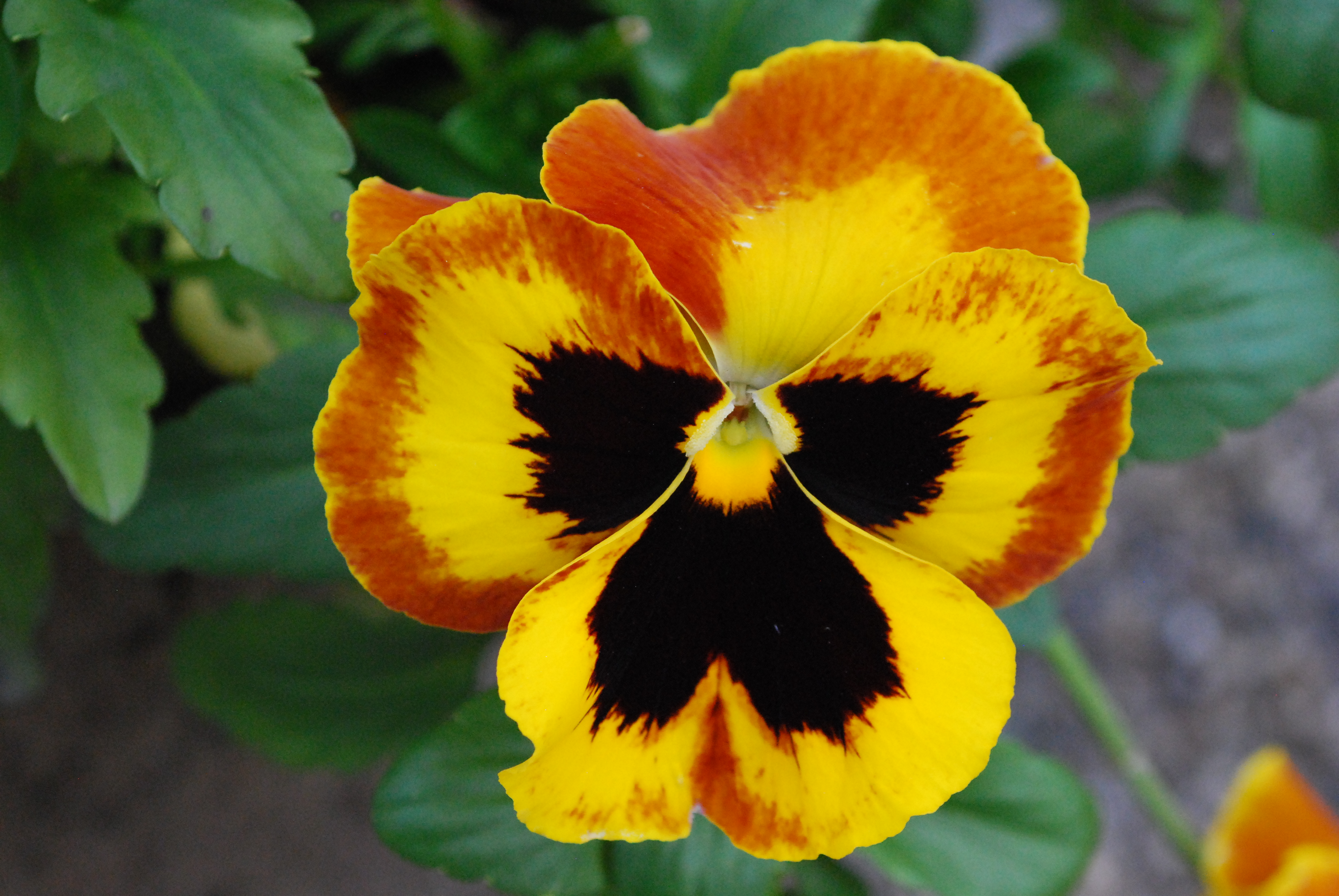
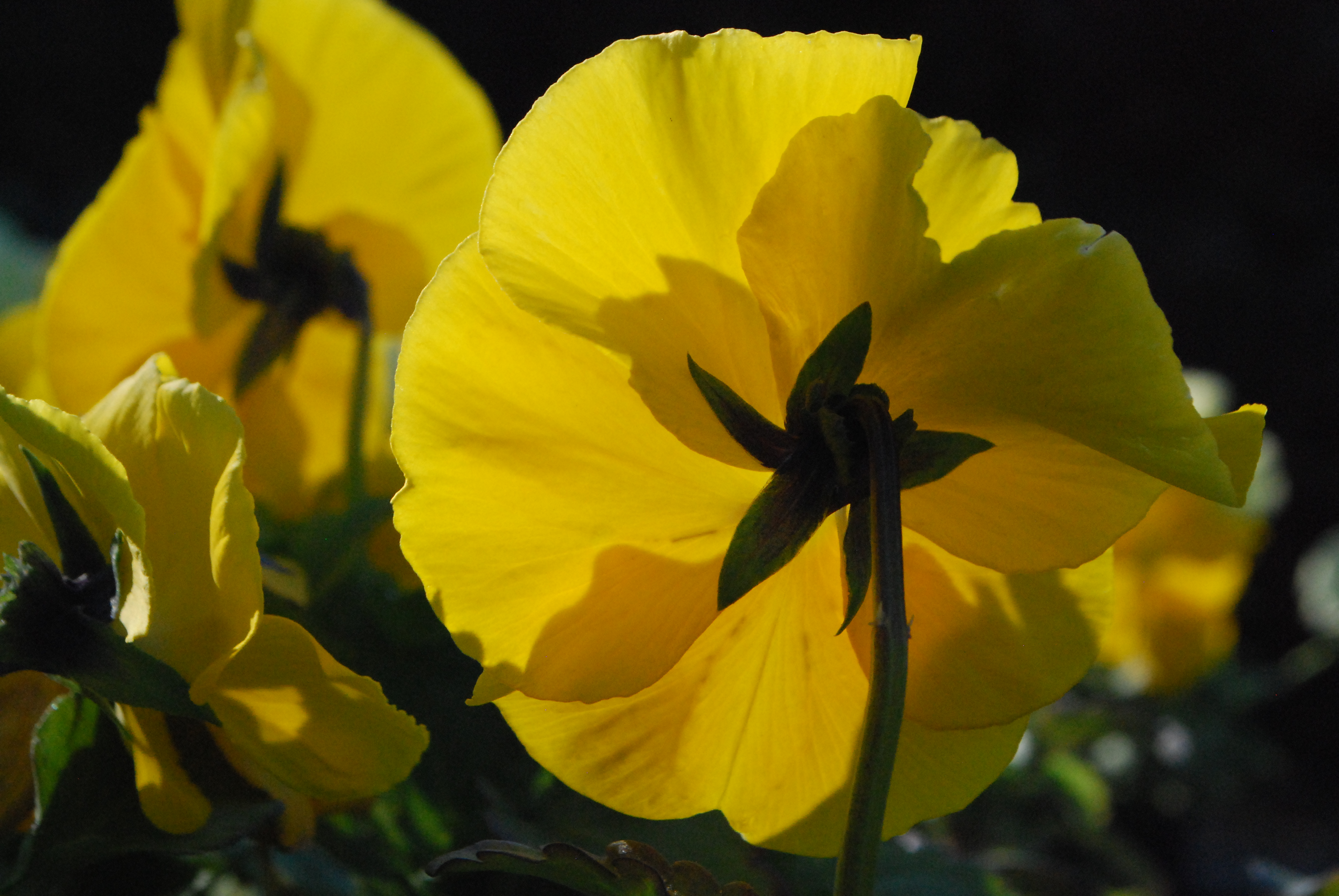
Would that gardeners had a mechanism that sophisticated for dealing with the season coming to an end.  I am outside cruising the garden now in a coat and hat, shivering, in an effort to stave off the inevitable.  I value those cold temperature stalwarts the pansies as much in the fall as the spring.  My Rozanne geraniums and my Japanese anemones are in full flower right now.  None of their leaves are on fire-they are green as green can be. 
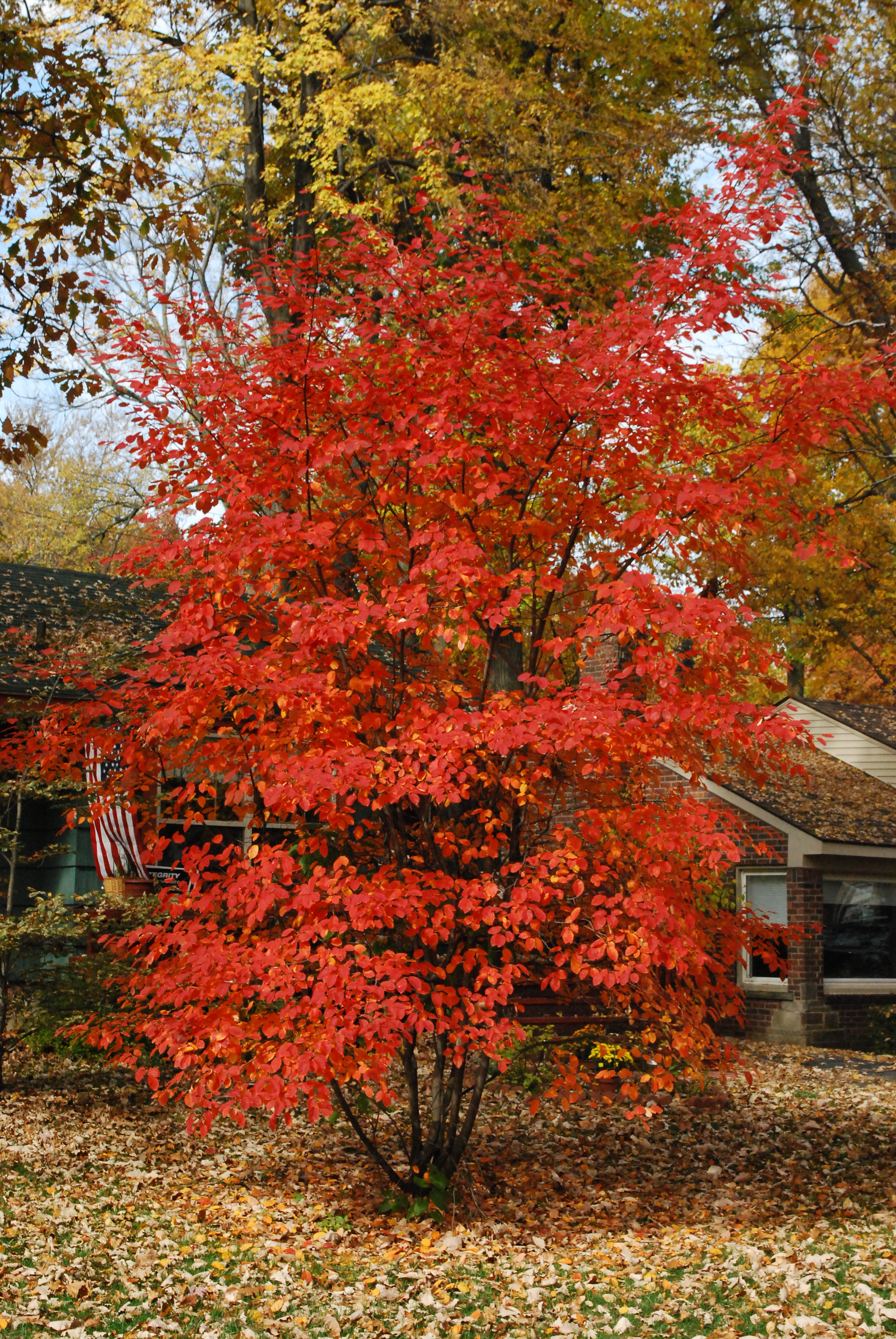
Perennials need much less time to prepare for winter than the trees.  Giant plants take months to slow down, so onc the ground is frozen, they are but a breath away from a dormant state.  Hopefully they have stored plenty of energy which will sustain them throught the winter. 
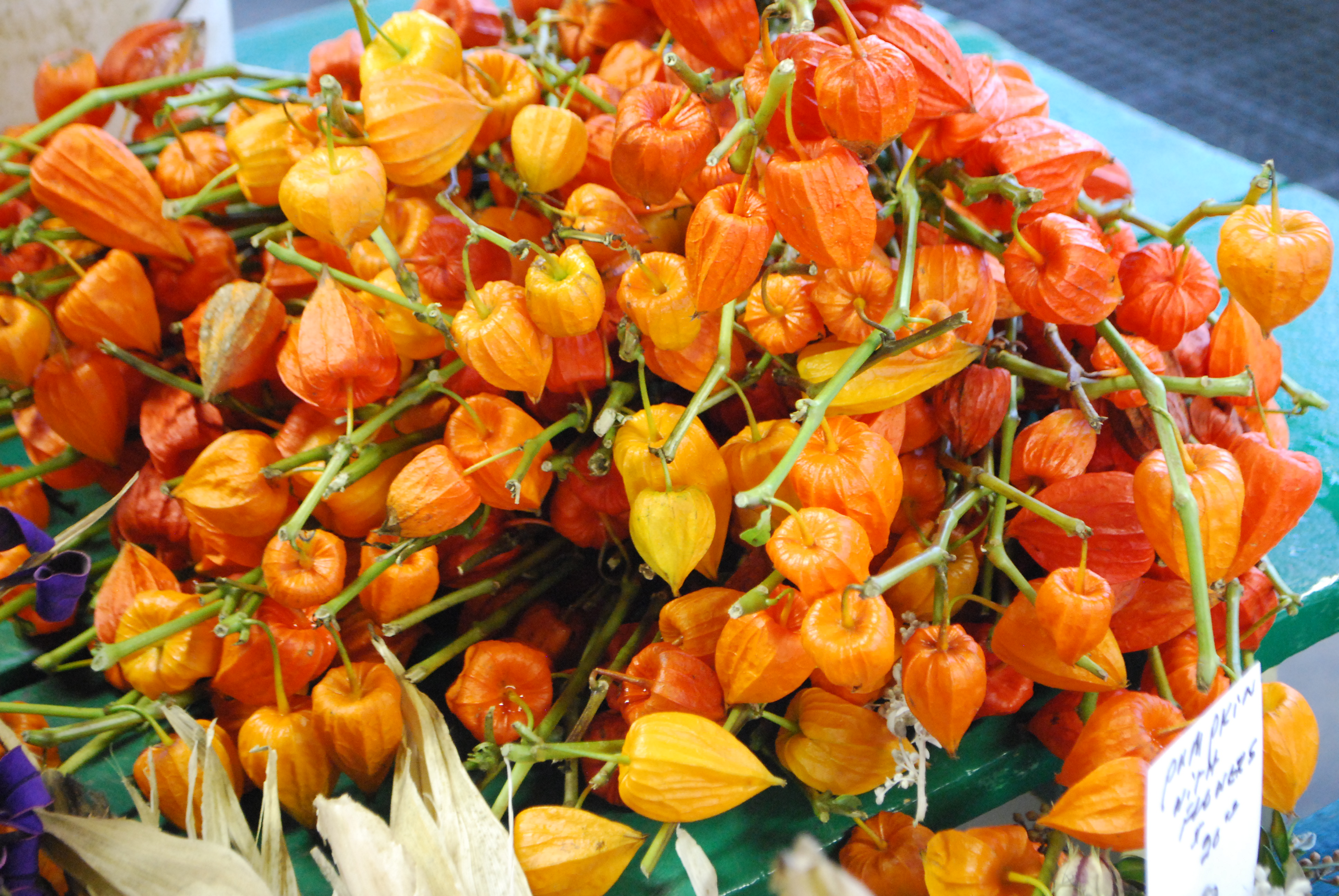
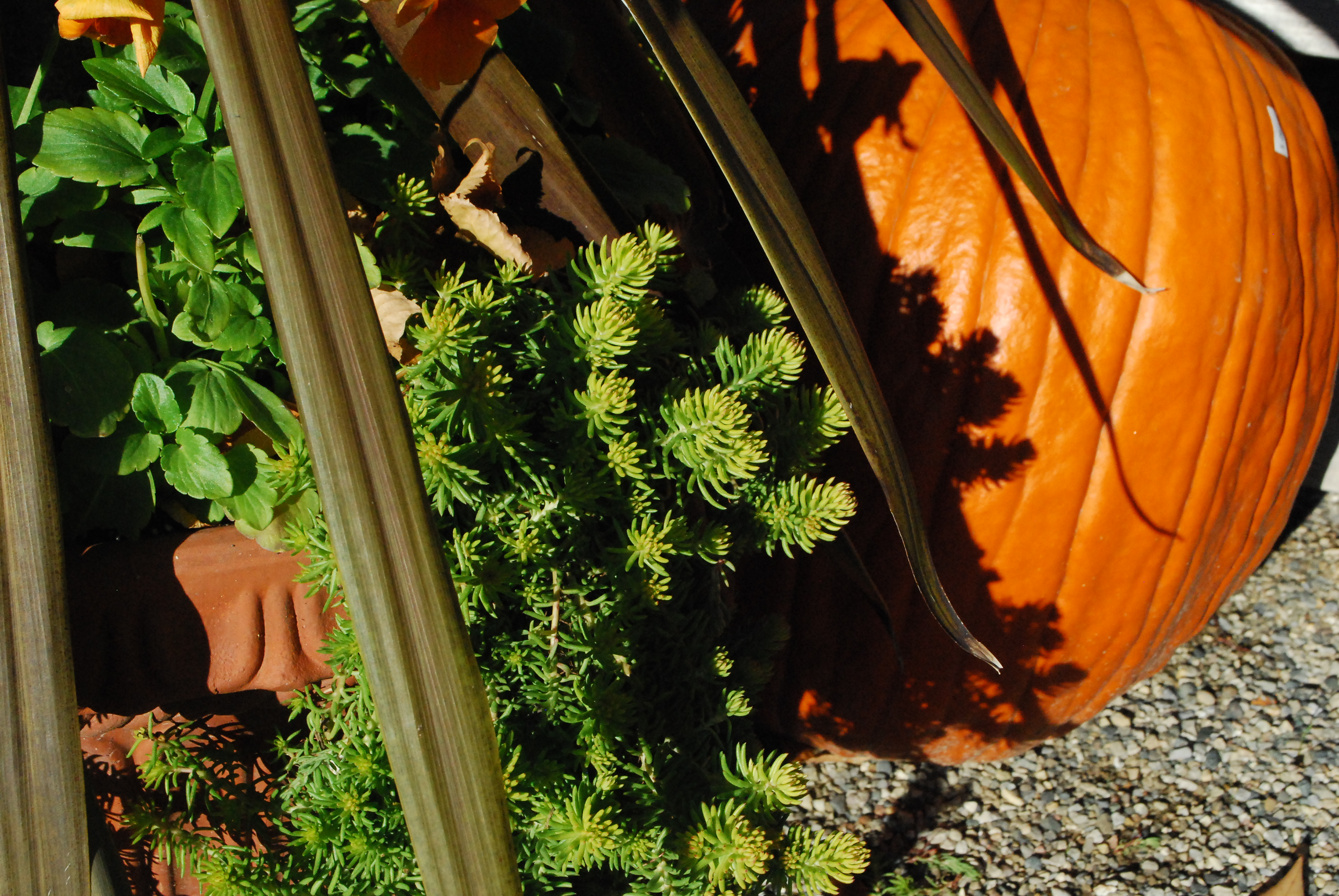
Our fall is associated with the fruits of the harvest.  Brilliantly orange pumpkins are available everywhere right now.  At market, the red, yellow and orange peppers add lots of visual heat on chilly days. The color Chinese lantern seed pods is a comfort.

Our fall color in a good year is sensationally beautiful.  It is hard to believe that all of this warm color comes at a time of year when the overnight temperatures are steadily dropping.  This magnolia in full fall color is an expression of yellow that rivals forsythia in the spring.   

Nyssa sylvatica is a very architectural tree.  Simple and unobtrusive in shape and leaf, the fall color is its glory.  The tangerine and yellow orange of these leaves is a standout in a fall landscape.
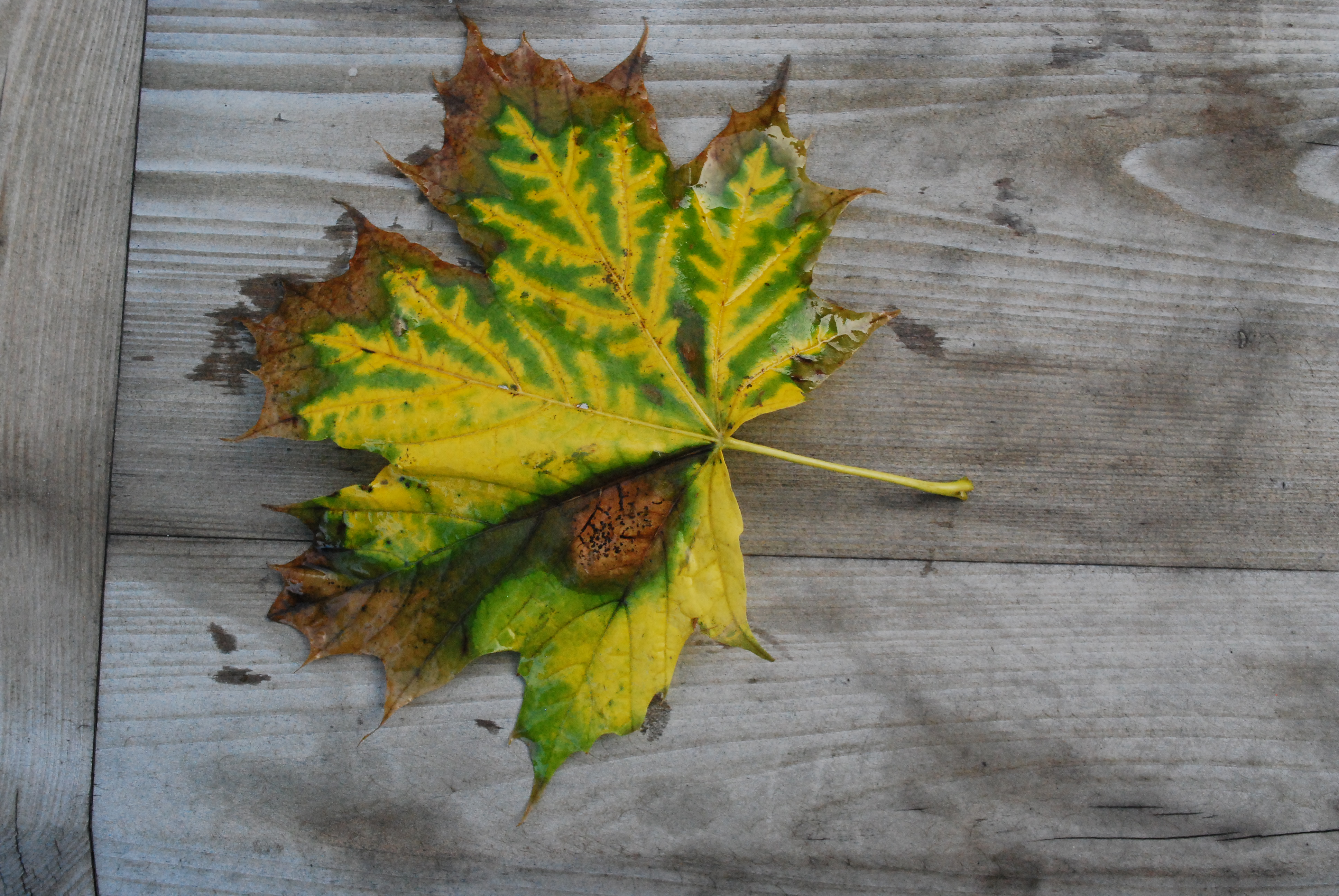
This leaf from a Princeton Gold maple is singed by cold, and fungus.  The process of the slowdown of chloropyll production is obvious.  Danger-winter dead ahead. 
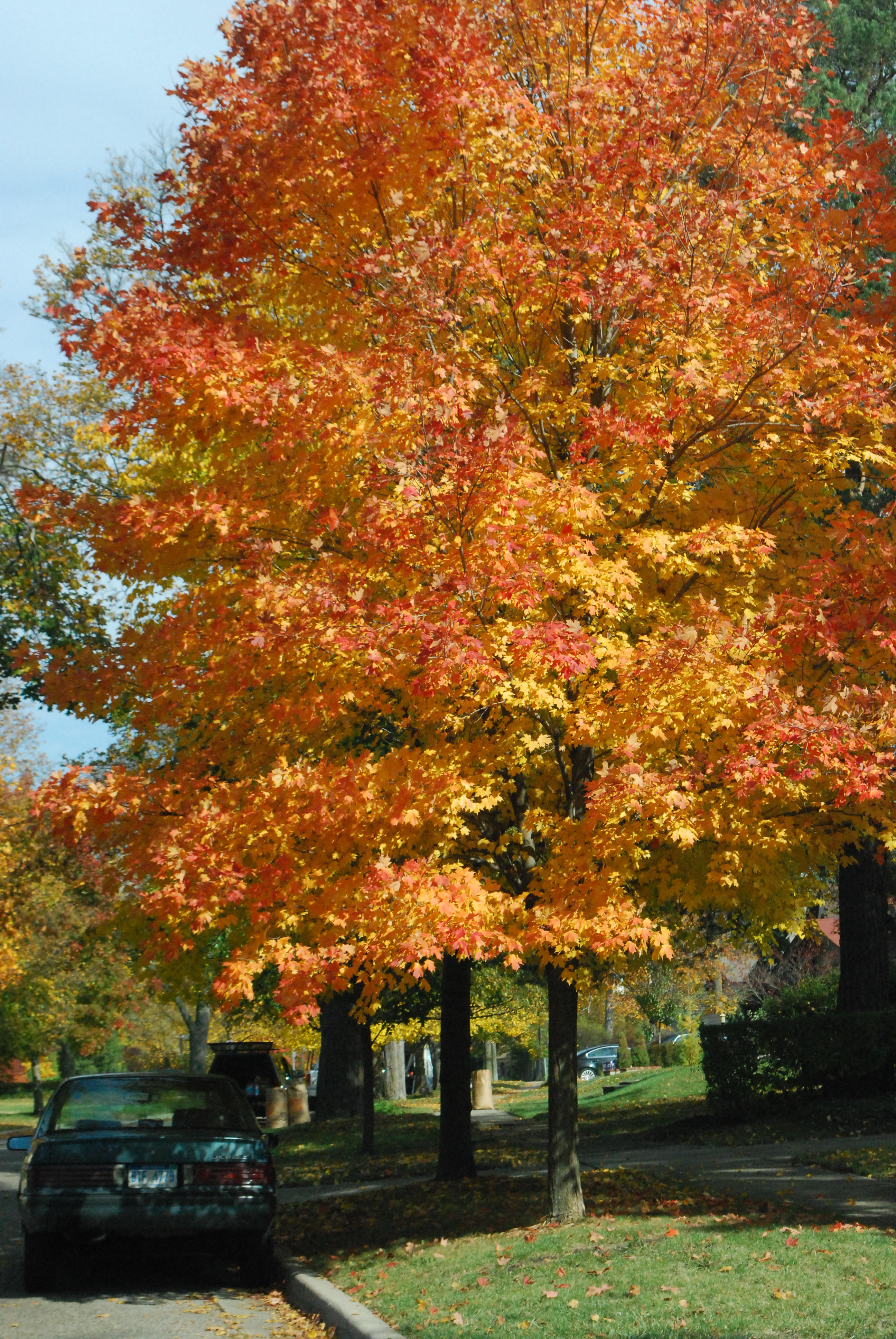
Sugar maples are noted for their fiery fall color.  Someday I would like to take a fall color tour in northern Michigan, or New England.  But trees all over my neighborhood do a great job of making the beginning of the end of the garden bearable.
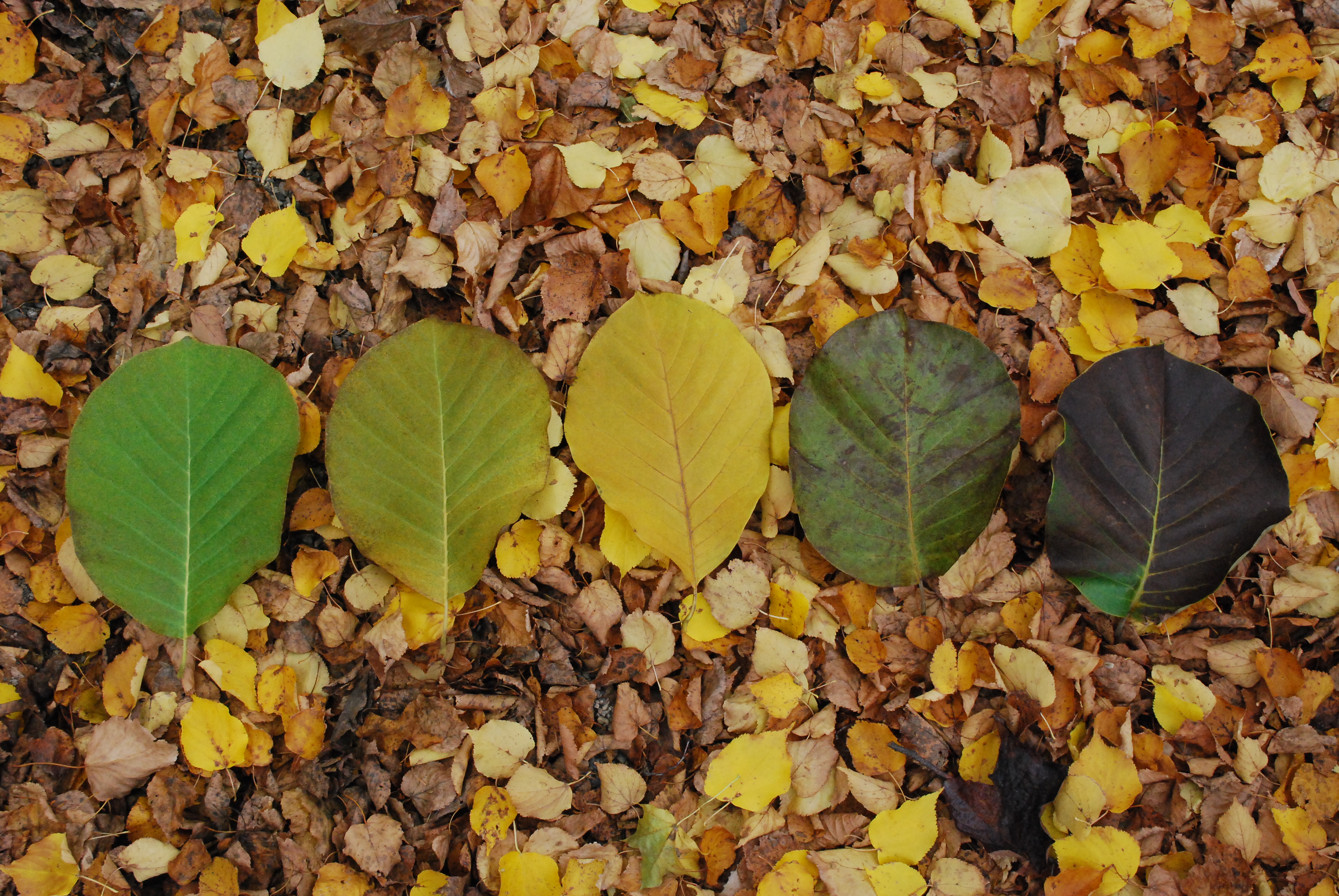
All five of these leaves came from one of my yellow butterflies magnolias. They illustrate the process by which a green leaf matures, and drops.  The danger ahead?  A winter that threatens the life of even the best prepared of plants.  It can happen. 

Gardening in a zone with harsh winters has its dangers, for plants and gardeners alike.  All of the fiery signs are out there.

For more on Danger Gardens,  check out the posts of other members of the Garden Designers Roundtable, and our guest writer this month, the very talented gardener Loree Bohl :

Loree Bohl : Danger Garden : Portland, OR

Pam Penick : Digging : Austin, TX

Rebecca Sweet : Gossip In The Garden : Los Altos, CA

Mary Gallagher Gray : Black Walnut Dispatch : Washington, D.C.

Lesley Hegarty & Robert Webber : Hegarty Webber Partnership : Bristol, UK

David Cristiani : The Desert Edge : Albuquerque, NM

.


Monday Opinion: The Editors In Chief

Editing is a very important element of design.  Given a manuscript for a book, an editor may make suggestions about how to distill the message by editing the text.  An idea which takes too many loose and wandering paragraphs to fully explain will only appeal to the most devoted and hard working of audiences. Ideas that are simple and well crafted get attention.    

All of those distracting visual and written elements need to be swept off the page.  Clear, direct, concise, organized and distilled makes for a strong presentation. Distillation makes grappa, moonshine, and port much more potent.  Potent can refer to a taste, a smell, an idea or a vision.  A fully staged production of a ballet, a string quartet,  an opera, or play-visually potent.  One small painting by Lucien Freud could fire up, light up, an entire museum gallery.   

The written word can be especially potent.  A novel that is convincing and believable is a world unto itself, quite unlike any other world.  I am sure those sentences crafted by great writers have undergone numerous revisions.  When I read a novel, I am enchanted by the world that unfolds.  I am not privy to the editing.  While that process is interesting, I like a composition that at least makes reference to a finish. The visual word can be just as compelling.  A landscape that seems scattered and tentative might benefit from editing.  Getting rid of this, or grouping these with those, can help make a clearer and stronger statement.  Of course I have a point of view here.  I am drawn to landscapes that are simple, yet manage to aspire to the mysterious, the romantic, or the austere.  A critical eye put to every aspect of a plan from the grading to the plants to the planting gets rid of every element that is not essential to the design narrative. 

Who edits for me?  Clients, of course.  Clients have busy lives, and very real concerns.  They are the most important part of the design process.  Friends and children have an uncanny ability to spot a weak moment.Colleagues on whom I depend can spot trouble.  Close to nothing gets by my landscape superintendent.   They encourage me to edit my plan, for the sake of a clear and clean installation.  I can depend upon them to edit.  And then there is the editing from nature.  That is the toughest exam any design will ever face.

At A Glance: Fiery


100 Boxwood

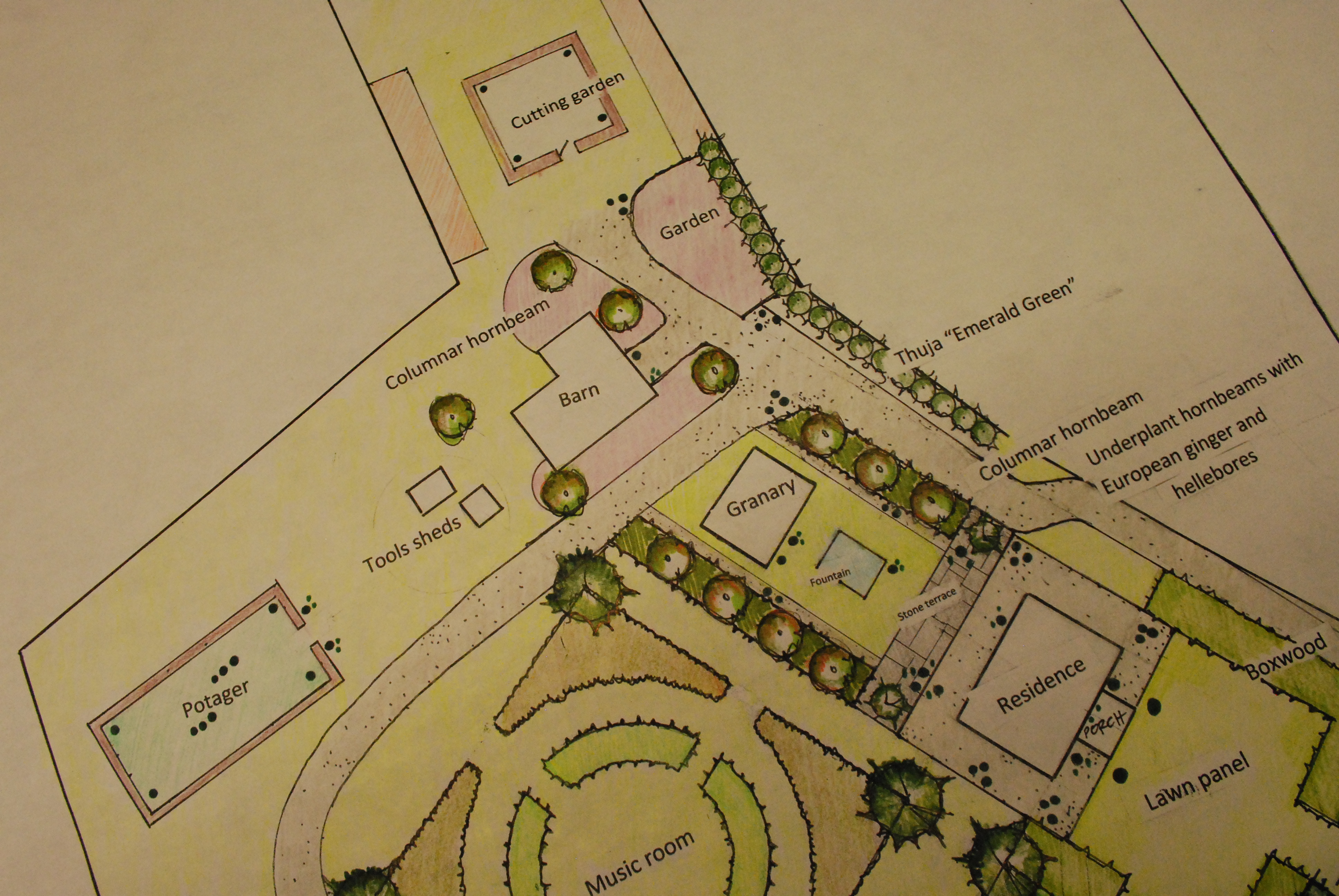
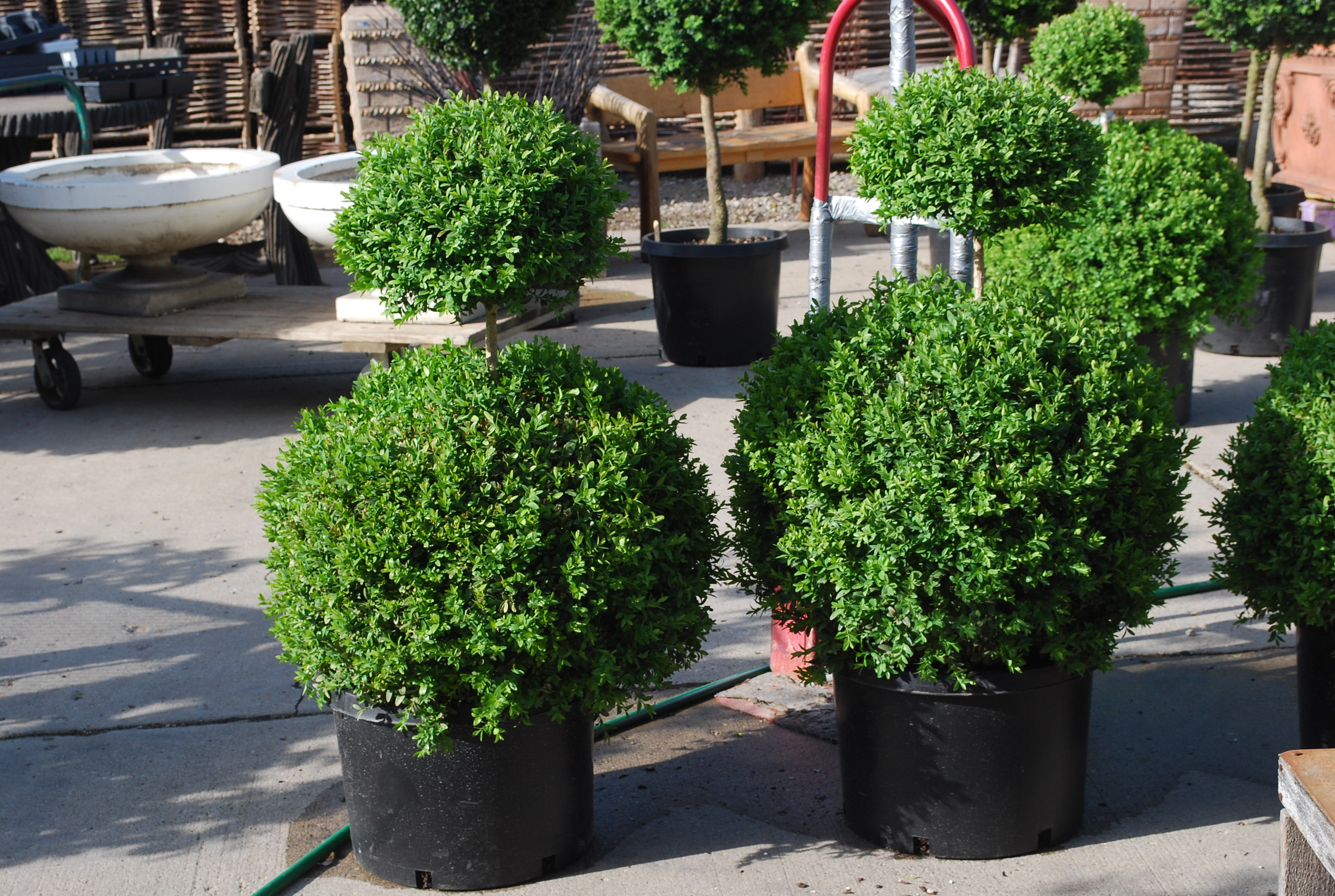
 Concerning my schematic plan from yesterday-my clients one comment was that I needed to add 100 boxwood.  All of said 100 boxwood will be in pots.  The placement and configuration of 100 pots of boxwood every spring will be the first work of their gardening season.  They will haul them out of storage on a huge dolly (which they have already purchased), and discuss and decide where to place them.  Boxwood in all different sizes, some of which are topiary plants with distinctive forms,  in a collection of gorgeous pots.  They are both adamant, and thrilled about the idea of 100 boxwood in pots.  Far be it for me to deter their enthusiasm.   I did amend the schematic plan with a lot of green dots-although I think all of my dots only add up to 72.  I have no doubt they will be able to place their 100 pots-and have a good bit of fun doing it.

topiary boxwood

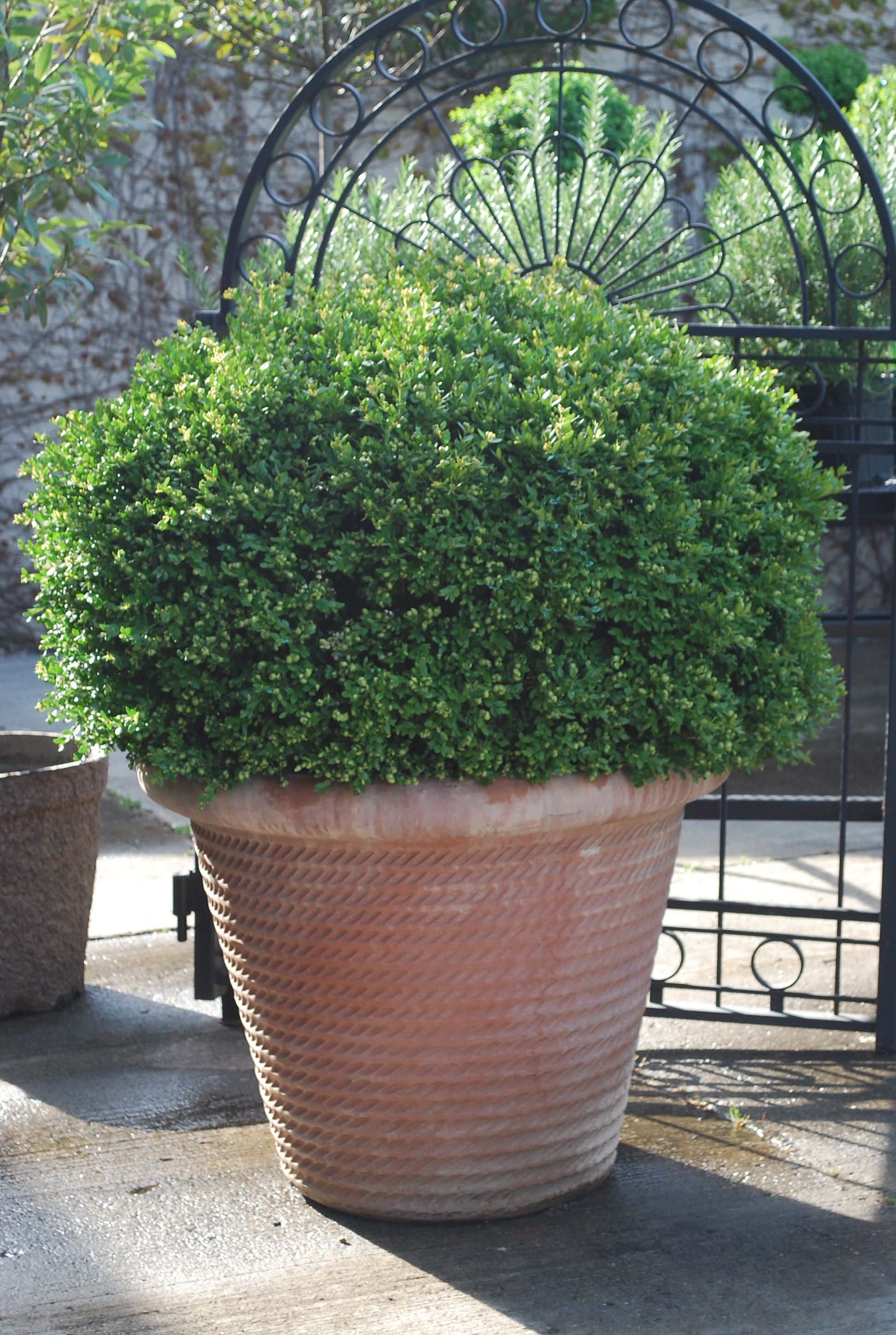
They already own a pair of these handmade French terra cotta pots planted with these boxwood.  The boxwood-buxus microphylla-was 52 inches in diameter when they acquired them.  They have been in these pots for 5 years.  I am not sure how many other boxwood they own, but they do have a substantial collection of plain handmade Italian terra cotta pots.

topiary boxwood

I will admit to a love for boxwood.  This plant speaks to no end of beautifully designed landscapes world wide.  This broadleafed evergreen graces landscapes all over this planet.  I love them pruned, wild, hedged, and in pots.  In my zone, they provide great shape, form, and color-year round.   

Growers all across the US grow boxwood in every form imaginable.  They are available 12 inches tall.  They are available 36 inches tall.  They are grown by some growers as a uniform crop.  Other growers grow them on, and trim them into spectacularly beautiful shapes. 

Clients who indicate they need to have 100 boxwood planted in  pots are clients of an unusual sort.  These are clients for whom the garden is all about romance.  What does their request mean to me?  A really good day. And a lot of thought about what a garden means.  Long after the end of the business day today, I am considering planting all of my pots next year with boxwood. Though I am unlikely to follow suit, their committment to such an extraordinary level of  romance has me thinking.  The story of a landscape dramatically colored by romance-love this.