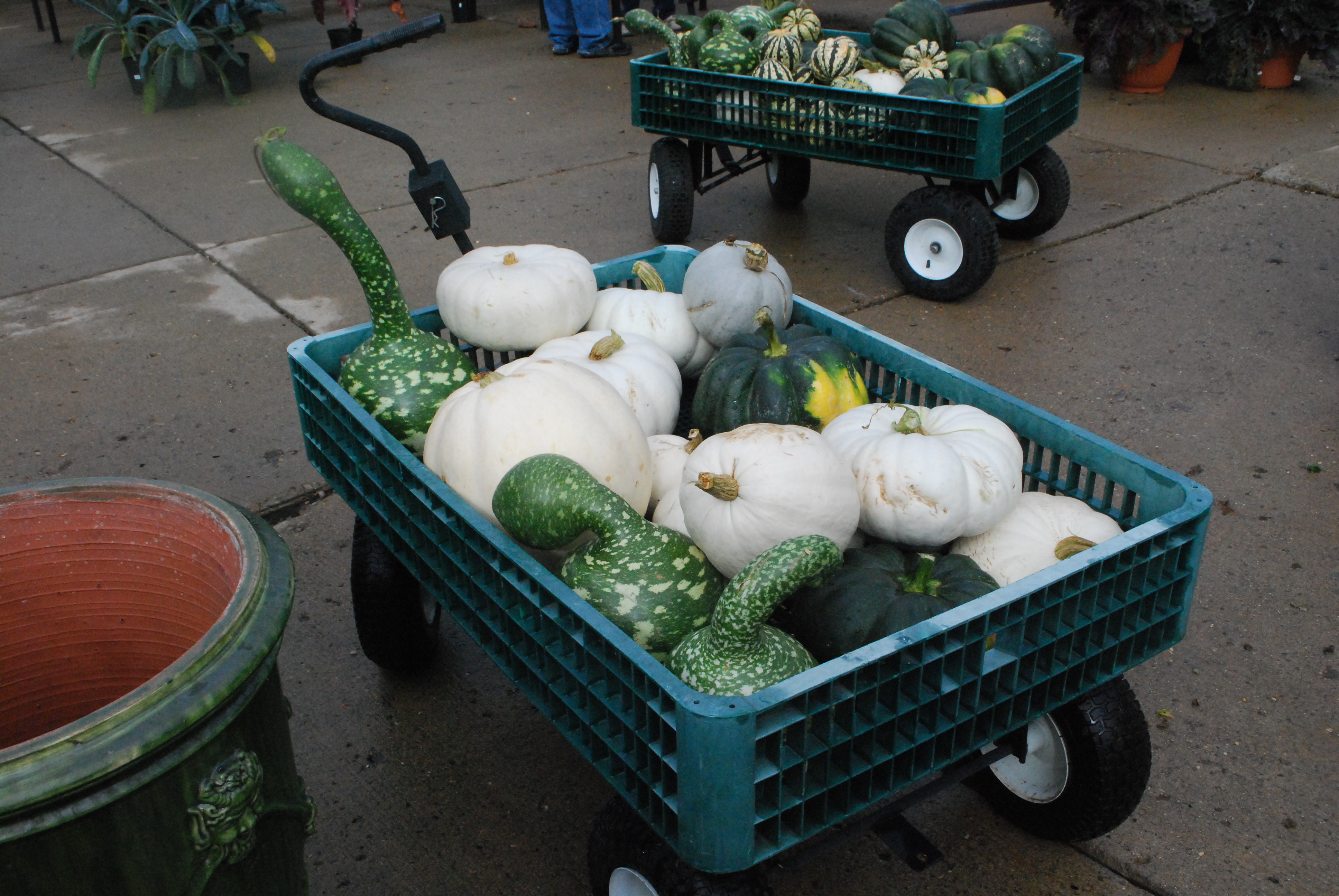
Classic

Classic-this word suggests those design details that withstand the passage of time.  A classic suit, a classic black dress, a classic room- each is timeless.  Satisfying and visually meaningful , no matter the era.  A landscape design that is classic gives no hint of its age or period.  These extraordinary designs in no way reflects a trend, or popular opinion.  They just are, on their own, in spite of the passage of years or the whim of popular opinion, extraordinary.   
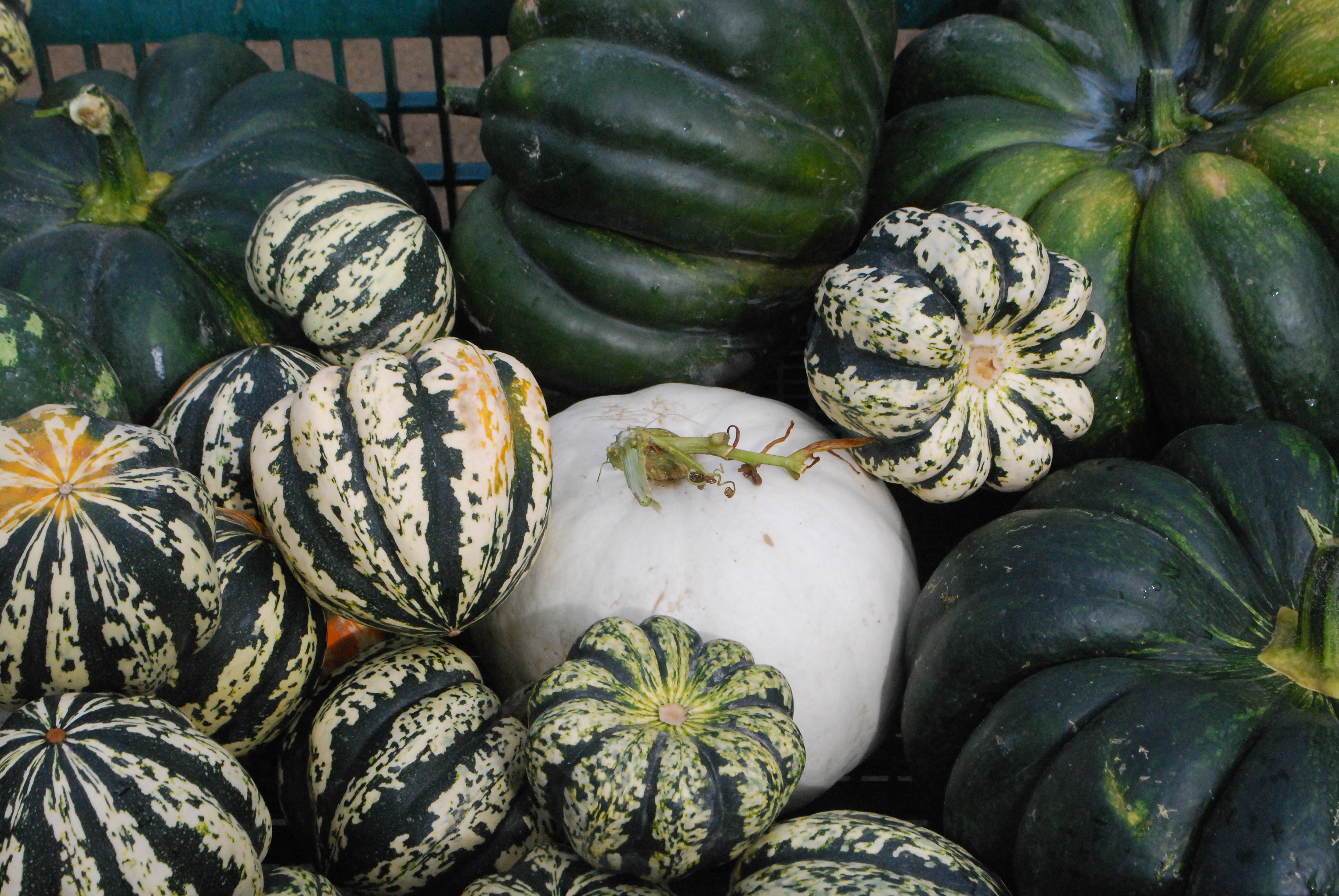
The gardening trends that turned my head over the past 35  years are many-that story if of not so much interest to you, or to me.  But some gestures are classic.  Worth going back to again and again.  Green and white-this color scheme is a garden classic. 
Green and white has a history of expression in the landscape that knows no bounds.  White flowers nestled into a green landscape-Sissinghurst, in a word.  A white garden-timeless.  Green and white awnings-a classic expression that can be interpreted in an entirely contemporary way.  Green and white is a simple, maybe obvious decision for a landscape or a garden room, but it is a classic one. 
I am attracted to color.  Bright color.  Saturated color.  Like a moth to the brightly colored light-that would be me.  But I am appreciative of those classic garden gestures that rely solely on green and white.  There are lots of shades of green.  White in the garden has a wide range-from cream to bright white.  Green describes no end of colors-from lime to blue-green.  A good garden pays much attention to the greens of the foliage, as the flowers are so ephemeral and short lived.  I admire any designer who works with an eye for color.
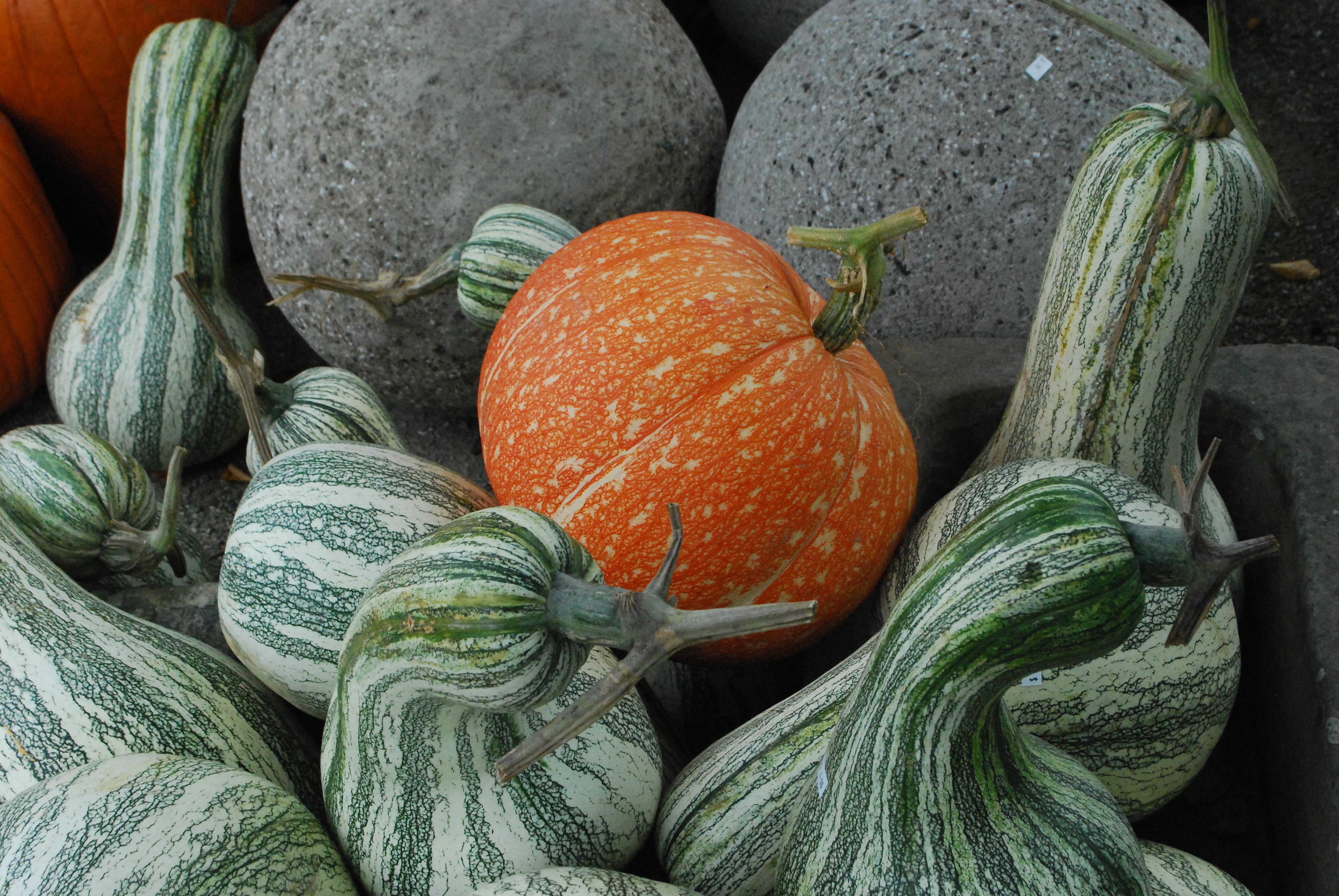
The fall season features the colors traditionally associated with the harvest.  Orange, yellow and cream.  The drying leaves are taupe, and brown.  The kales and cabbages are dark purple, and turquoise.  The pansies are cream yellow, and strikingly intense yellow.  Pansies are available in blue, lavender, and rose.  Fiber optic grass is lime green, as is angelina.  
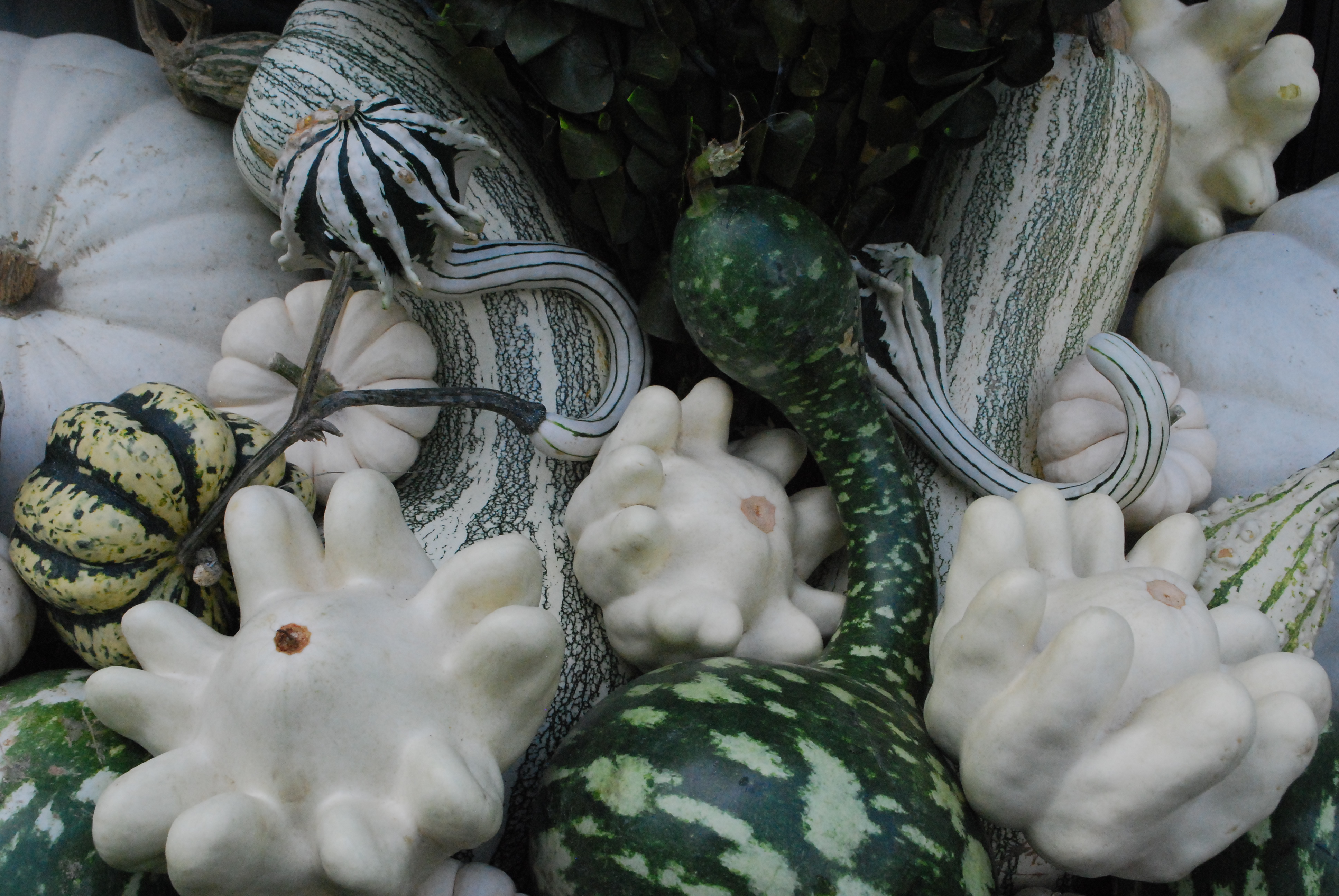
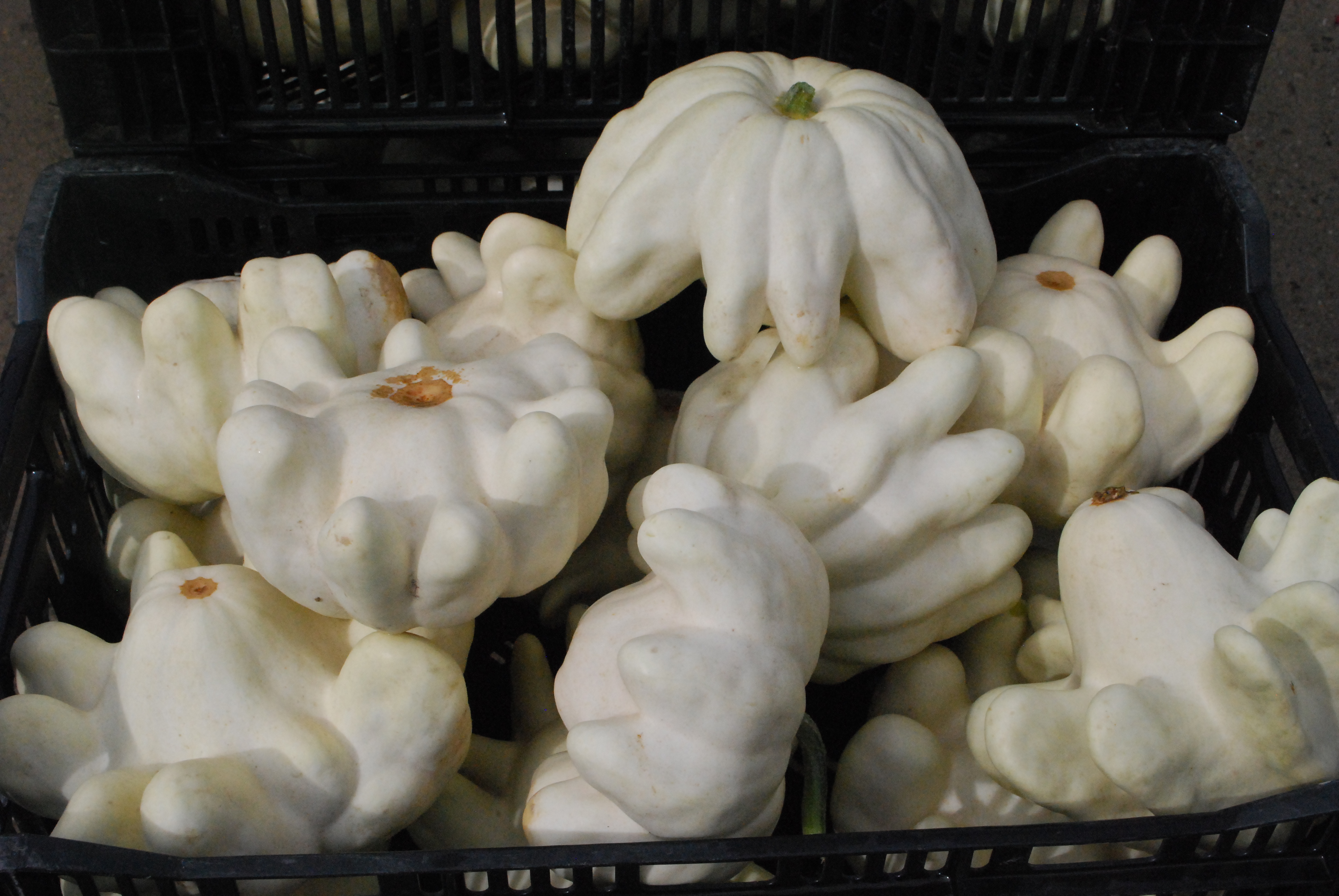
That said, there are bright whites, creamy whites, dark greens available in the fall. Green and white is a classic-in the garden, in the conservatory, in the landscape.  Local growers are happy to oblige those gardeners who have a mind to represent a classic look.  Or a traditional look.  Or a funky look.  The availability of lots of different choices means that every gardener can have a look that expresses their own distinctive point of view.
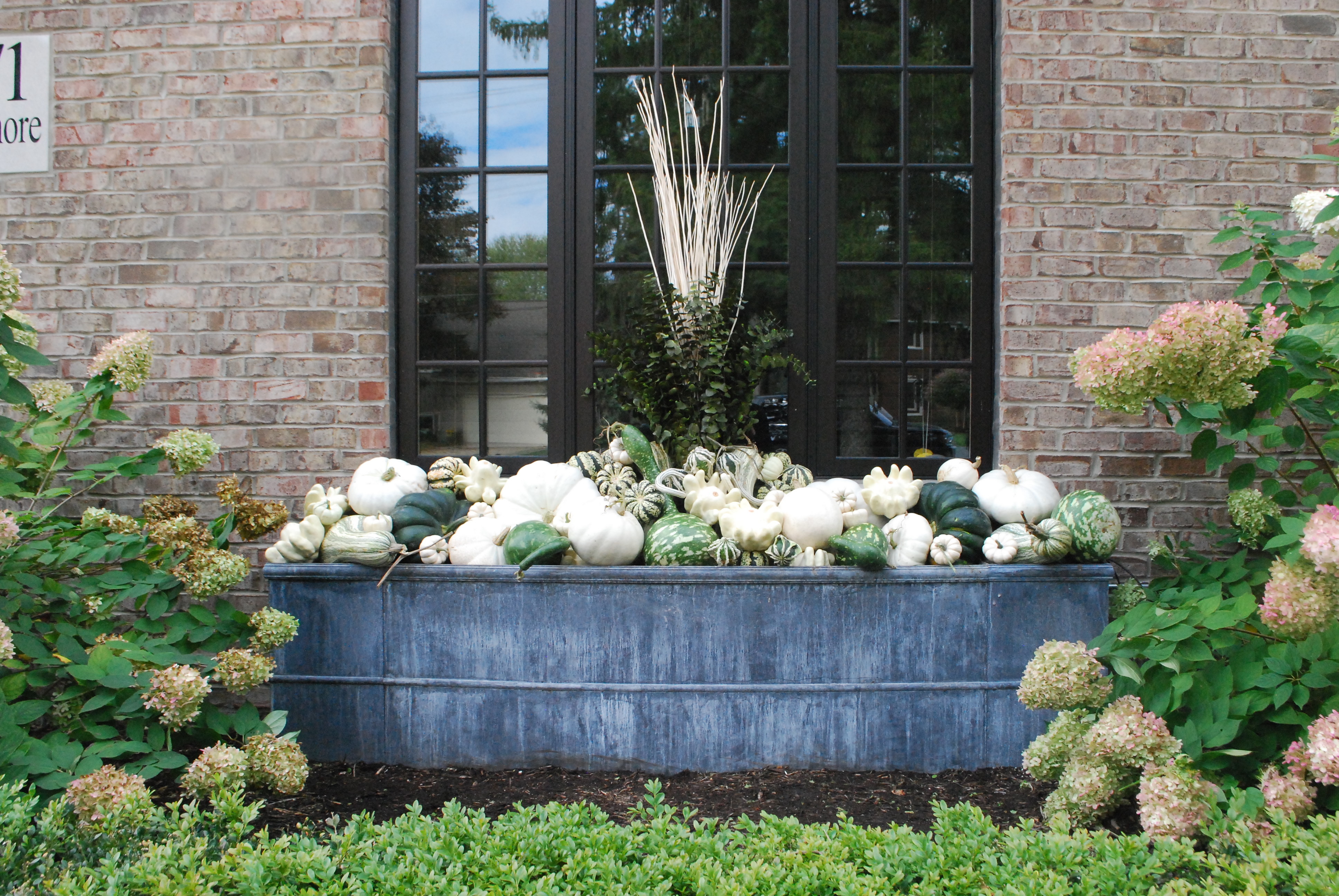
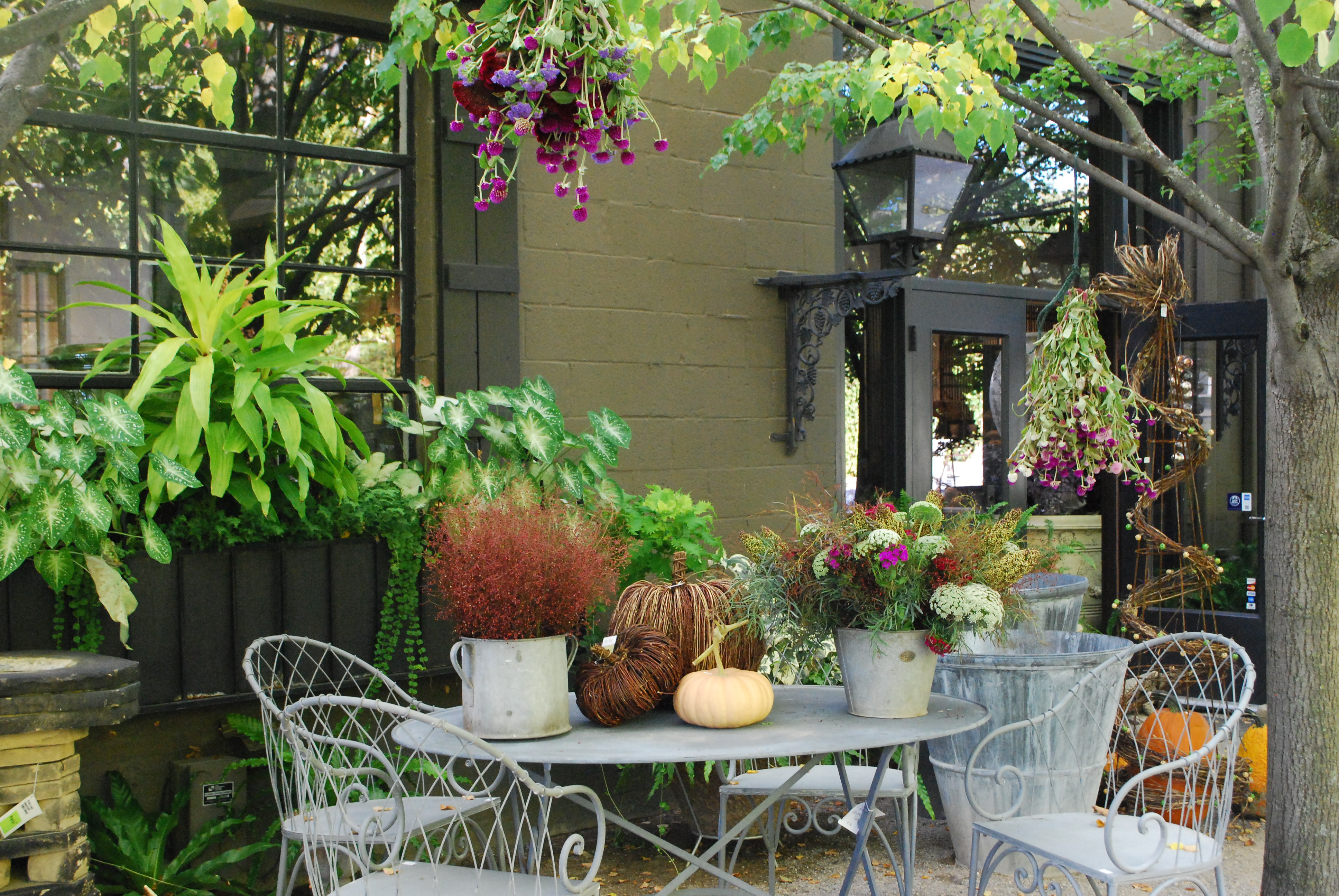
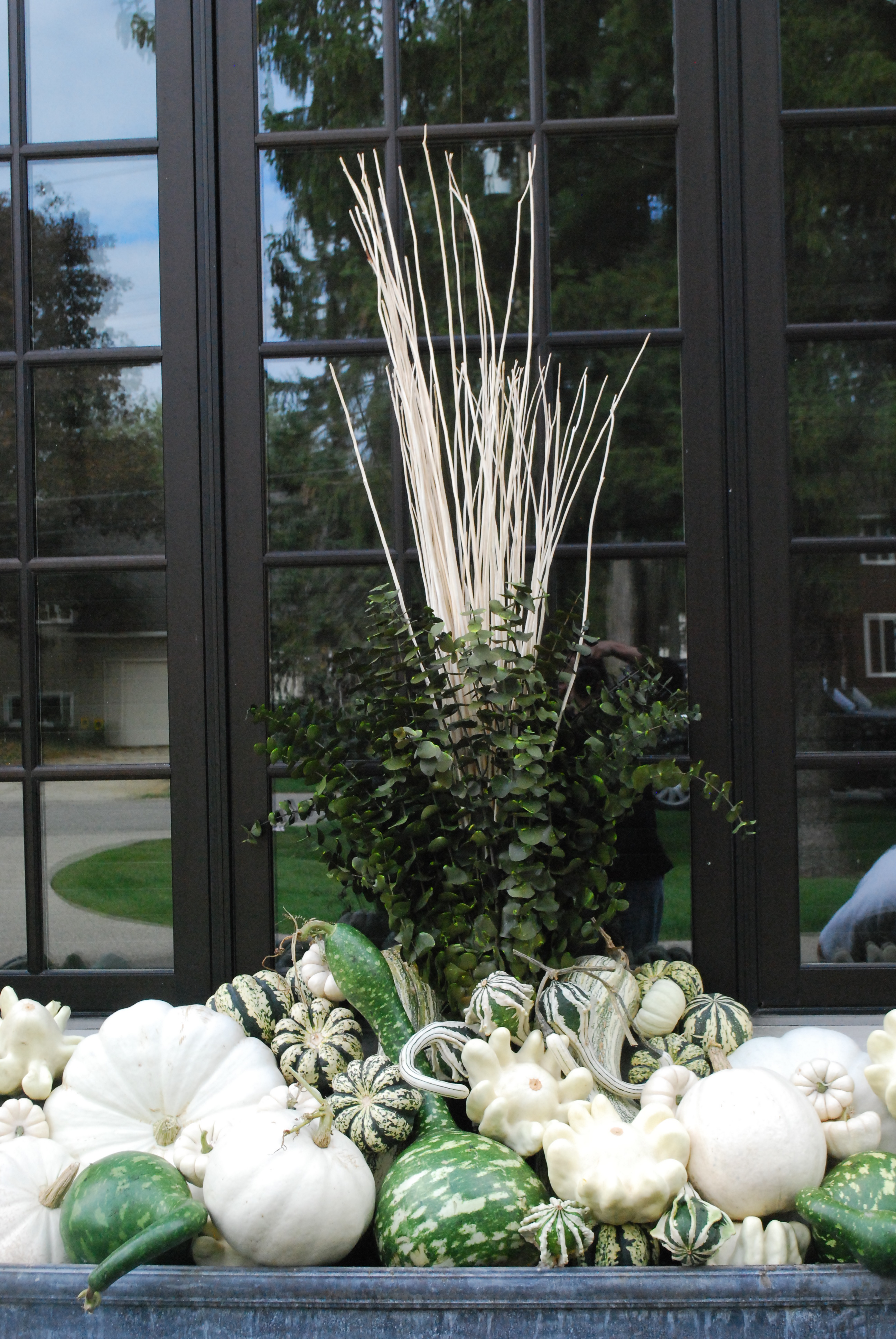
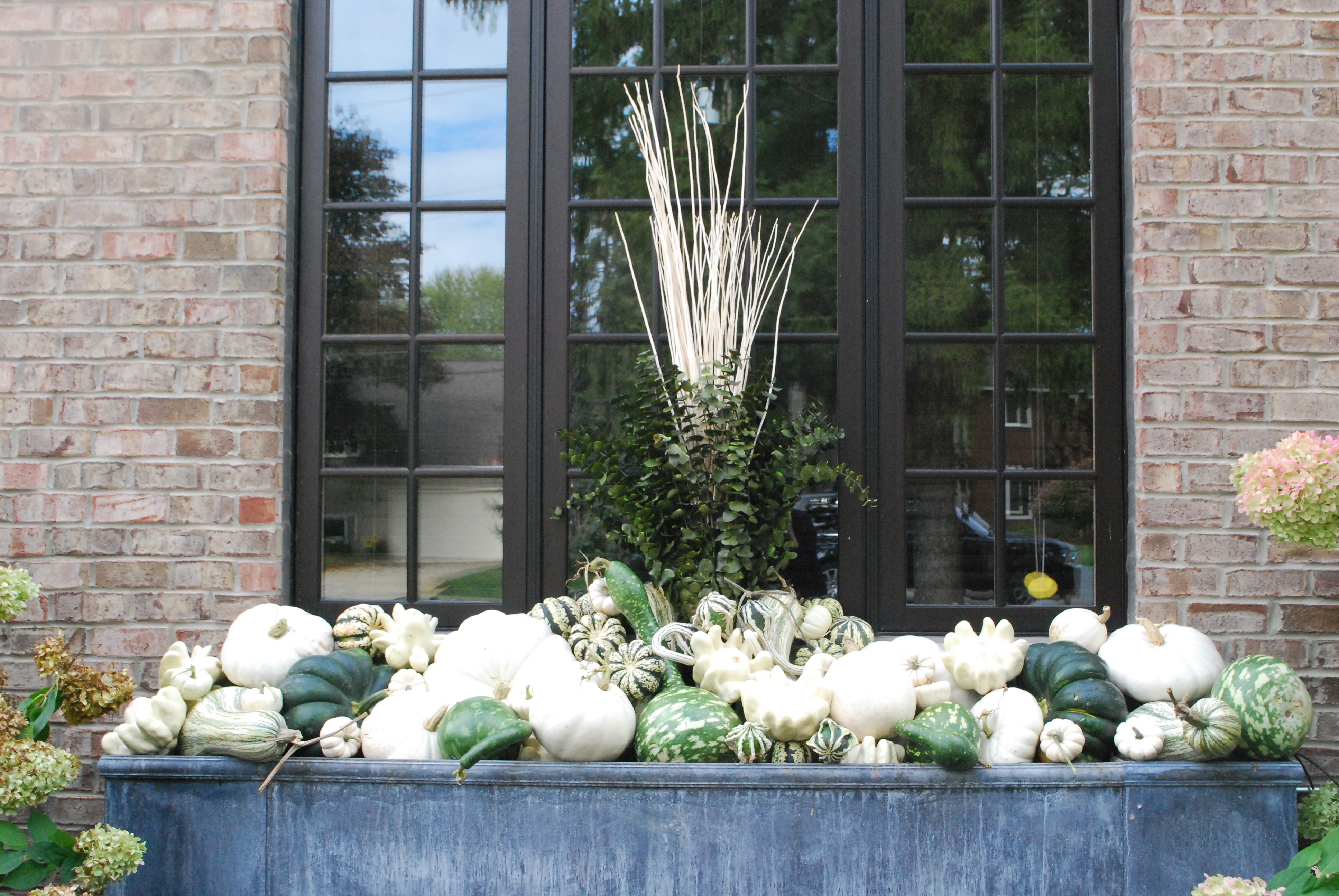
This client subscribes to a classic look.  No matter the season, she likes green and white.  Should you not be interested in the yellows and oranges that characterize a Michigan fall, you have other choices.  She was hesitant to fill these steel boxes with gourds and pumpkins, until I told her she could have green and white. 

The cultivation of a garden is the product of a very indivual expression.  The head gardener-that would be you.  Each Michigan fall harvest season is big and wide enough to provide materials that enable every gardener to speak their piece. In their own way. The oranges and brown traditionally associated with our fall are not a given.  You have the freedom to express the fall in whatever way you want.  Nature provides for a lot of choices.  You need only choose.  These boxes loaded with green and white pumpkins and gourds would not be  to my client’s taste.  She was not aware that she had choices other than orange.  She was relieved not to have any orange, yellow, brown, or cream.   This does not surprise me-she has taste that runs to the classic.
Sunday Opinion: Research

If we knew what it was we were doing, it would not be called research, would it?
Albert Einstein
 
There are no end of quotes attributed to Albert Einstein that have to do with mystery, intuition, music, knowledge, curiousity, God, and nature.  This is more than I would have expected from a physicist.  But he was much more than brilliant scientist, he was a person of great depth and greater compassion.
The above mentioned quote about research is one of my favorites.  A friend and architect who came to call Saturday with some questions about his landscape made the observation that any conclusion one wishes to believe in regarding growing plants will find some article or another on the internet to support that assumption.  Though he had read countless articles about his issue, there did not seem to be any agreement.  No trend.  No discernible pattern.  
I find nothing unusual in this.  There are countless opinions about every horticultural issue.  Anyone who wishes to find the final and definitive word on how to keep lavandula going in my zone has a rocky road ahead of them.  I feel I can safely say that rocky road will not end at the lavender grail.  It will just end. 
 Also from Albert Einstein, information is not knowledge. I am beginning to understand what this means.  I am a voracious reader.  Books, articles, journals, magazines-multiply all of this by countless numbers when it comes to what is available to read on the internet.  How can I distill all of this information?
How does any gardener make some coherent sense of what opinion is out there?  If you read the blog Garden Rant, or Rochelle Greayer’s Studio G, you will get a different slant than if you read the magazine Garden and Gun.  If you read Scientific American, you will come away with a different point of view than what the RHS journal favors. The AHS bears no remote resemblance in subject,tone of emphasis,  to Garden Design.  If you love reading, and turning the pages of that great publication Garden’s Illustrated, does this mean you should not read Leaf-the digital only, and seasonally available garden magazine by Susan Cohan and Rochelle Greayer?   
Of course not.  Any information that comes your way about design and plants is all to the good.  Add what you like, and shed what doesn’t interest you.  Do your best to be persuaded , should something seem right.  But most of all, do your own research.
Knowledge that is solid has everything to do with experience.  Research.  Never be afraid to try something new.  Never ever be afraid to try something that someone else assures you won’t work.  My big view about gardening?  Lots of things work.  
What works for you is a matter directly related to your research.  Try this.  Try that.  Do what hasn’t been done before.  Change this.  Change that.  If you have a mind to complicate your garden, research what it would mean to make it more simple.  Sometimes going in the opposite direction is a very good idea.   Knowledge of the garden, beautiful gardens, are built on experience. 
Your experience makes sense of a lot of things-no matter what anyone else says.  Trust those results.  What you personally find that works, will make your garden better.  Is there a better gardener for your garden than you?  no.                   


At A Glance: Fall Flowers

roses from Buck

Shop Your Own

Once the summer garden wanes, every devoted gardener is looking to extend their expression on into the fall.  Why wouldn’t they?  The alternatives are not pretty- sulking is not a good look.  I understand that the love for the garden is not something that be turned on and off, like water from a spigot.  Fall containers and plantings enable gardeners to take advantage of the fruits of the harvest, the late blooming perennials, and the cold tolerant annuals.  Just today I spoke with a client who told me he hated this time of year-the coming of the end of the garden.  Michigan is a great place to garden, as we do have four seasons-each distinctly different than the others.  Why not take advantage of that?

Farmer’s markets and garden centers feature loads of fall plants, pumpkins, and gourds this time of year. There are mums and asters to be had, and pots of grasses, seeding.  Petunias and salvias are all good with the cold. I will confess I buy lots of them-for my own garden, and my shop.  But as blog reader Alan Fox put so clearly, I am driving with one eye to the road, and my gardener’s eye to what lies on the side of the road, or in my own garden, that might help make my fall containers more interesting.

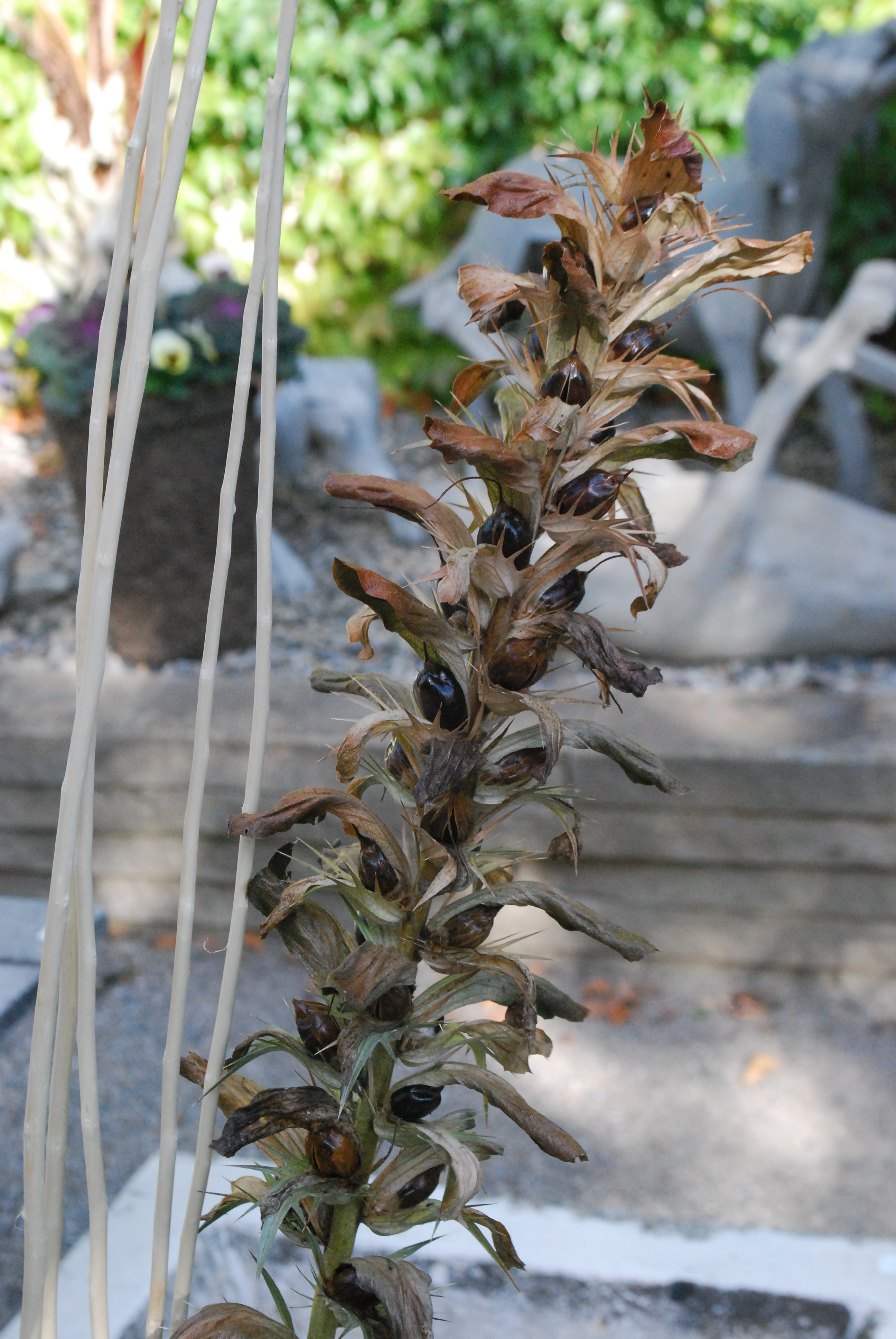
Anyone who grows a perennial garden has fall material available to them.  The thick stalks of perennial hibiscus, laden with seeds, dries beautifully.  Bunches of ornamental grass, or dry hydrangeas are good looking.   My own Acanthus mollis, or bear’s britches, has stems and seeds that are uncommonly beautiful.  Any perennial or grass whose stems dry can enrich your description of the fall season. 

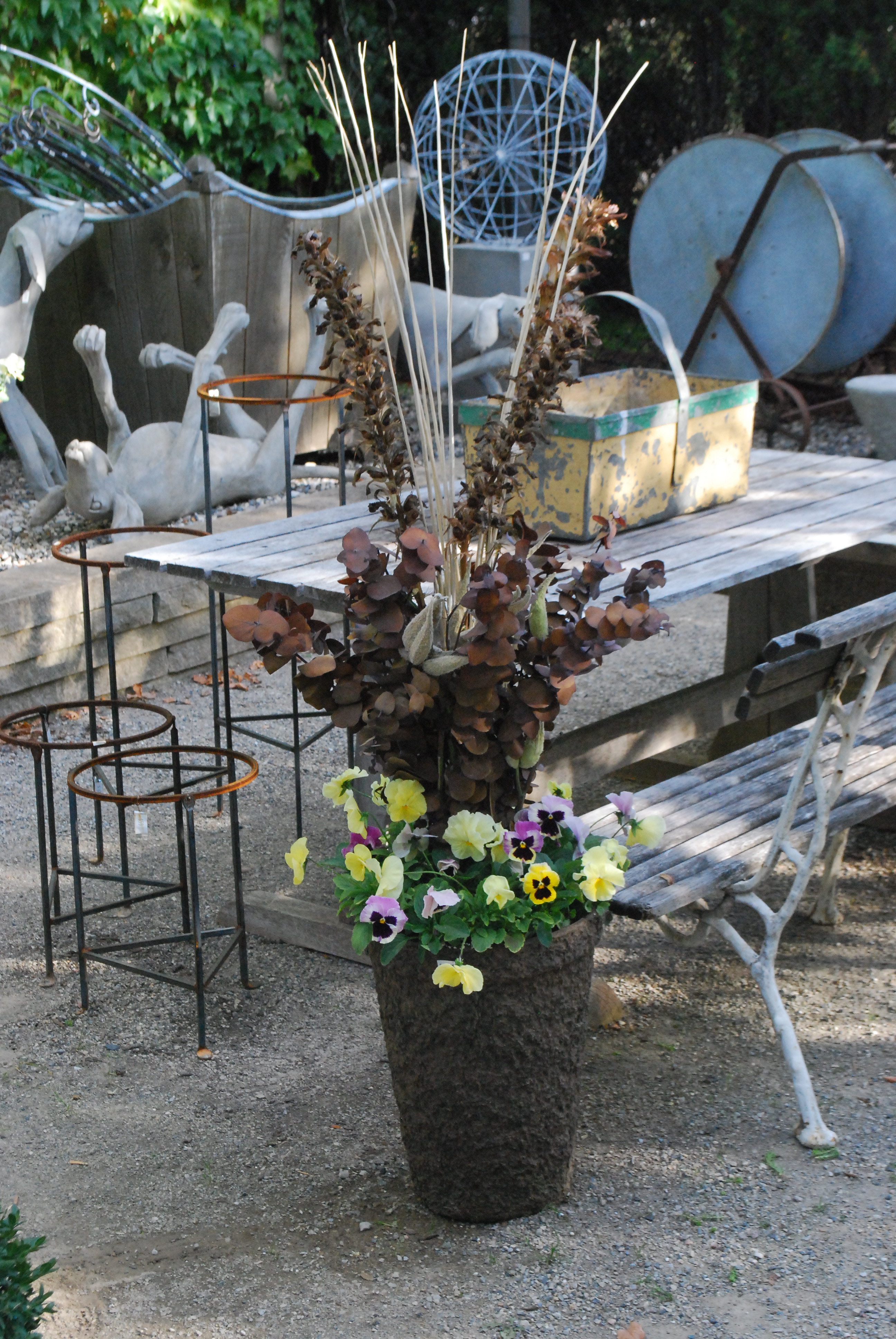
Bear’s britches from my garden, and butterfly seed pods from the field next door make a great fall centerpiece.  I did spray the acanthus with a clear sealer-this helps to glue the seeds in place.  The brown dyed eucalyptus adds a little warm company.  This pansy mix would be a little lonely all on its own, but it as a member of this group, it shines.


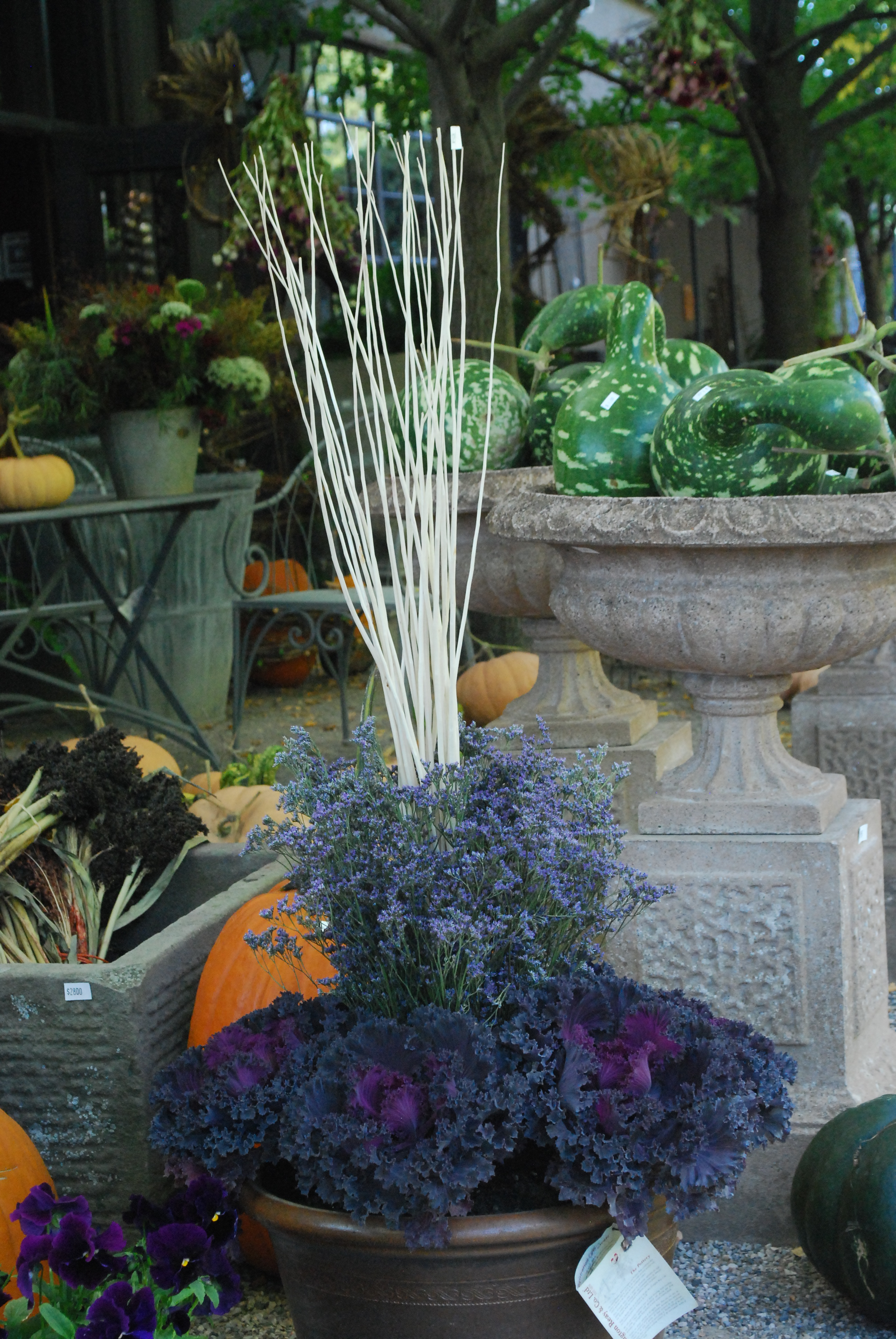
Statice longifolia is easy to grow, provided you have a loty of sun, and soil that drains in an instant.  A mature plant in full bloom is like a cloud of lavender blue.  Though that color is fairly short lived once it is cut, it lasts long enough to enrich a fall pot.  The stems themselves are easy to dry. 

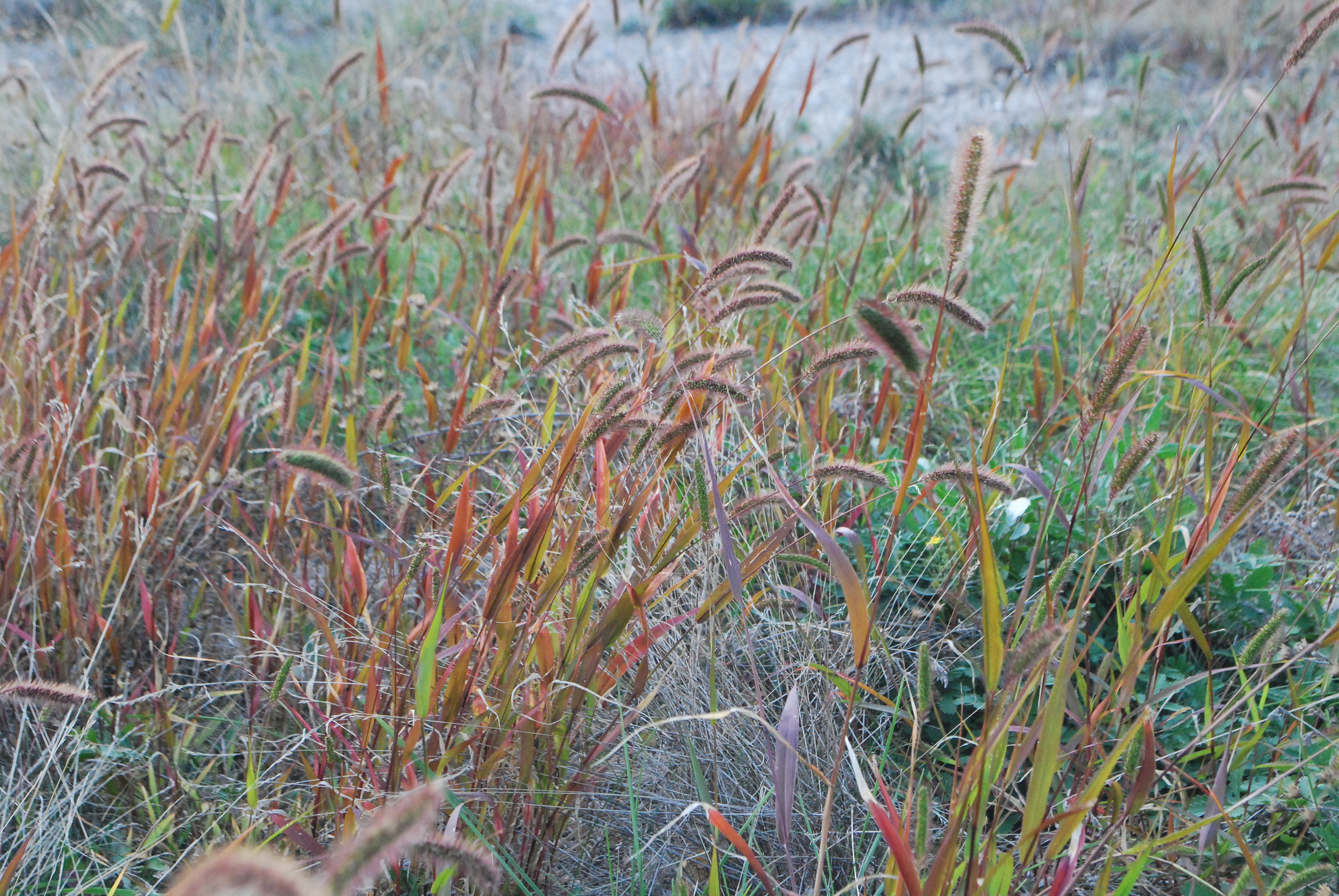
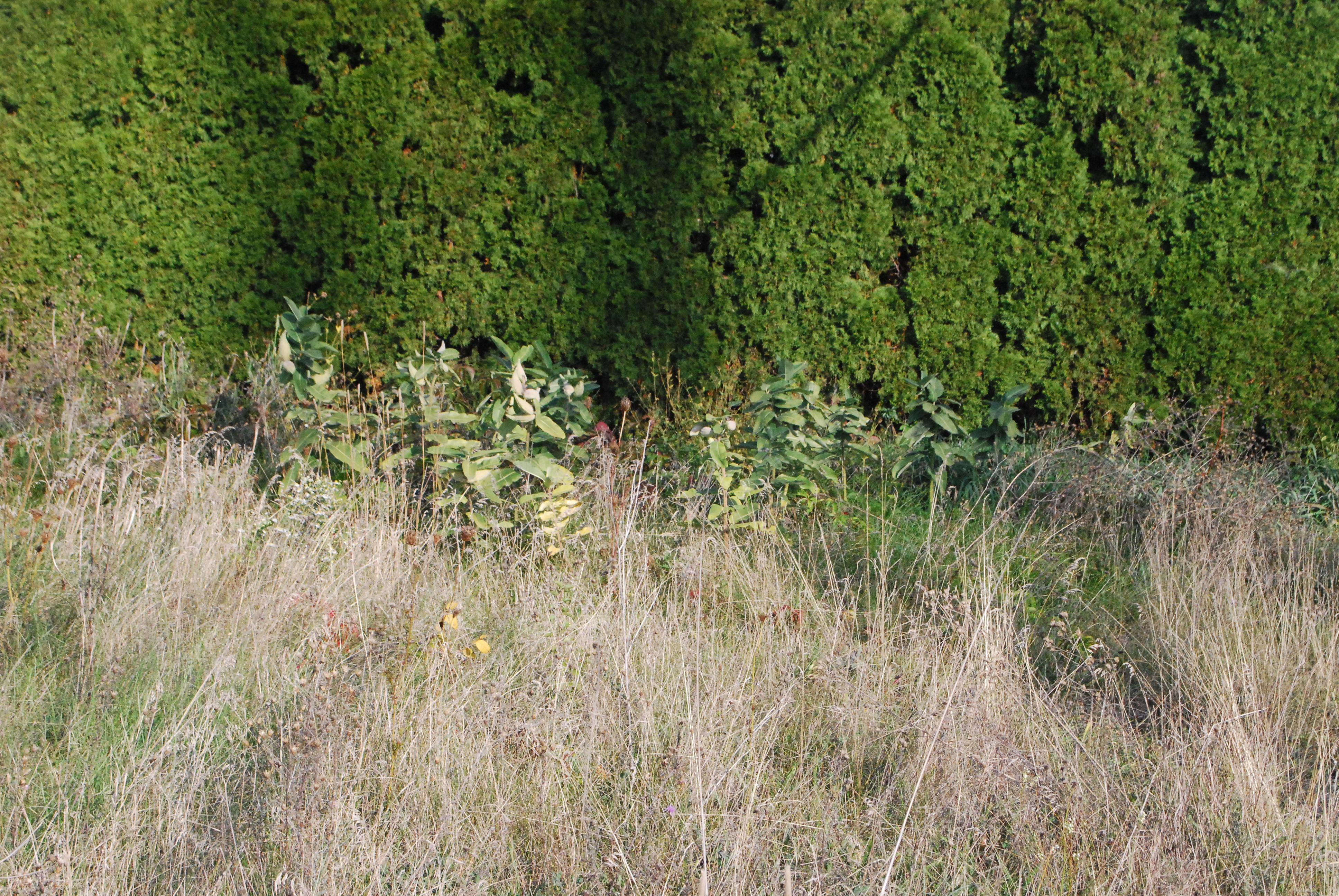
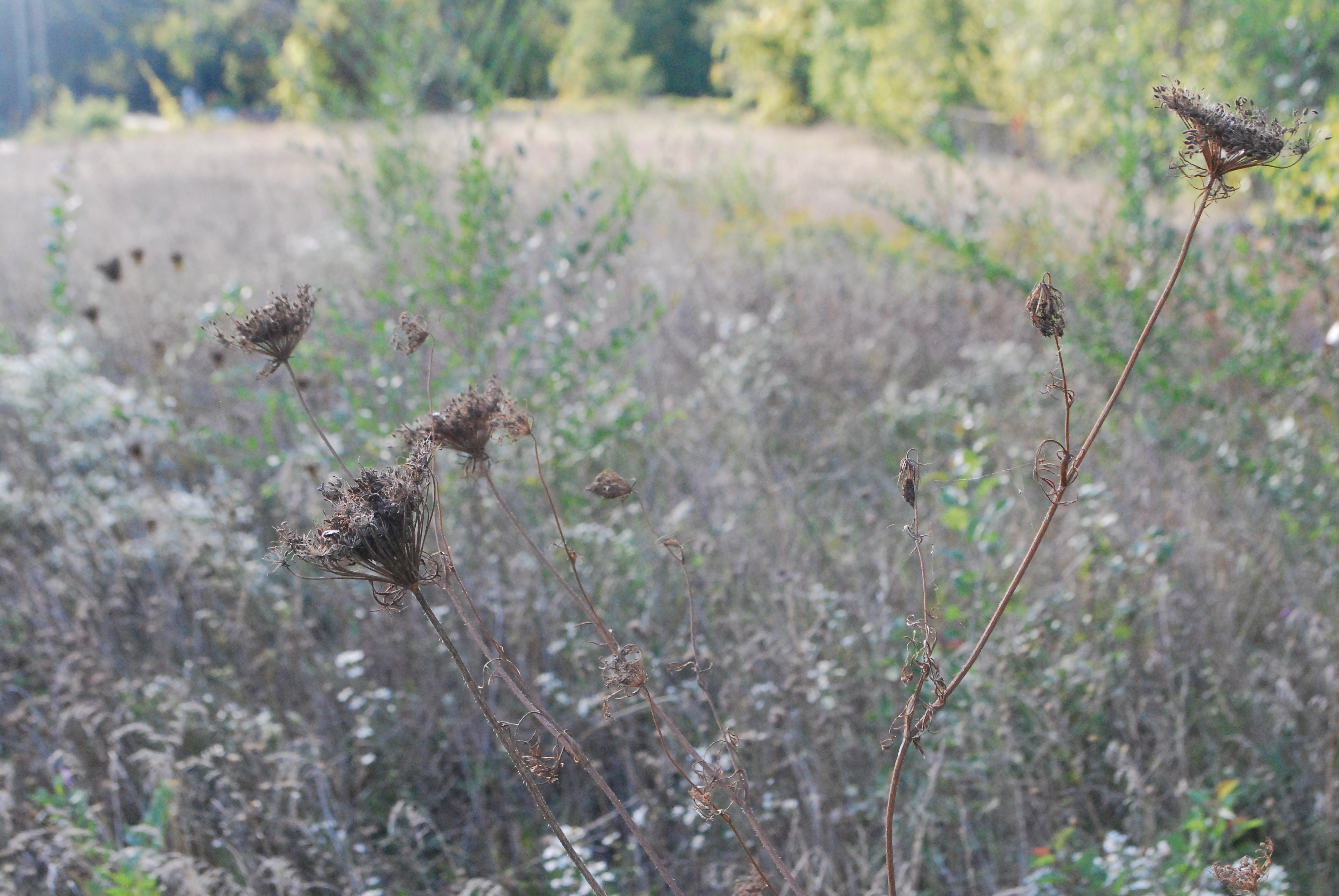
The field next door has plenty of plants which have gone dormant. No end of wild plants have sturdy stems that can grace a fall container or display.  Many are even strong enough to survive the winter intact. The field next door has grasses seeding, weeds going to their skeletal stage. The remains of the summer Queen Anne’s Lace, in a substantial mass-quite beautiful.  The creams and browns may not be as showy as a delphinium in full bloom, but they have their own charm.

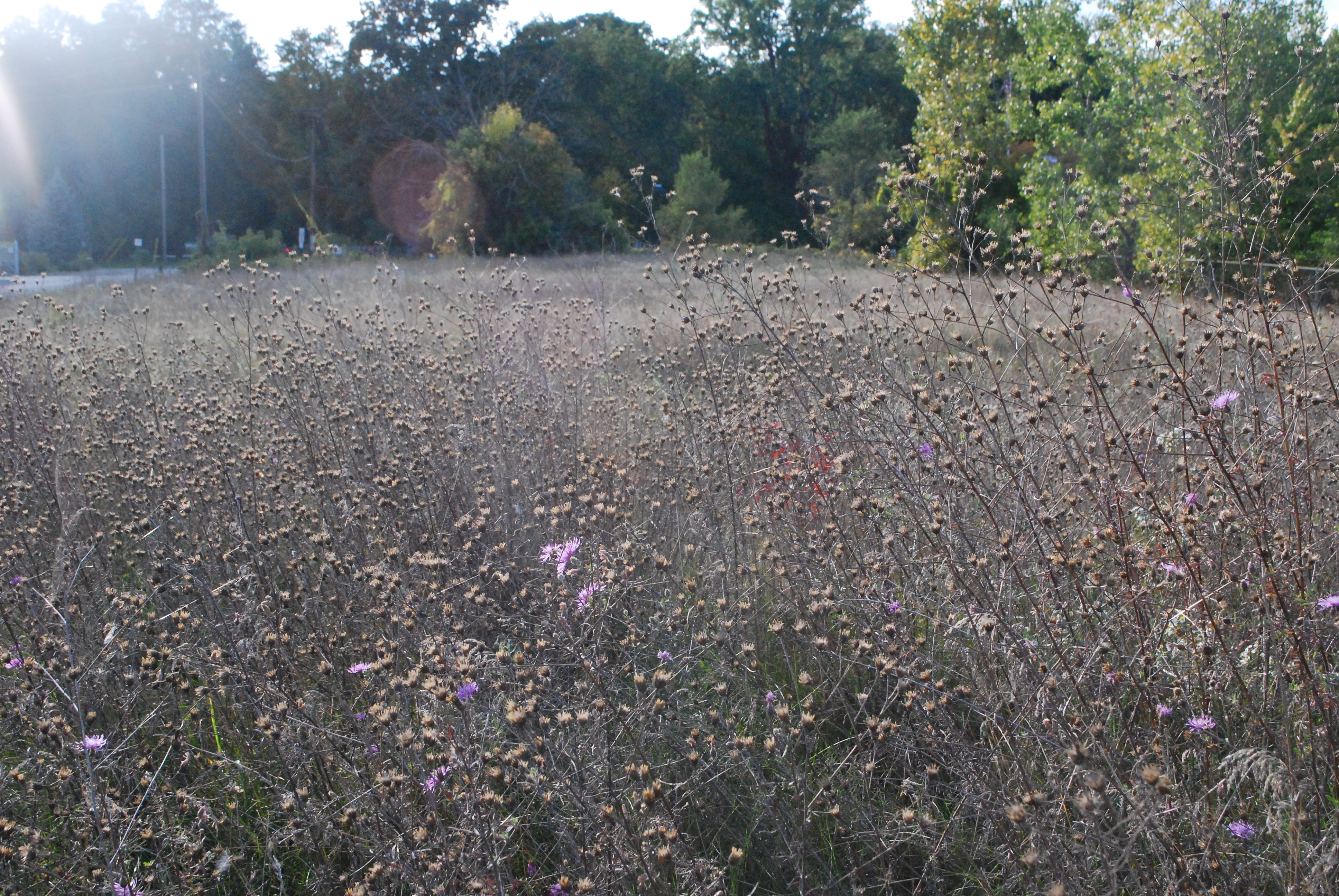
The fuzzy bits of these spotted knapweed stems are surprisingly sturdy.  Centaurea stoebe is a short lived but very vigorous perennial one would not invite into a cultivated garden.  But their remains are lovely. 

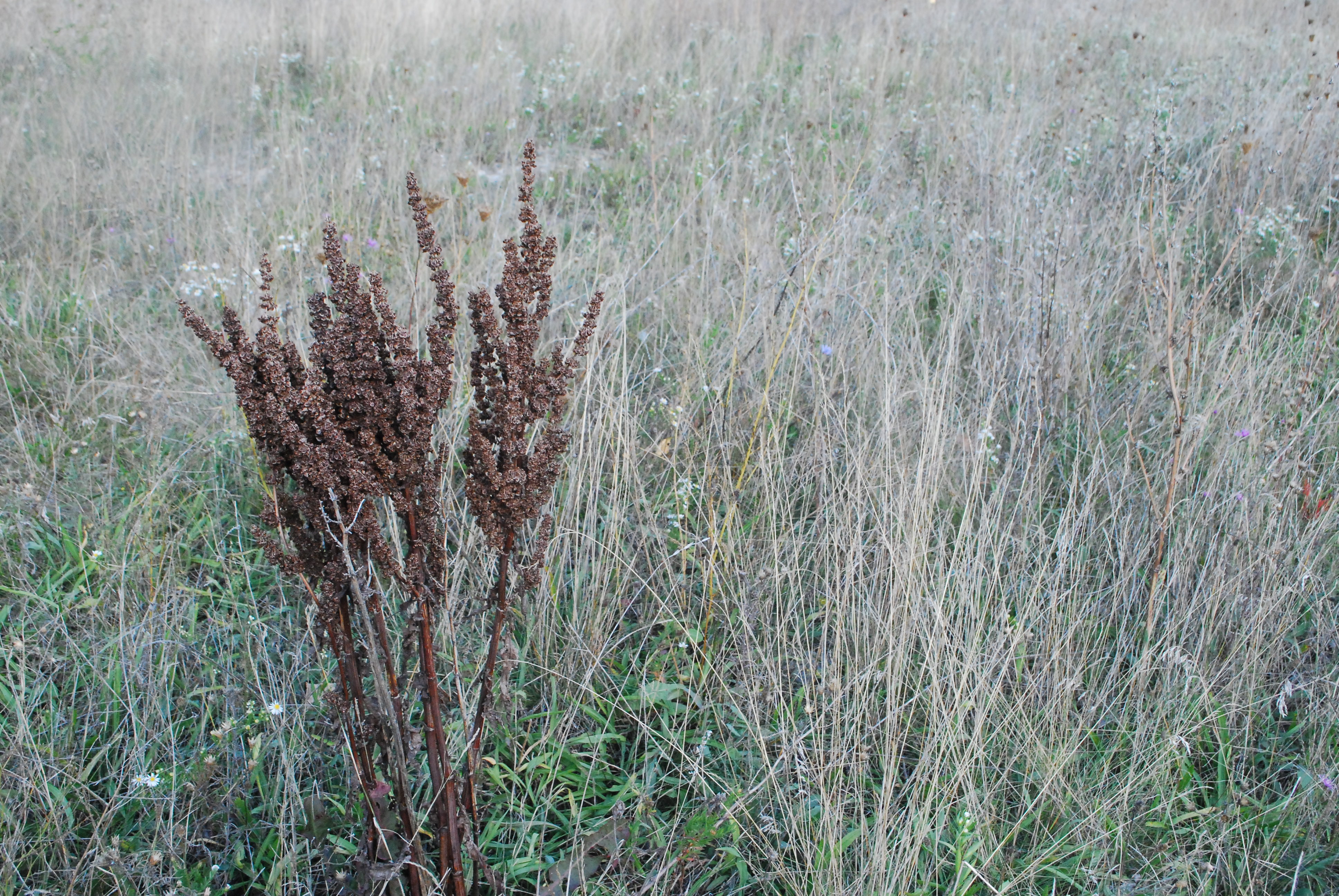
Rumex crispus, or curly dock, has strikingly robust seed heads.  It is just one of many materials that are readily available.  Foraging the roadsides can be a treasure trove of natural materials for fall.  The only time I would ever welcome a Canada thistle into my life would be the dead and dried version.  In this form, I like it. 


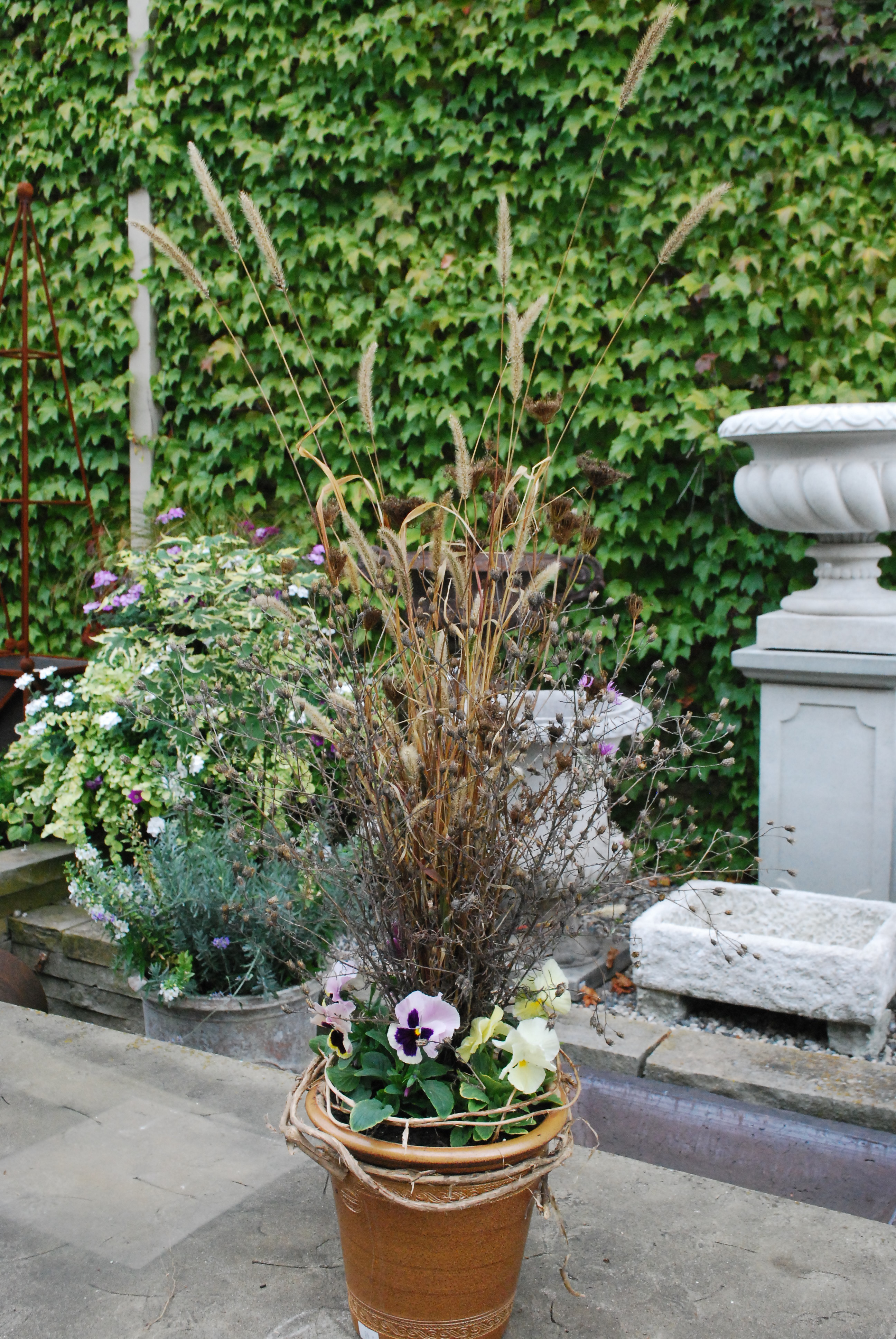
All those roadside weeds freshly matured into their fall forms, and arranged as a centerpeice can be quite handsome in a pot.  This time of year, more than any other, I envy those gardeners with wild places on their property full of popple branches, rosa multiflora, chicory, butterfly weed, centaura, sumac and so on that look so graceful in a fall arrangement.