Ornamental

Italian-terra-cotta-plaque.jpg

An ornament is anything which enhances the appearance of a person, a place, or an object.  A gorgeous piece of vintage Miriam Haskell costume jewelry can dress up a simple black dress.  Christmas decorations collected over a lifetime ornament a tree, and the family traditions that come with the celebration of a holiday.  Hand screened en grisailles wallpaper from Zuber in Paris can supply a room with all the ornament it could ever possibly need.  A good friend just opened the door for me on this particular kind of ornamental-thanks, M.  The decorative arts spans as many cultures as it does centuries.  Early 20th century handmade American quilts ornamented many a bed and bedroom.  Hand made furniture, hand embroidered linens, a vase of cut flowers, hand made candles, hats suitable for church on Sunday, letterpress wedding invitations, chandeliers, great shoes-ornament celebrates every aspect of daily life.
magnolia-butterflies.jpg

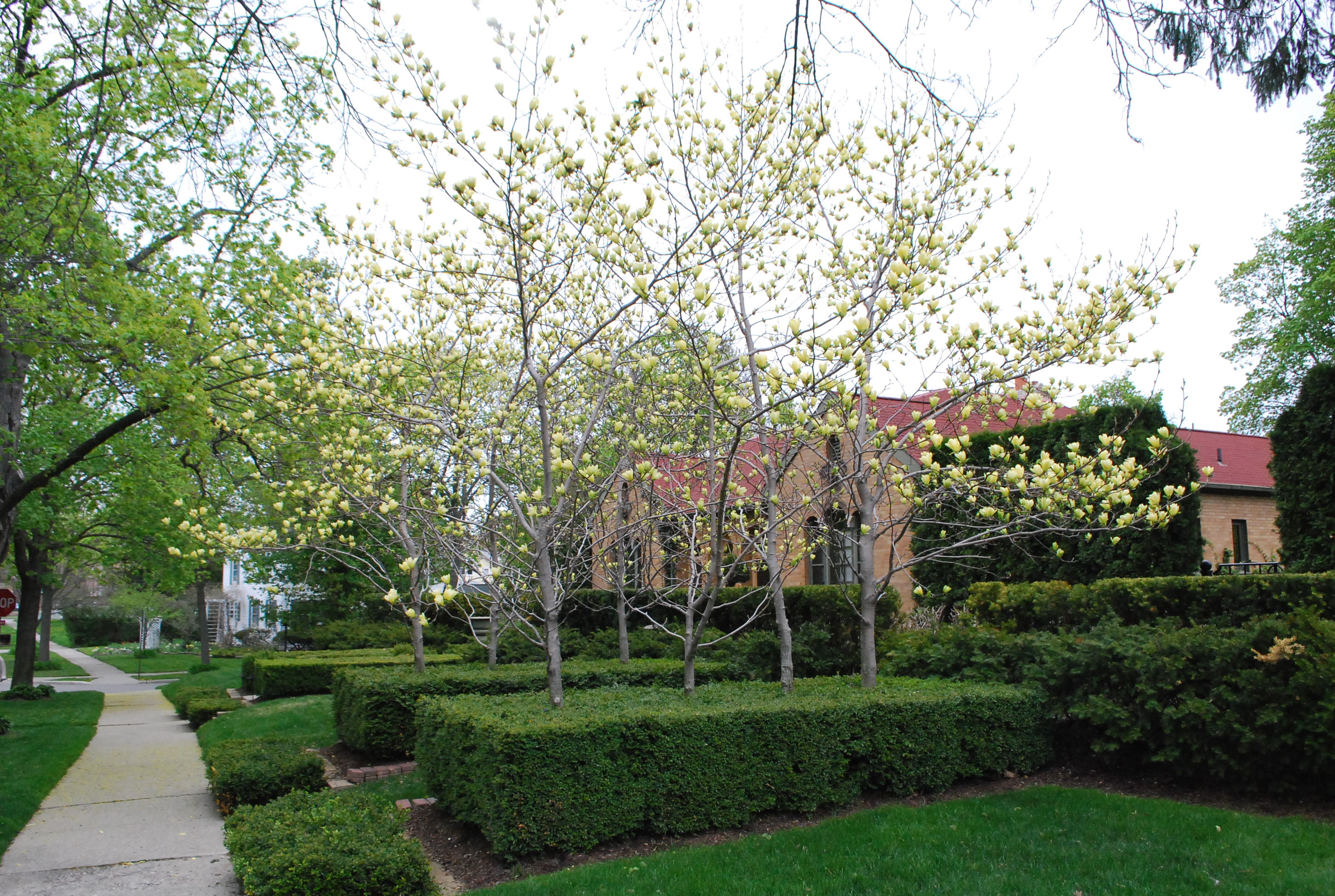
Ornamental is a word frequently applied to those trees whose sole function is about beauty.  We grow lime, lemon, pecan and avacado trees for the fruit they provide.  We grow shade trees in hopes for a cool spot in the garden in the heat of the summer.  Some trees are farmed for their wood, their apples, or their rubber.  Ornamental trees are cherished for their extraordinarily beautiful leaves, flowers, fruit, bark, shape, or fall color.  This group of trees ornament the landscape.  The crabapples blooming are the ballerinas of the spring.  Those clouds of white, pink and carmine flowers can be breathtaking.  There is that spring moment when all the talk is about the crabapples blooming.  The magnolias provide strikingly large and architectural flowers and large leaves.  Yellow magnolias are unusual, and are ornamental for that reason additional to their lustrous bark, large leaves, and architectural shape.
Princeton-Gold-maple.jpg

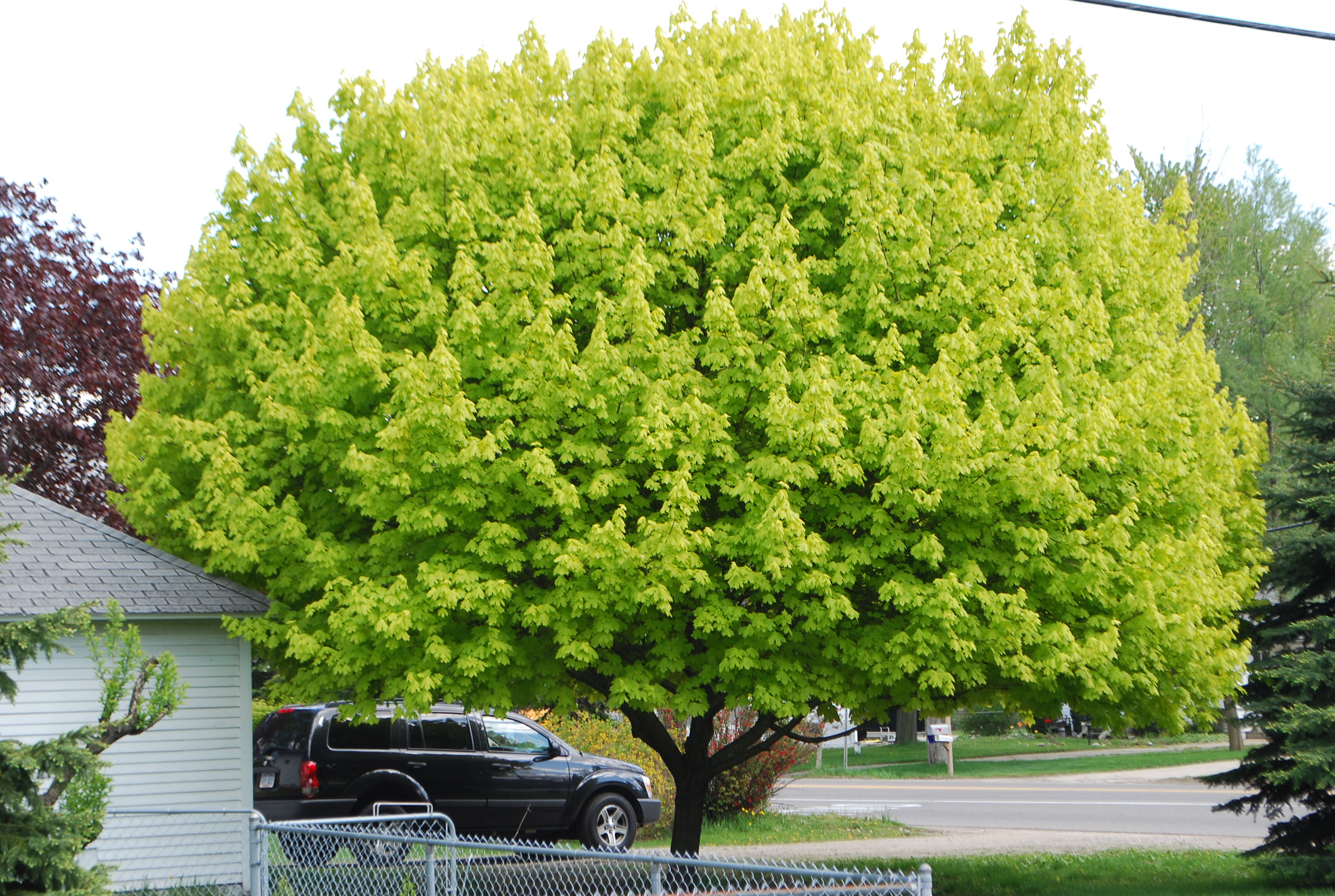
The dwarf Japanese maples delight the eye with their forms and leaf colors. The standard acer palmatum features beautiful bark, lacy leaves, and a mature size around 25 feet.  Princeton Gold maples shower the garden below with lime green in the spring.  The white flowers of chionanthus fluttering in a spring breeze-delightful.  The kousa dogwood features flowers that bloom late enough to escape our early spring frosts.  Old kousas are prized for their exfoliating bark.  Witch hazels bloom early enough in my zone that their subtly wispy flowers attract attention.  Tree lilacs bloom later in the summer.  Flowers overhead-ornamental.  The substantive and shiny foliage of hellebores is enough for any gardener to plant them.  The early spring flowers thrown in spite of cold weather-they ornament the garden.

water-garden.jpg

Ornament for the garden-I have a big interest.  I am not particularly partisan.  I like figurative sculpture in the garden.  I like French cast iron urns from the 19th century.  I like Belgian wood planter boxes.  I like English hand carved stone troughs.  I like classically shaped and hand made Italian terra cotta pots.  I like braided steel cable fencing.  Galvanized horse troughs available at the local feed store make great containers for vegetables, or lotuses.  I like to see a mix of all of the above, selected  by that particular gardener with confidence.
spring-table.jpg

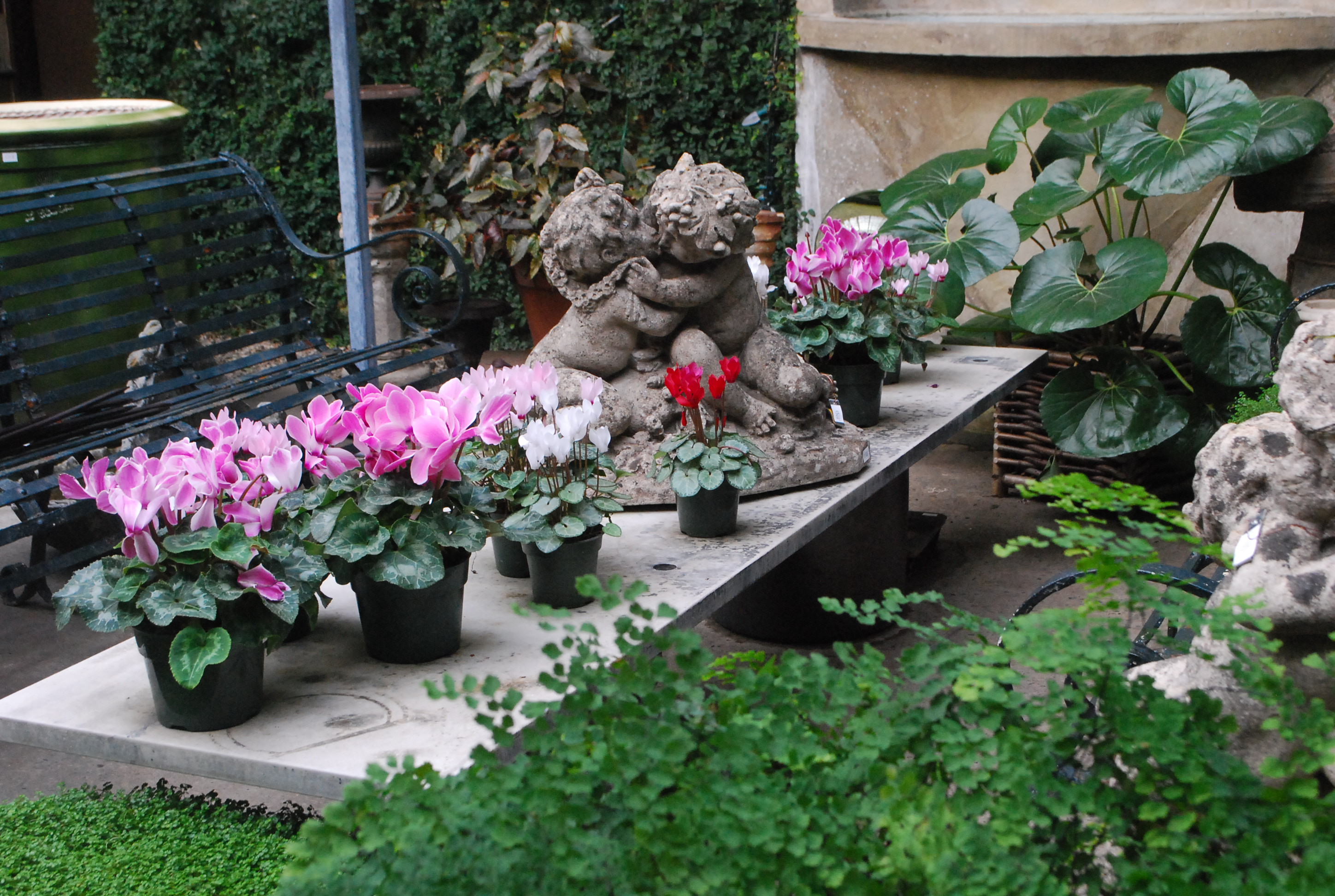
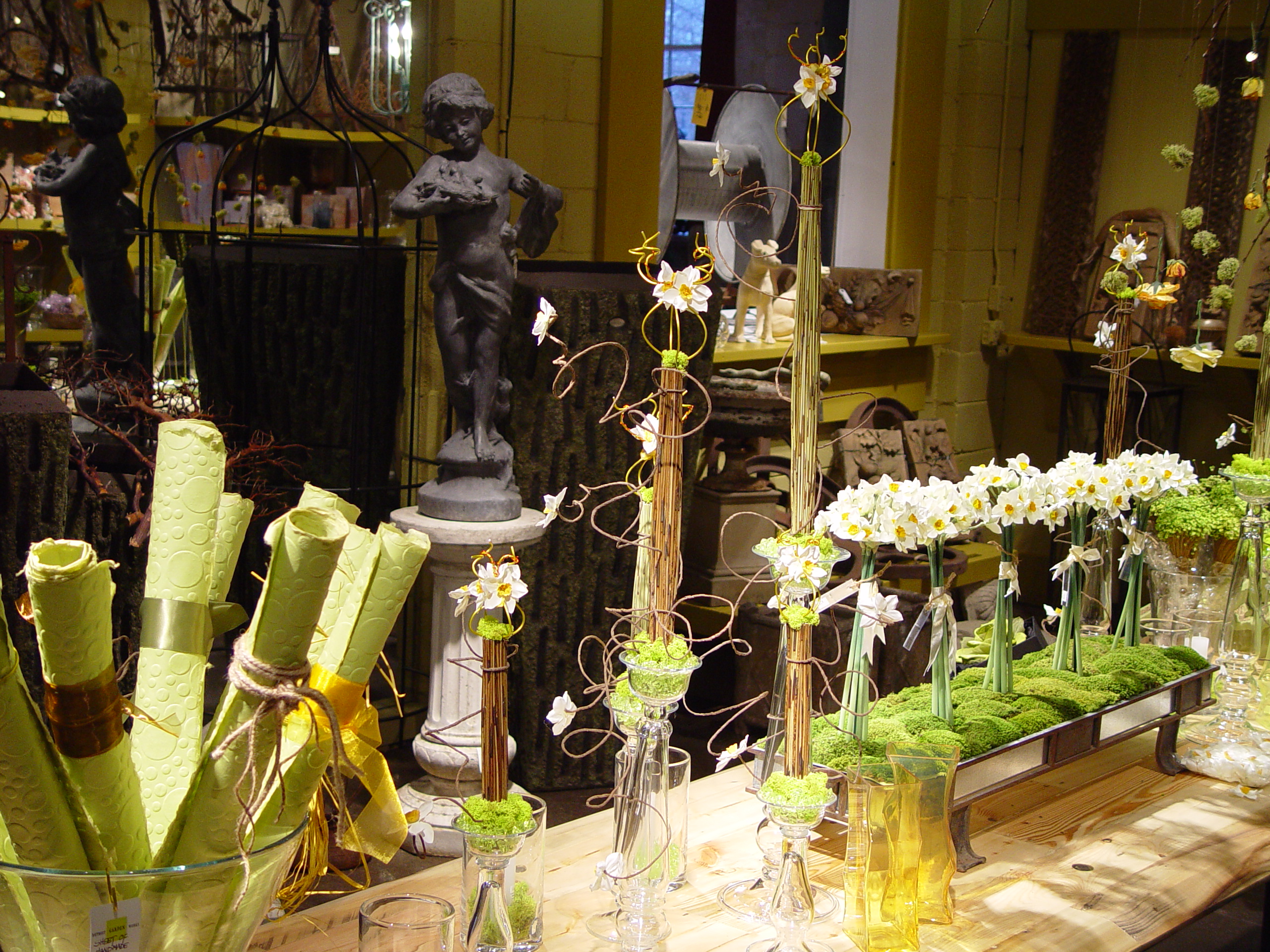
I all but covered this 20′ long table for spring in the shop some years ago.  This would not be a table about to host a dinner-where could you possibly put your plate?  It is strictly ornamental.  Just for the sheer visual joy of it.  Memories are made from how every gardener chooses to ornament their gardening life.  I remember each and every detail of those gardens that strike a chord with me.  I ornament my landscape as if I had a very important garden party looming.  Though chances are good I will never host a garden party of any consequence, I like strikingly beautiful landscapes and gardens.  When I do my best, I sleep well.
 

spring-pots.jpg

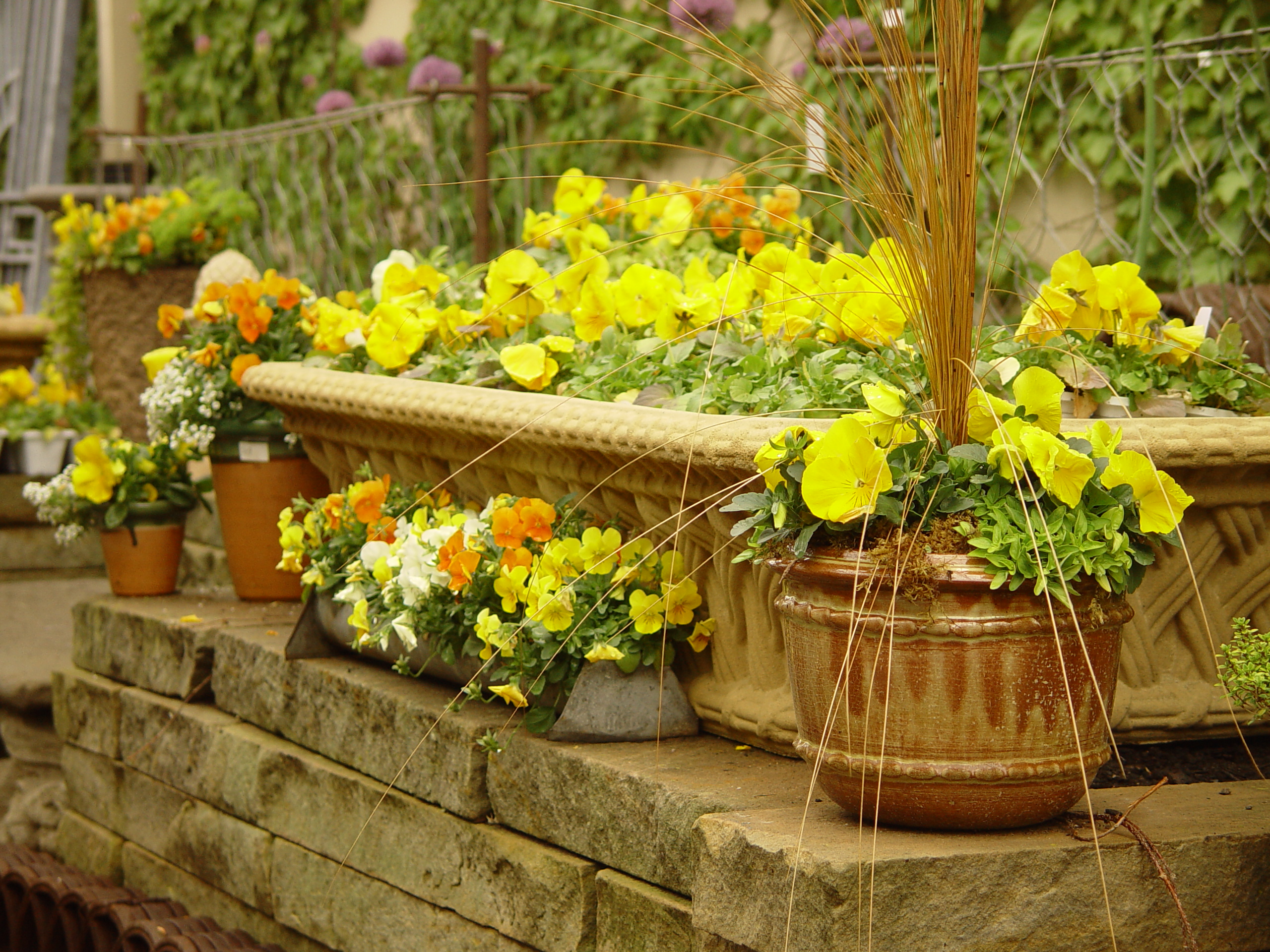
Pots planted with spring flowers are not especially utilitarian.  I have never eaten a pansy.  But my eyes have feasted on the shapes and colors of spring flowers planted in pots.  To say pots such as these enhance the appearance of my garden is an understatement.  Buck tells me that organic matters.  He is so right.  But the manner in which that organic gets delivered matters too.  This means the fencing and the gates to the vegetable garden matter, in the visual scheme of things.  This means that a gardener with a very small property needs to choose those few ornamental trees which delight them the most.  Ornament is so much about the result of the process of choosing.
driveway-garden.jpg

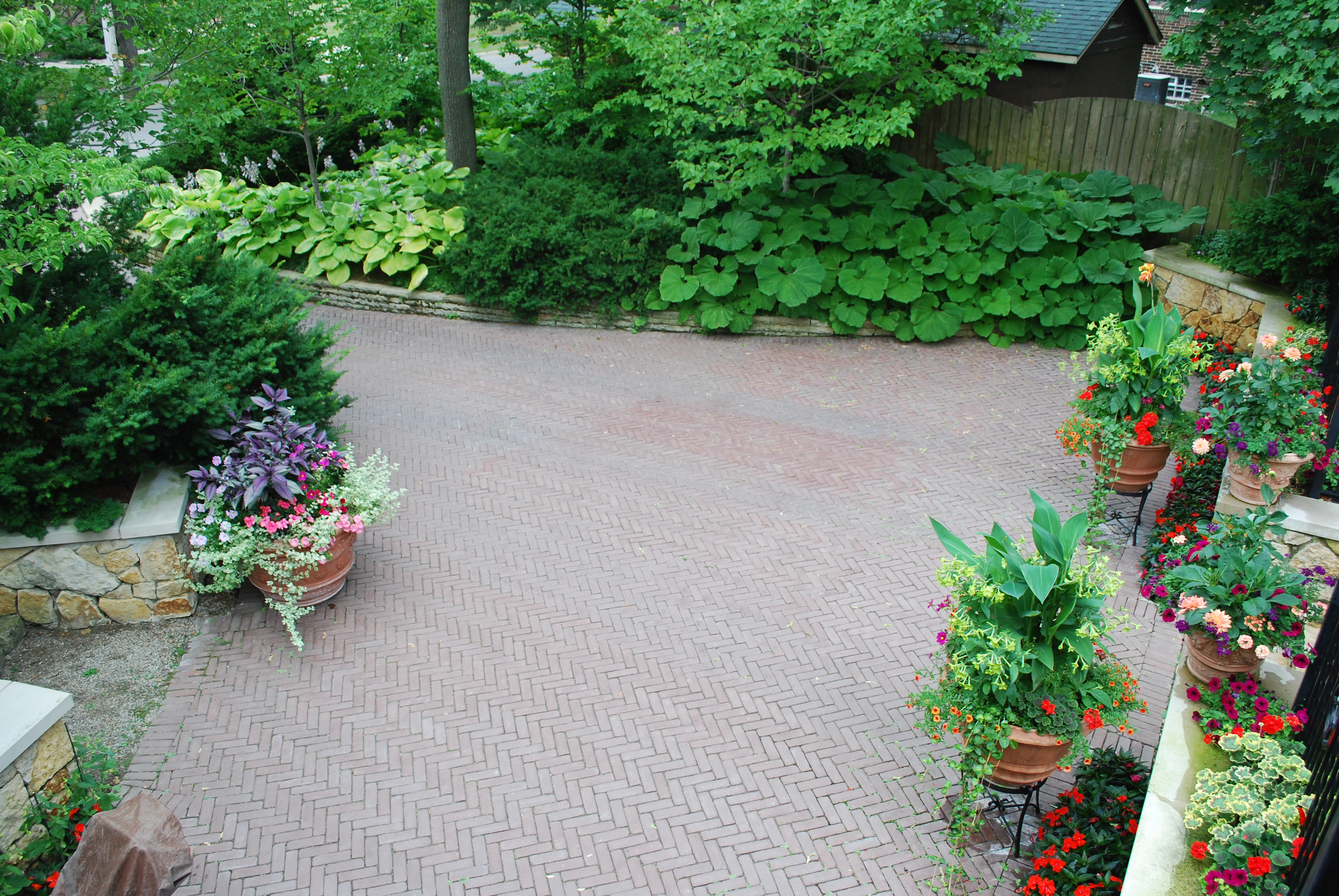
This is my driveway.  I pull up here at the end of every day.  What I see first when I get home-ornamental.  My idea of ornamental-mine and Buck’s, that is.  Our idea of ornamental-that what makes our house and garden truly ours.

Blanketed

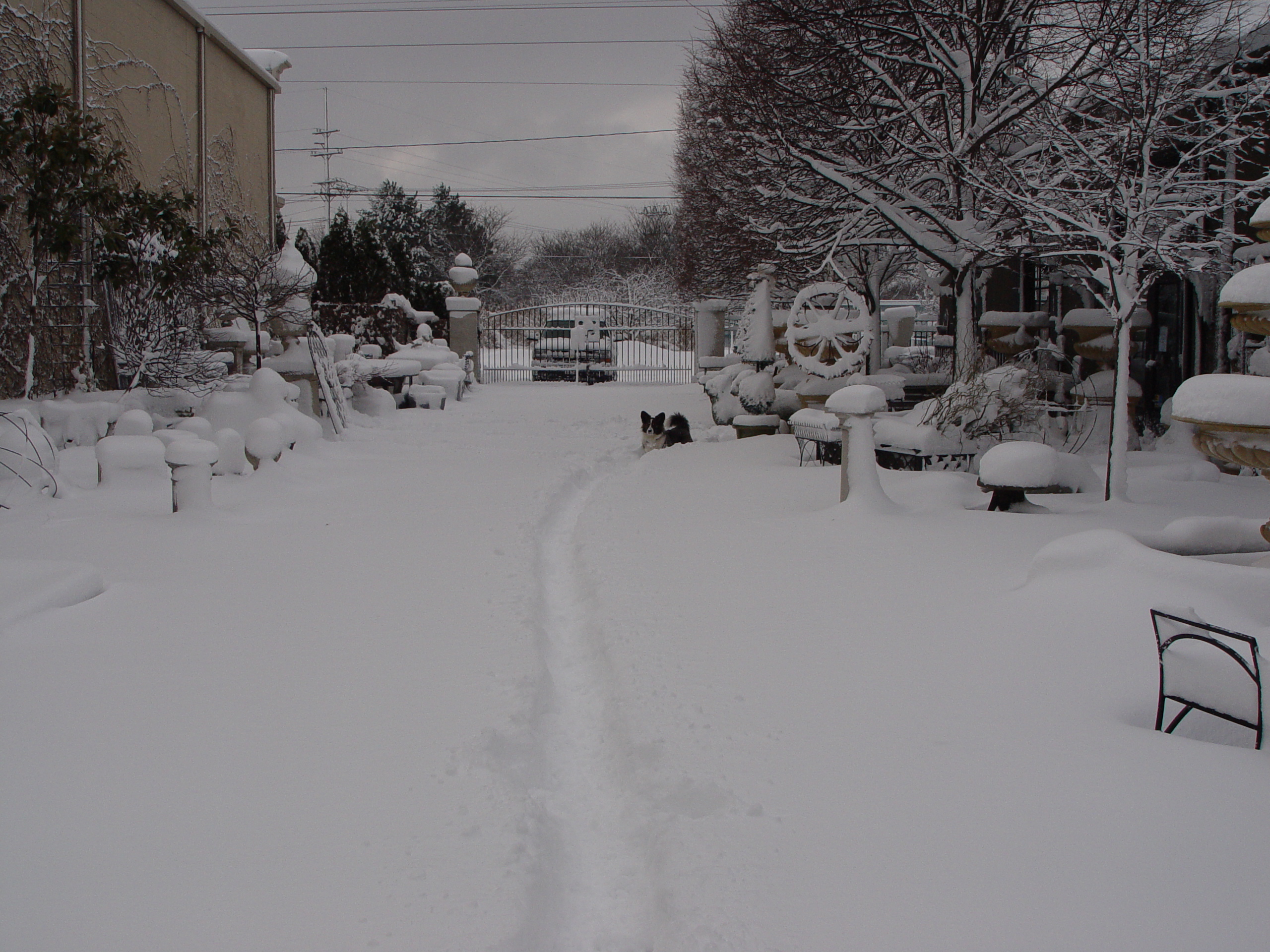
snow-day.jpgI know how deep the snow is the moment the corgi legs disappear-8 inches.  The snow we had last Friday-as you can see, just about 8 inches.  A decent show. Not at all like the overwhelming snow dumped on the northeast.  If you are digging out of 18 inches or more, you have my concern and sympathy.  However, our modest 8 inches transformed the landscape.  All the little bits and pieces close to the ground disappeared from view.  The shapes of the snow were governed by the wind.  All that could be seen-the big picture.

light-and-dark.jpg

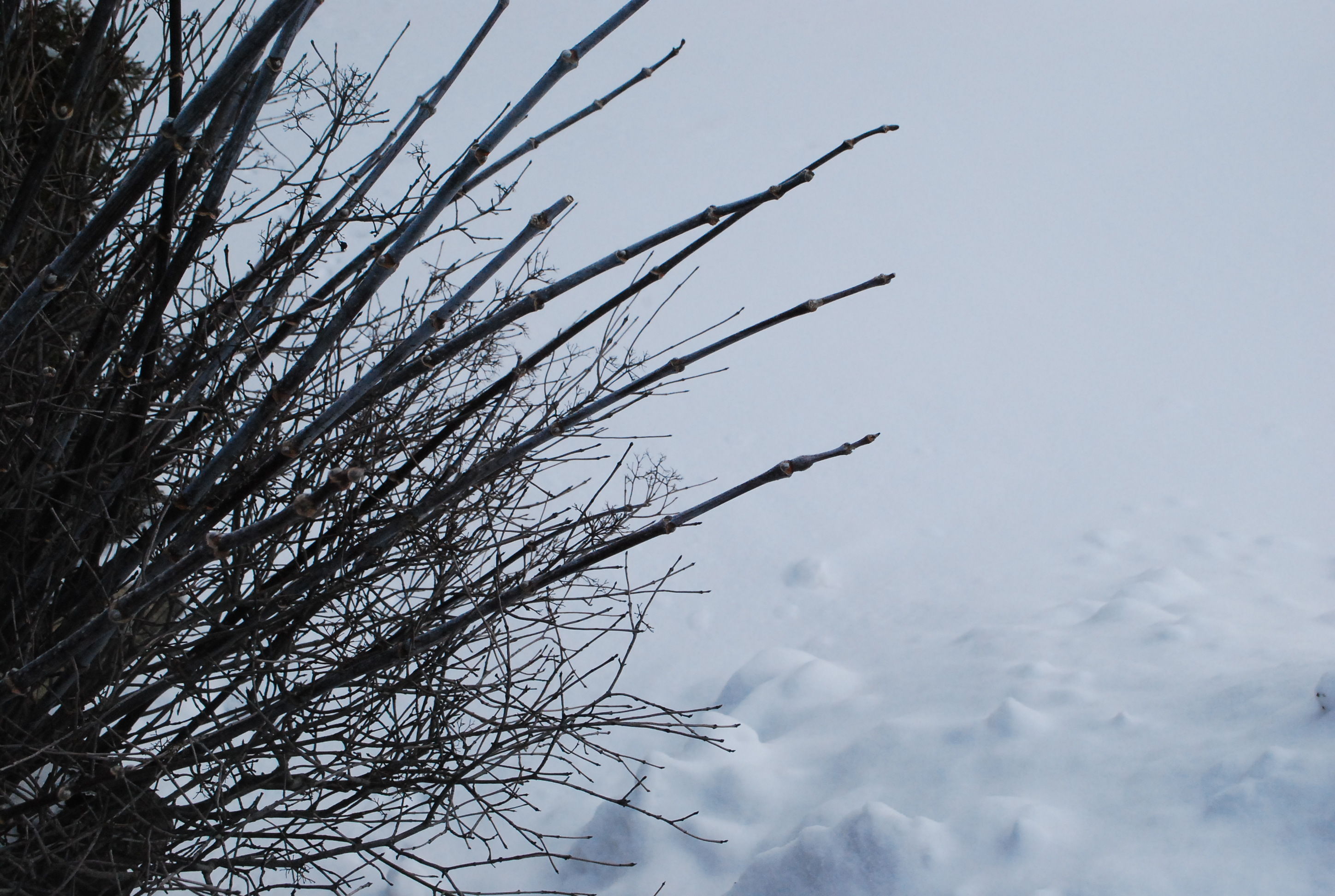
Much of what a good designer provides resides in their ability to focus on the big picture.  The simple picture- the important and pertinent picture.  This is not an easy or God given ability.  It takes work to develope an eye that sees like this.  I find my experience as a gardener, my long standing interest in design, and my abiding love for the natural world enables me to help clients-some clients better than others.   As for my own landscape-I am floored.  I can barely help myself.  I focus on the details that either don’t matter, or are too early in the process to matter. That said, I understand why people who love the garden enough to want good design call me.  A landscape is a big investment emotionally, and financially.  If you love it, and if you plan to put any amount of money to it, you can’t afford not to hire someone to help frame the big picture.  This recent 8 inch blanket of snow has me thinking about those issues.  The above picture has no scale or reference.  No relationship to anything else.  The twigs might be photographed against the sky.  Or the ground.  Where are we here?  A little visual vertigo is at work here.  landscapes without any point of view give me the same feeling.   The designed landscape is composed.  It has an idea.  It has stars and supporting cast members that interact.  It has a back story.  There is tension, rhythm and release.  There are places to be, places to see, and a mean by which to navigate both physically and visually.

shapes.jpg

Falling snow and wind creates shapes and spaces.  Plateaus.  Mountains-and voids.  Heavy snow creates a momentary landscape.  An utterly simple landscape.  The landscapes created by nature have plenty to say to those of us who design landscapes.  Great landscape design addresses shapes, mass, line, volume, texture, color-and use. Though natural shapes made by the snow are driven by climate, weather, ecology and topography, the design elements are the same.

line-in-the-snow.jpg

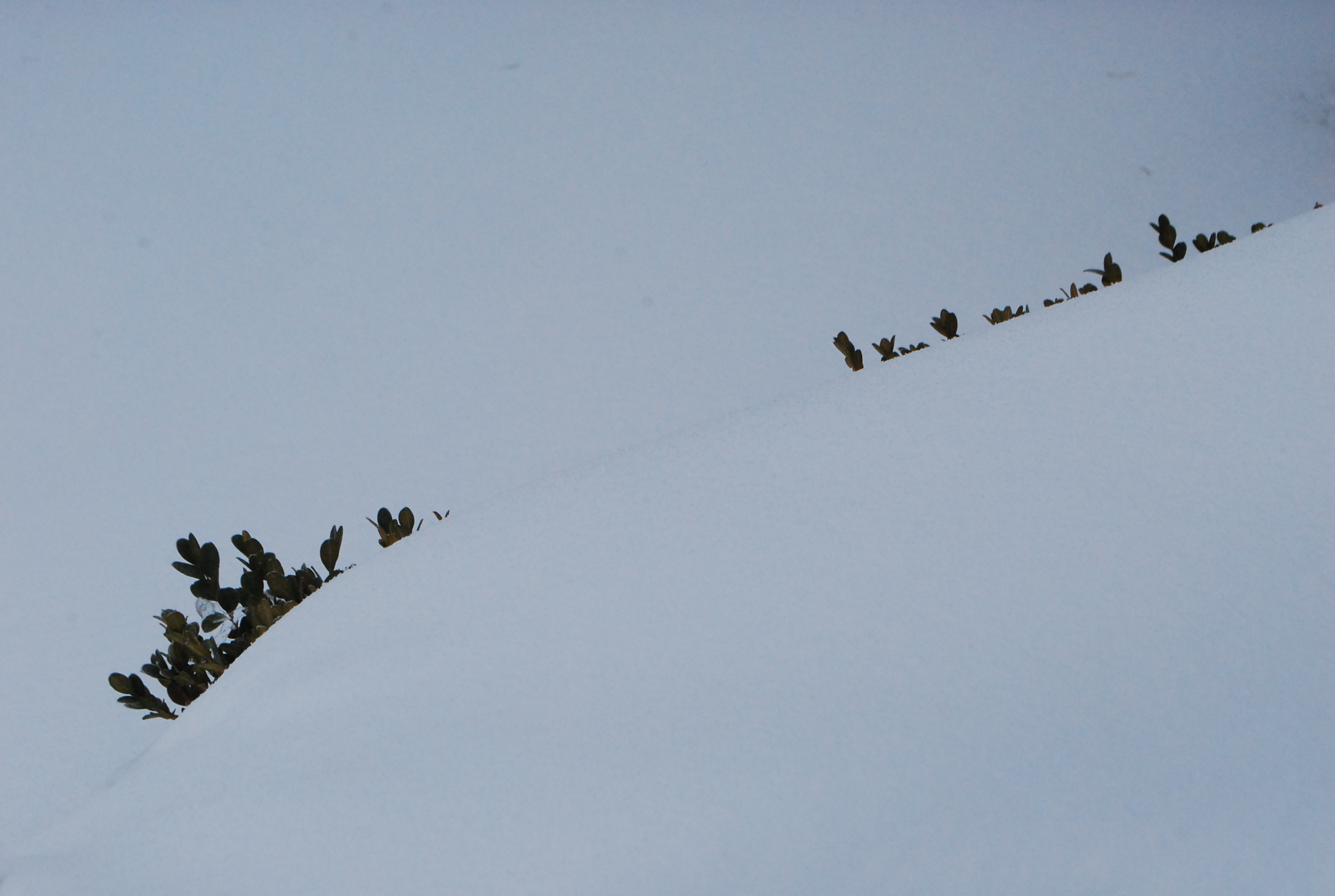
The back edge of my boxwood hedge had just a few sprigs showing after the storm.  It is easy to see the shape, even though most of the detail is buried in snow.  This photograph is graphic.  Black and white.  There is no visual description of the space.  No variation in color.  No shadows.  No point of reference.

described-by-snow.jpg

The snow that covered the base of this topiary form was just enough to describe what lies beneath it. The shadows and volumes describe a shape-and a space. There is visual interest.  How might this translate to the landscape?  A slightly sunken circle of groundcover will have much more visual impact than a circle of groundcover set at grade.  If you mean to install a circular shape, do it accurately.  Lopsided execution is irritating.  A circle of groundcover on a slope-be sure you intend to feature an ellipse.   A shape such as the snow describes here would have to be planted with a very finely textured and low growing plant, for the shape to read.

textured-by-snow.jpg

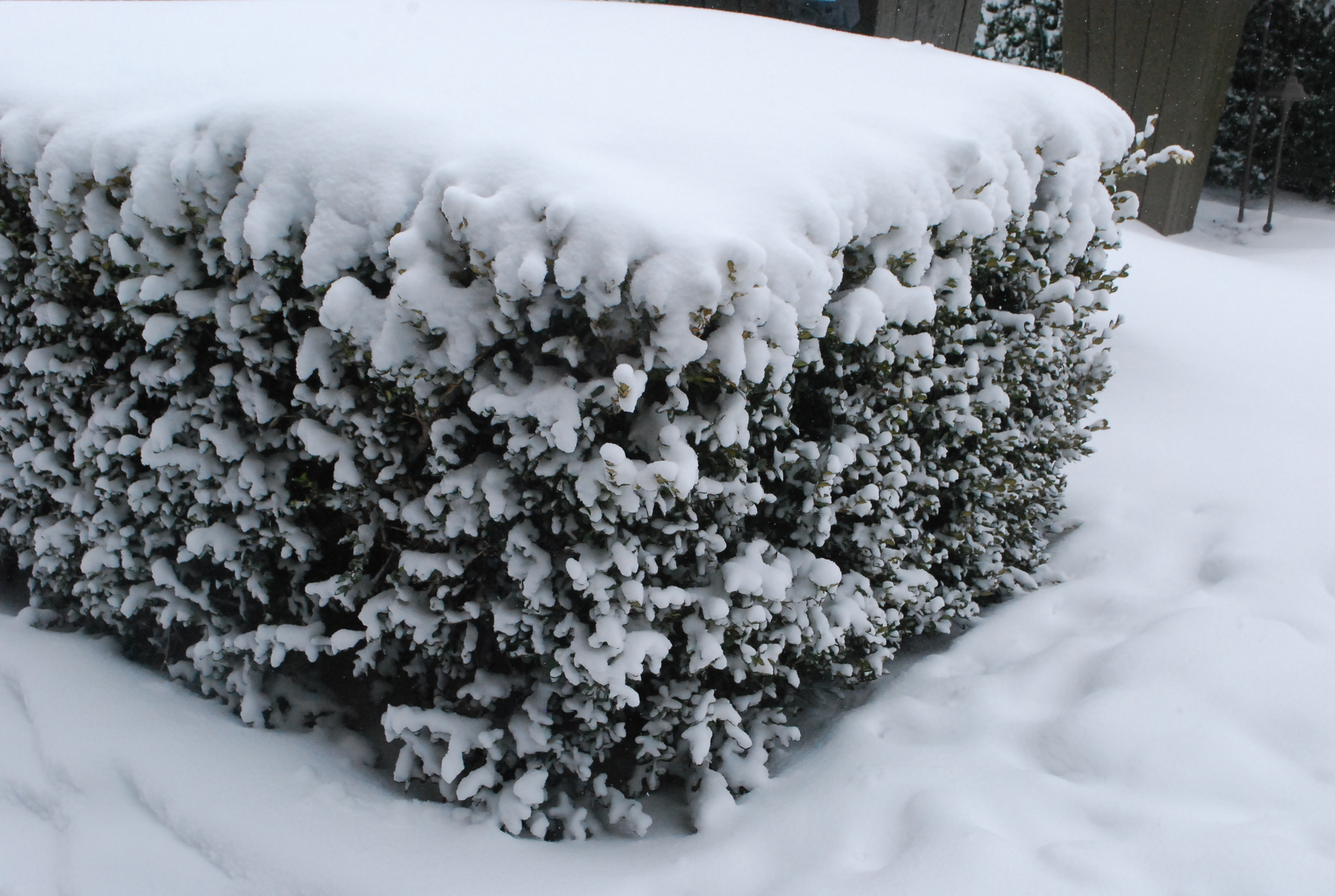
The thoughtful use of mass and texture in the landscape can create and sustain great visual excitement.  The smooth texture of the horizontal layer of snow in contrast to the interplay of snow describing the shapes of the leaves in the vertical-beautiful.  The upper mass of snow is connected to the ground level mass of snow by a vertical and highly textured shape.  This snow composition features volume.

circular-shapes.jpg

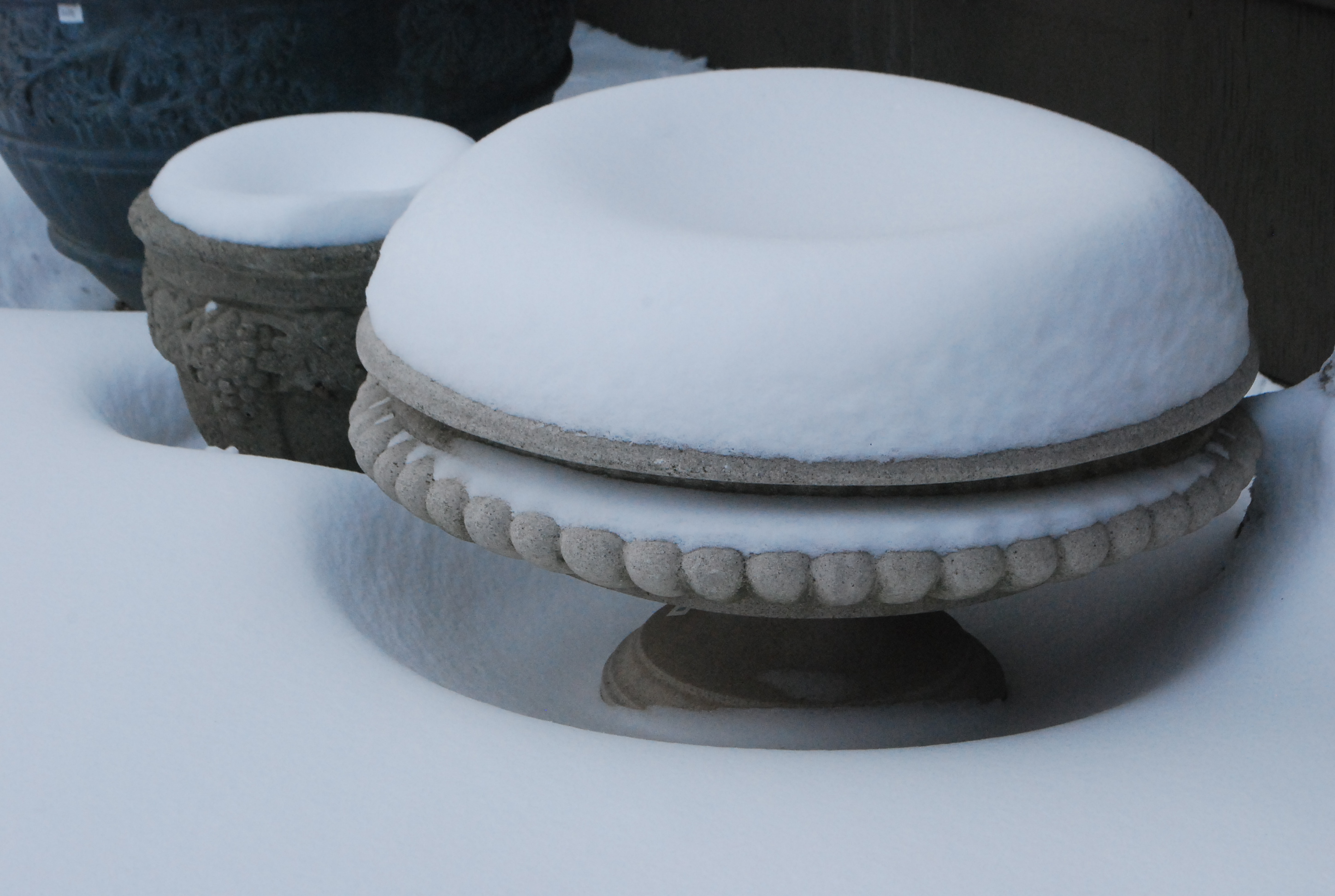
The repetition of shapes, or the discussion of a single shape, makes a stronger and clear statement.  This urn has several layers of circles.  One layer is defined by repeating spherical shapes.  The base is round.  The snow clings to the circular rim of the urn.  Your eye understands that the urn has a rim, and an interior well.  The snow in the center sank under its own weight.  The sunken shape-a half sphere.  The wind whipped the ground snow in a wider that perfect circle around the base.  There’s a visual discussion of circles and spheres going on here that is striking.

layered-space.jpg

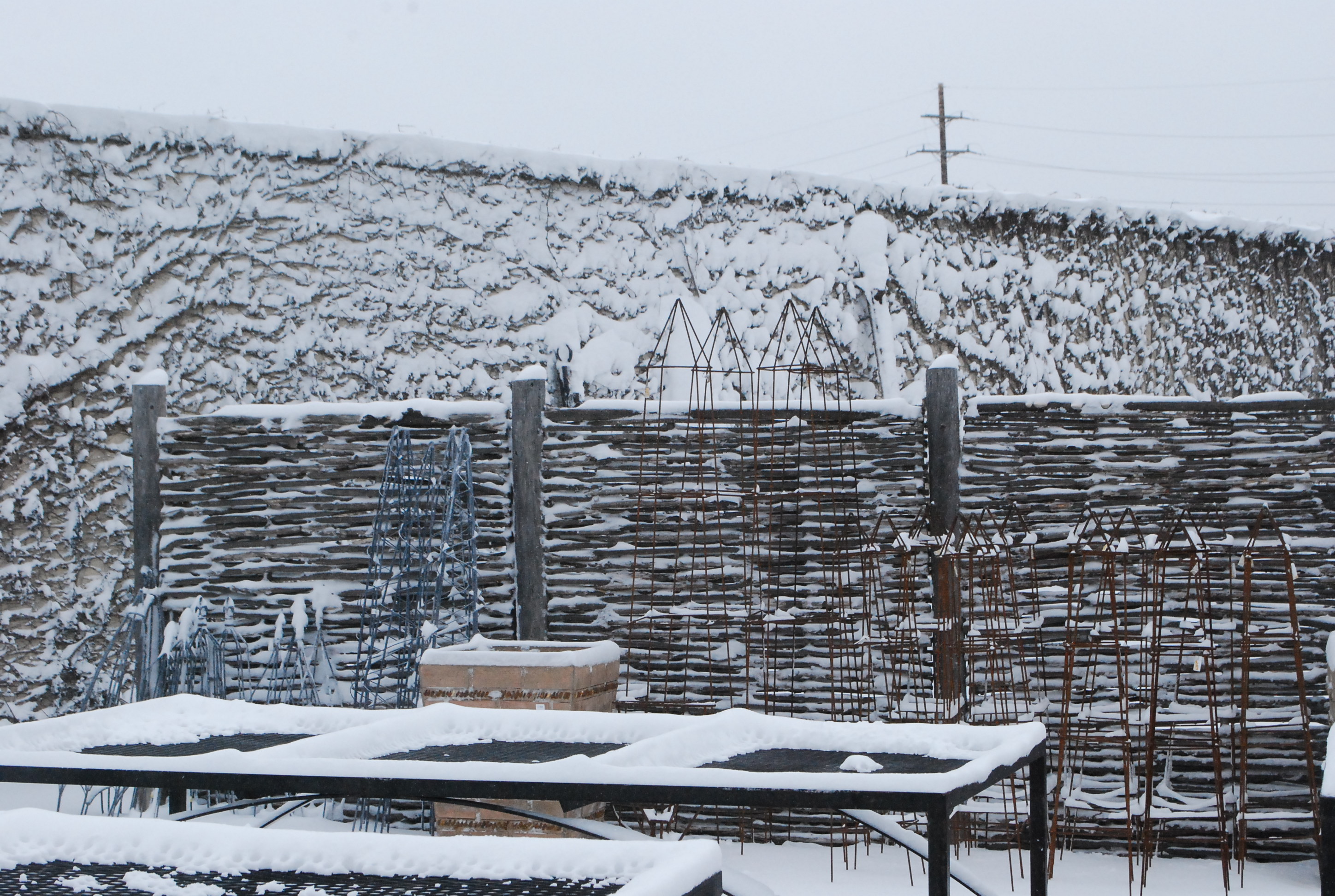
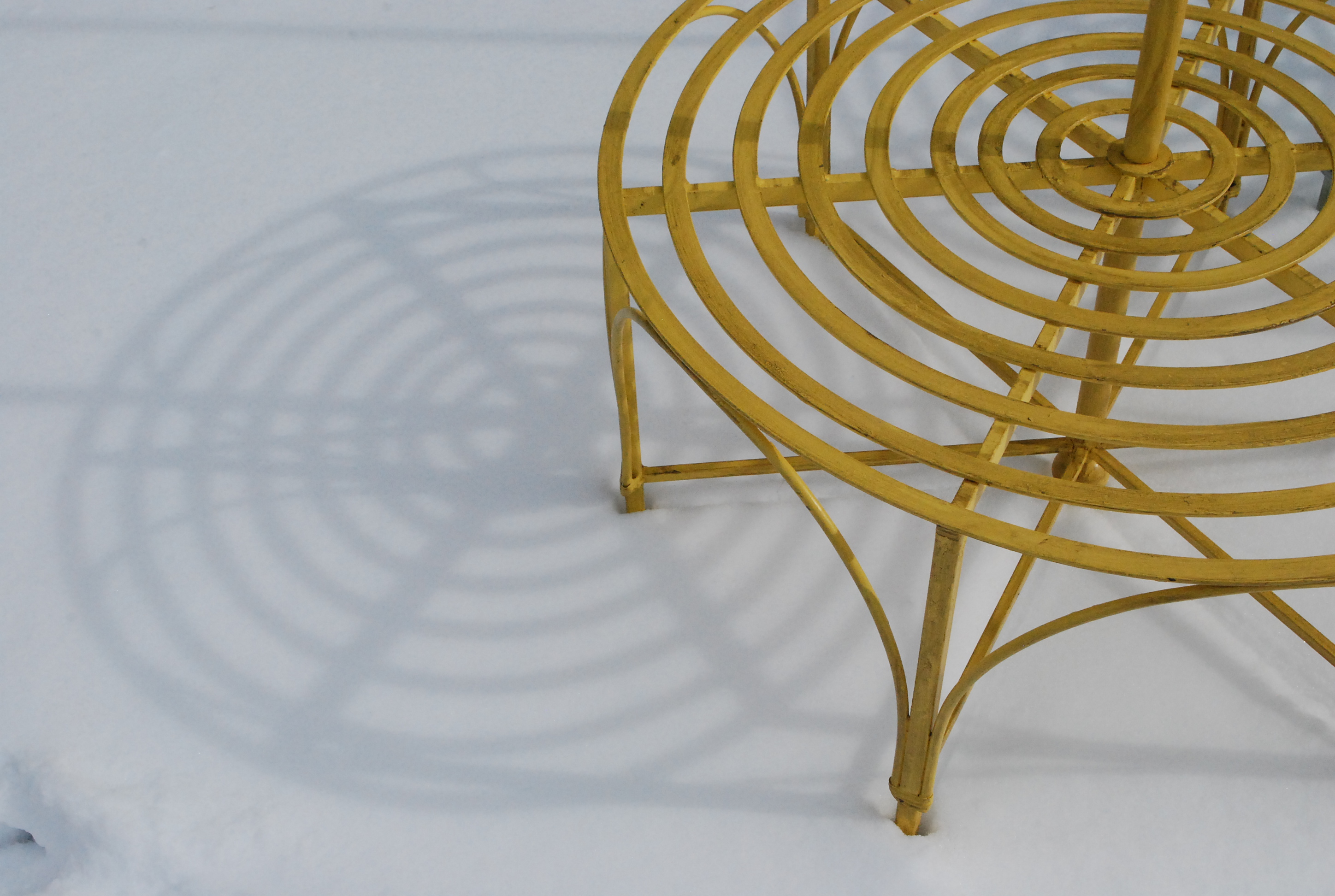
The relationships between shapes, masses, lines, textures and space is made so clear by the snow.  I know what walls, fences and tables are.  I know what objects these words describe.  But the snow makes me see them as shapes.  I know that the partial table is near to me, and the wall is further away.  And that the electric pole is very far away.  God landscape compositions make a visual description of the space being viewed.  Though it is very hard to describe in words how a composition can be spacially rich, a snow storm can help me see it.


color.jpg

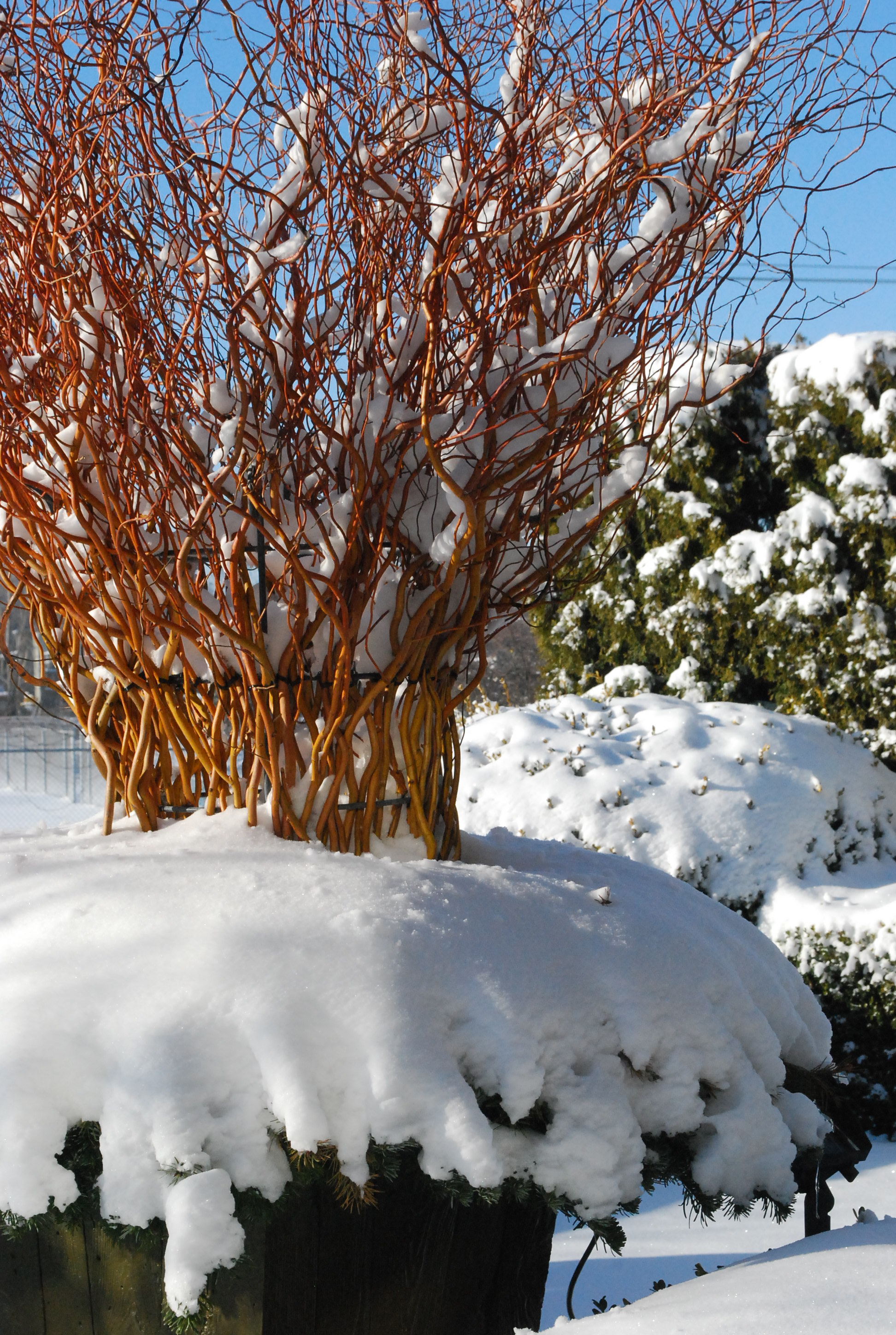
Color is a very important element of the landscape.  How light affects color is an equally important element.  The blue sky behind the copper willow makes that willow glow.  The blue sky relates to the blue shadows on the snow.  The out of focus blue gray fence in the center left of this picture helps the composition to work spacially, edge to edge.  Edge to edge?  This picture has 4 sides that frame the view.  There are many ways of framing a landscape view.  Trees.  A pergola.  A pair of pots.  A fence with its gate open.  Framing the view is an invitation to enter, and interact.  Where would you frame the view?  Up close?  Far away?  These are decisions that need to be made deliberately.

surface.jpg

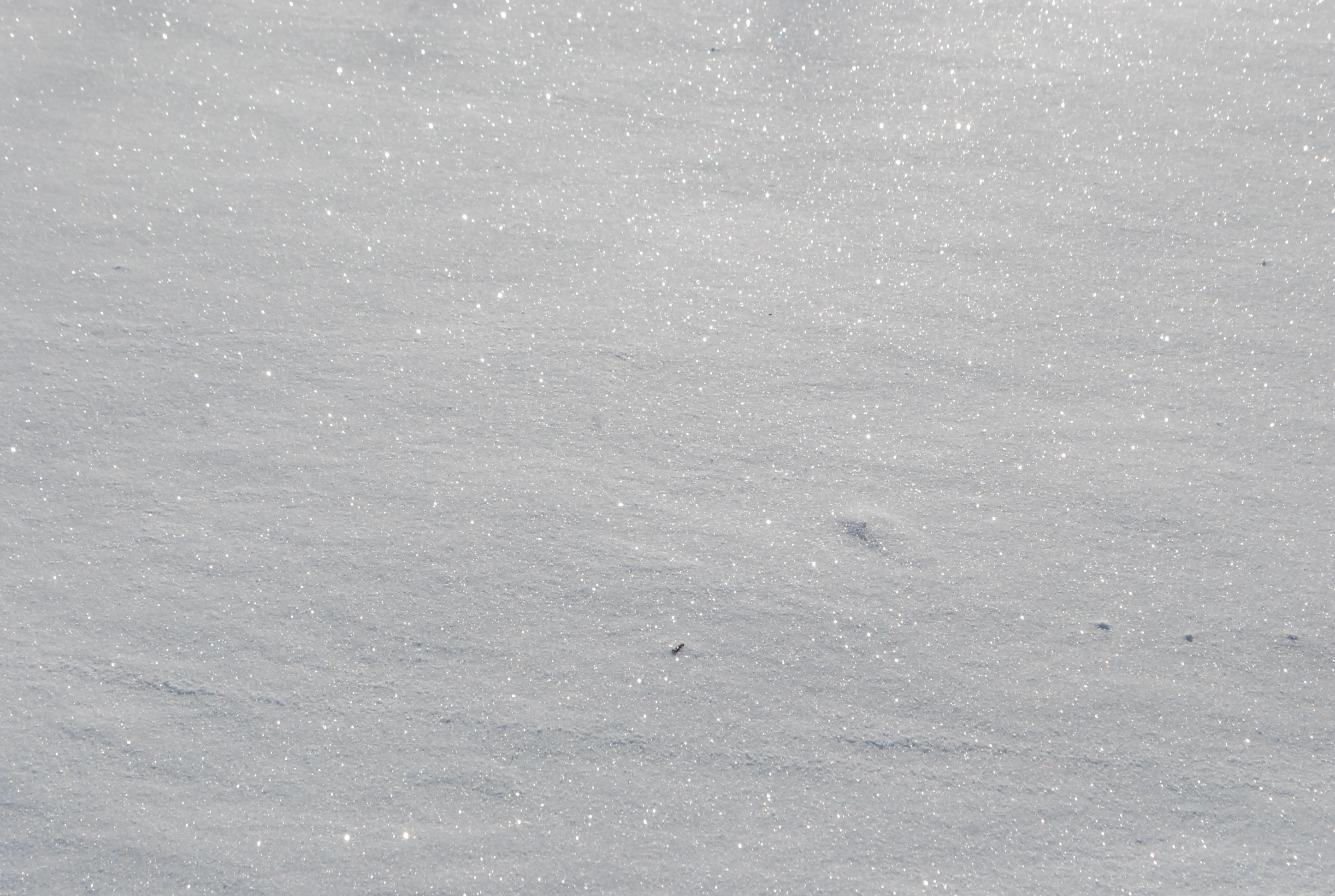
So many elements in the landscape have interesting surfaces.  In this case, snow reflecting the sun.  Stone, leaves, sky, flowers-every element in the landscape has a particular surface.  The relationship of one surface to another tells a story.  All the same surface-as in what was created by the snow we had-enchanting for the first three days, and thereafter monotonous and stifling.

repetition.jpg

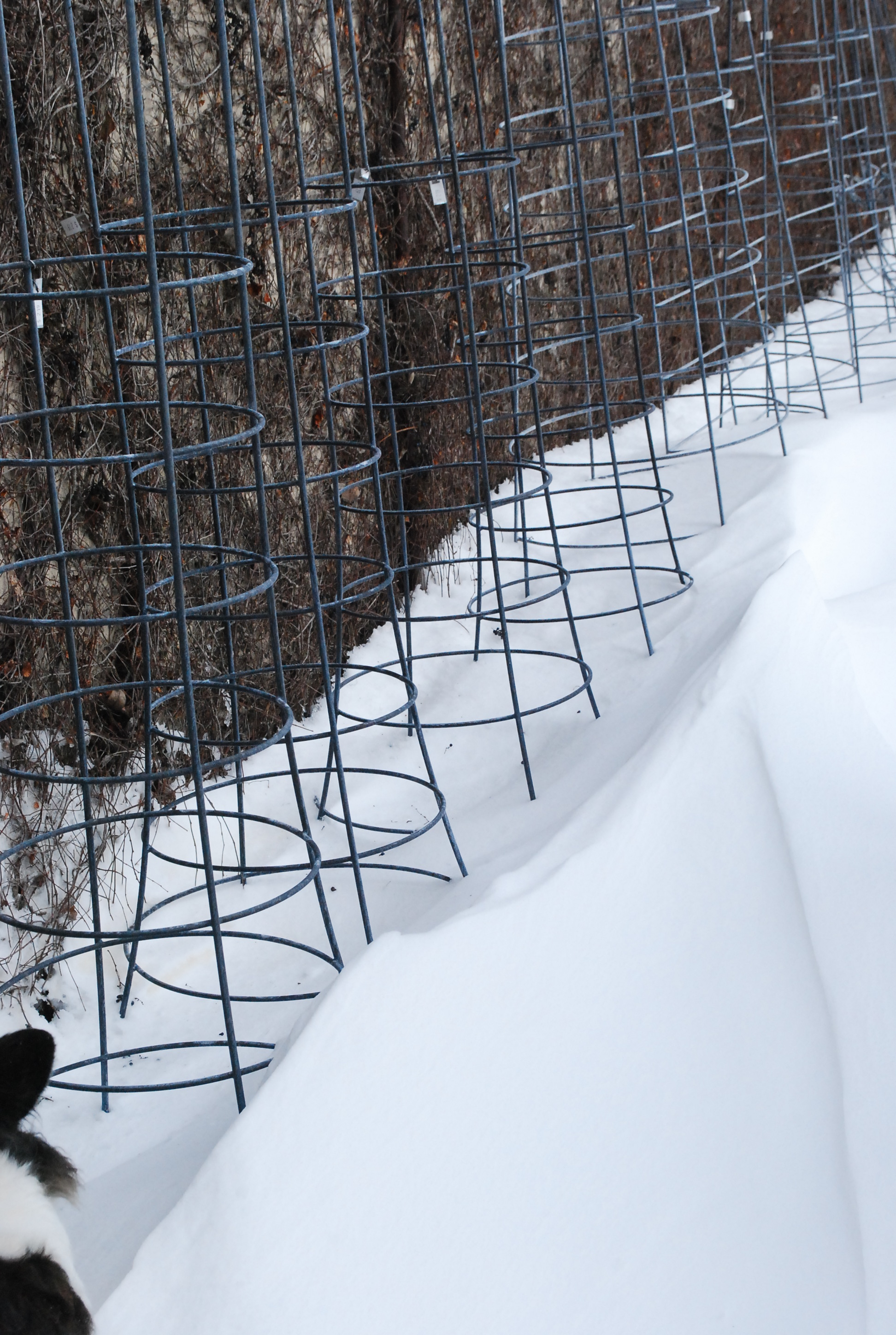
Checking out the compositions created by our snow-engaging.

echo.jpg

It does make me really crabby if the mailman walks across the snow in my front yard to get to the mailbox.  I actually asked him to use the sidewalk.  I am sure he thought I was nuts, but I don’t care.  Experiencing that snow exactly as nature engineered it is the best part of the winter season.  I do not disturb any snow unless I have to.  Who knows how many days it will take for the visual lessons to sink in.

path.jpg

If you are digging out, I am sure you are thinking about the most efficient way to get from one place to another.  Milo is pretty good at designing paths.  His snow paths have to do with how fast and efficiently he can make the left turn coming out of the front door, to a destination down the driveway.  That curve is is particular to him.  In much the same way as a landscape design is particular to a certain gardener.

Beautiful Materials

greenhouse-in-February.jpg

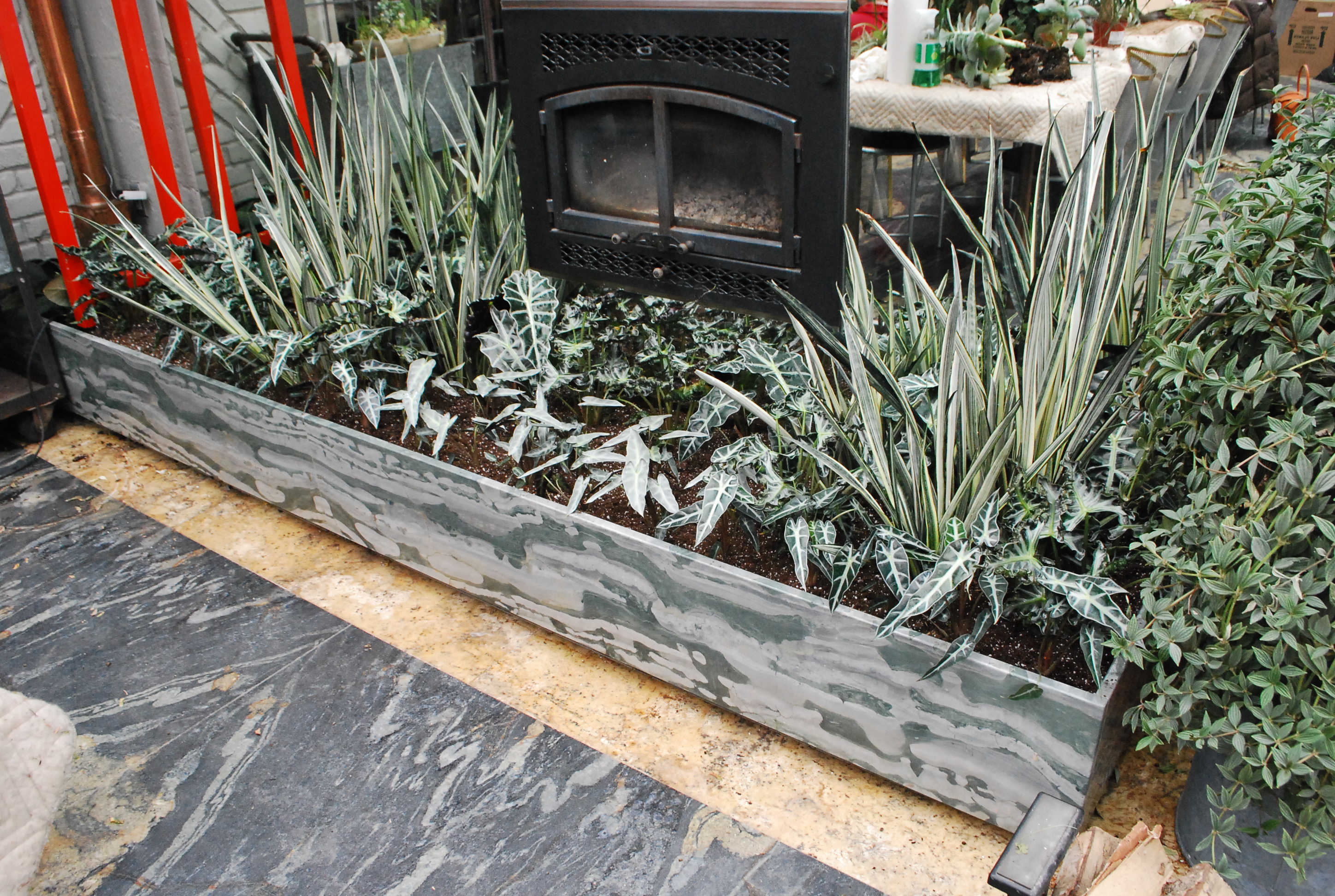
Regrettably, there are no plants in my life right now.  I think the high temperature for the day was 18 degrees, and the ground is covered in snow.  Not that I mind this-it seems so normal and ordinary.  I don’t do much in the way of plants to help my situation.  I will admit to an aversion to houseplants-plants inside any building besides a conservatory or greenhouse just seems wrong.  All of the plants at the shop are huddled together in the one room with a glass roof.  This is not an especially attractive look.  The heat is set at a very chilly 45 degrees.  The garage has a rag tag collection of boxwood topiaries we are wintering for clients, a few espaliers, and some red dracaenas I could not bear to part with. I will spare you any images of this pathetic scene.

conservatory-floor.jpg

Most of my landscape design efforts revolve around the plants.  Their mature size and stature.  What they require to grow.  The color of their leaves.  Their texture and fragrance.  Their longevity, and ease of cultivation.  Woody landscape plants require stewardship, and thoughtful maintenenace.  Perennials? Successful cultivation requires a lot of time and committment.  But there are other elements that go into a great landscape that involve materials.  Materials for walkway, driveways, and terraces.  Materials with which to make shelter.  Materials for pots and containers.  Utilitarian materials.  Materials to spring on the landscape-just for the sheer joy of it.  Keeping up with the beautiful materials that are suited for outdoor use is a time consuming job.  The best time to explore landscape materials is that time when the pressure to make a decision for a specific spot is a few months away.

stone-samples.jpg

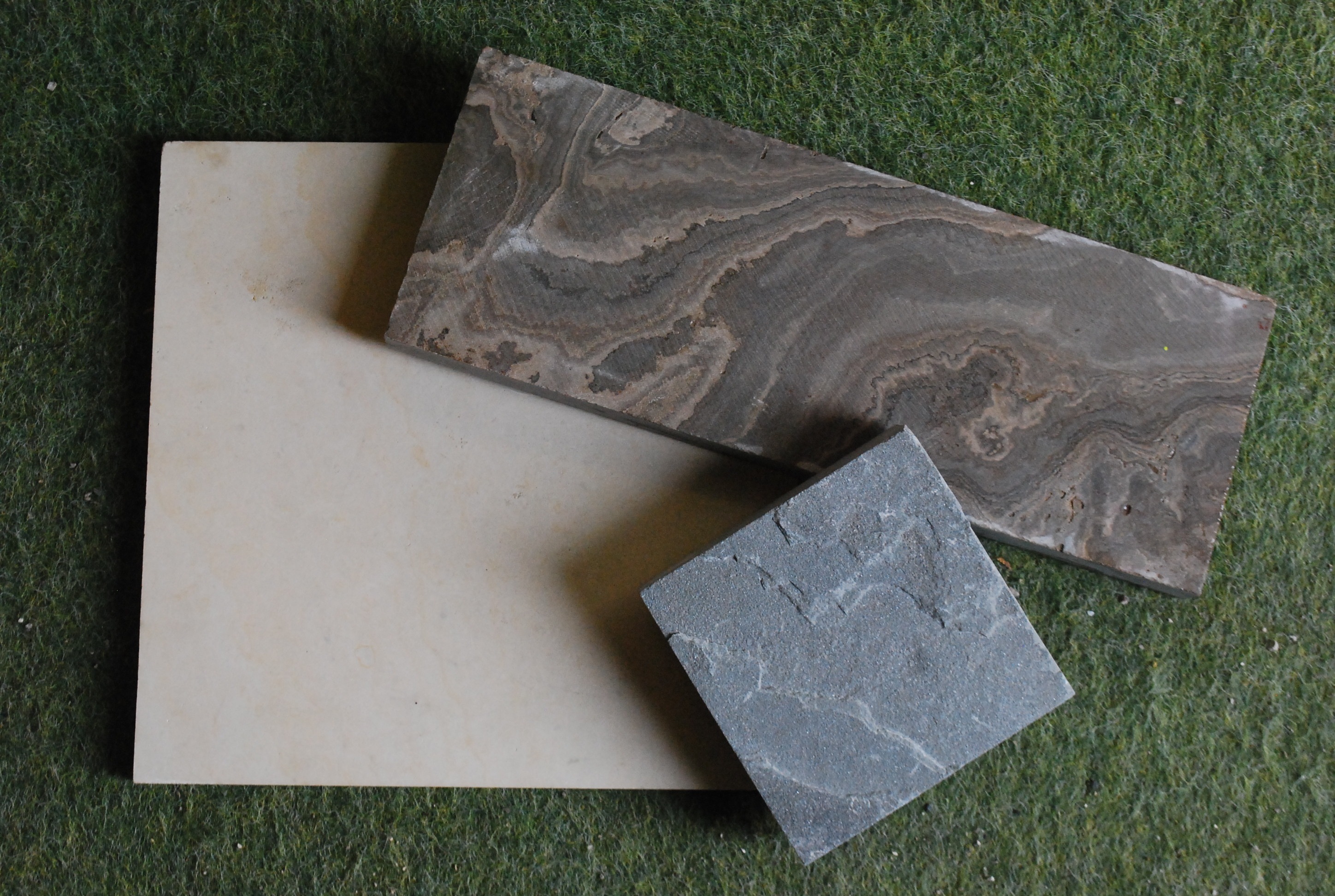
Stone is a landscape material with no end of possibilities.  Sandstone chopped into regular shapes is a great material for retaining walls.  This porous stone is an ideal place for colonies of moss to develop and prosper.  Shaped and thermal finished stone is utterly civilized, and easy to navigate.  Natural stone has an irregular surface which is pleasurable to the eye.  Local stone fits in.  Vintage stone has an aura that affects every other landscape element.

concrete-pavers.jpg

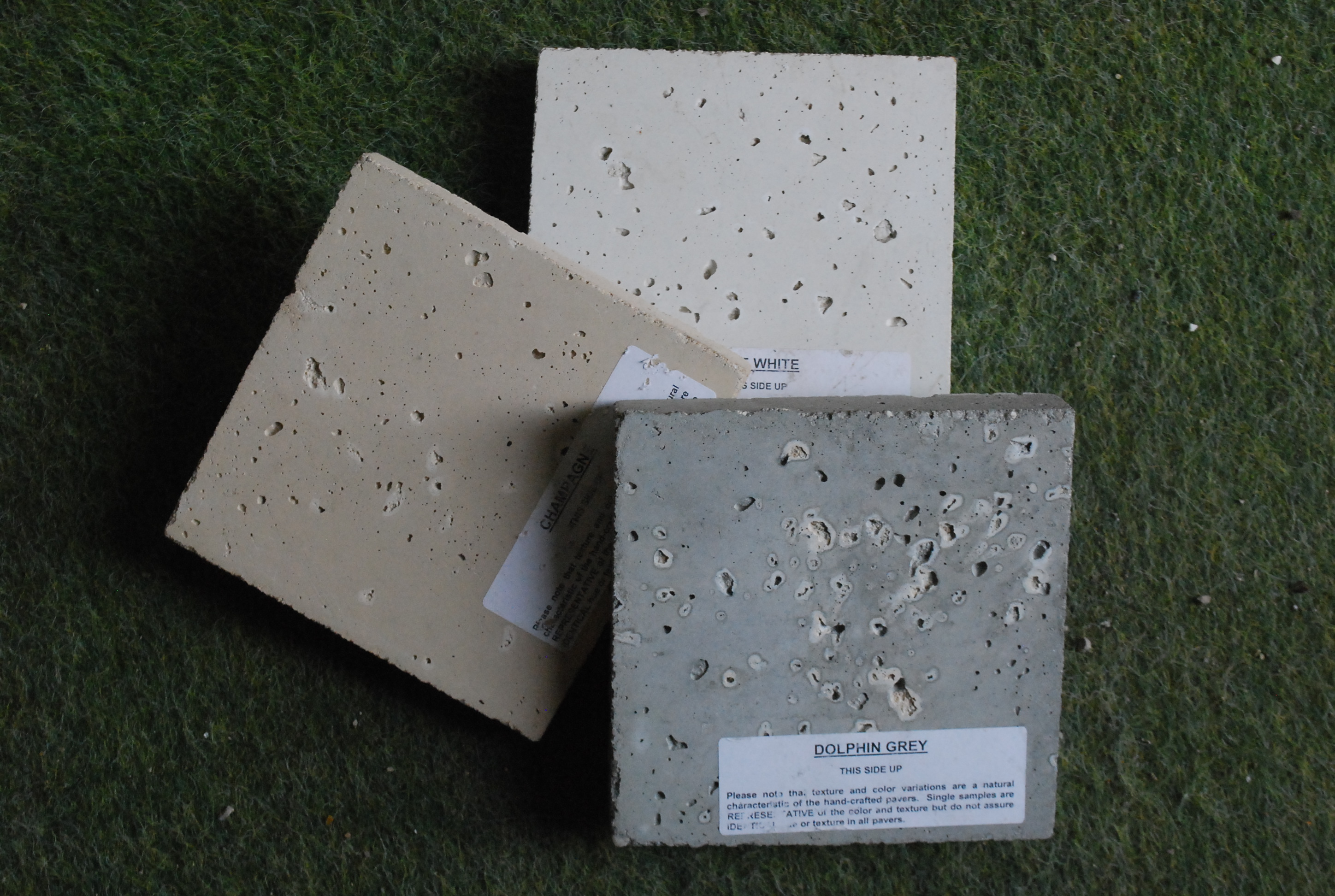
Concrete is a material with no end of incarnations.  Concrete aggregate is a beautiful material fo a contemporary driveway.  Cracked concrete sidewalks grayed with age have a charm I cannot really explain.  Stamped concrete-I am not a fan.  I like concrete in the landscape that makes no bones about the fact that it is concrete, not stamped to look like something it is not. 

wood-walkway.jpg

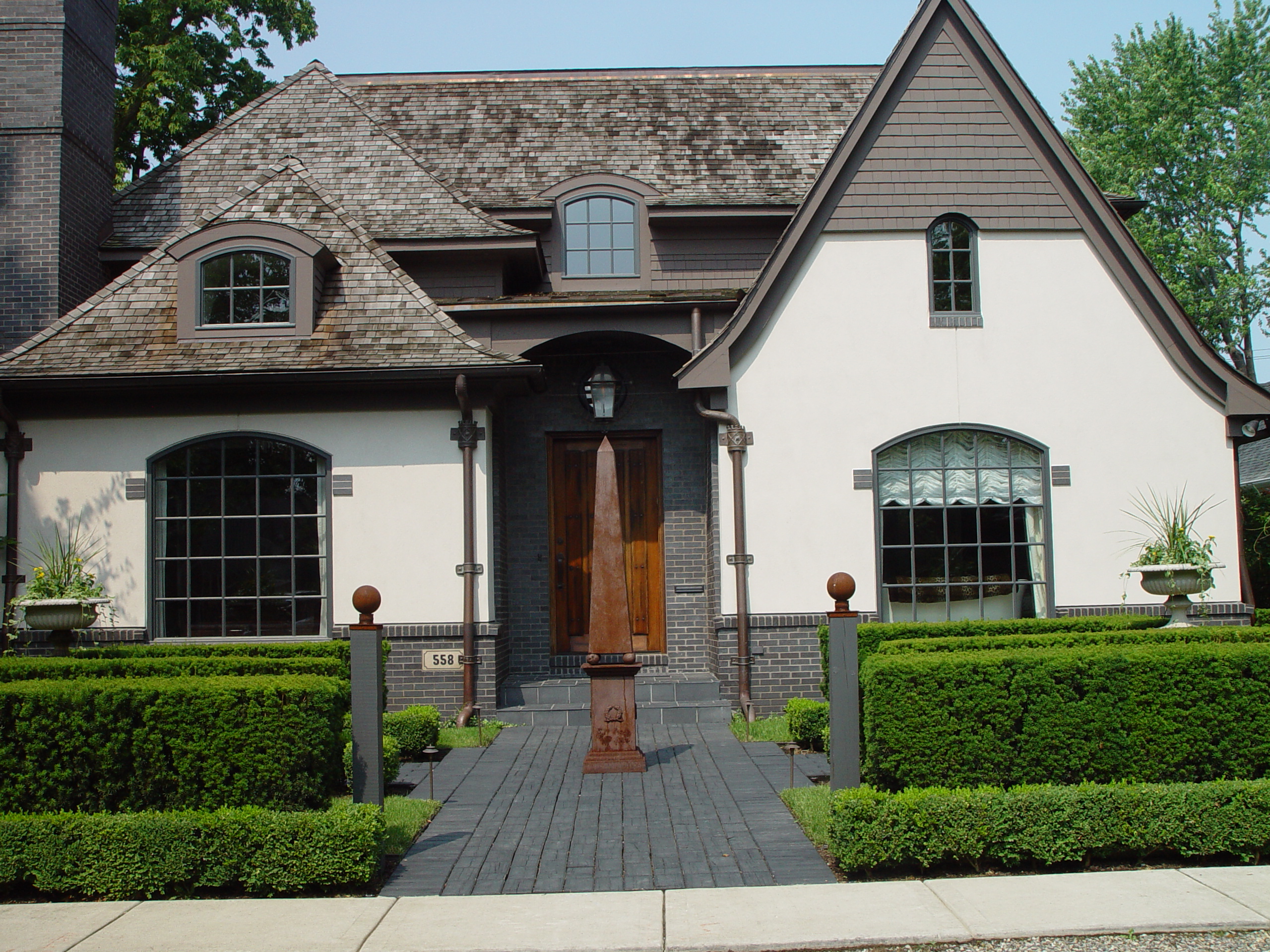
Wood, that material that comes from trees, is available in lots of species, surfaces, and finishes-some predictable, and some unusual.  This sidewalk was installed from ordinary pressure treated lumber, scored into brick shapes, and dyed with black aniline dye. 

vintage-road-brick.jpg
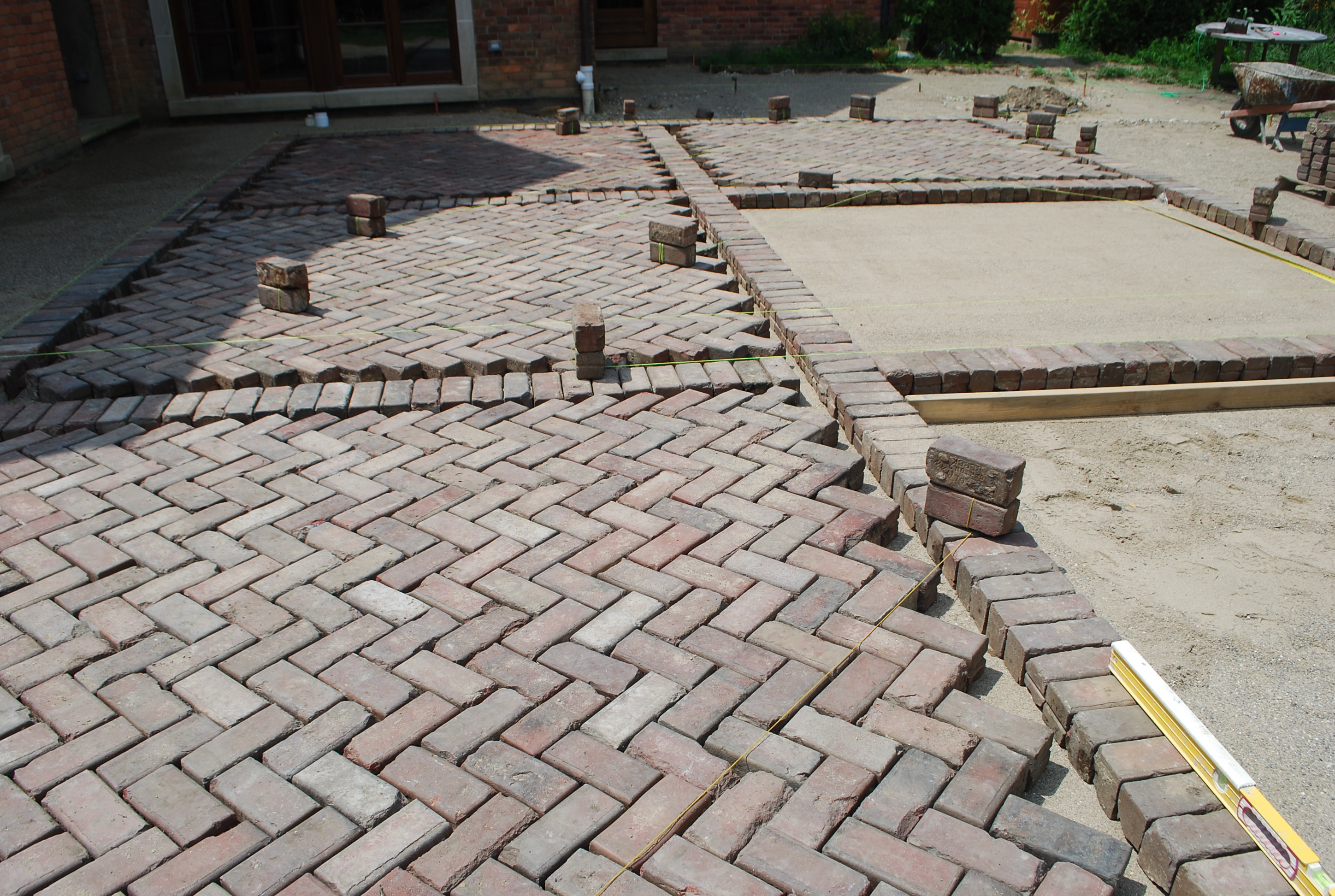
Reclaimed materials can be just as exciting as new ones.  These early 20th century fireclay road bricks made a great terrace for a 1920’s English tudor style home.

glass-tiles.jpg
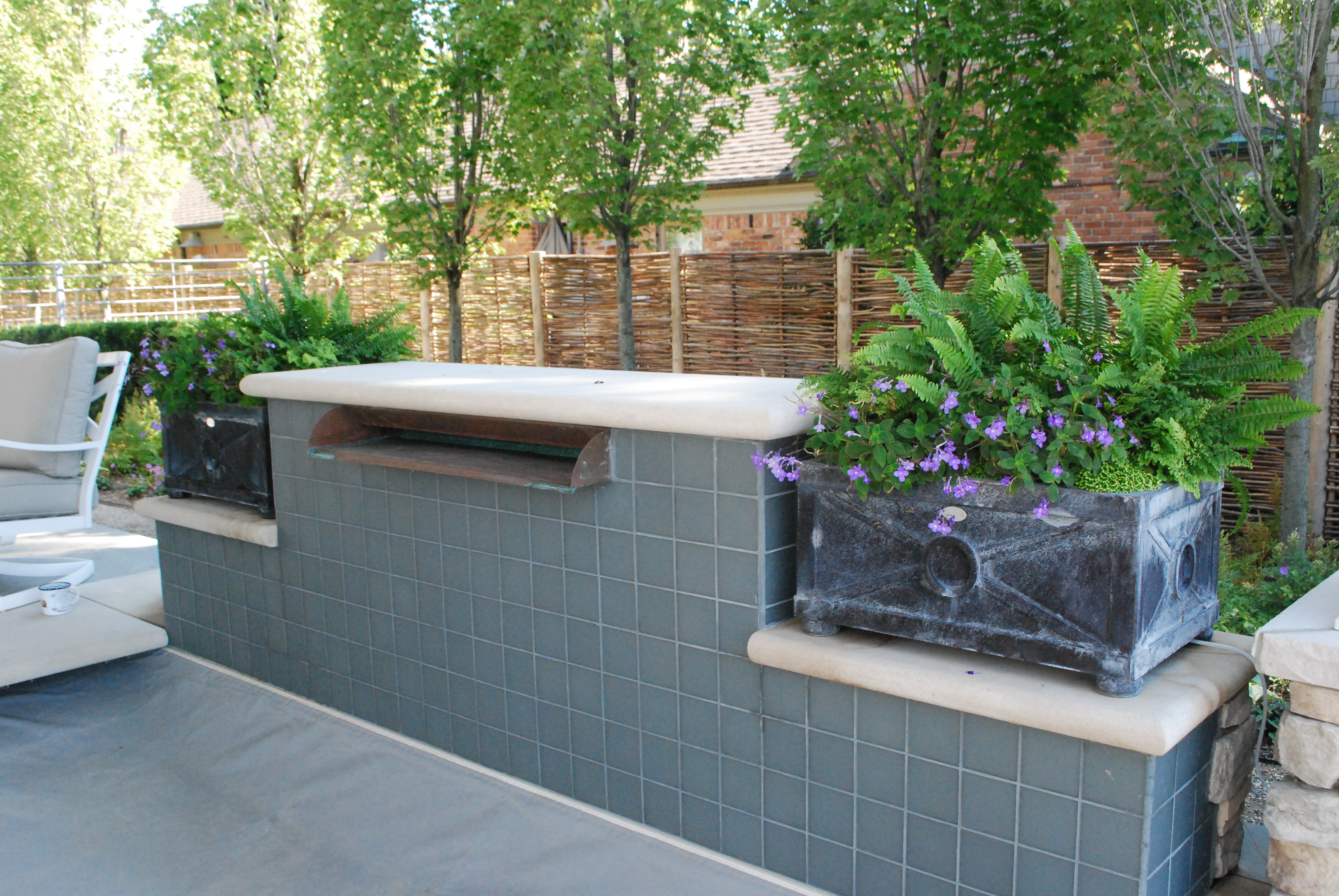
Exterior rated glass tiles are a smooth and comfortable surface for a spa.

stained-exterior-plywood-sheathing.jpg
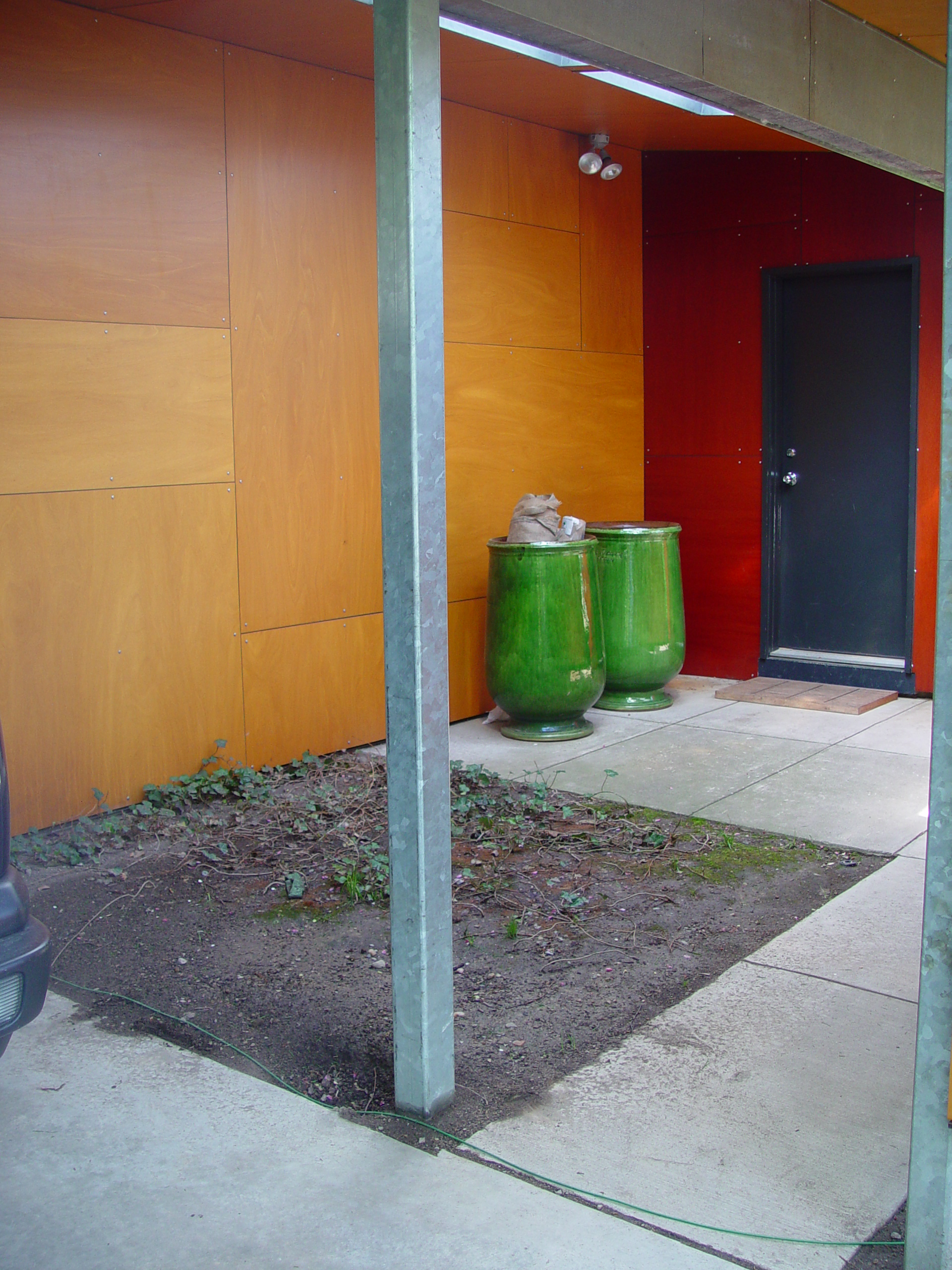
This building material was unknown to me until the moment I saw it.  What a beautiful surface it is for a contemporary home.  Most certainly this material would inspire the landscape design. 

bluestone-pavings.jpg

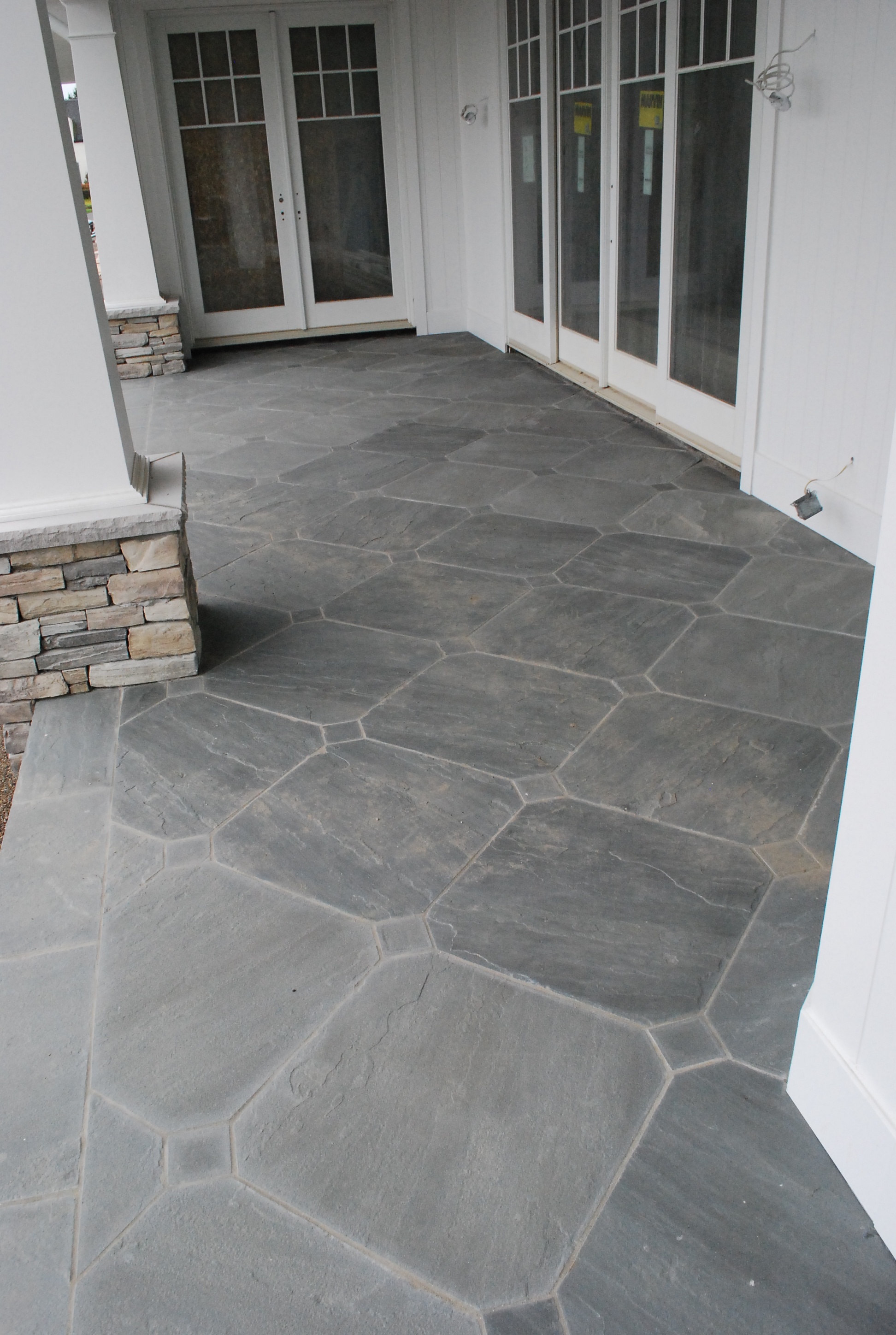
This back porch of bluestone squares and dots features an unusual pattern installed with a common material.

beach-glass-terrace.jpg

This gravel terrace was finished in a thin layer of multicolored beach glass. 

steel-and-painted-panelled-container.jpg

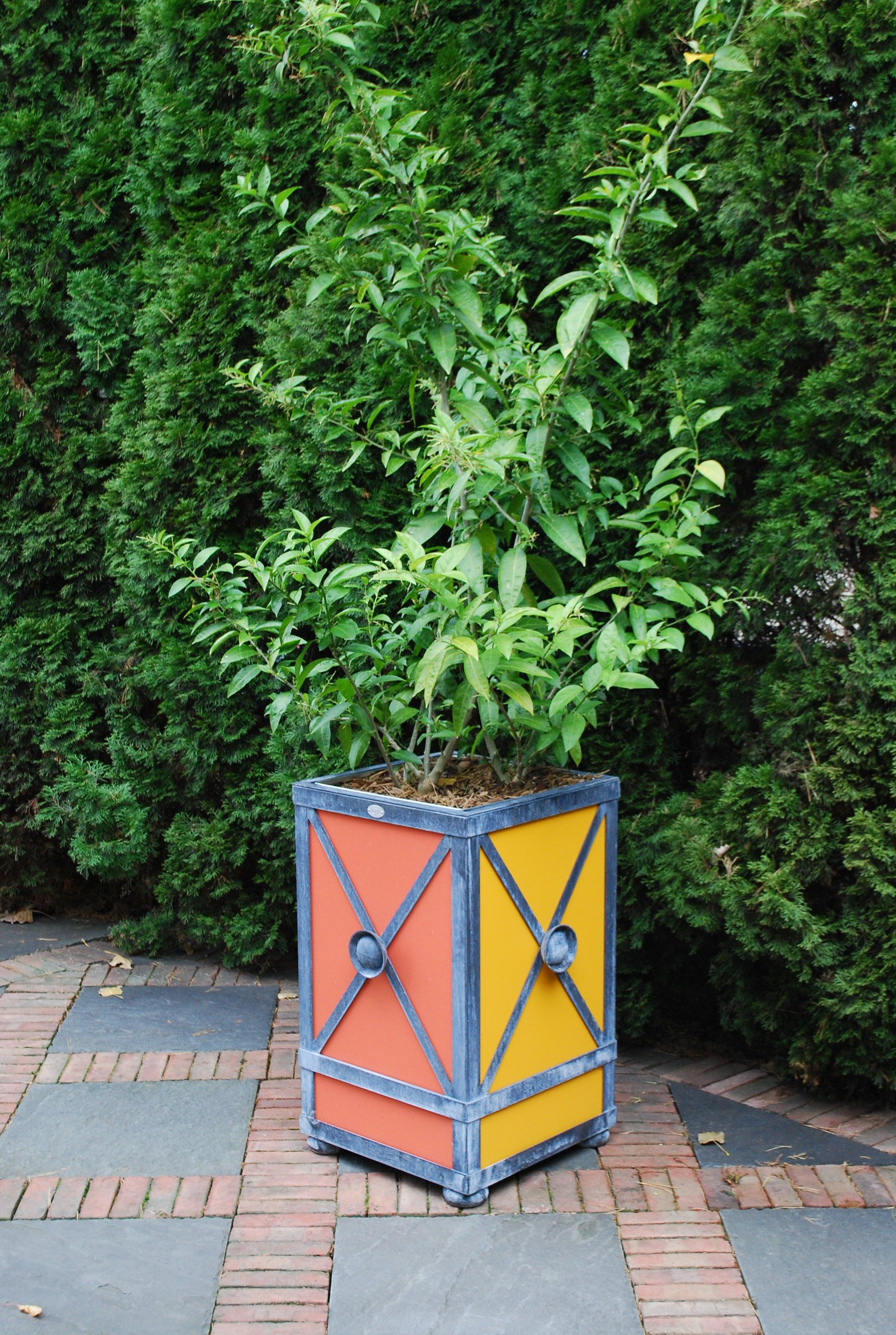
A steel container with painted panels in alternating colors provides a big splash of color.

Donghia exterior fabrics

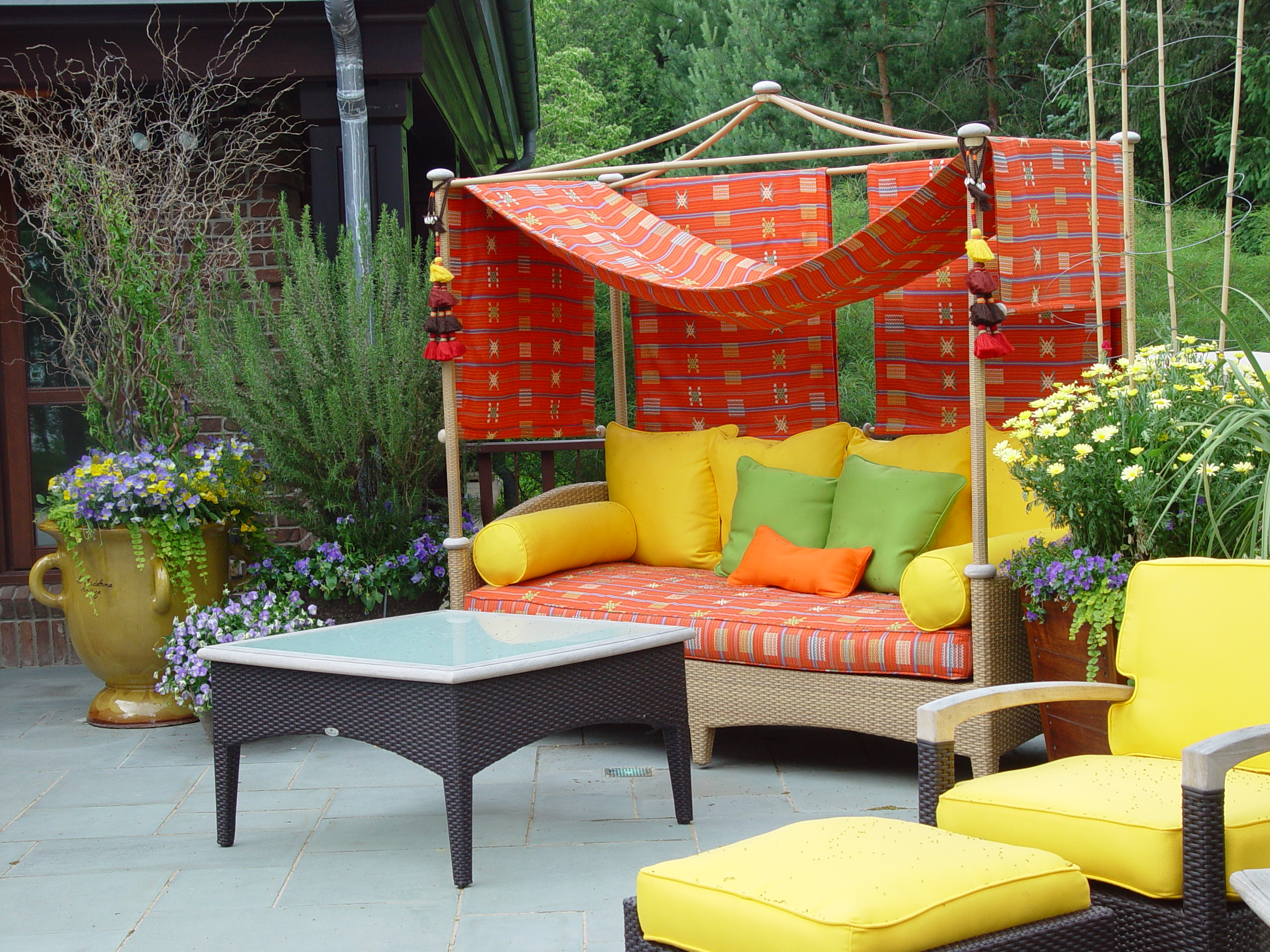
 Fabrics that can withstand the weather are of incredibly good quality now.  They resist fading and mildew.  This resin garden furniture from Gloucester would have a completely different look without all of the color provided by these fabrics.  Researching and choosing materials for the garden to come is a great way to spend some February time.

Concrete

Concrete is a material one sees everywhere in the landscape.  Ubiquitous, this workhorse of a material.  Driveways, parking lots, commercial buildings, house foundations, bridges, walkways, wall foundations, -the list of landscape features that rely on concrete for strength and durability is long-as it should be.  Reinforced concrete is incredibly strong, and durable.  Concrete as a finished material can be quite beautiful.  Polished concrete floors, countertops, and buildings can be extraordinarily beautiful and serviceable. 

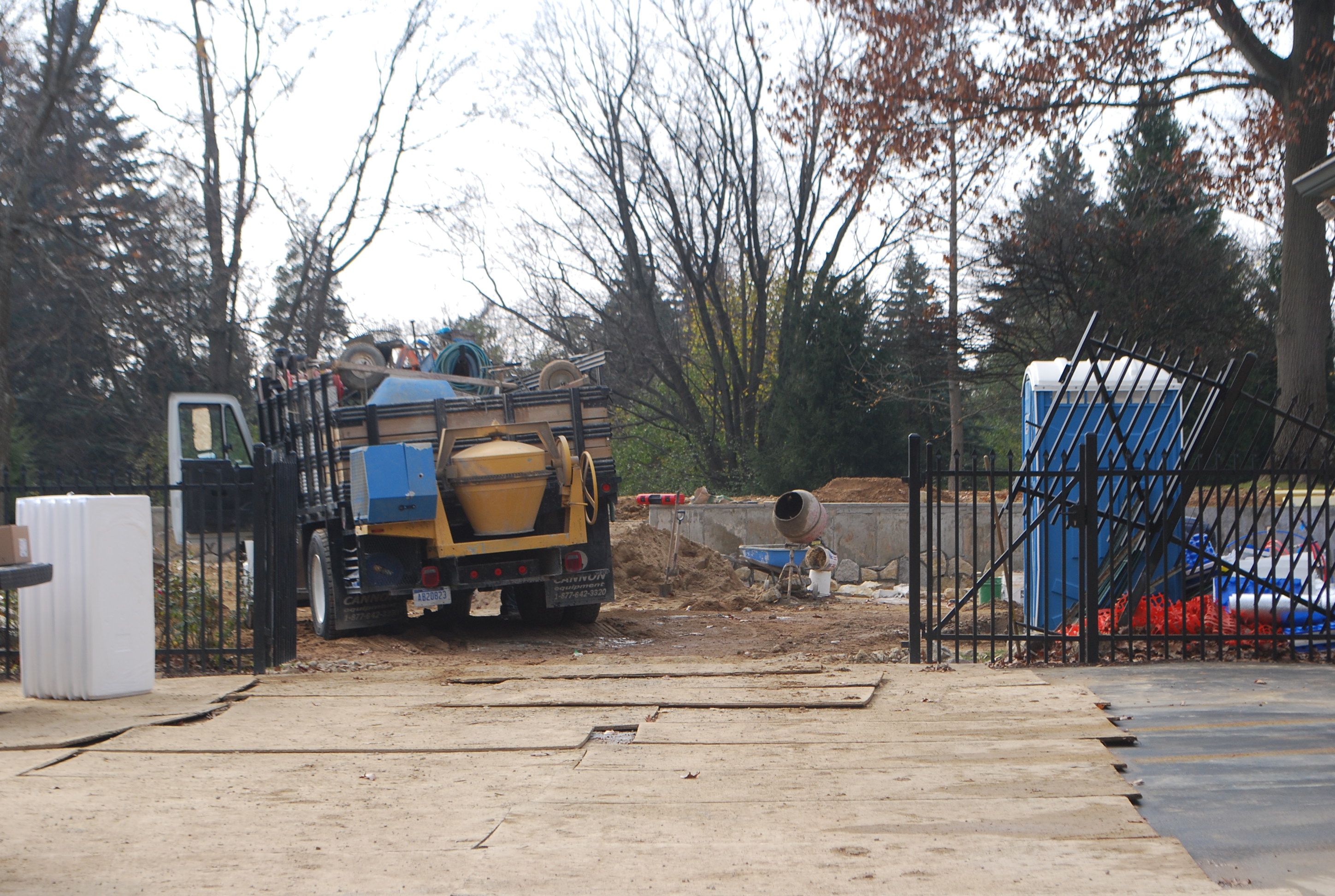
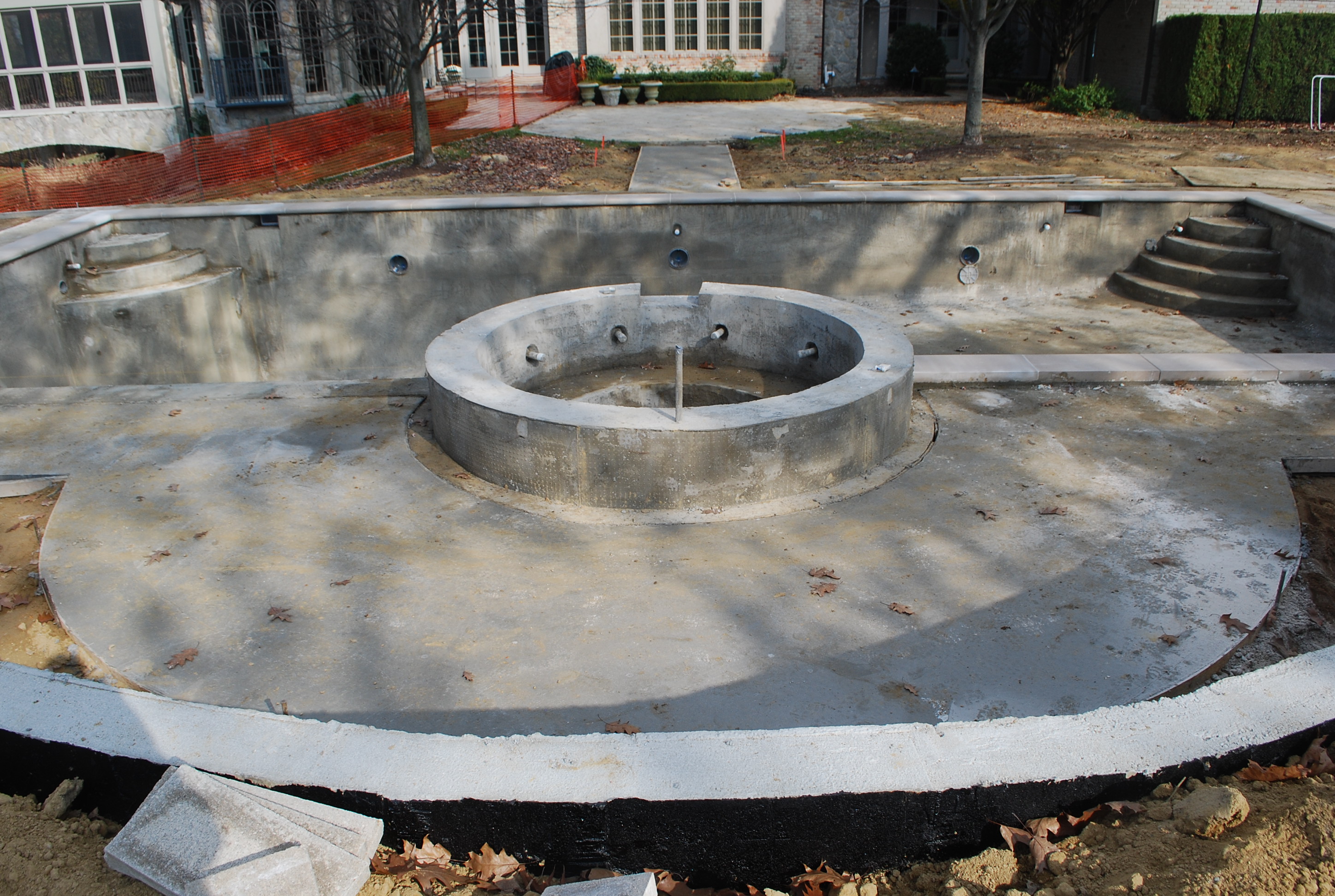
Concrete is an amalgamation of aggregate, or bits of stone, Portland cement, and water.   This mix of these three materials produces a material strong enough to withstand fiercely hostile weather-great heat, great cold-and the upheaval in the spring that is known as the frost coming out of the ground.  Concrete bridges handle no end of weighty car traffic-every day of the year, year round, and year after year.  Properly reinforced concrete buildings withstand earthquakes.  A simple and level concrete walkway provides a sure path from here to there.  Concrete is providing a sturdy and reliable framework for the construction of a pool and spa-we have such a project going on this fall. 

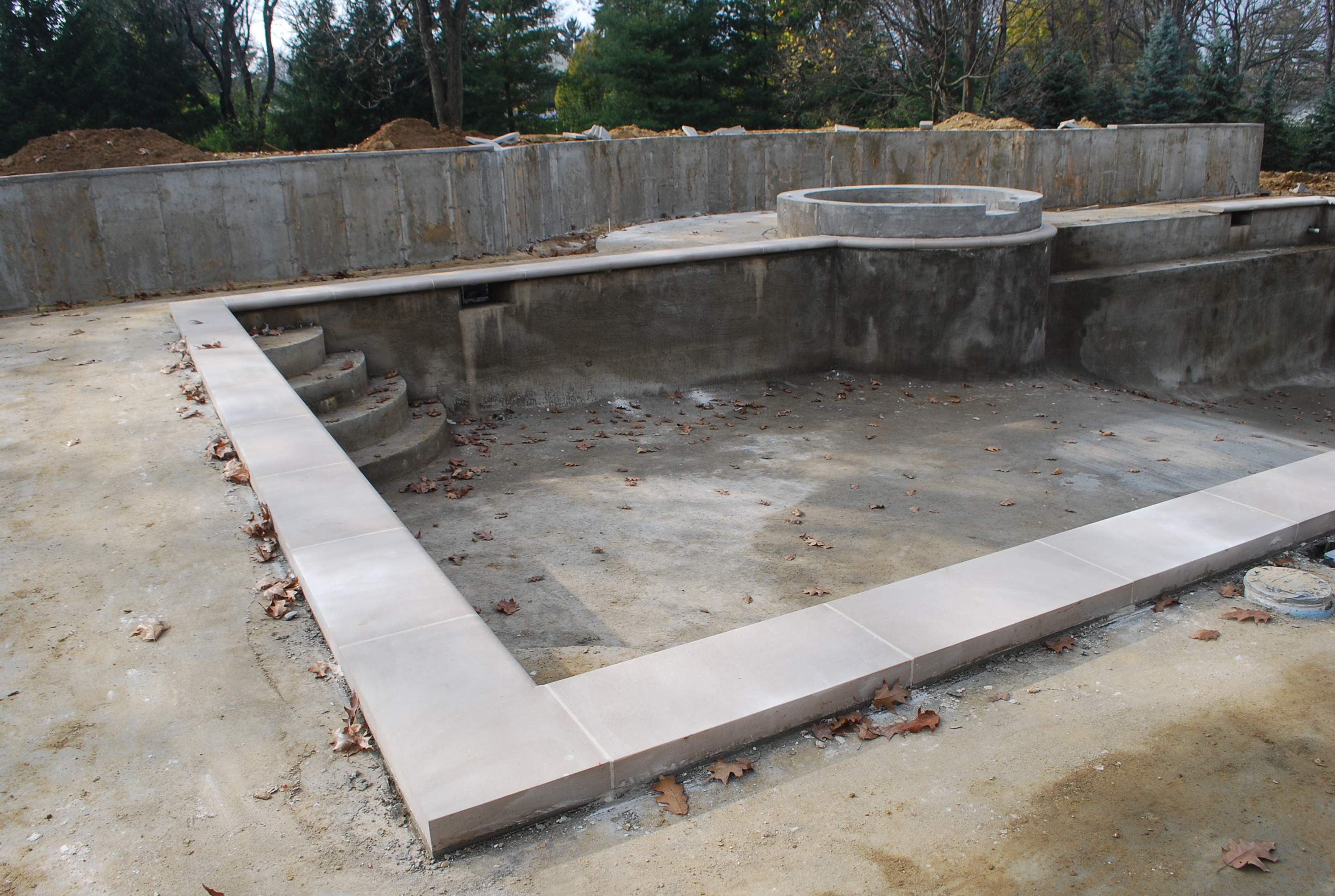
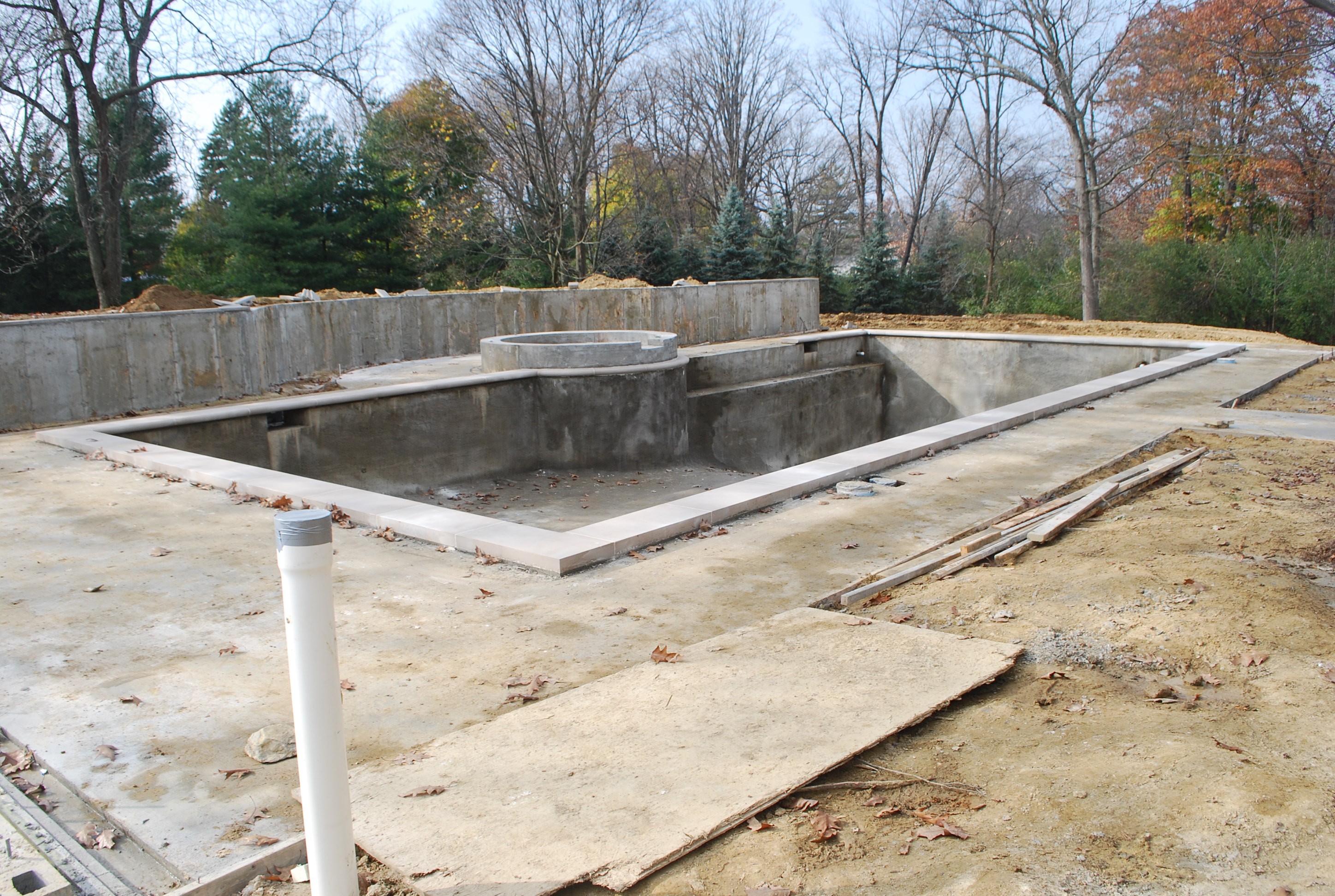
Cement is a binder.  It glues all of the aggregate elements of concrete together into an extraordinarily strong and enduring building material.  Cement, aggregate and water make for concrete.  The composition and strength of concrete destined for public venues is subject to extensive review and exacting standards.  Roads, bridges, and buildings made from concrete are built to last.  This pool, poolhouse, and landscape project began with the pouring of concrete.  The concrete is the foundation upon which a good deal of the project will be built.  In this picture, a concrete wall overlooks a pool and spa.  The pool coping-natural Indiana limestone, with a machined bullnose on the poolside edge.  Anyone sliding into the pool will slip easily over that pool side curve. 

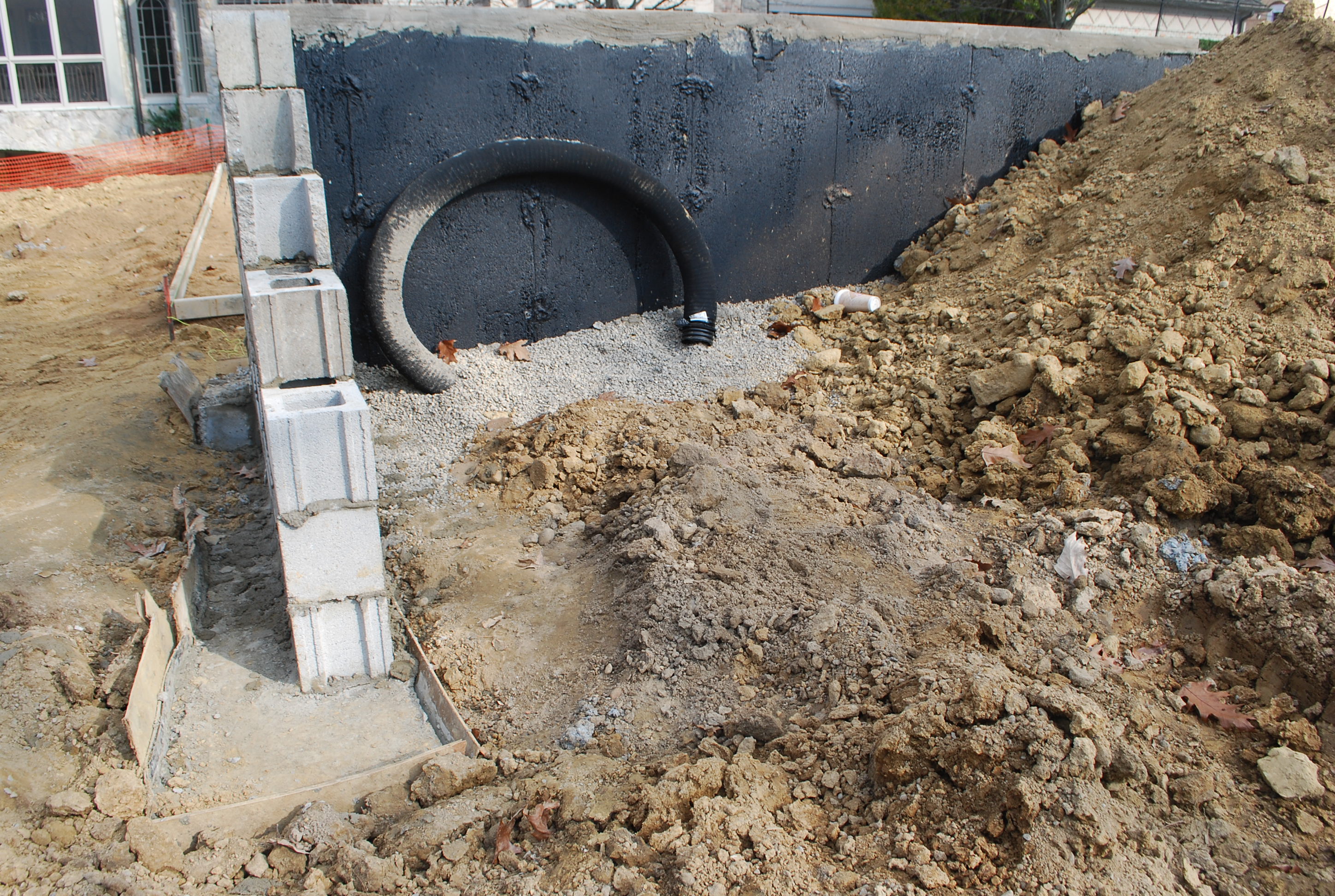
As the natural grade of the property sloped towards the house, a retaining wall was necessary to provide a flat plane of ground for the pool and pool house.  Of paramount importance-a drainage plan which would keep freezing water away fom the face of that wall.  The retaining wall will be finished in stone, but the first step was to provide a concrete foundation to which the face stone could be attached.  A wall which retains soil is subject to intense pressure-from the soil it is holding back, and from the ravages of water.  This retaining wall has a concrete foundation which goes 42″ below grade.  42 inches?  The ground in Michigan can penetrate the soil to the tune of 42 inches deep.  The function of a concrete foundation this deep is to keep the wall from cracking, no matter how severe the winter. A concrete foundation set 42 inches deep insures a landscape feature that endures.  

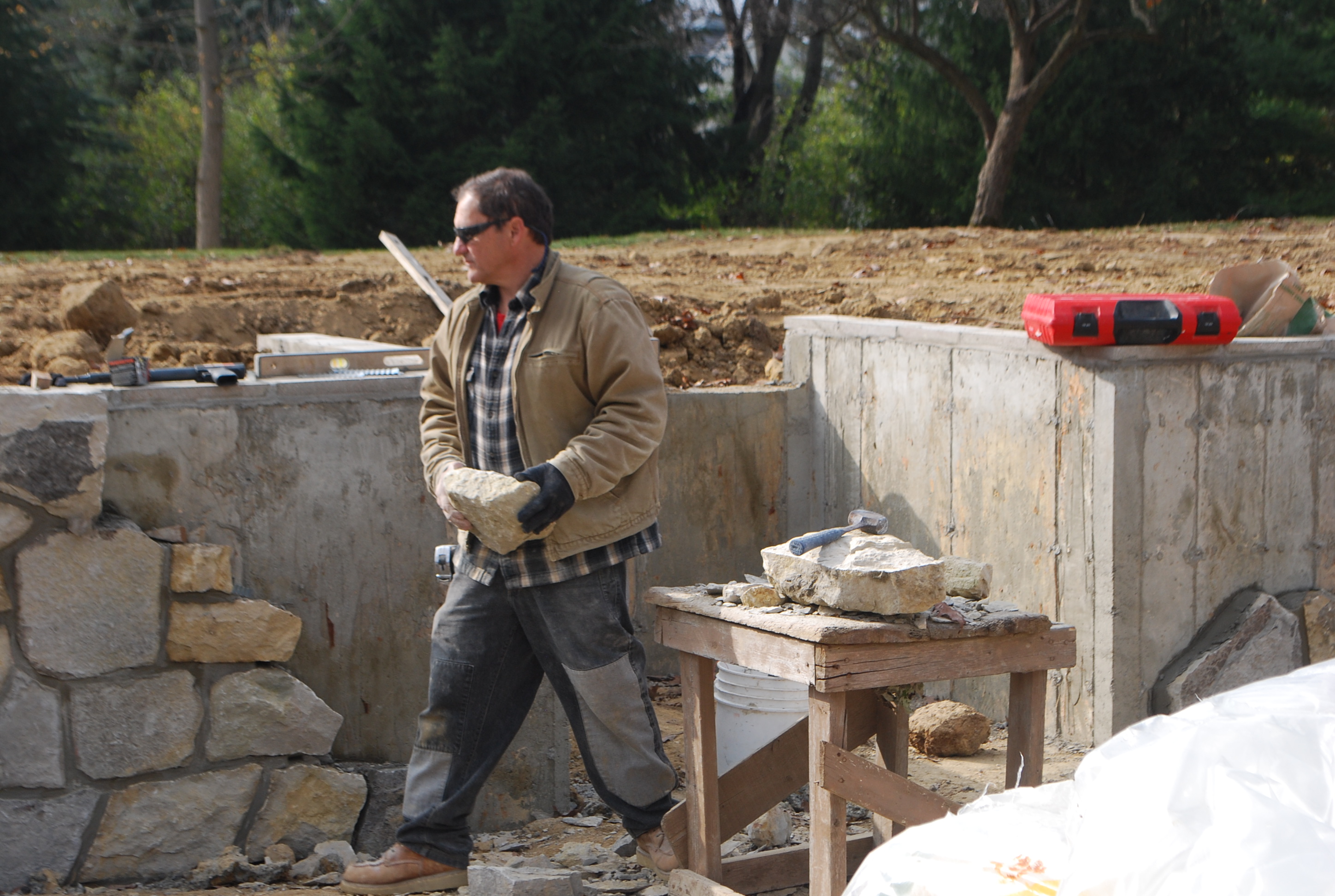
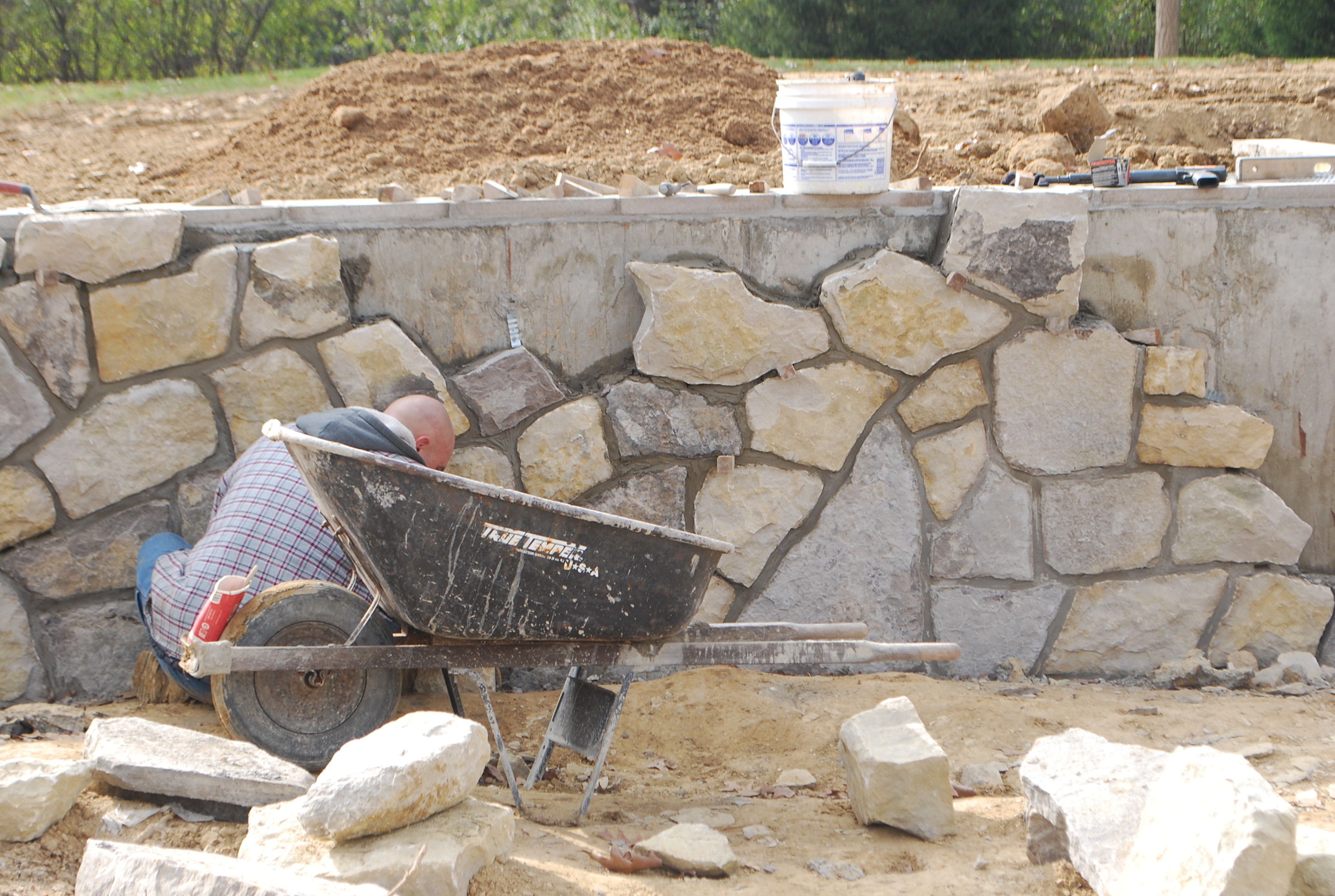
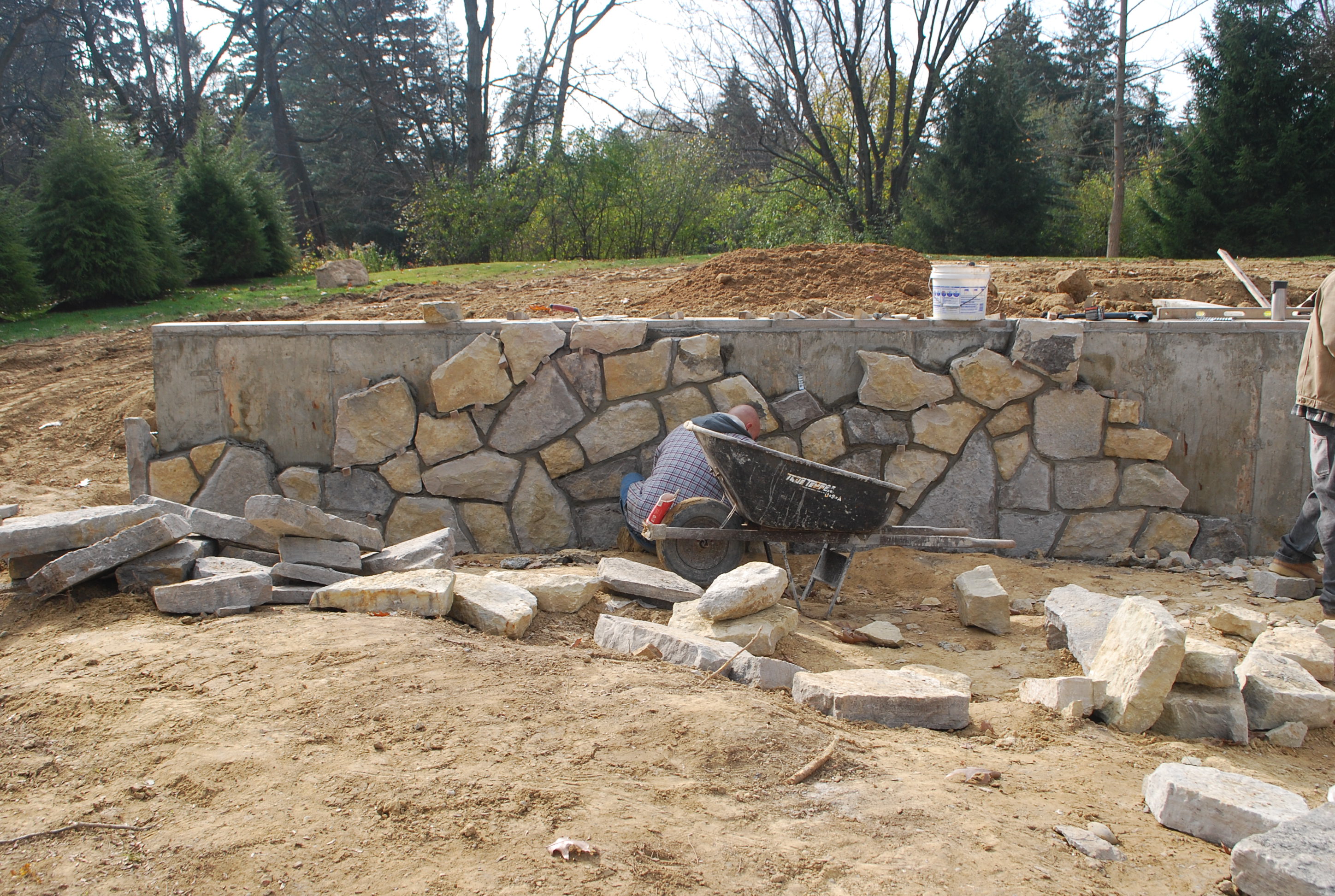
Some essential elements of solid landscape construction implies those concrete foundations that will never be seen.  Chunks of flat rock faced stone cannot provide structure to a wall.  This stone is being mortared to a concrete face that extends almost 4 feet below ground.  A wall whose foundation is below the frost line will not crack, bow, or disintegrate. The beautiful part of the wall-the finished face of stone – will resist the distructive effect of the weather.  It is solidly attached to a foundation of concrete that is designed and constructed to withstand the weather.  

A beautiful stone retaining wall is a work of art.  Each stone mason has their signature touch.  This particular mason-his walls are as enduring as they are beautiful.  He has a signature that I greatly respect.  The concrete onto which this stone is mortared-the foundation onto which every other element in this landscape will be built. 

I am not a concrete expert.  Like everyone else, my knowledge has its limits.  But I am thinking today that this ordinary and generally homely material that I call concrete is capable of enabling much in the landscape.  In a finished and polished state, it has endowed many a modern building or bridge with considerable beauty.  In its raw and powerful state, it makes many landscape gestures possible.   

This project, at this moment, is all about the concrete.  Raw, rough,  and chilly.  But what will be built upon this foundation of Portland cement, aggregate, steel reinforcement and water be anything but raw and chilly, once we are finished. 

This is a landscape under construction.