What’s Rob Been Up To?

hanging baskets

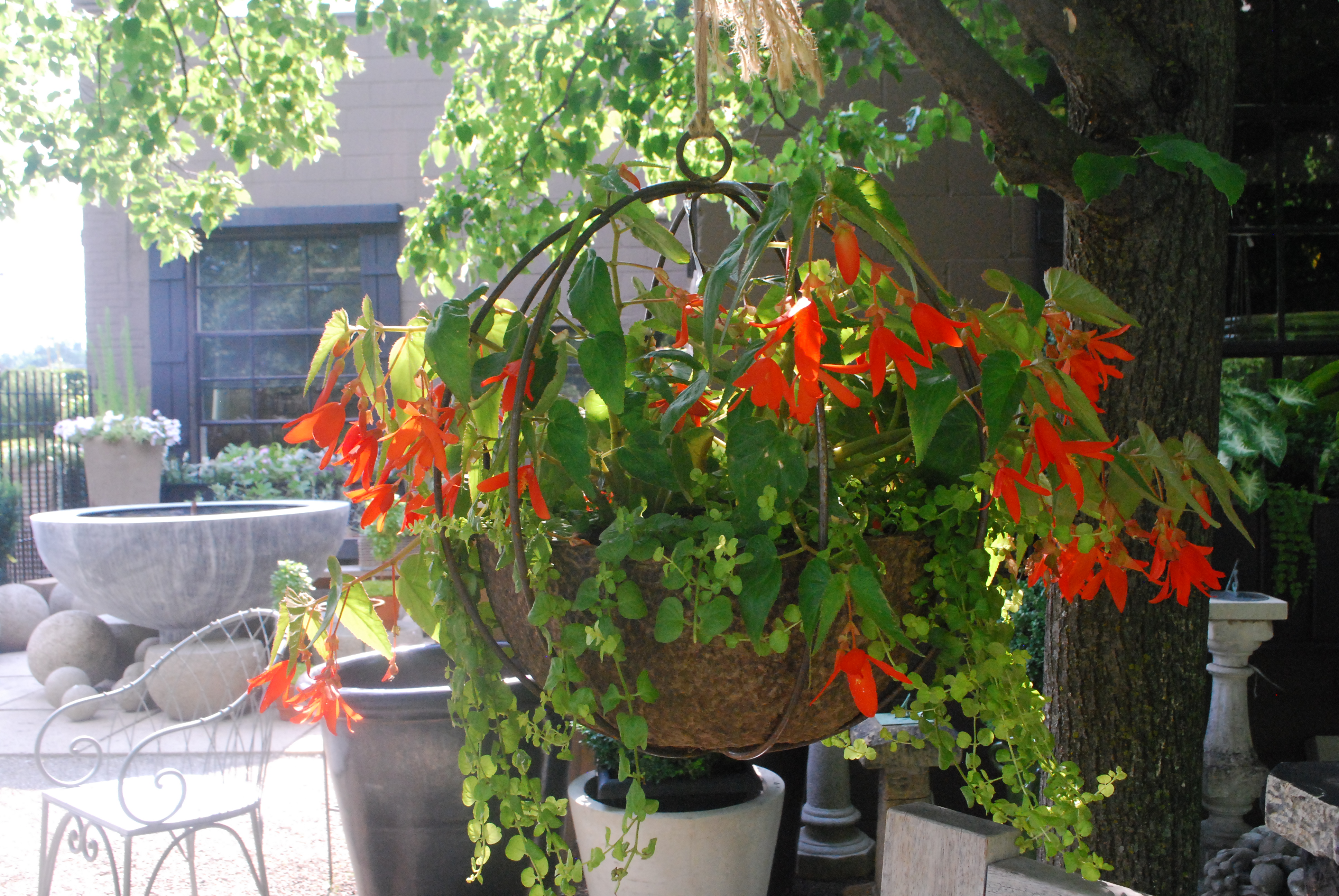
What Rob has been up to involves some steel, some shade plants, and the airspace.  Before I say more, I should make it clear that I have always detested hanging baskets.  I would only purchase one to plant in a container.  Under no circumstances would I hang pots of plants in the air.   Why anyone would think this is a good look is beyond me.  A planting disassociated from the earth or the ground plane- is this innovative-or is it just plain silly?  The usual white plastic baskets with zinc wires terminating in a reinforced coathanger hook-they do not help the hanging basket cause. I get that growers choose a hanging basket that reflects heat, and conserves moisture. Why wouldn’t any garden center grow a second crop, in their greenhouse airspace?  A garden center is all about delivering a fresh and lustily growing group of plants to a consumer.  They have nothing to say about the look-but I do.  Suffice it to say that when I see white plastic hanging baskets fresh from the nursery summarily hung from a hook on the porch-this idea about gardening makes me wince.  However, Rob is up to gardening in the air in a way I find incredibly appealing.

hanging baskets

What has Rob been up to?  He ordered a series of sizes in steel spheres.  He ordered a series of fiber pot bowls.  Once planted, his grow spheres were hung from the branches of the big lindens at the shop.  Having had no end of requests for perennial or annual plantings underneath and in the shade of big trees, I applaud his idea.  A fiber bowl can be folded in half, and wedged into the sphere.  Shade loving plants can be planted in great soil, in that fiber bowl..  The bowl breathes. The plants live, and thrive.

alternative hanging baskets

Every gardener I know has that dead zone.  Deep shade cast by a tree.  The soil underneath that tree is congested with roots that require an axe, and infinite effort to penetrate.  Endless articles have been written about what to plant in the dry shade under an old tree.  Work and more work-and to what good end?  Are your plantings in the deep shade cast by an old tree thriving and newsworthy?  Mine are not.  I am starting to like these grow spheres, hung in the lower branches of a shade tree.  These Miss Muffet caladiums in a mossed basket hanging from a branch of our lindens-I am beginning to get interested in his particular take on the hanging basket. 
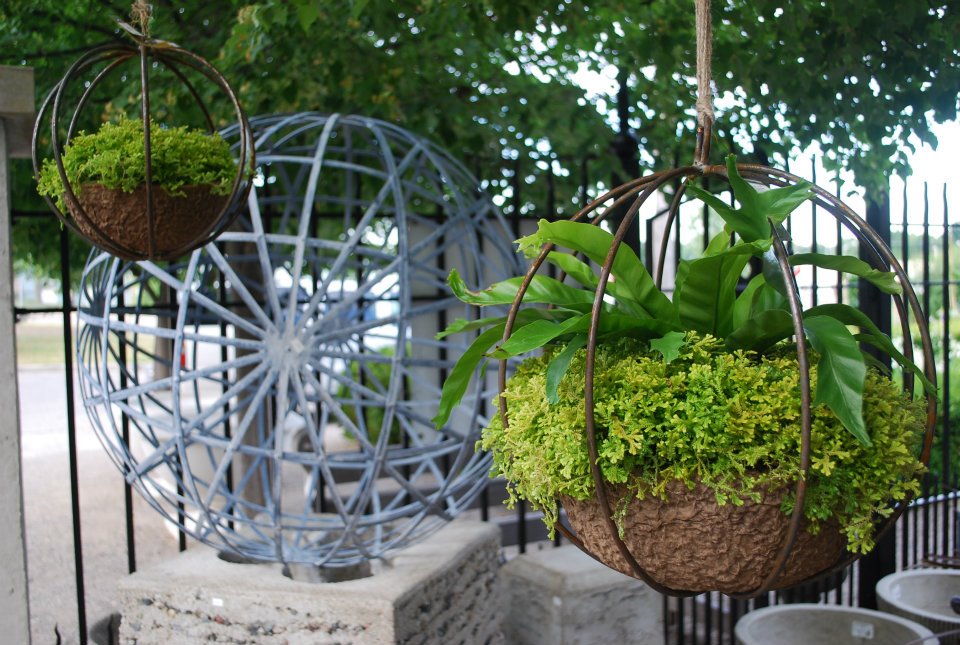
birds nest ferns

Rob’s planted spheres are remarkably original, and remarkably lively.  He dispensed with the white plastic, and the coathanger. His idea is both sculptural, and natural. He took great pains to hang the spheres at different heights via a hank of jute. 
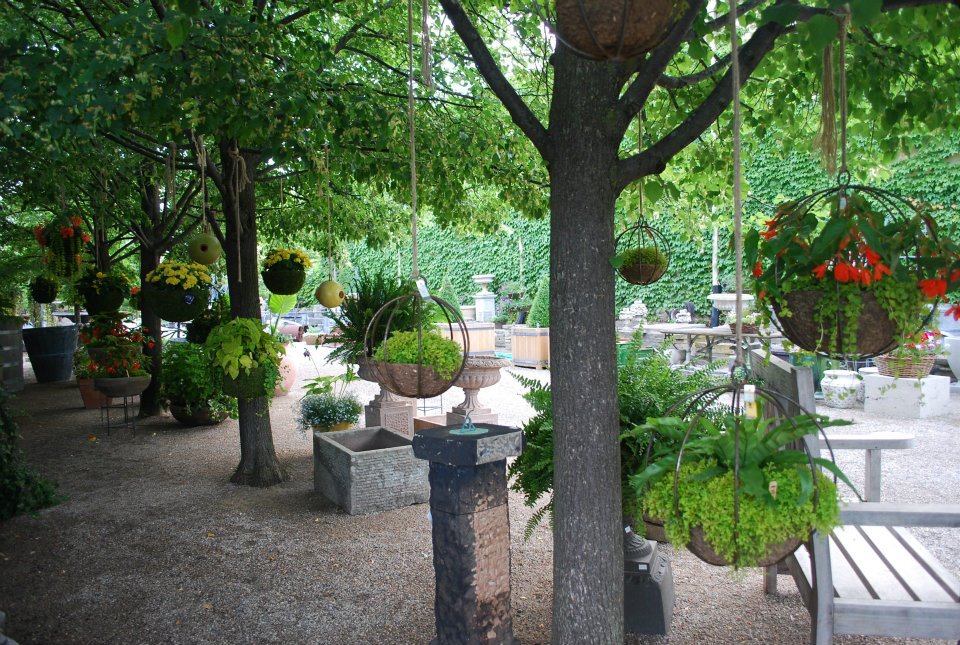
hanging baskets

The shop has nothing planted in the ground, save our trees.  Every square foot of the ground is gravelled.  This makes it easy to display all manner of ornament for the garden.  What a relief to see his shady basket creations hung high and low, under those trees.  I would certainly recommend that if you plan to add hanging baskets to your garden, figure out how to hang them at a level that makes sense to your eye.  A white plastic basket in the air is a visual tutorial in a lack of gardening effort.  Moss baskets, please.   
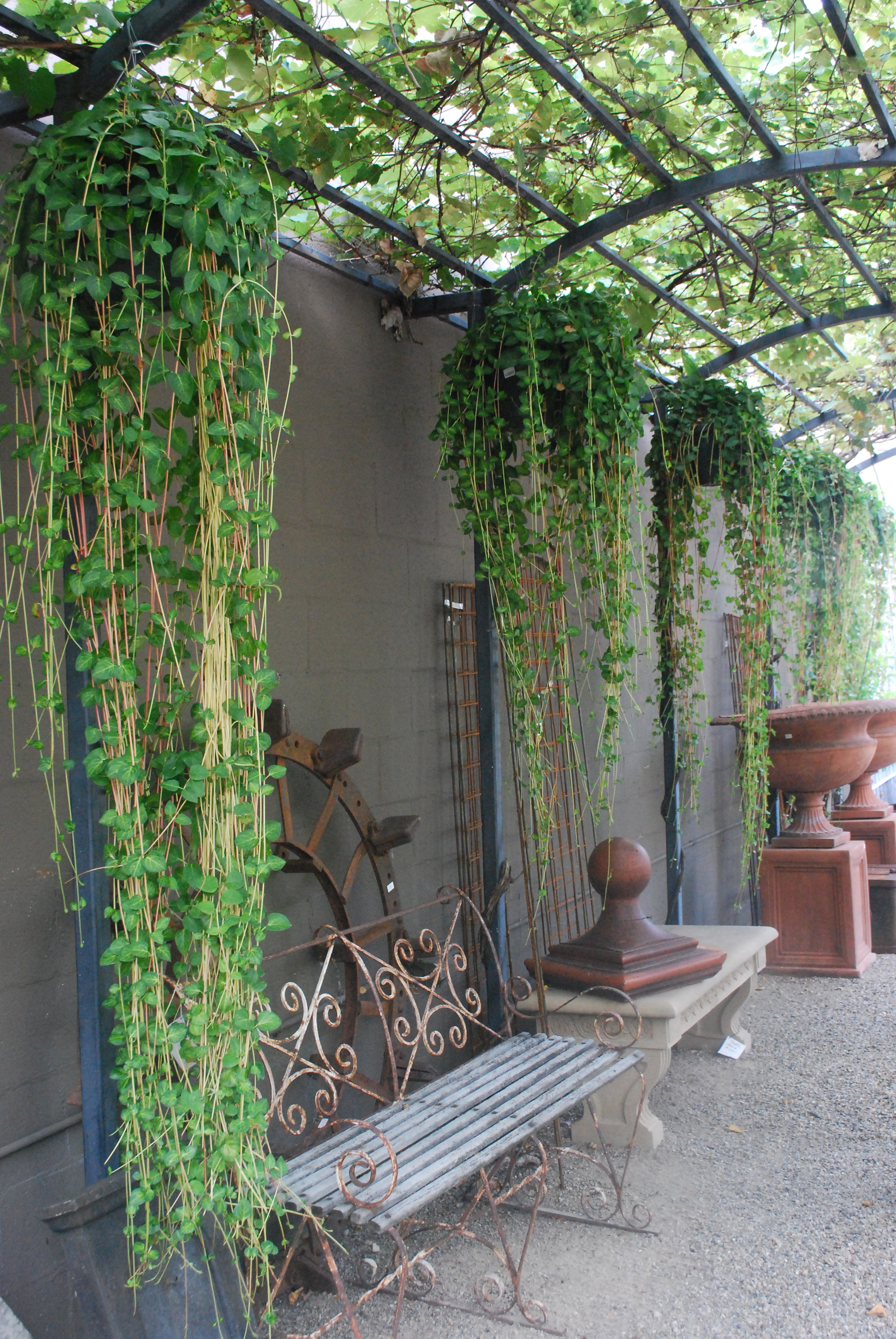
 

vinca maculatum

 I do have a great fondness for vinca maculatum.  The variegated leaves are substantial.  They keep on growing, late into the fall.  They are easy to winter over.  The vines drape down, and keep on draping.  Baskets of them hung high will eventually make for a curtain of green that goes to the ground.  The plastic baskets here are entirely hidden by the vines.  We hung them very high in the grape arbor.  Julie insists she needs a ladder to water them.  These hanging baskets are ok by me.
green plants

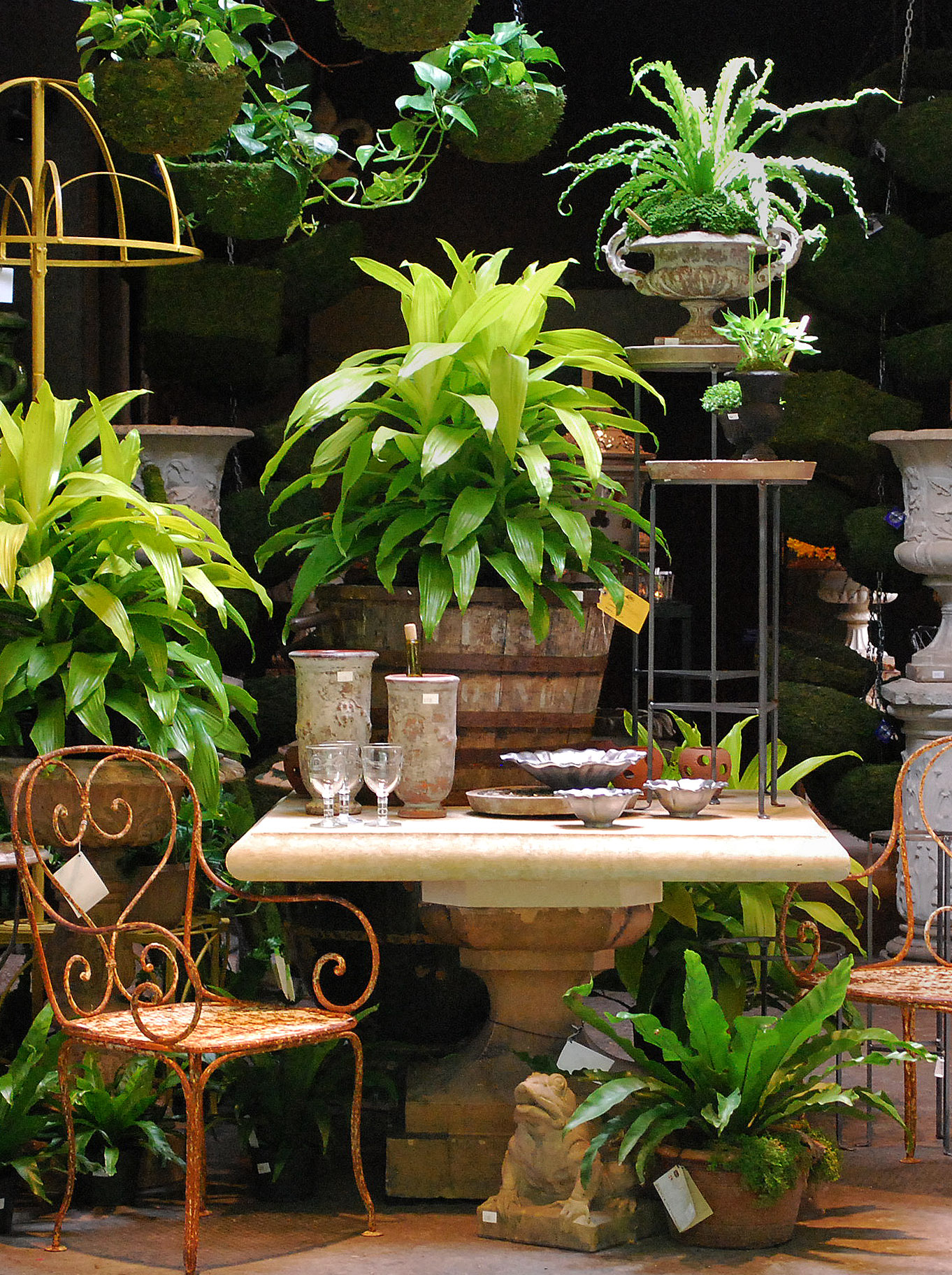
Just inside the shop door is a sky light.  Rob has hanging baskets of pothos cris-crossing that 6′ by 6′ light space.  I would think by fall his hanging garden will provoke a great deal of comment.  In conjunction with his hanging shade gardens, his selaginella brick constructions.  He has planted a number of containers with shade plants set way above the rim of the pots.   
birds nest ferns

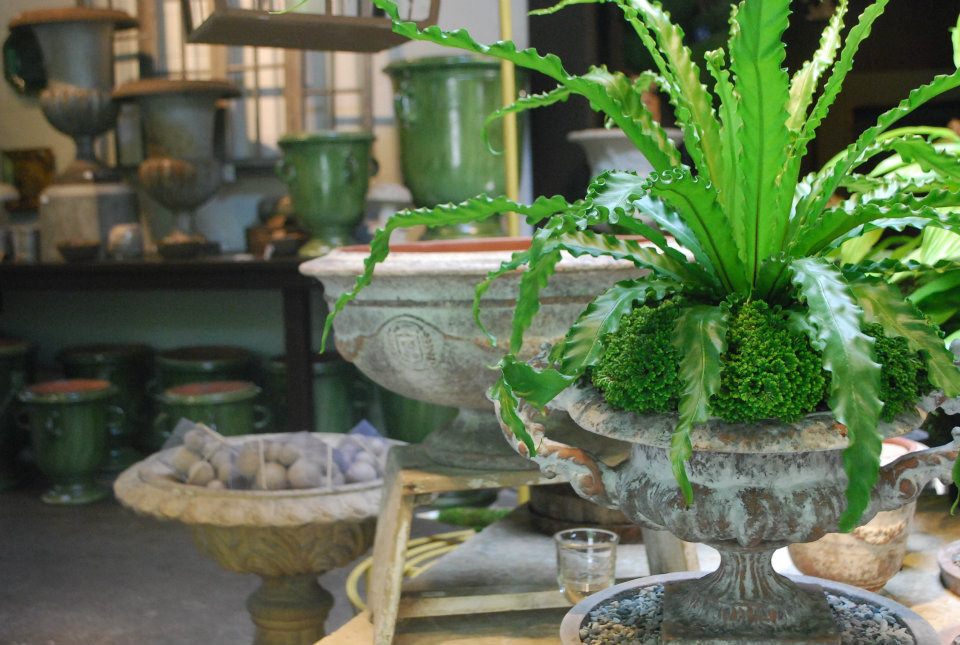
Selaginella, or club moss, is a densely growing shade loving tropical plant.  A four inch pot of club moss is a 4″ square brick-green on the top, and heavily rooted on all of the other sides.  Rob has been planting shade pots-in this case, a birdsnest fern, in a mound of selaginella.
green container planting

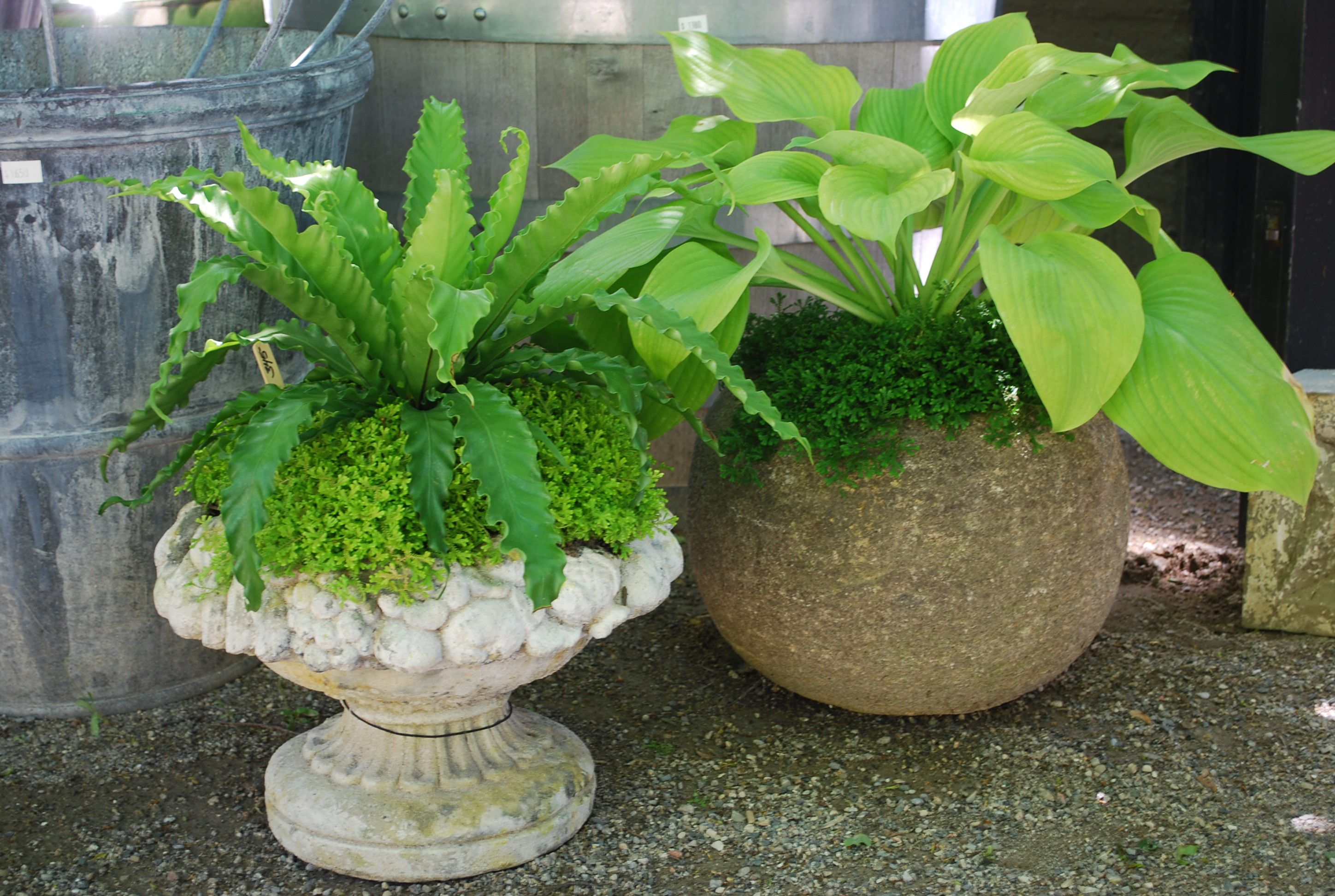
OK, I usually plant 4″ pots with the rootball cube in the ground, and the top side facing the light.  Rob has a different idea.  Any plant can be planted on the 45-by this I mean, on a 45 degree angle.  Those rooty soil cubes can make a wall.  This selaginella has no problem living,  planted on the slant.  This French concrete pot is all the better for a planting that lifts off.  The plants are beautiful.  The planter is equally beautiful.  The sum total of the two-all about Rob.

club moss

This planting of his is extraordinarily beautiful.  I just noticed it a few days ago.  What Rob is up to is so quiet, so self effacing-and so so and very very very good.  The rooted bricks of selaginella planted on an angle enabled him to present a single bird’s nest fern high off this French terra cotta pot.  Beautiful, yes?  His grow spheres, beautiful too.      
 

What’s Buck Been Up To?

spun-steel-bowl.jpg

If you read this blog regularly, you know that I have a company, the Branch Studio, whose sole mission is to design and fabricate ornament for the garden.  It is a small company, but it produces some very beautiful pots, sculpture, pergolas-and fountains.  The opportunity for me to design garden ornament, and get it fabricated for specific projects adds a lot to my landscape design projects.   

contemporary steel fountain

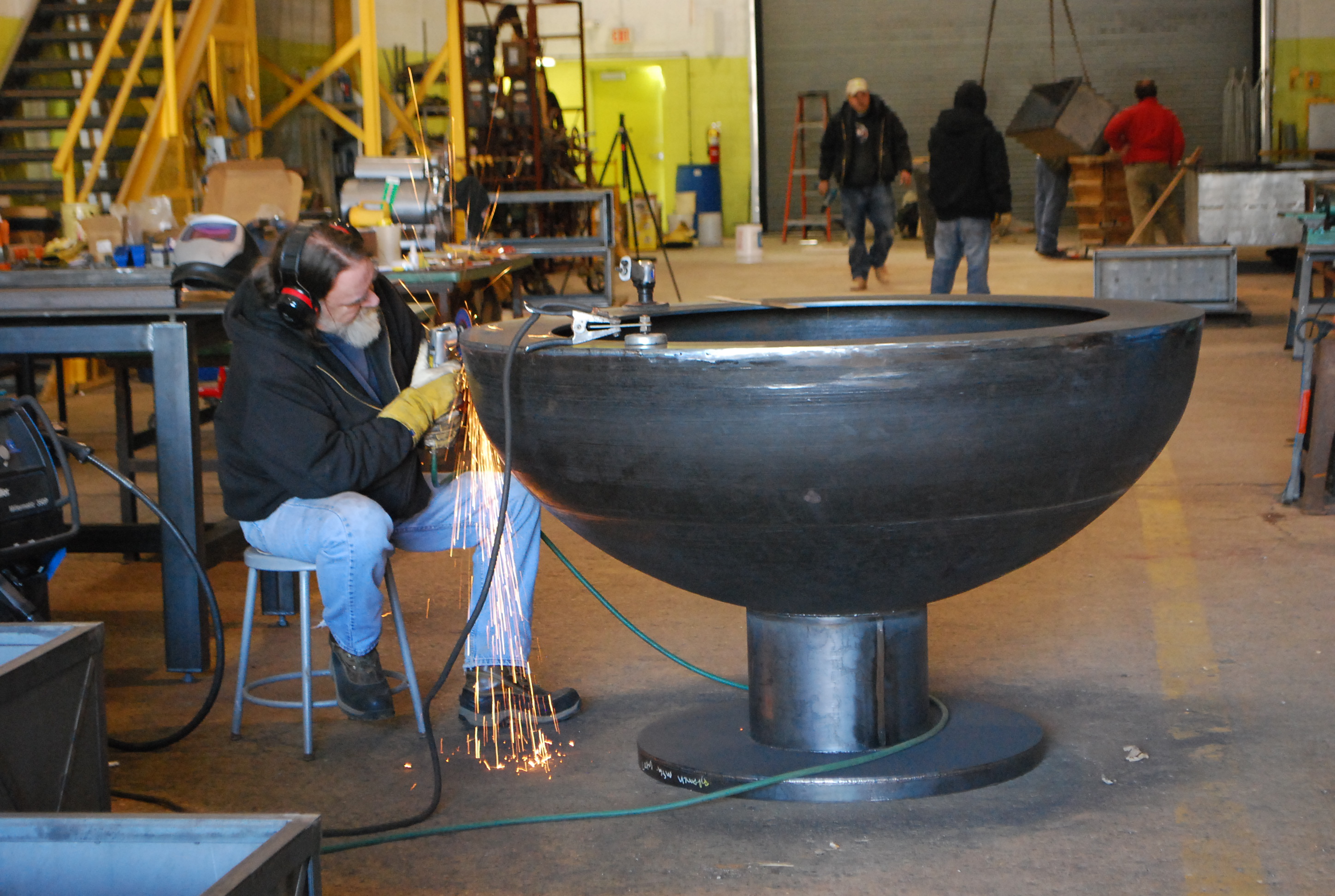
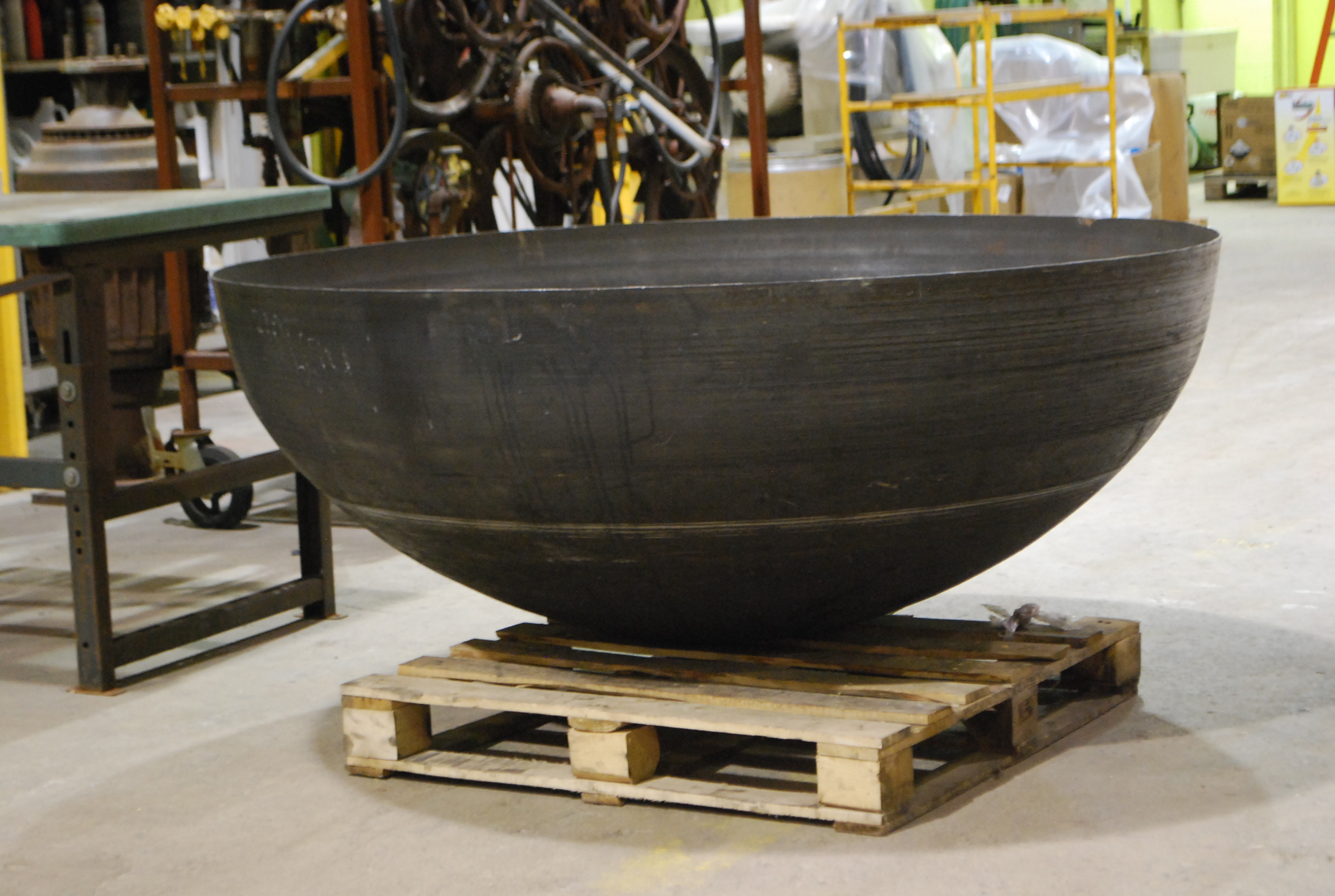
Detroit Garden Works is a retail outlet for those garden objects that get made at Branch.  We make pots, sculpture, pergolas, plant tables, arbors-the list is long.  Buck, Salvadore, and Dan are responsible for the fabrication we do in steel, wood, and concrete.  Buck takes a sketch of mine, and creates an object.  A Saarinen scholar in architecture at Cranbrook in the 1970’s, and a previously practicing architect for 30 years means no project of mine daunts him.  Bowl shaped steel-really daunting.  He took to it without any protest.   

contemporary fountains

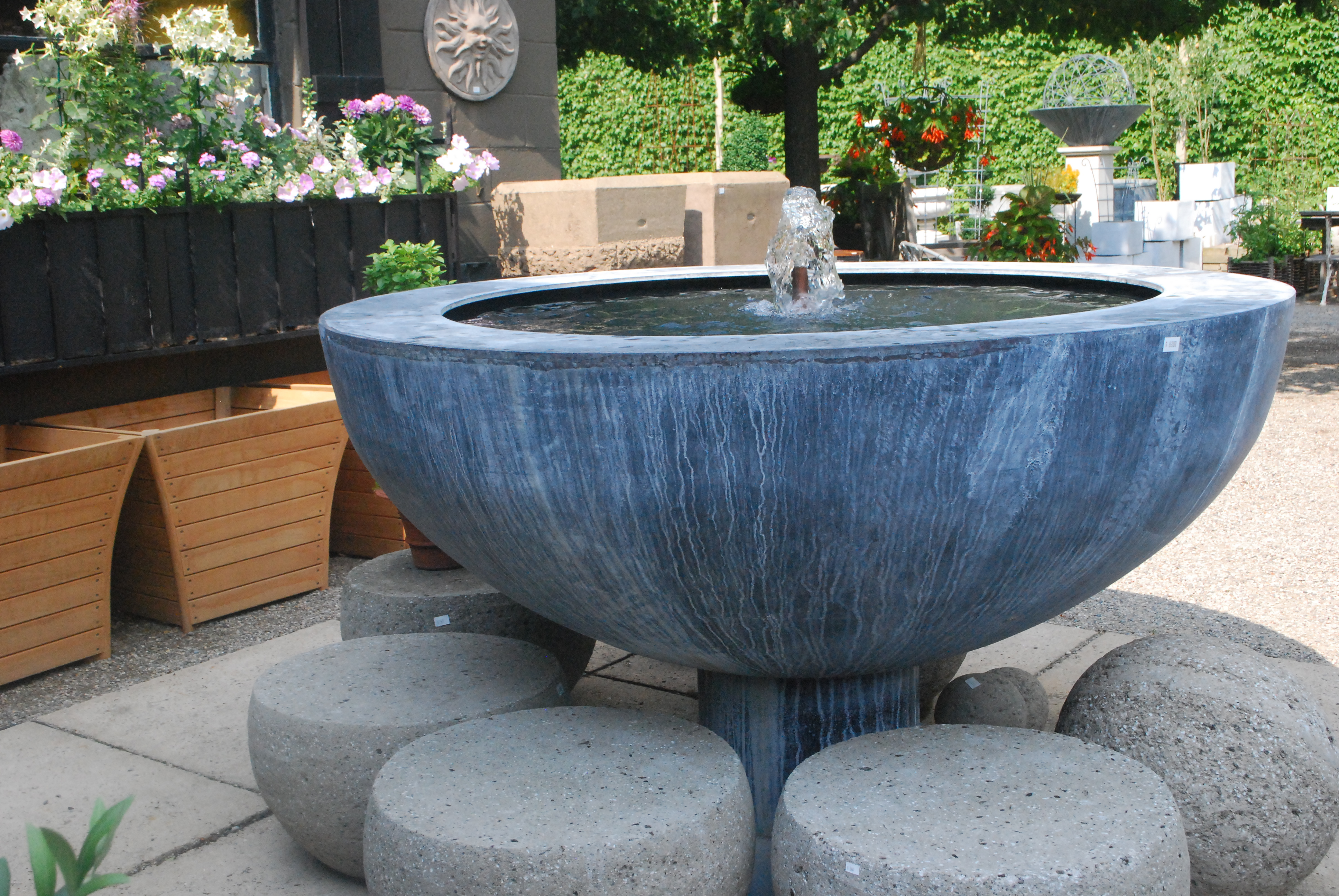
He has fabricated a pair of fountains similar to this one for a company in California that owns properties across the US-one went to Fort Worth Texas, the other will ship out to Florida in a few weeks.  Those steel bowl shapes enchanted me-could we not design a contemporary fountain that could be delivered, installed, and plugged in? 

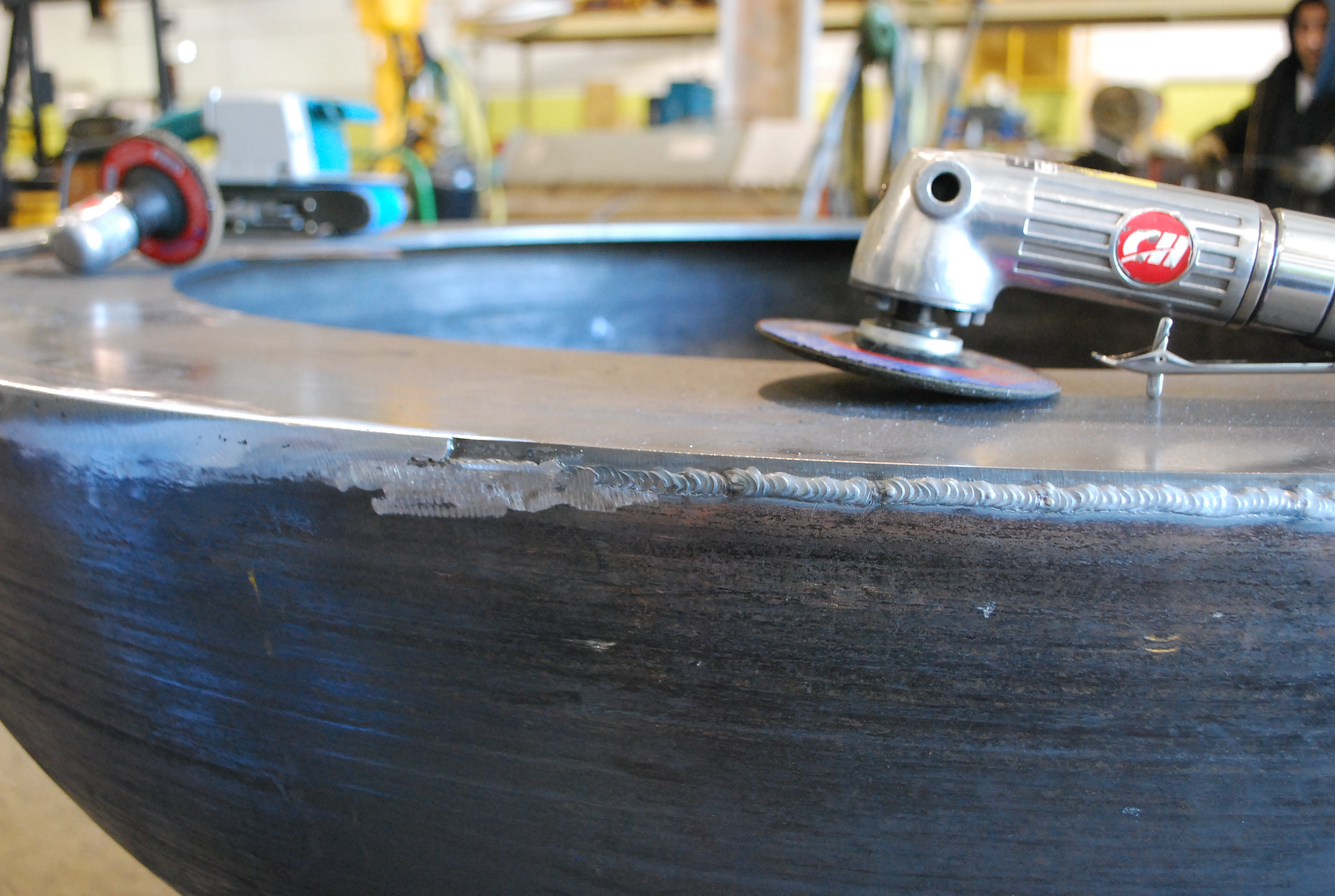
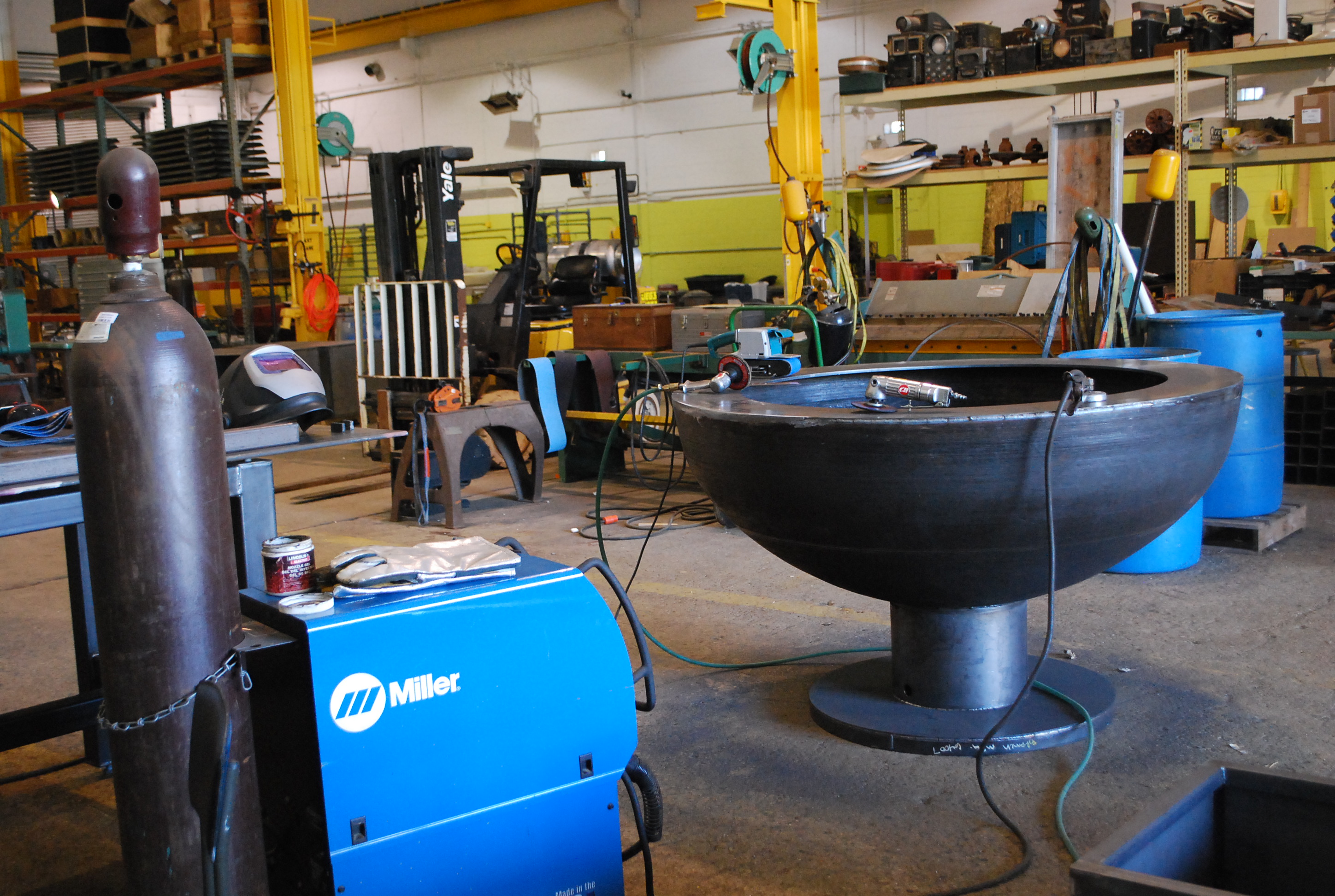
In March, Buck was well on his way with this fountain.  He was sure he needed a new Miller tig welder-ok, Buck.  The details of his fabrication -ingenious, as usual.  The bowl sits on a pedestal of steel that can sit at grade, if there is a garden planned in concert.  That pedestal can be buried below grade, should a client with a contemporary landscape like to see the bowl sitting, appearing to float, just above the grade of a gravel or stone terrace. 

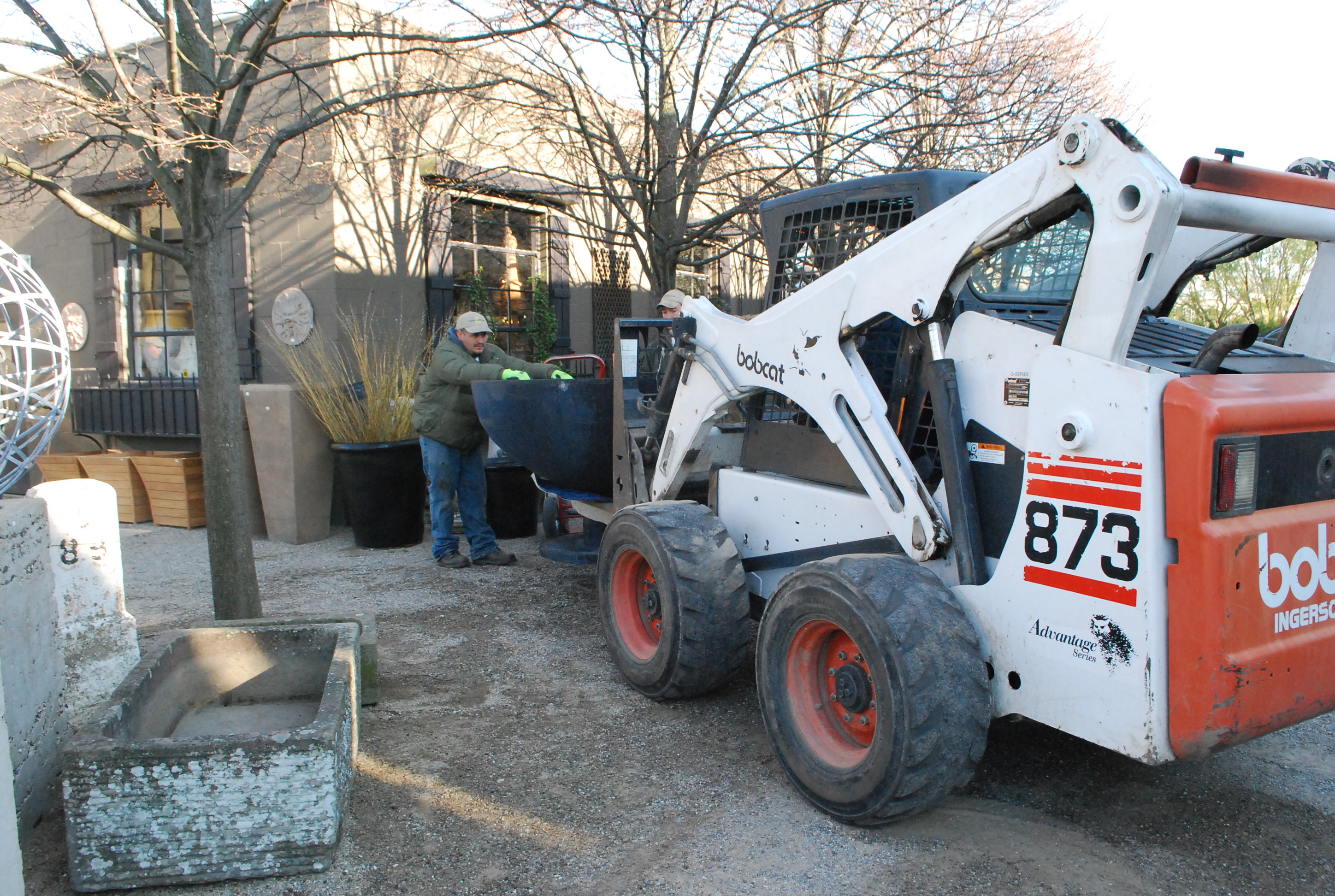
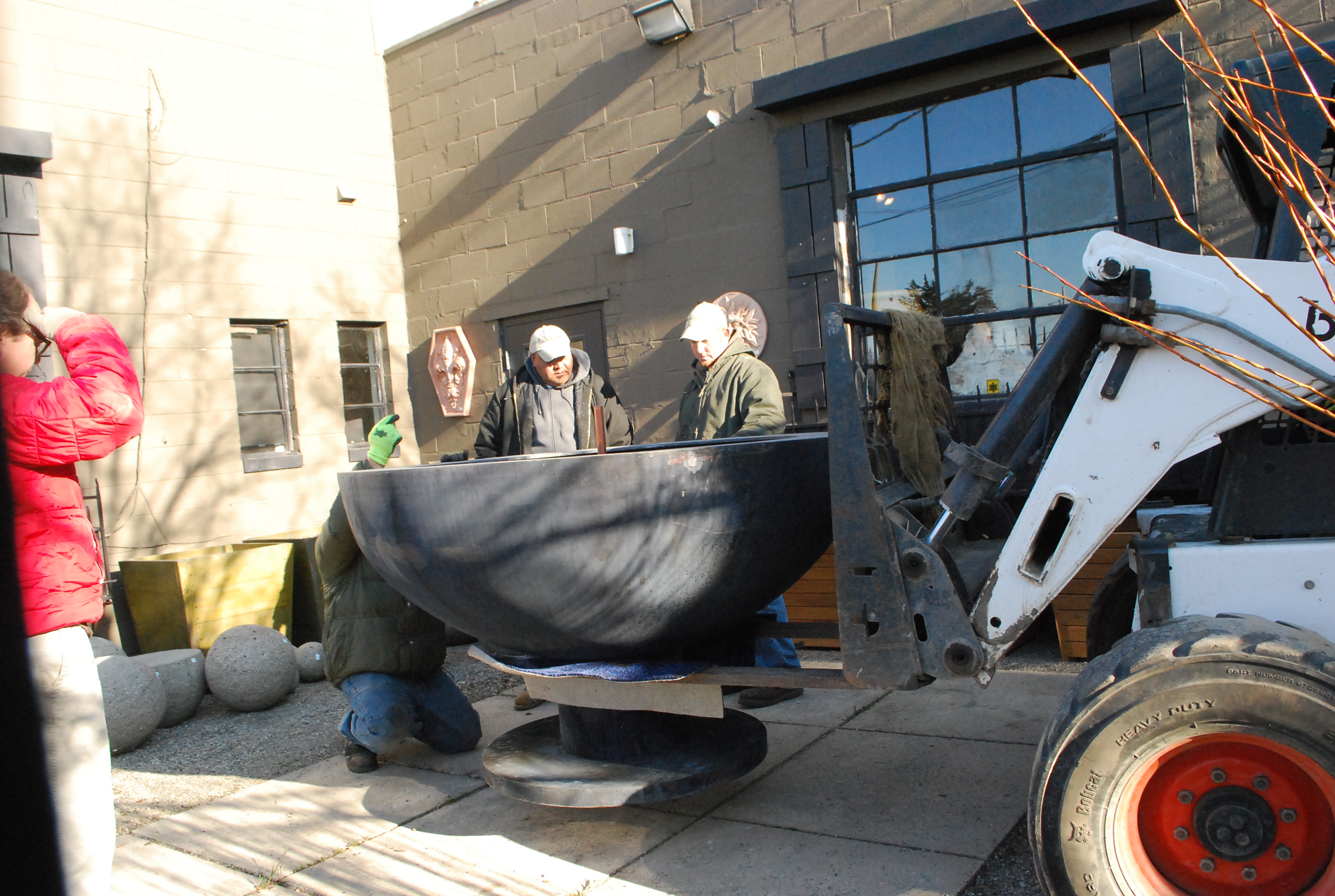
Though round steel is entirely stable and strong due to its shape, the steel in this fountain is thick.  We placed it at the shop with the help of a loader. Buck wanted to be sure that if a child chose to climb up the side, or an adult decided to sit on the edge, the bowl would not move, or tip.    

Four people and a machine were involved in placing it at the shop.  The process of setting a fountain level with the horizon is time consuming, and essential.  More than any element of nature, water is always perfectly level.  A vessel out of level-the water will describe that problem in clear and obvious detail. 

I could not have been more pleased about the look of this contemporary steel fountain.  It has lots of options for installation.  Buck plumbed it, and set a good sized pump in the bottom.  A valve controls the rate of the flow of water.  The electric cord comes out at ground level from the pedestal. 

contemporary fountains

Arrange for delivery.  Install at whatever height seems good, in whatever landscape that asks for a coolly contemporary fountain 60 inches in diameter.  Plug it in, or hardwire it.  Buck thought through all of the issues.  As usual, he did the lion’s share of the work.  He makes it really easy to commit.  This fountain brings a smile to my face every time I look at it.   How so?  He builds beautiful things.  

contemporary fountains
Buck and his group have been really busy-I need to catch everyone up.

Garden Designer’s Roundtable: Speaking Of Texture

curly-leaved-farfugium.jpg

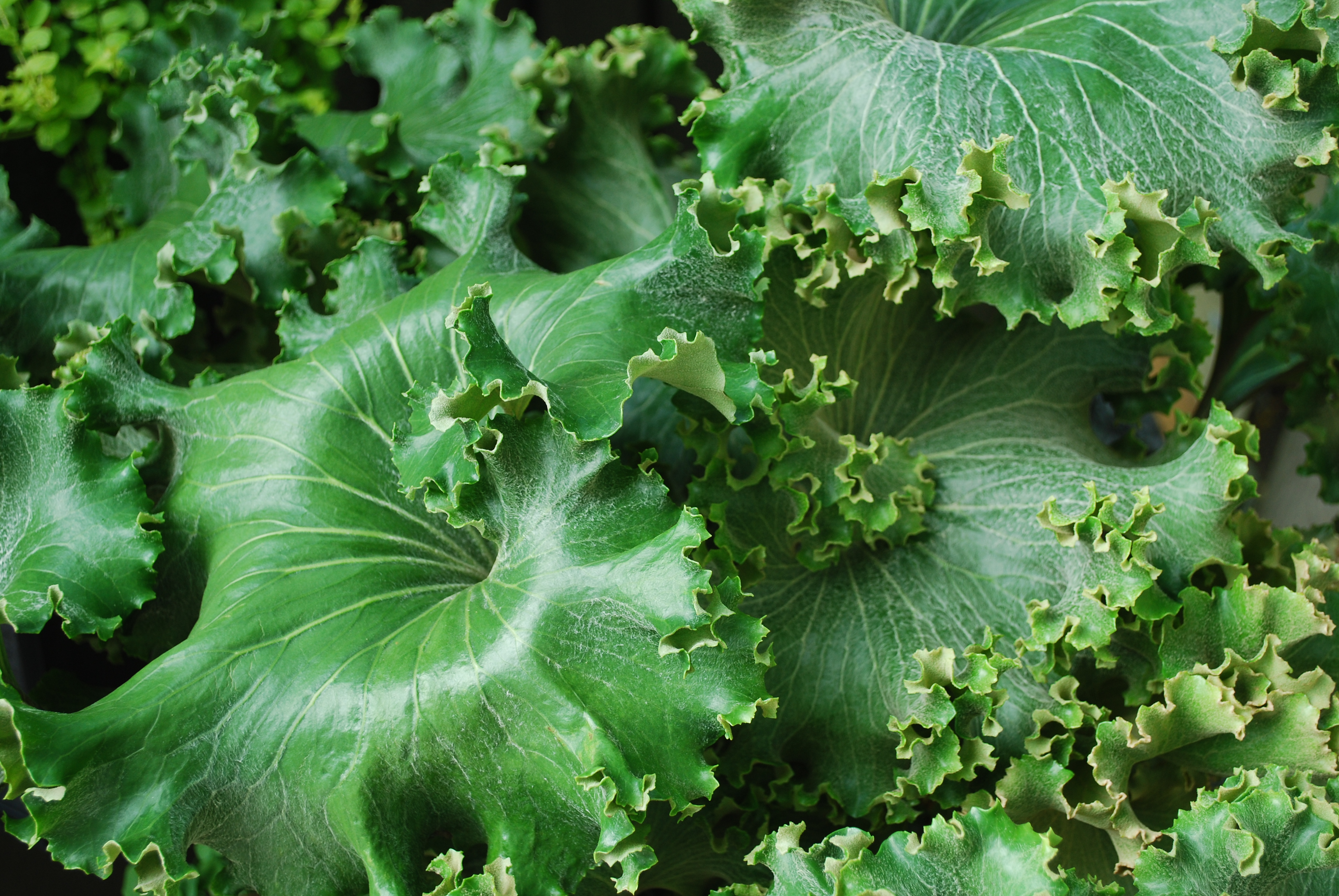
Texture refers to the quality or nature of a surface.  Any surface.  The texture of a marble sculpture might be described as smooth and voluptuous.  A china plate has a hard and shiny texture that repels water.  A lake might be as smooth as glass one day, and choppy the next. A woven fabric can be nubby and open textured, or silky.  This farfugium leaf is a study in contrasting textures.  The body of the leaf is smooth to the touch, and strikingly veined and shiny to the eye.  The edges of the leaves are markedly ruffled; the leaf edges are sharp.  Were I ever to eat farfugium, I imagine its texture would be juicy and crunchy.

panicum virgatum

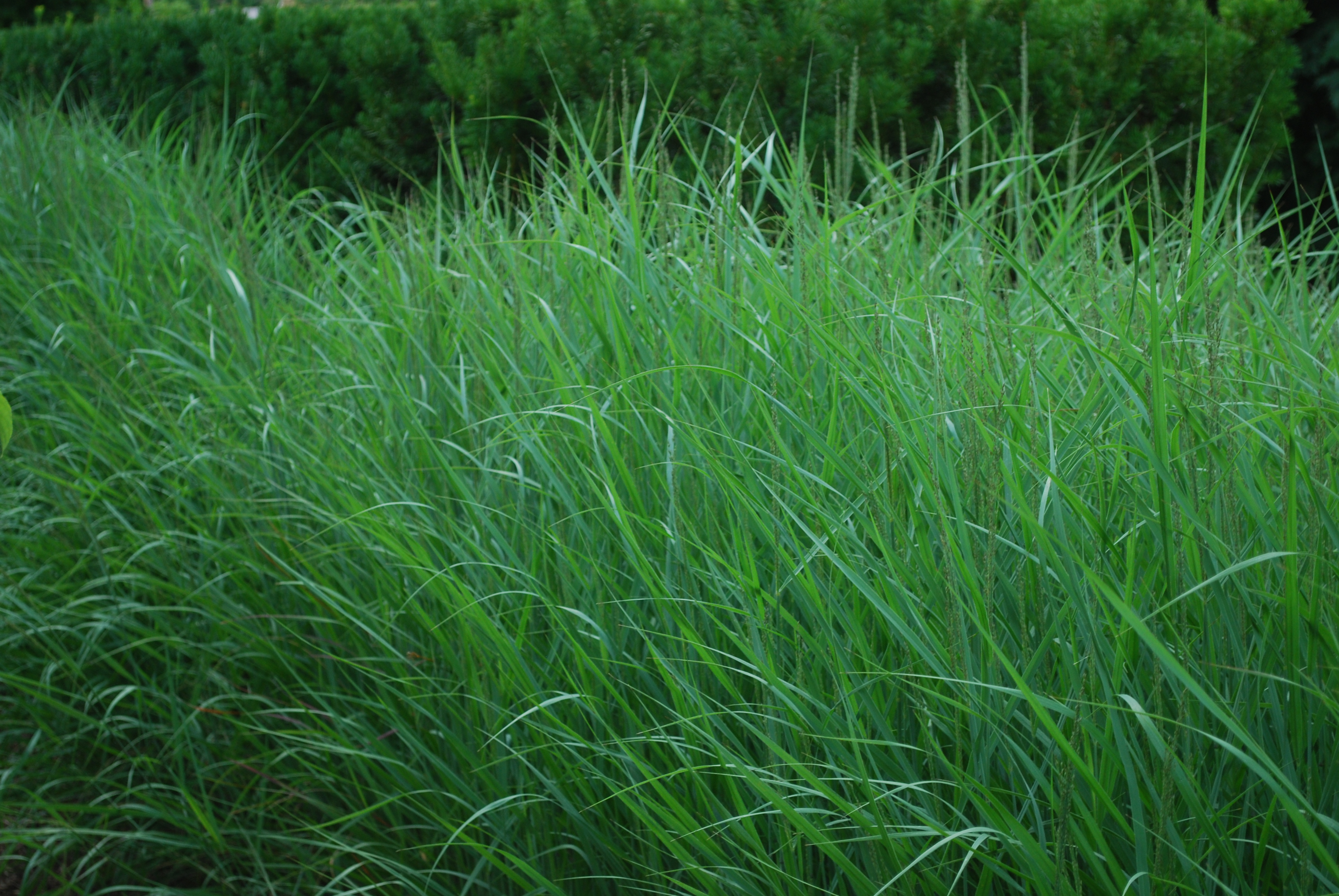
Texture engages the senses. You can see a surface. This panic grass is primarily and busily vertical, with an occasional and beautifully draping stem. You can feel the surface.  Ornamental grass leaves can cut your hands-the edges of the blades are sharp!  Feeling that texture can be irritating.  Animals who eat grass-who knows how they would describe the texture.  I would guess it is chewy and stringy.  Raw carrots are as remarkable for their crunch as much as their taste.  Oysters and okra are slick, and slide down easily.  Bread can be doughy, or dense.  Or light, as in a souffle.  Texture can be tasted.  It can be seen.  It can be felt.  Heavy clay soil can be greasy.  Sandy soil is gritty.  Soil loaded with compost has such texture that air has an easy time finding a home in it.  I cannot imagine how many adjectives exist to describe various surfaces-it would be a daunting task to make a list.

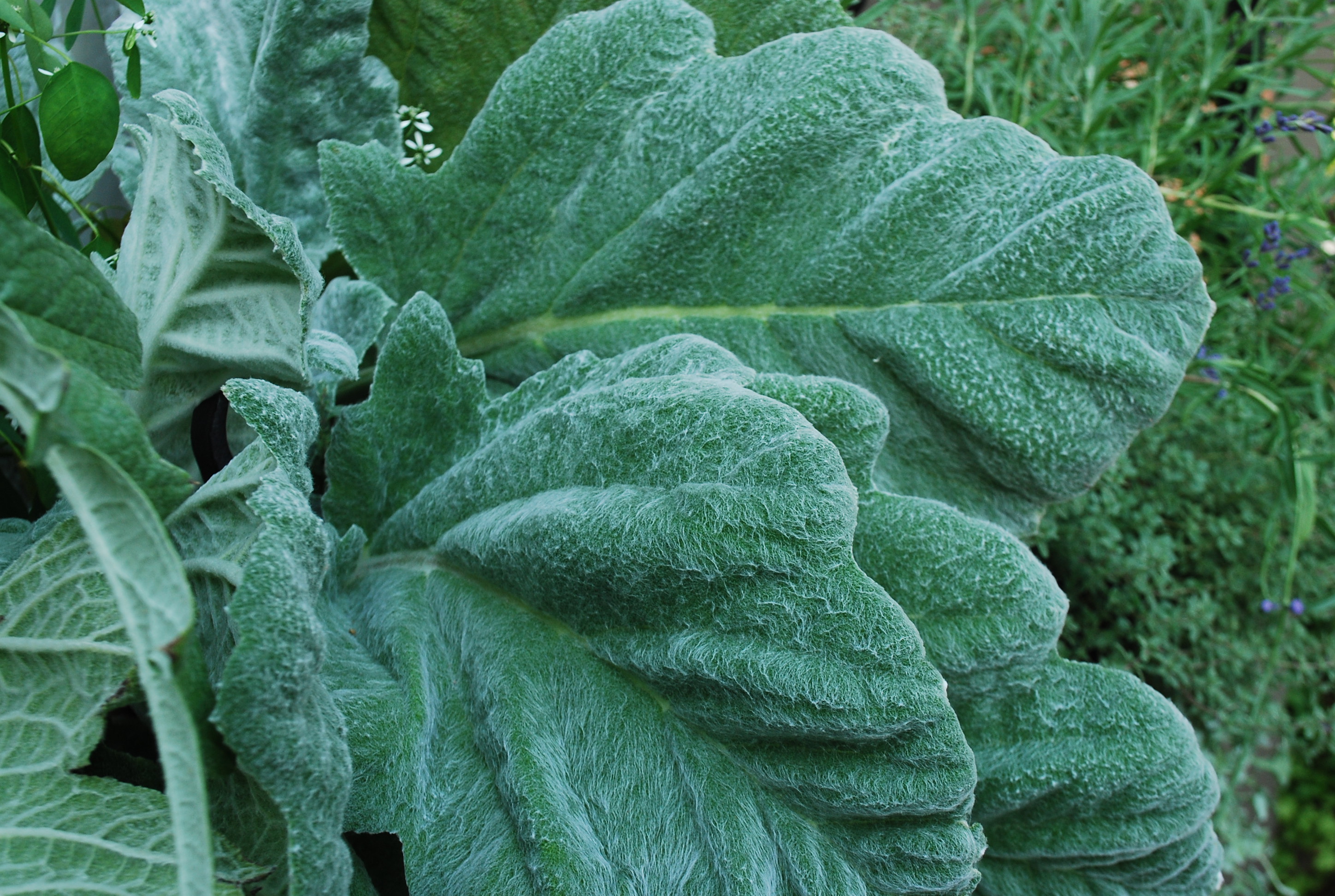
Suffice it to say that there are a multitude of utterly unique and enchanting textures in plants.  Salvia argentea is notable for its felted leaves.  It is the devil to grow, but its surface, its texture, is utterly unique.  I have no luck with this plant in the ground, and only sporadic luck with it in containers, but I keep trying.  The texture of the leaves reminds me of fur and felt both.

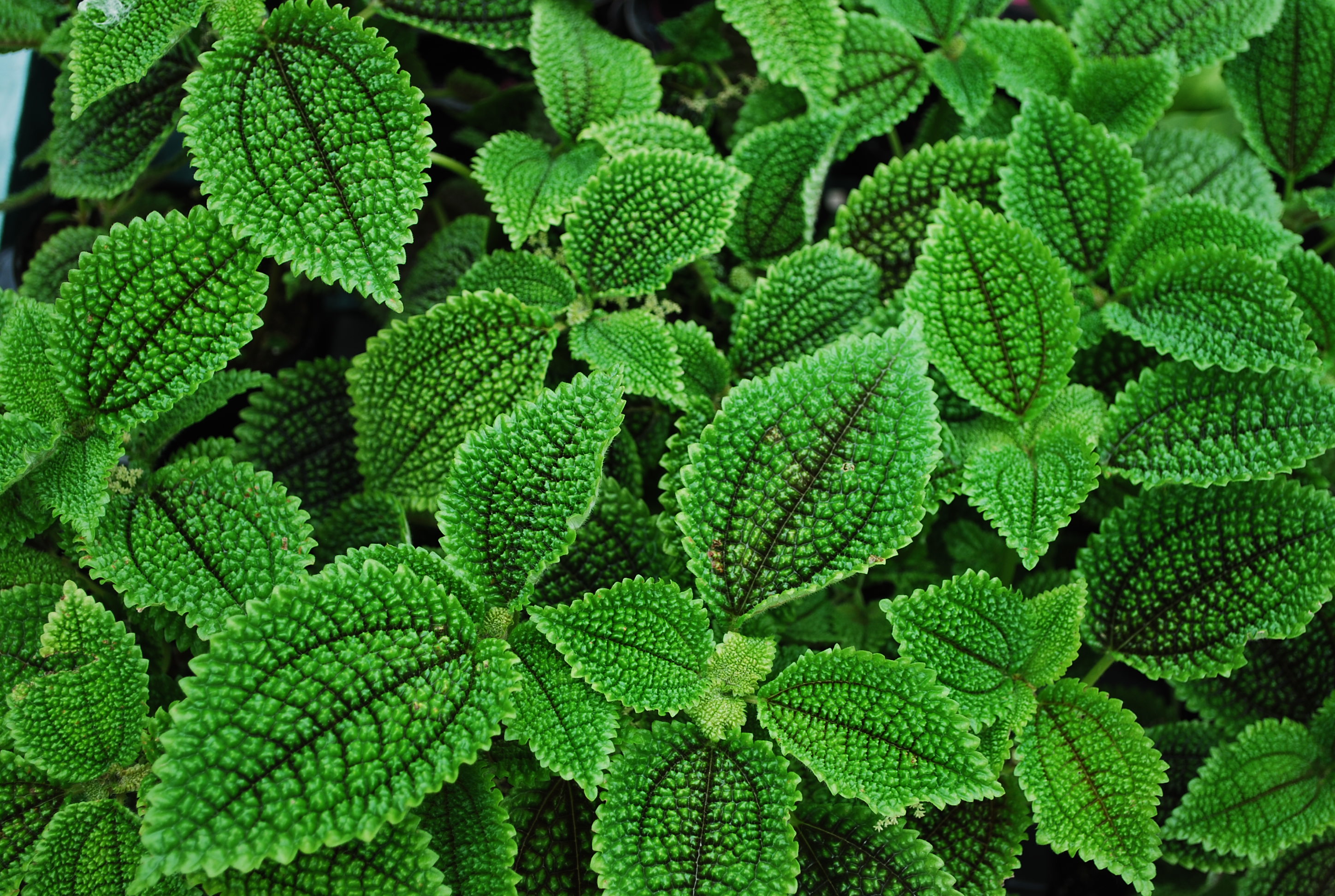
This pilea involucrata “Moon Valley” is noted for its markedly fissured leaves.  The leaf is rough to the touch.  It is interesting to the eye.  Designing a container, or a garden, or a landscape, asks for all kinds of attention beyond the horticulture. The design details can endow a planting with a special beauty.  There is color to contend with.  There is volume and mass.  There is line, and form.  And there is texture.

lettuce

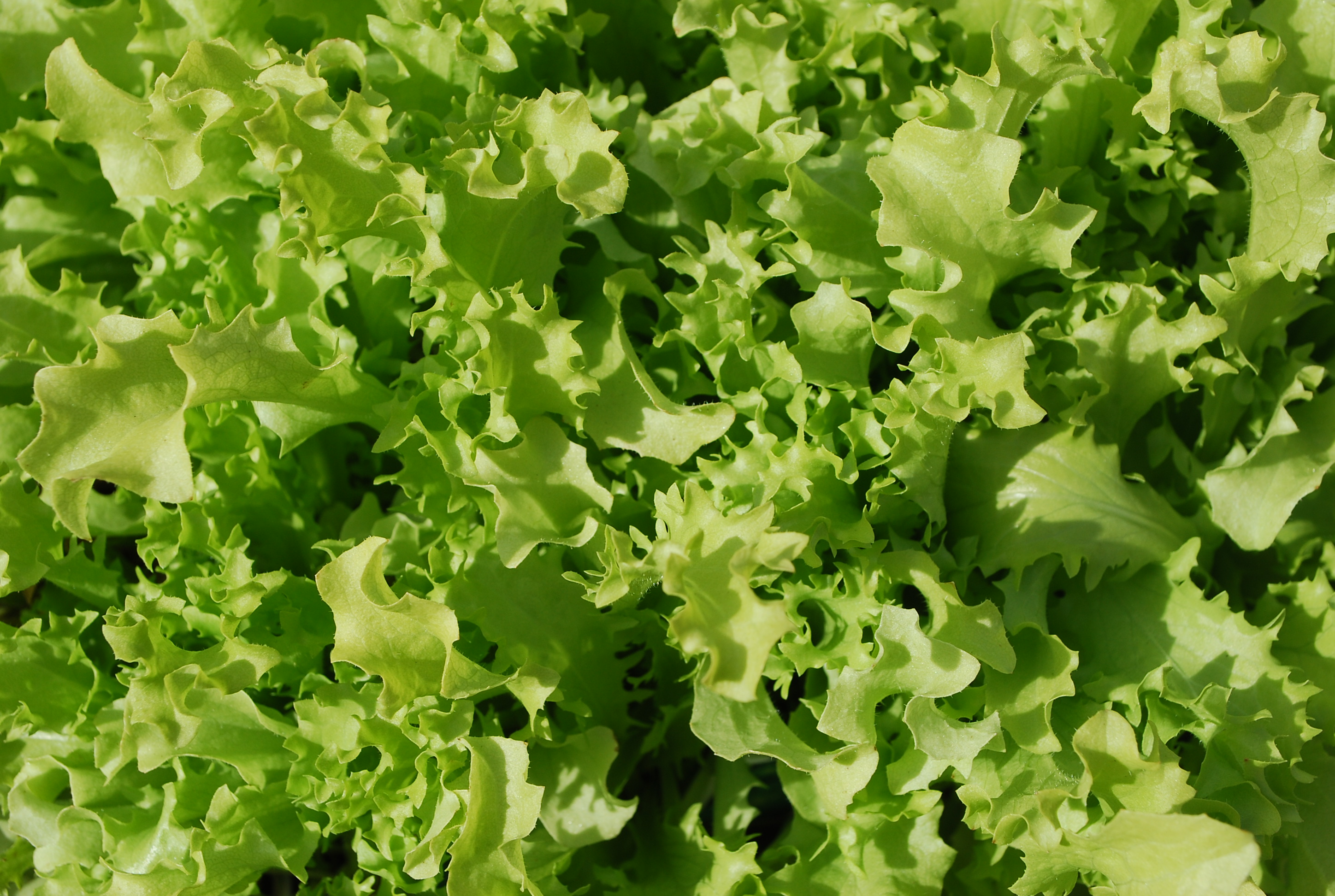
I do not grow vegetables to eat.  But I do grow them to look at.  This ruffly leaf lettuce satisfies my eye’s demand for interesting texture, just as much as I admire the color.

lime club moss

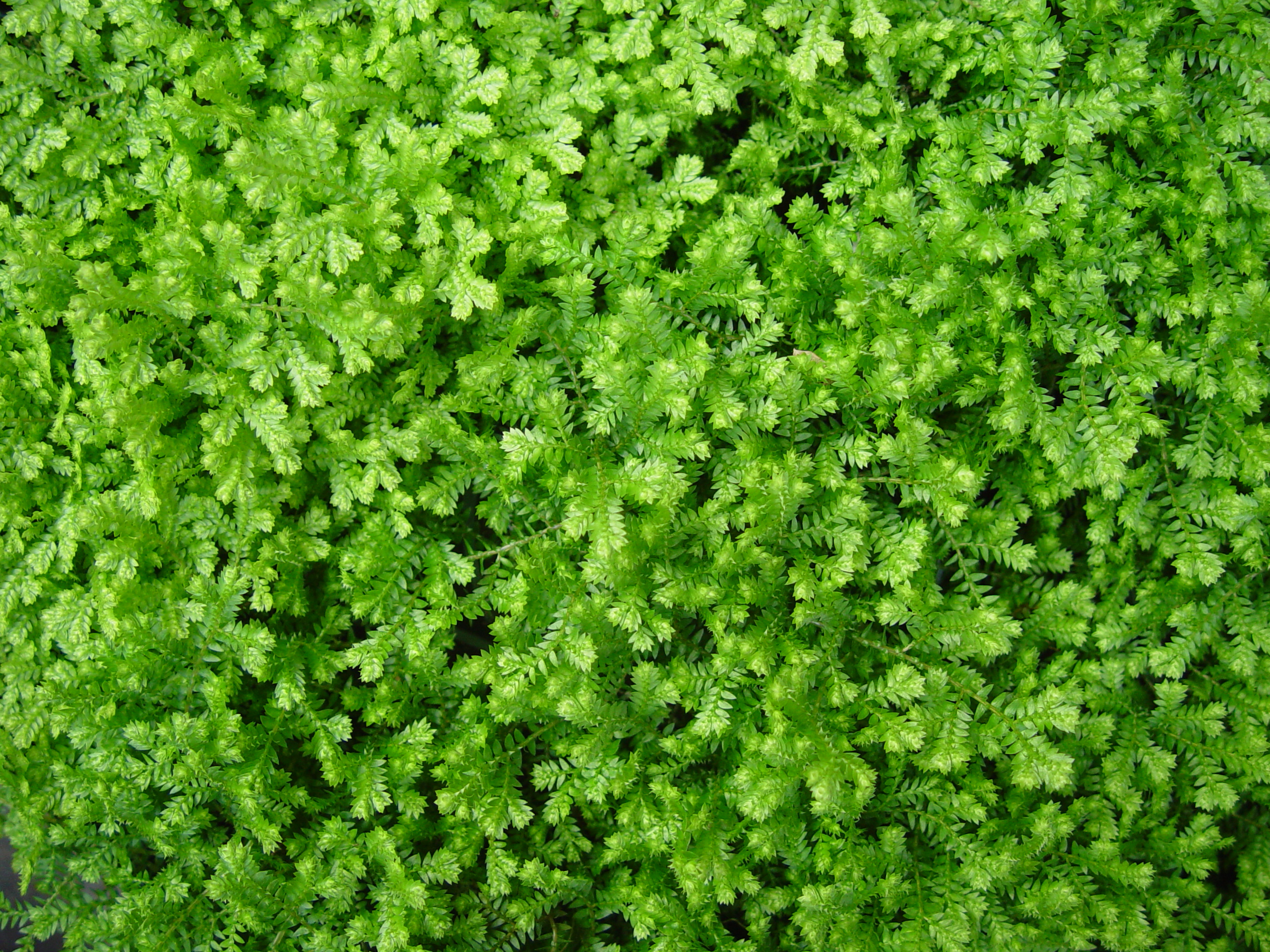
Selaginella, or club moss, has dimuitive leaves.  I would say it is very textural-the surface is lively.  But given that it is a very small plant that hugs the surface of the soil, I would describe its texture as densely uniform.  The idea here?  Small leaves have an entirely different texture than big ones.  The relationship of one texture to another adds another layer of interest to any planting.

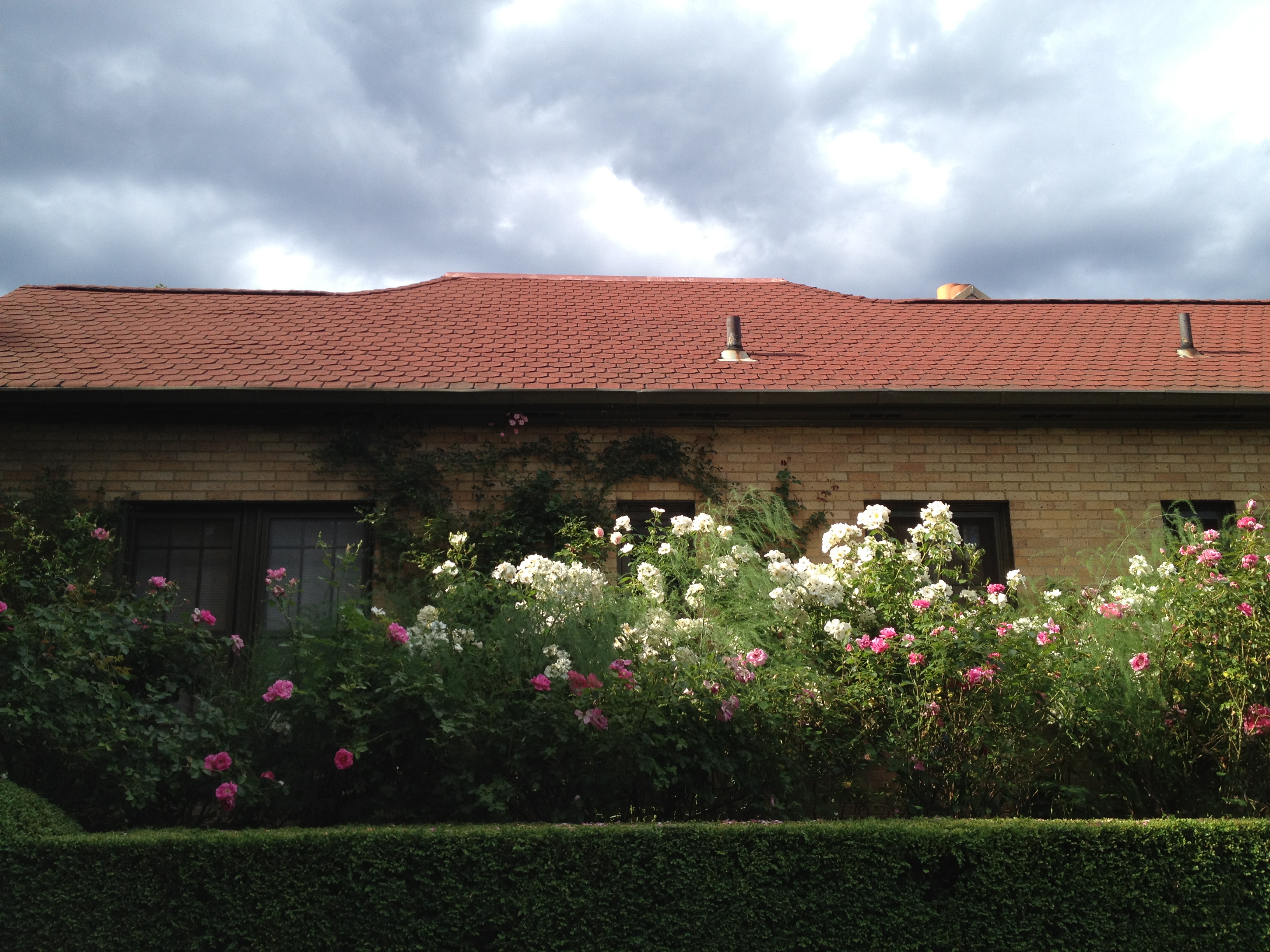
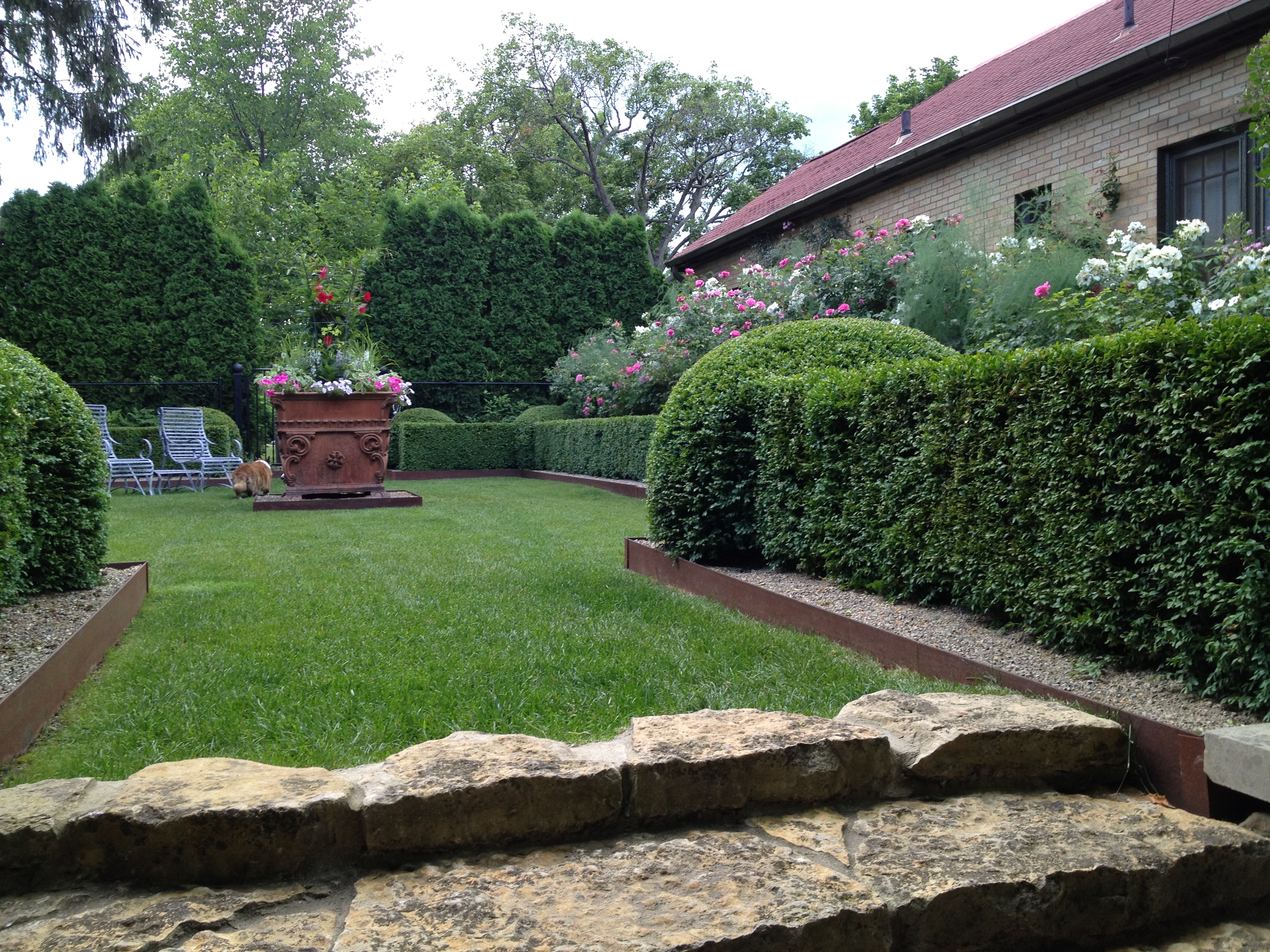
On a stormy night, my boxwood read as a mass-the individual texture of all of those individual leaves is not so apparent.  The roses are a lot of fluff, a lot of stalky canes-the blooms are soft to the touch. The roof is smooth from this distance; the clouds have a lot of color, a little bit of volume, and a weighless appearance.  Many textures are apparent here. The relationship of one textural element to another is what makes for a design party.


A lanmdscape is comprised of many different elements-each of these elements have a surface and texture all their own.  The relationship between distinctive and individual surfaces is what insures an enduring visual interest in a landscape.

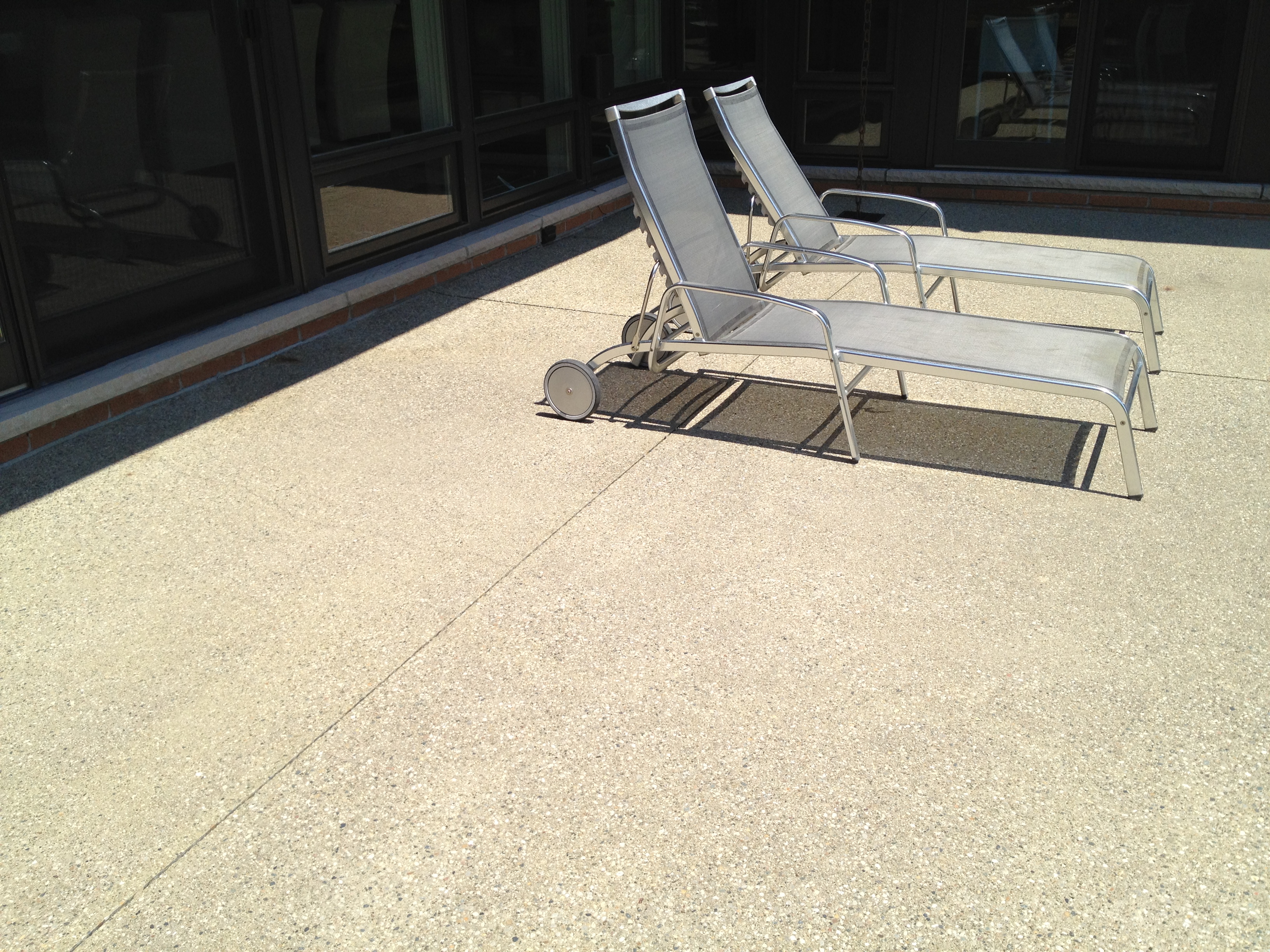
Every surface here is hard-as in impermeable, or shiny.  The textures are smooth and uniform.  My client is asking-what would you do here?  Perhaps, a contrasting texture!

This essay was written in conjunction with all of the other members of the Garden Designer’s Roundtable-be sure to check out all of their postings!


Thomas Rainer : Grounded Design : Washington, D.C.

Rebecca Sweet : Gossip In The Garden : Los Altos, CA

Pam Penick : Digging : Austin, TX

Lesley Hegarty & Robert Webber : Hegarty Webber Partnership : Bristol, UK

Douglas Owens-Pike : Energyscapes : Minneapolis, MN

David Cristiani : The Desert Edge : Albuquerque, NM

Christina Salwitz : Personal Garden Coach : Renton, WA

Rochelle Greayer : Studio G : Boston, MA

Contemporary Container Plantings

mirror in the garden

I do have clients whose taste in furnishings, art, architecture, design, and landscape is thoroughly contemporary.   Thoroughly contemporary? What that means exactly is subject to endless discussion and interpretation.  But I find as long as I devote the lion’s share of my attention to form, shape, mass, volume, color and texture in a simple, even austere way, I will be well on my way with a contemporary landscape.  Contemporary container plantings?  I don’t know exactly what I mean by this, but they are much more about the abstract elements of design, and only lastly about the plants.         

contemporary concrete planter

This very simple vintage concrete contemporary bowl is placed so it intersects with the boxwood.  This gesture is much more about creating a certain emotional tension between a living plant and an object.  This gesture has an edge.  The choice of container and the placement are critical to a planting with a contemporary feeling. 

contemporary container planting

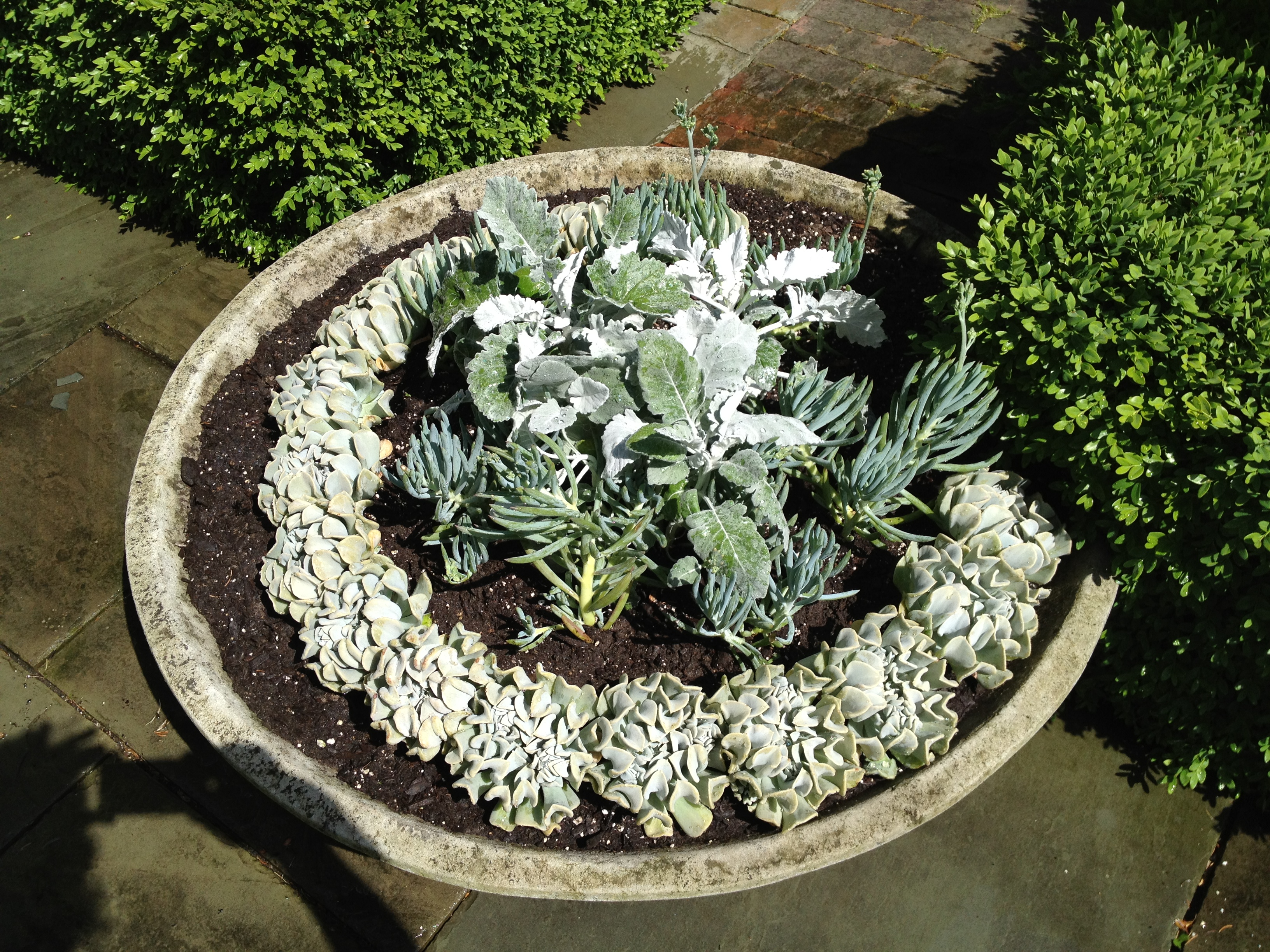
I planted it with cirrus dusty miller, and succulents all of the same color, but with very different textures.  The planting is in a spiral pattern-definitely out of the round of the container.  The planting features the dirt – the empty space – as much as it does the plants.

 contemporary gardens

This pair of tire planters are planted with flowers of very different size and habit.  The red leaved America canna was underplanted with red threadleaf alternanthera.  The Caliente geraniums are the same series of plants, with the same growth habit, in a mix of dark red and bright orange.

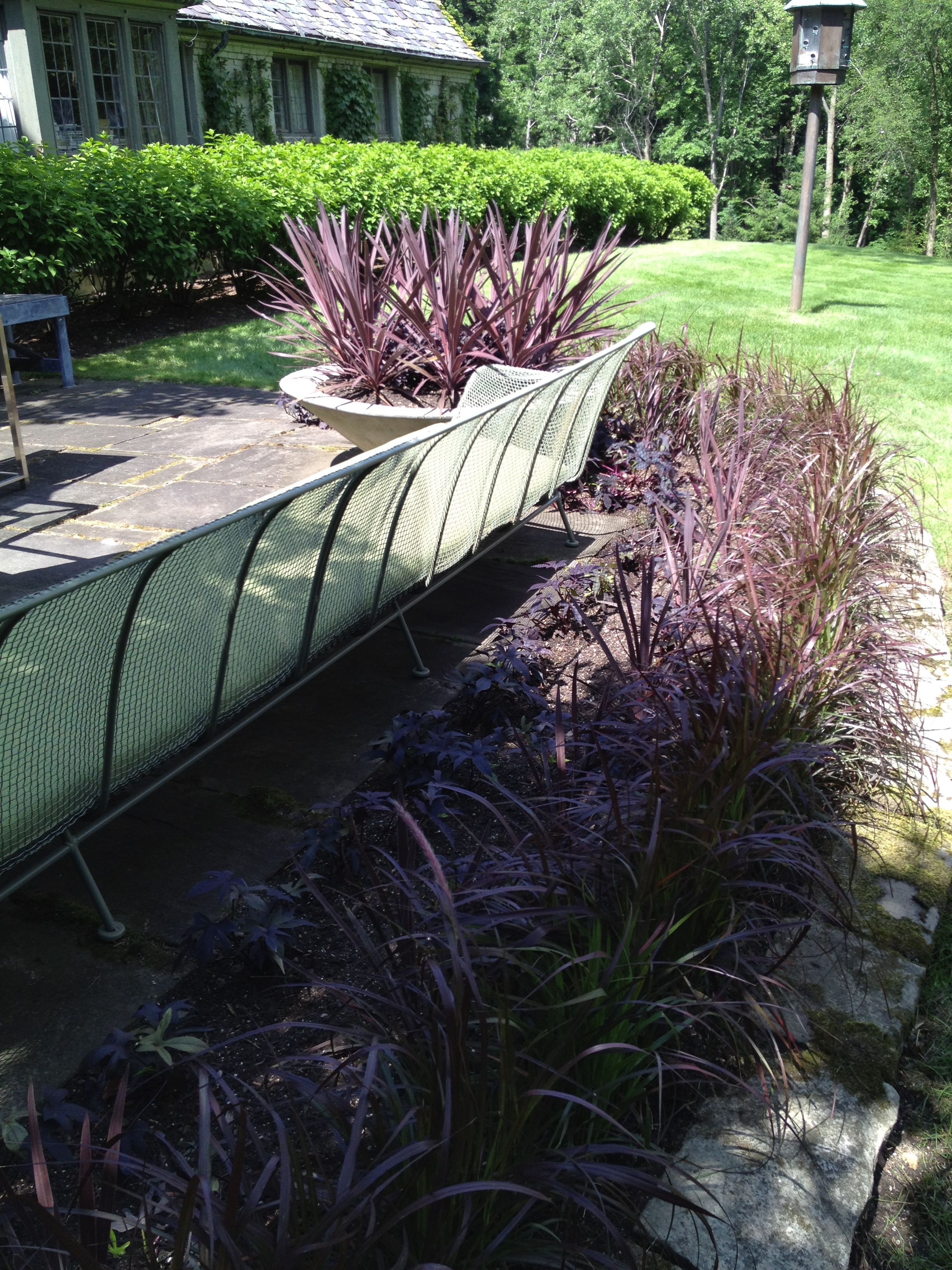
contemporary container plantingA A long curved bed is planted with red cordyline-spikes.  In traditional plantings, a spike might be the centerpiece of a pot.  Here they are planted in rows, like crops.  A dark pennisetum of similar color but different texture is planted in the same pattern.  To finish, black red sweet potato vine.  The monochromatic color scheme is dramatic, but austere.   The planting is more about the shape of the bed, and an unexpected mass of color, than it is about the individual plants.   

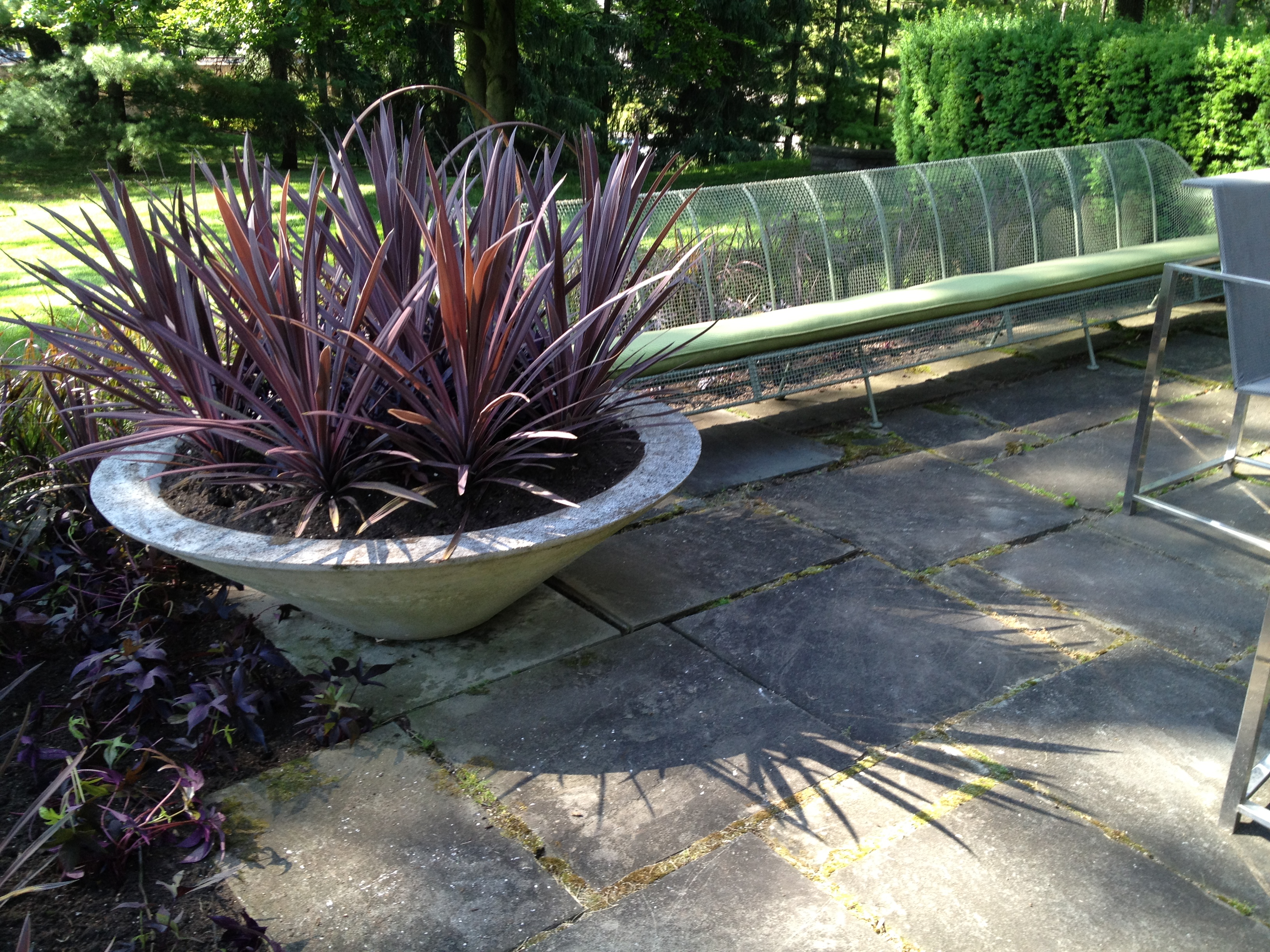
An utterly simple concrete bowl is planted a larger version of that red cordyline.  Each plant was deliberately planted straight up and down.  Had the outer plants been turned out to the side, the result would have been vaguely reminiscent of a topiary sphere-a very traditional shape in the garden.  The interior is planted with black sweet potato.  I’ll see how that grows, and what it does.  I might intervene, and shape that vine, or I might never touch it. 

elegant feather

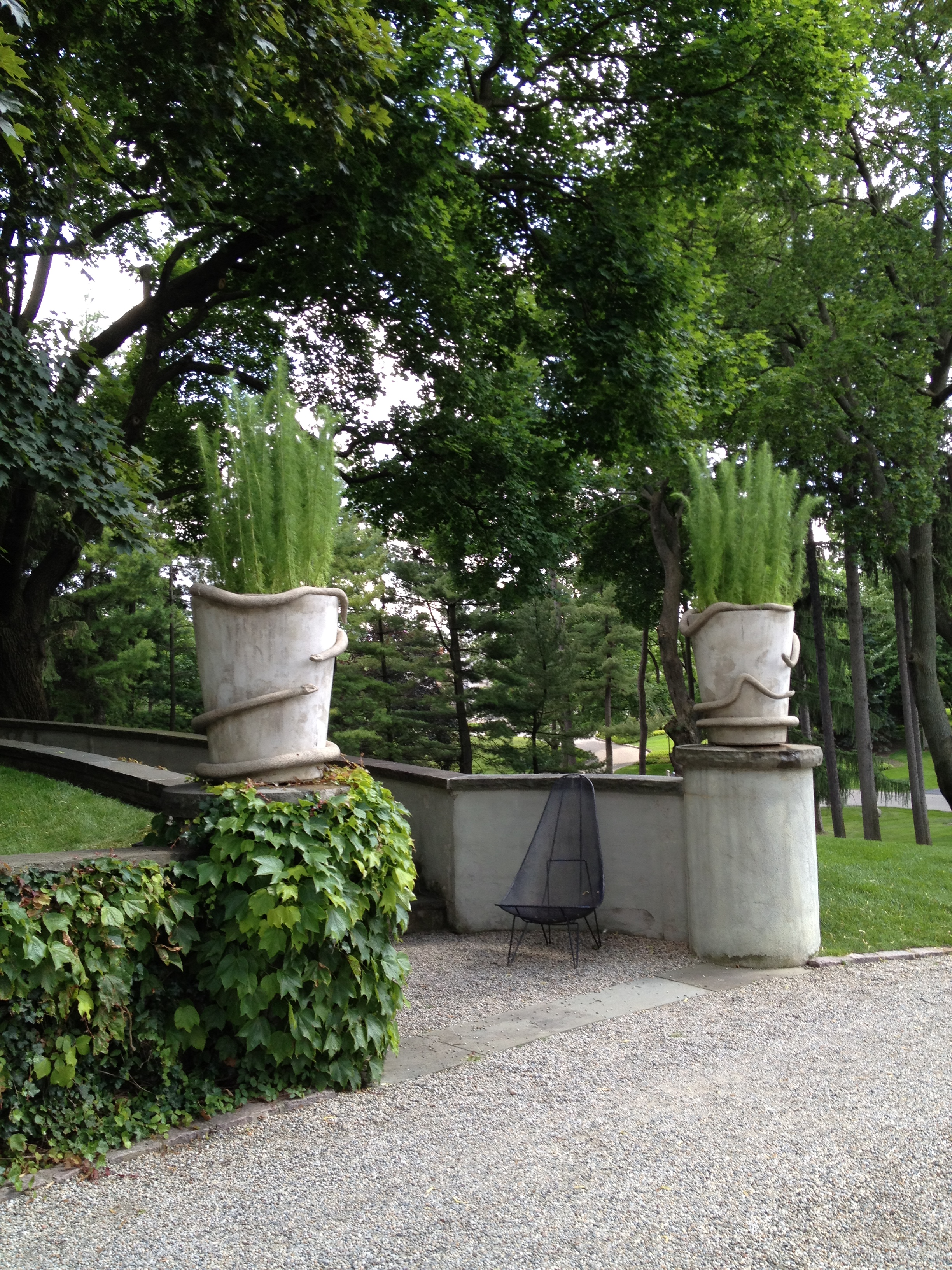
These tall simple concrete pots encircled by snakes make quite a statement, planting or no.  I filled them with elegant feather grass.  This plant will grow straight up and skyward.  That long look is a compliment to the shape of the pot.  The relationship of the container to the planting is especially important in contemporary plantings.   

millet "Flashlights"

This mid century modern fiberglass and concrete container is home to a mass planting of the millet “Flashlights”.  Its vertical habit will not obscure the interesting shape of the container. 

dark foliaged heuchera

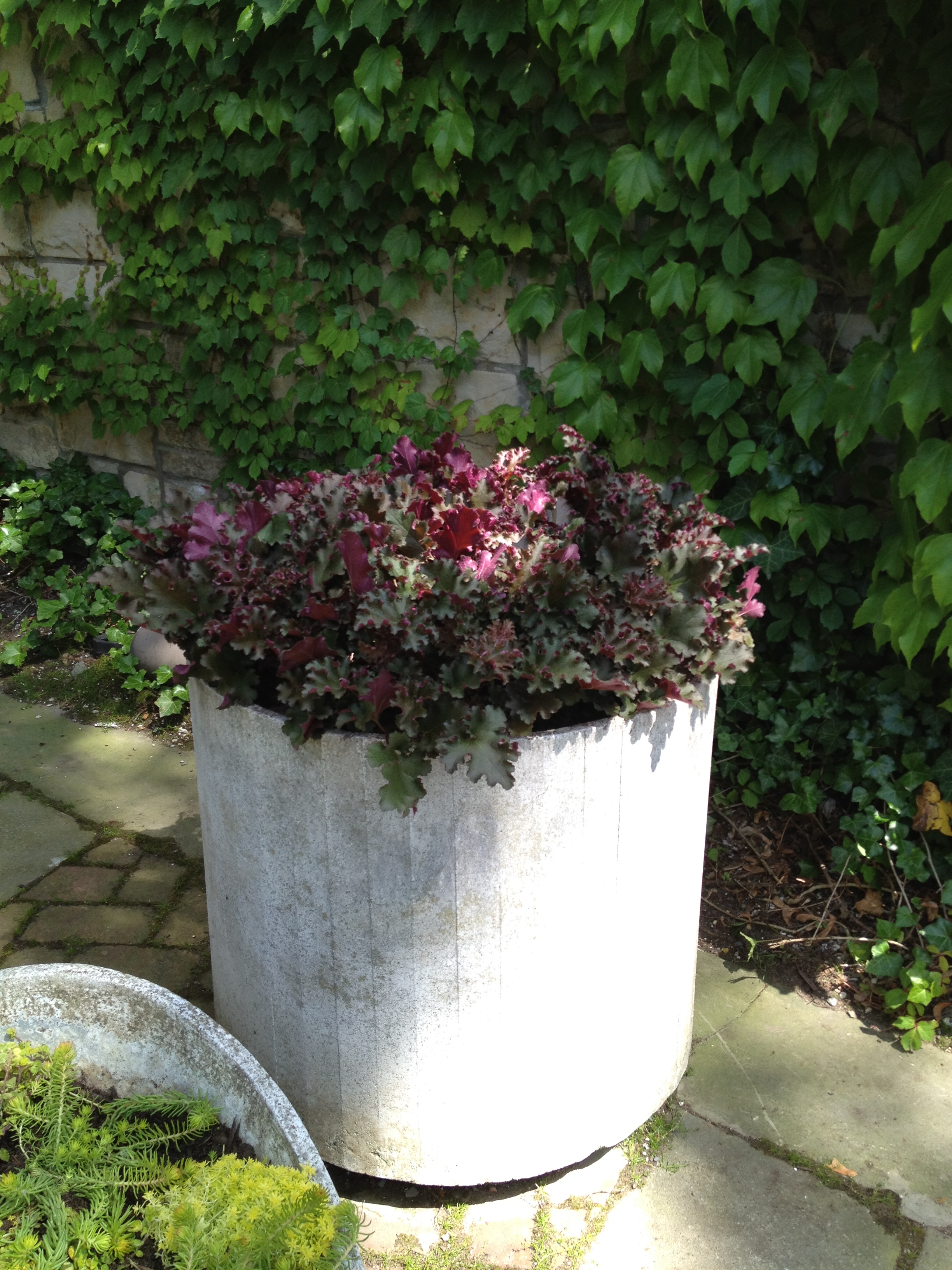
The dark leaved heucheras are moody.  This ruffly variety has a deep purple obverse.  Those curly leaves make the subtle vertical lines of the pot much more visually important.  This cylinder is not really round. It is a subtle approximation of round. It is comprised of many straight sections joined together-so say all of those curly leaves.   


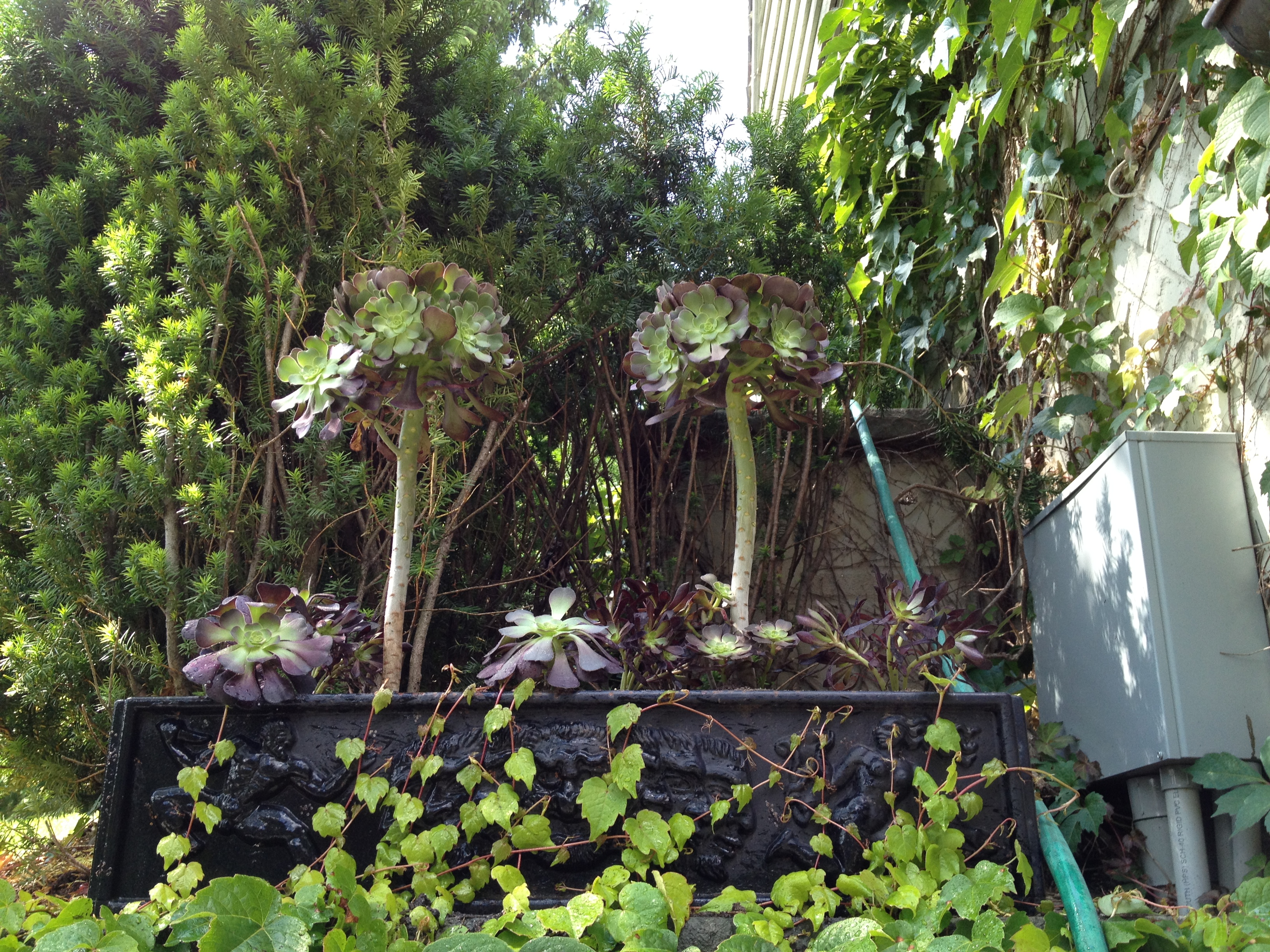
These succulents on stalks have an exotic, and otherworldly appearance.  Baby versions of the same plant carpet the bottom of a very detailed black cast iron planter I would guess is the work of Carl Milles when he was at Cranbrook. 

contemporary garden containers

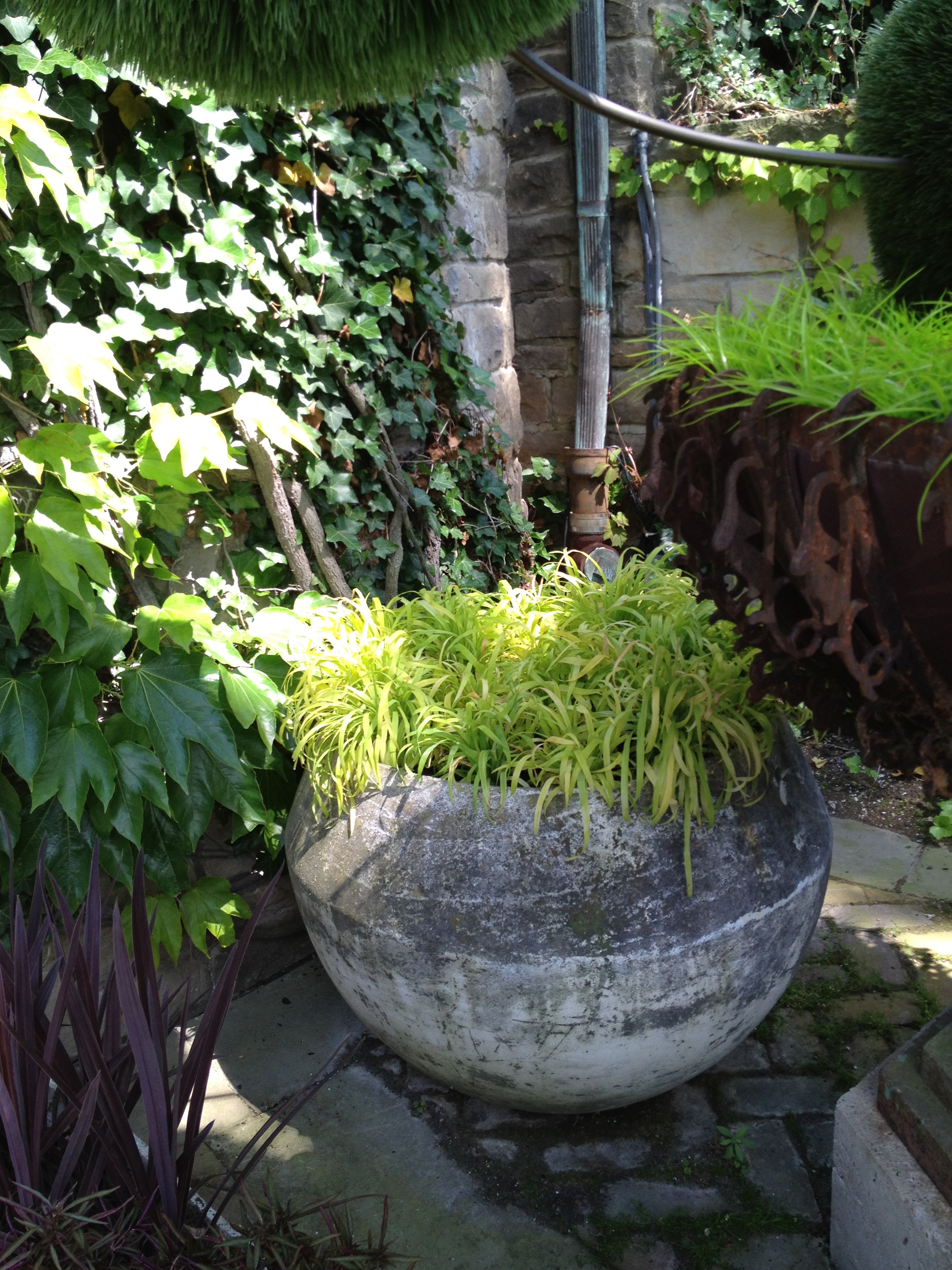
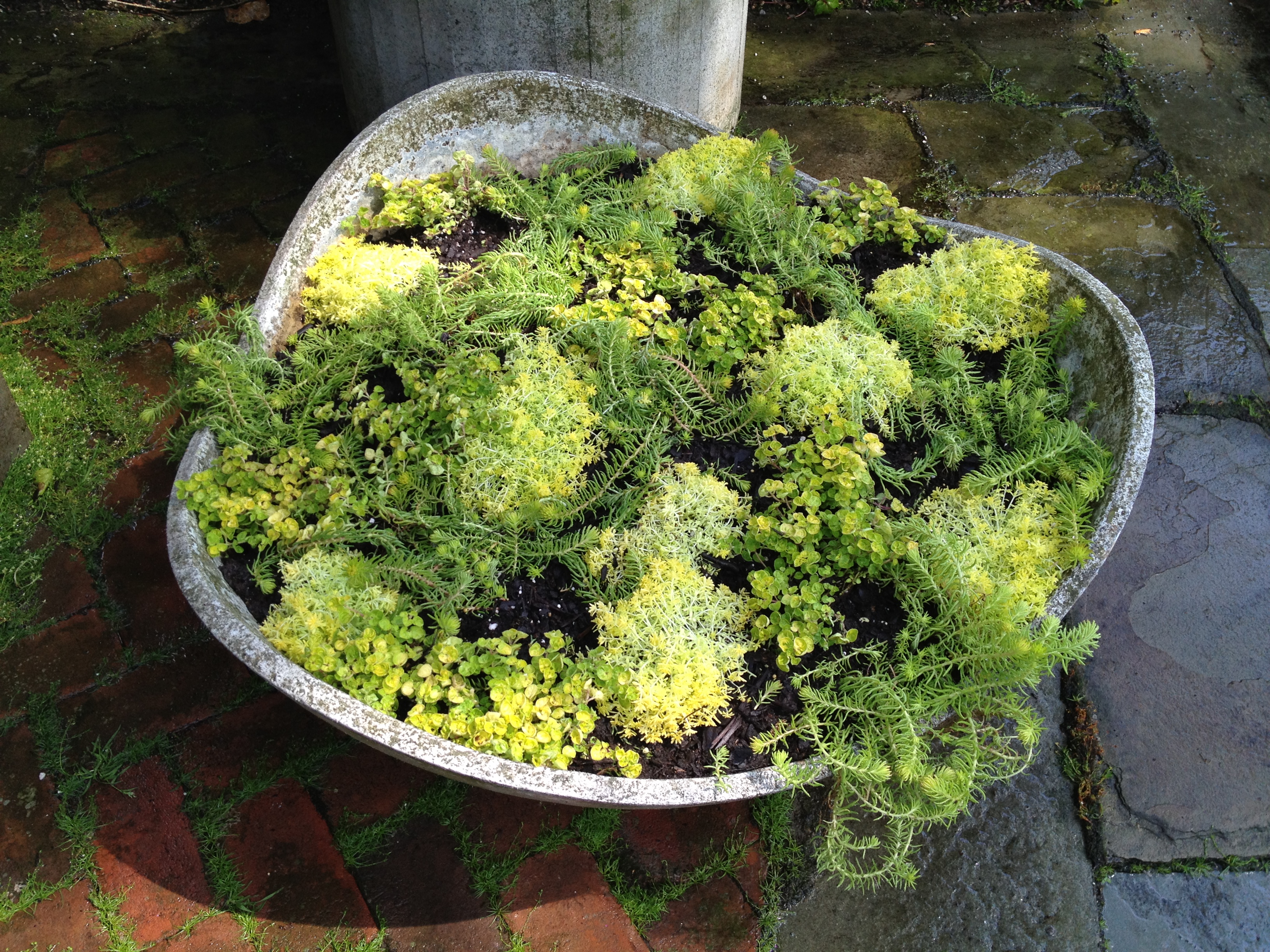
This concrete container with a roller coaster edge gets a lime planting-angelina, gold marjoram, and some tropical succulent whose name I do not know.  I imagine it will have a very lively texture once it is grown in.

red foliaged plants

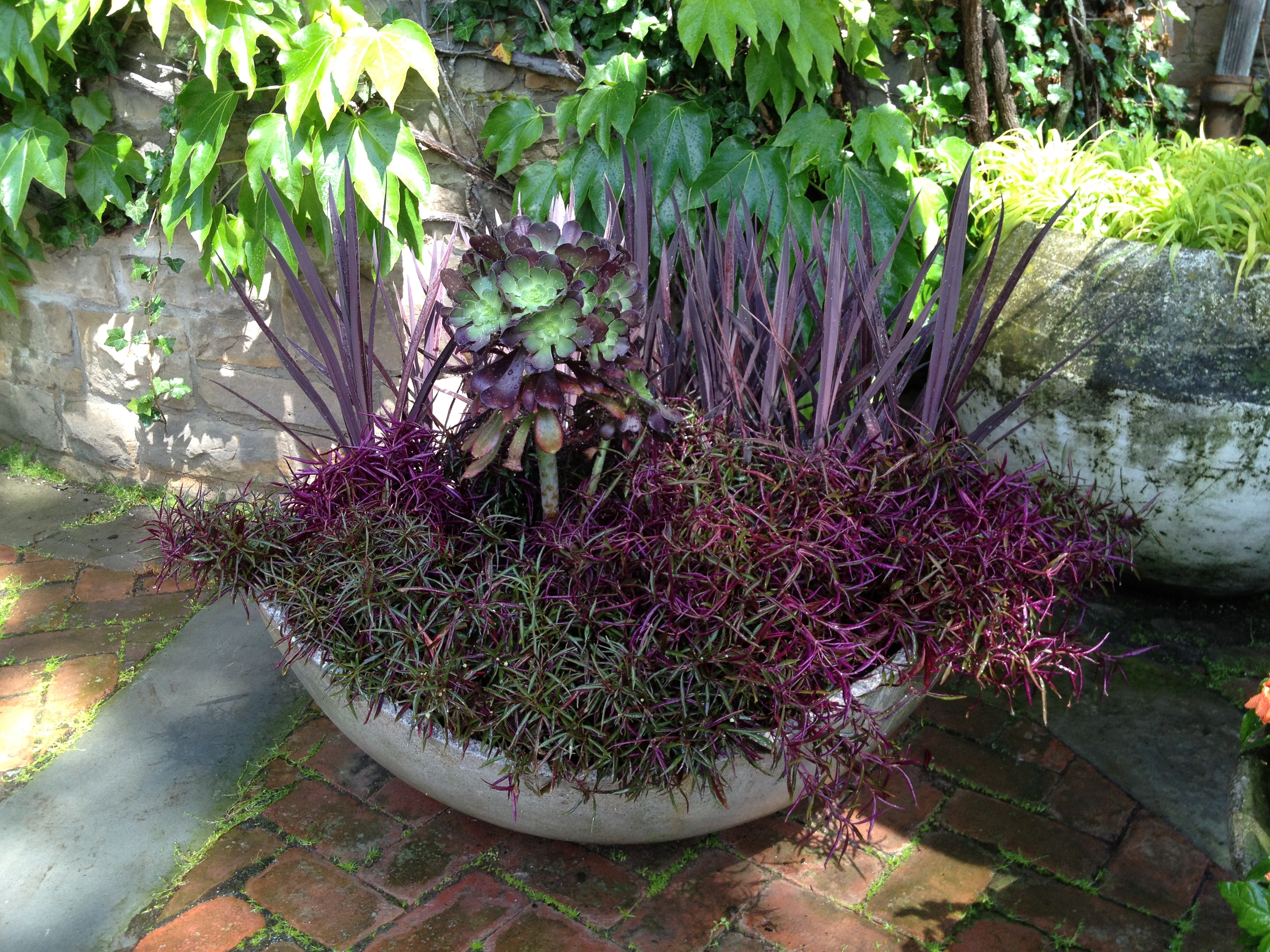
The red cordylines and threadleaf alternantera have an entirely different appearance in a sunny location.  Will I keep the alts trimmed?  I can’t tell yet. 

planting contemporary containers

This is a container planting of a different sort-as it should be.  Any garden should reflect the taste and sensibility of the governing gardener.  That is the best part of a garden-you get to be the guv, and you get to be surprised by what nature has in store for your efforts.  I will be interested to see what the future holds for this planting.


aa