The Garden Designers Roundtable: Cheap And Chic

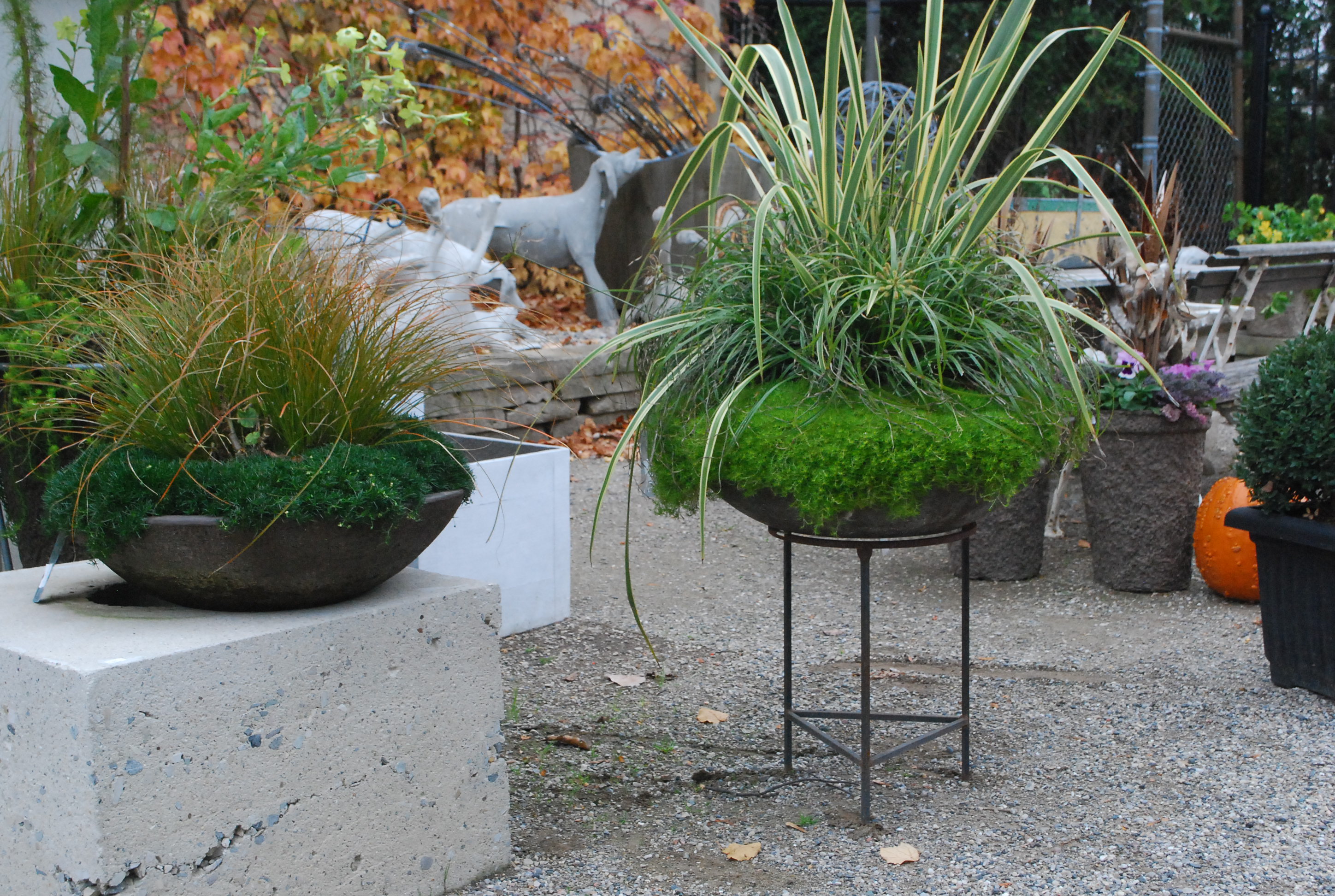
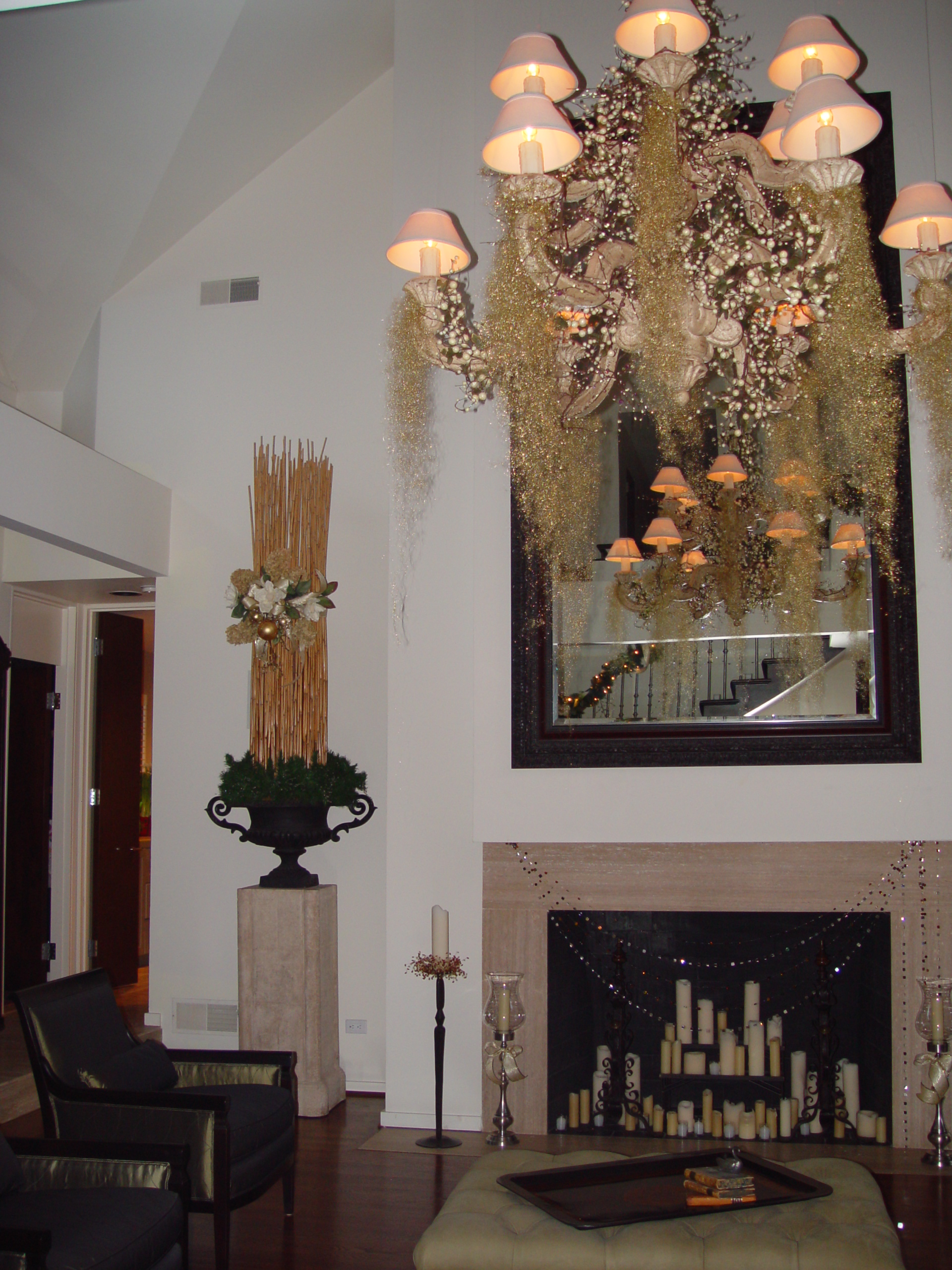
I am sure I have read countless articles entitled “Cheap and Chic”-as if cheap and chic were truly a believable or desirable place to be.  I favor cheap if it doesn’t look and act cheap-no further explanation is necessary here.  A vast planting of hellebores looks fancy, whether it came from seed, or from giant one gallon pots. As for chic-not the focus of any gardener.  Those magazine pages picturing gardeners is spotless clothes and shoes are about something other than gardening.  Great design has nothing to do with cost.  It is the doing that costs.  An extensive landscape project with mature plant material installed all at once-expect to spend lots.  Make it a life’s work-expect to spend lots of your time, effort and energy.  The urn pictured above with bamboo stakes glued around a circular form-cheap and chic.  Meaning properly proportioned. Scaled correctly for the space.  A garden urn and pedestal indoors?  Filled with what looks like 200 varnished natural bamboo stakes?  Satisfyingly stylish, with a dash of the unexpected.  A fireplace full of candles collected over time?  Collections beautifully or unusually displayed make a strong visual impression.  The fireplace strung with a pair of mirror garlands-chic in the fashion sense of the word.  The metal angel hair  draped over the fountain looks sumptuous as it is too far away for close inspection.  Up close, you would know it was cheap.          
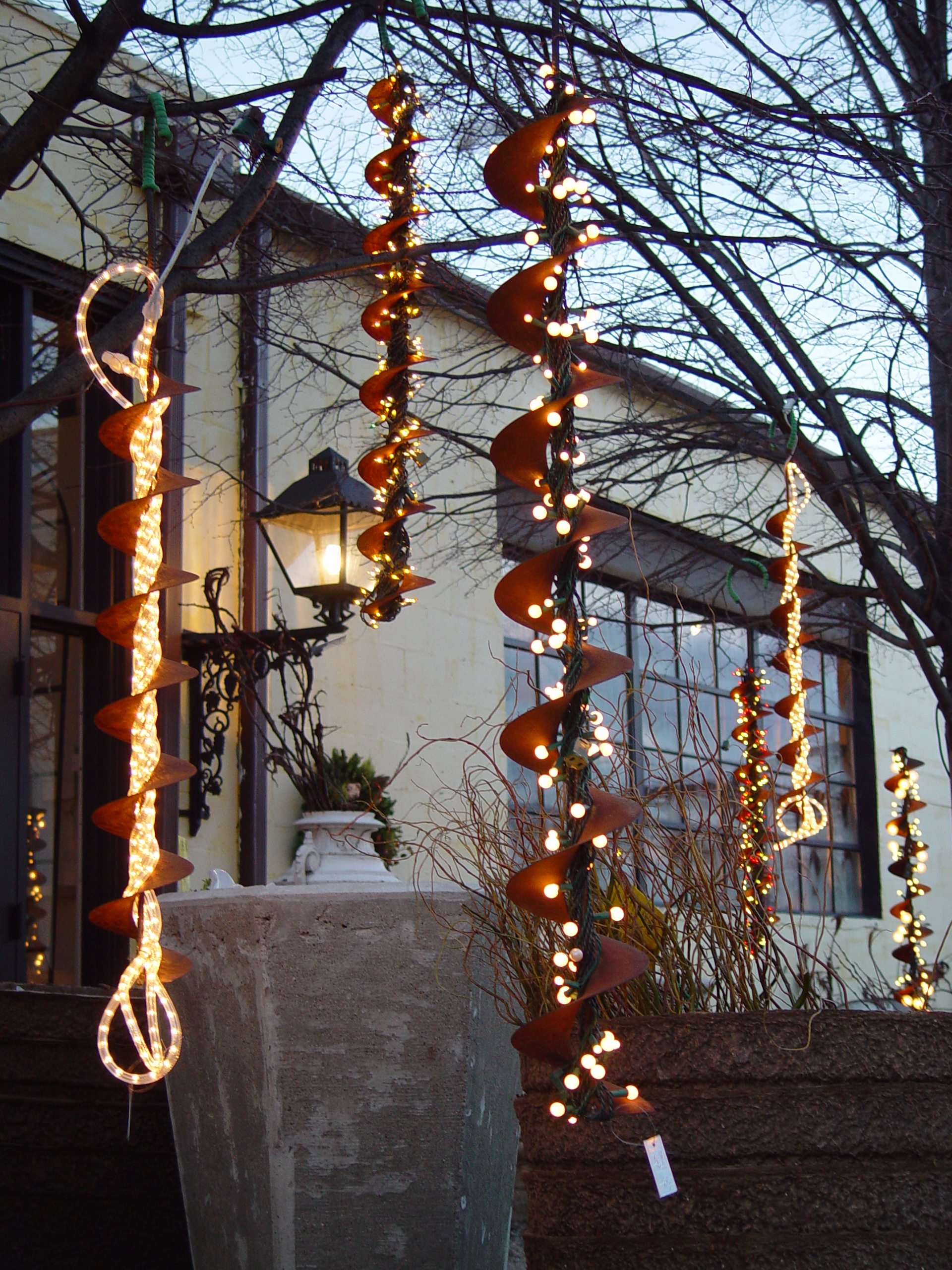
Available everywhere, even in your own drawer or shed, are objects whose shape is as interesting as their use. Vintage augurs rusty from disuse are available for a song.  Strung with lights, and hung from a tree branch-amazingly dressy.   
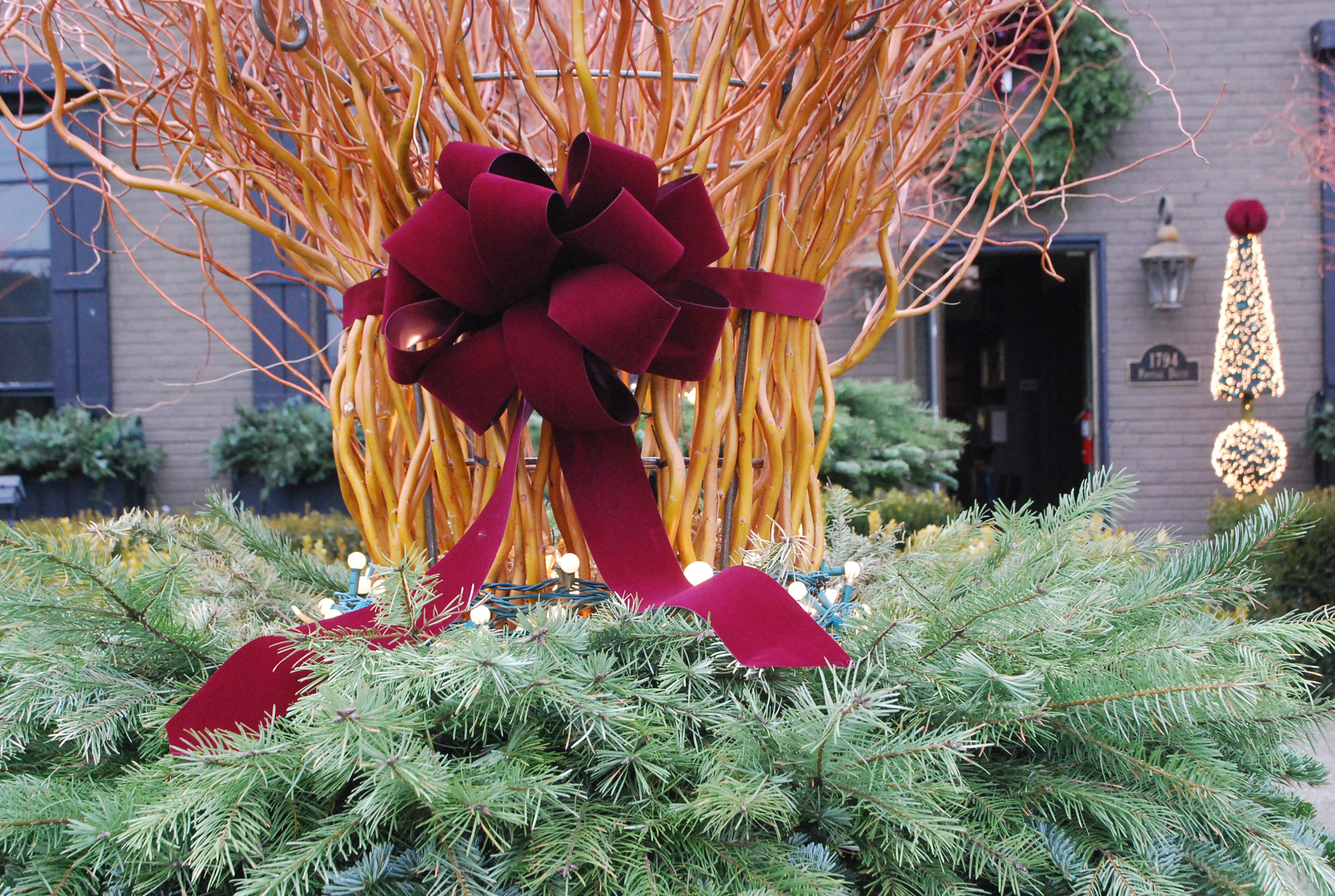
One of the holiday season’s most recognizable decorations-giant rayon weatherproof bows.  The ribbon has one finished faux felt side.  The backside is most definitely the back side.  They are usually made by a bow making machine that keeps the finished side out, and the back side hidden from view.  The bright red version is common on wreaths, garlands, and car bumpers and lampposts this time of year.  The wine red version-I thought it had possibilities.     
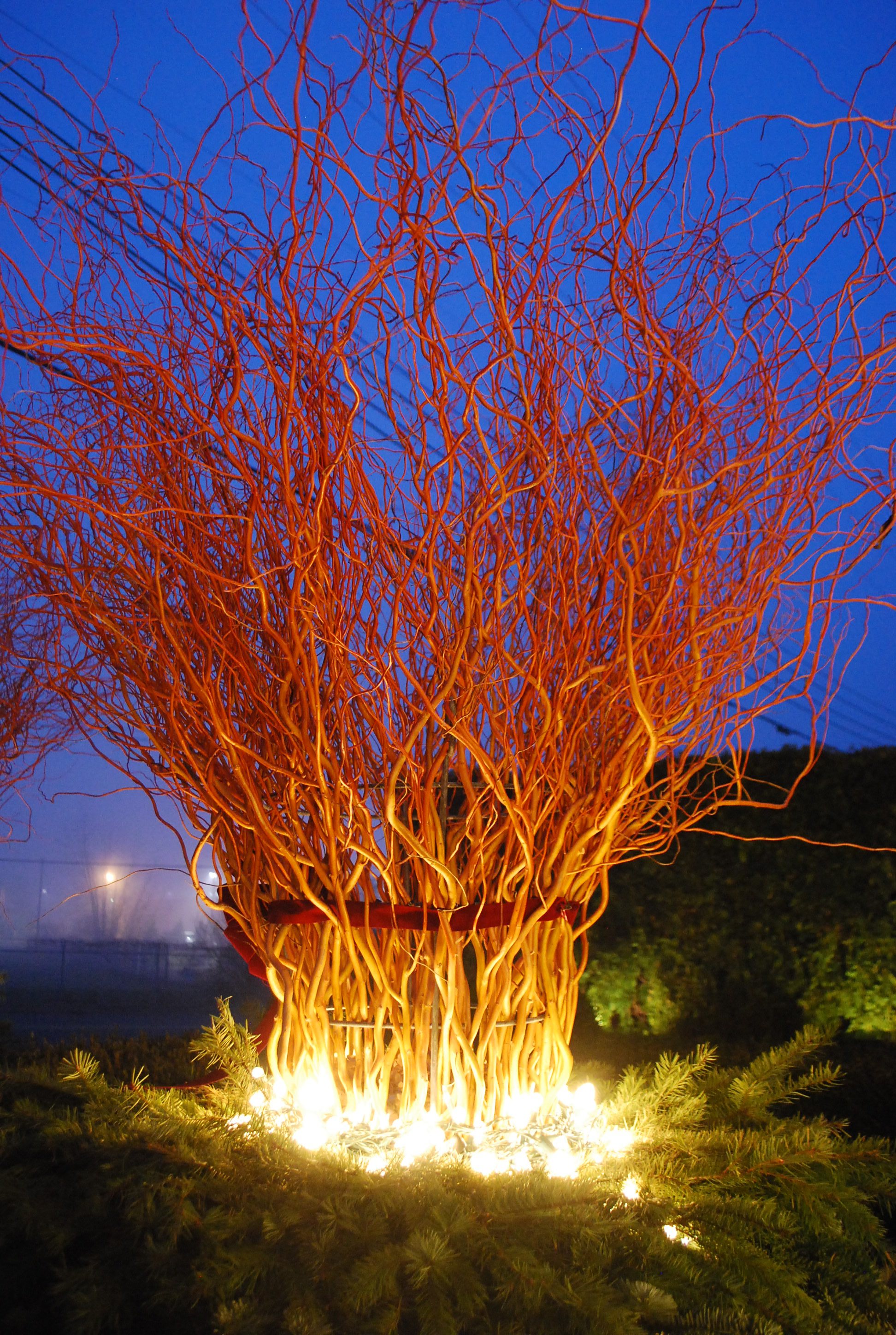
The cloud of red curly willow in the pots in the front of the shop is remarkable given the natural shape and contours of the branches.  The cinnamon orange color-rich and vibrant as only natural color can be.  Yes, the sticks are cheap.  They are especially cheap if you grow your own.  Grow your own, create your own, repurpose and reimagine what you already own-what you spend in doing such is the most satisfying way to spend.
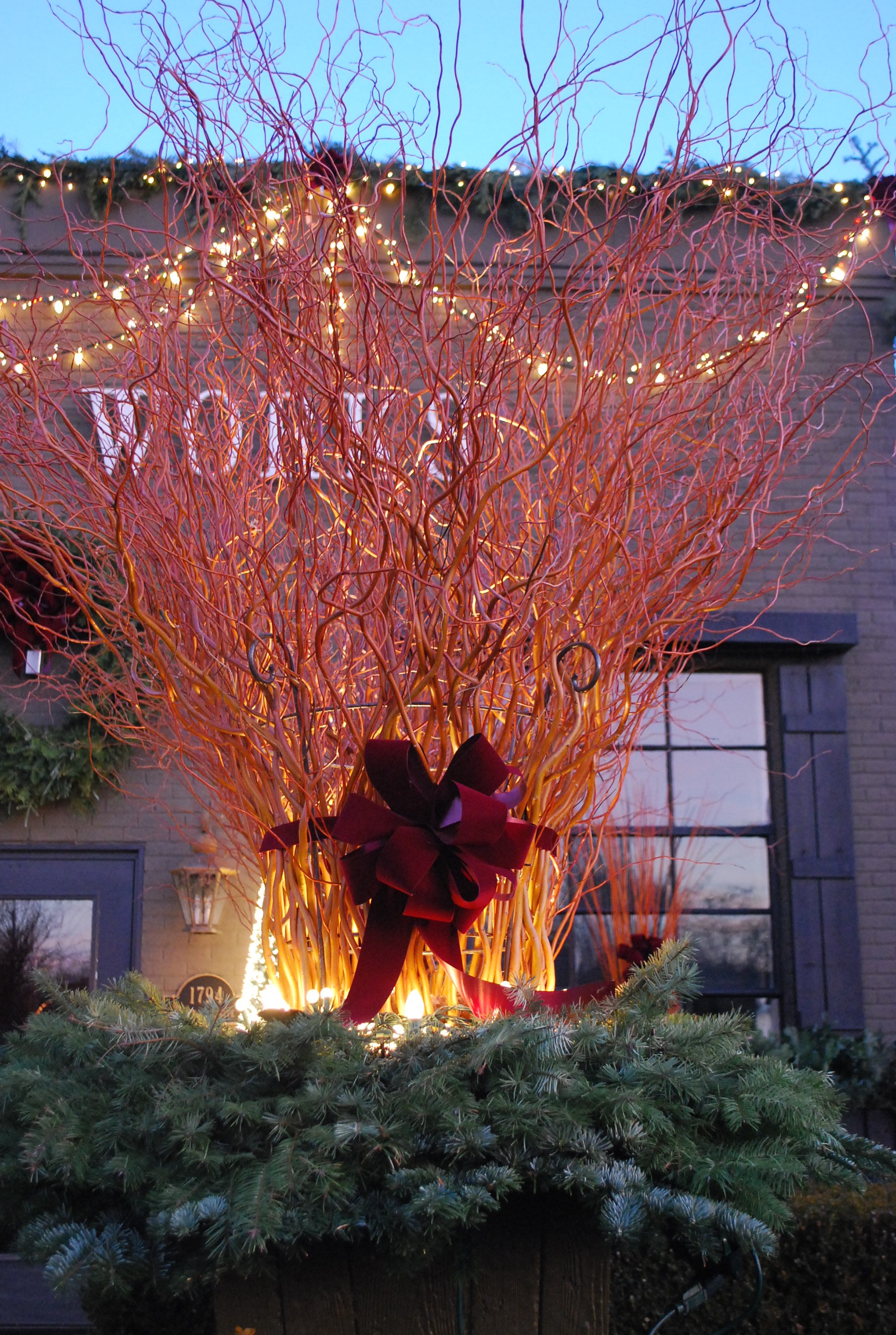
The wine red rayon bows take on an entirely different feeling paired with the willow.  This color takes on a jewel like look, in relationship to the color of the willow.  A 5.00 machine made cheap bow transformed a winter look into a very dressy holiday look.   
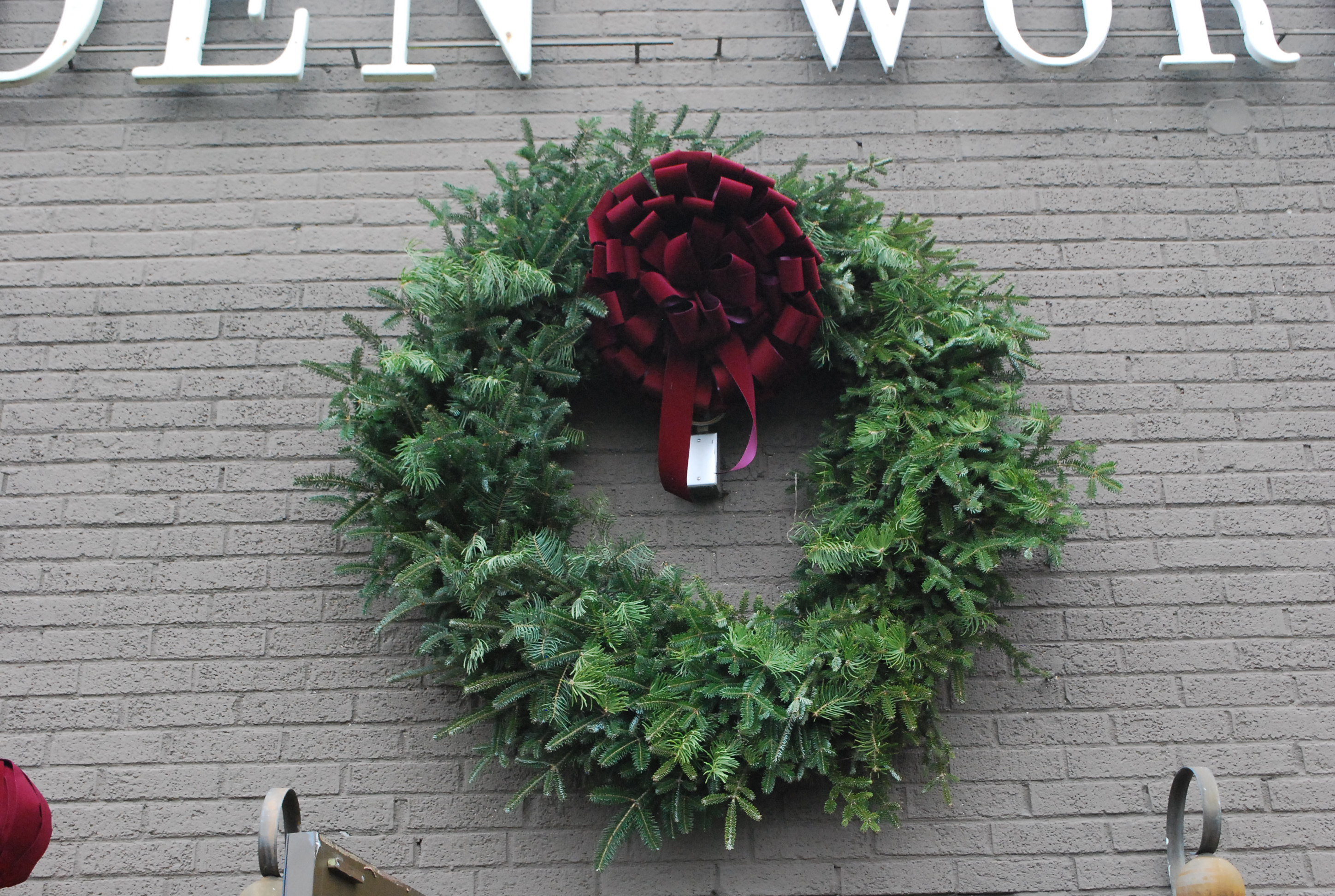
Dark and intense color is rich looking, no matter the material you use to achieve it.  I am not a bow maker, but who needs to know that?  I sure can glue loops onto a cardboard backing.  And I can glue loops big enough to disguise the emergency light installed dead center to the front door.    
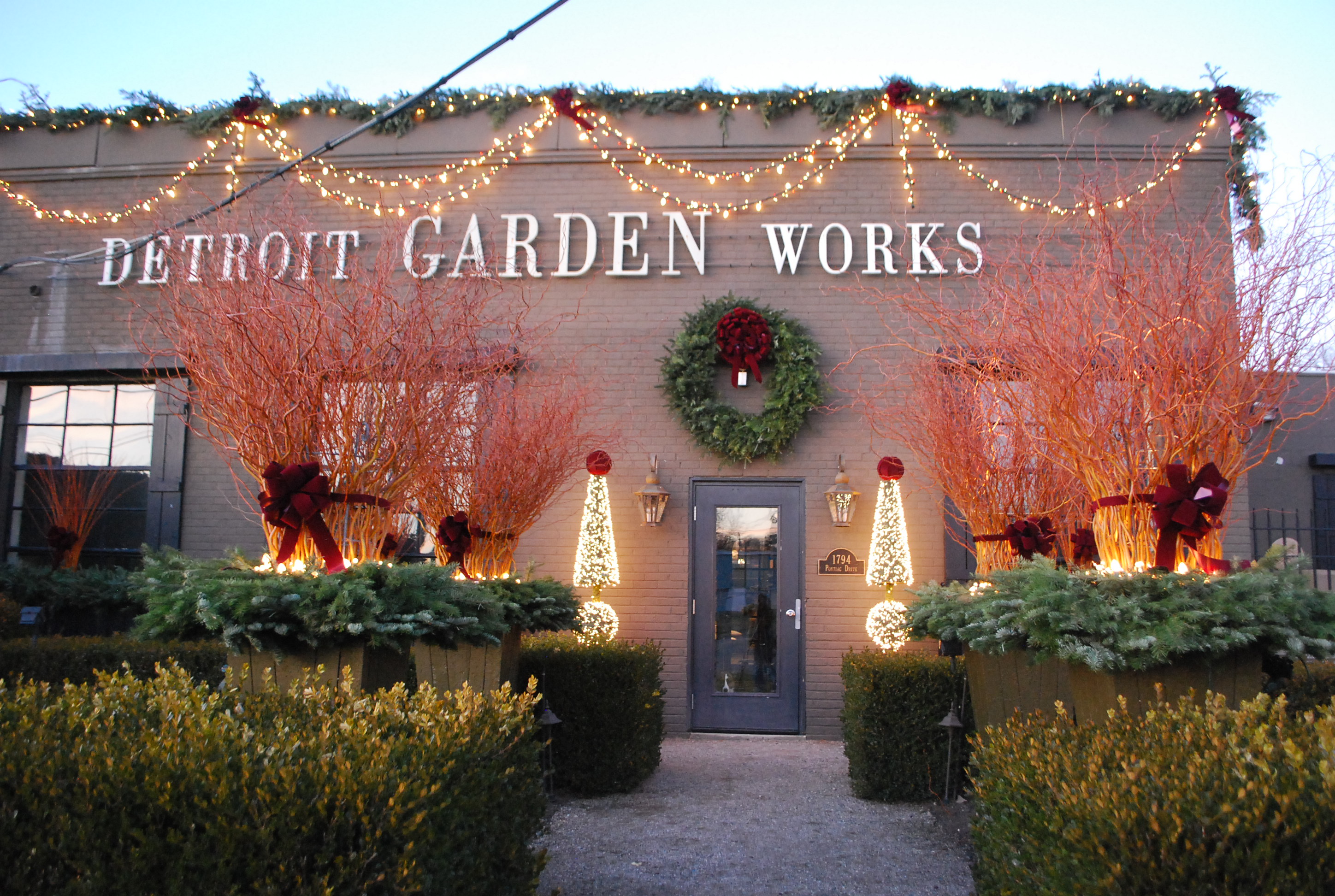
Simple is always cheap.  The time you spend second guessing an idea, or revising, or agonizing over what to do can be an expensive outlay of time.  Trusting your first instinct about what to do-much cheaper.  An idea simply expressed is cheaper-less costs less.  A simple idea repeated until is makes a strong visual impact-chic.  My clients who envision 100 boxwoods in pots for their landscape-not cheap, but how chic!   

For gardeners in my zone, a little lighting outdoors can be stunning.  The snowy weather comes free of charge.   

How do other members of our Garden Designer’s Roundtable see cheap and chic?  You are free to read.  Sharing is chic.

Lesley Hegarty & Robert Webber : Hegarty Webber Partnership : Bristol, UK

Susan Cohan : Miss Rumphius’ Rules : Chatham, NJ

Andrew Keys : Garden Smackdown : Boston, MA
Deborah Silver : Dirt Simple : Detroit, MI

Rochelle Greayer : Studio ‘g’ : Boston, MA

Sunday Opinion: The Outer Limits

There are lots of things a competent garden or landscape designer can accomplish for a client.  Another pair of eyes, and a fresh point of view is usually a good idea.  What else does a good designer bring to a project?  The willingness to listen, and hear.  A working knowledge of design.  An ability to conceptualize.  Familiarity and experience growing a wide range of plants.  An understanding of good drainage, and grading.  The ability to place and plant properly.  A passable acquaintance with architctural forms.  I think a knowledge of the history of landscape and garden design is a plus. The designer should have the skills necessary to draw a plan, and make a presentation that clearly explains that plan.  A knowledge of available materials is essential.  A willingness to source materials difficult to find is a show of willingness that will help a project along.  A good sense of humor is always appreciated.

What else should you expect from a landscape designer?  Some designers have their own installation crews, as I do.  Some dsigners either subcontract, or recommend an installation contractor.  An extensive landscape project can require expertise from a lot of different fields.  You may need a topological survey, or a grading plan.  You may need an architect for an addition or a pool house.  An electrician, a site engineer, an irrigation contractor, an interior designer-I have seen projects needing all of the aforementioned.  You may simply need a stone mason to install walks or terraces.  A recommendation from a designer who has worked with lots of contractors can be of help.  You may need a different kind of mason for the installation of load or soil bearing walls.  A carpenter might be required for a pergola, a site engineer for a radical change of grade.  All of these trades on a project means there are permits to be pulled, and codes to be observed.  Small projects?  A small project does not imply that a designer with limited skills would be ok.  Small projects can require more imagination and problem solving ability than you might think.  But there are things a designer/contractor cannot do for you.

There is never any substitute for the touch that an individual gardener has to put to their project.  The best way I have to explain this is as follows.  I have had dinner at any number of restaurants-some of them extraordinarily good.  But was the best dinner I have ever had out, prepared by a professional chef, comparable to any number of dinners I have had at Julie’s, or Gerhardts,  or Julia’s, or Lauren’s or Jane’s, or Janet’s house?  Or at my own house-with Buck cooking?  No.  Not even close.  The best dinners I have ever had was by invitation, created and served by an individual that put every ounce of their time and energy to creating it. 

What is the idea here?  In the next three weeks, I have a daunting list of projects for landscape, winter and holiday containers, holiday lighting and decorating that have to be done.  I think the work will be good, and thoughtful-I take great pains to see to that.  But if I had only one project to finish over the next three weeks, I could do a truly extraordinary job of it-given that amount of time to think and plan, and construct.

I have seen private gardens-designed, engineered, planted and nurtured by individuals who have never consulted a professional designer- that take my breath away.  My best hope as a designer is to give a client a beautiful, solidly conceived and built framework.  We can rework or add to an older landscape, or install a new one.  The big gestures.  Gardens-yes.  Once a client takes ownership of that new landscape, the hope is that they will go on to make that landscape their own.  Those clients that have less time than I, I stand in for them in the best way I can. If you are an individual gardener who has created your own gorgeous garden-bravo.  If you are a client rushed by circumstance, every hint, magazine clipping or random idea you send my way- thanks.  Better gardens for all-I like this.

Winter Preview


The close of the gardening season in late fall means the winter gardening season is not far behind.  The winter season at Detroit Garden Works had a very simple beginning 10 years ago.  Why does any gardener need to look at and live with empty pots all winter? We began slowly, with a selection of coppice wood twigs, fresh cut greens of every description, and weatherproof berry picks.  People liked that idea, and were game for more.      

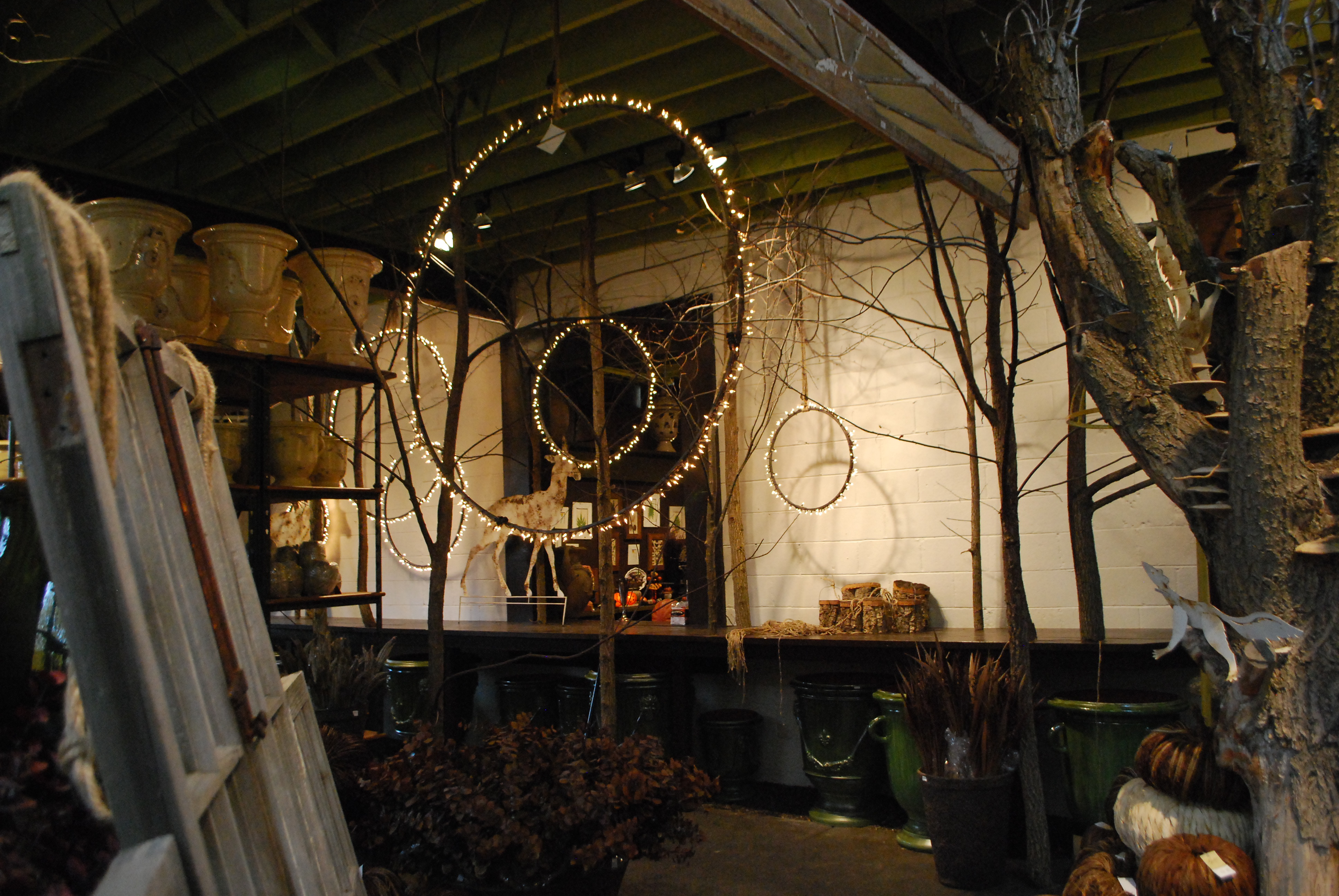
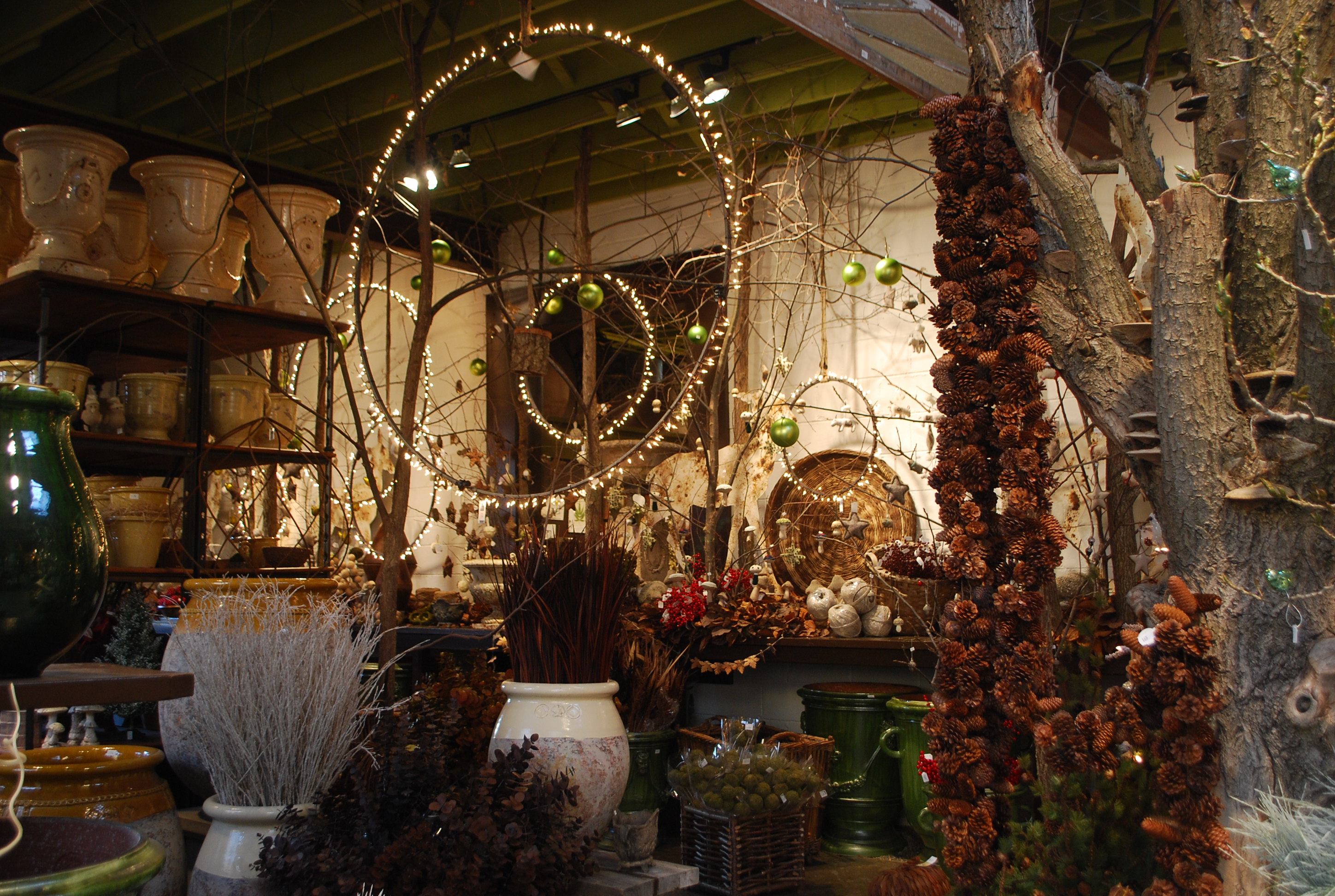
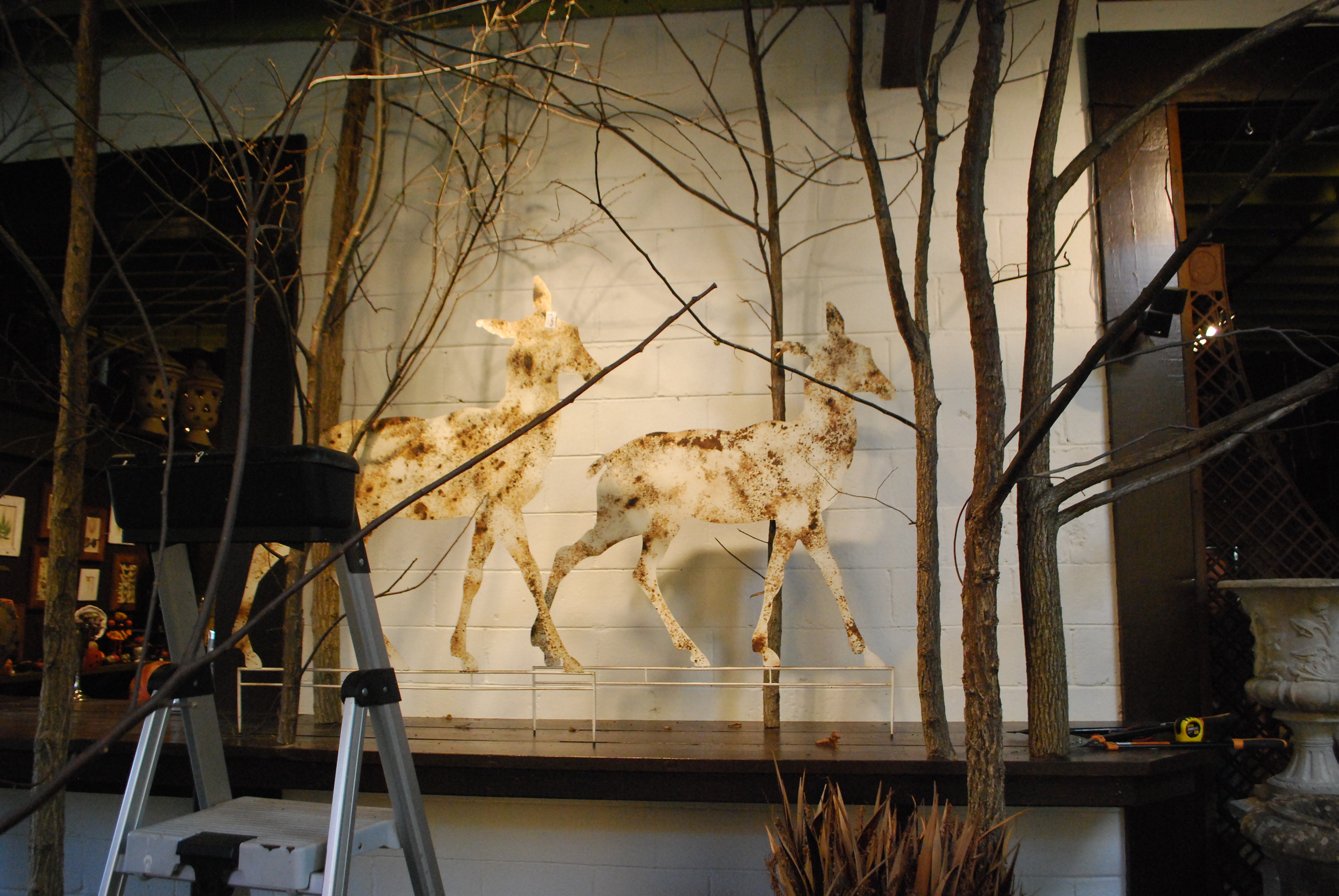
Now we offer a wide selection of materials for winter containers, both natural and weatherproof.  Materials for holiday and winter both inside and out fill the entire shop from the first week of November until the middle of January.  Though we try to carry a wide range of materials that appeal to gardeners of all kinds, we usually have an organizing metaphor or scheme for each season.  This year-the forest floor.  Lots of things get moved around, and every surface gets washed, before we set the stage.  This year, big branches were wedged or wired between the floor and the ceiling. The major and big items get placed. 

Weeks later, the details begin to fall into place.   

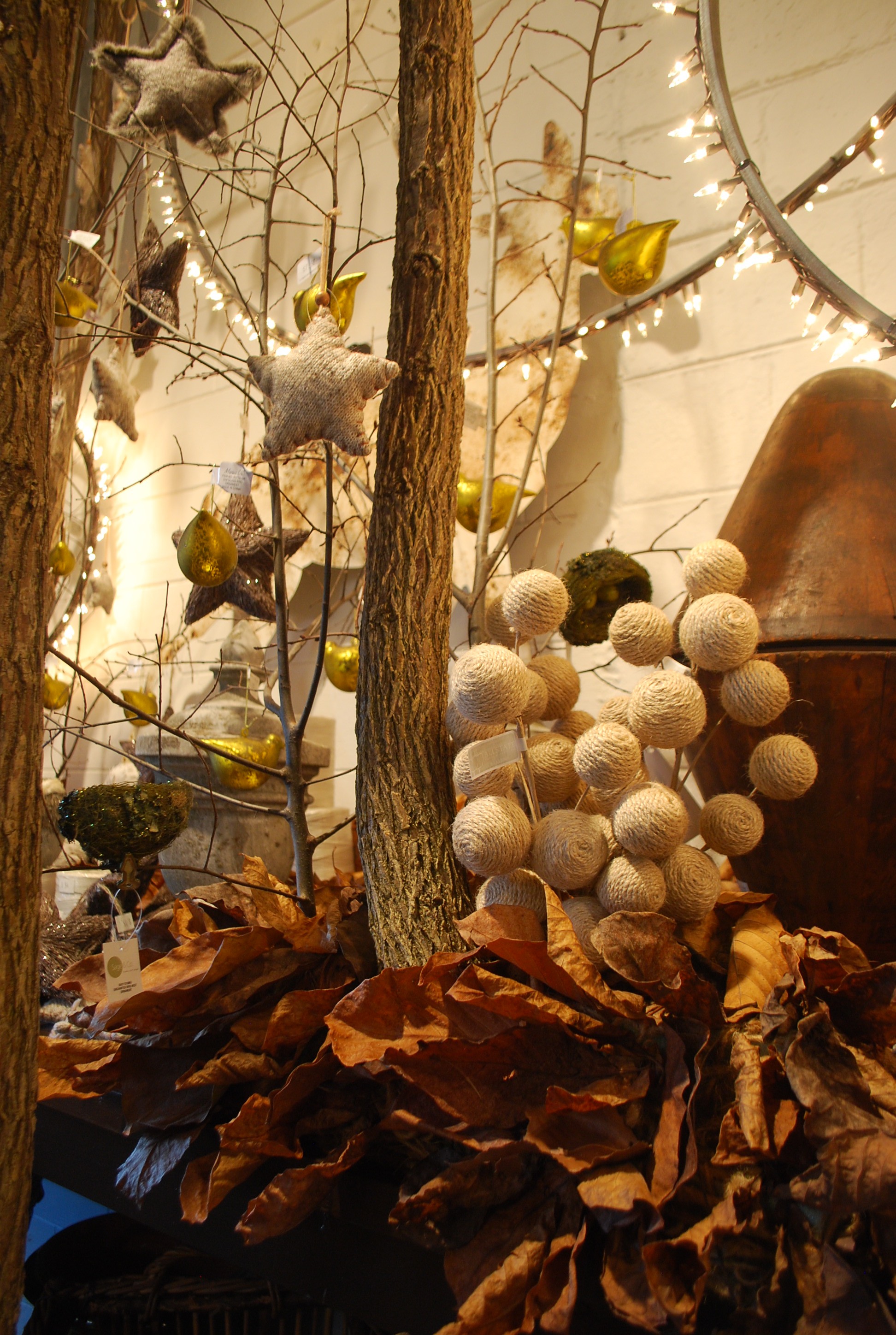
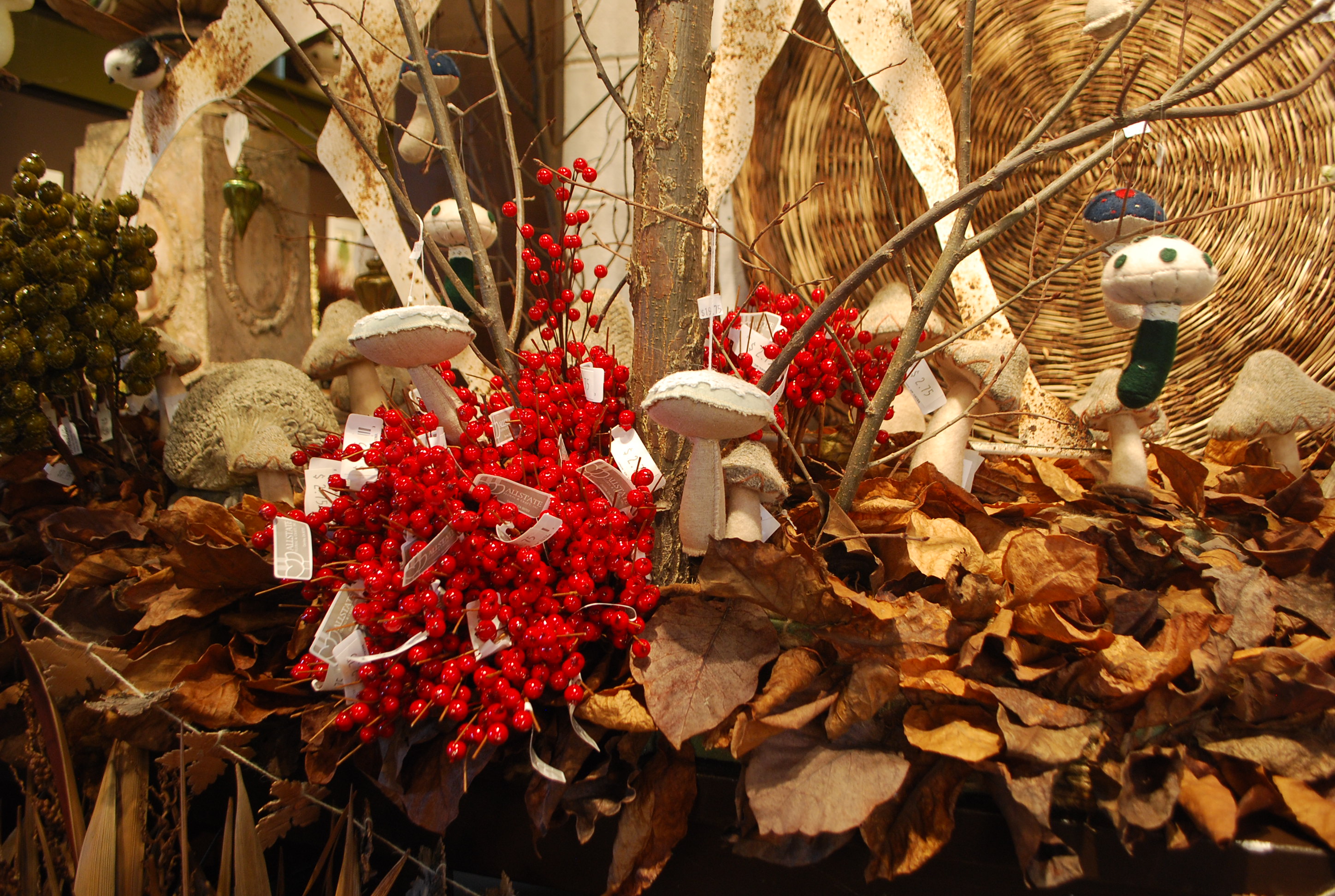
Once the trees were set in place, we needed a forest floor.  We collected the leaves that fell from my magnolias at home the day they fell.  Leaves that have just dropped still have moisture in them, and are flexible.  Of course we intended that our floor would flow over the edges of the shelves.  This meant that many of the leaves needed to be secured to our floor forms with fern pins.  Jenny and I must have gone through a box of a thousand.

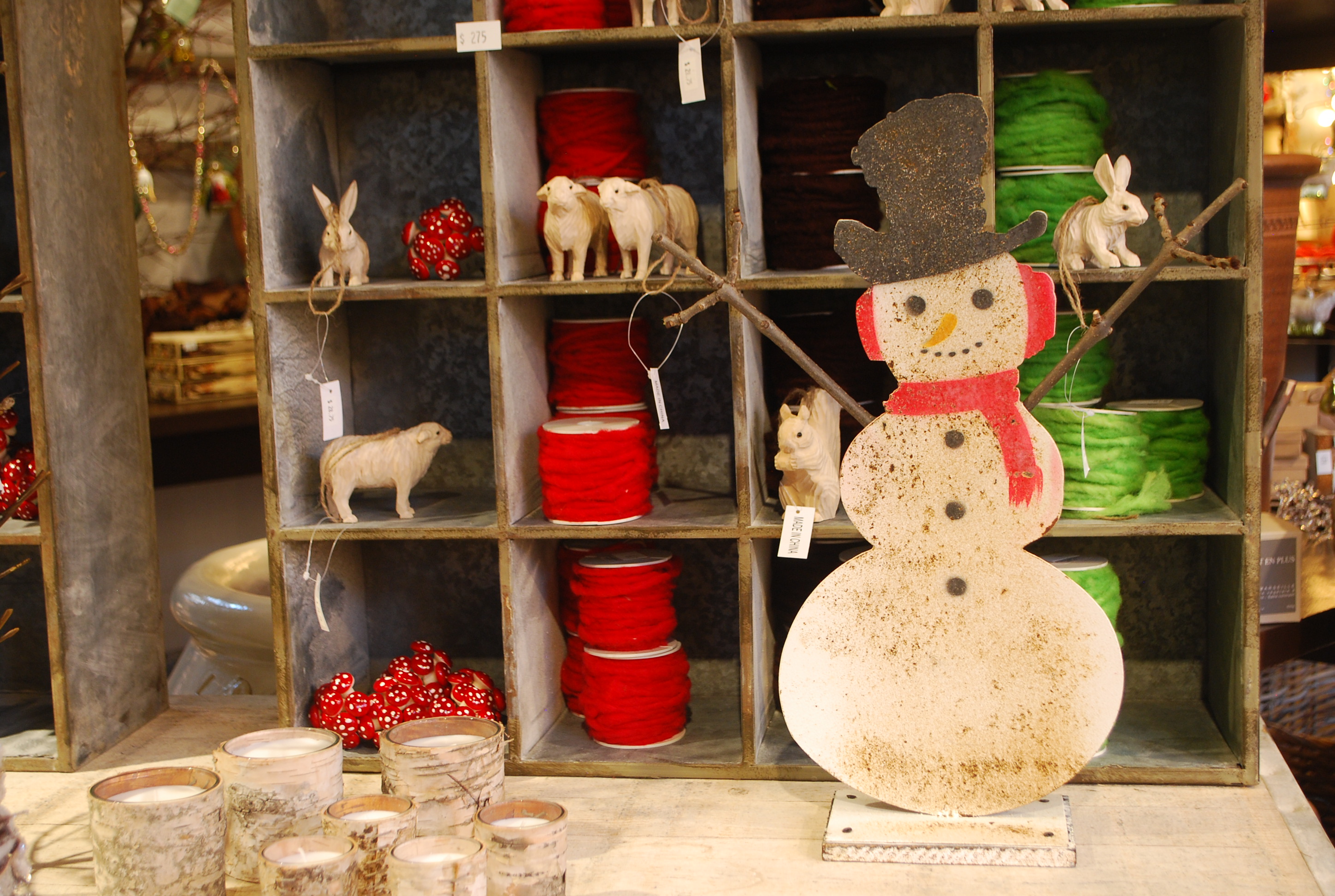
Why all this fuss?  The sourcing and cutting of a collection of giant branches and dragging them inside,  the collecting of the leaves and arranging them made a believable home for everything that we had shopped for.  The shop is not just a shop.  We hope it is an experience of the garden.  Though the short red berry picks and the muslin mushrooms came from different places, they both had a home to go to that made visual sense.

Though there is an incredible variety of objects, they all look as though they belong.  We never open a box, and set it out on a shelf.  The intent is to show how those materials can be used, and to what effect.  And that we celebrate each season in turn, as it deserves to be celebrated.

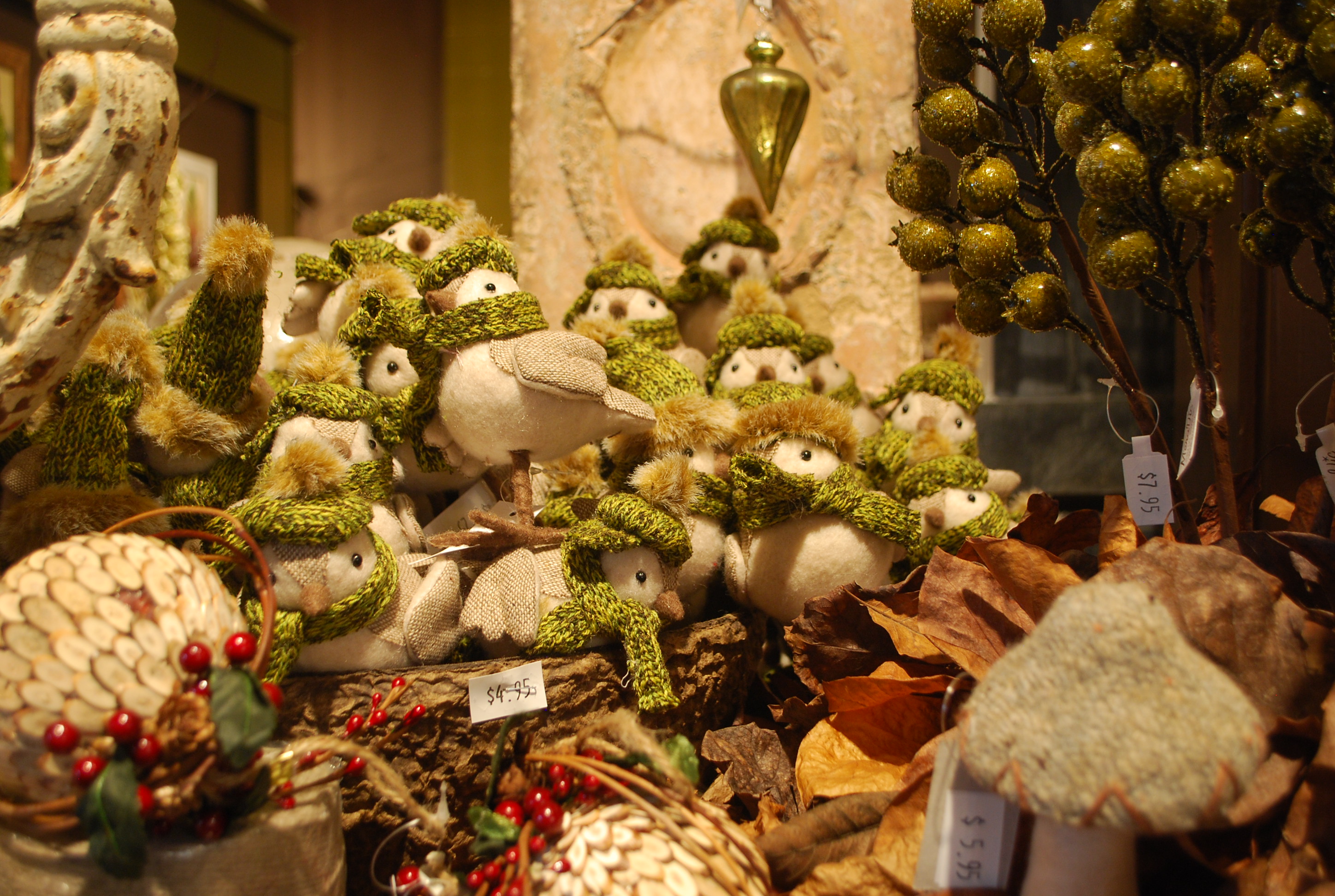
If you garden in Michigan, a sense of humor about the winter to come is a handy thing to have.  These felt birds with their caps and scarves make wry reference to the cold that is surely on the way.  Filling the front porch pots with an arrangement of materials, decorating a tree outside with lights and a tree inside with berry picks, making a wreath for the door-energizing, fun, creative-satisfying. 

Decorating my yard for the holidays is a form of gardening.  Though I am not digging holes, and watering, I am designing with the intent that my winter garden embraces the season, and be beautiful.  Good gardens have a lot going for them in the winter.  The evergreens are beautiful in the snow.  The dry heads of the hydrangeas will persist most of the winter.  The dark angular shapes of the trees in their bare state are striking against a moody winter sky.  To this I mean to add a little cheer.

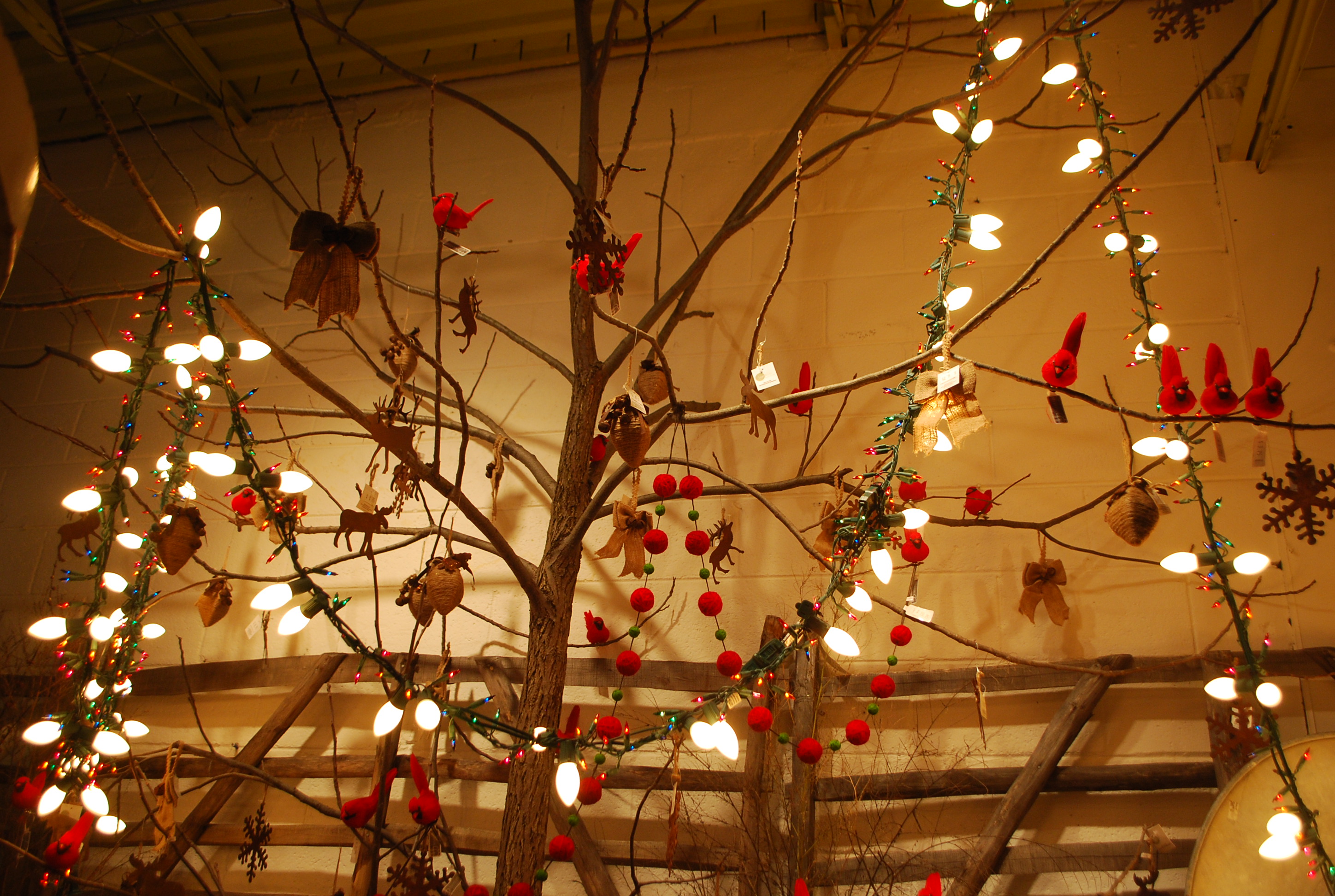
I am thinking I might want a big twiggy branch for a Christmas tree this year.  The bare branches are so easy to load with  lights, garland, and ornaments.  The shop this season is spectacularly twigged out.  Should you live nearby, our winter preview starts this coming Thursday evening at 5, and continues throughout the weekend.   

Our forest floor is by no means all of what we have going on.  It will take every bit of the time left between now and Thursday night for our group to get every last spot looking its winter best. Should you live too far away to visit, I will post lots of pictures in hopes you can get a feeling for our winter gardening ideas.

A celebration of the garden is always in order.


Putting Your Foot Down


Advising people about pots and containers for their homes and businesses has been part of my job for going on 17 years.  Those same 17 years have put me in contact with a vast selection of antique, vintage, modern and contemporary containers from many different periods and countries.  Does this make me an expert?  I would hesitate to go that far, but I will say I have had considerable exposure.  Exposure to and knowledge of garden containers helps me advise  the right pot for the right place.  One aspect of container design that interests me the most is how that pot meets the hard surface on which it sits.  These French glazed pots have a  stepped base, or foot, that supports the body of the pot.  These big bodied pots would look clunky indeed without their bases.   

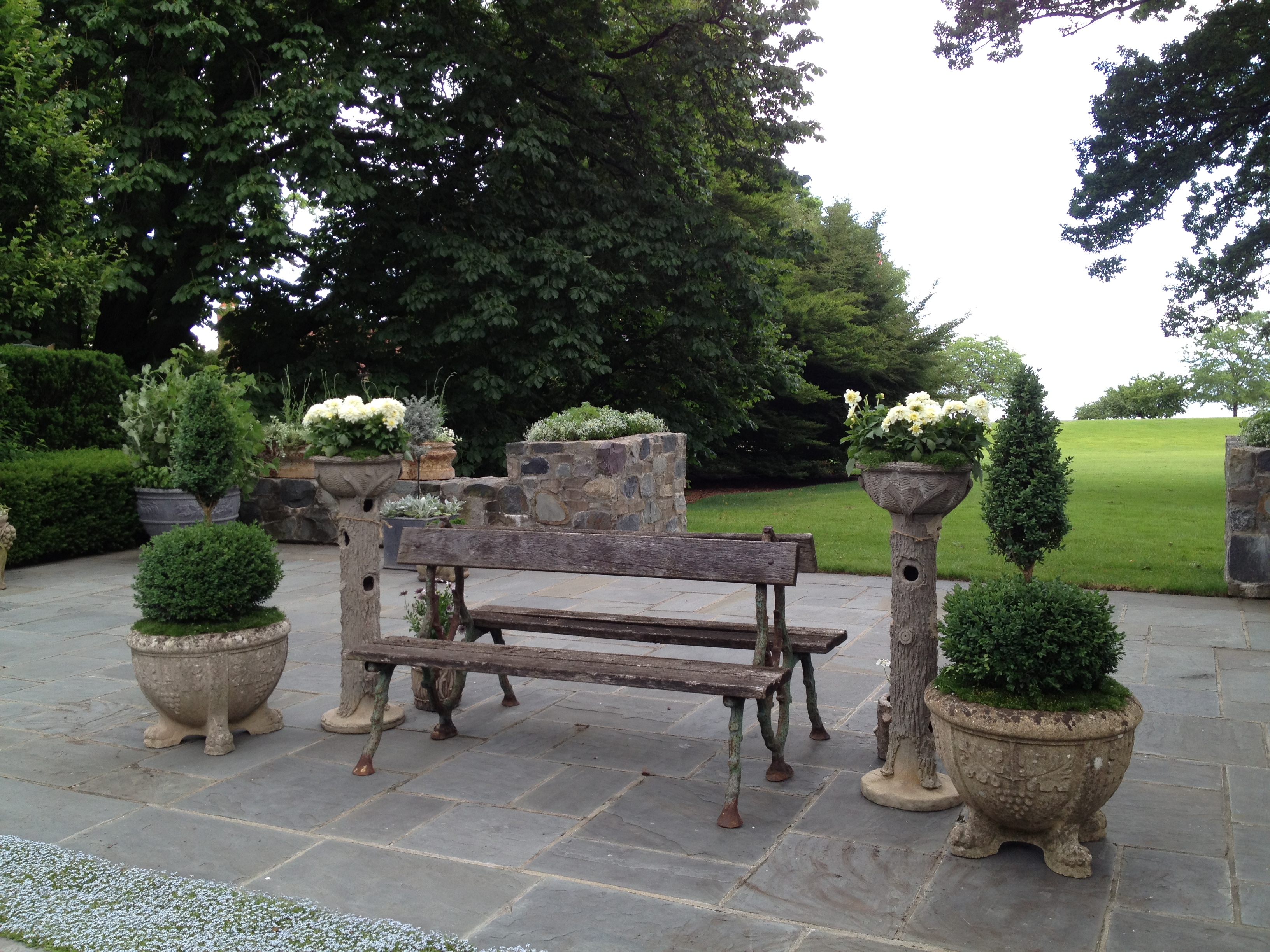
The shape of the bottom of a container, and how that bottom meets the oorch surface or terrace, greatly influences what I recommend.  I am sure you have seen an Olympic gymnast perform a complicated routine, and unerringly land on their feet.  Squarely on two feet.  That flawless two footed landing is enormously important.  A urn, pot or planter that has a foot keeps a large container from looking heavy.  A hefty container from bottoming out.  These English arts and crafts period limestone pots are both massive and hefty.  The claw feet make them feel lighter, and more graceful.    

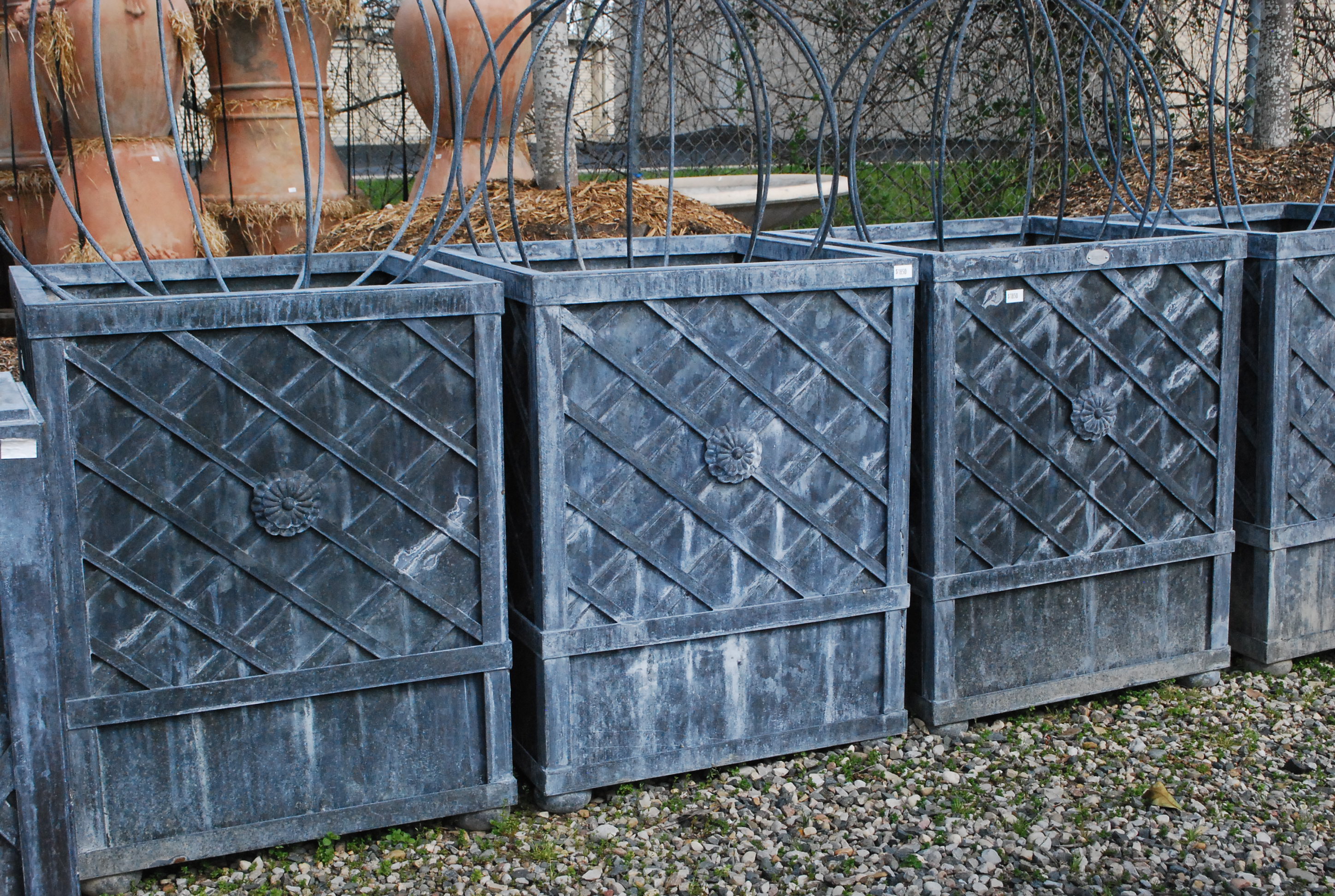
The squashed ball feet under these orangery boxes do more than just lighten the look.  Pots need to drain; growing plants in soggy soil is a challenge to both the plants and the gardener.  Pots that sit flat on a perfectly smooth flat surface can impede drainage.  If water does seep into that space between a pot and a hard surface, prolonged contact with water can make marks or stains on the hard surface.  If ytou put a spoonful of soil into a cup of water and stir, you will see what might eventually be absorbed by your front porch surface.

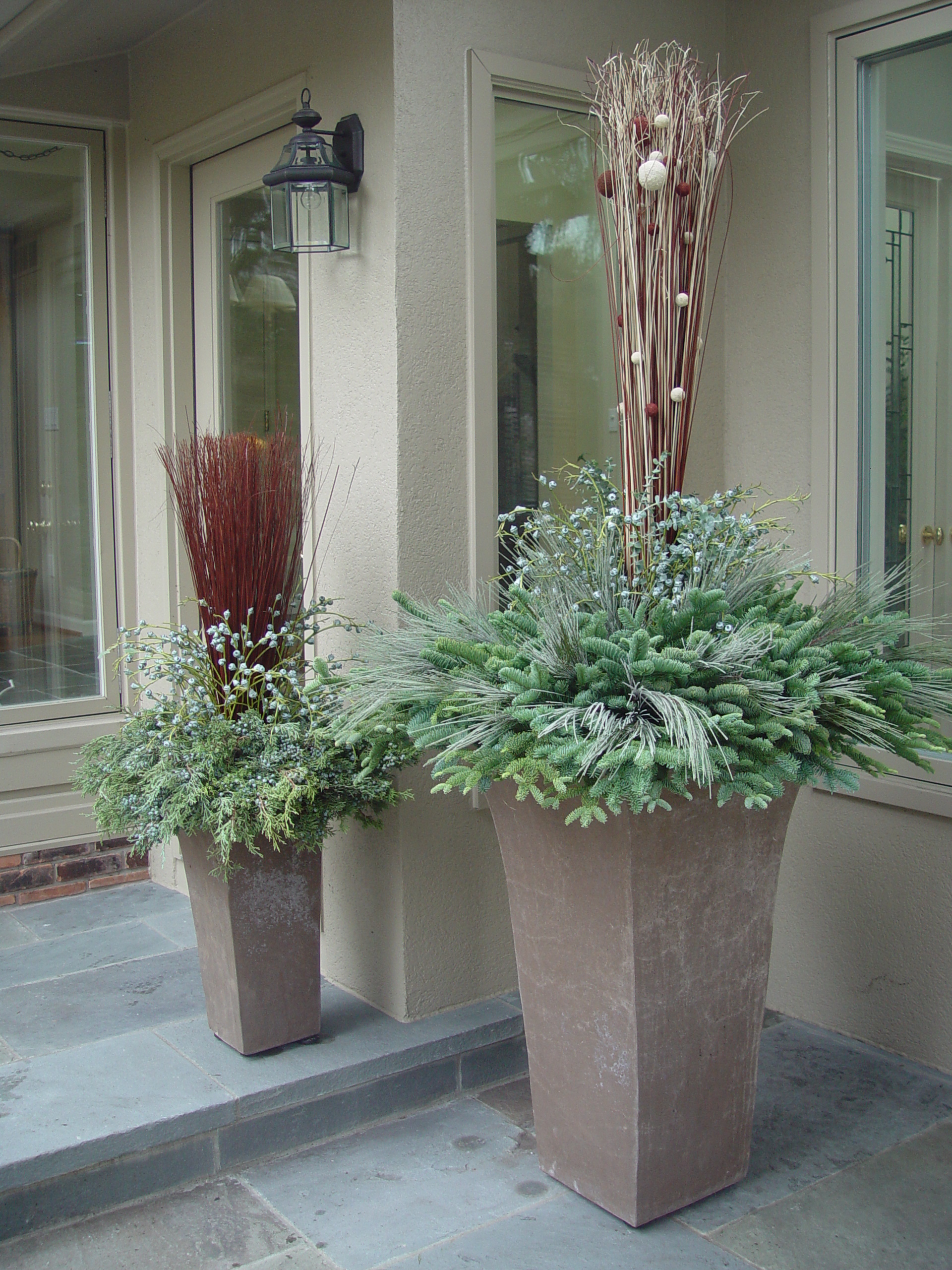
Modern and contemporary pots feature crisp and simple lines.  In the case where “feet” would disturb the visual appearance, we may place spacers underneath the pots.  The spacers do not interfere with the geometry of the pot shape, but they do permit water to drain away quickly.  Bluestone is especially prone to absorbing stains from soils with a high compost content, and from natural drainage materials such as bark.  Water stains can appear in the form of white rings-this a result of the minerals and salts dissolved in the water.

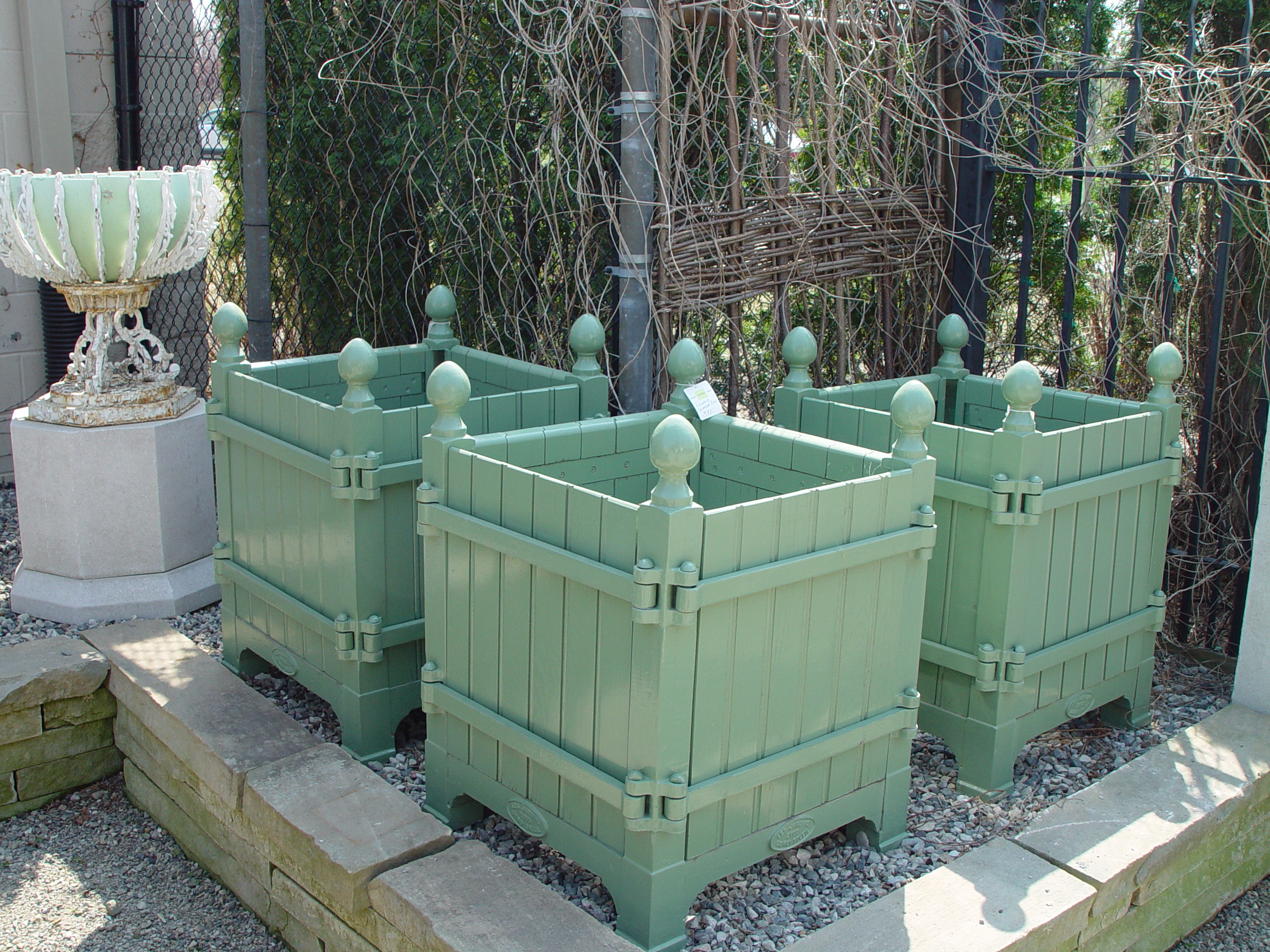
These classic French orangery boxes hve many beautiful details, not the least of which is its cast iron finials, hinges, braces and foot assembly.  The painted oak boards fit down into the base, and are held in place by a pair of braces.  The arched base with squared off feet is as functional as it is beautiful.  The wood never comes in contact with the ground.  Wood is very durable in the landscape, provided water drains away.  Wood that sits in water will soon rot.  When we place wood containers in a landscape bed or lawn,  we install a gravel base underneath it, so water drains away quickly.

These English lead pots have a very small foot.  But what is not evident in the picture is that the bottom of the pot is recessed, so the drain hole never comes in contact with the terrace.  Lead may be very dense, but it is very soft.  The flat bottom of a lead container will eventually conform to the exact shape of the surface on which it sits.  Old lead urns sometimes collapse onto their own footed bases. 

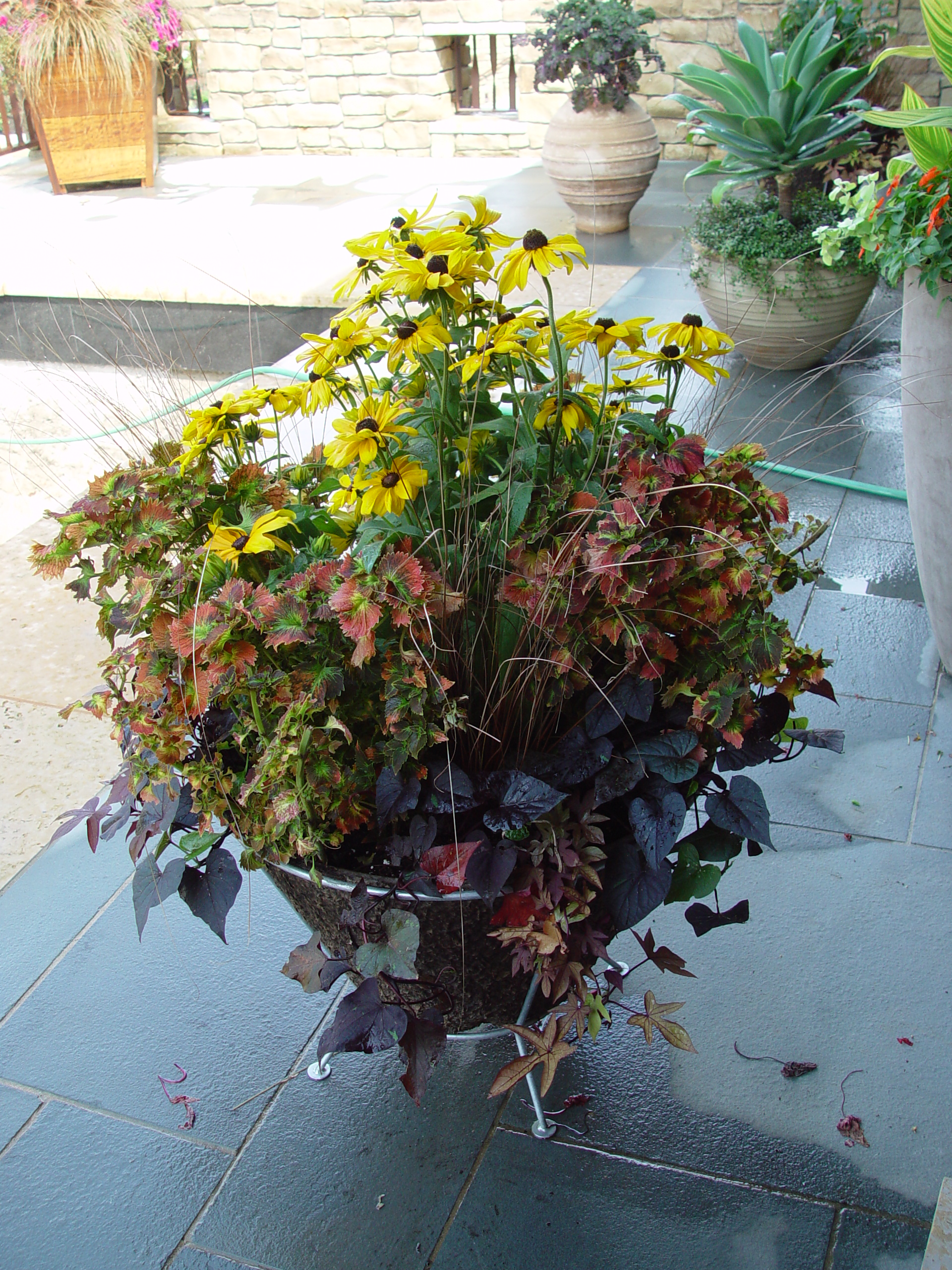
A fiber pot, made primary as a biodegradeable container for the nursery industry, makes a great and inexpensive container.  A rose in a fiber pot can be planted pot and all-the fiber soon decomposes.  A fiber pot used as a container is most vulverable at the bottom.  This galvanized steel stand with feet keeps the pot off the ground.  This greatly improves the longevity of the pot.  The feet also give it a more finished and graceful look.

I had this pair of tapered steel pots in the fountain yard for the summer.  The design is reminiscent of a classic Italian vase, but taller and thinner in proportion.  I decided to plant them for fall, and asked Buck to make matching socles for them.  A socle, or low base or plinth, puts this pot on a different footing. The driveway is a large enough space to visually accomodate a pot that sits flat on its surface, but the socle gives it a much different look.

Elevating the pot off the surface of the drive makes the tapered pot seem more elegant and light.  The height is good in contrast to the height of the wall.

Providing a foot need not be a complicated matter.  This low terra cotta bowl looks much more lively, given a steel pot stand.  There are lots of considerations involved in the selection of a pot-the size and shape, the style, the price, and the materials are just a few.  How it sits in relation to the ground is another.