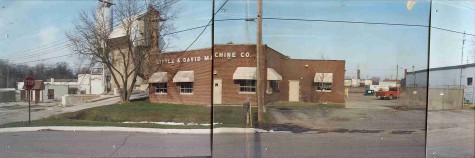
 1995
1995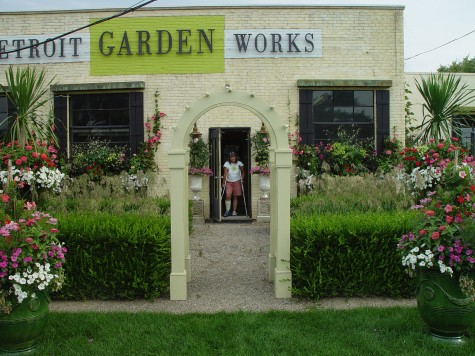 2005
2005
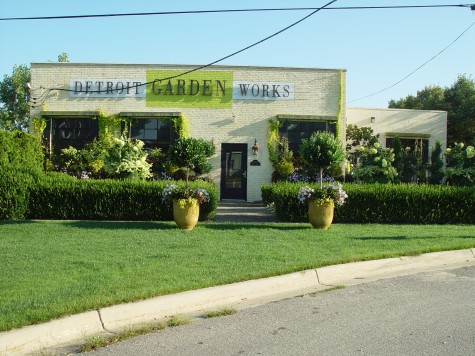
2006
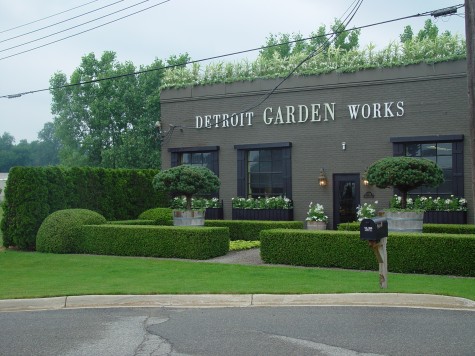 2007
2007
 2004
2004
 2003
2003
2010
Deborah Silver is an accomplished and experienced landscape and garden designer whose firm first opened its doors in 1986.
19952005
2006
2007
2004
2003
2010
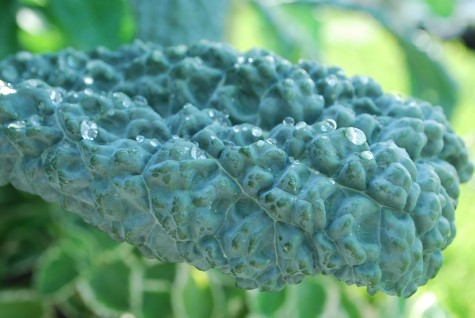 The big blue tuscan kale I know as Nero di Toscano is a favorite plant. The giant blistered blue-green leaves have that vaguely prehistoric look to them. The common name, dinosaur kale, aptly describes this massive growing, highly textured plant. As with any member of the brassica family, they are beloved by chewing insects. It is a rare cabbage or kale whose leaves do not bear holes and chomp marks.
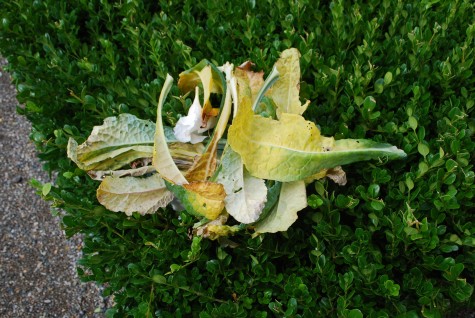 The lower leaves mature in a spectacularly unattractive way. Some ornamental cabbages are grown for the cut flower trade; a long thick stem will have a tuft of brightly colored or white leaves sitting on top. All plants have characteristics that are less than desirable. Annabelle hydrangeas are weak stemmed, and flop over the minute they are in full bloom. The roses get blackspot; post-bloom maturing foliage on daylilies is nasty looking. Designing with plants is much about pairing them with other plants that minimize those faults. I would not give up growing kale over their legs.
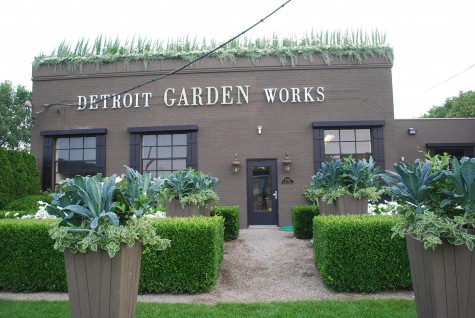
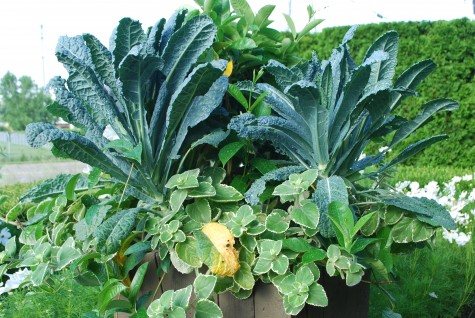 I planted the pots in front of the shop this year with the aforementioned kale, green and white variegated plectranthus, and sun parasol white mandevillea. I thought the three planted together would make for some interesting conversation. This plectranthus is lax growing. The thick stems will droop under their own weight. They grow vigorously-in this case, they are growing vigorously around the kale that are loosing their lower leaves. Their trailing habit makes them the perfect cover-up for those awkwardly leggy and stiff growing kale.
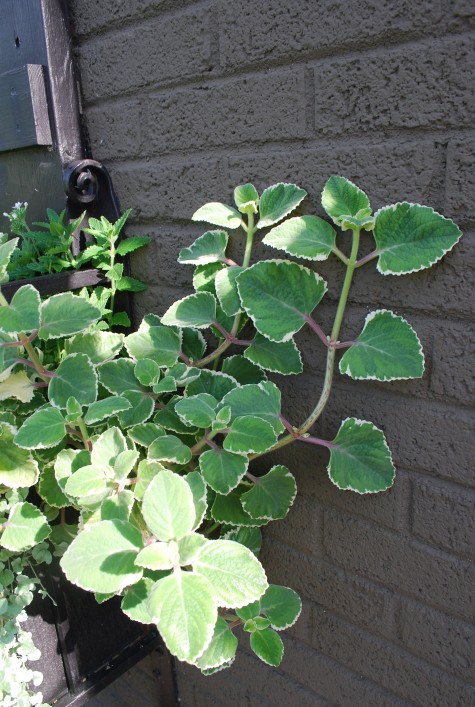 Related to coleus, they do respond to pinching back, but once the weather gets hot, they grow with huge stem spaces between the leaves. This puts them on the verge of becoming a vining plant. This does however take time. They are great for a gardener that likes to watch things grow. These pots in their infancy were not all that great looking. I avoided looking at them all together for the first month after they were planted.
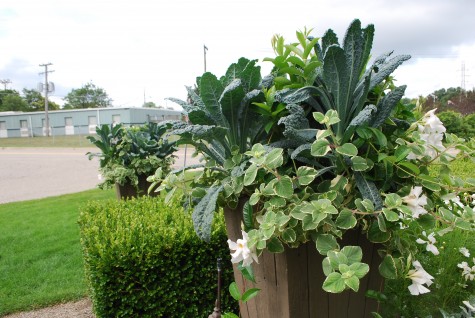 These concrete pots are quite tall, and have a smaller planting area that what I would like. Though they have a graceful presence as an object, it is not easy to grow something in them large enough to balance all that pot height. I think this planting is my best shot ever at getting a finished proportion that is right. We have had such a warm and rainy growing season this year that the pots are already rootbound. Maintaining these another few months will be a challenge. I need more horizontal volume from that plectranthus-judicious pinching back is in order.
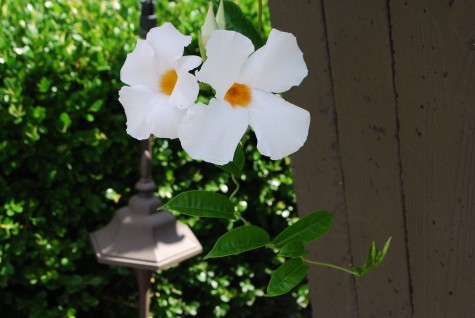 The third party at the table, the white mandevillea, is a tropical vine that doens’t begin to get going until the weather gets really hot. This plant did not perform particularly well last summer, as the weather stayed cool. The Sun Parasol series is known for its glossy and disease resistant foliage. The red cultivar is particularly heavy blooming. My experience with other varieties, such as Alice de Pont-spider mites and mildew rule the day. No thank you. Though this plant is a vine, I decided to grow it as a trailer, and let the chips fall where they might. One never knows what a plant will do, left to its own devices.
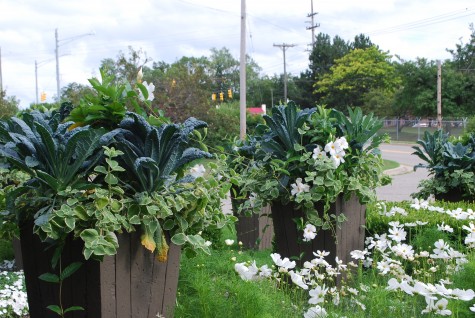 Early on, I was worried this might have been a mistake. The pots looked ungainly, underscaled, and ill-defined. But plants seek the sun, and live companionably with other plants. Most of the plants on this earth manage to live and prosper without much help from people. The three plants in these pots share one characterisitc-they are all vigorous growers. The battle they do for light and water is creating the overall shape you see. They share the light and water as they are fairly equally matched. The large mandevillea flowers help cover the leggy kale as much as the plectrathus does. The mandevillea gets support from the stiff stems of the plectranthus.
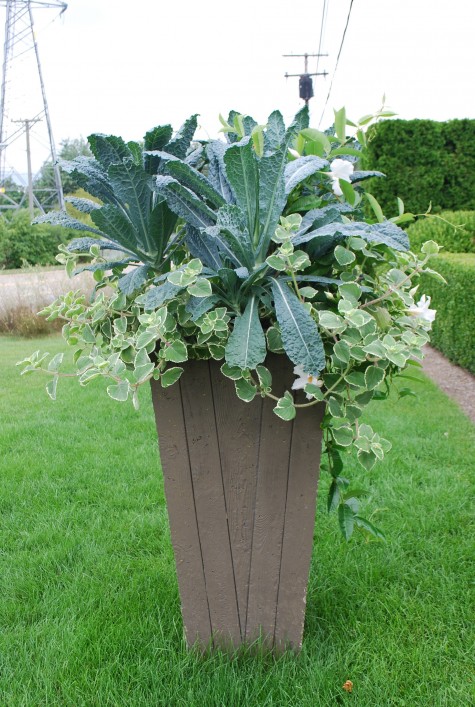 These tall pots are finally beginning to look like something. The combination is to my eye more interesting than any of the individual plants. Growing mandevillea as a trailer, and plectranthus as a climber and a kale for some other purpose than braising is what makes gardening so interesting. Whenever I visit a garden or a landscape, a good deal of what I see is that conversation between the gardener and the natural world. Is there an interesting conversation going on? Is one of the involved parties talking too much, or not enough?
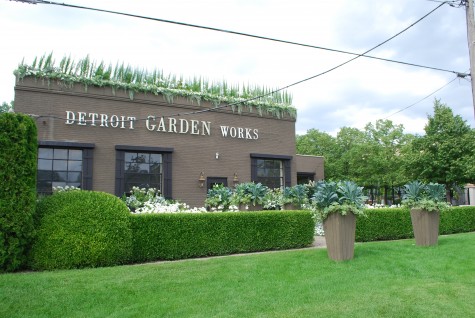 I am hoping these containers are a little better than half-way to being good. Should they never get really good-fine. There will be something about the experiment that will help make me a more interesting gardener.
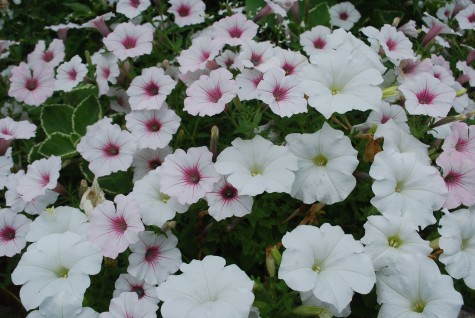
Being the fan of single flowers that I am, I do like petunias. The simple trumpet shaped flowers come in a wide range of forms and colors. The bloom their hearts out, asking little in return. Even the lax and weedy growing species petunia integrifolia is lovely in a cottage garden. Caring for them is very easy-a little benign neglect can be beneficial. All that seems to bother them is cool and very rainy weather. It seems like every year new varieties come to market, and I find few I wouldn’t have. This supertunia vista silverberry small flowered petunia with a carmine throat is prolific in bloom. Though graceful and delicate in appearance, it is tough enough to survive the care of a brownie scout going for her first badge.
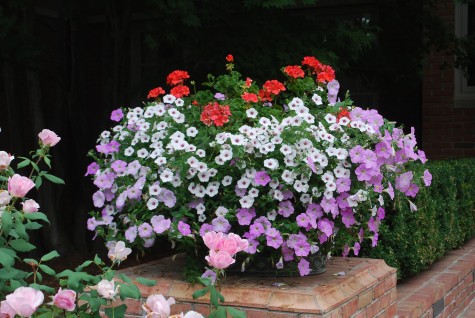 The mini petunias are great little mixers. They go well with other petunias, licorice, diamond frost euphorbia-even plectranthus. If petunias seem to peter out for you later in the summer, a very light and every so often trim back and regular feeding can keep them going late into the season.
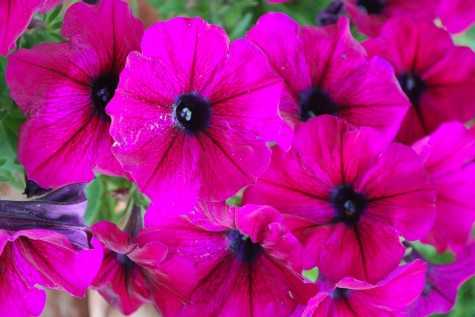 The wave series of petunias are very strong spreaders. Purple wave is a shockingly intense carmine color-wow. One plant can cover a lot of ground with a lot of color. They seem to want more water than other petunias, but that is easy enough to supply. Don’t be afraid to plant them far apart in ground-they fill in as soon as the weather gets warm. Though petunias are tolerant of cool weather, I like to wait until the soil gets warm before I plant them. They are native to Argentina, not Michigan.
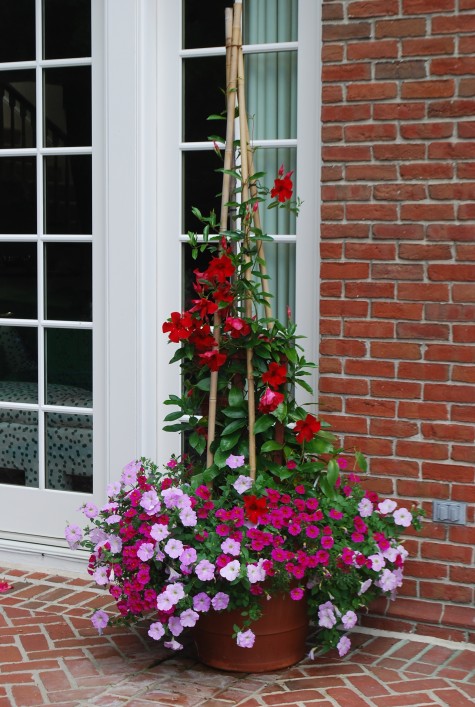 This pot of mixed petunias and red parasol mandevillea is a lot of look. Single flowers are striking; masses of single flowers make a big statement. A little frivolous yes-but who wouldn’t welcome a little frivolity now and then?
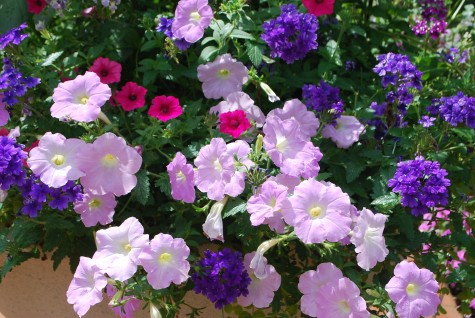 Petunias make good neighbors. I like mixed pots-should the season not favor one plant or another, the entire pot is not a loss. Verbena and million bells both have that rambling habit; the variation in flower shape and size has a naturally beautiful appearance. Everyone here is singing their own tune, but it all seems to harmonize.
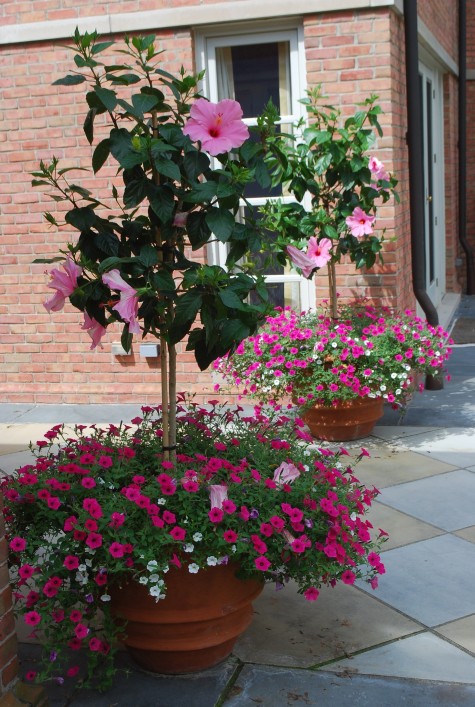 This fuchsia petunia is also from the Vista series-I like how they perform. Though the pink hibiscus standards are the star of the show, the small petunias add lots of texture and volume. The hibiscus trees are weighted visually at the bottom.
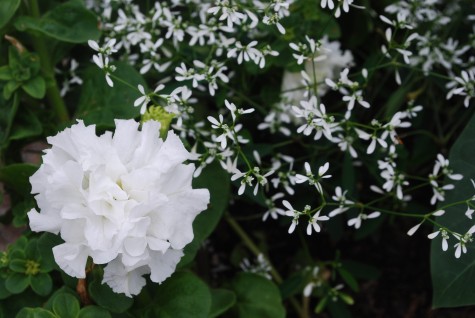 This double white petunia is new to me this year. The grower fussed about its tendency to get leggy. Any plants shortcomings is likely to be mitigated by another plant that softens the fault. You just have to find the right plant. In this case, the euphorbia hides those long legs.
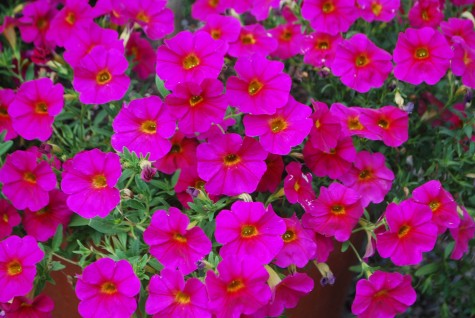 Neon is an apt name for this petunia. I am especially interested in how the yellow throat sets off that carmine pink so dramatically. This petunia can soften up the habit of an orange marigold without diluting its best feature-that electric orange.
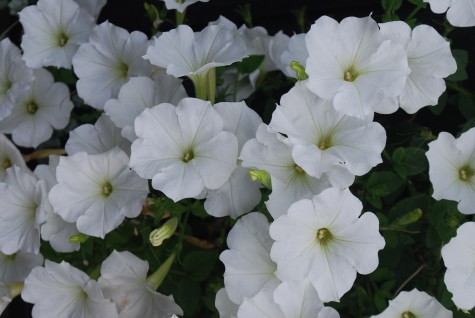
Should all that excitement prove to be too much for you, there is always a white petunia. Or in this case, a vanilla petunia. It is a soft white that looks good with everything. I am bemused by those who find petunias entirely too pedestrian. They do a great job of looking fresh and dressed up every day of the summer.