Lily’s Pots


Next week I will be giving a talk to 50 members of a local garden club.  I am happy to speak to any group free of charge, provided they come to me.  It is an easy matter for me to show pictures from my computer, or from a book in my library.  My closet is a collection of the garden gear I like the best.  I can put a container planting together, and discuss those issues which influence my choices.  I can talk about the history and care of great garden ornament. I am equally at home with ideas about how to repurpose apple crates, iron headboards, galvanized livestock watering troughs  and old fishing tackle boxes. I can speak to what anyone should expect from a landscape designer, or an irrigation contractor.  When I am in my element, I have lots of physical examples to choose from.  I am too old to take my shop talk on the road.
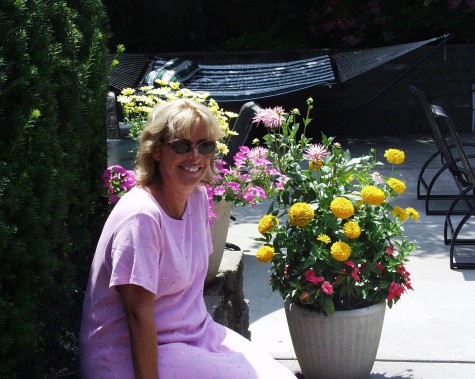
This garden club is leaving the topic up to me.  No doubt I will choose a topic that is timely.  Early spring perennials no garden should be without.  Spring container plantings.  Designing a landscape project for the spring.  But no matter the group, no matter the time of year, some questions I see over and over again.  I am not especially creative-how can my garden pots be more beautiful?  What is the secret of growing good container plantings?   Given this topic, I refer to Lily. I am quite sure I have written about her before. She likes me to plant every color and form under the sun-the more the better.  It matters not what I throw at her, her mature pots would make a grown gardener weep.  She has an unerring instinct about how to make plants grow.     
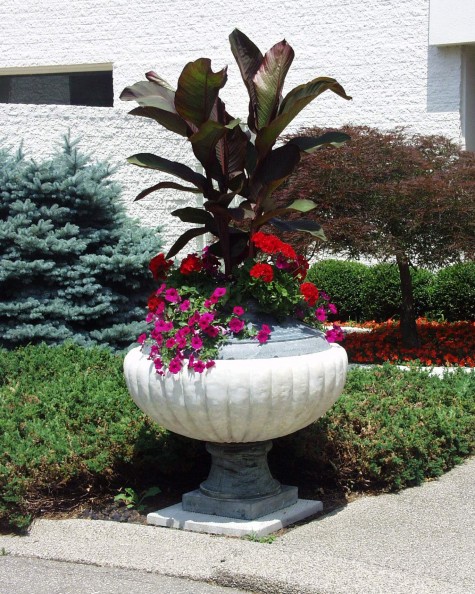
Everything thrives for her.  She could pick up a yucca plant that had been in the trash at the side of the road for weeks, and grow it on to prize winning proportions.  She has a soft spot for dramatic plantings-this I oblige.  But once I have planted, she is in charge.  She does take charge. 
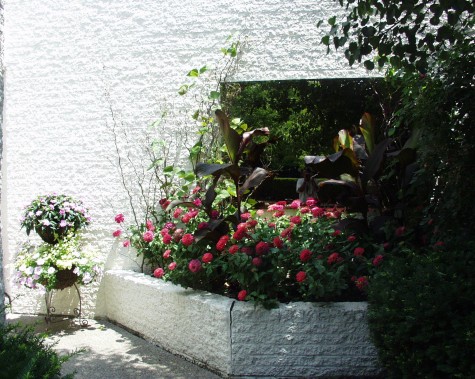
She understands perfectly that annual plants form roots that are very shallow.  Unlike the deep rooted grasses, or baptisia you have tried to dig out and divide.  Everything that goes on in a container or ground planted annual garden happens in the first 8 to 10 inches below ground.  Annual plants only want to set seed before the end of the season, they will bloom and set seed at the expense of a substantial root system.  Only long term plants grow deep.    
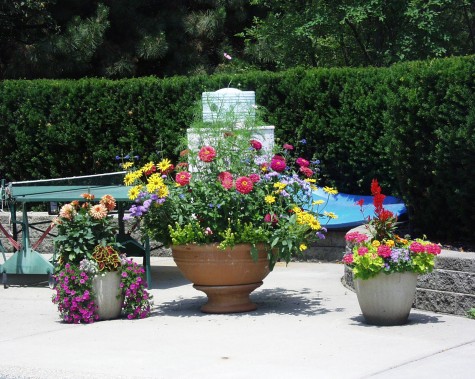
This means that top 8 inches of soil needs to be loaded with organic material, and watered regularly.  There are those times when people ask me why my containers grow up lush;  I simply say I water regularly.  I water when the plants need water.  I don’t skip, or put off the watering to another time.  Regular watering is critical to success with plants.
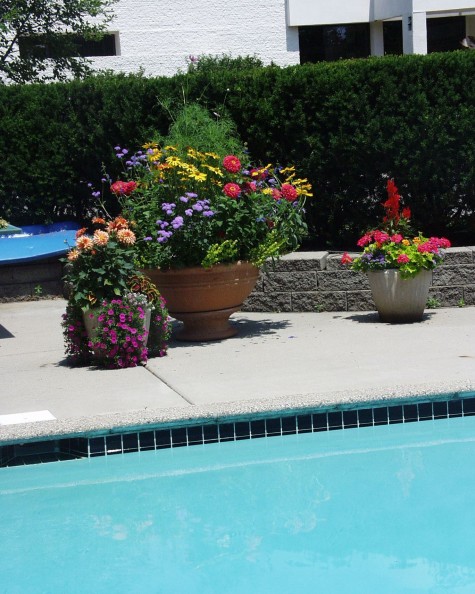
I make sure that the soil that goes into containers is loaded with organic material.  This helps the soil to retain moisture evenly. Organic material leavens soil, so air is a substantial part of the underground party.  Notice I say soil.  I do not plant in peat based soil mixes. 
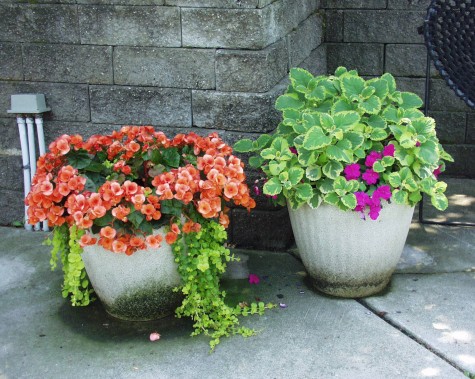
Peat based soil mixes are easy to carry out to the car, but they are sterile.  Prefessional growers plant in sterile soil mix.  They cannot afford disease to infect a crop upon which their livlihood depends.  But once a soilless mix dries out, it takes lots of work to rewet.  A cursory watering of a container planting in soiless mix means the surface gets a little moisture, and the roots are dry as dust.
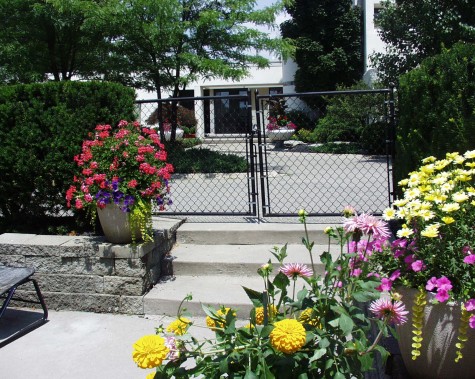
If you are a hit, hit and miss waterer, plant in soil.  Potting soil.  A 40 pound bag of potting soil is not that much-get that high school kid at your local nursery to load your trunk with all of the bags that you need, and get help unloading those bags at home.  This effort will be worth it.  Real soil will buy you some time in August, when you are at a high school softball game rather than home watering your pots.  There is no harm mixing some peat, or composted manure into your soil-every effort you make to enrich your soil will pay off many times over. 
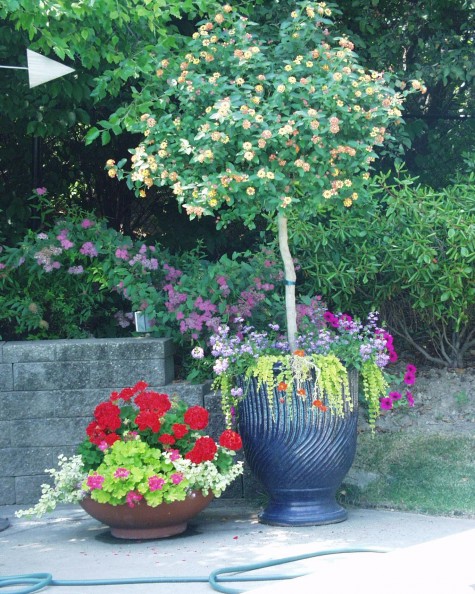
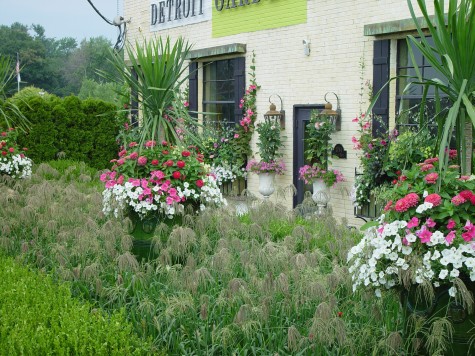
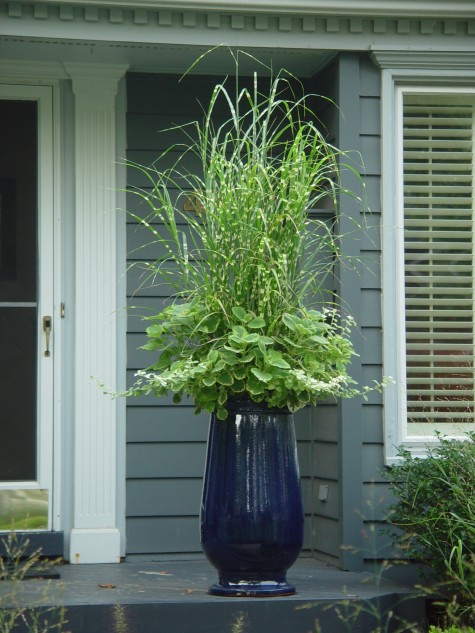
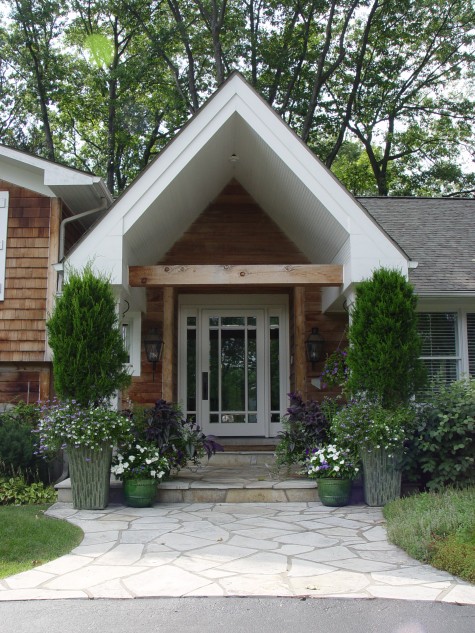
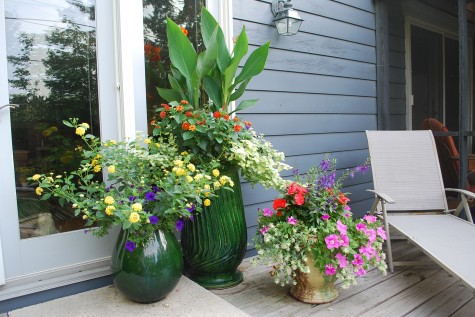
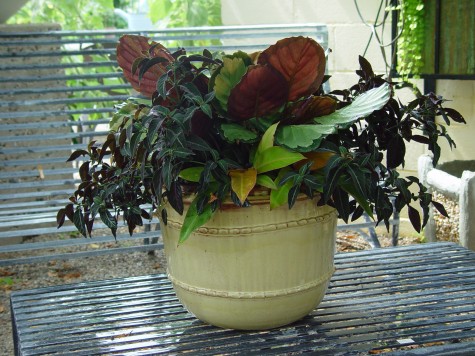
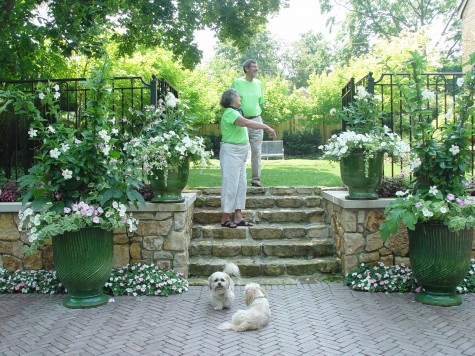
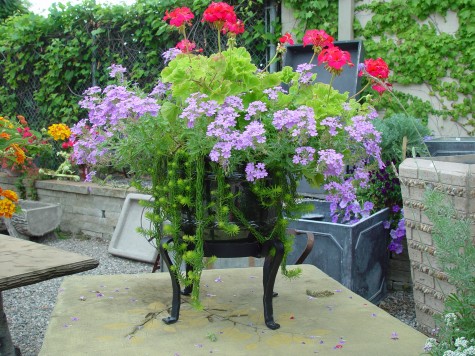
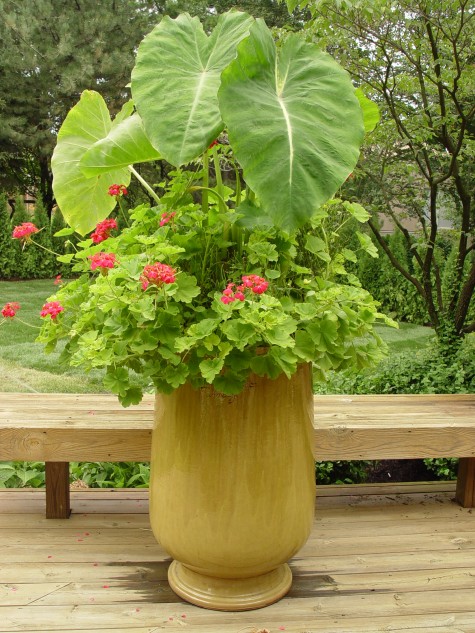
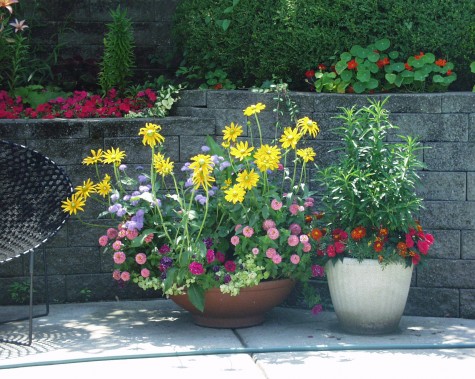
Lily’s pots always look well grown.  You see the hose on the ground in the foreground-she knows how to use it.  The time it takes for her to water, dead head, and clean up her pots is time she is willing to give.  Don’t have the time?  Hedge your bets.  Plant succulents.  Plant fewer pots.  Group the pots that need water close together.  Invest in a hose that is lightweight.  Have a good irrigation contractor install automatic irrigation in your pots.  (automatic irrigation really means you have a little more time before you do a personal check-automatic irrigation cannot replace you!)  
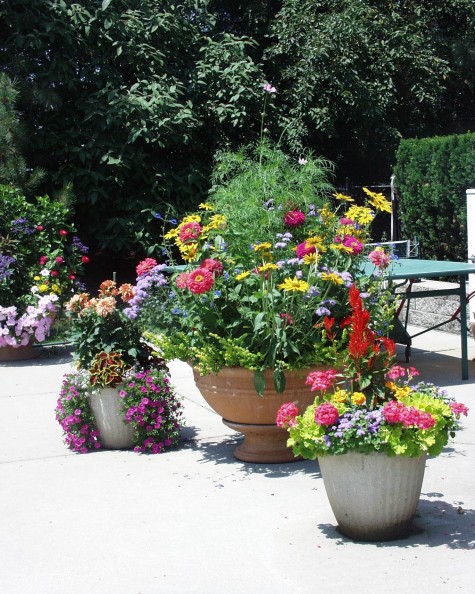
 

 There is not a gardener anywhere that does not enjoy the results of a beautiful garden.  A great pot.  A great moment.  My secrets are anything but monumental.  Let no container lack for water. 
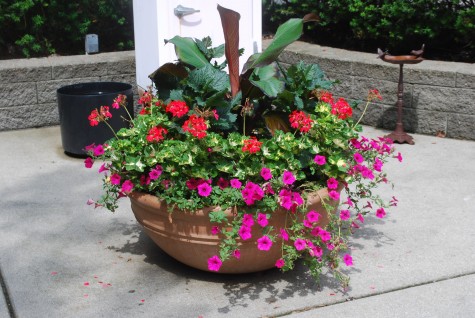
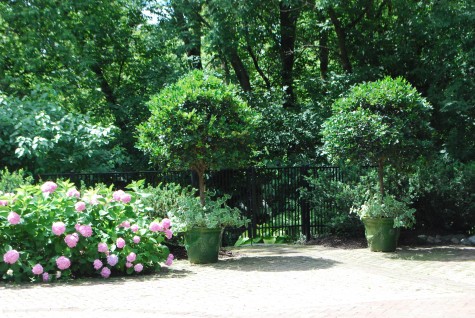
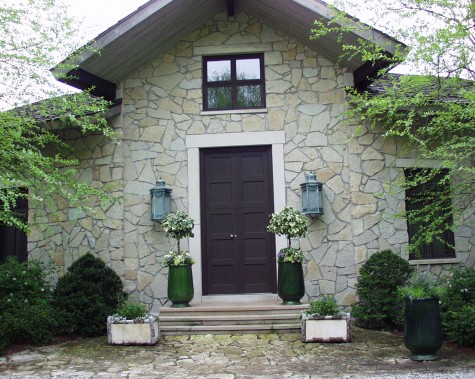
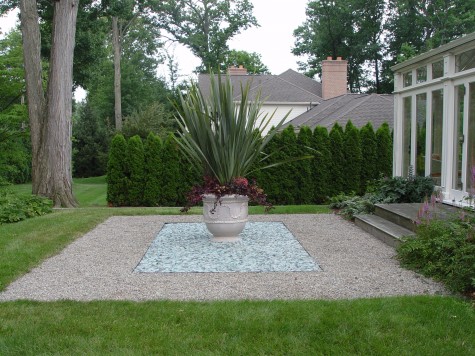
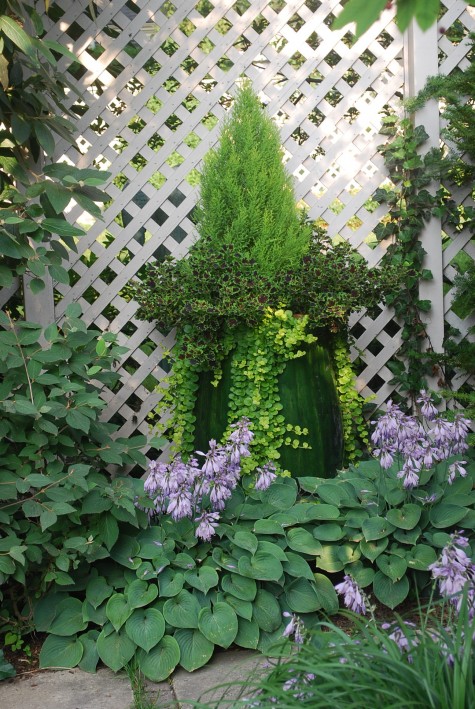
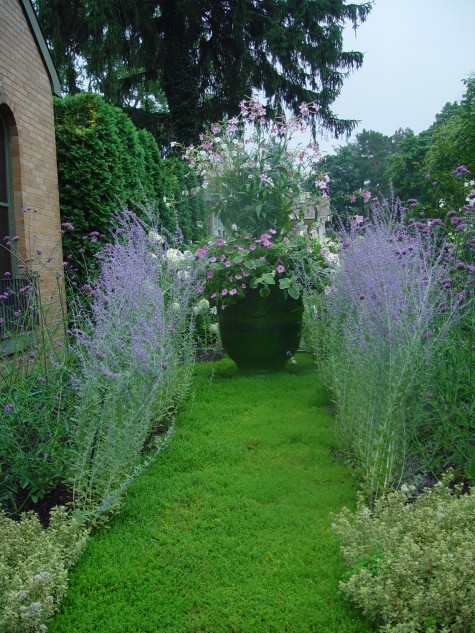
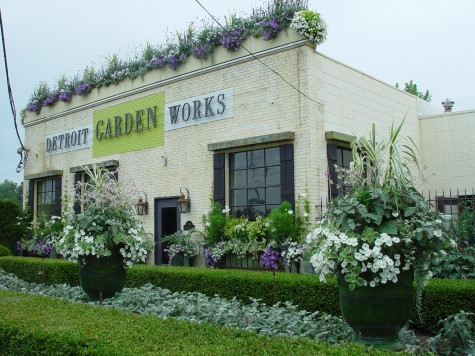
It matters not whether the style and color of these containers appeal to you. If one boxwood in a pot satisfies your idea of beautiful, the rules are the same as what applies to Lily’s pots. Or the landscape at Longwood Gardens.  Or my garden.  Or your shade garden.  Or the roses at Janet’s.  Or the pots on Michigan Avenue in Chicago.  What matters is that hand that gets put to seeing that the plants thrive.

My topic for the garden club next Monday?  You are able.  And since you are able, you should.  Plant it, Detroit.
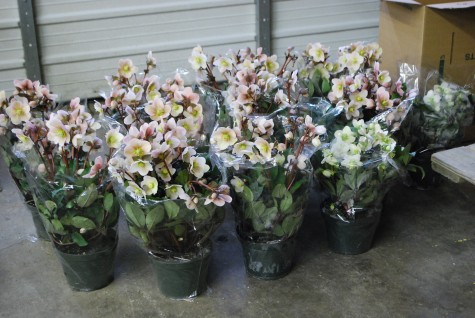
Helleborus Orientalis

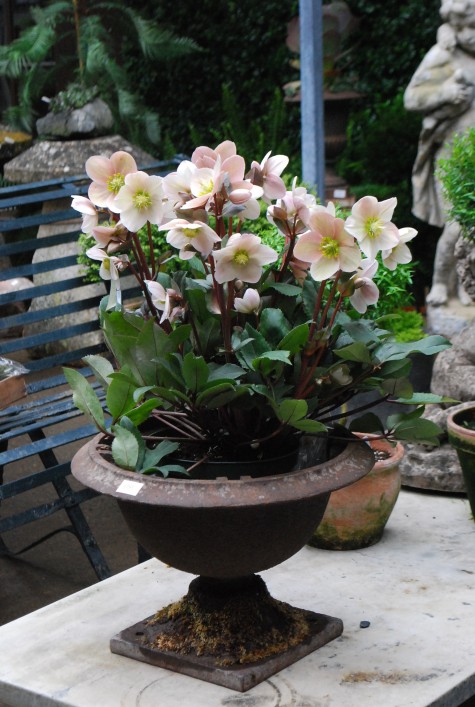
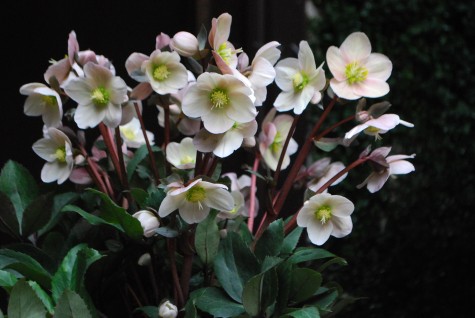
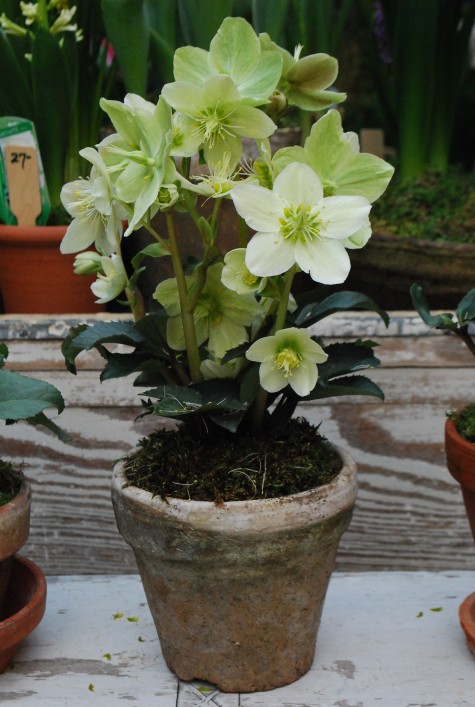
Rob bought a slew of greenhouse grown hellebores in 8″ pots for our opening last weekend.  They were absolutely stunning.  Beautifully grown plants were loaded with flowers and buds coming on-much like the plants in my garden in mid April.  Hellebores are one of my most favorite perennials, for reasons not limited to their breathtaking flowers.  This variety-helleborus orientalis “Spring Promise”.


Helleborus orientalis blooms very early in our season with flowers much like a single rose- thus the common name Lenten Rose.  Native to many parts of Europe, the largest collection of species are native to the Balkans.  This means they are quite cold and frost tolerant.  The thick leathery foliage is semi-evergreen in my zone.  This means the leaves look great all season long, and on into late winter.  Only the foliage of peonies compares in substance and color.  A mass of hellebores makes a very good looking groundcover. 

They thrive in moisture retentive soil rich in organic matter.  They are remarkably tolerant of shade, although my collection is in full sun, on the north side of some densely growing Picea Mucrunulatum. The flowers are relatively large for a plant growing under 18 inches tall; plants which are properly situated will bloom heavily.

However, hellebores do not increase in size very rapidly. My group took almost 5 years to make a decently fabulous spring display. This also means large plants, if you can find them, can be very pricey.  The plants that Rob sourced are the largest I have ever seen for sale, and this particular cultivar is quite beautiful.  Blush white flowers surround electric lime green nectaries-gorgeous.  The red stems, and dark green leaves are handsome.     

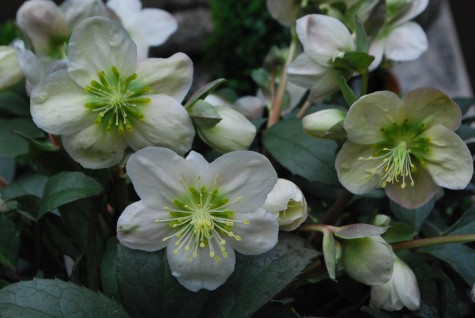
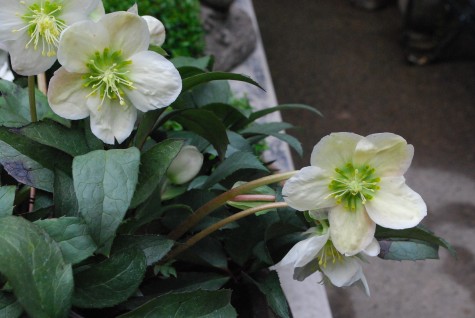
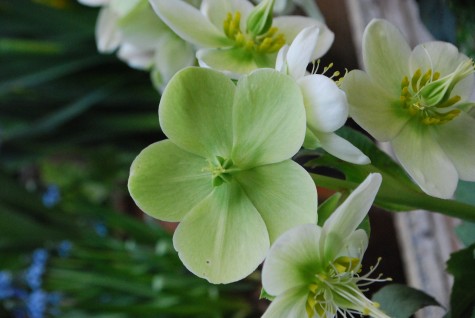
Hellebore flowers are comprised of 5 petals, which are actually sepals, surrounded by a ring of cup shaped nectaries.  The flower on the right still has its nectaries intact.  These sepals will remain on a plant for months after the bloom period.  They appear as though they are still in bloom long after the bloom period is over.  Some speculate that these persistent sepals aid in the production and viability of the seed. 

helleborus orientalis

 We did buy some smaller plants, which we promptly potted up into small clay pots.  Hellebores grown in a greenhouse can be forced to bloom ahead of their normal bloom period.  They are a refreshing and sophisticated change from forced hyacinths and tulips.  Once the flowers fade, they can be planted out in the garden. This variety of hellebore is called “Cinnamon Snow”.

 This bloom has matured, and dropped all of its stamens and nectaries.  It is clear their is a seed developing in the center of the protective ring of sepals.  Hellebores will seed prolifically, if they are happy.  I clean up my hellebores very gingerly in the spring-I do not want to disturb any seedlings that might be germinating.  I plan to cut back the tattered foliage from last year tomorrow, as I am sure the flowers are already emerging from the ground. 

spring blooming hellebores

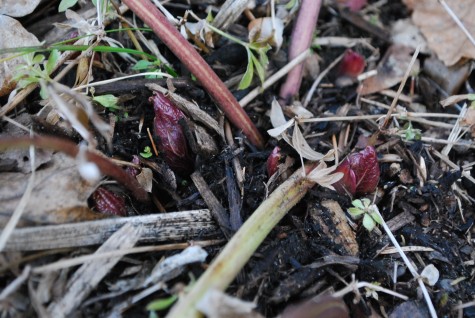
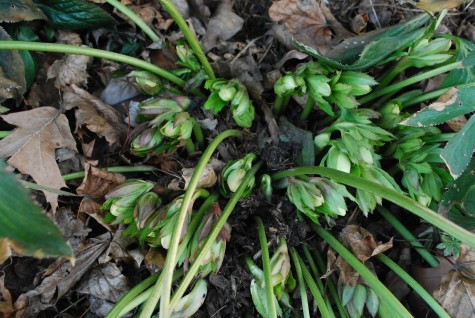
On closer inspection, I can see signs of life.  I can tell from the dark color of the buds that this hellebore will have dark flowers.  The stems of last years leaves are laying on the ground now-it is time to snip them off.  It is a beautiful moment when the flowers are in bloom, before the new year’s leaves have begun to emerge. 

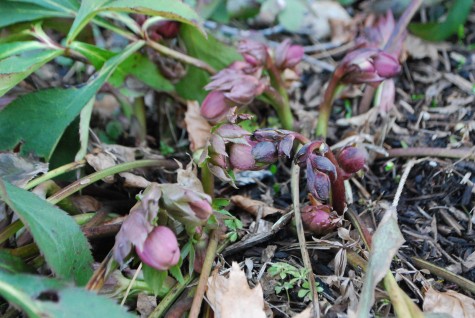
  Another hellebore with closer proximity to my spruce is showing the effects of that protective location.  The buds are much further along than those in more exposed locations.


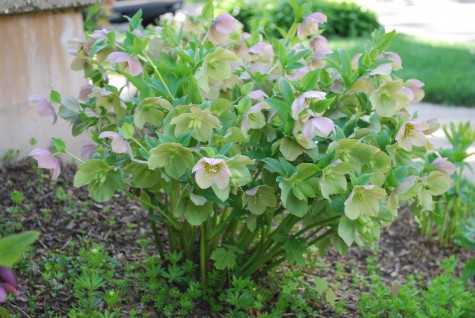
This hellebore is white blooming.  I will confess that I like the green and white blooming hybrids the best, but each and every one of them is lovely.

pink blooming hellebore

It will not be long before my garden has this spring look.  But for now, I have a few plants of Helleborus “Spring Promise” to tide me over.

A Particular Planting

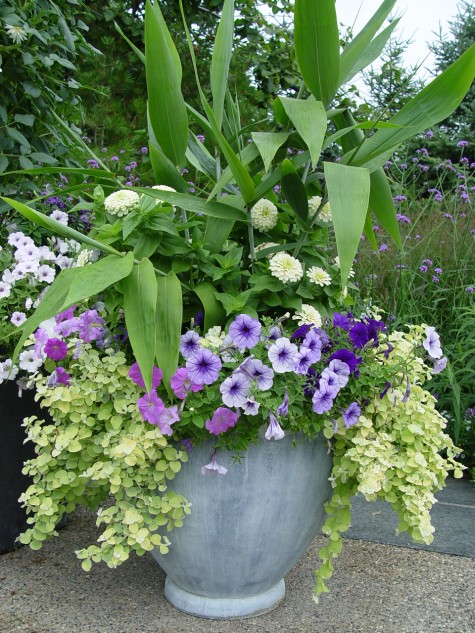
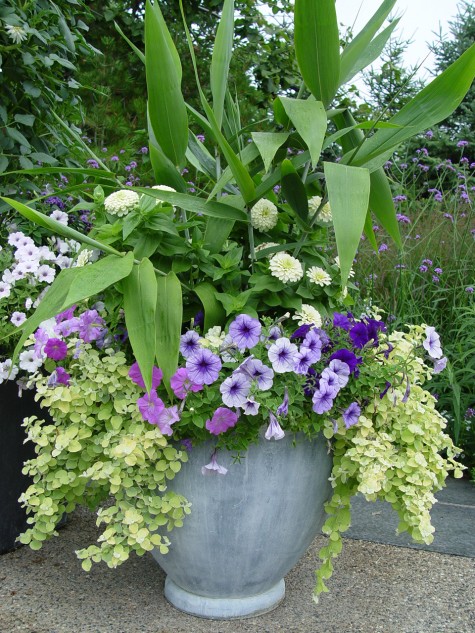
A friend much more tuned into the 21st century than I let me know that this container planting of mine from 2005 was getting considerable interest via Pinterest.  Pinterest?  I was curious.  Based on my recent research, Pinterest is an on line venue by which anyone, any invited anyone, can post images they fancy, in personal albums organized by subject matter of their own choosing.  As for who posted this collection of photographs from my blog that had been pinned by lots of different people, I have no idea-it was not me.  http://pinterest.com/source/deborahsilver.com/   This picture of a container planting I did in 2005 has gotten a lot of interest.  Though the Wedding White zinnias from Burpee, the petunias and the lime licorice are easy to identify, I am embarassed to say I have no idea what the center plant is.  I am almost certain it came from Landcraft Nursery.  For several years we bought unusual and exotic tropical plants from them.  A quick scan of their plant list did not ring a bell.  If you can identify this plant, will you please write me?    

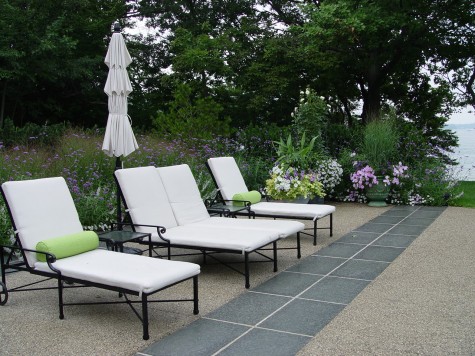
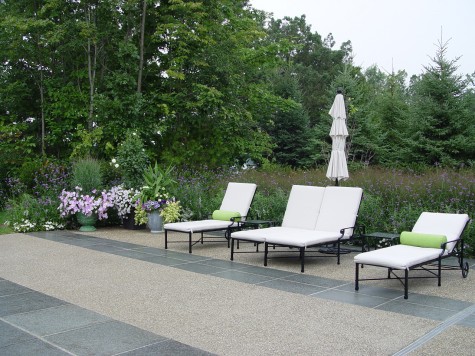
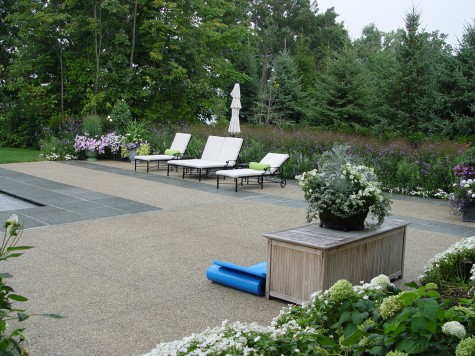
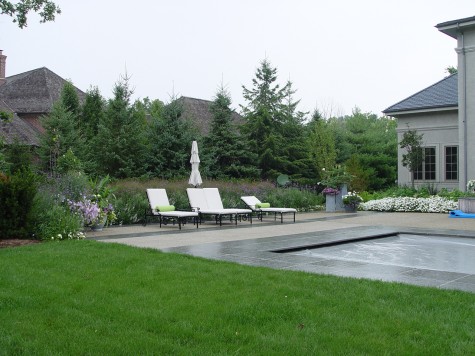
I am very pleased to see an annual container planting generate some interest.  Gardeners are happy to share-I am no different.  This was a new house, with a landscape design and installation imagined by my clients and I from start to finish.  Once I was close to that finish, there was the matter of selecting and planting containers.  The pool terrace was an obvious choice for containers.  My clients planned to spend a lot of time there.  The pool deck of concrete aggregate with bluestone detail was part of the original landscape plan.  My client chose the furniture all on her own-and did a great job of it.  The French flavor of the landscape asked for simple and spare choices in plant material, lots of pleasingly simple geometry, and a largely green palette for the plants in the pots.   
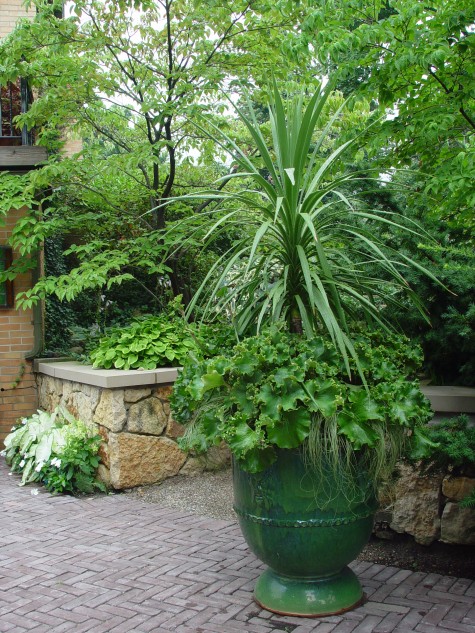
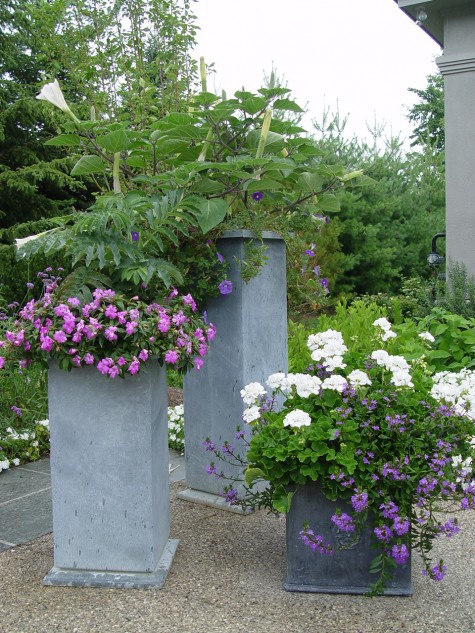
This pair of tall Belgian zinc planters in contrasting heights are kept company by one low simple English lead square.  The star of the show in the tallest pot-datura metel “Belle Blanche”.  In the shorter, melianthus.  The low lead box features a fistful of white geraniums.  I like green plants.  Datura, melianthus and geranium are eminently attractive in leaf.  The flowers are welcome, when they come.  

In keeping with what I would call a landscape with a French flavor, the plant choices are simple, and edited.  Lavender, white and shades of green.  Simple, elegant, spare. 

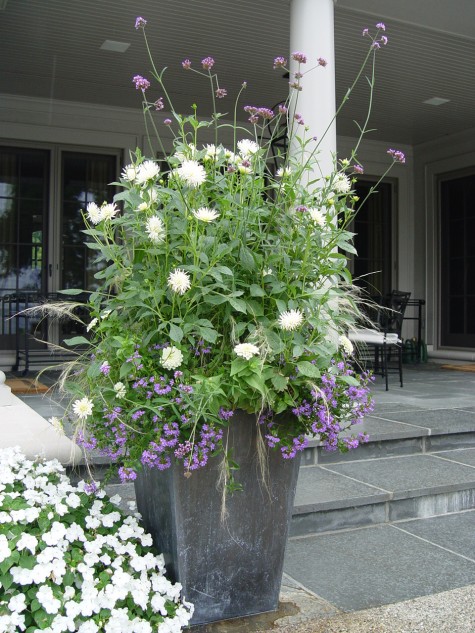
Dahlias do not come into their own much until September and October.  But during the summer, the dahlia plant has significant stature, great texture, and presence.  A little in the way of Verbena bonariensis and scaevola, and tufts of a grass whose name I cannot remember makes for a container planting that is much about form and mass-stature-, and not so much about flowers. 

Simple and serene, this.  The containers stand proud, but not too proud.   

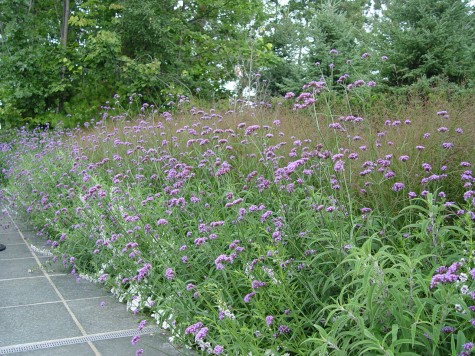
My favorite part?  A border of Panicum Virgatum, faced down with a tall salvia and verbena bonariensis.  A rhythmic and subtle planting that spills over the edge of the pool terrace. 

A good landscape does a lot of things.  Trees get planted, where there were none.  Spaces get created that are friendly to people.  Plants of visual interest to people and of vital interest to butterflies and birds get added.  Everywhere you look, there is green.   

 In April I will have been been posting essays about gardens, landscape, and the design thereof for three years.  As a matter of course, I post lots of my own pictures in support of what I write.  Generating those images takes every bit as much time as the writing.  An image can no doubt be very powerful, and compelling.   This is what is interesting me so much about Pinterest.  What we see matters much.  An image speaks in a way all its own.
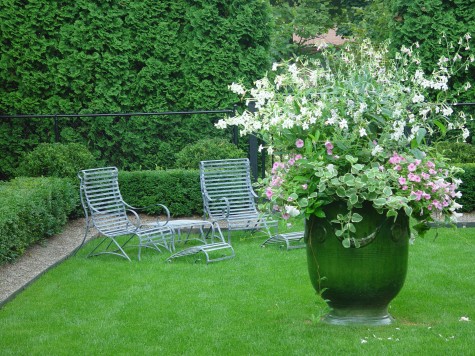
At A Glance: Planted French Glazed Pots

planted 2005

planted 2007

2011

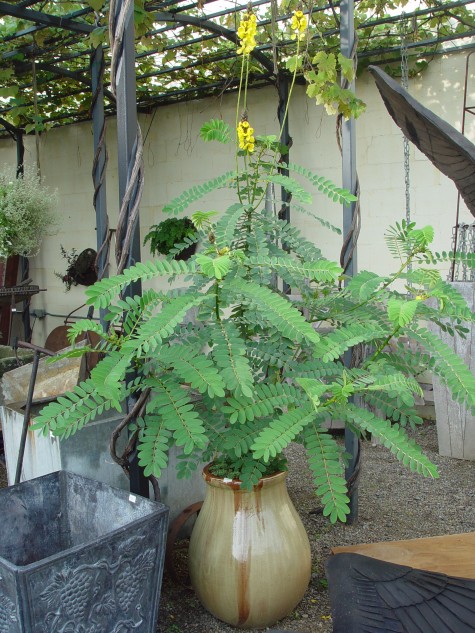
cassia in a French pot, 2007

2006

2008

2001

2003

2001

2006

2011

2007

2008

2008

2001

2006

2007

2008

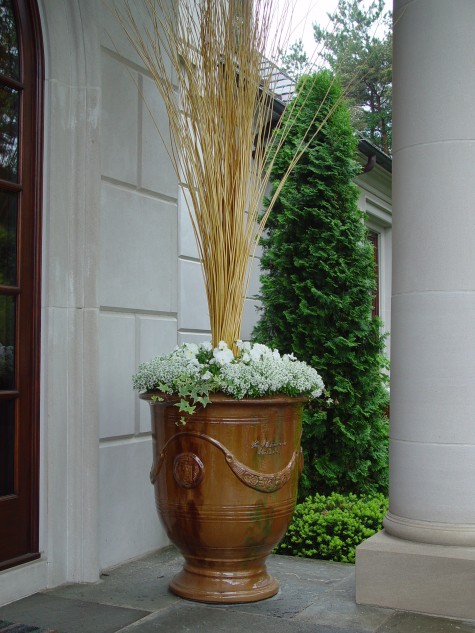
You may feel exhausted after looking at this many pictures of plantings in French terra pots, but it would be tough to exhaust the possibilities for planting them.