Northwest Flower And Garden Show

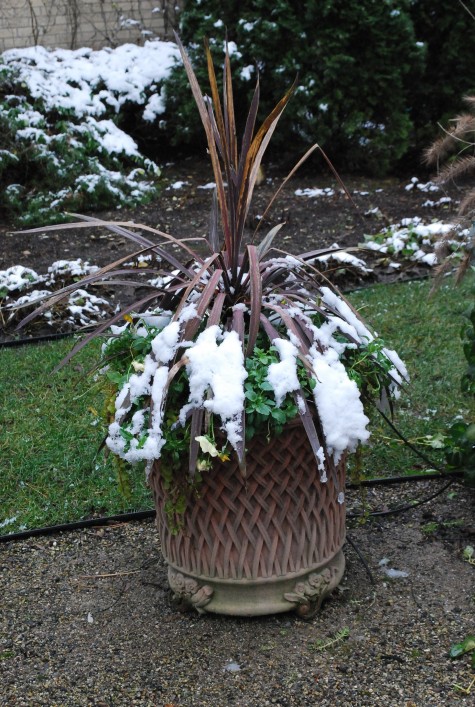
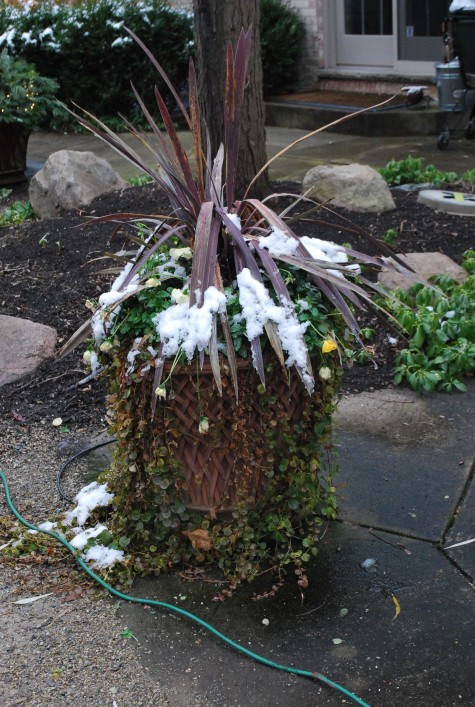
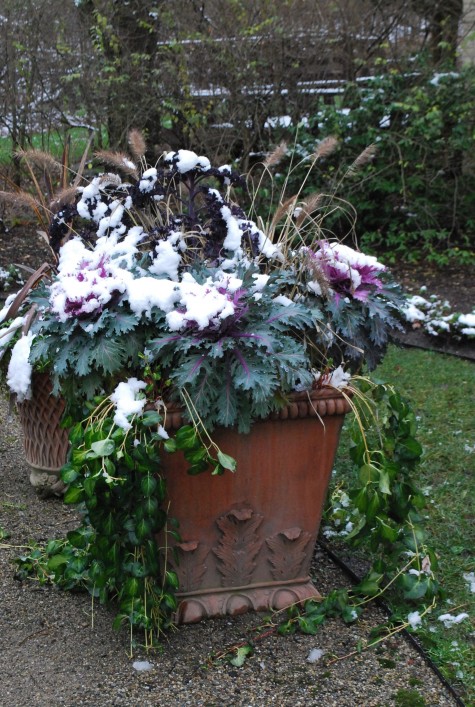
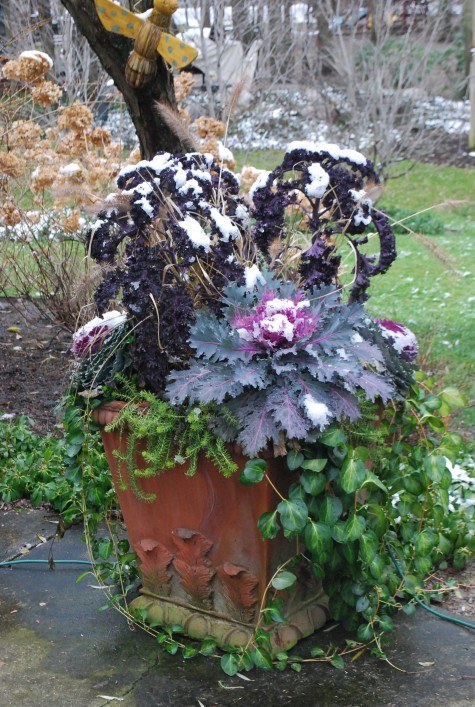
 I had a call last week from Bruce Bailey, the owner of Heavy Petal Nursery in Washington.  He is one of a group of featured speakers at the seminars which will be offered at this year’s Northwest Flower and Garden Show.  This is a very well respected and well attended event.  Their seminars will be given by a group of people greatly esteemed in the field of horticulture.  The exhibits, and market sound great-I wish I were close enough to go and participate in all of it.  He called to ask if he might use some pictures of my container plantings in his presentation.  I told him that I was inordinately pleased that he would ask and of course it is ok.  Many thanks for your interest, Bruce.       

Bruce Bailey – Owner, Heavy Petal Nursery, Moses Lake, WA
Bruce Bailey is the owner of Heavy Petal Nursery, in Moses Lake, Washington, “Where plants rock.” He is a passionate horticulturist with a background in art history and design, and an accomplished interior designer. Heavy Petal Nursery provides an unconventional selection of gardening products for a unique shopping experience, with new varieties and surprising introductions of garden worthy plants, as well as old fashioned and unjustly forgotten favorites. They specialize in bringing hardy plants to Eastern Washington, expanding the plant palette for inter-mountain and high desert gardeners. The nursery offers a wide variety of inspiring plants hardy in the USDA zone 5a, as well as pushing zones up to USDA zone 7a.

A Container Named Desire
Making a Personal Statement with Bold Containers
Wed, Feb 8 at 5:45 pm / Hood Room
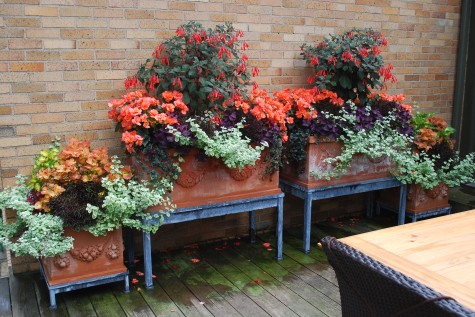
 Of course I am curious about what pictures he will choose.  In the close to 3 years of writing this blog, I have published lots of pictures.  For sure I know that what appeals to one will leave the next person cold.  This is the best part of planting the pots.  Every gardener has a distinctively individual idea about what constitutes beautiful. 
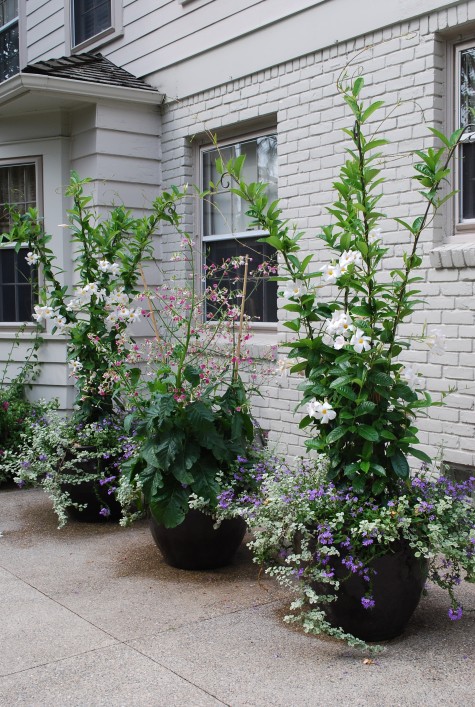
 This is why I plant the annual gardens in the front of the shop different every year.  This is why I planted every one of the 33 pots for the city of Birmingham differently.  Everyone has their own individual idea about what strikes a chord with them.  Diversity-I like this. 
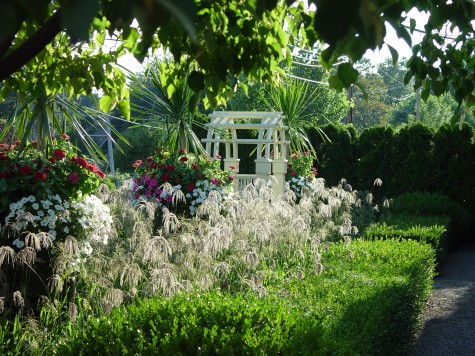
 The containers in a garden can be planted differently every year.  I like that I can explore a certain interest or point of view over the course of a season, jump ship, and change directions the next.    
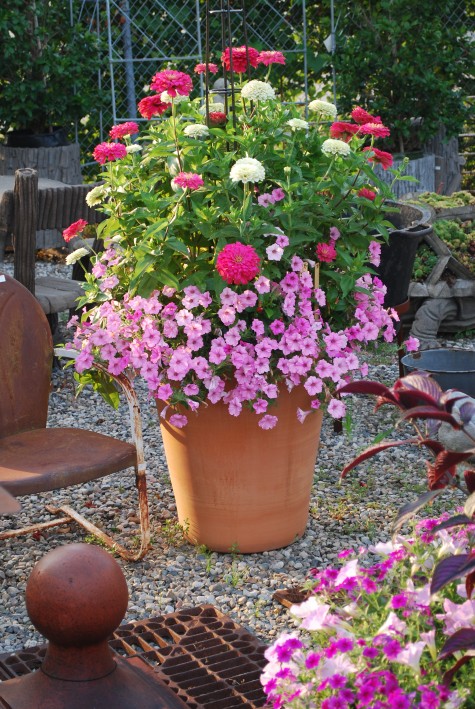
The possible combinations for container plantings are infinite.  Once I commit to a design, I make very sure the maintenance of that container is consistent.  I want the opportunity to see a container all grown out. 
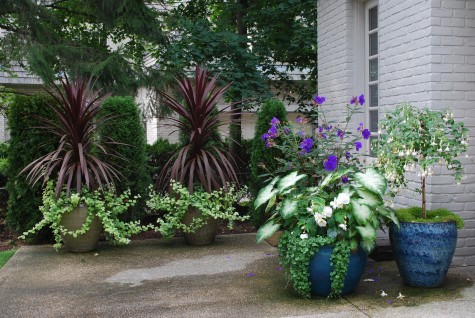
I am fortunate to have clients that look after their containers diligently.  I know what it is to be too tired to water, but water I do anyway.  Water, they do.  That which is a garden chore is just as much a joy.  A beautiful container planting pleases to the bone.   
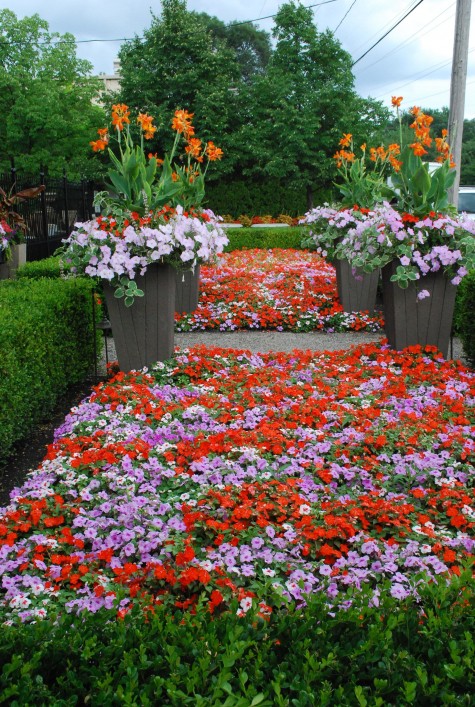
I can plant raucous-I can plant cool and collected.  Every style of planting I am asked to do has common ground.  The color relationships, the mature shape, the textures and mass apply to every container design.  
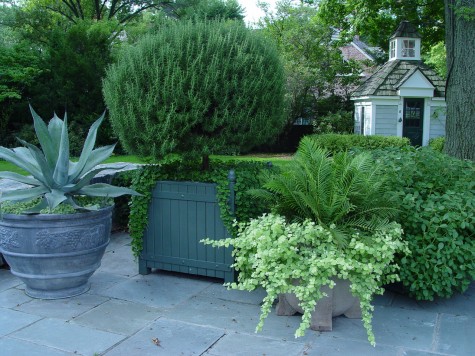
A green scheme for containers is a favorite of mine.  An old client and I share this.  Sourcing unusual and specimen green plant material for her all green pots is one of my most favorite moments of the spring season. 
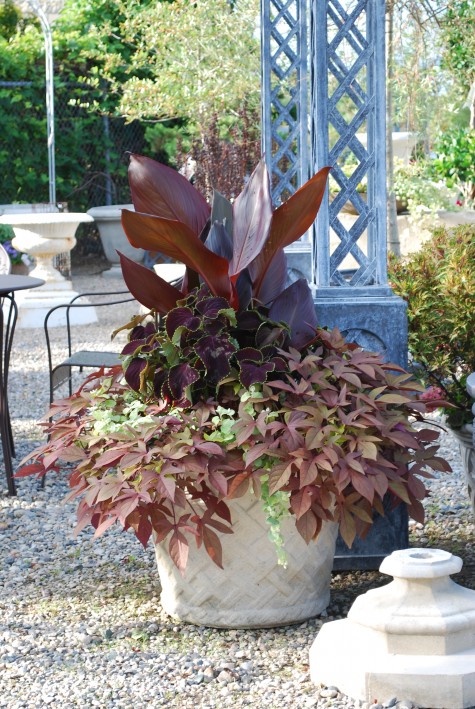
Chocolate leaves interest me.  This canna, the chocolate Mint coleus, and the brown sweet potato vine makes for a brown medley-sweet. 
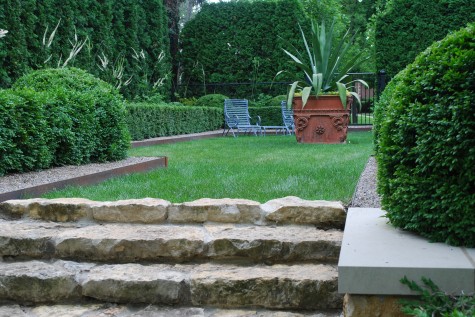
 One year I planted an old agave in the pot in my rose garden.  It was undeniably beautiful.  It was Buck’s most favorite container planting ever.  That said, I knew it was too visually rigorous for me.  I do love flowers.  The past 2 years, this pot has been home to a collection of summer flowering plants.  This is not to say I might revisit an entirely architectural planting in this pot some day.  Who klnows what will strike my fancy in the May to come.  As for what speaks to Bruce about my work-I have no idea.  He promised he would let me know. 

Should you be interested:  http://www.gardenshow.com/



http://www.gardenshow.com/
French Terra Cotta


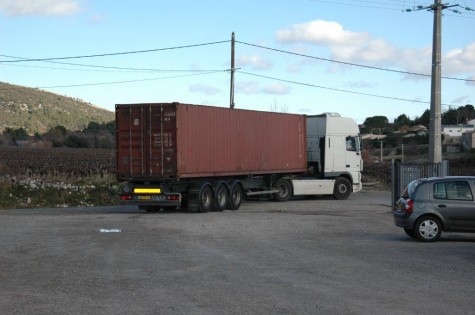
I had notice from my customs broker today that the first of our two containers from France is in customs.  This is such great news.  This July 2010 photograph by Bertrand Kulik of the Eiffel Tower during a storm perfectly describes my anticipatory excitement.  French garden design, French garden pots-what is not to like?  Rob’s trip to France was in mid September of last year-some 4 months ago.  Why so long a wait for a pair of containers?  The bulk of our purchases were terra cotta pots, made to order. We bought many pots from the Poterie de la Madeleine over the past 15 years.  Rob had a long standing relationship with the owner Roland Zobel, and his assistant, Madame Pellier.  After his untimely death in 2004, the poterie de la Madeleine changed hands.   

 Rob shopped this past September in new places.  New to him, that is.  When he buys glazed French terra cotta pots, he does not buy from existing stock.  He special orders every pot to be custom made for us.  He specifies styles, sizes, and glazes that appeal to him, and contribute to a coherent collection.  It takes a lot of time for these small French poteries to fill a special order.       

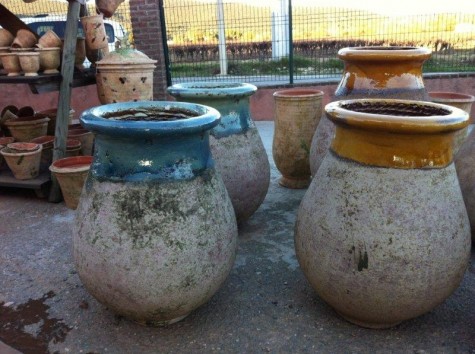
Glazed French garden pots are indescribably beautiful.  There are those classic designs and classic colors dating back centuries.  There are new glazes and shapes that are enchanting. The small artisanal poteries produce very fine quality pots. They are very well schooled in the history, and small enough to take chances.  Of course we are interested in all of the above.    

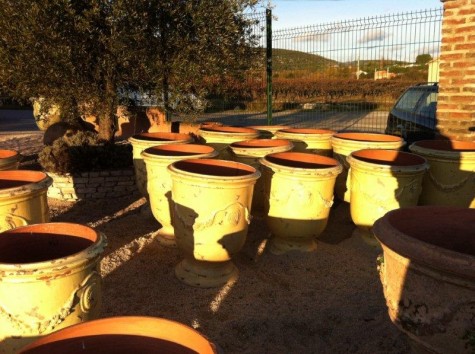
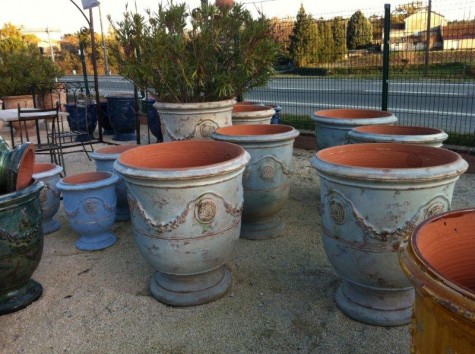
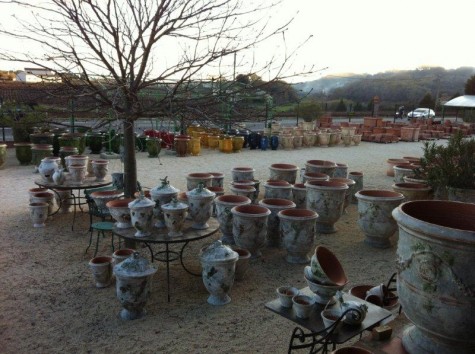
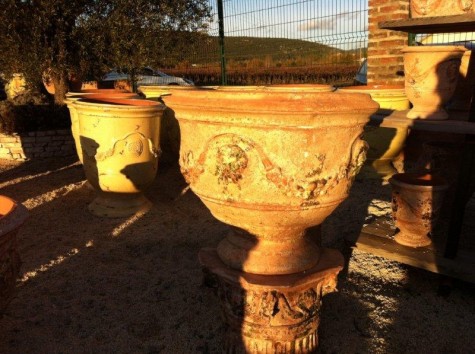
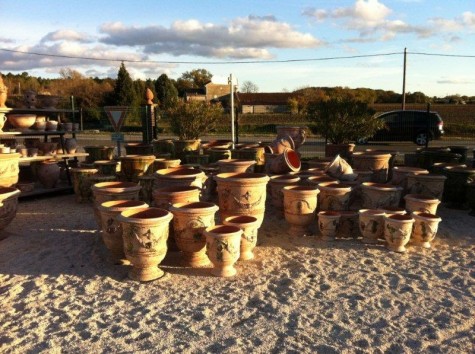
These pictures from his trip to France are astonishing.  I have never seen terra cotta for the garden produced and displayed on this scale in the US.  I suspect the mild Mediterranean climates have much to do with the large space that is devoted to garden pots.  Gardening is a way of life in Europe.  This casual display is telling.  The pot yard has a dirt floor.  A garden pot has a job-it holds the soil, that enables the plants to grow-all in a beautiful way.       

Of course I want my garden pots to be beautiful-who doesn’t?  If they are steeped in history, I love that simmering stew.  Should they have beautiful proportions, sound and sturdy construction, and heft, I am interested.   Should their beauty enchant my eye and heart, the planting of that pot is as close to a perfect moment as I can imagine.     Rob dealt with every French poterie in that self effacing and attentive way that marks his relationships with all of our overseas suppliers.  This means we have a container in customs that is all about his respect for their craftsmanship, and his passion for the garden.  That intersection of fired earth, and his vision-inside that container.

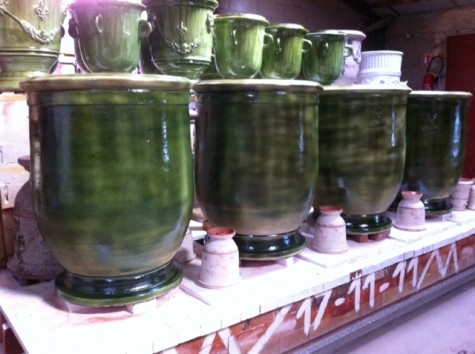
He called me multiple times last September about a matte green glaze that caught his eye.  I completely trust his judgment. If he loves a matte green glaze, then I do too.  16 years of buying garden pots in France means he knows how to feel the clay.  What do I mean by this?     

I cannot explain this so well in words.  He introduces himself to the pot makers.  He looks at the thickness of the clay.  He tries on every glaze, every patine ancienne.  He considers the history.  He considers every new interpretation.  He takes the time to make thoughtful decisions.  He imagines a relationship between a pot and an agave, or a tomato, or a topiary.  He edits.  Making his thoughts come to life depends on the relationships he has nurtured for many years.  He asks if special glazes are available.  He devotes whatever it takes that might result in a garden pot of distinction. 

Garden pots made in France-why would you want one?  Why wouldn’t you? A beautiful pot makes the gardening all the more pleasurable.  The shapes and glazes please the eye.  

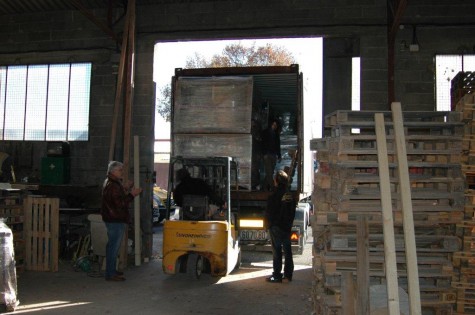
These are our pots, ready to load in the container.      

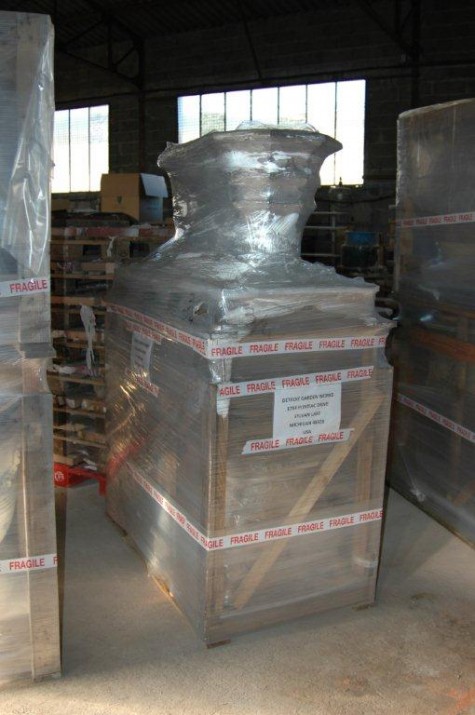
We try to completely fill the container top to bottom.  There is no sense in shipping air across the ocean.  It is extremely difficult to estimate what will fill a container.  That is why we have a second container due in Detroit over the weekend.

All of the poteries cooperated in delivering their pots to the poterie where we had our largest order.  This picture was taken on January 5.  Should the trip through customs go smoothly, we should have our pots in no time.    


New Dirt

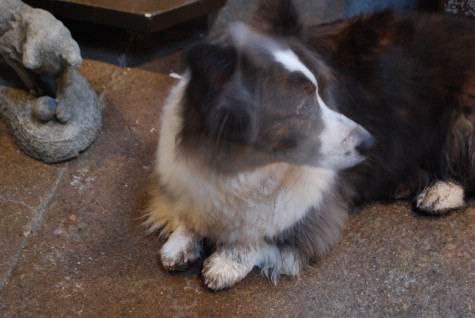
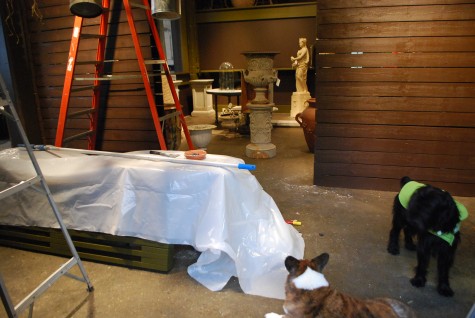
It is a much easier job to keep Milo clean than the shop.  Once he dries, the dirt falls off.  Once a month, he gets the works from Lexi from the Aussie Pet Mobile.   The shop, however, is 10,000 square feet that is likely to get very dirty-daunting, this.  My work life grew out of a love for dirt. The soil that comprises the earth beneath my feet-life giving.  The dirt that goes into any container sustains all manner of visual dialogue.  Who was it that said dirt is soil in the wrong place?  Though we spend lots of time sweeping, vacuuming and dusting, the end of a season means some part of a season’s worth of dirt has accumulated. 

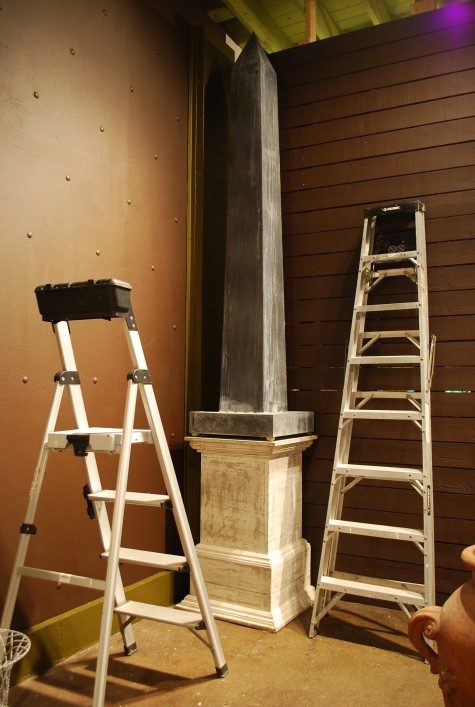
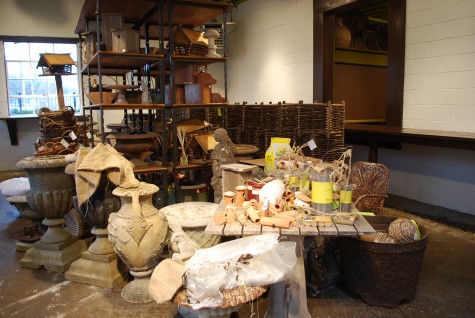
We close (but are open every day by chance or appointment) from January 15 until March 1st.  We move every object we own out of the way, in order to thoroughly clean the shop.  Once we have vacuumed and dusted and wiped every surface clean, we repaint.  Though we are about to enter our 16th year in business, there is nothing about Detroit Garden Works 2012 season opening that will prove dusty or thoughtless.  Just like every other new season, we will be ready and fresh.  My shop spring cleaning takes from mid-January until mid-February. In the same spirit as we imagine, acquire and assemble a new collection, we sweep out all of the dirt.  The fresh paint is a given.  How we choose to redecorate the six rooms of display space has everything to do with the spring collection on the way.  

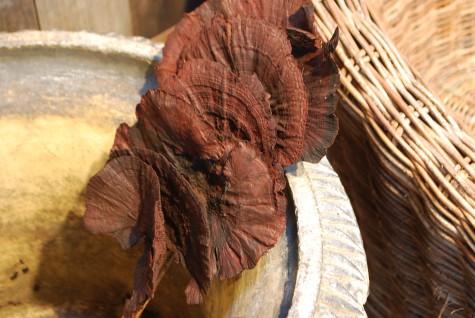
That chocolate color that reminds me of the darkest and richest compost-it was on my mind.  These bracket fungus engage my interest in beautifully natural textures, and my enchantment with that color I call dirt. That dark dirt color seems just right.    

I will admit I own a fleet of ladders.  They enable me to clean and redo, to look at what I have done before from a different perspective.  I have been up and down the ladders for a week now.  I will admit committing to the intensity and saturation of this deep chocolate worried me some. But I am more than pleased with how it is shaping up.   

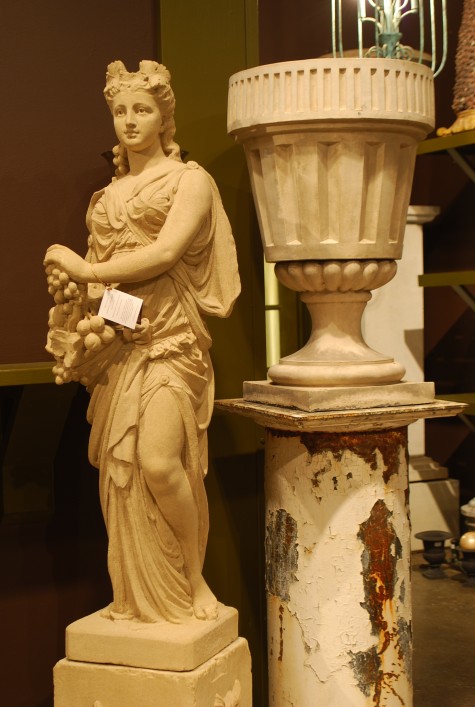
We have no end of antiques and great vintage ornament.  Great contemporary ornament.  We manufacture our own garden ornament, and represent many other fine makers.  I so enjoy this yearly ritual by which we integrate our existing garden ornament with all that comes new.  Each season has its own distinctive flavor and emphasis.   

I do have pictures of most everything on the way, whether it is coming from France, Belgium or Biloxi.  But photographs are a representation, not the real thing.  Everything that Rob has ordered will need an introduction to the shop.  Taking the time to completely redo every space is a considerable and satisfying undertaking.  Rob has spent over 2 of the past 16 years travelling and buying objects for gardens.  The presentation of that work of his takes time.  

We have a pair of containers from France due in a few days.  How long they will take to clear customs is anyone’s guess.  But that process will buy us a little more time to get ready.   

I should have named him Hoover, considering all the dirt he manages to pick up.  Hopefully we’ll make quick work of the shop dirt, and move on to making the shop an experience we’ve not yet had.      


The shop front spring will not look like it did here in 2010. Something new and fresh will be coming from that dirt.


What’s Good About This?


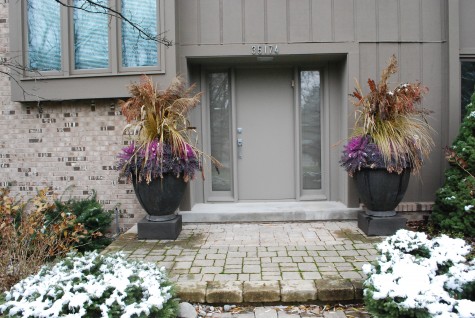
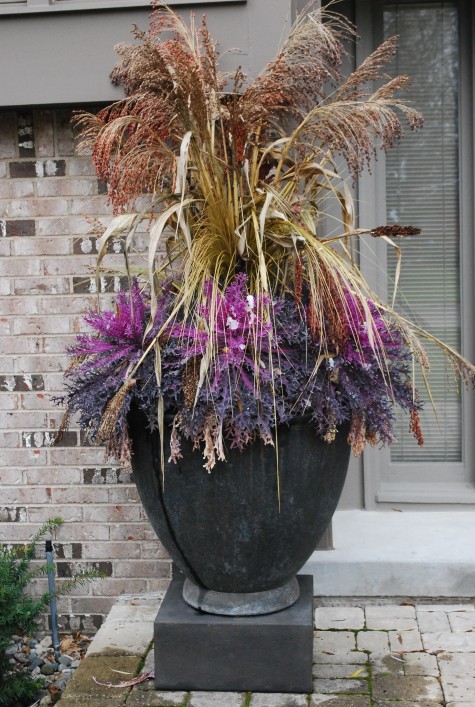
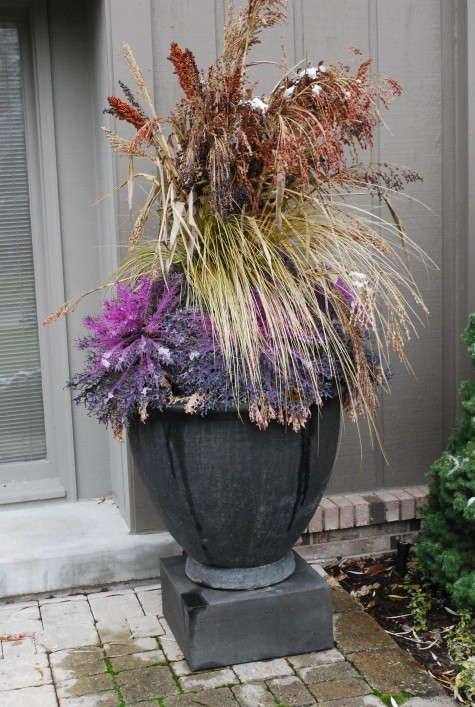
These pots are a bit of a bedraggled mess, but there are some good things about them.  It is proof positive that we have 4 seasons, each of which lasts about three months.  I planted them the end of September- that makes this planting just shy of three months old.  This client got a full season’s worth.  I did have a client who did not plant fall pots this year.  By October 15 she was wondering when the winter pots could be done.

Twigs and greens become available in the early part of the winter season.  The twigs arrive after all of the leaves have dropped; in a good year, this is November 15.  The winter cut greens are not far behind. She emailed me threee times-that fall season with empty pots proved to be a long one for her.  This fall pot is finally beginning to succumb to the effects of relentless fall rains, and cold.  The kale are still amazingly fresh looking and colorful.

 The mess of a deteriorating situation reminds me of the look of my perennial garden in early winter.  The grasses bend, go over, break off, and blow down the street.  The kales are still their inflexible and massive selves.  Brown is beginning to seem like the dominant color. Clearly my client has not touched these pots up in any way.  All of the dead leaves are still there.  Not one thing has been snipped off, propped up, or fluffed out.  What I am looking at is the end of the fall season, plain and simple. 

I don’t mind the look of plants going dormant, or succumbing to the cold.  There is a certain stark beauty in that.  I had to chop back all of the perennials in my rose garden early this fall, as I repainted all of the trim and windows on the house. I am already missing seeing that garden in its early winter incarnation. 

This spike will eventually dry to a pale cream color.  The wiry stems firmly resist decomposition.  Would that my hosta leaves would dry, rather than collapsing into mountains of yellow mush.  Hosta leaves are mostly water; a good frost finishes them off for good.  Have you ever tried to rip a spike leaf in half?  The entire plant would come out of the ground first.  If you have a plan to leave your dead plants in your pots over the winter, spikes and grasses will brave the winter weather better than most.

Certain plants represent robustly-all fall long.  The cabbages and kales far outlast the pansies, and the creeping jenny.  The seed heads of grasses far outlast their foliage.  Vinca maculatum is the most amazingly cold resistant plant.  It is as green as green can be, in December. 

There are those bridge plants-plants that can thrive for more than one season.  The succulent trailer known as angelina is green all year round for me.  Persian Queen geraniums are great in the summer, and good very late into the fall.  The fairly new perennial geranium Rozanne is still throwing flowers in December.   Some pansy cultivars planted in the fall are right back the following spring. I probably will redo this container for winter, but I do not really need to do so anytime soon.