Buck’s Charisse Box

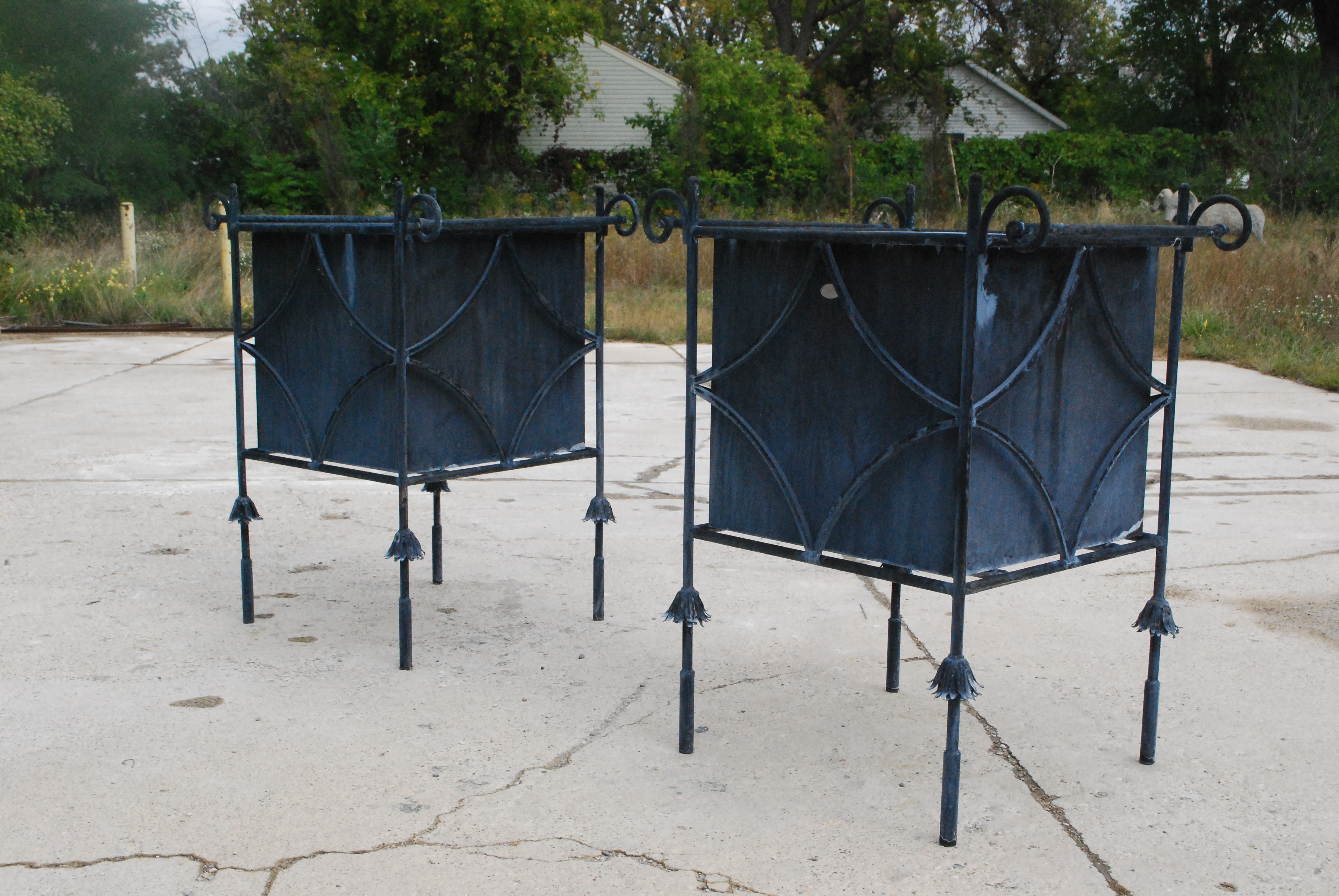
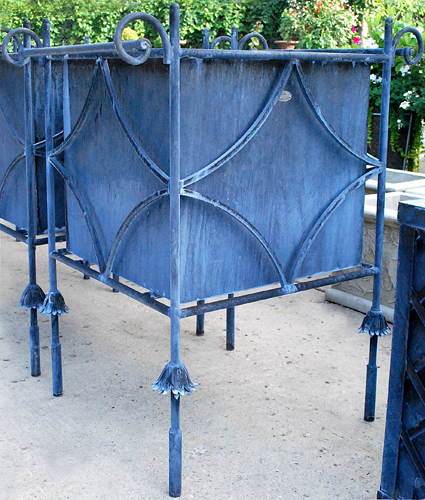
I am so very pleased that one of our Branch boxes is featured in an article written by Marian McEvoy in this weekend’s Wall Street Journal.  Even though I have already written about it on the Detroit Garden Works facebook page, there is a story behind the design, development and fabrication of a container for a garden that might be of interest.      
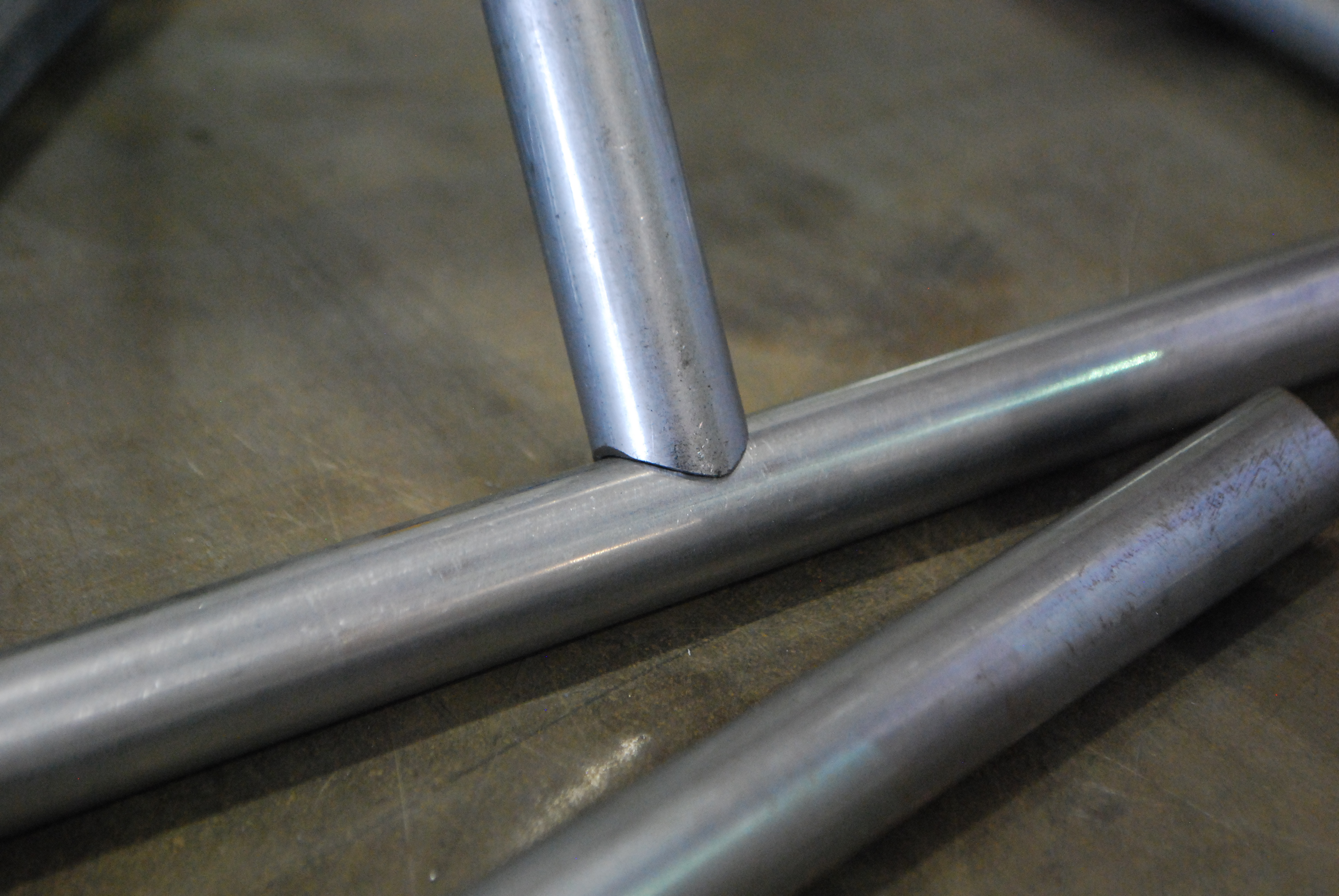
First off you need a building-a studio.  That studio needs tools both big and little.  A few five ton bridge cranes have turned out to be very helpful.  But most of all you need people who can turn an idea into an object. I have always wanted to design and fabricate beautiful containers and ornament for the garden.  A container that can withstand any climate or season, from the salt air in Florida to the heat in Texas and the cold in Minnesota, is a container that can provide many years of service.  Given that lead, that classic material for garden ornament, sculptures and containers has become incredibly costly, steel with a finish that brings the color of lead to mind seemed like a good idea.  The Charisse box is not so easy to fabricate.  The frame and handles are made of both tubular and solid round lengths of steel.  Welding one section to another requires a lot of cutting and precise fitting.  Sal, Dan and Buck fabricate for Branch, but these were Buck’s to make.    

Each box is assembled from a lot of pieces that need to be cut fairly close to perfect.  Mistakes in the length and angles of a piece, times many pieces, can add up to a box that bears no resemblance to square. The only square stock in the frame is a diamond, welded from curved lengths of steel.  Buck’s other boxes have a simple and solid design.  I was interested in making one box that was a more graceful.  Making steel look graceful is not so easy. 
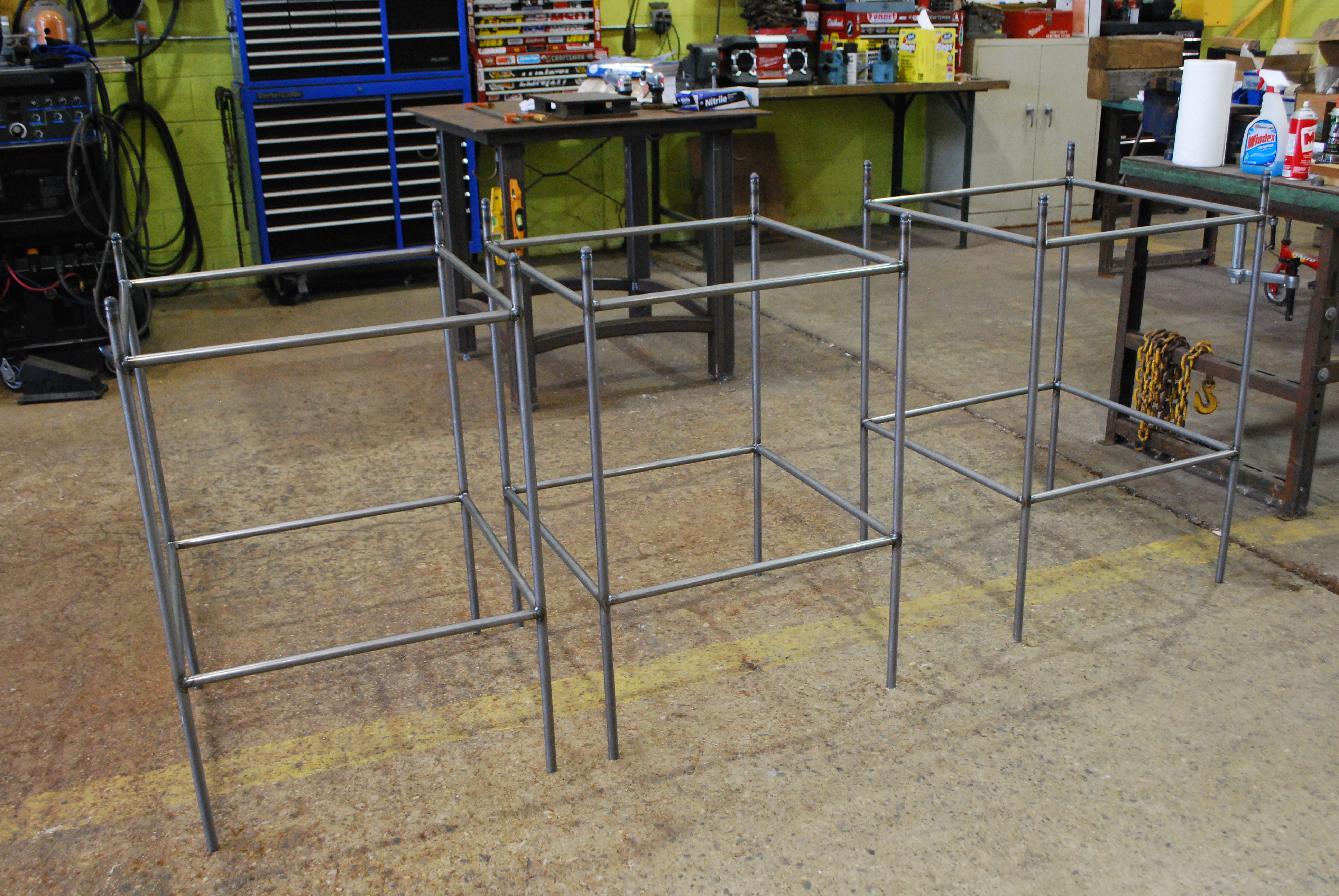
It took quite some time just to get the frame together, square and true.  Since the original Charisse boxes were made in 2005, changes have been made.  Though Buck does multiple CAD drawings for everything he builds, the finished box tells the tale.  Certain dimensions have been altered.  It takes more time than I ever thought it would to get the size and proportion of a box just where it should be     
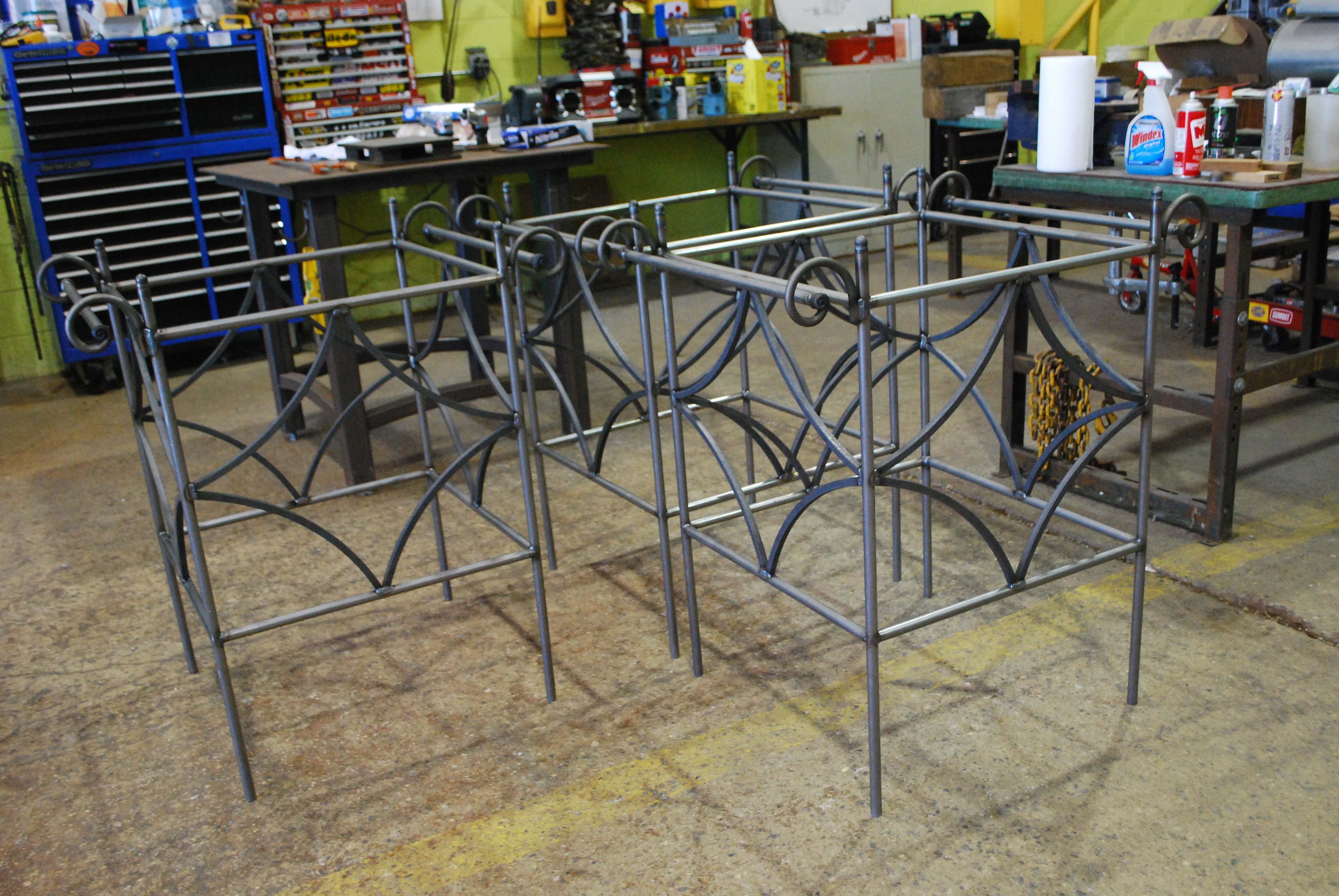
The scrolled steel handles and diamonds came next.  The tops of the tubular steel has small steel shperes welding to them as a finishing touch.  Steel straps are welded to the bottom of the frame, to hold the steel box that would slip inside the frame.
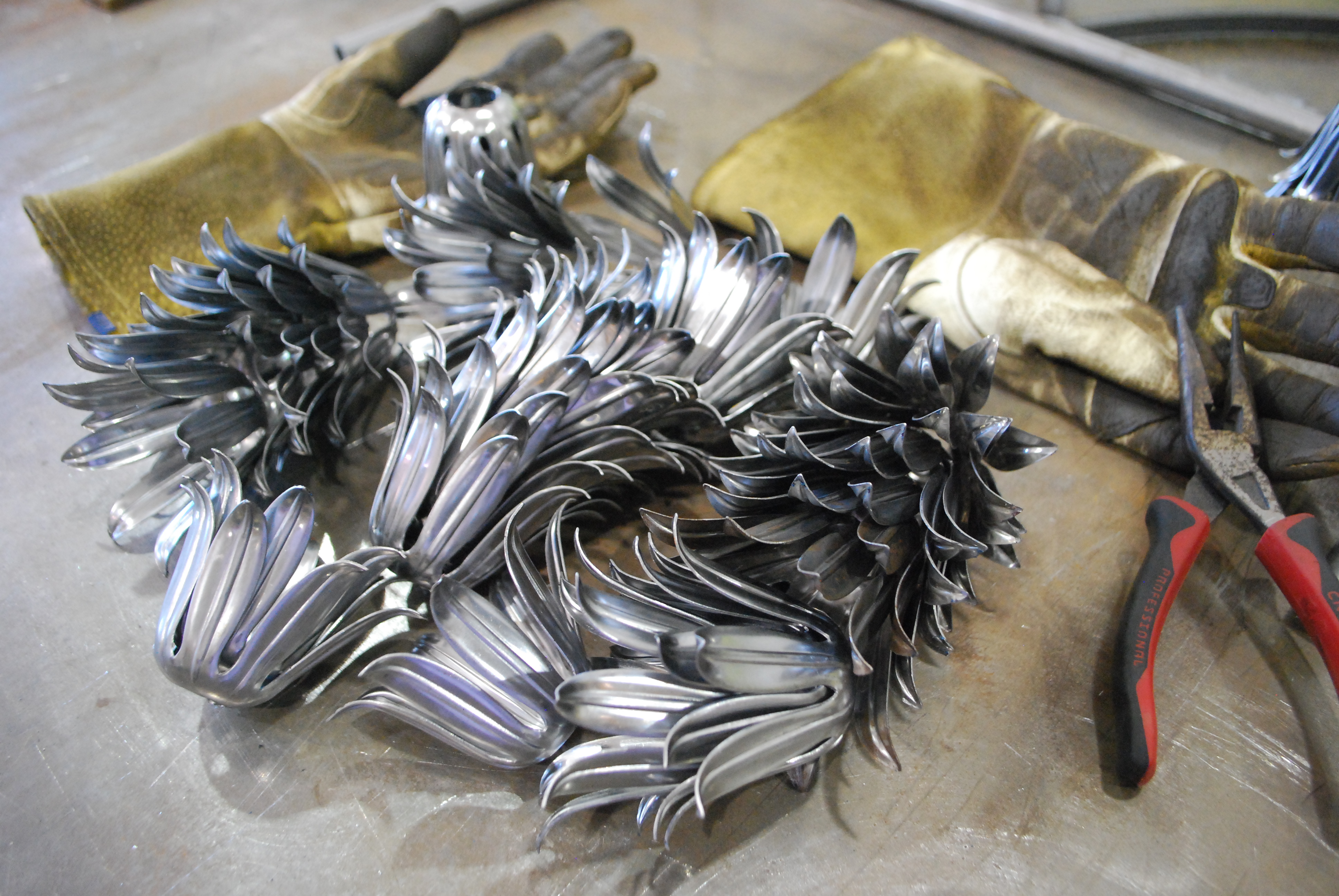
The legs have an inverted flower detail.  Each leg has several of them welded together, for strength.
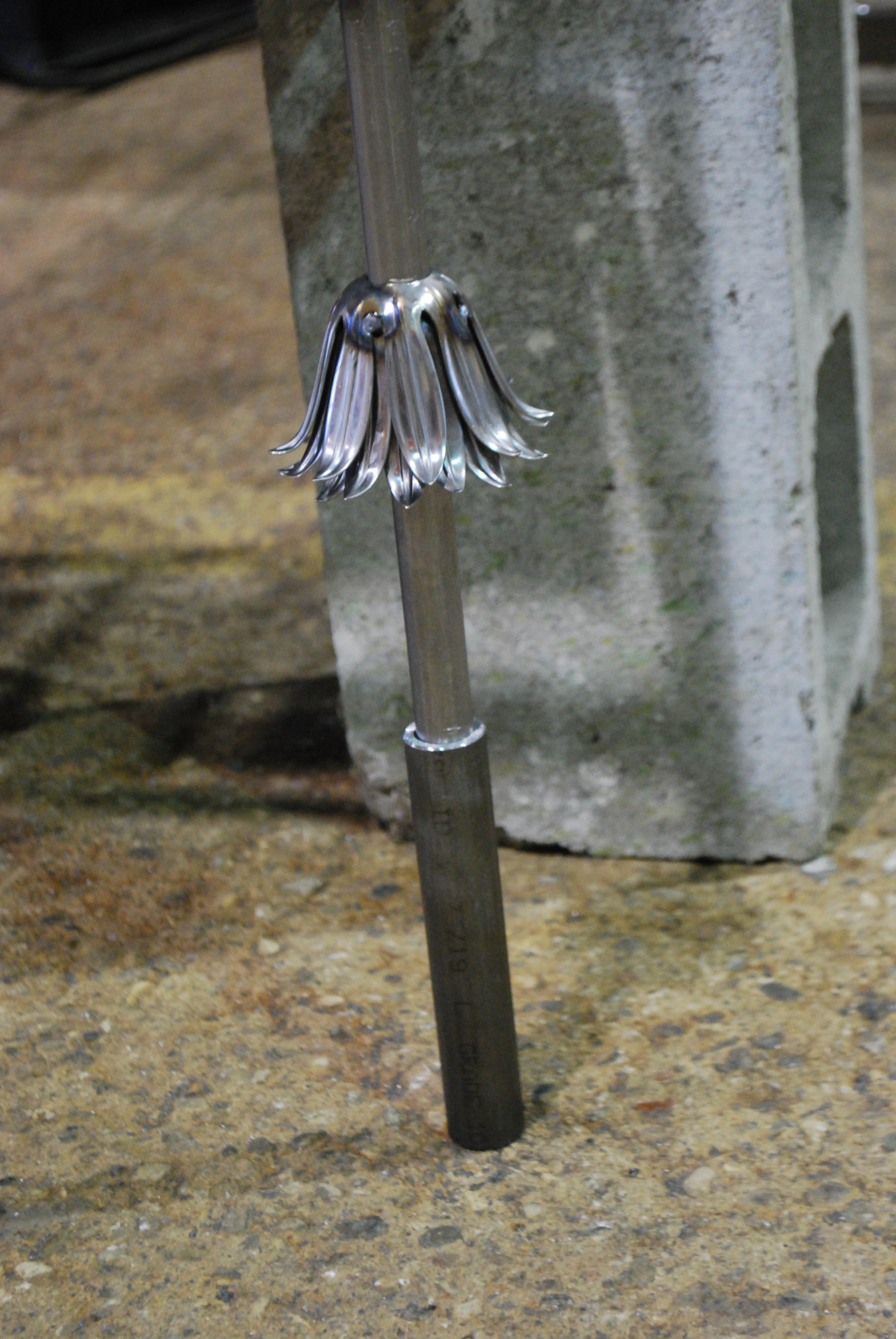
The bottom of the leg has a sleeve of thicker and larger steel, for stability.  This is a very heavy box, supported by very slender legs. 
There are plenty of details, and lots of curves. 
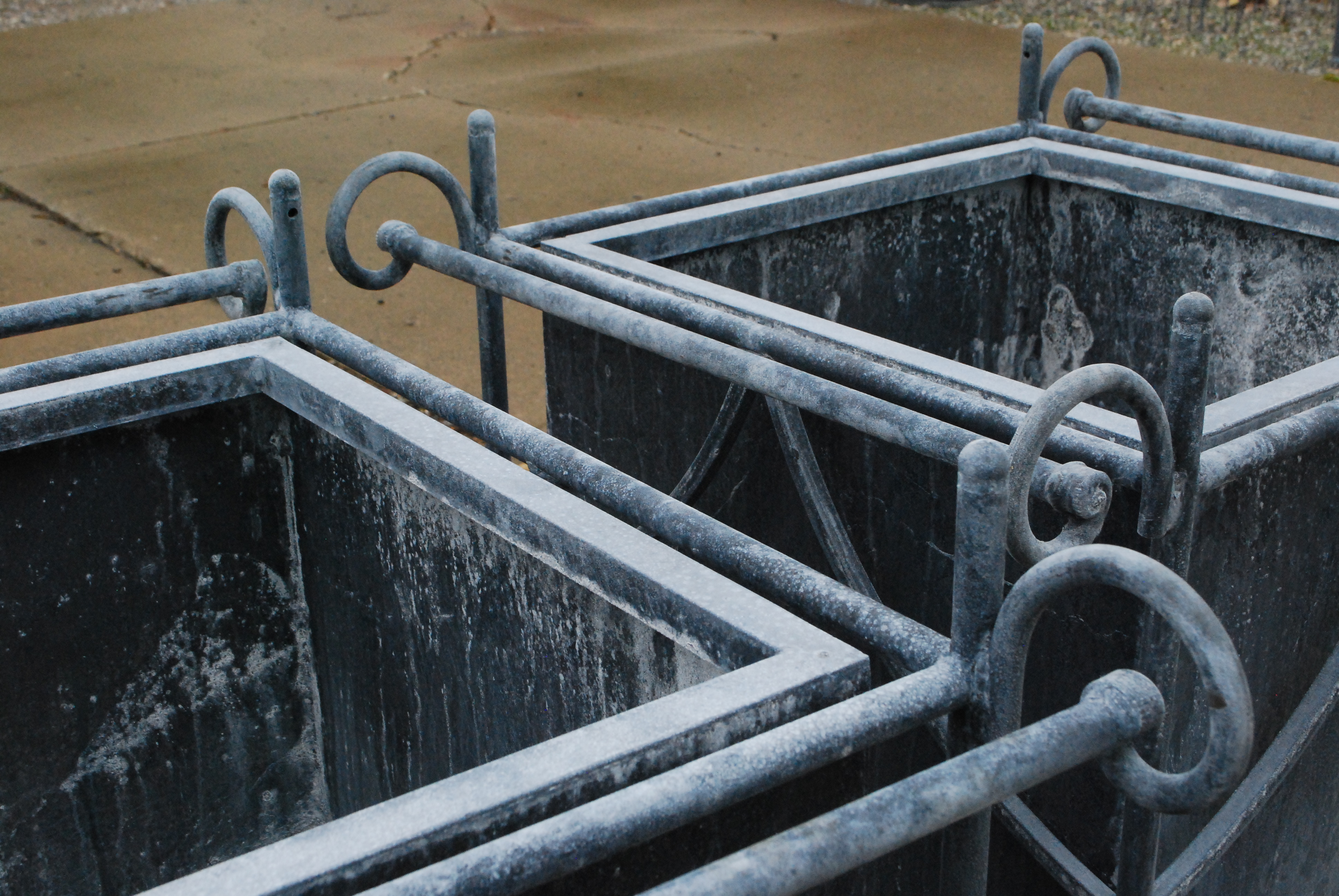
handle detail
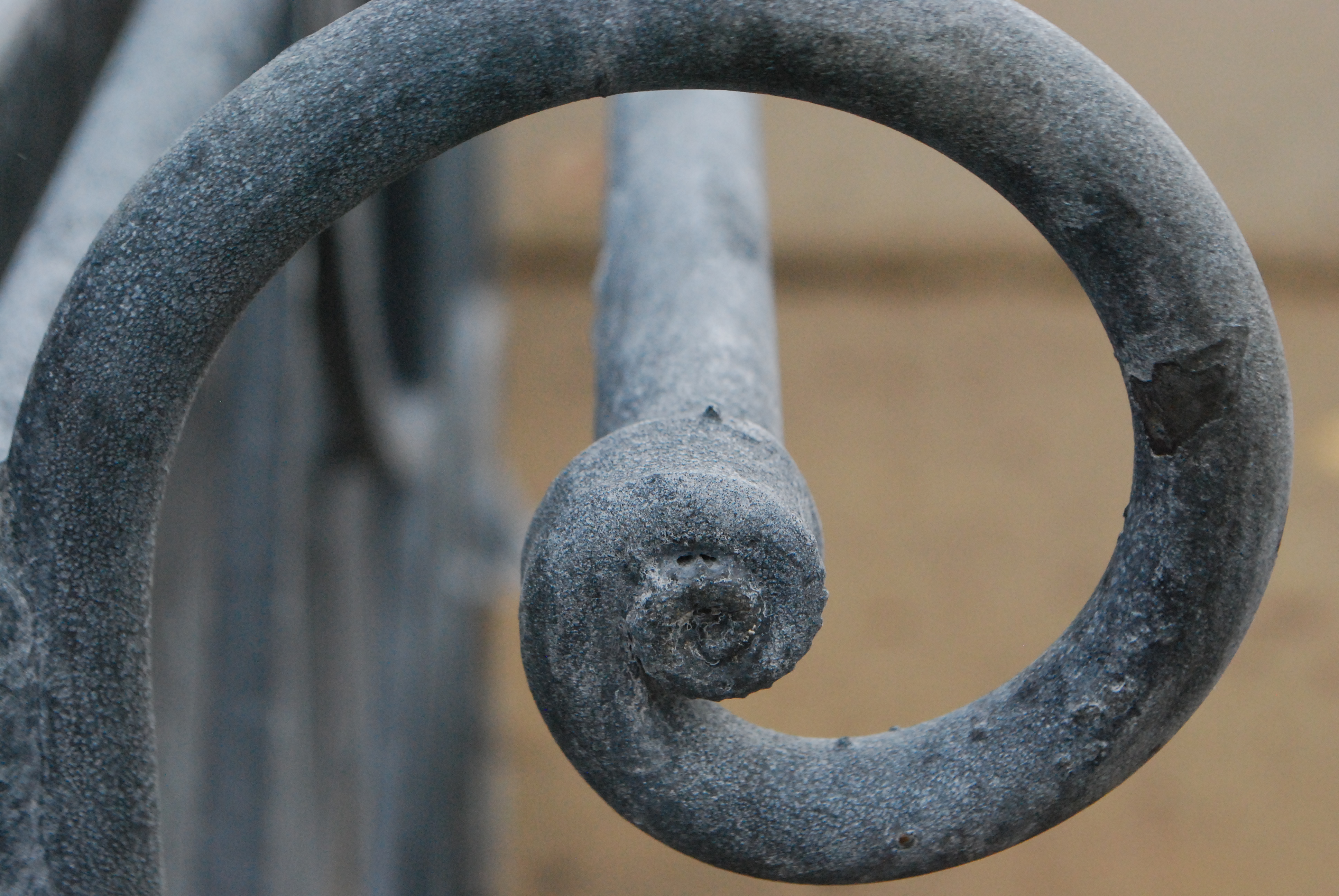
snail scroll handles
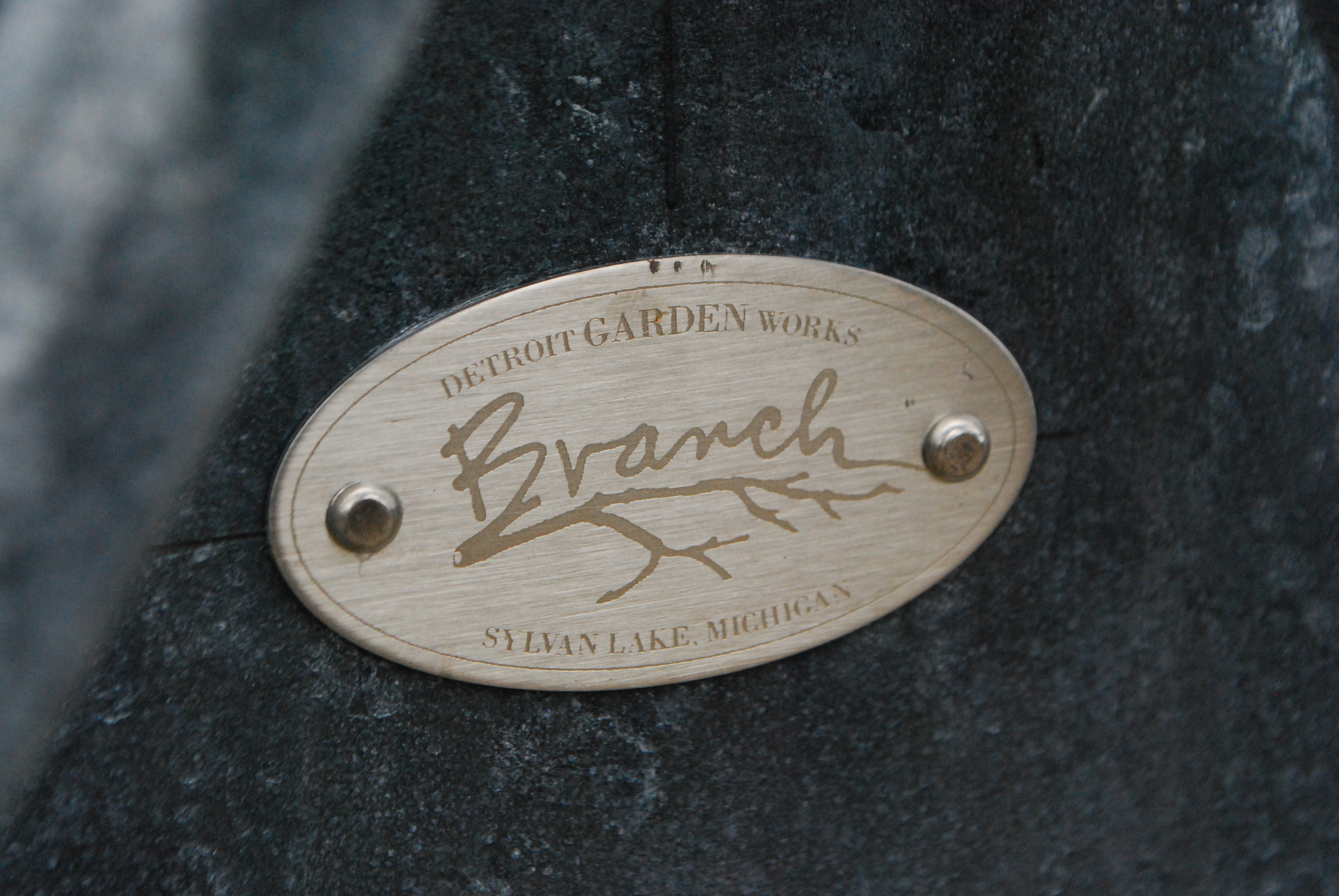
the Branch Studio tag
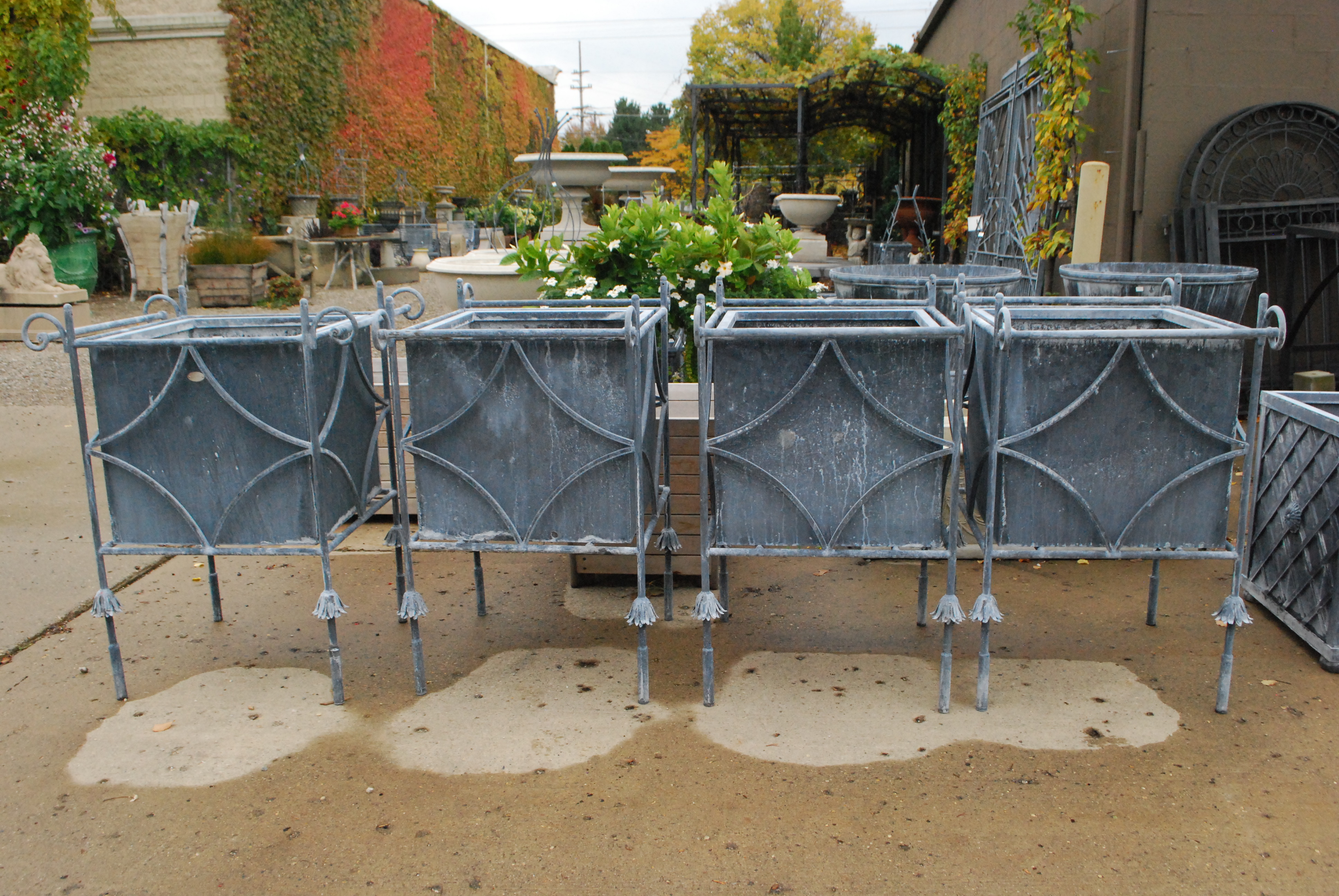
The article is a very interesting and well written discussion of containers in the garden, and garden containers that will withstand fall and winter weather.  Containers filled with plants in the landscape in all of the seasons sounds appealing.  Something in the landscape to look at besides snow on the ground and gray skies is a good plan.  That Buck’s Charisse box would be on her list of beautiful and weather-worthy containers -all of us are really thrilled about that.  

WSJ.com – Hot Pots For the Chilly Lot


Garden Designer’s Roundtable: The Details

When I first met Buck, he was head of technical design at Rossetti Architects.  Though his usual gig involved sports stadiums and office buildings, he had designed, and was project managing a very large and involved residential project-some 5 years in the building.  I had occasion to meet him, as I was responsible for the design and installation of the landscape.   

I was also involved in the design of the conservatory, which was built by Tanglewood. There were a number of garden elements and ornament that got built over the course of three years.  What I learned from Buck is that careful attention to the details makes the difference between an acceptable project, and a project that turns heads.

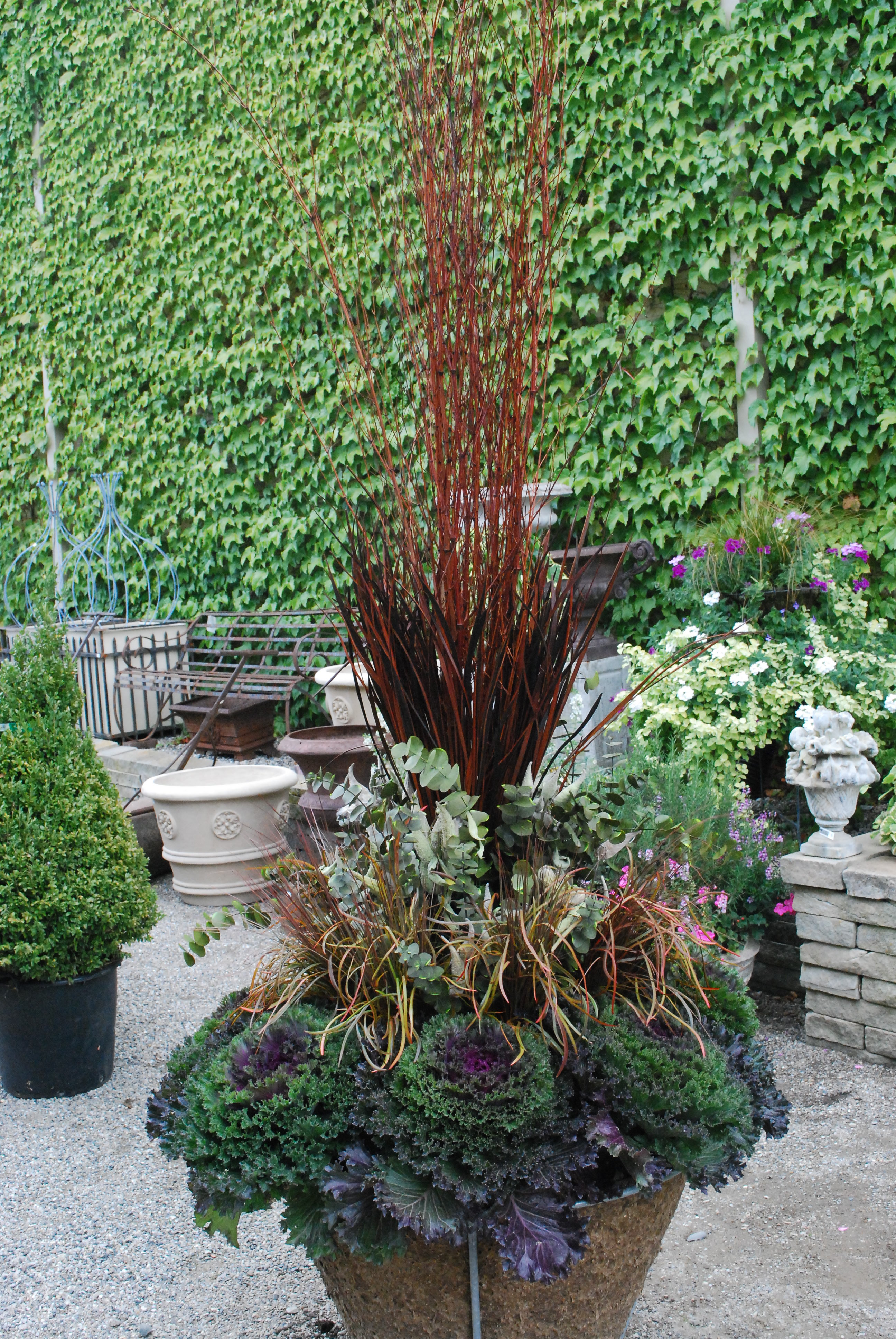
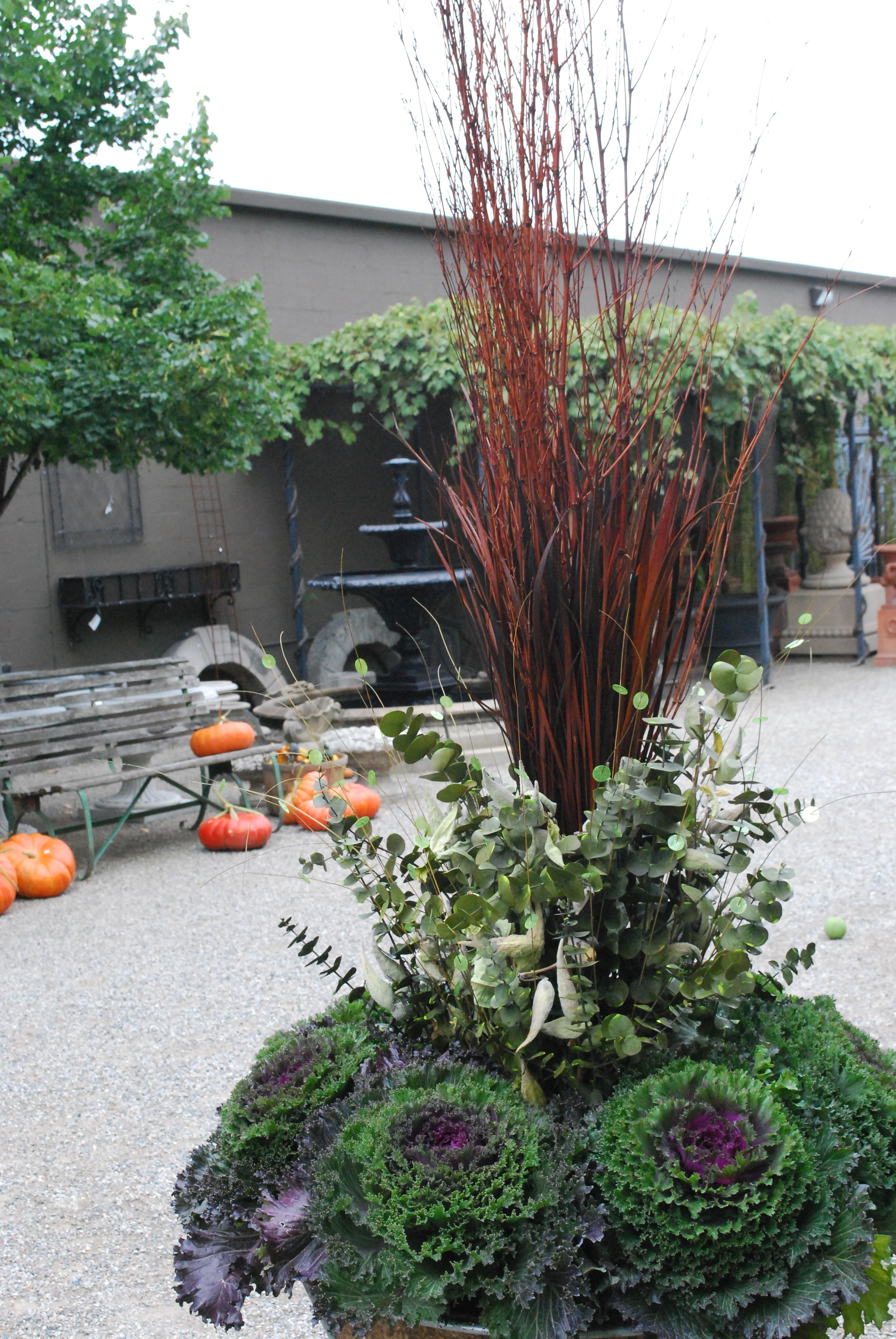
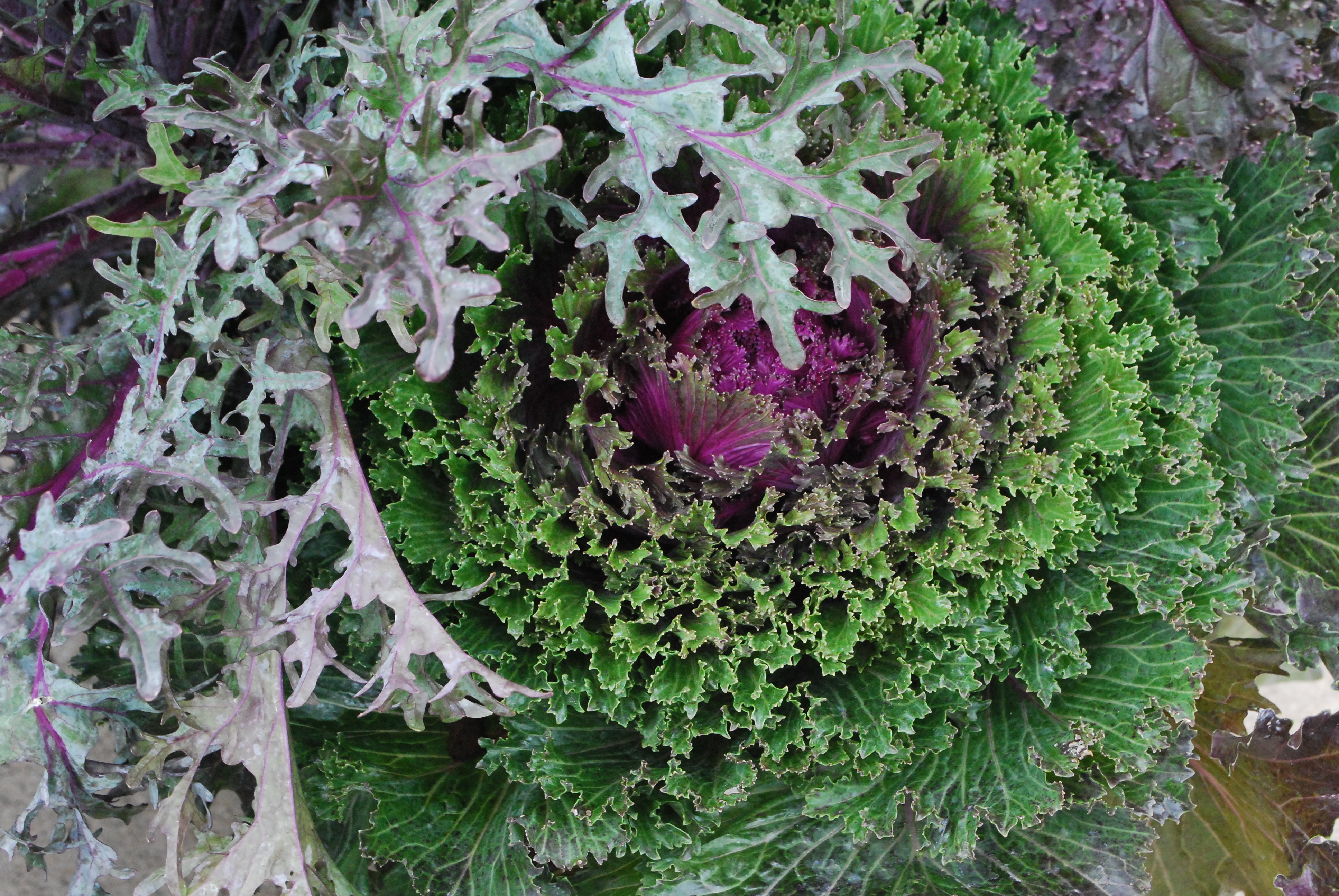
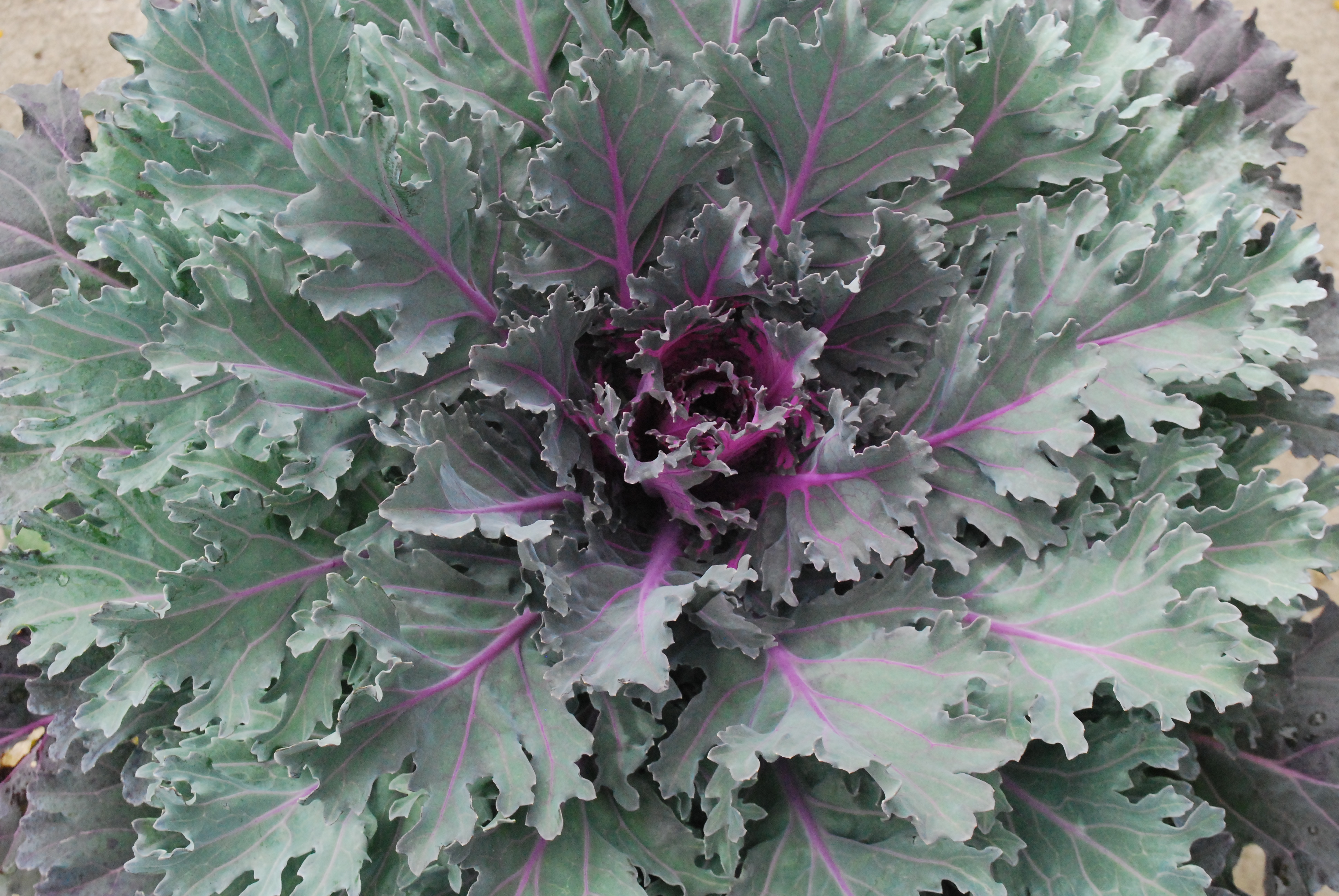
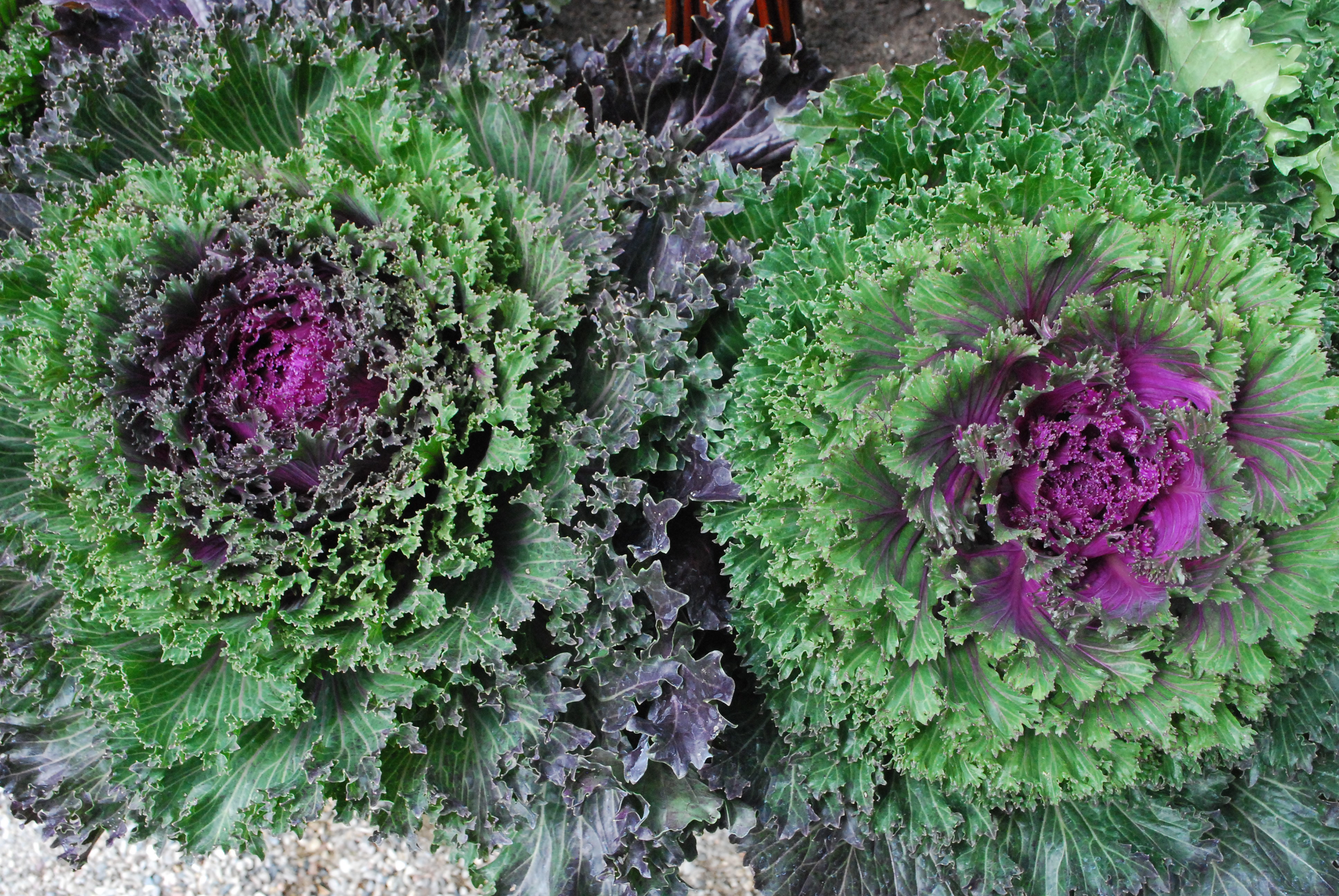
Most every day I would get an email from him-do you have a drawing for this detail?  I did more drawing for him those three years than I have done before or since.  But what I really learned from him-the devil is in the details.    In designing this fall arrangement, I began with a great plant.  Kale “Glamour Red” is the first All America plant selection in 78 years- the first new kale introduction since 1932.  This is a detail that suggests this is a plant worth planting.  Sometimes construction details can tell whether an idea will work, or not.  I like my fall pots to look lush and sumptuous-after all, this is the season we associate with the harvest.  The construction of a strong and sturdy fall container involves much more than the planting.     

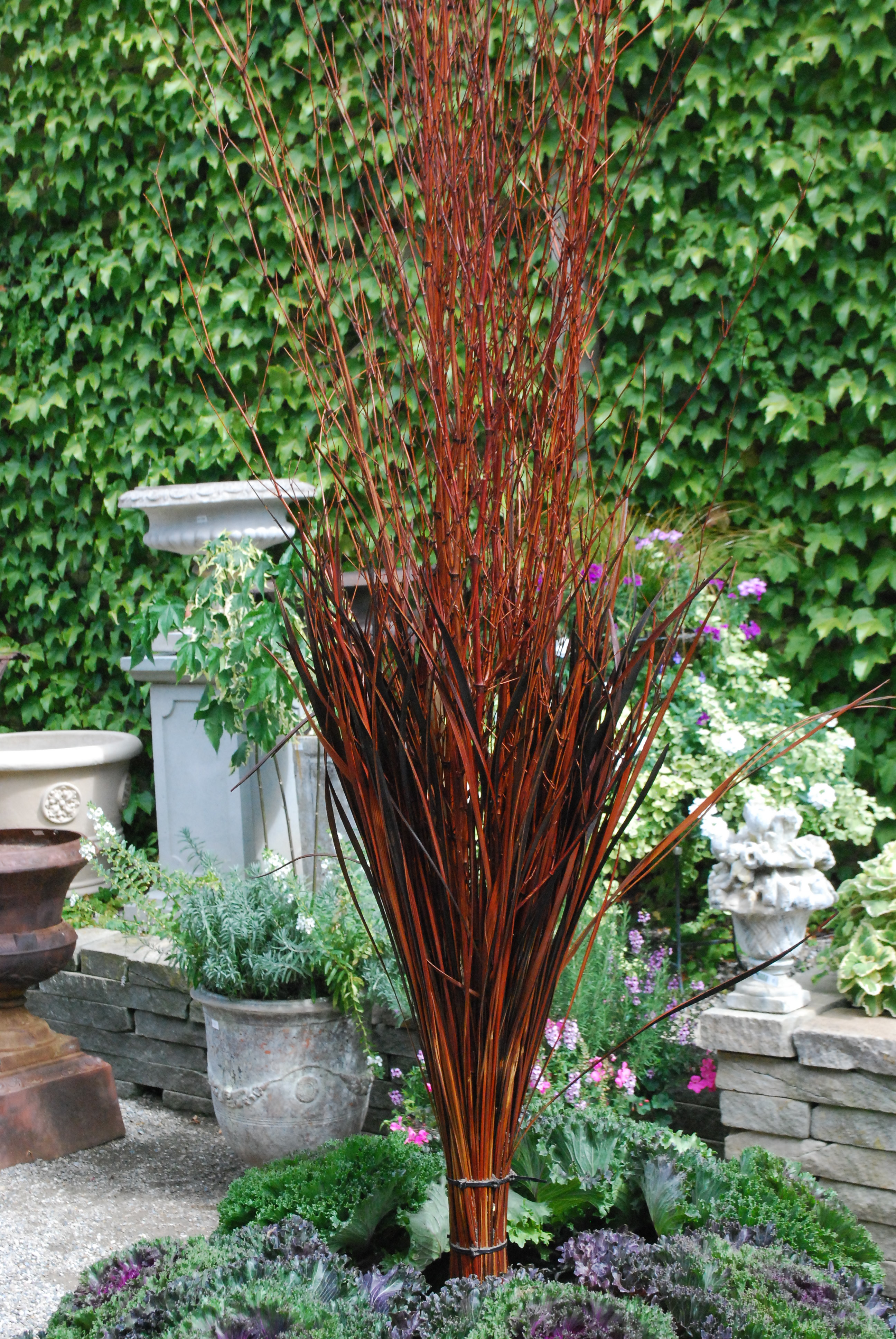
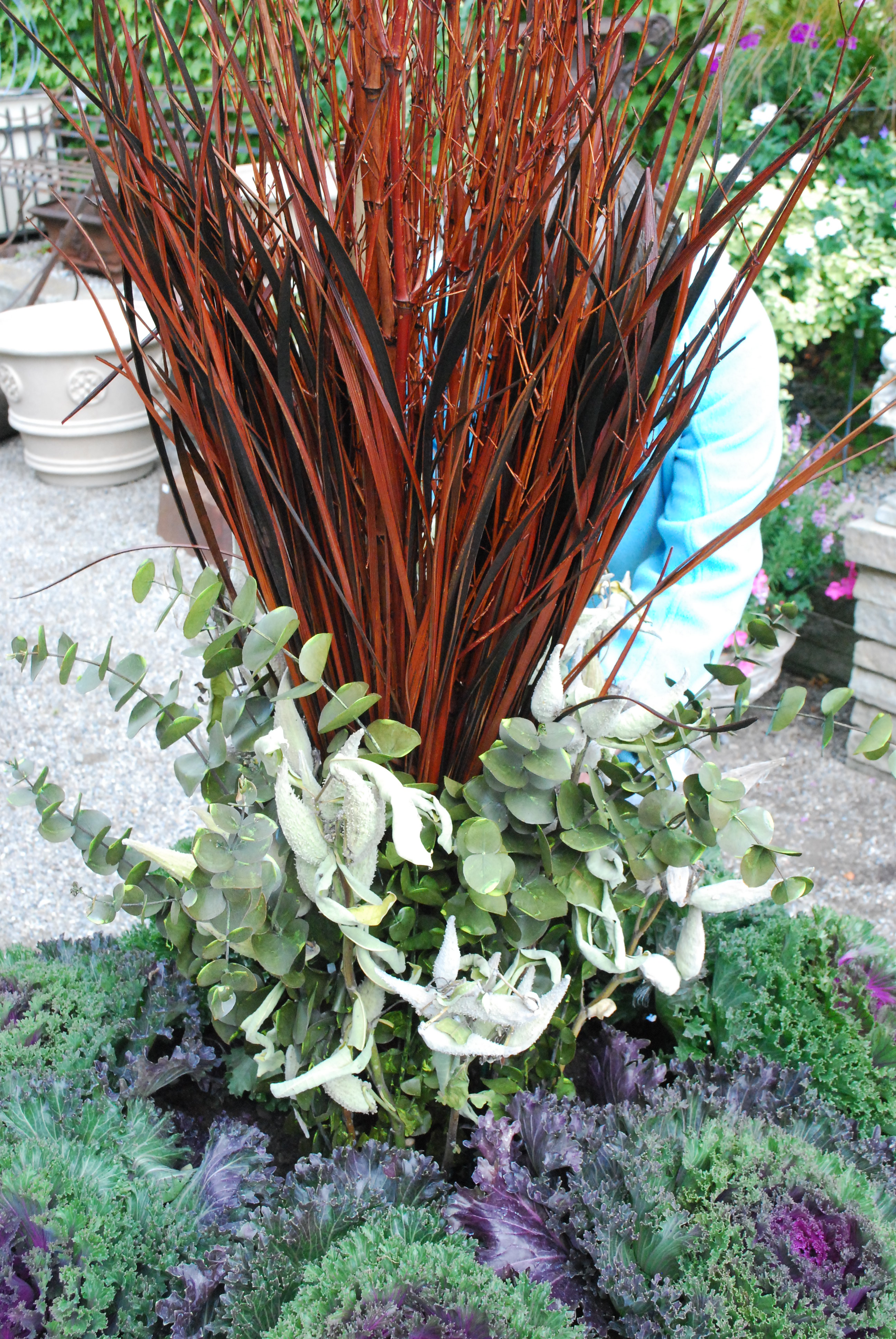
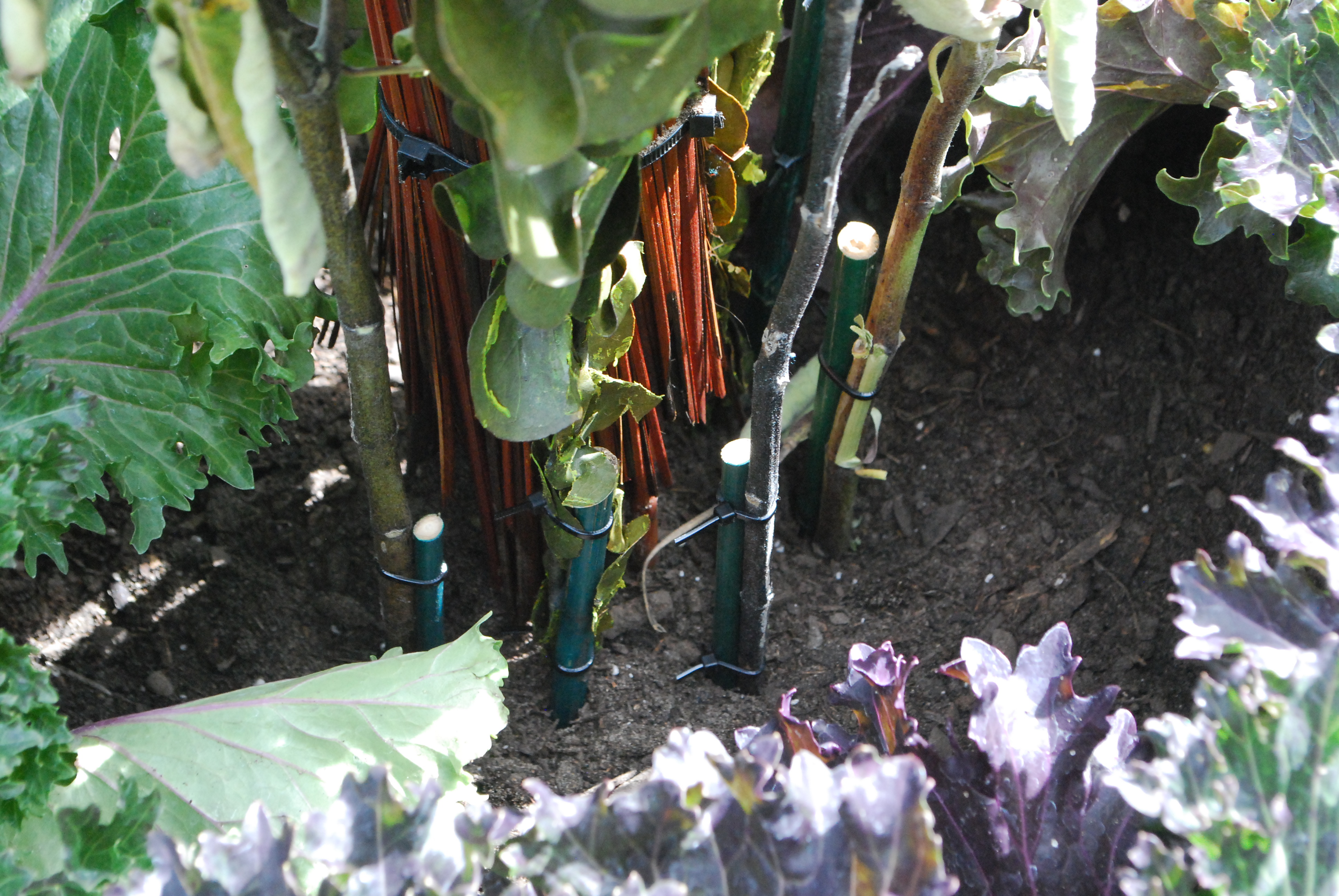
We may assemble a centerpiece of twigs and dried seed pods. That centerpiece gets zip tied together over a stout bamboo stake.  A fall container centerpiece listing out of vertical detracts from the overall effect.  Our bamboo stakes go way down into a container.  The soil around that centerpiece gets compacted-with a mallet.  Straight up and down-a detail that makes for a good result. We spotted a clump of green milkweed pods on the side of the road-they would make a great addition to this container arrangement. 

A centerpiece may need lots of elements-especially if you are going for that sumptuous look.  I like fall pots with loads of visual detail.   Dried or preserved materials surrounding that centerpiece need a construction detail that enables you to place them wherever they look good.  And most of all, a detail that helps them to stay put throughout the season.  

The eucalyptus and butterfly weed seed pods-we attached each stem to a bamboo stake with a pair of zip ties.  Natural materials are beautiful, but their stems do not have near the strength of a stake.  Attaching natural stems to bamboo stakes is time consuming-but this construction detail makes the end result look more natural, and last longer.  The frilly cabbage leaves cover the working part of the arrangement.

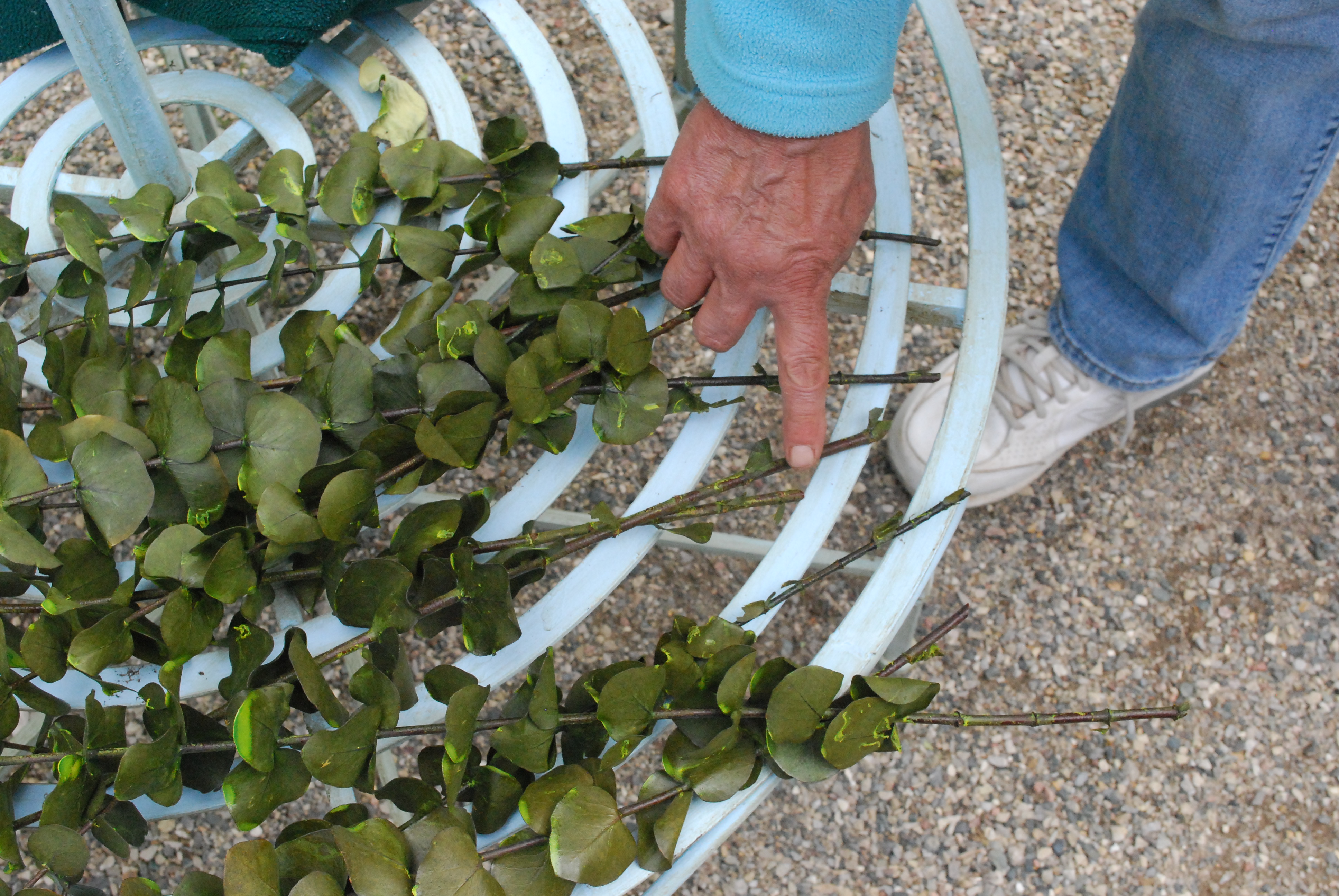
Preserved eucalyptus does have very strong stems.  Should I strip off the lower leaves, I have a stem that I can stick into the the soil, at the angle that seems best.  A detail worth noting here- preserved eucalyptus will keep its shape and color a very long time-even outdoors.  The variety of colors and textures available can add so much to a fall arrangement.

Faux fall grasses-I will confess that I buy them and have them available.  The palette of plants that thrive in cool fall temperatures is somewhat limited.  Adding roadside weeds, pumpkins and gourds, preserved materials, dried sticks and seed pods, and even plastic grass stems in a fall pot is much like adding a little jewelry to a black dress.     

I looked over this fall planting a number of times.  I kept coming back to it.  Is this the best I could do?  The best always involves attention to the details.  Finally, I decided the faux grass seemed a little to heavy.  A container planting should never drag the eye down. It did give a sense of warmth and drama to the arrangement, but would something else be better? 

Individual stems of ting with capiz shell circles-not a choice that would instantly come to mind.  But why not try it?  The stems have the grace and texture of grass.  The whole arrangement looks looser, more airy.  The green of the capiz shell discs brings out that luscious green in the kale. 

Any move made by a gardener is all about the details.  Personal details.  This gesture, or that-very personal.  The little details can transform an idea into a party.  From a distance, the overall impression is generous in scale and harmonious in color.

At this point in the making of a fall arrangement, a single detail added or subtracted can dramatically change the visual effect of the whole.  A detailed construction means the pot will look good throught the fall.  A visual detail says much about what you personally think is good looking.


I am sure that the other member of the Garden Designers Roundtable have interesting and individual ideas about the role that detail plays in good design-check them out! 


Susan Cohan : Miss Rumphius’ Rules : Chatham, NJ

Lesley Hegarty & Robert Webber : Hegarty Webber Partnership : Bristol, UK

Debbie Roberts : A Garden of Possibilities : Stamford, CT

Christina Salwitz : Personal Garden Coach : Renton, WA

Scott Hokunson : Blue Heron Landscapes : Granby, CT

Rebecca Sweet : Gossip In The Garden : Los Altos, CA


At A Glance: First Signs


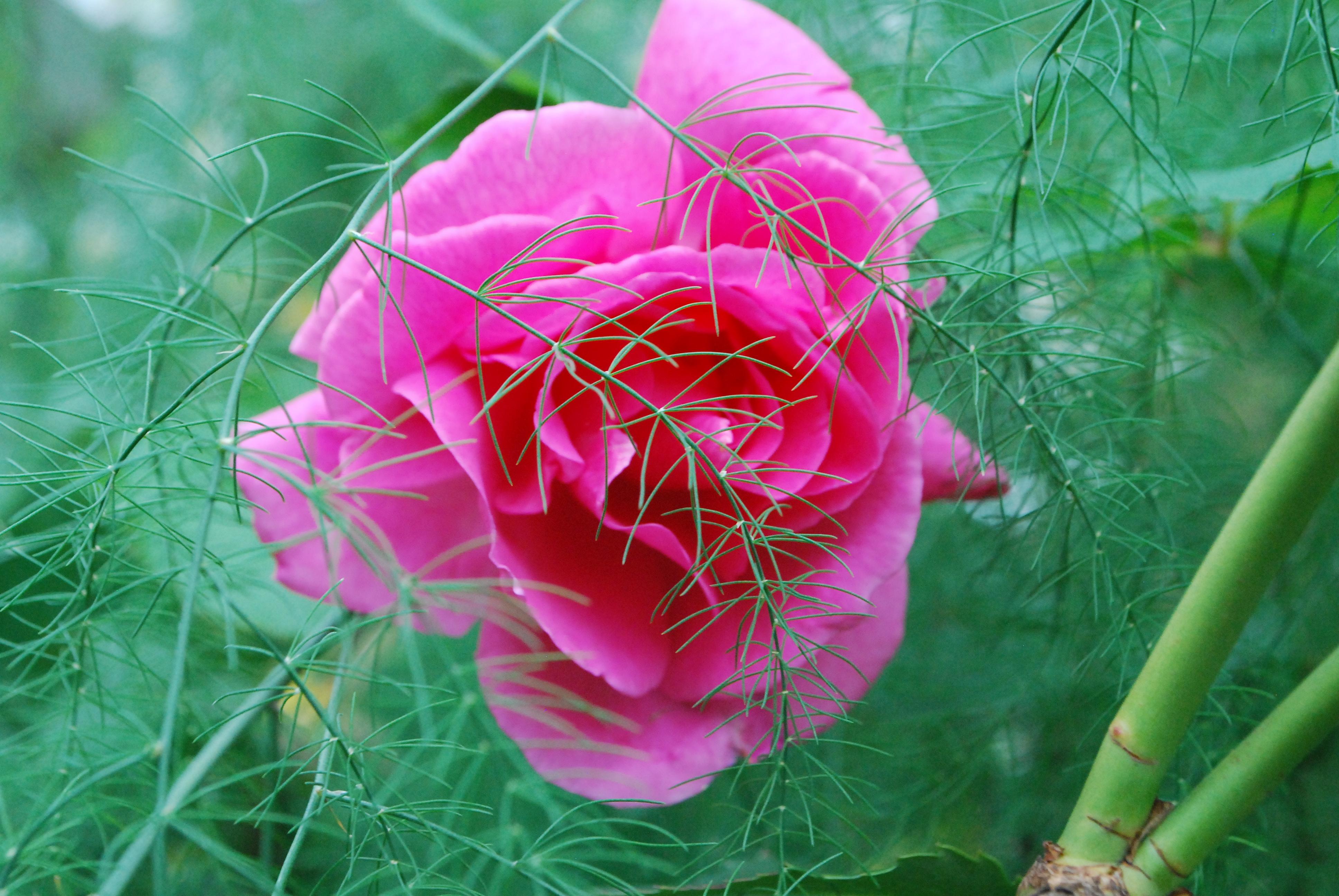
last rose of summer

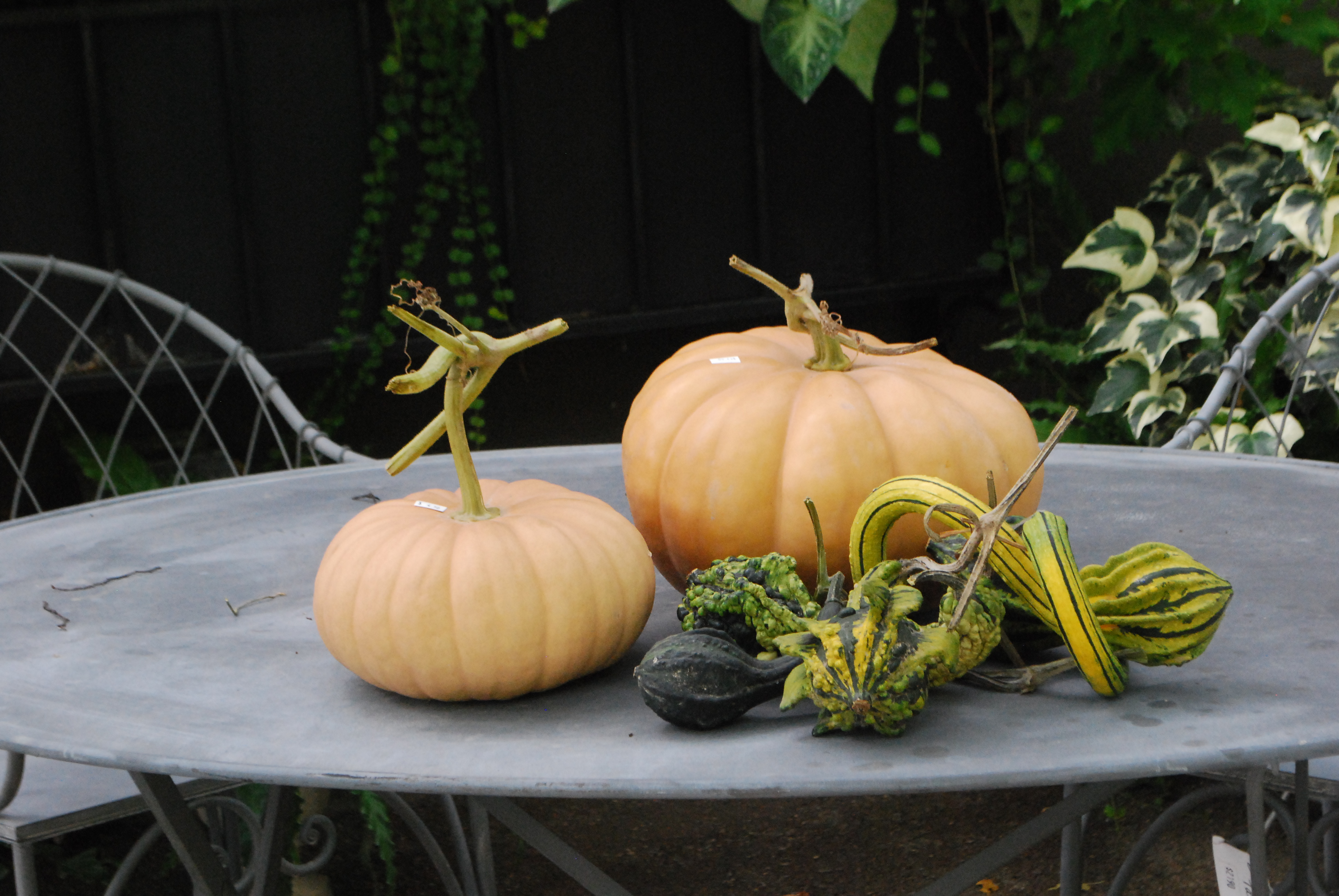
pumpkin “Long Island Cheese”

ornamental kale 

pumpkin in the gourd patch 

fall container planting


gourds and pumpkins

ornamental kale

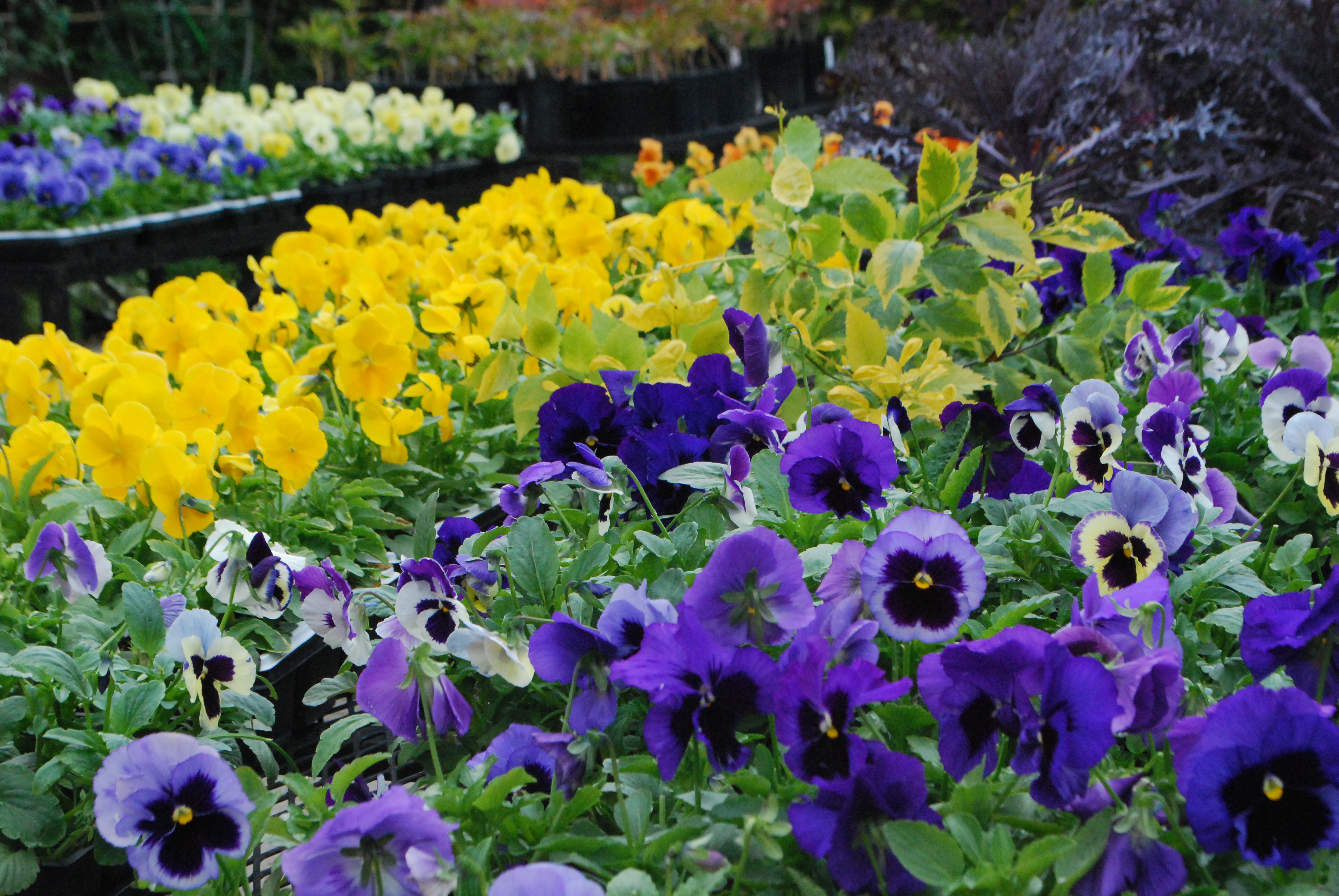
pansies

fall container materials

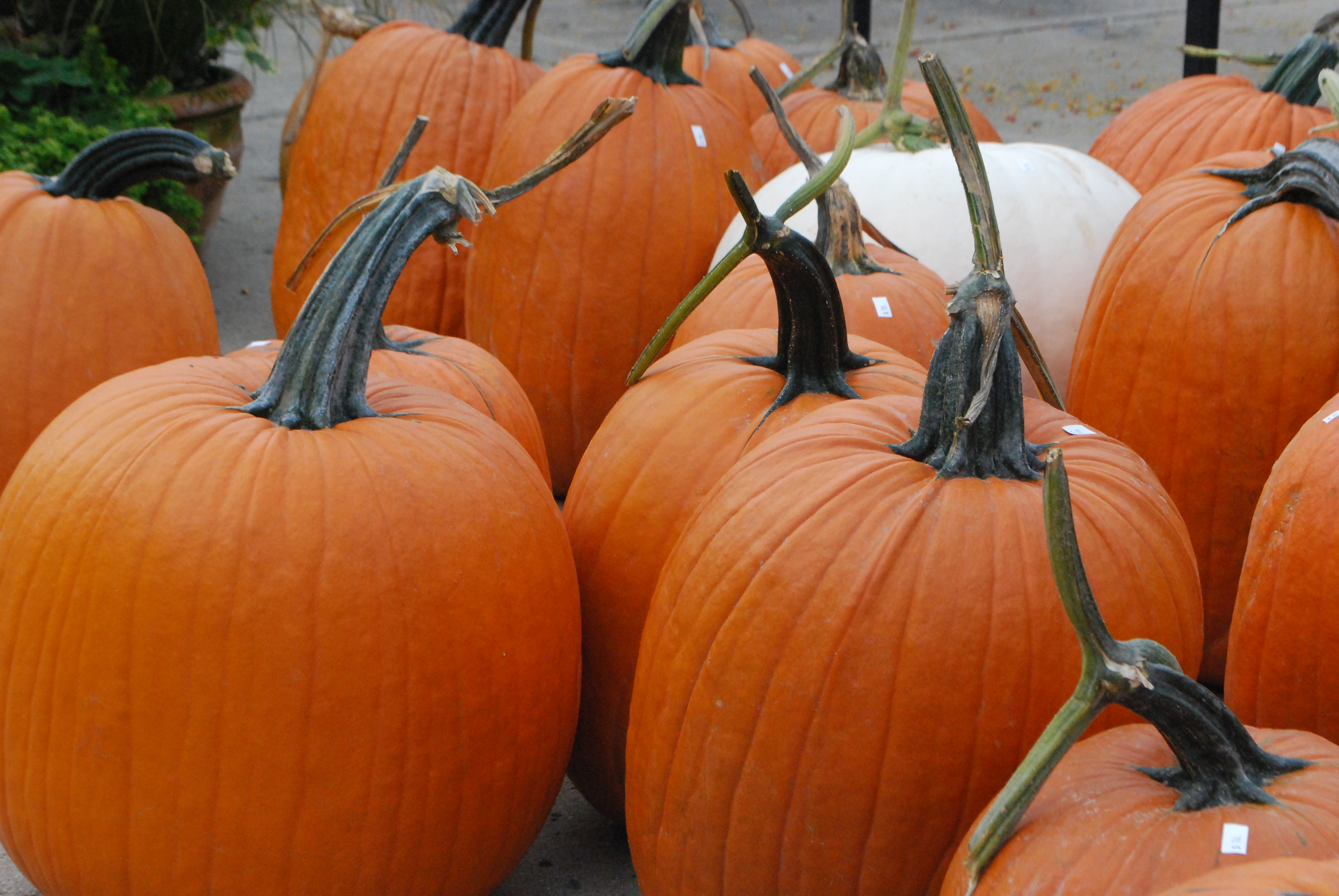
carving pumpkins

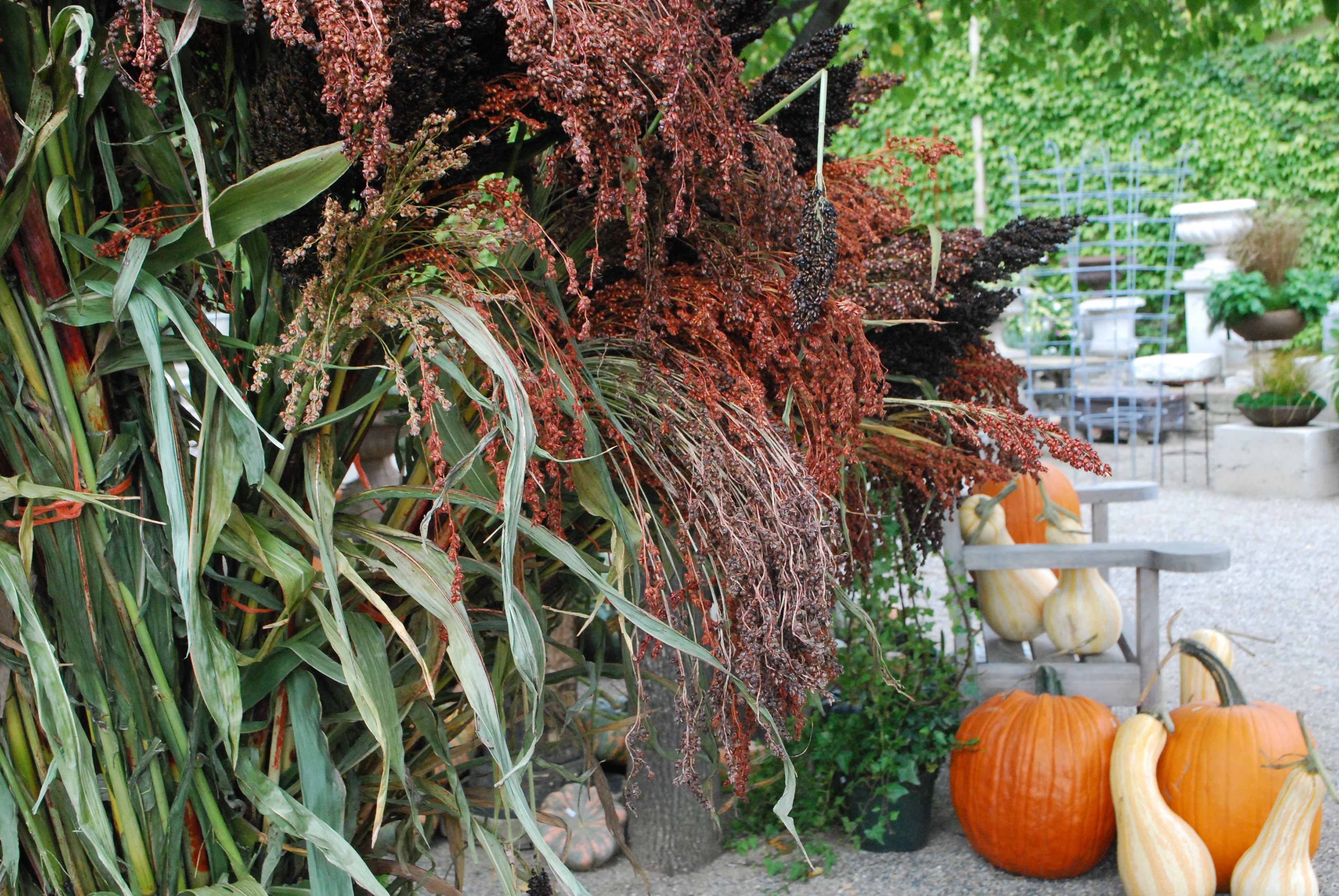
broom corn

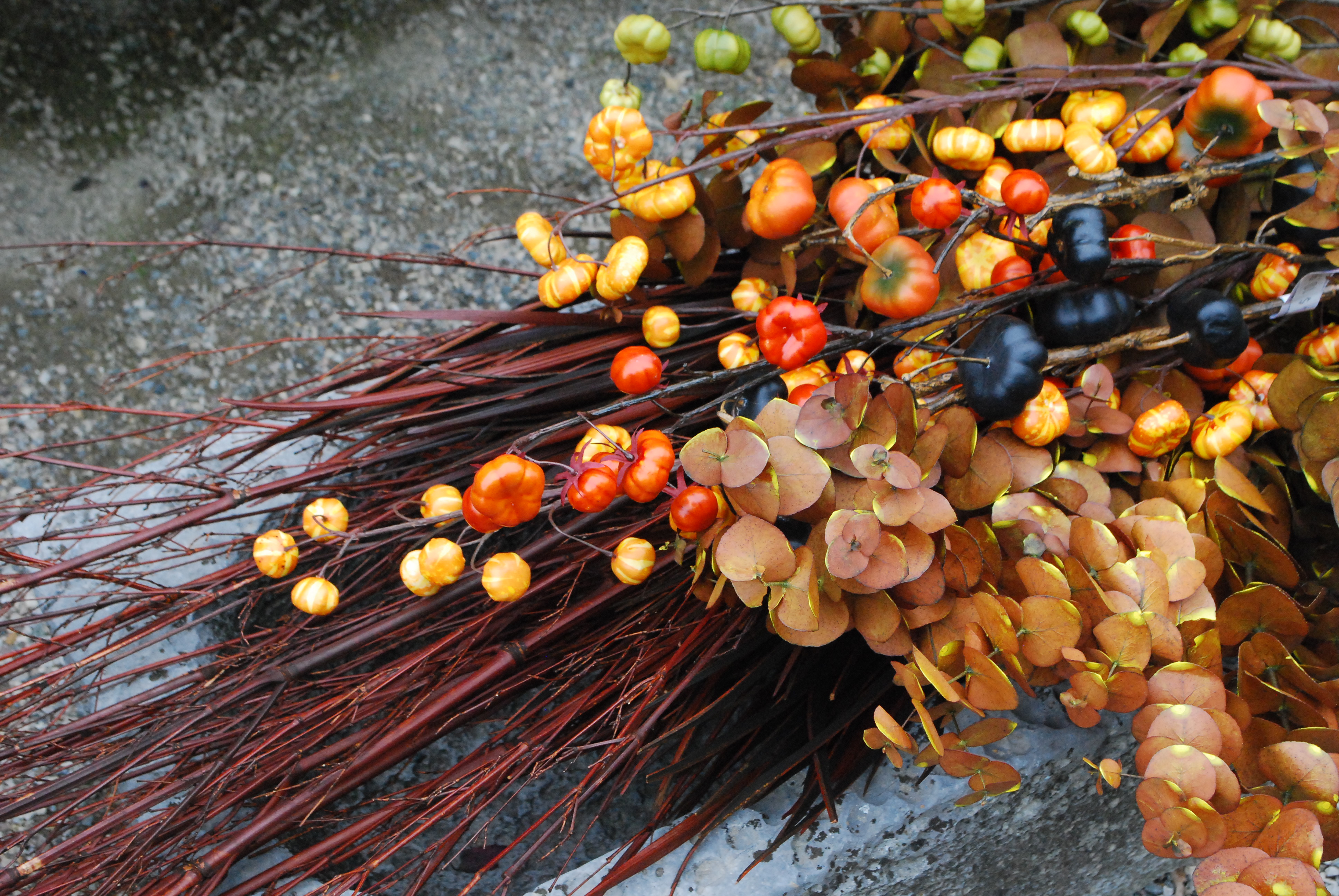
twig pumpkins


fall pots


The Super Nova Stage

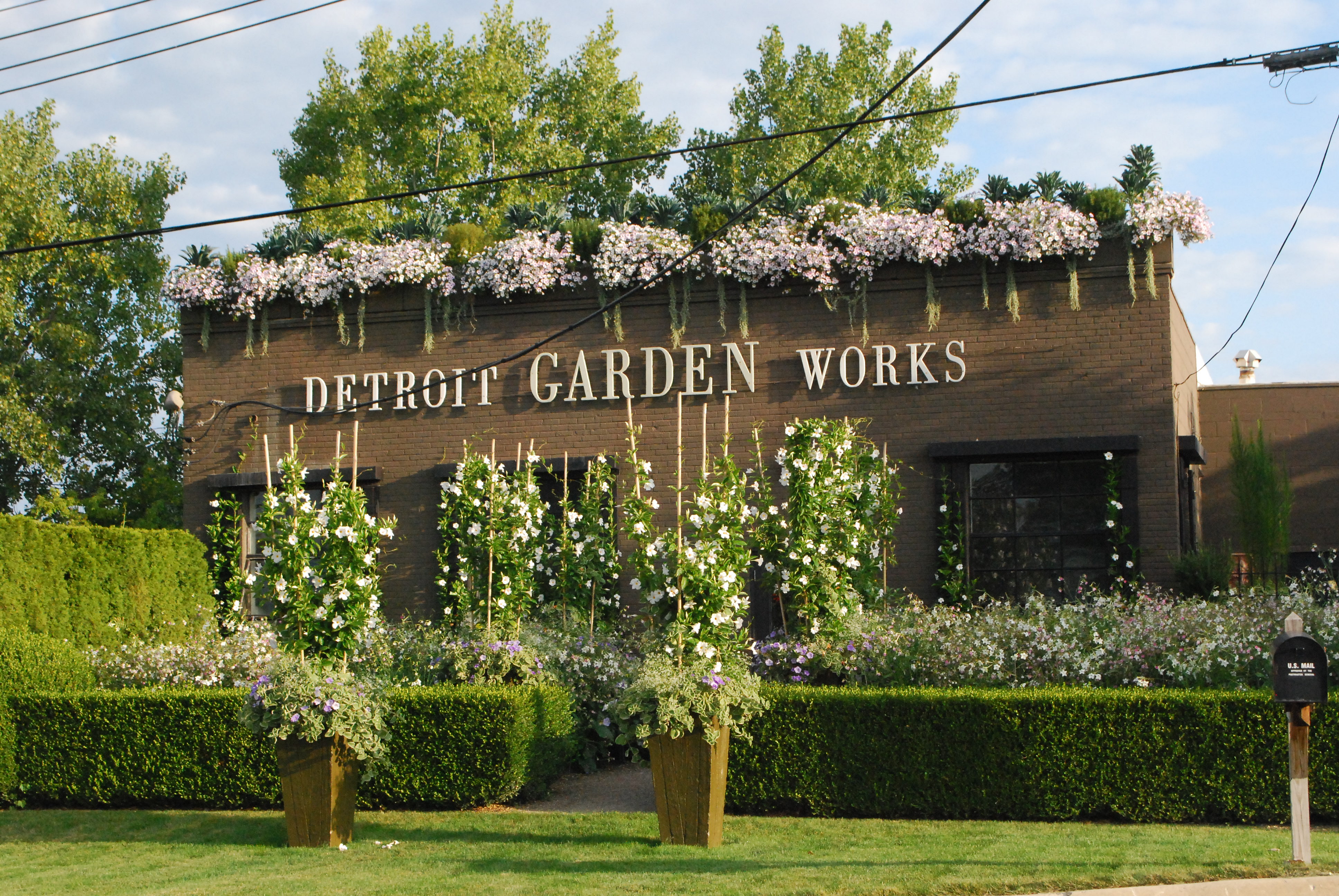
In 1996, I had a shop devoted to fine and fabulous objects for the garden- newly opened for business.  Of course I had lots of ideas, not the least of which was a scheme for a landscape out front. Gravel paths, and a slew of buxus koreana from Canada.  Marv Wiegand gave me 6 months to pay for these boxwood-this was a huge help to a business just underway.  This 1997 view of the shop-the word gawky comes to mind.   

This past week tells a different, more recent story about the shop garden.  The years of work show.  Time is a enormously important design element in the landscape.  You may be able to cut in line other places , but any landscape needs some age to represent well.  Some new landscapes may be charming and bright at first-this is a super nova stage.  But how they look fifteen years later tells the design tale.  Great landscapes are about the long vision, and faithful maintenance.         

 Unlike a landscape, annual pots are a celebration of a single season.  They start with small plants that take hold slowly-the spring weather in Michigan can be cold and unfriendly to plants native to tropical climates.  It seems as though every plant is the same size, no matter whether it will eventually stay small, or grow 6 feet tall.  New plantings are almost always out of scale with the container. 

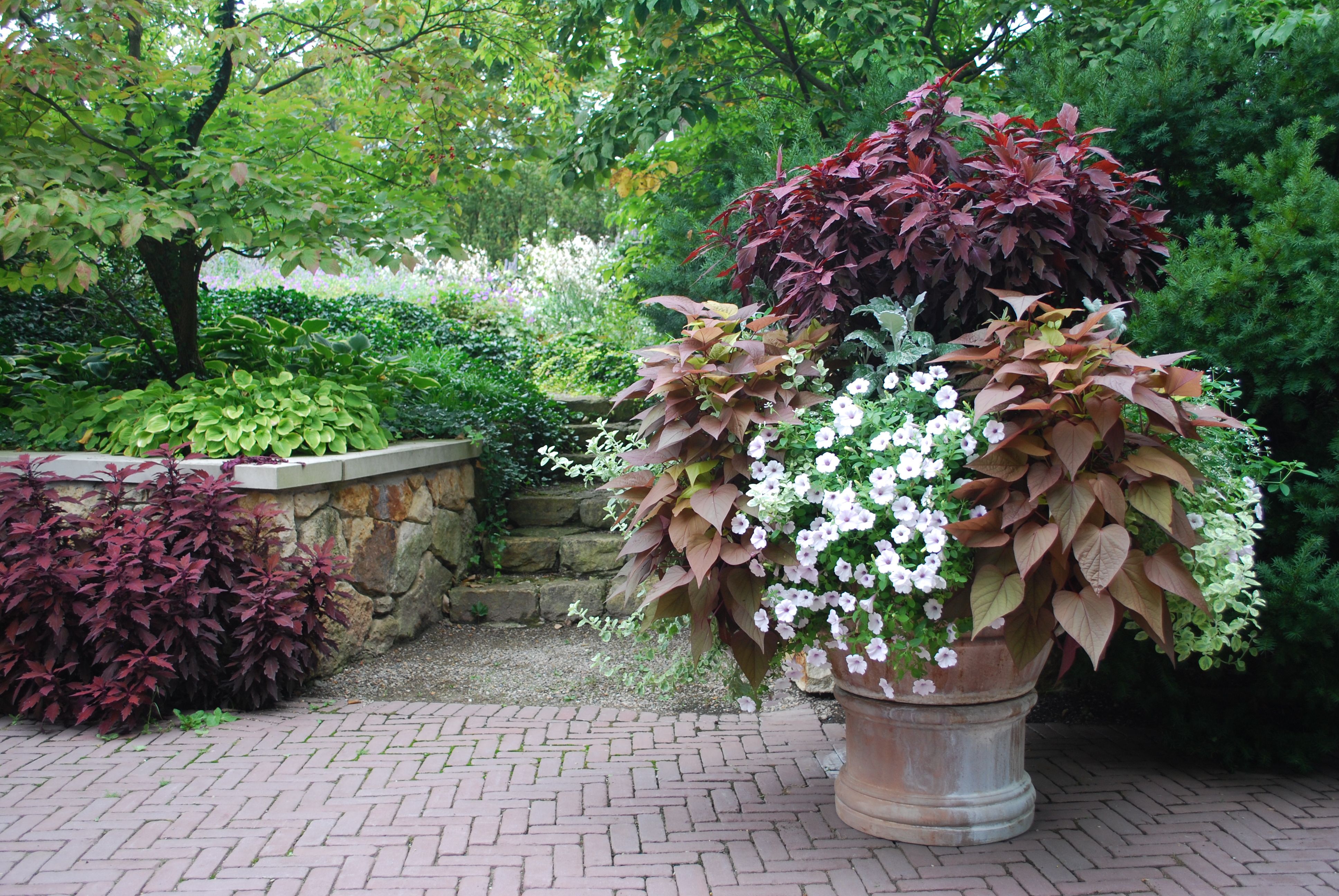
This same pot in late September is just about as good as it will get.  The fall equinox-tomorrow.  Cold nights will have an adverse effect on the coleus and sweet potato vine.  But just before the cold weather begins to bring the annual season to a close, the plants seem to take on a robust appearance.  Perhaps the cooler weather, or the sun lower in the sky, makes the color appear more saturated.  

In any event, the annual season is brief and sweet. It takes no time at all to find out whether an experiment in color and form is satisfying-or not.  Better yet, there is a new season ahead-for those containers that need a better idea.

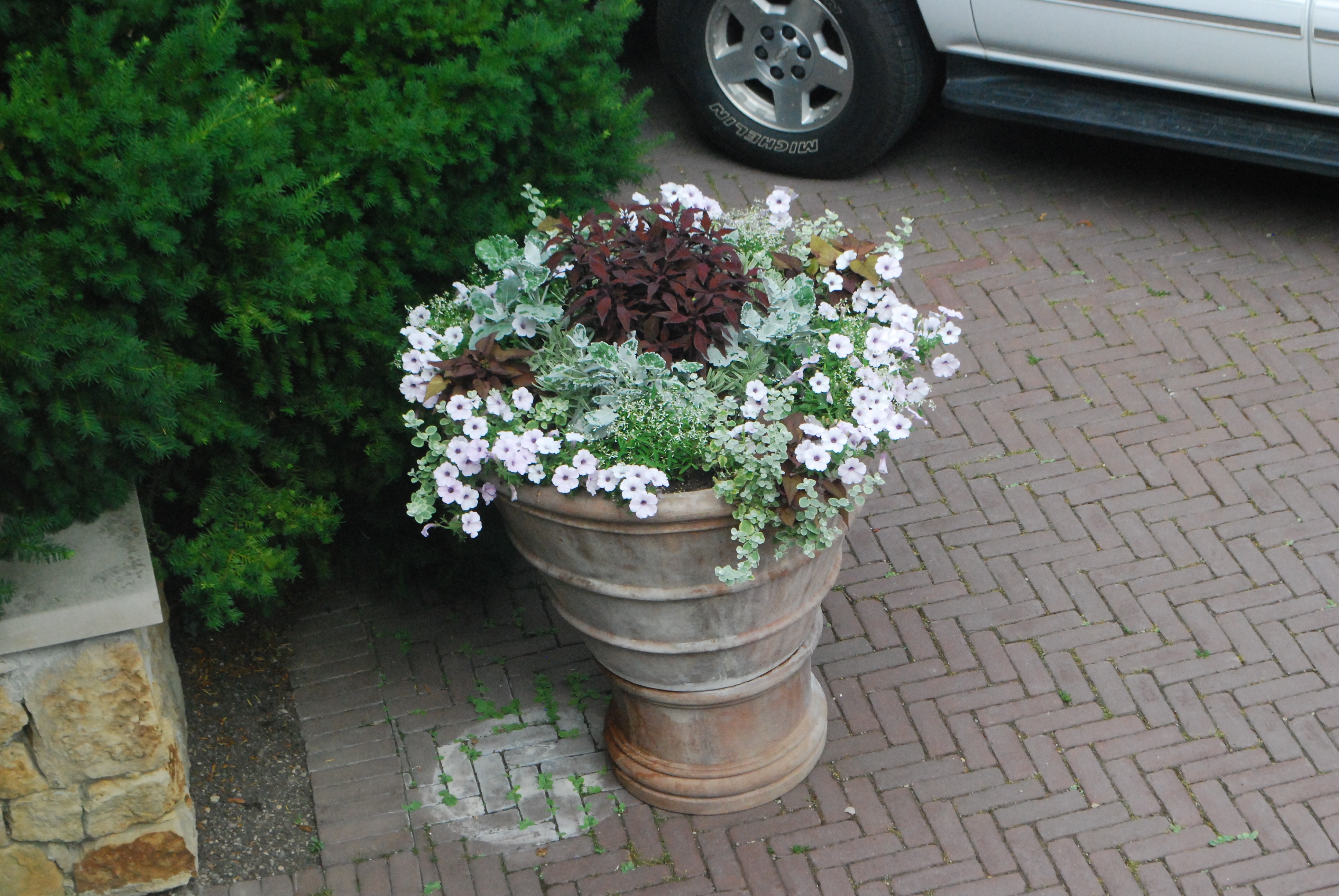
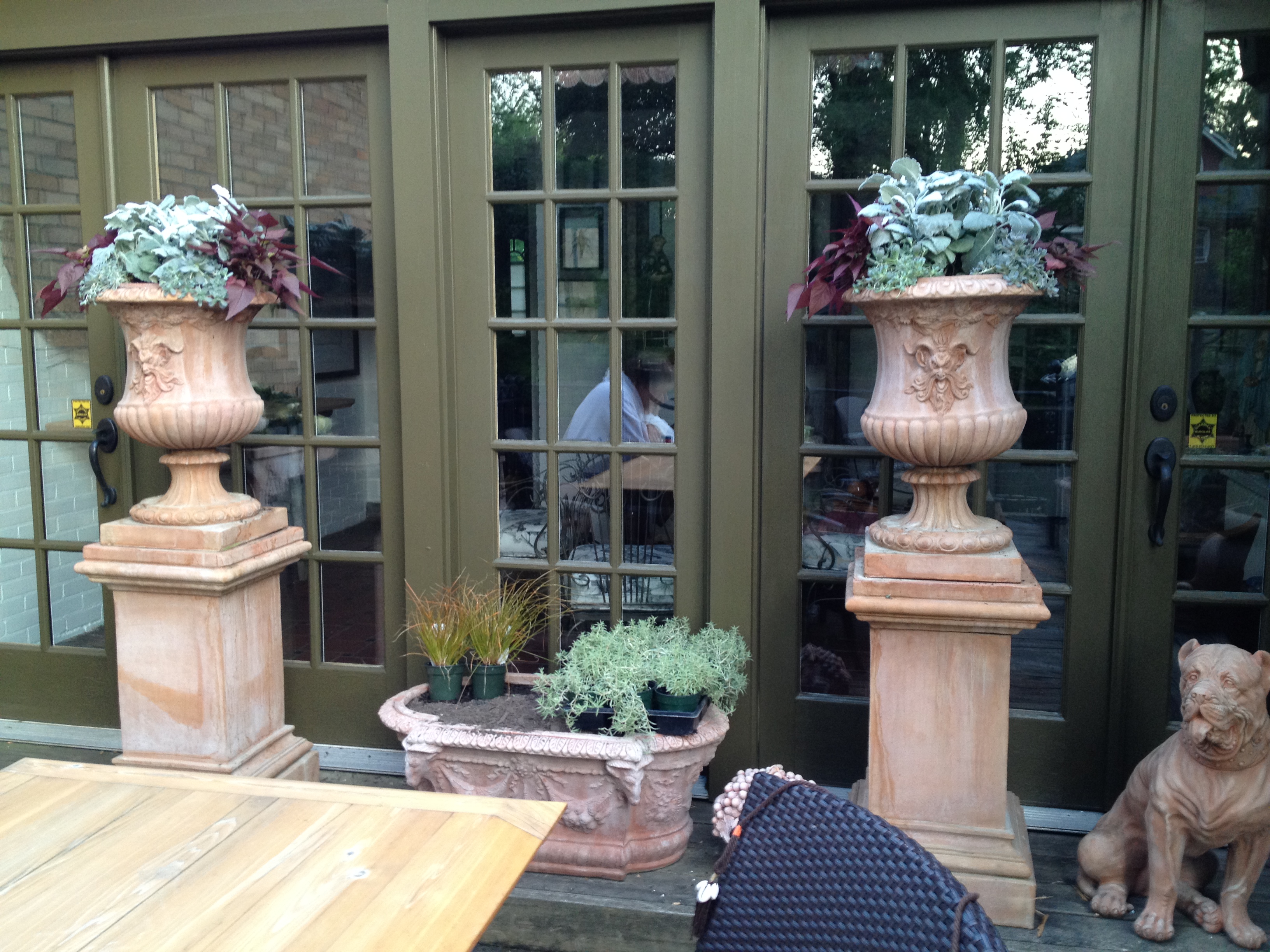
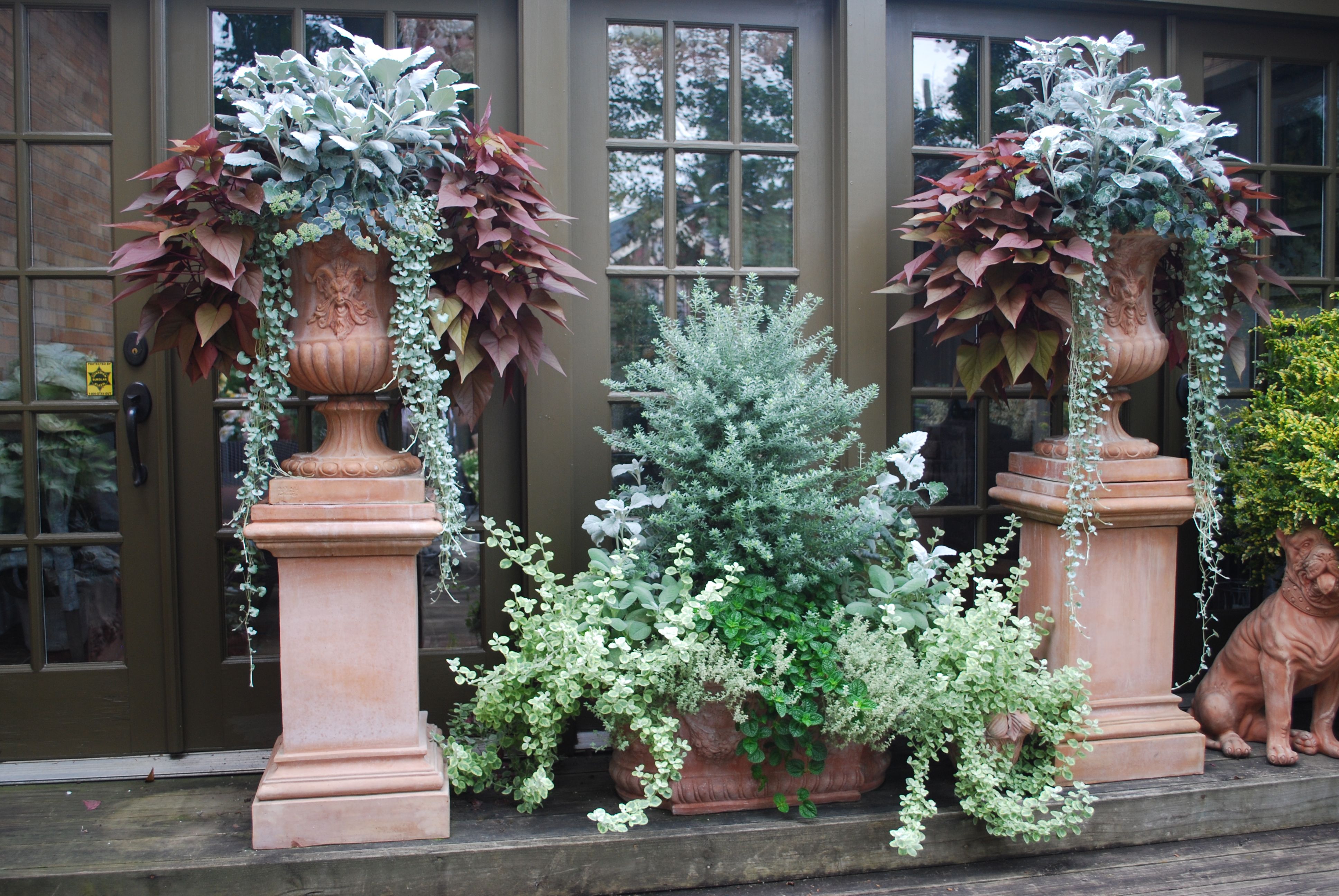
This is my best effort ever in these two small pots.  It took years to figure out one simple thing.  Large growing plants do not prosper in smaller pots.  Plants that mature at a size proportional to the size of the container put on the best show. 

I am always pushing that size restriction with these two urns.  One year I grew nicotiana mutabilis in them-hilarious, the outcome. Last year’s coleus-much too big a grower for the volume of soil in this pot. 

Today the plantings are as lush as they will ever be.  That lush look compliments the urns without overpowering them. The succulent in the front never grew large enough to obscure that Italian goat face.   

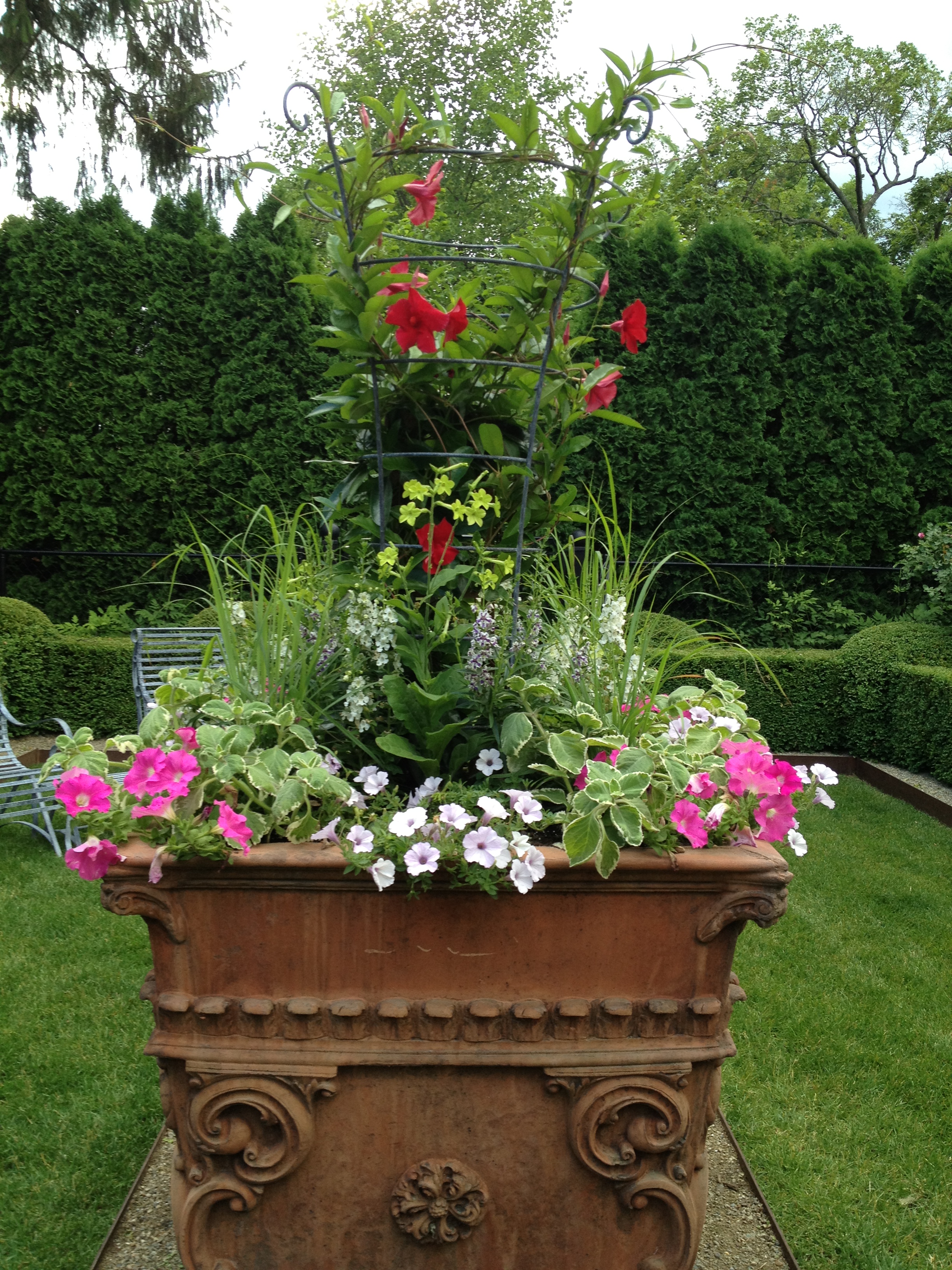
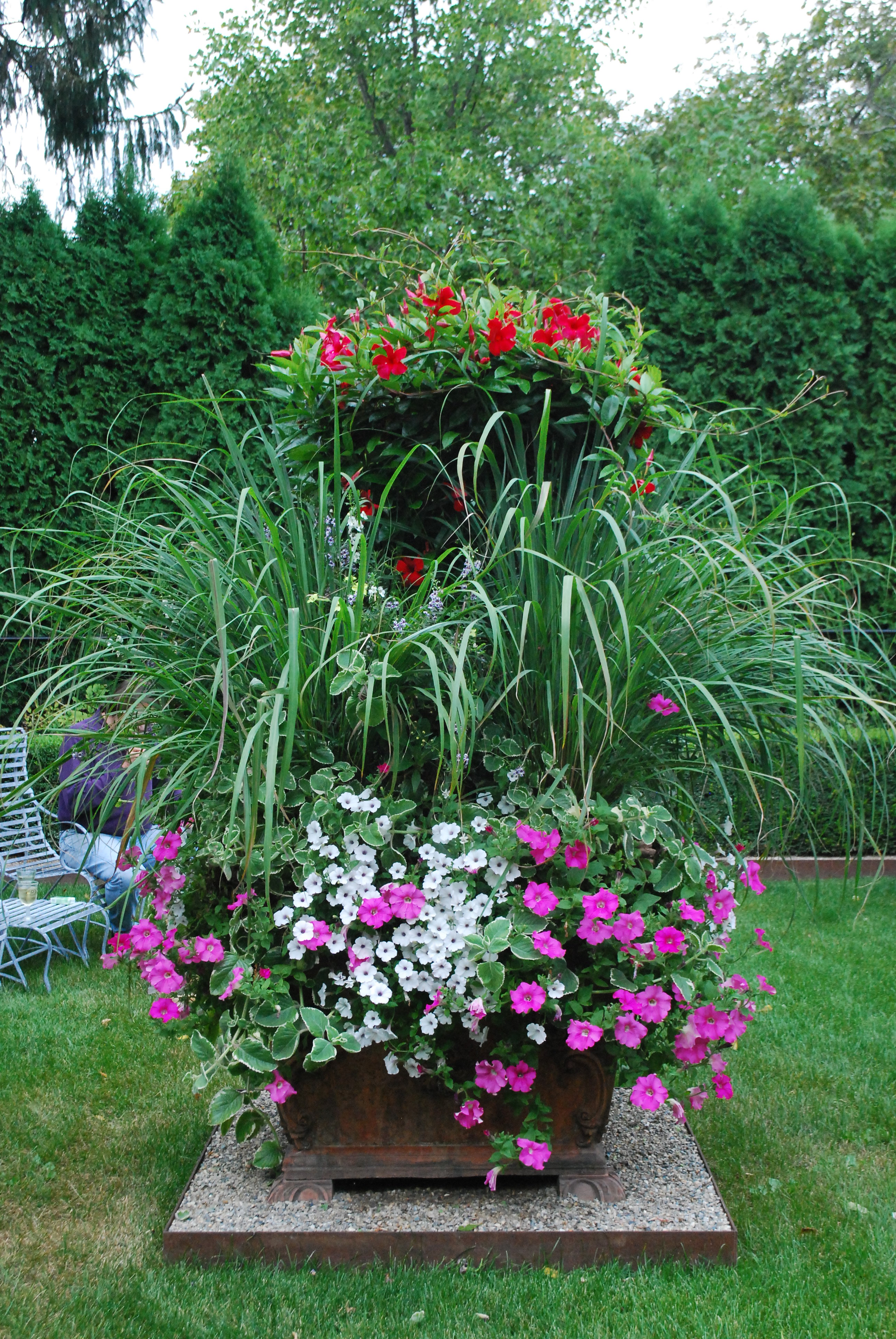
This Tuscan square was vastly larger than its plantings in June.  The steel plant climber that keeps the red mandevillea aloft is a major feature.

Yesterday, the lemon grass was every bit of 7 feet wide-all this from 4 4″ pots planted the first week of June.  I have taken lots of pictures of all of my pots this summer-I like keeping a record of how they do.  But I will not photograph this one again.  This is as good as it gets. 

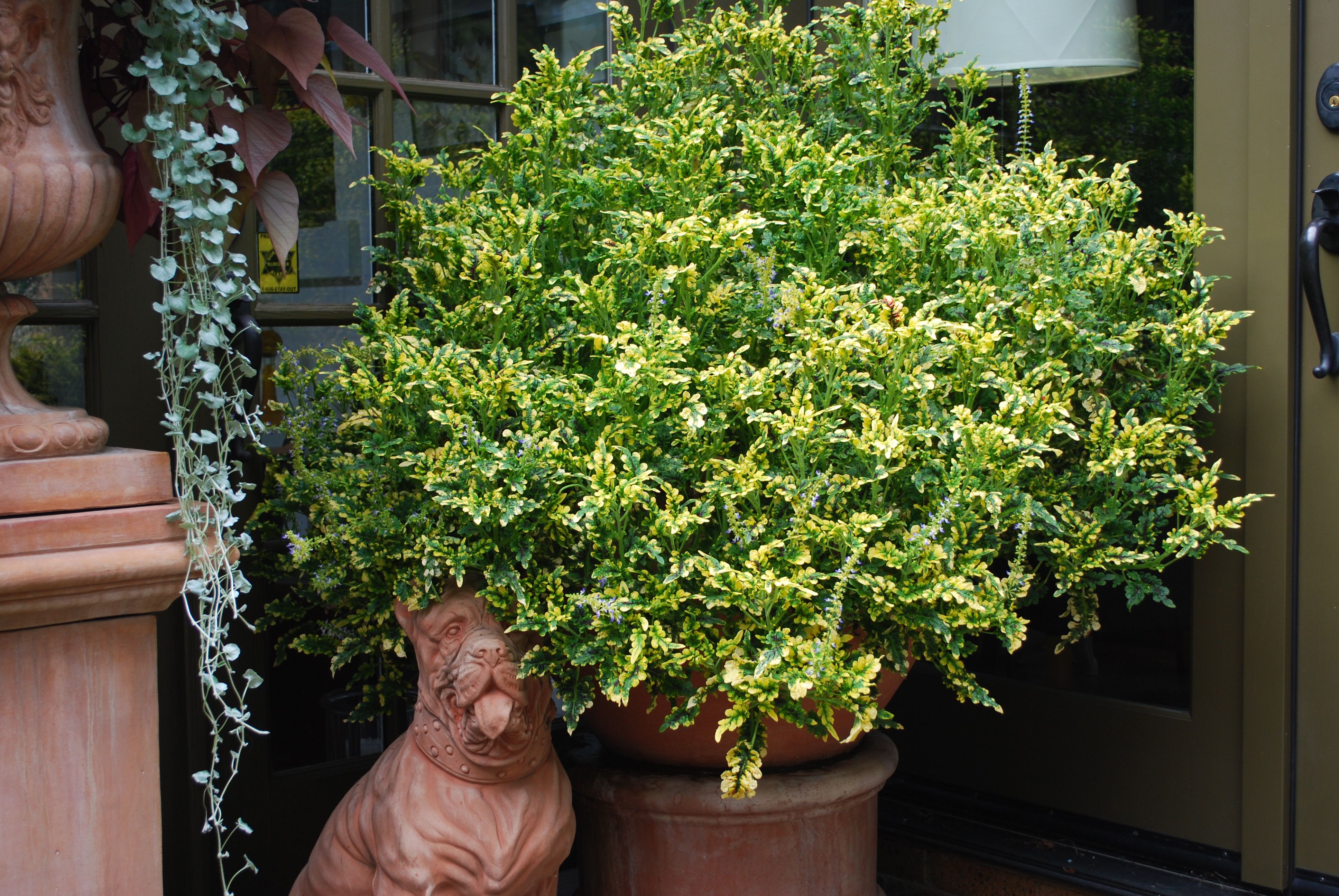
3 6″ pots of swallowtail coleus were planted in this pot.  It’s a bushel basket full of green and yellow highly textured leaves today.

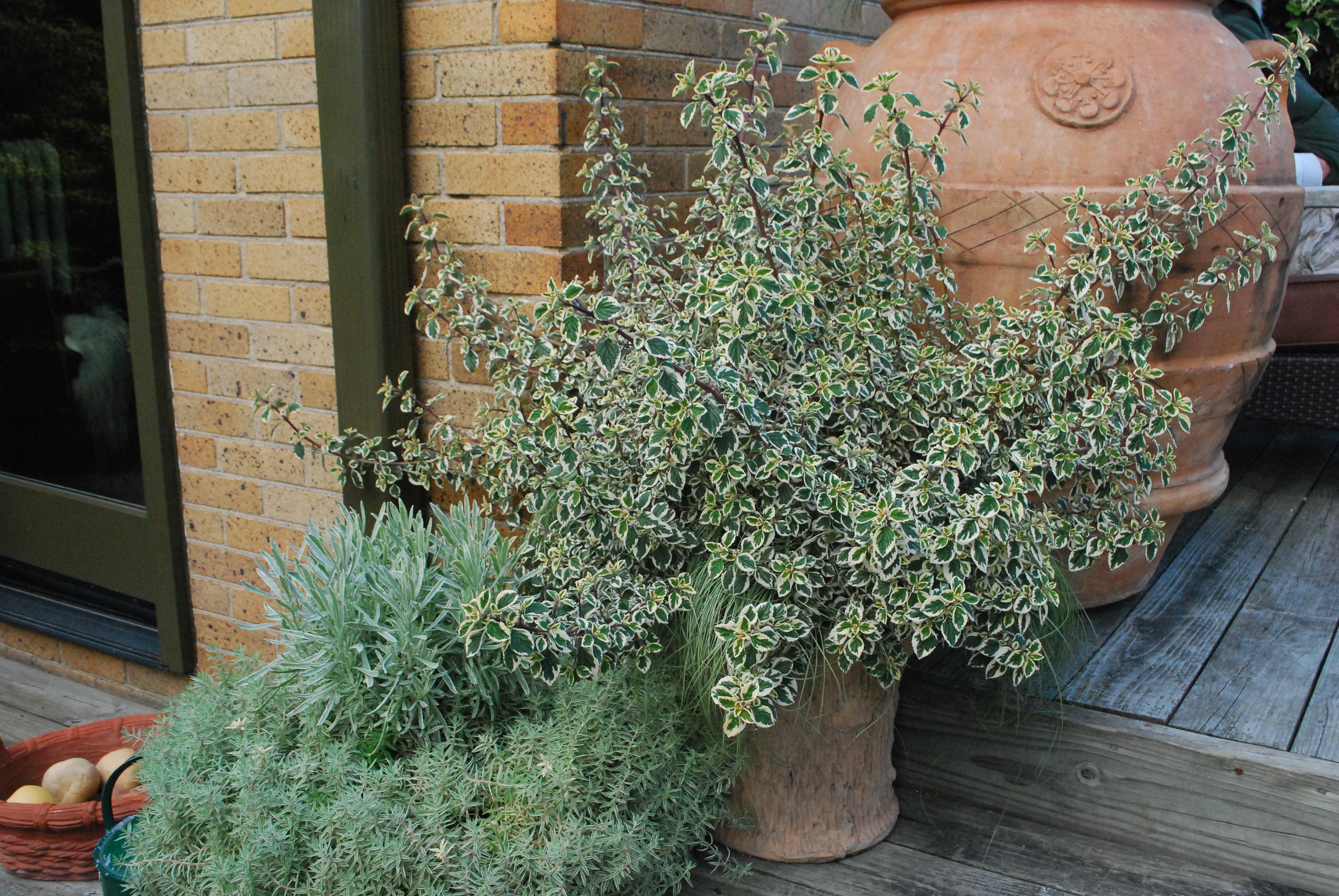
This pot might be my favorite of the year.  The plectranthus is falling over from the weight of its branches.  The variegated miscanthus grass in the center is emerging in a way I never anticipated.  The community which resulted from my planting is courtesy of mother nature. 

I am very much enjoying this moment.