 Thomas Hobbs and his partner Brent Beattie own and operate a nursery in Vancouver British Columbia called Southlands. I first became aware of their nursery via an article in Gardens Illustrated magazine years ago. As this publication only rarely features gardening places and people outside of England, I knew this place had to be extraordinary. It is. Rob made a point of visiting Southlands a few years, as I was so keen to know more about their vision of beauty, their love of the garden, and their love of the gardening trade. Thomas has written several great books. Both “Shocking Beauty” and “The Jewel Box Garden” are well worth reading. His chapter about “bell’occhio”, literally translated as “beautiful eye”, was an influential read for me. We struck up a friendship after my first blog essay about him some years ago.
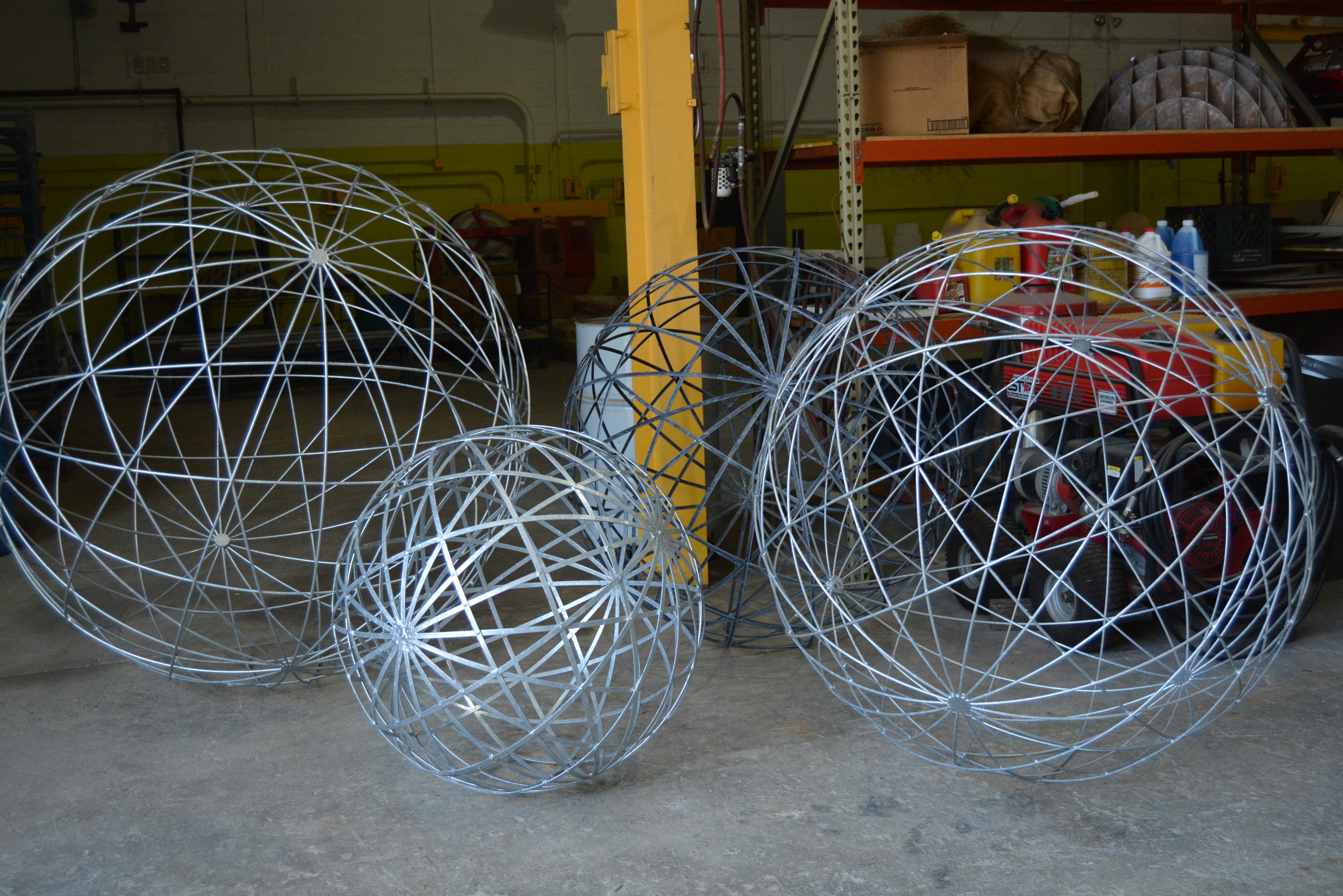 What has Buck been up to? Making his steel garden spheres, among a lot other things. If you are not familiar with them, they are a classic style garden lattice re-imagined and constructed in the round. Buck knew exactly how to make them, but could not draw them. After much discussion, I finally told him to just make one. The CAD drawings could come later. The first strap steel sphere-not welded, but riveted together-was big, light, and gorgeous. Never mind the drawings. We now make them in both strap and rod steel, for clients both local and distant.
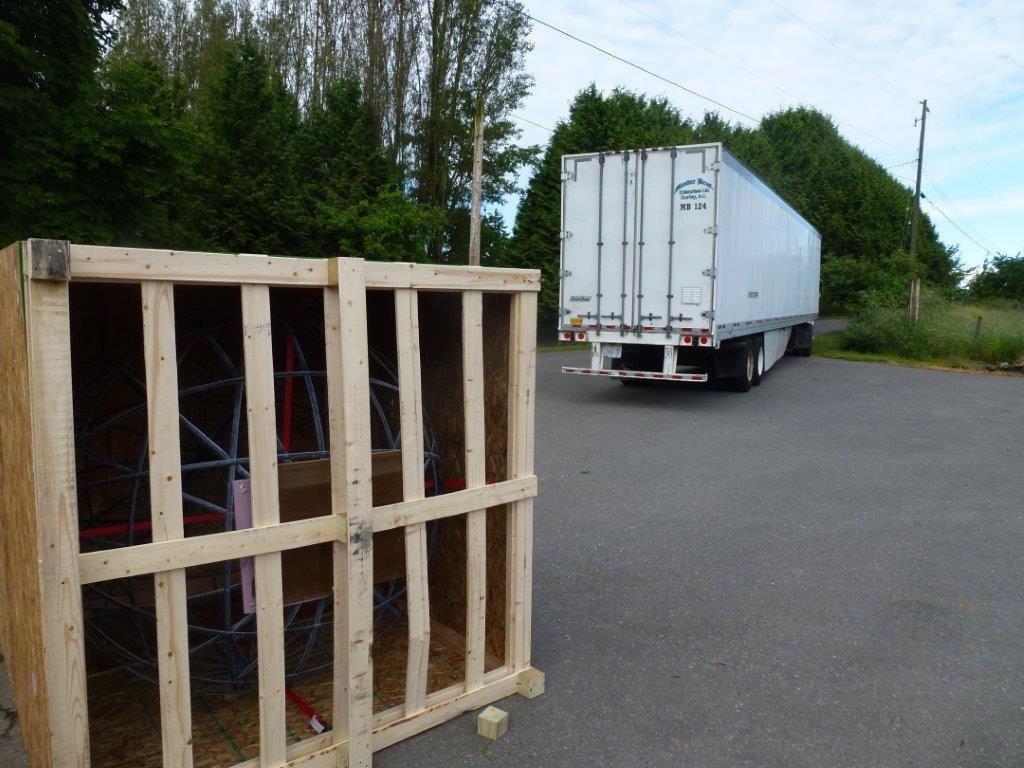 It was a good thing that we had some spheres on hand, as Thomas decided he wanted 6. 3 strap steel spheres. 5.5 foot in diameter, 4.5 feet in diameter, and 3 feet in diameter. He wanted the same number and sizes in the rod steel-sent to Vancouver in time for an event. Buck crated each sphere with the same care he exercises when he makes them. They had a big journey ahead of them. Exportation to Canada involves a lot of paperwork, and a customs broker. The spheres are manufactured in the US, and are made from steel that comes from Canada. We verified that to satisfy the requirements of our trade agreement with Canada. The truck that picked up all six spheres was a dedicated truck, meaning no other freight on board. From Pontiac Michigan, to Vancouver, British Columbia took two days.
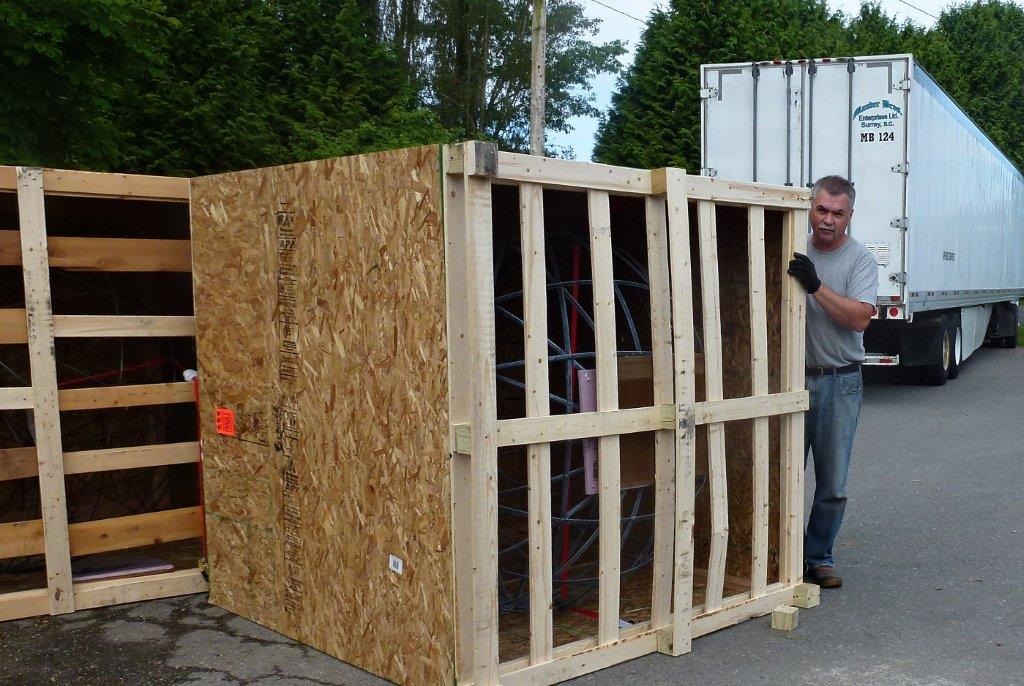 The spheres arrived in time for the hardy plant study group that was to visit his garden in June. He told me he felt like the the spheres had been crated by the Louvre. Buck did crate like the Louvre. We wanted those sculptures to travel from our hands to his-without a hitch. Happily, they arrived without so much as a scratch.
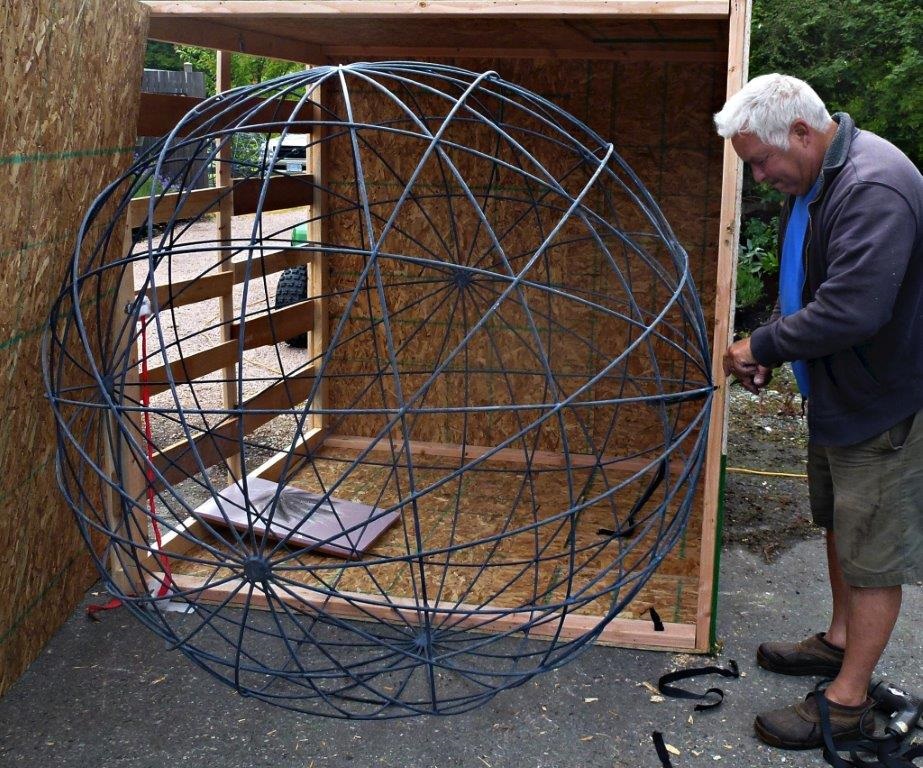
Thomas and I have never met. We may never meet. But we have a strong relationship over the garden. I am thrilled that 6 of our spheres are part of his new meadow garden.
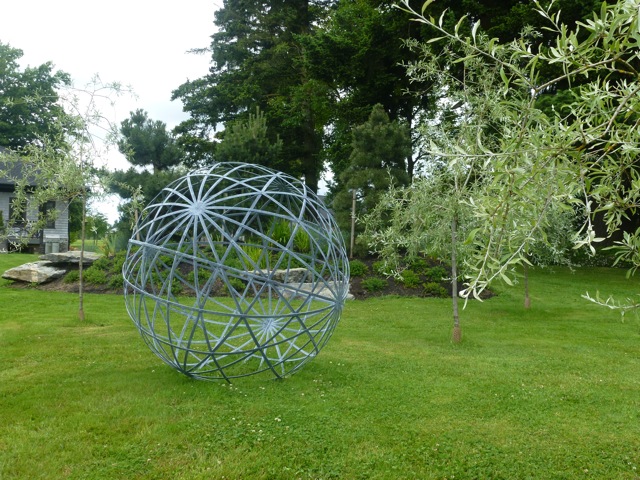 He has been sending me pictures. This new garden of his is young, but he has a vision for this space that is timeless. I can see that as this garden grows, those spheres will be a sculptural element that will keep pace with the passing years.
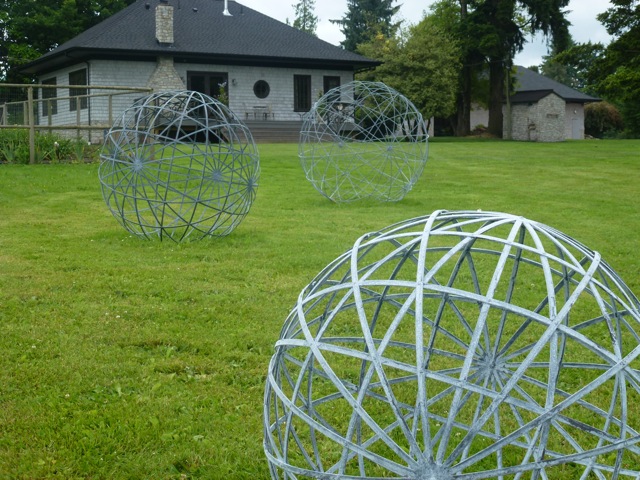 I imagine that he has been moving them around since the day he uncrated them. He is testing them in this spot, or that spot. From the pictures, I can see that he is interacting and responding to them. Sculpture that graces a garden is much about the gardener in charge. As a designer, I rarely presume to suggest a sculpture for a garden. I can never predict what a gardener, an individual, will find appealing.
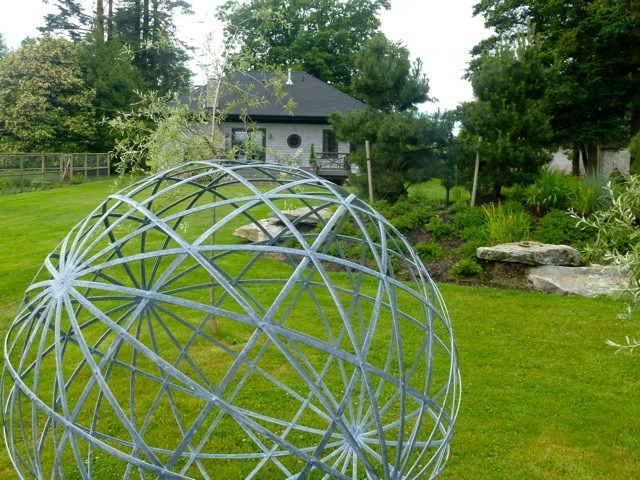 But given the pictures I am getting every day from Thomas, I think these spheres touch and reach him in a very personal and serious way. My advice? Only commit to art that truly moves you. Any sculpture you place in your garden should enchant you every time you pass by.
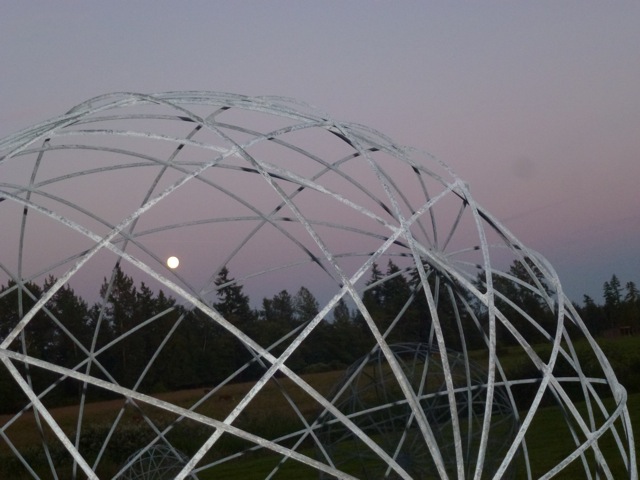 Judging from the pictures, I would suggest that Thomas Hobbs is perfectly in touch with what enchants him.
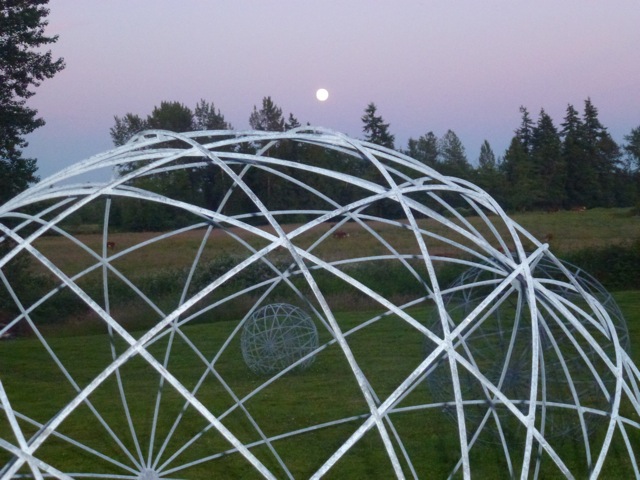
Hobbs spheres
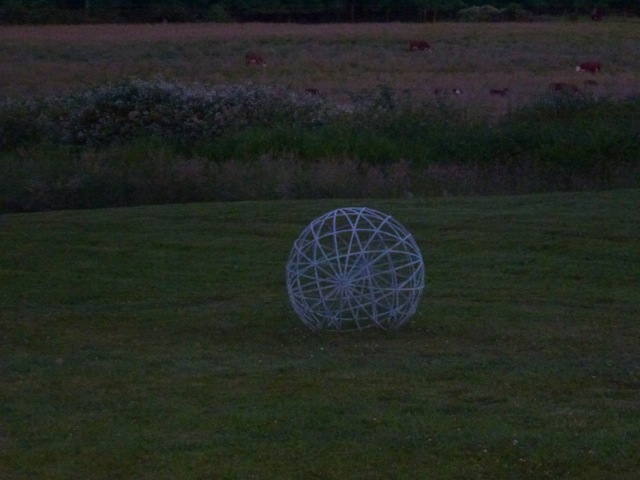
days end
 The visual news from Thomas Hobbs.
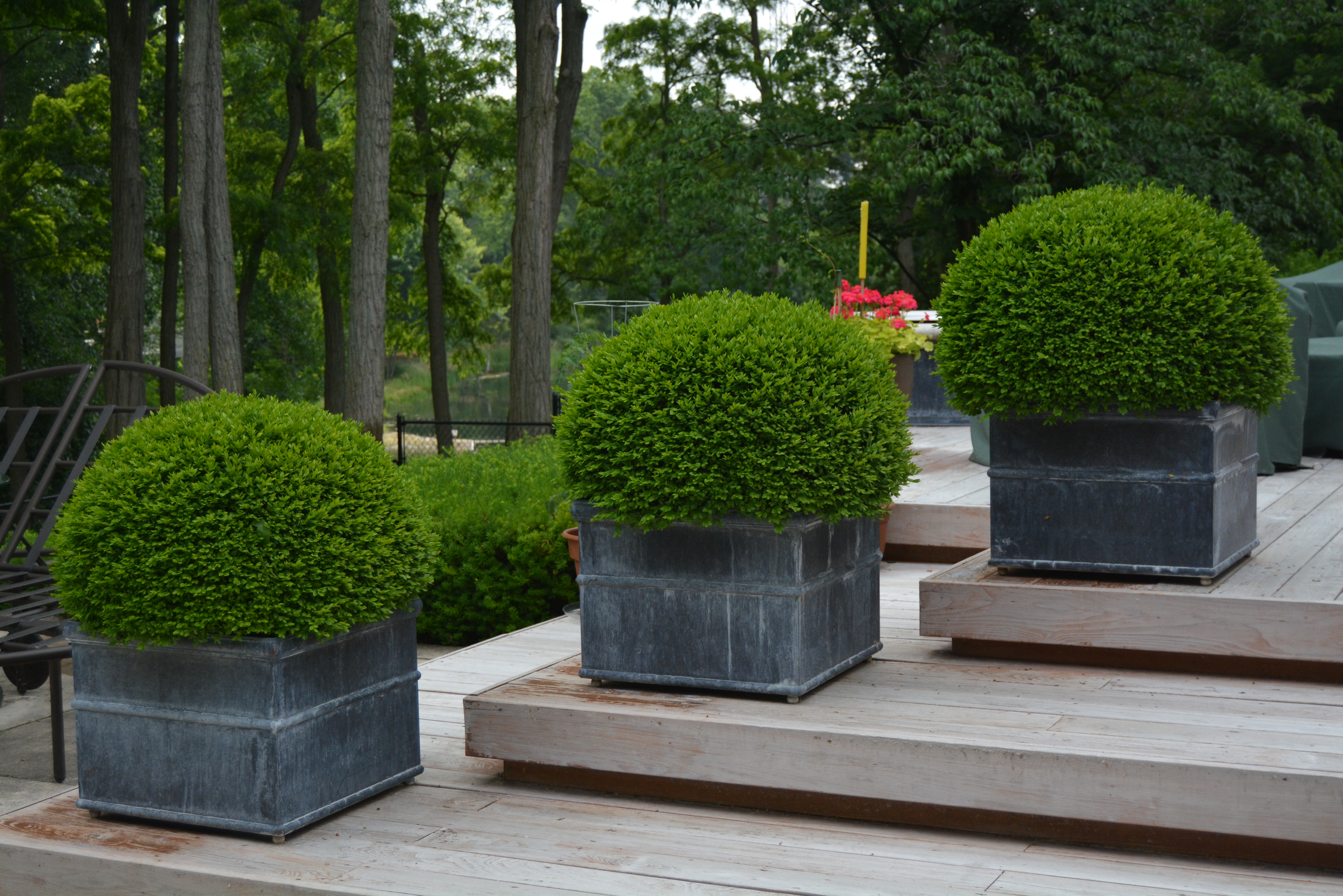

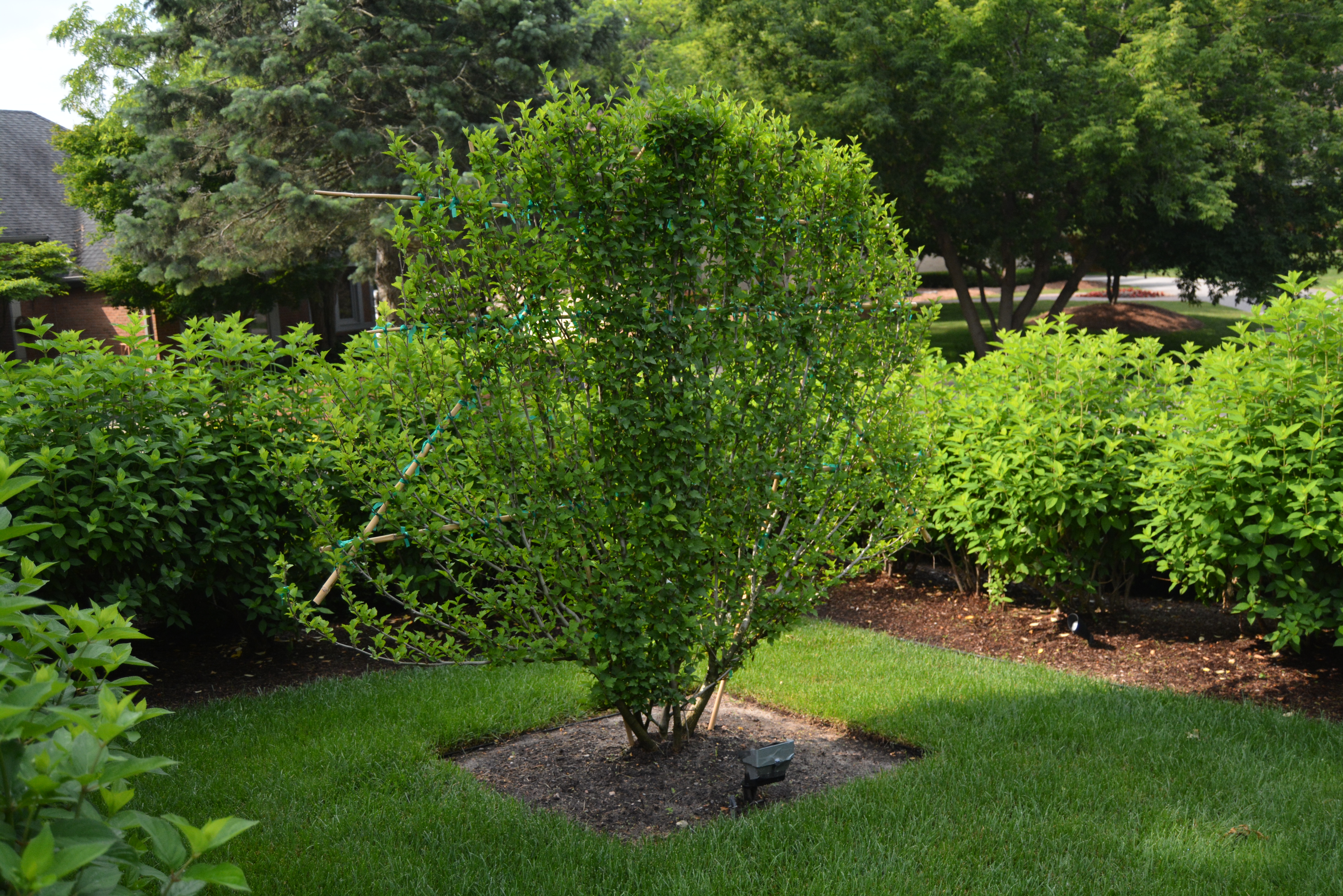

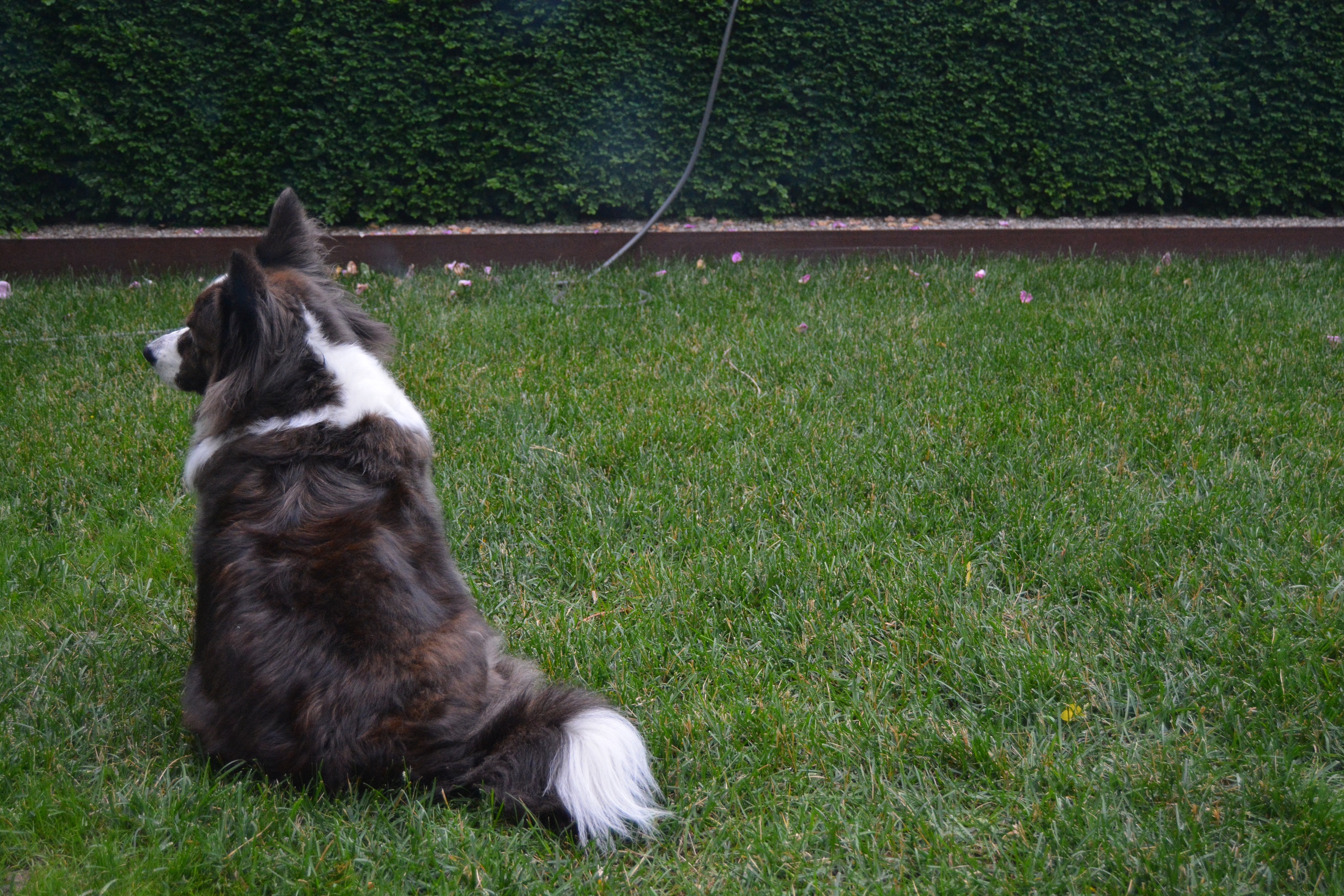
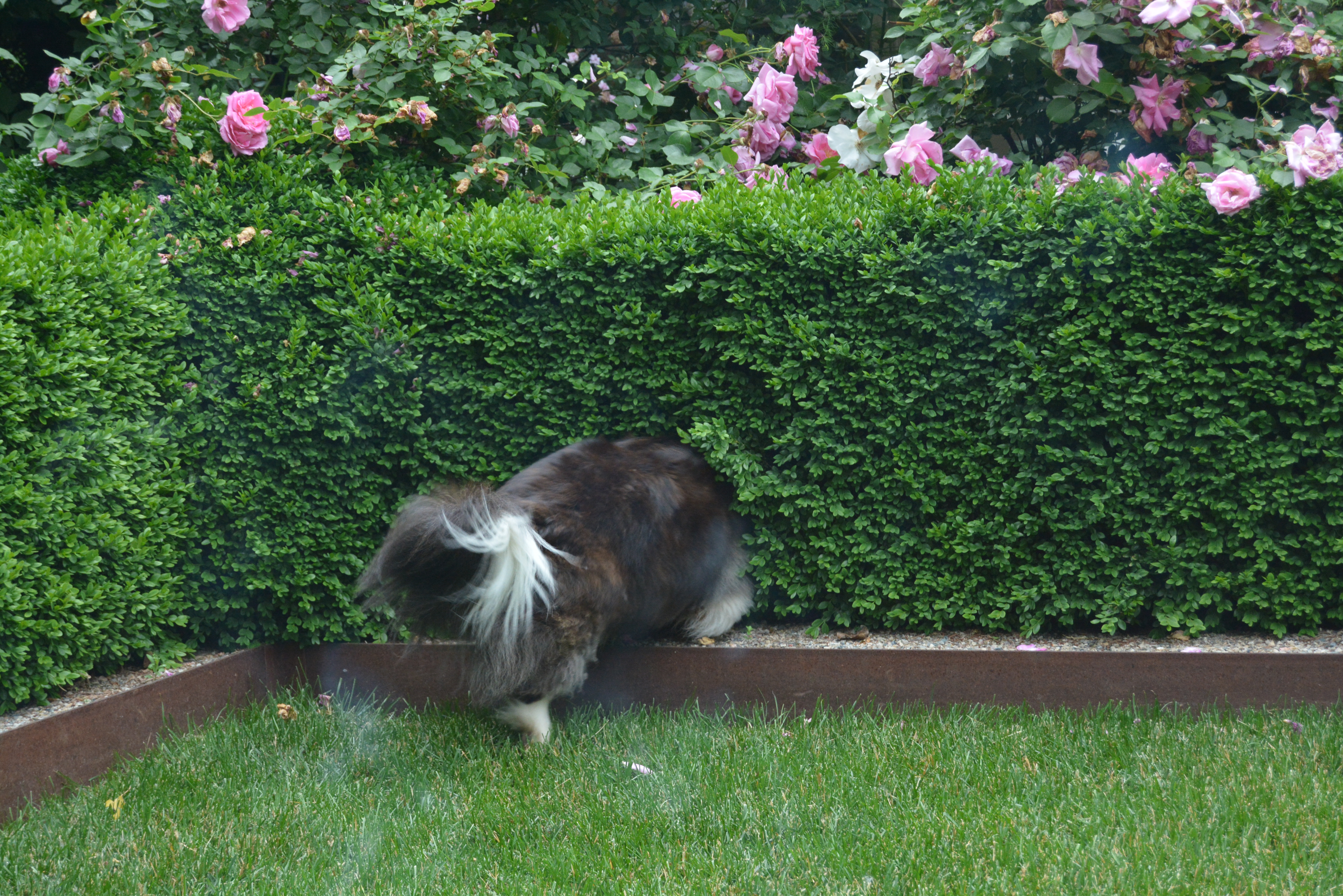
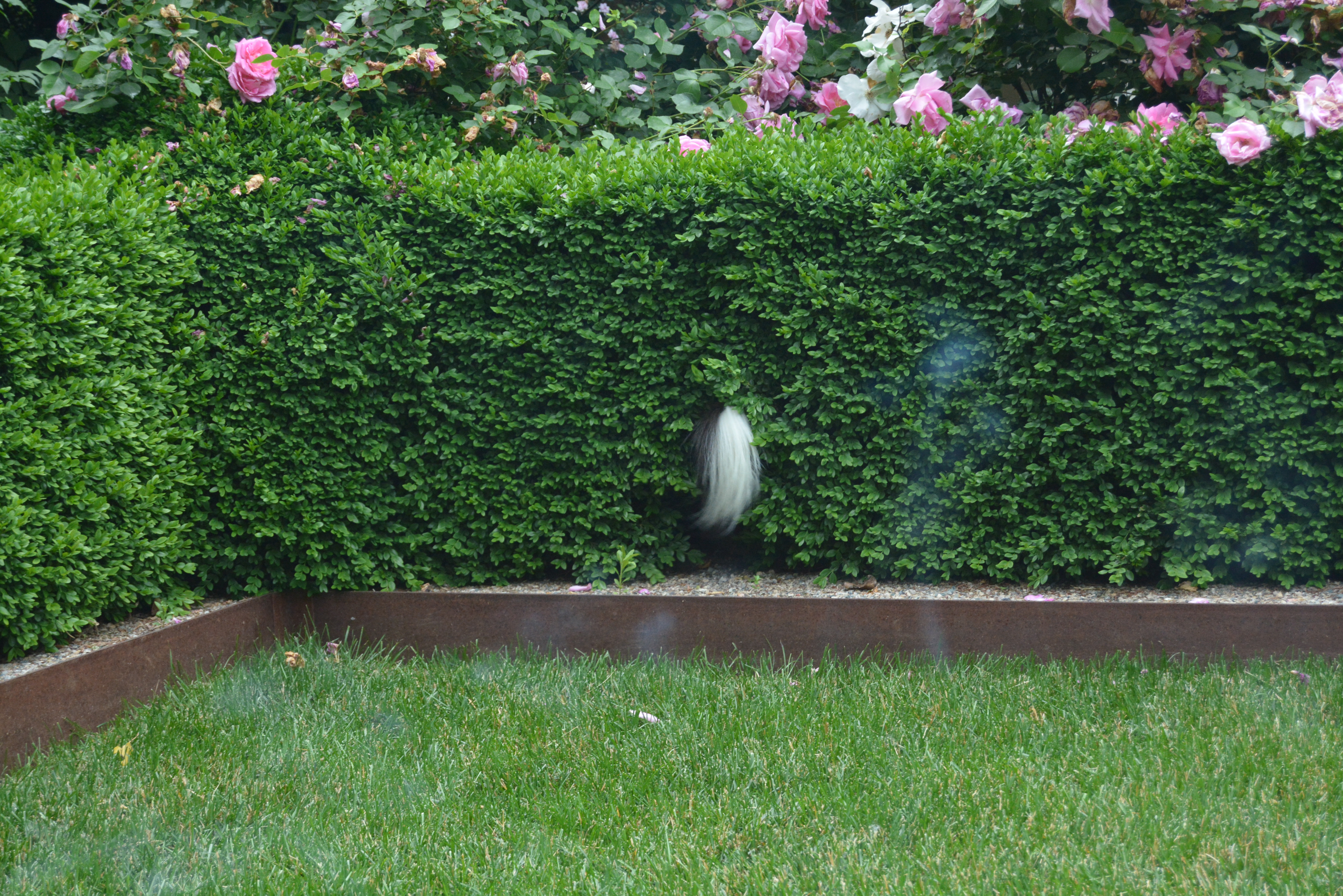

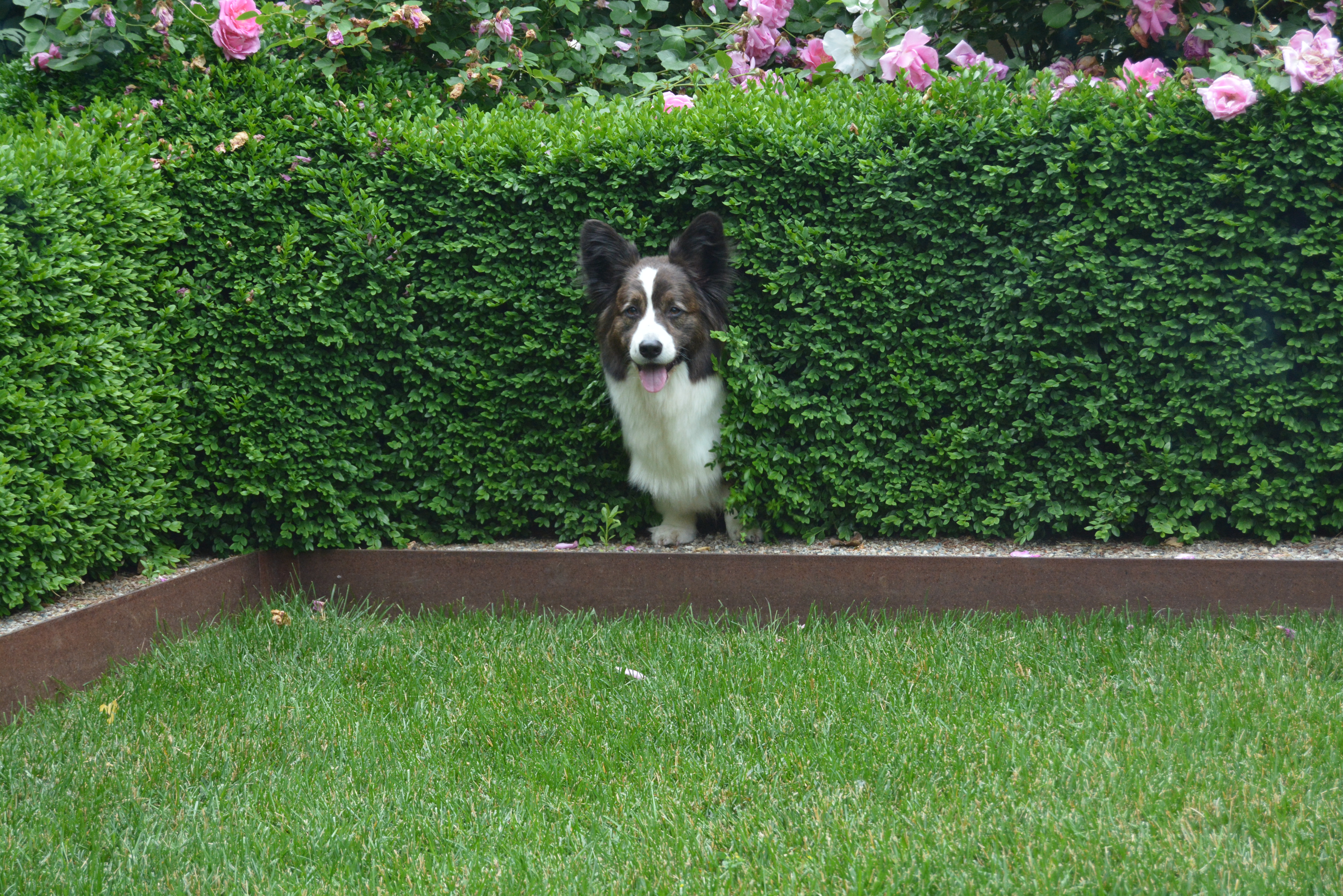

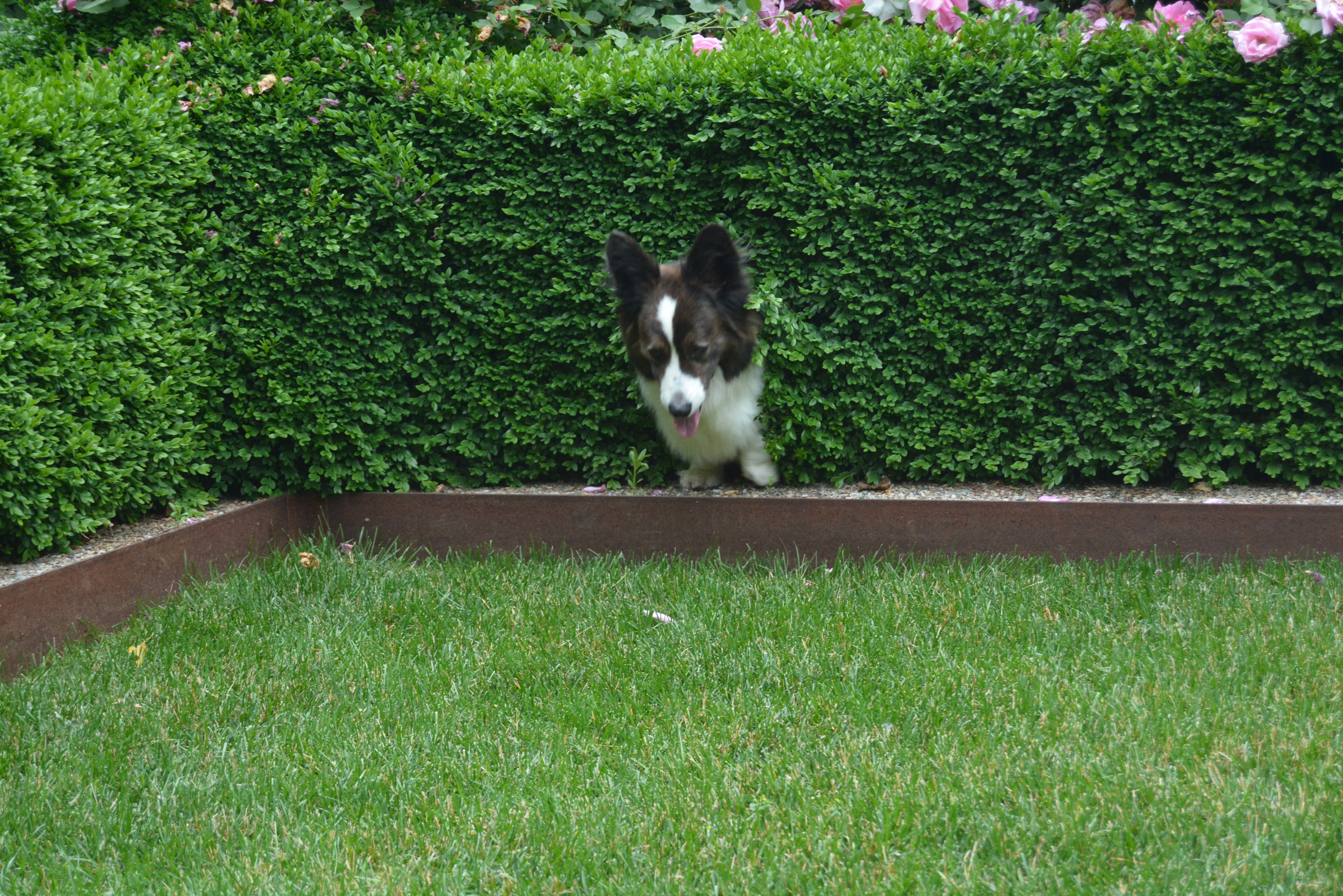
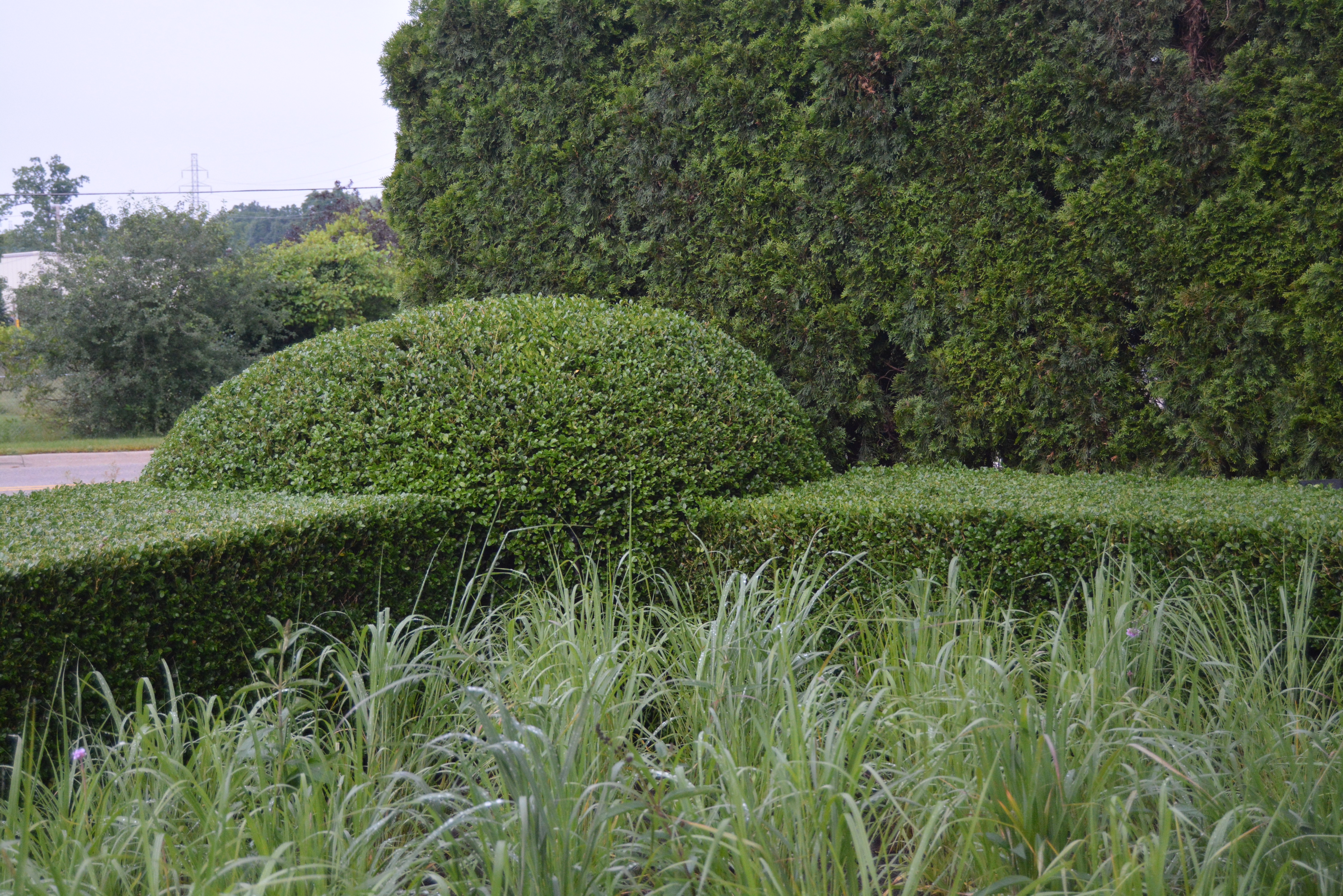
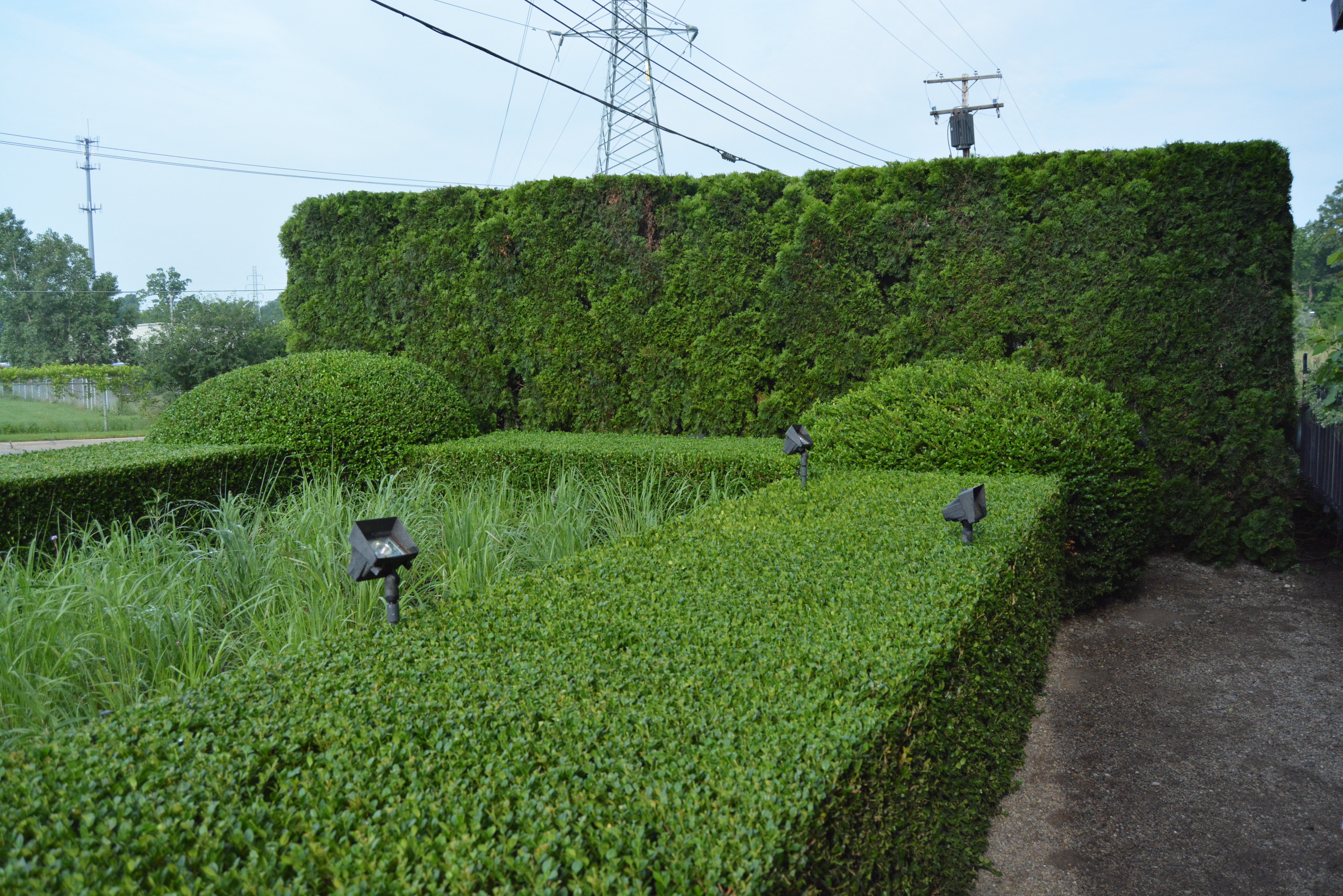
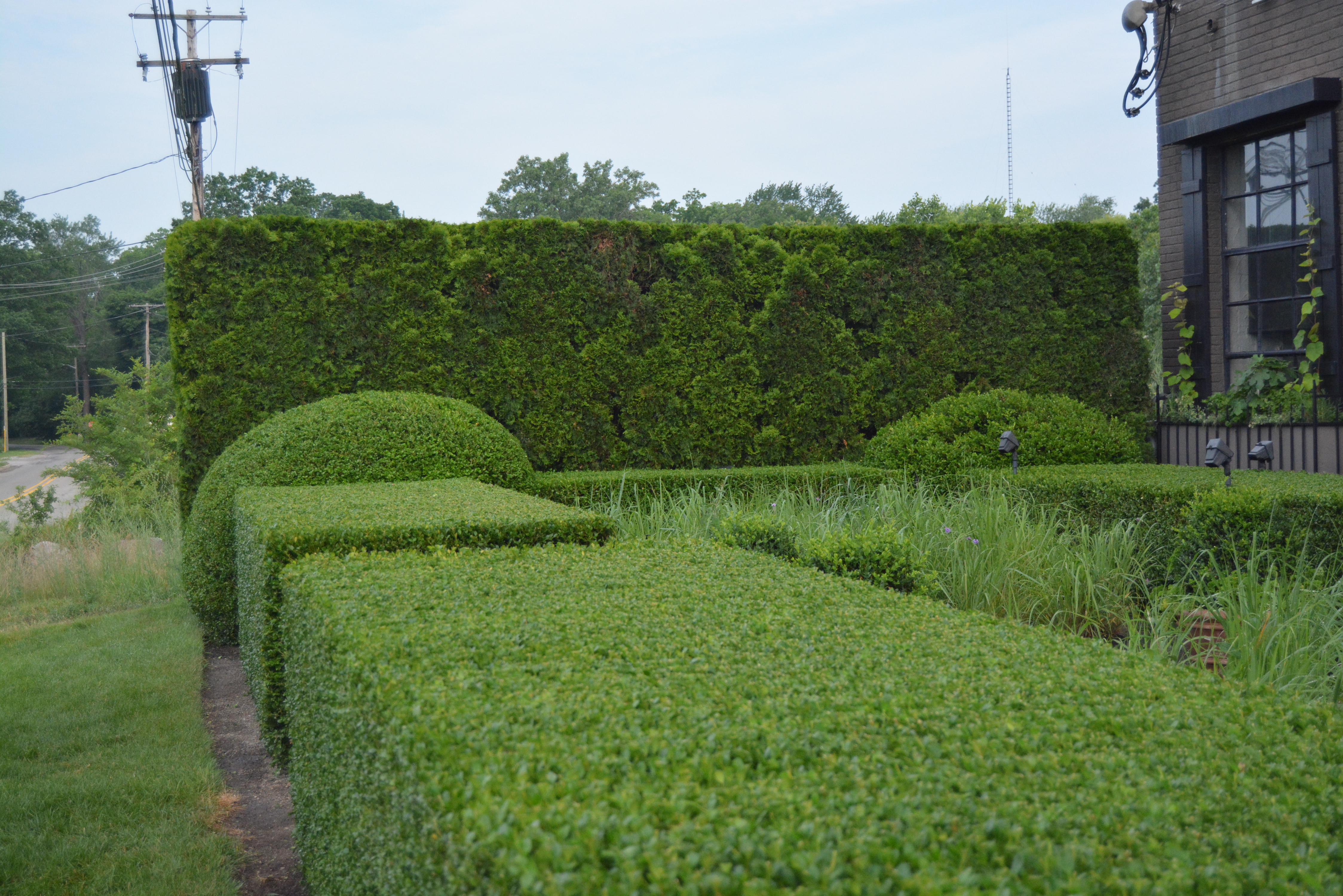
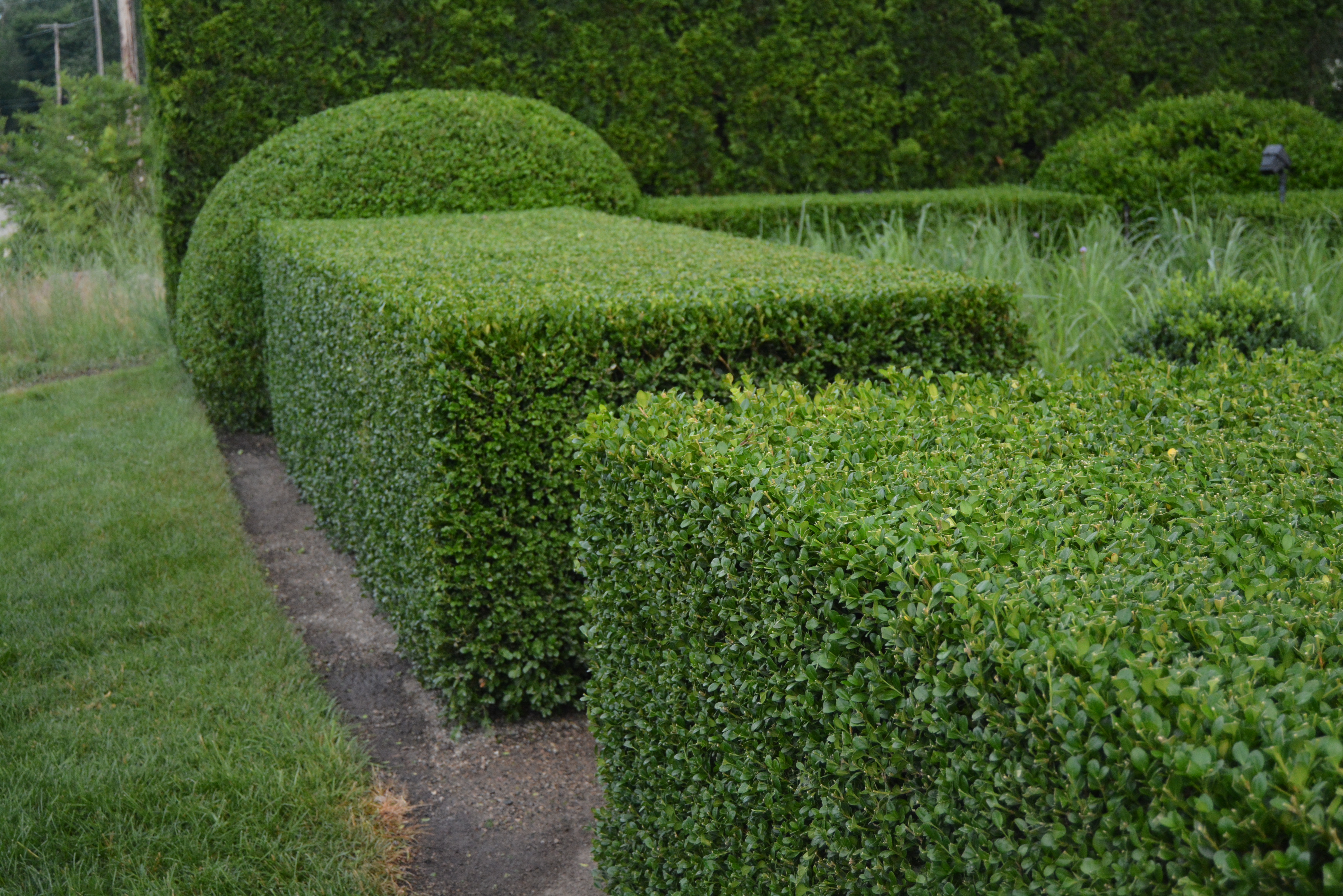
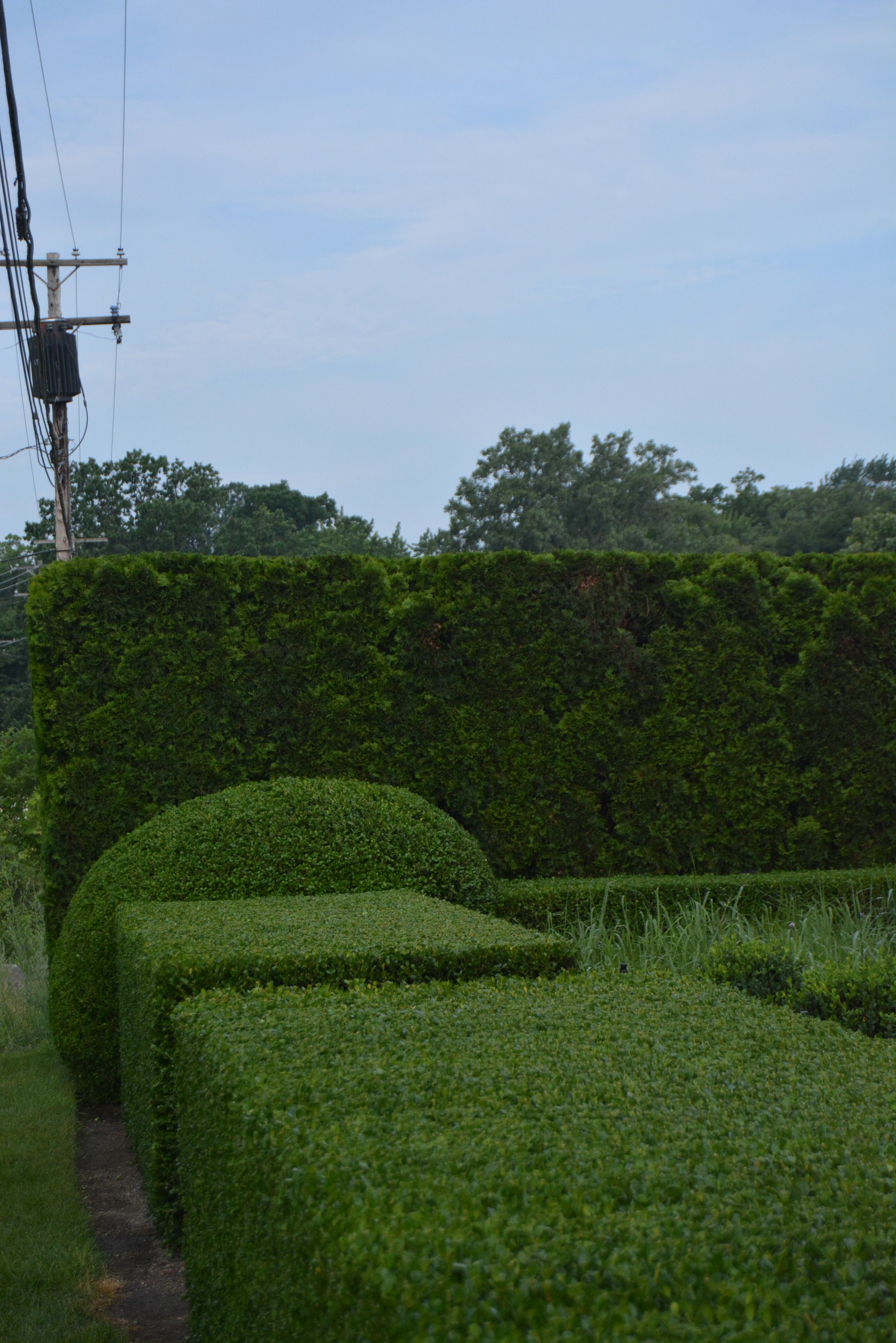

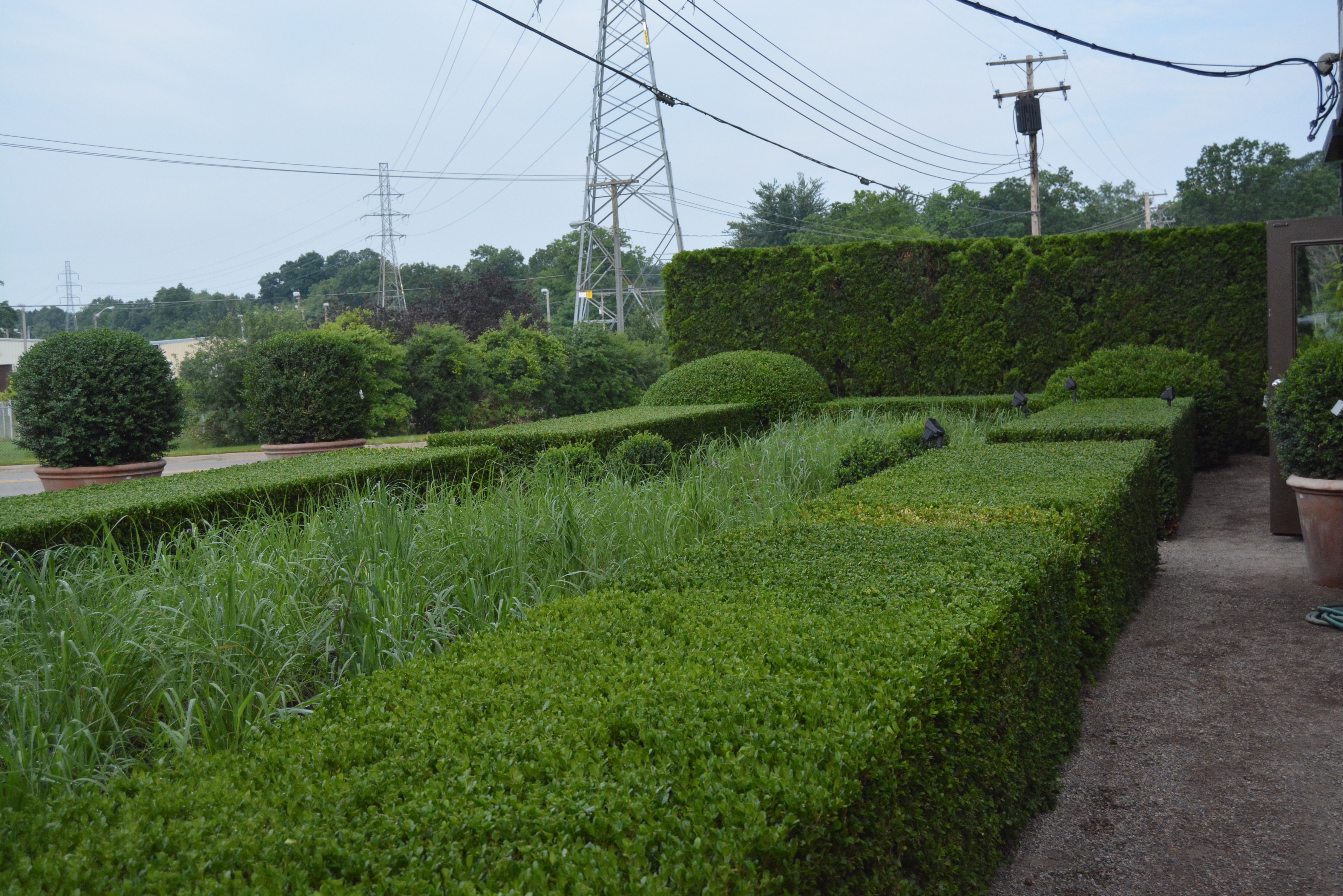
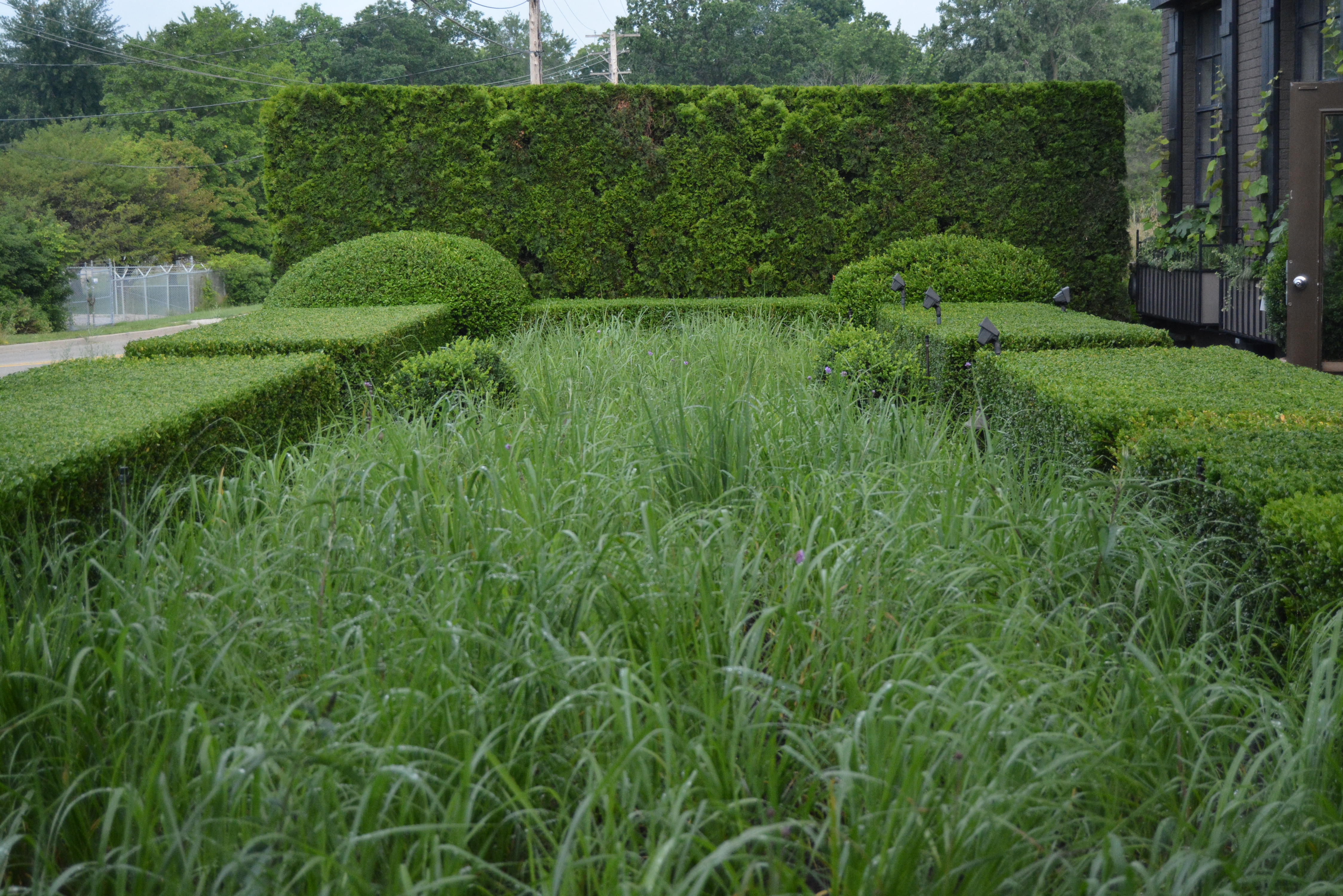
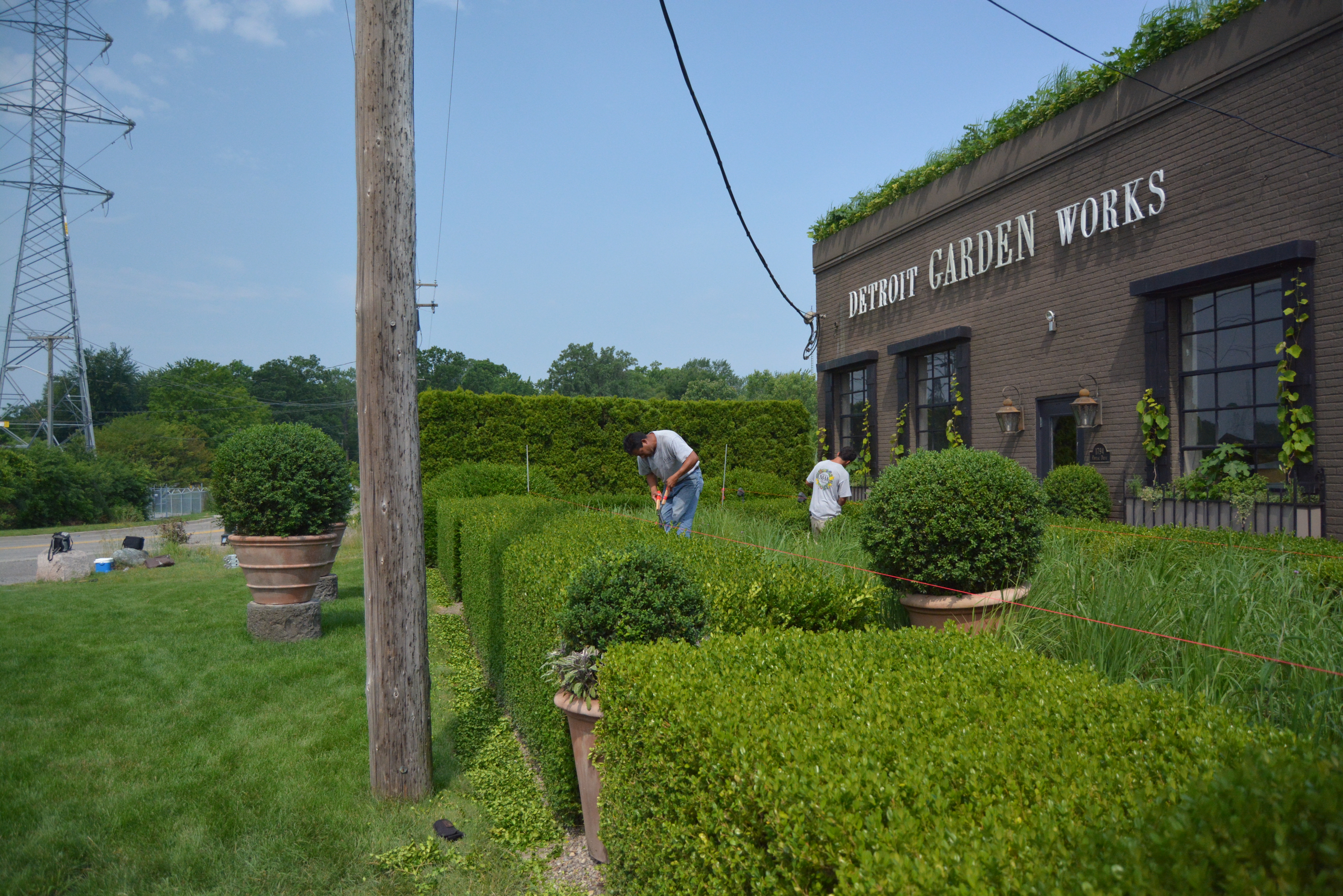
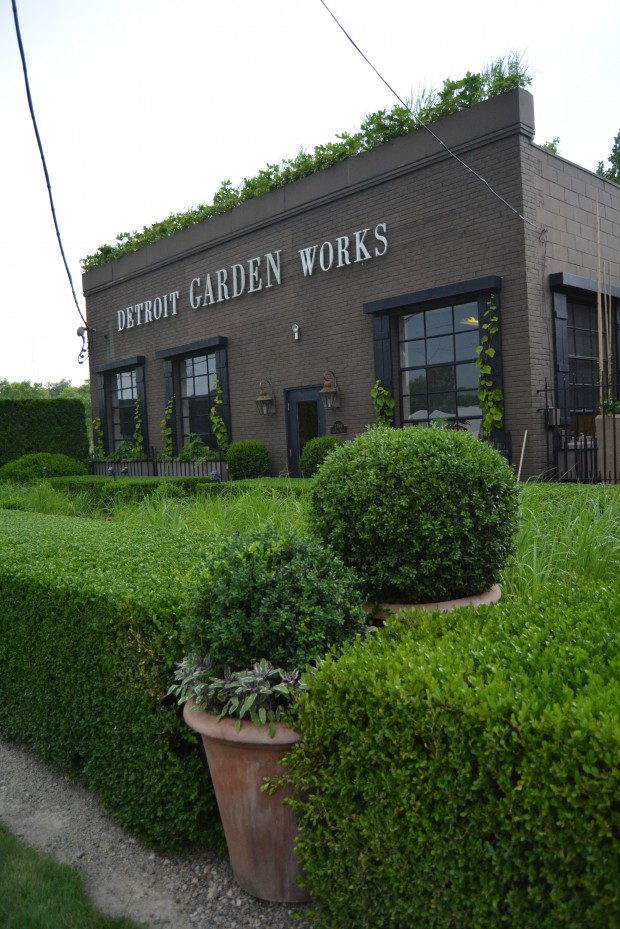 We lost 2 boxwood in the hedge over this past winter. We did have one replacement available. In this spot, we went another direction. We stitched the hedge back together, with a pair of potted boxwoods.