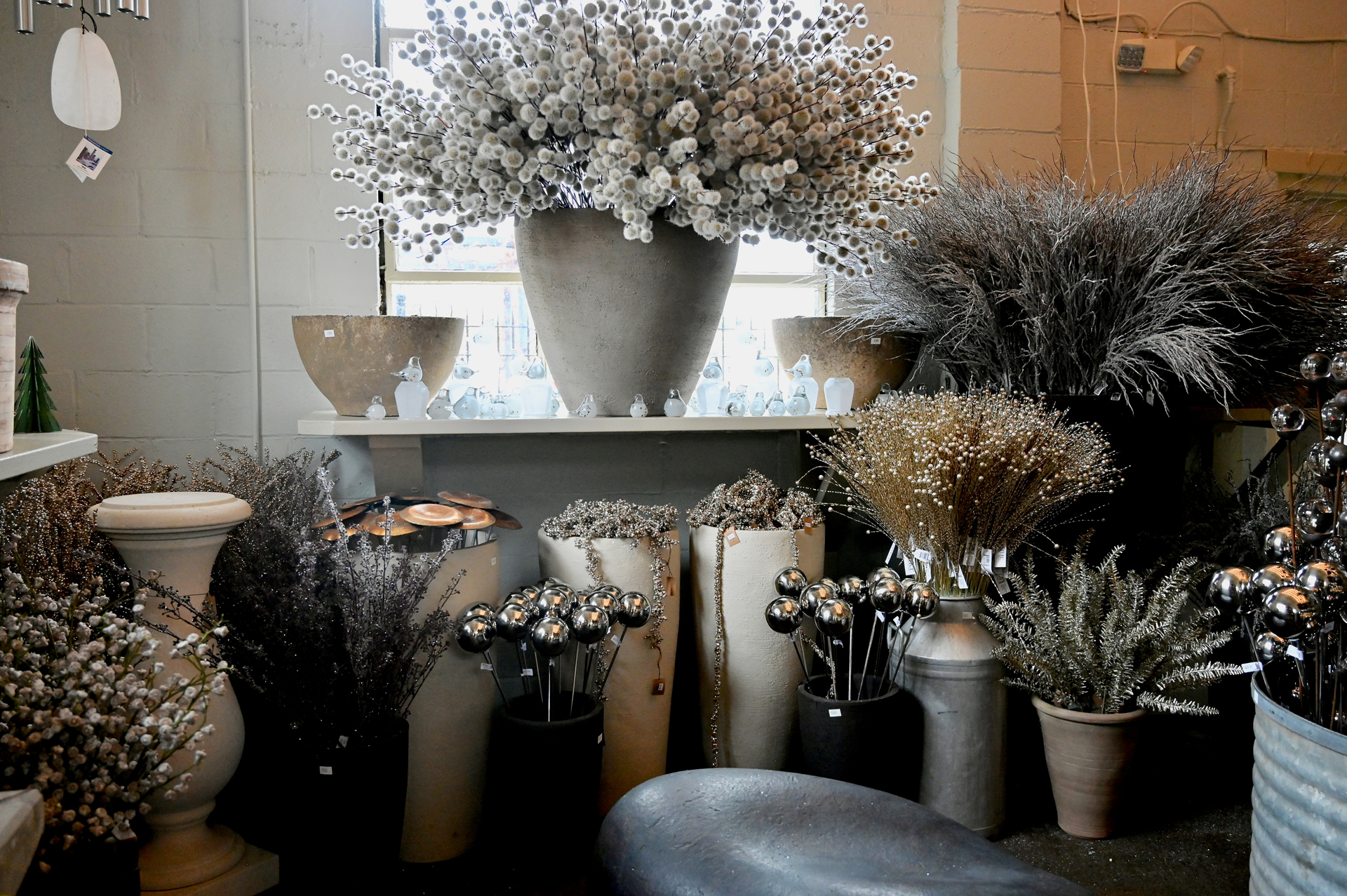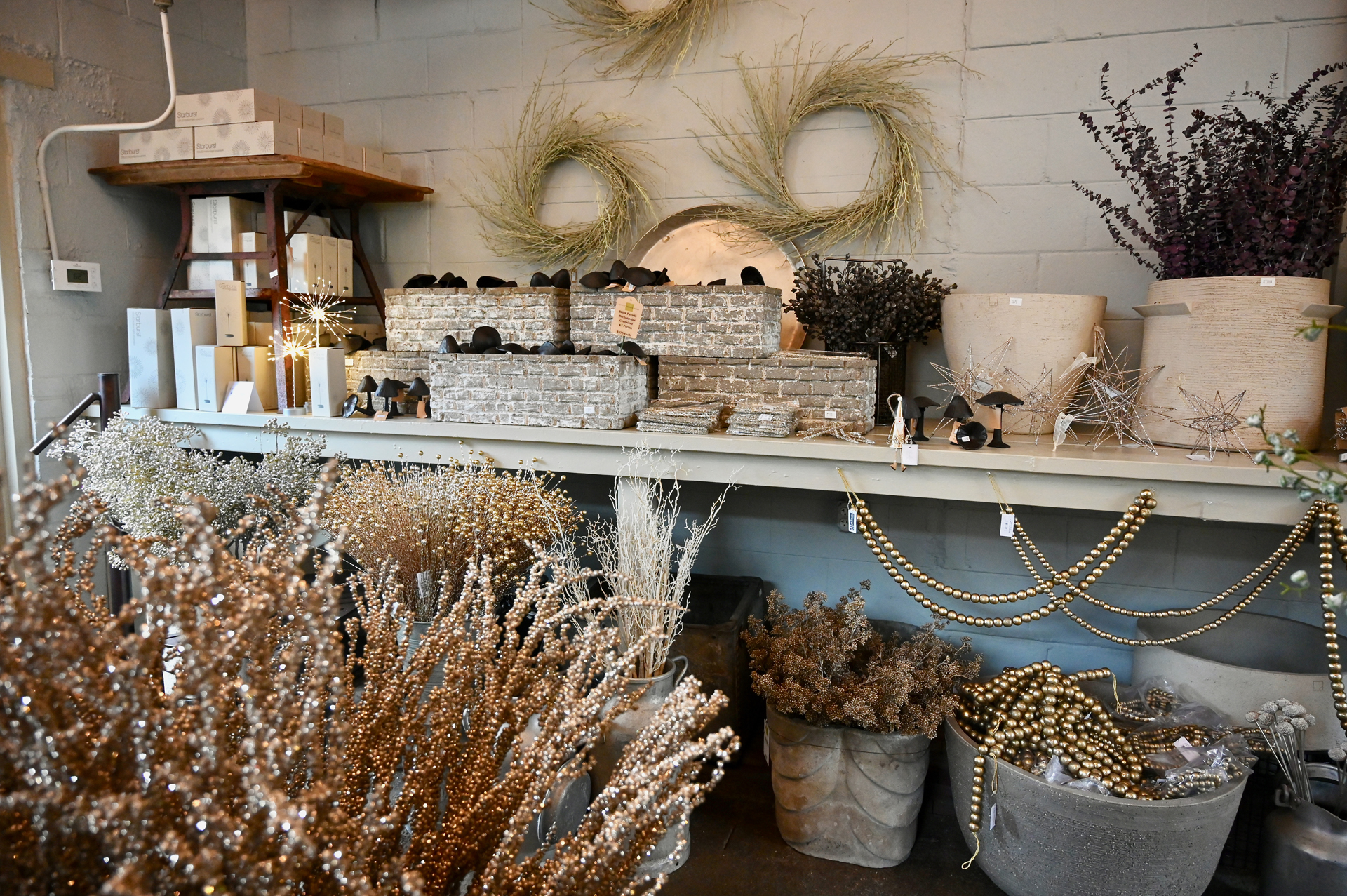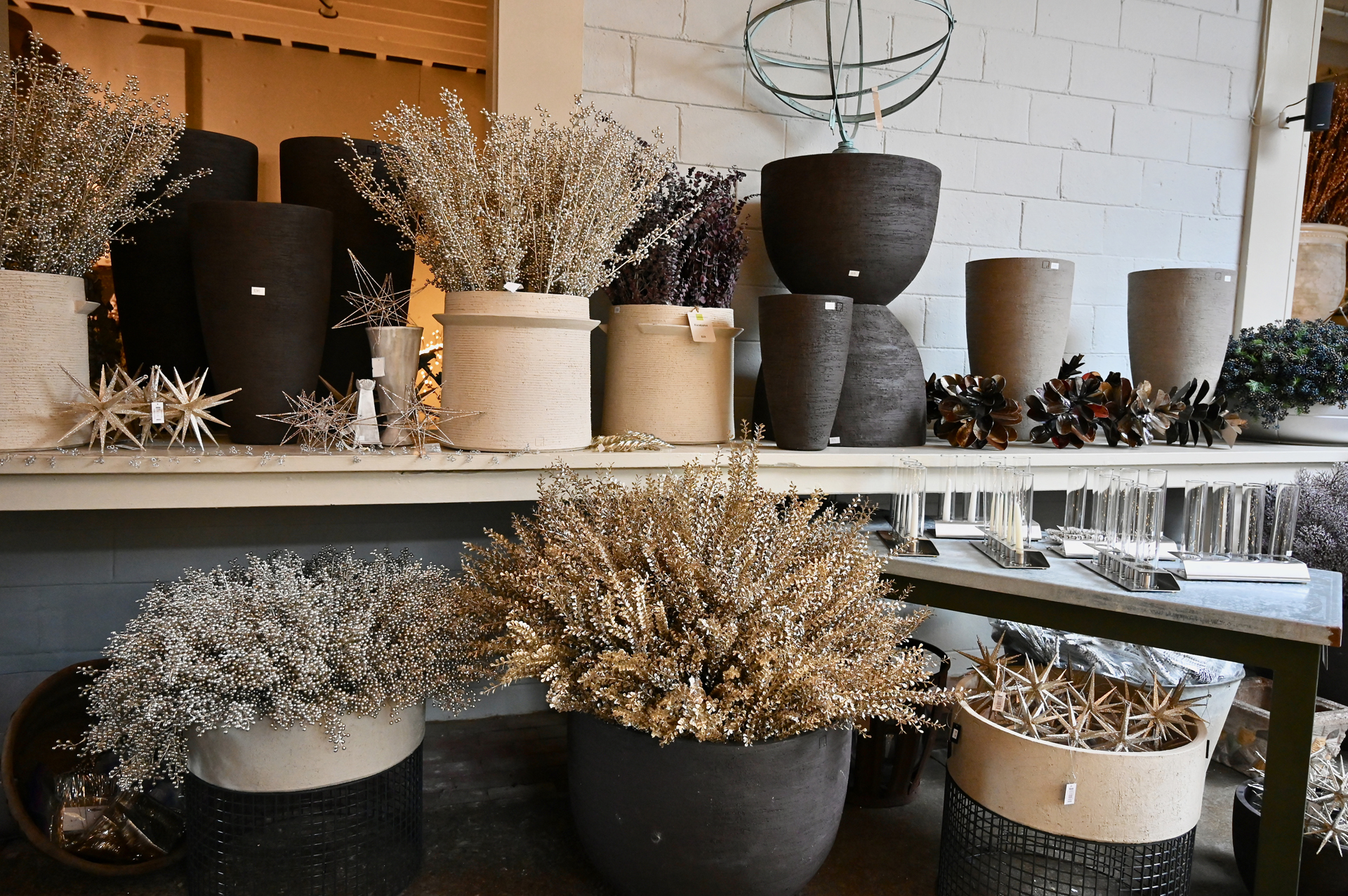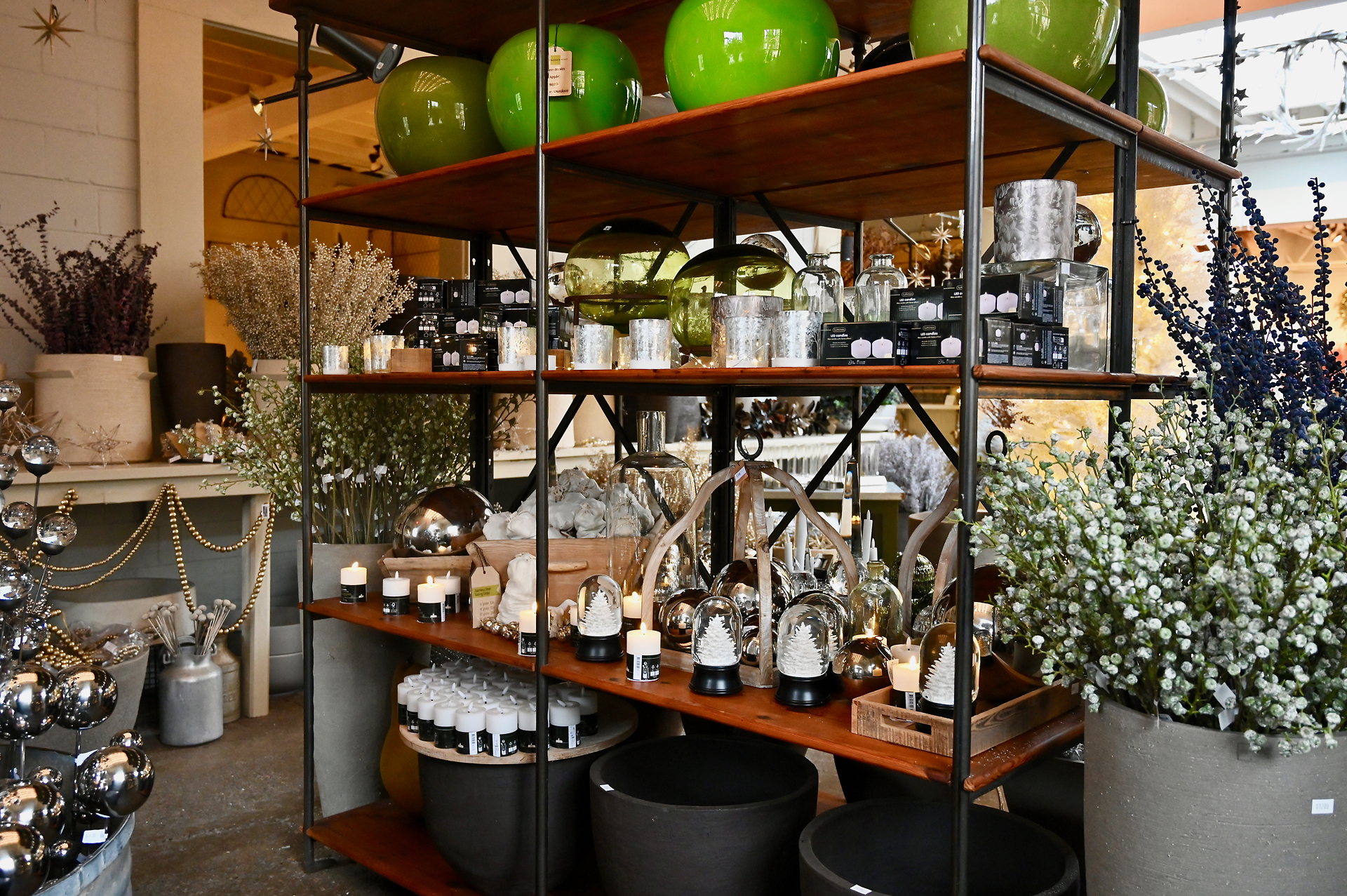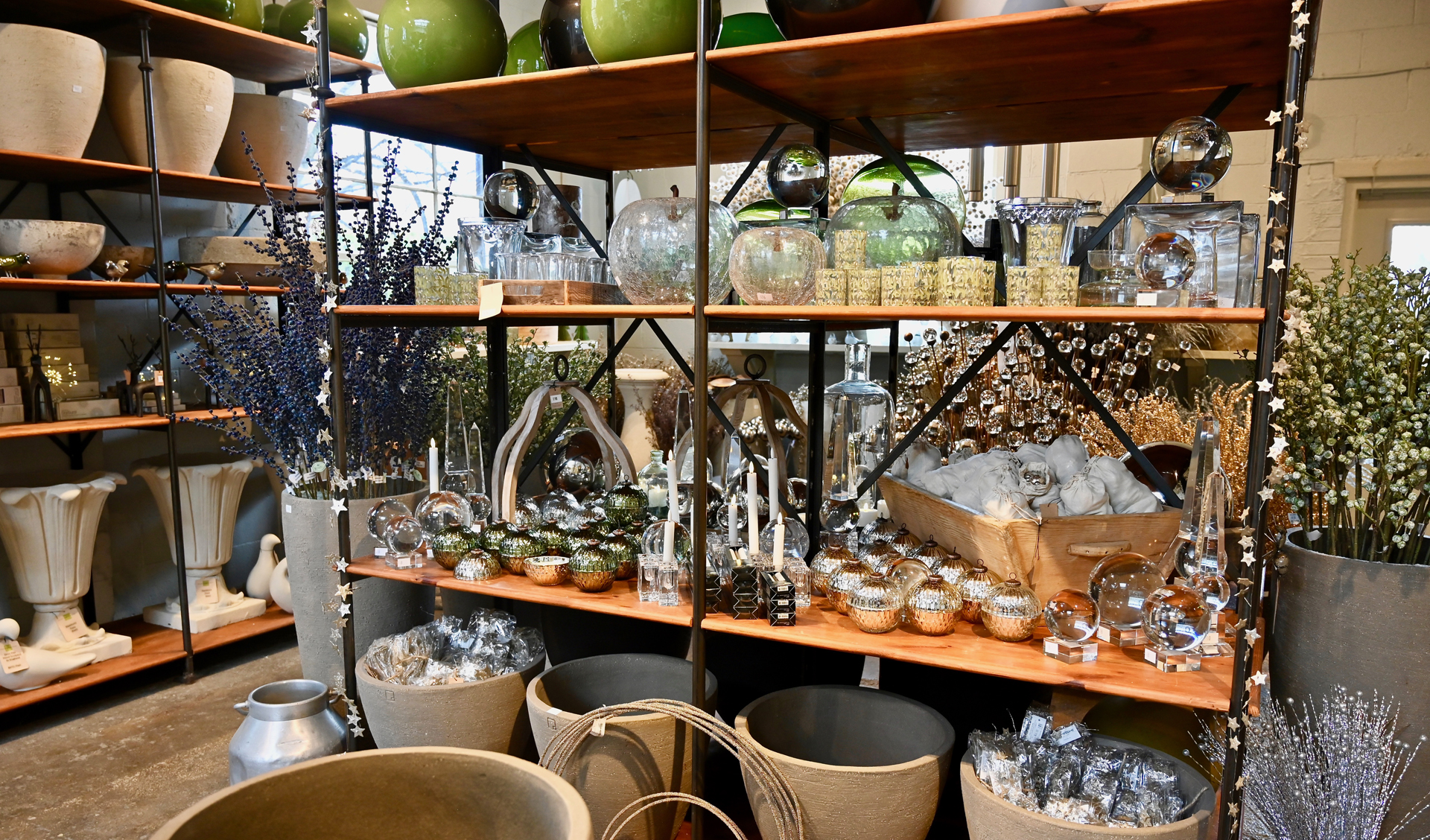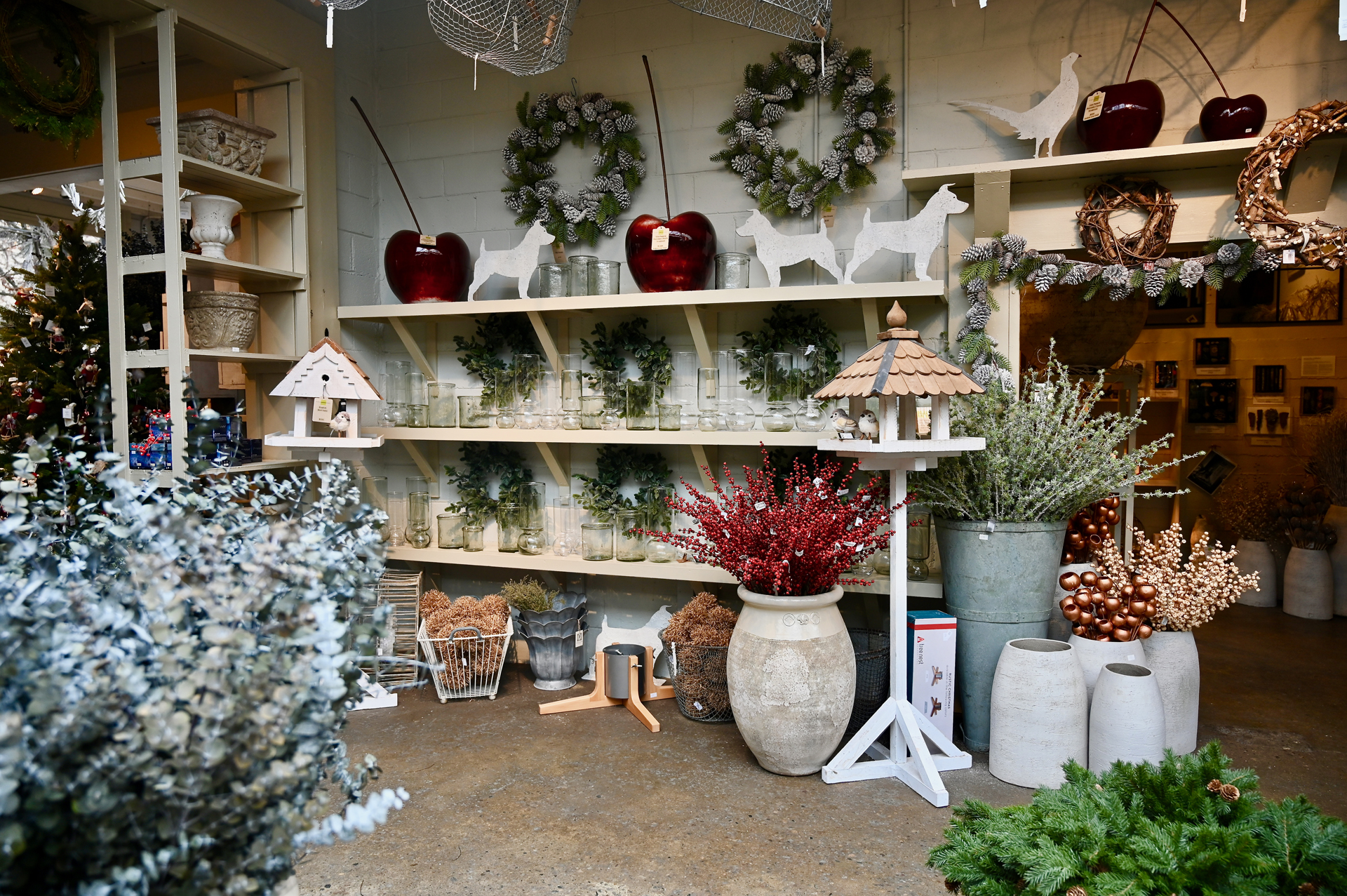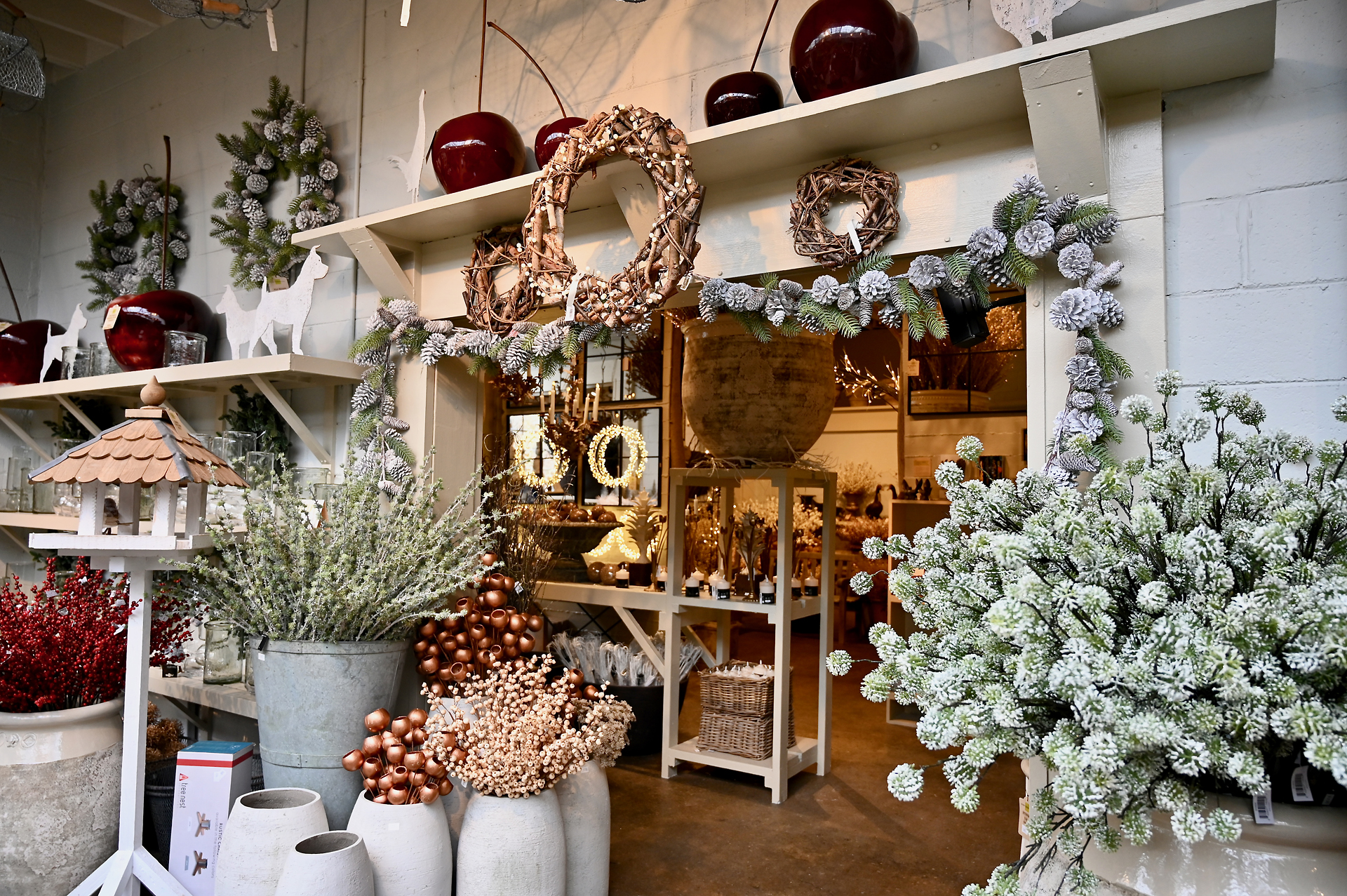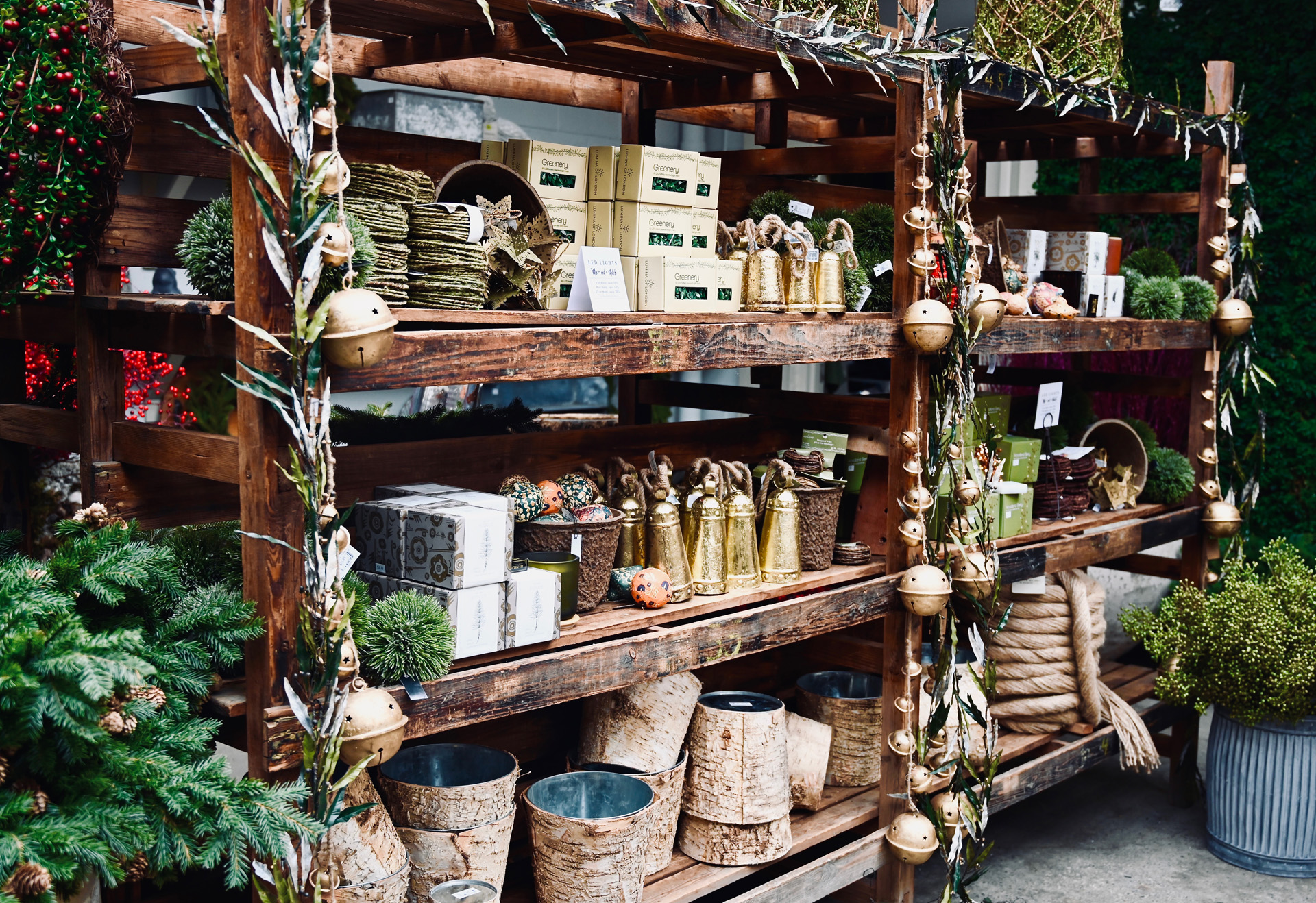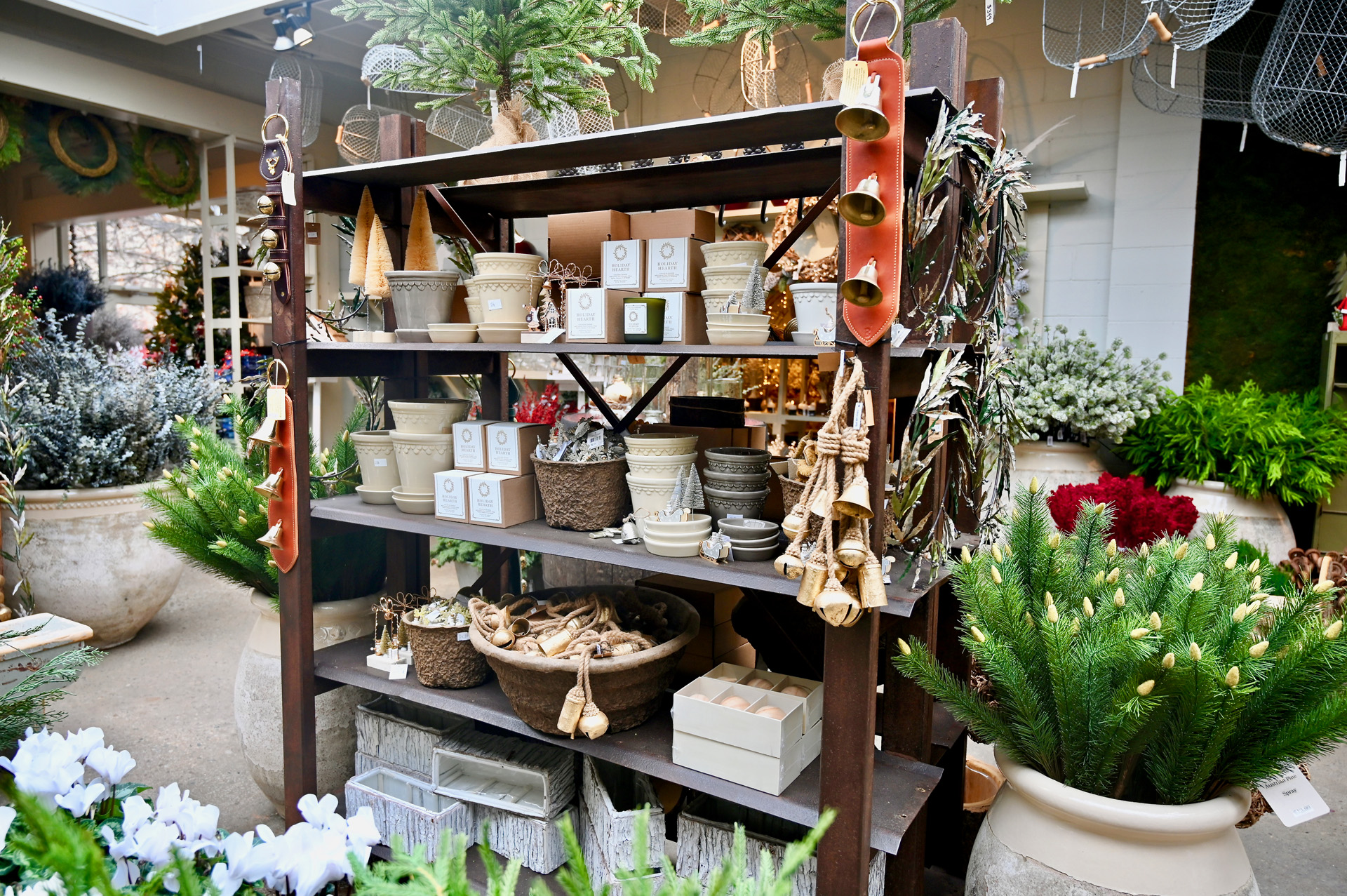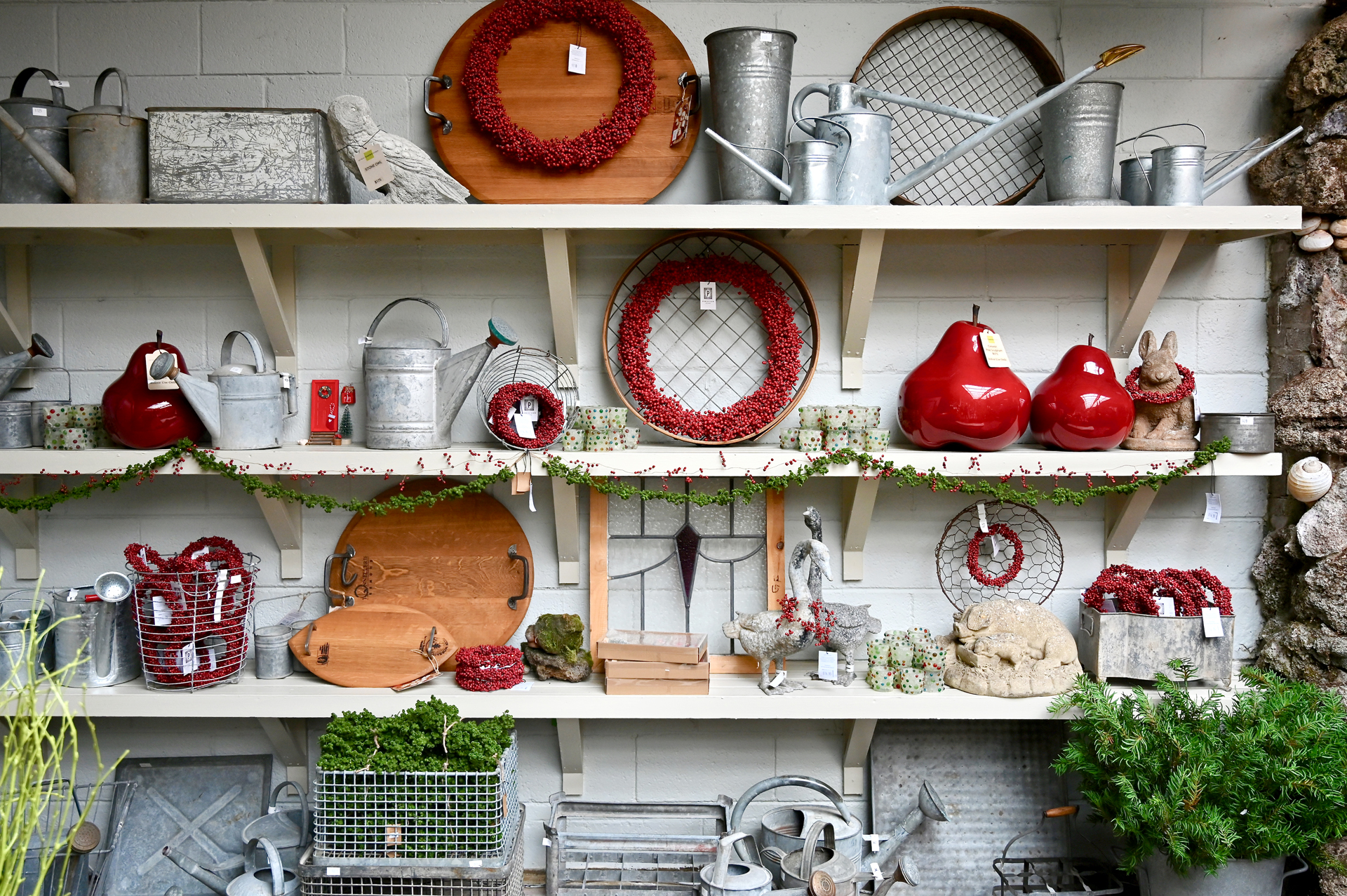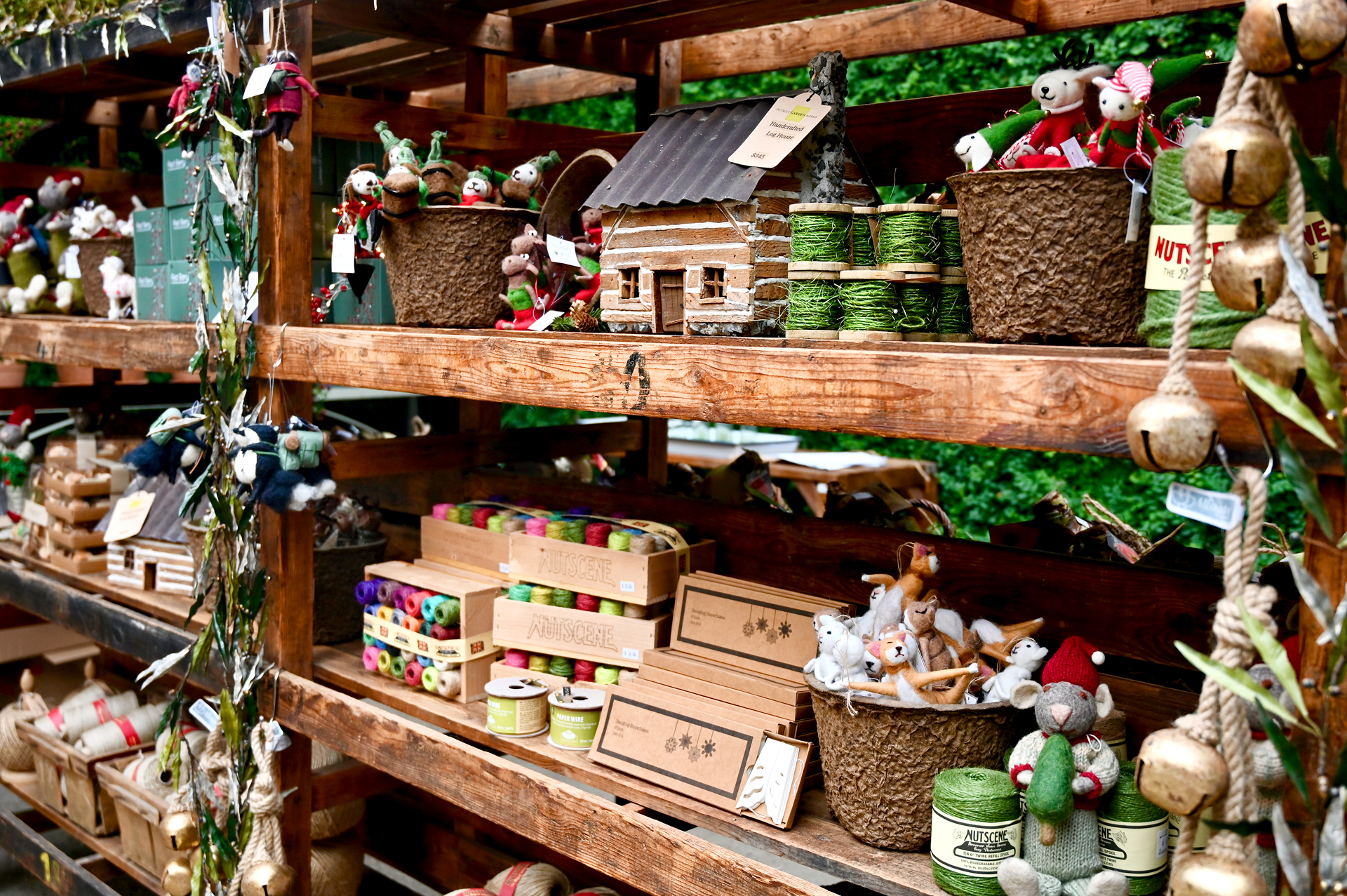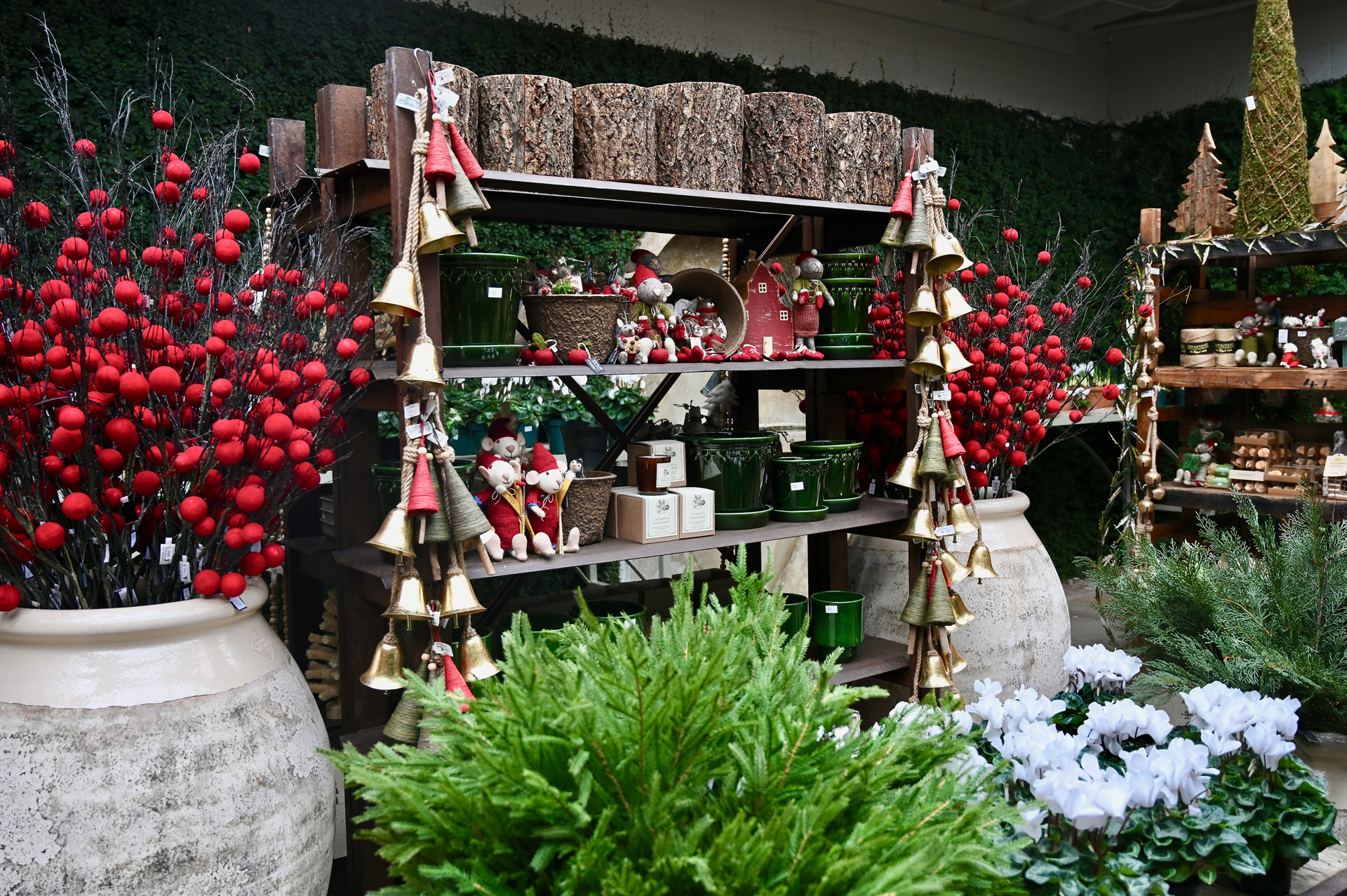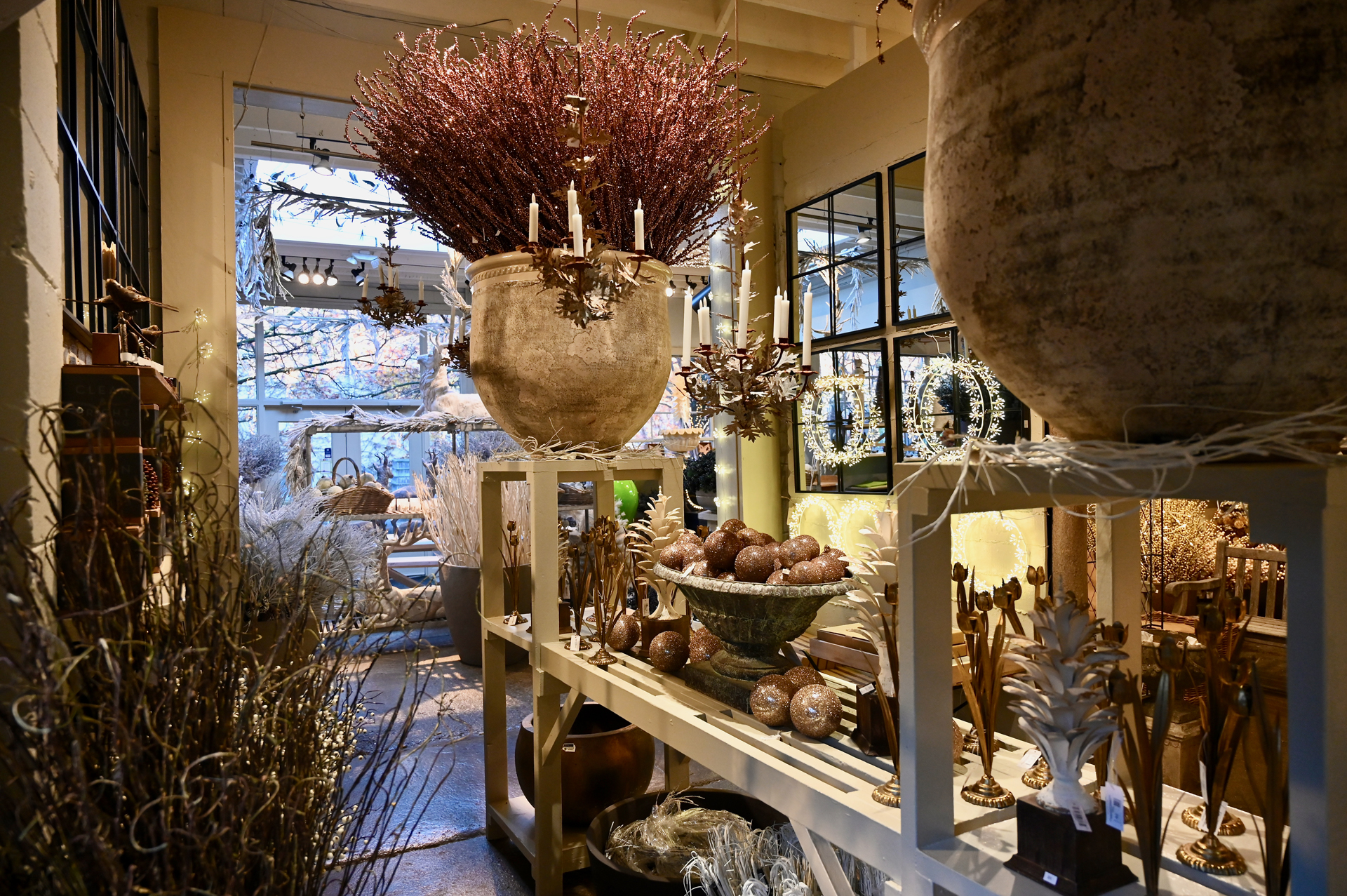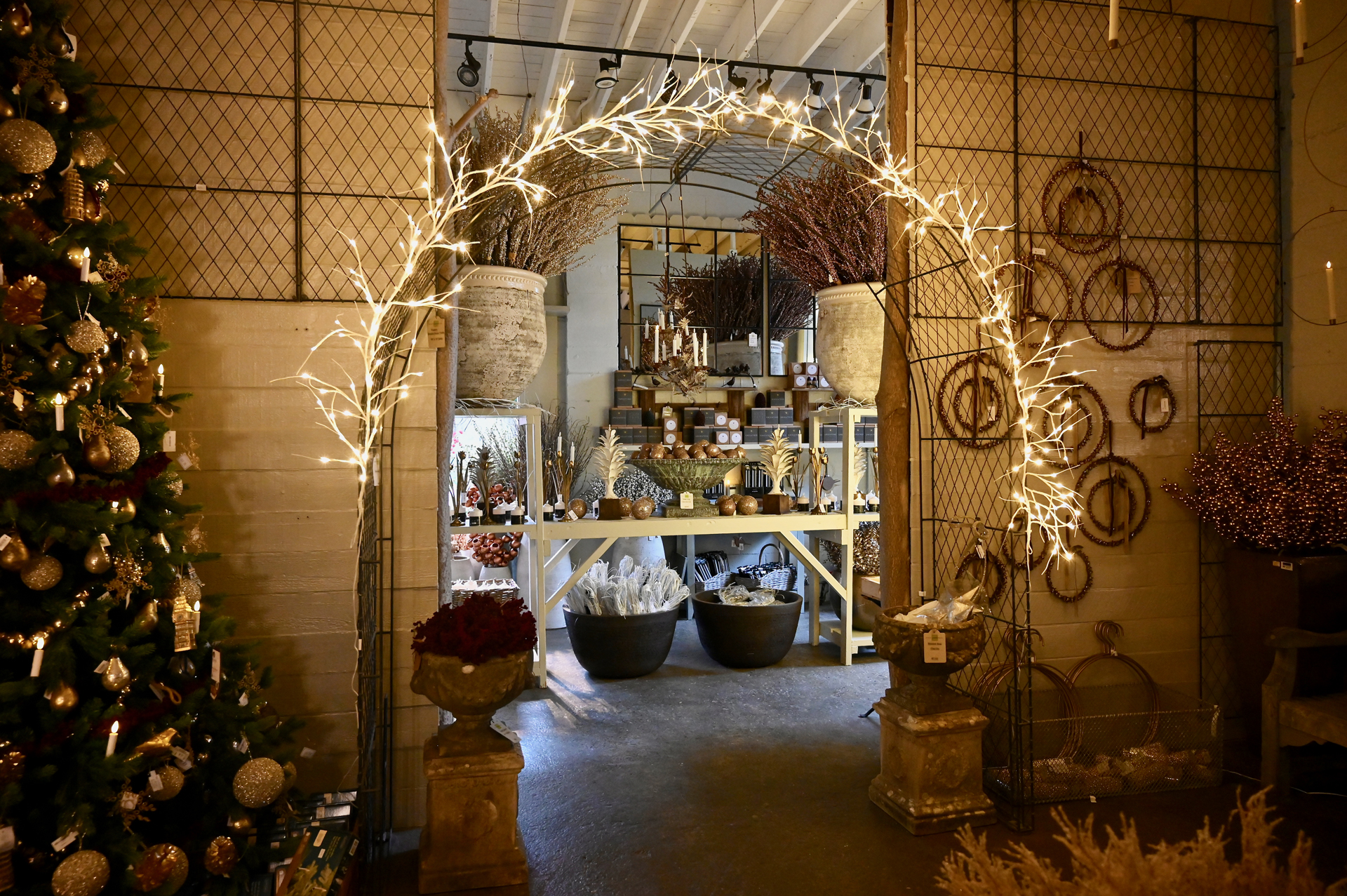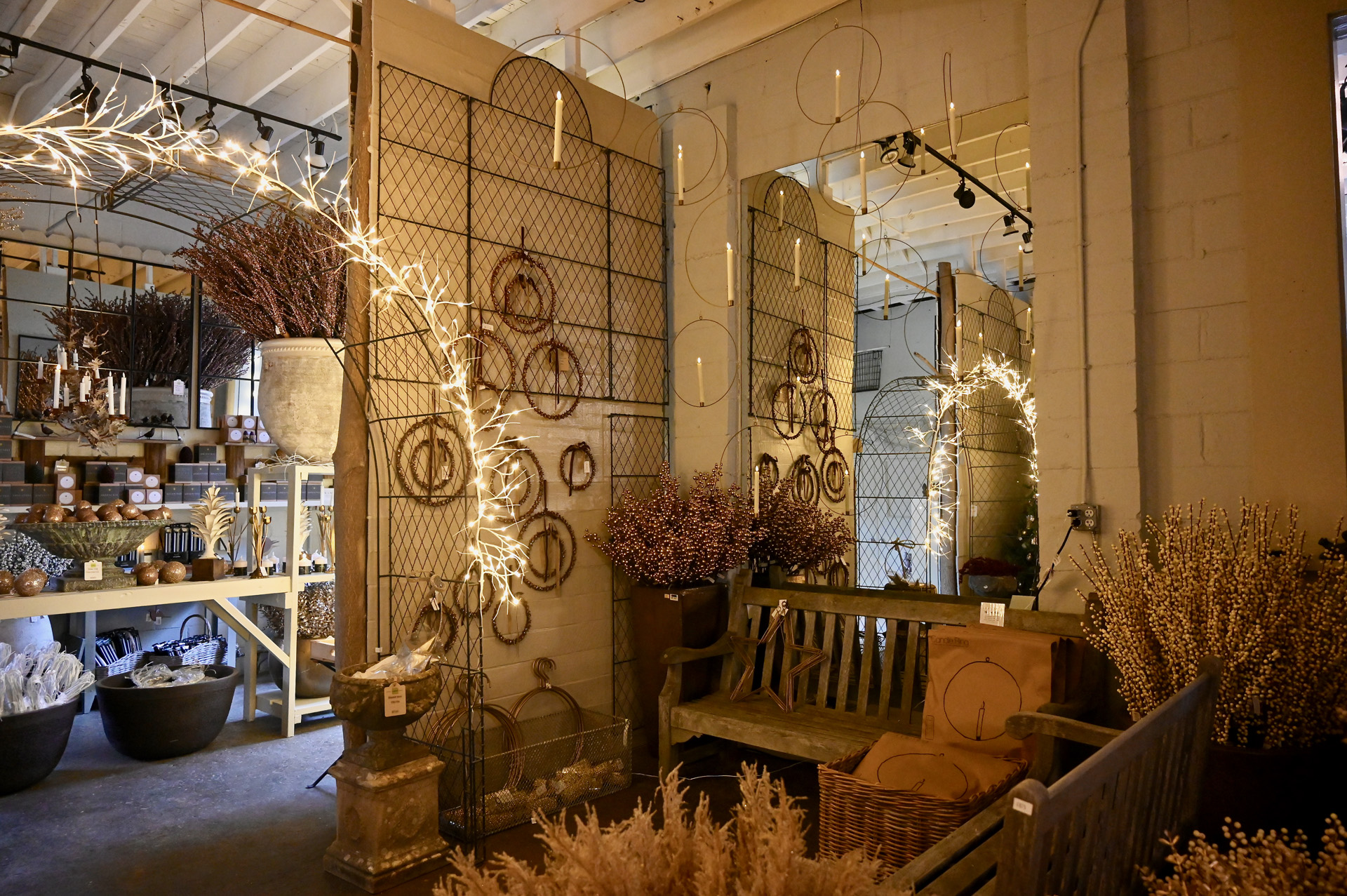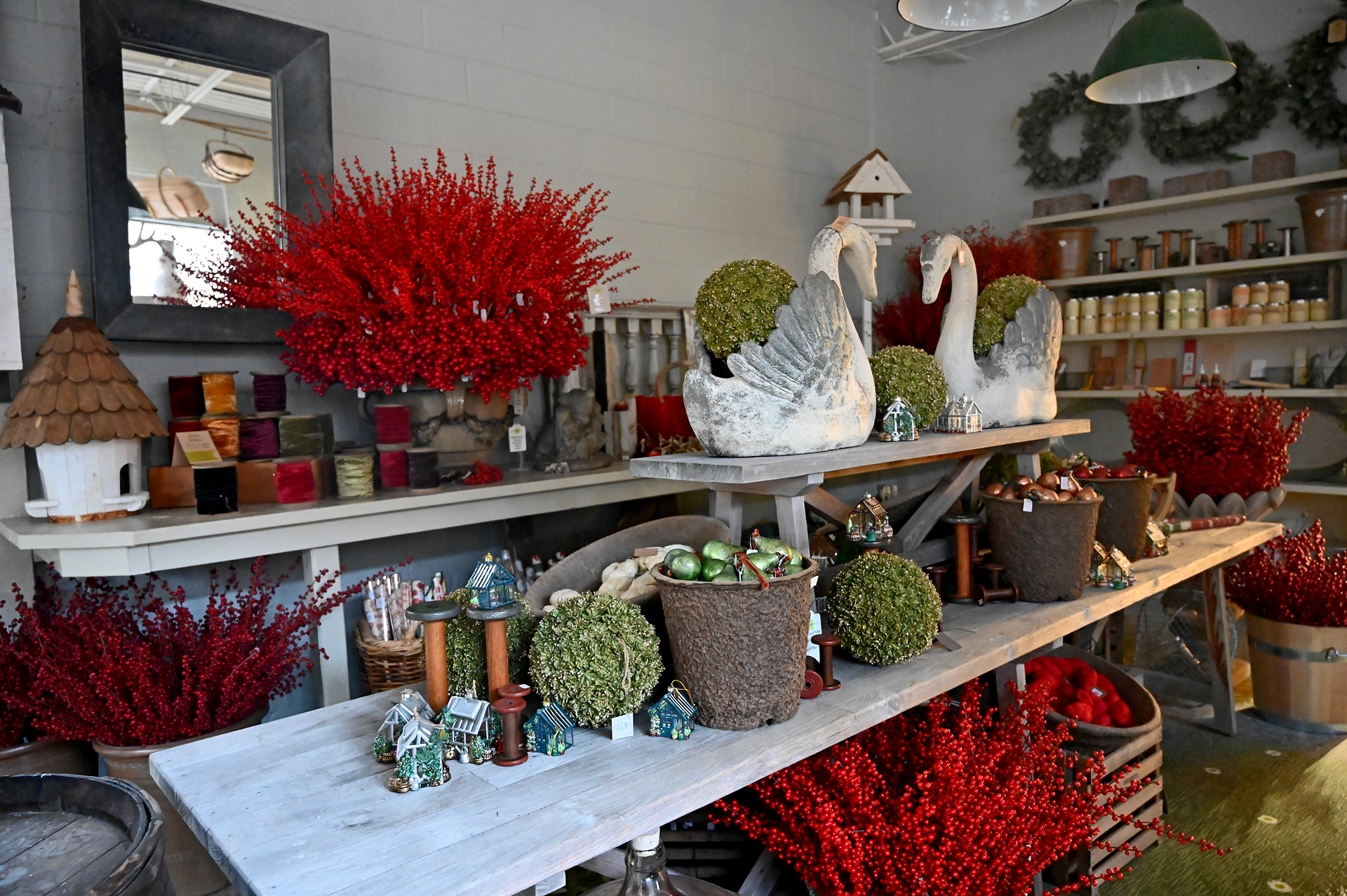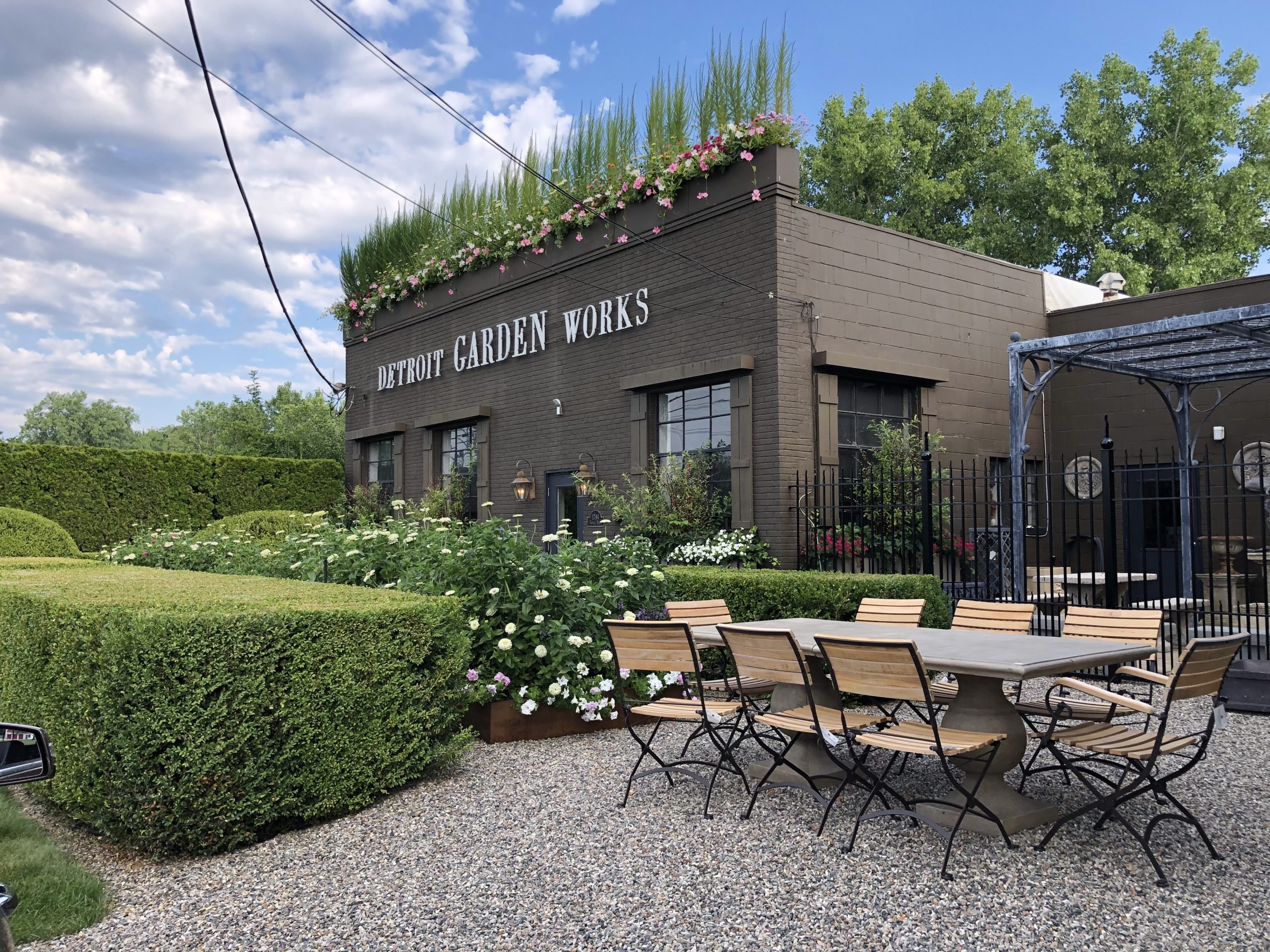
The Winter/Holiday Season at Detroit Garden Works

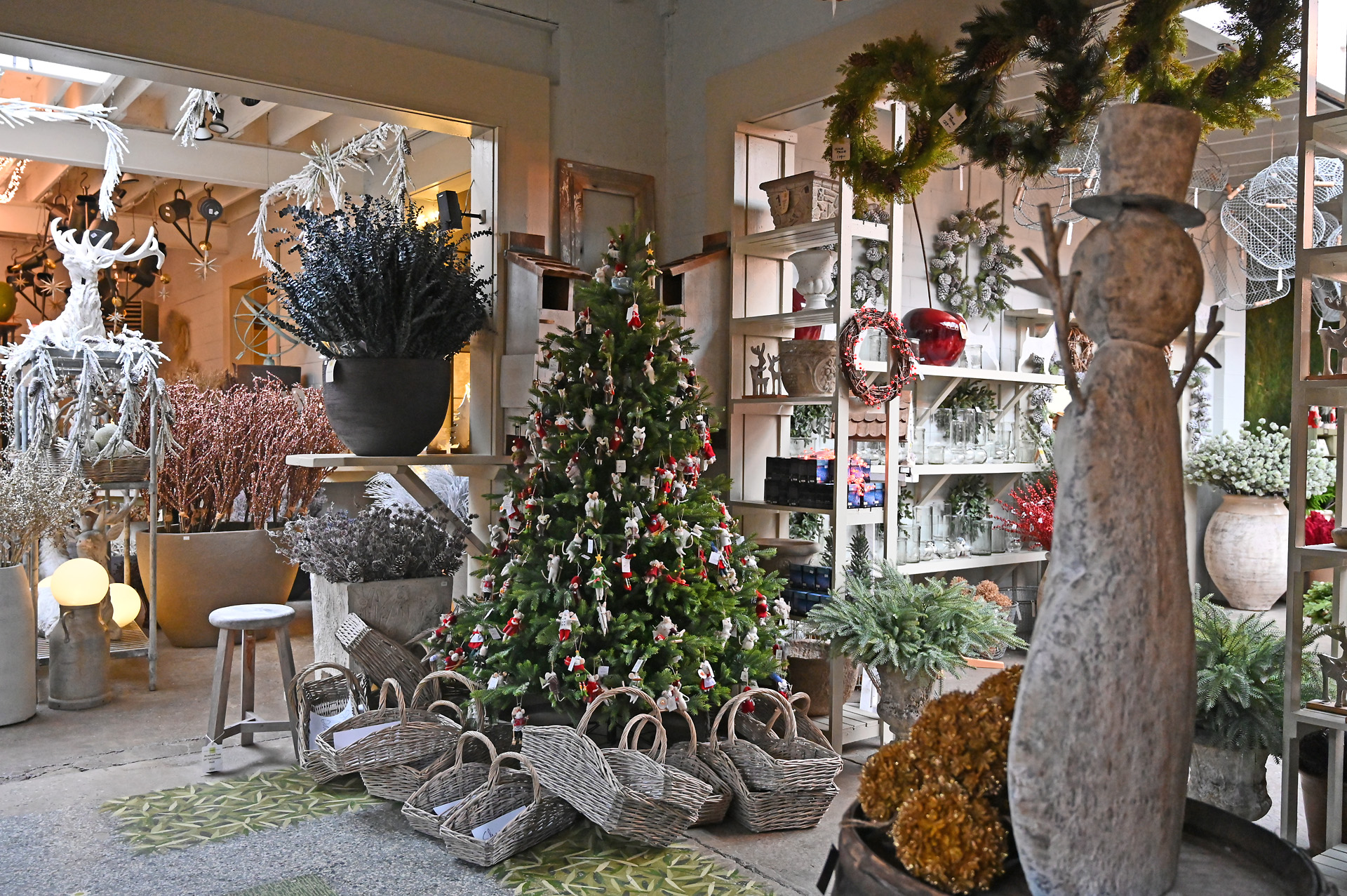
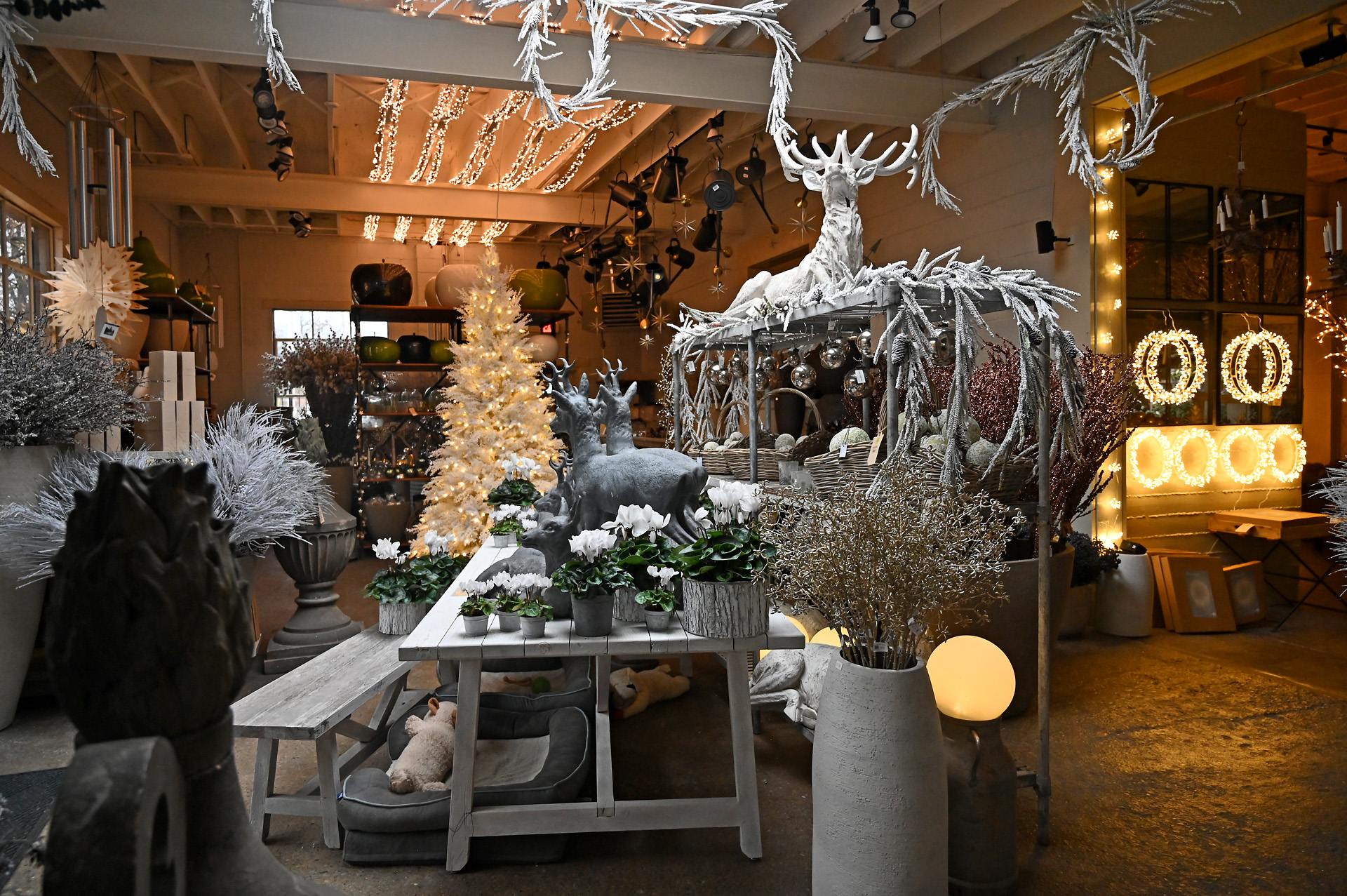
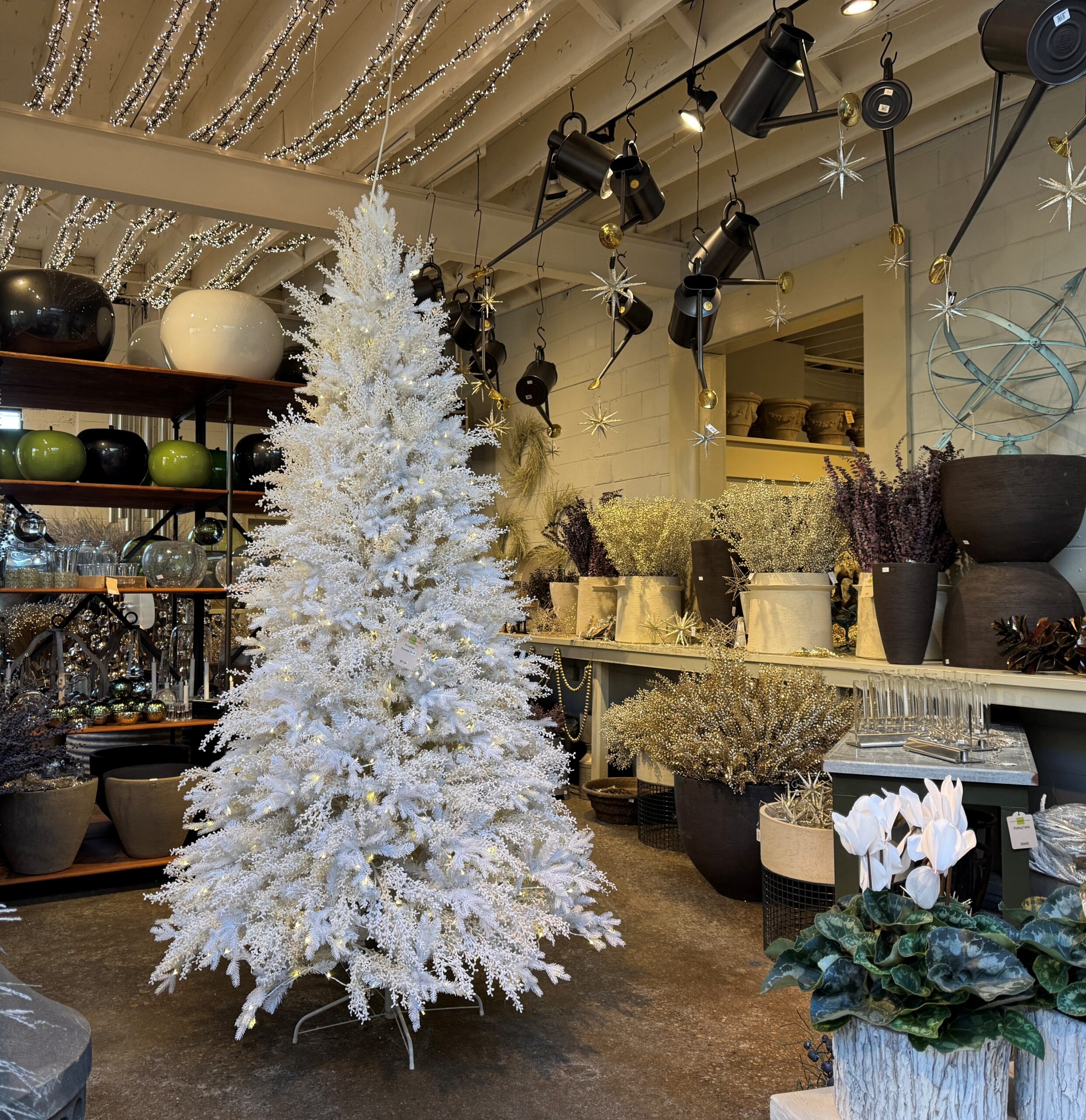
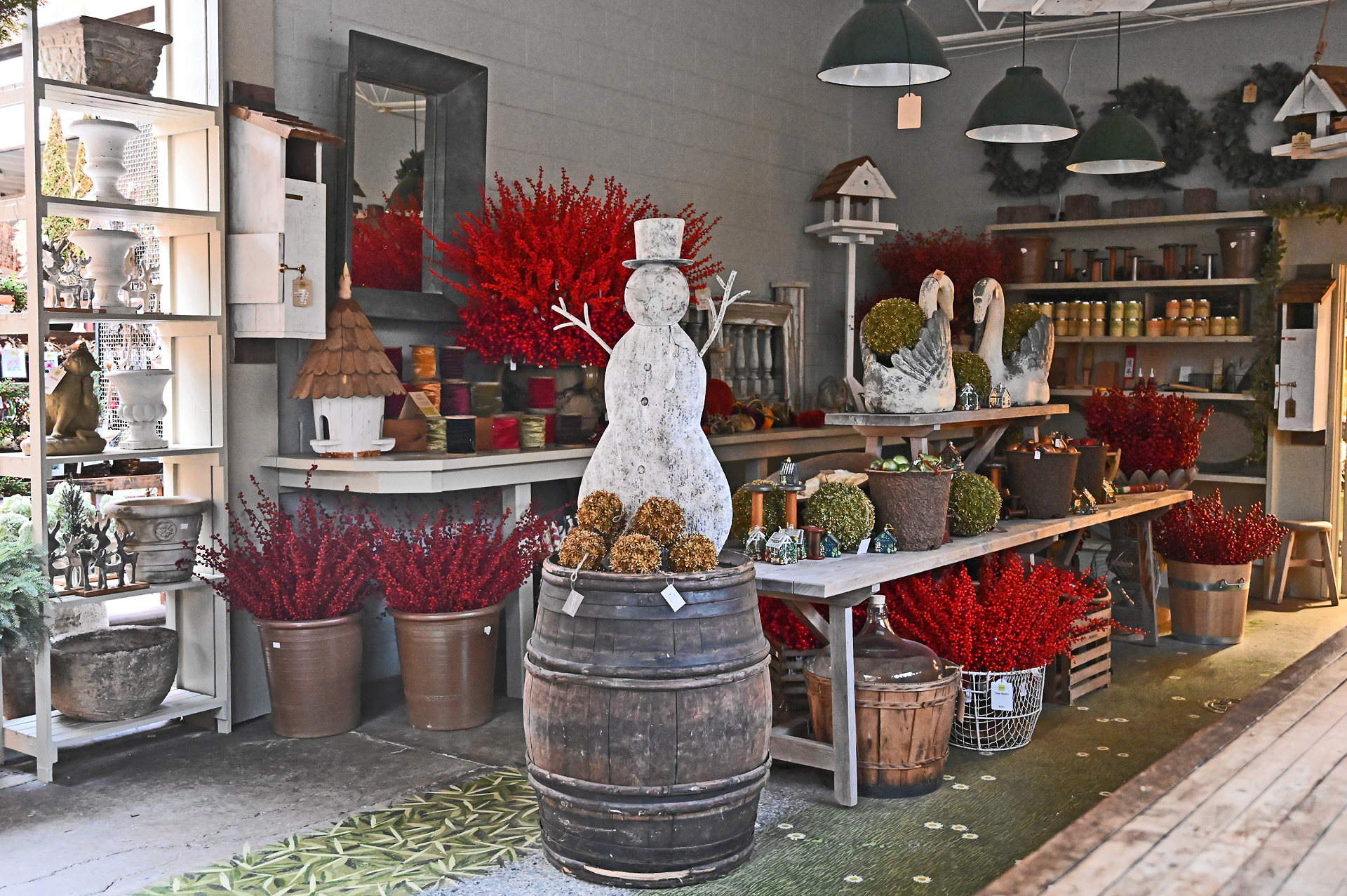
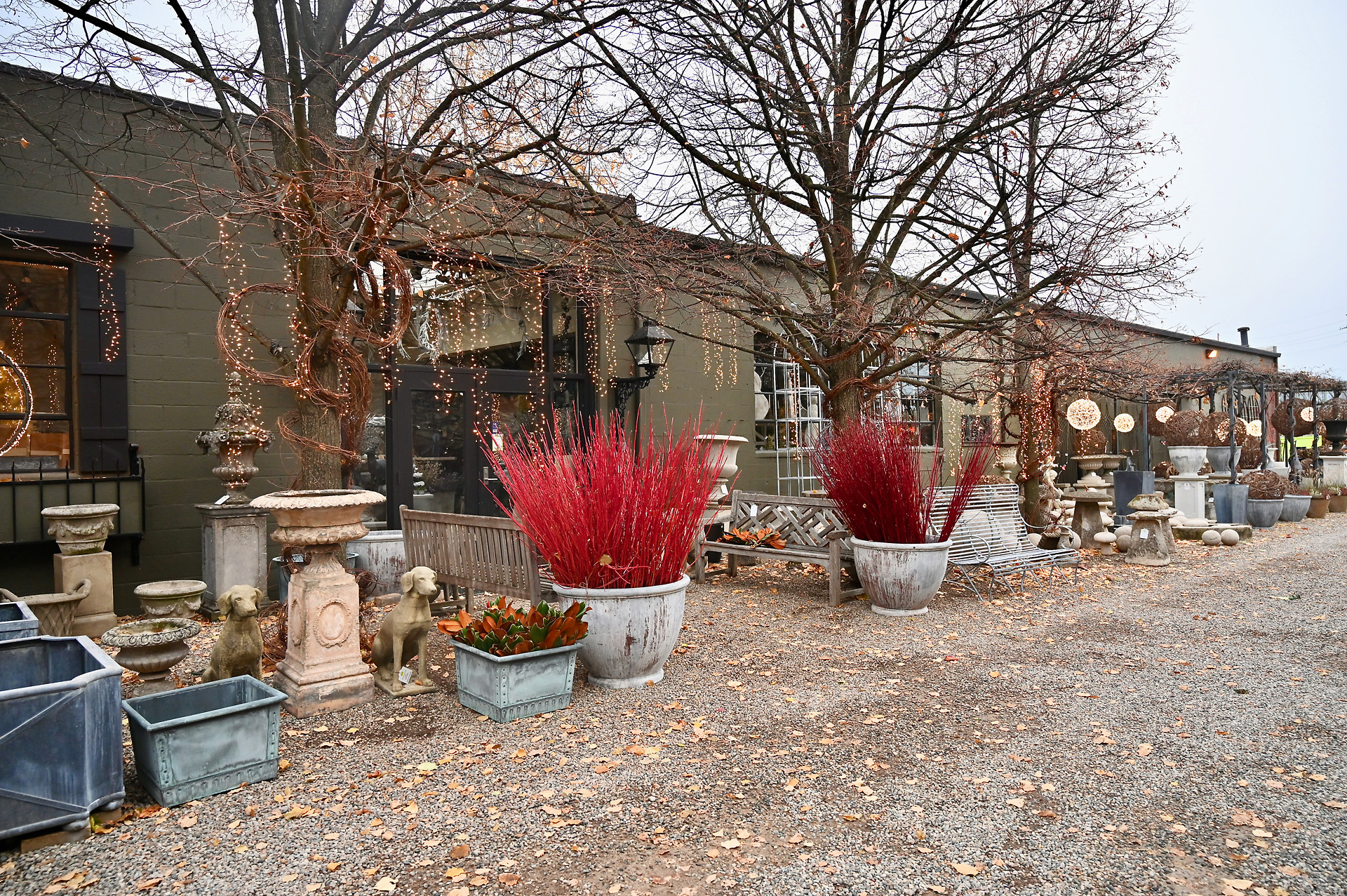
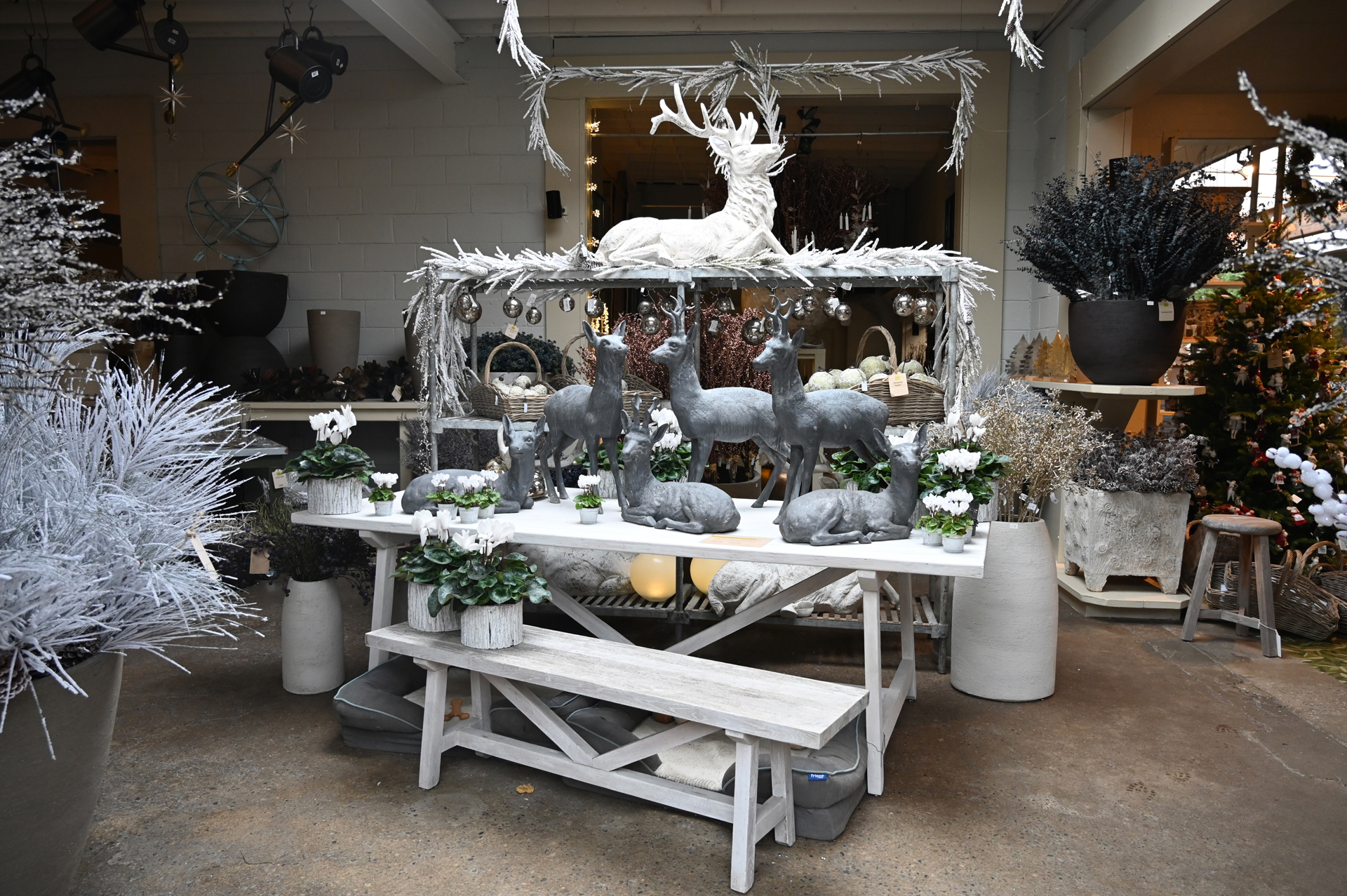
After an intensely re-imagined and heartfelt few weeks, all of the materials new and old we have available for winter and holiday expressions have been unboxed and put on display at the shop. Heartfelt? We work our collective hearts out to provide our clients with materials that recall, honor and celebrate the garden at year’s end. All 9600 square feet of it is stuffed to bursting with the beautiful, the whimsical, the traditional, the unusual –  the satisfying and joyous signs of the winter and holiday gardening season on the way.
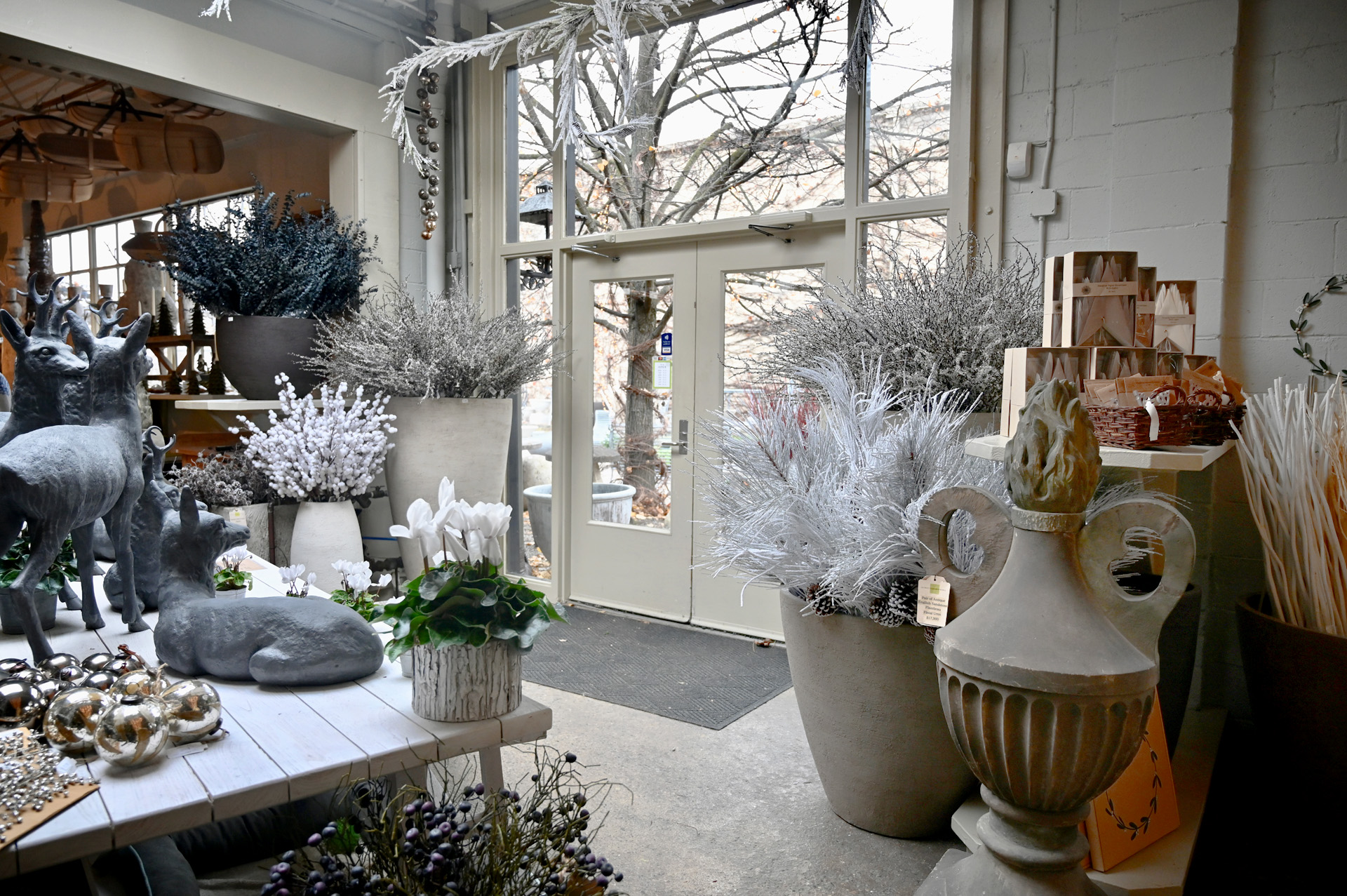
It was probably better than 25 years ago that Rob and I started shopping, collecting, and offering for sale materials suitable for winter arrangements for pots and containers. All of these materials – whether an astonishingly convincing replica of the real plant or flower,  a collection of various fresh cut twigs and greens, or innovative lighting – have the potential to keep the hope and memory of the garden alive during our long winter season. What we have available in the shop today is as good as our experience and and will to celebrate gardening can provide. You’ll see.
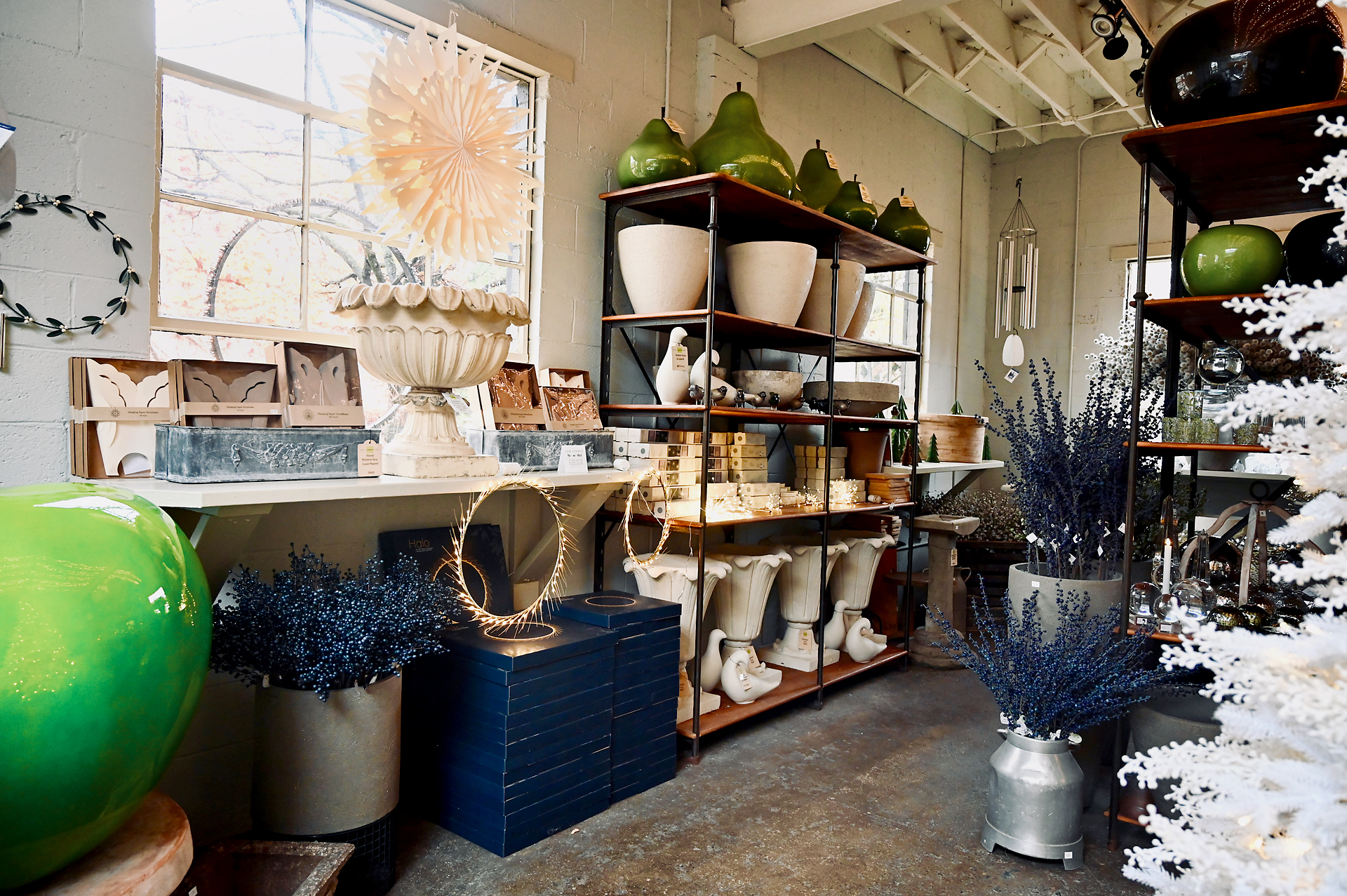
Up next is a pictorial version of the shop, dressed, decked out, and ready for the season. If you are too far to make the trip, we want to share what we have the best we can. If you are close enough, we invite you to come and see what’s doing in person.
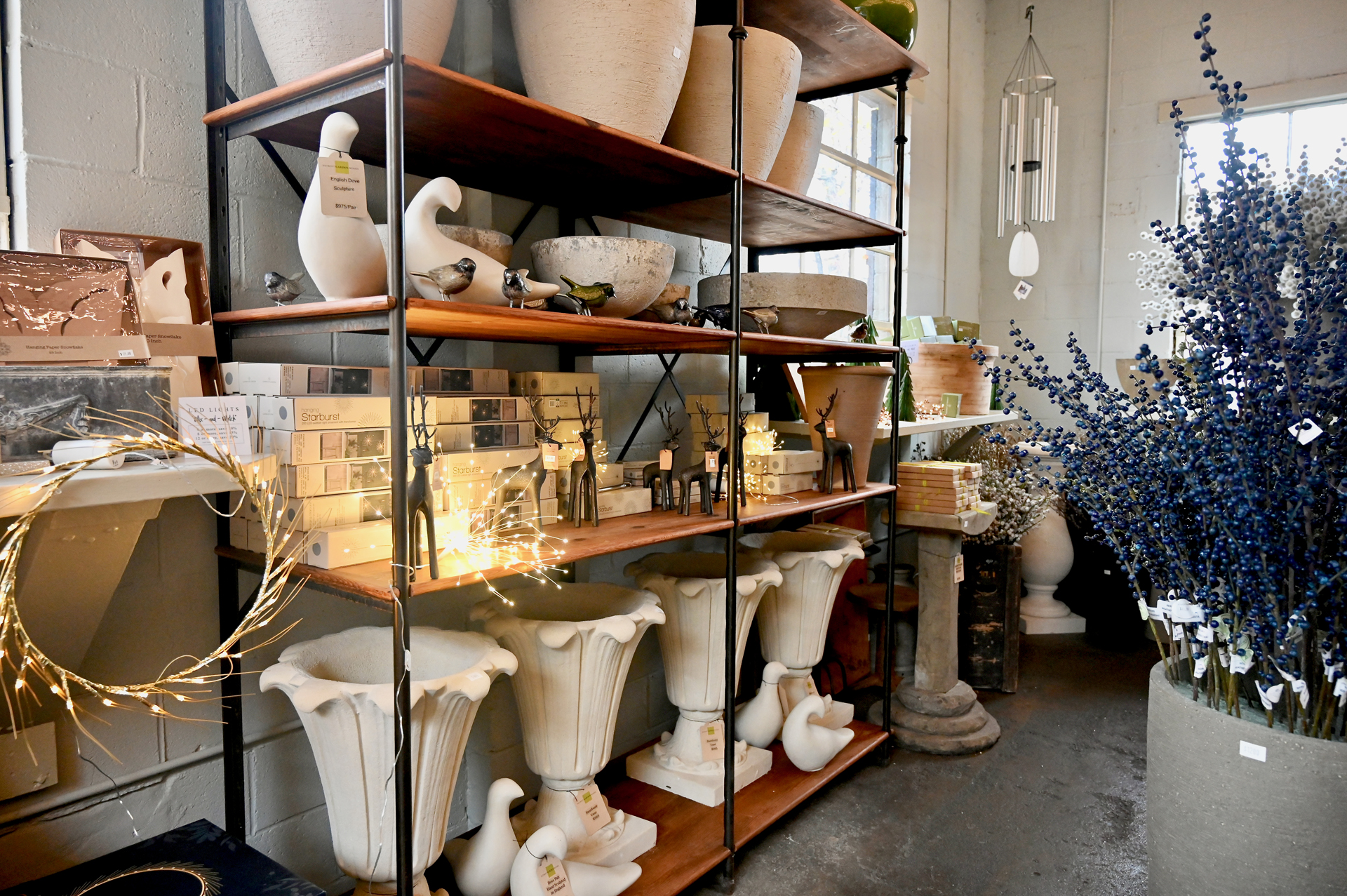
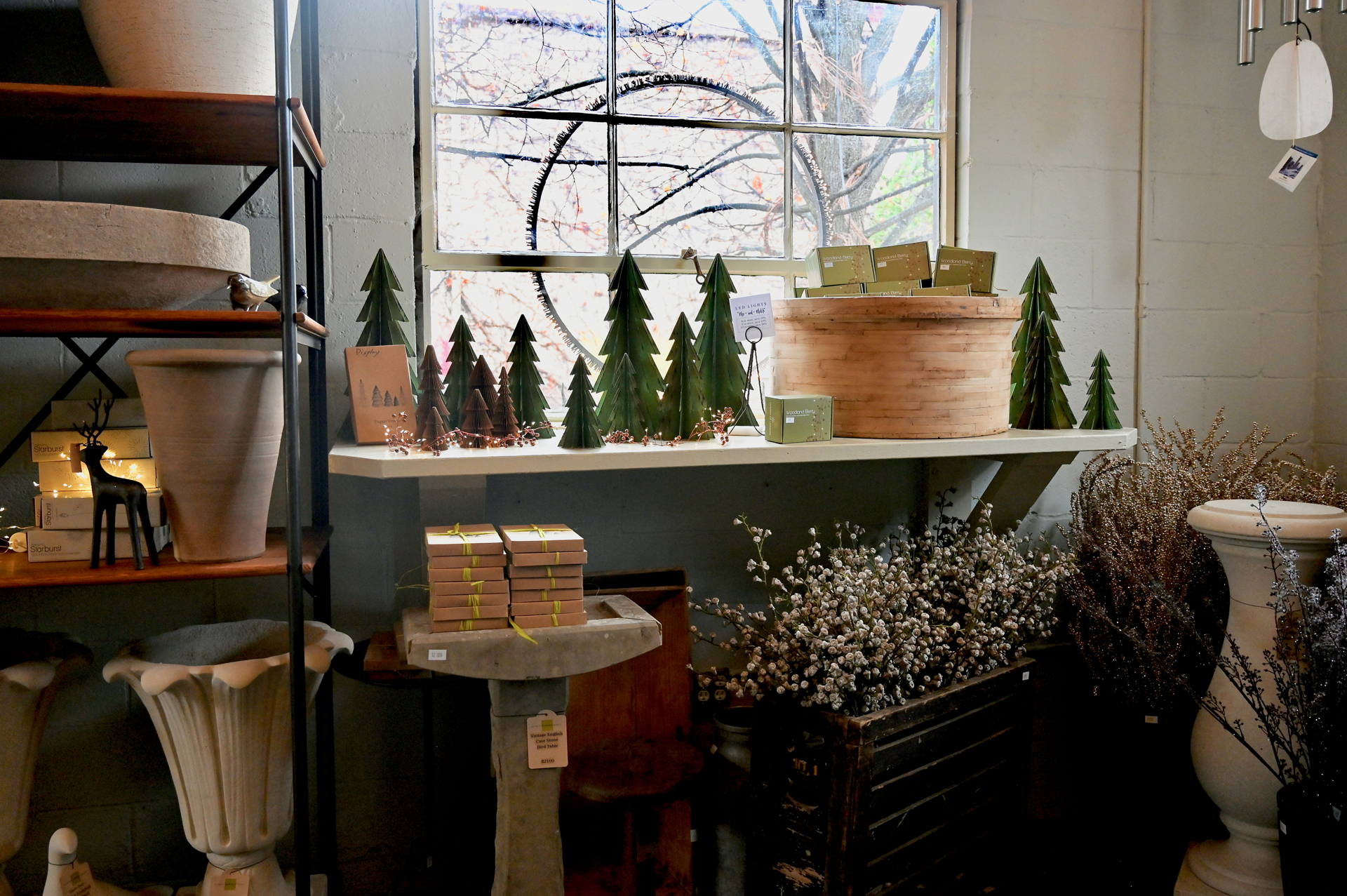
What could possibly be more forlorn and pathetic to a gardener than empty garden pots, or a landscape gone dark and dreary at year’s end?Finding a reason to celebrate seems like a much better idea. We intend to provide the chance to help keep the gardening season open and thriving all year round, in spite of the untoward winter weather and dark. If you see anything here that interests or intrigues you enough to inquire further, we are available.

1  248  335  8089

webinquiry@detroitgardenworks.com
Once A Year And This Is It

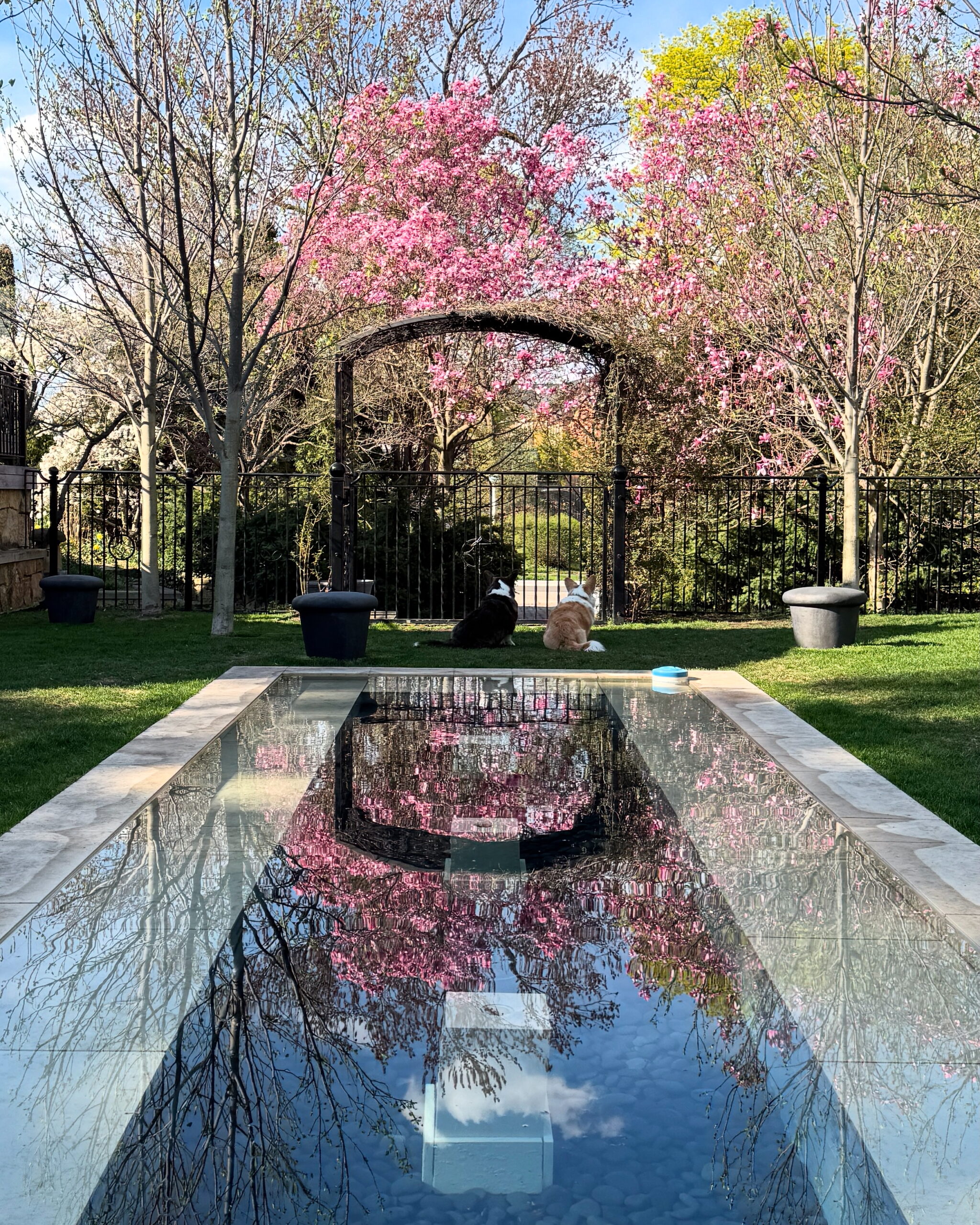
  Once a year we have spring in Michigan, and this is it. Ha. Let that big talk on my part sink in a little.  I am not at all sure we are having spring yet. Maybe what we have now is just a cold, rainy, and off putting version of pre-spring. Maybe I missed it – could our spring be just about over? Or is the real spring due here any minute. There are always caveats that come with any discussion of the change from one season to the next. Especially our spring. It was 35 degrees at my house this morning. It can safely be said that the interminable winter has shown some signs of moderating,  and there have been tantalizing albeit brief instances of remarkably warm weather and blue skies. Nothing decisive yet. A cautious assessment is prudent. Nature can have a very hard time deciding to finally let go and get on with it. But all of the fits, starts and stalling make for some adult fun. Delayed gratification, they call this.
The hellebores are blooming emphatically, as they always do. They shrug off bad weather. Many of the small spring flowering bulbs have appeared, bloomed and already vanished. The eranthis, galanthus, chionodoxa, scilla, crocus, adonis, puschkinia, muscari, and a considerable cast of others, appear on their own schedule, and brave the stormy weather for better or worse. Some years the flowering is stingy, and other years profuse. You don’t know which way that world will turn until the day before.

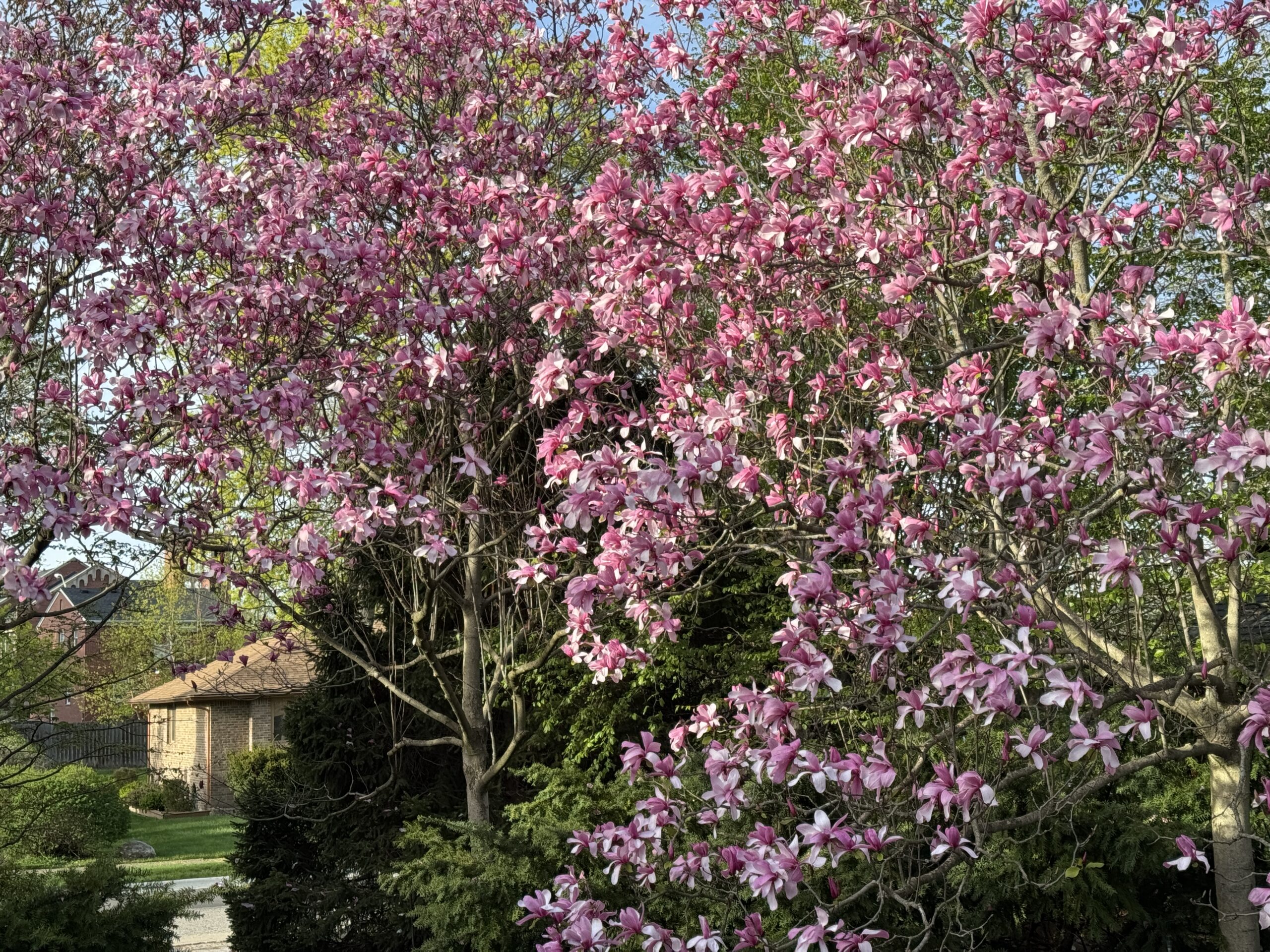
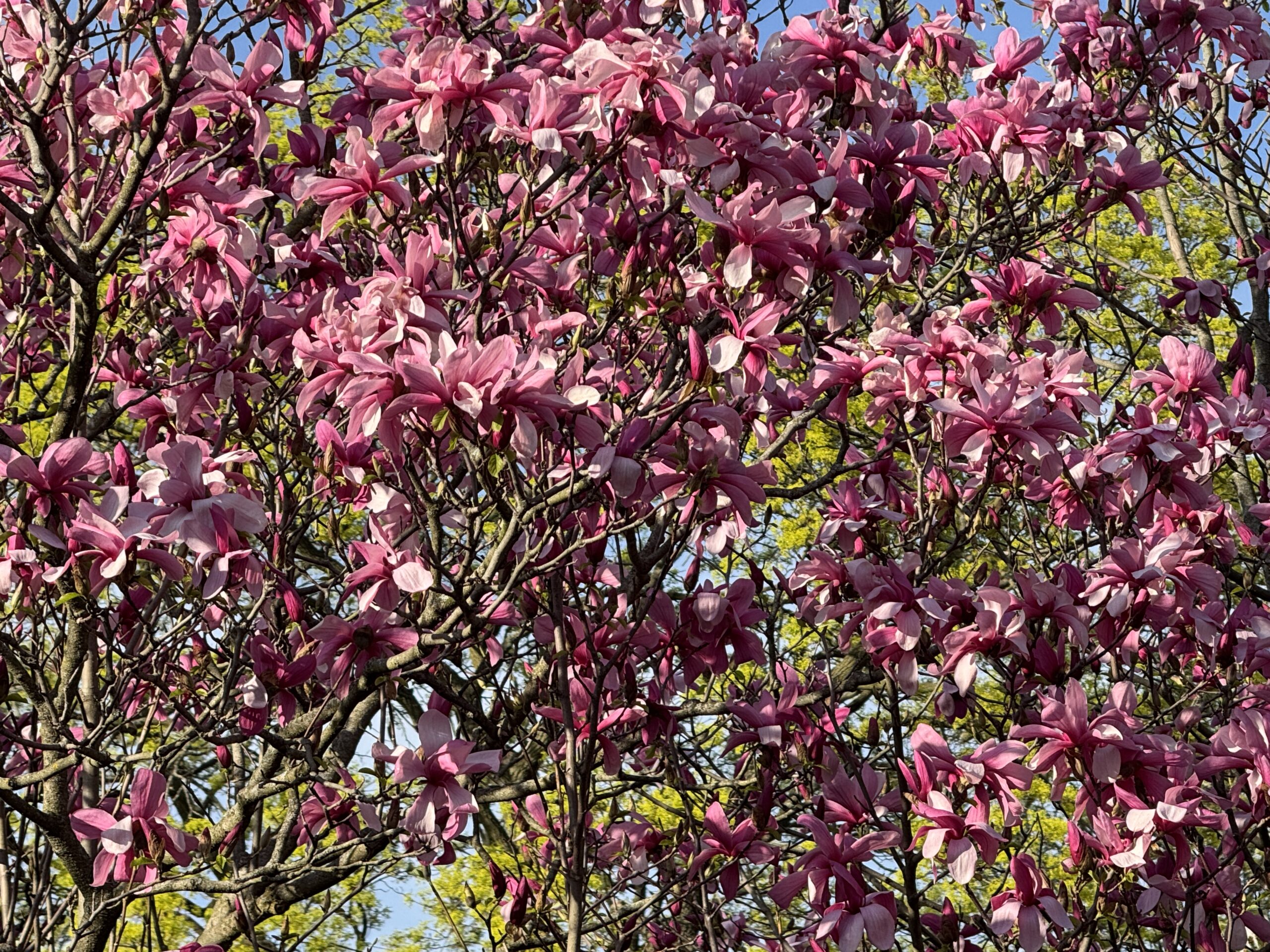
One of my favorite spring moments are the magnolias. Their habit of growth is quite architectural, as are the branches, bark, buds, flowers, leaves, and seed pods. Visually stunning in every aspect, in all the seasons. They make a beautiful specimen tree. There are a number of magnolia soulangiana in my neighborhood – a community which dates back to the early 20th century. It was a popular tree then, and the old trees I see now are still beautiful and healthy. But their flowers can be a victim of a bumpy spring season. A late frost can can damage the blooms, or worse yet, reduce them to puddles of brown mush. A flash frost can leave brown petals dangling from the tree branches. This is a very unattractive and disappointing outcome.  Magnolia Stellata is another victim. Mine blooms generously and over a goodly number of weeks only one year out of three or four.

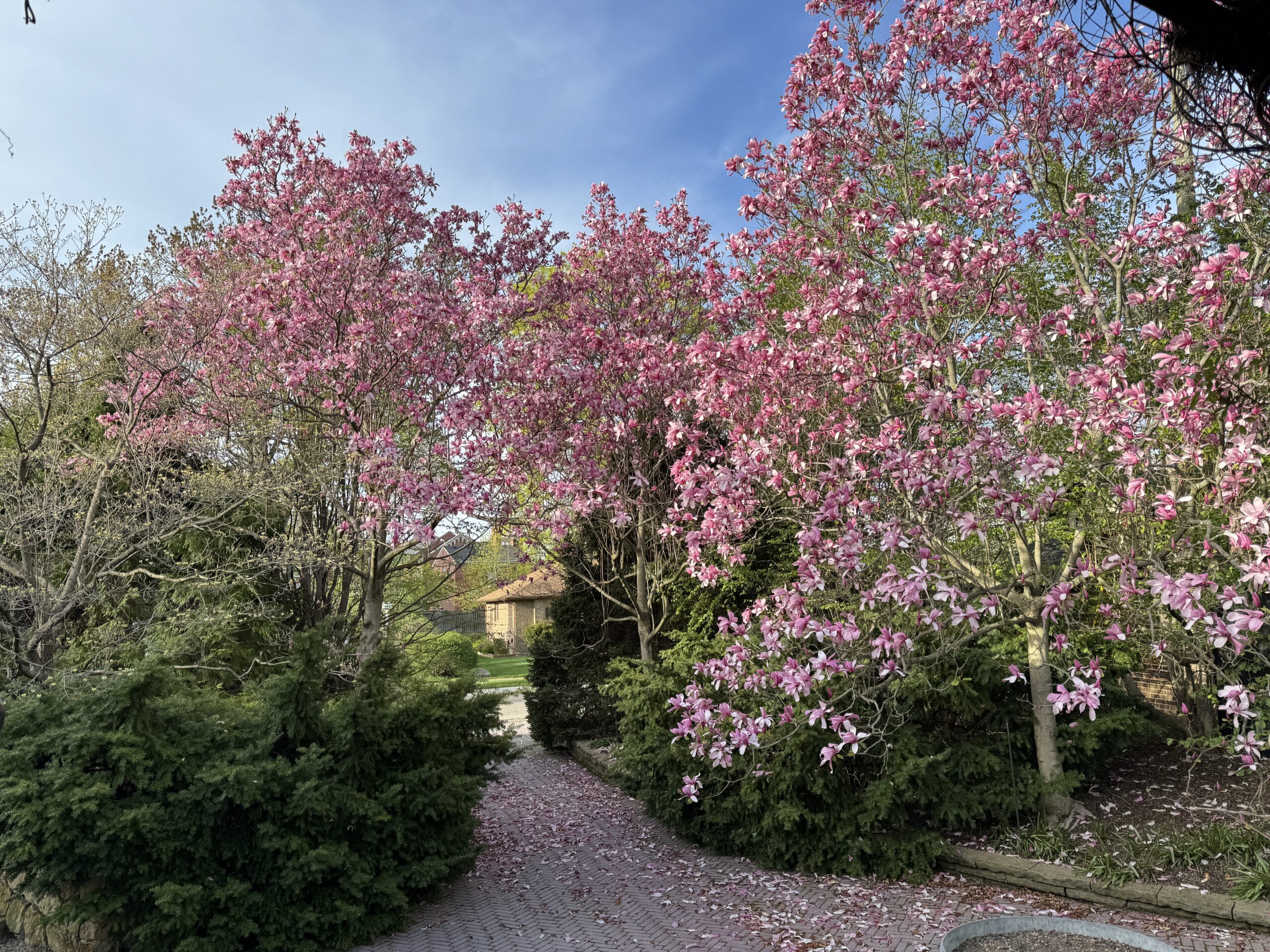
I have three magnolias in my yard which are surely 20 years old by now. The cultivar is named “Galaxy”, which is a National Arboretum plant introduction. The following is from their website:    ‘Galaxy’ is an F1 hybrid selection resulting from a 1963 cross between Magnolia liliiflora ‘Nigra’ and M. sprengeri ‘Diva’. ‘Galaxy’ first flowered at 9 years of age from seed. The cultivar name ‘Galaxy’ is registered with the American Magnolia Society. Released in 1980. Magnolia ‘Galaxy’ is unique in form and flower among cultivated magnolias. It is a single stemmed, pyramidal, tree-form magnolia with excellent, ascending branching habit. ‘Galaxy’ flowers 2 weeks after its early parent M.‘Diva’, late enough to avoid most late spring frost damage. Adaptable to a wide range of soil conditions”  The late flowering is almost an essential condition for a good choice of magnolia in my zone.  The other condition this tree favorably adapts to is its upright habit of growth.  I live on a very small city property without the room necessary for a wide growing tree.  Even the neighborhood shade trees in the right of way look unhappy, having been  jammed into a space that is too small.
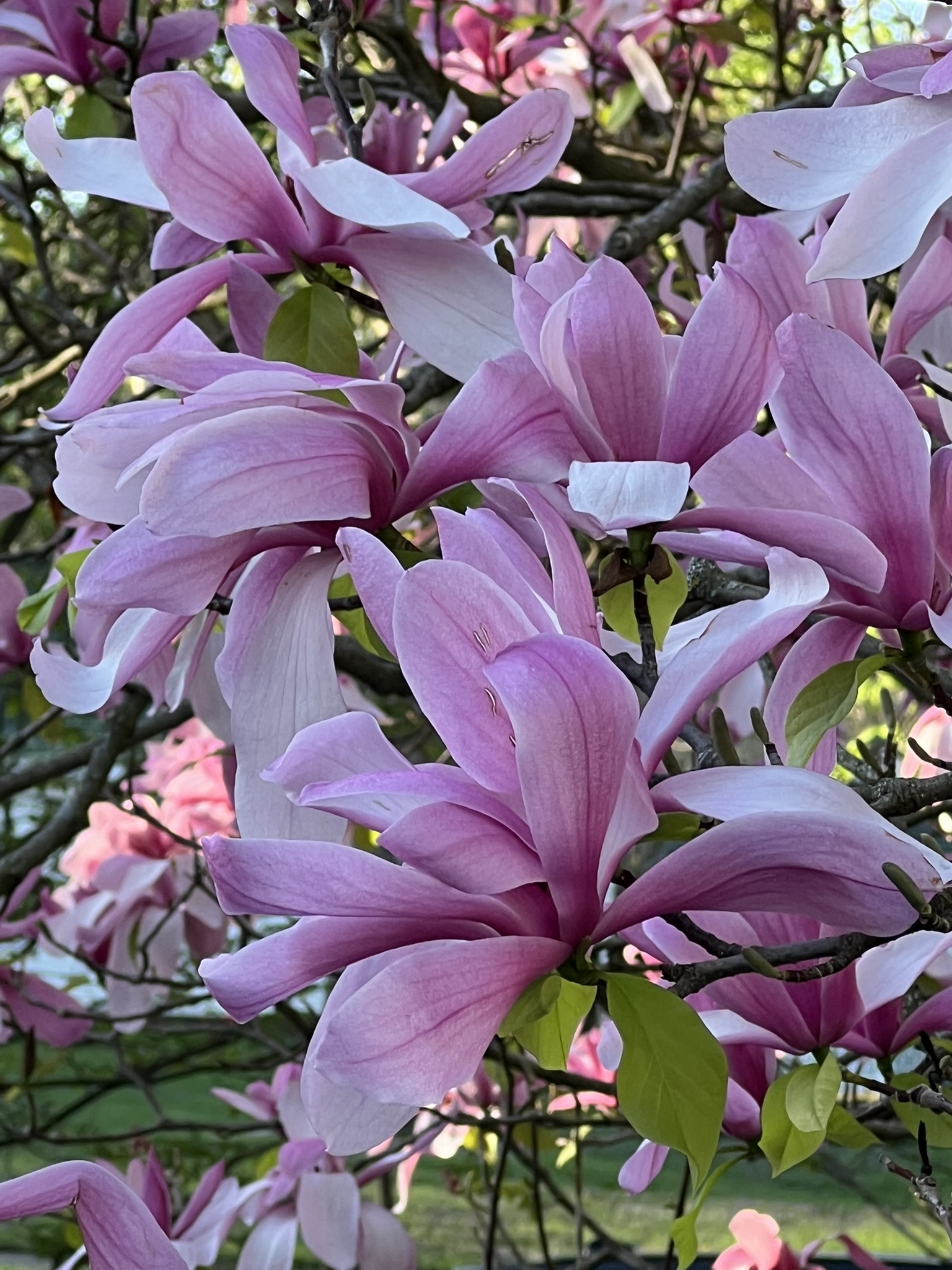
As for the flowers, when they are good, they are glorious. The oversized multi petal blooms are the showgirls of the tree flowering world. No other tree can compare, no matter which cultivar you plant.  This year, the flowers are beyond fabulous. Not only are the flowers large and robust, the branches of all 3 trees are covered with flowers. They started to open 3 weeks ago, and I could watch that process unfolding day after day. The chilly weather played a big part in creating a lengthy blooming season. Much like cut flowers held in a refrigerated room, cool air temperatures prolong flower life. Once the flowers have been in bloom for a while, the branches begin to leaf out. There is that brief moment where flowers and leaves are vying for attention.
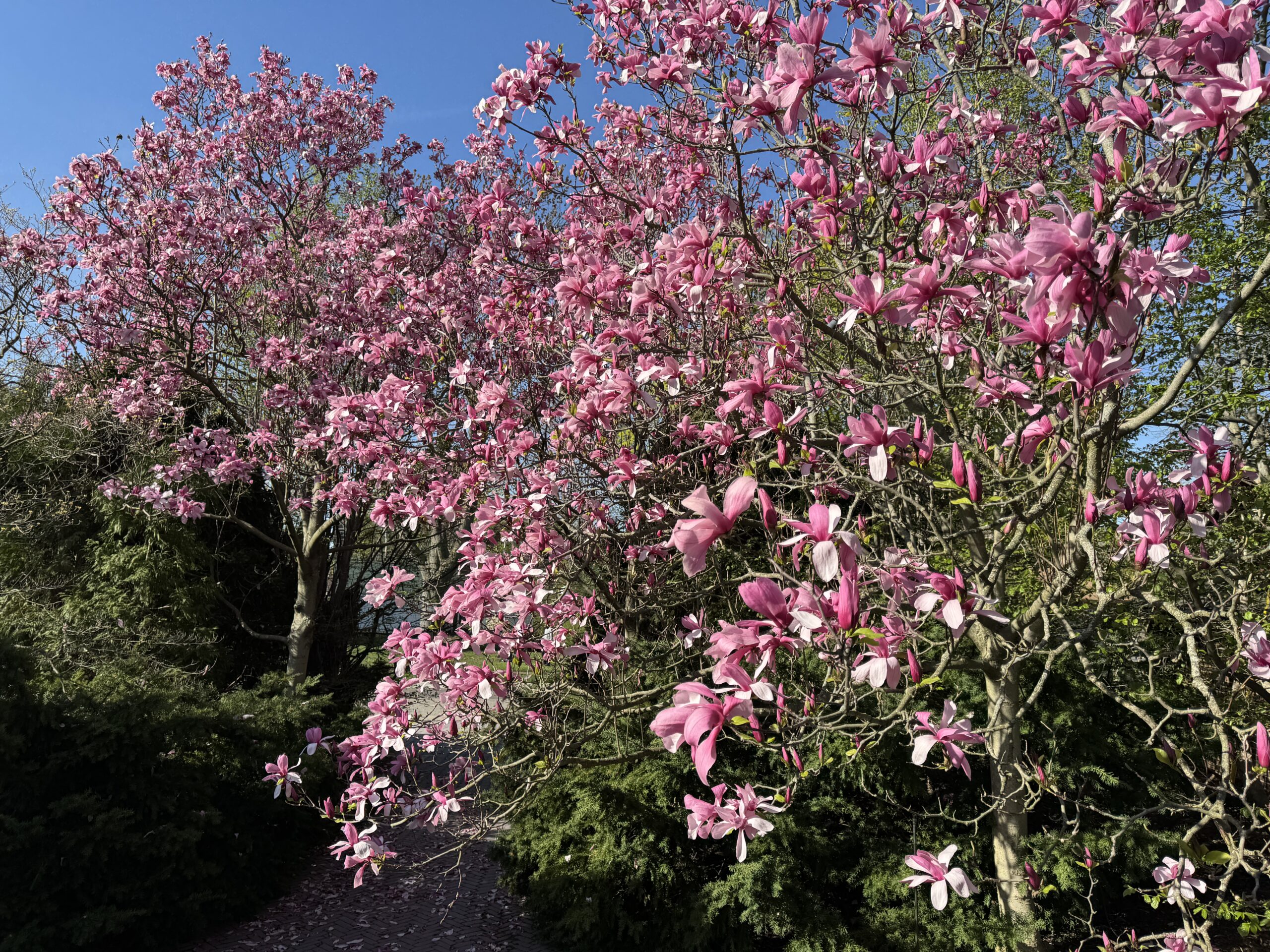
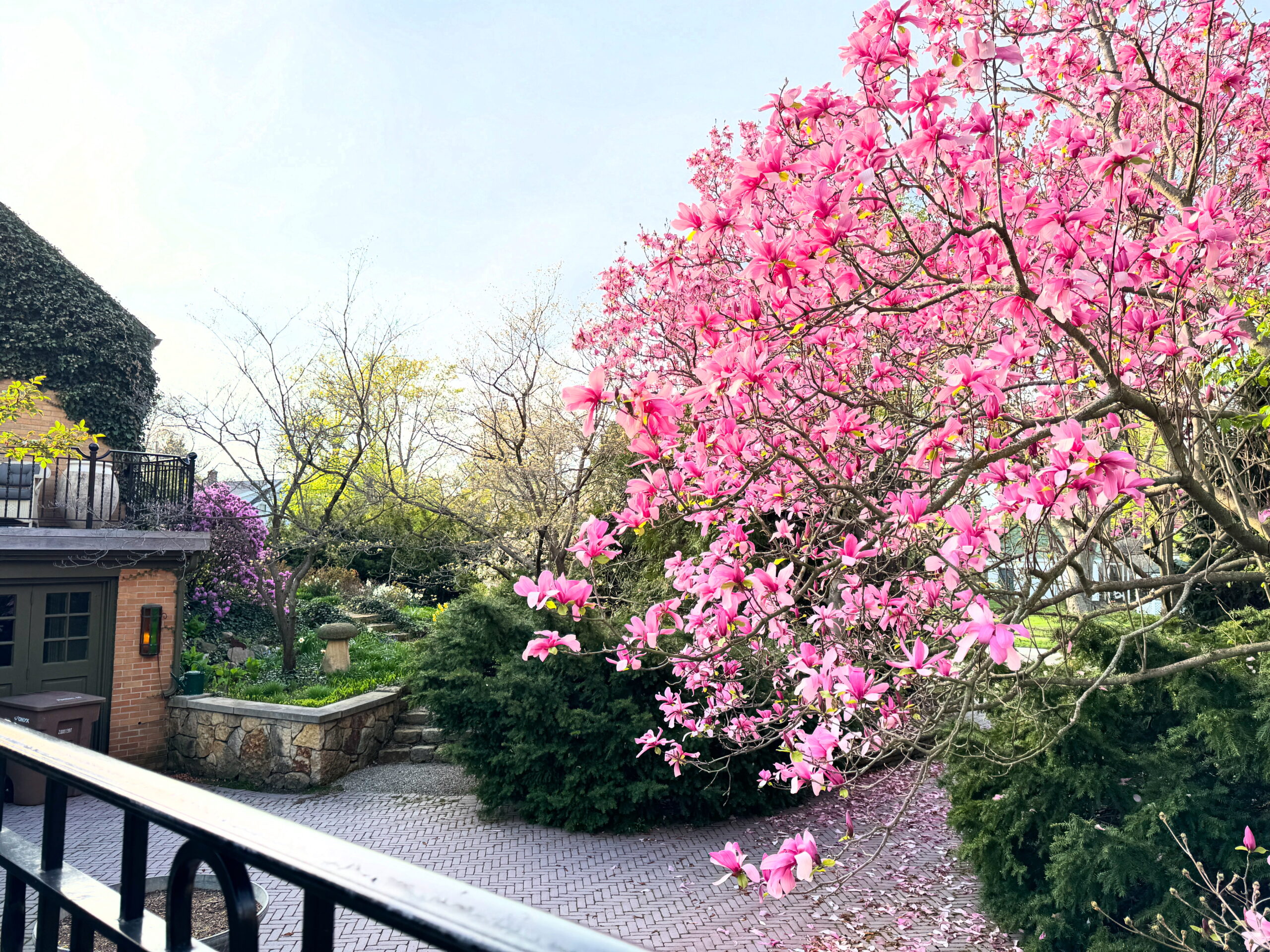

All trees flower.  Some tree flowers go unnoticed, they are so small or otherwise inconspicuous. These magnolias are interplanted with three Parrotia Persica.  Related to witch hazel, parrotias produce small red tassel like flowers along the branches in early spring. The red color is equally subtle. I rarely notice the flowers, unless it is a heavy blooming year, and I am standing nearby.  Some flowering trees alternate heavy bloom years, as if the recovery from all the energy expended to put on that show takes a long time. Dogwoods and Yellowwoods have a blooming routine like this.

It’s easy to feel ambivalent about spring flowering trees. Do I like them?  Some years they all seem breathtaking and gorgeous, like the most beautifully orchestrated and dramatically choreographed ballet ever staged. Other years I avert my eyes at the silliness.  How can any plant as stately and serious as a tree have pink flowers?  I must be having an on year;  I am thoroughly enjoying my trees, and all the other spring flowering trees I am seeing in lavish bloom. The lavish part plays a significant role in this. Conditions favorable to significant bud set the past growing season has resulted in a bumper crop of flowers this spring season. Any plant blooming its heart out is just cause for celebration.
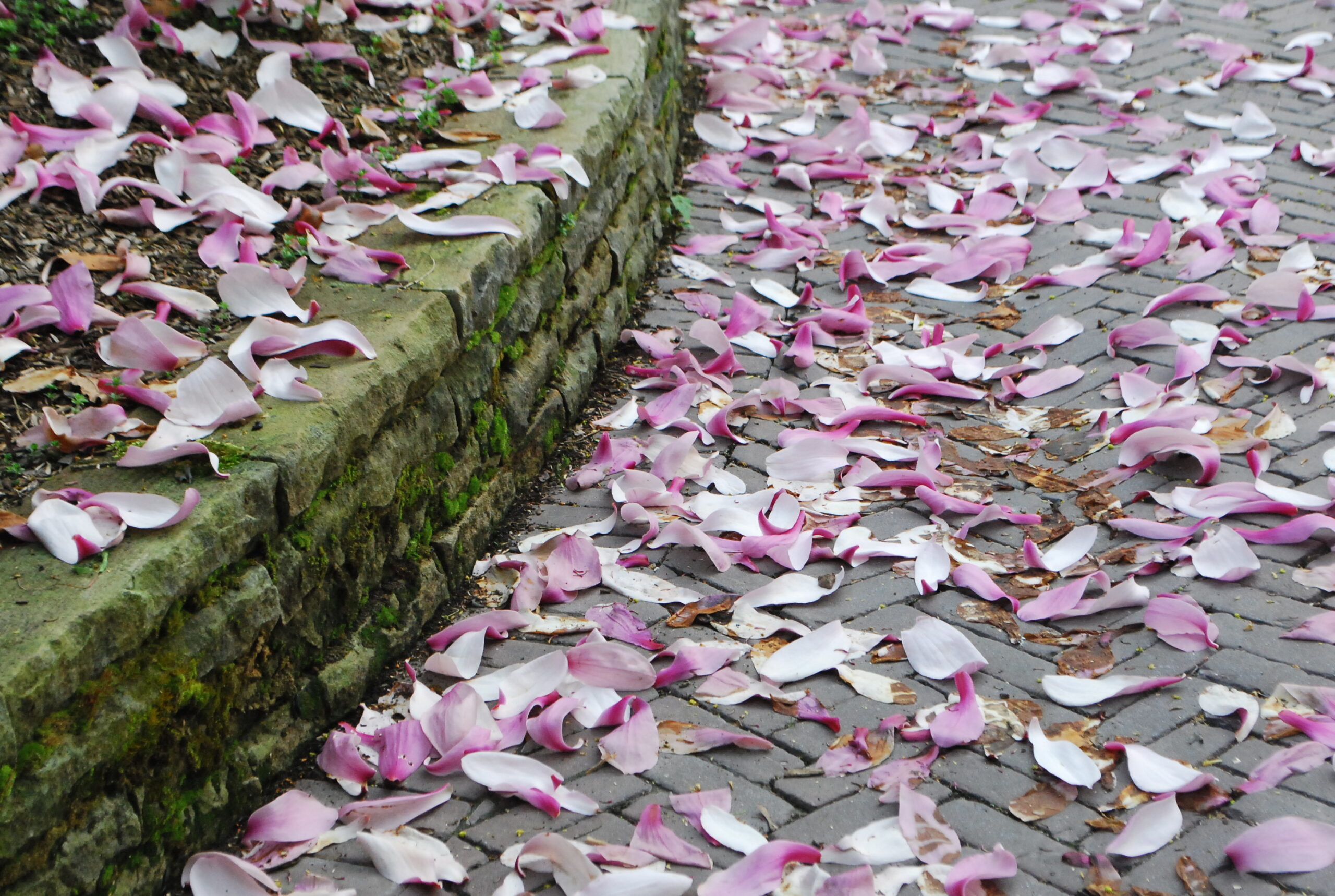
This first week of May is the beginning of the end of it. The subtle sound of the petals dropping on my driveway can be heard,  should I make a point to listen. As the petals pile up, so do the memories.
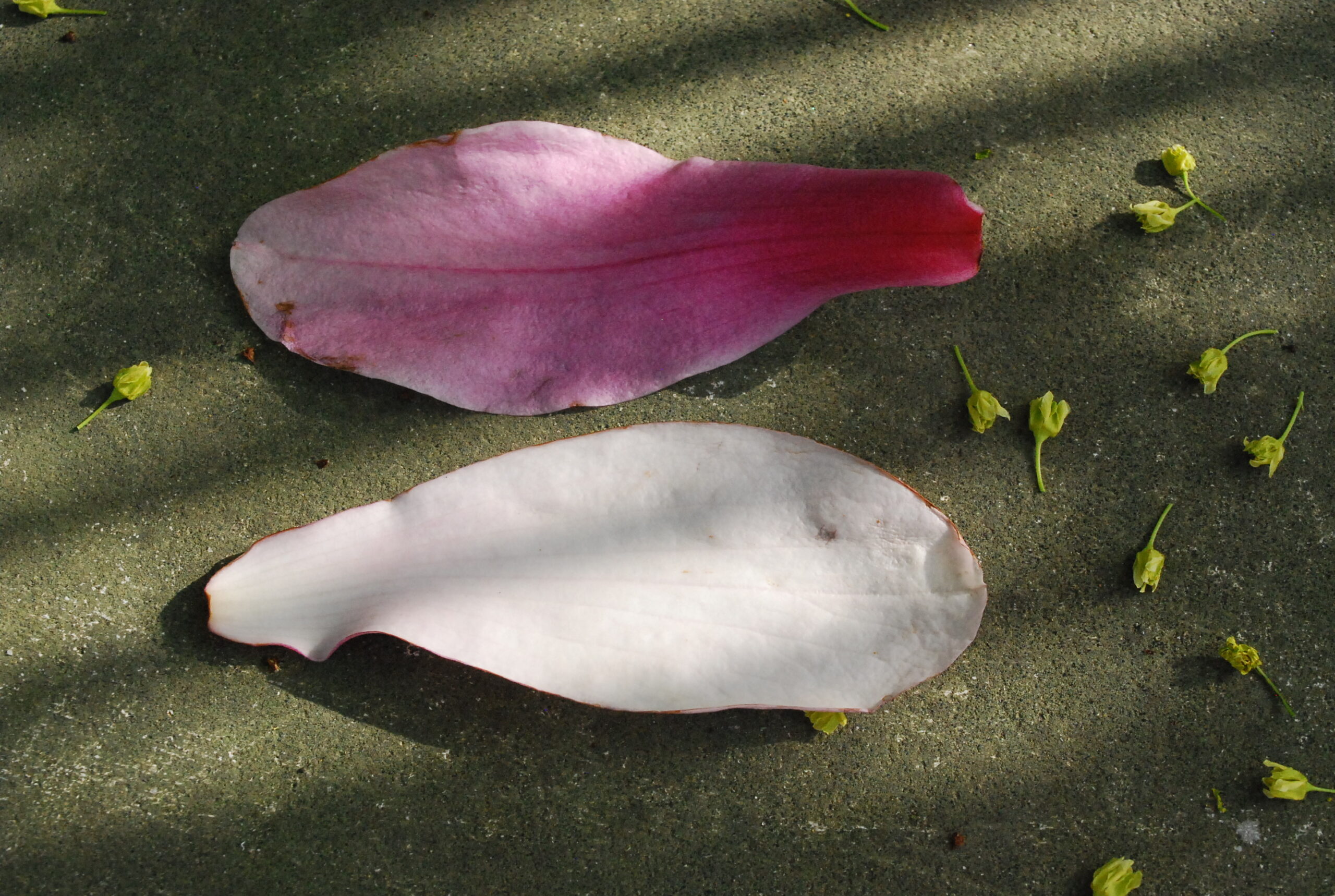
Spring.  This is it.
Fall Front And Center

Just think about it. The summer gardening season begins to wane, and every passionate gardener begins to fret. The letting go is not easy. I know I dig in my heels and ignore the obvious signs of the passing. Letting go is actually incredibly difficult. Just the thought that close to a year will pass before summer comes again is just cause for a gardener’s grief. But nature has a way of scooping up the remains of the previous season, and recasting them in a dramatic reinvention of the season to come. Any gardener who has observed the process of leaves abandoning their juicy green for a whole host of fiery fall colors understands this: The evolution of a summer season into the fall is an extraordinary pageant. The anticipation of a new and exciting season to come helps mitigate the loss of the old one.

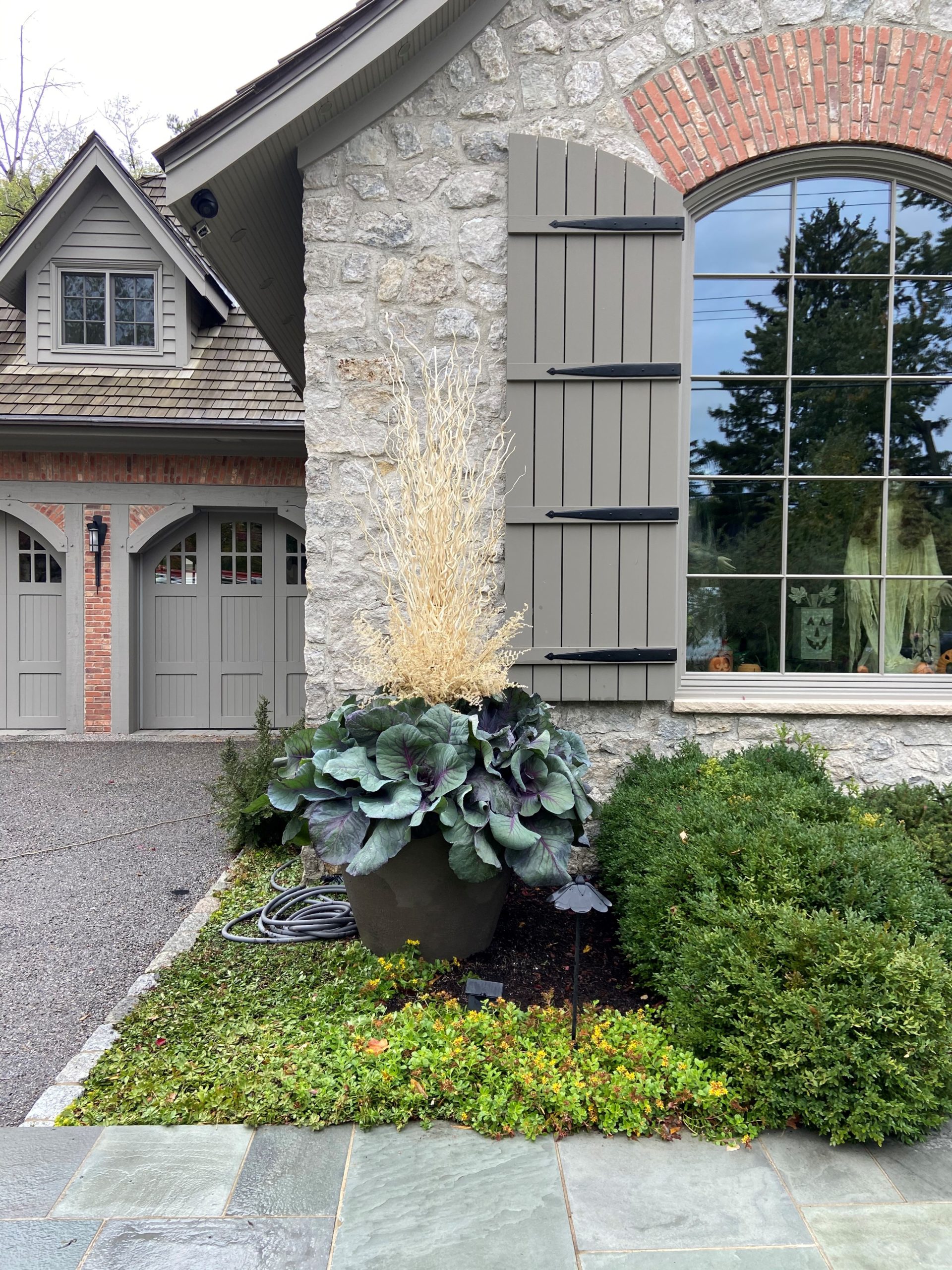
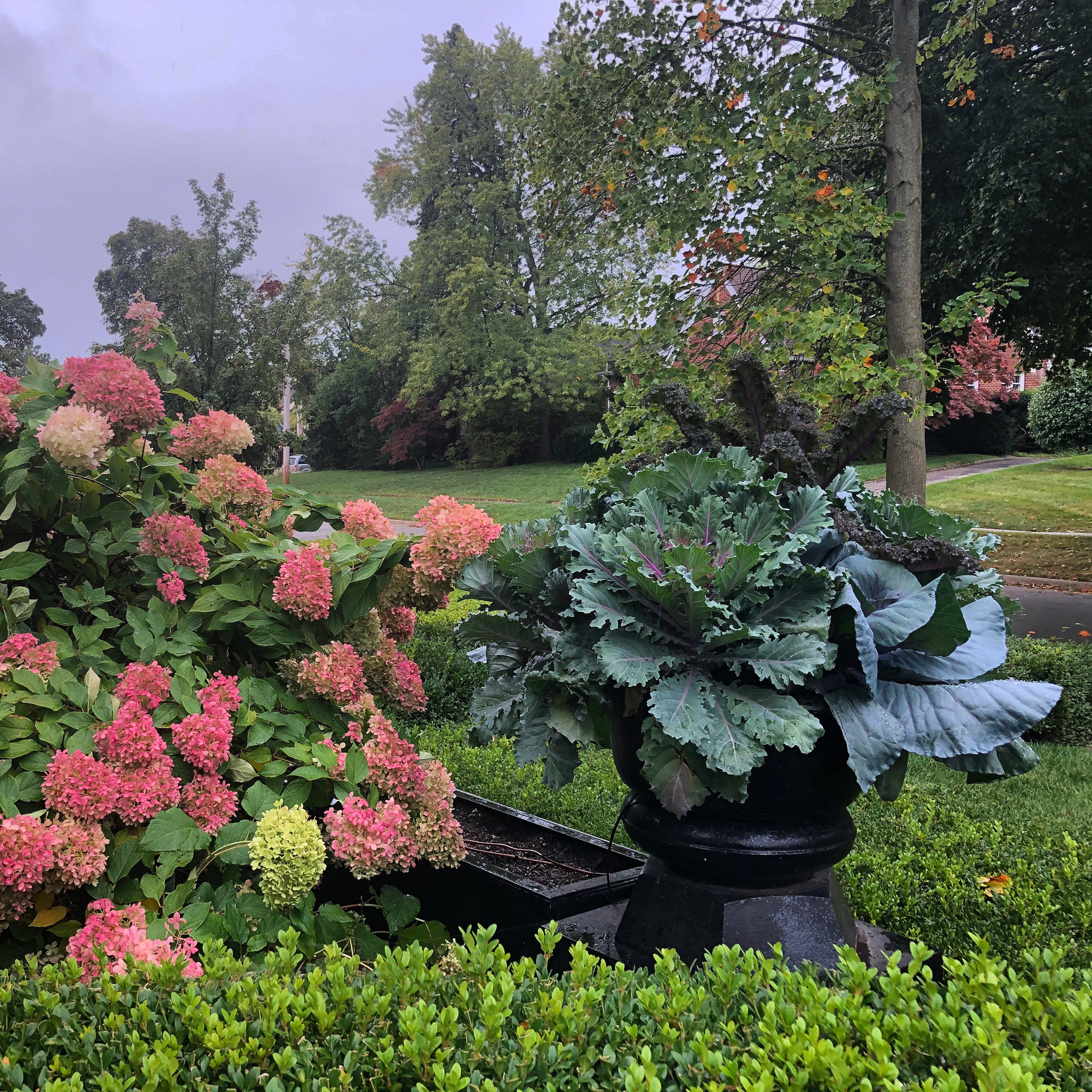
We plant lots of containers in celebration of the fall season. I am often asked about how long they will last. That question always seems tinged with an unspoken belief that the fall is a shorter season than the summer. Just as the winter season is perceived to be longer than the spring season that follows it. How gardeners adore the summer and dislike the winter. What comes in between the two is short lived, and therefore inconsequential. Well in fact, each season lasts a full three months, which is certainly a long enough time to enjoy them all. Though a beautiful landscape matures and provides interest in every season over many years, planting seasonal pots and displays are satisfying in the moment to create and enjoy. Beautifully planted and tended containers enhance any given season in a very personal way. Suffice it to say that Detroit Garden Works had 2800 various cabbage and kale grown for our fall season-we have very few left.
For some, the fall season is a favorite. Hot sticky weather is a thing of the past. The air is crisp, and breathable. The play of long low shadows against the landscape is especially beautiful. And of course there is the color. The most gorgeous in full bloom perennial garden in June is glorious, but a landscape in full fall color is spectacular. There is vibrant color everywhere you look, from the tops of the tallest trees, to the hostas coloring up on the ground. The evergreens in the landscape stand out in strong and stoic contrast. The last hurrah is nature’s most beautiful opera. I hear trumpets, don’t you? We try to express the bounty of the harvest with lavishly constructed centerpieces, and a variety of cabbage and kale grown to enormous size. Overstuffed pots are a very good look this time of year.

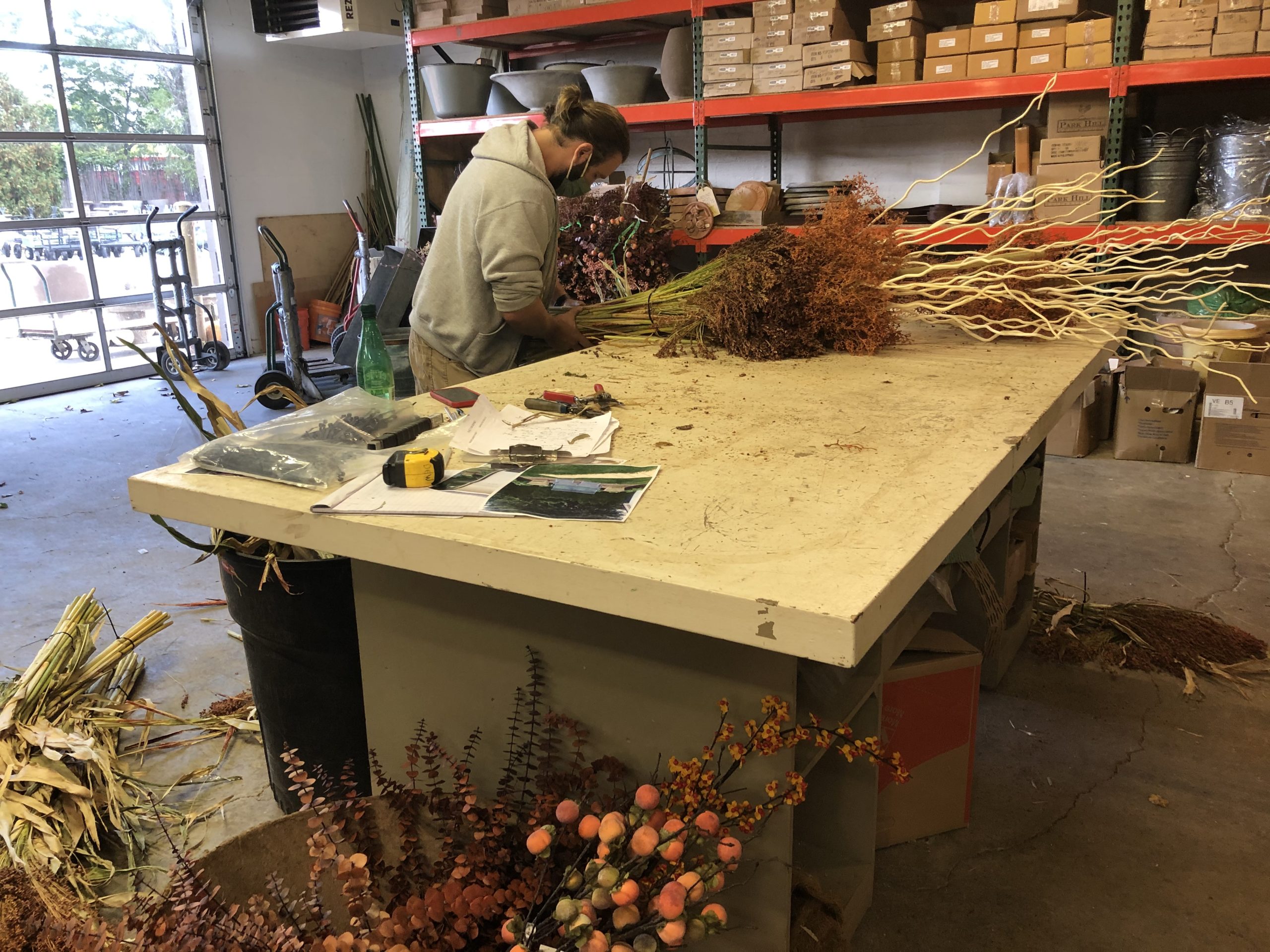
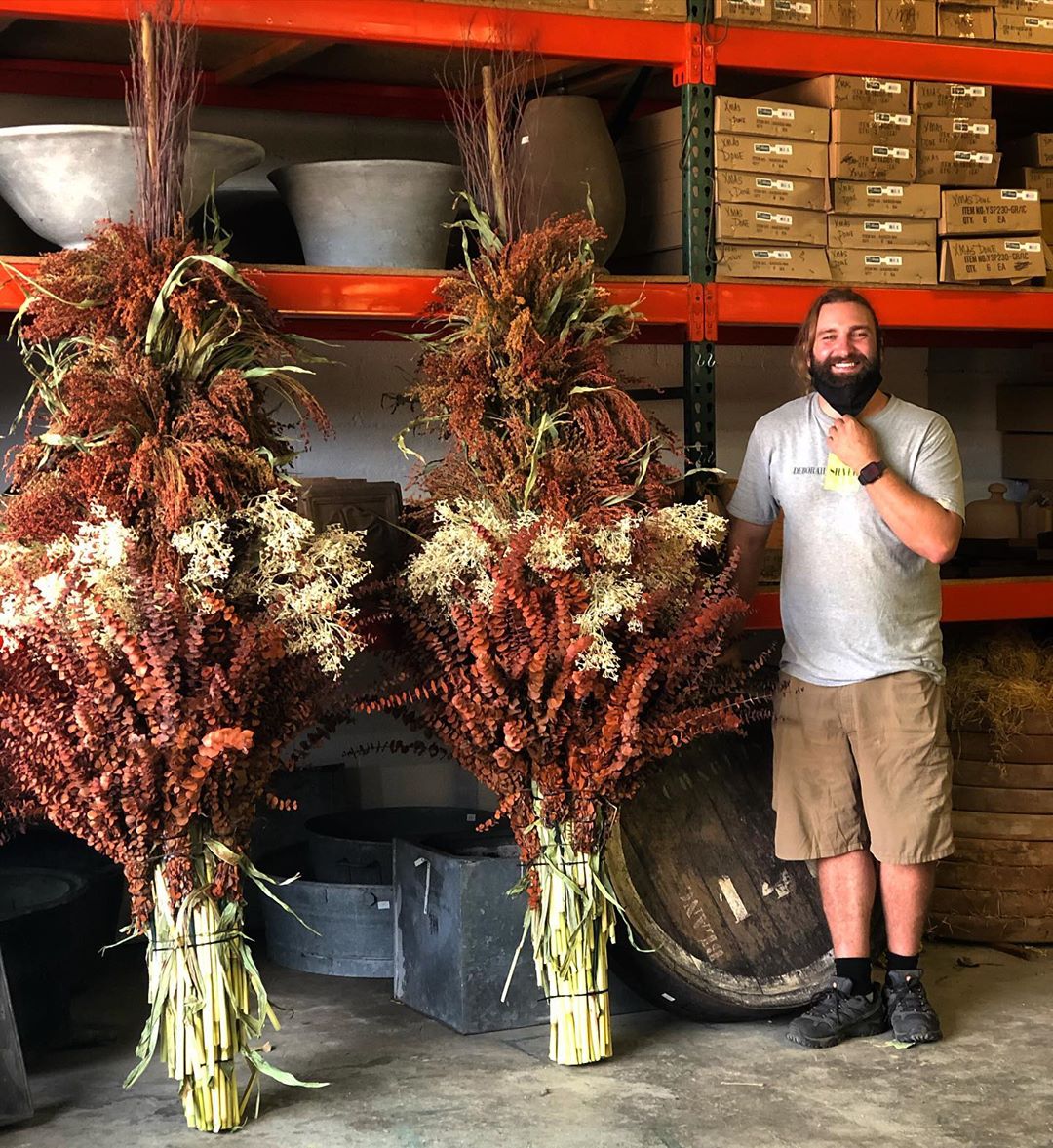
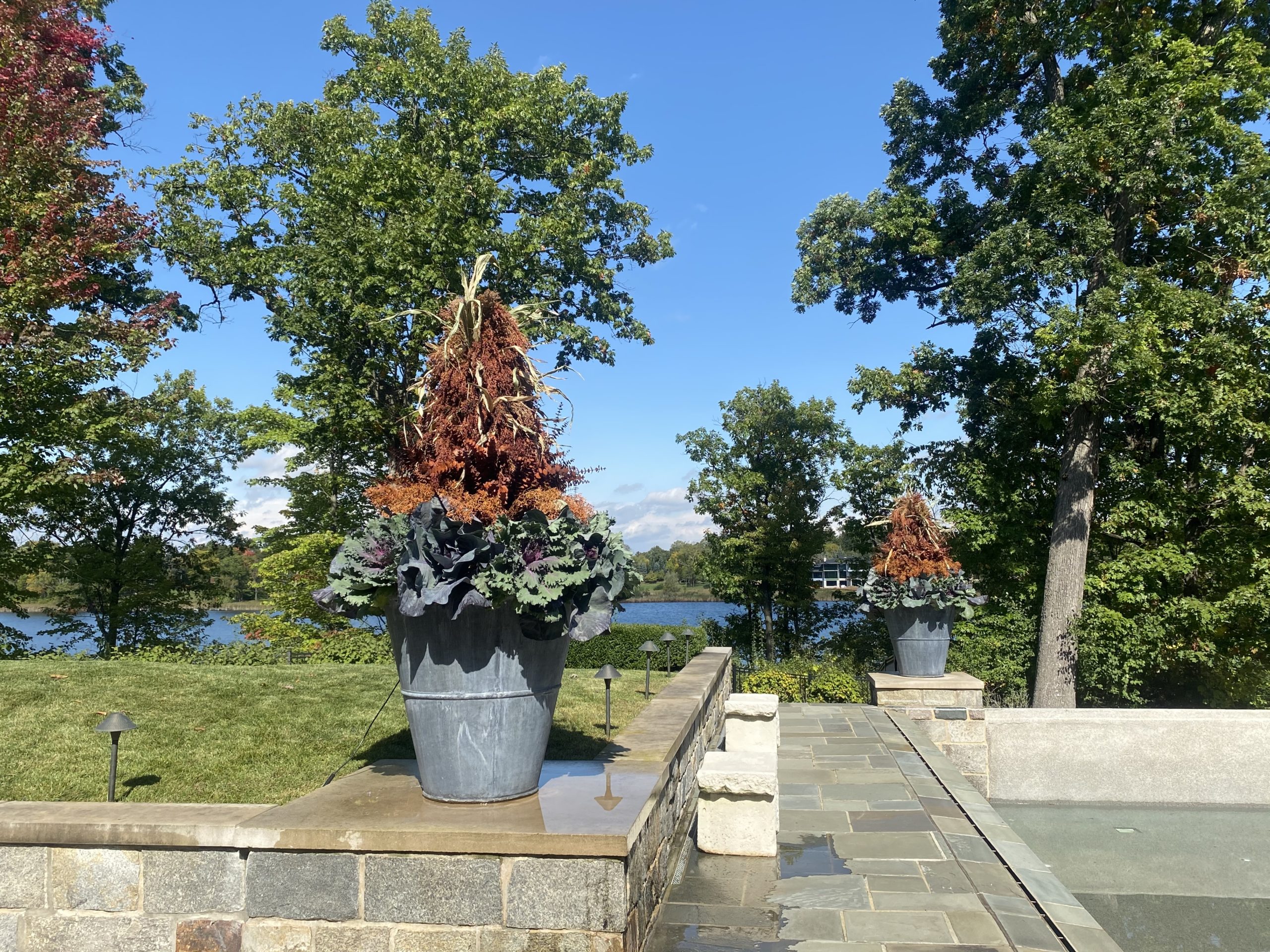
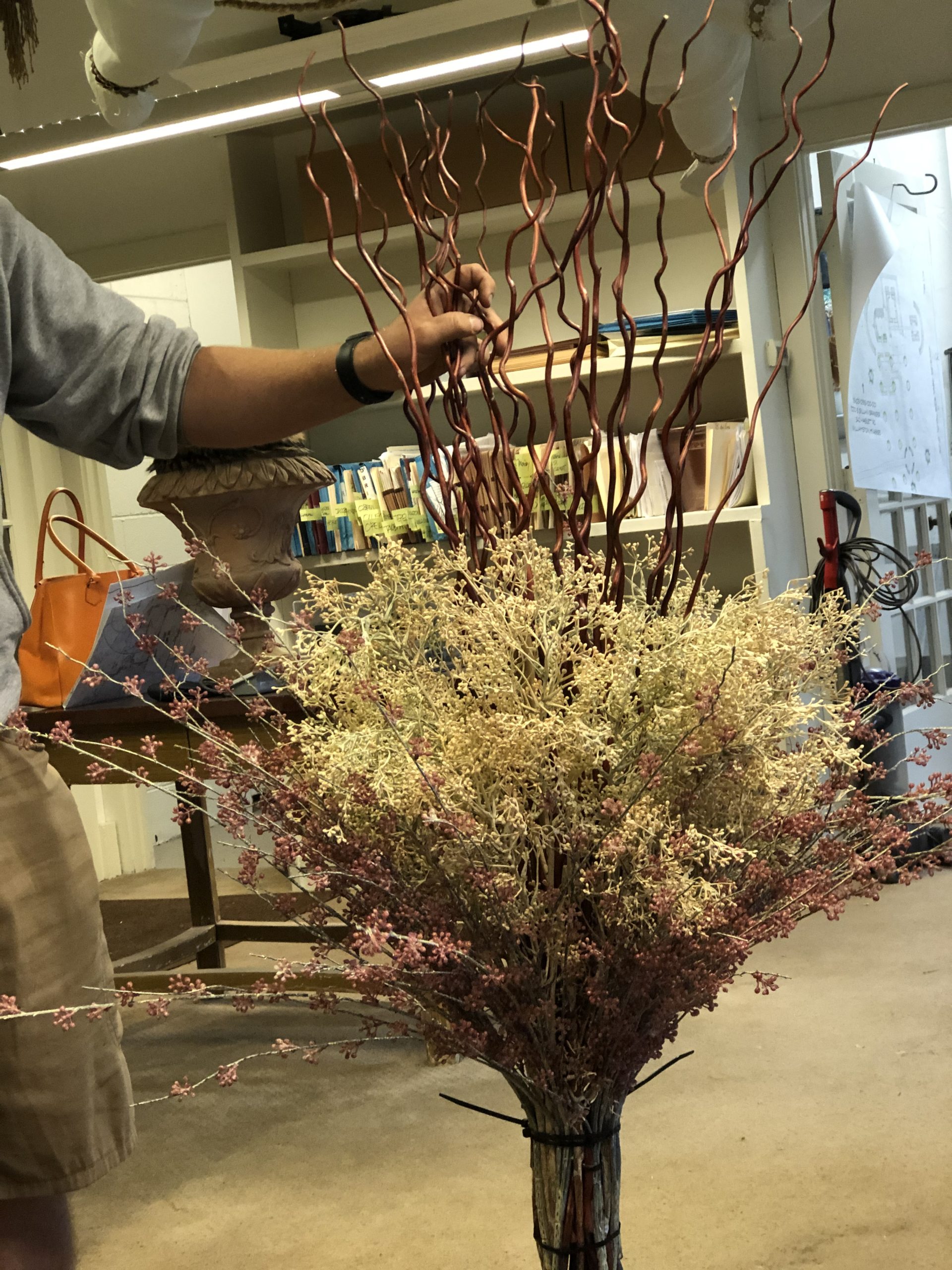
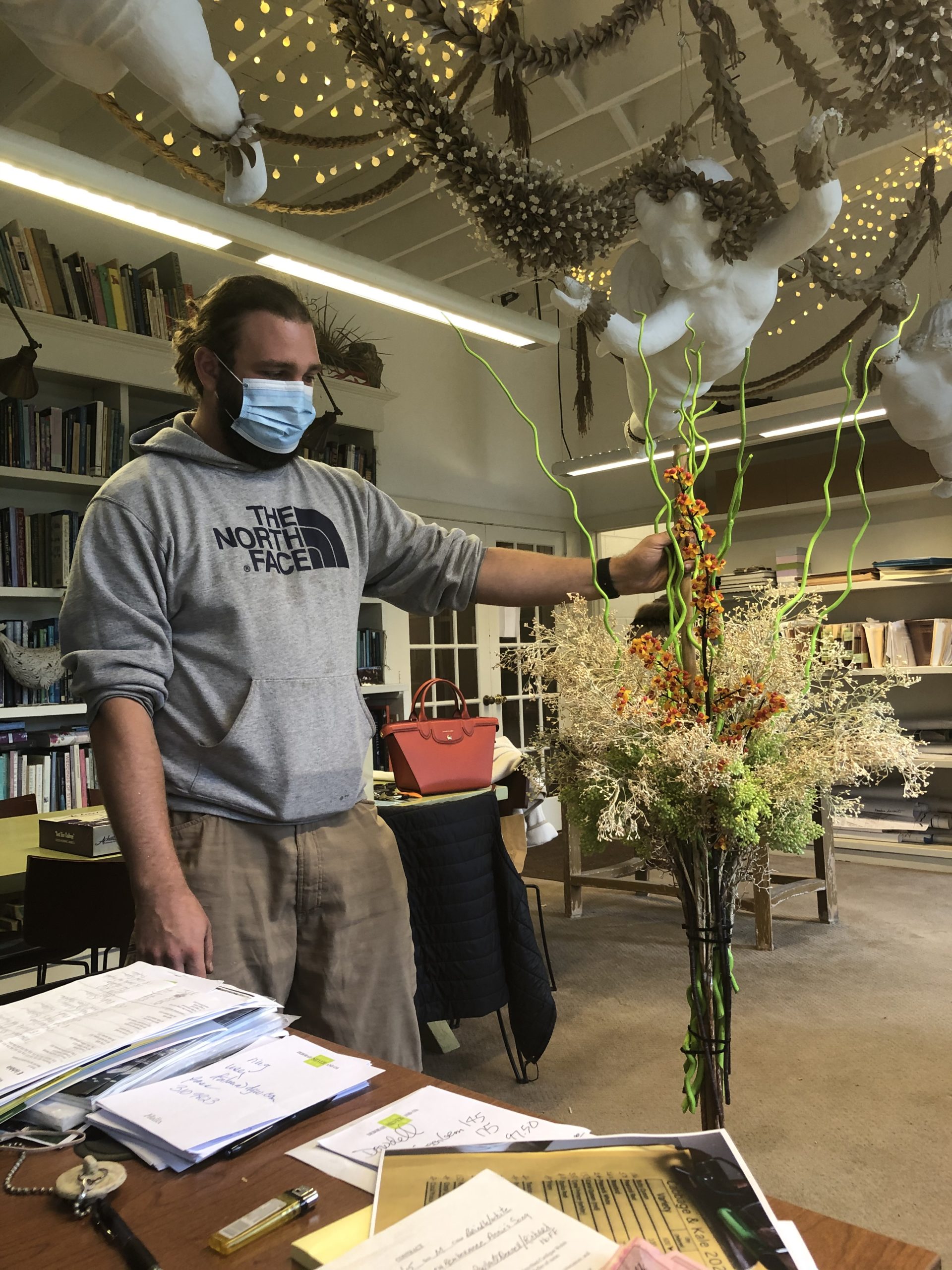
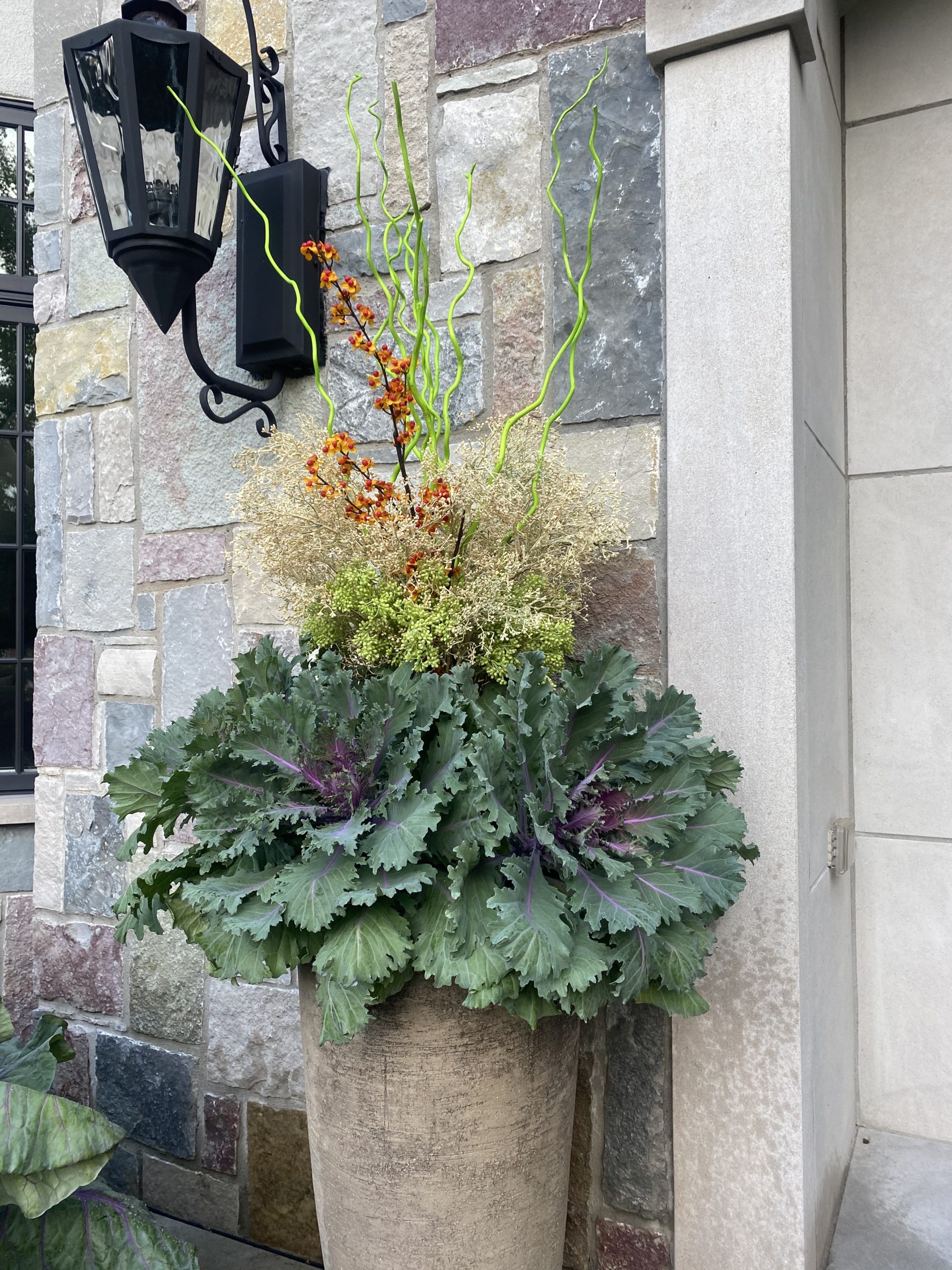
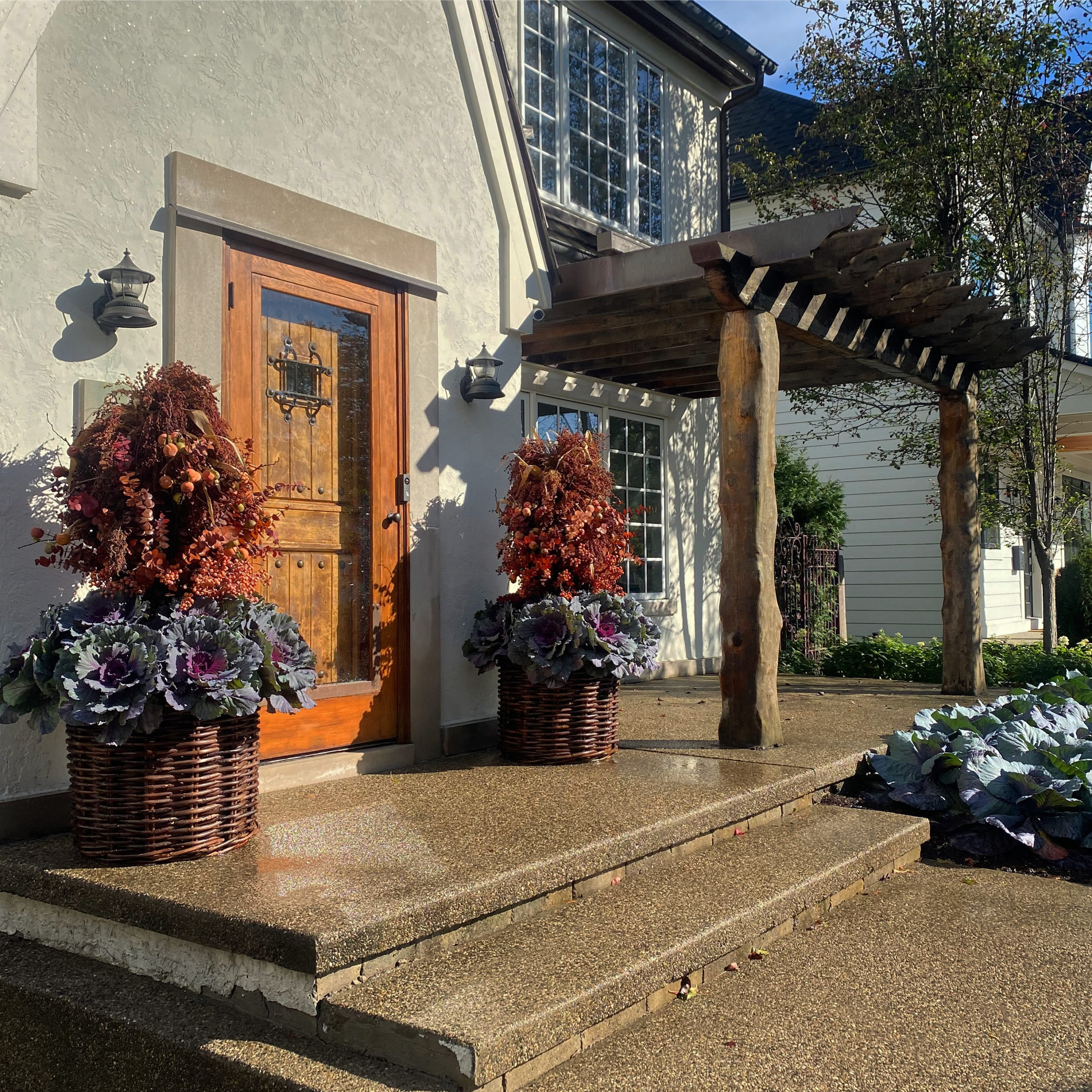
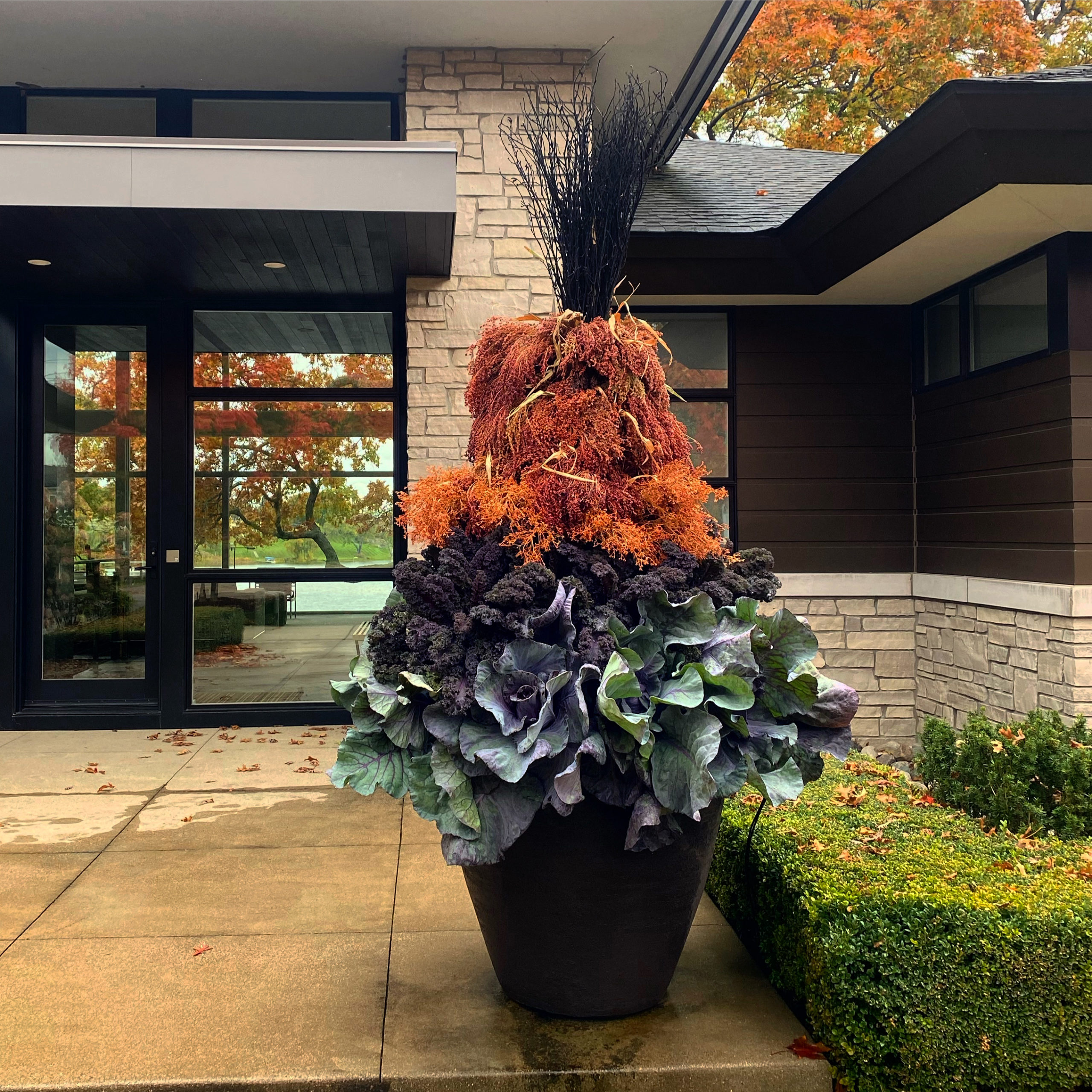
David is every bit of 6′ 3″ tall. That gives you an idea of the size of his creations pictured above. We have added some cream colored faux seed head picks and orange preserved eucalyptus to the mix.  Bunches of bare sticks provide a framework to hold all of the other elements aloft.  I have no idea how much these pieces weigh, but they are too heavy for me to pick up. They will be secured in the container with steel rebar and concrete wire.

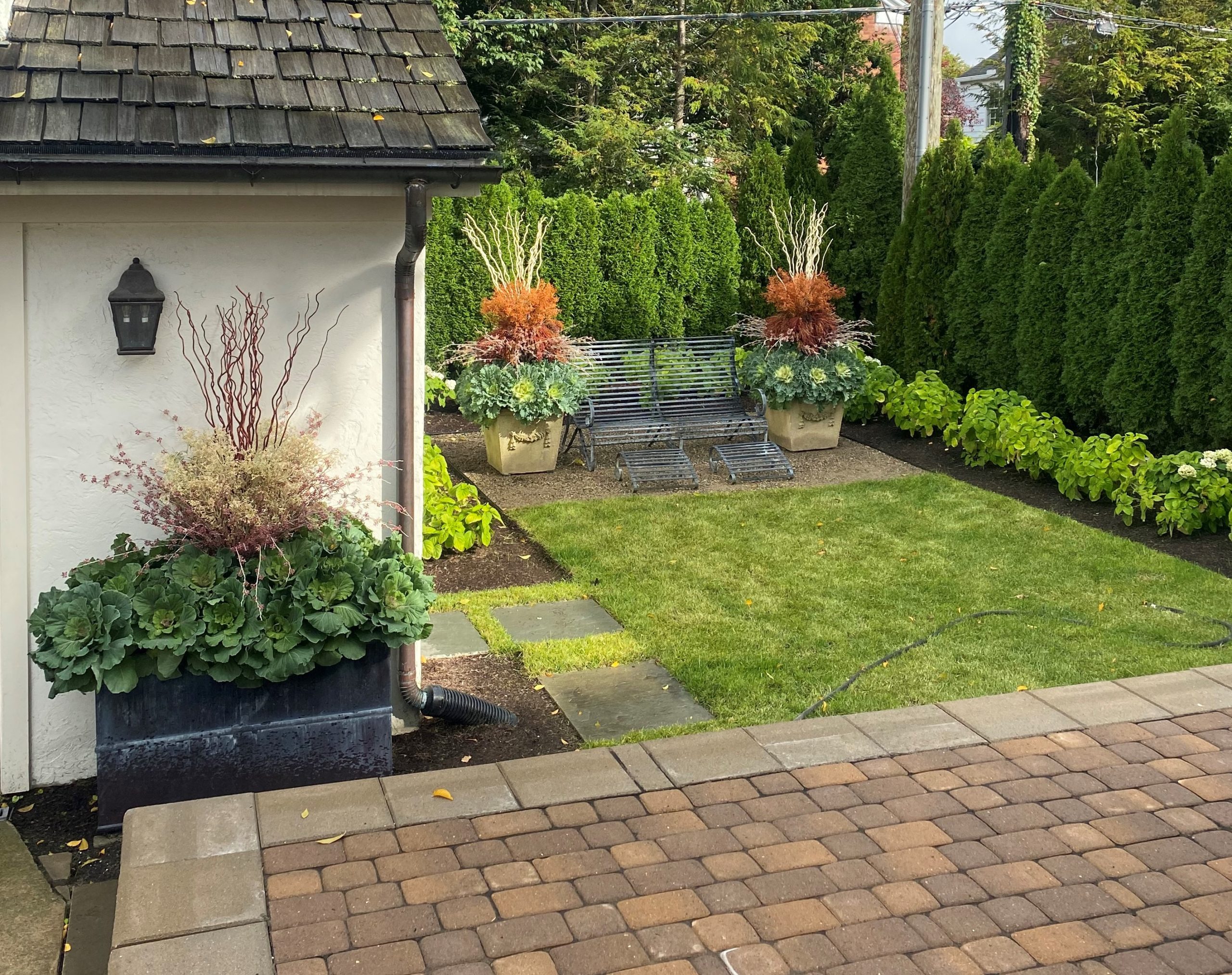
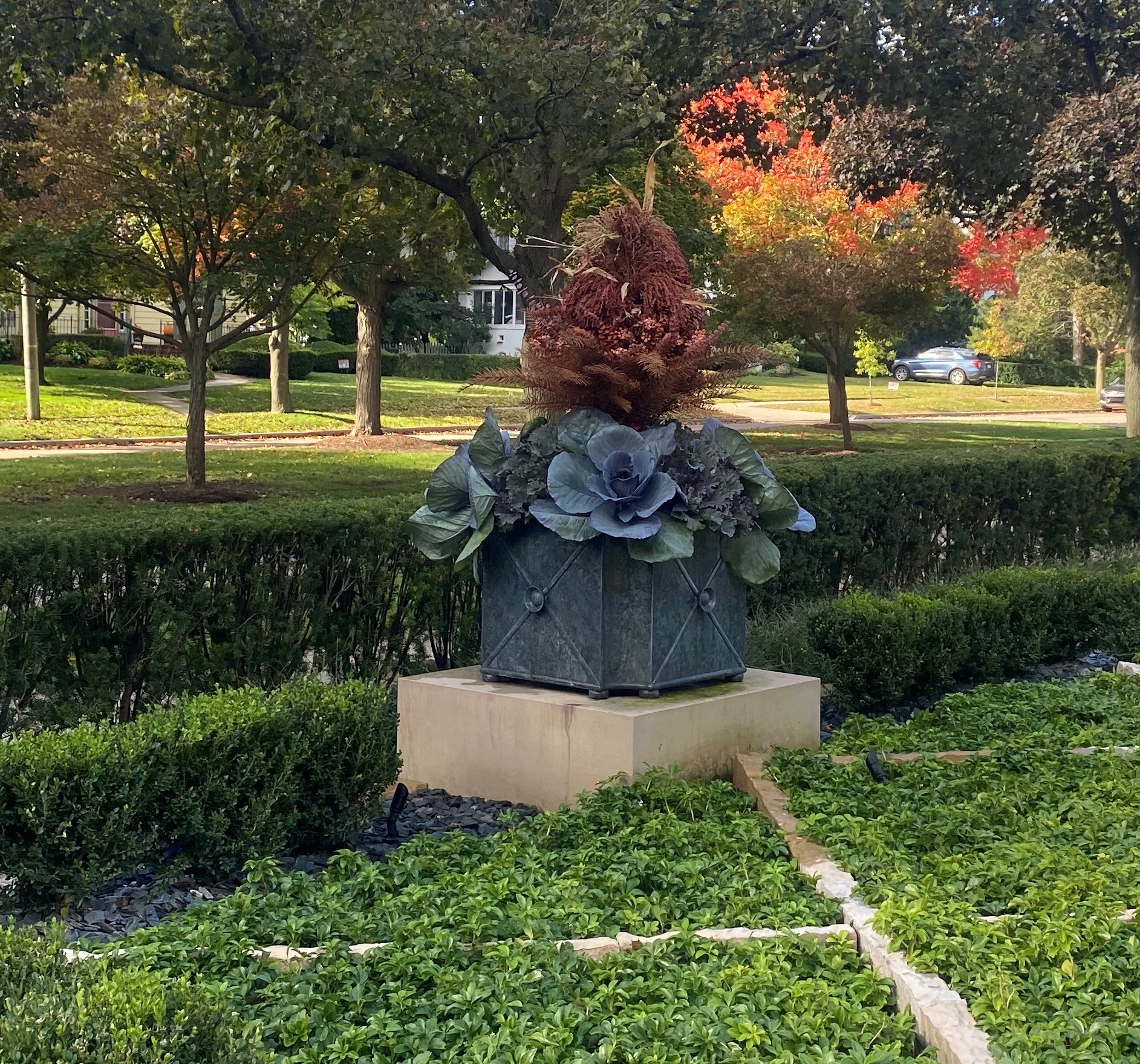
The centerpieces are scaled appropriately to the size of the container. Large containers can make a huge statement in the landscape, but to fill them takes lots of material.

The centerpieces that seemed so large in the garage shop just seem proportional to the pots.

Not every centerpiece is of such a grand scale, and some container placements are in more intimate locations. But a smaller scale does not need to imply less impact.

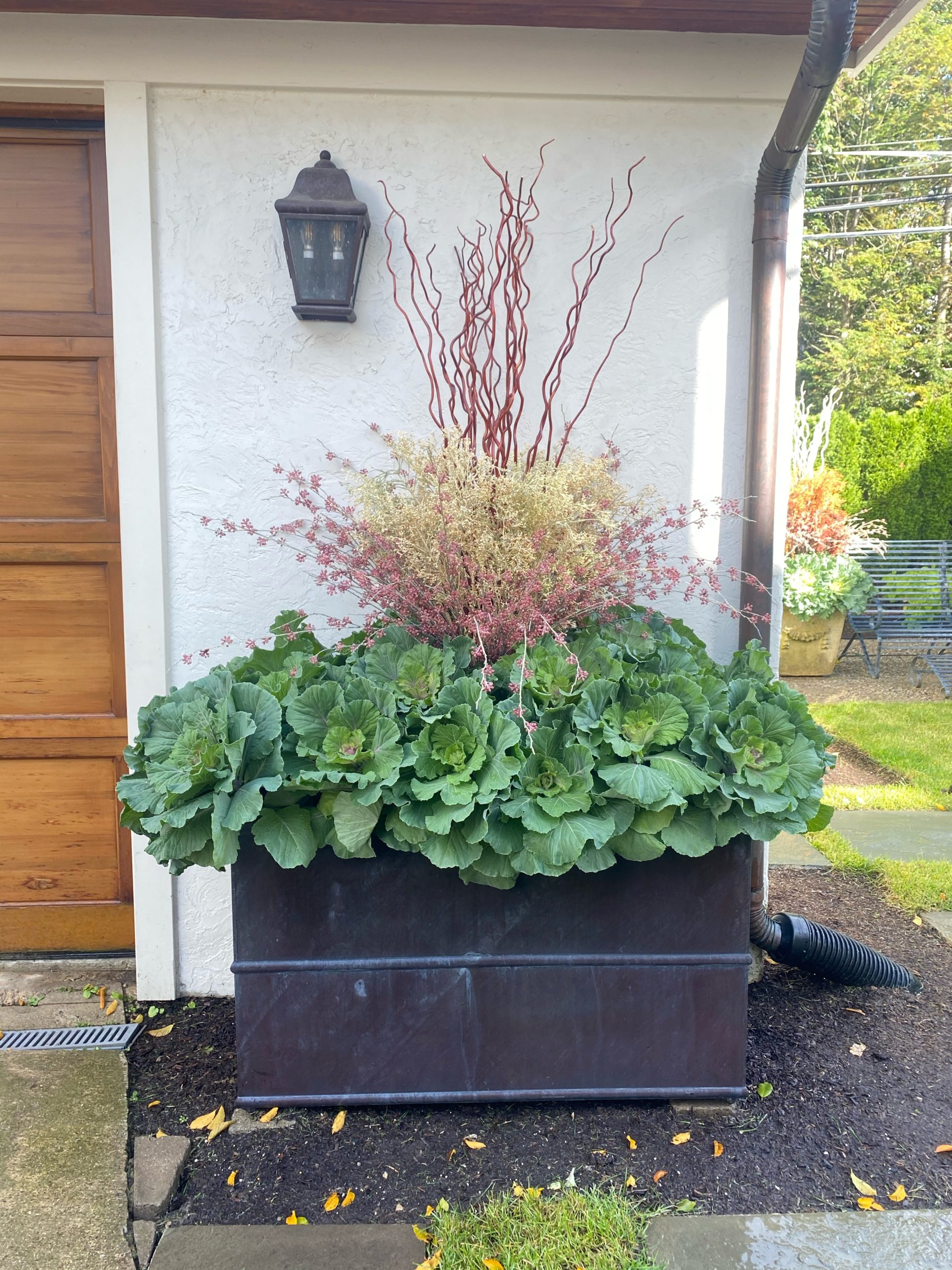
Once these Osaka Pink cabbage color up, this container will come in to its own. The centerpiece is constructed of mahogany colored curly willow sticks, and two kinds of faux picks. Rob takes great pains to order in picks that have some reference to the garden. Some have very natural shapes, and others sport reproductions of seed heads that are remarkably evocative of the season. It is entirely conceivable that the cabbages will look fine in to January, as they are extremely cold tolerant. An ornamental cabbage in full color and coated with frost is quite beautiful.

This centerpiece is much more fanciful. This is for a household with children who are all in for Halloween.

The Halloween decor will look great with these pots.

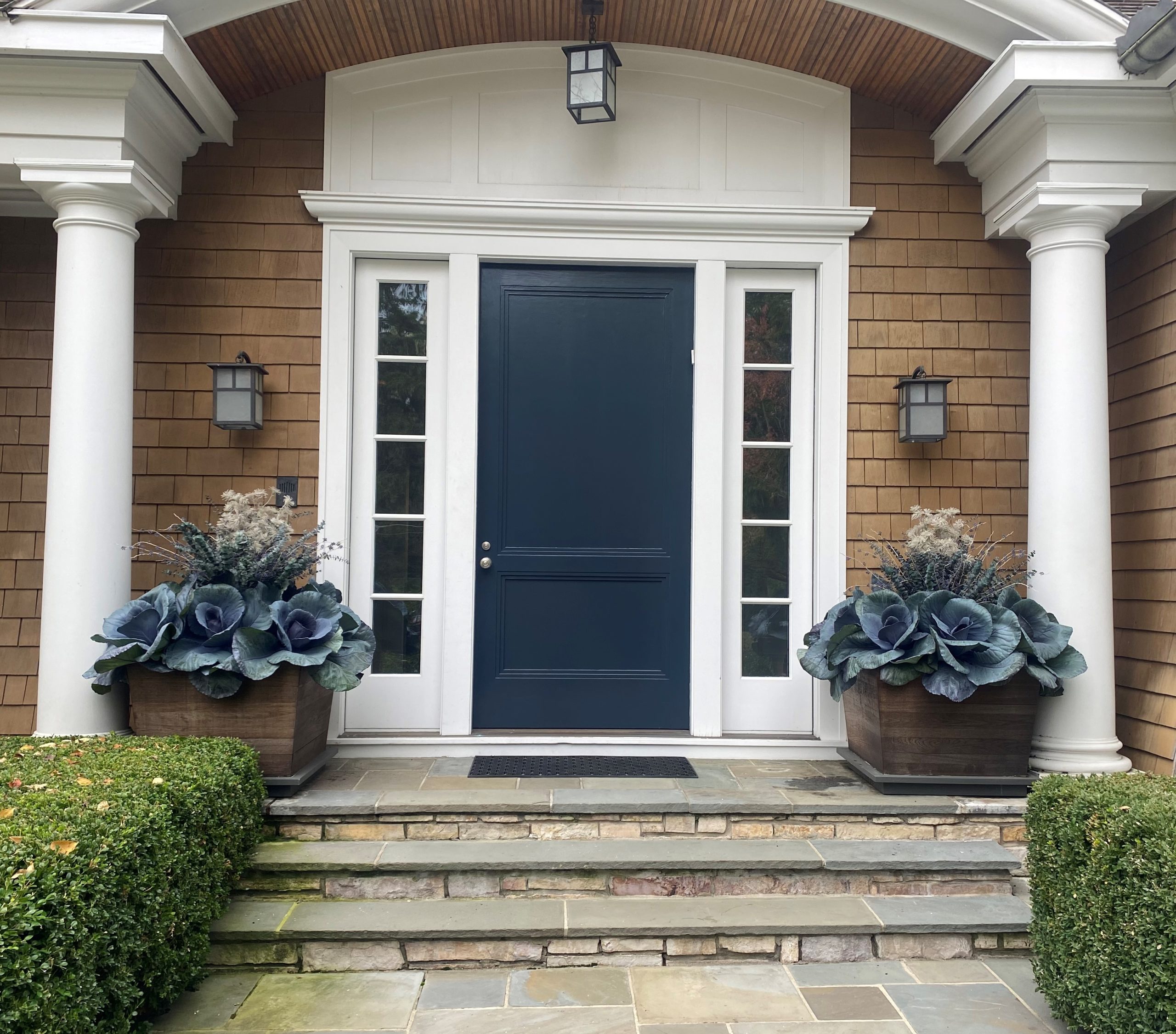
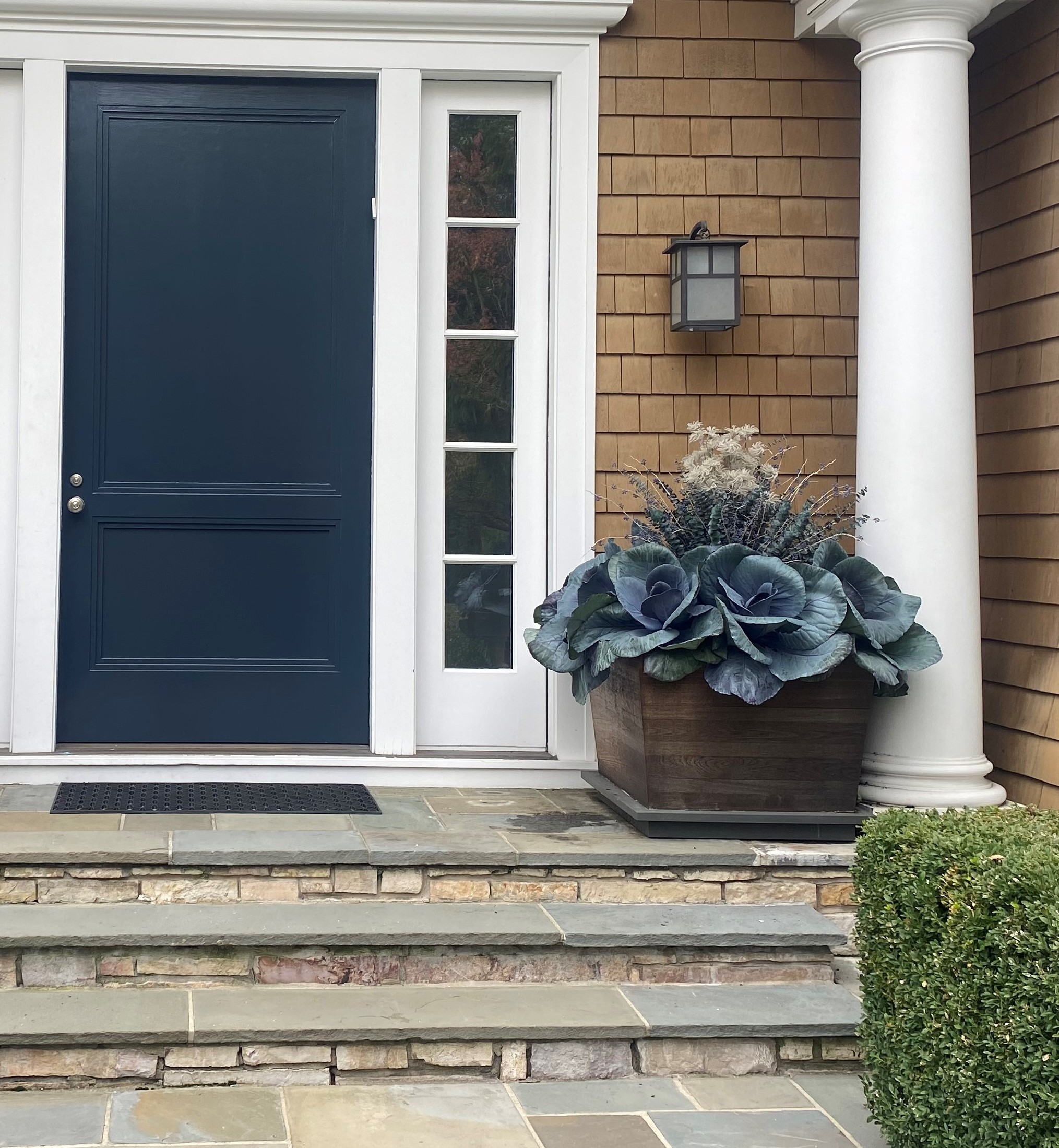
This centerpiece is comprised of a bluish green preserved eucalyptus, arching stemmed picks studded with blue beries, and some rather stunning picks in the center representative of clematis seed heads.

Even up close, all of the elements are convincing.

fall pots garnished with Ruby Queen cabbages

blue door

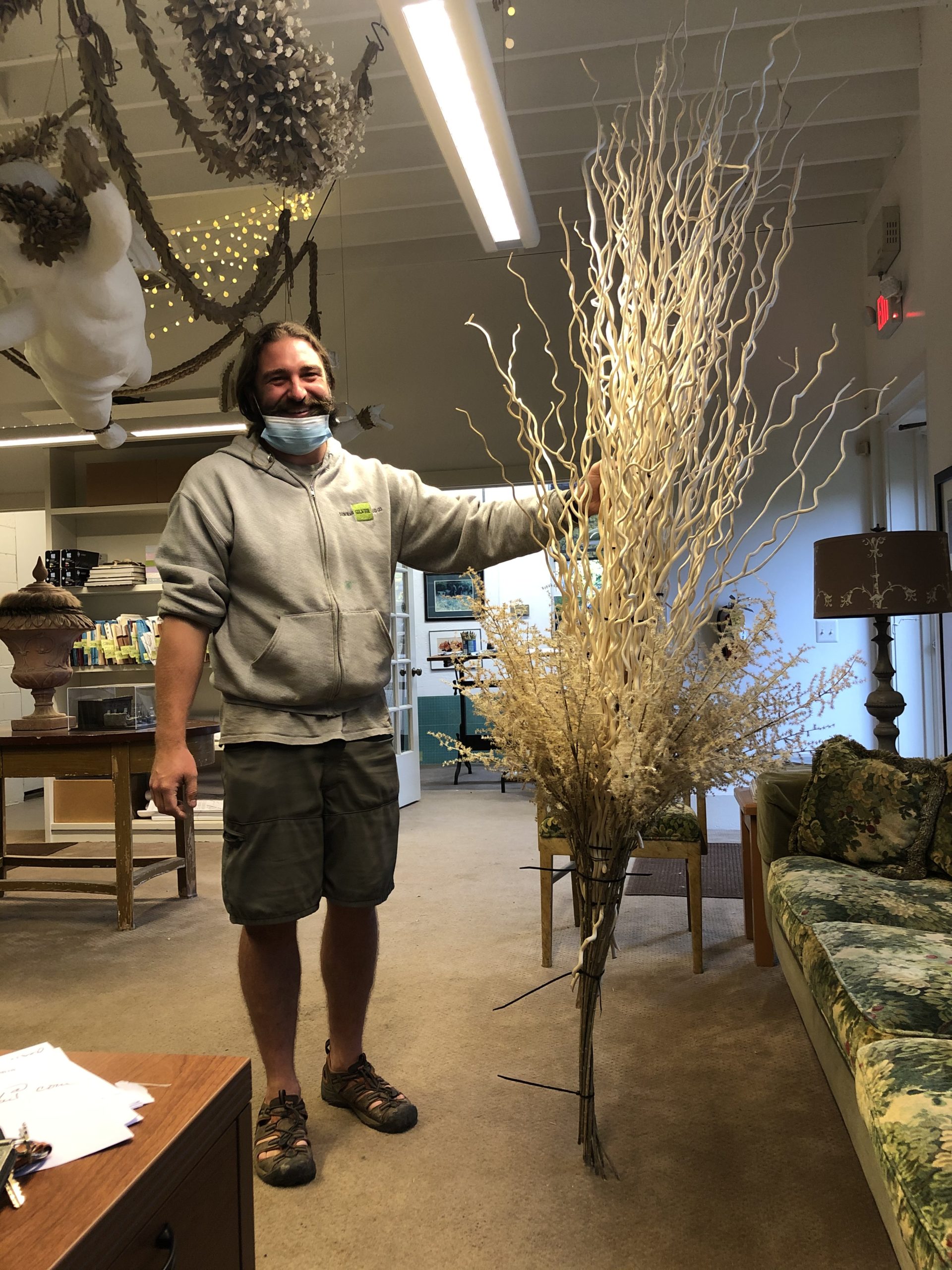
It is a tribute and a indication of David’s great skill that is is able to achieve great height from bunches of bleached willow twigs that come 4 feet tall. It takes lots of patience and careful construction. In spite of all of the technical issues, he is able to create fall displays that appear incredibly graceful and natural.

brilliant, this.

fall container with Rosebud cabbage

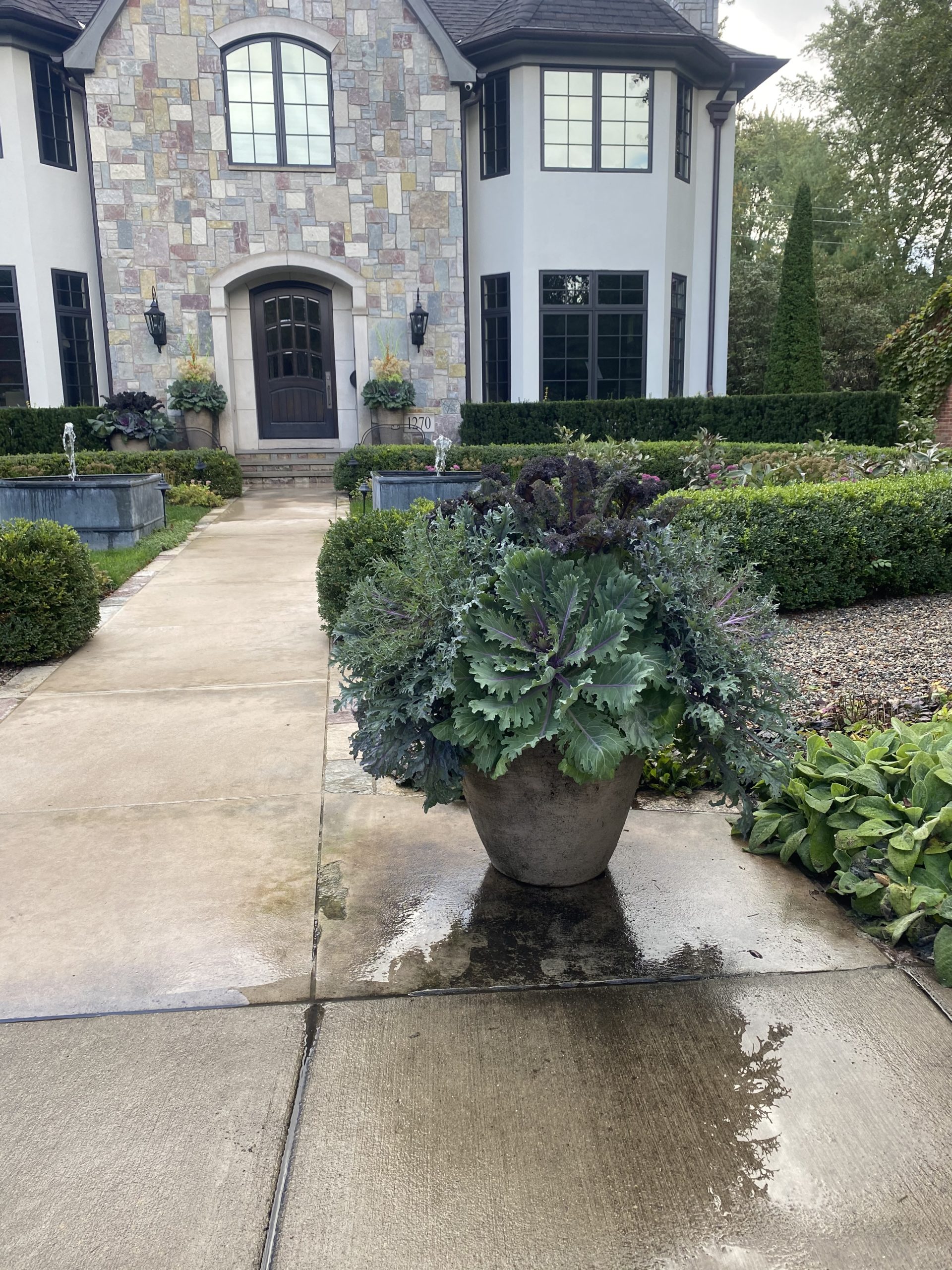
Not all of our fall pots have centerpieces. There are places where they would not add much to the mix. These contemporary Belgian stoneware pots frame the view of the landscape and the front porch from the sidewalk. Everything about the beauty of this pot has to do with beautifully grown material whose care is entrusted to Lisa. She makes sure that the plants get adequate water and food. And the careful placement and intertwining of very large plants handled by Karen and Natasha. The leaves of mature cabbage especially can crack if improperly handled. They make what is a difficult planting look effortless.

To follow are a few pictures of some of our fall container arrangements. I hope you enjoy looking at them as much as we enjoy creating them. There is no need for containers to sit empty, once the summer season wanes.

Bewitching!

A Good Year For Zinnias

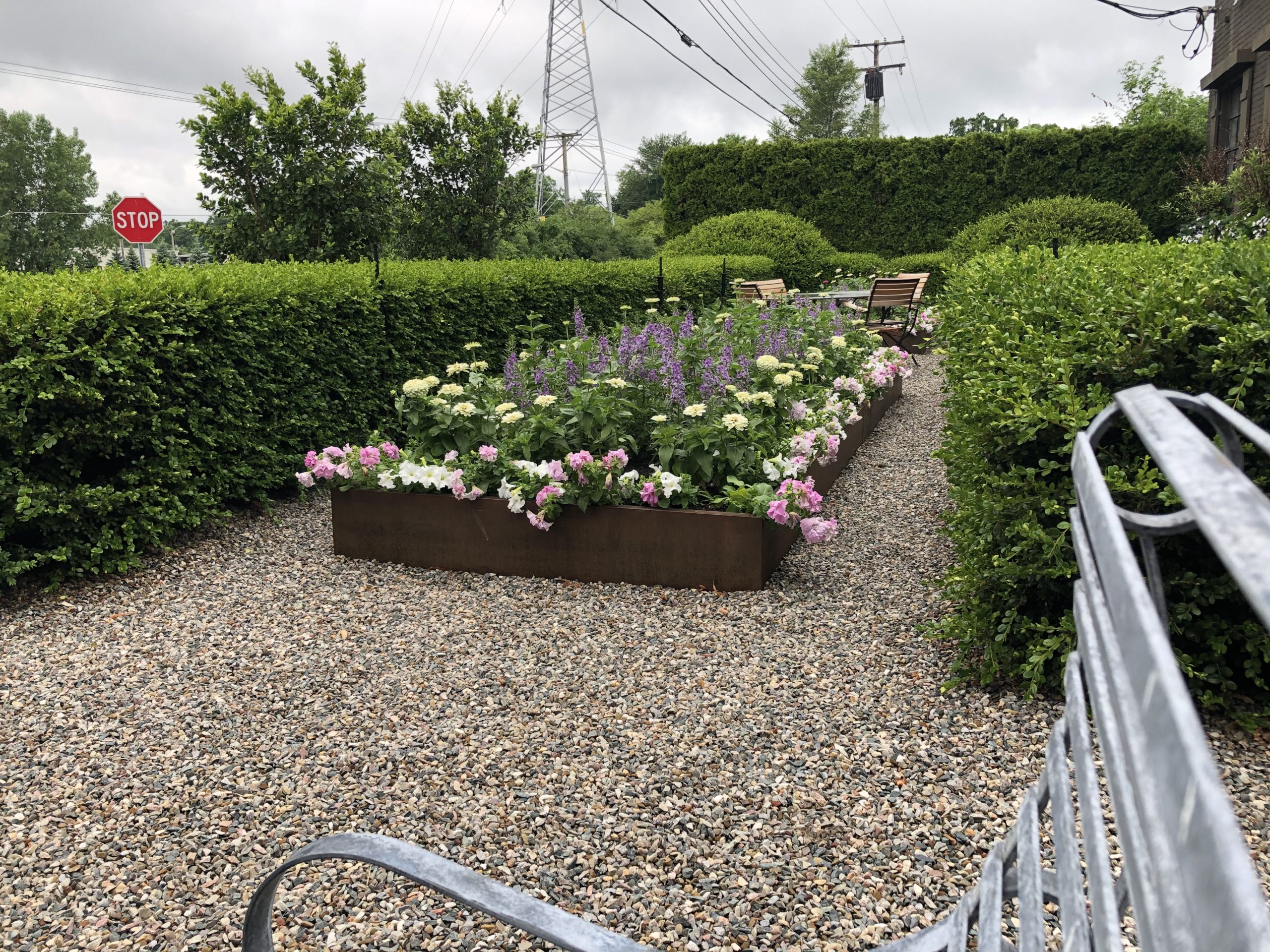
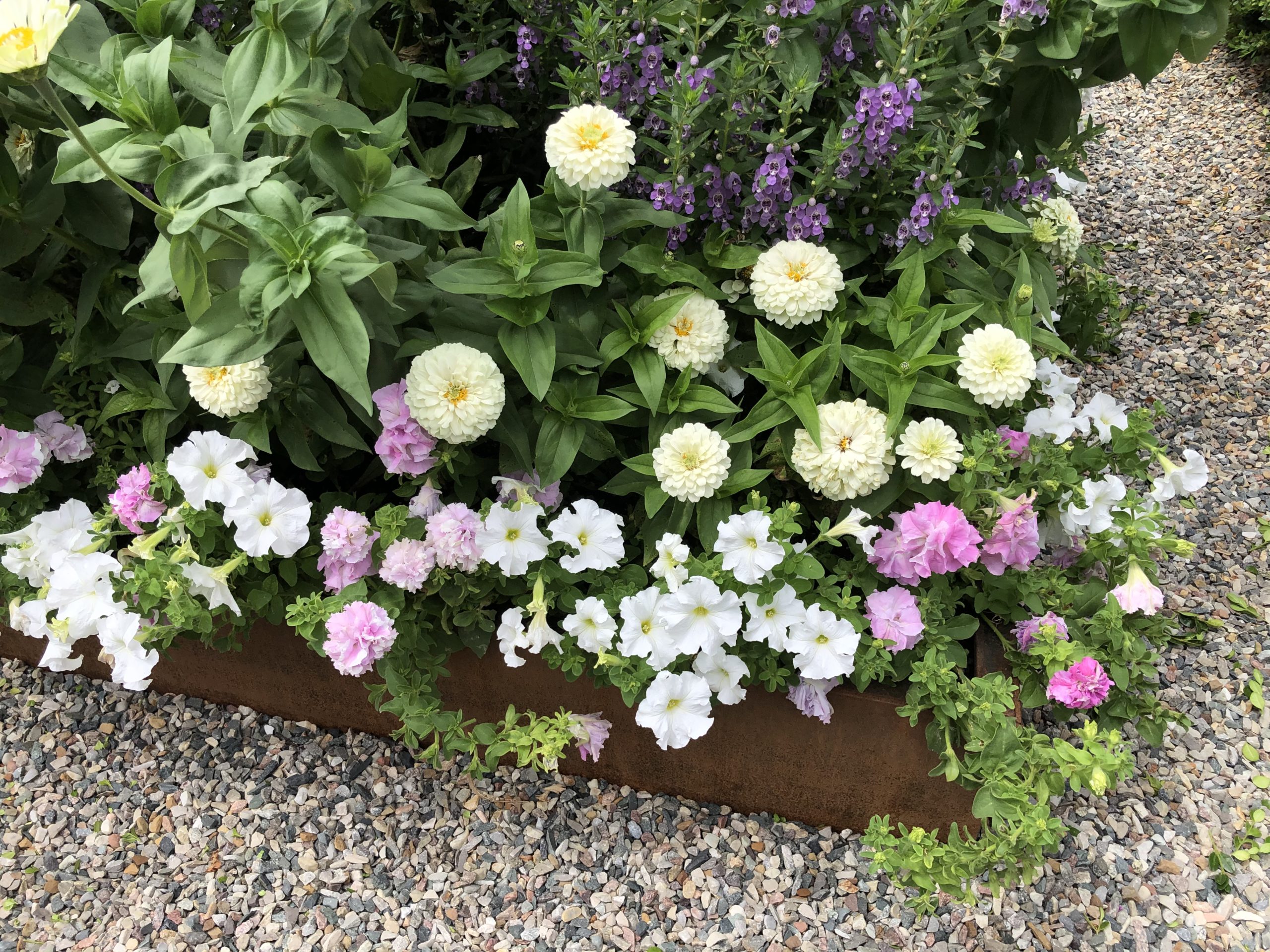
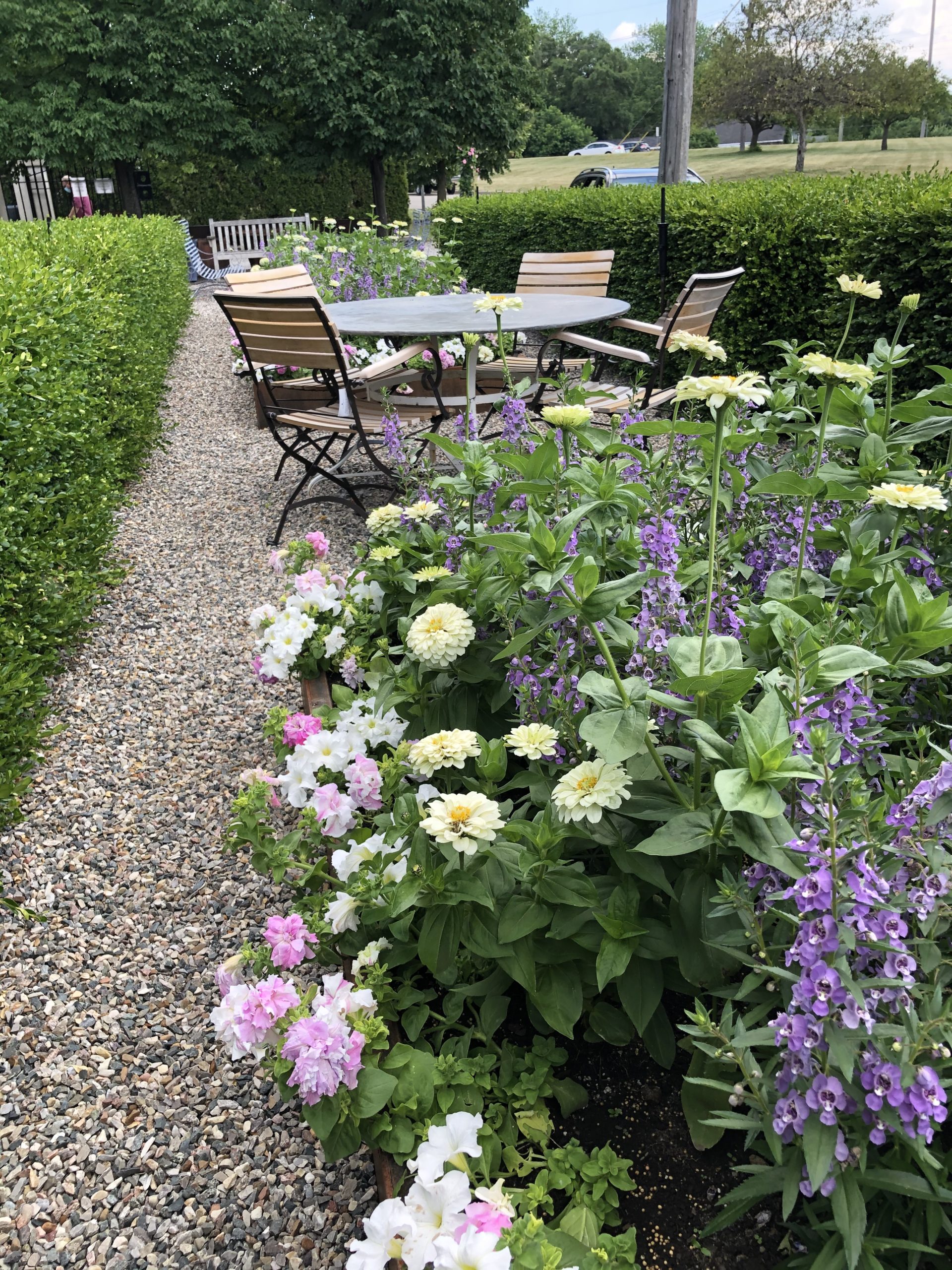
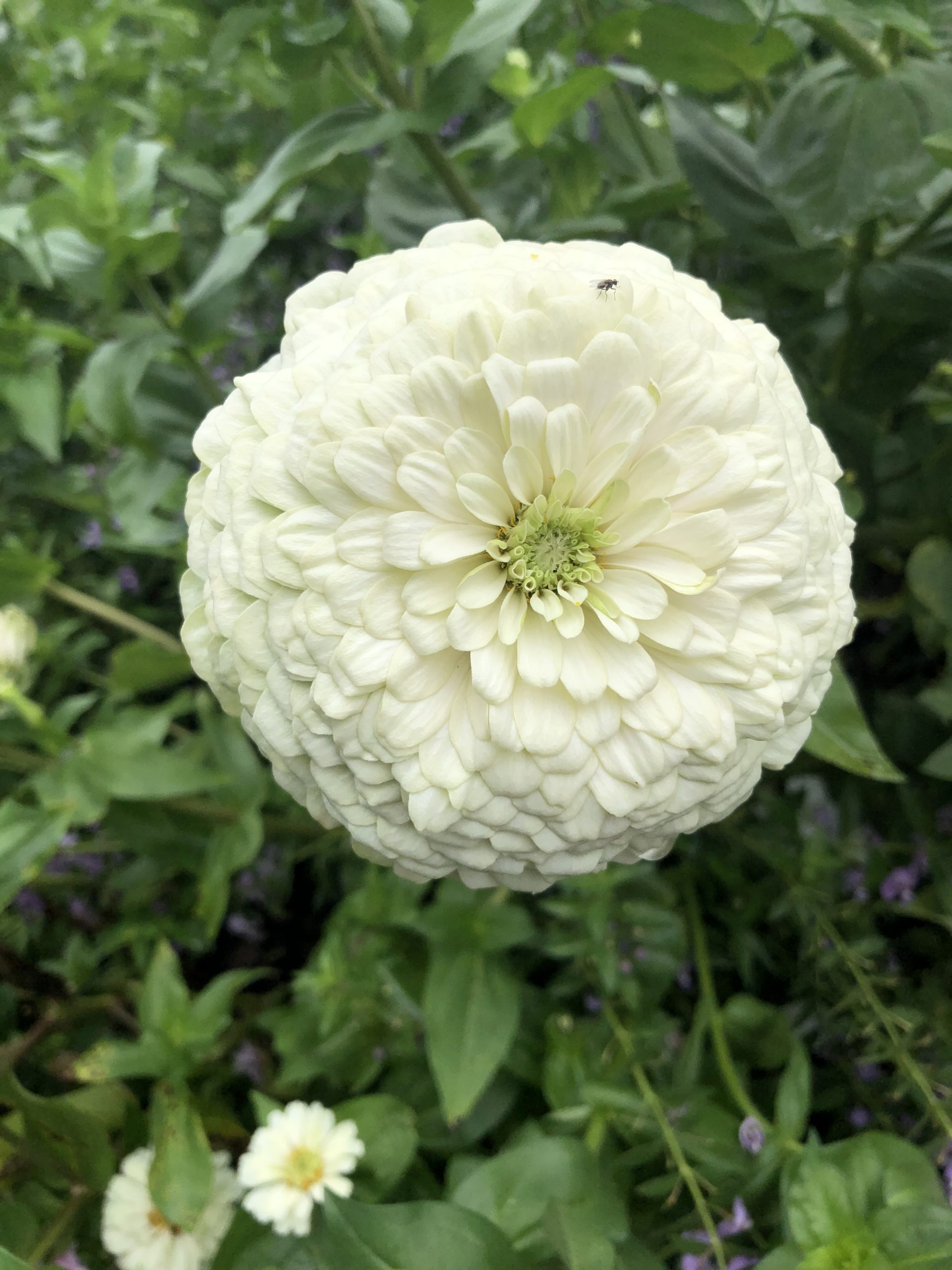
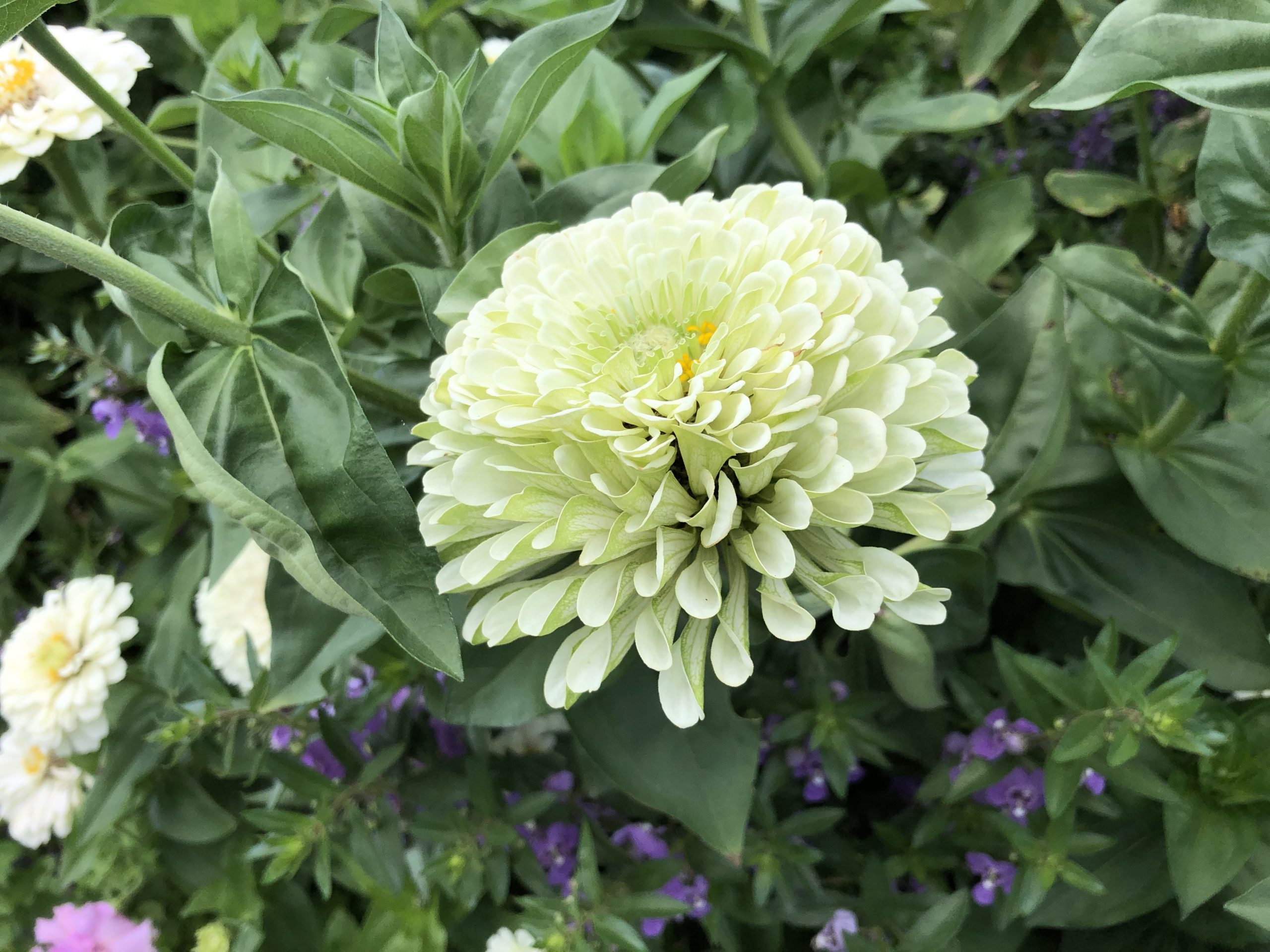
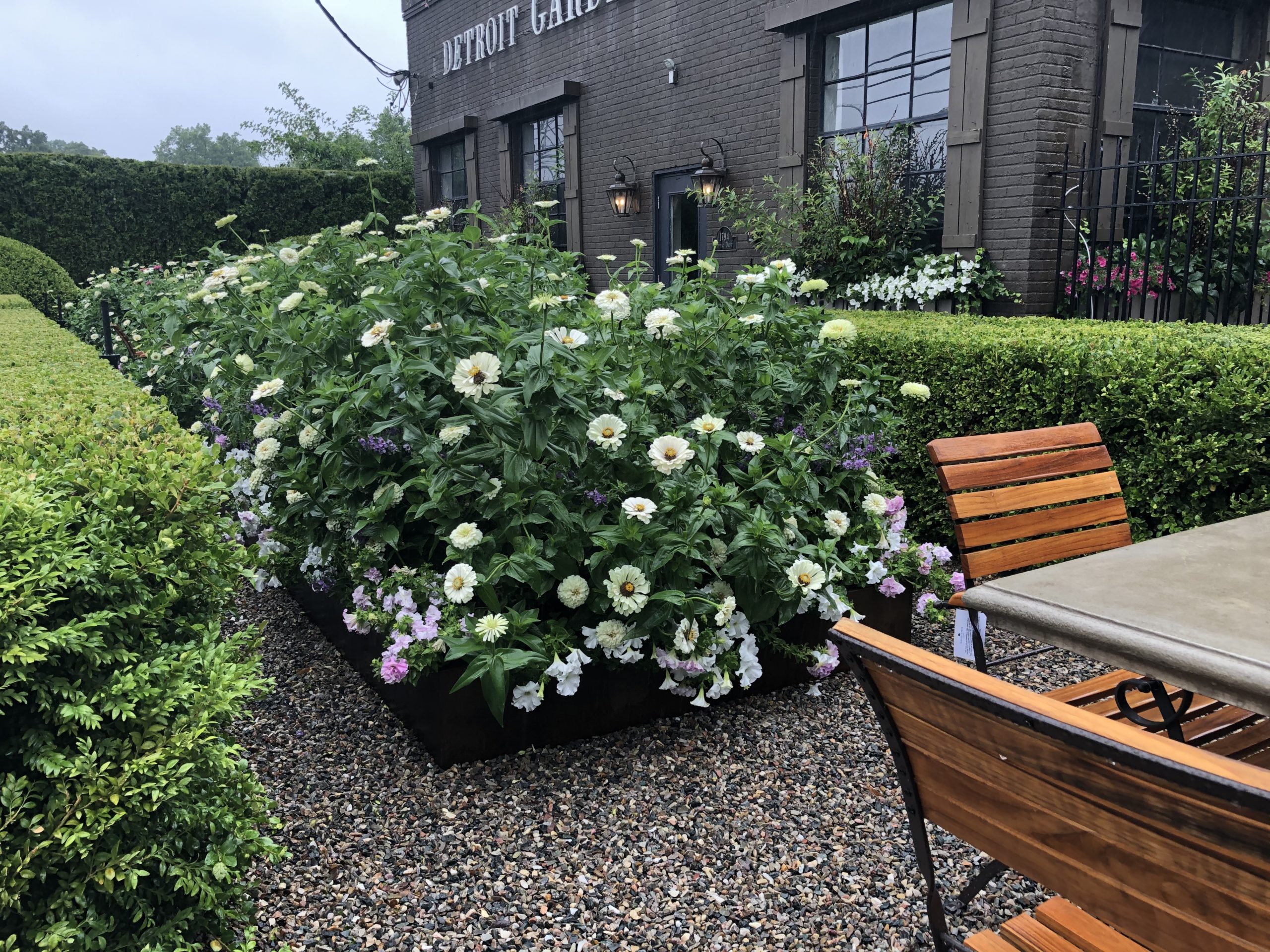
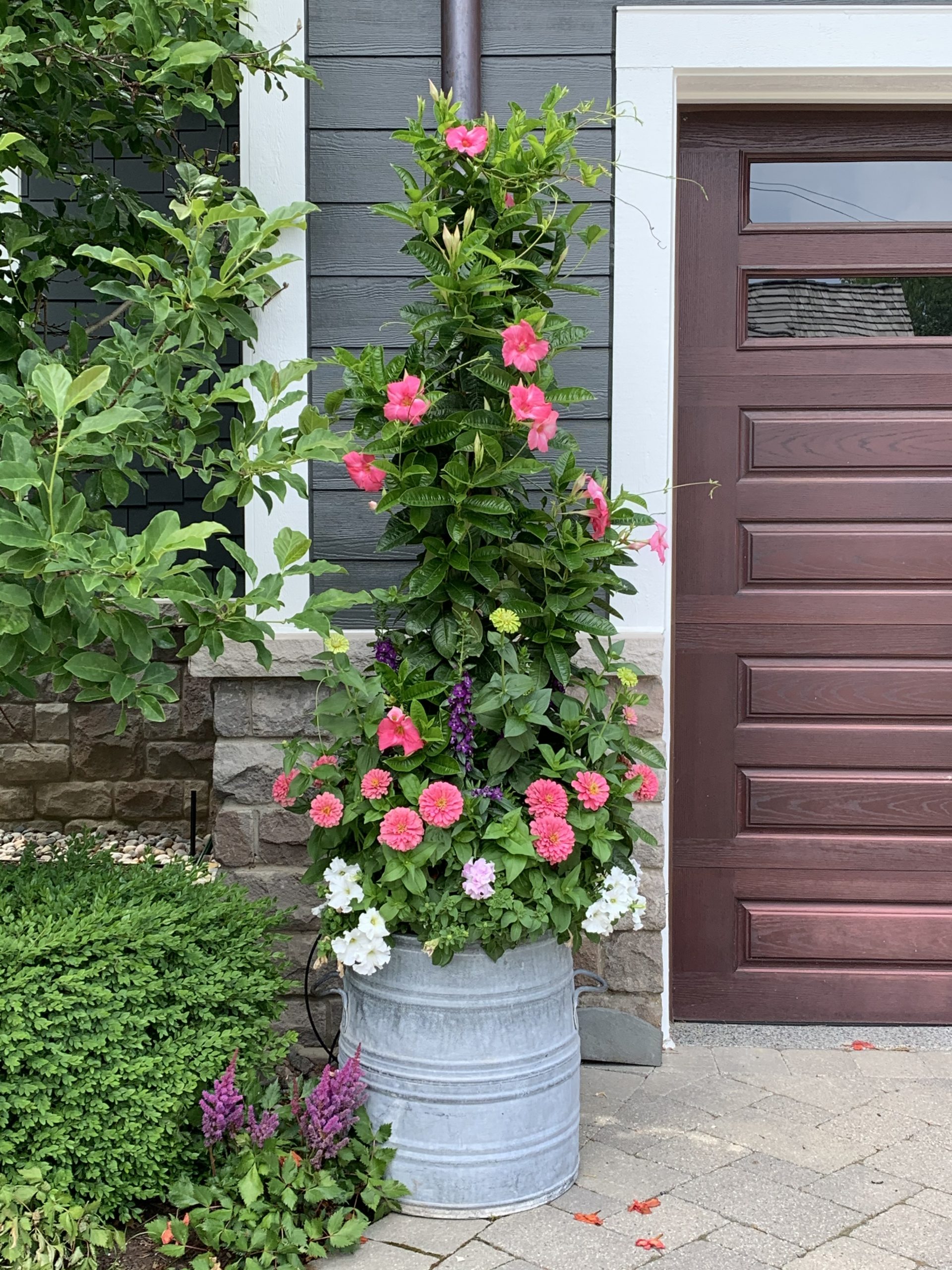
Planting the summer garden in front of the shop this year was more about less than anything. Every supplier of seasonal plants was inundated with customers from the very first hint of spring. Plants I had custom grown, labelled sold, and roped off for gardens to be planted in June were a constant target of gardeners anxious to provide both beauty and interest to their outdoor spaces early in May. My plants needed feeding, watering, and a watchful eye. My grower sold through his entire June crop in May. He was not the only one. Astonishing, this. No wonder my stock of reserved plants looked inviting. I am not a fan of planting tropical plants in cold soil. But choosing to wait to plant had consequences. Needless to say, we were scrambling for material the entire month of June, and July was even worse. By the time all of our client’s work was complete, it was well in to July. So we planted the front gardens with what was left from what we had custom grown. Several varieties of white zinnias and angelonia “Steel Blue” would just about fill these steel raised planter boxes.

For the border, we managed to find some white petunias, and mixed them with the double pink cascade grandiflora petunia “Orchid Mist” – also custom grown for us. Those frilly petunia puffs are reminiscent of the tissue paper flowers made for homecoming floats in the 60’s. Given that association, it’s easy to see why those plants had not been snapped up sooner. Their habit of growth is awkward, lanky, and lax. The dead flowers persist on the plants for a long time. In spite of their shortcomings, I like double petunias. Every seasonal plant has their place in the sun. Paired with a stiff growing plant that can provide structure and support, double petunias in pink or white can be plenty gorgeous.

It was not surprising that we still had tall growing zinnias available in June. They cannot be planted too early in the greenhouse, as once the seed germinates, they grow fast. Timing crops to be ready when the weather permits and people want to shop is the black art of the greenhouse growing business. No planting crew wants to haul annuals to a jobsite that are 2′ tall in a four inch pot. I want my zinnias short and stocky. So the large growing zinnias were not available until later in the planting season. Few gardeners have the self discipline to delay planting a summer container until the zinnias are available.  Who would risk it, knowing the other plants to go with might be sold out by then. I am familiar with this logistical problem. If zinnias are well grown, and at a perfect stage to transplant, they are green. Meaning the plants are not in flower. A bench full of zinnias is an ocean of green leaves. If you are looking for a particular color, you have to read the tags. All these things work against the zinnias flying out the door. It is not really a May-ready plant.

For as simple as the big flowered tall zinnias are to germinate from seed and grow, they are heir to no end of troubles. If you are interested, see the following from the Handbook of Florist’s Crops diseases, pages 1-31.  common fungal and bacterial diseases of zinnias  Some growers want no part of this trouble, and chose to grow only disease resistant varieties such as the Profusion series. Gardeners don’t care for high maintenance annuals either. Lisa M, who does a terrific job of maintaining our seasonal plants and anything that grows on the shop property, prunes selectively to improve air circulation, squishes the sucking insects (notably grasshoppers) that transmit virus and disease via their chewing, and removes any leaves that show signs of bacterial leaf spot – and so on.

A well grown zinnia is a sure sign of high summer in the cutting garden. They don’t call the medium height zinnias “cut and come again” for nothing. They last impossibly long as cut flowers. Floret Flowers grows them by the semi truck load for the cut flower trade.   Floret Flowers   They come in just about every color imaginable, except for blue. They are old fashioned flowers, for sure. It is the one flower I can distinctly remember from my Mother’s garden some 60 years ago. Yes, the dahlia flowered varieties have a stiff and awkward look about them, but how I love their down to earth cheer and charm.

They are not at all showy like roses, dahlias, foxglove, peonies, delphiniums or orchids. They look most at home  with the daisies, sunflowers, feverfew and cosmos. The kitchen garden is an ideal place for them. It is tough to plant them meadow style with other looser growing seasonal plants in my zone, as they resent close quarters. Once you are not able to reach them to clean them up, the leaf spot, mildew and other mayhem will start to consume them. Someday I will try them with amni majus, Gaura lindheimeri, or the grass Bouteloua gracilis “Blonde Ambition”. The angelonia is a pretty decent partner. I would do that again.

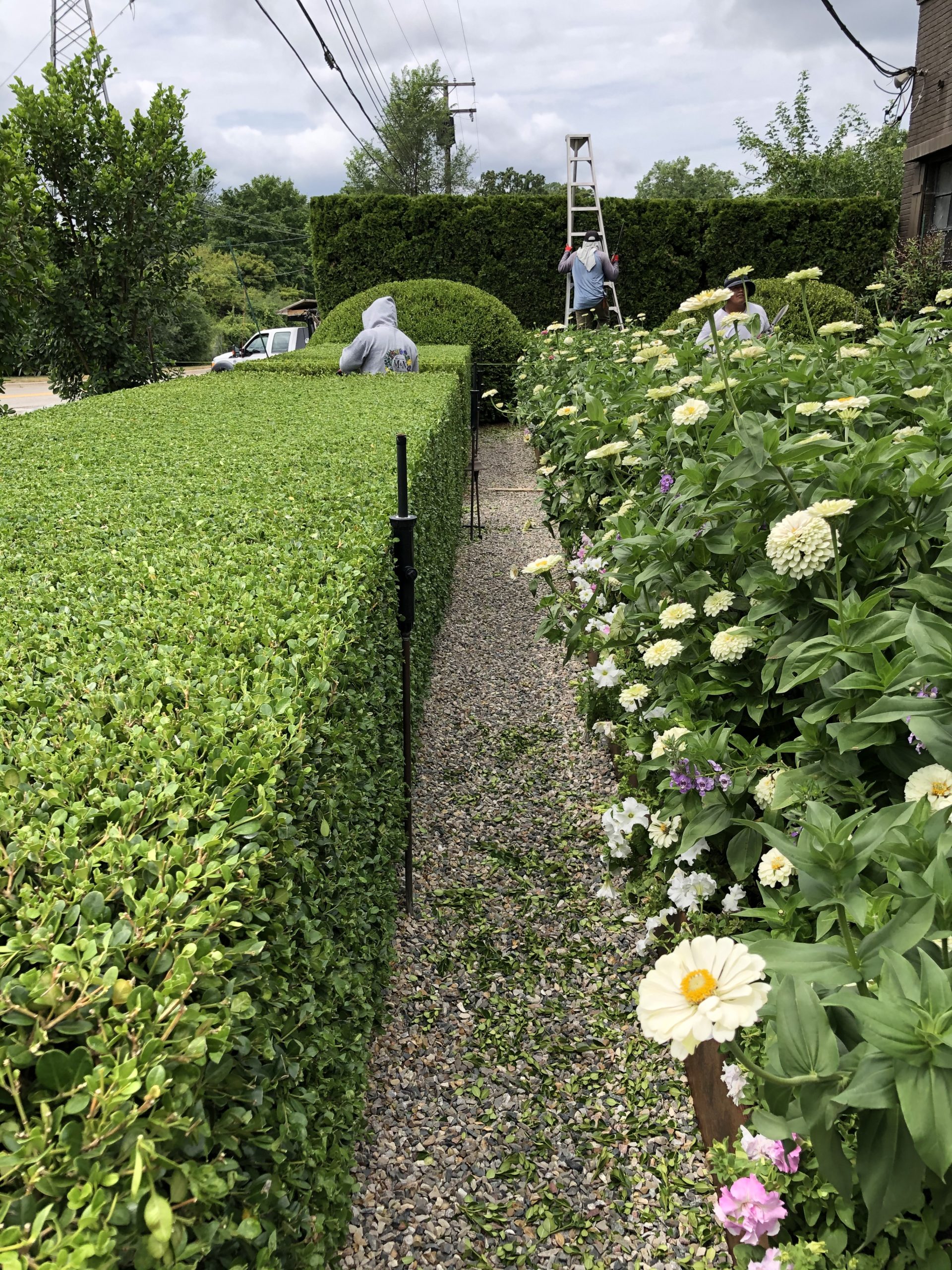
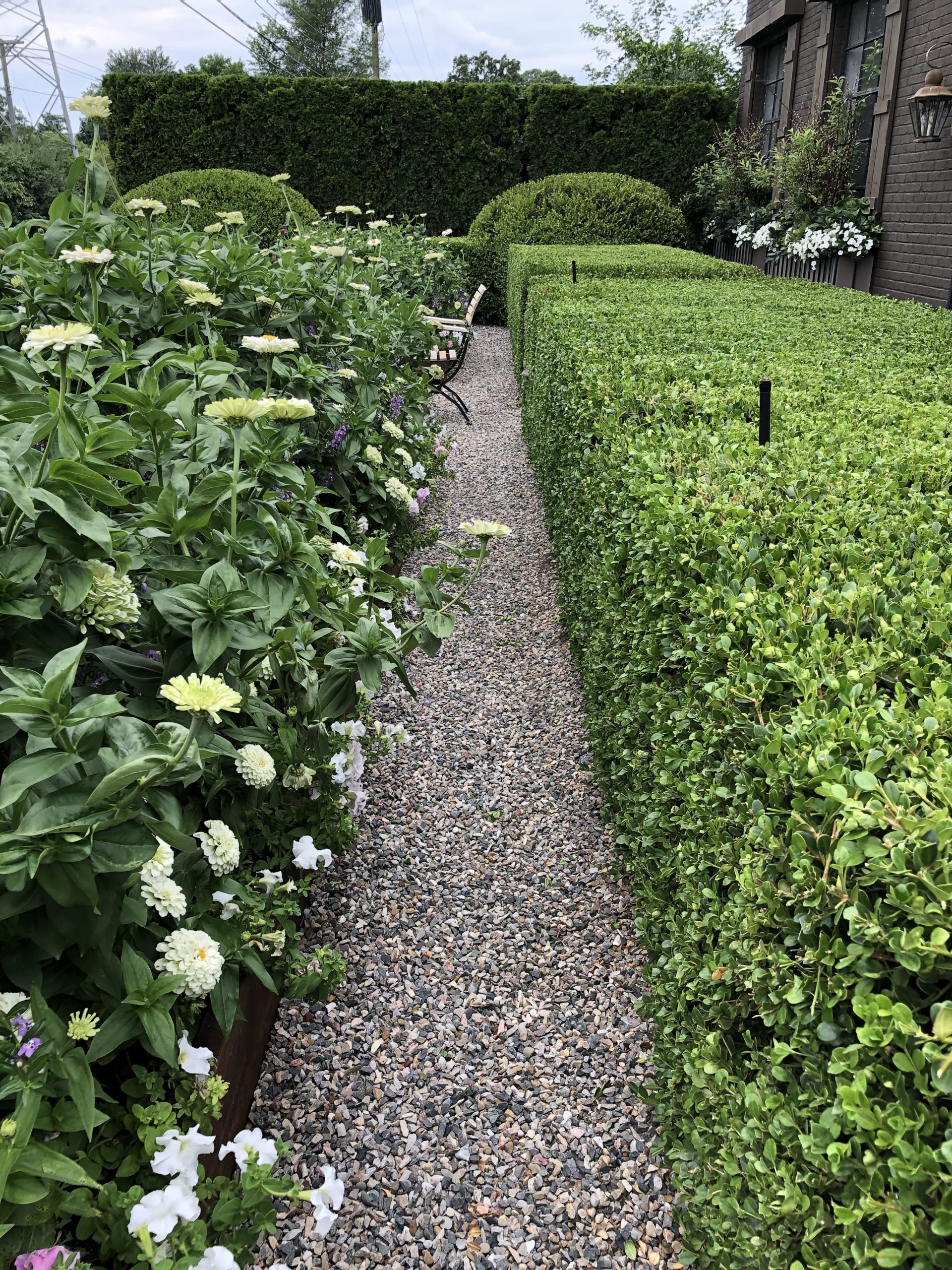
A few weeks ago, the boxwood in front of the shop got their yearly haircut. The precision with which this is done is astonishing. M’s crew is a gifted lot, with an impeccable instinct for up and down, true and square. It’s as if the horizon line is embedded in their genes. The geometry of the boxwood is in sharp contrast to the zinnias.  Only a deftly pruned hedge of boxwood could make a planting of zinnias look graceful.

But the real purpose of this post is about the weather.  This year has been very hot and dry. Overall, the humidity has been low. Perfect conditions for growing great zinnias. Perfect conditions for growing all manner of seasonal plants that revel in dry heat. People may be wilting, but the seasonal flowers are very good looking this year. If you happened to plant some zinnias, that planting is exceptional right now. As no gardener has any control over the weather, the big idea here is about spending some time with the National Weather Service about their prediction for the summer in your zone, ahead of choosing what you will plant. The perfect time to grow zinnias is when a summer season will be perfect for growing them. If weather predicting sounds too tedious, then plant lots of everything. You are bound to hit the jackpot with something.

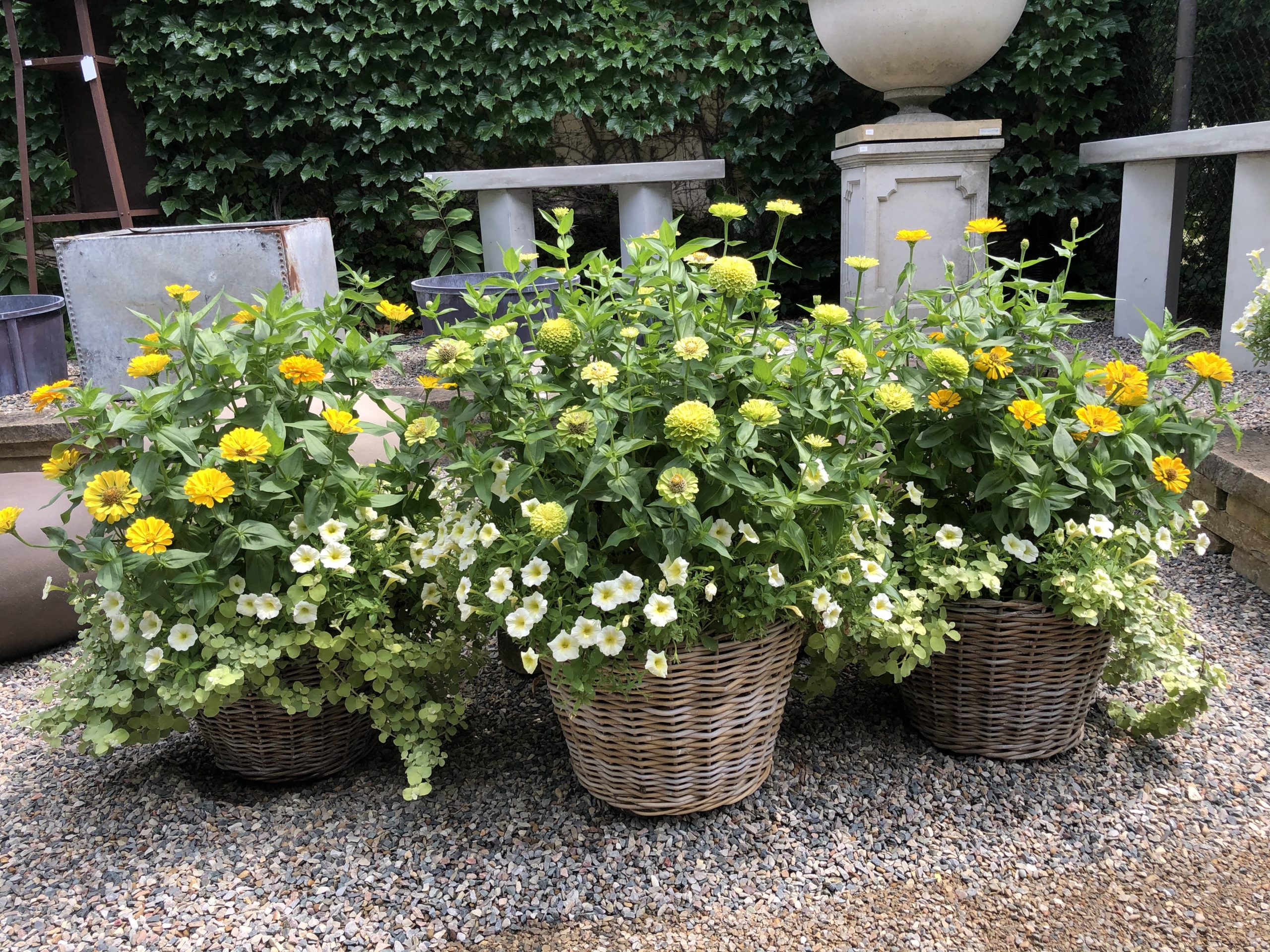
Those good years for crocus,magnolias, roses and hydrangeas are memorable. Memorable, as no gardener can count on a good year coming their way. All the terrible years for zinnias do not deter me from planting them. But this year, it was just about all I had available to plant. I do not think of the natural world as being the least bit just. This year I got lucky. lime and yellow zinnias

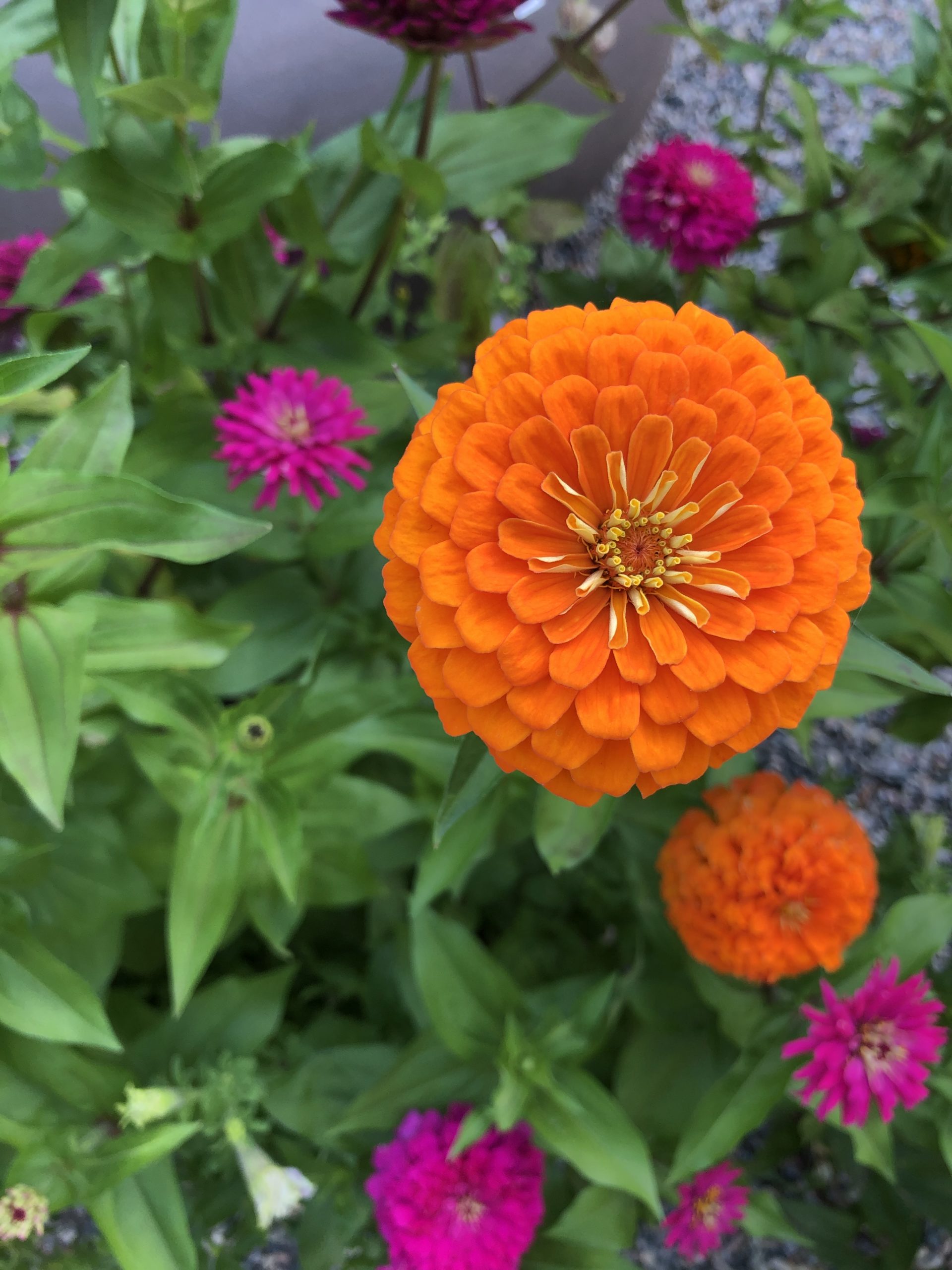
pink and orange zinnias

Benary Giant orange zinnia

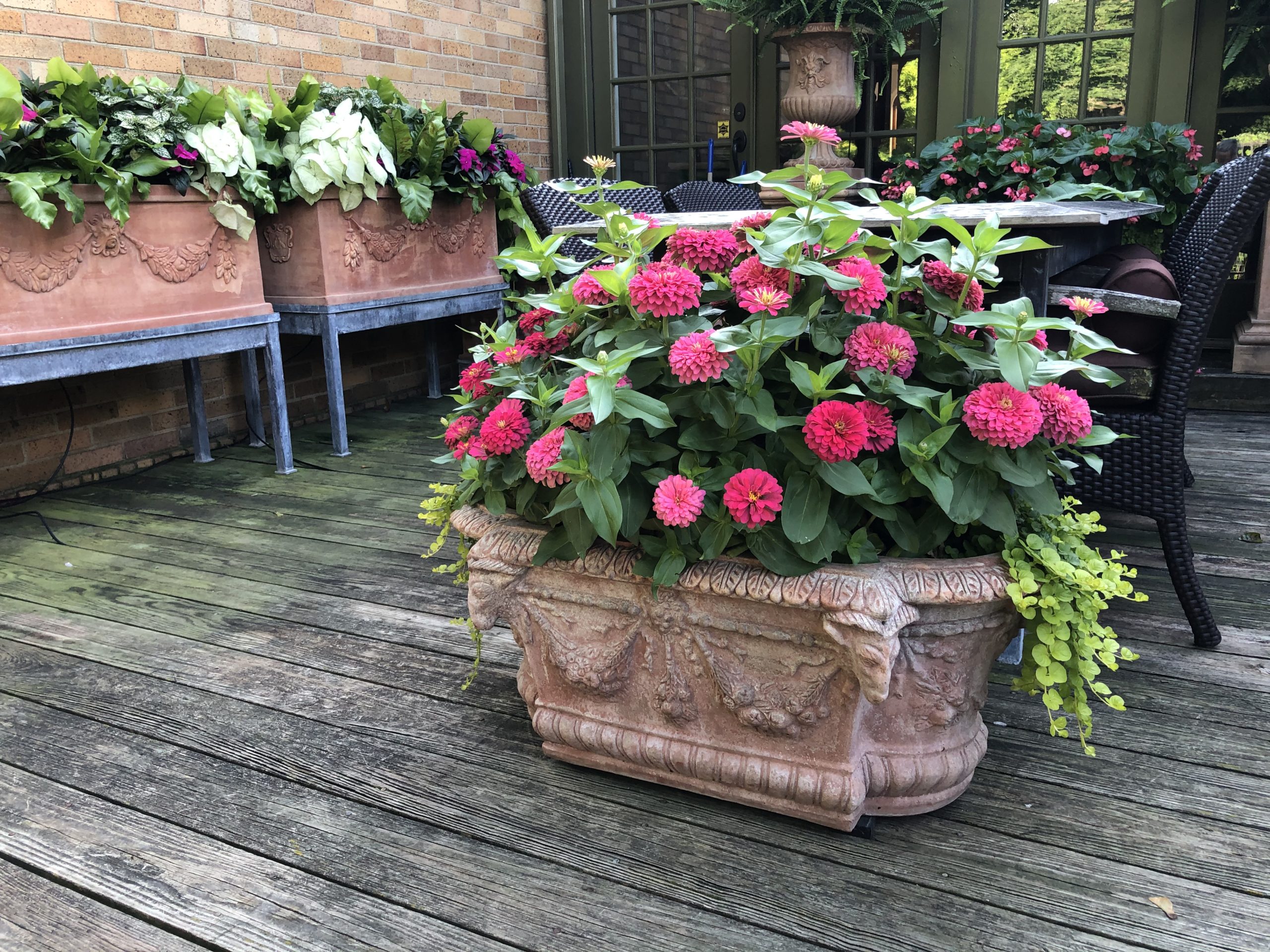
  Pot full of zinnia “Zesty Fuchsia”

Container featuring zinnia Magellan pink

If for no other reason, stop in to see the zinnias. They are quite something this year.