Other Pairs Of Hands

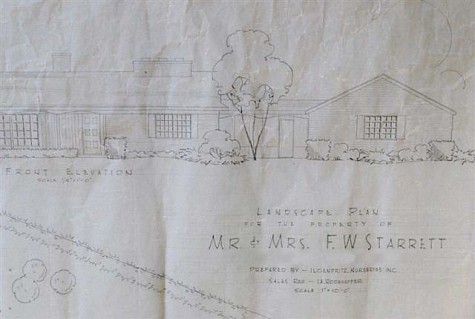
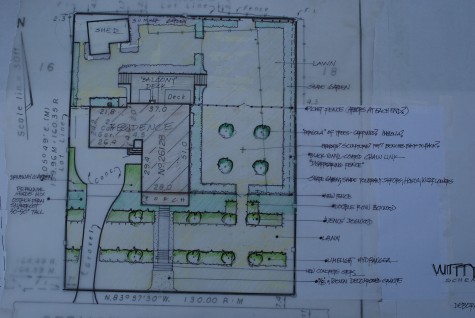
Two clients, gardening partners, purchased a vintage ranch home on a substantial piece of property a few years ago.  After spending a lot of time renovating a backyard landscape and pool, they were interested in tackling the front yard.  They called me to consult.  They had the original landscape plan-I am guessing it dates back to the 1940’s.  The plan was drawn up by Ilgenfritz Nurseries, a Monroe Michigan based nursery and landscape business which first opened around 1915.  How great they have this original document.
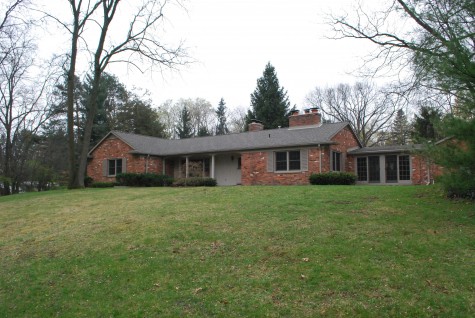
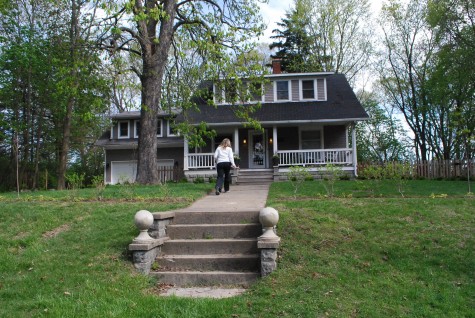
The landscape had declined some since the original installation.  Every landscape is either going forward or backward-there is no such thing as neutral, where nature is in charge.  Some very large trees survived, including one of the most gorgeous mature green spruce I have ever seen-in the back yard.  The house sits up high- and the neighborhood is known for its walking population.   A city owned walking path runs through their property.  They wanted privacy from the street. 
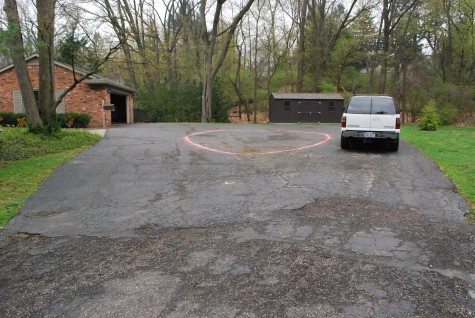
Another major issue-a greatly degraded driveway needing replacement.  The drive was due to be ripped out-but they wanted a landscape design consultation before they went ahead.  The orange circle in the above picture-would their landscape benefit from a landscape island in the center of the new drive? 
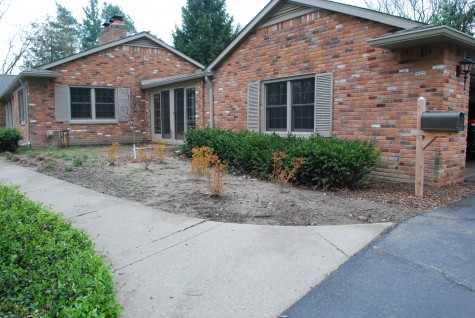
A breezeway between the garage and the house had been enclosed.  That breezeway is now the dining room.  The plants in the beds?  Those plants moved out of the rear gardens to a temporary”nursery” spot.  The original sidewalk was showing its age, but the concrete itself seemed appropriate to the architecture of the house. 
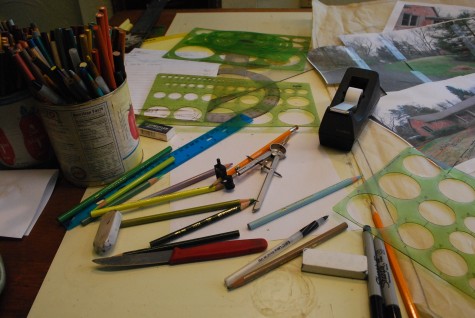
 They were in need of a schematic plan.  A concept that would include a driveway, a walk,  and some screening.  This is an instance where I would rather look at a plan on paper than the real property.  It is very hard to look at what has always been, and imagine it in a completely different way.  If you fancy doing your own design, find a document that describes how the house sits on the property, and blow it up so you can see the spaces.  The relationships of house to land.  A scale drawing comes in very handy, should you want to determine how many astilbes, or how many magnolias you should buy.  As for a new driveway, be sure you drive the route before you commit to the paving.
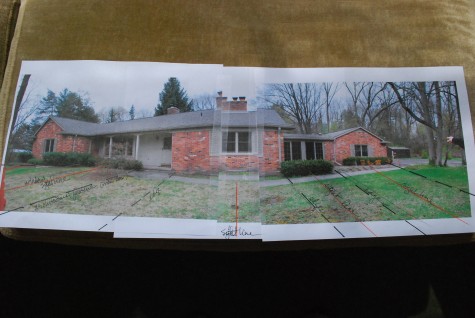
Since they would be doing their own planting, I marked up the front facade of the house with those lines that represented the edges of architectural features-as in the location of solid walls, and the architectural edges.  This house had walls in a number of different planes-that would play a part in the design. The sightlines-meaning those views from the windows, would play a crucial role in determining where evergreens should be planted for screening. 
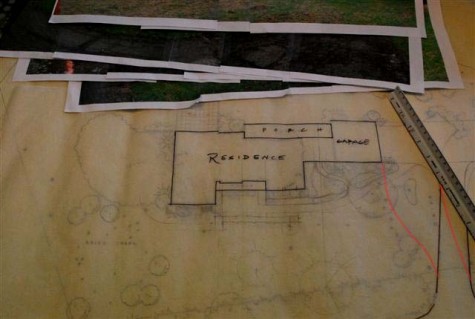
 

 True to the original landscape, they were interested in an informal plan which would have plenty of opportunities to plant specialty evergreens.  They  also wanted a very simple landscape that would look good year round with a minimum of maintenance. They wanted to spend most of their time in the summer gardening in the back yard.  After putting a sheet of trace (tracing paper) over the original design, I drew in the givens-the house, garage and porches. The existing driveway in this picture is outlined in red.   I could see right away that the most dramatic change they could make to their landscape would be to relocate the driveway further away from the house.  The house has plenty of green company on the left side, as pictured above, but little on the garage side.  
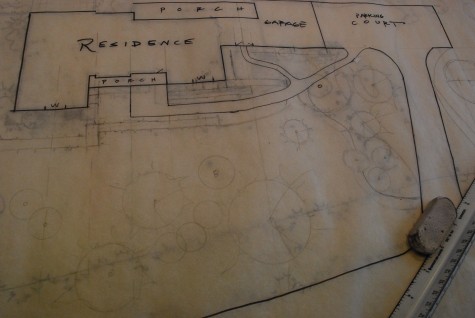
 I am not crazy about landscaped islands marooned in a sea of paving.  They look disconnected.  Oftentimes they do not prosper.  The roots of trees and shrubs favor a free run over a space limited by hard surfaces.  I like driveways and walkways that look like the garden came first, and the hard surfaces last.  I proposed to keep the entrance to the drive at the street in the same place.  But I thought a drive that veered away from the house would allow for a generous amount of green on the garage side of the house.    Why a parking court?  The front of the house is quite a hike uphill from the street.  They have the room for off street parking. 
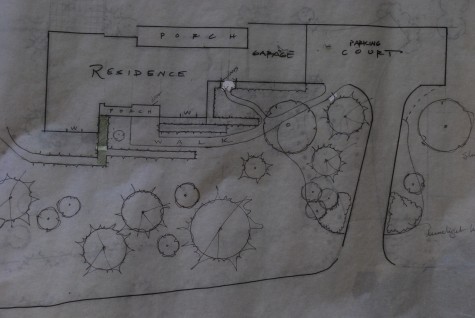
The existing sidewalk was very close to the house.  I moved it out by three feet.  This made a long gracefully curved walk to the parking court possible.  Should that walk be too long for an older person, a garage entry would be close at hand.  A large landscape area around the new drive would focus visual attention on the plants, and not on the expanse of paving.  A simple and linear evergreen planting describing the changes of plane would look appropriate with the architecture, and be fairly easy to maintain.  Proposed locations for evergreens take the locations of the windows in front into consideration.
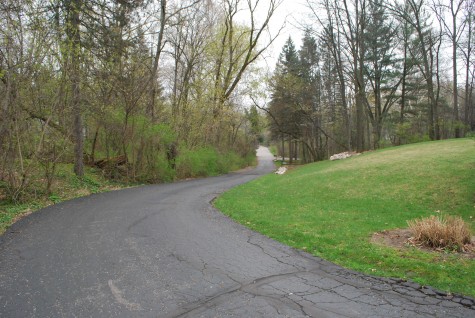
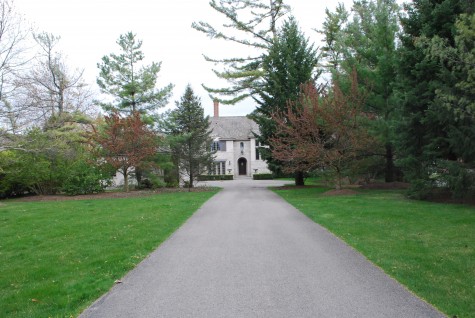
 Their driveway starts where you see the road ending in the distance.  A very unusual cicumstance, this.  But I feel they will take the project in hand, and put the landscape to right in their own time and way.  The slope you see to the right?  I am sure there are some pines in its future.
One Pair Of Hands


I have plenty of clients who like to do their own gardening-LW is one of them.  How she finds the time, I have no idea.  She is a PPWC-a professional person with a full time job who by the way has children.  I greatly admire this kind of determination to garden.  Why would a gardener who does all of her own work want a landscape plan from a designer professional?  It takes just as much resolve and money to plant a visually disappointing landscape with a poorly chosen plants as a good landscape with interesting and well chosen plants.  She wanted a plan.  My plan-a birthday gift to her from a close friend.  


do it yourself landscape installation

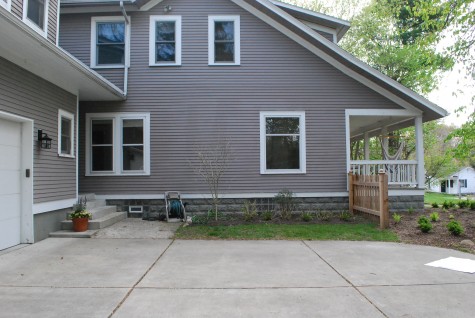
I cannot remember how long it has been since I did the plan, but I recently got a call-she was ready for the next step.  This small spot near her back door is just as it was when I first visited-and I did not specifically address this area in the initial plan.  We decided in just a few minutes to bring the front yard boxwood pattern through the fence panels that visually enclose her drivecourt, and return it to the wall of the house.  That her plan had called for a double row of boxwood, it was easy to see an espaliered fruit tree as the ending element of the boxwood.  The same set of perennials planted in the front yard would be planted behind the boxwood in this section.  But the big treat of the visit was to see what she had already installed from the original plan.


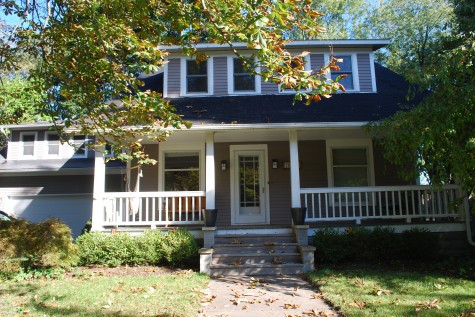
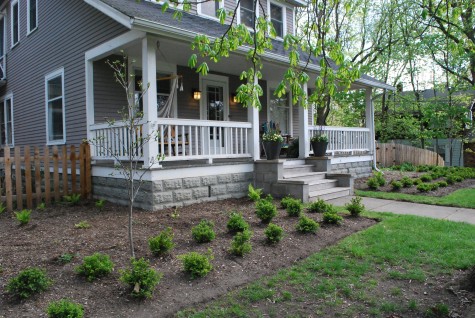
The original landscape featured boxwood planted on either side of the steps, and against the foundation of the porch.  The front bed seemd too shallow for the size of the staircase, and much too routine.  The Japanese maple on the left looked forlorn, and neither here nor there visually.  An old weeping cherry on the right end of the porch was in very poor health.  

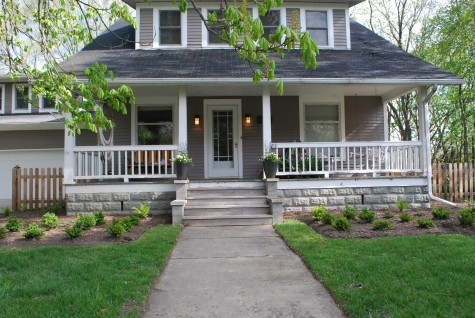
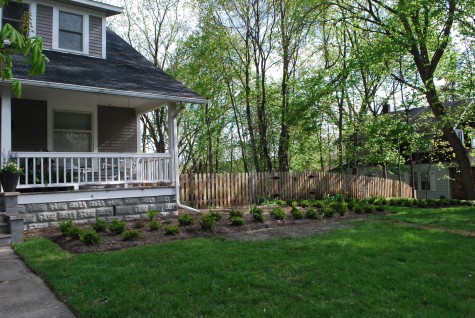
I kept the boxwood-it would be a fine compliment to the architecture.  But I moved the hedge out past the bottom step of the porch-away from the foundation.  The porch has a much stronger presence now.   And I specified a double row, so the depth of the hedge would be generous.  Once these small boxwoods get to be 30″ tall, that 6′ depth will add a strong green element to the presentation of the stairs, porch, and front door.  Moving the boxwood away from the foundation meant that she could grow tall shade tolerant perennials in the space behind them.  Her landscape would not substantially alter in appearance over the winter.  The side yard would get a new fence.  I suggested adding a pair of fence panels on the left side of the house  This makes the garage less prominent, and the front view stronger.    

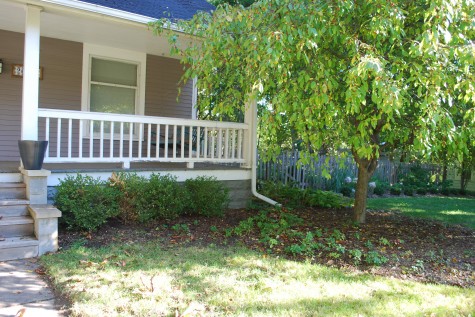
The right hand side of the steps featured a large bed whose main reason to be had to do with the shade under the cherry.  I suggested that the front yard landscape would benefit from a planting scheme that was consistent, all the way across the width of the property.  This would provide for an interesting transition from the front yard to the side.


Each end of the porch is visually anchored with a Venus dogwood.  The planting does look sparse, as the plants are spaced correctly-but plants grow.  It will be faster than she thinks-the growing in part.  Every year will look some better.


The grass path to the side yard gate is a transition from the front to the side and back yard.  When the boxwoods have matured, and the perennials have made big clumps, it will be a pleasant walk.  Transition spaces in gardens serve the same purpose as a foyer in a home.  The moving from from one space to the next is graceful and unhurried.

 Though the hydrangeas had not yet leafed out, it is easy to imagine that from the street the foreground view will be about the staircase, and attending hedge of limelight hydrangea.  Venus dogwood are set within this hedge too, so they repeat the dogwoods in the boxwood.  4 more Venus dogwoods frame the street view to the side garden gate-the picture of the plan makes the idea clear.  The hydrangeas will help make the midground lawn space much more private. The sidewalk and staircase will be visually enlarged with the addition of decomposed granite on each side, and the walk will be carried all the way out to the street.  She has plans to do the drivecourt garden, and the sidewalk additions this year-but would I take a look at the side yard, to look at the design in a less schematic, and more finished way?  I like her style-already, she is making plans for next season.

Years Later

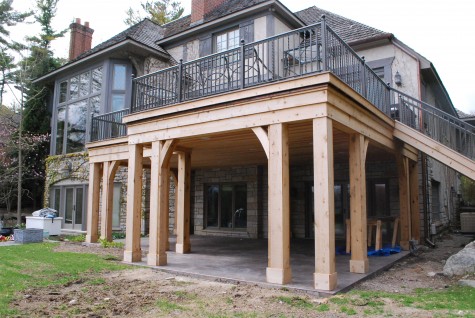
I have mixed feelings about going back.  One would like to think that a landscape would grow and go on once planted, but that is rarely the case.  I side with Henry Mitchell on this.  He says there are no beautiful old landscapes.  Beautiful landscapes are a result of the intensive care of the present.  Landscapes that fare well are well looked after.  Even so, 20 years is a long time.  Though I planted this landscape 20 years ago, I was not so worried.  The client is a gardening person with a sincere appreciation for nature.  I am sure he got this from his Mom-who is a quite the gardener.  They had to replace a second story deck that had rotted.  The landscape in that area would need to be redone. 

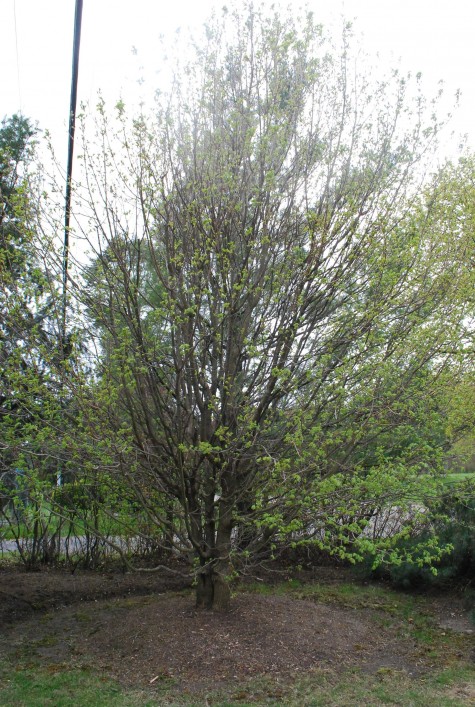
acer campestre

I did have the chance to see how the landscape had weathered the years.  This triple trunked acer campestre was barely 8 feet tall when I planted it.  The placement in the lawn made it look lonely years ago.  Small but so good looking, it was a tree worth waiting for.  It is a chunk of a tree that has grown on to considerable size.  Even the bare branches are an effective screen from the neighboring property.  I would bet it is lovely in full leaf.      

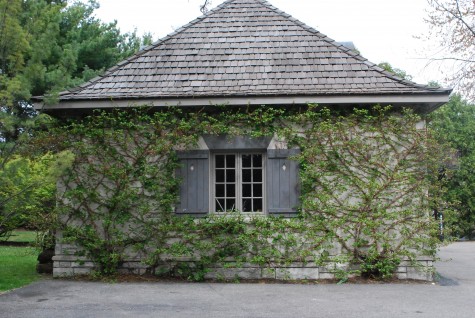
hydrangea petiolaris

A second garage needed some softening.  The bed in front was very narrow-what would thrive there?  A pair of 2 gallon hydrangea petiolaris did not make much difference when they were planted, but now that garage has a cottagy look that is appealing.       London Plane tree

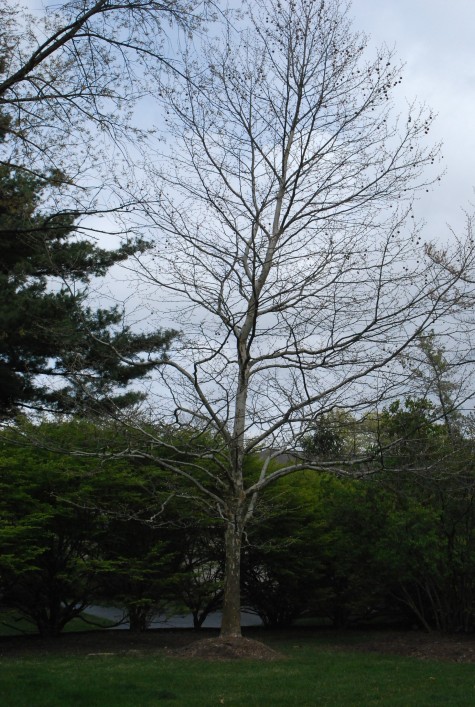
A 10 foot tall London Plane tree planted 20 years ago has grown considerably.  The euonymus hedge behind is probably 15 feet tall. But for one thin spot directly behind the London Plane, everything seems happy.     

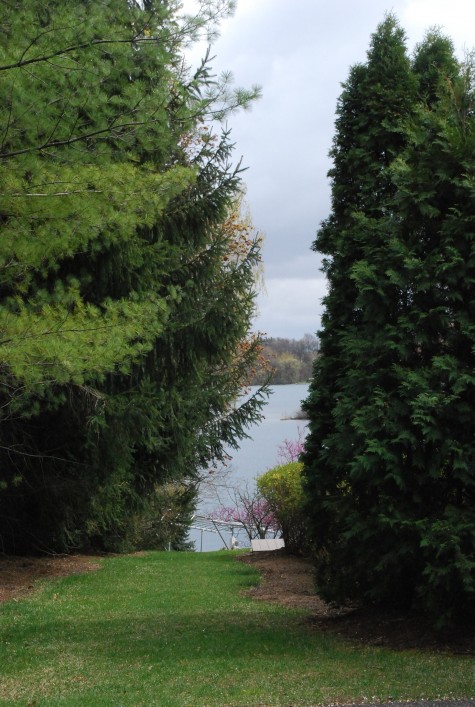
  evergreens in the landscape

The view to the lake from the side yard is framed in a variety of evergreens.  I like the informal tunnel look.  Best of all, all of the plants seem healthy. They’ve been looked after.

redbud trees

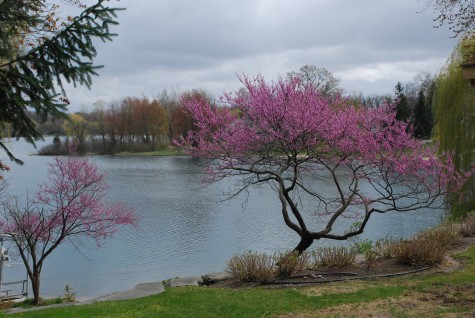
A pair of redbuds on the lakeside did what redbuds do in open settings.  The have that typically windswept look that comes with age, dieback and weather damage.  The center of the left hand tree sustained some damage, but the side branches on the edges seem to be growing fine.     

wood decks

With the new deck in place, the attending landscape will need to be redone.  In some ways, this can be a blessing.  A construction project sweeps away the bad as well as the good.  Though I cannot remember what I did with my reading glasses 5 minutes ago, I do remember what the landscape looked like here.  I have a chance to make it better.     

bluestone terrace
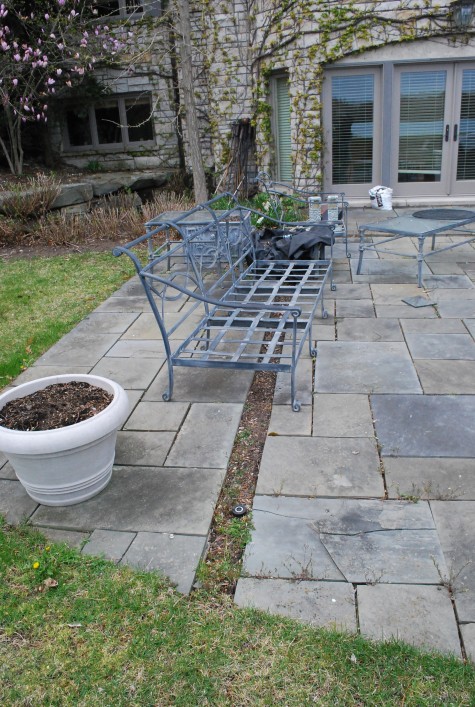
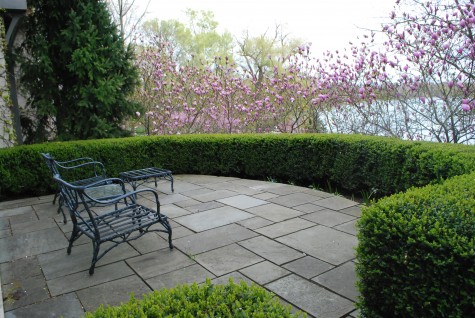
Certain features I still like.  This bluestone terrace was designed in 3 sections-with a space for plants.  It helps to visually break up a large terrace space.  What was planted here, I cannot remember.  There is no doubt that my plant vocabulary is better now than it was 20 years ago.  Even if what was here was good, there is a chance to do it better.

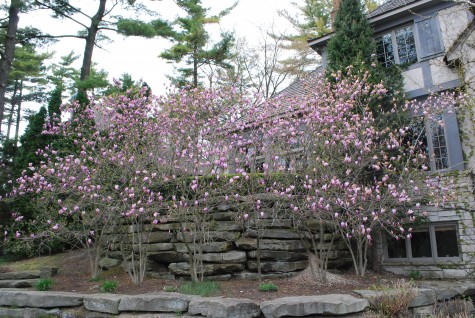
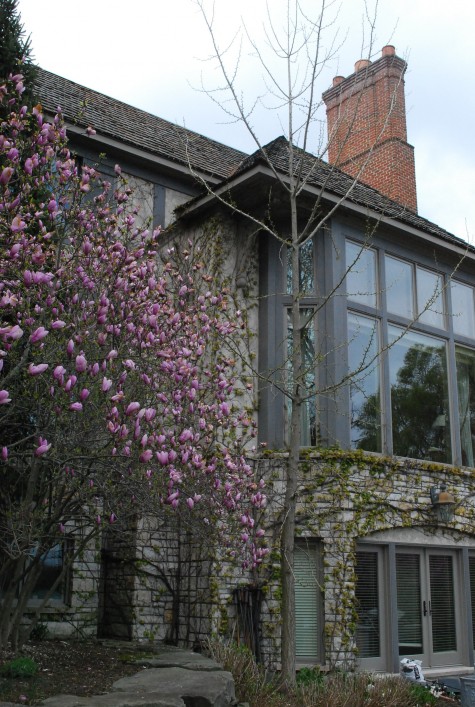
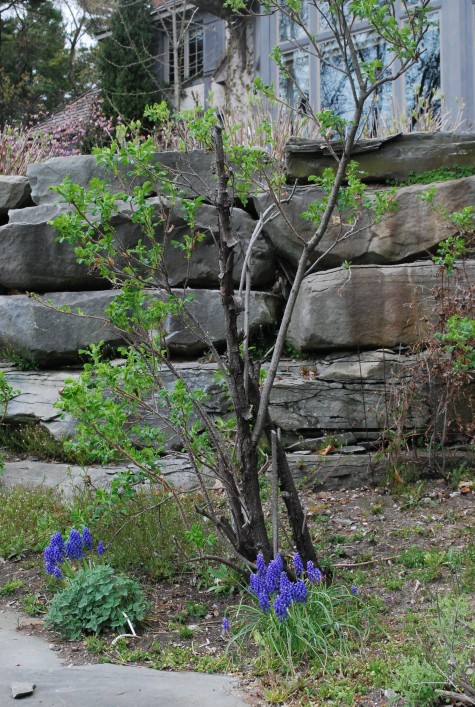
magnolia JaneIt is difficult to tell from this picture, but the stone wall here is 8 feet tall. It is a retaining wall for a private upper level terrace. The entire property is steeply and irregularly sloped from the street to the lake.  The wall was all but obscured by a hedge of 6′ tall Magnolia Jane.  Who knew Jane would grow this tall?  This spot is in need of a new idea at ground level.       

columnar gingko

The house is very tall out of the ground, and of course the views of the water are paramount.  A columnar gingko does not obstruct any views, and is now as tall as the roof of the house.  Gingkos are taprooted, so they can be a good choice for planting in close quarters.  They are also very tolerant of urban pollution, making them a good city tree.   

bluestone terrace

The upper level terrace is completely private now.  I am sure there are plenty of glimpses of the water from here. 

Picae Cuppresina

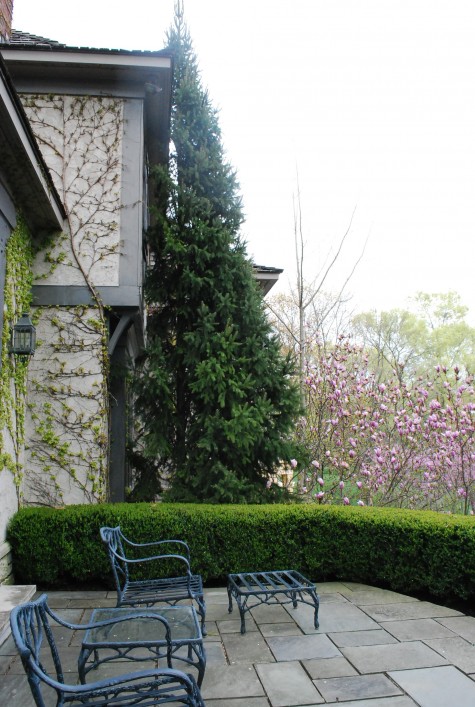
A picea abies cupressina, a columnar spruce, has adapted well, considering how close it is planted to the house.  A large open area would have been an ideal place to plant, but ideal places do not always exist.  Difficult places always seem to abound-funny this.

The lakeside stone terraces were planted intermittently with the white rugosa rose, Blanc Double de Coubert.  Not all of them have declined to this extent, but they all should be replanted.  A lot of plants have been lost.  Bare soil is an invitation to the weeds.    

landscape renovation

Some plants thrive, others never take hold.  Lifespan, damaging weather, neglect, illness, an errant basketball-there are always lots of chances for things to go awry.  But sometimes what goes awry can inspire a better design, or a more useful one.  Some places in my garden decline because they don’t interest me anymore.  If a spot doesn’t interest me enough to take care of it, then perhaps a little change is in order.

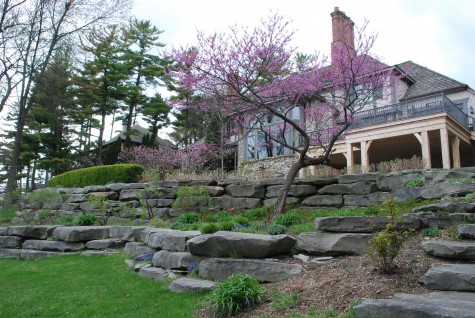
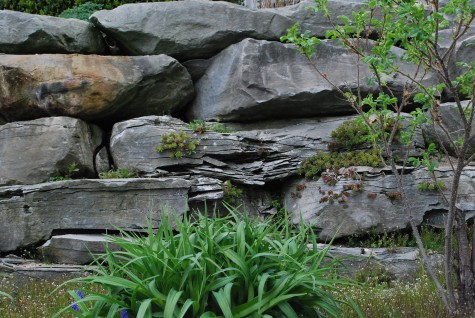
Given enough freeze and thaw cycles, even this huge slab of stone will break down. Just like the wood in the deck finally rotted beyond repair.  What happens next might well be very exciting.


Garden Designers Roundtable


Garden Designers Roundtable


The Garden Designers Roundtable was established in December of 2009.  A group of well known garden designers who write from across the US and in Britain post on a topic relating to landscape and garden design every month.  I was very pleased to have been asked to guest post with this group last year, and am even more pleased that I have been asked to join their group as a permanent member.  The topics provoke a wide range of essays, as each designer writes from their distinctly unique point of view.  If you are not familiar with or a regular reader, I would encourage you to visit their website and read.  It is a very diverse and talented group with loads of expertise and enthusiam.  I am indeed privileged to be a part.

http://gdrt.wordpress.com/

The members:

Andrew Keys

Andrew Keys – Topsfield, MA

A self-professed plant nut, Andrew Keys is the principal of Oakleaf Green Landscape Design of Topsfield, Mass., 20 miles north of Boston. Andrew blogs at Garden Smackdown, an exercise in extreme plant geekery with a dash of pop culture. Andrew also contributes to Fine Gardening Magazine!

A lifelong gardener, Andrew started Oakleaf Green in 2009, with the philosophy that the crux of every 21st century design problem is our role as stewards of the Earth. Through Oakleaf Green he offers accredited organic design/build services with a focus on planting design and specification.

Connect with Andrew at LinkedIn, or follow him on Twitter.

______________________________________________________________

Christina Salwitz

Christina Salwitz – Renton, WA

THE PERSONAL GARDEN COACH

Christina Salwitz is a home garden training specialist

Christina provides every level of gardener with a fresh and objective perspective on their special needs. By focusing on organic methods, improving soil quality, pruning technique and seasonal focus, Christina translates “garden speak” into a language that gets people of all ages excited about achieving their gardening dreams! Christina has a fun, dynamic and enthusiastic approach to teaching. She has a unique and way of connecting to clients and students to make them feel like they can do anything! Her unique style is crafted through leading numerous Technical College courses, seminars for garden clubs, radio shows, and many articles that she has written for various gardening publications. With her experience in world-class nurseries for the more than twenty years, Christina has heard it all! Specializing in instructing adult gardeners, experienced or not, in how to become a confident gardener. With an exceptional focus on saving each client MONEY, TIME and LABOR, she has become foremost in gardening education for many years. Christine Blogs at The Personal Garden Coach.

______________________________________________________________

David Cristiani – Albequerque, NM


David Critiani

David Cristiani, author of the blog The Desert EdgeDavid has over 20 years of experience designing outdoor environments in the Southwest. His projects include a variety of resource-conservative commercial, institutional, and residential designs. David has merged the practice of landscape design with his knowledge of climate and the study of arid-region plant geography and species composition. This unique insight has proved valuable for both site-specific design work and for assisting regional growers, by collecting seed and cuttings for large-scale production of promising high desert plant introductions.

______________________________________________________________

Debbie Roberts

Debbie Roberts – Stamford, CT

A lifelong love of digging in the dirt eventually lead Debbie Roberts to a career as a professional landscape designer. Debbie is the owner of Roberts & Roberts Landscape and Garden Design, where she specializes in designing low-resource sustainable gardens to complement each client’s unique lifestyle.  Her own garden, located in southwestern Connecticut, is used to test and trial plants and gain as much hands-on experience as possible so she can pass it along as a garden coach and in the garden design classes she teaches.

Debbie is a founding member of the Connecticut chapter of the Association of Professional Landscape Designers. Her articles about gardening and landscape design have appeared in a variety of regional magazines and newspapers.  Debbie shares her thoughts on gardening and design at A Garden of Possibilities.

______________________________________________________________

Deborah Silver – Detroit, MI

Deborah Silver

Deborah resides and works in southeastern Michigan.  She has been the owner and design principal for her landscape and garden design firm, Deborah Silver and Co Inc, since 1986. Her shop, Detroit Garden Works, is devoted to offering fine ornament and specialty plants to gardeners nation-wide.  She designs and manufactures garden ornament of all kinds in steel, concrete and wood at a third company, The Branch Studio. She writes regularly about topics related to the landscape and garden on her blog Dirt Simple.

______________________________________________________________

Douglas Owens-Pike

Douglas Owens-Pike – Minneapolis, MN

Following his MS degree in plant ecology at the University of Washington, Douglas Owens-Pike looked around, could find little evidence of landscapes designed for the health of our planet, and founded EnergyScapes in 1989.  We plan, transform and nurture landscapes for beauty and sustainability.  Doug writes about and teaches these principles in forums including: MN Landscape Arboretum, MN DNR, MN State Hort Soc, Friends of the Eloise Butler Wildflower Garden, and the Association of Professional Landscape Designers.

______________________________________________________________

Genevieve Schmidt

Genevieve Schmidt – Arcata, CA

Genevieve Schmidt does landscape design, garden coaching, and fine landscape maintenance in the redwoods of Northern California. She approaches landscape design with an eye towards sustainability and usability, and her experience running a skilled landscape maintenance crew means that her gardens are fun to maintain, and function the way they are supposed to.

Read her garden musings and advice at North Coast Gardening, and see her work at Genevieve Schmidt Landscape Design. You can also follow Genevieve on Twitter.

______________________________________________________________

Ivette Soler

Ivette Soler – Los Angeles, CA

Ivette Soler, is a Southern California garden designer/consultant/writer who has a particular passion for succulents, food, and getting dirty! Her intricate, “Maximalist” plantings for Los Angeles design firm Elysian Landscapes have been featured in several major books and magazines including Garden Design, Metropolitan Home, Sunset, and House & Garden. Her writings on all things GARDEN have appeared in a variety of garden and shelter magazines, and her blogging as The Germinatrix brings her enthusiasm and plant mania to the vibrant internet gardening community.

______________________________________________________________

Jenny Peterson – Austin, TX

Jenny Peterson

Jenny Peterson is the owner of J. Peterson Garden Design inAustin, Texas, a design-and-build company specializing in small space landscaping—patios & balconies, terraces, container gardening and smaller urban and suburban settings.  JPGD is committed to organic methods and the practice of xeriscaping to conserve water.

In addition to landscape design, Jenny writes for her blog, jpetersongardendesign as well as for various lifestyle websites.

______________________________________________________________

Jocelyn Chilvers

Jocelyn Chilvers – Denver, CO

Jocelyn Chilvers is a professional garden designer with a passion for creating beautiful landscapes that are lifestyle friendly and Colorado “green.”  A graduate of Colorado State University’s landscape horticulture/design program, Chilvers has over 25 years of experience helping clients in the Denver area enhance their outdoor environments.  She also lectures and teaches a range of design related classes at Denver Botanic Gardens, ProGreen Expo, and garden centers throughout the region.  Her work has been featured in numerous regional publications as well as Sunset’s Backyard Makeovers. Chilvers enjoys sharing her vision of the world of plants and garden design through her blog, The Art Garden.

______________________________________________________________

Lesley Hegarty

Lesley Hegarty – Bristol, Avon, UK

After studying modern languages at university, careers in the Royal Navy and stock broking in the City of London, Lesley Hegarty’s interest in plants and design was ignited by taking on a rather unruly and very challenging garden full of potential and a great training ground for all things horticultural.

A Royal Horticultural Society Diploma in Horticulture and formal garden design training at the prestigious Pickard School followed and culminated in Lesley teaming up with Robert Webber to form The Hegarty Webber Partnership. Together they design a wide variety of gardens from country estates to city courtyards.

After advising clients on investment in stocks and shares, Lesley is finding much greater satisfaction in inspiring clients to realize the real joy and ‘guaranteed return’ to be gained from investing in their gardens.

Outside of work, Lesley enjoys music, playing tennis, all things French and an active family.

Website (and integral blog): The Hegarty Webber Partnership

______________________________________________________________

Mary Gallagher Gray – Burke, VA

Mary Gallagher Gray

A northern Virginia native, Mary Gallagher Gray has always loved the outdoors and drawn great inspiration from nature.  This love, combined with the desire to pursue a creative profession, led her to dive headlong into the study of landscape design back in 2007.  Currently pursuing a Master’s degree in Sustainable Landscaping at George Washington University, Mary also does freelance garden design and coaching  in the Metro DC area.

Mary is also a lifelong writer, and loves to muse about gardening, design, and the environment on her blog Black Walnut Dispatch.

______________________________________________________________

Pam Penick – Austin, TX

Pam Penick Austin TX

A hot-zone gardener from Austin, Texas, Pam Penick is the owner/designer/garden coach at Penick Landscape Design, promoting creative design with native and adapted plants that thrive in Austin’s temperature extremes and drought/flood cycles. She’s also the author of Lawn Gone!: Low-Maintenance, Sustainable, Attractive Alternatives for Your Yard (expected publication in Spring 2013).

Pam’s award-winning blog, Digging, provides daily inspiration on topics as diverse as drought-tolerant plants, garden design, lawn alternatives, garden tours, and garden happenings in Austin and her own back yard. Her articles have appeared in Fine Gardening and other publications, and her photographs have been published in various books and magazines. Follow Pam on Twitter and Pinterest, and “Like” her Facebook pages for Digging and Lawn Alternatives.

______________________________________________________________

Rebecca Sweet

Rebecca Sweet – Los Altos, CA

Rebecca Sweet lives in Northern California and is founder of the garden design firm Harmony in the Garden. Rebecca’s signature style is ‘California Fusion’ – a style that blends a client’s personal desires with regionally appropriate plants.  In Northern California, this means having a garden that is lush yet drought tolerant – able to withstand the area’s long dry summers. Rebecca’s gardens have been featured in several local publications as well as national magazines such as Fine Gardening.  Join her at Gossip In The Garden, her entertaining yet informative blog, to read more about all things gardening.

______________________________________________________________

Robert Webber

Robert Webber -Bristol, Avon, UK

Robert Webber grew up in the Royal Botanic Gardens at Kew. He read modern history at university, but after 10 years in the City of London in international banking he returned to his ‘roots’ and retrained in amenity horticulture at Cannington College, Somerset. After 13 years as Head Gardener of Bristol University Botanic Garden, he left to train as a garden designer, living proof that Arians do re-invent themselves.

Robert now works with Lesley Hegarty in their garden design partnership based in Bristol and North Somerset. Their design ethos combines rigorous attention to the client brief, context and plantsmanship, with an imaginative use of space and a contemporary twist. They have designed as far afield as Scotland and Tuscany.

Left to his own devices and with a deep enough pot of money Robert would become a serious art collector.

Website (and integral blog): The Hegarty Webber Partnership

______________________________________________________________

Rochelle Greayer

Rochelle Greayer – Boston, MA

Boston Based, but world minded Rochelle Greayer, is a design obsessed garden creator, writer and ‘go local’ advocate. She is the owner of Greayer Design Associates, founder of multiple farmers markets and the editor of Studio ‘g’, a landscape design blog full of ideas for creating unique gardens. Rochelle is one of the co-authors of The Garden Makers Manual and The Garden Design Workbook, as well as a regular contributor to Landscape Middle East Magazine.  She has won numerous design awards including a Bronze Medal from the Royal Horticultural Society for a show garden at the Hampton Court Palace Flower Show in England. Her work has been featured in Better Homes and Gardens, Design New England, and Landscape Architecture magazines among others.  Connect with Rochelle through the Studio ‘g’ group page on Facebook or on Twitter.

______________________________________________________________

Scott Hokunson – Granby, CT

Scott Hokunson

Scott Hokunson, designer and principle behind Blue Heron Landscape Design, has been creating landscapes since 1981, and brings a wealth of experience and expertise to each project. A proponent of natural and sustainable principles, Scott works closely with his clients to create elegant outdoor living spaces, minimizing the impact on the environment through all phases of the project, including ongoing stewardship.

Scott is also a garden writer, whose work has been featured in Fine Gardening Magazine and Connecticut Gardener Magazine. He writes the company blog Blue Heron Landscapes, and is a founding member of the international garden design blog Garden Designers Roundtable.

Scott lectures to garden clubs and other interested organizations on garden design, plants and gardening, and in 2011, he served as an advisor to a class on Sustainable Landscape Design at Wesleyan University in Middletown, Connecticut.

Since 2009, Scott has been co-host and designer for The Ultimate Backyard Makeover show on FoxCT. The show airs on Father’s Day weekend.

Follow Scott on Twitter, and connect with him on LinkedIn. Become a fan of Blue Heron Landscape Design on Facebook!

______________________________________________________________

Shirley Bovshow

Shirley Bovshow – Los Angeles, CA

Shirley Bovshow is an in-demand landscape designer in California as well as a nationally- recognized garden television host and new garden media broadcaster. Shirley describes her approach to landscape design as “out of the box,” (she drags a ladder around new projects to envision the yard from different heights) and demands “multi-purpose” function from her landscapes.

“It’s not good enough that a landscape stand there and ‘look pretty!’  It has to do something for me! Feed me! Save me some money on the water and electricity bill! Function as a sanctuary and entertaining showplace!  Increase the value of my home!” Shirley commands.

Check out Shirley’s website her syndicated blo g, Eden Makers and watch her trailblazing online garden TV show, the Garden World Report.

______________________________________________________________

Susan Cohan

Susan Cohan – Chatham, NJ

Susan Cohan, APLD, is a woman with an opinion.  A landscape designer blogging as Miss R, she is a lover of the land, passionate about design and living a creative life.

Her boutique landscape design studio, Susan Cohan Gardens specializes in residential landscape design and creating artfully designed spaces for outdoor living.  Susan is an active user of social media… some of the many places you connect with her are Twitter, Facebook, Susan aka Miss R, or just see more eye candy on her Flickr page.

______________________________________________________________

Susan Morrison

Susan Morrison – East Bay, CA

Susan Morrison is the owner of Creative Exteriors Landscape Design, a residential garden design firm located in the East Bay of Northern California. She is passionate about creating sustainable designs for both traditional and New California gardens. While puttering around online one day, Susan came upon the infamous Stewart Brand quote “information wants to be free.”  Through her Blue Planet Garden Blog and as a founding member of the Lawn Reform Coalition, she has taken this philosophy to heart. She speaks regularly in the Bay Area on design principles, sustainable gardening and lawn-free landscape design, and has been interviewed in such publications as the San Francisco Chronicle and the Contra Costa Times.  As a Master Gardener and a Bay Friendly Qualified Landscape Designer, Susan participates in various educational projects throughout the year.

______________________________________________________________

Thomas Rainer – Arlington, VA

Thomas Rainer

Thomas Rainer is a registered landscape architect, teacher, and writer. He is a passionate advocate for an ecologically expressive design aesthetic that does not imitate nature, but interprets it. Thomas has designed landscapes for the U.S. Capitol grounds, the Martin Luther King, Jr. Memorial, and The New York Botanical Garden, as well as over 80 gardens from Maine to Florida.

You can find his musings on the form, meaning, and expression of designed landscapes, at his blog Grounded Design