Breaking Some Eggs

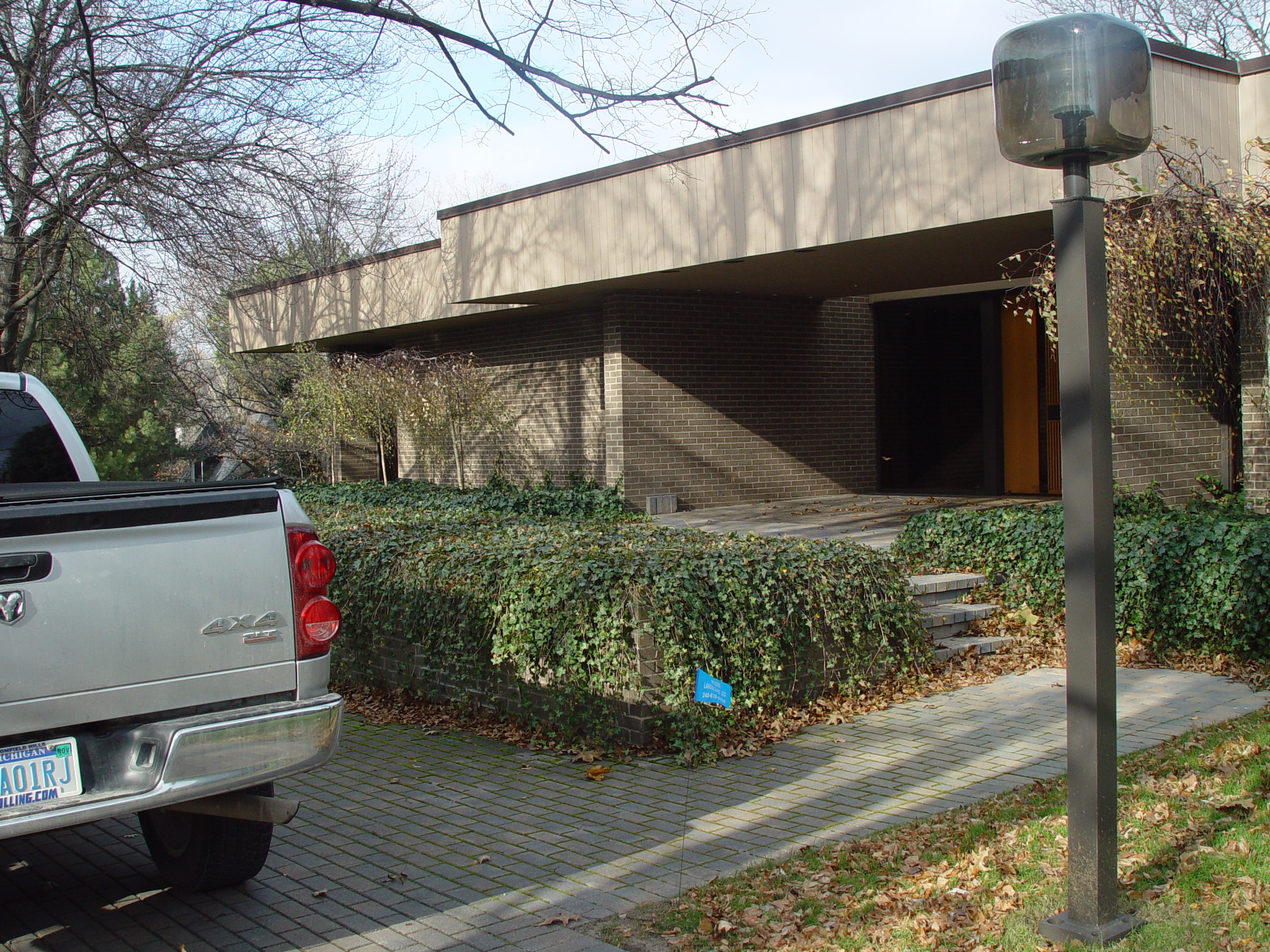
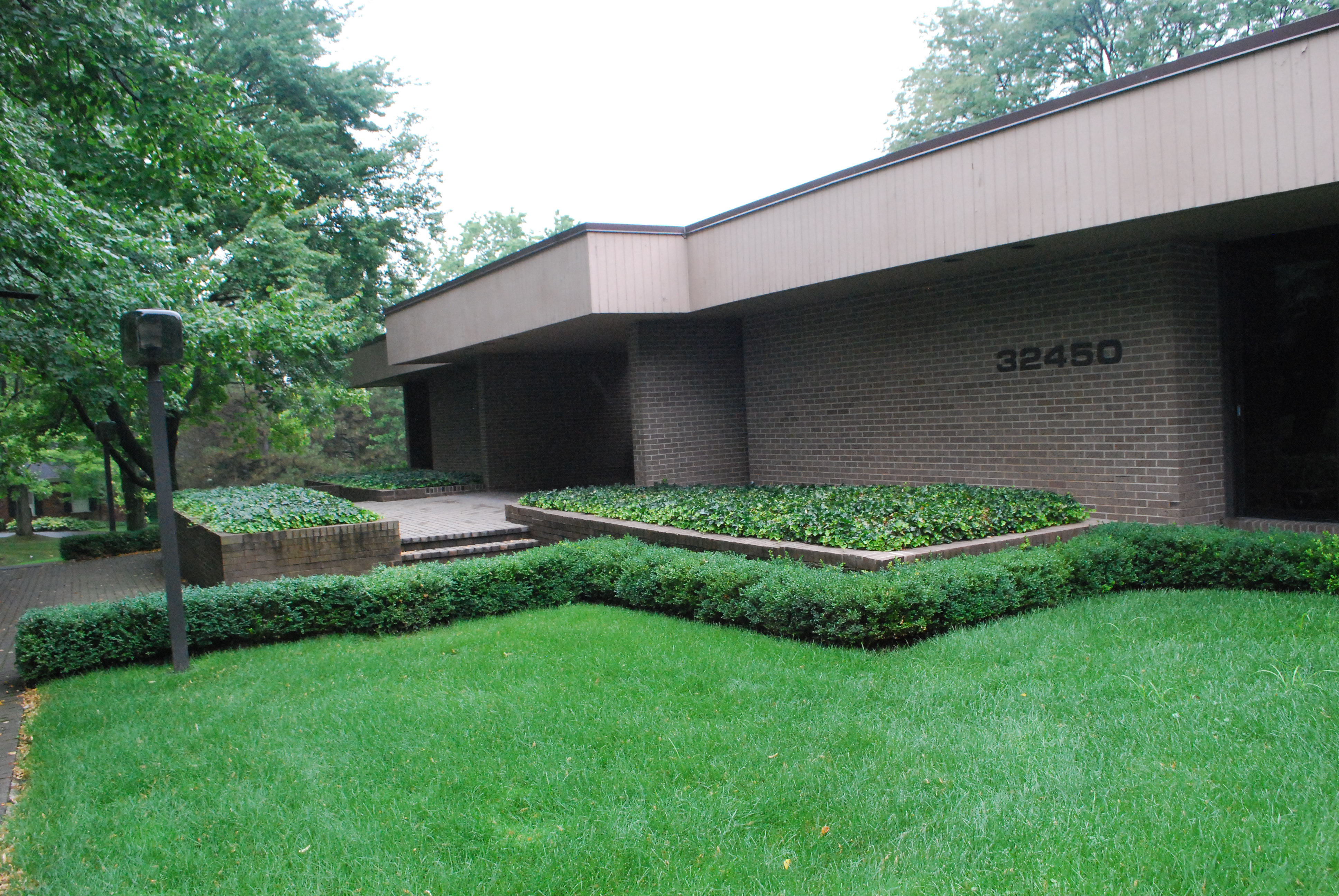
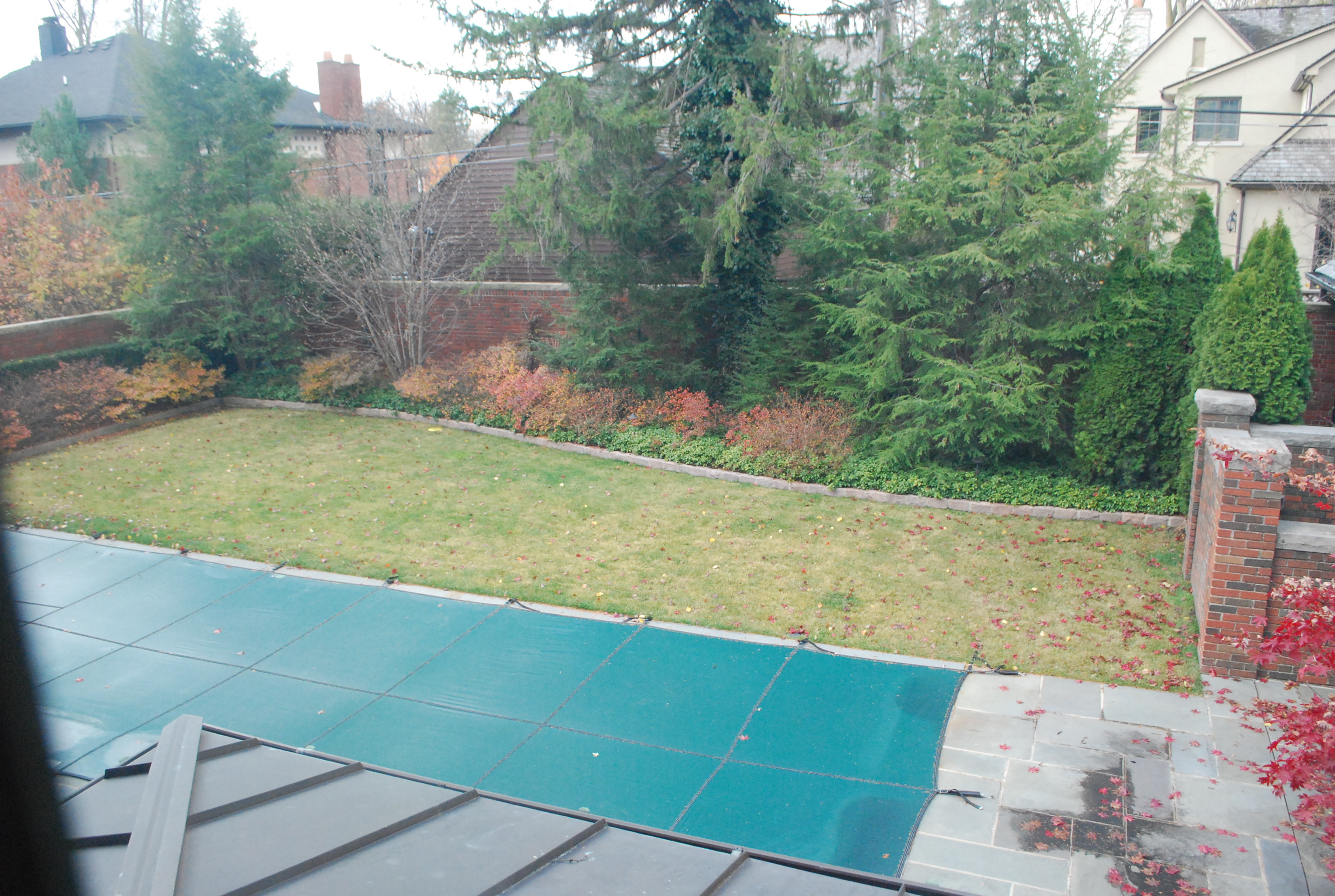
An old client with a new house-it happens on occasion. As I have lived in the same house for going on 18 years, I did not envy them this change. The old house and the new house are quite similar in size-not so the property.  They exchanged a very large, expansive, and private property for a city sized lot.  The back yard was very small; most of the space was taken up by a lap pool.  I knew we would have to break a few eggs before this landscape would pass muster.    
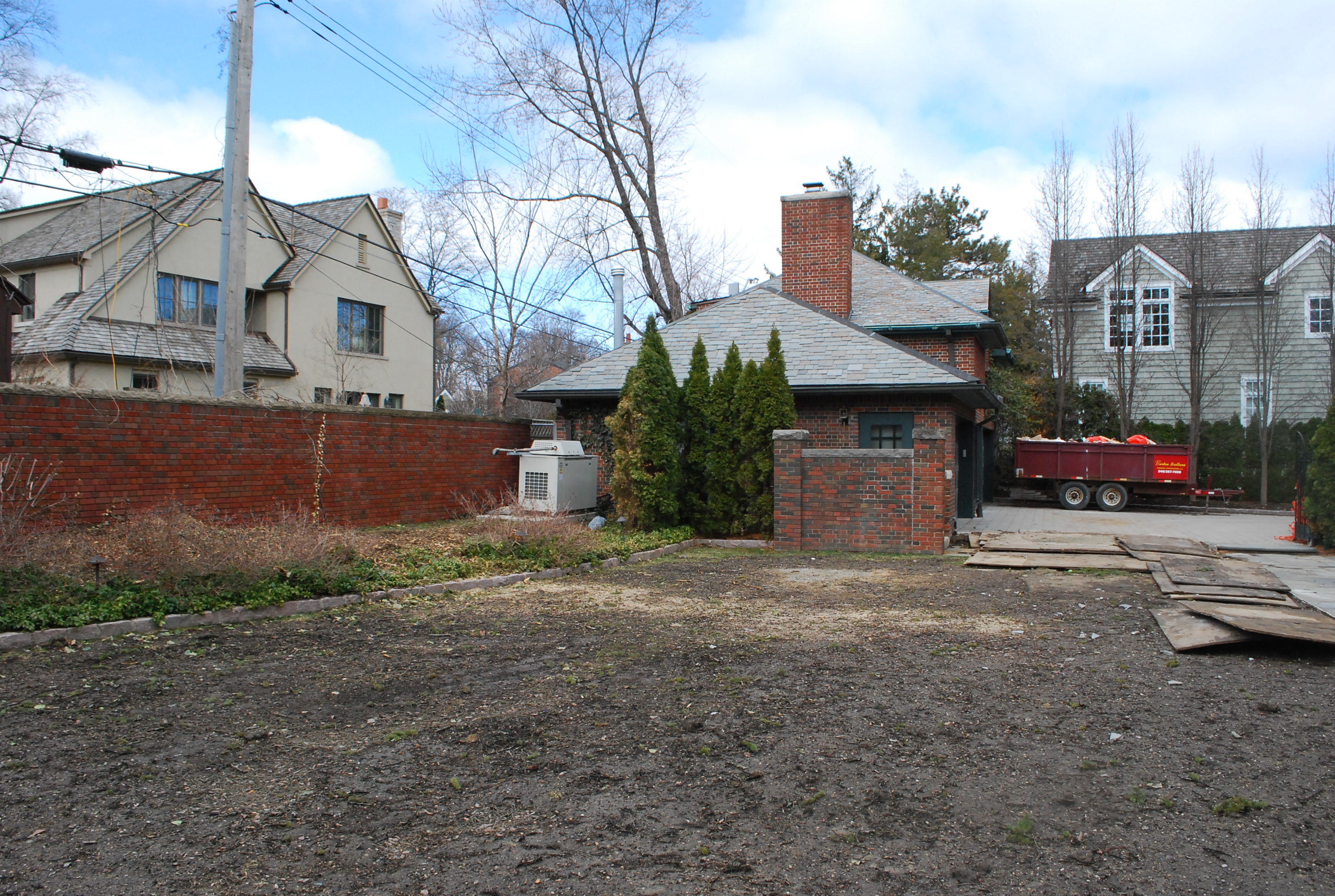
 

A really beautiful and old multitrunked magnolia was moved to the front yard.  We ditched a number of spireas, and a group of old and diseased evergreens.  The iron fence between the drive and the yard was removed, and stored.  At this point, the proximity of their house to others in the neighborhood became painfully obvious.  How could we arrange some privacy?  Privacy in an urban neighborhood is a relative thing.  Buck and I were privy to the music played graduation party given by our neighbors for their daughter.  We enjoyed that, but we also treasure our visual privacy.  
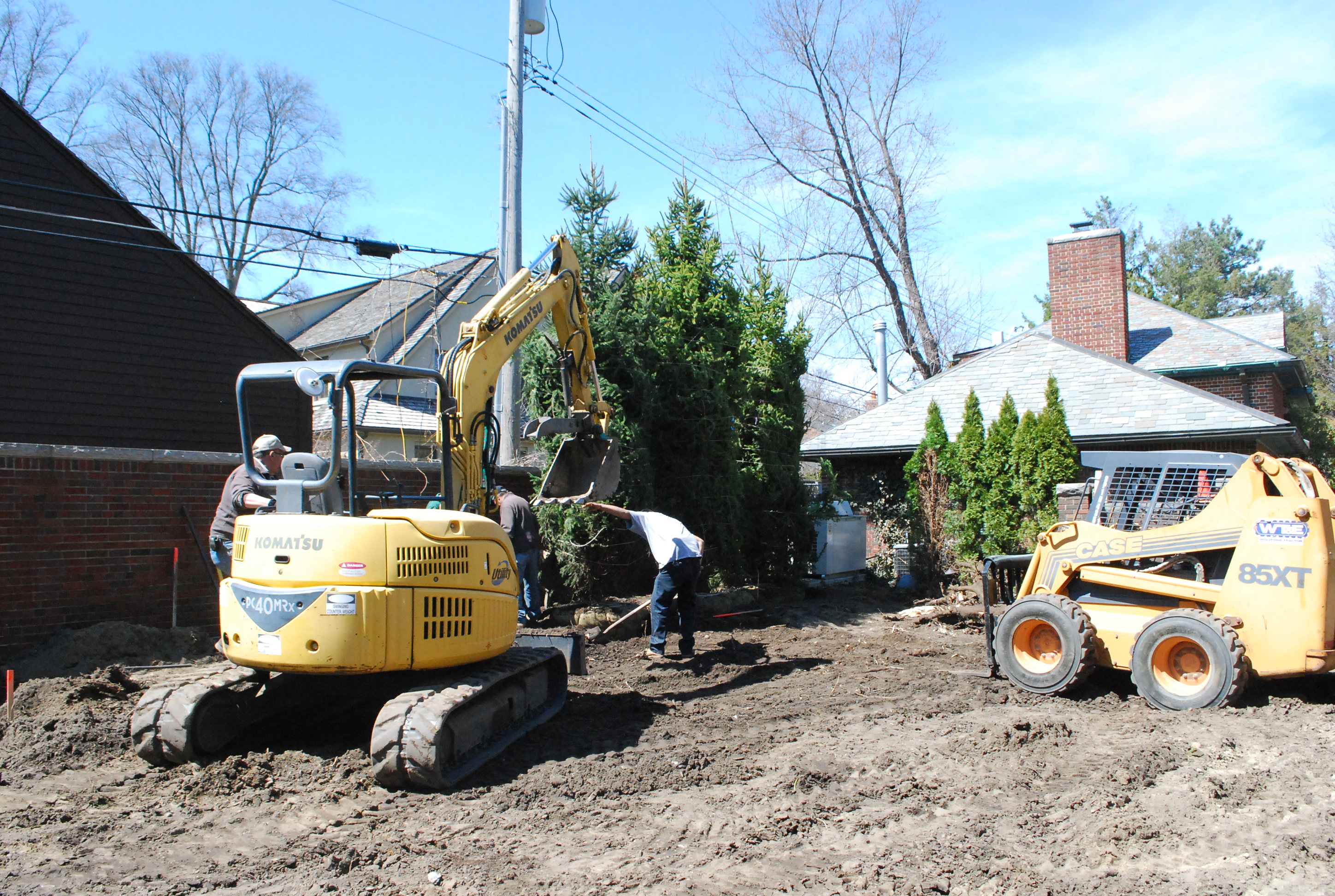
The lap pool was dug out; the hole was back filled.  We planted spruce along the back lot line, as we were able to secure trees with considerable height. Given that there was no room to maneuver a full sized tree spade, each tree was dug with a spade, balled and burlapped, then driven in and planted with the help of an excavator.
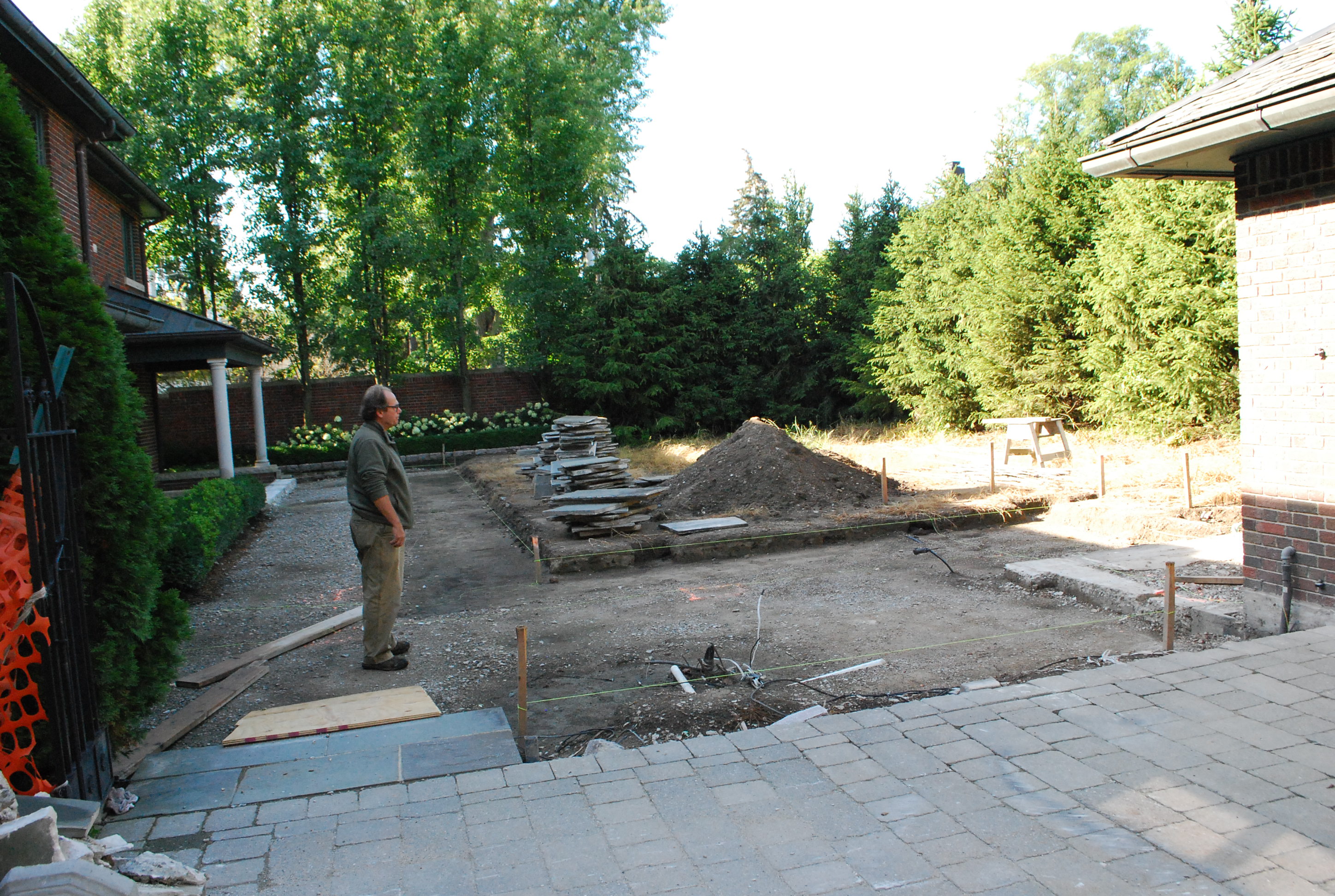
Those trees did a lot to screen the neighboring houses from view.  There was precious little space left over with which to design, but the walkway from the detached garage to the house would be a well used thoroughfare.  The walkway to the far library porch-equally important.   
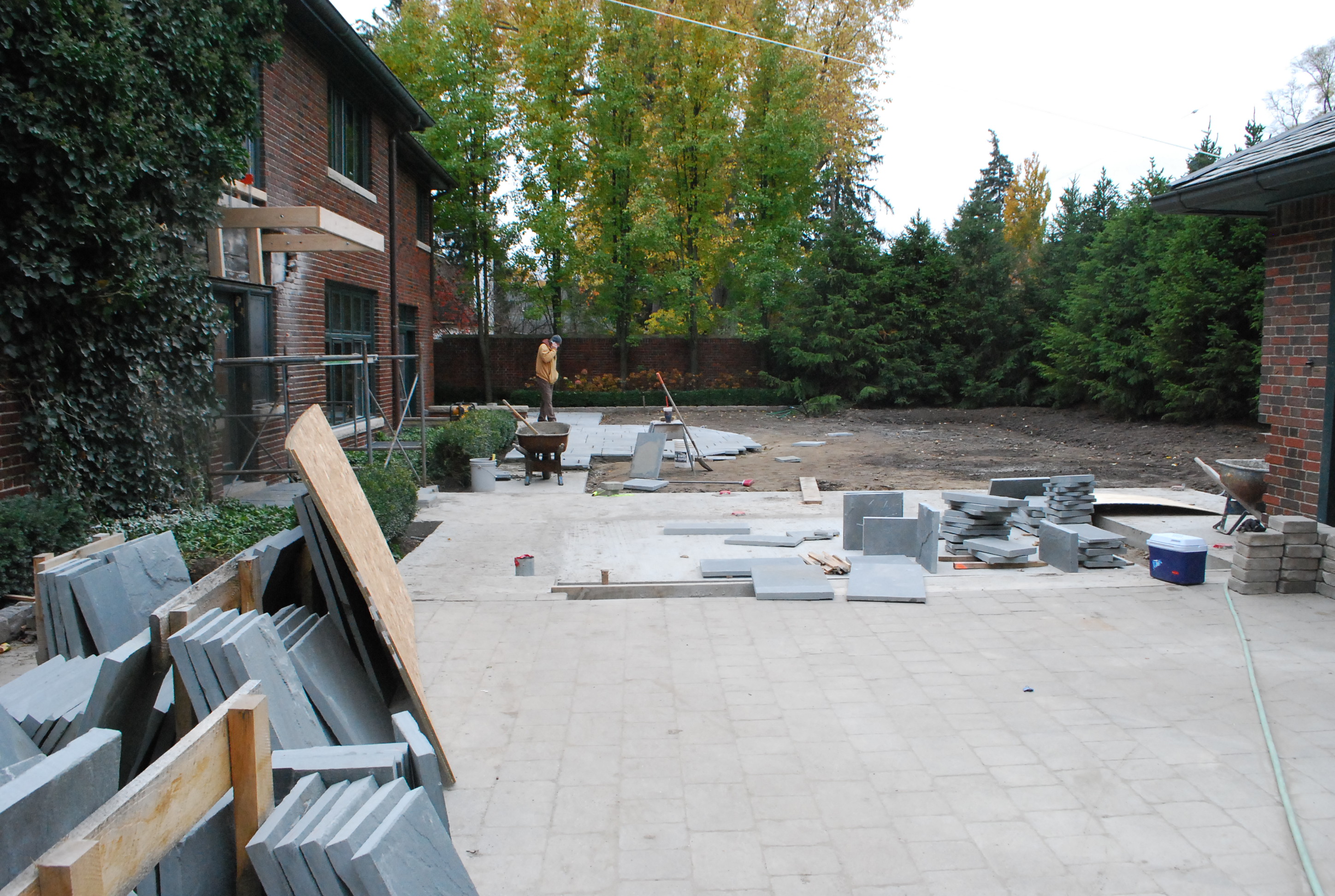
The stonework took a lot of time.  The walkway to the sunken library terrace bumped out midway across the rear of the house.  This radiused terrace would provide a stopping point should there be a party or event.  No matter how small a yard, good and graceful circulation is important.
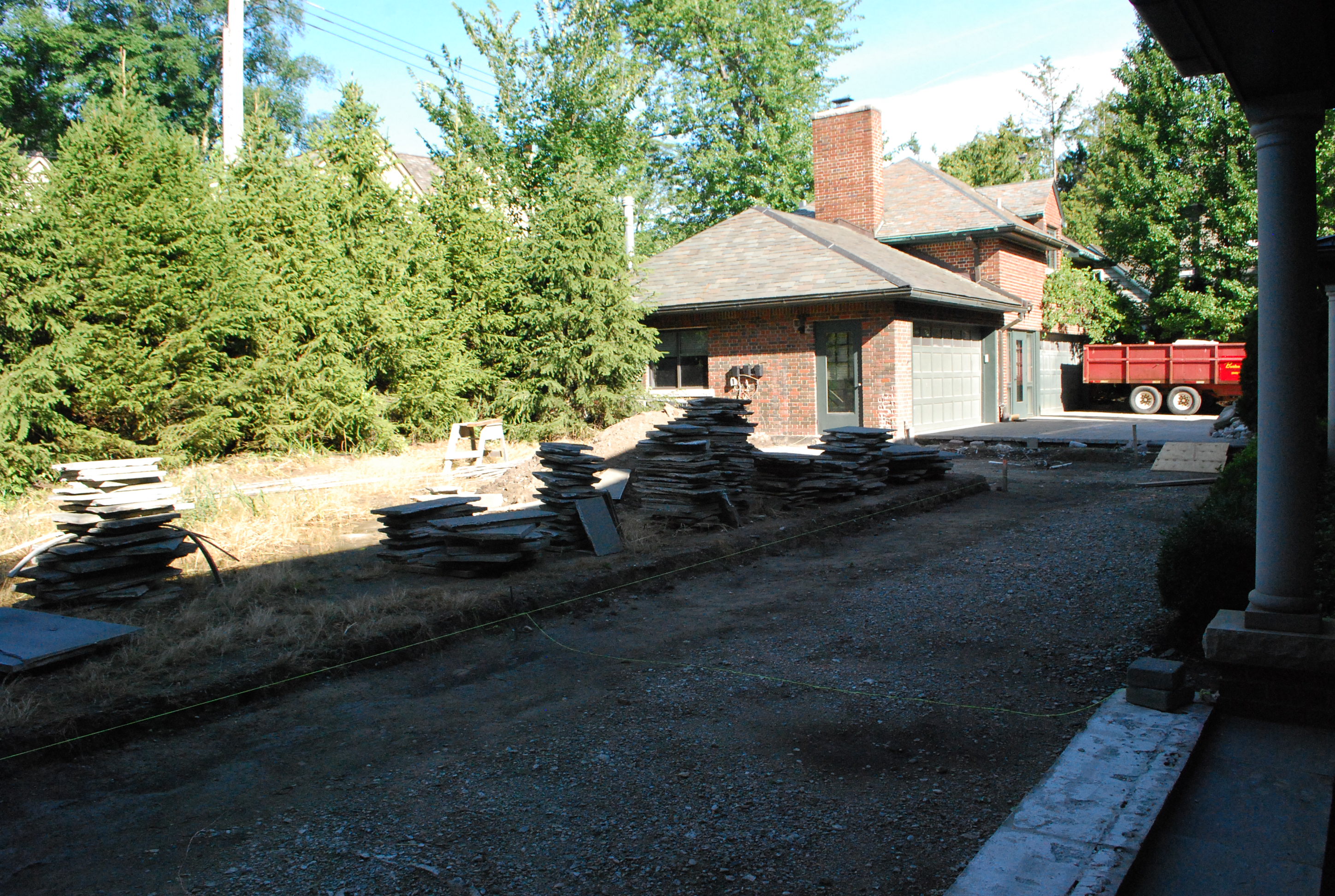
It seemed just about forever that this project was on hold, awaiting the completion of the stonework.   
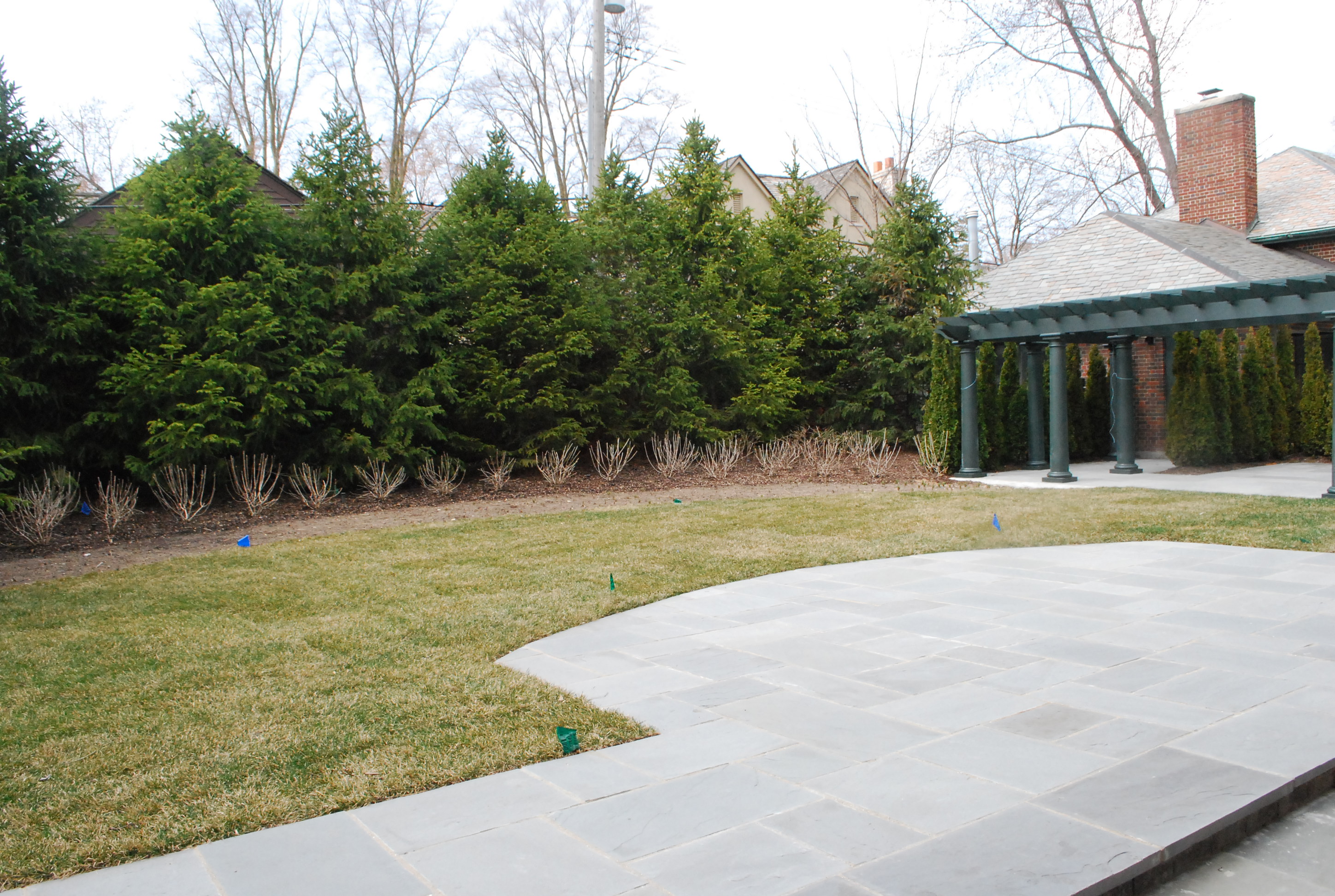
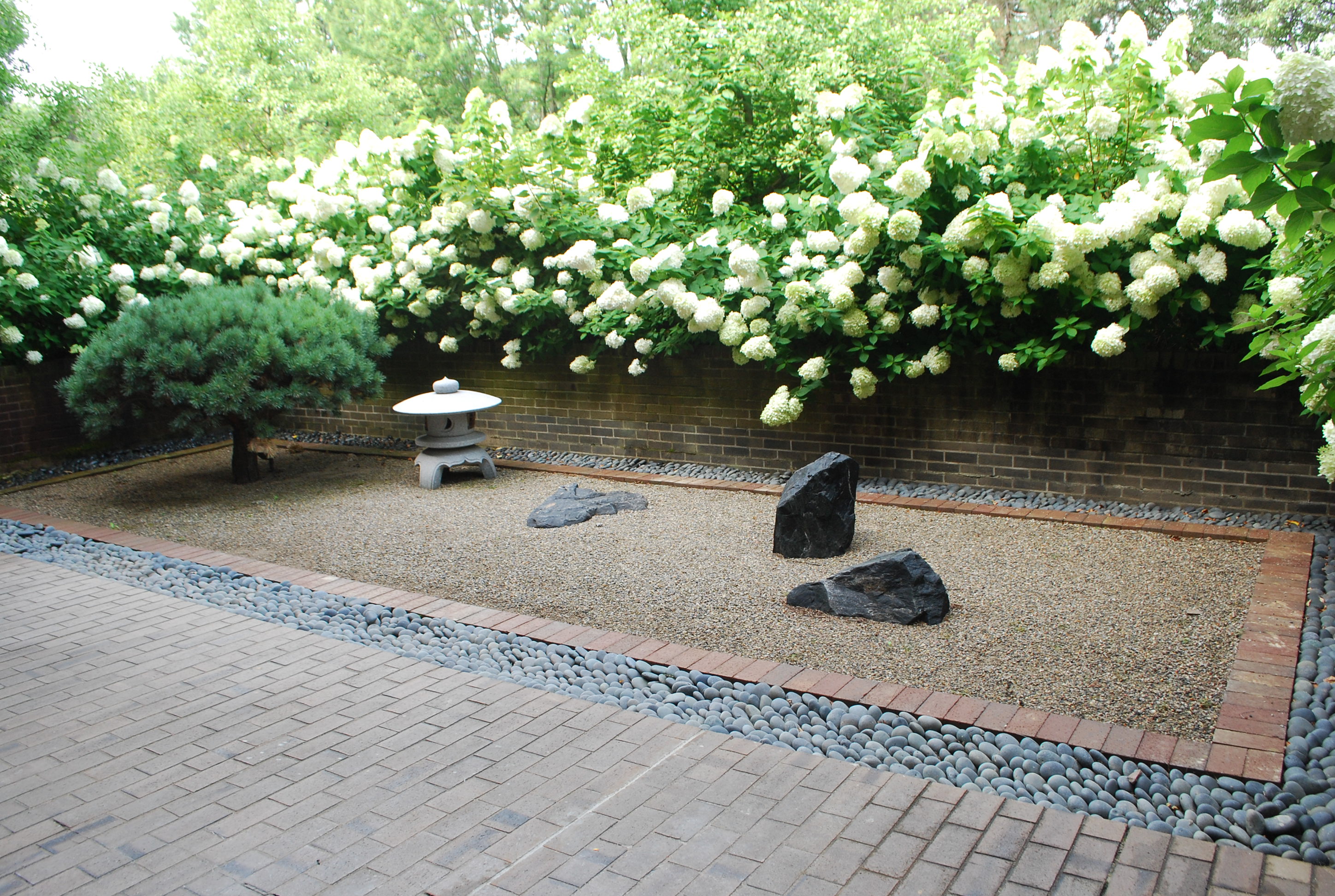
Once the stonework was complete, we created a landscape bed in exactly the same radius as the leading edge of the terrace.  We planted a hedge of limelight hydrangeas-a favorite of this client.  A housewarming gift of 500 white tulips got planted in a space which would eventually be a collection of white flowering perennials. 
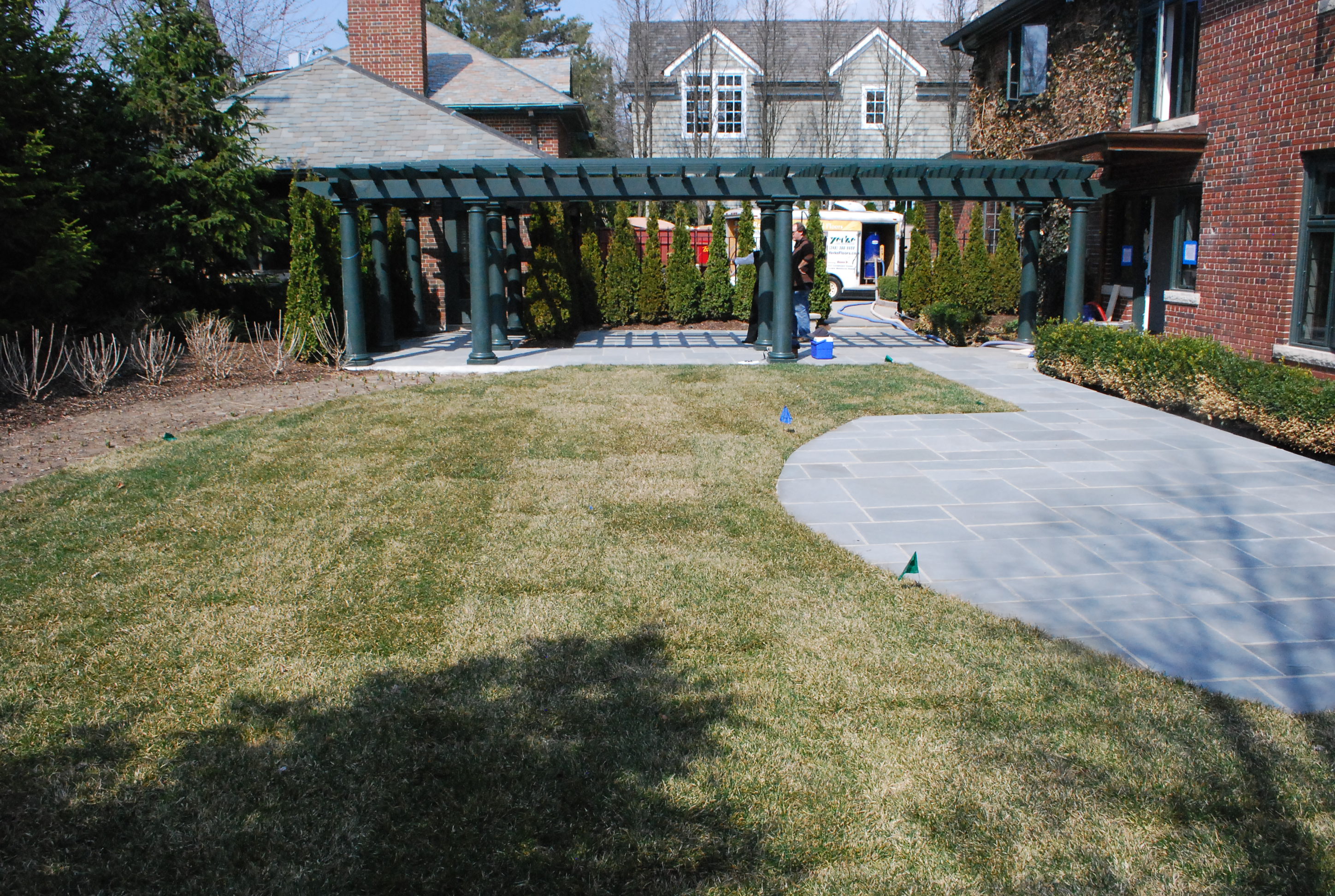
Great care was taken by the architect on this project to design a pergola which would connect the garage with the main house.  The main function of that pergola-to provide cover in that walk from the garage to the house in inclement weather.  My input-a clear polycarbonate roof.  No need for them to feel they were walking through a tunnel.  The pergola design got worked out.   DeGroot Spire arborvitae were planted as a green wall between the driveway, and the back yard.  They will tolerate the small space given to them, and will eventually be able to be pruned formally across the top. 
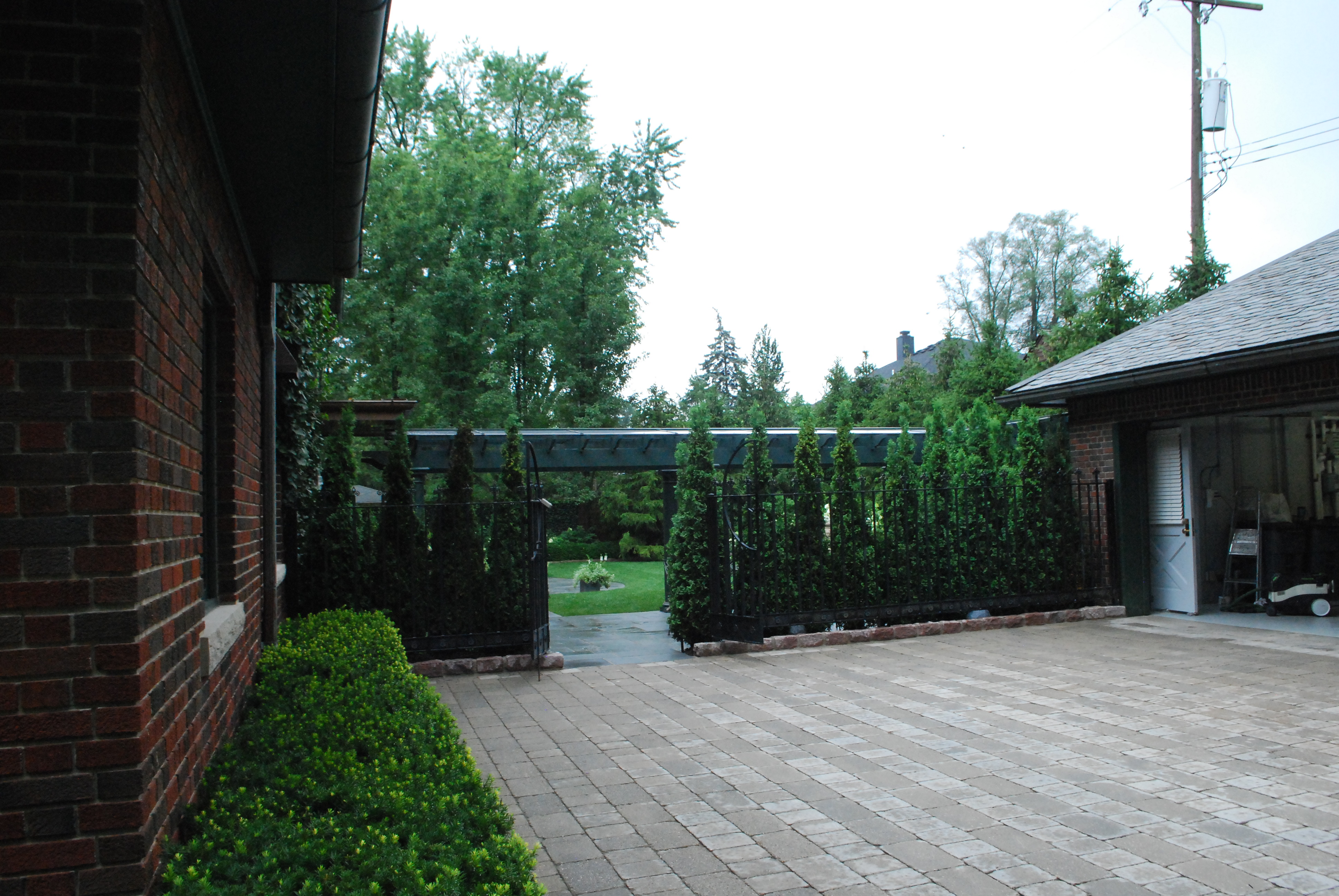
The original iron fence and gates have been reinstalled.  Today, there is no hint of what it took to transform this space.   
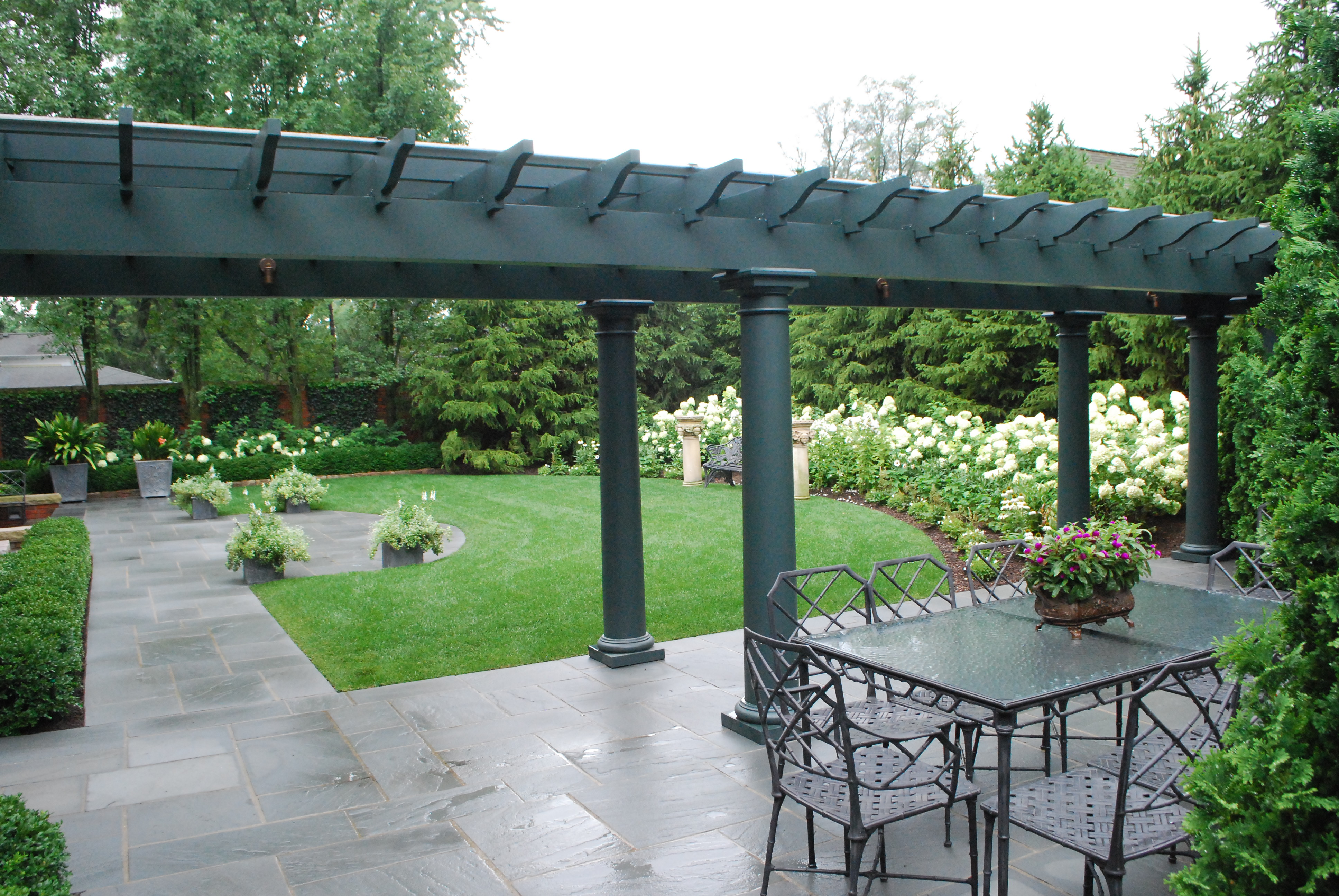
Small spaces are very hard to design, as every square foot counts.  There is no room for an unresolved issue or tentative solution.  Every element has to work, with every other element.  What you see here is the result of a client, an architect, the excavator who removed the pool, a stone mason, an electrician, a pergola construction company, the large tree moving and planting company, the air conditioning and generator people, the painters, and our landscape company-working together to produce a credible landscape project.     
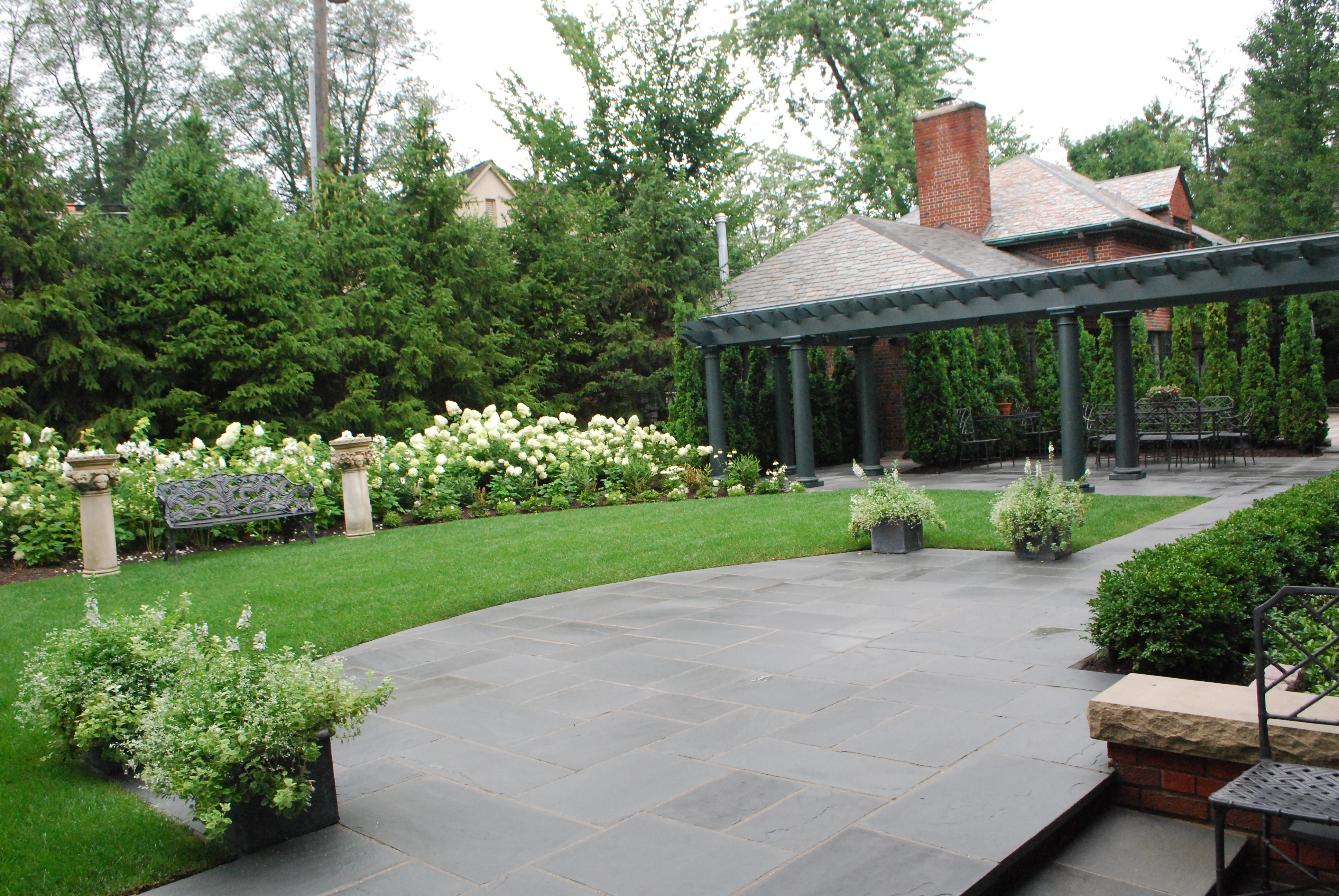
There is no hint now of any broken eggs.  All of the discussions, revisions, and re-revisions are in the past.   
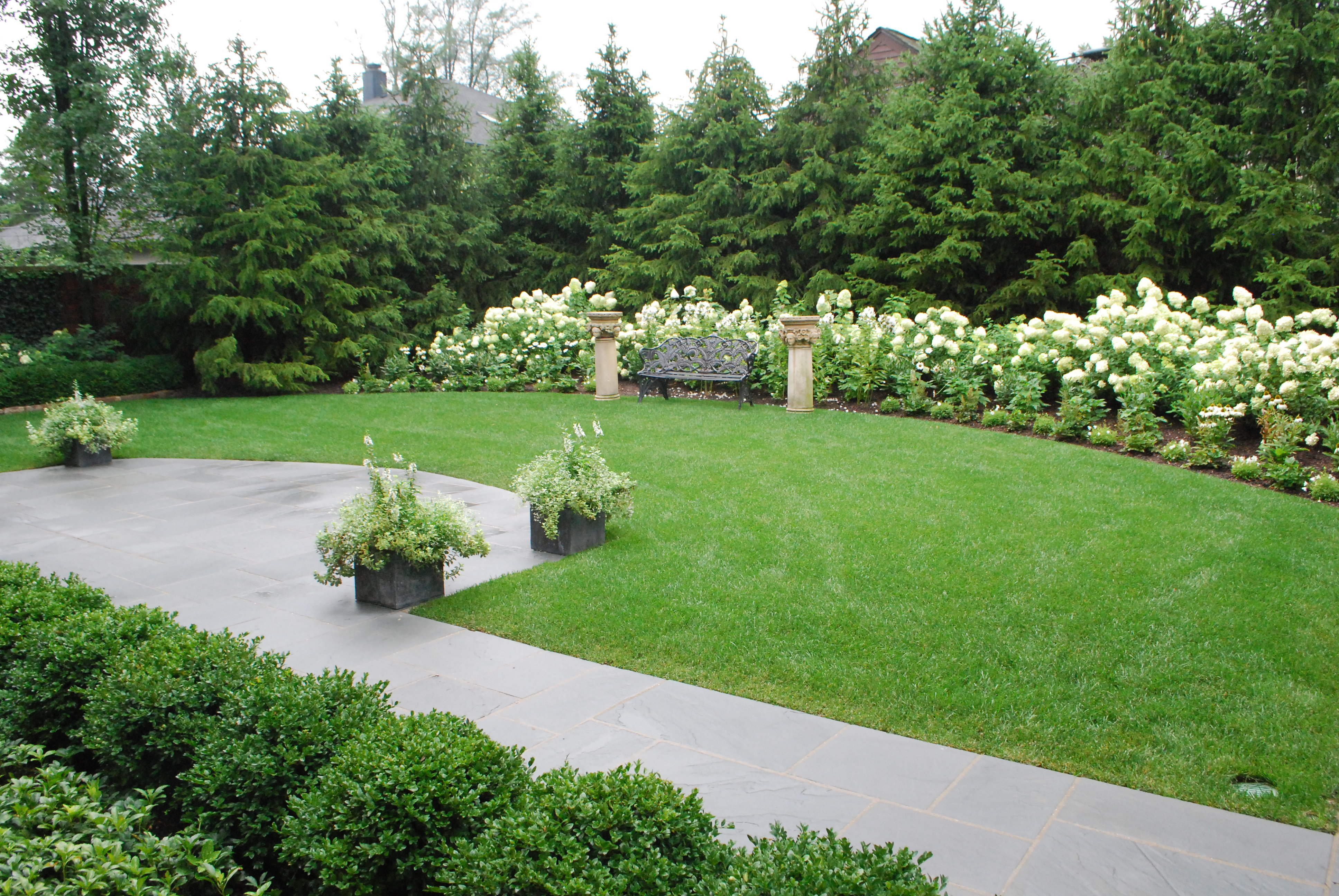
Of course there will be ongoing issues.  But there will also be ongoing pleasures.   
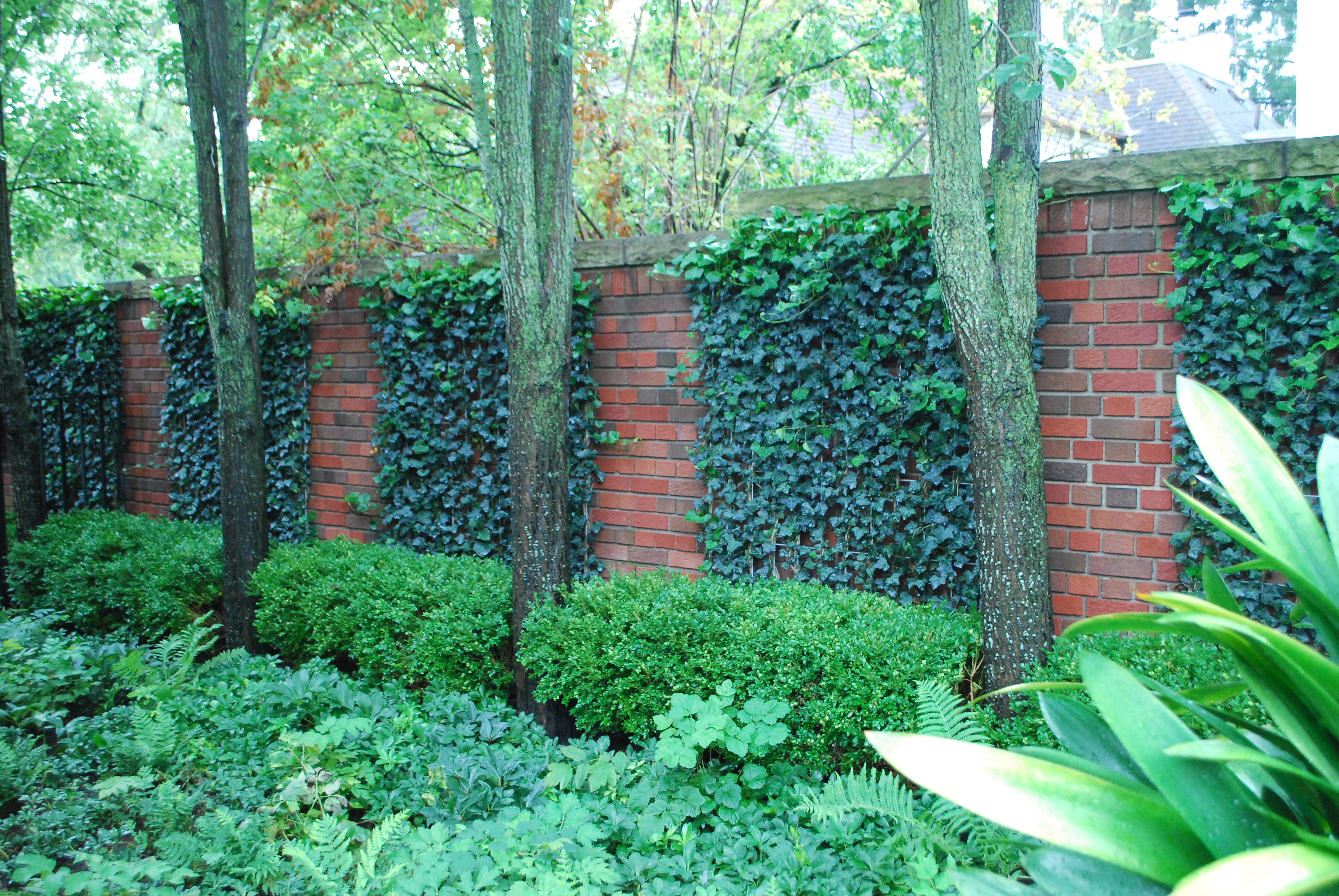
This brick wall to the west-my client had no love for the look of it.  She likes green.  Happily we were able to plant ivy grown on galvanized steel screens.  They are taking hold, and will cover this brick wall in no time. 


I am very pleased that this landscape renovation, which started late in 2010, is finally finished.  Big changes in a landscape take lots of time.  Change lives on a diet of time and more time.  I try to remember this.
Boxed In?

landscape design

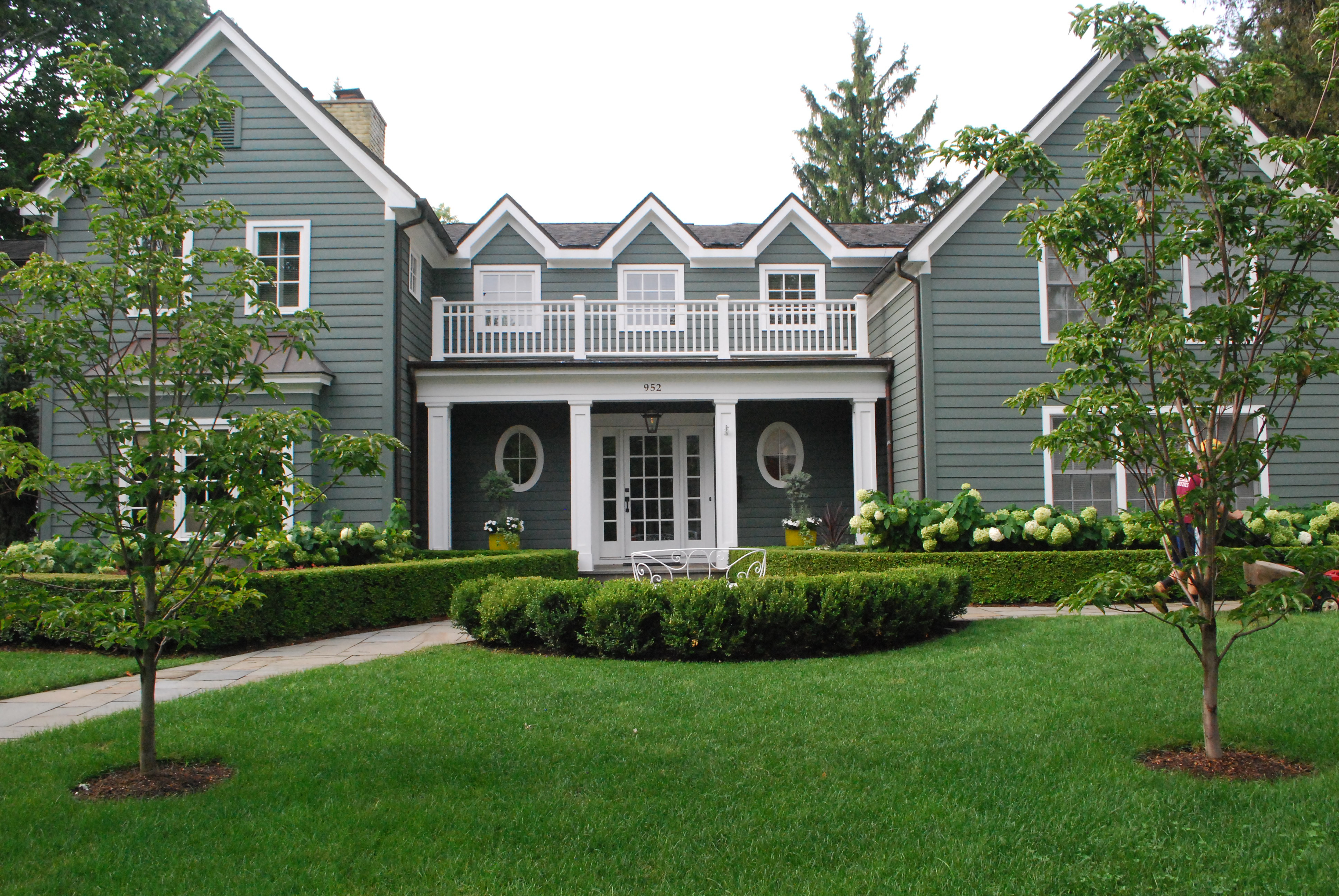
A rectangle is an easily recognizable 4-sided shape.  Like circles, ovals, triangles, and parallelograms, they define or outline a geometric shape.  This lovely home could be easily be sketched on a piece of paper by connecting a series of rectangles, triangles, squares and ovals.  Every one of these basic shapes is created by the lines that enclose, or define it. A linear representation of the front door would look like a series of squares put together in such a way as to create a rectangle.  This photograph, is its most basic incarnation, is a rectangle.  The composition of the photograph is determined in large part by its 4 edges.  Shade trees and evergreens are often described by the shape they most represent, as in “broadly pryamidal”, or “oval”. A two-dimensional shape expressed in three dimensions has its own vocabulary.  A circle in the third dimension is a sphere.  A cylinder is constructed from two circles and a rectangle.  A rectangle in 3 dimensions is a box.  A box may vary in dimension, but for design purposes, a box is a box.          

French wirework bench

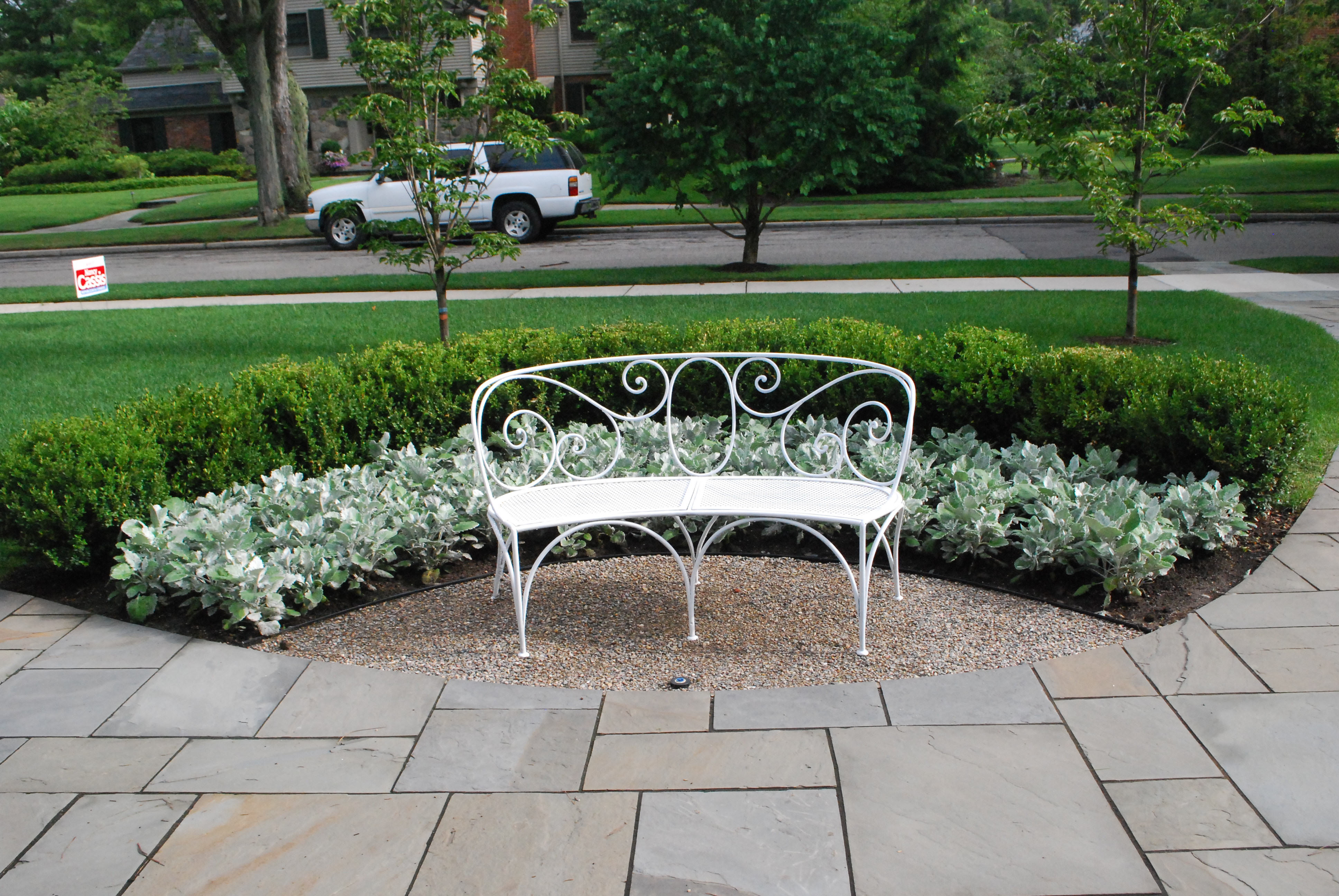
Any landscape is confined by  the edges of the property.  A property may be a rectangle or a triangle, or a combination of many shapes.  But in every case, a property has limits.  What is visually available to your property is confined only by what you cannot see, but those places where you can plant have been drawn on a piece of paper known as its legal description. There is no need for a legal description of a property to dictate a landscape design.   Most urban properties have ties to a slew of rectangles.  That could be a street or city sidewalk. A driveway.  A hedge of arborvitae planted by a neighbor.  If you visualize what is within your design reach on your property, more than likely it is a box-and a fairly plain box at that.  This property has a very beautifully done, asymmetrically curving bluestone walk.  In renovating the landscape, I admired how that curving feature both countered and complimented all of the existing rectangular shapes.  A pair of trees, a curve of boxwood, a curved French wirework bench sitting on a gravel double sided crescent, all respond to that generous and fabulous sweep of stone.  

bluestone walkway

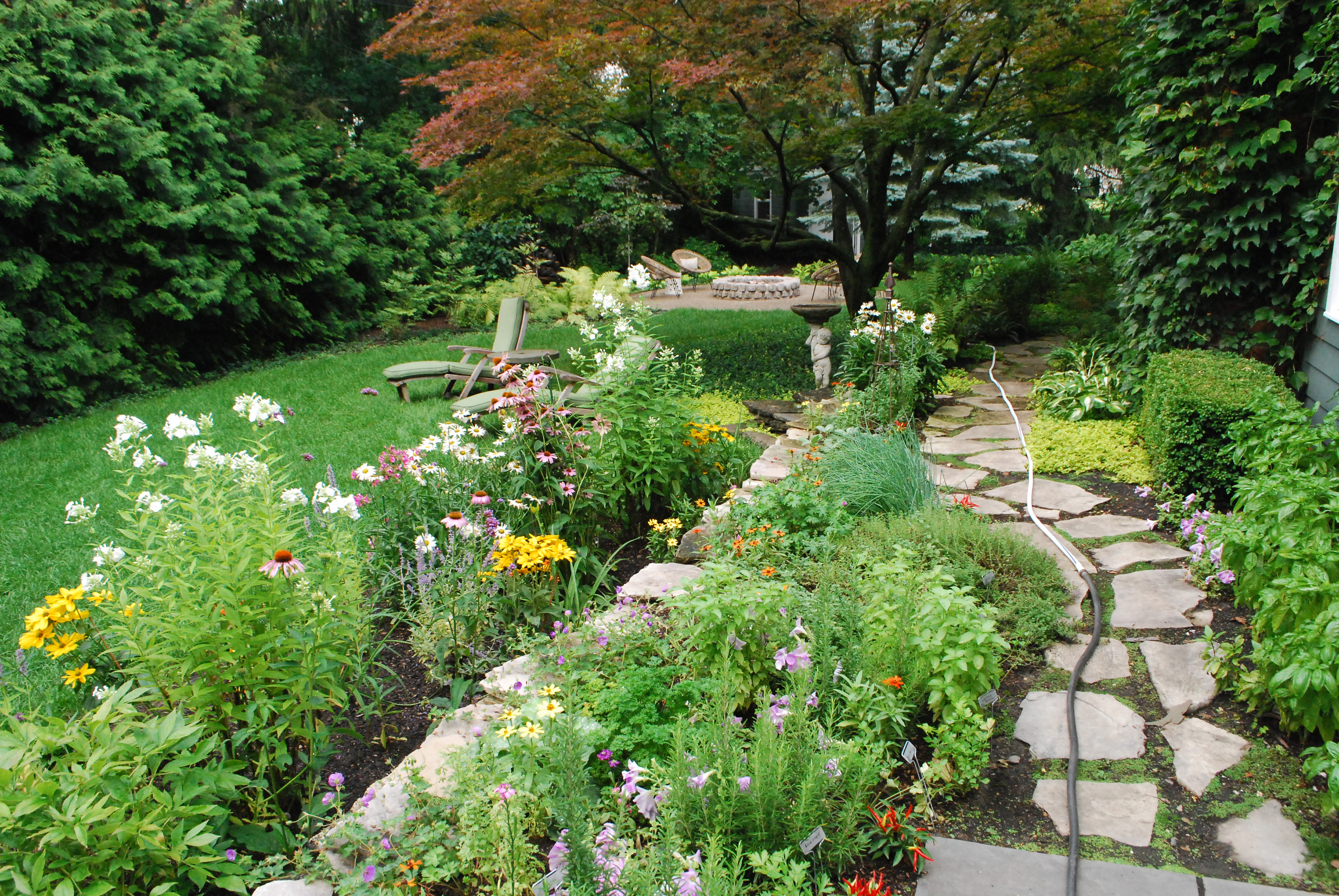
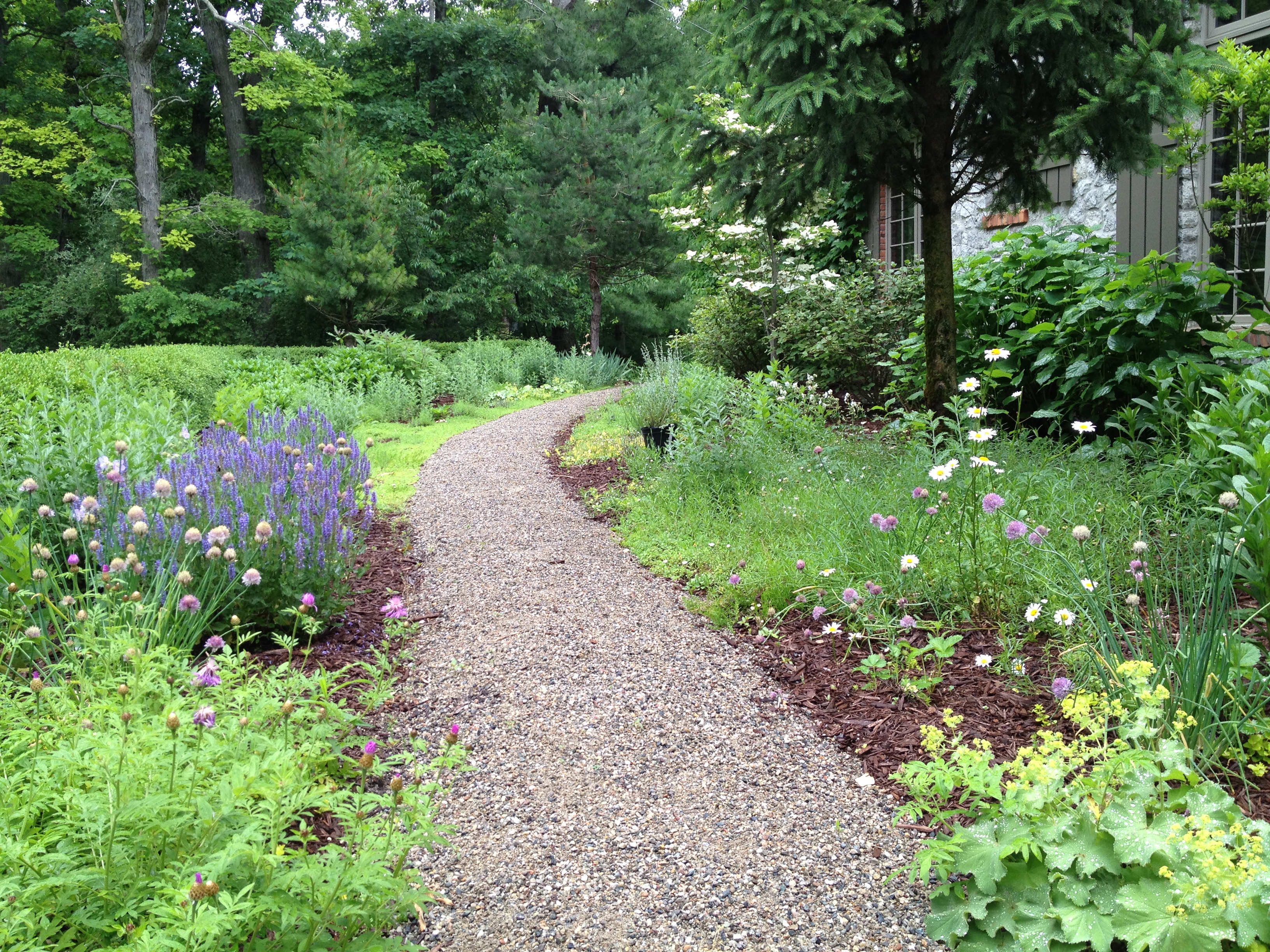
We installed a stone walk to the back yard very close to, and parallel to the garage.  This side yard is primarily an efficient means to get from the front to the back.  But the addition of the arbor to the foreground pots and bench helps to slows the eye.  The parallel bed of ivy to the right curves and crosses over the path in the far ground.  This creates a sense of anticipation for what might come next-just around the corner. 

raised stone firepit

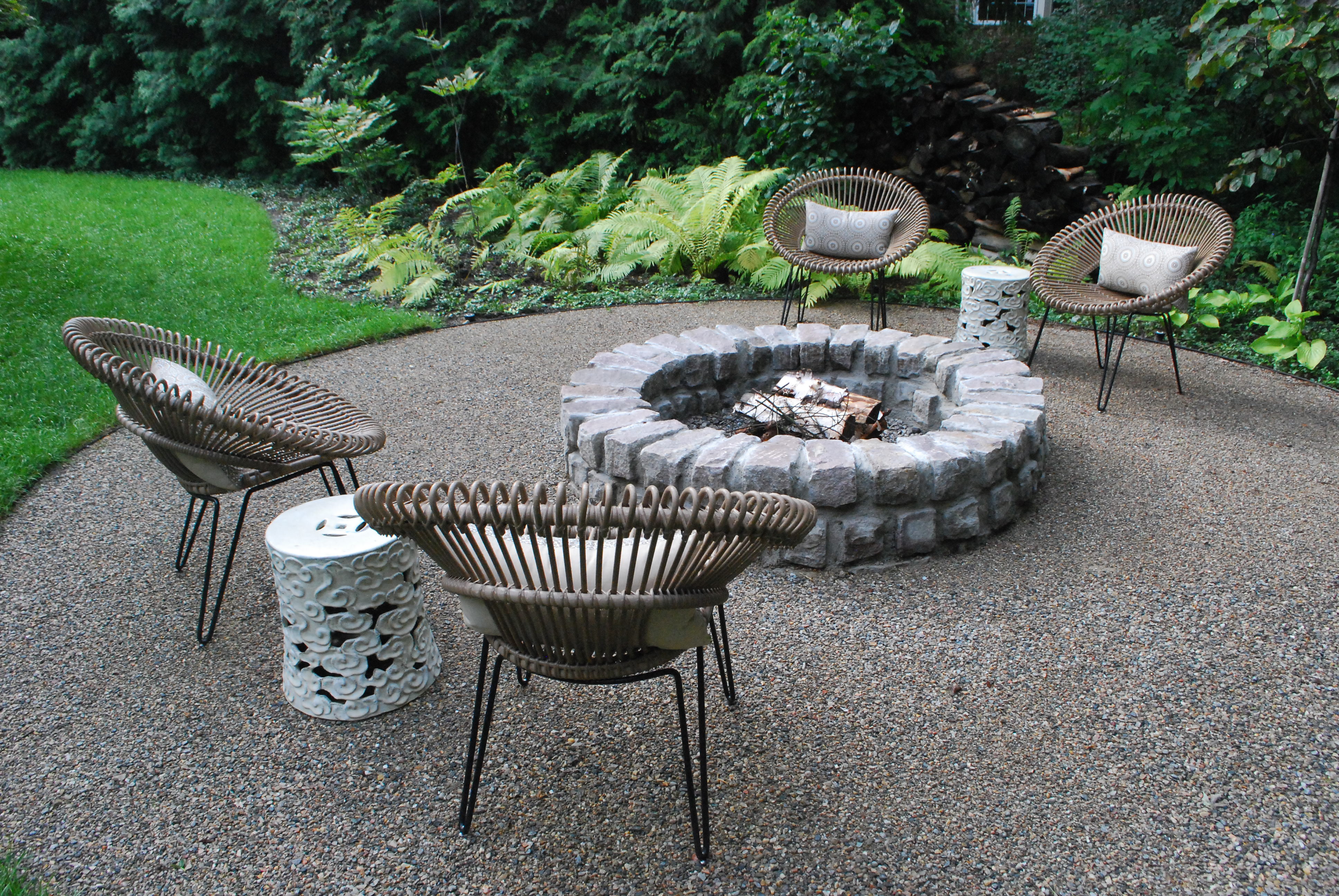
The rear property is very shallow, and long.  It is most definitely a box.  We had the idea to outwit that box.  The circular firepit in the foreground is a strong visual stopper.  It also strongly serves as a gesture that challenges the idea of a box.   The  narrow lawn that swings around the firepit terrace, widens,  and curves back to the left behind a midground seating area directs the eye around the space.  That curve is repeated on the right side; a privacy hedge of arborvitae is planted in a shallowly curving line.  This rectangular space has been scribed with curving beds that do not reveal the landscape all at once. 

granite block firepit

A landscape that encourages the eye to focus on a particular feature slows down the pace of discovery.  There is time to see and take in the relationship between the gravel terrace, the firepit fashioned from old granite setts, the cylindrical side tables and the circular contemporary chairs. 

curved garden beds

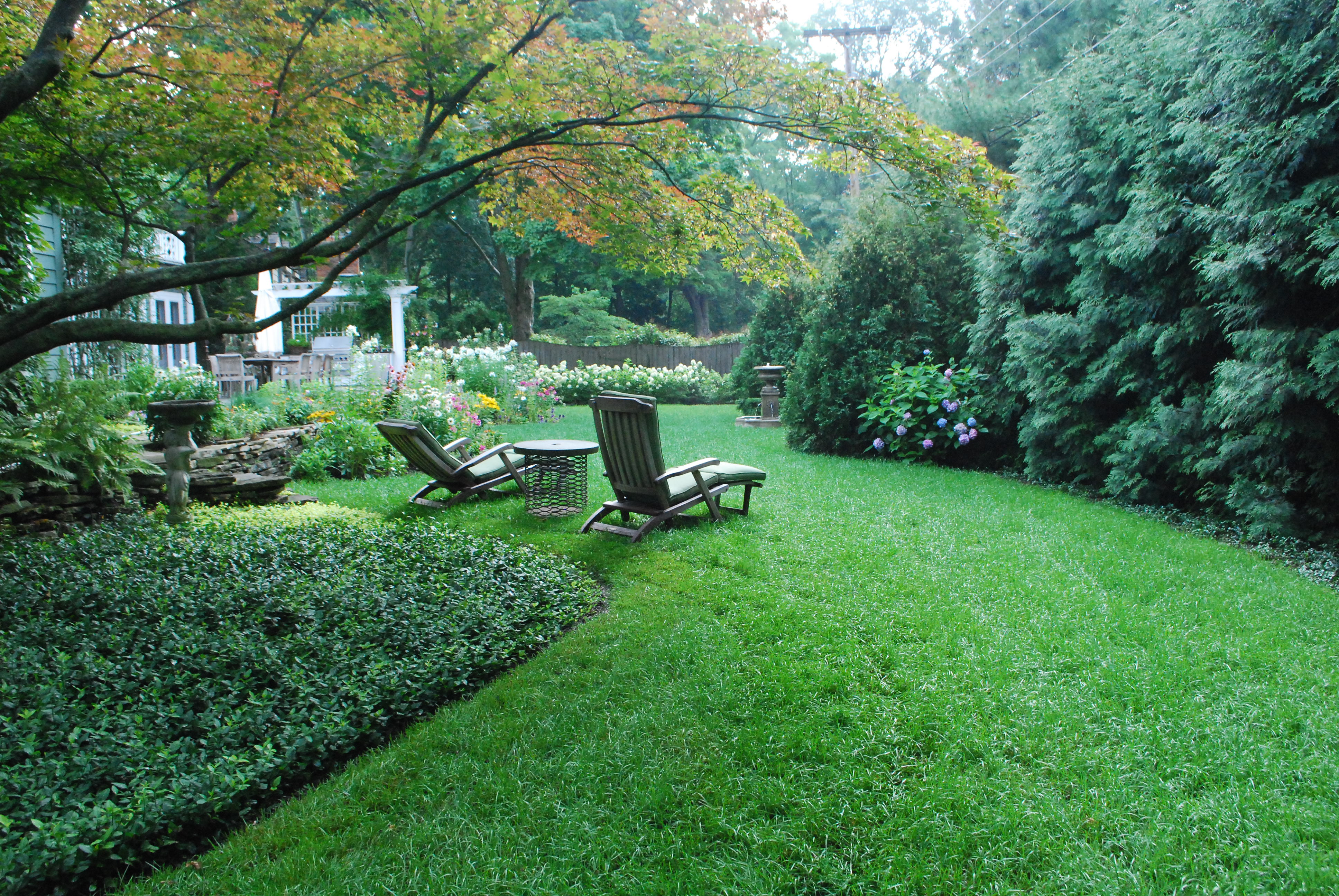
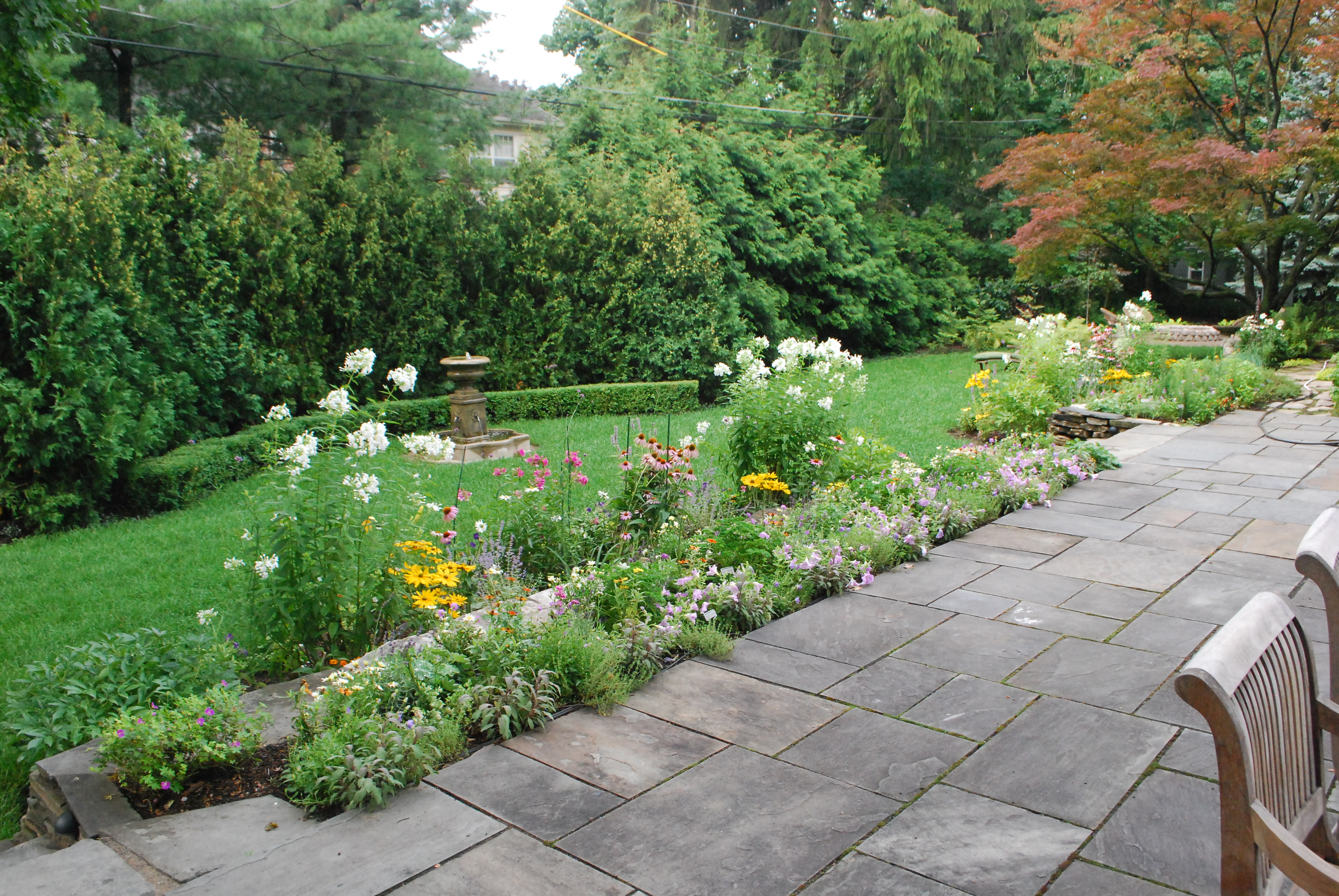
The wide grass path veers to the left, directing attention to a perennial garden, and terrace.  A fountain set in the lawn is somewhat visible at this point.  The curving lines, and furniture provide lots of interest to the midground space.

perennial gardens

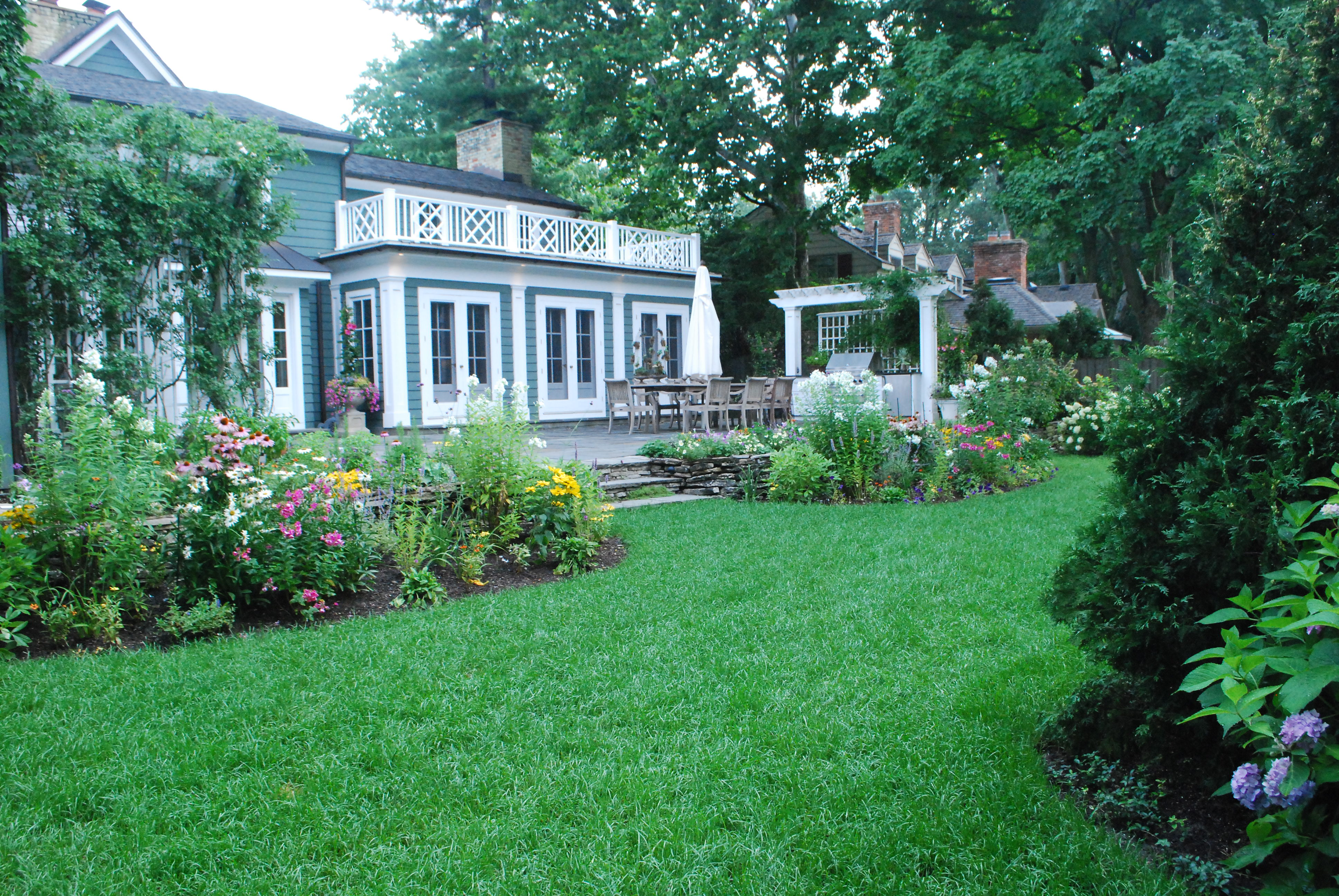
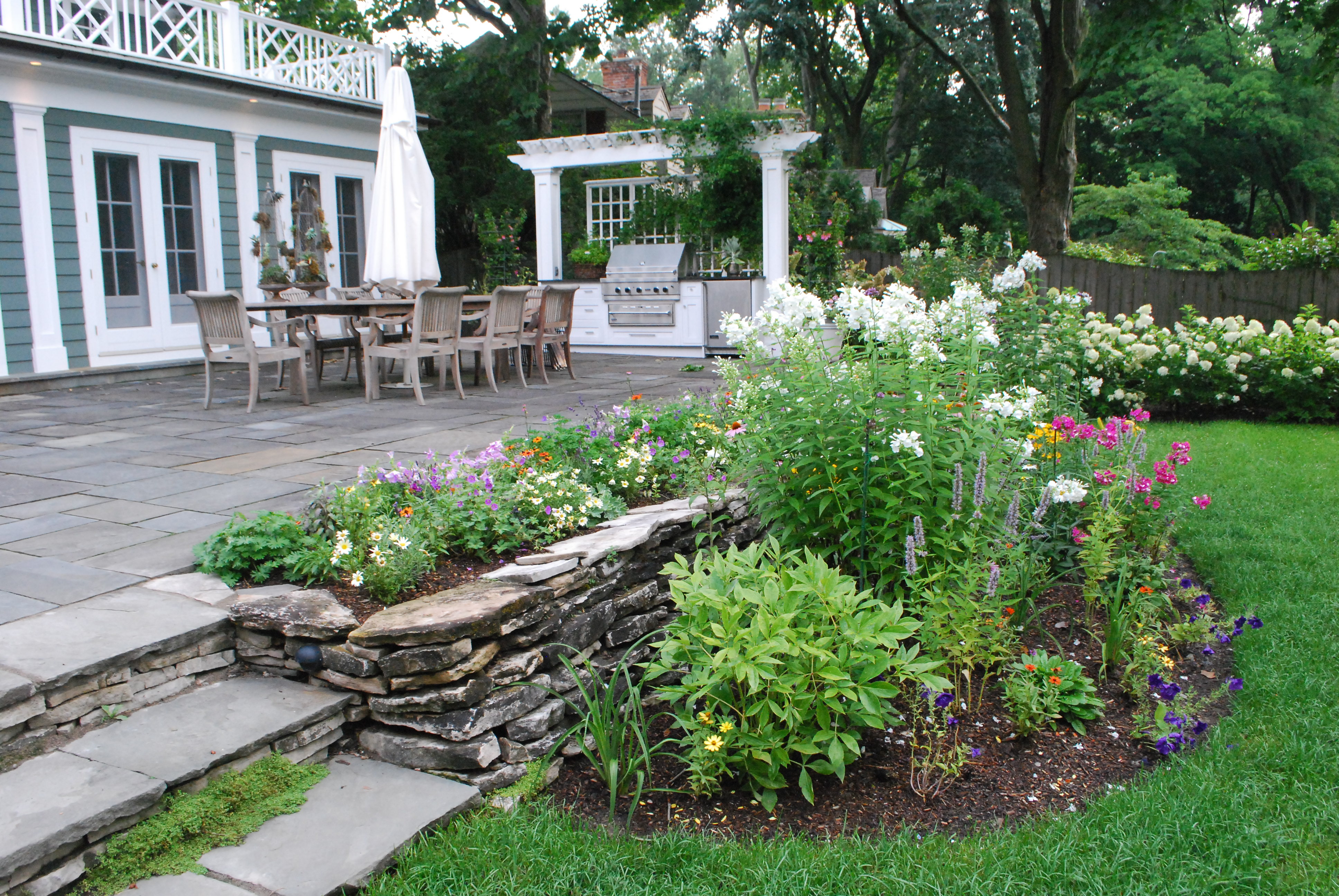
A large terrace is three steps up from the grade of the lawn.  The lawn formerly ran right up to its stone retaining wall.  The addition of the curved beds in lawn not only directs the eye to the steps, but they soften the large rectangular stone terrace.

terraced landscape beds

One area of the terrace is simply furnished with a dining table and outdoor kitchen.  The white painted pergola and trellis  give the grill plenty of garden oriented company.  This arrangement was solely the work of my client.  She has a great eye, and is a pleasure to work with.   

wood pergola

A pergola at the opposite end provides a beautiful transition from the terrace to an interior sun porch.  A climbing New Dawn rose has gracefully draped itself over the pergola roof.  Climbing plants rescue pergolas from their inherently boxy shape.  A small scalloped bistro table and pair of chairs placed in the shade provided by the rose is a beautiful touch-again from my client. This part of the landscape is not apparent until you turn the corner, and are right up to it.    

garden terrace

The fountain at one time had a home on the terrace.  Moving it to the lawn plane, and curving a hedge of arborvitae behind it makes this narrowest part of the box seem spacious.  There is actually very little space between the leading edge of the terrace and the lot line.  The round fountain, and the accompanying curved landscape minimize that boxed in feeling.

garden views

The change of level in the rear yard gifted it with lots of built in interest.  Though a space can be severely rectangular, that is not to say that the floor has to be flat.  Layers of evergreens, or sculpted soil can focus attention on what is inside a space, rather than what defines, or confines it.  Sometimes I will design from the center out to the edges of a boxy flat space, rather than from the edges out. 

gravel driveway

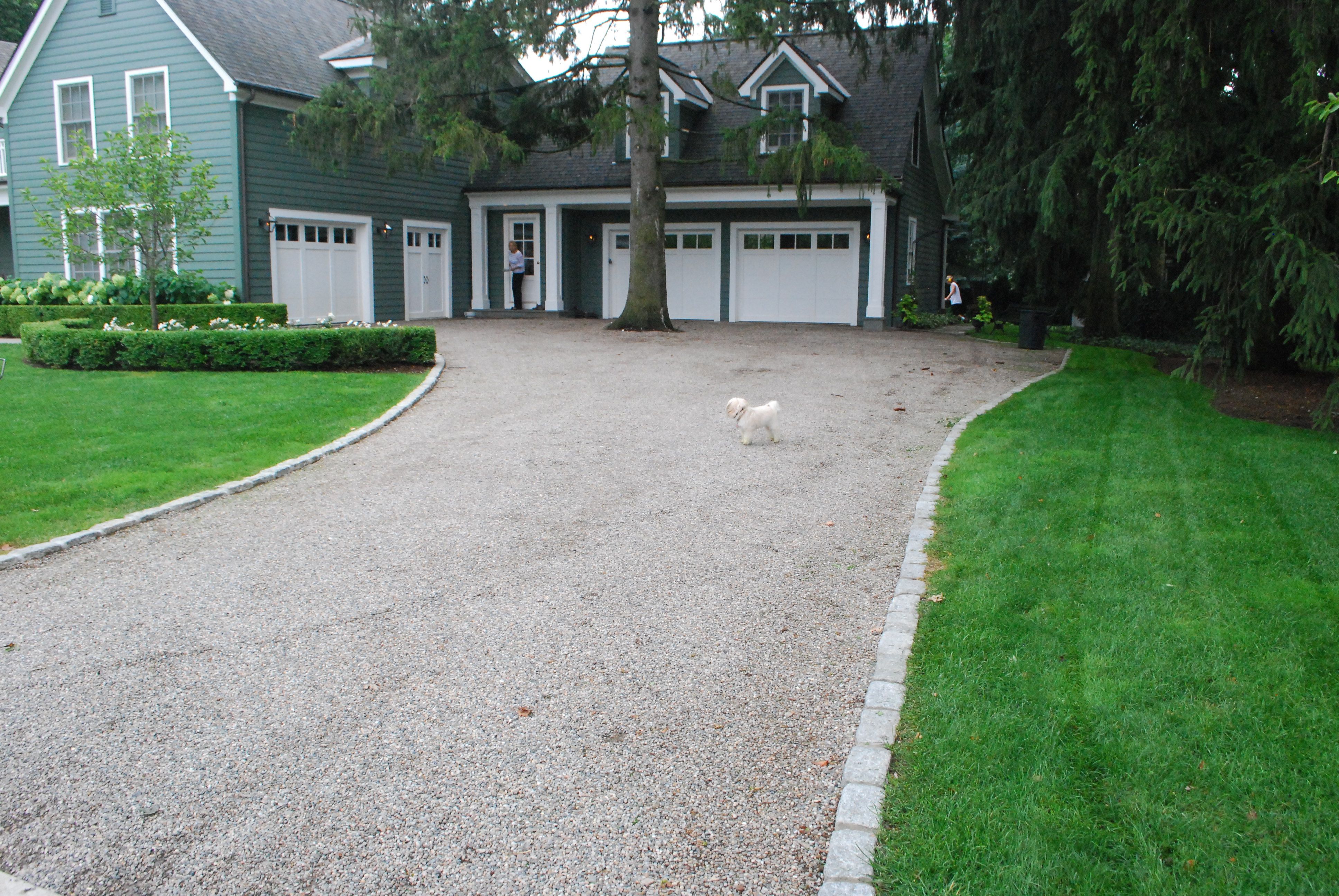
The very first work I did for this client years ago involved suggesting that her that a old spruce could be left intact the middle of her gravel drive.  Yes, they are able to drive around it, and into the left bay of the garage.  That spruce makes so much out of a small rectilinear drivecourt, as do the curving edges of the approach.  The quite serviceable driveway is an interesting feature of the landscape.  Out of the box, that is.     
 

One Thing At A Time

landscape renovation

Anyone who owns a home knows that house take lots of time effort and money just to maintain the status quo.  Upgrading to a new air conditioning system, springing for a new refrigerator, or replacing a hot water heater that has leaked all over the basement is all the more unsatisfying-can you imagine hosting a dinner party so your friends can gather around to admire your new furnace?  Any time now, I will need a new roof-an expense I have been dreading, and putting off, for almost 3 years.  Even more, I dread the thought of the damage to my garden from the installation.  The thought of old asphalt shingle bits, roofing nails and broken branches littering the ground-I try not to think about it.  The cost of a roofing job complete with the proper scaffolding that would prevent damage to the garden-beyond belief. 
landscape renovation

Renovating a landscape is not any different than updating the interior of a house.  It can be just as expensive, and just as inconvenient.  The before and after detailing the change in this contemporary landscape took but moments to record.  The actual job took plenty of time. The work involved repairs to the retaining walls, the regrading of the ground, the elimination of a row of weeping birch that had been planted at no small expense, and a major trimmimg and cleanup.  Time and money-not to mention the dirt and disruption. It’s easy to understand why most gardeners are more comfortable with the one thing at a time approach. Gardeners that rip out an entire landscape and start over are few, for obvious reasons.    

 The nuisance and expense aside, there are good reasons to tackle a tired landscape one project at a time.  A plan is just that-some marks on a piece of paper.  It is a map that is not so clearly marked.  A landscape lives and breathes, in every dimension.  Trying to make a living community fit a preconcieved notion on a piece of paper-the translation can be very difficult.  A smaller project with a smaller scope gives the designer or gardener a chance to look over the initial moves, and decide if a change of plans might be in order. I call this letting the project speak back.      

My projects tend to order themselves  such that the earthwork and drainage comes first, the structures and hardscape comes second, and the planting last.  Each of these phases can happen out of order, if an existing area is being renovated.  Each phase is a layer that compliments and enriches the initial concept.  This idea- from my friend and colleague, Patrick Zaremba.  He sees his work as a layering of materials, objects and plants that work in concert-creating over time a landscape experience that is beautiful.   

landscape design

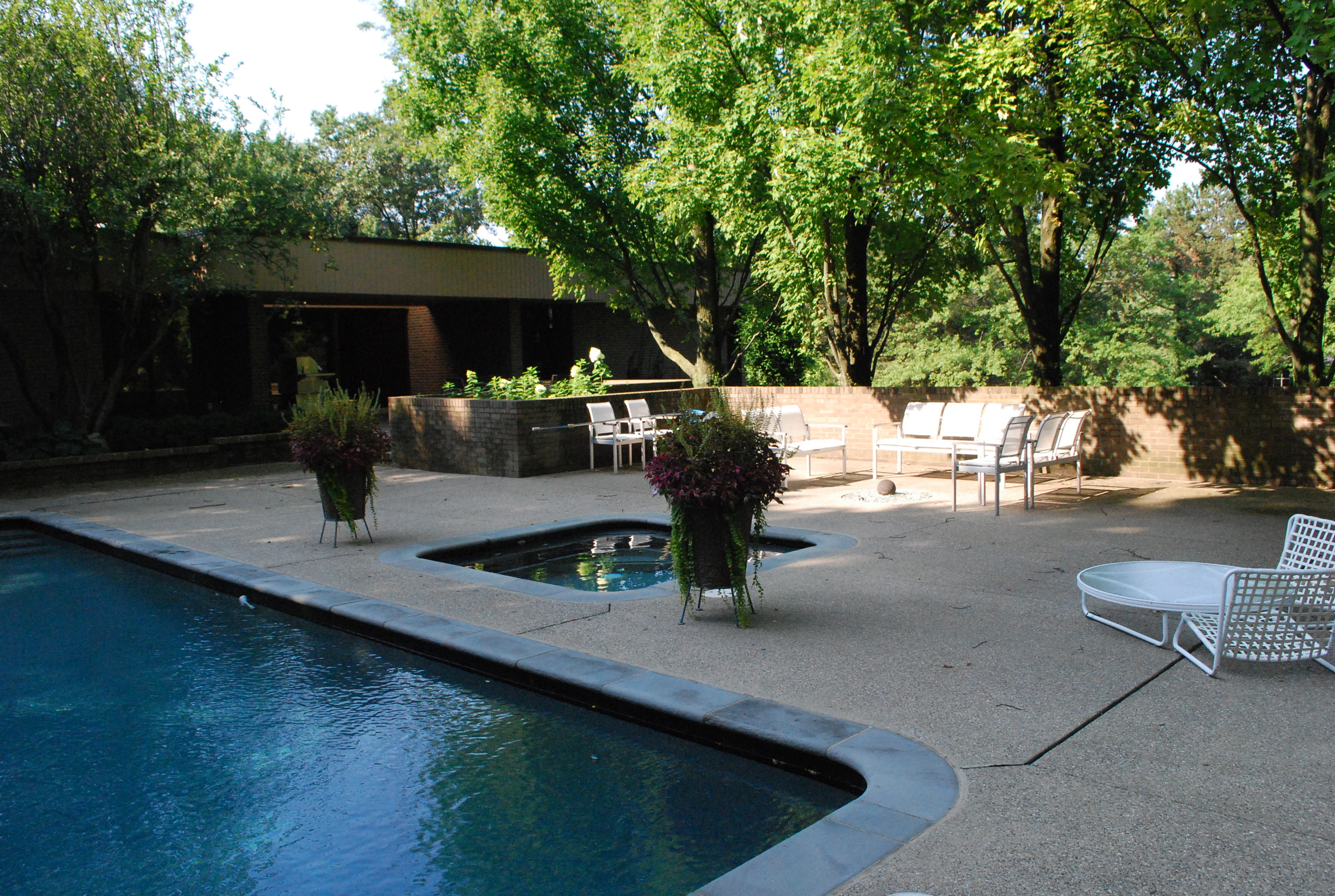
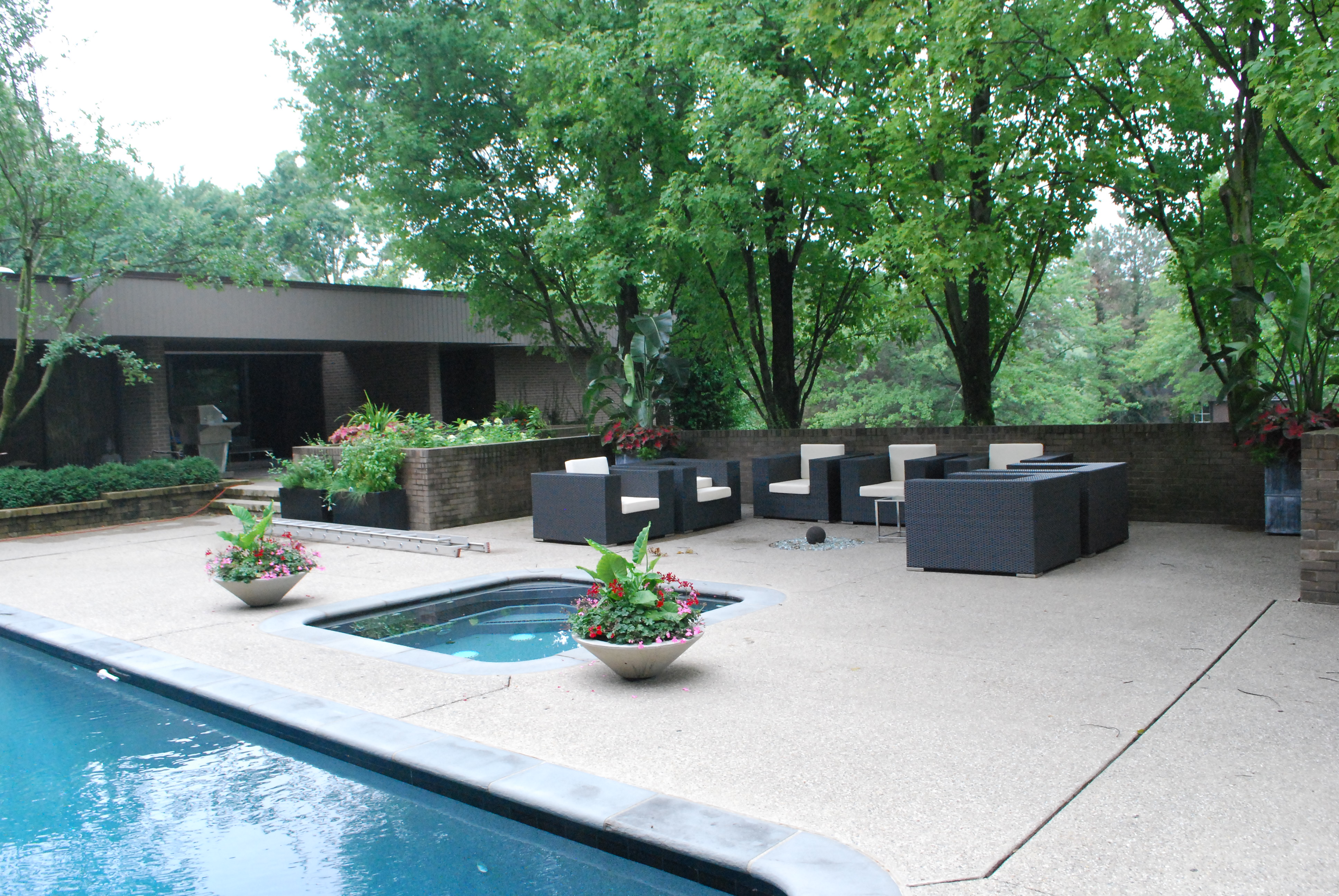
It takes a great deal of time and skill to layer a perennial garden to successfully represents different seasons, textures, heights, and bloom times.  A good landscape takes the same sort of time and effort. This pool terrace was years in the making.  The pool and pool deck is raised above the existing grade.  The existing ground dropped dramatically from the back of the house.   (I take no credit for this ingenious treatment-the pool came long before me.)  The trees were planted after the pool was installed.  The size and diameter of the trunks of these trees indicates how long ago that was.  For several years we planted fiber pots of varying sizes and shapes, trying to find a scheme that wouldwarm up, but not clutter what was already beautiful.

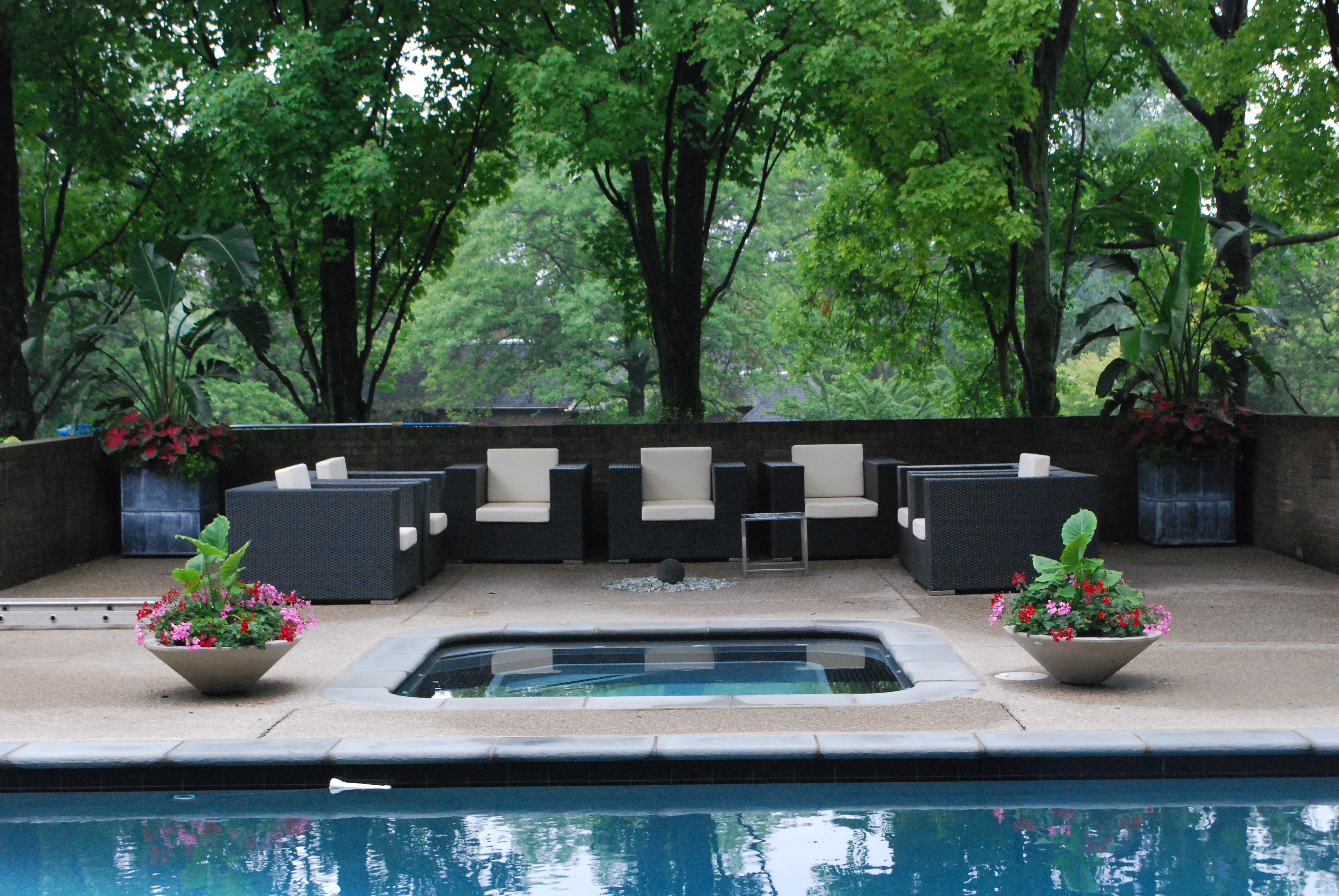
The furniture and pots are new this year.  They add another layer to a landscape which is old, and sound.     

landscape design

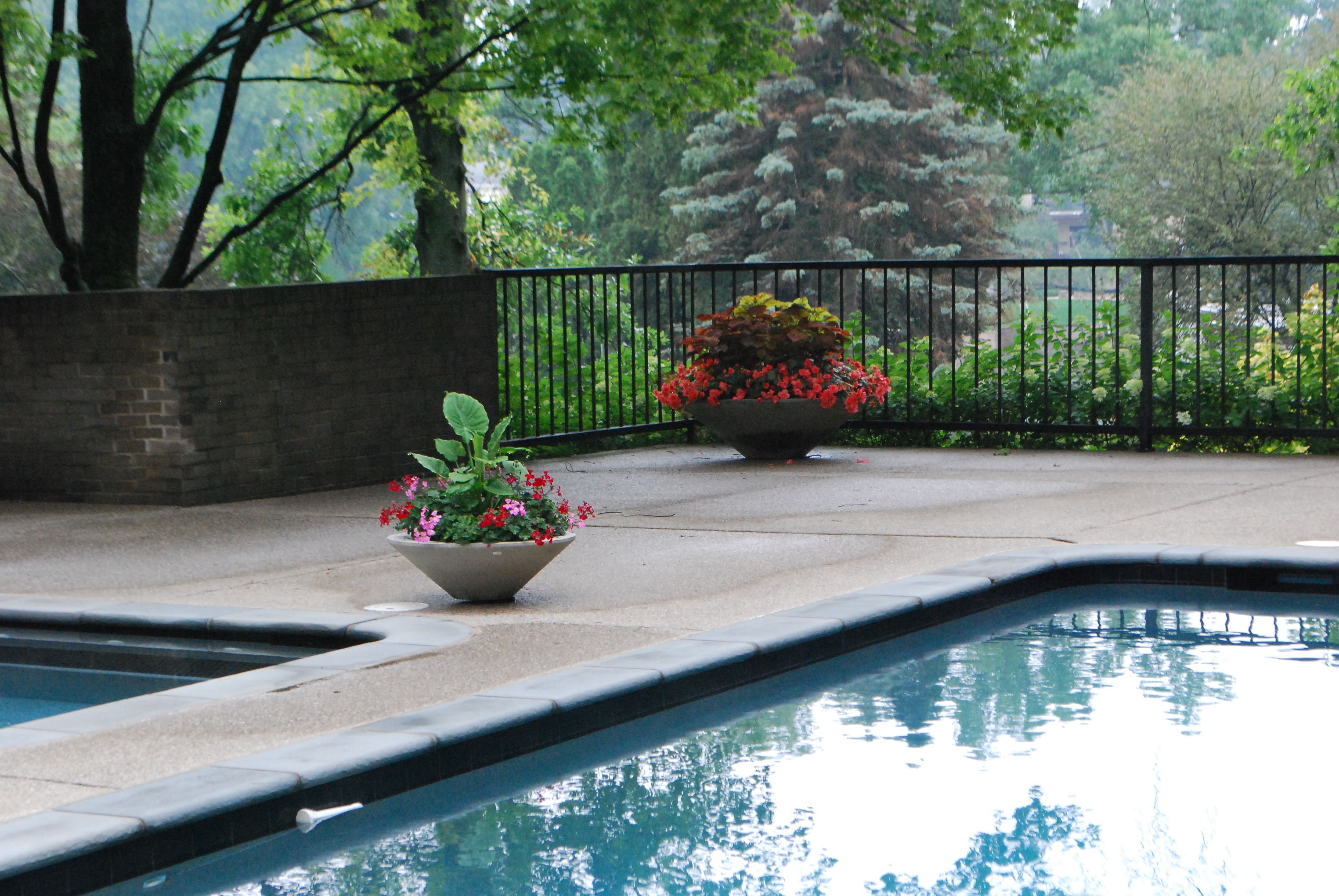
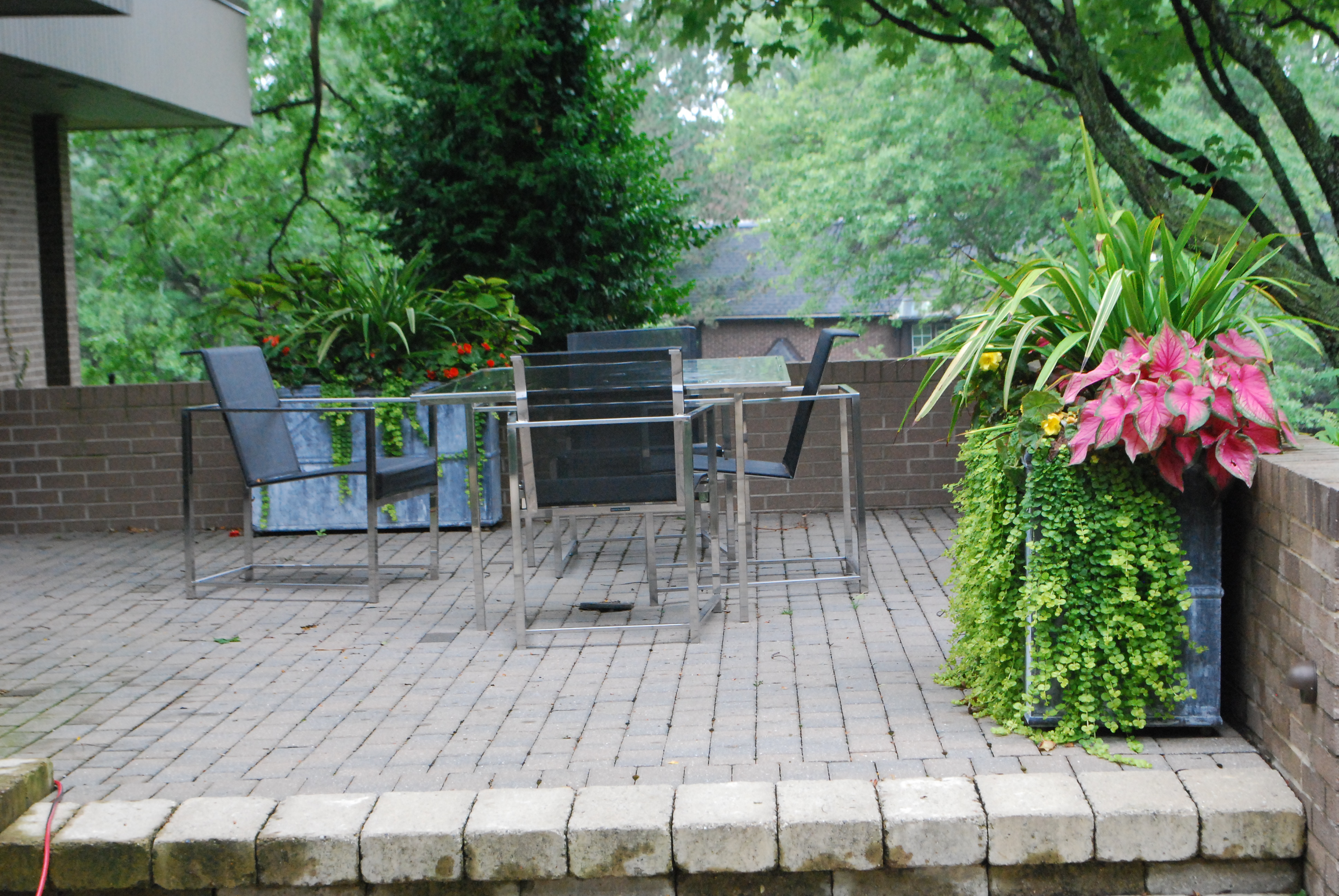
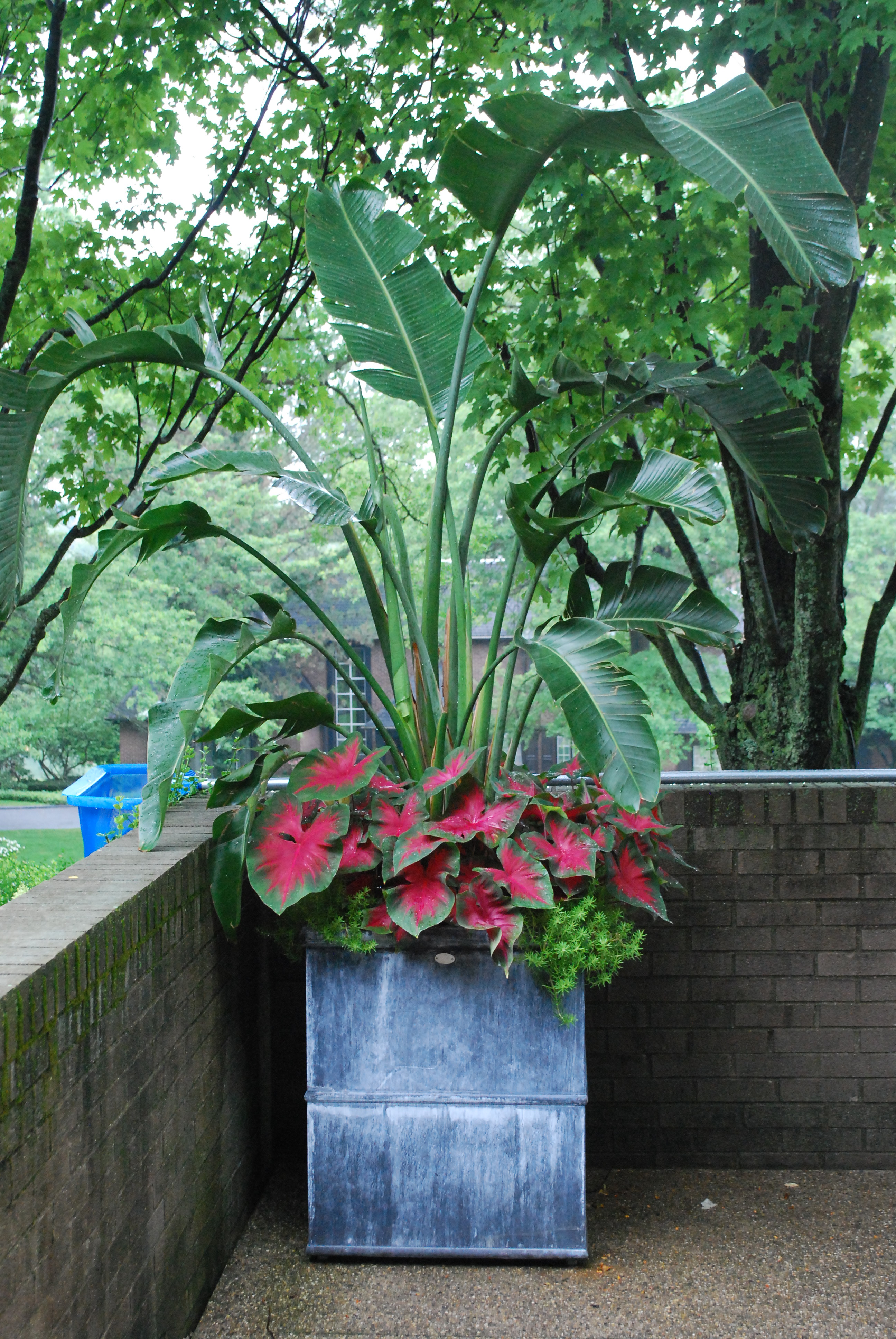
The steel pots sport large birds of paradise, and are underplanted with caladiums.  The stone bowls are planted with dwarf alocasia, and a mix of caliente geraniums.  This lush look is a strong contrast to the geometry of the furniture and pool.  The furniture is properly overscaled, as the space is large.  

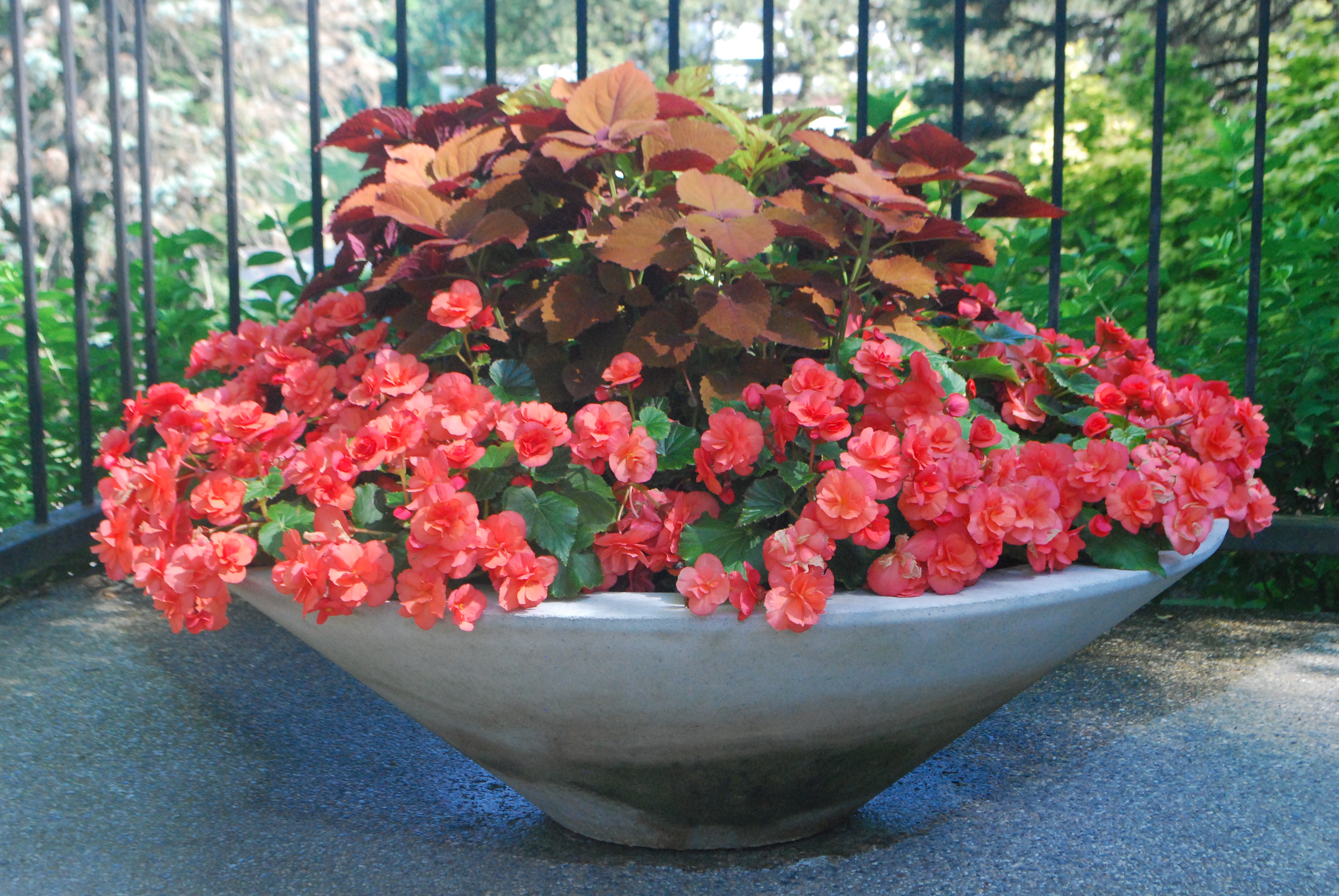
solenia begonias

The plantings add a lot of color to a scheme which is primarily black white and grey. 

There is not all that much to this layer.  Just enough of a gesture to make a difference. 

When I first saw this pool and terrace, I thought it looked a little too spare.  The architecture of the house, the pool deck and walls were beautifully designed in the 1970’s.  This landscape had great bones.  As solid and effortless as it looks, what it took to level the ground to accomodate a pool and terrace of this size was considerable.    

This walled terrace affords my client great privacy, even though the pool deck is far above street grade.  A pair of pots on the dining terrace invites the landscape inside, without sacrificing that privacy.  A small gesture has made a big difference.     

container gardening

Considering one thing at a time in renovating a landscape can be all to the good.

A Day In The Life

planting annual containers

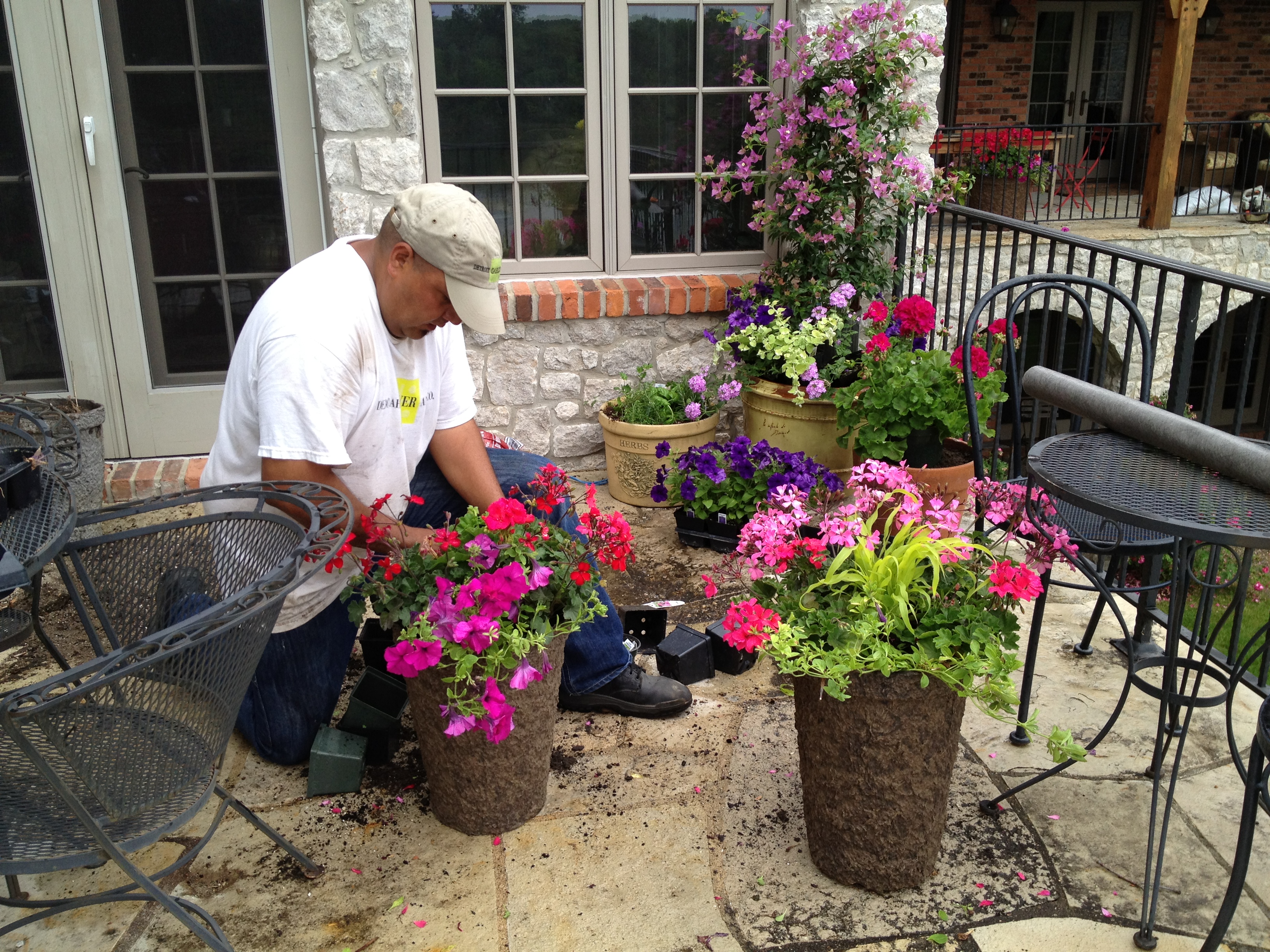
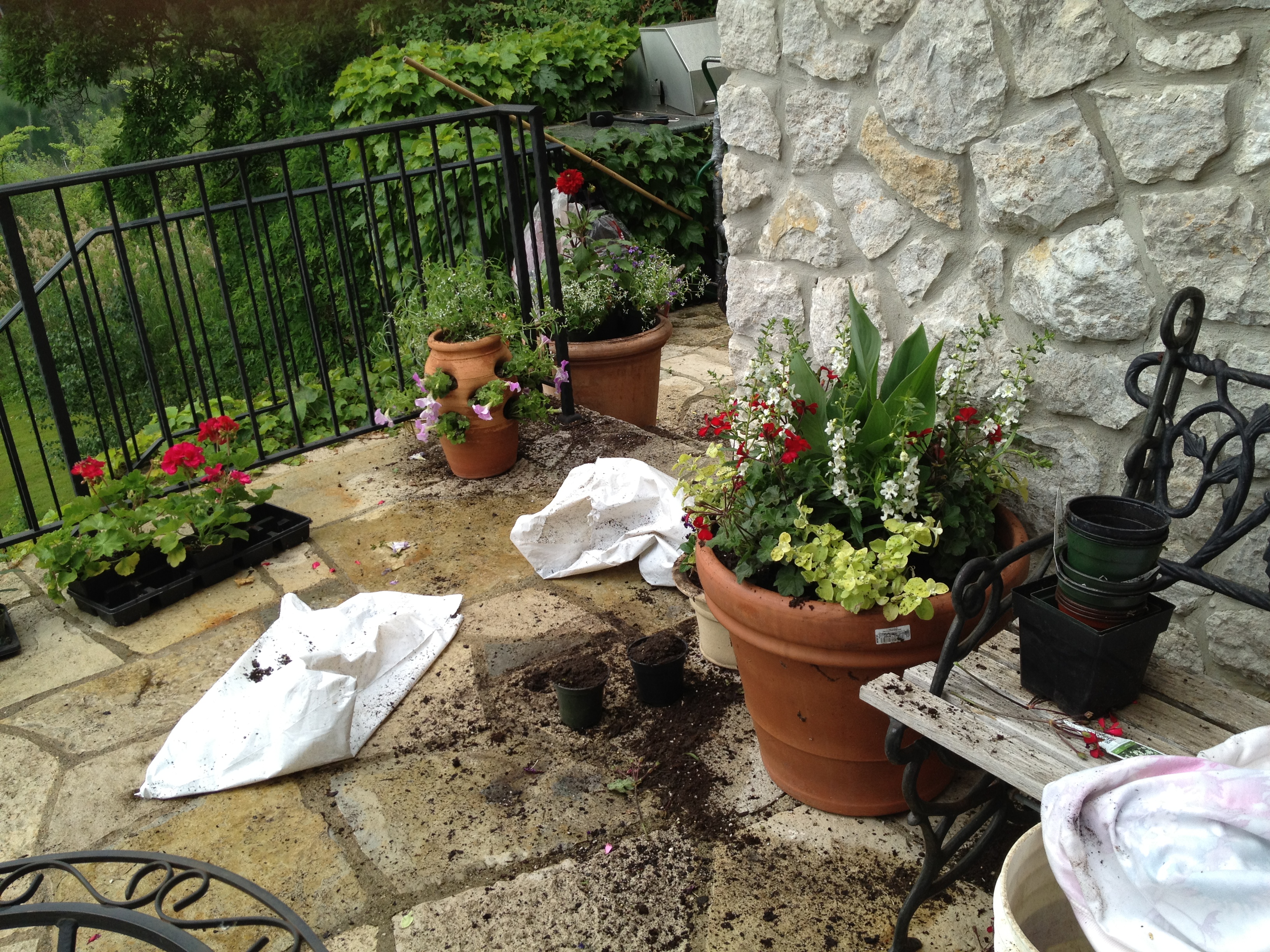
I am still out with my crew planting the flowers non-stop.  It will be close to 80 projects, once all is said and done.  The work of getting ready to plant is grueling-the design, shopping, loading, unloading, emptying out old soil and adding fresh.  A good many of these jobs take upwards of 5000 pounds of soil.  Every plant that gets planted is placed by me.  I may make a change in a design, faced with the actual plants and the actual containers.  A plan is a guide.  So extra plants get taken along, should they need to be called into service.

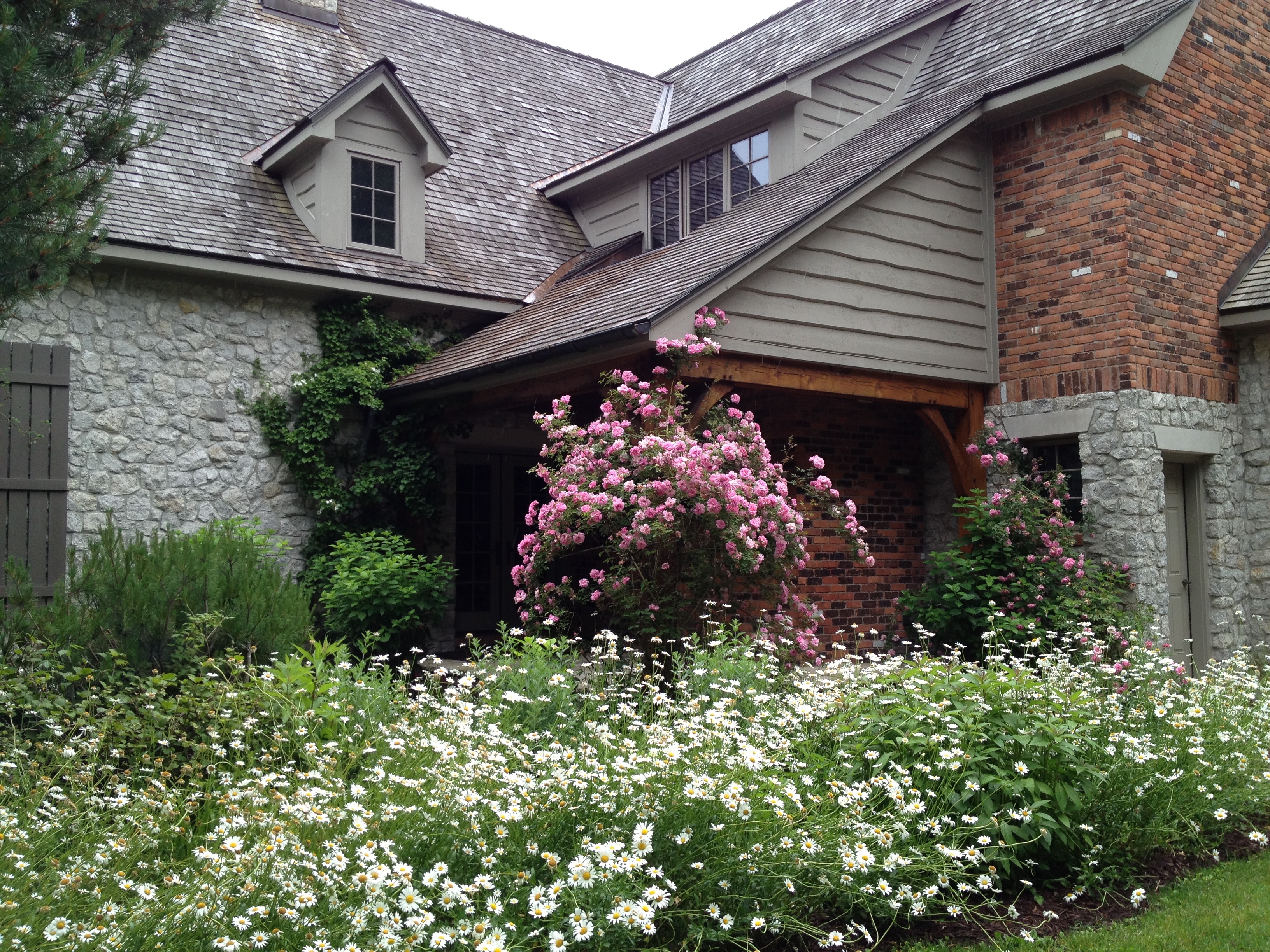
This planting is 40 minutes away from me, in a remote location down a dirt road, on a small lake.  I did the landscape for this new house probably 8 years ago.  The annual planting is not a particularly large or elaborate one.  What make the job such a pleasure is a chance to spend some time in a landscape that is getting some age on it.

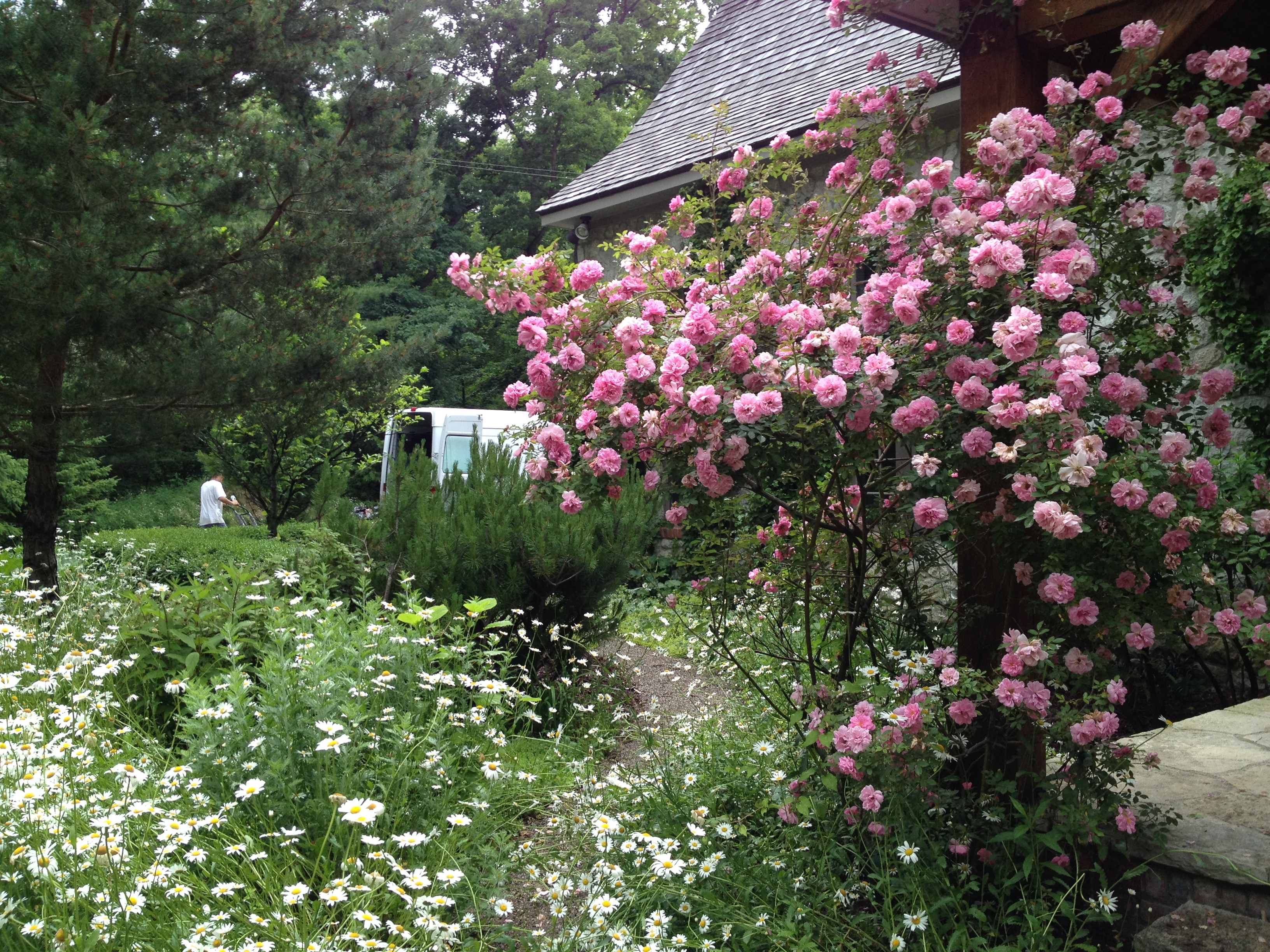
The perennial gardens are fairly wild.  Only the strongest plantshave prevailed-the soil is very sandy, the care is casual, and the wildlife is active.  My client is a business owner who loves the garden, but in a different way.  He likes that some plants have grown together, that other plants have receded. He likes that very casual cottage look. A large deer population keepsd his evergreens skirted up-especially in winters where the snowcover is deep.

I find its overgrown and unfussed over appearance very relaxing and serene.  It has evolved into a landscape that is more wild than not.  I find it has that rural French look that Rob photographs over and over again when he is abroad.

We plant lots of verbena bonariensis and cosmos in the areas where wild daisies have colonized.  We don’t touch the climbing roses, climbing hydrangeas, clematis or Boston ivy. 

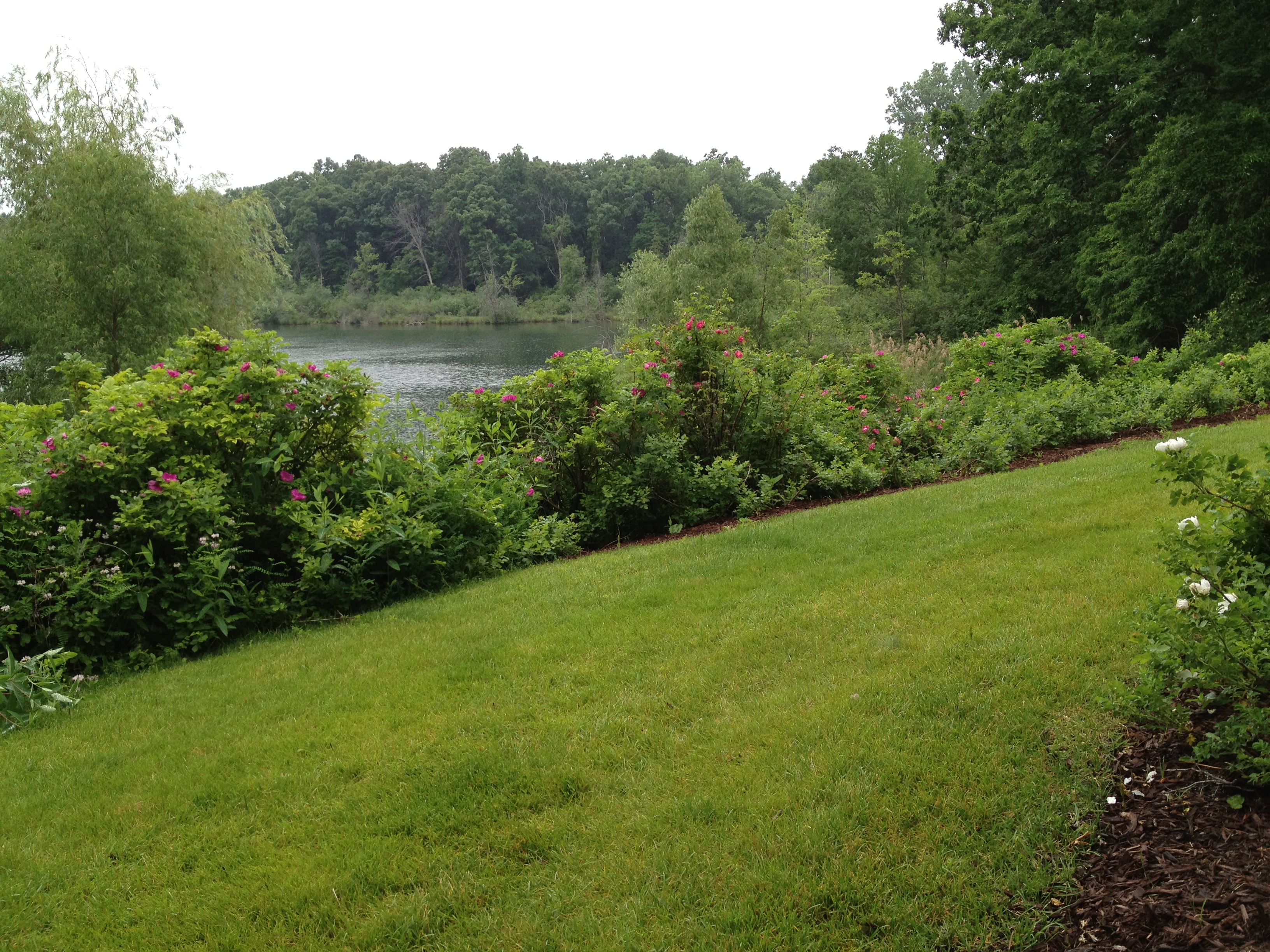
shrub roses

A steep slope in the back is planted with grasses and shrub roses.  The path to the rear large is a large and simple swath of field grass.  By this I mean the grass has violets, clover, and all manner of other short growing green plants that do not mind a mower.

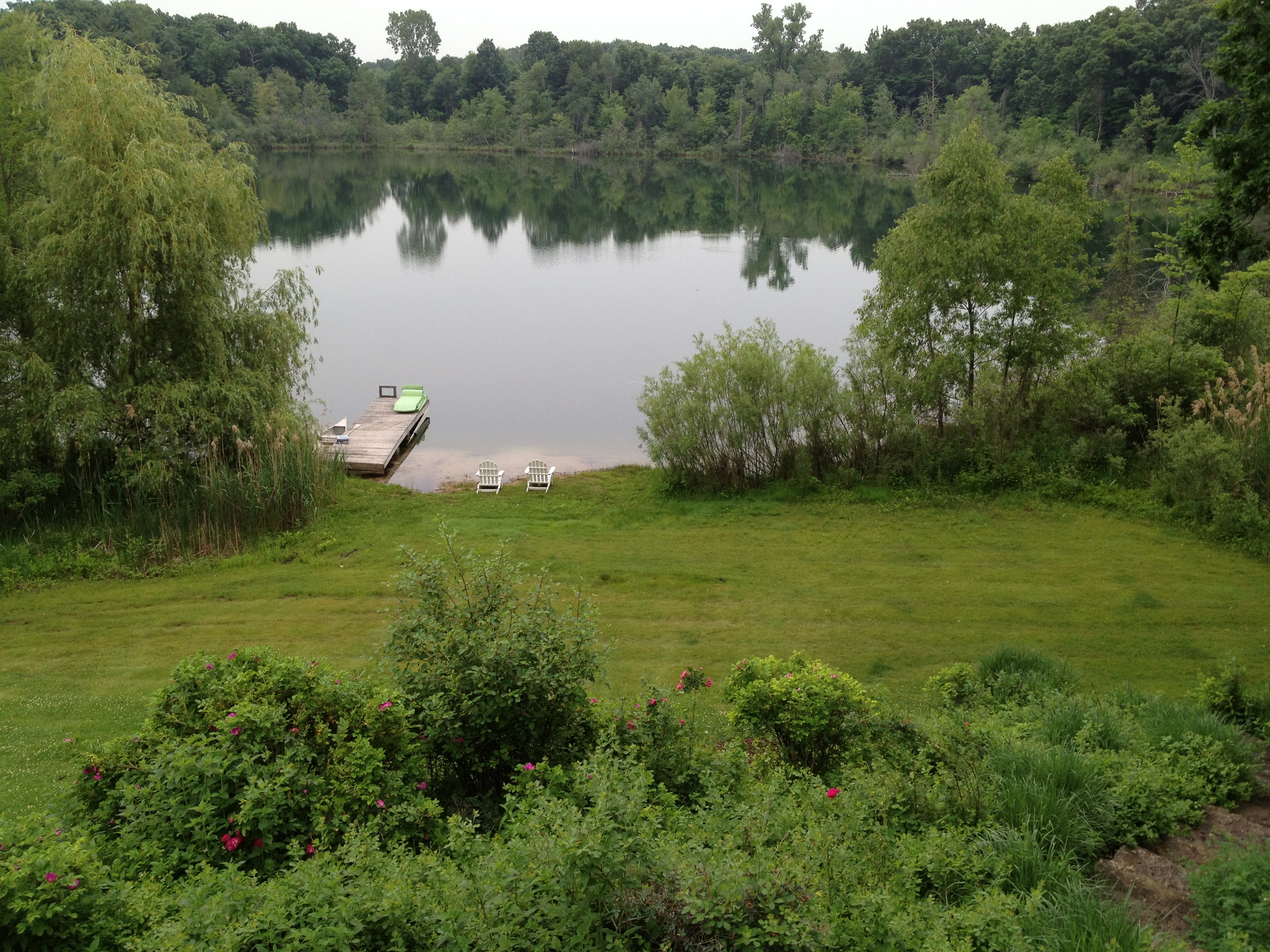
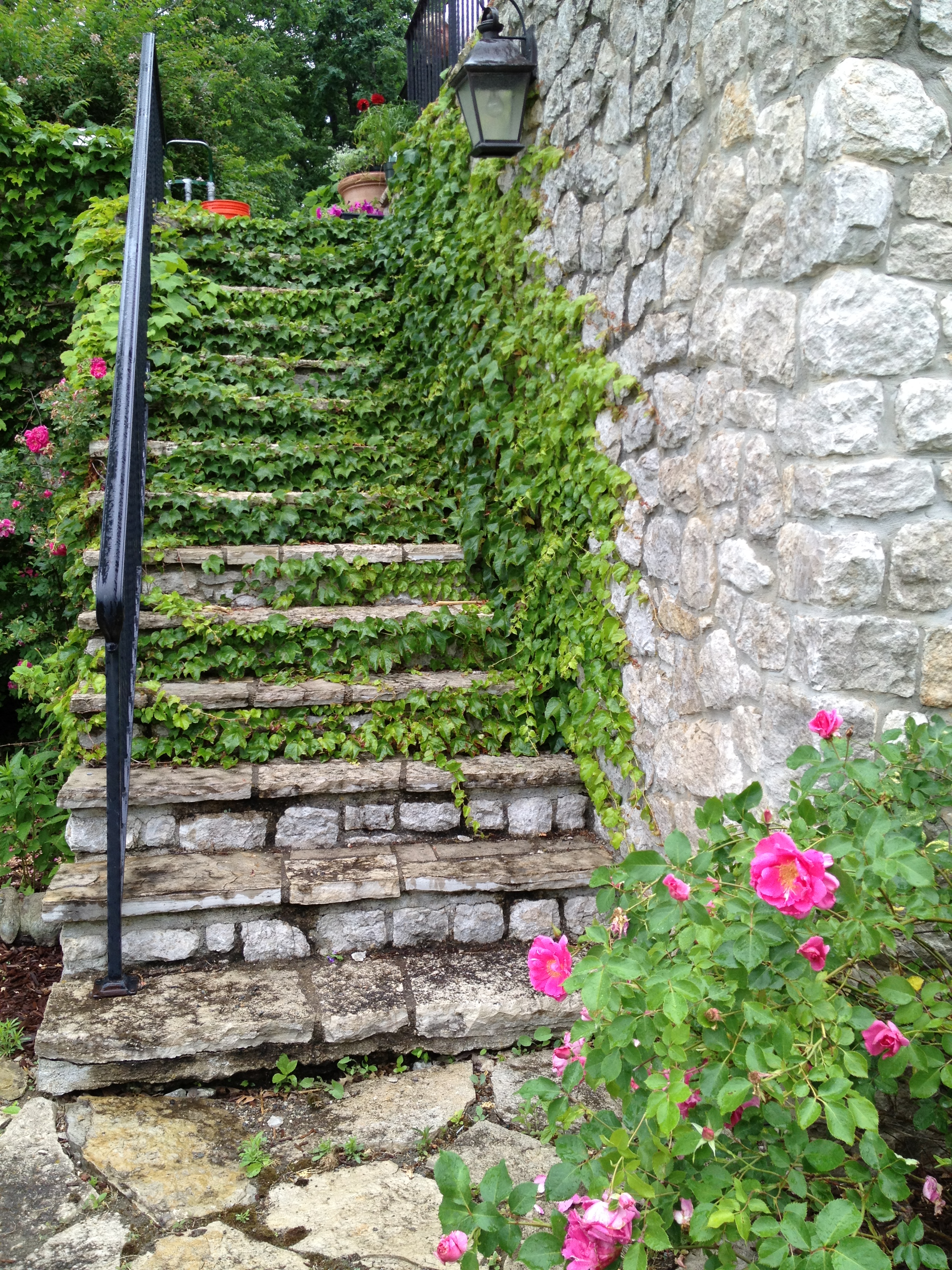
The stone staircase pictured on the right is the only safe way to get to the lake, although I can imagine sledding down this hill in the winter.  The landscape at the lake is what nature put there to begin with.  This is one of the quietest places I have ever been.  That alone makes this planting trip a pleasure.


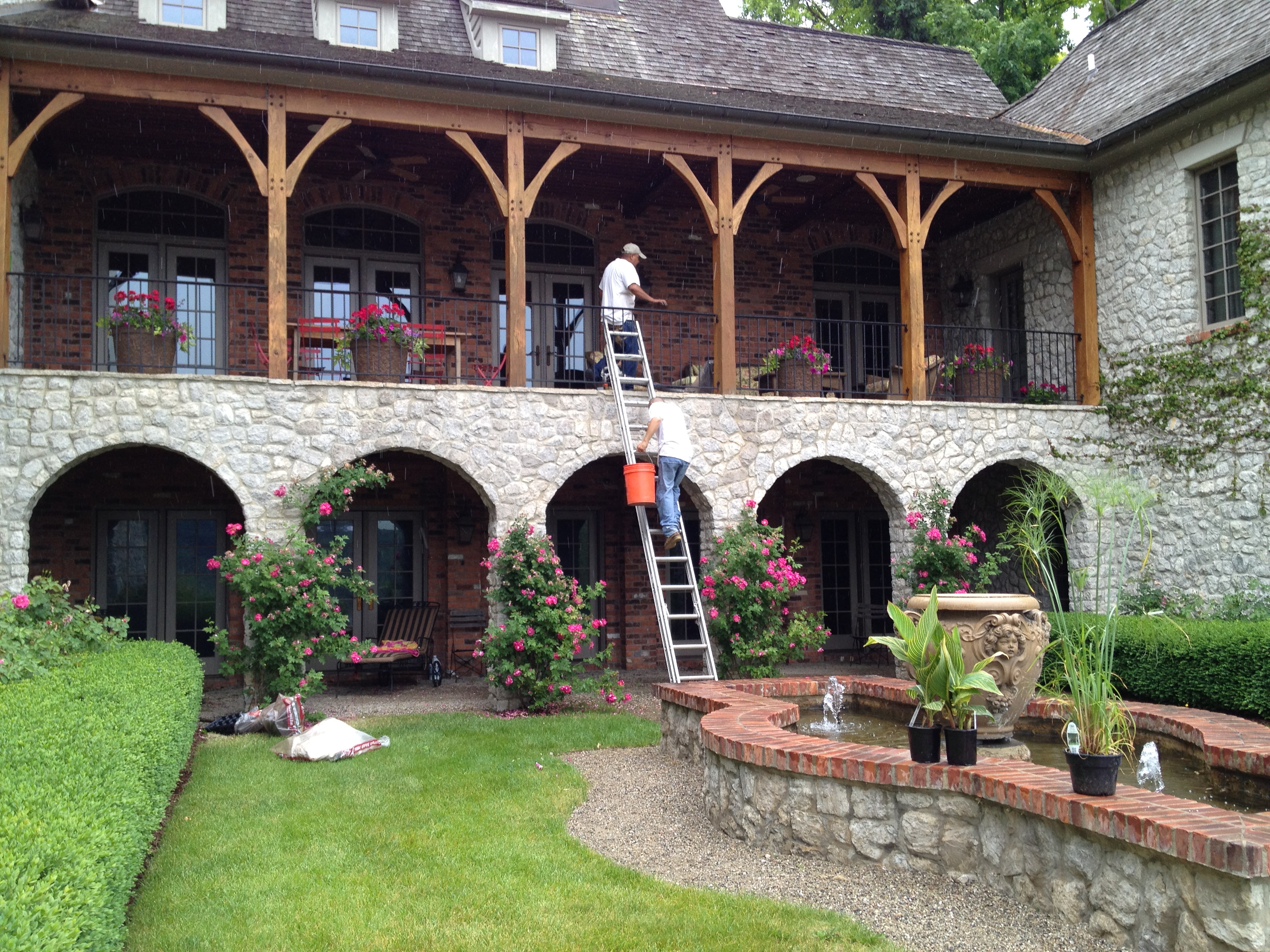
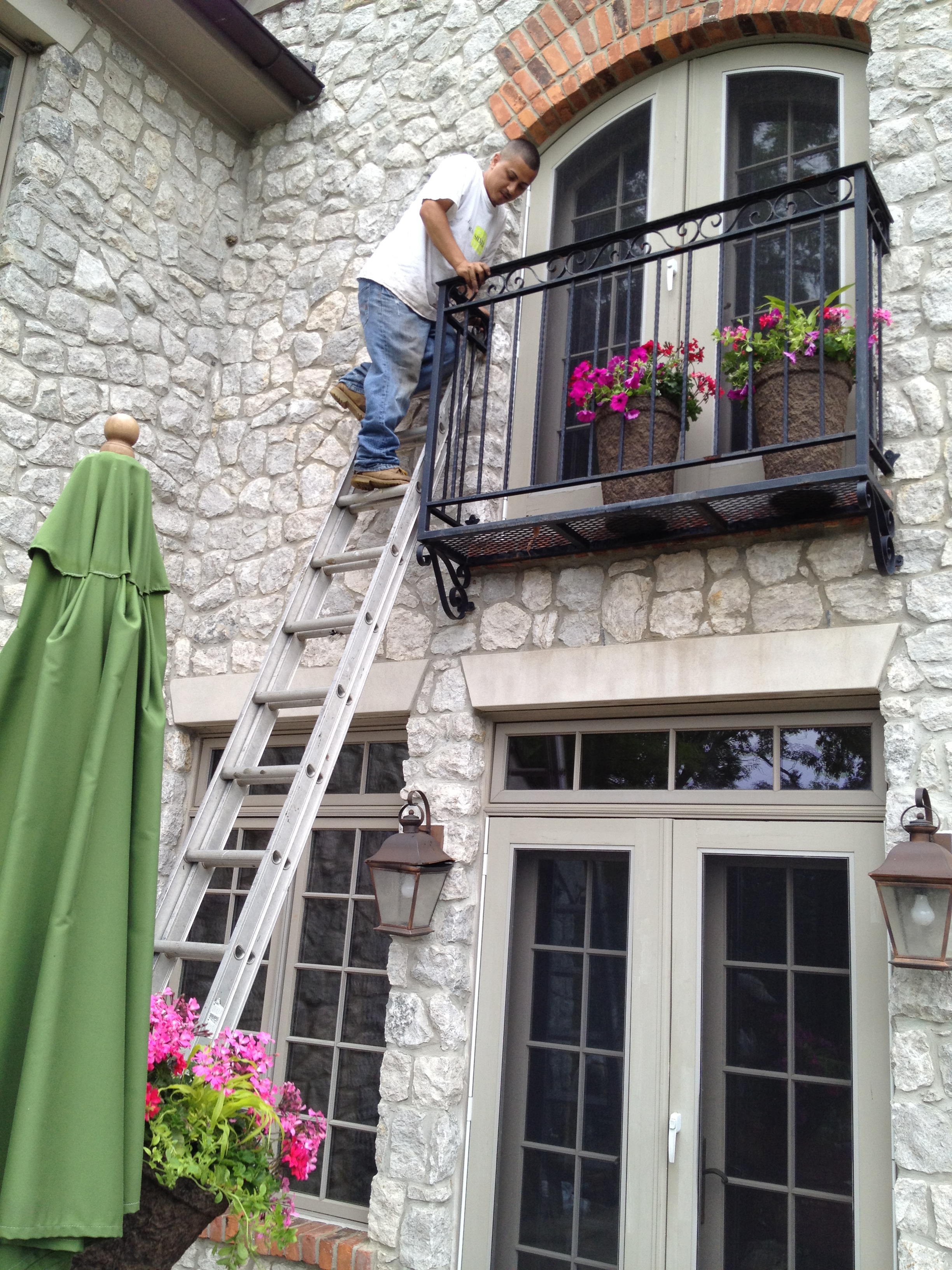
Most of the pots we plant are fiber pots, which we replace yearly.  In a month, the pots will not be visible, for the planting.  Flowers will cascade over the balcony.


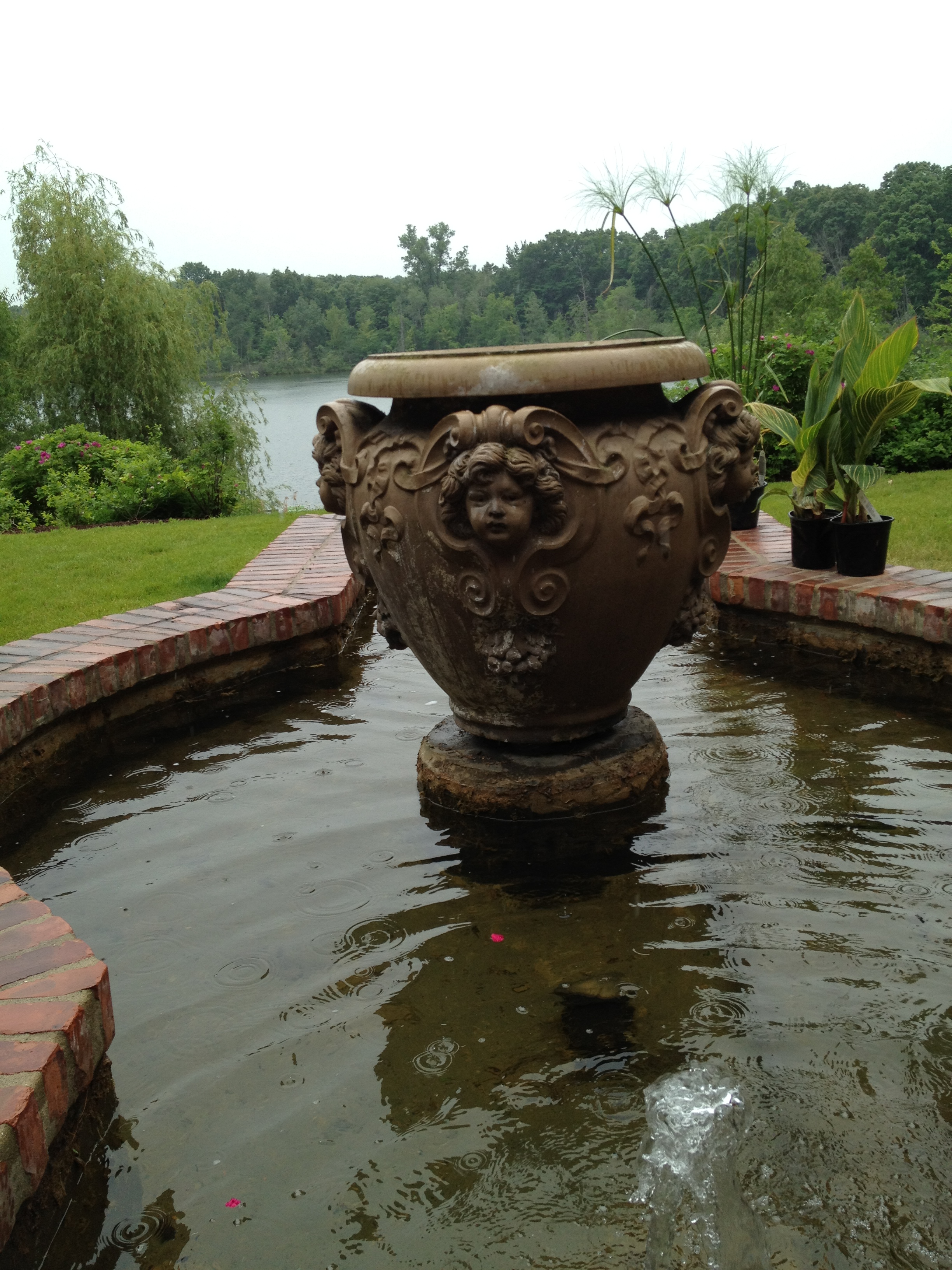
This 19th century coadestone pot made by Doulton (now the Royal Doulton china company in England) became the centerpiece of this fountain.  It is lined with a waterproof plastic container, into which we place a collection of water plants.

Boston ivy

The changes of grade are a challenge for moving plants and soil around, but they offer beautiful views of the lake. It will be a while before these pots look like much.  But this is a job which is a pleasure to plant. To be here is a lot more than work.  It is an experience I look forward to every year. 


Almost done.