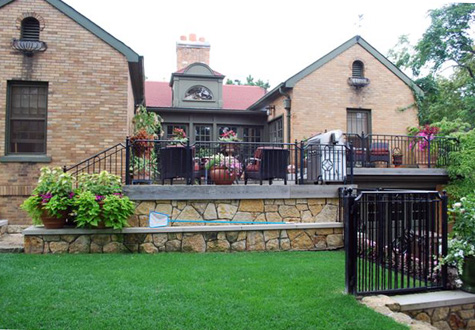
The benign looking mini- roof structure you see in the above picture houses my folly. Folly? The Oxford English Dictionary defines them as “…any costly structure considered to have shown folly in the builder.” Others have described them as buildings, or remnants of buildings useful only as ornament. I am greatly enamoured of the shell grottoes in England and Italy. Not to mention sculpture at Bomarzo in Italy, or the French folly garden Le Desert de Retz by Monsieur de Monville. Somehow I got the idea that I should have one, though no shell structure could survive an outdoor installation in my zone. Nor would my 1930’s vintage house suffer some 19th century ruin wedged into the side half-lot. So bring the garden inside. The fact that I designed and built this mini-tower through the roof of my back porch, encrusted it in glass and shells-a project that took more money and even more time than I ever imagined-makes this a folly, no question.
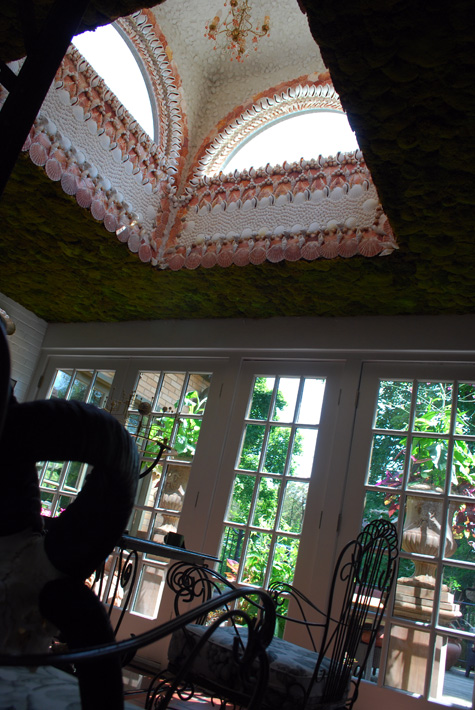
I had a contractor cut a 6′ by 6′ hole in my porch ceiling, and build a four sided exterior plywood tower with half moon windows that goes up 14 feet from the floor of my porch to a squarish dome. He shingled the structure with left over shingles I found in a closet in the basement. He covered the outside in MDO board, milled and installed moldings, and finished the outside gracefully; only I see the folly part-not my neighbors. No, I did not apply for a permit for this; can you imagine the questions? He also removed the plaster ceiling of the porch, and installed more plywood; I had something weighty in mind. He thankfully never inquired abut my intentions-how would I have explained?
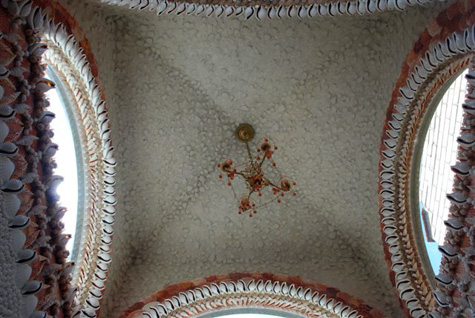
I rented a scaffolding (which I was sure I wouldn’t need longer than 3 weeks) and assembled two ladders. One ladder to get me to the platform, and another to get me up to the top. I glued some 900 pounds of recycled, tumbled bottle glass fragments on the ceiling one piece at a time. Each frosted white, random sized piece, I buttered liberally with ceramic tile mastic, and pushed into the surface, until it stuck. I am sure you are starting to understand that I had no idea what would really be involved in making this.
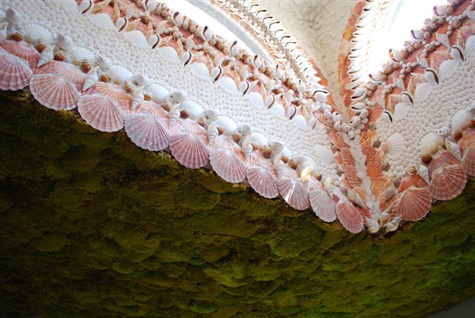
It was a huge relief to get off the glass part, to the shelling; I could stand on the scaffolding and work. Working high up on that ladder, over my head made me very uneasy. I had no plan for the shells. I bought numbers of shells that I liked from Shell Horizons in Florida-by the gallon, or by the pound. White, orange, and orange-brown. Then I tinkered, until it seemed like I had a design that would work.
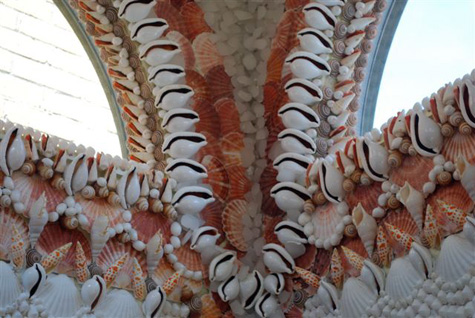
Obviously this was a winter project. I would go to work for 2 hours in the morning, and two hours in the afternoon, and glue shells in between. For what seemed like a lifetime. It seemed like every week I needed more shells. Not the least of my concerns was that I had planned to shell the entire porch ceiling, once the tower was done. I started to worry I would never have the stamina to finish.
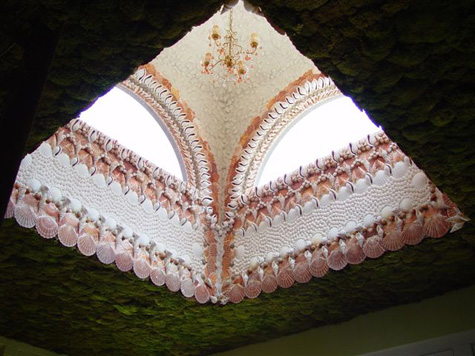 Happily I came to my senses when the tower was done. More shells on the ceiling would just distract from the tower, right? So I mossed the ceiling; a little construction pressure can jump start the imagination. Gluing dried moss onto sheets of foam core that could be stapled to the plywood in big sheets-the construction of this part of the folly took long-but not nearly as long as that tower.
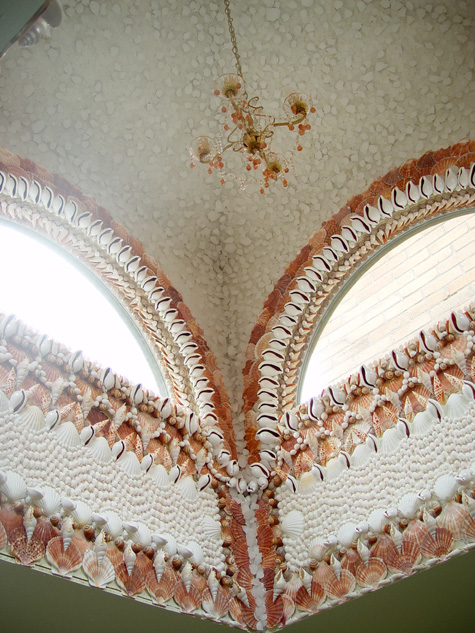
No doubt this has that folly aura, but I absolutely love it. Having admired shelled grottoes, buildings, furniture and the like my entire gardening life, I no longer needed to dream about having one of my own.
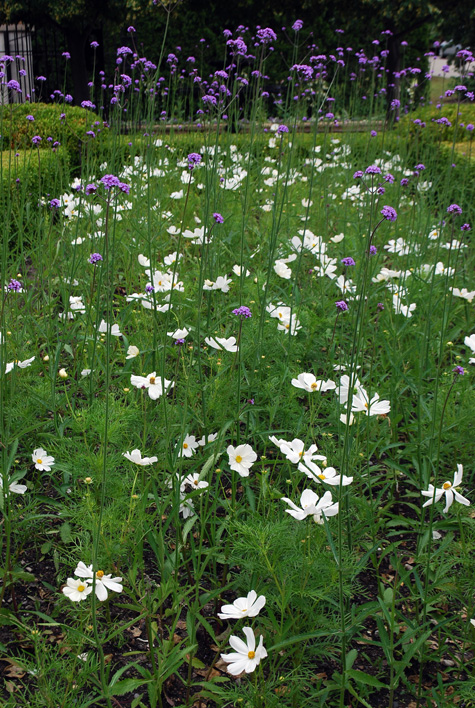
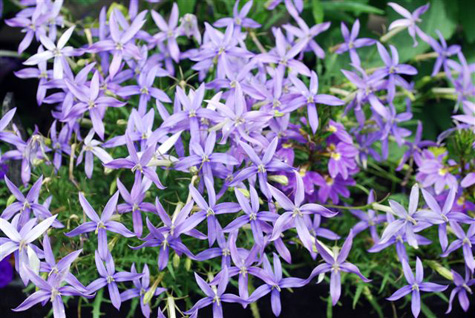
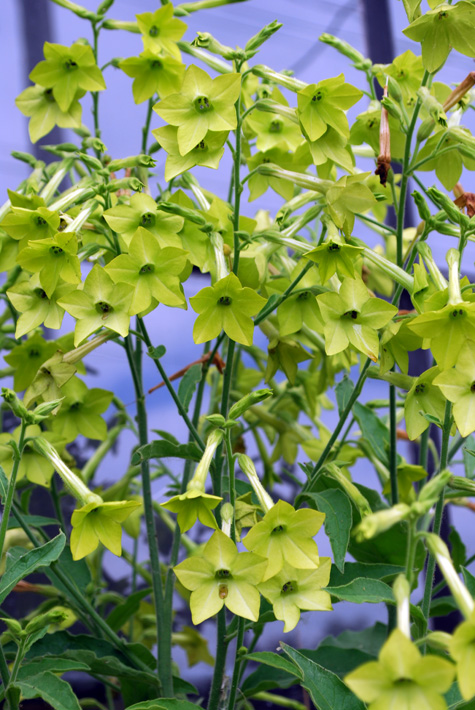
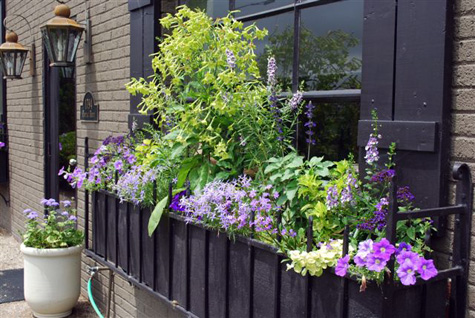
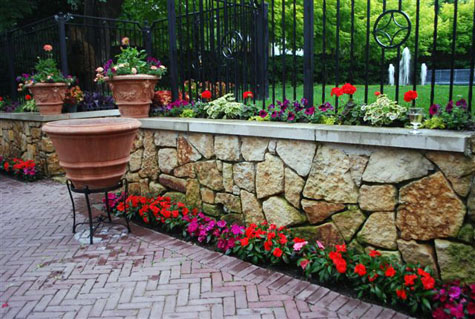 I know I posted however many days ago, that I was planting my pots purple and orange. Sounds hideous, doesn’t it? I was cringing as much as I was looking forward to it. I got the first sonic orange New Guinea impatiens in the ground, and thought I would throw up. Someone years ago told me orange was the color of hysteria-and I was starting to believe it. Could I come home and be charmed by hysteria generated by my own hand?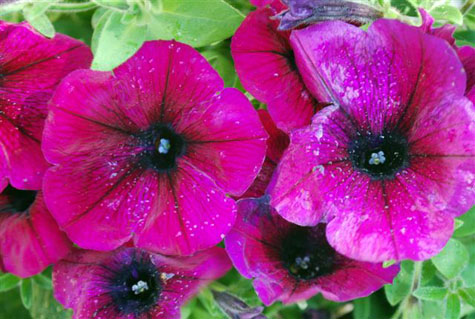
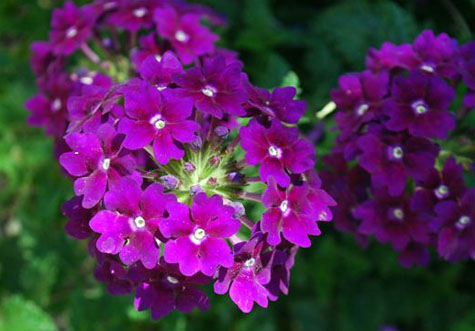
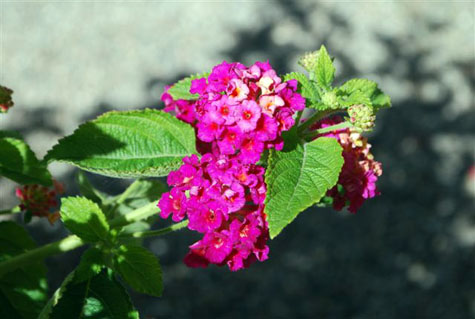
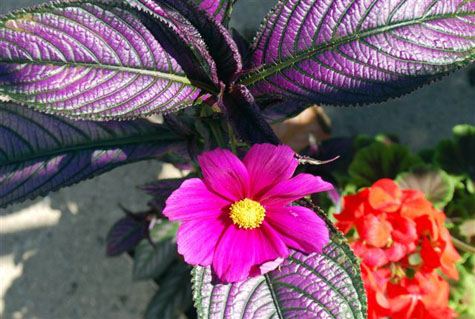
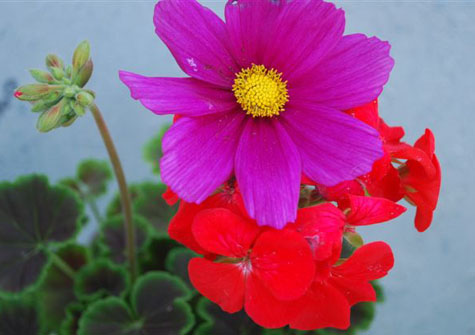
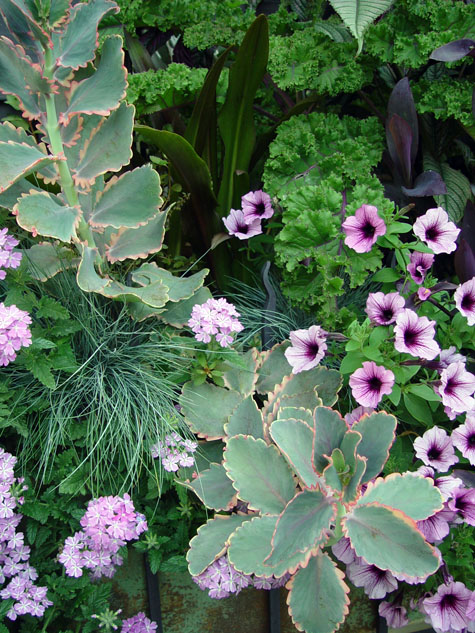 Texture is such an exciting element in plants-and plantings. Defined by Wikipedia as “an identifying quality”, or the “appearance and feel of a surface”, the texture of a plant can be about its appearance. Some plants are shiny leaved; some have felted leaves. Some leaves and flowers are thin (sometimes referred to as “substance”) and some are thick and juicy looking. Some leaves are wisy and airy looking-others are big and broad-and look as though even a big wind wouldn’t disturb them. This kale is ultra-crinkled-beautiful.
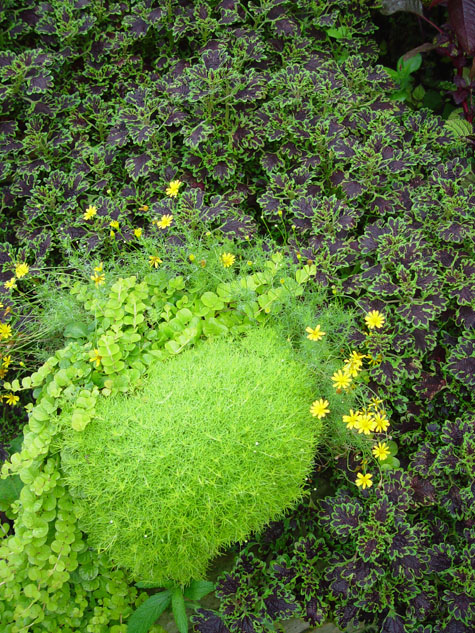 Texture can also refer to how a plant feels to the touch-who could resist touching this scotch moss? Contrasting textures can make for a lot of excitement in a planting-but even the relationship of one small texture to another can be interesting.
 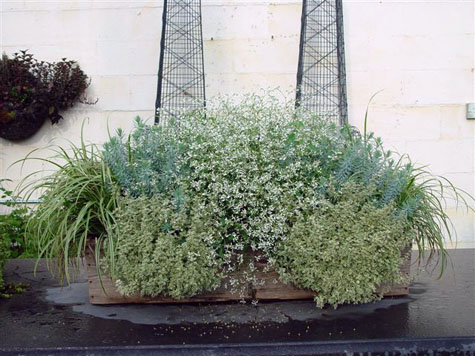 Some plantings where all the textures read similarly encourage focus on color, or mass. The choice of plants very much dictates what about a plant or planting becomes the dominant element. This box of grass, euphorbia Diamond Frost, thyme and sedum has that casual roadside weed look to it. You notice the blue of the sedum first off, as the textures of all the plants are so similar. There is a whole story here about little leaves.
 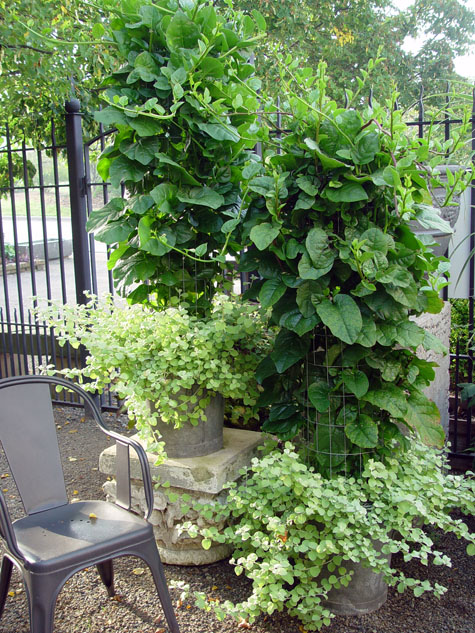 Malabar spinach has thick, substantial leaves that are glossy and wrinkled. This texture reads all the more strongly for its pairing with the diminuitive felted stems and leaves of lime licorice.
 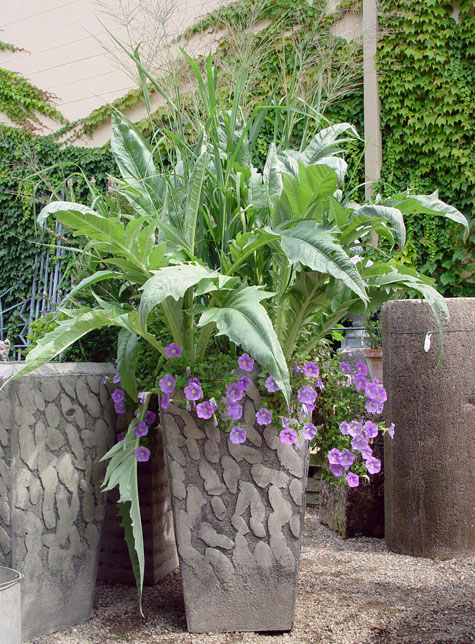 The hunky, toothy, slighting menacing leaves of this cardoon are softened by the much less architectural “Dallas Blues” panicum grass-and the so sweet blue petunias. The cardoon has a felted leaf-the panic grass is smooth and shiny. Those blue petunias are along for the ride-and soften much the architecture of the cardoon-and the pot.
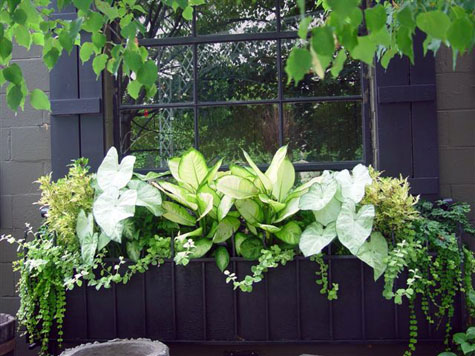
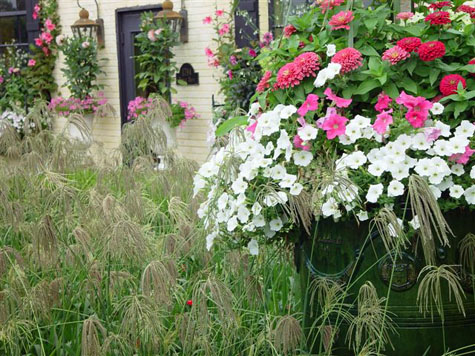 Large flowers like zinnias and petunias have a simple texture, while its companion grass has a complex, texture-like fireworks. Diametrically opposed to this delicately textured grass, caladiums and this lime dieffenbachia have leaves so thin and so wide the sun shines through them; it looks like the lights are on in this very shady spot. Identifying what about a particular plant you like will help a lot to inform your design with them. Everyone knows texture. Its the process of being conscious of it that can help make for inspired plantings .