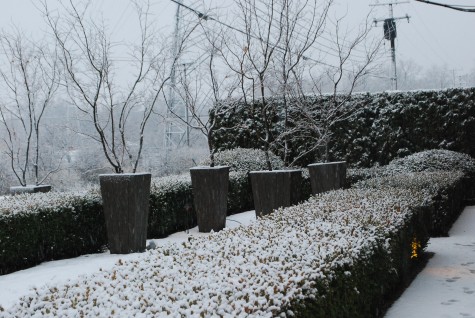
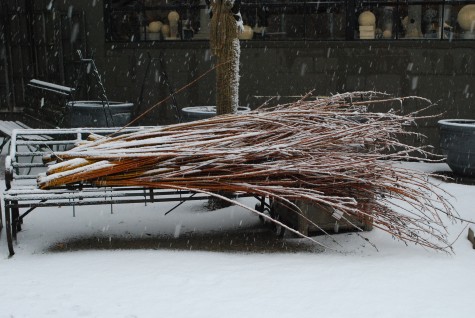
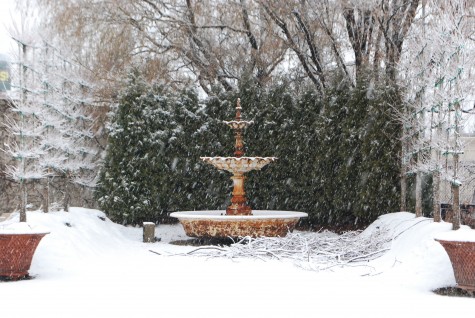
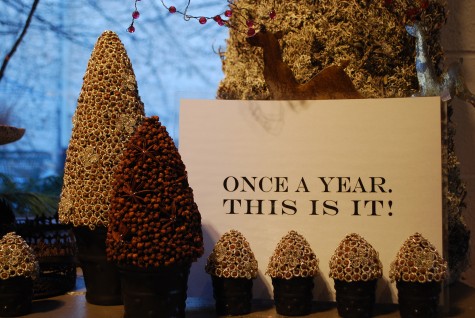
 We have been slammed at the shop since this past Monday. Detroit Garden Works conducts one sale a year. From the day after Christmas until January the 8th, we put every holiday item on sale for 50% off-and everything and anything else in the shop at 20% off. Should you be a gardener interested in a bit of a bargain-once a year, we oblige. This is it. Jenny has plenty of pictures posted; www.detroitgardenworks.com. After the 8th, we are open by chance or by appointment until March 1. This gives us some time to travel, shop, repaint, clean, and plan. So should you have a mind to drop by after January 8, email us, call ahead, or knock on my front door.
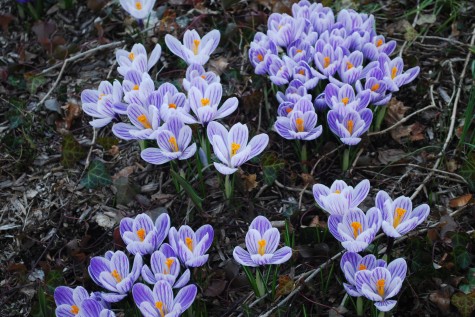 Gardening might be best defined as a “this is it” pursuit. Should I neglect to plant crocus in the fall, I will have plenty of time regret it, come spring. Should I not take the time to see and enjoy my March crocus, I might miss them. A two day span of exceptionally cold weather-those flowers will vanish-until next year. There are times when I might turn back the clock, or ask for an extension-but time waits for no garden. Tune in to the crocus, or wait until next year.
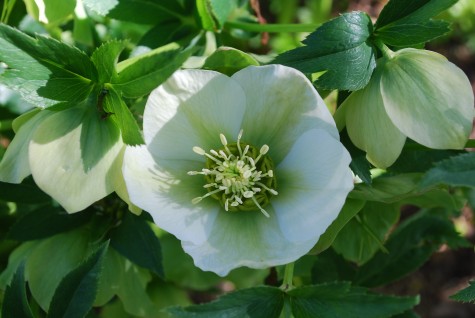 The hellebore flowers are not nearly so fragile. They stay with me for a while in late March and April. I make it my spring business to look at them every day. Planting them on the driveway was no accident; I have two chances every day to enjoy them. How the flowers emerge from the ground, mature, and dry right on the stalk is a process that takes weeks. But once those weeks pass, hellebore heaven will have to wait until next year. I leave the flowers be, hoping some seed will mature, drop and grow.
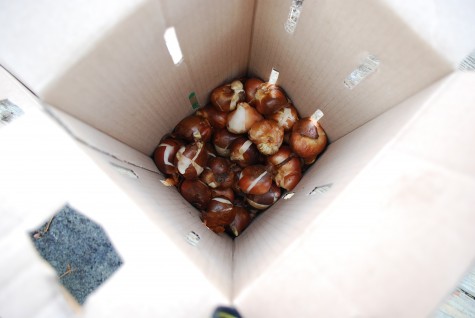
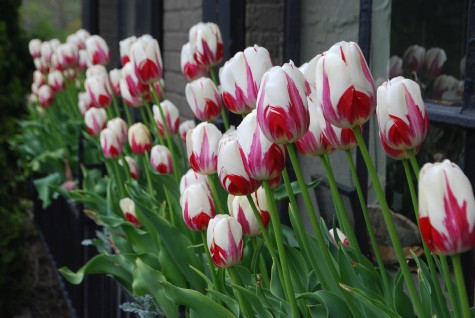
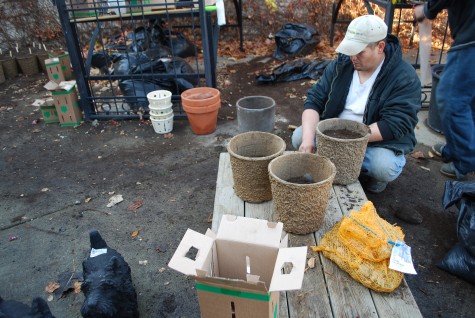
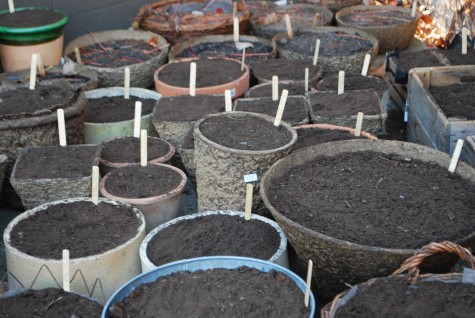
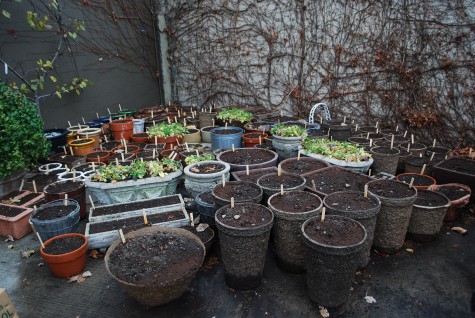
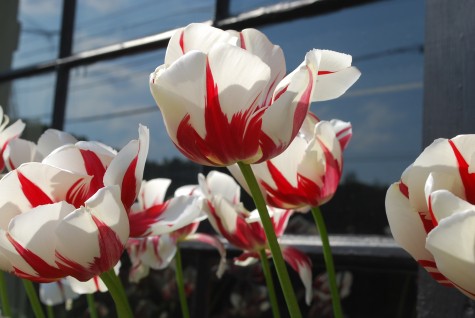 I may photograph the tulips outside my office every day. Like the hellebores, observing their manner of emerging from the ground and growing is a yearly treat. The flowers are glorious. They come in an extraordinary range of sizes, colors and forms. For my pots in the garage, I bought smaller numbers and as great a variety as I could. Why not try as many as possible? I was caight flat footed by the early cold this fall; the pots were outdoors a little too long. Every time I look at these pots filled with dirt, I search for signs of a bulb-fest to come. Nothing doing. I’ll have my this is it moment, for better or for worse, months from now.
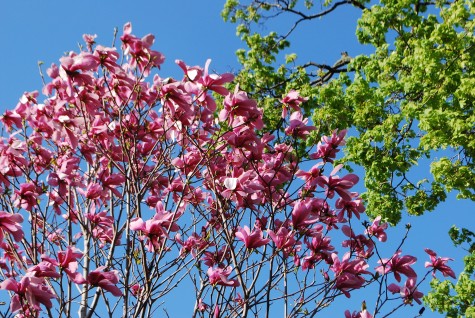 With the exception of double bloodroot, no flower is more fleeting than the magnolia. Really cold spring weather can shut down the show before it even opens. No matter than you have a valid ticket. Should I be so fortunate to have a good show from my Galaxy magnolia, I can be assured it will not be a long one. I have 2 chairs and a table on my upper deck. They are placed to take advantage of the aerial view pictured above. I may need a coat and hat, but I am out there. The ephemeral beauty of everything that blooms in my garden has much to do with why 2011 will be my 33rd gardening season.
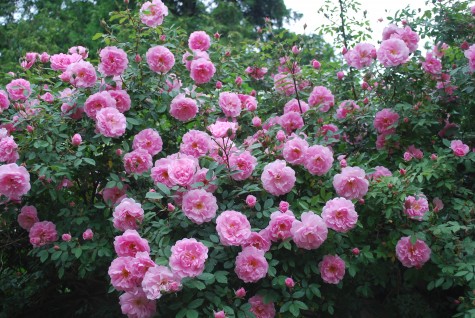 I cannot remember another year when the roses were this prolific. 2010 provided spectacularly great growing weather from early spring through June. This John Davis rose of Janet’s was smothered in flowers for weeks. Wherever I saw roses, they were glorious. Janet, who devotes her summer gardening life to her roses insisted that I come and spend some time with hers. I am so glad I did. On both of our minds-is this it? Is this the best the roses will ever be?
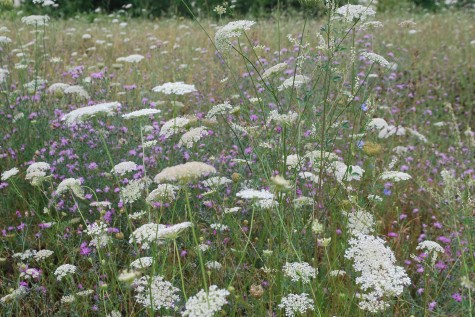 Even the Queen Anne’s Lace in the field was lush. Regular rain early, and a very hot and dry July made the meadow next door look dreamy. This was nature at its weediest best.
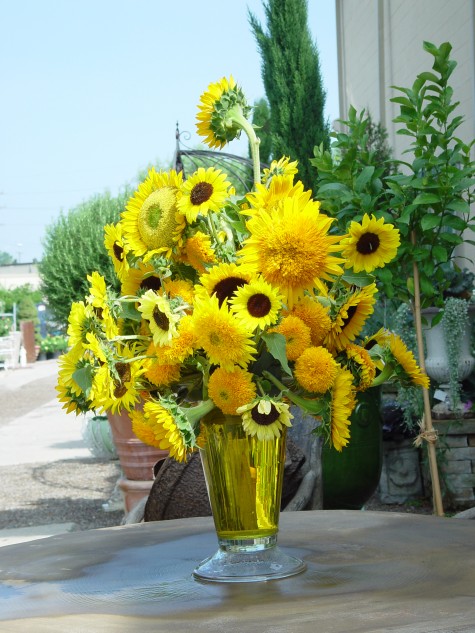 The sunflower season is one of my favorites. I buy them at market as often as I can. There is not a form shape or color I do not like-although the orangy brown varieties seem a little silly. I like my sunflowers to remind me of the sun, and sunny summer days. I like to have bouquets of them throughout the season. These stems I stuck into a large brick of oasis taped into a clear floral dish. Sunflowers are big, heavy and unwieldy. Worst of all, the water fouls quickly, and needs frequent changing. I set this dish on top of a glas vase full of water which I tinted yellow with food coloring. Amazingly, sunflowers last for days out of water altogether.
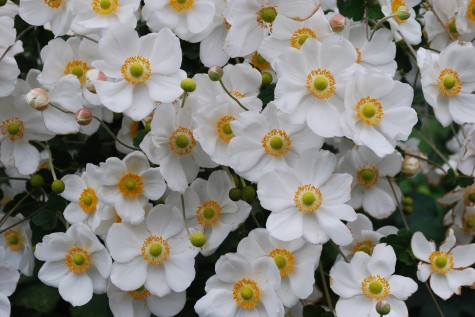 By the time my Honorine Jobert anemones start blooming, I know the end of the season is not long off. The cooler nights make this once a year display go on for quite some time. But once the nights turn very cold, the flowers vanish-until next year.
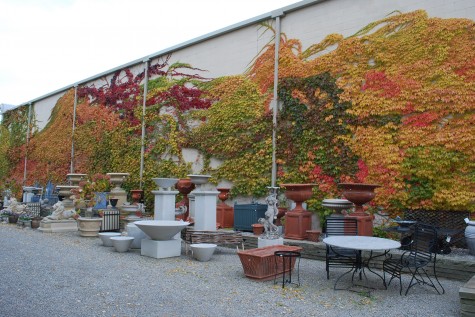
The fall color on the Boston Ivy was short lived this year. Some leaves dropped from cold before they turned. The color-not so great as it was in 2009. But I had no complaints. Once a year, I have my chance to enjoy it.