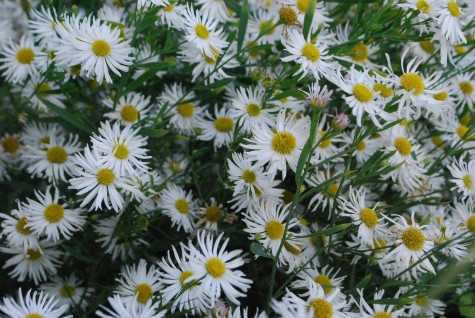
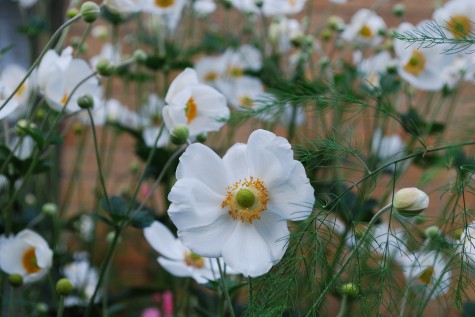
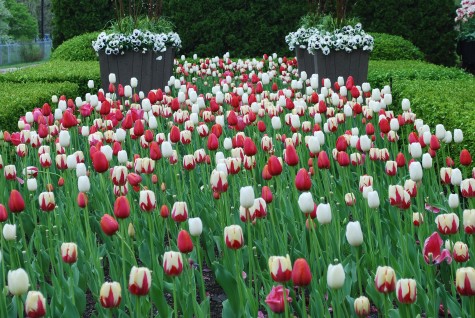
 I have not lost my marbles, thinking about tulip time in October. This is the time to plant spring blooming bulbs. My supplier sent me 22 emails today regarding the details of the UPS shipments of my bulbs. I plant lots at the shop. I plant for clients too. I wish I planted more. It is very hard to appreciate the fragrance and beauty of spring flowering bulbs 8 months in advance of the event. But I will try to express that-hoping it will encourage you to plant for spring.
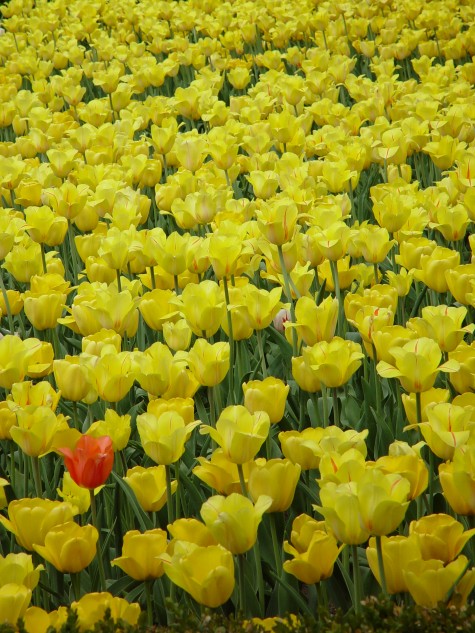 I hope my pictures encourage you to plant ahead. The one characteristic I admire most about gardeners the very most is their stubborn hope for the future. A better garden next year. A better spring for magnolias-next year. The slip of a plant that becomes a major plant in a few years. The spring to come. Your spring is in your hands.
 Those brown tulip orbs of varying sizes represent a future garden. Think about tulips, and move on. There are lots of other spring blooming bulbs. The spring anemone blanda bulbs are shrivelled peas when they arrive; soak them for 24 hours, and plant. The grape hyacinths are available in plenty of variations. They are one of the longest lasting spring bloomers. The tulip bulbs with their papery coating promise a plant with wide and luscious leaves culminating in a bloom of extravagant proportion. Tulips fit into an established perennial garden as well. Order up plenty of those brown bulbs.
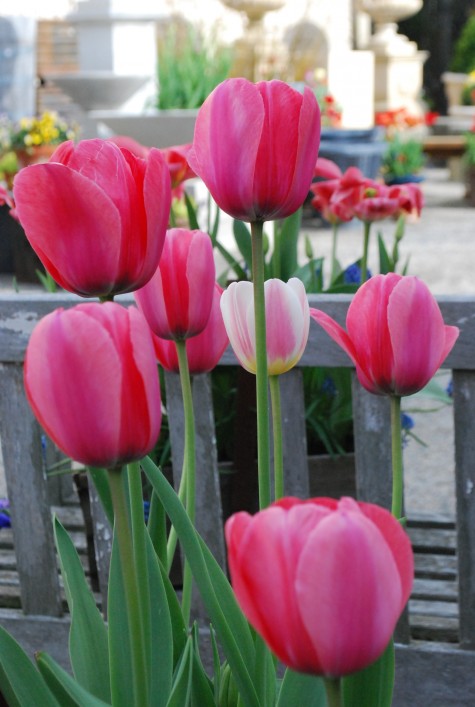 There are many species and hybrids of tulips available, whose bloom time spans late April until late May. They are the showgirls of the spring garden. After a Michigan winter, I am ready for their beautiful globular forms, their fresh fragrance, their supremely green stems and luscious leaves. I am as grumpy about the fall as you are. Our fall has been balmy so far-this is perfect planting weather. Thinking about bulbs in late November-plant them in pots, in ther shelter of your own garage.
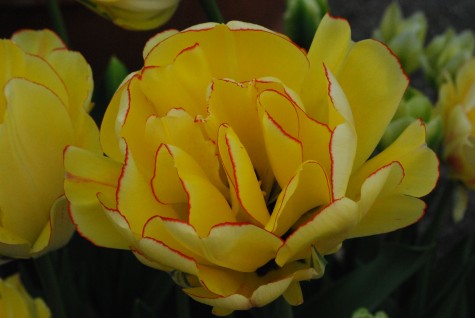 This double tulip Akebono is exquisite. My order of 100 bulbs last fall has been increased considerably. A group of 10, or 25, or 110 planted in your garden this October will reward you handsomely next spring.
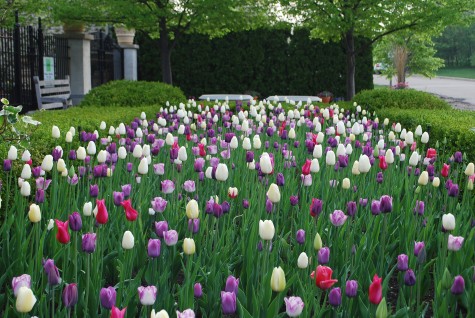 Winter in the Midwest is a tough go. Part of what gets me through that bleak season is the promise of spring. Those various brown knobs and orbs, sequestered underground, ready to represent, once the snow melts, and the weather warms. No garden should be without tulips. I like to plant a mix in the big bed in front of the shop. Next spring’s scheme will be very different than this.
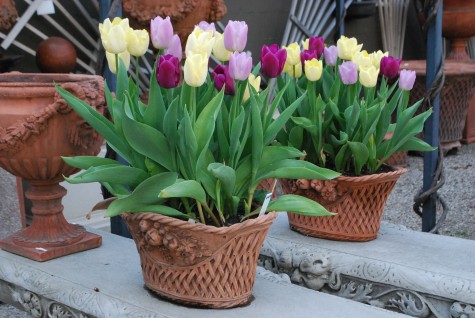
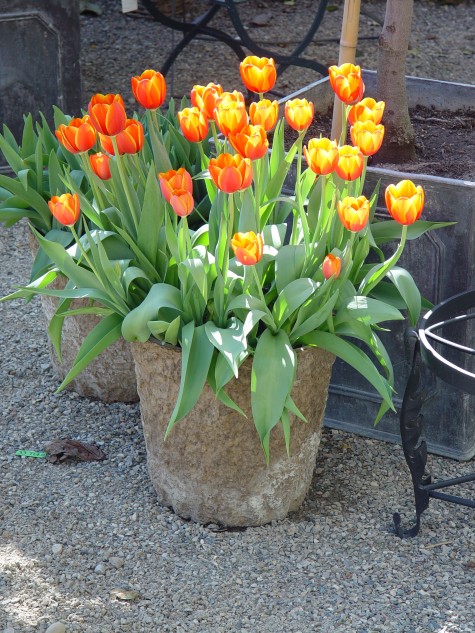 Should you have a perennial garden with but a few spaces available for tulip bulbs, there is always the option to pot them up the fall. A pot of tulips on the front porch in early May is a very good look. It is easy to bring on potted tulips-give it a try.
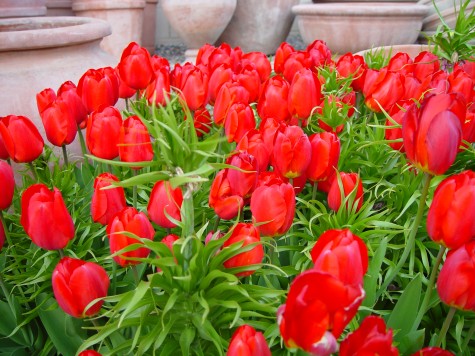
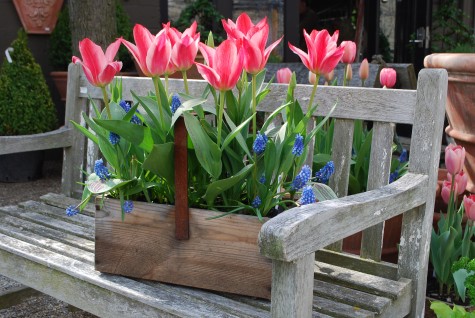 No doubt it is hard to embrace the promise of a fresh gardening season right now. Last spring’s pictures are helping to put me in the mood.
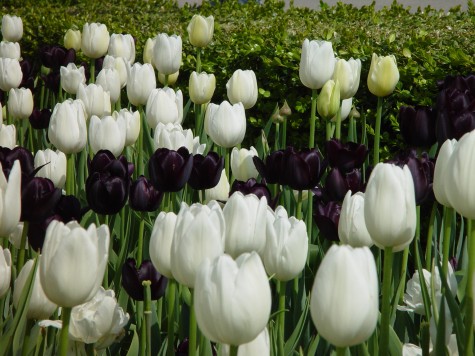 Your local nursery has tulip bulbs. John Sheepers has a complete range of tulips and other spring flowering bulbs available. Becky’s Bulbs is a superb source. October is time of choice in my zone to plant daffodils, hyacinths, anemones, tulips, grape hyacinths, and a whole other host of spring flowering bulbs. If you are like me, you do not want to do without the snowdrops, crocus, chionodoxa, or hyacinthoides. Part of preparing for winter is to make time for some tulips. Plant what you can.