At A Glance: Landscape Materials

1001-Woodward-building.jpg
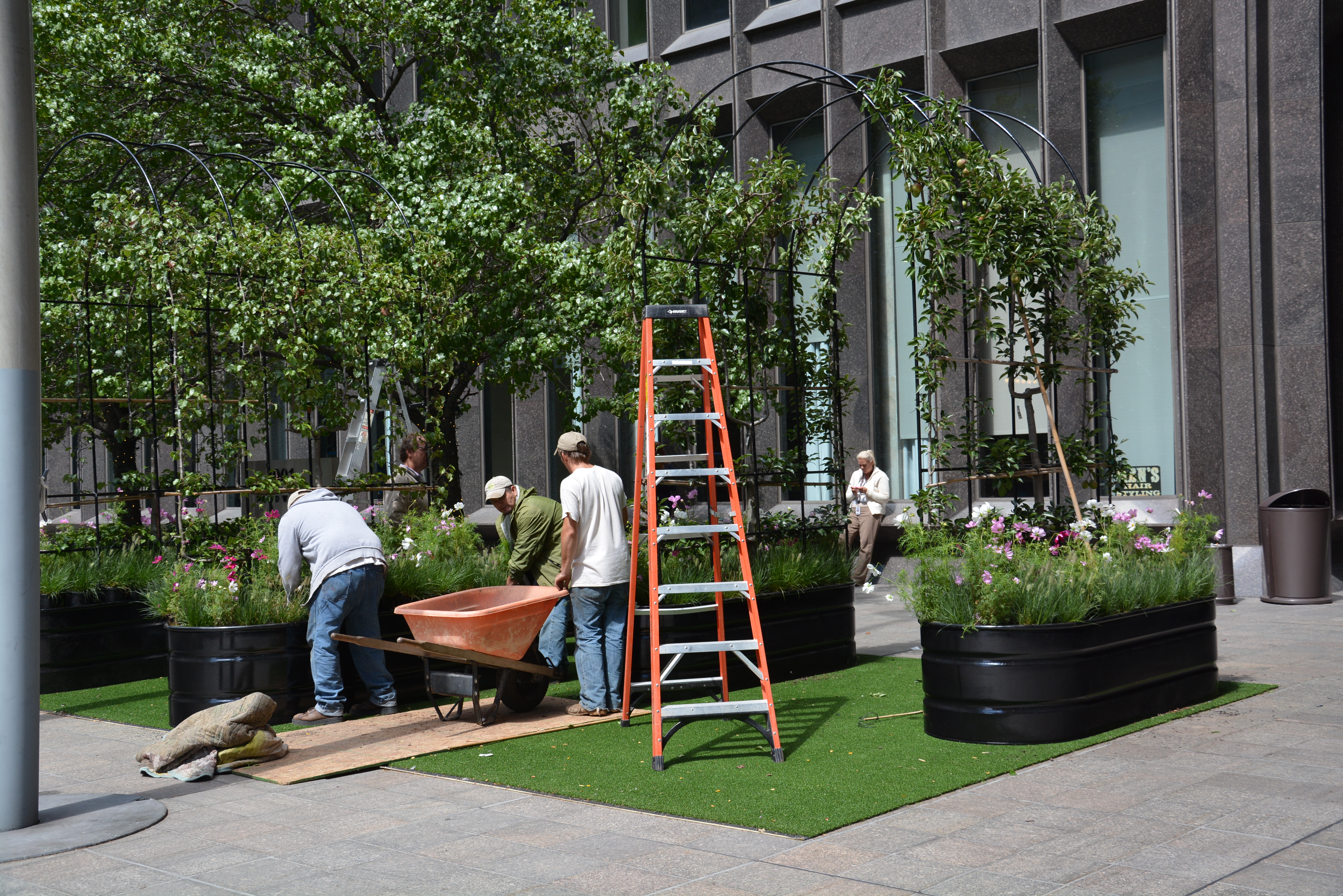
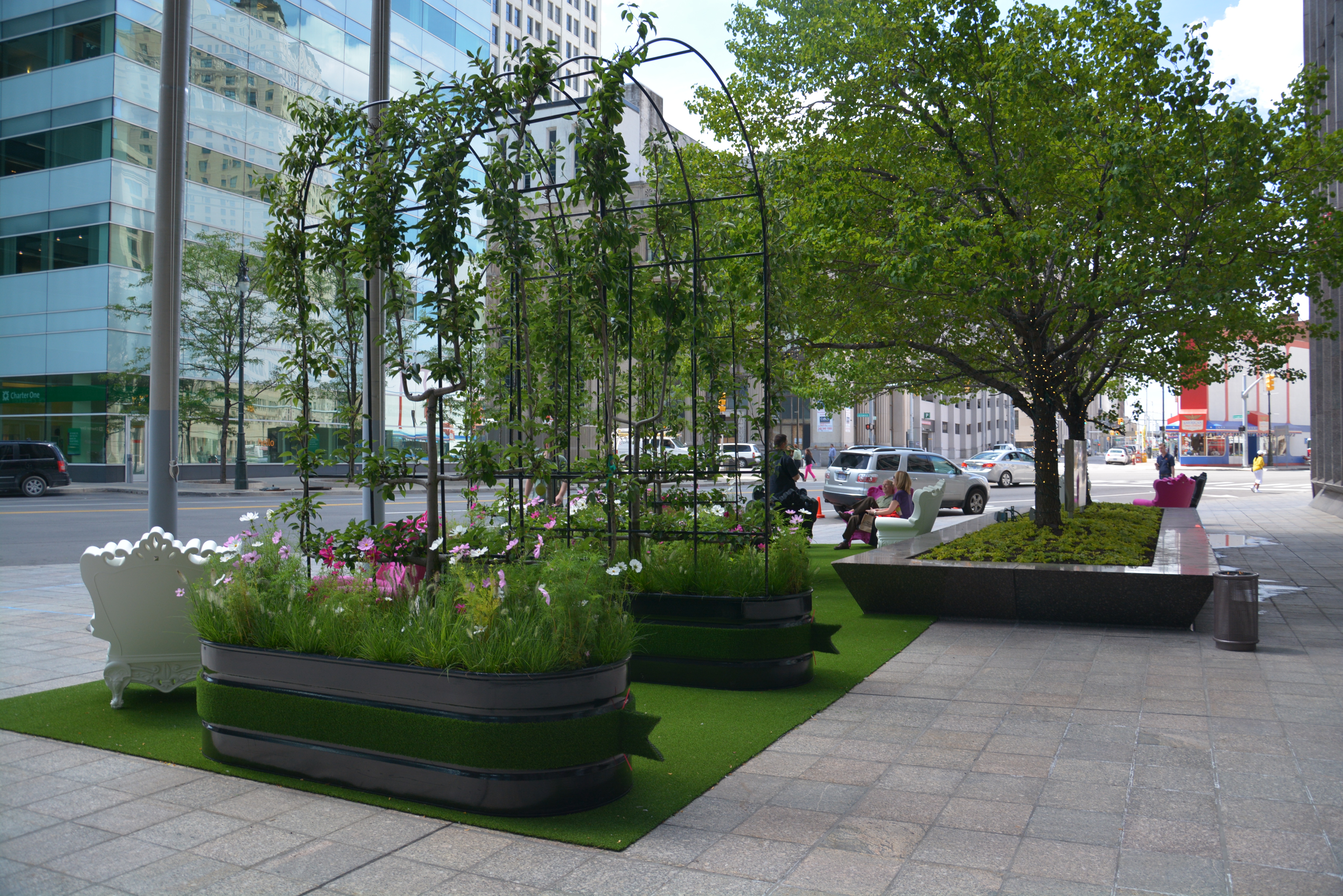
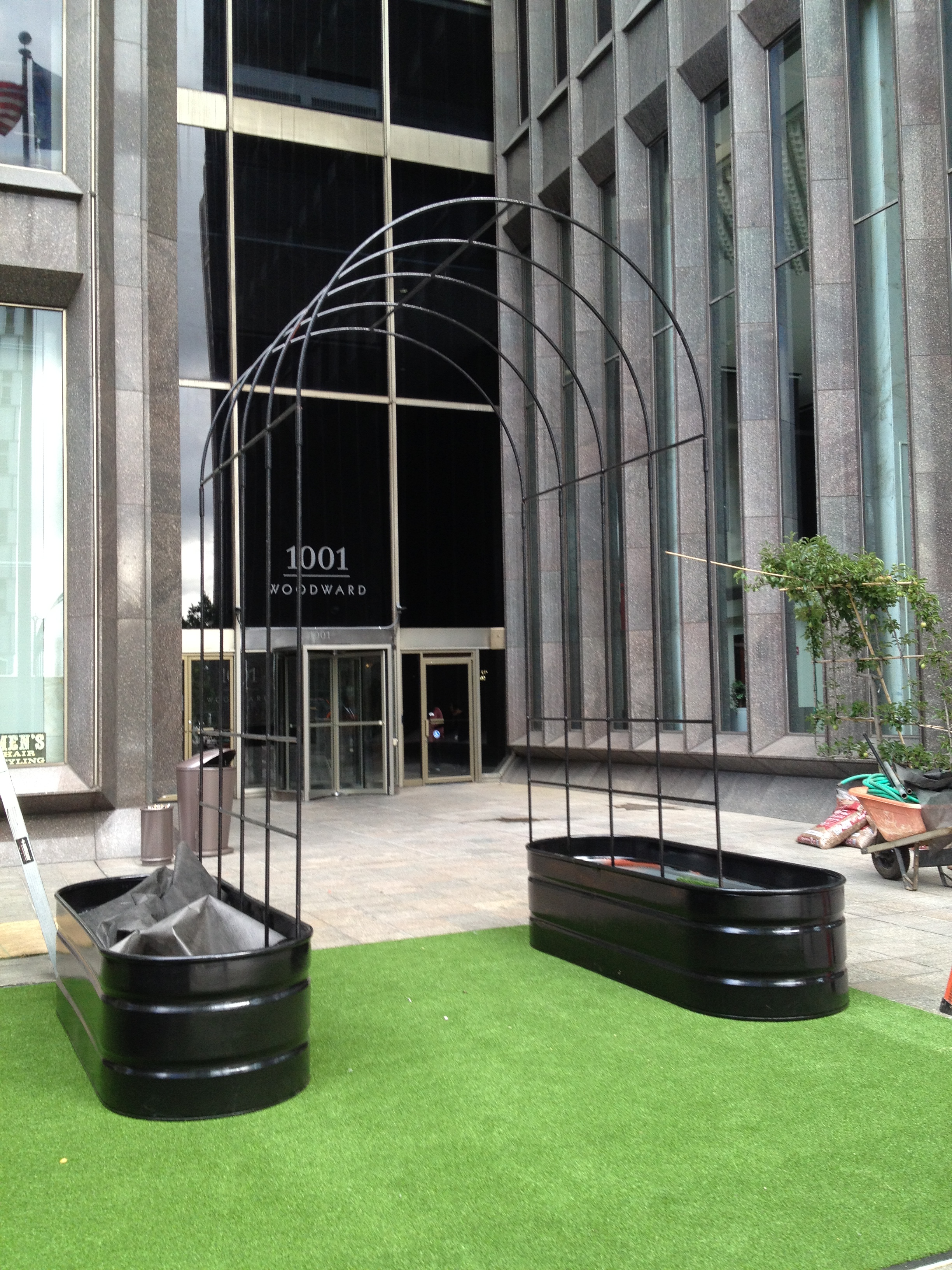
A multi-story building downtown at 1001 Woodward had an entry plaza that I would call chilly and uninviting.  Bedrock Realty, the new owner, has an idea to warm things up.  Kelly Deines of Rossetti Architects asked if I could put together a landscape that would include 2 pair of our espaliered arbors.  We were happy to oblige.  The livestock tanks-courtesy of our local farm store.  The steel arbors-courtesy of Buck and his group at Branch.

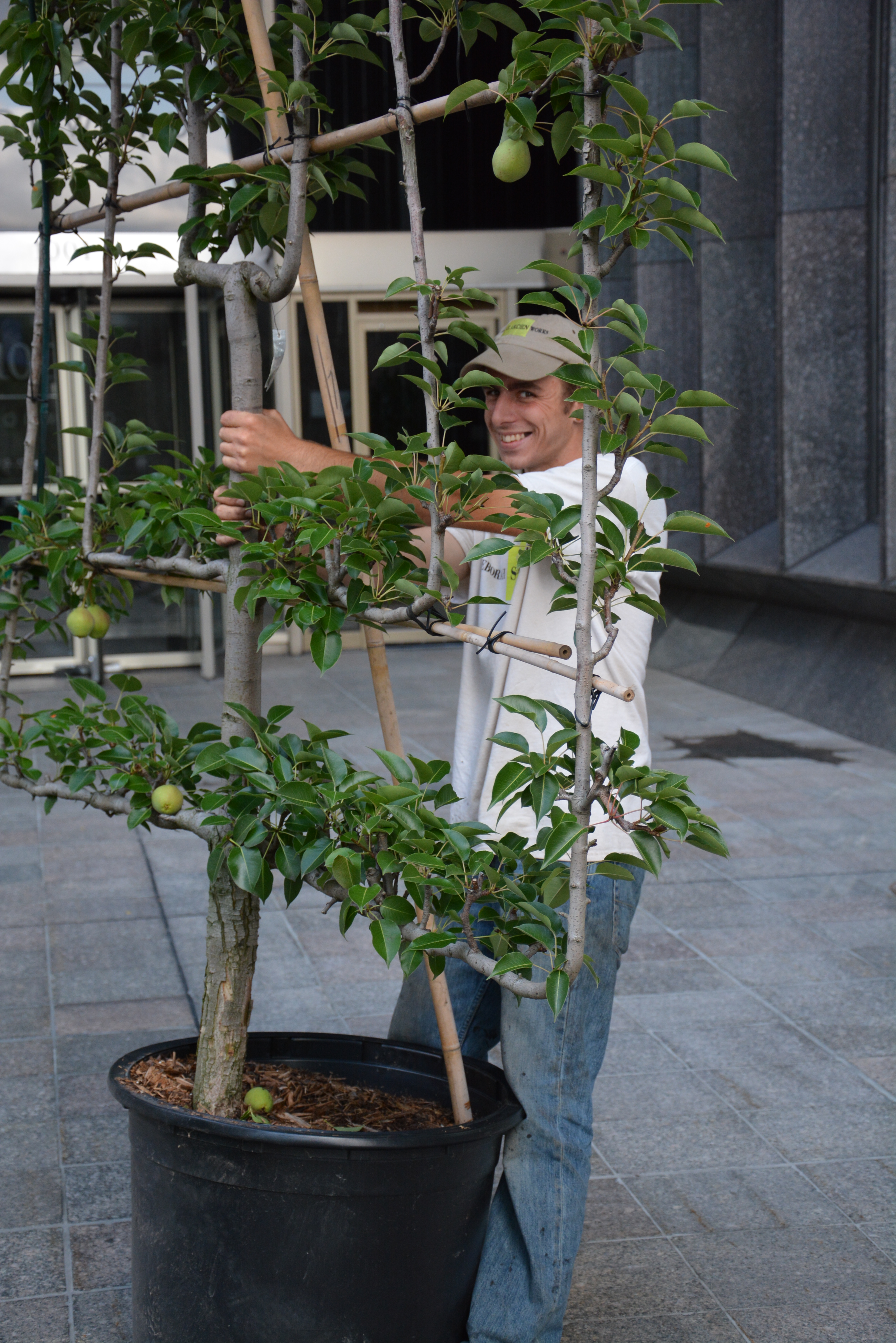
espalier-pear-arbor.jpg
Espaliered pear arbor

espaliered-pear-arbor.jpgOwen was one of a crew of 7 that helped plant those trees.

artificial-turf.jpgArtificial turf

arbors-and-stock-tanks.jpgSteel forms for the espaliers

planting.jpgcosmos and pennisetum under planting the espaliers

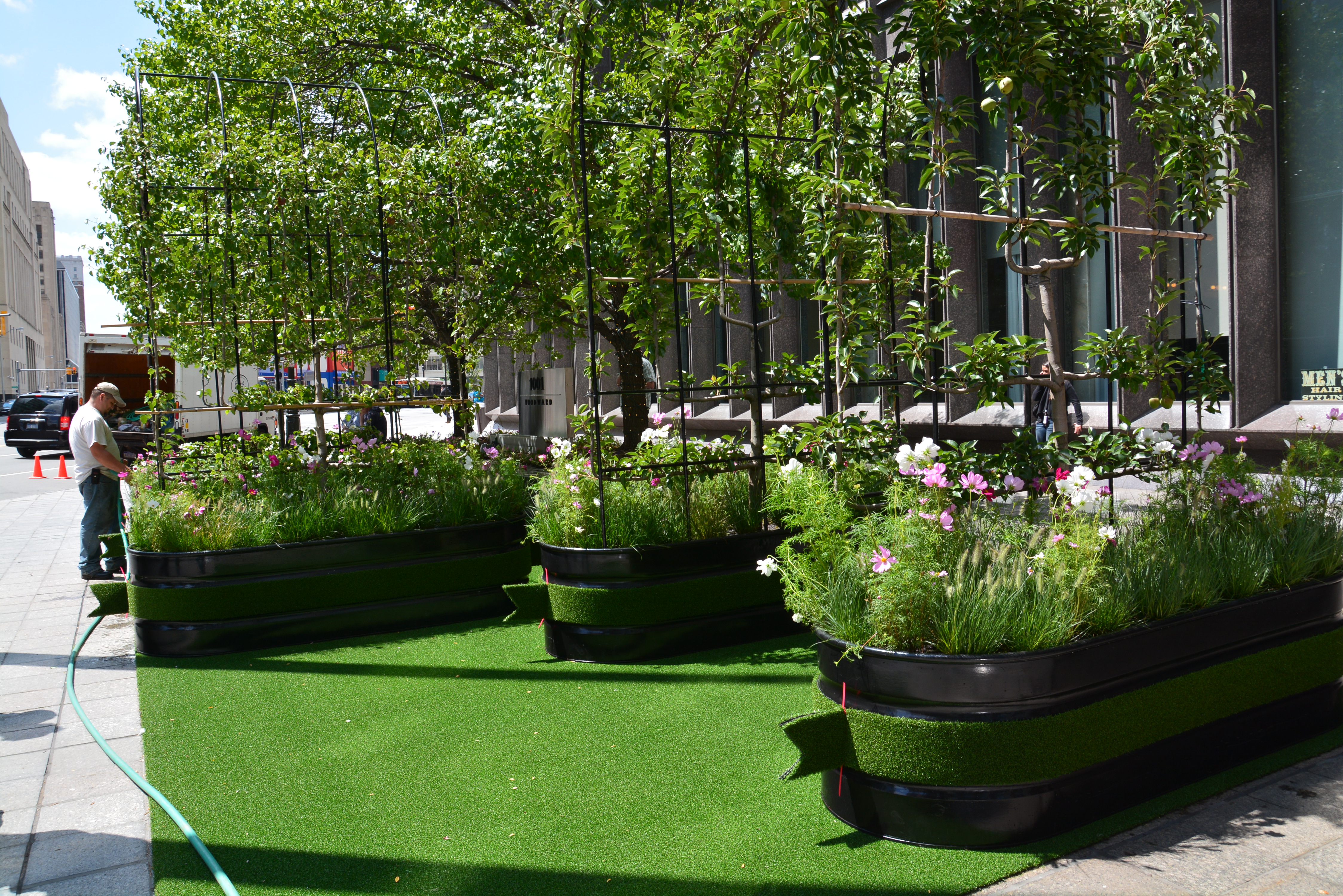
1001 Woodward 2013 (43)finished planting

planted.jpgartificial turf bands on the stock tanks
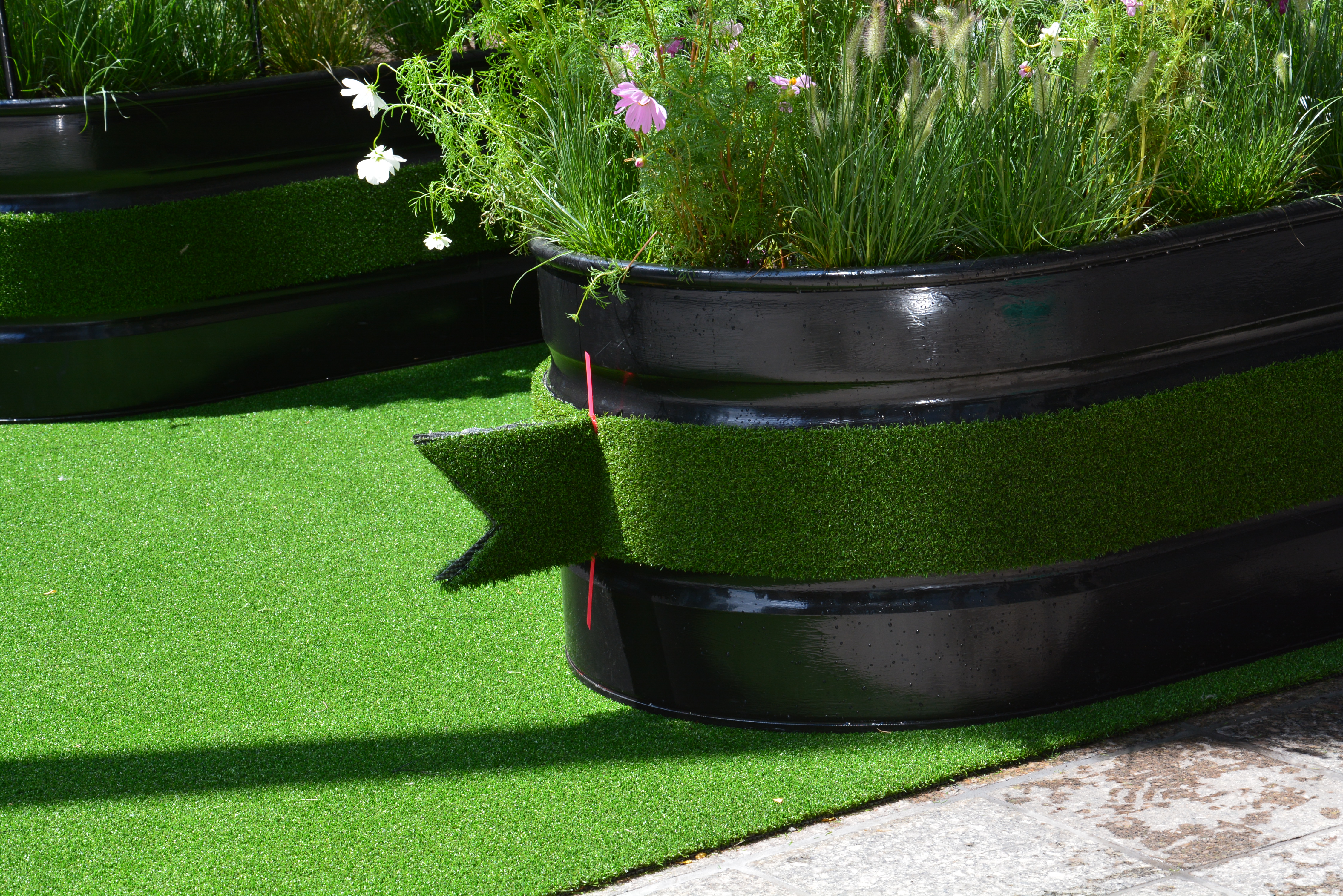
turf-band.jpgartificial turf secured with hot pink zip ties

trimming-the-turf.jpgtrimming the turf square and true

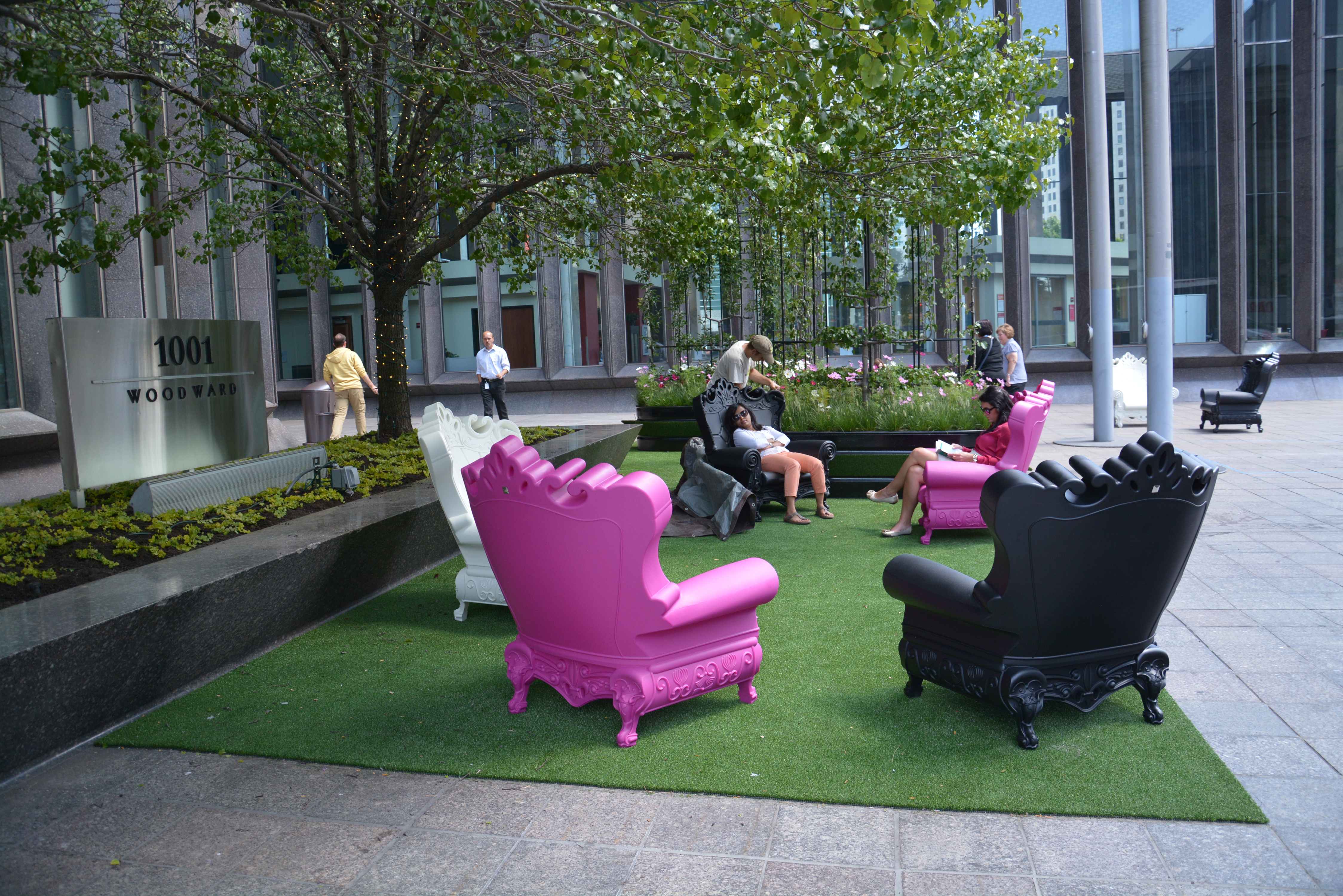
furniture.jpgurethane furniture specified and installed by Rossetti Architects
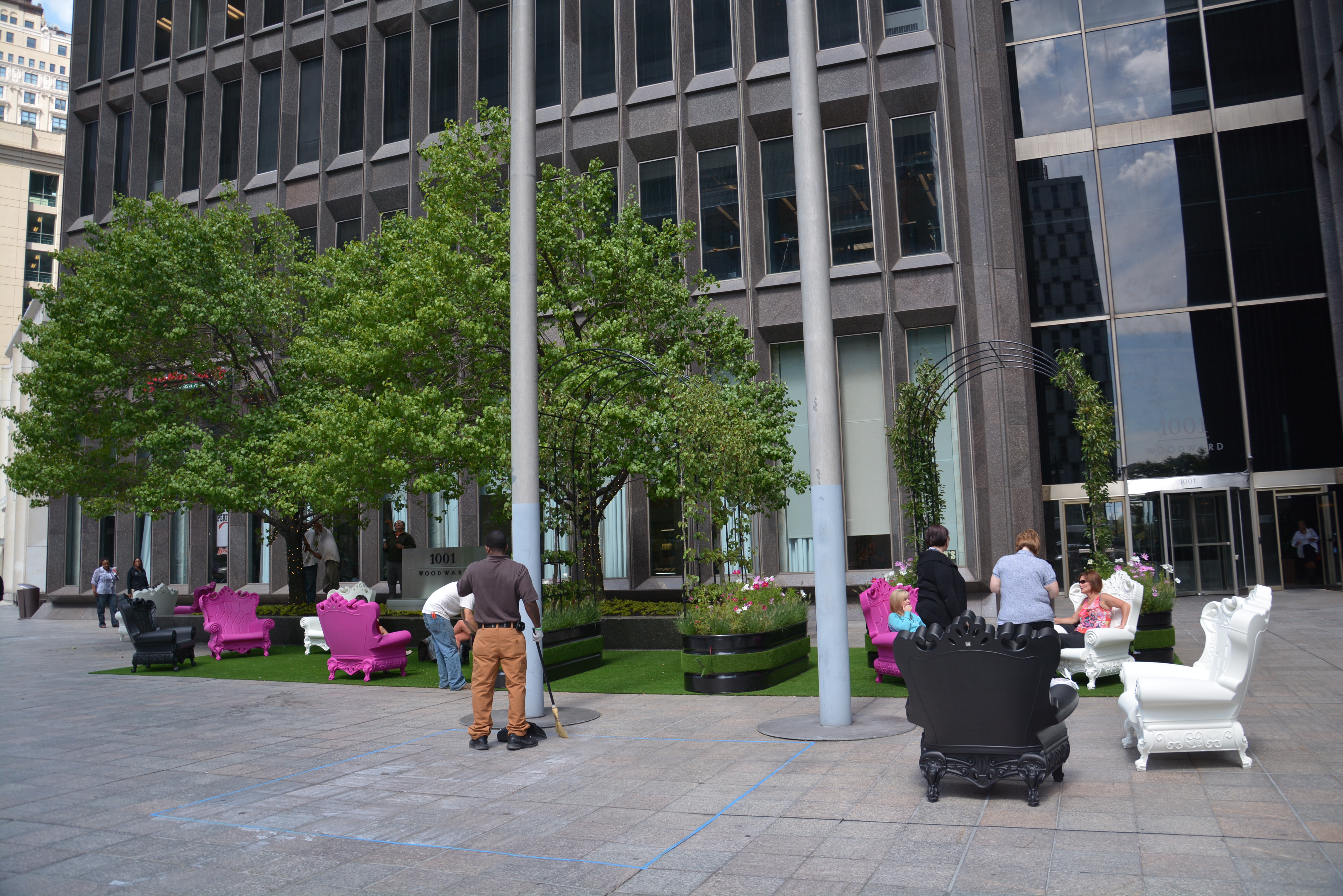
downtown.jpgpeople in the space

landscape-materials.jpgThe linden trees in a granite planter box were underplanted with creeping jenny.  Espaliered trees, artificial turf, pink zip ties, galvanized metal livestock watering tanks, cosmos, little bunny pennisetum, molded urethane French style arm chairs and creeping jenny and a plaza typical of a vintage urban skyscraper-landscape materials that came together to create a place for people to congregate outdoors.

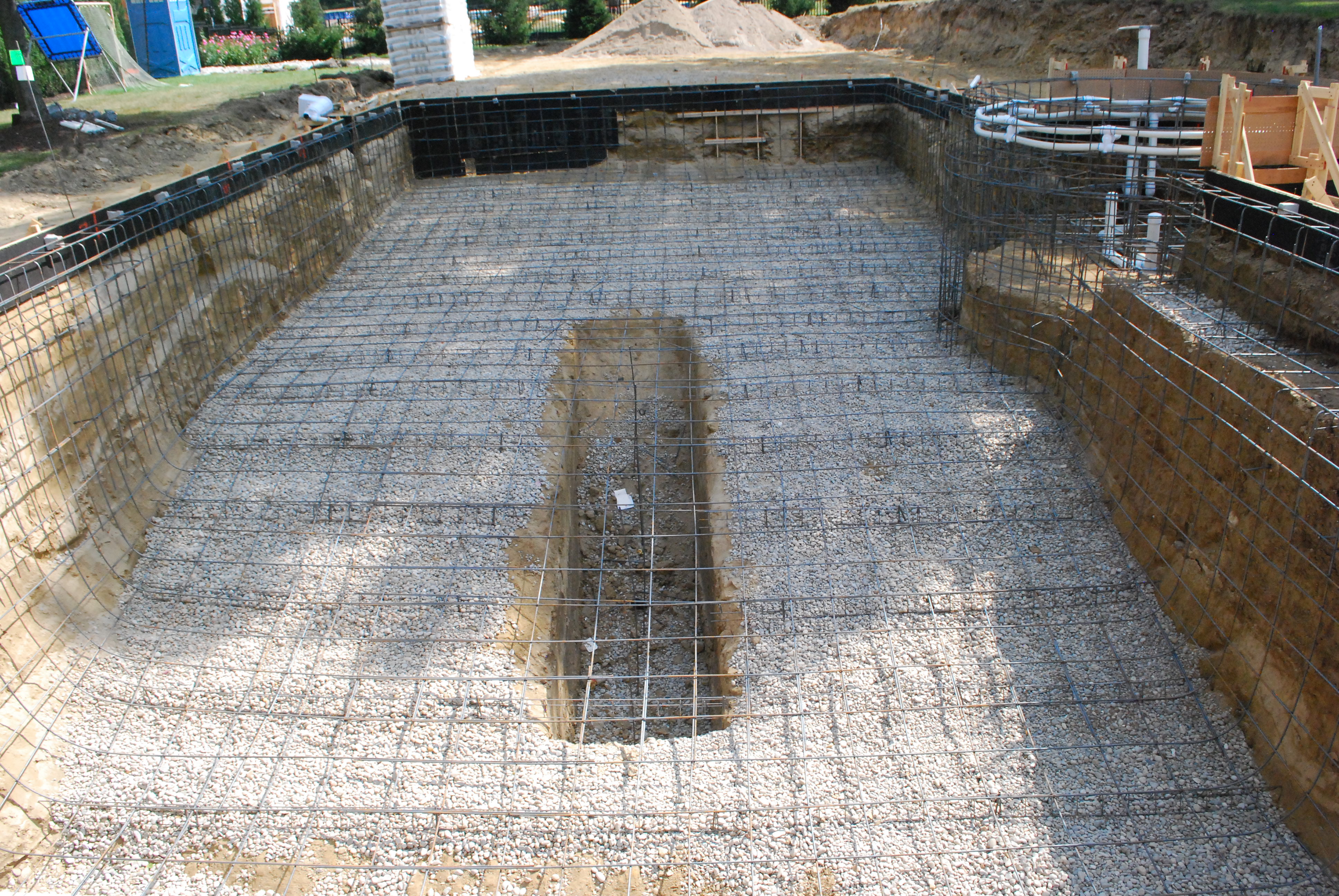
 

The Landscape Plan

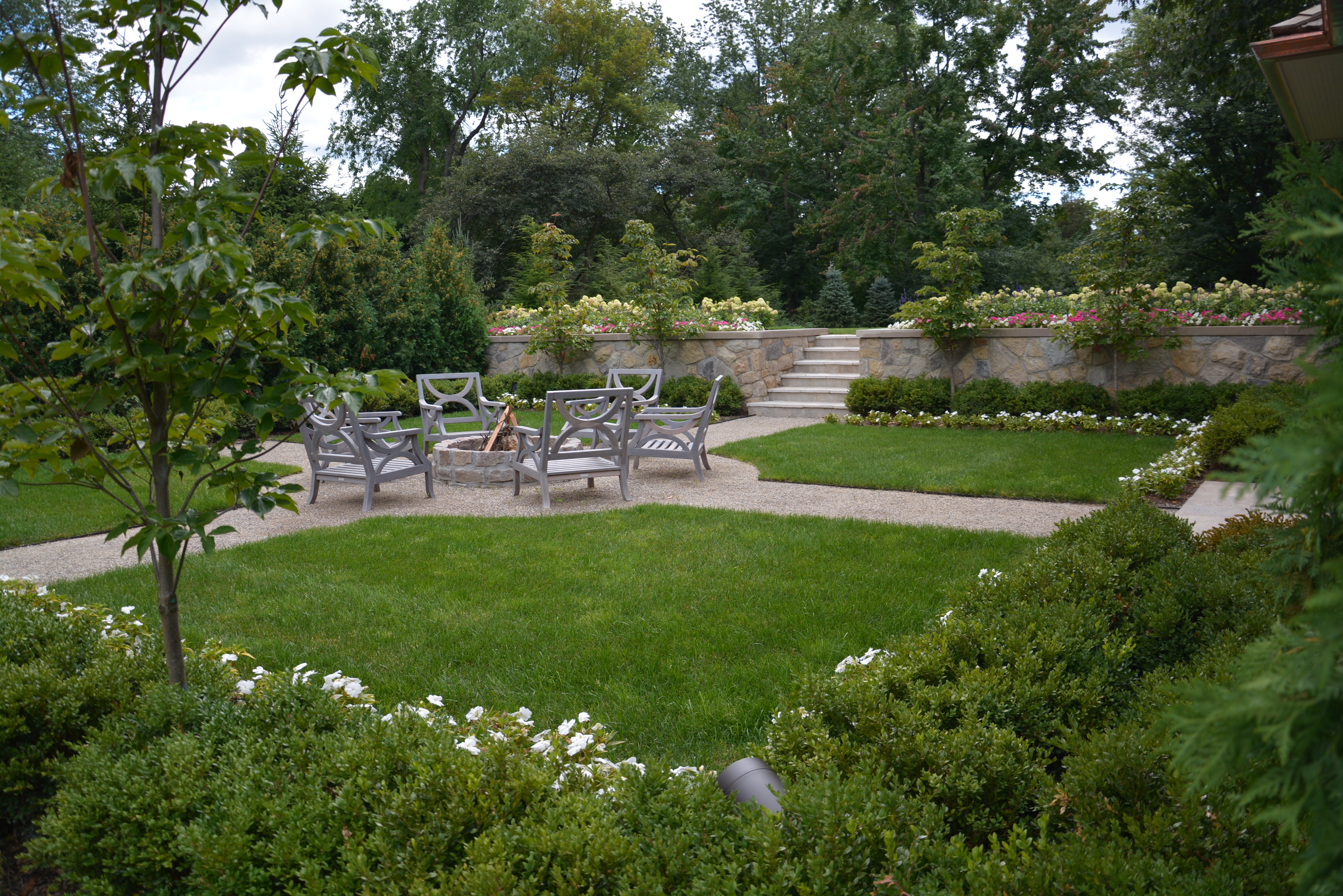
Sept 6, 2012.jpgIn September of last year, a plan for a pool, pool house, and landscape was approved and awarded a permit to build.  Those drawings, and the concept for the pool house-time consuming to produce. There are ideas, drafts, and more drawings.  There are lots of meetings.  A client, with a Capital C.  An architect.  A pool contractor.  A building contractor.  And planning with a big P.  A big organizing idea is essential. These clients wanted a pool, and place to entertain family and friends.  This meant siting the pool near the house and existing terrace.  A home, terrace and a pool when sited properly make the flow of traffic in the space easy and comfortable.  The pool, pool house, and surrounding landscape needed a flat place to be, despite the existing slope from the yard towards the house.  Sloped sites are good for mountain climbers, hikers, and short visits.  A landscape that invites people to linger asks for a flat, or near to flat grade, to navigate.  To sit.  To congregate. The idea to create a level landscape with a close proximity to the house was the organizing metaphor for the design. A primary or seminal idea will provide a foundation that connects every other gesture to the whole.

Sept-13-2012.jpgOnce the space was graded flat, the construction of the pool began.  The soil that was available as a result of the excavation of the pool was repurposed on site in a spot that would afford the client more flat space.  These clients planned to spend a lot of time in the landscape.  They did not have the idea to view it from afar.  They wanted plenty of room for any activity that involved people.

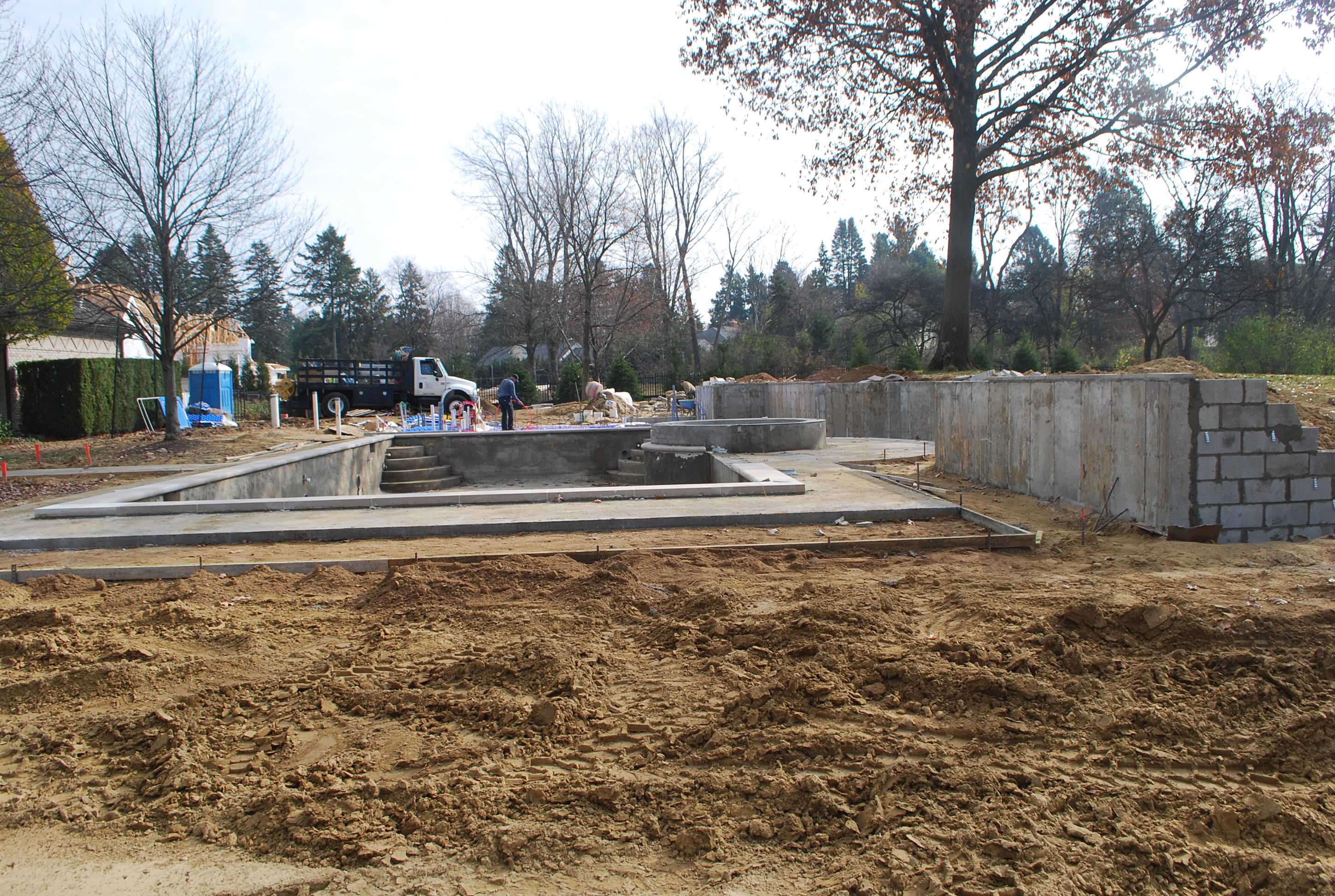
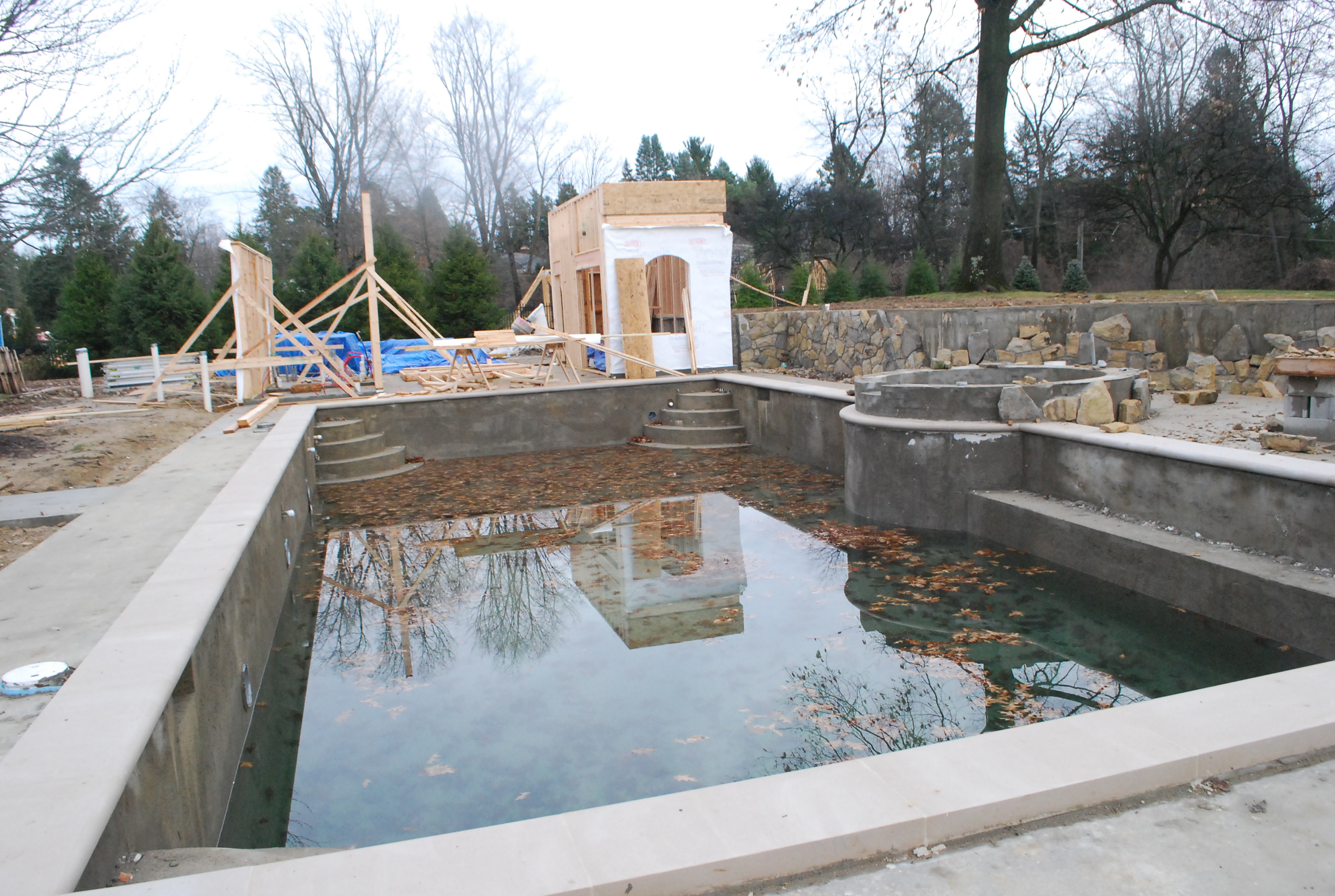
November-2012.jpgOnce the pool walls were installed, the retaining walls that would hold back the sloping ground were installed. These concrete walls had footings installed down 42″ below grade.  This is standard in my zone.  A footing 42″ below ground means frost will not heave or damage the wall.  The wall has a purpose-holding back all of that soil on the upper level.

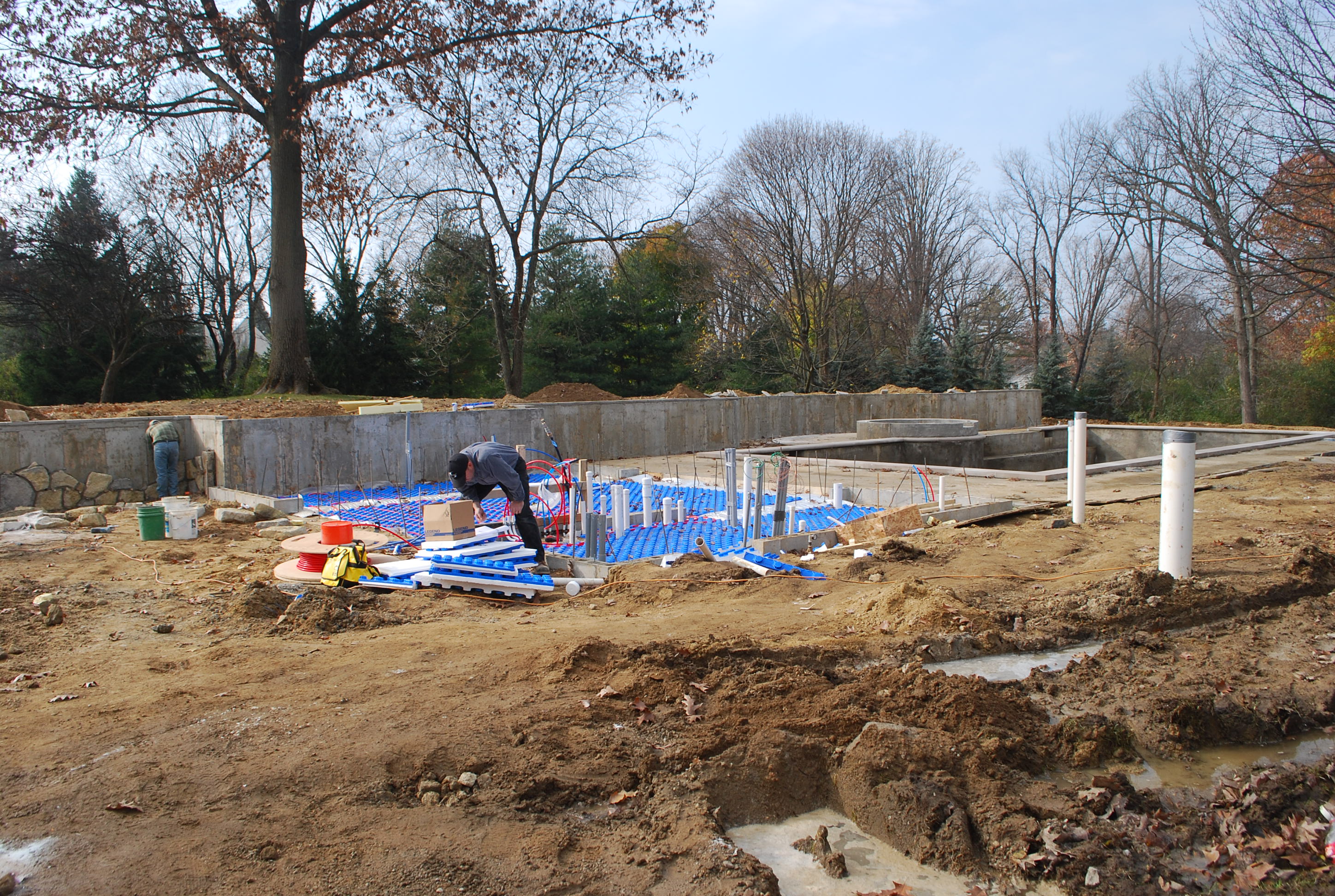
November-9-2012.jpgThe foundation for a pool house included the apparatus required for heated floors.  That came first.  The pool house itself would be constructed with solar panels on the back side of the roof that would heat the space in the fall.  Details like this makes a landscape in a climate like ours enjoyable early in the summer season, and late into the fall.

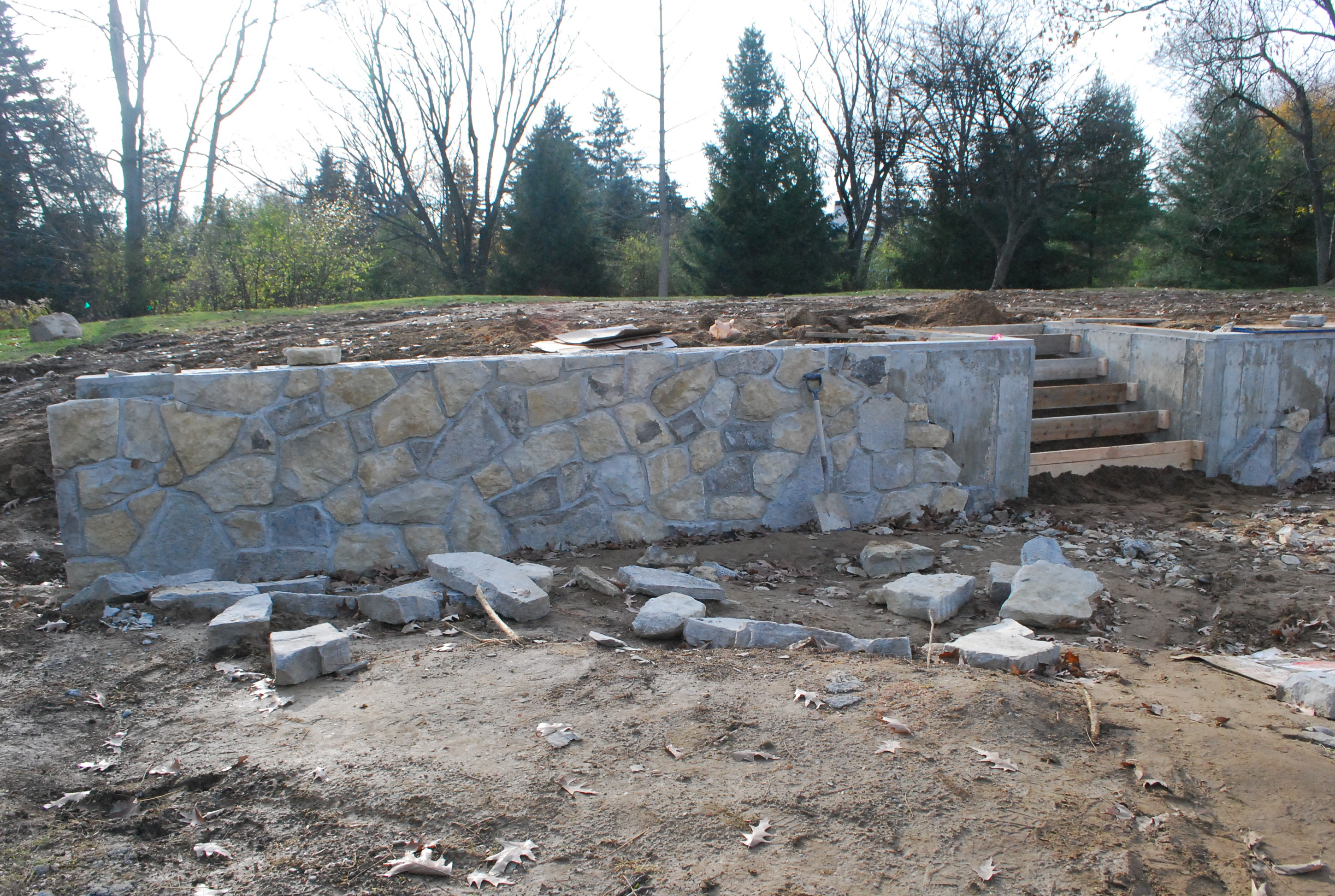
November-14-2012.jpgThe concrete retaining walls needed a skilled stone mason to transform them from the necessary to the beautiful.  Steve Templeton, owner of Templeton Construction, managed all of the construction with  grace, speed, and aplomb.  The dirt and disarray notwithstanding, these walls were beautifully conceived, and solidly constructed.

December-2012.jpgThe construction of the pool and pool house was an affair handled start to finish by my clients, and Templeton Construction.  My part?  I watched. My design work was long finished.  The landscape installation-to come.


March-25-2013.jpg

By the time that March of 2013 arrived, the big ideas were beginning to take shape.  Some parts of the landscape took place into the late fall months, notably the finish grading and seeding of the displaced soil.  The first order of business in the landscape was the installation of the large trees.  They had to be planted first, as once the rest of the landscape was finished, there would be no access for the equipment necessary to handle large trees.

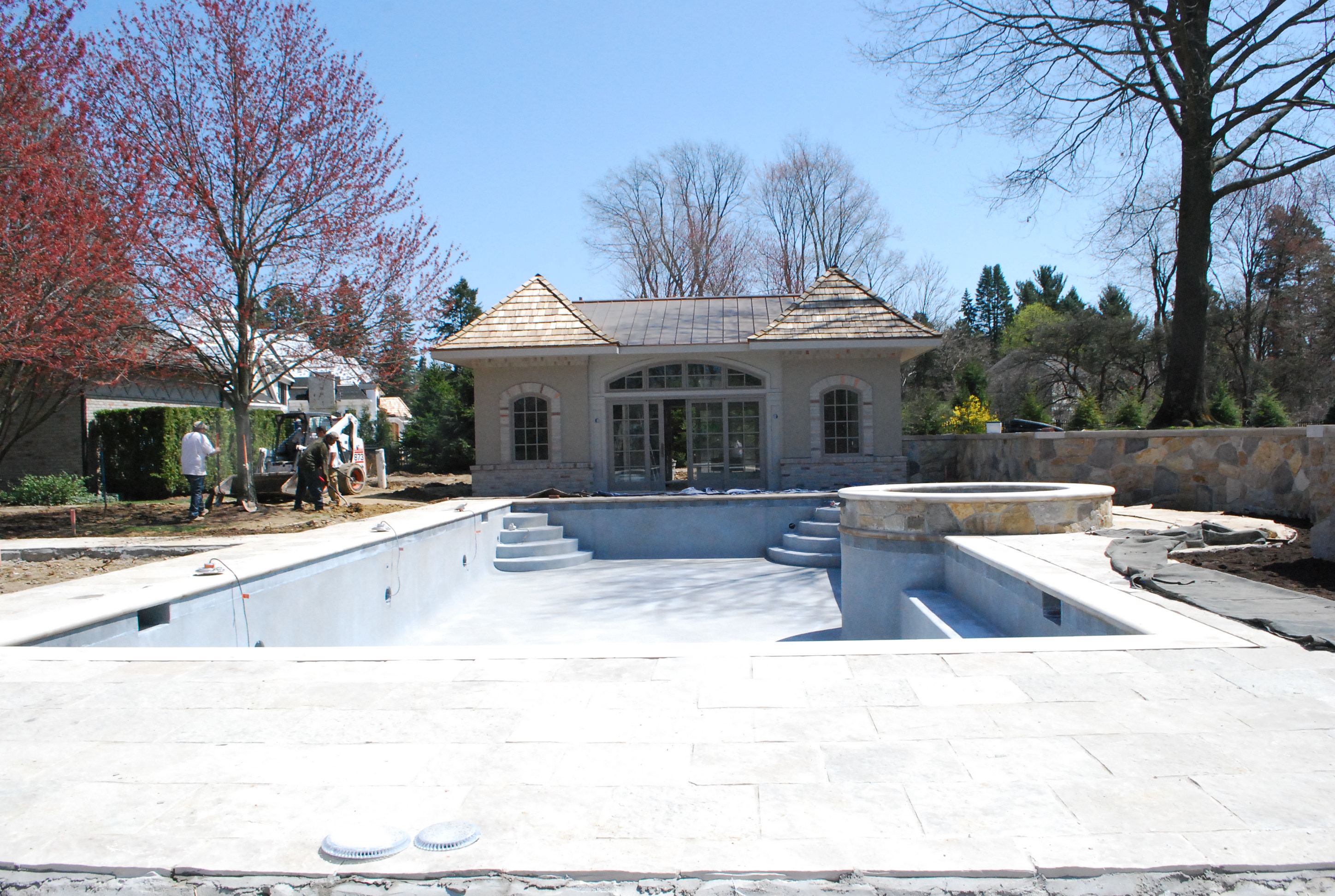
April-2012.jpgBy April, the pool house was up; the interior was under construction. The pool was finished, and waiting for warmer weather.  The landscape comes last, as the heavy construction occupies just about every inch of the space around it.  Once the exterior was finished and the debris cleaned up, we were ready to begin.

May-2013.jpgIn May, the addition of soil, grading, and prepping of the oil to plant was underway.  All of the beds were graded to meet the grade established by the pool and pool house. The existing landscape needed to be welcomed into the new design.

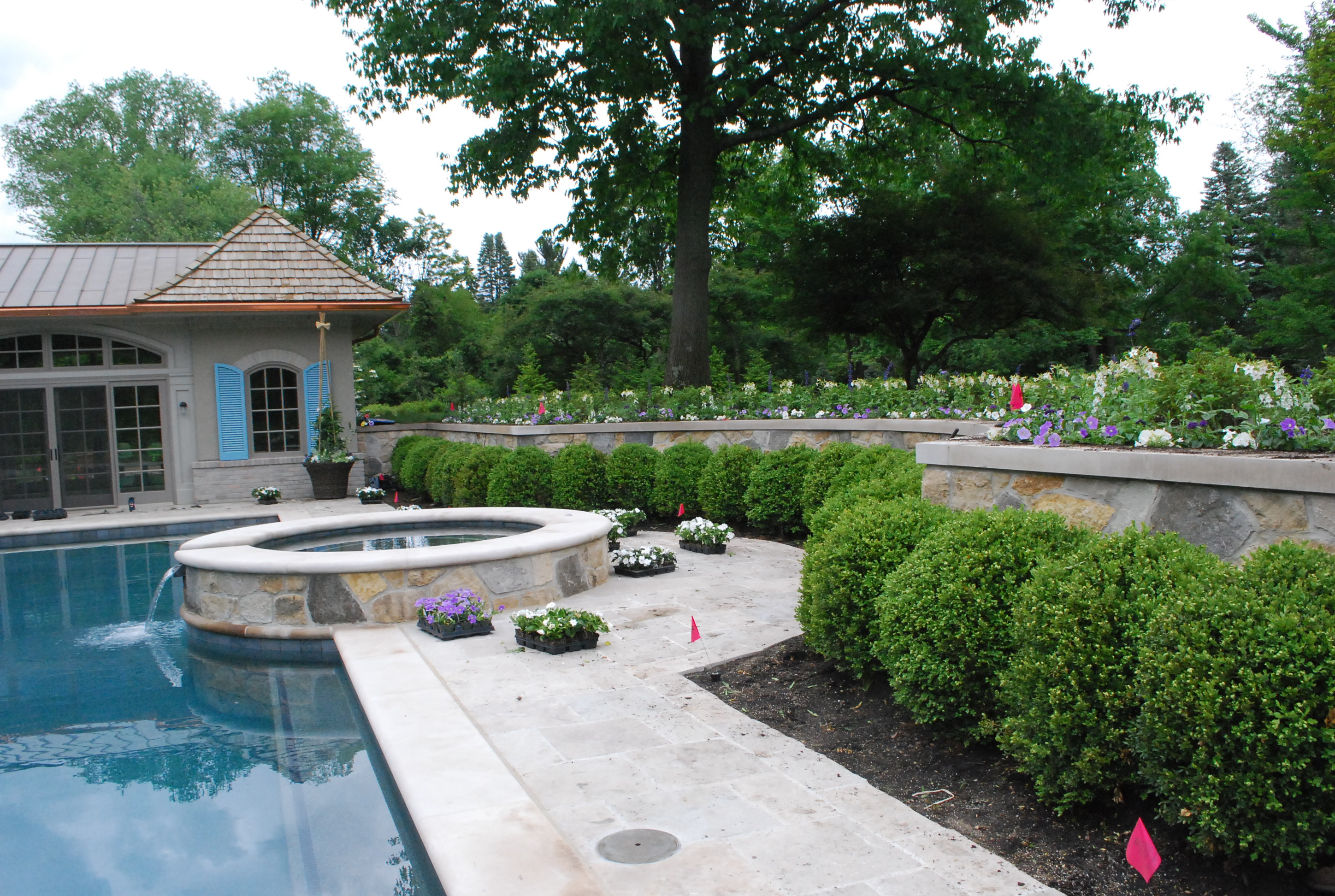
June-2013.jpgOnce all of the woody plant material was planted, and an irrigation system in place, the project was ready for grass, perennials and annuals.

June-2013.jpgBy this time, my clients were more than ready to give up the construction phase, and move in.  Who could blame them?  A project like this takes a lot of time to plan and execute.  There are problems that require attention.  In this case, quite a bit of drainage work was done before the finish.  Heavy spring rains created delays.

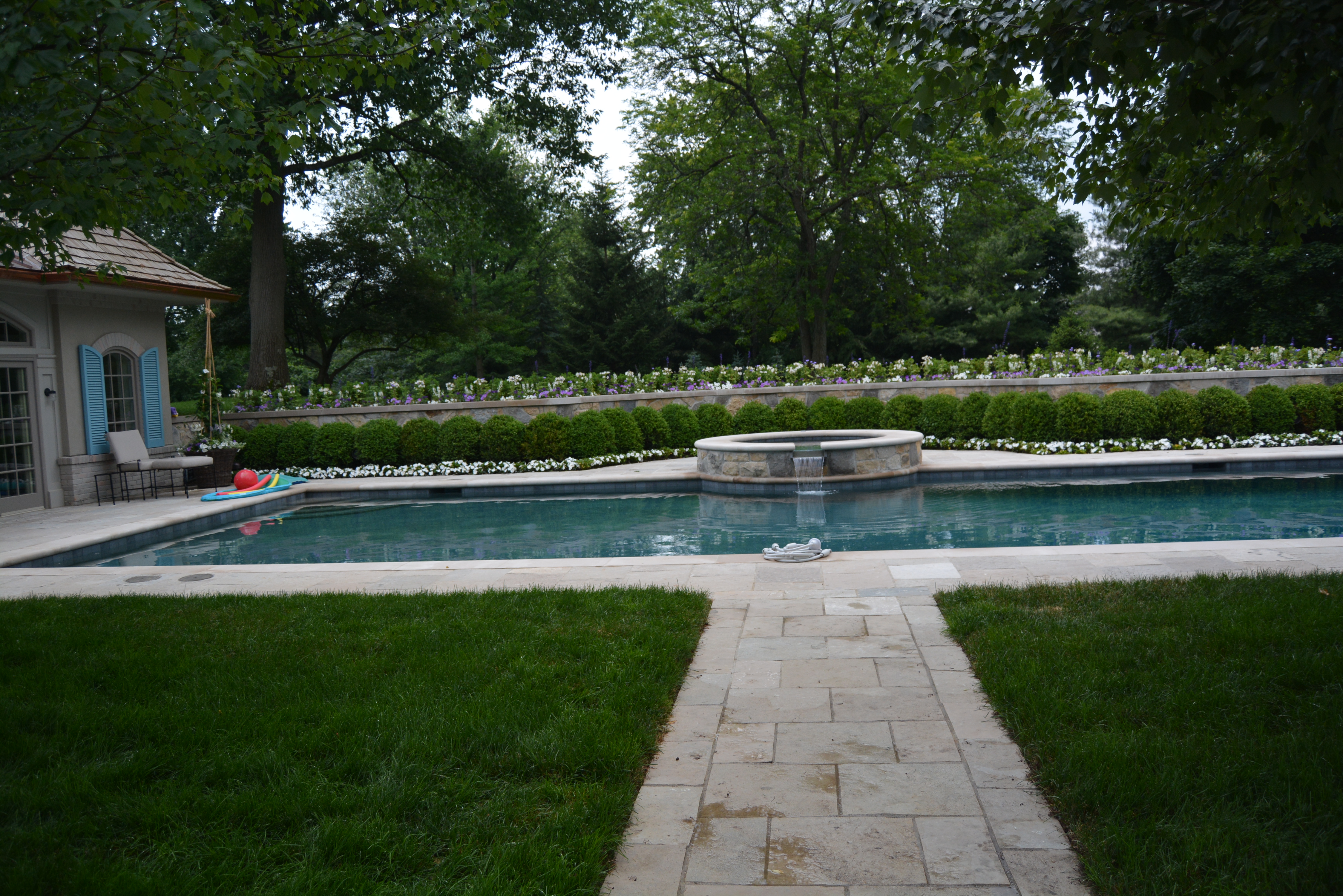
August-2013.jpgThe day when all of the commotion dies down, and a project comes to a finish, is a good day for a client. From start to finish, 11 months.  It is a satisfying day for all of the contractors who contributed to the final outcome.

August-2013.jpgOf course with a landscape, there is no final outcome.  This was the beginning.  I find that big projects created from a few bold and simple ideas are easier to stage and execute.  A plan for the logical order of events helps make a project come to fruition with a minimum amount of lost, down, or wasted time.  But even more importantly, a simple plan that focuses on establishing spaces, and creating structure leaves the door open for the future.  Should a client have success with a new landscape, and become more interested, gardens can be added.  A grove of fruit trees might be just the thing.

August-2013.jpgNew landscapes, whether big or small, benefit from a plan that prioritizes what needs to happen first.  A plan that asks for a lifetime’s worth of landscape development to be installed all at once puts a big burden on the client.  Once the installation is finished, my work is done.  But the work is just beginning for the client.  I like them to have the opportunity to decide whether they would like to take things further.  After they catch their breath with this phase, that is.

August-2013.jpgOnce the structure of a landscape is installed, it may speak back in a way that a designer and the client did not anticipate.  There may be surprises, second thoughts, or new ideas.  There may be something that does not work out.  Better one problem to solve, than a long list of problems to solve.

August-2013.jpgI think it is important for clients to experience success in maintaining a project.  A landscape design and installation is no better than the maintenance it takes for it to prosper.  They might decide they like the landscape that is doing well enough to do more.  A big perennial garden might be just the thing, providing the timing is right.  Not everyone would want as much to care for as I have.  Not everyone would want as little to care for as I have.  That degree has to emerge.  Better that the first part of the project creates a structure which can stand on its own.

late-August-2013.jpgThe degree to which a client is willing and excited to take ownership at the end of a project is no small measure of the success of the design.


Designing With Hydrangeas

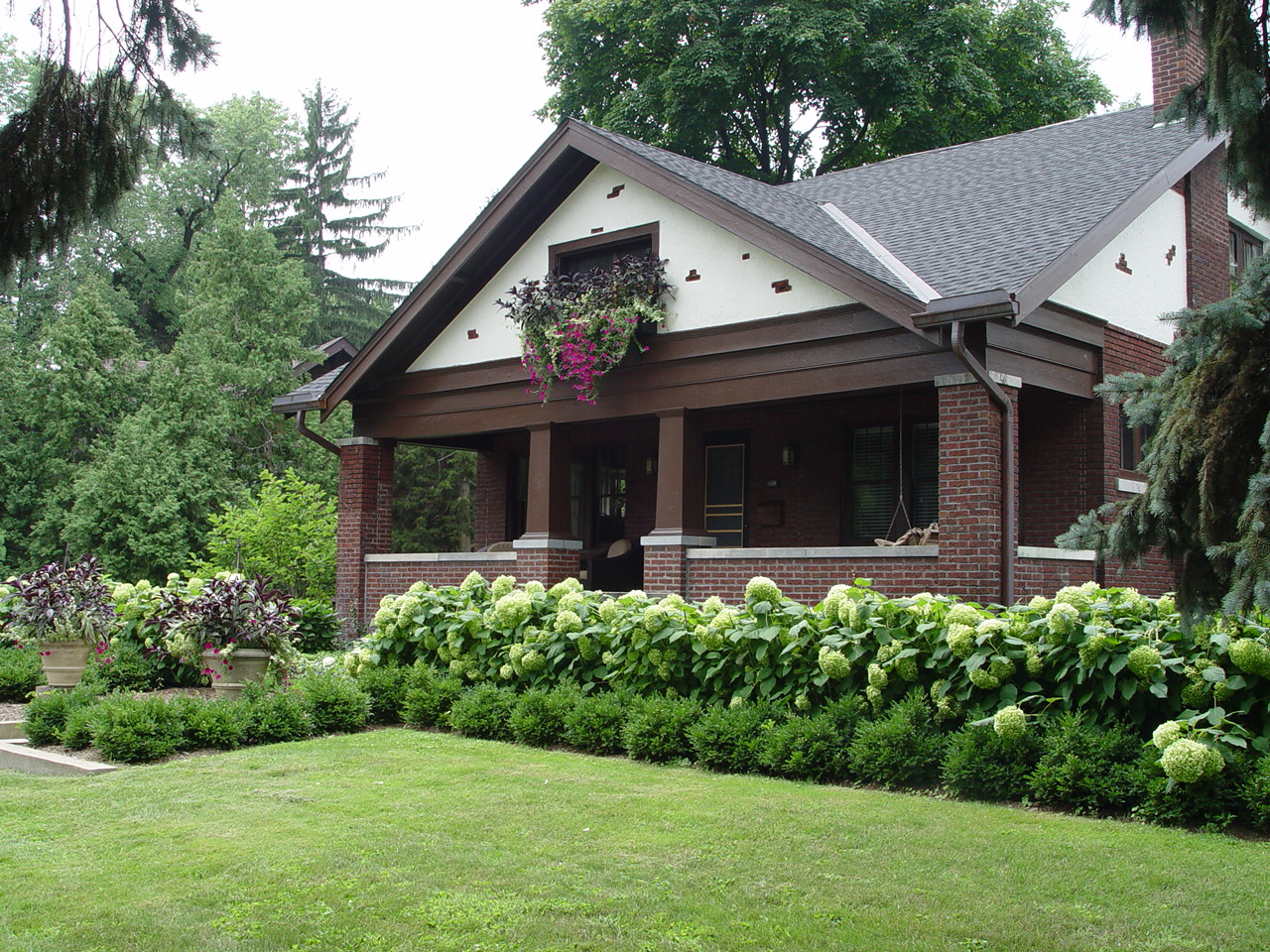
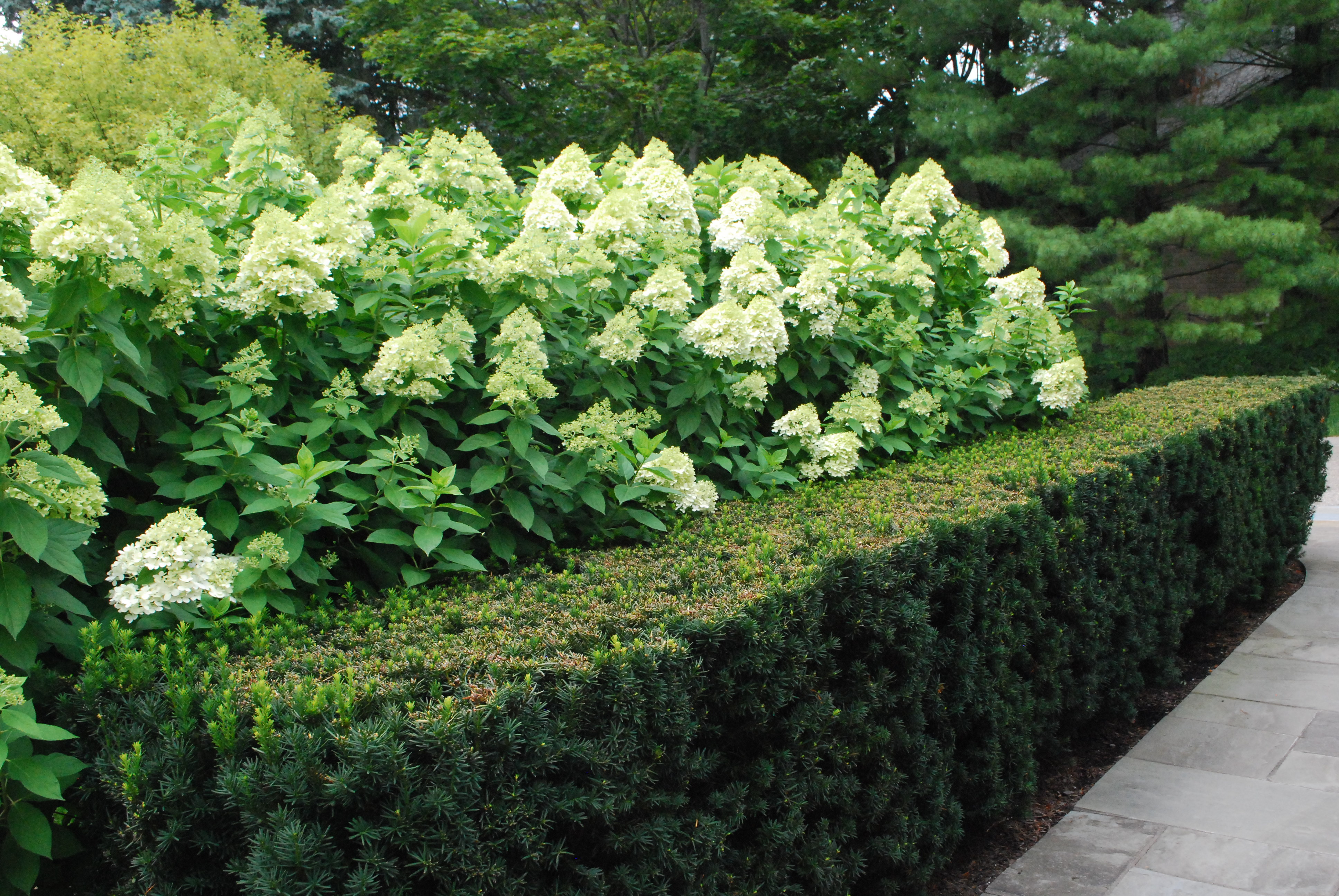
hydrangeas-hedge.jpgThe last two posts focused on the cultivation of hydrangeas.  In short, what hydrangeas are available, and under what circumstances do they perform.  Most of them are easy to grow, and willing.  Some are marginally hardy.  Some are not at all hardy in my zone.  Some represent better than others.  Growing hydrangeas is a much different and much easier topic to discuss than designing with hydrangeas.  One could grow no end of them-as I do.  I have 50 in my front yard.  Putting them together in a coherent and satisfying way-this would be garden design.  A garden or landscape design implies an idea, a scheme, or a plan.  The purchase of a hydrangea is easy.  Designing a place for it in a landscape-not so easy.  Any plant that I have a mind to include in a landscape gets a thorough vetting.  By this I mean-what does this plant require?  How much space does it take?  Where will it thrive? How can this plant be integrated into the whole?  Once I have an idea for a space, is a hydrangea the best plant to express that idea?  The picture above depicts a planting of limelight hydrangeas, before the bloom.  This is the perfect moment to think over their addition to your landscape.  Flowers can be very seductive, and distracting.   A big growing coarse leaved shrub that needs plenty of space-that would be a hydrangea. A hydrangea planted in too small a space is like being occupied by an army-beautiful flowers notwithstanding. This is the simple and working description, not the romantic one.

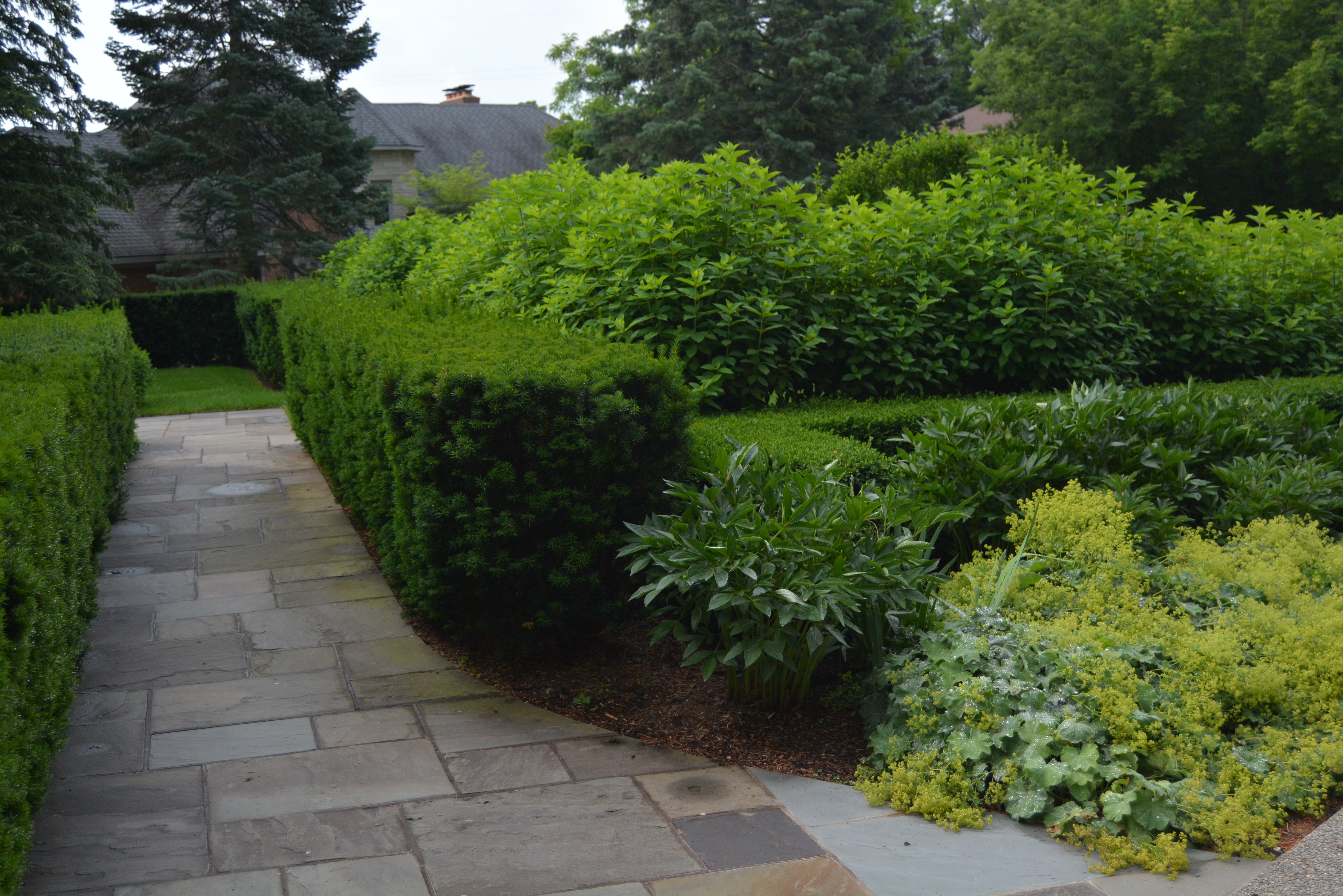
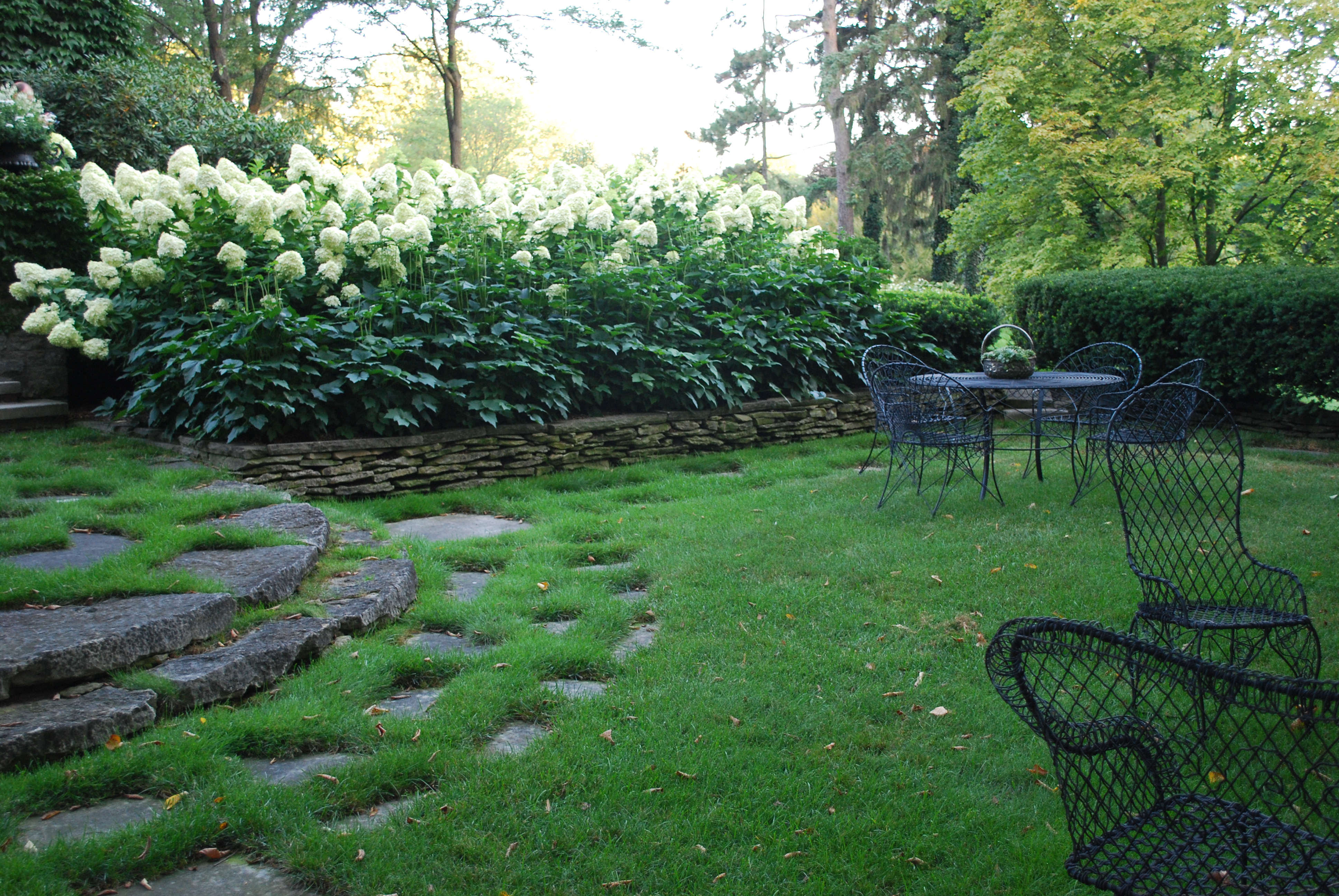
limelight-hydrangeas.jpgFlowers are just but one aspect to consider.  There are the green times.  The winter times. The fall color.  The early spring. Make it a point to be intimately acquainted with anything you plan to introduce into the garden, should the overall design be important to you. This planting of hydrangeas works well with certain other elements in the landscape.  The yews are dense, and clipped.  The boxwood is denser, and more closely clipped.  The peonies have big leaves.  The lady’s mantle blooms at ground level in a sumptuous way.  The hydrangeas?  They preside over all-given their height and exuberance.  Hydrangeas have a density and bulky aspect that makes them ideal for garden situations where they cannot overwhelm their neighbors.  Small leaved or delicate perennials can be visually and physically overrun by a neighboring hydrangea.  Stout evergreen hedges can give a crisp look to a blowsy growing shrub.  Yews can help support the lax stems of hydrangeas.

Annabelle-hydrangeas.jpgAnnabelle hydrangeas will flop over in an instant.  If you plan to make them part of a landscape design scheme, stake them early.  This client loved the big growing rangy shrubs with their giant flower heads-but he equally loved the design of his landscape.  These Annabelles were staked first thing, in the spring.  The boxwood provides an orderly edge to the space.  They also provide some green interest in the winter months.

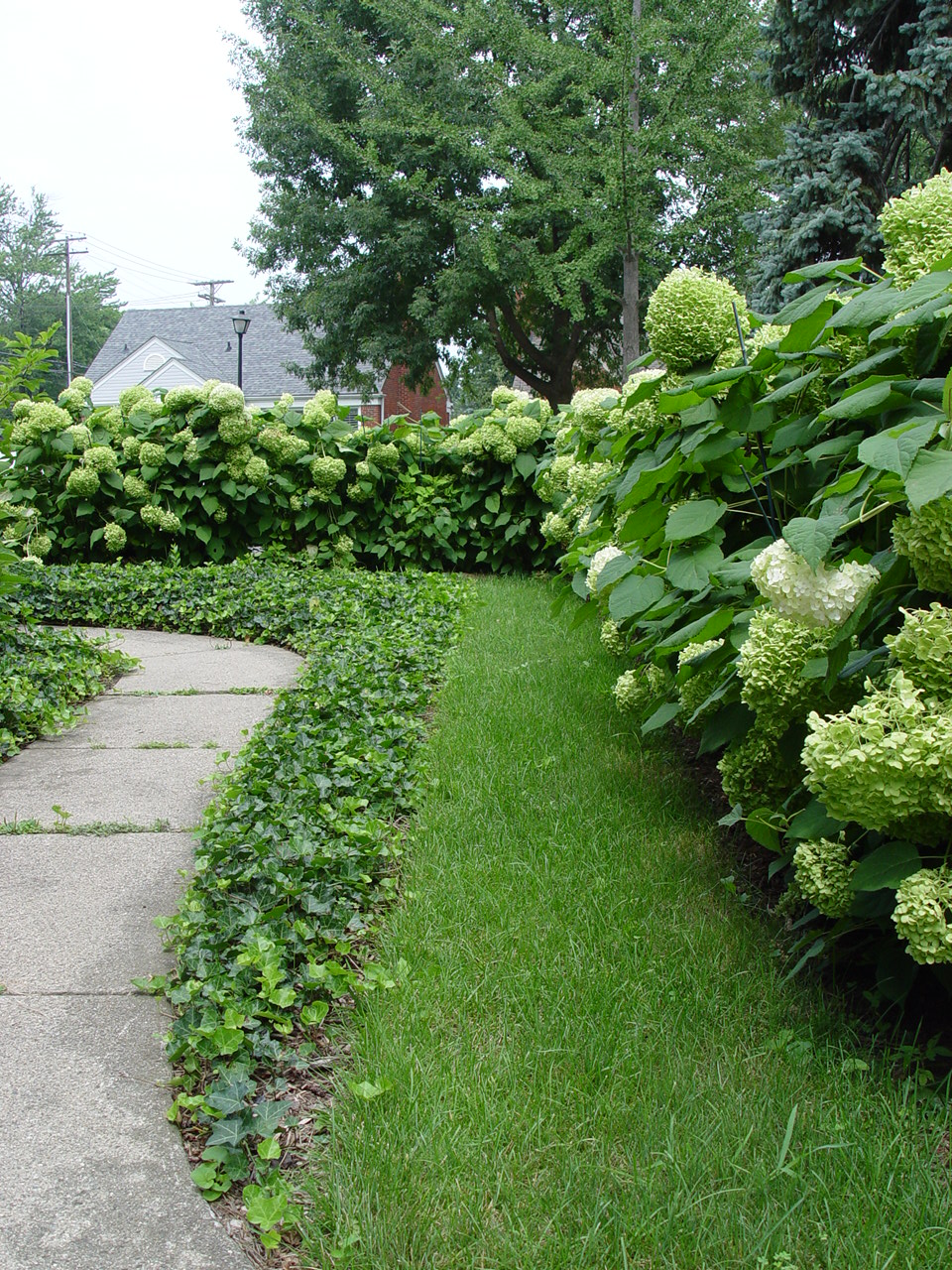
grass-border.jpgHydrangeas are big growing.  They need lots of space.  This planting of Annabelles has a grass border.  The slender simply textured blades of grass contrast and highlight the big leaves and rangy growth of the hydrangeas.  The ivy was part of an existing bed when we renovated the space-I did not see any reason to get rid of it. The texture of the grass with the hydrangeas is more pleasing than the texture of baltic ivy.

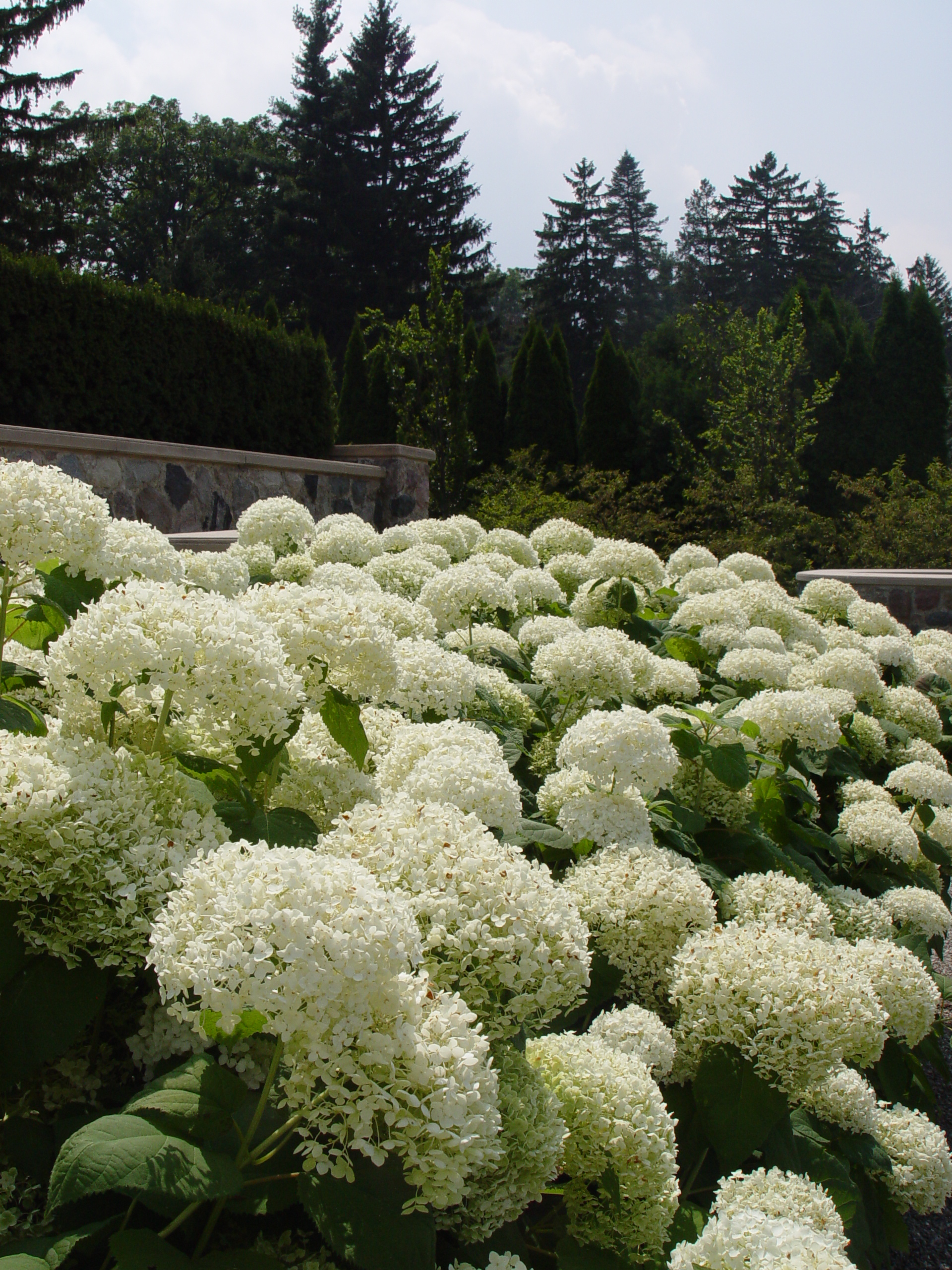
Annabelles-in-bloom.jpgThe flowers of hydrangeas are overwhelmingly beautiful. And overwhelming.  They need a big space to be.  They are a perfect match with massive architectural features, as a stone wall or flight of stairs.  Their sheer bulk, strong presence and white flowers makes them ideal for expressing a long sweep, or directional line in a landscape.  The white flowers make a great backdrop for other flowers, either perennial or annual.  Their height, which can be somewhat controlled by pruning, makes them ideal for facing down other larger landscape elements, like trees.

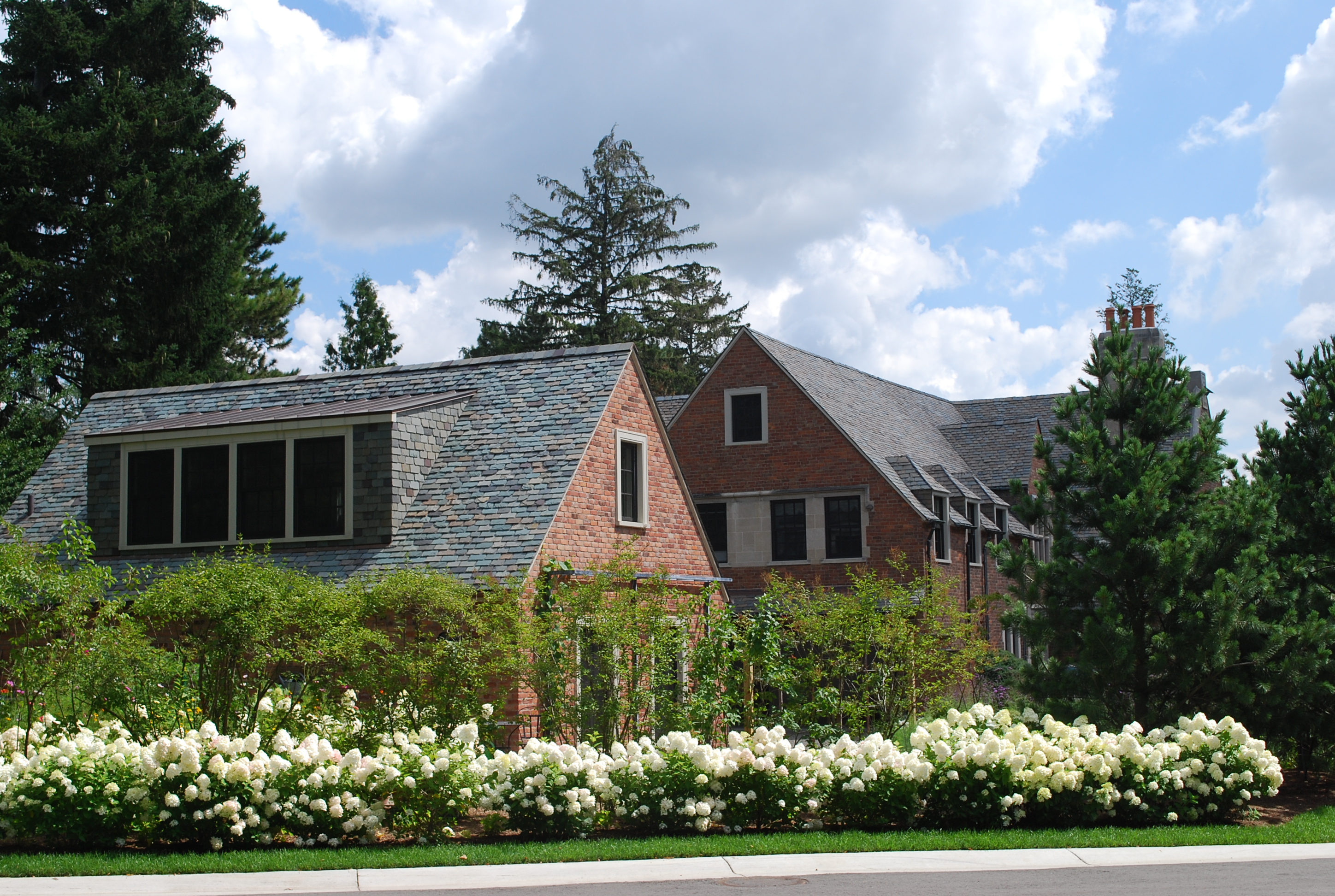
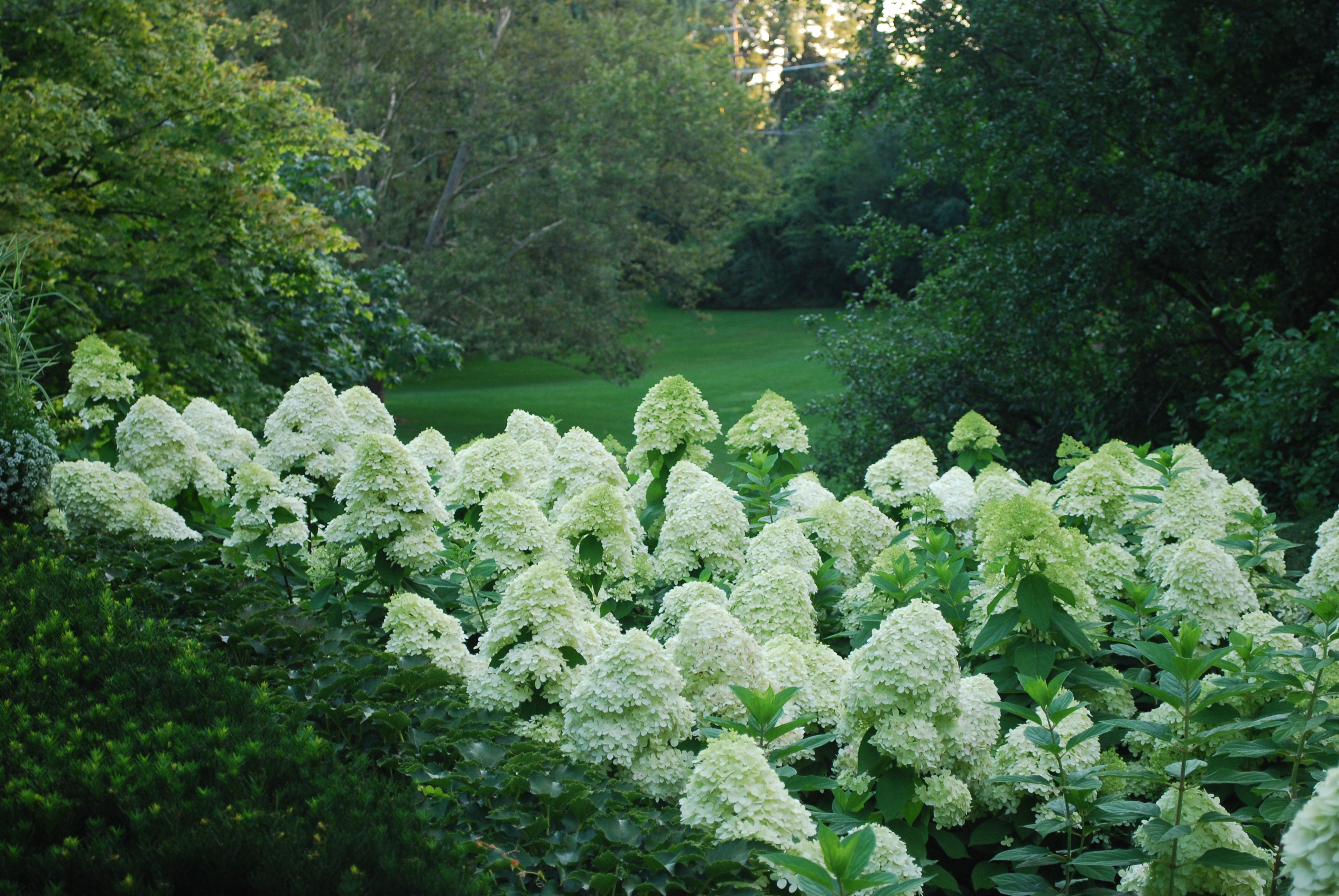
hydrangeas.jpgA hedge of Limelight hydrangeas is a soft way of defining a space.  You need the room to let them grow up to be what they are destined to be.  A long run of them can enclose a space, in a friendly way.

hydrangeas.jpgA landscape dominated by evergreens, and deciduous trees at a distance, can be leavened, brightened, by hydrangeas.  The leaf is a medium green, and the white flowers can be seen from blocks away.

hydrangea-border.jpgHydrangeas develop woody legs, over time.  Face them down with shorter growing ornamental grasses-or in this case, Honorine Jobert anemones.  Your design may ask for layering.  A design is not about this plant, or that plant.  It is about a community of plants, the interaction of all with the weather and the seasons.

hydrangeas-and-yews.jpgGreat design is intimately associated with the relationship a designer assigns from one plant to another.  The relationship of the plants to the space.  What defines that relationship?  Color, mass, texture, line, volume, weather-all of these design elements figure into the design of a landscape.  A design that accommodates, makes use of, and features the habits of the plants involved is design that is visually sensitive.

hydrangea-wall.jpg

The most important element in design?  The gardener in charge.  It is easy to grow hydrangeas.  It is much harder to design successfully with them.  But when the design plan is well done, a beautiful shrub goes on to help create a breathtakingly beautiful space.

Other Hydrangeas

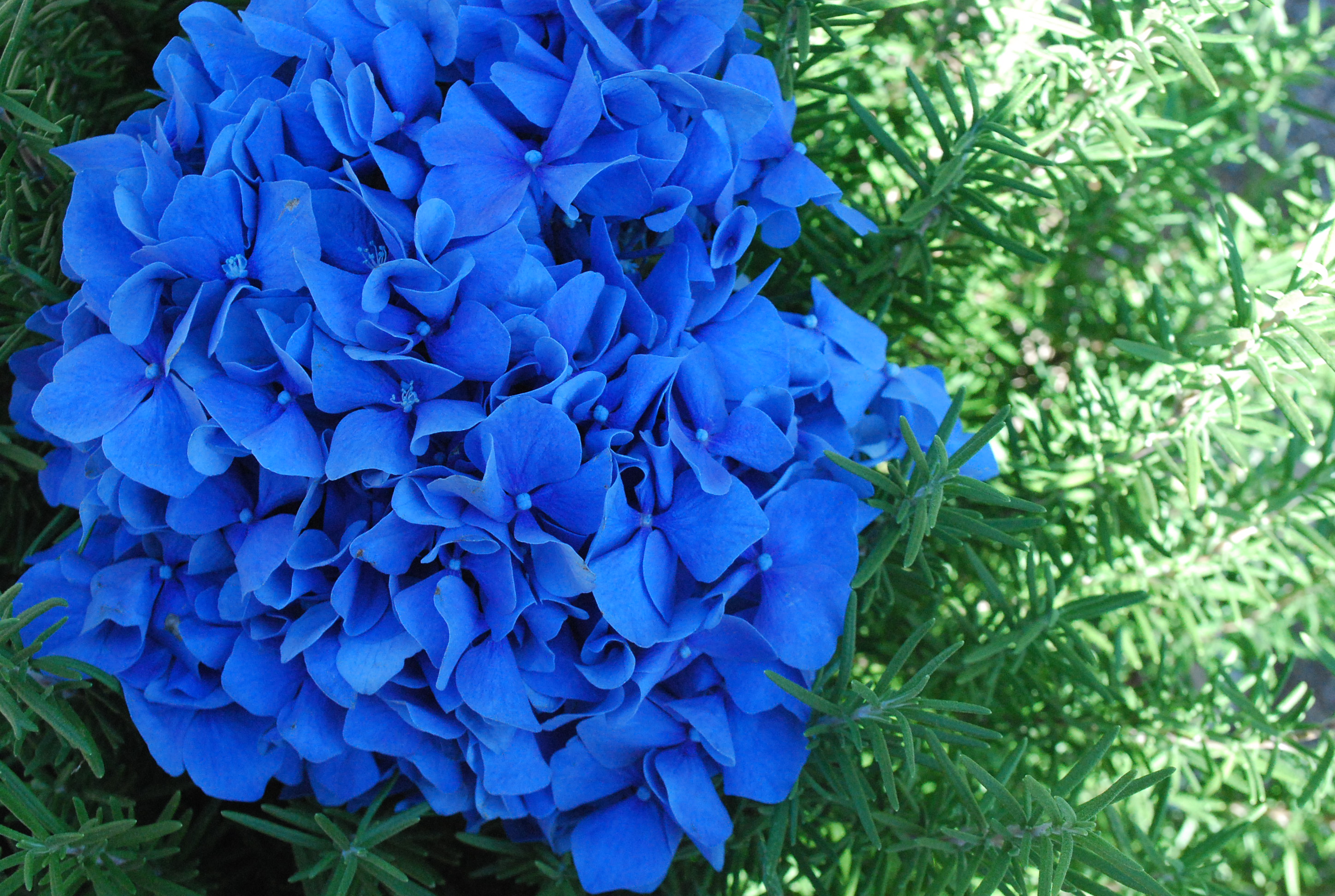
Dutch-blue-hydrangea.jpgThere  are lots of other hydrangea cultivars available besides Limelight and Little Lime.  I would have no problem growing this electric blue Dutch hydrangea, but it is only available to me as a cut flower.  My zone is noted for its unspeakably cold winters.  Hydrangeas that would prosper in California or Virginia would sooner or later succumb to the cold.  I routinely see landscapes that have what I call “florist’s hydrangeas”-presumably purchased from a greenhouse at Easter time-planted in ground.  These hydrangeas rarely bloom again once planted in the ground here.  The plants can survive the winters, but the flower buds are killed by the cold.

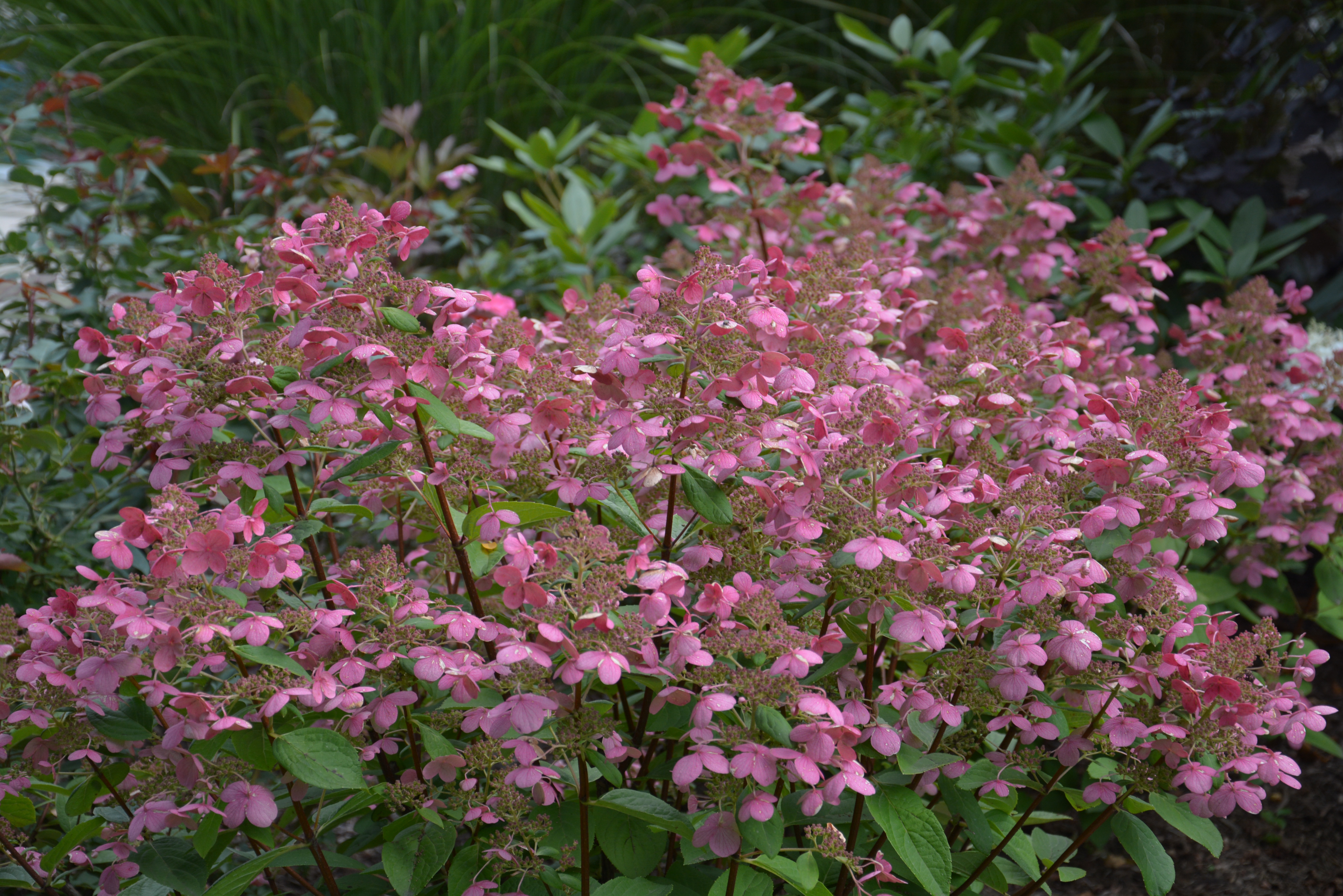
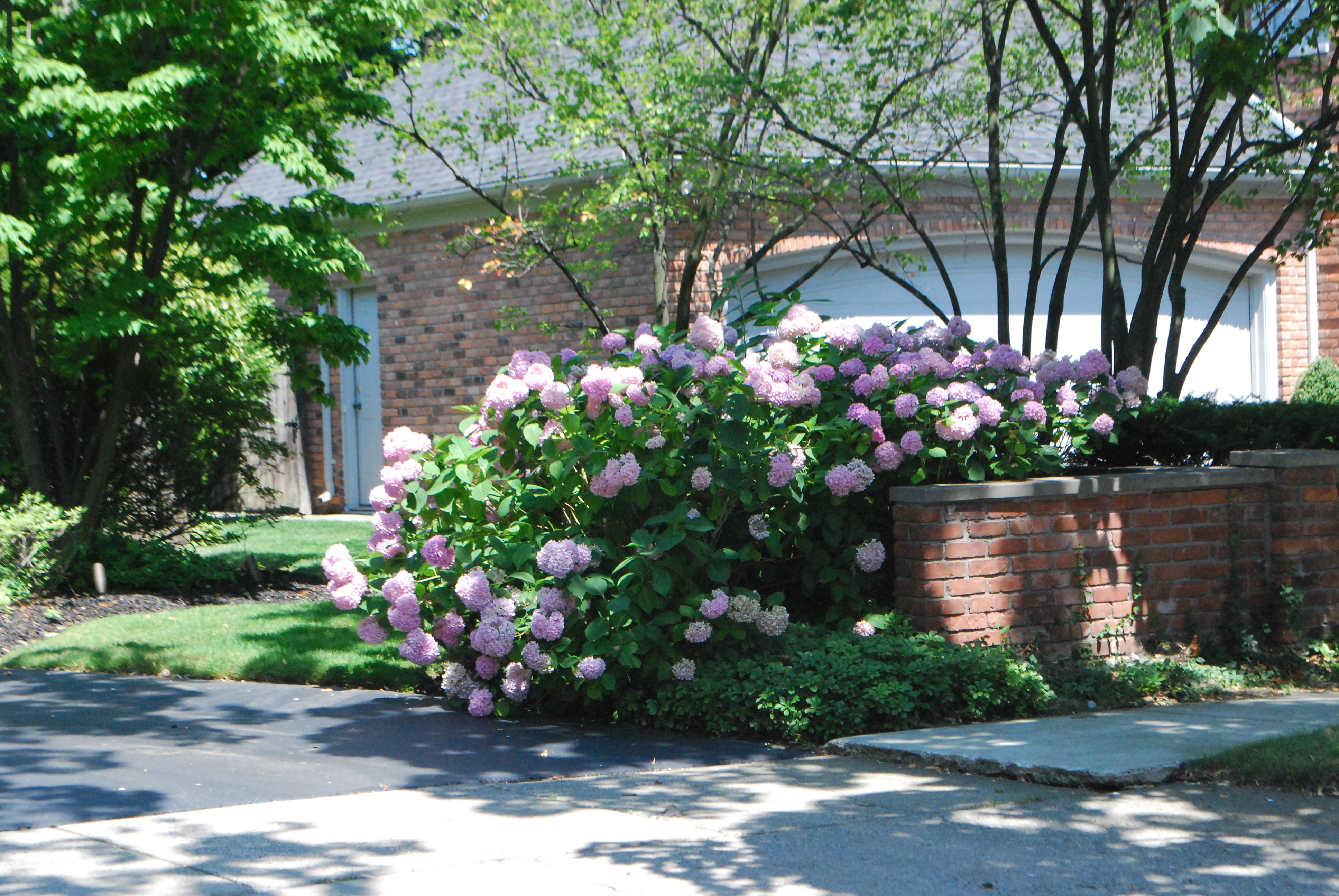
pink-hydrangea.jpgThere has been a lot of interest and a lot of hybridizing of hydrangeas going on in recent years-especially in the area of hydrangeas other than white.   It is no mystery why.  People buy shrubs that have showy flowers, leaves or fruit.  The sales of rhododendrons in my zone must be considerable.  In the spring, I see newly planted shrubs in full bloom in plenty of yards.  But few gardeners in my area have success with them.  They like acid well drained soil, and regular moisture.  They like sun, but protection from winter winds.  A case in point? I have tried, on more occasions than I care to admit to, added to the established rhododendrons on the north side of my house without success. Where am I going with this?  People are more likely to buy showy blooming shrubs that come with the promise that they are easy to grow.  It is hard to argue with success.  This pink hydrangea recently photographed in a client’s yard-I have no idea the name.  I have to admit it looked great.

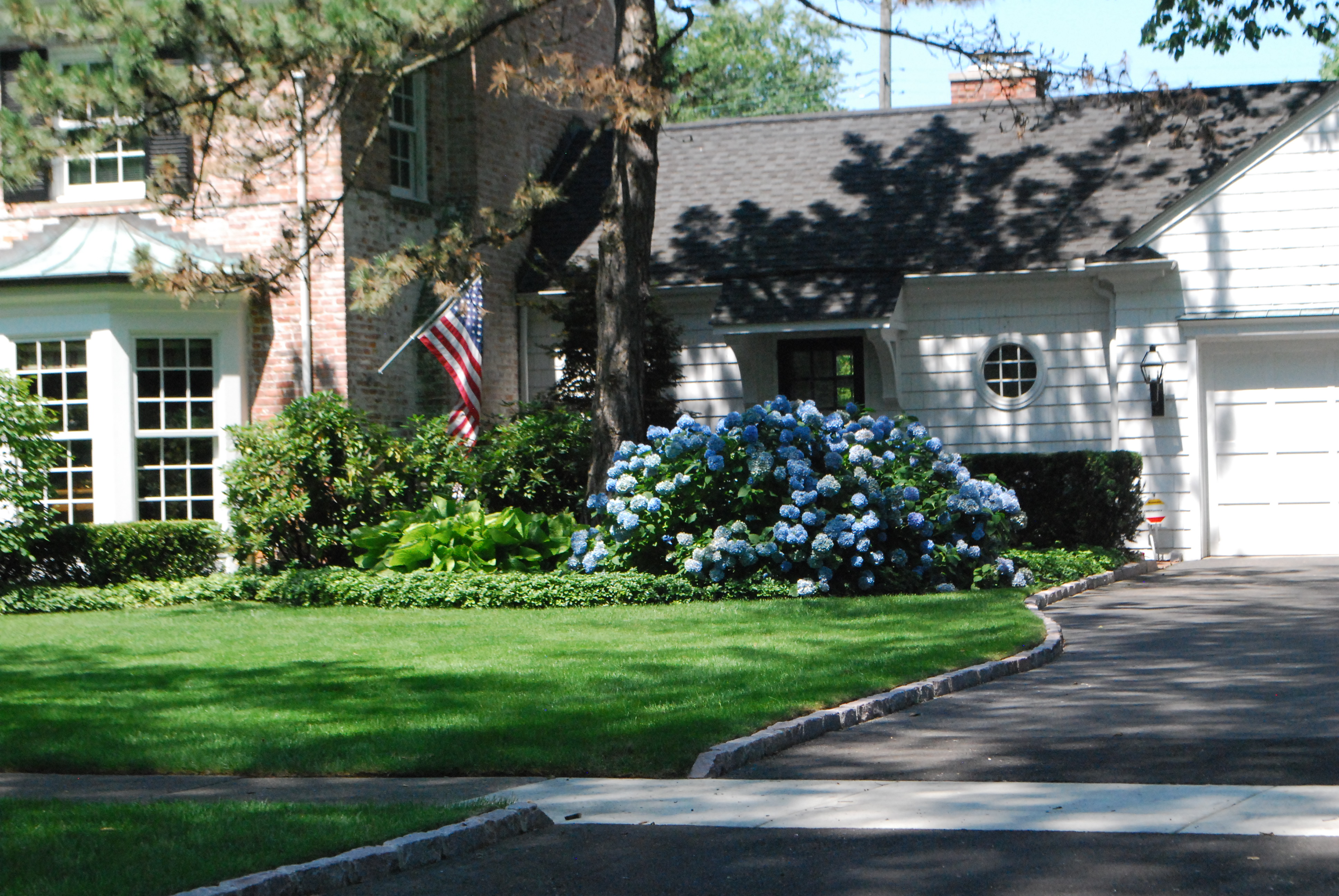
Nikko-blue-hydrangeas.jpgI have planted lots of Nikko blue hydrangeas.  The places where they thrive and bloom heavily-just a handful.  This property-I have not one clue why they do so well, year after year.  Just down the street-big green shrubs with a few flowers here and there.  Sparsely representing is not a good look for a summer blooming hydrangea.

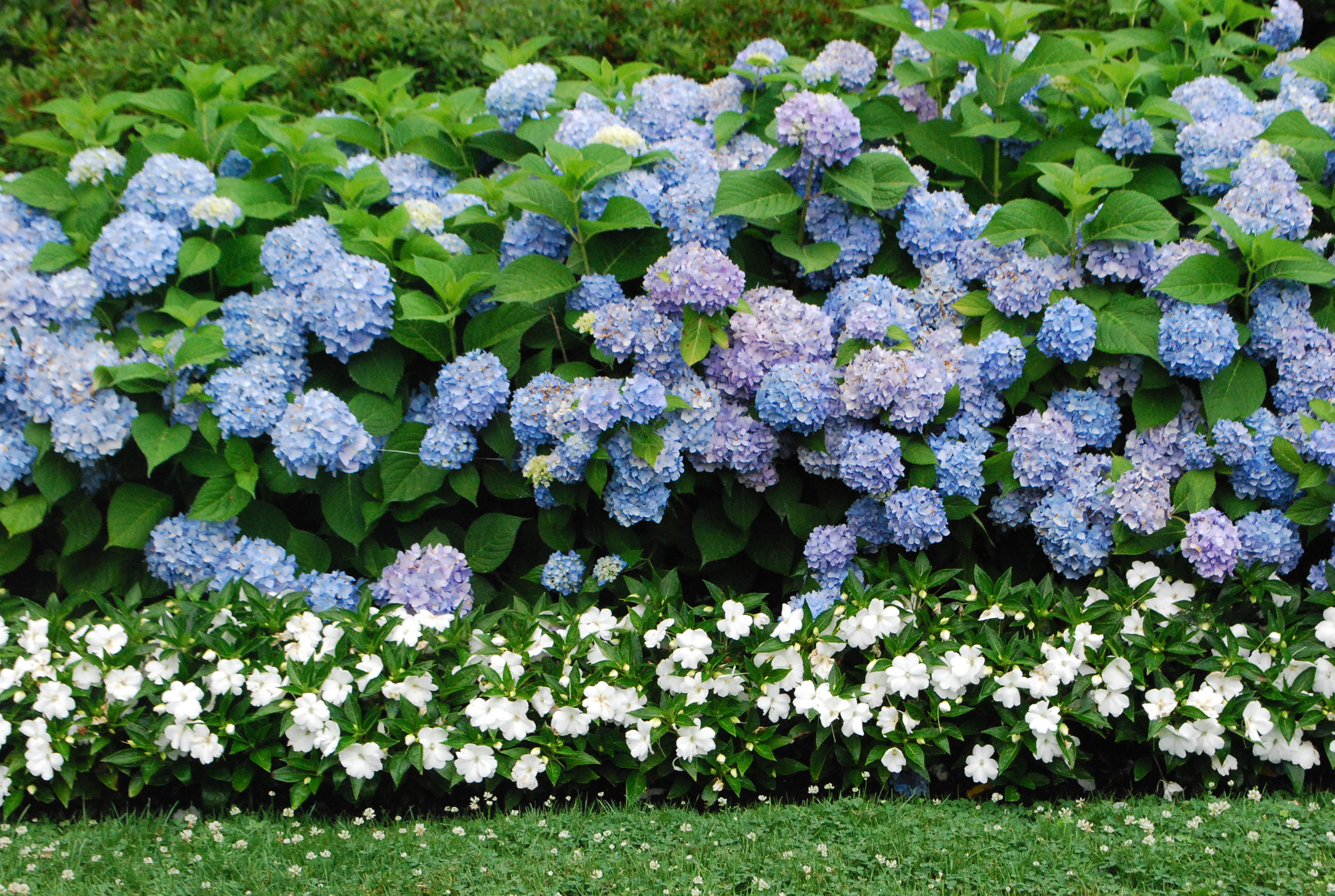
Nikko-blue-hydrangea.jpgA community on Lake Saint Clair, where I do a fair amount of work, those hydrangeas other than white are summer swell.  This is one old Nikko blue hydrangea, blooming to beat the band.  What it is about this environment that favors this hydrangea-I have no idea.  I do have clients who faithfully acidify their hydrangeas in hopes of those prized blue blooms.  Has this shrub had that level of care, or does it succeed on the strength of its location and the composition of the soil?  I wonder.

pink-hydrangea.jpgThe same neighborhood is all abloom with pink hydrangeas.  This is a pair of shrubs.  I have no idea of the cultivar.  It cannot be a new variety, as these shrubs are old.  On my side of town, the west side, I never see pink hydrangeas that perform like this.  There are lots of new cultivars.  All Summer Beauty, Endless Summer-and so on.  I will admit I shy away from them.  Any plant material I design into a landscape needs to have a reasonable chance of success.  A client who has success may decide to move on to being a passionate gardener.  Part of my my pleasure in my job is to see this happen.  Sometimes I install a landscape, and I have to persuade a client to take ownership.  When there are successes, they brush me off, and move on.  I like this.

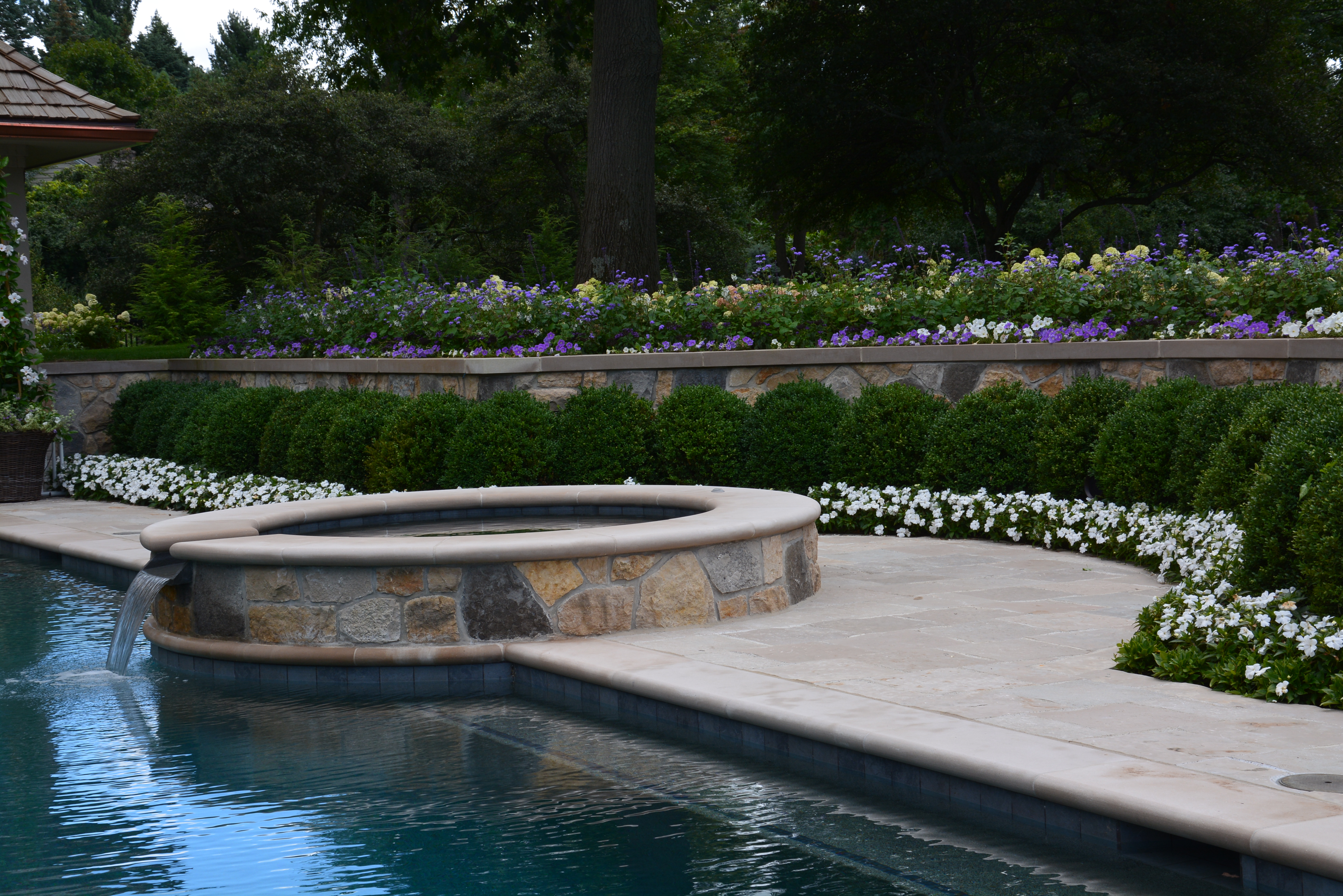
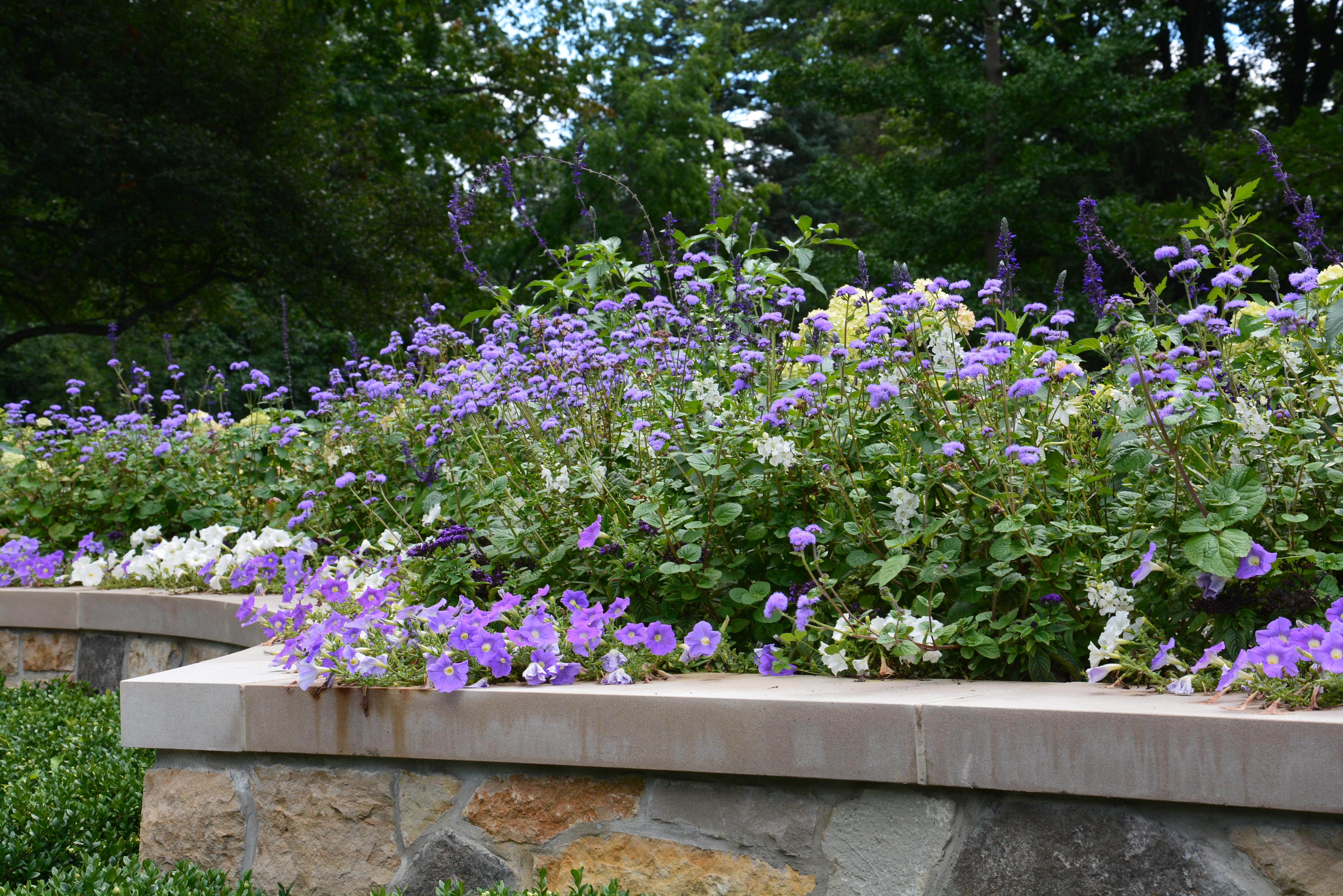
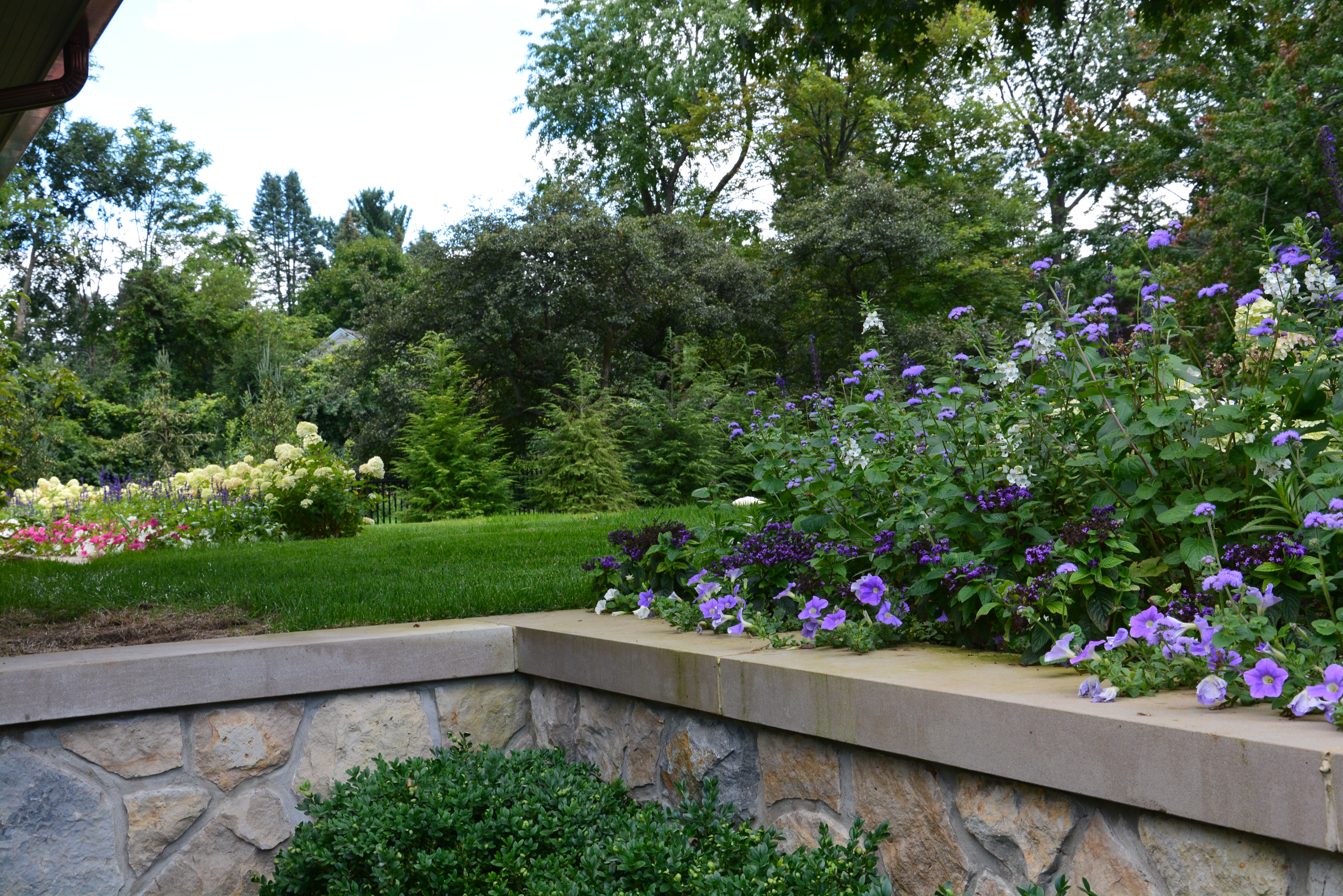
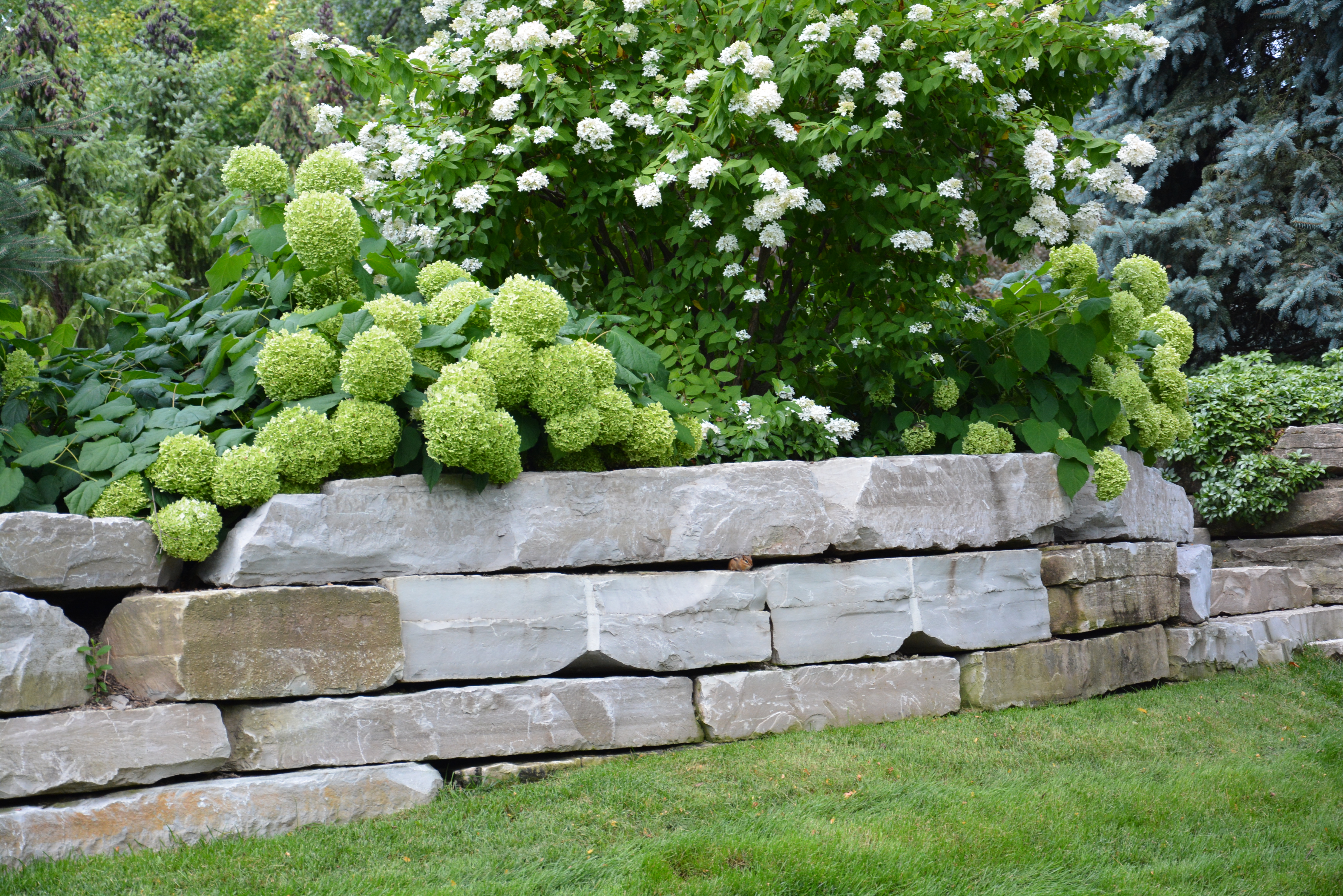
annabelle-hydrangea.jpgThis discussion takes me back to the white hydrangeas.  Hydrangea arborescens “Annabelle”  is an old stand by.  Plagued by giant flower heads, and weak stems, this cultivar weeps.  It is not unusual to see them hang over to the ground.  I rarely plant them anymore-I much prefer the Limelights.  They are so easy, in every regard.  But Annabelle planted on top of a wall is a really great look.  Those flowers soften an elevated garden space.

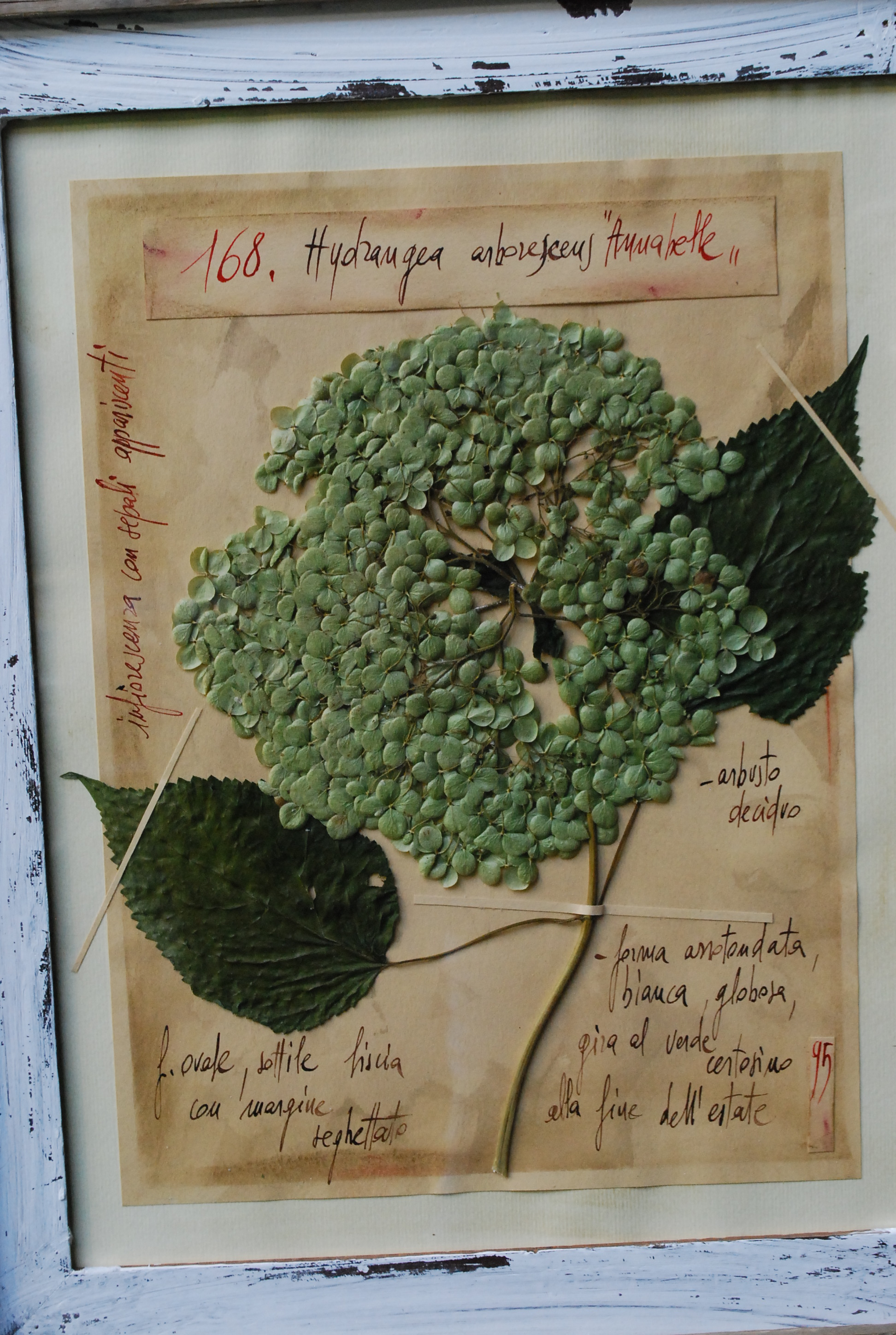
herbaria.jpg

The white hydrangeas- Limelight, Little Lime, hydrangea paniculata, Annabelle-and the strikingly foliaged oak leaf hydrangea- they prosper in my zone.  Pictured above, a framed herbaria from a gardener,  and her artist husband in Italy.  Rob bought a series of framed hydrangea herbaria from them. It is a good thing to have a big love for the garden.  The design, the planting, the care, the years-magical.  I only grow Limelight hydrangeas.  It is enough for me-how willing they are to grow and bloom profusely in my garden.  This framed herbaria captures what I could not write in words about hydrangeas in summer.  Beautiful.