It was 30 years ago last night that Rob and I were hosting an opening preview celebration for Deborah Silver and Company’s new venture – Detroit Garden Works. This brand new company would make fine, whimsical, intriguing, memorable and shockingly beautiful ornament for the garden available to keen gardeners of all persuasions. Ha. It was a good thing we had ideas and determination, as it would take all of that and then some to make this wish come true. By “then some”, I mean the 10 years after the opening that it took to get the shop centered, fully off the ground, and firmly in the black. We fought for it. Sincerely.
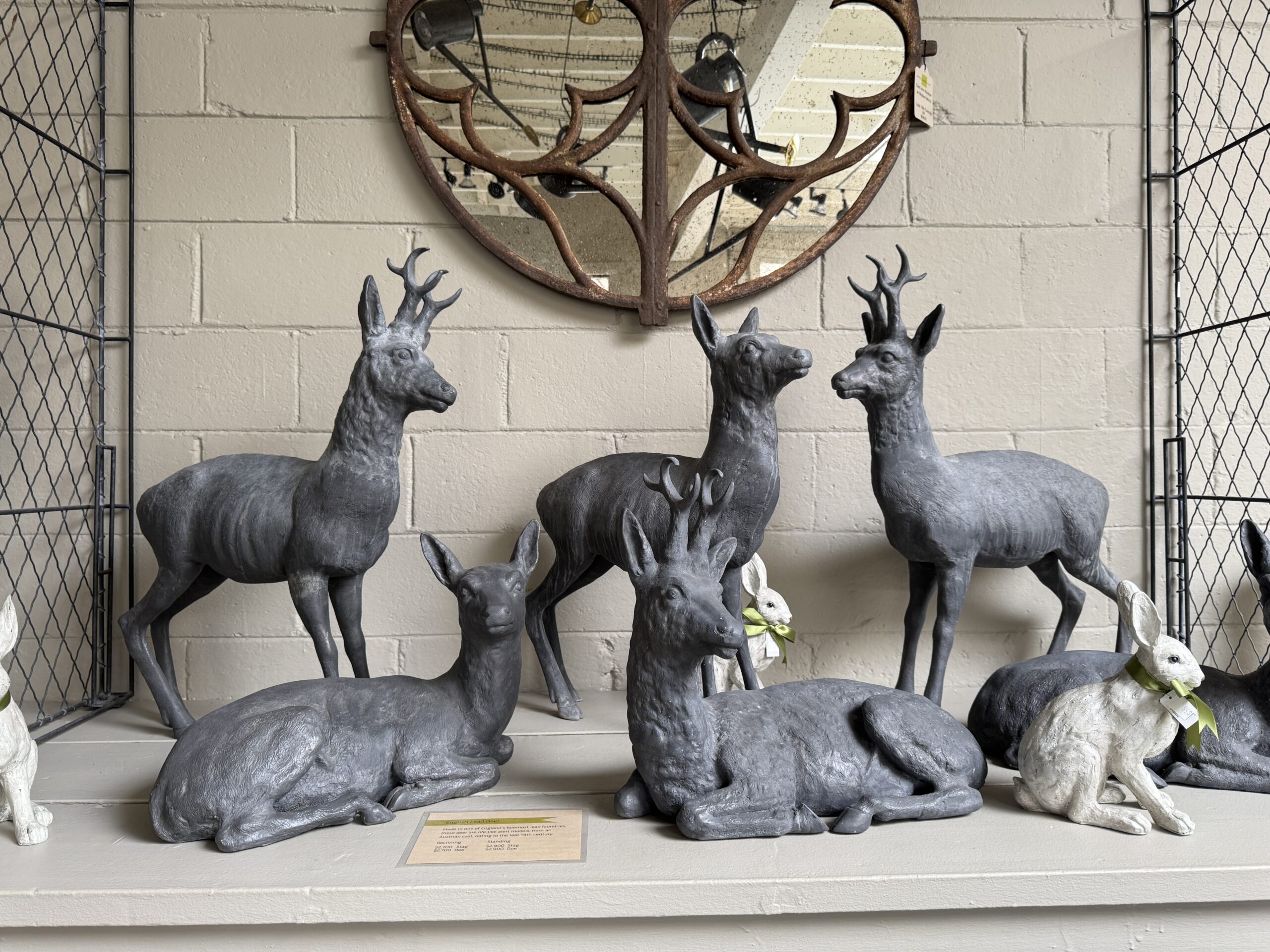
My landscape design/build firm, Deborah Silver and Company, opened for business in 1986, a decade earlier. Though the vast majority of my landscape design work revolved around the instinct to sculpt ground and install beautifully designed landscapes and gardens to life on the surfaces of that sculpted ground, I felt like a certain element was missing. An interest in art and sculpture meant I had an interest in ornament for the garden. What do I mean by that? Any object which represents a significant memory or a point of view about what is beautiful or emotionally important can imbue a landscape with atmosphere. A landscape with atmosphere is all I have ever hoped to make. Though I was keen to include this ornamental layer in my landscape design and installation projects, precious little was available.
Rob joined the landscape company in 1992, after completing his degree in landscape architecture at Michigan State University. It became clear early on that his landscape design work was austere, complex, yet casually offhand. Years later, he knows how to make a subtle and gracefully constructed arrangement look as if he dashed it off in a moment. No matter how long he labors over and reworks anything he does, it will be perfectly convincing. He is a proponent and champion of a sparse look that always hovers just over and on the right side of weedy. That early mix of modernism and mess confounded me, and drove me crazy. No design project of his ever came to a definitive close. Clients wanting direction that had parameters in mind got his tinkering with no boundaries. How did we resolve those early years, co-designing ? He had a romance going on with the garden like no other person I had ever met. I reserved judgment. This is one of the better decisions I have ever made. I truly admired his point of view. A commitment to that took me a long way. The idea that we would open a shop devoted to fine quality ornament for the garden was an idea we came to share. That he would do all of the buying for the store is that one decision that keeps us here 30 years later.
In the fall of 1992, Rob had a winter trip planned to Czechoslovakia to ski. I financed a side trip, a very casually weedy trip, to scout European ornament that might be of interest to us, and to our clients. 2 pallets representing the sum total of his shopping arrived months later. It was exhilarating. We knew the right collection of pots or sculpture could organize a landscape. An antique garden ornament saturates the immediate environment with a sense of another time and place – history. Vintage farm troughs recall that time when agriculture was so much a part of every life. Vintage ornament of an agricultural history satisfies that longing for connection to nature. Contemporary sculpture in the garden can evoke an appreciation of form, mass, and texture in a very direct and abstracted way. I wanted the perfect bench, the most striking container, and topiary forms that would work while they were being beautiful-for my landscapes. I knew that Rob would take this on.
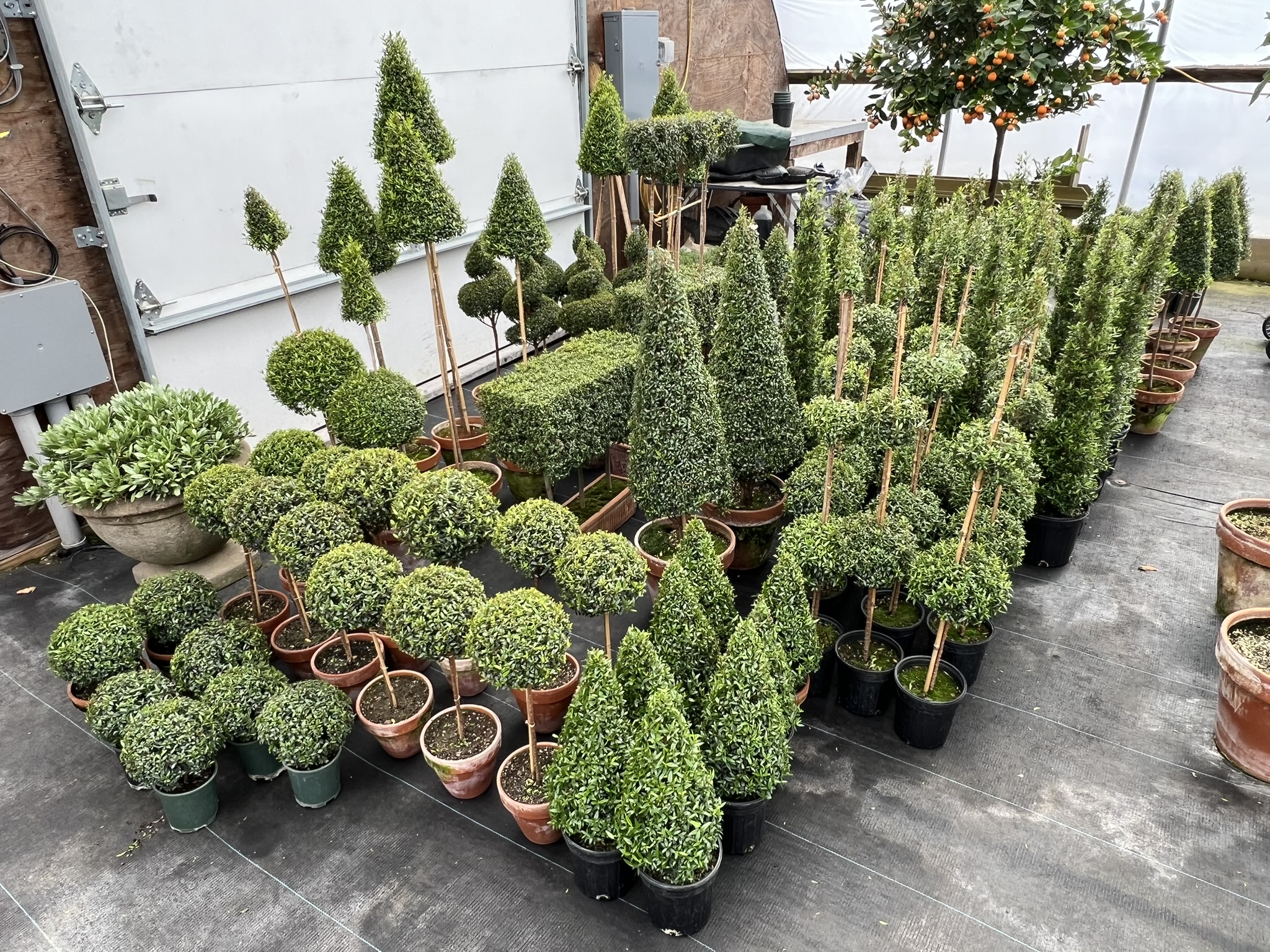
Now, Rob buys for Detroit Garden Works. He attends the flea markets, fairs and factories. He has relationships with garden antique dealers, both in the US and abroad. He makes a point of visiting nurseries and specialty growers everywhere he goes. He makes it a point to meet the people who make things for gardens. He gives them the time and space to speak to their craft. What eventually makes its way to Detroit Garden Works in the spring of each year is a very carefully curated collection that has been assembled with a discerning eye.
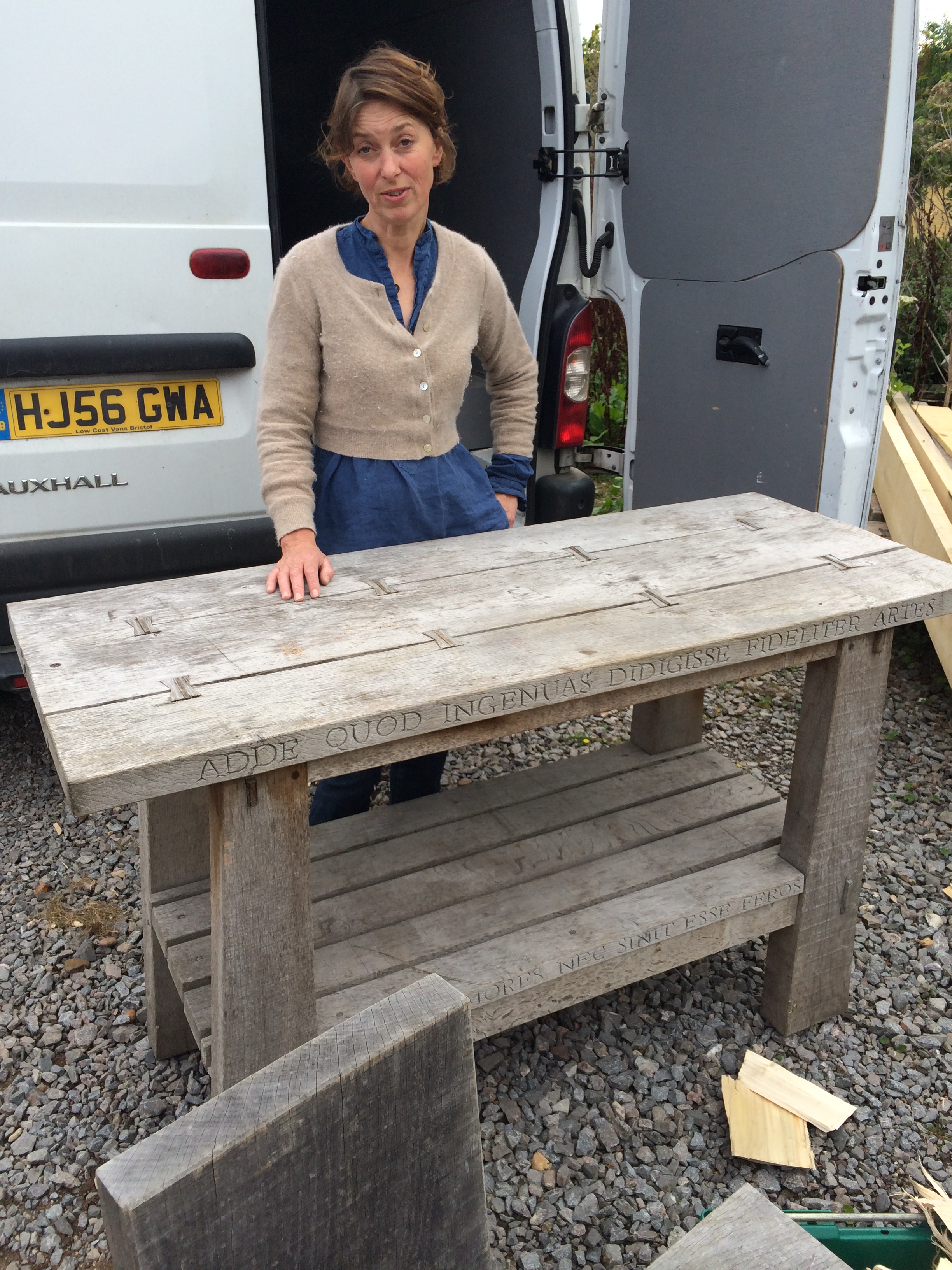
His shopping is always about the stories of the people. The antiques dealers with a long history of collecting. The person who carves words into the oak boards that comprise her garden furniture pieces. The people whose pottery is still making pots going on two hundred years later. The artisan who is creating their own special brand of ornament. The dealer who has taken the time to make very fine quality reproductions of classic garden ornament. The armillary sphere maker whose attention to the science, physics, and fabrication warrants a closer look. I greatly admire how he takes the buying to heart. That big heart of his has made Detroit Garden Works a destination for gardeners of every persuasion.
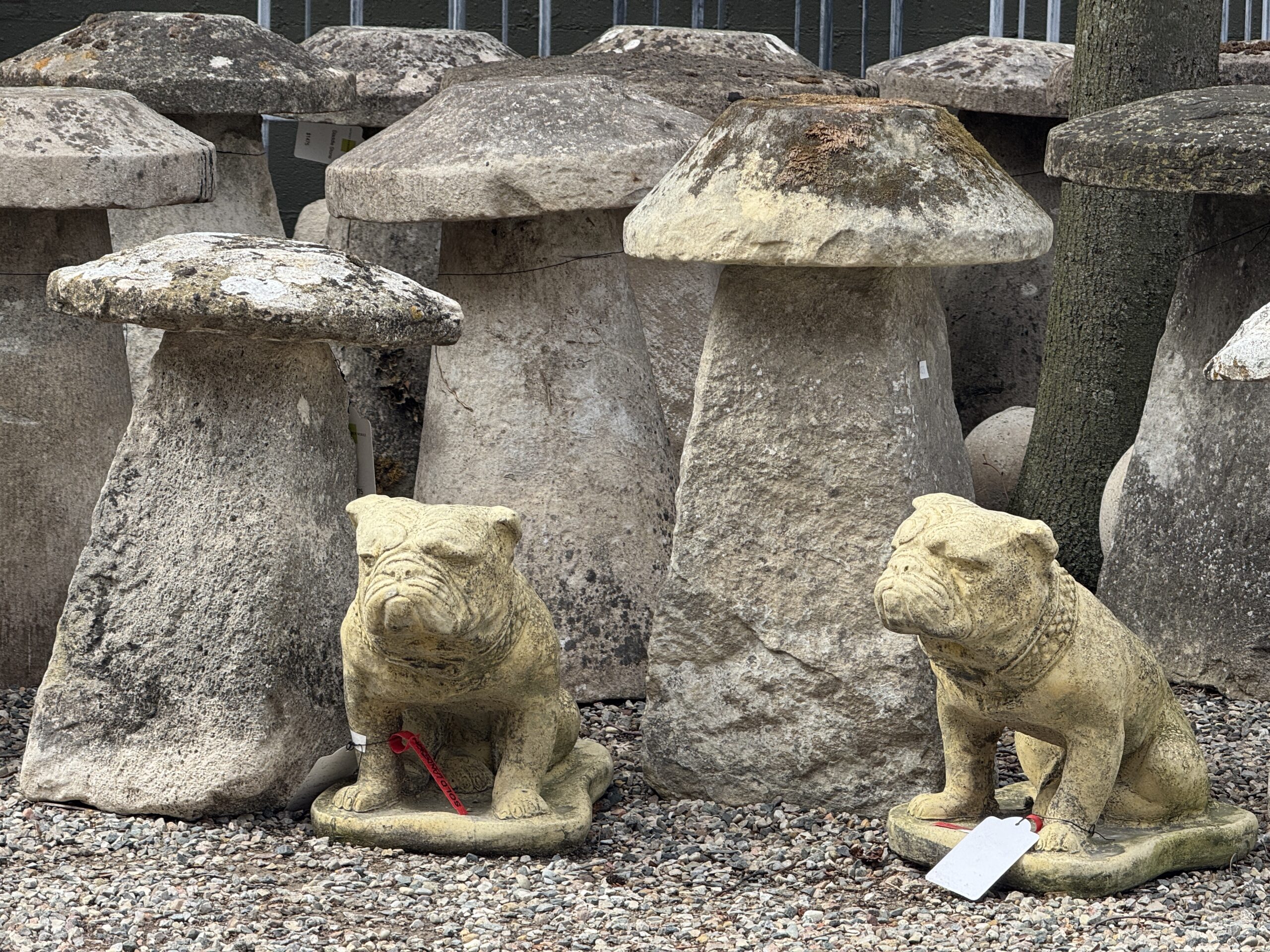
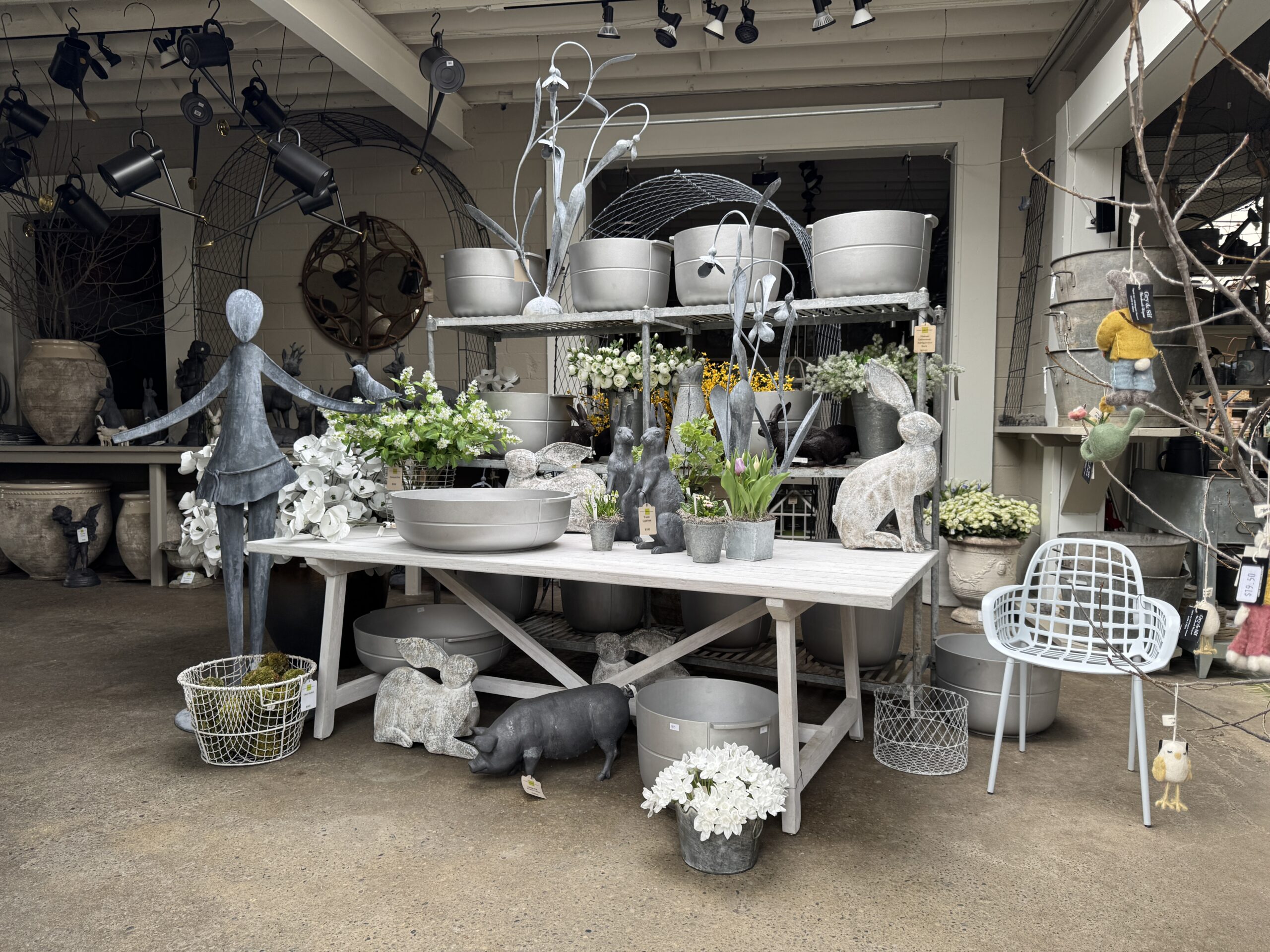
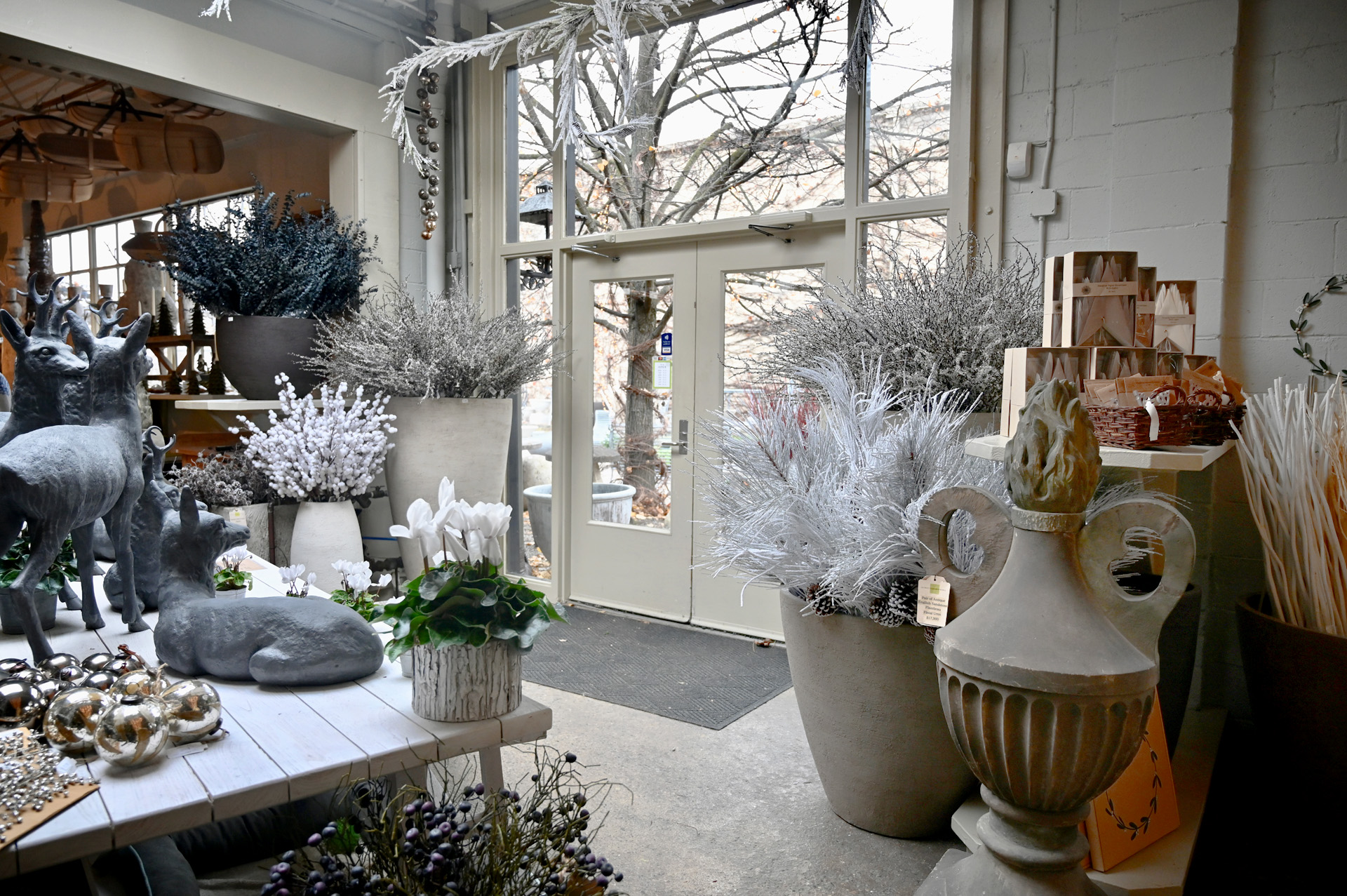
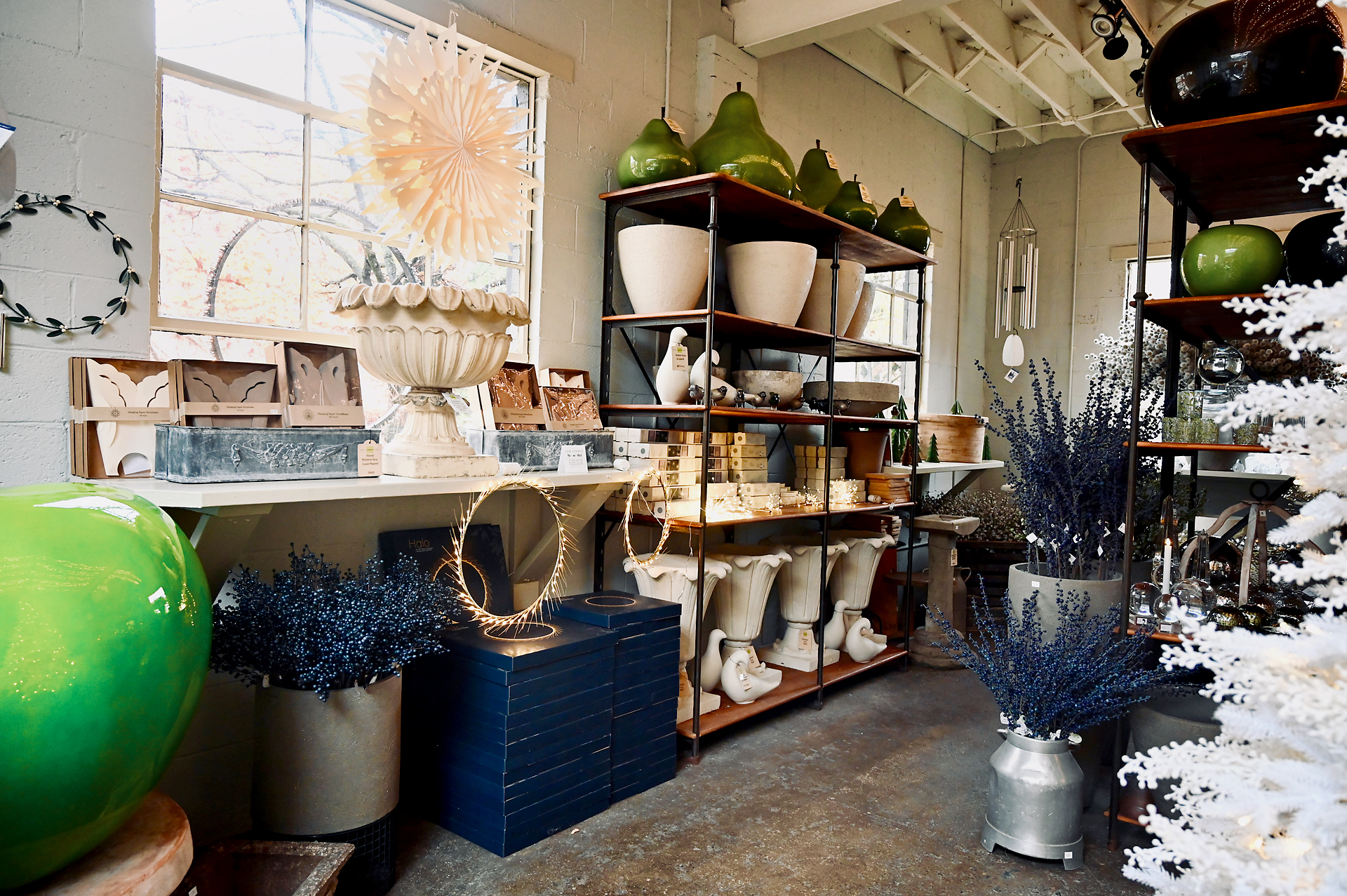
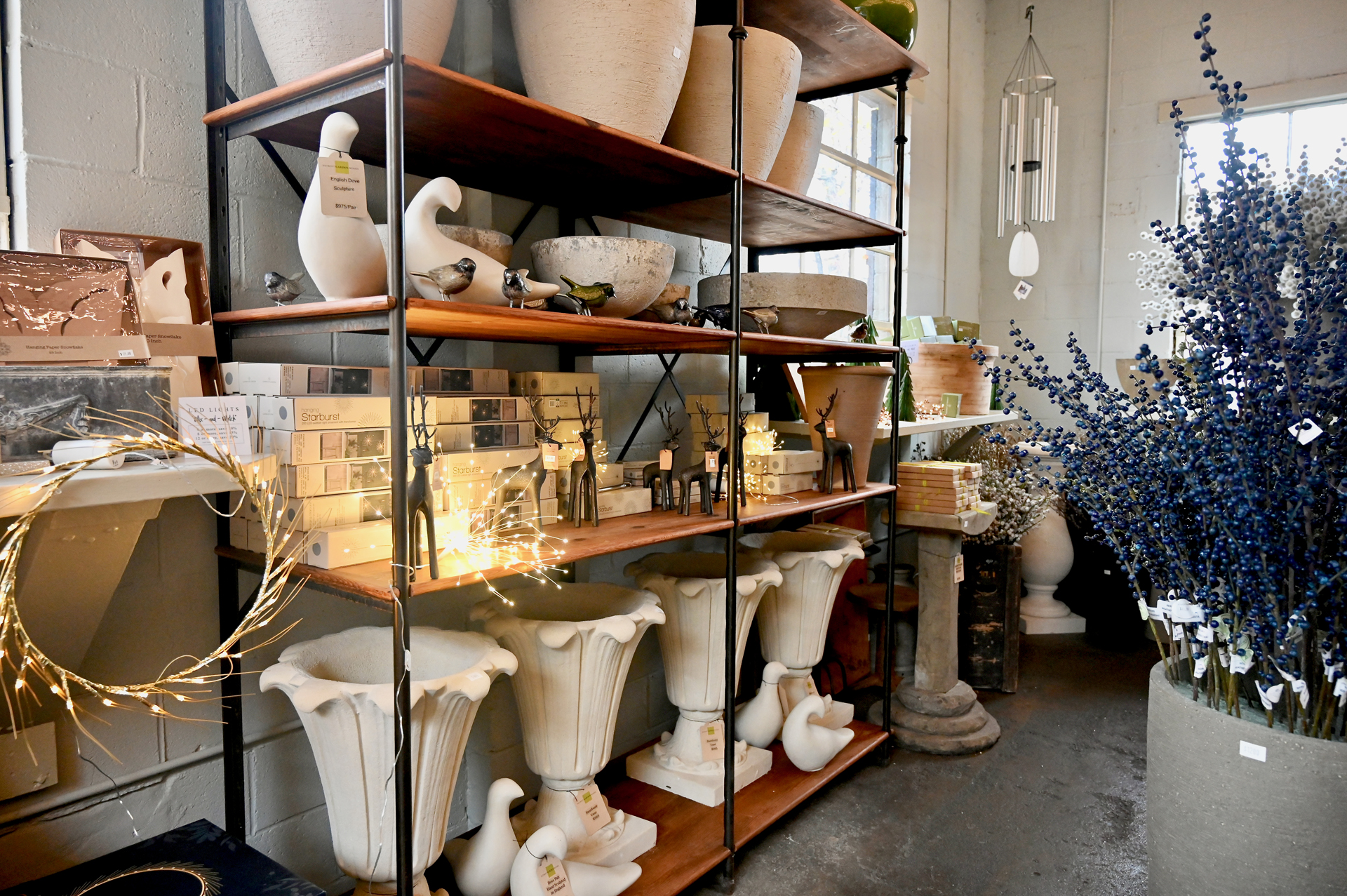
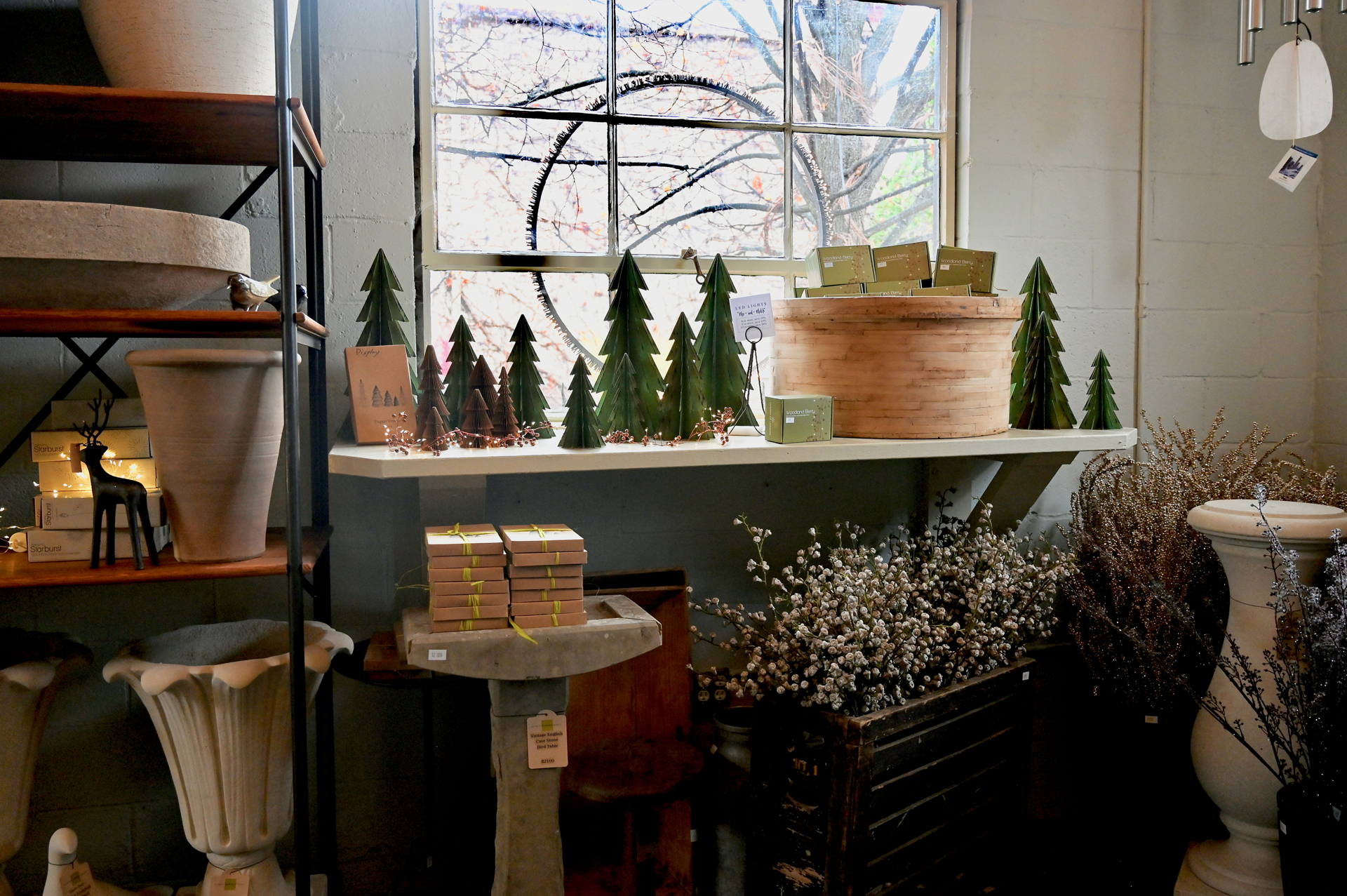
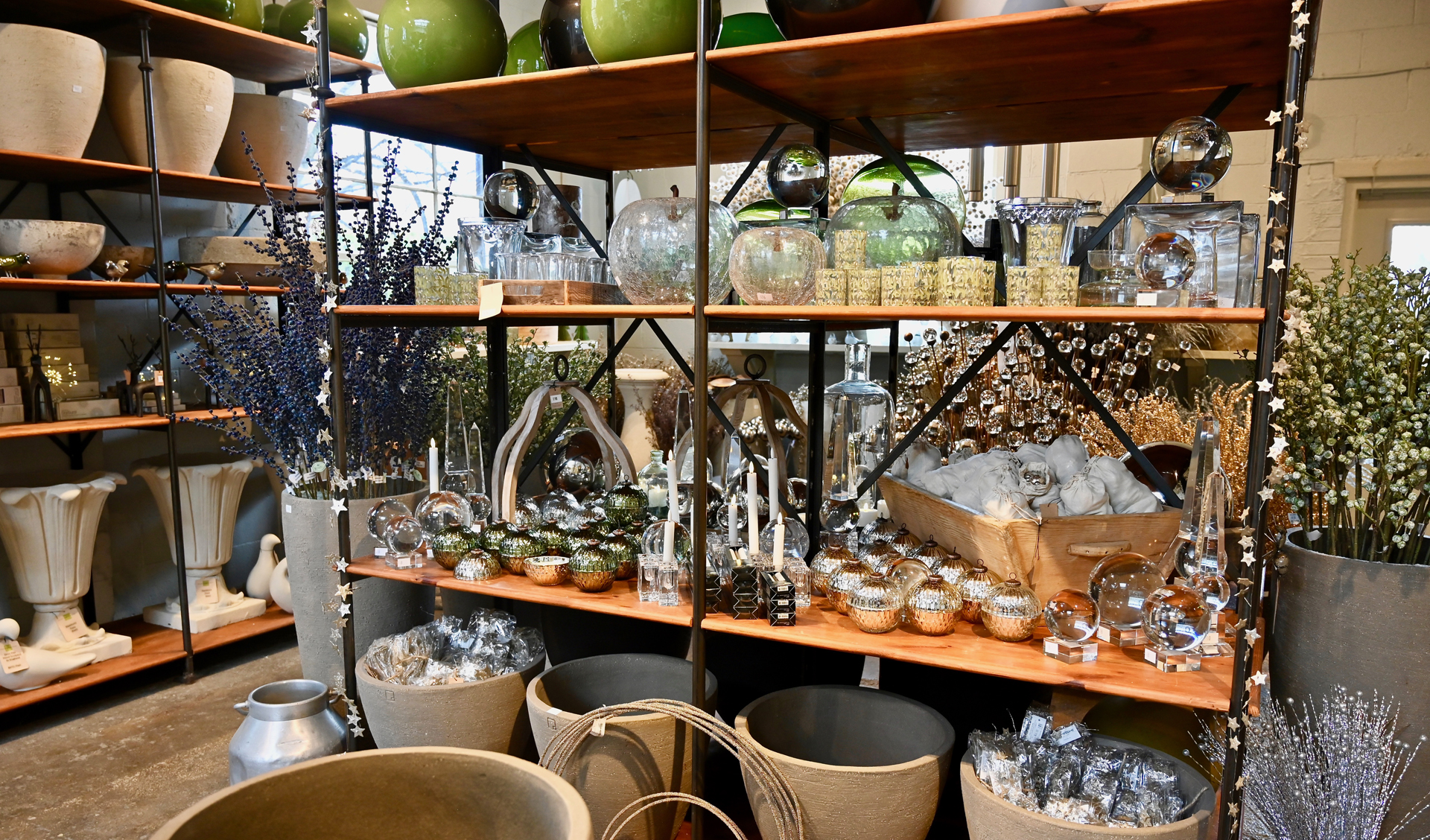
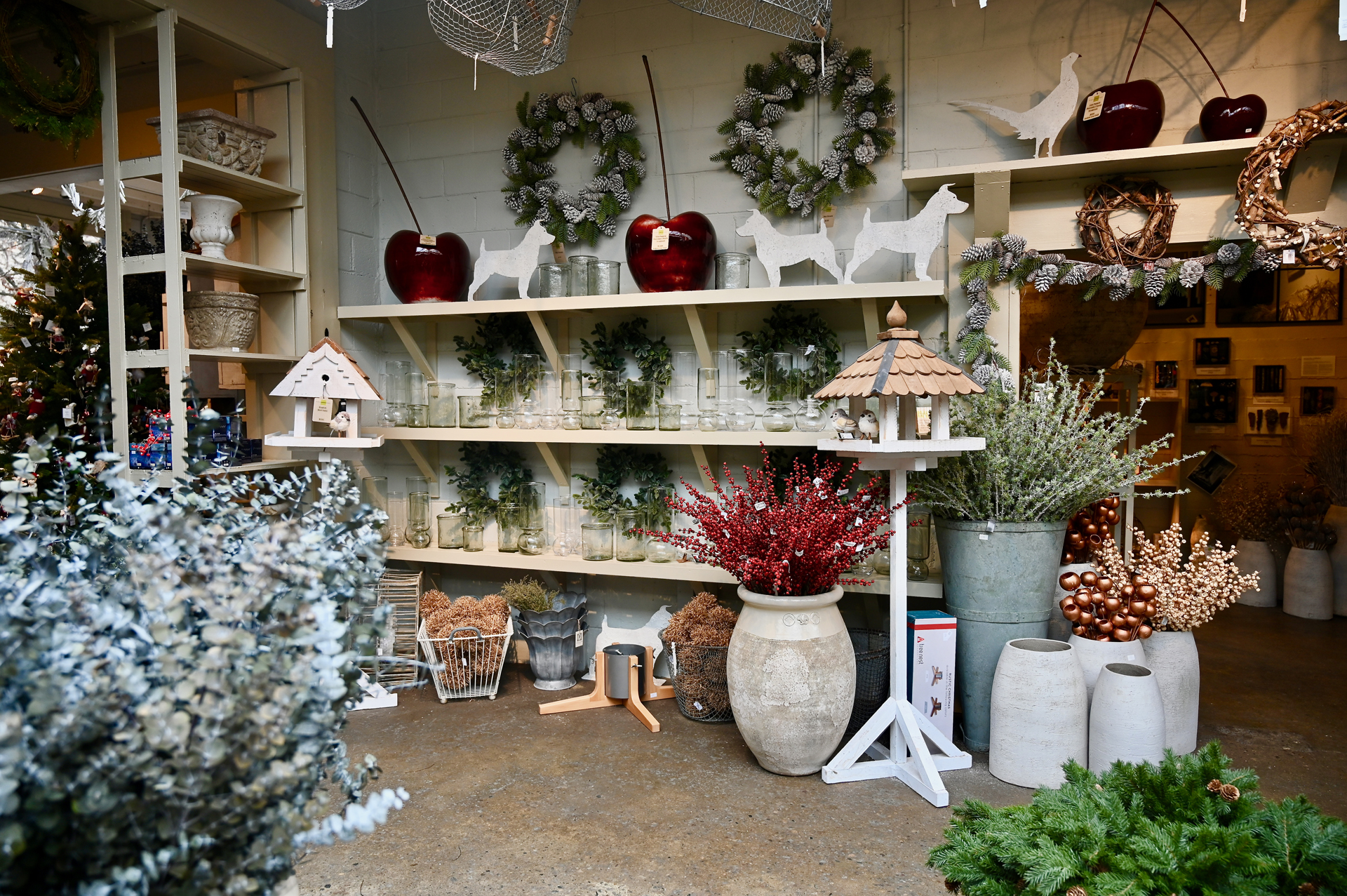
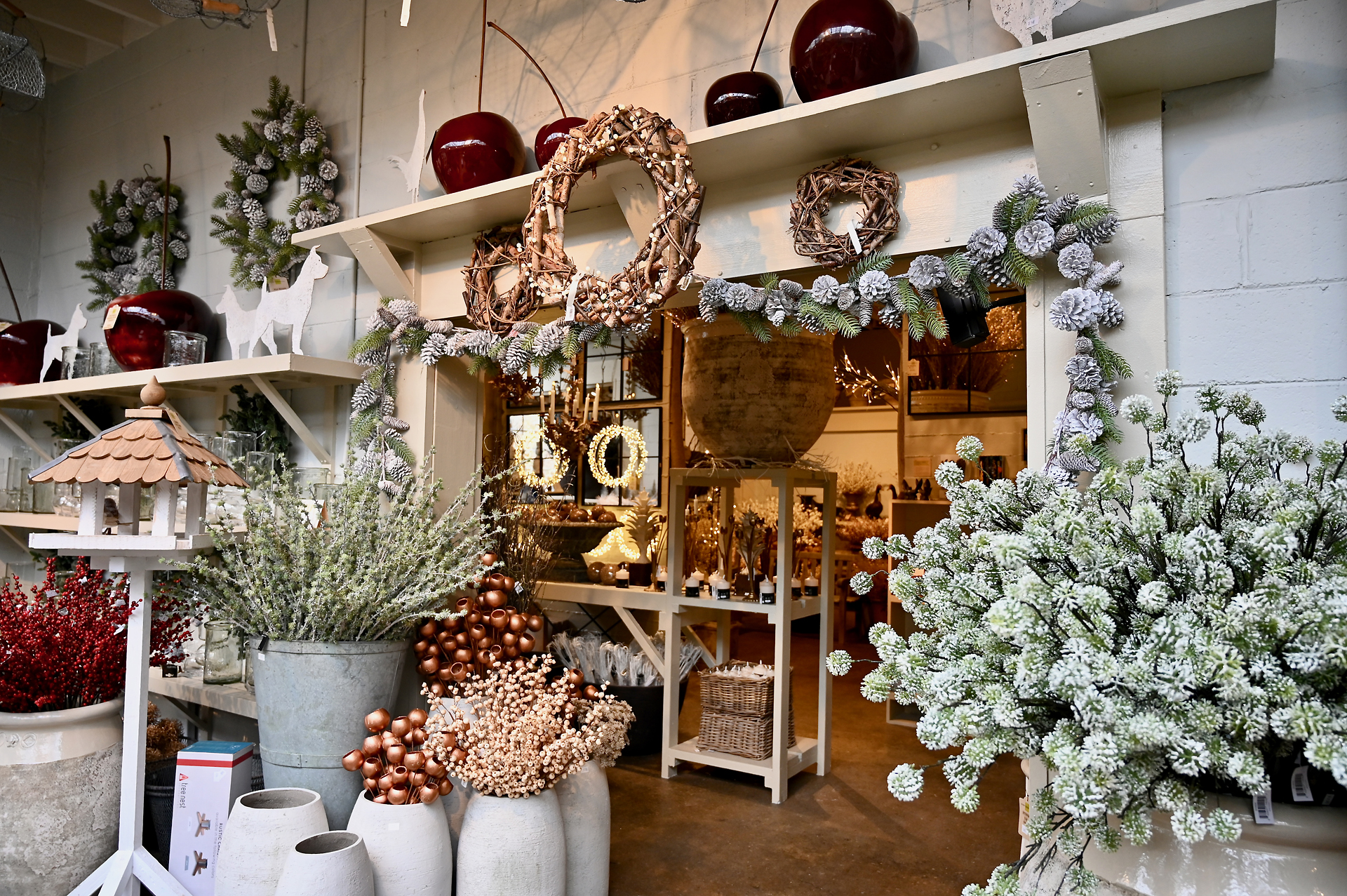
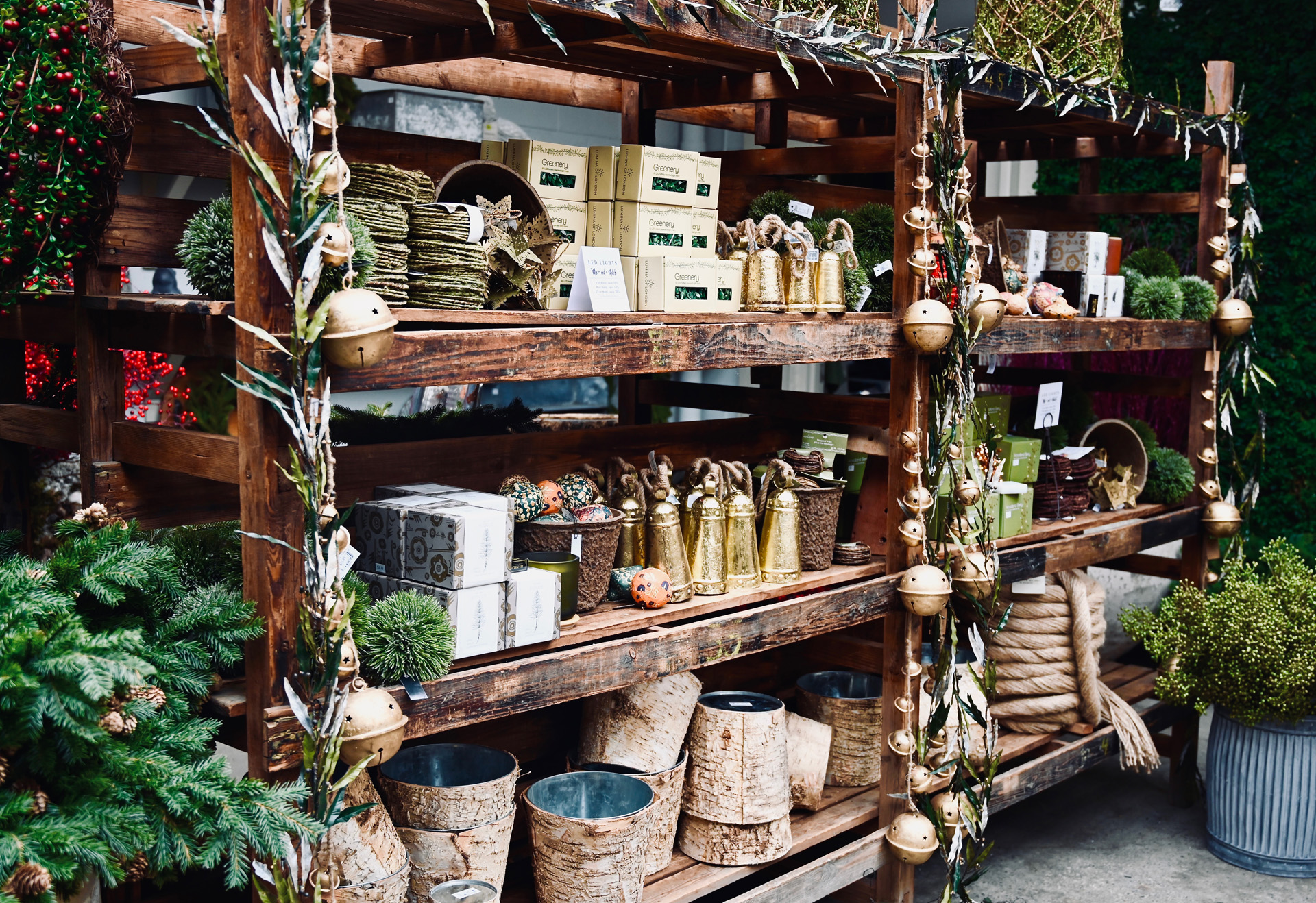
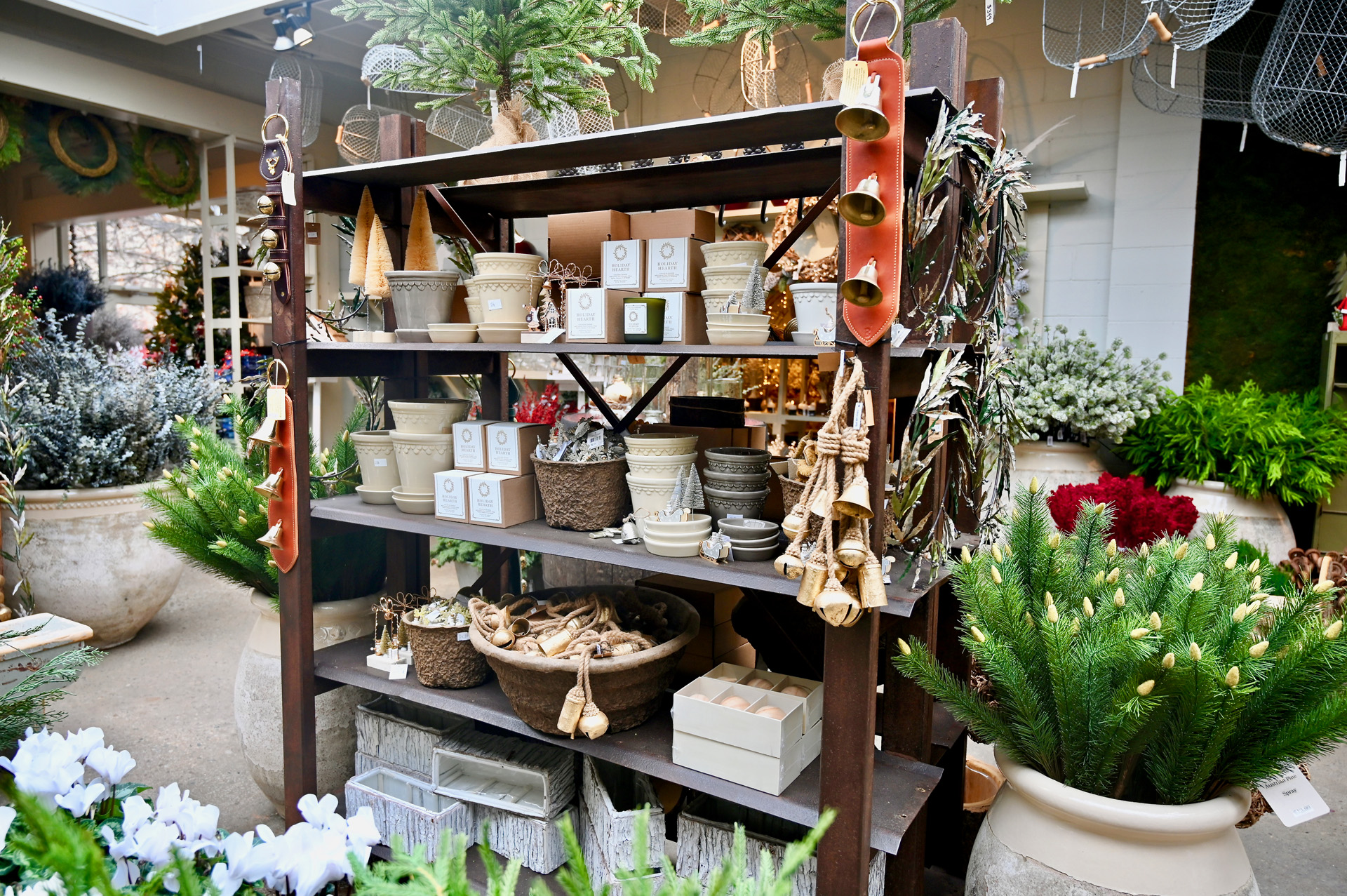
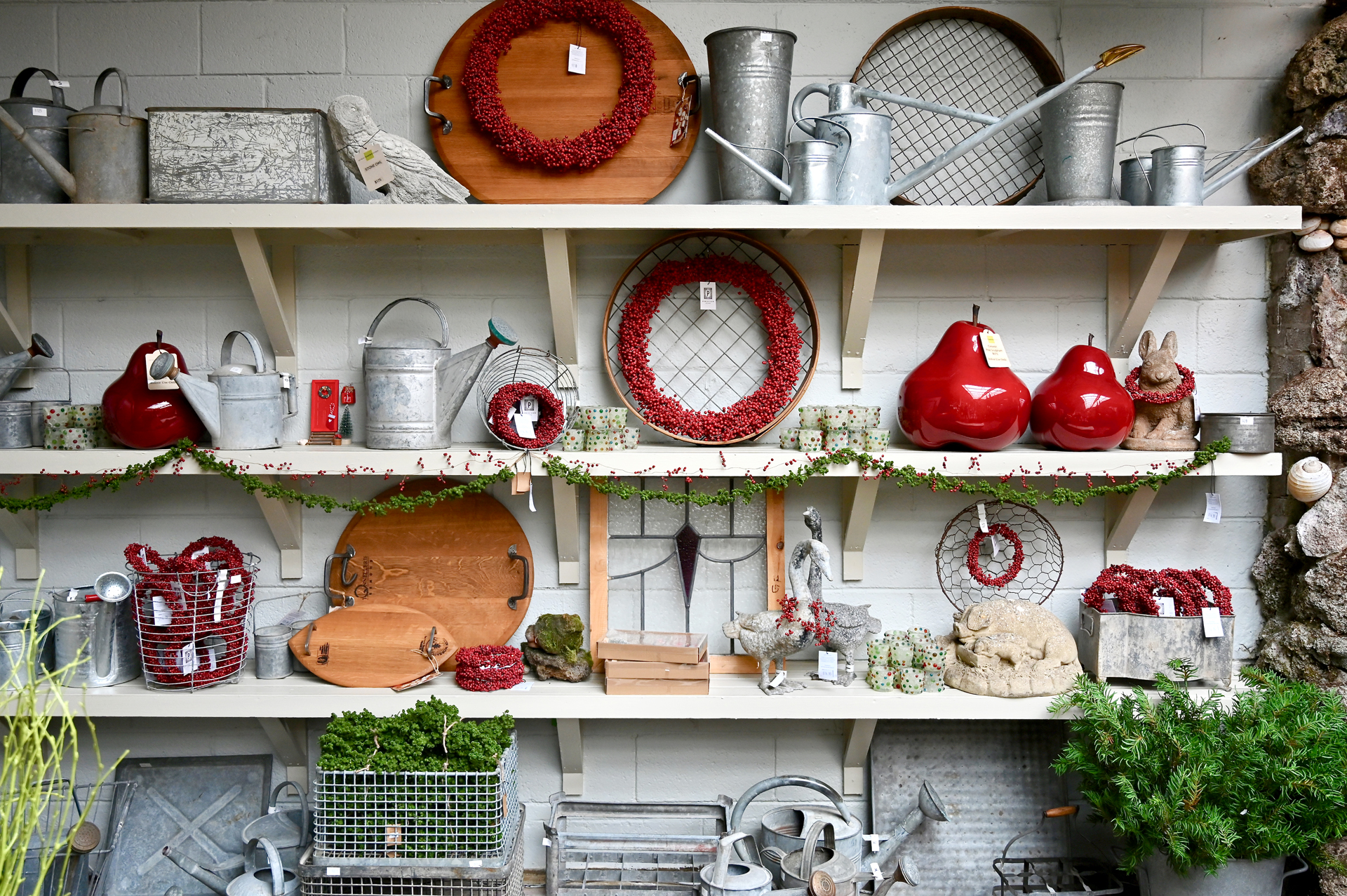
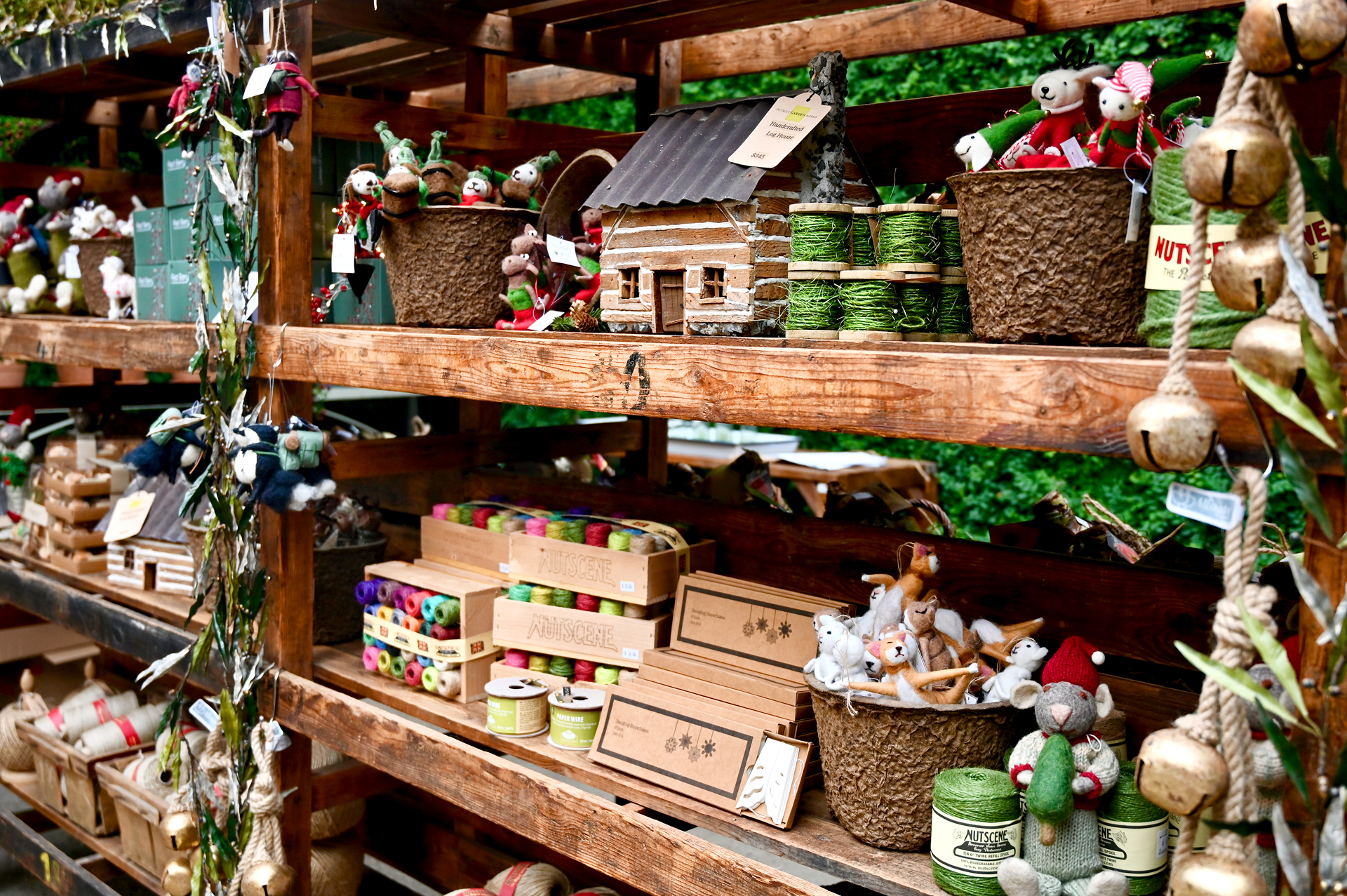
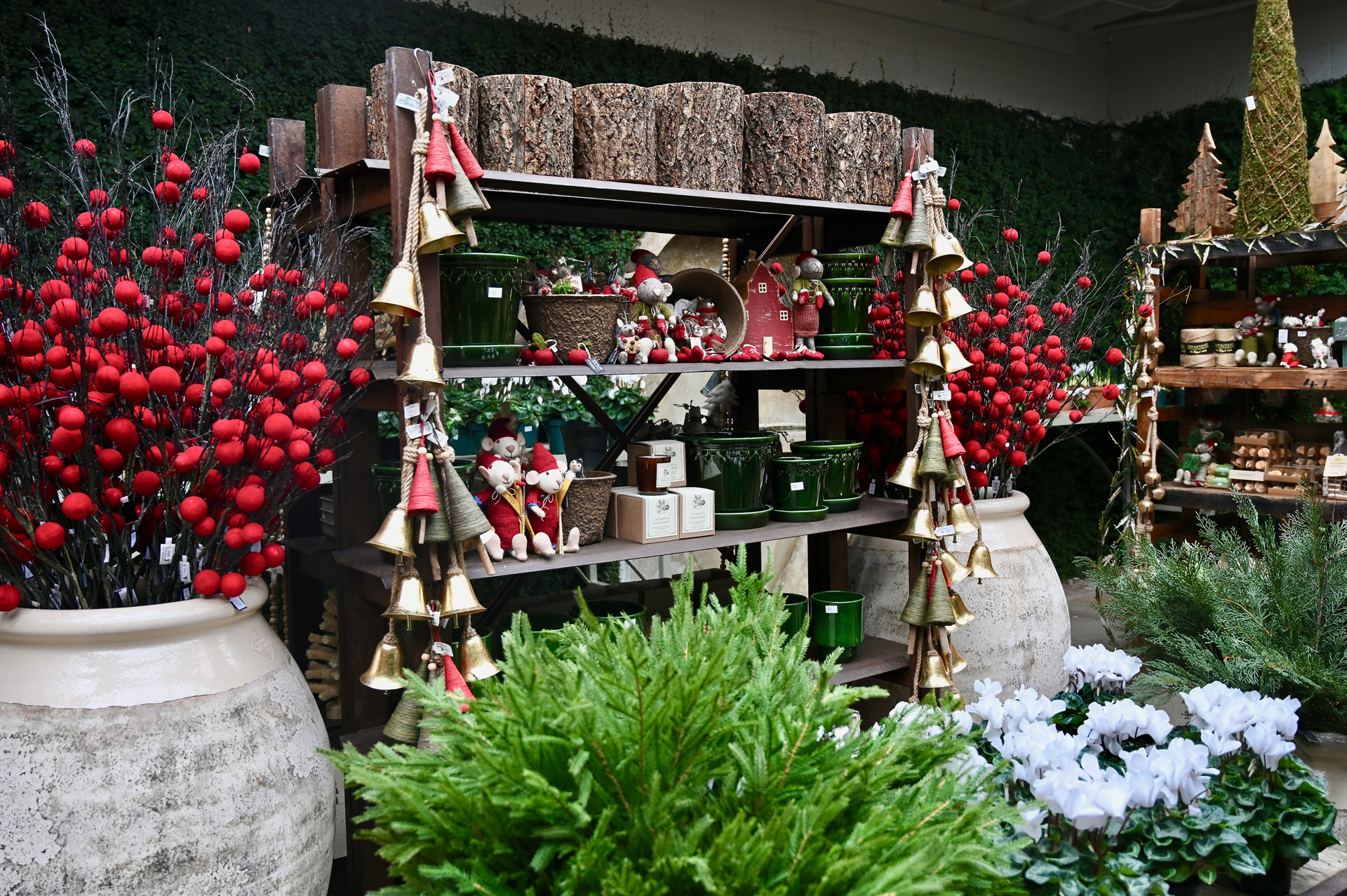
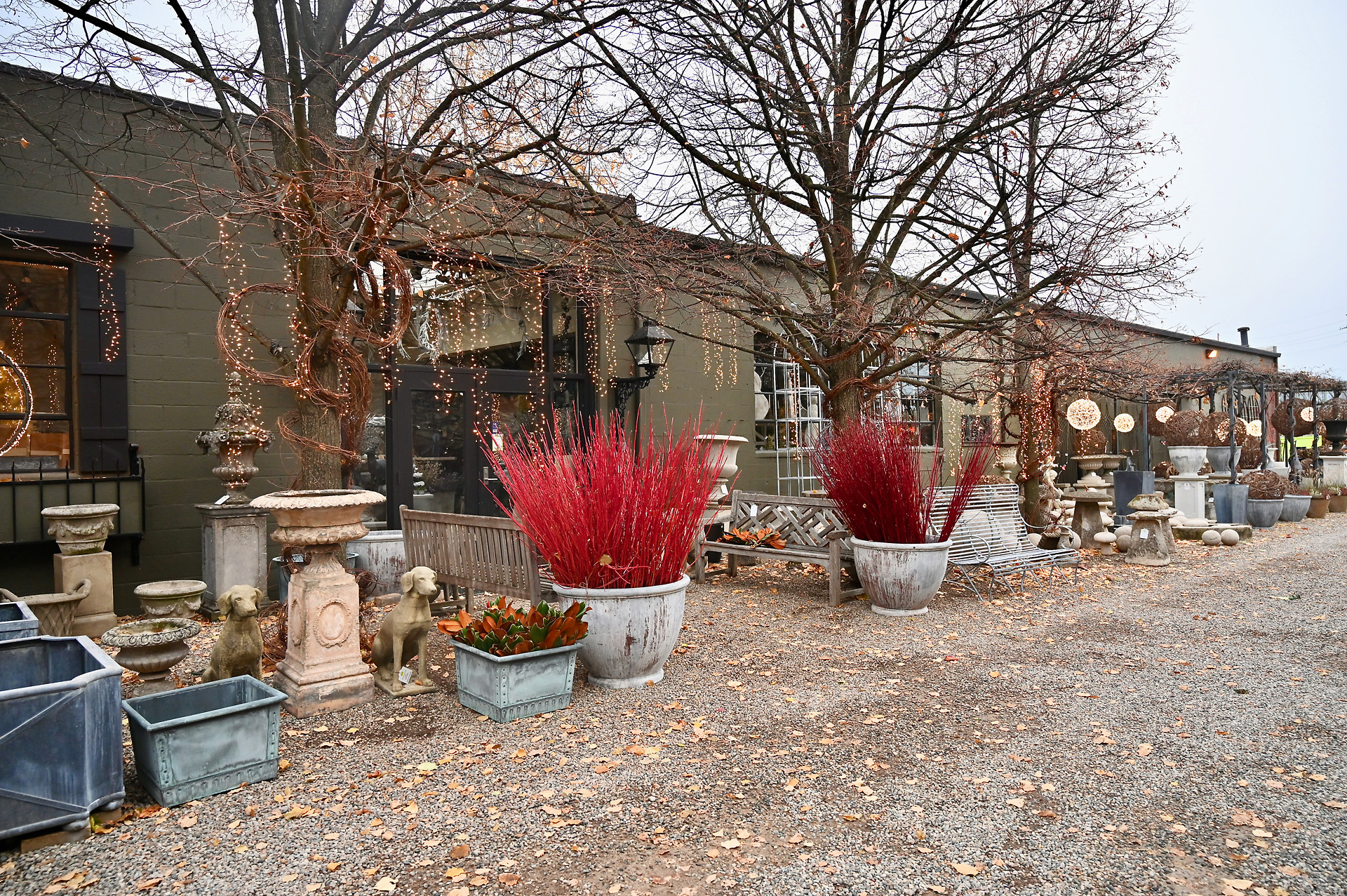
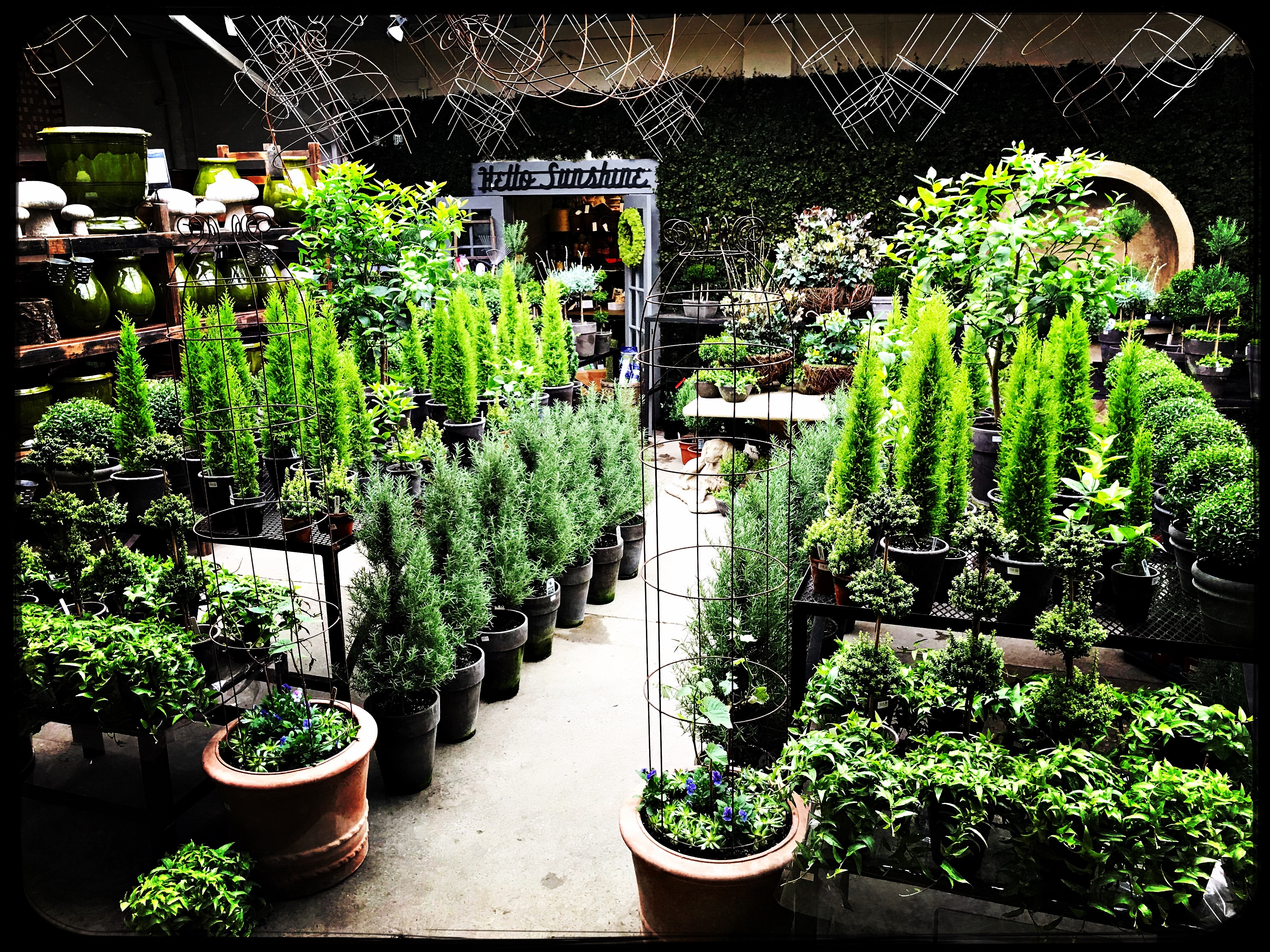
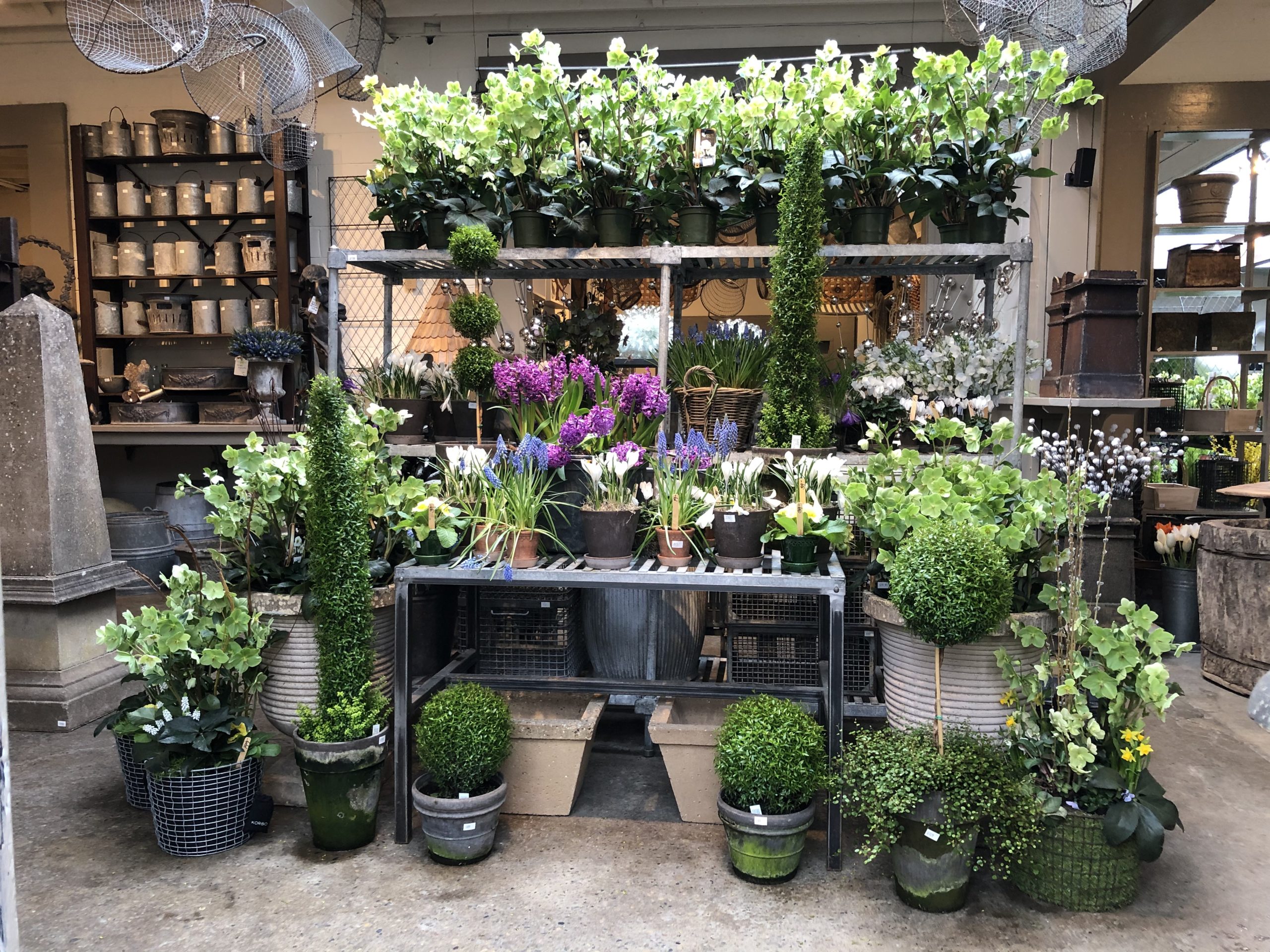
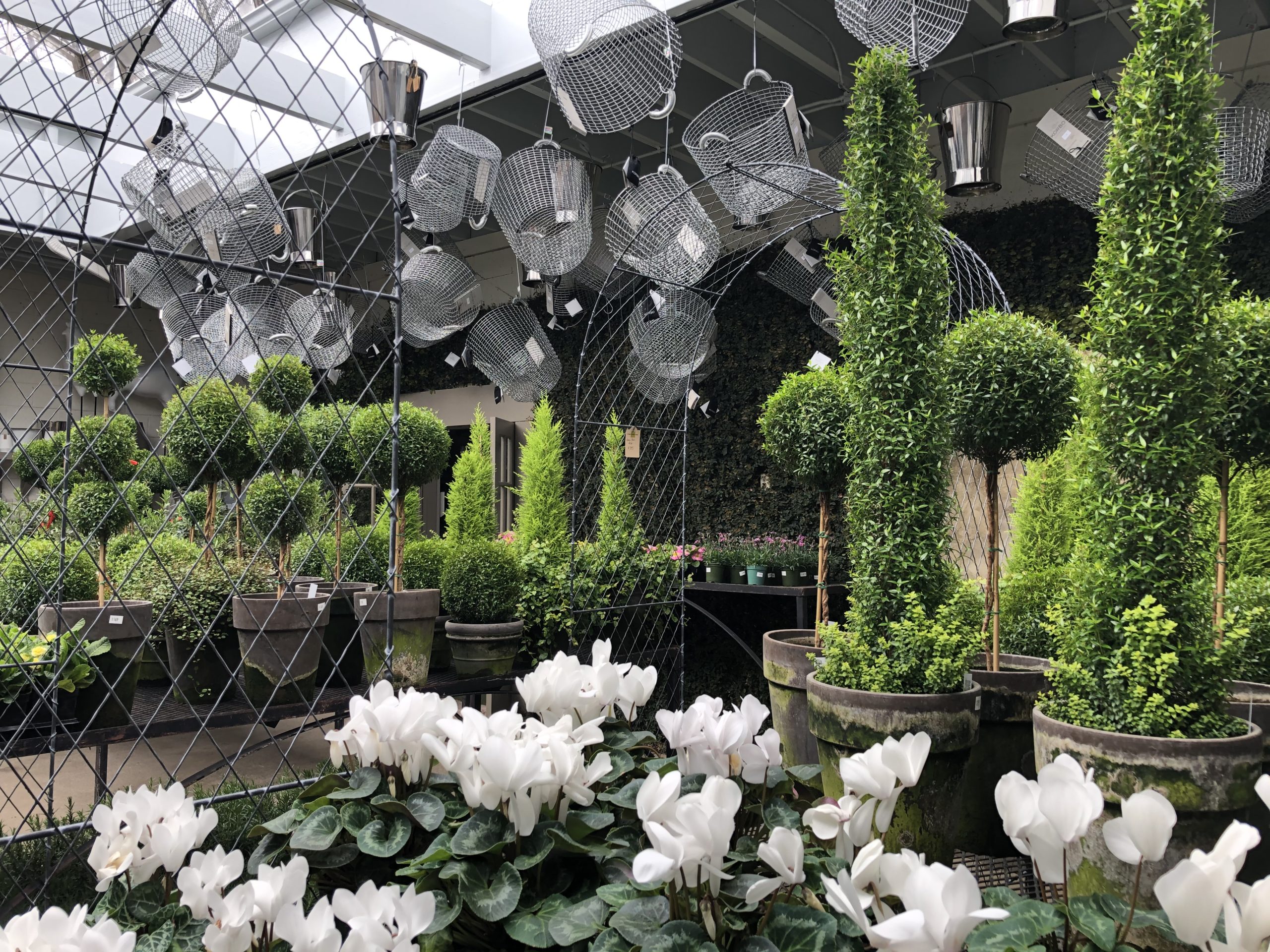
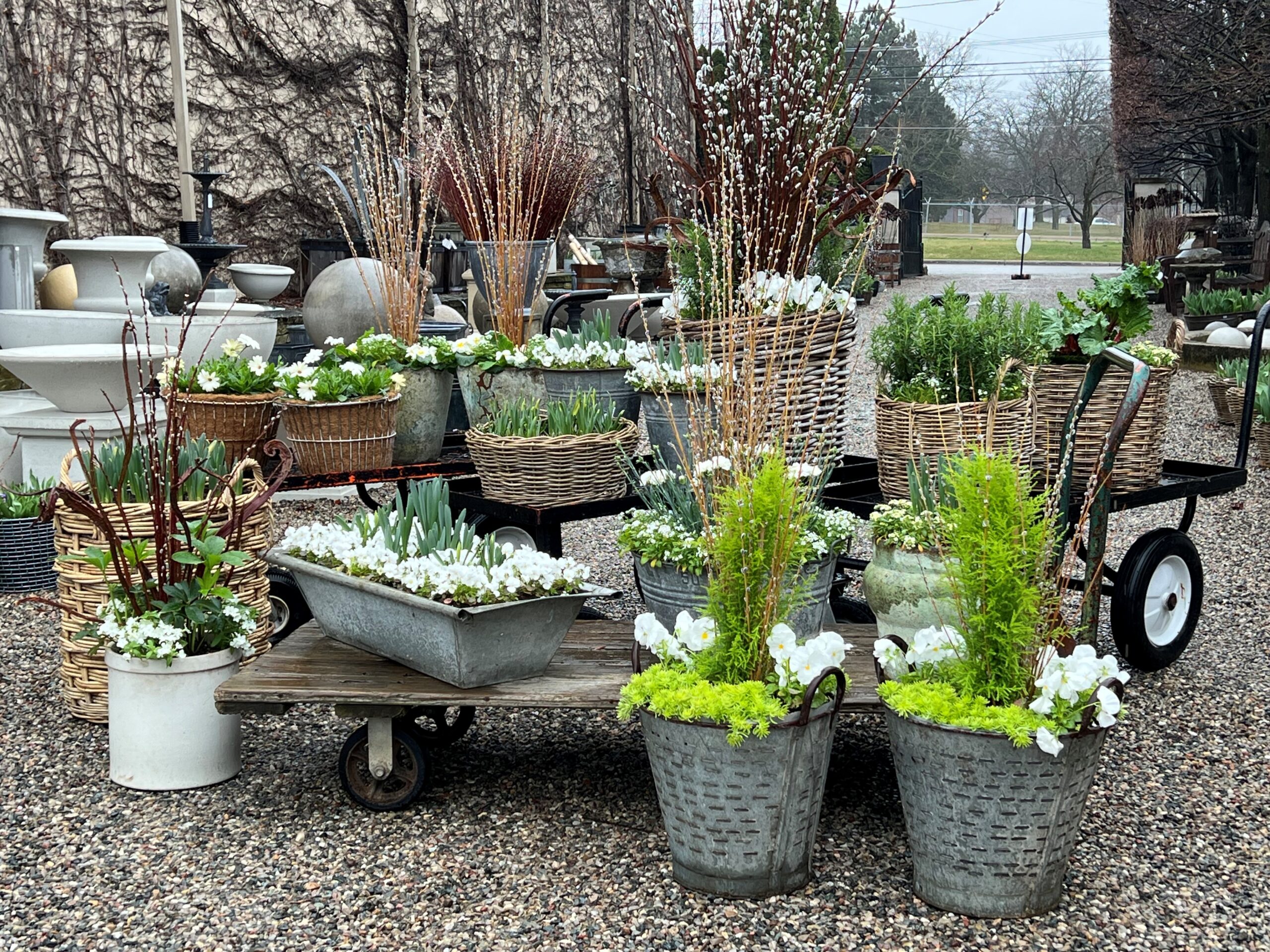
Detroit Garden Works is in the business of offering beautiful ornament for the garden. Still. It could be antique. It could be vintage, and funky vintage. It could be of a French, American or Italian flavor. It could be of English origin, through and through. It could be new, with a particular point of view. It could be fun or funny. It could be contemporary. It could be arts and crafts or mid century modern inspired. It could be Belgian in origin-old, vintage, or new. It could be none of the above, just sitting here waiting for that one particular gardening client to lay claim to it. When you come here, you’ll see.



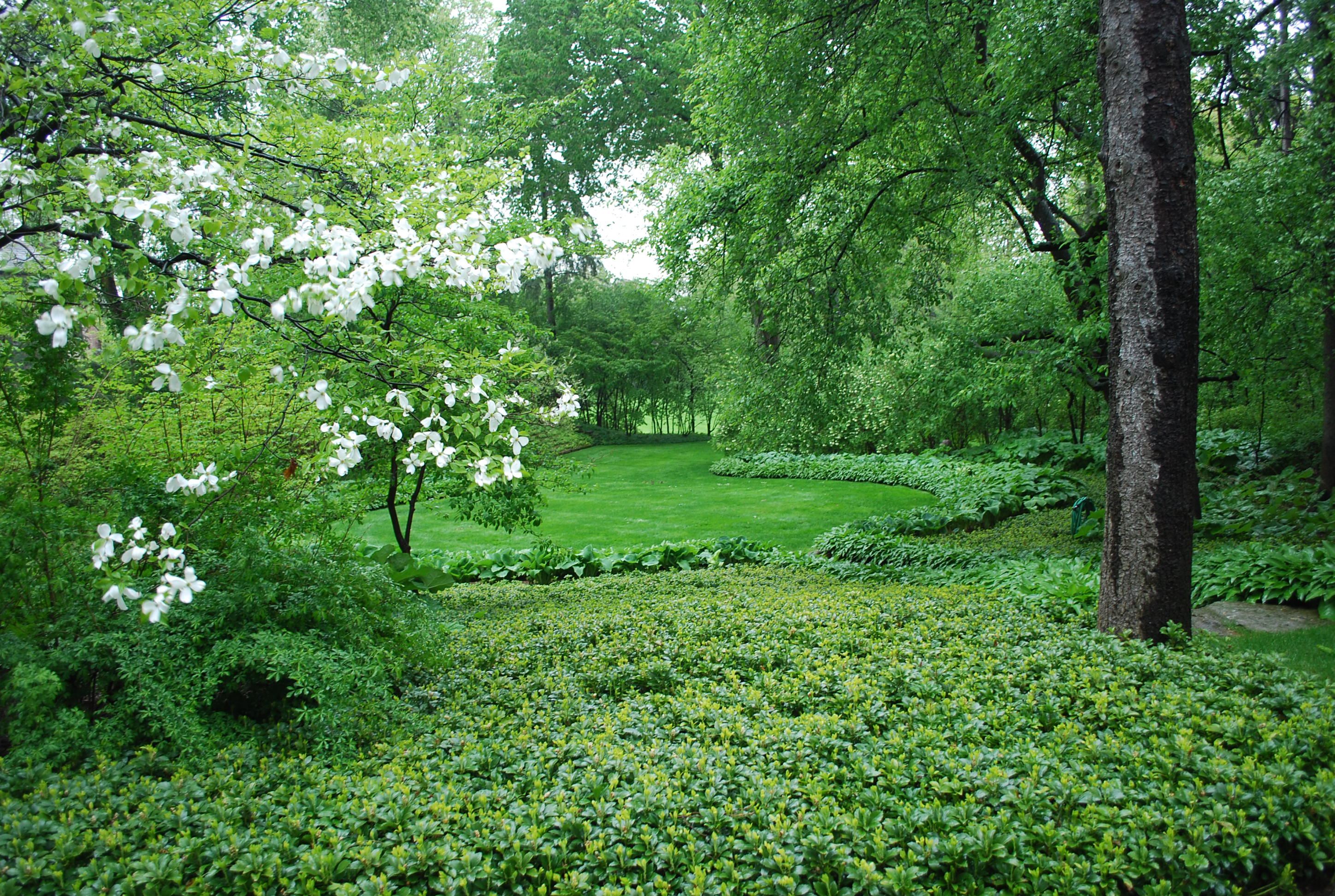
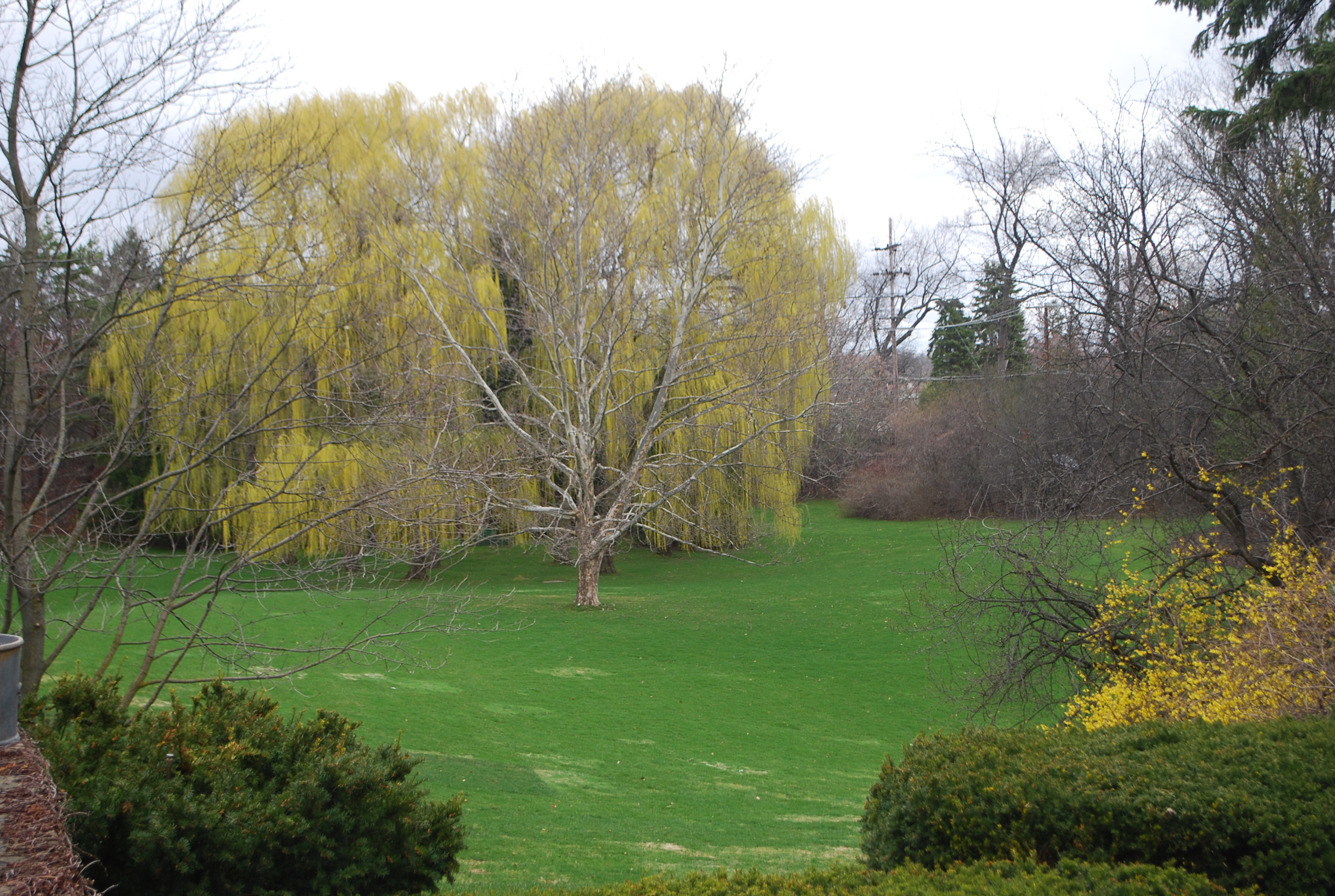
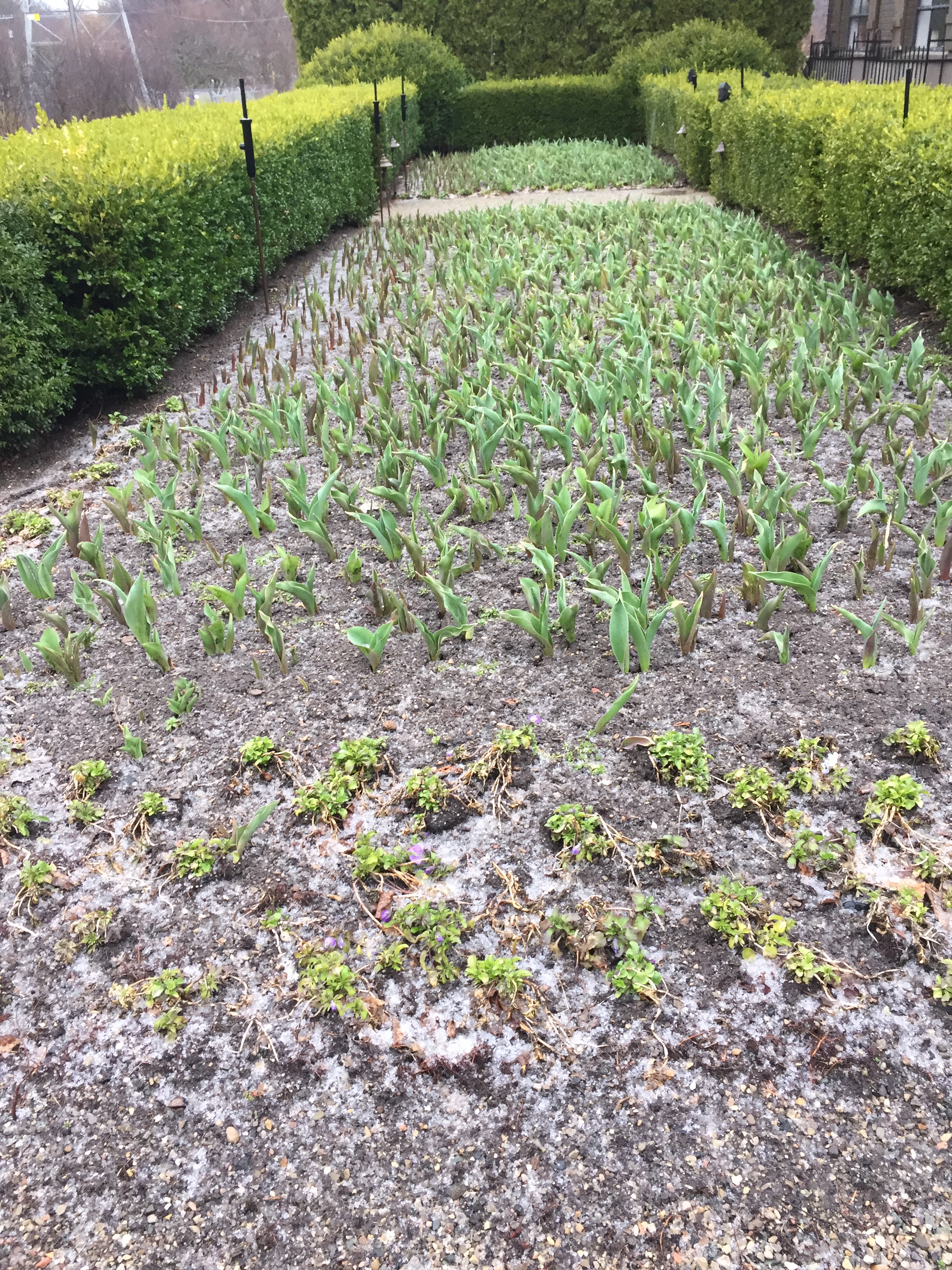
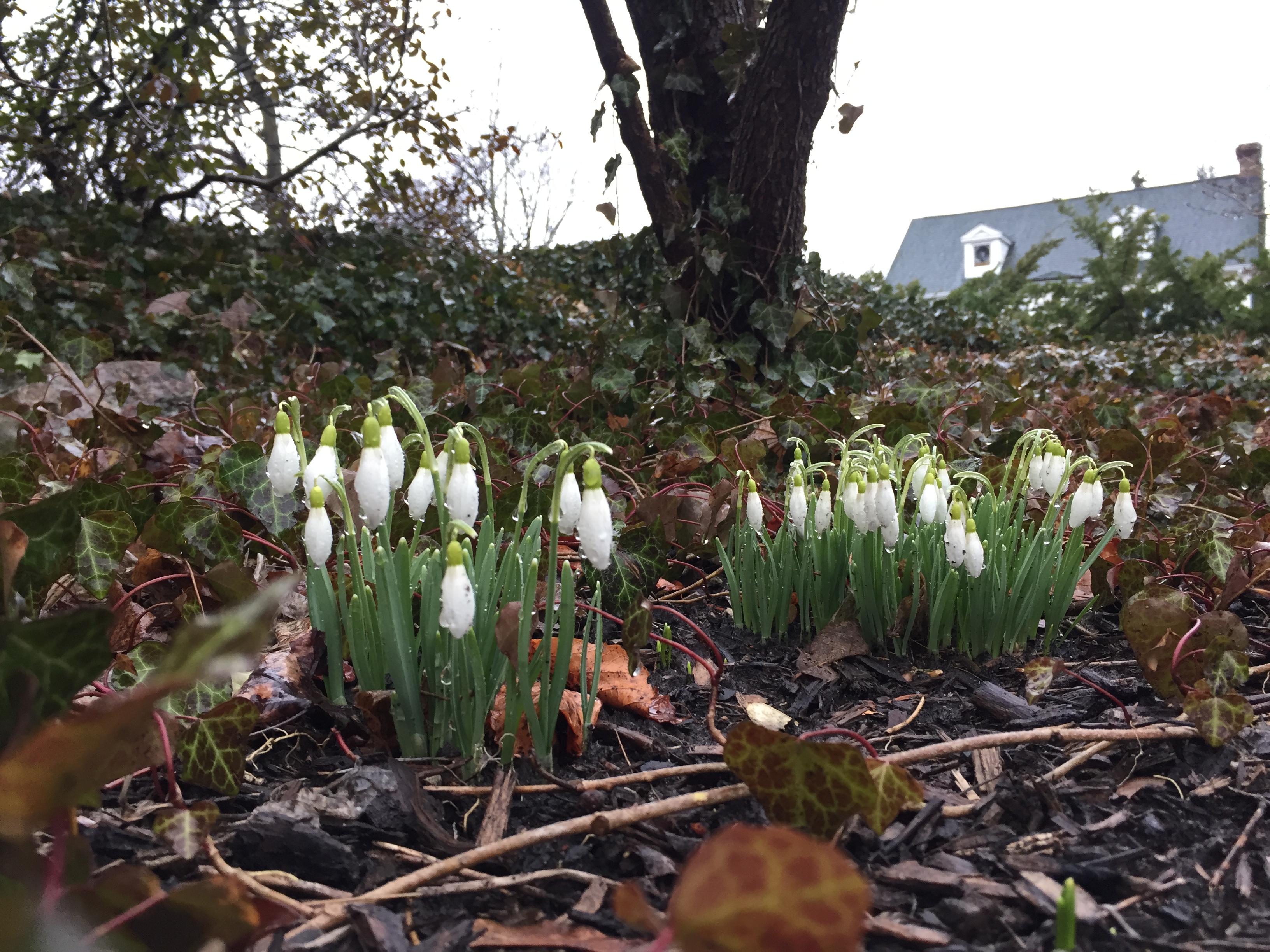
 Once a year we have spring in Michigan, and this is it. Ha. Let that big talk on my part sink in a little. I am not at all sure we are having spring yet. Maybe what we have now is just a cold, rainy, and off putting version of pre-spring. Maybe I missed it – could our spring be just about over? Or is the real spring due here any minute. There are always caveats that come with any discussion of the change from one season to the next. Especially our spring. It was 35 degrees at my house this morning. It can safely be said that the interminable winter has shown some signs of moderating, and there have been tantalizing albeit brief instances of remarkably warm weather and blue skies. Nothing decisive yet. A cautious assessment is prudent. Nature can have a very hard time deciding to finally let go and get on with it. But all of the fits, starts and stalling make for some adult fun. Delayed gratification, they call this.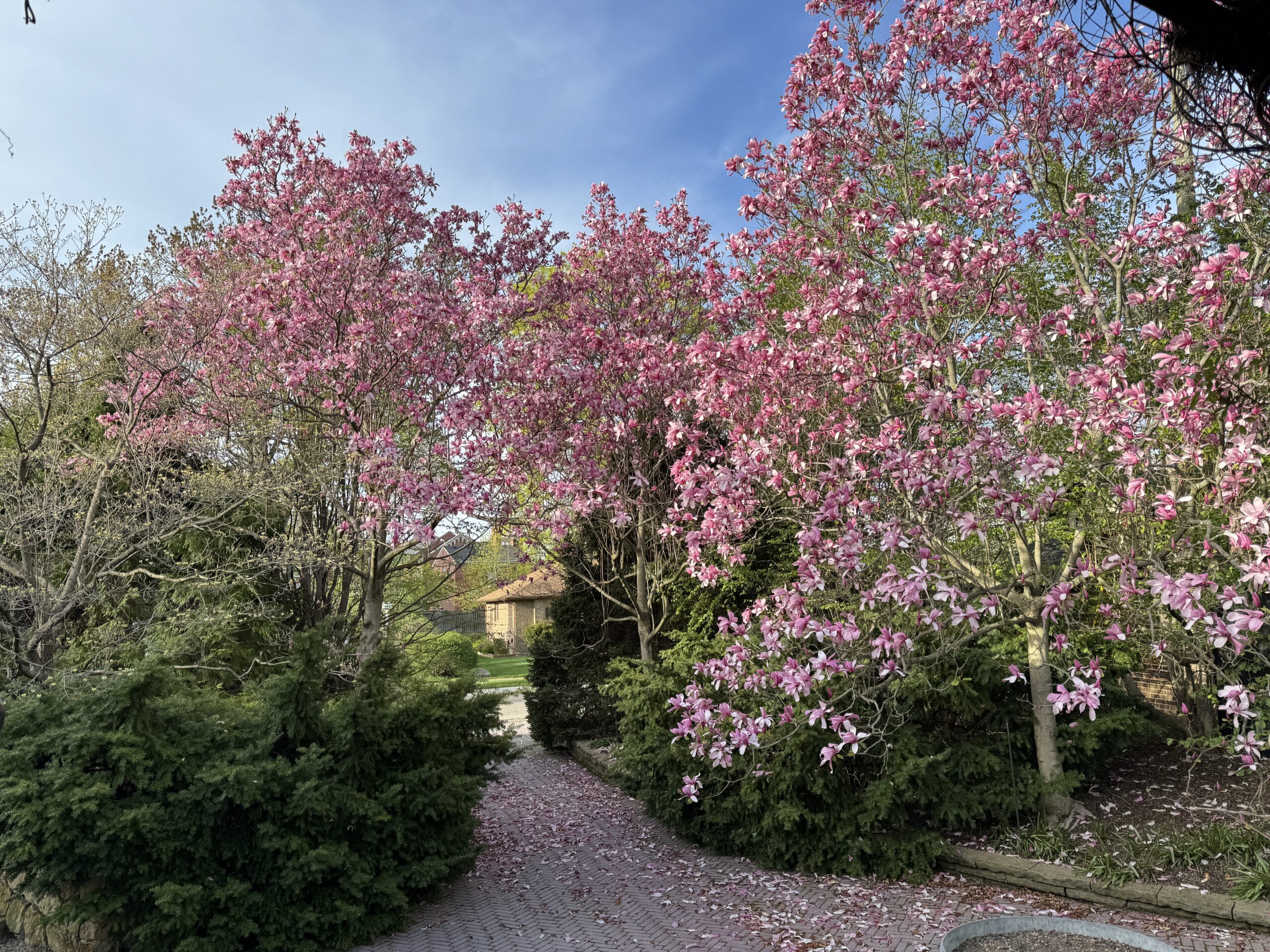
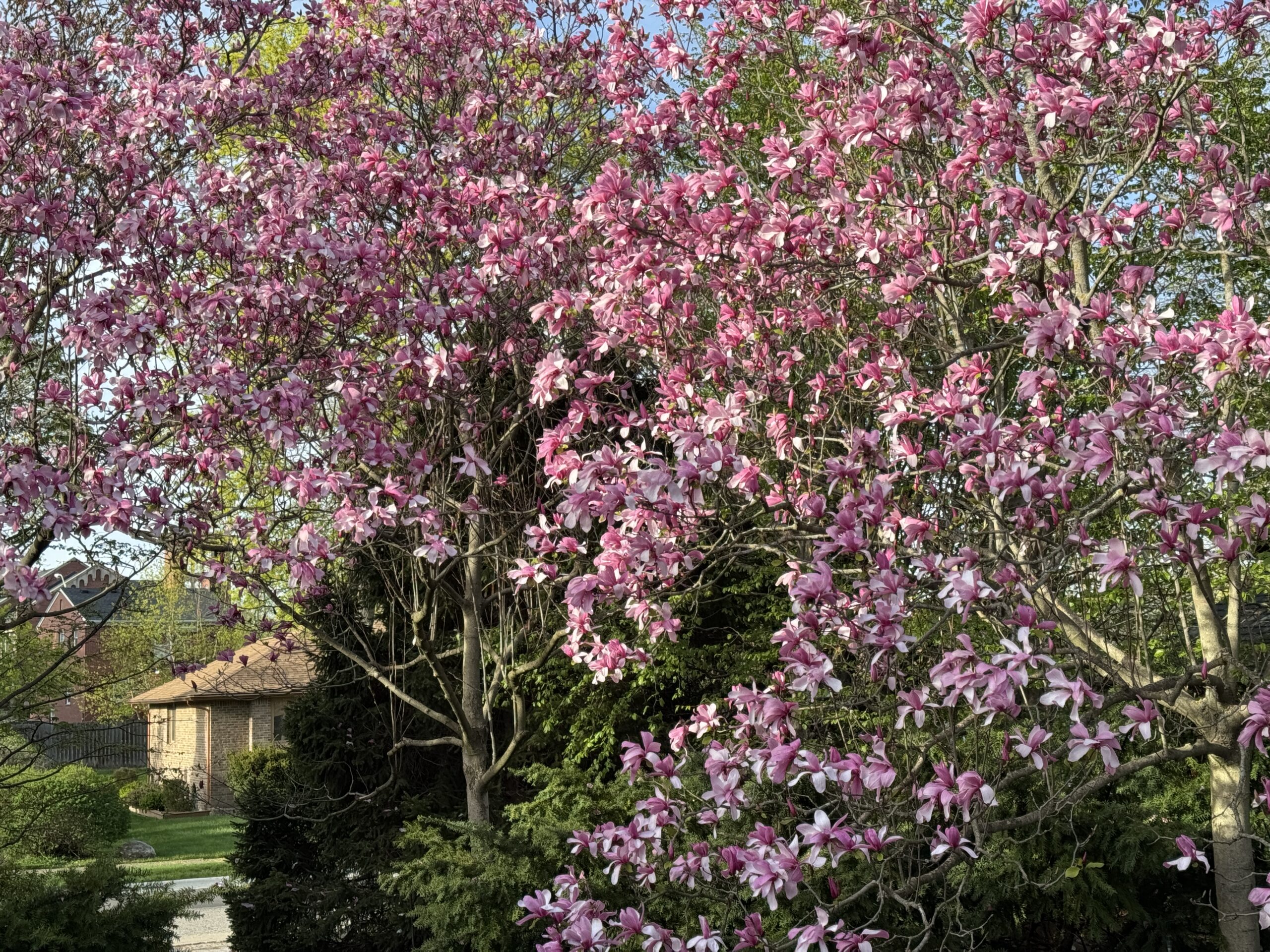
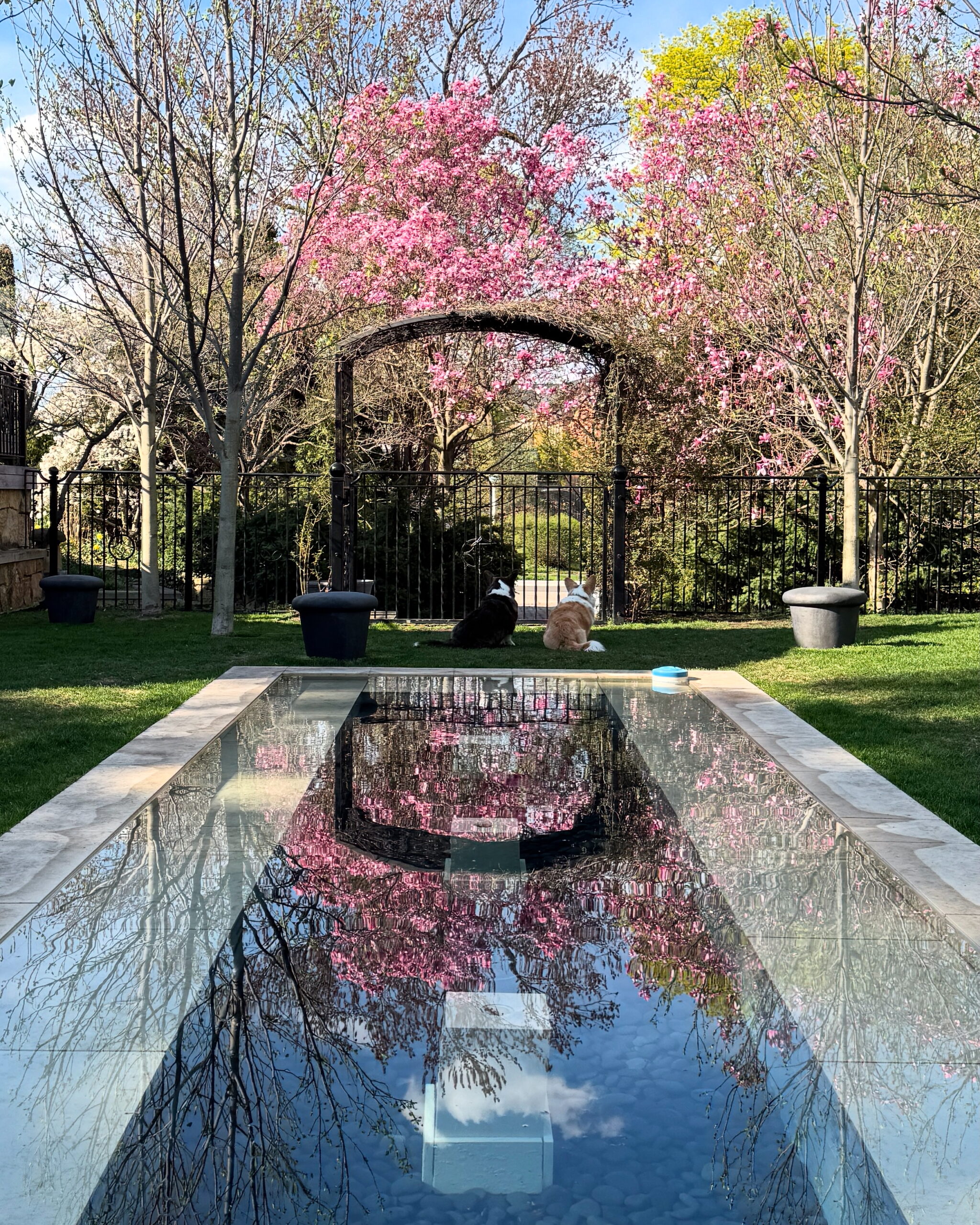
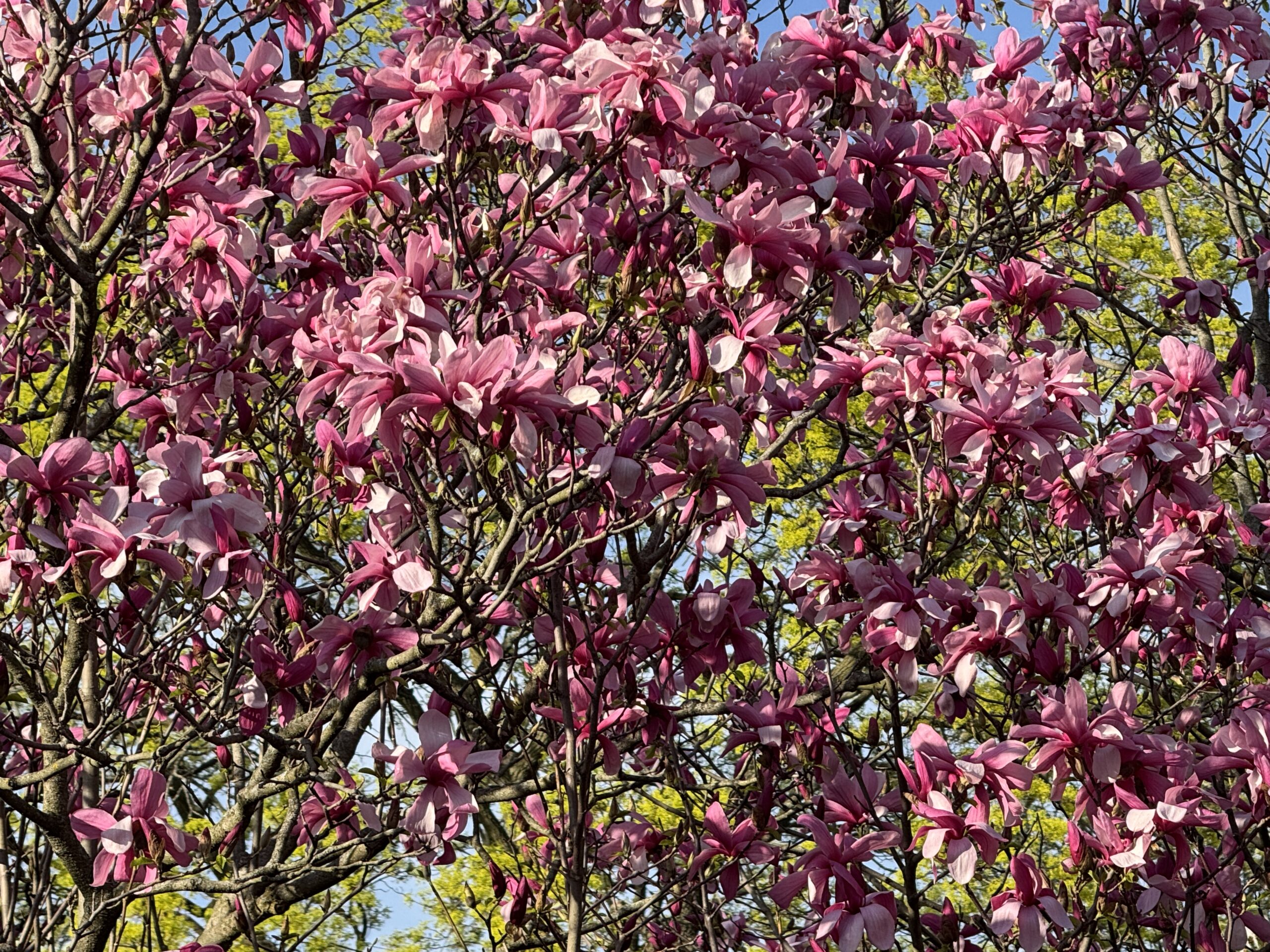 I have three magnolias in my yard which are surely 20 years old by now. The cultivar is named “Galaxy”, which is a National Arboretum plant introduction. The following is from their website: ‘Galaxy’ is an F1 hybrid selection resulting from a 1963 cross between Magnolia liliiflora ‘Nigra’ and M. sprengeri ‘Diva’. ‘Galaxy’ first flowered at 9 years of age from seed. The cultivar name ‘Galaxy’ is registered with the American Magnolia Society. Released in 1980. Magnolia ‘Galaxy’ is unique in form and flower among cultivated magnolias. It is a single stemmed, pyramidal, tree-form magnolia with excellent, ascending branching habit. ‘Galaxy’ flowers 2 weeks after its early parent M.‘Diva’, late enough to avoid most late spring frost damage. Adaptable to a wide range of soil conditions” The late flowering is almost an essential condition for a good choice of magnolia in my zone. The other condition this tree favorably adapts to is its upright habit of growth. I live on a very small city property without the room necessary for a wide growing tree. Even the neighborhood shade trees in the right of way look unhappy, having been jammed into a space that is too small.
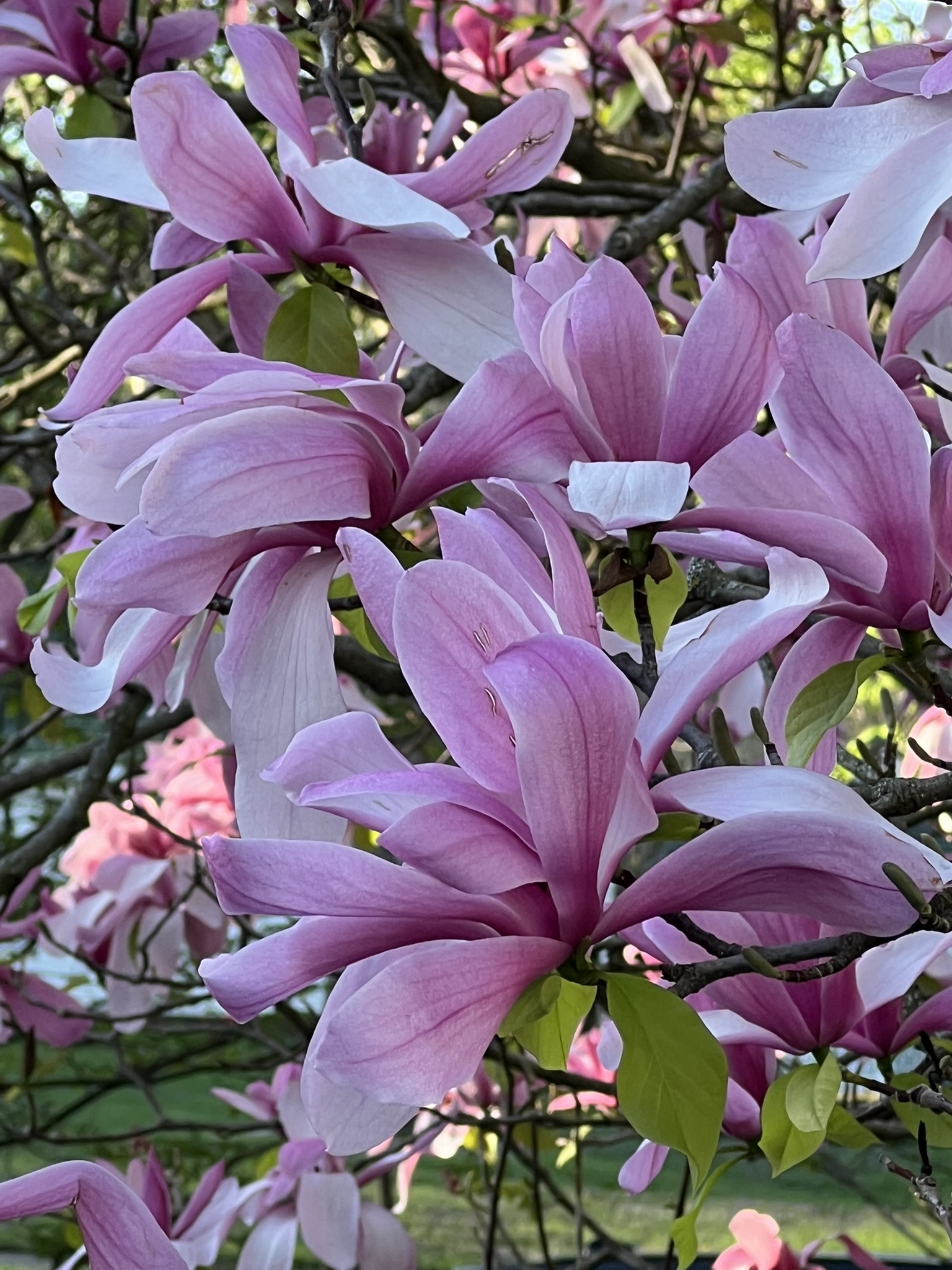 As for the flowers, when they are good, they are glorious. The oversized multi petal blooms are the showgirls of the tree flowering world. No other tree can compare, no matter which cultivar you plant. This year, the flowers are beyond fabulous. Not only are the flowers large and robust, the branches of all 3 trees are covered with flowers. They started to open 3 weeks ago, and I could watch that process unfolding day after day. The chilly weather played a big part in creating a lengthy blooming season. Much like cut flowers held in a refrigerated room, cool air temperatures prolong flower life. Once the flowers have been in bloom for a while, the branches begin to leaf out. There is that brief moment where flowers and leaves are vying for attention.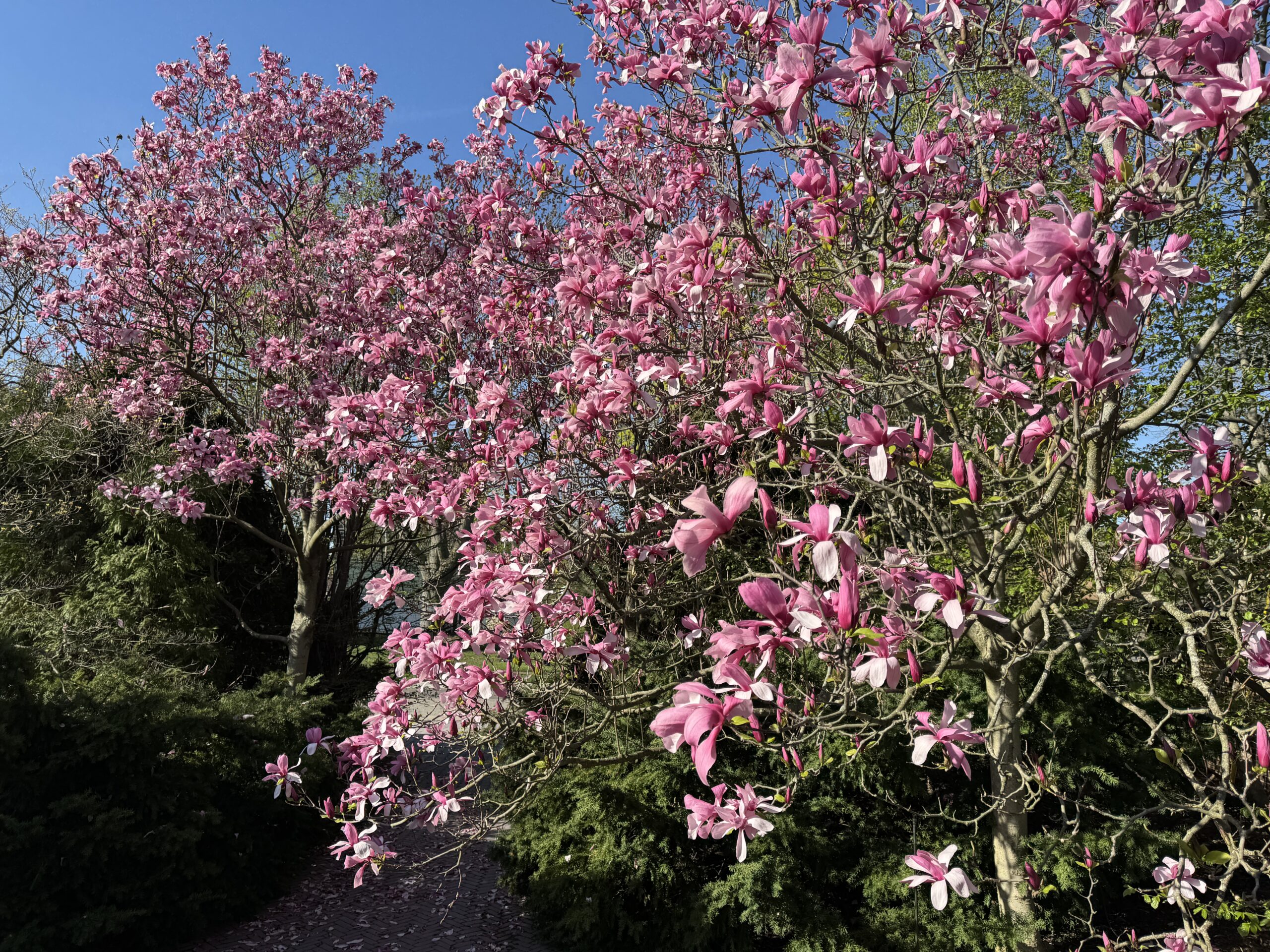
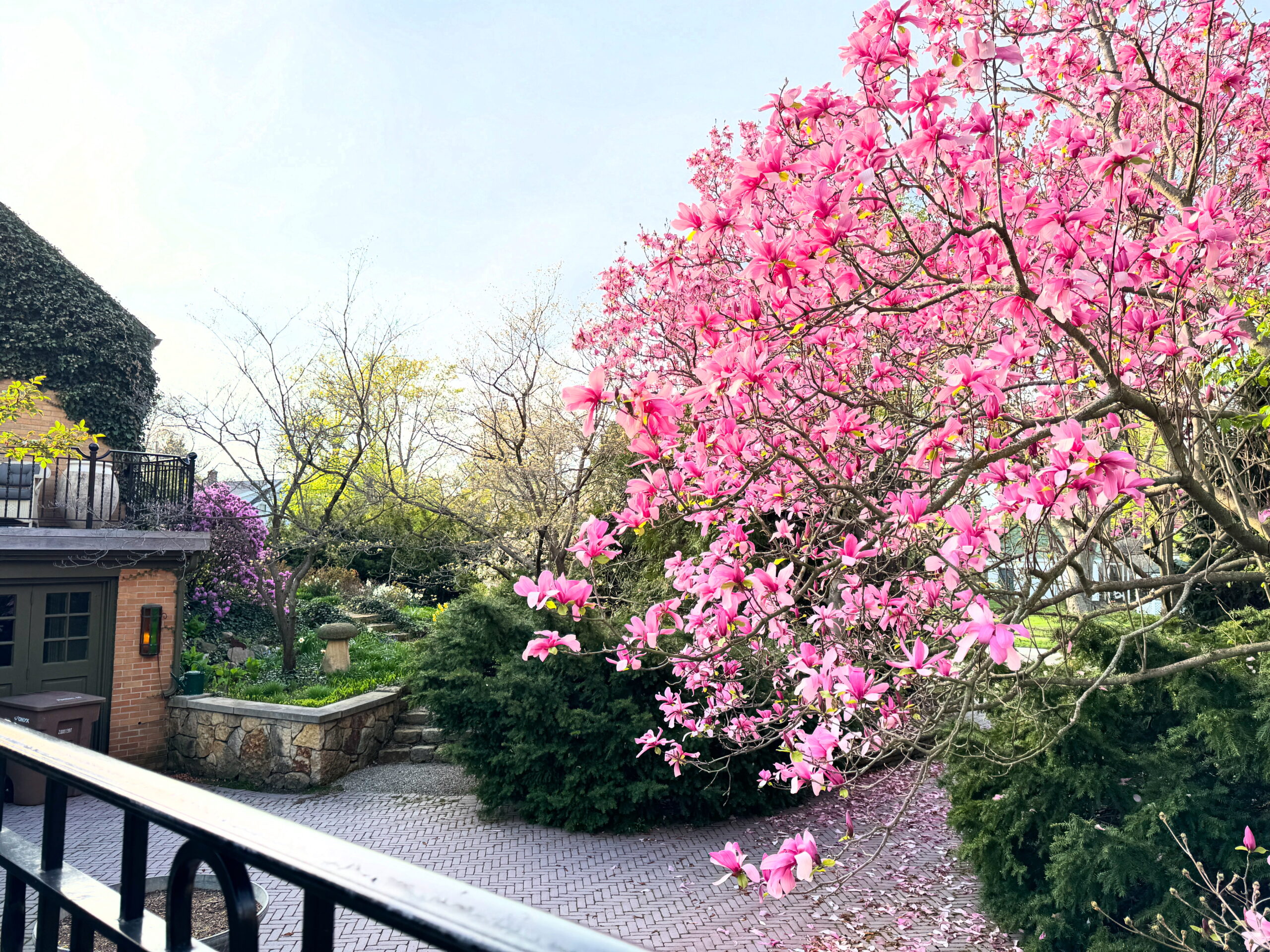 It’s easy to feel ambivalent about spring flowering trees. Do I like them? Some years they all seem breathtaking and gorgeous, like the most beautifully orchestrated and dramatically choreographed ballet ever staged. Other years I avert my eyes at the silliness. How can any plant as stately and serious as a tree have pink flowers? I must be having an on year; I am thoroughly enjoying my trees, and all the other spring flowering trees I am seeing in lavish bloom. The lavish part plays a significant role in this. Conditions favorable to significant bud set the past growing season has resulted in a bumper crop of flowers this spring season. Any plant blooming its heart out is just cause for celebration.
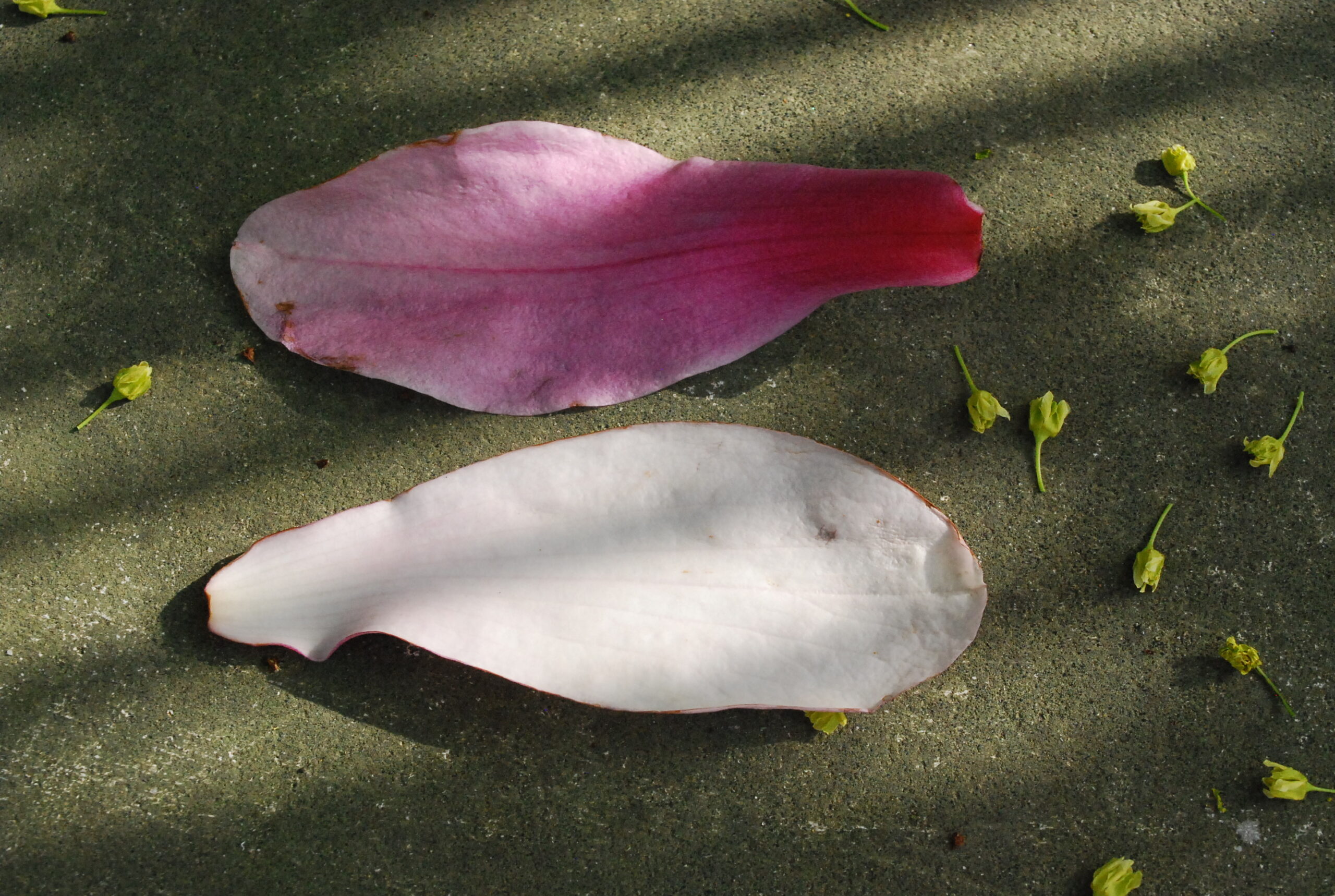
 This first week of May is the beginning of the end of it. The subtle sound of the petals dropping on my driveway can be heard, should I make a point to listen. As the petals pile up, so do the memories.
 Spring. This is it.
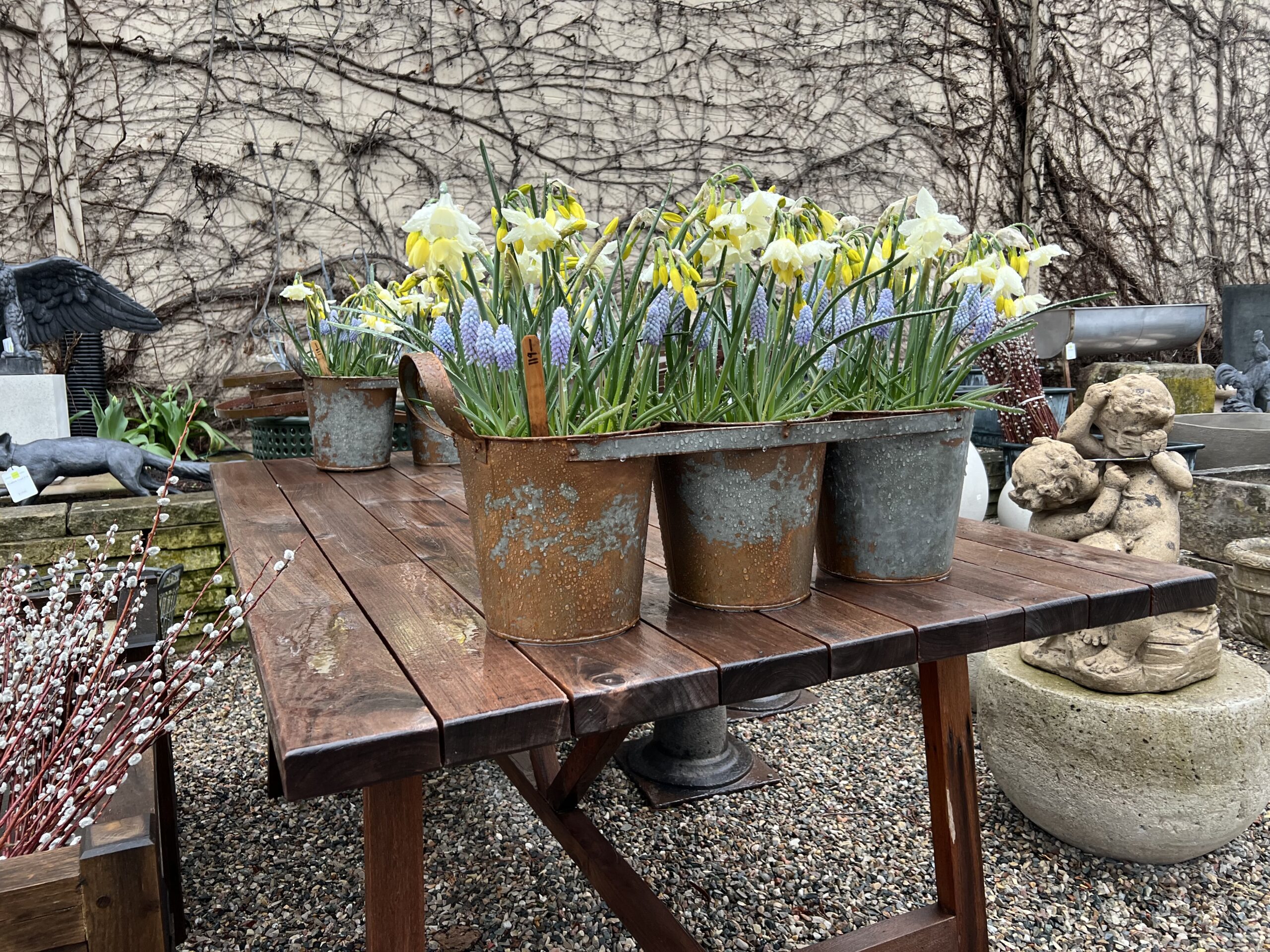

 Detroit Garden Works April 2025