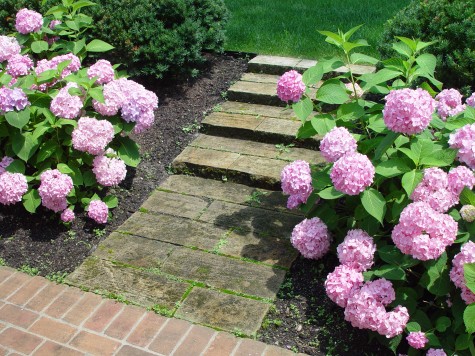
What is it about hydrangeas that makes them such a magnet for gardeners? No doubt they are one of the showiest shrubs hardy in my zone. They are fairly easy to care for, providing you stay away from marginally hardy varieties. They grow fast, have big, clean, and very green foliage. The massive flower heads speak to summer. What could be better? The plant hybridizing industry has focused on producing more reliably blooming “other than white” hydrangeas for the nursery trade geared to produce in cooler climates. This “All Summer Beauty” hydrangea is more reliably blooming than its predecessors.
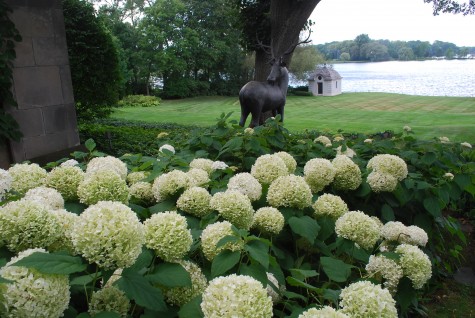 The Annabelle hydrangea has been the mainstay of the summer shrub garden as long as I can remember, though I no longer plant it. Weak stems and overly large flower heads make the shrub a challenge to keep off the ground. Given heavy rains and mid summer stormy weather, you are likely to wake up with those flowering spheres face down in the mud. Should you have them, cage or otherwise securely stake at least 40″ tall out of the ground-in the spring. Othereise, you will be chasing some stop the flopping solution that looks awkward and unnatural.
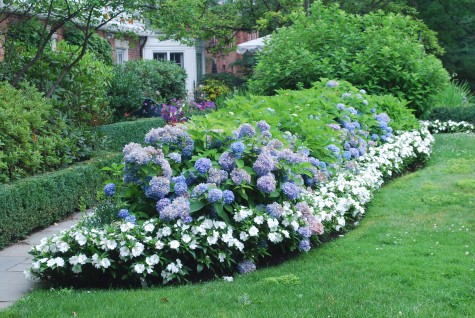 This garden no doubt is the one place for 100 miles perfectly suited for Nikko Blue hydrangeas. Once out of the nursery pot, and in the ground, they are generally known to be stingy with the flowers. Blue hydrangeas-what midwestern gardener does not long for this plant to perform for them? I am sure many more get sold, than deliver and please. As no one grows hydrangeas for their shape and foliage, choose a cultivar known to reliably produce flowers in abundance in your zone.
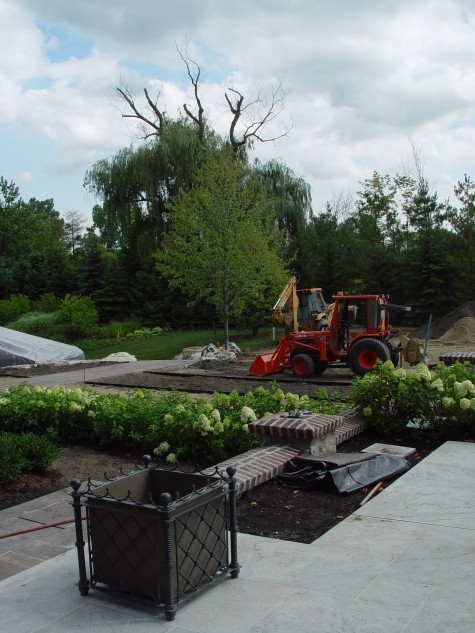 Flowers in abundance-perhaps this is what makes hydrangeas so attractive in a landscape. I favor the Dutch hybrid-known as Limelight. They are sturdy growers-there is never any need for staking. Their hydrangea paniculata parentage is responsible for the cone shaped flowers that open green, mature white, and pink with age. The straight species hydrangea paniculata is a very wide and very tall grower. The flowers are many, but modest, open and subtle in appearance. A hedge of panuiculata 8 feet wide by 40 feet long might make a show. Limelight produces densely showy flower heads from a vigorous and adaptable shrub-the best of all worlds, should you be talking hydrangeas.
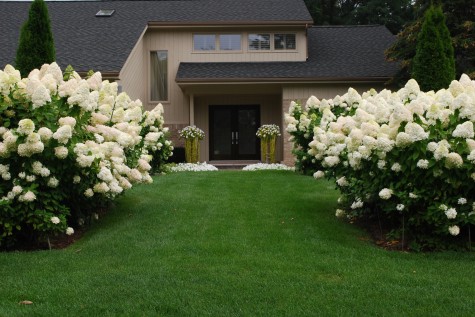 Densely blooming and showy-see what I mean? They do not ask for much-this part I am especially fond of. They handle full sun, given sufficient water, with aplomb. They will willingly survive part shade, and bloom better than most hydrangeas starved for sun. They grow fast. They are fine with a serious spring pruning. I have Limelights I prune down to within 14″ of grade-where it is my idea to keep them in the 4′-5′ tall range.
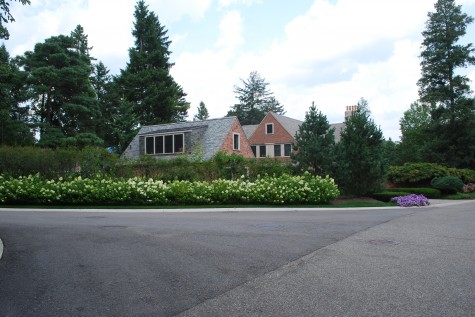 Given a space of sufficient size, a hedge of hydrangeas provide no end of a robust visual reference to summer, lots of flowers for bouquets, screening, material for dried arrangements. What garden shrub do you know of that delivers on this scale, and to this extent?
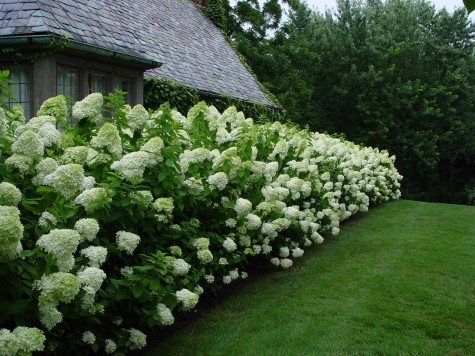 Should you be thinking you might plant some limelights, I would make the following suggestions. Locate them in as much sun as you can muster. Do not space them any closer than 30″ on center-36″-42″ on center will fill in in no time. They like regular moisture. Whatever you have done to enrich your soil with compost, the hydrangeas will appreciate. Given how fast they grow, a 3 gallon plant will catch up to a five gallon plant in no time at all. If you plant smaller plants, be sure they get regular water to the rootball. Potted hydrangeas become rootbound in the blink of an eye. Lacking the water they need, the foliage will burn and drop-this is not a good look.
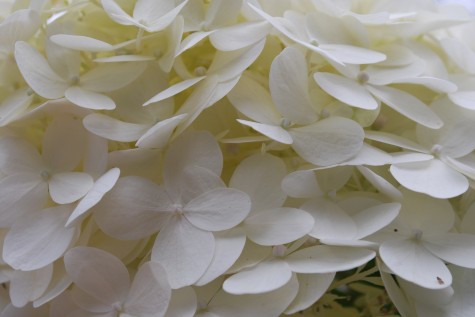
My landscape features 2 large blocks of Limelight hydrangeas-25 plants in each block. They are about 7 feet tall, and just coming into bloom. In full bloom, they are glorious. In late bloom, they are beautifully moody-green, white, and white speckled with rose pink. The show goes on for a number of months. The limelights are just now coming on-I am ready.
 1995
1995