 Earth, air, fire and water; the mythology is long and varied. My simple version: the sculpture, which is the earth, makes for life. No less important is air-every living thing breathes.
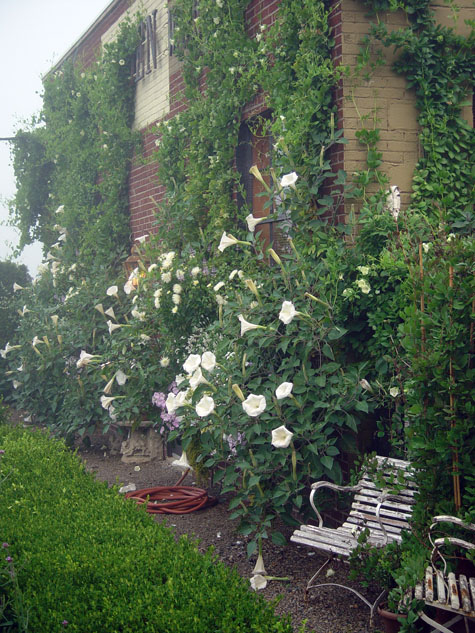
Air can be wind storms, or breezes. Air can be still and palpable; one remarkable things about fog is how still the air is. Air conditions influence the performance of a landscape as much as the earth. Frost, air laden with freezing water, sinks into low spots, and damages or kills plants. Air moving over water, off a lake, is intense air-whether we’re talking hot, cold, or strong. Hot winds dry out plants; cold winds make for winter burn. Wind is a force to be reckoned with-do you need a windbreak first off-so you can garden in peace?
We had big winds and 80 degrees, today-in April, for pete’s sake. We watered all day. The lettuces in my spring pots had that windblown look-it was not a good look. A straight line wind ripped the roof off my building a few years ago- in seconds. Wind makes very large buildings sway. Windy weather affects everything in a landscape-plan on it.
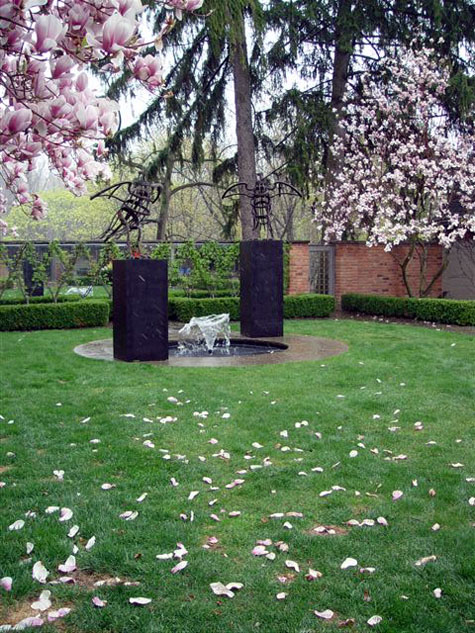
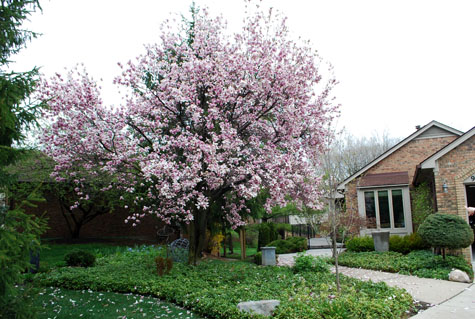
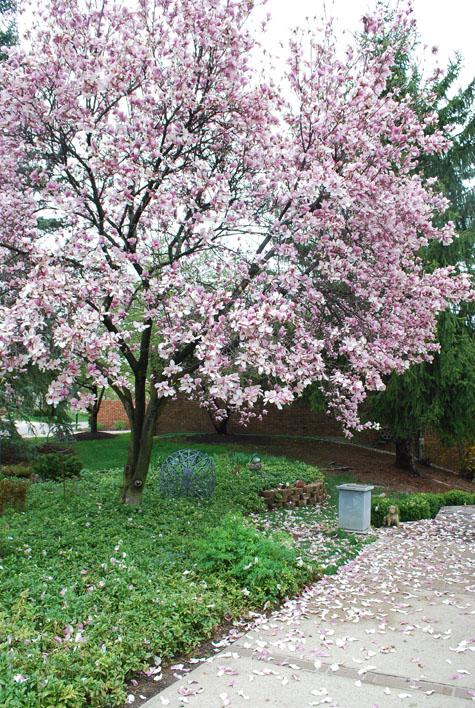
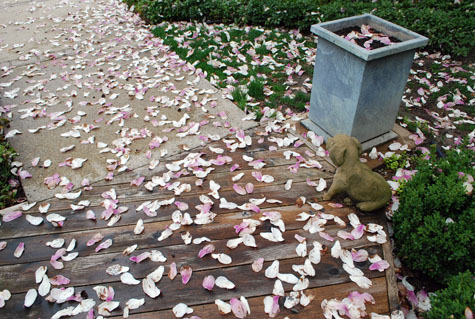
I cannot figure out how to take a picture of wind-I could only photograph the debris it picks up, the petals it scatters, the rain it drives sidesways. The unseen air can make for airy-loose and beautiful. Good air circulation is an enemy of mildew, and a friend to root development in all plants. Airy is the texture of some trees, where you might want a view through to a far landscape element. A breeze makes for that motion that makes a meadow so beautiful. Heavy foggy moody days soften the view and invite retrospection; a sharp crisp fall day is invigorating. Air at great speeds can make for hell on earth. I think this is a good description of nature- what you are least expecting, happening on a regular basis. Taking nature into account when you design, and when you plant, will help you be successful. I am interested in people being successful with their landscapes; who doesn’t enjoy what they apparently are good at? Some success makes the inevitable failures easier to bear. Sensational landscape design begins with an understanding and respect for the elements. A plant you really like, that requires protection from winter winds, will prosper from the companionship of a windbreak. Farmers plant windbreaks, maybe you need beautiful enclosure.
 Jane and Ken Cruickshank have been enthusiastic supporters of my store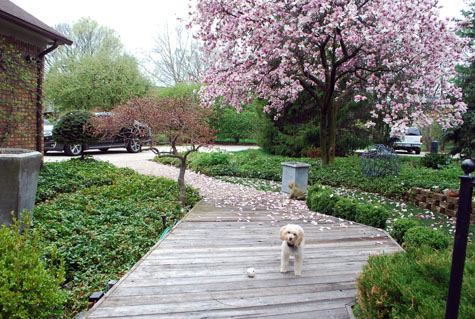
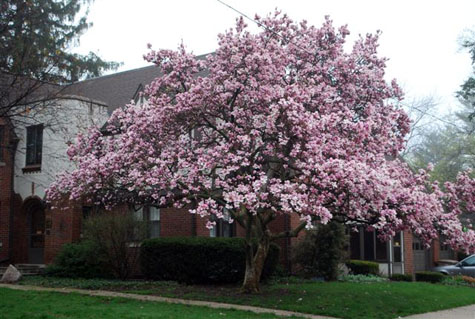
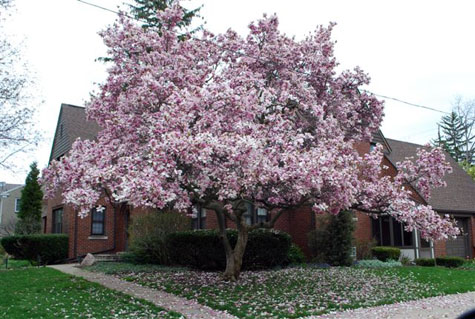
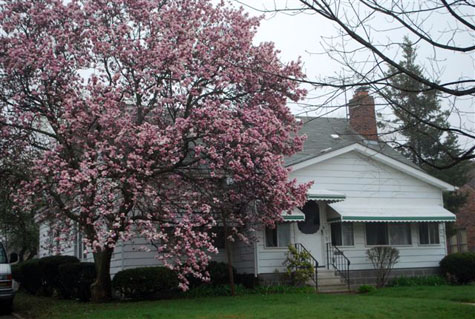 Everyone makes decisions about a life’s work. Whether they think it through, or not, decisions get made. As a landscape designer, I realized part of my life’s work was to plant magnolias-all manner of magnolias, every where it made good design sense to plant them. I am a designer who in part came to design via a love for plants. Plants are part of the vocabulary that helps give voice to a point of view. Every designer needs heart, soul, and nerve-but they also need language.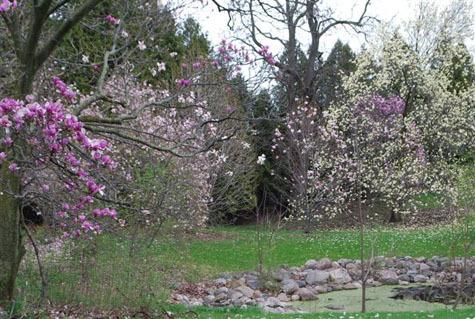
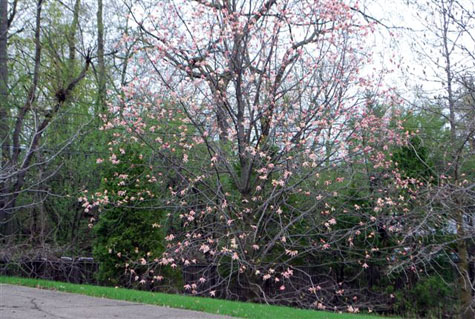 Phil Savage, lived on almost 8 acres-most of which reflects a lifetime growing and hybridizing magnolias. He also grafted magnolia cuttings onto ash tree root stock-these trees are 70 feet tall on his property, as we speak. He hybridized “Yellow Butterflies”; when the spring weather is perfect, it is a dream come true in bloom. Later, it is sturdily and robustly green. His property had magnolias of a size, with flowers in colors, I have never seen-yellow, peach, orangy pink. It was like a visit to another planet. But no, just a visit to a man who knew and lived his life’s work.