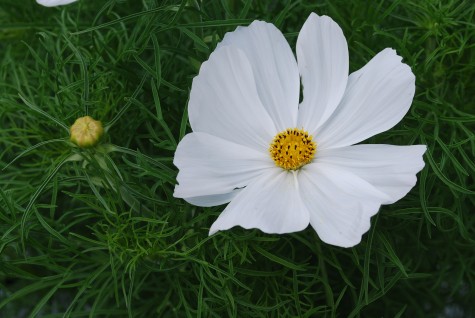
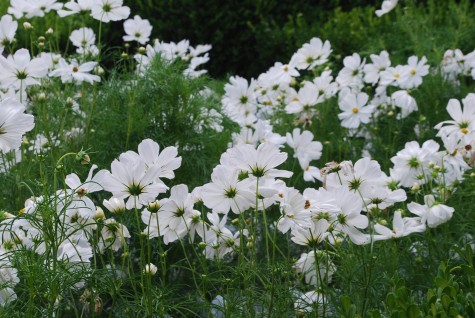
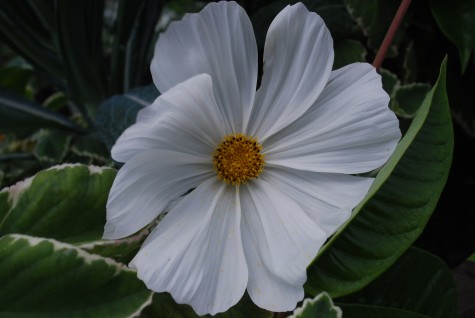
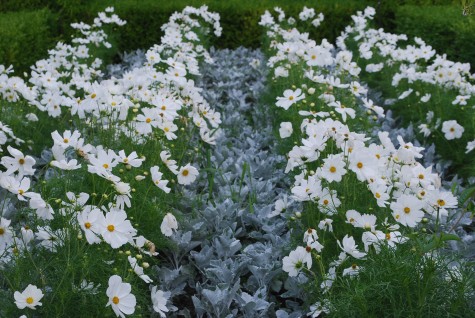
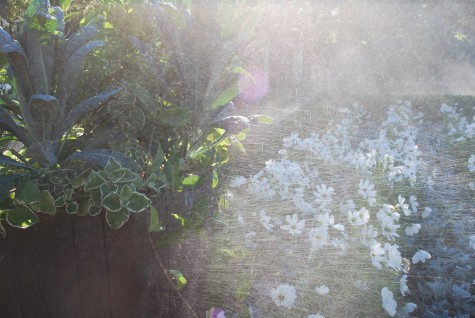
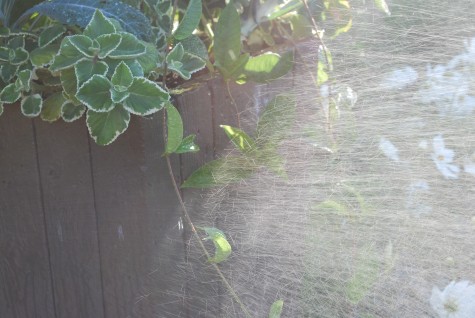
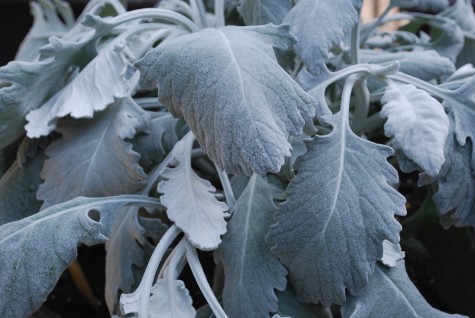
 Leaves are a very highly specialized mechanism for converting the energy of the sun into compounds that provide food for a plant. The word for this-photosynthesis. Though I have a middling ok understanding of the science involved, I am better on the appreciation end. The infinite diversity of leaves is like having a box of pastels with a 1000 diferent colors available-only better. Leaves are not just diverse in color, but also in mass, volume, substance, shape, form and texture. Appealing leaves can add as much to your garden-maybe more so, than the flowers that come with.
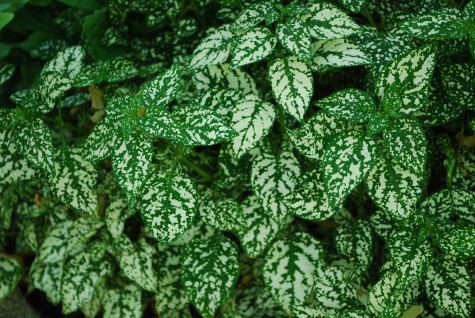
Is it my age, or are polka dot plants cool? I like variegated leaves-this plant does a stellar job of delivering very interesting color contrast and texture-and is adaptable to either full shade or full sun. What more could you ask for? They are equally as good in the shape department-I trim mine into all kinds of shapes-balls, ovals-they are as decent as any living plant I have ever seen at approximating a square. I think of them as supporting cast leaves-would that I could grow this plant into a topiary on standard.
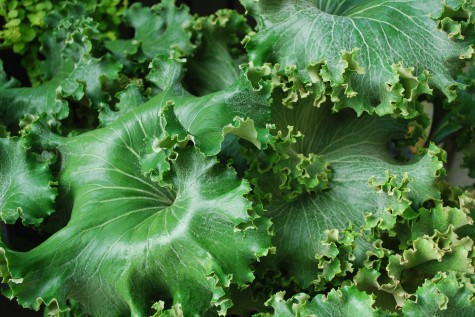 This handsome leaf strongly reminiscent of Luciano Pavorotti is related to ligularia. The large thick leaves of Farfugium terminate in graphically frilly edges. Look again-this is a leaf a gardener would never forget. The contrast in texture between the main leaf and the edges-as dramatic as it gets. An aria is in the air. A simple and decidedly modern container is all the better for the strong texture and rhythm that a planting of this plant could provide.
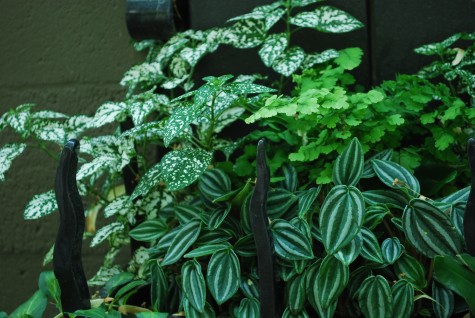 Pepperomia-this family has many species, and lots of cultivars. Long the darling of the indoor house plant set, I like planting them outdoors. The leaves are routinely round or oval-the variation in surface, sheen, and color- striking. This class of plants-I am a fan of pepperomias. The small growers, my favorite. The big paddle shaped leaves of a viariety whose name I do not know-I plant them with the frothy leaf fronds of ferns-a dramatic study in contrast. Try tropicals outside-they might surprise and please you.
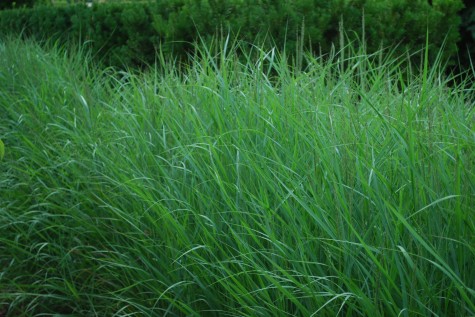 Grass-I admire grass in any form. My clipped turf-a groundcover like a skin over dirt. The ornamental grasses such as this Panicum Virgatum-graceful. Tranquil. Meadowlike. Good for the gardening soul. The long narrow leaves are textural, and rhythmic. Any long grass is all the better for the wind flowing through. Ornamental grass moves with the slightest breeze. I would put grass at the top of my list for leaves that manage to make beautiful music.
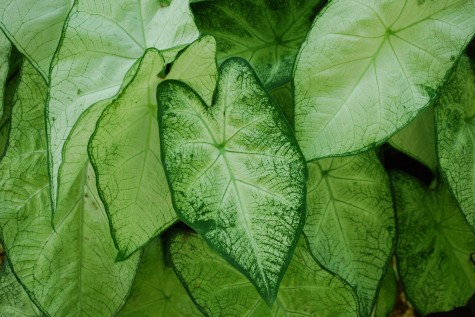 Caladiums have giant heart shaped leaves. They come to a point dramatically-like an arrow. They are thin. Substance refers to thickness; a xx leaf is thick and rigid-a caladium leaf is very thin, and wispy. A leaf of considerable size, which is white to boot-this plant will like shade. The new varieties of caladiums-such as this all white variety known as White Christmas-greatly enhance the palette of any gardener focused on great design.
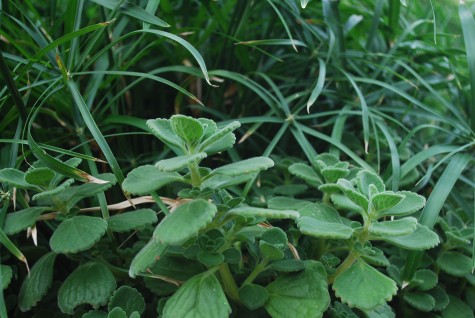 Cuban oregano-I plant this plant as a skirt, routinely. The thick hairy leaves have a great texture. They grow like weeds, and take well to pruning. A mass of this oregano well grown-green and beautiful.
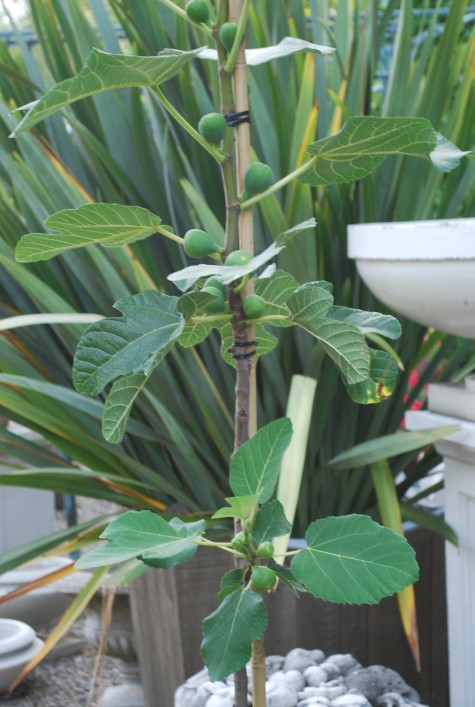 Figs have large and beautiful leaves. The leaves are spare, on the trunk. Should you have a modern or contemporary garden, consider figs. Each leaf is a sculpture. The ripening fruit will please you. Should you have a farm and garden landscape, a few fig trees will make themselves at home. The design issue here-make much of whatever design component important to you that takes your landscape where you would like it to be. The figs of the Italian working gardens-is this you? The sparsely growing figs that so fit in a contemporary garden may be more to your liking.
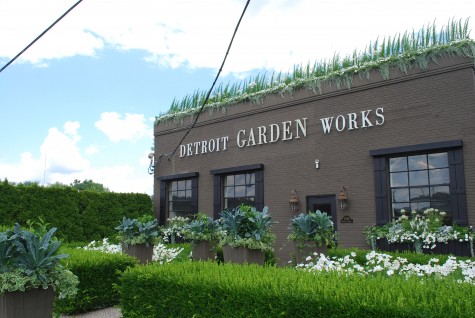
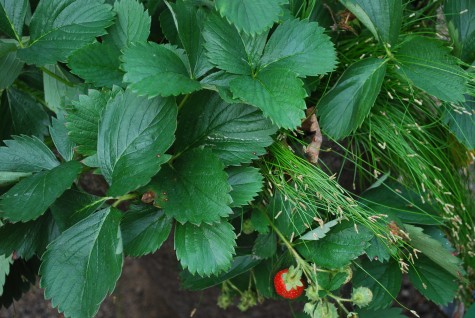 Strawberries-who does not love this fruit? I would only ask that you look at their medium large toothed leaves; are they not beautiful? This pot at the shop features a topiary rosemary-which I have left out of this photograph. The rosemary- underplanted with strawberries and fiber optic grass. The contrast of leaf textures-pleasing.
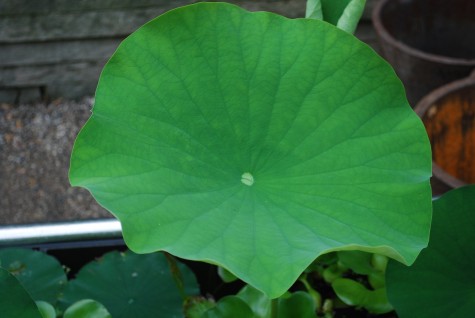
Lotus-this leaf is like no other leaf. Thin, delicate, and emerald green-astonishing. Our native lotus, nelumbo luteus-I have many memories of visiting those large stands near Monroe, protected by the Ford Motor Company. The Ford family-they support my museum, my opera, my symphony, my city-and my native lotus. Many thanks to you, Ford, for honoring the beauty of the leaf. Gardens may have flowers, but most of what is there is about leaves.