The 2018 Garden Cruise

When one of my dearest friends told me that he did not know we would be sponsoring an 11th garden cruise this year, I took that as a sign that I needed to step up and spread the word that we are indeed sponsoring a cruise this year. I did feel last July that having met my goal of raising over 100,000.00 for the Greening of Detroit, it was time to gracefully bow out. I was surprised by the numbers of people who expressed regret that the tour would not go on. Many people told me that day that they really enjoyed the tour, and would I reconsider?  The Greening of Detroit was not so happy about it either. One of their donors, the Erb Foundation, subsequently offered to match every dollar we raise selling tickets up to 10,000.00, for both 2018 and 2019. A treasured landscape client who owns a manufacturing company known as Argent Tape and Label offered to sponsor our tour dinner and drink reception. Our heartfelt thanks to the both of them. I thought about putting on an 11th tour over the winter, and finally decided to go ahead. I was able to line up some great looking landscapes and gardens which will be available for you to see this coming Sunday, July 15, from 9-4:30.

7 gardens will be available to cruise. This is our first year, including the Greening of Detroit’s Lafayette Greens. This garden, designed by noted landscape architect Ken Weikal, and underwritten by Compuware, grows countless hundreds of pounds of fresh produce and flowers-all of which are donated to local food banks, church pantries, and volunteers. Though the garden is open for visitors every day of the week, we feel a trip there would help every tour person to understand something about the Greening of Detroit, and what they do for our city.
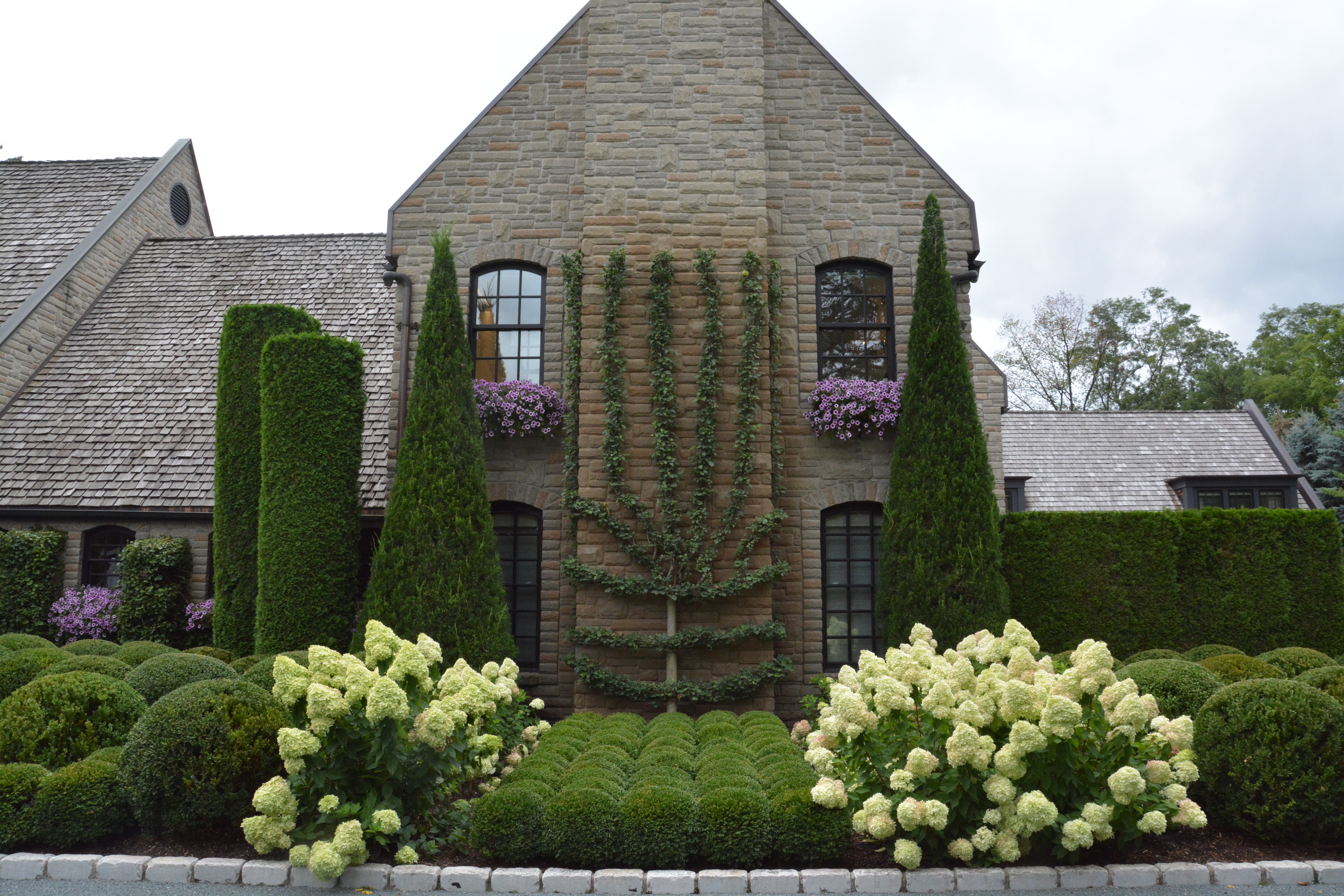
Four of the 6 other gardens are of my design and installation. The fifth landscape was designed by me and installed over a period of time by my clients. The 6th garden is a an extraordinary collection of known and rare plants, beautifully arranged, from a pair of gardeners who regular shop at Detroit Garden Works. This is a very strong tour. No two properties are remotely alike. But every garden reflects a passion for nature, and a love of the landscape.
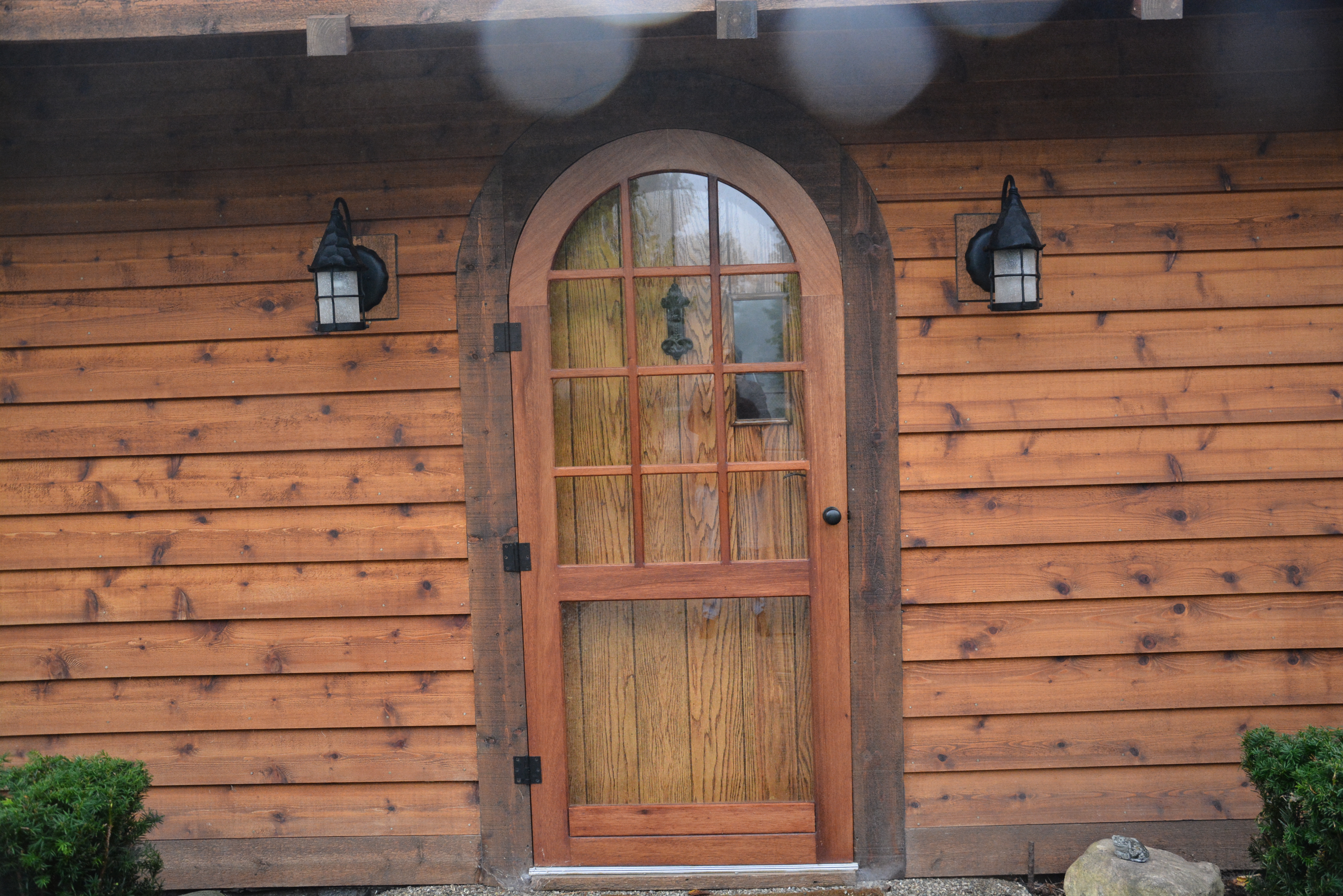
Should you decide to take the tour, I promise you will be engaged and intrigued. Pictured above, a writers cottage of my client’s own invention, nestled in the landscape I designed for them. If the idea of a writer’s cottage in a landscape intrigues you, I invite you to come and see the rest of their lovely property.

I always put my own garden on tour. The fact that I work to get it ready for visitors helps other gardeners decide to go ahead with putting their gardens on tour.  My pots are always different, and I do make changes on occasion, so most people seem to enjoy coming back for another look. That said, this year’s tour is remarkable for its diversity. People look for very different things from their landscape. Some cultivate a wide variety of plants for the sheer love of plants of all kinds. Others have cultivated a landscape that is friendly to outdoor use and enjoyment, from places to sit, to a terrace that can accommodate friends and family for dinner. My landscape is fairly mature. So my enjoyment has much to do with planting out my pots.
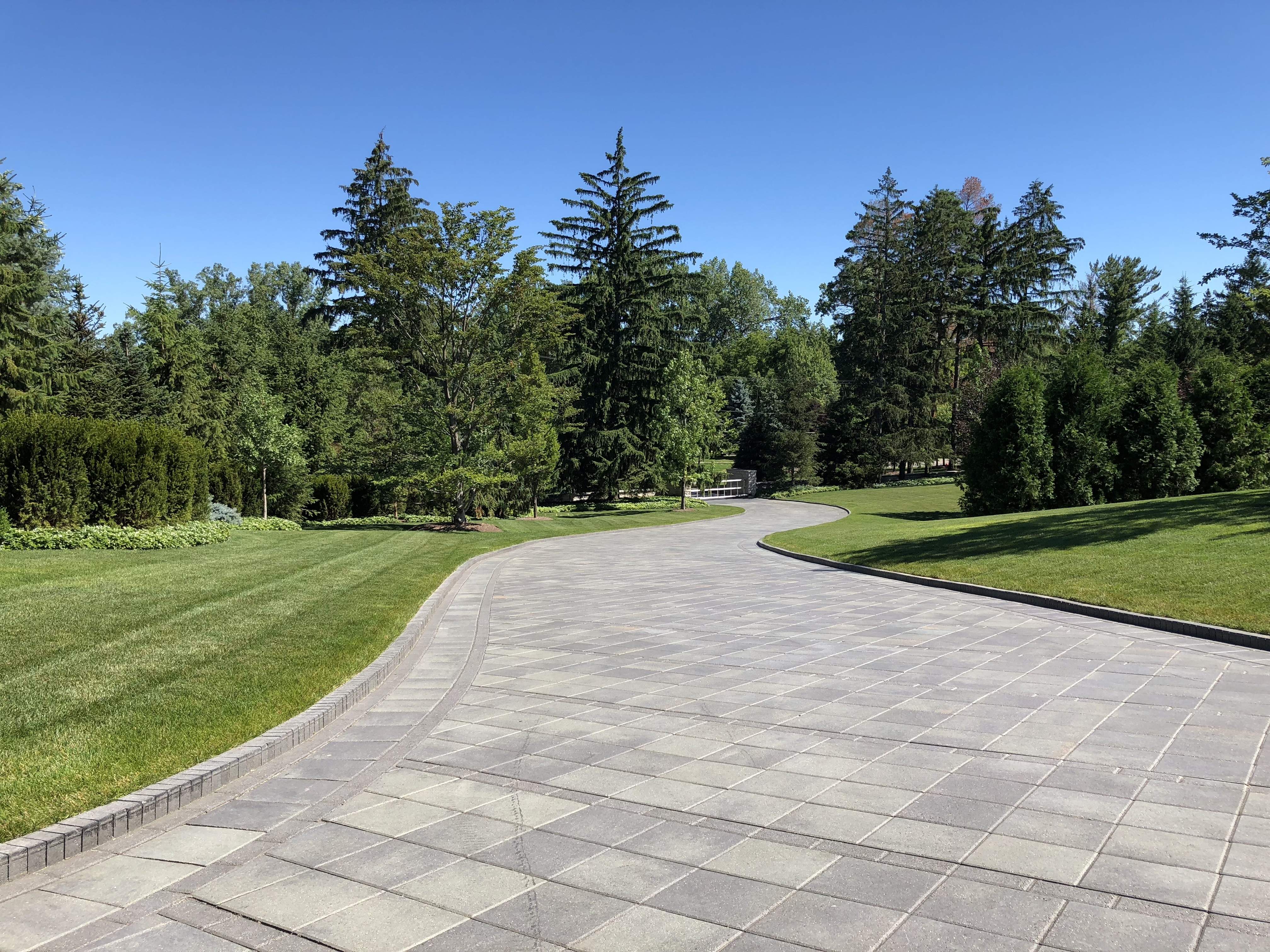
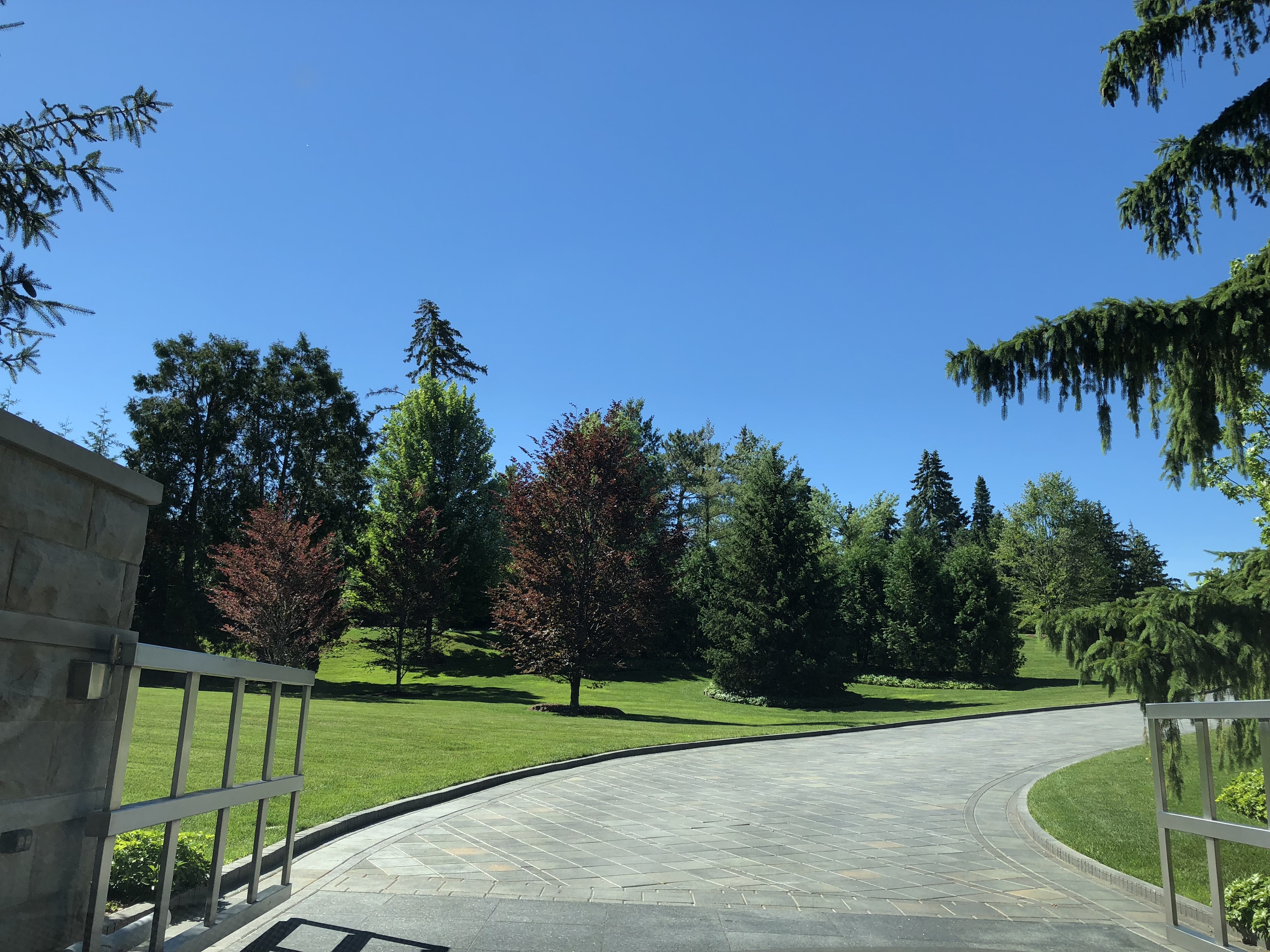
This serene and beautifully maintained property will take a while to tour, but it will be obvious that the gardener in charge has a big love for the natural world.
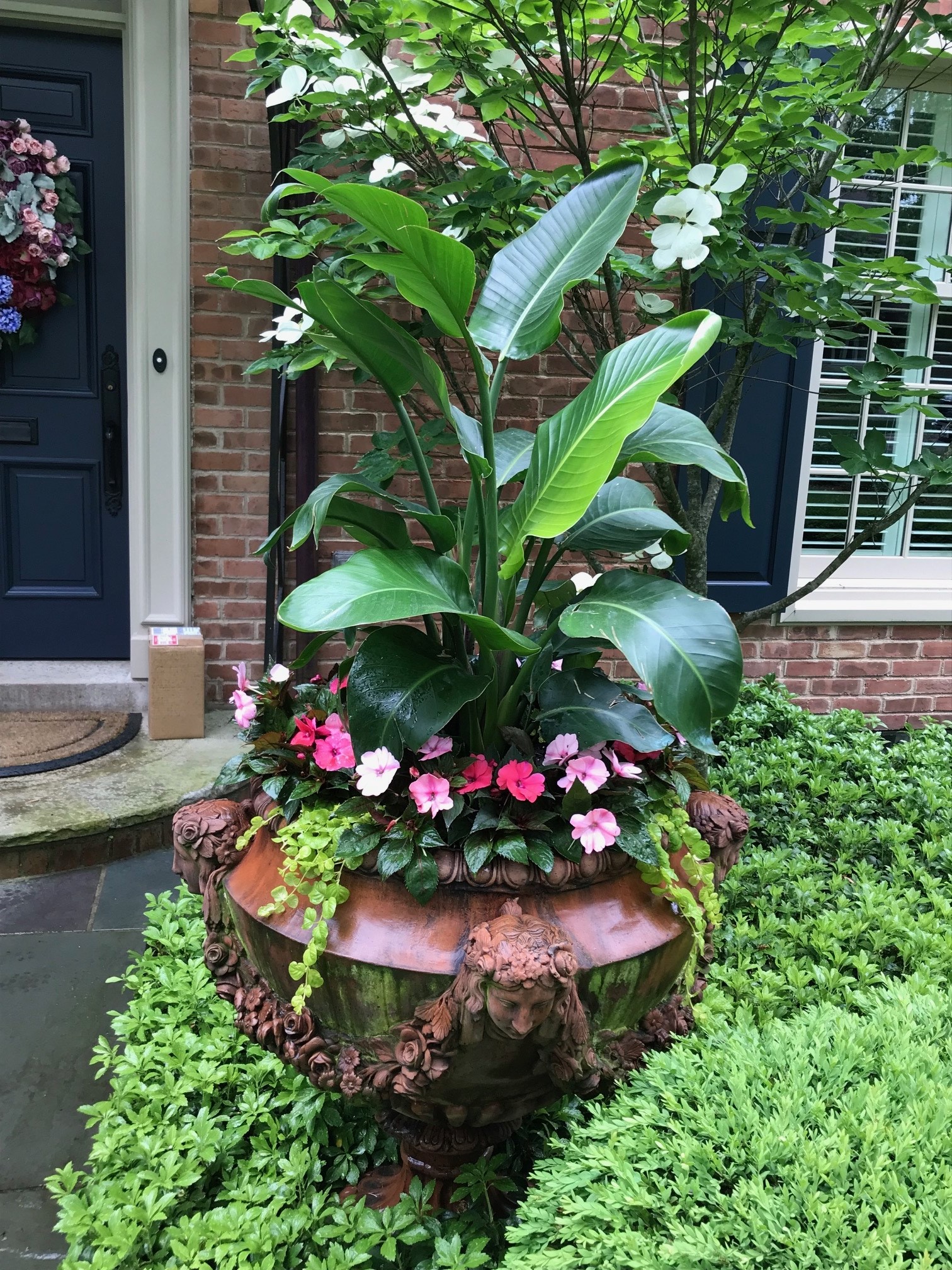
A small city garden has a client equally passionate about the landscape.
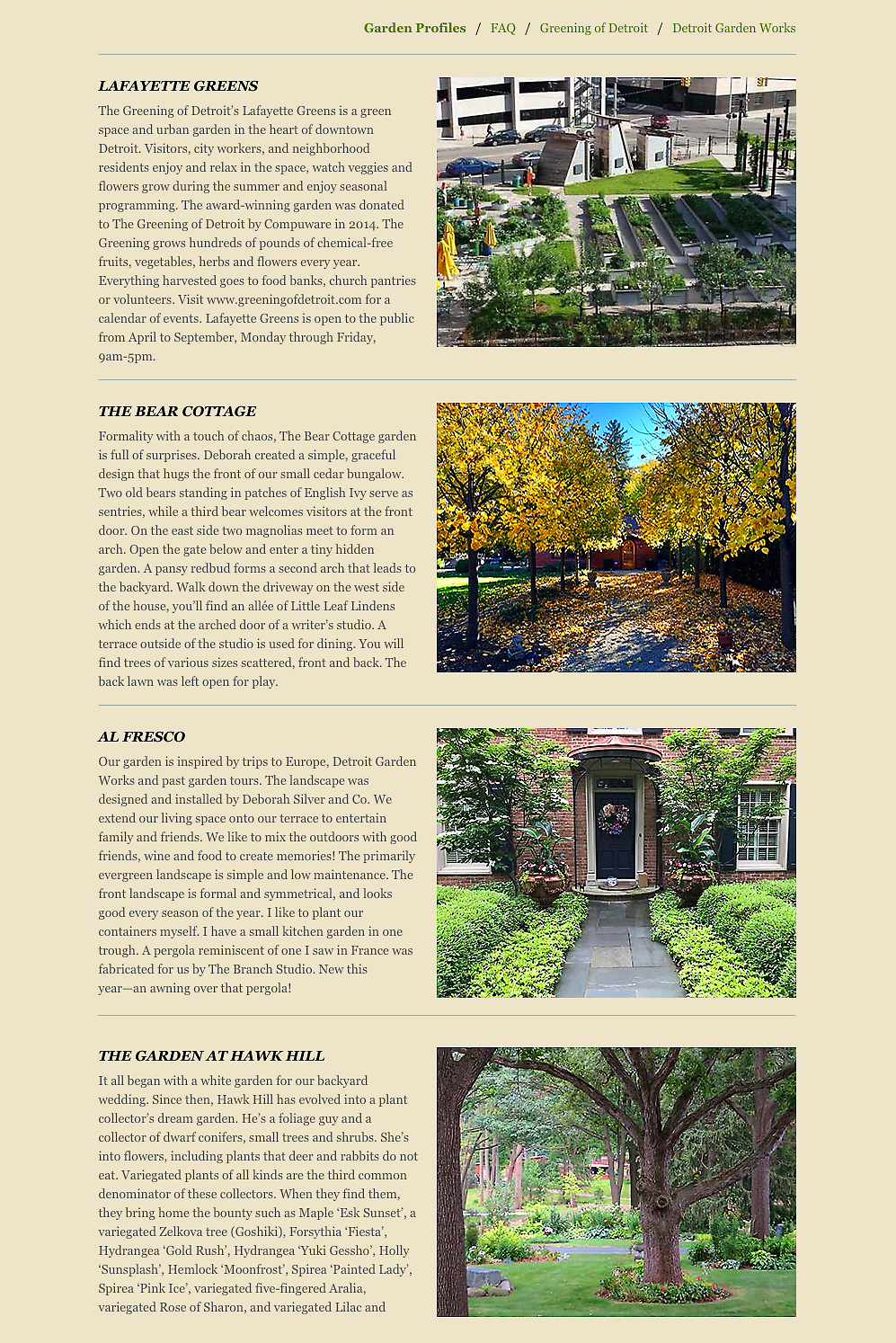
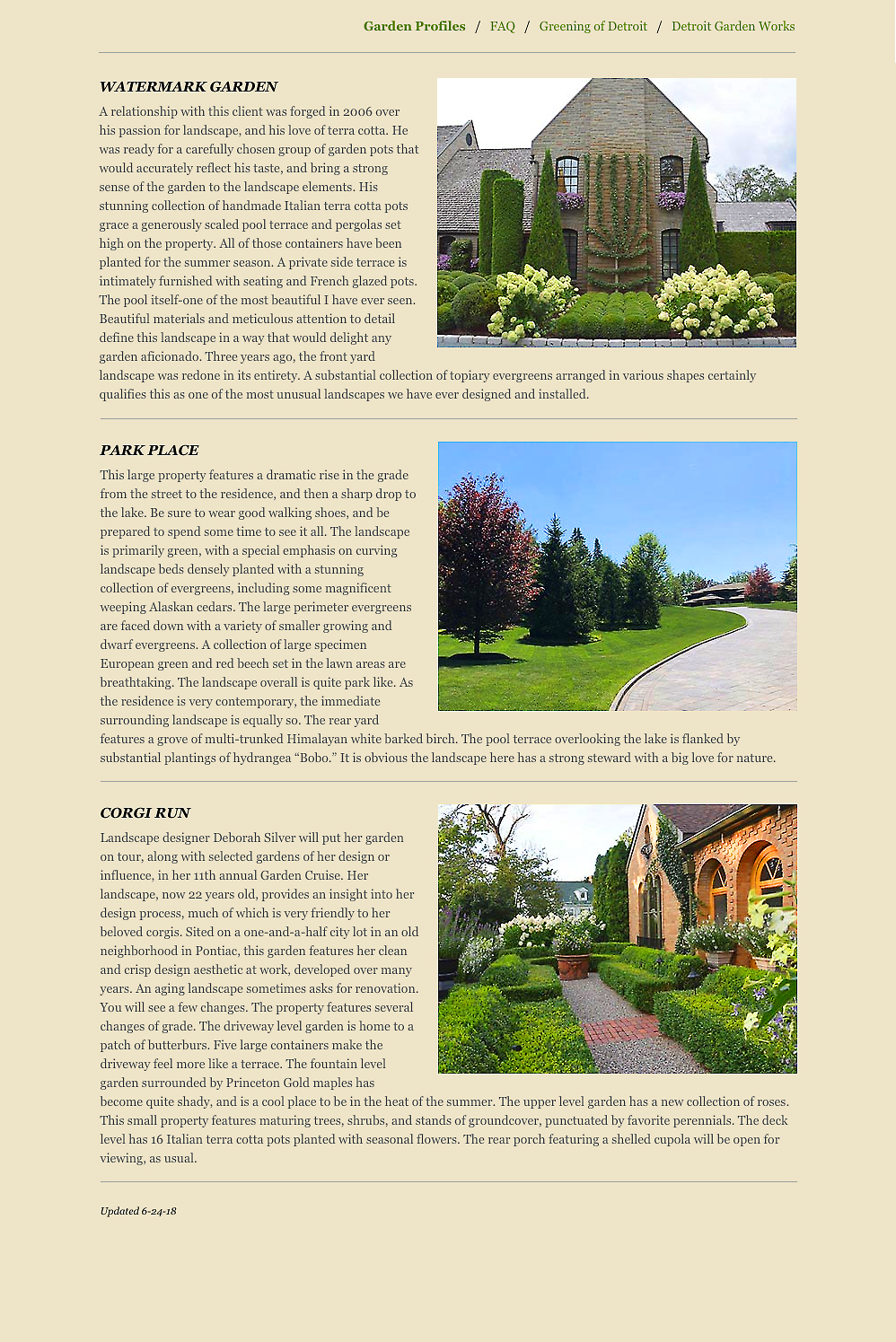
The descriptions of the gardens on tour this year can be found at the tour website.   wwwthegardencruise.org
I am also so pleased that our tour reception will be catered by Toni Sova, who owns and operates a catering company called Nostimo Kitchen.  Her food is terrific.  Check her out for yourself:  http://www.nostimokitchen.com/    And we will have equally terrific live music as usual by Tola Lewis.     http://www.tolalewis.com/    If you have never attended our after cruise reception before, I can highly recommend it. The food, drink and company is exceptional. And the 15.00 it cost over the price of a ticket also goes to the Greening of Detroit.  This year’s reception is underwritten by  Argent Tape and Label, a woman owned business.  https://argent-label.com/  
I sincerely hope that if you are able to attend, you will.  The Greening of Detroit plants trees, sponsors urban gardens, and teaches respect and stewardship of our environment. This is a cause I support, as I know it has benefited our city. What the landscapes and gardens on tour have to offer is icing on the cake.  To purchase tickets – 35.00 per person for the tour, and 50.00 per person for the tour and reception – call Detroit Garden Works at  248  335  8057. As an added incentive, Rob will open the shop at 8am on Sunday the 15th, should you decide to make a day of it that morning. It is the one gardening day of the year I am home all day-I love seeing my garden full of other gardeners.
Bedding Out

Bedding out annual plants was a seasonal planting practice very popular from the late 1860’s until the turn of the century. Victorian gardeners, particularly of an English persuasion, reveled in planting seasonal and tropical plants in intricate patterns in ground resembling rugs. Or clocks. Or other objects and events. Or giant shapes all of one color and cultivar of plant. It seems so difficult to understand this concept of annual in ground gardening now, as modern gardeners are used to having thousands of cultivars of annual plants available to buy or grow from seed. What probably drove the fad as much as anything was the recent availability of tropical and annual plants that would bloom all summer long. The Victorian gardens took their plant choice liberation seriously.  They planted everything they could find.

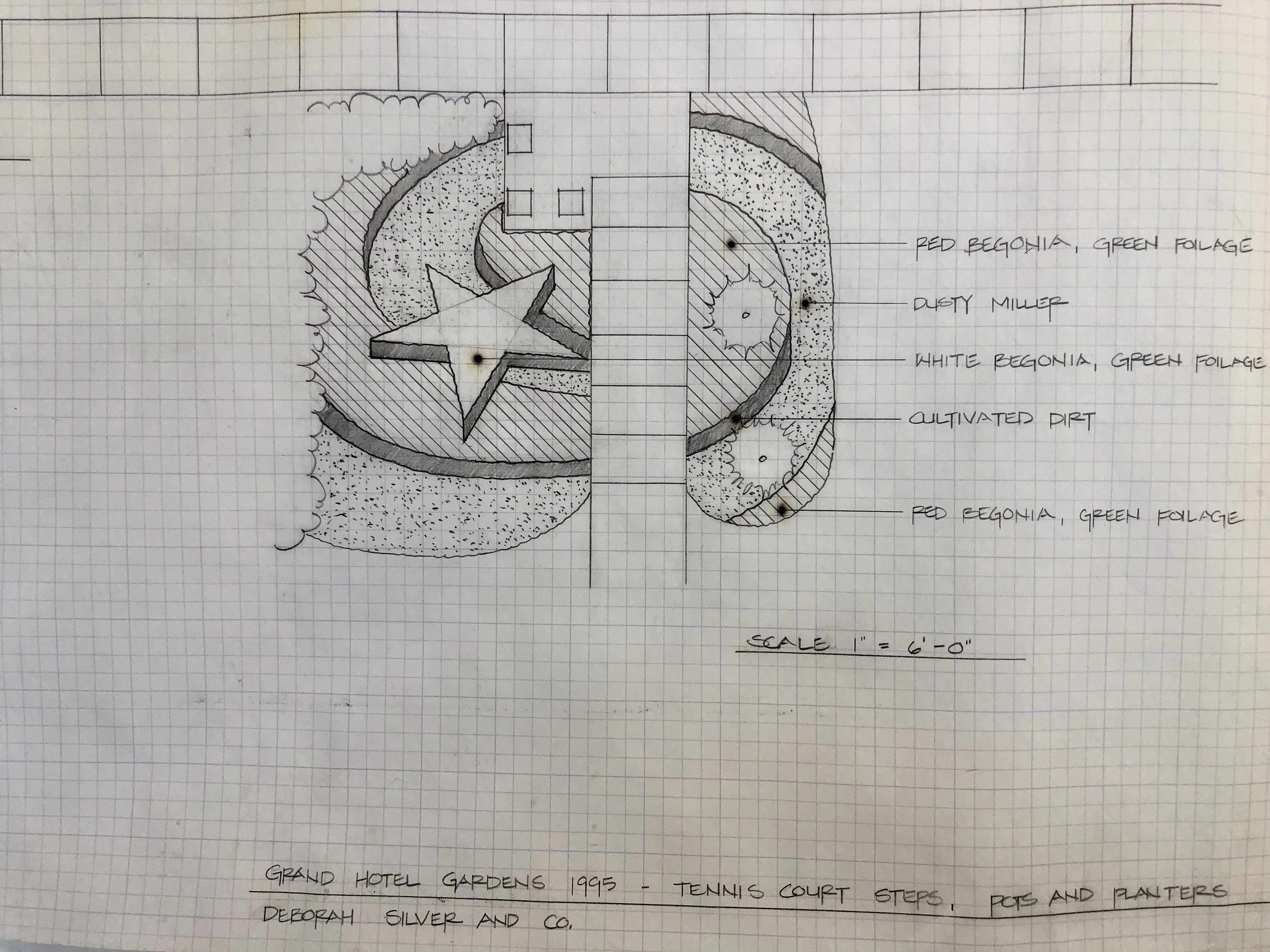
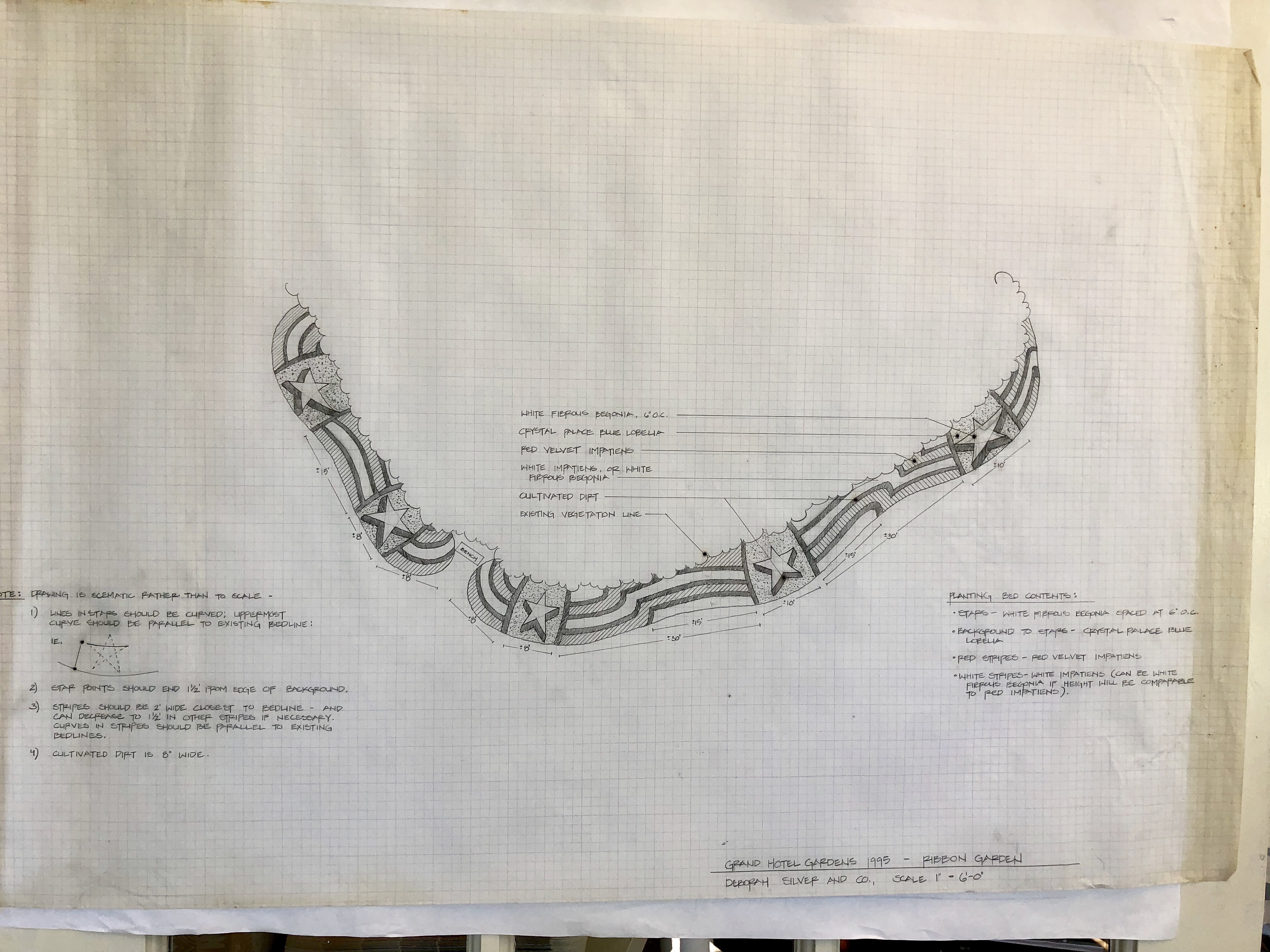
The Victorians-they embellished everything they had a mind to.  Architecture, fashion-and gardening. I will confess to have bedded out many thousands of annual plants over a period of 10 years during my tenure as the garden designer for the Grand Hotel on Mackinac Island. Of course a resort hotel dating back to the Victorian era would ask for gardens reminiscent of the same period. One season I designed and Rob drew a scale plan for a for a long curving bed with the Stars and Stripes. Every bedding out garden I designed for them included decorative dirt. Those dirt spaces enabled discreet maintenance paths, but they also enabled a clear and crisp definition of the pattern.

Even the simplest pattern relied on planting a large area for the pattern to read properly. Bedding out large areas took lots of plants. Annual plants are a fairly inexpensive source of gardening pleasure, but planting lots of them is expensive.

Although few residential gardeners plant annuals in ground on this scale, some commercial properties still do a big job of bedding out annuals. The expansive shapes and bright colors are cheery and inviting. Detroit Garden Works does have a moderately sized annual garden out front, which is planted in a different way every year. It is part of what makes a visit to the shop enjoyable and interesting. We plant tulips in the spring, and hope the summer annuals persist until late fall.  Though the Victorians embellished everything they touched, more modern gardeners are looking for a more simple splash of color. I do not bed out in the classical definition of the term any more. But I do plant seasonal plants in the ground. Any request for annual plantings in ground that come to me suggest a mix of plants.

My primary attraction to a mix of plants has to do with spreading out the risk. If the salvia in this bed has a bad year, the petunias might be able to carry the day.  It is just good planning to plant any large in ground area I need to plant with a collection of plants.  I like to hedge my bets. The plant mix first and foremost asks for plants that like similar growing conditions.

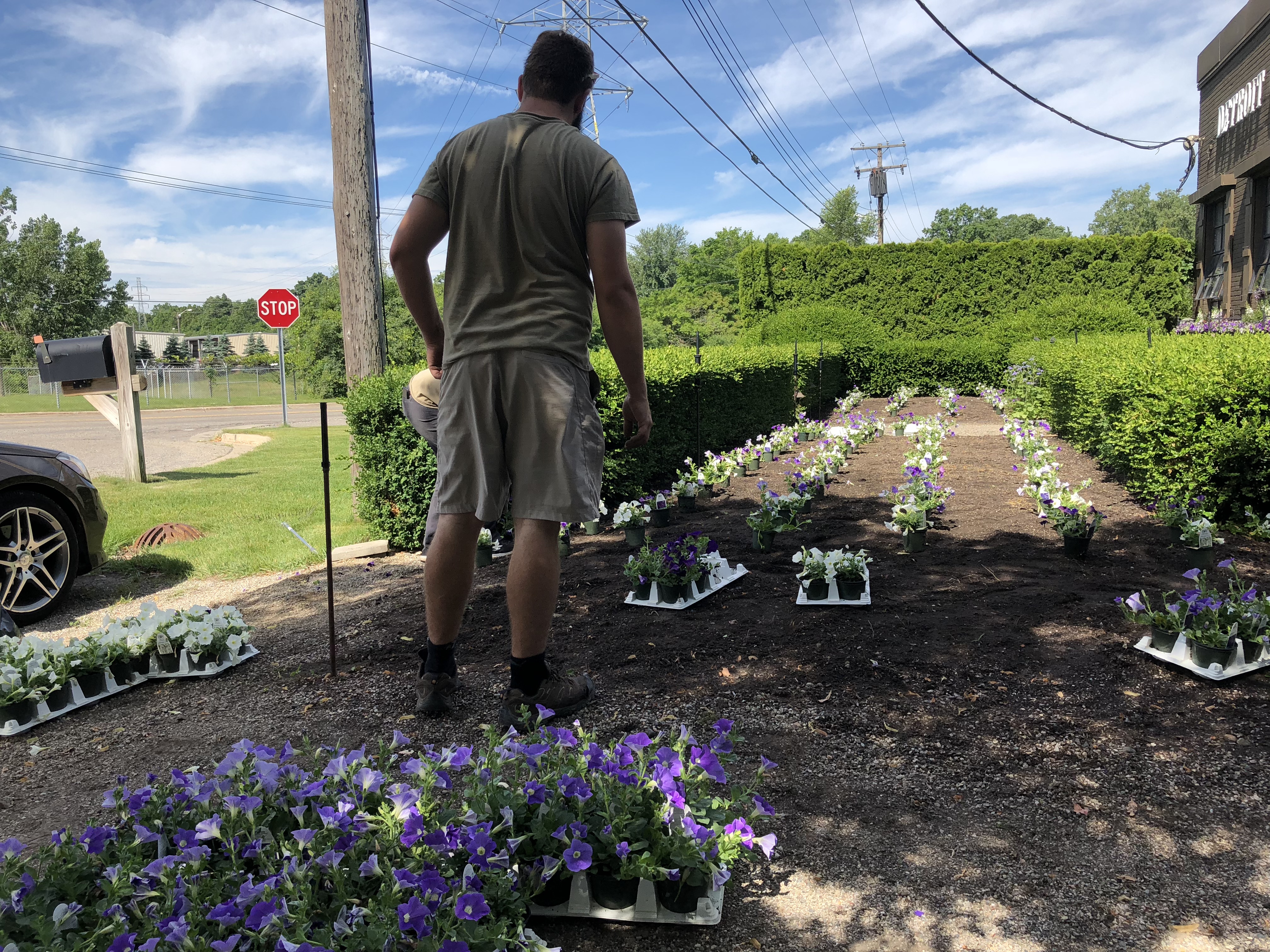
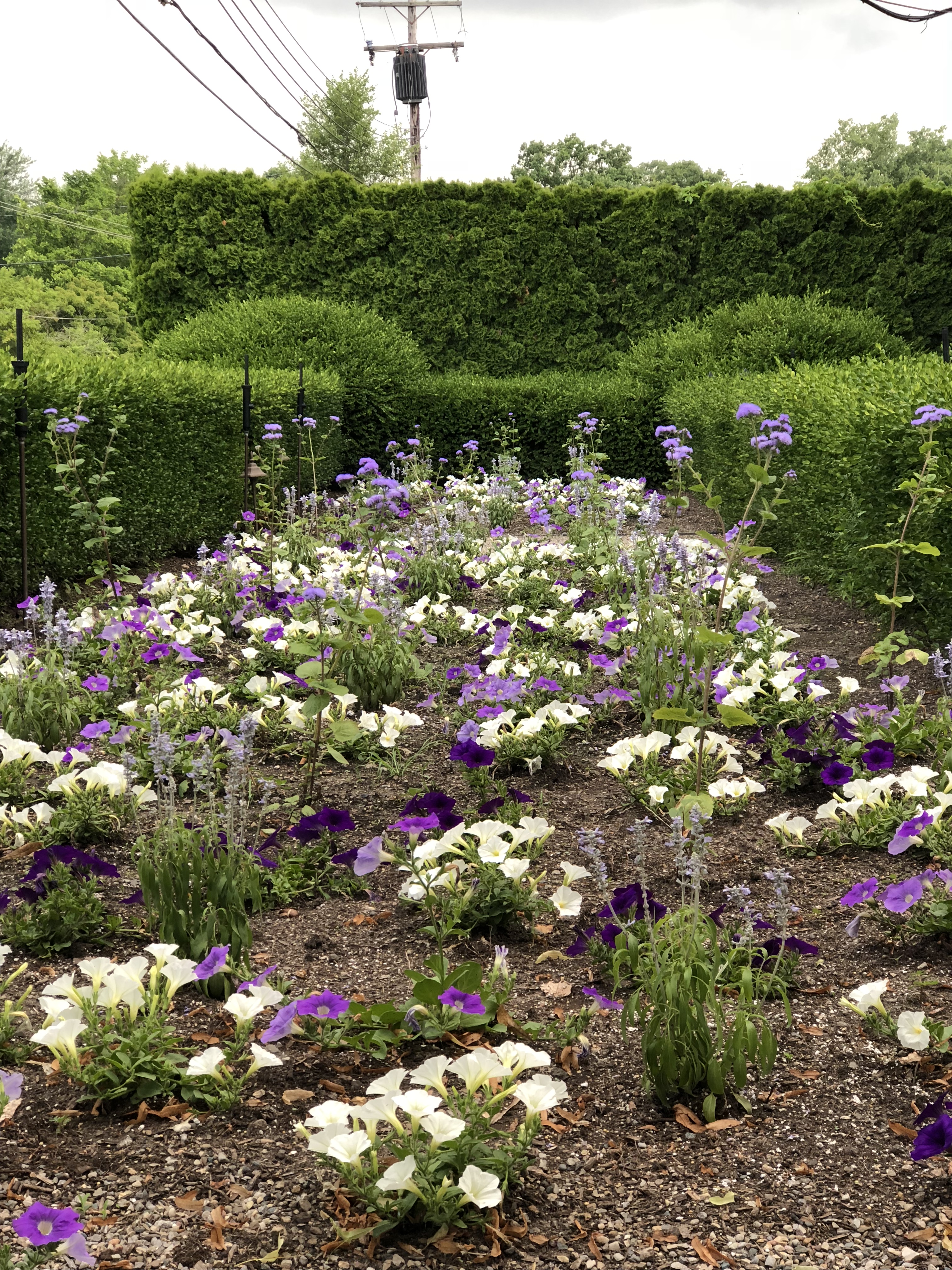
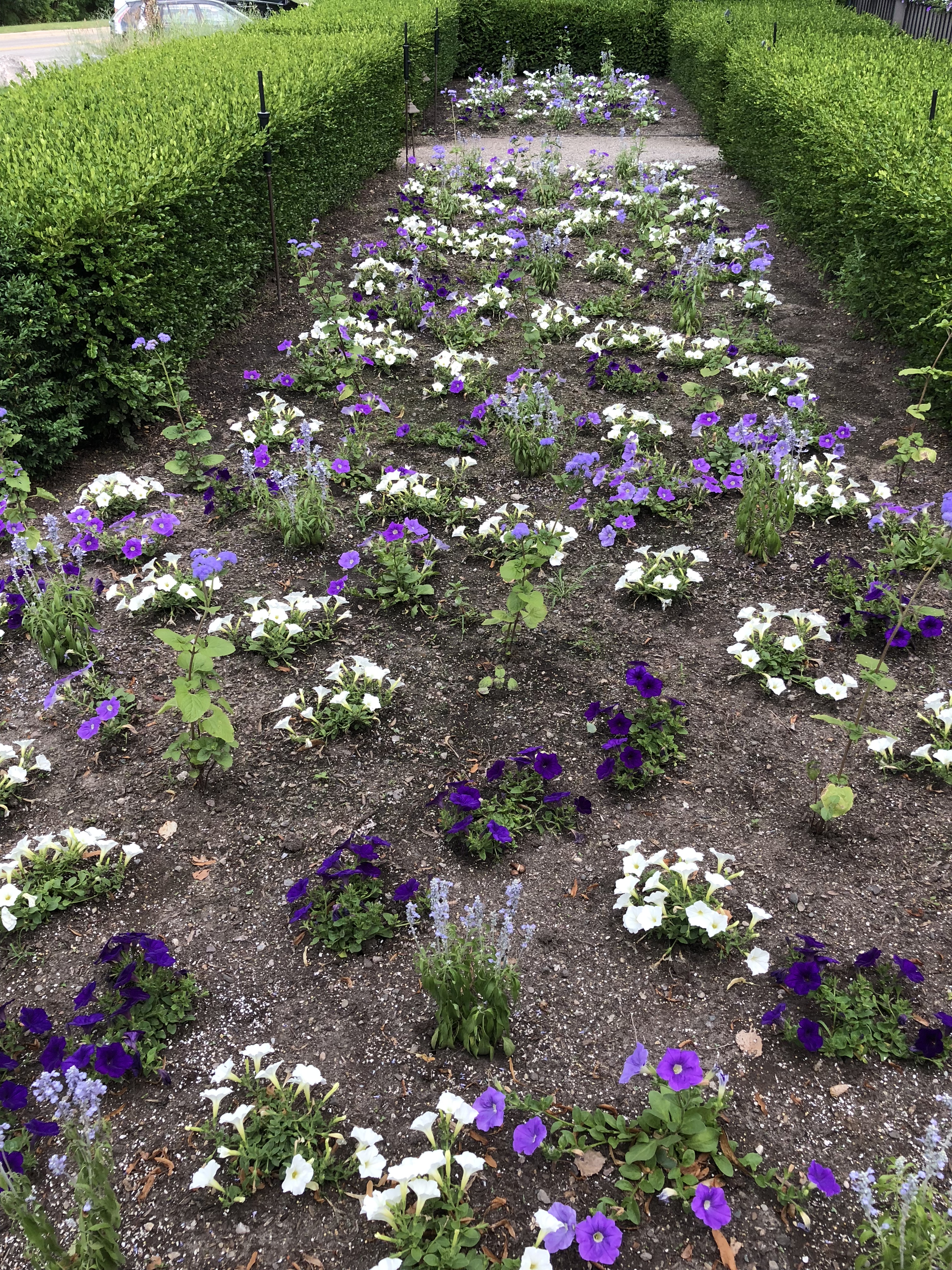
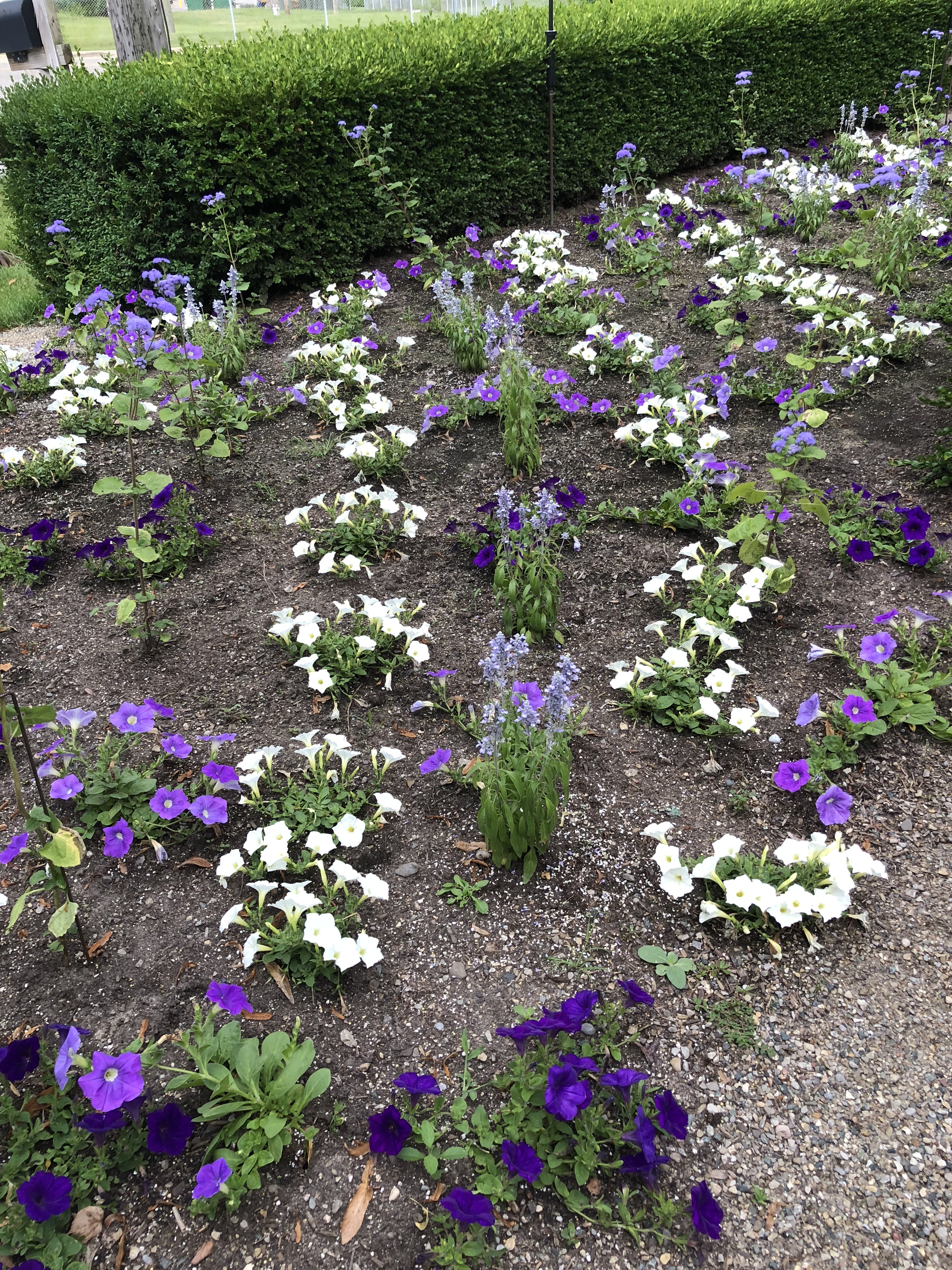
So I mix the plants before I mix the colors. Nature has a way of turning the tide when you least expect it, so I always design with the possibility of trouble in mind. Designing a mix is easy. You need three colors for a mix to be even. In this bed, I planted white petunias between each of the other colors. White lightens and brightens the overall scheme. White provides a very strong contract to every other color nearby – even pastel colors. Adding a 4th and 5th plant to a planting scheme can be very busy. Noisy, even. This bed with 3 types of plants- tall florist’s ageratum, petunias, and sky blue Cathedral salvia – and 5 colors will be visually fairly quiet, as all of the colors are closely related.
Viewed on the diagonal, this bed will have distinct stripes, given the placement of the white petunias between each of the other two petunia colors.  I will be interested to see how the look shifts from different points of view once this bed has grown in. I rarely plant at the shop until all of my clients have their flowers, so this was planted but 2 weeks ago.  Given that the soil is warm, they will grow fast. To follow are pictures of a few of the in ground plantings we did this year.

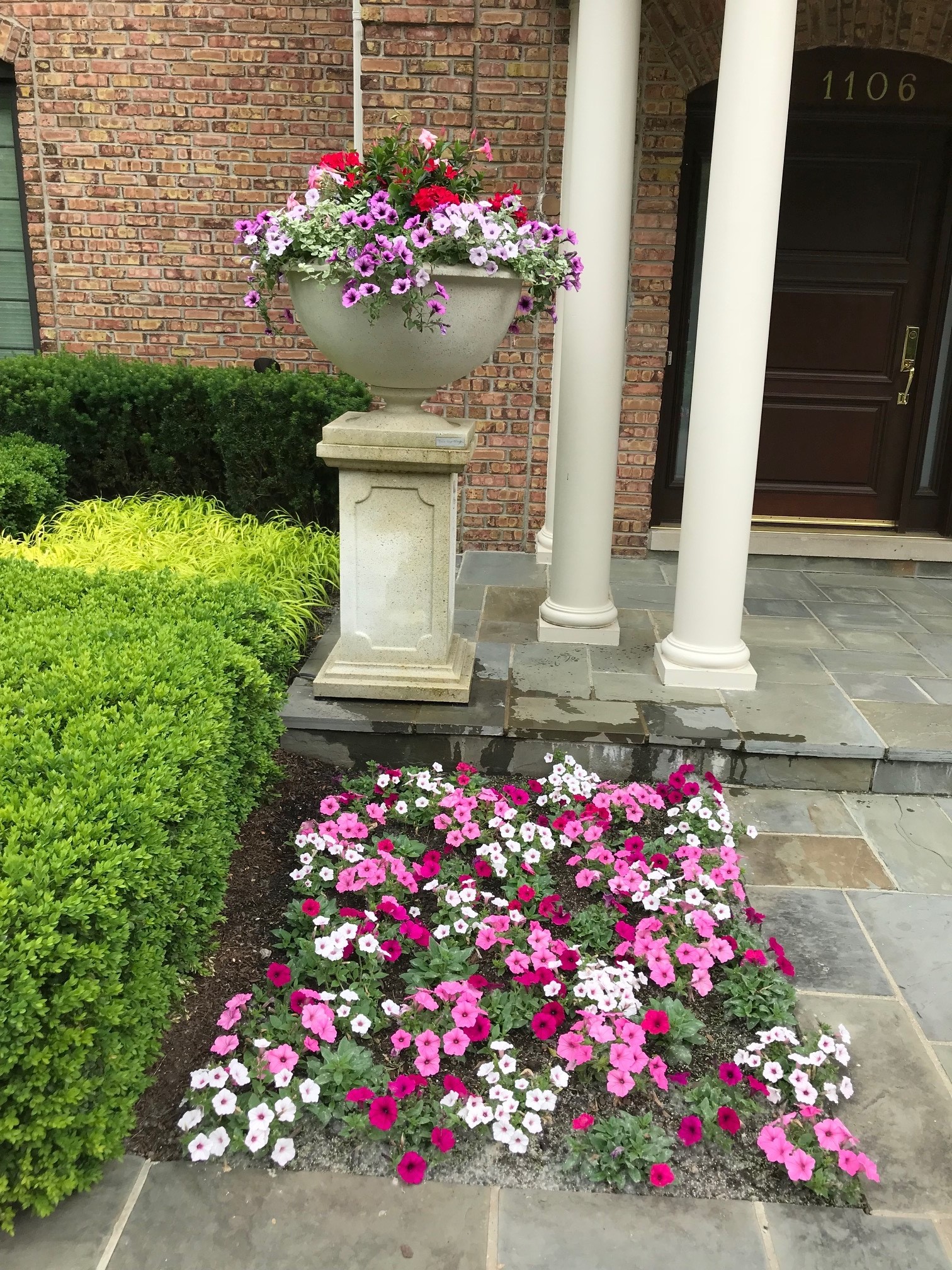
This is a relatively small planting area, but a small planting area does not have to be uninteresting. The biggest challenge will be keeping water intended for the lawn out of this area. All of these plants thrive in fairly dry conditions once they are established.

The other small planting areas on either side of the walk feature a purple mix of petunias and scaevola, punctuated with a dash of lime licorice.

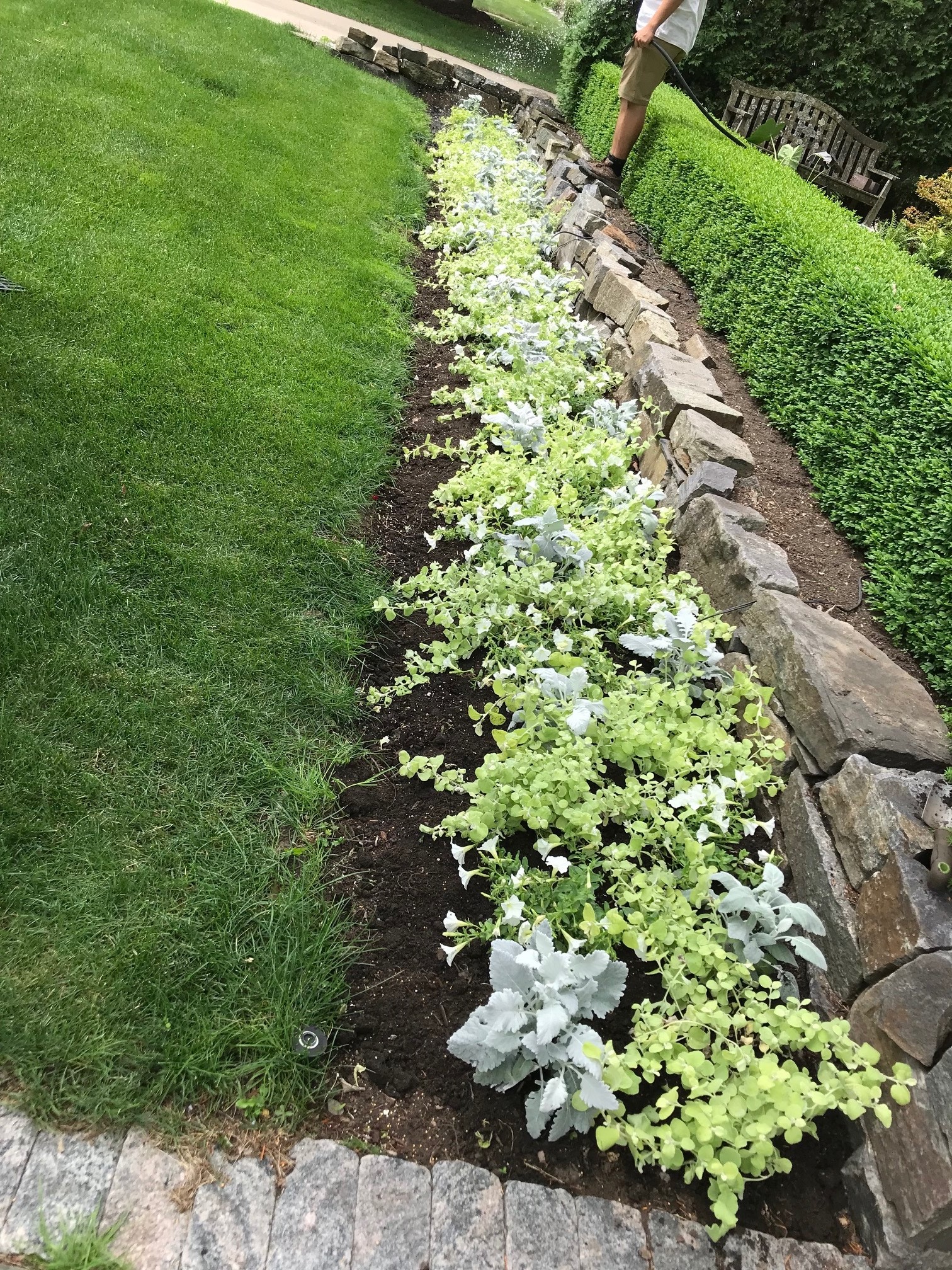
White petunias, cirrus dusty miller, and lime licorice make for an unusual color scheme, which is exactly what my clients like.

The cirrus dusty miller will provide a little height, and the licorice and petunias will weave in and out of one another.

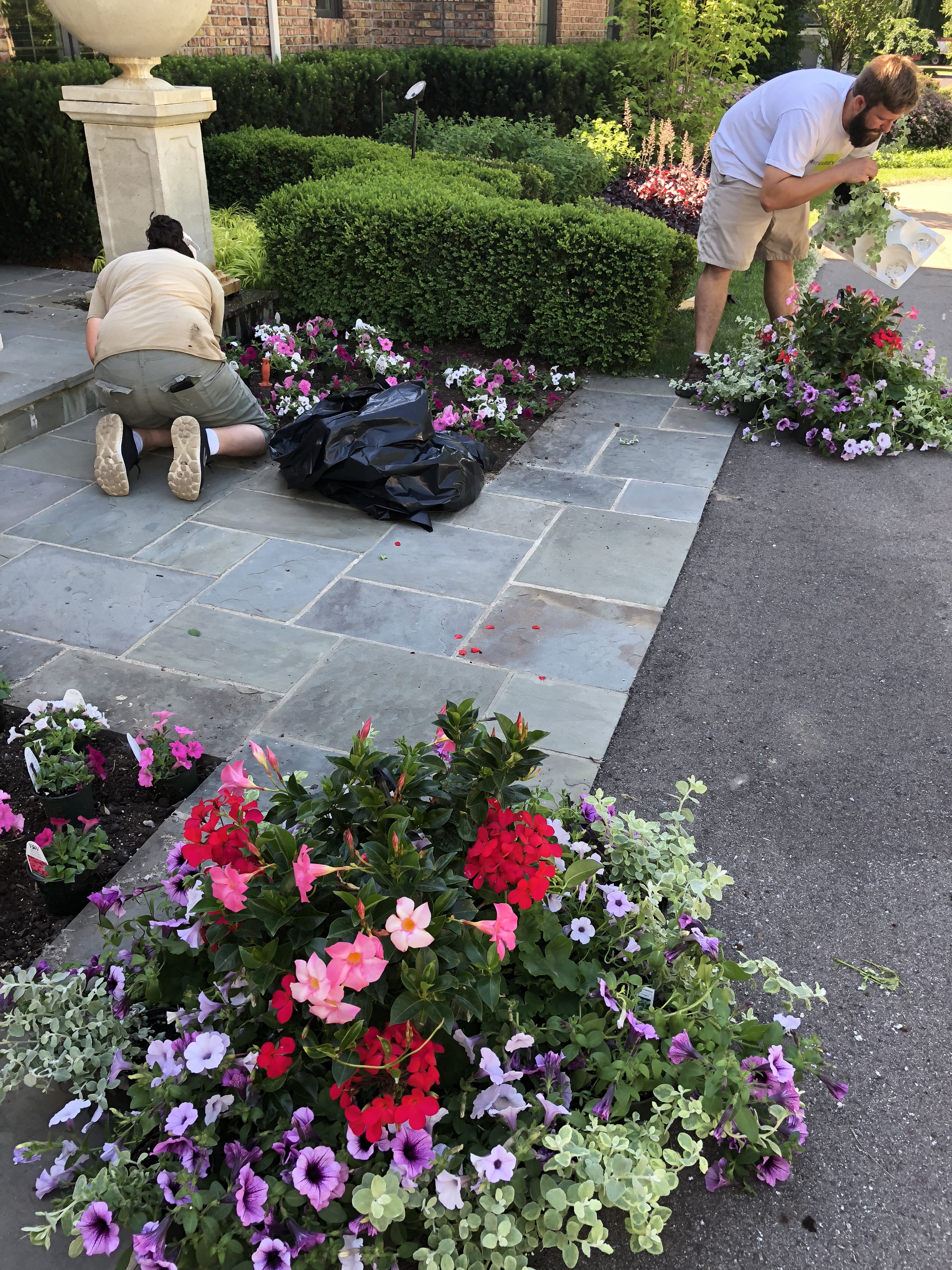
The mix in the pots is pink, red and red violet, leavened with variegated licorice.

in ground, a mix of 3 colors of petunias.

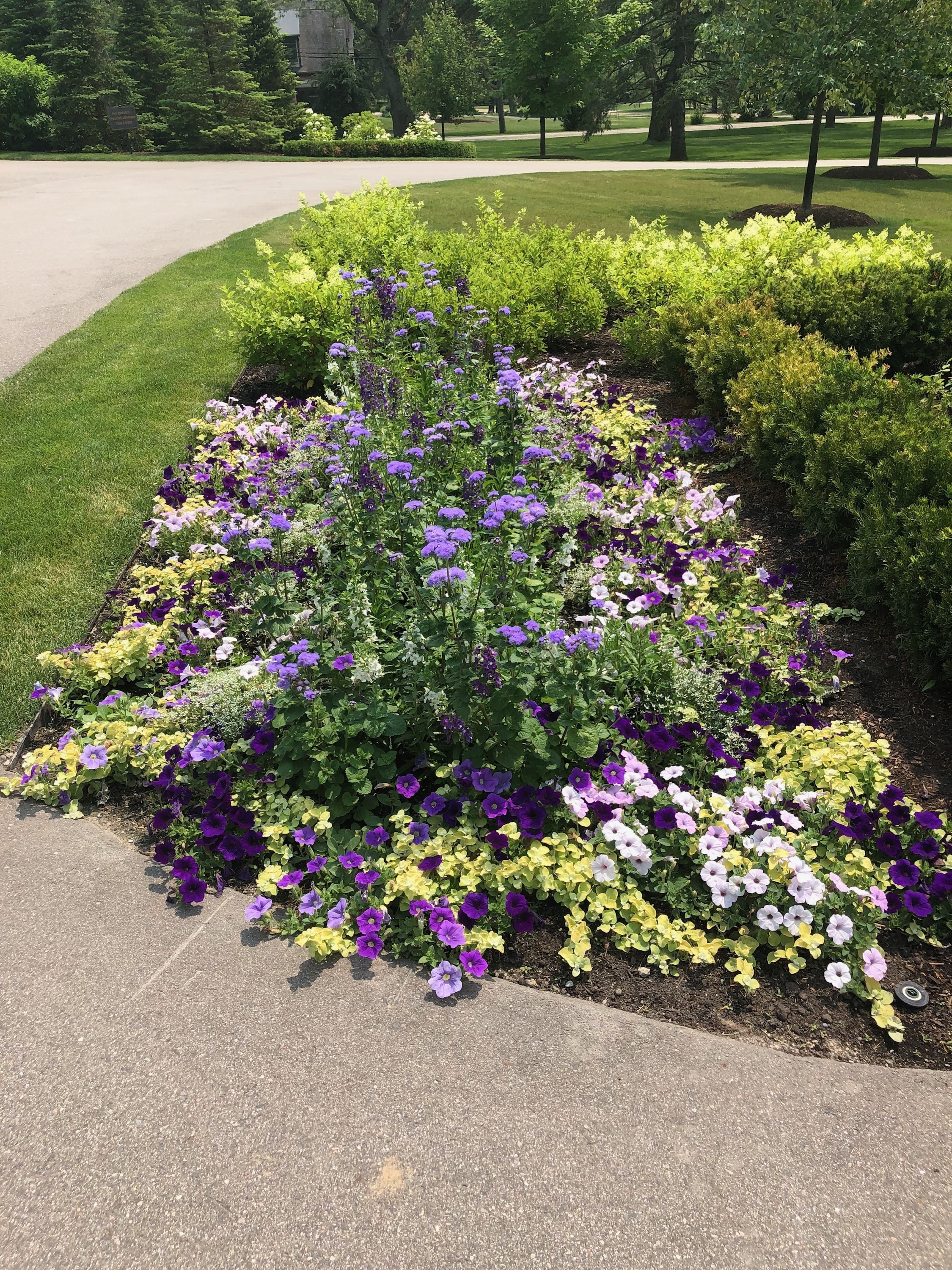
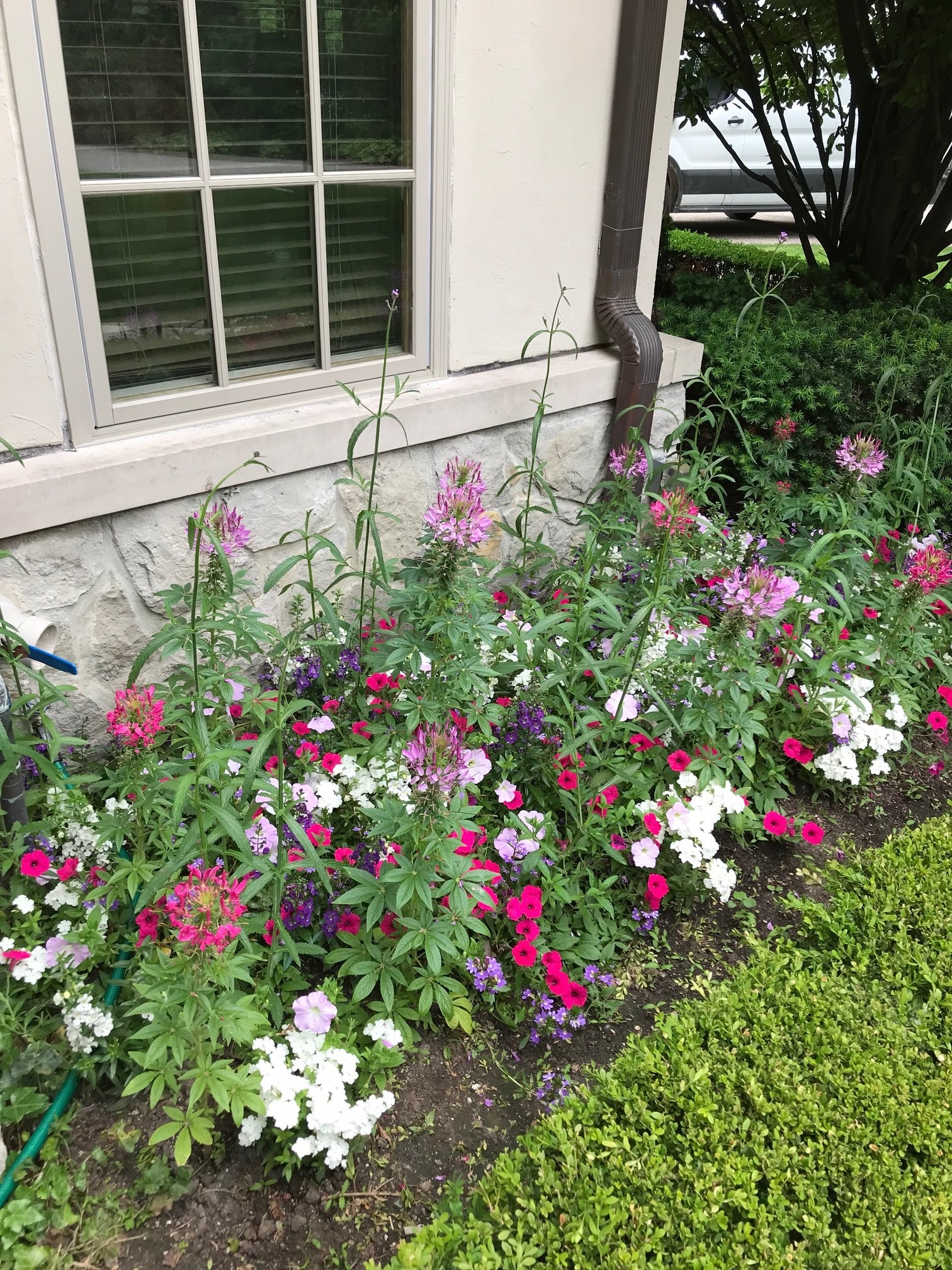
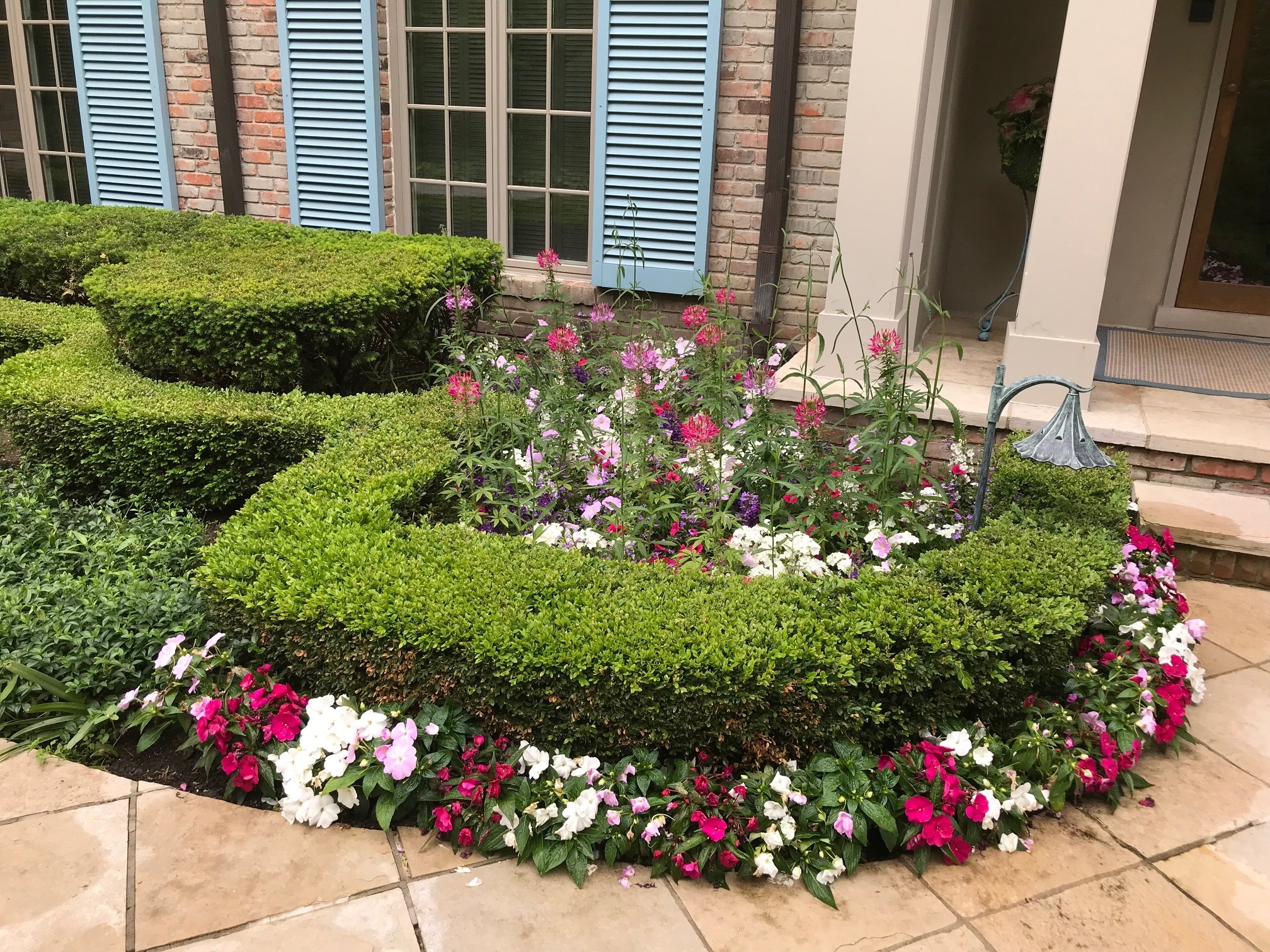
This small garden area features 2 colors of dwarf cleome, verbena bonariensis, petunias in several colors, white angelonia and white phlox.

A little 4th of July style visual fireworks will energize this small space at the side door all summer long.

A Few Thoughts On Turning 68

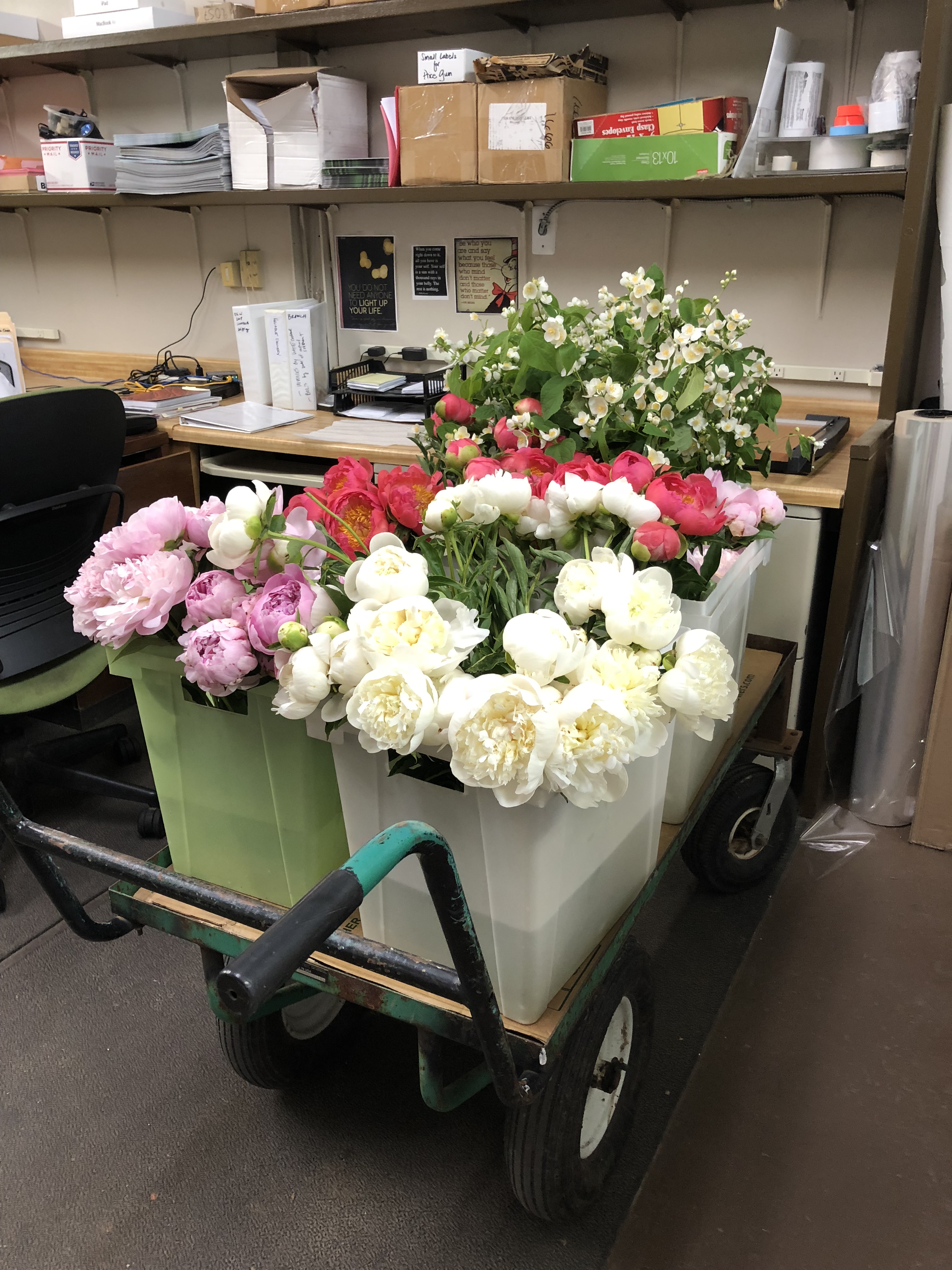
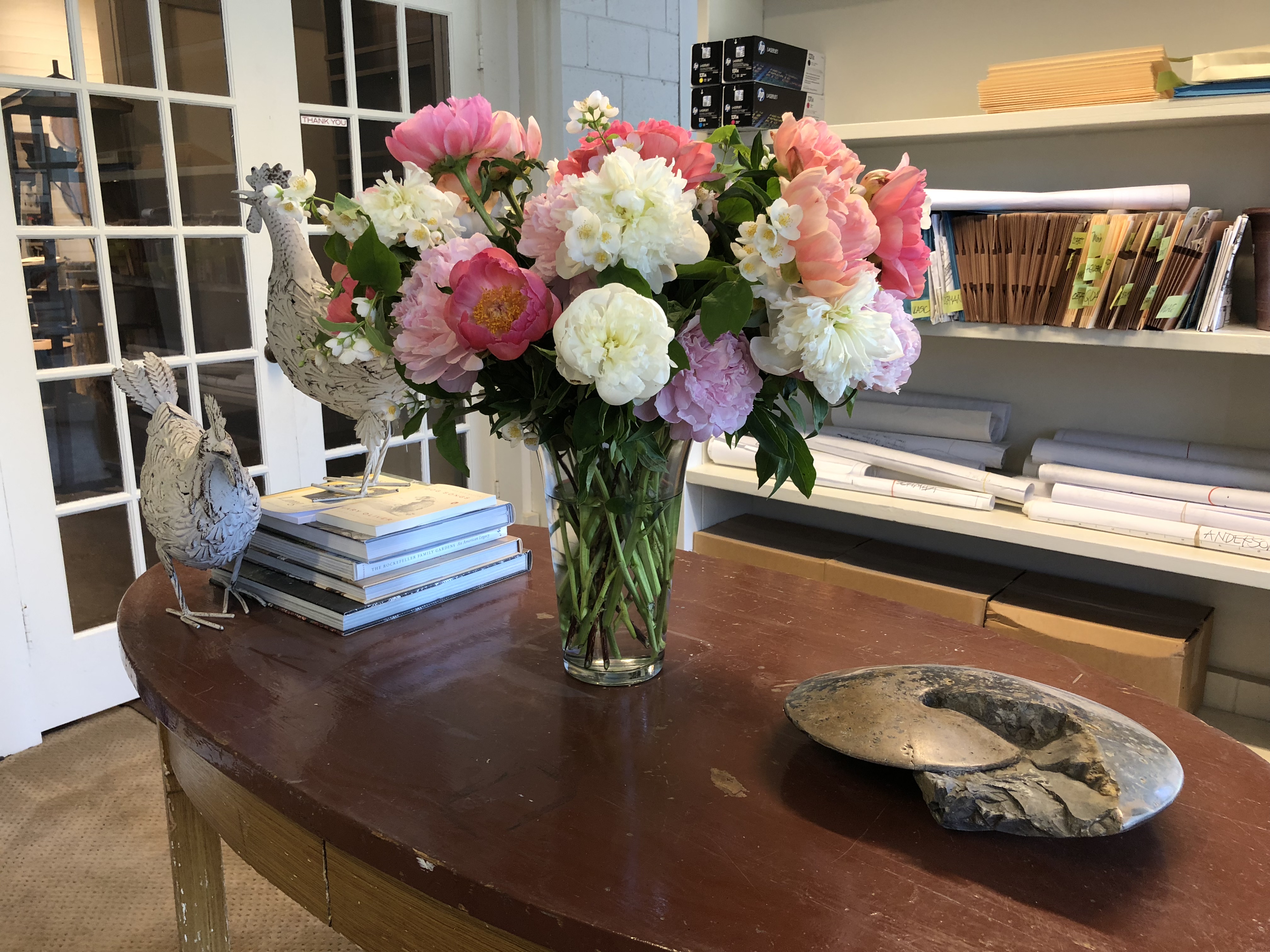
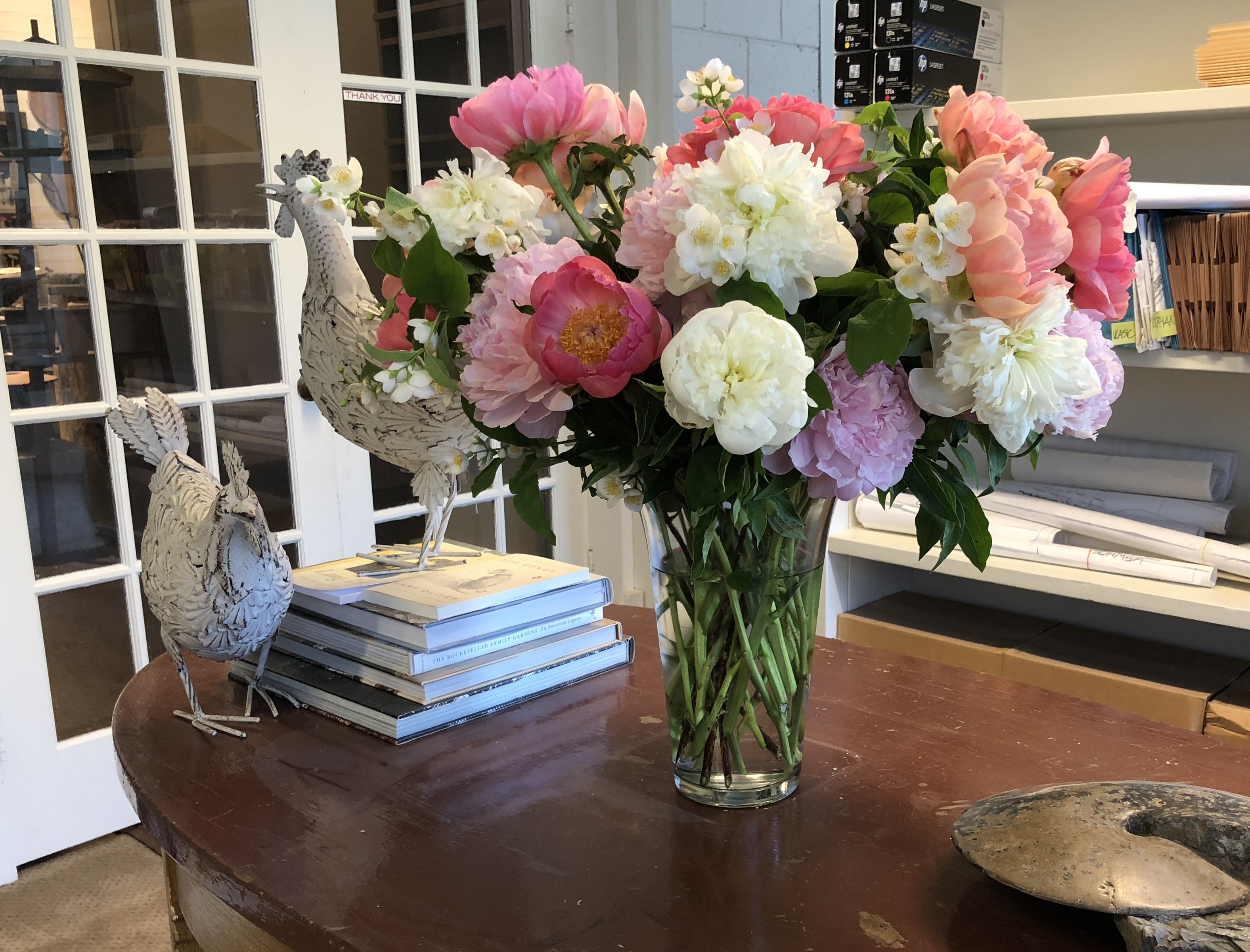
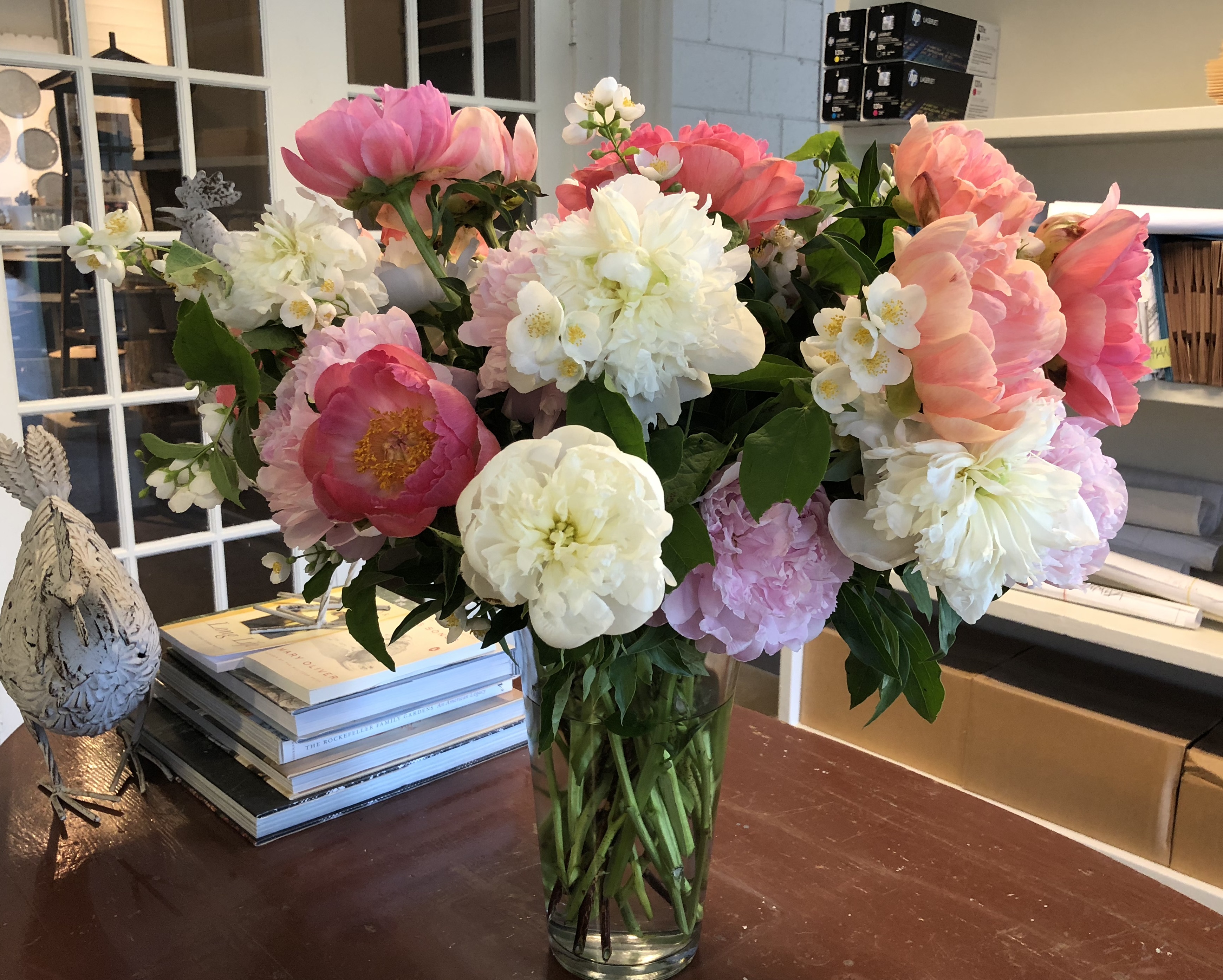
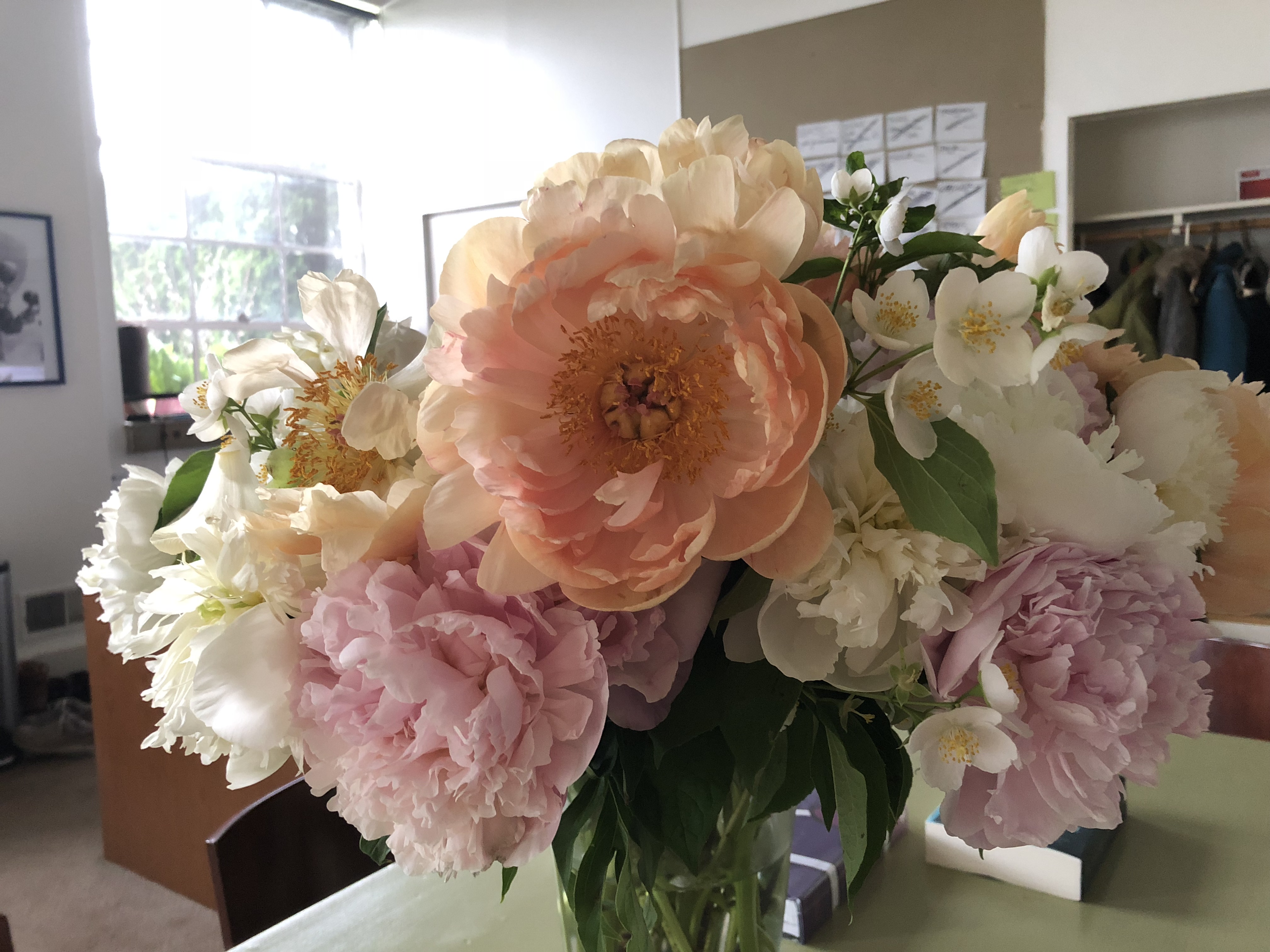
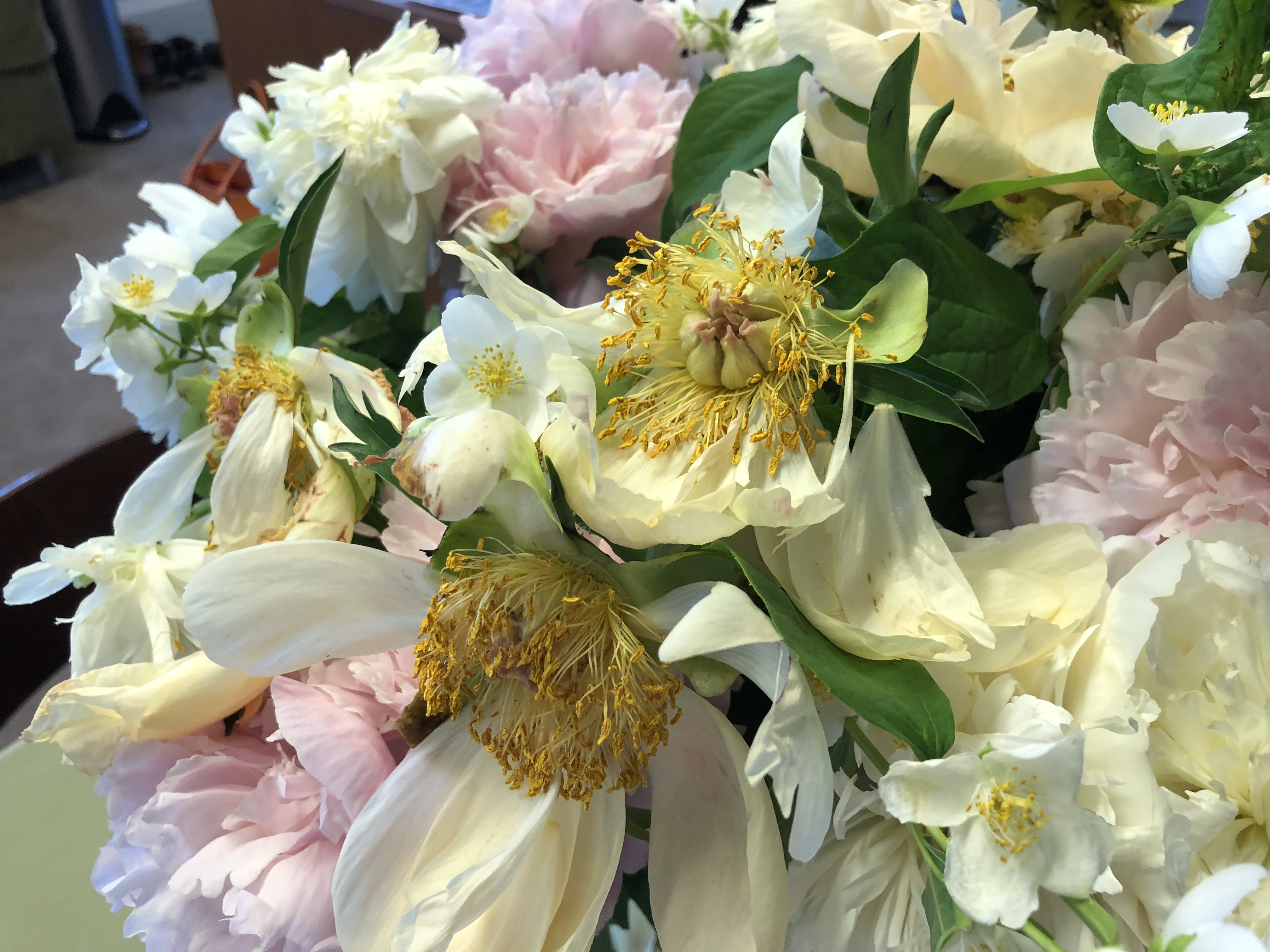
June 15th was my 68th birthday. I had never intended or planned to be 68, but there it was, and here it is. I will admit the idea and the reality of it stung some. Turns out I did not have to go that milestone alone. Rob and I have worked together 26 years, meaning he knows me fairly well. He knew I was coming up on a moment threatening to pitch me into the weeds. His idea was to counter that with peonies. Lots of them. He has good instincts. It is no secret that I have a big love for peonies. In the early 1990’s, when we first started working together, I had rows and rows of peonies lined out like crops in a big block in one big section of my 5 acres. I would guess I had peonies numbering in the hundreds of plants. Divine, this. Every year, buffalo grass came up between the peonies. Did I plan for that grass?  No. Those peonies and that unexpected gorgeous grass was an unforgettable experience. The day before my birthday, bucket loads of peonies and cut branches of mock orange were delivered to the store. I was flooded with good memories.

Rob arranged and set the bouquet pictured above on my conference table.  A 68th birthday was beginning to look a little better. I am just as enamored of peonies now as I was 45 years ago. Happily, some things in a gardening life stay the course. It is good to know that despite the years that have gone by, my interest in plants is as strong as ever. And the interest in certain plants is a flame that still burns bright. I have no peonies in the landscape and garden at home that I have tended for the past 20 some years. But I have planted lots of them for clients. I am satisfied that I have done some small part to keep peonies a part of the landscape.

I have been a gardener for 45 years. I have been a landscape and garden designer for near as long. So what would I have to say after all these years in the profession, at the age of 68?  Every experience is an opportunity to add to your knowledge and understanding. Take that opportunity, and hold it close. Trust your own instincts. How you garden does not have to work for anyone else but you. If you design for yourself, indulge your eye and your inclinations. If you garden for others, be sure you represent your client a little more than you represent yourself.

Failure in the garden and landscape can be a good friend, truly. Fear of failure is mostly about fear. Failure is an emotionally charged word for what ought to be called plan B. The A plan is not necessarily the best plan. I have seen some E plans that were quite impressive. E plans are A plans that have been rethought, reconsidered, reworked, polished, and tuned up. Your E plans might be good, should you give them a chance. Every gardener matures, and evolves. Evolution is a process that can inform every gardening effort, if you let it. Give the eye that God gave you a chance to be.

Under no circumstances do I believe that the ability to generate great design is a gift. Great designing is the outcome of the mix of hard work, experience, imagination and nerve. Every person comes with a lot of things, standard issue. A confident and coherent voice surely comes with a person hood, though it may take some time to mature. That voice of yours just needs a free rein and some nurturing.  I do subscribe to certain gardening and design practices, as they work for me. What works for me is no more and no less than just that. Every gardener needs to discover what works for them, and proceed accordingly.  No doubt the best part of tending a garden is that there is the opportunity to team up with nature and make something grow. We all do that differently.

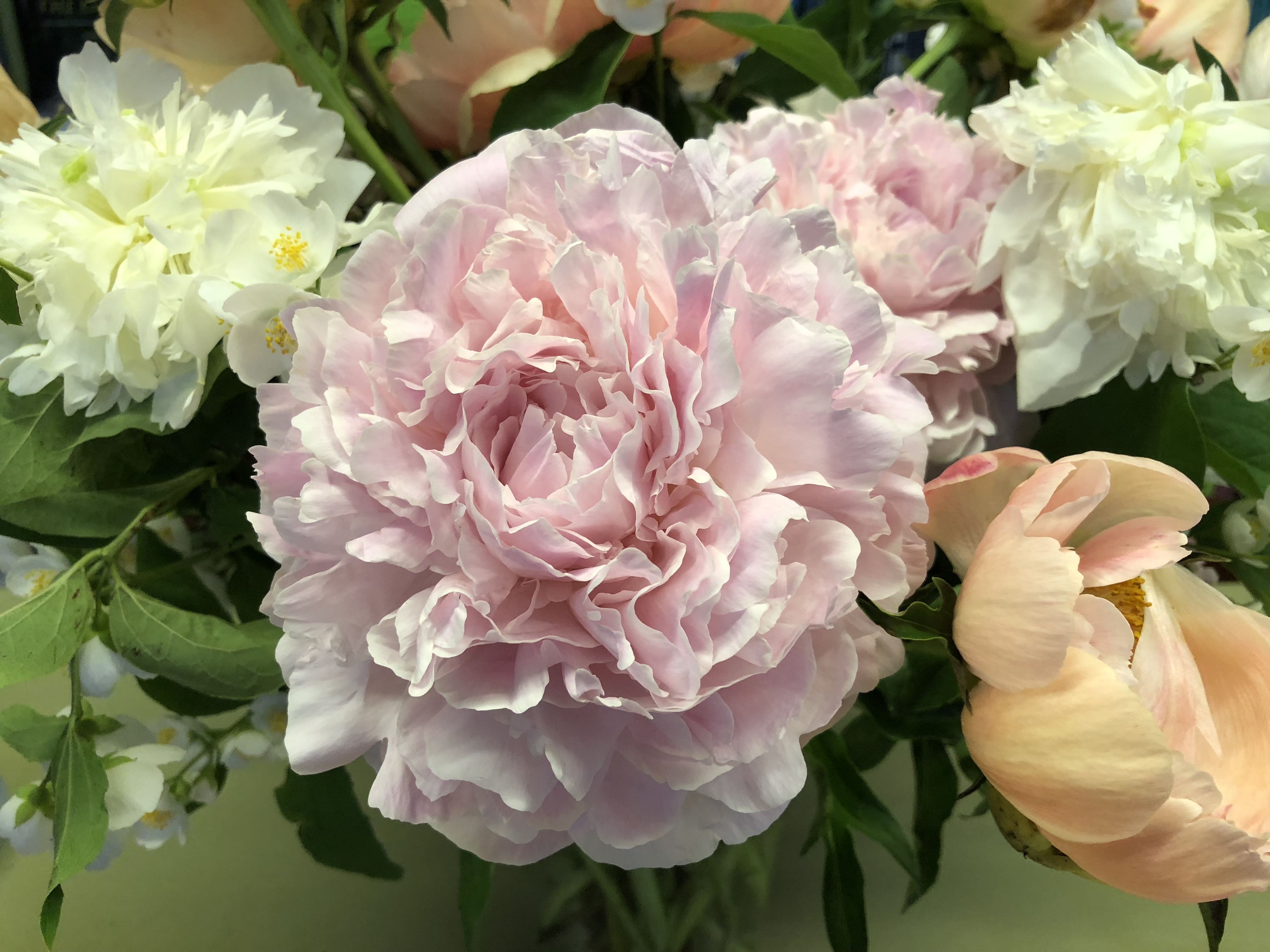
I know the cultivar names, history and growth particulars about all of these peonies. Rob knew that would be so. I did a good job growing peonies. That ability to grow them was not so special.  I wanted to grow them, so I took the time to learn how. But these cut flowers were indeed special. This beautiful and fragrant birthday bouquet conjured up gardening memories spanning many years. In my opinion, the best design in the garden and landscape calls up those memories and moments that are important.

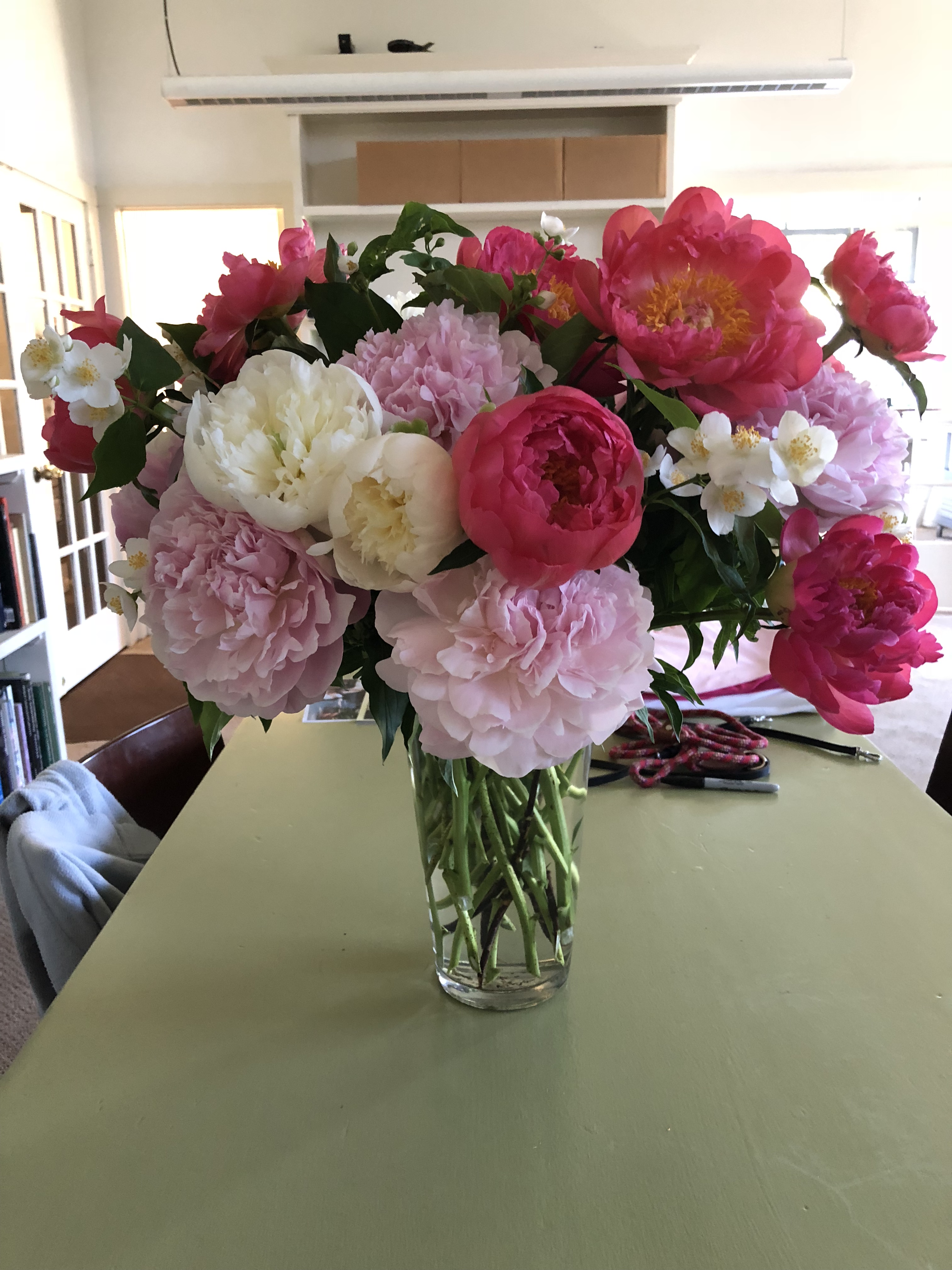
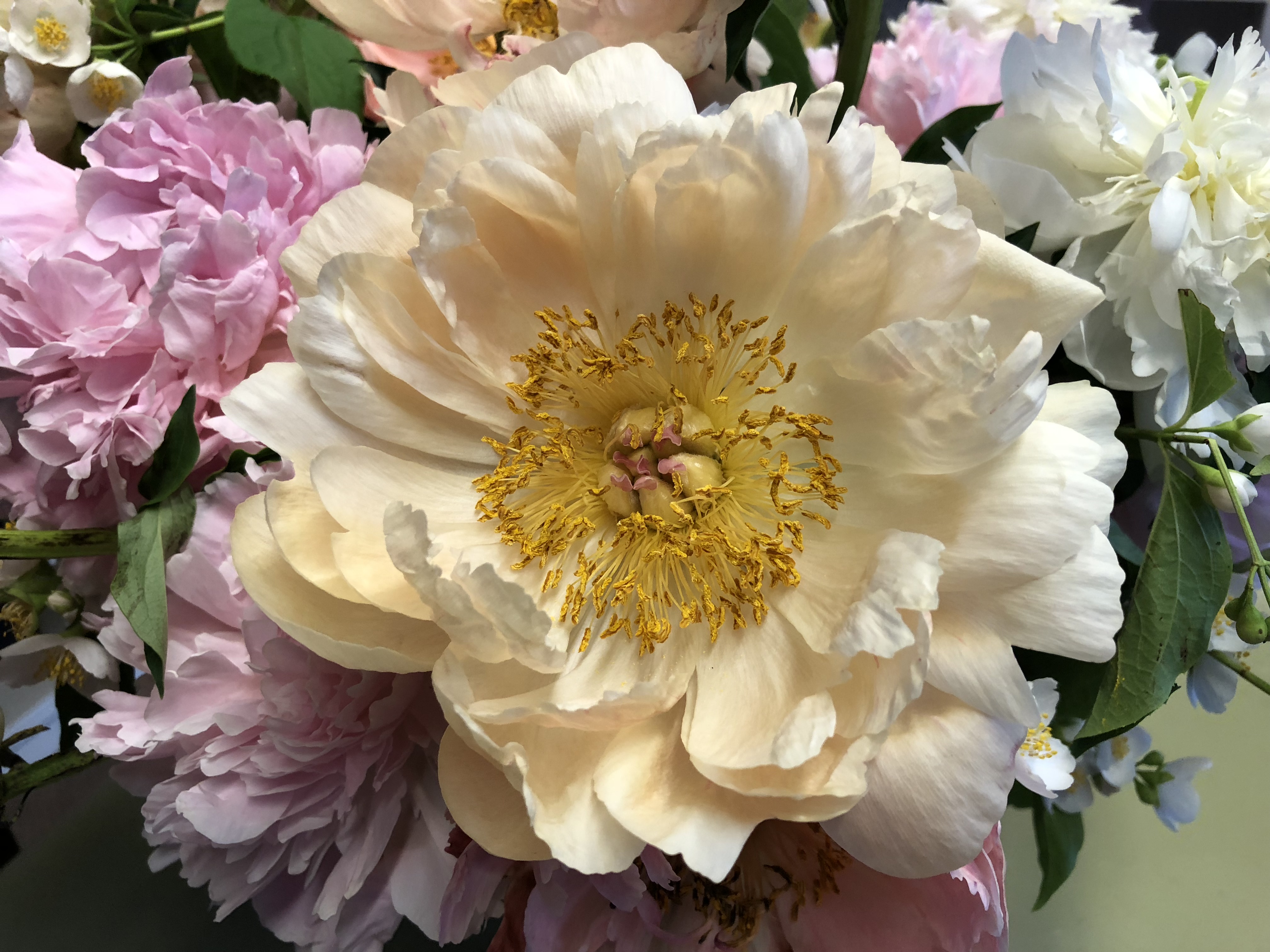
I photographed my birthday peonies every day, after I had taken some time to simply enjoy them. They made me remember why I became a gardener. They made me certain that I had made a good choice to become a landscape designer. Turning 68 doesn’t change that.

Some blooms held perfectly for better than a week.

The Coral Charm peonies maintained their form, but the color faded to a creamy pale yellow.

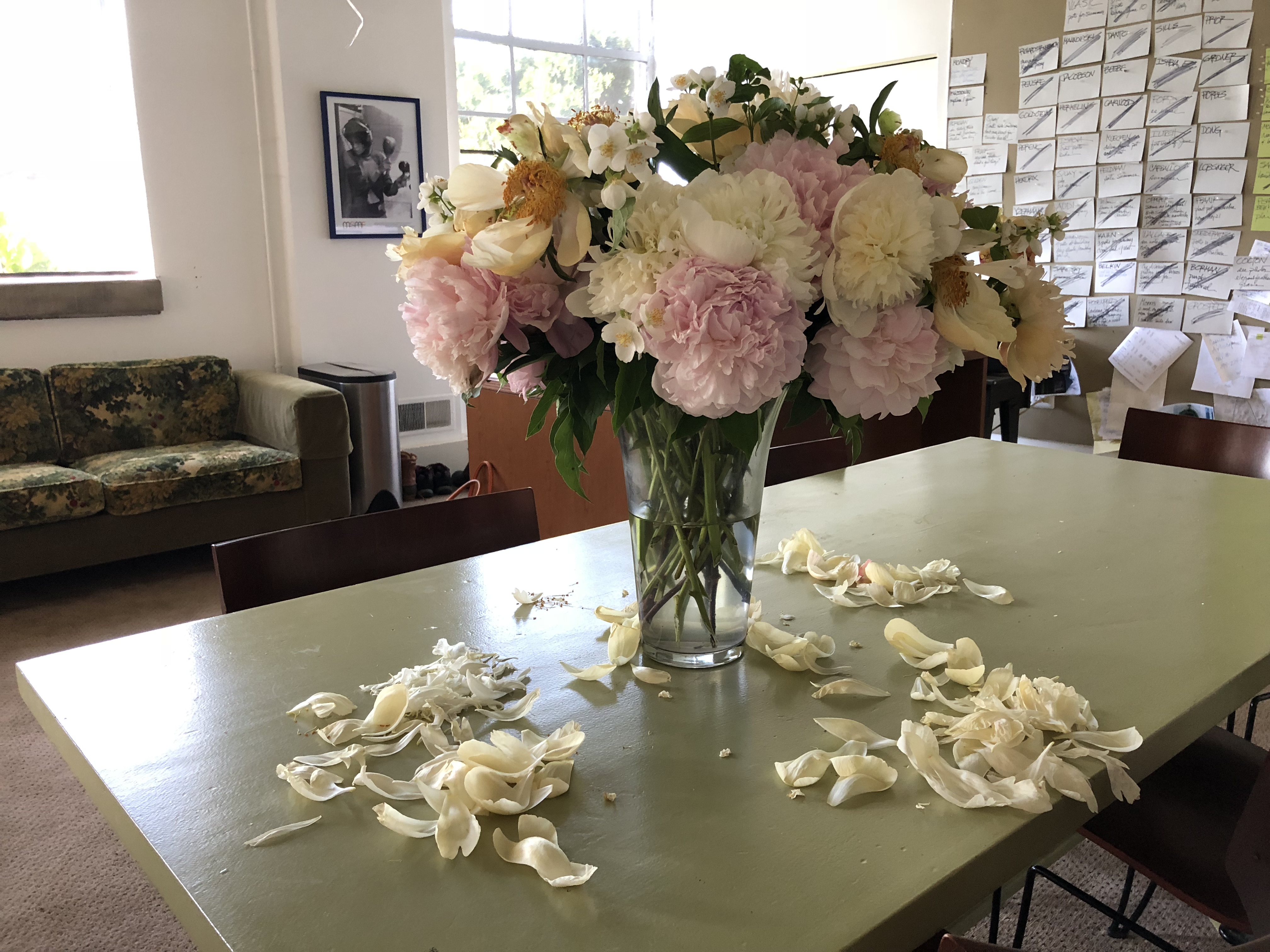
Just a few days ago, the petals began to drop. I could hear them hitting the table surface. That was a new experience of peonies. I cannot really explain why that sound was so enchanting. Except to say that I just turned 68.

Al Goldner once told me that the only regret he had as a landscape designer was that he was never bold enough. That has always stuck with me, but at 68 I understand what he meant. There is time to do something with that. There is purpose, meaning and beauty in every step of a life.

Carry Over, Carry On

Once the winter weather moderates, one of the first things on my mind is planting containers for the new season. In the spring, I can work the soil in a container long before an in ground garden is ready for my feet, or my shovel. That spring container will celebrate that early chilly season, until the advent of summer weather asks for a change. Though this client’s spring plantings ordinarily thrive until the end of June, a spate of very hot weather in May moved the date for a summer planting forward several weeks. During the course of planting their pots, I am thinking about those container plants that can survive the change of the seasons. Those plants that can be carried over.

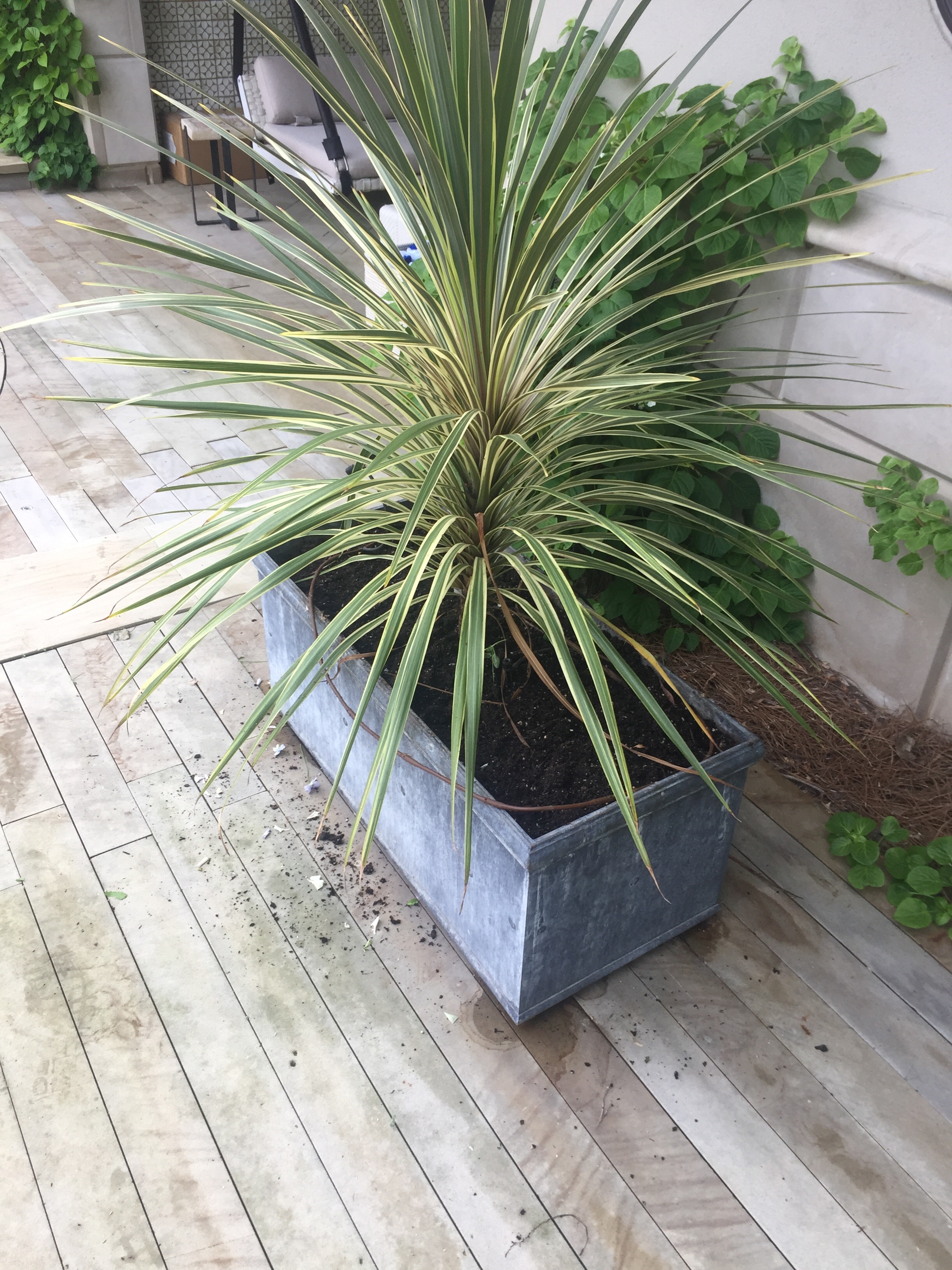
The cordyline pictured above is a fairly new variety with a beautiful variegation.  I bought it as a 4″ pot. Not so impressive in that little pot. I recall it had five long leaves. No one shopping for plants at Detroit Garden Works that spring season spoke for it. At the end of the season, I could not bring myself to pitch it out. My grower overwinters plants from the shop and my good clients as a courtesy. I know the work of this is a lot of trouble for him, so I hope the materials he custom grows for us and the container plants we buy from him non stop in the spring season helps to balance out his willingness to hold over plants for us. Many of those plants are large old topiary plants belonging to clients – eugenias, boxwoods, jasmine, scented geranium standards, ferns and the like. Not a 4″ cordyline. But he was good natured about it. A number of little but beautiful cordylines spent the winter with him, in an unheated greenhouse that rarely dipped below 40 degrees.  In the spring, I scooped up that spiky plant, and planted it in a container at home. How I loved the the olive green, cream and brown variegation. I wintered it over again, in a much more robust state, and planted it at home in a container for a second season. By this spring, that cordyline had a substantial presence. It was ready for a placement in a container garden of a client. An under planting of pansies was all it needed.

This summer planting of that mature specialty cordyline under planted with frosted curls grass delights me. A simple but visually strong planting, this. It looked terrific in the early spring, under planted with pansies. There was no need to dig it out of this box, and cast it aside.  It will represent the summer in much the same beautiful way as it celebrated the spring. Surely this cordyline will sail through the fall. We are so fortunate that we have a grower who permits us to park plants with him in an unheated space over the winter. It is a rare grower who caters to an end user clientele who will winter over container plants. The cost of heating a glass house over the winter in our zone is prohibitive. It makes sense that most specialty tropical plants that are better than a year old are grown in parts of the US that do not experience temperatures below freezing. Many of the large tropical plants we see available are grown in Florida.

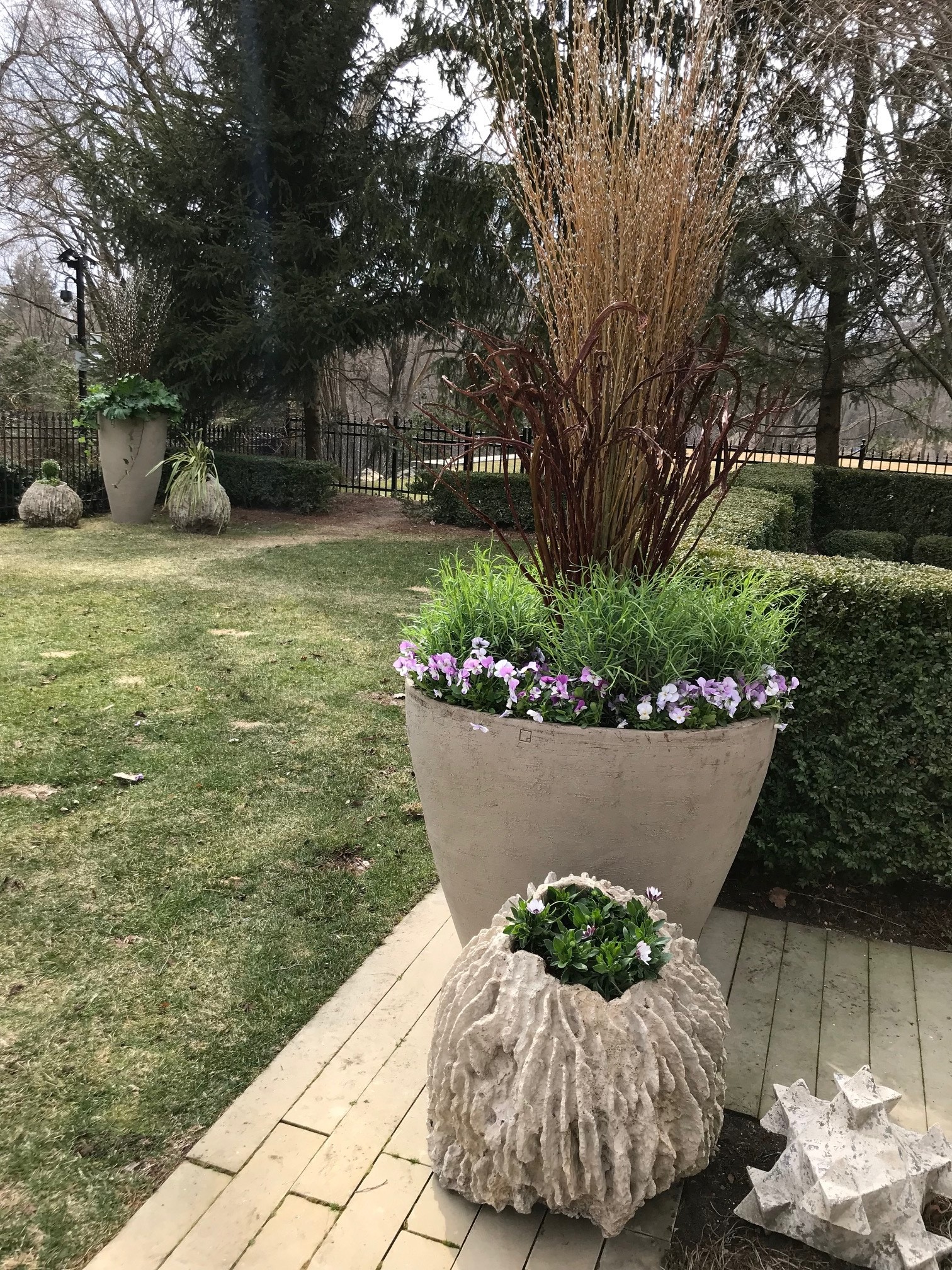
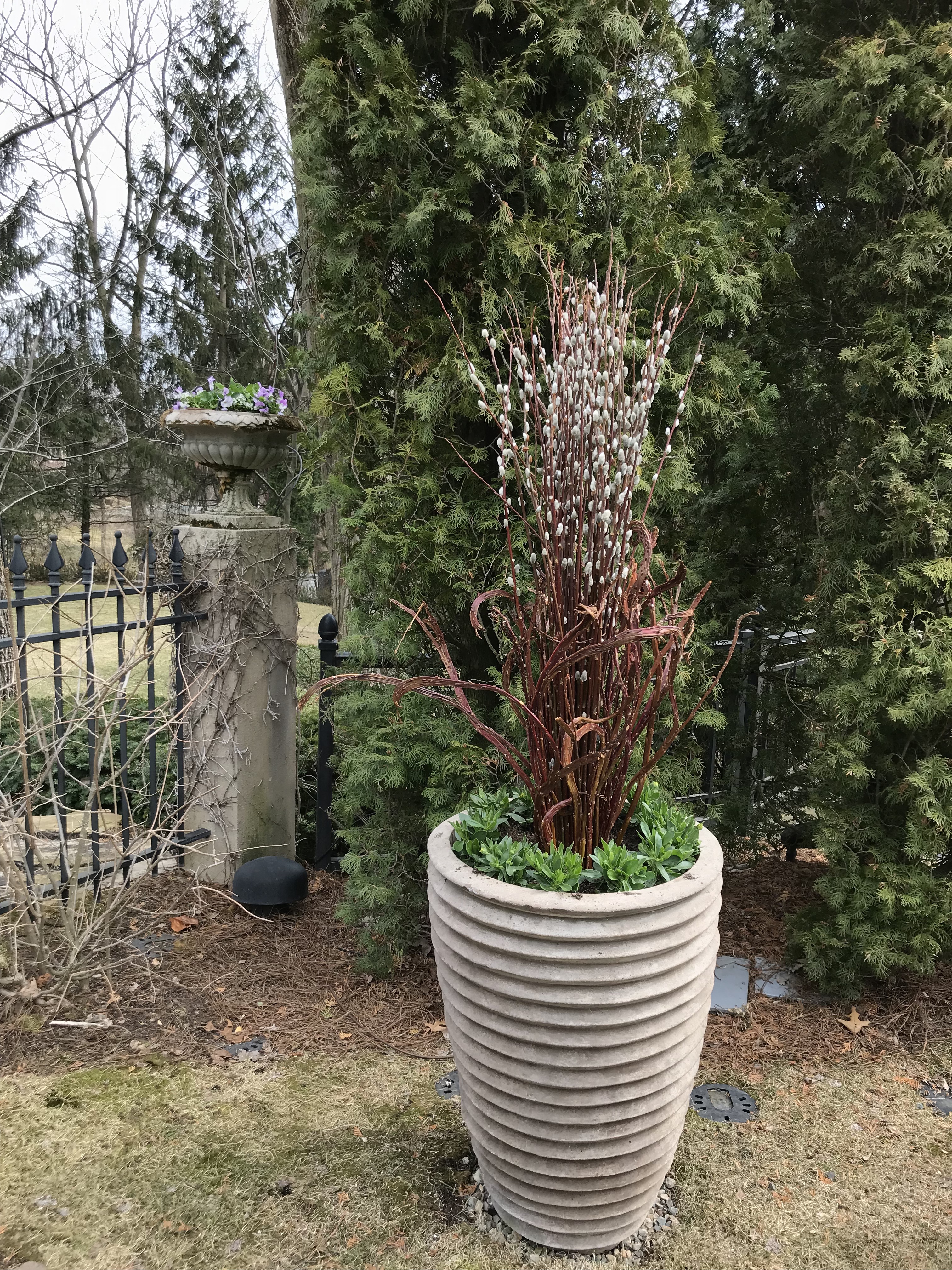
This spring planting here featured a centerpiece of fresh cut pussy willow and fan willow. In a circle all around that centerpiece, a number of gallon pots of lavender. The low stone planter was stuffed with white osteospermum. Rob buys in lots of large lavender plants early in the spring. They are remarkably cold tolerant, and their good size right from the start makes an impact in spring pots.

The lavender was just coming in to its own when it came time to plant for summer. The cut twig spring centerpiece was replaced with a white mandevillea. Summer for this container-done. Both mandevillea and lavender like conditions on the dry side, so the summer container design melds the old plants with the new. The osteospermum did get replaced with a quartet of blue foliaged escheverias, the color of which echoes the color of the lavender stems and foliage.

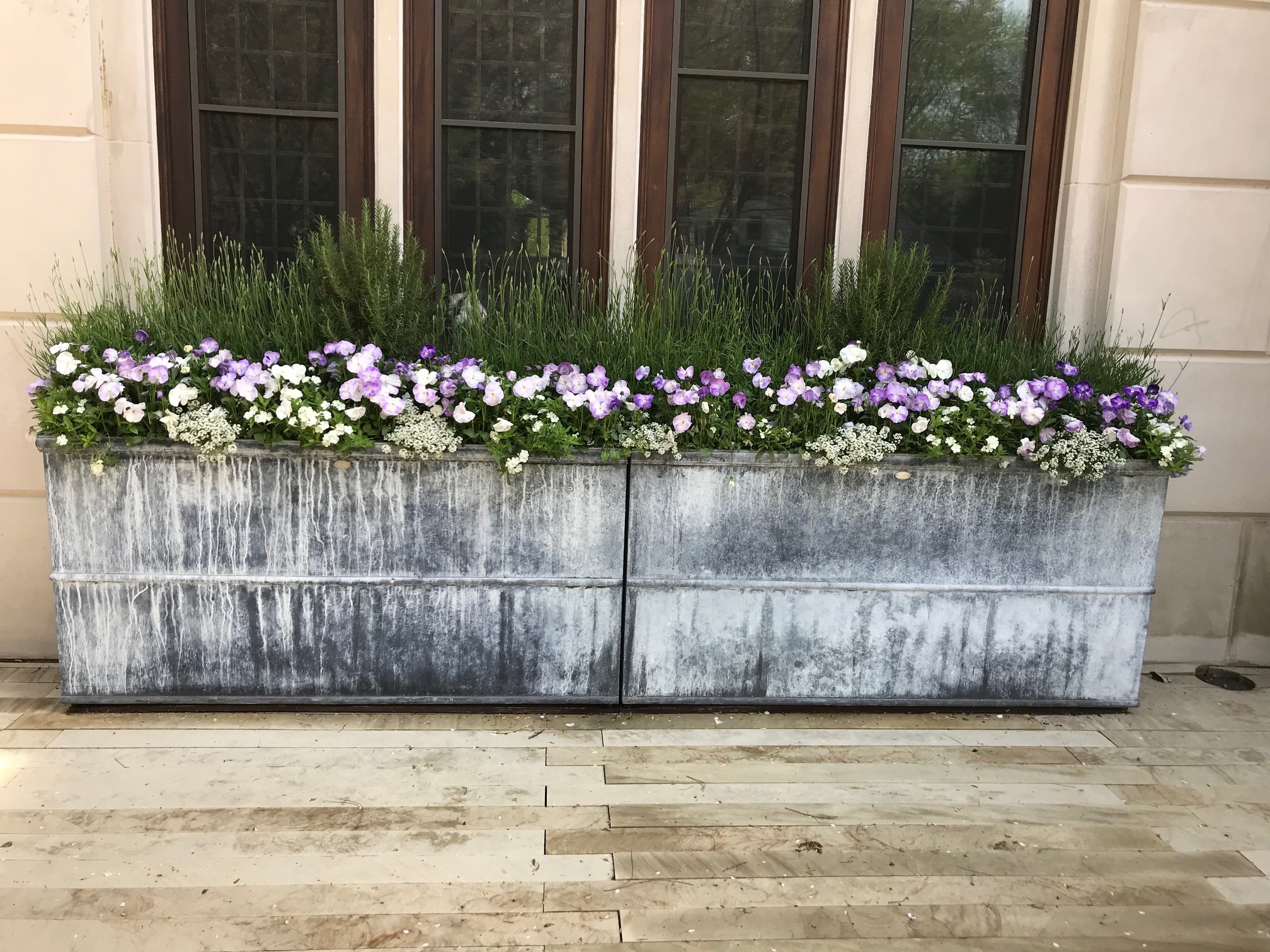
This pair of planter boxes repeated the same lavender, and a pair of rosemary standards in the back row. The front row is filled with classic early Michigan spring container plants – pansies, violas, sweet alyssum and annual white phlox intensia.

Once the spring plants were removed, it was obvious to see that the lavender and rosemary were thriving. The initial investment in those plants is offset by the fact that they will perform in these boxes another two seasons.  Should you garden in a warm climate, carrying over plants from season to season or year to year is probably a given.  But Michigan is noted for having four distinct seasons with widely varying conditions. These rosemarys would have to be wintered in a cool indoor space for the winter. The lavender is usually successful over the winter in the ground, provided they have perfect drainage.

We planted the front row of these boxes with variegated licorice, and a second crop of 4″ petunias. The petunia plants are small, but they are rooted to the bottom of the pot. They are at a perfect stage to transplant. The top growth will come later.

The petunias and licorice like the same conditions as the established rosemarys and lavender, so the watering will be a simple one size fits all.

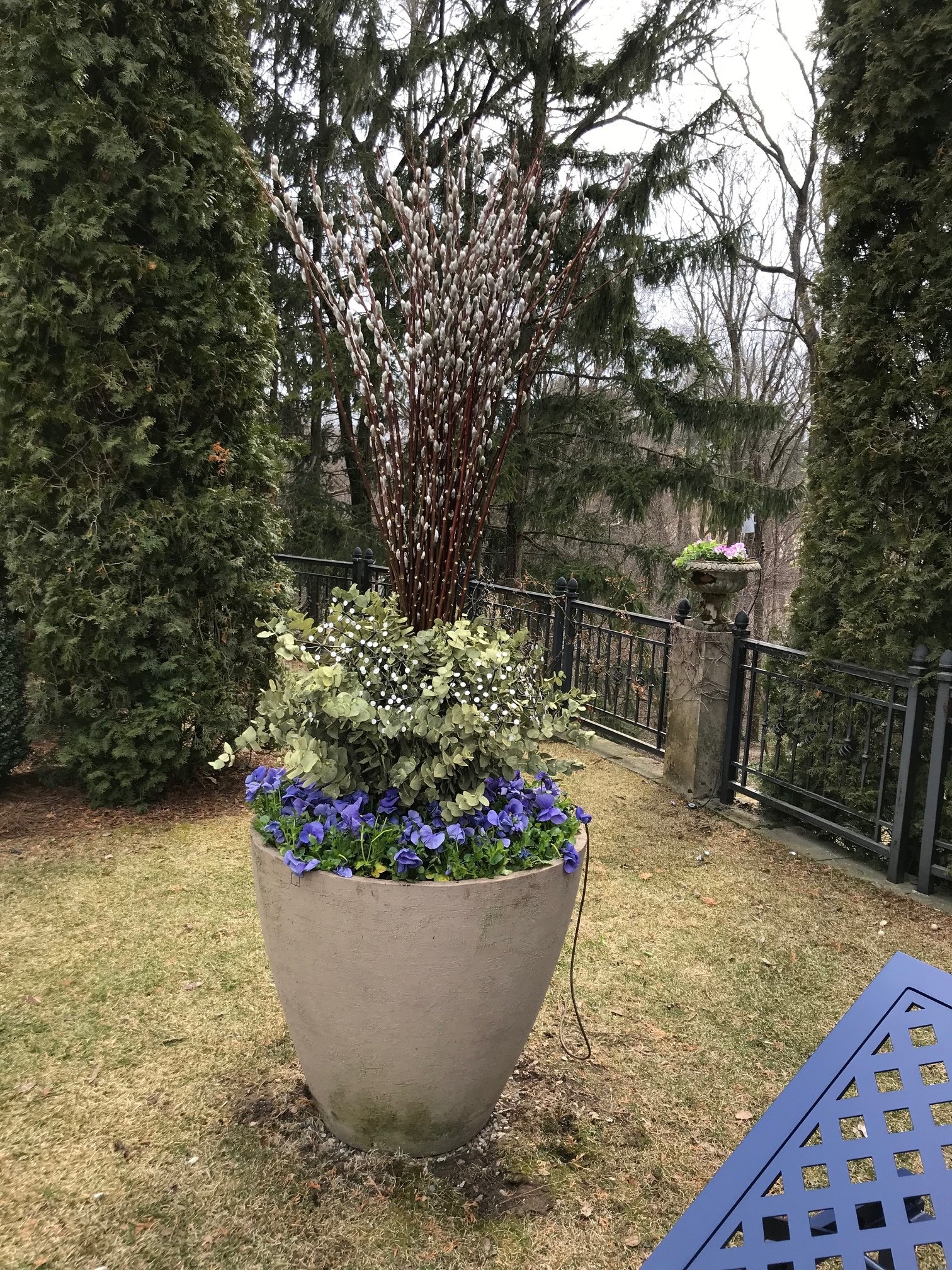
Not every spring pot has plants that can be carried over.  We do use preserved eucalyptus, fresh cut spring branches and in this case, metal picks that look like Queen Anne’s lace, in the interest of variety. Spring is the toughest season to plant in our zone. Not so many plants can tolerate the cold, and most of them that do are of small stature.

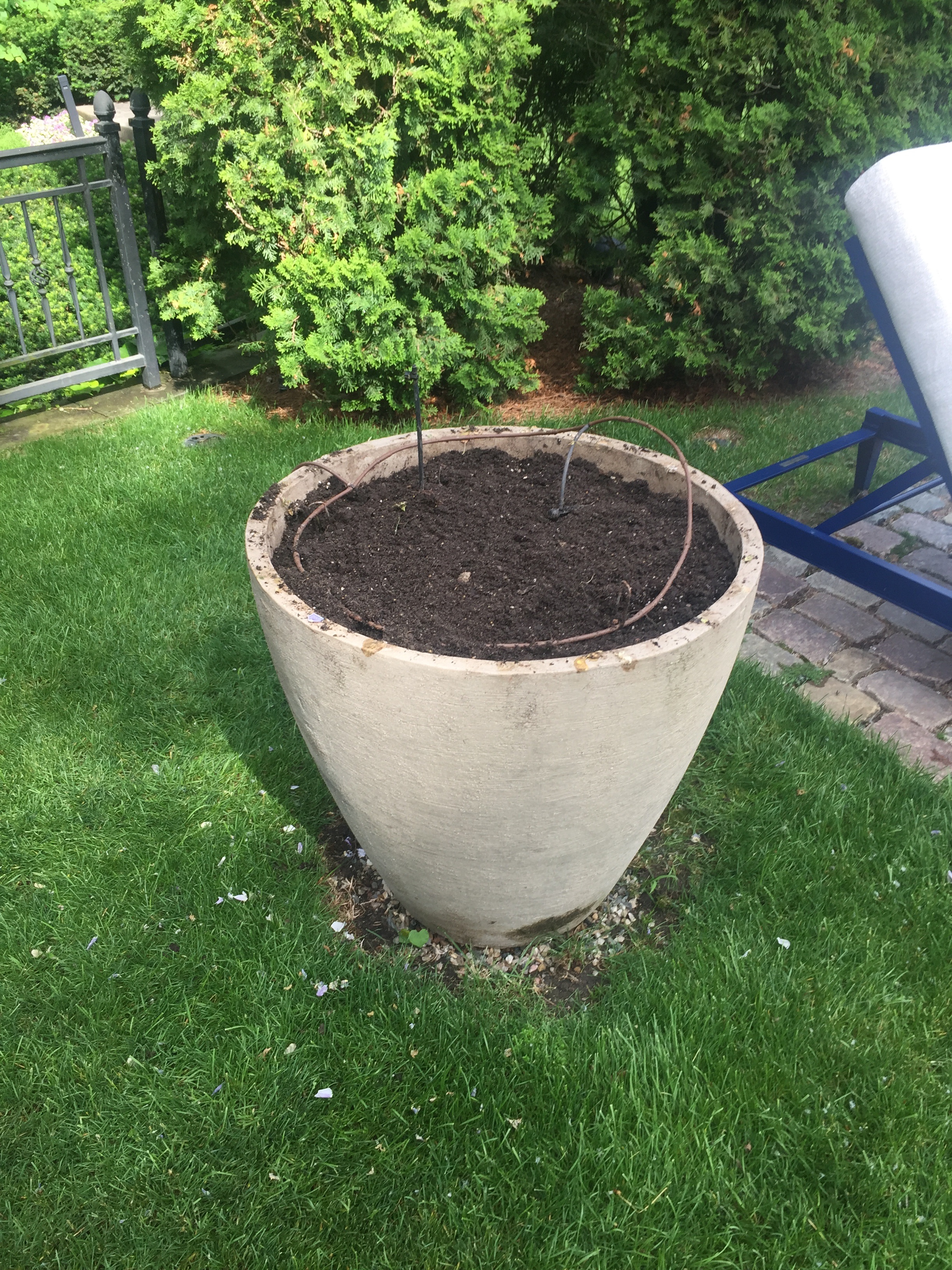
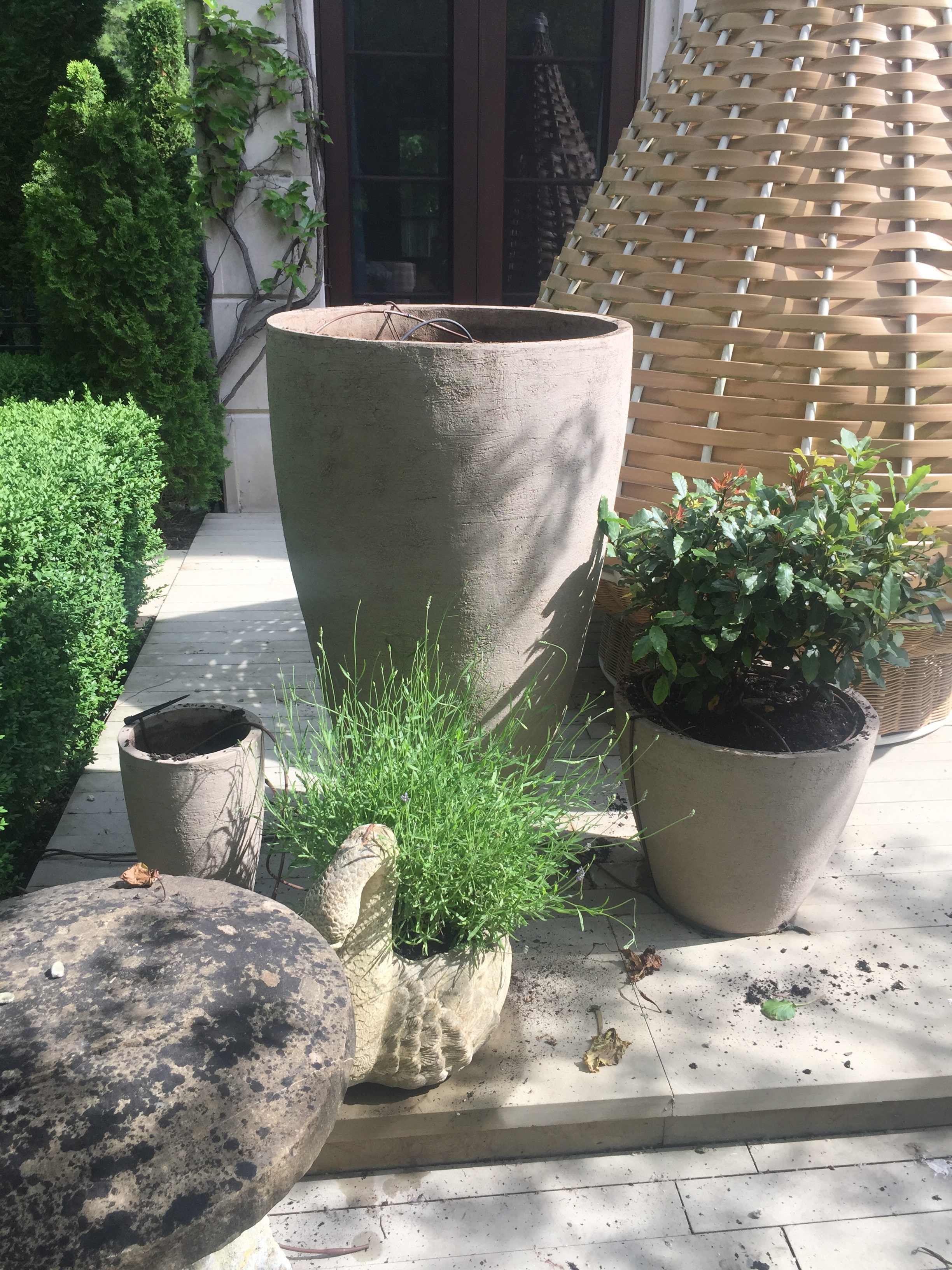
Once this pot was cleaned out, the top 10″ of soil is replaced with fresh soil. If there is a suspicion that the cypress bark mulch in the bottom half of the container has deteriorated and is no longer draining well, we empty the entire pot, and start fresh. For pots that are tall, or for plantings that require fast drainage, we may use large gravel rather than an organic material in the bottom. It is a good idea to use drainage material that can be carried over in giant pots that are difficult or time consuming to empty. Essential to maintaining the exit of water from the pot is a layer of landscape fabric between the soil and the drainage material. Soil that works its way down into the drainage layer will eventually interfere with the drainage.

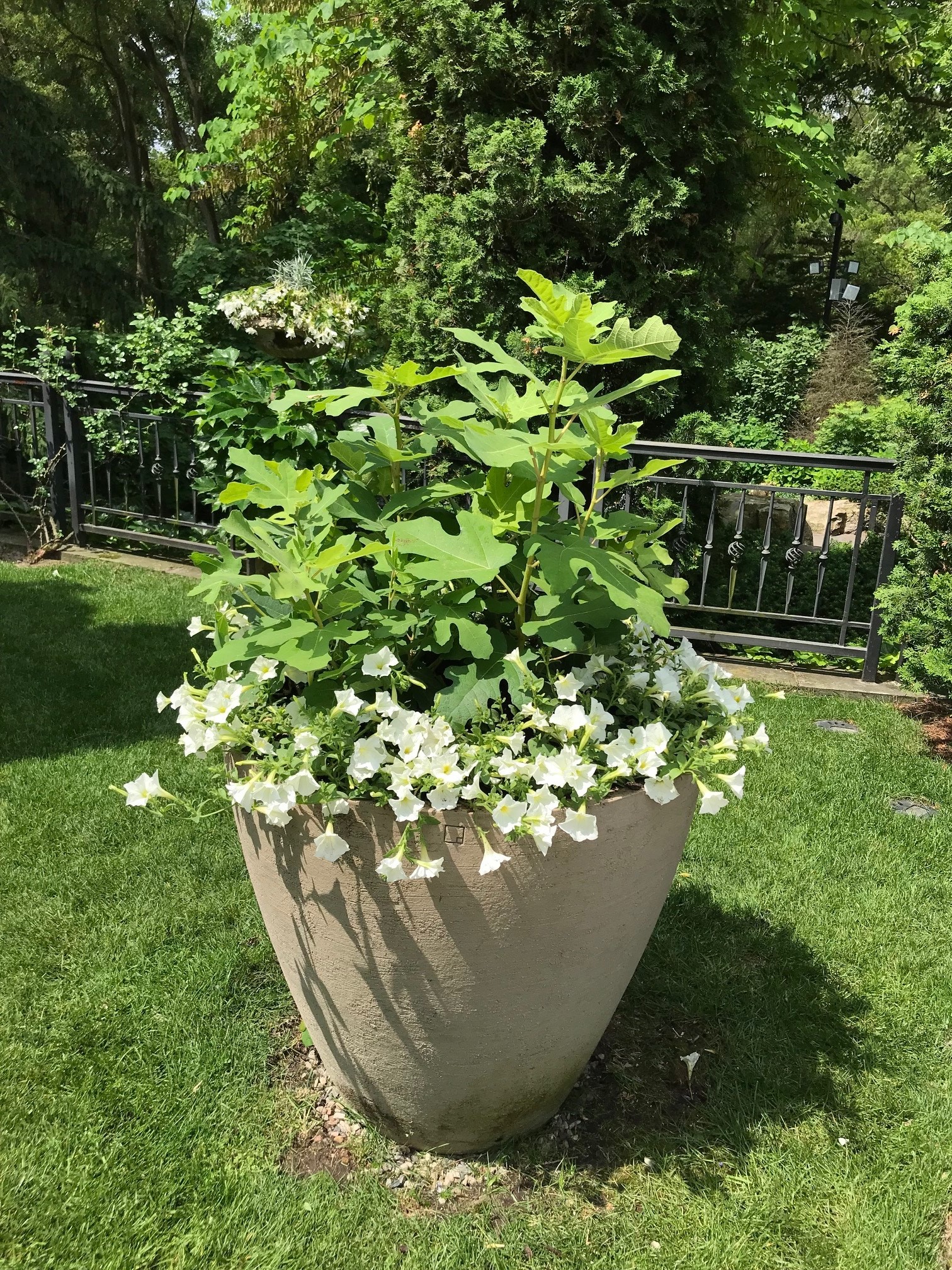
The figs and petunias will summer well in this pot. These are Chicago figs, meaning they are hardy as far north as Chicago. We will winter over good looking specimens at the end of the summer.  If a client has a protected and well drained spot for them, they can spend the winter outdoors.

To follow are more pictures of the switch to summer.

Yes, this spike has been wintered over several times.  Having large material available for large pots means the resulting planting is proportional to the size of the pot.  The bay plants in the foreground pot have a new collar of scented geraniums which will grow wide.

spring container planted in mid April

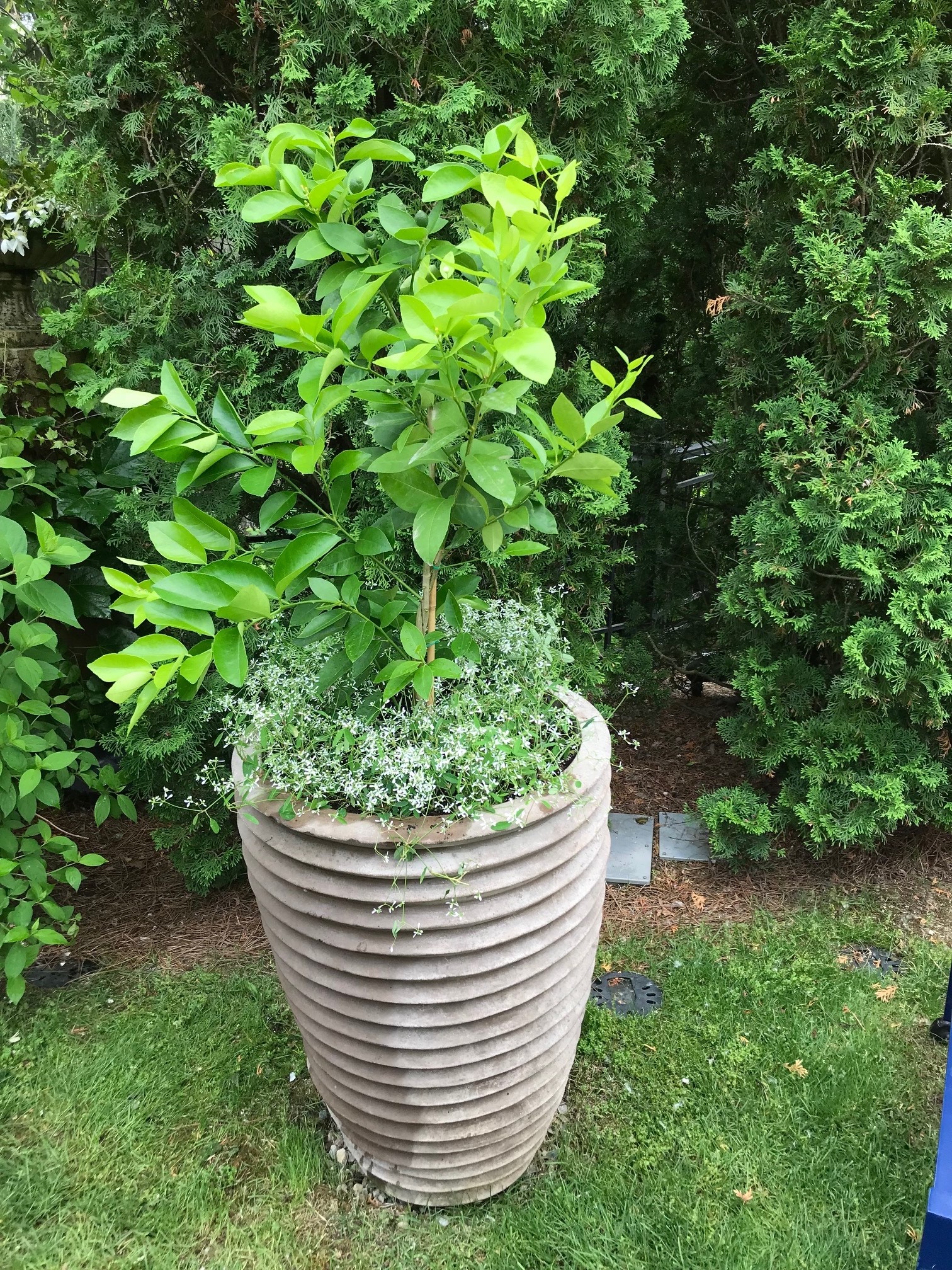
summer planting with a Persian lime and diamond frost euphorbia

The spring planting in this area features a Limelight hydrangea on standard under planted with lavender.

That pot will go on through the fall unchanged. Note that the hydrangea in this pot will get more water than the surrounding lavender.  Selective watering in containers such as this one can make a huge difference in the outcome.

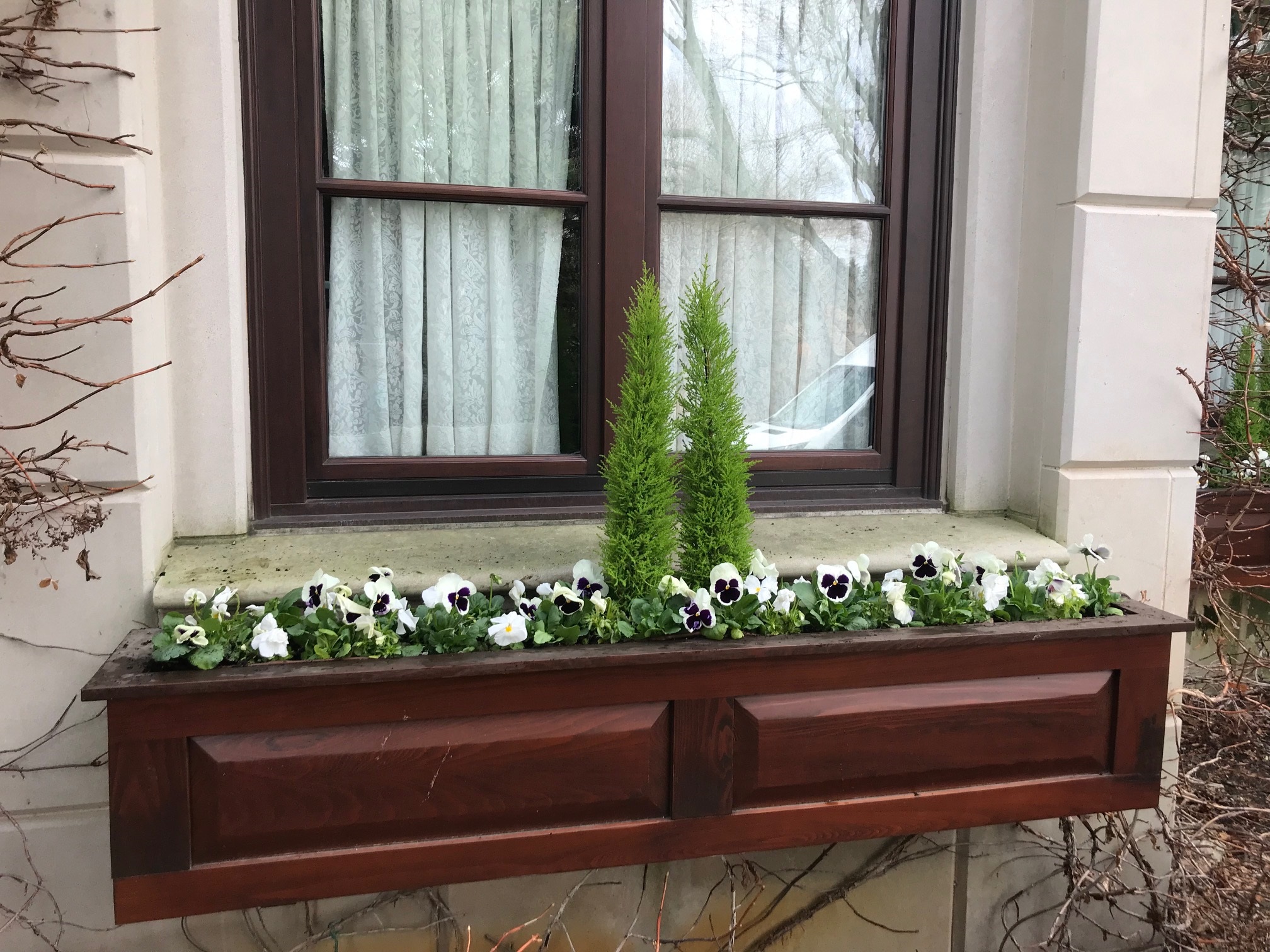
spring window box featuring lemon cypress

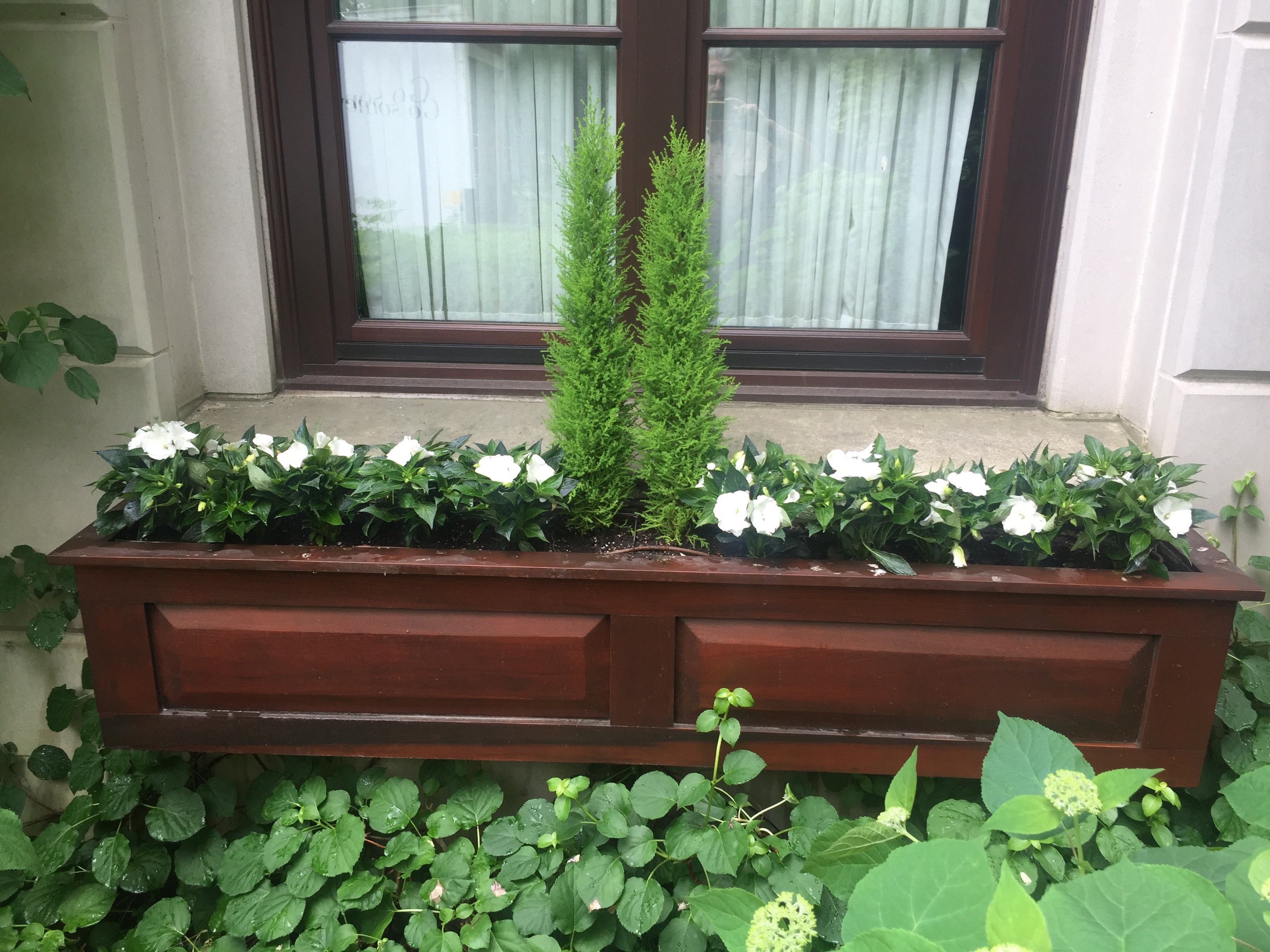
same box for summer. Eventually, the lemon cypress planted on either side of the bar in the box will grow together, and read as one.

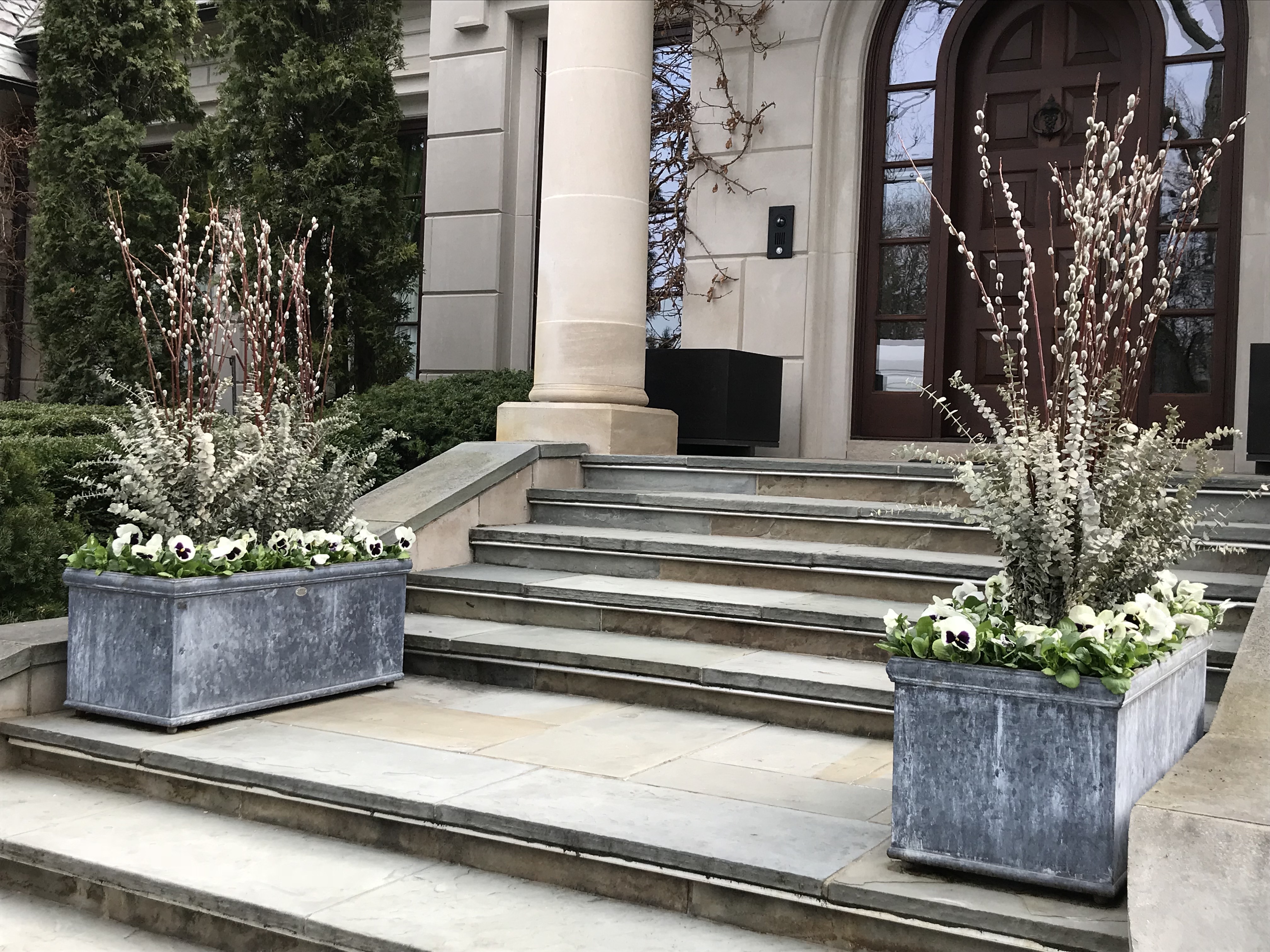
spring planting

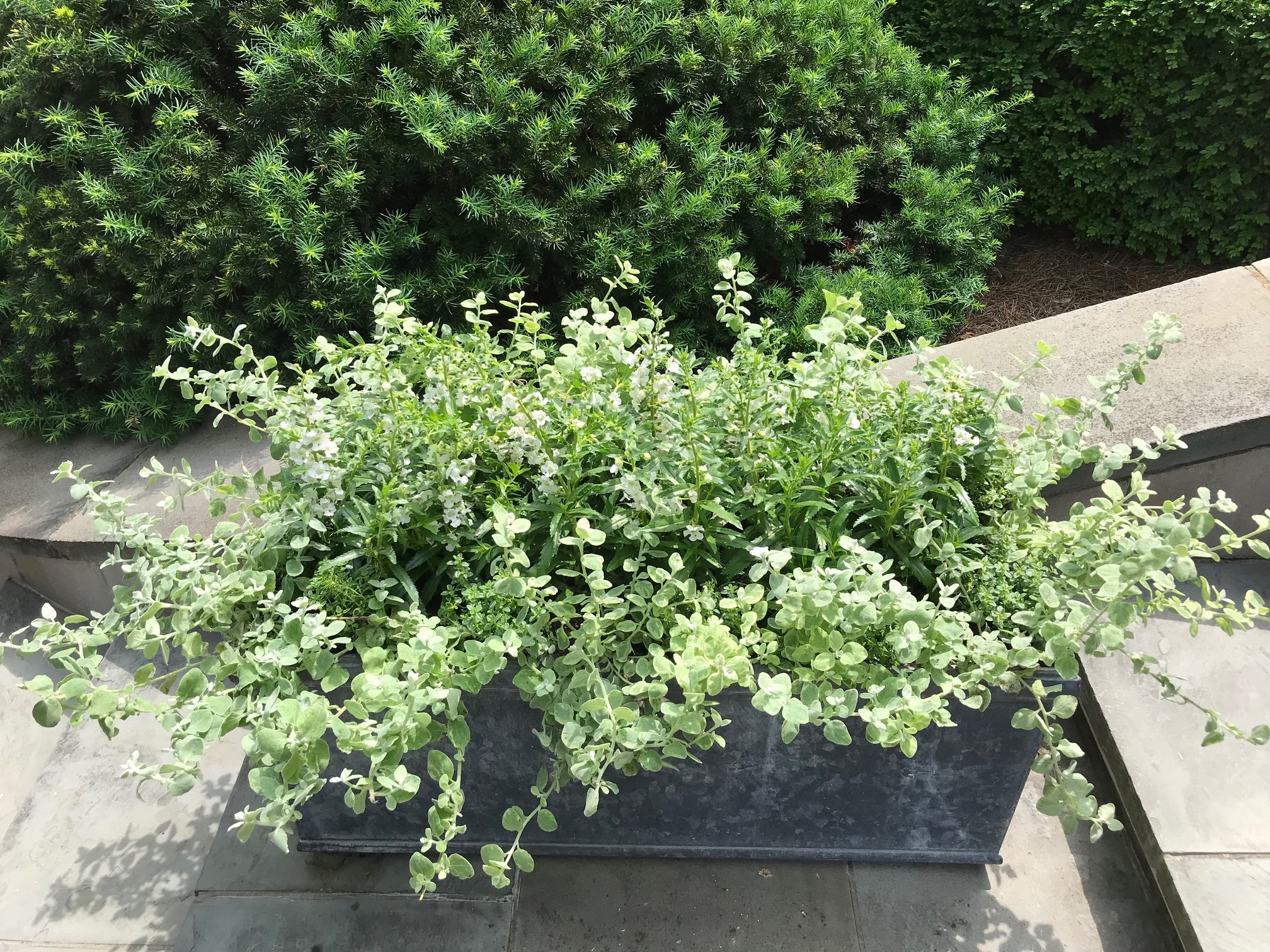
white angelonia and variegated licorice – ready for summer.