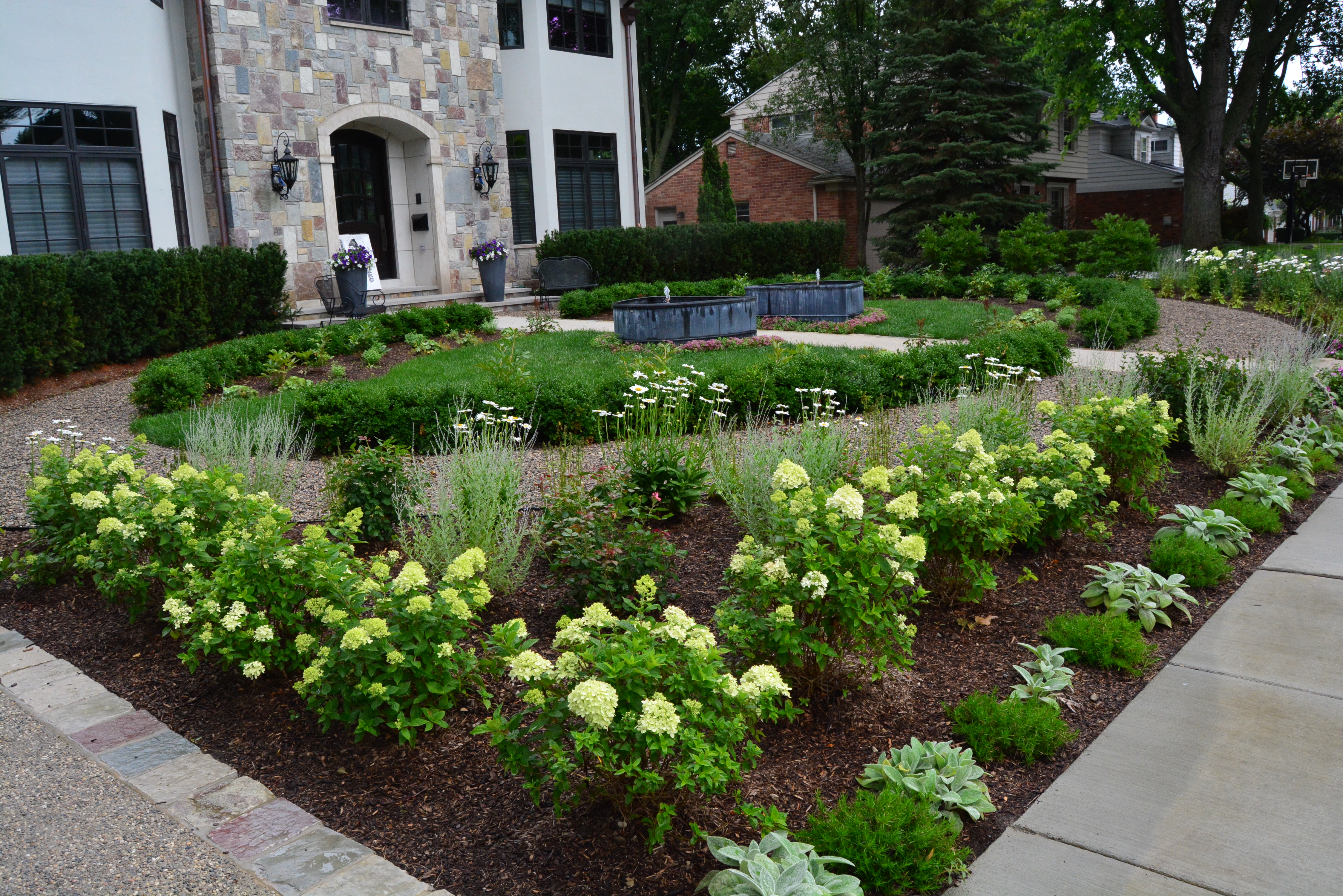
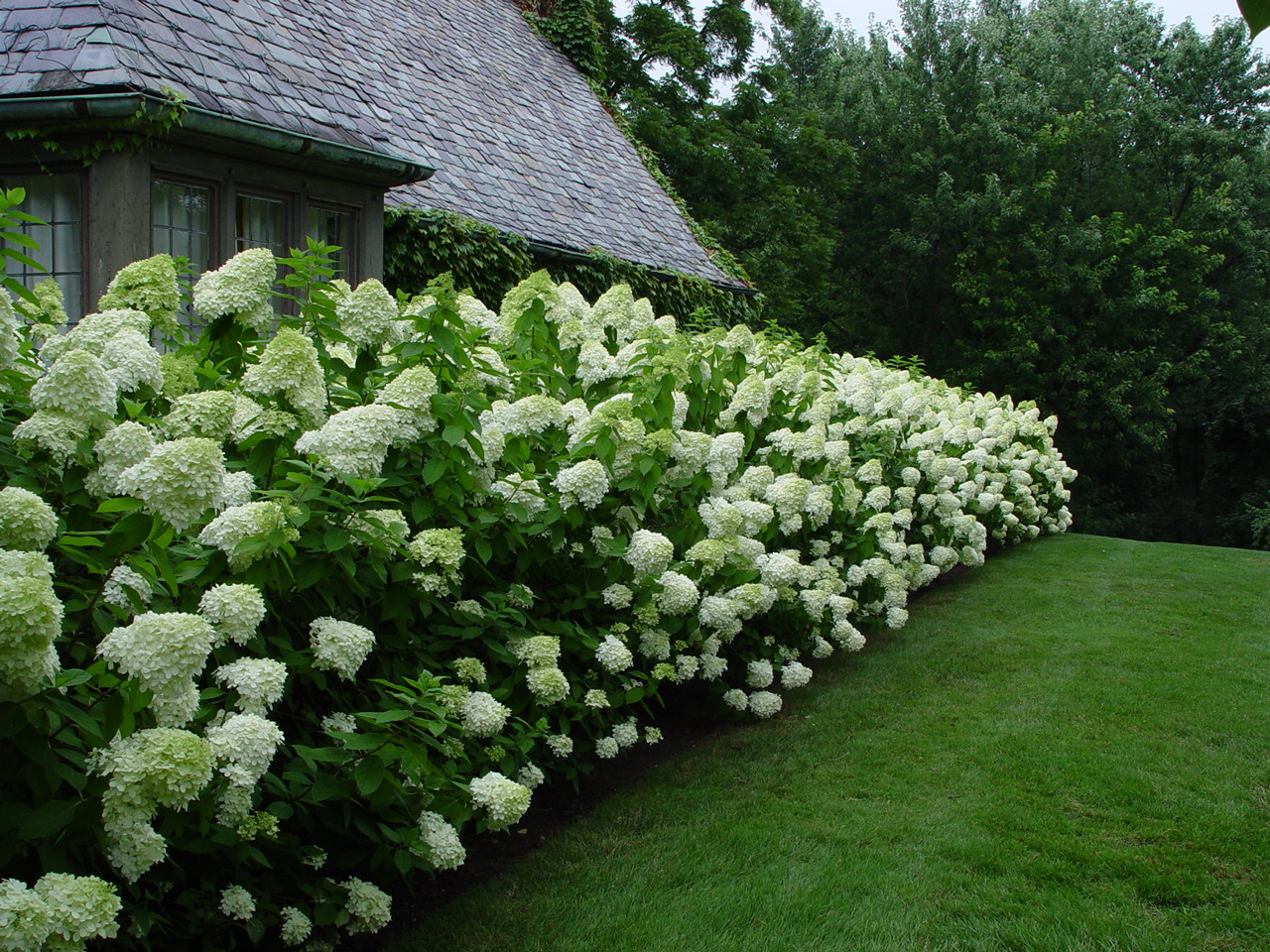
 The photograph above has been repinned from my pinterest page, 10 times more than any other image I have ever posted. I understand the sentiment behind that. This cultivar of hydrangea paniculata, Limelight, bred by a Dutch breeder whose name is little known, and marketed solely by the patent holder, Spring Meadow Farms, is is gem of a summer blooming shrub. This ever willing and easy to grow shrub begins blooming at the end of July in my zone, and represents well into the fall.
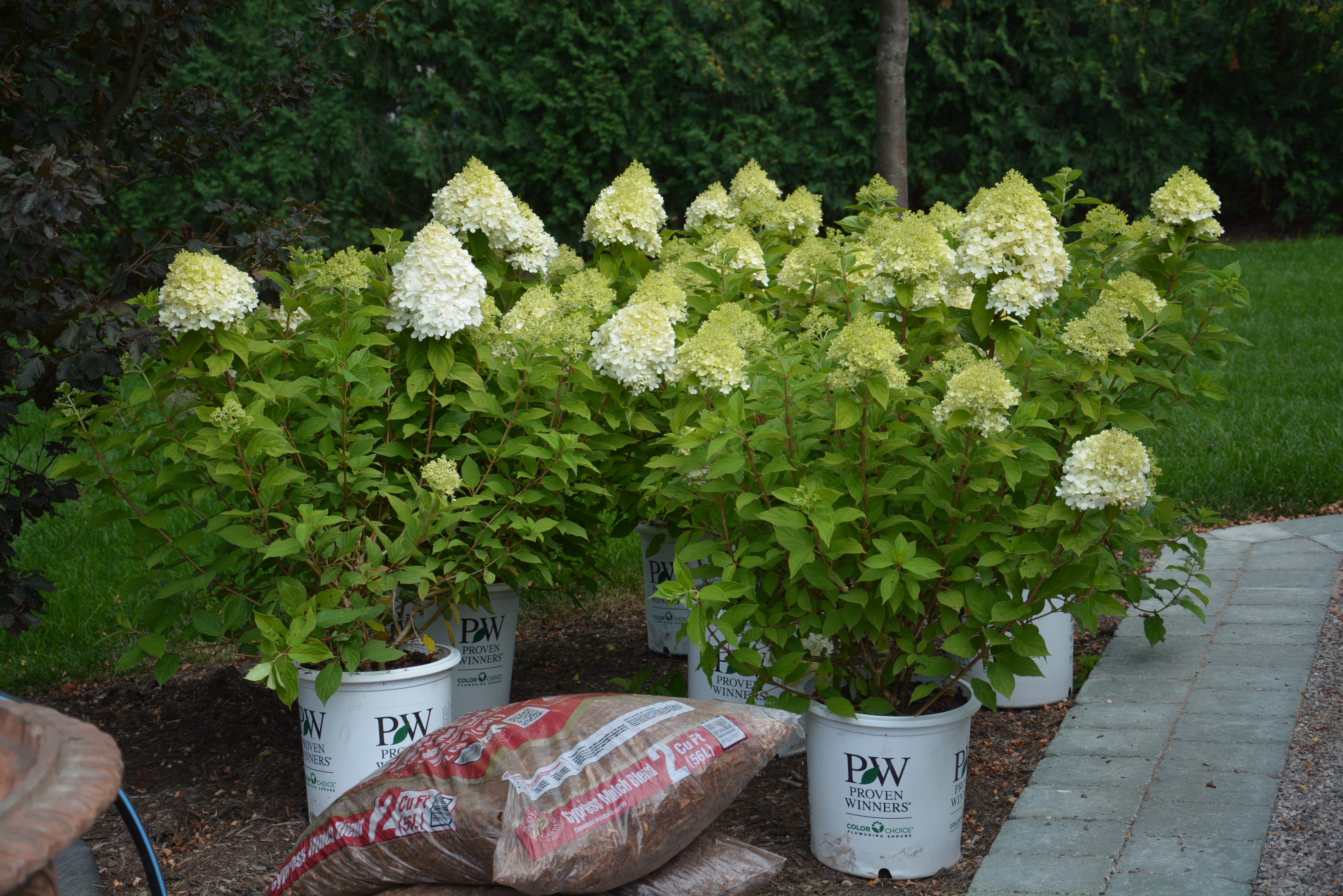
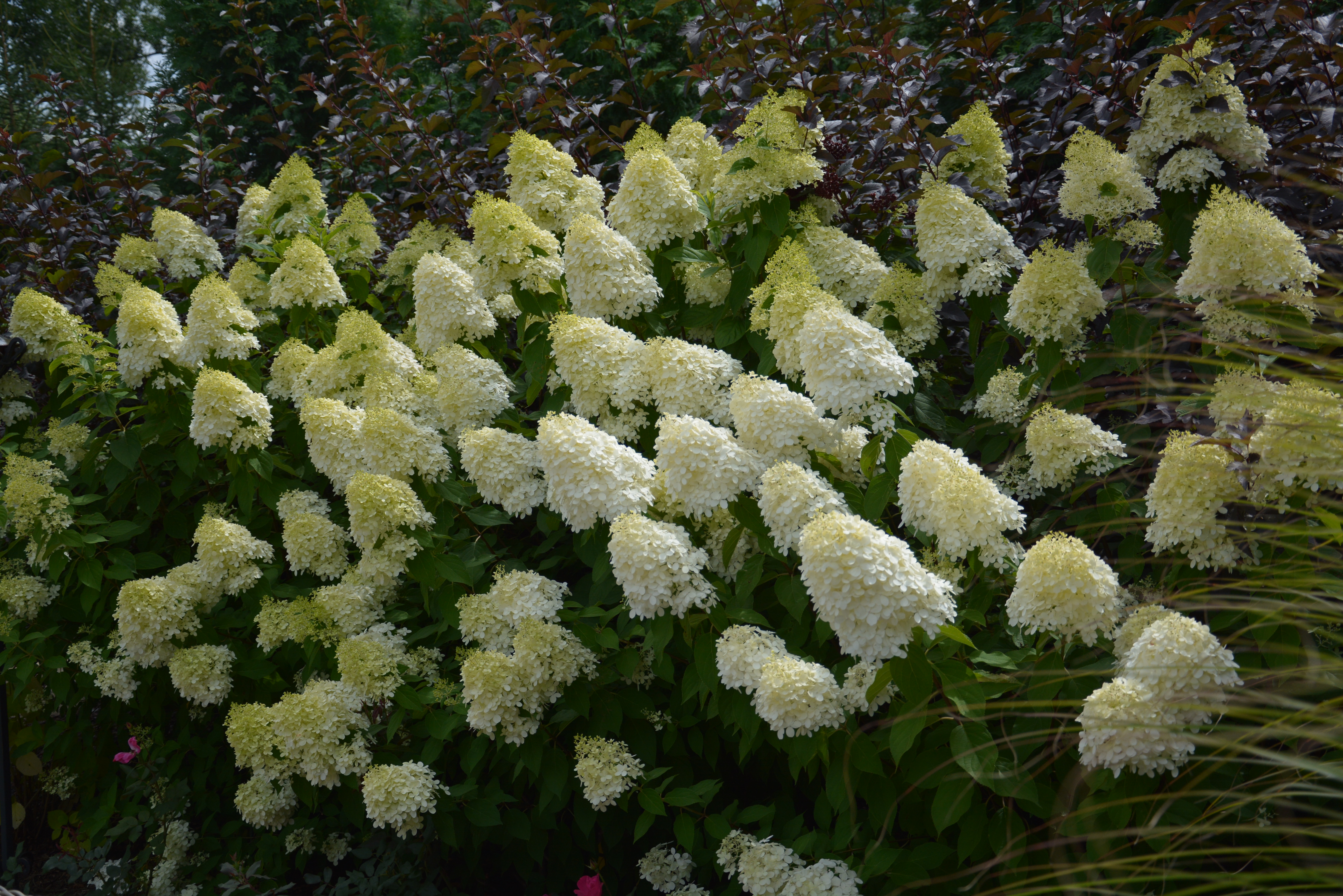 Hydrangea is another word for summer in the garden. They grow fast, and bloom profusely. Small plants gain size and stature just a short time after planting. Given how fast they grow, if you buy Limelights in pots, be prepared to water those root balls frequently after you plant, until they get established. I water mine via drip irrigation; hydrangeas appreciate regular moisture. Once they are established, this is about all the care they require. They deliver so much, and ask for so little.
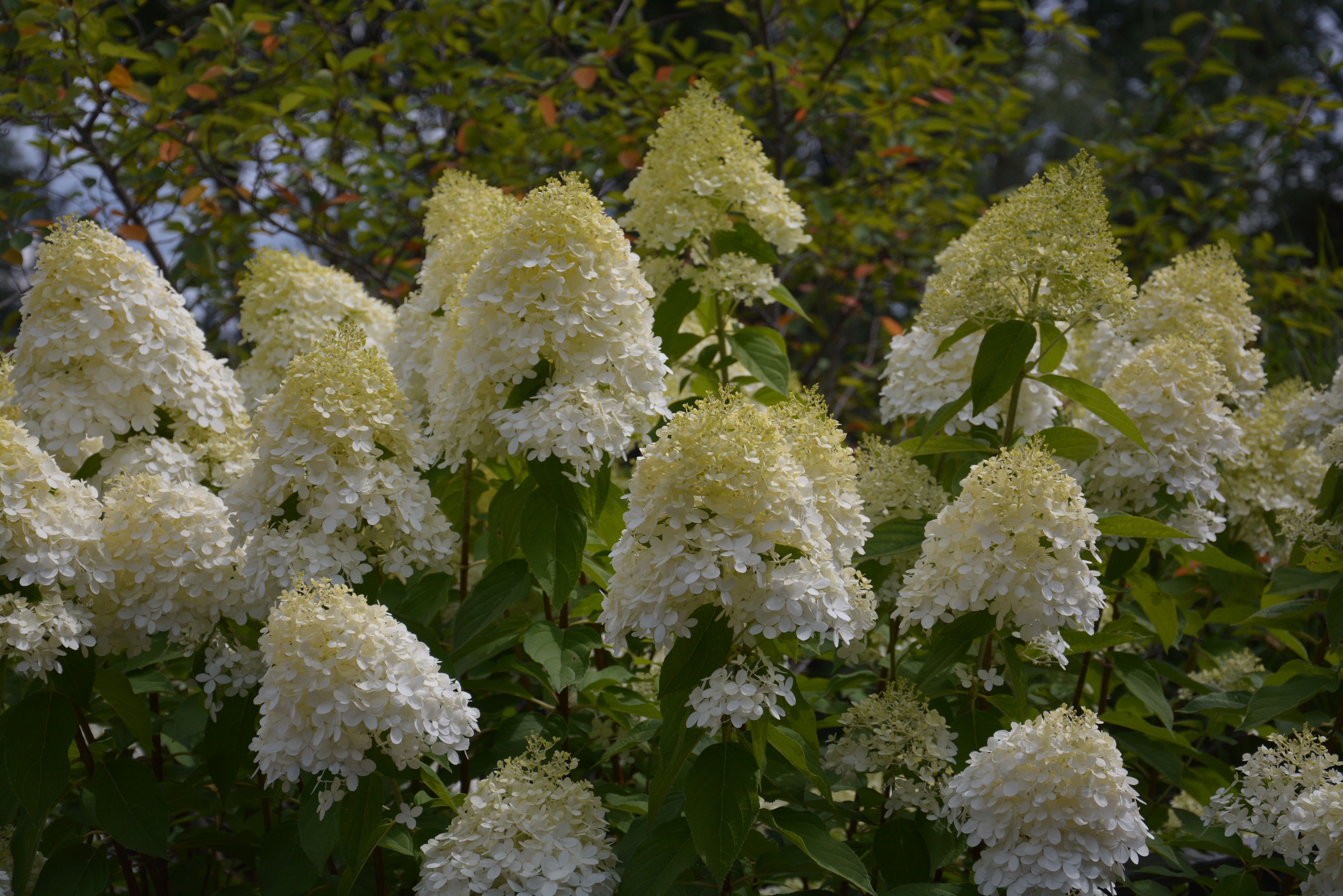 I get emails almost every day about them. Will the Limelights grow in Atlanta, or Montreal, or upstate New York, or Houston, Arkansas, or Canada? Will they thrive in shade? I have no knowledge of the performance of this shrub outside of my own zone. Should you have an interest in growing this shrub, contact your local nursery. See what they say. In my zone, this hydrangea is happy in full sun with adequate water, and it will bloom, although not as well, in part sun.
 A Limelight hydrangea is just about the most easy going and tolerant shrub it has ever been my pleasure to plant. The big coarse leaves provide lots of texture. They can endure the coldest winter. They do not require any staking. Flower heads that are cut will dry and be beautiful in a vase indoors-almost indefinitely. Once they begin to bloom, every garden featuring them gets gorgeous.
 I have planted plenty of Limelight hydrangeas over the course of the past 9 years. They are easy to grow. They are happy in no end of environments. I would want for all of my clients to experience the pleasure they provide in late summer. How do I maintain them? I prune in late March, or early April. If I have a mind to keep them short, I prune them in late March or early April-when the buds swell.
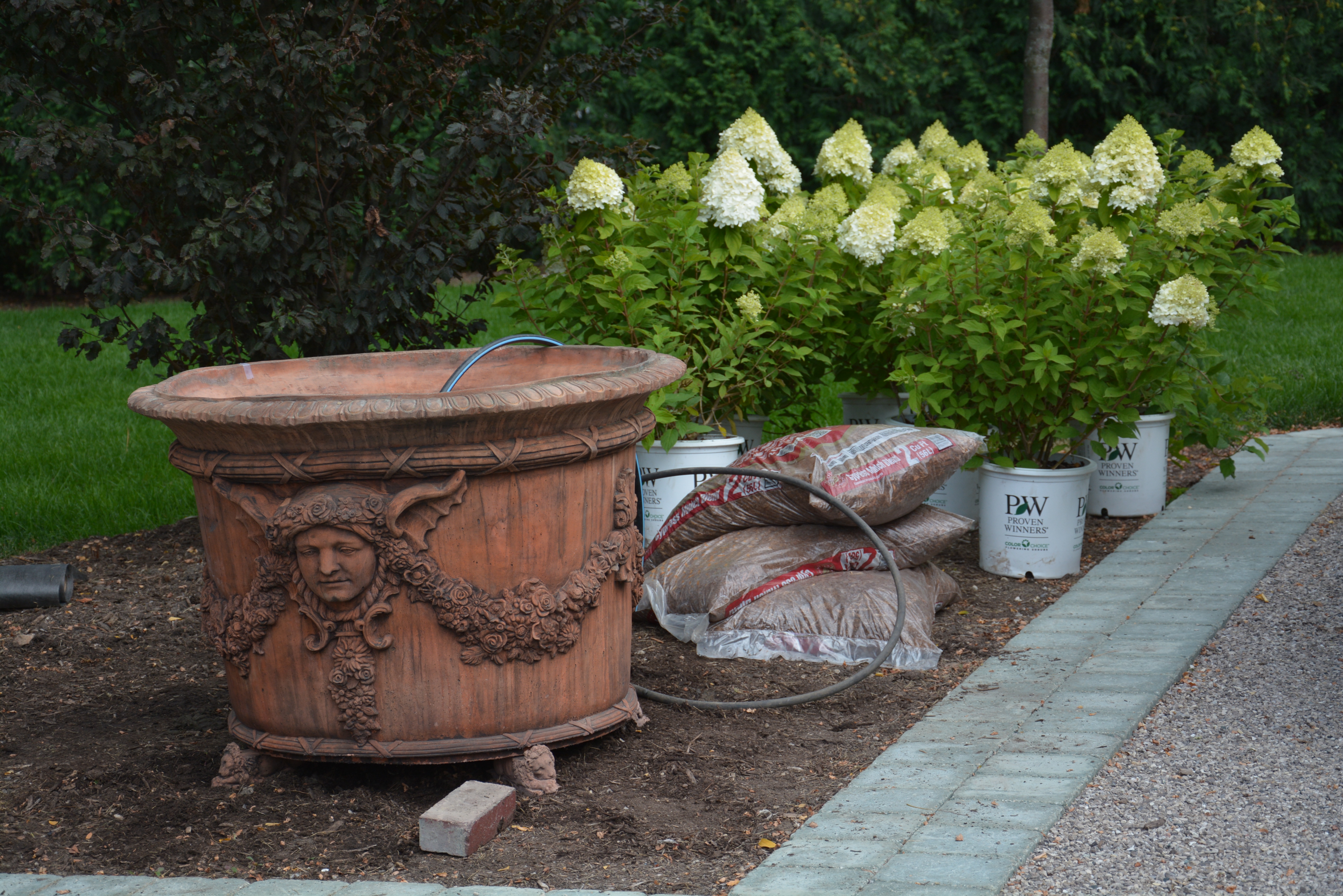
 I do feed them once a year with a balanced fertilizer, although I suspect they would be fine without in good compost enriched soil. They are happy in containers, as long as they are able to spend the winter in the ground. Tree form/topiary Limelights can be maintained in this fashion for a number of years.
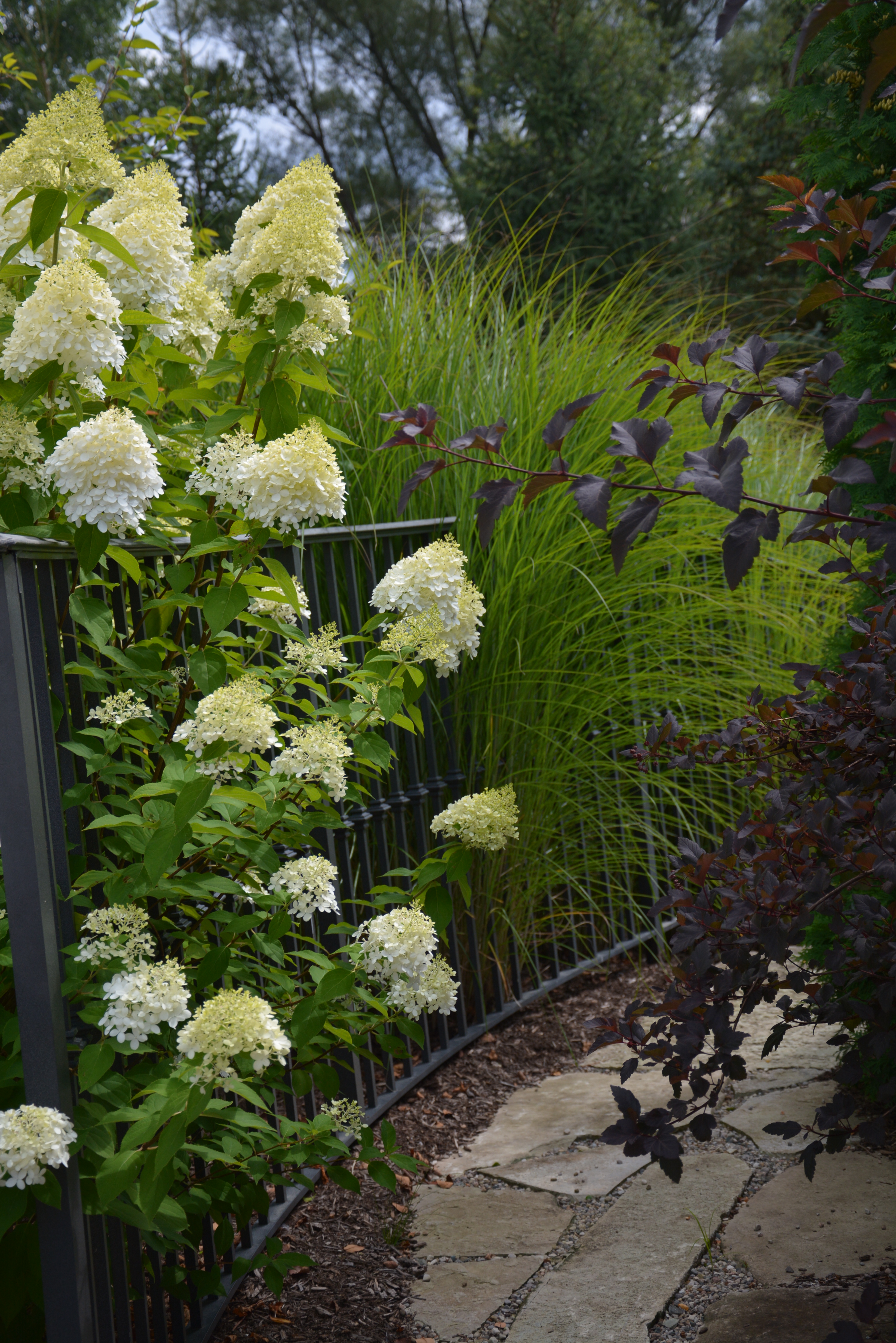 I usually prune them in the same manner as a shag haircut. I prune the top branches short. I leave the lower branches long. If you need the Limelights under 5 feet tall at maturity, trim to 30 inches tall in early spring. Trim again in early June. the second trimming is crucial to produce a shorter display. Plan for a late July bloom. If you like your Limelights really tall, trim off the previous years flower heads. Leave them tall. Plan to eventually under plant them with another shrub that will disguise those long bare legs. Deciduous shrubs ask for a serious yearly dressing down-should you want foliage to the ground. If you need your hydrangeas to be tall, go easy on the pruning phase-and deal with the bare legs. The other option is to plant hydrangea “Little Lime”. The flowers and habit are the same as Limelight, but it matures at 4 to 5 feet.
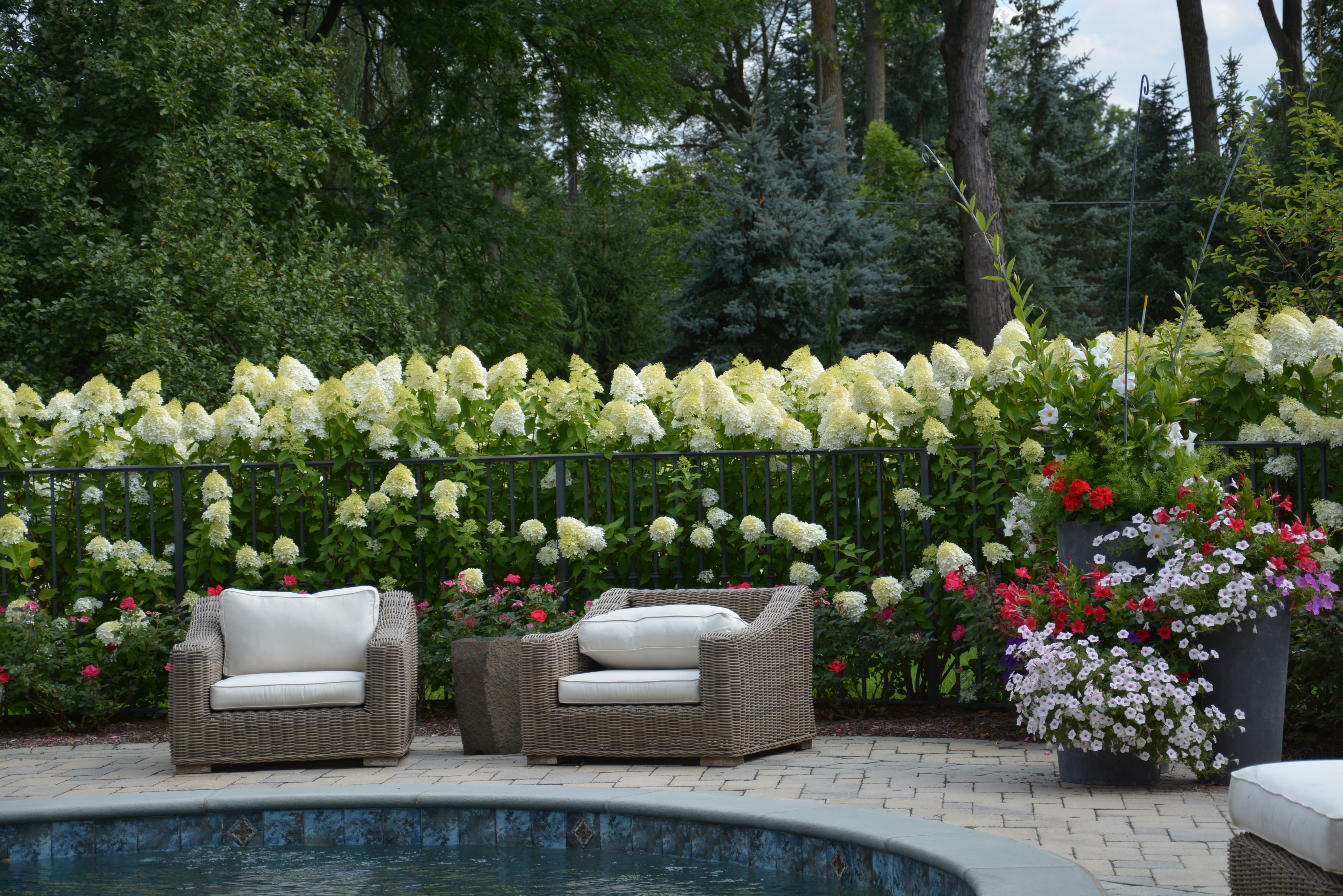 The Limelight hydrangea is a garden friend without so many demands. Prune, or do not prune so much. They are happy with whatever water you can provide. If they need water, the leaves will droop in a dramatic way-you can’t miss it. It is just about the most gardener friendly shrub it has ever been my pleasure to meet. This has not been the best gardening season for me. I have plenty of plants not doing so well with the cold and the relentless rain. But my hydrangeas are breathtaking-as usual.
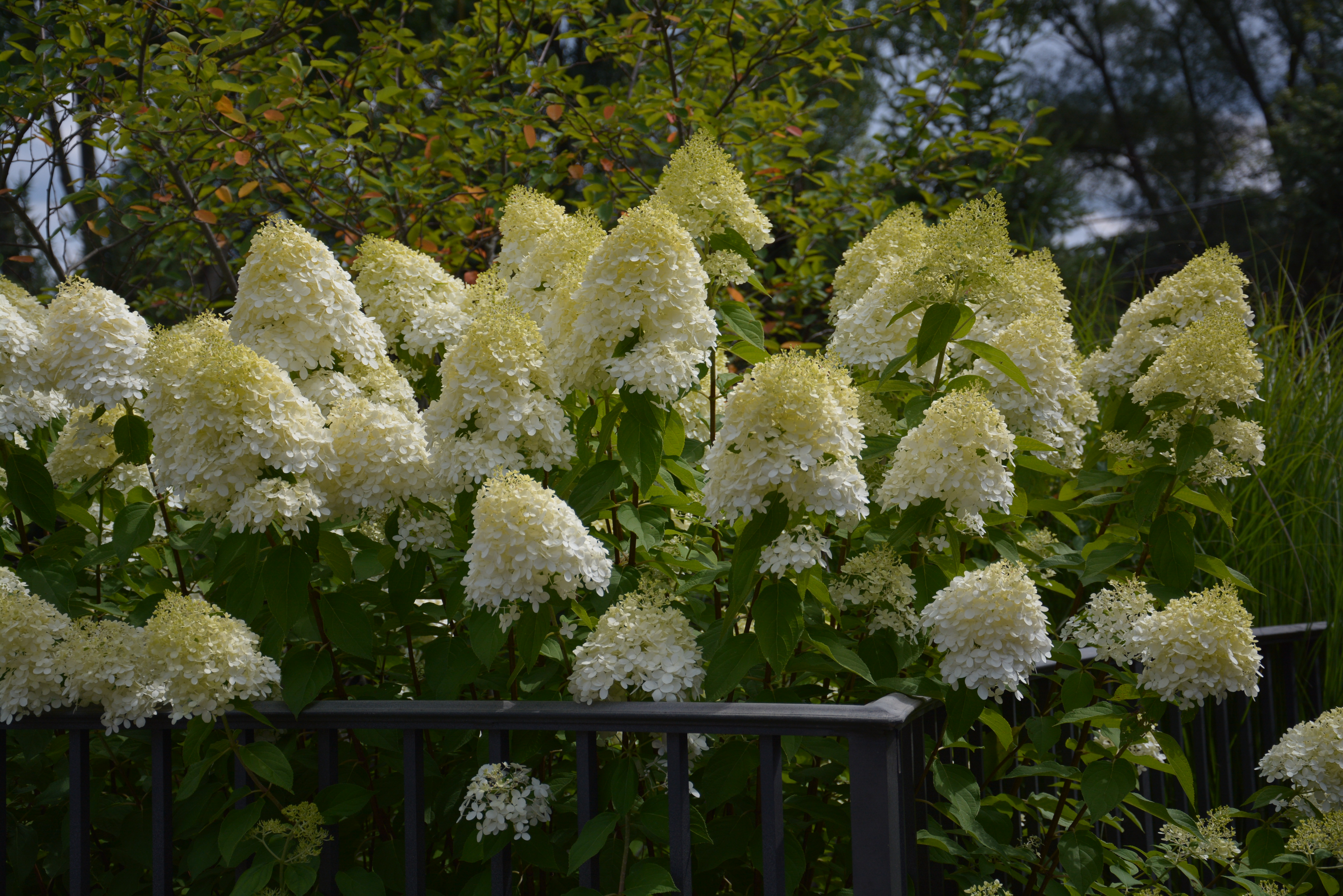 I truly appreciate the work that has been done by the breeder and the distributor to make this shrub available to me. It is easy to grow, beautiful in leaf, and spectacular in bloom. I planted lots of them in my garden, and today I am really happy I did. The Limelight hydrangeas are illuminating my late summer garden. Consider planting some Lime lights. You won’t be sorry. I promise you will be charmed. What says summer better than the hydrangeas in bloom?