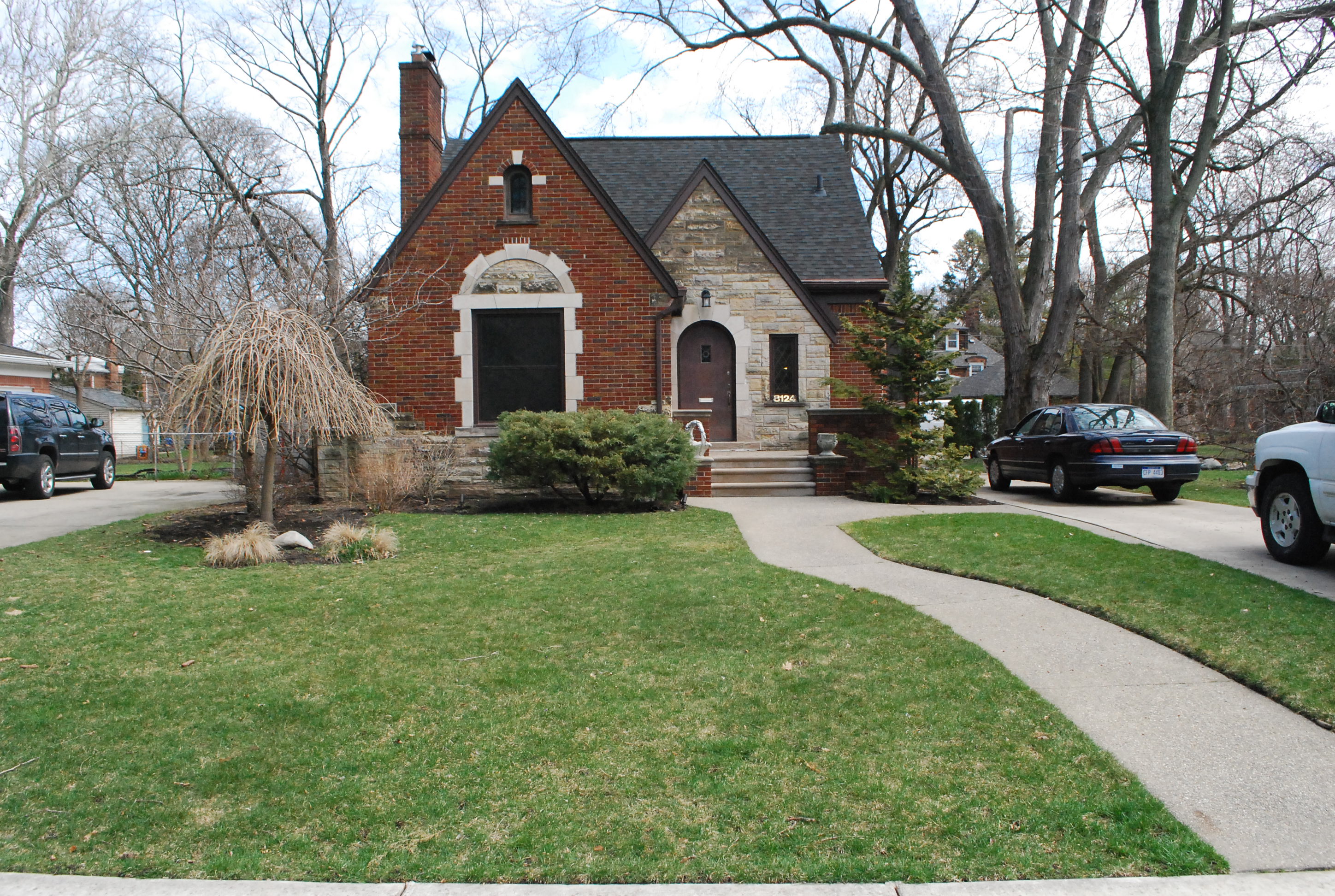
 An old client bought a new house. The landscape out front was not so swell-I am sure you can see an overgrown and poorly tended collection of plants that have no relationship to each other. A great landscape needs to respect, enhance, and challenge the space and the architecture. Not to mention the need for an expression that is interesting, and polished. This home was built in the 1920’s. Who knows what landscape might have been planted after the house was finished. I felt really certain that the current landscape was cursory, if not left over, and not so much oriented around the architecture. This is not an unusual. Not everyone is so interested in the landscape, much less good landscape design.
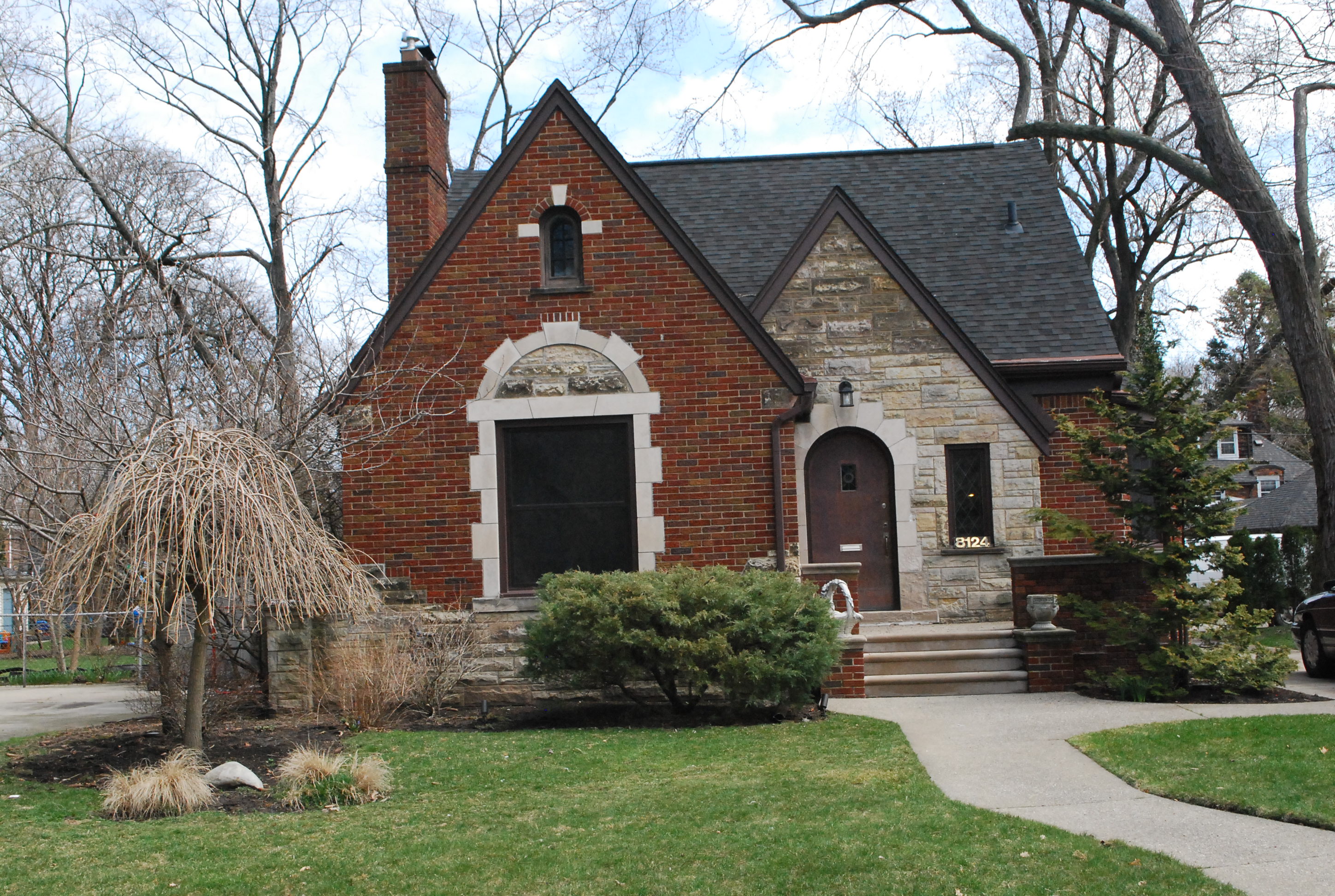
My client, however, was very interested in landscape design. She wanted her new home to have a new landscape. A fresh design. A design that she would delightedly call her own. Delight is a state most everyone can relate to. Landscape delight revolves around a few issues. A home is the largest feature on any plot of ground. The shape, the size, the height, and the style of that architecture should inform the attending landscape. A delightful landscape looks like it belongs to the house and property upon which it is planted. A good landscape resonates with a house and property. That house informing the design does not mean reproducing the landscape design of that period. It only means that any large structure that sits on a property needs to be grounded in a thoughtful and beautiful landscape design, properly proportioned. A good landscape has an idea about house and ground that is delightfully framed and executed. On my first visit, I so loved the house, and all of its features.
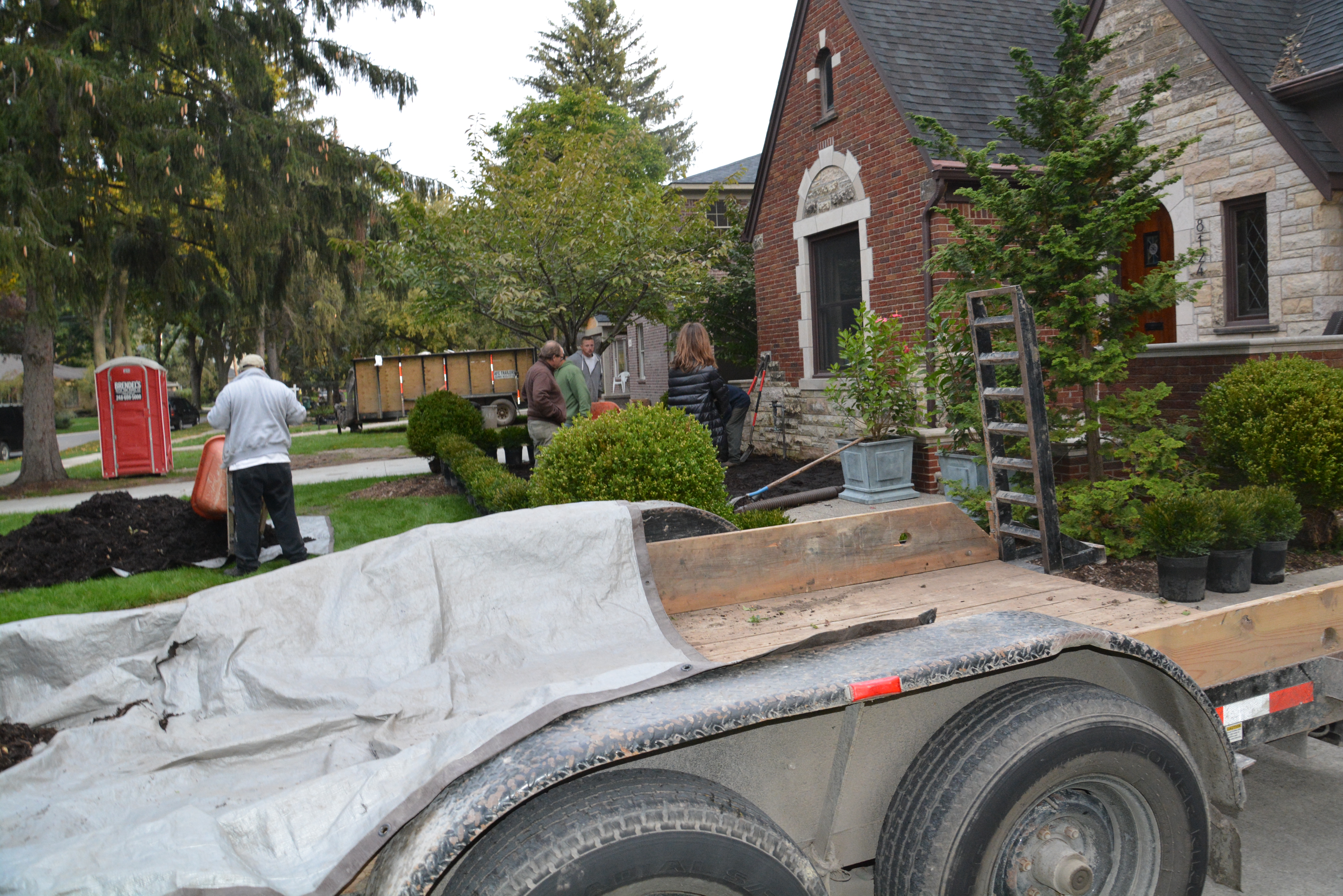
My first installation visit to this property was about eliminating her feeble collection of plants in front, and creating some basic green structure. The cost of implementing this part of the plan would depend in large part on the size of the plants. Great design is not one bit related to the cost of an installation. We can buy and install plants of many different sizes. The design called for green structure that came away from the house, and enclosed the sidewalk to the driveway in a configuration that made visual sense. In other words, a bed of some size. She wanted to make the biggest impact she could within the confines of her budget.
 Great landscape design may be about a moment imagined for the future. Small plants cost less. Big plants cost a lot. Most of the boxwood on this project are 12″ to 15″ tall. We paired lots of those little boxwood with four boxwood of considerable size. Contrast is a very powerful design element. In this case, the contrast in size made the entire installation look more important visually.
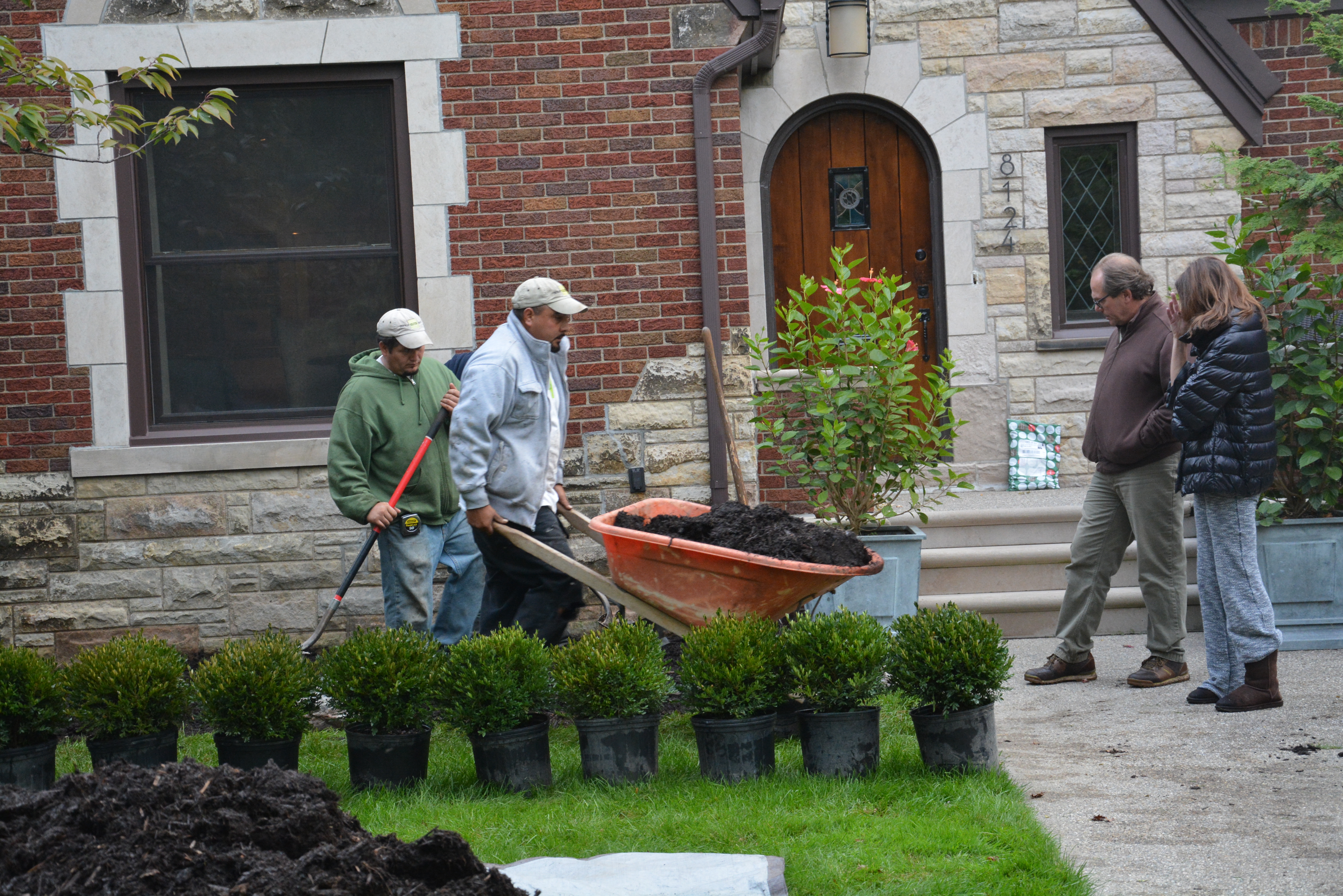
The 15″ Green Gem boxwood are really small. Small enough that they are grown in pots. Small works great, when they are contrasted with companion plants of greater size. 36 inch round Green Gem boxwood spheres are rare, indeed. Splashy. These four big bits would make lots of the smaller bits.
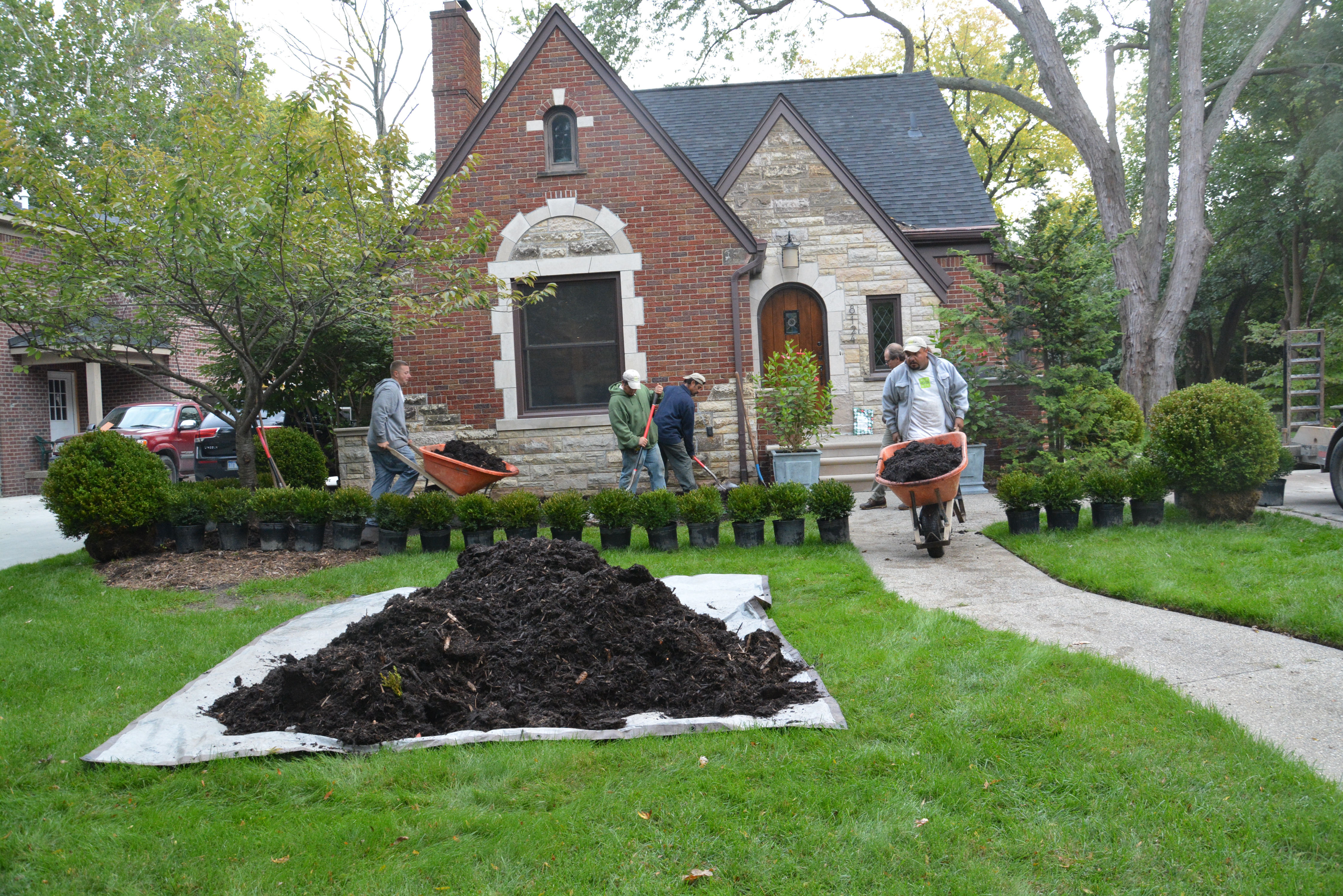 This is the first part of the plan to be installed. Designing with staging in mind involves 2 things. The part has to look finished on its own-not piecemeal. The “part one” also has to be ready and friendly to the next phase, whenever that phase comes along.
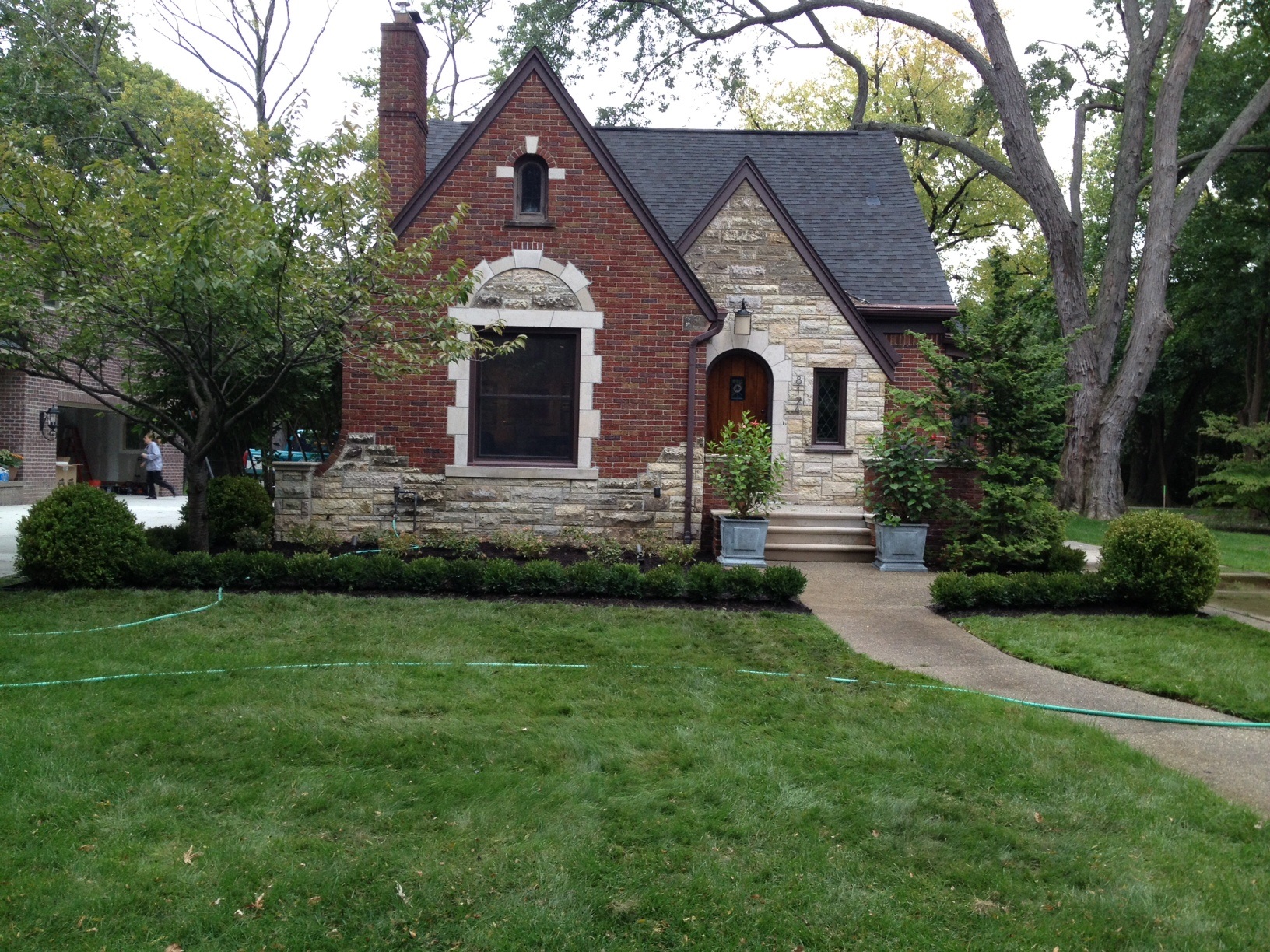 The installation of this boxwood parterre would look fairly routine, but for the larger balls on the four corners. The four boxwood of scale attract attention. Behind the boxwood, several rows of Little Lime hydrangeas.
 What goes between the hydrangeas and the boxwood is under discussion. We probably will not do anything here until the spring, which means there is time to think it through.
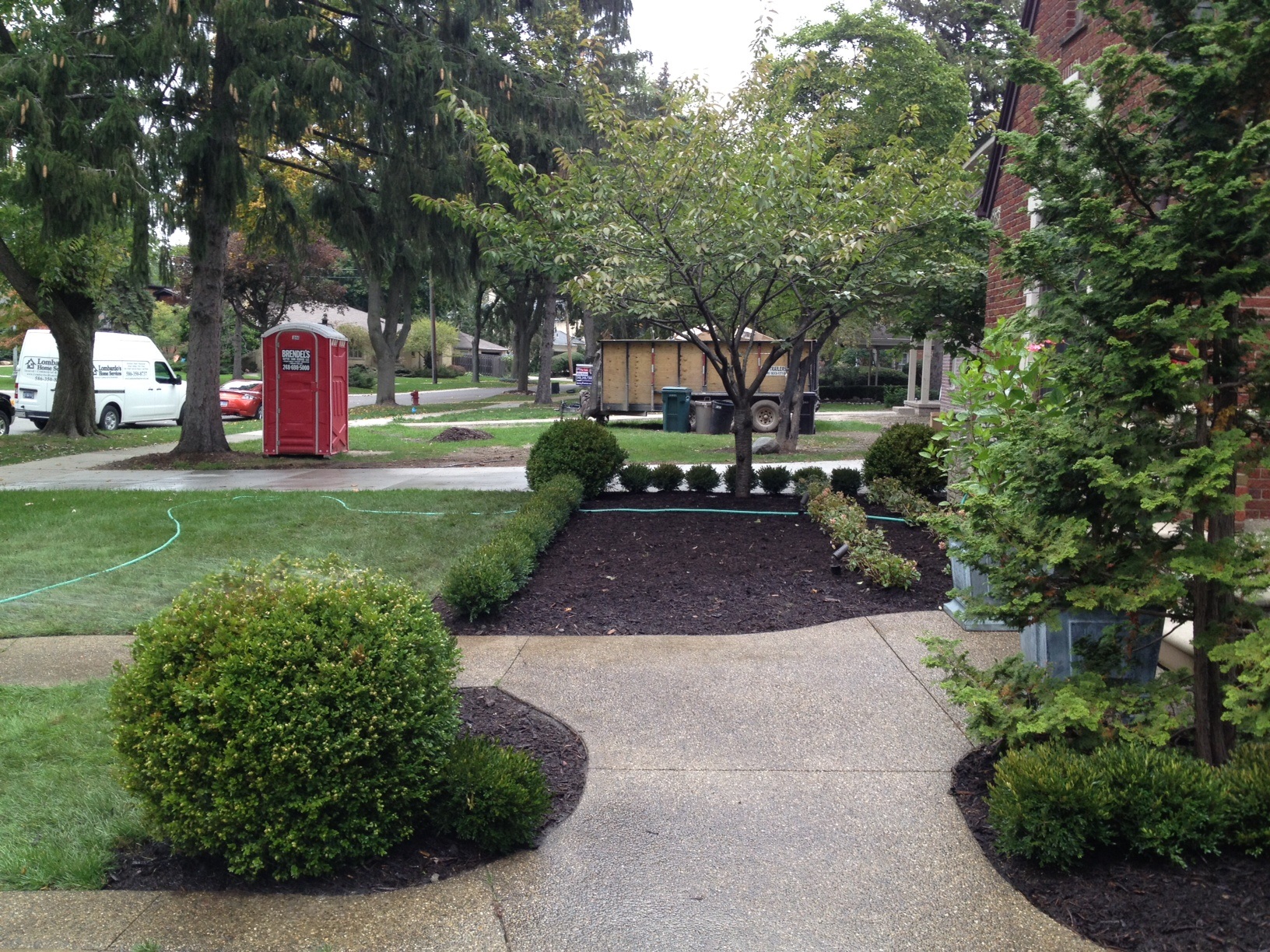 This picture explains the visual logic of the location of the parterre. That space could be handled in lots of interesting ways. It could be lawn, or ground cover, or more boxwood, or a combination of all the aforesaid, or gravel, or? For now, part I is holding its own.