Thursday Opinion: A Life Of One’s Own

A few days ago, the feature on my blog which sends emails to subscribers to alert them to a new post went haywire.  Subscribers were getting emails every few hours, most of which were for posts I had written years ago.  I was appalled.  People who subscribed to Dirt Simple were getting spammed.  The blog had suddenly gotten a life of its own, and was clogging up innocent inboxes all over the place.  I apologize for the nuisance-truly.  Debbie Saro, from Web Savvy Marketing,  keeps a close watch on all of my wordpress websites.  She knew there was a problem long before I got the message from Buck, and wrote to her.  She deactivated that portion of the blog immediately, and let WordPress know they had a problem that needed fixing.  Astonishingly enough, readers responded favorably to all those emails.  I had no complaints.  I had lots and lots of readers reading those multiple posts.

It happens all the time.  Something in one’s life gets a life of its own, and all one can do is bring up the rear. Our past summer was cold and rainy.  I had no say in that decision.  Coping with the fallout fell to me.  My wishes for stellar summer weather-just wishing.  Nature, who most definitely has a life of her own, batted last- as usual.   In mid November of this past year, Mother Nature decided to get sudden and serious about winter.  By late November, we were chopping frozen soil out of pots in order to do the winter arrangements.  We had no warning, nor did we have a grace period.  One day all was well.  The next day, we had trouble.  I was irritated, but I wasn’t waving flags, writing letters, or sounding off on the radio.  Why not?  Every living thing-and this includes nature-is entitled to a life of their own.

Landscape design is work that I do based on the parameters set by the client, the parameters set by the site, and then there is nature.  The drawing that I present to a client is not the beginning and the end.  It may look like a document, but it is in fact a description of a big fluid situation.  It is an invitation to interact.  Plenty of times I have visited a site after I have drawn a design, and gotten back talk.  I may call it back talk, but I know better. Any client has a life all their own.  Any property has a life all its own.  If I am confident, I will let anything pertinent to the design have their moment to speak back.  Listening to what gets spoken back will greatly inform your design. My advice?  Listen. Have you not had plants that let you know they are not happy where they are planted?  Plants have a life of their own.  On a good day, I am tuned in to what they see as a life of their own.  On a worse day, I am moving plants around.

Just like you, I have a life of my own.  I may tag along, or I may insist on forging my own way.  I like having freedom of expression.  If you are a subscriber who was annoyed about WordPress going rogue, I am sorry.  Given how many of you subscribers read multiple old posts over the past few days, I may repost some old essays this winter.  Who’s to say WordPress cannot have a life of its own now and then.  The now and then is over-for now.  Whew!
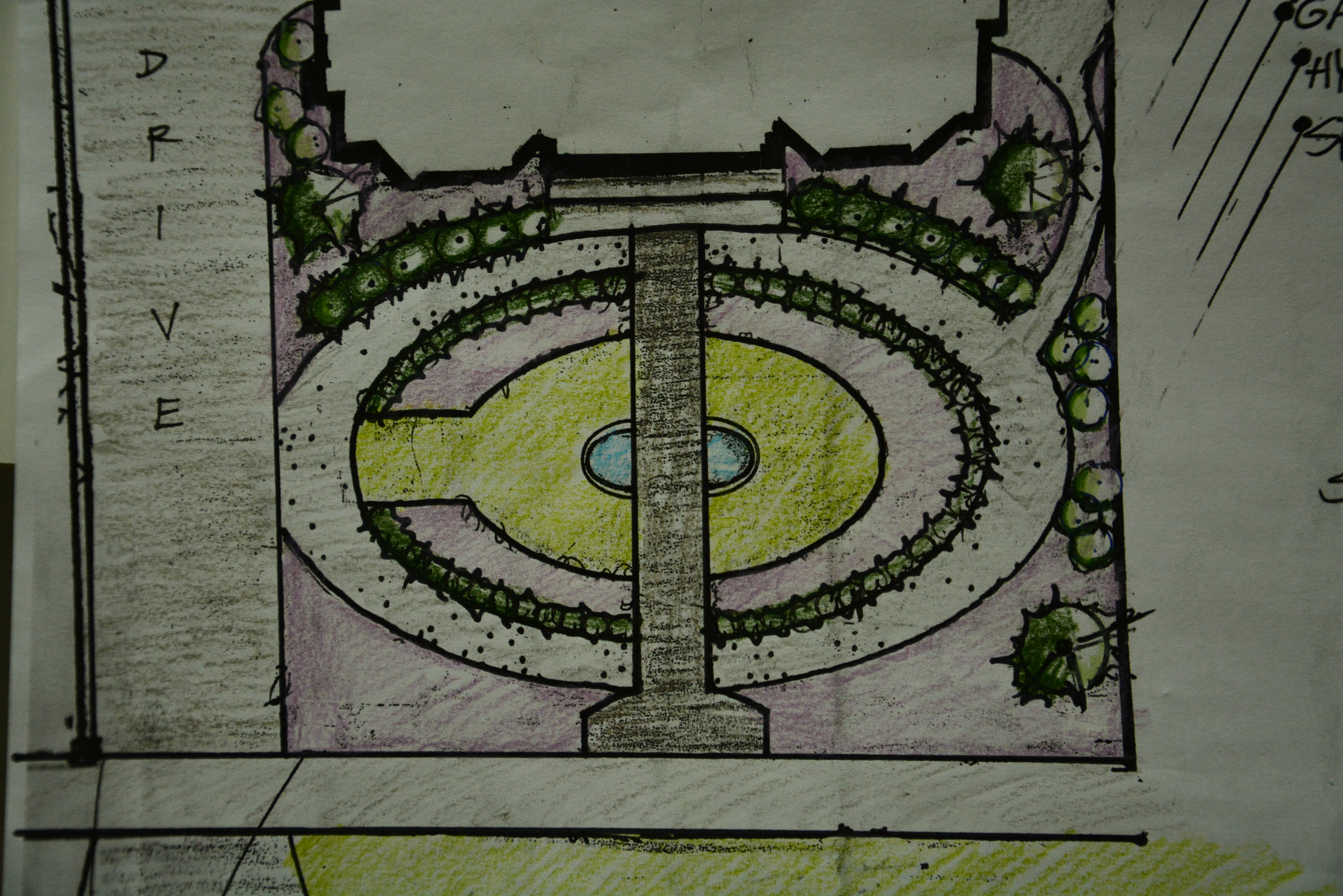
The Shape of Things to Come

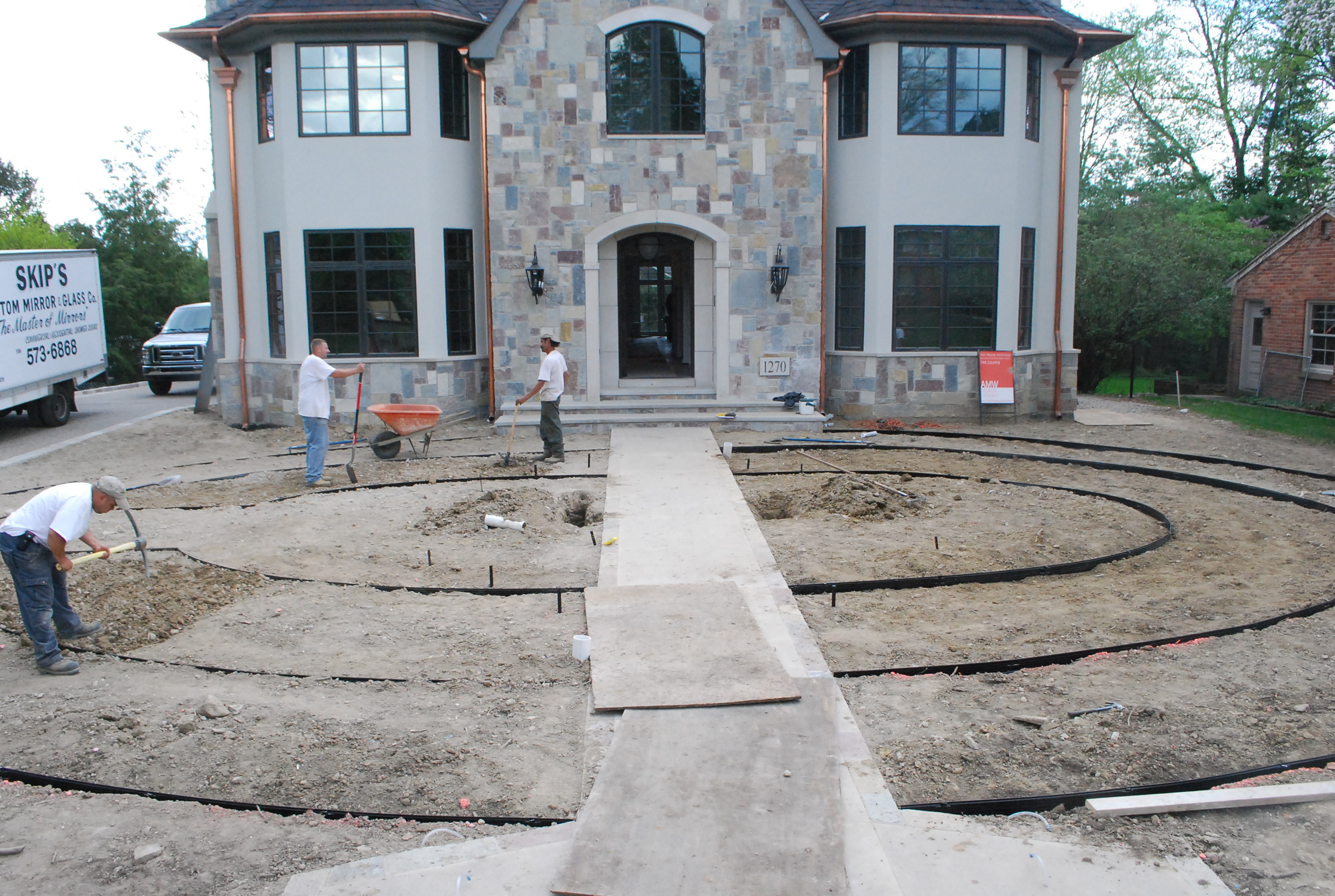
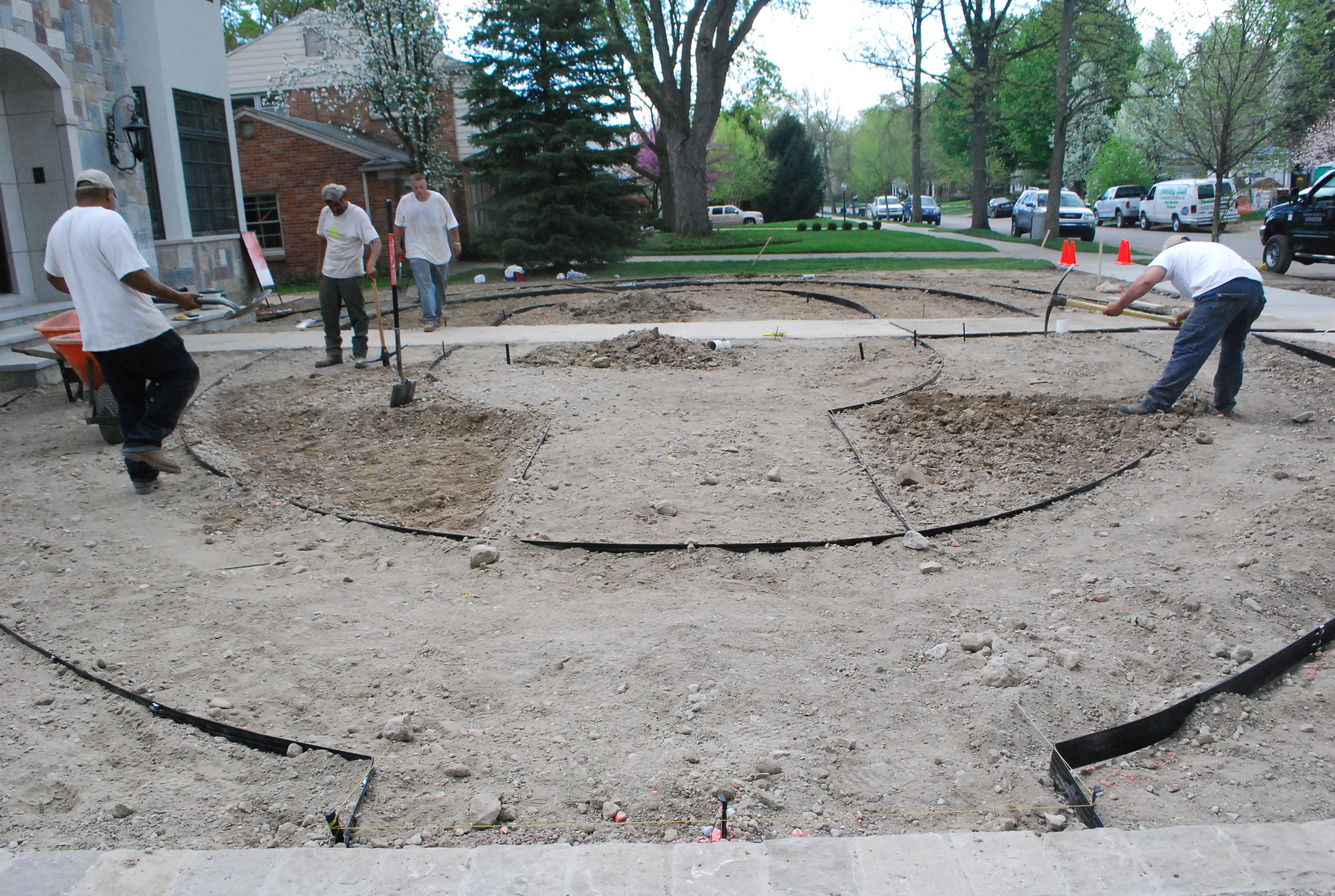
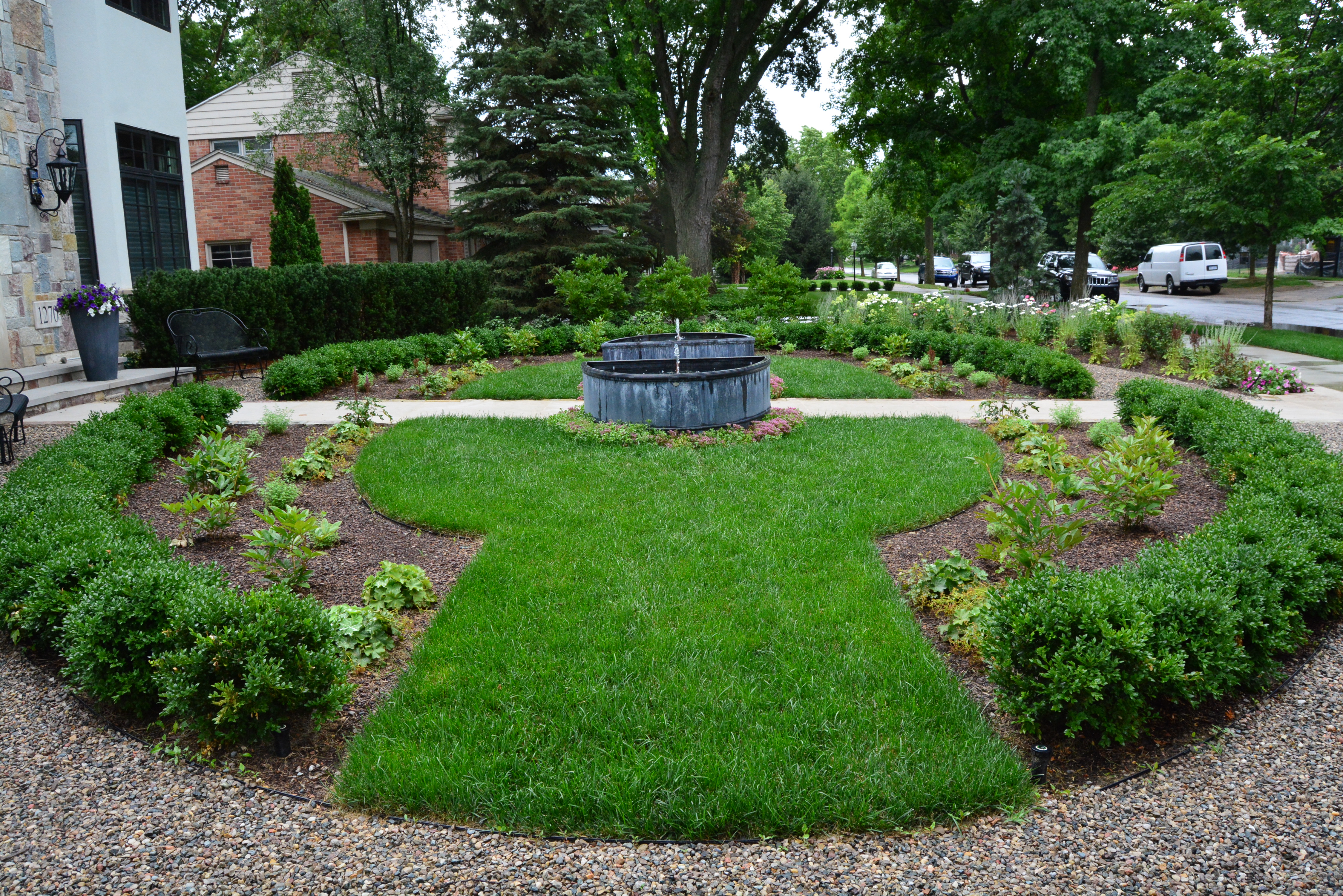
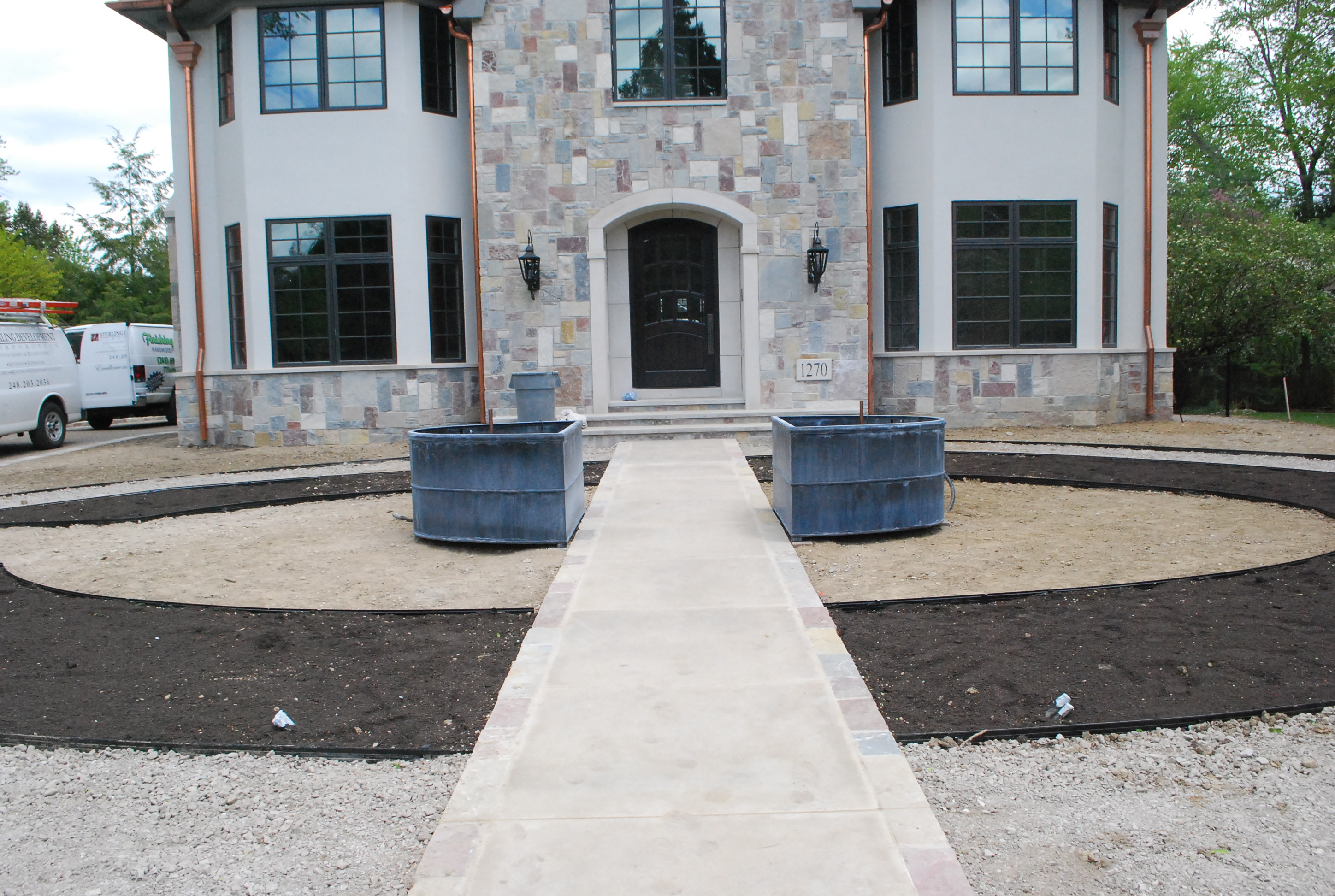
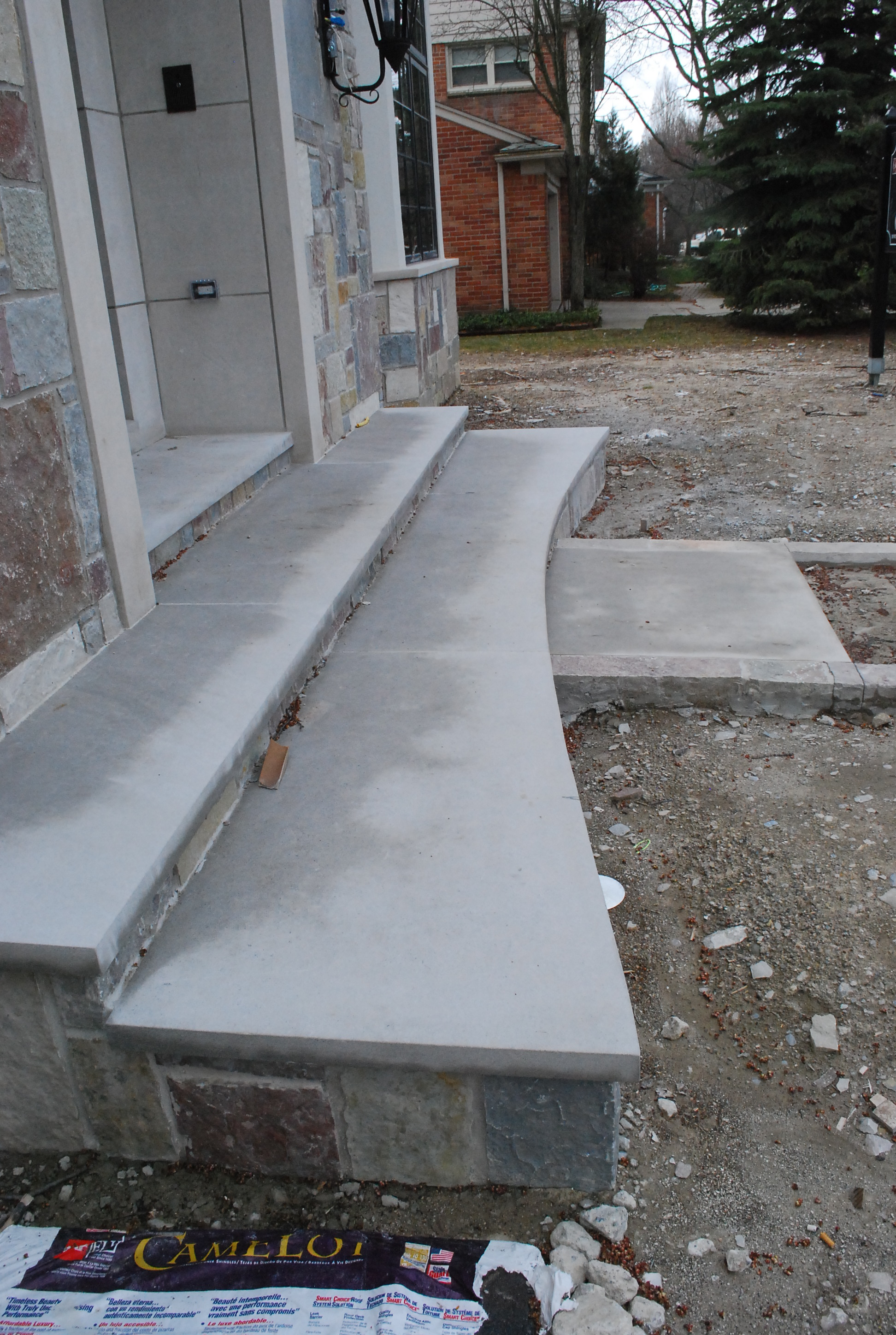
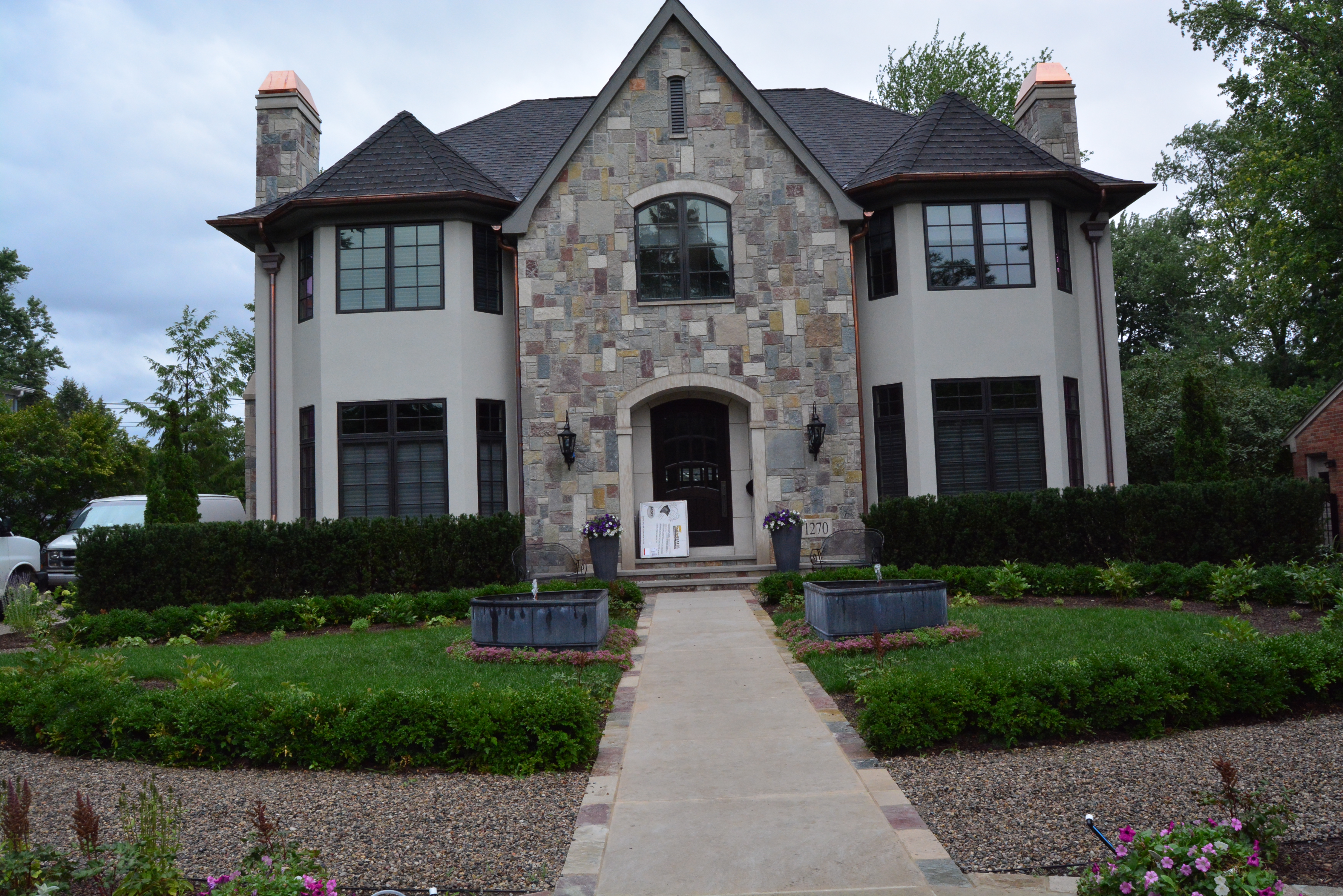
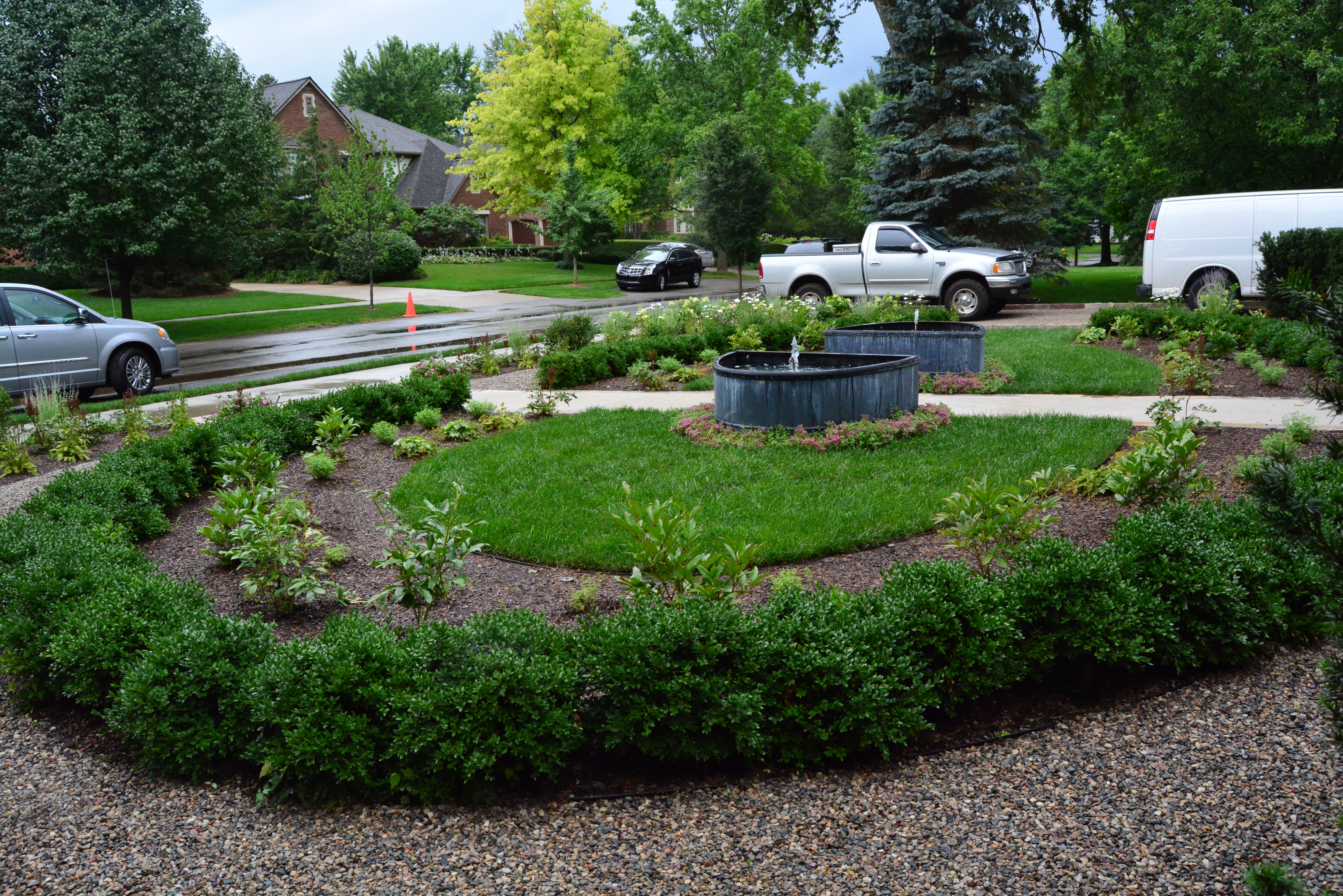
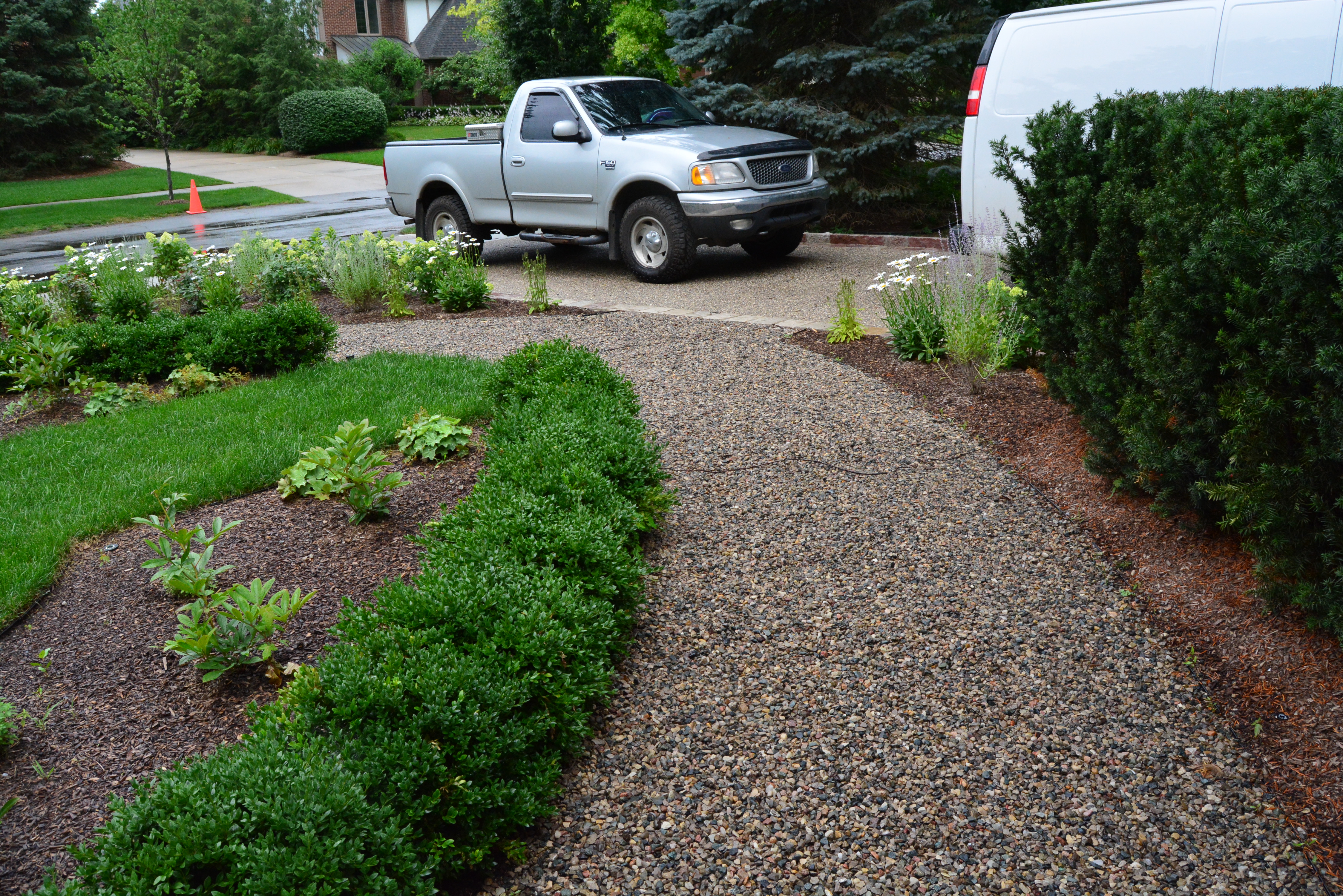
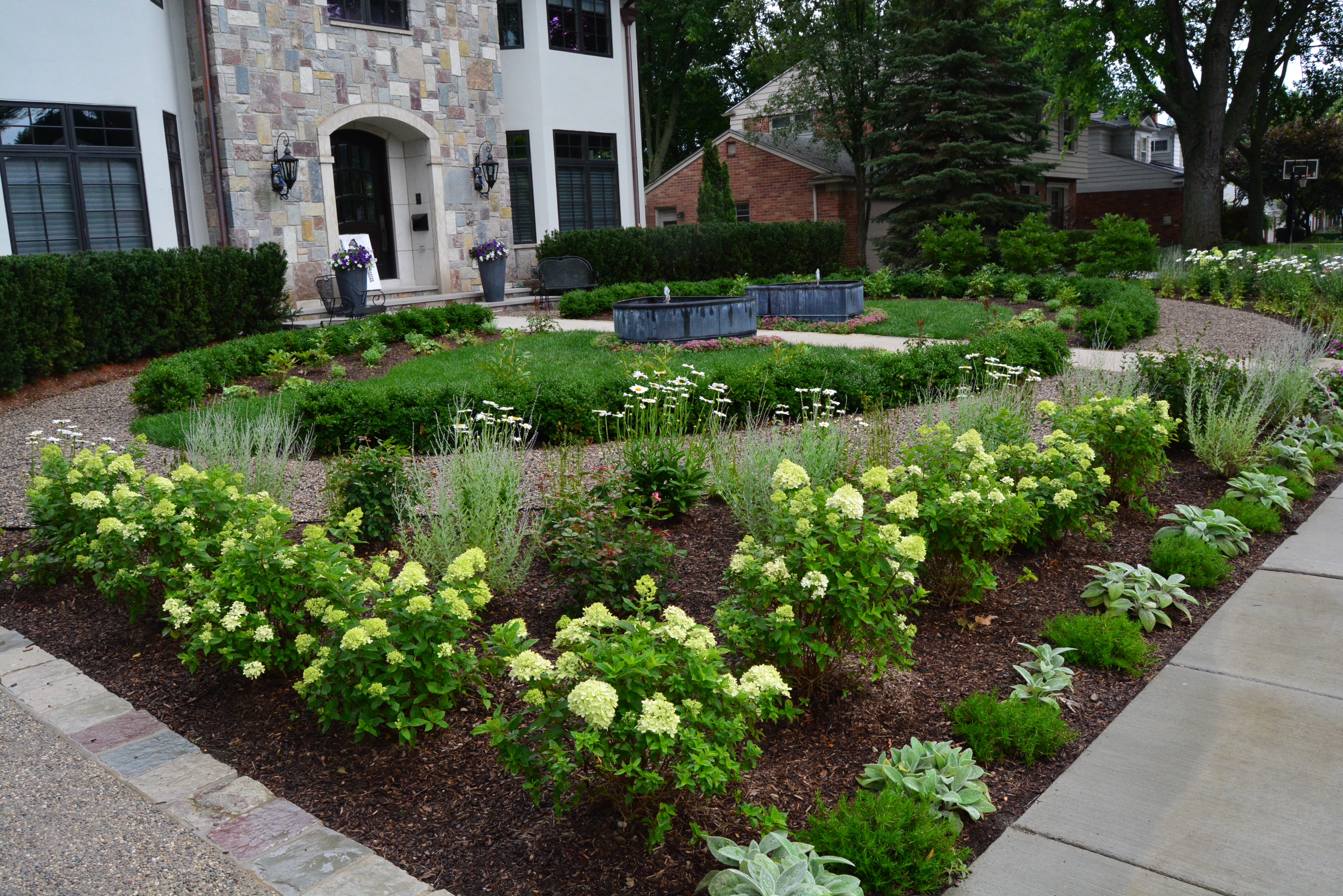
landscape-plan.jpgAs Susan Cohan, a very talented and skilled American landscape designer would say, a great landscape design is about making a space work.  It works for the client.  It works for the plants selected.  And it solves problems. No where is that more evident than designing for a very small space.  A very small property means every square inch needs to work.  This very small front yard needed a decently sized driveway, and a graceful way to get to the front door from both the sidewalk, and the drive.  It needed to ground a house that was very tall.  It needed to provide a place to watch young children playing on the drive.  It needed to provide ongoing visual interest – every bit of which was exposed to the street. It needed to accommodate a client’s interest in a fountain in the front yard. ellipse.jpgI thought there needed to be a single strong shape which would organize every other element in the landscape.  An ellipse seemed a natural choice.  The shape of the front yard was a very shallow rectangle.  An ellipse would make the most of that natural shape in a more interesting way.  An elliptical shape that touched the north side of the driveway, and reached across to the south side would provide a means to reach the front door.  It would also permit a way to walk the garden that had no beginning and no end. aluminum-edger-strip.jpgFrom the driveway, one ring of the ellipse would be a gravel path that would lead to the front door.  That path would also encourage walking through the space.  The gravel ellipse was wide enough to accommodate a bench, wherever the client might want one.  An interior ellipse of grass would make it possible to view the garden, and the fountains from a number of different vantage points. landscape-design.jpgThe fountain Buck built was actually a pair of fountains.  Each was fabricated as a half-ellipse.  Anyone approaching the front door would walk through the fountains.  Anyone coming to the front door from the driveway could follow the gravel path, or take the fountain view route. Rows of boxwood and yews matching the curve of the ellipse would give the garden some winter interest.  As for the perennial garden, there are but a few plants.  The inner ring is a collection of peonies, faced down with alchemilla mollis.  Once the peonies mature, they will form a lustrous large leaved interior hedge taller than the boxwood.   landscape.jpgThe fountains are the center of interest to the design, and they are front and center.  We did eventually move them back off of the sidewalk a bit, just so the space would breathe better.  The interior garden would mature at the same height as the fountains. This height was a direct response to the height of the house.  I planted yews in the ellipse closest to the house-who would want to block the views from inside out with anything taller?  Eventually we would plant a DeGroot Spire arborvitae on either side of the from facade of the house. limestone-steps.jpgThe lower step to the front door needed to describe that ellipse that governed the shape every other landscape element.  Scott Albaugh from Albaugh Masonry did a great job of this.  In a very small space, the details matter so much. Our shapes were by no means perfect.  But they were accurate enough to be convincing.  At this stage in the installation, the ellipses read in a graphically strong way.  Once the landscape was planted, that shape became much more subtle. landscape-plan.jpgThe day a landscape is installed is just that-the first day.  Given some time for the plants to mature, that ellipse describing the horizontal ground plane will be softened by the height and the sprawl of the plants. landscape-plan.jpgThis design looks different from different vantage points.  Changing the visual channel is easy; there is a path. gravel-path.jpgAny guest getting out of the car in the driveway could find their way to the front door.  They might take the long way-or the short way, in bad weather.  This design is intended to make the garden accessible and friendly to people.  Though just about every idea can be seen from the drive or the street, the elliptical path invites a stroll through. new-garden.jpgWhat can readily be seen now will not always be the case. The outer ring of this garden will mature at a height of 4 to 5 feet. Roses, shasta daisies, Russian sage, Little Lime hydrangeas-the height of these plants will provide a little mystery and privacy to the inner ellipse.  The border on the sidewalk-moss phlox and lamb’s ear. landscape-design.jpgI will be very interested to see this garden when it has a few more years on it.  Hopefully it will be a small space that has something interesting going on.

Sunday Opinion: Scale And Proportion

cad-drawing.jpg
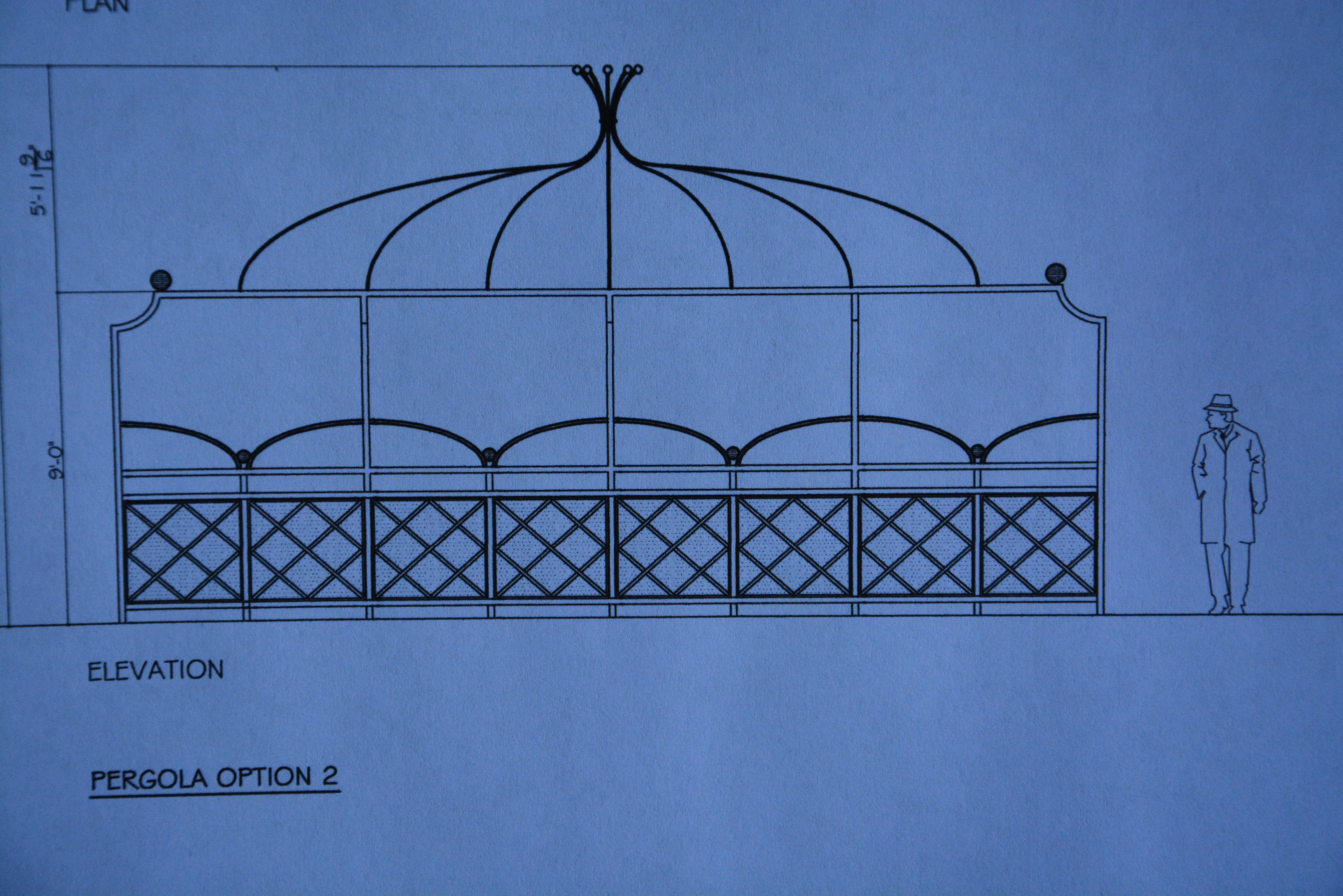
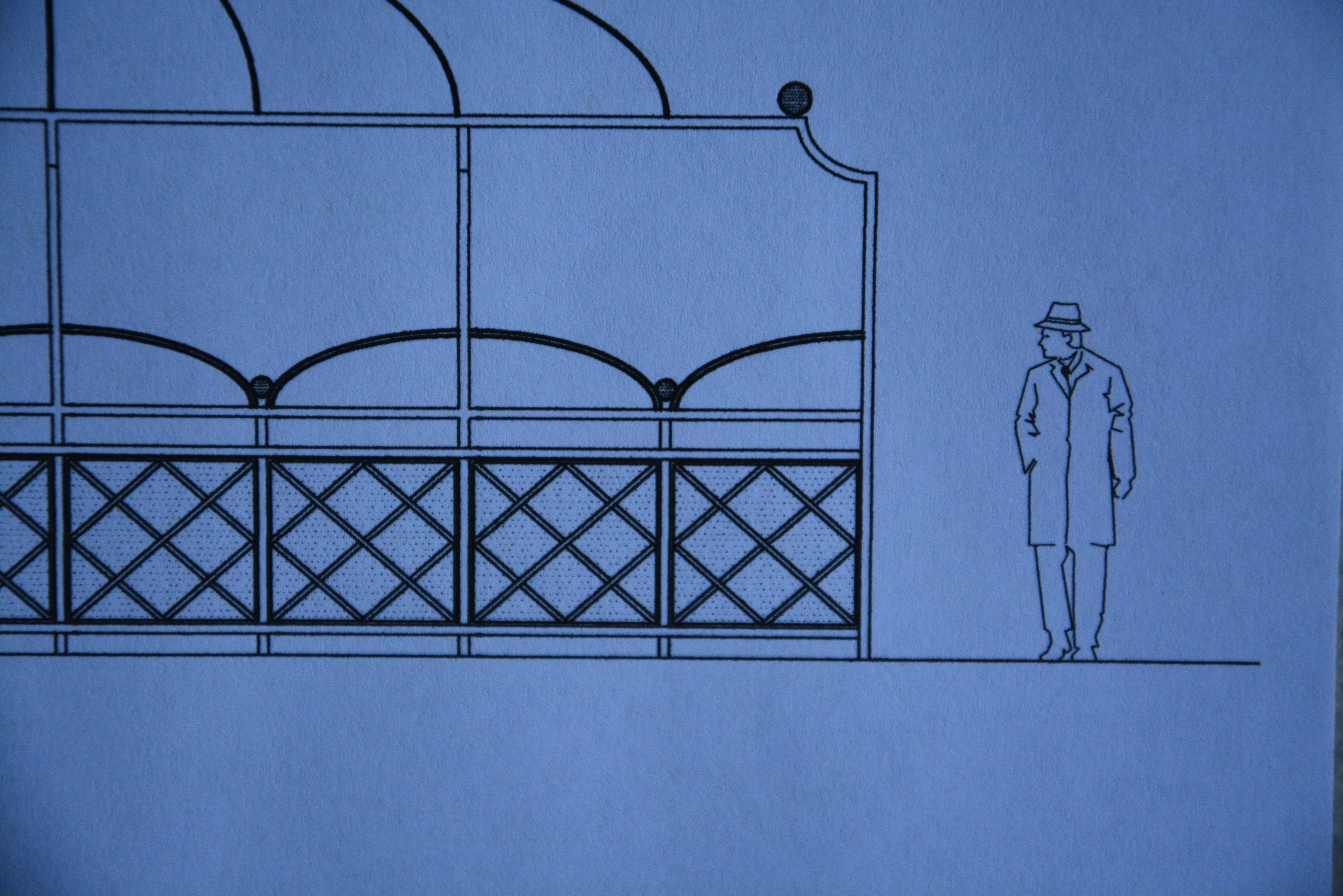
Whenever Buck does a CAD drawing for a project, or an object, he includes a drawing of Man 01.  For those of you who do not do design drawings on a computer, CAD stands for computer assisted design.  This line drawing of a man who is 6′ tall is stored in his computer as a “block”.  Buck has thousands of blocks stored in his computer. Those blocks are stored drawings of shapes and forms he uses over and over again.  Pasting a block into a drawing means he does not have to draw that portion from scratch.  An entirely new shape will require a drawing from start to finish.  A complicated design for an object to be made can take many hours to draw.
man-01.jpg
I have watched him translate an idea into a precisely rendered drawing. Who knows how long ago it was that he learned the language of this two-dimensional design program.  It must be a long time, as his fingers fly over the keyboard of his computer faster than my eyes can follow.  I see lines drawn to precise lengths that connect to other lines, which finally, and exactly, describe a form.  Down to the last 1/64th of an inch.  Given a specific engineering inquiry, he can design to 1000th of an inch. This level of precision isn’t an issue for you and I.   What purpose does the man01 block serve?  This 6′ tall idea of the height and volume occupied by a man is size that is easy to recognize.  6′ tall isn’t short, but it isn’t tall, either.  Man01 is a average size guy.  When man01 is standing next to a planter box we are thinking of building, I have more than the dimensions of that box.  I have  a size and height that is familiar to me.  I can compare the size of the man, to the size of the proposed box.

CAD-drawing.jpg (7)

Anything that Buck makes at Branch, requires a drawing.  He has the drawings for our stock products stored in his computer.  The company that laser cuts our steel, or the company that rolls our steel in multiple dimensions, require those drawings to program their computers to cut or roll to our exact specifications.  Building an object successfully that involves a number of different people and operations doesn’t happen via a breakfast meeting or a conference call.  What is drawn on the page is an exact template for what will be built.

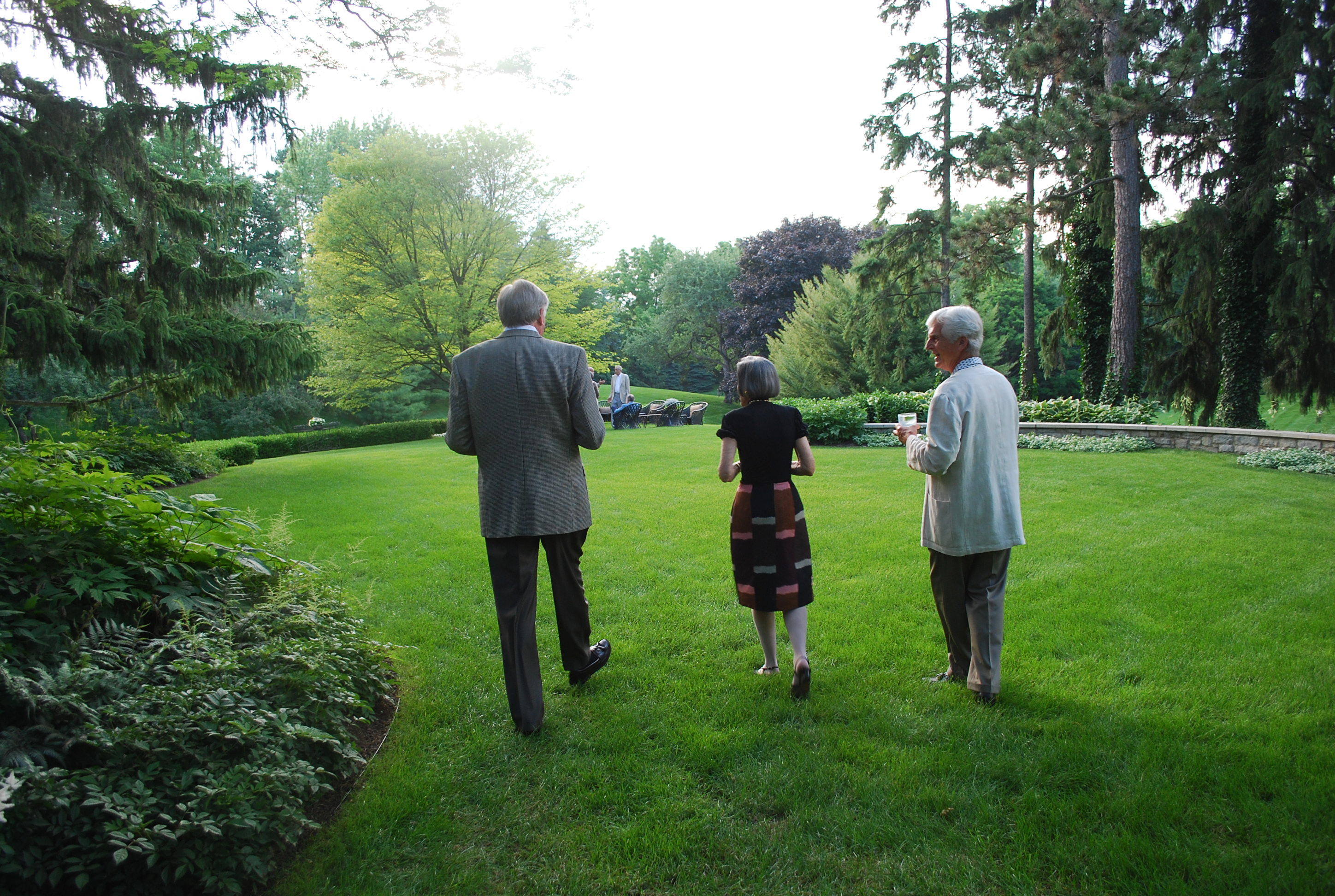
people-in-the-garden.jpgBuck makes those drawings with the help of a computer program programmed to precisely, and mathematically describe a form.  He drives the bus. He tells the computer what he wants to see. The many years he spent as an architect required a working knowledge of how to translate a design into a drawing.  Not just any drawing.  A drawing that would spell out to a contractor exactly how to build a house,  a stadium, a heating system, a plumbing plan, or a fruit cellar.  A bell tower, or a topiary form, or a bench.  But rest assured, a mathematically precise rendering of an idea of an object does in no way indicate that an object will be beautiful.

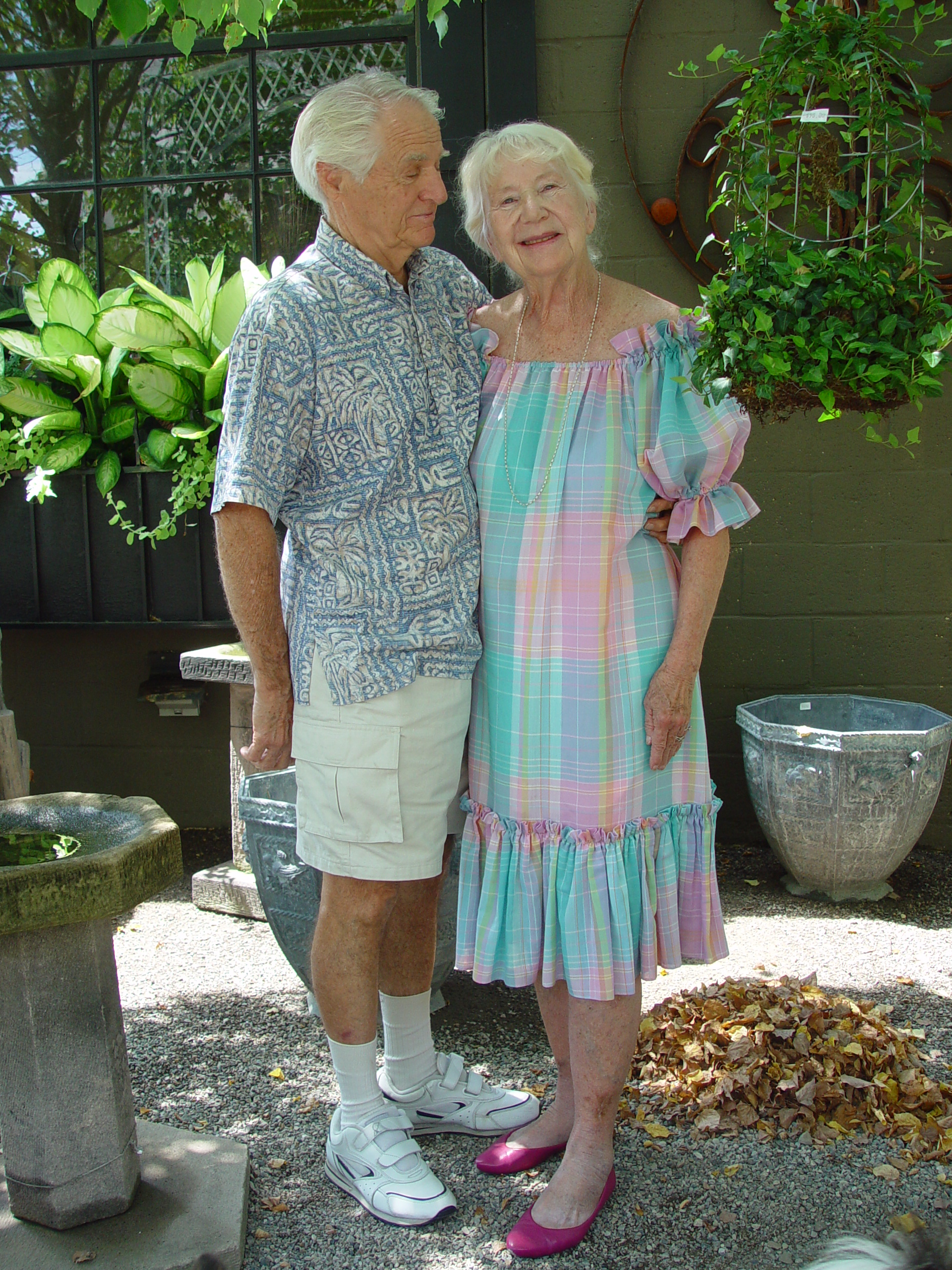
Dorothy-and-Don-Farmer.jpg

Man01 is a gesture in a beautiful direction.  The proportion of a planter box for the garden is a key element of its design.  How a person would relate to the dimension and proportion of that box, whether standing or sitting, will influence how a gardener eventually views, and reviews, that form.  Every person has an idea all their own about what is beautiful and of interest.  Each person likewise has an idea of what doesn’t move them.  This makes garden ornament very difficult to design.  One way we broaden our appeal is by offering different sizes.  Comparing a set of possible sizes to the mano1 block helps us to decide what to build and what not to build.  The computer is a tool that helps with the decision making process.

in-the-garden.jpgMan01 is a symbol on Buck’s drawings for scale and proportion.  Woman01 is a scale I sometimes ask for from Buck.  5.5 feet.  But no matter the gender,  human scale is an element that should inform landscape design.  A good feeling for the scale and proportion of a property, the plants, and the people can produce visually interesting relationships.

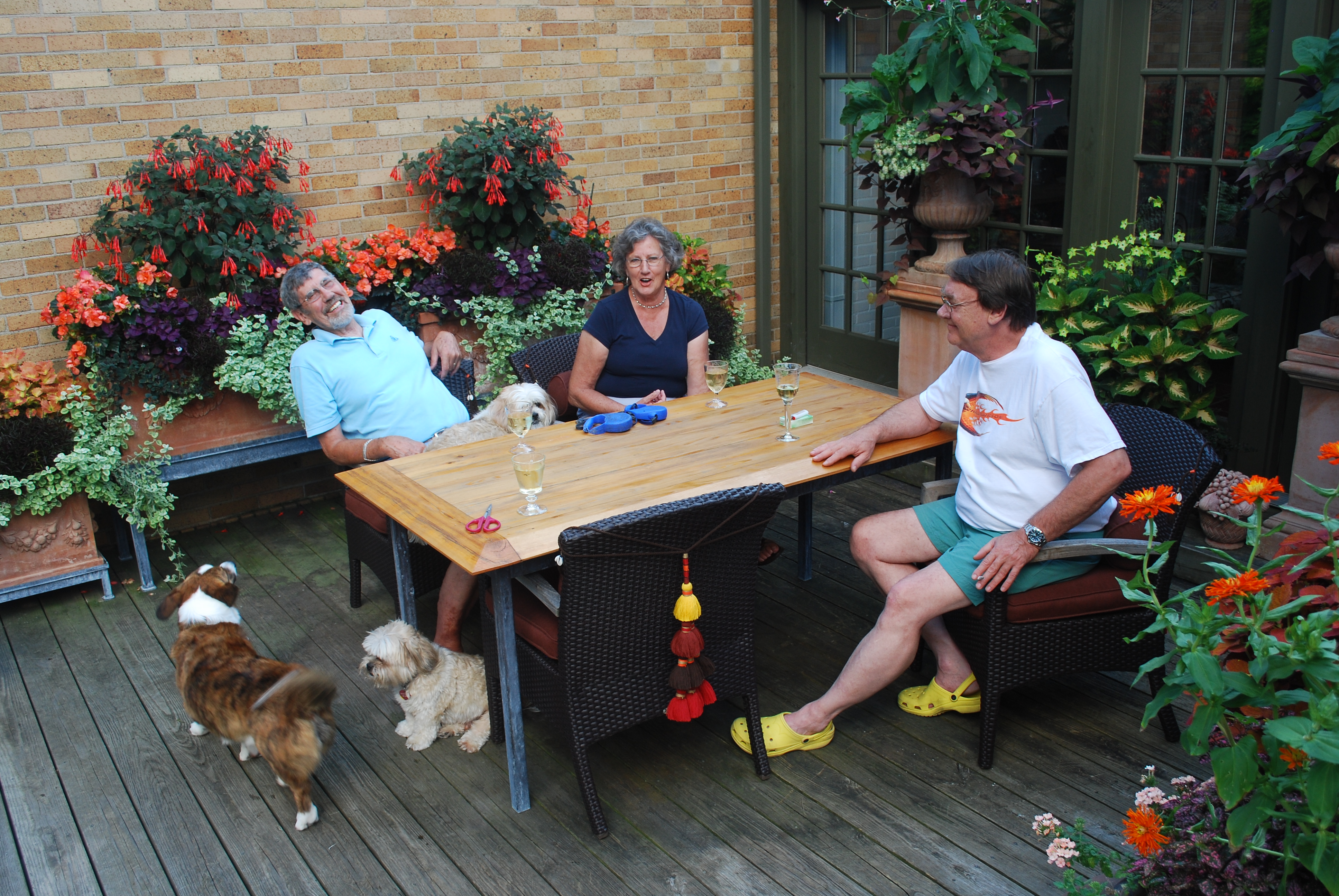
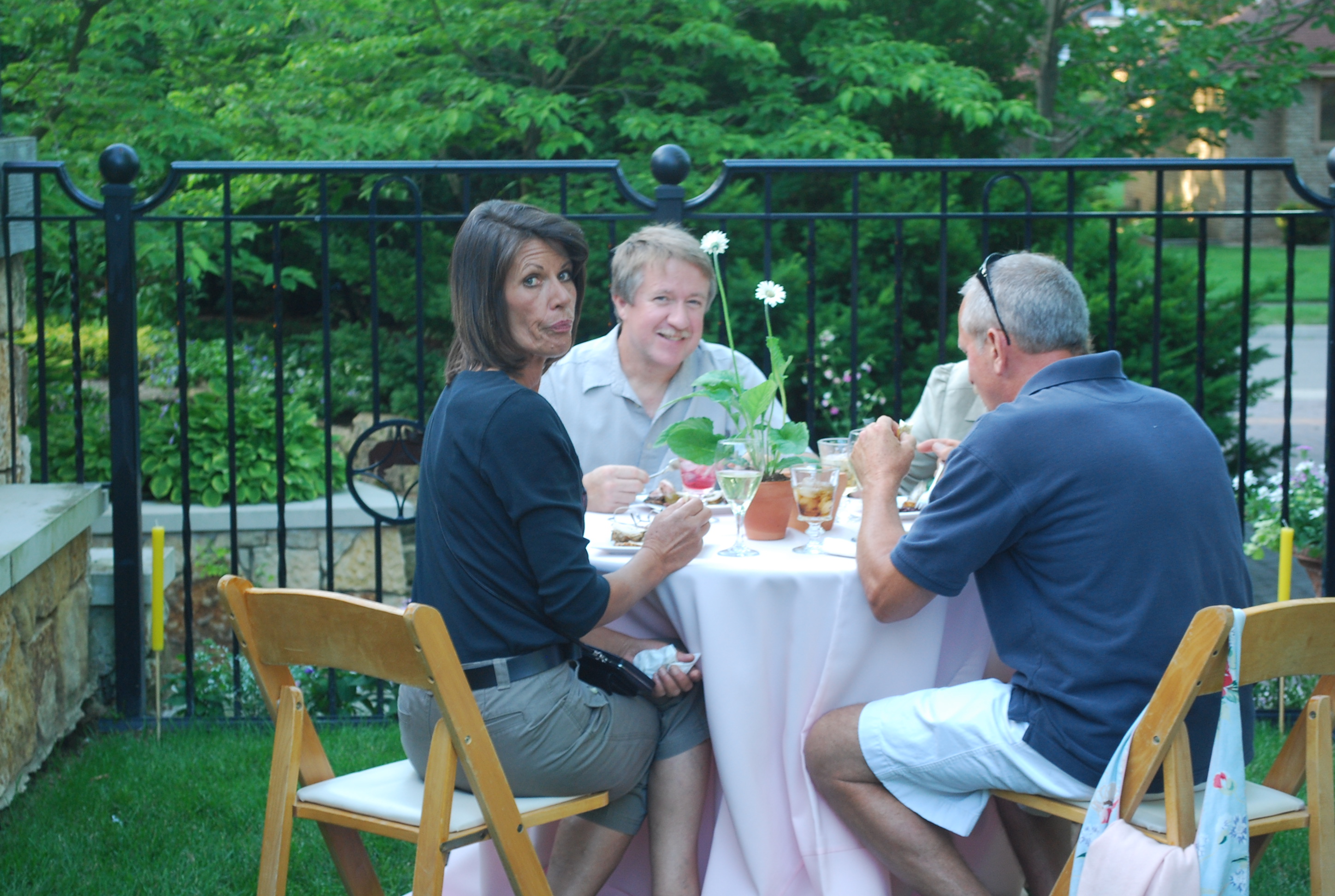
friends-in-the-garden.jpgFriends for dinner in the garden is great fun.  Friends comfortable in the garden is an important part of design.

Mighty White

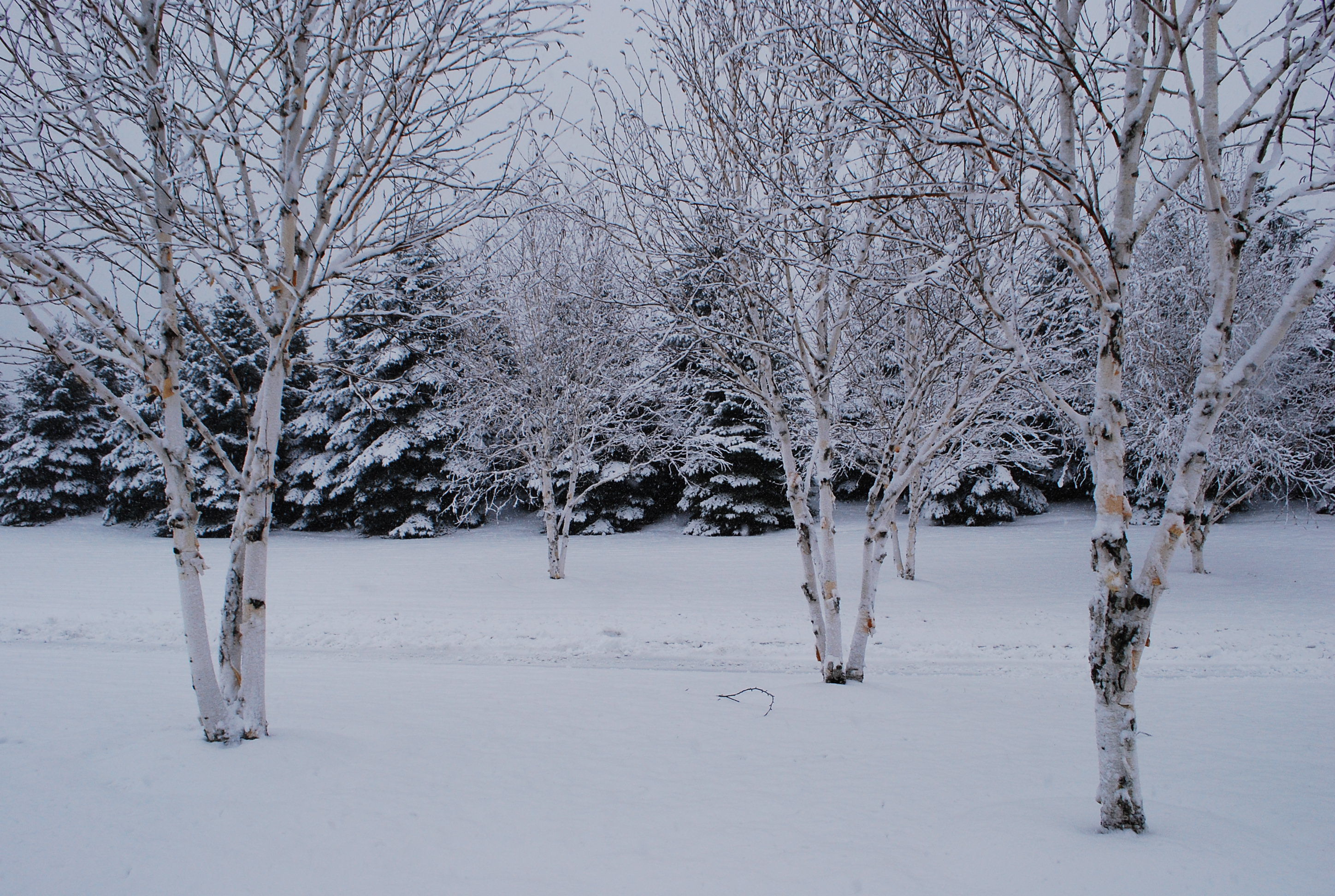
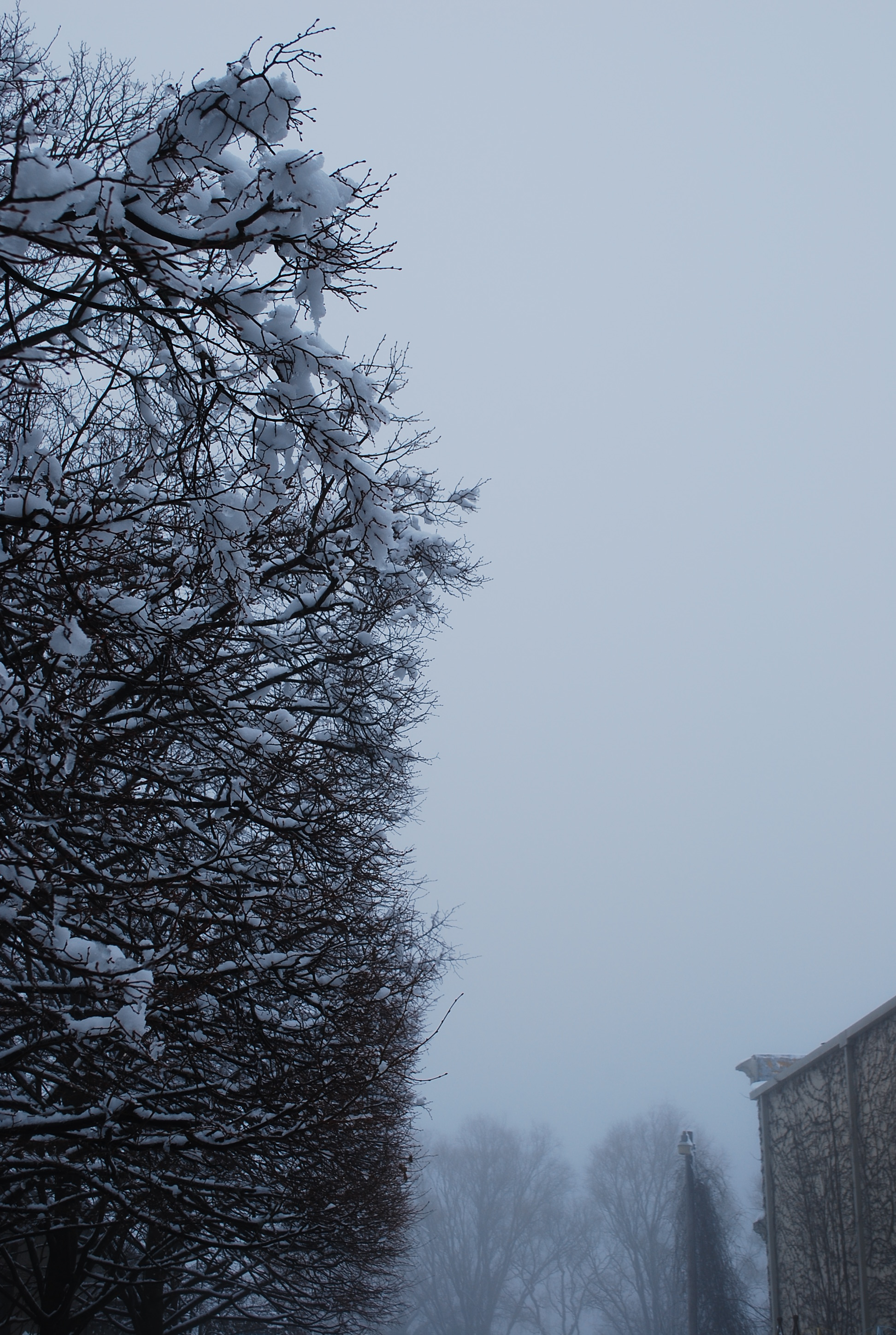
birch.jpgMy landscape is mighty white right now.  We have already had better than twice the snow we had all season last year, and this is just mid January. I was so surprised that we got another 3 inches of snow yesterday.  Have we not had enough?  Who thought we needed more than the 16 inches we have already had? OK, I wasn’t so much surprised as weary.  The snow has piled up everywhere.  The landscape is blurred.  The glare from the snow makes everything else some variation of black..  Lots of white, with some black bits.  What gardener in my zone isn’t bleary eyed?

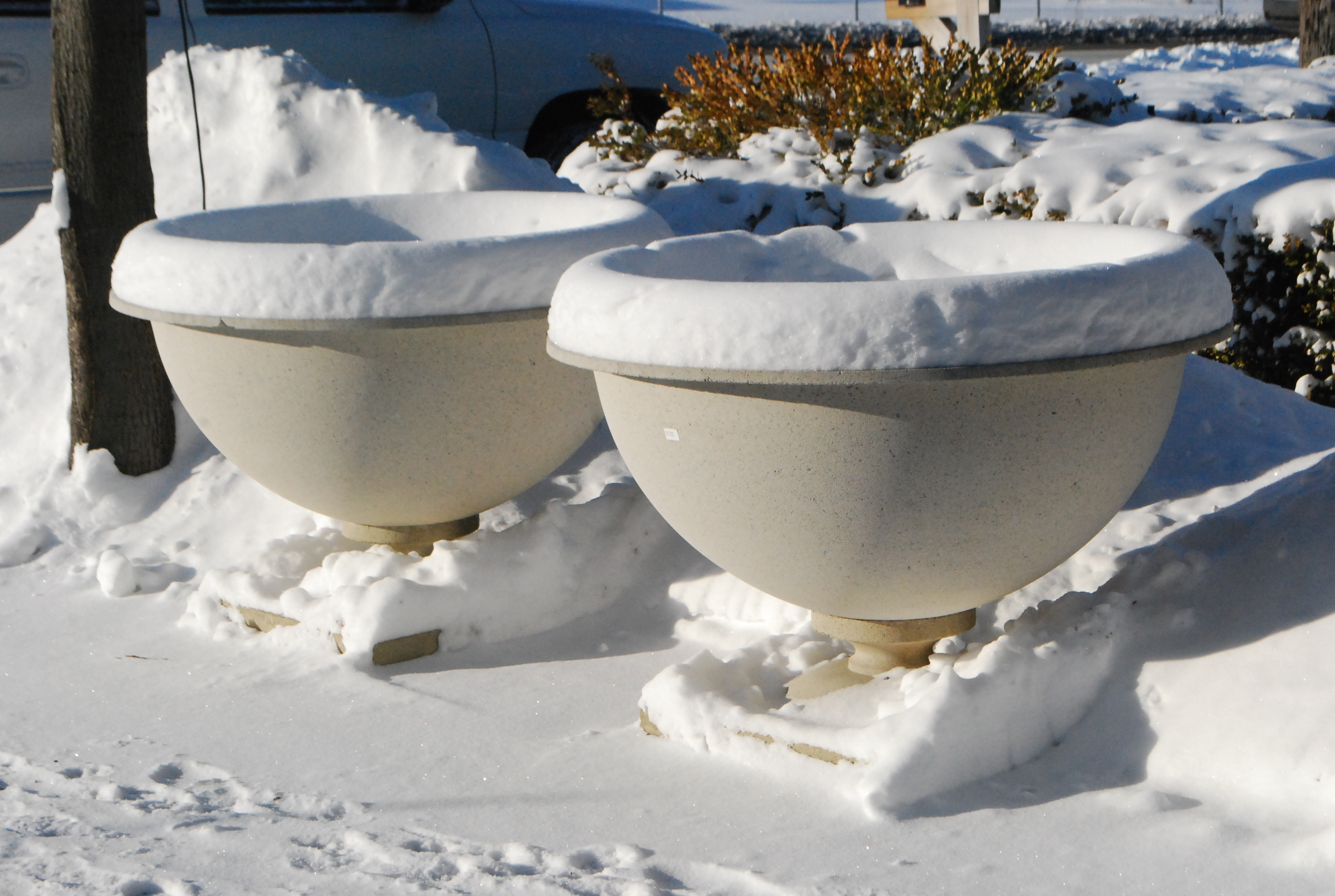
sun-and-snow.jpgThese reproduction cast stone pots made from a well known design by Frank Lloyd Wright are all but buried in snow.  The snow silhouette features the rim of the pot.  The shape of a mature plant, a garden bed, a tree canopy, a garden path, a terrace, a container – shape is one of many elements of design.  A shape is a 2-dimensional visual description of an object.  An outline, if you will.  Heavy snow makes it easy to see and decide if you like the shapes.

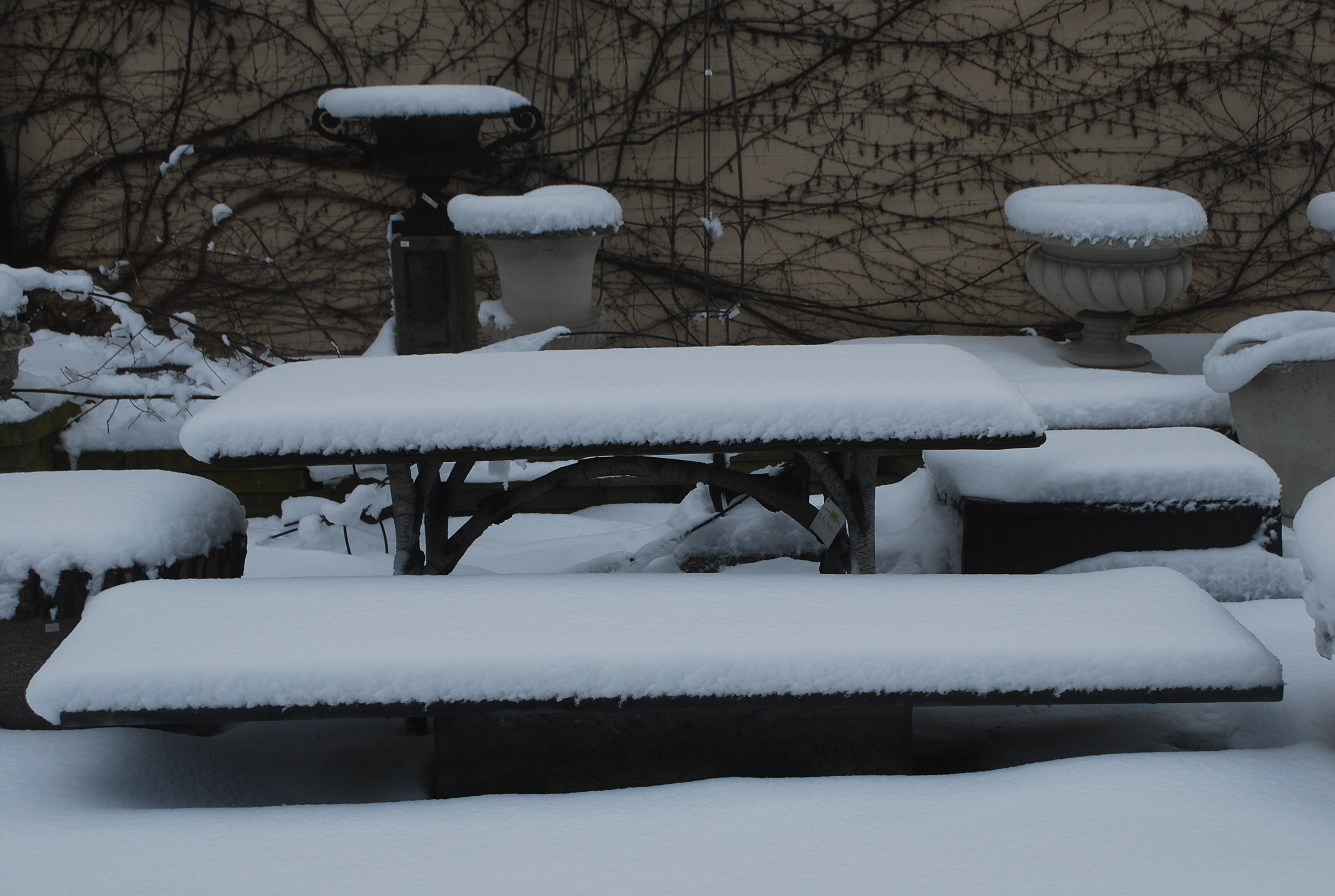
snow-covered-garden-table.jpgWe have mountains of snow and uniformly gray skies.  There are only so many ways to tell this story.  The better story is about what is missing visually, and how a landscape can be better. As I have watched the snow pile up higher and higher, I realize how much I appreciate the skillful use of color, line, texture, mass, edges, and proportion in a landscape design.  This garden table and bench has been reduced to its simplest shape, in black and white.

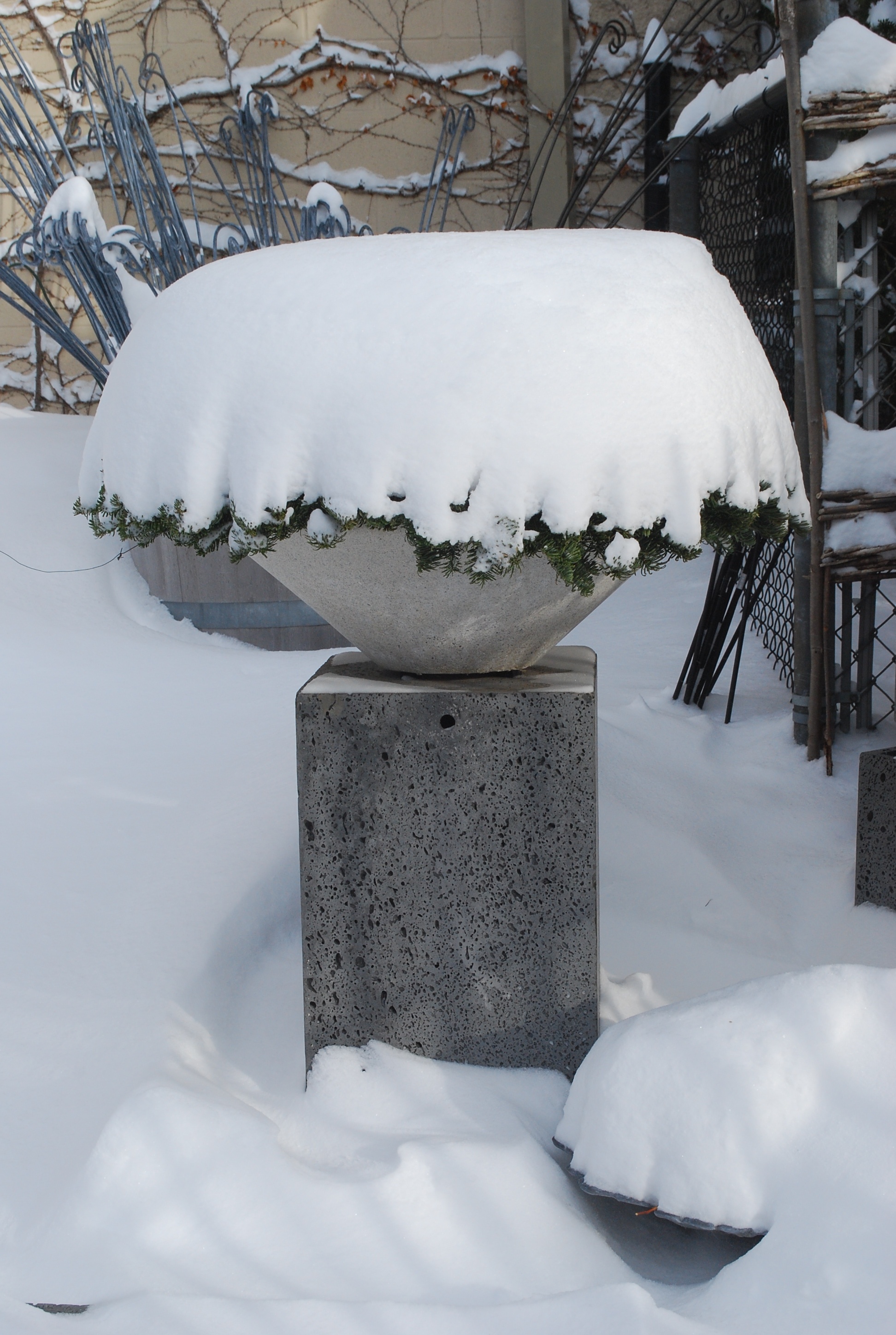
snow-covered.jpgDeep snow has all but obliterated any complex relationships in the landscape. What the snow has not buried are the basic and simple shapes.  The very strong and simple relationships.  A good design should be evident in every season.  In all kinds of weather. There are those gardeners who aim for one season at the expense of all the others, and I respect their choice.  It just wouldn’t be my choice.  I do believe that good design is all about what is there when there is nothing there to see.  The stone pot filled with cut evergreens pictured above has a distinct form and proportion that is described and enhanced by snow.

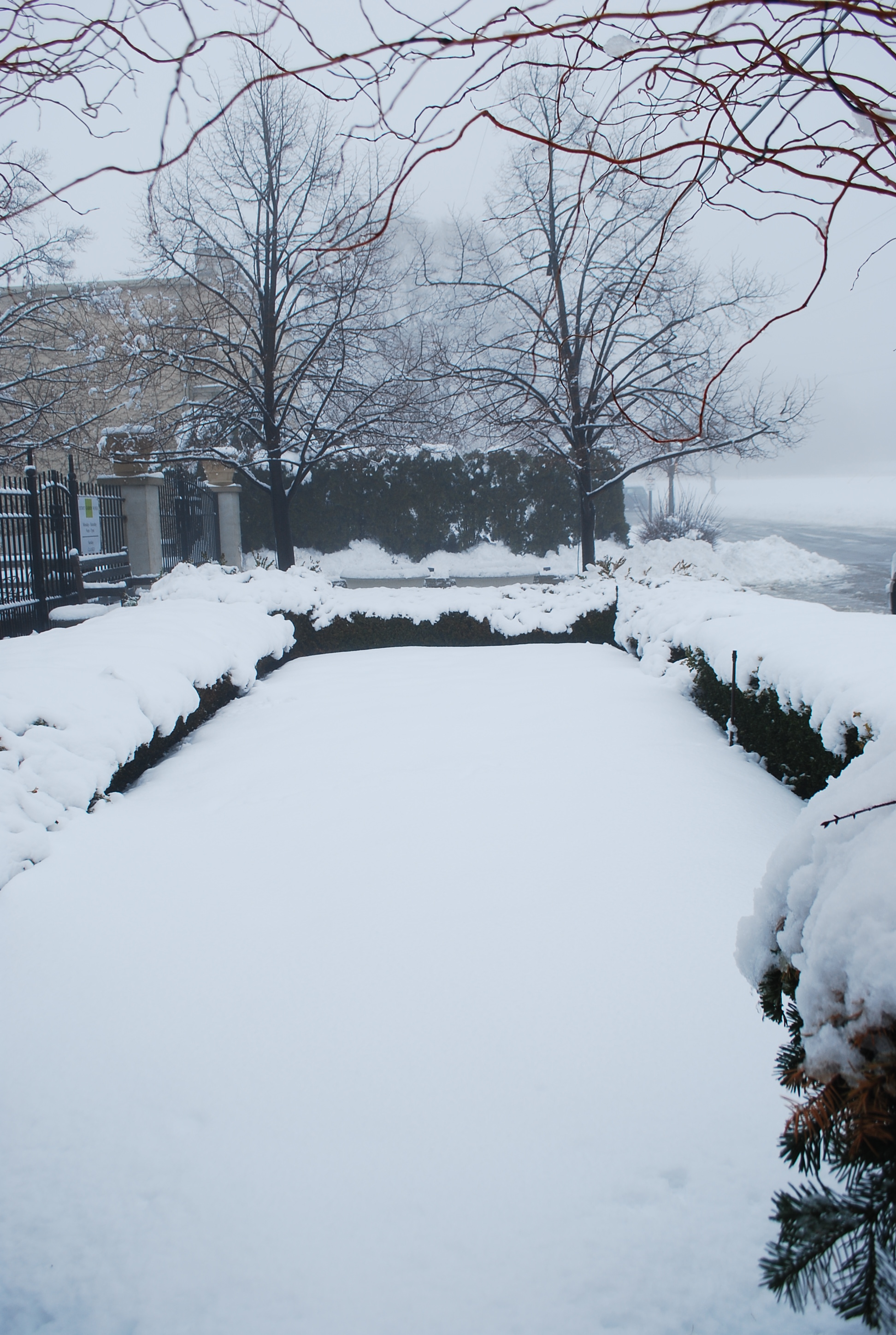
shop-garden-in-January.jpgThe heavy snow had reduced this landscape to its most elemental gestures.  What I still see, given the lack of color and texture, is the form. I would venture to say that a design that does not work in its most austere winter state will work no better flushed out with plants, and clothed in green.

snow.jpgGood form is a quintessentially important element of good design.  A weeping Japanese maple has an overall shape, both a leafy shape, and a twiggy shape.  That maple also has a three dimensional structure-that is its form.  The successful placement of that maple in the landscape is dependent upon an understanding of its form.  Planting small or young trees require an understanding of a form that is yet to be.  Forms come with baggage, too.  A weeping Japanese maple is so common in suburban front yard landscapes that it asks for an unusual treatment or placement for its form to be truly appreciated.  Asparagus means vegetable, which means it gets planted in the vegetable garden.  But its form may be perfect for a rose garden, or a container.

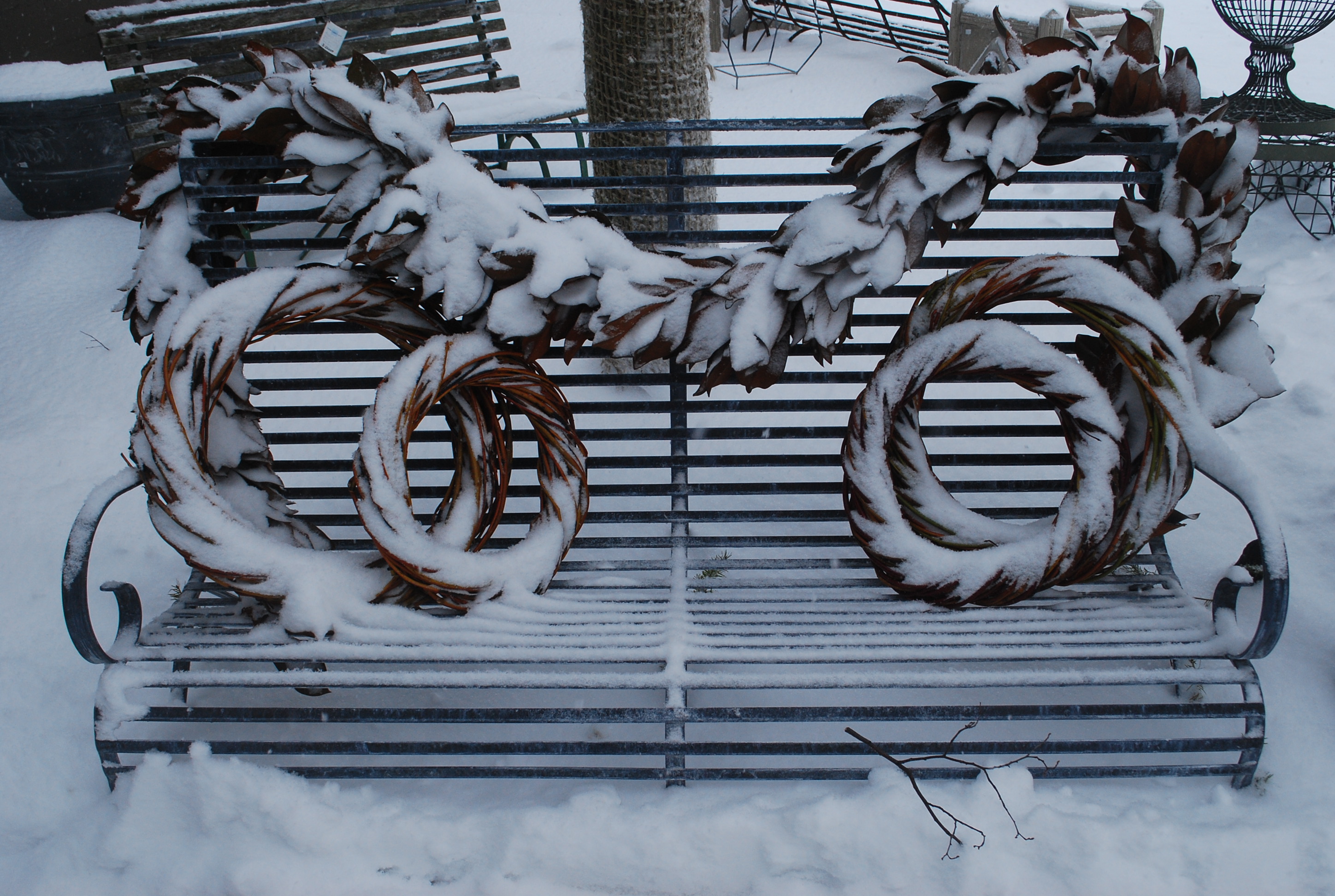
garden-bench.jpg The relationship of one form to another can be incredibly exciting, or sleepy beyond all belief.  Some forms are so striking they stay with me for a long time.  Years even.  The fluid and informally curving form of this magnolia garland is all the more striking visually against the formal and rigid form of this steel bench.  The snow is that relationship graphic and clear.  Personally unforgettable moments in a landscape usually involve a form which is under some sort of visual discussion via the weather, or the season. Landscape elements that are not up to a year round discussion should be placed accordingly.

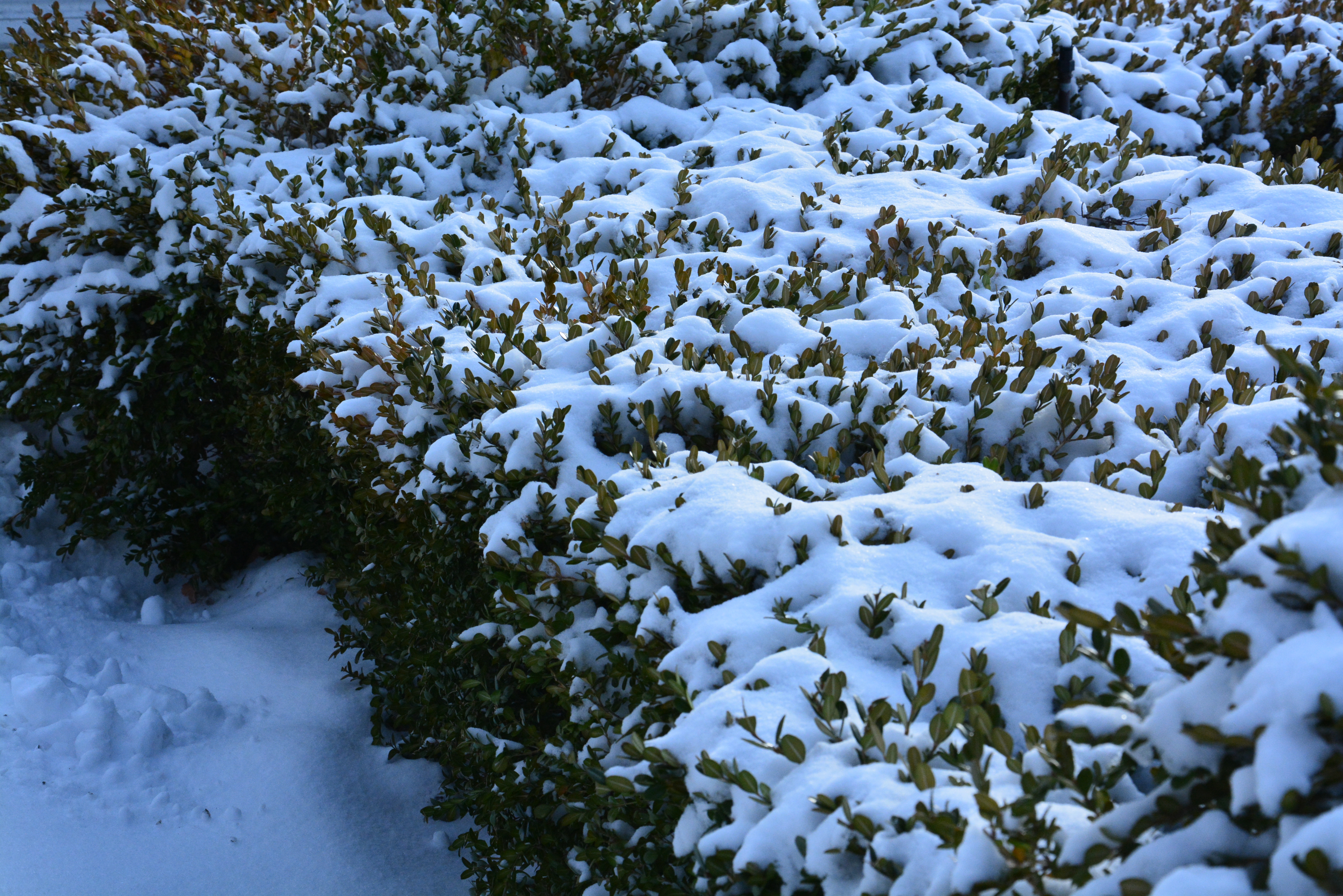
boxwood.jpg  Some forms I do not give a moments notice.  Why wouldn’t my clients feel the same way? Whenever I am designing for a client, I always ask what was an unforgettable experience of the landscape. This will tell me a lot about what forms will have meaning for them.

snowy-day.jpgThis embarrassment of riches in snow is an experience of the landscape that is making me testy, but it has its virtues.

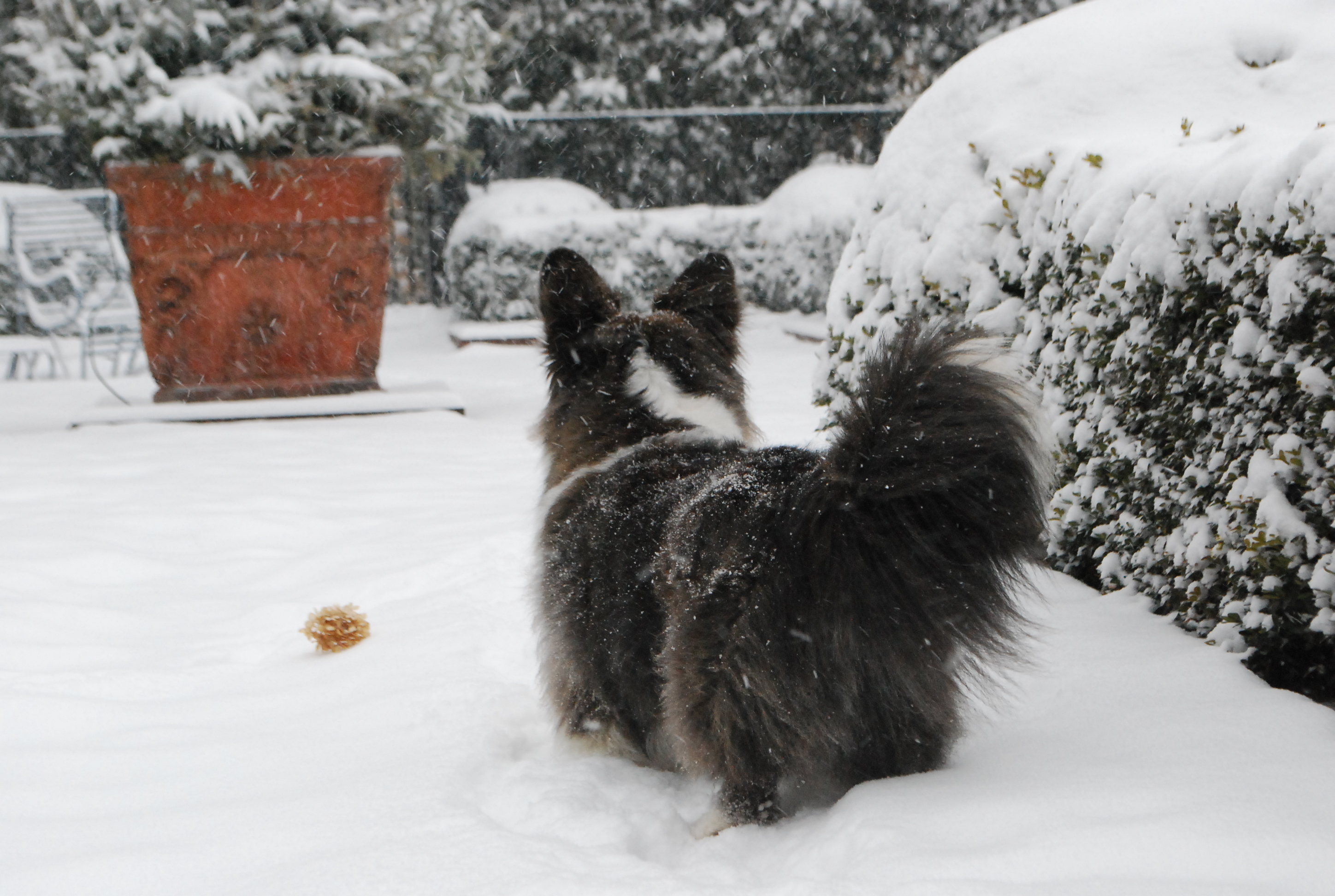
michigan-winter.jpgMilo thinks this winter’s garden is grand.