
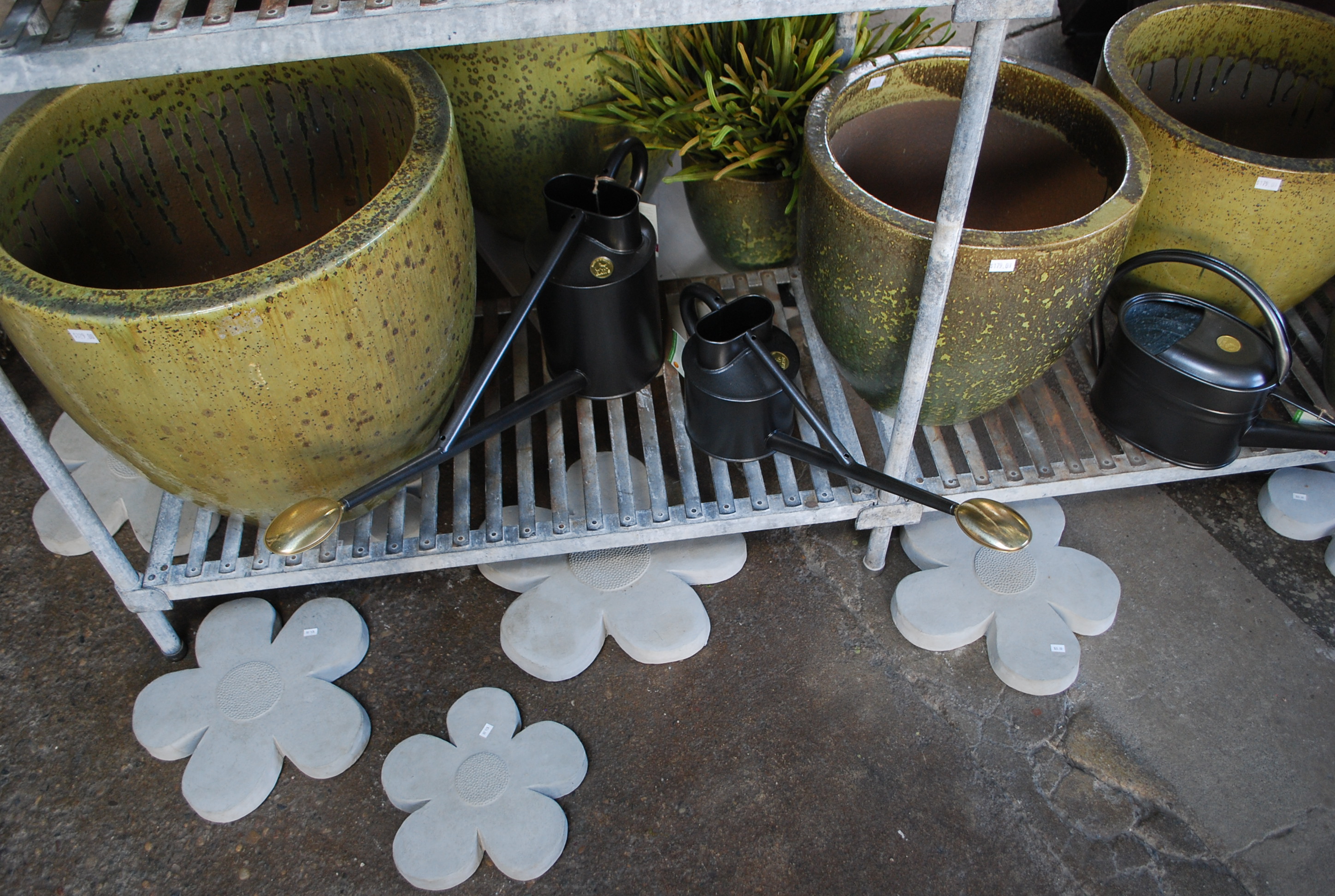
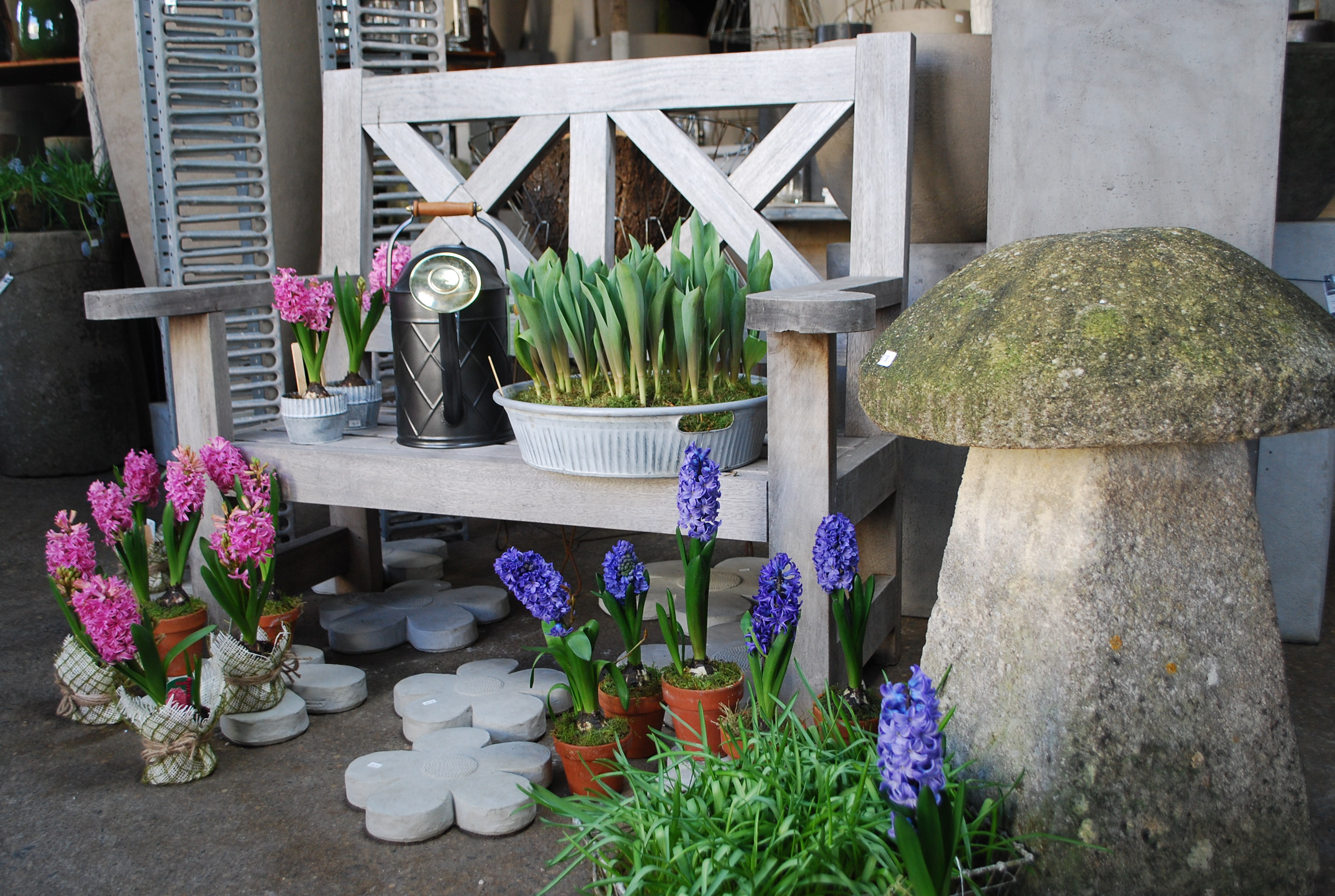
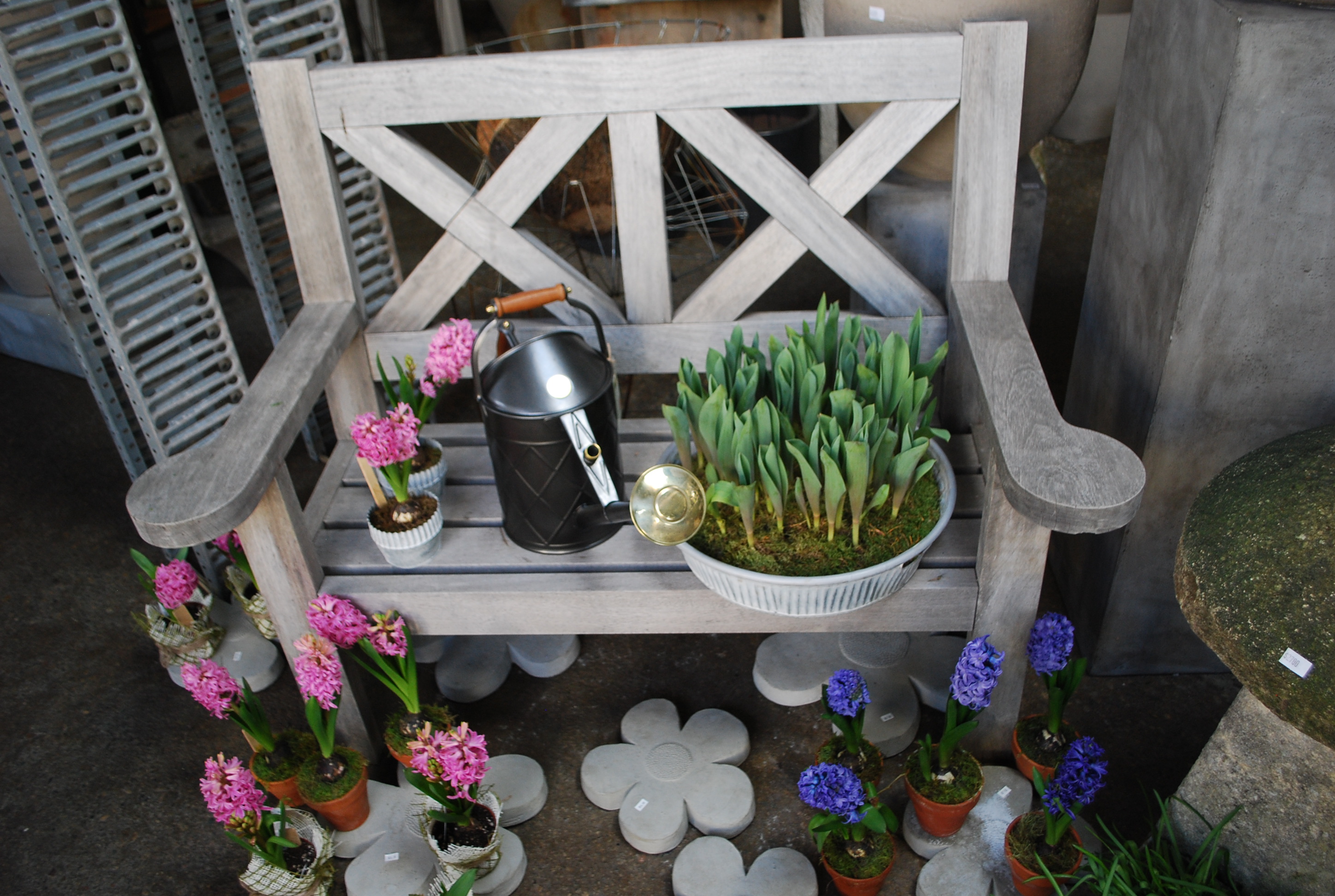

Deborah Silver is an accomplished and experienced landscape and garden designer whose firm first opened its doors in 1986.
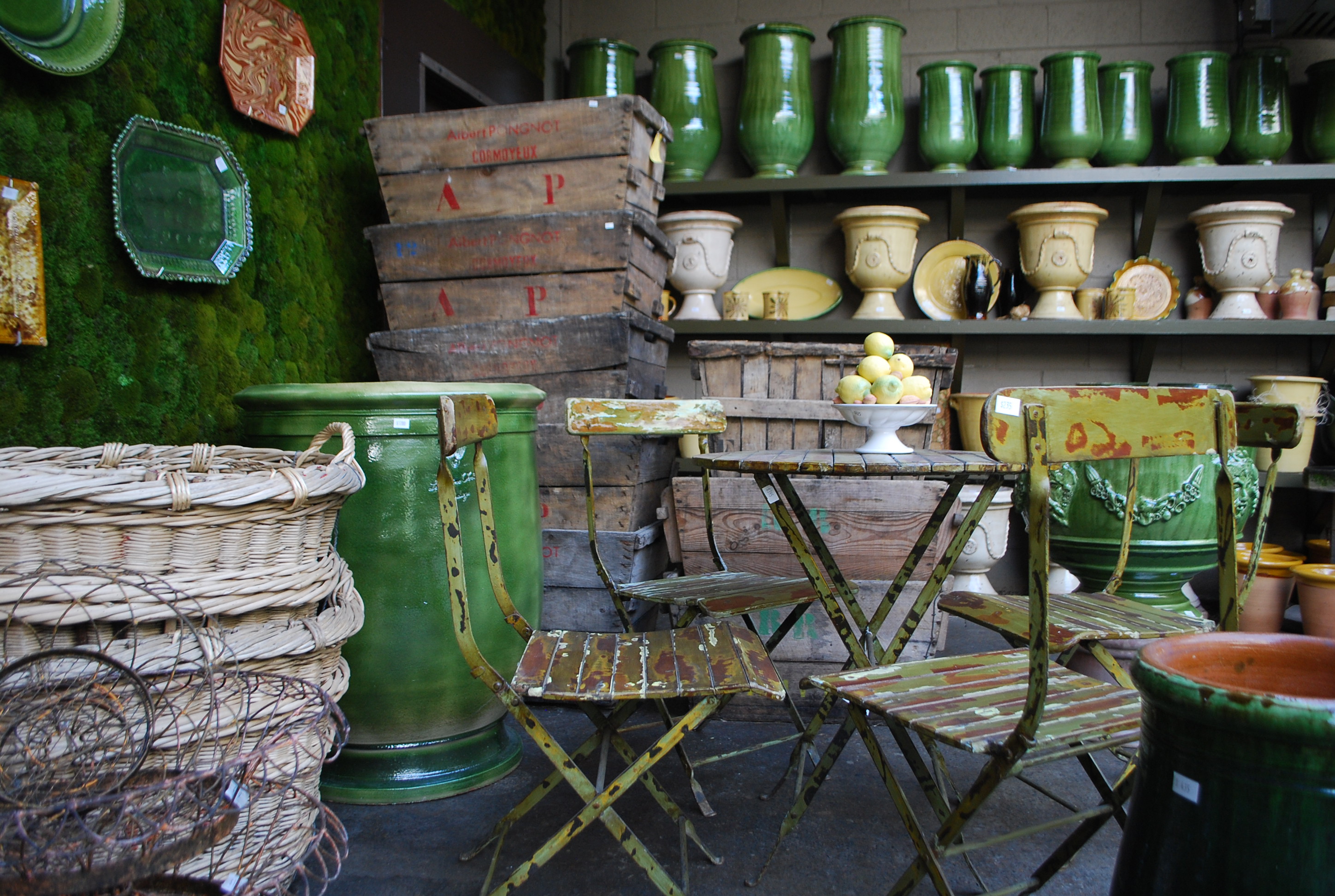
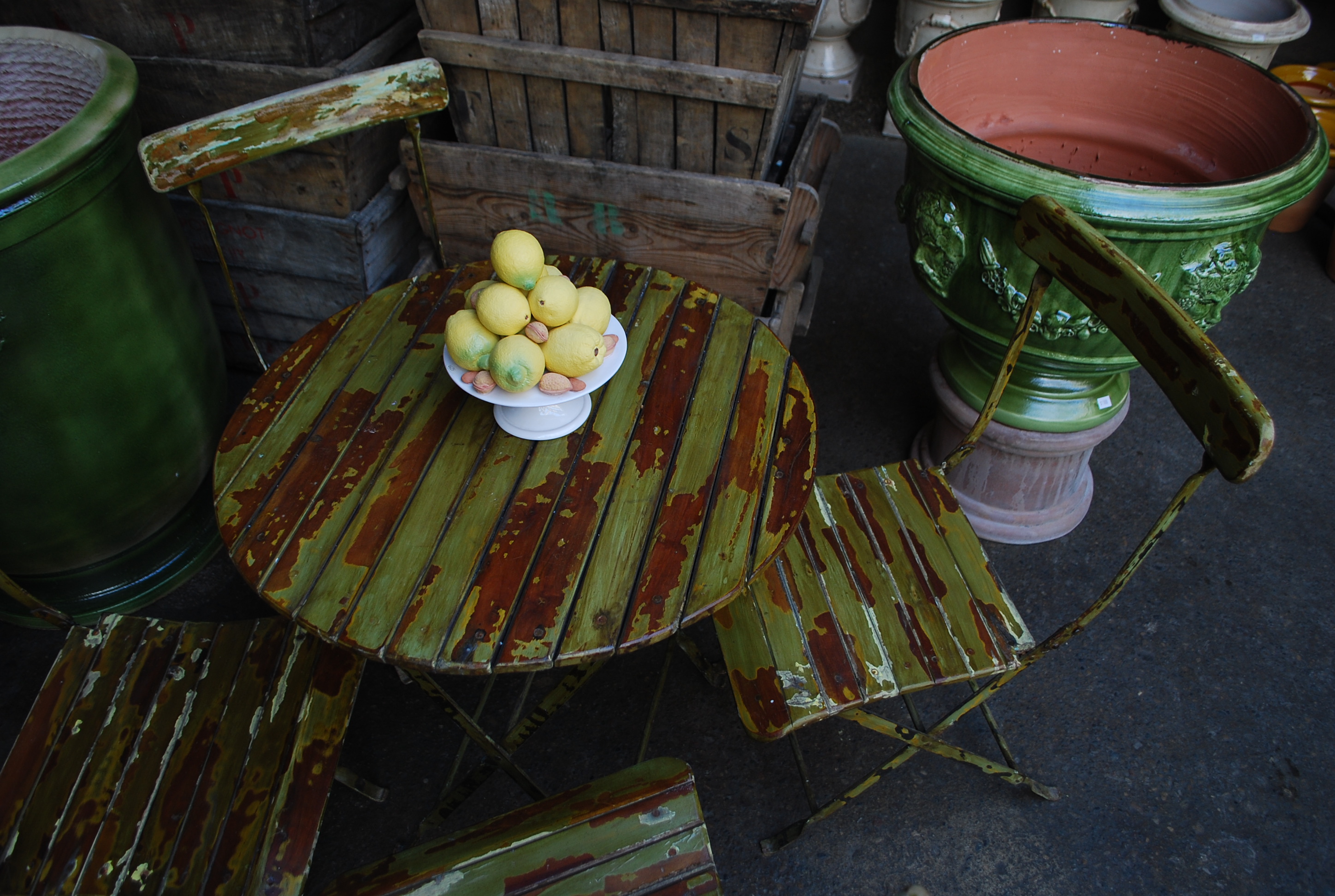
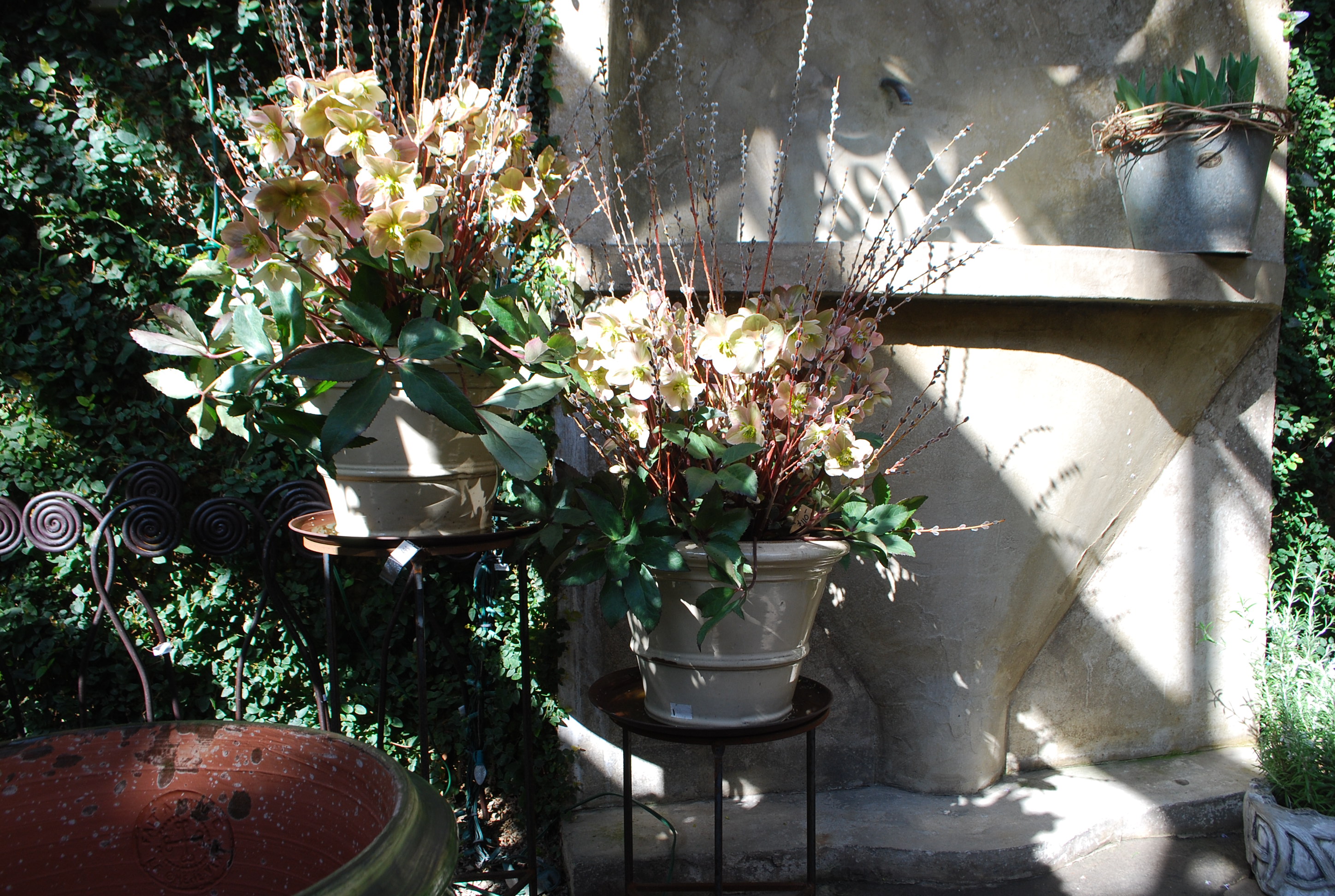
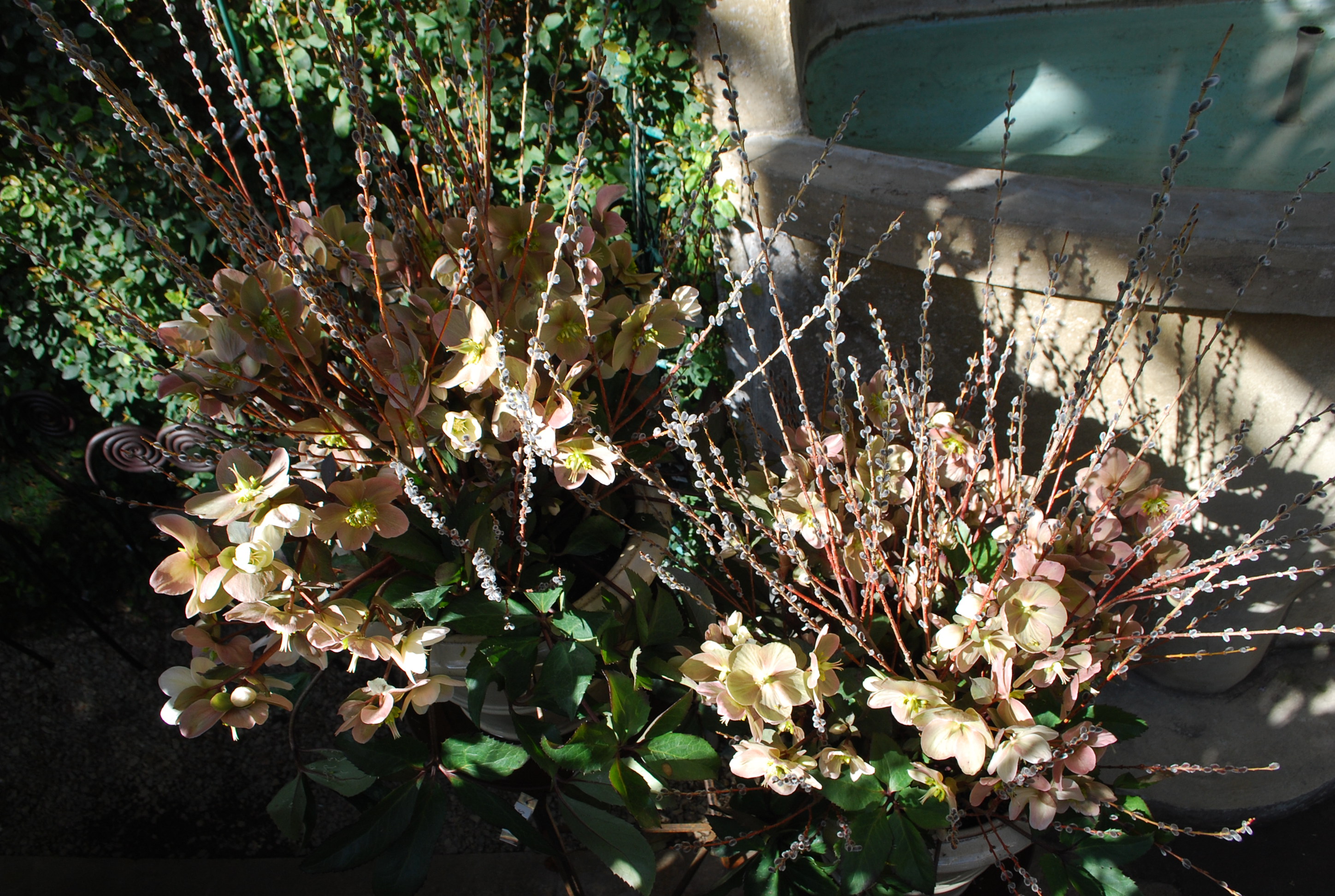
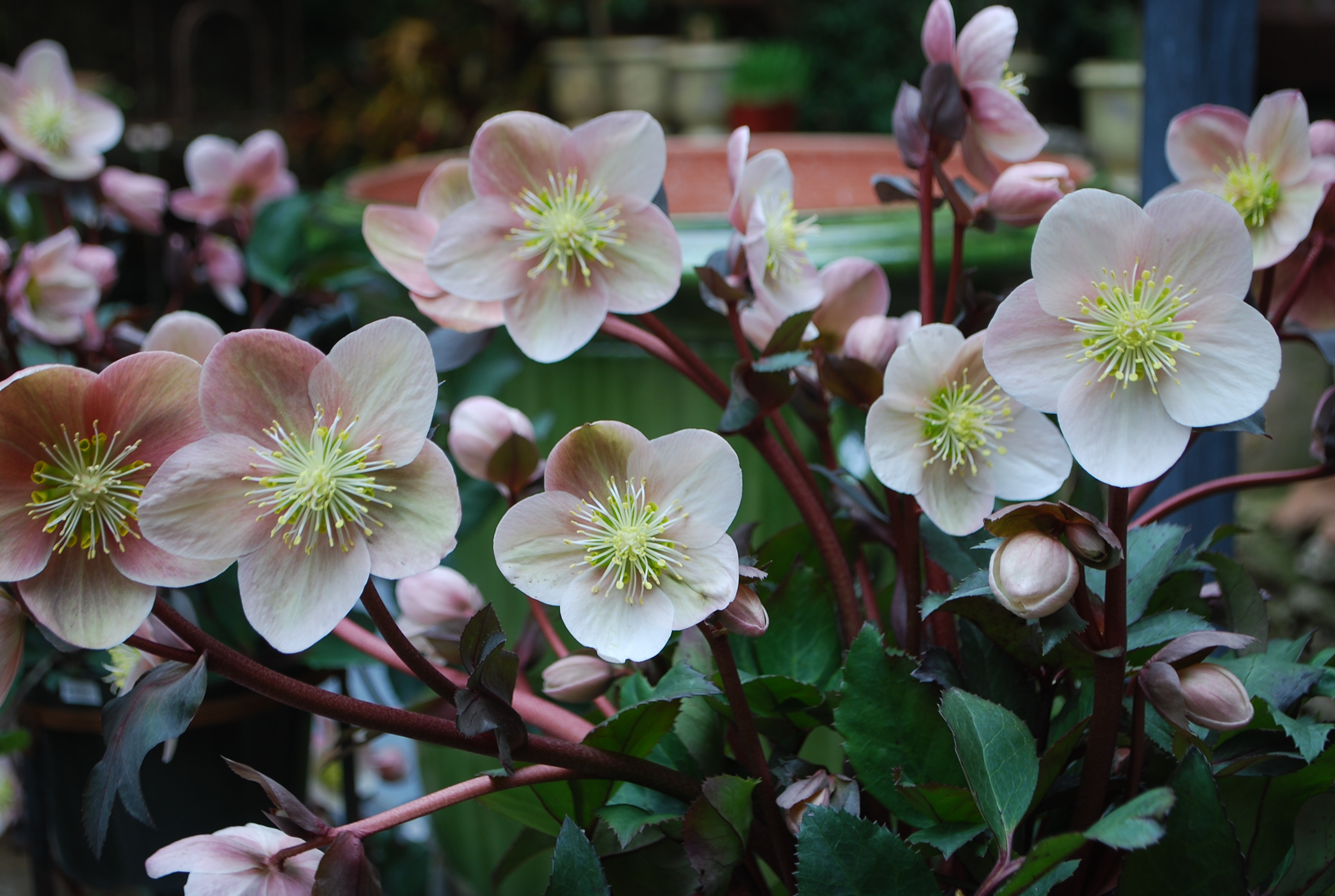 My spring gardening season starts the same day every year. The shop closes except by chance or appointment January 15 of every year. The by chance or appointment part is code for “we do not keep the heat or lights on much, and we are in the inventory, repainting, cleaning and unpacking things for spring”. In other words, we are not looking our best. Most of us are here for those 6 weeks. That’s how long it takes to take everything apart, clean, repaint, and reinvent the store for the spring to come. We have gotten 2 containers in from Europe. A third should be on the water next week. But we formally reopen every March 1-ready or not. The gates are open. The hellebores are here. And a good portion of what we will have to offer for spring is here.
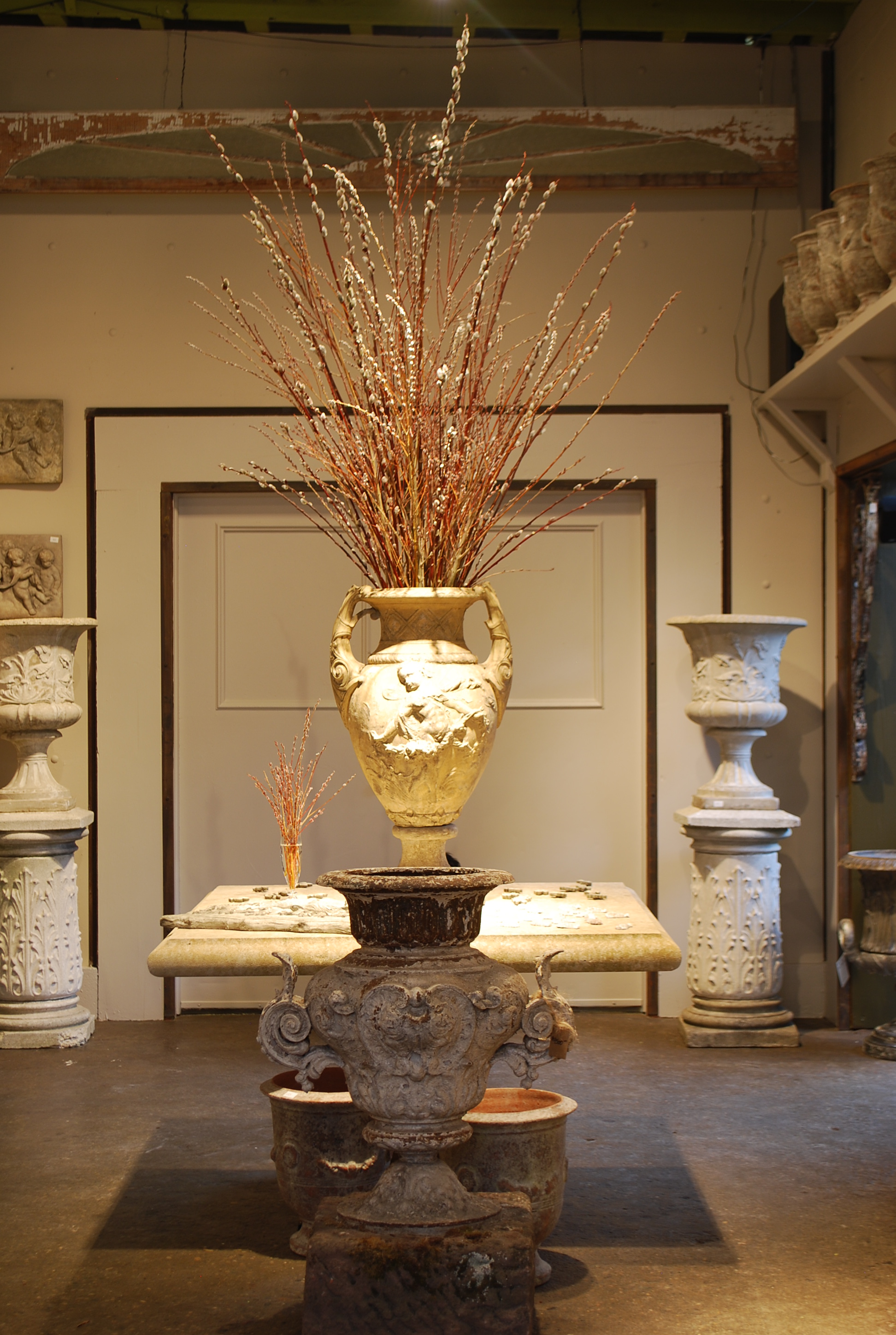
A third container is still in Paris-stalled-awaiting a delivery from a Dutch manufacturer. This happens. Though Rob’s trip to Europe was months ago, some things he orders must be made. Most of the companies are small. This means but a few people hand produce all of the work. Sometimes we have to wait. Their concern is to produce a great product, not worry about the date we have decided on in advance for the beginning of spring.
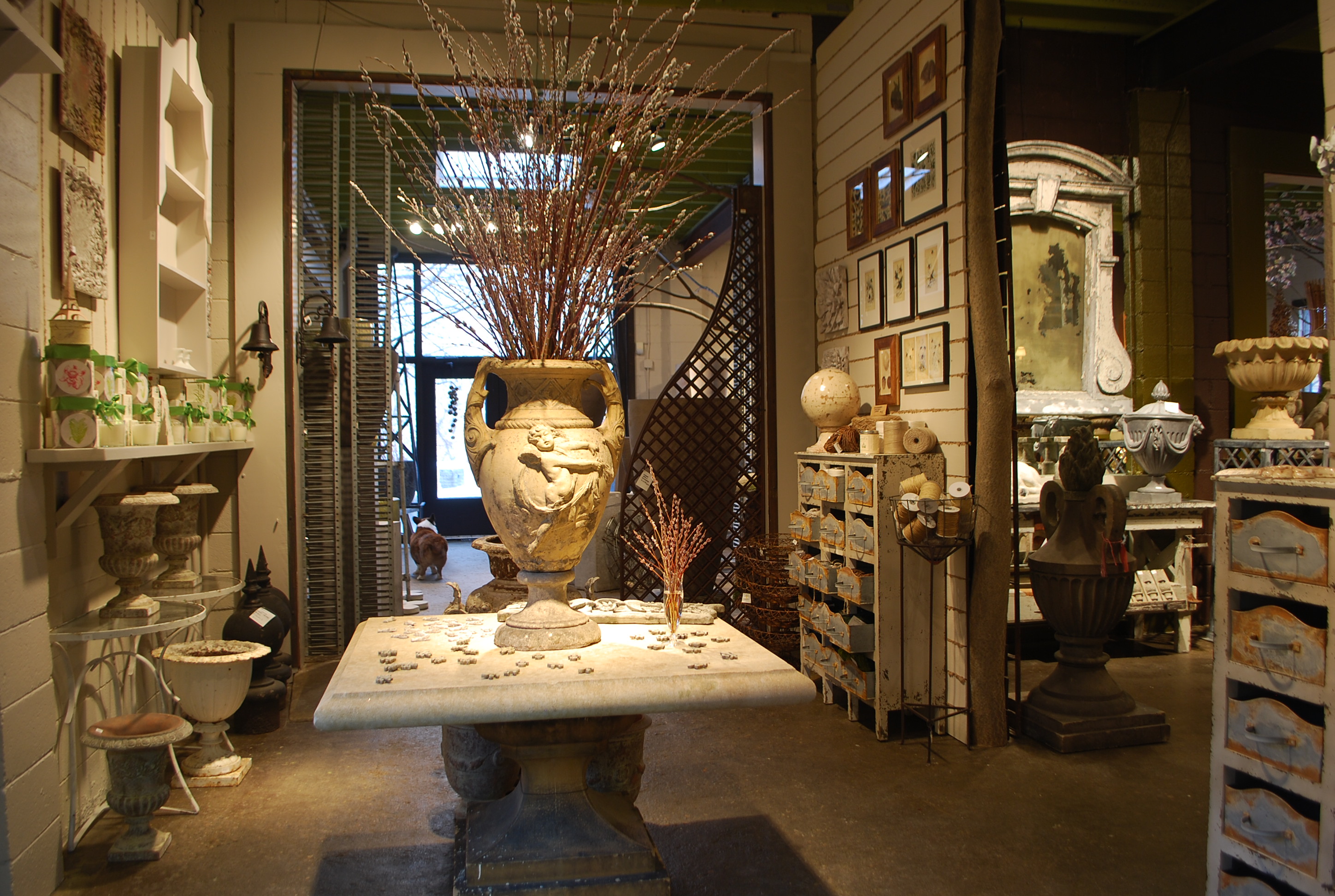
The work of redoing 10,000 square feet of space is just that- work. My landscape crews do all of the painting, and the heavy moving. The Detroit Garden Works regular staff does the cleaning, the inventory, and the checking in of new shipments. This time of year, something new arrives every day from US suppliers. Rob and I have to figure out what goes where-with the big responsibility to Rob. He is the only person who knows exactly what is coming.
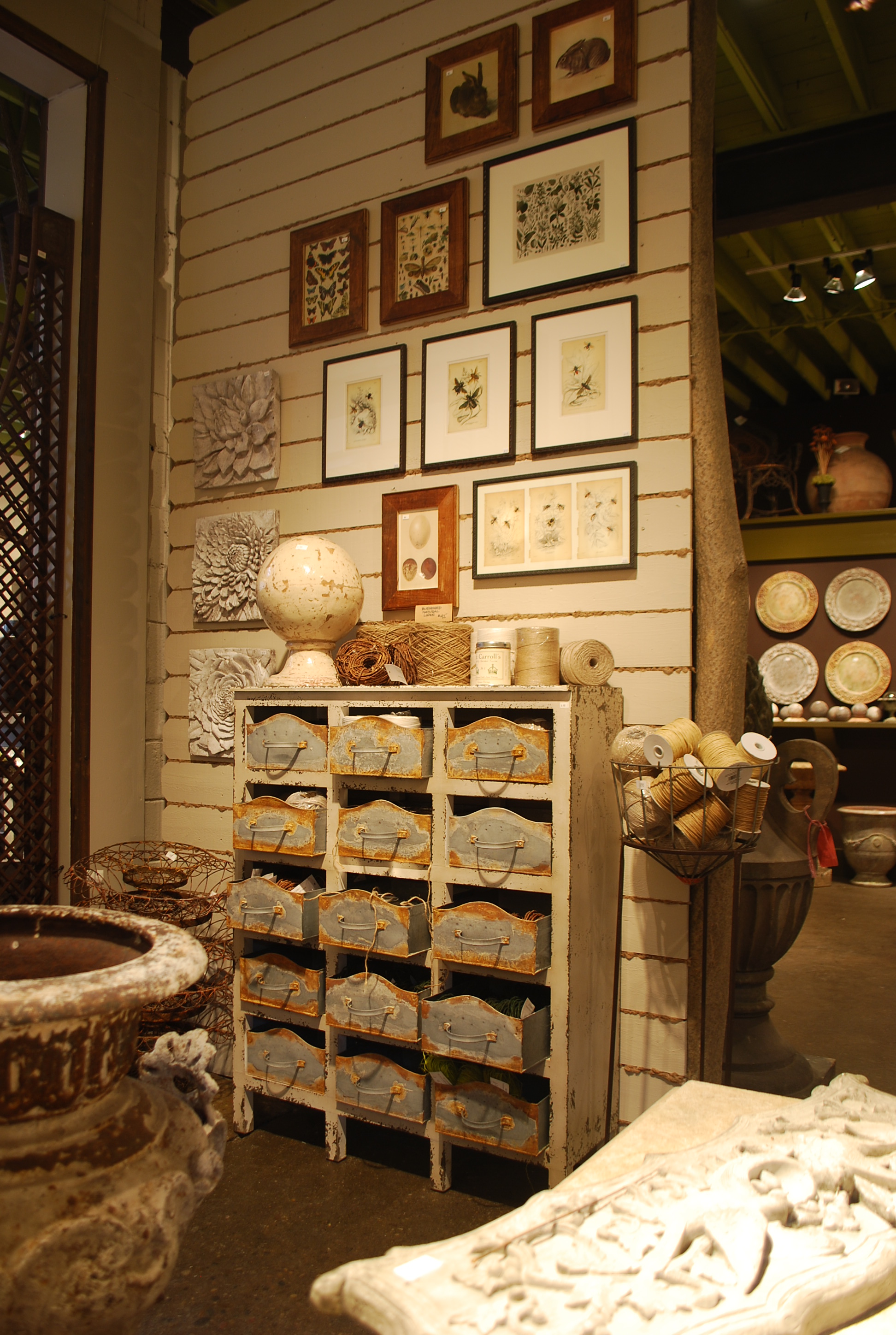
Monica manages the entire big fluid situation. She has an uncanny ability to make sure that the day to day stays current and on track. She also has no problem showing up in the garage to unpack when necessary-just like the rest of us. I have no idea how other companies switch over from one season to the next-overnight. We take everything down to the bare walls, and start over.
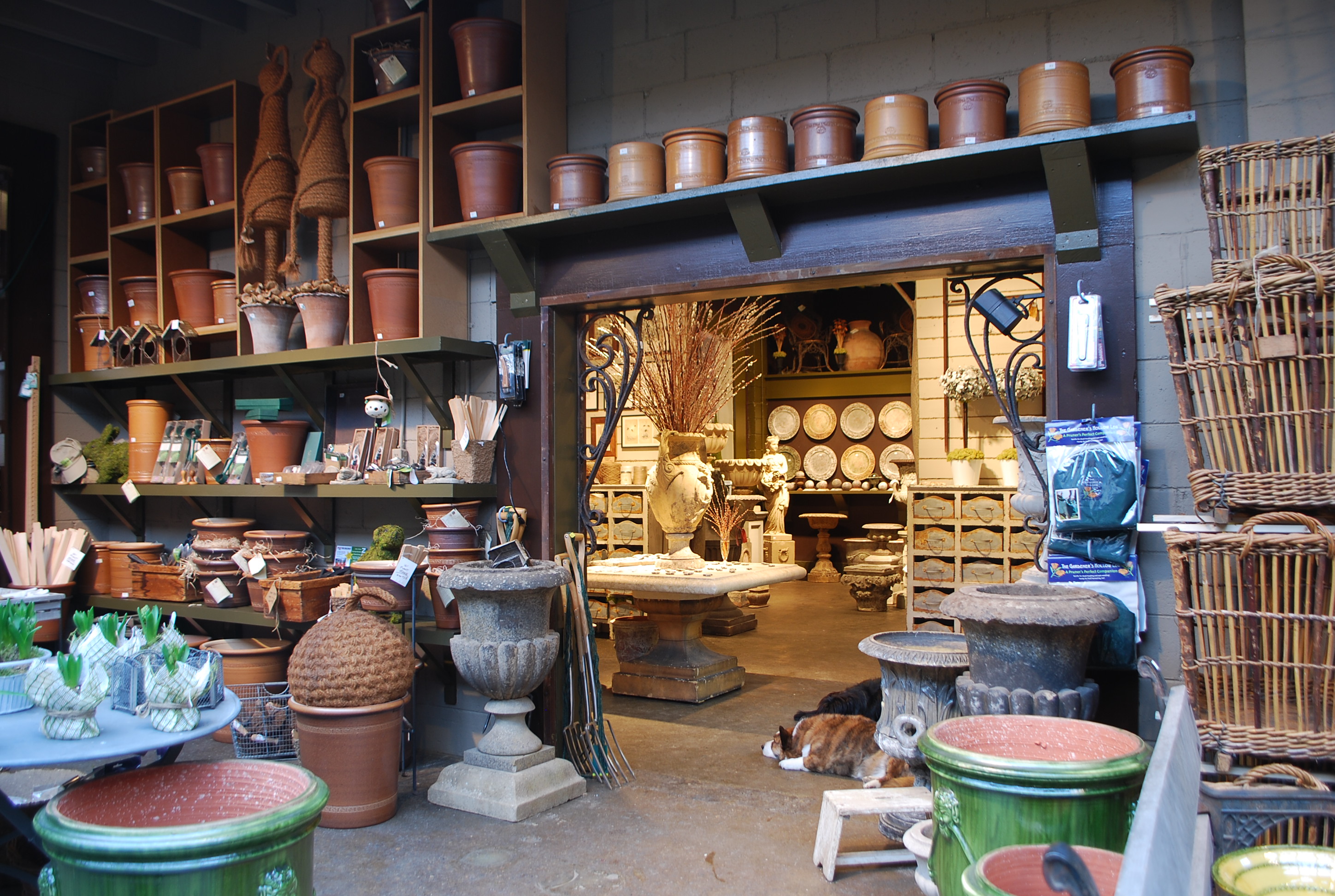 Dreaming up what will go where, and with what-that is somewhat about skill. But it has its roots in the process of making a creative gesture. An overall look that flows. Does this color look good with that one? What flavors mix happily? Where shall the tools go? What color are we thinking this room needs to be painted? Have we displayed this piece such that people understand why we chose it?
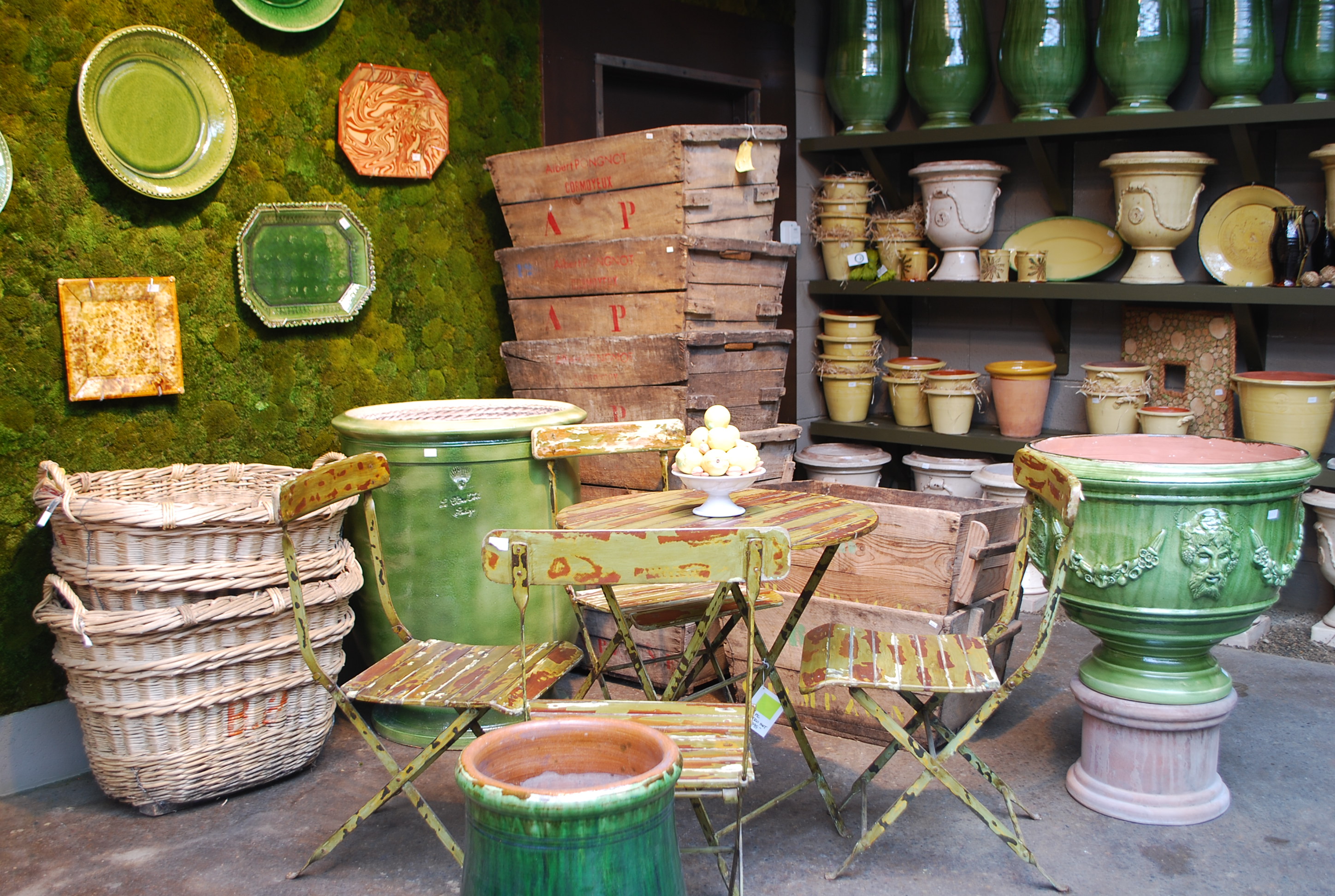 Is there a mix of textures, mass, color and shape that is appealing, and lively? Or somber and serious? Or sassy. Did we overthink this? Did we not consider that? How we group things in the shop is a visual discussion about the presentation of how we view good design. An interest in really good design hovers over everything we do. There are moments when my landscape crew makes a suggestion about a certain arrangement. Happy to hear it-as if they take the trouble to speak up, I know they have thought it through. If a vignette gets changed around a number of times, they are entirely good natured about it.
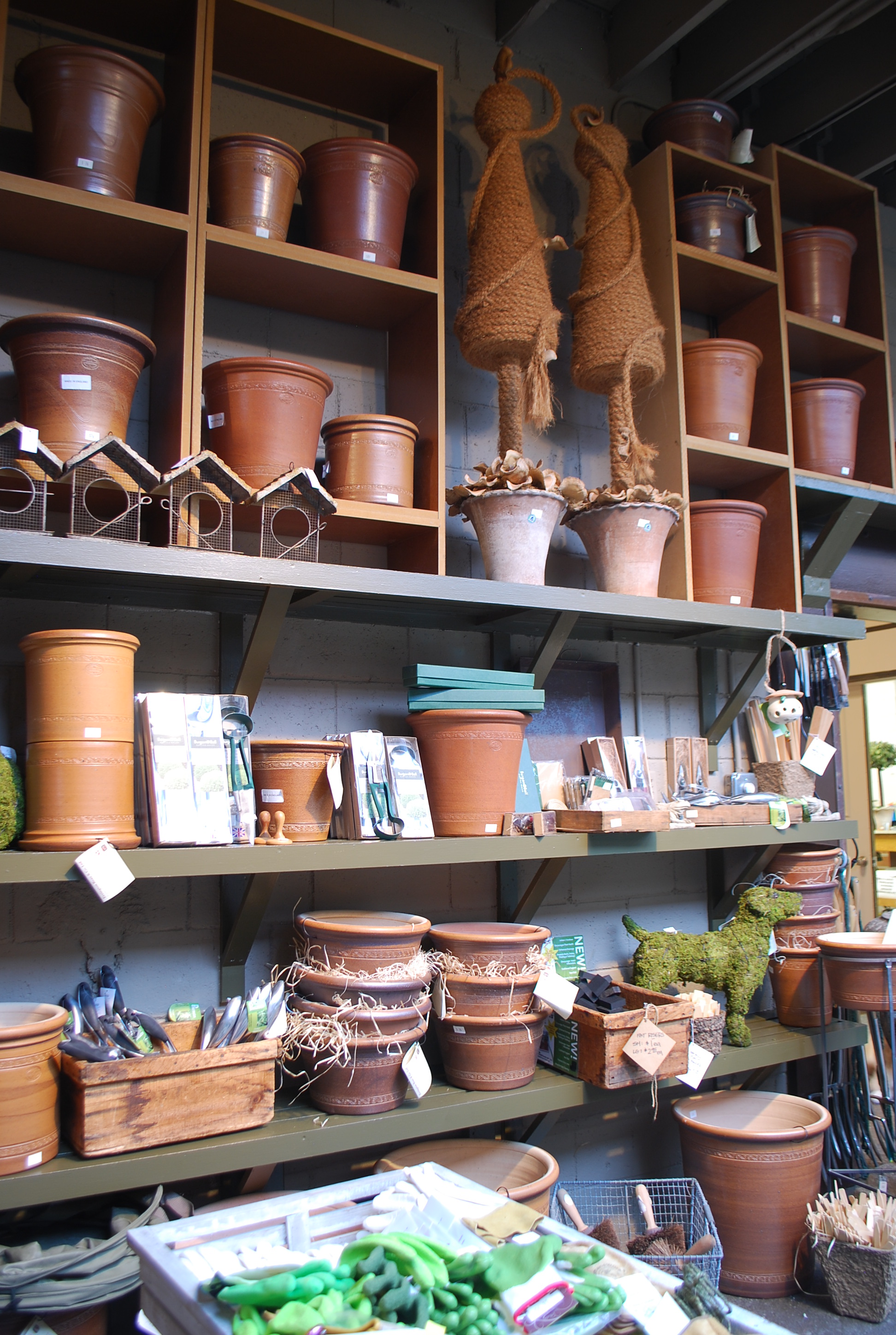 A sincere interest in anything means that somewhere, there is a fire burning. Sometimes the flames extinguish, and their is only the glow of an idea. Sometimes there are lots of flames, and things move quickly. I really enjoy this time of year, as we have set aside the time to let our ideas about the new season cook.
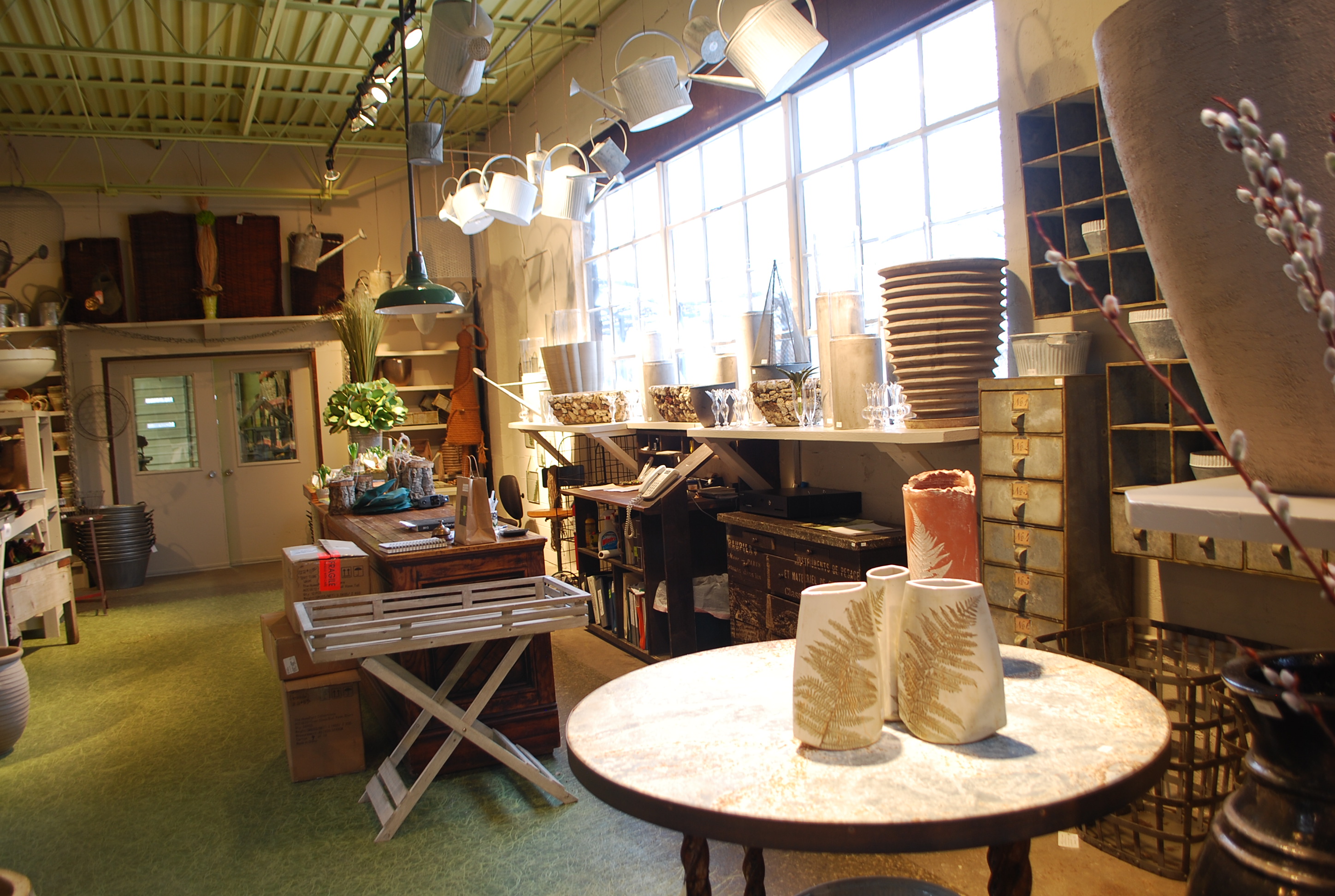
A lot of hands are involved. It takes Rob one entire long evening to redo all of the lighting. The high ceilings are great for giving a sense of the sky, rather than an interior ceiling. Judging the size of an object intended to go outdoors can be difficult in an indoor space. Steve takes charge of arranging and hanging everything that must be hung on a wall. He knows how to do the math, and he has a good landscape architect’s sense of design. His graduate degree in landscape architecure is from North Carolina State University-enough said.
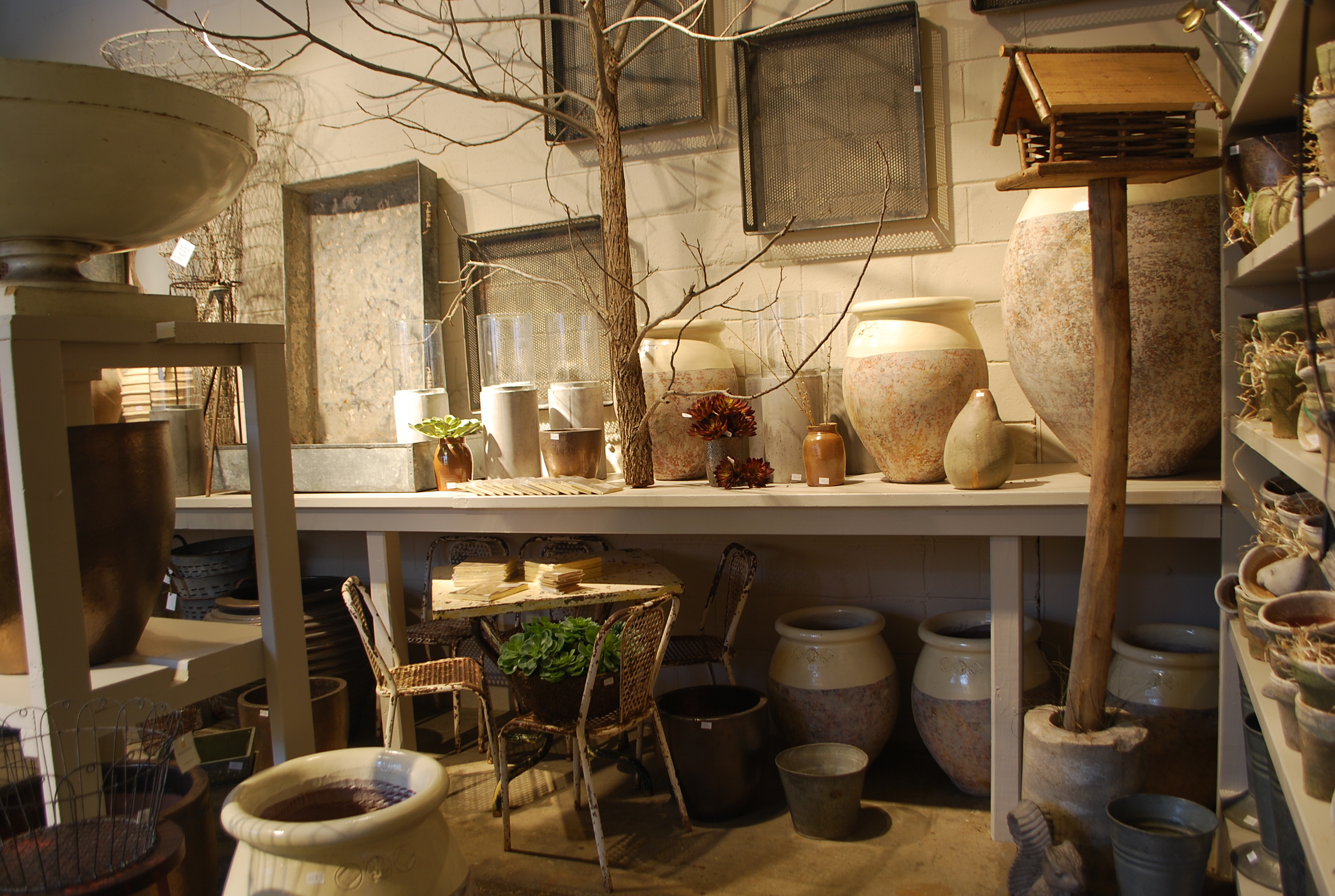
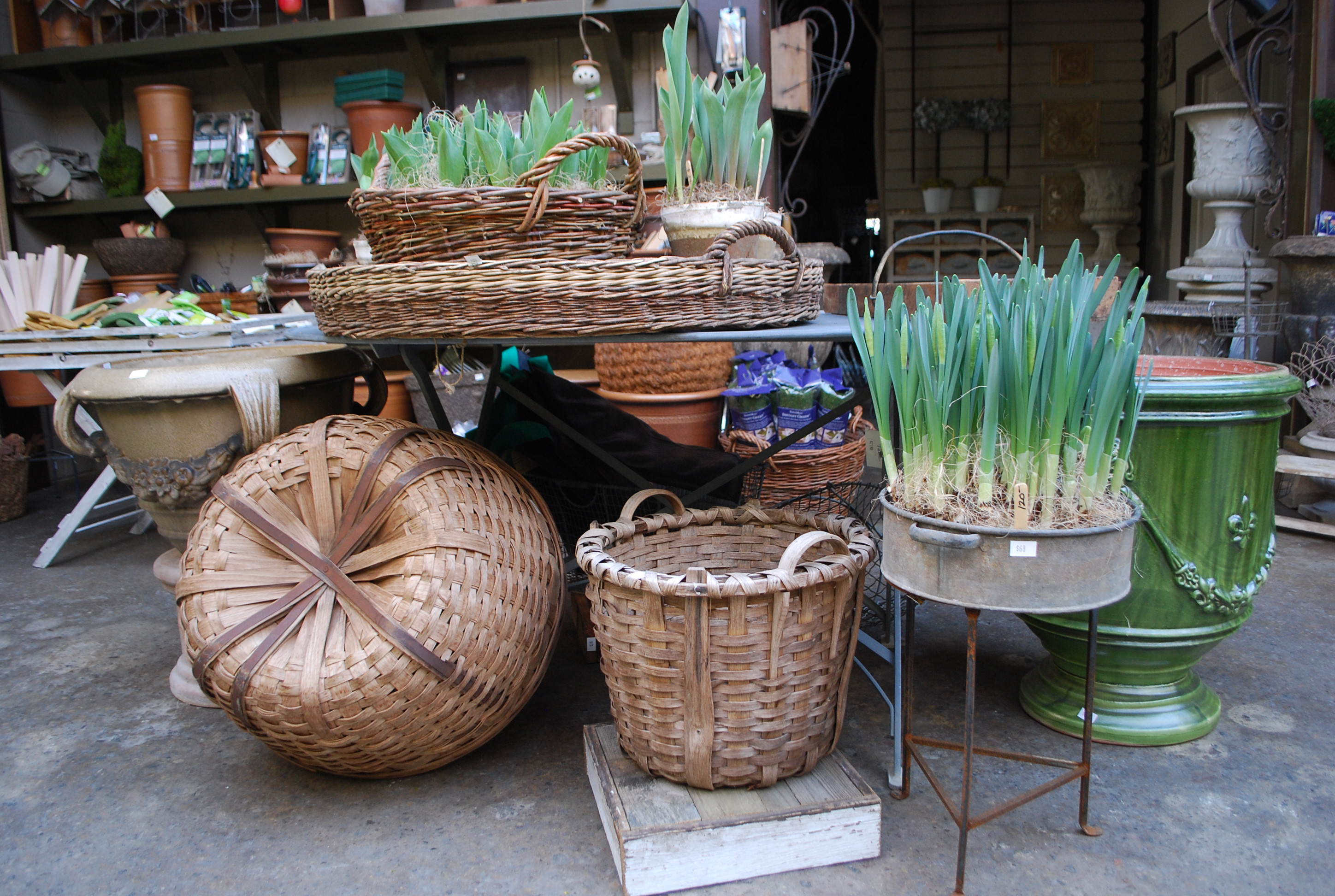
As usual, there is a wide range of styles, periods and materials. But every year we try to do a thorough job of representing a certain point of view. Rob’s mix is interesting this year. His idea of contemporary garden ornament includes galvanized metal pieces from the farm that have very strong and simple shapes. Terra cotta shapes whose origin is rooted in agriculture. His idea of contemporary also means utilitarian.
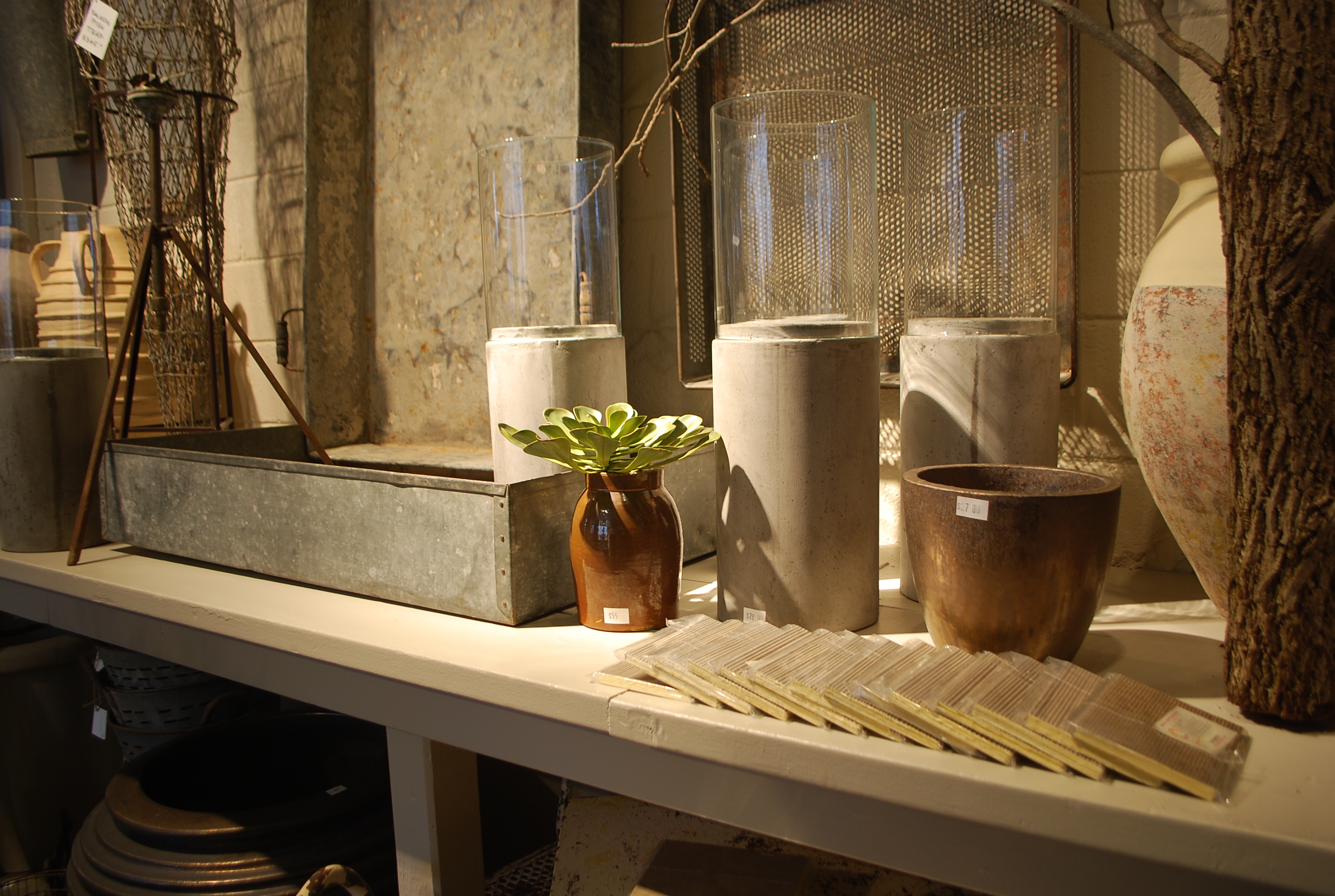
Some contemporary garden ornament is cold. I am not crazy about objects that come with a built in echo. I like things that fit in, and take on the feeling of their surroundings.
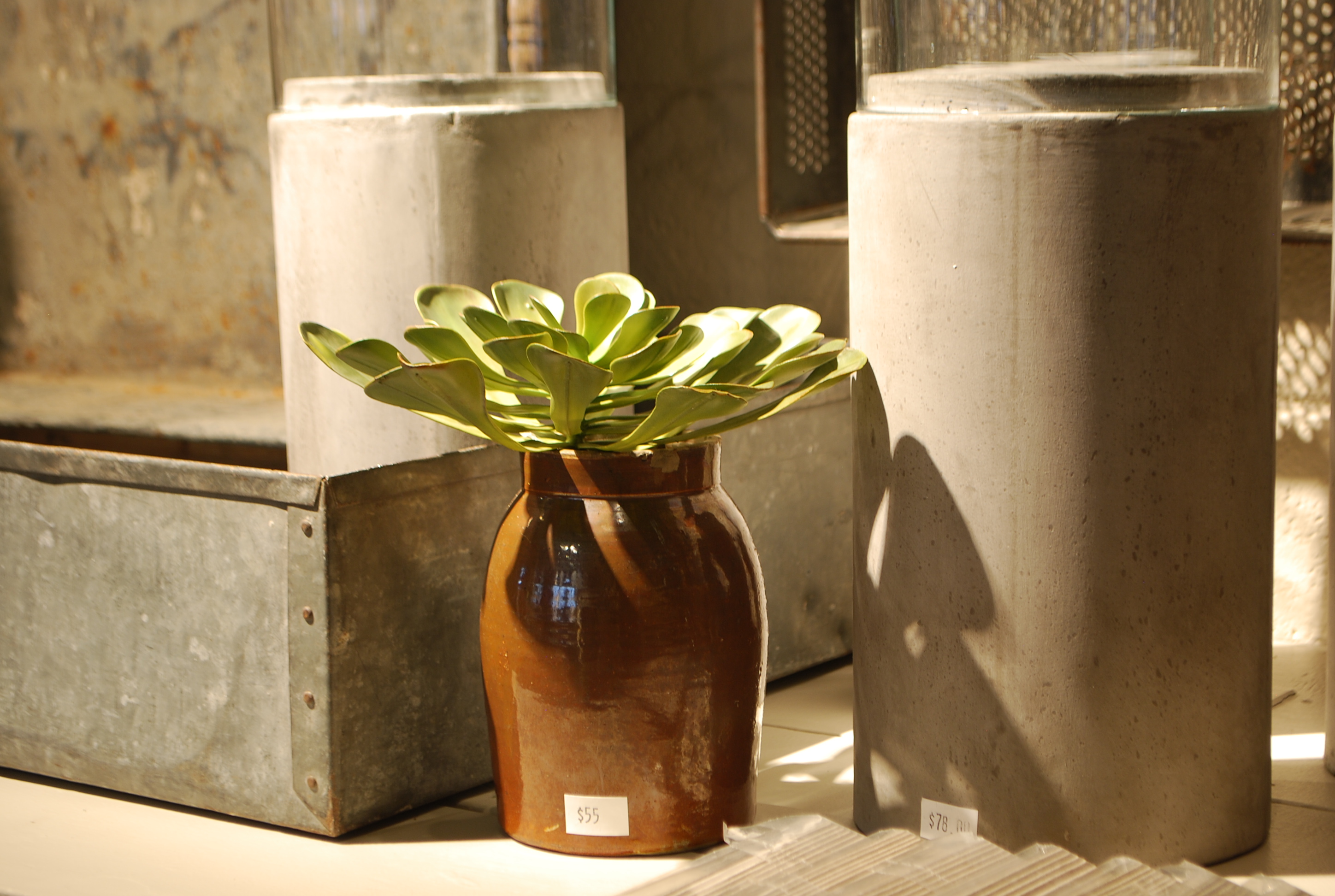
This 1920’s American glazed pickle crock is just as home in this setting, as it is in the pantry.
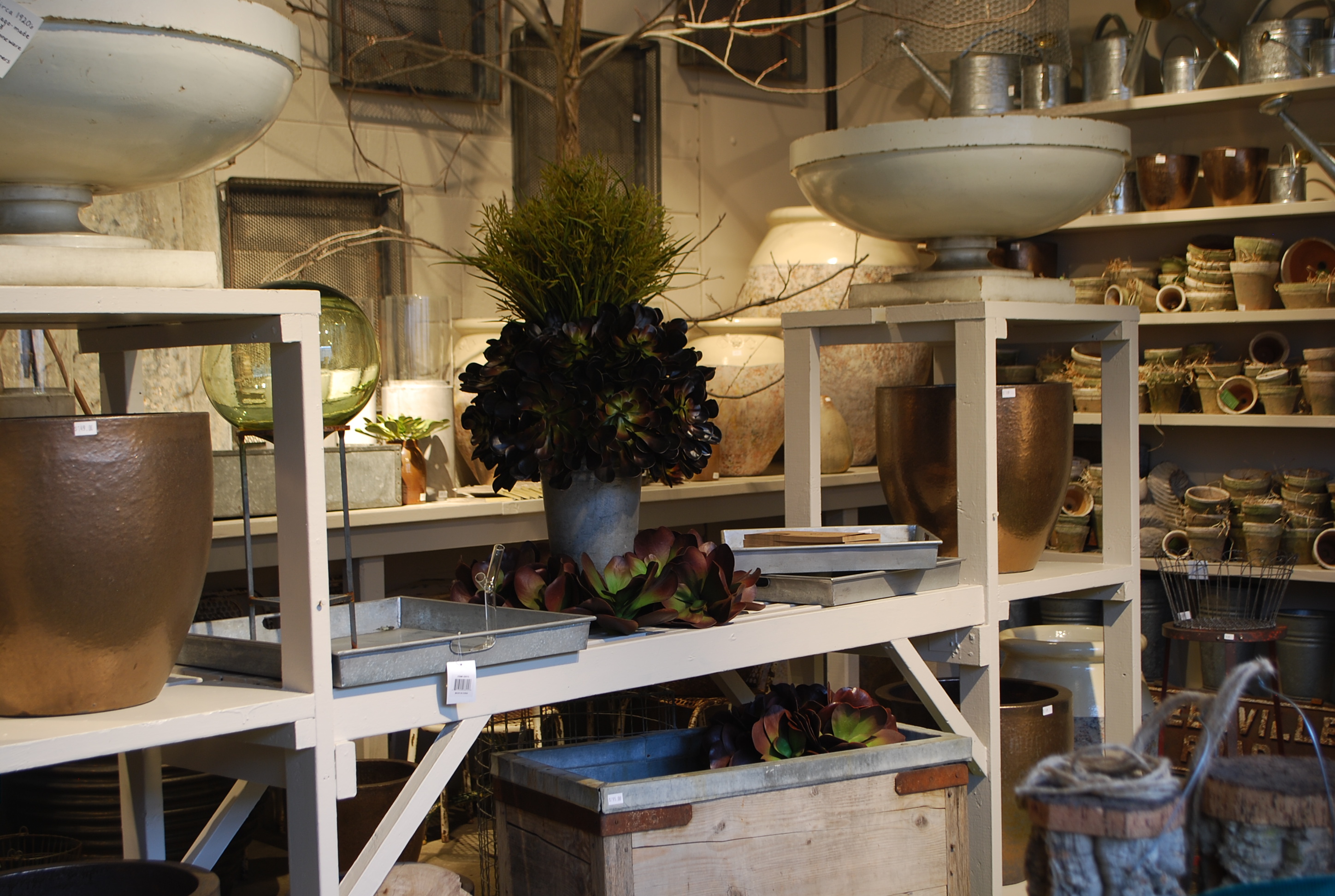
This pair of cream glazed stoneware urns were made in Chicago in the early 20th century. They are not so easy to come by, as they are prized by gardener’s with urban landscapes.

Howard has been as tireless as the rest of us, going over every inch of the place numerous times a day. But we have made a lot of progress.
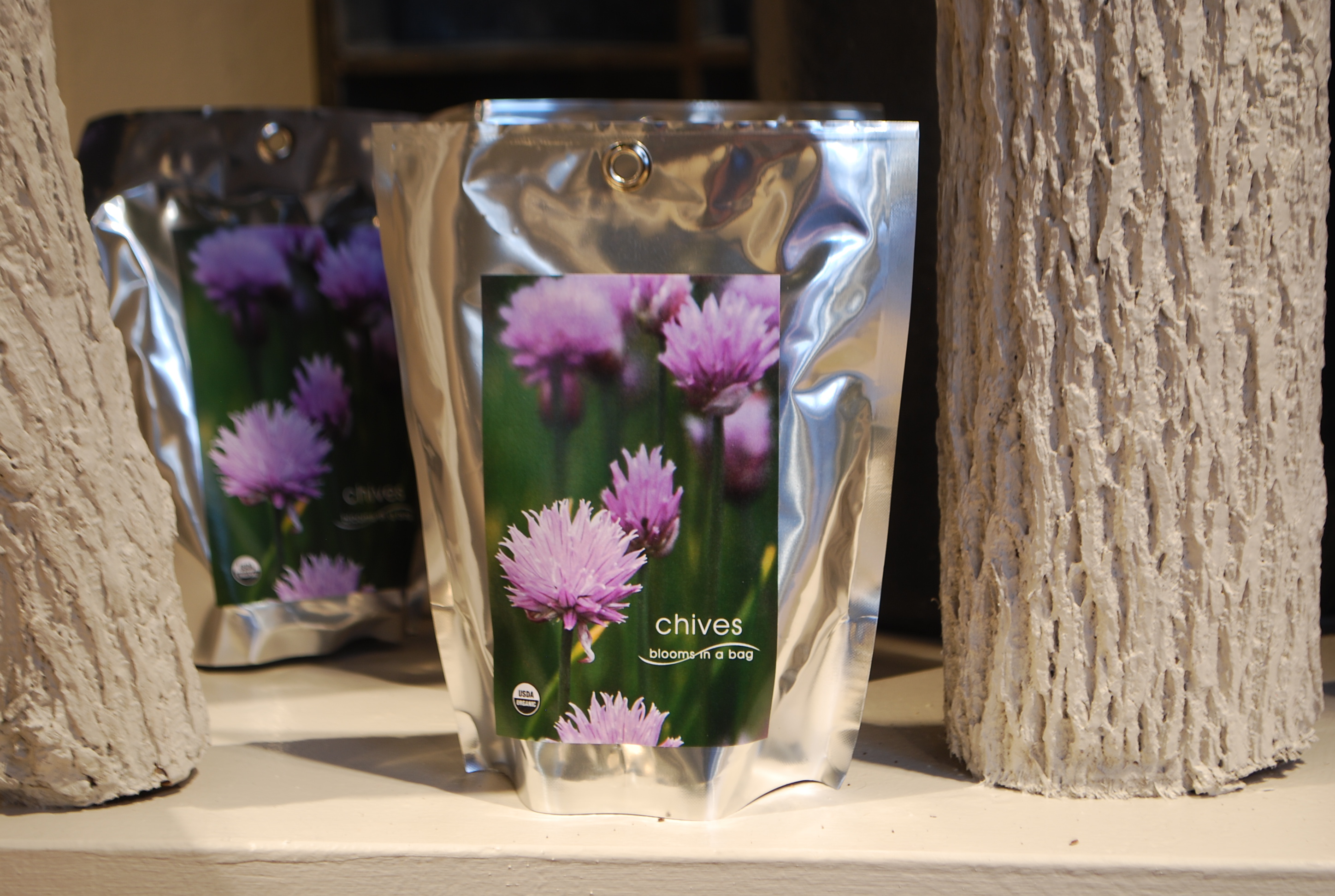
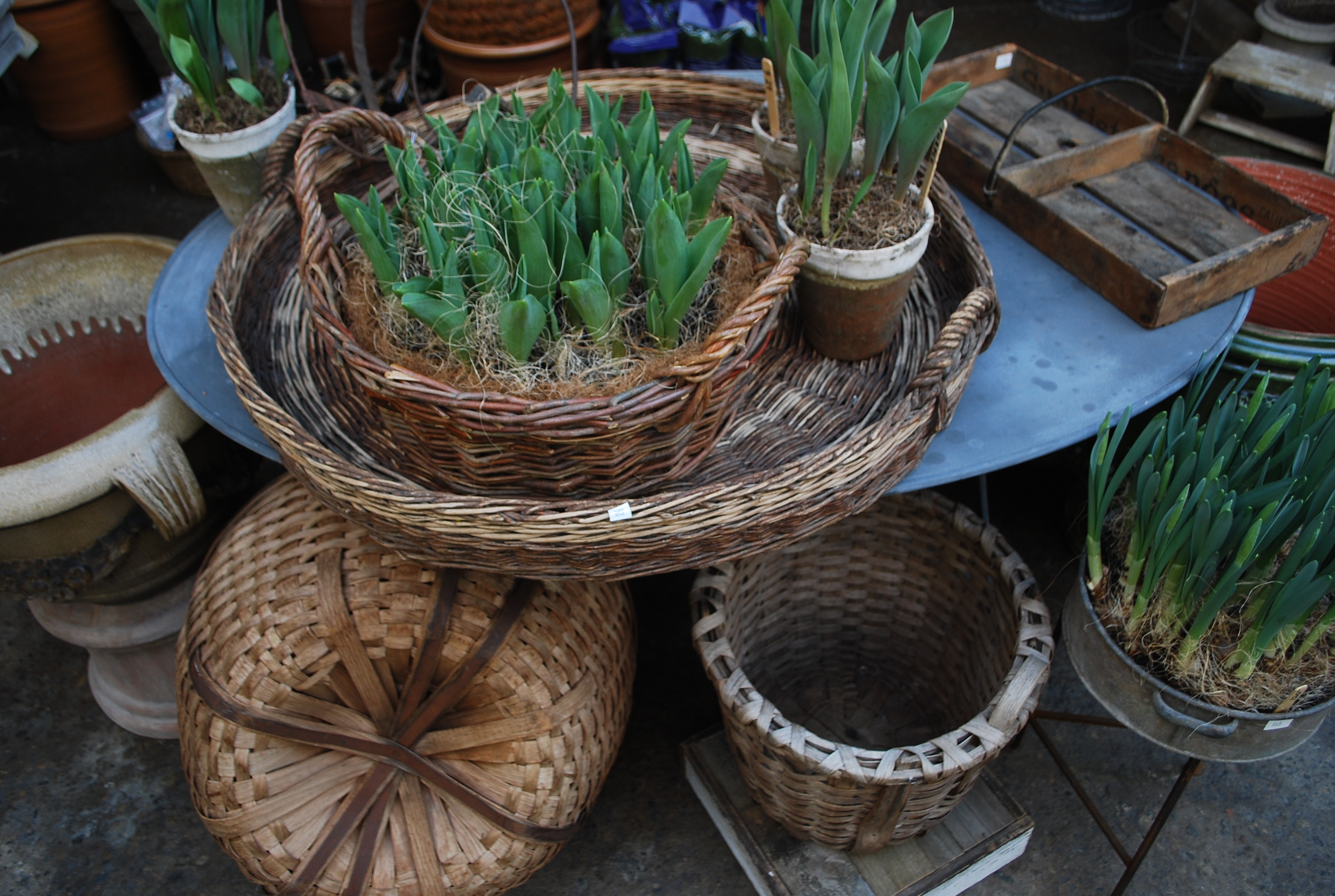
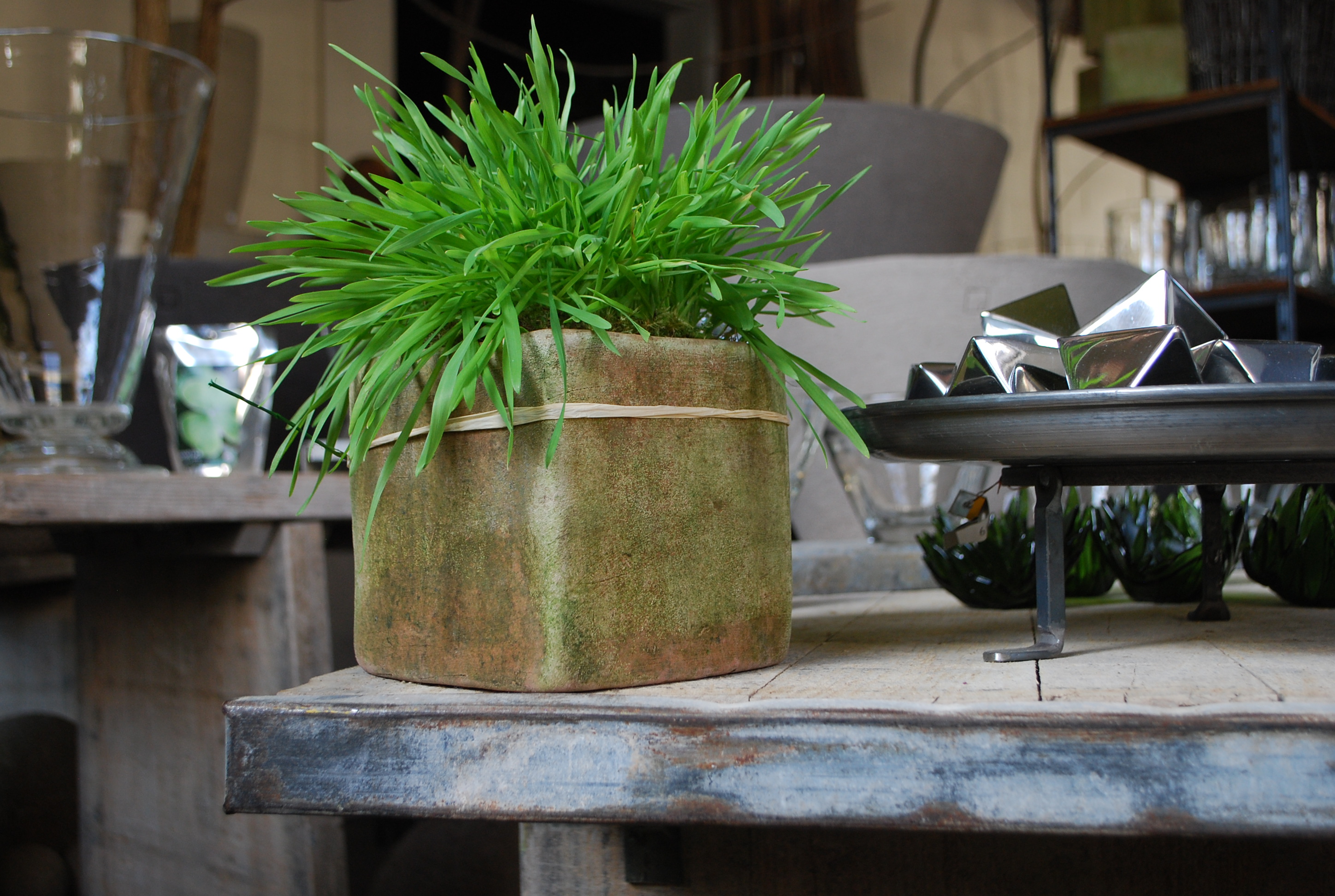
We like to have everything as ready as possible on the inside, before the weather warms enough to permit plants. For gardeners who just cannot wait one more minute, snip off the top, water, and set in a sunny window sill.
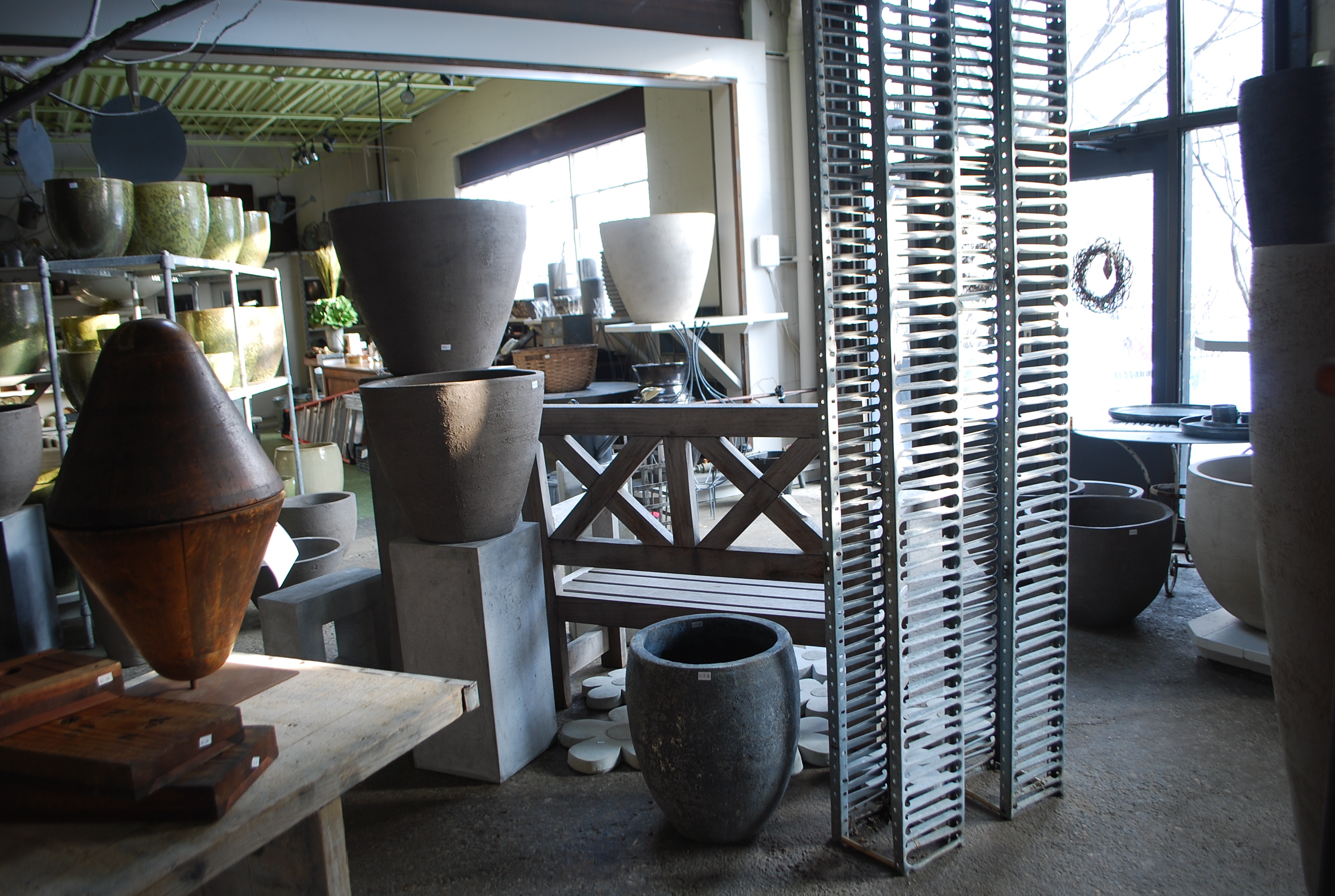
I know this is a lot of pictures to slog through, but those of you who do not live close enough to visit might want a look at what we have going on.
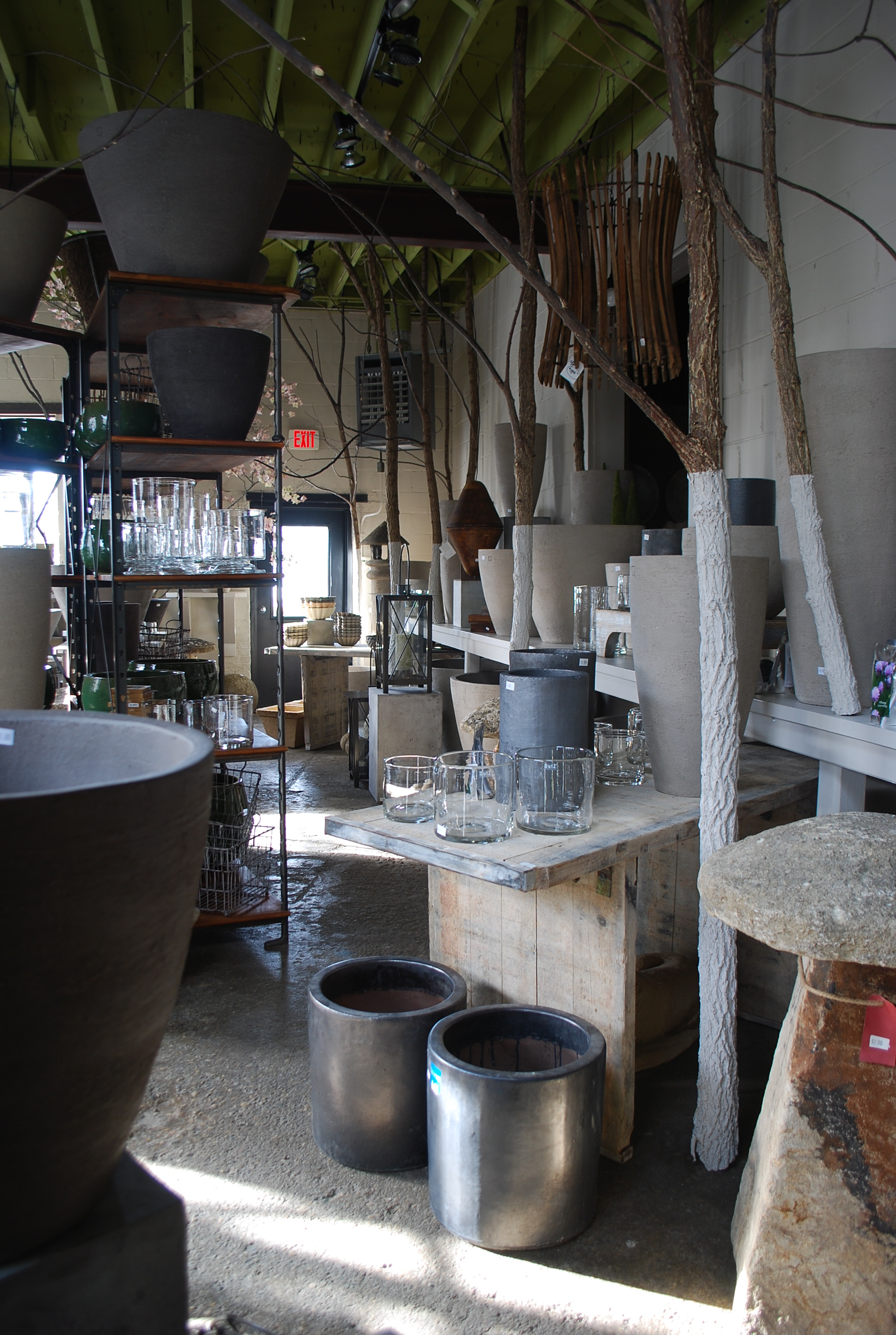
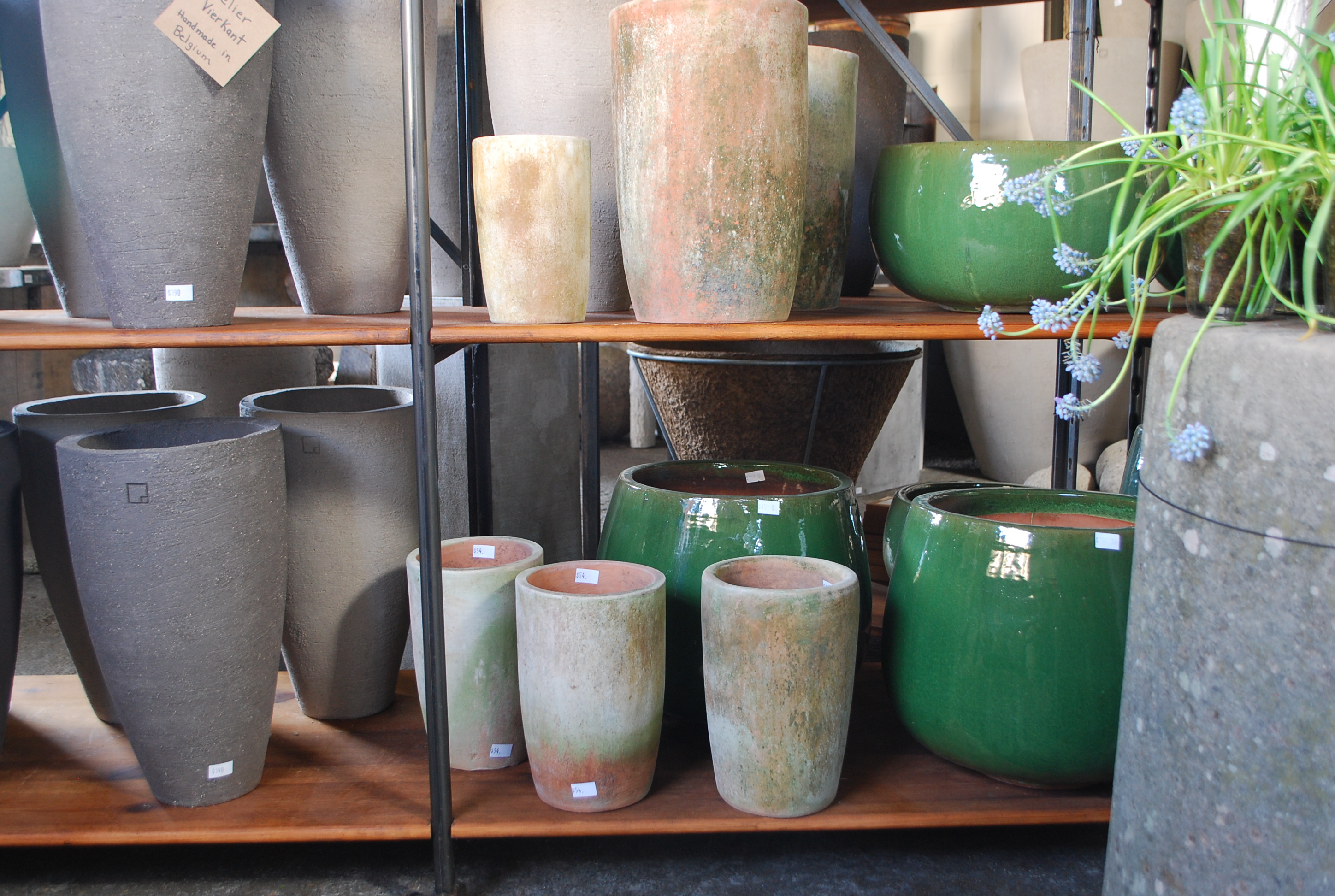
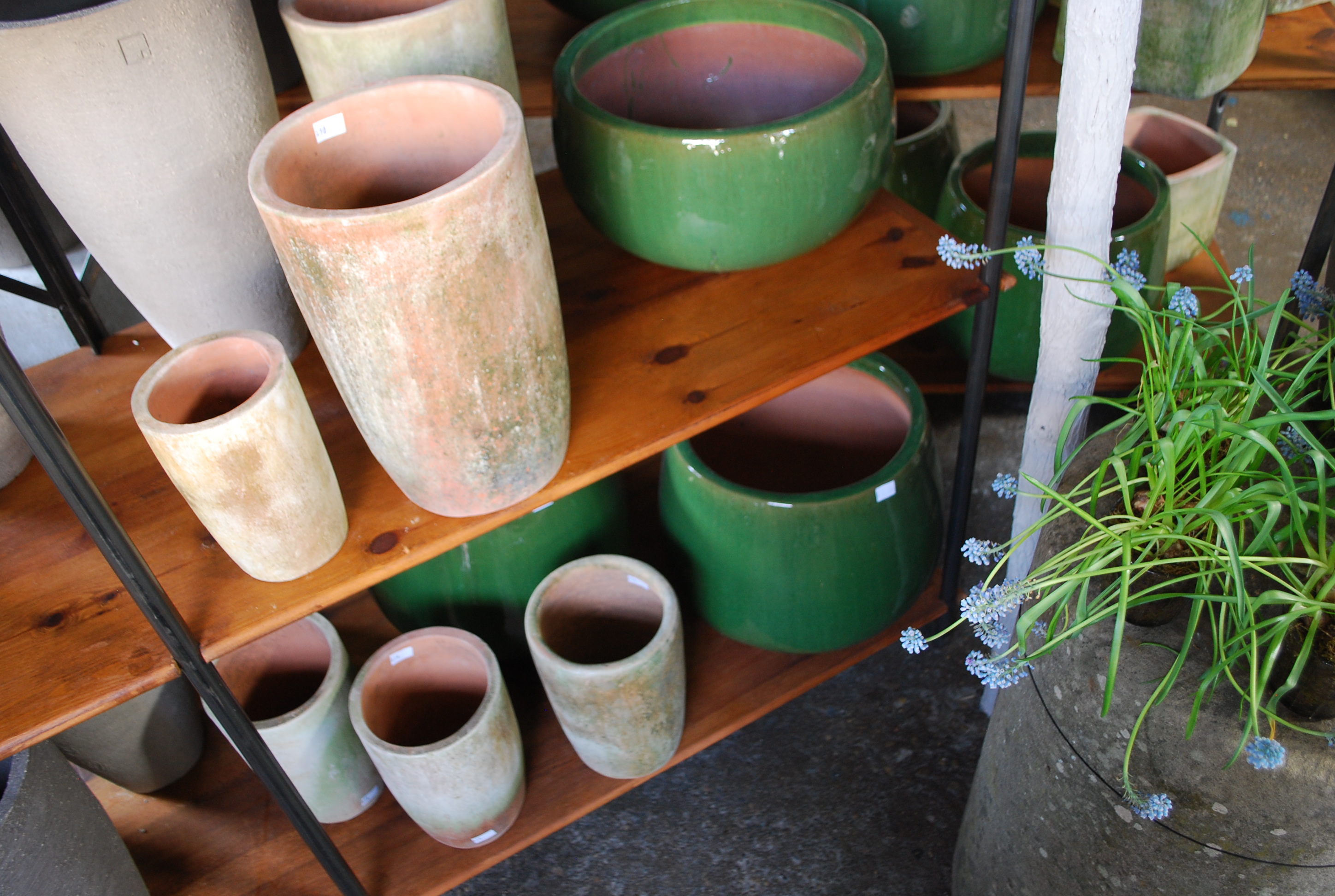
The Belgian stoneware pots are the feature of our spring collection. Six of them are already gone-to 3 very different gardens.
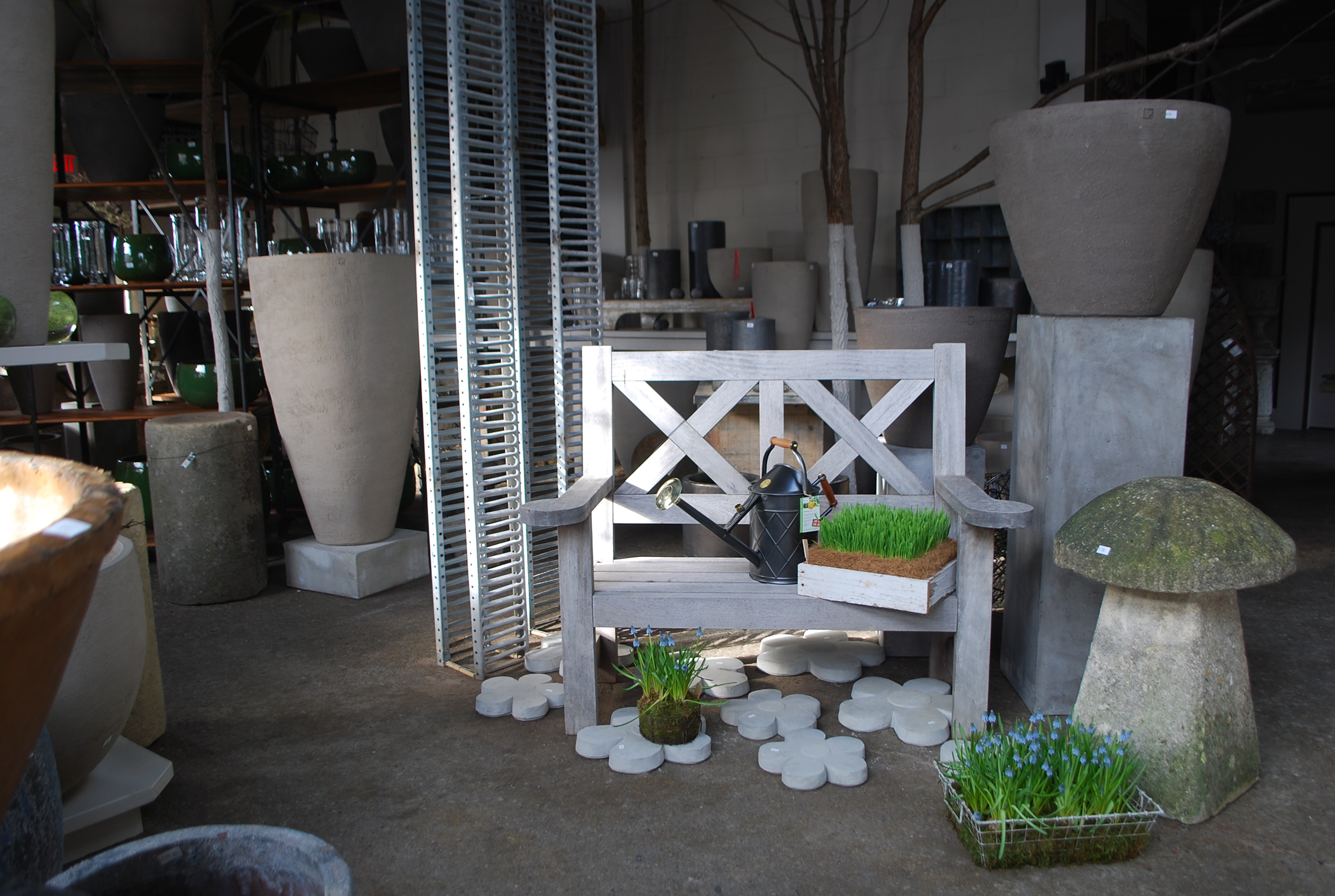
Though I will be glad for the day when we can prop the doors open, there is a sense of spring in the air here.
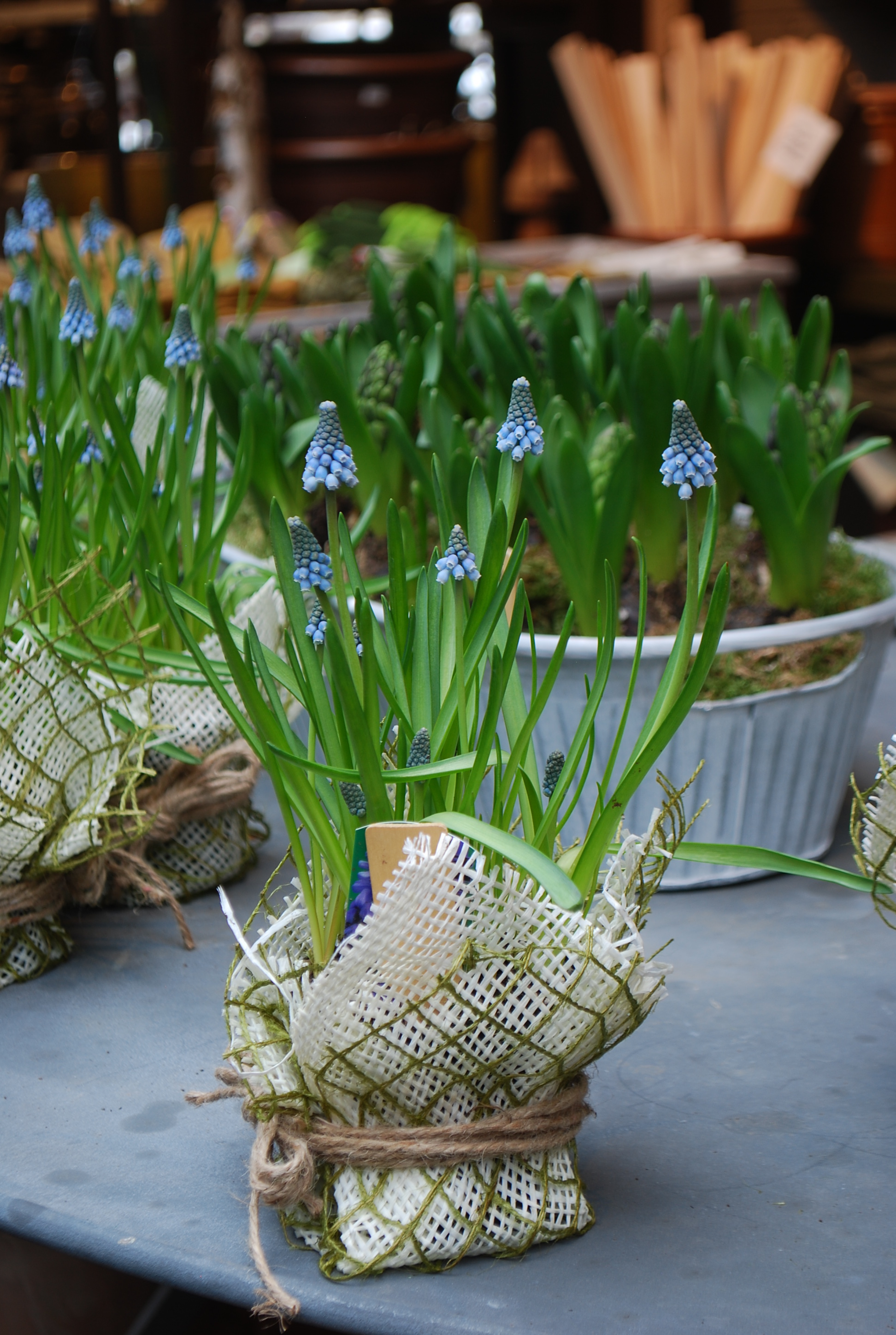 See what I mean?

I have been on my usual January buying road trip with Rob for the past 10 days. The Suburban has 1600 new miles on it! We got home at 6:30 last night-what a relief. For sure, there is no place like home! It was very cold this morning. The leaves on the rhododendron outside my home office window-drooped all the way down with cold. But home is home, whatever form that might take. The reentry into my Detroit landscape has me thinking about Julie Taubman’s book. Detroit-138 Square Miles.

Detroit is my town. I was born at Henry Ford Hospital, and raised on Detroit’s east side. I can say that my experience of this gritty city is much a part of me. We Detroit people make things. The day I opened my manufacturing company, the Branch Studio, was the fulfillment of a lifelong dream. The fact that the Branch studio is growing legs and steaming ahead-of this I am proud. Not that I am sure what I mean by this, but anyone who calls Detroit home dreams, imagines, works, and sweats Detroit style. My city has a luminous and storied history, and a daunting present. Julie Taubman spent upteen months photographing the current state of our gritty city. Her 486 page photographic essay is an unvarnished, non judgmental, yet compassionate look at her city.

Her photographs are truly extraordinary, both in scope and content. Her friends in the Detroit Police Dept looked after her more than once while she was photographing desolate or abandoned buildings and neighborhoods. Her images may not be to everyone’s taste. They provoke as much a sense of sorrow and loss, as a sense of awe for what was, and what is now. She devoted no end of time and film to capturing a moment. This moment.
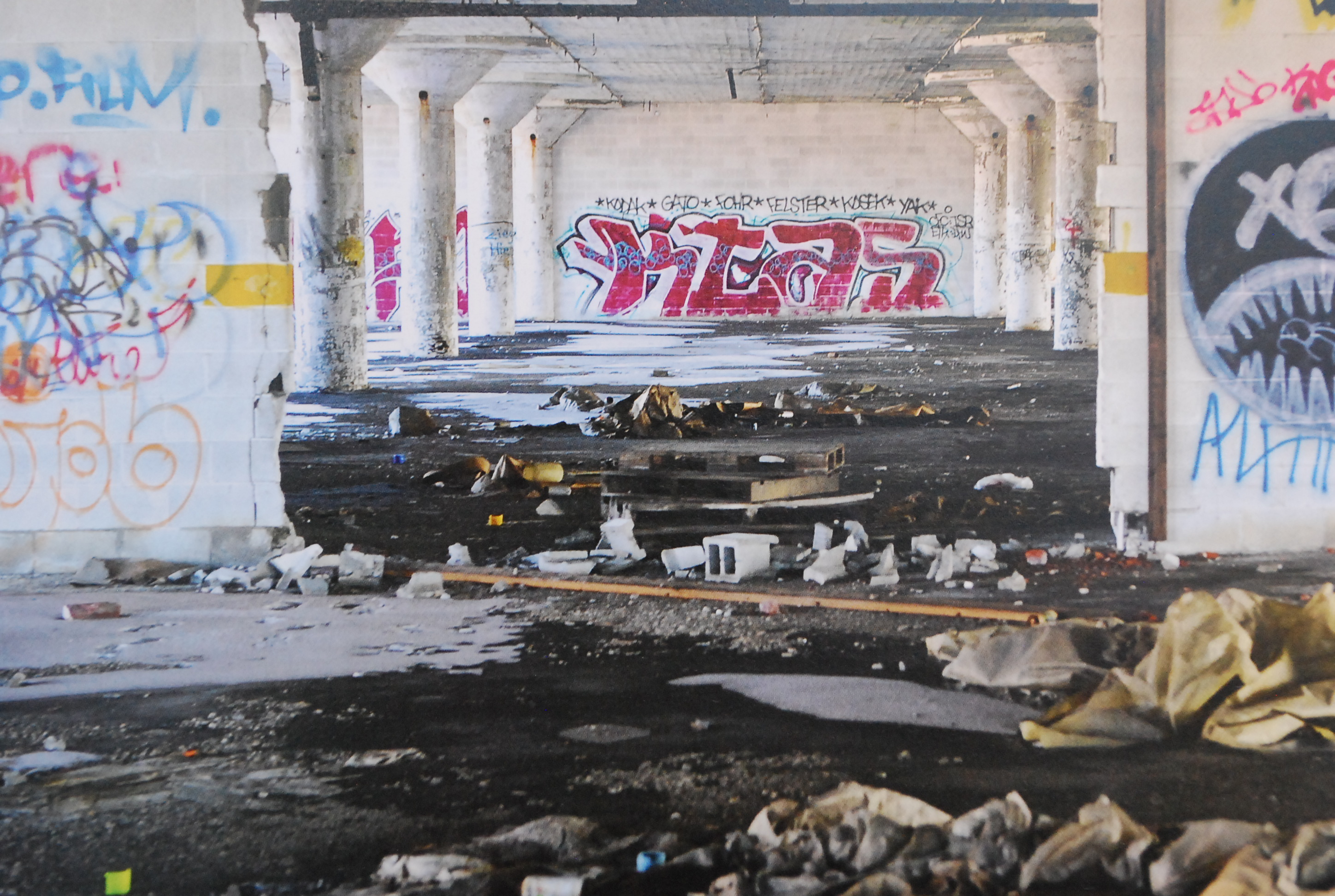
My photograph of her photograph is a much dulled down version of what is available to see in the book. The quality of the paper and printing is startlingly good. Though I have lived here all of my life, there are pictures of places I have never been.

Disrepair and despair-some of the photographs capture that feeling perfectly. The forward, written by renowned local author Elmore Leonard is well worth reading.

The photographs of the remains of abandoned manufacturing plants collapsing from neglect are both terrifying and fascinating. This building in the process of decomposing has a long way to go to get to a composted state. From my association with the Greening of Detroit, I know there are many bright and able people committed to the future of Detroit. I wish each and every one of them all the best.

138 square miles is a big space. There has been lots of public discussion and forum about the future of our city. By far and away, this book is the most eloquent discussion I have heard. This collection of photographs is uninterrupted by words until the very end. I like that the location of each photograph is documented. An added bonus-a concise and well written history of the building or neighborhood pictured. The book is encyclopedic, but the eye behind the photographs is a very particular eye.

I am happy to say that we sold out of her book over the holidays. This means there are people who care, and people who are curious. Perhaps people will be moved enough to become involved. I am also happy to say that our new shipment of books has a few that are autographed by the photographer/artist/author. Let me know if you have an interest.