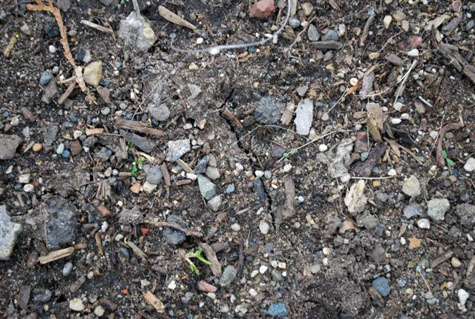
 I have been a gardenmaker of one sort or another for what seems like a lifetime. I am quite sure my first effort to learn how to walk was an effort to get outside; this had not changed much in 58 years. Once I did get outside, I stayed until I tracked it all back in with me like a beloved blanket. Dirt I found very appealing, as its forms were infinitely varied as were its textures and smells. Though I later learned that dirt was a substance picked up by a vacuum cleaner, and soil is what one grows plants in, the word dirt has always sounded just right to me. My first strong memory of dirt is the mounds of it excavated to make basements for the ranch houses being built in the subdivision where I grew up in the 1950’s. This dirt retained the teeth marks of the machines scooping it out of the earth. Its colors were iridescent; the smell of wet metal, palpably radiating, was strong enough to make my eyes water. As fascinating as the dirt was the hole left by its absence.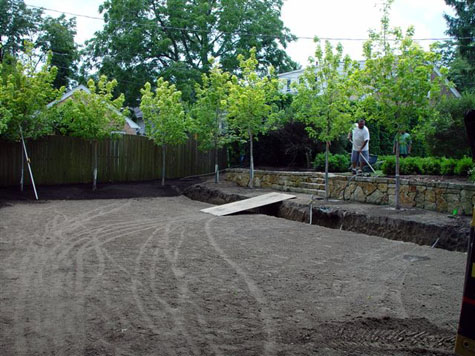
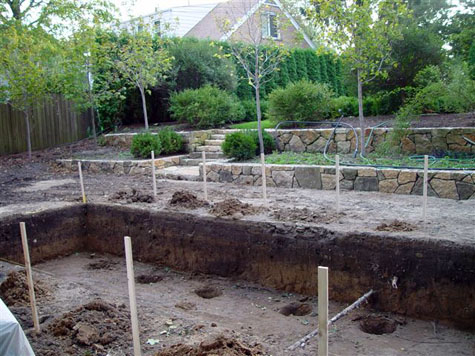
As my house was the first to be built on the block, I was able to watch over and over the digging, the moving around, the spreading out, the shaping, the hauling away.
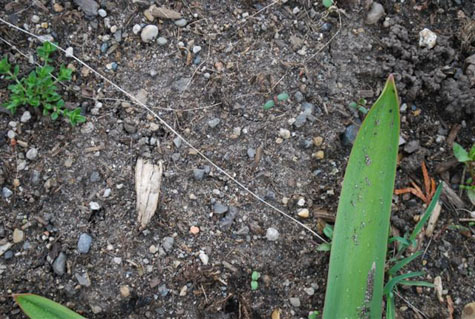 This is all by way of saying I found the dirt and the dirt sites irresistible. Beyond the perimeter of grass surrounding my new house was an earth world, amusing and wildly entertaining as simple things are at that age. I would climb the mountains of dirt, claim possession, and listen to the sunny silence. A convenient board would give access to what would become a basement-a place of a silence of a wholly different sort. Ones bones felt the air echo, and the cold seemed dangerous-would anyone look for me if I could not climb back out? The dirt seemed natural and right, as it was what was wholly mine. My love for dirt, earth, compost, soil-call it what you will-has been with me ever since.
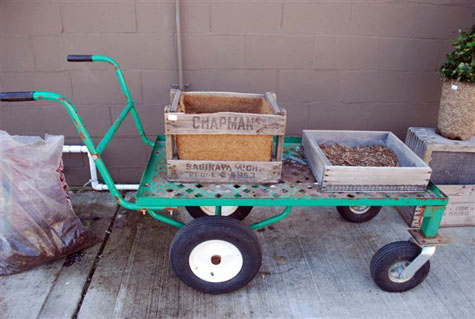

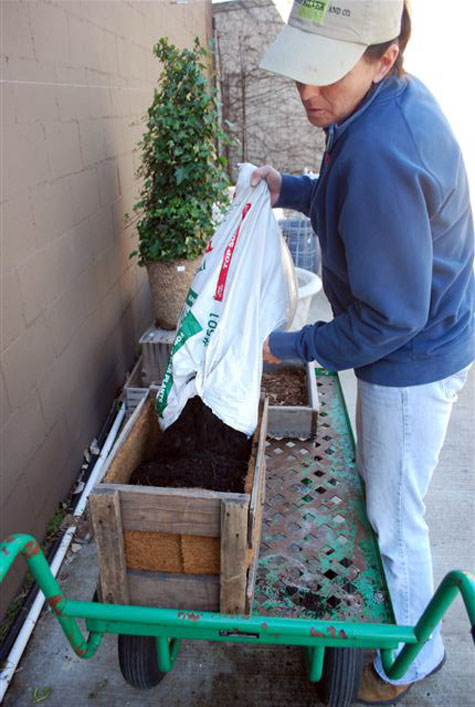
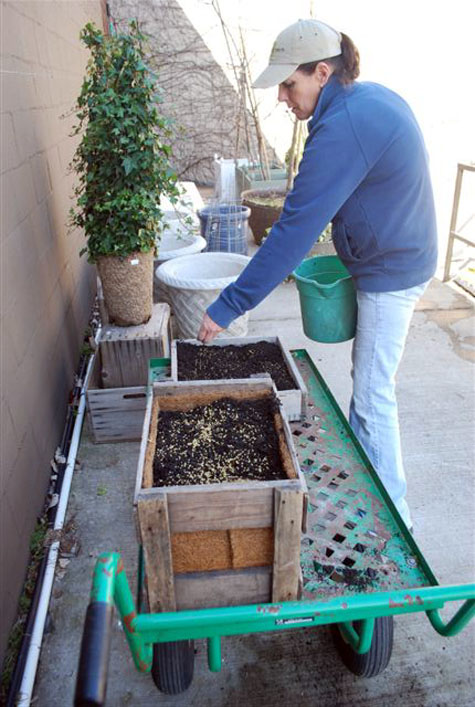
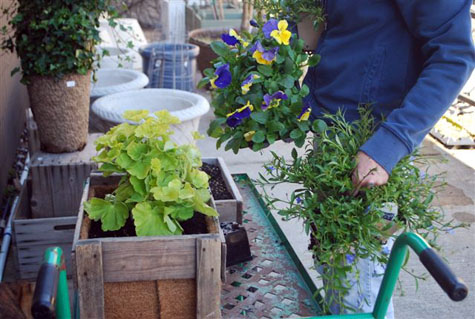
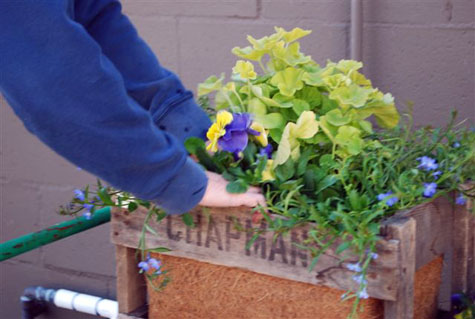
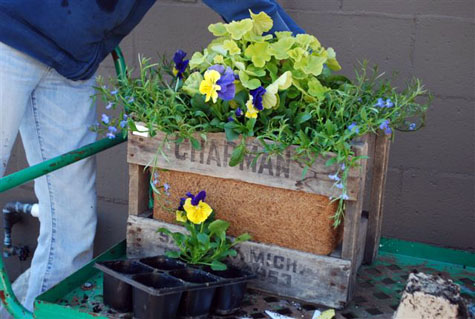
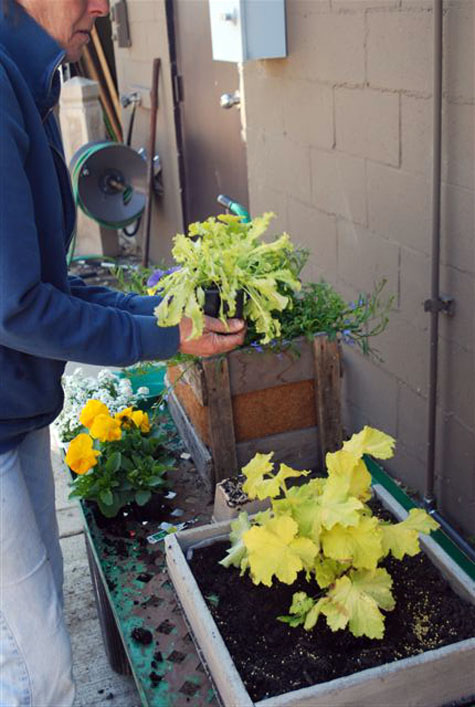
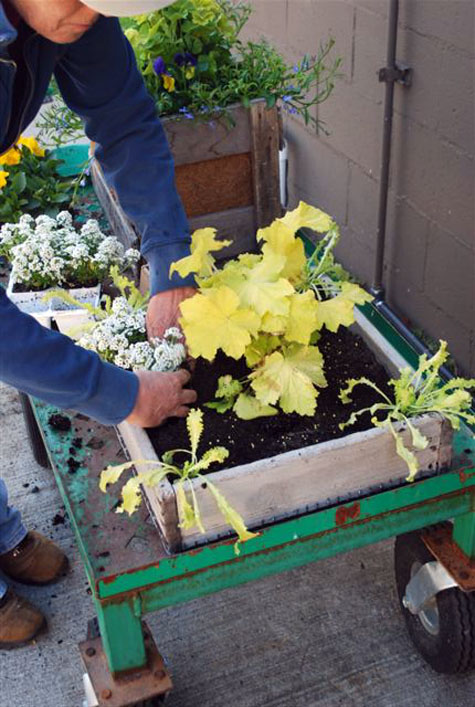
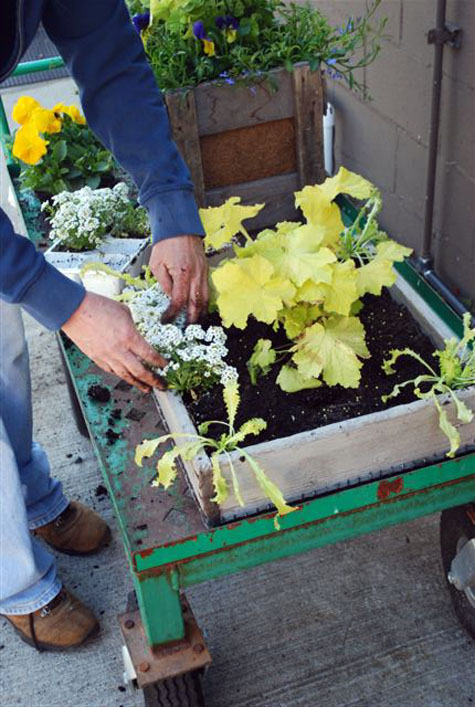
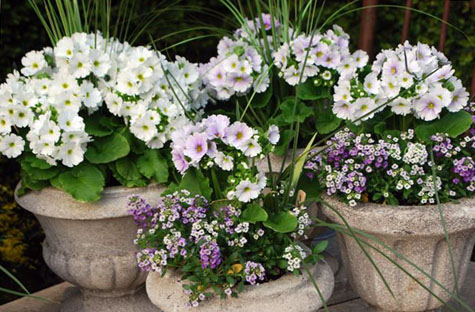
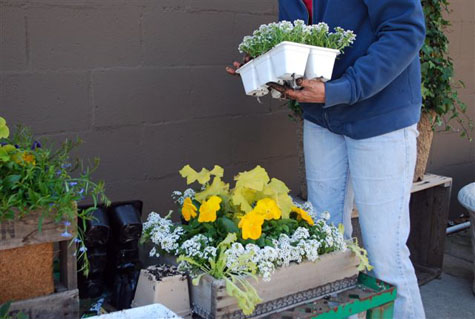 Spring plantings do look great in old crates, wood boxes, buckets and baskets. Landscape fabric can help hold the soil where you want it; coir sheets can be cut for boxes with big open spaces. Coir is a mat woven from the fibers of the hull of the coconut; it is sometimes called coco fiber. Have at planting some pots.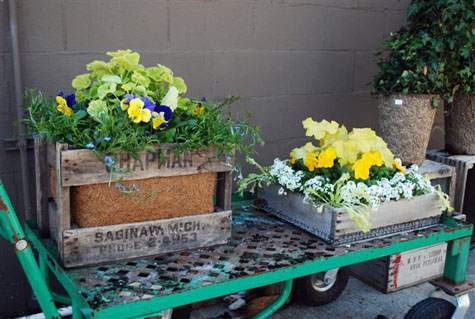
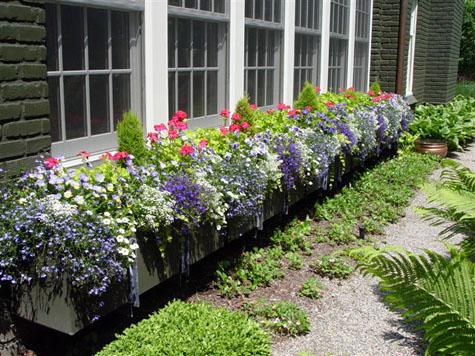
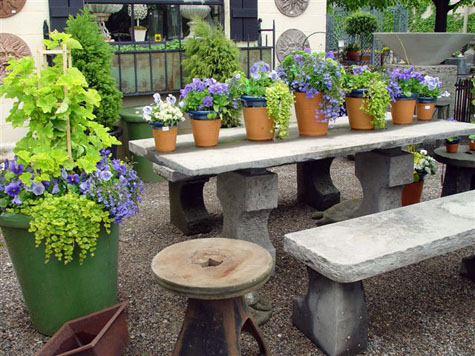 Spring flowers have that spring-fresh texture and color guaranteed to shake winter off of you, and your spirit. No summer flowers have the blue of clear sky blue pansies, and blue lobelia. Alyssum, the crisp white smell of spring, also comes in lavender, red violet, and purple. Ornamental kales, cabbages, Angelina sedum and coral bells have robust texture and leaf color. Lettuces, parsley, and gold oregano hint of the vegetable garden to come. Yellow and vanilla butterfly marguerites are quite cold tolerant, as is the chartreuse leaved Persian Queen geranium. Annual phlox performs beautifully, blooming on into the heat of the summer. Violas come in all kinds of colors, and bloom profusely. Fresh cut pussy willow twigs, yellow twig dogwood, and artificial grassy stems provide scale and height. Pots of hyacinth, daffodils, and tulips can also be popped into a pot for their duration.
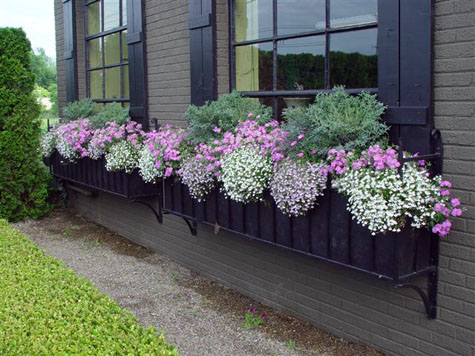 Spring is a season like no other. Give some time to enjoying it. Spring pots are a perfect for a collection of lettuces that will spruce up your salads. A collection of spring pots also helps considerably to stave off the impulse to plant summer pots too early. Most summer annuals despise cold soil and cool temperatures. For everything, the right season. Plant your spring.