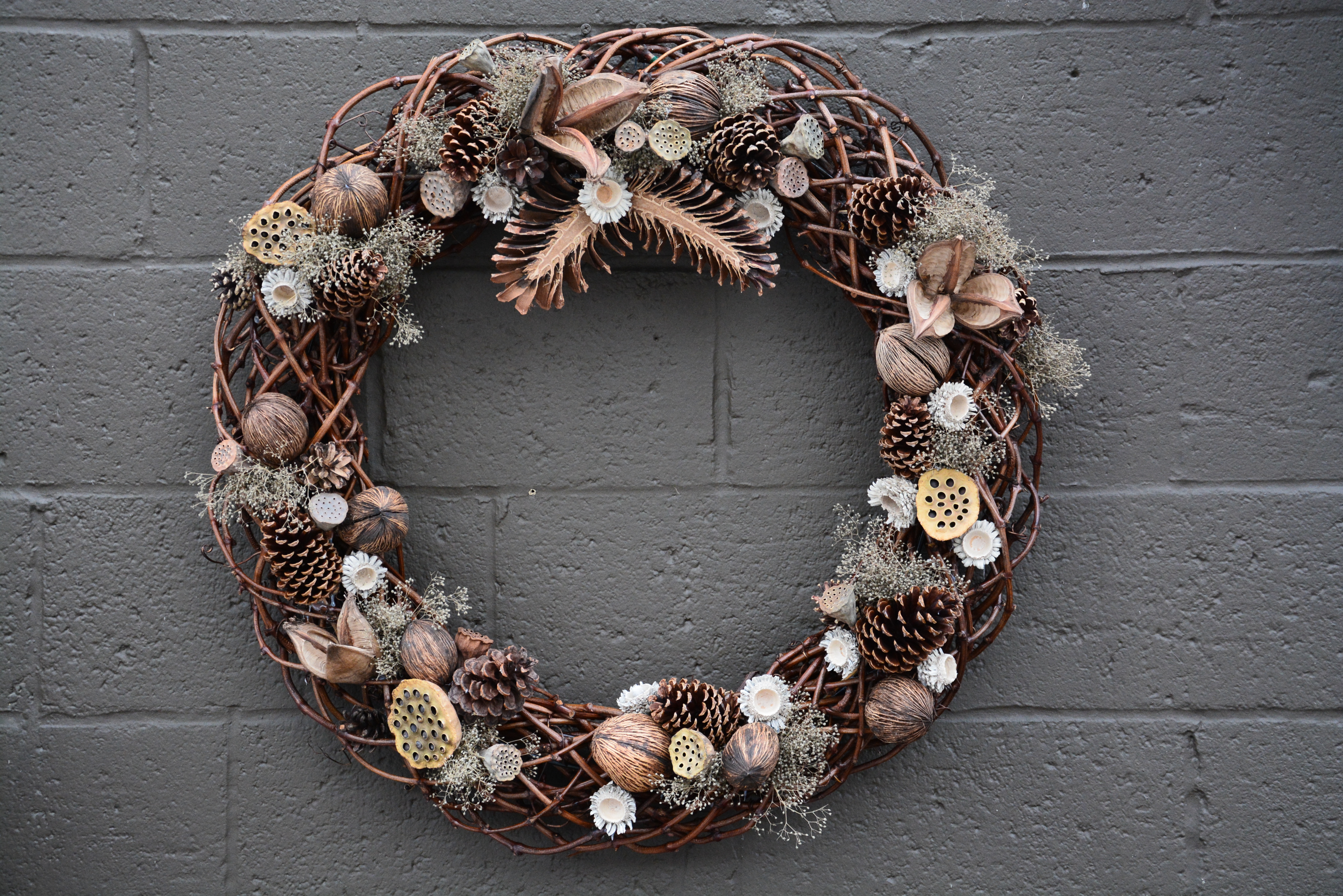
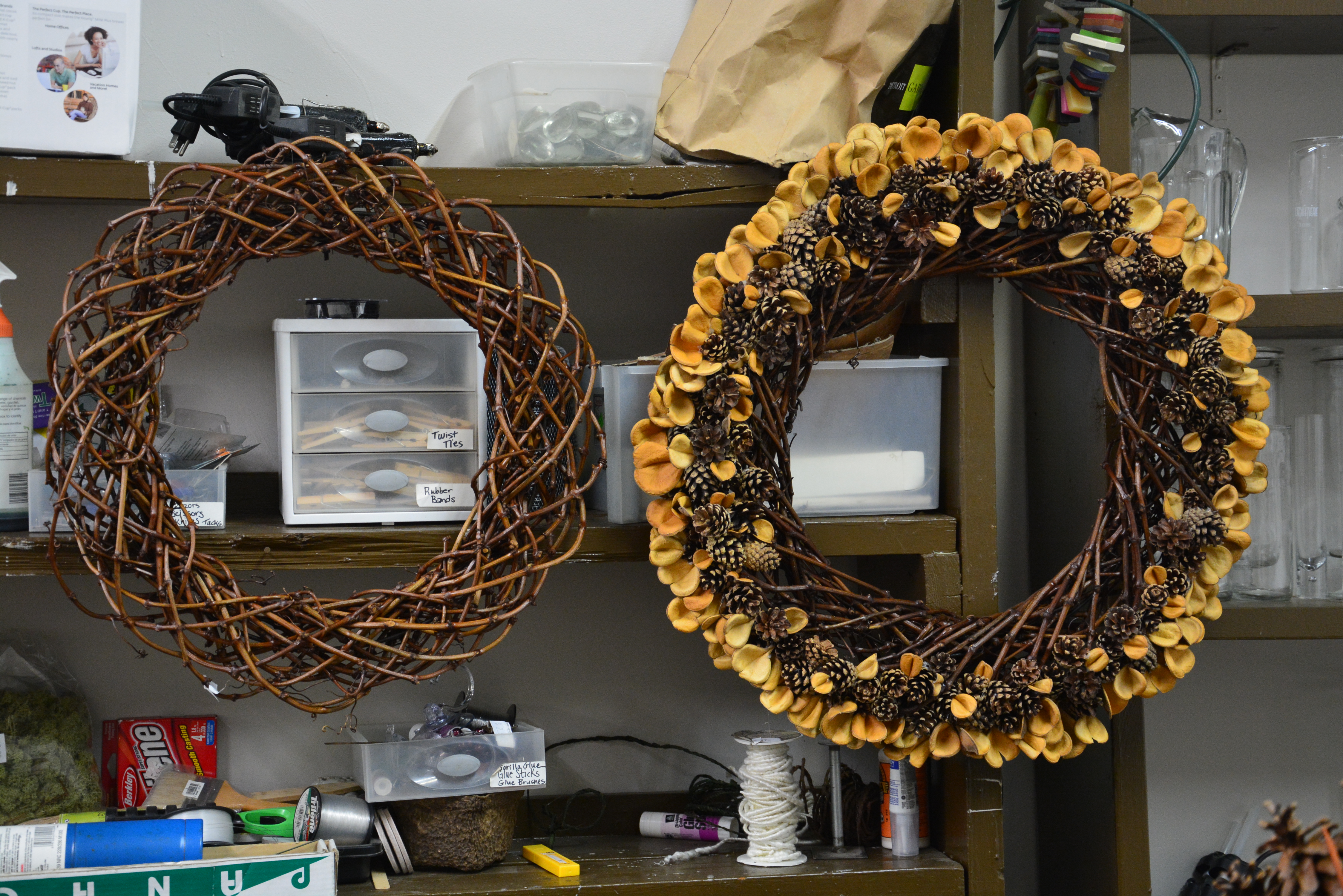
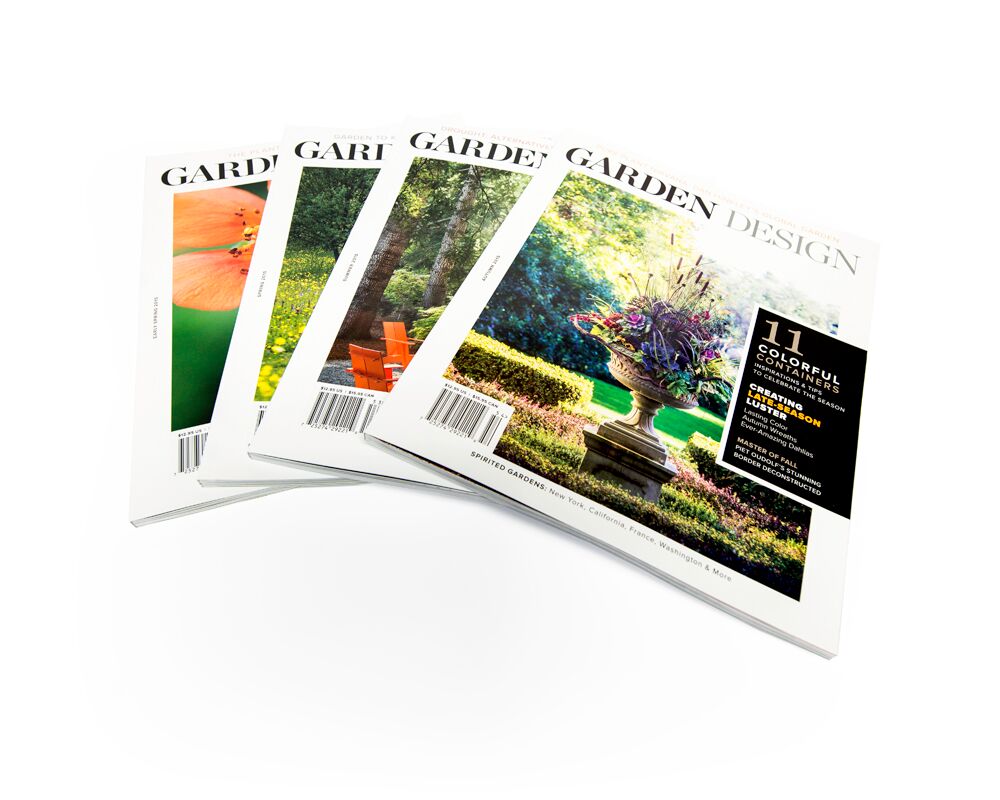
 Detroit Garden Works has been on hiatus since January 15. Anyone who comes to our door is welcome to come inside, but most of what there is to see now are the repairs we’ve made to our old block walls and roof, the new paint throughout, and clean surfaces all around. What Rob has selected for our 2016 gardening season is beginning to arrive. It will take every bit of the next two weeks to put the shop back together for our March reopening. But there is another sure sign of spring. The early spring 2016 issue of Garden Design Magazine is set to ship the beginning of next week. If you are a gardener of a certain age, you probably recognize the name. Garden Design Magazine, in its previous life, was published between 1982 and 2013. Jim Peterson, entrepreneur and risk taker, decided to buy the rights to the magazine from the Bonnier Corporation shortly after they ceased publication.
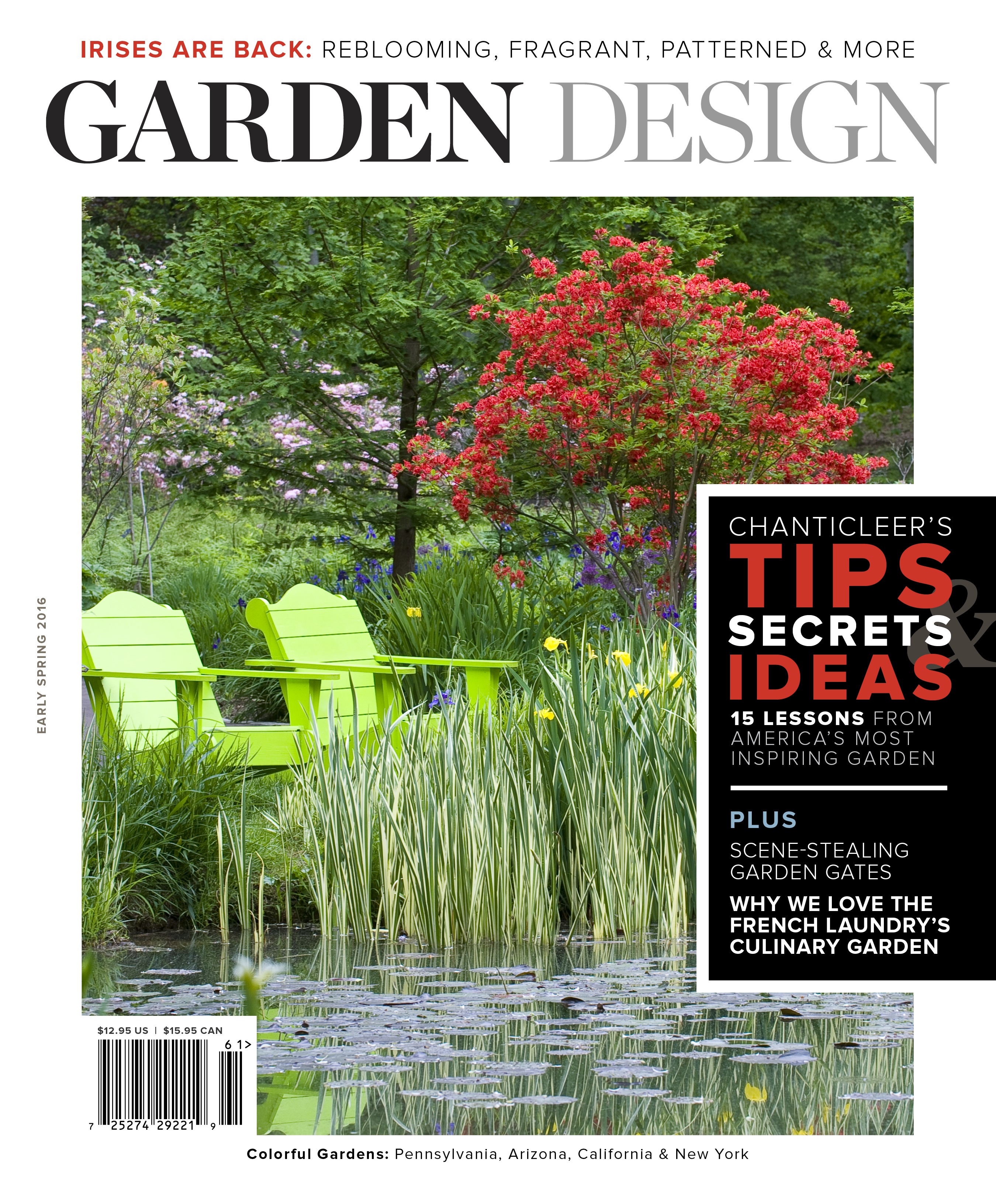 Though his primary interest was in establishing a new innovative digital presence for Garden Design, gardening aficionados all over the country spoke strongly to their appreciation for the printed page. Who knows what possessed him to commit to bringing that print publication back to life in an incredibly beautiful and signature way, but he did. I greatly admire this about him. Jim called me to ask if Detroit Garden Works would consider carrying his new magazine. I loved how he was willing to take his passion as far as making his case for his new magazine personally to people in the retail garden community. I admire any gardener that creates magic from dirt, and Jim Peterson is no exception. Of course I said yes. I am an American landscape designer. A publication devoted to American landscape and garden design is a resource I would treasure. I take great pride that my practice was featured in their first issue.
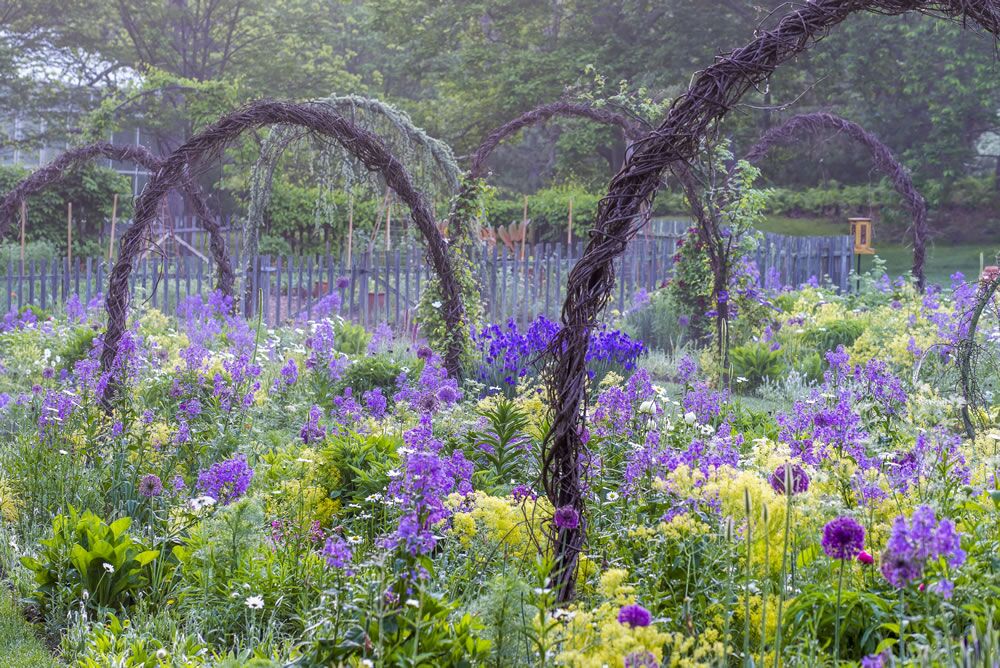
Garden Design Magazine is easy to like. Each of the four yearly issues are much more journal than magazine. The early spring issue which will ship the first of next week is 148 pages, none of which are devoted to ads. The paper is of such a substantive and fine quality that the photographs represent beautifully-more like a monograph than a magazine. The beauty of the photo reproductions do justice to the beauty of the photographs themselves. This highly evocative photograph by Rob Cardillo speaks volumes about composition and color in a garden. Who knows what article is in store that will feature this photograph. The quality of the photographs in every issue is matched by articles bound to be of interest to anyone and everyone who gardens – either personally or professionally.
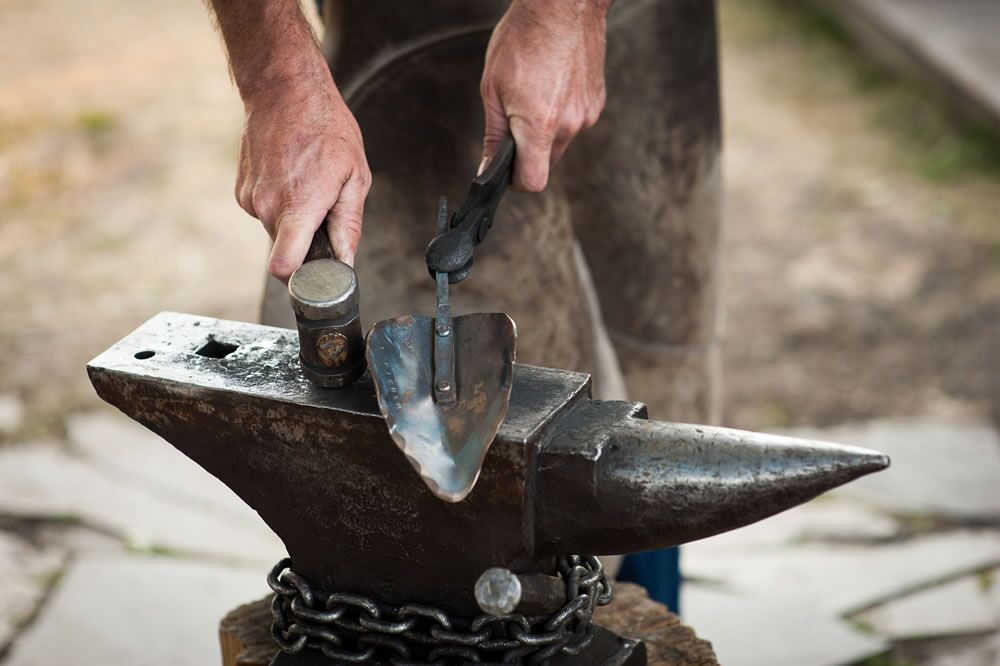 I had occasion to speak with Thad Orr, editor in chief of Garden Design, at some length last week. I was interested to hear him talk about his approach to the work of creating a magazine that would encourage wide readership in the gardening community. He is clearly keen to represent three broadly brushed and overlapping areas of interest. The individual gardener, who designs and tends their own garden, will find articles that speak to a personal scale, scope and interest. The professional landscape and garden designer, whose practice is a life’s work, and those with an abiding interest in horticulture either as a grower or a practitioner round out the trio. This photograph by Rob Cummings speaks not only to the hard work of garden, but the artistry that can accompany every aspect of great garden making. It also speaks to other groups in the gardening world-those who design and make tools, furniture, garden gear, or ornament.
 The magazine is willing to celebrate any aspect of garden making. There is no stultifying narrative about what gets to be called gardening, and what doesn’t. Their tent is a big one. The benefit to readers is whatever topic they choose to cover, they address with some depth. A new gardener might fill their first containers with geraniums, as they are ubiquitous in nurseries all over the country. I love them – they are the little black dress of the container plant world. But this pot, photographed by Jason Ingram, features a geranium I am not familiar with. There will be those who are interested in the plants in this pot. And those who are interested in the design of it.
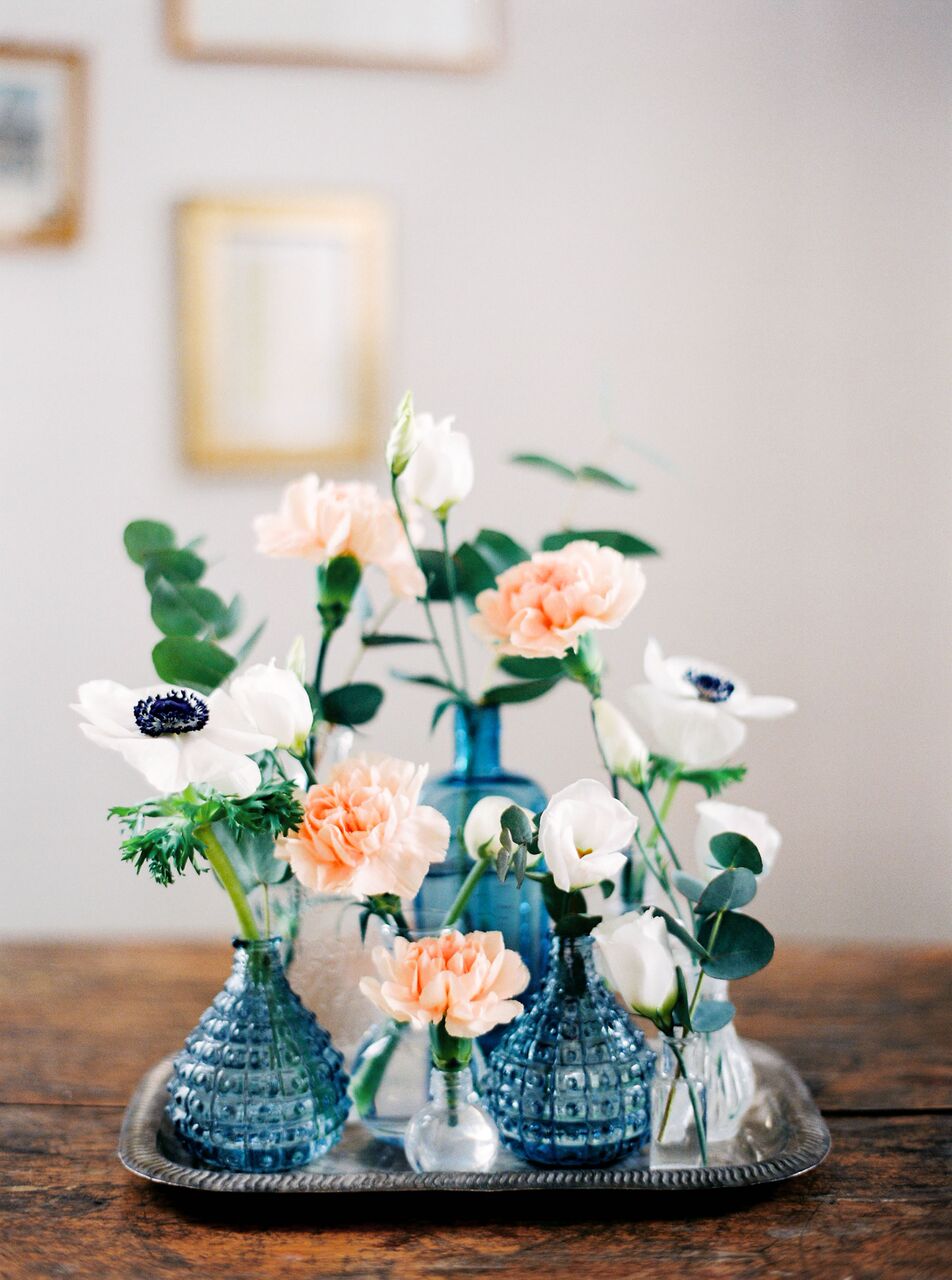 Growing and arranging cut flowers appeals to everyone who has ever been enchanted by flowers. I have no idea in what context this scrumptious but simple arrangement of anemones, lisianthus and carnations was photographed by Pia Clodi, but I will be finding out next week.
 Garden Design does a great job of telling stories about people who garden in one form or another. This part interests me greatly, as every person has a different point of view. And most surely a point of view worth learning about. As a landscape design professional, I am naturally interested what other people in horticulture and design are doing. Bob Stefko’s portrait of Roy Diblik, well known American plantsman, grower, author and designer tells me an interesting story is on the way. If you gardener, and are not familiar with his work, there is a golden opportunity to get acquainted.
 I do believe there is some great landscape design being done in the US. Photographed by Robert Yu, this contemporary landscape is absolutely stunning. It is not a landscape I am familiar with. Garden Design is a forum for landscape and garden design that I appreciate having available to me. I might not otherwise see this garden. I am keenly interested to read more about it.
 30 years have passed since since I last grew bearded iris. This astonishing photograph by Ngoc Minh Ngo not only makes me want to grow them again, it makes me want to grow these.
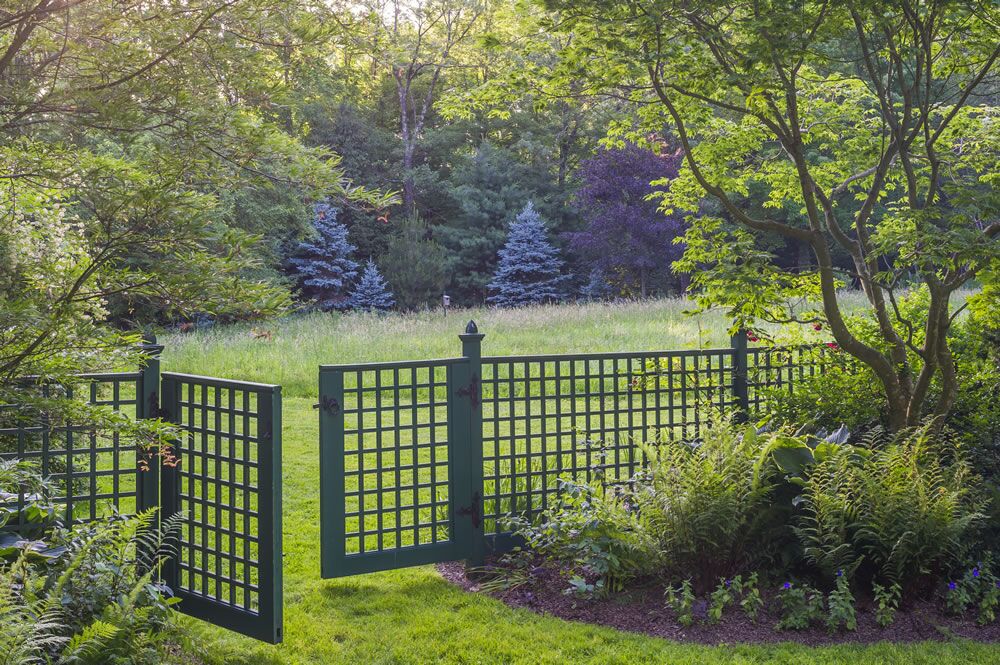 As much as I appreciate this garden and fence, as photographed by Rob Cardillo, what strikes me the most is the idea that a landscape and garden can be a gateway to a way of life that is good for people. Garden Design makes this case in many different ways. If you do not already subscribe, I would recommend you do so. Subscribe now, and you get the early spring issue from which all of these photographs were taken, free. Check it out: subscribe to Garden Design here Yes, I have a good bit of enthusiasm for this magazine. It is the only magazine of its kind. I would like to see them continue to cover horticulture and design for a long time to come.