Sunday Opinion: Reactionary

Two weeks ago I got a haircut-just this side of a military buzz cut.  I was reacting to the intense heat and the lack of electricity.  I just needed to get that hair off my face, and my neck.  This past week, that reactionary buzz cut was still soaking wet, every day, all day long.  My point?  Reacting to the conditions of the moment sometimes solves a problem.  But not always.  No matter the length or style of my hair, I perspire-copiously.  I cannot wait for the temperatures to cool down, but cutting my hair won’t make this happen any faster.  No matter the season, I have a point of view about the landscape.  My point of view is not so much different than my propensity to sweat.  It is God given, ingrained, instinctive-and above all, stubbornly reactive.  But my expected reaction is not always the best way to cope.  The heat shouldn’t make me throw up my hands in disgust.  It should only make me shower and find a way to cool off more often.  It should make me garden early and late, and not so much the middle of the day.  It should make me watch the need for water, better.

Our high heat and lack of rain has been stubbornly persistent.  This is not Georgia, Alabama,  Florida, or Texas-I live in Michigan.  Typical July weather in Michigan is hot, but not mid to high 90’s hot. Tropically high heat has made every gardeners life tough. Every gardener I know is sweating buckets, and reacting.  None of my plants like being subjected to this blast furnace style weather either.  They react-dramatically.  They shed green leaves.  The leaves on my lindens yellow, and drop.  My dogwoods are in a sustained wilt, no matter how much I water.  They just don’t like this heat.  My magnolias are rife with fungus.  They have been barraged by inclement weather since the April.  My grass is panting. My roses contracted black spot instantly-those long leafless stalks are not so good looking.  I water a section of them-every night.  My stands of Monarda Claire Grace have lost all of their lower leaves to mildew.  I have flowers and sticks to look at.

I have seen a lot of over watered plants.  Though a dip in my fountain makes me feel better and cooler, water does not mitigate the heat.  Dahlias wilt from intense heat, even when they do not need water.  Begonias will rot in an instant, should the water be stepped up in the heat.  A sure sign of overwater in a landscape-yellowing yews. You can smell ground that is overwatered.  Unlike the fresh pungent smell of compost, over watered soil smells rotten-which it is.    

My good friend Julia has thrown in the towel.  She tells me that the romance the over.  This season is a wash.  She cannot wait for the 2013 gardening season.  I understand her frustration.  She has a large garden without any in ground irrigation.  She has been dragging hoses around for weeks.  She must feel like she has a hose duct taped to both hands.  Never mind her efforts-she tells me her garden looks terrible.  Exhausting, this.  The work involved in attempting to intervene in a drought and high heat summer is considerable.  Daunting.  However I recognize that this is her reaction, and no more. 

World weather cycles span more time than a human lifetime, though I remember a season in the late 80’s-intense heat, and drought. I could not sleep for weeks-no air conditioning then.  I was planting gardens and landscapes.  There was a ban on watering.  I worried all night long about what I had planted-would those plants survive.  Reactionary, my initial response.  In retrospect, there was little loss, but lots of worry. 

Given over 30 years gardening at home, and professionally, I am inclined to ascribe the particulars of this particular season to a bigger picture.  This is just one year of many, with its own particular circumstance.  As much as I am inclined to react to the moment, I know better than to do so. As much as I would like to think that my lifetime establishes weather parameters, and thus defines nature-I know this is foolishness. It varies over a time period much longer than a human life.    My reaction to our untoward weather only makes me perspire more.  My patience, in spite of my perspiration, is more useful than my reaction.

This gardening season is not so much my favorite.   But is it what we have.  What we have-I have no plans to react.  My plan is to live, and garden.

Planting The Annual Flowers

container gardening

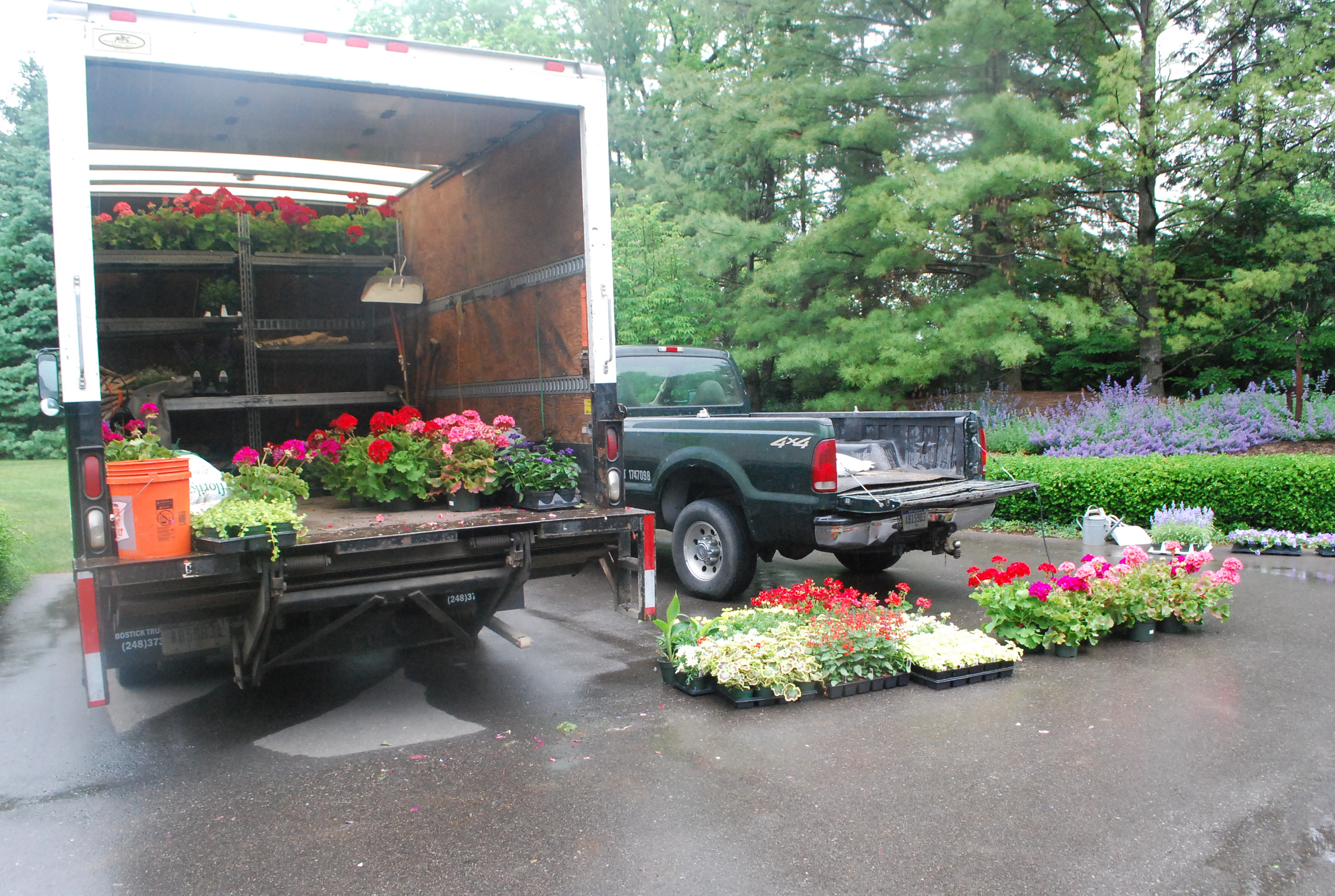
I plant better than 80 annual plantings every year.  Some are as simple as a pair of pots on the front porch.  Others involve multple containers, and in ground planting.  I enjoy each and every one of them.  That said, the work of this chases me from late May until the end of the first week of July.  My late June clients are looking to replace their spring plantings.   As Detroit Garden Works is not a full service nursery, I shop for all of my clients, individually. 

annual plantings

That shopping takes me to lots of local nurseries and my local farmer’s market.  One nursery custom grows a lot of material which I like to use.  Whether that material involves new varieties of caladiums I grew last year, or nicotiana cultivars, specialty and unusual plants make the difference between a rote container scheme, and a freshly imagined and exciting planting.  

annual planting beds

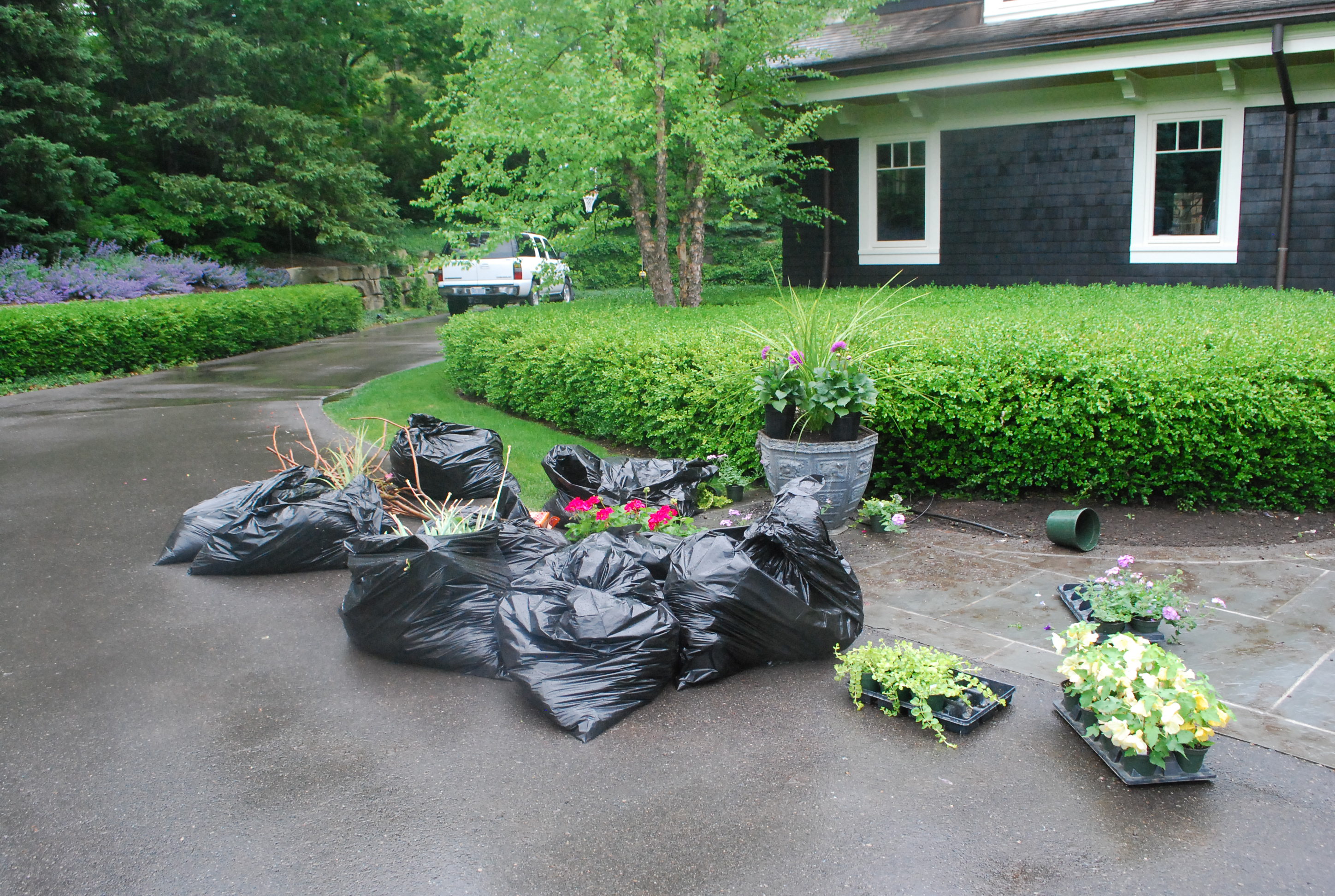
The shopping is the first part.  Pickups of plants, and arranging for deliveries is a job in and of itself.  Some plantings are so large I arrange for delivery to the site the day of the planting.  No matter if I am picking up, or having plants delivered, planning for the job comes first.  The planning and designing takes a lot of thought and detail, so the installation goes smoothly and quickly.  Once the plants and my crew meets at the job, the first move is to clean up.  The spring tulips and weeds may need to be cleaned out.  The pots need fresh soil.  Steve arranges for our custom blend of soil for containers to be mixed.  That soil is delivered to a company who provides bagging, and shipping.  We go through 2 semi truck loads of our custom container soil mix a season. 
planting annual beds

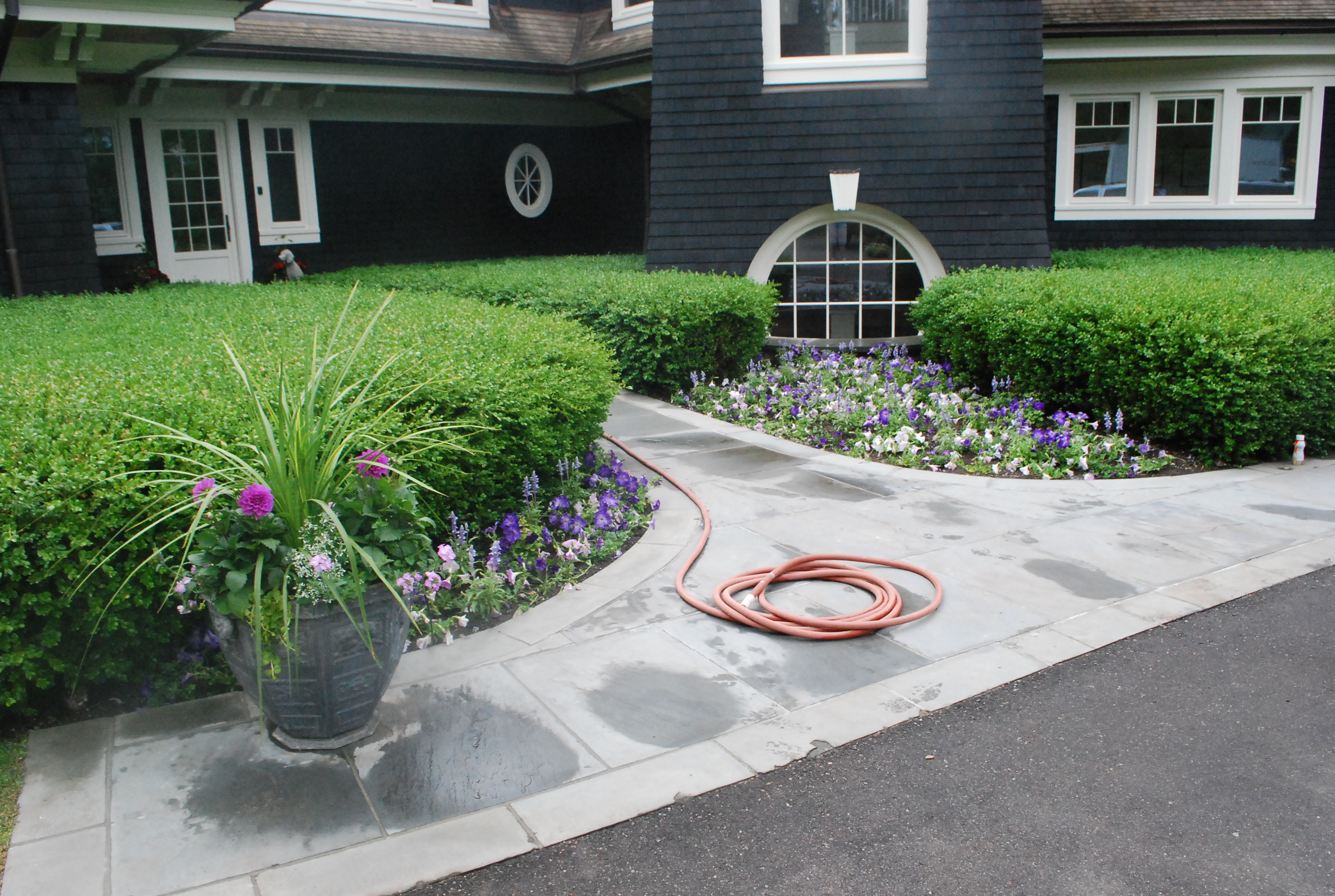
Once the pots get a new planting, and the annuals are planted in ground, we sweep up, and water thoroughly-at least three times.  We water until we are blue in the face.  Newly planted plants have no ability to take up water from the surrounding soil until their roots reach out.  A really good soak makes for a really promising beginning. 
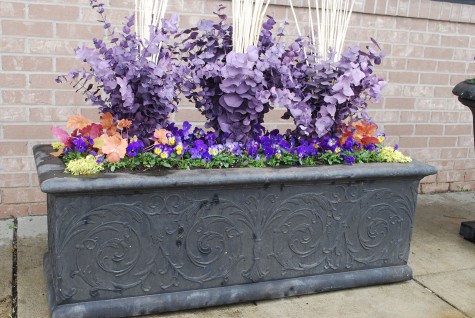
English made lead

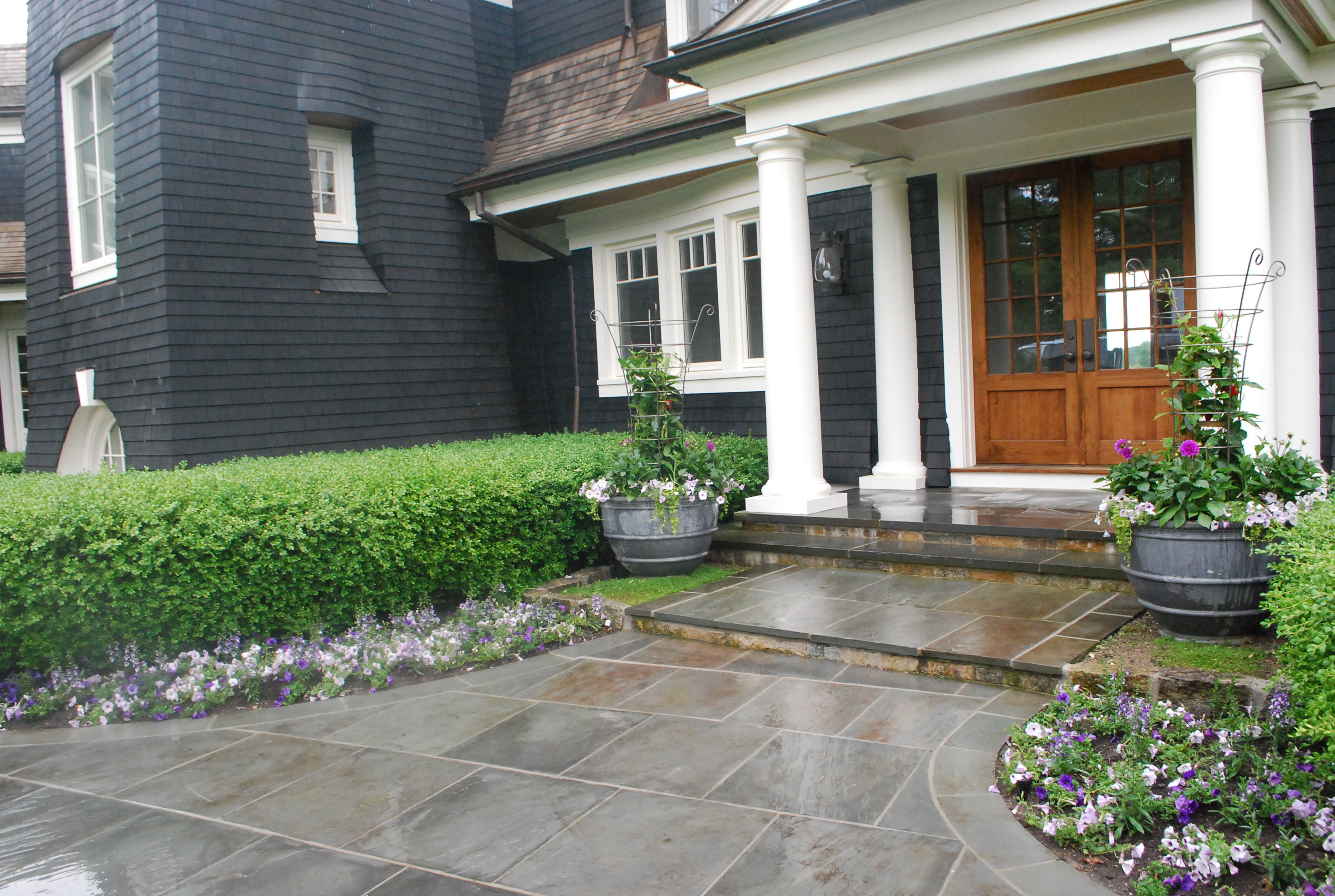
The next two days calls for temperatures in the 90’s.  We were especially careful today to soak every pot thoroughly.  Though this picture seems hardly worth posting, what I like is how wet everything looks.  The landscape installation here is 4 years old now.  All of the woody plants have taken hold, and are thriving.  The flowers add a finishing detail that makes the landscape seem like home.   

container planting

I make trouble for myself.  I will not plant too early.  Most of my clients understand this about me, and don’t fuss.  I am not so concerned about frosty air temperatures.  I am interested in the temperature of the soil.  If the soil is too cold, the annual plants are stopped dead in their tracks.  Most annual plants are native to tropical locales.  They know no cold. 

variegated abutilon

It is hard to wait, given how many plantings there are to get done.  But a tropical plant which is planted into freezing soil will be set back.  The growth may be stunted.  It might take weeks for them to recover from the insult.  They may never recover.  I like planting in soil that has thoroughly warmed up.  This makes the transplanting process take no longer than a blink of an eye. 

container gardening

Coleus and impatiens hate cold soil.  Massed plantings of impatiens and fibrous begonias at my local shopping center in early May shrivel before they ever make a move to grow. Looking at these plantings makes me wince. Some clients will call, concerned that they do not have their plantings before Memorial Day.  I tell them they are one of the lucky ones.  No annual planting before its time means their plants will take hold and grow like crazy. 

This may be foolishness on my part with no basis in science, but I do believe that annuals that are planted too early peter out too early.  I usually plant my own pots the end of the first week of June.  I still have them growing strong into October.  If your annual pots give out the end of August, you might want to look at your planting date.

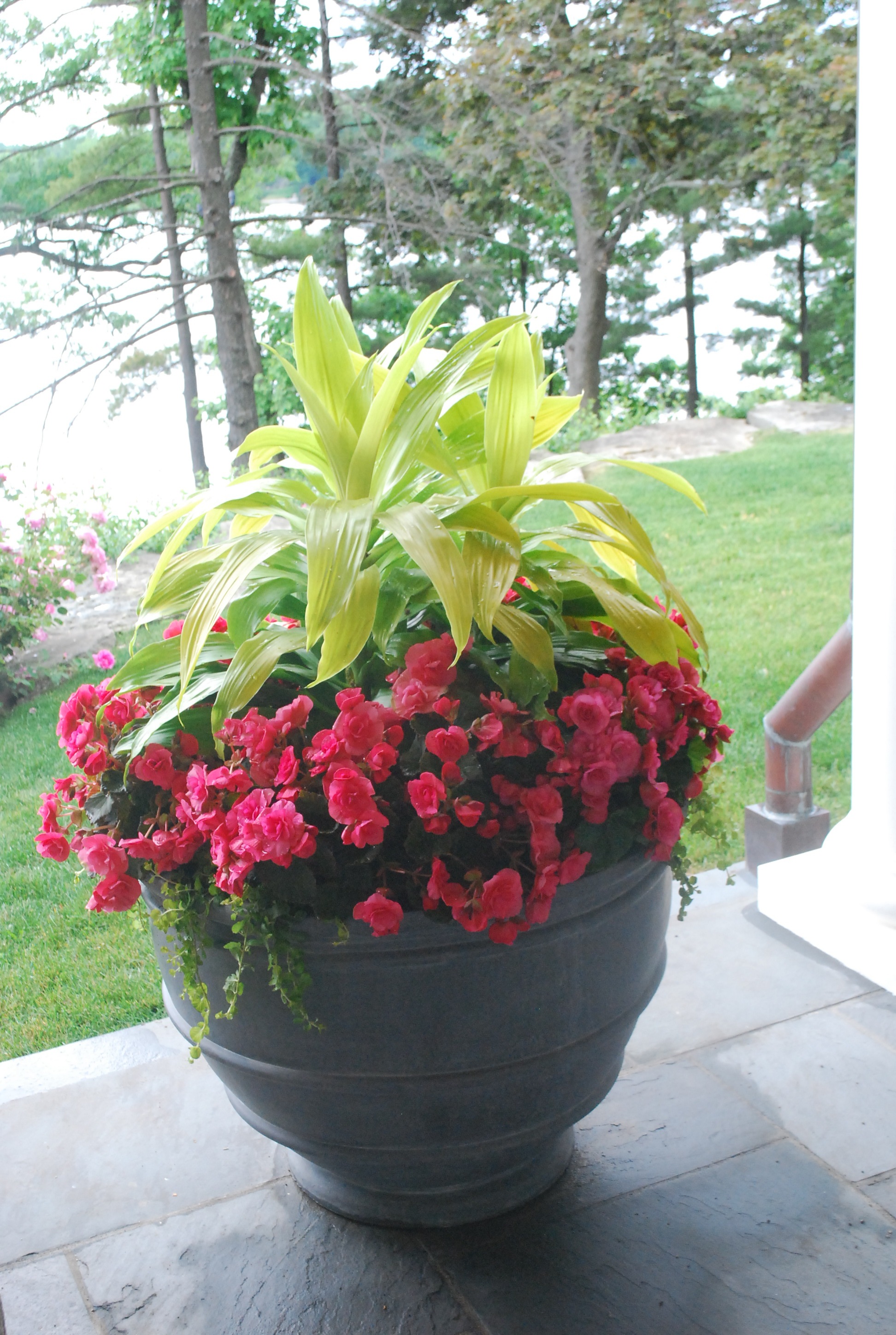
solenia pink begonias

I understand the urge to plant early.  Who isn’t ready for the summer gardening season by late April?  But April and May means spring in Michigan.  The weather can be dicey.  Those clients that have to have early plantings miss out on some great plants that will not tolerate the cold.  Caladiums, coleus, New Guinea impatiens, heliotrope, angelonia, and begonias all abhor cold soil. 

nicotiana mutabilis

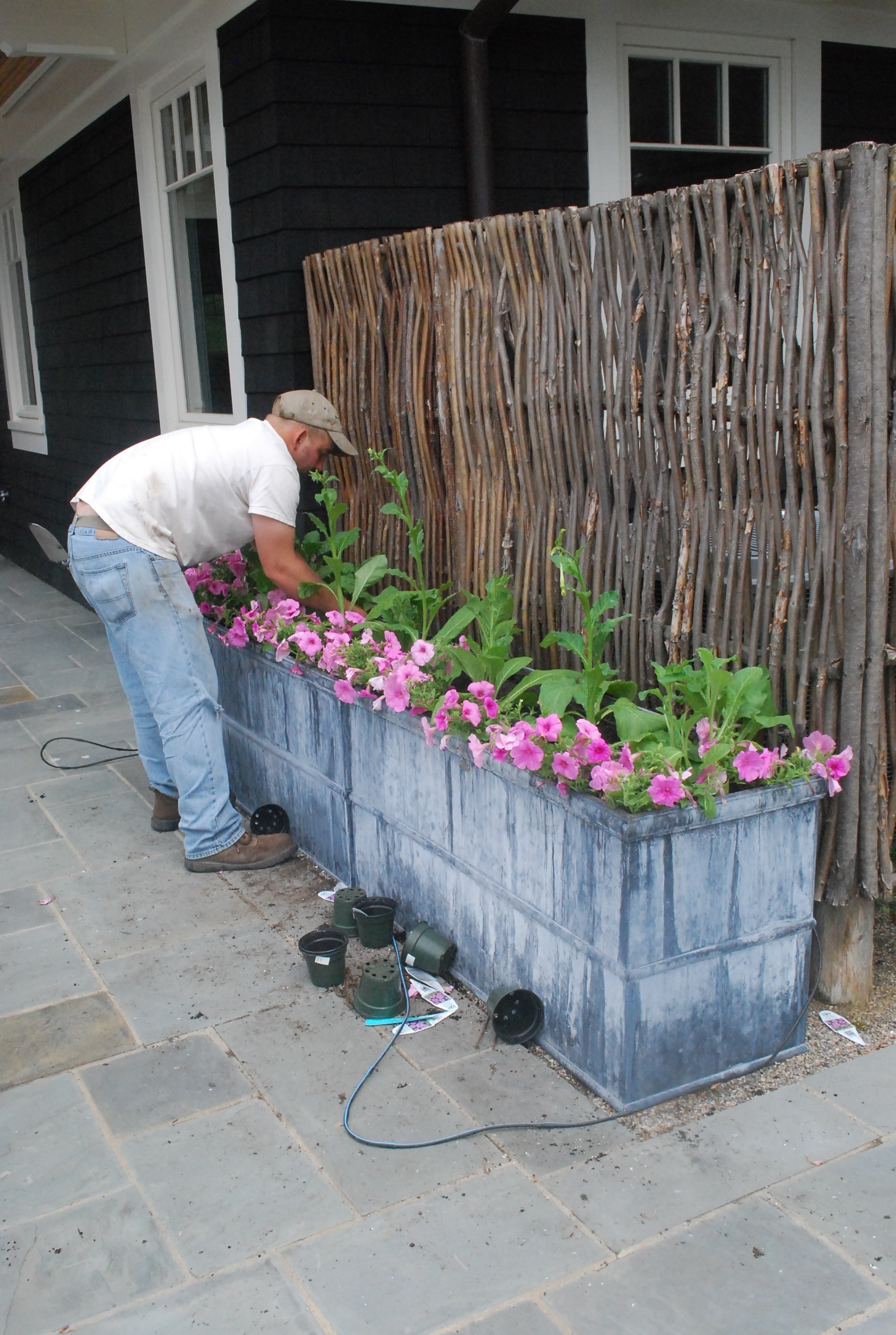
Newly planted containers do not give up what is to come.  These boxes will be overflowing with nicotian mutabilis, and nicotiana alata white in another month.  The pink petunias which are so much in evidence will be but a foot note, once the nicotiana get going. No annual pot in my zone looks great in June.  If you have an idea for a party or event in late May or June, plant for spring.  The annual flowers are just getting up a head of steam in late July.

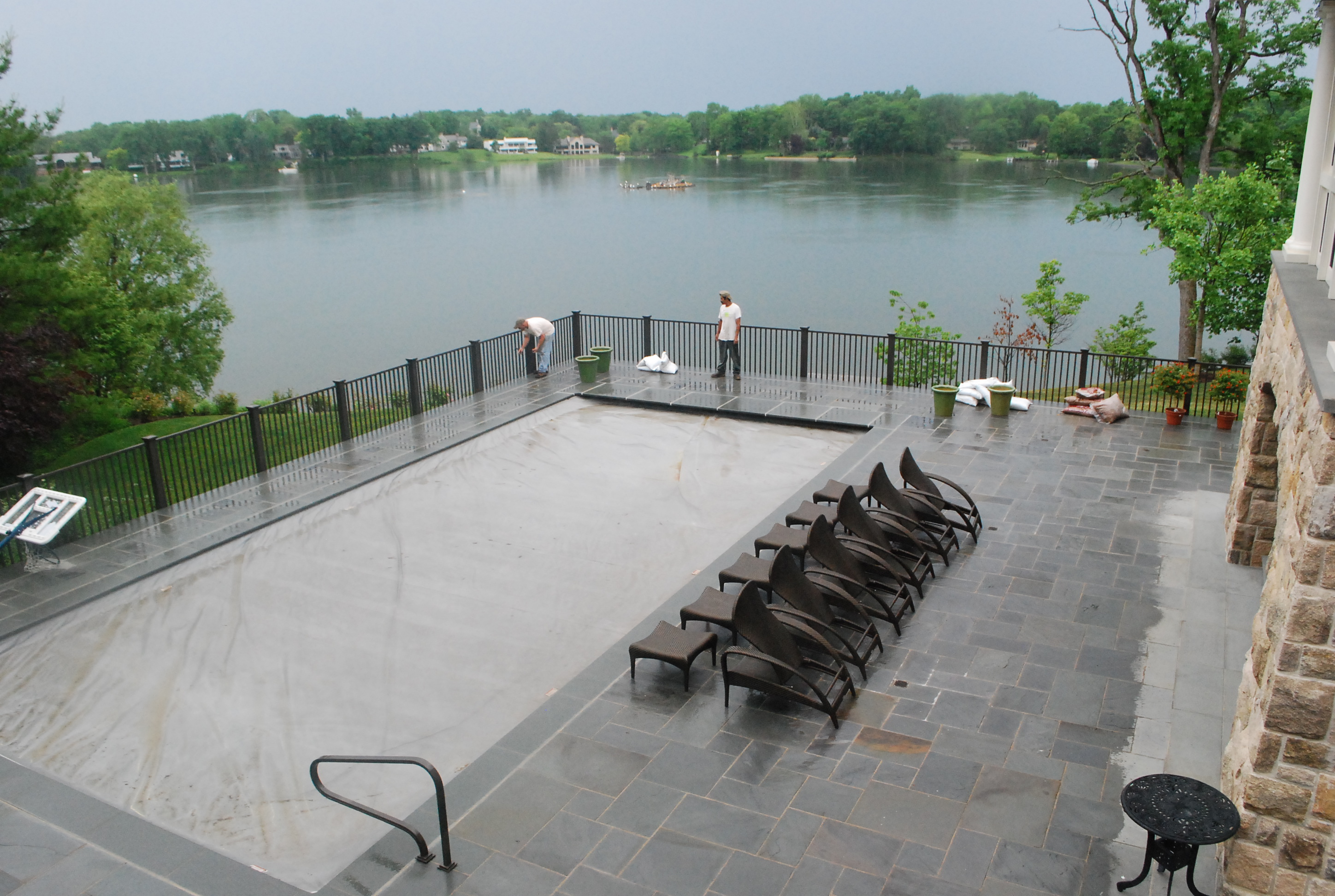
The first order of business on this pool deck is to get the pots out, locate the irrigation lines, and fill the pots with soil.

container gardening

I photograph all of my annual plantings when they are planted, and when they peak.  I draw the design for each pot on the back side of last year’s picture.  I use these pictures to tune up my choices in plants.  Success with container gardening involves a gardener, a particular location-and whatever else nature has in store to dish out. I try to keep a visual record from which I can learn.

Planting the container gardens is much different than designing the landscape and gardens.  But what I especially like about the containers is that they represent the finish.  The finishing touches make a landscape very personal. The annual flowers.  The right arbor, and that special bench.      

espalier crabapples
I never met anyone who did not like or respond to music.  Nor have I ever met anyone who did not respond to to the beauty that is a flower.  The summer growing and flowering tropical plants are a taste of Eden in the northern gardens I look after.  I plant lots of them at home, and enjoy them every day.   

container gardening

At the end of the day, I would plant pots-the more, the better.

At A Glance: Early Purple

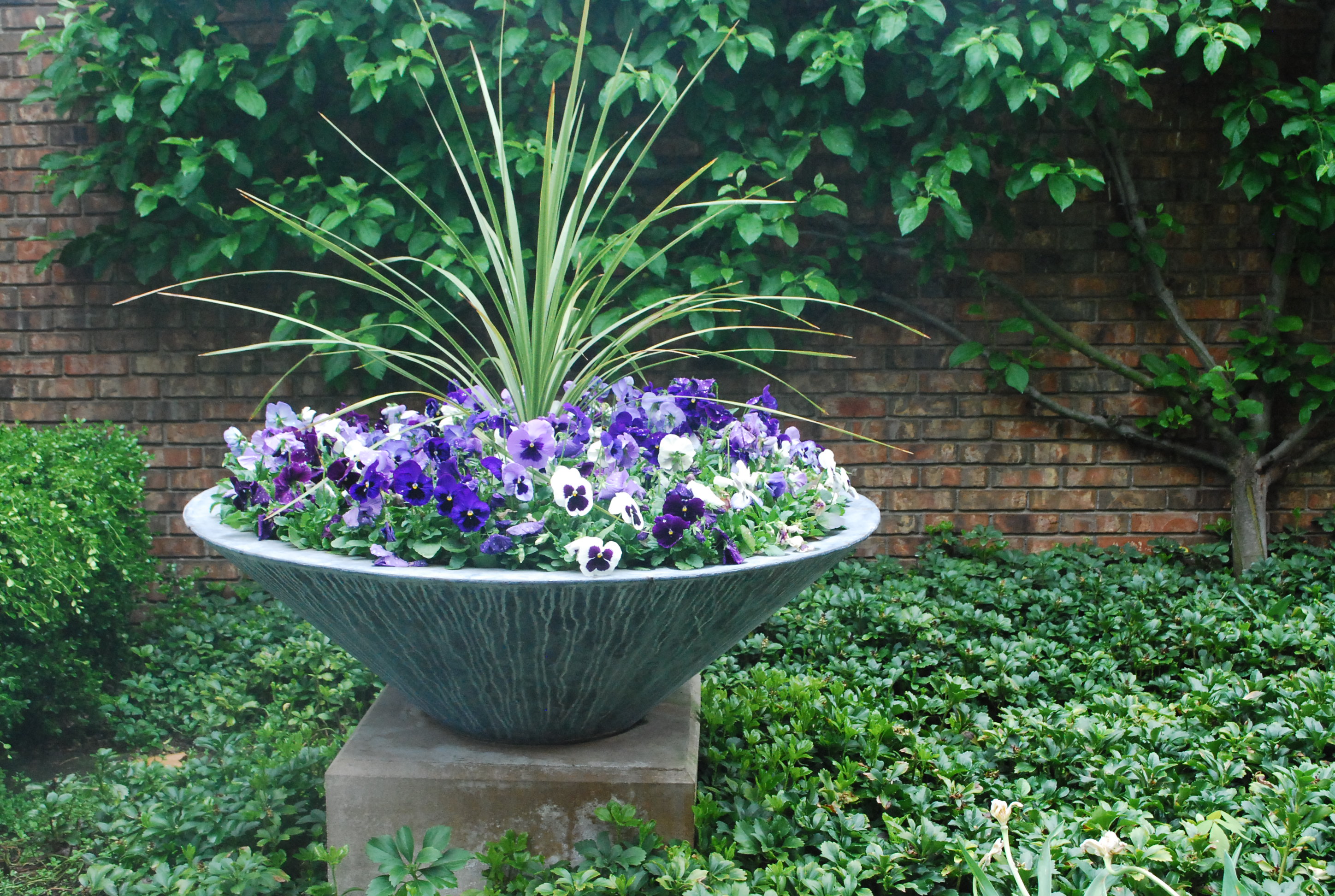
purple pansies

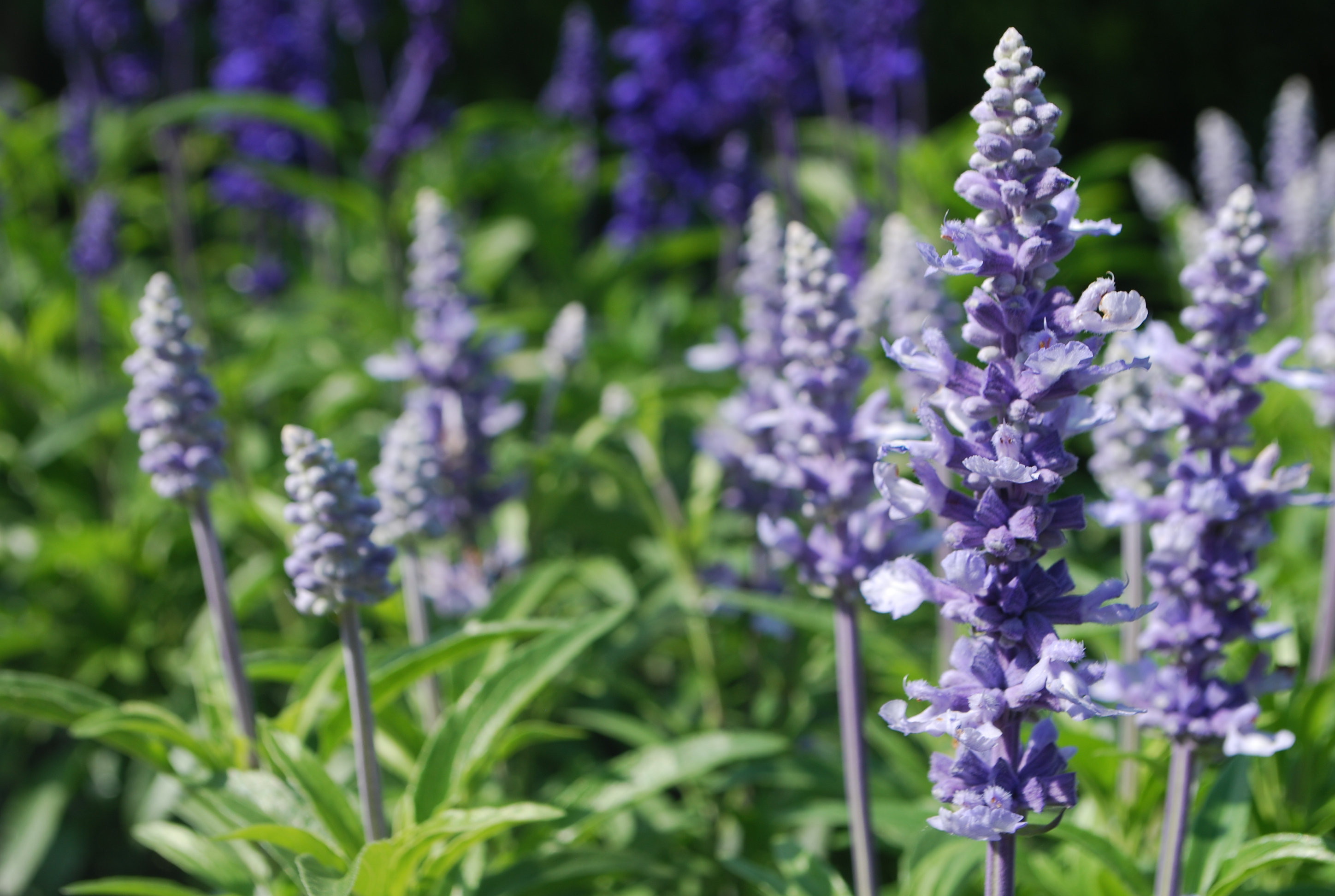
Cathedral Sky Blue salvia

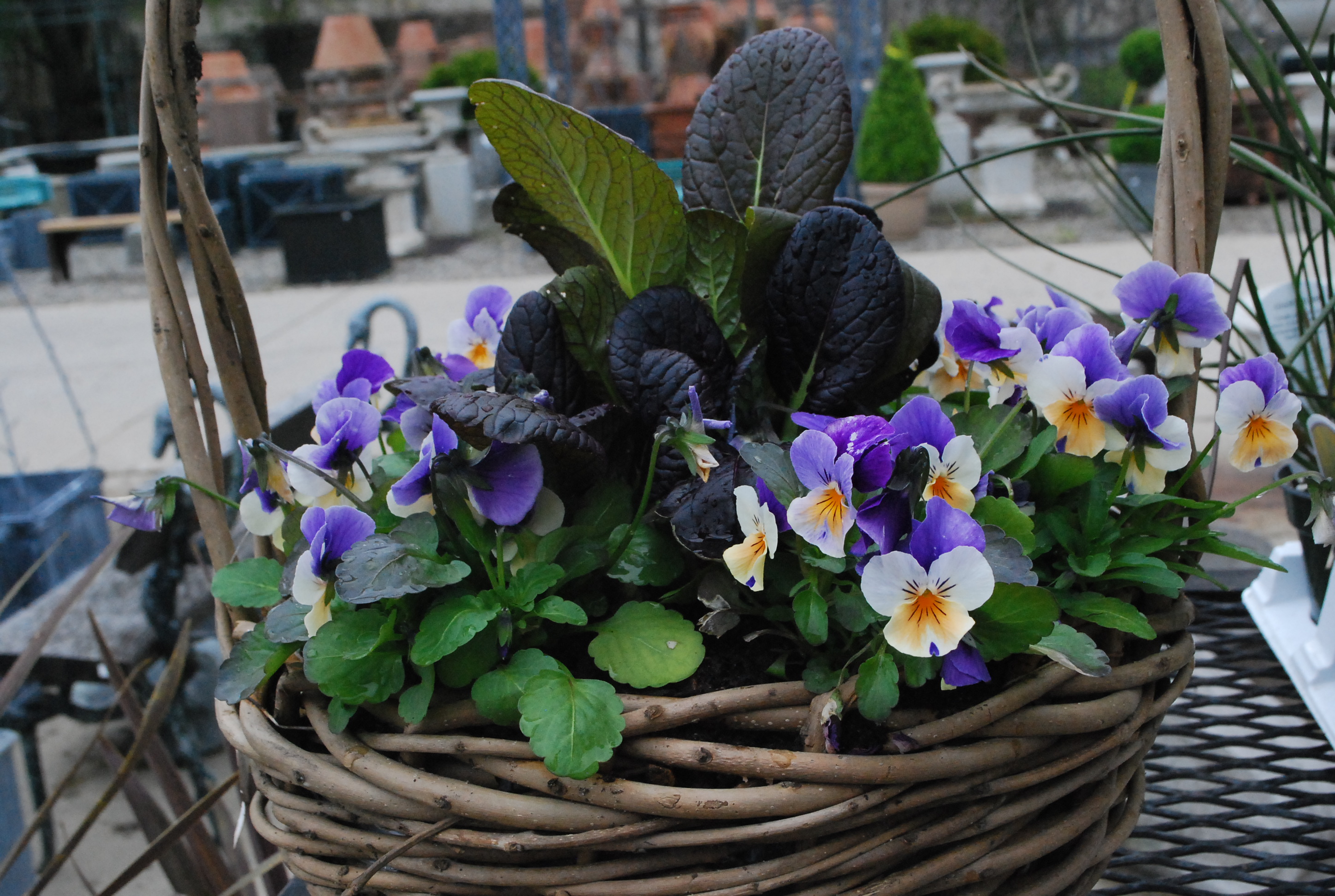
lavender bicolor violas and lettuce

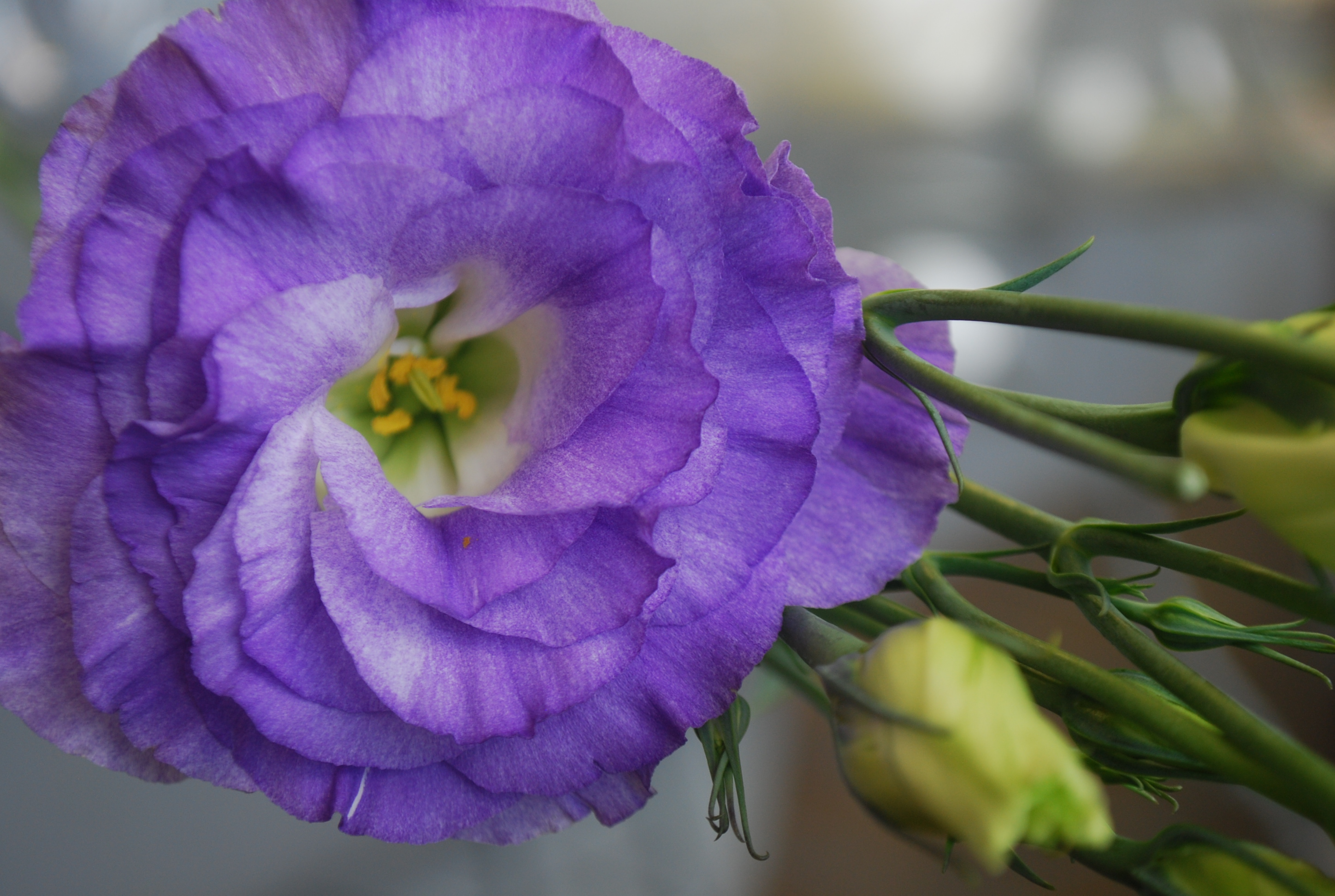
lavender lisianthus

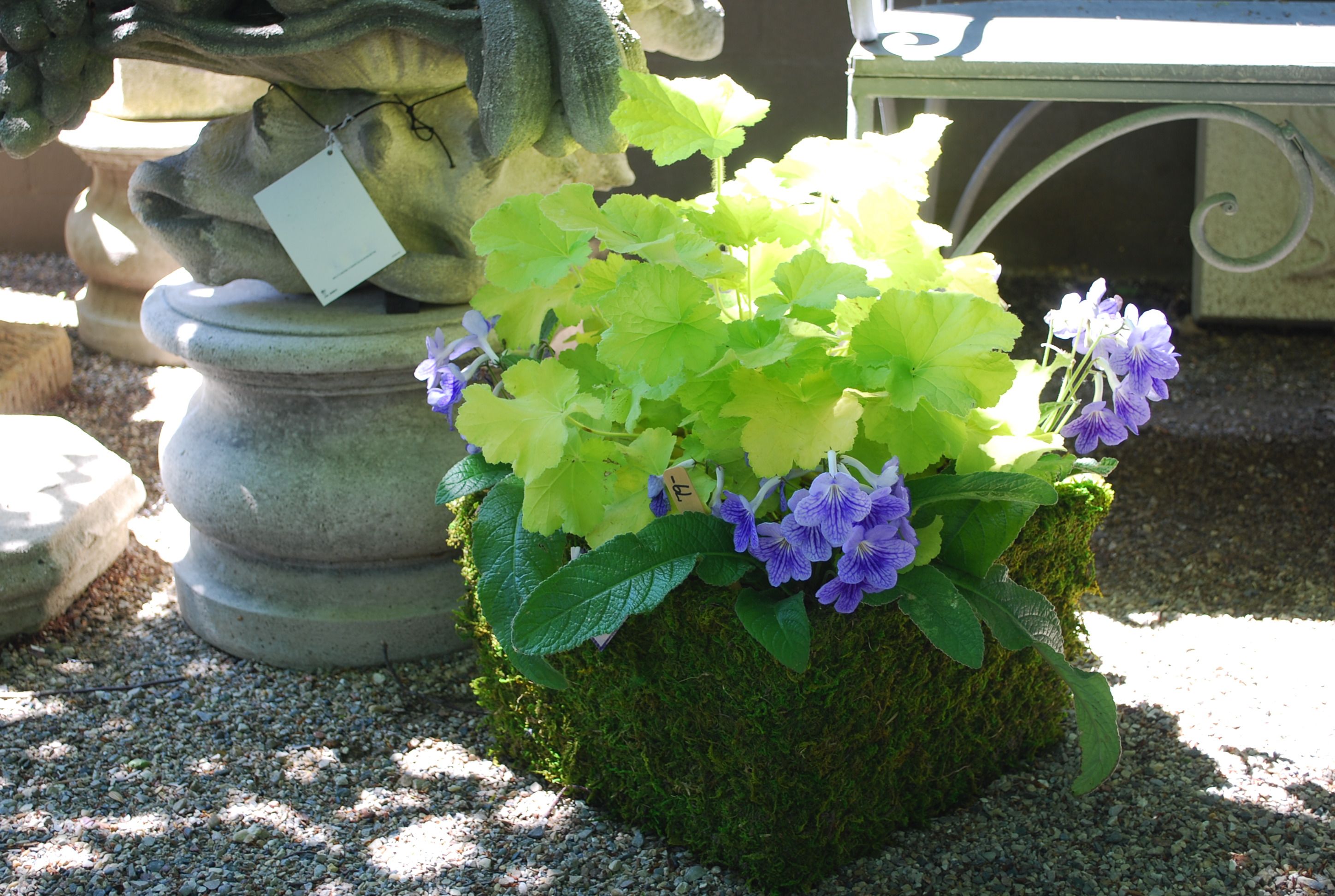
lime leaved coral bells and lavender streptocarpus

wisteria Blue Moon

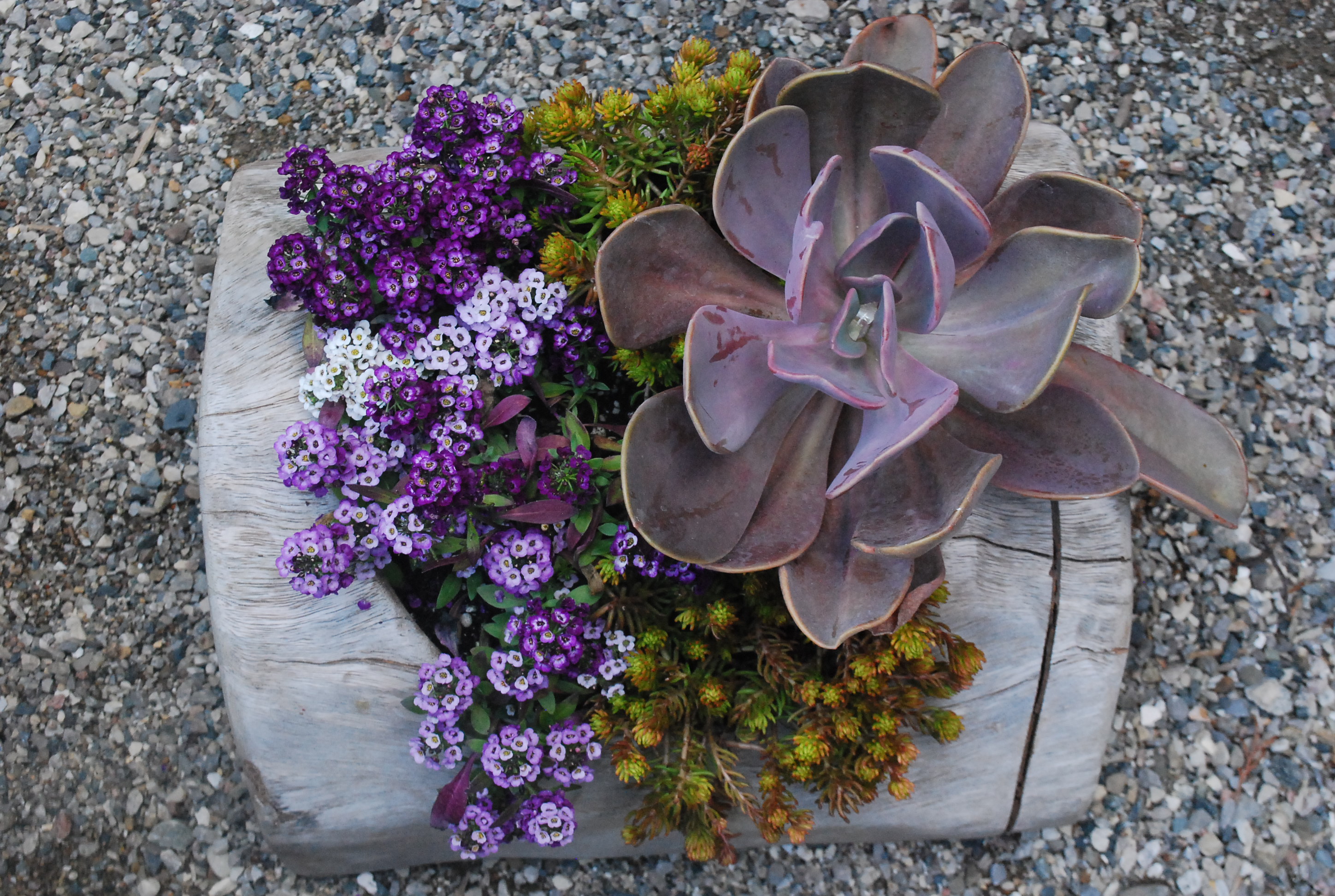
 Opal Moon escheveria, angelina, and sweet alyssum

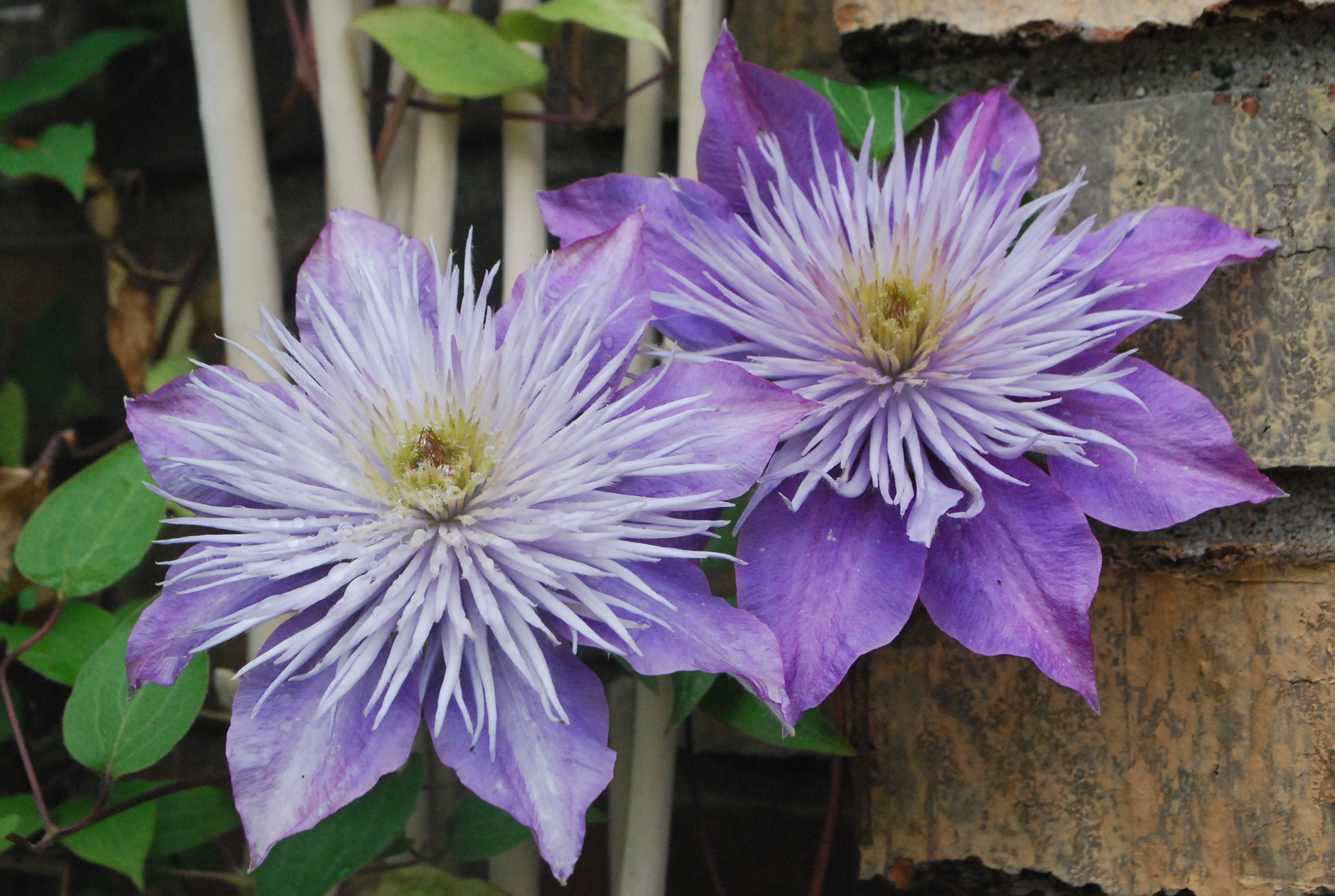
lavender clematis

purple pansy mix

spring planting

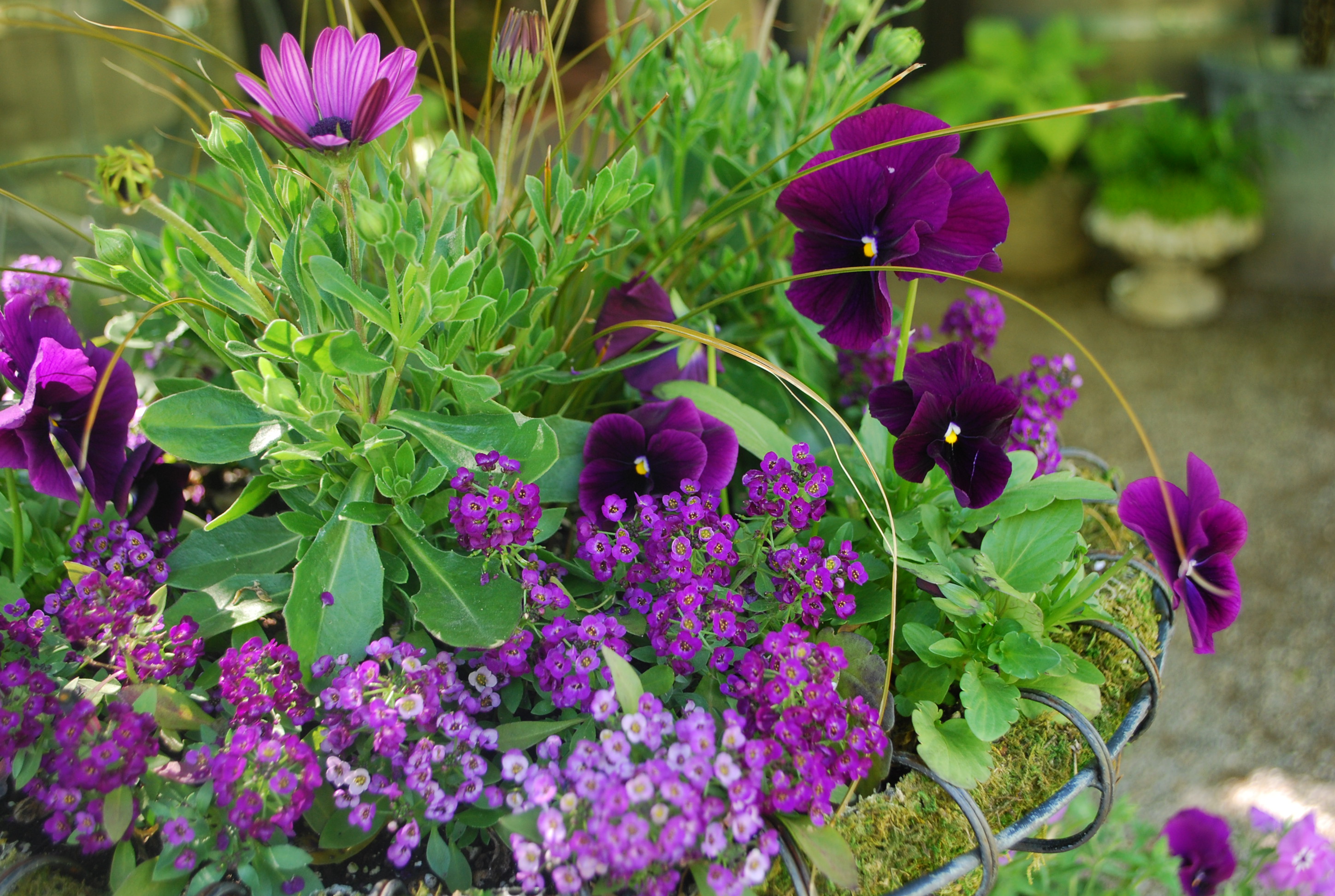
carmine pansies and alyssum

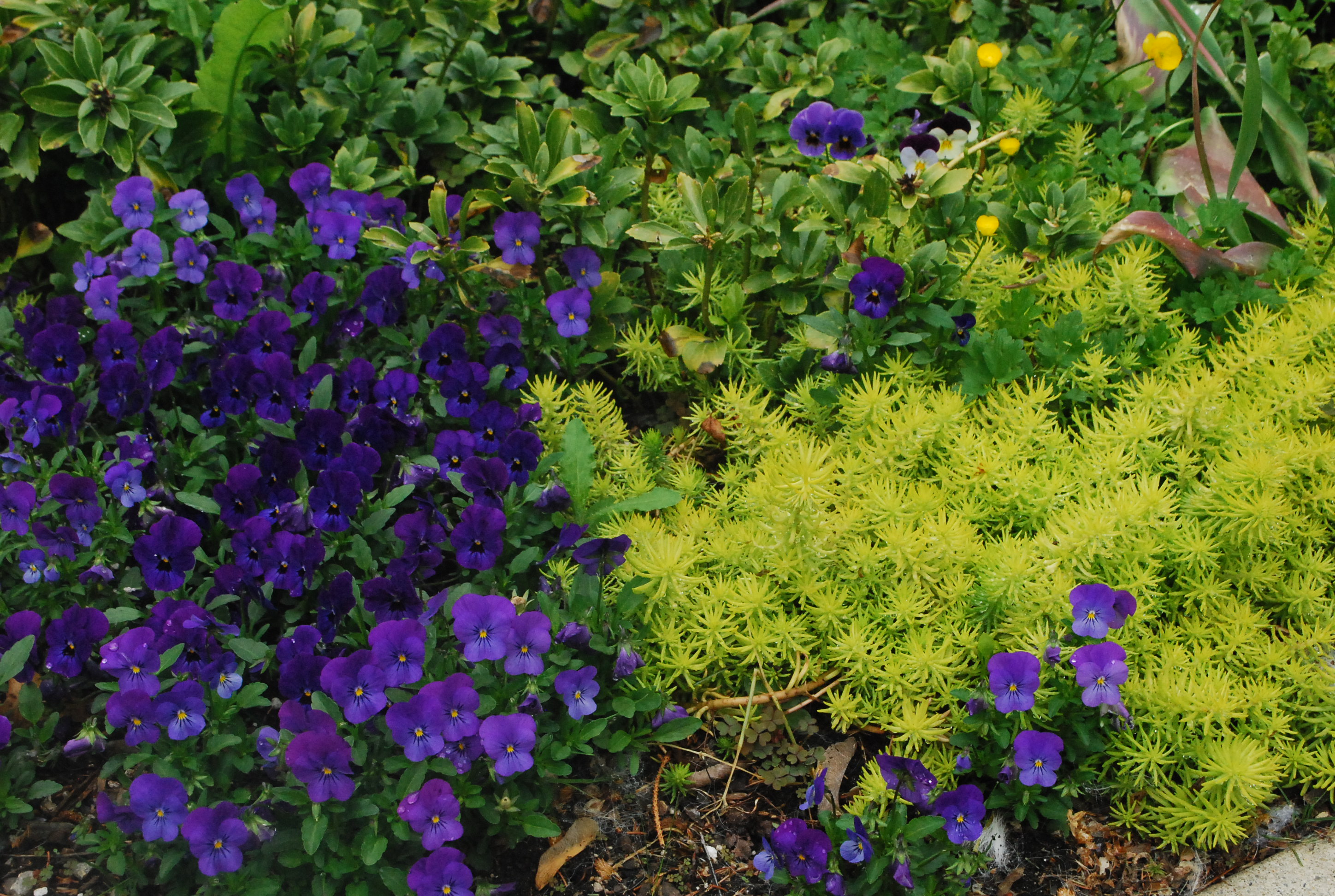
purple violas and angelina

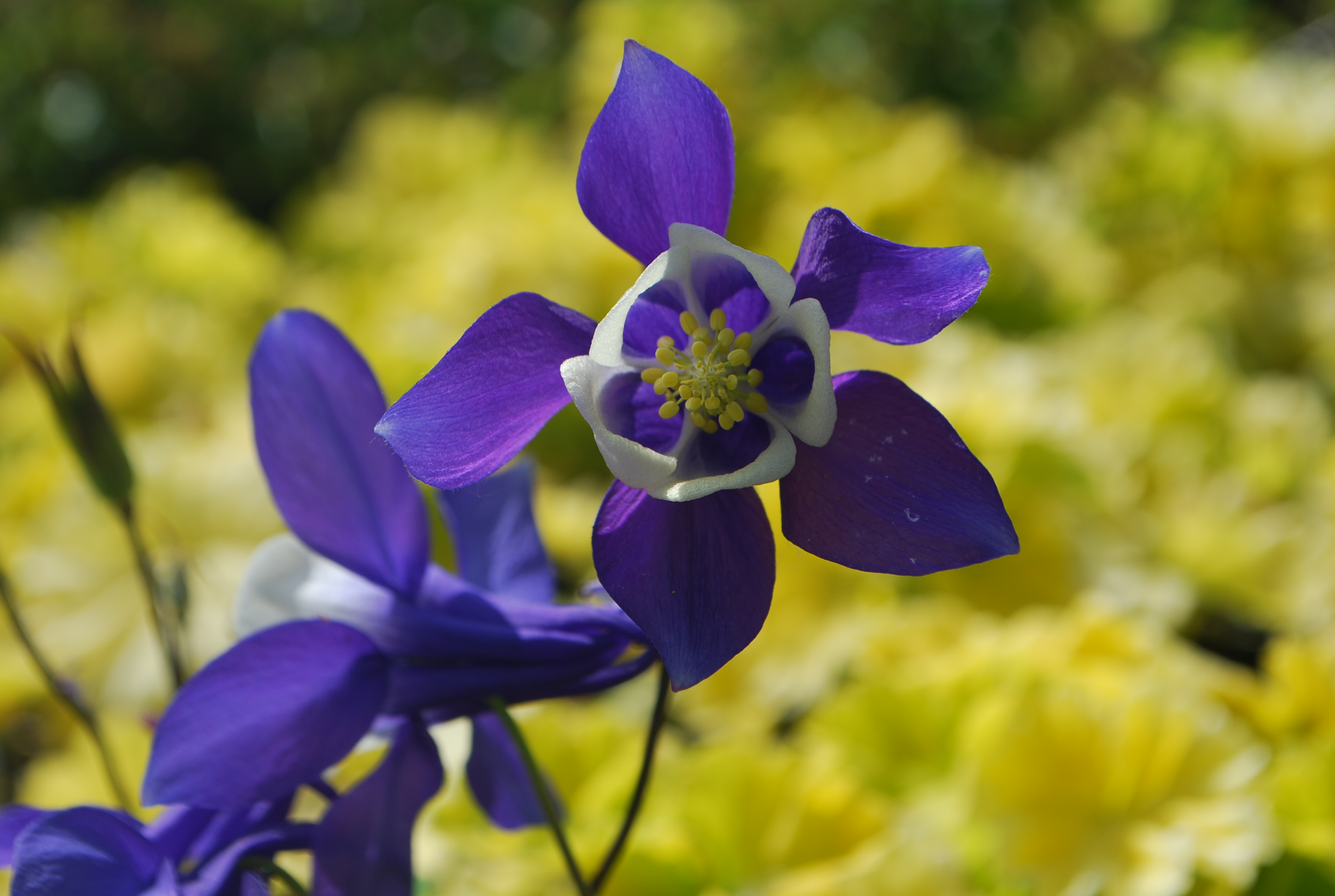
purple columbine

From Winter Into Spring

spring container planting

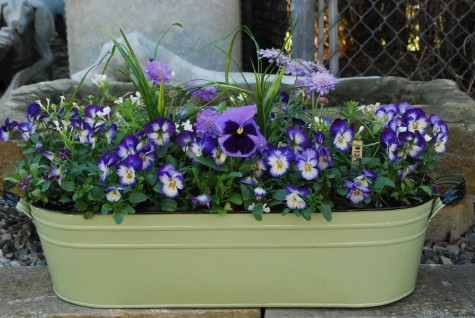
This past winter, and what we have seen of spring so far has been a roller coaster. Not so cold, very hot, freezing cold again-up and down.  The 2012 season so far-dicey for planting outdoors.  The below 30 degree weather-just too cold.   But at last we are planting spring containers-how I love to have my hands in the dirt again.  This oval painted tin tub planted with scabiosa, pansies and violas is fresh, and represents the new season in a cheery way.      

whitewashed eucalyptus

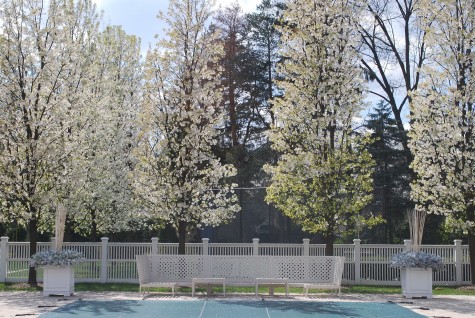
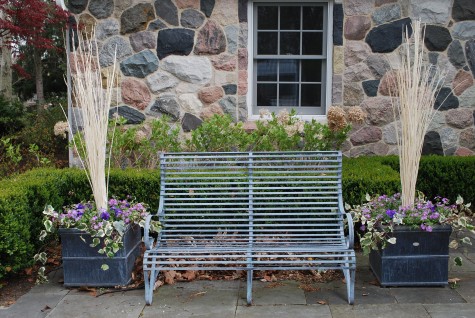
But not everything in the spring garden needs to be new. I have clients that plant their containers all of the four seasons.  Before you decide that such a schedule is too much work, consdier repurposing elements from one season to the next.  These cream bleached twigs and whitewashed eucalyptus winter arrangements went from the front door boxes to the back yard boxes-given spring. The blooming of the Bradford pears makes all that winter white look unexpectedly fresh.   

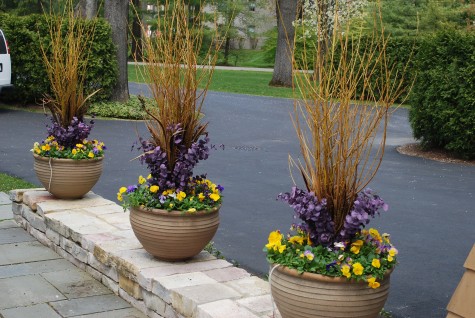
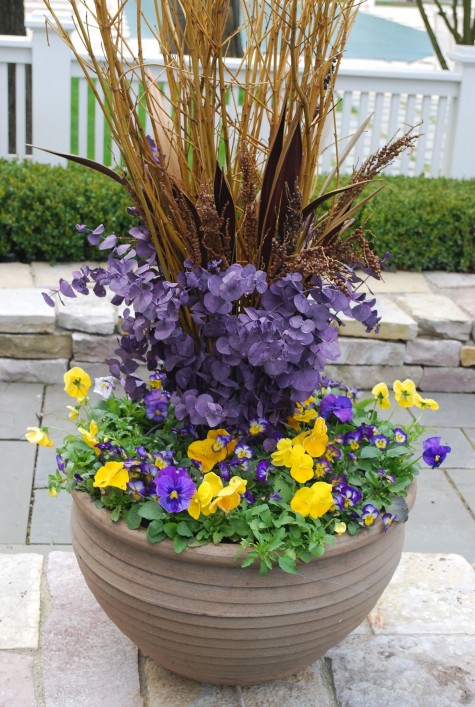
The winter evergreens around these centerpieces were removed.  The yellow twig dogwood, bahia stems, and lavender eucalyptus-still beautiful even after 6 months of winter.  The centerpieces transition gracefully into spring.  All that is new in these pots are some pansies and violas. Granted our winter this year was a no show, and that may account somewhat for their longevity.  Some gardeners have objections to anything in a container that is not a live plant, but I am more interested in persuading people to try gardening, and helping them succeed-so they keep gardening.    spring containers

Preserved natural materials are incredibly durable.  They can be taken apart, and reconfigured.   I have had centerpieces like this last several seasons.  A change of venue, or a new element is often enough to make what was an old idea look new.  I thought about removing the bahia stems, but in this case I like the brown.  The color seems fine, and provides another layer of interest.  Pansies and violas have trouble carrying a container arrangement in a striking way.  They need some element that is large enough to provide them some visual context.   

planted crate

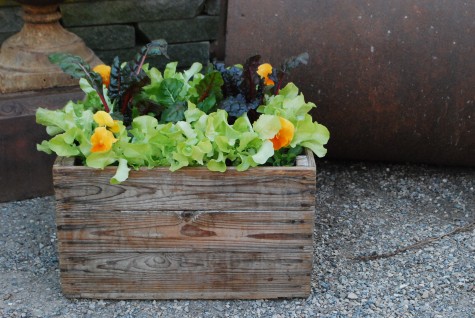
A wood crate planted with chard, lettuce, and orange pansies-what gardener wouldn’t fall for this? Beautiful plantings come just as easily to a repurposed container as a fancy urn.  If there is a plan to use a wood crate on a regular basis, painting the inside with a glossy exterior grade paint will improve its longevity. Galvanized pails, tin cans with great labels and potato chip tins-they can make for charming container plantings.       

Dry or bleached twigs know no particular season.  Paired with pansies and variegated ivy, they look spring like.  A stick stack such as this could stay in a container all year round-the look changes considerably given the nature of the supporting cast.  Tired of the color?  Repaint them, or stain them.

fresh cut twigs

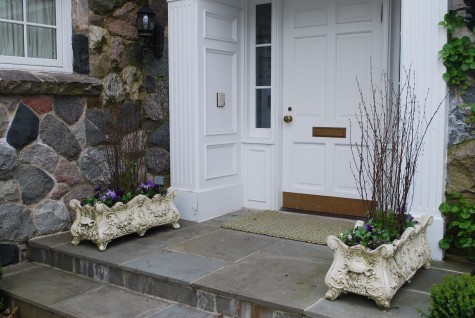
Cold tolerant early season plants include the pansies and violas, lettuce, angelina, rosemary, sweet peas, osteospermum, dwarf grasses, annual phlox, herbs such as thyme and mint, ornamental cabbages and kales, petunias and million bells-the choices are many.  But most of them have a very small scale.  These fresh cut hornbeam twigs add a little interest from the start, and will make this doorway look even more inviting as the pansies grow in.   

annuals for spring

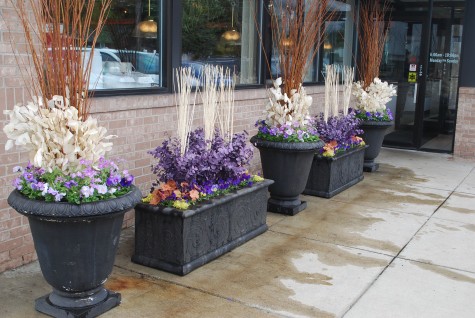
We preserved and repurposed the winter centerpieces for these pots outside a restaurant.  Lime sedum and coral bells-we planted lots of them.  Perennials are great in spring containers.  Columbines, Jacob’s ladder, dianthus, and hosta are among my favorites.  Spring flowering vines look great even when they have finished flowering.  Who doesn’t have a spot for a 1st year clematis in the garden, after a spring container planting fades? 

cold tolerant annuals

The Creme Brulee coral bells add some heat in the way of orange, and some contrast to the cool colored violas.  The lavender colored eucalyptus was startling in these pots over the winter, and perfectly appropriate to the spring planting. In commercial settings, I like to see strong color.  It does a great job of saying hello and welcome.

lemon cypress

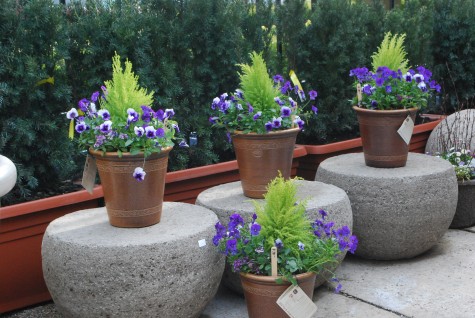
The chartreuse Italian cypress, or lemon cypress, is not hardy in my zone, but they are fairly obliging and easy to winter over.  A shrub this size will be 4 feet tall or better in just a few years-in which case it will make a beautiful centerpiece in a big pot of spring flowers.