Garden Designer’s Roundtable: Transitions

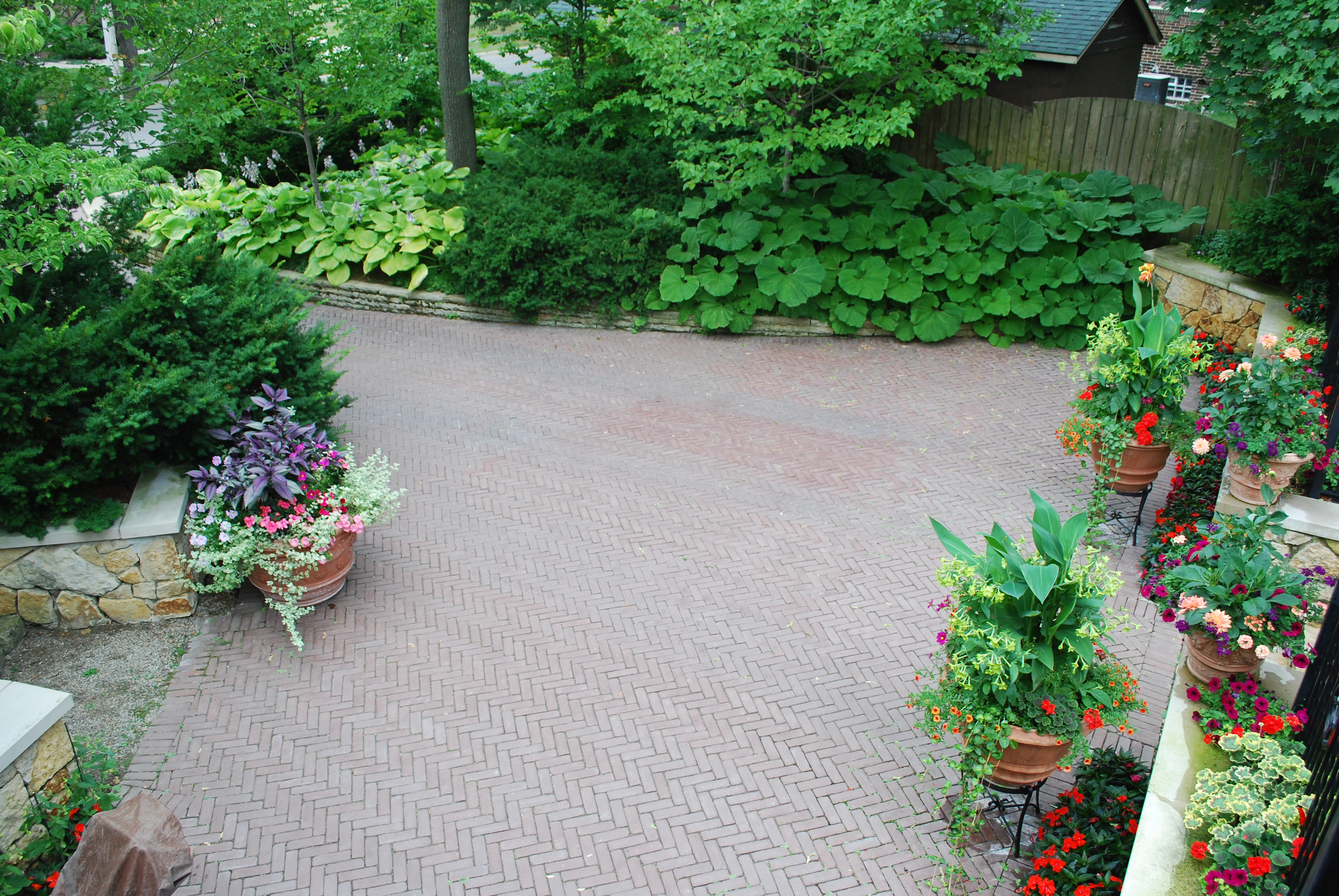
stone-stairs.jpgTransitions broadly refer to change.  A change in status, as in child to teenager.  as in working person to retiree.  As in winter into spring.  The moment in the garden which is neither winter nor spring, neither summer nor fall, neither fall nor winter-these are transitory periods.  Change of any kind implies challenge and uncertainty.  As a designer, I am routinely asked to address the change from one level to another.  If you have ever climbed a steep set of stairs, you know how much effort is involved to make the transition from one level to another.
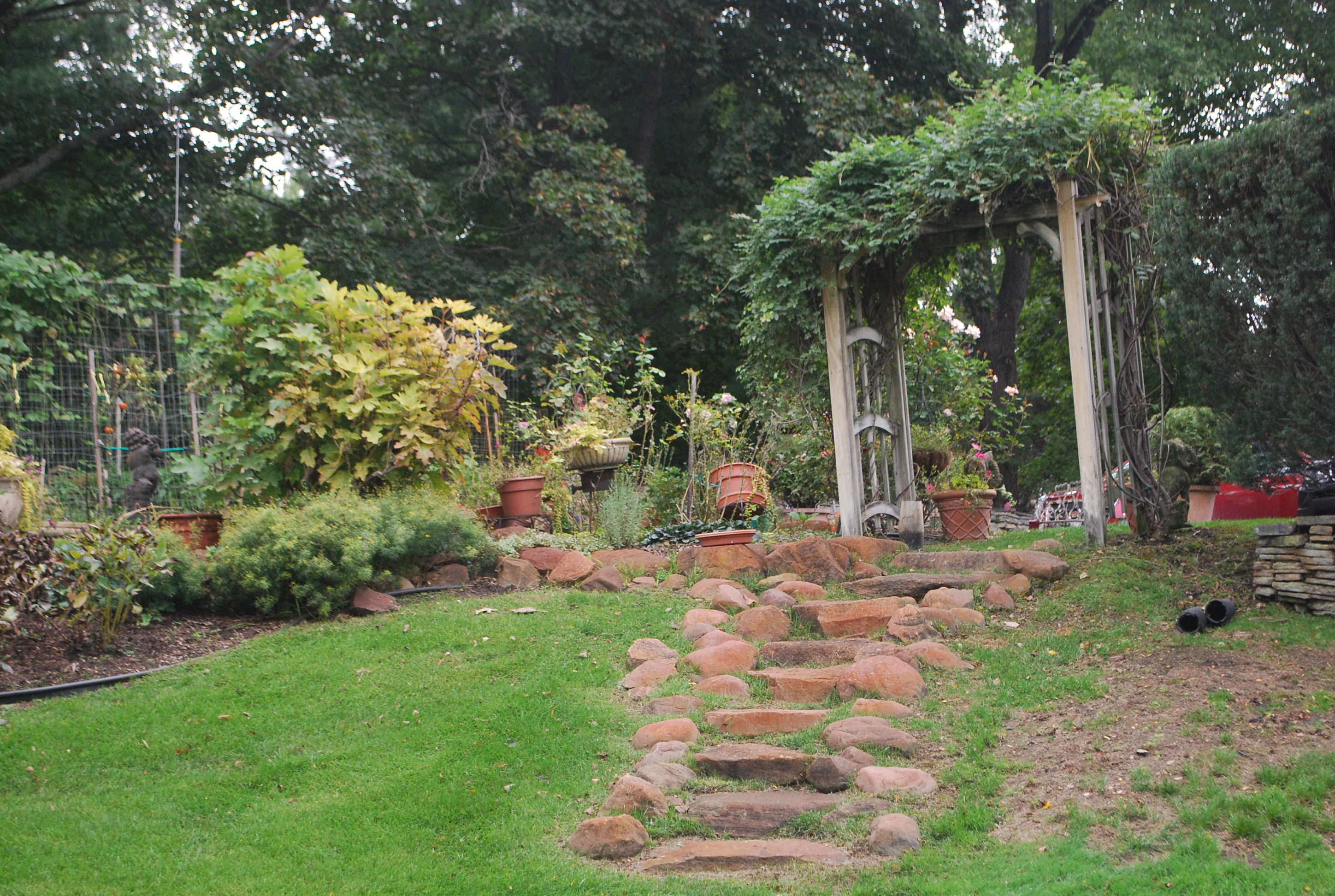
stone-stairs.jpgA beginning college course in calculus is just that-a beginning.  Advancing from one level of proficiency to the next is greatly helped by a friendly transition process.  The effort it takes to move to the next level-considerable.  Steps in the landscape were invented to make that transitory experience as easy and as interesting as possible.  When I am in New York, and zooming up an elevator, I wish for a transition from the first floor to the 28th floor with some grace and style.

bluestone-stairs.jpgSometimes long flights of steps from one level to another  are unavoidable.  I try to make that trip as visually interesting as possible.  This makes the transition from one level to another an experience-not a chore.
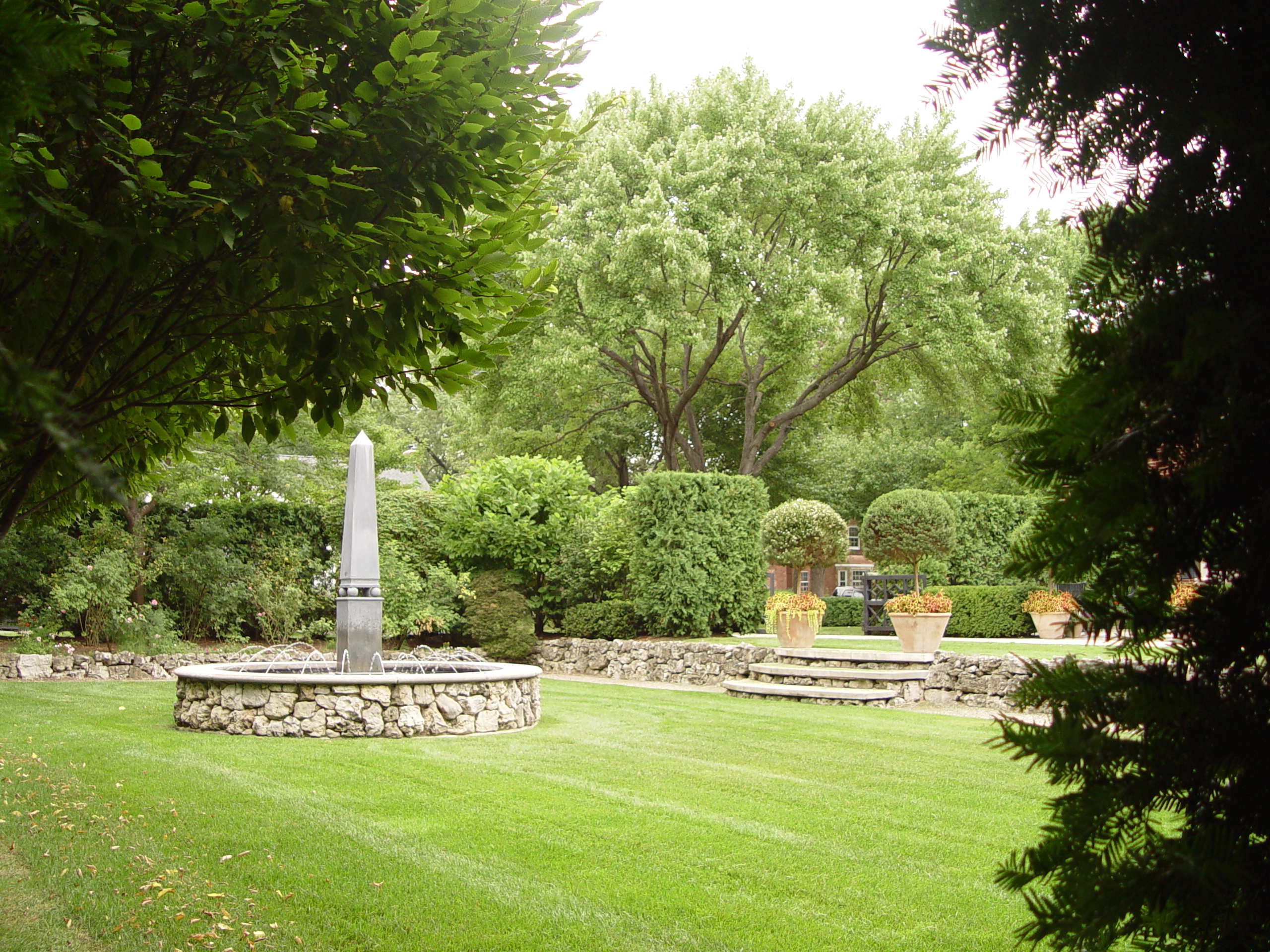
transition.jpgThe transition from the public landscape to the private and personal landscape can be brief and substantial-as in a wall.  A hedge.  A gate.

slope.jpgA subtle transition in grade can be dealt with in a number of ways.  Short flights of steps endow a long and gently ramped soil, with a little lively punctuation.
brick-porch.jpg
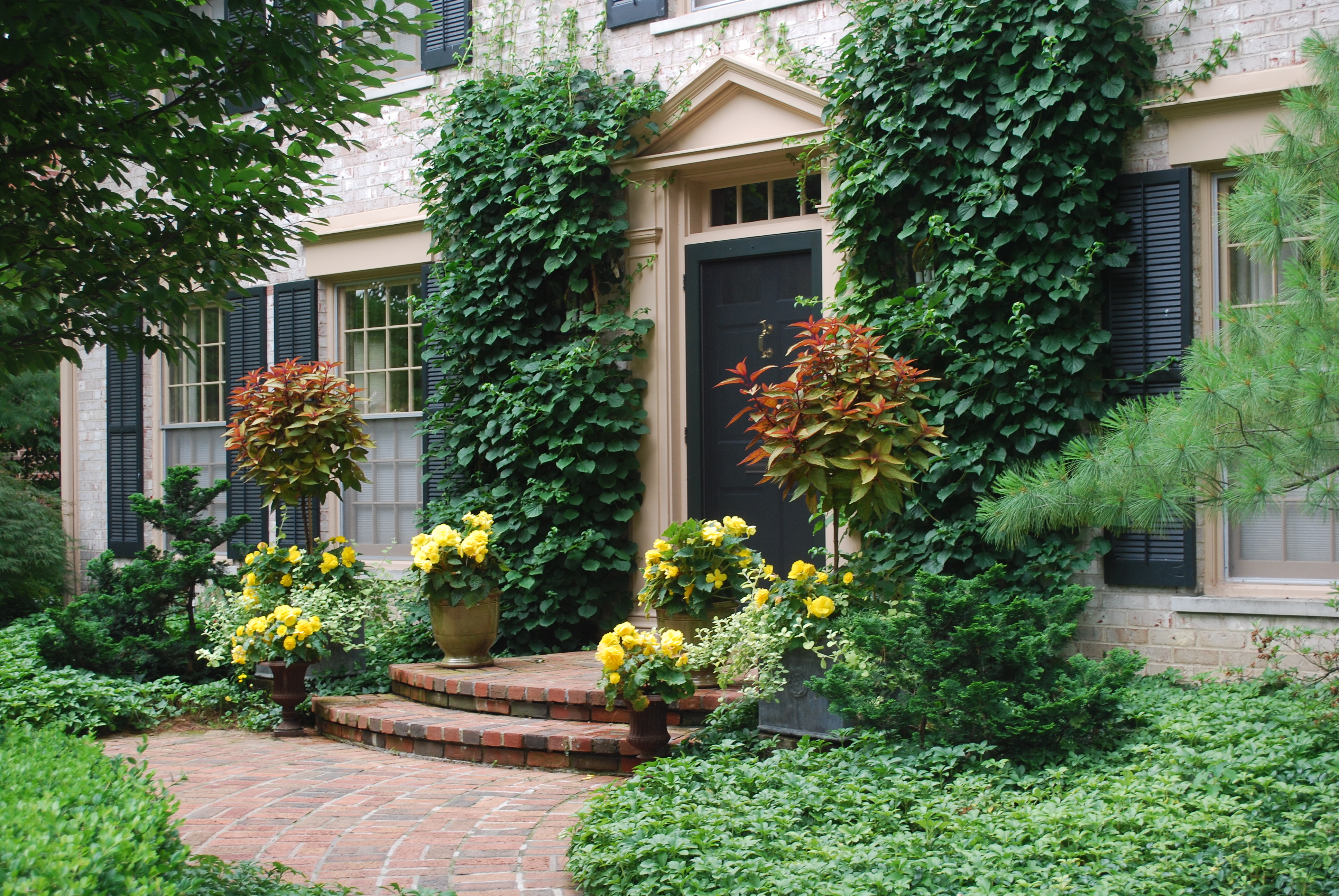
The walk to the front porch is traveled by good friends, family, and UPS.  The front porch-a formal transitional space that gives friends, family, and delivery people a moment to collect themselves.  A little time to compose themselves.  A little time to shed the cares of the day, and focus on the moment.  I like big wide and ample  porches.
slate-stairs.jpg
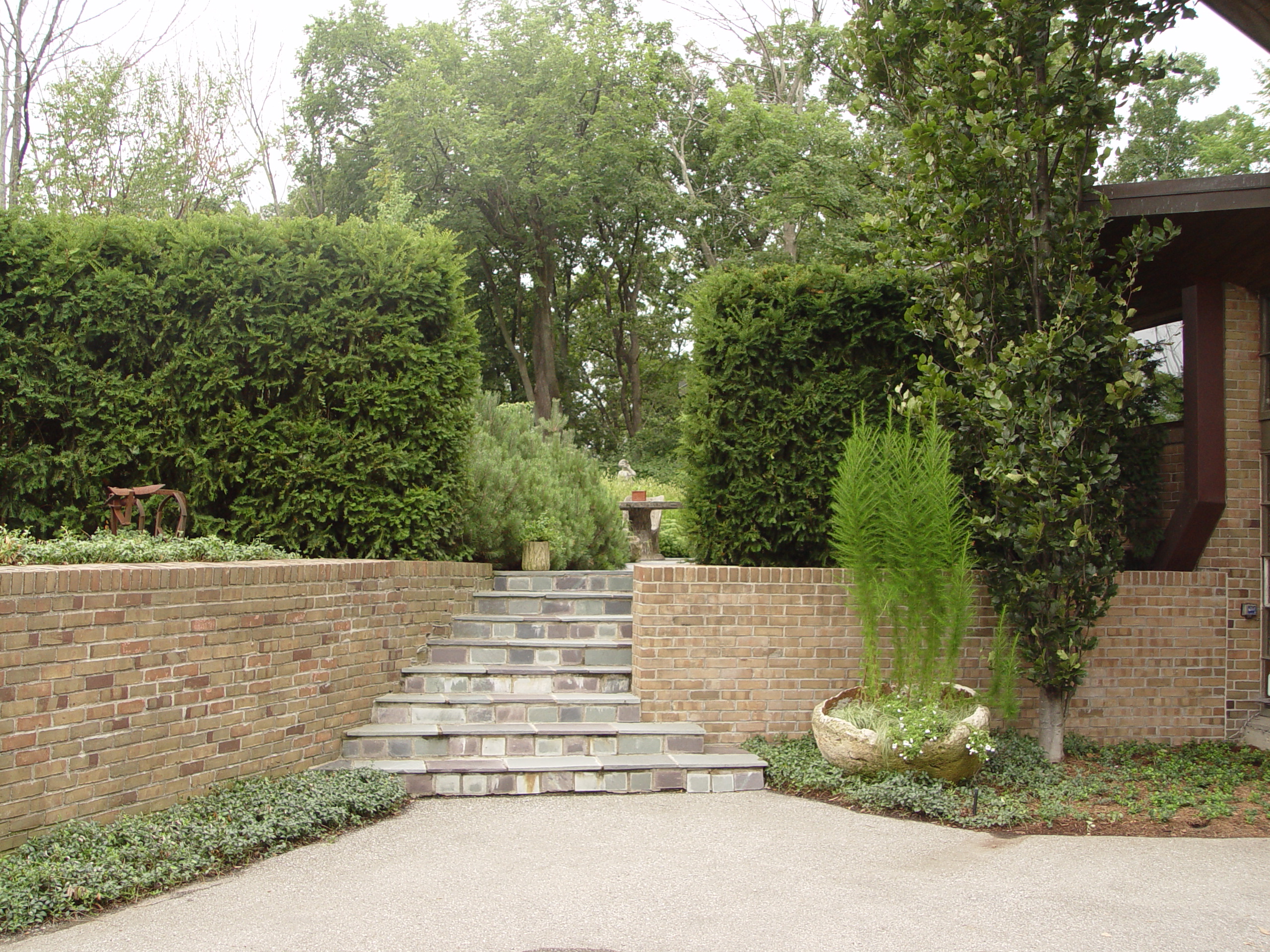
Any transition from one level to another asks for an inventive solution.  An invitation to move from one place to another-both physically and emotionally. The time it takes to make a change from one place to another-transitions in the landscape need to be big and generous.  Transit implies a movement from one space to another.  That transit space needs as much patience as any other space in the landscape.
sculpted-ground.jpg
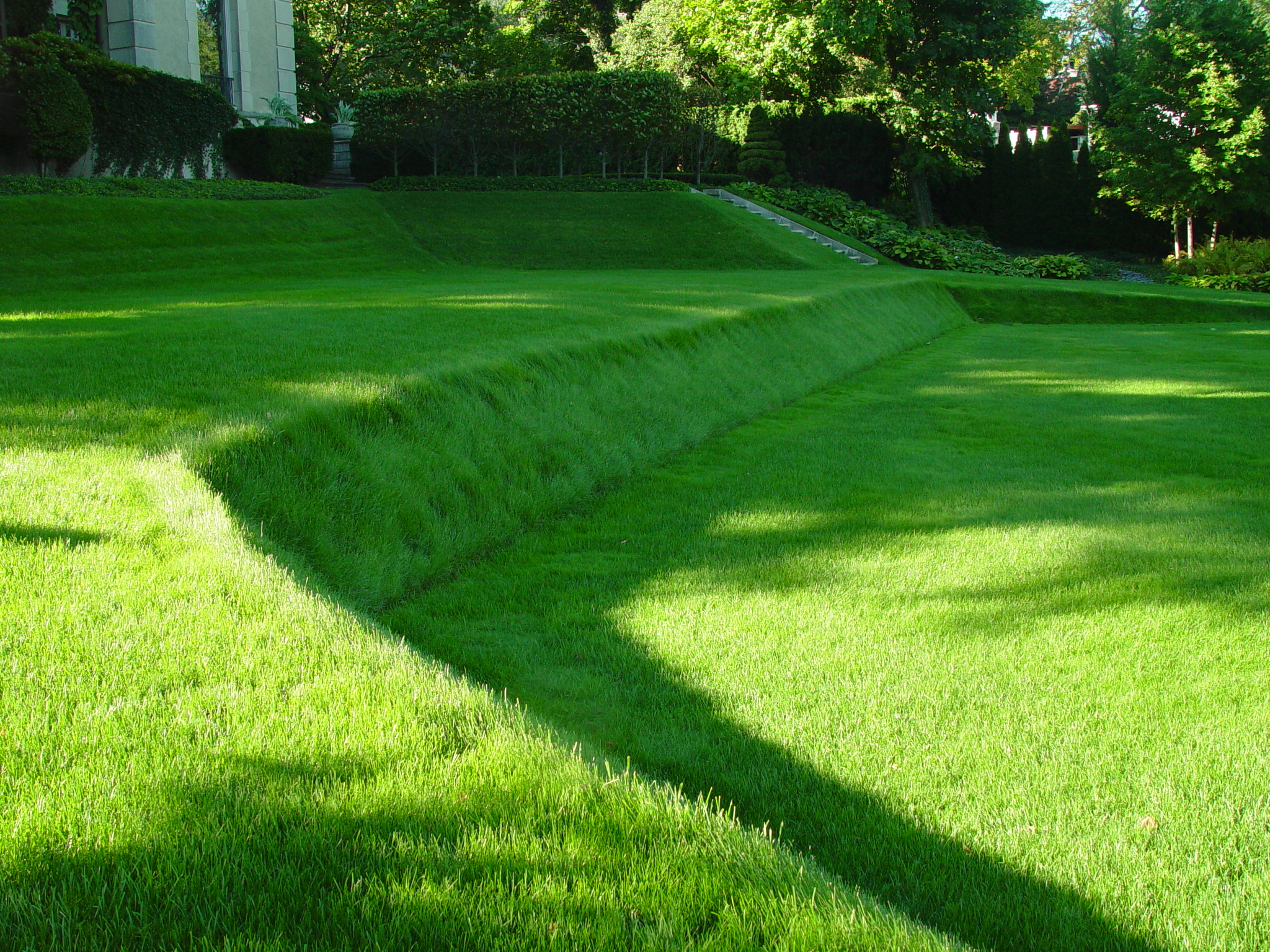
A steep slope  is not so friendly to people.  Some slopes can be addressed with steps.  Some slopes can be addressed with soil graded into tiers, and grassed. Any transition in the landscape needs to be addressed thoughtfully.   Imagine yourself at that transitional moment.  Design with that moment in mind.

I am keen to read what other members of the roundtable have to say about transitions-please join in!

Jocelyn Chilvers : The Art Garden : Denver, CO

Scott Hokunson : Blue Heron Landscapes : Granby, CT

Mary Gallagher Gray : Black Walnut Dispatch : Washington, D.C.

Debbie Roberts : A Garden of Possibilities : Stamford, CT

David Cristiani : The Desert Edge : Albuquerque, NM

Jenny Peterson : J Petersen Garden Design : Austin, TX


Garden Designers Roundtable: Mistaken

daffodil-shoots.jpg

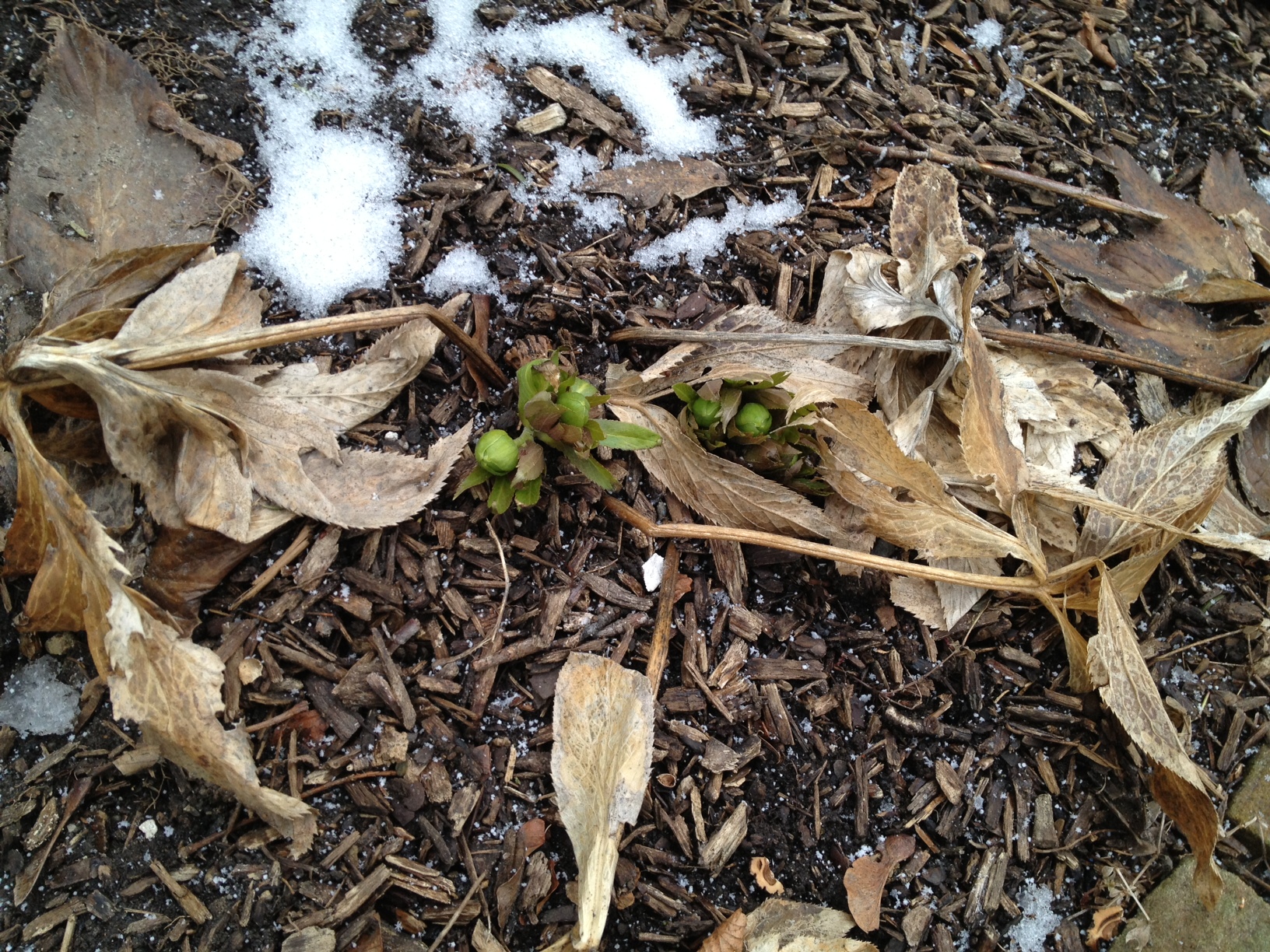
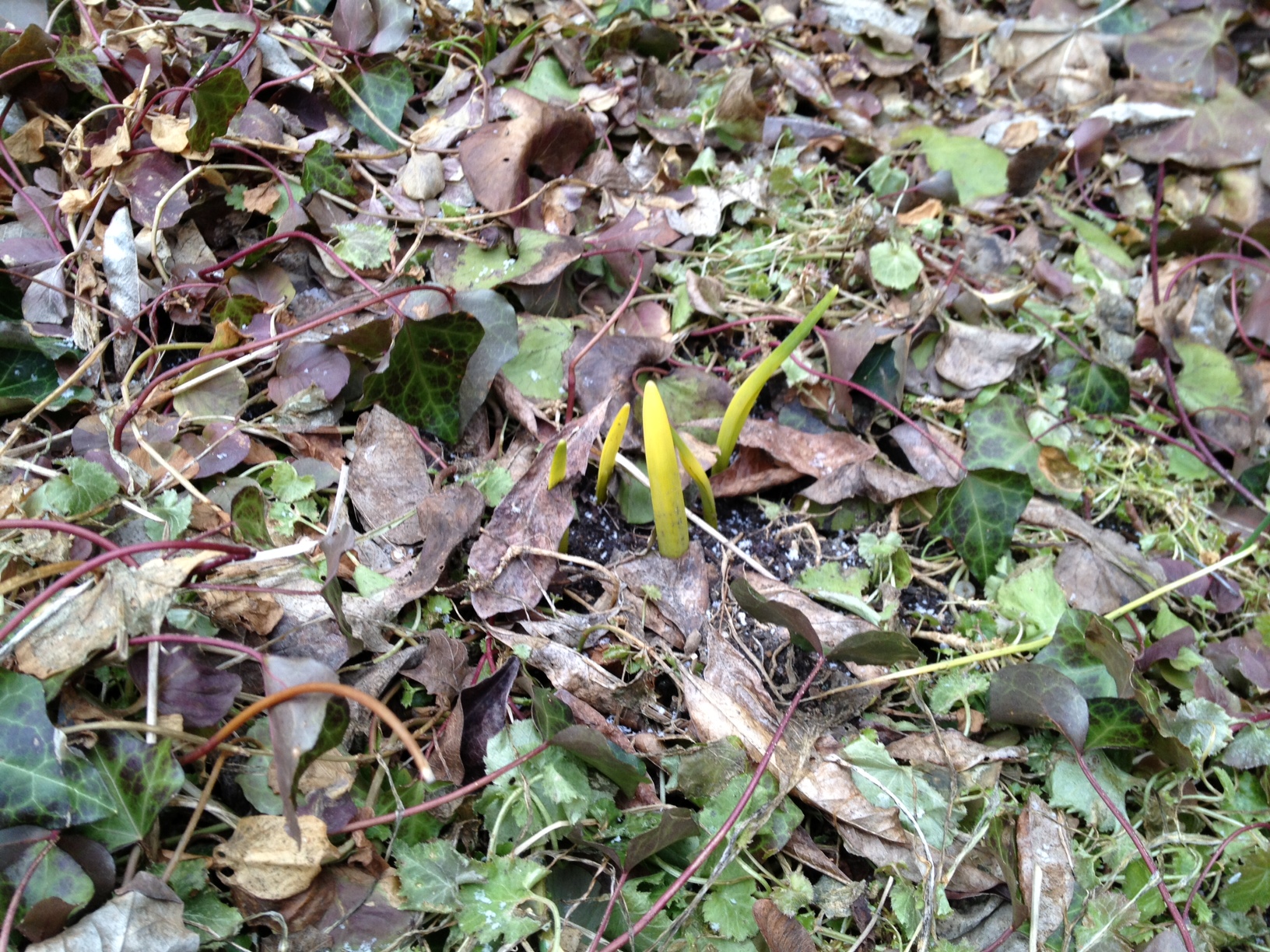
The topic for the Garden Designers Roundtable-mistakes.  I appreciate the timing of this topic, as blunder season is just about here. I invariably misinterpret nature’s intent with regard to spring.  I am sure that spring has arrived, always weeks in advance of the real thing.  I am anxiously poking around, looking for the crocus and the hellebores.  If I am lucky, that poking will not damage tender shoots just emerging from the ground.    The true meaning of misstep?  Tulip leaves when they first emerge in my zone are the same color as the muddy soil.  Given that I never remember where I have planted them, I am as likely to smash them flat as not.  Every step I make on soil that is soaking wet from the thaw forces the life giving oxygen out of the soil.  Plants thrive in friable soil, and generally dislike compacted soil.  Why am I milling about in the garden when I know better?  The leaves of the hellebores are limp and brown now-and crying for a cleanup.  I am sure the number of emerging flowers I have snipped off thinking they were leaf stalks is appallingly high.  Were I to endure the mess for another week, the difference between leaf stalks and flower stalks would be obvious.  Yet here I am, in error.  Franklin P Jones put it so eloquently:   Experience is that marvelous thing that enables you to recognize a mistake when you make it again.

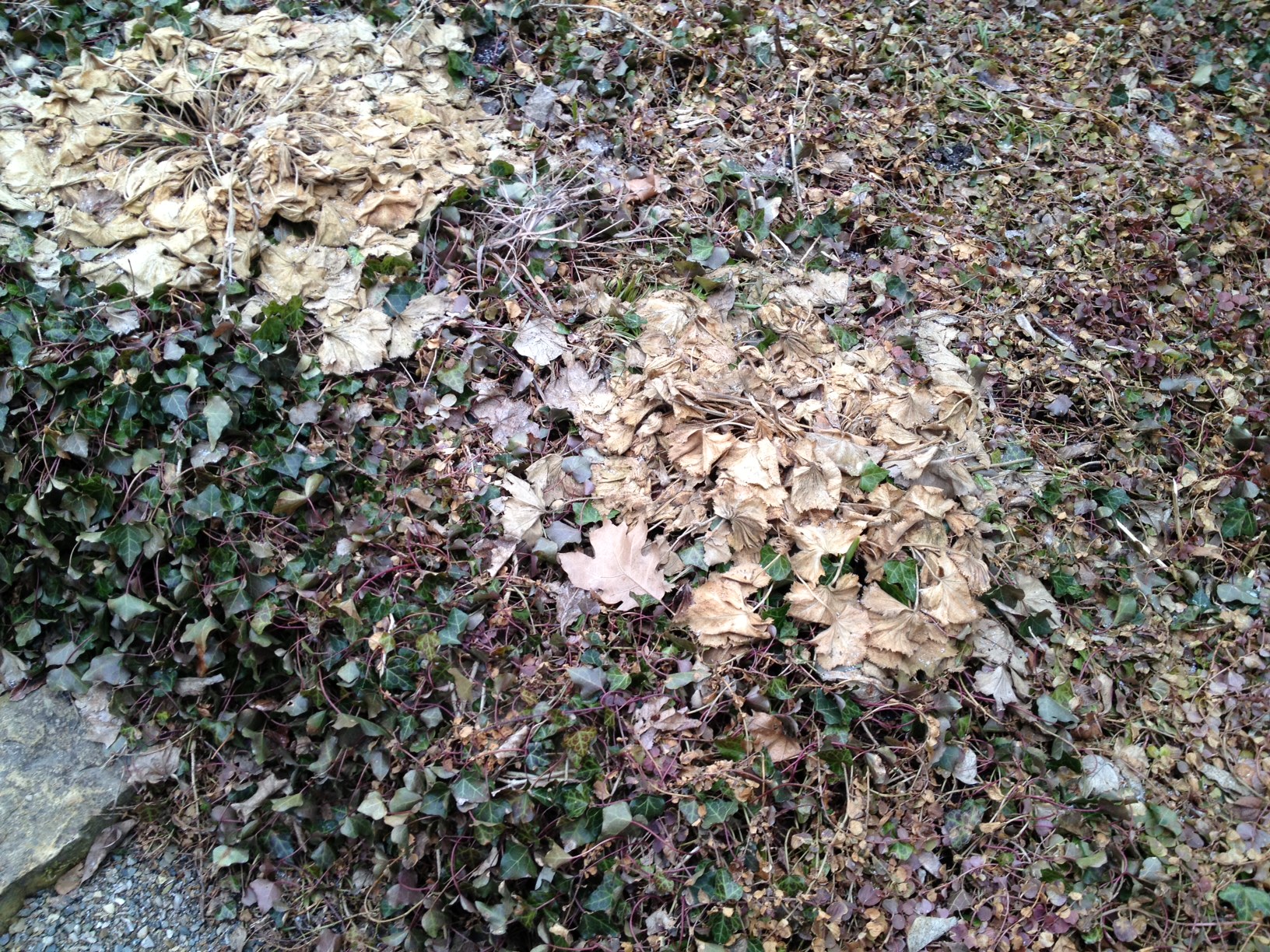
dormant-lady's-mantle.jpg

Once the perennials begin to emerge, the bare spaces that would be perfect for spring bulbs are painfully obvious.  Spots for snowdrops-how is it that I failed to see them 5 months ago, when I could have planted?  The chionodoxa I did plant at the edge of a path as the spot was easy to get to-could I really have forgotten the edge of this path is part of the Corgi path?  Was that outcome not as obvious last fall as it is right now?  It will be months before my small perennial garden will be anything to look at. I could have tulips and daffodils on the way.  Phlox divaricata-every year I long for it.  Every year I do not plant it. A lost opportunity is one thing, but a lost opportunity that repeats itself year after year-a whopper blooper.

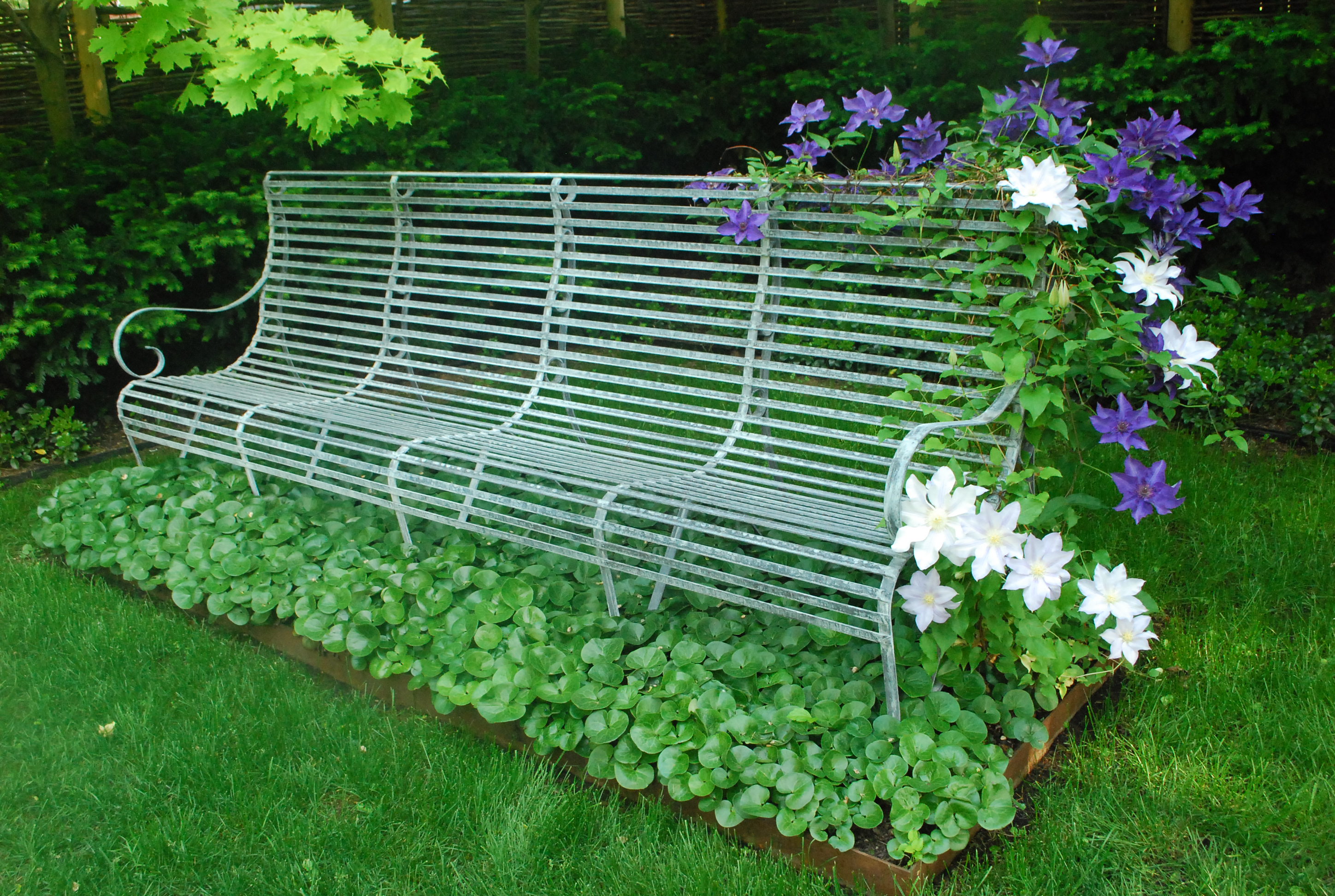
clematis-on-the-bench.jpg

Later I will find those mistakes that simply represent deficient knowledge.  Plants are very specific about what they want.  When they don’t get what they want, they have that listless and unenthusiastic look about them.  Or they die.  Wanting that catmint to thrive in a slightly too shady spot in slightly too heavy soil-that want washes over me all the time.  What would prosper in that spot, I don’t want.  The idea that the nature will suspend disbelief just for me-what is that?  Off sides is off sides.  I would conservatively estimate that my plant reference library has 50 volumes.  And I have a computer that works.  In spite of that, I persist in putting plants in the wrong place. On rare occasions, I get lucky.  I had to have a clematis growing on my garden bench-the romance of tat idea was irresistible. Though the spot had failure written all over it, I planted anyway.  Turns out, there is enough sun 4 feet off the ground to keep that clematis happy.  I know a certain gardener with a gift for making a mistake seem like a brilliant choice.  From Henry James,  She had an unequalled gift… of squeezing big mistakes into small opportunities.

hellebore-flowers-emerging.jpg

Gardeners derive satisfaction from many different things.  Some gardeners choose to grow food.  Others like tropical plants in pots.  Others want to grow plants and sell them.  Others swoon over conifers, or rock garden plants.  Others intend to reforest a city.  A relationship with nature is not necessarily a garden-it could be a wild place untouched by designing hands.  Entertaining outdoors, putting up lights at the holidays, and camping.-these are as much an experience of gardening as the parterres at Vaux Le Vicomte.  Given that the sky is the limit, that the opportunity for self expression is always there,  I think it is a mistake-not to garden.  Gardening is good for people.  Your garden should be just that-yours.  From Oscar Wilde, “Be yourself; everyone else is already taken”.

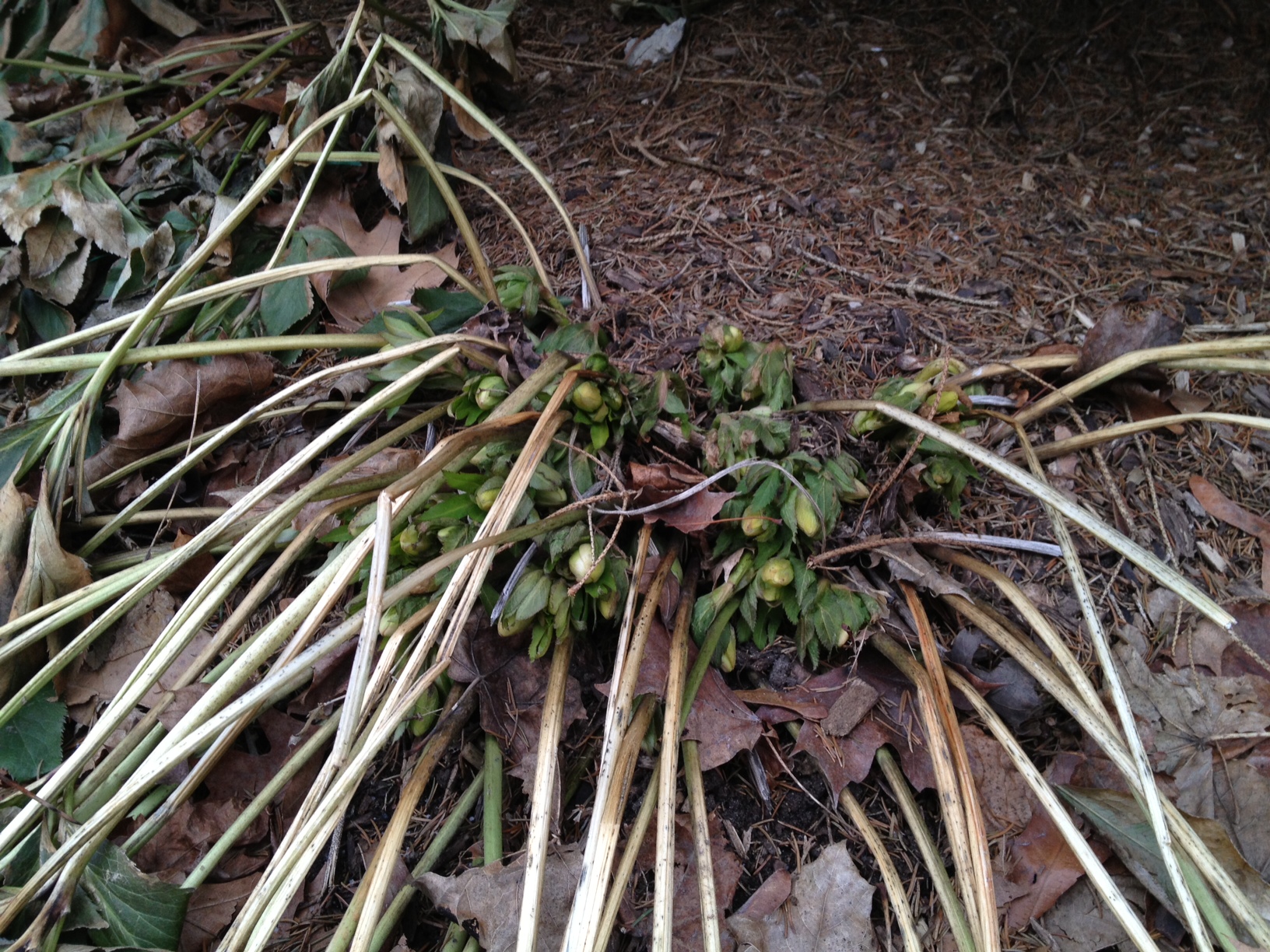
older-hellebore.jpg

The most grievous error I see gardeners make is to give up a dream of having a garden environment  because they could not have it all at once.  The best part about plants is that they grow.  A bareroot tree planted in the spring and looked after will grow.  Yes, the mighty oak from the little acorn grew.  A slew of boxwood cuttings, placed in and grown on in a nursery bed, can one day become the most gorgeous knot garden imaginable.  Hellebores are gorgeous-but notoriously slow growing.  Large plants are pricey, for just that reason.  But little hellebores are readily available, and will grow into specimen sized beauties before you know it.  Now is a very good time to plant one.  From Edmund Burke:  Nobody made a greater mistake than he who did nothing because he could do only a little.

The other members of the Roundtable no doubt will have their own views on mistakes-please read on!

Mary Gallagher Gray : Black Walnut Dispatch : Washington, D.C.

Debbie Roberts : A Garden of Possibilities : Stamford, CT

David Cristani:  The Desert Edge:  New Mexico


Sunday Opinion: The Narrative

The posts of the past several weeks have a theme.  The winter season is holding on for all it’s worth.  Don’t believe me?  We have snow in our forecast for the next 2 days.  My last post, entitled “Holed Up” garnered a comment from Tara Dillard.  She is a person I have never met.  She is a landscape designer in Georgia who writes a blog-I read her blog, (taradillard.blogspot.com)  and she reads mine.  I leave comments for her every so often-she posts comments for me too.  This constitutes a relationship of a certain sort.  Though we have never met, I appreciate and am interested in her point of view.  I believe she has an interest in mine.  This is what I would call a narrative-a story.  Not a fancy story, not a dramatic or life changing story-just a simple story about two people who have a passion for the same thing.

She commented on my most recent post:

It’s ridiculous but the bench with the cat on it, and another underneath, melts my heart.

Most gardens never reach this level of narrative.

XO T

A photograph I posted of an English stoneware cat basking in a sunny spot in our greenhouse space prompted her to write.  Gardens and narratives-I have been thinking about this all day, thanks to her. A narrative is a story.  The beginning story of this post is about how a landscape designer in Michigan and a landscape designer in Georgia have an exchange of ideas.  This is a very modern, internet driven story.  I suspect that we are very different, and have very different opinions about a lot of things.  It is possible that we would have never made the effort to continue to talk, had we met in person.  But the internet has enabled us to meet, and exchange ideas.   Having made a commitment to write a blog on landscape and garden design,  I was not expecting back talk.  That said, the back talk is my favorite part of the writing.  Tara’s backtalk is of the most interesting sort.

There is a second story here.  Tara’s comment about gardens and narratives-provocative.  I have her to thank for explaining how interested I am in narrative driven design.  The land tells a story.  The plants tell their stories.  A client tells a story.  I have a story. I do believe that the most beautiful landscape and garden designs are generated by a story.  Should I have a concept that I wish to explain to a client, I create a story.  That story is a bridge between two very different people.  That bridge is a place where designer and client might meet, on occasion.

A garden or landscape that tell a story is a very powerful garden, indeed.  The story may be about a love for plants, or a love for a passel of children, or a love of design, or a love for nature.  The constant?  The story.  If I am able to encourage a relationship with a client that becomes a narrative, I know we will forge a relationship.

Thank you Tara. The landscape design that traces the narrative, creates a narrative, is a good design.  A design worth considering.   Every landscape should work.  Should grow.  Should prosper.  But every landscape of note tells a story.

Ornamental

Italian-terra-cotta-plaque.jpg

An ornament is anything which enhances the appearance of a person, a place, or an object.  A gorgeous piece of vintage Miriam Haskell costume jewelry can dress up a simple black dress.  Christmas decorations collected over a lifetime ornament a tree, and the family traditions that come with the celebration of a holiday.  Hand screened en grisailles wallpaper from Zuber in Paris can supply a room with all the ornament it could ever possibly need.  A good friend just opened the door for me on this particular kind of ornamental-thanks, M.  The decorative arts spans as many cultures as it does centuries.  Early 20th century handmade American quilts ornamented many a bed and bedroom.  Hand made furniture, hand embroidered linens, a vase of cut flowers, hand made candles, hats suitable for church on Sunday, letterpress wedding invitations, chandeliers, great shoes-ornament celebrates every aspect of daily life.

magnolia-butterflies.jpg

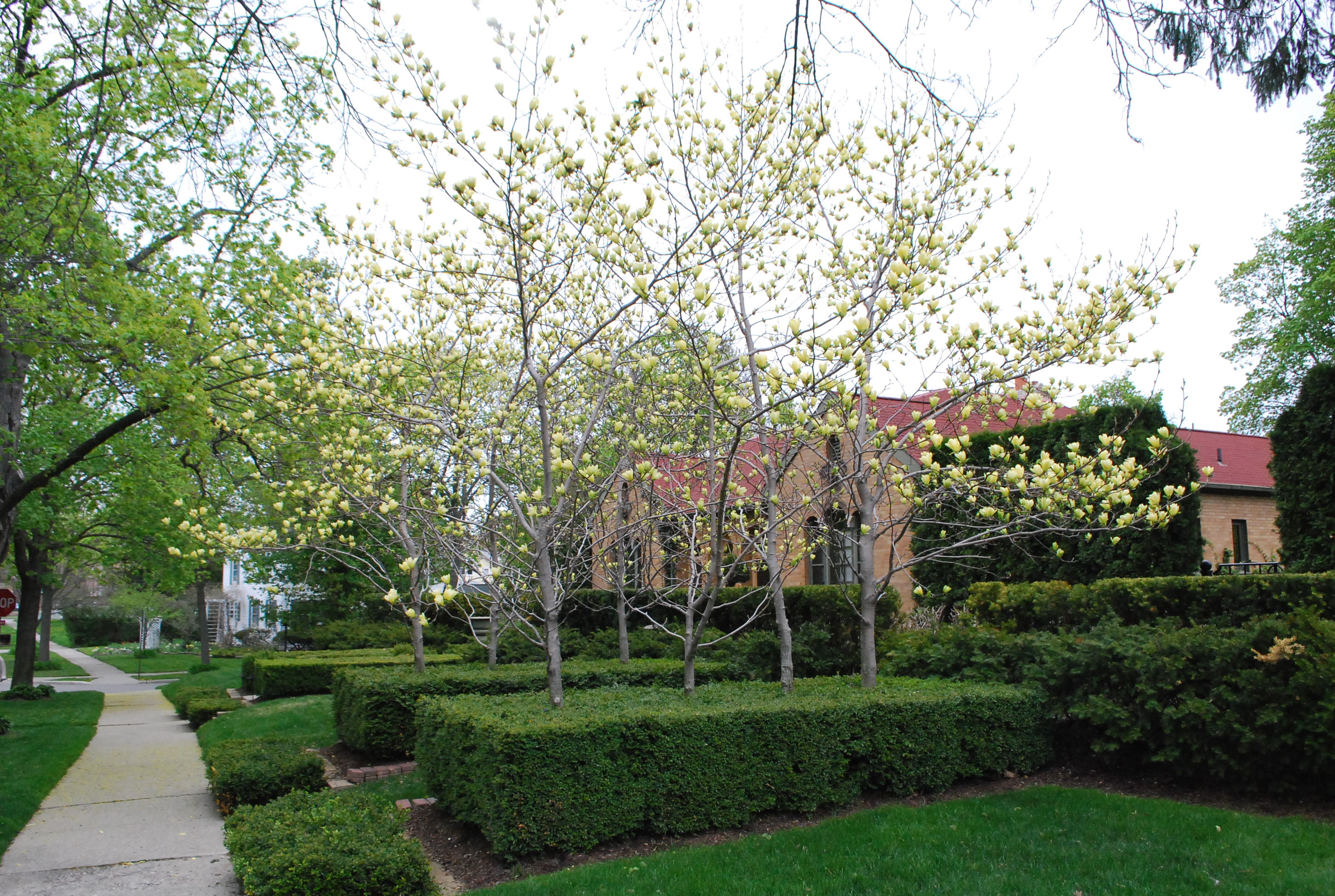
Ornamental is a word frequently applied to those trees whose sole function is about beauty.  We grow lime, lemon, pecan and avacado trees for the fruit they provide.  We grow shade trees in hopes for a cool spot in the garden in the heat of the summer.  Some trees are farmed for their wood, their apples, or their rubber.  Ornamental trees are cherished for their extraordinarily beautiful leaves, flowers, fruit, bark, shape, or fall color.  This group of trees ornament the landscape.  The crabapples blooming are the ballerinas of the spring.  Those clouds of white, pink and carmine flowers can be breathtaking.  There is that spring moment when all the talk is about the crabapples blooming.  The magnolias provide strikingly large and architectural flowers and large leaves.  Yellow magnolias are unusual, and are ornamental for that reason additional to their lustrous bark, large leaves, and architectural shape.

Princeton-Gold-maple.jpg

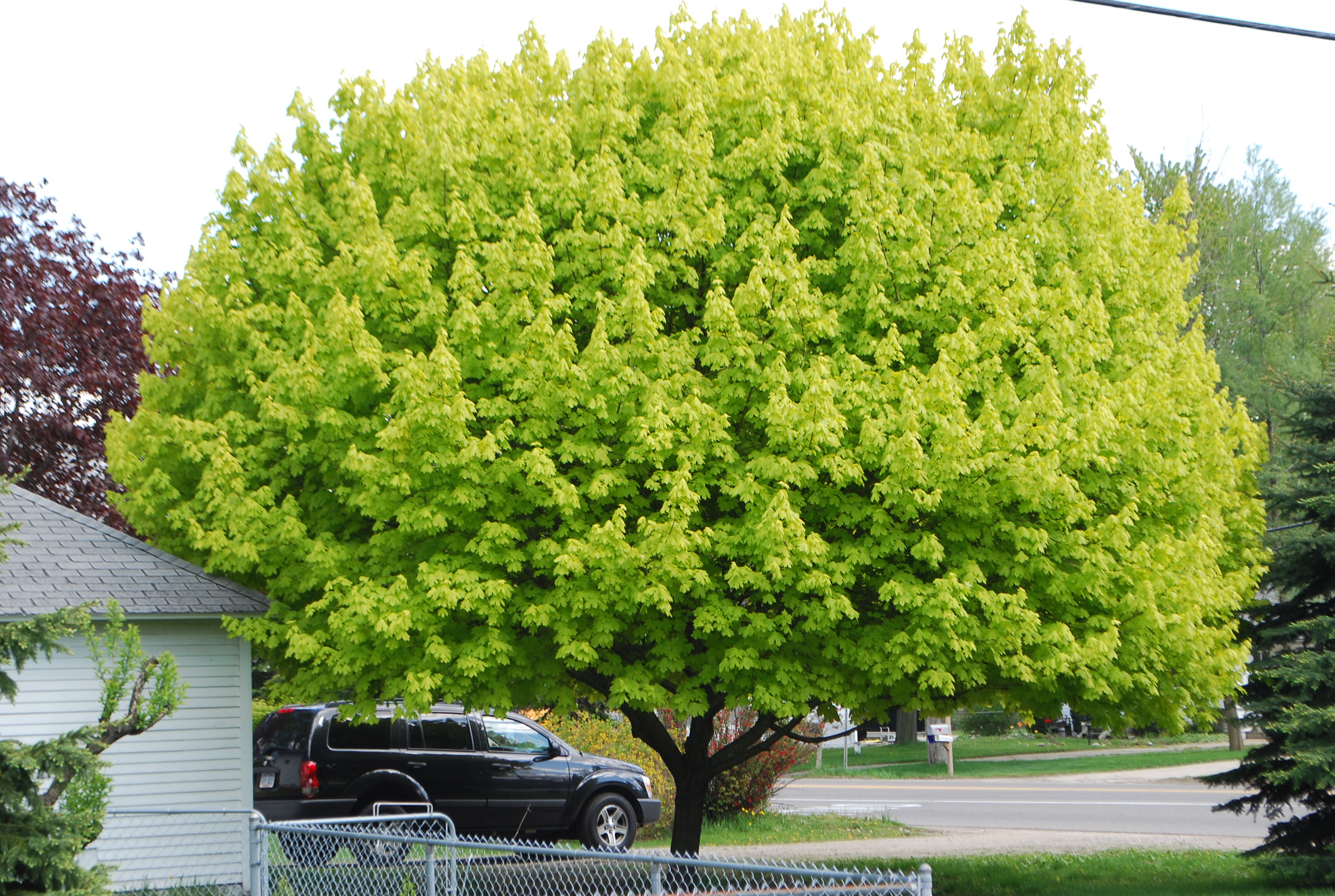
The dwarf Japanese maples delight the eye with their forms and leaf colors. The standard acer palmatum features beautiful bark, lacy leaves, and a mature size around 25 feet.  Princeton Gold maples shower the garden below with lime green in the spring.  The white flowers of chionanthus fluttering in a spring breeze-delightful.  The kousa dogwood features flowers that bloom late enough to escape our early spring frosts.  Old kousas are prized for their exfoliating bark.  Witch hazels bloom early enough in my zone that their subtly wispy flowers attract attention.  Tree lilacs bloom later in the summer.  Flowers overhead-ornamental.  The substantive and shiny foliage of hellebores is enough for any gardener to plant them.  The early spring flowers thrown in spite of cold weather-they ornament the garden.

water-garden.jpg

Ornament for the garden-I have a big interest.  I am not particularly partisan.  I like figurative sculpture in the garden.  I like French cast iron urns from the 19th century.  I like Belgian wood planter boxes.  I like English hand carved stone troughs.  I like classically shaped and hand made Italian terra cotta pots.  I like braided steel cable fencing.  Galvanized horse troughs available at the local feed store make great containers for vegetables, or lotuses.  I like to see a mix of all of the above, selected  by that particular gardener with confidence.

spring-table.jpg

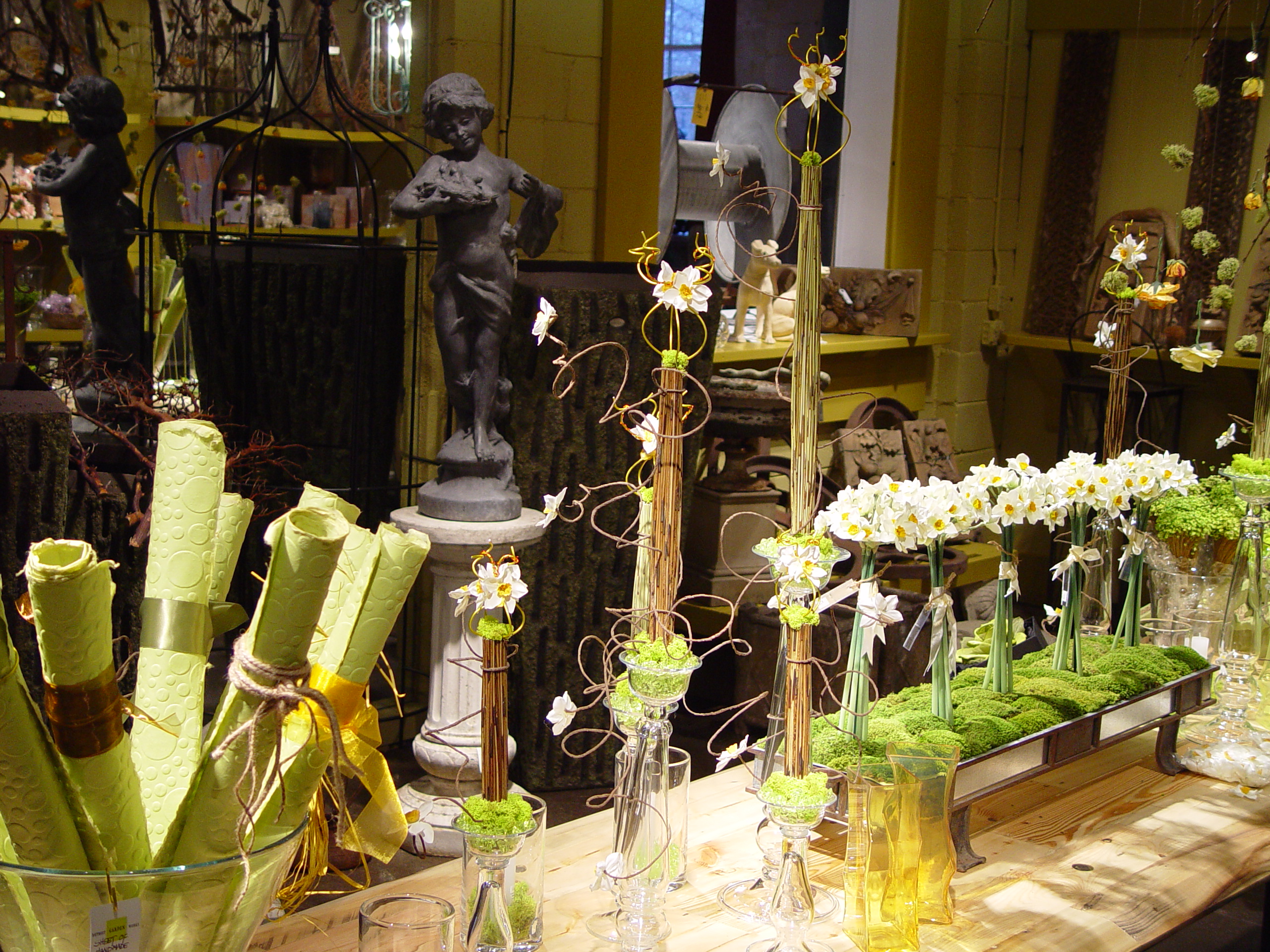
I all but covered this 20′ long table for spring in the shop some years ago.  This would not be a table about to host a dinner-where could you possibly put your plate?  It is strictly ornamental.  Just for the sheer visual joy of it.  Memories are made from how every gardener chooses to ornament their gardening life.  I remember each and every detail of those gardens that strike a chord with me.  I ornament my landscape as if I had a very important garden party looming.  Though chances are good I will never host a garden party of any consequence, I like strikingly beautiful landscapes and gardens.  When I do my best, I sleep well.


spring-pots.jpg

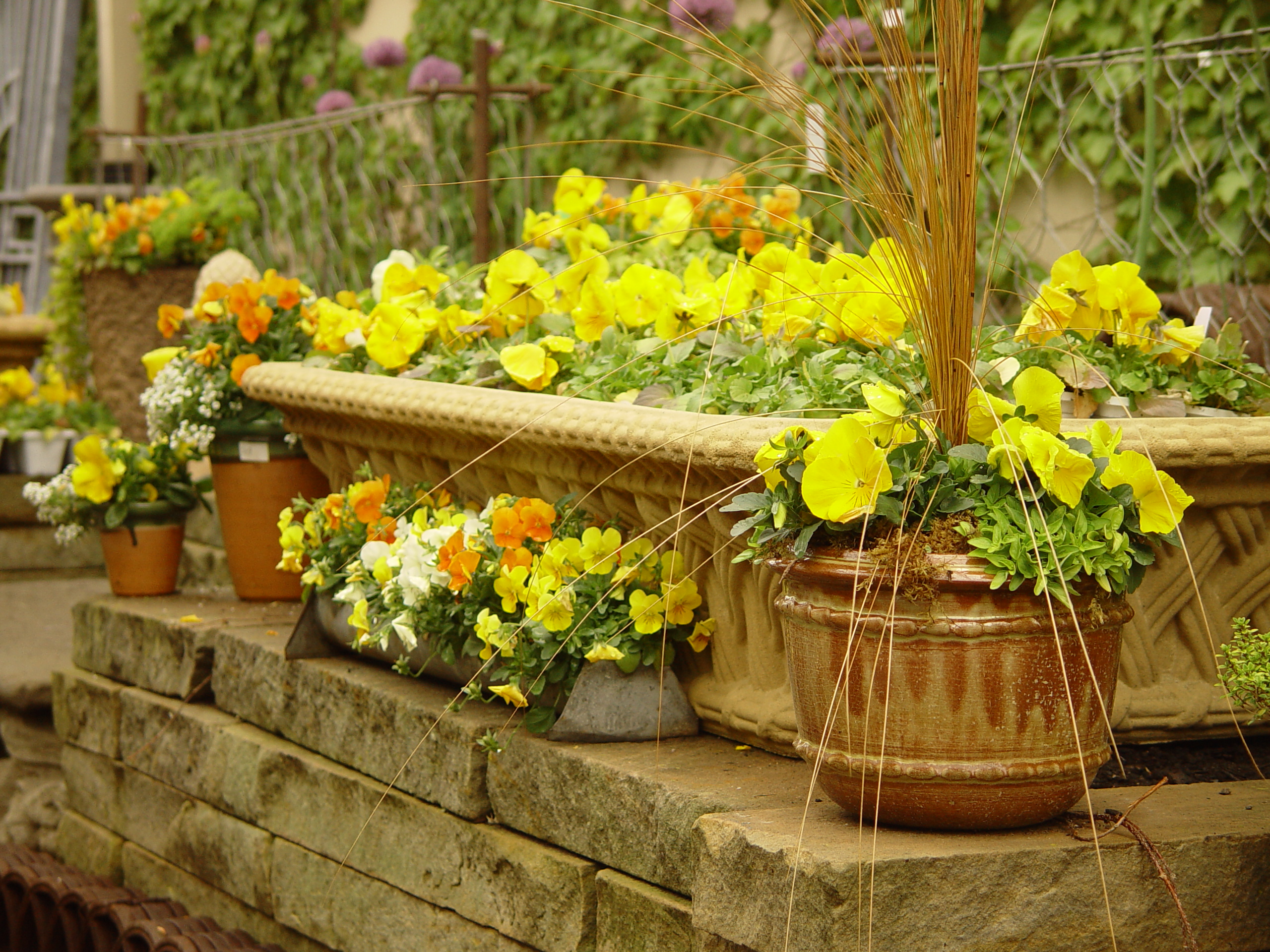
Pots planted with spring flowers are not especially utilitarian.  I have never eaten a pansy.  But my eyes have feasted on the shapes and colors of spring flowers planted in pots.  To say pots such as these enhance the appearance of my garden is an understatement.  Buck tells me that organic matters.  He is so right.  But the manner in which that organic gets delivered matters too.  This means the fencing and the gates to the vegetable garden matter, in the visual scheme of things.  This means that a gardener with a very small property needs to choose those few ornamental trees which delight them the most.  Ornament is so much about the result of the process of choosing.

driveway-garden.jpg

This is my driveway.  I pull up here at the end of every day.  What I see first when I get home-ornamental.  My idea of ornamental-mine and Buck’s, that is.  Our idea of ornamental-that what makes our house and garden truly ours.