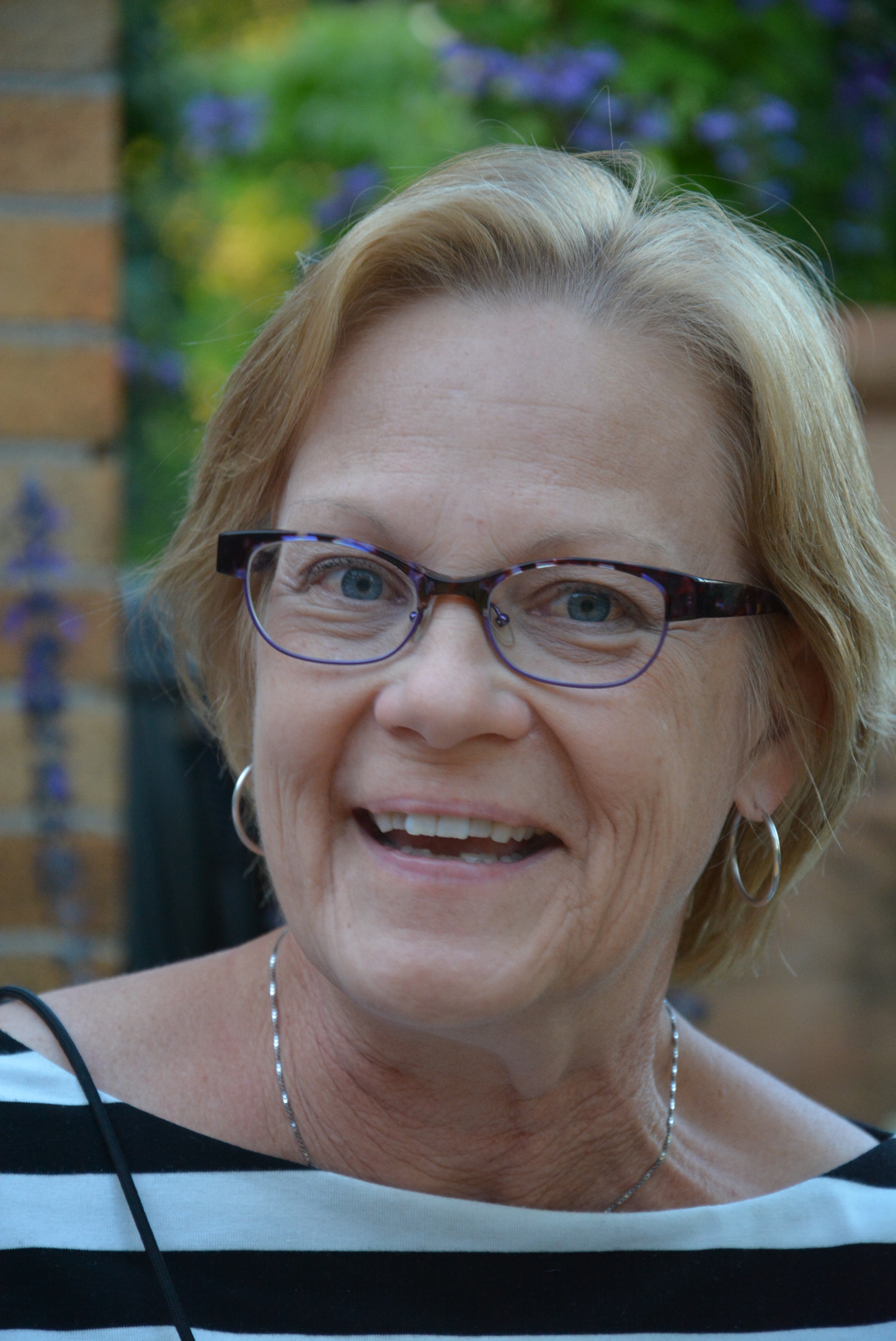
 Not familiar with the Association of Professional Landscape Designers? This is taken verbatim from their website: The Association of Professional Landscape Designers (APLD) is an international organization founded in 1989. Our mission is to advance the profession of landscape design and to promote the recognition of landscape designers as qualified and dedicated professionals. APLD members adhere to a code of professional standards, encourage continuing education, and stay up to date about new developments and latest trends throughout the field. We offer members a certification program – the only one of its kind – that provides professional recognition to those designers who can pass a rigorous peer review program. Who are we looking at here? Marti Neely, the current president of the APLD, and owner of DMS Landscape in Omaha Nebraska.
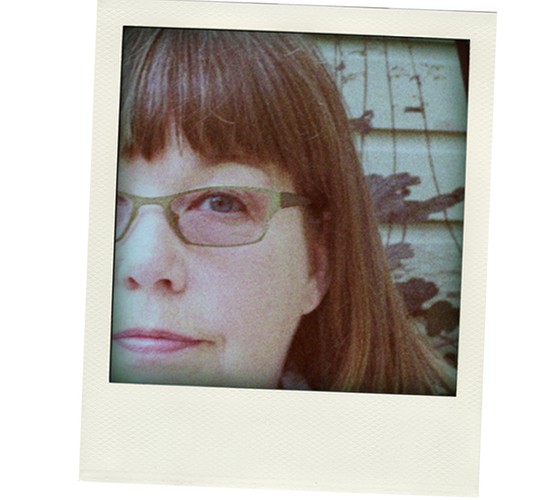 Who’s this? Susan Cohan, President elect of the APLD for 2014. Susan has a landscape design practice in the metro New York City area. Via her website, I can see she has a special gift for landscape design. http://www.susancohangardens.com She writes a blog-Miss Rumphius Rules. She has an art background, a passion for the landscape, a love of great architecture-I have admired her work for some time, from afar. She wrote a few months ago to say that she and Marti would be in Detroit a few days ahead of the yearly APLD conference-did I want to meet? Oh yes. Meet, we did. A late dinner this past Wednesday, a day spent touring on Thursday, and dinner together Thursday night- the pleasure was all mine.
 Rob and I spent the day with them-touring Woodward from Pontiac to downtown, Palmer Park, the Boston Edison district, Campus Martius, the Rouge plant, the old Packard plant, Pewabic Pottery , the conservatory on Belle Isle-an overview tour of the good and exciting, and the astonishing decay. Both Marti and Susan were keenly interested in everything they saw. Both of them have an astonishing ability to absorb, and inquire. They commented, and they listened.
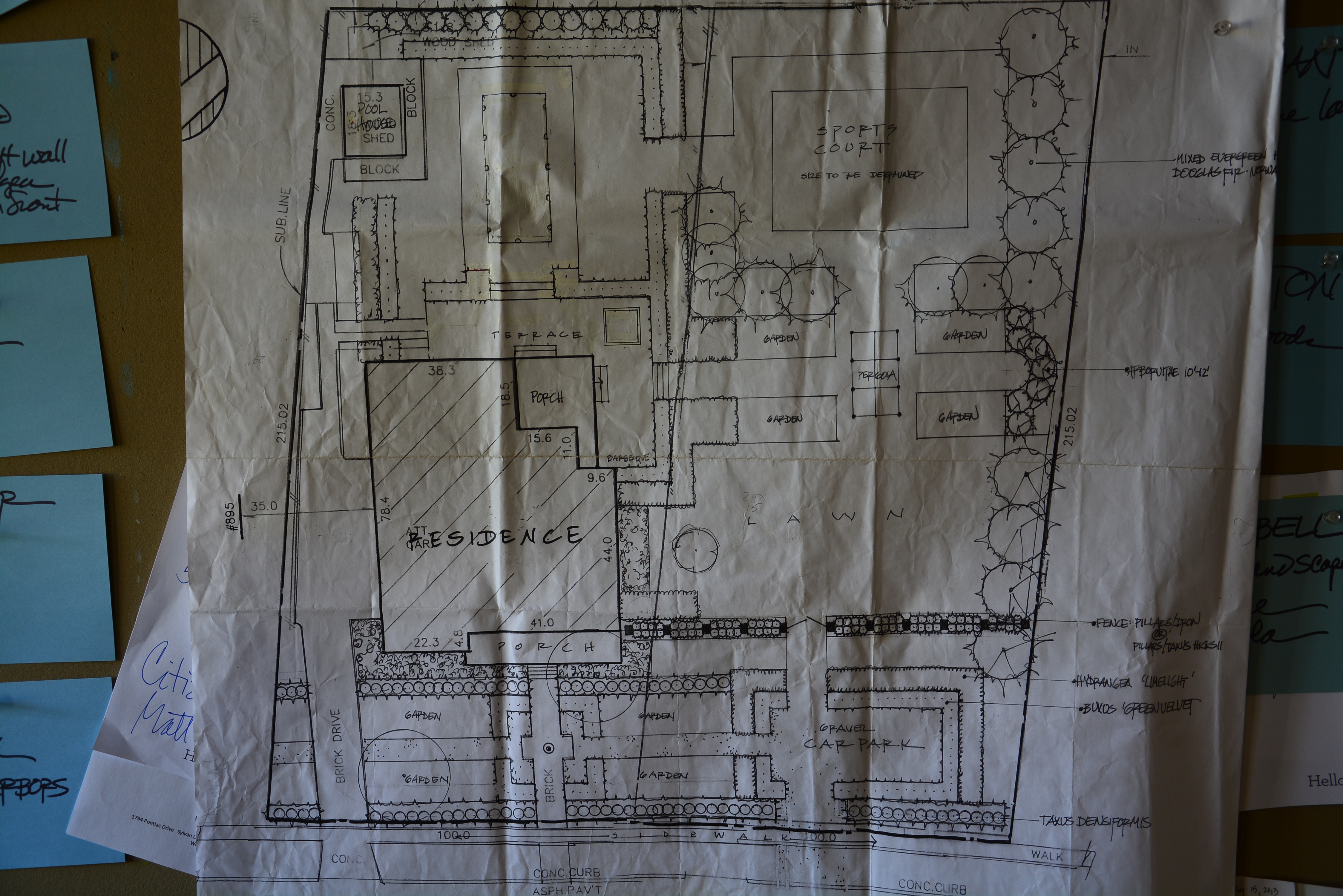
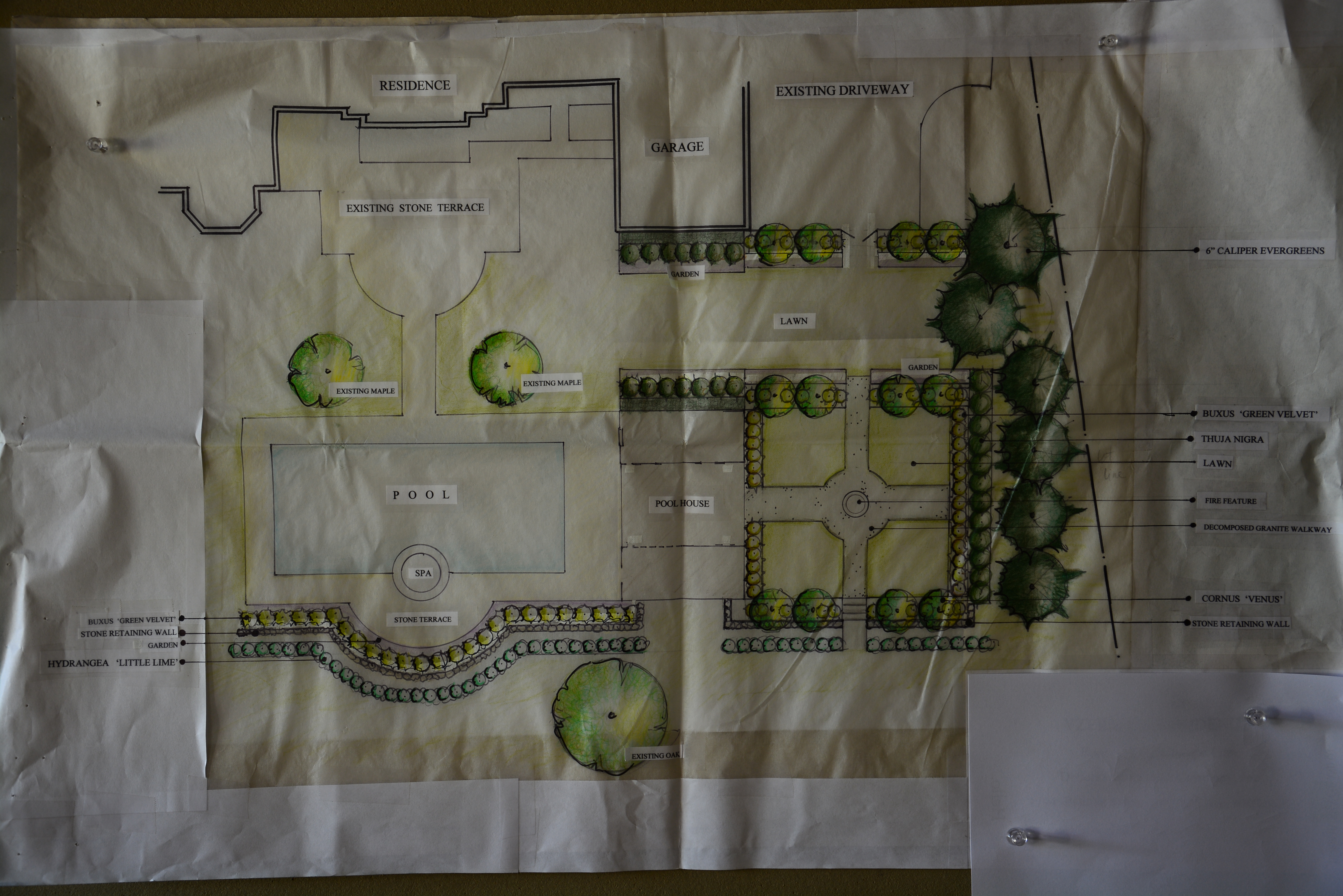 Landscape design has been the focus of my career for going on 28 years. I find that the design process is endowed by every effort I make to be educated. I collect books on landscape design, and I read them. On occasion, the photographs are more compelling than the read. No matter the vehicle, anything a designer has absorbed informs their work. The drawing is about the hope represented by the future. And the knowledge accumulated from the past. These two women educated me about how important it is to be connected with one’s peers. One day with the two of them was a big education.
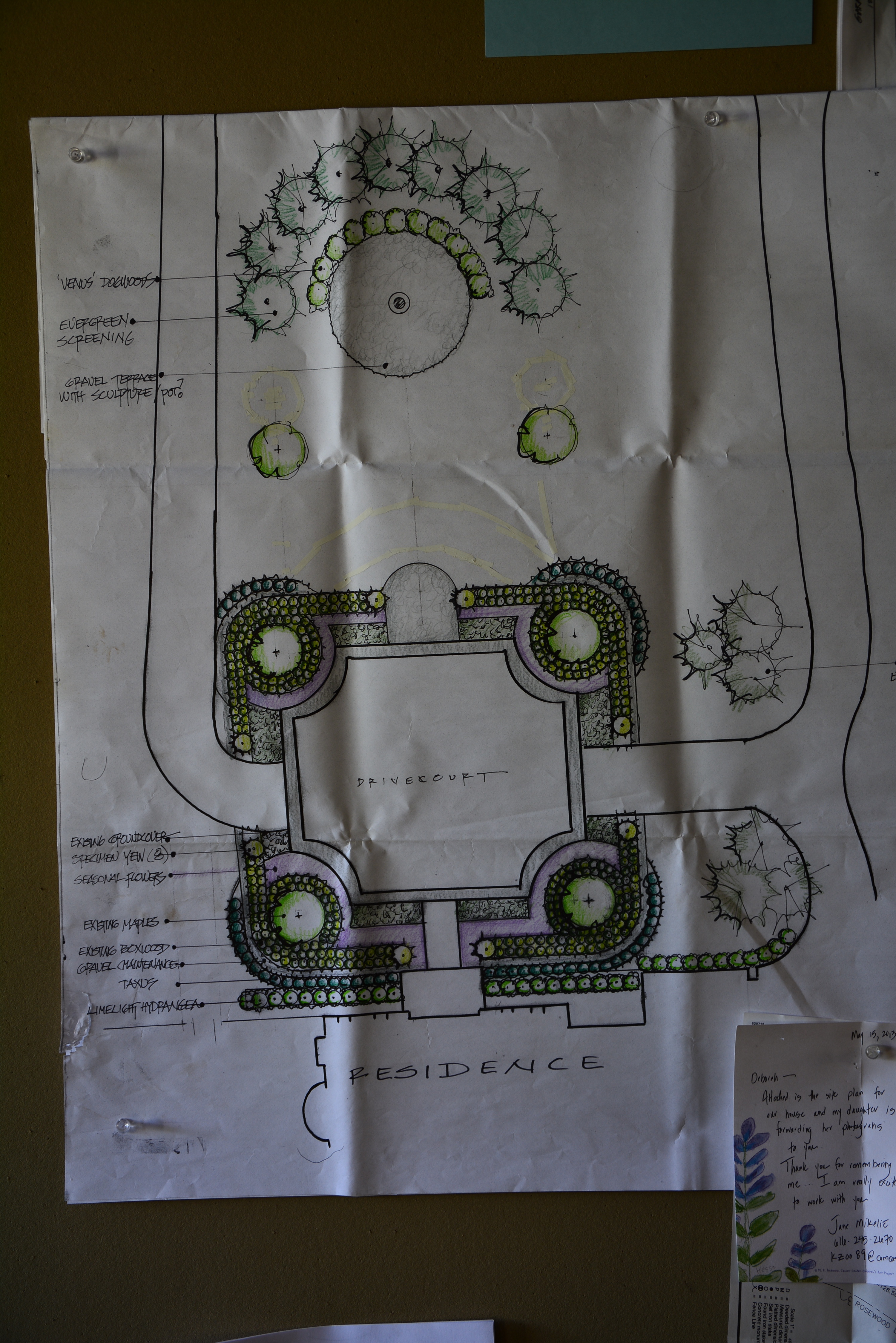
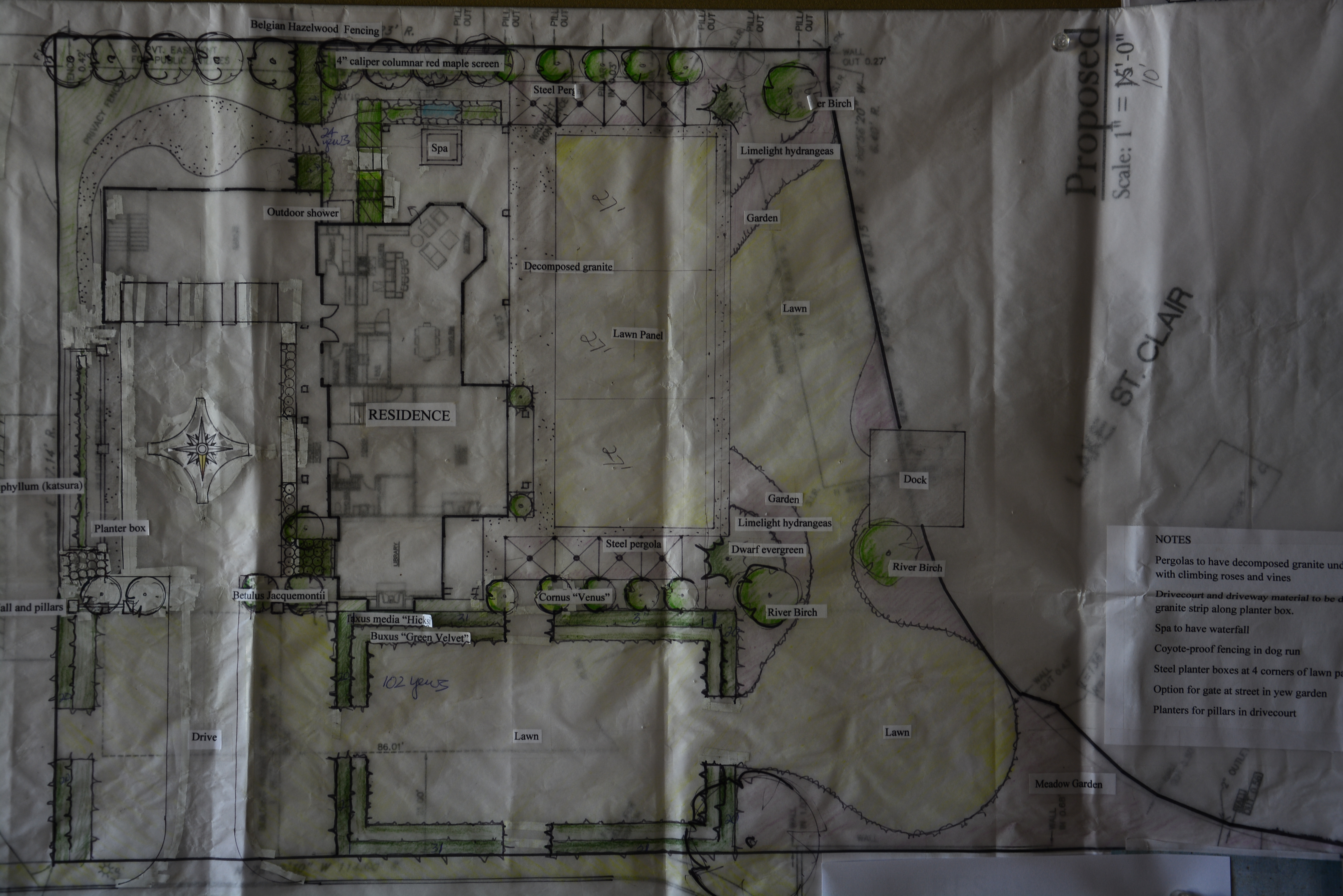 What I write about via Dirt Simple is an effort to discuss my design process. My design process? It may be good, it may be average-it may be of no use to anyone else. But that process has enabled me to communicate with my clients-those people known to me who have a love of the natural world. There are always two of us. A client with a house and property-and an idea about how to live. Me-I have an idea about what is graceful, and beautiful. The interaction produces a design. A good design is never about one, or another. It is the product of a relationship.
 The APLD is a group about which I knew nothing, until I became interested in the work of Susan Cohan. This organization of landscape designers has been active since 1989. Where was I? I have never been so much interested in participating in group efforts. No doubt I black out when I am asked to serve on a board. Part of what enchants me so much about the garden is that solitary experience. The birds singing. The rain falling. The change of the seasons. That very engaged and solitary time known as weeding. The peace, and the quiet. But both Marti and Susan have made me rethink that.
 The time I spent with Marti and Susan made a dent in me. They had lots to say. They spoke up. Susan remarked that she valued the APLD, as it made a place for her to talk to and engage other landscape designers. She was passionate about sharing. Marti-as patient and willing as she is sharp. It was a very good thing for me, to meet the both of them-face to face.
 If you are a professional landscape designer, I would recommend that you consider joining the APLD. If you are a homeowner who is thinking about hiring a landscape designer, review those designers who are affiliated with the APLD. Marti and Susan-I was delighted to meet the both of them.
 Exposure to a very powerful and compelling force-who knows what will eventually come of that. I have the feeling that the time I spent with the two of them will be influential. Marti and Susan-I am so lucky to have had the time to meet them.