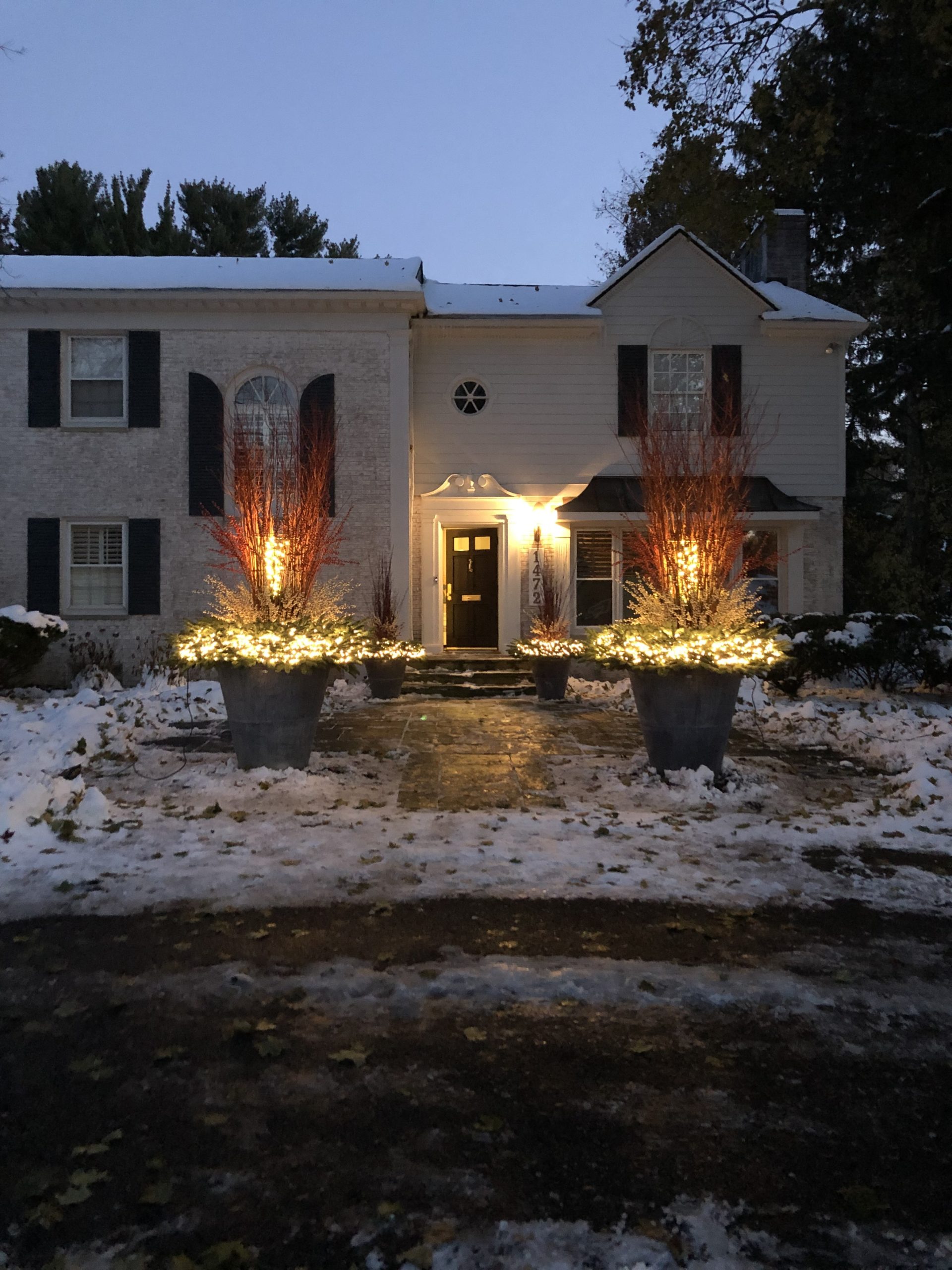
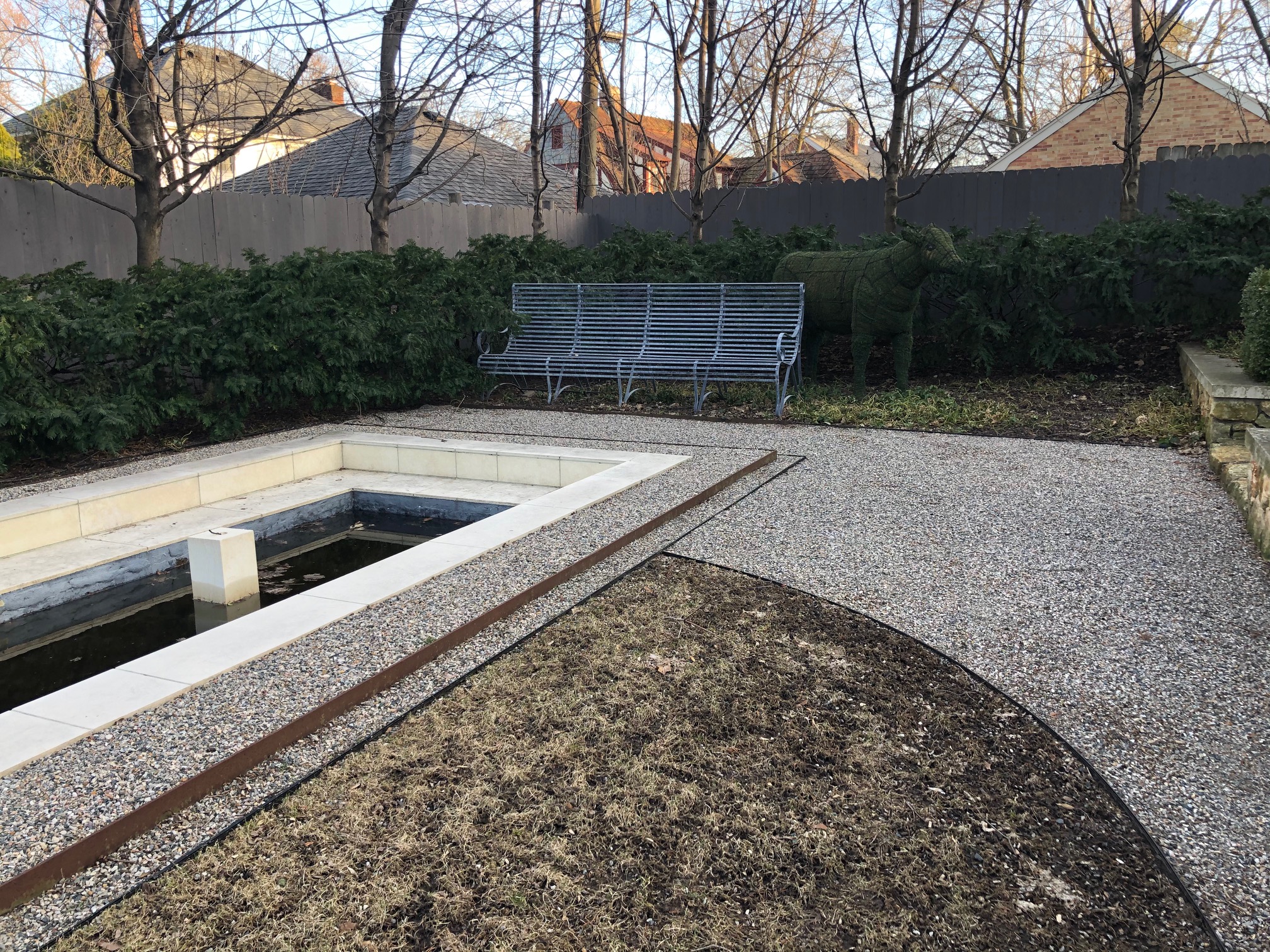
 March is invariably the most desolate month of all in my garden. Everything sits in stony silence. The passing of the snow reveals a landscape sullen from months of cold. The straw colored grass is thin. Muddy dirt pools in those places where the grass succumbed. The stoic evergreens that have been unable to absorb water all winter long via their roots sport foliage that is still that wintry shade of black green. They will hide the damage wrought by desiccating winter winds until the air temperatures warm up. The trees are budded, but tightly budded. It is not time yet for the signs of spring to emerge. It is the time of the revelation of the effects of the winter season. There are those who think the landscape and garden sleeps beneath a thick blanket of snow. Not so. The winter is actually a pitched battle for survival with winners, losers, and the compromised.
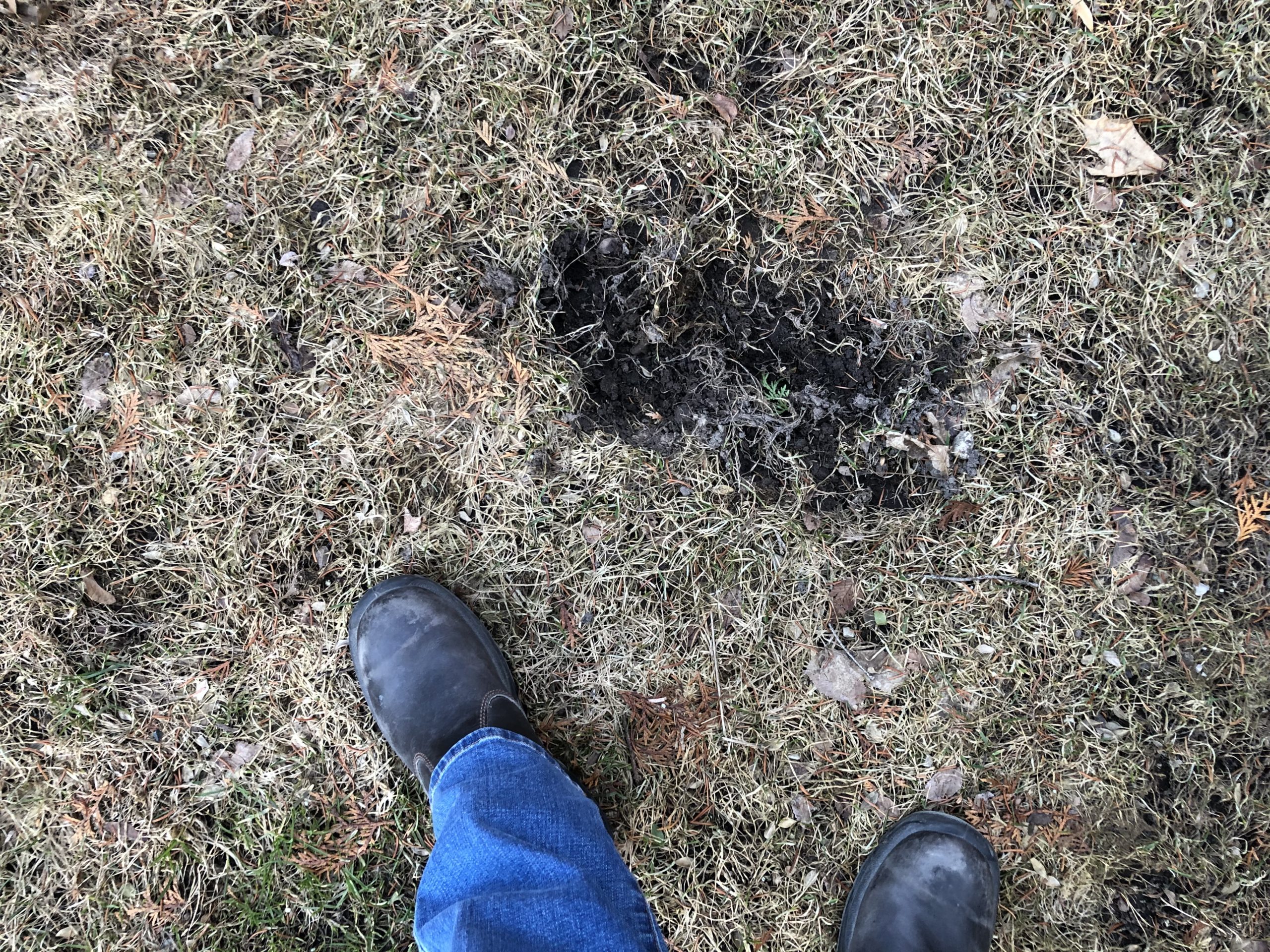 It is dry enough to walk the garden now. Everywhere, the remains of what is dead, shed and scuffed up is on display. The reveal of the landscape post the worst of the winter, come March, is a rude one. Wince-worthy. The rabbits chewed every rose right down to the ground. Of course they did. A fledgling paeonia Ostii was similarly chewed, despite being surrounded with bamboo stakes. Every wispy dried up bit of organic trash has been blown around and deposited somewhere in the yard – both high and low. . The pachysandra is laid over and down, as if it had been trampled by a lawn roller. There is a winter’s worth of street trash to pick up.
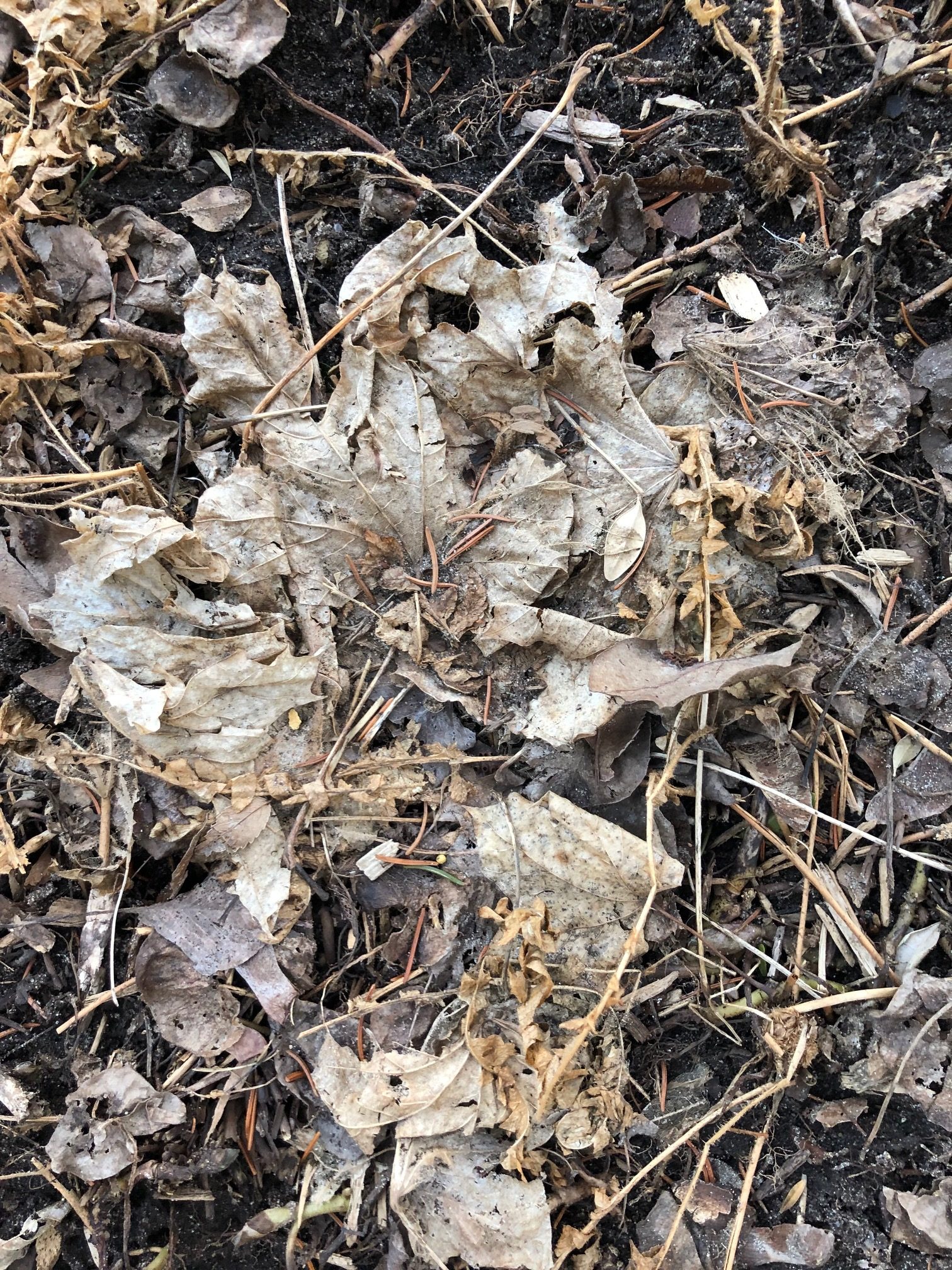 Desolation is the landscape word of this March day. It is hard to imagine that anything will ever be different. It is more difficult to imagine the garden thriving. I am a working gardener, in the most literal sense of the word. I respond to what nature provides. I am not in charge, nor am I the least bit unhappy about that roll. But March in my zone is dreary indeed.
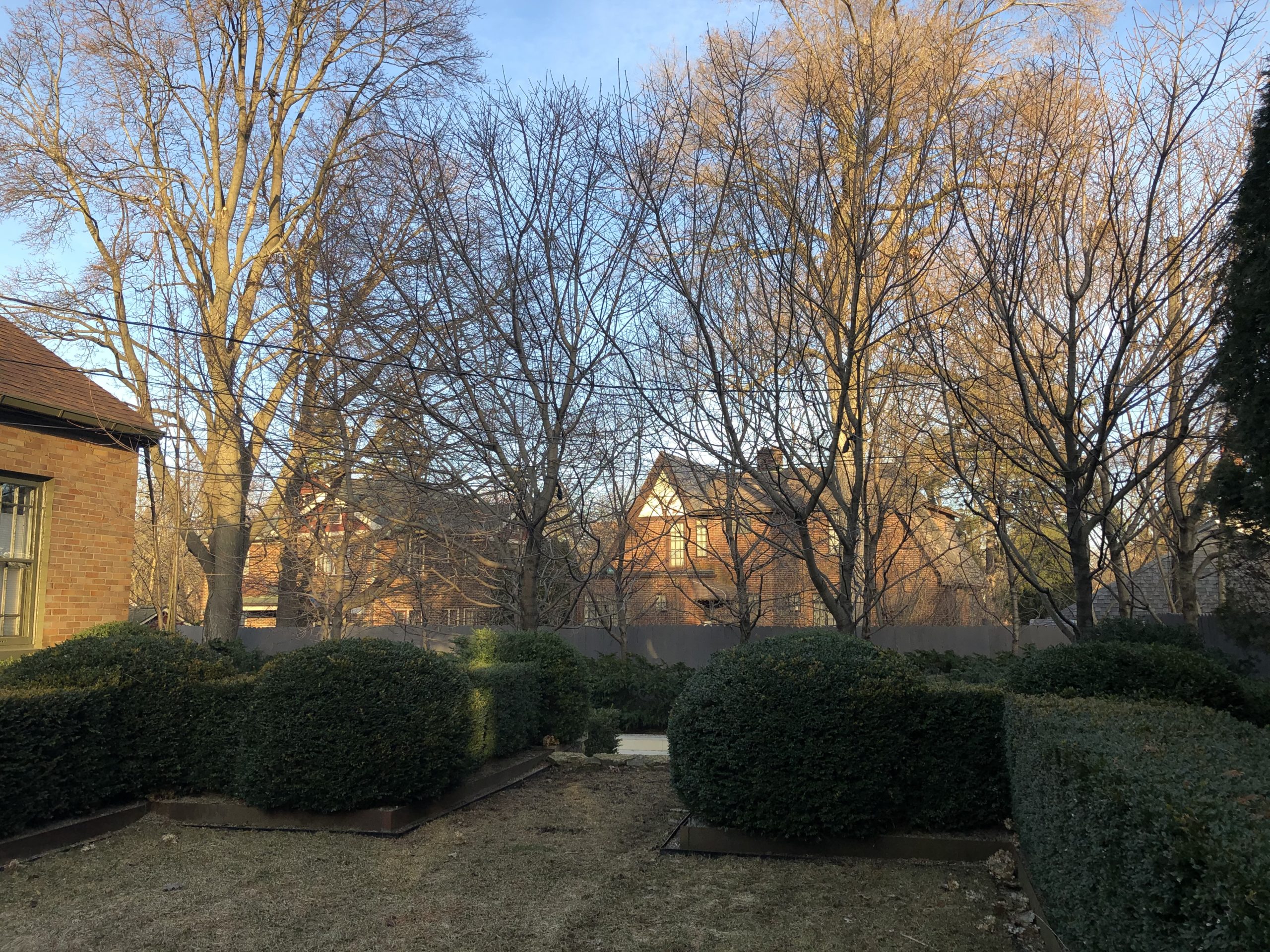 I would not be capable of planning, orchestrating or even entirely comprehending that complex mechanism by which the winter season comes to an end. My knowledge of the process is certainly better than it was 50 years ago, but I am routinely taken by surprise. What we call the force of nature is just that. Formidable, inexplicable – magical. I know that in a month’s time, this view will have taken on an entirely different appearance than what I see now. What is skeletal now will have a more juicy and lively look.
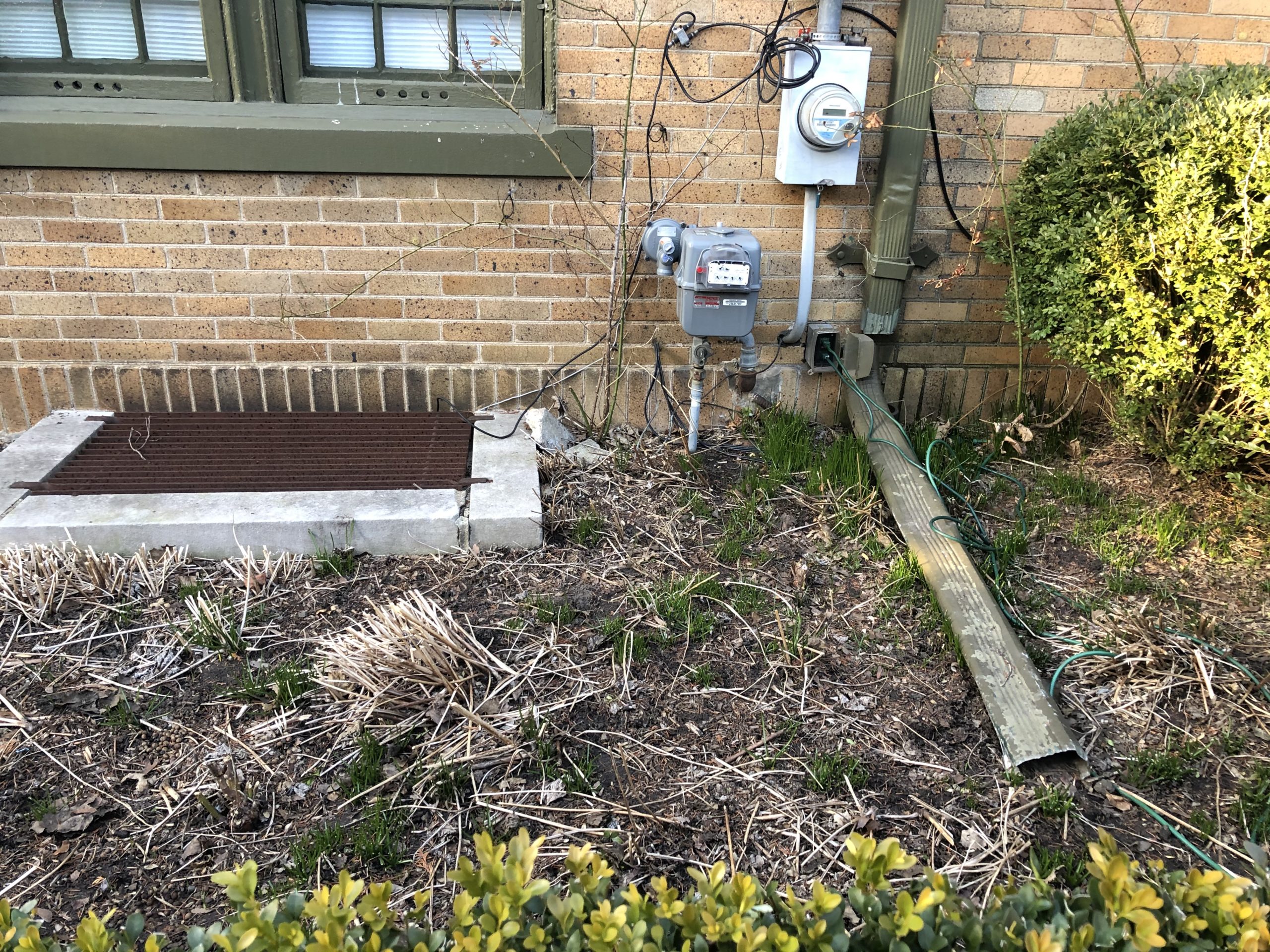 I feel confident in saying that every gardener endures the winter as best they can. The read, and order seeds, and plan for the gardening season to come. They clean tools, look out the windows, and wait. I suspect they are as frazzled as I, forced to be an unwilling witness to the last gasp of winter. But as unpleasant as March can be, there is the sure knowledge the winter season will run out of steam, and fizzle. And then there will be signs of spring. Though we have had very moderate temperatures the past few weeks, there is a forecast for night temperatures in the twenties the next few nights. March and April are known for their tantrums. But the bigger picture calls for an end to winter. As it has been my experience that spring always arrives, sooner or later.
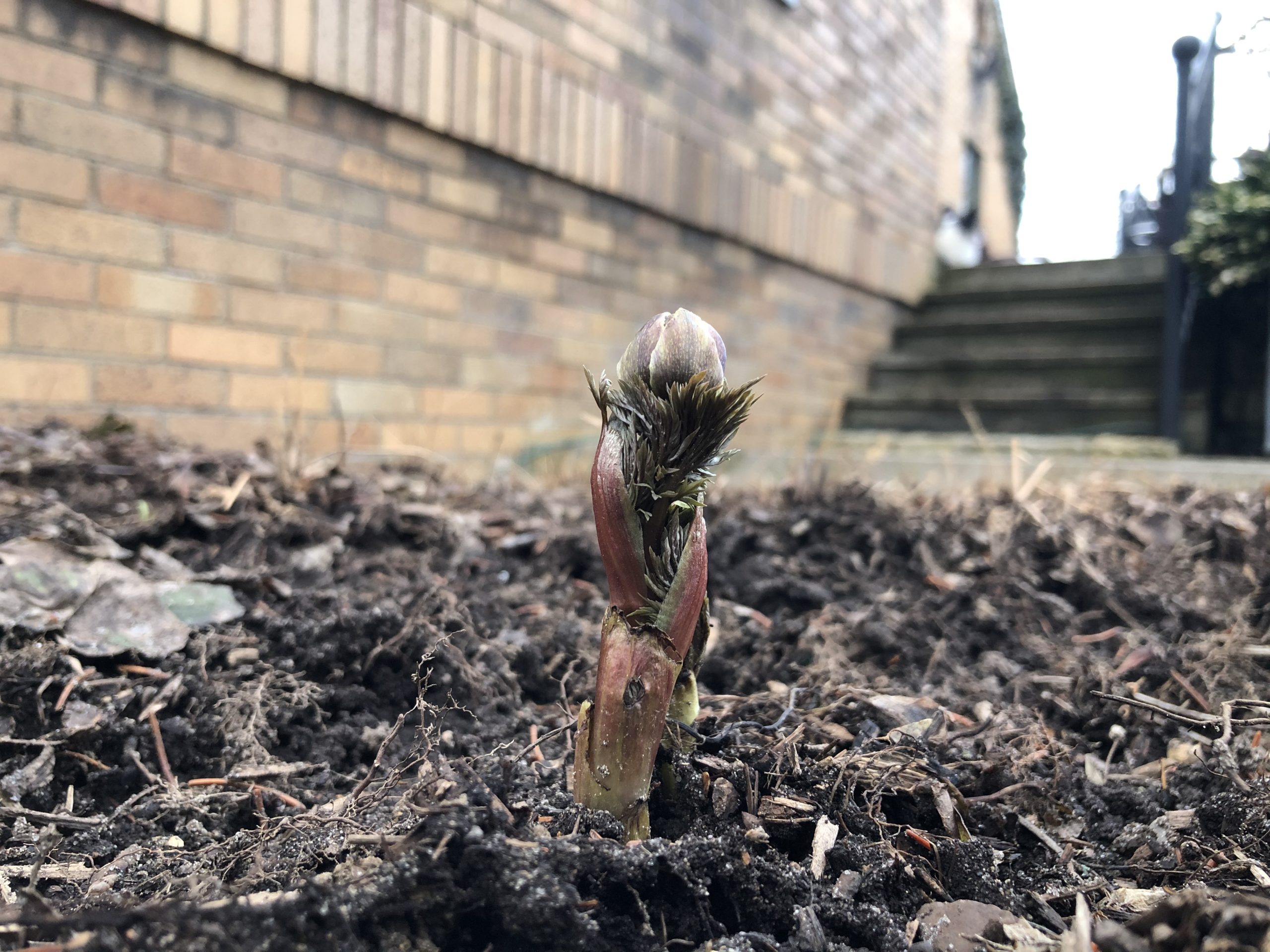 The first call in my yard is always adonis amurensis. It is astonishing how early this perennial emerges, grows and blooms-in one fell swoop.
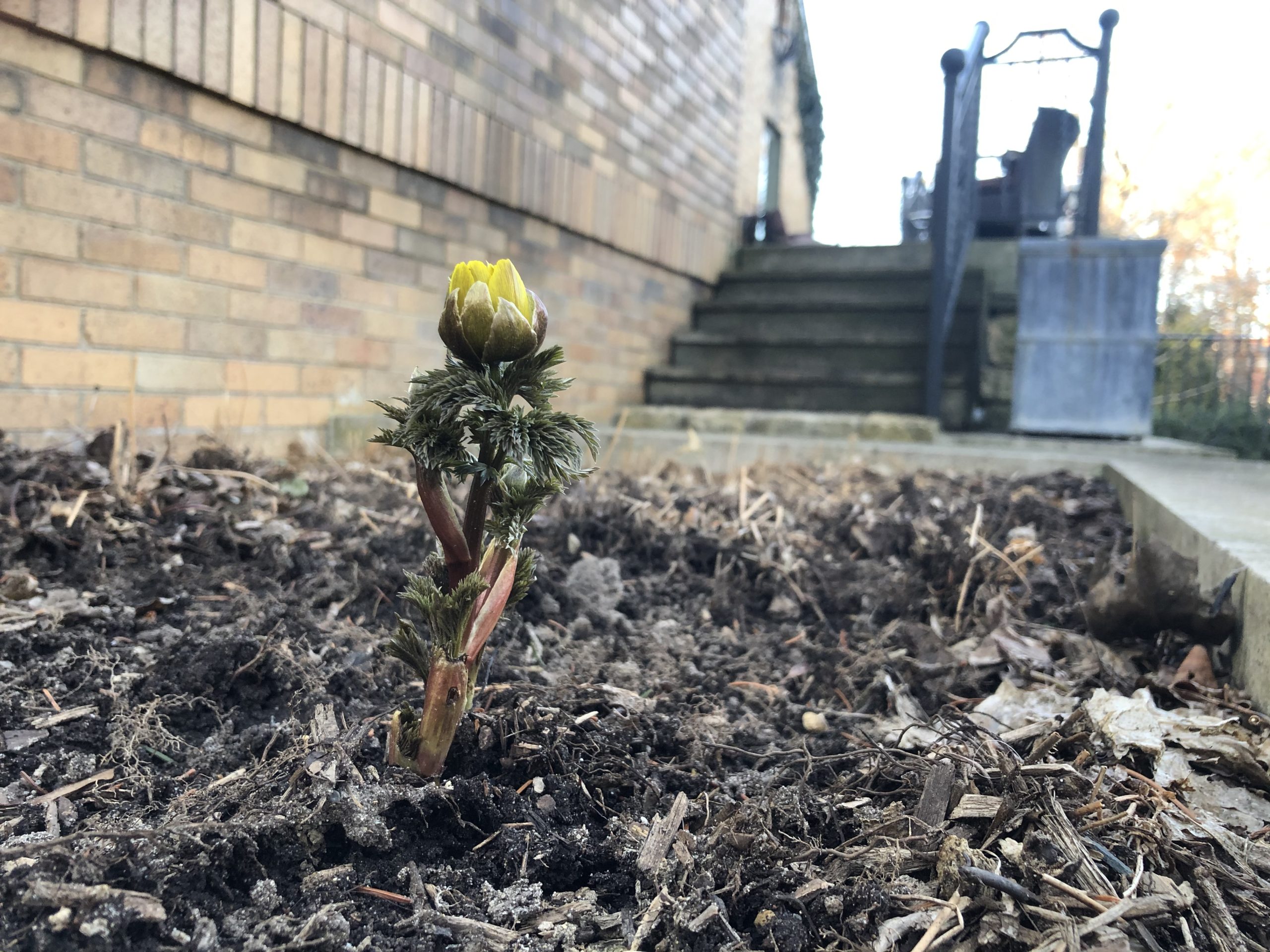 It is painfully slow to multiply for me, but I would not do without it. They demand nothing in the way of care. Shortly after blooming, they go dormant until the following late winter. I have time to watch and marvel how it emerges weeks ahead of other plants. That yellow flower beats back the late winter blues.
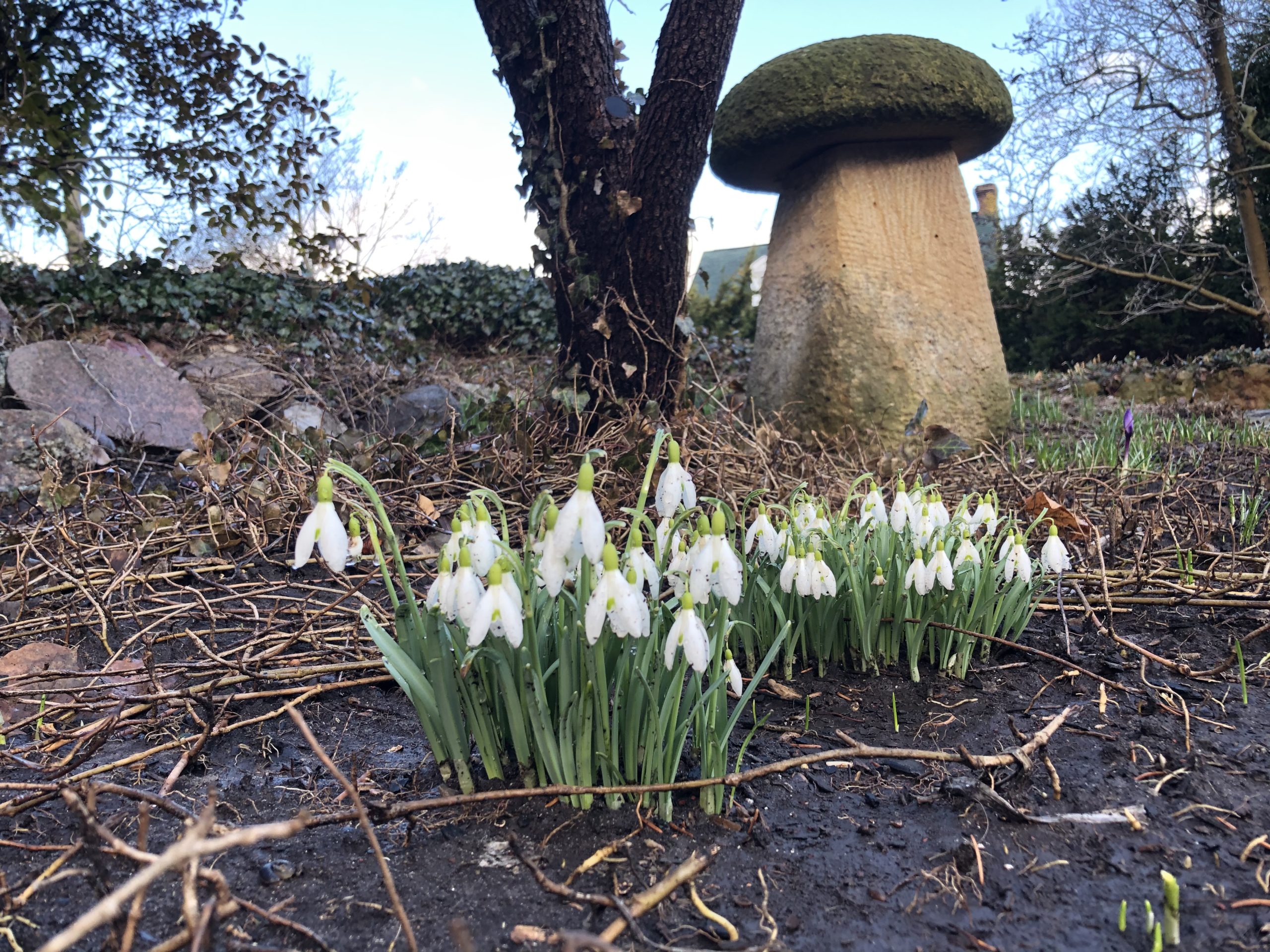 The snowdrops are a late winter favorite. Beloved in all of its forms and hybrids by galanthophiles and informal fans all over the globe, they breach the soil still crusty with frost, and bloom profusely. True to their name, they shrug off a late snow as if that were nothing. They transplant most readily in their green form. Once happy, they multiply and seed with abandon.
  Any gardener who reads here knows I am a fan of hellebores. They are, in my opinion, the perfect perennial. Thick glossy foliage persists in its green state until late in the winter. The flowers emerge on leafless stalks in April, and bloom for a very long time. The green remains of the flowers can persist in the garden well in to June. The current years leaves will emerge after the flowers. With proper moisture, these 18″ tall plants grow into very large clumps. They live for decades, and do not require dividing to bloom profusely. I leave the flower heads be, in order to encourage seedlings.
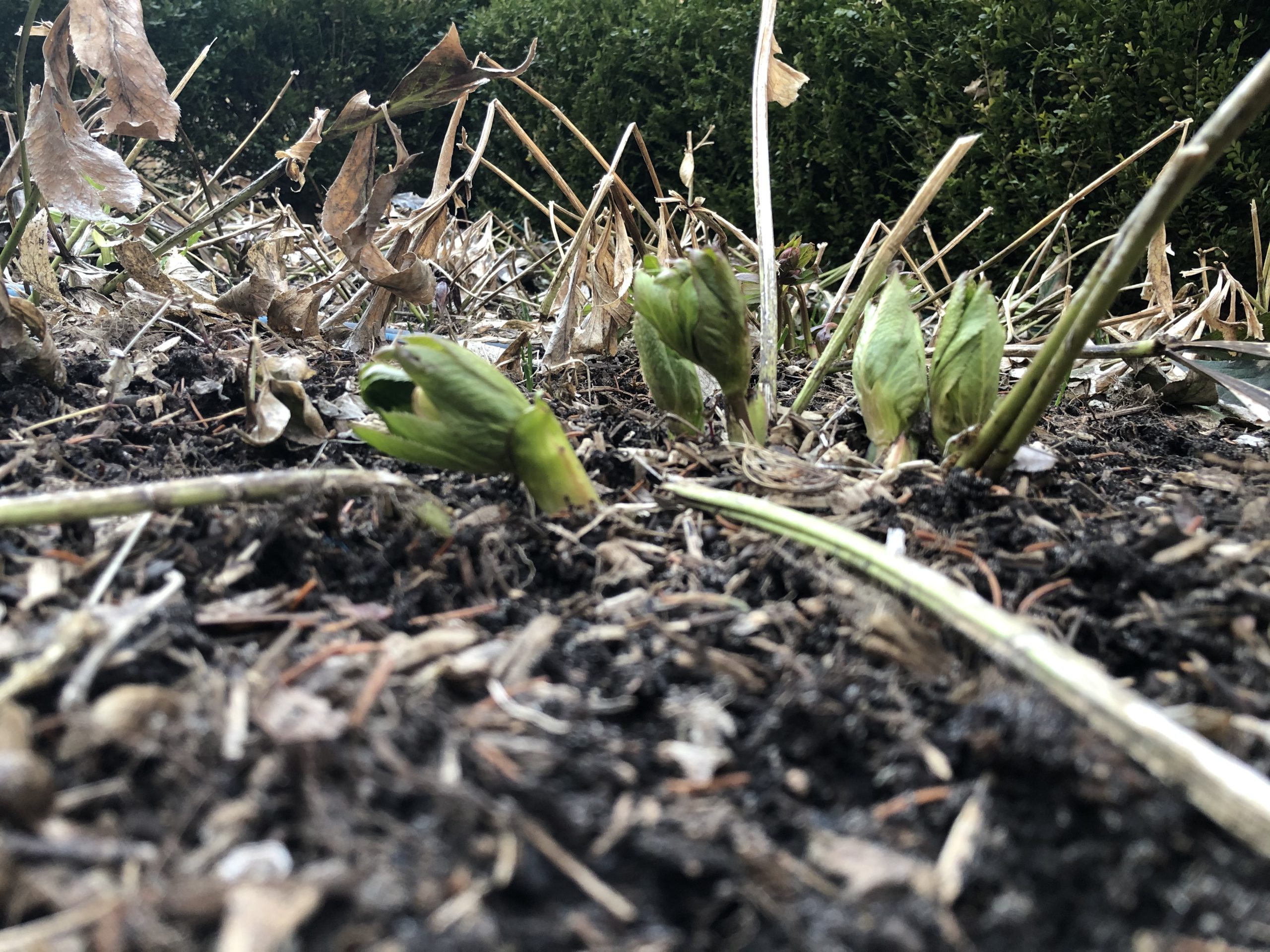
 The flowering stalks emerge early from the clusters of last years leaves. They are a welcome sign that spring is on the way.
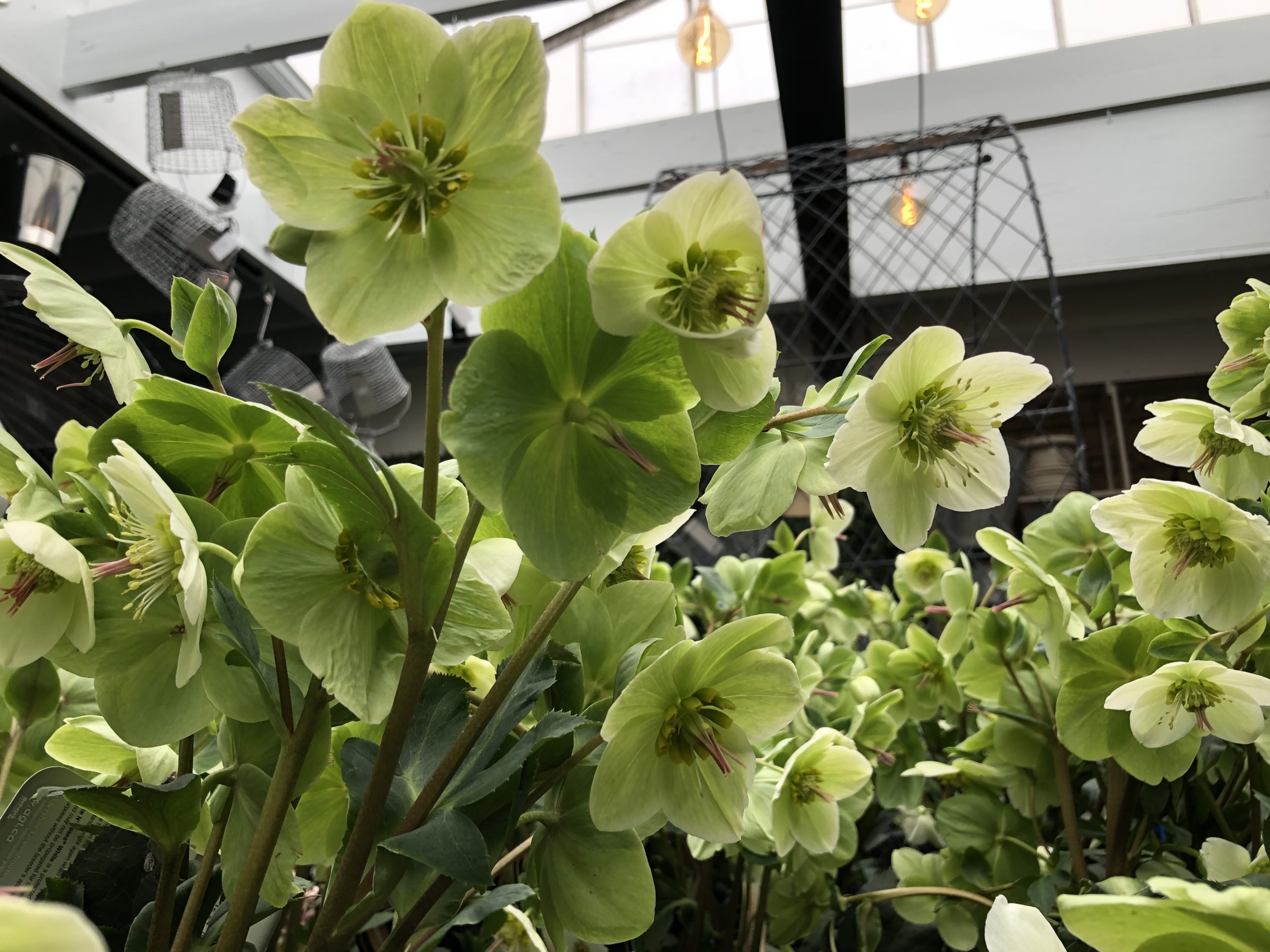 It will not be that long before the hellebores reach this height and breadth. The time will come when every gardener will be fully engaged in spring, and the memory of the March landscape will fade.
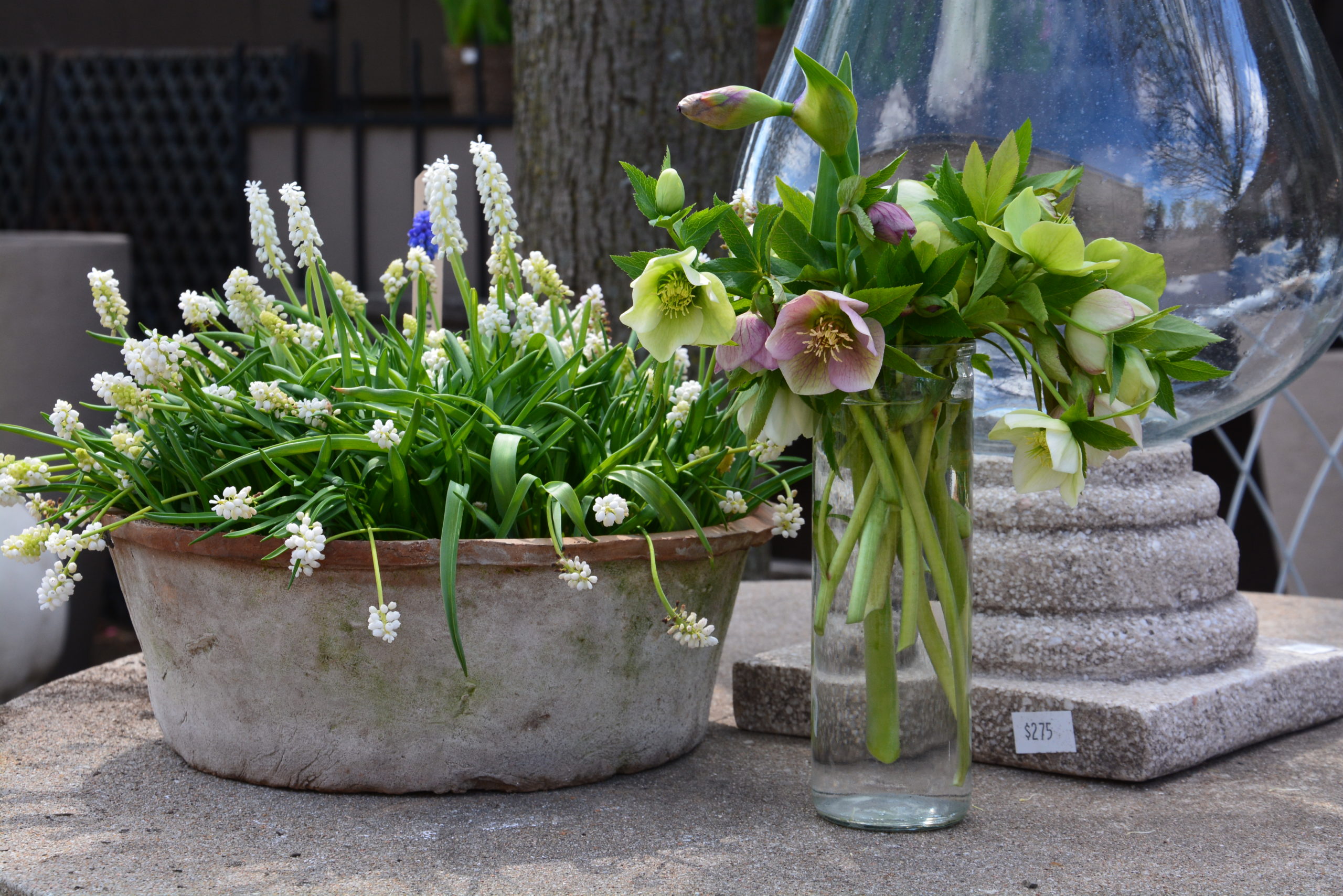 There will be plenty to enjoy indoors-pots of bulbs, and the cut stems of spring flowering perennials and flowering shrub branches while the weather outdoors is still uncomfortably cold.
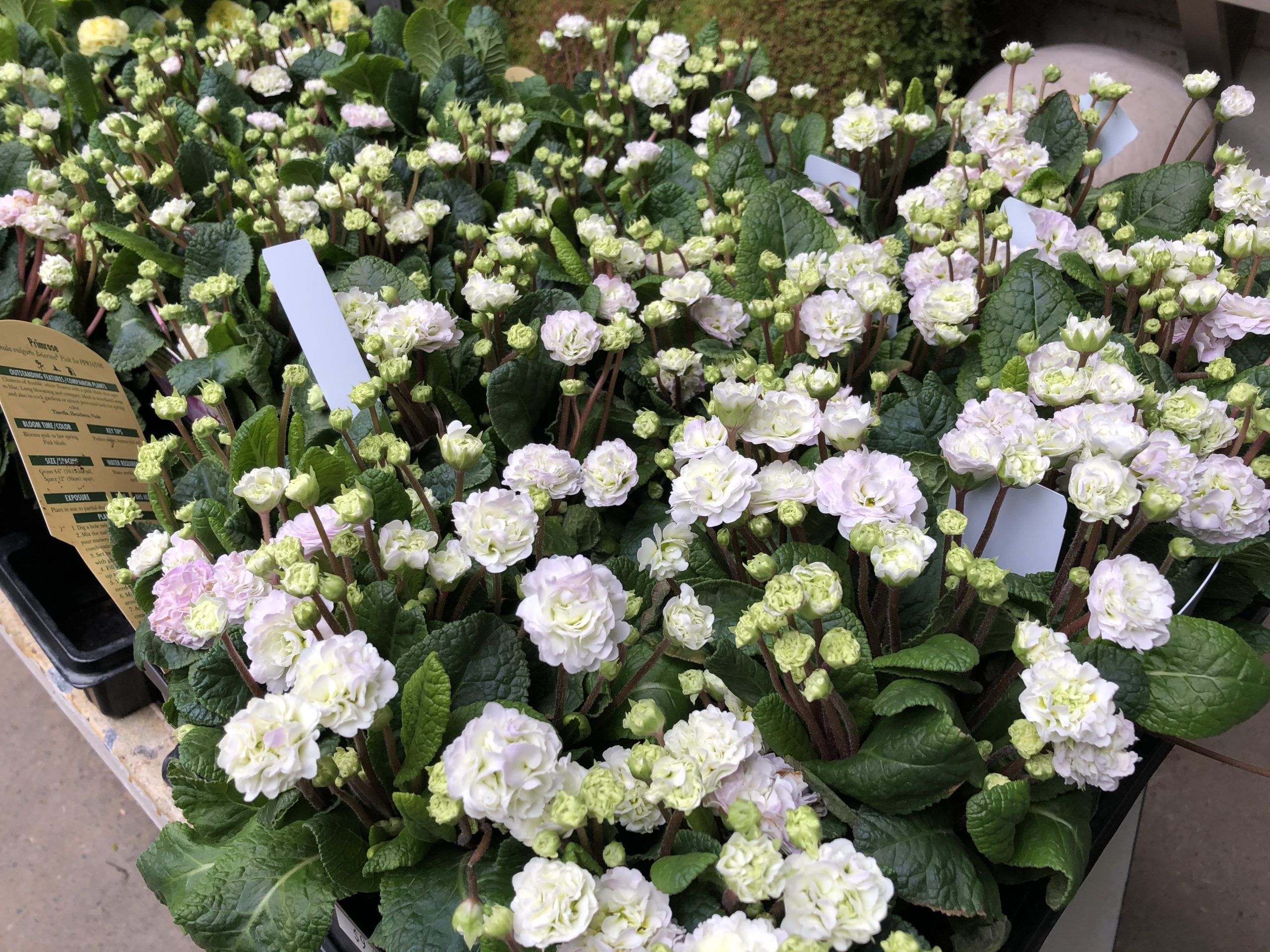 As delicate as the flowers of Barnhaven primrose are, they are quite robust and hardy in Michigan gardens.
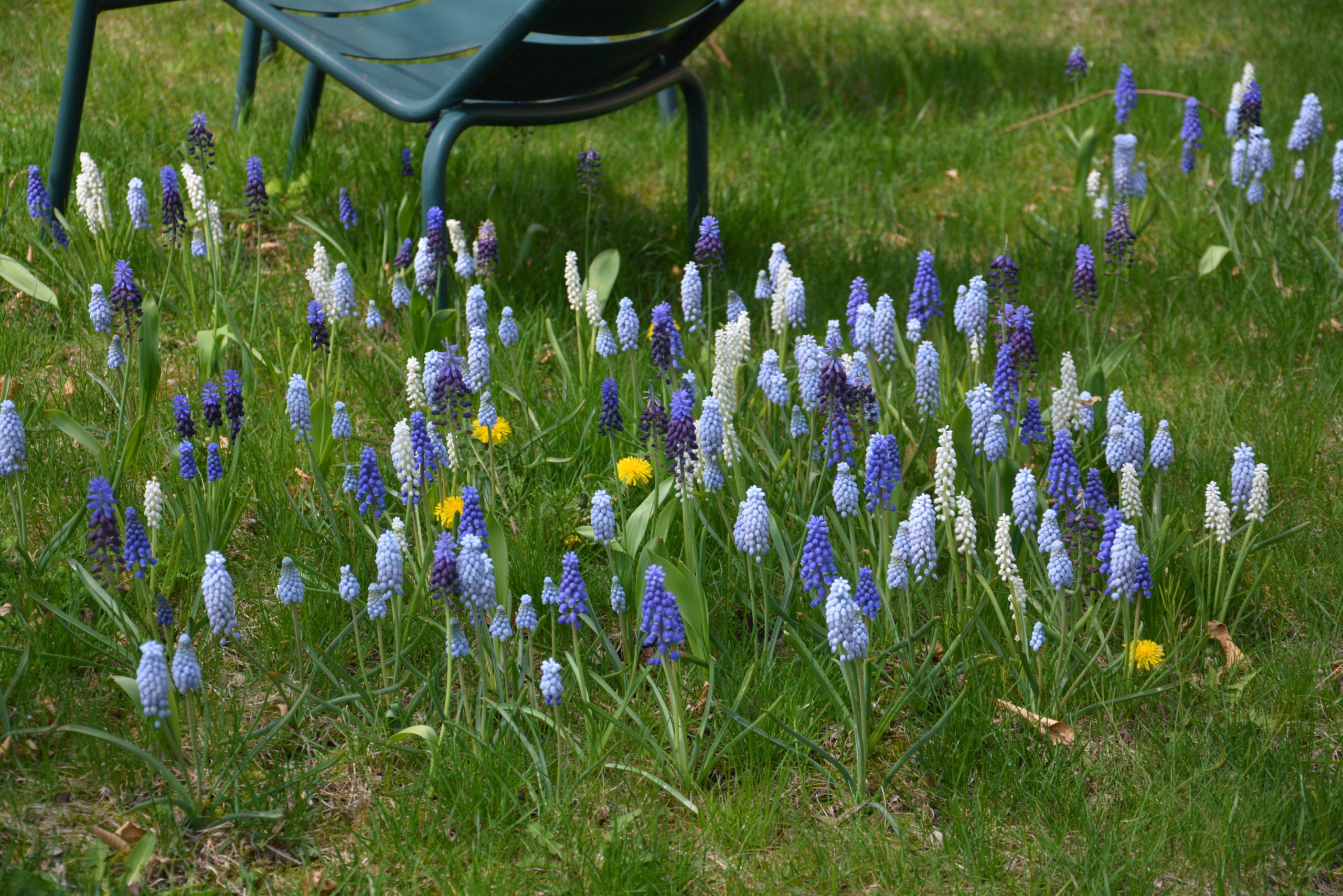 Grape hyacinths blooming in the early patchy grass make the inevitable dandelions look great.
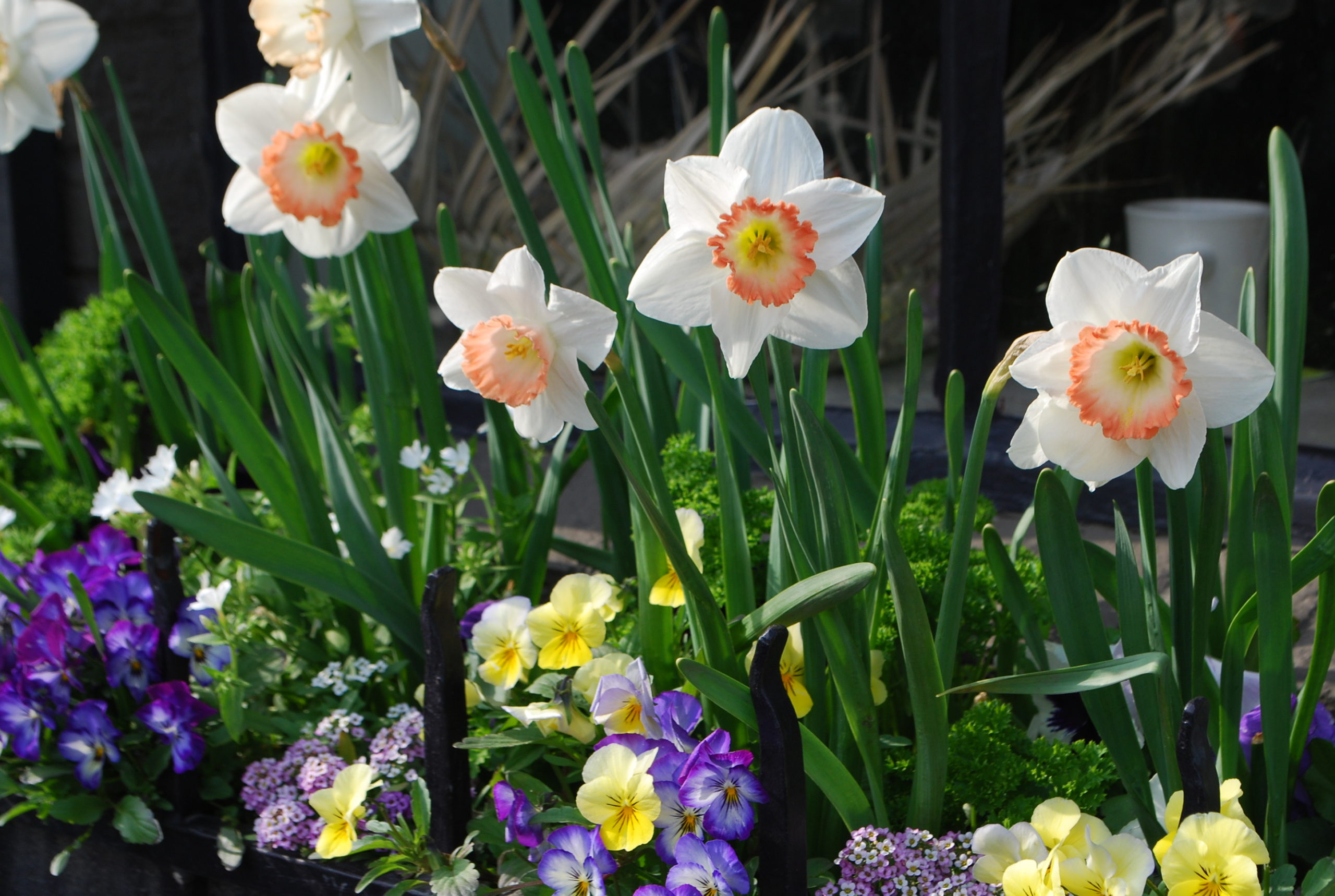 This spring window box from years ago-full of daffodils, parsley, annual phlox, alyssum and violas-is a reminder that as always, spring will have its turn
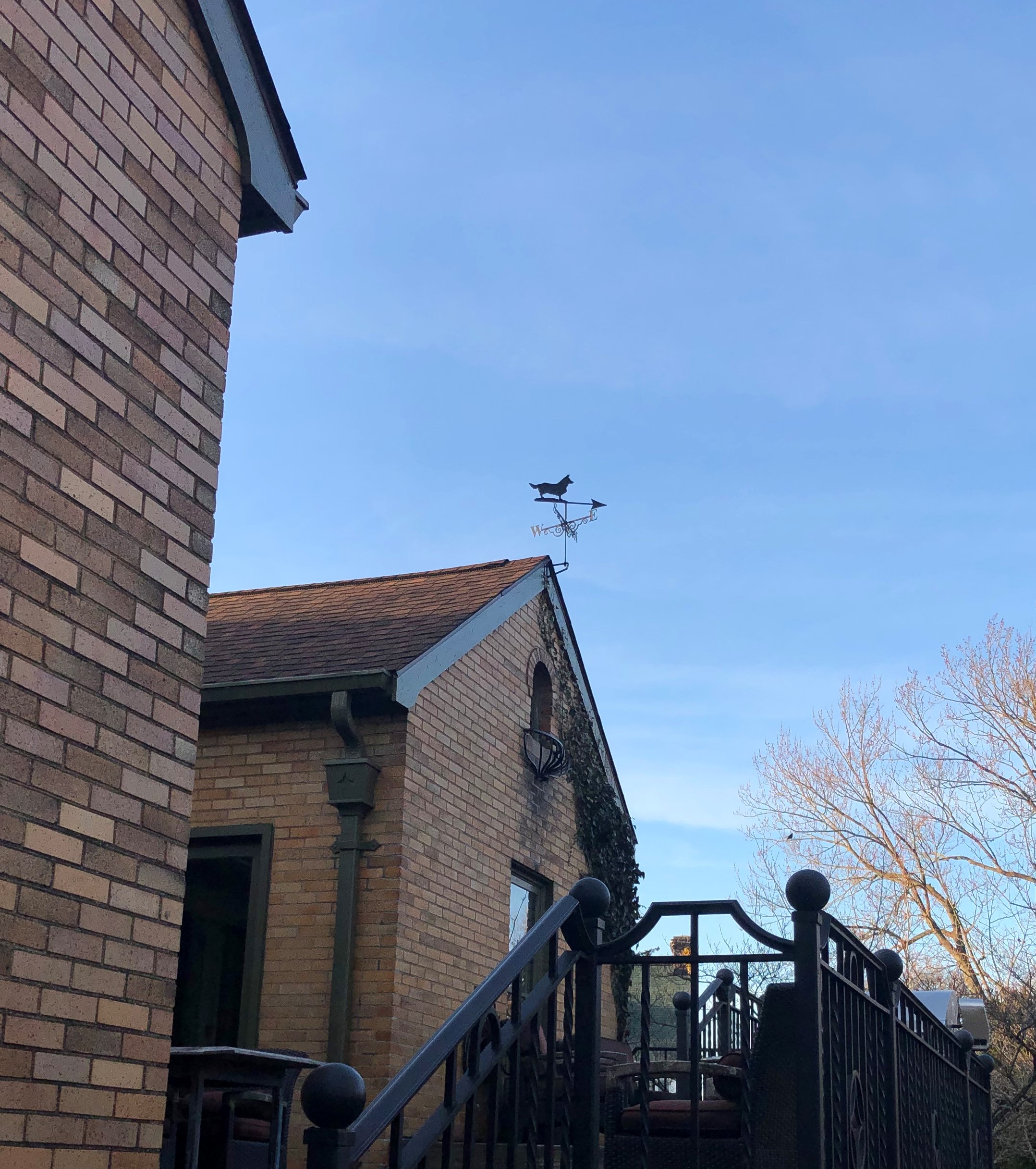 It’s coming.