Archives for 2016

Early June

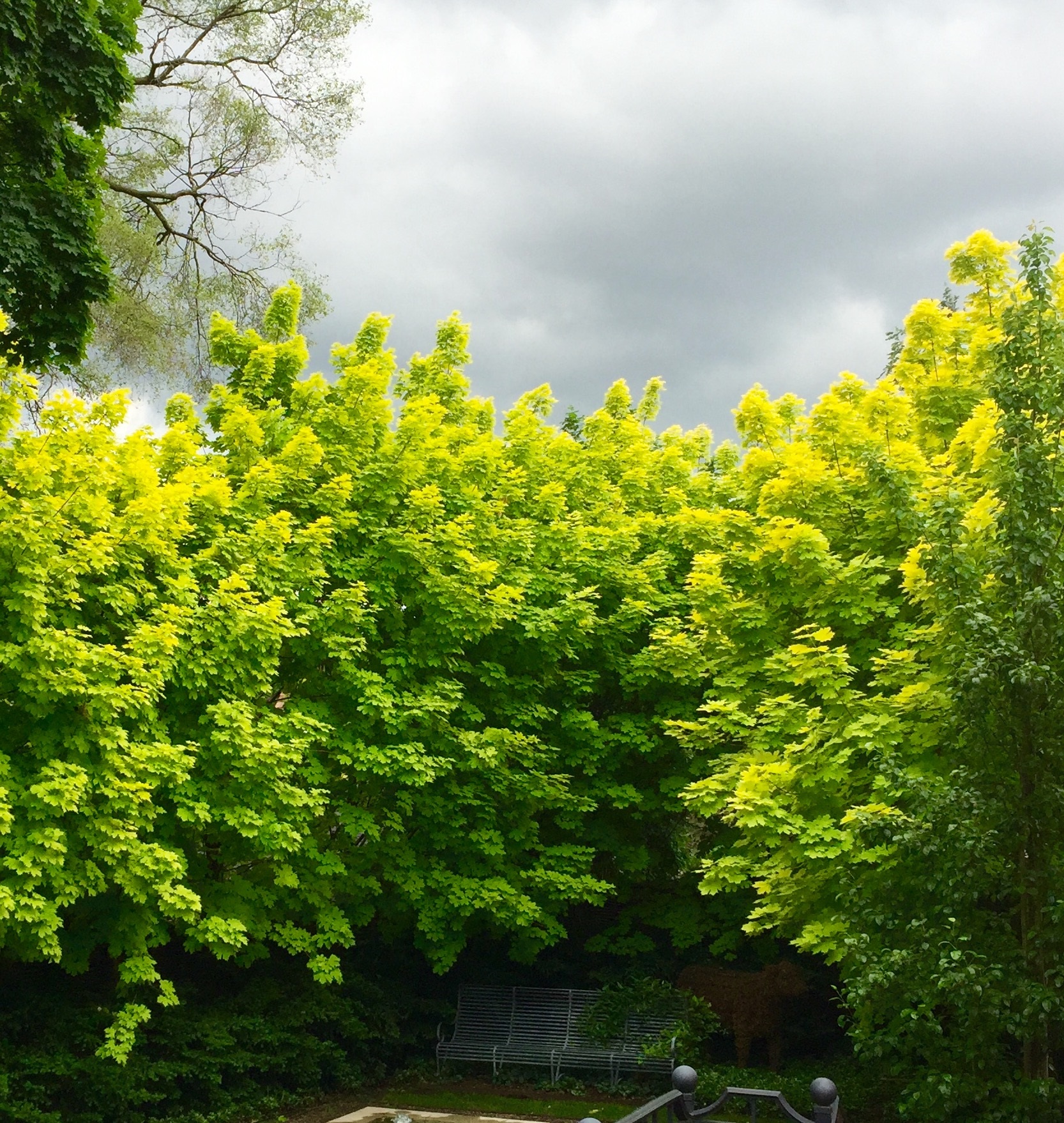
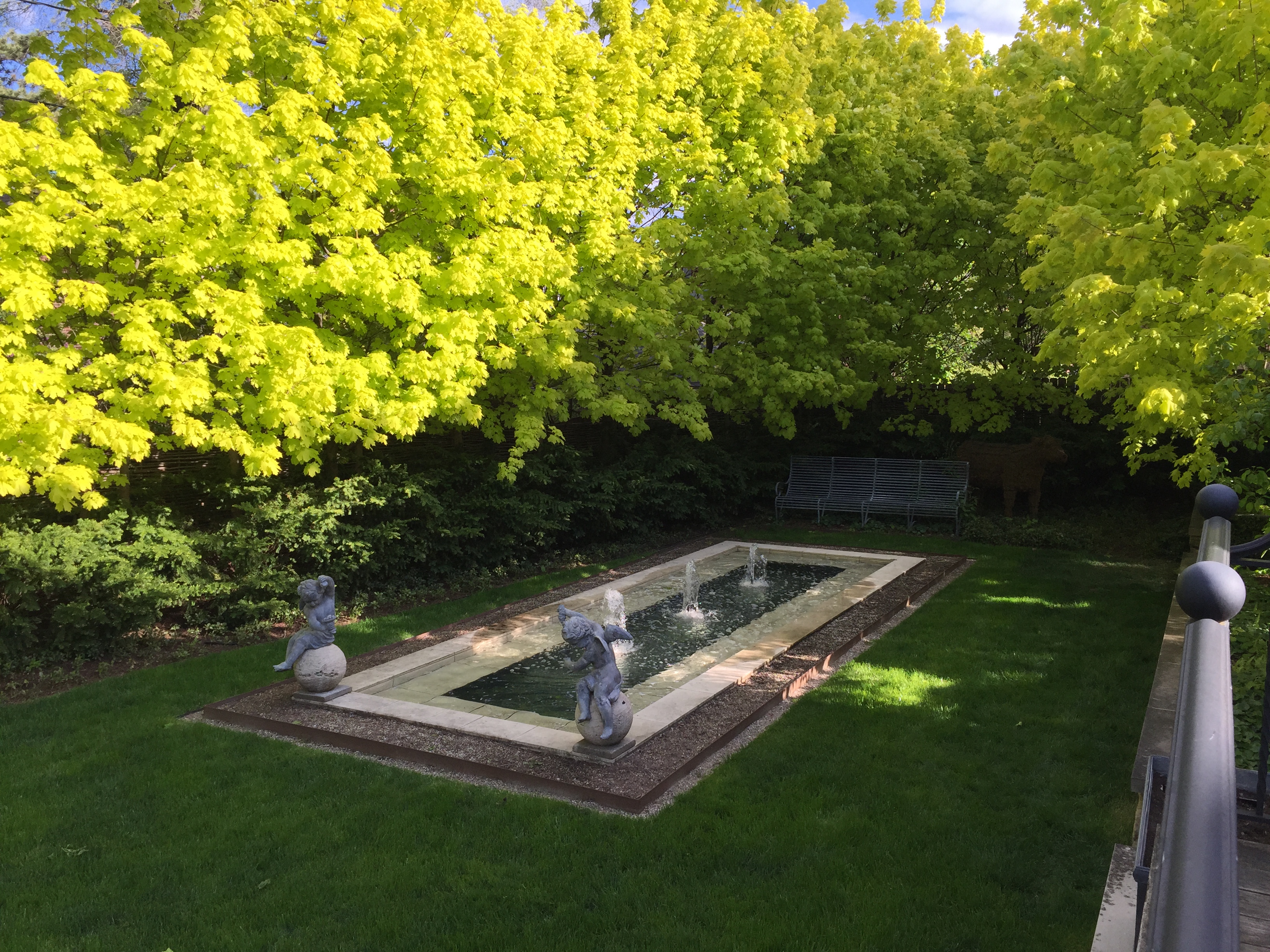
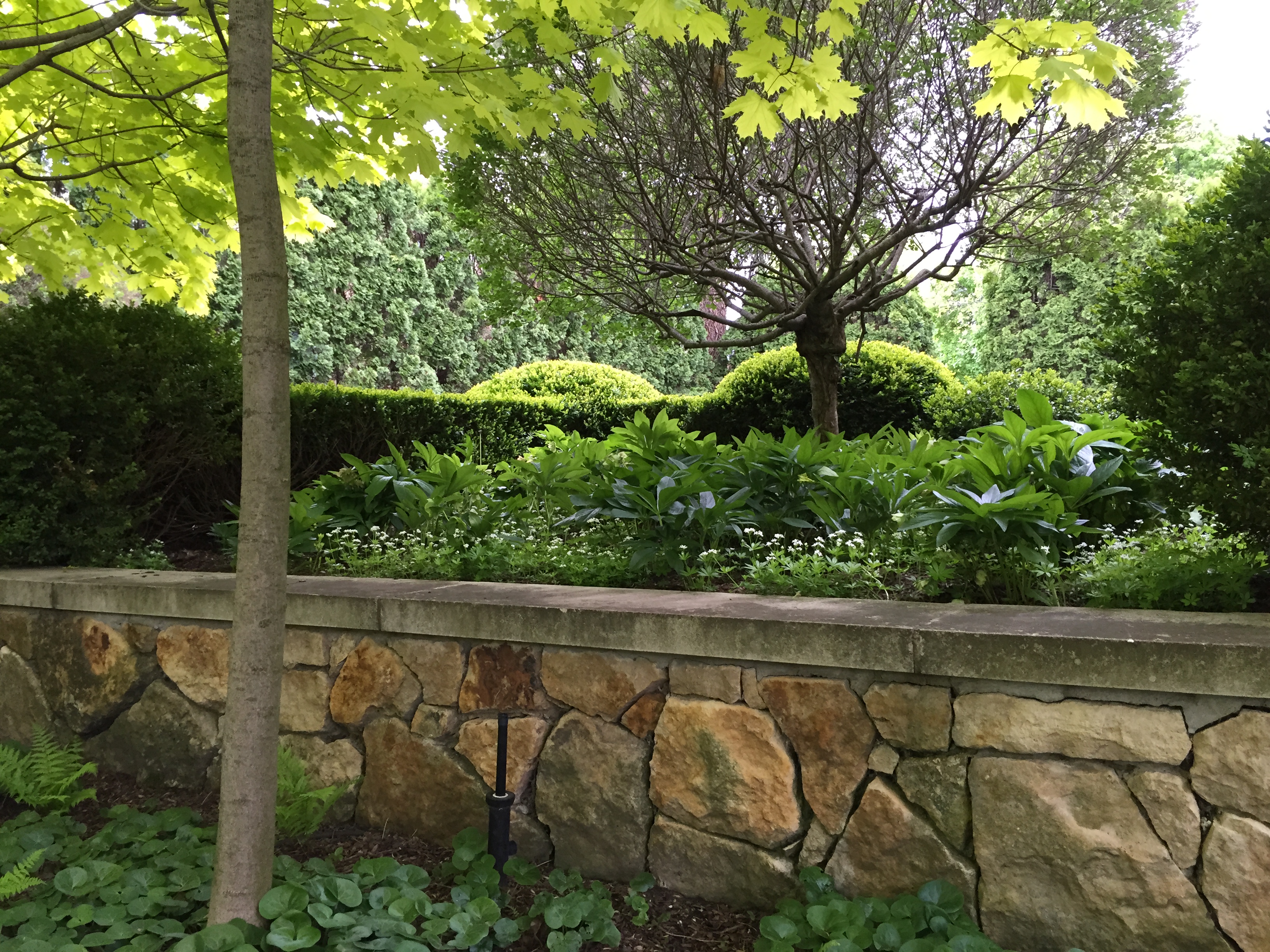
June (10)As much as I treasure the spring season, early June is a garden moment like no other.  Every tree and shrub is in full leaf, and growing apace. Just about every perennial is not only growing, they are making plans to bloom. Even my hardy hibiscus show signs of stirring. The garden is action packed. The Princeton Gold maples against a a stormy sky last night-spectacular. Those trees dominate my landscape in June, as you can see. One would never know there are houses just past those trees.  Just this year, the last of the electrical pole in the corner that services 3 other houses besides mine and its overhead wires have disappeared from view.
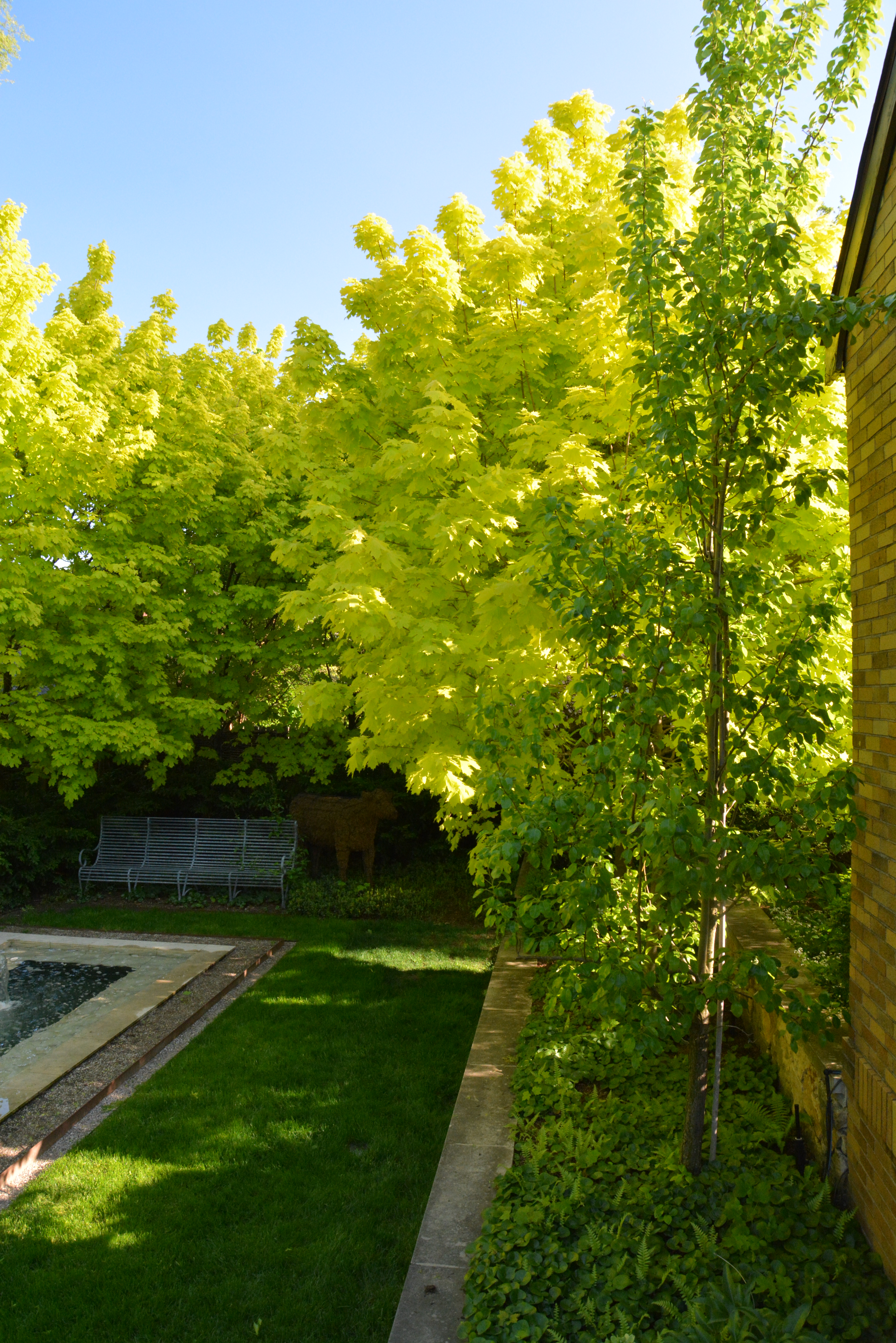
June (5)My landscape is not one bit fancy, although it is grown up. It is an urban American garden to my liking on a very small parcel of land. It is simple in design, so if it gets neglected when I am busy, order can be restored in a day or two. I like the orderly part of my landscape, as I find that order relaxing. The best part of coming home at the end of a busy day is having nothing to do in the garden.
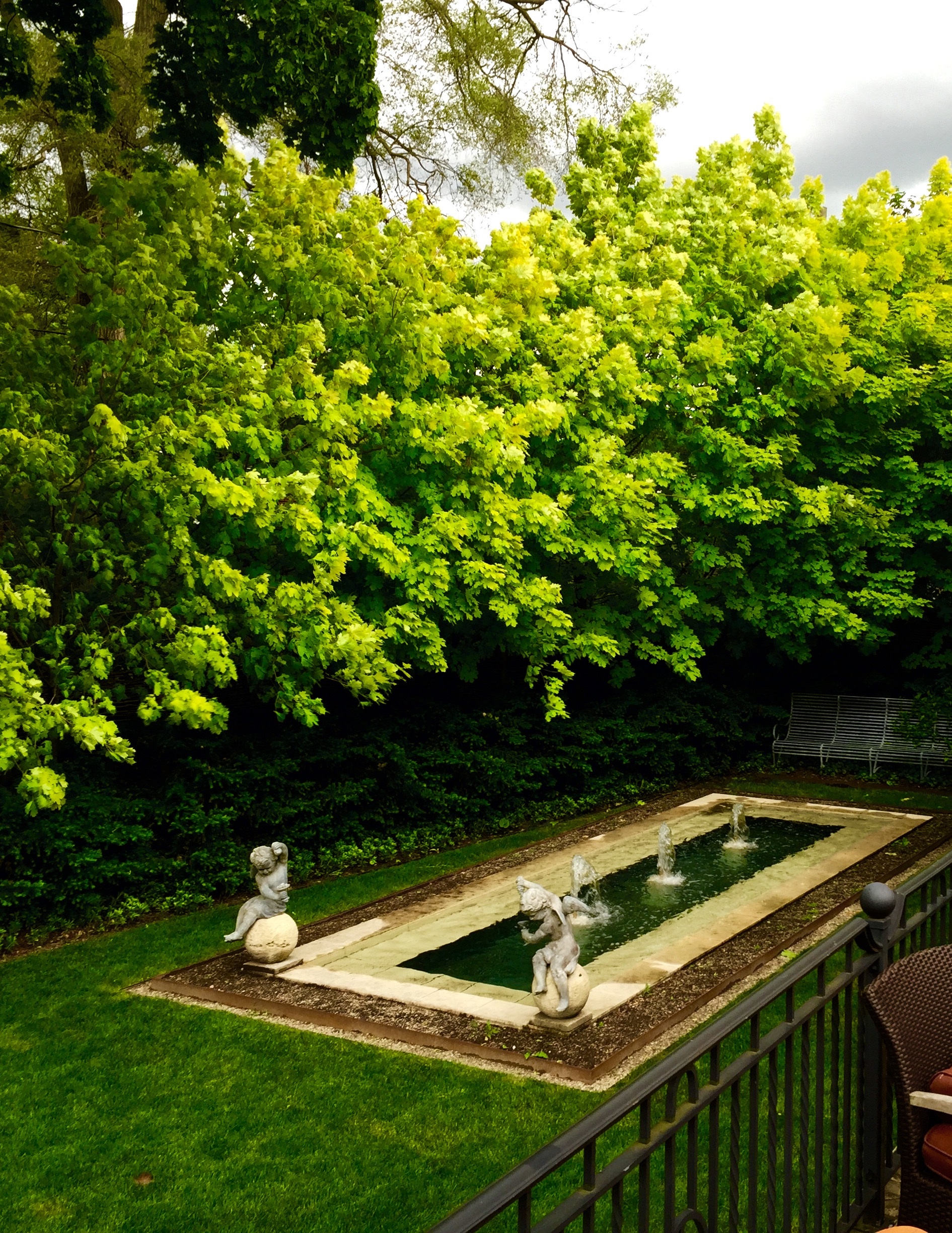
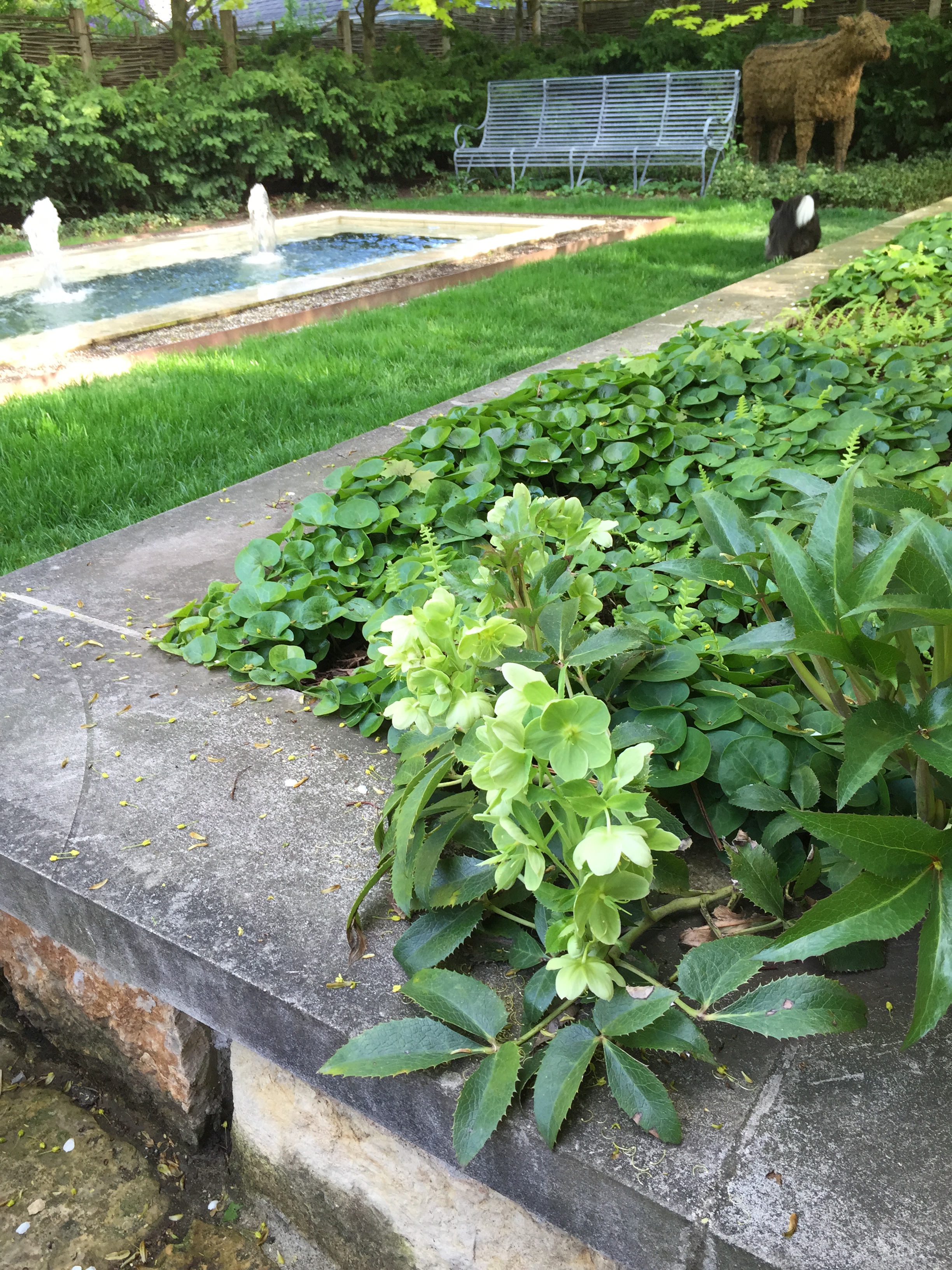
June (8)What I will plant around the fountain this year is the subject of much internal debate. I can only ask Buck to talk to me about it so many times, and I have already gone over the limit. What is that plant that will like the sun at one end, and tolerate the shade at the other?  It has to suffer the indignity of the dogs wading through it. And the over spray from the fountain jets on a windy day. I solved one chronic problem this spring. I had the irrigation system enlarged to include this area. No more dragging the hose down there from the deck on a 90 degree August day. I tried isotoma fluvialitis, but it was not hardy for me.  I did get 3 years from both herniaria, and scotch moss.
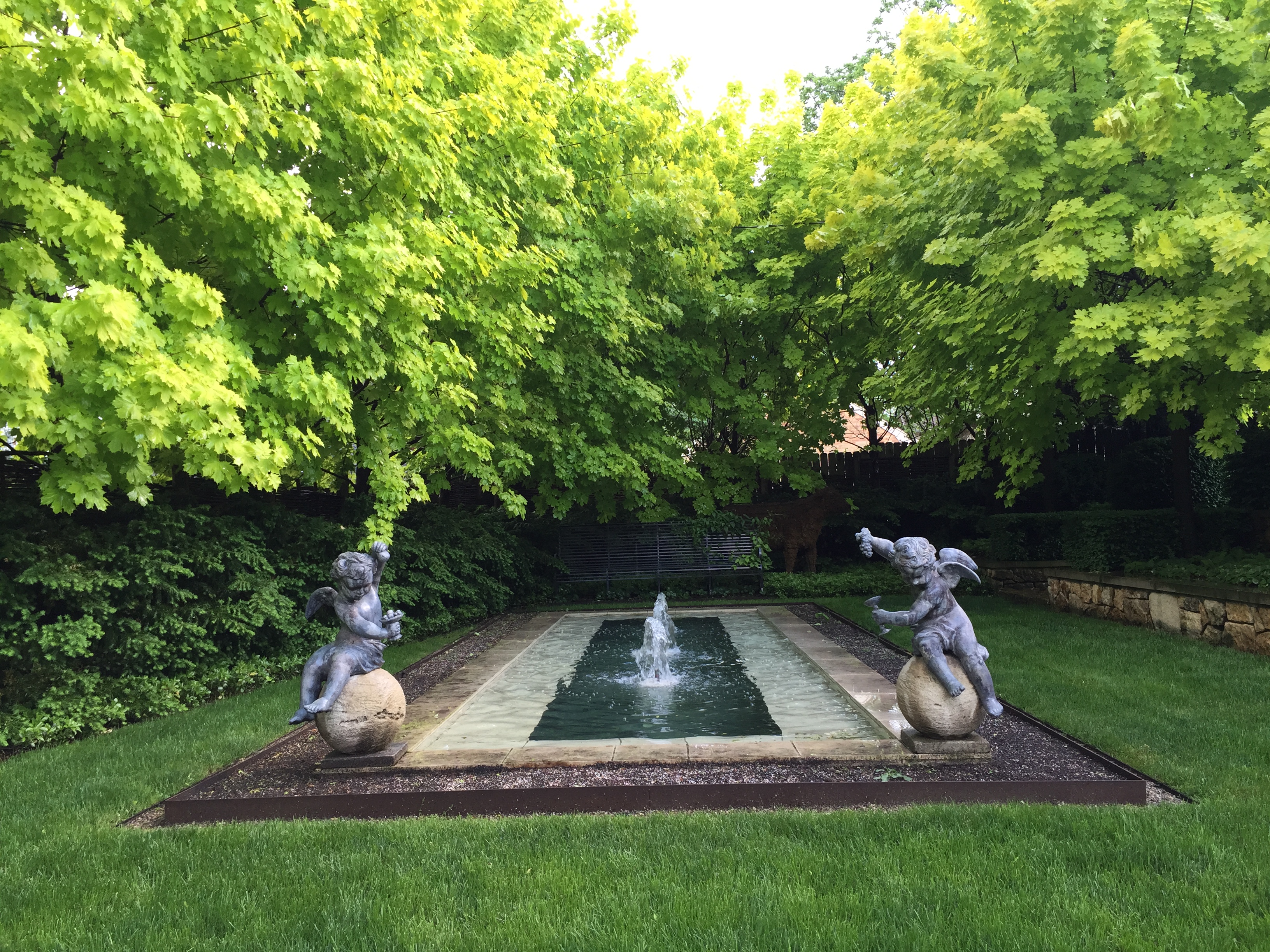
the beginning of June (8)I have yet to do one thing in this garden, and it doesn’t show – but for the dirt around the fountain. The month of June is the busiest of my year. This year is exceptionally busy. Several landscape projects are in process, in addition to the summer plantings. The fact that all I have to do when I get home is look around is a relief.

the beginning of June (10)I have not planted my pots yet, but I have plenty enough going on to keep my eyes occupied. I will try to have them planted by June 15.  Annual and tropical plants going into soil that is thoroughly warmed up will take hold and grow with little in the way of transplant shock. To follow are more pictures of my early June garden, without much commentary. I need to go attend to someone else’s garden right now.
the beginning of June (1)

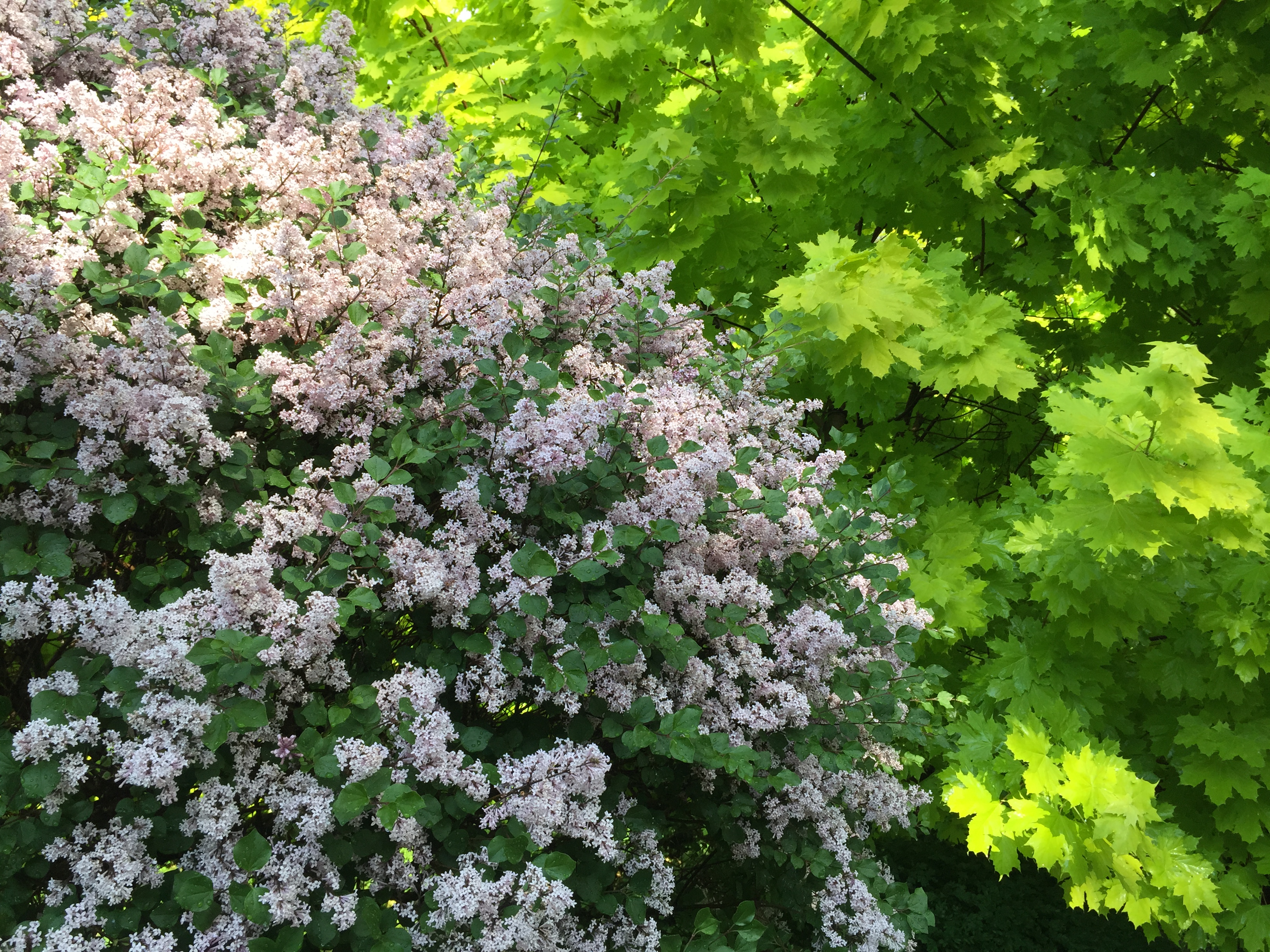
the beginning of June (2)The Palibin lilacs are beautiful this year.  I have a pair on standard that have to be close to 30 years old.
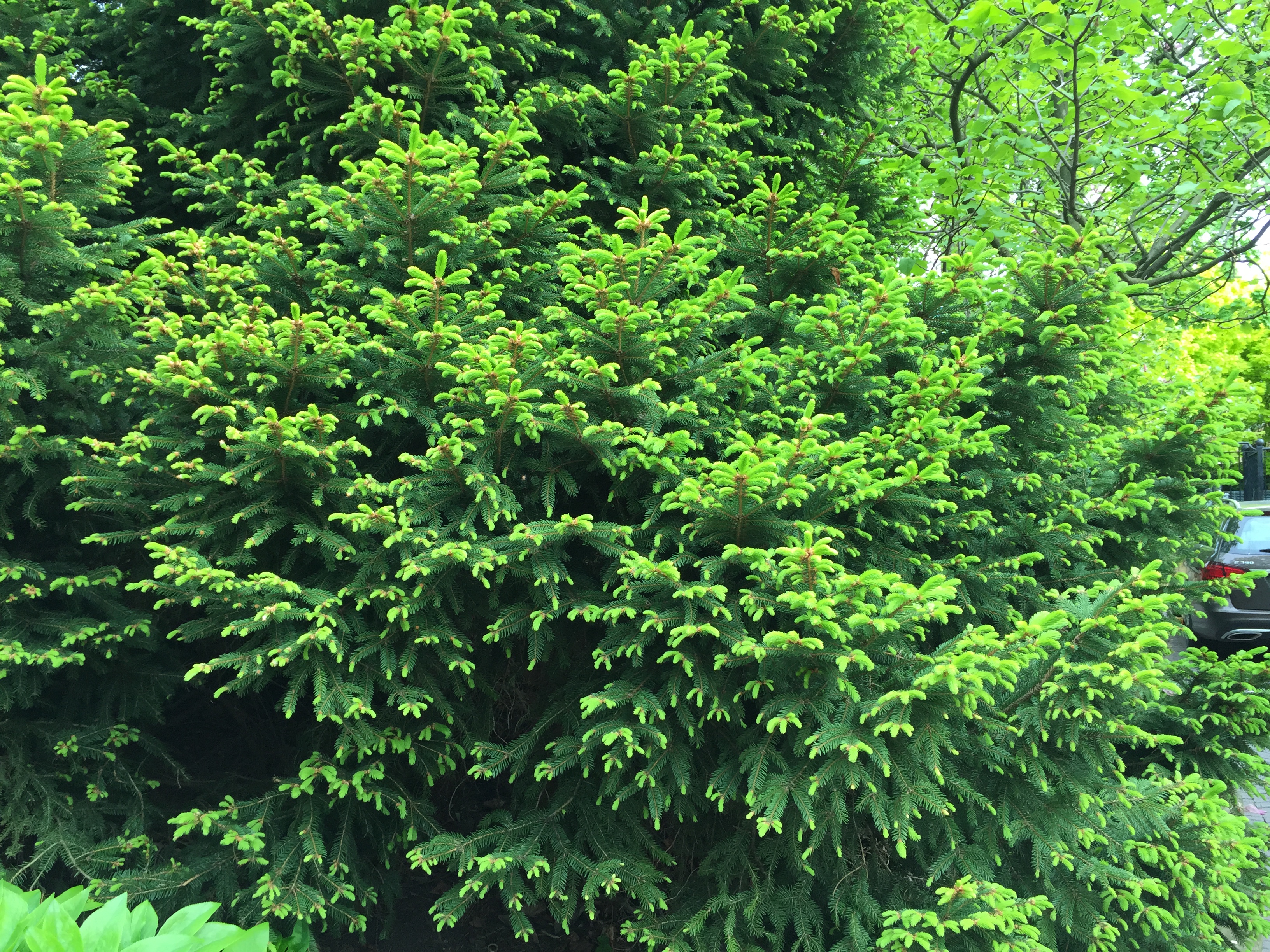
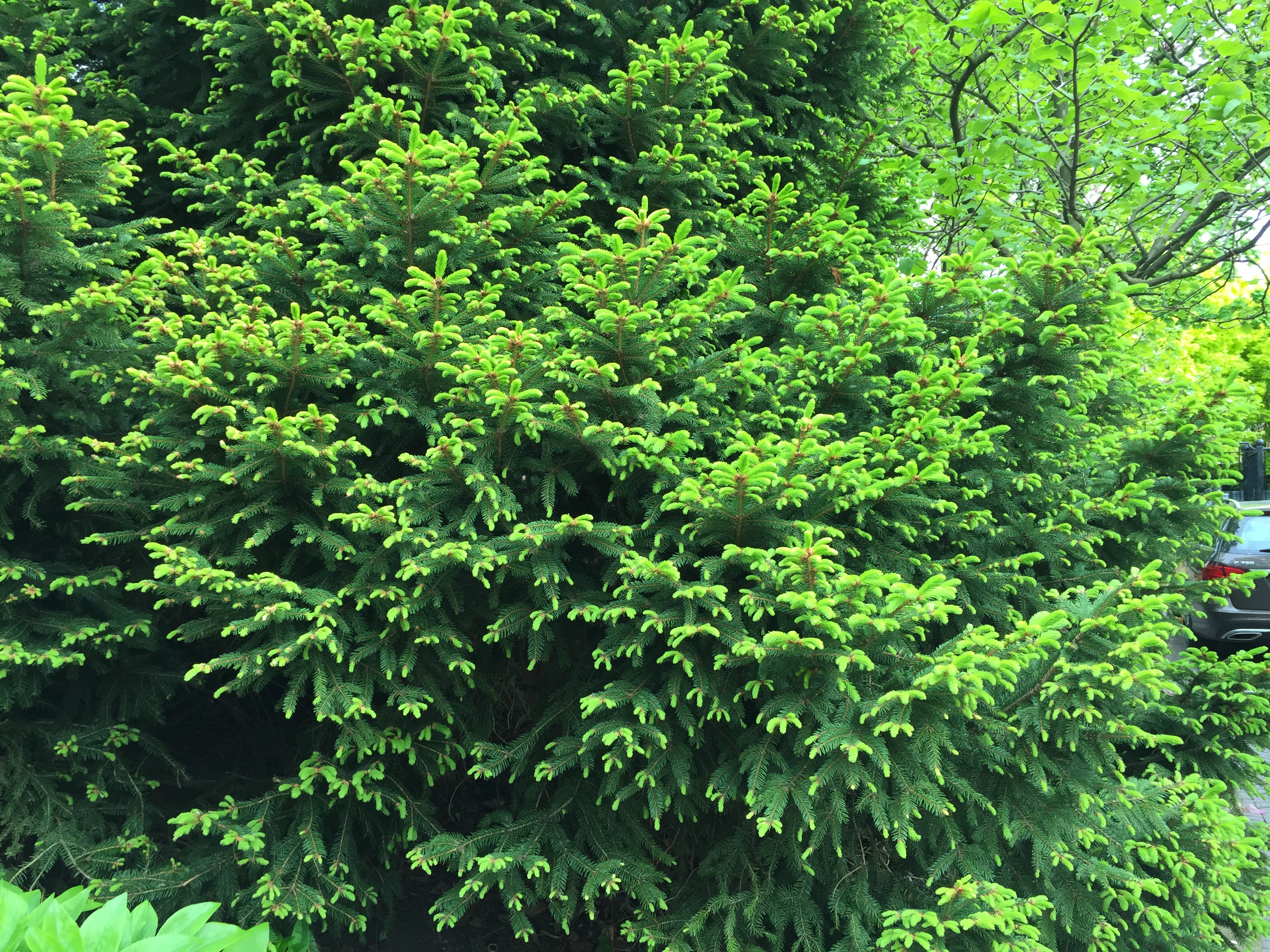
the spring garden (13)Picea abies

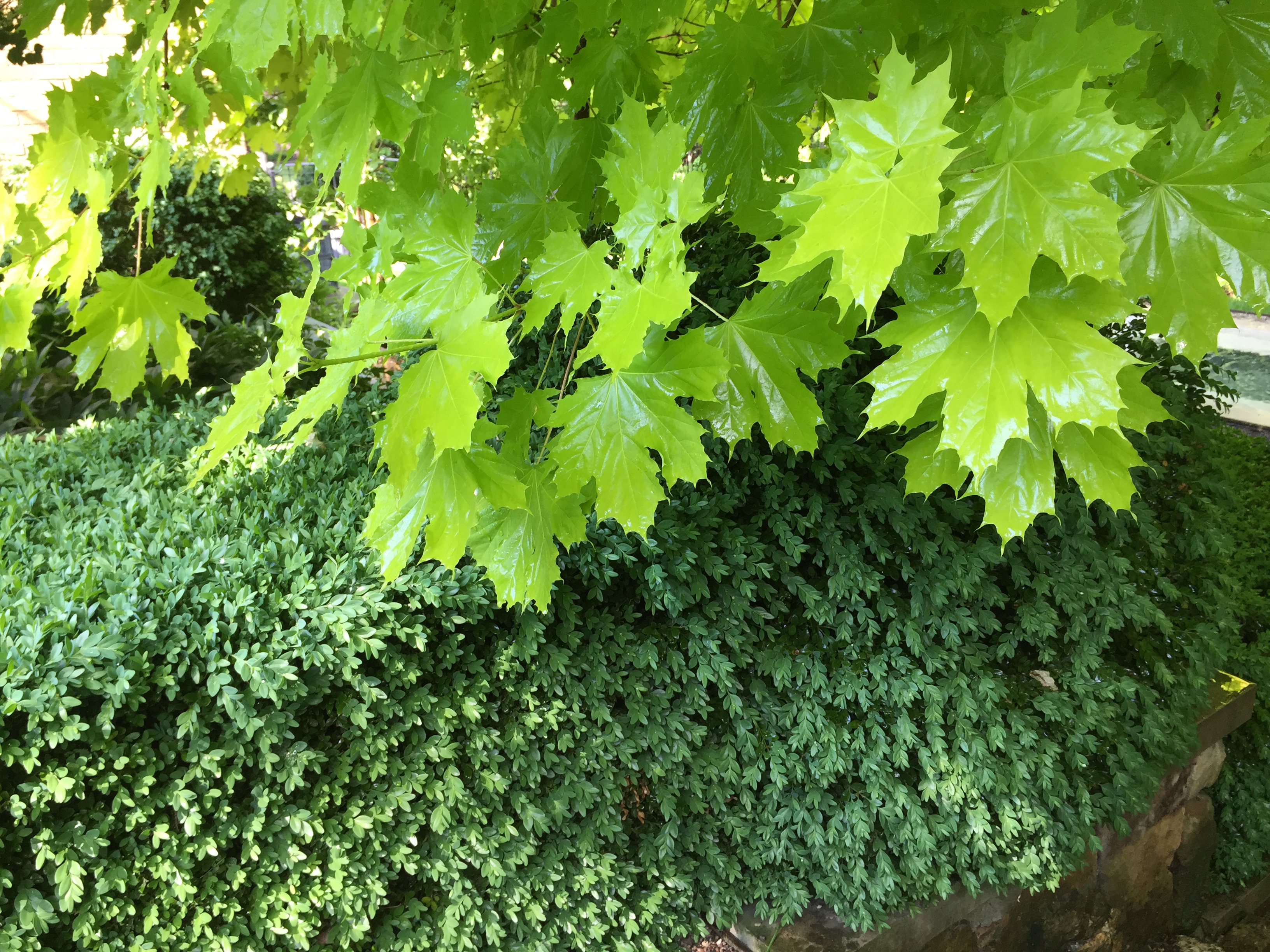
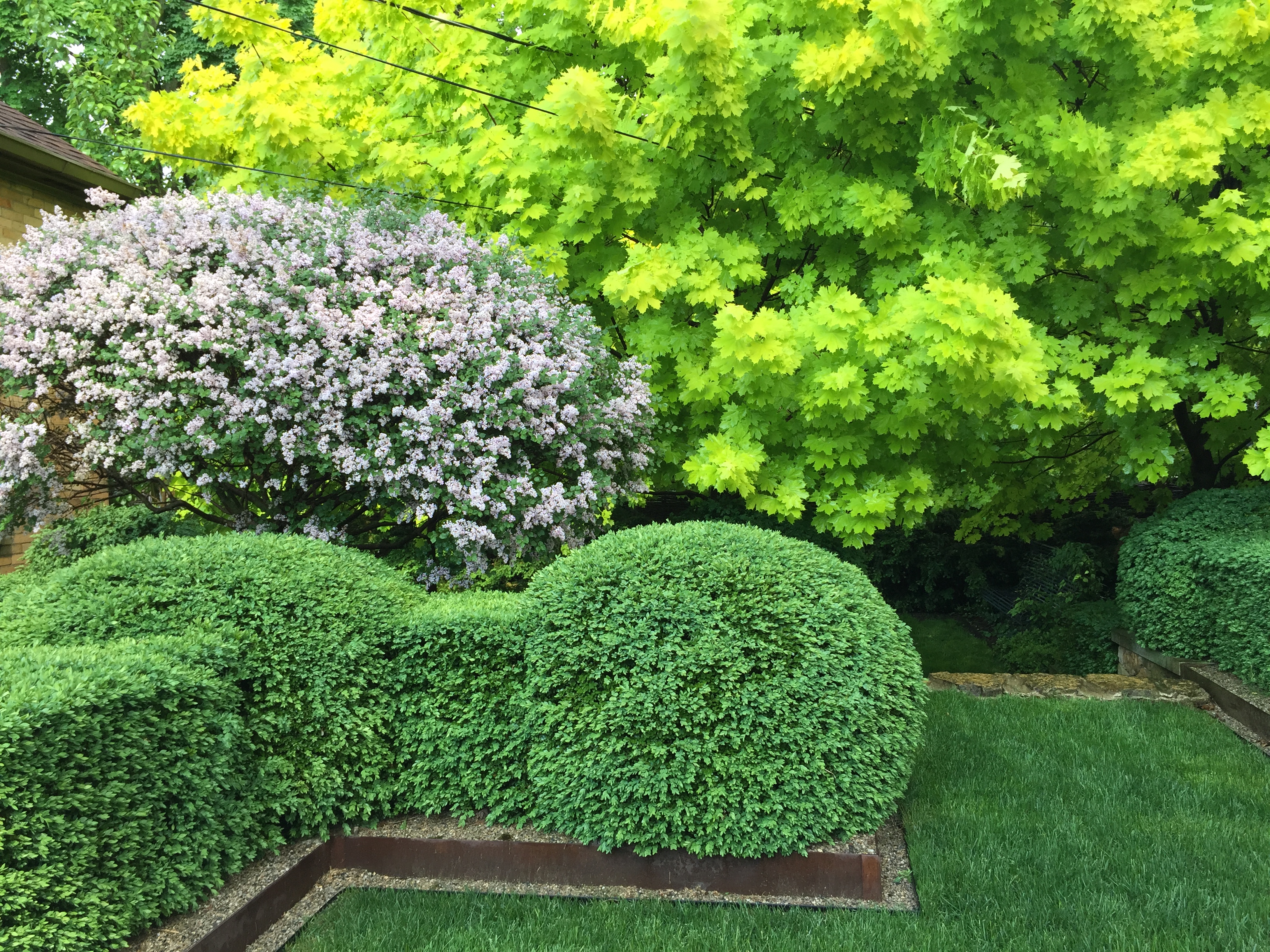
the beginning of June (3)maple leaves and boxwood

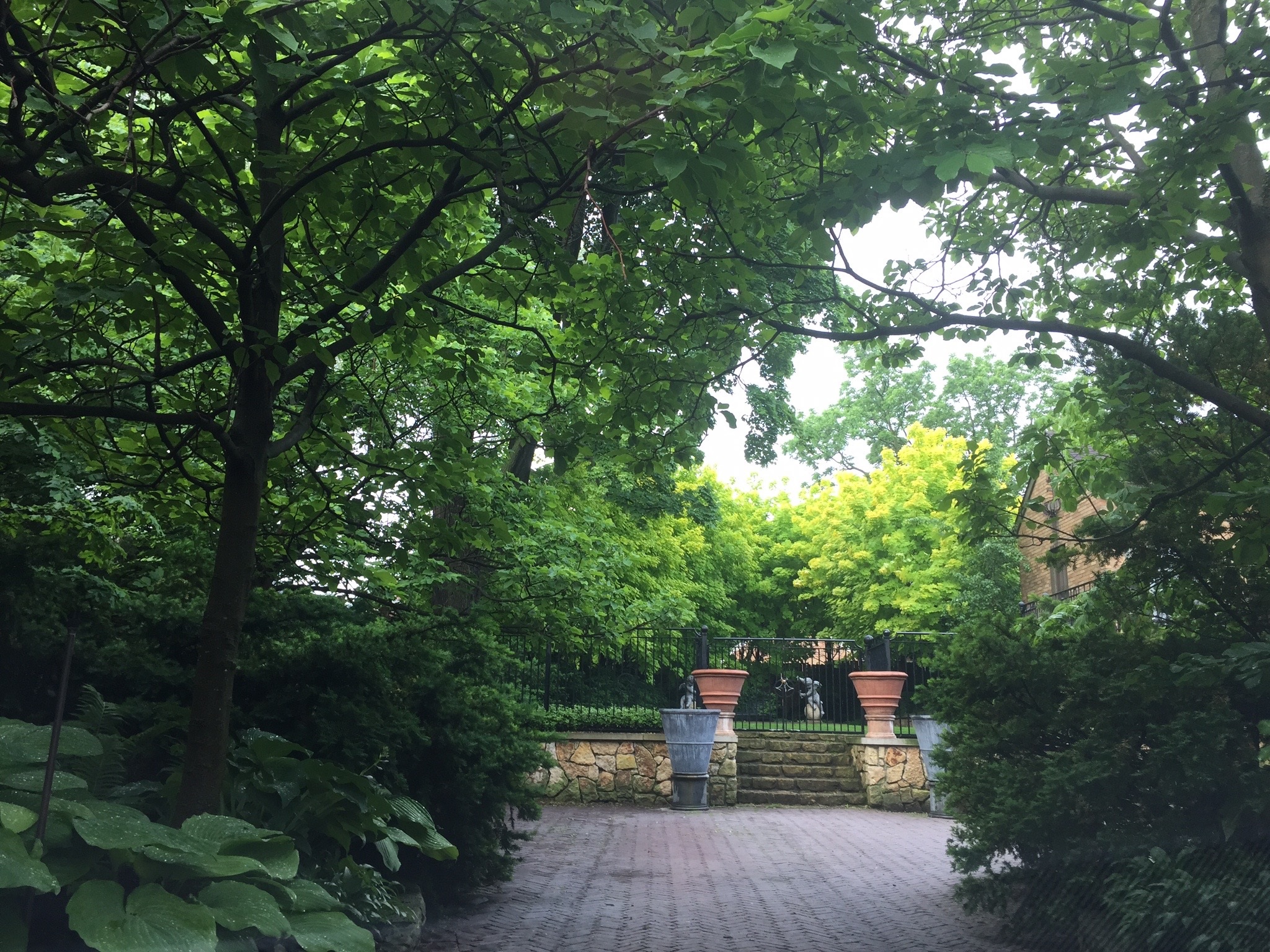
June (6)landscape in early June

June (4)The driveway pots are ready to plant. Do I know what I will plant?  No. But deciding what to plant is more than half the fun of it.
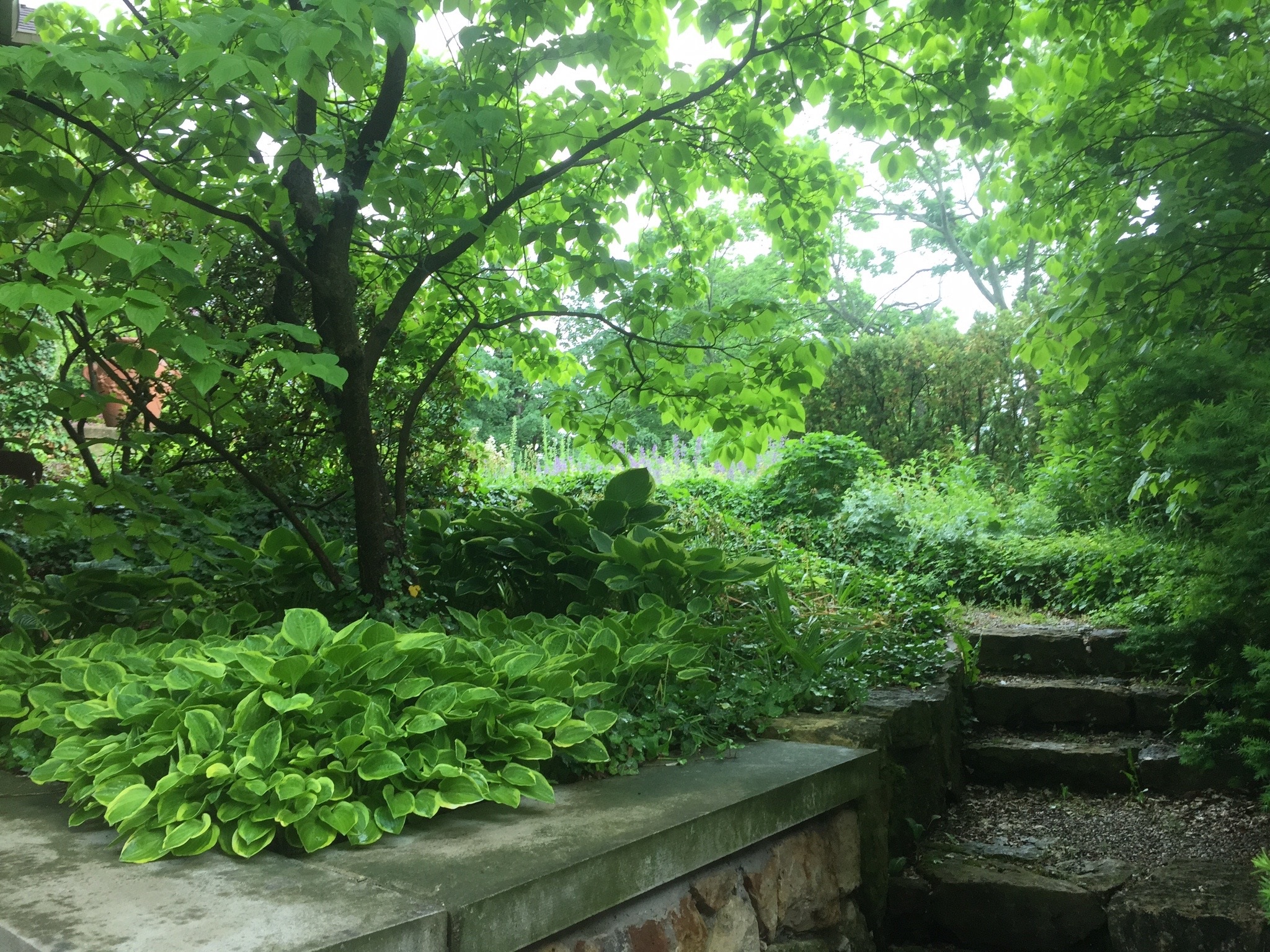
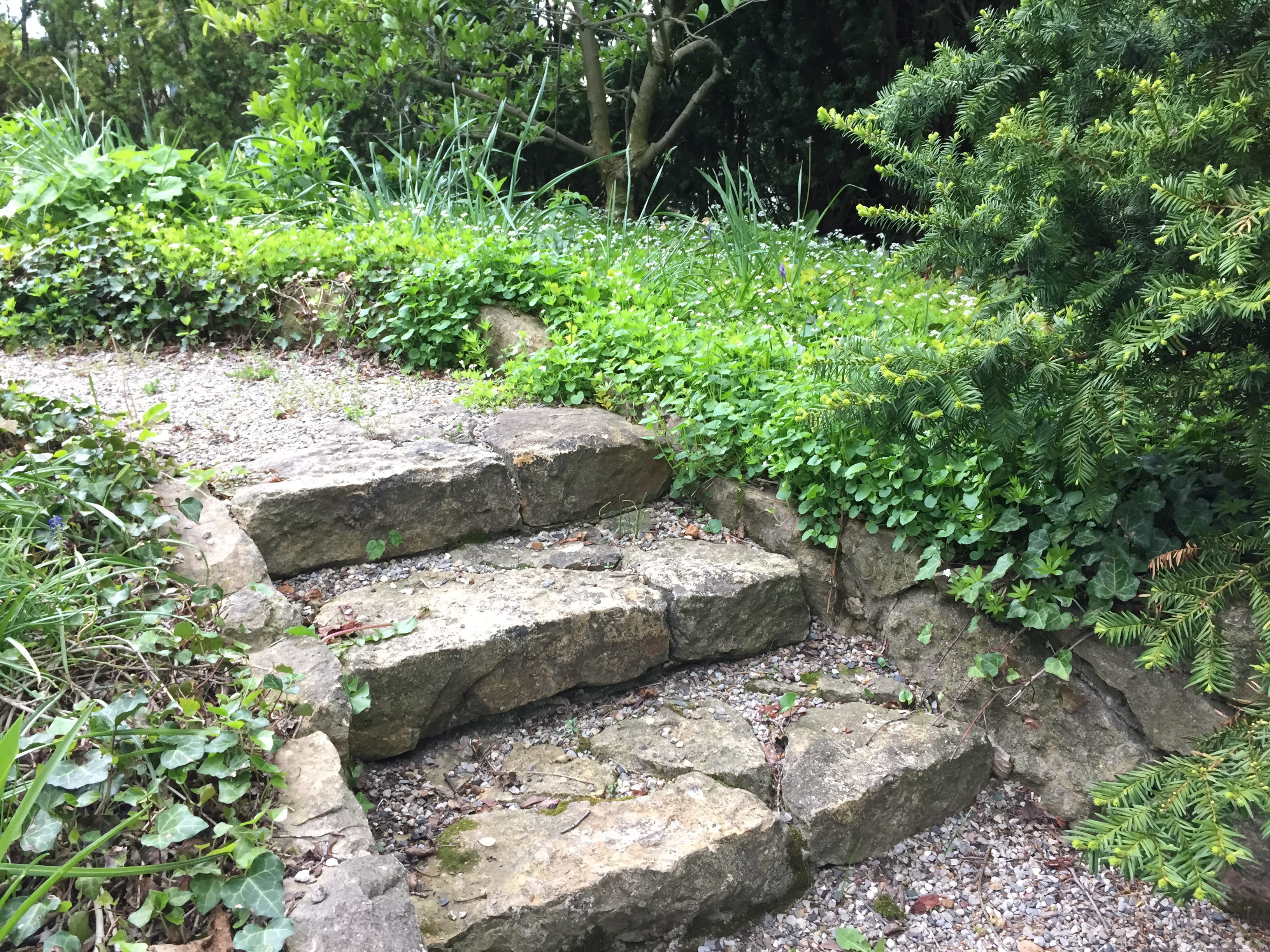
June (3)the stairs to the kitchen door

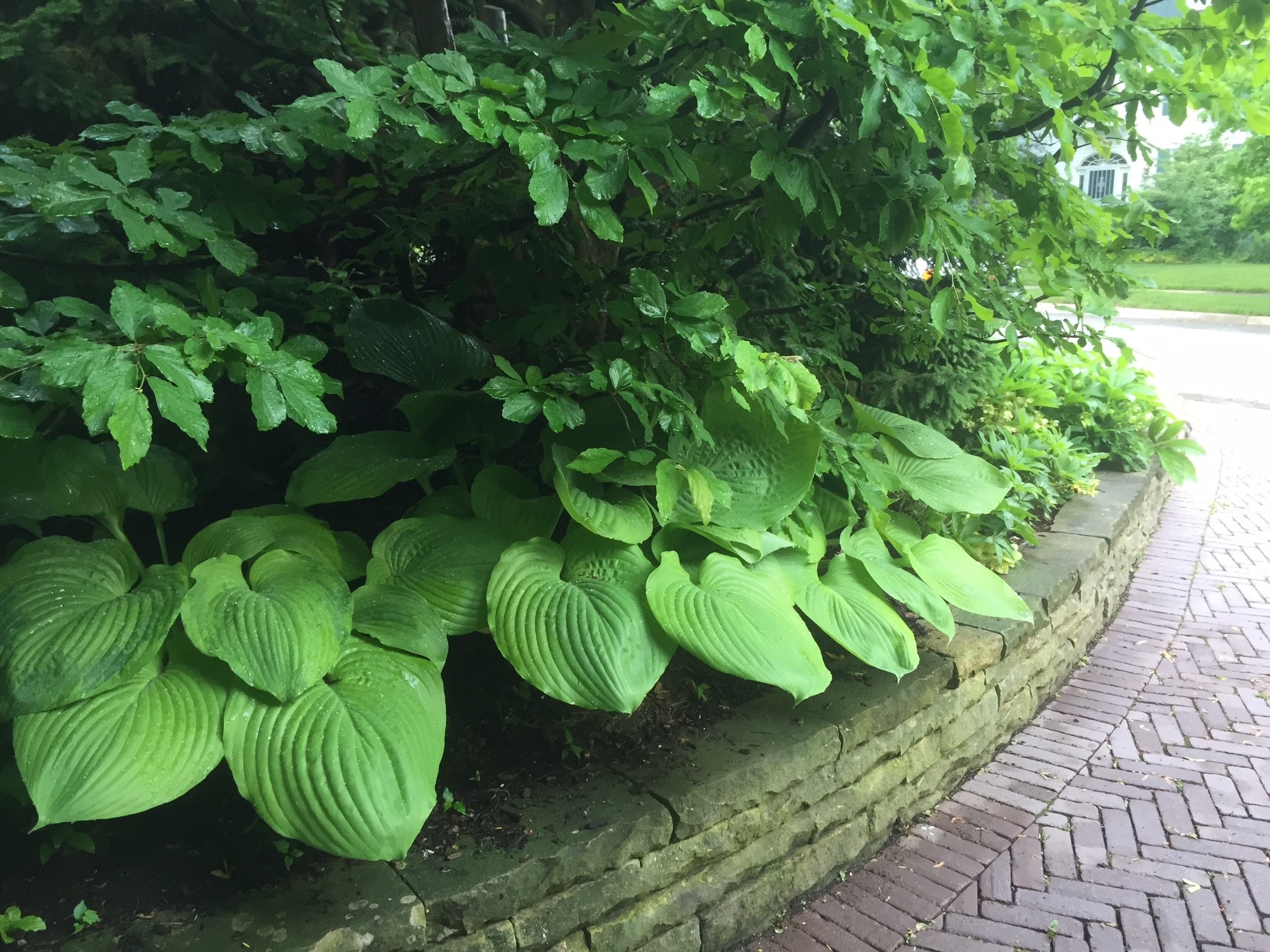
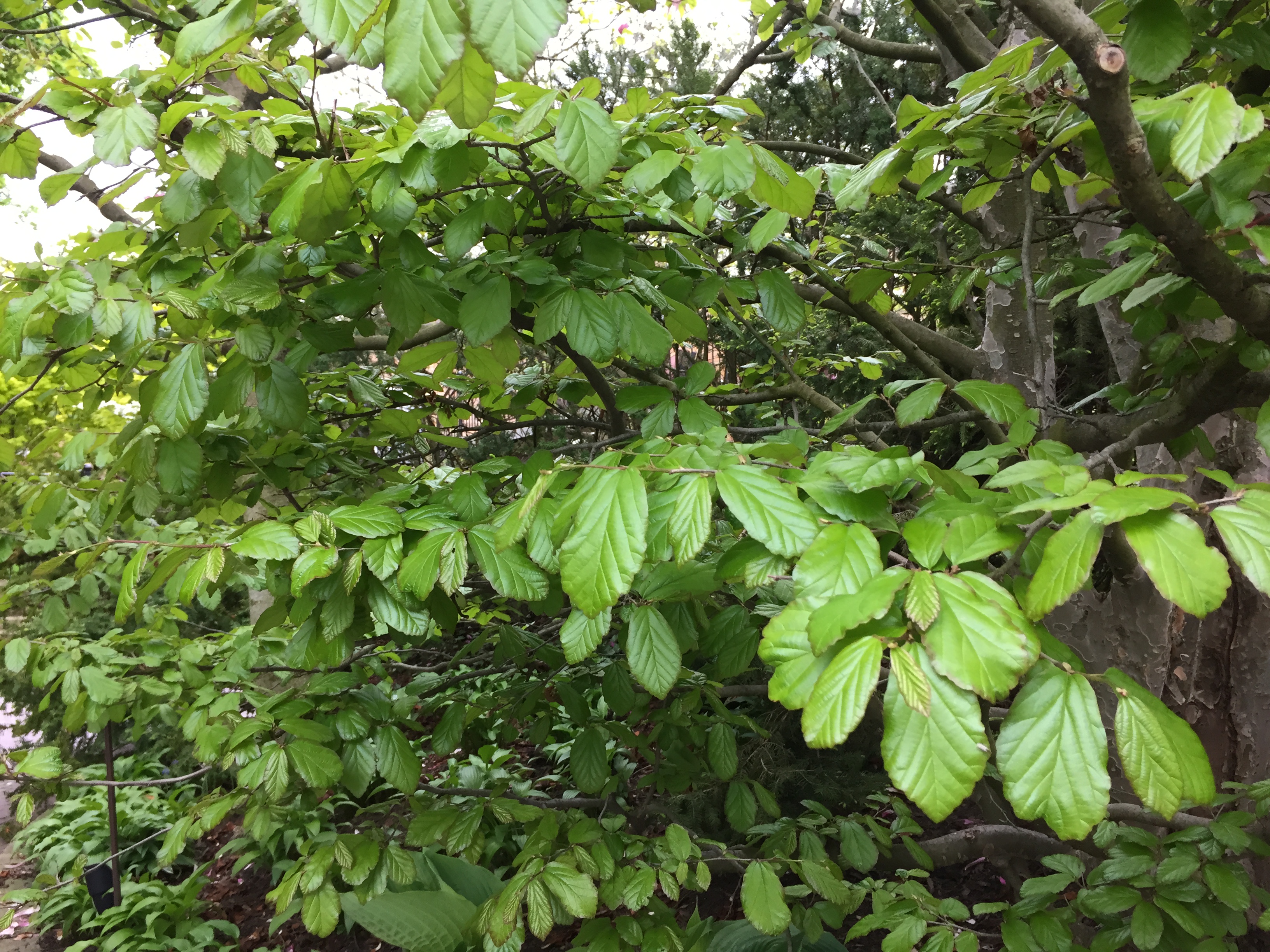
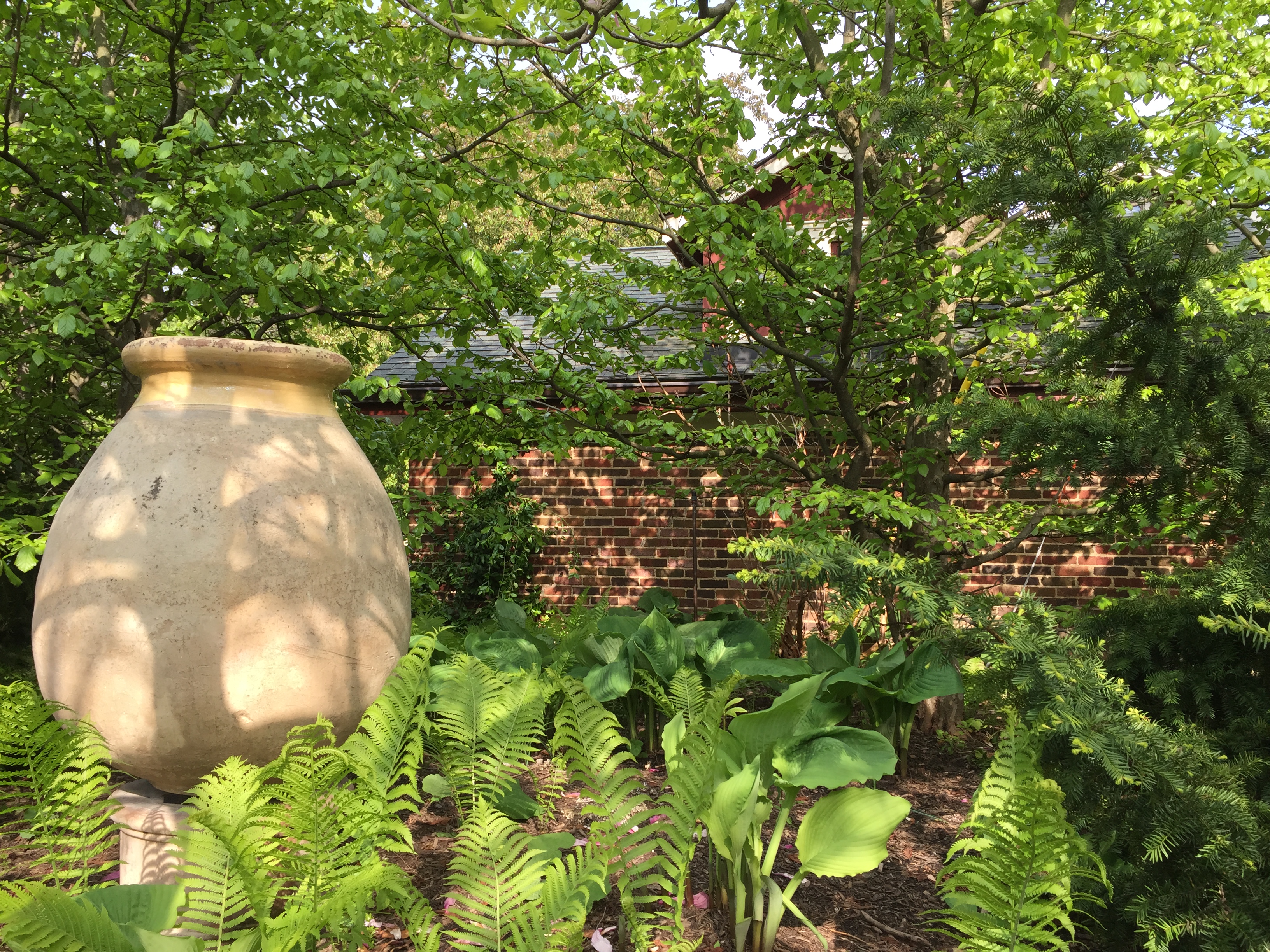
June (2)Sum and Substance hosta under a parrotia.June (7)The pots in front are ready to plant. I will get to the weeds in the gravel sometime soon.
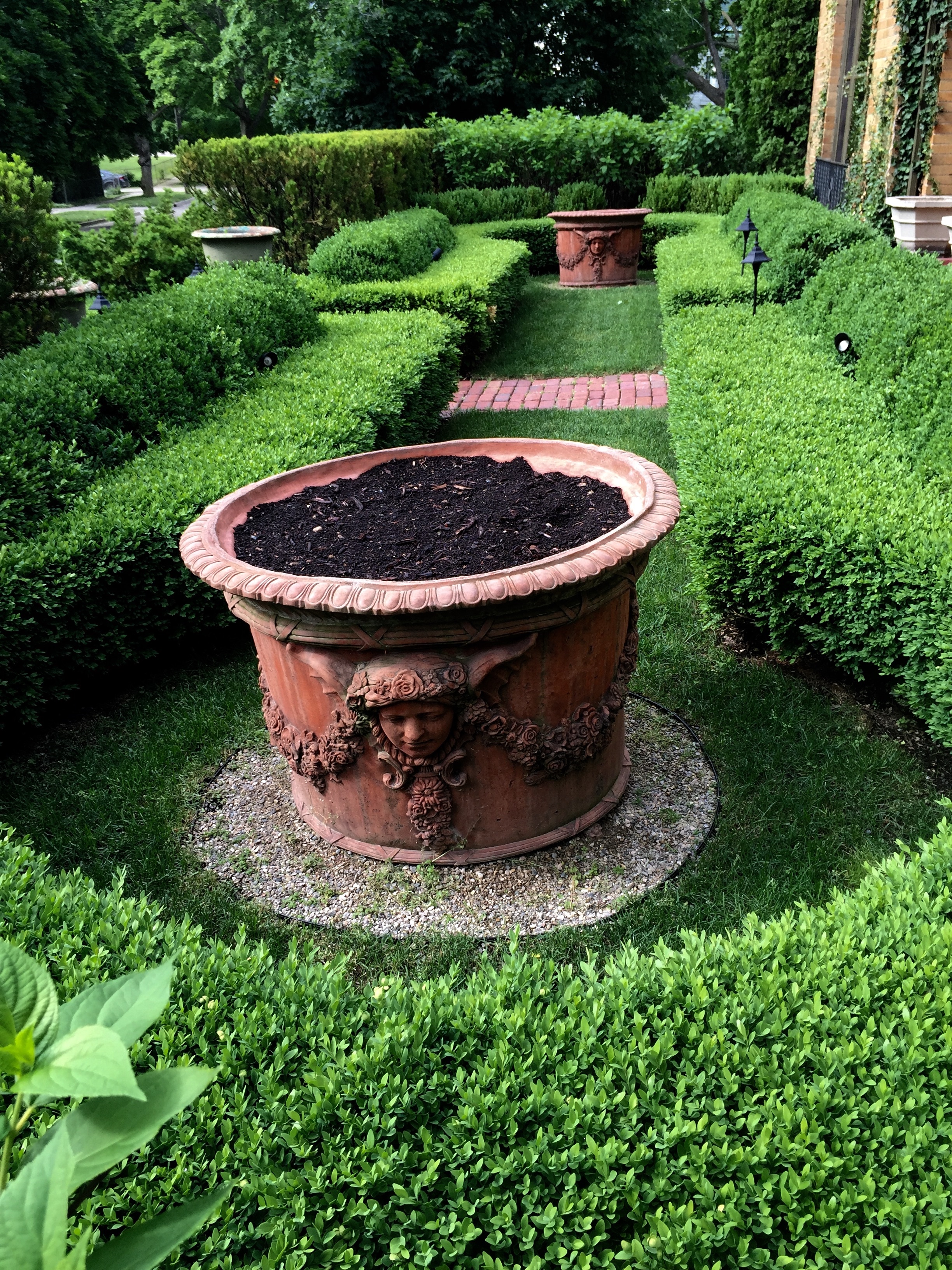
the beginning of June (5)I have a June landscape, not so much a garden garden. I like a vase of cut flowers in my garden in June as often as possible. I don’t want to miss out on anything.


Some Like It Hot And Dry


Screen Shot 2016-03-01 at 6.11.57 PM_zpsv6bhufehChoosing plants for summer containers can be complicated, especially if you are as serious about them as I am. I have to be serious, as I plant them professionally for a wide range of clients. But lacking any clients, I would still be serious about them.  They are seasonal expressions of the landscape confined by a finite world known as a container. The idea of this enchants me. A great container planting is a condensed expression of color, mass, line, texture, mass, shape and mood. Like the best chocolate mousse you ever ate. The thoughtful landscape and garden builds and endures and reinvents itself from year to year. Like a great stew. Seasonal containers provide an opportunity to express an idea or point of view that needs no more commitment than one season. If this year’s annual containers do not satisfy, the next summer season is not so far away. Landscape design and installation can be a lengthy affair.  The road to maturity is long, and not always easy.  The death of a tree is momentous; a petunia lost is no cause for alarm.  That container plantings last for one season is such a blessing. As much as I embrace the tough and long road designing and implementing a landscape, I value those gestures that are quick and true. I design containers by instinct. Every season, a plant that interests me, or a group of plants that seem like they will create a neighborhood gets my attention.  But long before I shop, I scout the long range weather forecast for my zone.
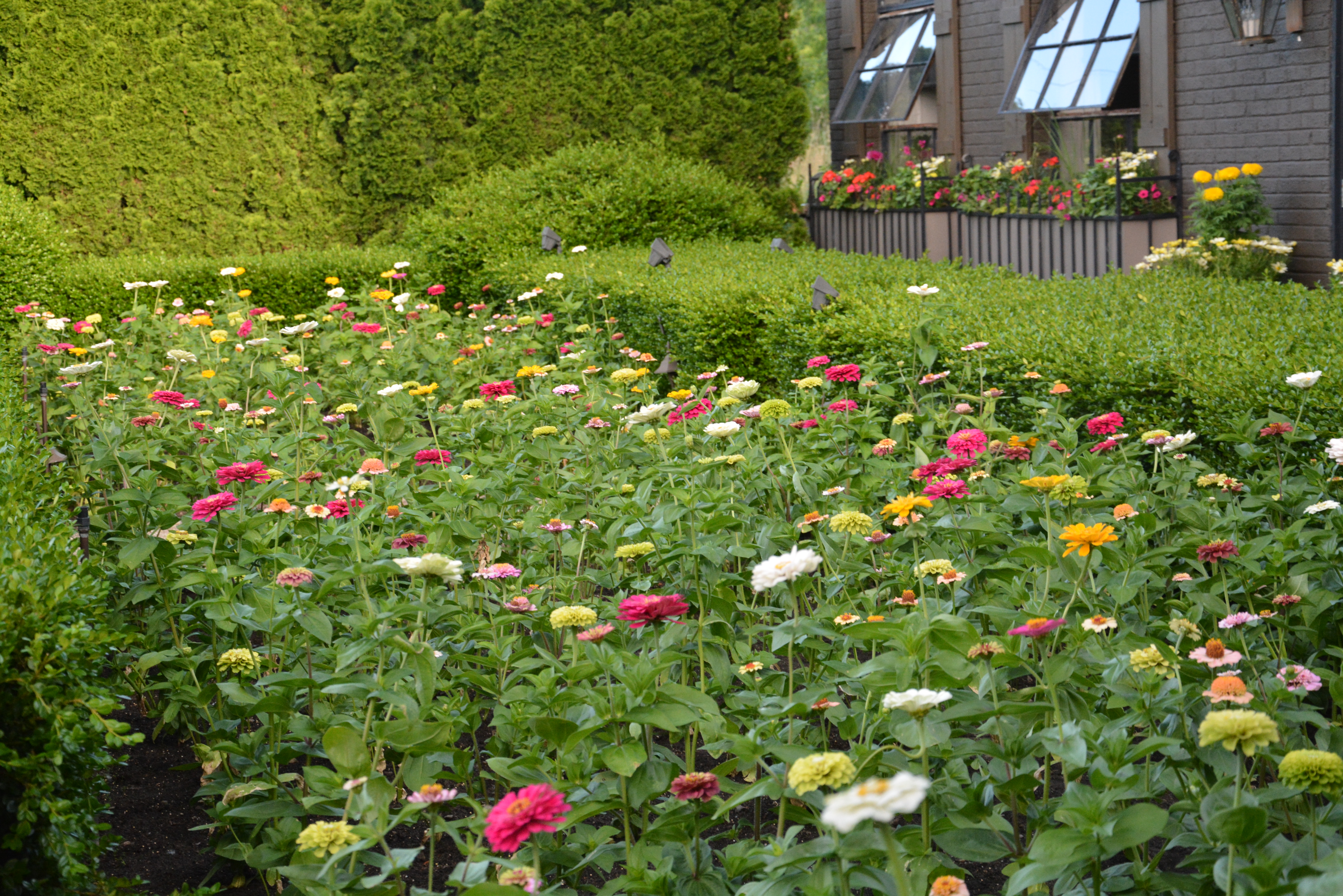
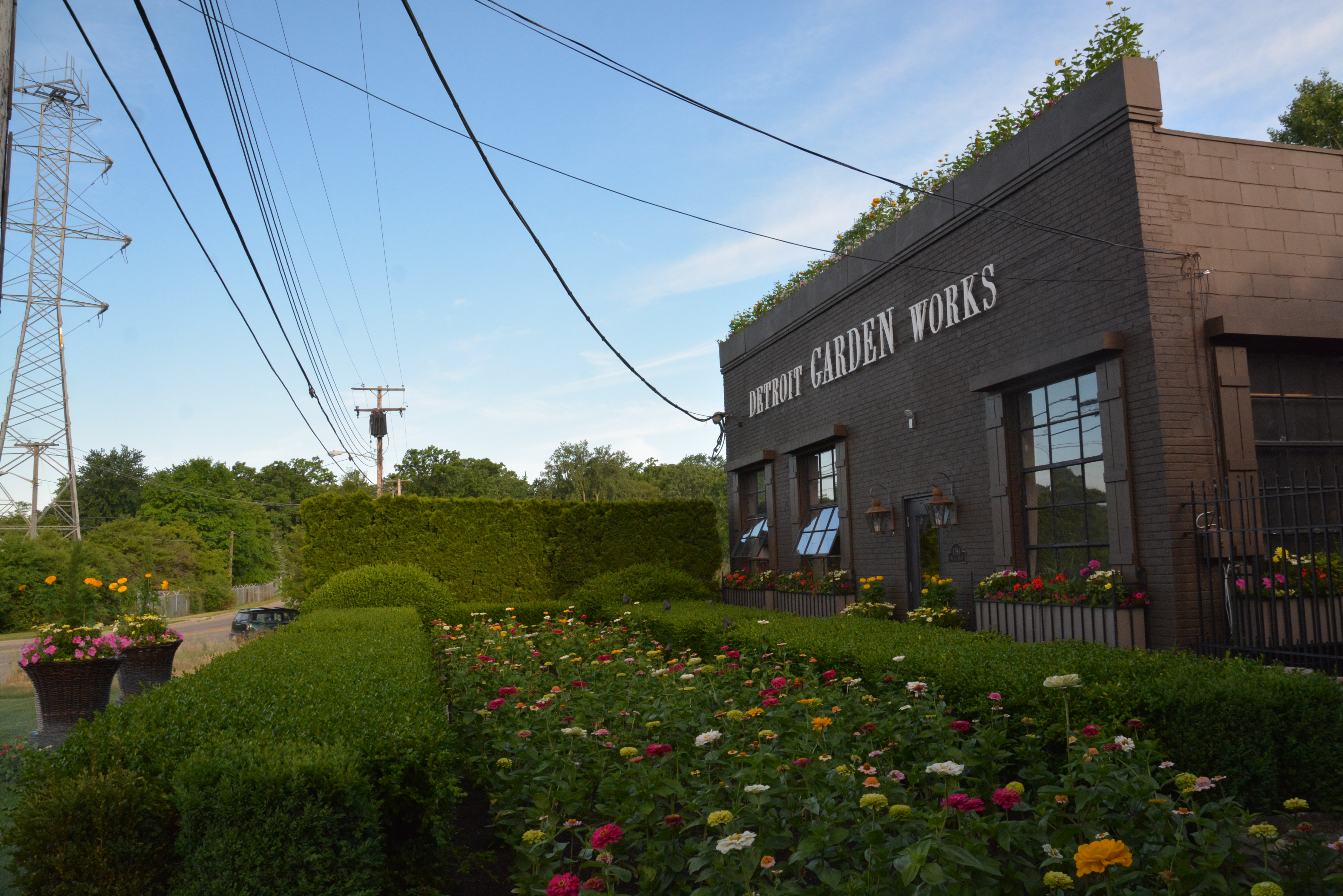
Floret FarmsA forecast for much above average temperatures, and dry conditions means I started paying special attention to those seasonal plants that will thrive in those conditions months ago. I have always been a fan of those old fashioned cutting flowers-the zinnias.  If we have a rainy or very humid summer, they are a magnet for mildew and all manner of fungal disease. Reading the forecast in March, I started researching zinnias. A dry hot summer would be the perfect moment to plant lots of them in front of the shop. I was especially interested in unusual forms, vigor, resistance to disease, and and that old fashioned charm they are known for. In reading about zinnias, I came across a blog post from Floret Farms.  They grow armload after armload of the most beautiful cut flowers I have ever seen-just like the cut zinnias you see in their picture above.  I did take some of their recommendations to heart. Interested in the article? http://www.floretflowers.com/2014/03/flower-focus-growing-great-zinnias/


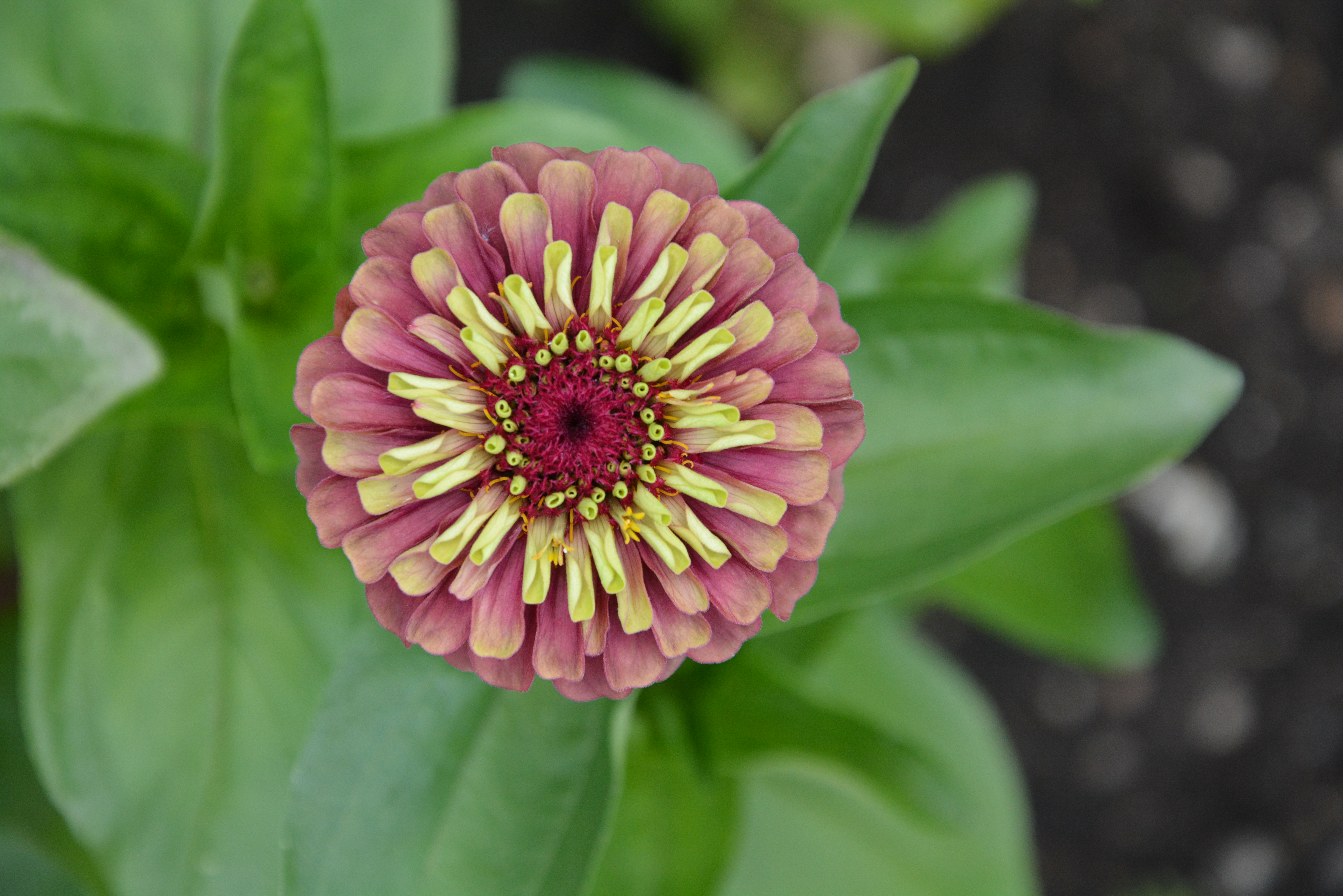
DSC_6426Zinnia Queen red lime has very unusual and muted coloration-unlike many of the varieties that feature intense color.

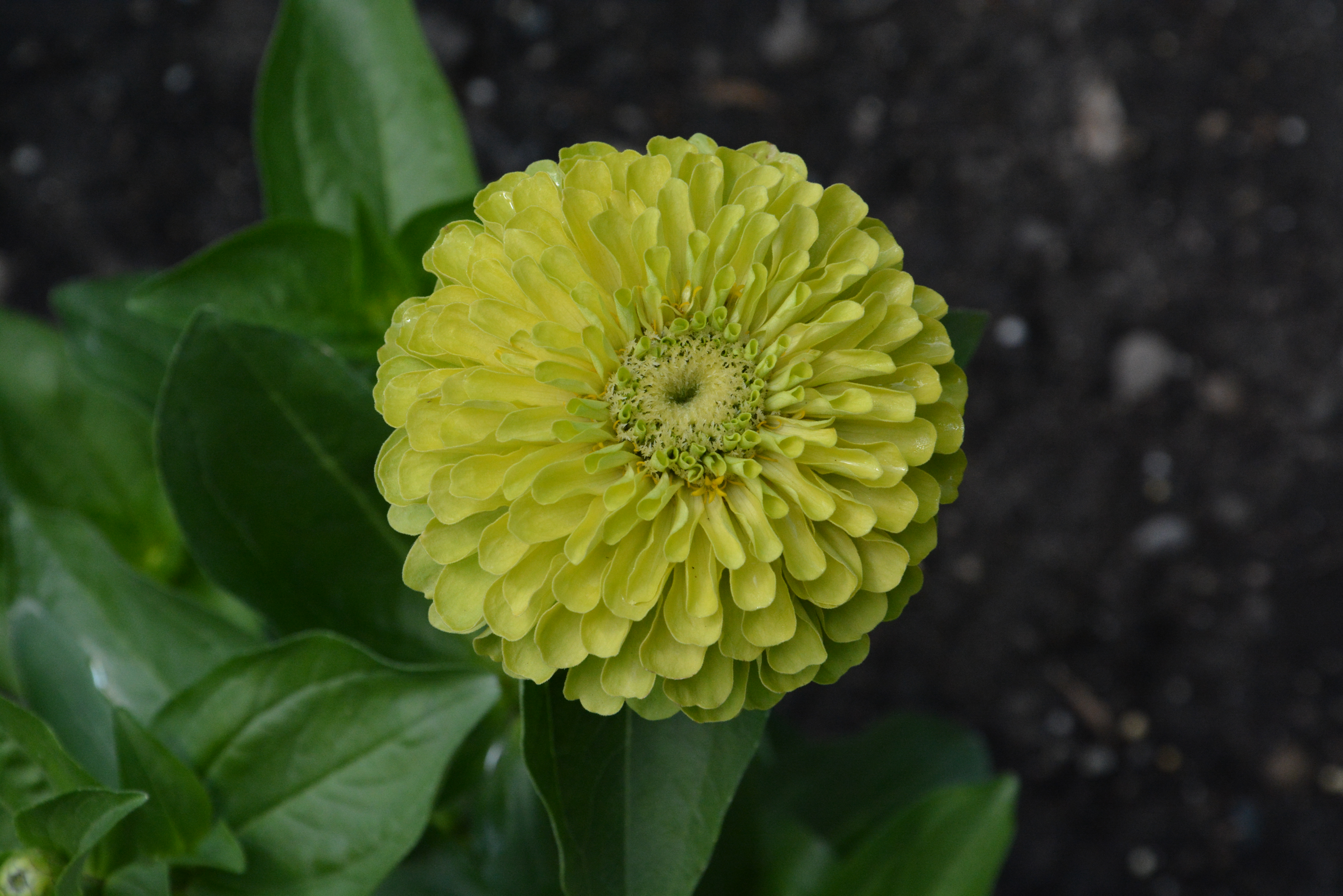
DSC_6433It’s sister cultivar, Queen Lime, is a much improved version of the old lime green zinnia “Envy”.

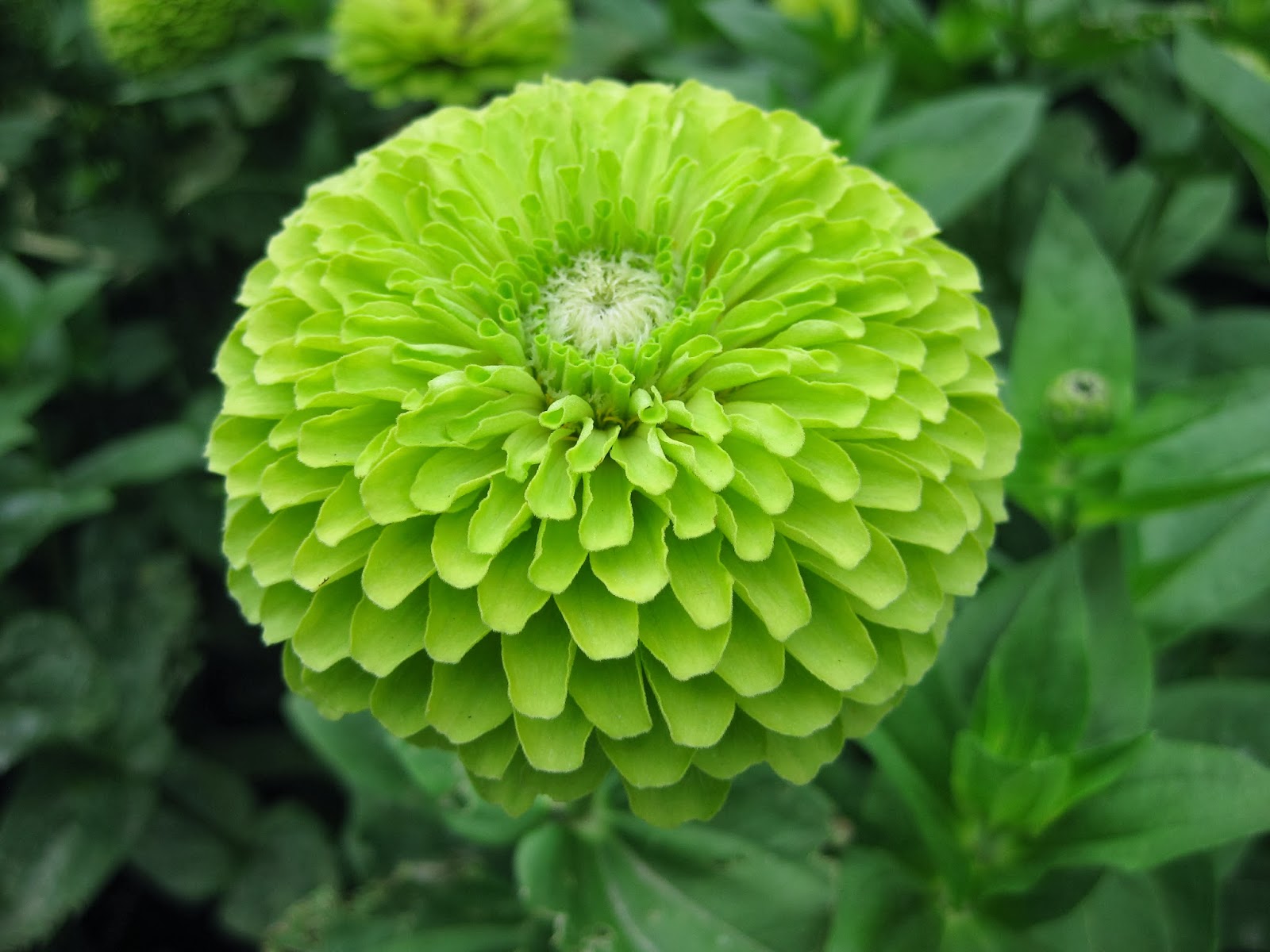
Zinnia elegans 'Queen Lime' (2013)Benary Lime tends towards the greener side of lime. From the Johnny’s Selected seeds website:  A classic and superior strain of zinnia originating from a historic German seed company, the Benary’s Giant Series features large, double blossoms of approximately 4–5″ in diameter, in multiple magnificent colors. Recommended by the Association of Specialty Cut Flower Growers for their vigor, uniformity, productivity, and carefree cultivation across a range of growing zones and conditions.  From Swallowtail Garden Seeds: The 3-4 inch, double chartreuse flowers are superb for cutting, blend with almost any color. Outstanding massed in the landscape; the flowers are jaw-dropping in mixed bouquets. Plants are rain, heat, and mildew resistant. Somewhat shorter than others in this series, growing 24-26 inches tall.

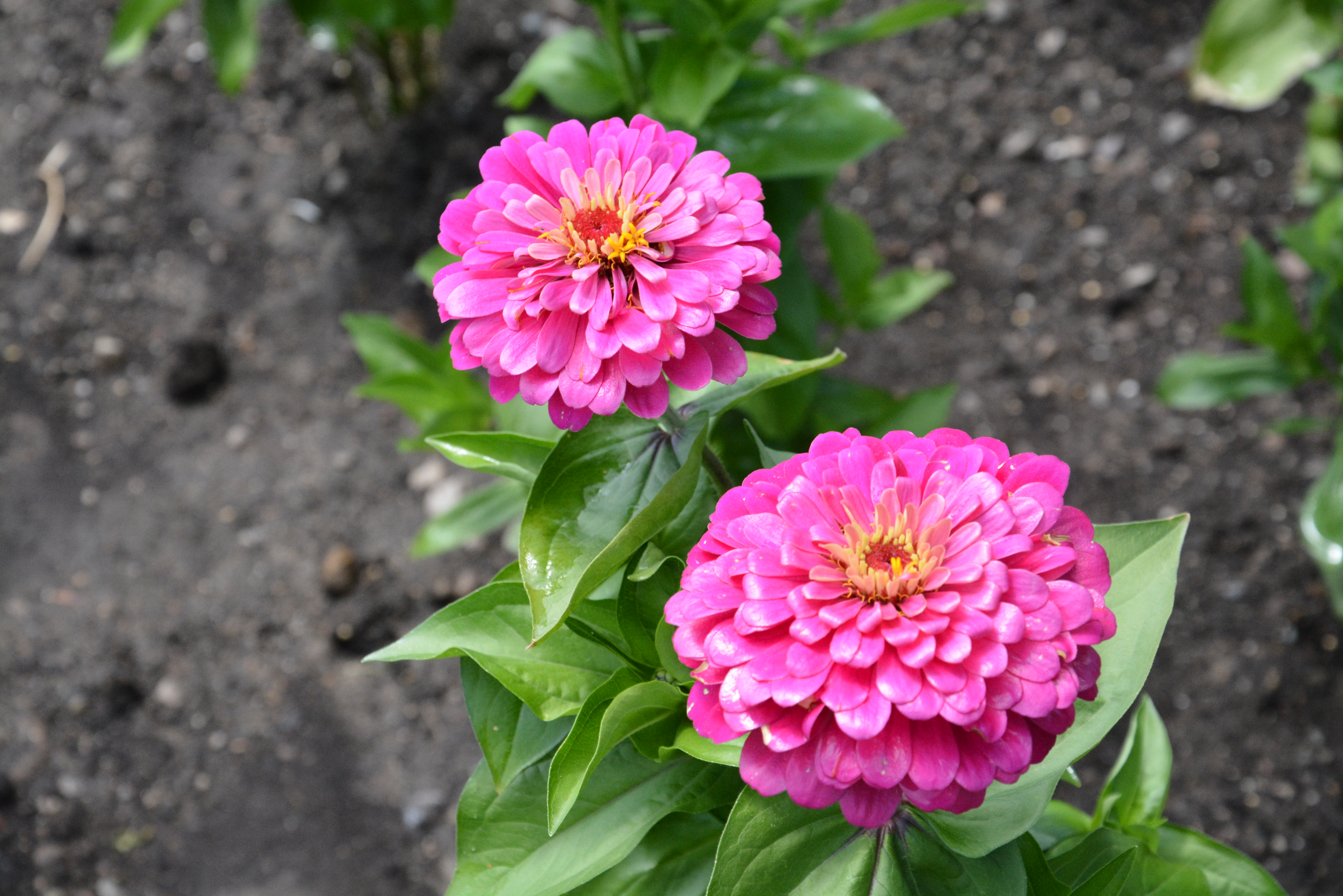
DSC_6423I first read about this zinnia at Floret Farms.  Uproar Rose is a hot pink zinnia that is reputed to produce flower heads at 5″-6″ across all summer.  It makes an excellent cut flower, and is resistant to fungal diseases. Floret favors this zinnia, as it has lots of side branching – meaning it will bear lots of flowers.  I added this zinnia to my collection.

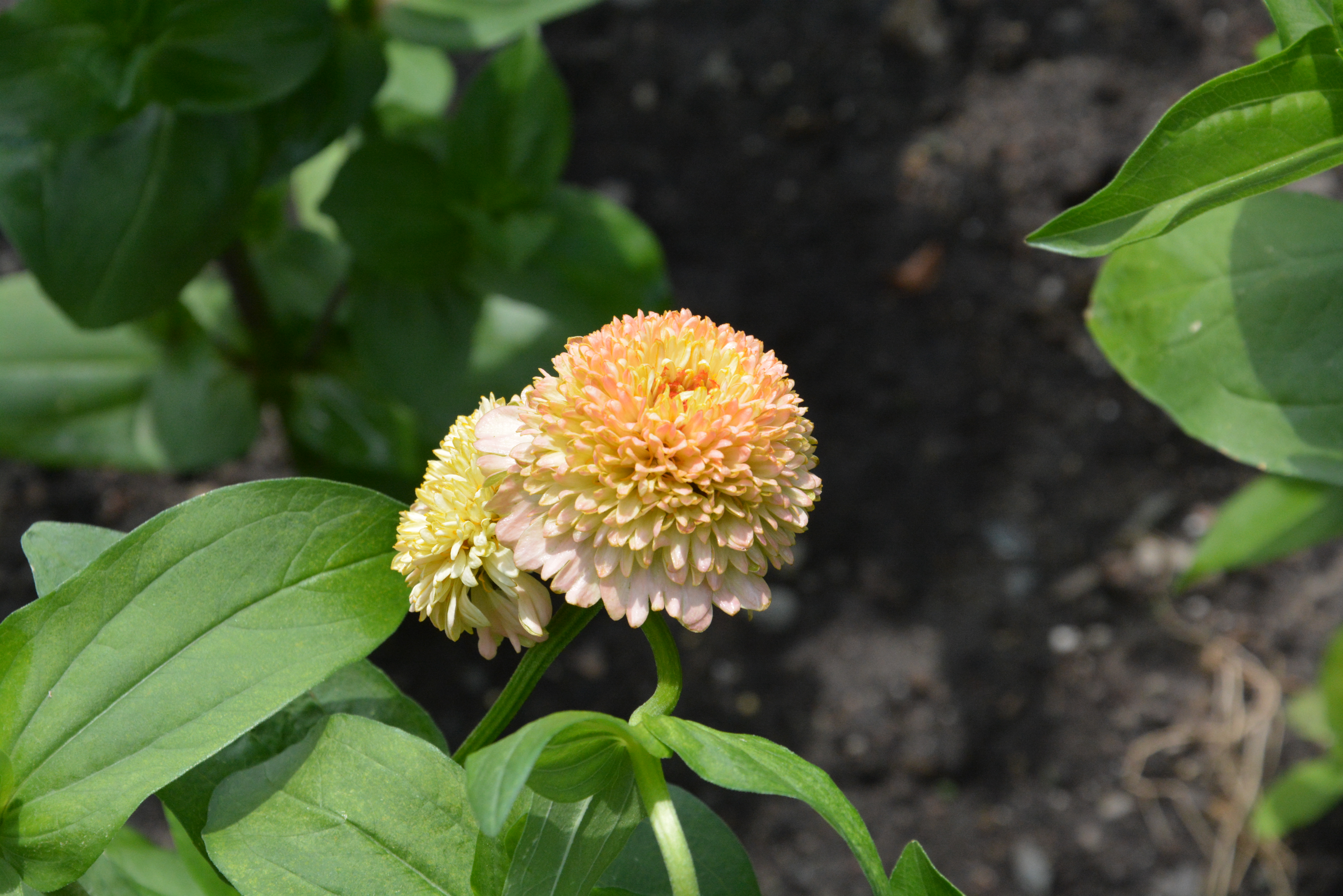
DSC_6435The Zinderella series, in both peach and lilac represent a very unusual anemone type form. I see not every flower on the stalk is quite as double as the ones in my pictures, but that is not enough to discourage me from growing them. They grow about 24 inches tall.  I mixed all of the sizes and colors of zinnias for a loose look, and I have twice as many lime zinnias as all of the other colors. That lime will make it so much easier to appreciate the color and shape of the other varieties.

DSC_6434Zinderella Lilac

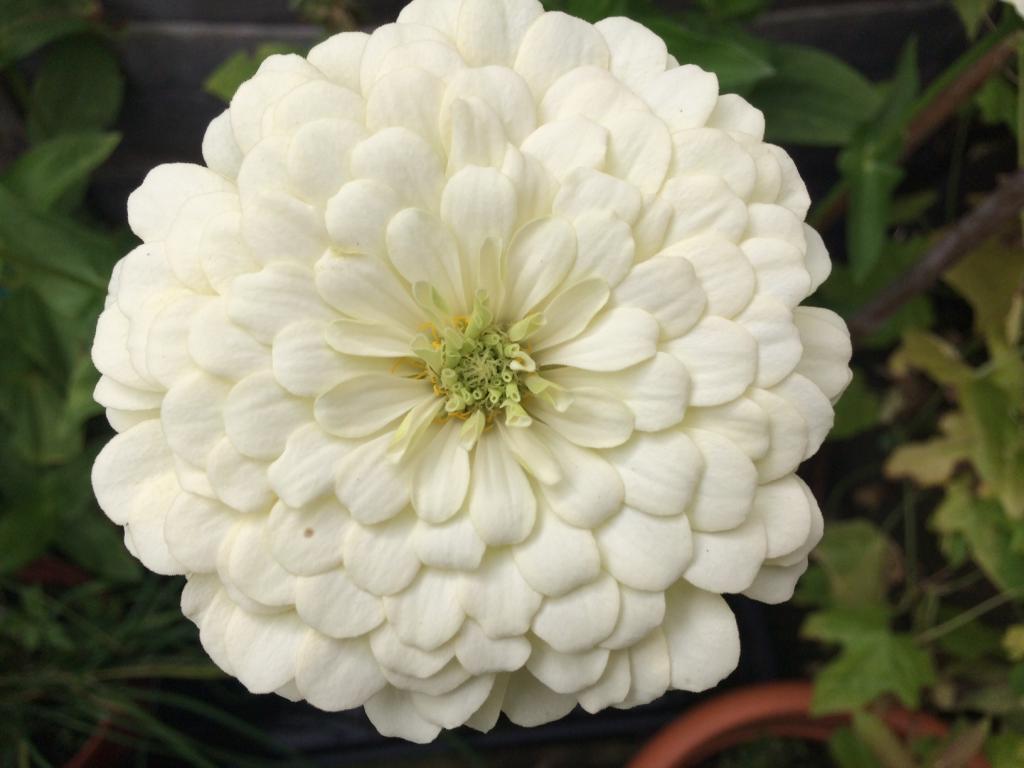
zinnia Polar BearA little splash of white is the perfect accent for a garden with lots of bright color. This is the tallest of my zinnias, topping out at 40″. Polar Bear white is an appropriate name.  It cools off the collection.

Canary Bird Zinnia Zinnia Canary Bird rounded out the tall zinnia group.

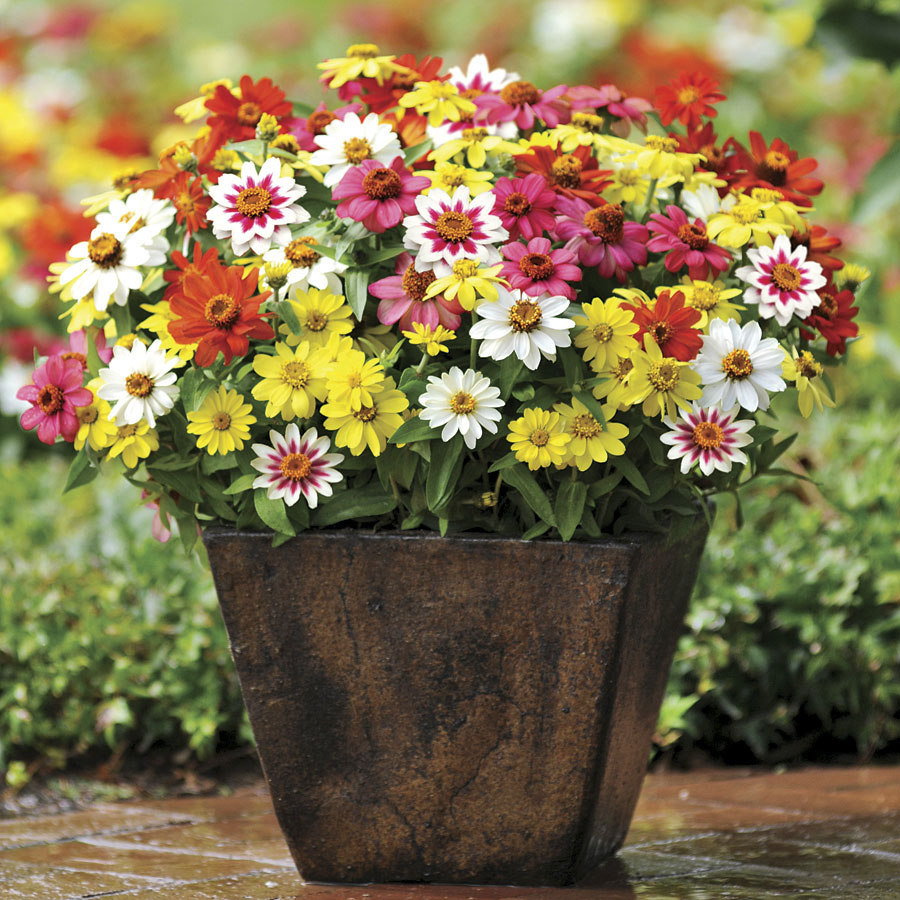
51985-pk-p1I did not want to neglect the shorter and more compact zinnias.  I did opt to grow the Zahara series.  From Park Seed:  The Zahara series introduced in 2009 immediately became famous for its resistance to mildew and leaf spot, its nonstop blooms, and its larger flower size.These blooms are fully 2½ inches wide. Renowned for its ability to withstand heat, humidity, drought, and just about anything else, Zahara is the first bedding Zinnia that can truly claim to be disease-resistant. Mildew is a traditional enemy of the Zinnia, but Zahara’s got it licked!

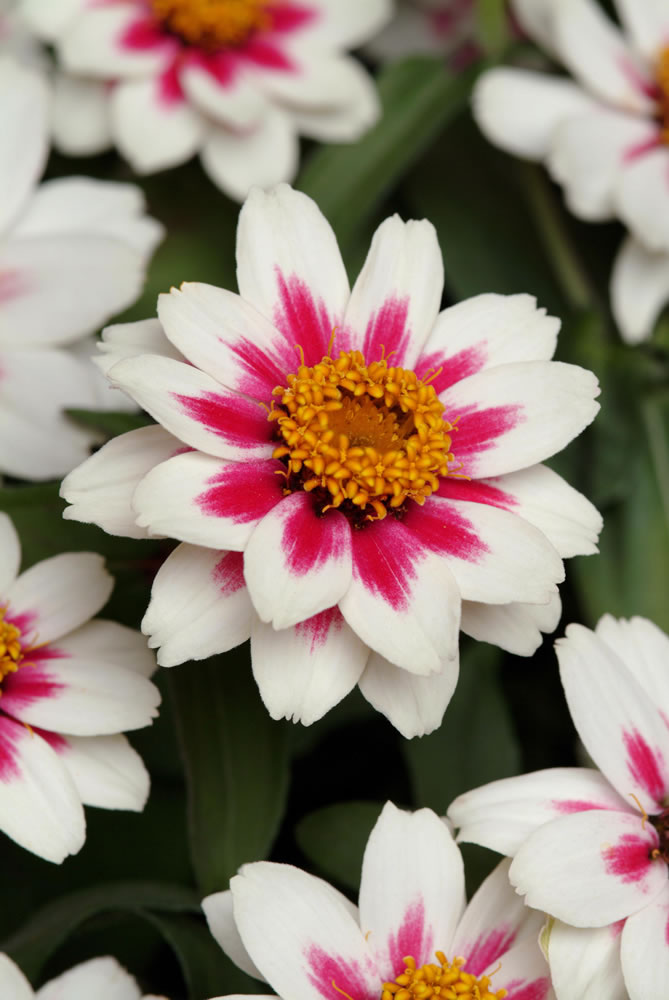
F_Zinnia_ZaharaStarlightRose Zahara Starlight White is especially beautiful.

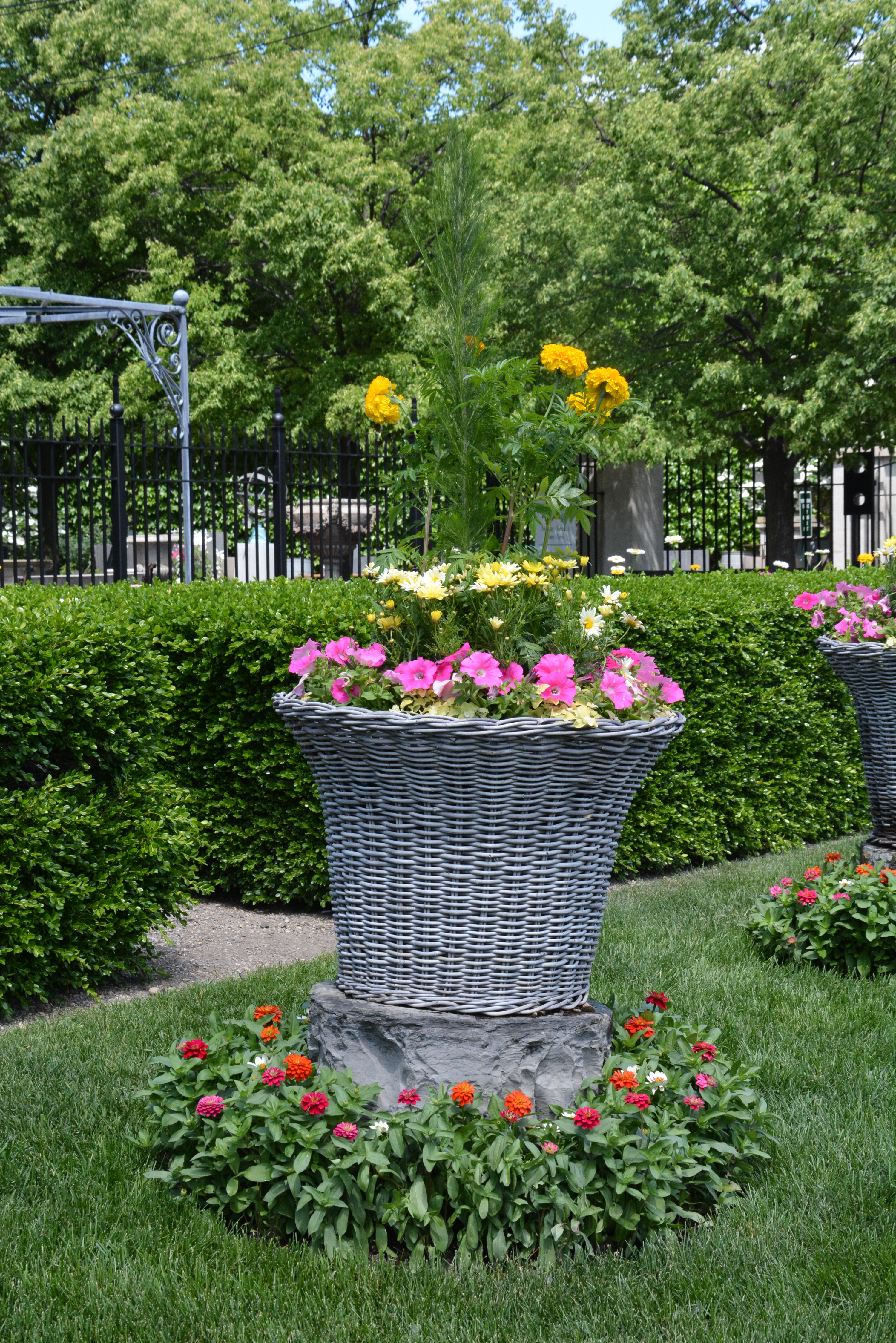
DSC_6431The wicker pots out front are planted with elegant feather, tall yellow marigolds, marguerite daisies, pink petunias and lime licorice.  We dug around the stone plinth, and planted Zahara zinnias.

zinnias at the shop (1) a fist full of zinnias

zinnias at the shop (2)Yes, I planted them on the roof too.  We’ll see how we do with them.


The First Container Planting

annual planting (3)
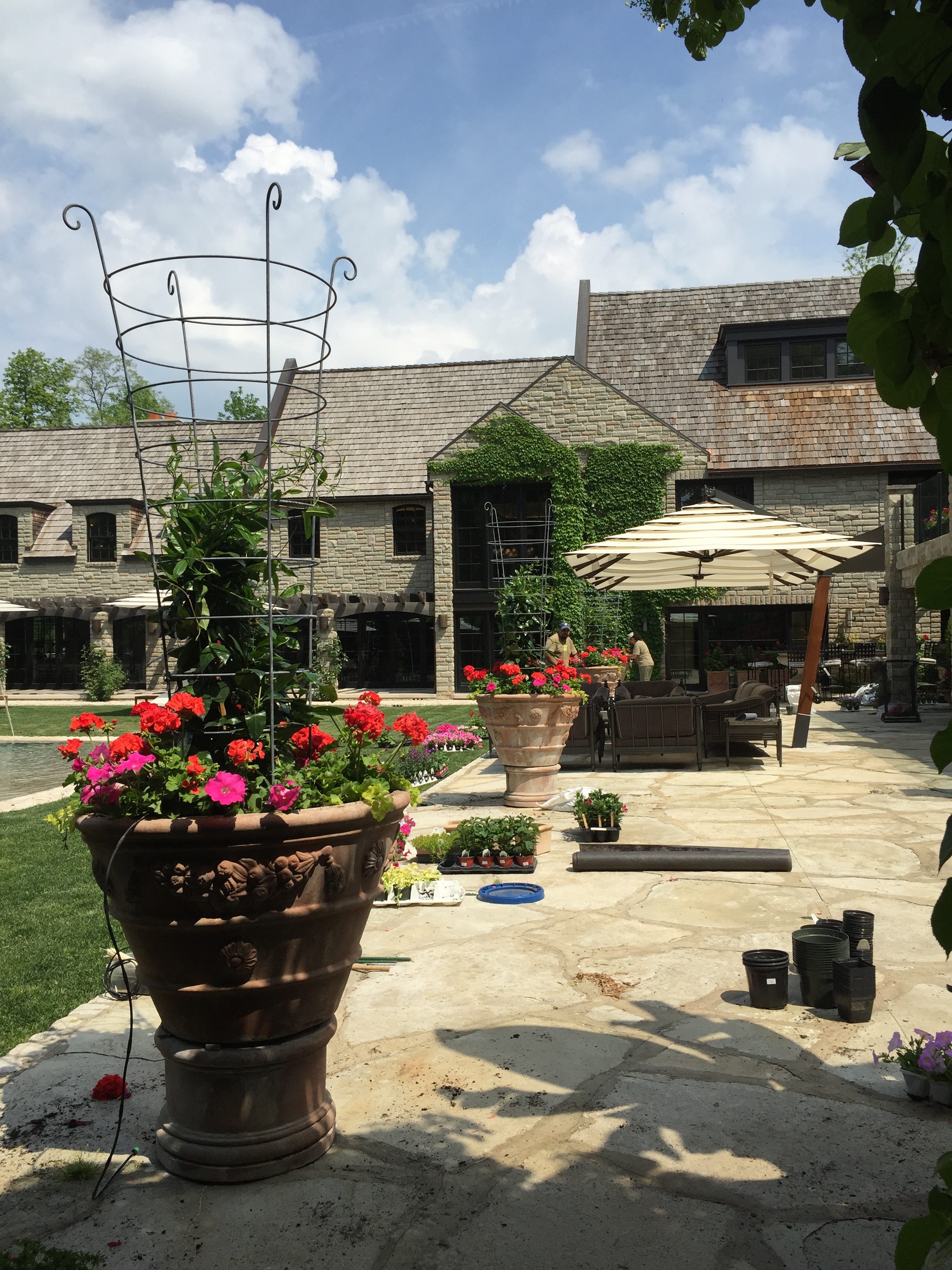
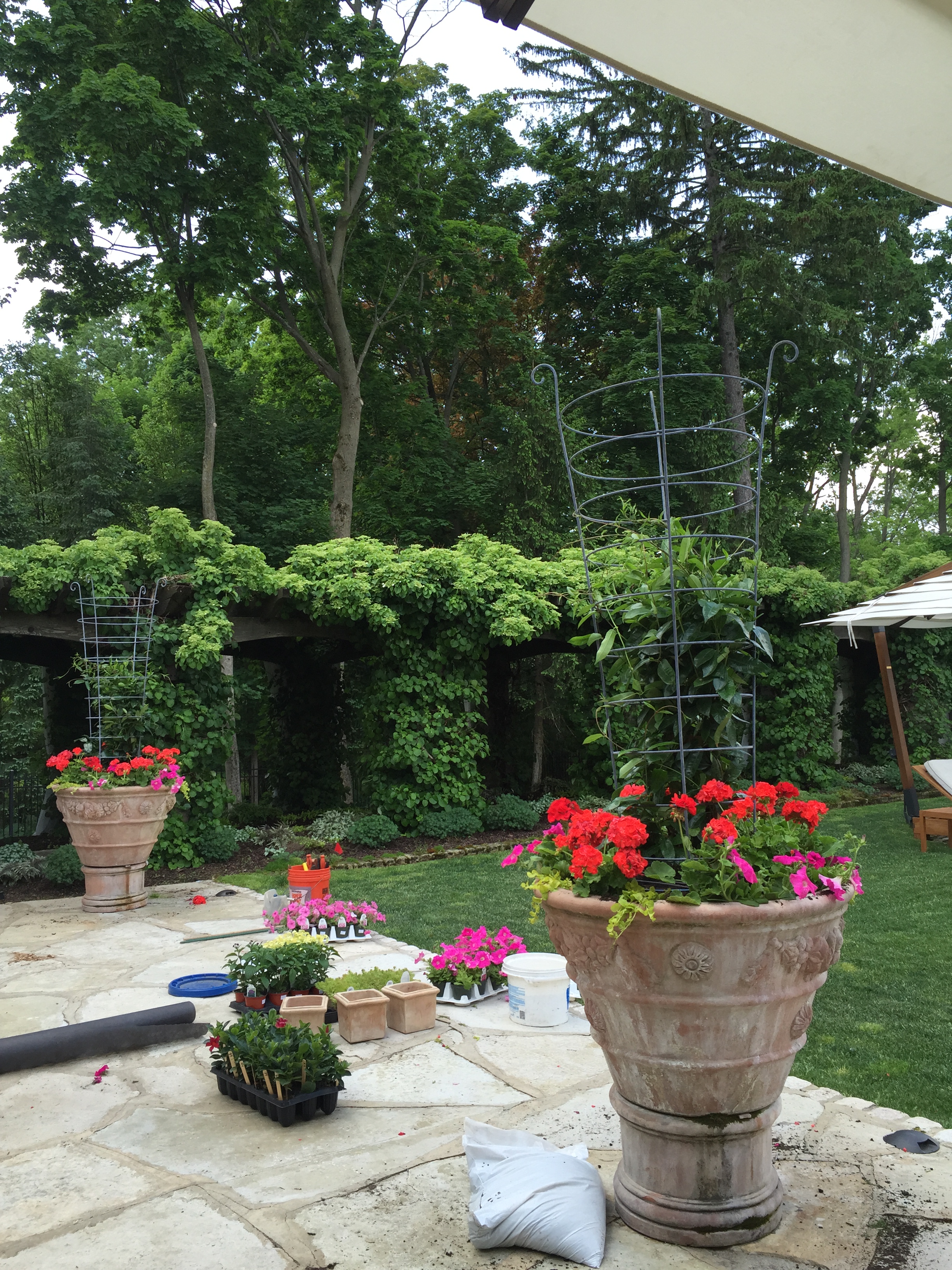
Every year, the prospect of having a full roster of container gardens to plant makes me want to black out. I spend the first three weeks of May utterly certain that I cannot plant one more pot.  That I am out of ideas. Luckily, time passes by, and and I start shopping. A client I have worked for as long as this one is easy to shop for. I had a pair of giant banana plants to pick up at our farmer’s market at 5:45 am. I was ready at 7am to let Dan know that we would need two pallets-130 bags –  of our custom container soil blend, and 30 bags of bark. We would need moss fabric for a pair of wire urns, and a ladder to tie the mandevillea to the steel plant climbers.
annual planting (12)I had shopped with David and Riley on Friday.  They put all of our plants on racks, and loaded them onto our trucks.  At the end of the day Friday, I was ready in the plant regard.  I had an inkling of an idea about what I would plant. Of course I was going over that inkling, critically. I had from 6-8am Saturday morning to print the photographs from last year, and write on them what materials we would use in them this year. Two hours gives me enough time to change my mind. Once my crew is ready to load, I am too.  I take extras and alternates, just in case.

annual planting (5) Once every pot had gotten filled with bark for drainage, and our container soil mix, all of the centerpieces get planted.  Then I lay out the scheme for the rest of the pot.  I was entirely absorbed and focused on how each plant would grow out, and interact with its neighbor. I favor containers that have a beautiful overall shape by the time they mature.  My favorite part of this planting for a group of Italian terra cotta pots? Orange geraniums. Geraniums, as they provide an incredible amount of color when properly grown.  They are heavy feeders. But more so than the bloom habit, that orange would contribute an interesting variation to a warm color palette.  The red mandevilleas and red geraniums are a bluish red. The orange geraniums have just enough yellow to make the combination interesting. My client is keen about the drama that can be created by intense color.
annual planting (6)This pair of Italian pots can handle the size and textural drama of a pair of large scale bananas. Not yet visible are a collar of strobilantes, or Persian shield plants that will ring the trunks of the bananas.  The chartreuse leaved Persian Queen geraniums and misty lilac waves petunias will highlight the iridescent red-violet of the Persian Shields.

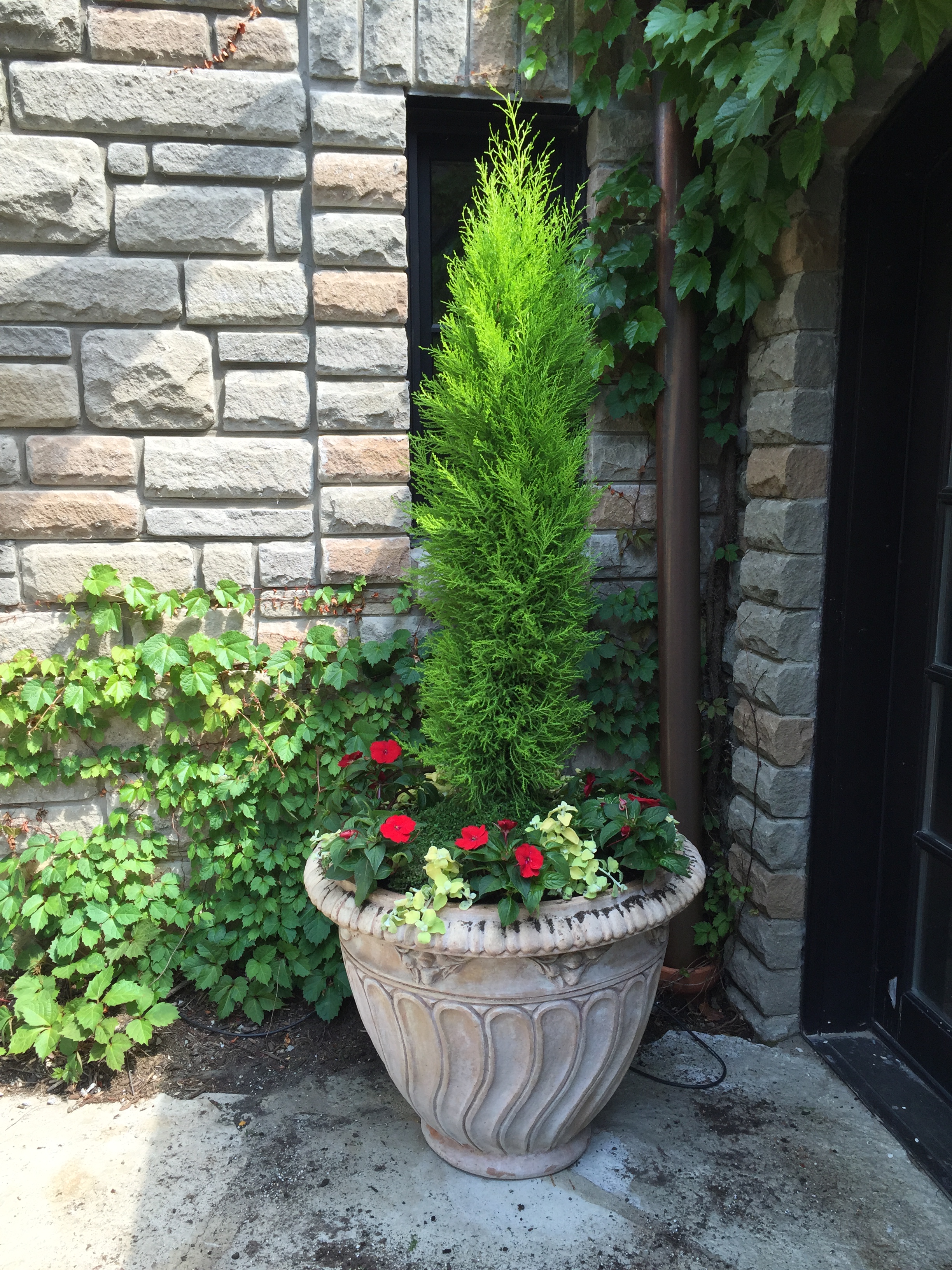
annual planting (9)Lime green is a key color in this planting scheme. All of the warm colors are all the more intense, by their proximity to lime green. The red represented in this container is red sunpatiens. They will grow quite large.  The lime licorice will lighten that load of red.

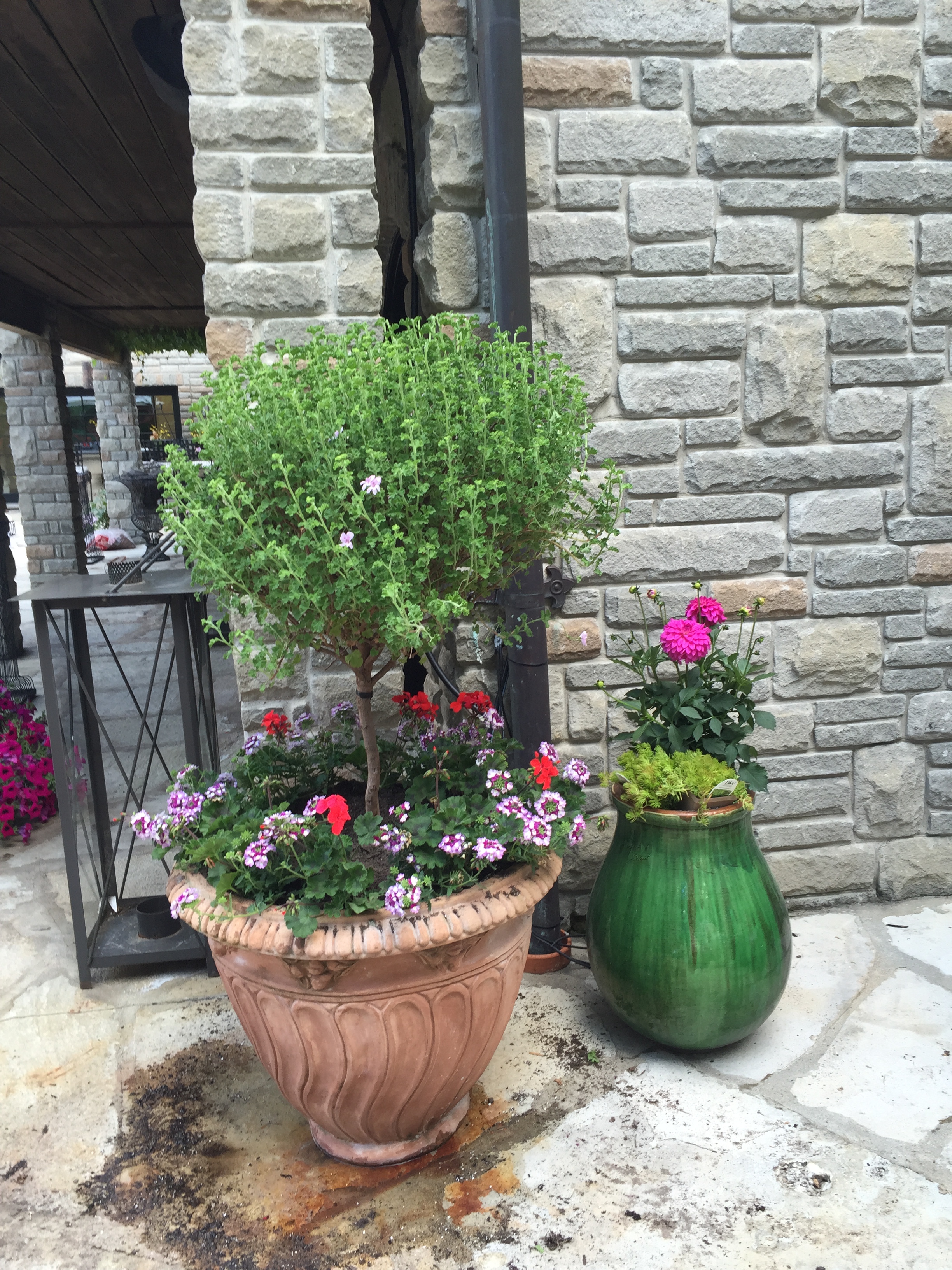
annual planting (7)This big scented geranium will have pale pink flowers intermittently over the summer.  But they are primarily grown for their bright apple green foliage that can be clipped into shapes.  We gave this geranium the most rudimentary clip.  My client has a lot of formally trimmed shrubs maintained by the company that prunes our boxwood at the shop.  Her crew will put a skilled set of hands to the spherical shape of this geranium.  It is under planted with an orange geranium of a different sort than the big growing zonal geraniums.  Caliente geraniums come in a wide range of colors, and are extremely easy to grow. The pink and white bicolor trailing verbena “Lanai Twister Pink” is a beautiful addition to this series.

annual planting (11)There are two containers in fairly dense shade.  The color of the lime dracaena “Janet Craig” brightens any shady area.  The dracaena is under planted with bird’s nest ferns.  The leaf form is simialr to the dracaena, but is a darker green.

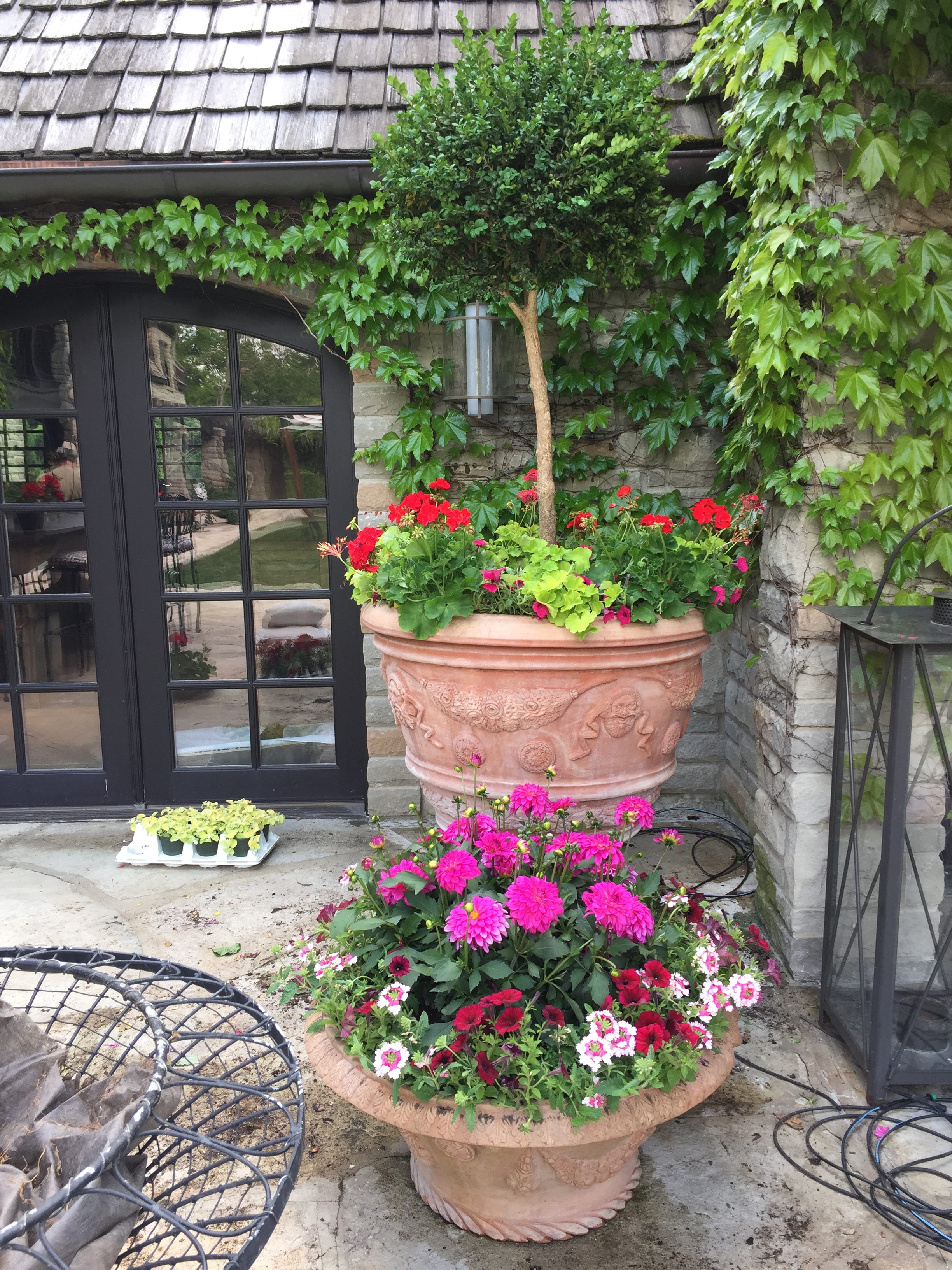
annual planting (8)A boxwood topiary on standard is under planted with Persian Queen geraniums, red geraniums, and vista fuchsia petunias. The low terra cotta bowl features hot pink XL dahlias, black cherry supertunias, and a bicolor trailing verbena.

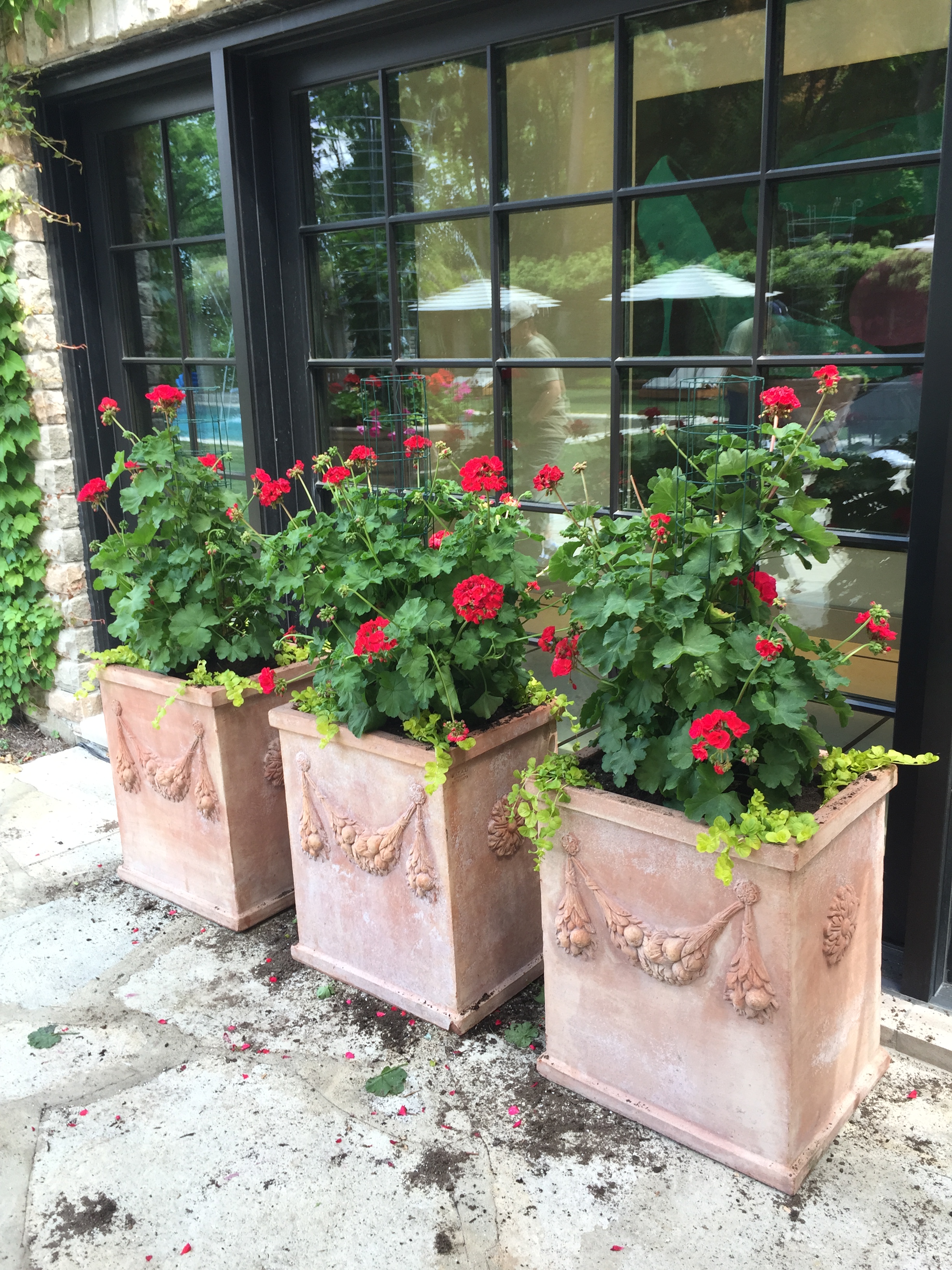
annual planting (10)3 terracotta boxes get identical treatment.  Hot pink zonal geranium towers, and lime creeping jenny.

annual planting (14)This old cast iron rectangular cauldron sits in a garden bed which is so shady that very little grows there. It is planted with a a pair of lime green fleck leafed dieffenbachia “Camouflage”, Janet Craig dracaenas, and Black Gold Xtreme sansevieria. The sansevieria in the box is repeated in ground at each end. This planting will thrive all summer long with next to no water.

annual planting (1)By 2pm, you would never know we had been there. It was a splashy beginning to our container planting season.

May Days

the spring garden (7)If you are a gardener in my zone, there is nothing quite like the experience of May. The winter lets go reluctantly. Early March was warm and friendly. Late March, April and the first two weeks of May were chilly enough to put on a jacket, and zip it up. When I went to work yesterday morning, the air temperature was 37 degrees. These are personal observations. The dormant trees, shrubs, perennials and bulbs have been responding to physical changes in the temperature and day length in a different way.  Once all of the signs suggest it is time to bud out, leaf out, or emerge from the ground, the plants go for broke. They don’t much respond to daily changes. An apple tree in full bloom has next to no defense against a string of below freezing temperatures. For sheer drama, the spring is hard to beat.

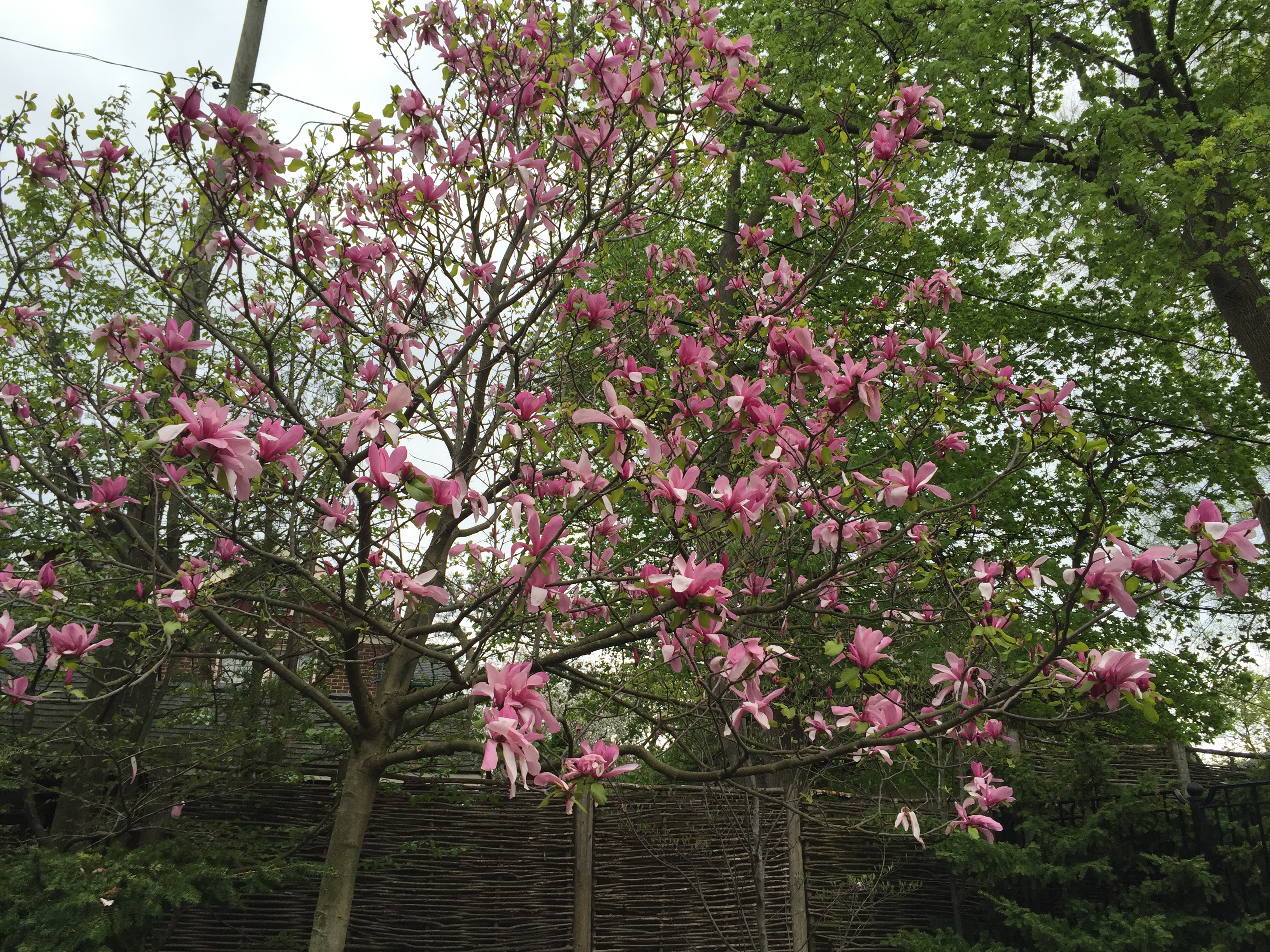
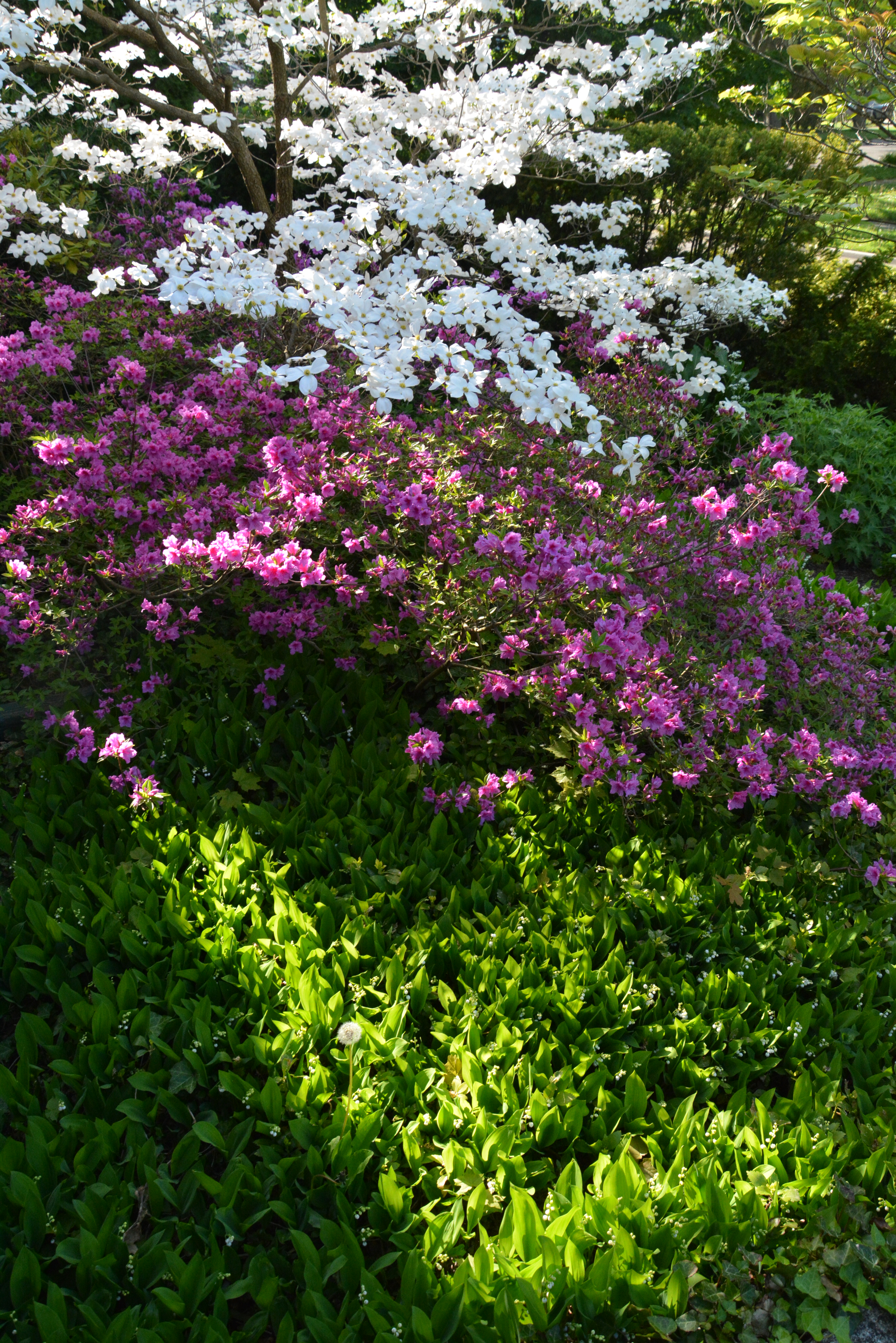
American dogwood It is so hard to believe this is already the 23rd day of May. For 23 days, I have been observing the process of spring.  The hellebores and crocus emerge early.  They are long finished blooming.  The daffodils have had a very long run, given the past month of cold nights. Only a few straggling blooms remain.   The tulips were challenged by the warm and then the cold, and then the May snow-it was not their best year.  The magnolias have already shed most of their flowers. My American dogwoods are in full bloom-how incredibly beautiful they are this spring. All of the evergreens are pushing that lush lime green spring growth that makes my gardening heart beat a little faster.  The azaleas and lily of the valley in my north side garden are blooming in much the same fashion as they have for the past 22 years.

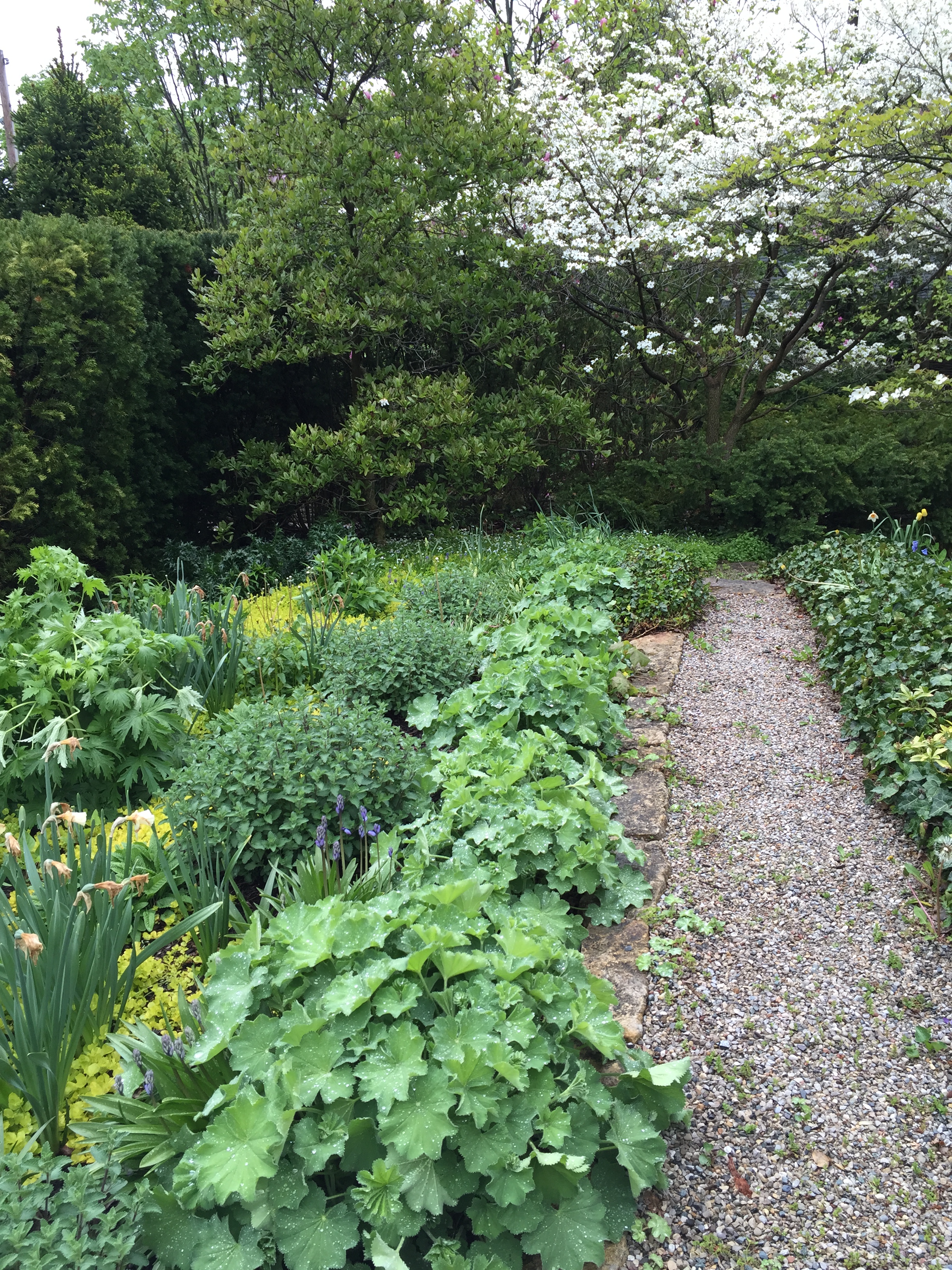
the spring garden (8)The few perennials that I have are growing with abandon.  The lady’s mantle, catmint, and delphiniums are especially robust. That growing with abandon is a good description of the spring season.  I do not have a fancy landscape or garden. It is an ordinary trial and true urban garden. It is shot through with early spring weeds. There are places where the design is less than stellar, or not apparent. Woe the design move that is not visually apparent!  There are more than a few places that need updating. There is no time to think about that now.  The spring is the time to enjoy each and every plant emerging from the strangle hold of winter.

spring garden (23)To my delight, a modest stand of sweet woodruff, and campanula porscharskayana has completely covered the ground. The leafy remains of some old daffodils are grassy good contrast to the plants covering the ground. The weeds in the path – they are growing with abandon too. The obsession with pulling my weeds and cleaning up will come later. I am wholly engaged in watching the plants do what they do.

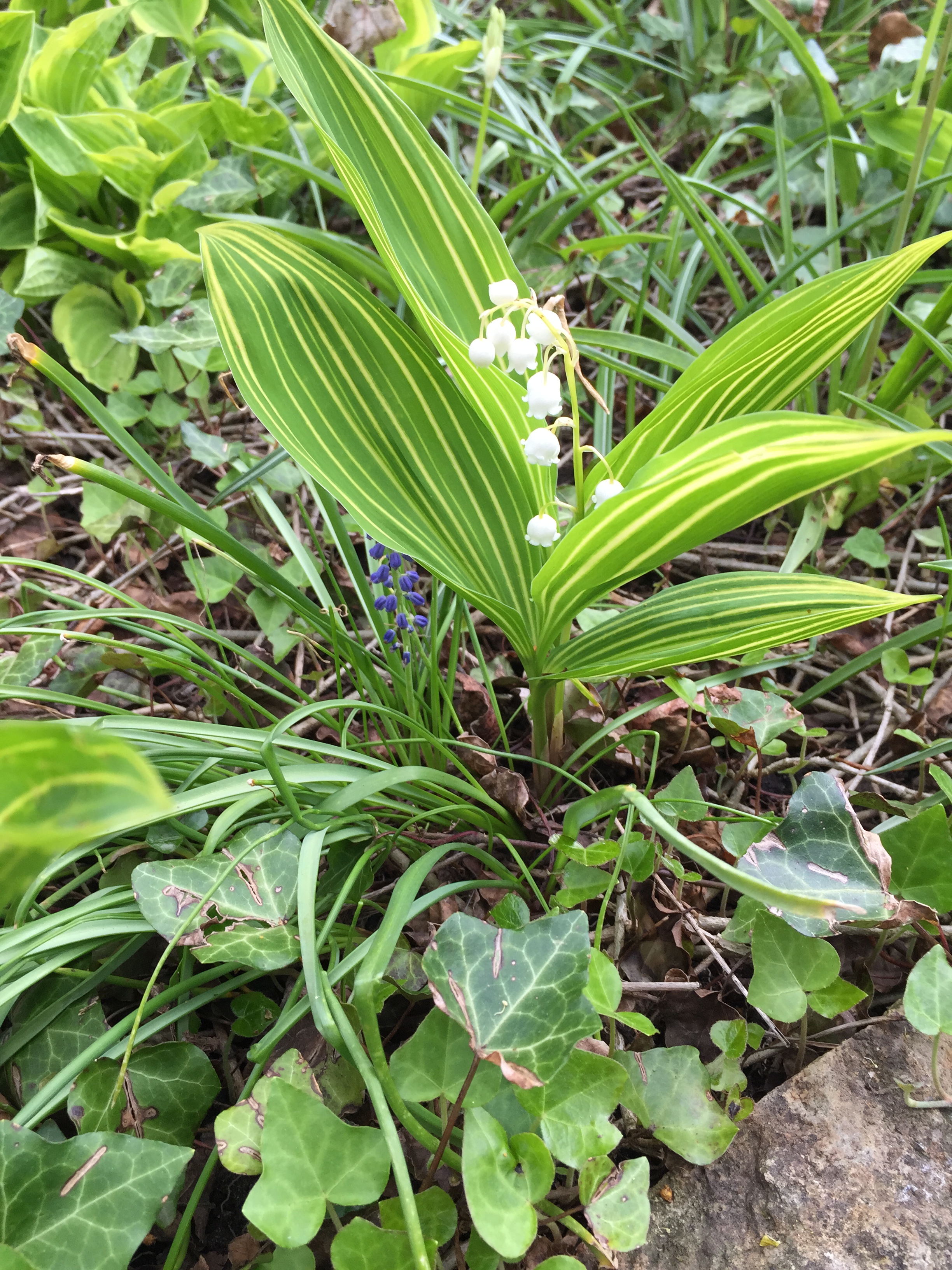
the spring garden (2)I have only 3 plants of variegated lily of the valley. None of them have particularly increased in size over the past 3 years. This plant has two stalks this year-how great is that? These three plants, growing in spite of being overrun by ivy, may be small, but they are an important part of my experience of spring.

the spring garden (14)The joy of designing is different. It so much more about architecture, flow, and sculpture.  It is much about line, direction, mass, texture, color, and function. Though I am designing for clients, and have done so regularly since the beginning of March, my spring is all about the plants.

the spring garden (13)I live in an urban neighborhood. Some landscapes and gardens are well designed.  Other properties have nothing much that could be attributed to great design, but every one of their plants is growing just the same as mine. If they falter from neglect, that sorry situation will become apparent later. I take several things from this.  Nature has its own independent agenda. And, those gardeners who are more interested in plants than design have my respect. At this moment in the season, I am right with them. Even though the grasses and hardy hibiscus will not be fully grown and in their glory until much later, watching the process by which they broach the spring is every bit as interesting as their flowers.  The spring means good things for every square inch of ground from which a plant might grow.

the spring garden (16)The parrotias are leafing out so fast, the leaves are wilted from the effort.

the spring garden (10)The ferns and hostas are in that gawky adolescent phase.

spring garden (29)The Princeton gold maple leaves are the most shocking shade of chartreuse imaginable.  Later in the summer, that lime green will fade to green.

spring garden (26)Everywhere I look something is growing.

spring garden (16) - CopyA seedling Helleborus argutifolius has taken 4 years to grow to blooming size.  A mild winter means I have had the please of three blooming stalks for over a month now.

spring garden (10) - CopyWhat great May days we are having.