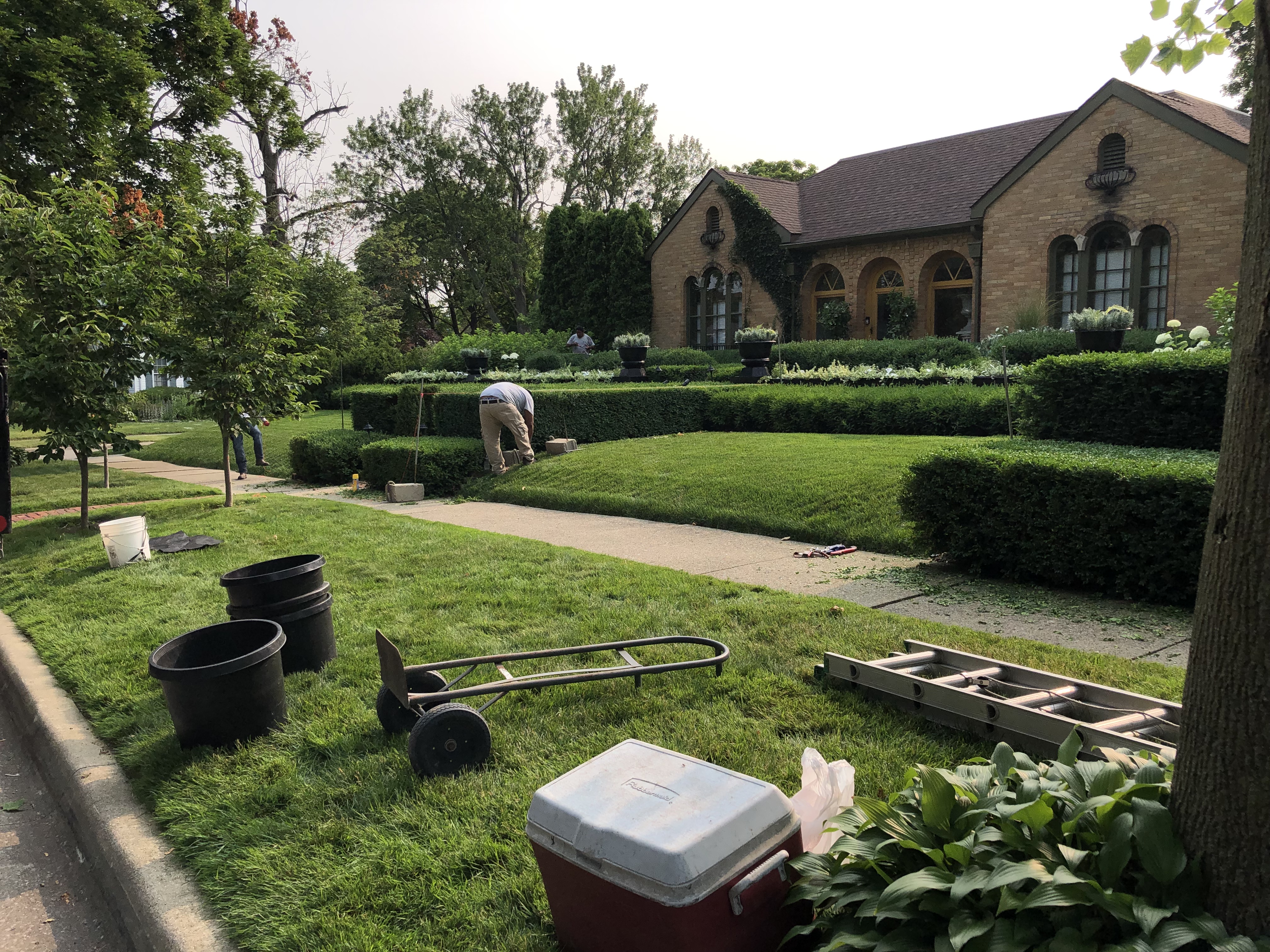
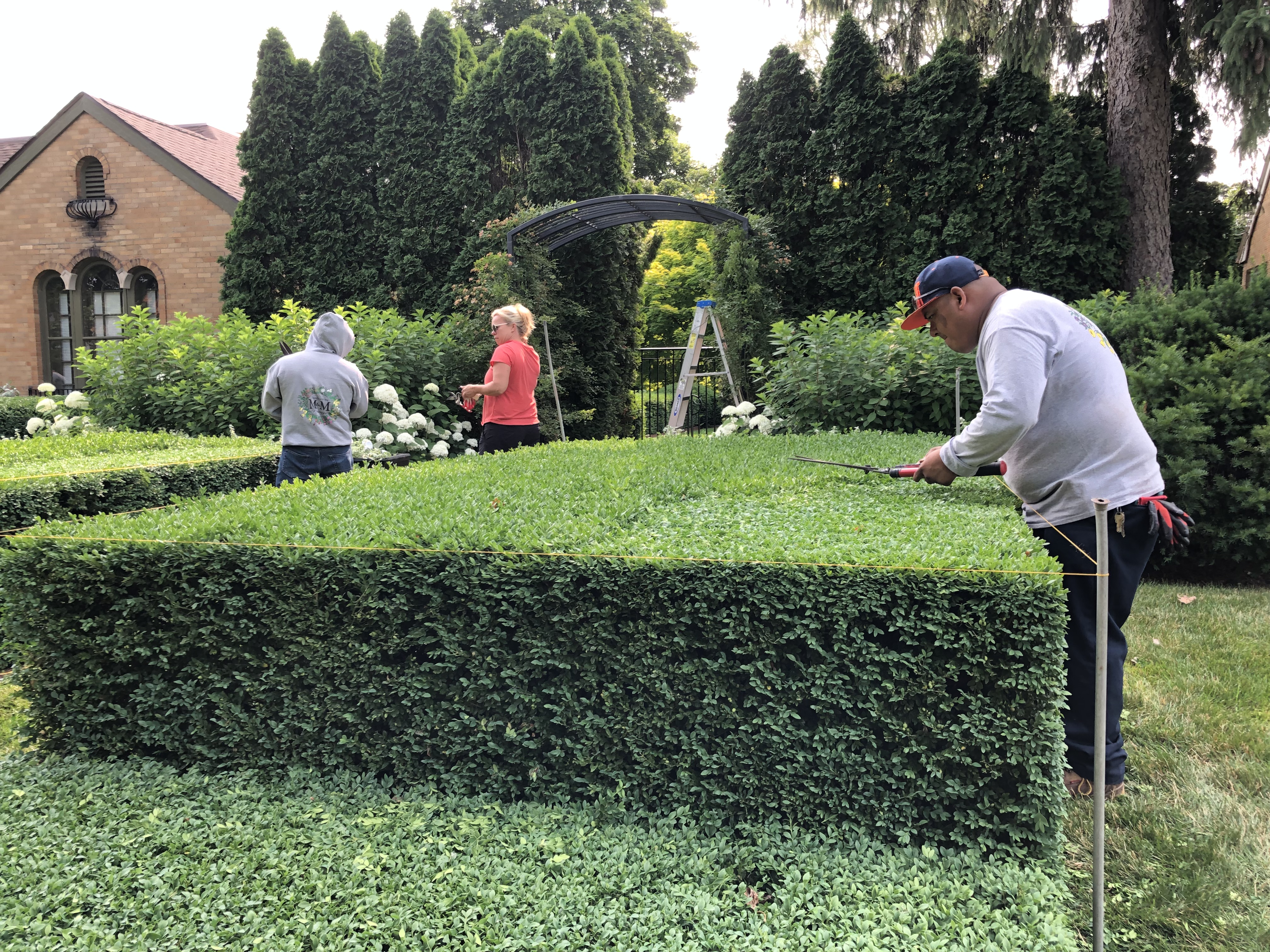
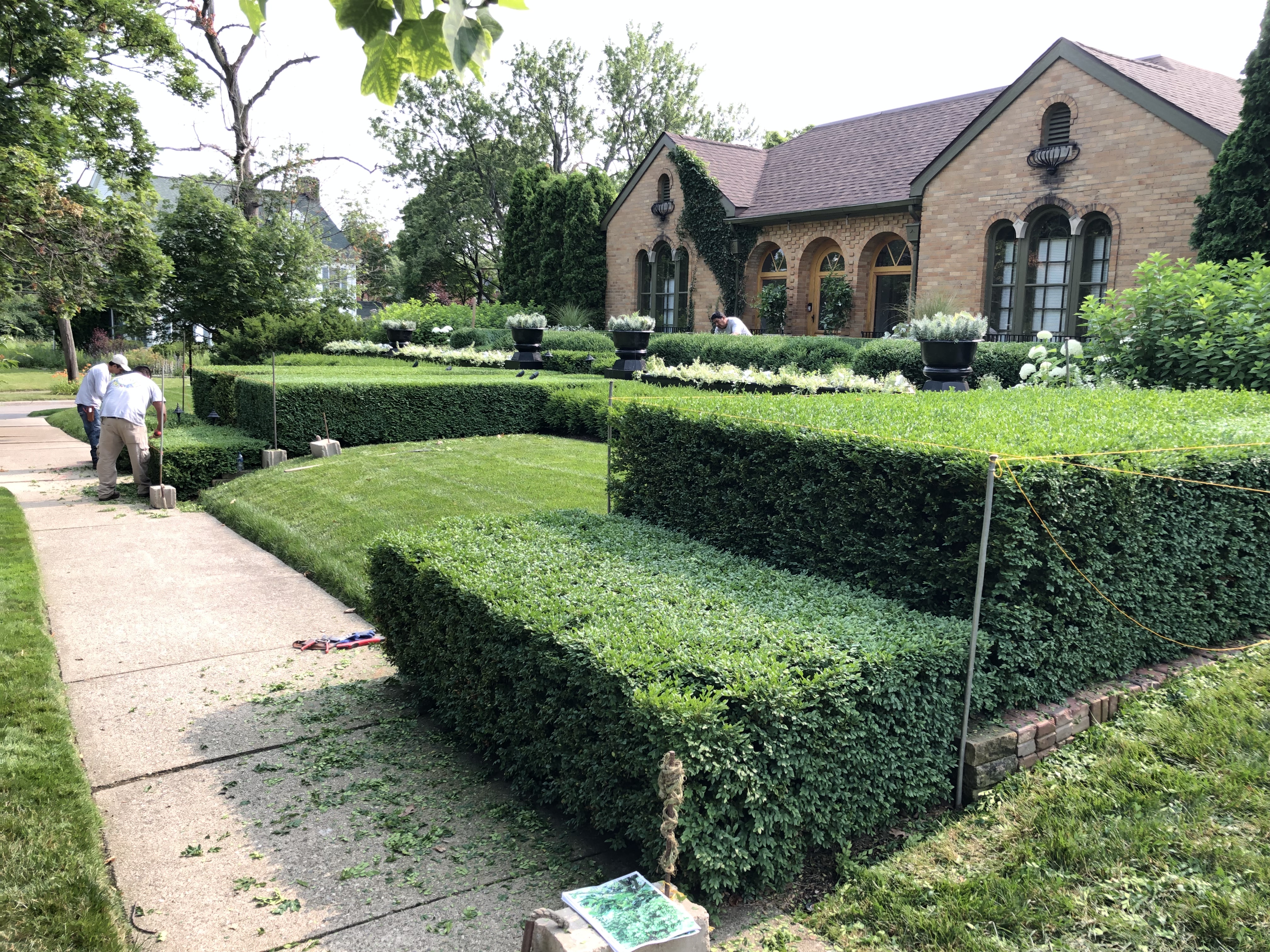
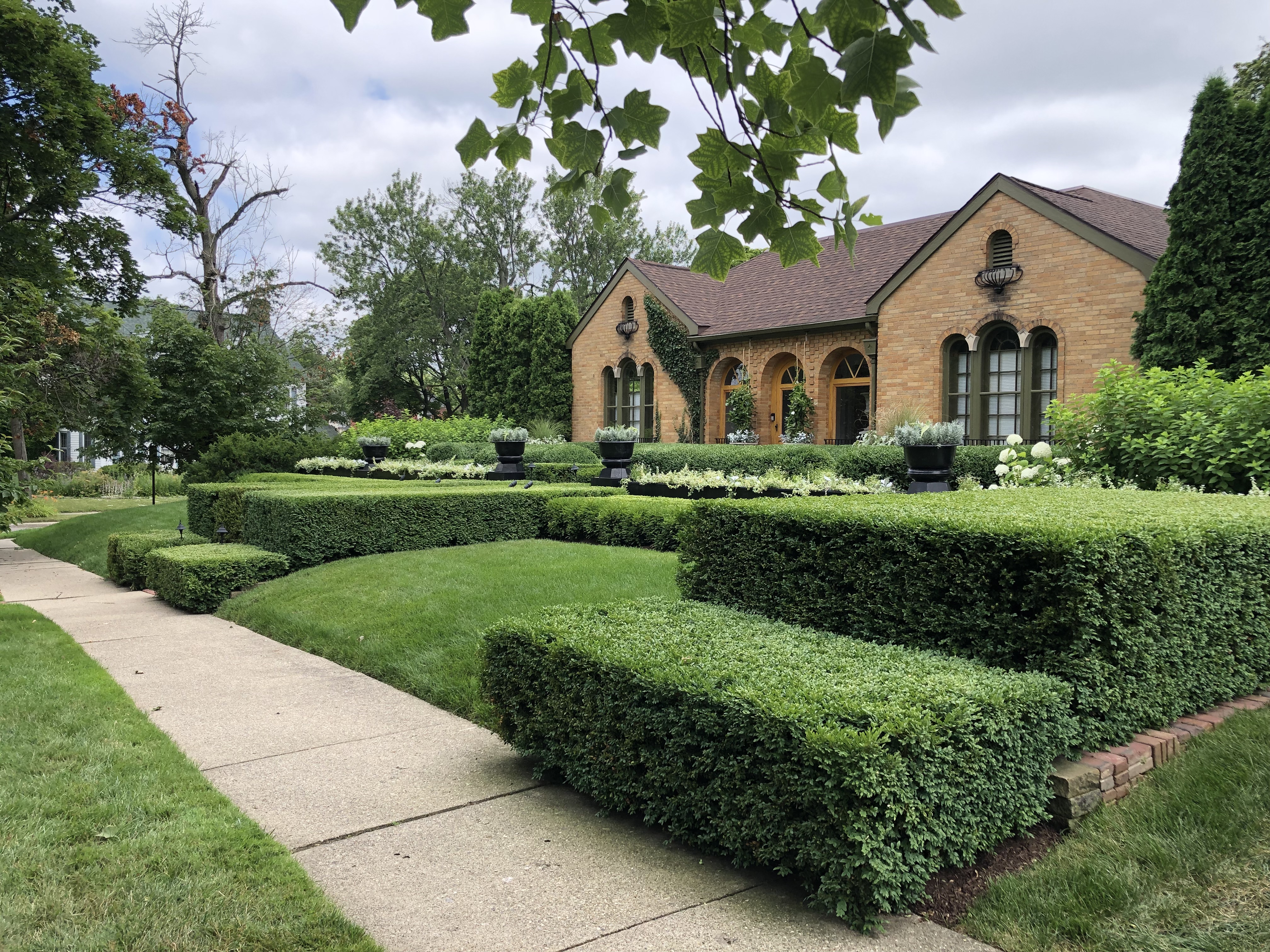
 Gardeners have been pruning plants just as long as they have been growing them. It isn’t too hard to figure out why. A broken tree limb or dead cane on a rose needs to be cut off, as dead branches are just plain unsightly. A wild hair of a shrub branch hanging over the walk can and should be trimmed out of the way. The branches of lilacs, roses, hydrangeas and other woody plants that cross over one another have the potential to damage one another. Every branch of every plant moves, given the natural flow of air. Bark that gets worn down to bare wood endangers the health of that branch. Healthy shrubs, meaning properly pruned shrubs, have a branch structure that permits the free flow of air and light. Sometimes a little intervention helps to encourage healthy growth. I am sure you have noticed, that in the wild, there is as much dead as there is living going on. Some branches can be infected by disease. Removing that diseased portion helps to insure the health of the rest of the plant. Some plants eventually grow in to each other’s space. Some pruning can be best described as refereeing.
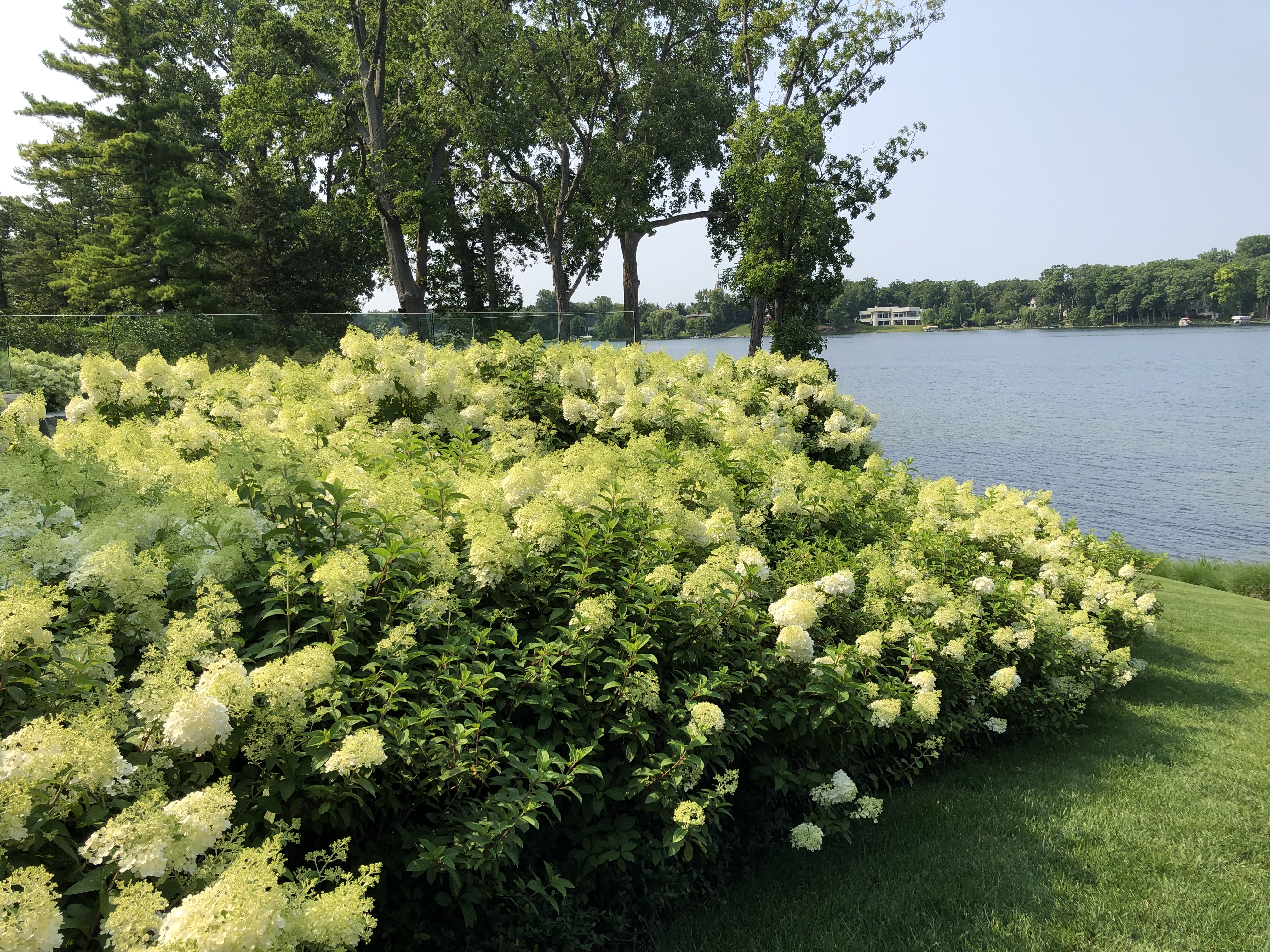
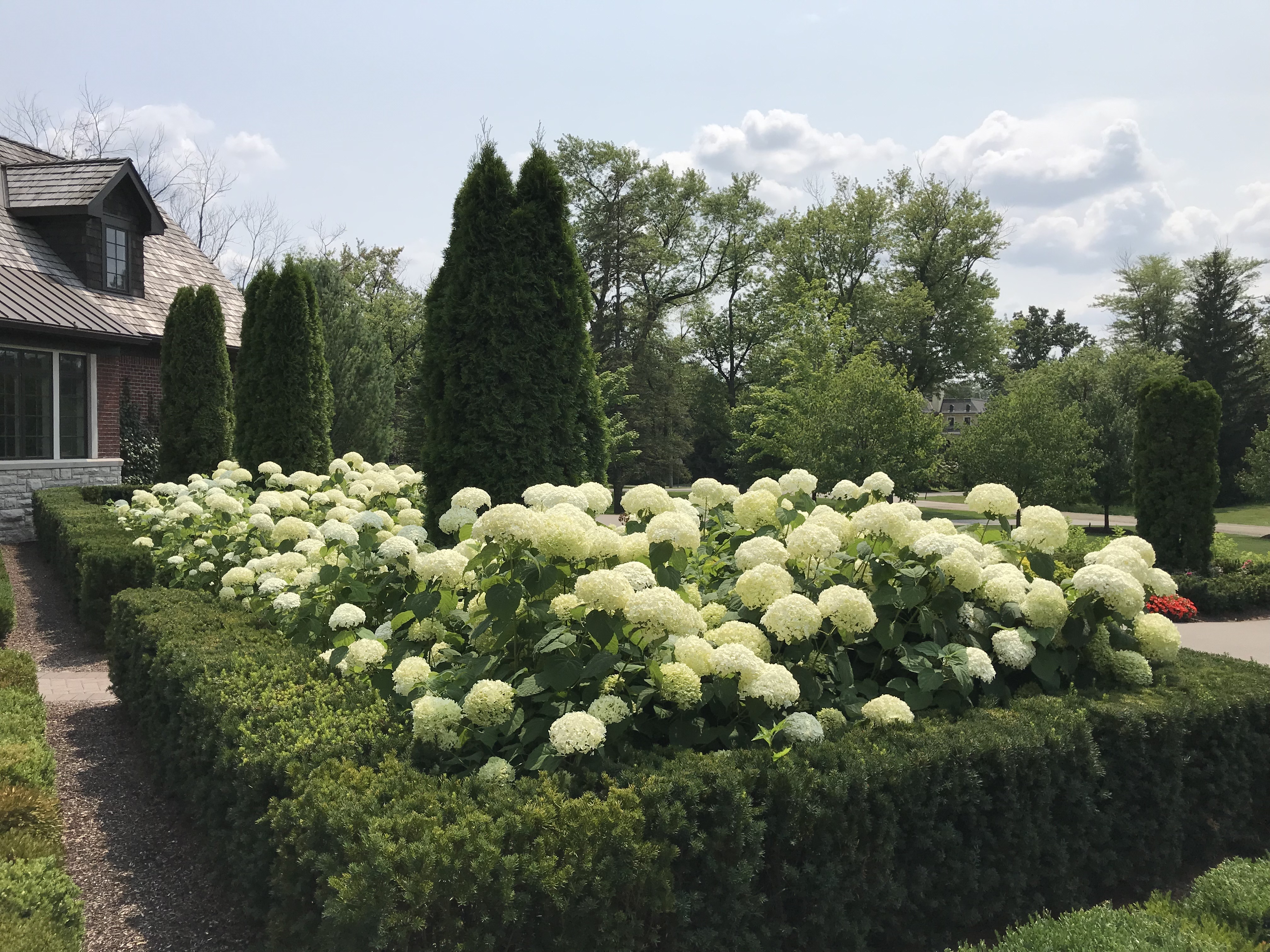
 Lilacs are woody shrubs that greatly benefit from a pruning overhaul. Removing the 3 largest branches at the ground level every few years of a mature and sizeable lilac keeps the plant youthful. This is a shrub that greatly benefits from a turning the old growth over. New branches that sprout from the ground level will grow fast, and bloom profusely. Old branches become leggy, woody, and tall, and produce few blooms. Old unpruned lilacs are notable for their abundance of dead branches, thick woody growth, and pitifully small and sparse blooms 15 feet or more above ground. Regularly pruned lilacs are more compact, and bloom heavily. Great looking lilacs require regular pruning. Once a year to shape and rejuvenate. And a second time to remove the dead flower heads. Other shrubs, notably oakleaf hydrangeas, do remarkably well with no intervention whatsoever. I have a single shrub almost 25 years old that I have never touched with a pair of pruners. It is lovely, and blooms well every year. Some plants decline with pruning. I would not prune an American dogwood except to remove a dead branch. Excessive pruning on maple trees expose ordinarily shaded branches and trunks to the glare of the sun, resulting in scald.
 To prune or not to prune, and how to properly prune for health and well being, is a topic with considerable coverage on line. Any gardener wanting a consultation on pruning practices for any given plant can find numerous articles available to read. General articles about pruning are invariably too general. Not all plants respond well to generic pruning. This seems obvious to me, but apparently not to all. A good look at any landscape where every shrub cultivar is pruned to the same shape and size will tell that sorry story. The human hand armed with hedge trimmers set to a one size fits all is not about gardening. This is about a spring housekeeping chore executed by an unwilling and irritated housekeeper. A once a year housekeeper, mind you. The results are visually embarrassing, and can endanger the plant. That said, gardeners have been pollarding trees and coppicing shrubs for centuries. Every story has at least two sides, does it not? Once you have read about how to prune a plant for health and well being, decide what you believe. Or sign up for what appeals to you. Or follow a plan that seems most logical and sensible. As a first and a last resort, adapt what seems in keeping with your style of gardening, and wade in. Plants are remarkably resilient. I have seem them recover and flourish in spite of very heavy handed and misguided pruning.
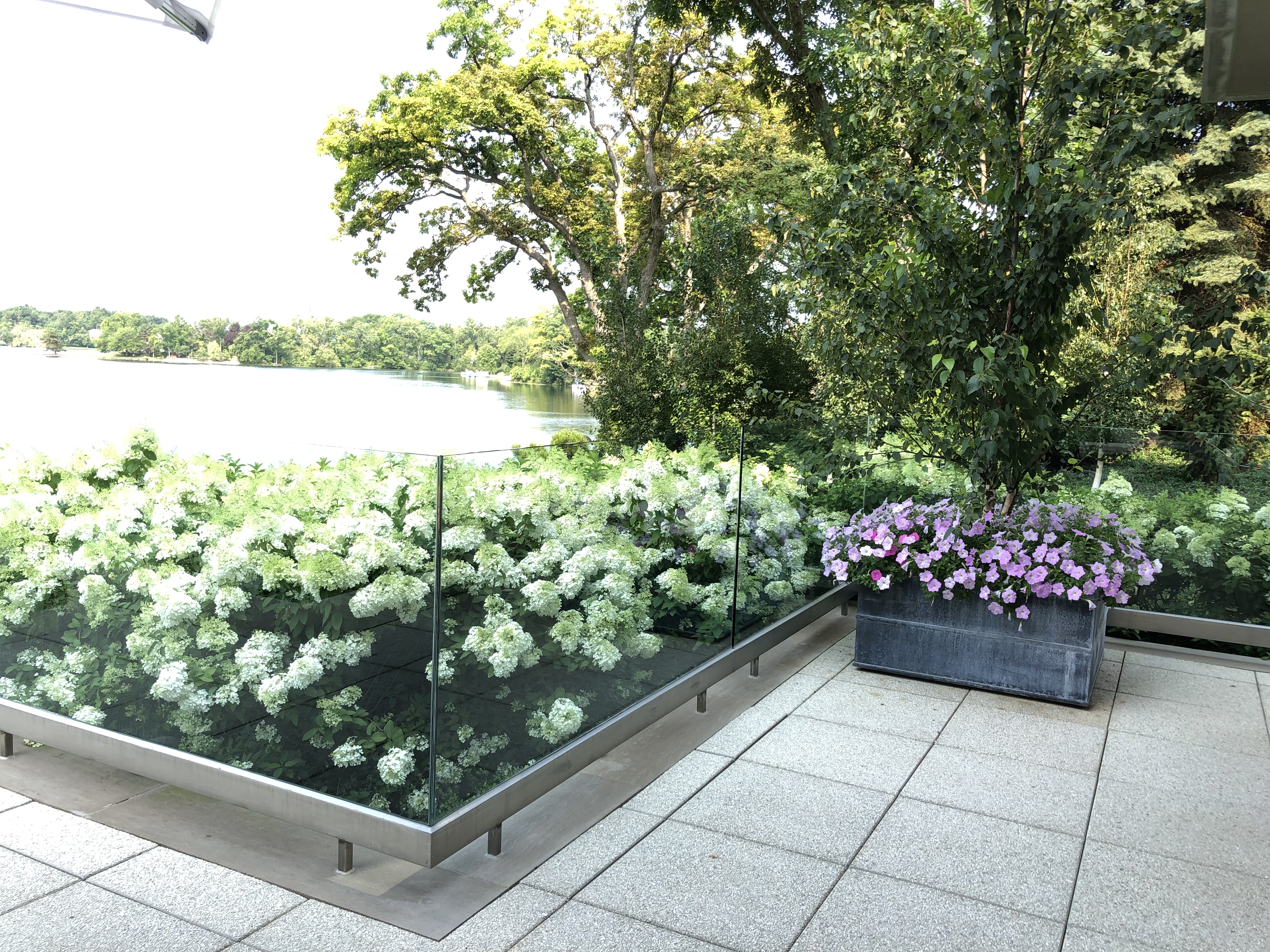
 This is by way of saying that no one needs my opinion about how to prune. My pruning practices are the result of decades of experience. By this I mean, trial and error. It is not a bad way to learn. Plants are incredibly tolerant of almost everything you have to dish out. My pruning practices work for me-and not necessarily others. A gardening friend of mine cuts her spireas and other fast growing deciduous shrubs to the ground in the spring-so they don’t get out of hand and grow too tall. I am sure no pruning article would recommend this, but it works for her. If you have a mind to try this, prepare ahead for a look you might not like. There’s always next season. Or try it by a half. Or try it with one plant. I have pruned hydrangeas by 2/3rds and by 1/2. I have left them unpruned. I have given them shag haircuts. They still perform beautifully. As if they were unaware that I had done anything. If they are woody and leggy, I prune some branches harder than others, to encourage some green sprouts at the base. This year, I have not touched them. I prune based on what I am in the mood for.
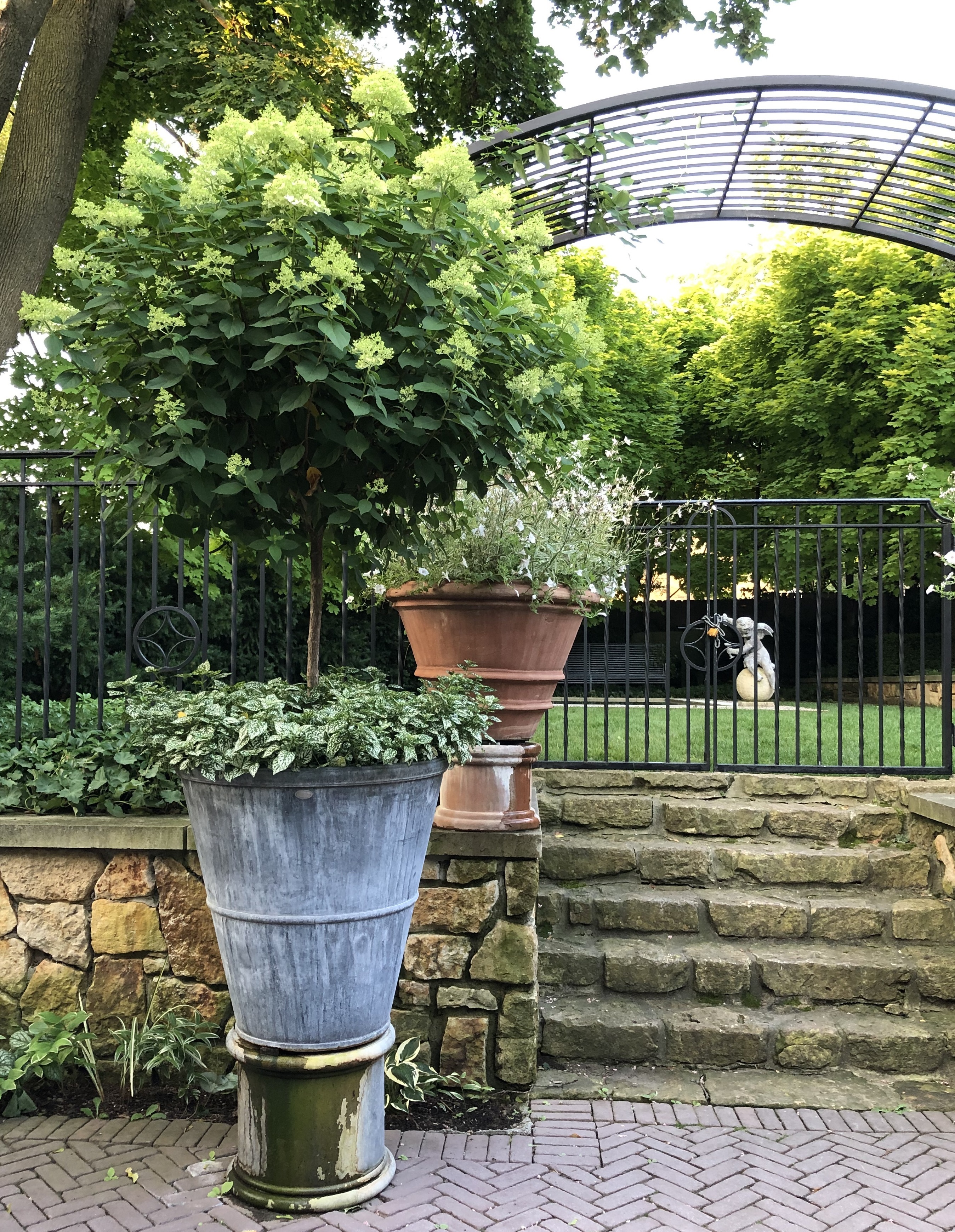
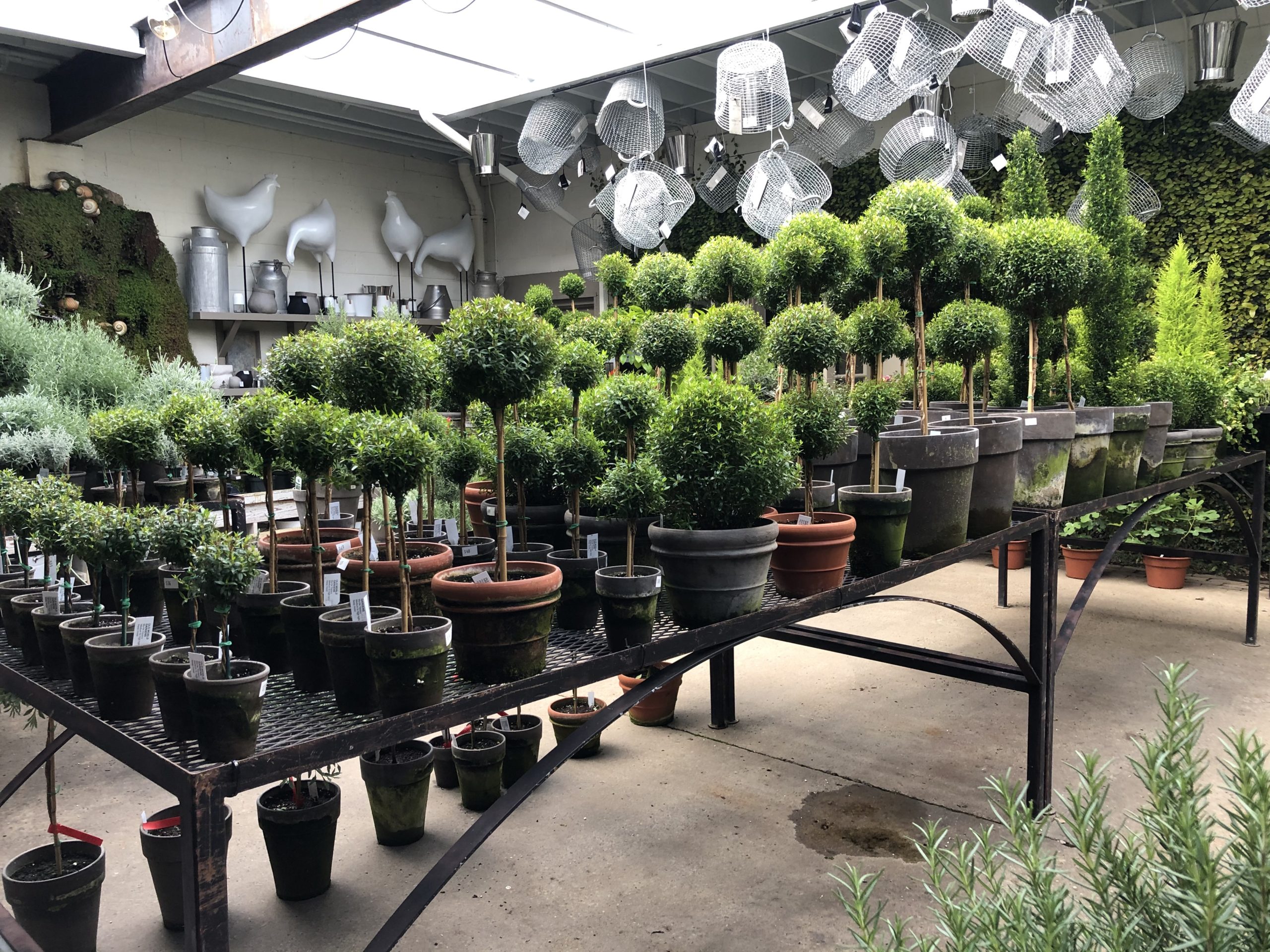
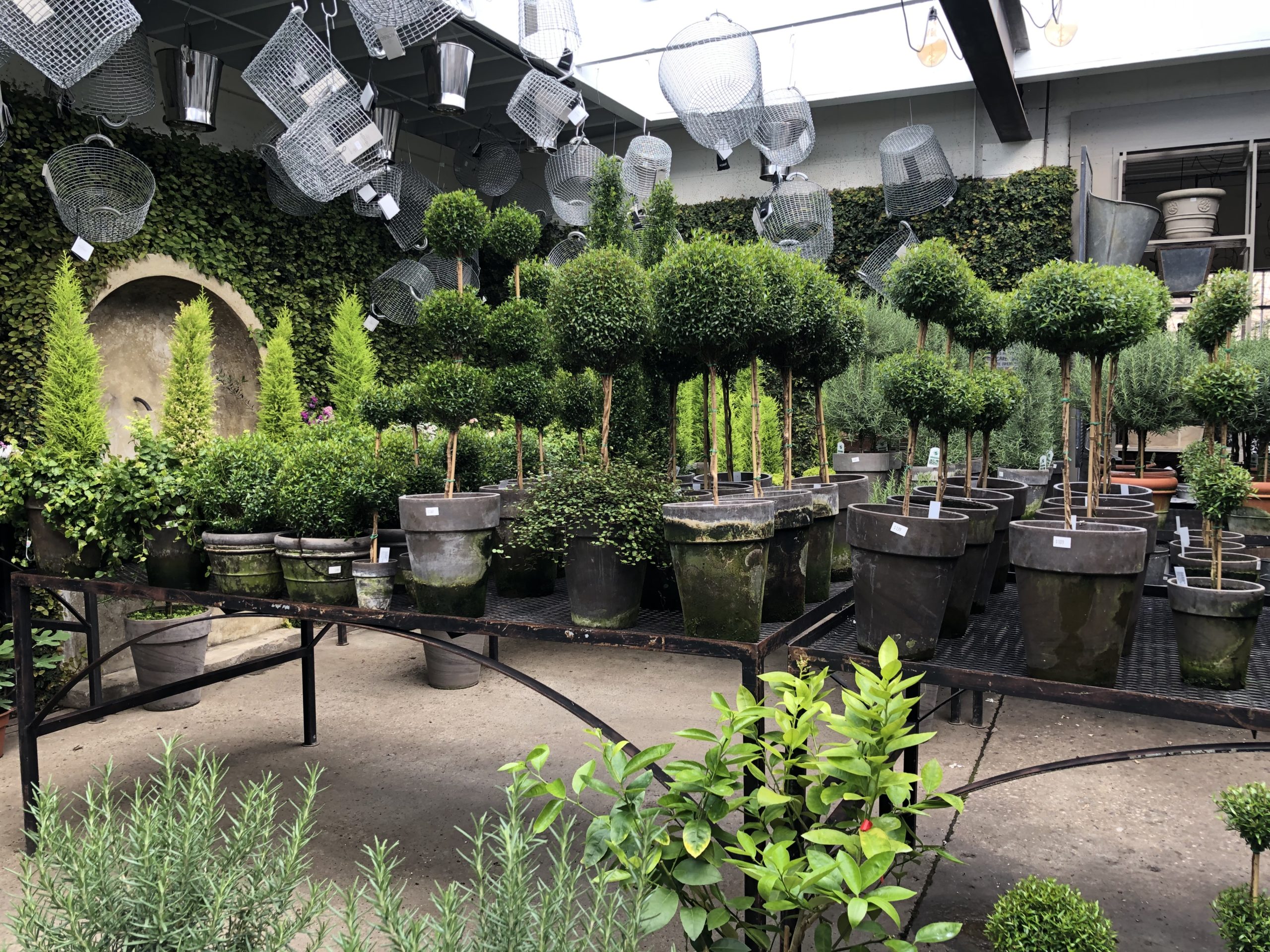
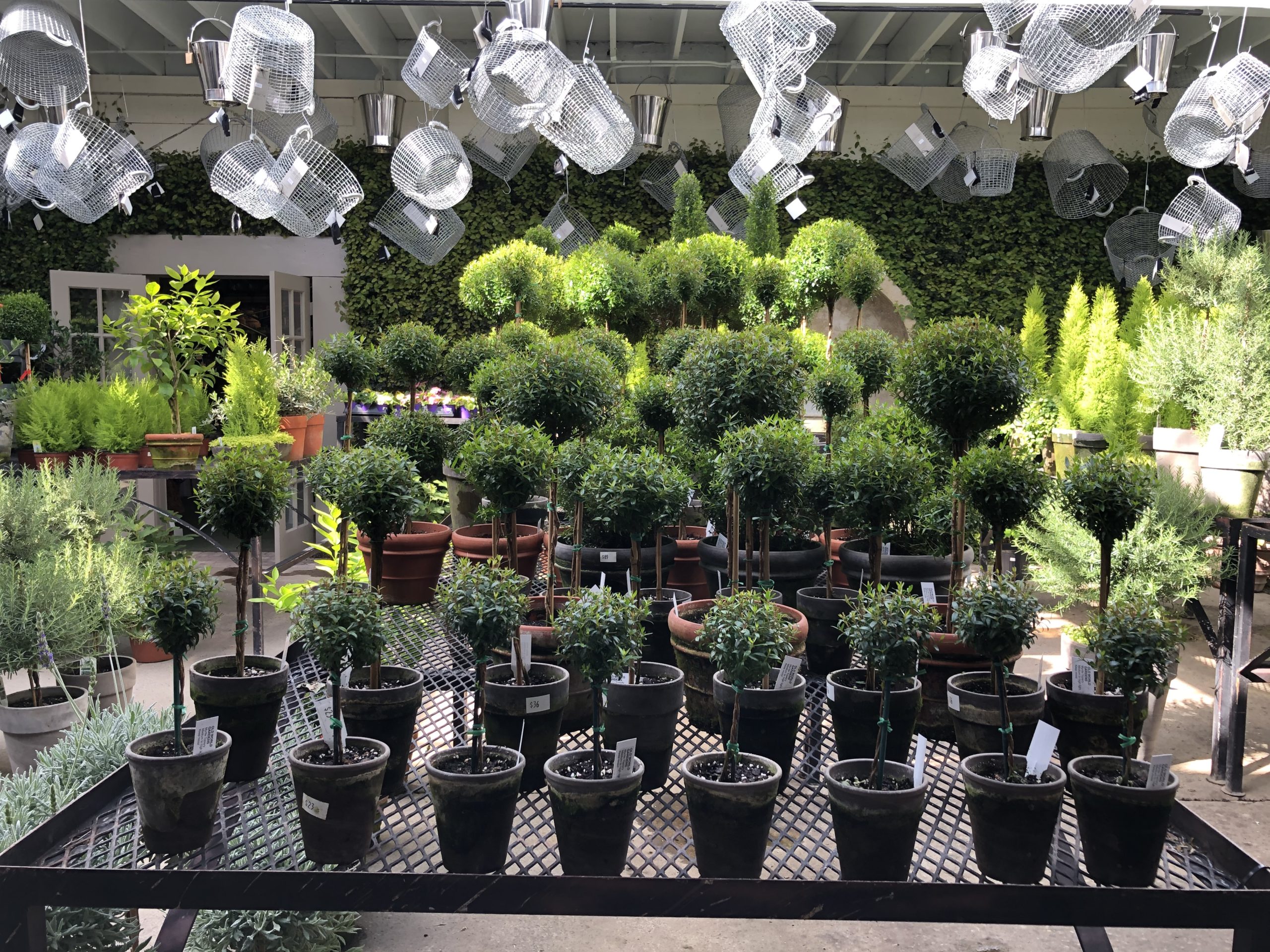
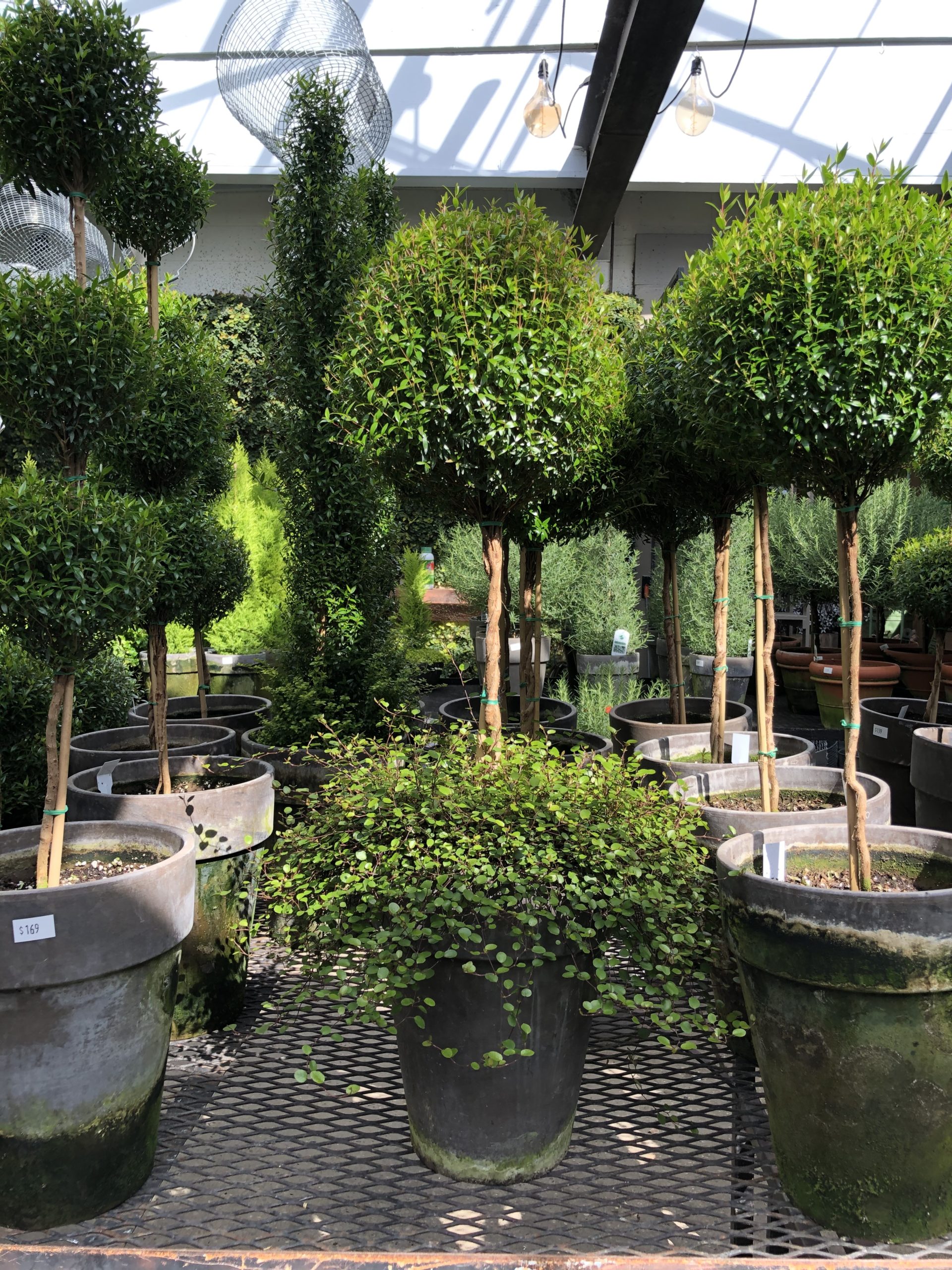 If you like to prune for the shear joy of pruning, then topiary plants are a perfect plant. Topiary is the art of pruning plants into various geometric shapes. Some plants take well to regular shearing, and respond to training better than others. The myrtle topiaries in the pictures above are woody shrubs. They are not hardy in my zone. A summer outdoors in a fairly sunny place can be followed by a winter indoors in a spot with decent light. Training them to grow into a a single trunk takes a bit of skilled work, and a good bit of time. Rob buys plants already trained into topiary forms every spring. Taking over the care of an existing topiary is infinitely easier than starting from scratch. They are irresistibly delicious to any person of a gardening bent. That said, no myrtle topiary will tolerate going dry. Do not buy them if you are not a watering sort.
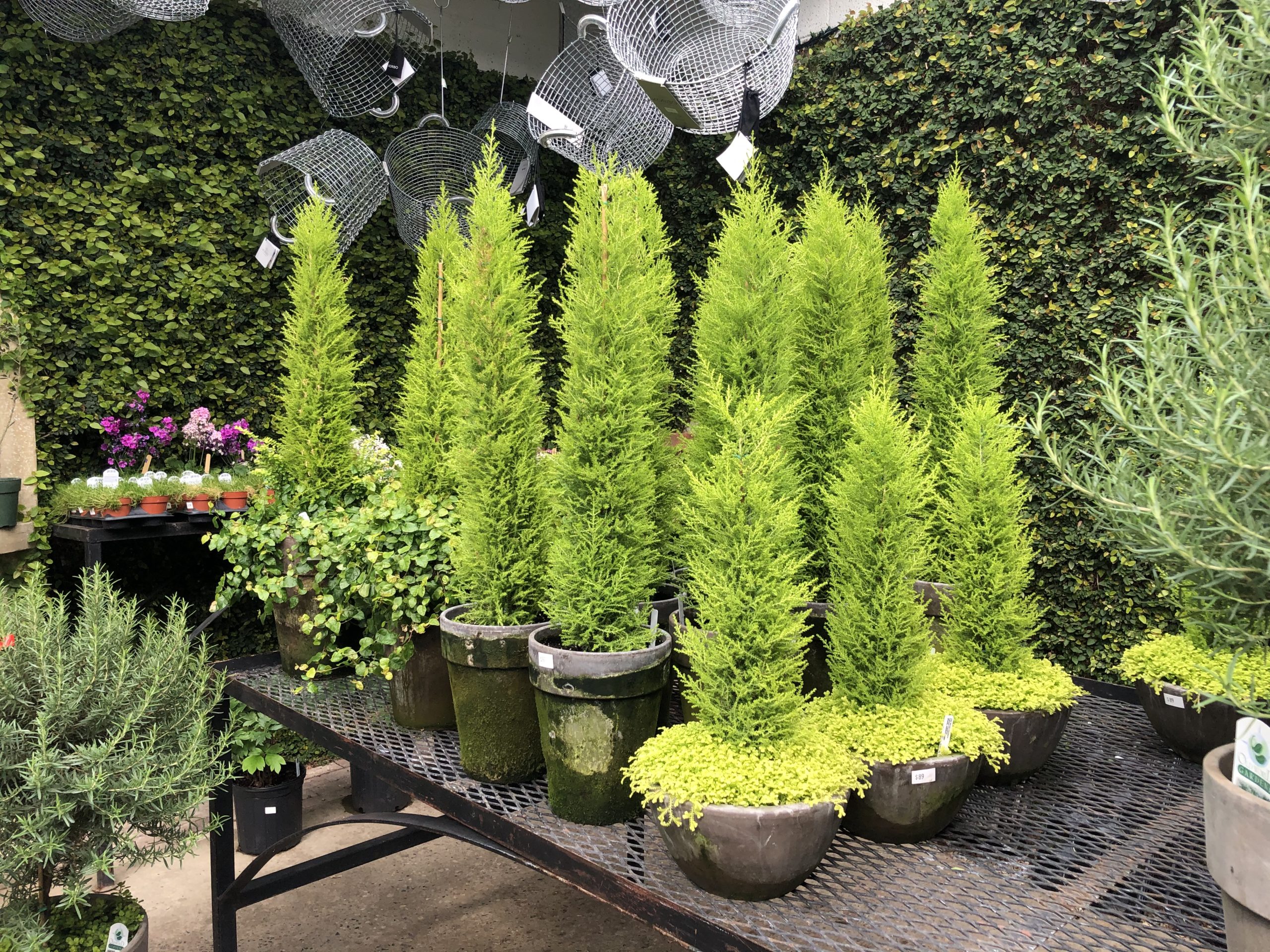 Lemon cypress is a very large vertically growing evergreen tree that is very tolerant of pruning. They make great topiary plants at a young age. Shear away. I had a pair that I shifted up into larger pots every year for 5 years. At that point, I had to let them go. I had no winter storage that could handle them at 5 feet tall, and 2′ wide. But the five years I had them was a relationship I treasured. I learned how to clip each branch individually. The time I spent clipping was relaxing and absorbing. It was a challenge to clip evenly to a finished and beautiful shape. I most certainly would grow them outdoors if I could, and I would prune them on a larger scale.
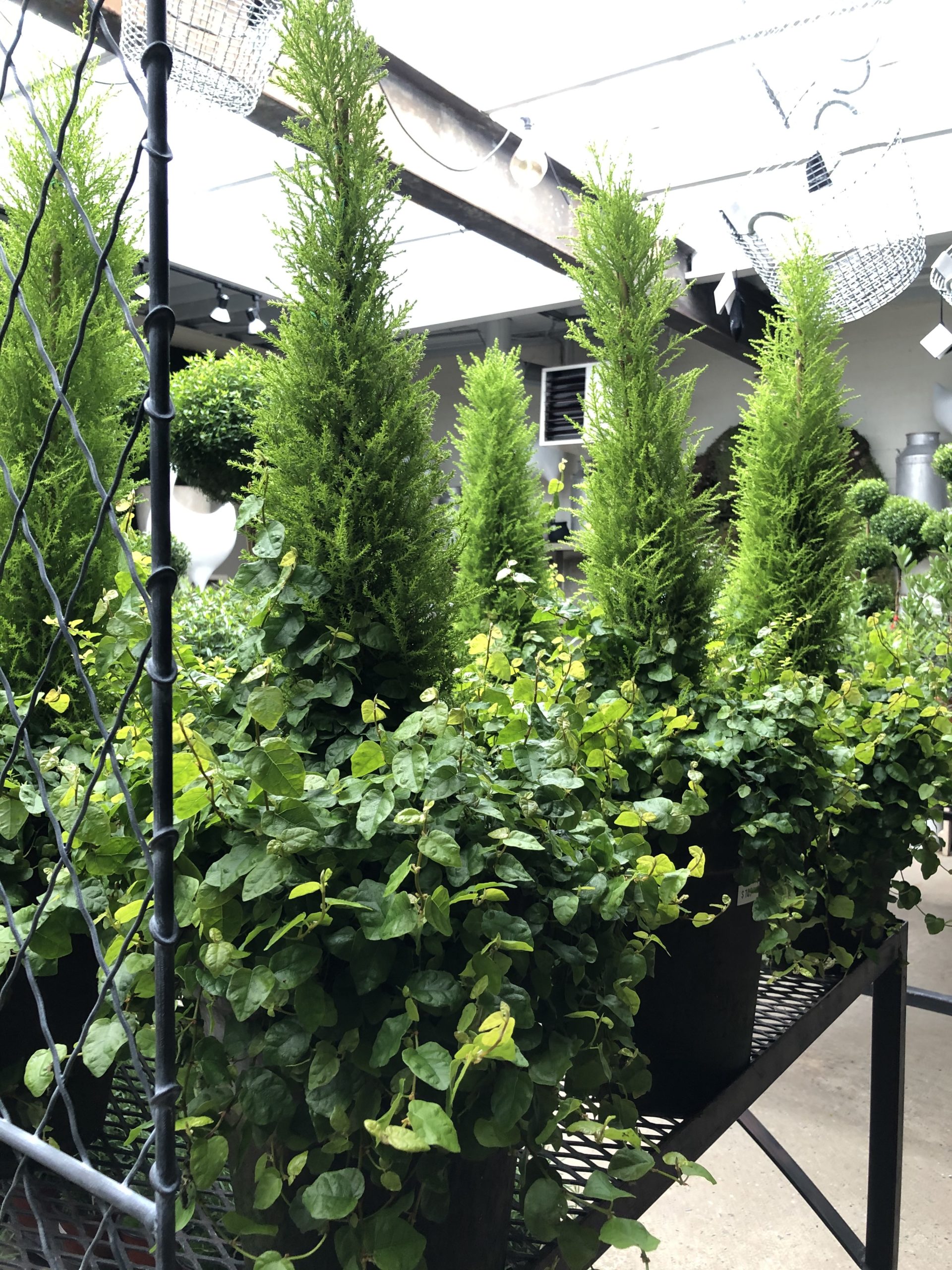 All of Rob’s topiaries are in a fairly shaggy state right now. I like this state of a topiary best of all-the anticipation of the haircut to come. I have been known to study a topiary for a week before I break out the shears. I see gardeners do this all the time. Their boxwood spheres and cones, their juniper spirals, their Christmas trees, their lantanas, their lindens and their hornbeams – the pruning is an event. Topiaries do demand regular pruning. They demand all of what you have available to give them. That is part of their charm.
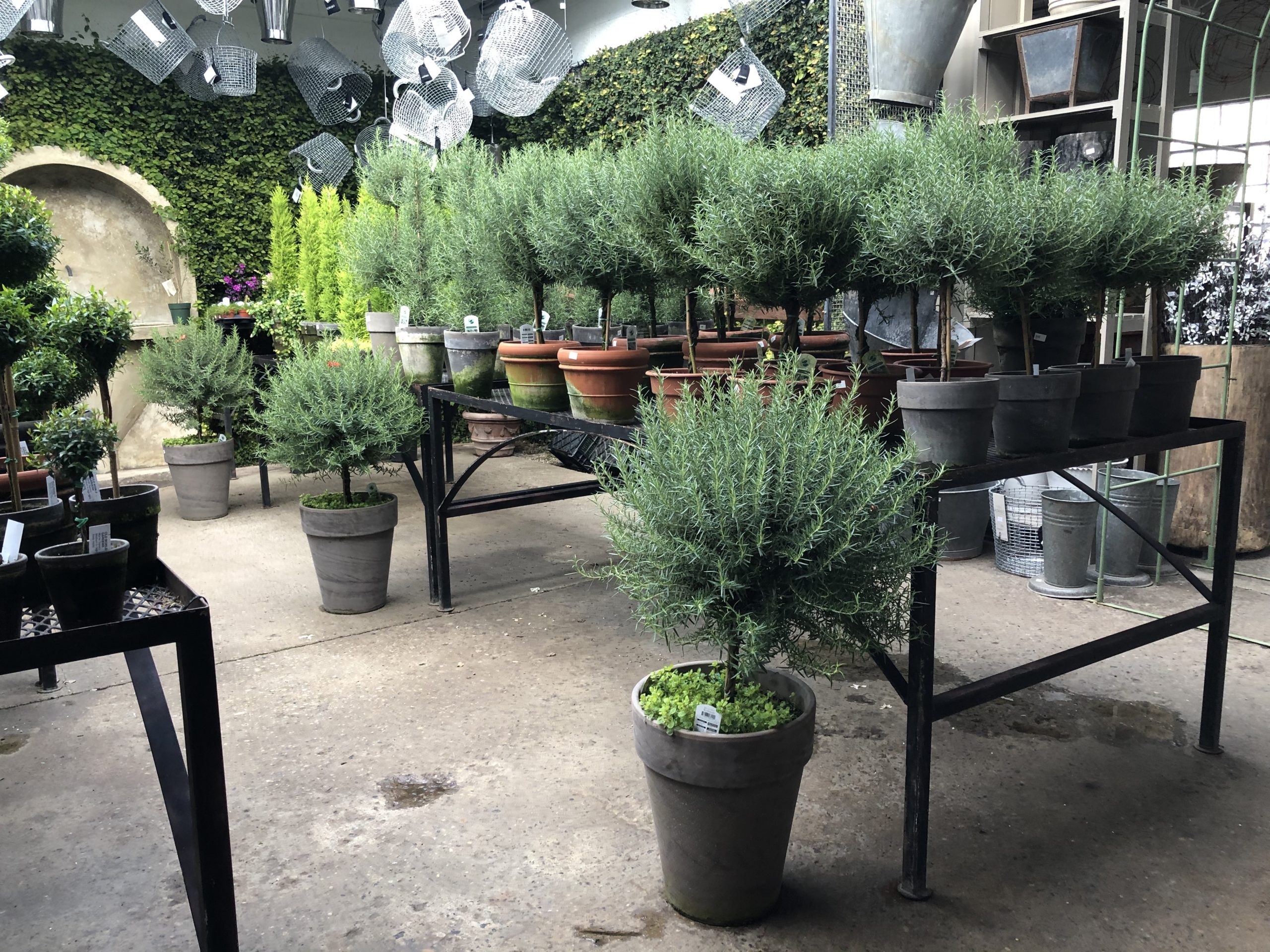 Rosemary makes for an ideal topiary. They take well to pruning. The clippings can be added to the cooking du jour. The smell of the cut stems is strong; piney and divine. The oil from the stems perfume both the hands and the shears. The fragrance of rosemary is treasured by gardeners.
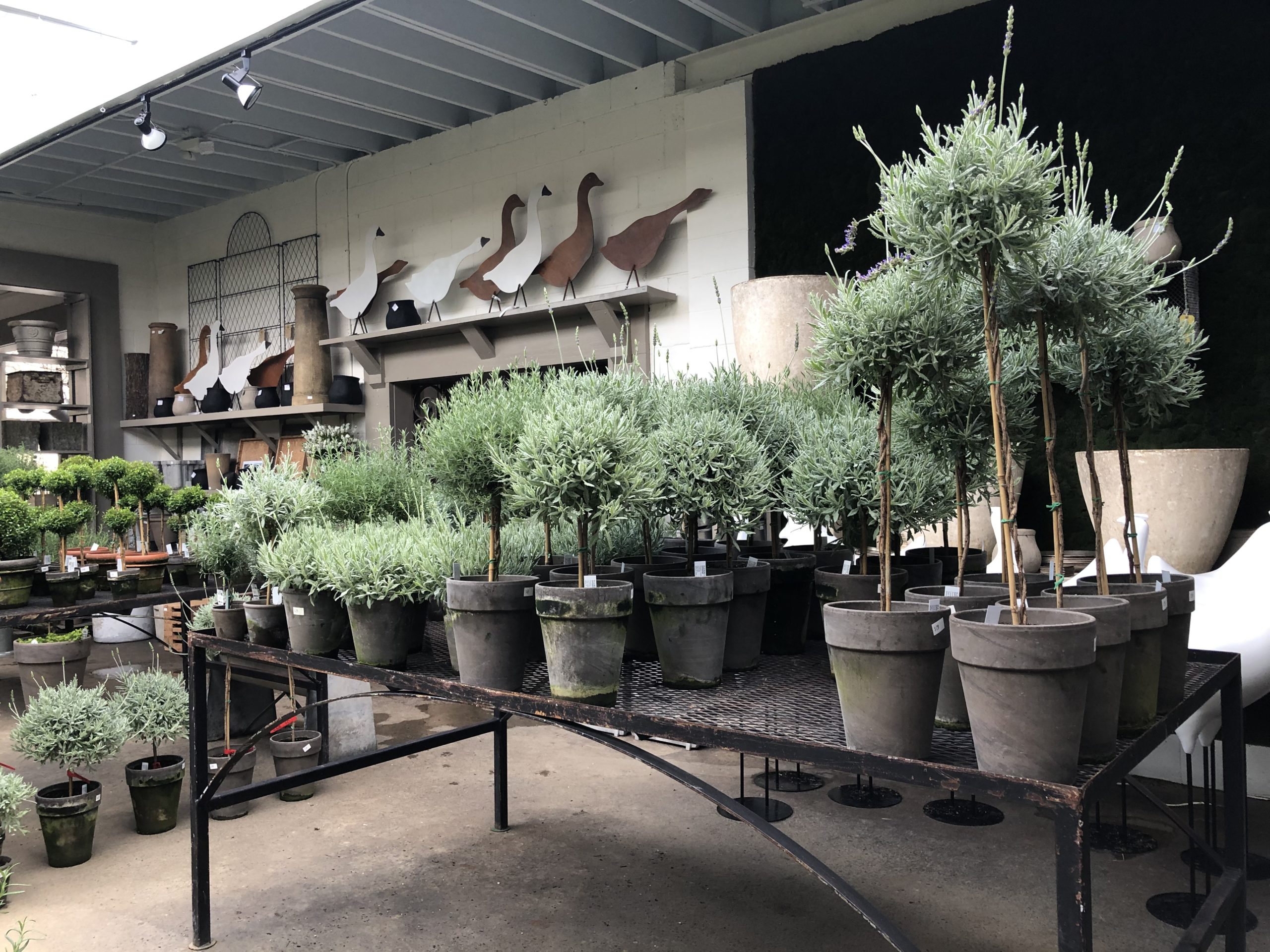 Lavender is marginally perennial in our zone, provided a long list of requirements are met. I have planted countless numbers of them, most of which perished within a few years. Lavender topiary in pots provide a way to enjoy lavender without all of the pitfalls that come with an in ground planting. Like rosemary, the cut stems perfume the air all around it. The flowers are modest in size and color, but a lavender in full bloom is glorious. A lavender topiary in full bloom is a cause for celebration. Likewise, a beautiful topiary plant. Beautifully grown and trimmed topiaries are strong evidence of the gardening hand. How I admire the work and dedication that goes in to them.
 If you haven’t yet, try one. If you do grow topiaries, bravo.