Naturally Pruned


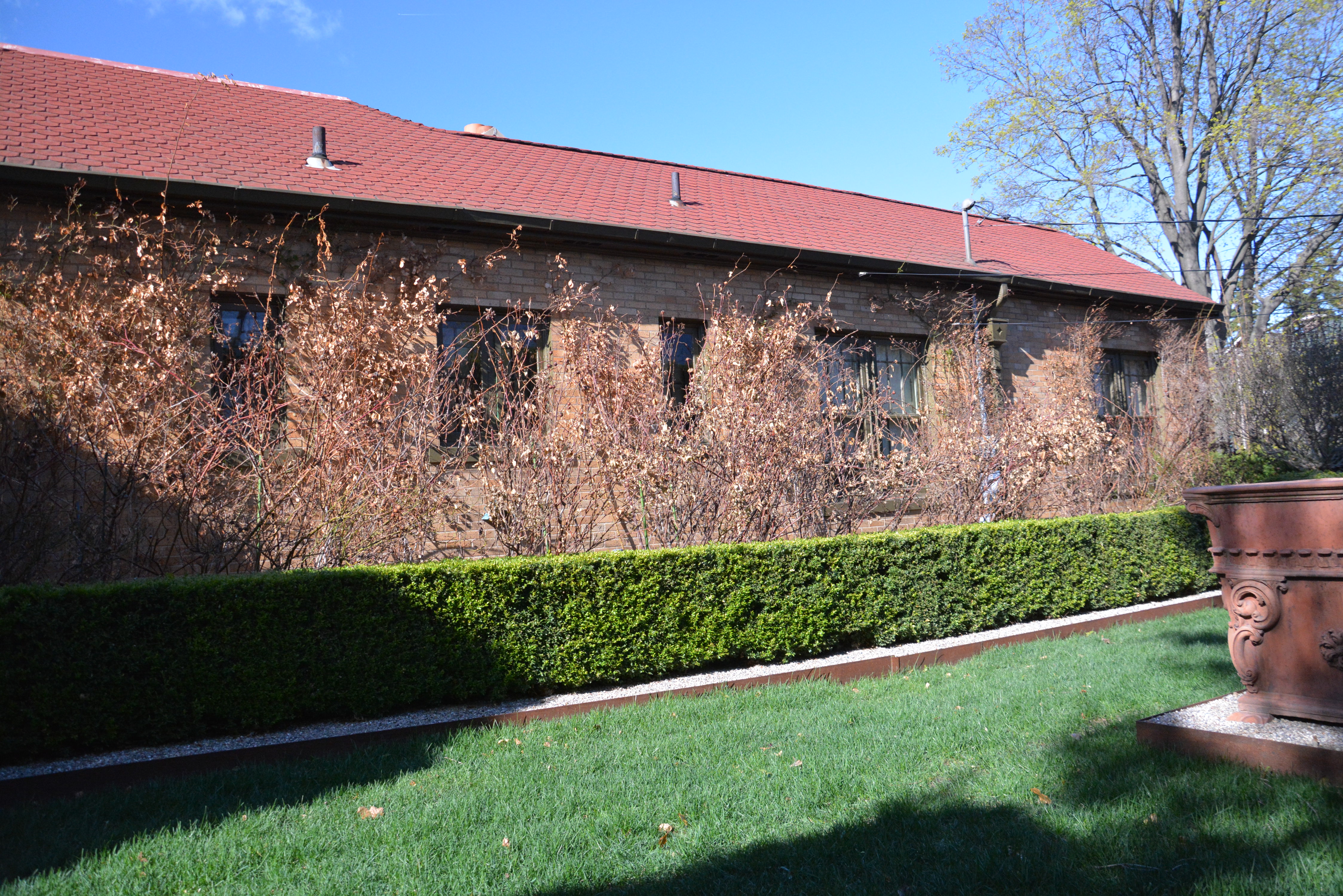
roses-in-early-May.jpgIf you live in my zone, nature has beat you to the spring pruning.  Shrubs weighed down by heavy snow loads have broken branches.  Boxwood exposed to winter winds, extreme cold and snow loads show die back to varying degrees. Any ivy that has climbed into a tree or up the side of the building in a uniform shade of tan. Some of my roses are showing a little green.  Others only show green at the base. Others have red shoots breaking from below ground.

climbing-roses.jpgNature is the source of disaster pruning.  Too cold weather.  Too windy weather.  Gale force winds knock over trees.  Too cold and too harsh winters create die back in the crowns of trees.  Too cold temperatures can wipe away years of growth, or the life of a marginal evergreen.  Nature pruning is a rude and  sweeping process with no discussion beforehand.  As I have said before, nature bats last.  Gardeners are left with the ruins.
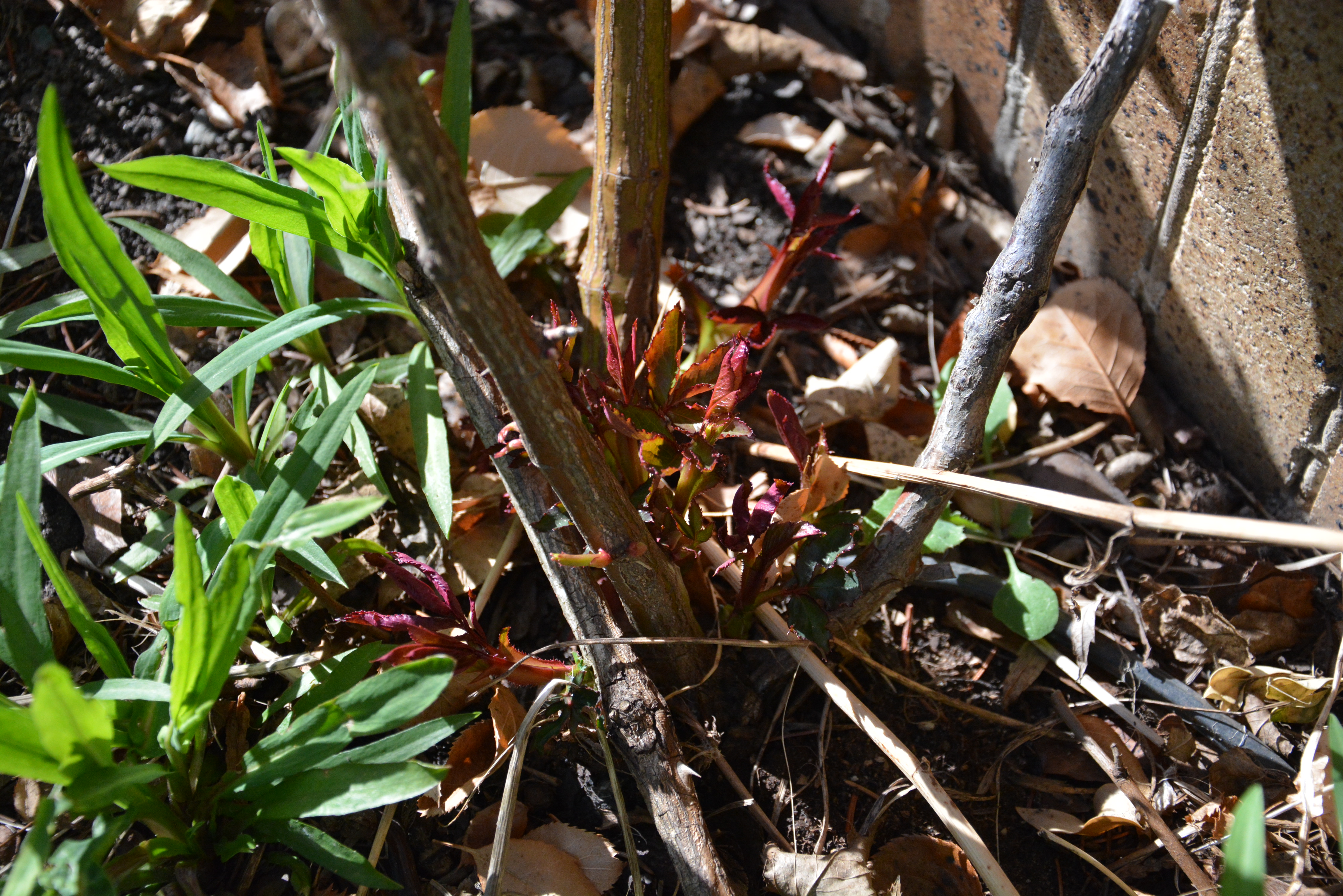
roses-sprouting.jpg

The plants play a big part in this process. If a plant is threatened, it may signal branches to die back, to insure survival. I have roses, very old roses, whose tops are lifeless.  But the activity at the base is thick-extraordinary.  Some boxwood will have die back at the tips, but be vital at the interior.  Some hollies will shed their leaves from an extreme winter, but will eventually leaf out normally. Some hydrangea hybrids that are marginally hardy will succumb to the worst winter I have ever experienced. That said,  the will to survive is the most powerful force I have ever ever experienced.
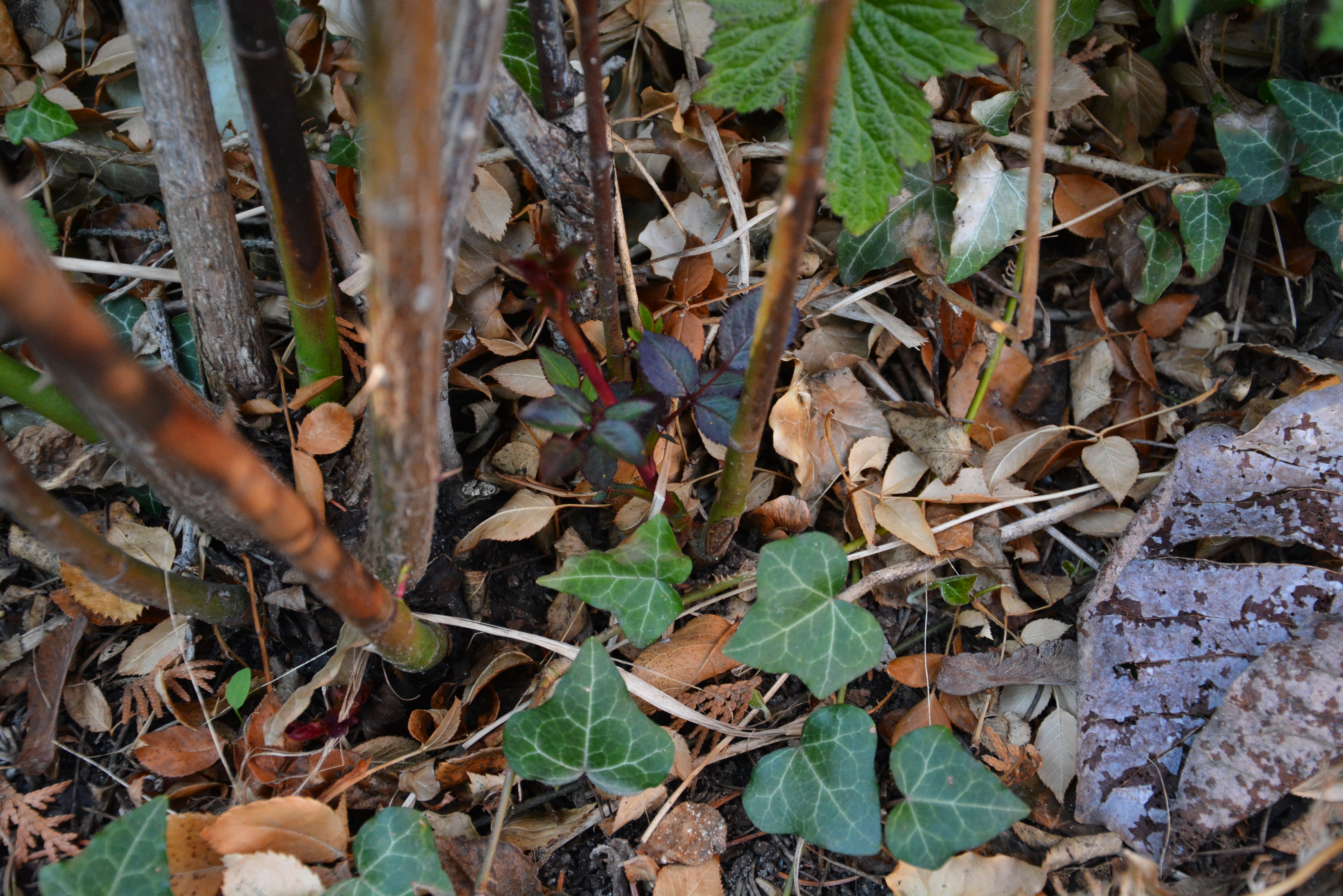
roses-in-May.jpg

The will to live enables me to work, even though I am older.  I am determined to keep designing, and keep gardening.  That will to keep gardening on is about that will to survive.  To keep right on living, in a lively way. The will to live inherent in every plant I grow makes my mistakes in their placement or care no more damaging than a mistake.  Plants can survive the most difficult siting, the worst drainage, less than perfect light, a terrible winter, an attack from Japanese beetles, a blow from a lightening strike-and still soldier on.  My landscape endures without complaint my bad moves, or lack of understanding.
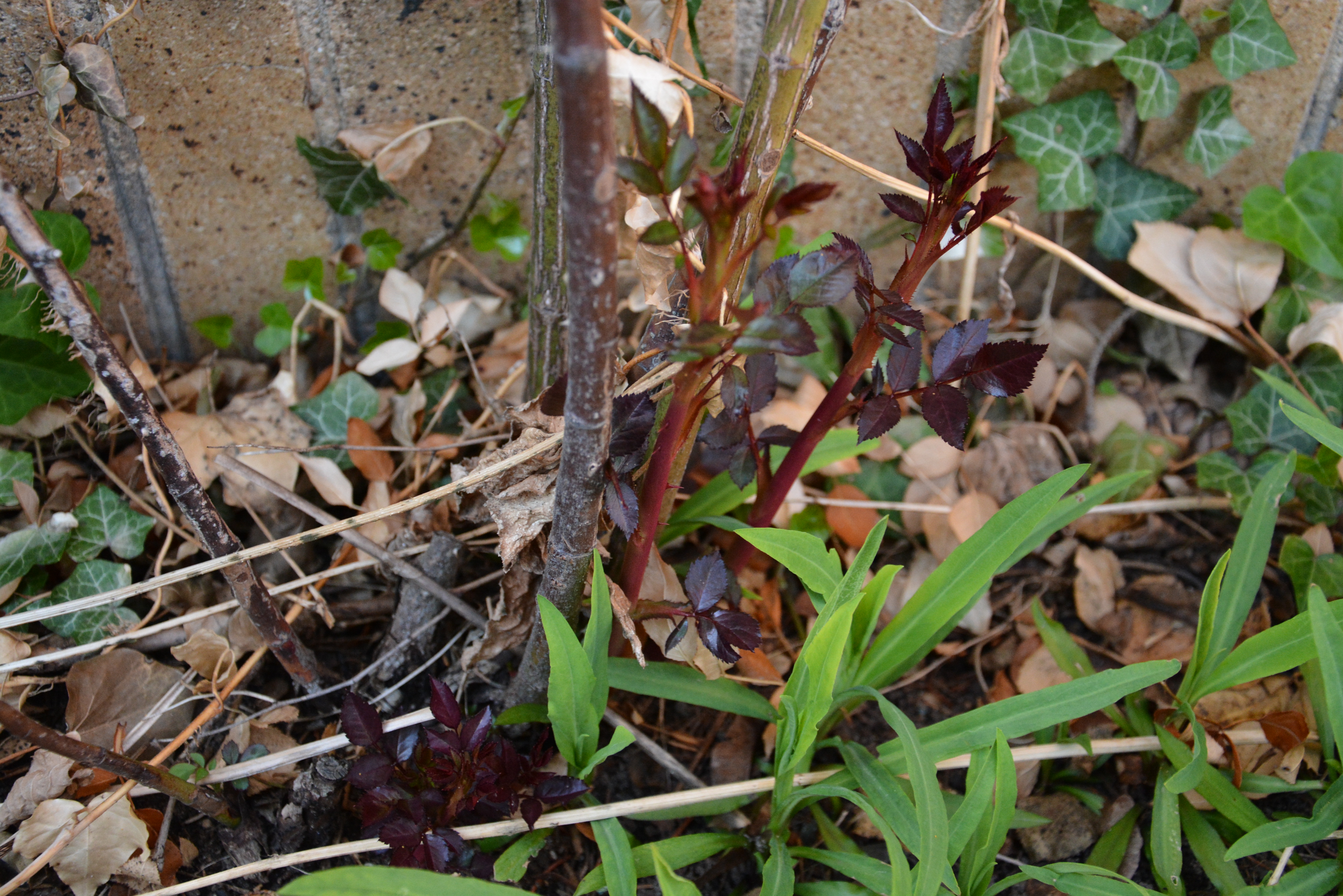
the-rose-garden.jpgPeople do the same. They soldier on, in spite of personal issues that prune them to the quick. All of us living beings come with an extraordinary will to live, standard issue.  We reinvent a landscape.  We rebuild a garden.  We re imagine a space.  We  make a new melody, or tune up.  We take a winter pruning to the next level.  We replace and replant.  None of this is news to you.
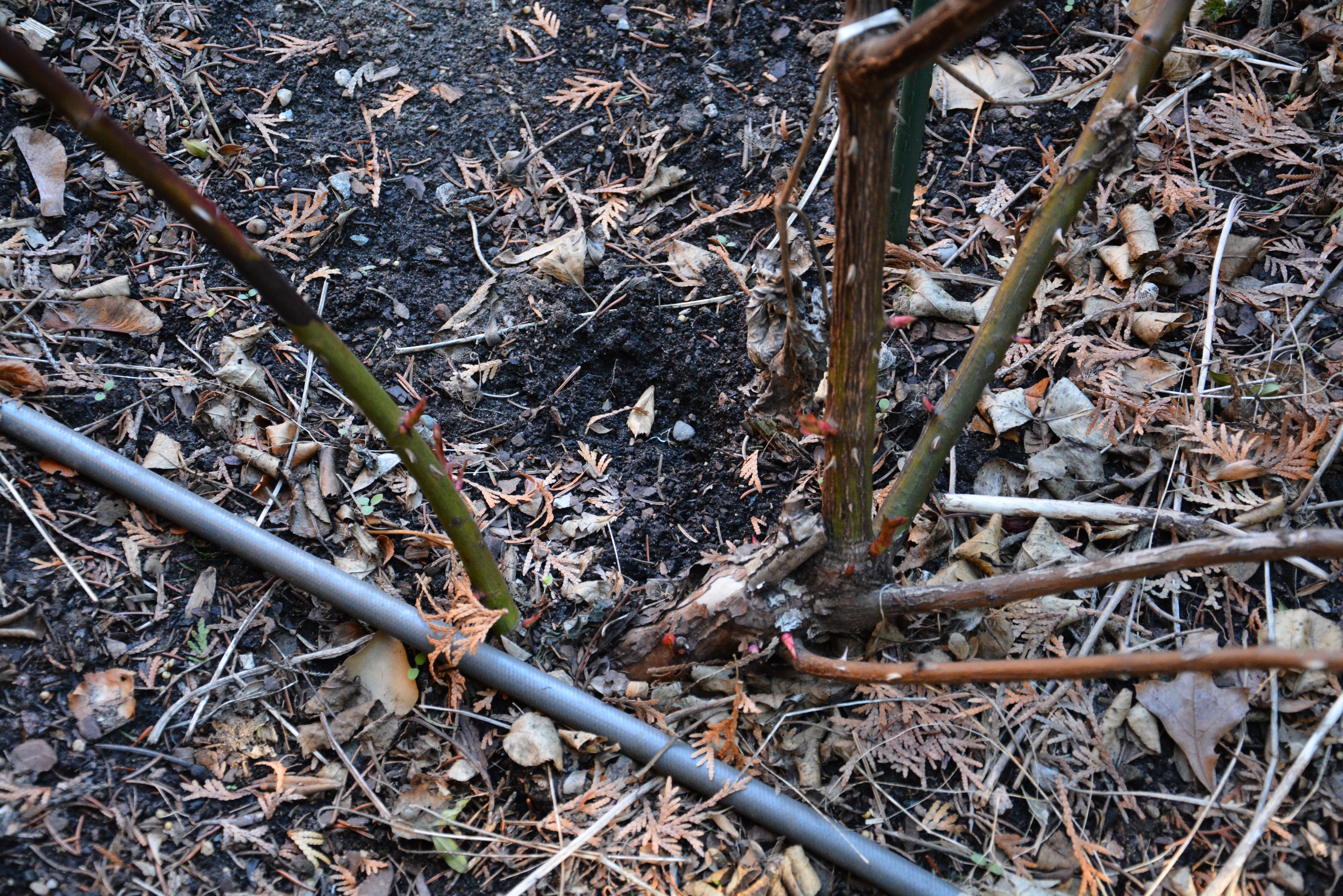
rose-sally-holmes.jpgNature saw fit to prune my roses for me.  How gracious of her! It will take some time for them to grow out of the winter damage, but I think it is better to prune back rather than replace.  There is a big root system underground that is probably just fine.  Every day I get a better picture of what will survive, and what will not. And though we have one 80 degree day forecast for this week, we could still have a bout of very cold weather.  Pruning is a call to action, a signal to grow. New growth is especially susceptible to damage from cold temperatures.
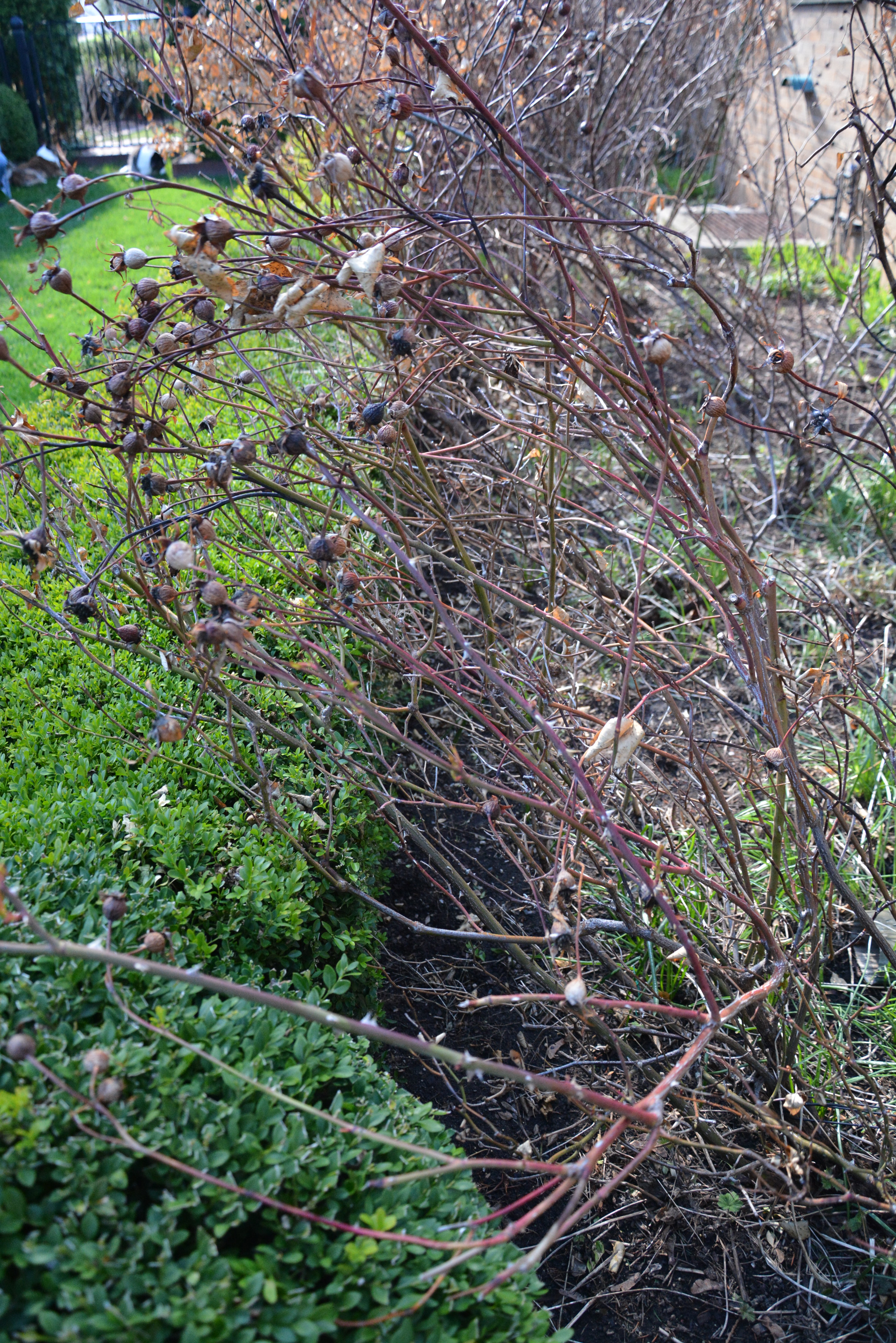
roses-gone-over.jpgMy Carefree Beauty roses survived the winter without incident.  But the incredible weight of snow better than four feet took them over-onto my boxwood hedge. Pruning back the dead branches to an outfacing bud will not solve this problem.  How will I address the misfortune visited from one plant onto another?  Ask me tomorrow.  I do not have an answer today.
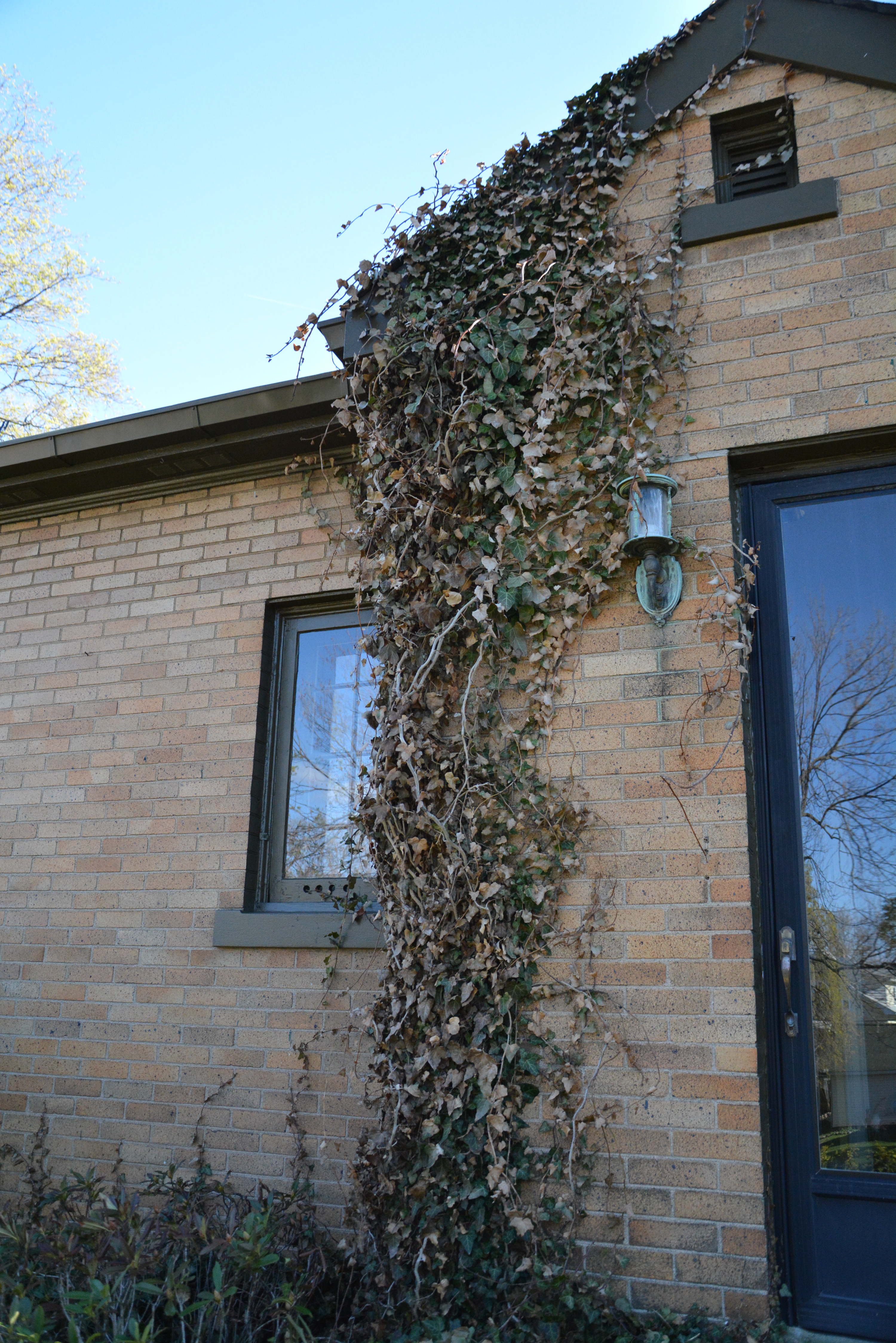
baltic-ivy.jpgI have seen lots of climbing baltic ivy representing that deadly shade of brown.  This picture is from my garden.  Should I have to prune these vines back to the ground, I will.  Lots of plants whose tops cannot handle a vicious winter are still alive at the root. Be sure the stems are dead, before you prune. If the stems scratch green, live with the unsightly mess long enough to see what will re-leaf, and what is lost.
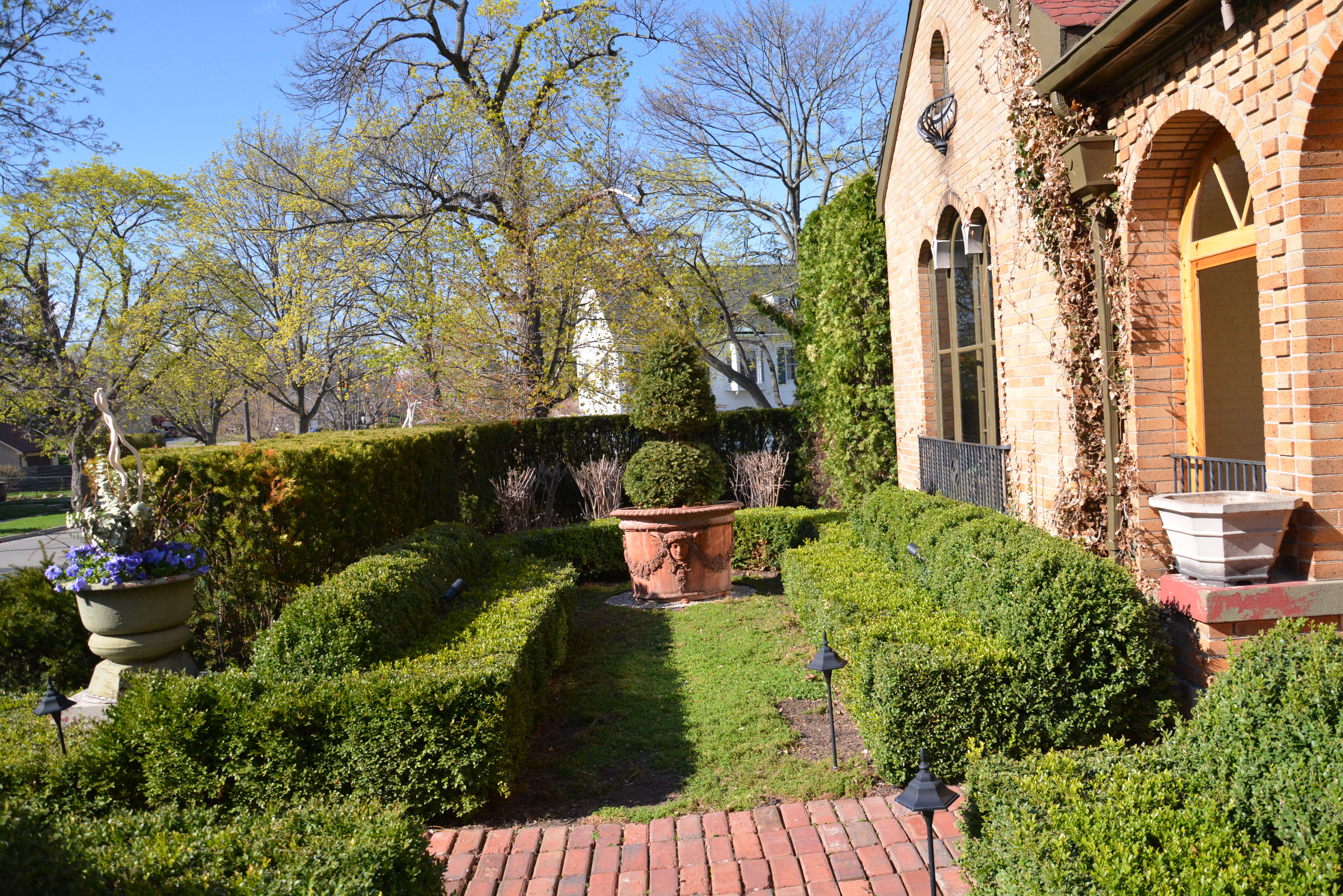
early-May-garden.jpgOur spring is so cold, I am still wearing my winter gear.  But it my intention to stay in the game, whatever it takes.Watching the maple trees leaf out, the daffodils blooming, the hellebores coming on, the delphiniums a foot tall, the magnolia stellata blooming, the grass greening, the grape hyacinths coming in to bloom-spring is here.  Every spring has its particular aura.  This spring is very much about that miracle which is the will to live.
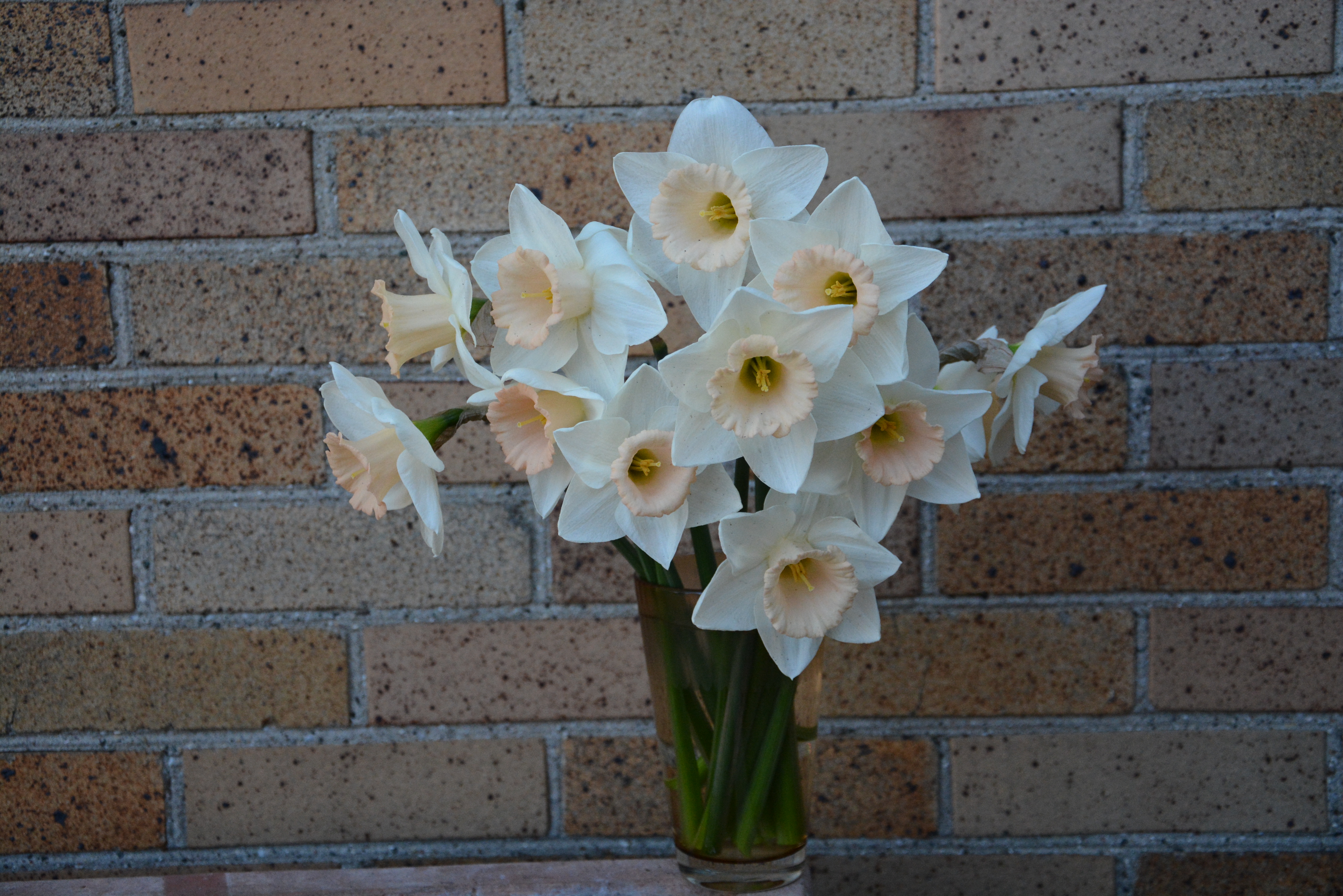
white-daffodils.jpgI cut a bouquet of daffodils from our garden for Buck.  He is not a gardener, but he did like this vase of flowers I put in the kitchen window for him.  The cups are a miraculous shade of pale peachy pink. What has survived and is doing well in the garden helps to provide a little balance in a spring sometimes upside down.
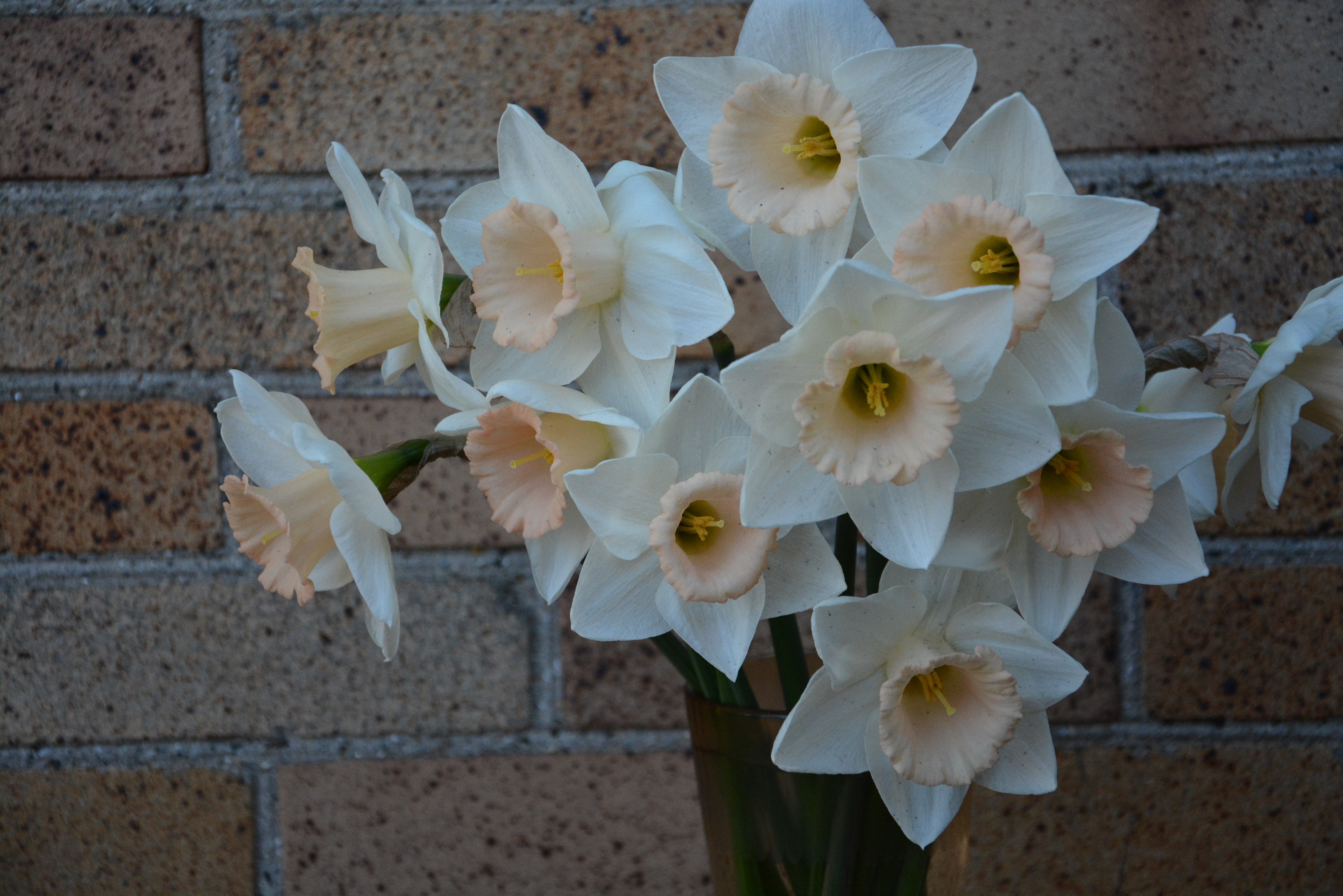
daffodils.jpgBeautiful, aren’t they?
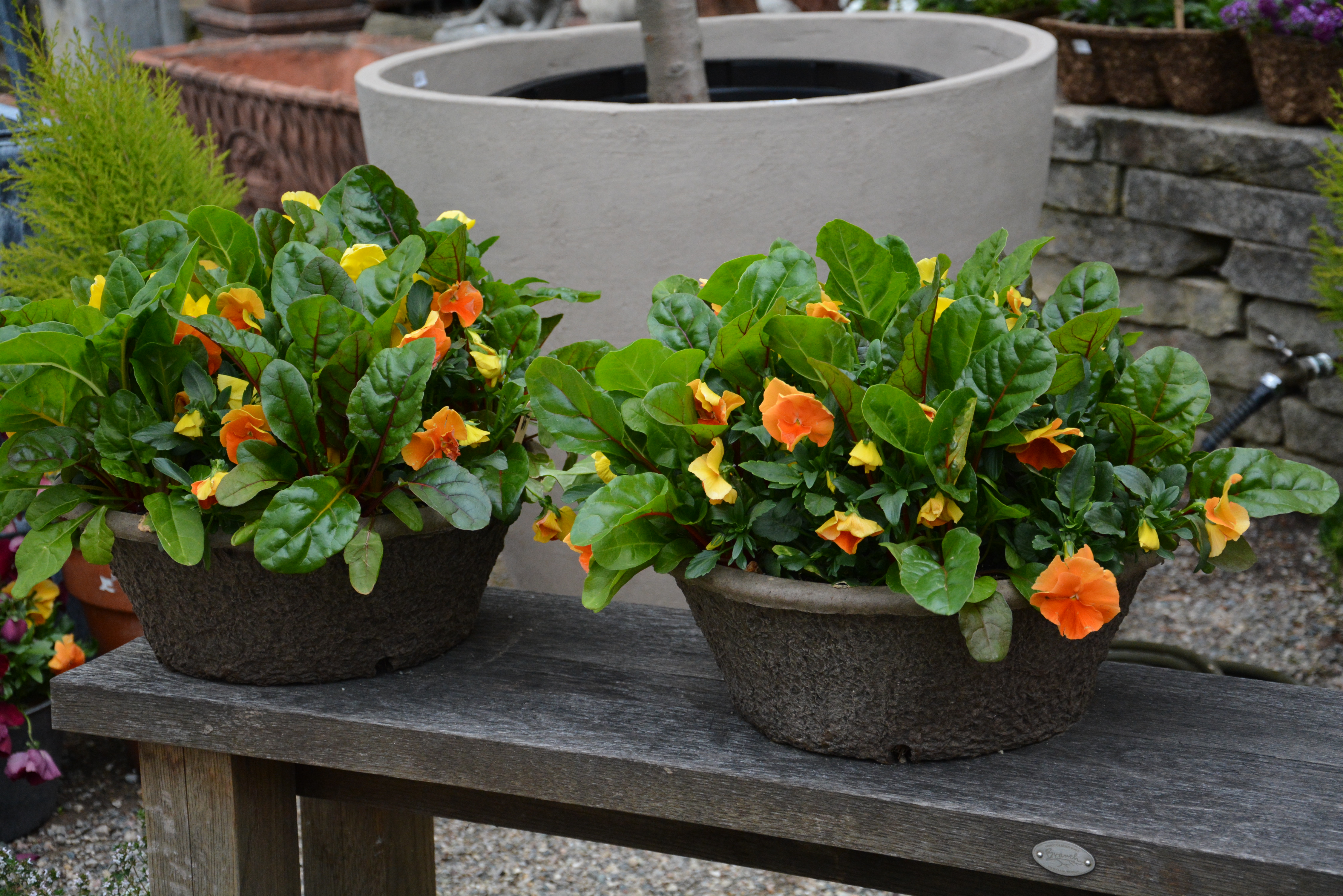
At A Glance: Lots Of Spring Pots

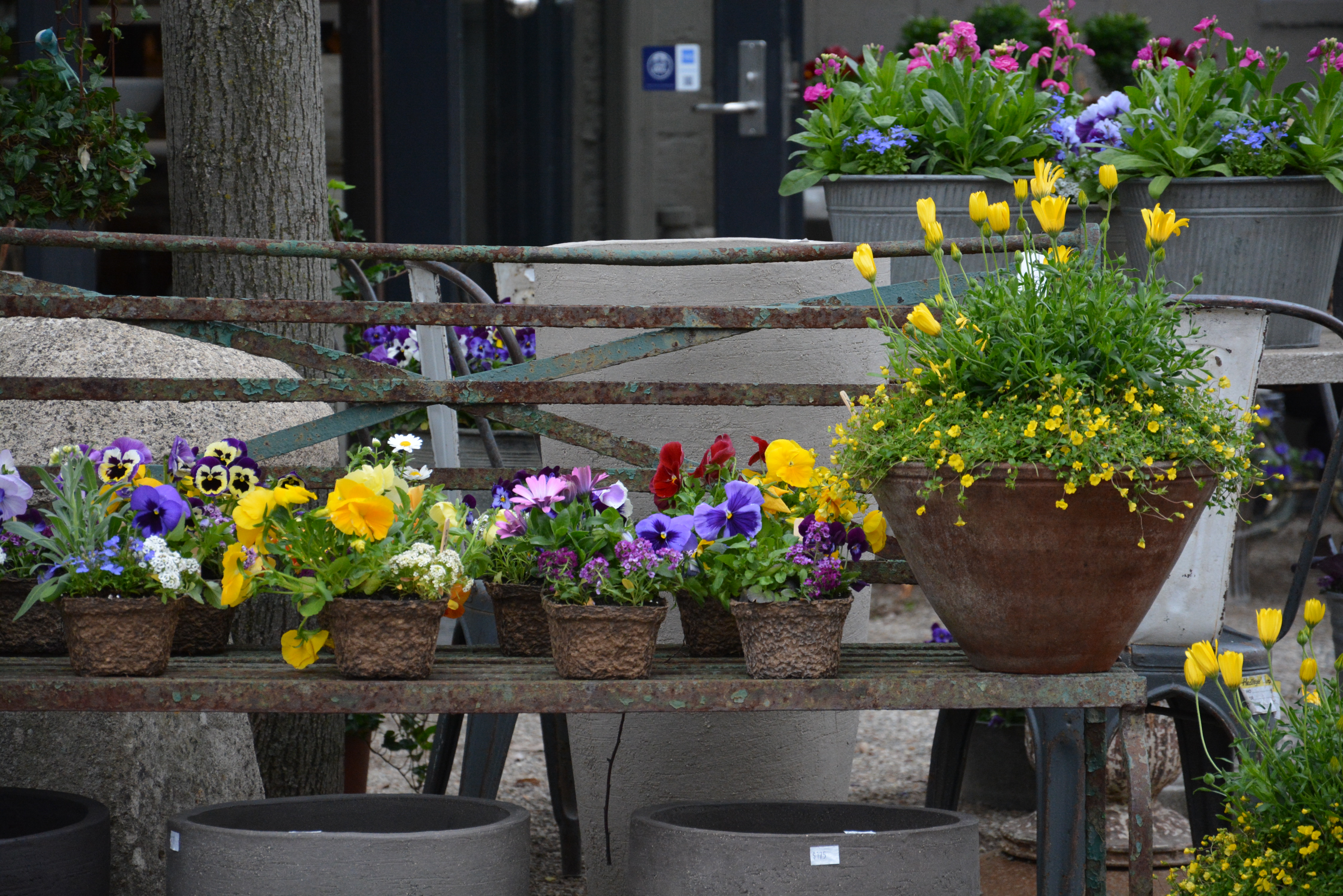
spring-pots-2014.jpgTo follow are too many pictures of the spring pots we have planted up at the shop.  But too many pictures of plants growing and blooming is just what I need right now.  On this 18 foot antique Scottish railway bench, a collection of little mixed spring pots.  Ever since the day years ago that I had a 14 year old boy put a ten dollar bill in my hand, and ask me what I would recommend for his gardening Mom for Mother’s Day, I make sure I have an answer.

spring-pots.jpgThe loss of the section of boxwood in front of the store is a loss I cannot really explain.  Those plants had their roots entwined with a vision for a garden shop imagined 19 years ago. I would have been happy to have those plants there, always.  But always is not an adjective one can routinely pair with the work and unexpected trouble that it is to sustain a landscape.  Sometimes changes must be made.  Though the end of this winter is not what I would have chosen, I have plenty of options to express the beginning of a new gardening season that are charged with life, vigor, and color.

spring-pots.jpgA container planted for spring is all about a new season.  Fresh ideas that grow out of old ones.  A splash of color so welcome after an interminable winter. Spring is a season which is different every year.  Ours so far is wet and cold.  But these container plants revel in those transitory conditions.  I admire their verve and robust habits.  Bring on the spring plants.

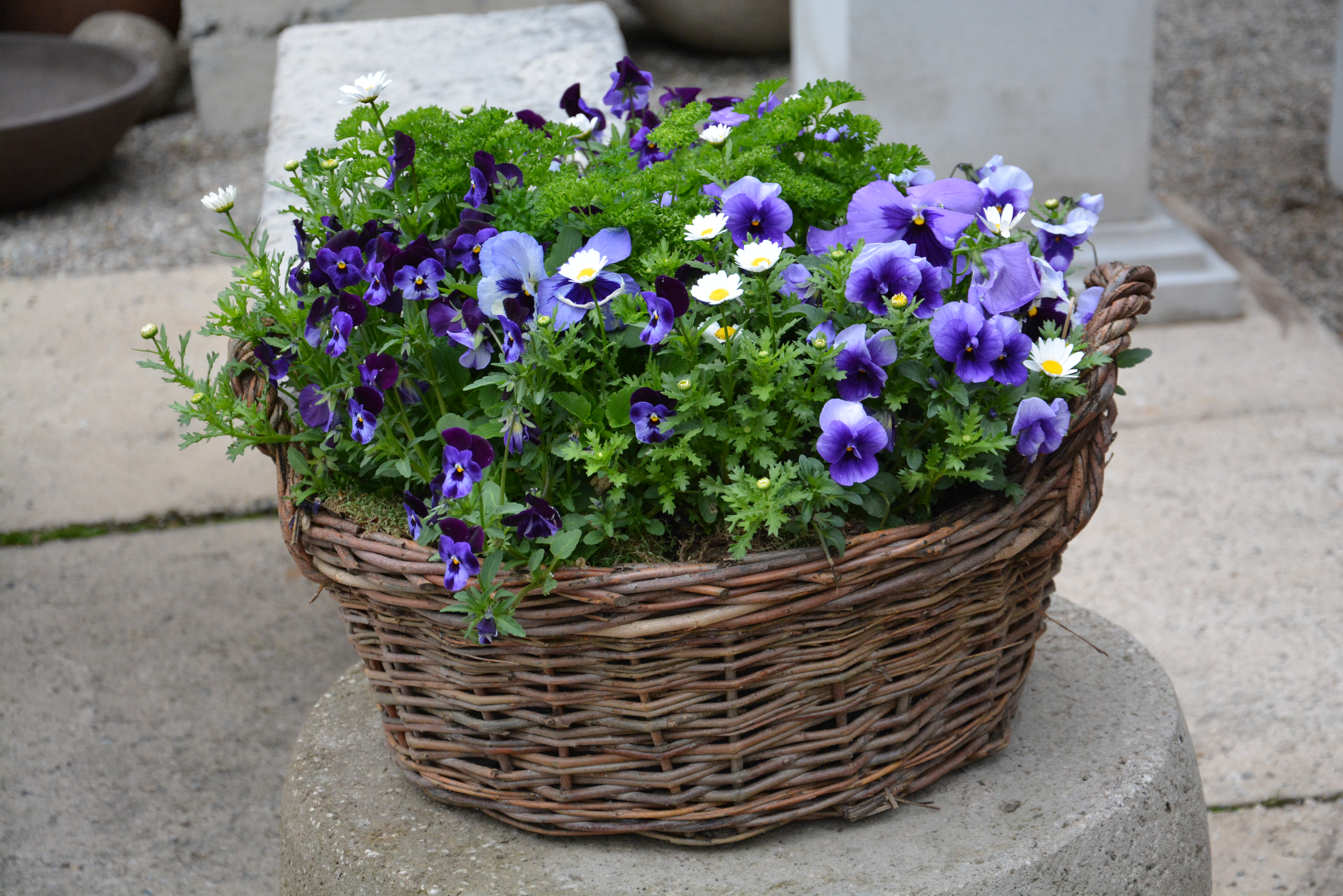
spring-pots.jpgParsley, dwarf marguerites, pansies and violas

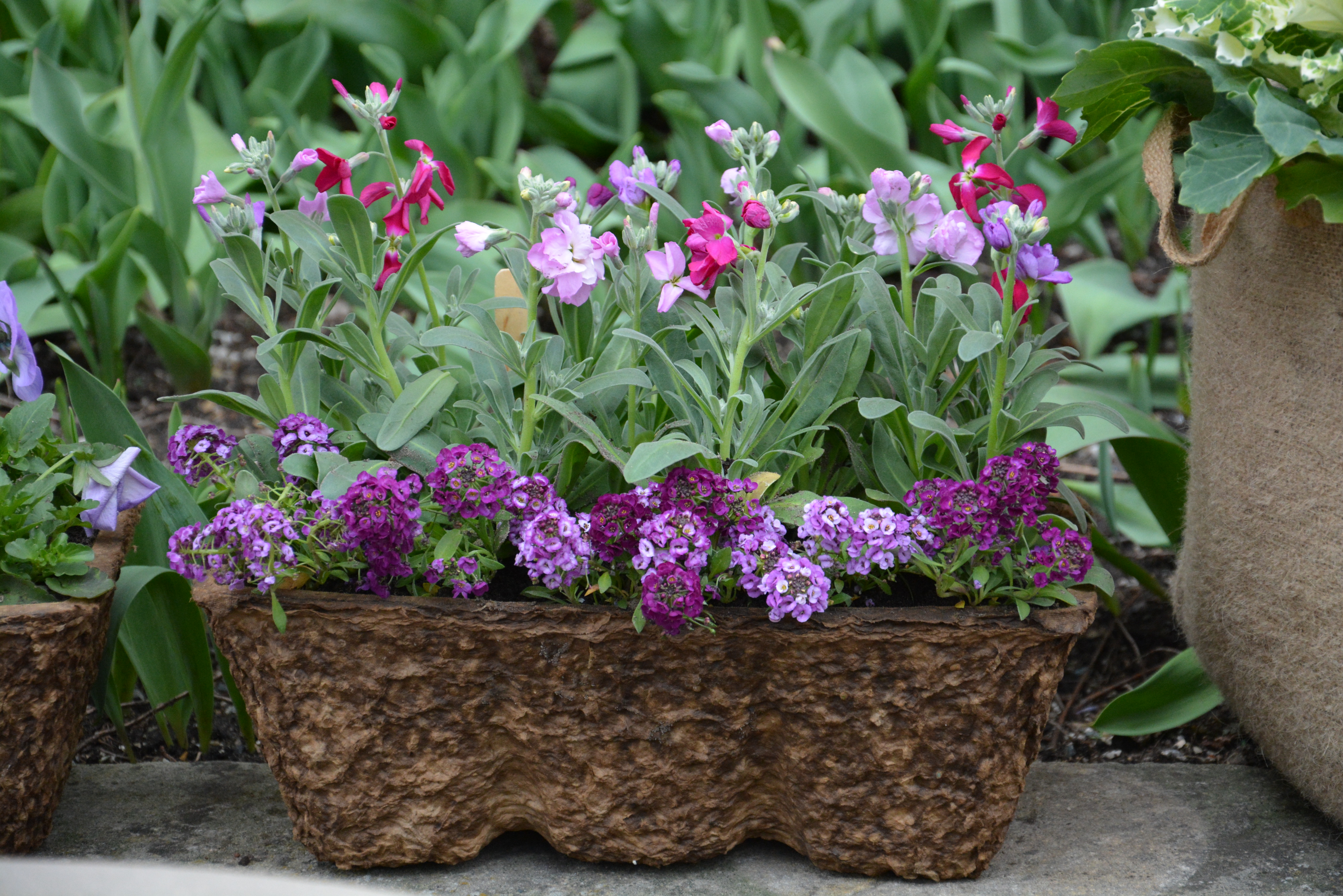
spring-pots.jpgStock, lobelia, alyssum and pansies

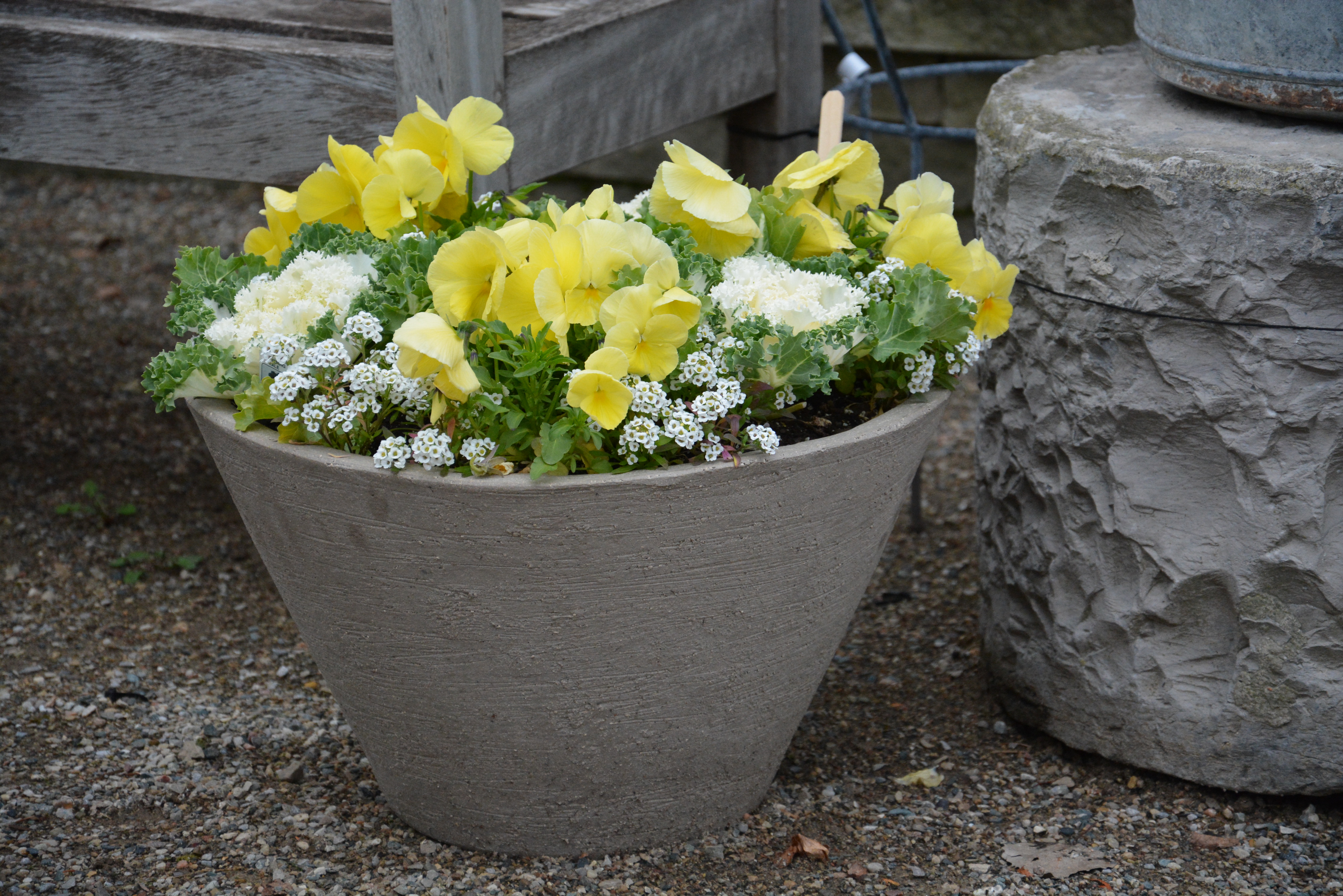
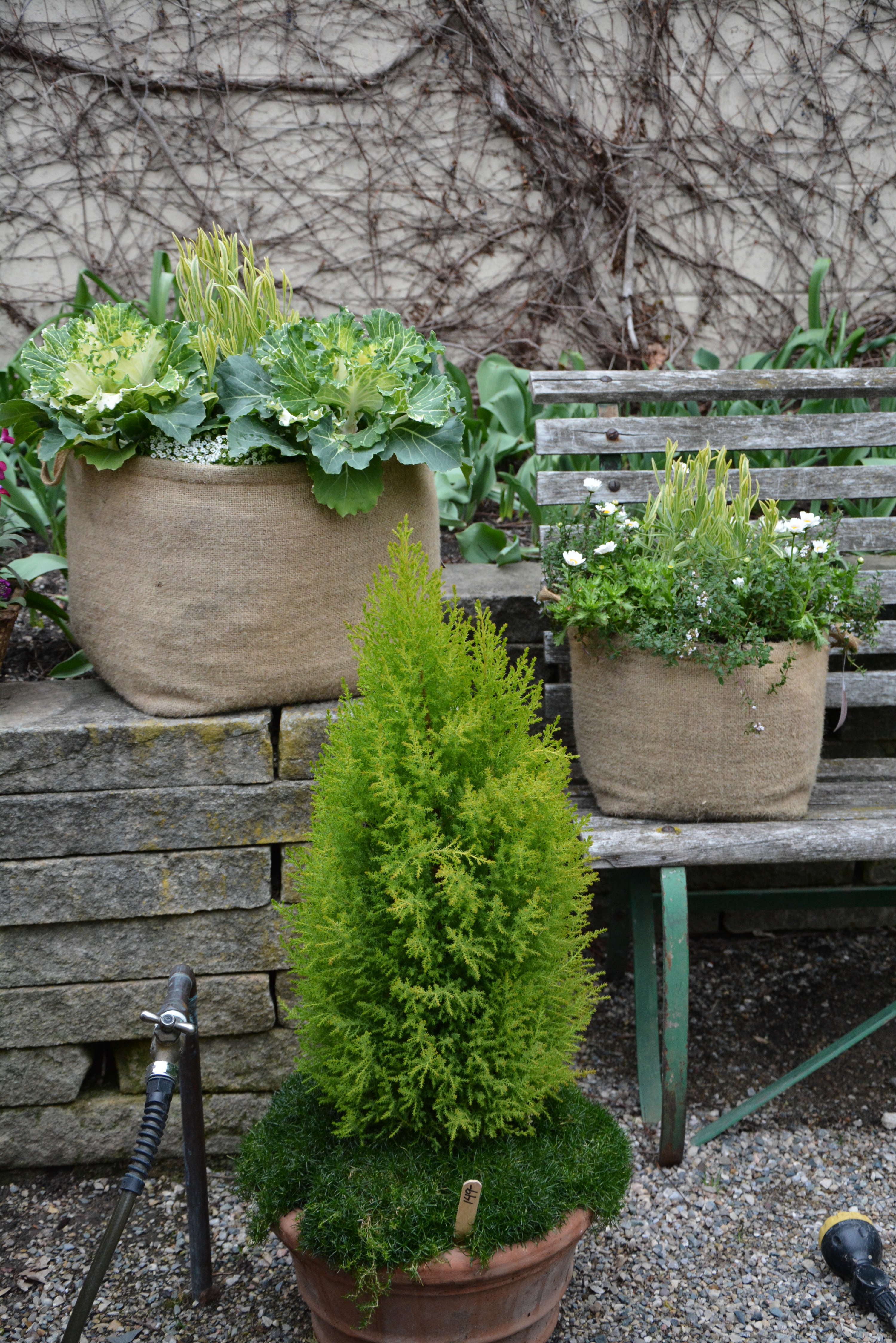
Spring-pots.jpgLemon cypress, white cabbage, variegated lavender, green sagina, white alyssum and dwarf marguerites

little-spring-pots.jpgLittle spring container plantings in fiber pots

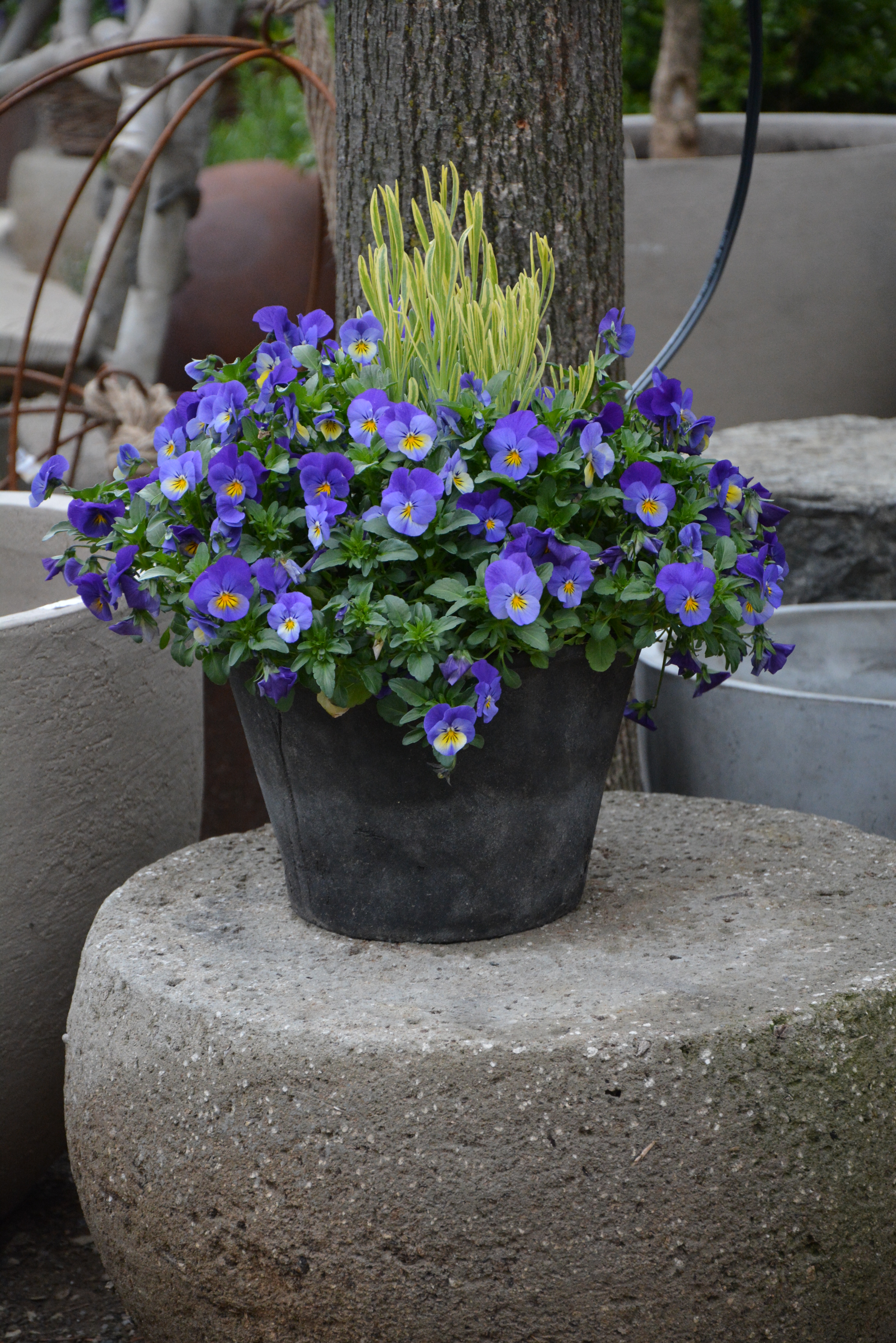
spring-pots.jpgvariegated lavender and violas

spring-pots.jpgspring vegetables in containers

pansy-pots.jpgpair of pansy and viola pots

lettuce-in-rows.jpgbasalt tray planted with lettuce and citron alyssum

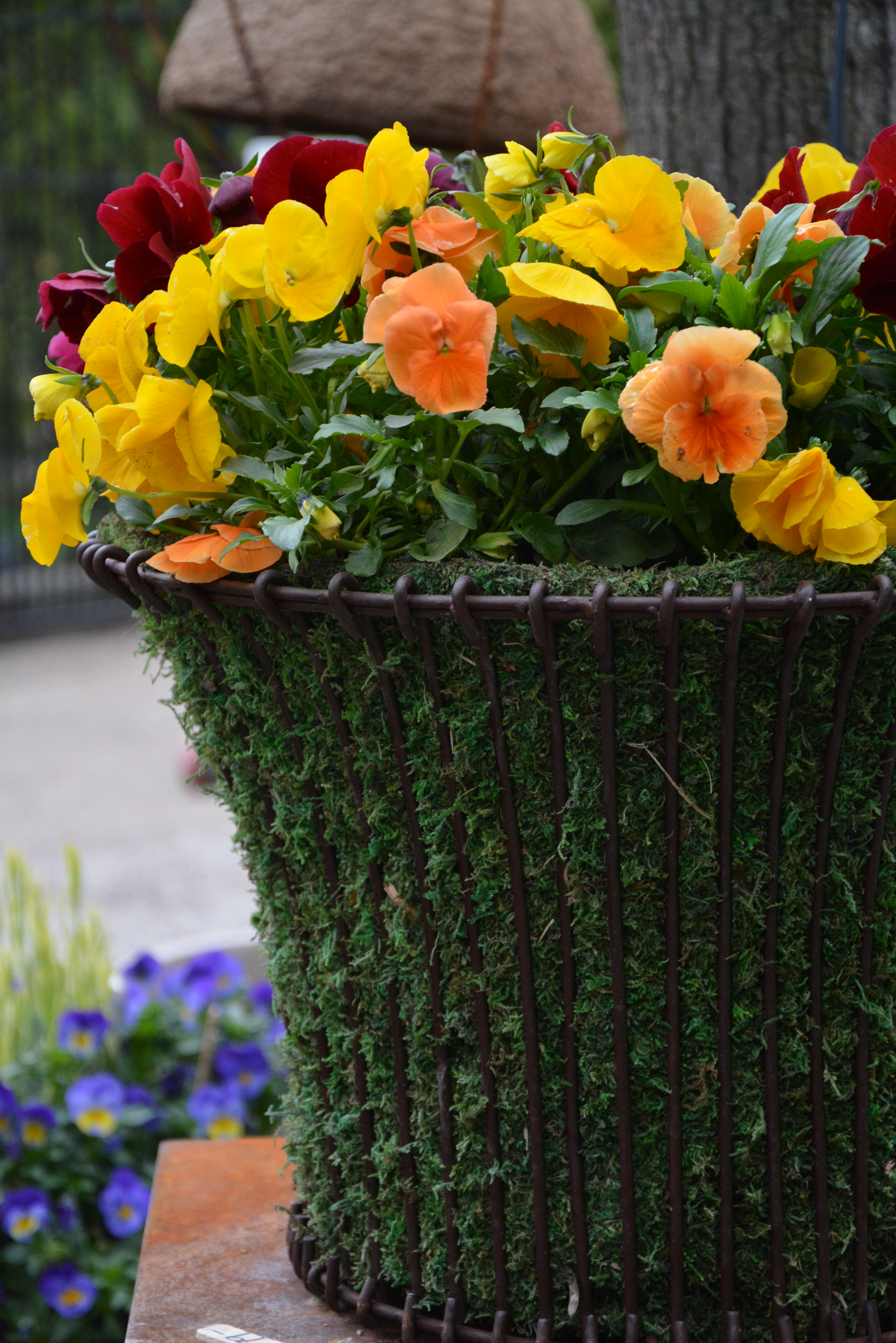
pansy-pot.jpgred, yellow and orange pansies in a mossed basket

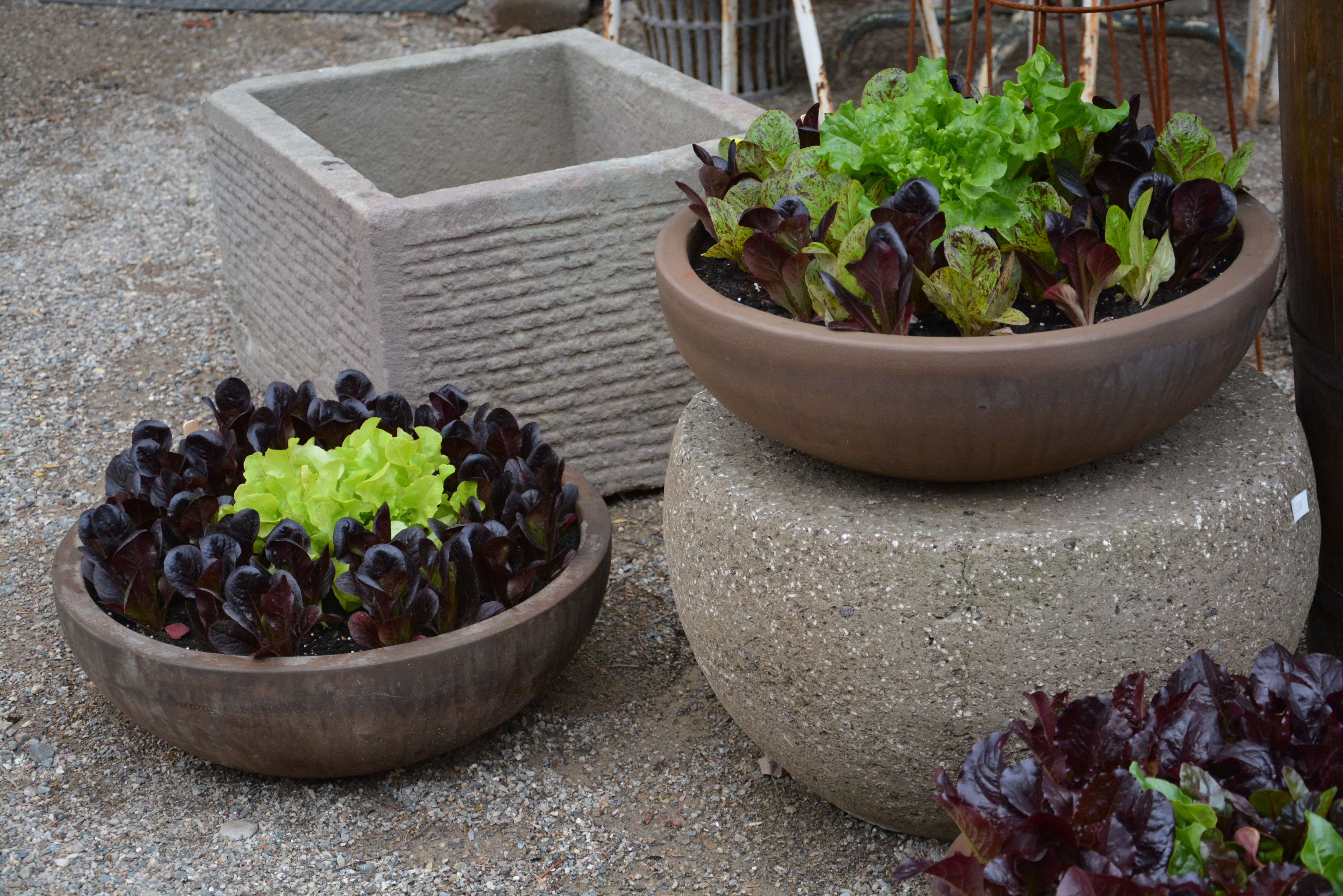
lettuce-pots.jpglettuce bowls

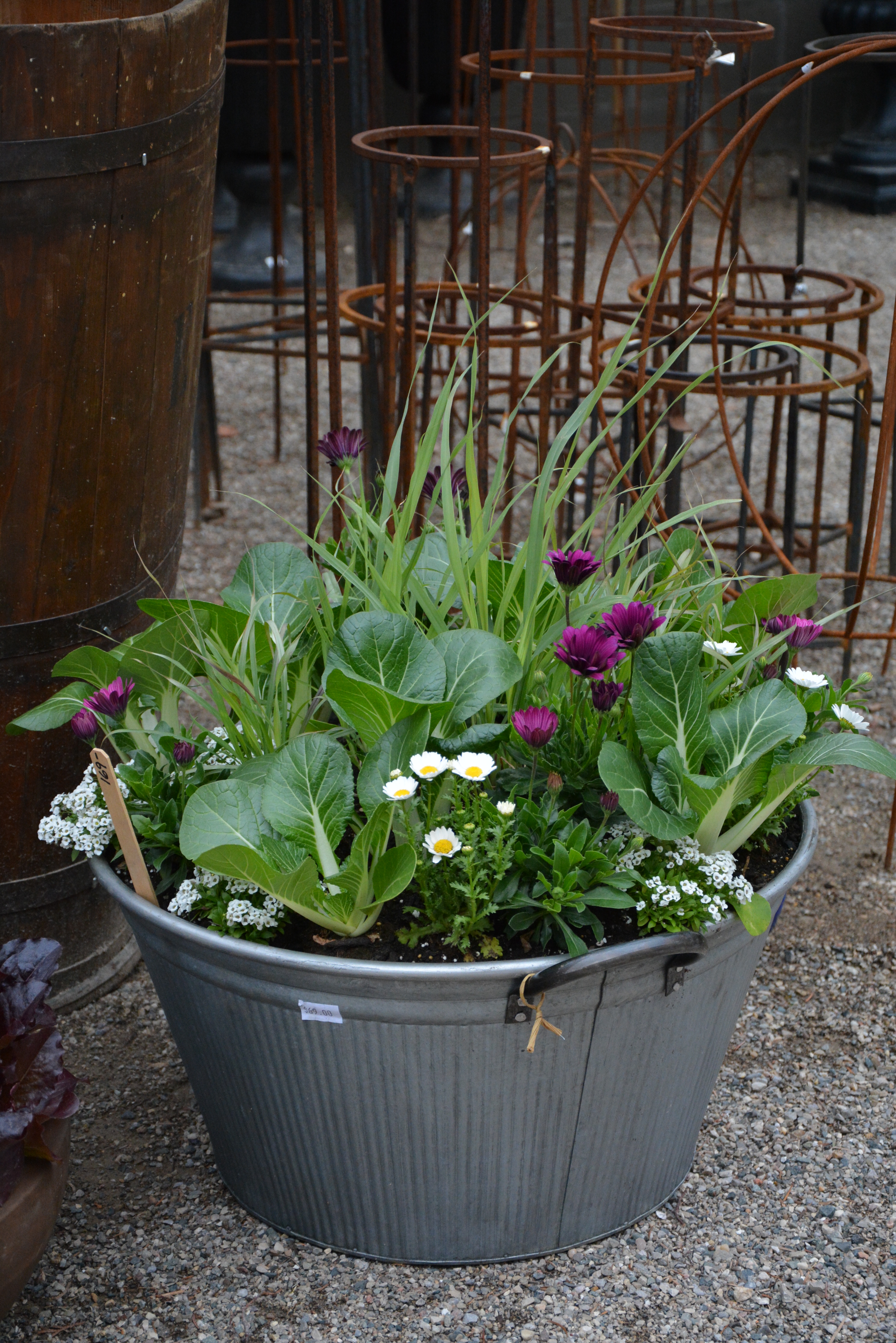
galvanized-pot-with-chard.jpglemon grass, chard, osteospermum, alyssum, and dwarf marguerites

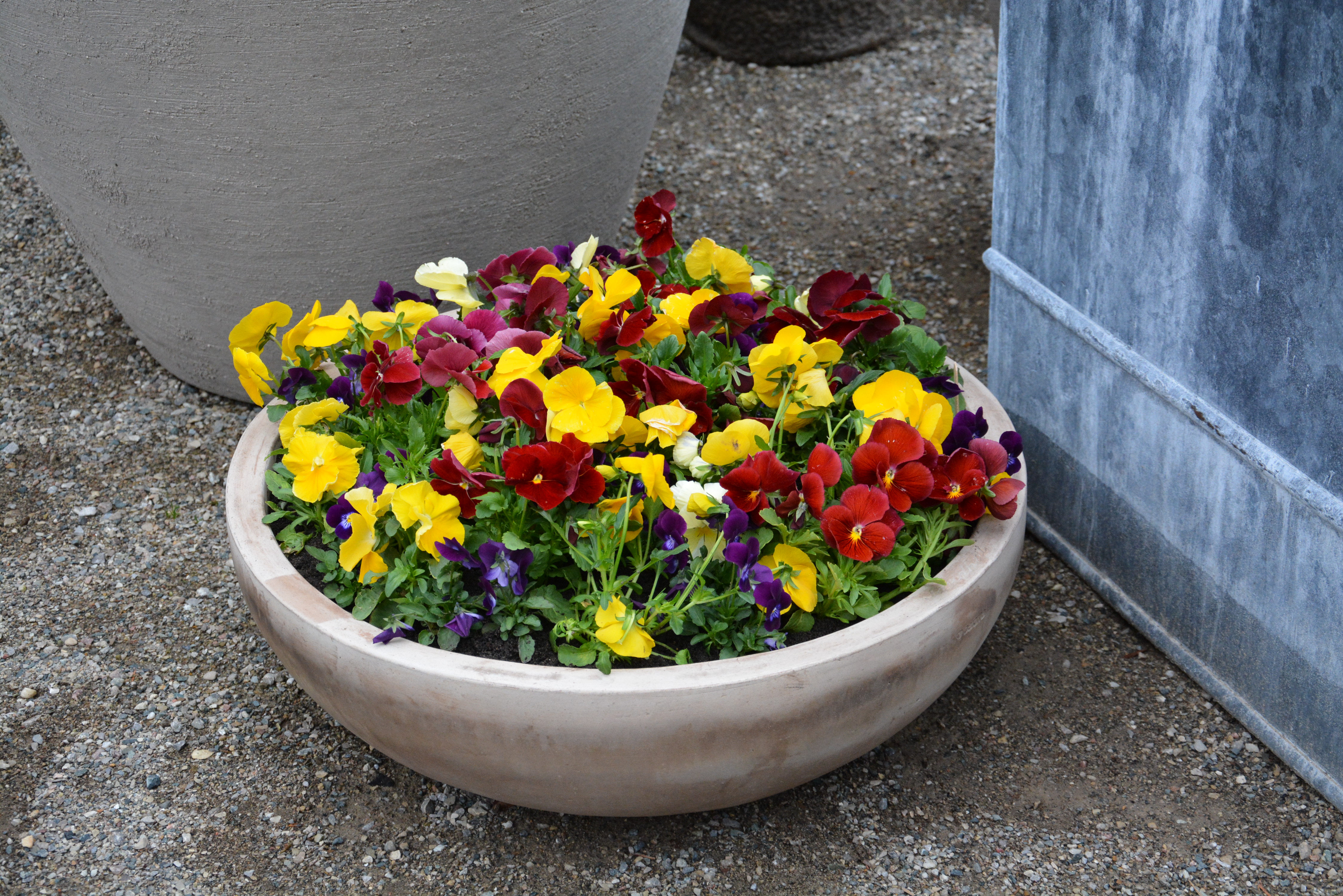
red-and-yellow-for-spring.jpgpansies and violas in jewel tones

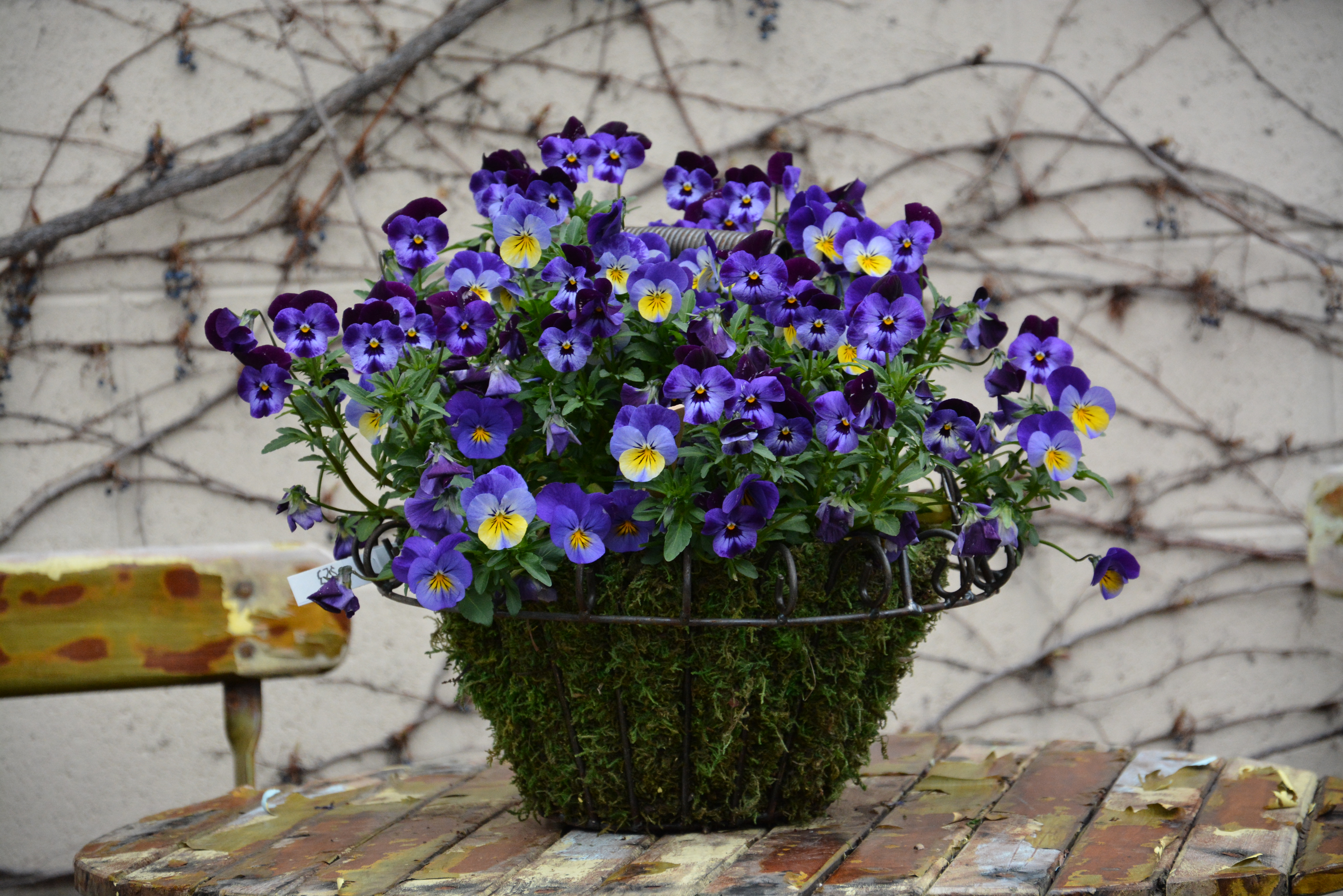
moss-basket.jpgwire basket full of violas

chard-pots.jpgchard and orange pansies in fiber bulb pans

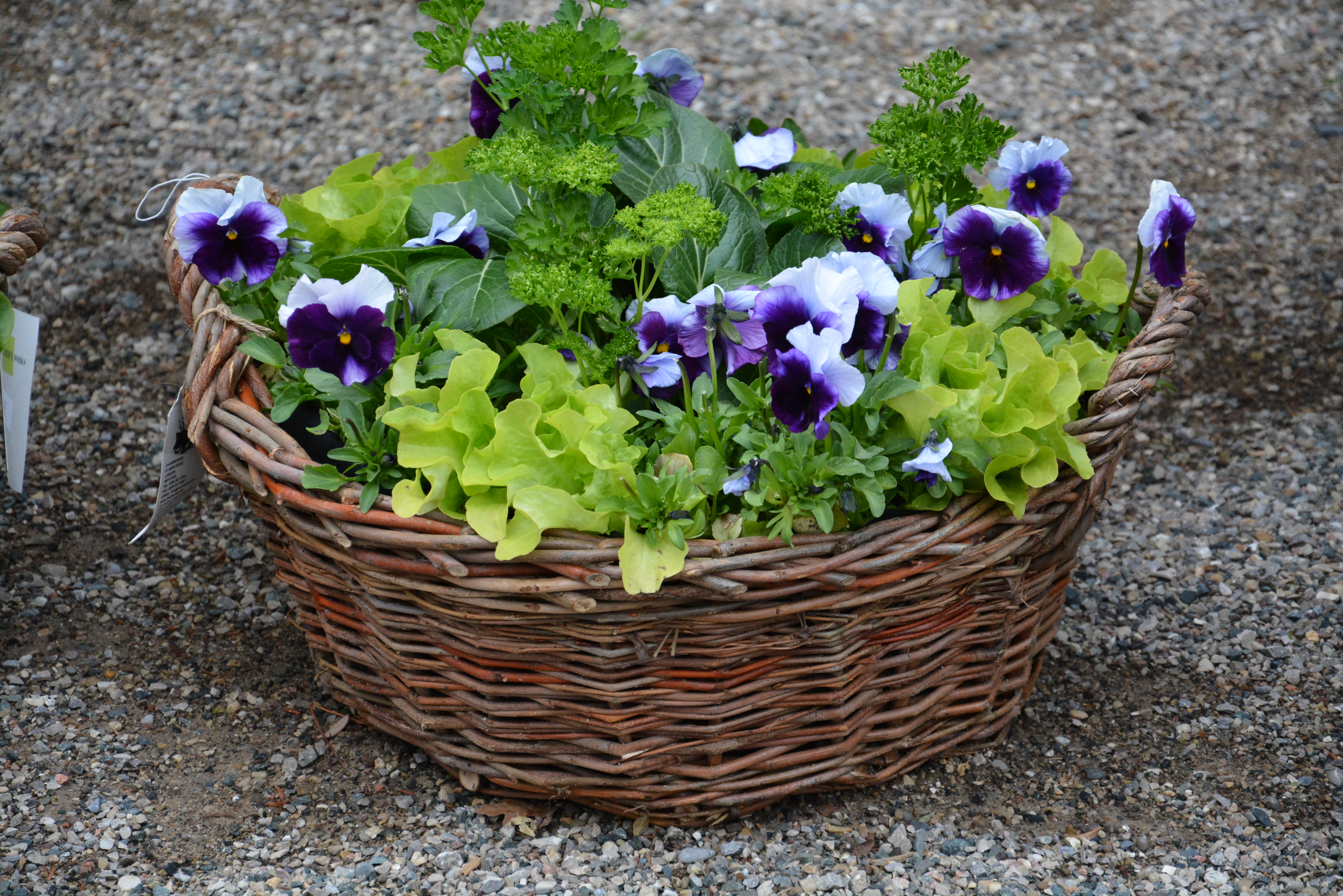
pansies-and-lettuce.jpgParsley, lettuce and pansies are a sure sign of spring.


A Miserable Affair

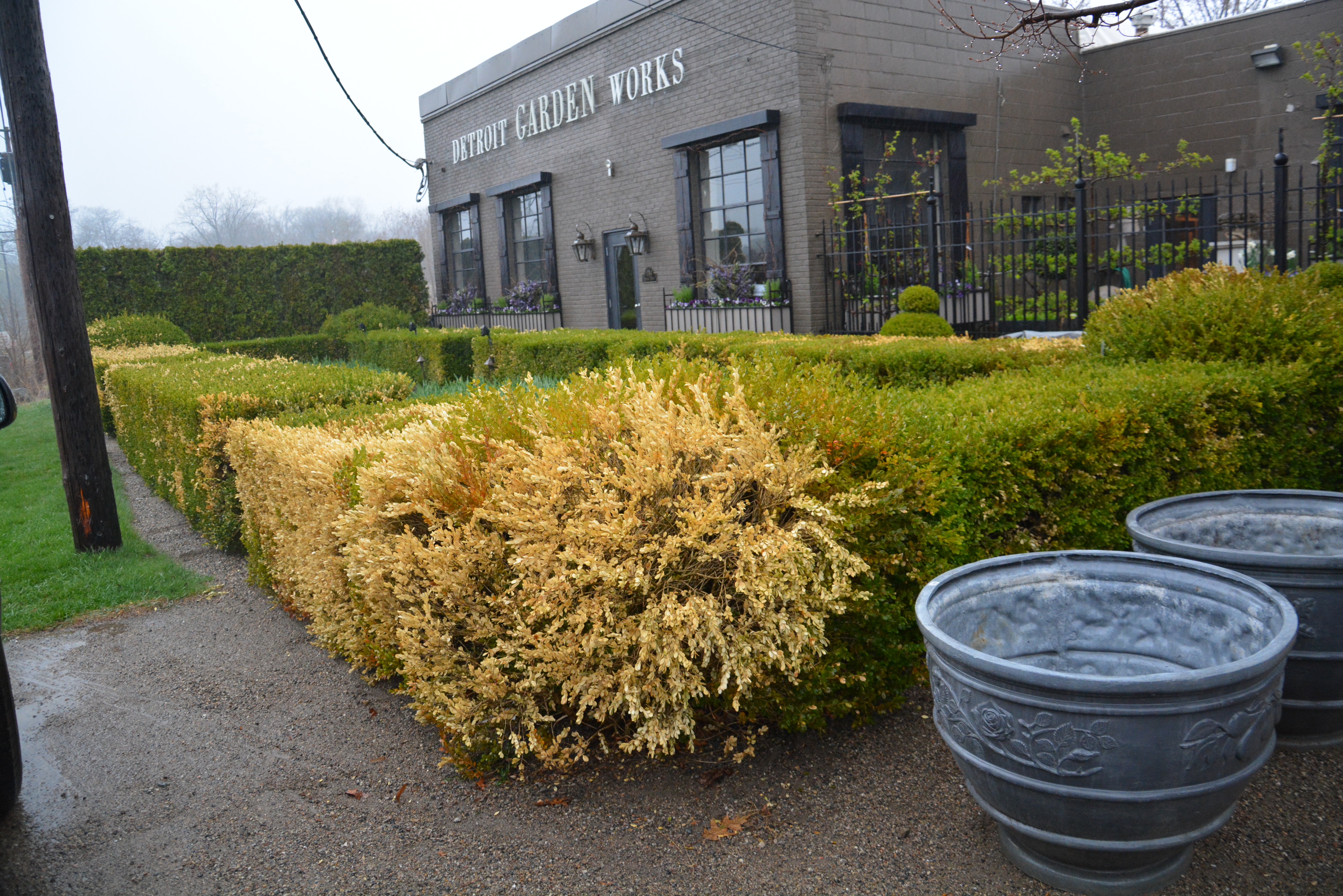
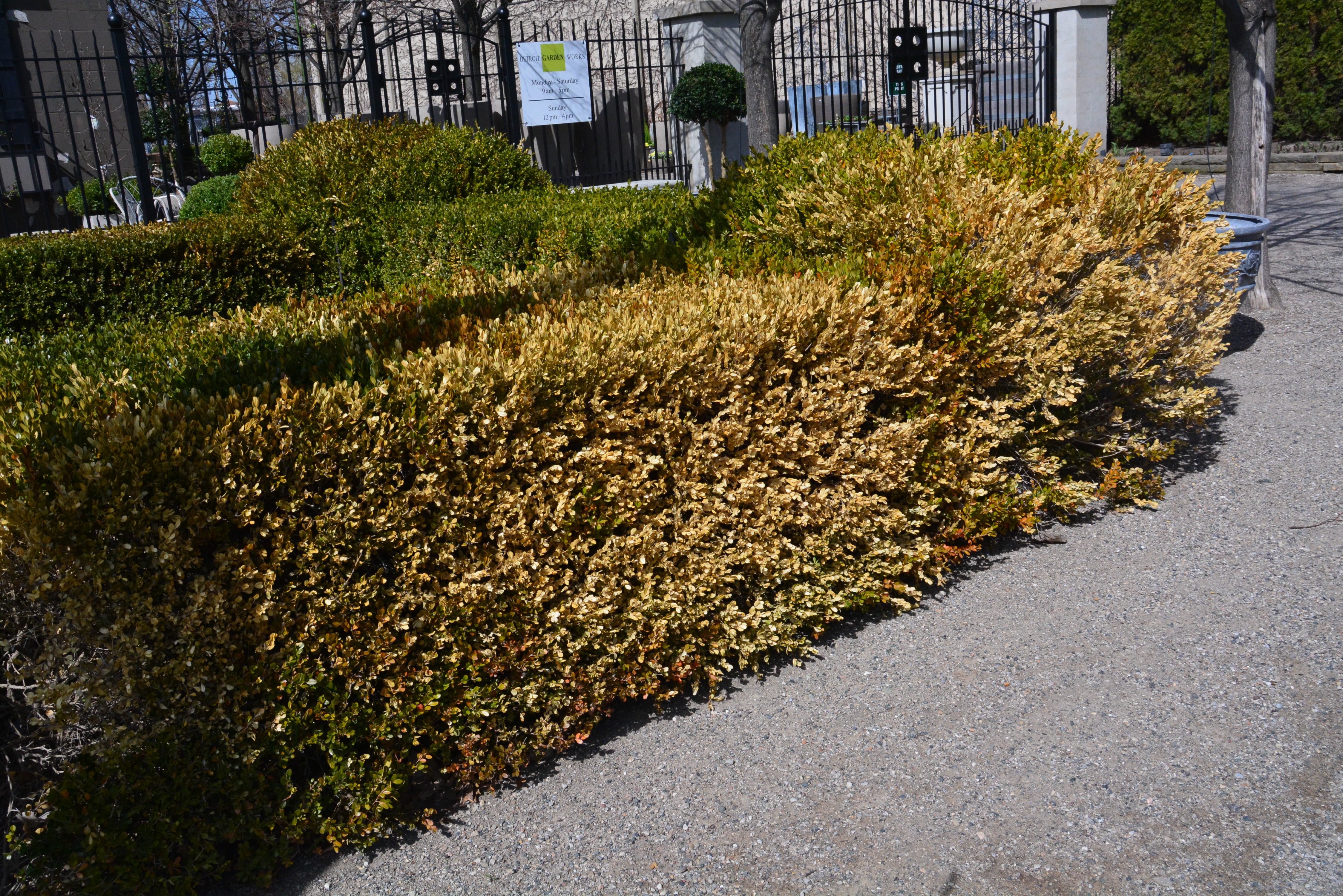
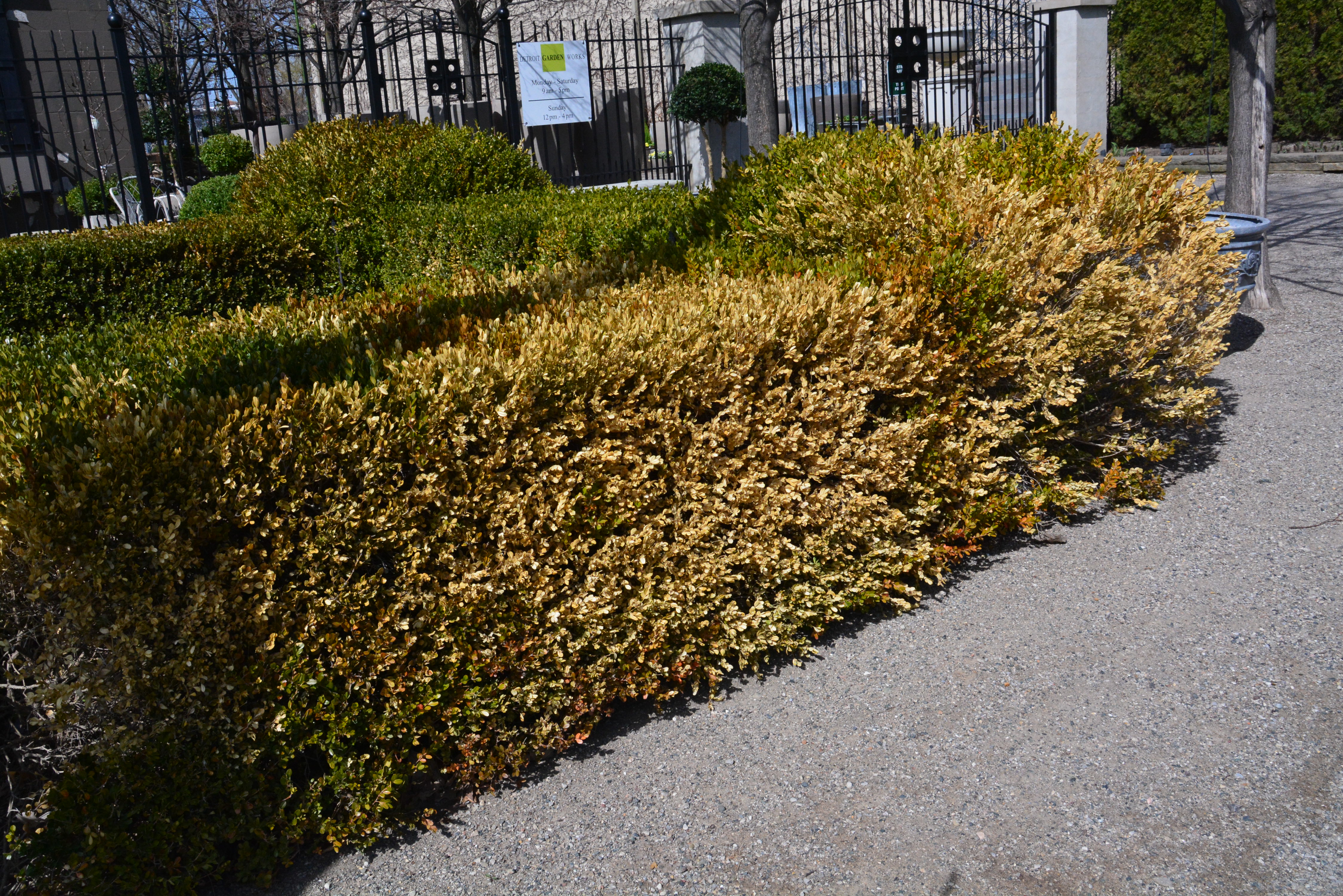
burned-boxwood.jpgThe boxwood hedge in front of Detroit Garden Works has been there 17 years.  This collection of buxus microphylla koreana were Canadian grown.  They had grown to a fairly uniform 3′ tall, and are every bit of four feet wide.   Though their winter color was decidedly orange, they were hardy as could be.  Just what I would want, given a southern exposure.  Until now, that is.  Though I was prepared to wait as long as it would take to determine the extent of the damage, dead boxwood is dead boxwood.

borwood-winter-burn.jpgWe have had an ongoing problem with the section for the past few years.  A fungal infection of unknown name that was stubbornly resisting treatment. This past winter weather was the last straw.  There was only one decision to be made.  How long did I want to look at dead boxwood?

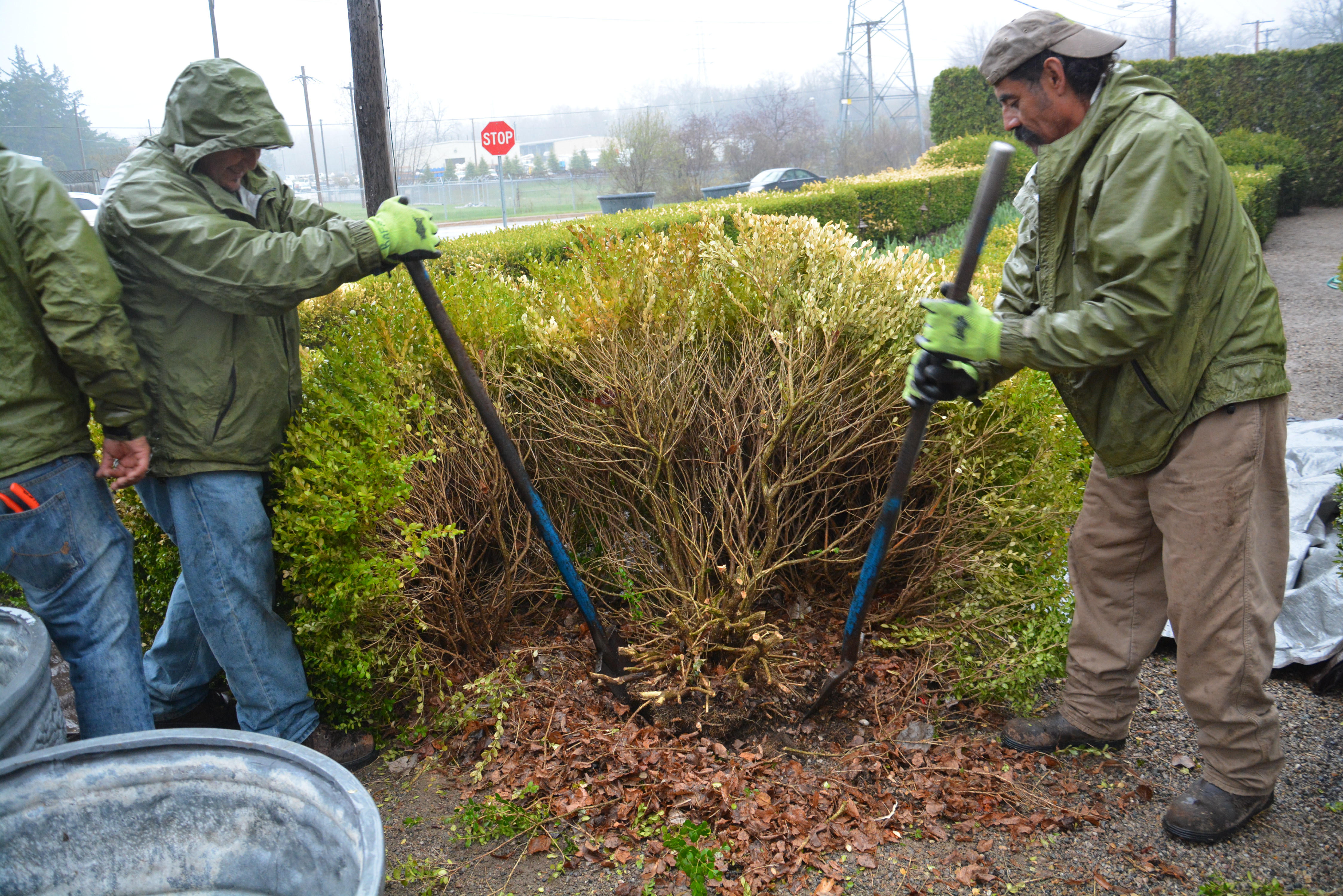
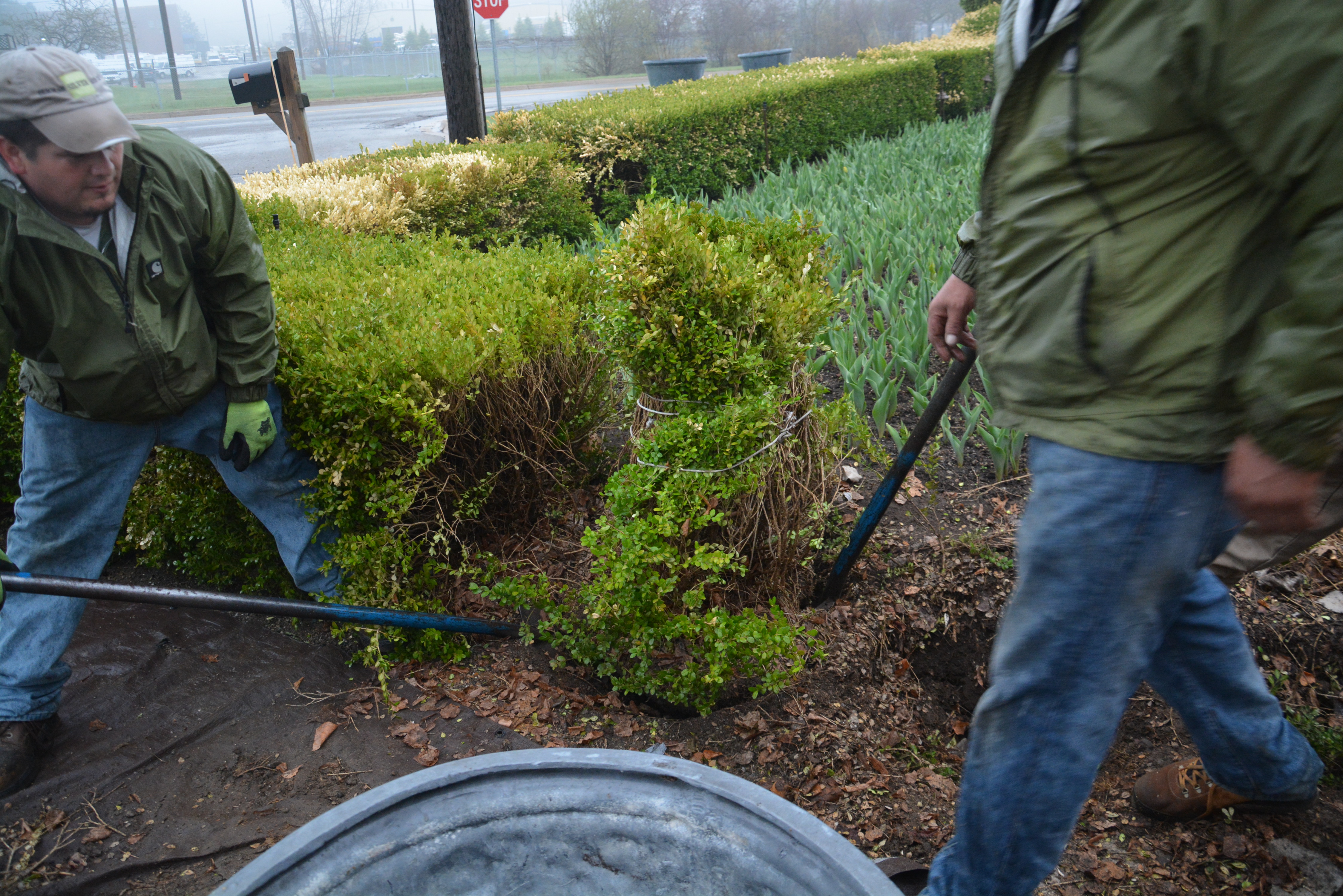
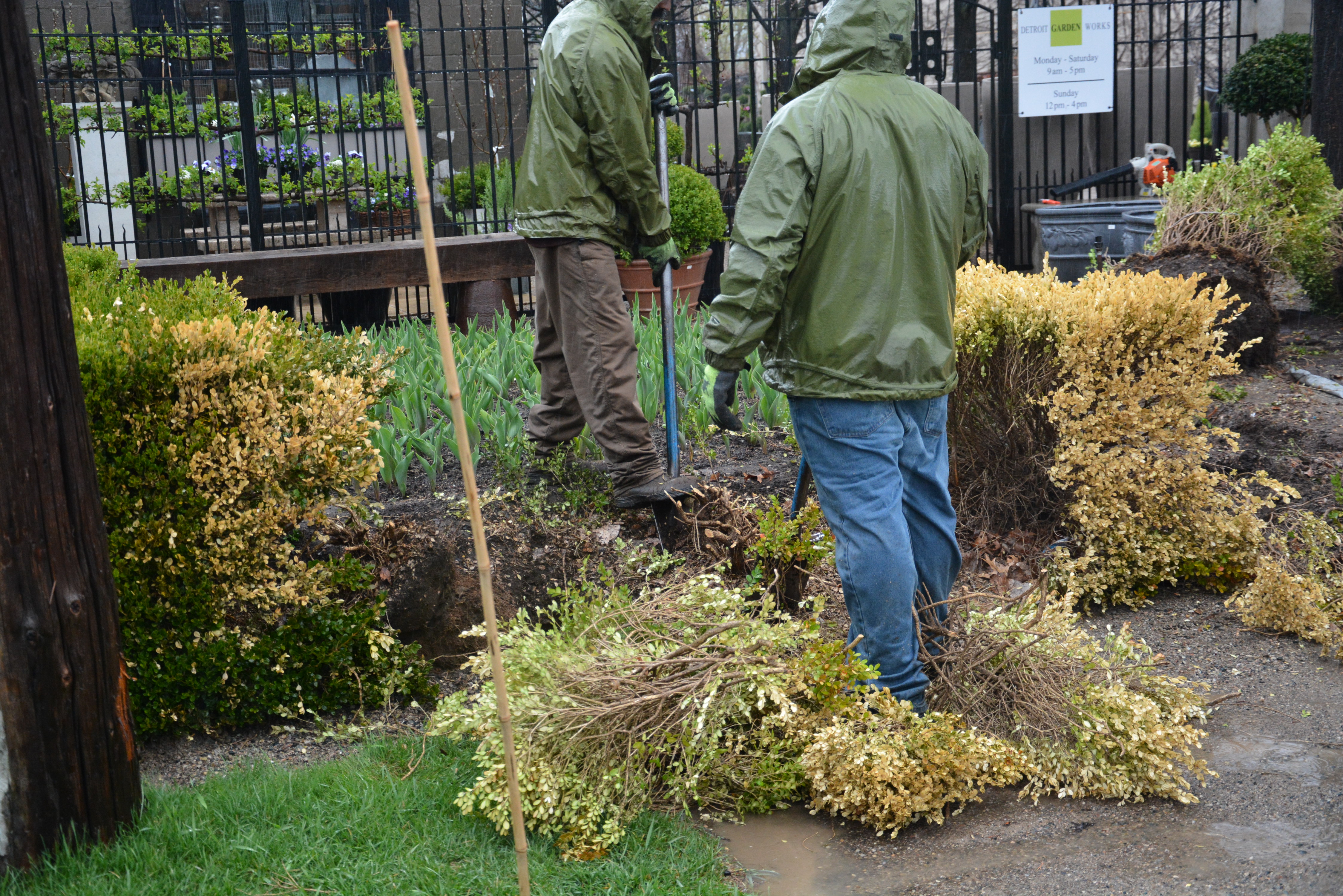
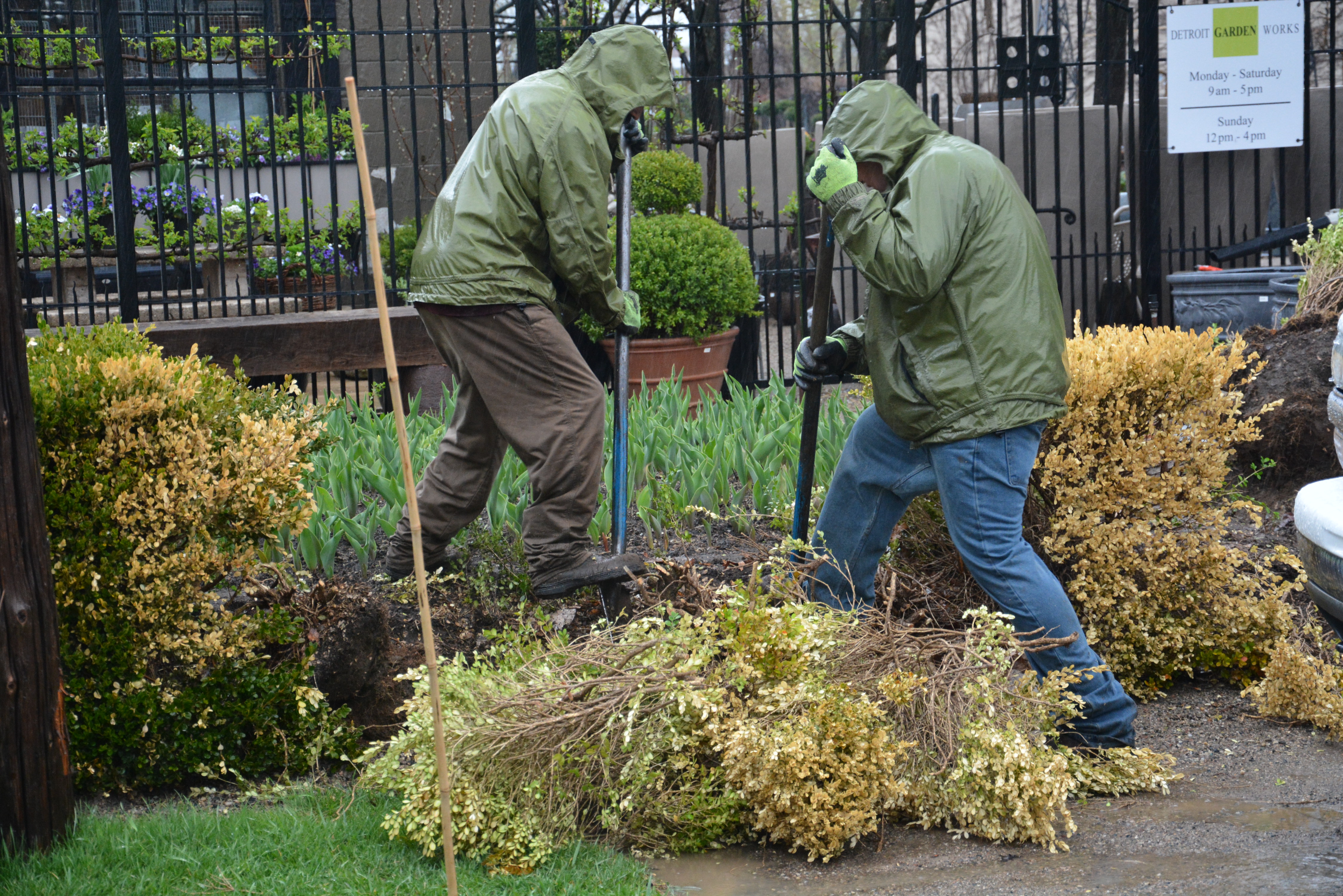
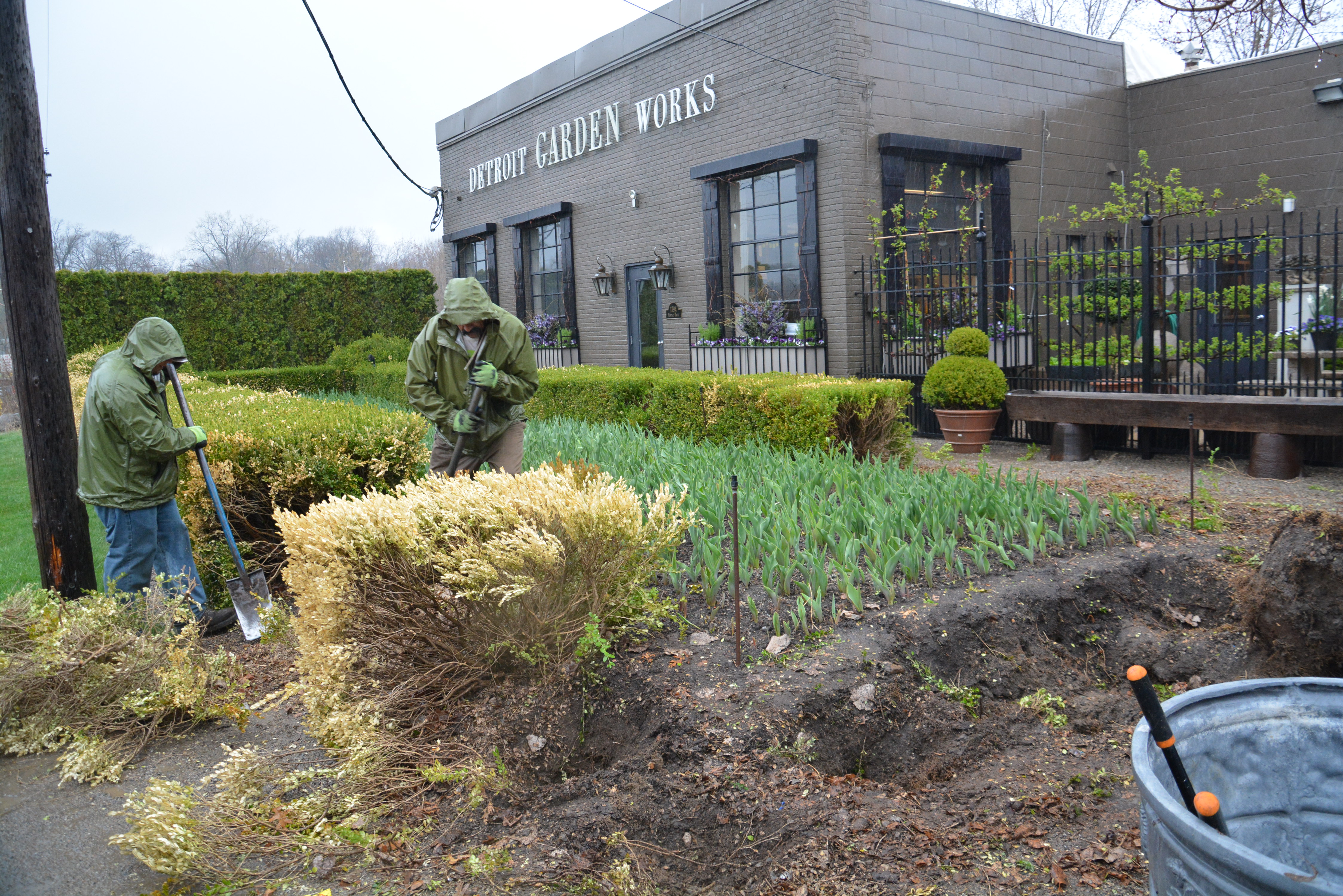
buxus-microphylla.jpgIt was entirely fitting that the day we started digging out those old plants was cold wet and miserable. What made the situation even worse were those plants that were half dead.  Take them or leave them?

digging.jpgThere were 2 plants that were fine.  Those we saved.  It’s not clear yet, but we may have more dead plants.

digging.jpgGardening is not for the faint of heart.  There isn’t any way to run way from this level of trouble.  The loss of any major feature in a landscape is tough to take on a lot of levels. A big tree that dies or is blown may leave an established shade garden without any protection from the sun.  The loss of a focal point can leave a landscape with an aura of pointlessness.  Hardy boxwood the size of this hedge is just about impossible to find.  Or if it could be found, it would be astronomically expensive to replace.

digging.jpgReplacement may not be the best design decision.  I prefer to look at this situation as a call for a new design.  What will that be?  I am not in a hurry to decide, as I feel the decision is an important one.  The space will have something to say for itself, if I give that process enough time.

dead-boxwood.jpg
Today was only about removing dead plants.  Looking at dead plants is worse than looking at the void they leave behind.

cleaning-up.jpgA new design will have to consider the entire space, as this hedge was just about the sum total of landscape. There may be more losses to come, as the days get warmer.

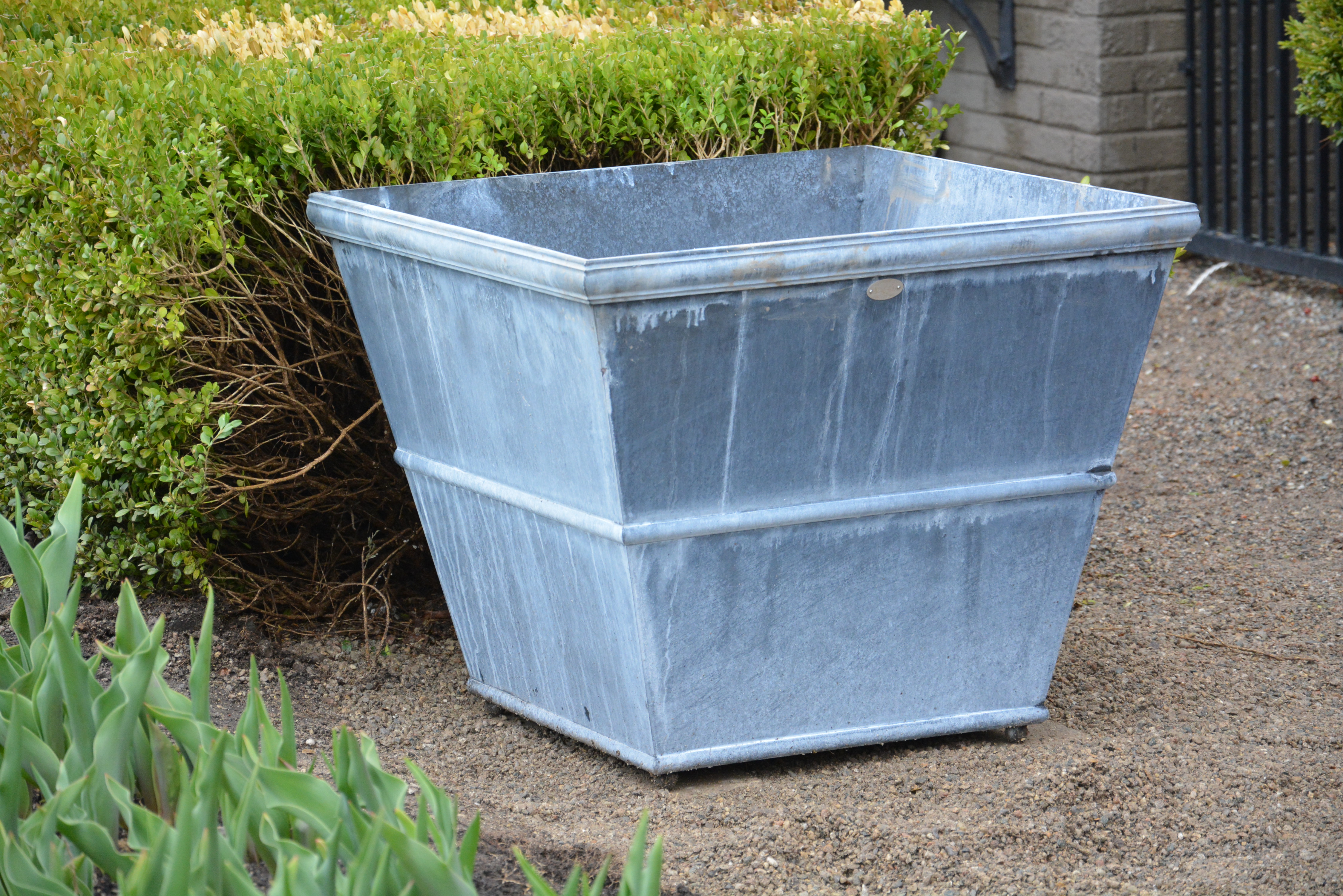
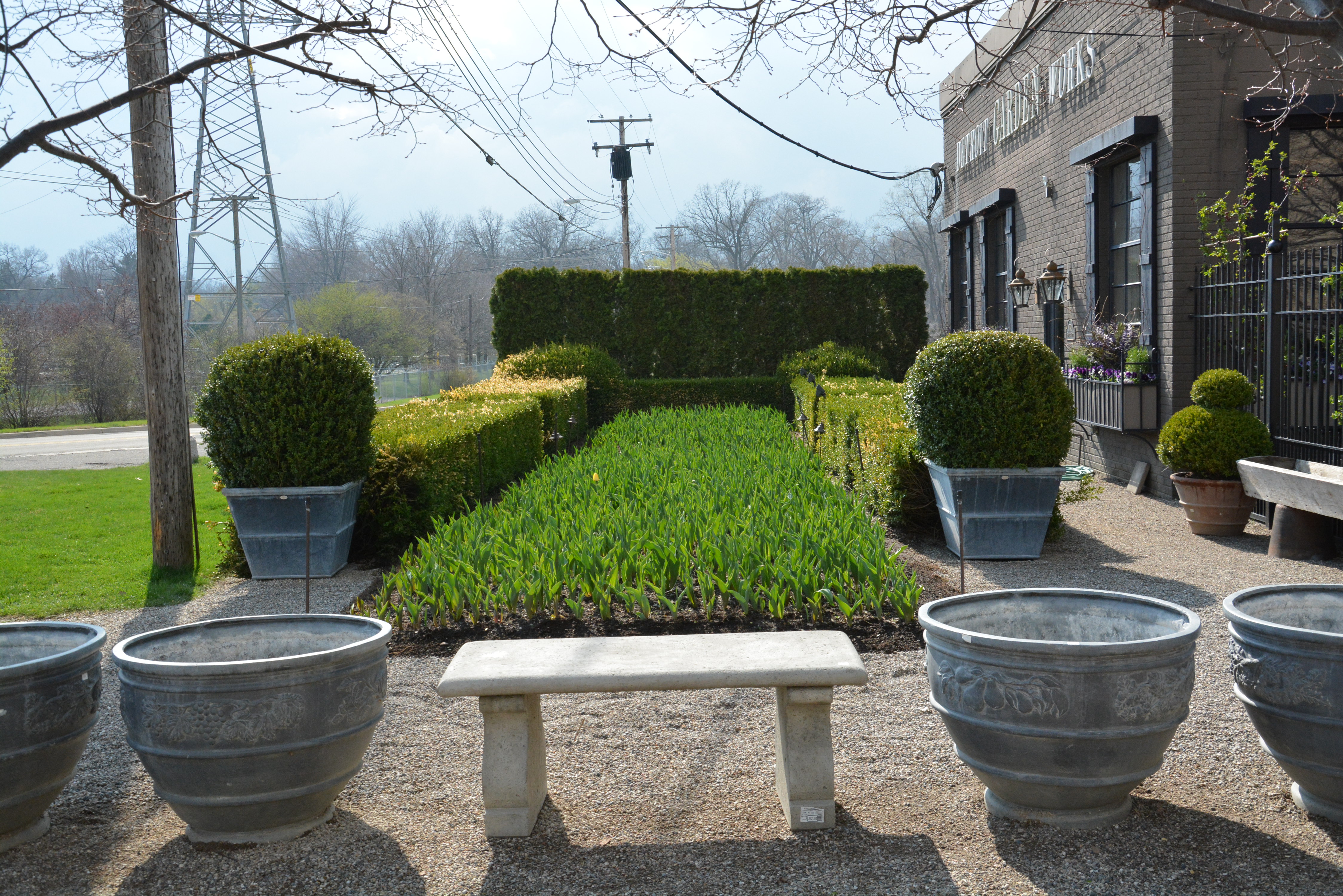
branch-container.jpgA pair of Buck’s boxes from Branch were put in place, to cover the raw twiggy end of the last boxwood left in the row.

sunny-day.jpgI will be able to see the tulips blooming from the driveway for the first time.  Being able to step back from them is a good thing.  Shortly there will be a good reason to sit on that bench.  There are lots of gardeners in my area facing the same thing.  Every one of them will handle it in their own way. This day’s work was not my idea of getting out and working in the garden in spring.  But it is the hand I have been dealt.  Redesigning and replanting this space will be my pleasure.


The Bad News

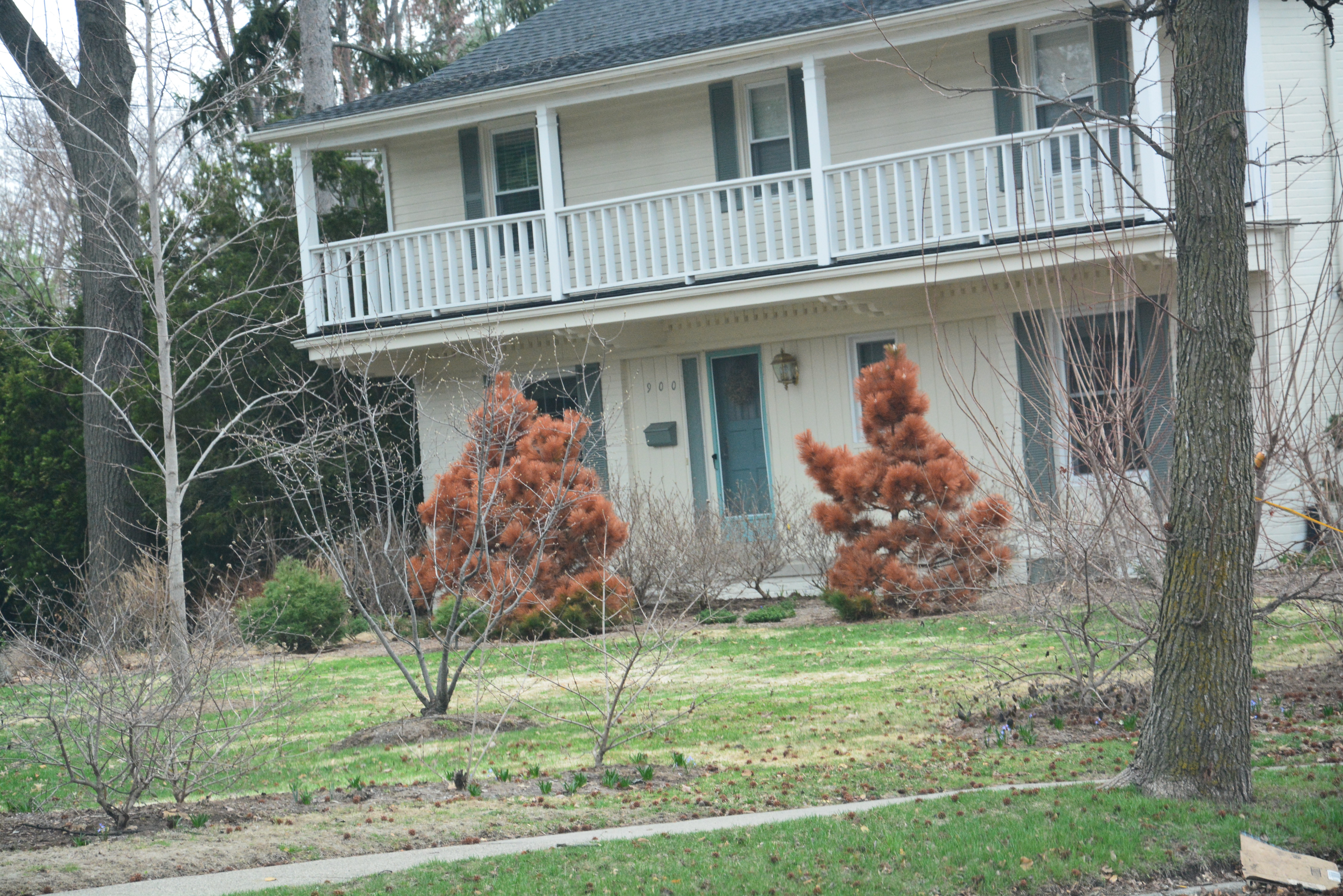
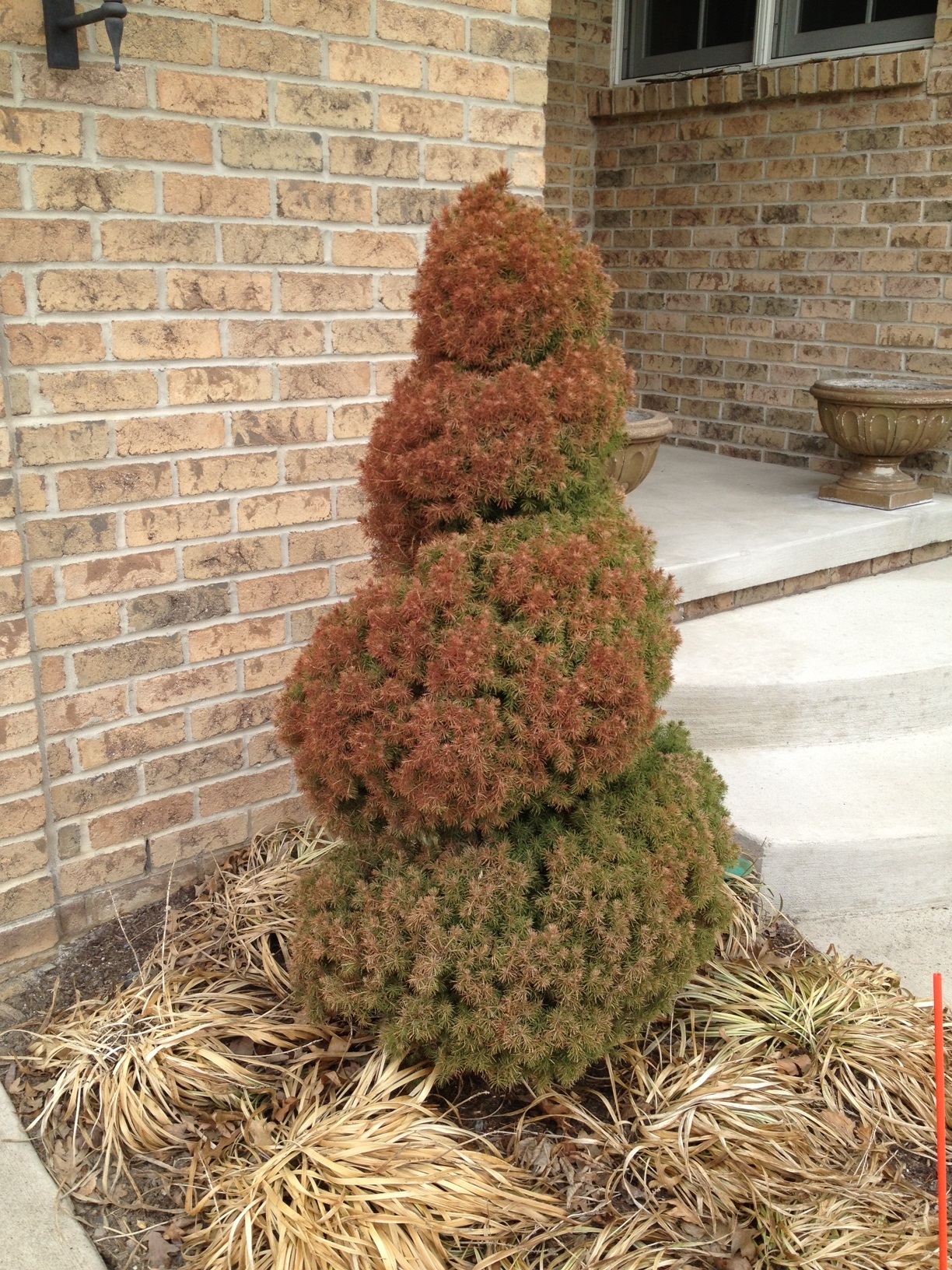
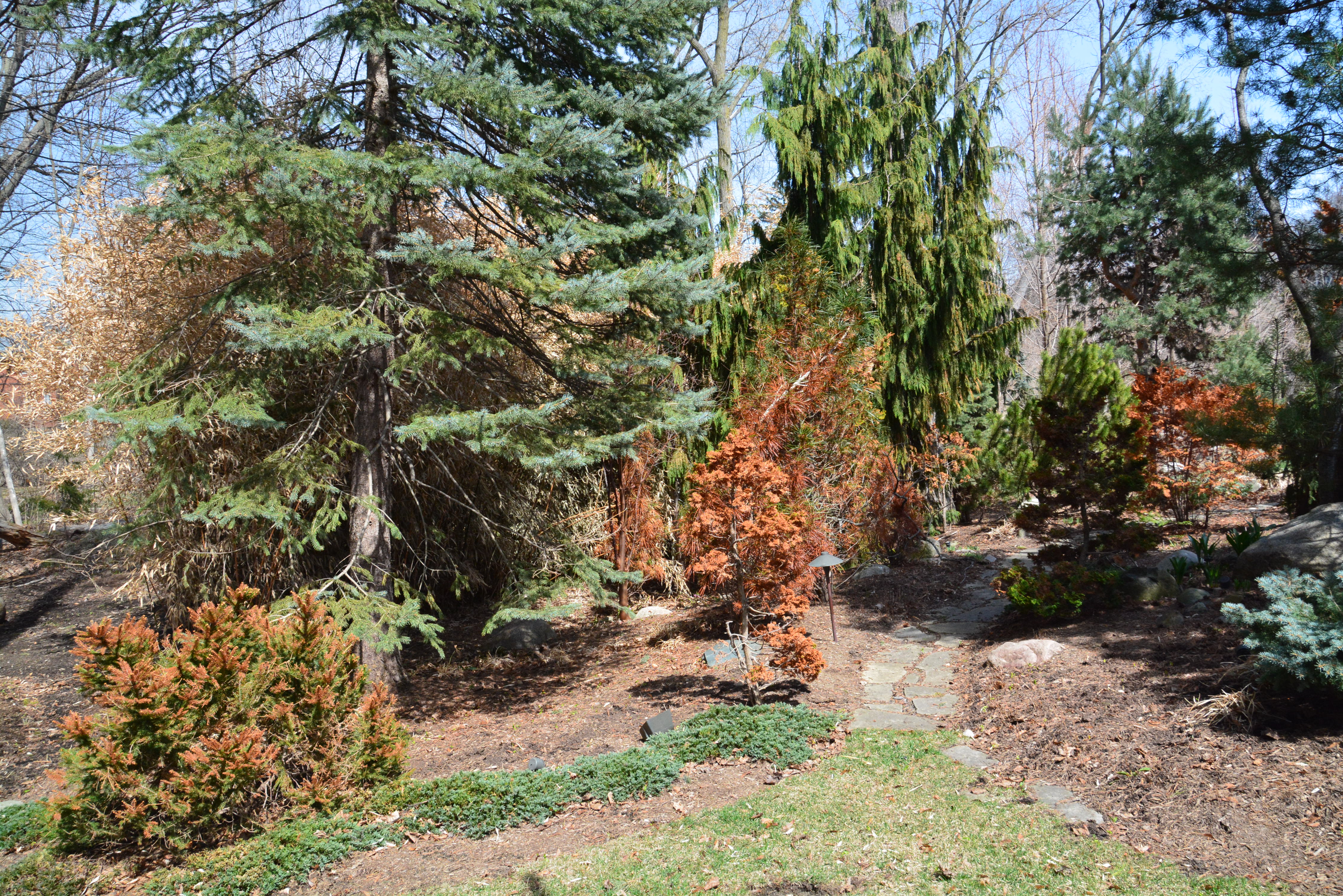
DSC_9332Every warmer day, there are new signs of the damage sustained in the landscape from our once in better than a lifetime winter.  The news is discouraging.  Any gardener who has zone 5 or 6 plants in their landscape is feeling the side effects of a zone 3 or 4 winter. I do not know the cultivar of pine in this neighborhood garden, but I am quite sure these trees are bone dead.  I was a long ways away, but a close inspection was unnecessary.  That saturated orange brown color on every needle but for the very bottom branches-very bad news.

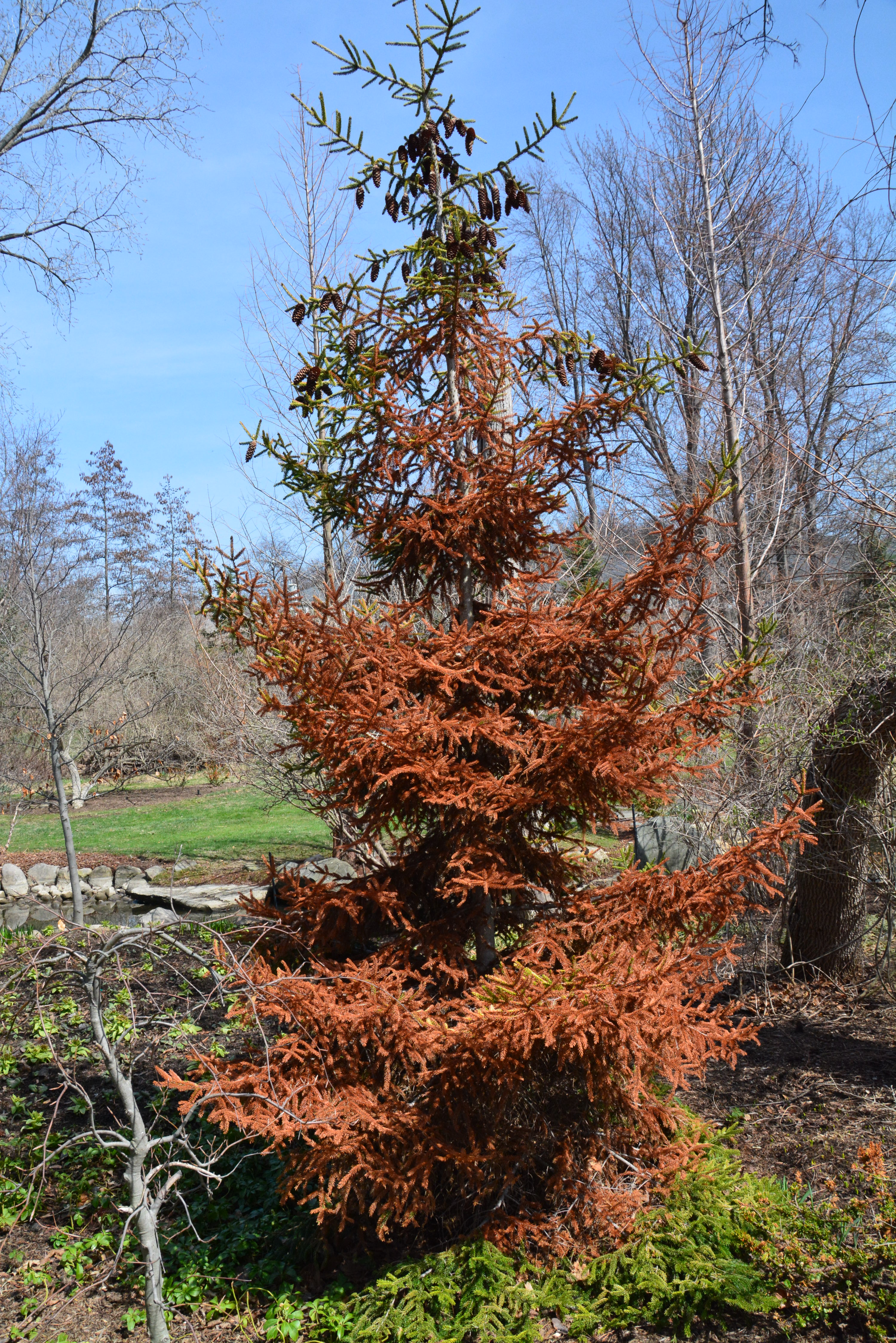
DSC_9403Our past winter was a once in 130 year event.  Record cold. Record snow. The ice on the Great Lakes-3 feet thick.  The ice on the Great Lakes are still 40% covered with ice.  Some say it will be well into June before all that ice melts.  Chilly is the prediction for our immediate future.   This specialty and marginally hardy spruce grew and prospered in this client’s garden, for going on thirty years.  This past winter proved too be too cold.  Just too cold.  No one could have foreseen a winter like this, nor could this spruce have been protected.  Unless you are older than 130 years, this is this first time you have seen a winter this fierce.

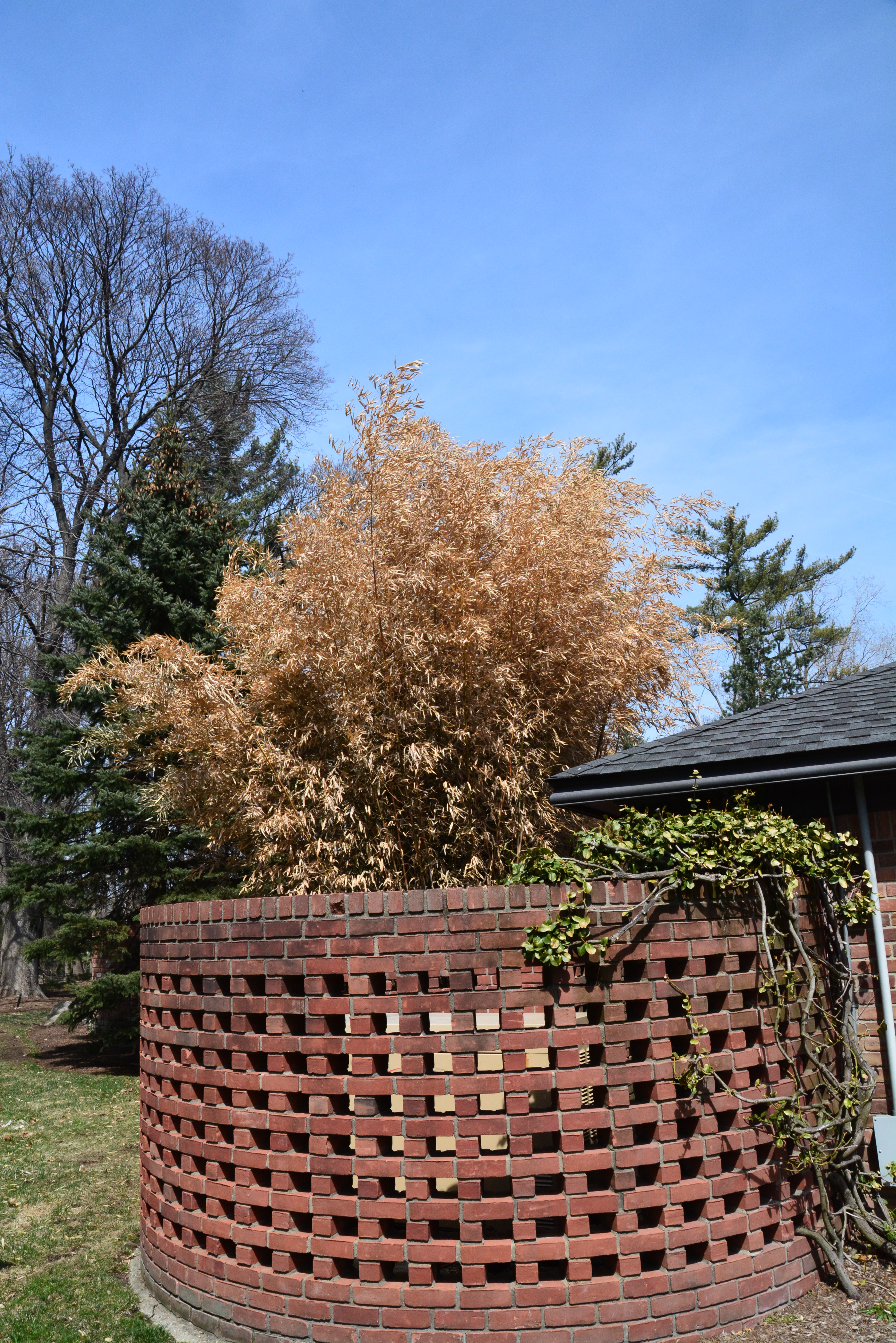
bamboo.jpgLike other stands of mature bamboo I have seen this spring, the culms and leaves are dead.  It is impossible to predict yet if the roots survived.  Time will tell.  We have had a very long period of mild winters.  That length of time was long enough to tempt gardeners to push the limits.  My magnolia stellata bloomed today.  The flowers are small, and look like wet kleenex.  Not that I am complaining.  I am shocked it is blooming at all.  Planting magnolias in a northern zone is a leap of faith.  A story about hope. Our winter was very rough, and every gardener in my zone is being educated daily about how that winter is intruding on our spring.

alberta-spruce.jpgI have not seen a single Alberta spruce untouched by the winter.  Every neighborhood I have visited has alberta spruce burned on the south side.  Some very exposed locations show burn all around.  Fierce burn.

winter-burn.jpgMany landscapes show damage which is hard to understand.  Some plants are untouched.  Others are burned all over.  Others are burned in specific spots.  Some have been killed outright.  Do I have a simple and swift explanation-not really.  Some species of plants that are marginally hardy in our area-many of these are in the killed outright list. Do I have zone 5 and 6 plants in my landscape-yes.  A once in 130 year winter cycle would not prevent any gardener from testing the limits.  The fact is, my 20 year old  garden is but a short intermission in the bigger scheme of things.  This spring is making me realize that nature bats both first and last.  There is no negotiating once a winter tests the limits of cold hardiness..  Too cold is simply too cold.  No zone 6 specialty conifer could not have fared well this past winter.  I have no easy and simple answers.

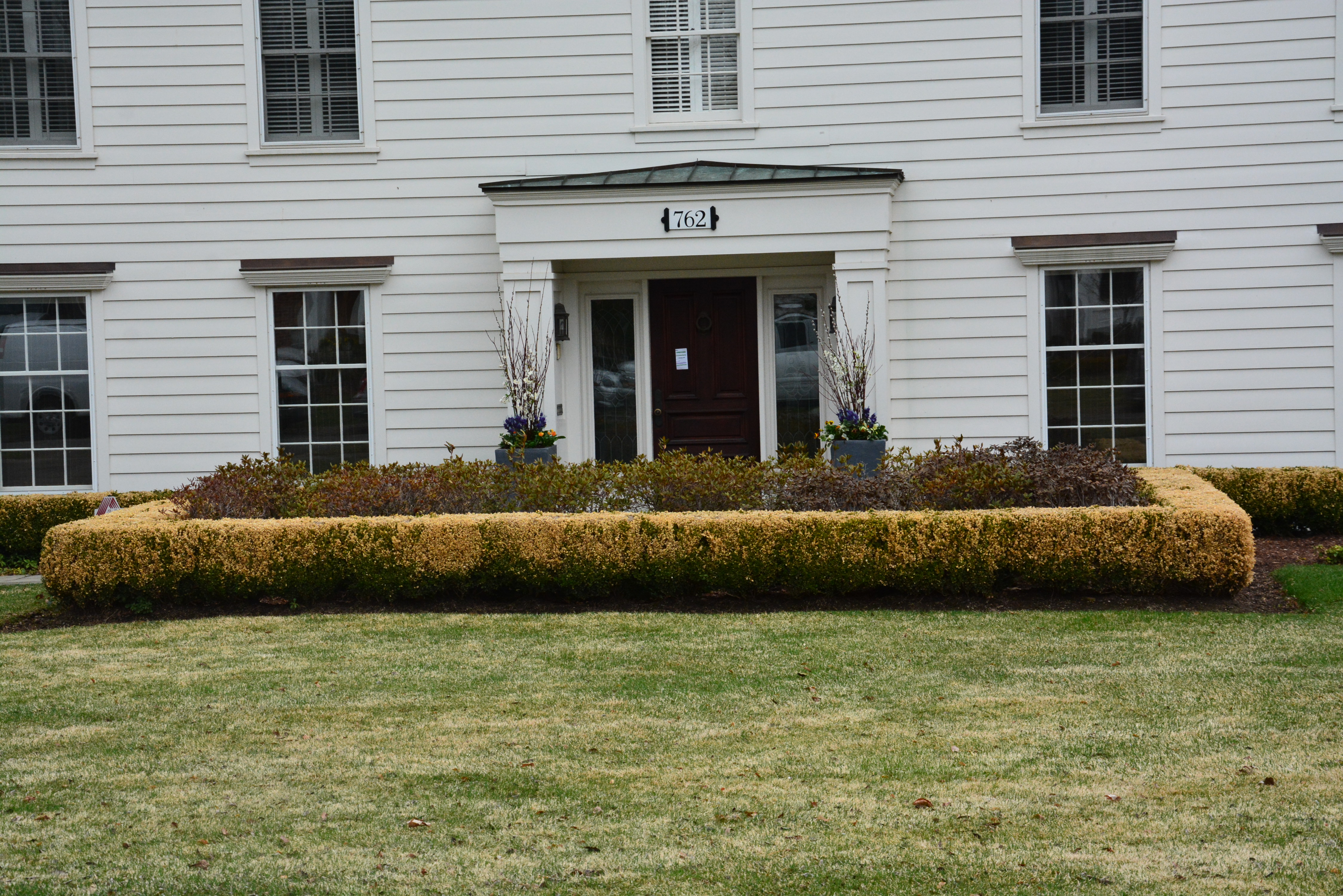
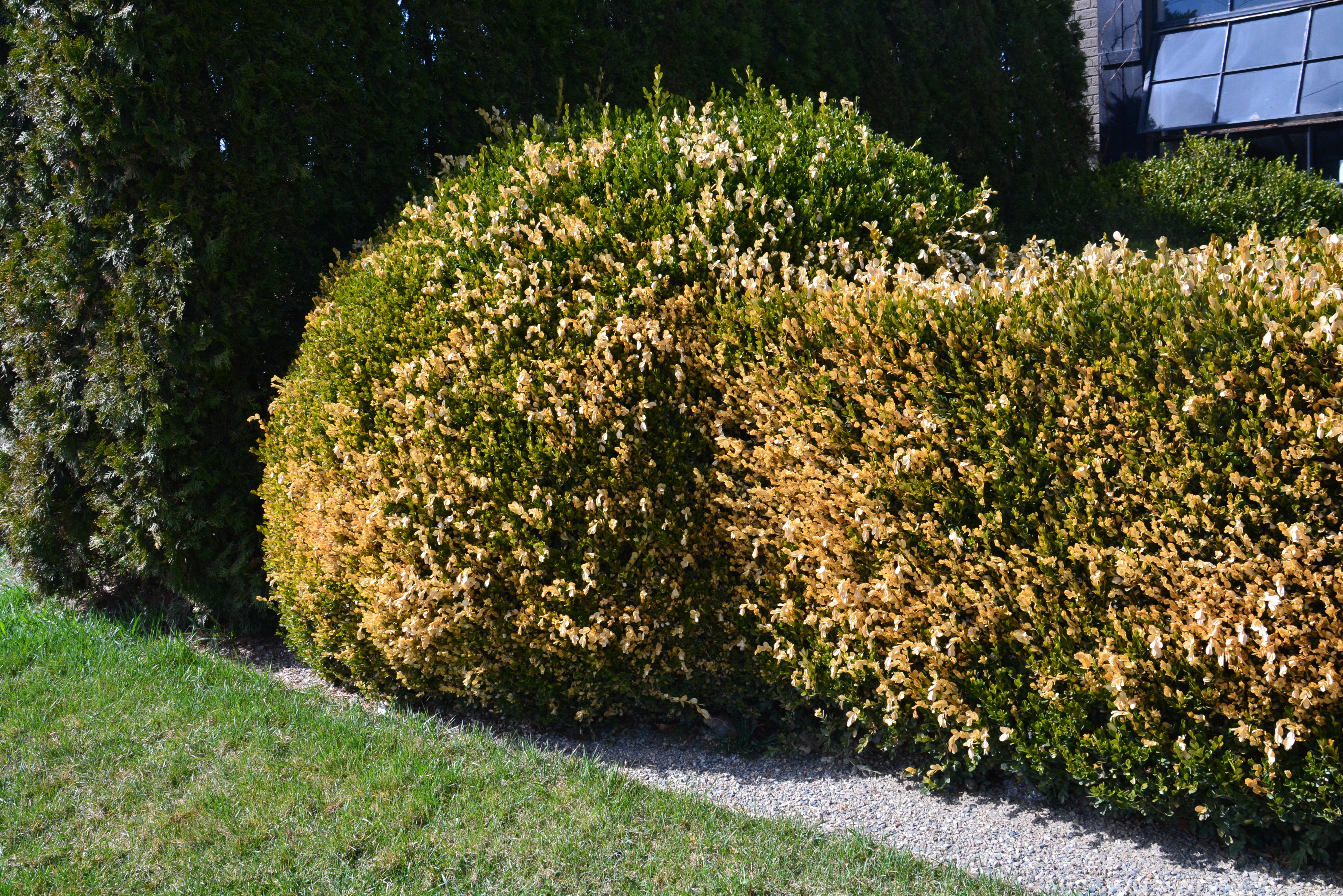
winter-damage-on-boxwood.jpgI love boxwood as much as the next gardener.  Every Green Velvet boxwood in my garden at home is unscathed by this past winter.  They are green and good to go.  This boxwood hedge in a neighborhood garden south of me did not fare so well.  The cause of the damage?  Salt spray generated by cars driving by at a brisk speed is a toxic bath that can damage boxwood.  Extremely low temperatures can test boxwood cultivars intended for warmer zones.  Exposed plantings of boxwood were bleached by sun reflected off of deep snow.  A boxwood that went into the winter dry can be severely damaged by cold winter winds. Evergreens need to be well watered in the fall.  They cannot absorb water from the roots once the ground freezes.  Water evaporates quickly from evergreen leaves given cold temperatures, wind and sun.  The damage on this hedge is hard to pinpoint. How that damage should be handled-it is too early to tell.

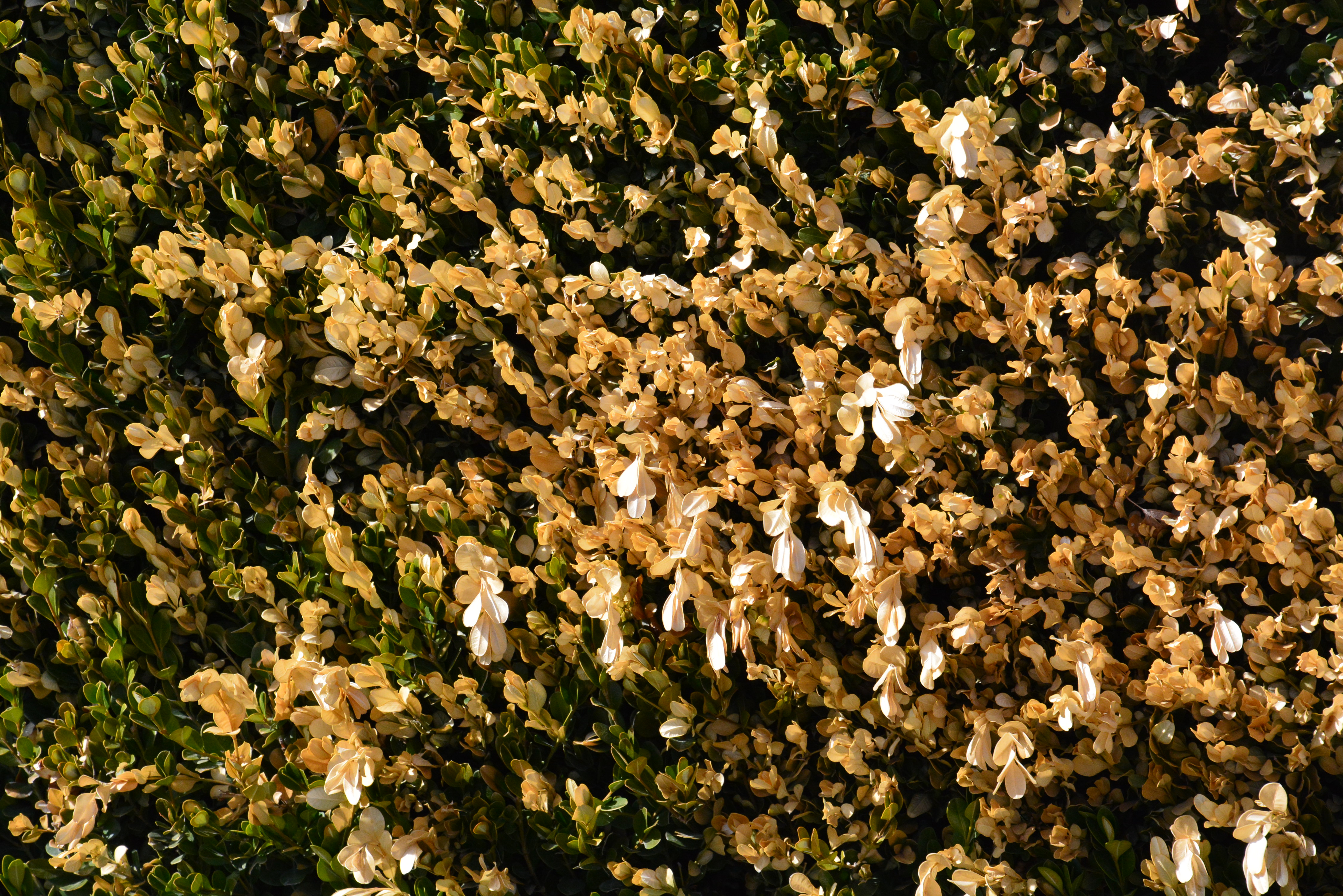
winter-burn-on-boxwood.jpgBoxwood is a broad leaved evergreen.  It needs to be well watered and juicy before winter.  Once the soil freezes, no boxwood can access the water it needs to keep the leaves juicy and green.  The water available at the root is turned off.  Strong winter winds makes the water in the leaves evaporate at an alarming rate.  An evergreen cannot replace the water it looses by evaporation over the winter.  What that leaf has to sustain it in November will have to do for the rest of the winter.  An evaporation rate that exceeds the store of moisture means leaves will dry out and die.

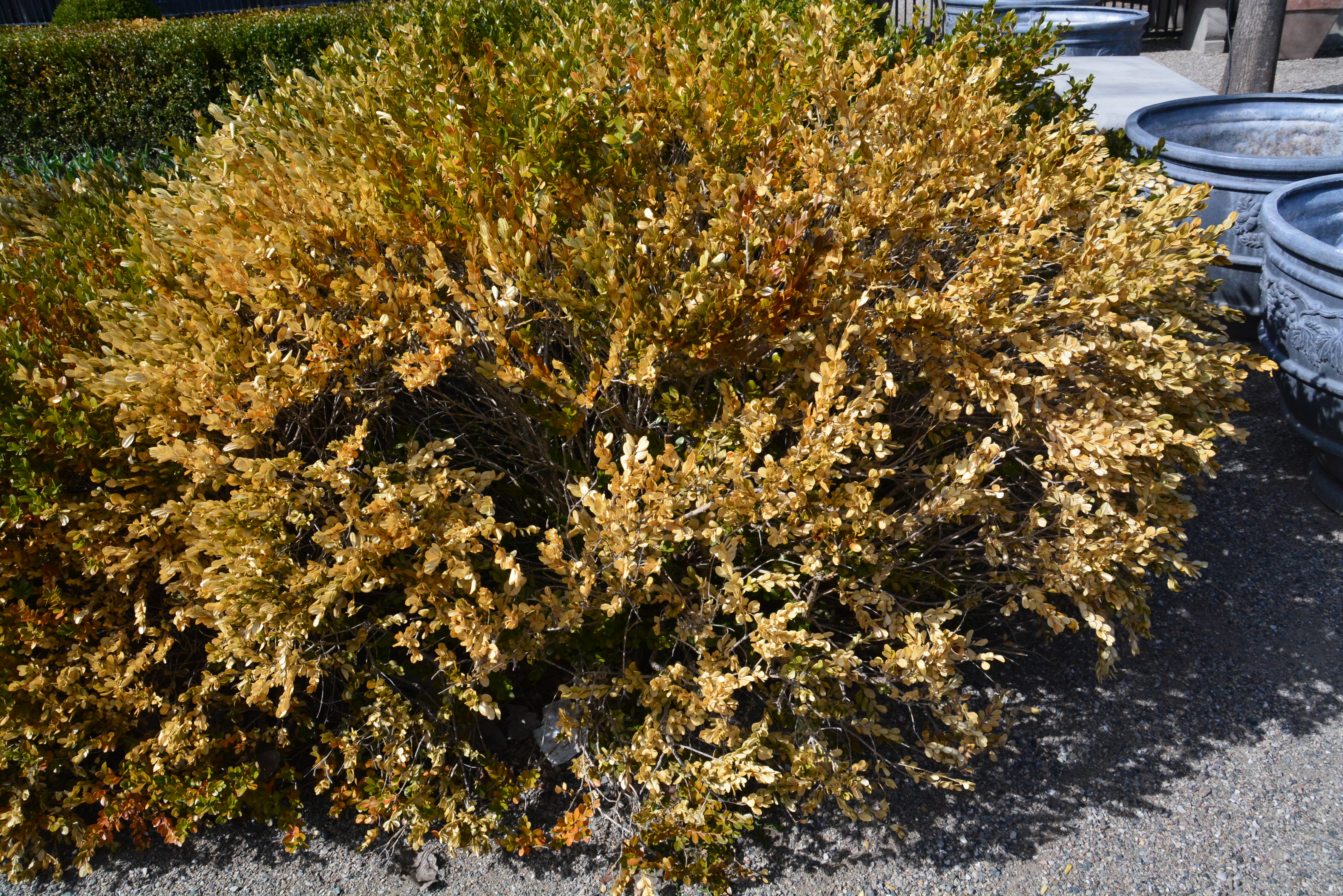
damaged-boxwood.jpgThe boxwood leaves on the interior of the shrub, protected from salt winter wind and sun scald may survive the toughest winter.  The damage I see on the boxwood at the shop makes me want to rush out there with my pruners. Notwithstanding my instinct to remove any sign of damage, I will wait.  Viable branches that have lost their leaves will releaf, given some time. Boxwood damaged by repeated soaking in road salt may not recover. Marginally hardy varieties of boxwood may be dead from the cold.  Hicks yews are not so wonderfully hardy.  Yews pruned after August show striking signs of damage.   I am inclined to wait and see how all of my plants will respond.  Plants have a will to live.  I would advise giving them the room they need to recover.

boxwood-damage.jpgA sick and challenged plant needs time to sort out the insult and injury on their own.  This is my opinion.  This spring following a once in a century winter-what do I know what will be?  I do know this section of boxwood has been struggling with fungus for 4 years.  An extraordinarily bad winter may have done them in.

winter-kill.jpgI have a plan to grieve privately about the damage to my beloved boxwood hedge, and wait.  I know I need to wait for the plants to respond.  Once they respond to warmer weather, I will know what to do.  It is not clear yet what is lost, and what is burned, and needs pruning.  Having never experienced a winter like this before, the last thing I want to do is interfere with the natural order of things.  If you are as passionate a gardener as I am, the waiting will be horticultural hell.  But all of us would go to hell and back for a garden, wouldn’t we?