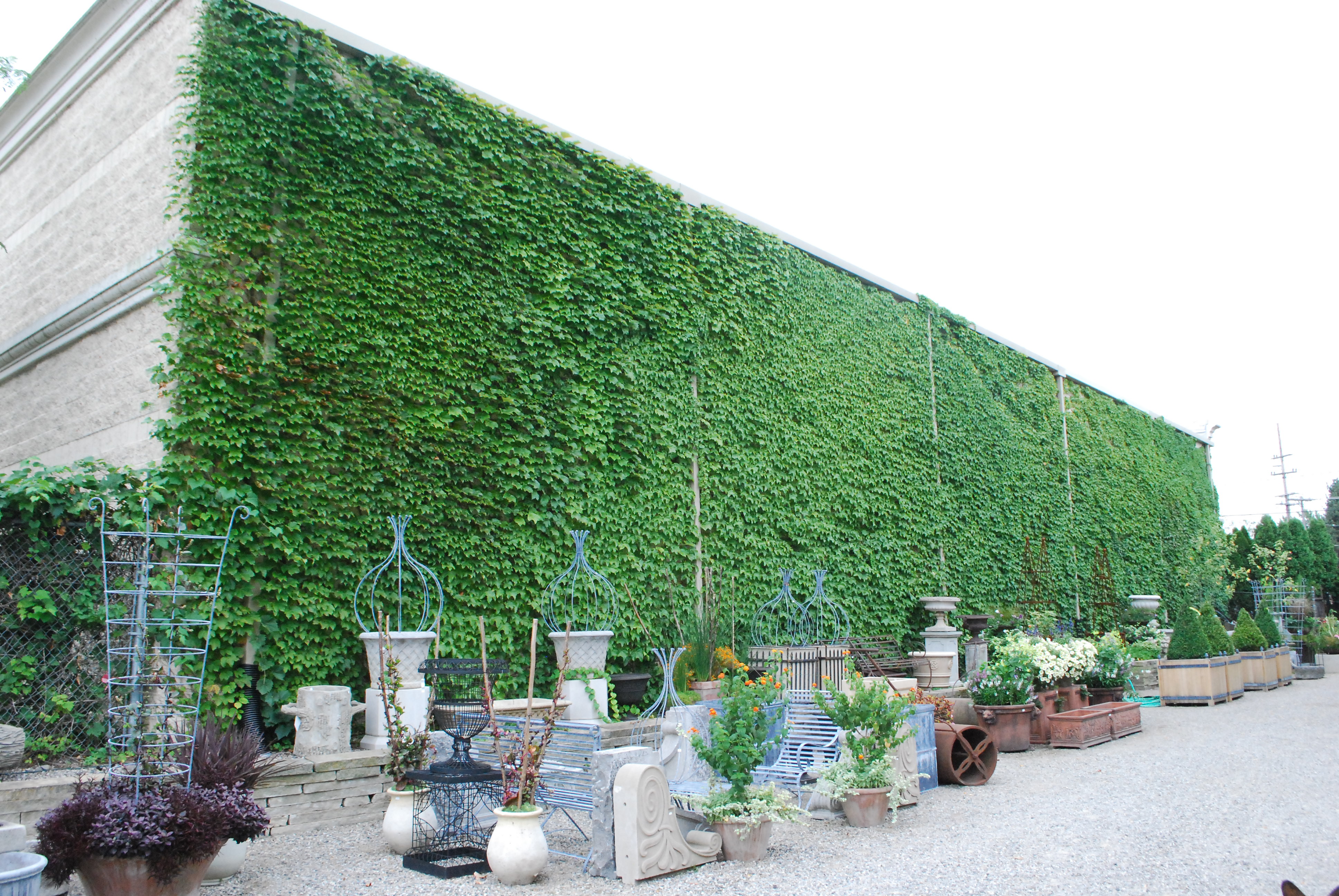
 Our early September has been surprisingly chilly. As in 48 degrees early this morning. My tropical plants in containers look insulted by the turn of events-both at home, and at the shop. I am not especially ready to give up my summer containers. I regret any face off with nature, as 100 percent of the odds are against me. We’ll see how long I can keep them going. The weather turning this quickly from summer in to fall has me thinking about plants that gracefully survive that transition. Rob planted a number of pots at the shop with lavender this spring. They were as tolerant of our cold April as they are of this chilly September. They are shrugging off the chill as if it were nothing more than a tiny blip on a very big screen. Maybe I need to lay in some lavender.
 Lavender is an iconic garden plant treasured by gardeners world wide. The soft and subtle bluish green or gray foliage is topped by equally subtle flower stalks sporting diminutive flowers in white, lavender and purple. I hear tell of varieties that have pink flowers. The plant, and the plant blooming on thin stalks that wave in the breeze, is self effacing. Lavender speaks softly to the charm of a cottage garden. It speaks loudly to those precisely laid out fields of lavender in France and England. Even in pictures, those rows and rows of lavender blooming enchant. What is not subtle about lavender is the the strength of its fragrance. That powerful and unforgettable fragrance speaks to the garden in no uncertain terms. It speaks just as clearly to the romance that is the garden. I have seen countless pictures of American, English and French gardens planted with lavender. I imagine those gardens are all the more to experience, given that familiar and pungent fragrance.
 I like romance in the garden, no matter what form it takes. This means I would plant lavender with a lavish hand-if I could. But as much as I like lavender, it does not like me, or my garden. My zone is the northern most range of its hardiness. Our poorly draining and intractably dense clay soil is a poor home for all of the cultivars of lavandula. Lavender thrives in a freely draining soil, especially in the winter. I have had individual plants thrive fore 5 years or better, as long as they were perfectly sited, and if I only pruned it in the spring. Late summer of fall pruning in my zone is an invitation to disaster. A dead lavender is heartbreaking. I know. Several attempts at borders or drifts of lavender in my garden invariably resulted in random failures. My hedges always had holes, and replacement plants were never the size I needed. I was young when I pulled out all the stops trying to get lavender to thrive in my garden. Though the idea is intoxicating to this gardener, I never plant it in in the garden now. I find that lavender is much happier in my zone in containers.
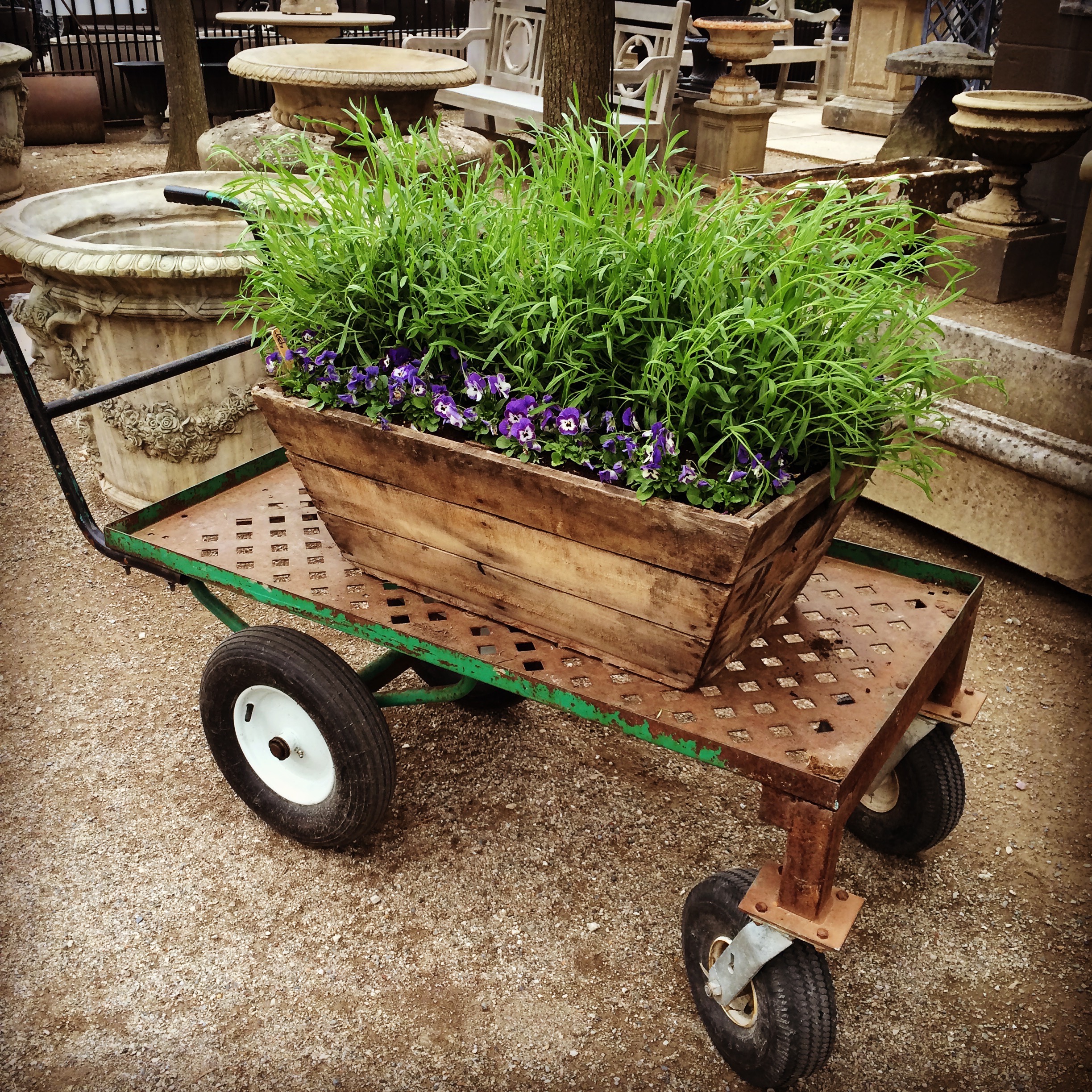 Rob plants no end of containers with lavender in the spring. It is very tolerant of the cold weather that accompanies the spring. Some of his summer containers that were not snapped up in the spring feature lavender that had been planted very early in the season. All summer long, that lavender prospered. The chilly early fall weather has not endangered any of those plants. For gardeners looking for container plants to span the spring, summer, and fall season, you might consider lavender.
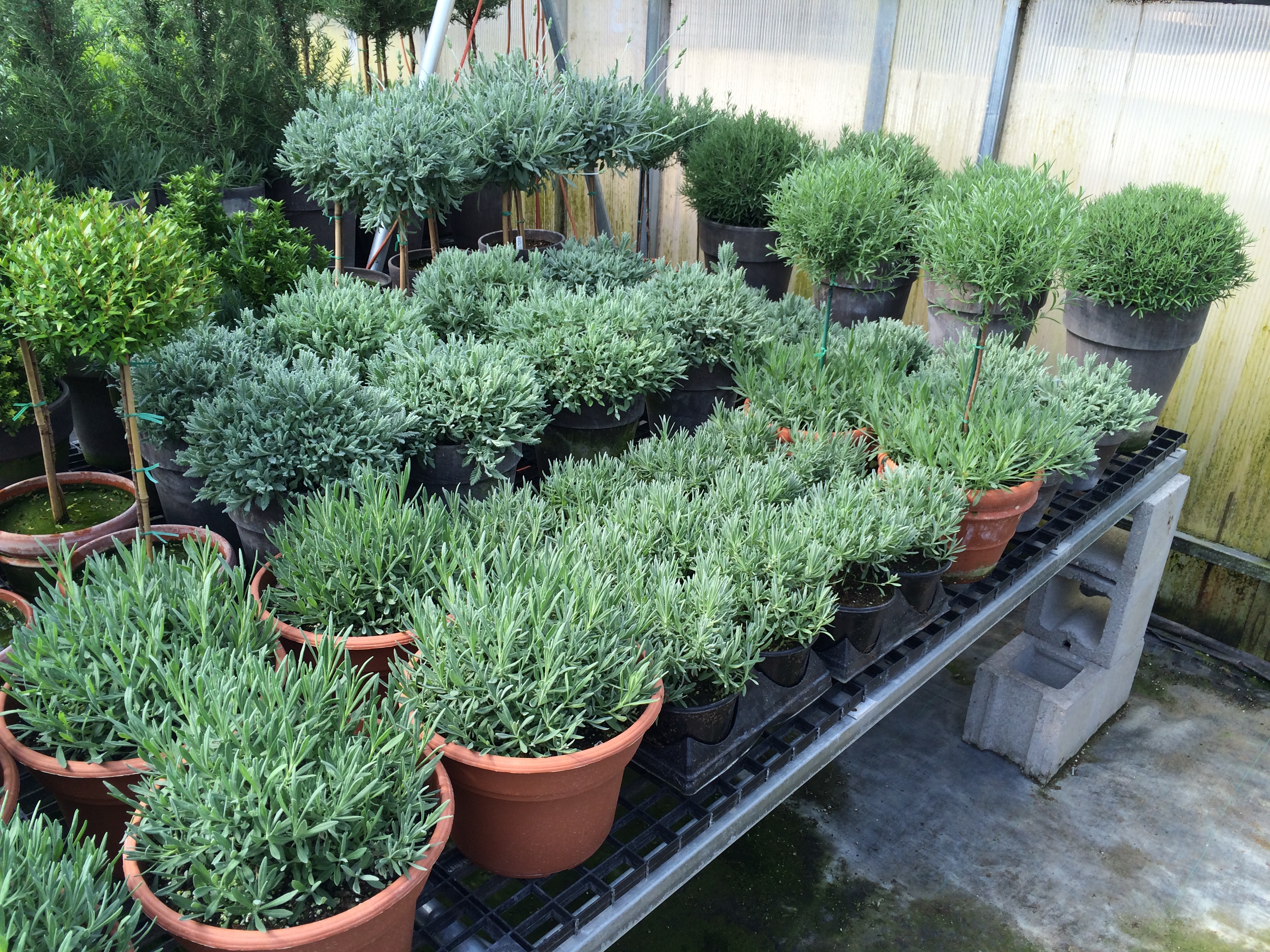
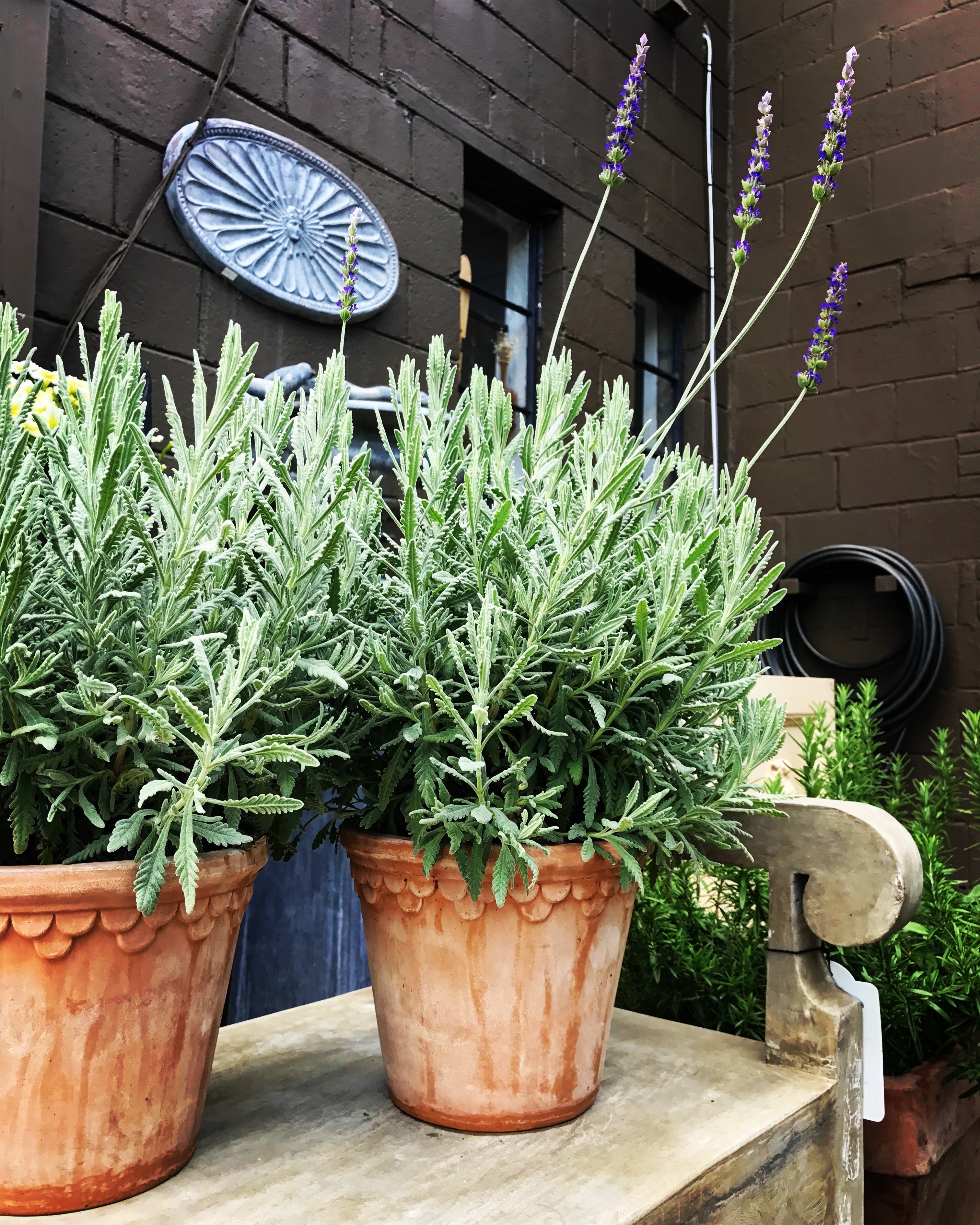 Rob likes lavender well enough to plant pots full of it. He buys 1 and 2 gallon pots of it in the spring by the truckloads, as well as lavender trained in to topiary forms. Every pot looks good, loaded with lavender.
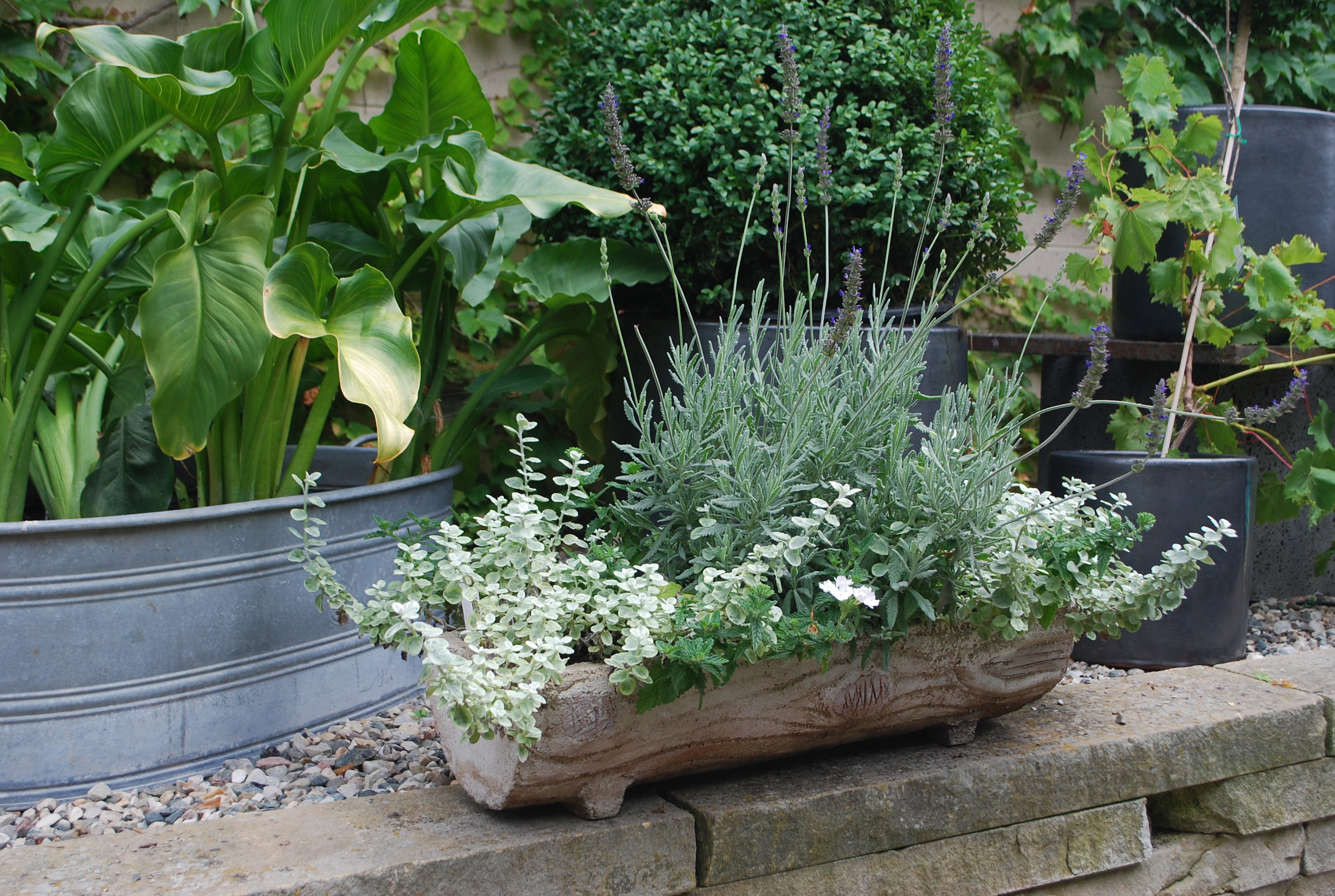
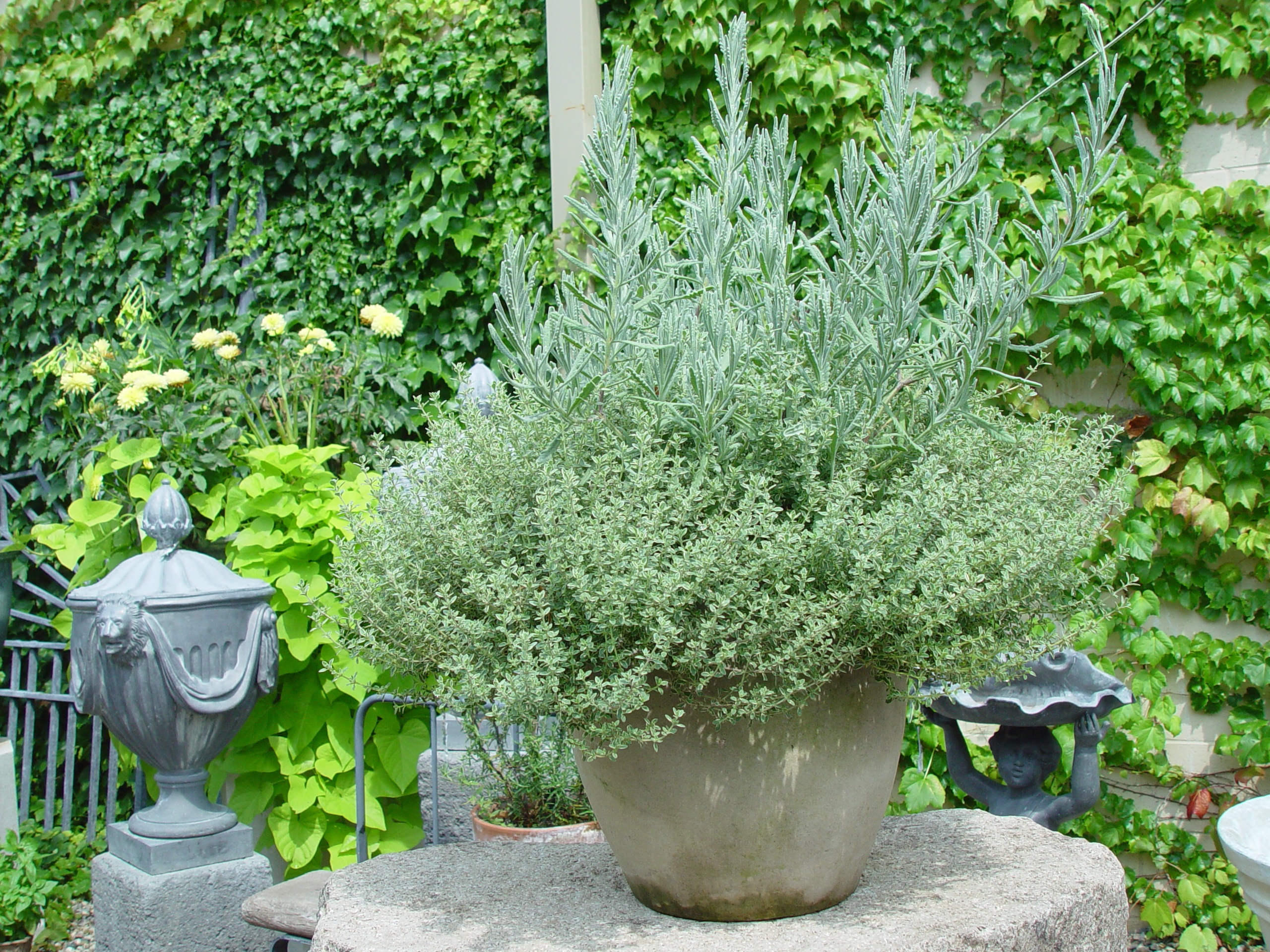 Lavender and thyme like similar planting conditions, and do well in a pot together. This subtle and restrained planting reward anyone brushing by. The fragrance of lavender and thyme mixed together is delightful.
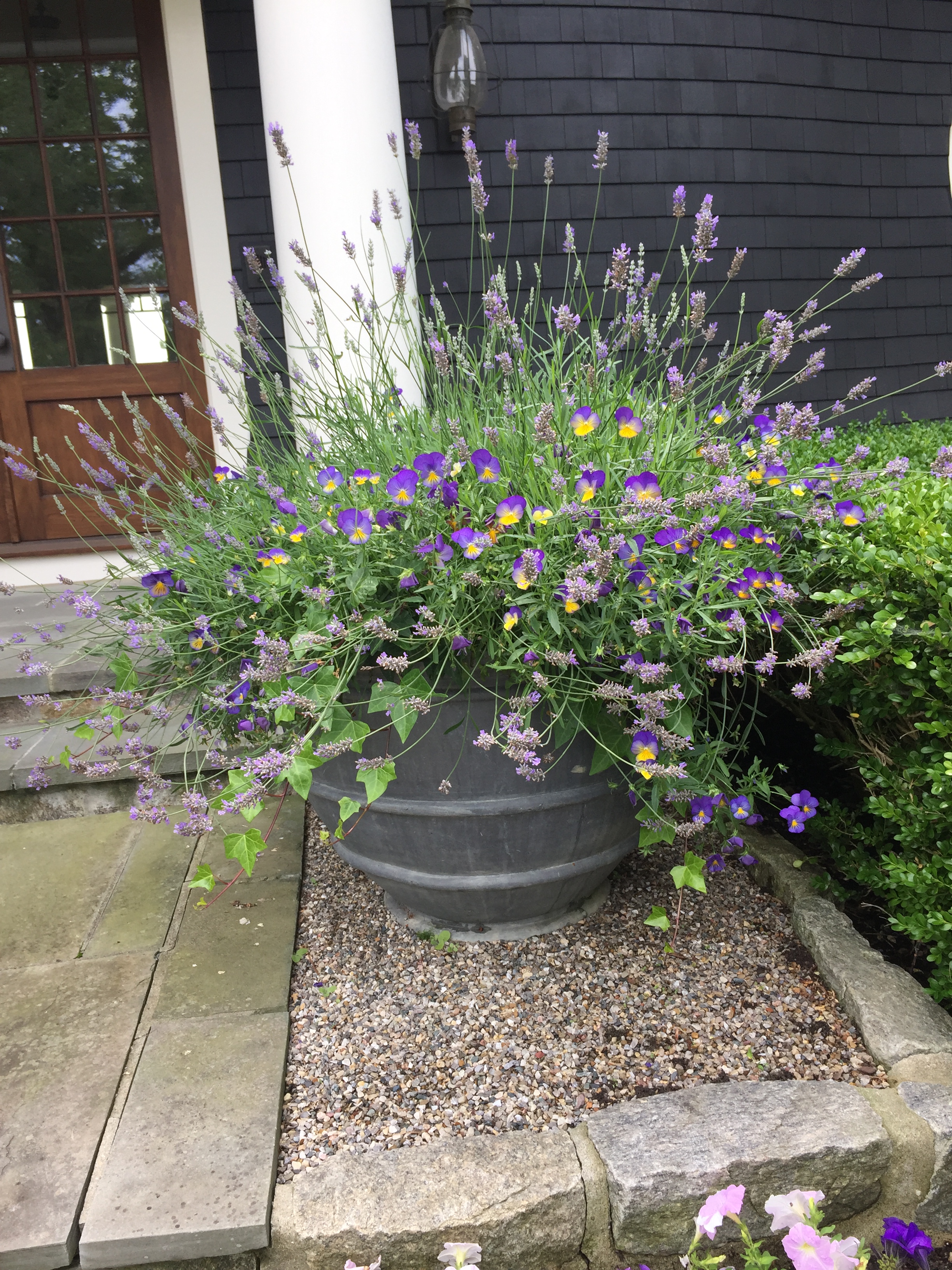 This lead container had a pussy willow centerpiece, lavender, pansies and ivy planted in it for spring. When I came to do the summer pots in late June, I couldn’t resist taking a picture of all that lavender thriving. This particular cultivar is called Grosso.
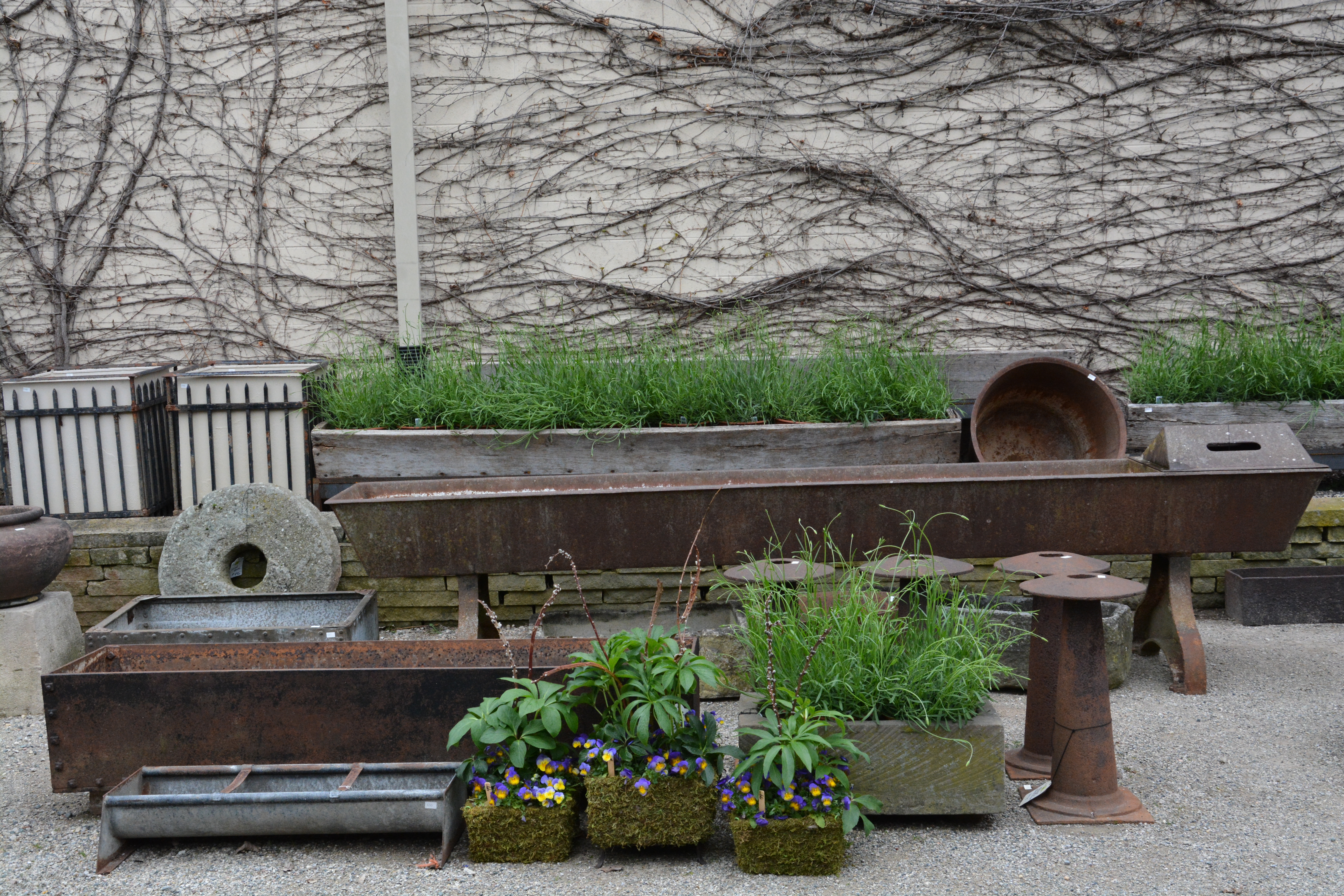
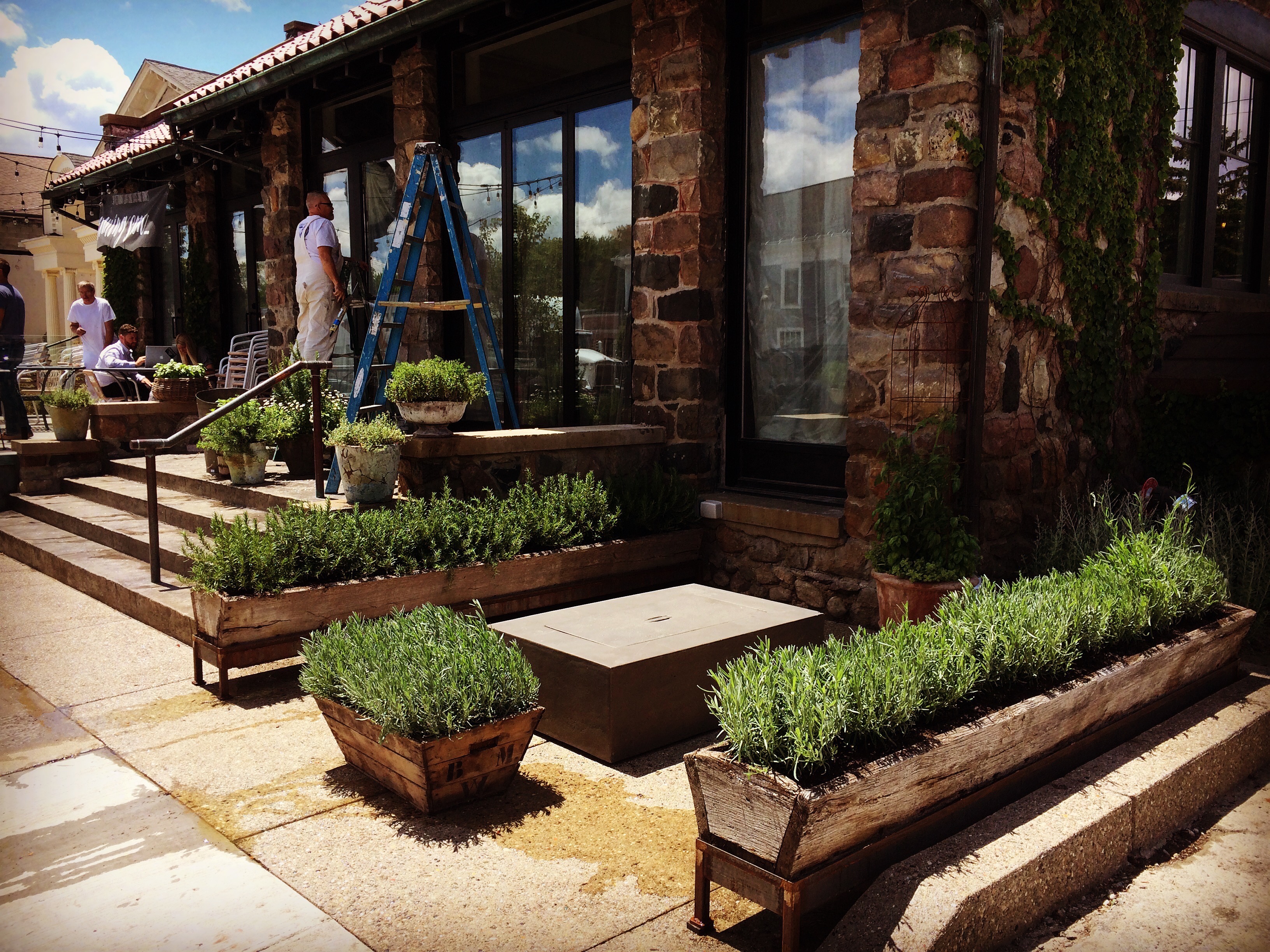 A client who was opening a restaurant loved Rob’s idea to plant wood crates and pots full of lavender. This container planting will have a very long life. I suspect it will look great long into the fall.
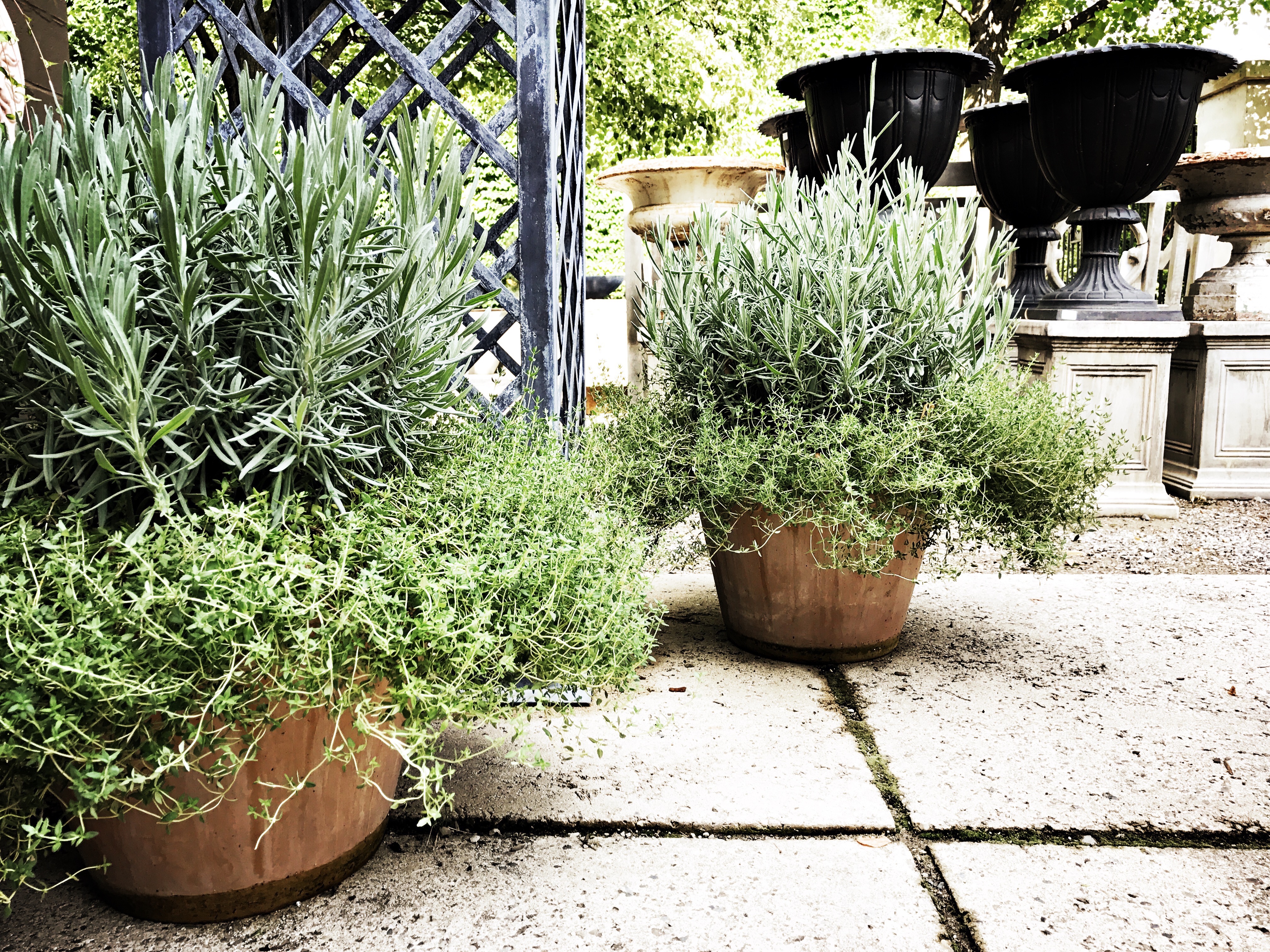 These containers looked beautiful-today. Though planting lavender directly into my garden has never worked out very well, these pots of lavender and thyme are entirely satisfactory. So pleased to have a little lavender in my gardening life. To follow are pictures of lavender that make my heart beat faster. Click on what is written below each picture for details and pictures credits.
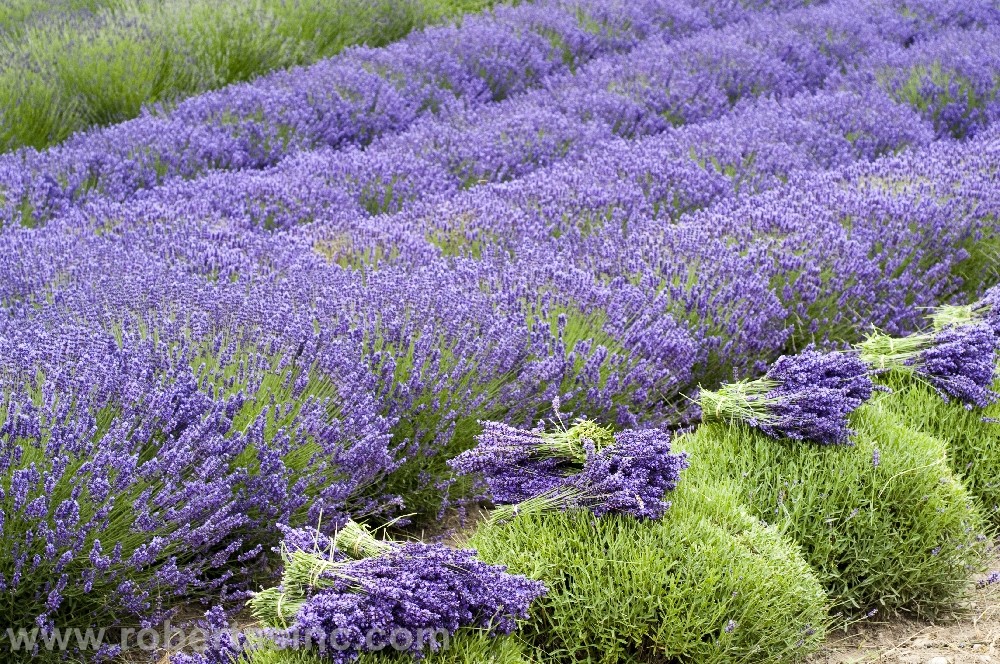
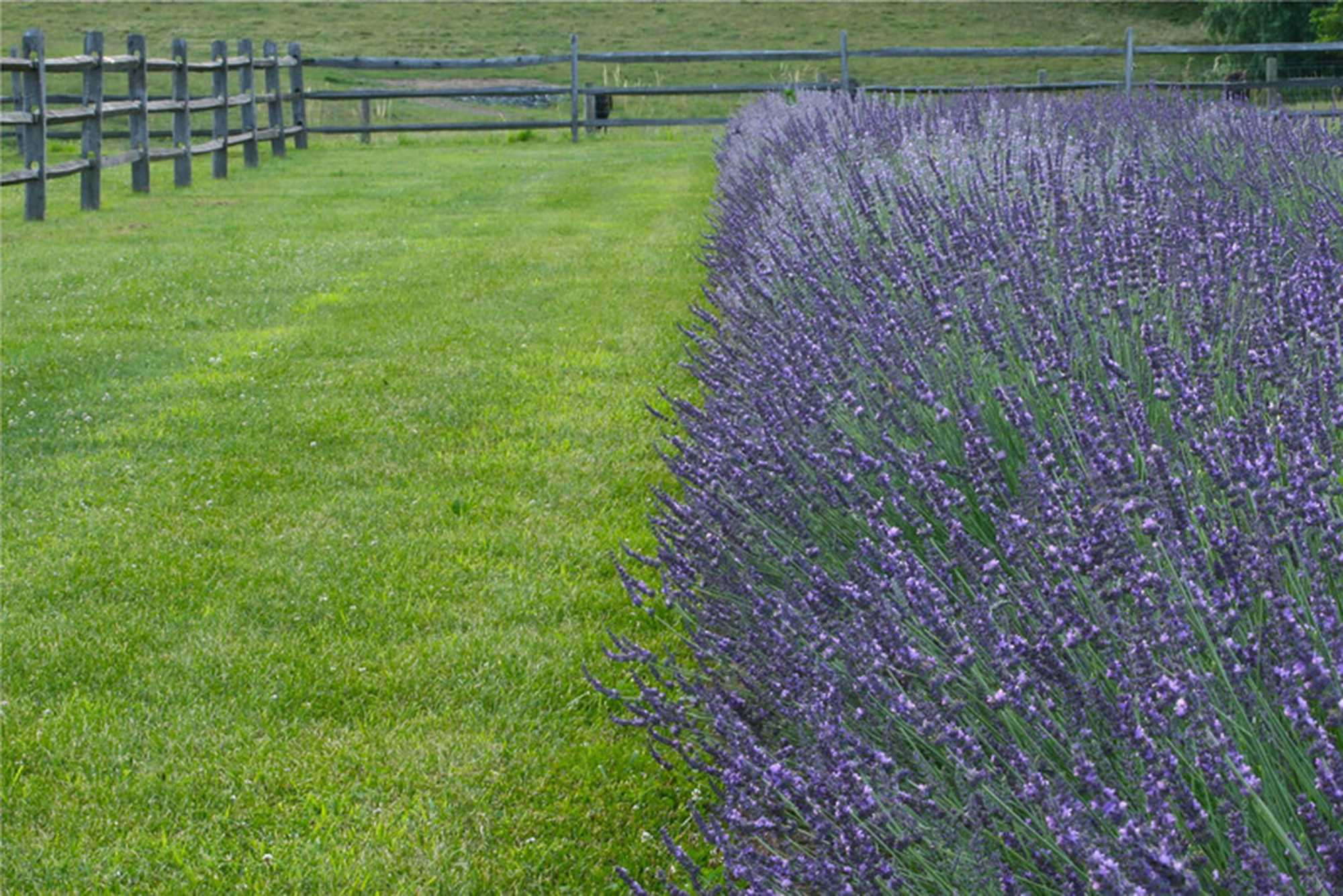 lavender “Phenomenal” from Peace Tree Farms
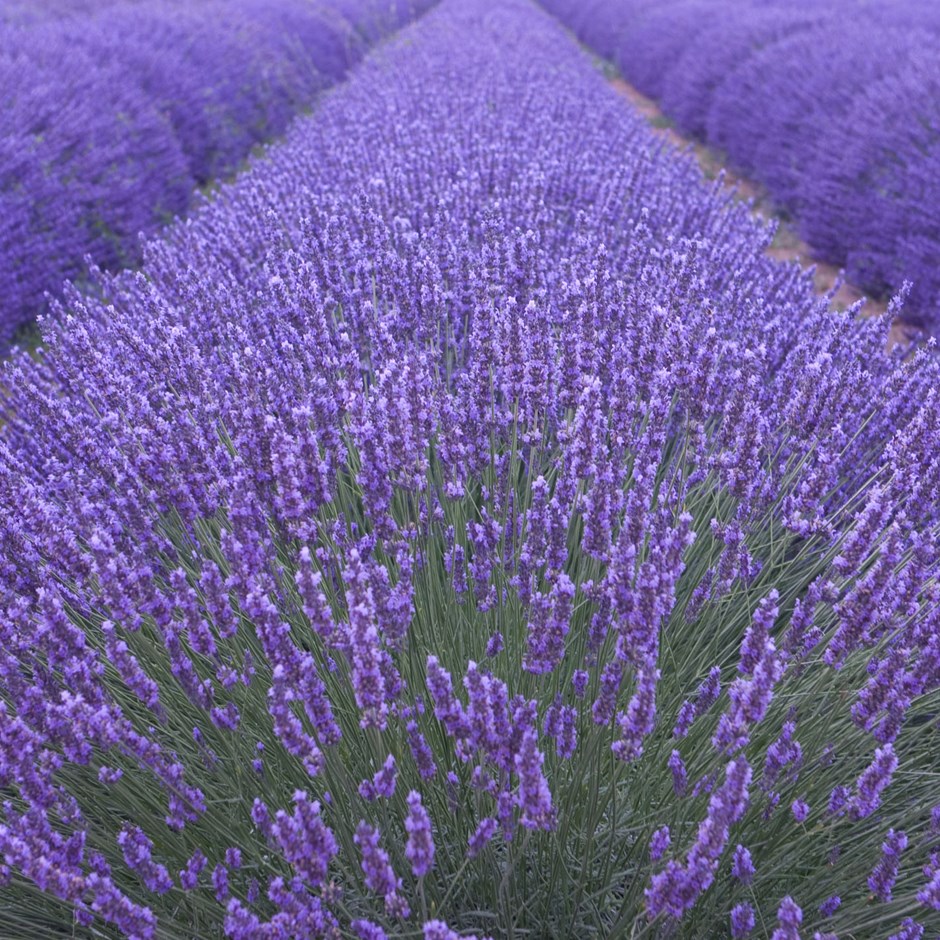 lavender angustifolia “Munstead” from RHS plants
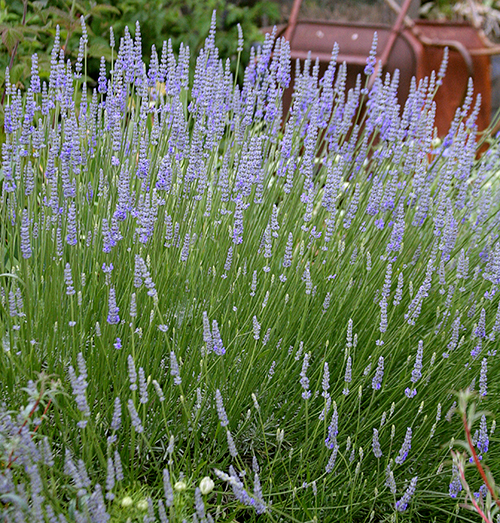 lavender “Provence” from Annie’s Annuals and Perennials
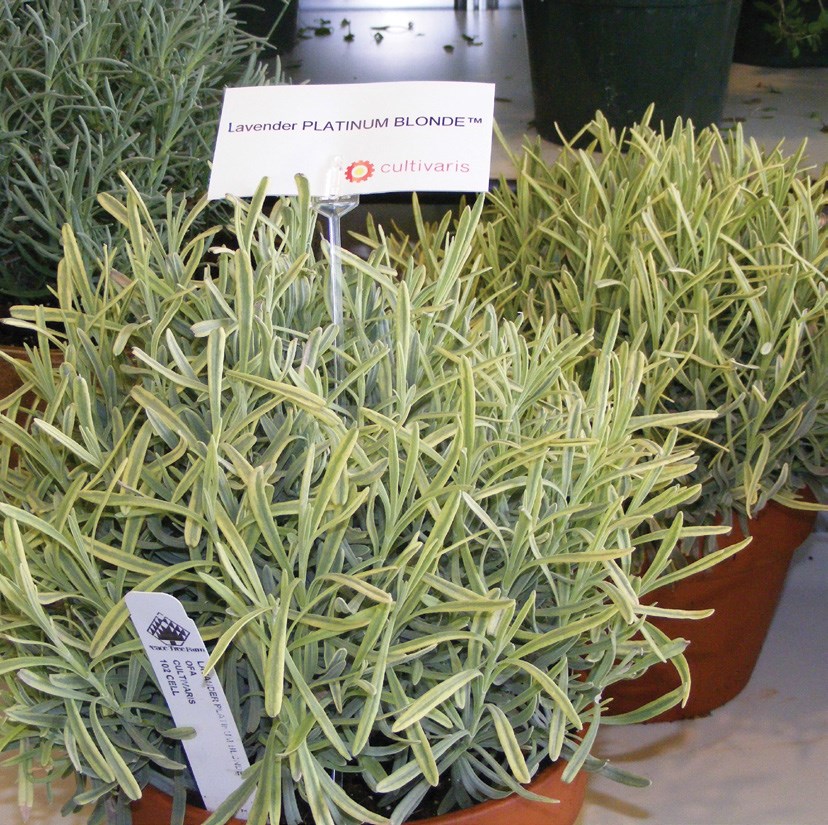 Lavender “Platinum Blonde” from American Nurseryman Magazine
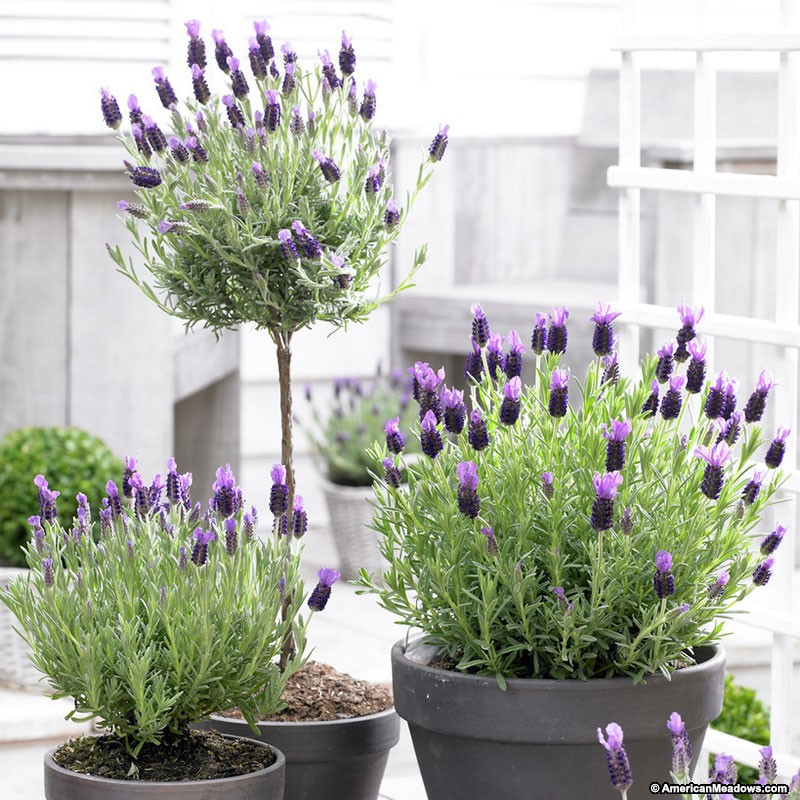 lavender “Anouk” from American Meadows
There are so many varieties of lavender available. Make a place somewhere for this plant. You will appreciate the romance.
Interested in a good overview?
A more detailed discussion of lavender