 These three words-Italian terra cotta-are more than enough to get my attention, and make my heart pound. Terra cotte-translated literally from the Italian-fired earth. Pots fashioned from fired earth-what could be better? What better container in which to grow a plant? Containers from clay-what could possibly be more basic and natural? The clay pot is a gardening icon. I have stacks of them in my garage-I would wager that you do too. On occasion, a client will fill their trunk with unneeded clay pots, and bring them to me. Who could bear to throw one away? Crusty with age and use-all the better. I have yet to have a client insist on a brand new clay pot, if all I have in a size they need is a used pot. Used and vintage plain terra cotta pots provide just as good a home for a plant as a new one.
 Italian terra cotta has been a part of my gardening life as long as I can remember. The machine made clay pots of my twenties were no nonsense sturdy and functional. Though the clay is fired, it is porous. The clay will wick moisture away from the roots of a plant. This can be helpful if you are a heavy waterer. If you don’t always get to watering whern you should, a glazed or other moisture conserving pot might be a better choice. That porousity also means that the container breathes; air is essential to proper root development. Machine made terra cotta will break if dropped, or left out over a Michigan winter. There are two critical factors that influence the durability of a clay pot. The quality of the clay is crucial. The best terra cotta pots on the planet come from Impruneta in Italy; the local clay is superior in quality. The other factor-the temperature and duration of the cooking. Fine handmade Italian terra cotta is fired upwards of 1700 degrees. The purpose of a long firing is a maturation process by which the pots are “soaked” with heat.
 Machine made terra cotta has its place. They are available in an astonishing range of sizes and shapes. It is important to properly size a pot. Underpotting a plant leaves no root for root development. Overpotting a plant can result in the soil staying too wet for too long. Azalea pots and bulb pans are low and wide; this shape is specifically designed for shallow rooted plants that do well in less soil rather than more. Long toms (a reference to tomatoes) and rose pots are tall; they accomodate the long root runs of these types of plants. In any event, a classic clay pot is basic to anyone who grows plants. A handmade Italian terra cotta pot-an object of great beauty and durability.
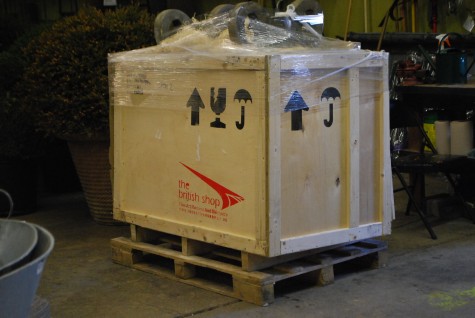
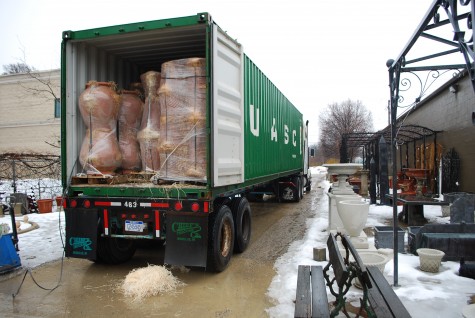
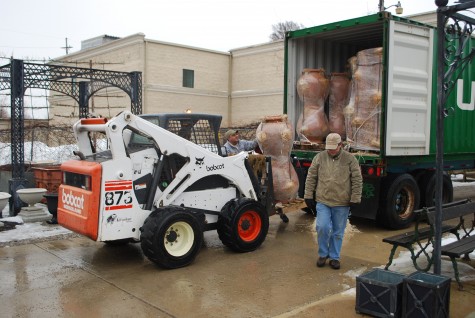
Delivered yeserday, an entire container of handmade Italian pots. The container is 40 feet long, by 10′ wide and 10′ tall. There were a whomping lot of pots on that truck. Why so many? Having a container delivered empty to the pottery means the packing costs are less; they pack and protect their pots quickly and expertly. Of the entire lot of hundreds of pots, one was broken. But the big issue is the volume. When we buy lots of pots direct from the manufacturer, we get a better price per pot. This helps make a handmade Italian terra cotta pot more affordable.
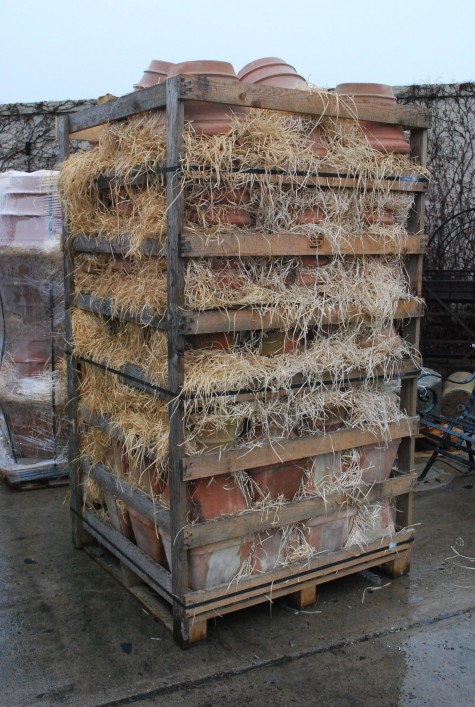
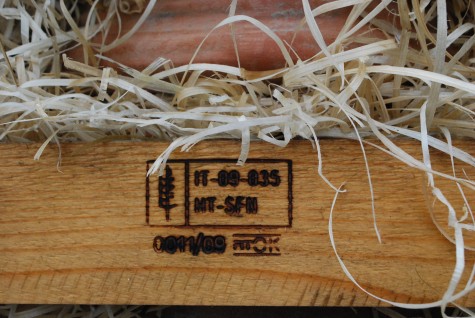 Any wood that comes from overseas has to be heat treated, so no pathogens come along with the pots. Even the pallet wood is cooked. Likewise the excelsior-the pots are protected with wood shavings when they are stacked, and anywhere the steel strapping material touches a clay surface.
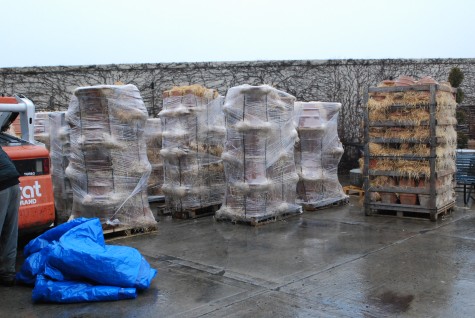
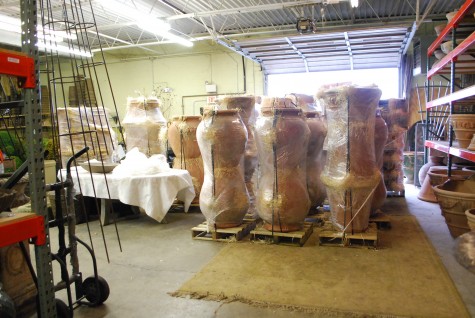 Each pallet is then shrink wrapped. I imagine the trip across the ocean on a boat can get dicey in bad weather. The durability of these pots helps make shipping them easier. Should you thump a terra pot, it should ring with almost a metallic sound. This tells you it is a high fire pot. Pots that thud when thumped-low fire.
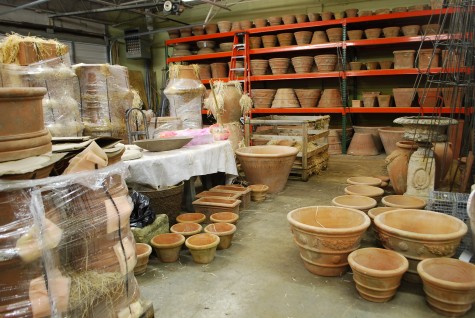 This is an embarrassment of riches in terra cotta pots, but it means someone who needs four matching, or 8 matching might find something they like. The soft orange color will beautifully compliment a planting. Their rugged good looks you will have for a very long time, given proper care. My own pots, but for 3 large English made concrete pots in the classical Italian style, are impruneta terra cotta. A beautiful clay pot is tough to beat. The first pallet of pots I bought 15 years ago was Italian terra cotta-I still remember what a thrill it was to unpack those 14 pots. They were very expensive, as is anything you bring over from Europe, a little at a time. But every one of them found a home, and many of them I am still planting for those clients.
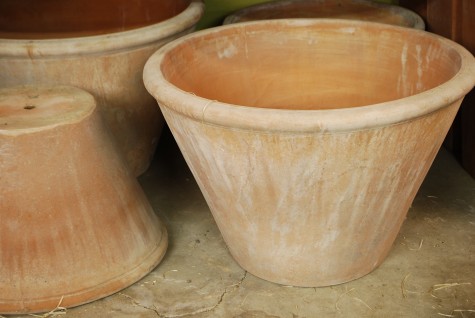
You may be wondering what about this pot enthralls me so much. It is not just the simple beauty of the form, the soft color and subtle surface.
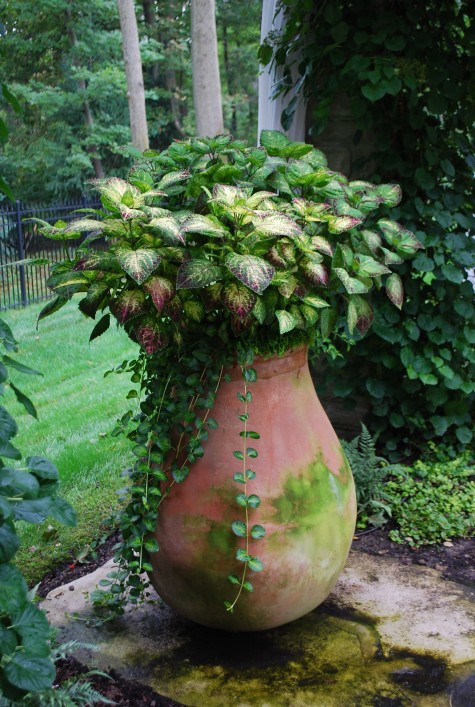 A beautifully planted Italian terra cotta pot can mean this for a garden.