At A Glance: Plants And Planters

steel planter

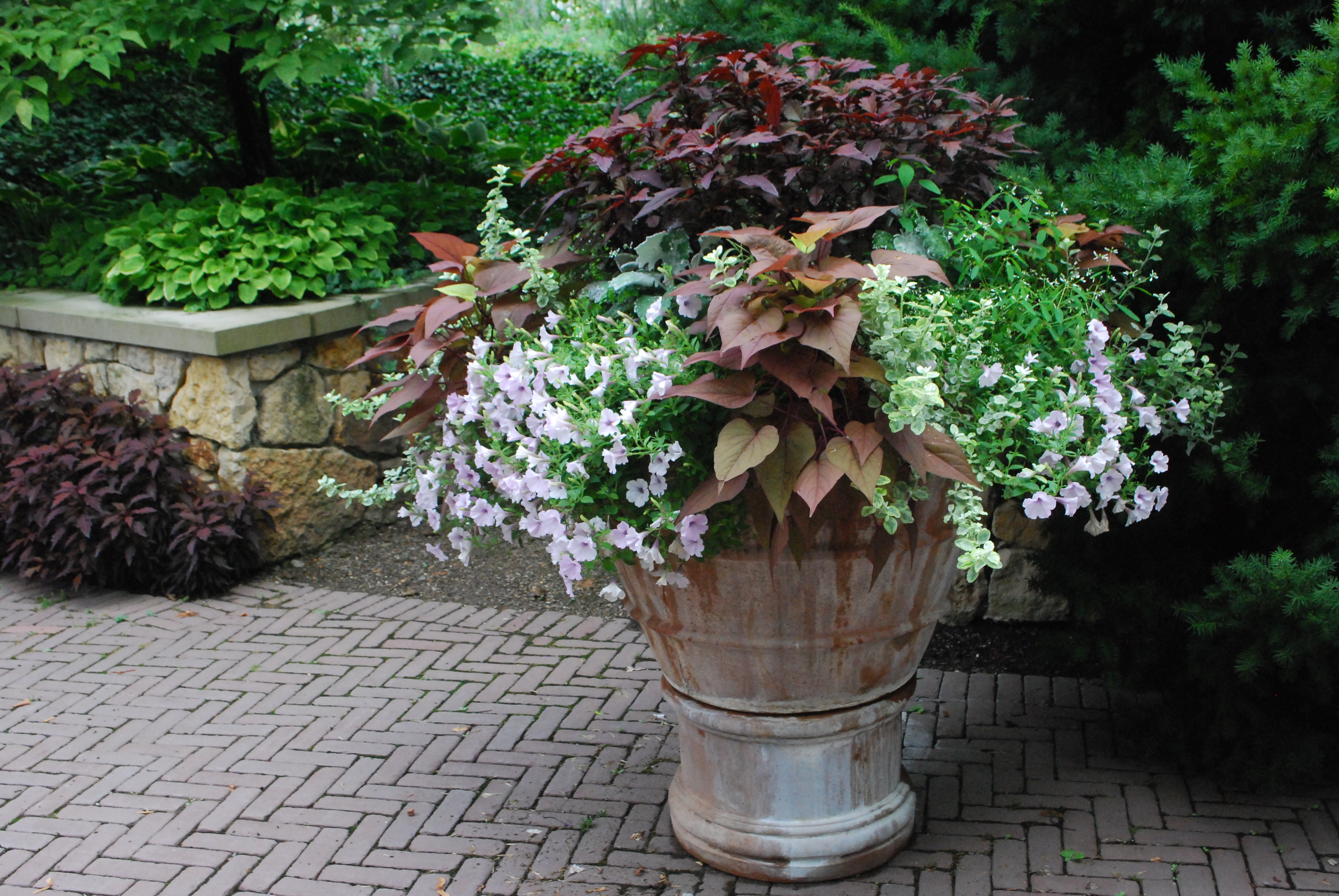
shade container plantings

vintage French wine barrel

Italian terra cotta pot and plinth
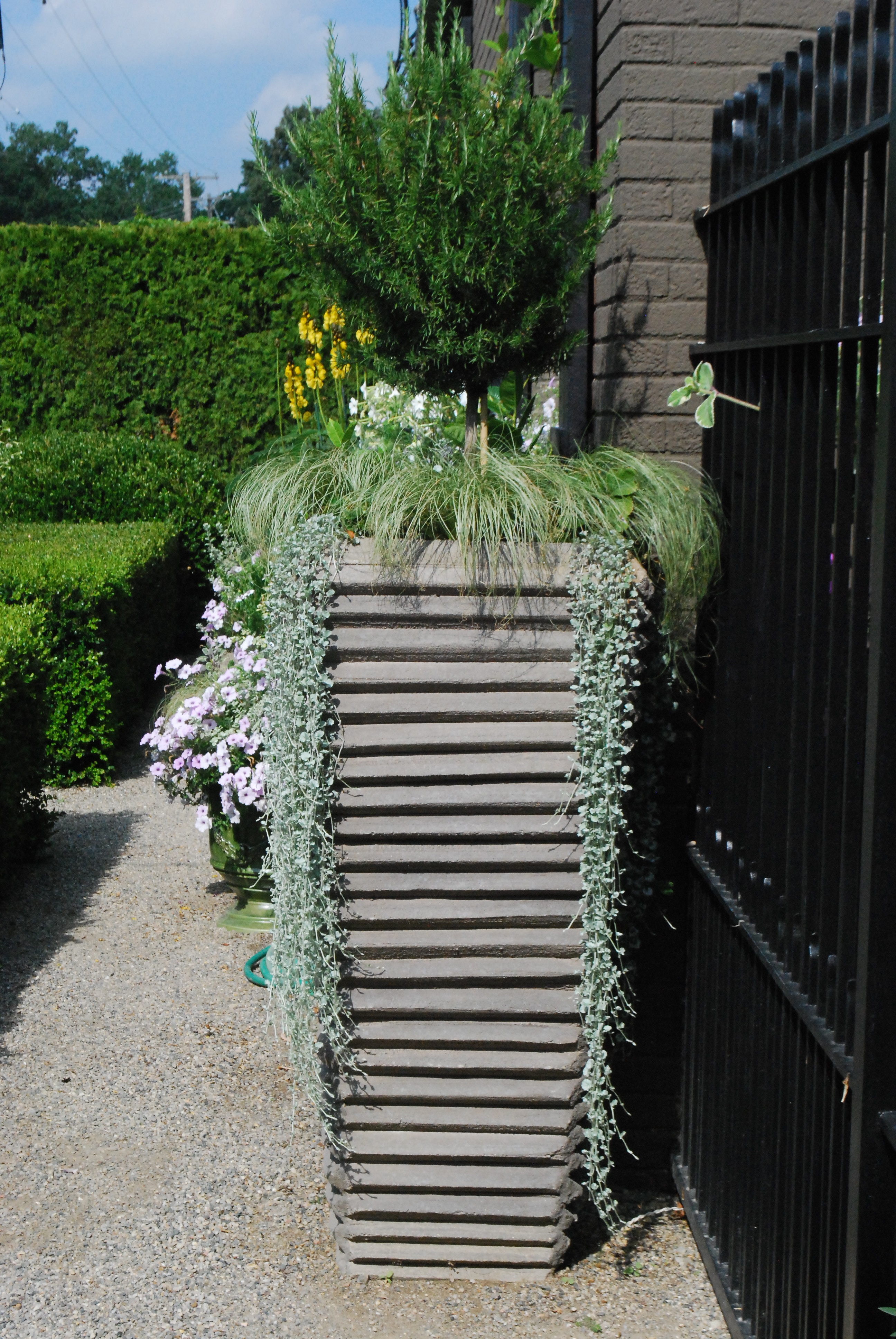
ridged concrete pot
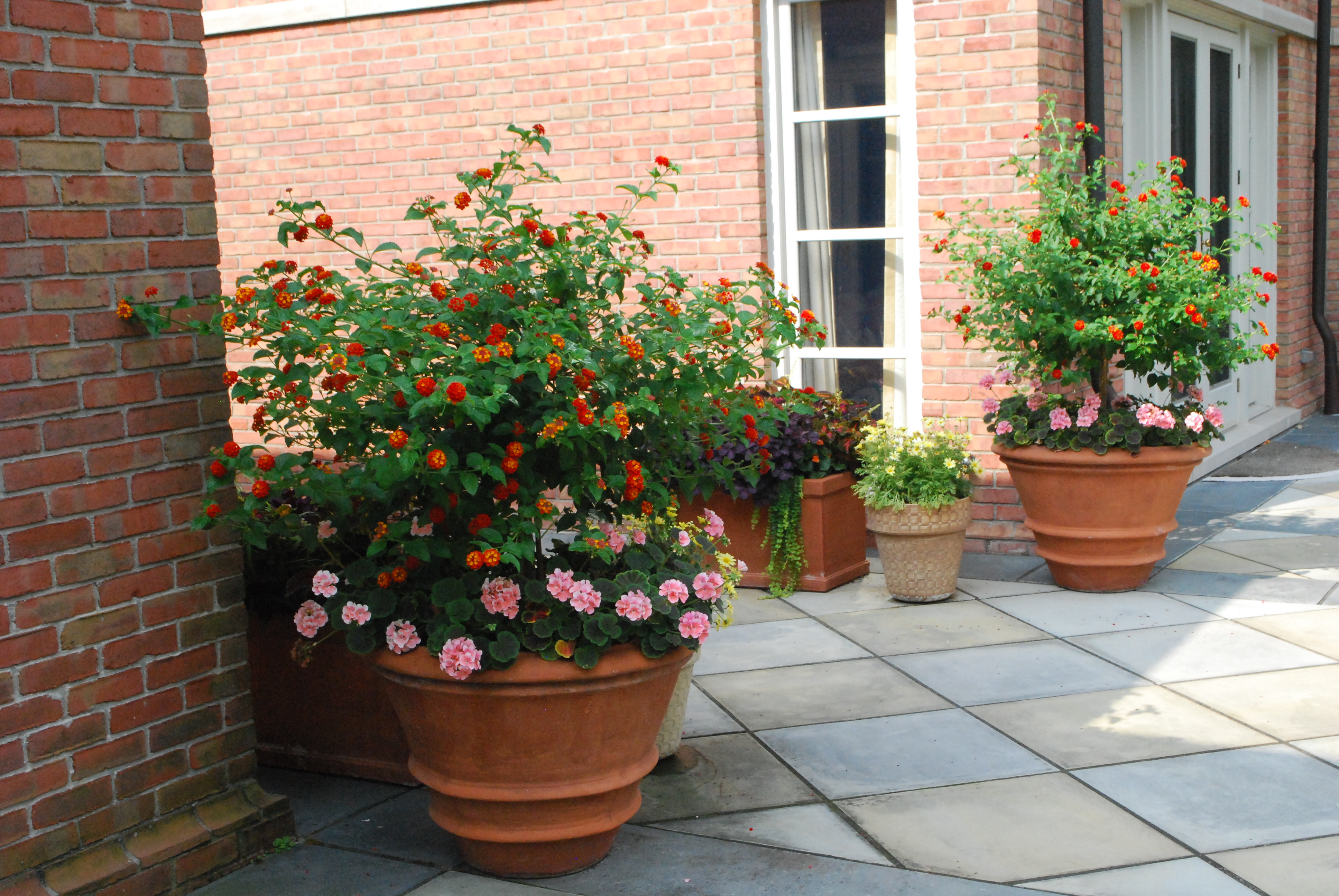
lantana on standard

Italian terrra cotta

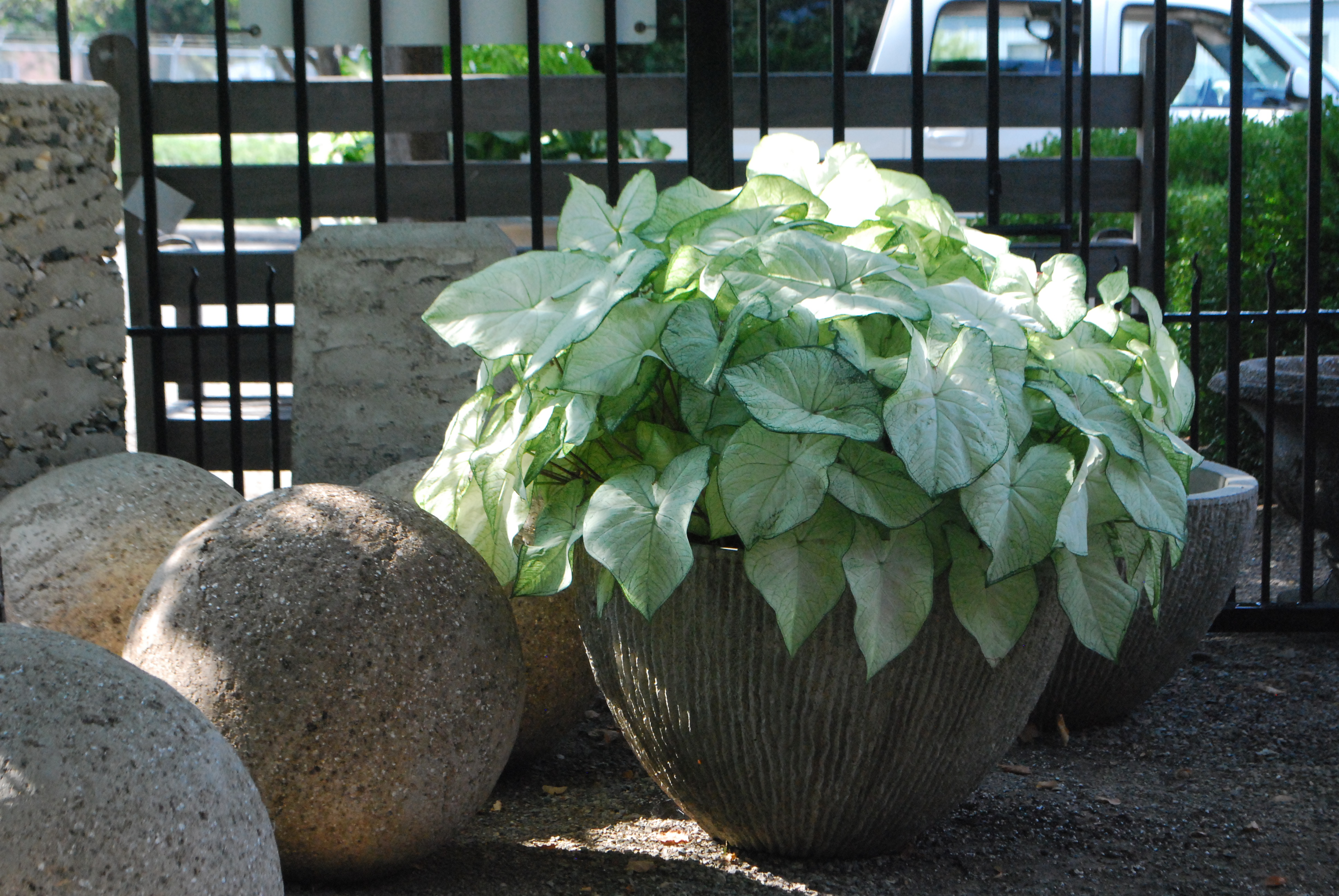
ribbed concrete bowl planter
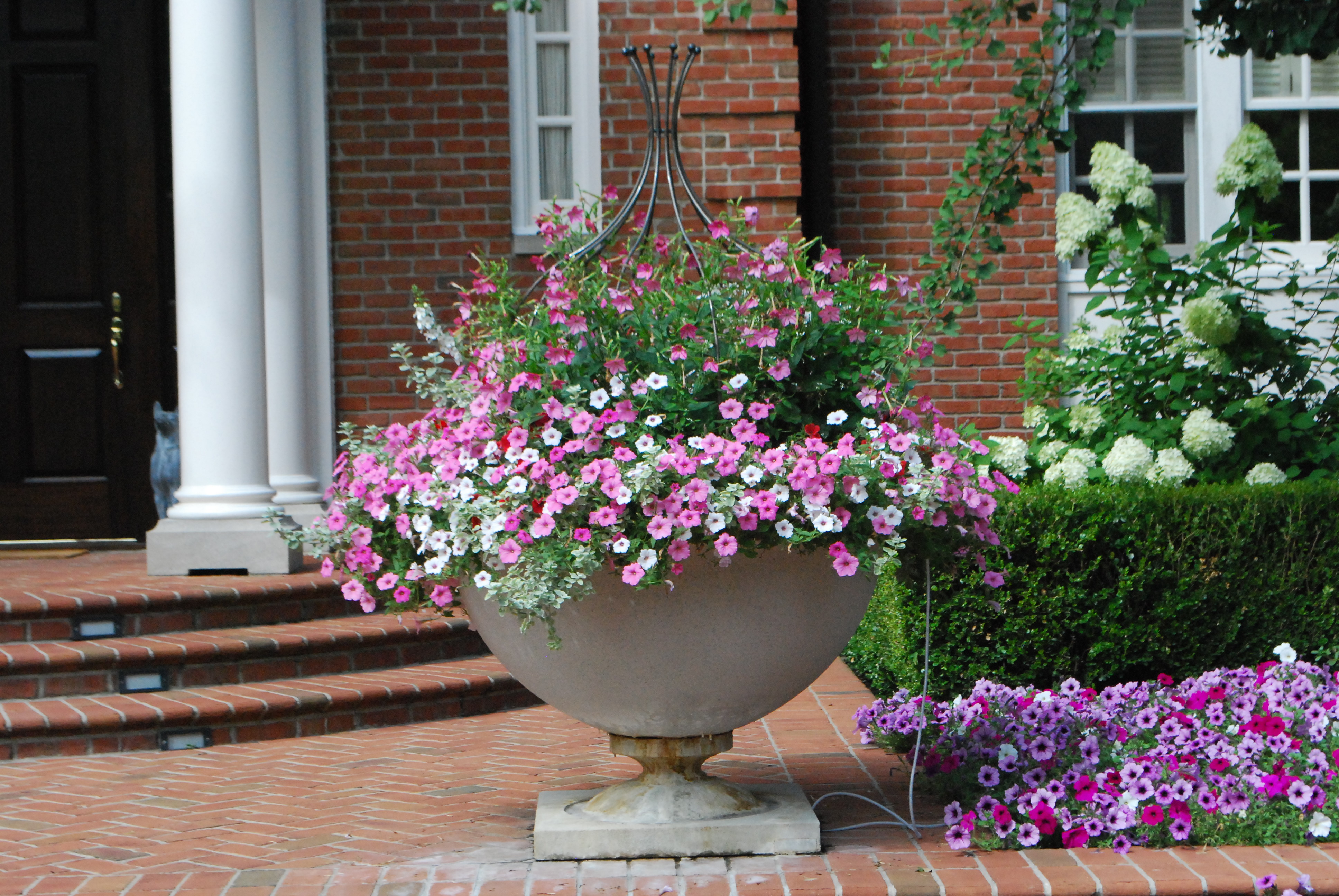
limestone urn
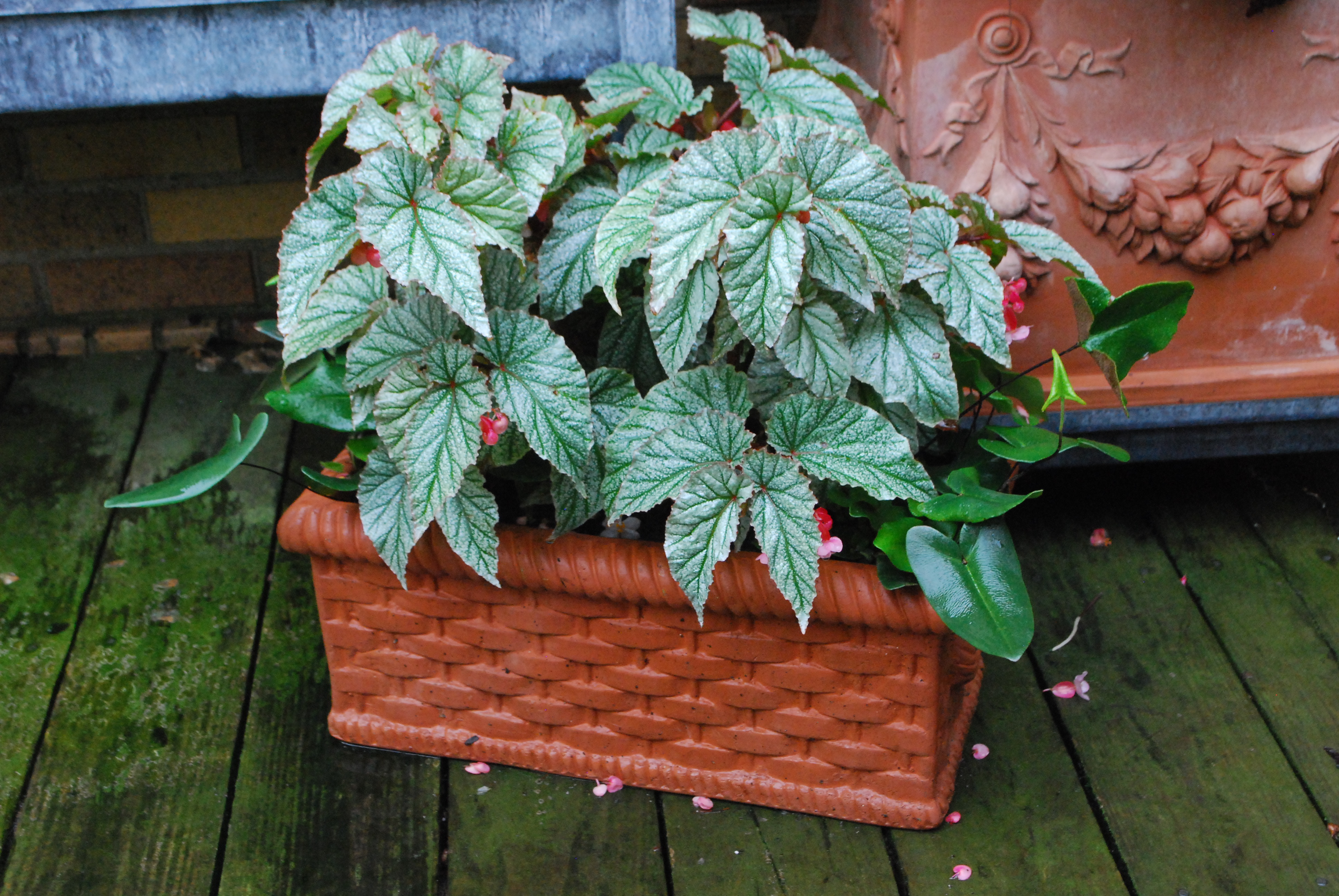
limestone urn

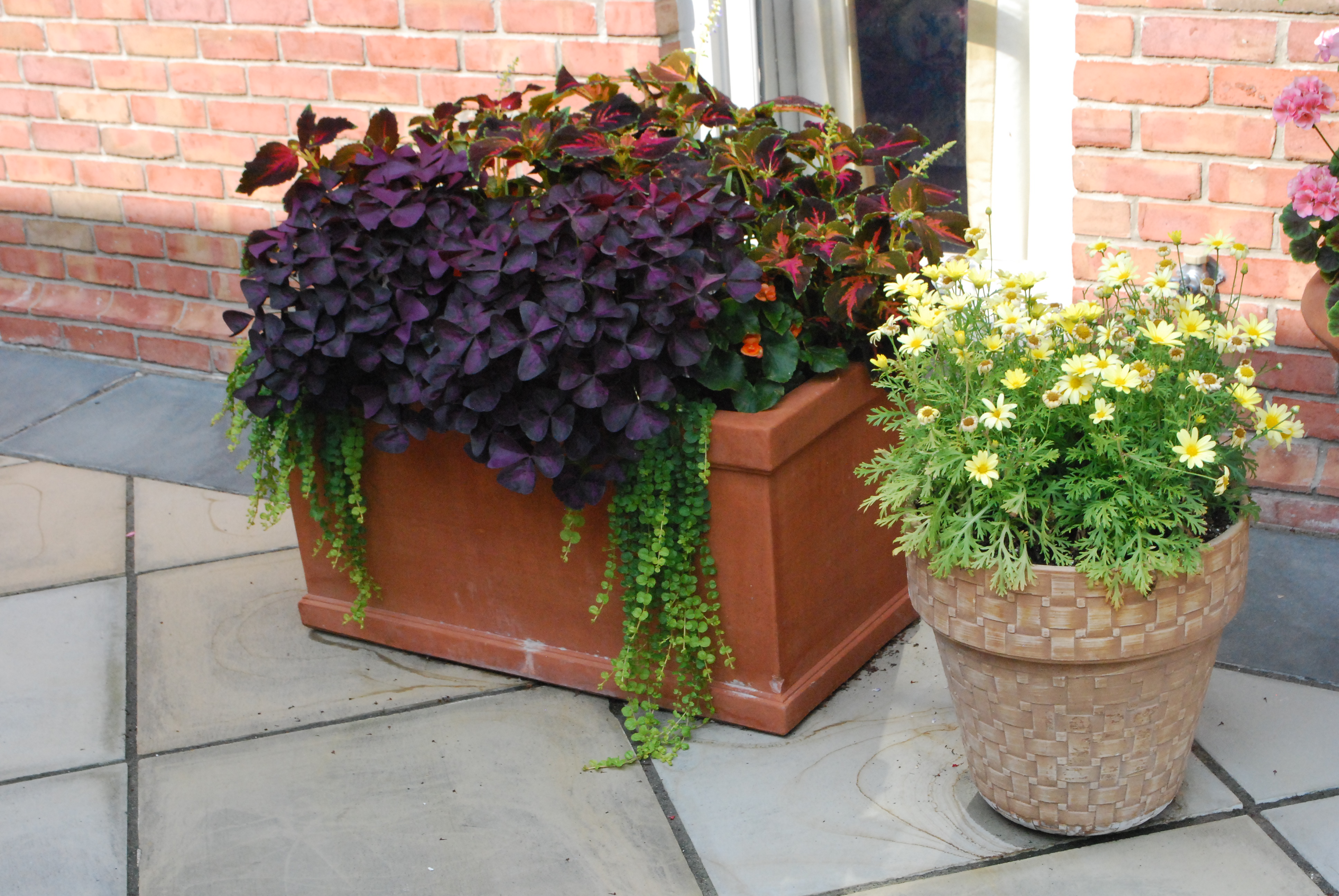
terra cotta basketweave box
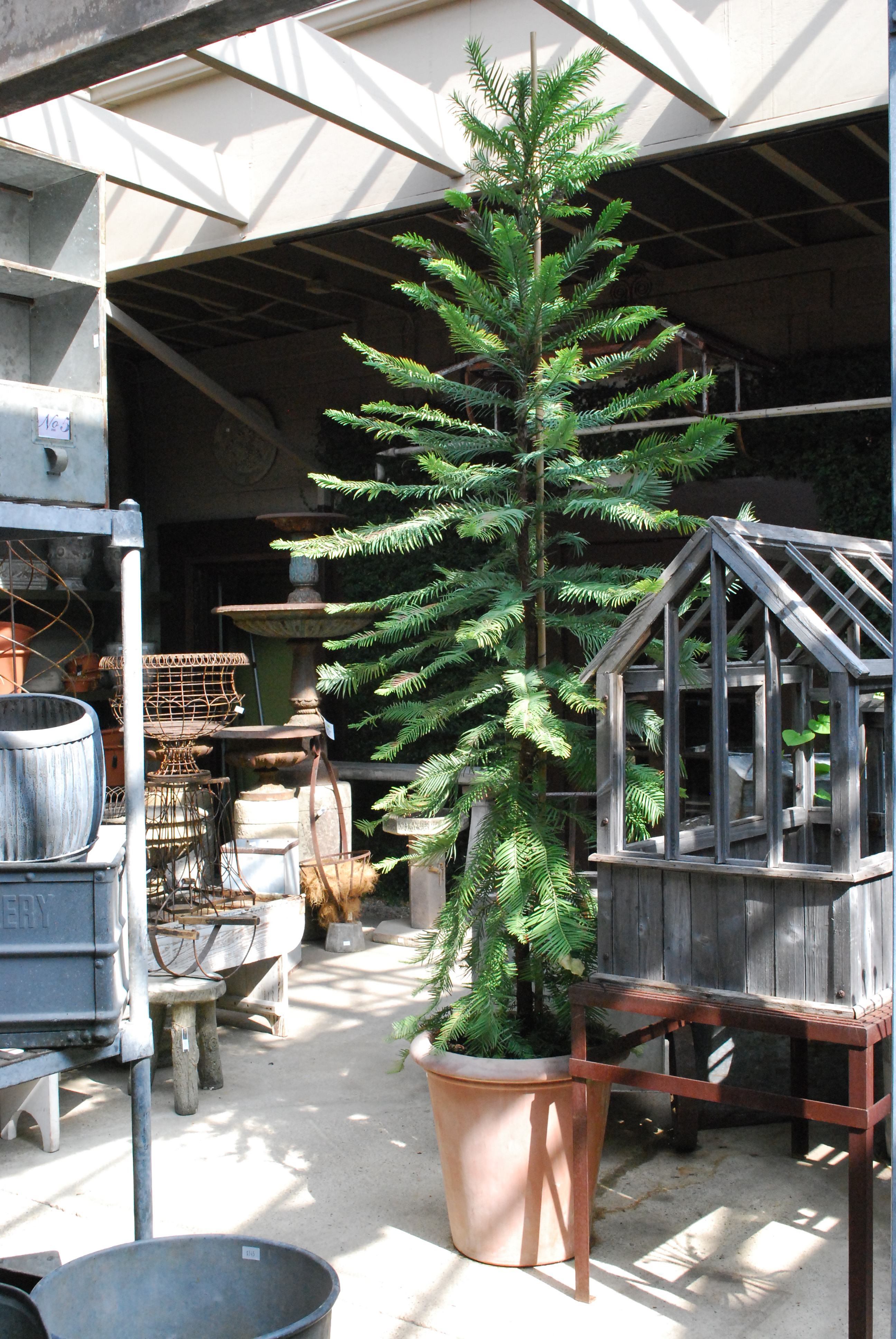
wollemi pine

terra cotta long tom

terra cotta planters
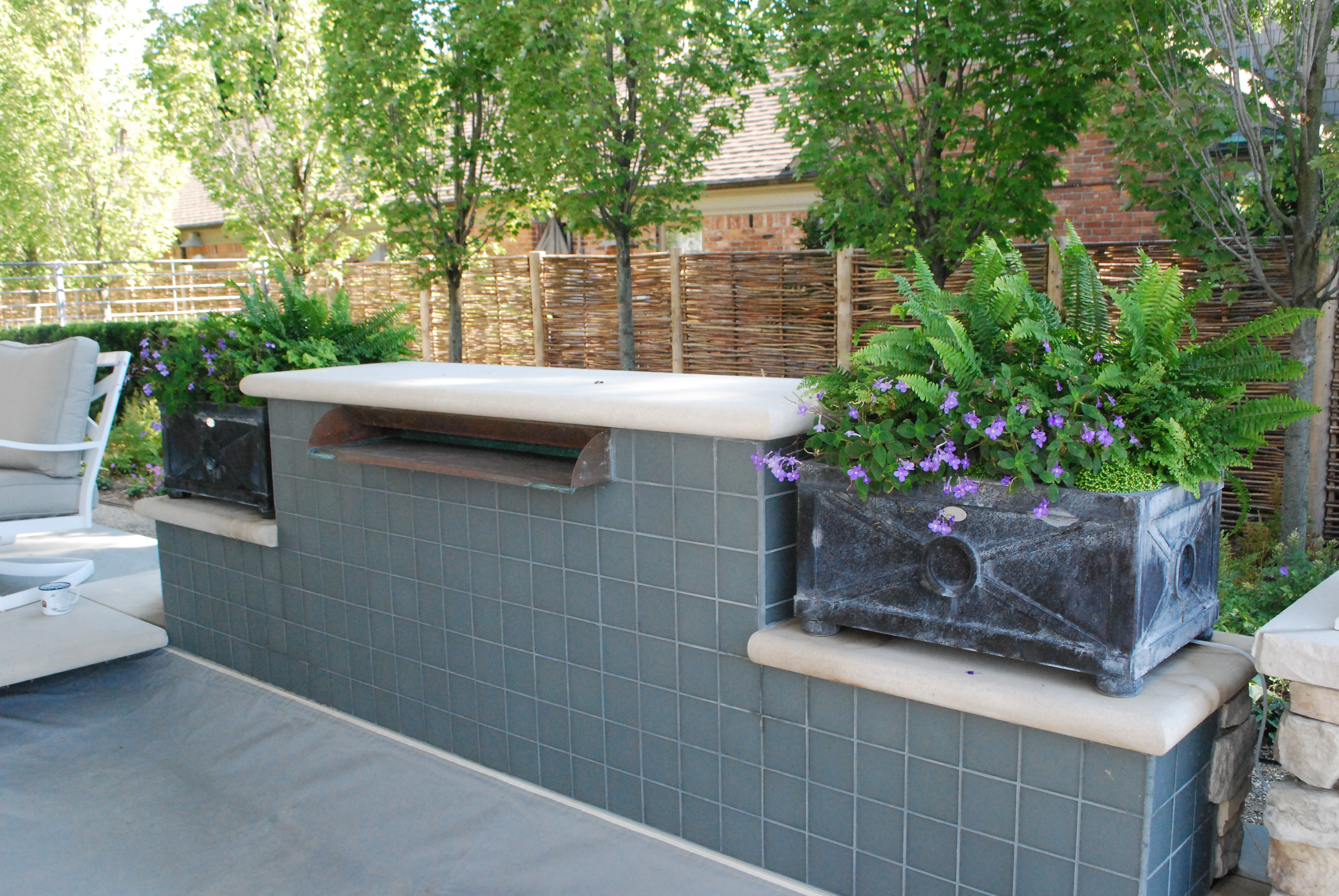
steel boxes
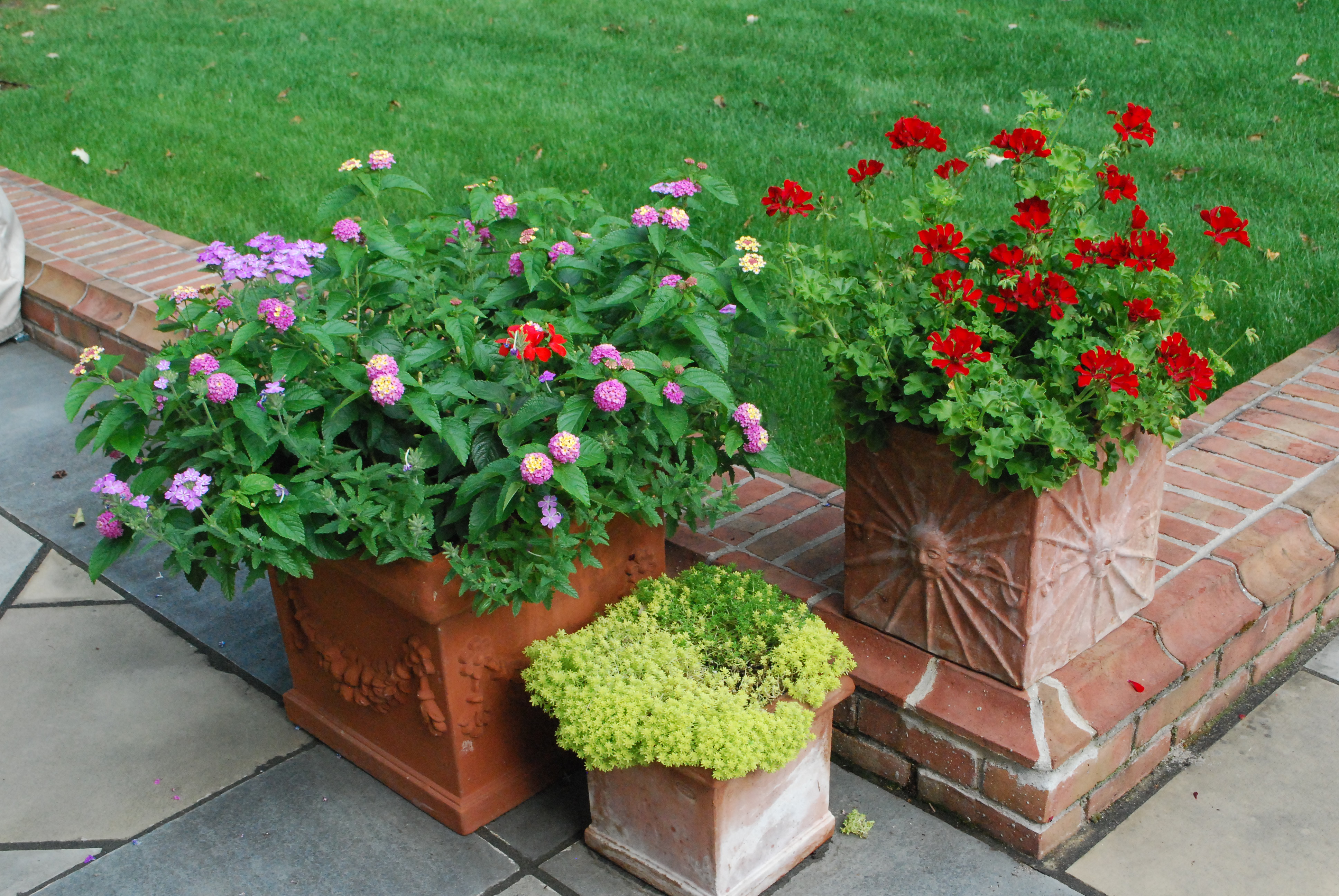
terra cotta planters

terra cotta boxes
 

Sun Parasol Mandevilleas

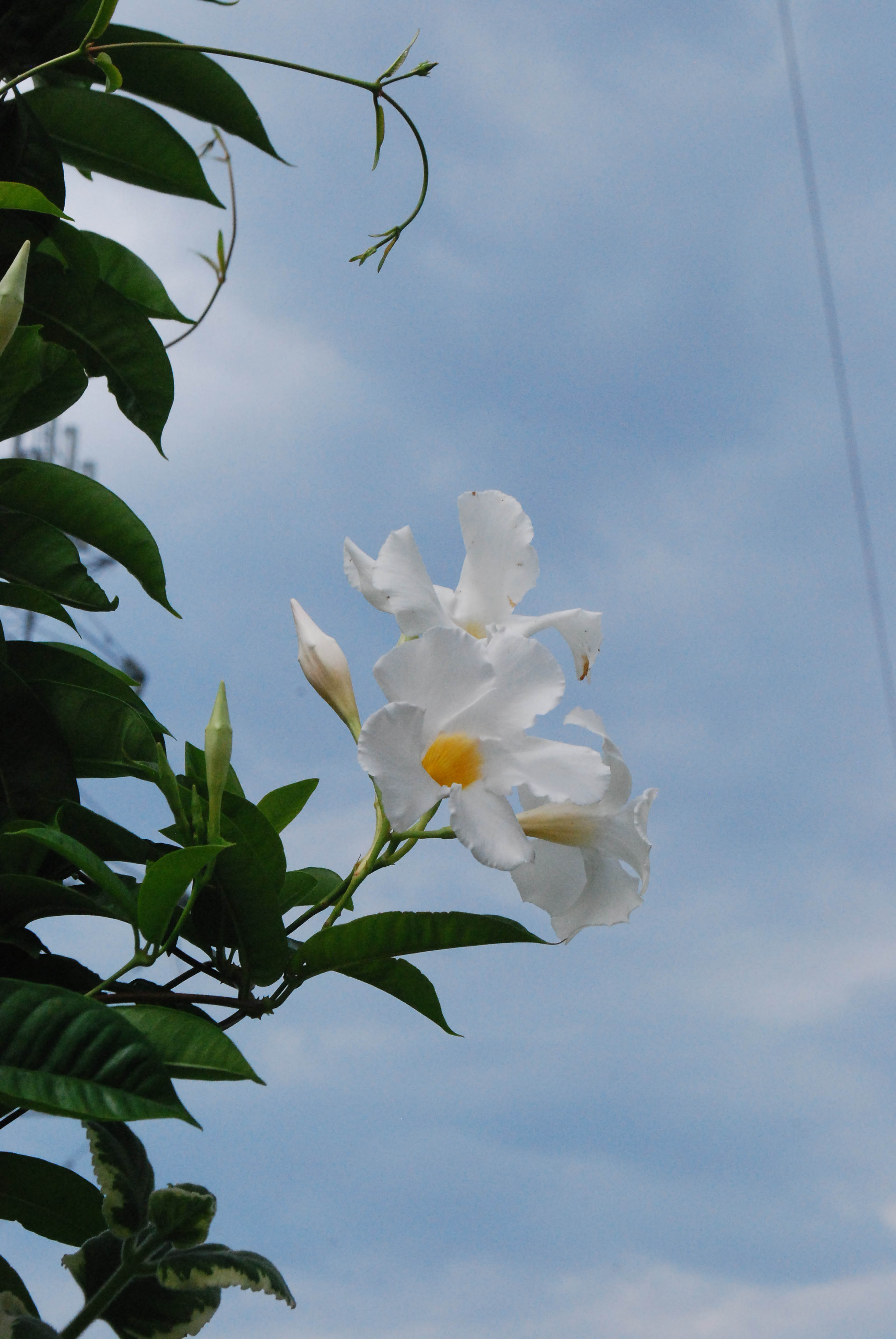
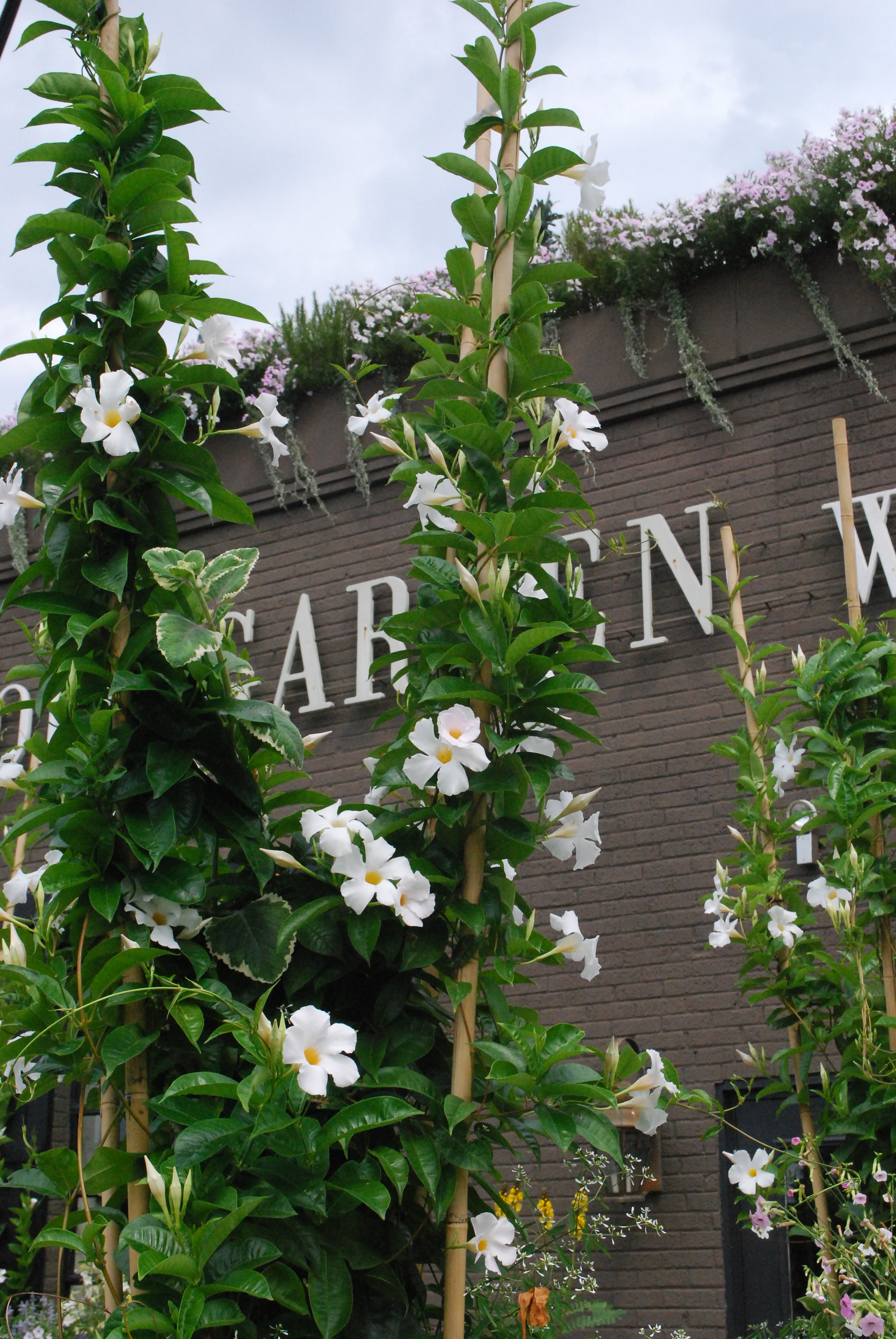
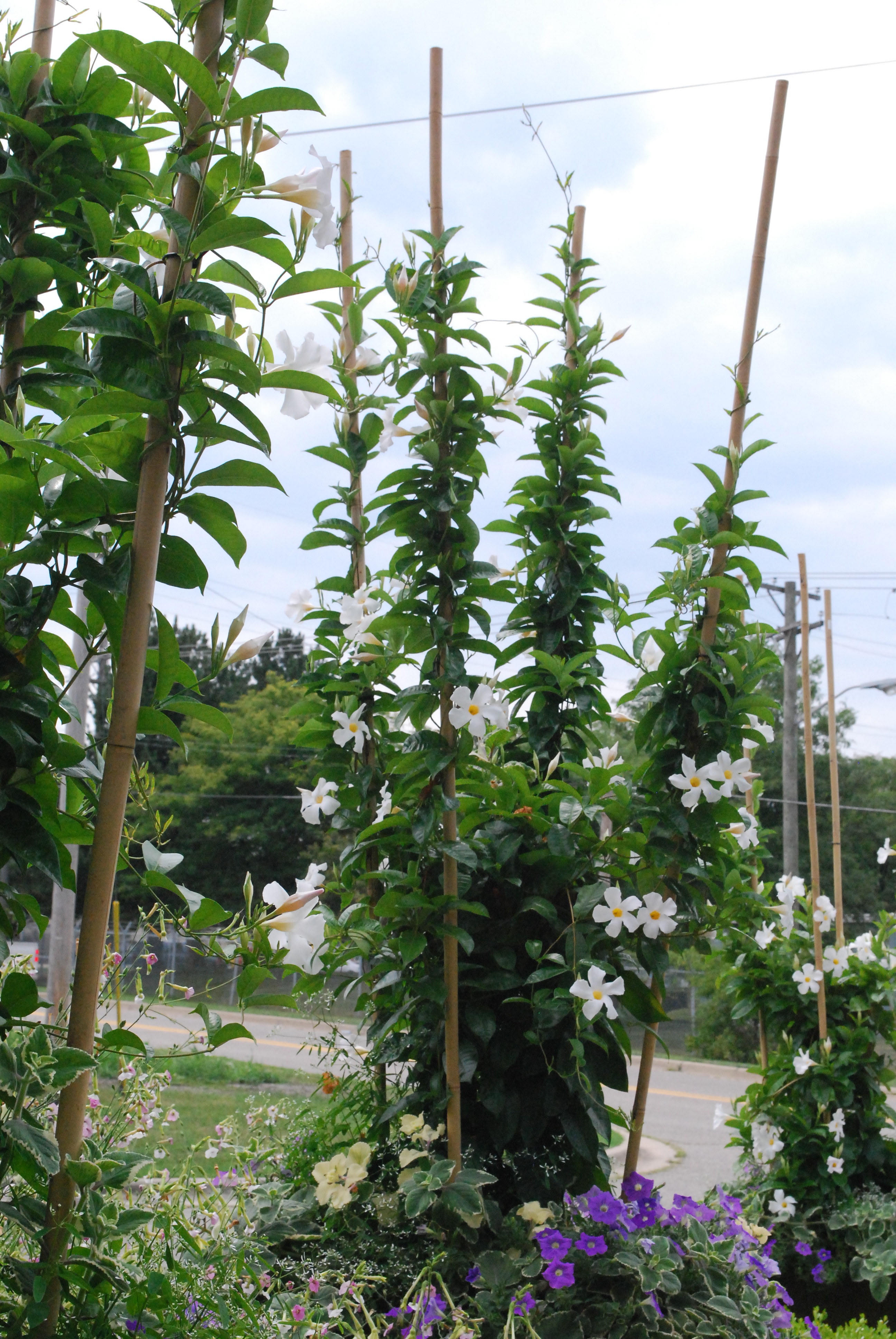
white mandevillea

The family of plants known as dogbane includes a genus of very handsome plants known as mandevillea.  Mandevillea is a vining plant native to tropical climes-in central and South America.   Michigan in no way resembles the tropics, but this vine is willing to perform here during the summer.  Older forms of mandevillea, including the cultivar Alice du Pont, regrettably, are magnets for both insects and disease.  In 2003, Suntory Flowers Ltd in Japan released a new series of mandevillea called Sun Parasol.  Their breeding efforts produced plants with great vigor and disease resistance.  Their near continuous bloom and ease of cultivation is as attractive as the flowers themselves.    

mandevillea vine

Mandevilleas do require some sort of support to climb.  This does not have to be fancy, since a well grown vine completely cover a pole, wire or trellis in short order. The vines do not attach themselves to a support, they wind around it. I have on occasion planted small mandevilleas as trailers in containers. Their natural inclination to curl gives them a very lively and wired appearance in a pot.    

parasol white mandevillea

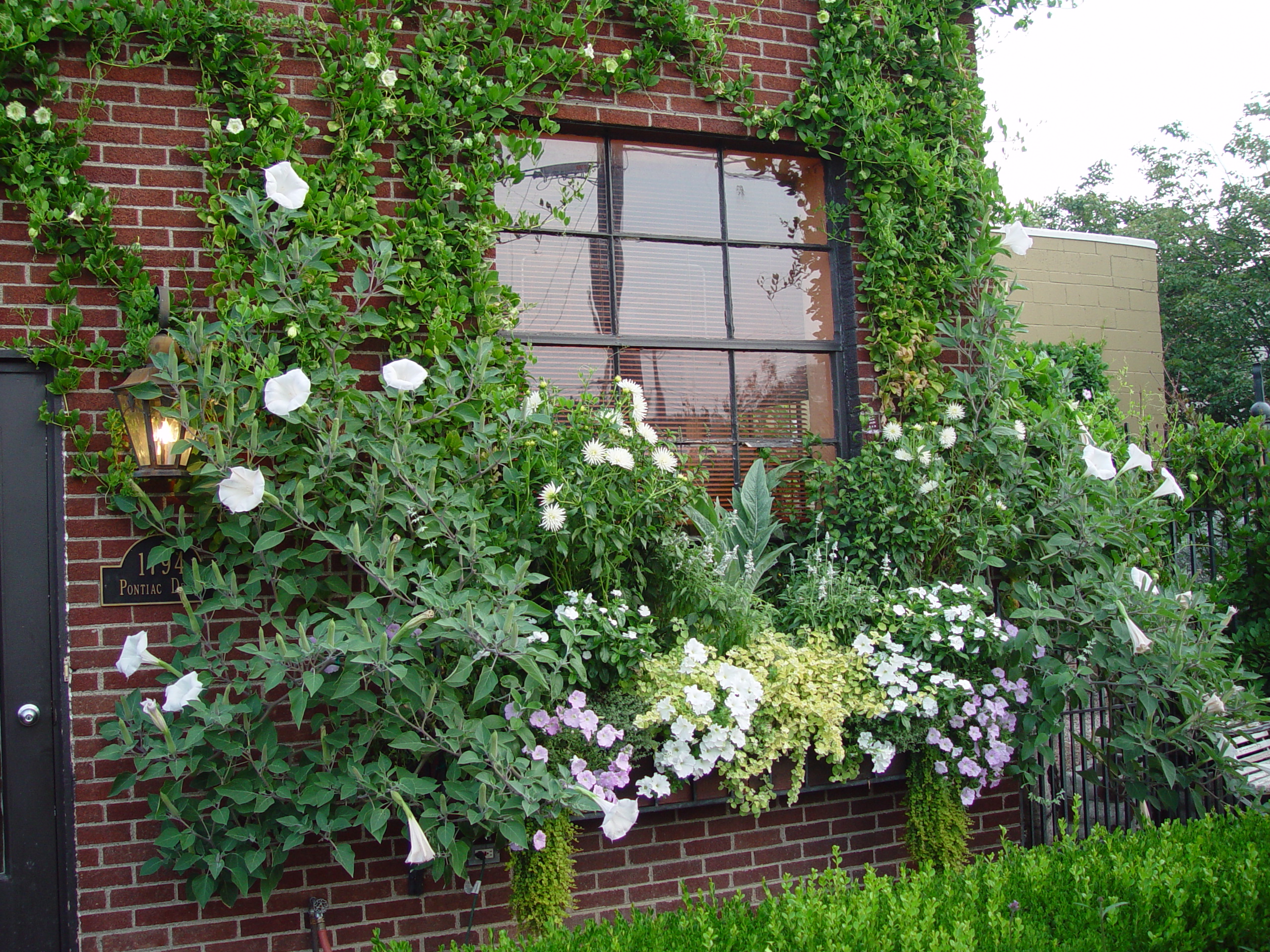
All six containers in the front of the shop have white mandevillea as their centerpiece.  Additionally, the windowboxes at the shop are framed by white mandevillea vines.   That decision was made long before the weather warmed up enough to plant. A cool and rainy summer would not have been so friendly to my choice.  Mandevillea loves hot weather-the hotter, the better.  They also like to be kept on the dry side.  This summer-a perfect summer for them.

growing mandevillea

Mandevilleas only bloom on every third set of leaves.  This means the look of the leaves is every bit as important as the flowers.  The dark green, glossy, and healthy foliage is beautiful in its own right.  My Jeannie le Joie climbing roses are a dream come true in the spring, but the foliage right now is nothing much to look at.         

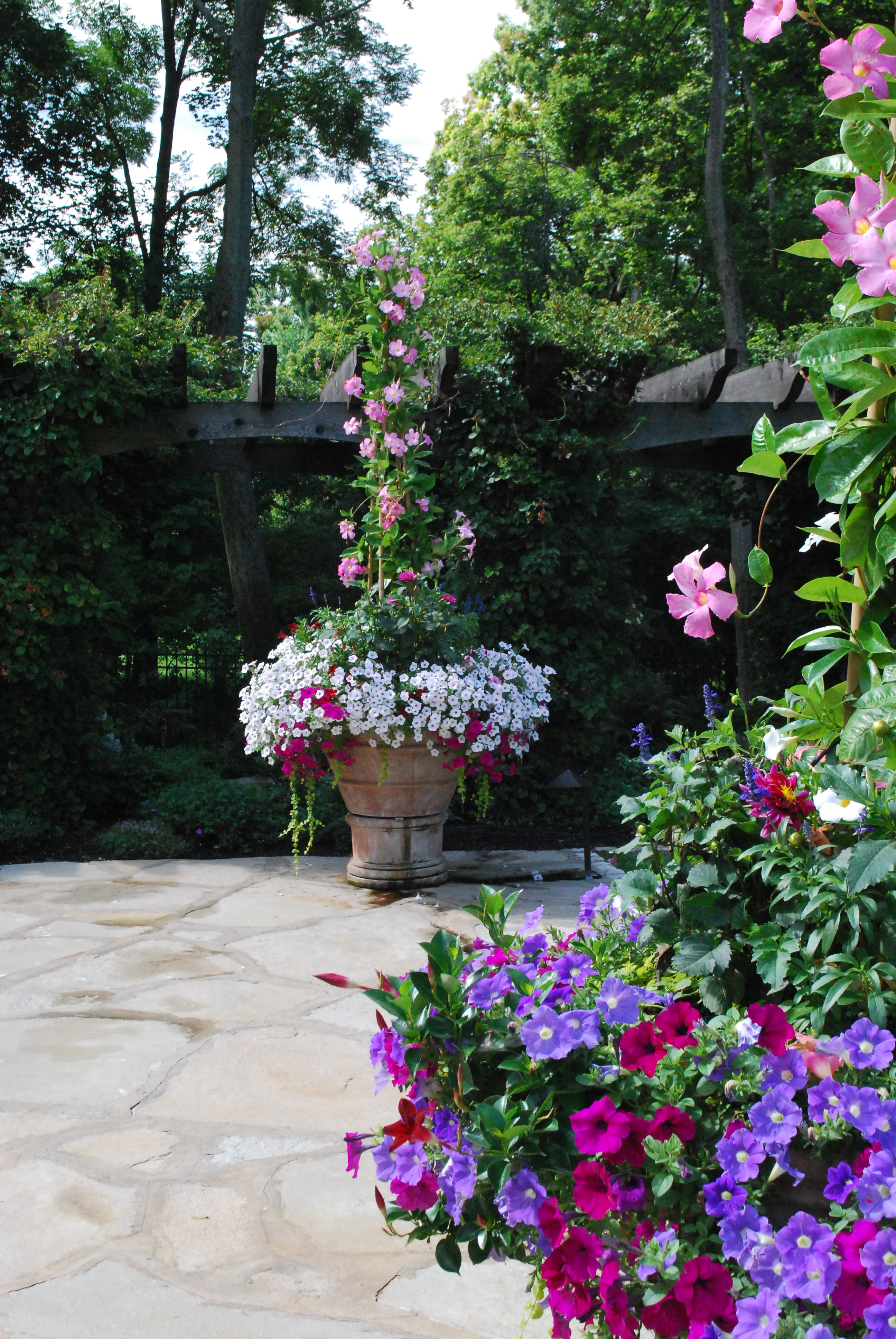
giant pink mandevillea

This week I have been catching up some of the plantings I did in May.  I was happily surprised to see that every mandevillea we planted was growing strong.  If I plant mandevillea as a centerpiece in a pot, I gradually remove its bottom leaves. Layering plants in a container requires some grooming, so one layer does not shade the other.  

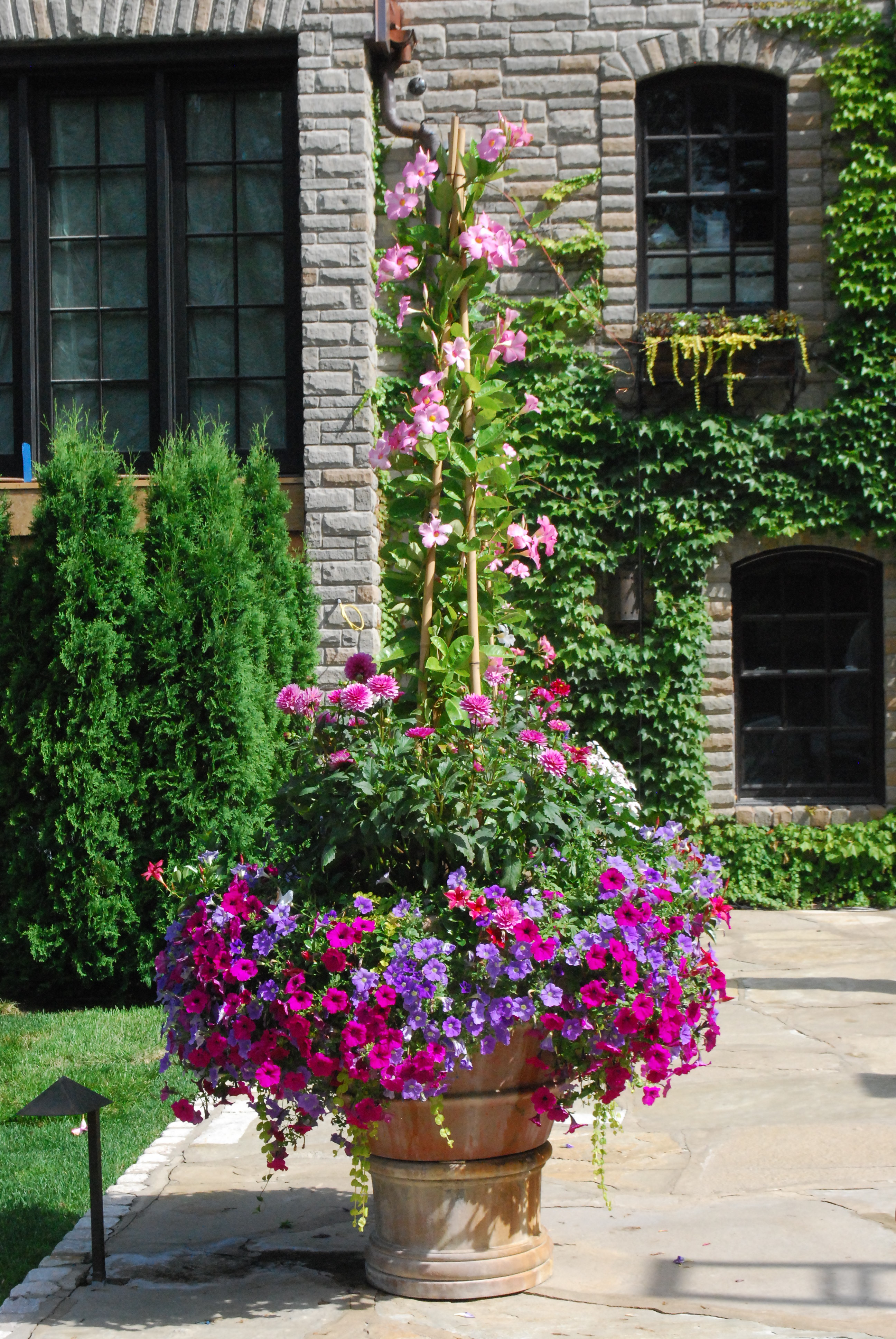
giant pink mandevillea

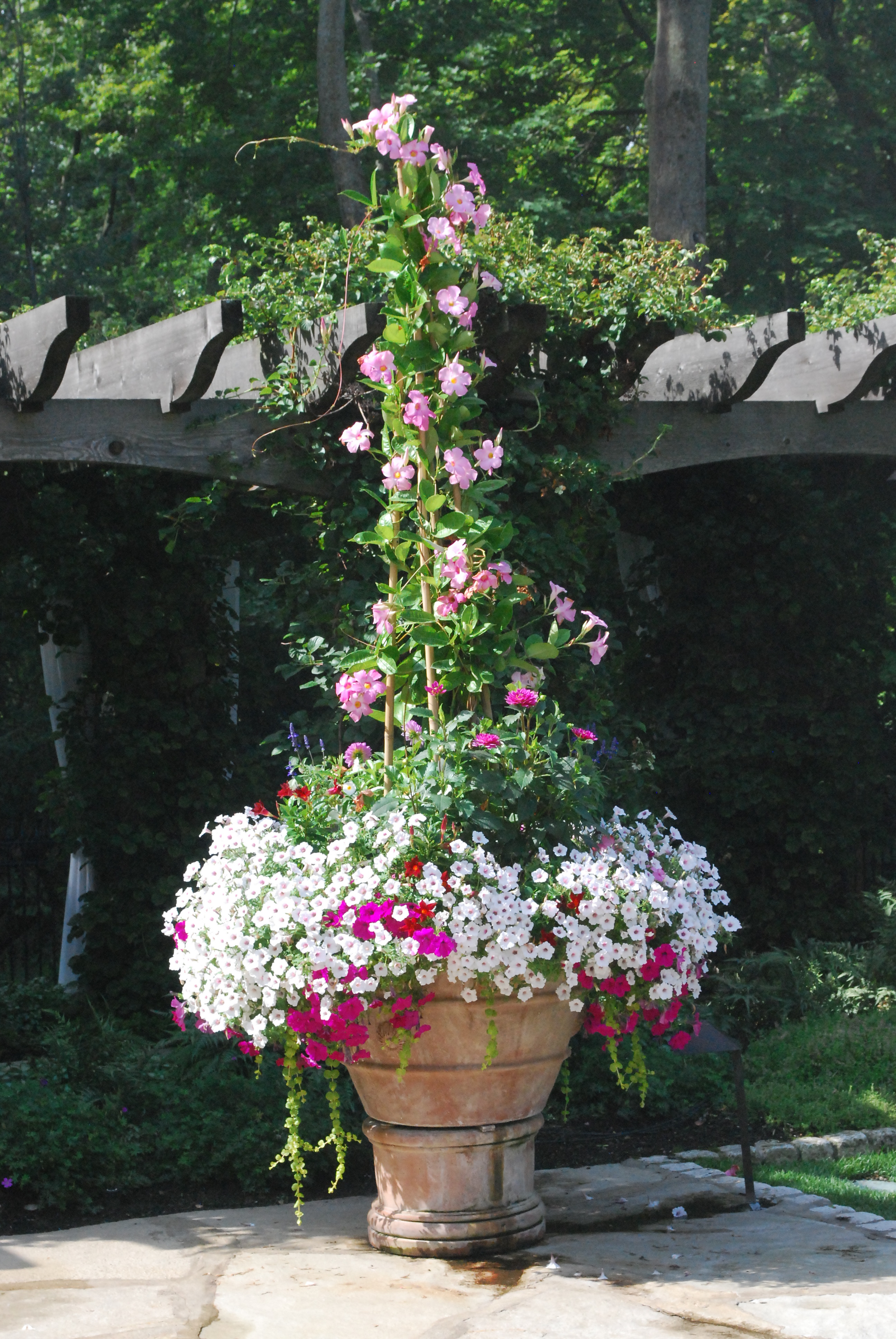
The dahlias in these pots are healthy and strong, but their peak bloom season will come in the fall.  Of course the petunias have revelled in our heat just as much as the mandevillea.  This mandevillea variety is simply known as Giant Pink.

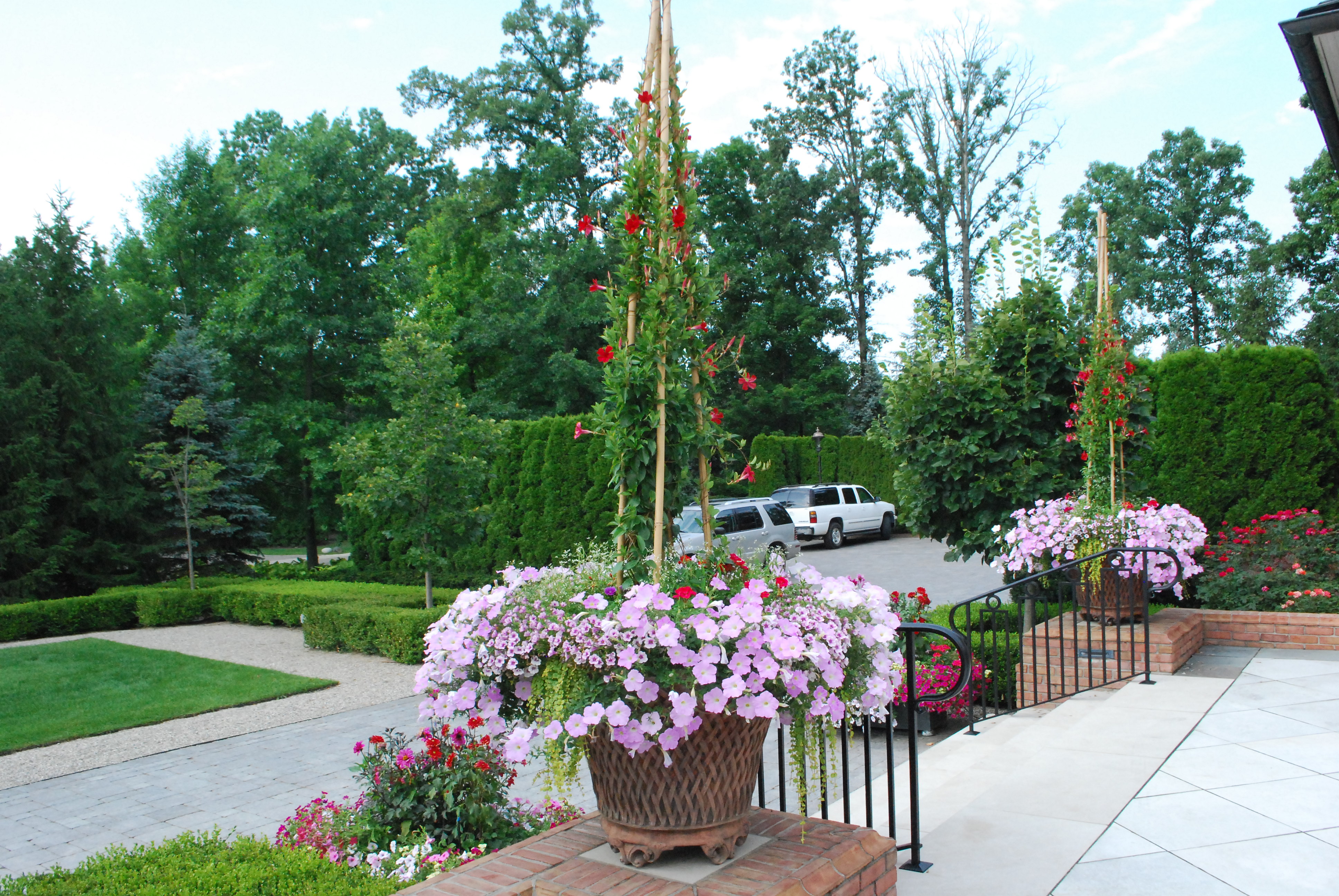
4 10′ natural bamboo stakes provide support for the vine.  We wind individual tendrils around each of the stakes, and tie them up with flexible garden tie.  If new tendrils sprout from the base, or loose their grip on the pole, we may provide more ties. The Surfinia sky blue petunia in this pot-another outstanding annual cultivar bred by Suntory Flowers.  

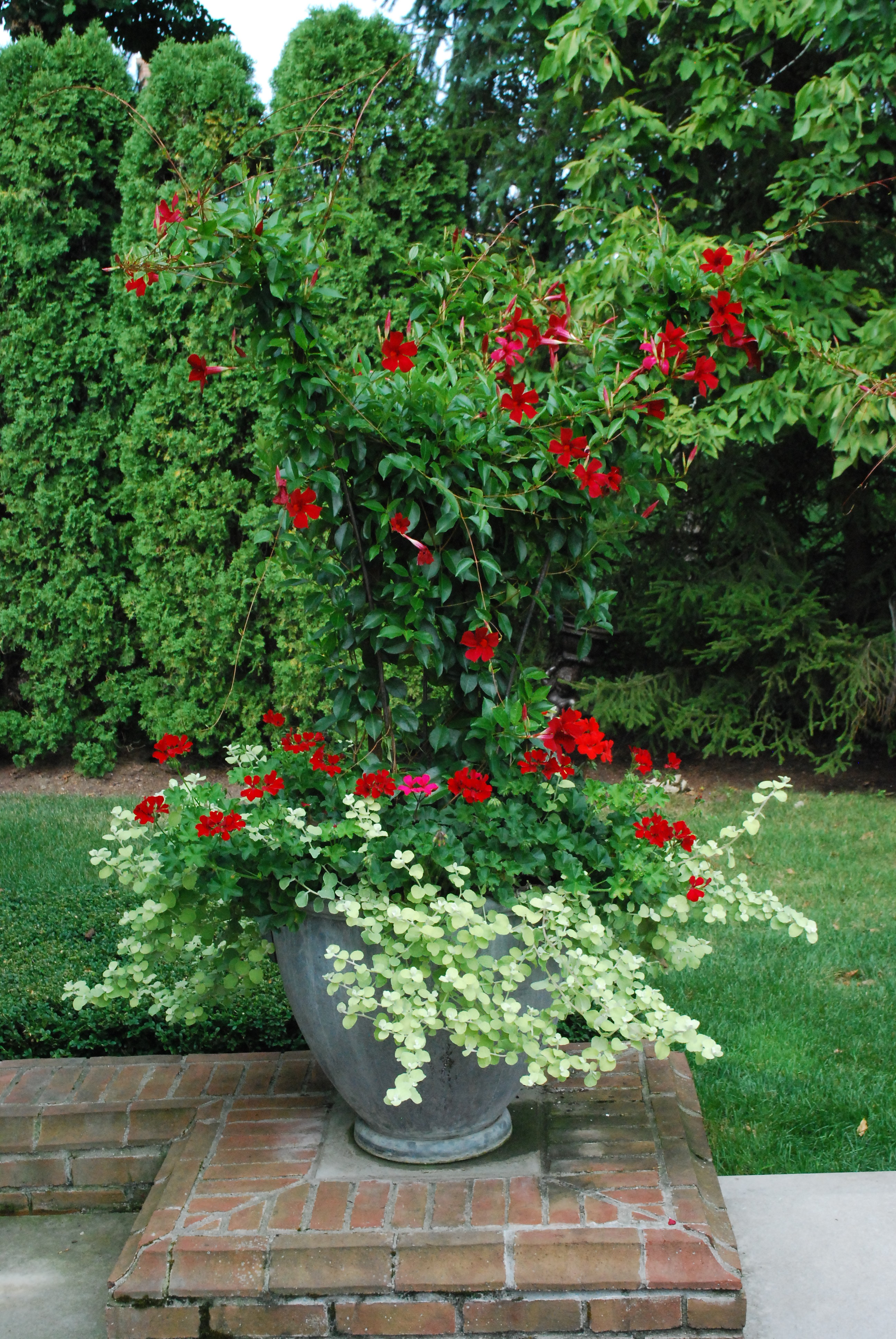
Red flowered mandevillea is an intense and deep crimson red.  No so many summer flowering plants sport this color, but the Caliente deep red geraniums in this container come close.  This vine is supported by 4  1/4″ diameter steel poles.  The part of the pole that goes in the ground is straight.  The upper part of the pole angles out slightly.  We make these poles to mimic the natural growth of the plant.  Once the vines reach the top, they can be left to their own devices.


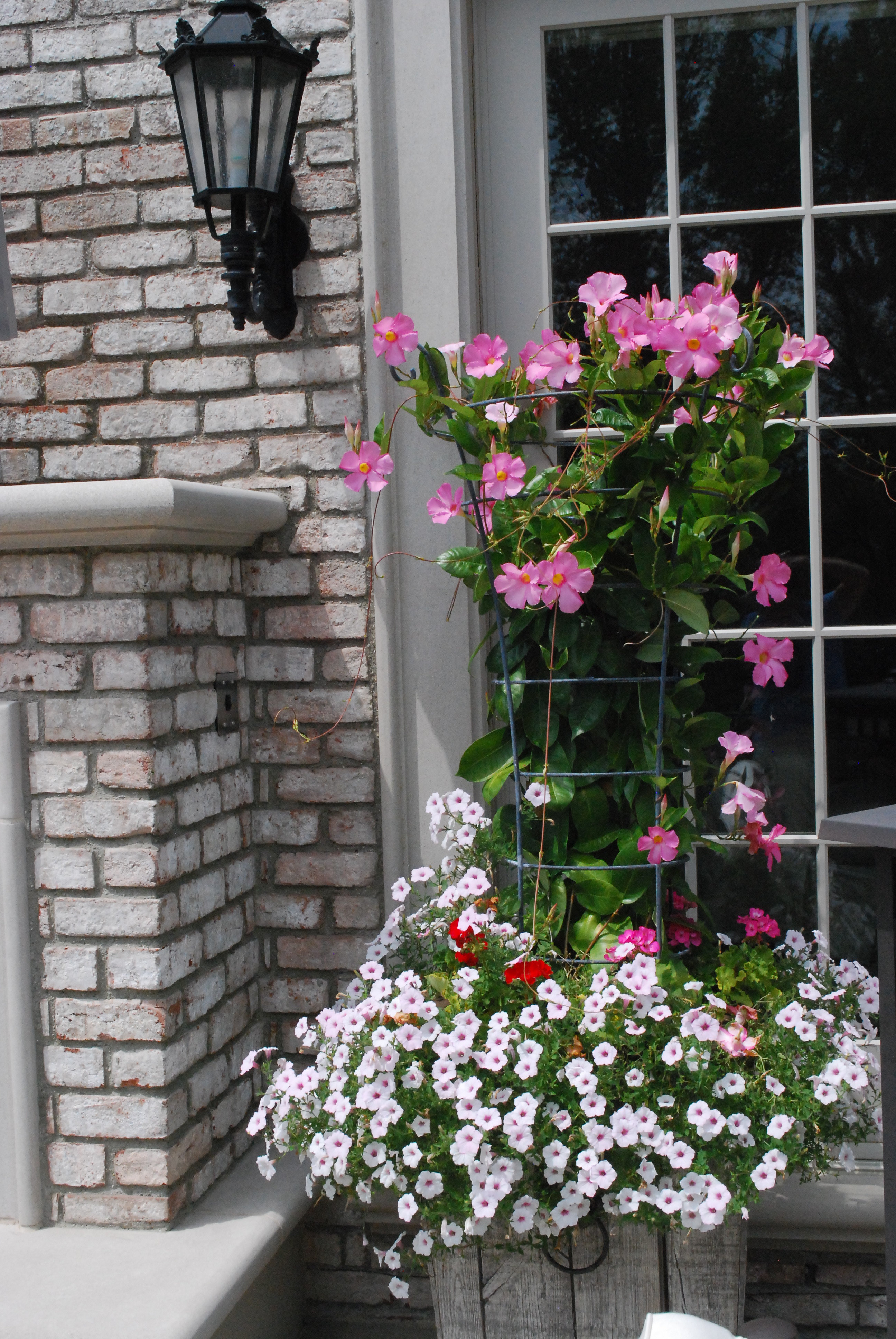
What the small flowered cultivars lack in flower size, they make up for in sheer numbers.  In another few weeks, these vines will be completely covered with flowers.  Though I primarily use them in containers, they can be equally effective planted in the ground near a light post, railing, or fence. 

The large flowered mandevilleas are slower to come into bloom than the smaller flowered cultivars, but if the warm season is long enough, they will catch up. Given how difficult our summer season has been, I really appreciate the breeding that has made this plant weather tolerant, florifierous, disease resistant, and easy to grow.   


This is the hottest spot of any spot I garden.  A stone terrace and brick wall facing south makes this terrace feel like the desert on a hot day.  I see no signs of stress here whatsoever. 

Mandevilleas are not tough to overwinter.  The need a spot which does not dip much below 40 degrees.  They will drop some leaves when brought in.  I water them on occasion over the winter-not much.  I do cut them back, but not much.  They will need those stems to get going again in the spring.

Summer Whites

white flowers 

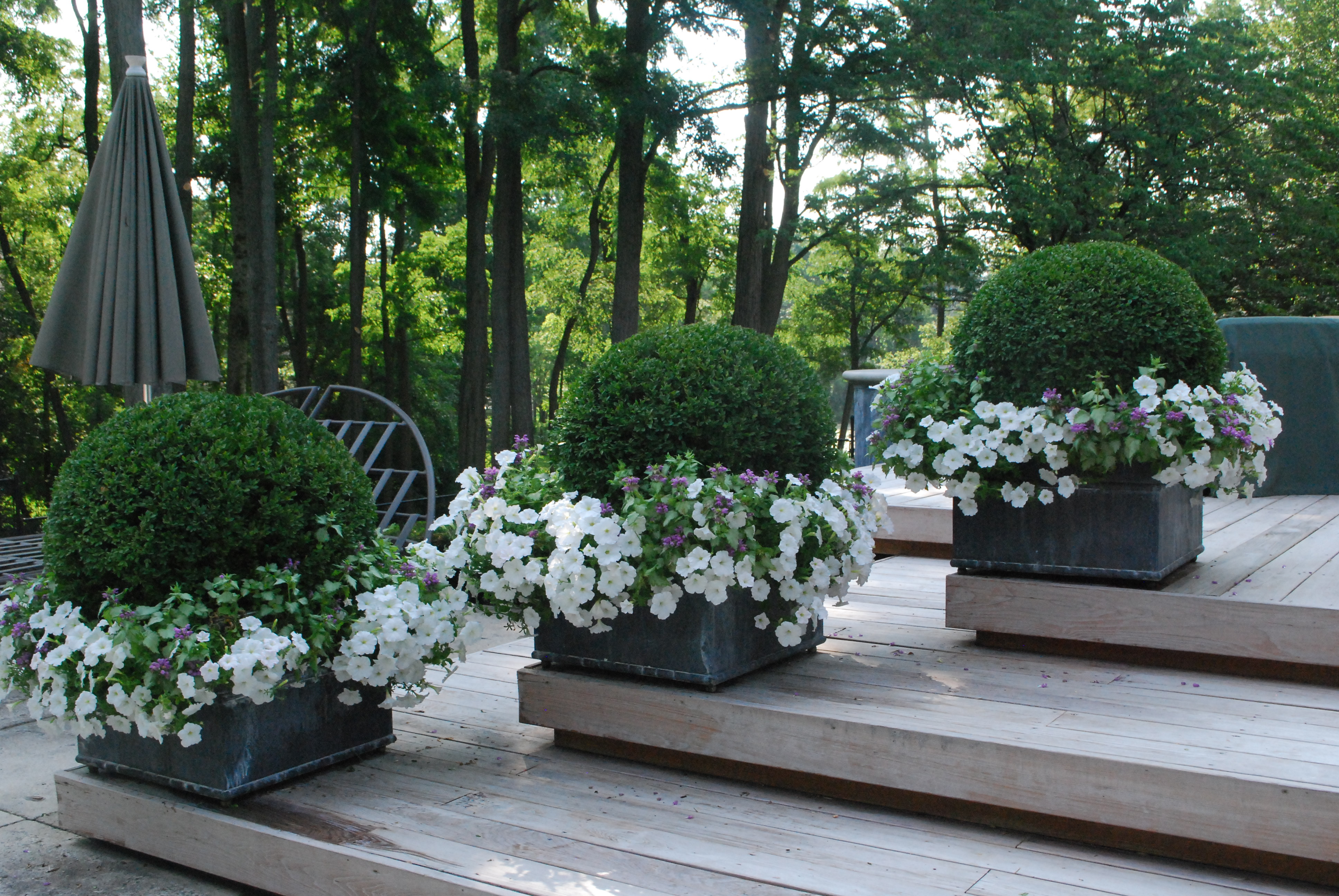
I I have planted many a white annual or perennial garden for a client.  White and summer-made for each other.  White reflects heat and light.    It looks cool and crisp in the hottest weather.  Anything white looks freshing. Too sophisticated for sweat. These boxwood spheres got a little dress up from some Lamium White Nancy and white petunias.  I am sure there are those who would think the pots and spheres are enough to satisfy, but these white tutus manage to make a little fun of the heat. 

white flowers

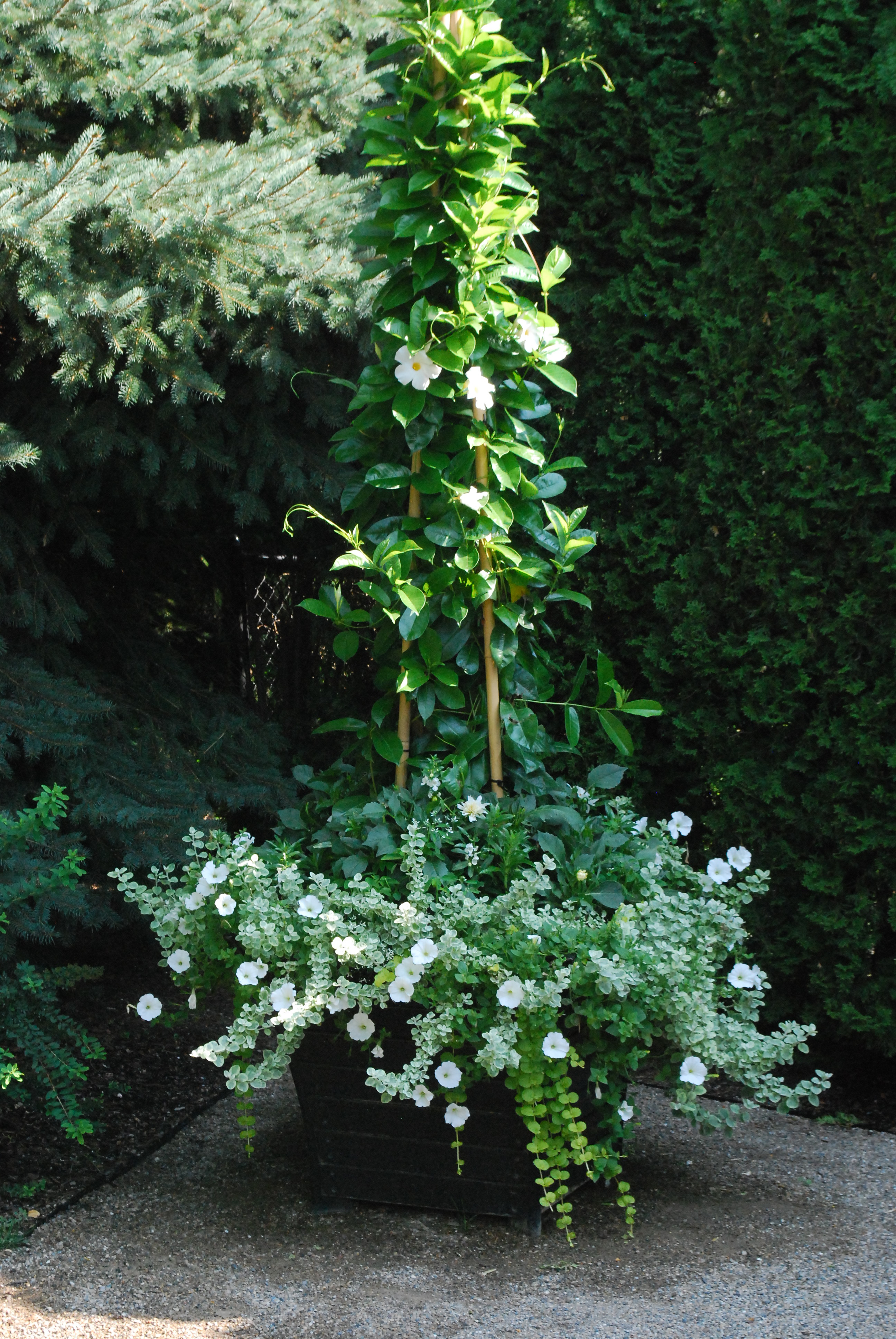
I have a few clients that want white, and nothing else, in their containers.  This year, I applaud their choice.  Though I was perspiring to beat the band when I took this picture, I see no signs of stress in this container.  I am sure anyone growing white mandevillea this year will be rewarded with strong growth and lots of flowers.  They also seen to do well with a little bit of shade. Keep in mind they bloom on new growth, so feed them.  It interests me, how weather can affect our perception of color.  In a cooler season, white can look chilly and remote.  In a very hot year, white provides relief to the eye.    

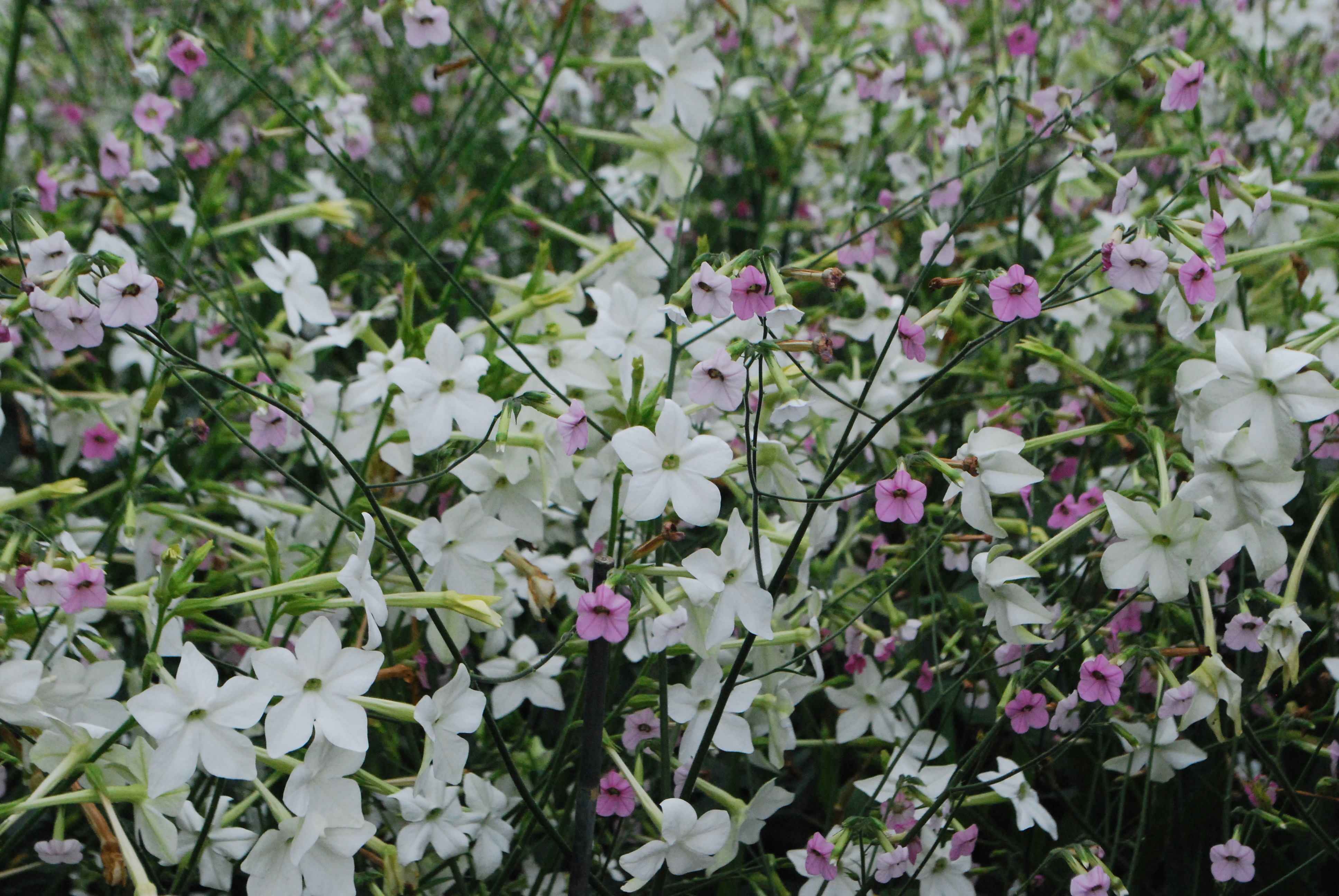
white nicotiana

Nicotiana loves cooler weather.  To my surprise, my nicotiana at the shop is blooming profusely in our heat.  Maybe how careful we are about providing adequate moisture helps.  

espaliered fruit trees

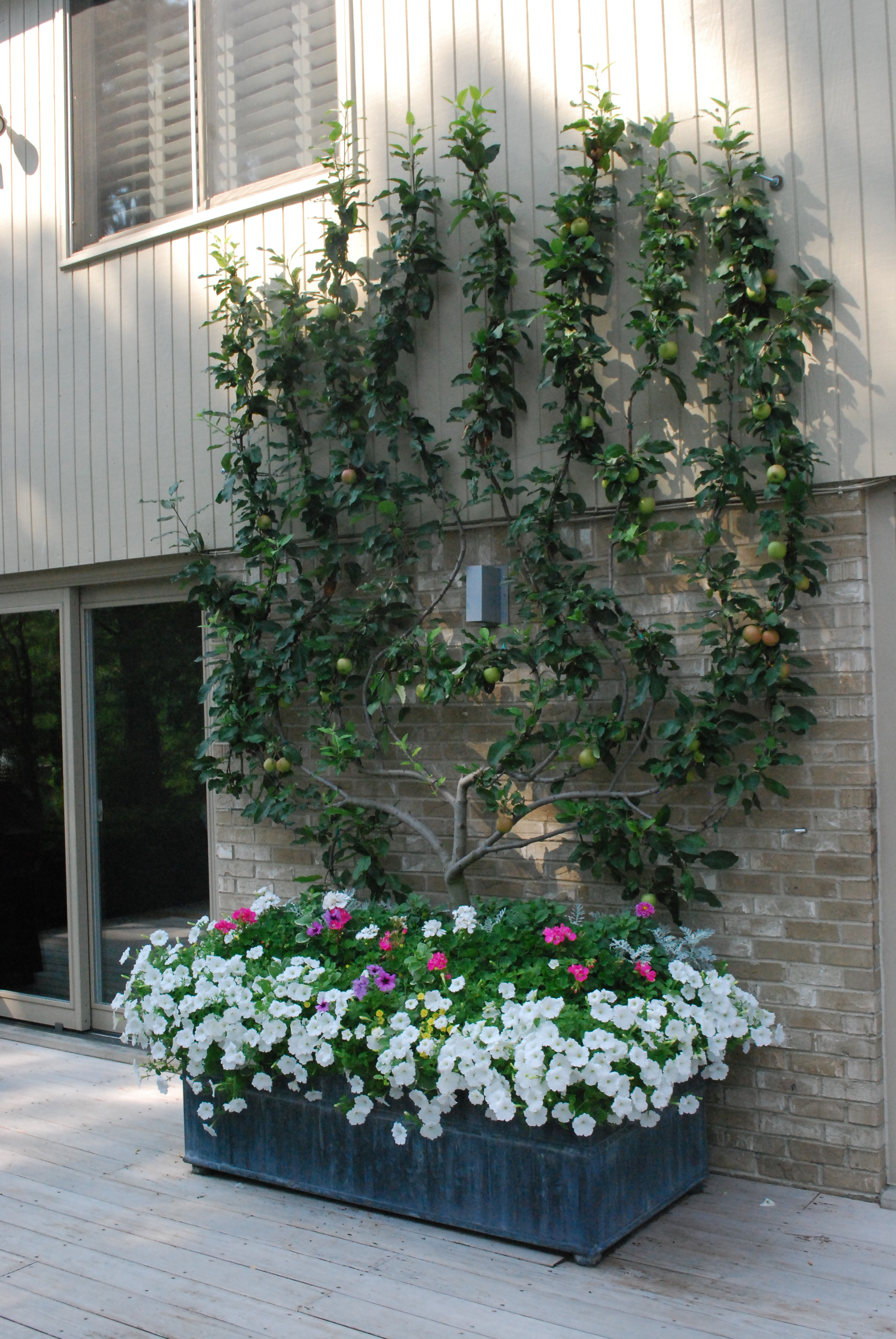
Susie’s apple espalier has no problem with the heat.  The spring blooms were protected from the April frosts such that she has lots of fruit ripening.  The white petunias are thriving.  Petunias of all types like heat, and soil kept on the dry side.  They certainly seem to be the happiest plants in the container.  Unlike a lot of white flowering perennials, white petunias are tough and reliable.  I do like white echinacea, but I have yet to ever see a stand of them that could compare to the pink cultivars.   

sonata cosmos

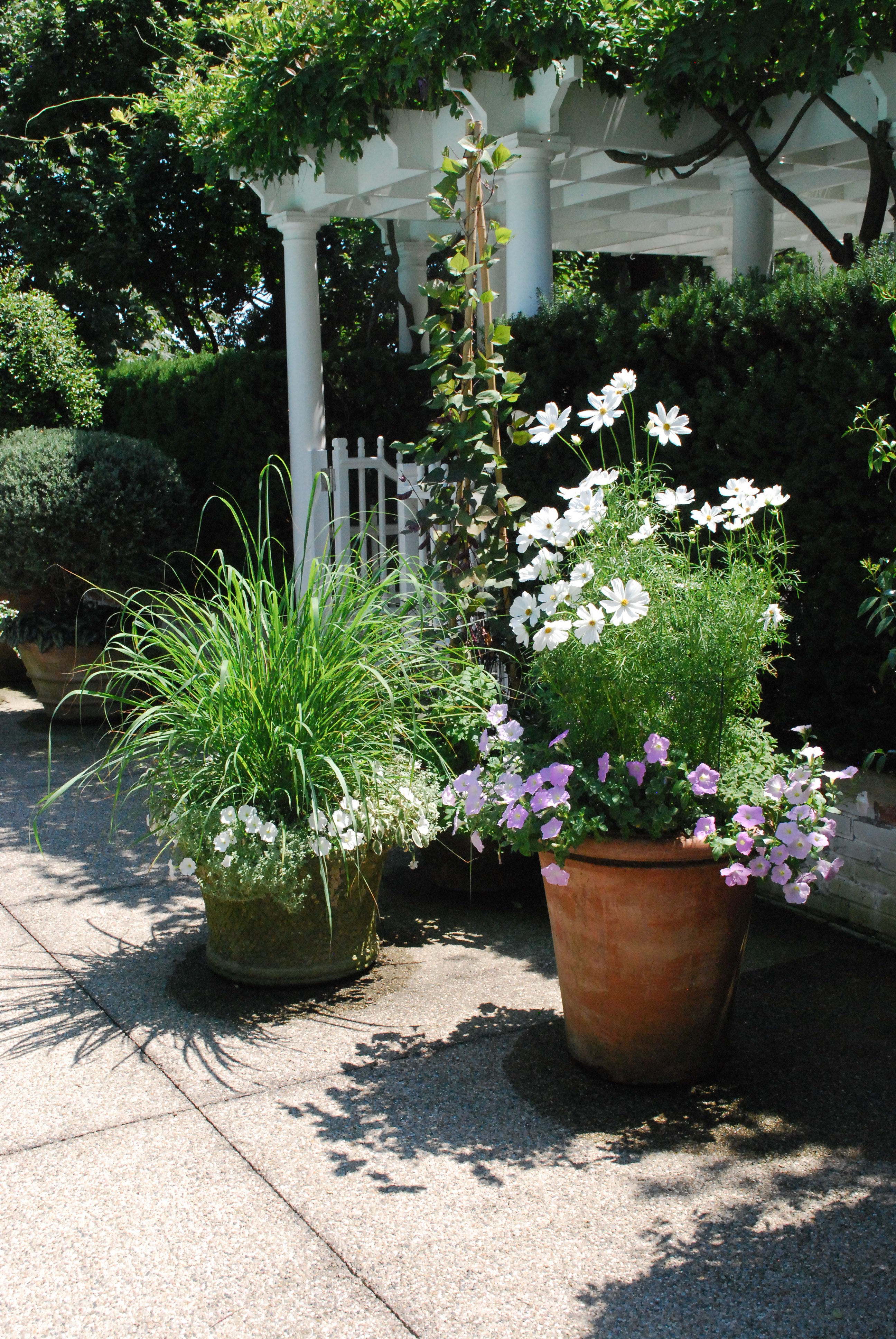
I am frankly surprised at our long run of sunny days.  Relentless, this year, the sun.  I have yet to photograph most of our spring and early summer projects-glaring and bright sun is not so friendly to taking pictures.  But these Sonata cosmos and these white petunias handle the sunny glare of this pool deck with aplomb. 

white flowering perennials.jpg

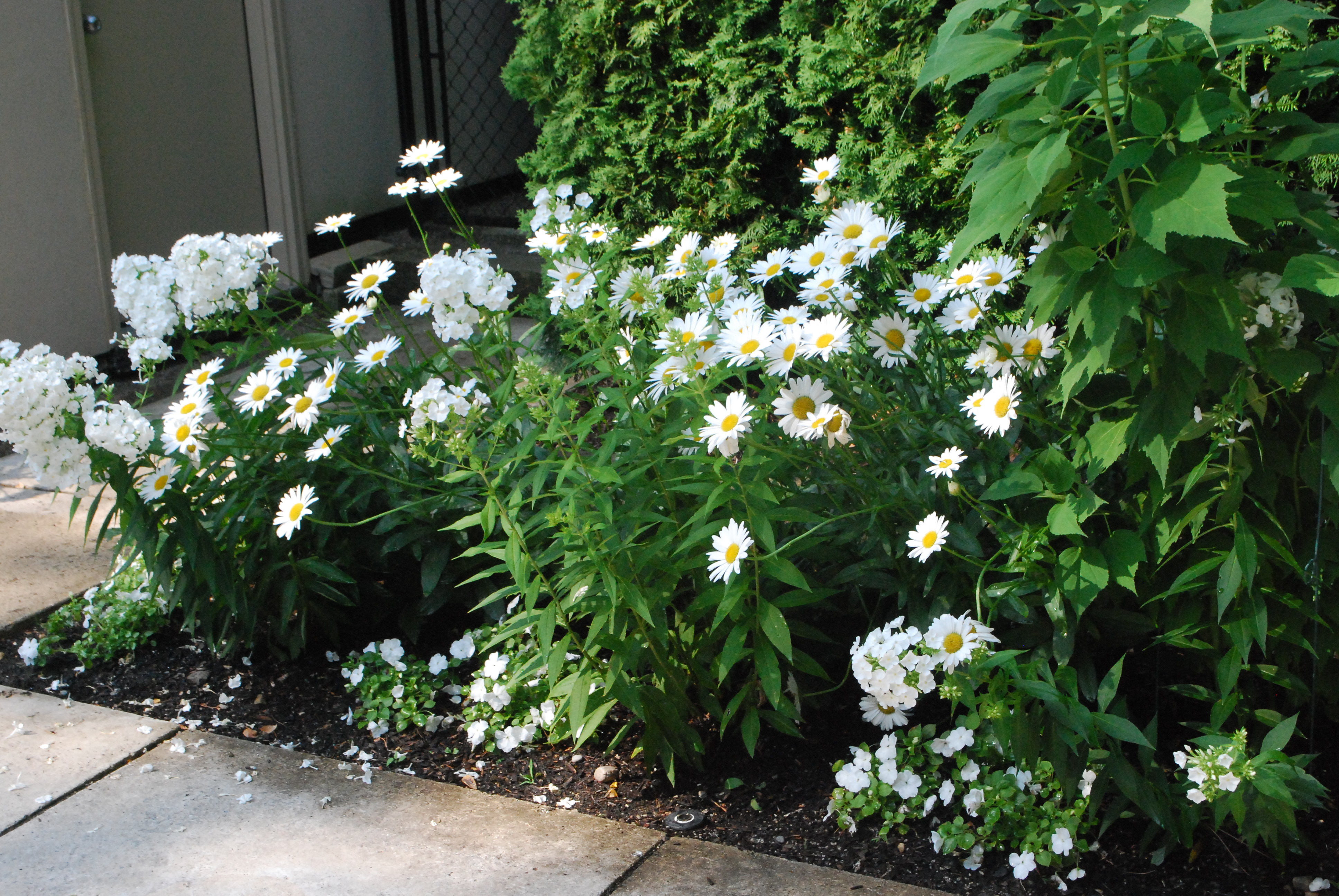
There are a number of great white flowering perennials.  My favorite-the Becky shasta daisy.  So fresh, so willing-so easy to grow.  The white phlox David-very good.  White echinacea-beautiful, but not so easy to cultivate.  White perennial hibiscus-gorgeous, and easy. Cimicifuga racemosa-the white flowering snakeroot tolerates some shade.  There are so many cultivars of white astilbe-all of them shine.  The white Japanese Anemone Honorine Jobert is a favorite.  I like using white foliage plants in white perennial gardens.  Brunnera Jack Frost is a good performer, and will tolerate a fair amount of sun.  Variegated Solomon’s Seal is as robust as it is elegant.      

silver foliage plants

There are those plants whose silver foliage could pass for white on a bright and sunny day.  The vigorously growing Grey Shield plectranthus, a silver trailing artemesia, 4″ pot starts of a white variegated miscanthus, and variegated licorice are a greenish white. 

garden furniture

Garden furniture-there is lots out there from which to choose.  This  contemporary settee upholstered in white cotton duck makes a big statement about summer white.  Devilish to keep clean, furniture with white cushions look great in a garden.        

white container planting

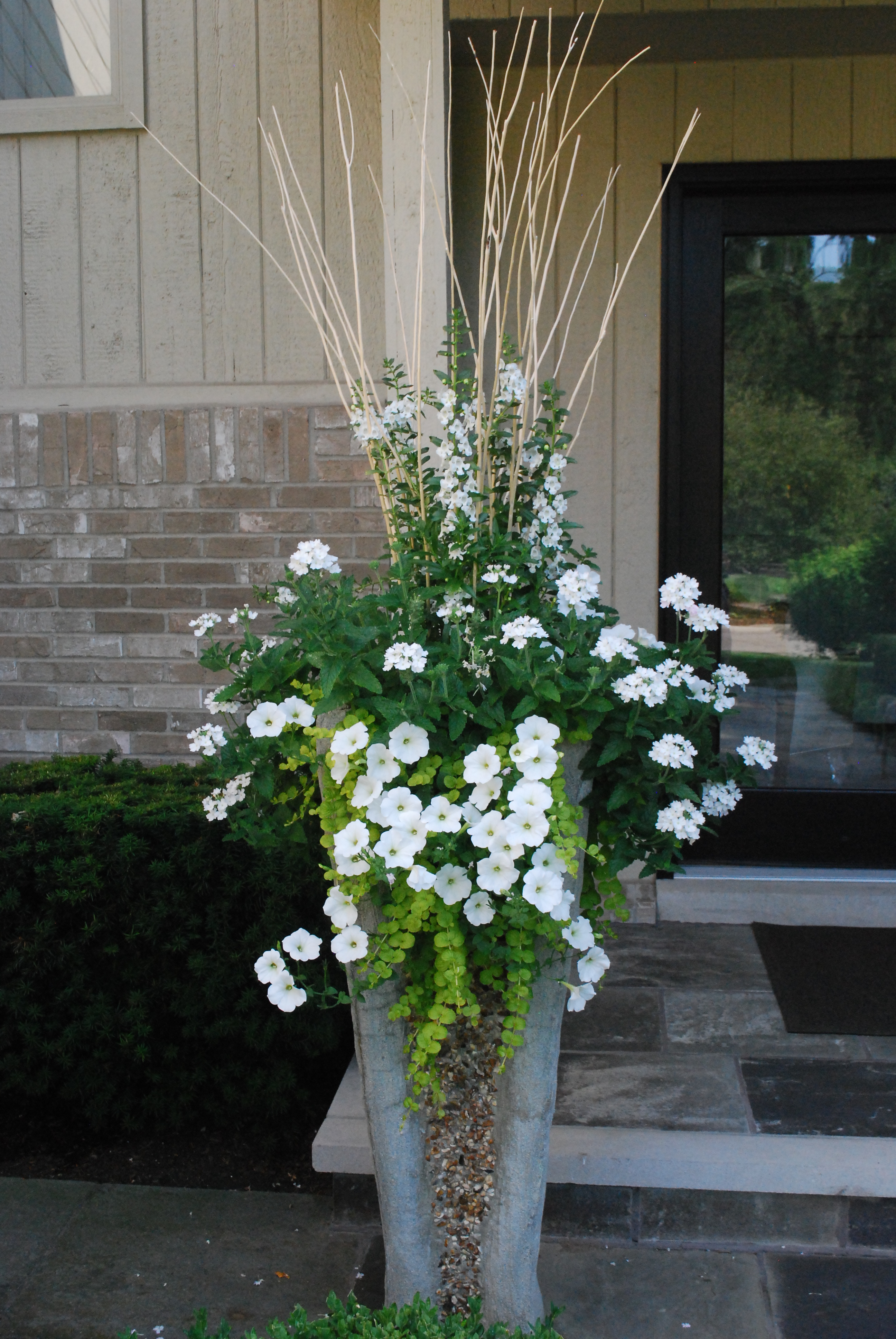
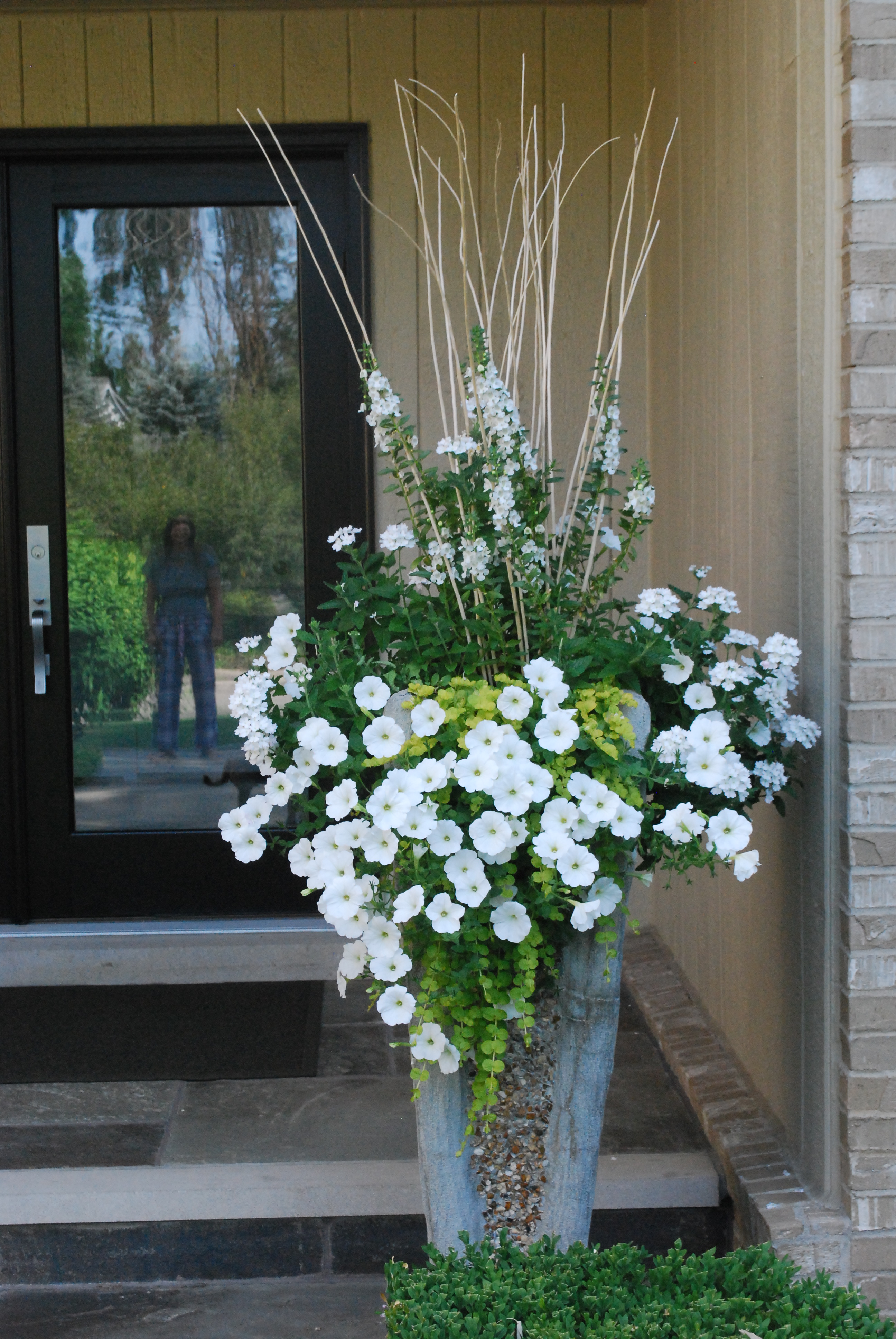
This concrete and gravel sellette made in Paris has an incredibly small planting area. I wouls say 8″ by 8″ by 10″ deep. We planted it with drought resistant, and heat loving white plants.  Angelonia-bring on the heat.  Trailing white verbena and petunias-ditto.  The creeping jenny-my client is a gifted waterer.  I suspect she gives the jenny a little more water than the rest.  Selectively watering plants in a container can produce stellar results.  Very few plants wnat exactly the same conditions.   

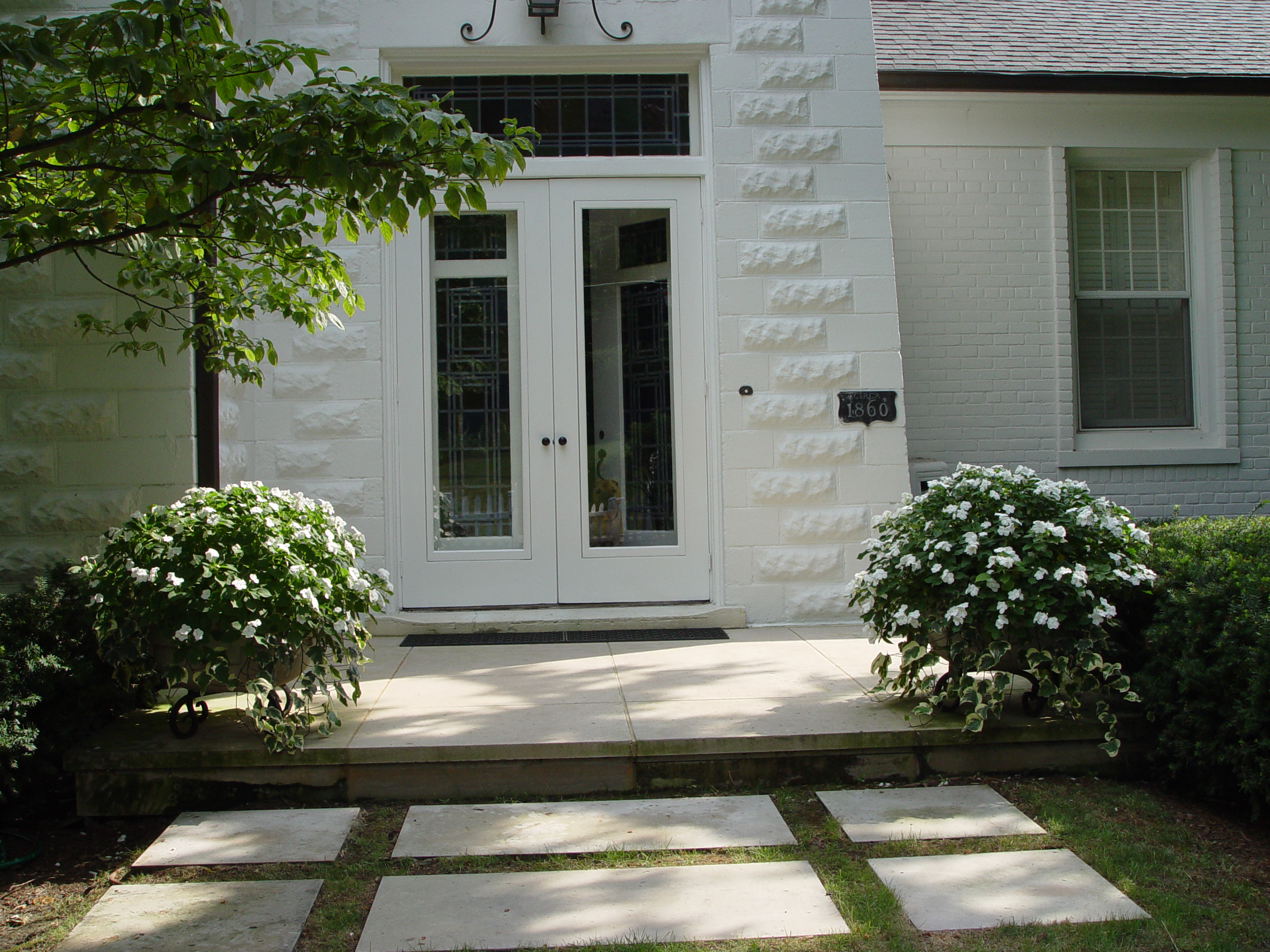
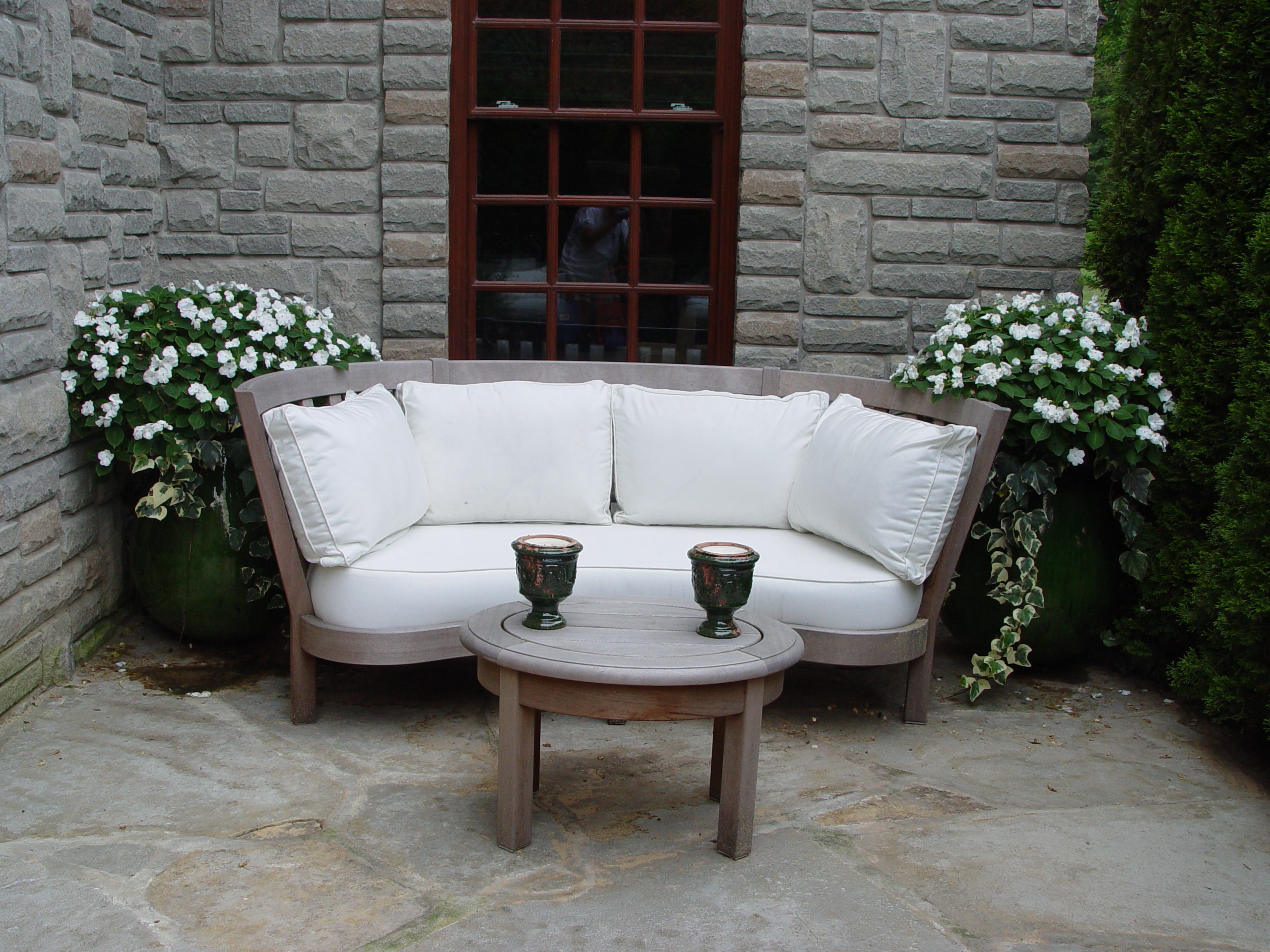
White house.  White doors.  I might add the white house and doors are impeccably maintained. White limestone.  White impatiens and white variegated ivy in the white glazed pots.  This is a refreshingly cool look.   

white container plantings 
The right hand sellette looks just as good as its companion on the left.  The creamy white sticks provide some support to the angelonia. The flowers are all simple and ordinary-the look is smashing.

The nicotiana alata blooming at the shop right now-astonishingly fresh and beautiful-especially the white.


The CC Rule


I have a young and active client with three very active children.  Her daily schedule makes mine seem sedate.  She ferries kids, entertains friends, and maintains very active family relationships.  When I can catch up to her, she is strong minded and decisive about a beautiful landscape.  Every year we do something.  We did plant a run of Belgian fence for her a few years ago-she harvests and eats those pears.  Whenever we get there to prune them back into shape is ok with her. If she has to search for her pears in a tangle of foliage-so be it.  Only very rarely does an emergency arise in her garden.


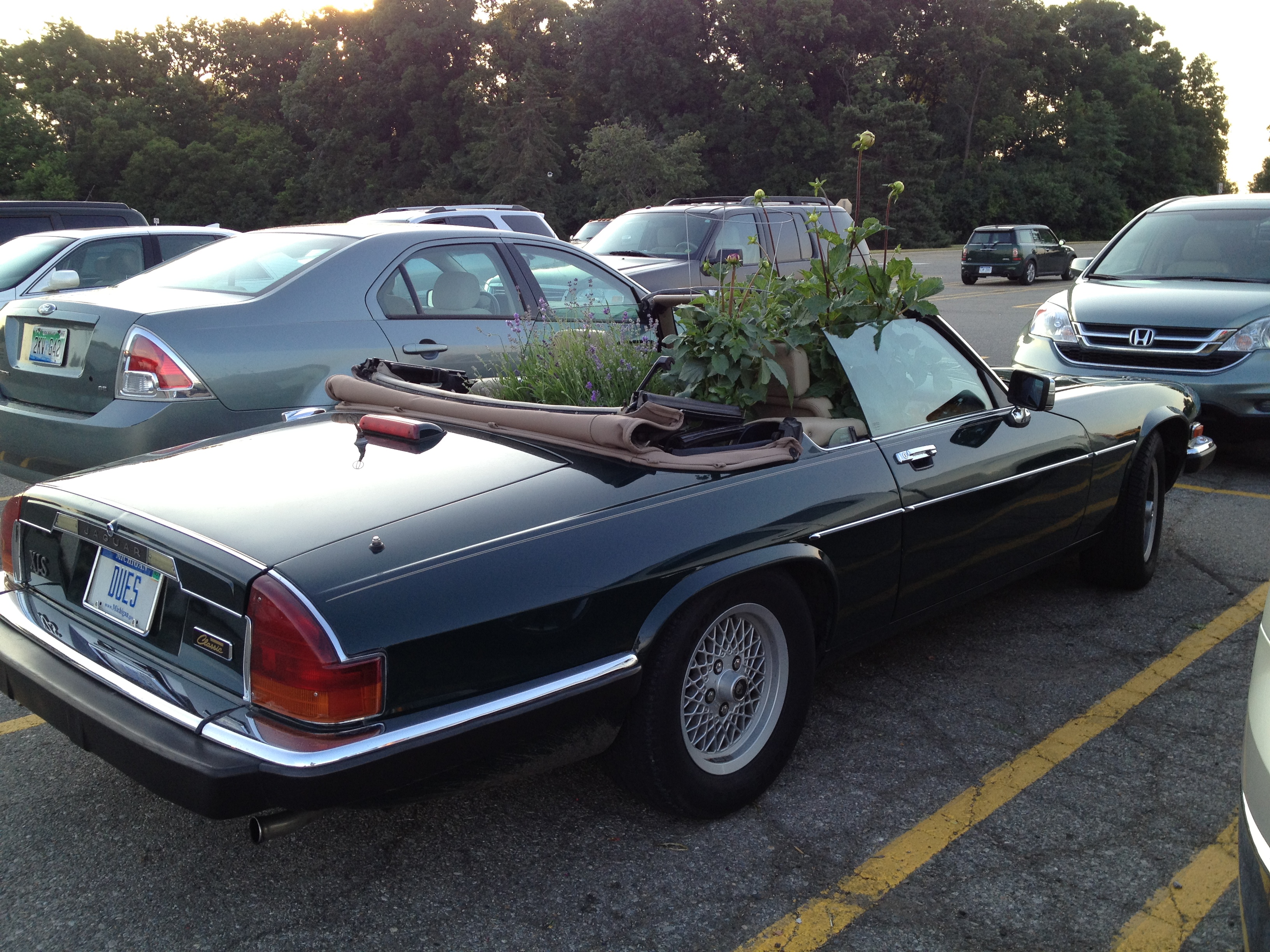
CC has an uncanny ability to decide when to fuss, and when to go with the flow. Make no mistake-this is a very valuable skill.  She knows how to get through a day.  This means that she is content to let nature take its course-as opposed to opposing whatever nature has in store.  I have been known to throw myself at every issue in my garden like I have but 10 minutes to live.  I so admire how she coolly and adeptly assesses a situation, and acts.  Or not.  The “or not” part is a choice, actually. My friend Janet came to see my garden at 7 am this morning.  Buck was a little appalled about entertaining at that hour.  But we both had watering to do-before it gets hot. We were sitting in the garden when she asked me if I ever sat in the garden.  I do every day, after work.  For a little while.  Then there are things to do.  We both make a fuss.  The car pictured above obviously belongs to an obsessed gardener I know and like who would put put his top down, and ever so slowly drive a group of giant dahlias home.  

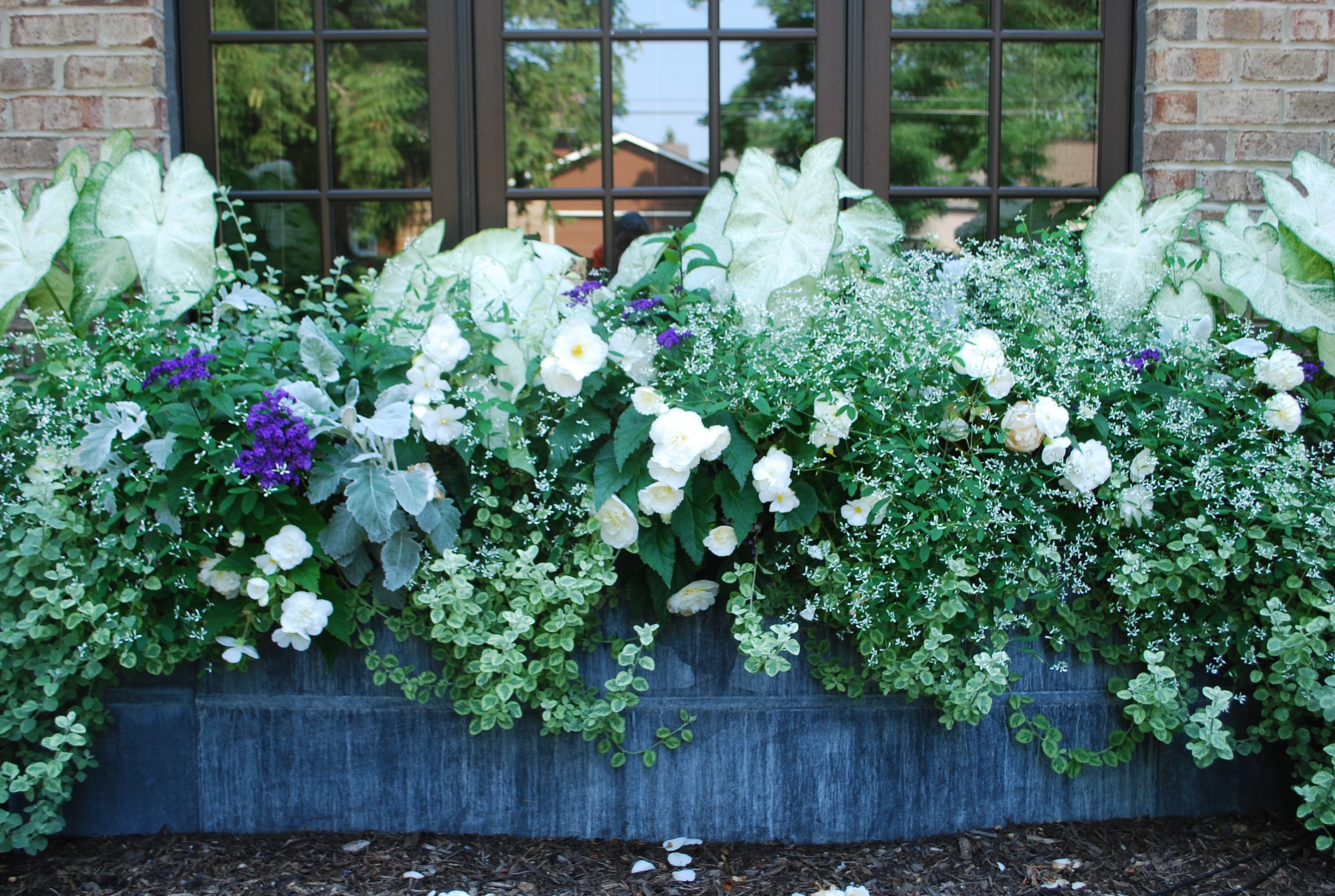
 CC is not at all that way.  Once she has made a decision about what she wants me to plant for her, she never touches, grooms, feeds, or otherwise interferes with what I have planted.  In September, I stop by and see that every plant in her pots has interacted, and grown together. Not one plant has been trimmed, deadheaded, or groomed.  Miraculously, this lack of intervention on her part works beautifully.  This window box was planted in the early years of the store.  The shop consumed so much time there was little left over to put to this box except to water.  Did I like it then-not so much?  I greatly appreciate it now. 

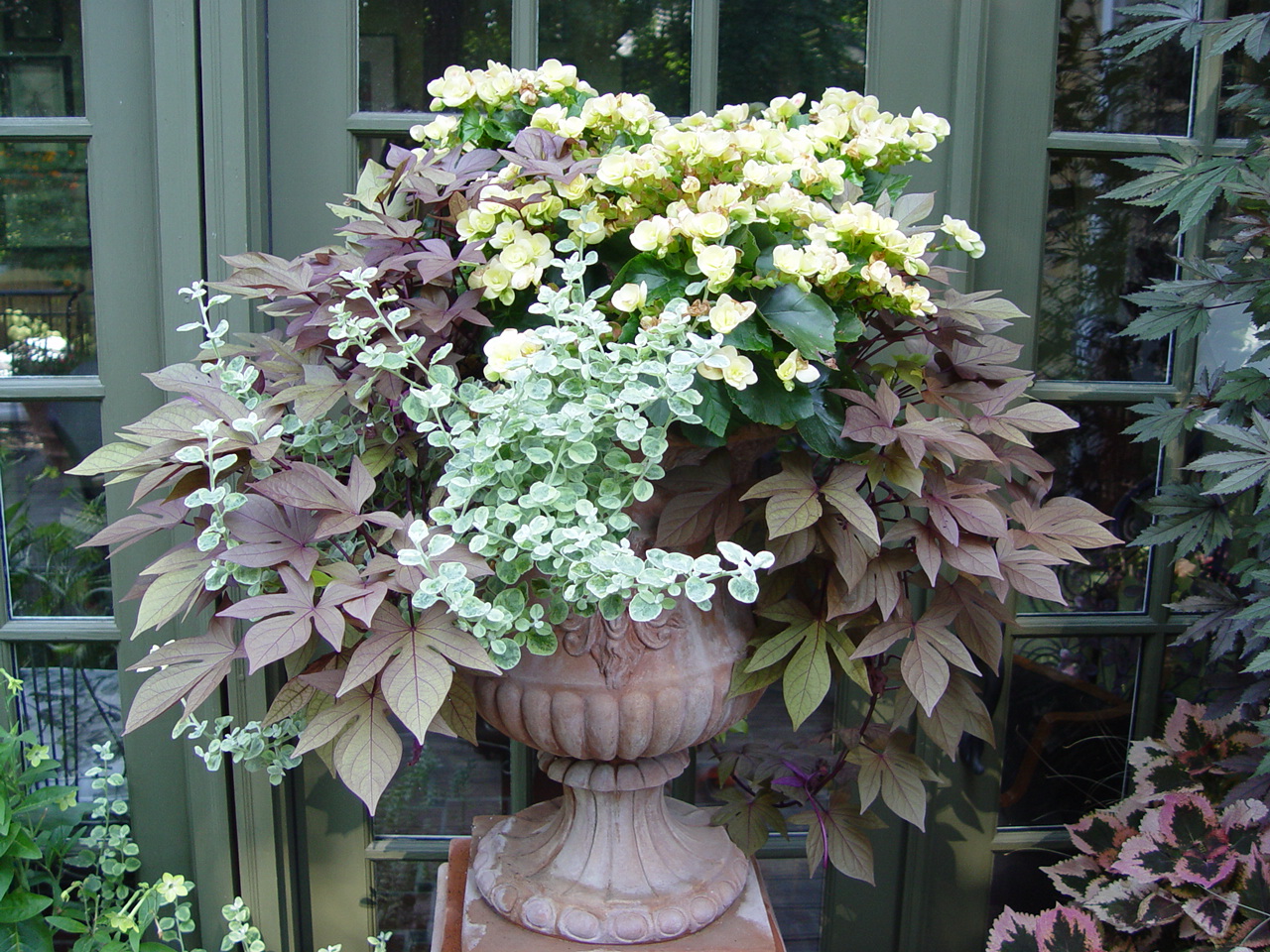
An absentee attitude is a good thing on occasion.  That which nature provides, or doesn’t has charm and appeal.   Every plant has a space to start with.  They duke it out, and come to some agreement.  The begonias may be miffed that she does not cut off those dead flower heads every day, but they keep on growing.  This pot of mine is is a little heavy on the chocolate sweet potato vine, but it has a naturally flowing appearance. 

There is no doubt that I interfere with the natural order of things in my garden.  Sometimes I water too much-I never err on the side of watering too little.  Every nursery person I know will say that more plants are lost to overwatering than anything else.  I worry my plants.   I plan as if planning were the crowning achievement of a gardener.  I move things around.  I desert some plants, and plant loads of other plants.  I like getting my own way.  This spring planting I photographed in August-a community had been created without me.  So I chose to do nothing about it, except enjoy it.

When I saw this CC plantings last September, I put my elaborate and intense program on pause.  The natural order of things made for a planting that was exquisite.  Exquisitely natural and unassuming.  Enchanting-of course.  There are but a few bits of heliotrope still representing-but is that not enough?  Her white non stop begonias wre breathtaking. 


 green container plantings

I would interpret the CC rule thusly.  Scheme, draw, plant-and then step back.  Let nature react to your plan.  Give nature plenty of time.  What you see in the end should inform your ideas about gardening.  Lots of plants resent too much touching.  Too much supervision. Too much fussing can drain the life out of a garden, or a planting.  This pot I have at home I have not touched, except to water.  And I water it as little as possible.  

This petunia and licorice pot has been sparingly watered, and shows no signs of any awkward trimming.  It is a prime example of benign neglect.  And a recognition that most plant have an incredibly powerful will to live, if you let them.  

That is not to say I won’t intervene with noxious weeds, or dry soil, or any plant clearly asking for help.  But making a huge issue of a stray this or that can put a damper on your garden party.

What a difficult gardening season this has been-from the magnolia flowers frosting off, to the poor early show on the roses, to the heat and drought.  And now more heat, starting up again.  My 3D osteospermums have been sulking in the heat.  But for sure my containers have some robustly growing osteo bushes that will start to bloom again when our temperatures cool down.  The CC rule-in some cases it is the only approach that makes any gardening sense.