![1660164496_ce85d76e9b_o[1]](https://deborahsilver.com/wp-content/uploads/2010/02/1660164496_ce85d76e9b_o1.jpg "1660164496_ce85d76e9b_o[1]")
Sir Cecil Beaton took this photograph of Queen Elizabeth posed in front of the Waterloo Urn at Buckingham Palace in 1938. As lovely as she is, I could not take my eyes off that urn. Carved from a single piece of Carrara marble weighing 20 tons, this garden urn is 15 feet tall. Napoleon himself lay claim to the block of stone; he was travelling through Tuscany on his way to make war in Russia. This piece had a long and chequered history before it was finally installed in the landscape at Buckingham Palace. It is an impressive and dignified piece deserving of a formal name. I sometimes wonder what I would plant in it, should I ever be asked. Do you have an idea?
![15a1[1]](https://deborahsilver.com/wp-content/uploads/2010/02/15a11.jpg "15a1[1]") When I first got interested in dealing in garden antiques, it was tough going- educating myself about them. Outside of a few well known reference books, garden auction catalogues proved helpful. A garden urn, I learned, is a container with a foot, or pedestal. The small urn pictured above was manufactured by the Coalbrookdale Ironworks in England in the 19th century, and is a handsomely proportioned piece.
When I first got interested in dealing in garden antiques, it was tough going- educating myself about them. Outside of a few well known reference books, garden auction catalogues proved helpful. A garden urn, I learned, is a container with a foot, or pedestal. The small urn pictured above was manufactured by the Coalbrookdale Ironworks in England in the 19th century, and is a handsomely proportioned piece.
![C0671[1]](https://deborahsilver.com/wp-content/uploads/2010/02/C06711.jpg "C0671[1]")
This old French cast iron urn sports a classic campagna, or bell shape. The rim flares such that there is plenty of room to plant. The paint has completely worn off the rim, and the paint on the foot is deteriorated. You can see exactly where any water would accumulate on the outside. The three I had all went to the same garden; that I like, keeping an ornament family together.
![256[1]](https://deborahsilver.com/wp-content/uploads/2010/02/2561.jpg "256[1]")
This elaborately decorated urn features grandly arcing handles. Such beautiful curves! It has been painted so many times, the iron flower and rope detail has lost definition. But as with any antique, the original finish is an important part of the value of a piece. Only once have I had a client take an antique urn with great color and patina and media blast and paint it. This pained me, as an antique garden urn robbed of of its visual history lacks a sense of stewardship. ![831[1]](https://deborahsilver.com/wp-content/uploads/2010/02/8311.jpg "831[1]") These American concrete urns on associated pedestals came from the Philadelphia area. They are among the most favorite garden urns that have ever come my way. The bell shape is decorated with what seems like thistles to me. I know little else about them. They are in very fragile condition; I bring them in for the winter. Their rims have been so worn by rain and exposure to the elements that I can see the aggregate in the concrete mix clearly. Stately and frail, they are.
These American concrete urns on associated pedestals came from the Philadelphia area. They are among the most favorite garden urns that have ever come my way. The bell shape is decorated with what seems like thistles to me. I know little else about them. They are in very fragile condition; I bring them in for the winter. Their rims have been so worn by rain and exposure to the elements that I can see the aggregate in the concrete mix clearly. Stately and frail, they are.
![C1311[1]](https://deborahsilver.com/wp-content/uploads/2010/02/C13111.jpg "C1311[1]") These diminuitive concrete urns have a highly textured surface, just like my thistle urns. They are old-vintage-pieces, not antiques. The faded red color is unusual, and the shape is beautiful. I could easily see them indoors. Old garden urns are fine unplanted. They have an aura and a presence that needs nothing else, should the sculpture alone please you.
These diminuitive concrete urns have a highly textured surface, just like my thistle urns. They are old-vintage-pieces, not antiques. The faded red color is unusual, and the shape is beautiful. I could easily see them indoors. Old garden urns are fine unplanted. They have an aura and a presence that needs nothing else, should the sculpture alone please you.
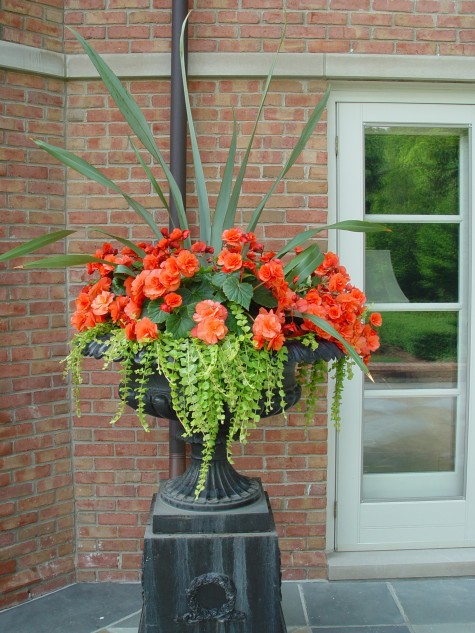
This bronze urn and pedestal have belonged to a client for a good many years; I know not its provenance. I routinely debate with myself, choosing a planting for a beautiful urn. In this case, a planting spilling over the edge softens the hard lines of the urn. The emsemble is plain, but for the wreath on the pedestal-this detail is not obscured by the planting.
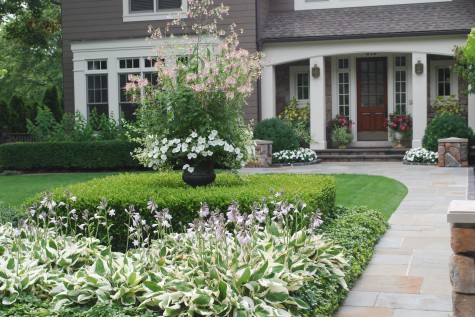
This very fine antique urn has its foot buried in a block of boxwood. I would have designed a space for this that revealed the entire piece-but the placement was not my call. I plant this urn as lushly as I can, to provide some balance to the volume of boxwood. Nicotiana mutabilis and dwarf pink cleome-a beautiful cloud.
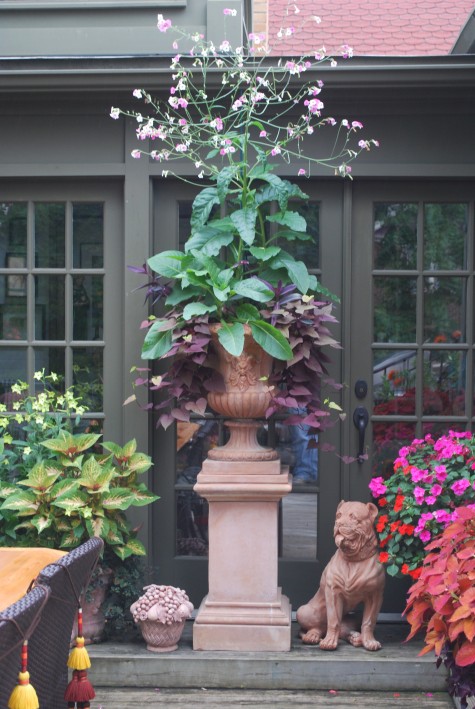 My own Italian terra cotta garden urns on plinths from Mital-I so love them. I trim what ever obscures their decoration. In the winter, I move them to my front porch, and plant them for the holidays. The rest of the winter they are empty, awaiting spring.
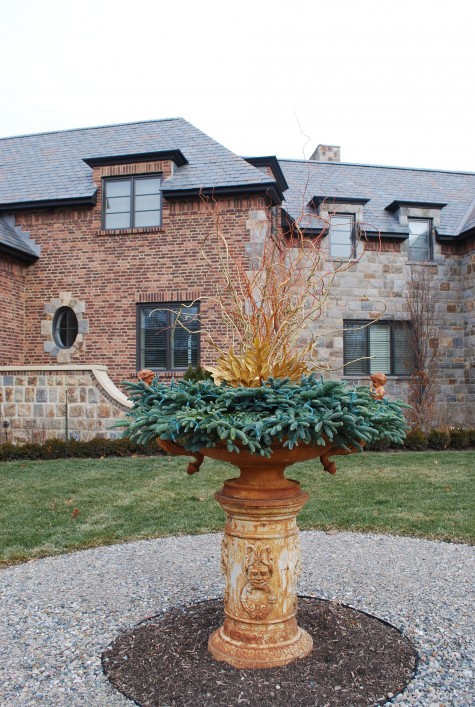 Antique urns take to a winter planting with ease. This client landscaped her yard to celebrate her fine antique footed pots. I completely understand this gesture.
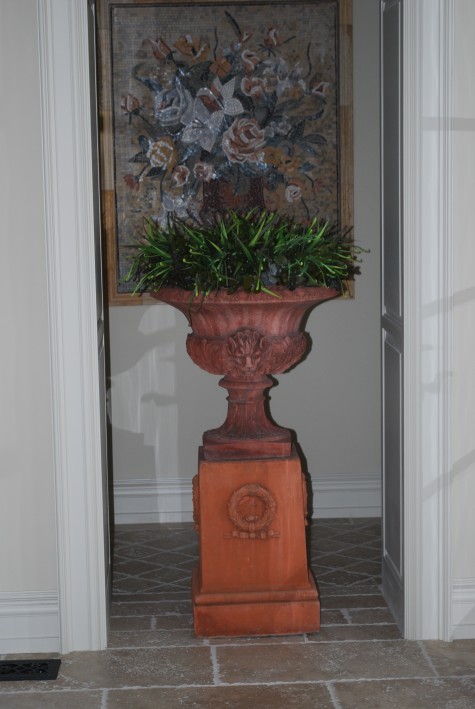
I am very fortunate to have those clients who have no fear of taking a beautiful urn indoors. I have decorated them for the winter in a way that obscures nothing of the beauty and graceful shape of the sculpture. What this picture does not show is a gorgeous mosaic, framed and on the wall in the background-the subject of which is a beautiful urn filled with flowers. Beautifully footed, like any ballerina, is a garden urn.
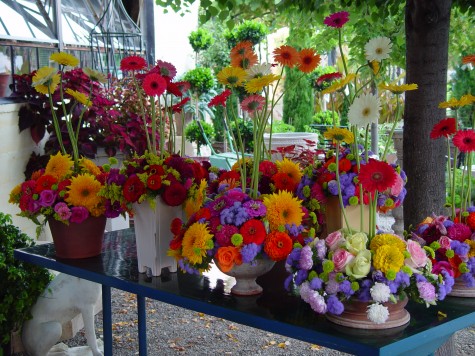
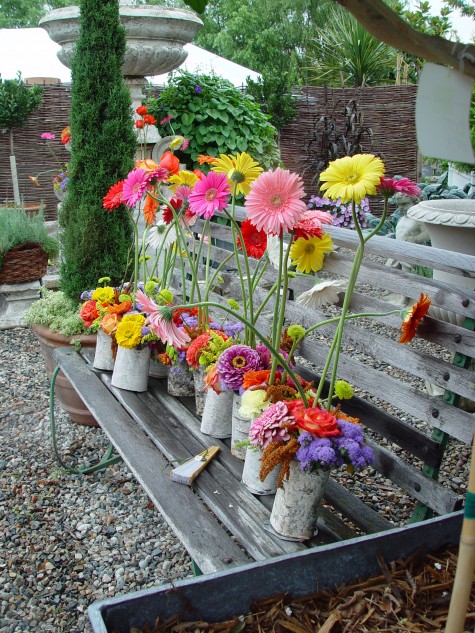
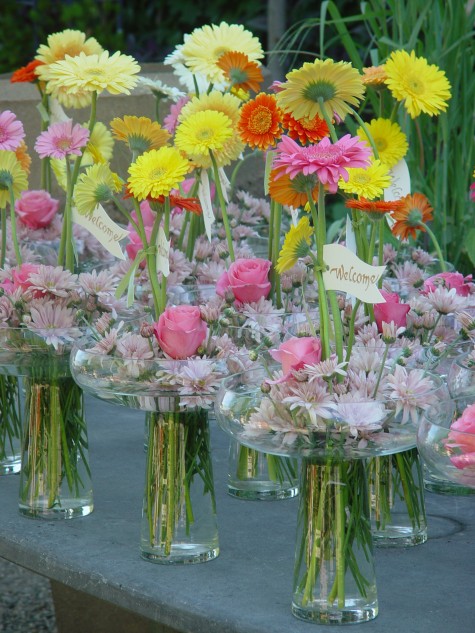
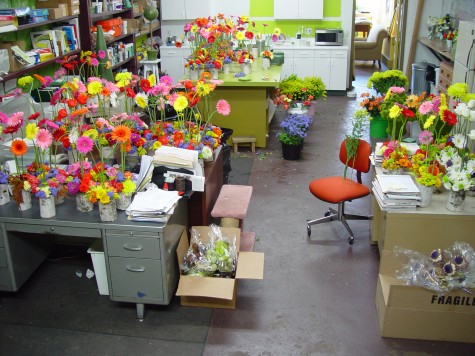
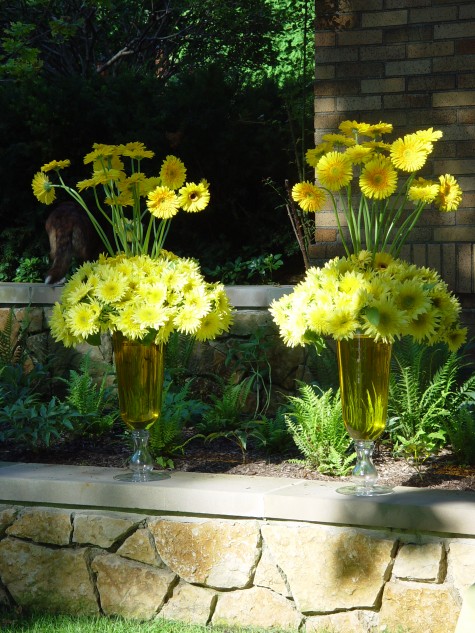
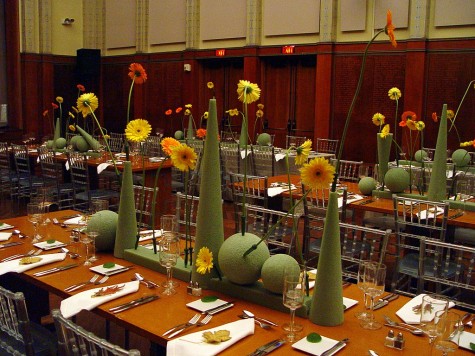
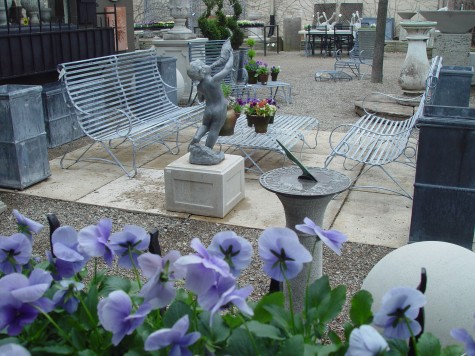 I might be making things up. I am so ready for a view like this out my office window that my reporting may simply be wishful thinking. But I do believe I heard birds singing this morning. It was thrilling just to be outside and not shudder. The sun was shining, the temperature well above freezing. Though the best thing about February 19th is that I will not have to deal with it for another whole year, I could sense some little signs of spring.
 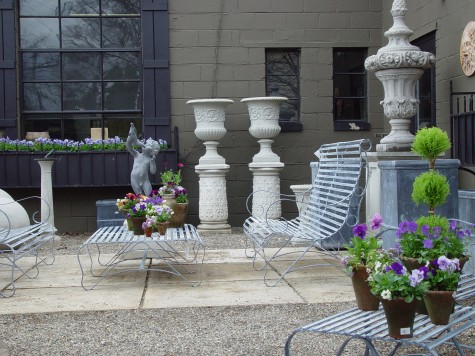 One definition of a Michigan spring is the day the snow is gone. It is gone from my roof, sidewalk and drive. My street was wet; the big piles of snow are a fraction of a bit smaller. The 39 degrees by 5 pm seemed like a heatwave. Perhaps more telling, the sun was still shining at 5pm; this is a sure sign that winter is loosening its grip. I am of course thinking already about planting. It will not be long before I have my hands back in the dirt.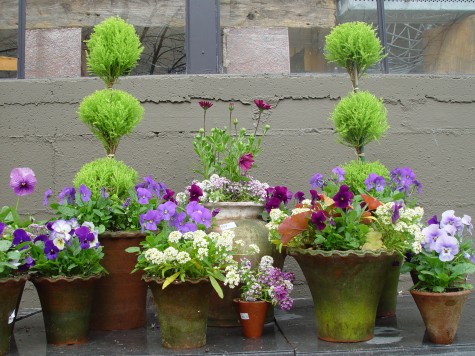
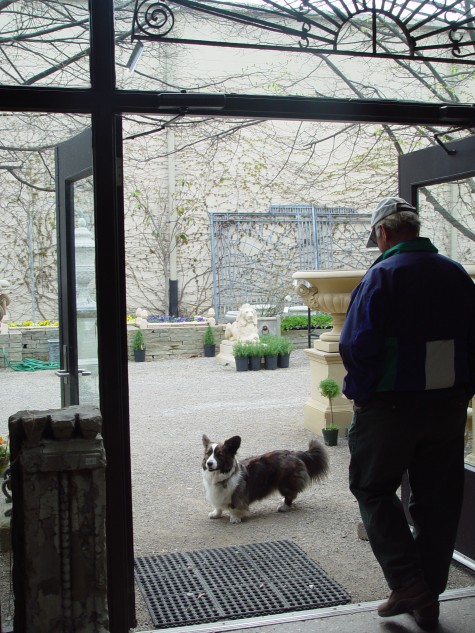
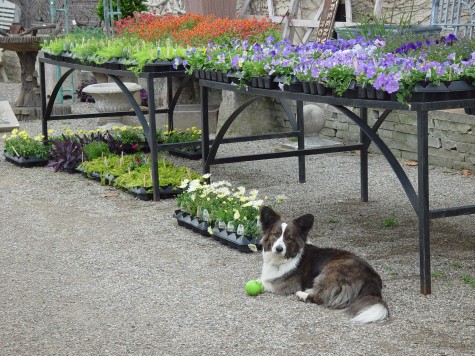 I have never seen Milo give any indication that he did not like any weather. He’s game, any day. But he seems more determined than ever to get out that door now. Once we reopen March 1, he will be outside as long as he can persuade someone to keep him company. I buy plants as I think they can tolerate the night temperatures. Diascia and angelina, osteospermum-even Moses in the Cradle- shake off the cold as well as the pansies.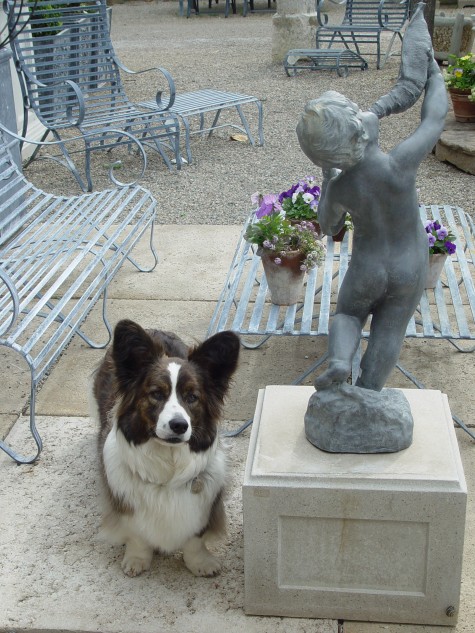
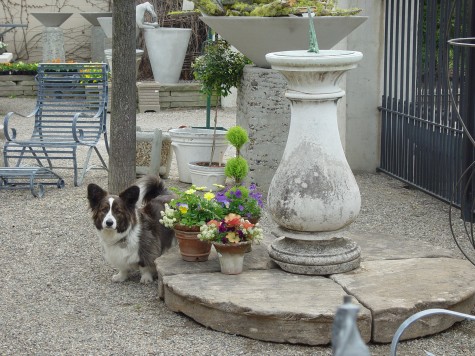 If the weather doesn’t break early in March, I will go to Bogie Lake and beg some greenhouse space to hold my spring pots. As tolerant as they are of cold, spring flowers only put on weight when there is heat. My spring pots get looking pretty good about June 1; some years, the spring pots last the entire summer. Every spring there are nights when everything has to be hauled in. Growing plants is such work-but there comes a time when I can’t do without them one more day.
 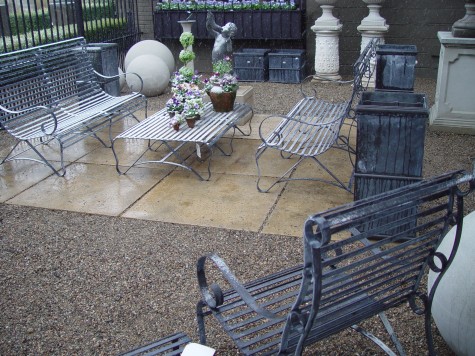 We will have snow on and off in March and April. I remember a whomping snowstorm some years ago on April 16; more than a few times have we had flurries on Mother’s Day. Late snow doesn’t bother me that much-it rarely stays. The snow we get in December I am still looking at now-that’s a big bother.
 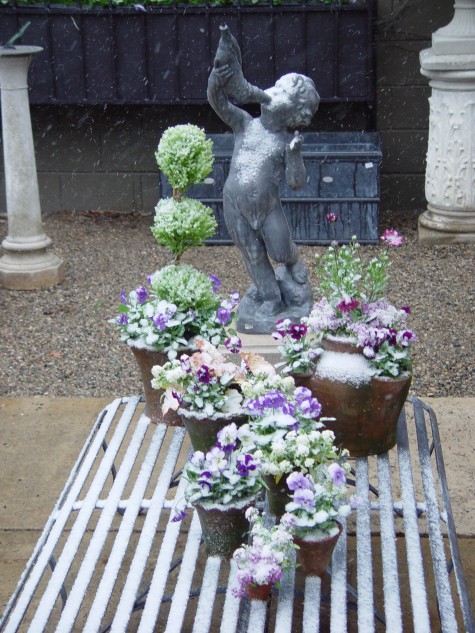 I do cringe seeing my beloved spring flowers disappear beneath the snow, but they seem not to be bothered, unless the temps go below 28 degrees. I have seen fierce frosts when the tulips were 4 inches out of the ground. It may damage the leaves, but the flowers come on fine. The species crocus are a favorite of mine; there are years when freezing weather reduces their fragile blooms to gray mush. But when they are good, they are spectacular.
 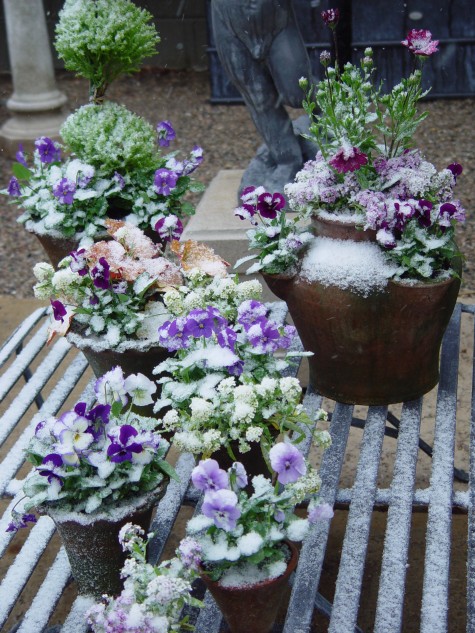 Our winter is all but gone. But March and April are neither winter nor spring. They are what I call the sprinter months. Move quickly towards spring, drop precipitously down and back into winter. We’ll have big wind soon-maybe ice. Our transition to spring can be a rocky one. It seems like we all are sprinting in one direction or another to keep up.