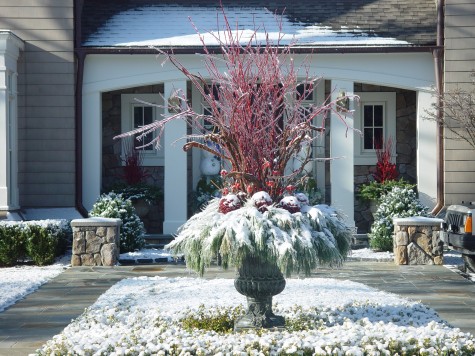
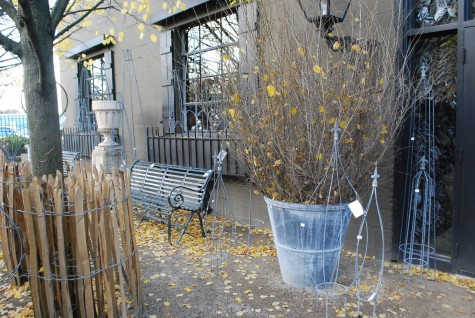
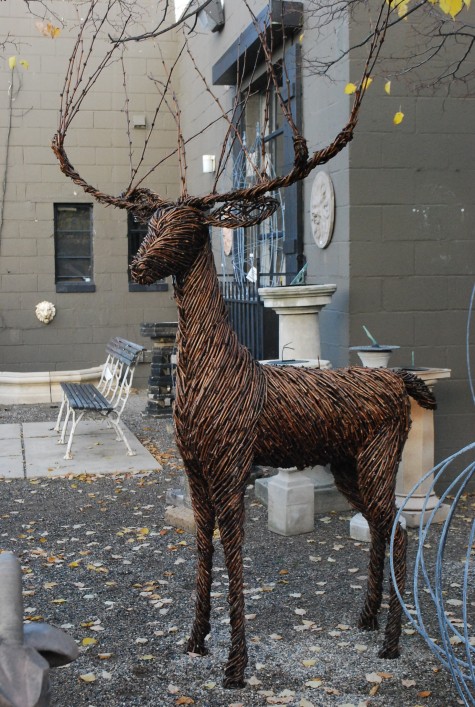
The most glorious color award in the landscape must surely go to the fall season. From the asparagus to the sweet gums, color is in the air. The green of the evergreen shrubs and trees is all the more intense by contrast with the colors sported by the leaves of deciduous plants. Once those leaves fall, the landscape takes on a much more subdued and subtle palette. The natural birch branches, honeysuckle vine rolls, grapevine deer, wood crates and pumpkins in the above picture are one shade of brown or another. The bark of the linden is a gray variation of brown. So much brown! The garden is going quiet. For every gardener unwilling to go quiet, the branches, twigs and poles available late in the fall can offer a new lease on a garden life.
 For those gardeners who live in more northerly zones, the time between the last of the fall leaves and the spring crocus can be a very long time indeed. This means that the shrubs and trees that sport bark with great color are of great interest. Planning a landscape for winter interest is a good idea in my zone. My dilemma-space. I have a very small urban property. I run up against the limits of the space all the time. Given a large property, I could have swaths of red and yellow twig dogwood, groves of bungeana pine, a group of London planes, and all manner of interesting willows. Lacking that kind of space does not mean that I have to do without some winter color.
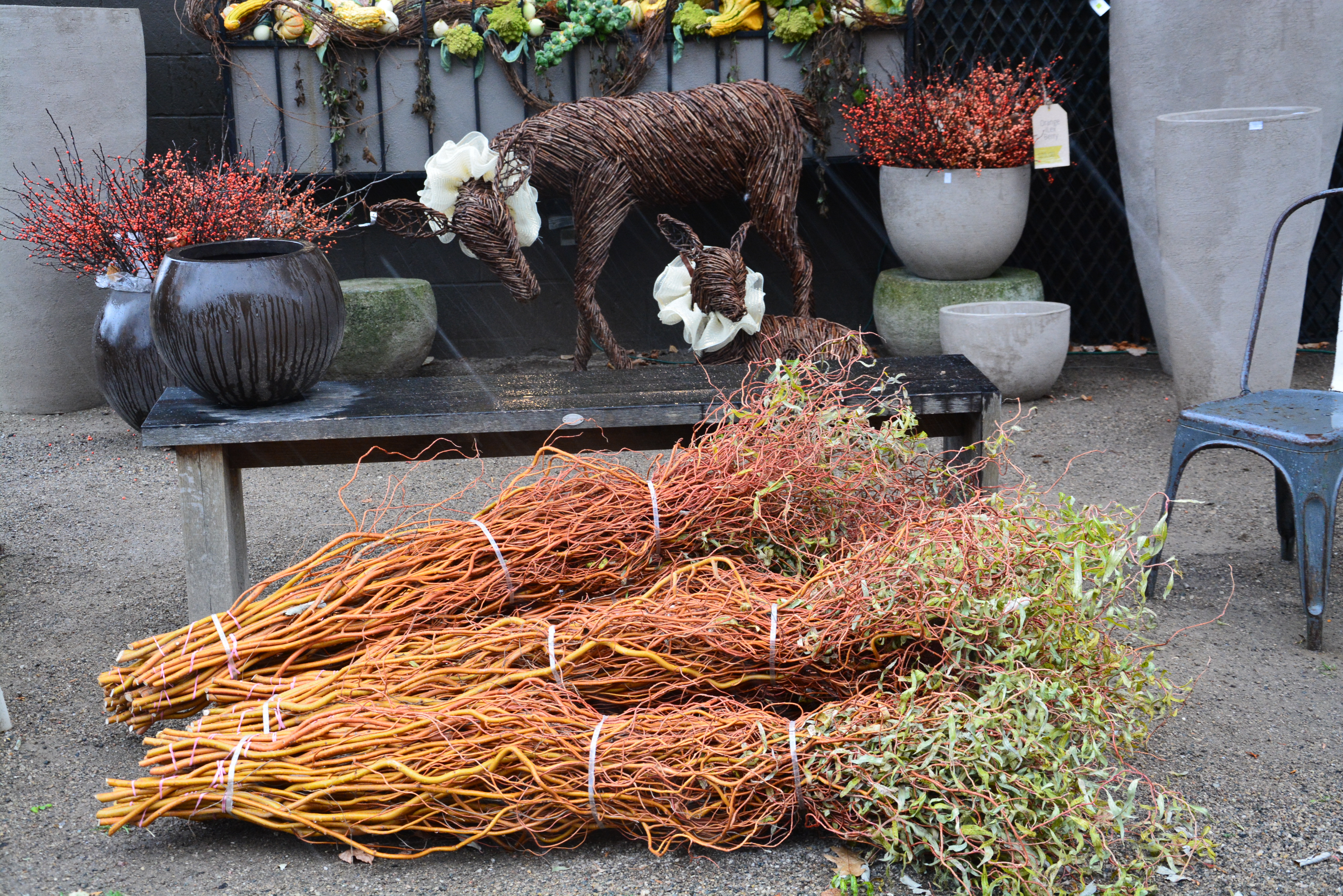
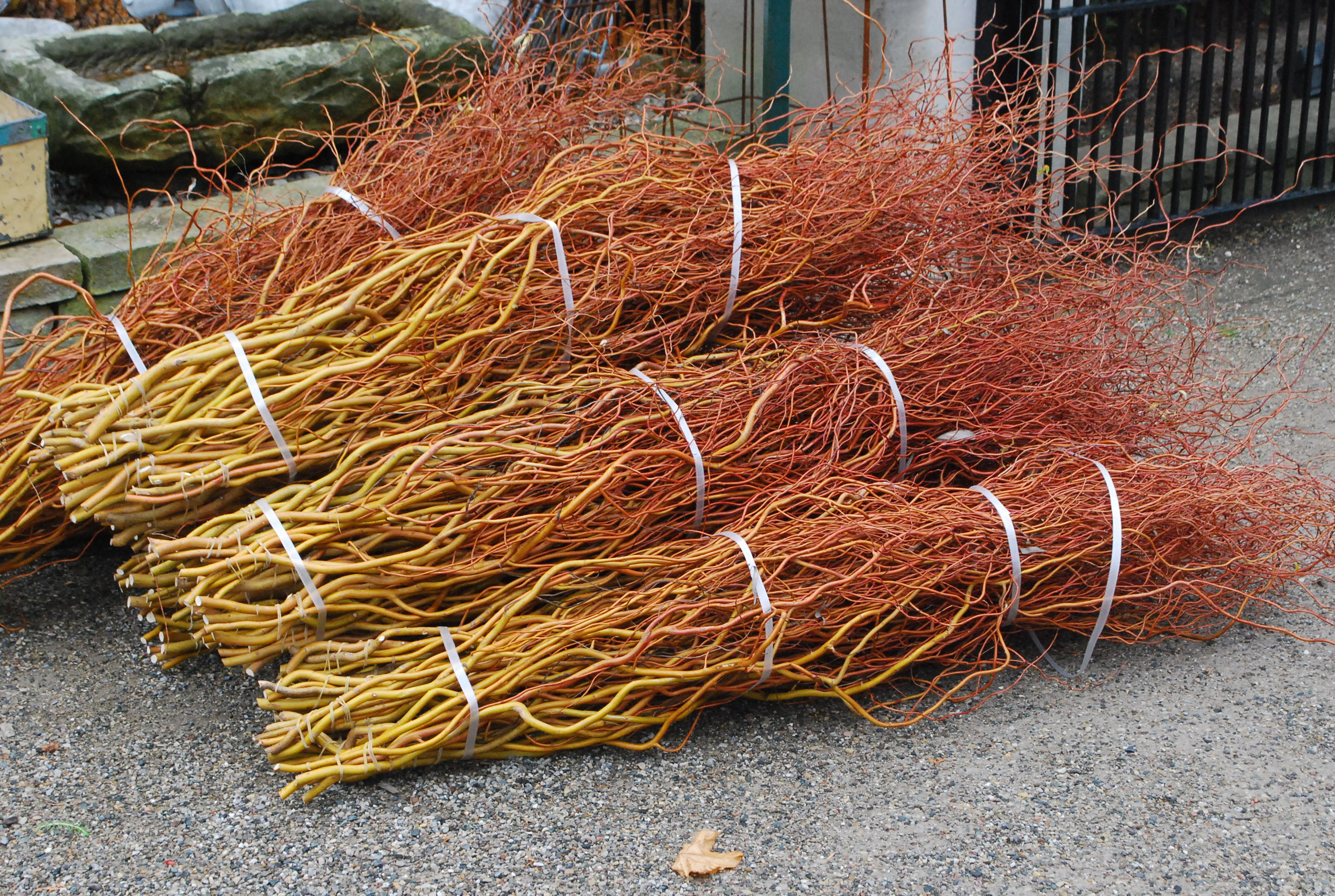
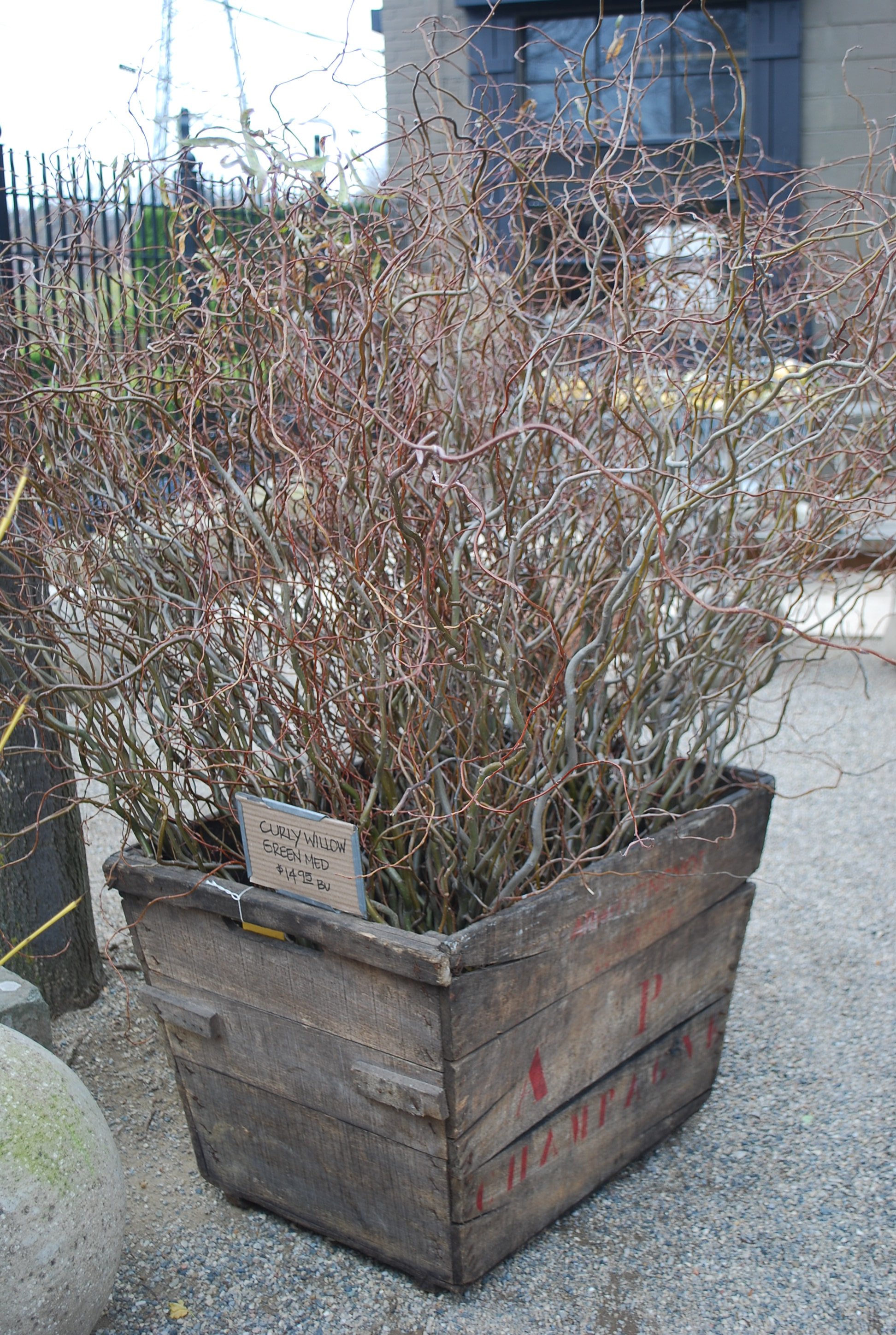
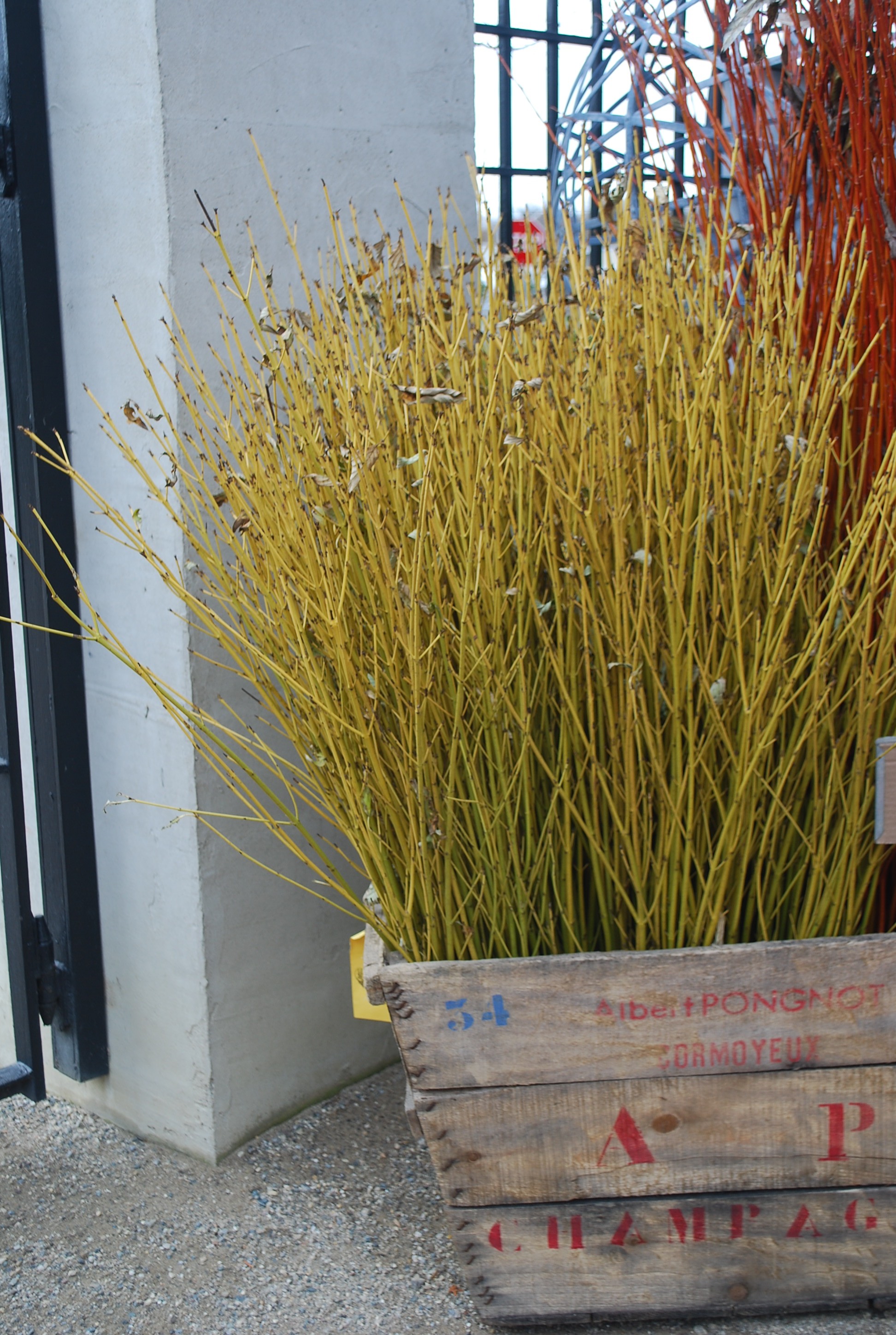
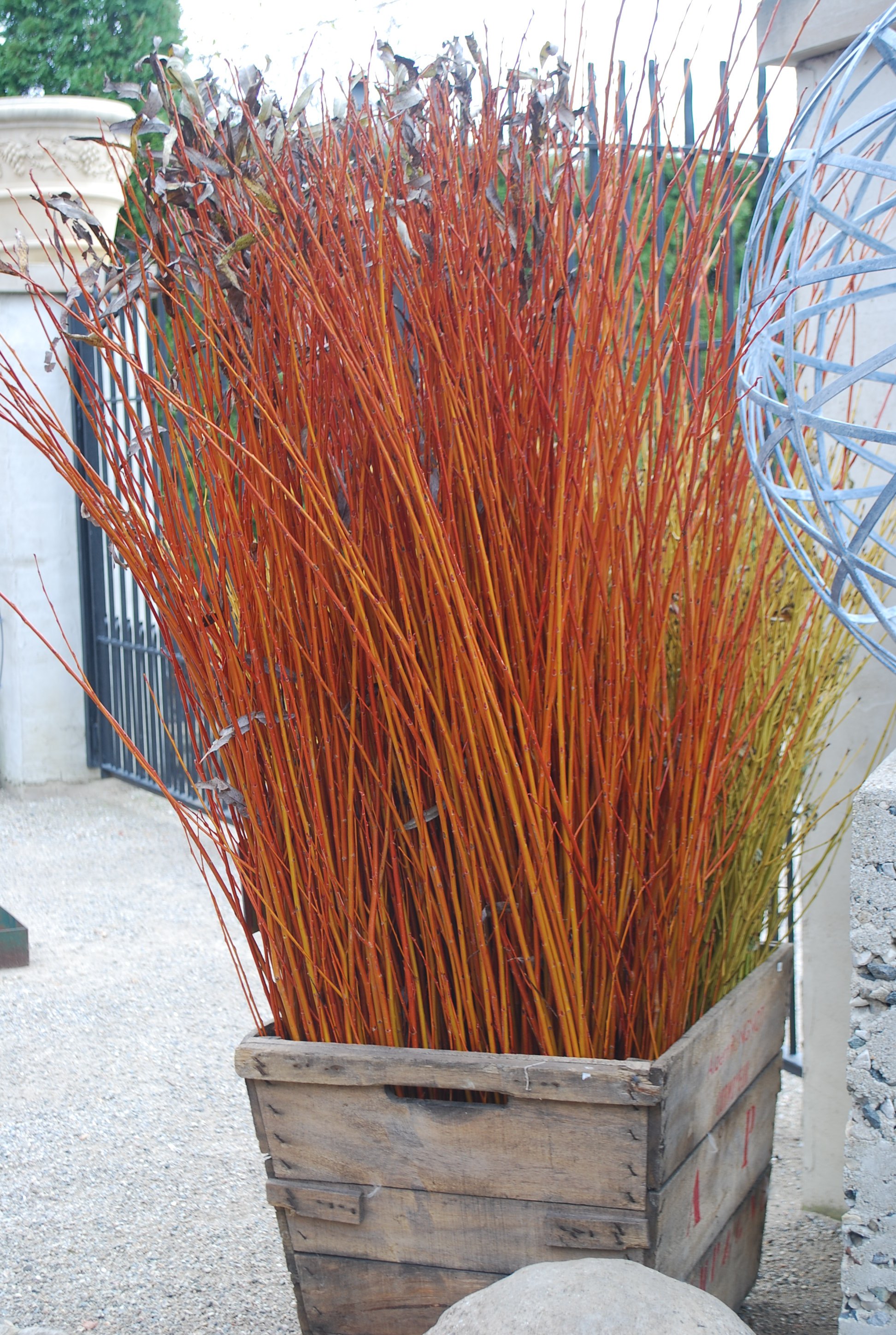
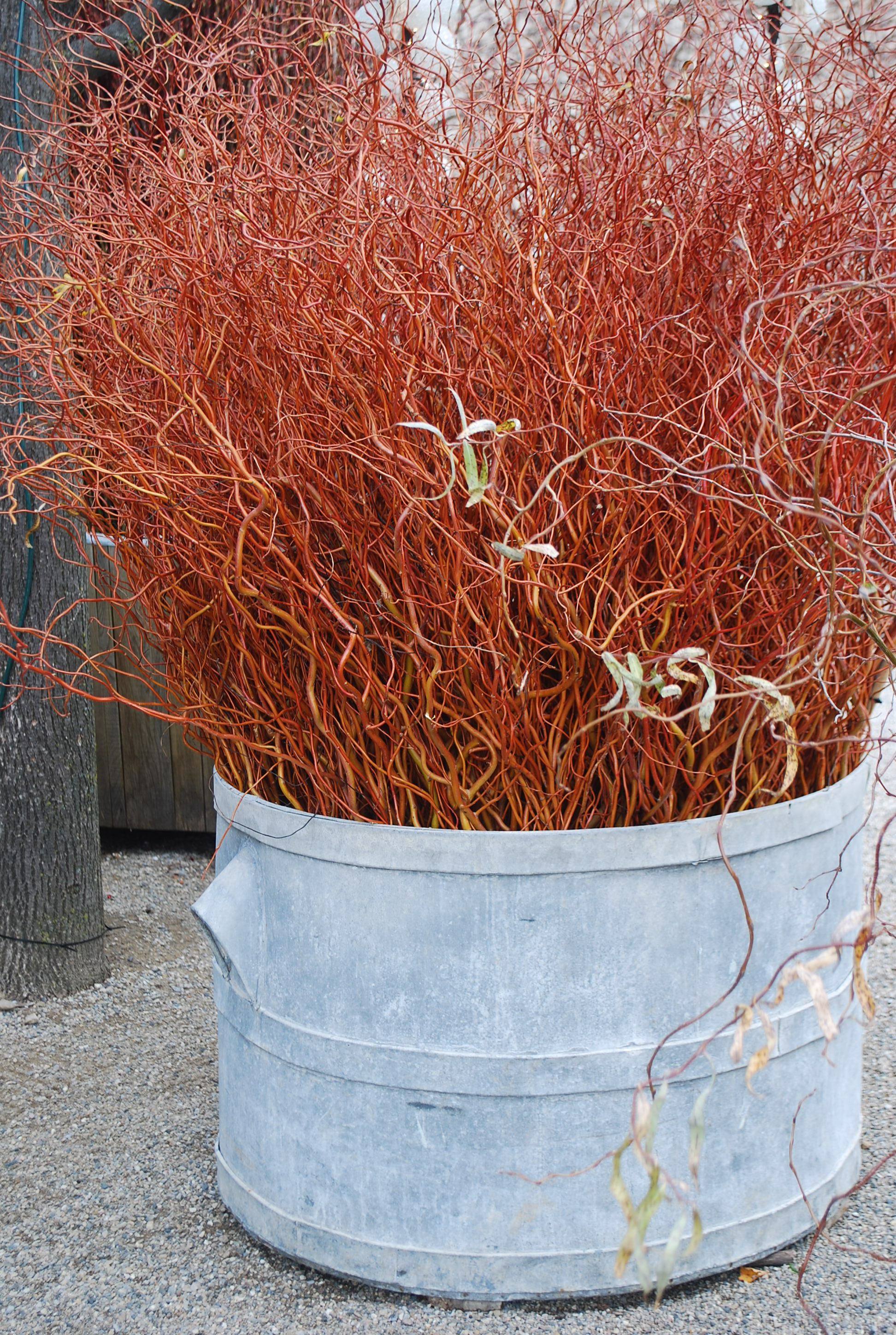
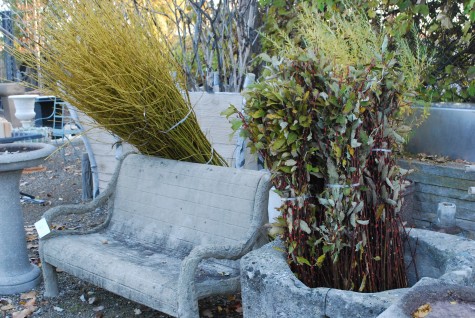
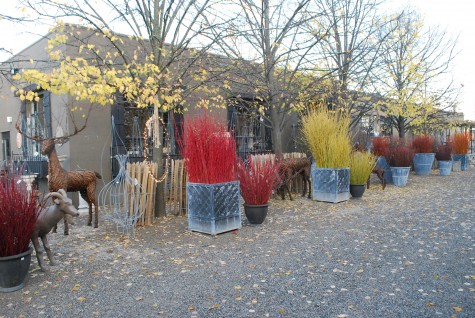
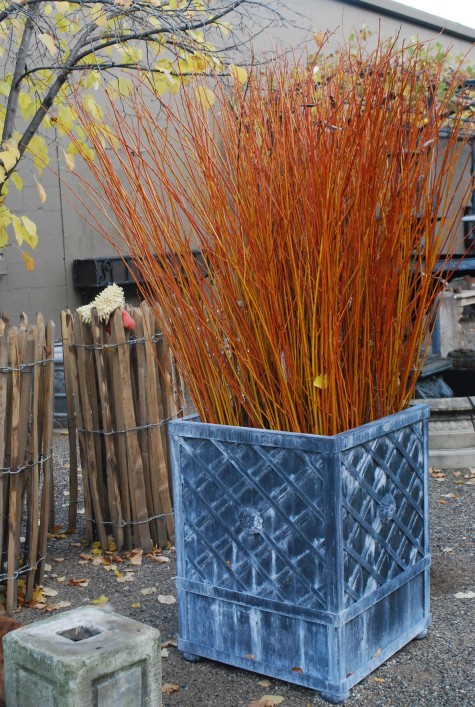
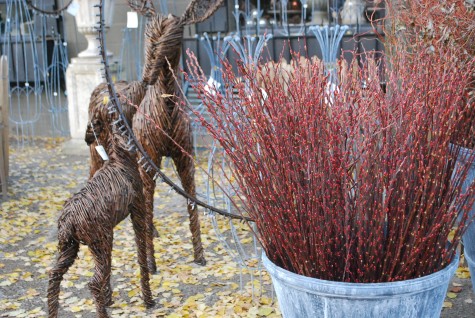
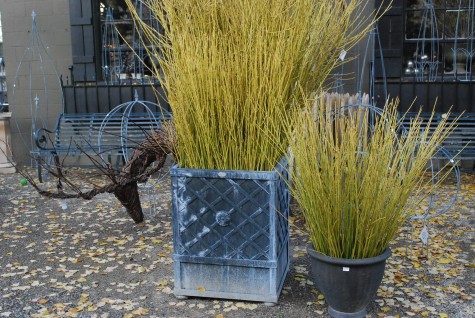
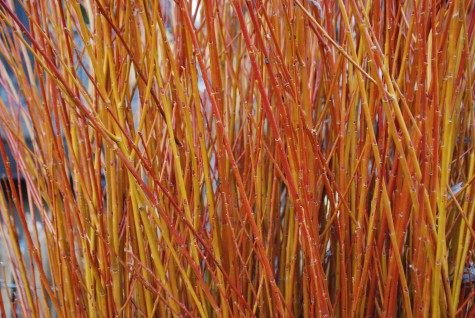
 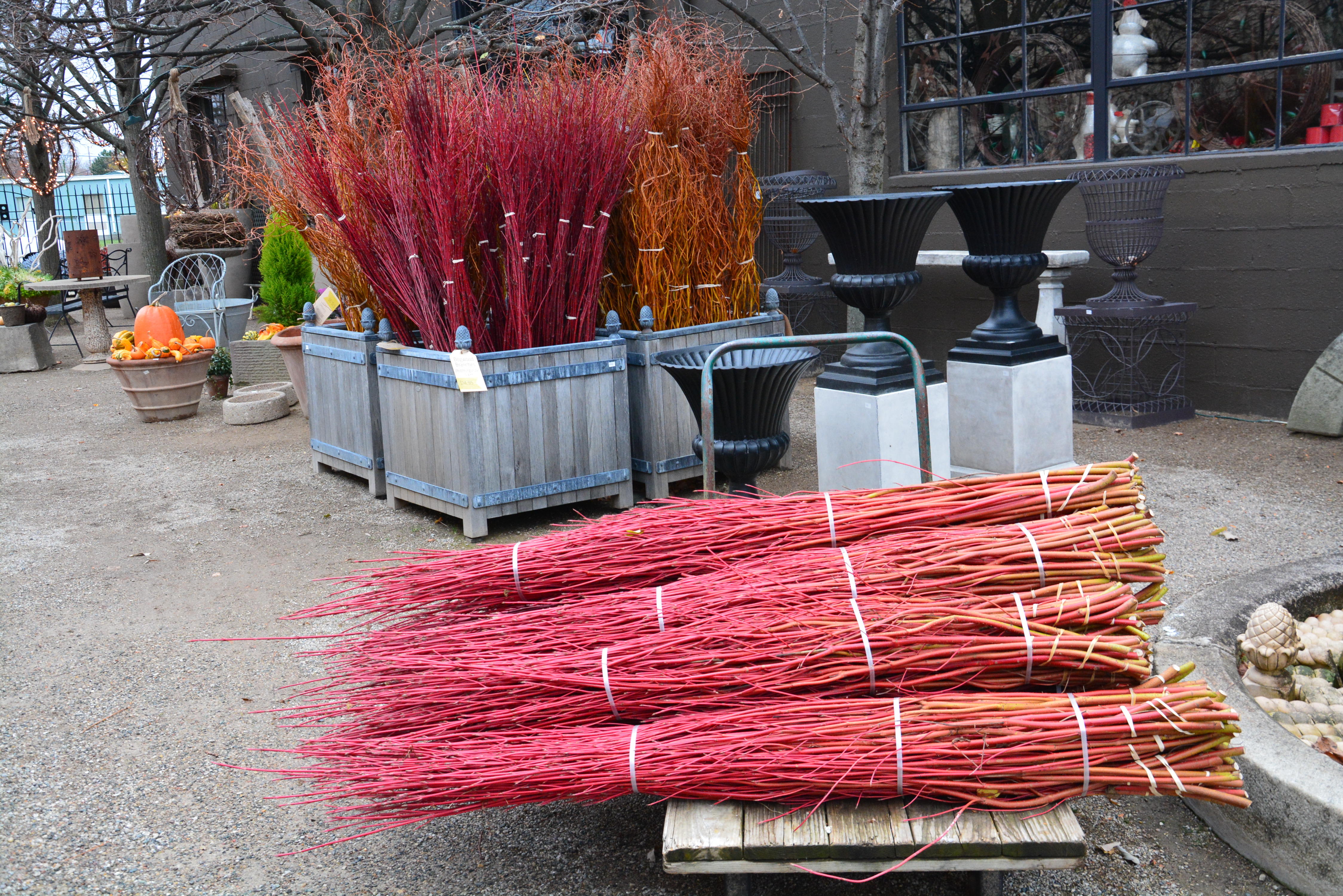 I am fortunate that there are farmers in this country that grow certain species of shrubs and trees from which they harvest cut branches. Our shipment of cut branches arrived a few days ago. The colors are astonishing. The dogwood branches have glossy bark in a variety of shades of red and yellow. The curly copper willow is a yellowy orange. The flame willow is the color of cinnamon. The red bud pussy willow has a glossy dark red brown bark, and red orange buds. This color and bark texture destined to last throughout the winter- so welcome.
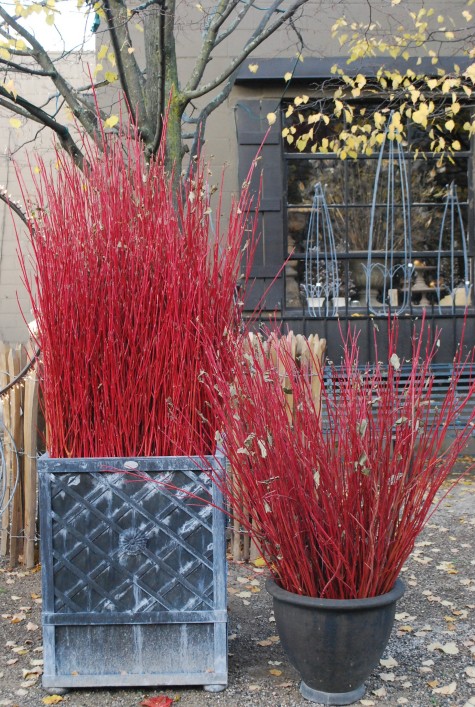
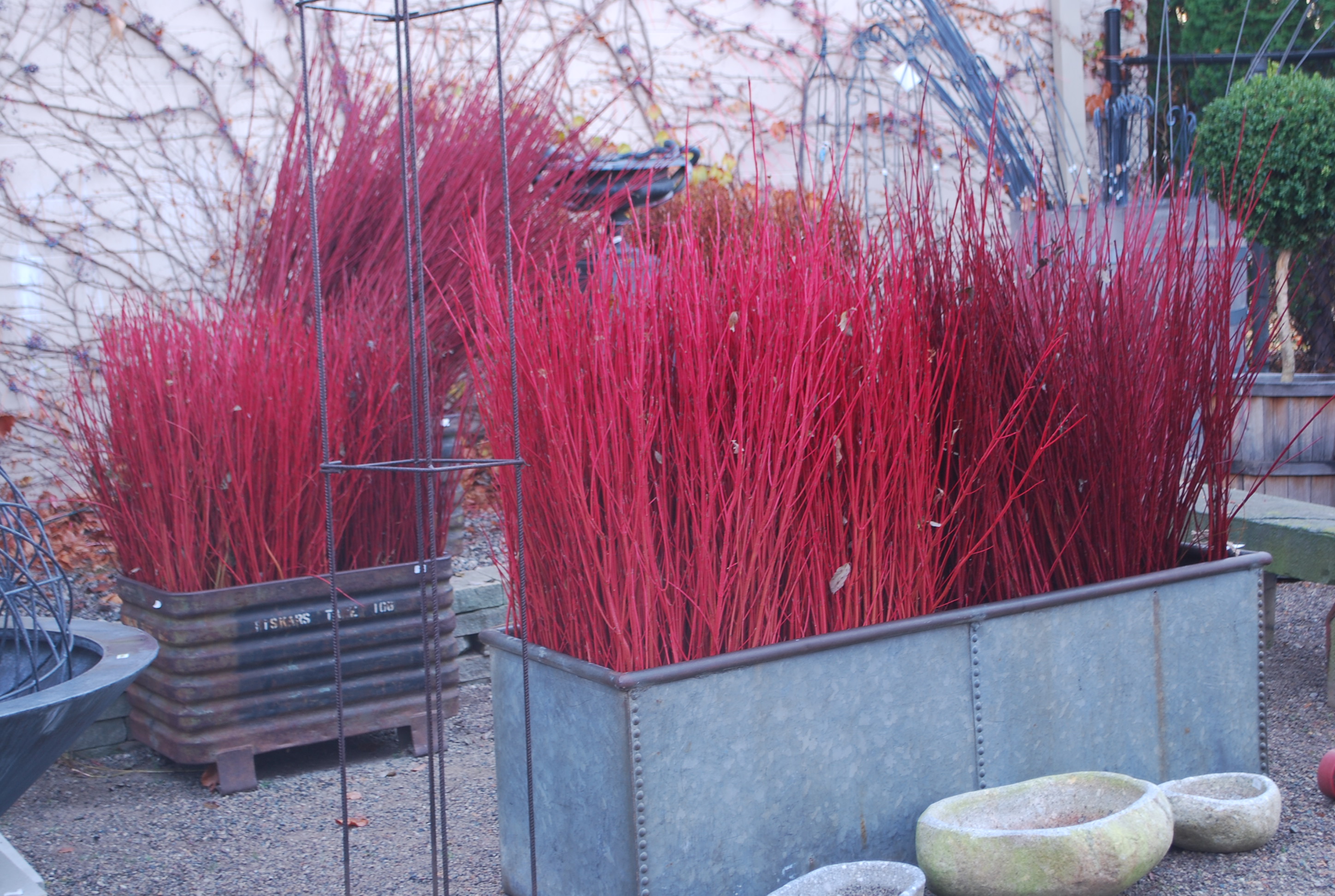 The species red twig dogwood is dull and dark red. Cut from the garden, this dogwood has small branchlets, and cream colored growth scars. New cultivars of dogwood sport clearer and more intense color than the species. Spring Meadow Farms has been instrumental in offering great new cultivars of vibrantly barked shrubs to nurseries. Dogwood which is grown for branches is at some point cut back near to the ground. This process is known as coppicing. The English have been growing shrubs and cutting them back hard with the express purpose of harvesting the branches for fencing for centuries. A shrub that is cut back hard responds with vigorous new growth. The straight and unbranched new growth provides the best color, and the glossiest bark. The red twig dogwood “Cardinal” has the most brilliantly red bark of any cultivar I know. The color of these branches is as luscious as a red tulip.
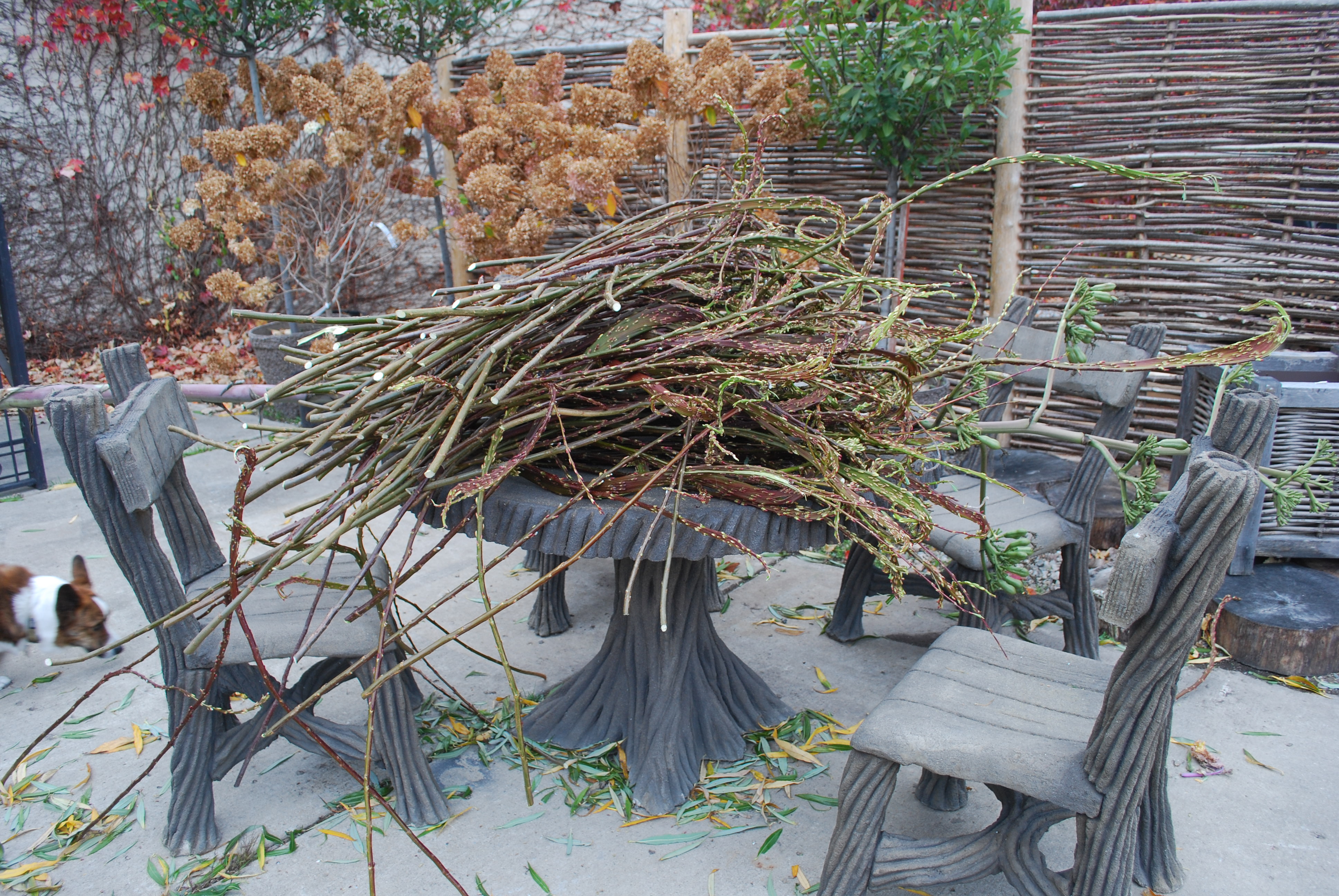
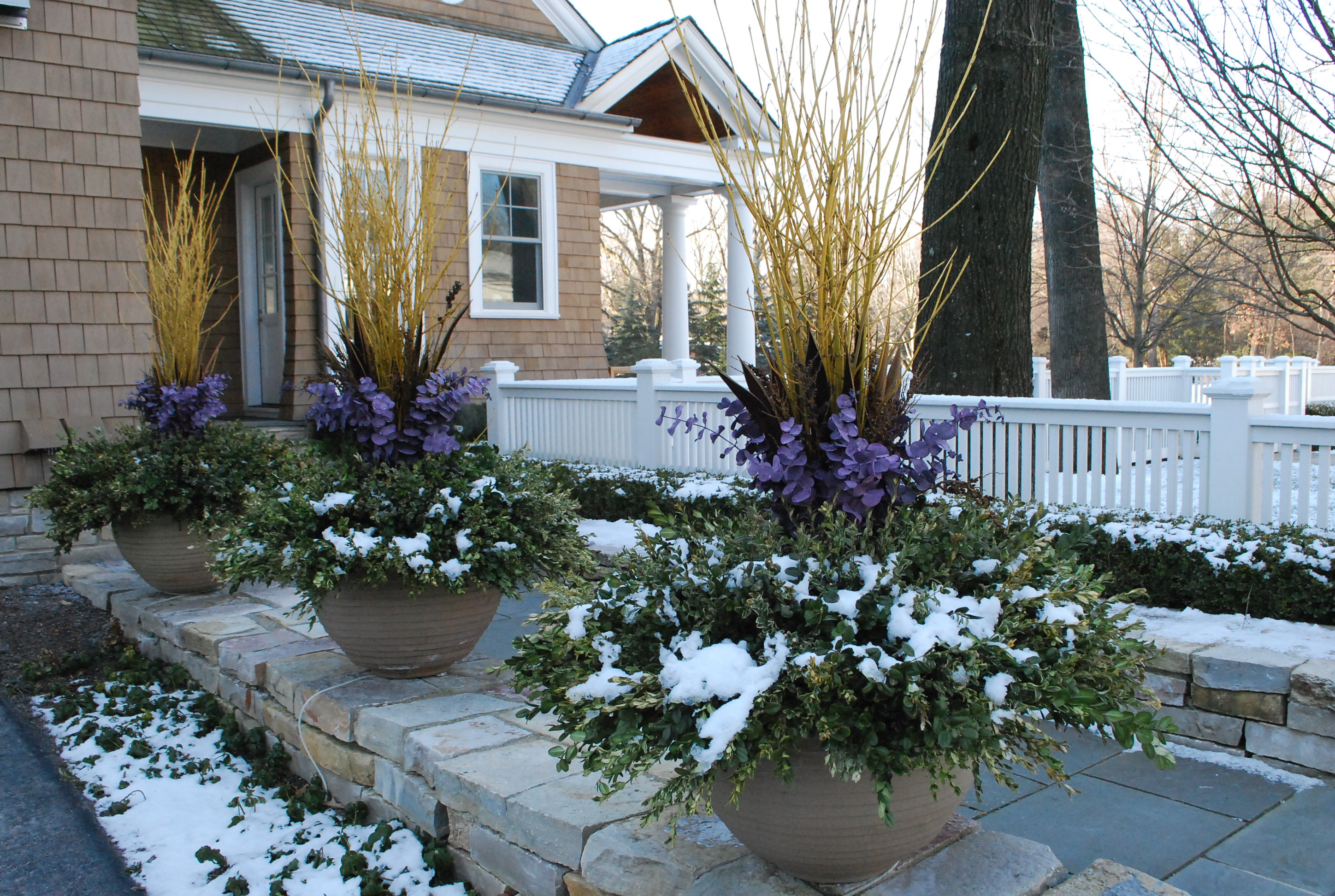
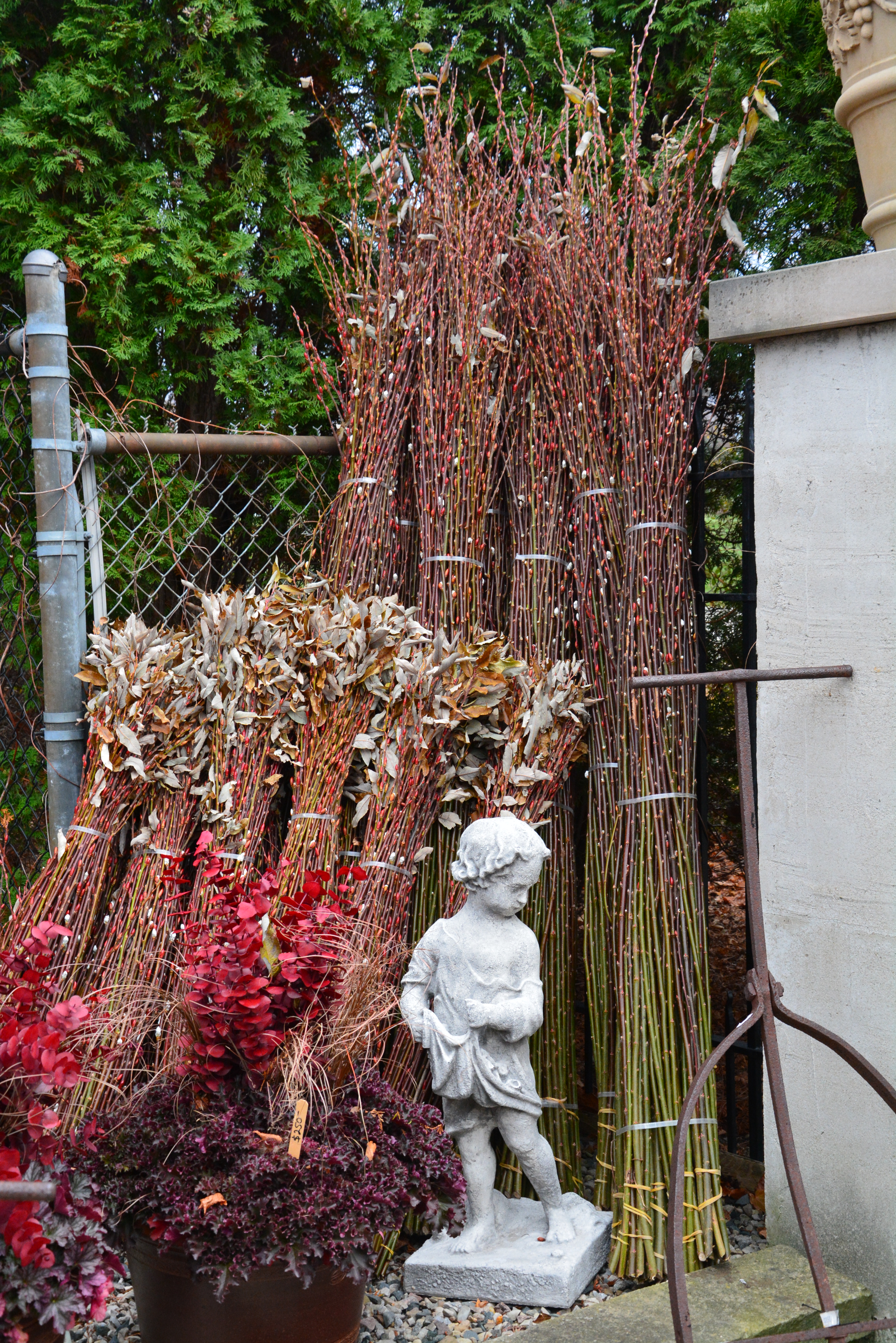 Pussy willow is an enormous growing shrub whose main claim to fame is the fuzzy and silvery spring catkins that sally forth in the spring. But pussy willow branches are a gift to a winter landscape. We buy the cut branches at 6 feet tall or better. The green and chocolate bark, and the orange red buds are sensational. So how do I use these glossy barked and beautifully colored branches? In containers at the front door. On the mantle for the holidays. Over the door. They can be woven into wreaths. In any application, they are a lively reminder that the harvest from the garden can endow your winter seaso..
 A casual bunch of branches has a more informal and traditional look. They pair well with other materials available for the season-grapevine, evergreen boughs, pine cones, dry hydrangea flowers and berries-even the sturdy remains of perennials from the garden. Ornamental grasses, cut and fixed to a bamboo stake make a graceful foil to the more substantial branches.
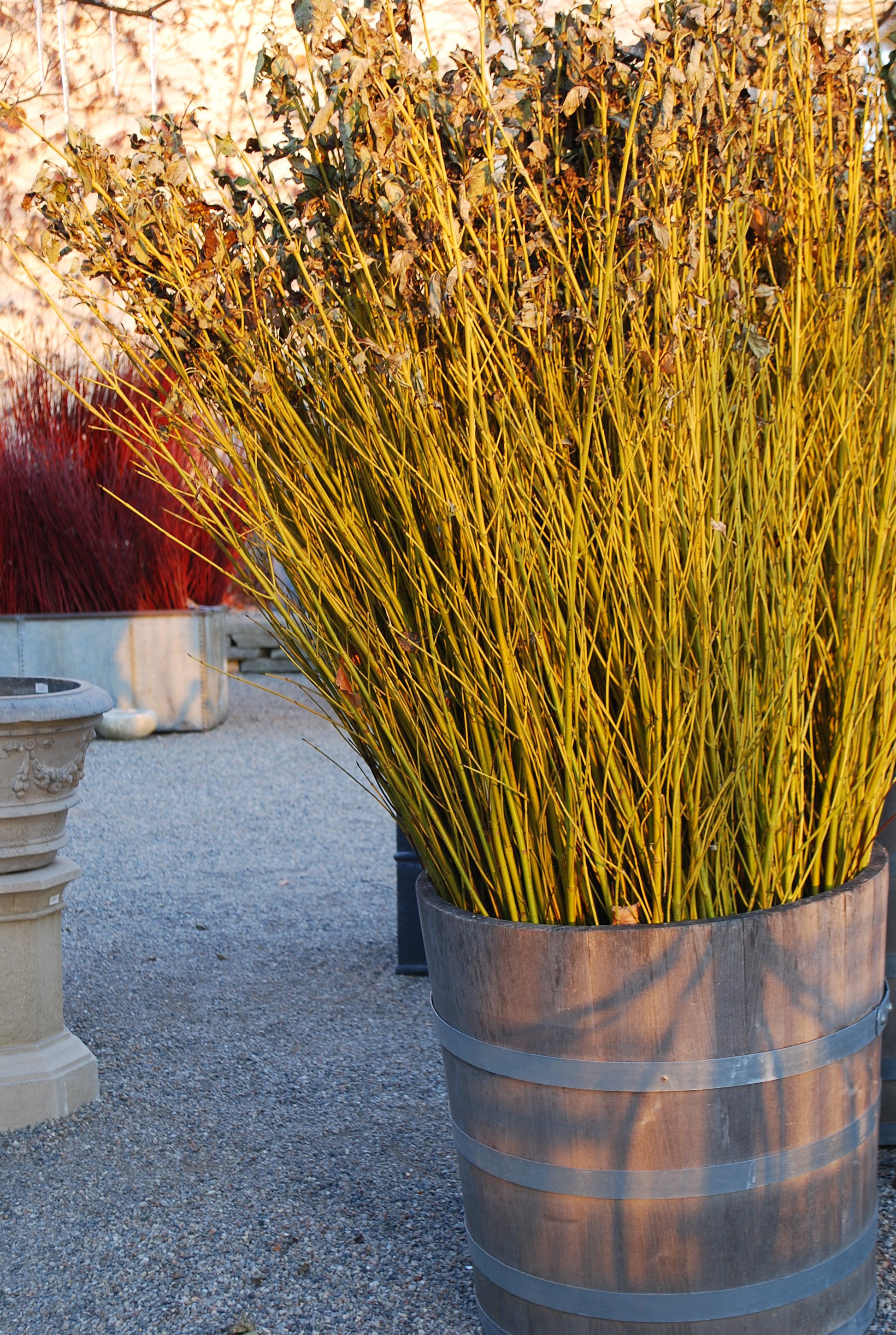 An arrangement of fresh cut branches can have a very contemporary look, placed vertically in a container. The height is a welcome addition to a winter container. Stems stuck into soil may very well root and sprout in the spring. The willow leafing out means the branches can be part of a spring container planting.
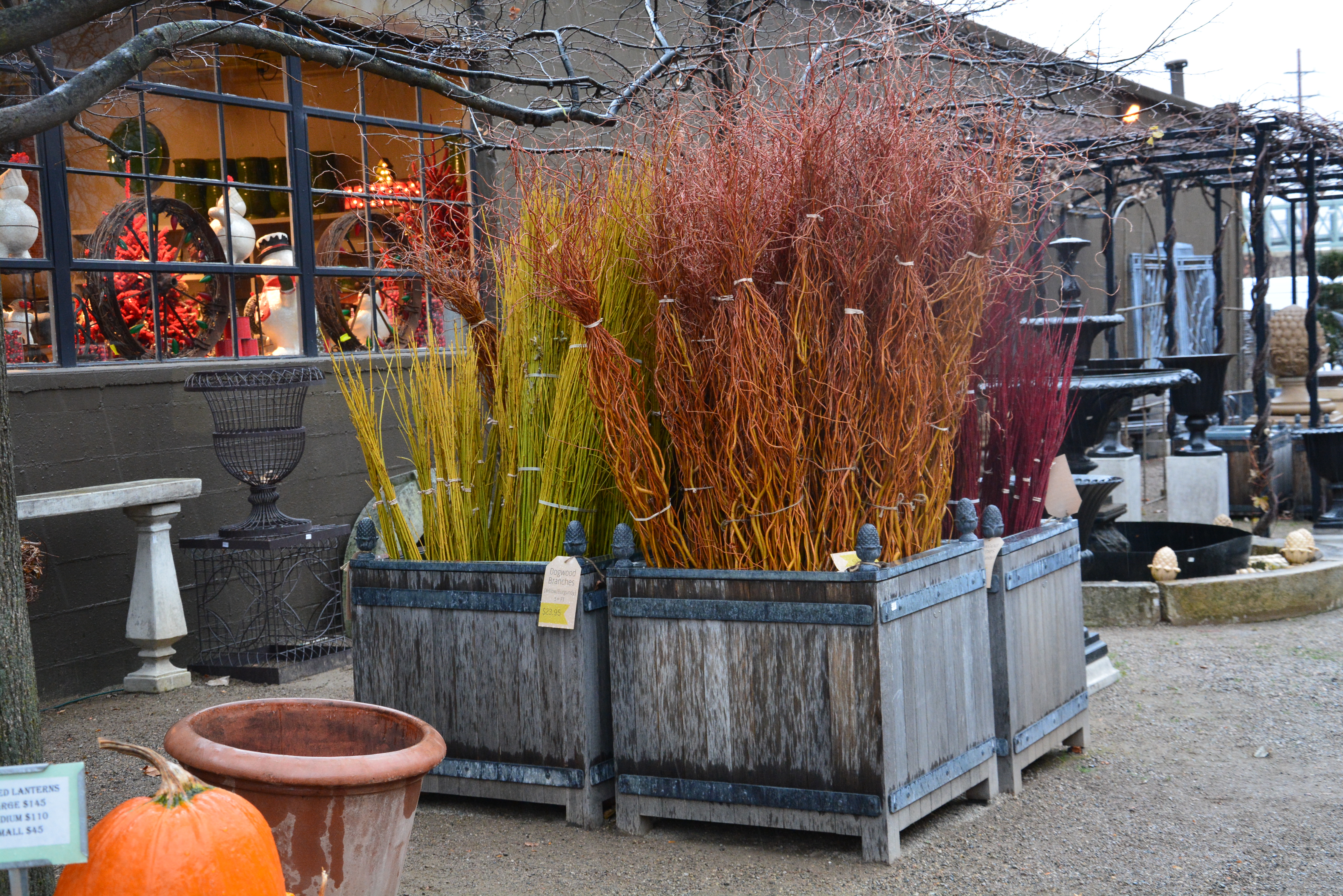 The branches are beautiful this year. They make an enormous visual impact in a winter landscape with minimal color.
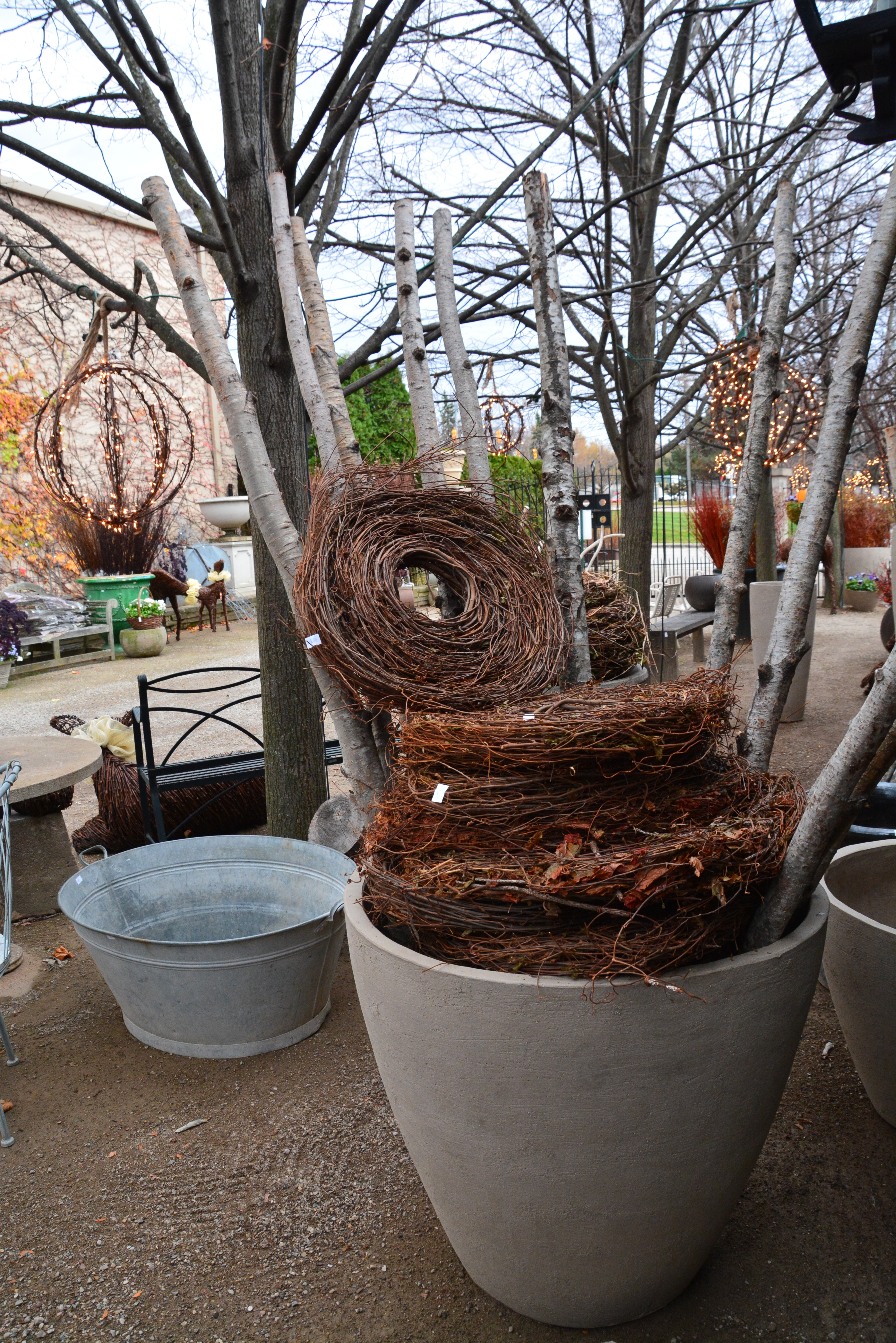 These poplar poles are much bigger than a branch. There are places where barked poles are the perfect thing. A celebration of the season in whatever style and shape suits you.
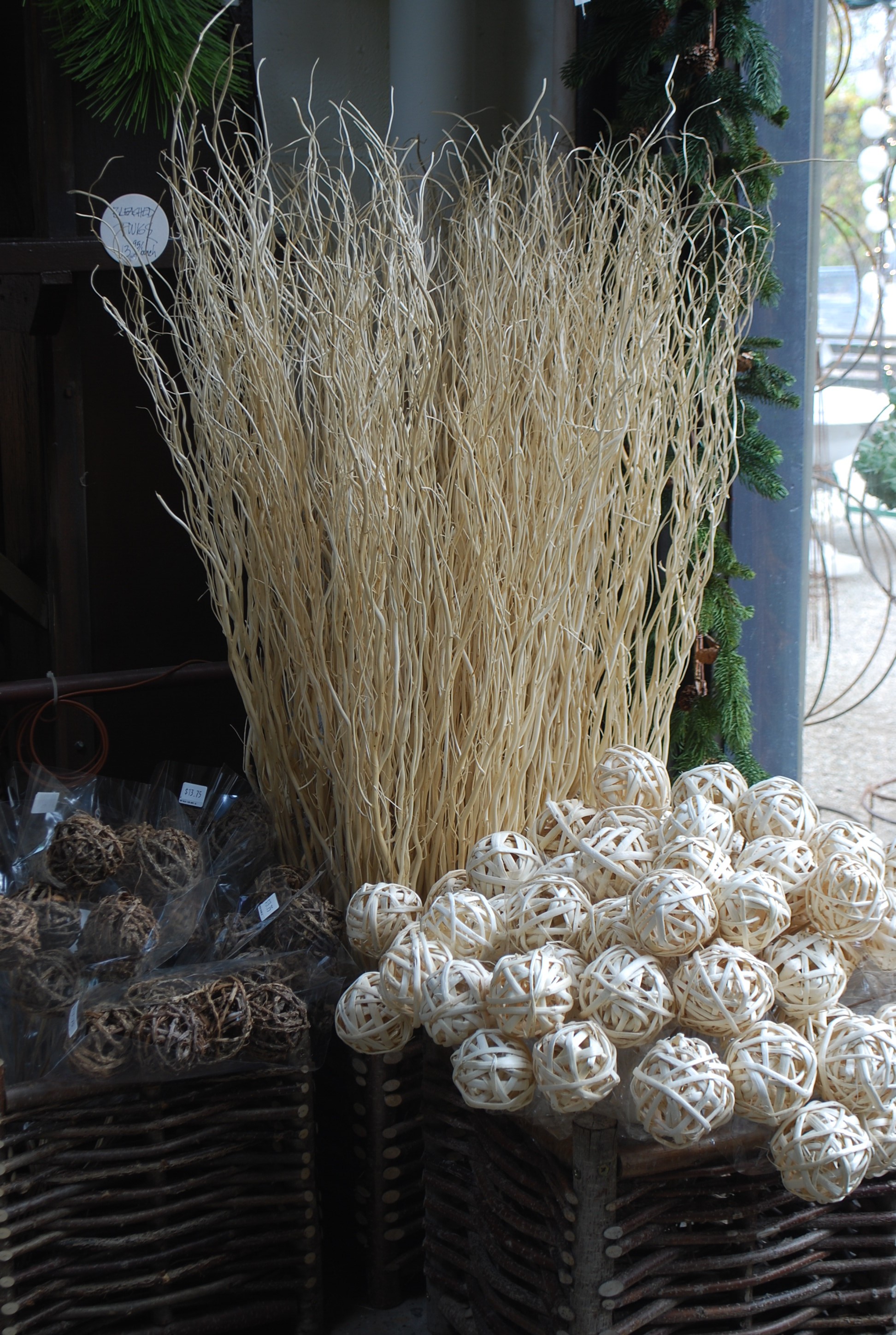
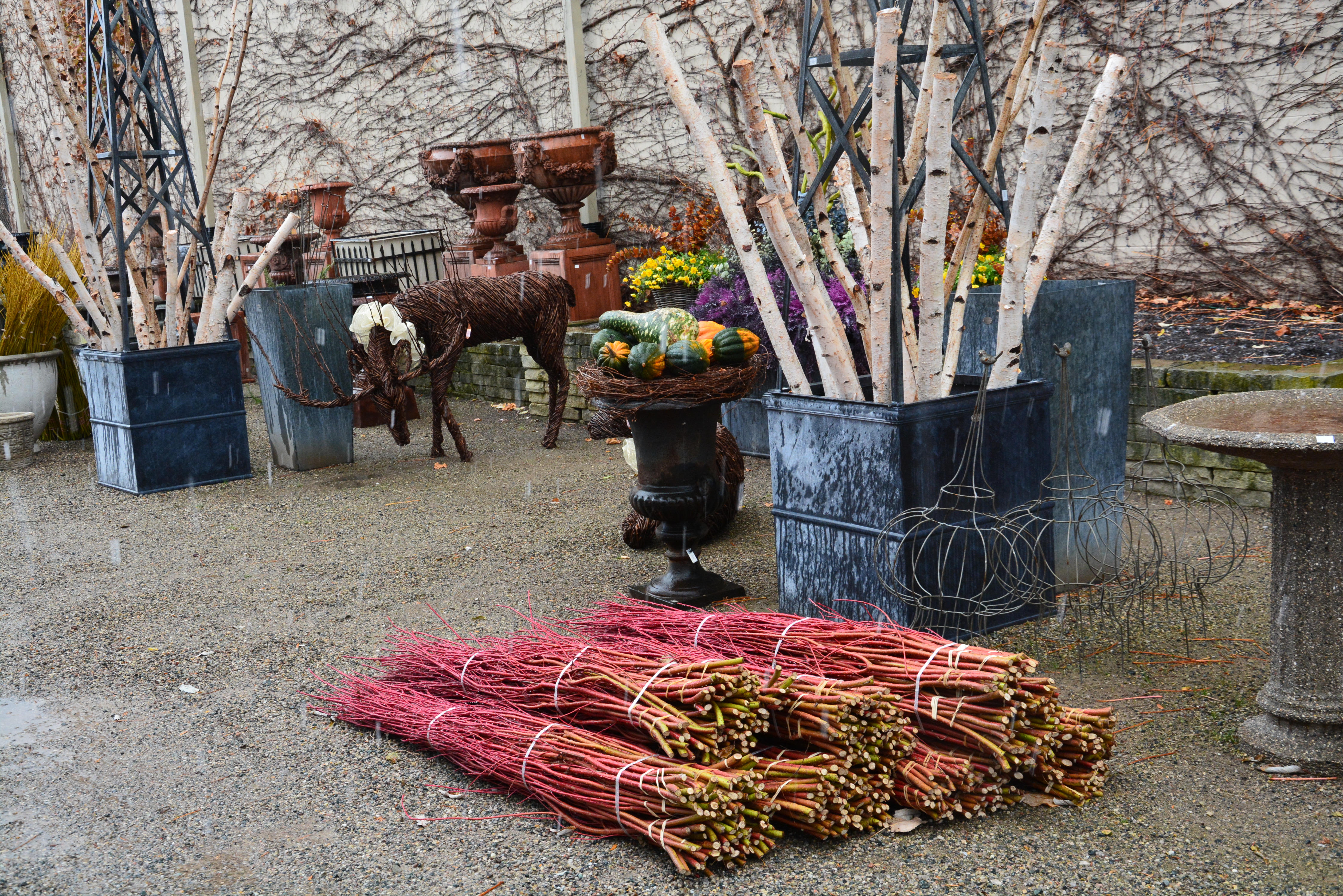 Detroit Garden Works is a source for branches, twigs, poles, and other natural materials in November. These materials help to make the celebration of the winter season all the better. These branches can help make a winter landscape all the more beautiful.
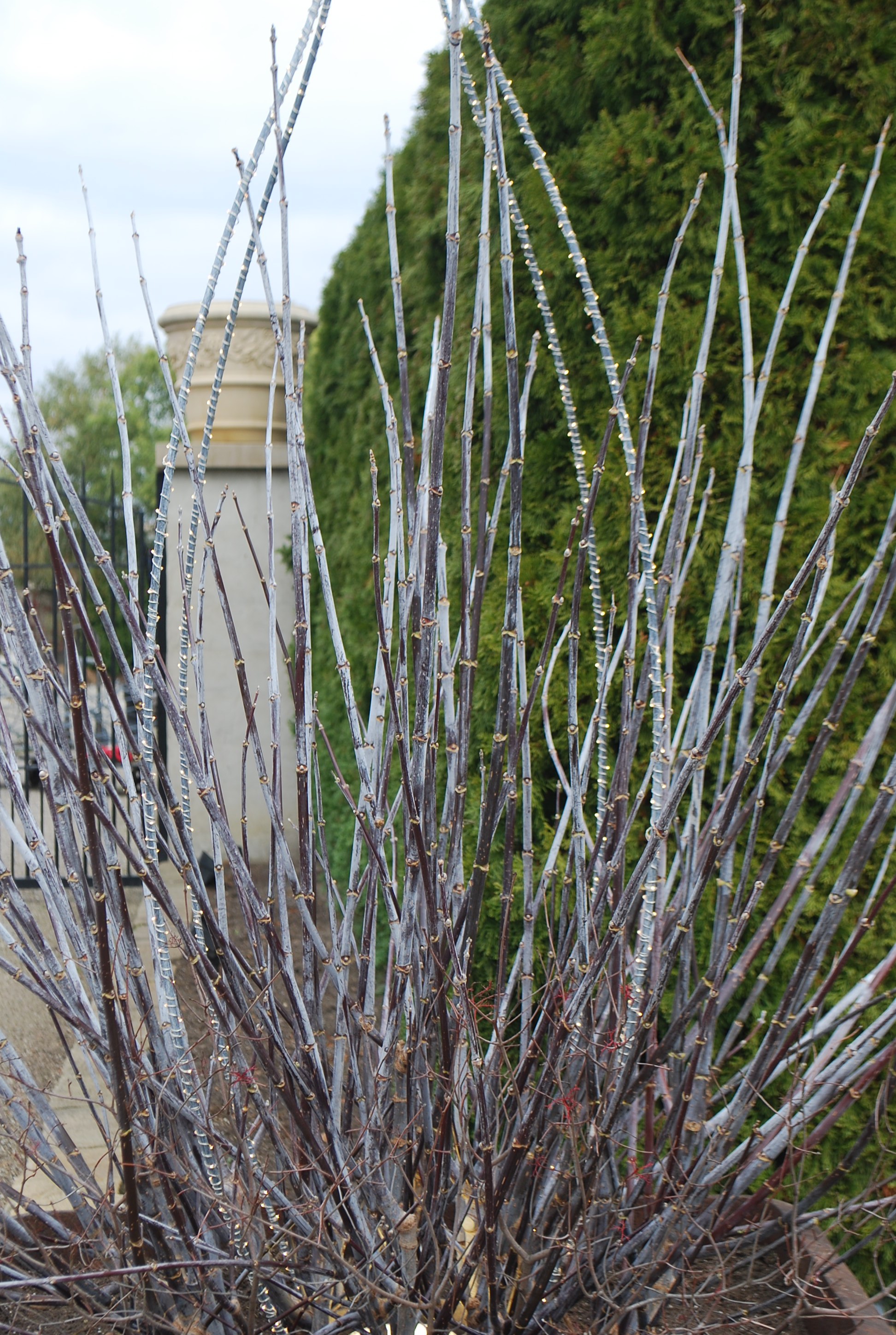
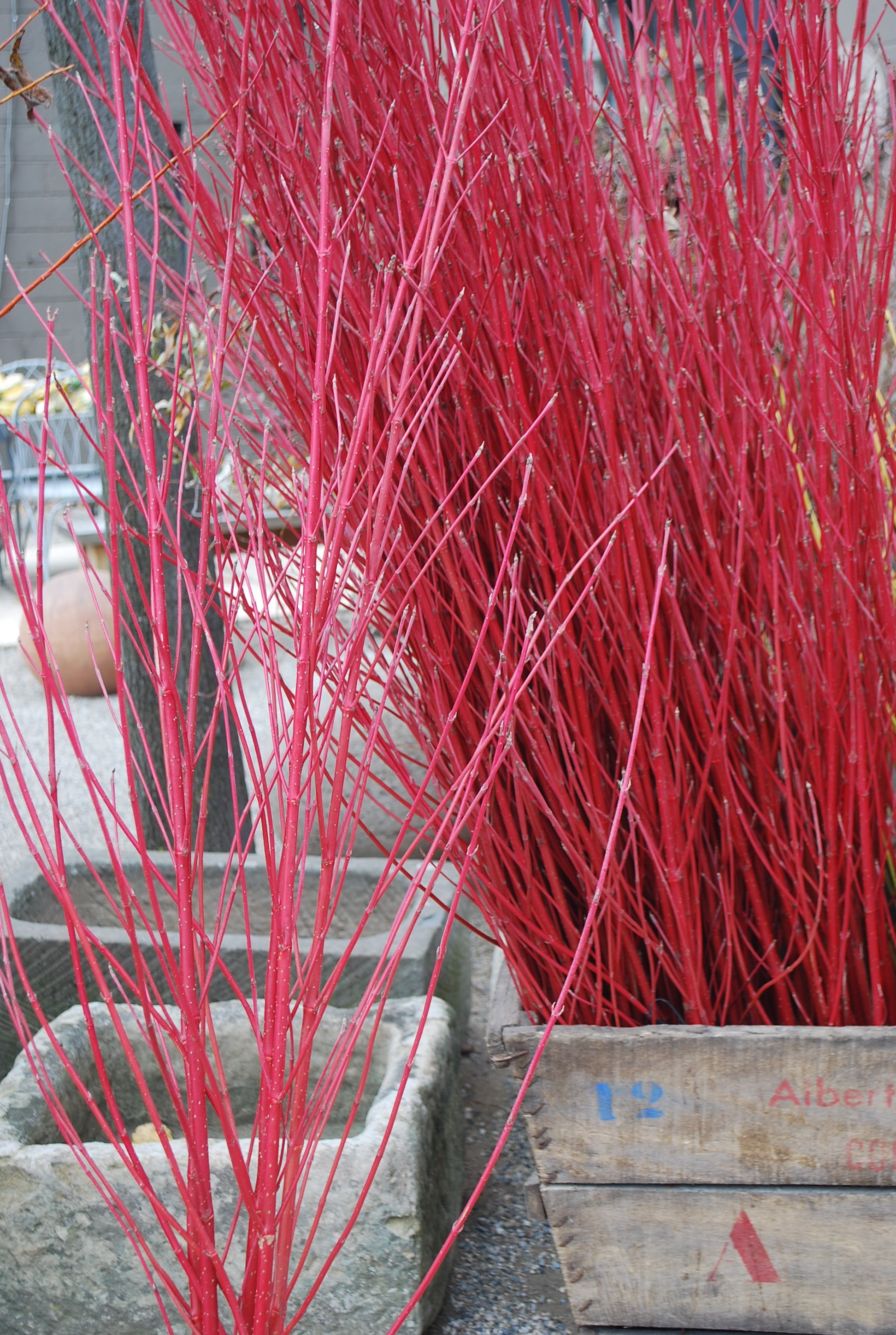

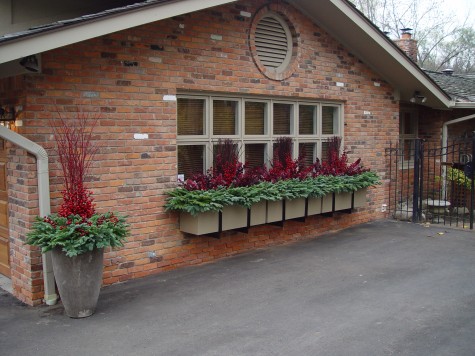 I do have a memory of getting into my Mom’s rouge pot in an idle moment. Those bright red perfectly circular spots of red I applied to my face made her laugh. I was terribly offended, as I thought I looked beautifully dolled up. All these years later I still like how a little rouge can doll things up; this is never more the case than in a garden gone wintry. Red twig dogwood and preserved and dyed eucalyptus can enliven a winter garden like nothing else does. I am not a fan of red tulips, or red dahlias; the red flowers and the green foliage is a little too much excitement for me. But the excitement generated by rouge red, in a garden gone grey, brown and black ,warms me up.
  Dark red eucalyptus and red twig paired with the blue needled noble fir is a dramatic color combination. Very dark colors are best in small spaces viewed up close, or places backed up by a lighter color. The lighter orange/brown brick of this entrance makes that dark red read loud and clear. The big round leaves of the eucalyptus are a great foil to any needled evergreen branches.
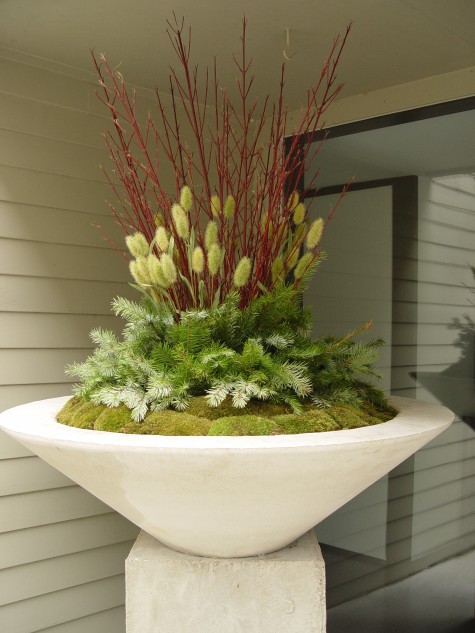 Bright red is all the more electric paired with a light green element. As no plant in the landscape has this form or color right now, I have no problem adding in artificial stems. Sometimes people ask how I could stand anything in a pot that wasn’t natural or real; it’s easy. Gardens make people feel good; if an artificial stem helps make an arrangement a little better and the winter a little more tolerable, I am all for it. This contemporary arrangement is all the more contemporary given the obviously faux detail.
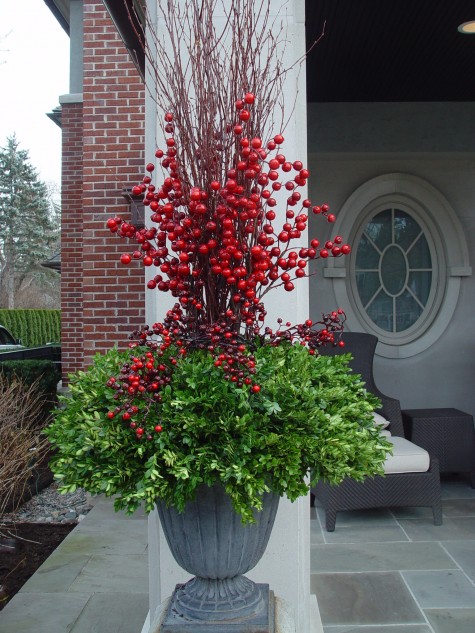 I am a fan of many shrubs and trees that sport berries in the fall and winter. However, they have a short lifespan, cut and in a container. The berries of Ilex Verticillata, or what we call Michigan holly, are spectacular but fragile. The berries in these urns will look great all winter, and can be removed the beginning of March. The boxwood might need a little floral dye sprayed on it by then, but I like keeping the pots intact until April sometime.
 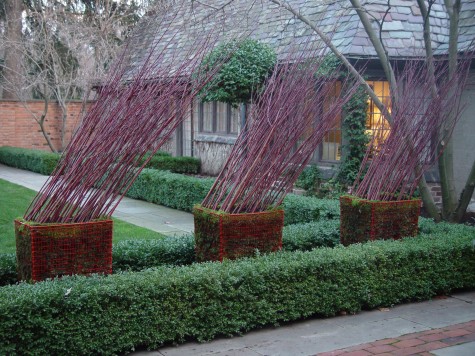 This wired and windswept winter display was entirely inspired by the floral arrangements of Jeff Leatham. His floral arrangements for the Four Seasons Hotel Paris, the George V often feature flowers set in vases at startling angles. This out of vertical placement attracts attention instantly. Each one of these dogwood stems were wired individually so the form would be kept intact whatever the weather.
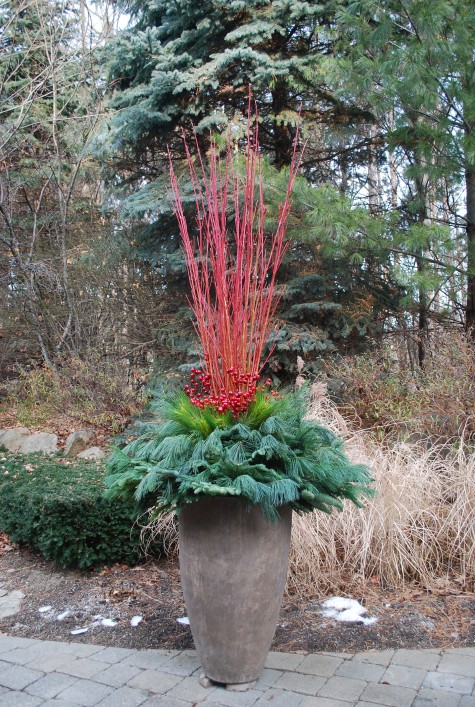 Cardinal redtwig is a relatively new cultivar that shines. It stands out so beautifully in front of the drab woodland background. We are sure to elevate the pot off the terrace surface, so water does not collect and freeze around the base.
 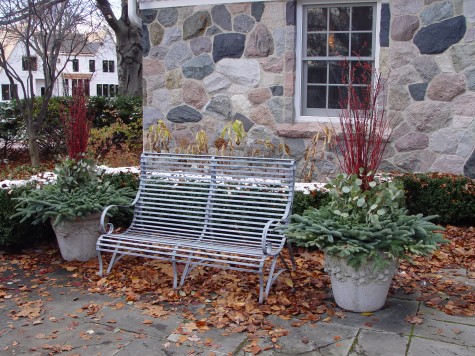 I have good success using fresh silver dollar eucalyptus outdoors. As it dries, the color does become more subtly taupe-blue, but the big leaves are an invaluable texture. The littleleaf euc tends to dry much faster and not to good end; I am not sure why. Eucalyptus pods dry blue, and hold their color well.
  This pair of pots welcomes anyone who comes to visit. They make a very strong reference to my client’s love for their garden, from a long ways away.
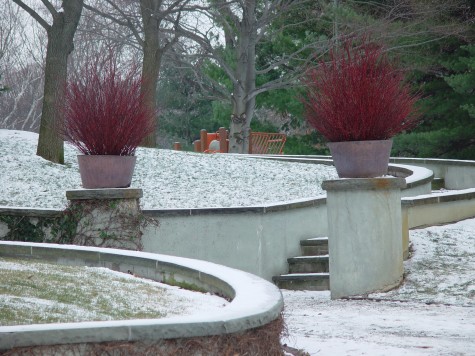 Likewise, this redtwig massed in copper pots, framing the view to a beautiful beech. Placed at least 75 feet from the road, they make a clear statement to passers by.