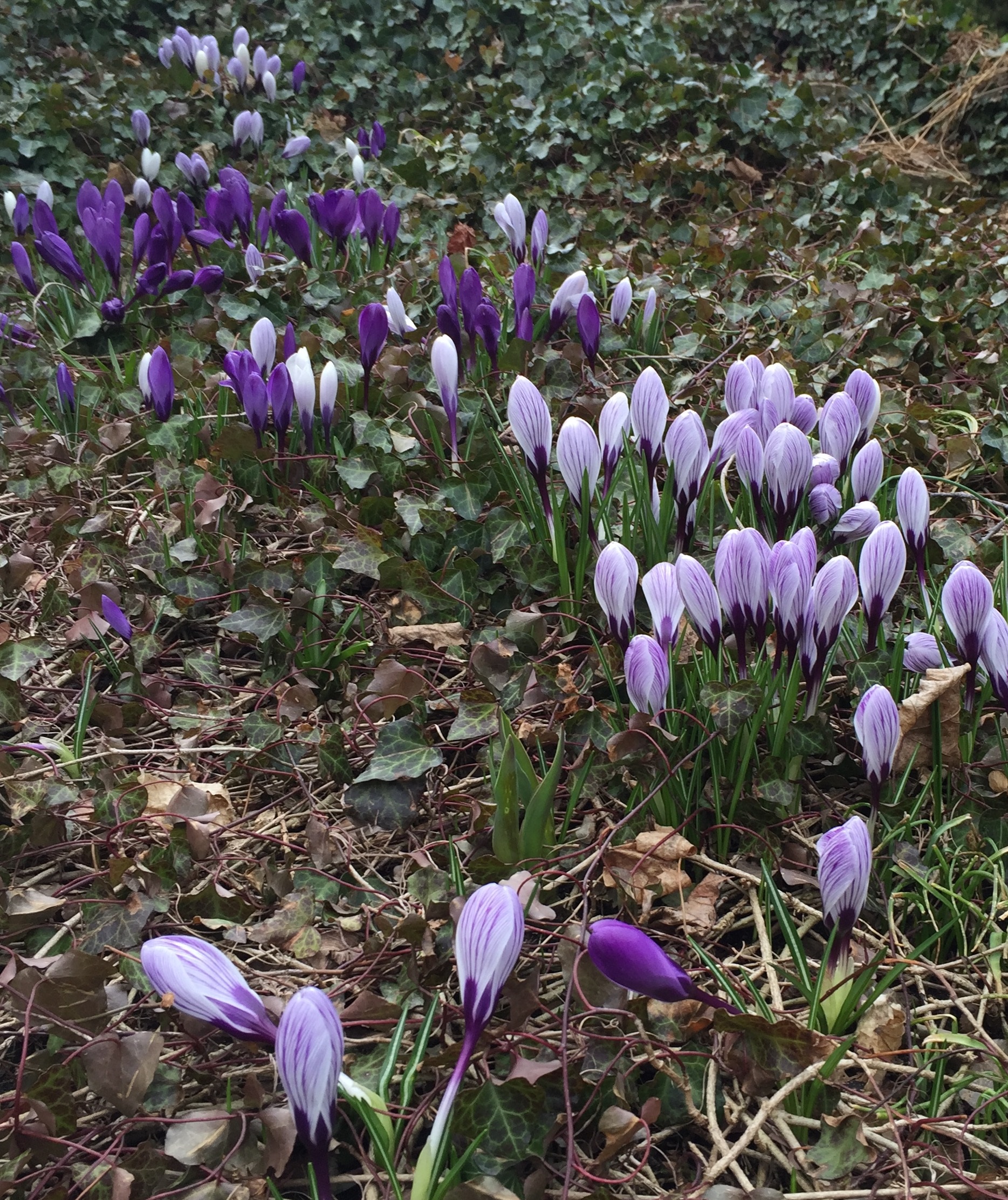
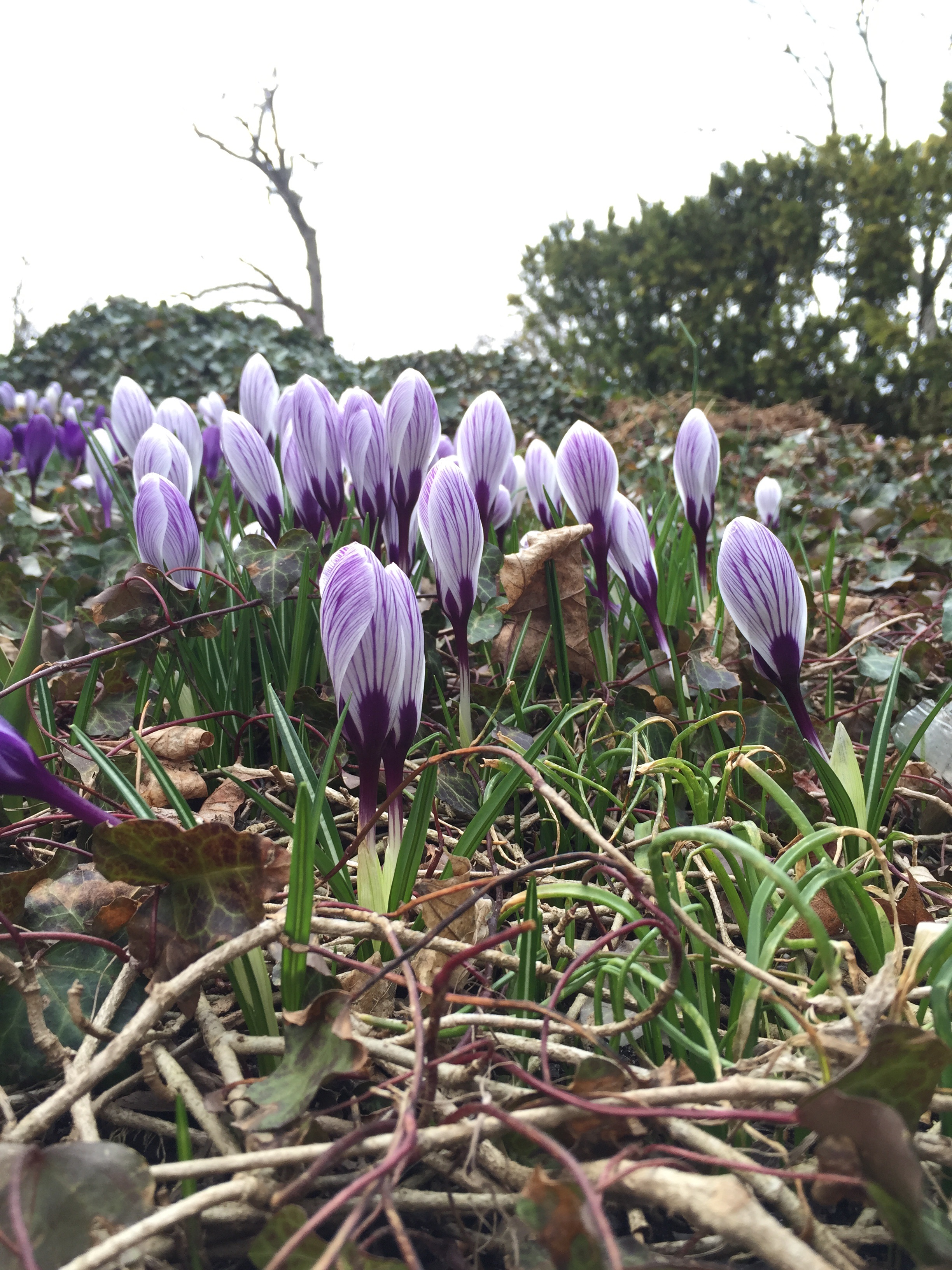
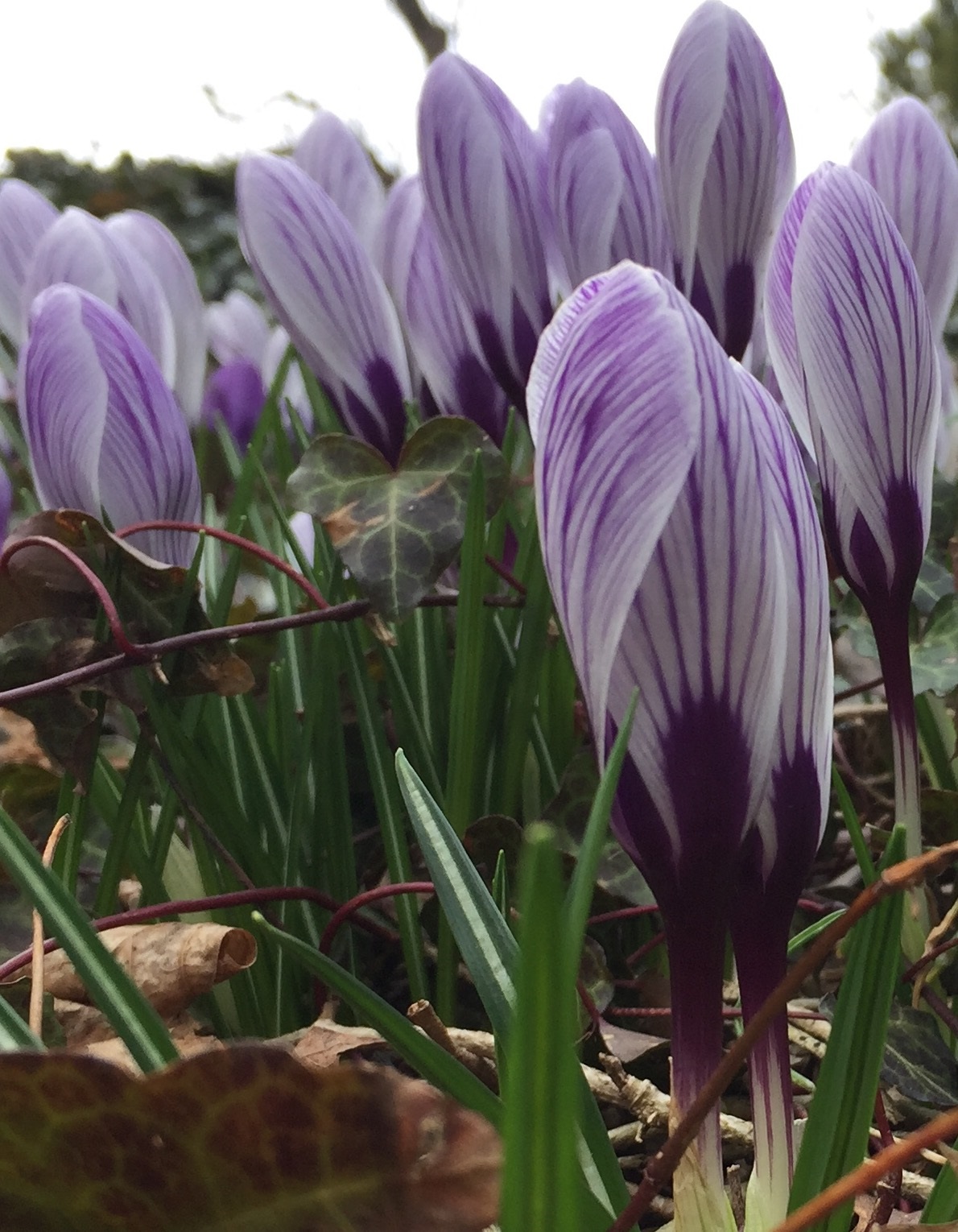
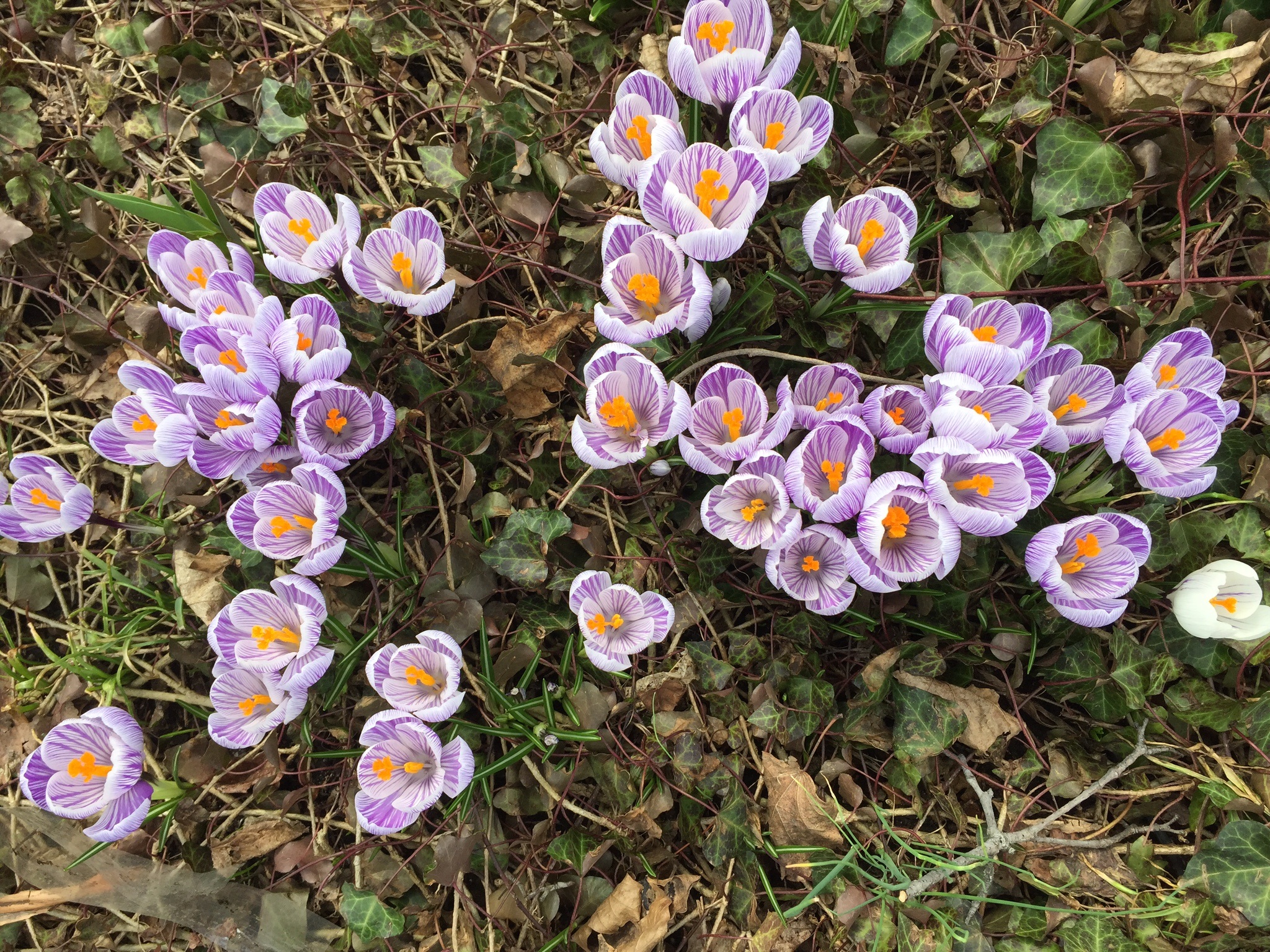
 Seven years ago, on April 1 of 2009, I published my very first post entitled Vernissage. As in a beginning-not only of the gardening season, but a beginning for my writing. How pleased I was to have a a forum for my gardening journal! I revisited and revised this first post in 2010, 2012, 2014, and 2015. To follow is this year’s version of that first essay, Vernissage.
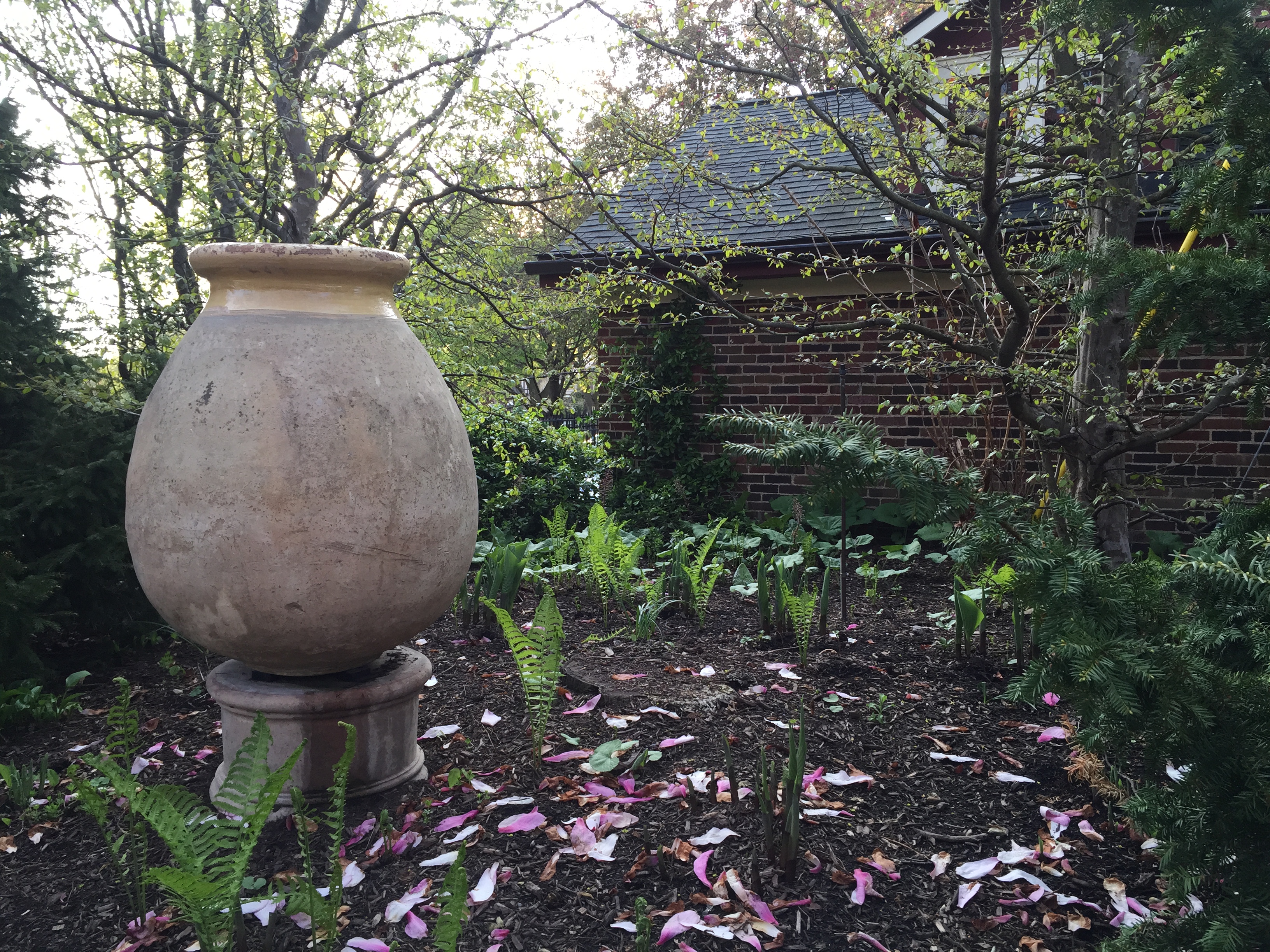 Strictly speaking, the French word vernissage refers to the opening of an art exhibition. I learned the word recently from a client with whom I have a history spanning 25 years. She is an art collector. Our conversation over the years spoke a lot to the value of nurturing long term interests and commitments. I have learned plenty from her, and from her garden, over the years. In the beginning, I planted flowers for her. Our relationship developed such that I began to design, reshape, and replant her landscape. She was passionately involved in every square foot of her 8 acre park. Needless to say, the years flew by, from one project to the next. I have favorite projects. An edited collection of fine white peony cultivars dating from the late 19th century was exciting to research and plant. A grove of magnolia denudata came a few years later. Another year we completely regraded all of the land devoted to lawn, and planted new. I learned how to operate a bulldozer, I so wanted to be an intimate and hands on part of the sculpting of the ground. There were disasters to cope with, as in the loss of an enormous old American elm. Deterring deer was nearly a full time job. Spring would invariably bring or suggest something new. All these years later, there is a body of work existing that I call the landscape.
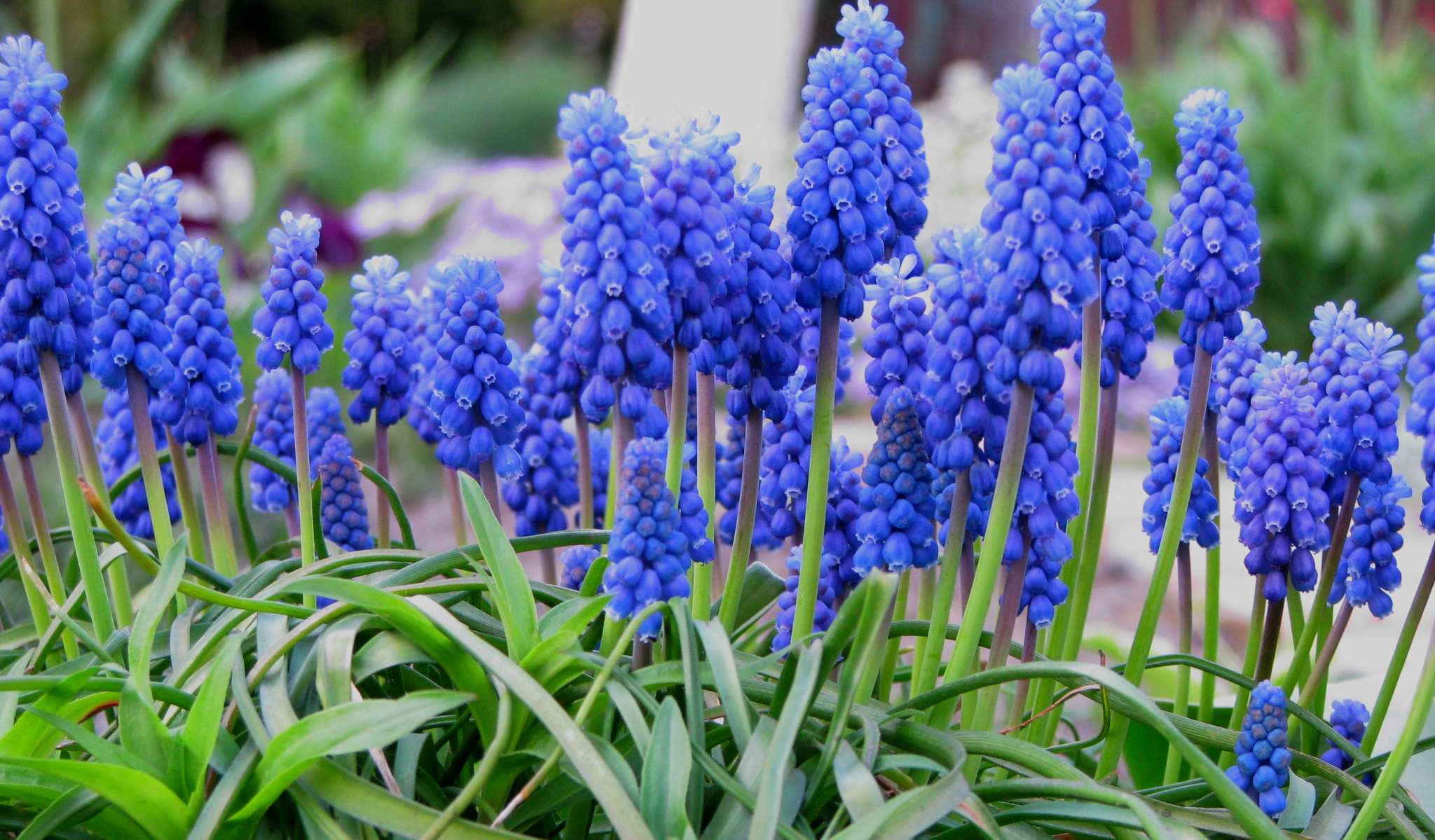
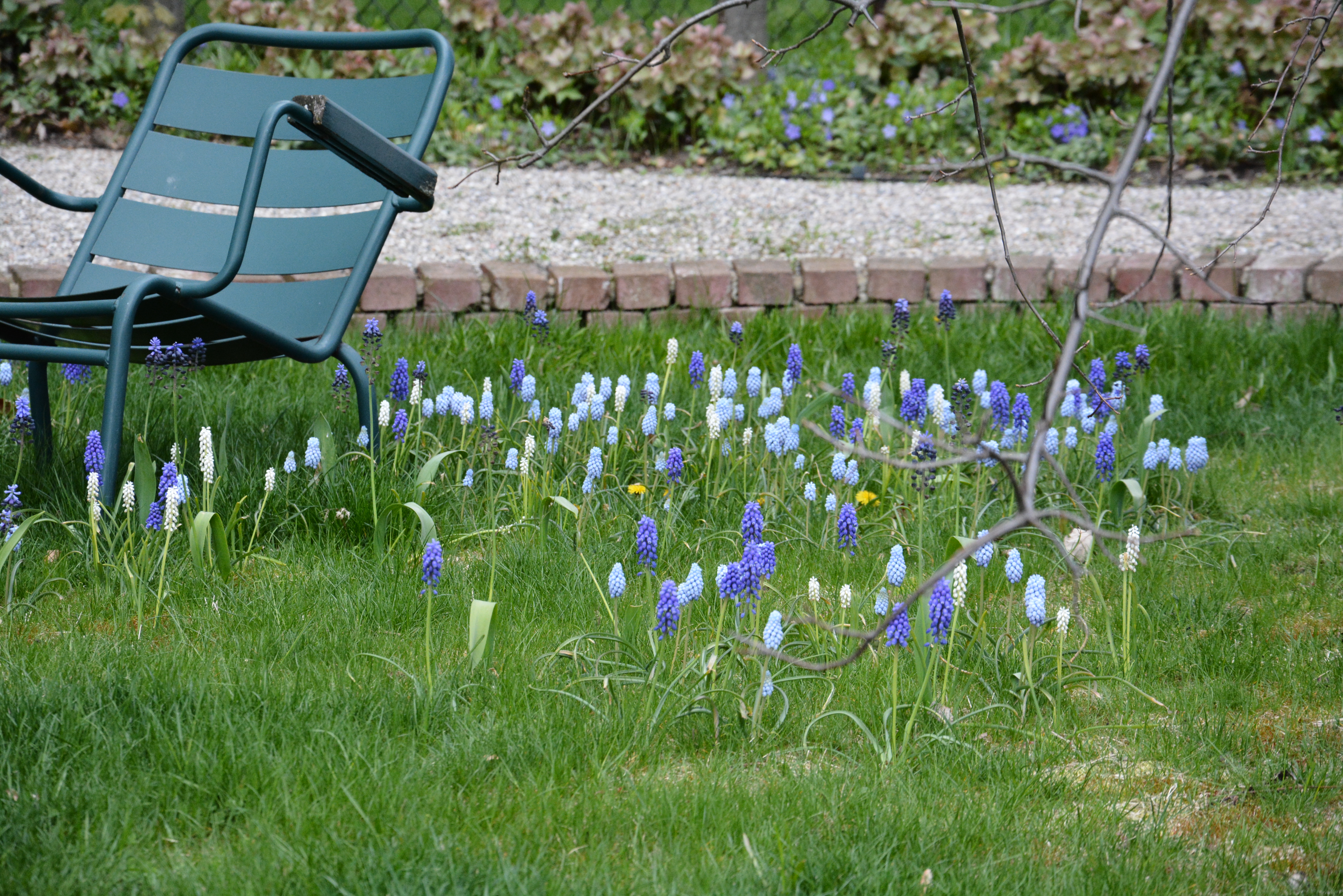
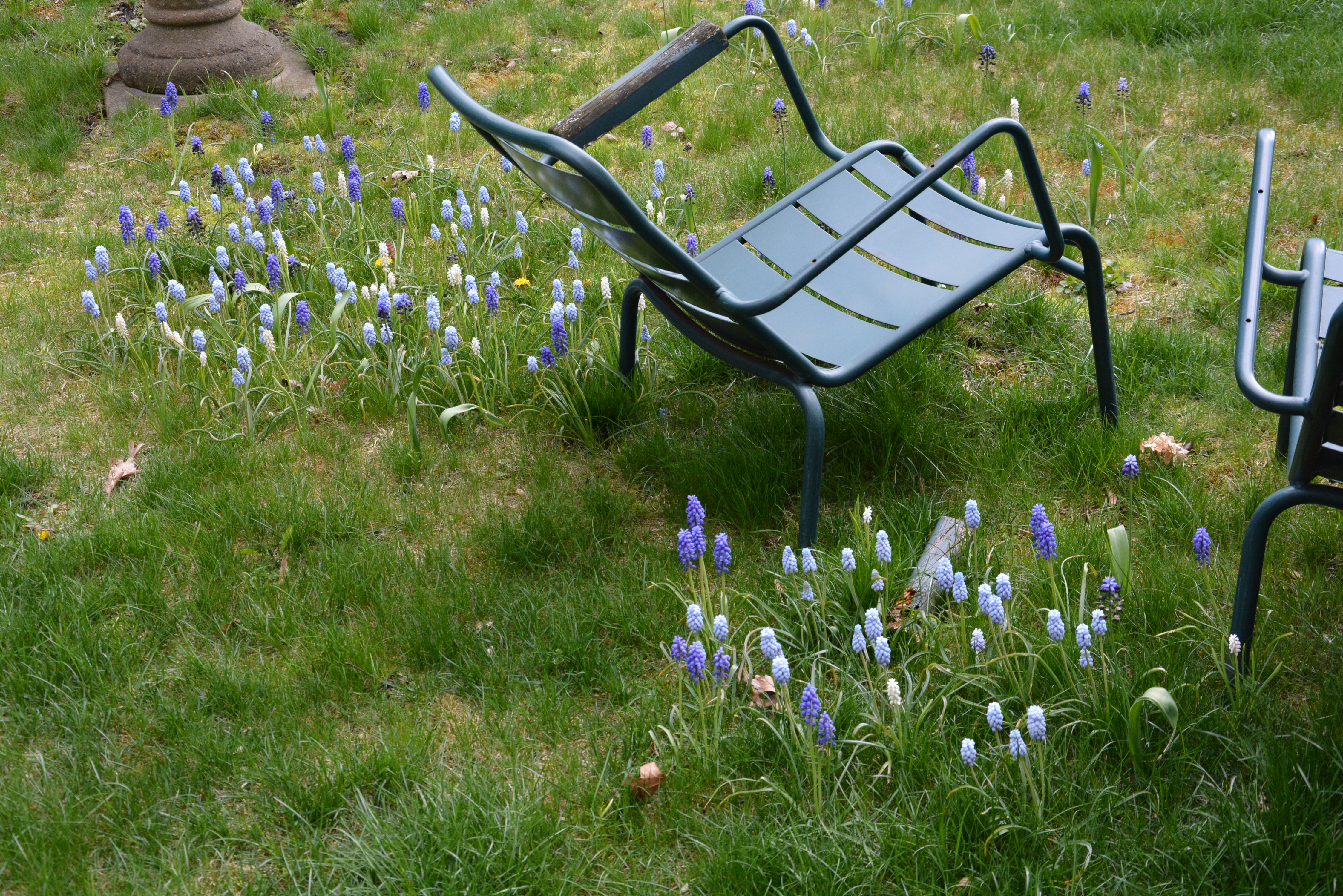
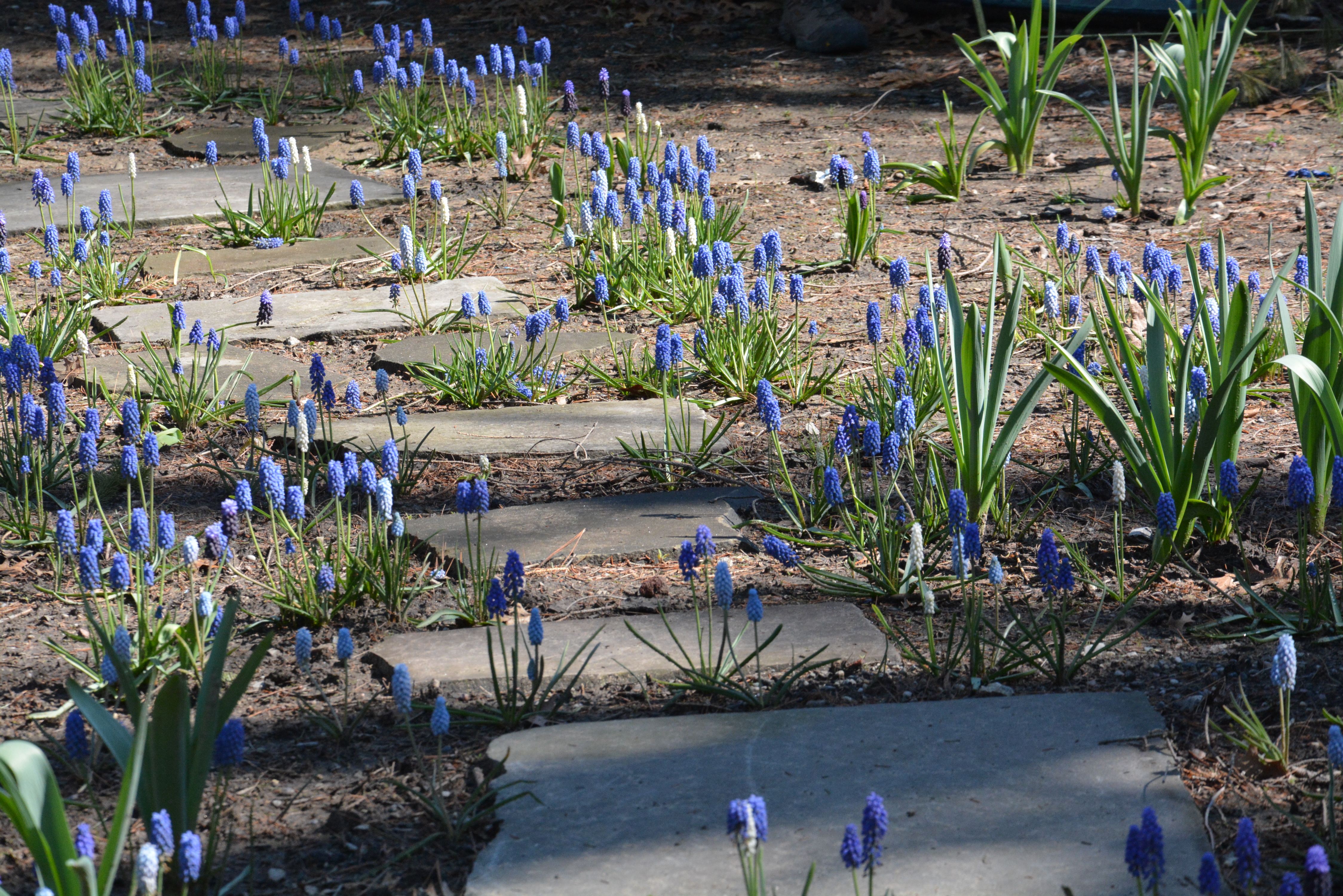
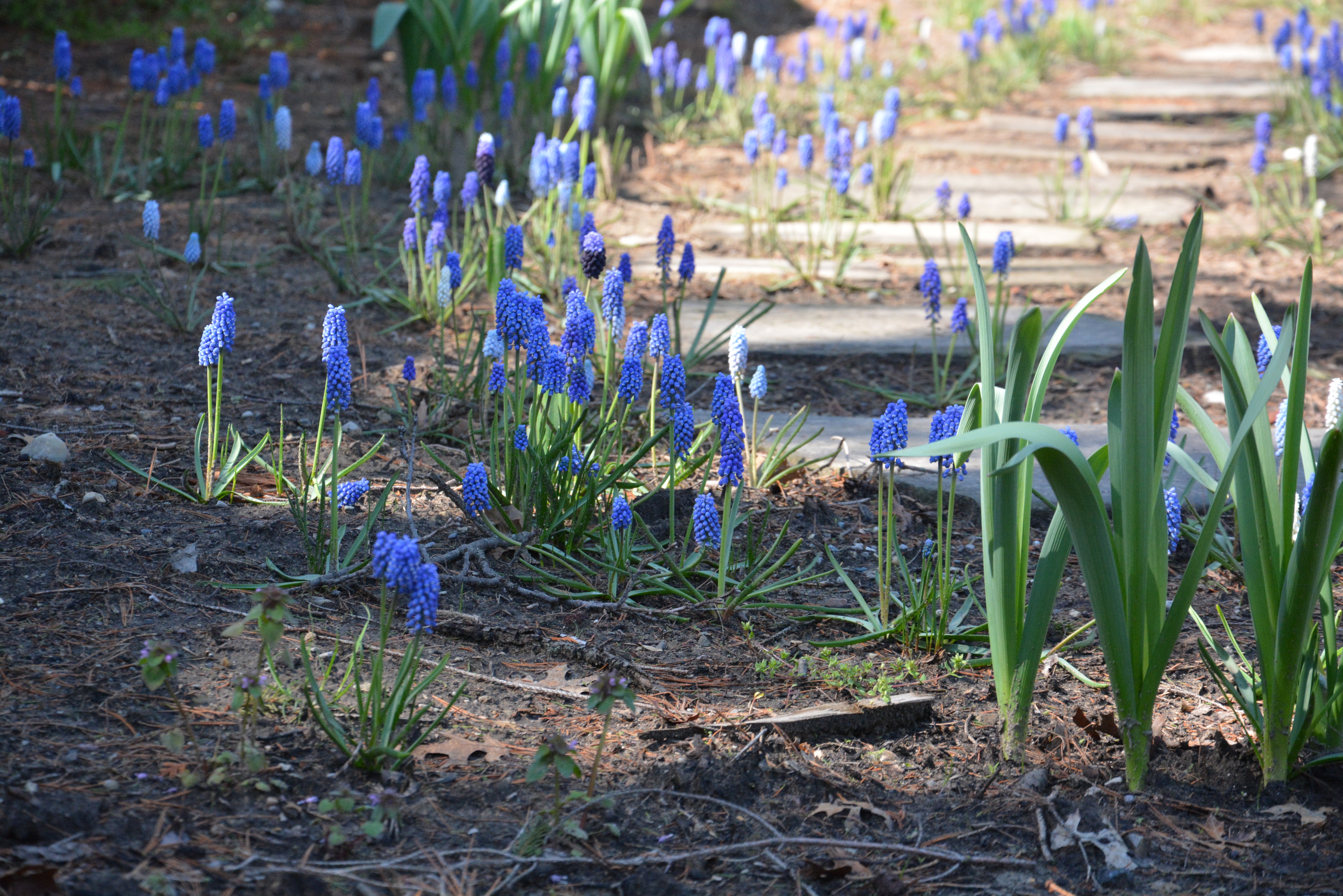
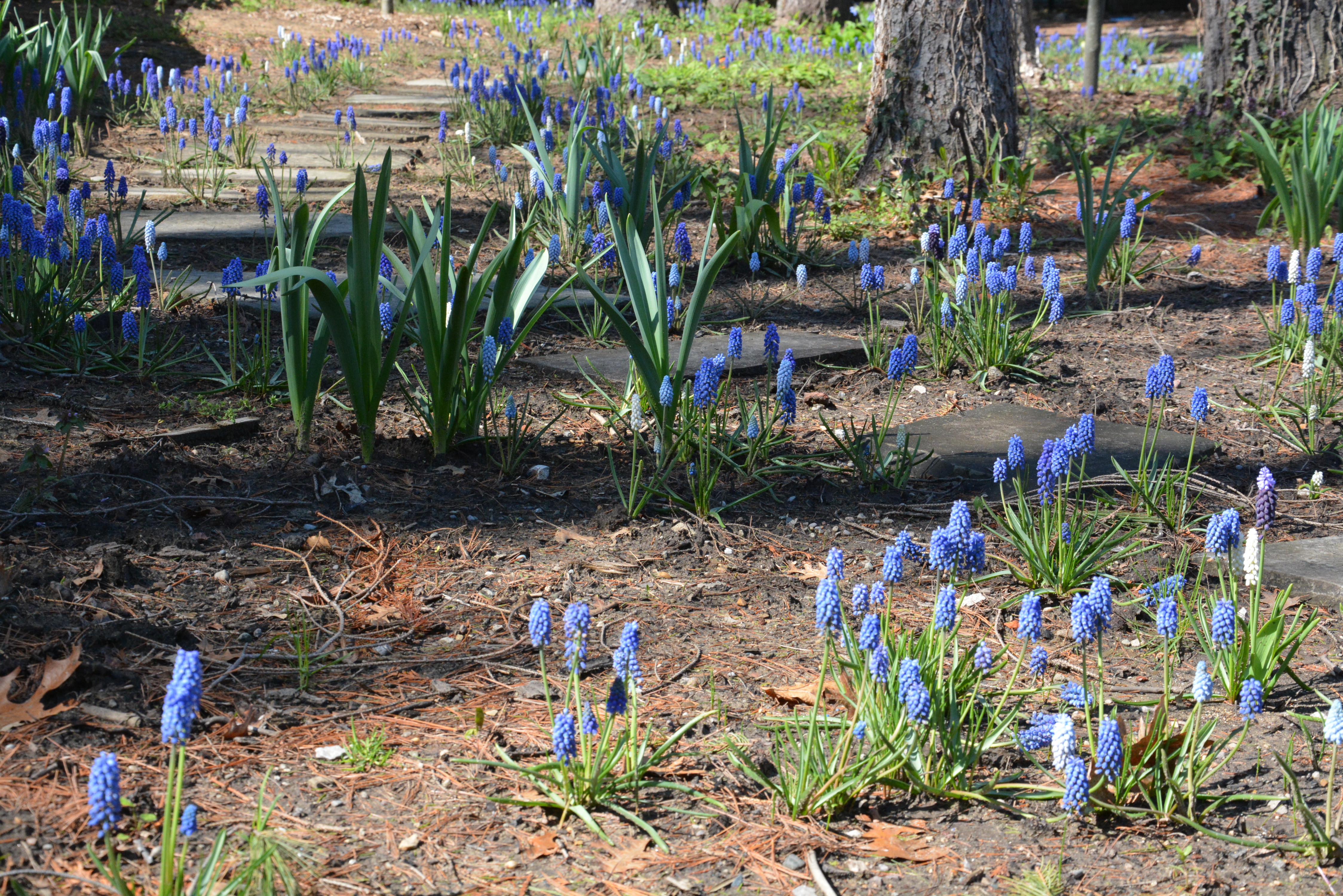
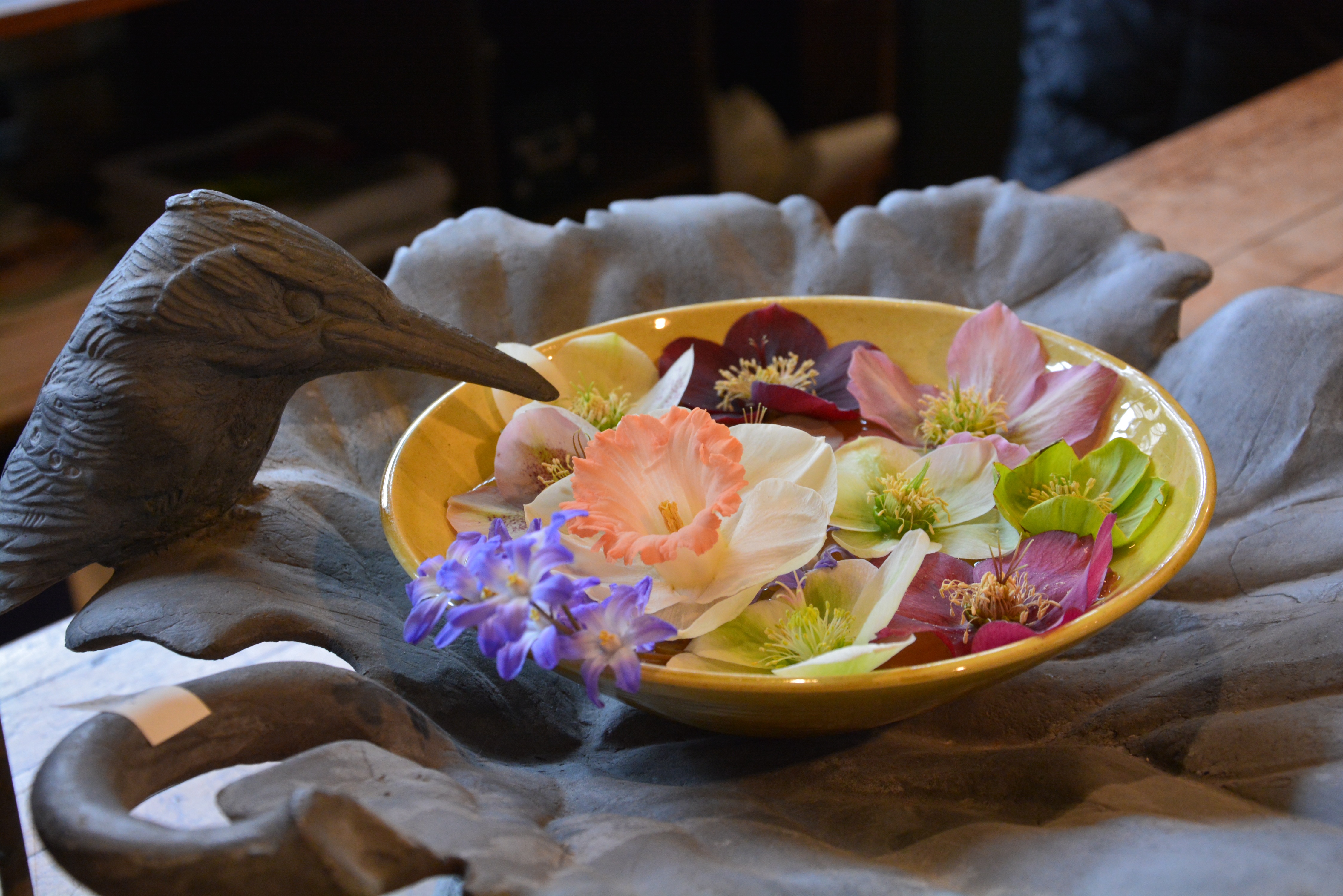
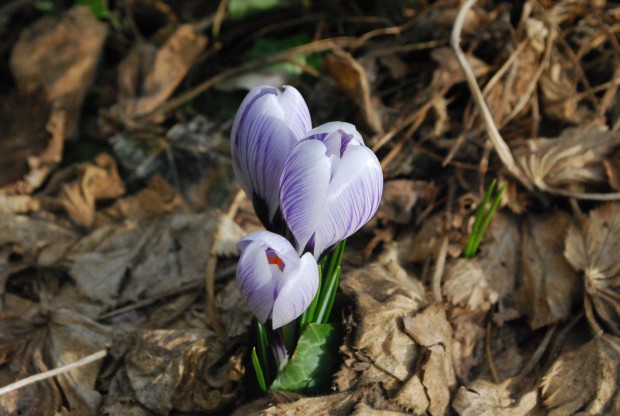
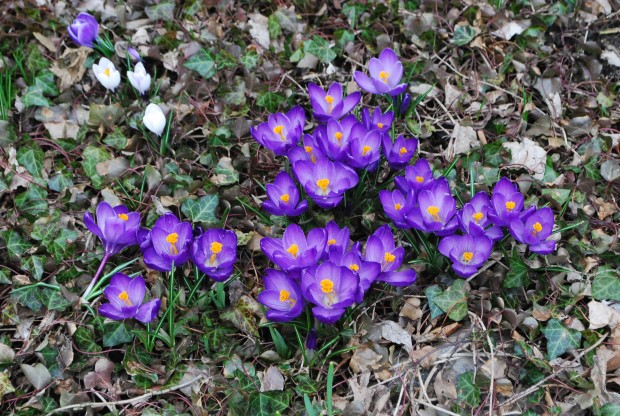
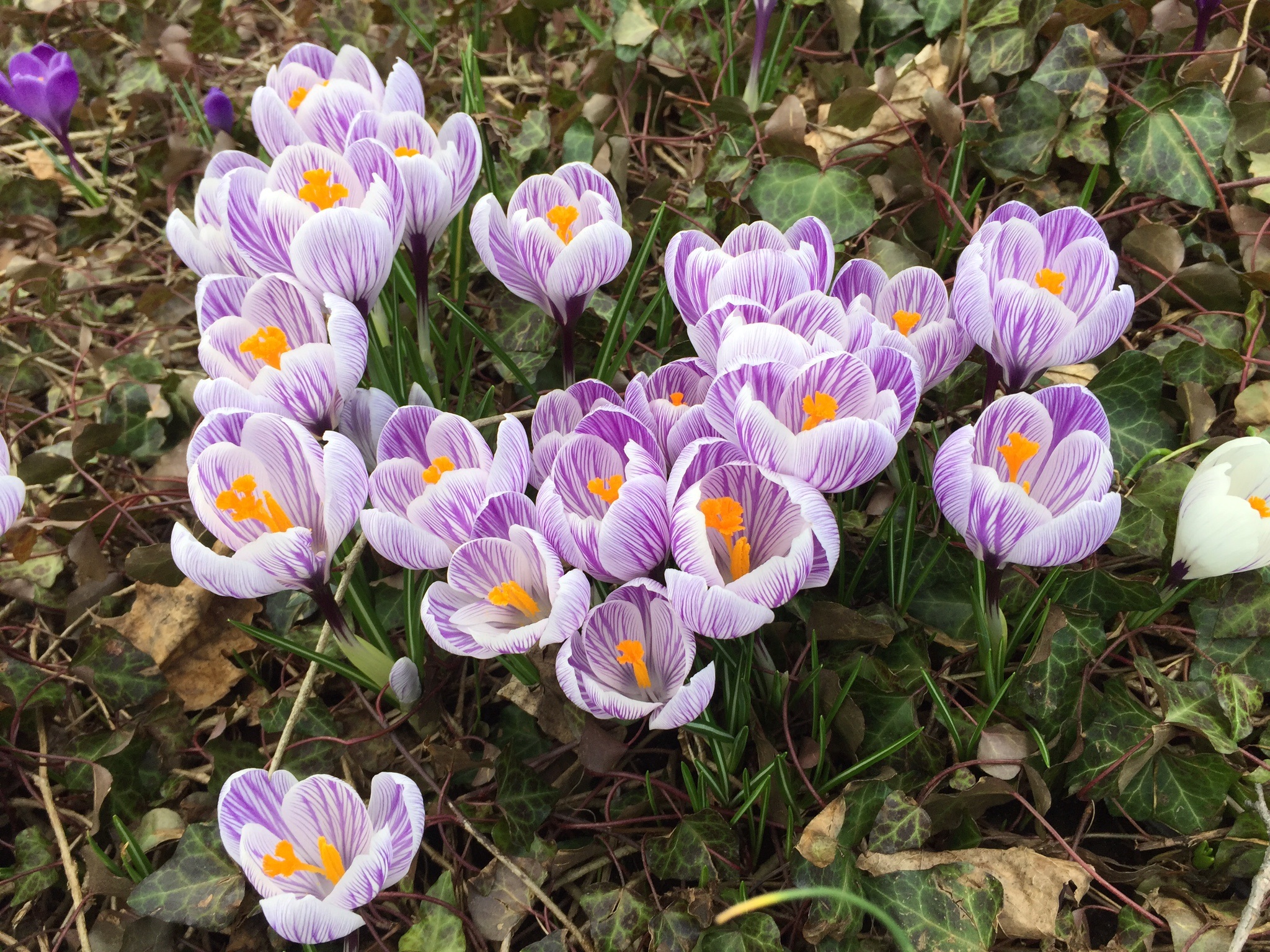
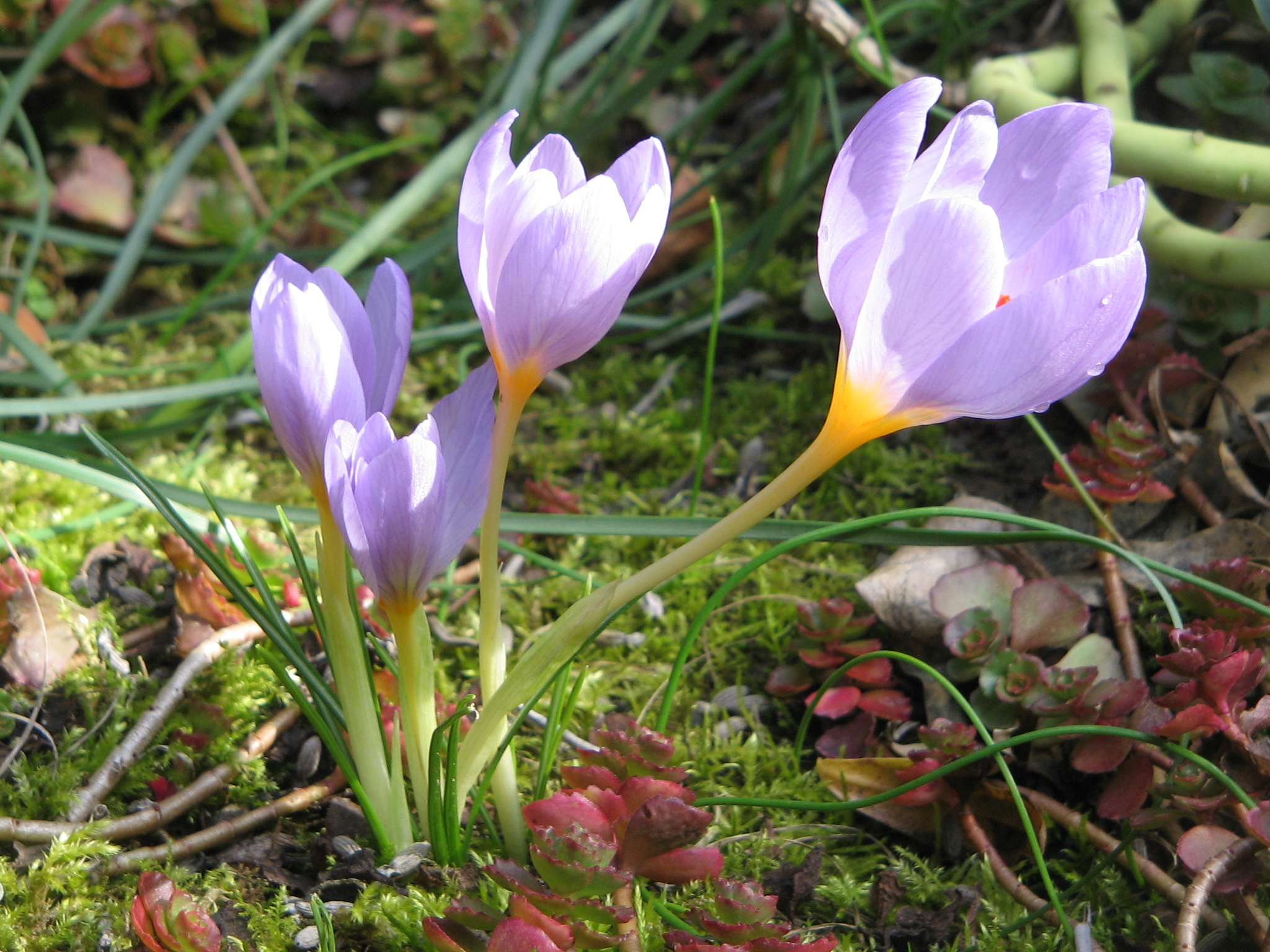
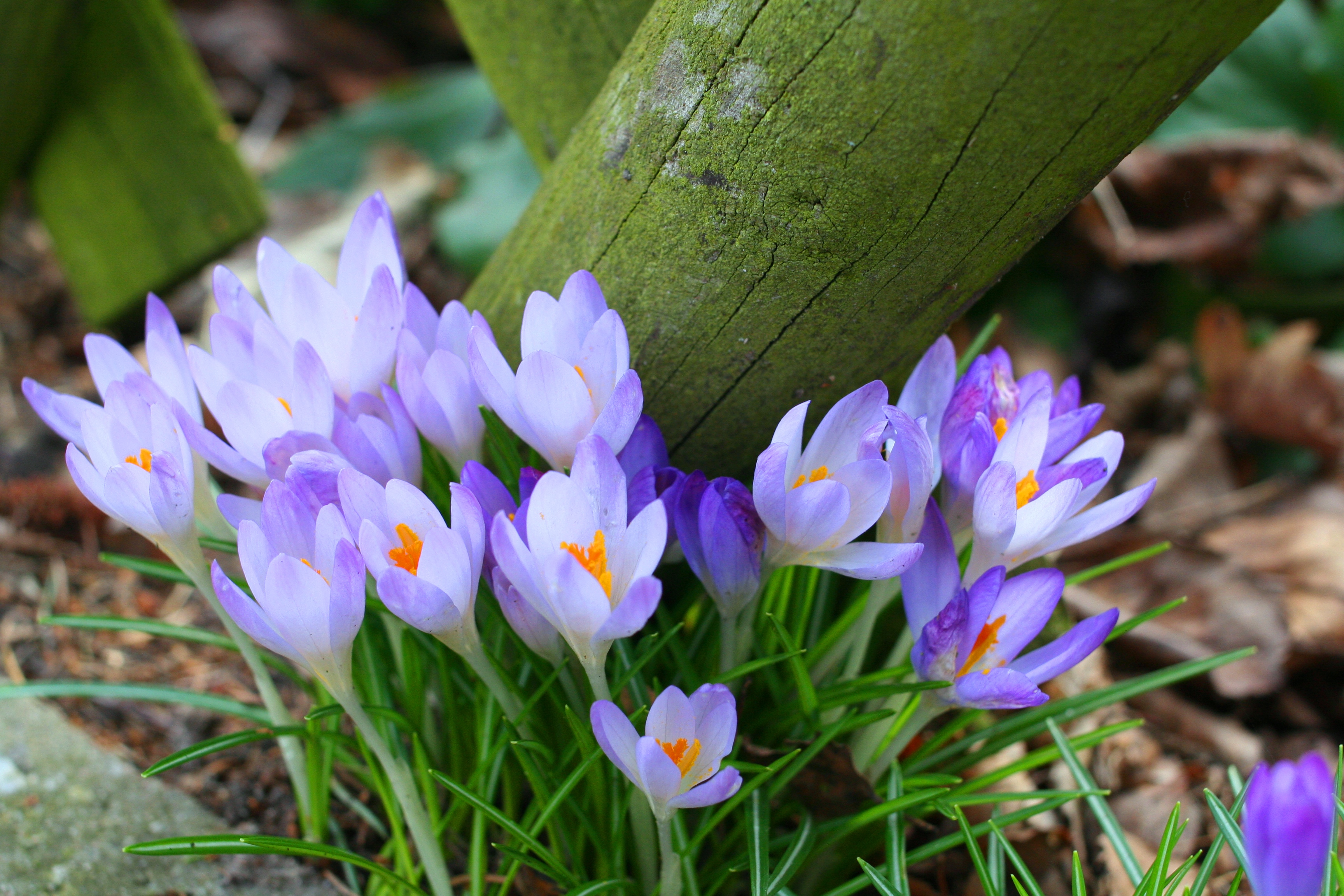
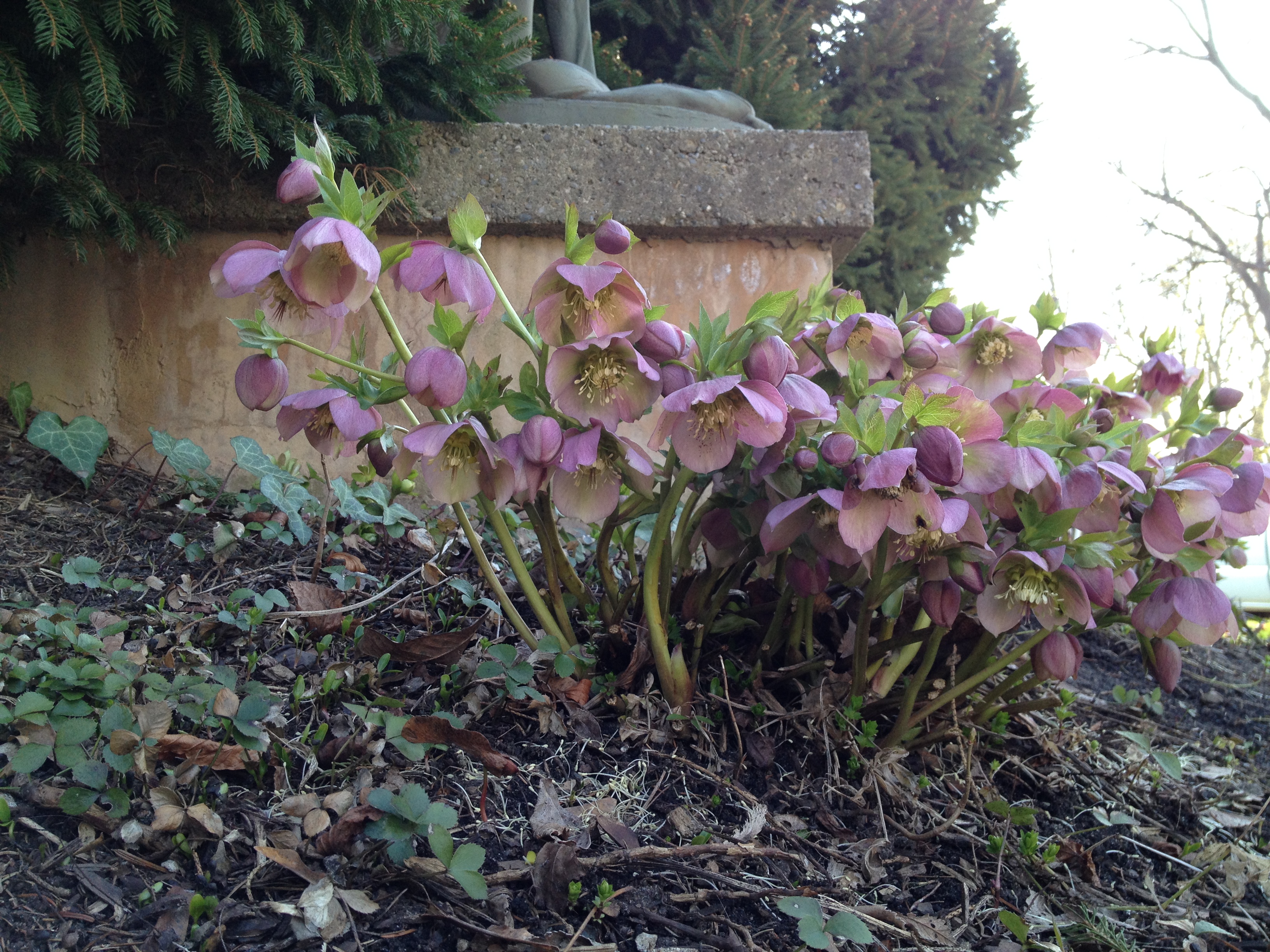
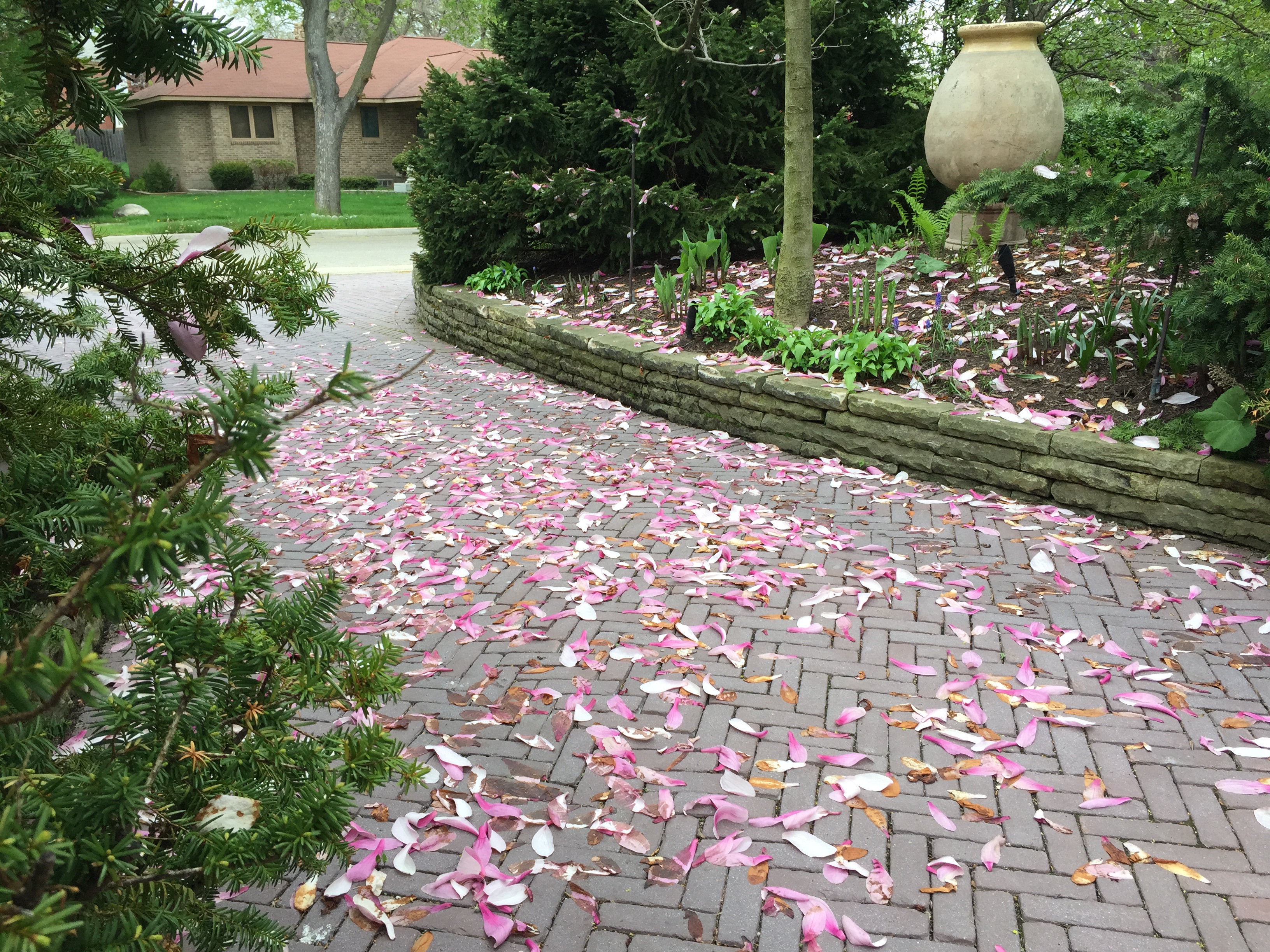
 In a broader sense, vernissage refers to a beginning- any opening. The opening of the gardening season has a decidedly fresh and spring ring to it. I routinely expect the winter season to turn to spring, and it always does. But every spring opening has its distinctive features. Some springs are notable for their icy debut. Grape hyacinths and daffodils ice coated and glittering and giant branches crashing to the ground. The snow that can be very much a part of the landscape in mid April. This year, a different kind of drama altogether. A very warm early March, and then a stony silent cold we have yet to shake. I usually associate spring with the singing of the birds. I hardly noticed the singing this year, until this past week. The cold that has been reluctant to leave means my experience of spring has been late. But every spring gives me the chance to experience the garden differently. To add to, revise, or reinvent my relationship with nature is a challenge I anticipate. This past winter was mild. Endlessly mild. That endless and mild cold is still going on. It has been hard to rev up. The last of this cold just about reduces my spirit to a puddle on the ground. Spring is finally underway, in a chilly sort of way. I may not like the lingering cold, but my spring plants are holding. The daffodils are incredible this year. The magnolias have been blooming for weeks. The hellebores have been in bloom for going on 6 weeks. The leaves are beginning to emerge. The perennial garden is stirring.
 Much of what I love about landscape design has to do with the notion of second chances. I have an idea. I put it to paper. I do the work of installing it. Then I wait for an answer back. This is the most important part of my work-to be receptive to hearing what gets spoken back. The speeches come from everywhere-the design that could be better here and more finished there. The client, for whom something is not working well, chimes in. The weather, the placement and planting final exam test my knowledge and skill. The land whose form is beautiful but whose drainage is heinous teaches me a thing or two about good structure. The singing comes from everywhere. I make changes, and then more changes. I wait for this to grow in and that to mature. I stake up the arborvitae hedge gone over with ice, and know it will be two years or more-the recovery. I might take this out, or move it elsewhere. That evolution of a garden seems to have ill defined beginnings, and no end.
 This spring will see an average share of burned evergreen and dead shrubs. The winter cold and wind was neither here nor there. I am still wearing warm clothes. But no matter what the last season dished out, sooner or later, I get my spring. I can compost my transgressions. The sun shines on the good things, and the not so good things, equally. It is my choice to take my chances, and renew my membership. The birds singing this 11th day of May l means it is time to take stock. And get started.
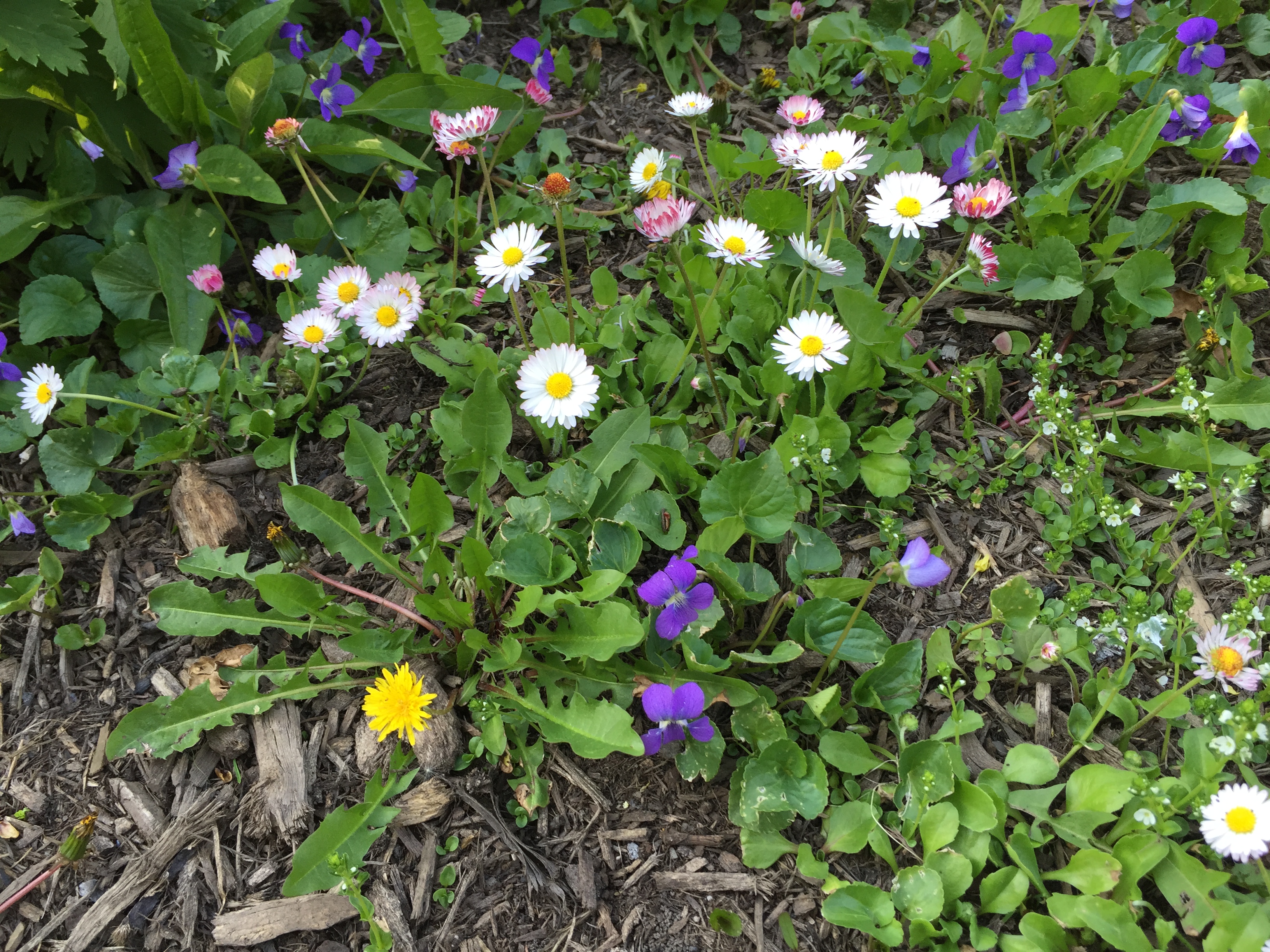 I can clean up winter’s debris. My eye can be fresh, if I am of a mind to be fresh. I can coax or stake what the heavy snow crushed. I can prune back the shrubs damaged by the voles eating the bark. I can trim the sunburn from the yews and alberta spruce. I can replace what needs replacing, or rethink an area all together. Spring means the beginning of the opening of the garden. I can sit in the early spring sun, and soak up the possibilities. I can sculpt ground. I can move all manner of soil, plant seeds, renovate, plant new. What I have learned can leaven the ground under my feet-if I let it. Spring will scoop me up. Does this not sound good? I can hear the birds now; louder. Rob’s spring pots of daffodils have been in uninterrupted bloom for weeks.
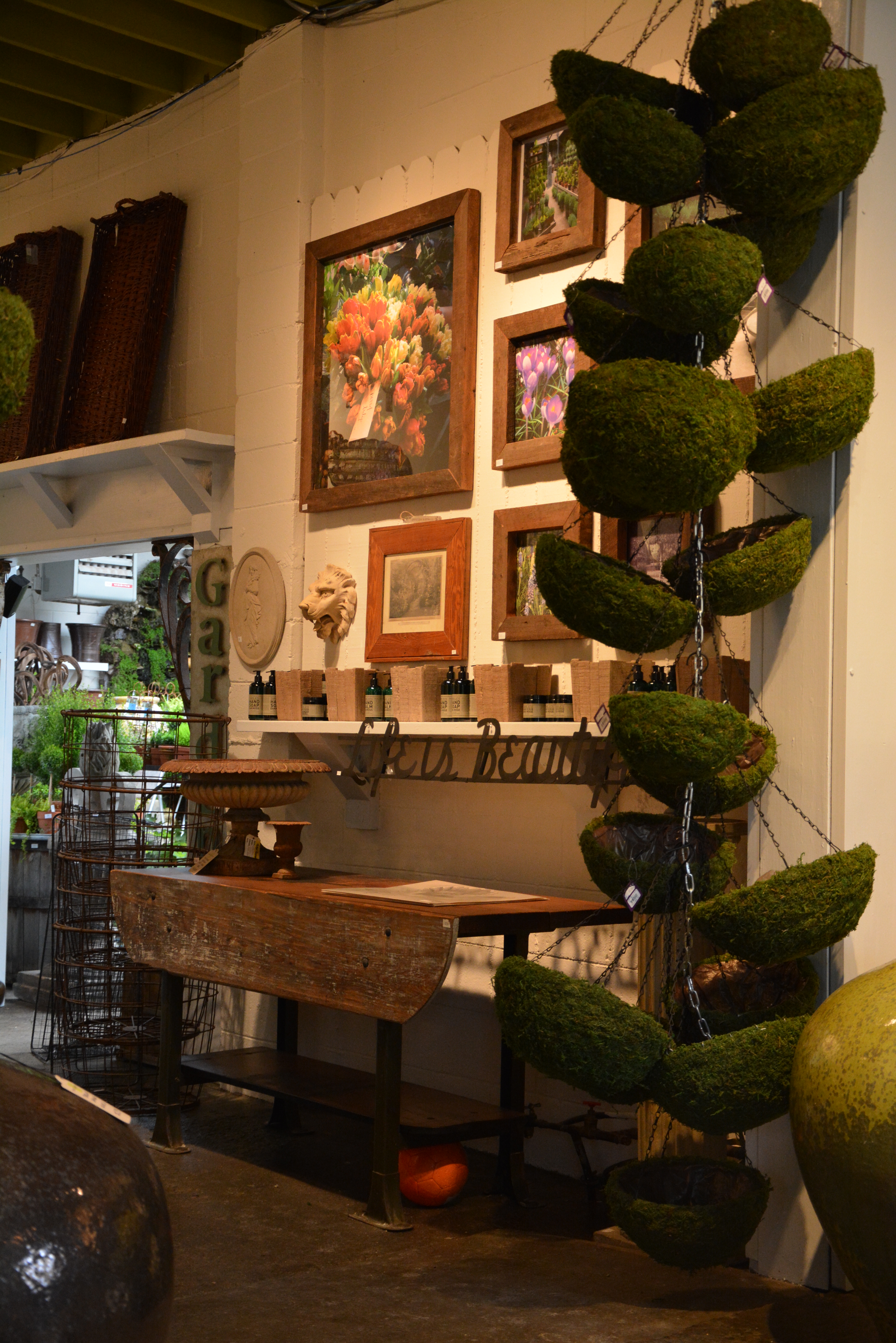
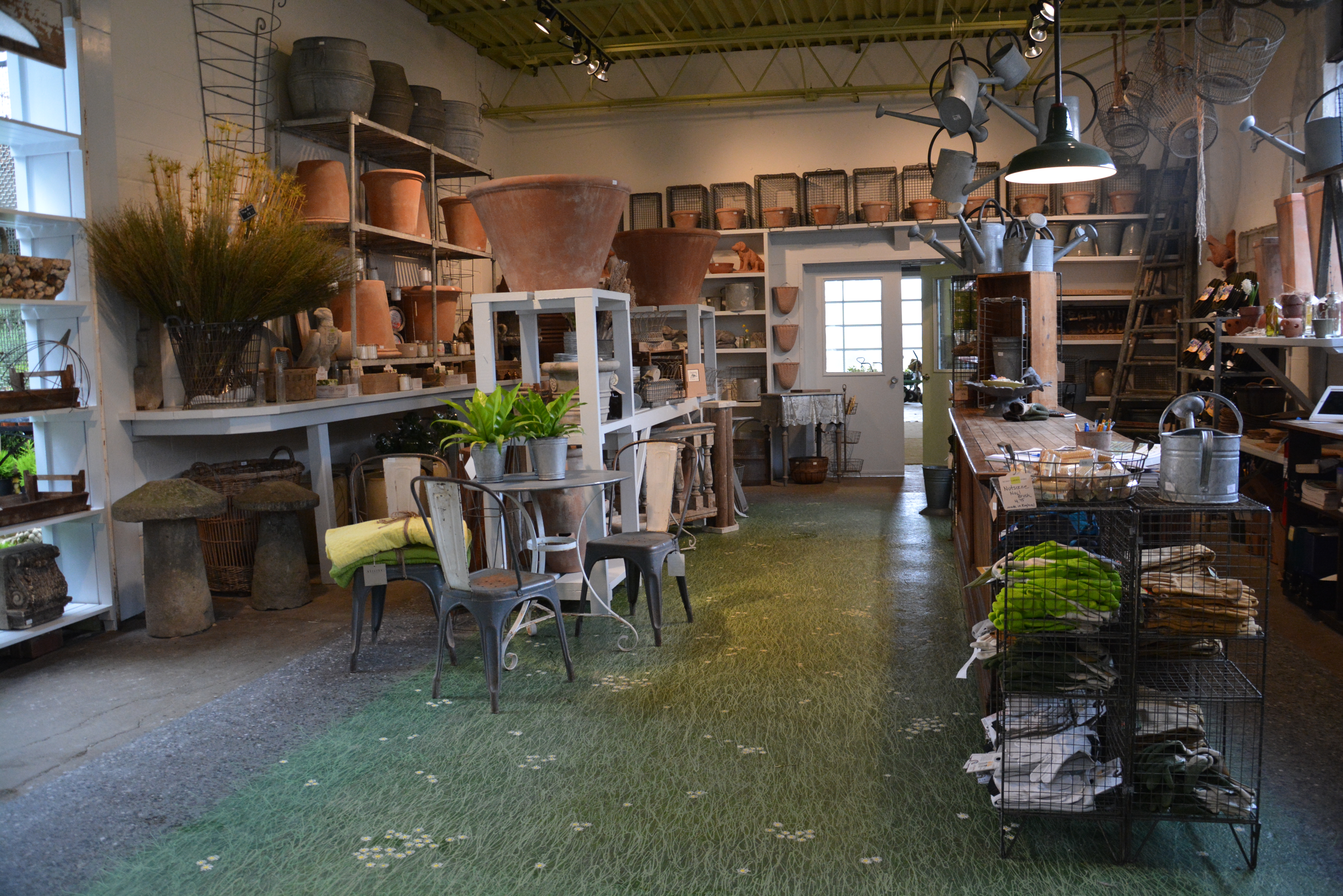
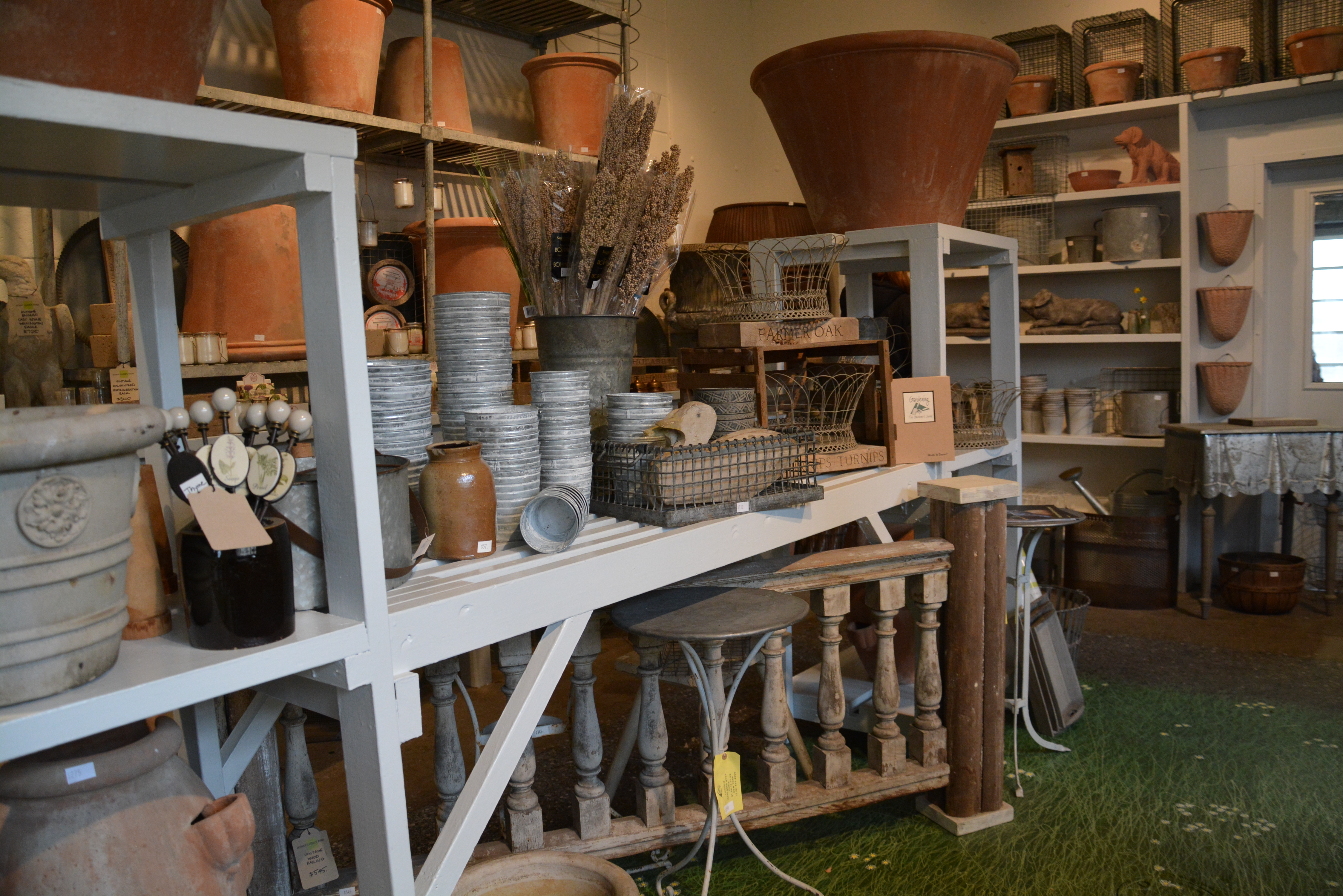
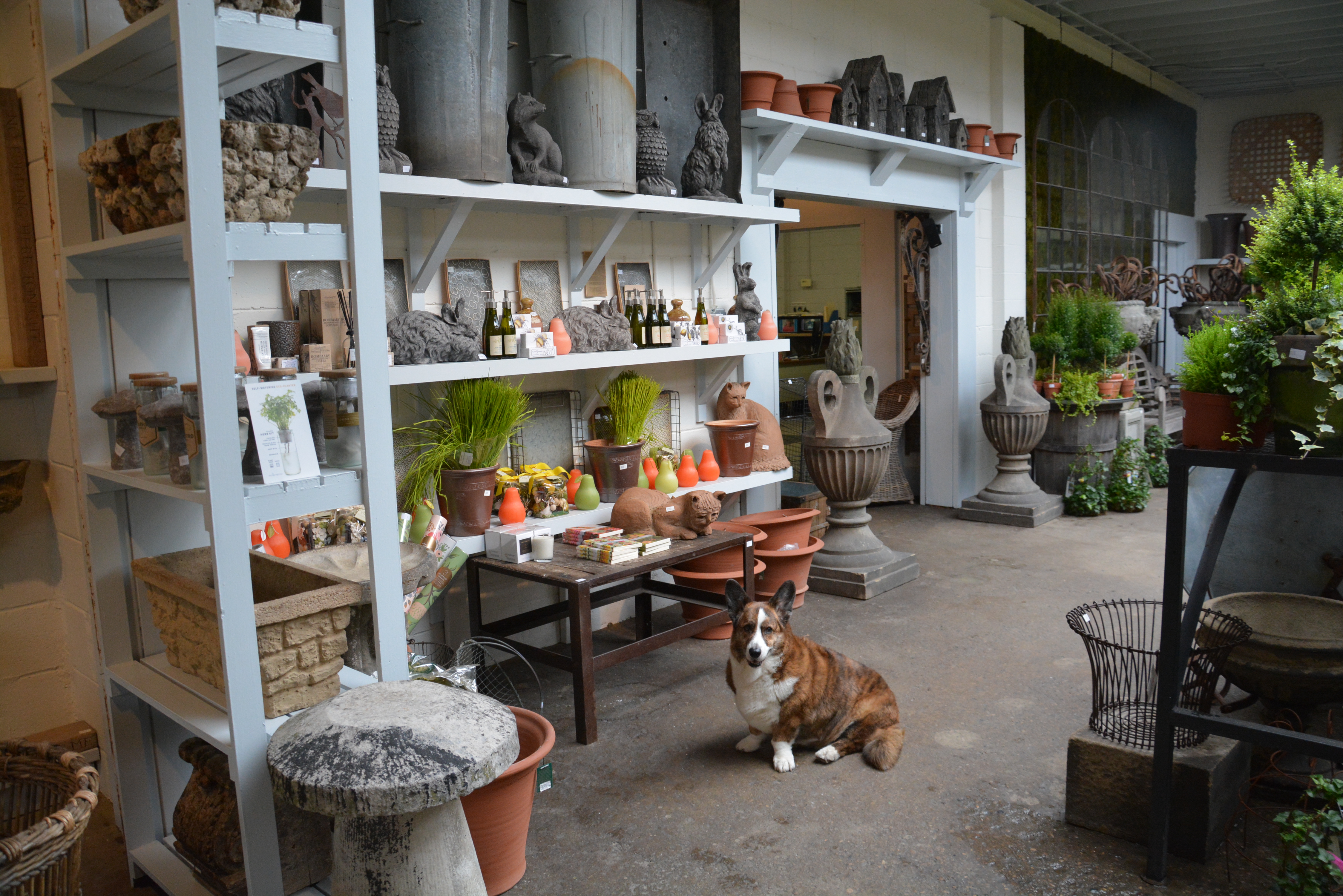
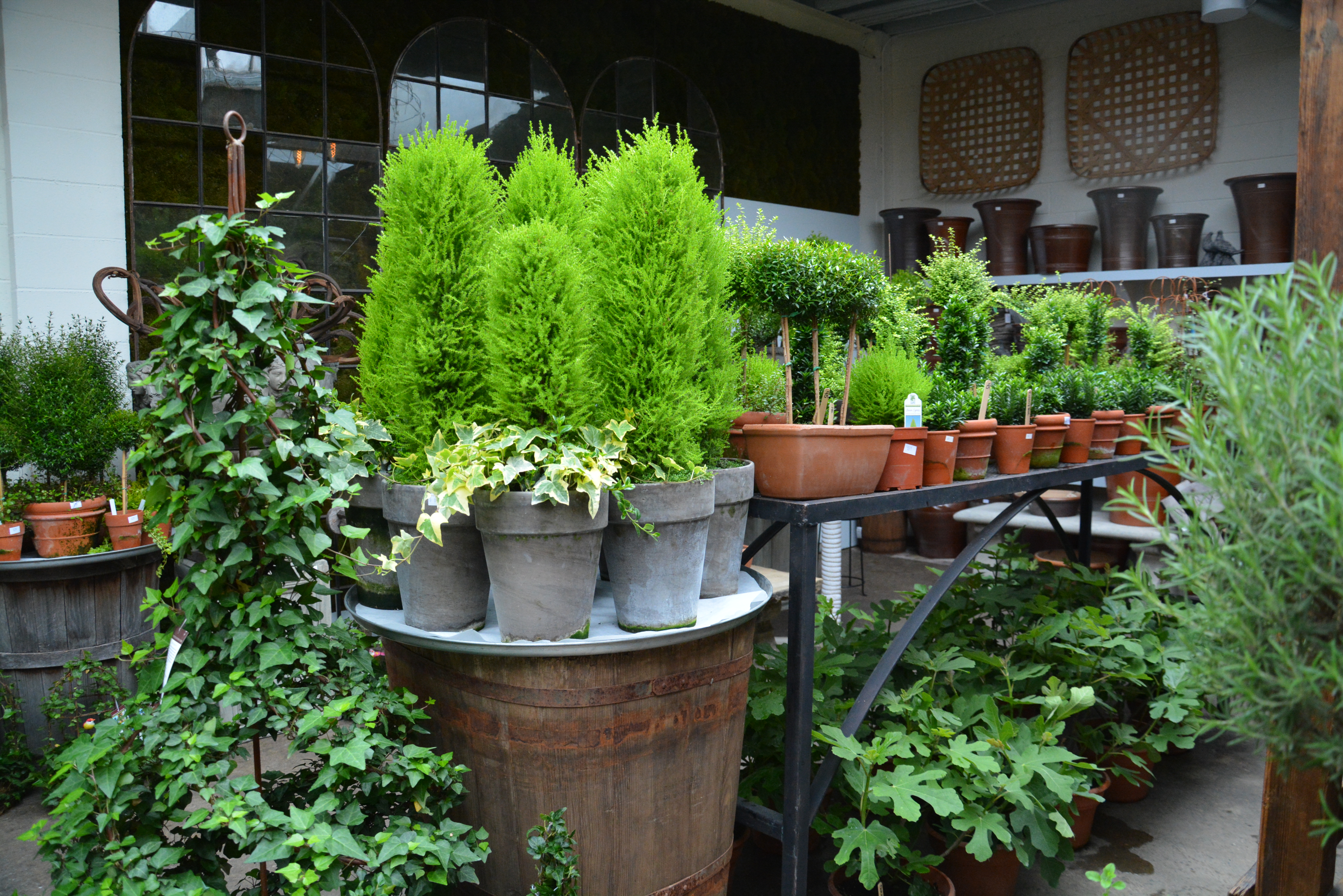
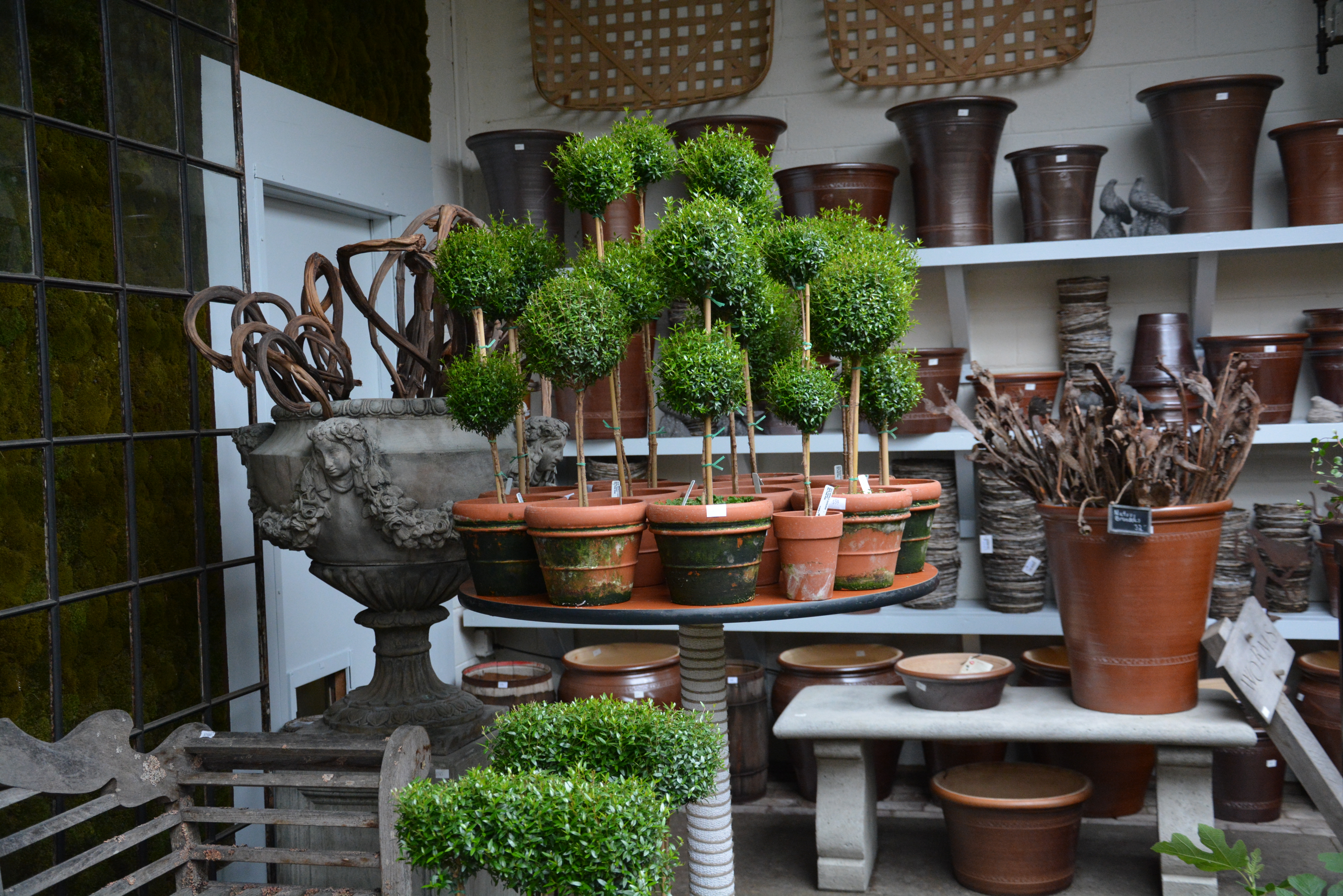
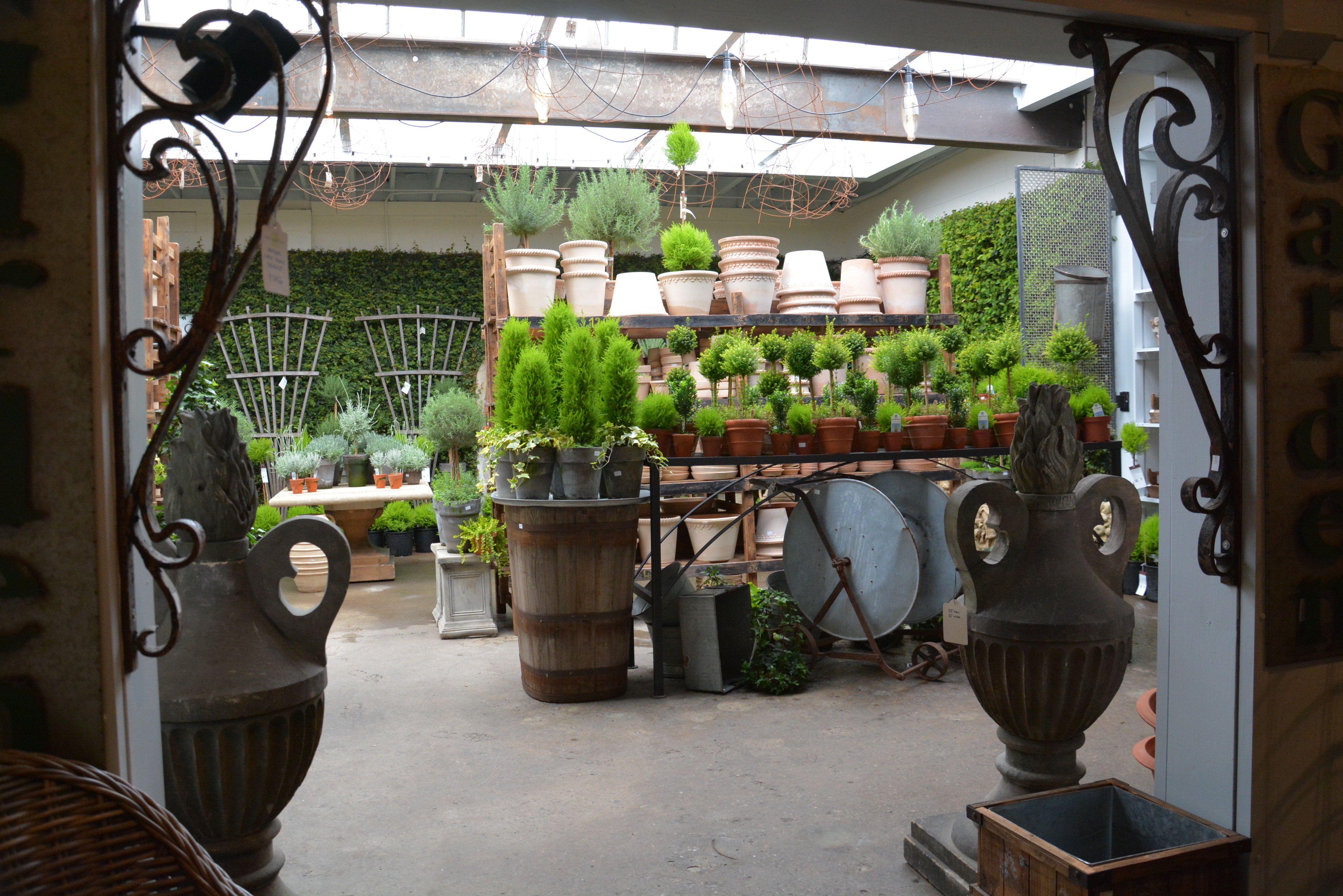
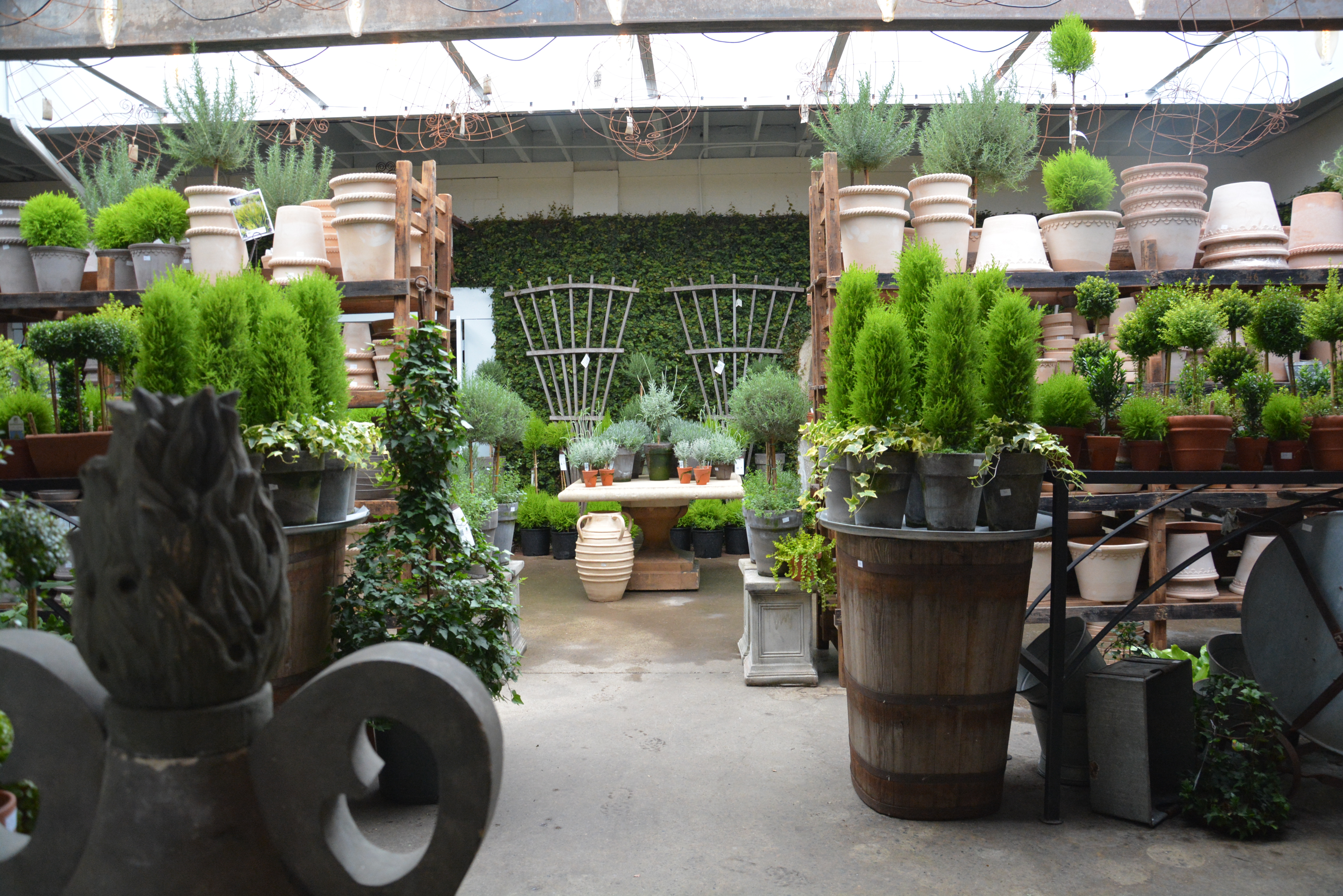
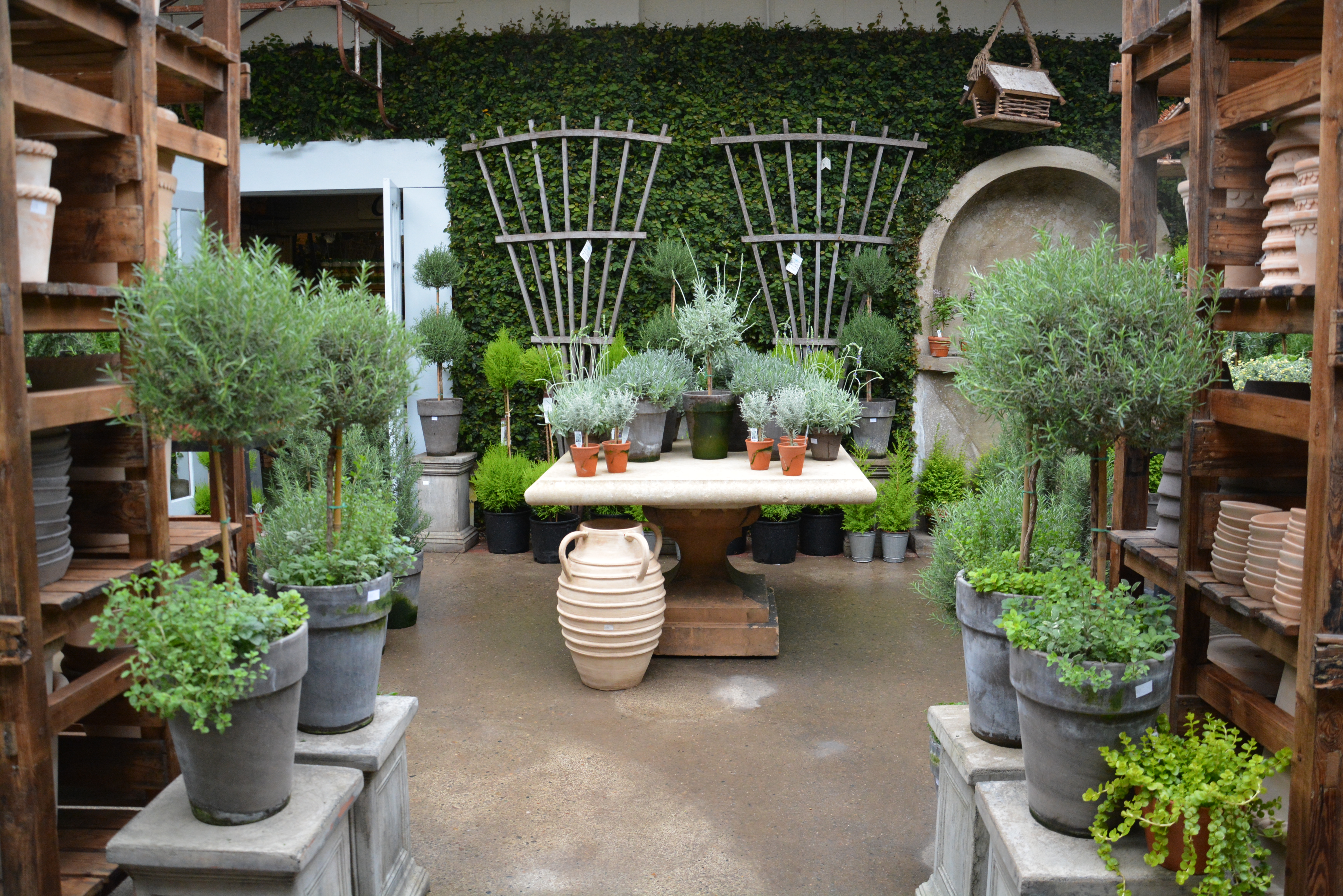
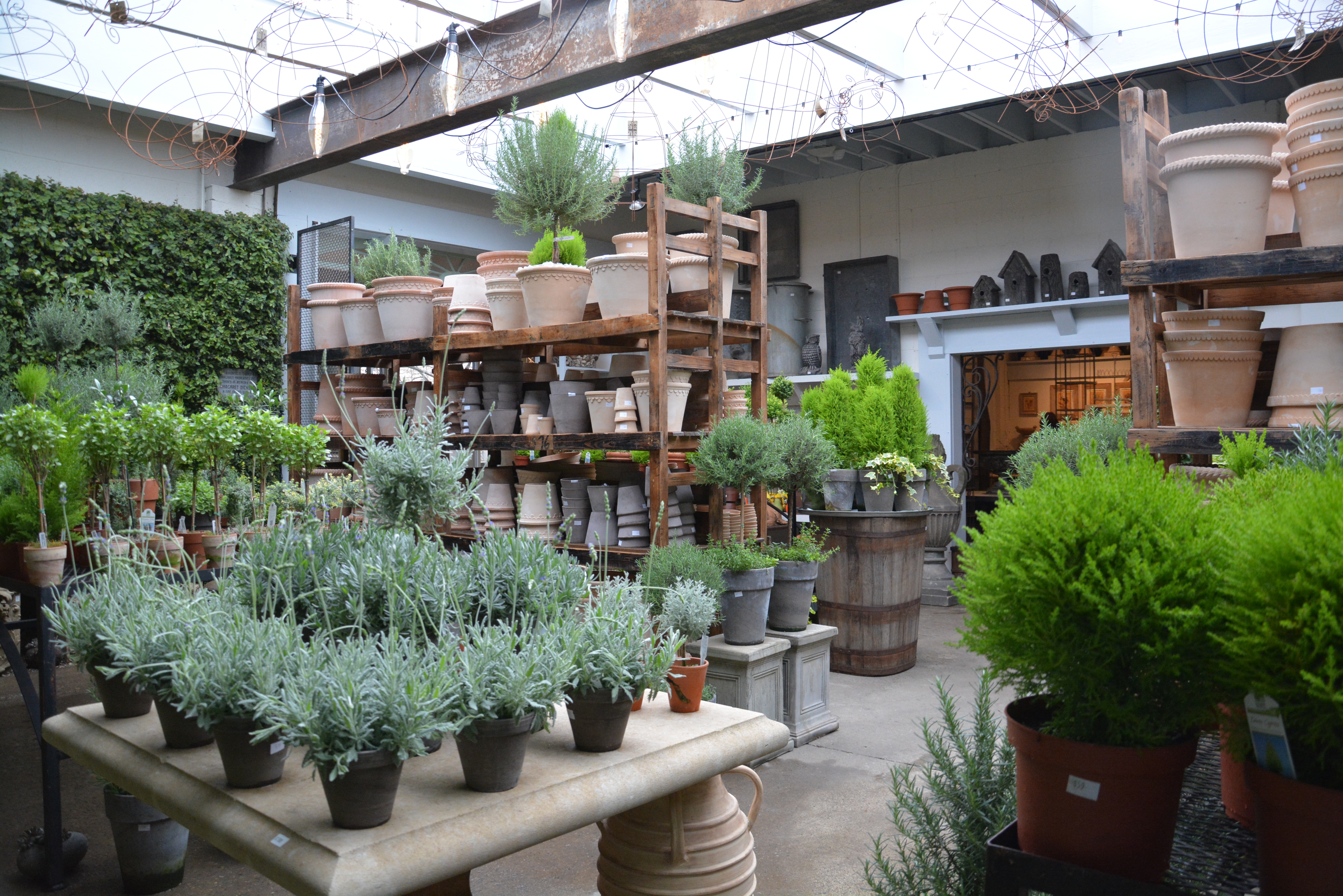
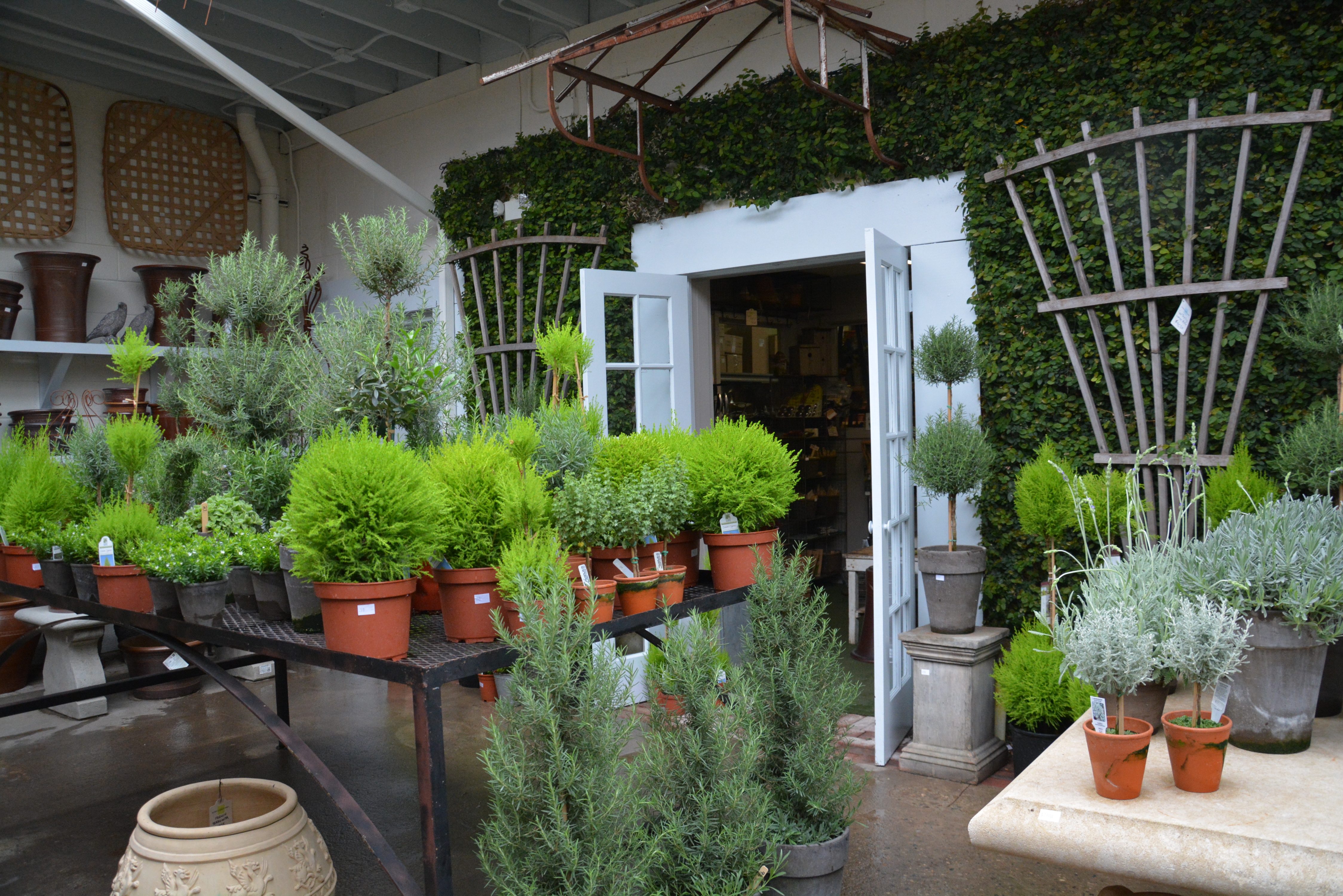
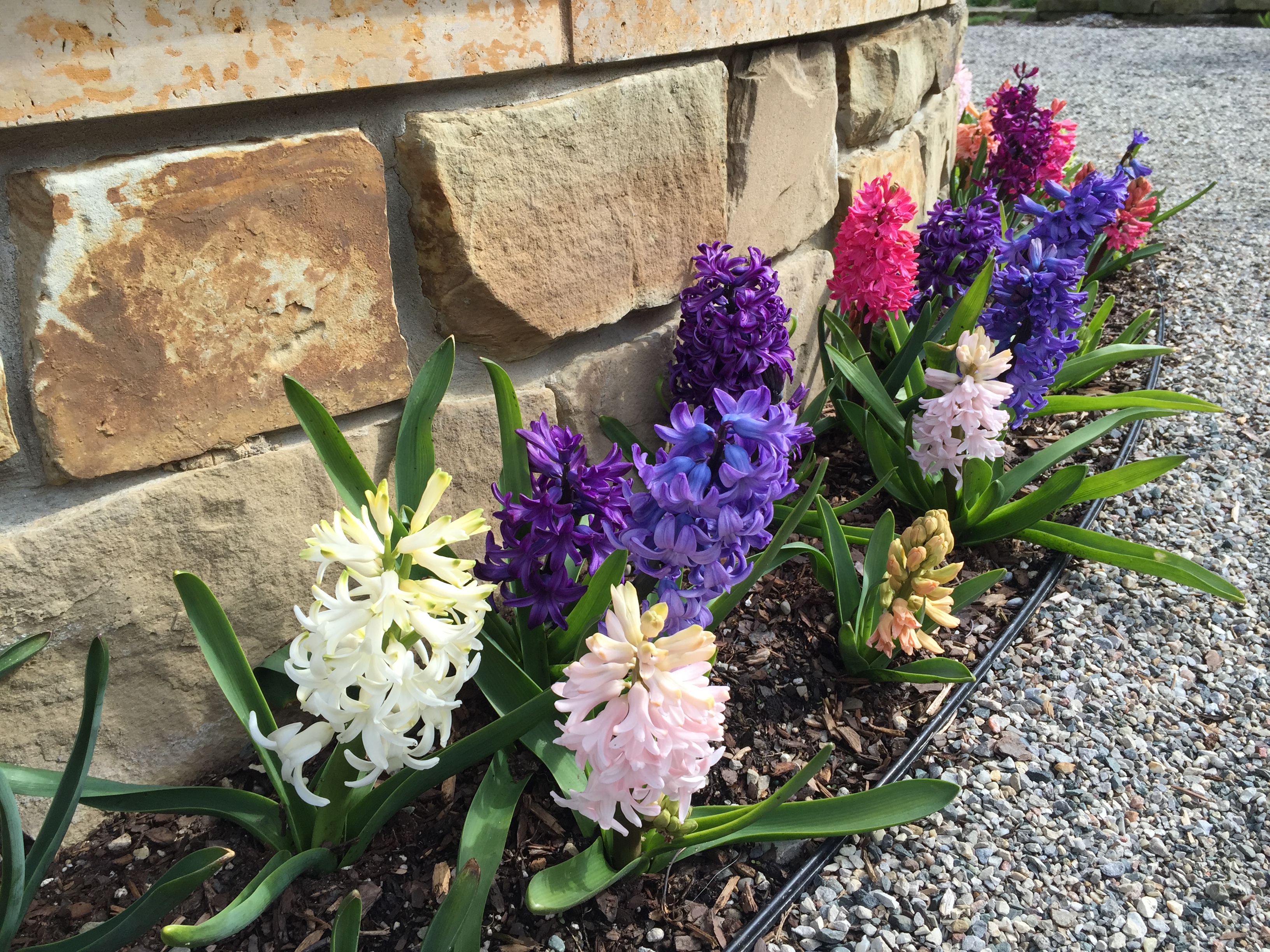 This spring marks 24 years that Rob and I began working together, and 20 years that the shop has been bringing our version of the garden to all manner of interested gardeners. There have been ups and downs, but the relationship endures, and evolves. Suffice it to say that Detroit Garden Works is an invention from the two of us that reflects the length and the depth of our mutual interest in the garden. No matter how hard the winter, once we smell spring in the air, we stir. The beginning of the gardening season we short list as the vernissage.
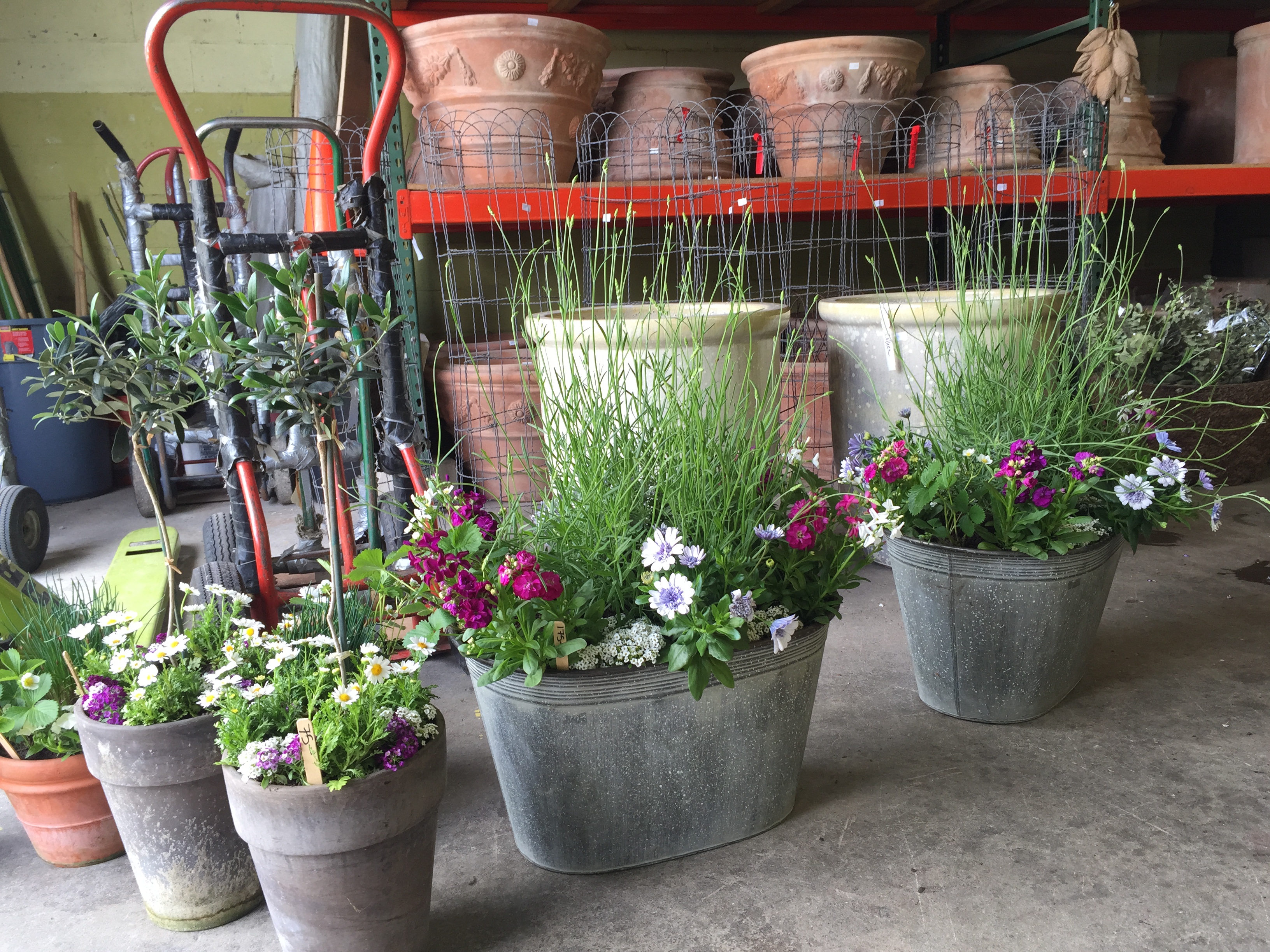 We have begun to plant up spring pots. Our pots feature hellebores, primrose, and spring flowering bulbs. What a relief to put our hands back in the dirt.
 My garden at home is greening up. A sunny but chilly evening brings me outdoors. Being outside today without a winter parka- divine. The thought that the entire gardening season is dead ahead is a very special kind of delight.
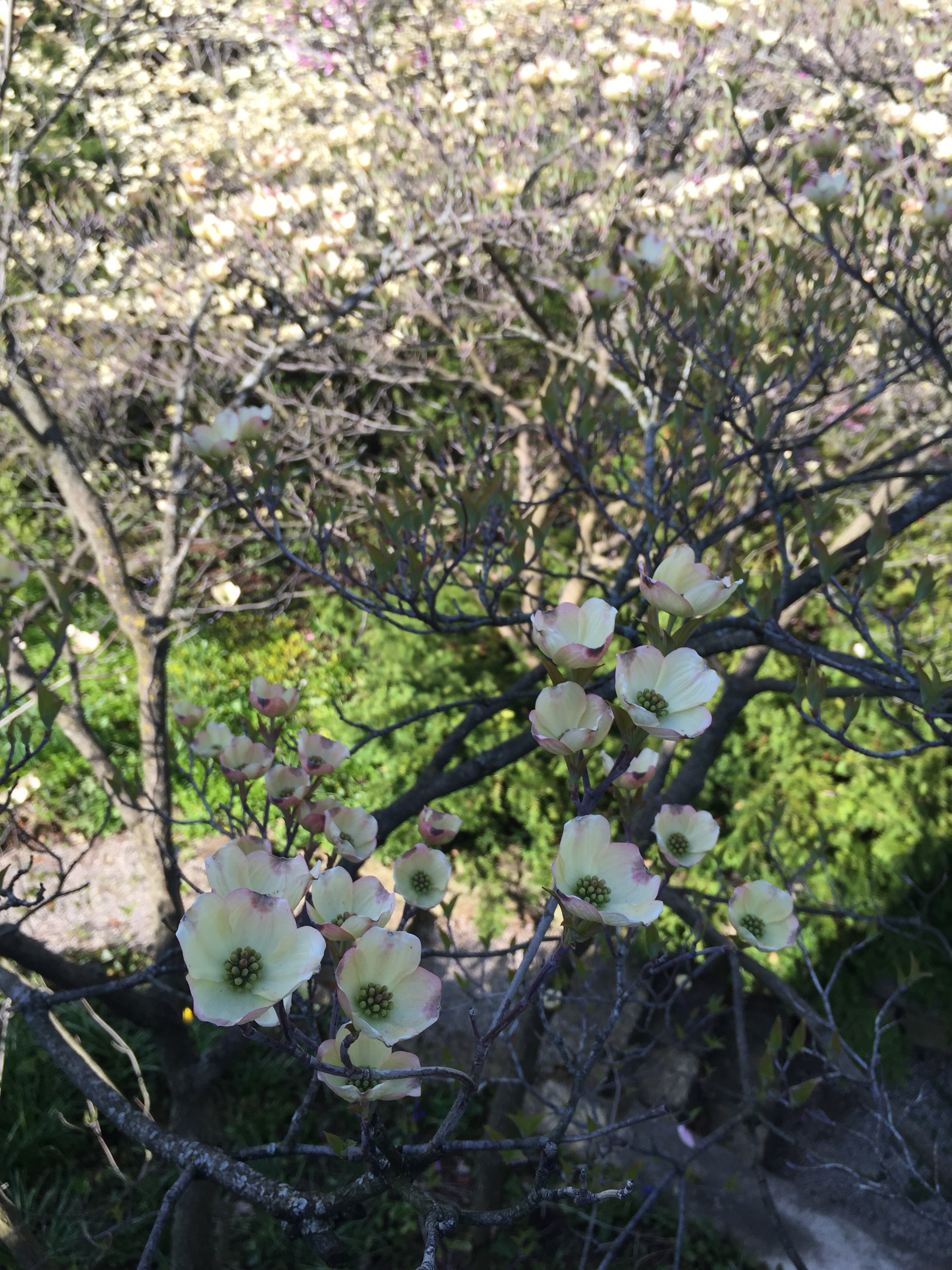 Vernissage? By this I mean spring. I am so enjoying it.