Potting Up

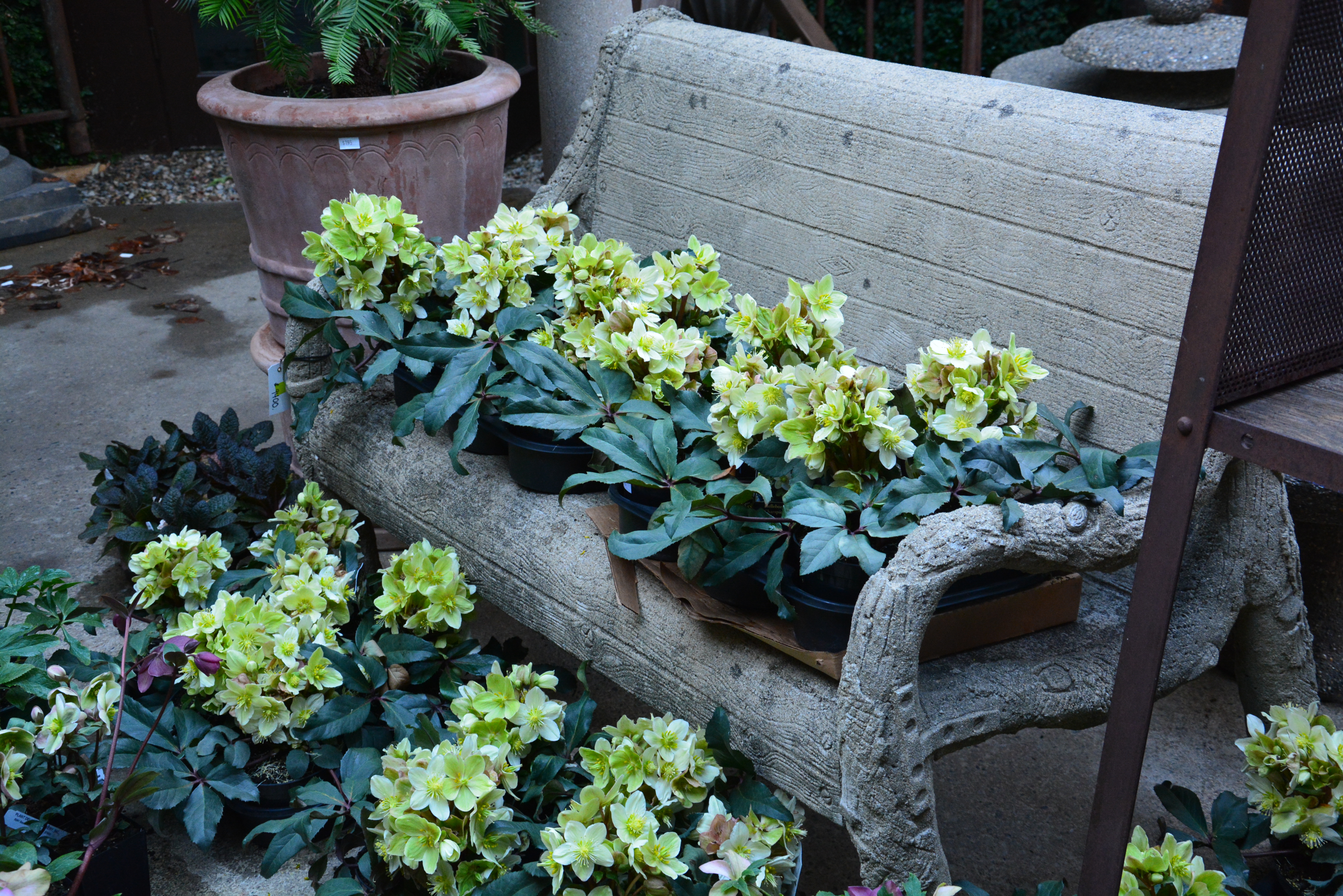
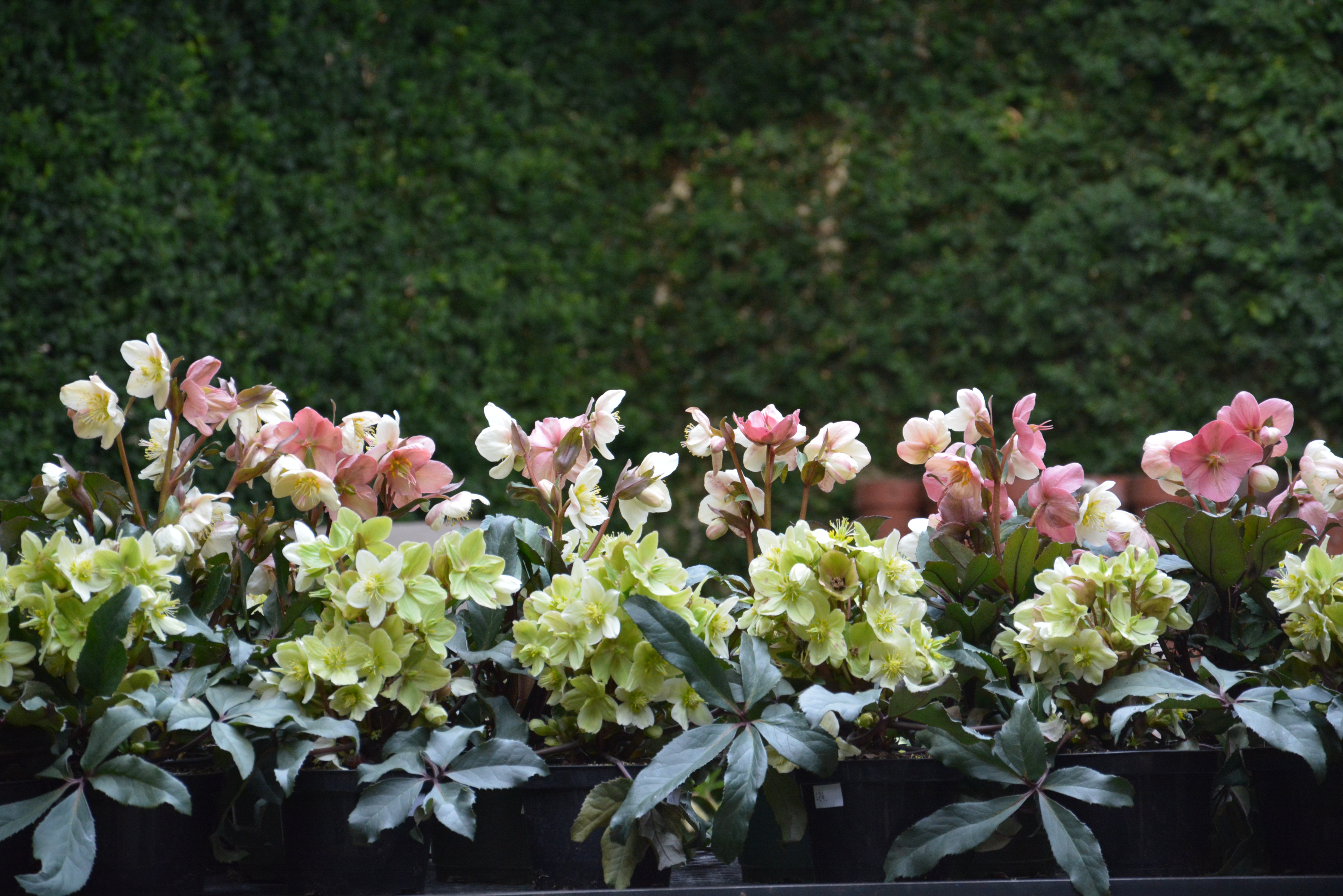
hellebores.jpgOur winter is stuck on repeat like a CD playing with a giant gouge-is it not?  If only nature would choose to bring this song to a close. If only the channel would change.  OK, I realize the timing of the change of the channel is out of my control.  The only thing keeping me on an even keel-a greenhouse full of hellebores.  I am on the verge of being afraid for spring.  The sun and slightly warmer temperatures today meant melted snow was streaming into the shop under the front door. What other disasters does this brutal winter have to visit upon our spring?  I don’t have any answers, just a lot of theories that are most likely off target or irrelevant.   March?  lion-like, so far. And no relief in sight.  But any gardener has the option of creating a little spring indoors.  I am beginning to see pots of spring flowering bulbs available at nurseries.
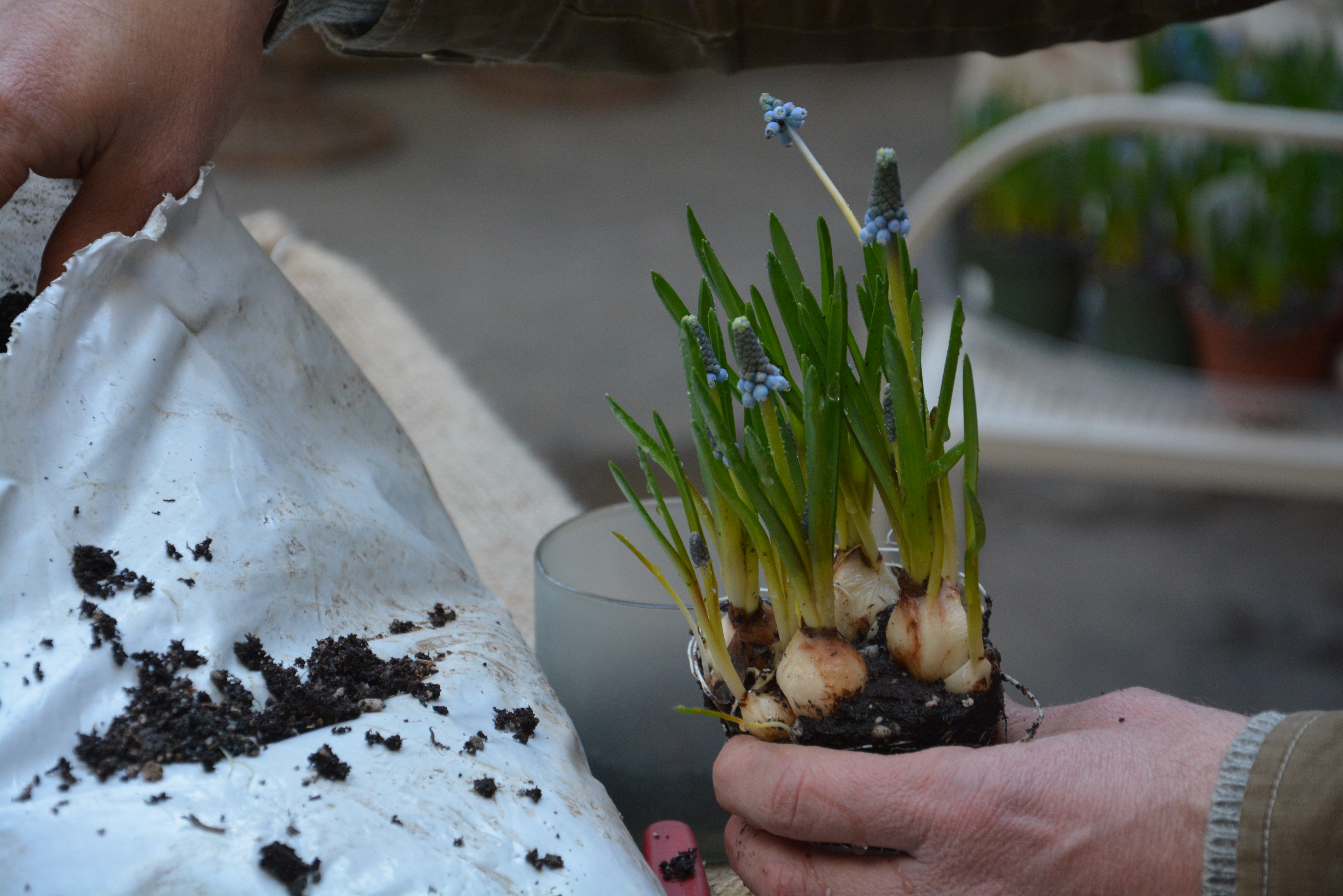
spring-flowering-bulbs.jpgThis pot of muscari came in a plastic pot.  No gardener should be dismayed by the nursery presentation.  What they do well is bring a plant on.  Representing the magic of spring is not their thing.  They grow.  What they grow is available at a very reasonable cost.  That bulb that has shot forth leaves and flowers is a miracle of nature.  Spring flowering bulbs have flowers and leaves stored in in those juicy orbs we call bulbs.  Given the proper temperature signs, those bulbs break dormancy and grow.
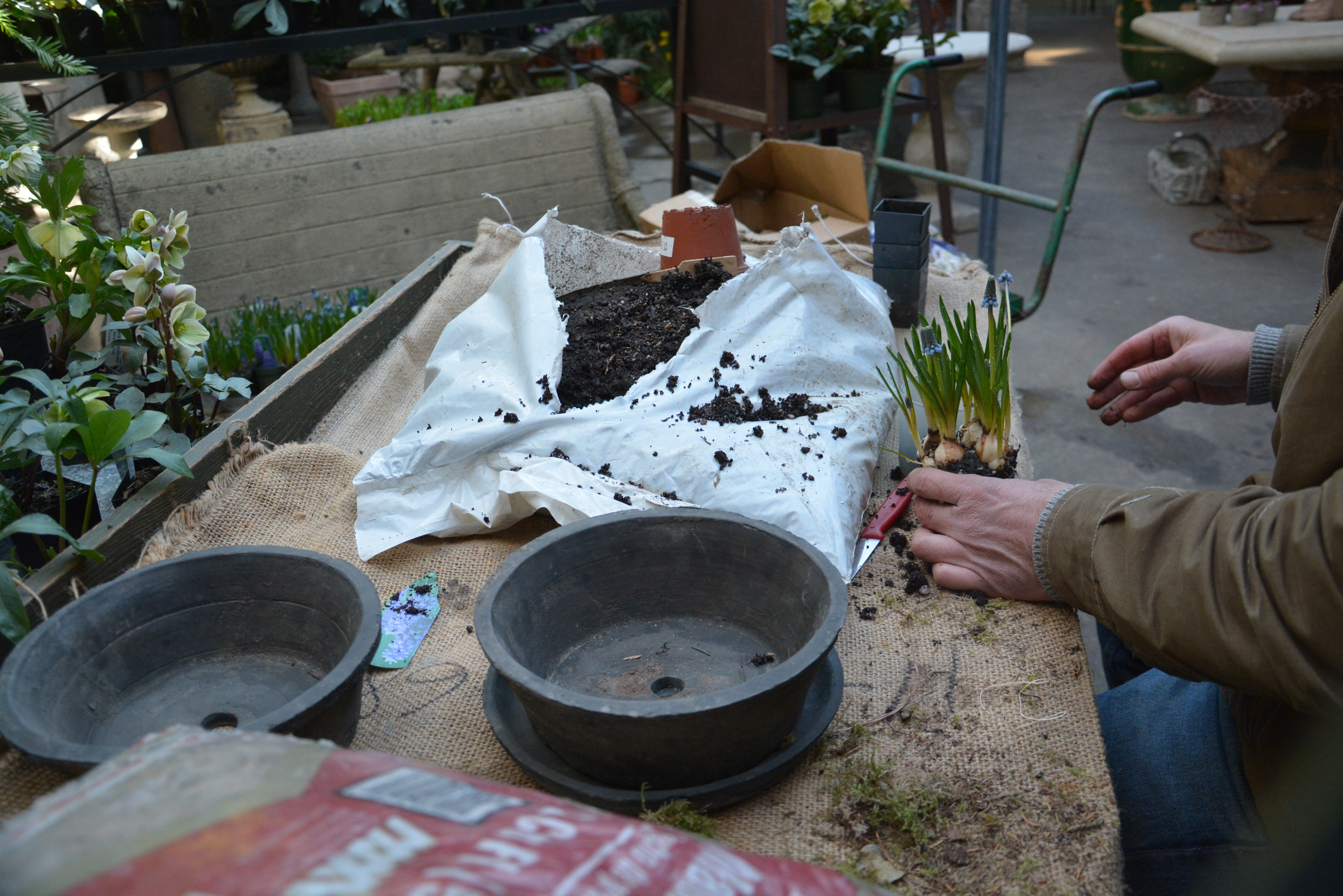
potting-spring-bulbs.jpgNot so much is required of a gardener to bring a spring flowering bulb into bloom.  Tulips, daffodils, hyacinths,and a whole host of small flowering bulbs will represent in the spring, if you can just manage to get them below ground before the ground freezes so hard it cannot be worked.  I am embarrassed to say that I have had to ditch plenty too many bulbs in my gardening life, as I did not make the deadline.  Happily, the fall planting deadlines need not apply, should you pot up.  Pots of bulbs wintered over in the garage will come on and bloom with as much vigor as bulbs planted on time in the fall.
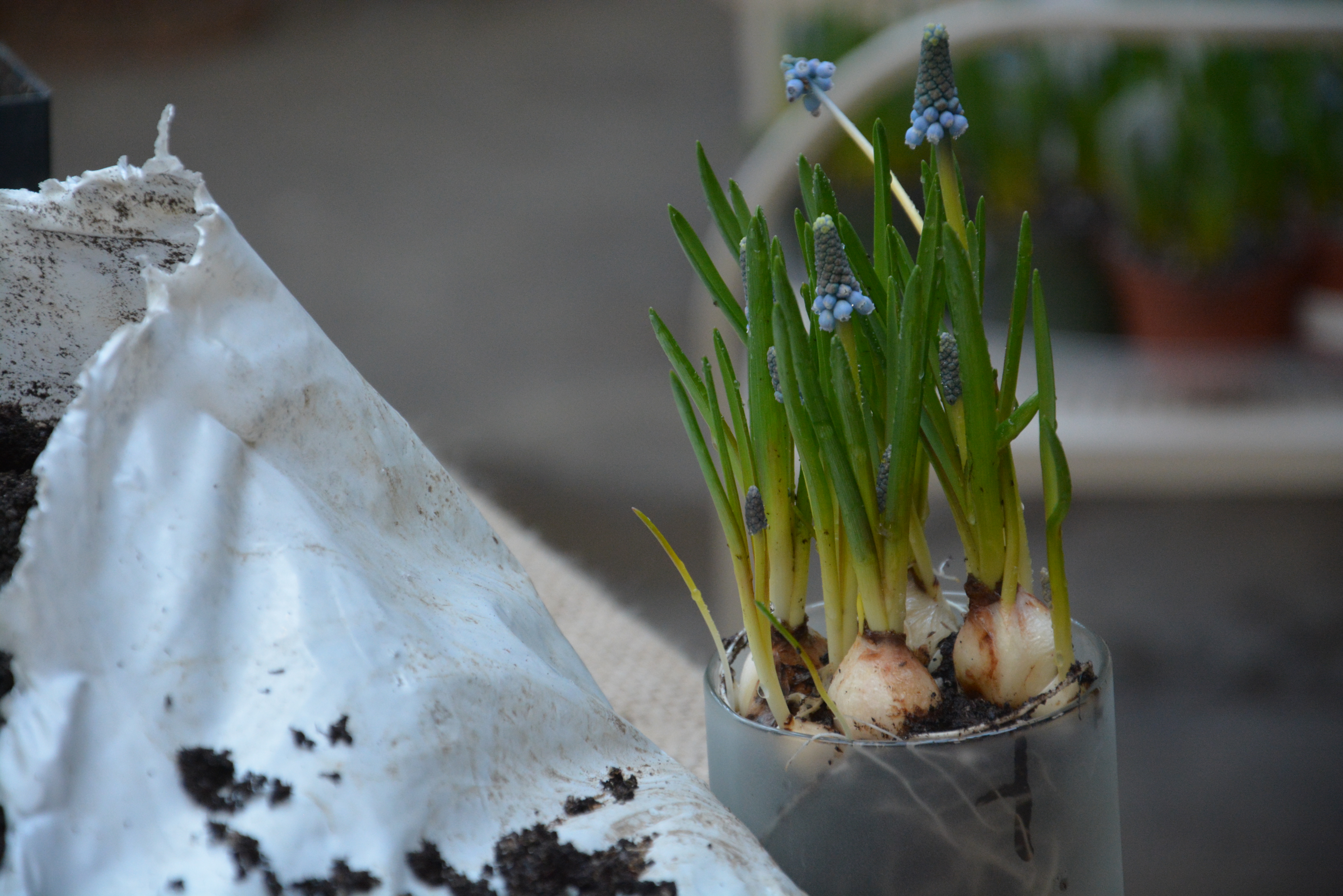
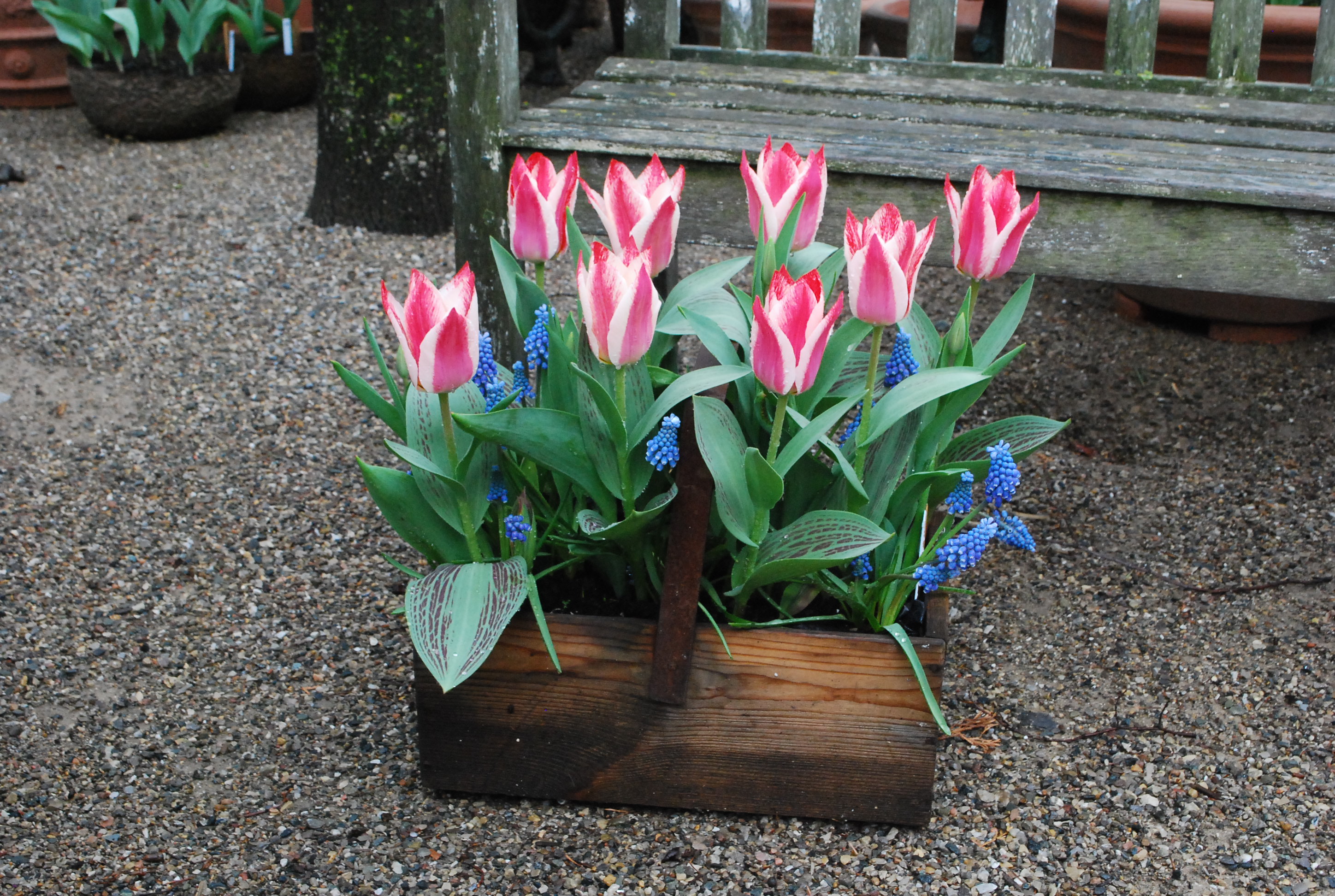
muscari.jpgShould you have no pots of spring flowering bulbs waiting for spring in your garage, shop your favorite garden store.  Rob spent the day transplanting muscari and cyclamen into containers.  How he transforms a nursery grown plastic pot loaded with muscari into a strong statement about spring might interest you.
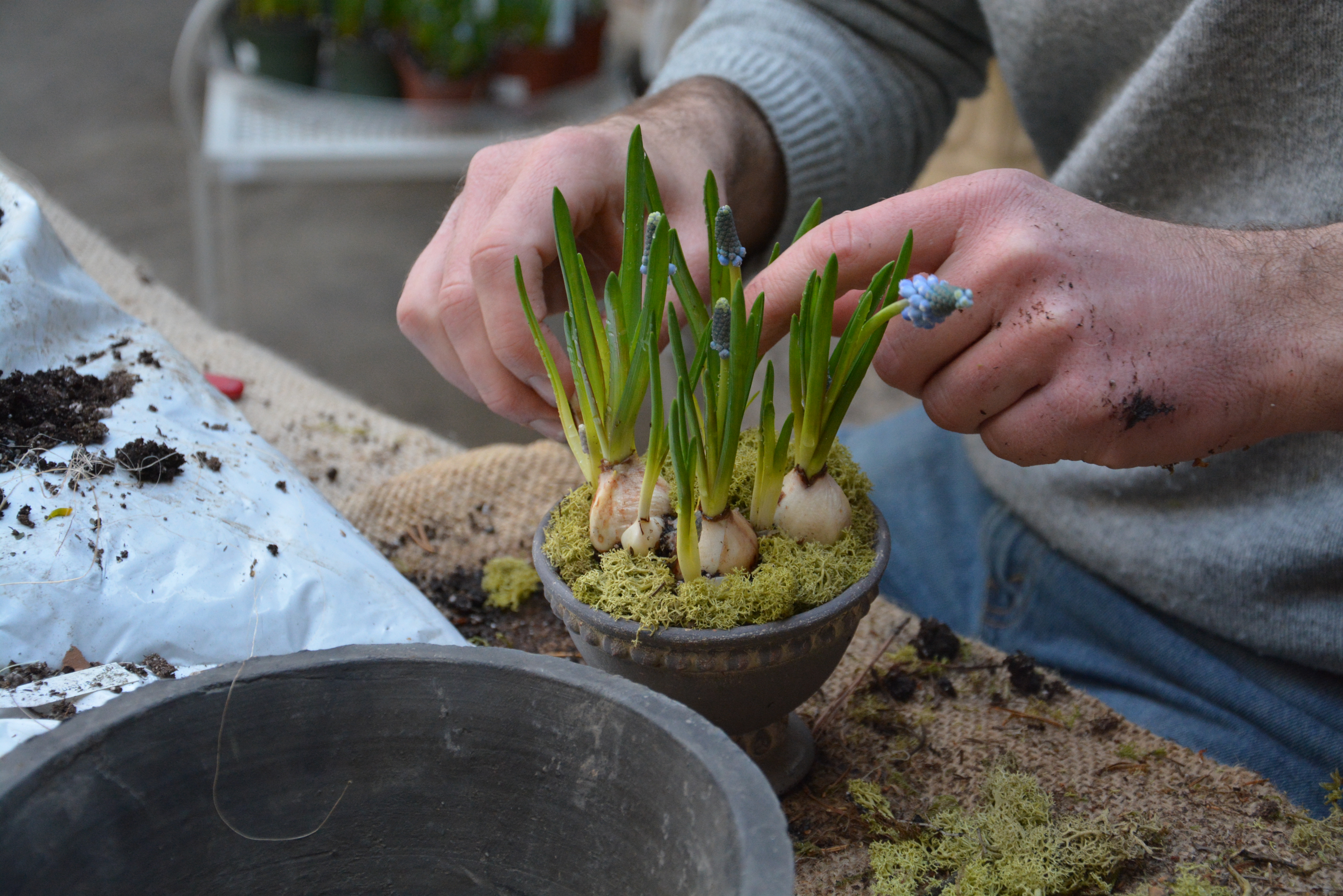
finishing-touches.jpgThe first time I saw him wash the soil off of the upper half of a spring flowering bulb, I worried.  Would a bulb exposed to view mean disaster?  That has never happened.  As he says, the bulb from which all that life springs is beautiful.  A statement about spring should surely include a view of that bulb that is part of the experience of spring.
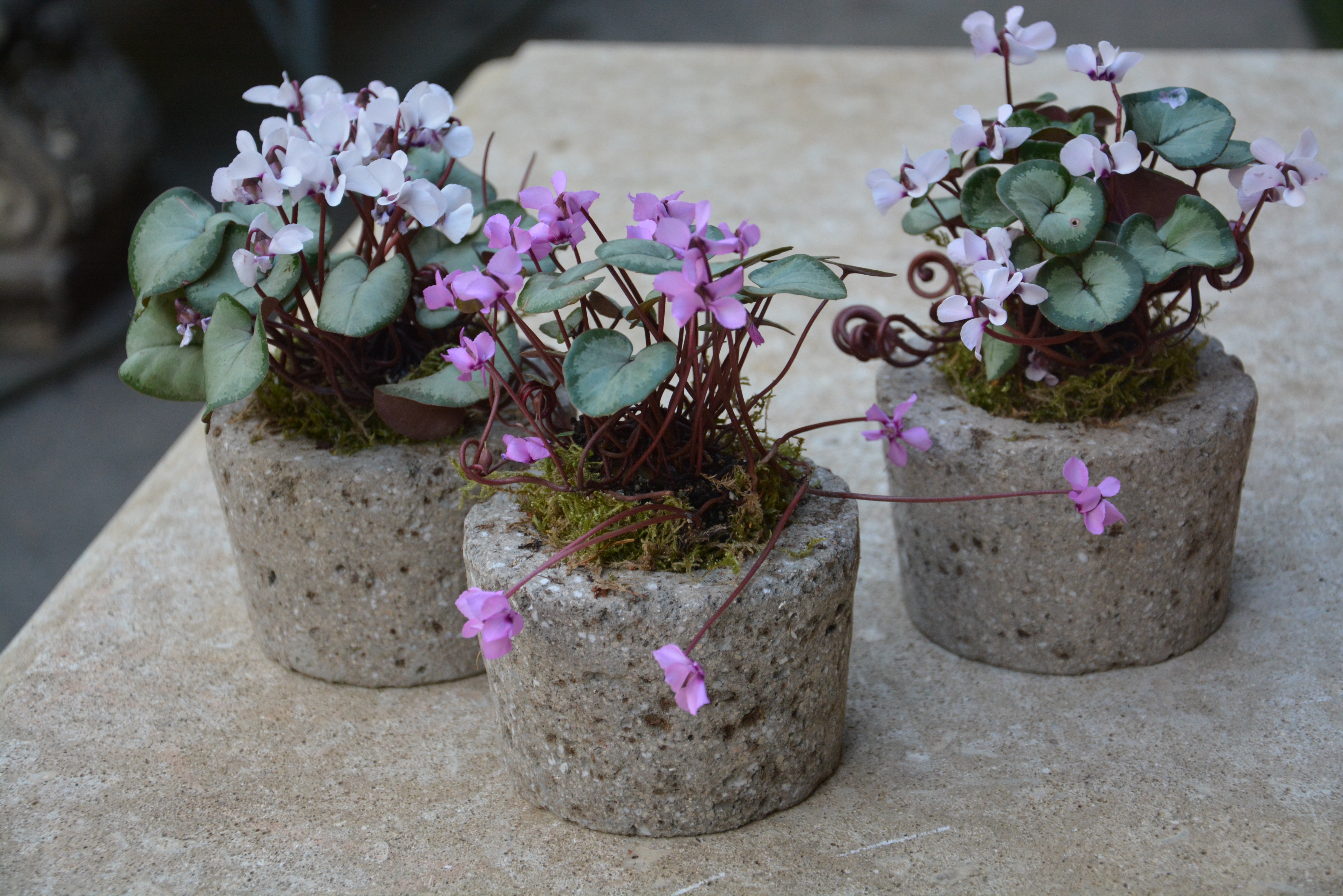
cyclamen.jpgHe has repotted cyclamen, taking great care to select a container of a proper scale.  I greatly admire how he subtly pairs plants with appropriate containers.
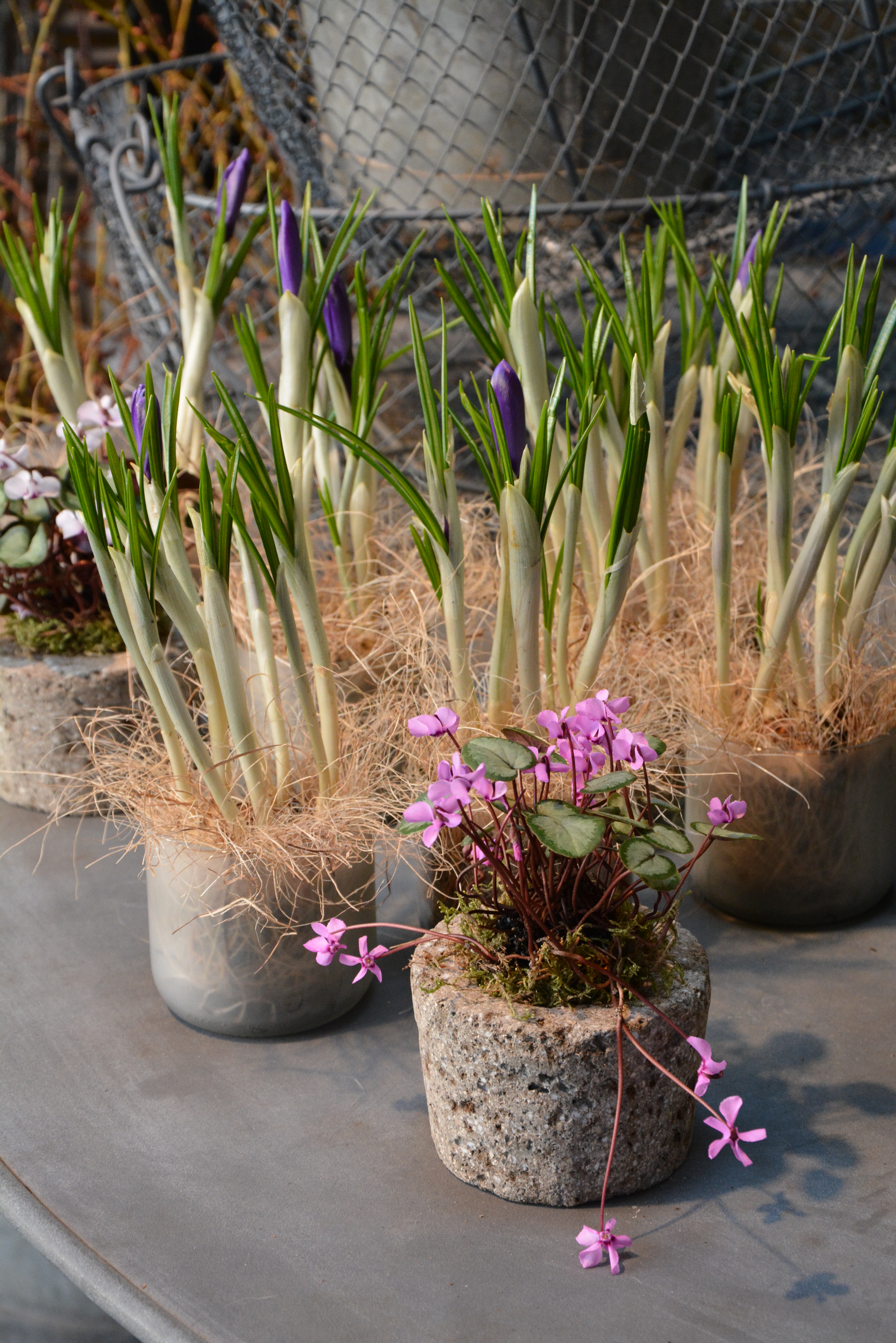
spring-pots.jpgThe only spring going on in my neighborhood is a direct result of the intervening hand of a passionate gardener.  In  our shop, those hands belong to Rob.  As anxious as I am about the length of this long and very hard winter, I appreciate his gestures towards the turn of the season.
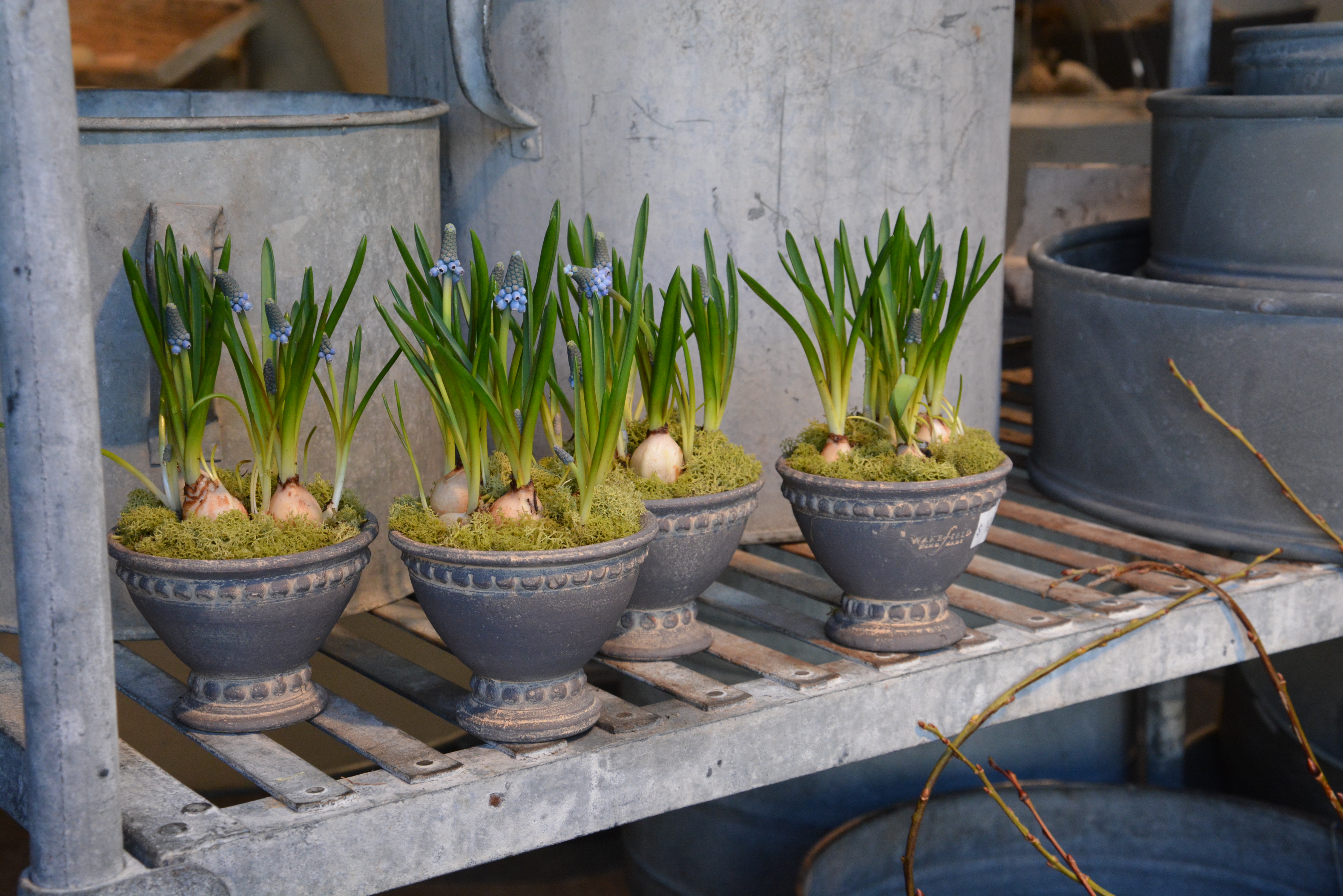
crocus-pots.jpgWe had customers in today taking the results of his potting up home.  Not near Detroit Garden Works?  Visit your local nursery, and bring home a few pots of spring flowering bulbs.  Then do what you can to make those pots a personal expression of spring.

spring-pots.jpgStuck in a zone  with no spring?

spring-pots.jpgCreate your own version of spring.  Add a few touches from the forest floor.  Take some pictures. Enjoy the process.


The 2014 Gardening Season

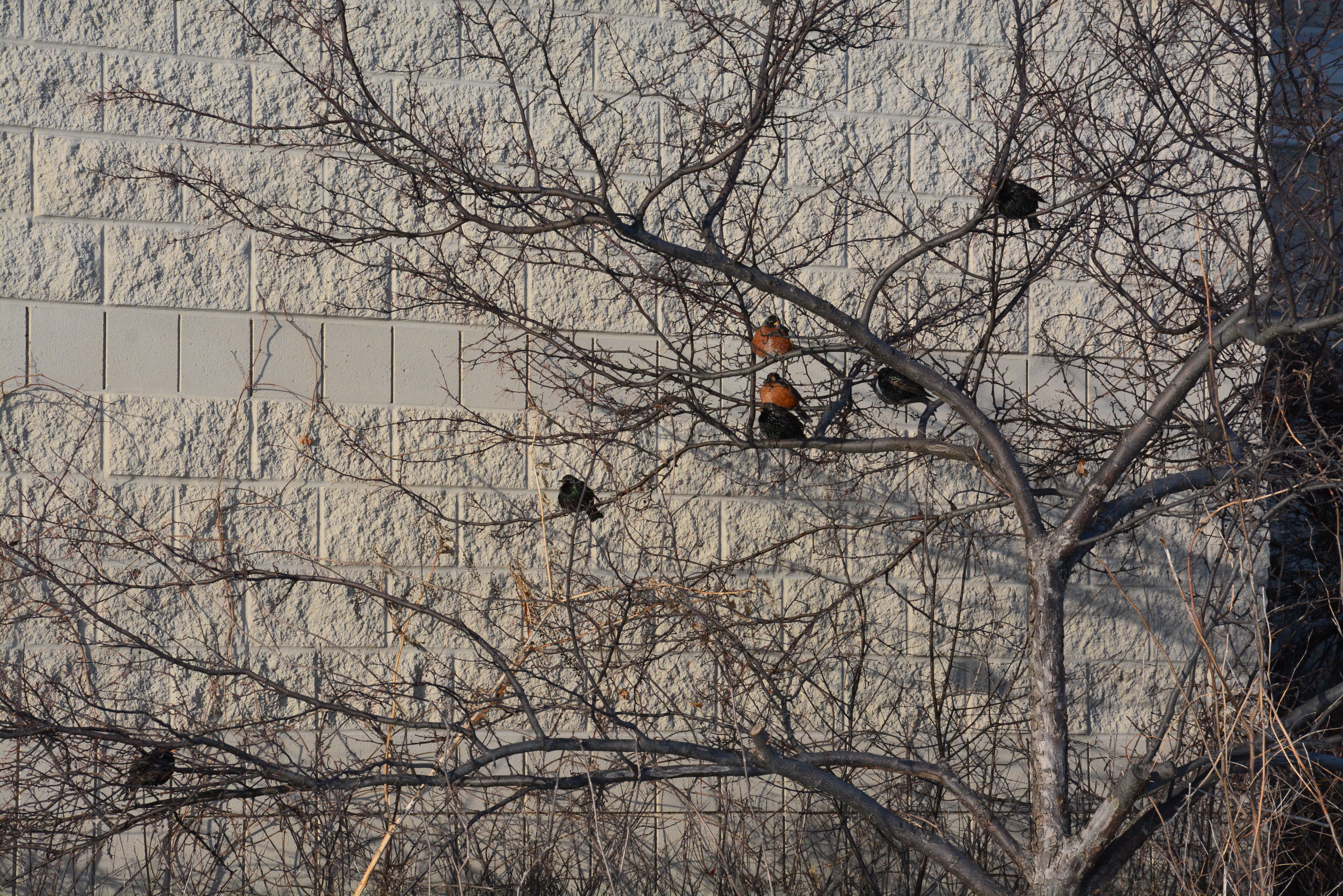
2-27-2014 (14)Though nature had no plans to attend the opening of Detroit Garden Works today for the 2014 gardening season, the robins in the tree next door are here right on schedule.  Rob says they look to be the fattest robins ever.  I personally think they have their feathers fluffed out to the max-trying to defend themselves against the extreme cold.  On the news this morning, the following.  The combination of cold and snow this winter makes this the worst winter we have had for 130 years.  This means that the oldest gardener in my zone is experiencing a record breaking and a particularly heart breakingly endless winter for the first time.  This going on 64 year old gardener can attest to the accuracy of this statement.  I have never.

Detroit-Garden-Works.jpgTaking the 2013 version of Detroit Garden Works apart, repainting and cleaning, reinventing and redoing with all the new things for 2014 is a big job.  Both of my landscape crews are instrumental in helping out the shop staff with this transformation.  This means that both Steve and I have been there with Rob to plan and consider every move that gets made.  Keeping up with the winter landscape design work for projects on deck for spring, with a big dose of Detroit Garden Works on the side means I have been really busy.  This level of being busy helps to keep my mind off the winter that has engulfed us all.  Though my landscape design practice is the love of my life, the shop is a close second.  How so?

DSC_7937All of what Rob buys interests me.  Containers, sculpture, fountains, tools are an integral part of gardening.  But placing every element in a 10,000 square foot space in an interesting and well designed way is a challenge.  But I am happy for the work-this greatly informs my landscape practice.  I am dealing with objects big and small.  Lots of colors.  This line and that one.  This shape that relates to that one.  A garage full of pallets of objects I have never seen before all need to have a home, a scheme.  Rob does the vast majority of the buying for the shop.  It falls some to him, and a lot to me about how to present his collection. It is not so much different than designing a landscape for a particular property, and a particular client.  Objects from many countries in February, each with their own shape, color, texture and mass ask for an arrangement that will please the eye.  Making sense of a whole world of disparate objects can be exasperating, but it is a job I would not trade for any other.

DSC_7944Designing a landscape asks for everything a gardener has available to them.  A love of the living earth.  A plan to compost, which will enrich any planting.  A plan to plant.  Lots of energy and good will.  Faith in one’s convictions.  And a plan that personally expresses what that gardeners values and needs from their garden.  A plan that is coherent.  Dissonant shapes, forms, textures and colors all ask for some sense to be made.  And sense can be made of those things in many different ways.  How Rob puts a series of things together is very different than mine, as it should be.  I can’t be privy to why he selected certain things, until I start to work with them.  Even then, I may visualize them in a very different way. As much as I enjoy poking around the pallets, I more enjoy making a melody from a lot of different voices.

DSC_7928Surfaces really interest me.  Some are shiny.  Some are smooth and matte.  Some are rough textured.  Others are dark-some are light.  One surface contrasted with another generates interest.  What is happening near the ground level interests me as much as what is at eye level.  Then there is that vast space overhead.  My first moves in the shop always involve covering the walls, and populating the air space.  Part of that had to do with staging the work.  An empty room is the ideal place to navigate with a big ladder.  Once that work is done, everything else is arranged to fit in the physical and visual space.

2-27-2014 (2)Anything that generates an interest in the garden is of interest to me.  What I like is big and wide-a lot.  On a good and rare day, it is deep.  Any person who responds to the garden interests me, whether it comes via my landscape practice, or my shop.  Any place that encourages people to garden is my idea of a good place.  Rob and I both subscribe to the idea that a great garden shop ultimately should provide an experience of the garden.

2-27-2014 (17)I will confess I am tired out from the work of the past month.  But this kind of tired is a good kind of tired.  I was truly thrilled that Detroit Garden Works opened for the 2014 gardening season as usual March 1-even though our winter rages on.  I am pleased we have been welcoming gardeners of every persuasion for 18 years, come March 29.  We were happy to have gardeners gracing our gates today. Spring is a state of mind-is it not?

2-27-2014 (12)Rob’s buying trips to growers of hellebores all over the US and Canada means we have plants in our greenhouse now, with many more to come.  The sight and smell of live and blooming plants is a sight for sore eyes.  We have planned an event the third week of March-a Helleborus Festivalis.  For every winter weary gardener who has another month of winter to go yet.  We have missed all of you that visit our shop!  See you soon.


The White On The Way

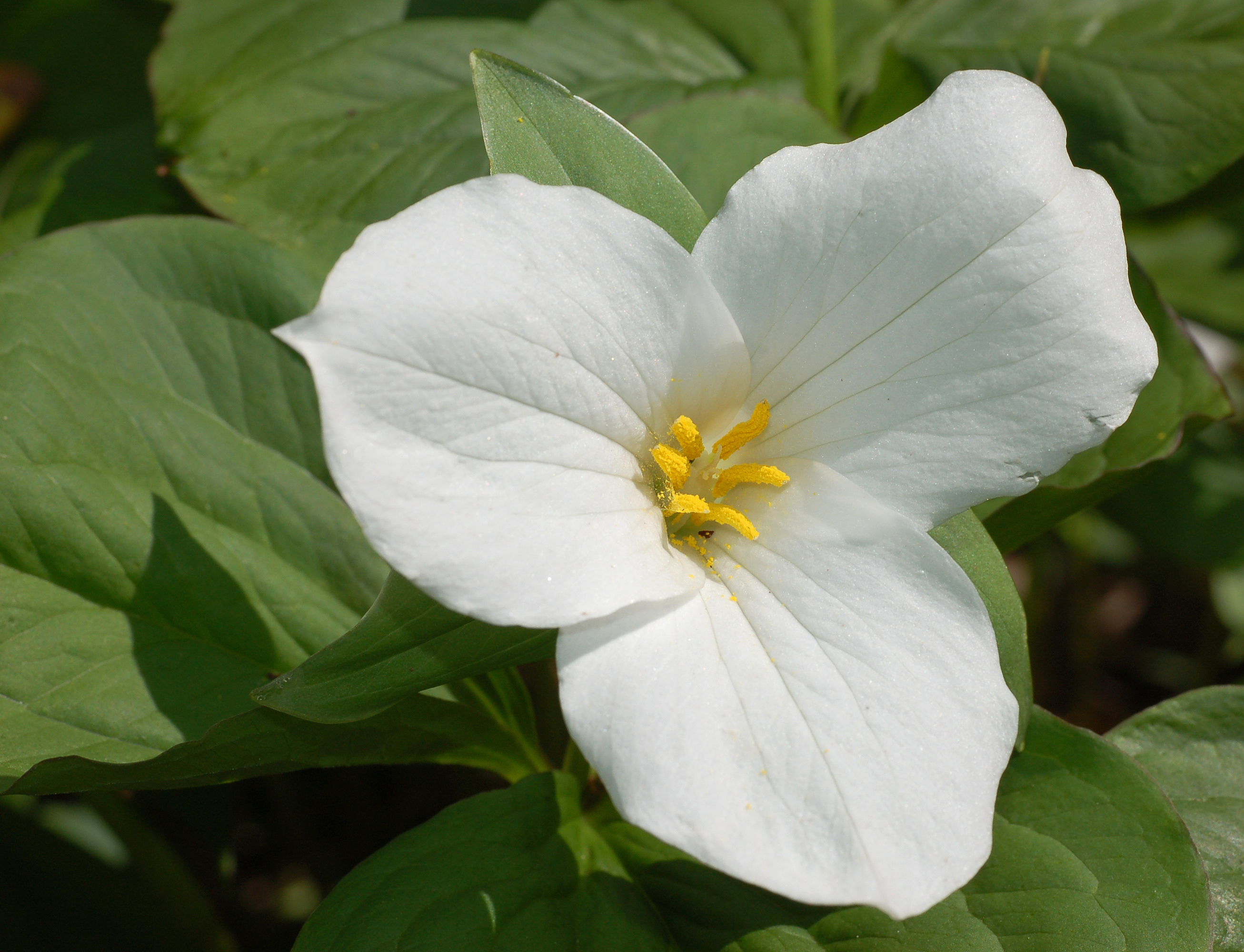
White_Trillium_Trillium_grandiflorum_Flower_2613pxHas the thought of spring crossed my mind yet?  Oh yes.  The fierce cold, the heavy snow and the ice of the past 3 weeks has made it easy to daydream about spring. Better than 30 years ago I was able one October to buy five acres of rolling land (burdened with an utterly dysfunctional house) blessed with a substantial stand of trillium grandiflorum – the native Michigan trillium.  I was not expecting them, but in late April, there they were.  I was enchanted.  The three lobed flowers are almost as large as the leaves-showy. The trillium blooming provoked an interest in Michigan wildflowers.

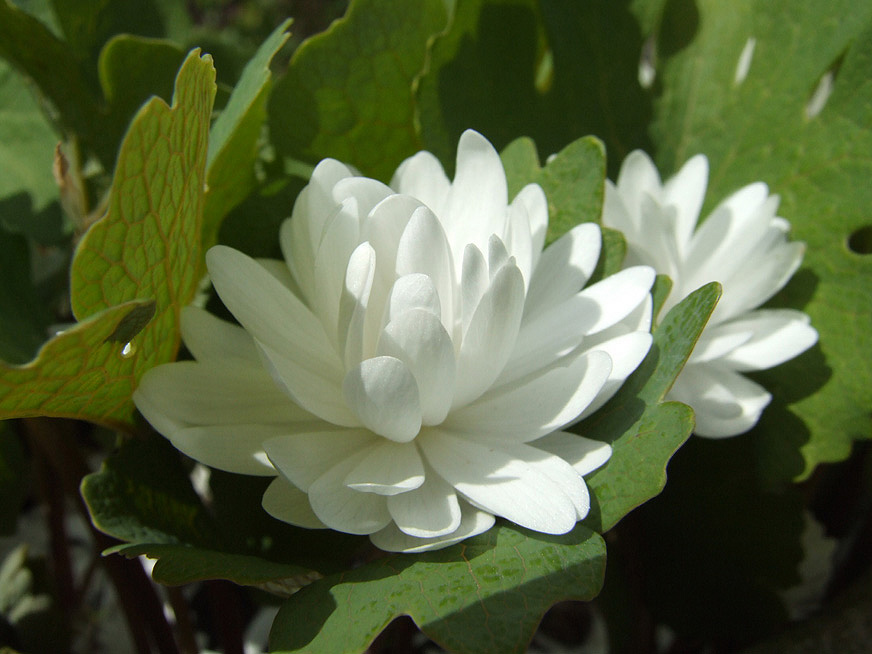
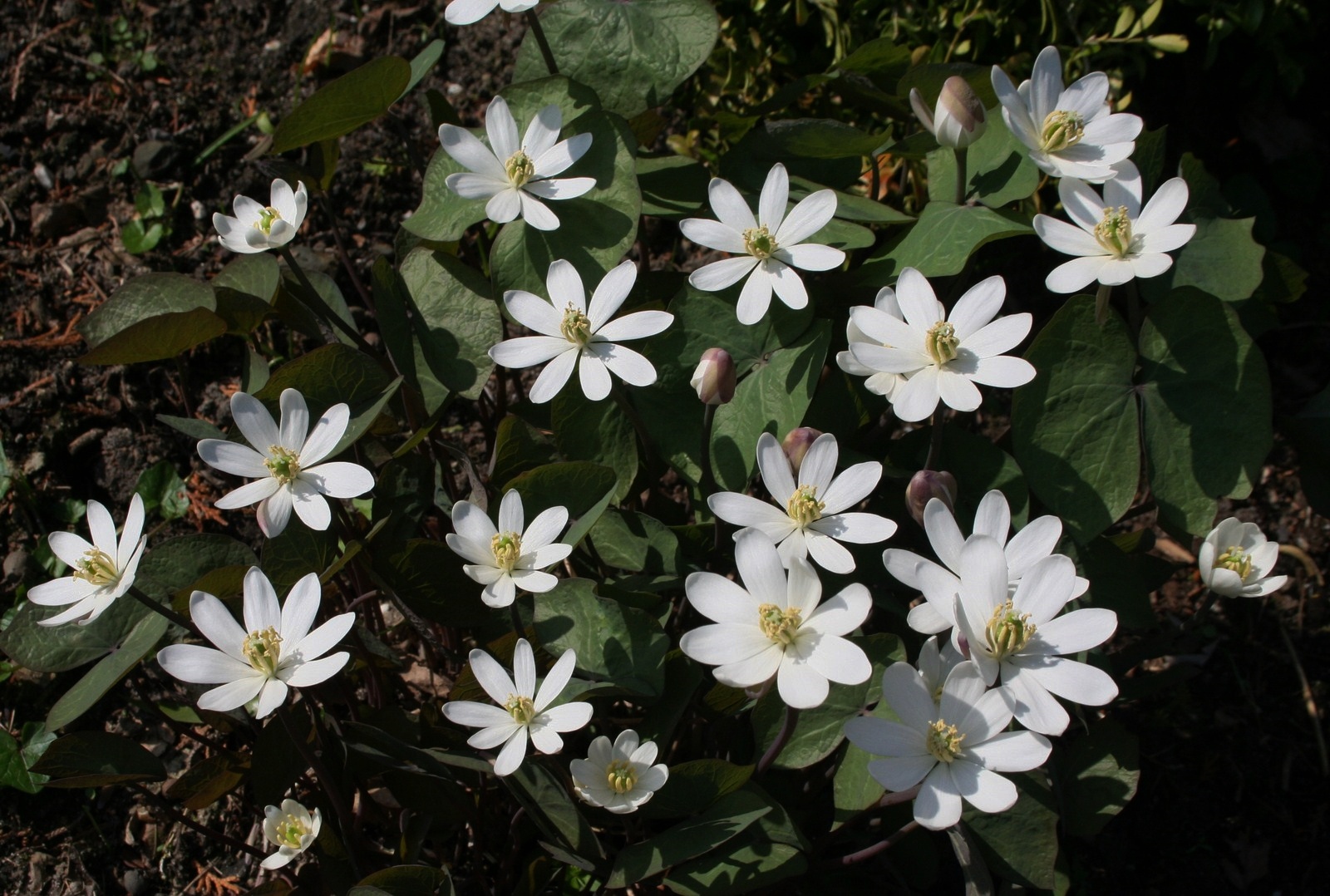
Double_SanguinariaOver a period of years, I added lots of other wild flowers to that spot. I would guess it was 2500 square feet or so, dominated by a few old ash and locust trees.  The ground had not be disturbed for many years, or had any of the leaves been removed.  But for the tree roots, one could dig in this compost based soil with 2 fingers. The double bloodroot pictures above from Wikimedia never made large colonies, but what I had was persistent.  The main trick was to check the plants as often as possible once they come in to bud.  Any warm weather or wind, and the petals would drop.  Looking every bit like a cross between a miniature peony and a waterlily, they might be in bloom but a few hours a year.

anemone nemerosa vestal

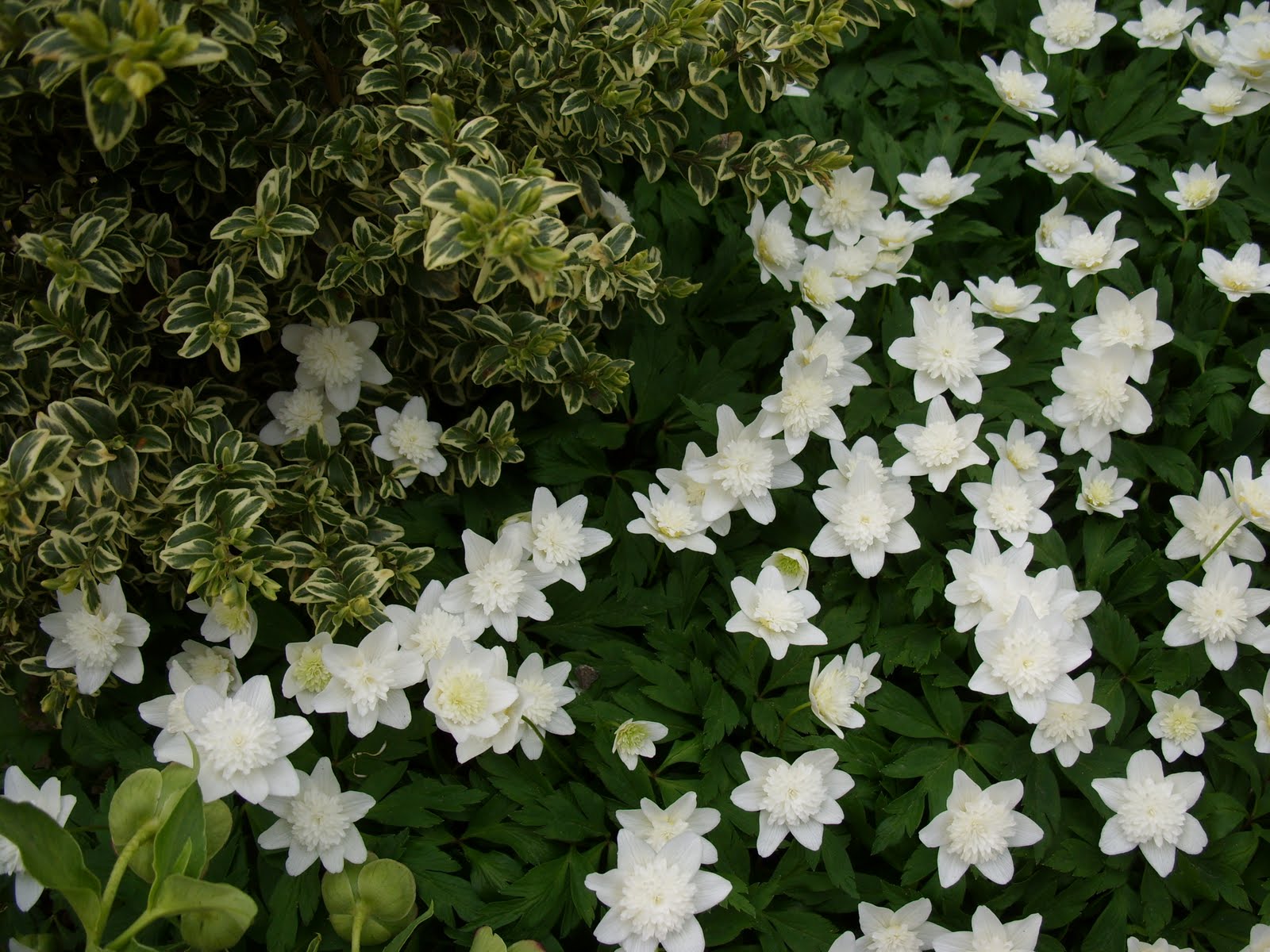
I did spend a few years working for Francis Hughes in the late 70’s and early 80’s.  His nursery was unusual, in that he sold native wildflowers dug from his own extensive gardens.  One plant which I especially admired was anemone nemerosa. I can still remember him digging me a small start from which he shook off all of the soil.  He made a point of telling customers that he did not sell his soil.  I was sure my unceremoniously bare rooted plant would not survive, but this plant and many others did indeed grow. The cultivar “Vestal”, pictured above courtesy of www.collectorsnursery.com, is a hybrid noted for its prominent anemone center.

an_blanda_white_splendour_main
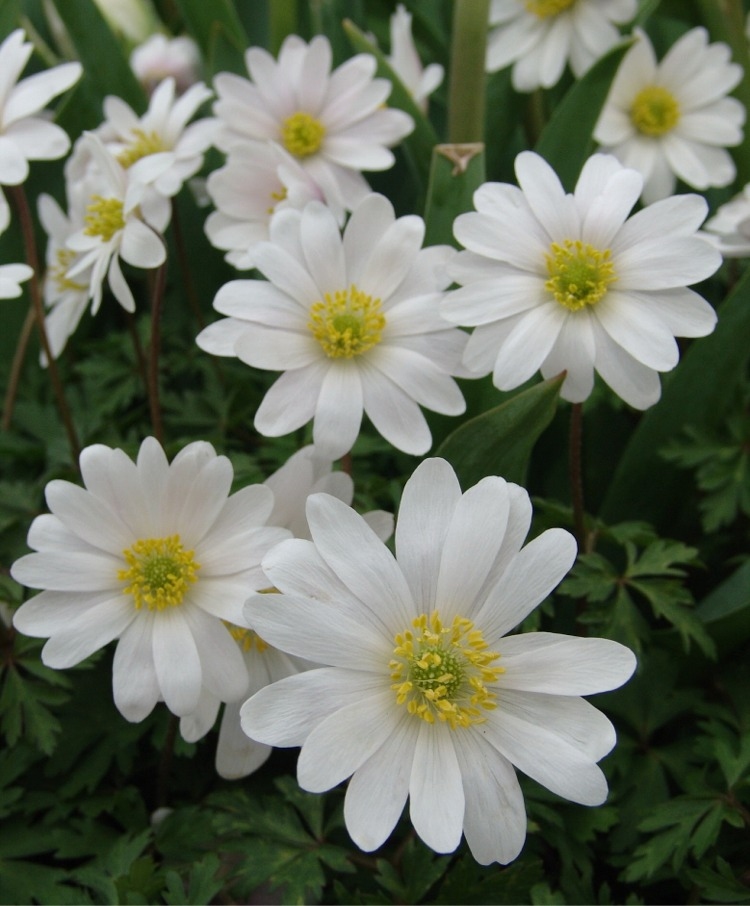
anemone blanda is is not native to Michigan, but its white flowers come early in the spring.  The small corms are planted in the fall.  I soak the dark brown nuggets for 24 hours before planting them 2-3 inches below ground.  The 6 inch tall plants will readily colonize large areas – even weedy or grassy areas –  if they are happy.  The purple and pink varieties are lovely, but I love the white the best. A few hundred bulbs planted in the untended remains of an orchard multiplied many times over.  This picture is from John Sheepers bulbs.

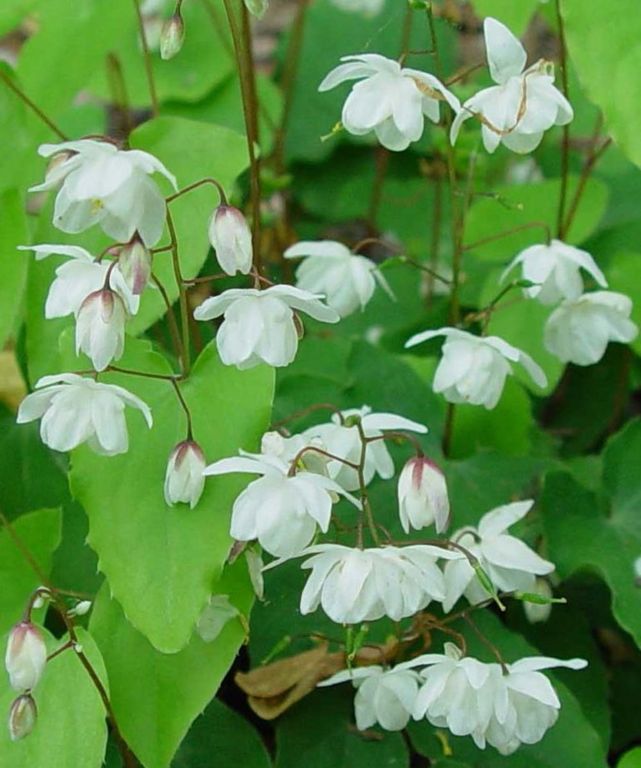
Alabaster_closeupWhite epimedium, a perennial groundcover, spreads more slowly and blooms later than other species, but it is well worth the trouble.  They are tolerant of dry shade, which makes them an ideal addition to a wild flower garden with mature trees.  They bloom on foot tall slender stalks, the new foliage coming after the flowers.  This picture- from www.plantsnouveau.com.

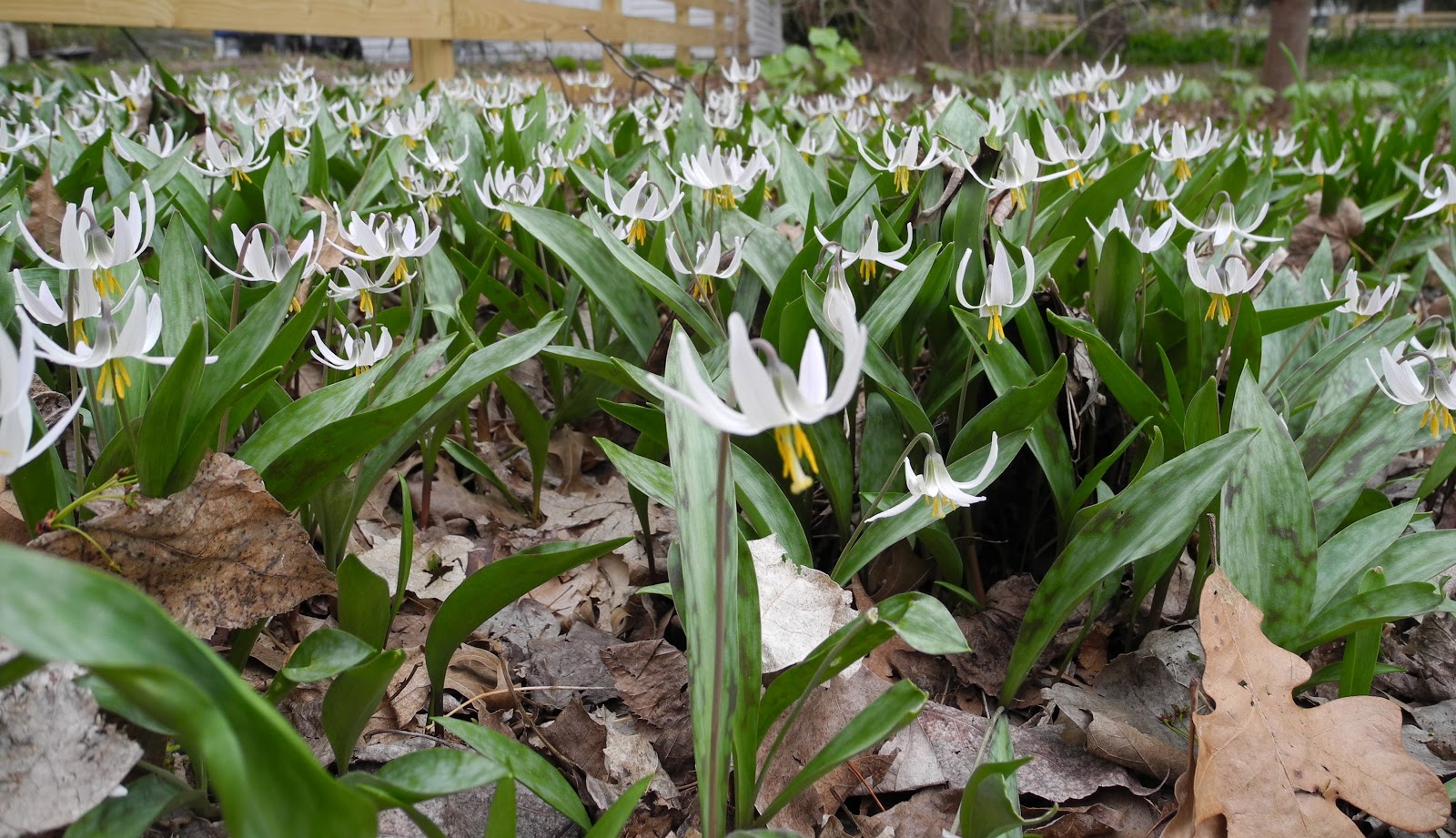
DSCN2299 cropThe yellow species trout lily is a familiar face in the Michigan spring wildflower garden, but the white epimedium conalba “Alabaster” is strikingly beautiful.  They are fairly easy to grow, but can take years to flower.  They are well worth the wait.  Like many other wildflowers, the plants go entirely dormant once the trees get their leaves, and the rain is less reliable.  Wild flowers are frequently referred to as garden ephemerals, as their dormant season comes early in the summer.  The photograph above is from www.phytofactor.fieldofscience.com.

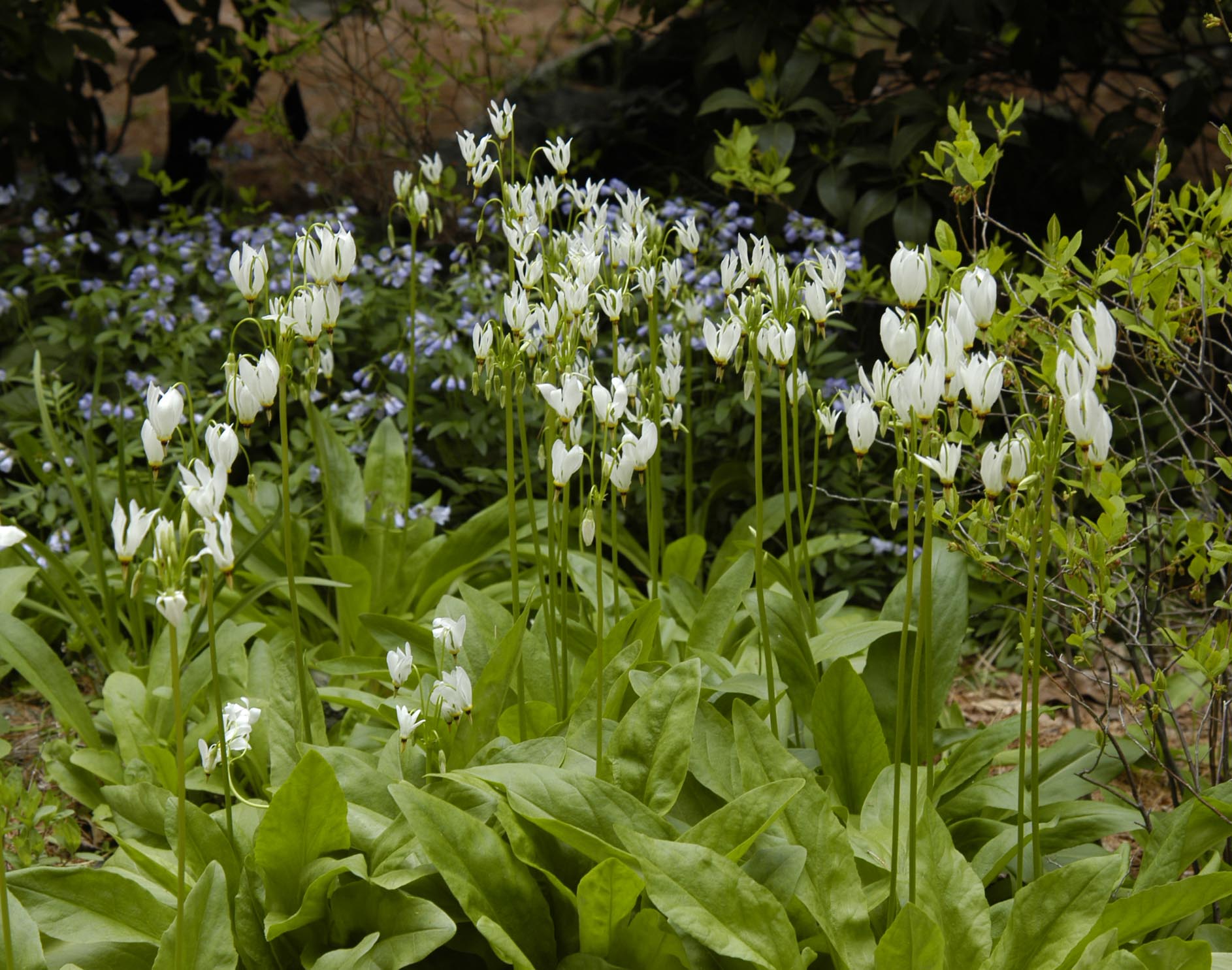
Dodecatheon_meadia_1Dodecatheon media is commonly referred to as shooting star.  This is a good description for these diminutive flowers with extremely reflexed petals.  The foliage is lettuce-lush and juicy looking. They are easy to grow, and will colonize readily when happy.  This picture is from www.mtcubacenter.org.

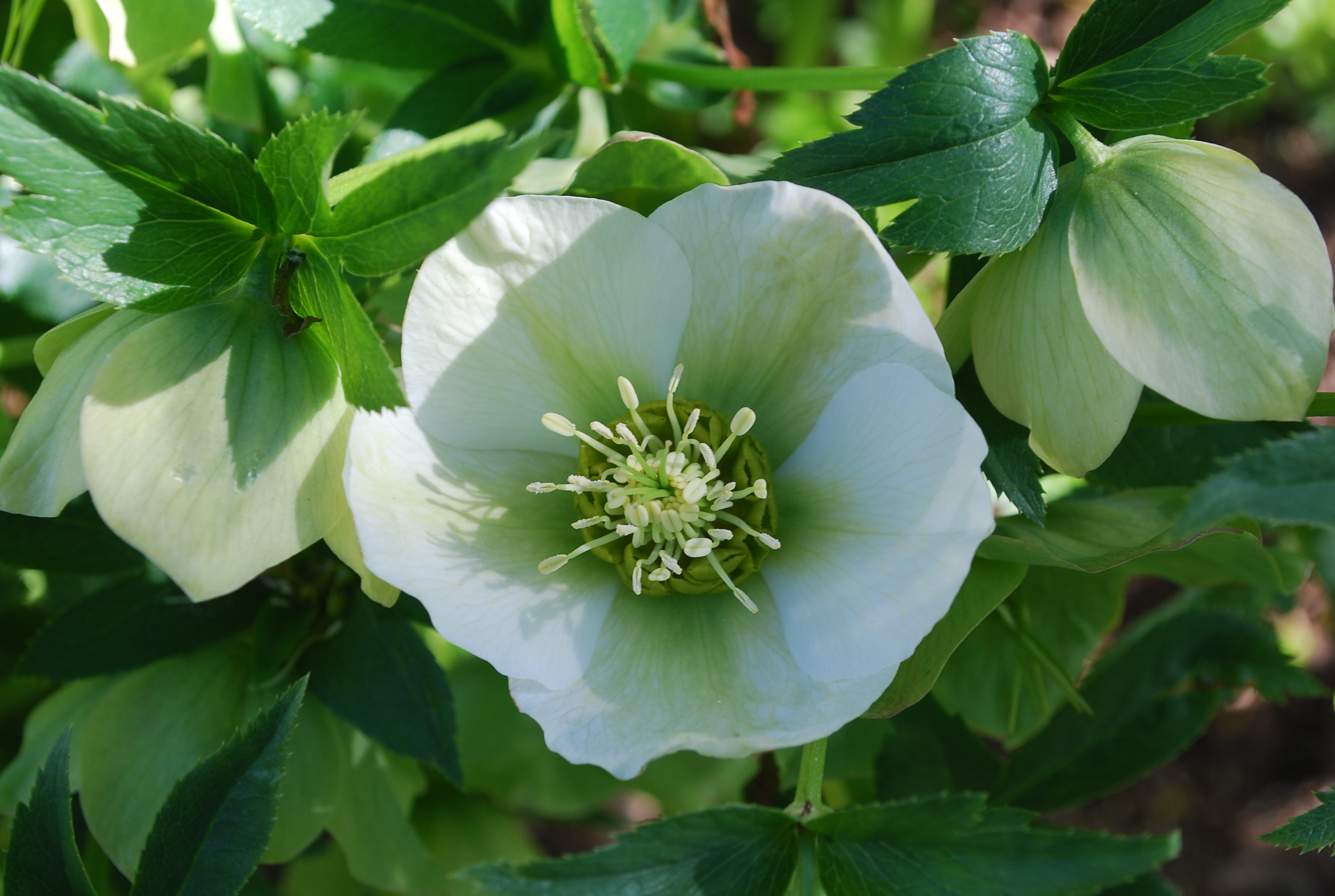
white-helleborus-orientalis.jpgHellebores are not naive, or are they wild flowers.  They are perennials with mostly evergreen foliage.  But no discussion of white flowers in early spring would be complete without them.  Helleborus orientalis is commonly known as the Lenten rose, as it blooms at that time of year.  They are one of my favorite perennials, as they are as beautiful in leaf as they are in flower.  There are numerous cultivars, each one more lovely than the last.

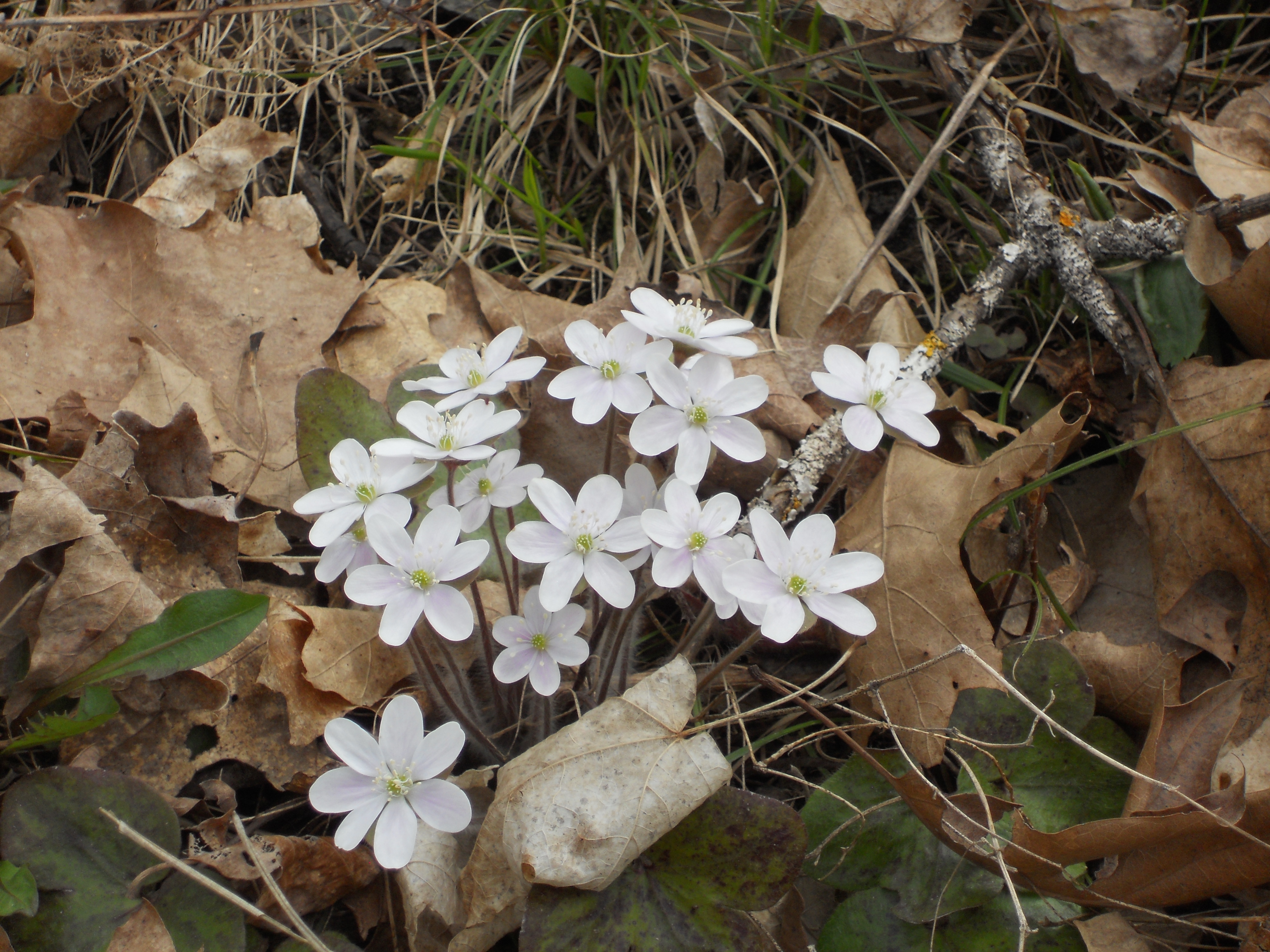
white hepaticaFor whatever reason, hepatica was always my favorite spring wildflower.  The area where I lived 30 years ago was decidedly rural, but on the cusp of development.  Whole neighborhoods full of homes were built nearby, after the land was scraped clean of any and every plant.  I dug many a clump of hepatica out of the way of a bulldozer, and relocated them to my property.  With a little oak leaf mold, and slightly swampy conditions, they were very happy.  I like to believe they are still  thriving from benign neglect in those spots, as I know that garden has not been touched by the owner who came after me.  This photograph via www.pickerelhills.com.

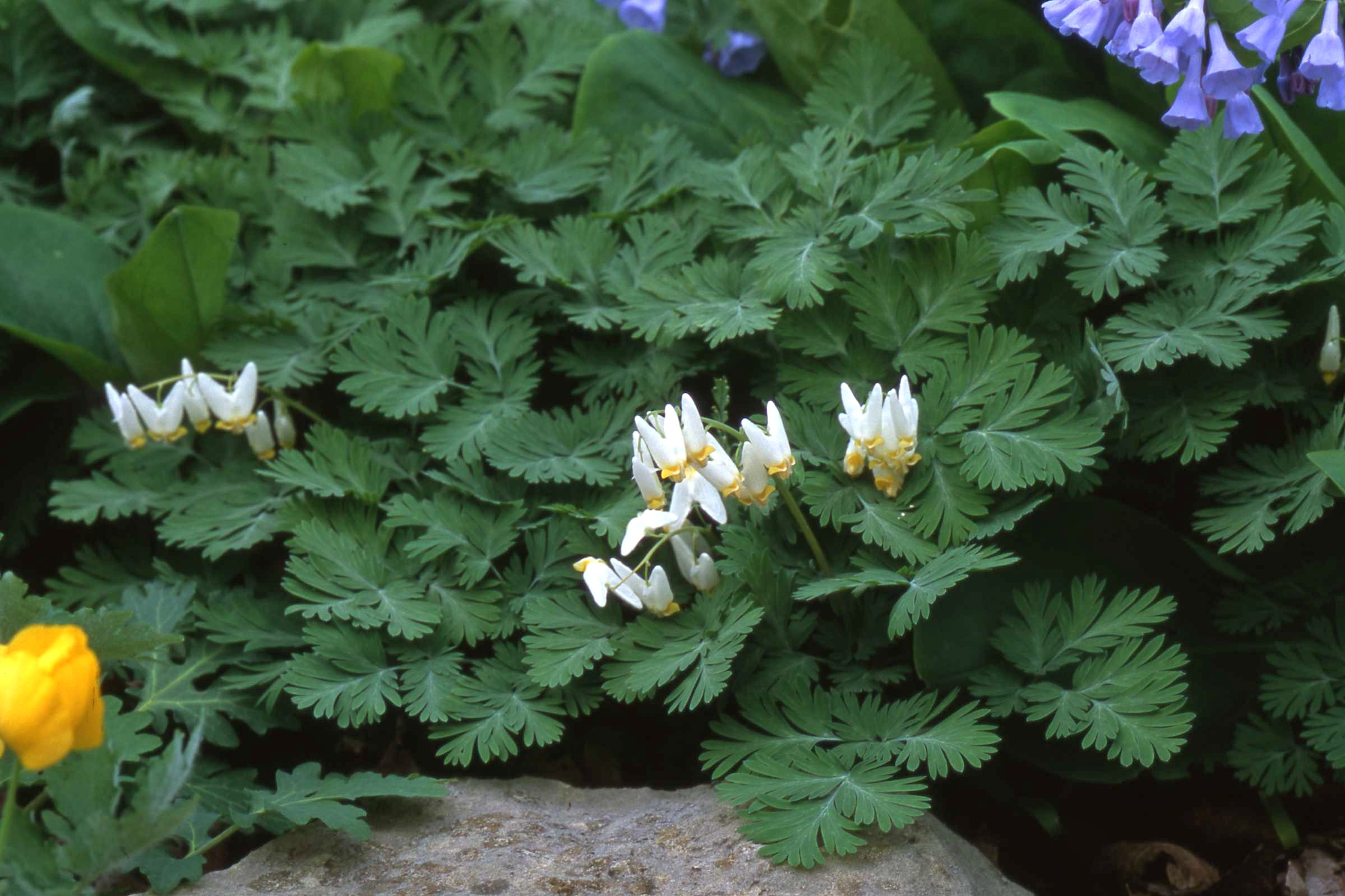
dutchman's breechesDutchman’s Breeches are a wilding bleeding heart.  The plants feature serrated blue green leaves in profusion.  The bleeding hearts are arranged all along a small arching stem.  They were very shy bloomers for me.  Charming, these.

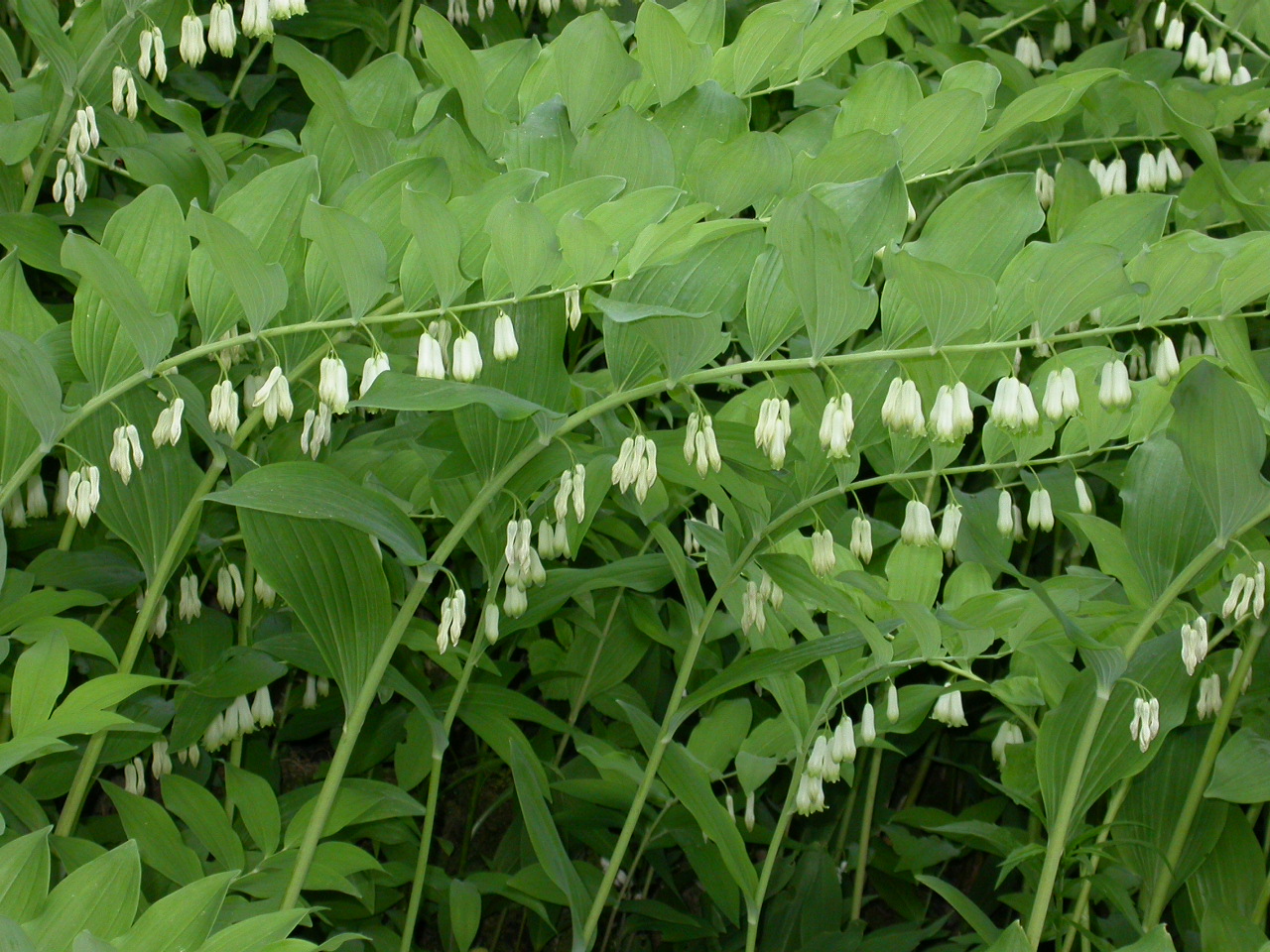
solomons sealSolomon’s Seal has a similar arrangement of individual blooms.  The foliage is also arranged along the stem.  The plant is quite tall, and vigorous.  Some gardeners prefer the variety sporting white variegated leaves, but I have always liked the more subtle species.  I found this great picture at www.solomonsseal.wordpress.com.

Jeffersonia diphyllaJeffersonia Diphylla is commonly known as twin leaf.  Though this picture does not do justice to the leaf structure, what appears to be 2 leaves at the end of a leaf stalk is actually one leaf, deeply divided.  This wildflower was named in honor of Thomas Jefferson by his friend and fellow botanist William Bartram. Only one other species of Jeffersonia is known, and it is native to Japan.  Why that would be, I have no idea. This photograph is from www.urvforum.be.

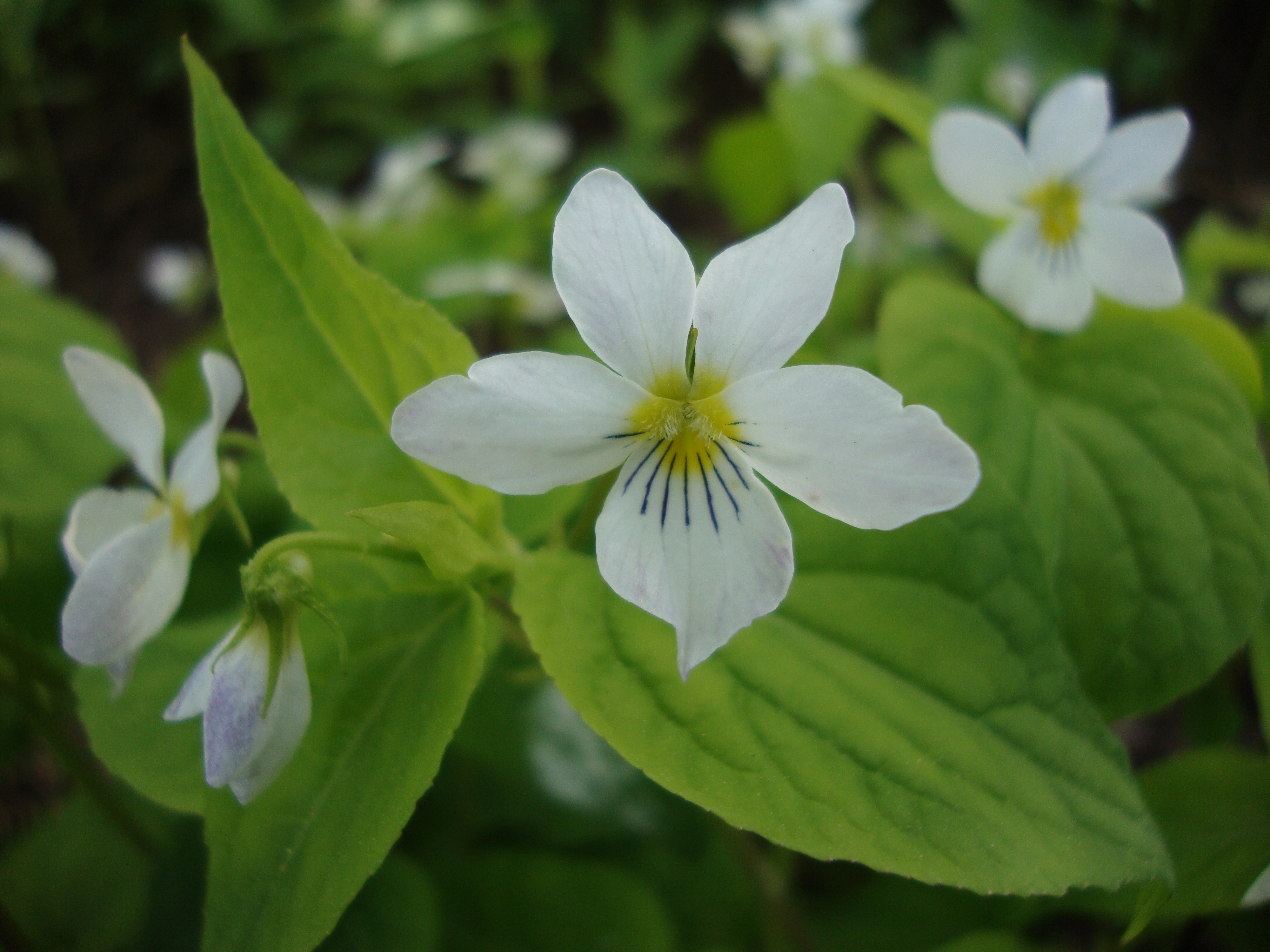
Viola_canadensis_(Orvokki)_Kanadaviol_C_DSC03075Last but not least, Viola Canadensis, the Canada violet.  They are quite rare in some places they are known to be native, but they grew vigorously for me.  All of the violets were willing and able to cover the ground.  Once the wildflowers went dormant, there were plenty of violets covering the ground.  Sweet, that.  Very sweet to think that a lot will be happening in the garden in the not so distant future.

Fall Is For Planting

planting-bulbs.jpgI like planting in the fall.  The weather is cooler, and the rain more reliable.  The work of it seems easier. Some plants are not so happy with a fall planting.  I like to delay planting beech, birch, magnolia and dogwoods until the spring.   Other species readily transplant in the fall, when they are dormant.  Dormant plants suffer the trauma of transplant more readily when they are sleeping . I am uneasy about planting perennials much past the end of September, for fear they will not have enough time to root before the frost heaves them every which way- including out of the ground.  However, it is never too late to plant spring flowering bulbs.  Should you be able to get your shovel in the ground in February, the bulbs you bought in October will most likely be fine-provided you stored them in a cool spot.

spring-flowering-bulbs.jpgThis is our bulb planting week.  We are tackling this project for clients later than usual-it has been a very busy fall.  Most of our projects involve large spaces planted with tulips for spring.  But we do have those people for whom we add a little of this and a little of that every year.  No matter the scale of your garden, and the spaces you have available for spring flowering bulbs, taking the time to plant them is well worth the effort.  When the winter breaks here in March, and the crocus come into bloom-that is a day I treasure.  Both the Farmer’s Almanac and the National Weather Service is predicting a very cold and very snowy winter here.  There is everything good about defending your gardening self with some spring flowering bulbs.

spring-flowering bulbs.jpgThe spring flowering bulbs include tulips, daffodils, hyacinths, and a whole host of small flowering bulbs.  Don’t forget the alliums, which will bloom in June.  All of the nurseries local to me have bulbs available.  It seems like preaching to the choir to be encouraging gardeners to plant spring bulbs, but I have my reasons.  Planting bulbs is just about the least satisfying planting done in the garden all year.  When it is cold, windy, and wet, you are out there burying brown blobs in the dirt.  When you are finished planting, you have nothing to show for all the work. Even more discouraging is the fact that the show is months away.  I wouldn’t say that bulb planting is particularly pleasant for gardeners-it takes effort in conditions that are usually less than ideal.  But the rewards in the spring-enormously satisfying.

planting-for-spring.jpgAs difficult as it may be to generate excitement for a job with no immediate rewards, the pleasure to come is worth the wait. Each one of those brown orbs is loaded with the promise of the gardening season to come.

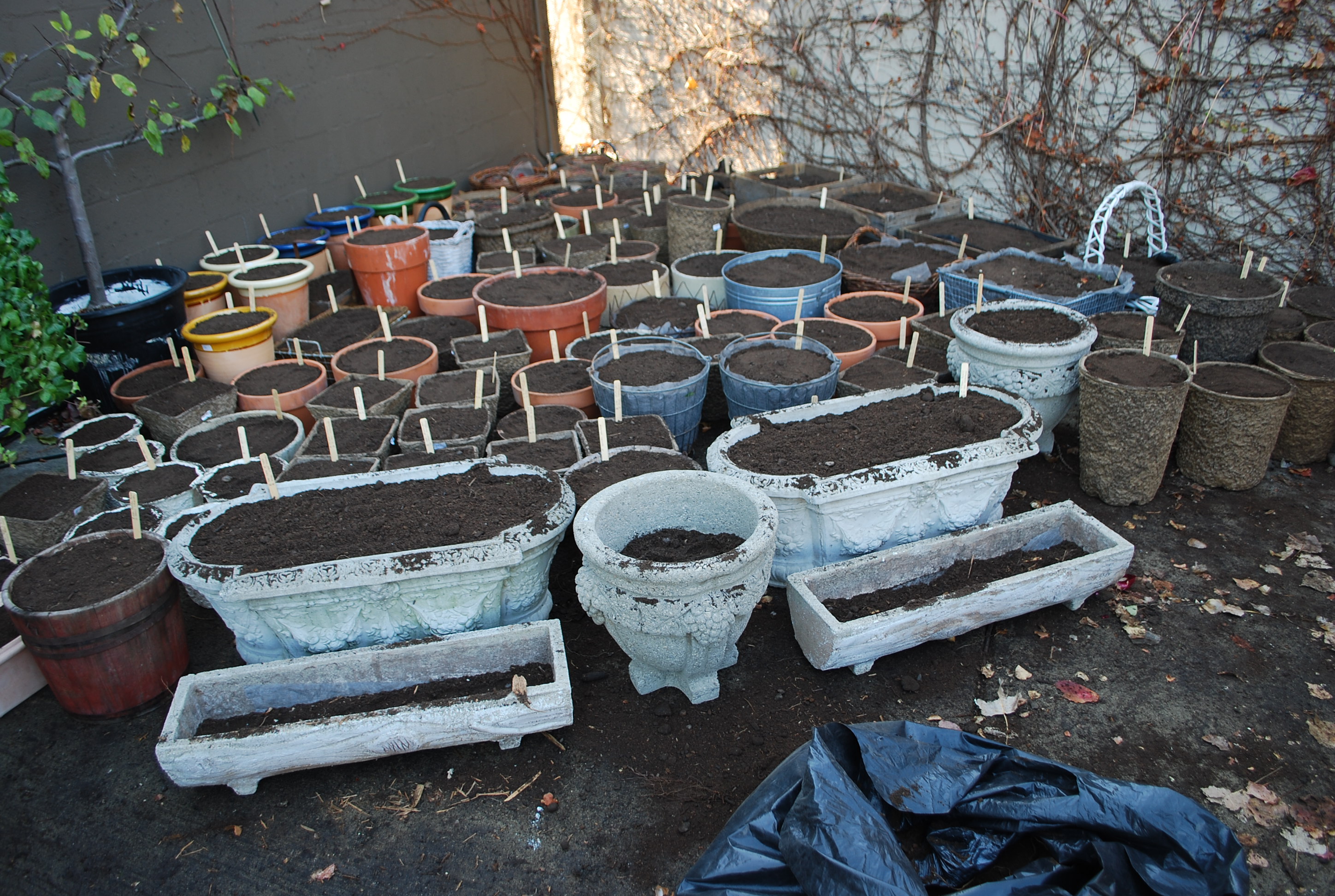
spring-flowering-bulbs-in-pots.jpgI plant a lot of bulbs in pots.  I find this easier than trying to imagine where my perennial garden might need tulips, or where I planted daffodils last year.  I do not force the bulbs I plant in containers.  I bury them under a huge pile of leaves, or store them in the garage, and bring them out early in March.  I want them to bloom at the same time that they are blooming in the garden.  Pots of spring flowering bulbs can be placed on a front porch, or by the back door, or dropped into a container.  I like that I can move them around.

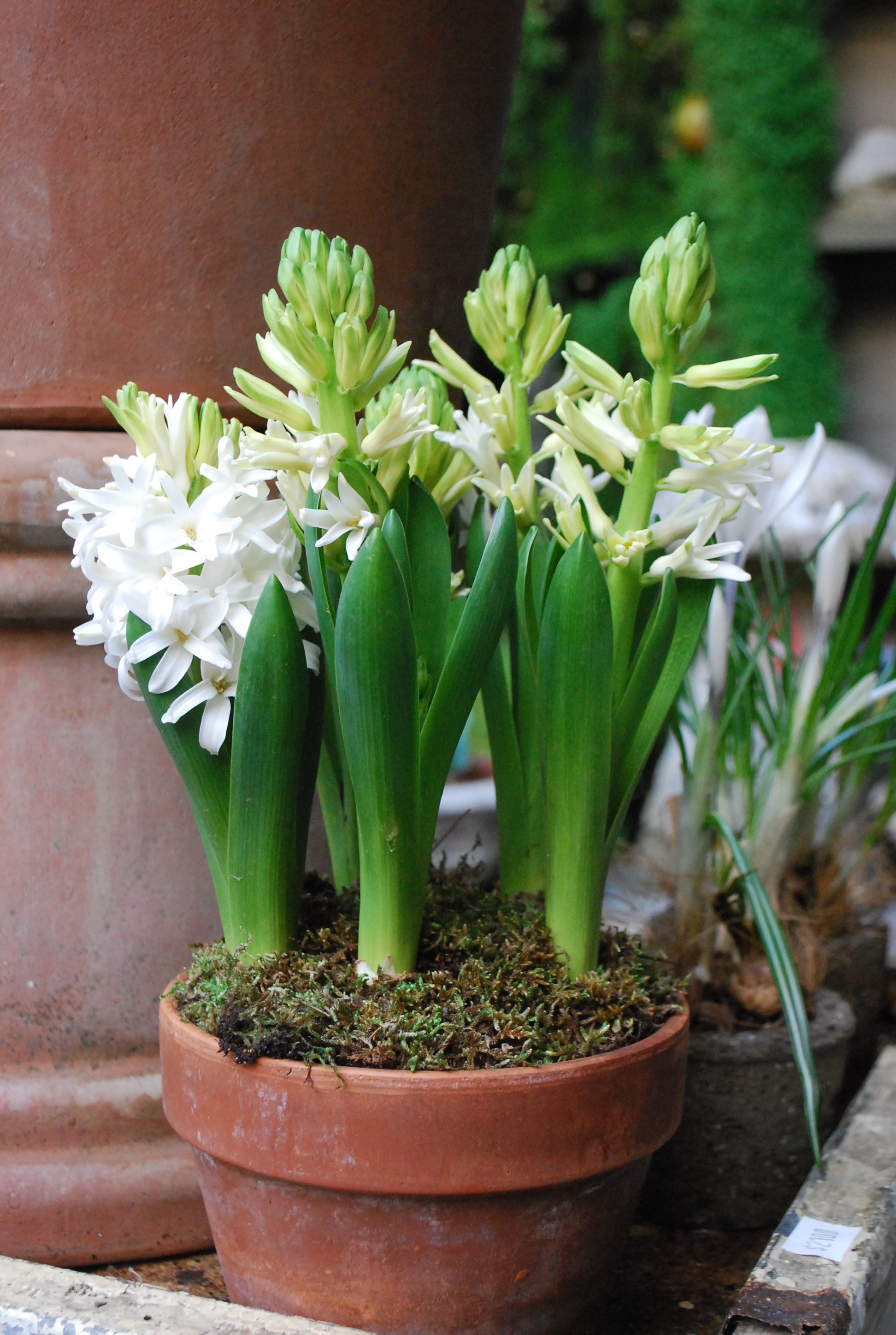
white-hyacinths.jpgThis may seem counter intuitive, but bulbs in pots will rot if they freeze solid through and through.  The temperature of the soil is always warmer than the air temperature-but bulbs in pots do not have the luxury of the protection of the ambient warmth of the ground.  There are certain places in our shop garage that are good for storing planted pots of bulbs.

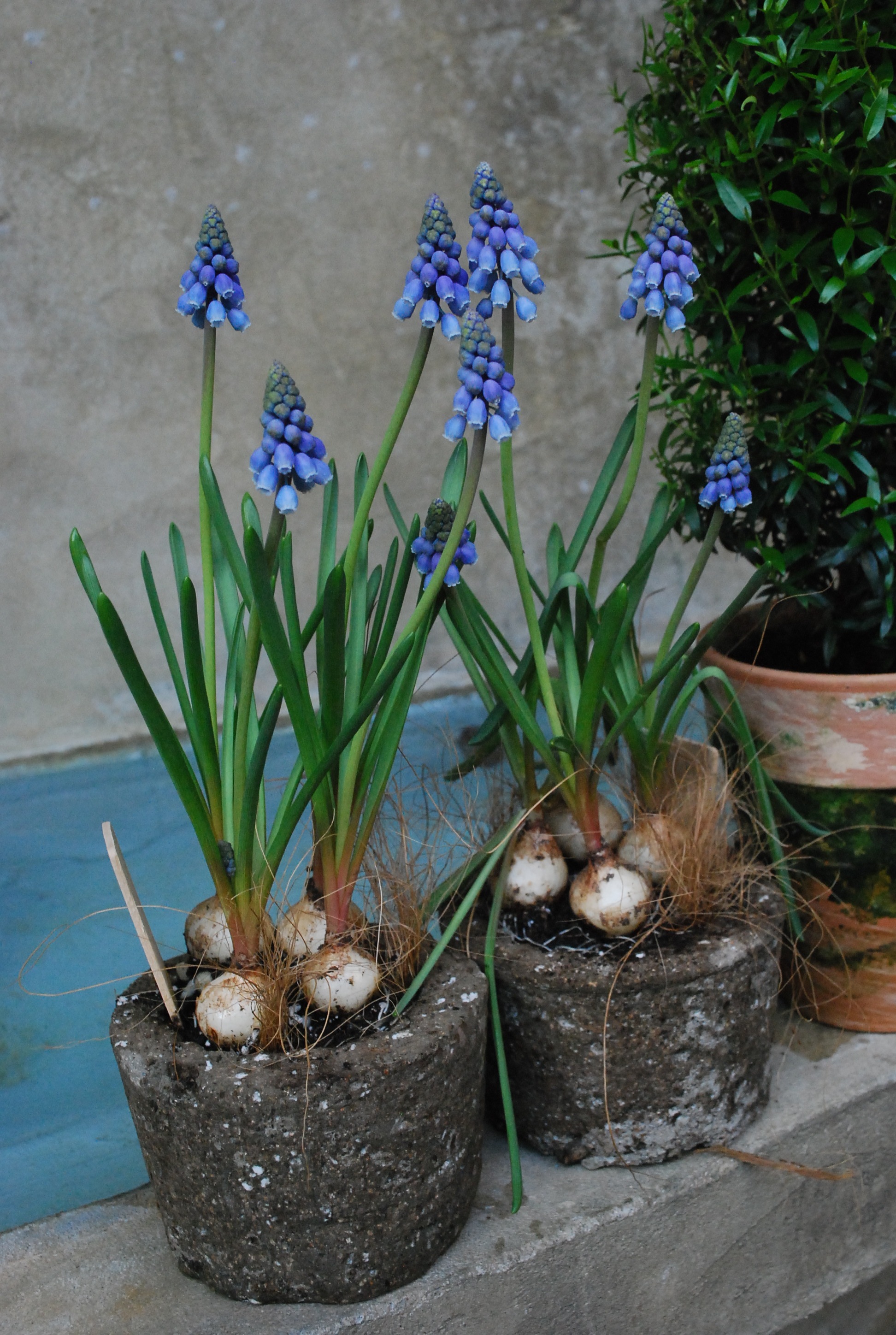
grape-hyacinths.jpgSpring flowering bulbs are programmed from the start to come up, throw leaves, and bloom.  Very little gets in the way of the way of that.  I have had good luck repotting spring bulbs already in bloom into different containers, providing I handle them carefully.  We did these grape hyacinths in little pots with the bulbs exposed for an event.

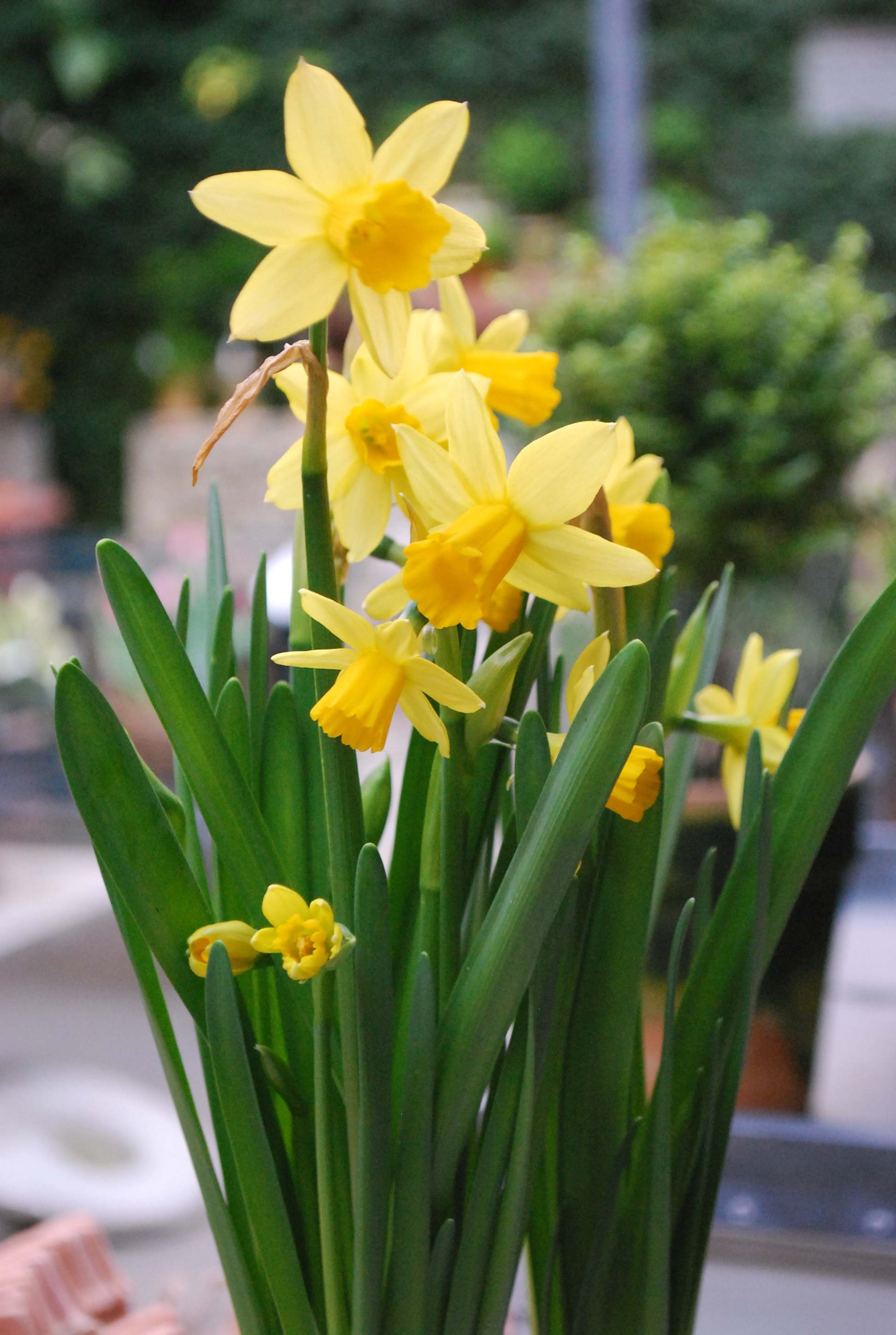
daffodils.jpgMiniature daffodils handle life in a pot a liottle better that the large flowered varieties.  If I do pot up big growing daffodils,  I keep the soil level well below the rim of the pot.  That rim helps to keep the flowers and leaves standing upright.  If I do bring potted flowering bulbs indoors, I try to find a relatively cool spot for them.  An ideal spring for bulbs in the ground depends on cool weather during the day, and chilly weather at night.  Once the weather gets warm, spring bulbs will fade.

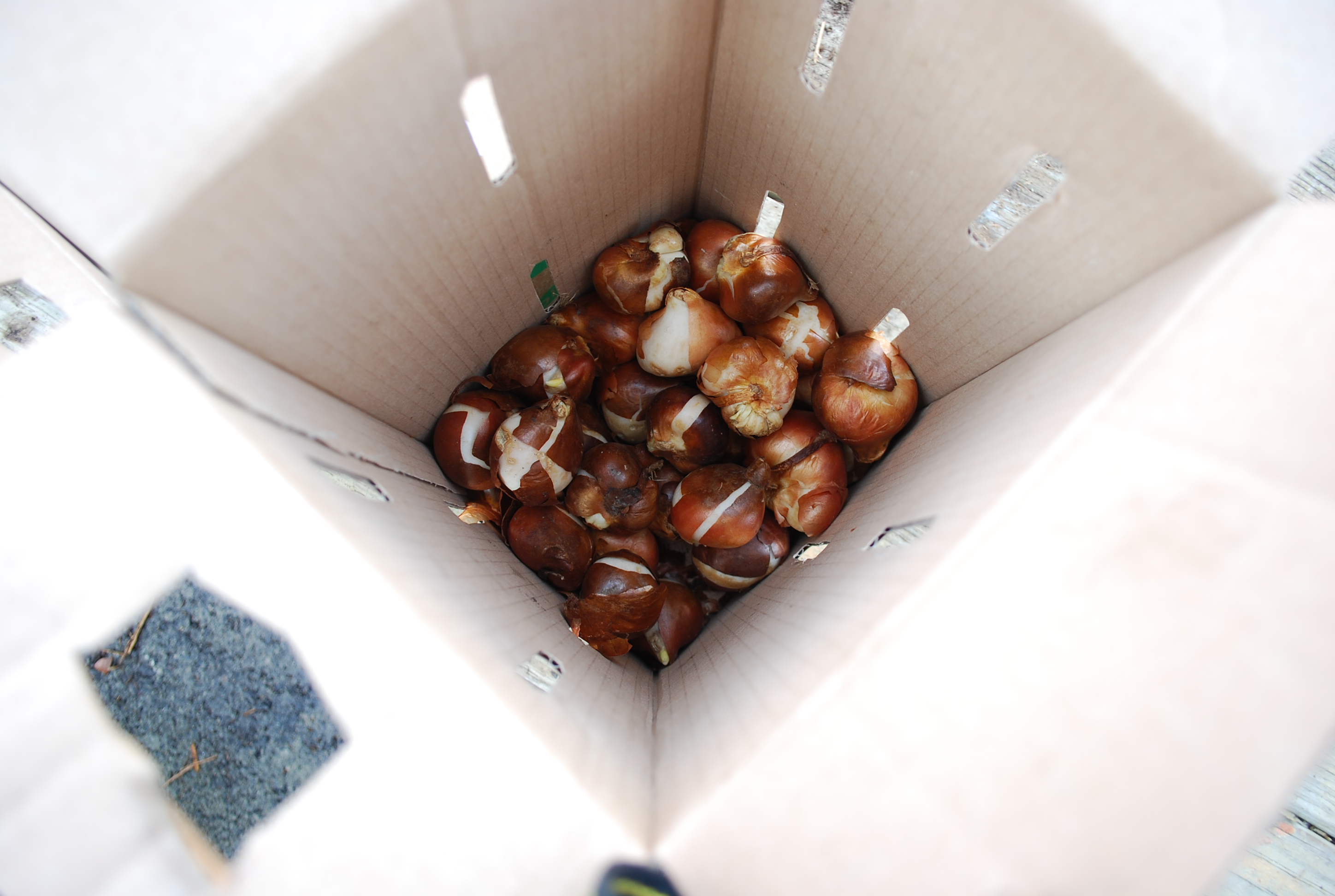
spring-flowering-bulbs.jpgThe bulbs it would take to make a handsome spring garden could fit in a modestly sized box. I would seize one of the few remaining warm afternoons we will have, in pursuit of a little spring color.

box-of-bulbs.jpgA little box of spring flowering bulbs makes a big statement about spring.

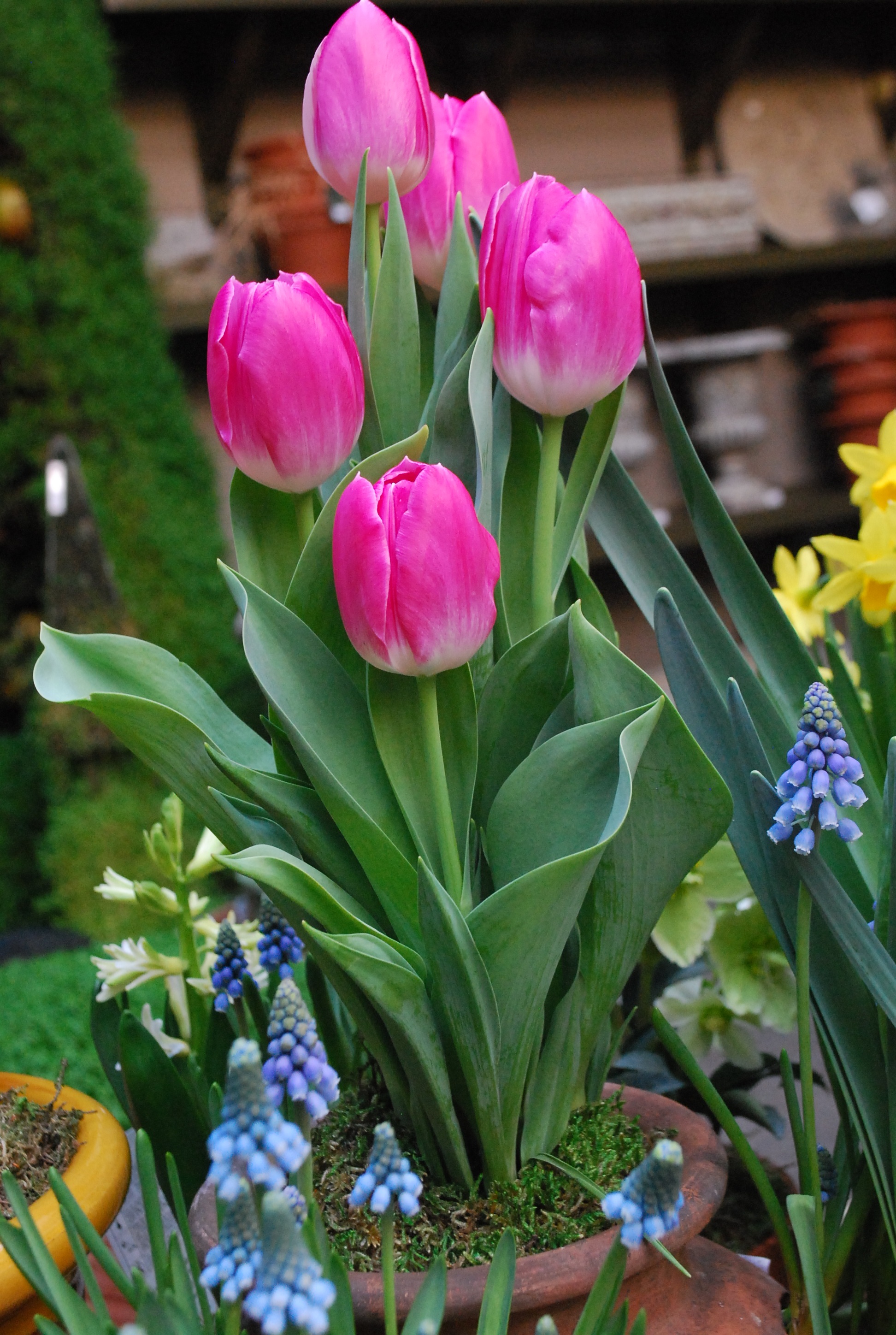
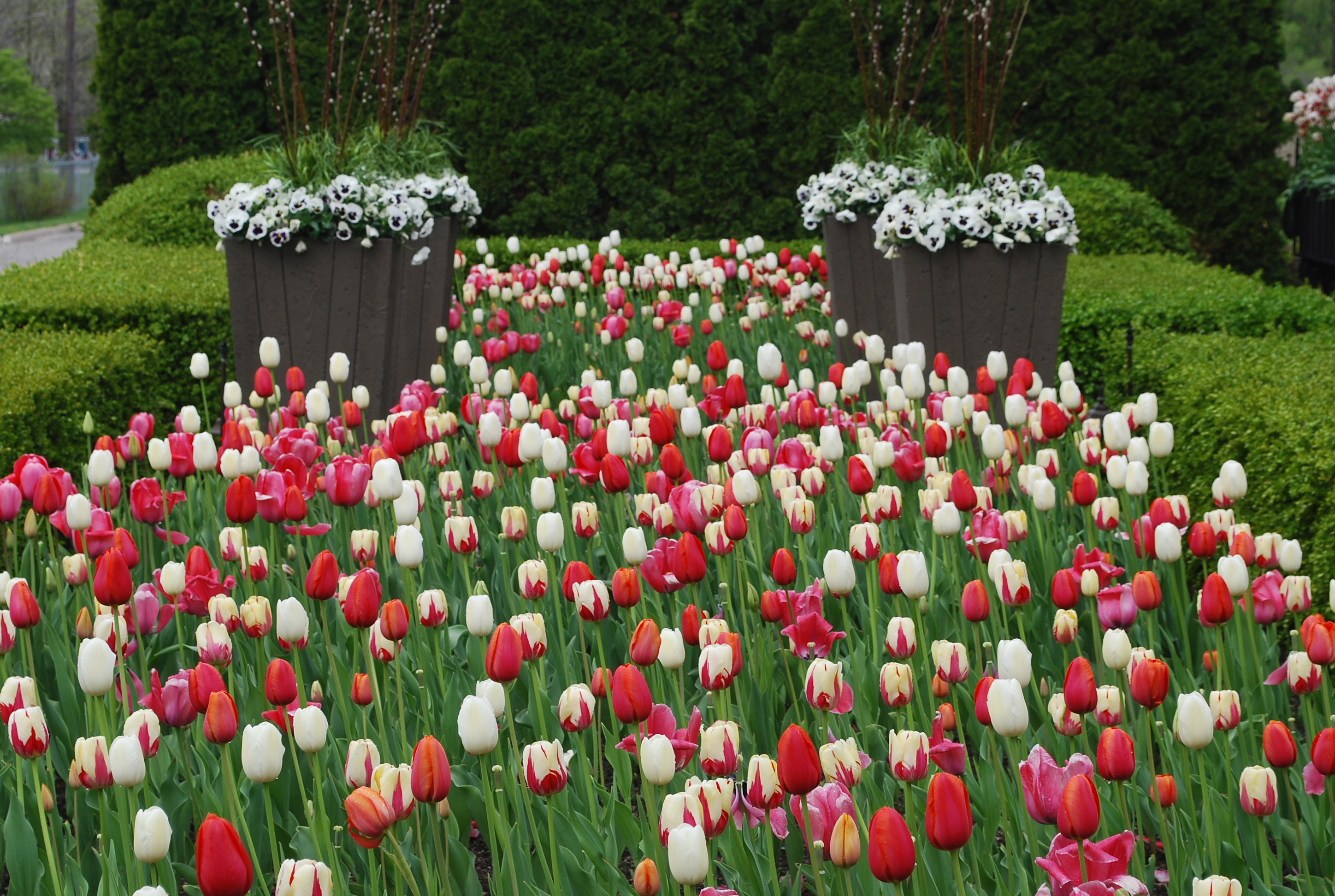
tulips-blooming.jpgtulips in the spring – indescribably delicious.