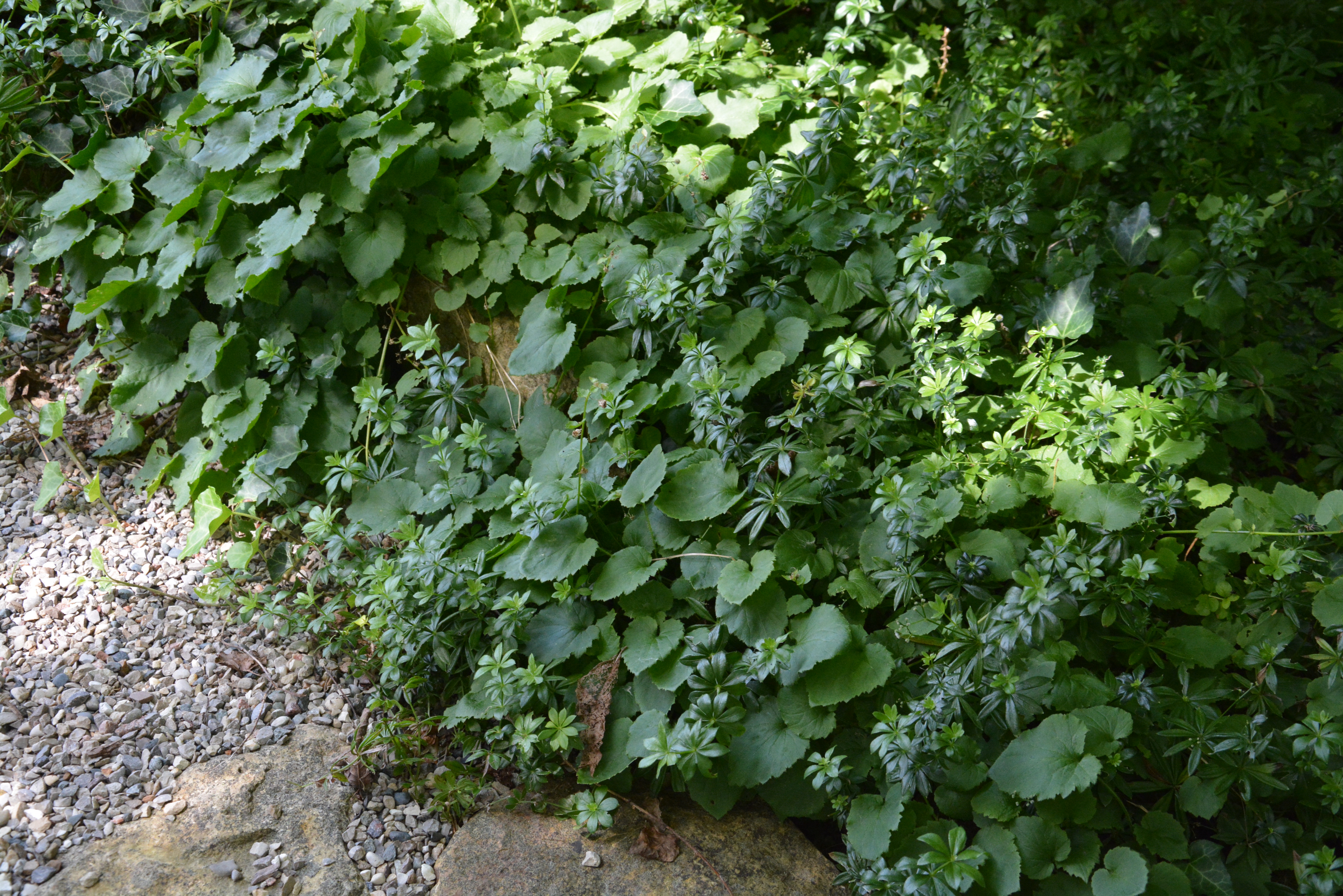
 Not every plant in the landscape is the star of the show. What constitutes the star of the show, and whether you need one in a landscape is a subject for another post, but suffice it to say that if a design is deliberately composed around a center of interest, or constellation of interests, that focal point organizes the visual experience. Every visual element has a different visual weight. The sum of all of the visual weights is zero – zero at the bone. What do I mean by this? That incredible feeling that accompanies the experience of anything landscape that is breathtakingly beautiful. I am sure every gardener understands that moment. That most important landscape element, whether it be a beautiful beech, or a gorgeous arbor, or a pool, asks for a supporting cast. That cast may involve a whole host of shrubs or perennials of more modest demeanor than the diva plant. Or a series of plants that willingly covers the ground in proximity to that focal point. Little plants can do big work. Bare soil is an invitation for weeds and permits water to evaporate too quickly. Bark mulch is useful for slowing the evaporation of soil moisture, but it is not a ground cover. Some ground cover plants, with very little intervention on the part of a gardener, enable a good green show to go on. Ground cover? Ground cover is the green equivalent of a green skin, or the green equivalent of a considerable or deliberately designed mass. What does it take for you to notice a plant that is covering the ground? Lots of them. Truth be told, any plant, or combination of plants, could be a ground cover. If you think ground cover only applies to pachysandra, vinca, baltic ivy, and low growing junipers, there is a whole world of ground cover plants, and ground cover combinations that could energize, and de-mulchify your garden. What are the options? I cannot take any credit for this mix of campanula porscharskyana and sweet woodruff in my yard. I planted both in proximity to each other. Nature did the rest. How this group of plants cover the ground is a partially shady area is beautiful.
 Sweet woodruff is a determined grower. 4 years go I tried to dig it out of my hellebore beds. So much work to no end. It took four years, but every bit of it is back. Sweet woodruff is small and hard working. How did it jump my gravel path? How did that sweet woodruff get established in the ivy? I have no answers. It is a good idea to make some moves, and then let nature respond to your ideas. I am in favor of a ground cover that is a mix of plants. Interested in a vigorous mixer? Creeping jenny, either the lime or the all green version, will cozy up to anything it is planted with.
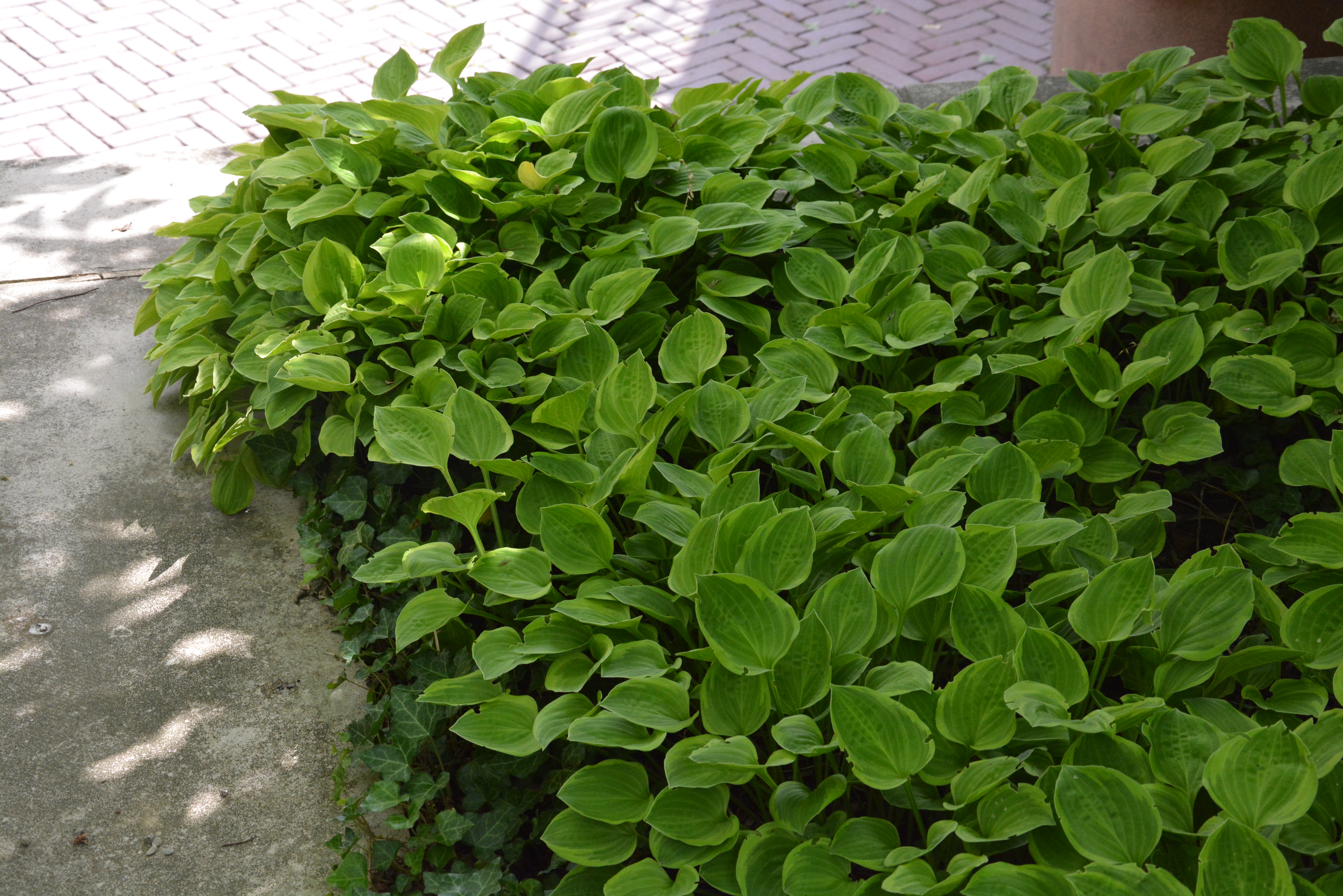 The hosta Gold Drop is an old cultivar, but it covers the ground as if it were a teenager. What would I mix this hosta with? It is already mixed with baltic ivy. Were I to try to introduce another plant, I would go for something taller. As in variegated Solomon’s seal, or in lighter shade, kalimeris “Blue Star”.
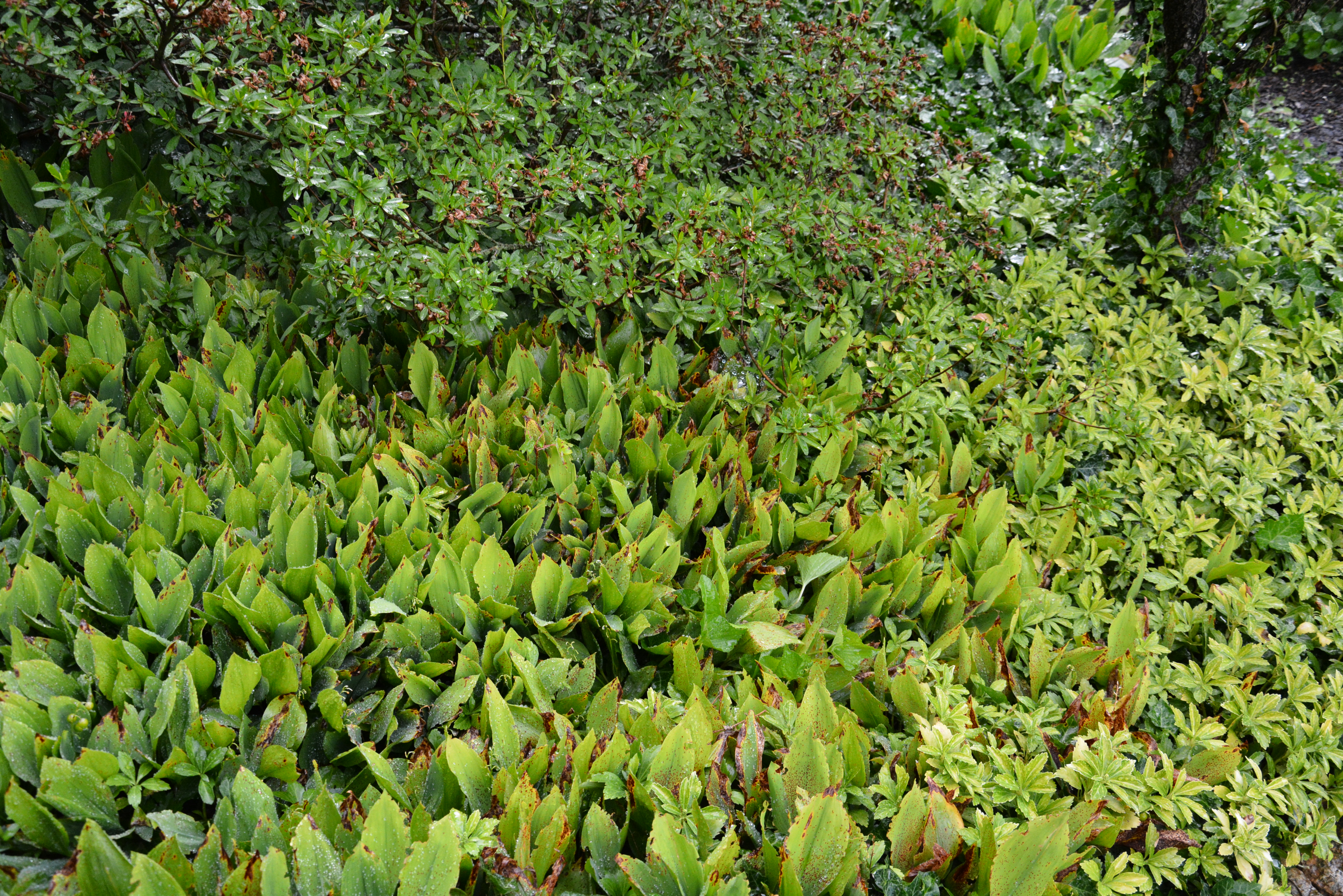 Lily of the Valley is a ground cover that spreads all over the place. The beautifully scented flowers in the spring are delightful. They need a careful placing. Not too much sun. A liberal dusting of shade. Lacking a perfect setting, this groundcover will tolerate both deep shade and a fair amount of sun. A ground cover that is this easy to place and grow is a plus. Easy to place and vigorously growing might mean invasive. Planting invasive plants in certain areas in a landscape might be a good idea. Think that through. Some years, the leaves of Lily of the Valley are singed with fungus. It is not perfect, but that is no reason not to consider it.
 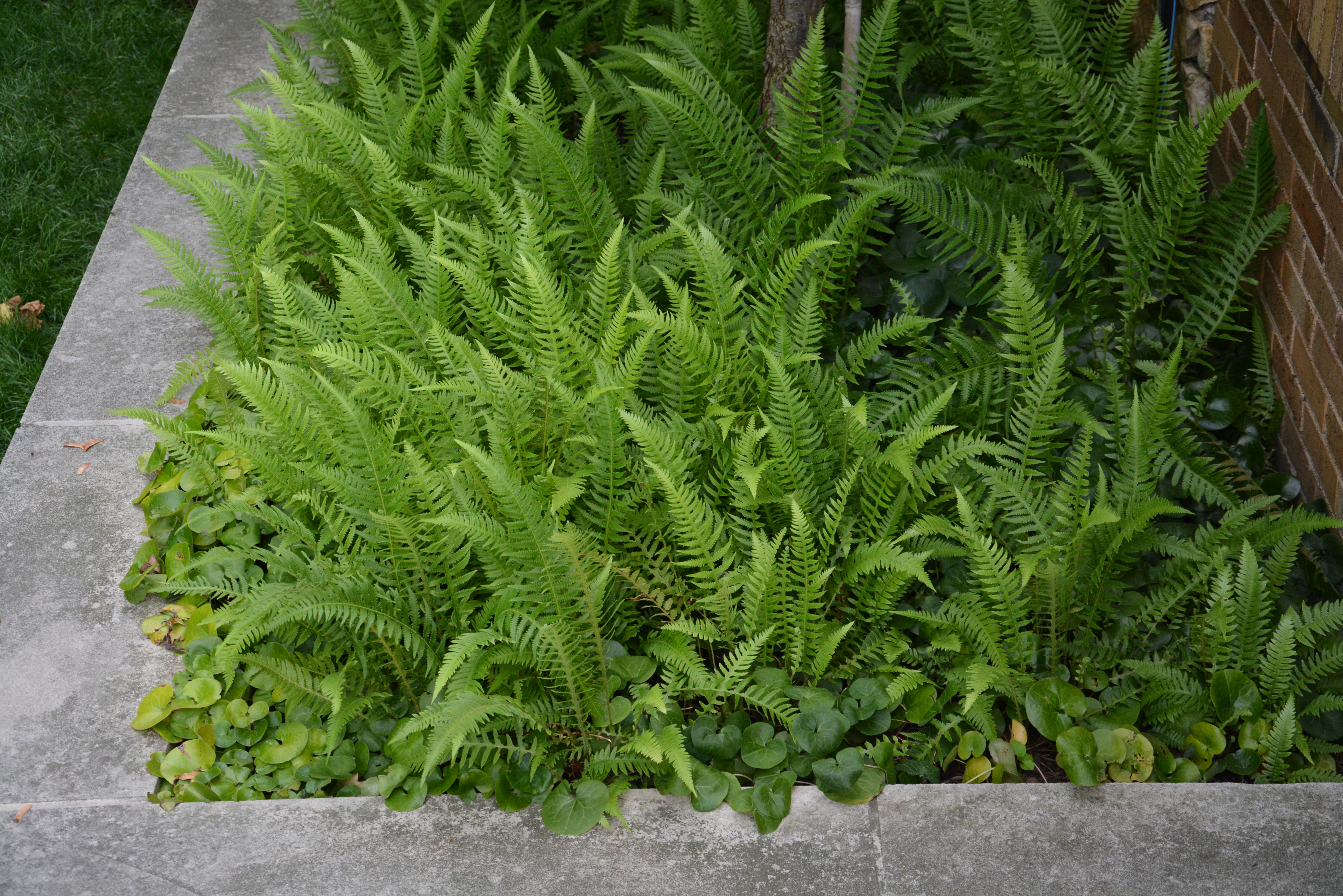 I do like my Japanese beech ferns. They spread more readily with some sun, but they tolerate deep shade. It is a ground cover with more height than the usual ground cover plants. I did mix them with European ginger.
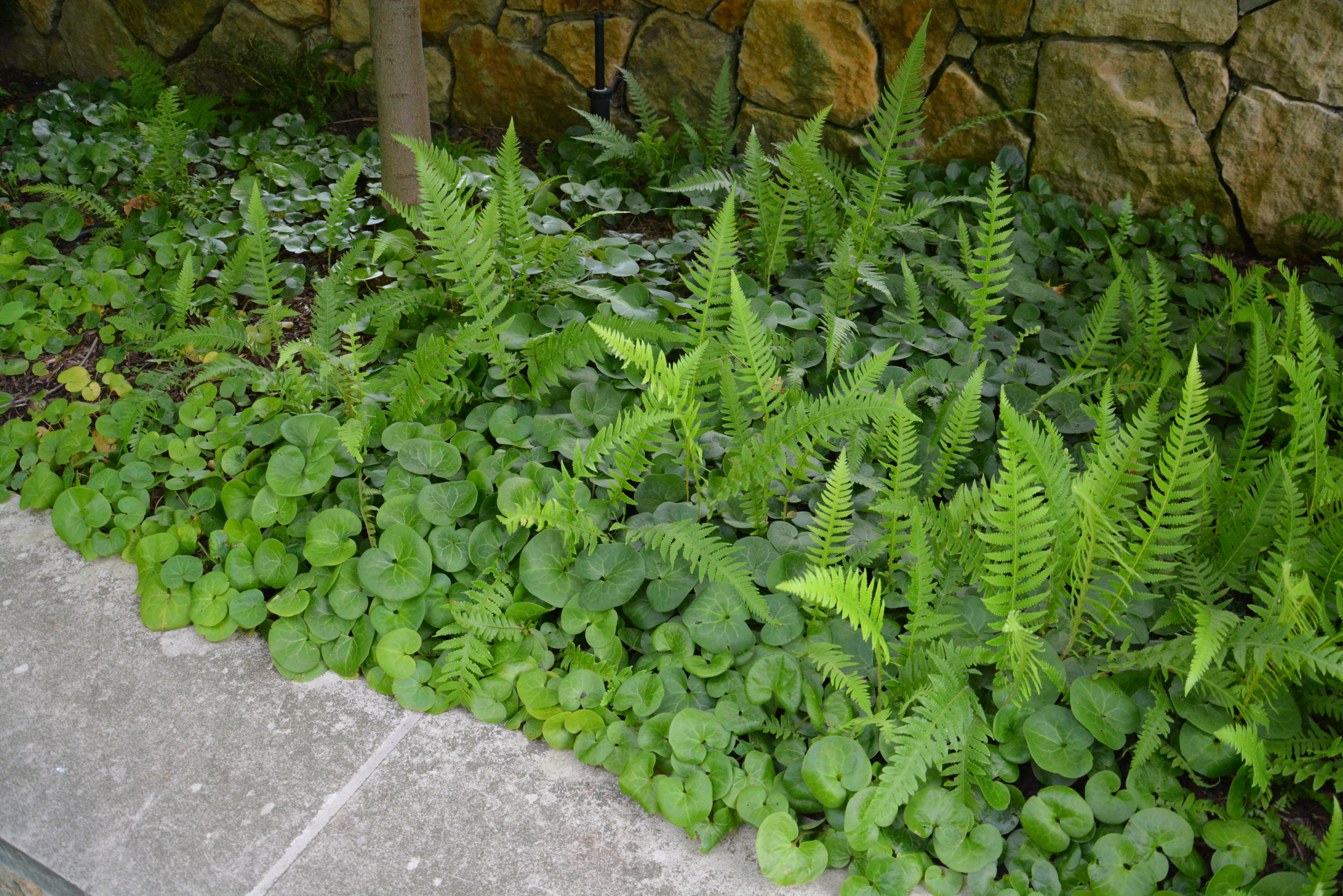 European ginger is a ground cover any gardener could love. The round to heart shaped leaves are glossy gorgeous. They can prosper in a wide range of conditions. When it is happy, it will seed vigorously.
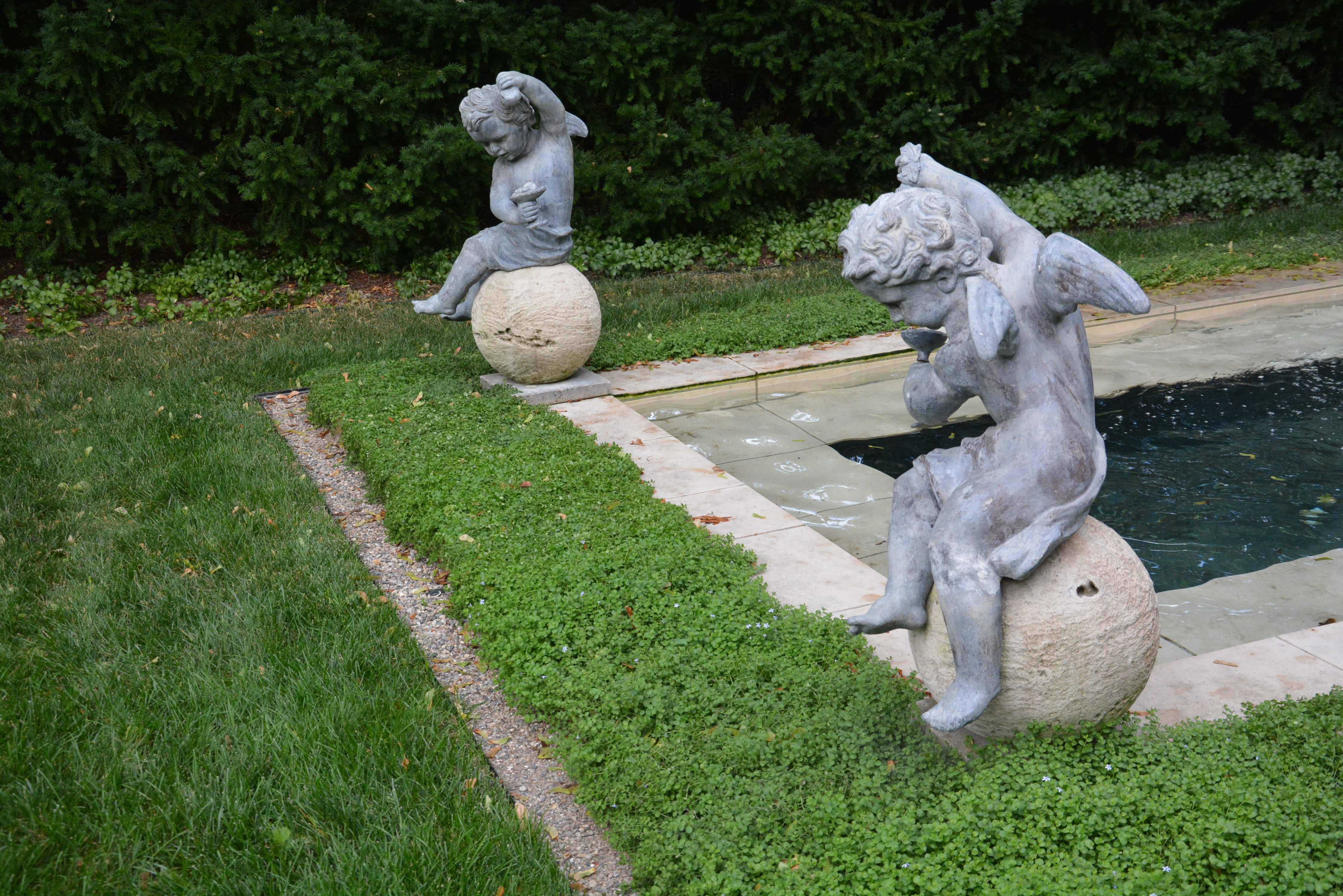 The conditions around my fountain range from full sun to considerable shade. The isotoma I planted here is happy as it can be – from the shade to the sun. It is a supporting cast to my lead cherubs sitting on limestone spheres, and my fountain. Isotoma Fluviatilis is a willing ground cover in full sun to part shade. It likes plenty of water, even going into the winter. When it is happy, it readily creeps in every direction. I like that it stops short of covering the feet of these lead sculptures. This groundcover bed is only 18 inches wide. This would not be a spot for baltic ivy, vinca, or pachysandra, or any other large growing plant.
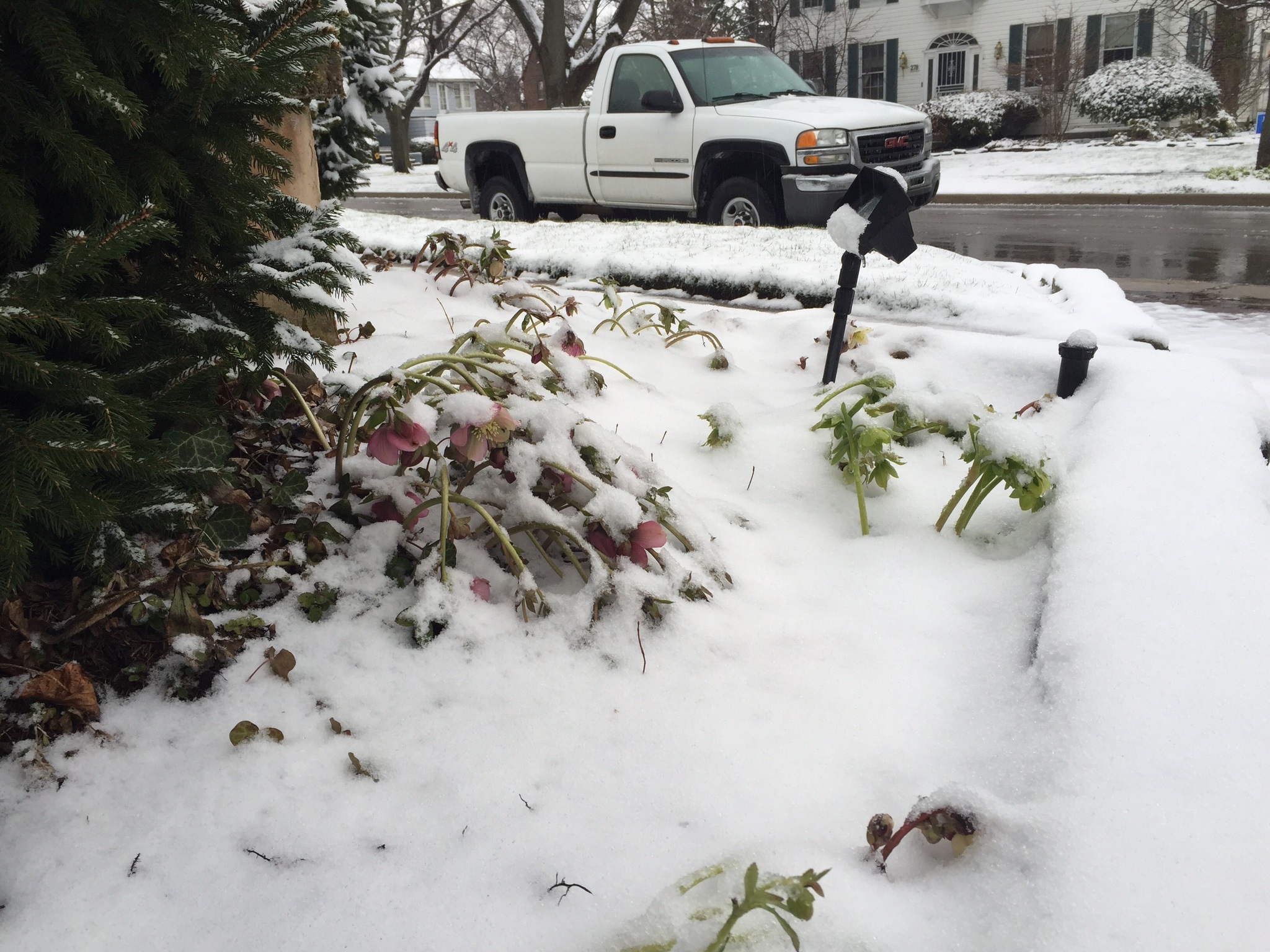
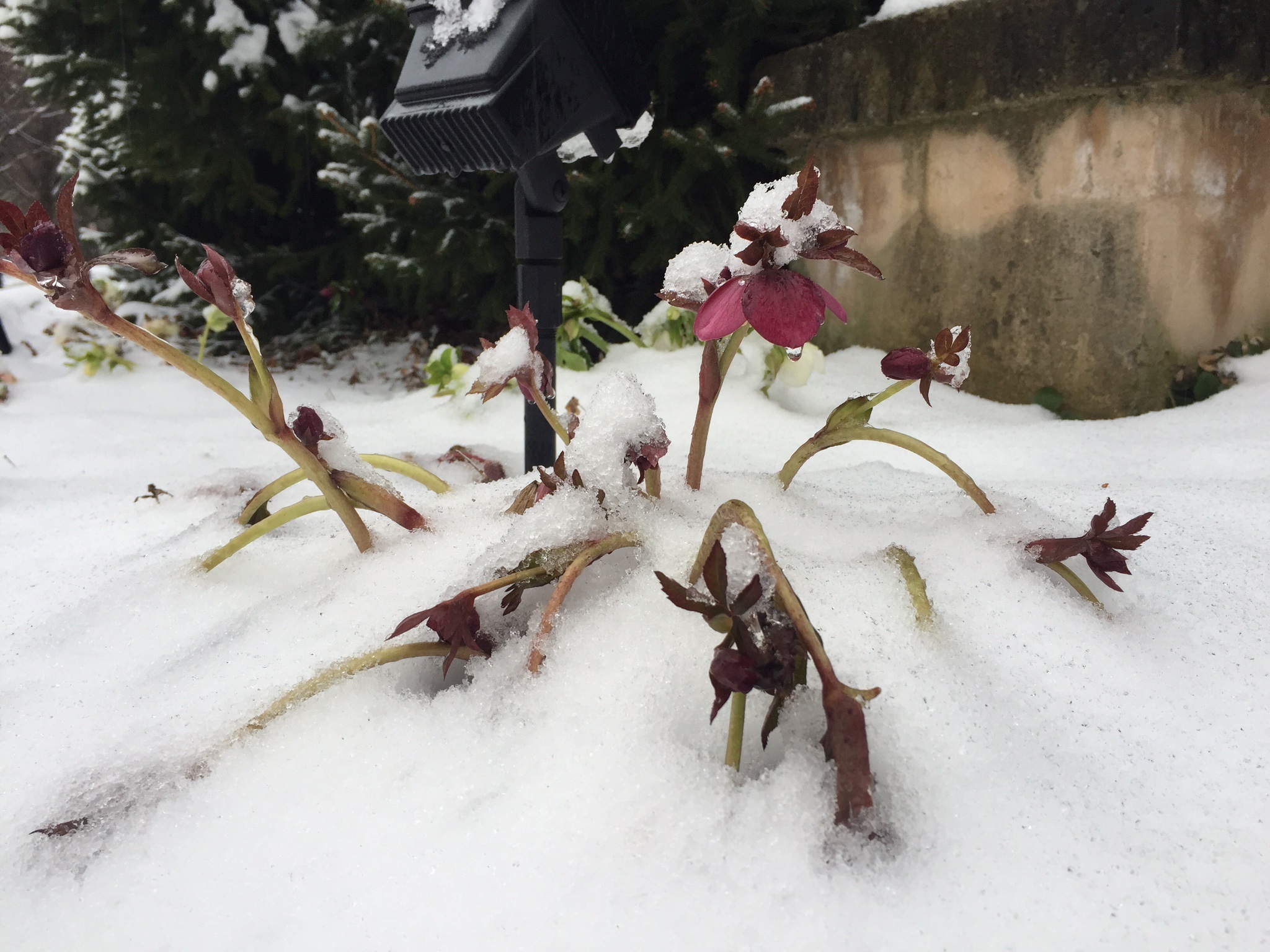
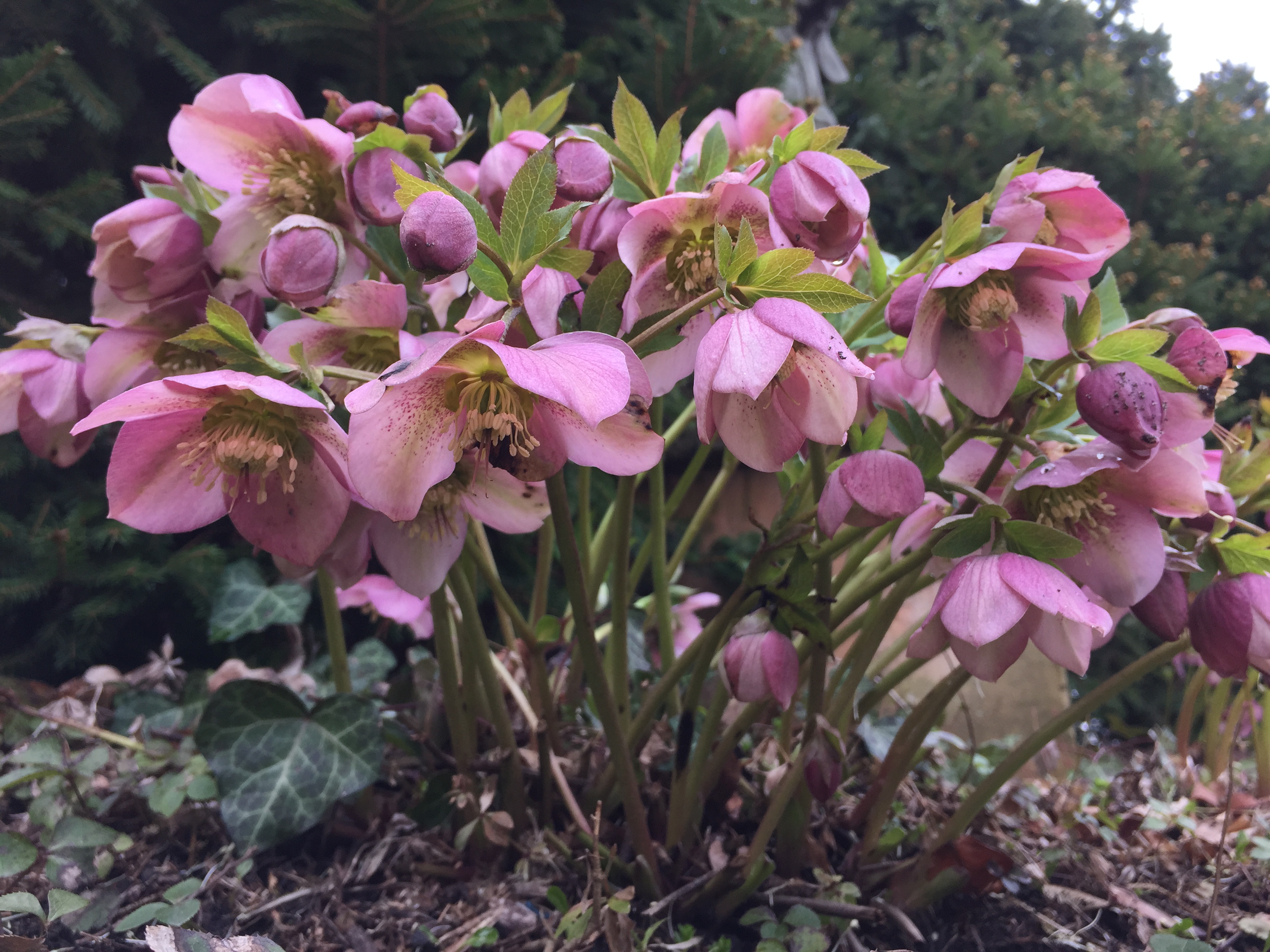
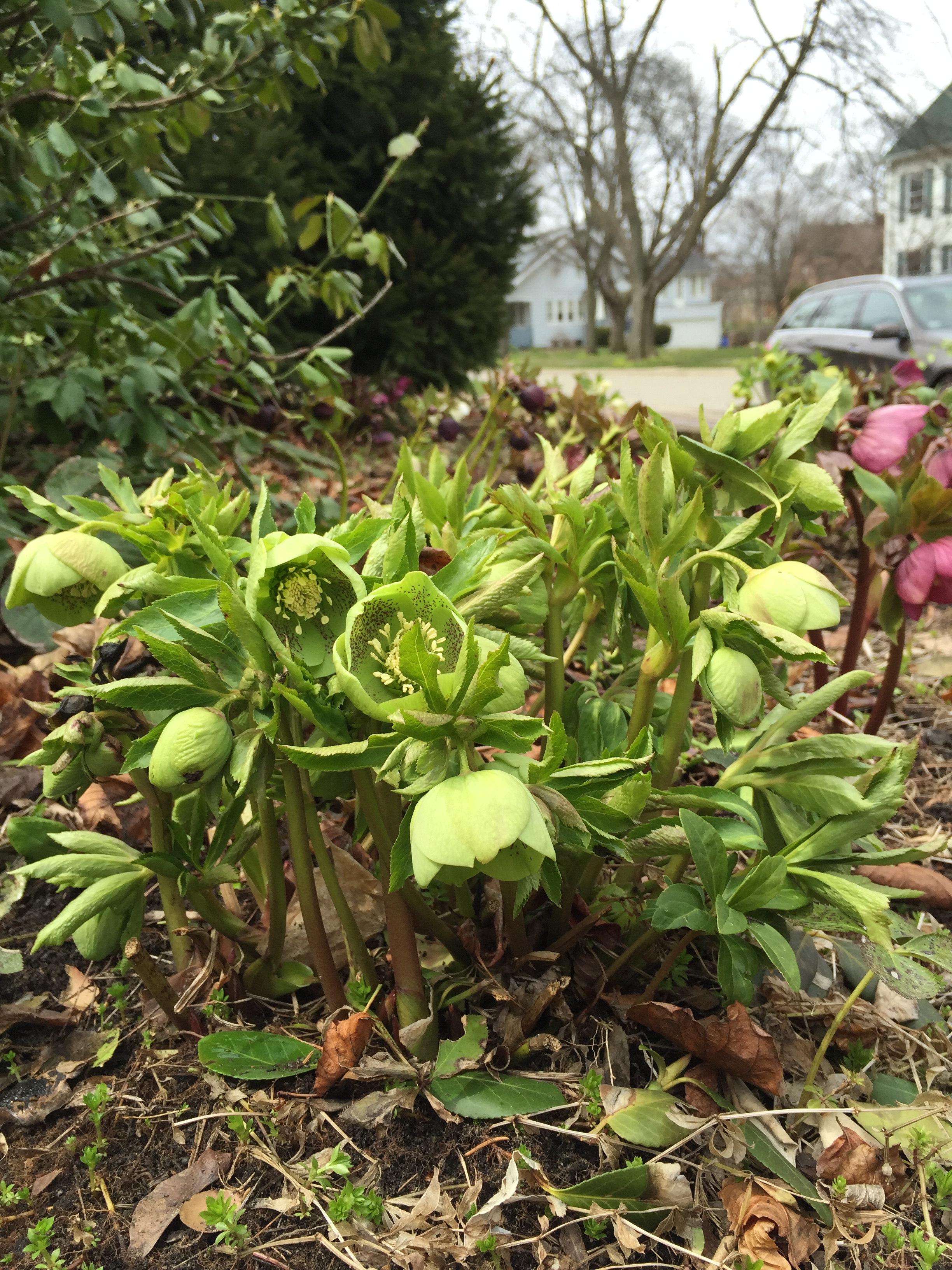
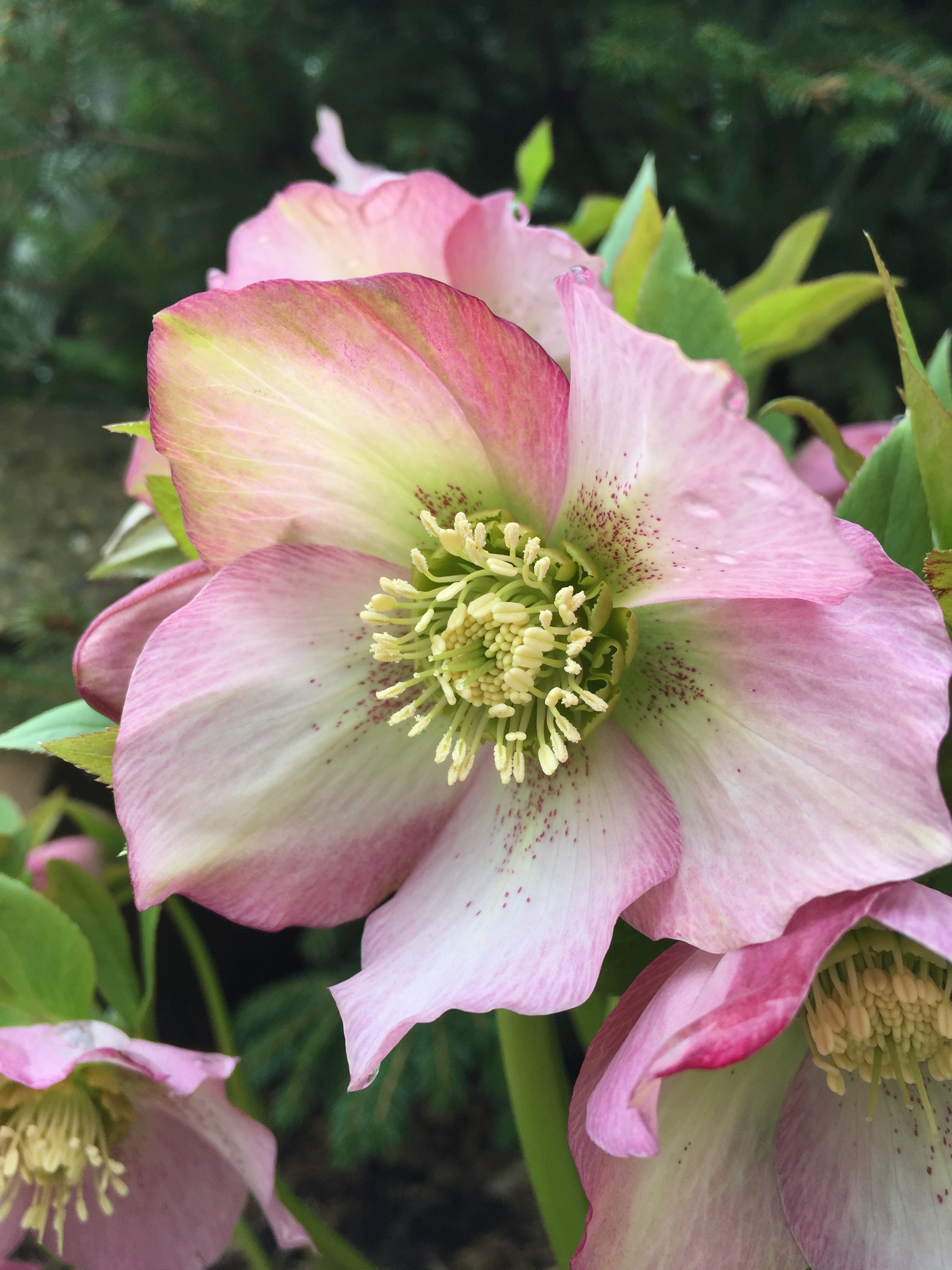
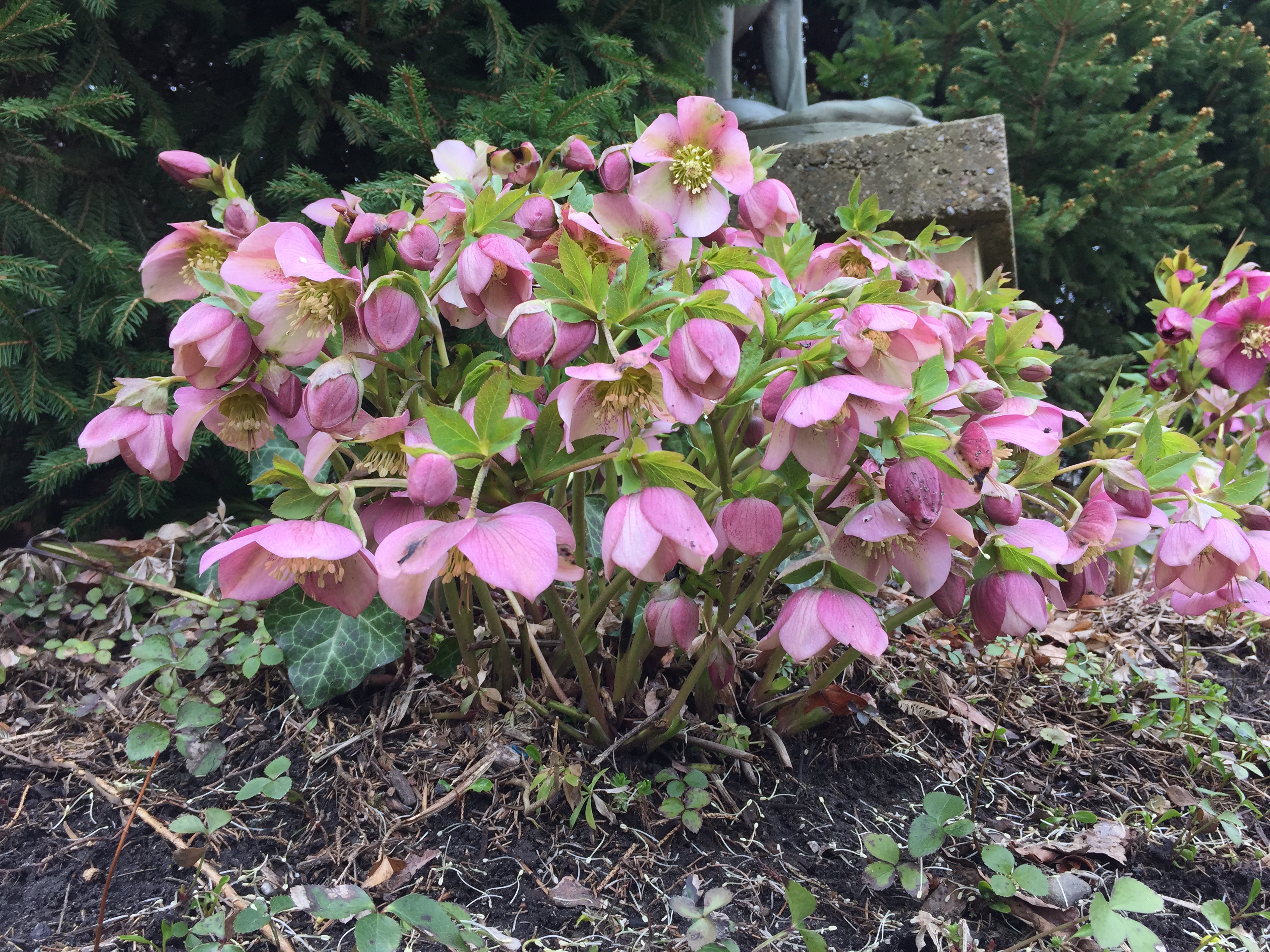
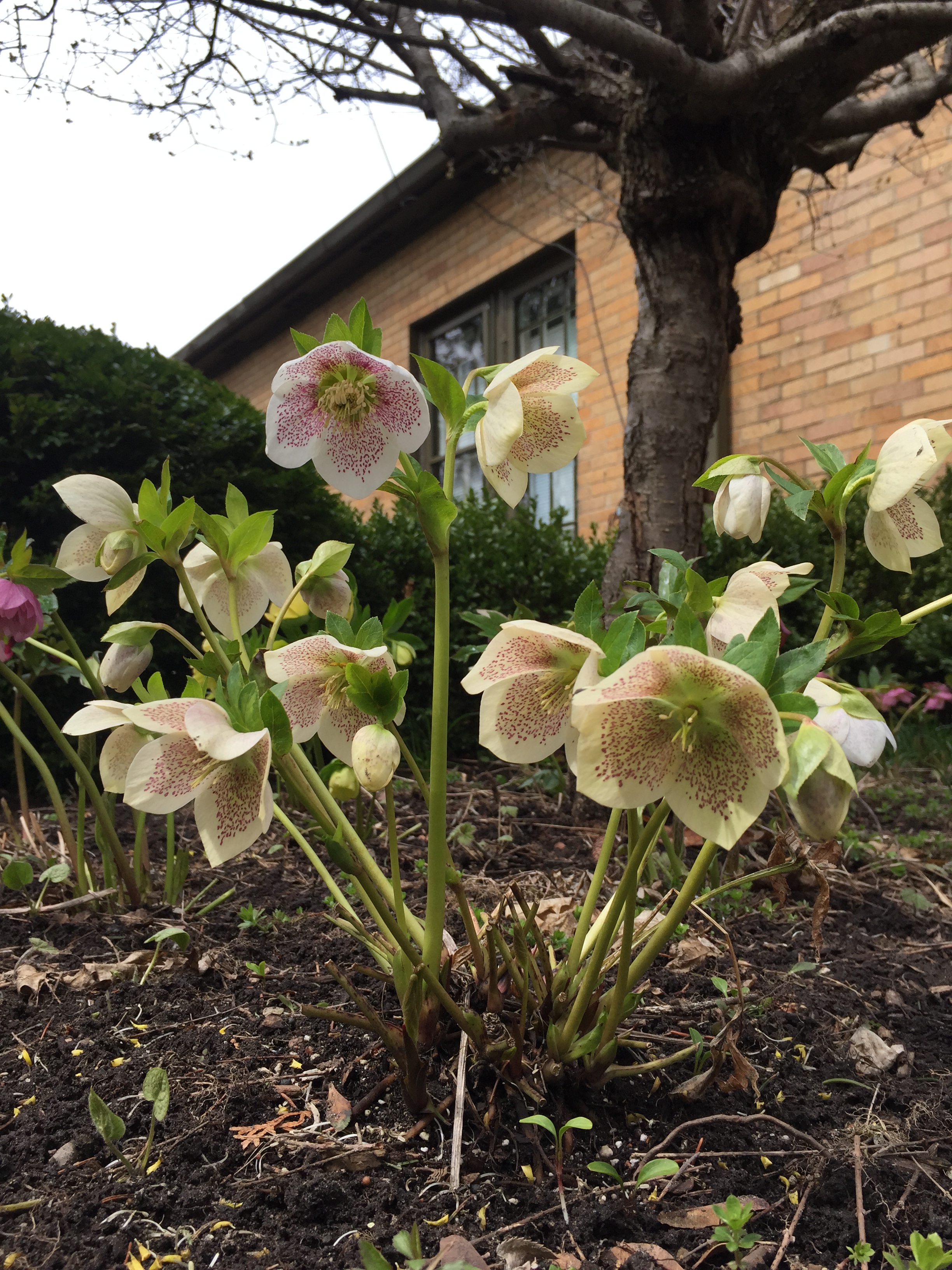
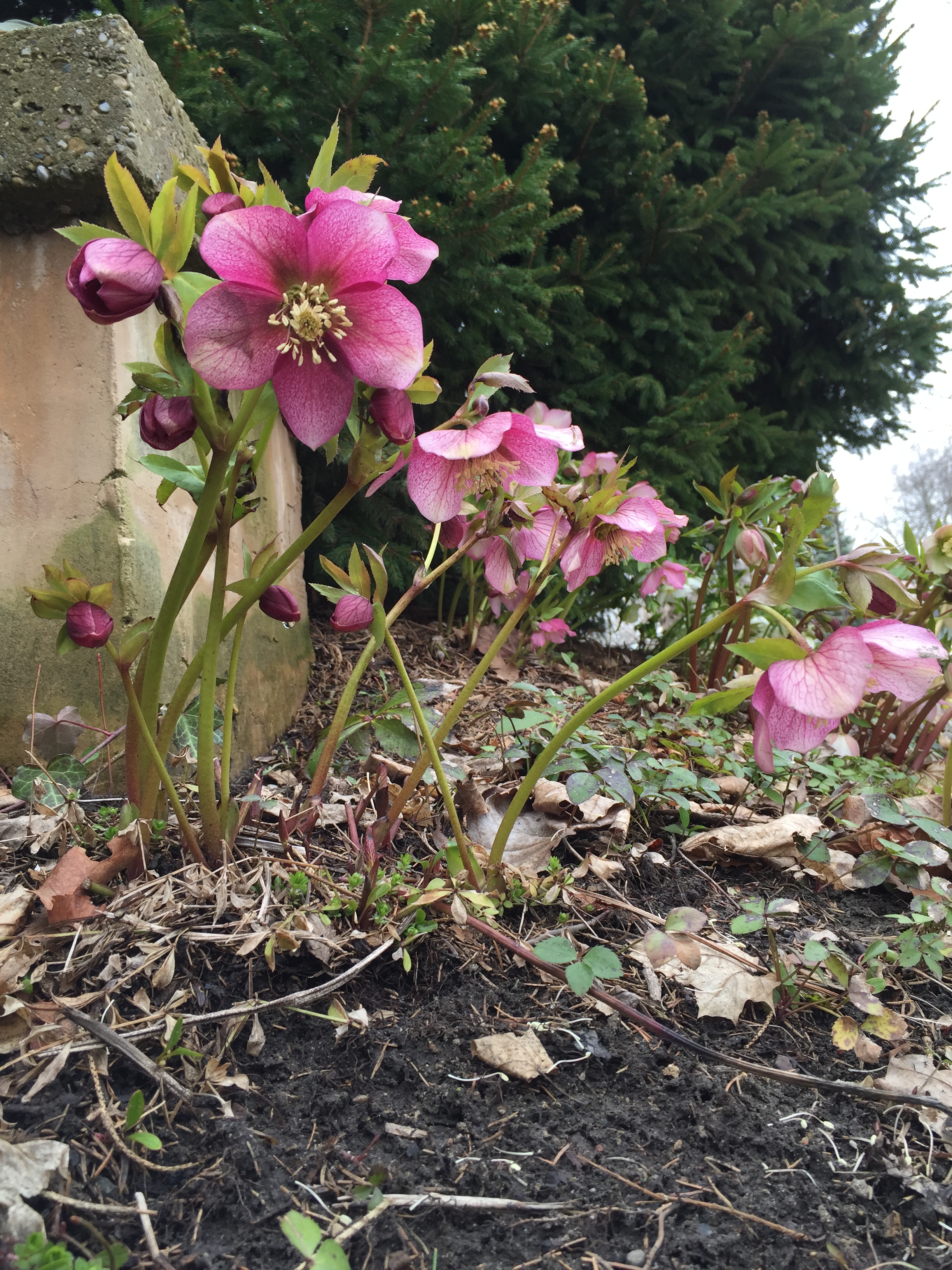
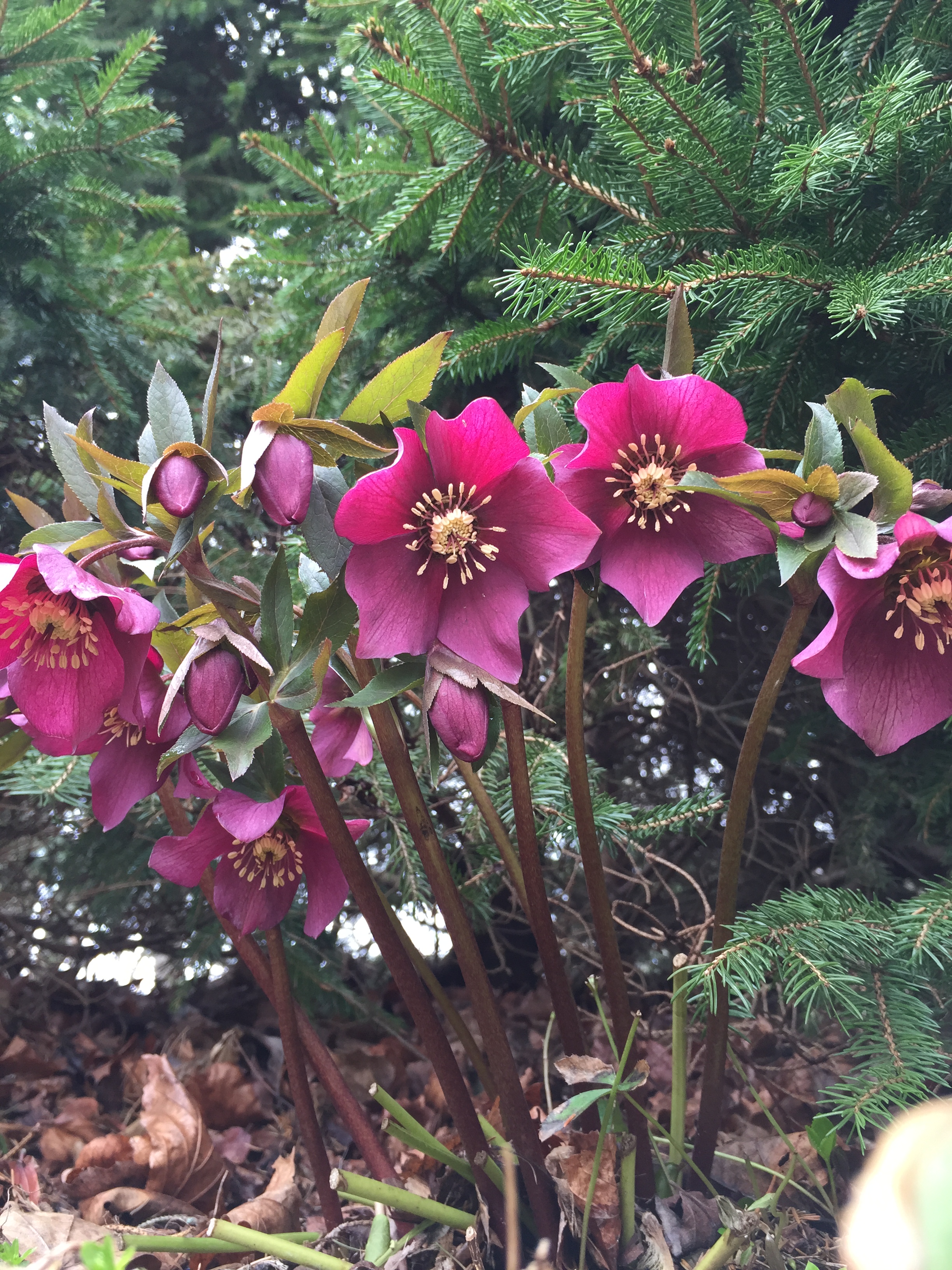
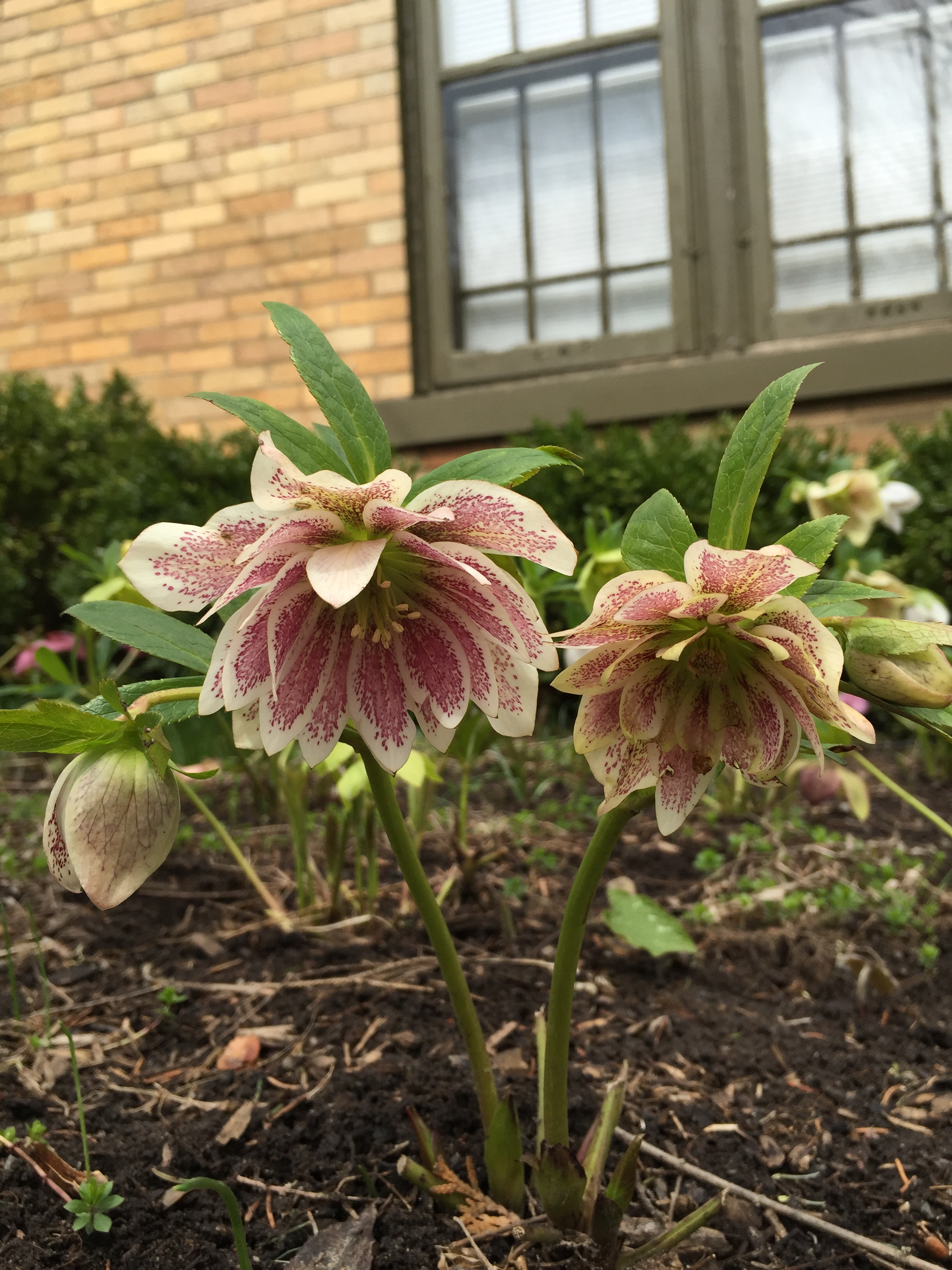
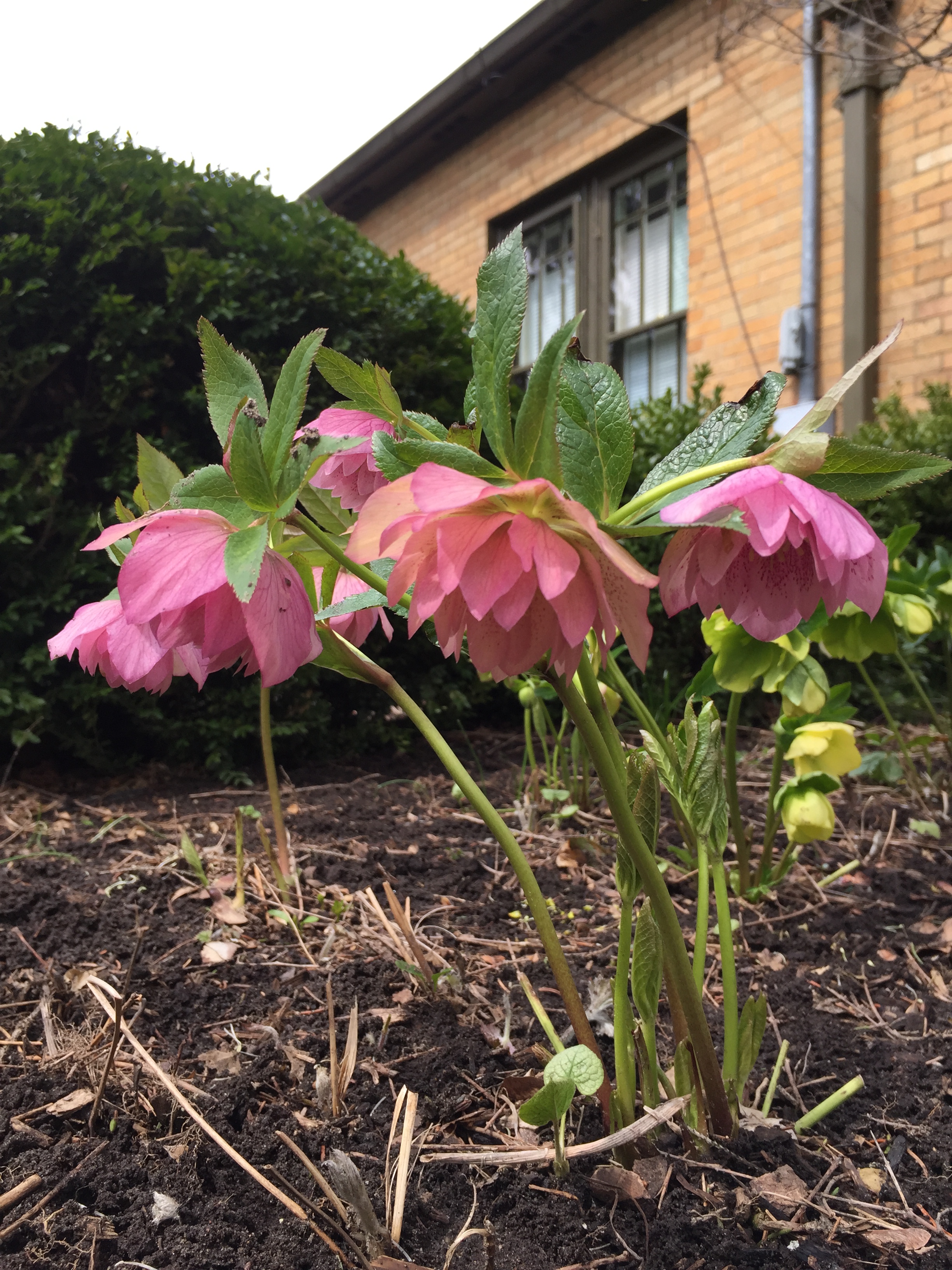
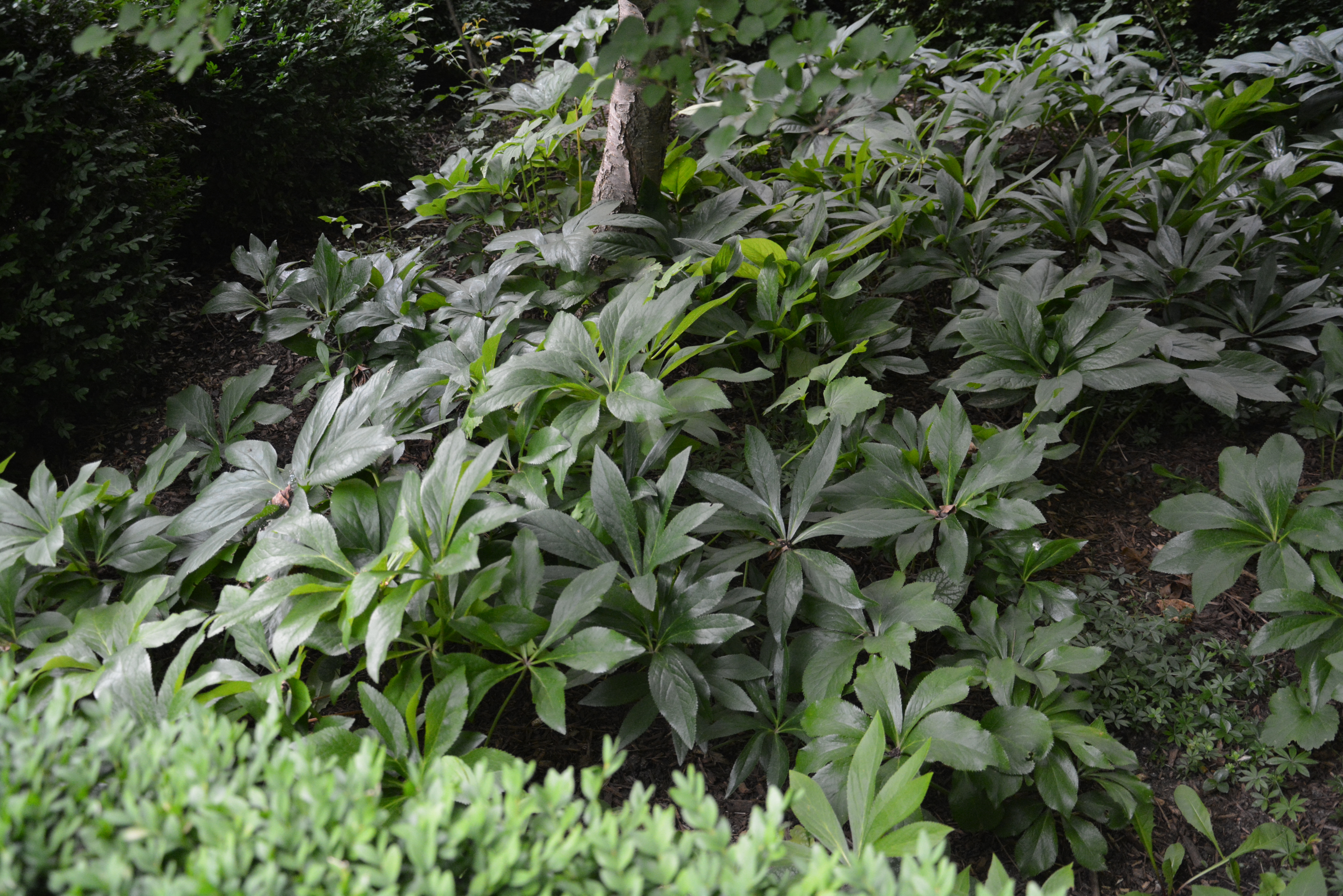 Hellebores make a beautiful ground cover. They are crown growing, which means you have to plant them fairly close together. Given a few years, they will cover lots of ground with gorgeous glossy leaves that persist well in to winter, and early spring flowers.
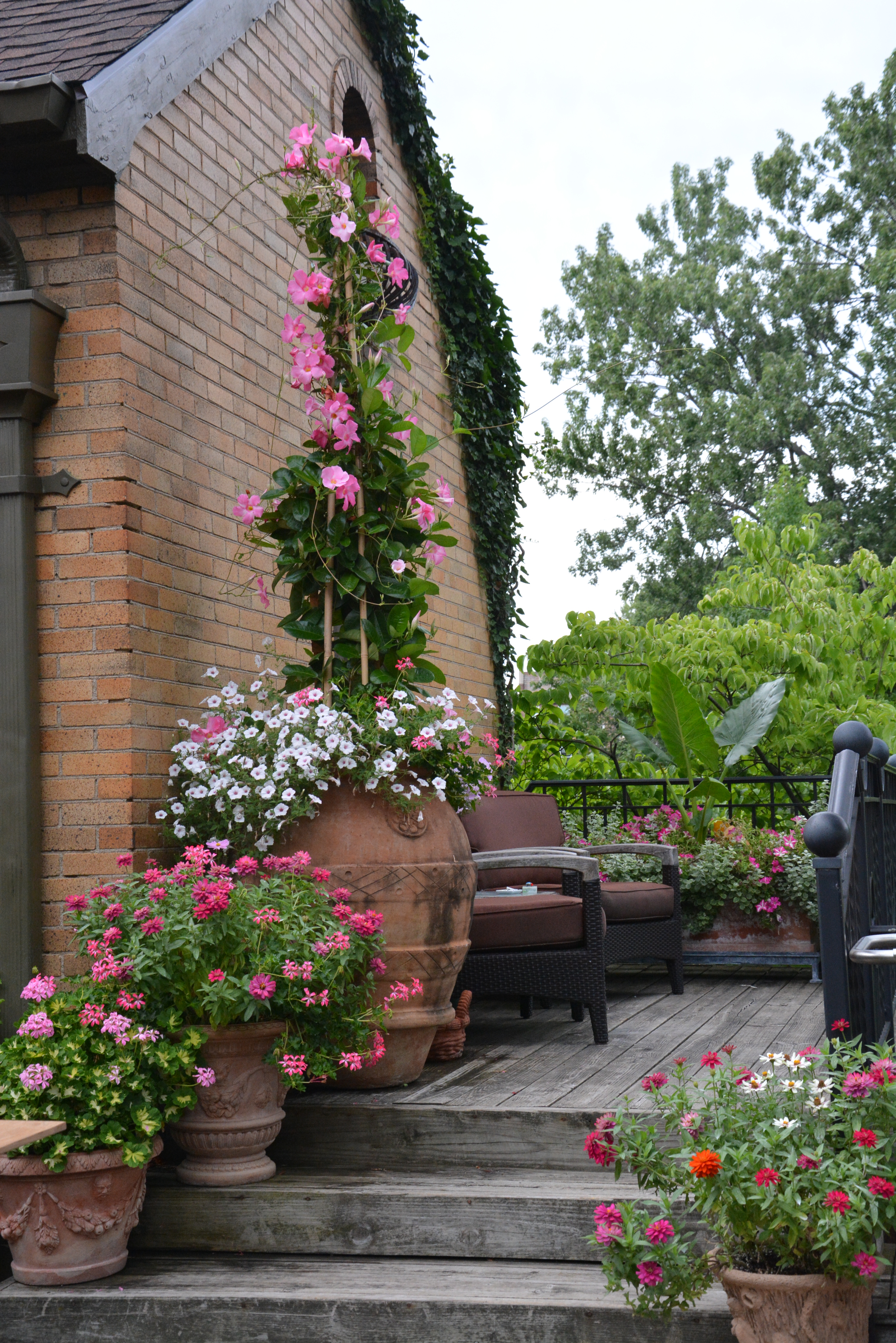 I have ground cover of a different sort on my deck. My wood deck would be a bleak affair, but for all of the pots I have planted there. All of my planted pots are a ground cover for the focal point. This deck is a place for Buck and I to meet at the end of the day, and a place for our friends to come for dinner. All of these deck covers make having dinner outdoors a pleasure.
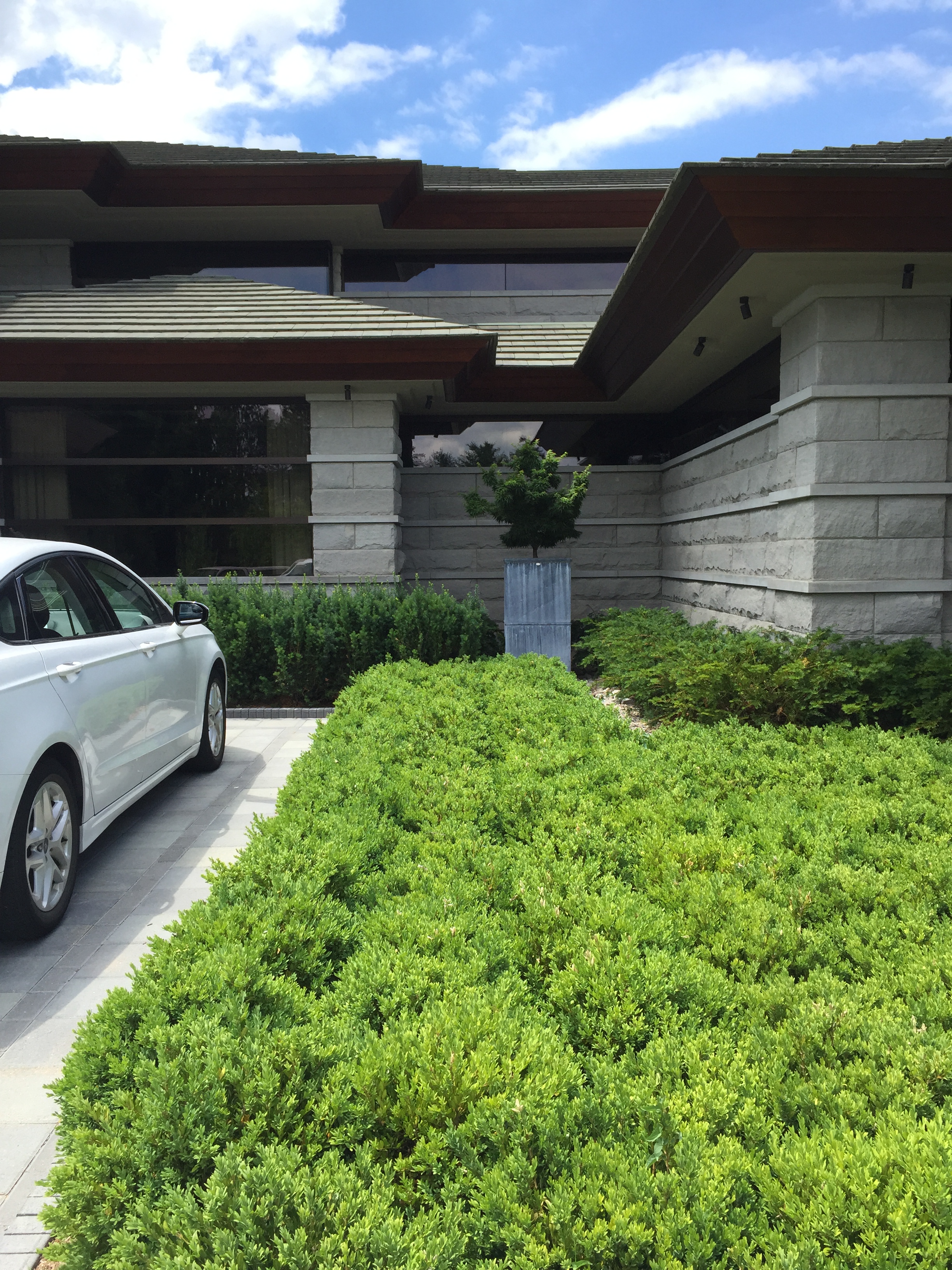 I planted lots of 15″ Green Gem boxwood as a ground cover for this client with a very contemporary home. The idea here is that a ground cover could be 2 inches tall, or three feet tall. Any plant that is planted in a mass constitutes a ground cover.
 Bobo hydrangeas are fairly new to me. They grow 30″ tall, by 30″ wide. This is my first effort to cover ground with hydrangeas. I’ll bet within a year or two they will completely cover this large area.
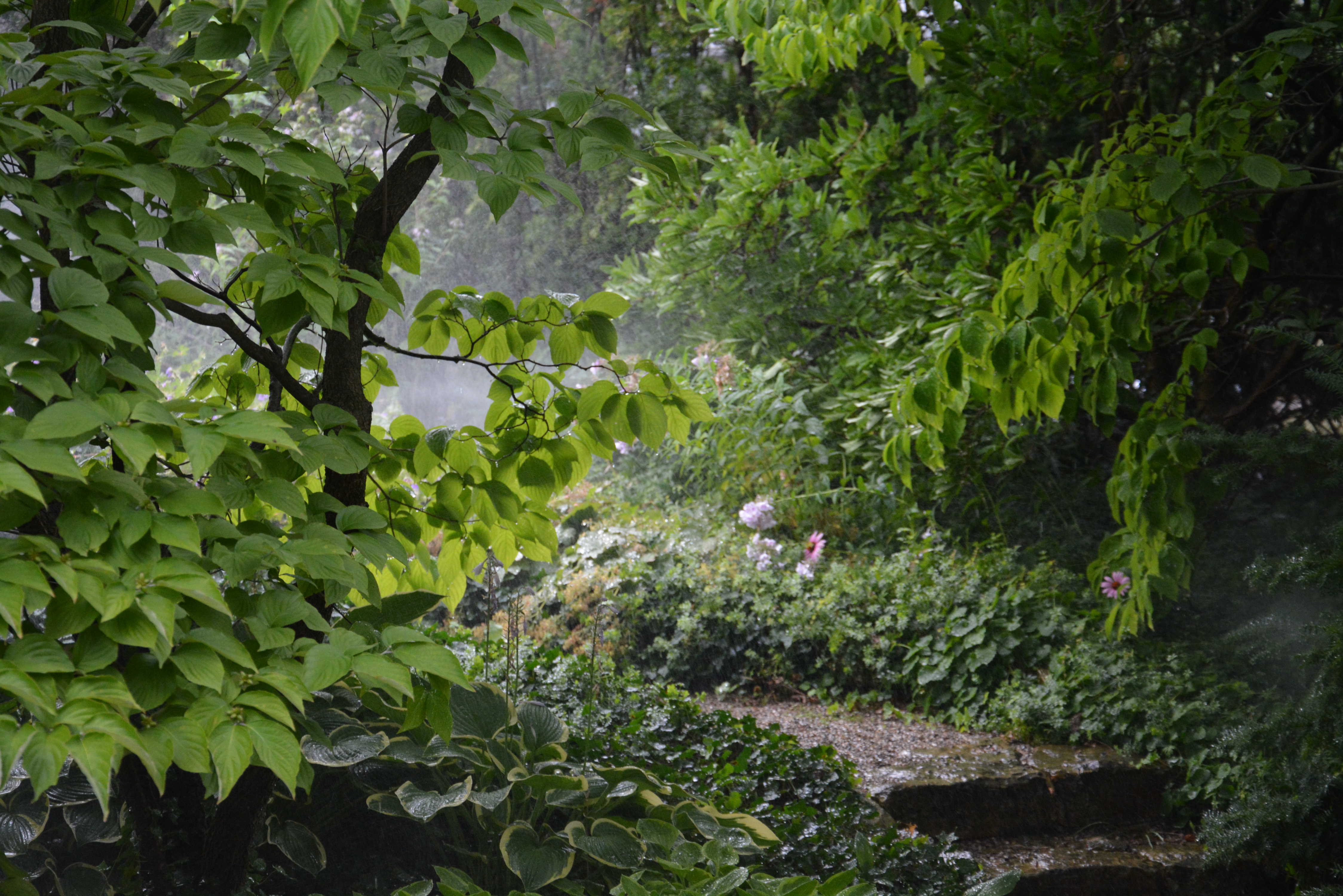 Happy coming home tonight-to all those plants that cover my ground.