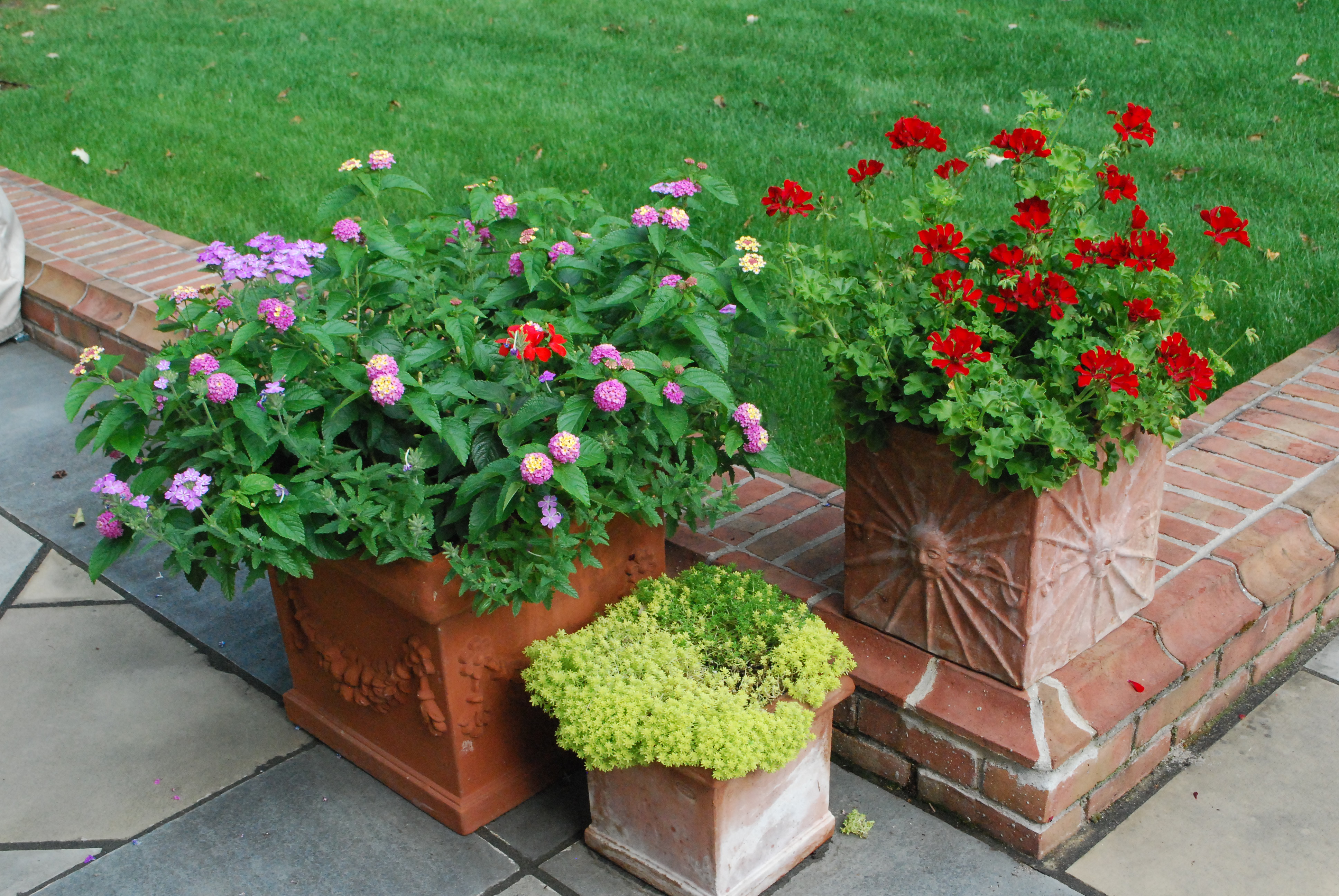
Grass

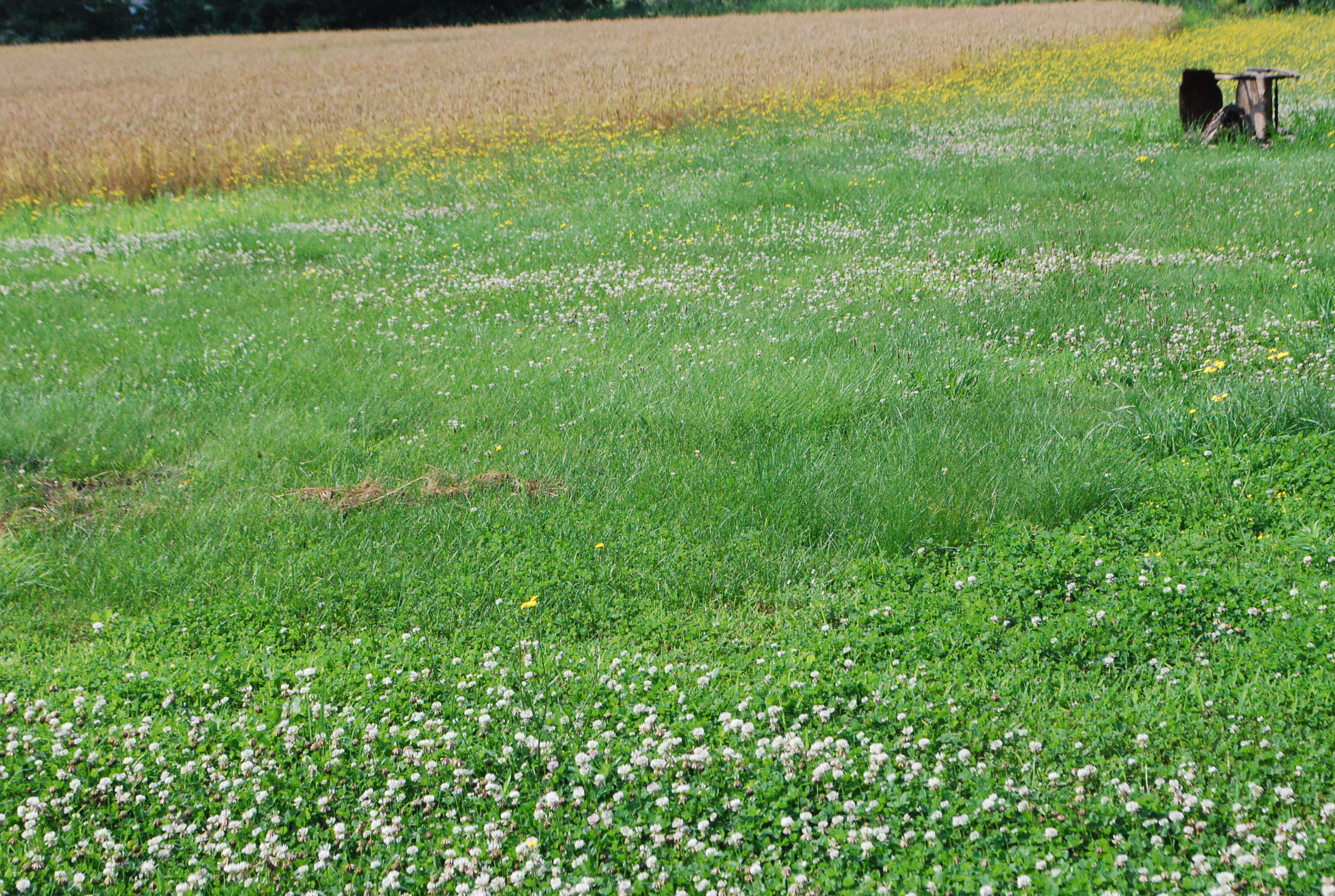
Lawn grasses and short growing green plants that spread and blanket that ground-love them.  I like how restful their uniform surface is to the eye.  I like how they hug and describe the sculpture of the ground beneath them.  They make a fine surface on which to play croquet or throw the ball to the dogs.  Grass makes a cool cushiony spot for a brief respite on a summer afternoon.  Lawn grasses are willing, and grow vigorously.  They genially put up with any interloper. I do nothing to mine beyond a weekly cut.   If your cut grass is weedy, fine.  Just take the trouble to water it.  Low and green is presentable.  The uncut, the freely flowing and growing version of grass-we know them as ornamental grasses.  They look so great, come the beginning of September. 
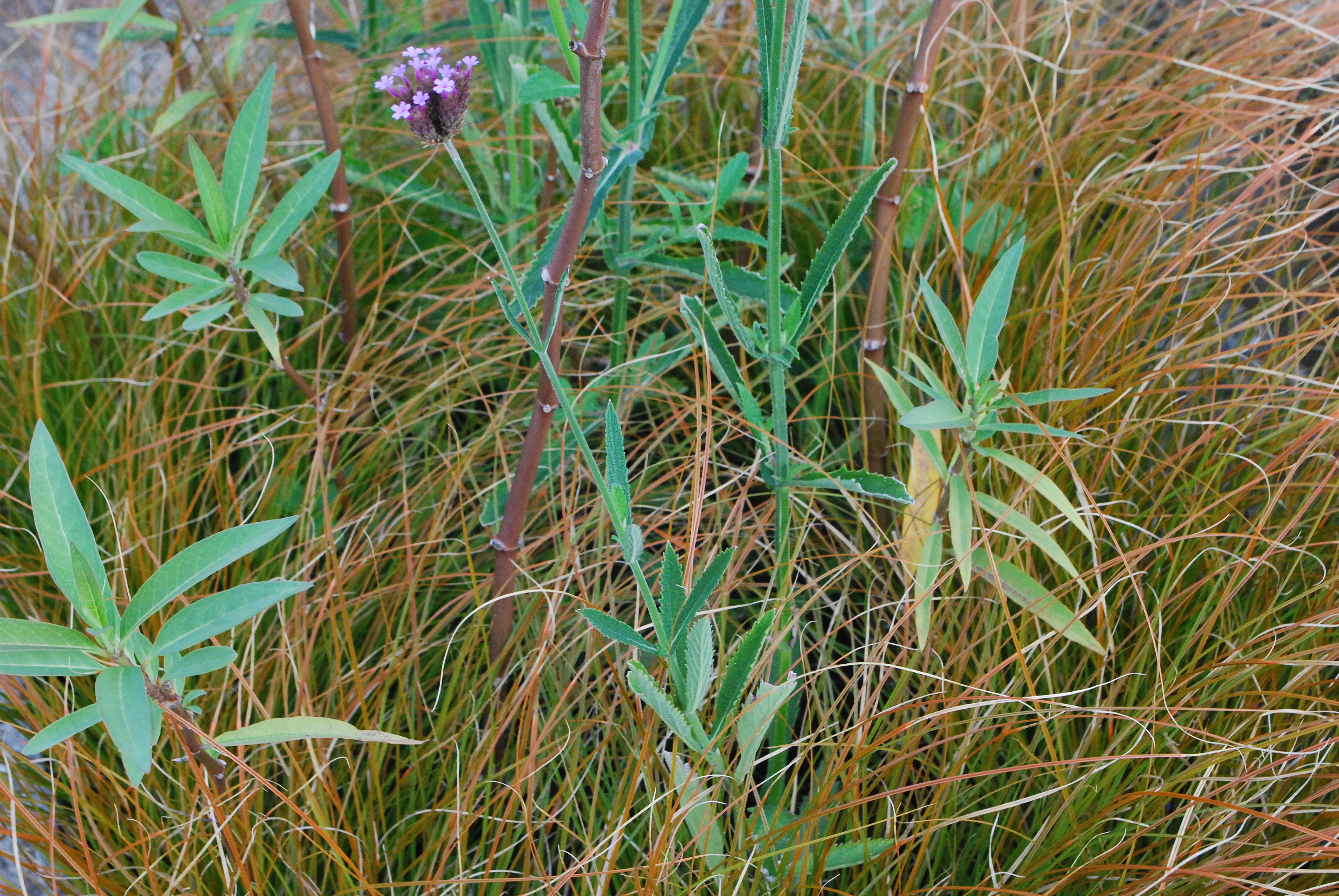


I like grass-in all of its forms.  I like it cut short, a beautifully textured skin over the ground.  Beautifully or intricately sculpted ground benefits from a covered of cut grass. I like small growing grasses in containers.  Their insouciant habit is a breath of fresh air.  Big growing grasses speak strongly to free.    
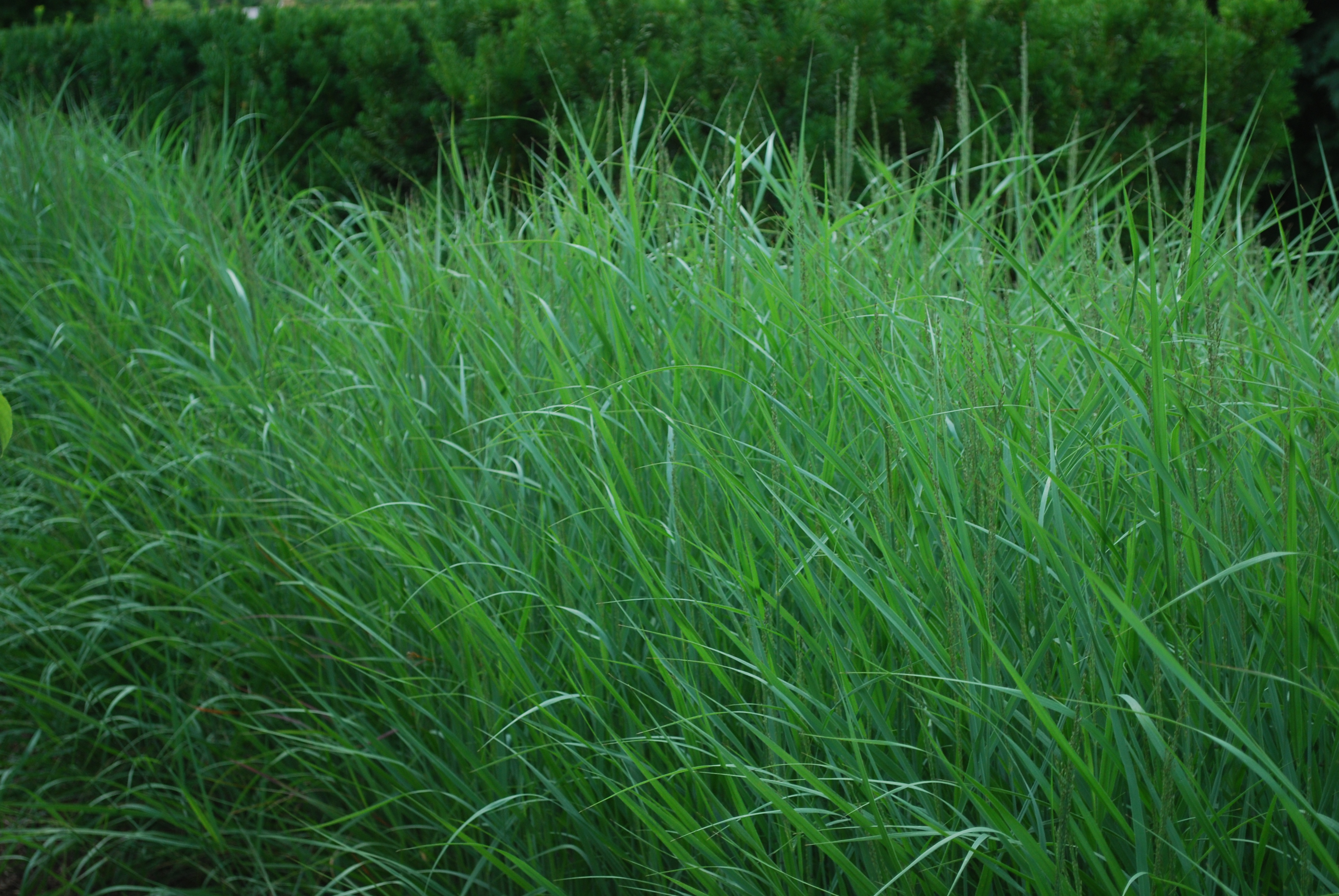
Ornamental grasses are slow to emerge from the ground in my spring.  Eventually they begin to grow.  Eventually they may attain great height and mass.  Their individually thin blades are a celebration of that natural phenomena we call wind.  Grasses move.  A big wind in any field of uncut grass makes for a concert.  A spring with adequate water endows every blade of grass with that delicious green color.  You know-grass green. This picture-panicum virgatum-or panic grass.  The common name I am sure refers to the fact that it moves in the slightest breeze.  Free to move-how good this feels.  
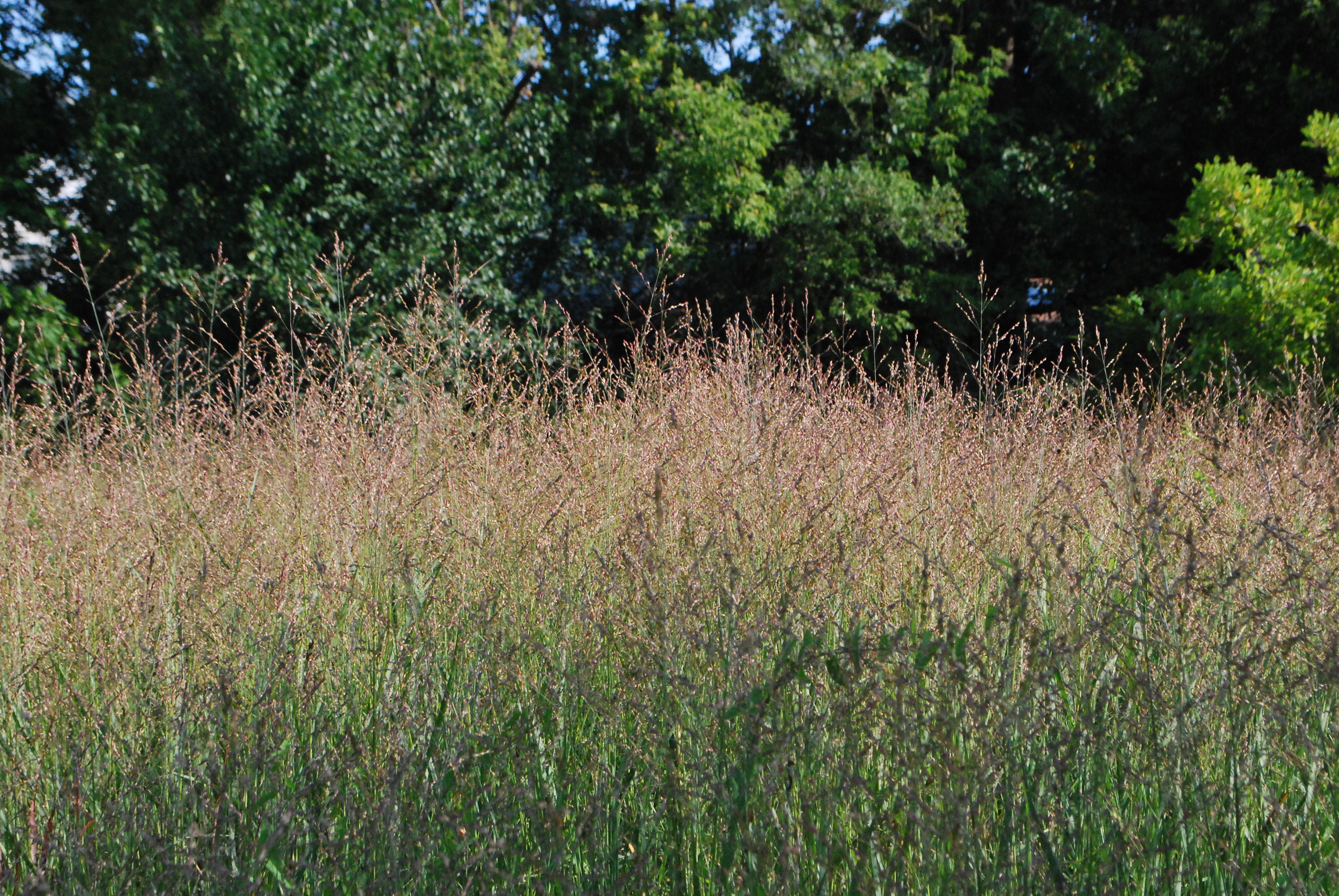
panicum virgatum

The panic grass in the previous picture matures like this- given the beginning of September.  Individual plants go to seed.  Each plant throws multiple seed heads, which mature over the course of the fall.  Each seed-a dot.  The view of so many dots moving-rhythmic-mesmerizing.  Some seeding grasses provide grain-food.  What the grains from grasses do to feed people-extraordinary.    The individual stalks sort out their needs for light and space-they successfully coexist.      
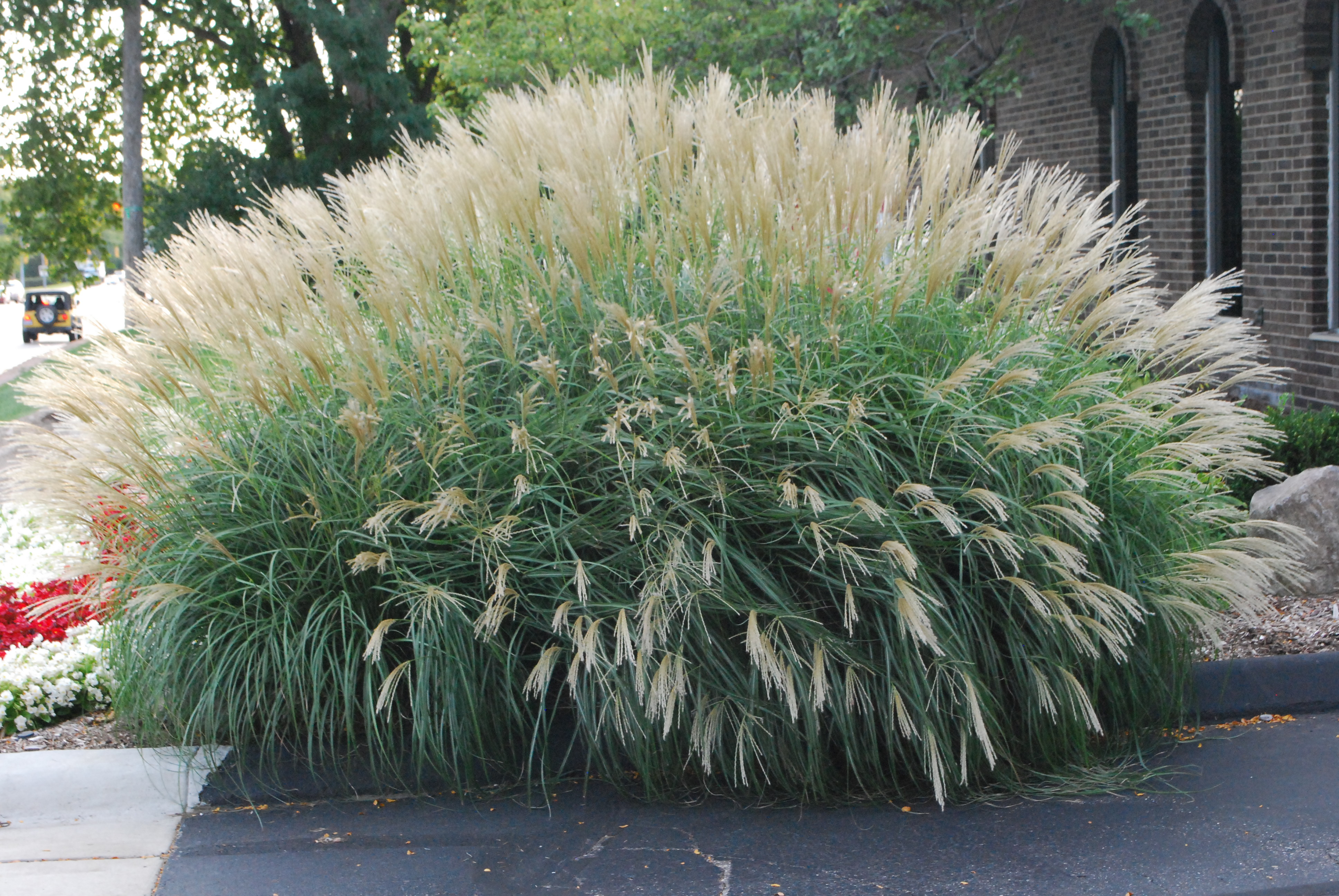
Miscanthus sinensis is a big growing crown growing grass that needs lots of room to represent.  I see them most frequently in commercial plantings where they have every bit of the space they need to mature.   The windswept summer foliage gains momentum in late summer.  This large patch of miscanthus, no doubt from a single plant put in the ground years ago, is in its beautiful plumes stage. 
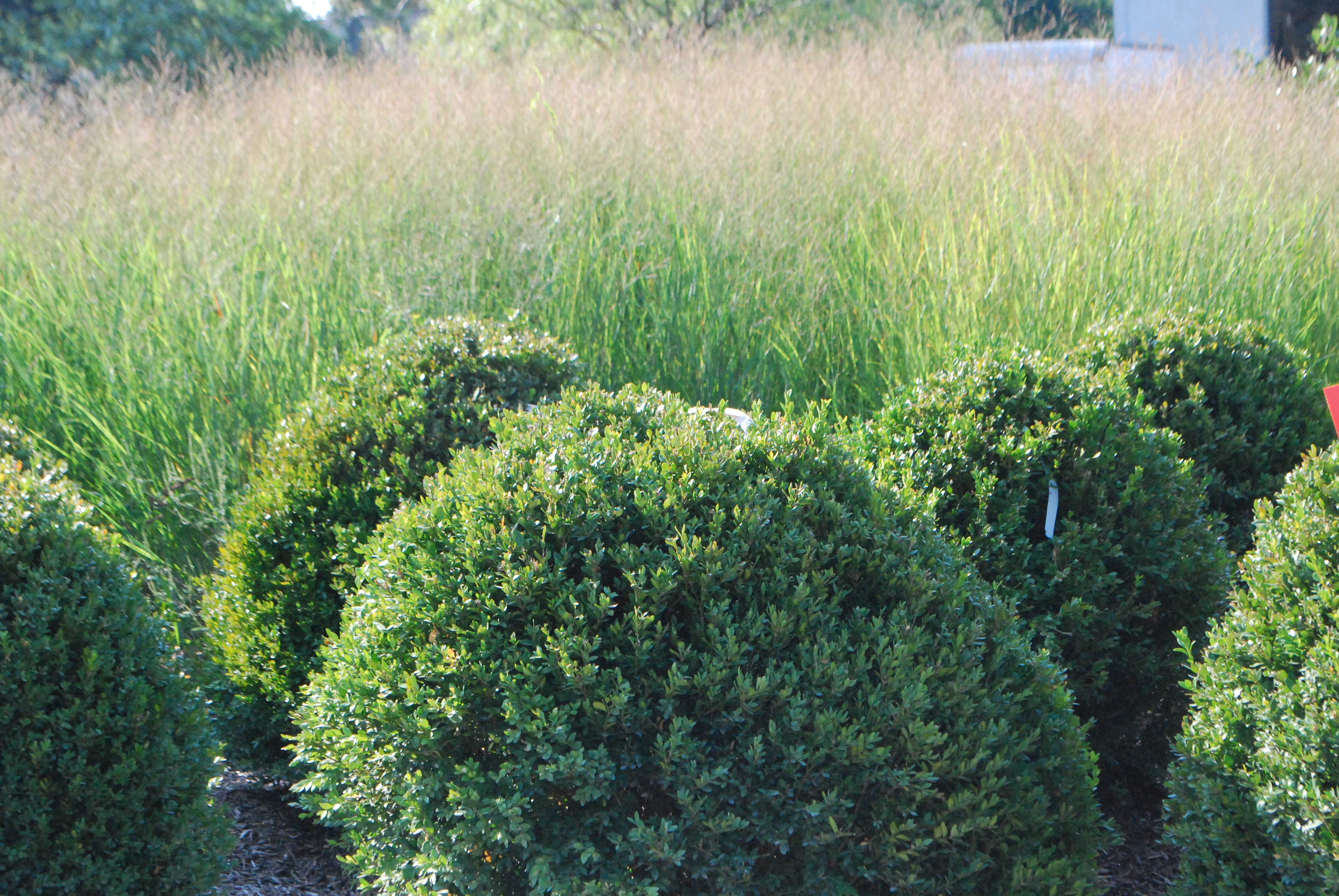

Grass blades are slender-wispy.  Lots of grass blades in concert are sparkly-each blade catches the light in a different way.  Thousands of blades catch the light and the wind differently.  Ornamental grasses behind a planting of boxwood-everyone benefits.  Should you have a mind to include grass in your landscape, site them where the late day sun will illuminate them.  Give them lots and lots-and even more space.  Face them down with an plant that makes their airy statement look all the more ethereal.   
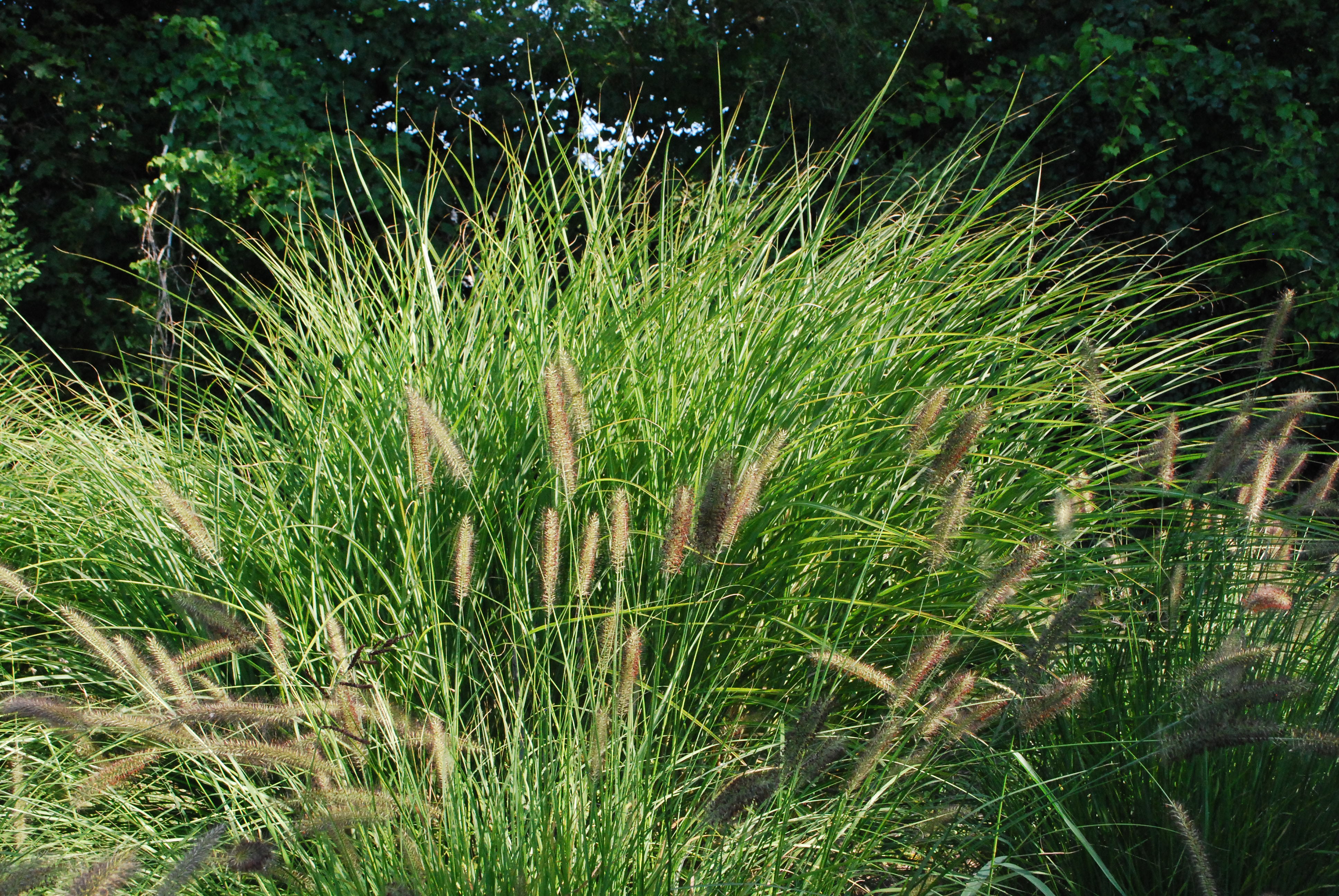
ornamental grasses

I do think that ornamental grasses recall and represent nature in its wild state.  I do think that the term ornamental grasses is a misnomer.  The grass primeval would be a more accurate description..  Grasss in all of its forms has a handsome heartiness that leavens the landscape.   

fiber optic grass

Fiber optic grass is a very small and dense growing thatch of a grass.  The name “fiber optic” is easy to understand-the 21st century is littered will all manner of various technologies.  An enthusiastically growing small scale grass-how easy is this to like?  Everything paired with it looks better.  
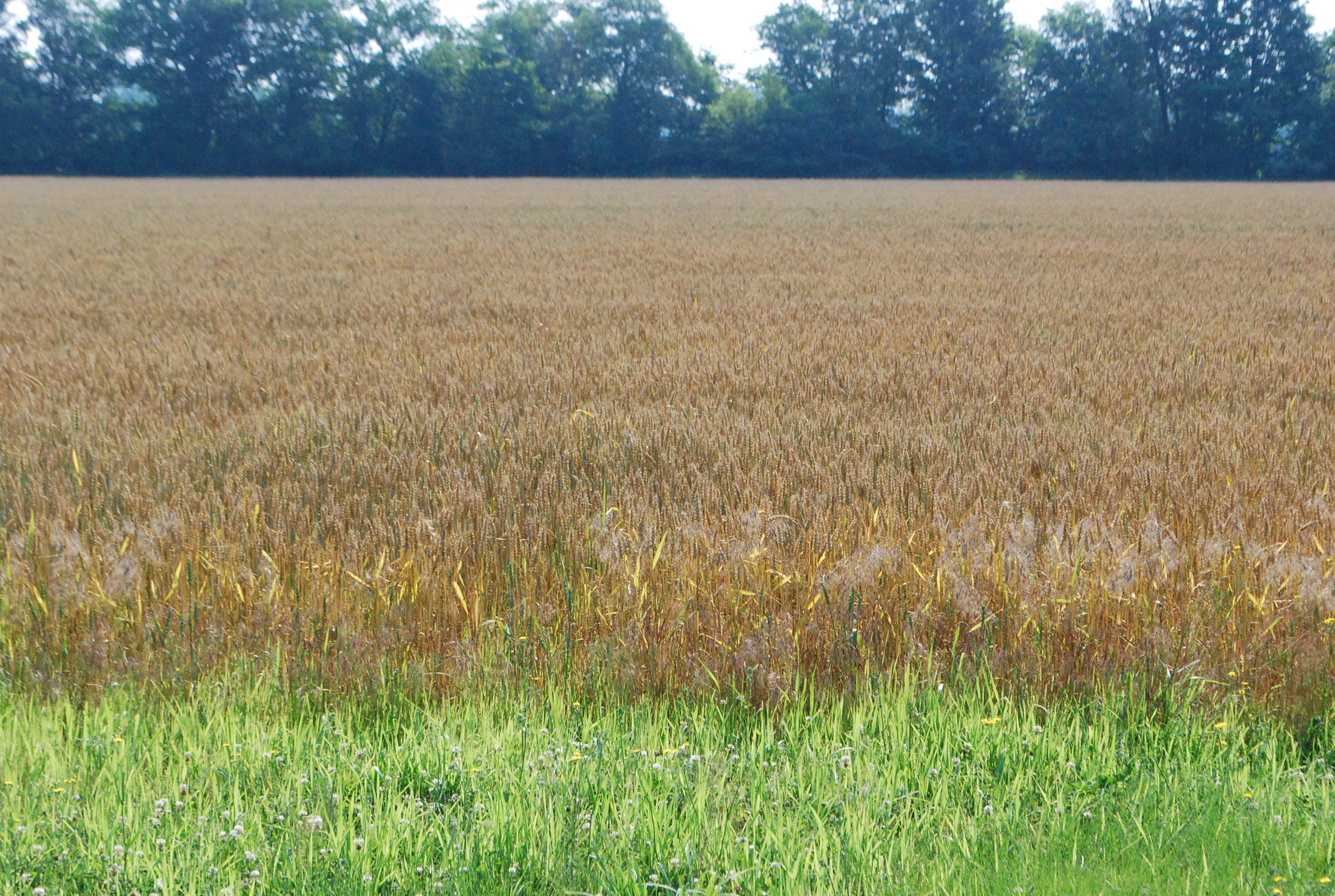
We live in a very large country.  The USA covers a vast amount of ground.  We grow grain-grasses- in equally vast quantities.  What does this mean to me, a gardener in charge of a very small urban lot?  Plenty.  My emotional attachment to ornamental grasses is considerable.  I like the flow of them- the big gestures.  I like anything graceful and natural.  I like the music that is the wind.  I especially like them planted in mass.          
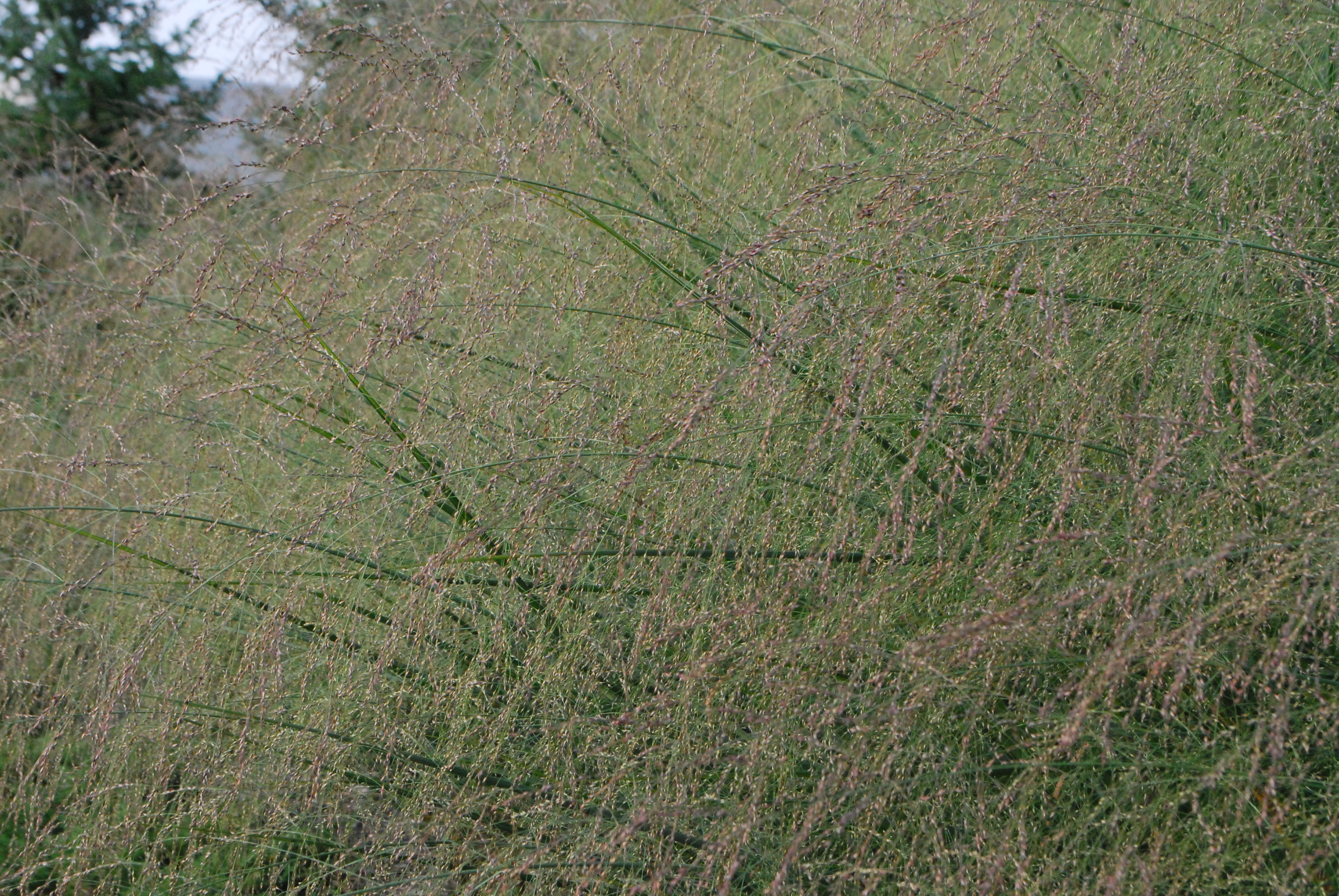
I took this picture outside a doctor’s office on a very busy 4 lane street just a few miles from my home.  The grasses seeding were spectacular.       
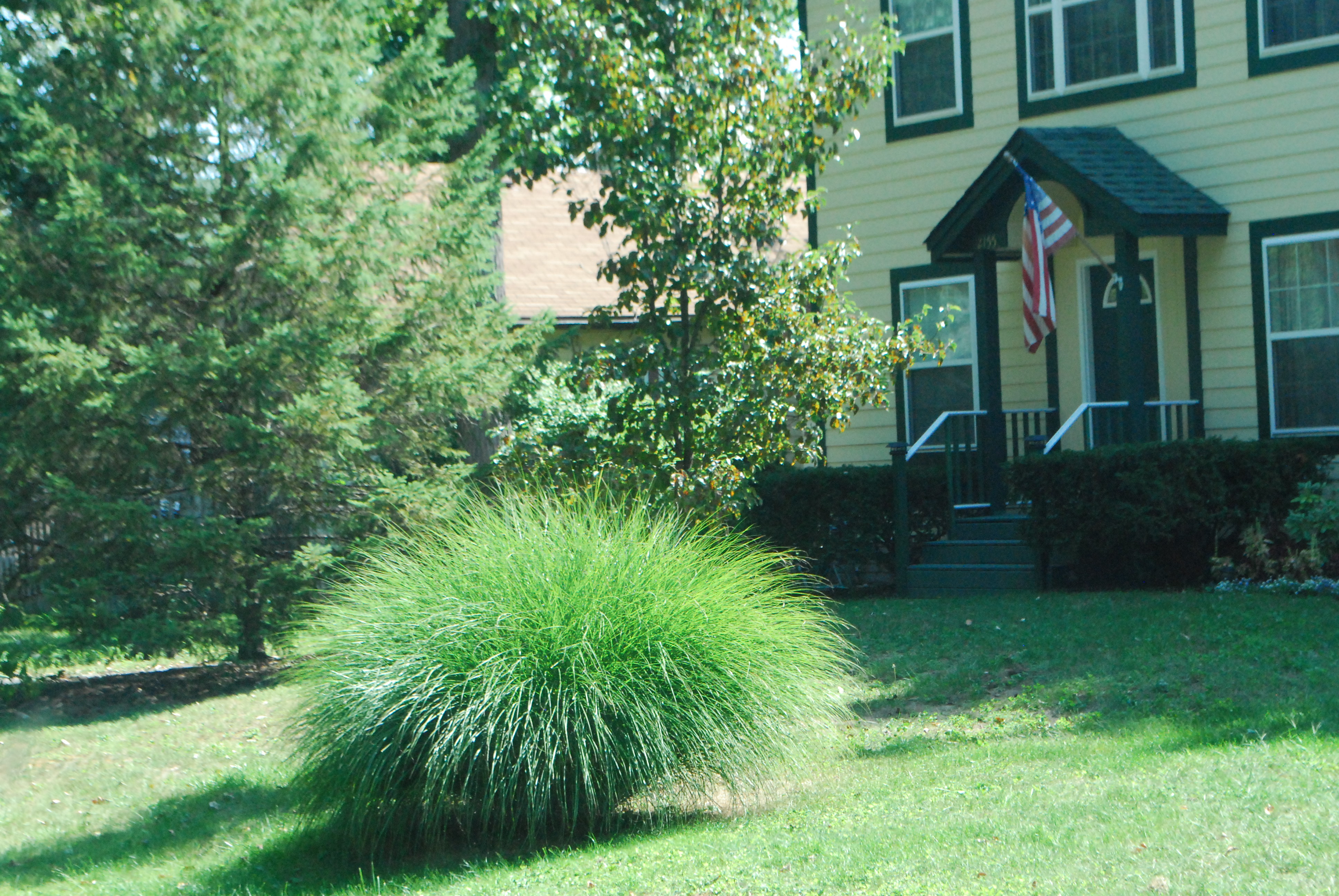
A patch of grass-most gardeners go for this.  Every gardener interprets this patch differently.  Some gardeners revere their lawn while all else in the landscape suffers.  Odd this.  I am just as likely to see a clump of ornamental grass in a perennial garden.  I often see an interpretation of the waves of grain in commercial landscapes.  This clump of miscanthus grass in the lawn-I cannot speak to the intent of this gardener.  Do I need to?  This freely representing patch of grass-simply beautiful. 
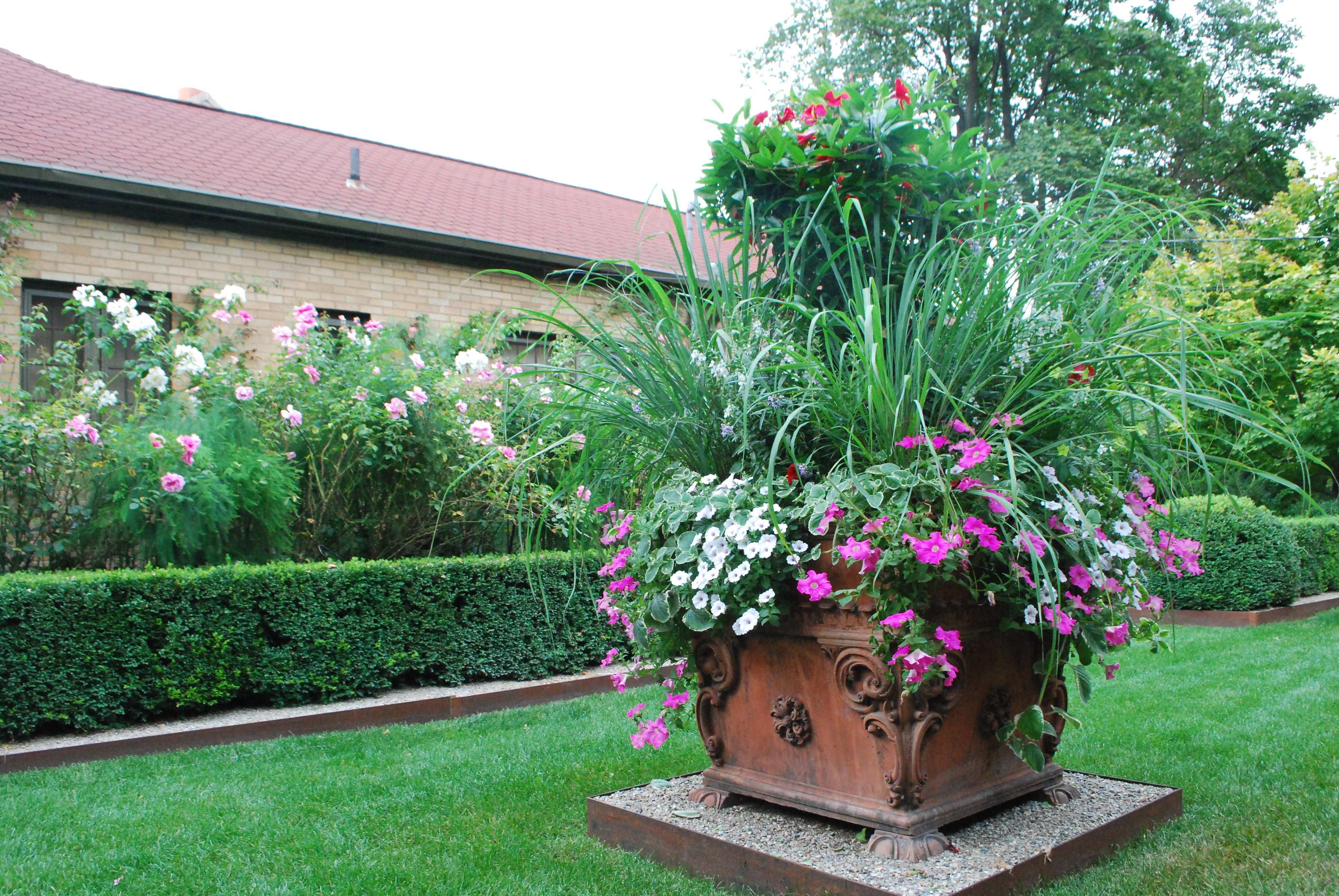

The lemon grass in my rose garden container is coming on strong.  I have not touched this community in weeks.  The voice so strong that is the grass-getting louder.
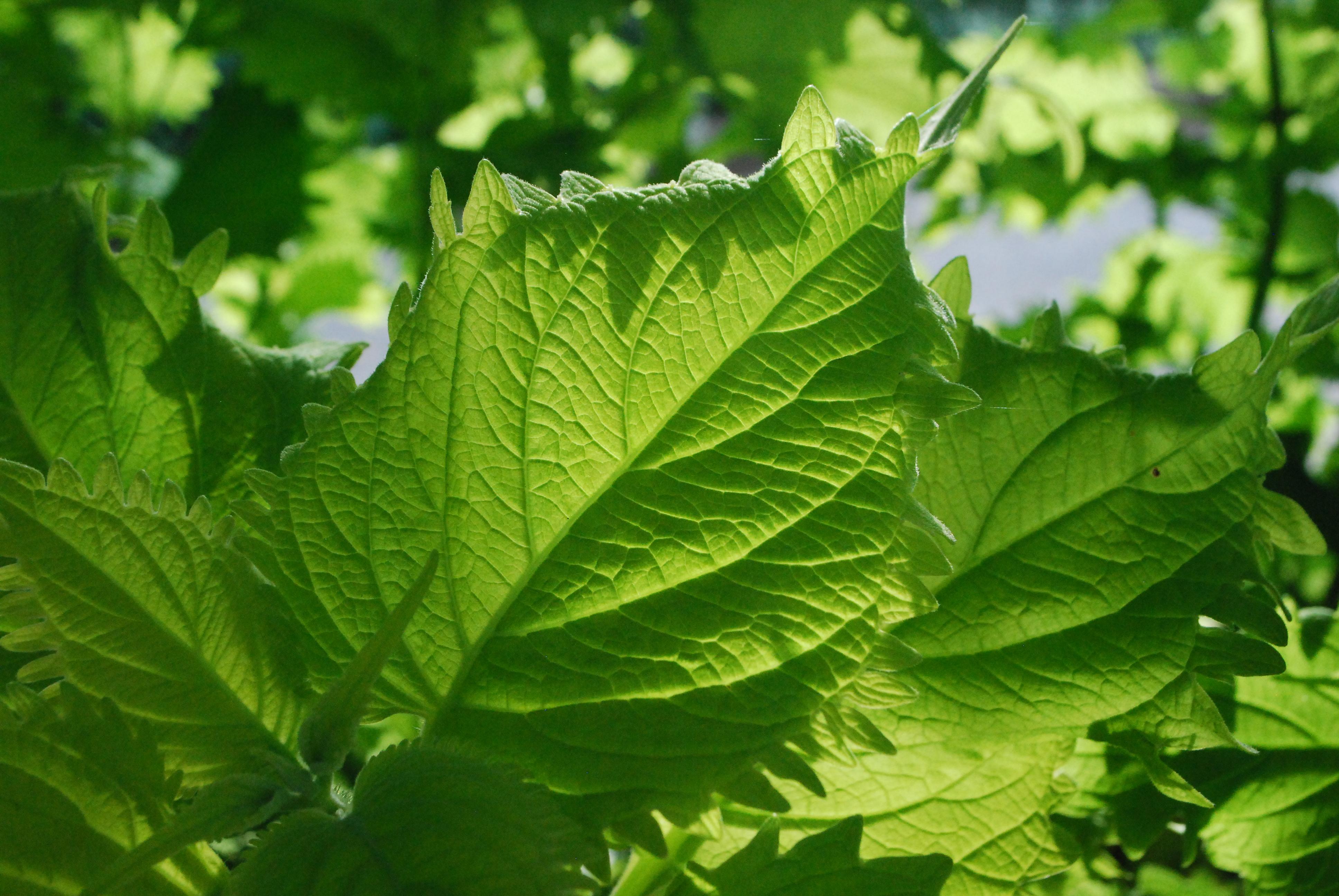
At A Glance: Great Veins


Nervure-so you know this word?  I didn’t either, until I started reading about plant veins.  A nervure is a vein, or a rib.  The  veins, or ribs of a leaf, support the tissues that comprise a leaf.  The ribs can be vascular bundles-meaning that they transport vital materials from one place to another.  The science of travel and feeding aside, great veins endow leaves and flowers with a graphic beauty worthy of note.  Nervure-I like  the idea of a new word better educating me.

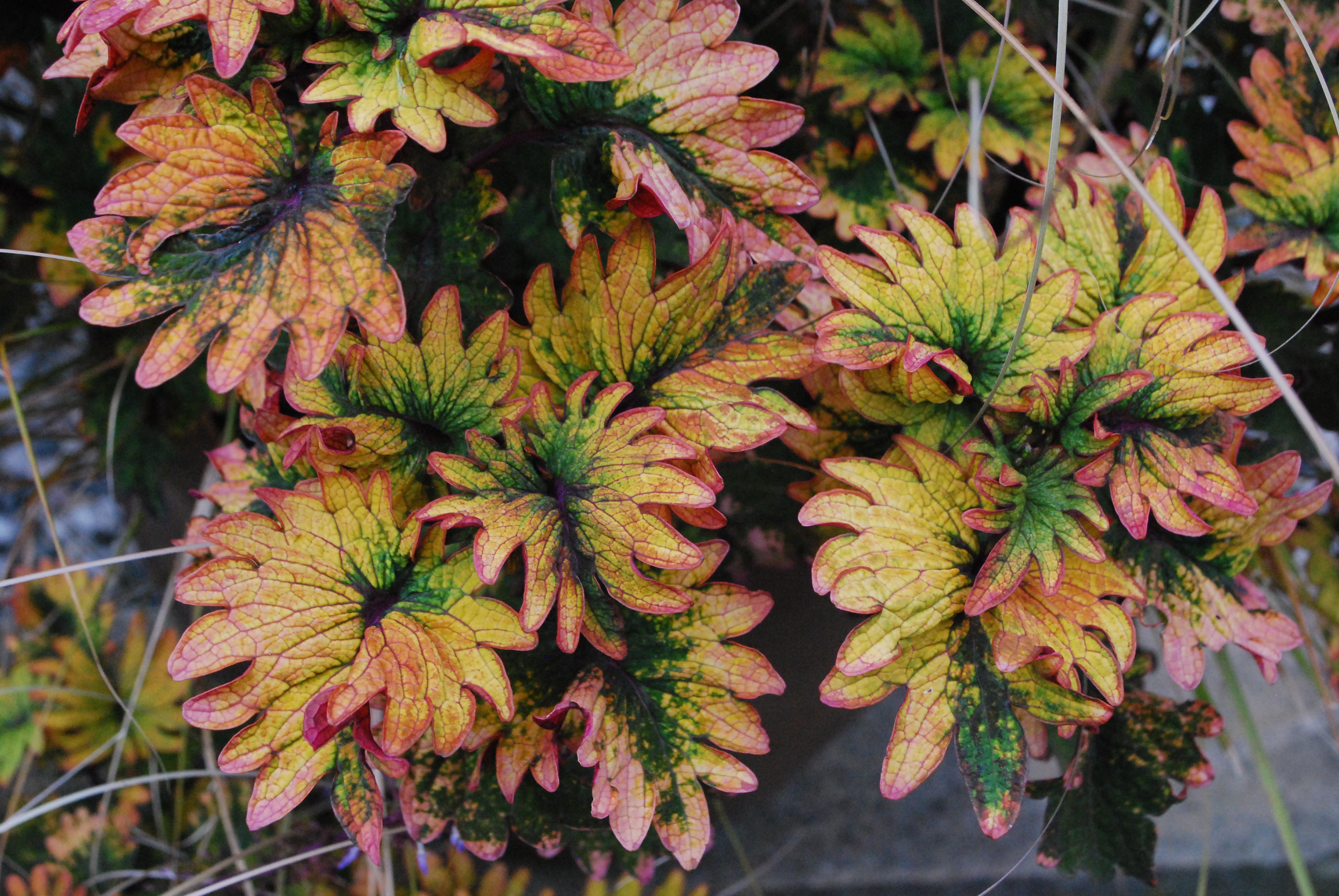
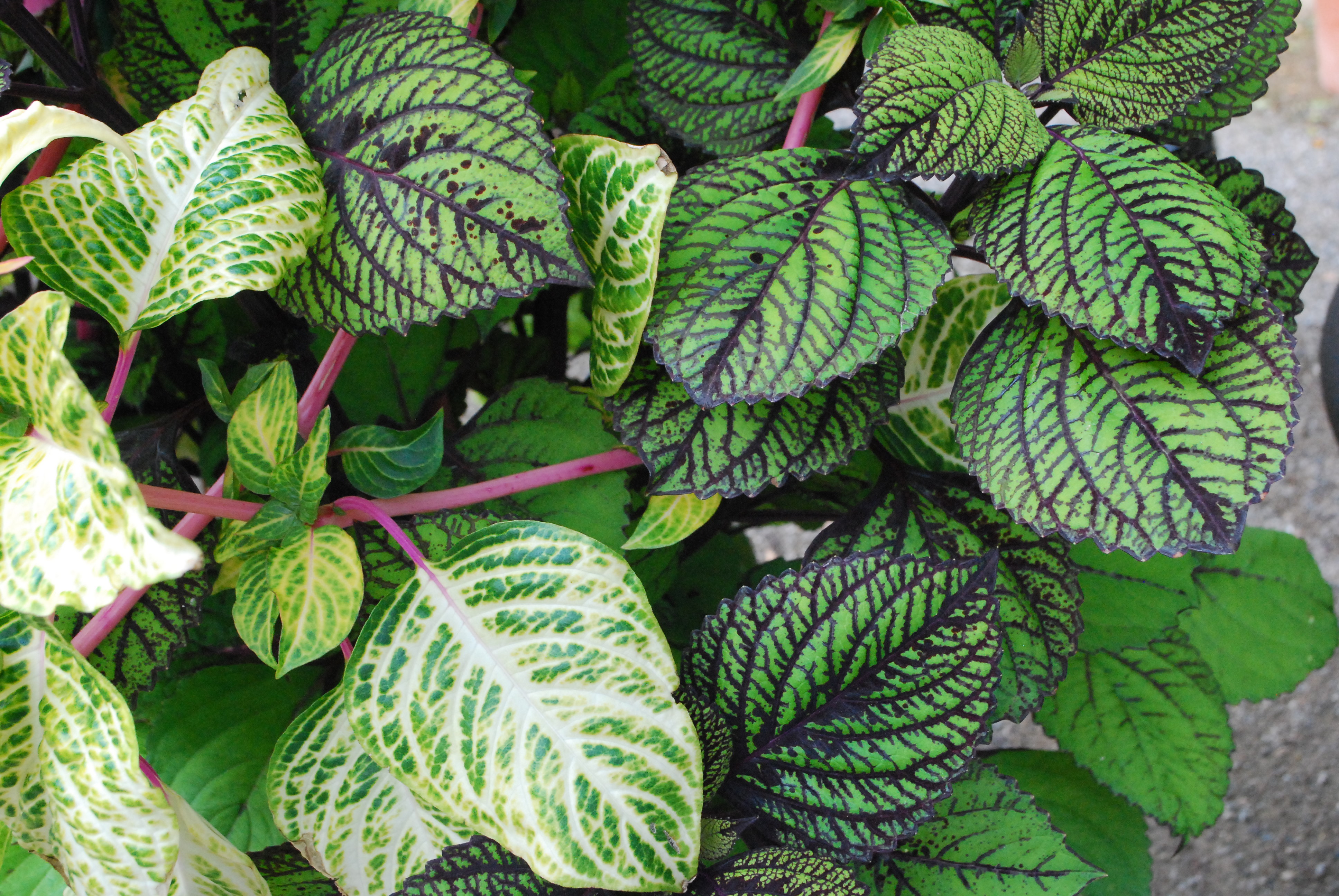
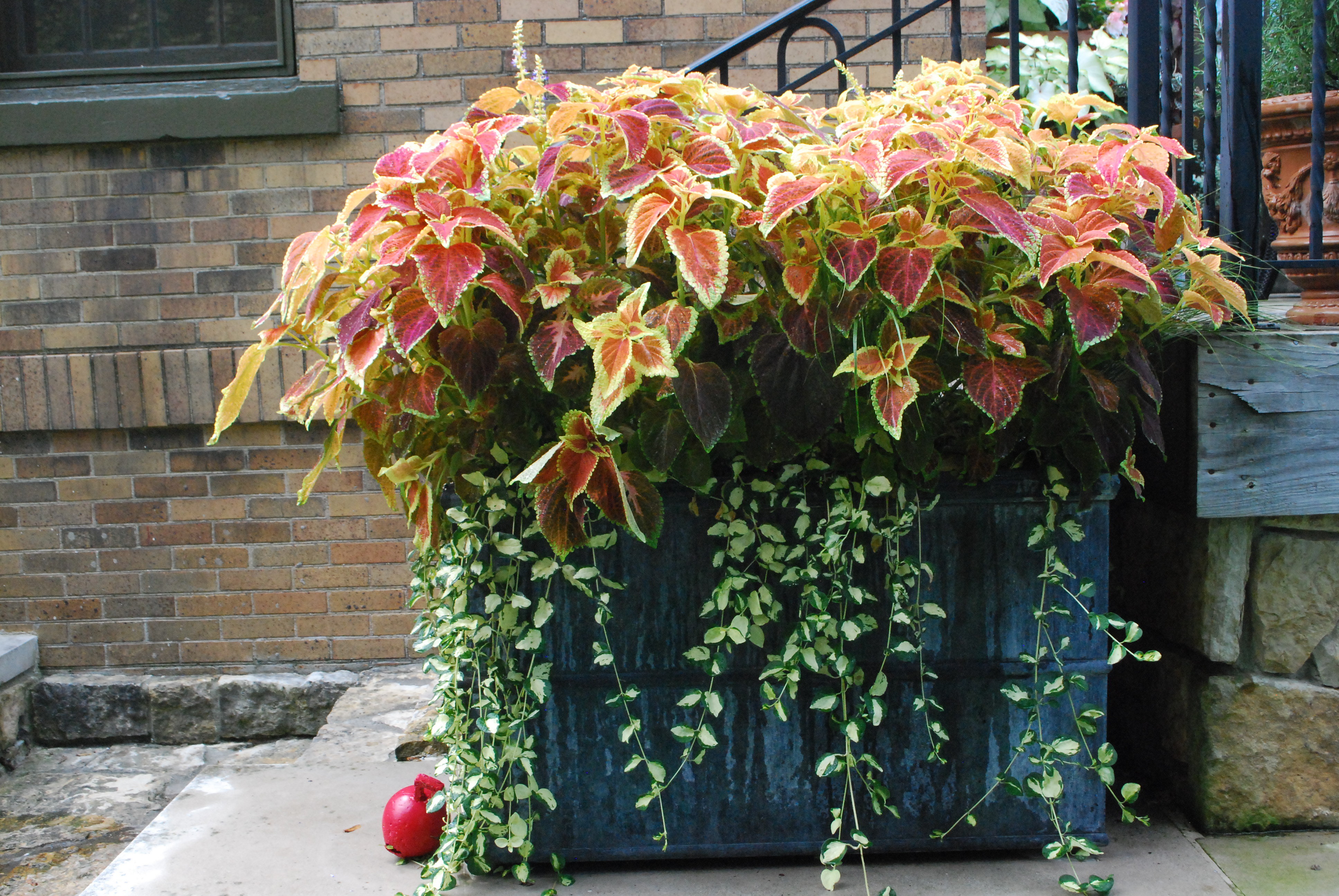
Coleus is noted for its leaf color.  The dark veins in this coleus make a pattern, a fretwork-a map.  Could not the layout and streets of a beautiful city be designed from such a map?   

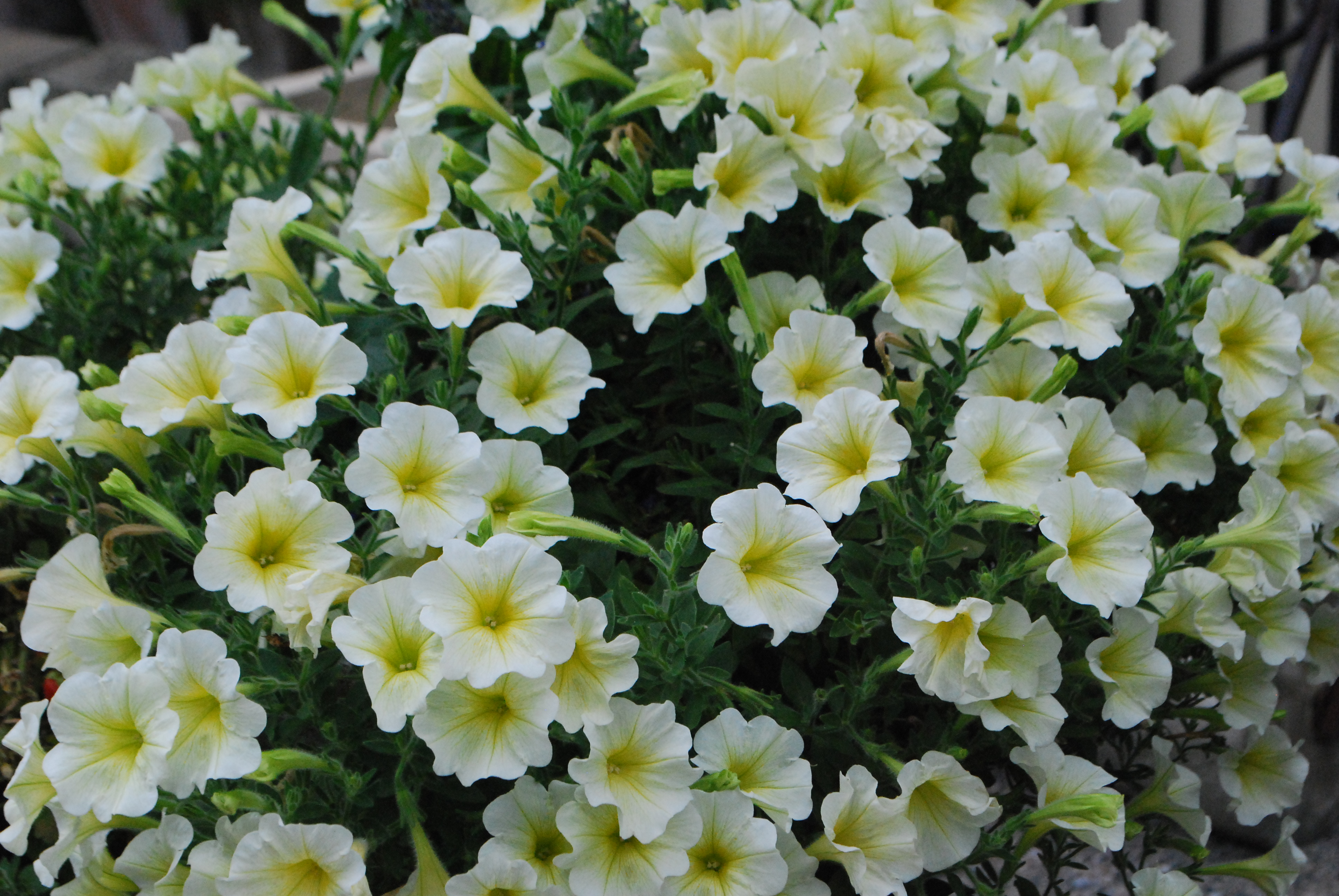
These yellow petunias have creased flowers-I doubt the lines I see are veins.  Veins usually support leaf life.  They move life giving nutrients from one place to another. They provide a structure that keeps a leaf parallel to the sun.  They give that thin wisp of a leaf, or that incredibly thick leaf, some neccesary structure. 

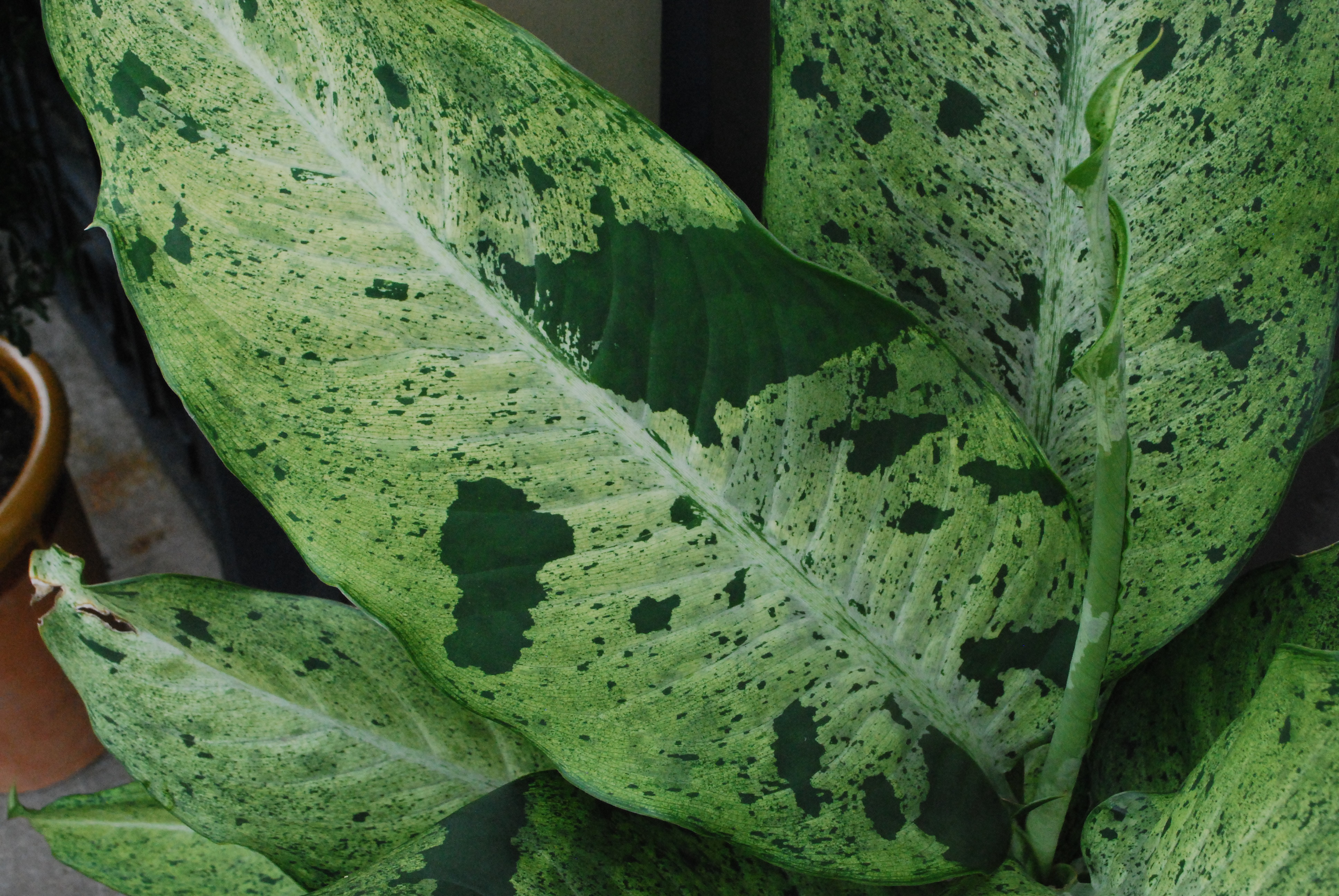
 The veins of this alocasia leaf are prominent, as they need to be.  An alocasia leaf covers a lot of square footage.  The leaves are thick and heavy.  Lacking the structure from veins, these leaves would collapse in a sorry heap.  Lots of square footage requires strong ribs.  Nature made provisions for this.  Water and nutrients need to move along the supply lines provided by the veins to keep this big leaf healthy.  Should I ever retire, this picture might inspire me to write a book about supply lines, food, water, healthy structures, flow-and the miracle that is nature-great veins.  The alocasia leaf depends on its great veins to thrive.   

Who knows why I had the idea today to take a closer look at the veins in leaves.  That question aside, I am quite sure a love for the garden runs through my veins. 

The veins in leaves are functional, and remarkably beautiful.  Veins are a structure which is first and foremost a life line.  Make of this what you will. 

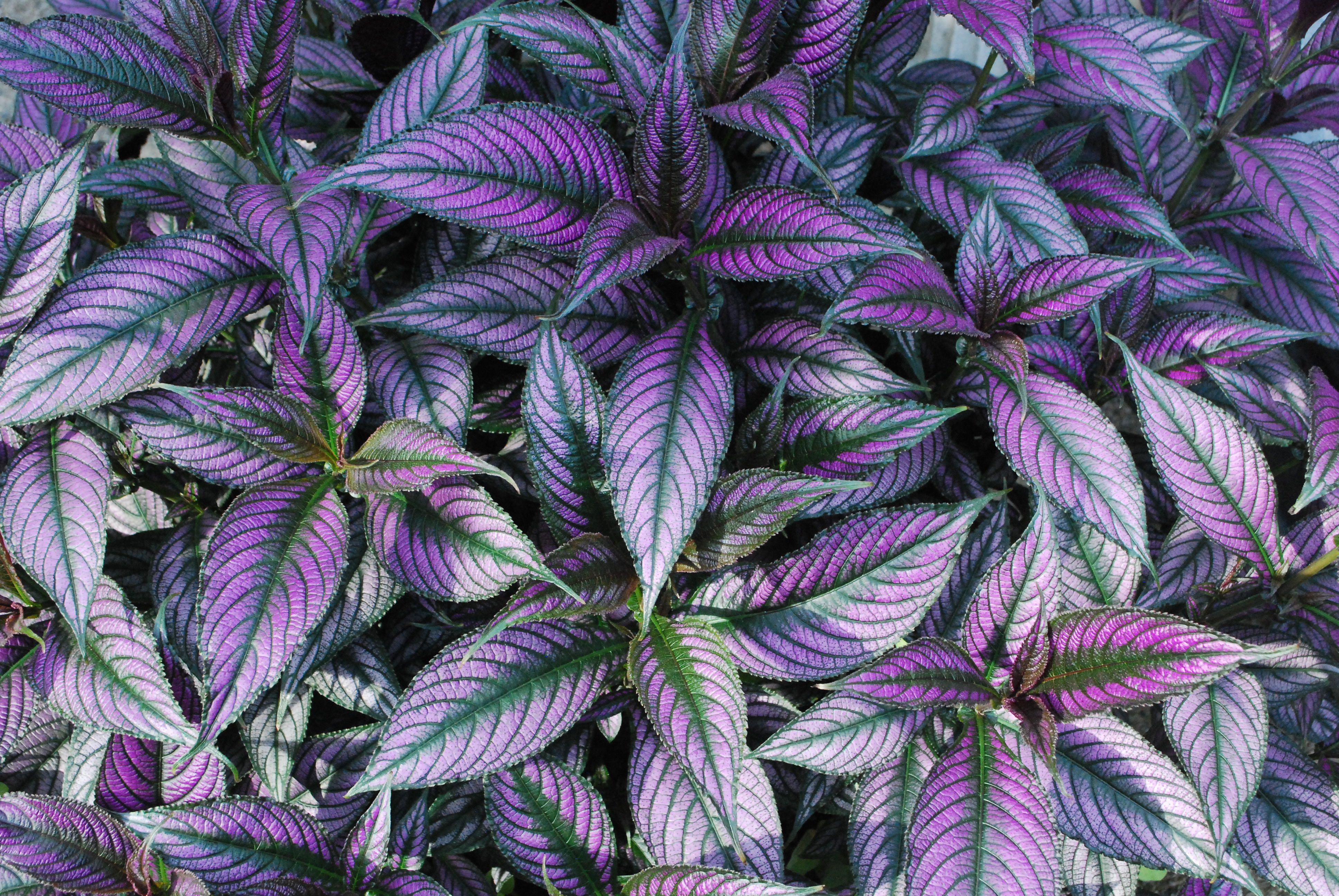
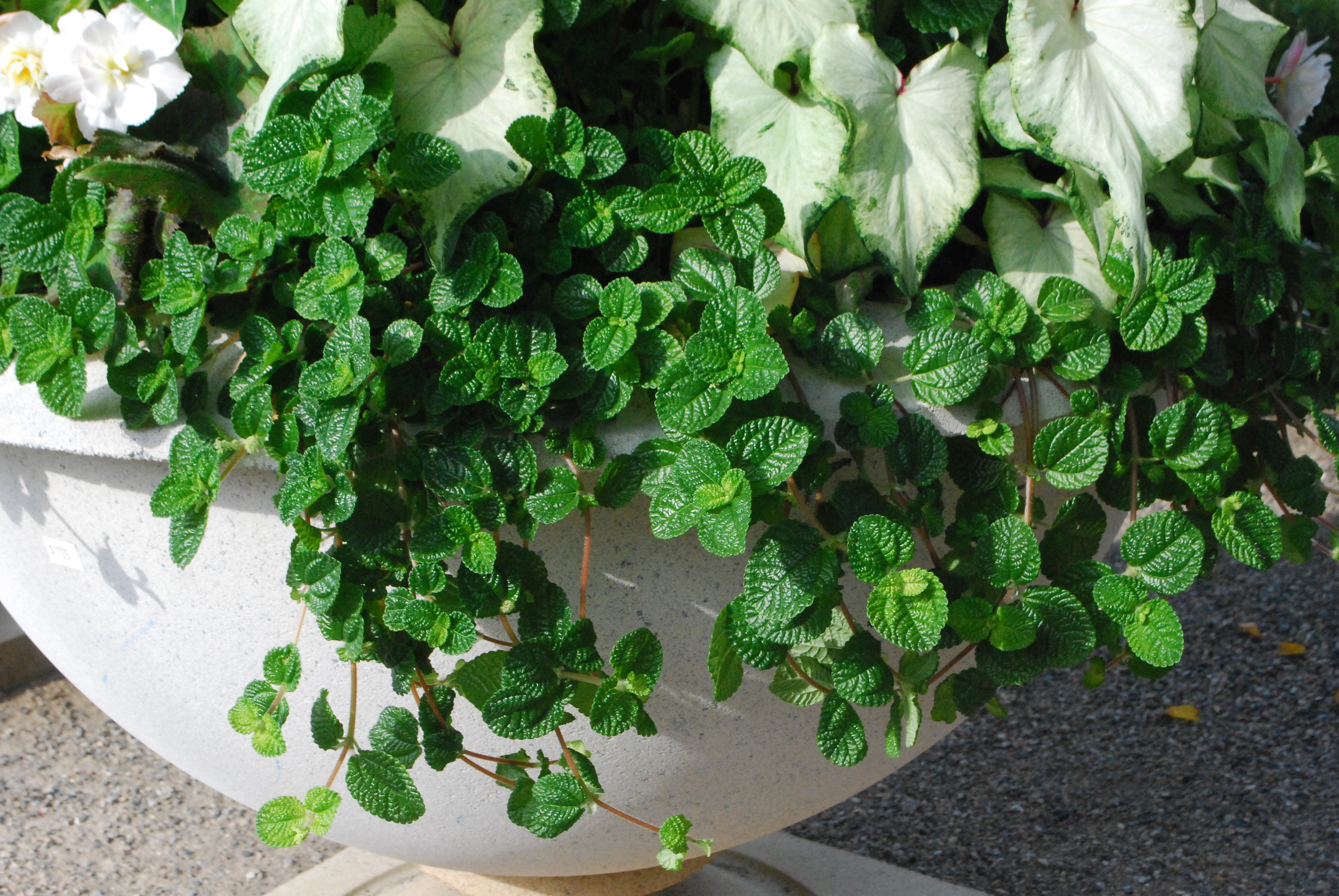
pilea

 The structure of leaves varies enough to defy and confound the imagination.  Those veins that empower those leaves-extraordinary.  Make no mistake, I can barely keep up with what nature has in store.   I so like this playing field.  The miracle that is nature helps keep me awake.

 If you have the chance, take a closer look.   

Growing Begonias

growing begonias

Growing begonias-why do so many of my clients feel that no matter how much they love the gorgeous blooms and foliage, prove unwilling to plant them?  Who knows where the idea came from that large flowered begonias like shade, and lots of water.  Herein lies the difficulty.  Popular direction can be anything but accurate. Begonias actually like some light.  A fairly decent amount of light.  And they like a watering regimen that runs on the dry side. 

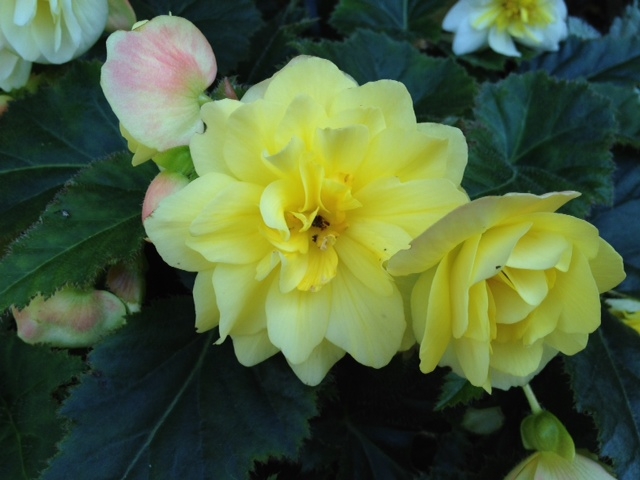
yellow begonias

The needs of most plants are quite simple.  Plants that thrive in your zone, that is.  Unless you are trying to grow meconopsis, which only thrives in the Himalayans or England- in Michigan-  or if you are trying to grow rhododendrons in the impossibly clay and alkaline soil of the midwest, when what they want is an acidic and instantly draining forest floor type eastern US compost.  Plants happy to live in our midwestern yard to begin with have simple needs.  Are you hoping to make your gardening life more simple?  Learn what those appropriate plants that you so love need, and give.  Plants that do not like your conditions-let someone else grow them.   

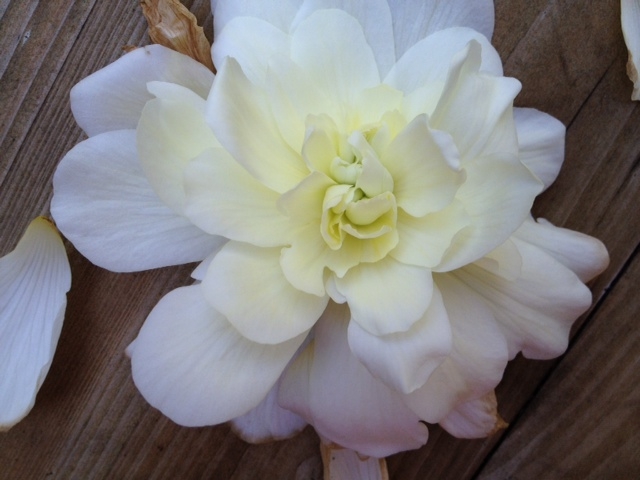
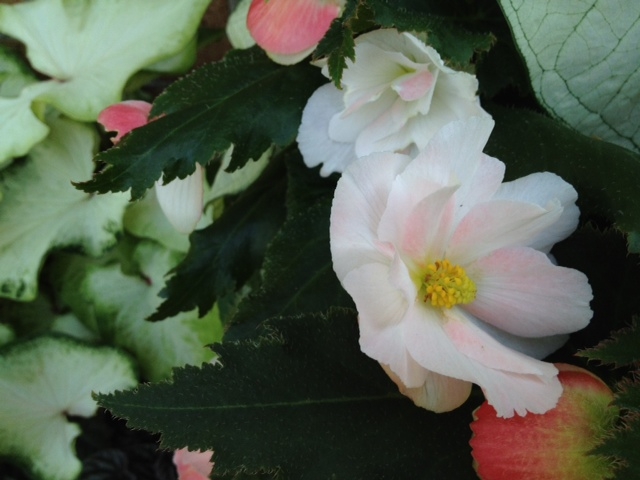
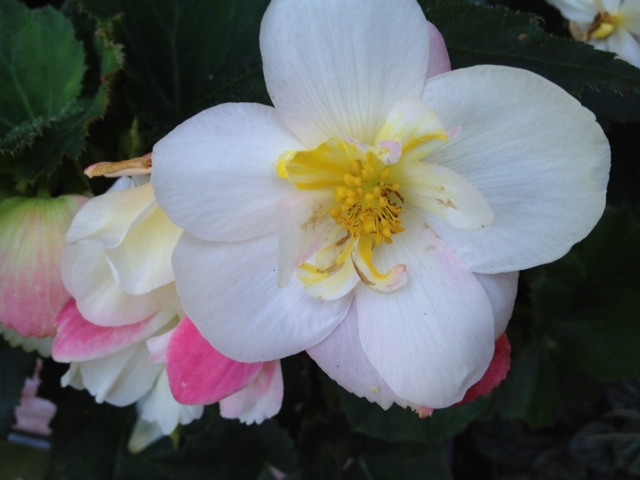
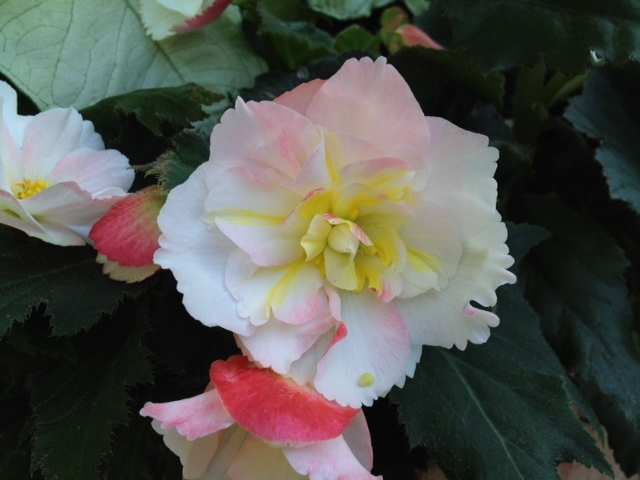
apple blossom begonia

Plants not suited to the zone in which you garden will always struggle.  Be prepared to fight a battle you cannot win.  You may take the lead early on, but what plants want will win in the end.   Beginning gardeners place a plant where they want it.  It takes experience and acute observation to realize that plants have a specific environment they like.  Should they not get what makes them prosper, they will pout, then languish, and finally die. Beginning gardeners either understand this and grow, or they give up gardening.      


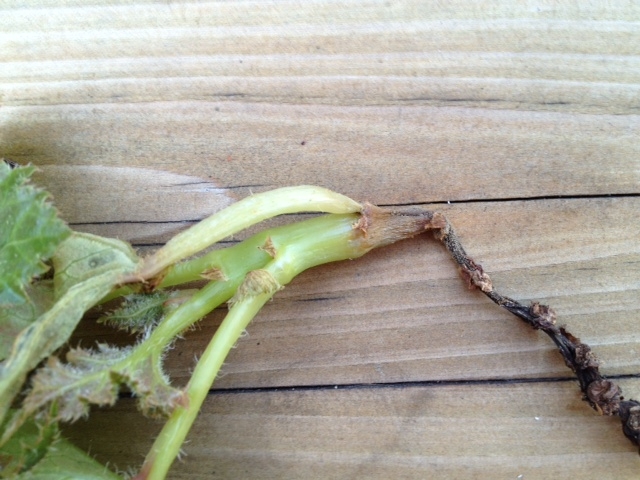
The journey which could best be described as my gardening education is littered with dead plants.  Dead yews, dead clematis, dead rhododendron, dead begonias-the list is long.  I would be embarrassed to have to own up to the plants I have killed.  It could be that I should be sent to that jail especially reserved for people who have committed horticultural transgressions.  There have been times when I deserved to have my license to plant, grow, and garden- revoked.  But I have made it my business to learn from those dead plants.   As for begonias, they have very large, juicy, and succulent stems.  This I observe – over water them today, those stems will rot off tomorrow.

The tropical plants we treat as annuals only need one season of thoughtful care.  No doubt begonias are not native to my zone.  That said and acknowledged, I so love begonias-all of them.  I like the leaves.  I more than like the flowers.  In late August, our nights can be cool.  Water evaporates more slowly when the temperatures cool off.  I am even more careful to keep my begonias on the dry side now.

My advice is simple.  Give them morning light.  If you need to grow them on the north side, as I do, grow them very dry.  Those thick juicy stems are loaded with water.  They have a water reserve they can draw on, should you be late getting to them with the hose.  Too much water can be deadly.

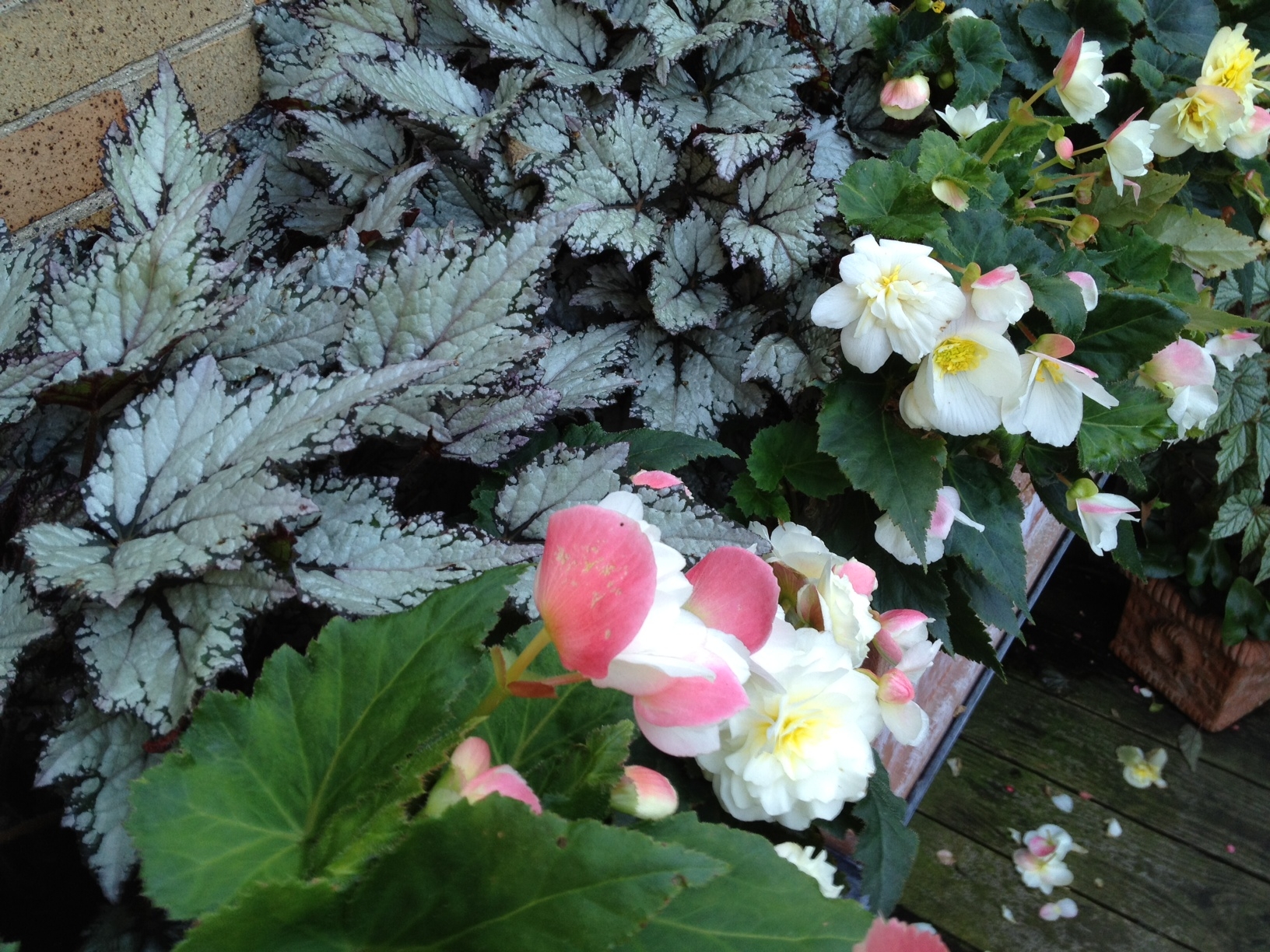
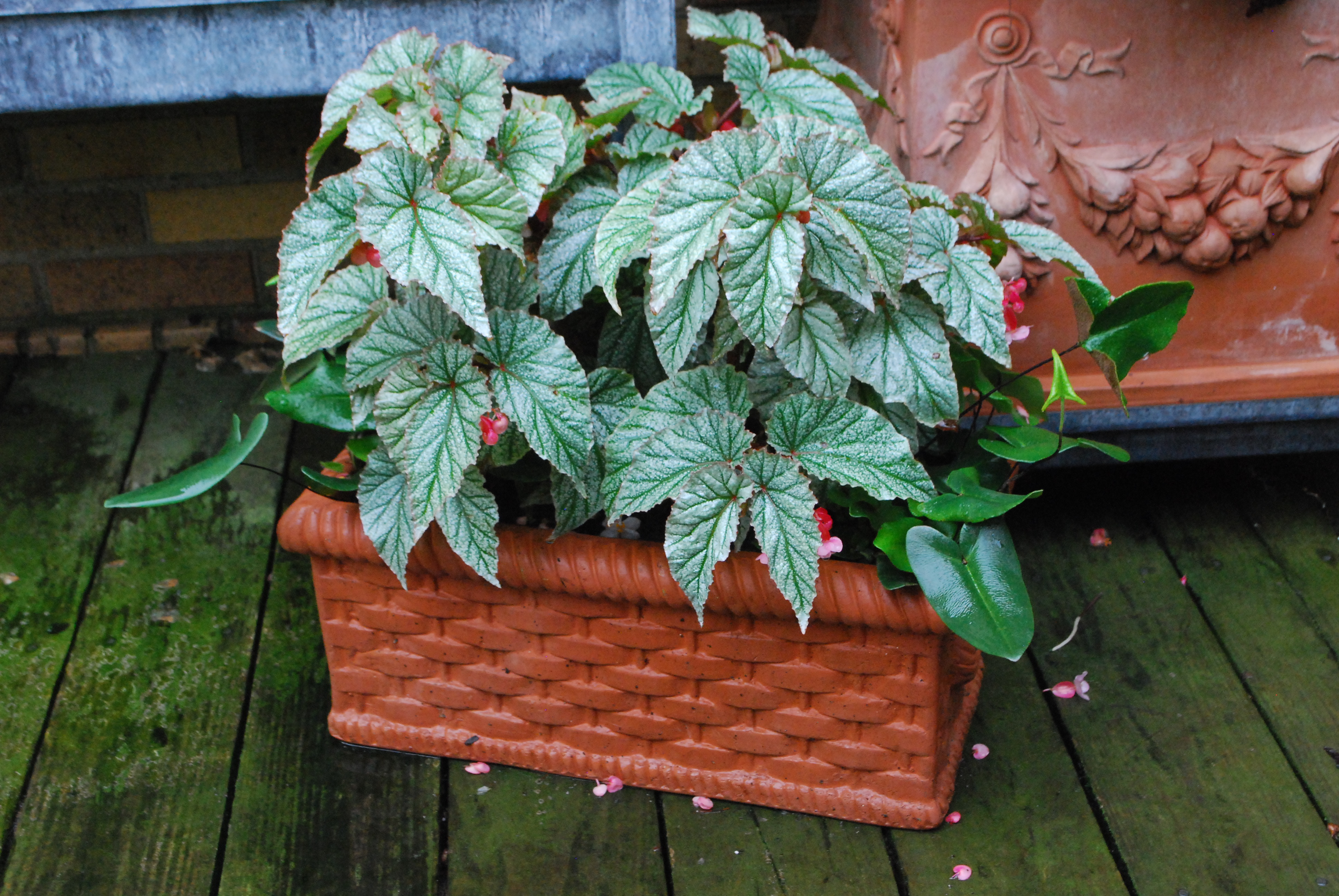
These silver leaved begonias-I have no idea of their name or origin.  I chose to grow them for their leaf color.  Like any other begonia I grow, I made it my business to check the water in the soil with my finger.  Too much water when it is very hot is an invitation for fungus to move in.

cultivating begonias

I am always putting my finger in the dirt  .  This means I put a finger to the rootball of a yew, a dogwood, a begonia – barely moist soil makes most plants happy.  Should your finger in the soil result in sticky soil-don’t water.  Wait.  If you put your finger down deep in the soil only to have that soil slide off your finger-water.  Hoping to grow great begonias? Learn what they like.  Pass by those plants that you will not be able to make happy under any circumstances.  Most of all, monitor the water. 


At A Glance: Plants And Planters

steel planter

shade container plantings

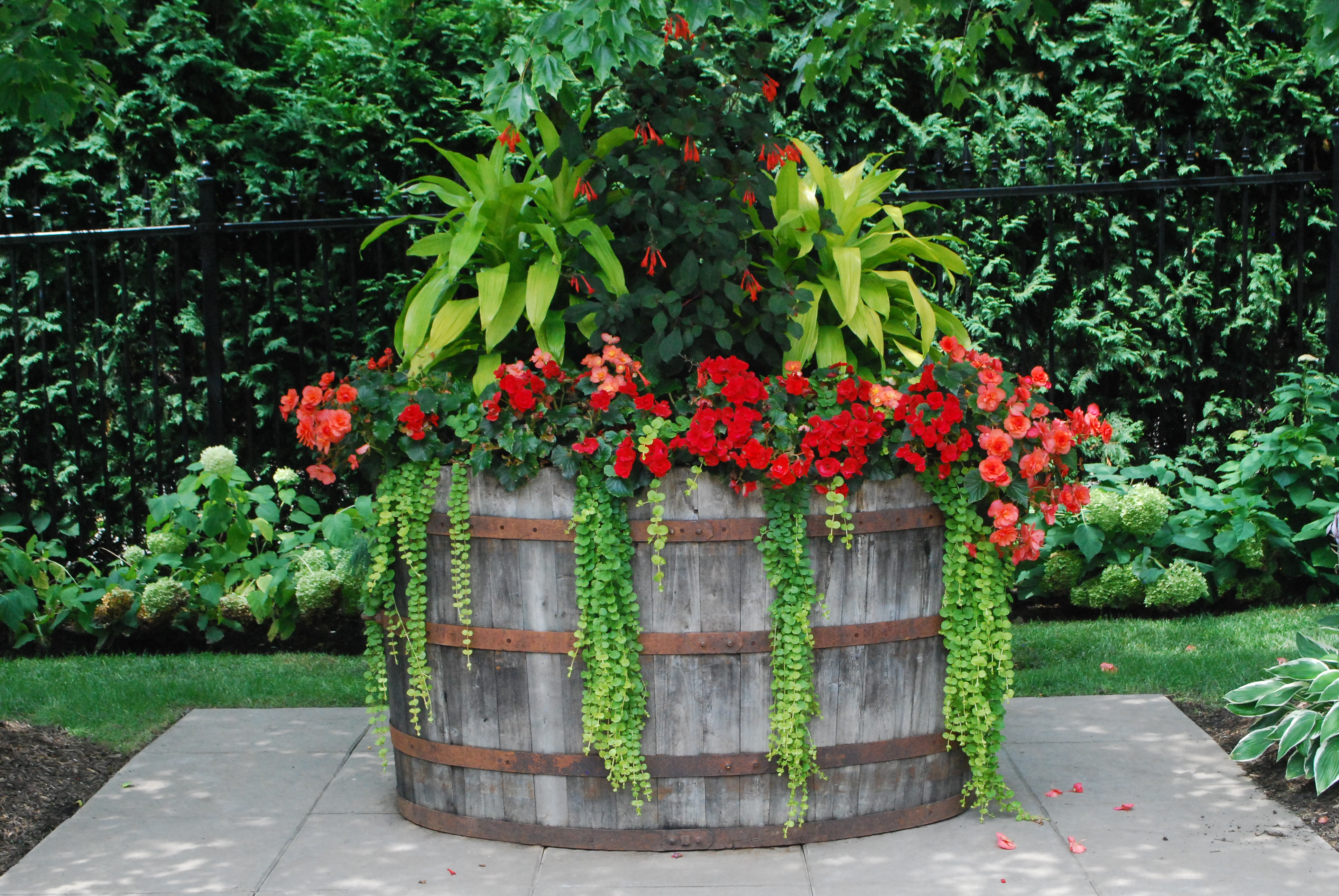
vintage French wine barrel

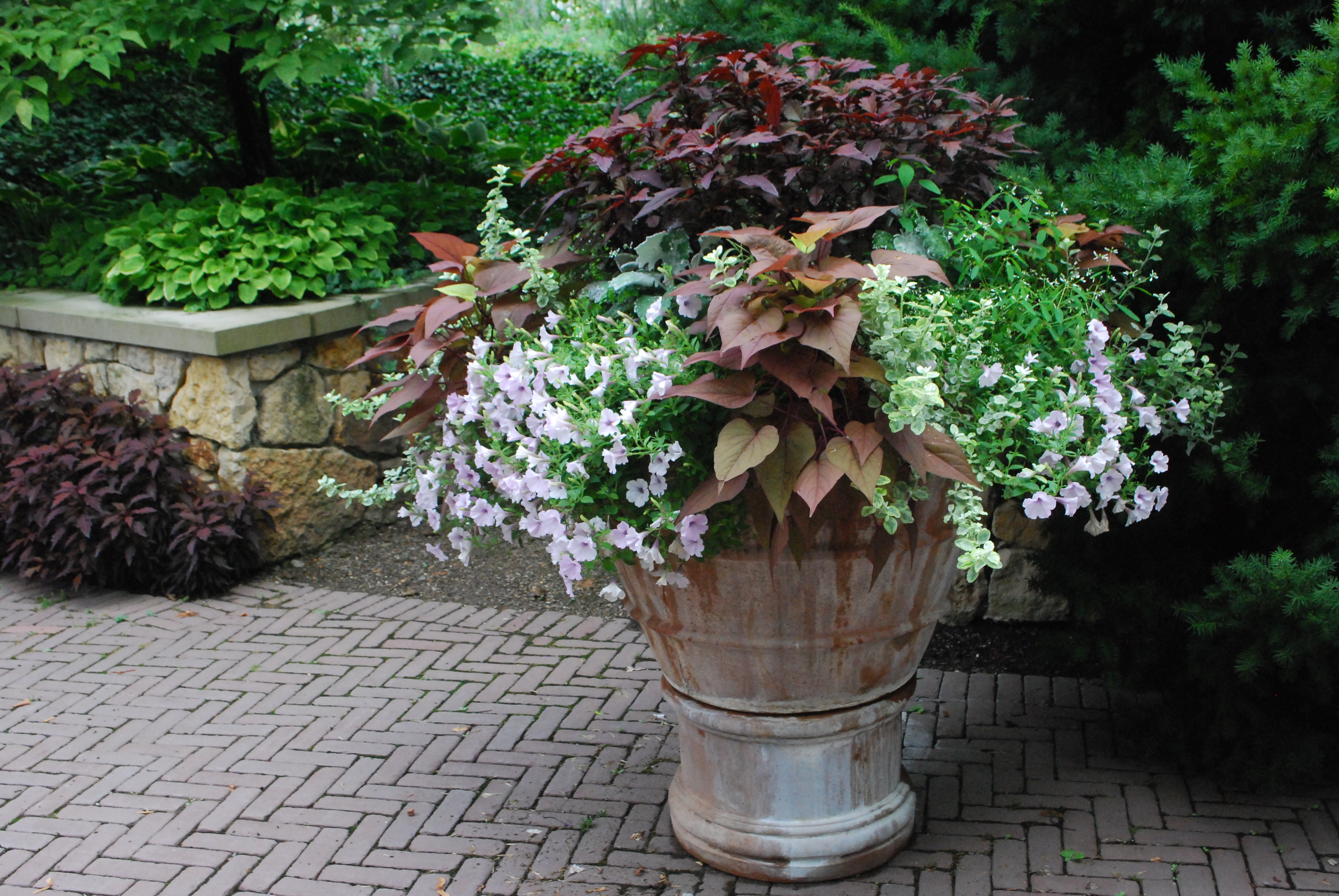
Italian terra cotta pot and plinth

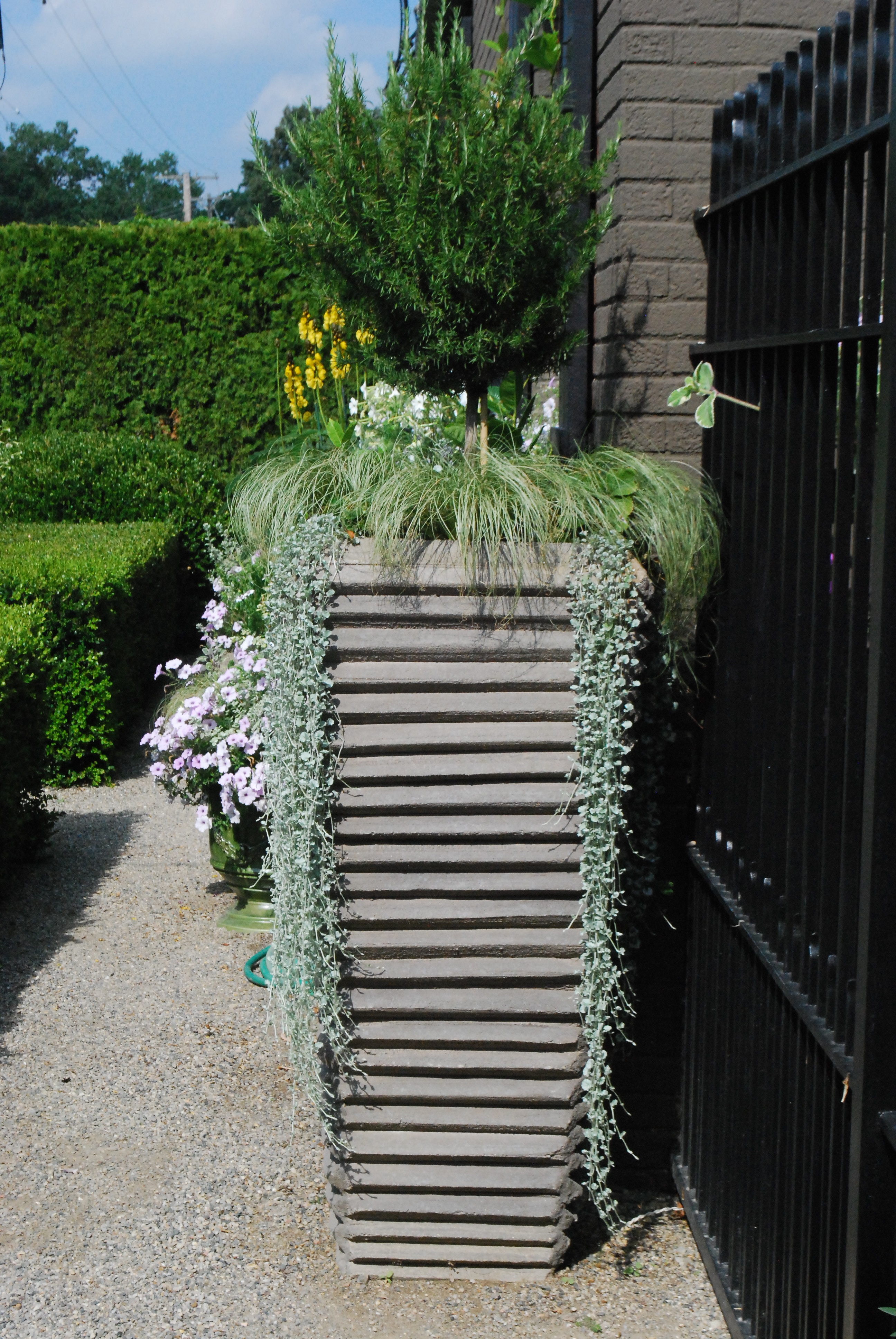
ridged concrete pot

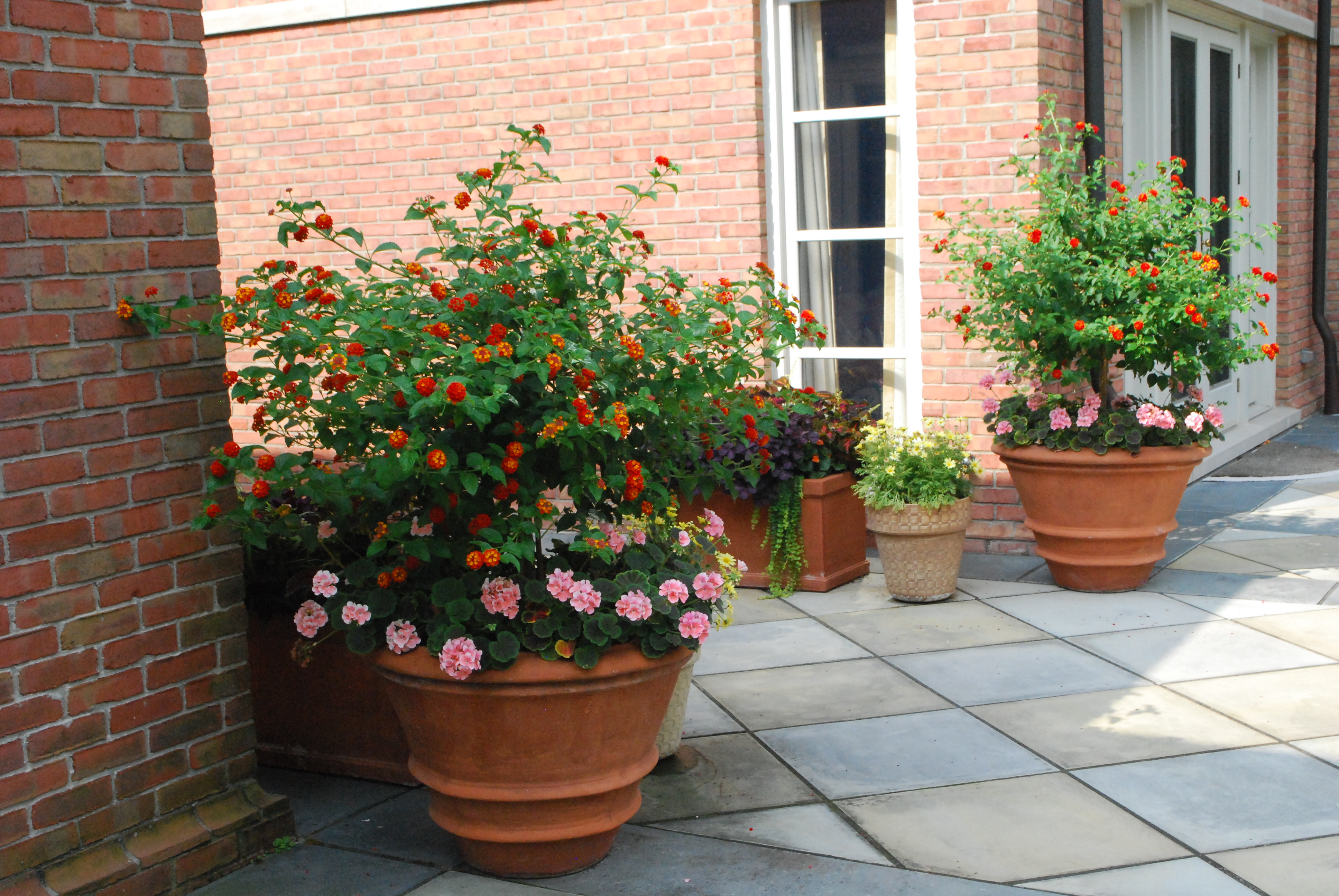
lantana on standard

Italian terrra cotta

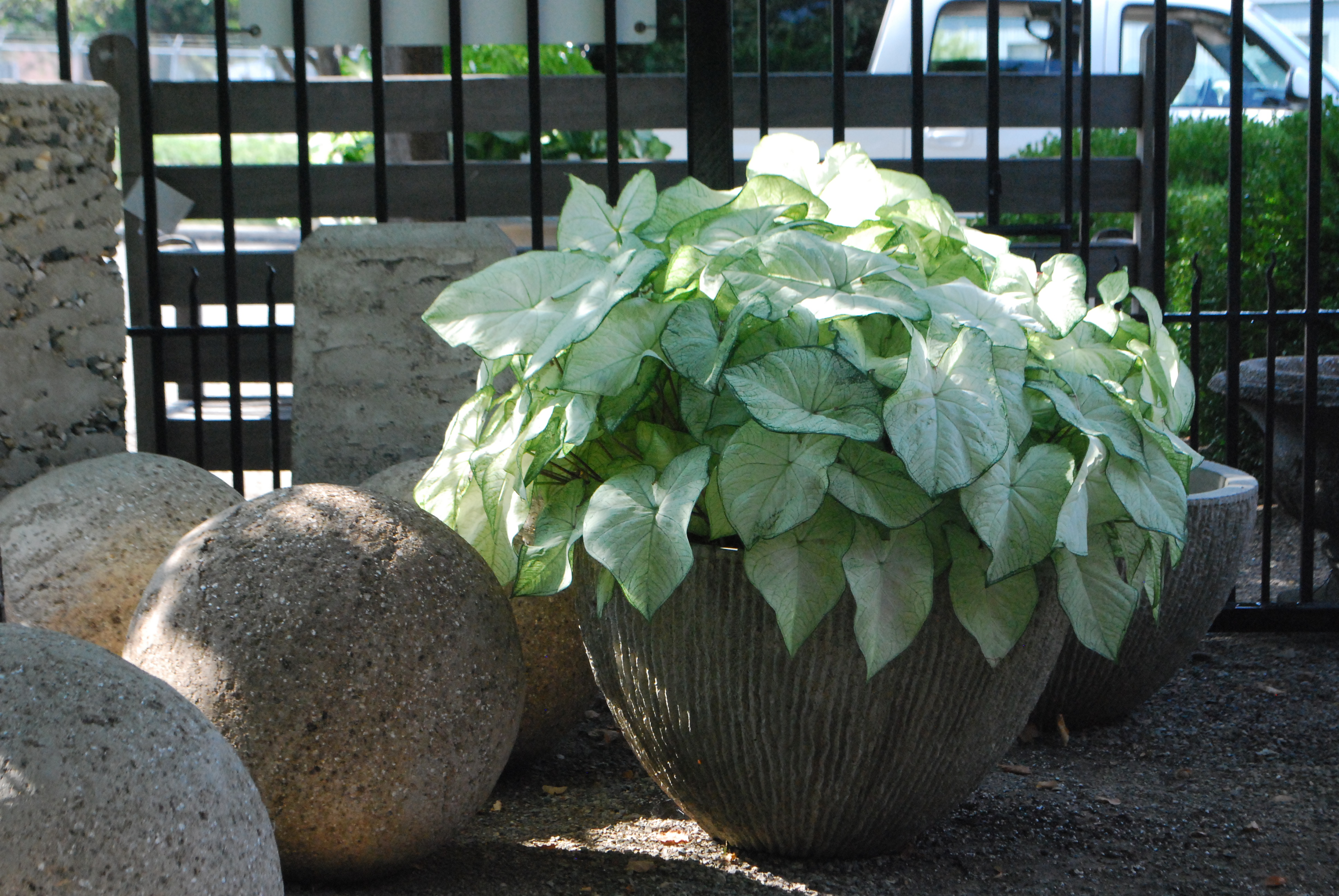
ribbed concrete bowl planter

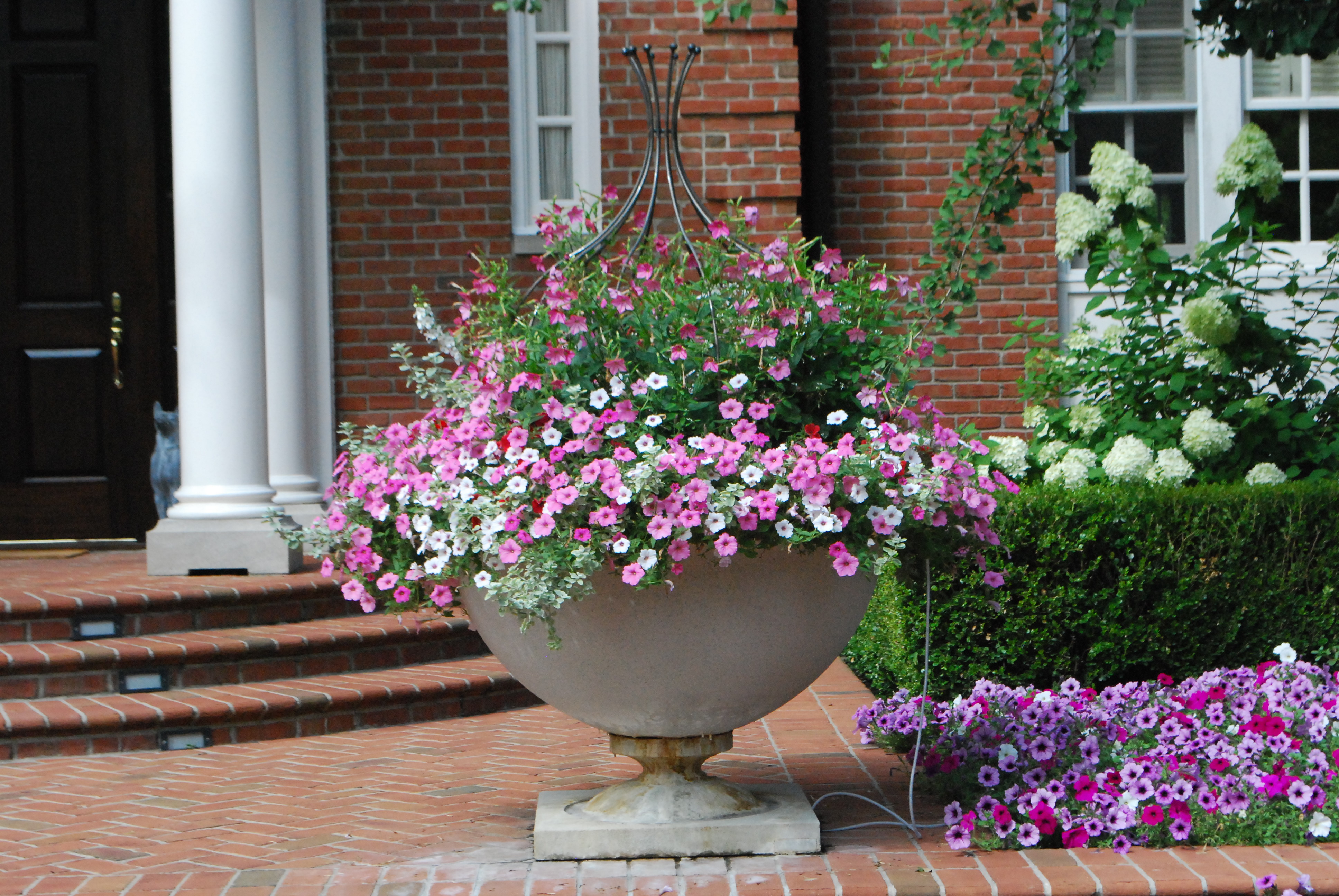
limestone urn

limestone urn

terra cotta basketweave box

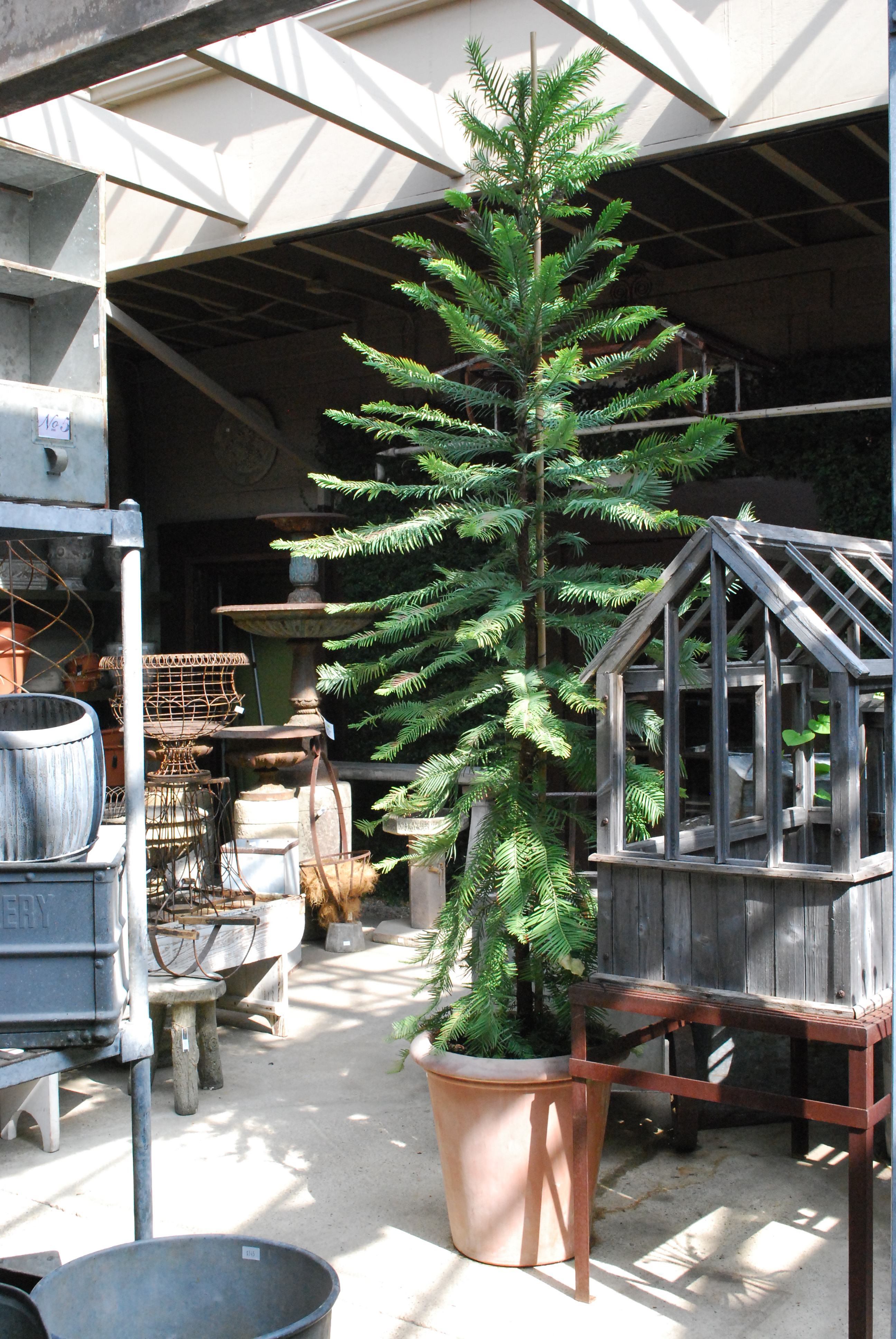
wollemi pine

terra cotta long tom

terra cotta planters

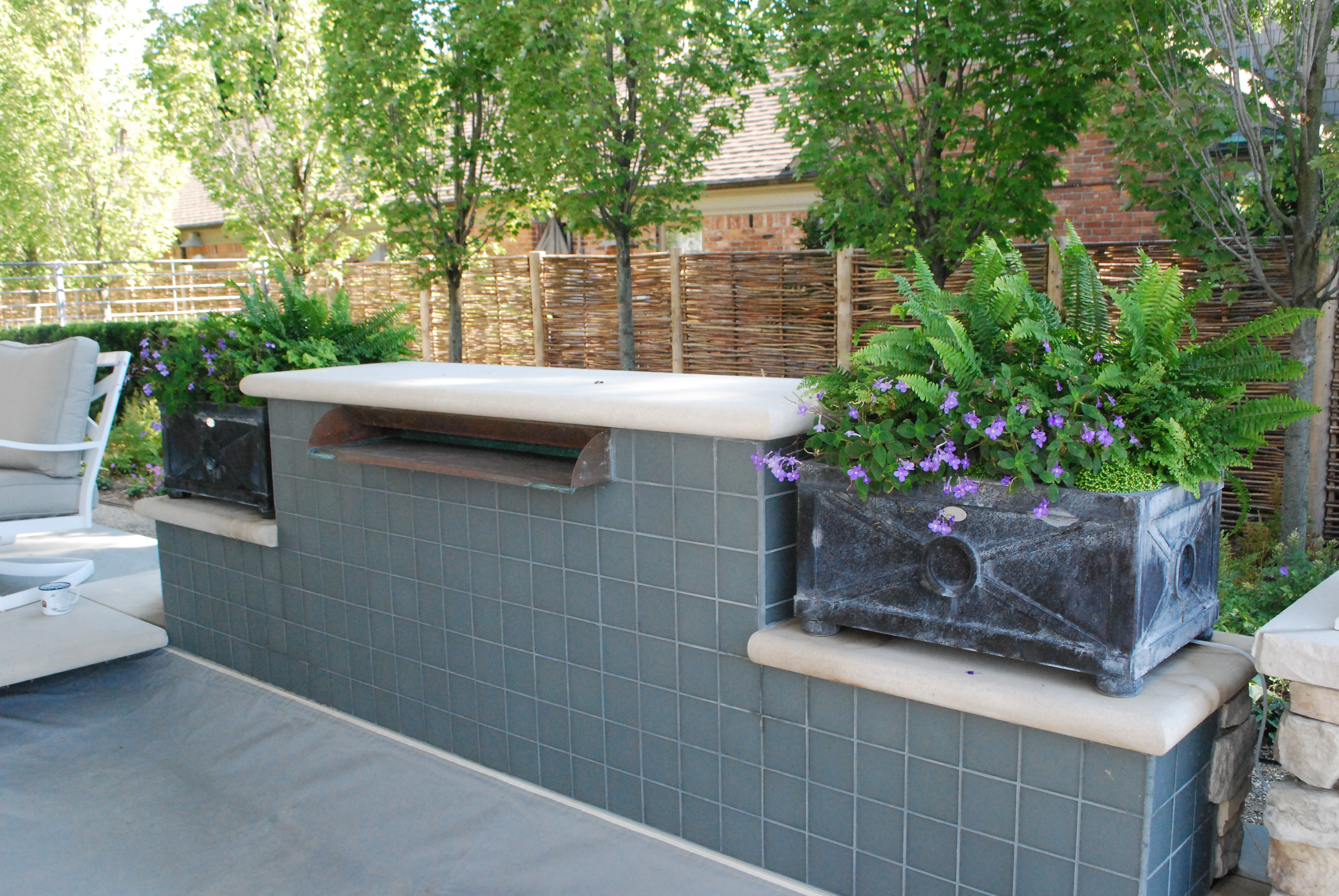
steel boxes

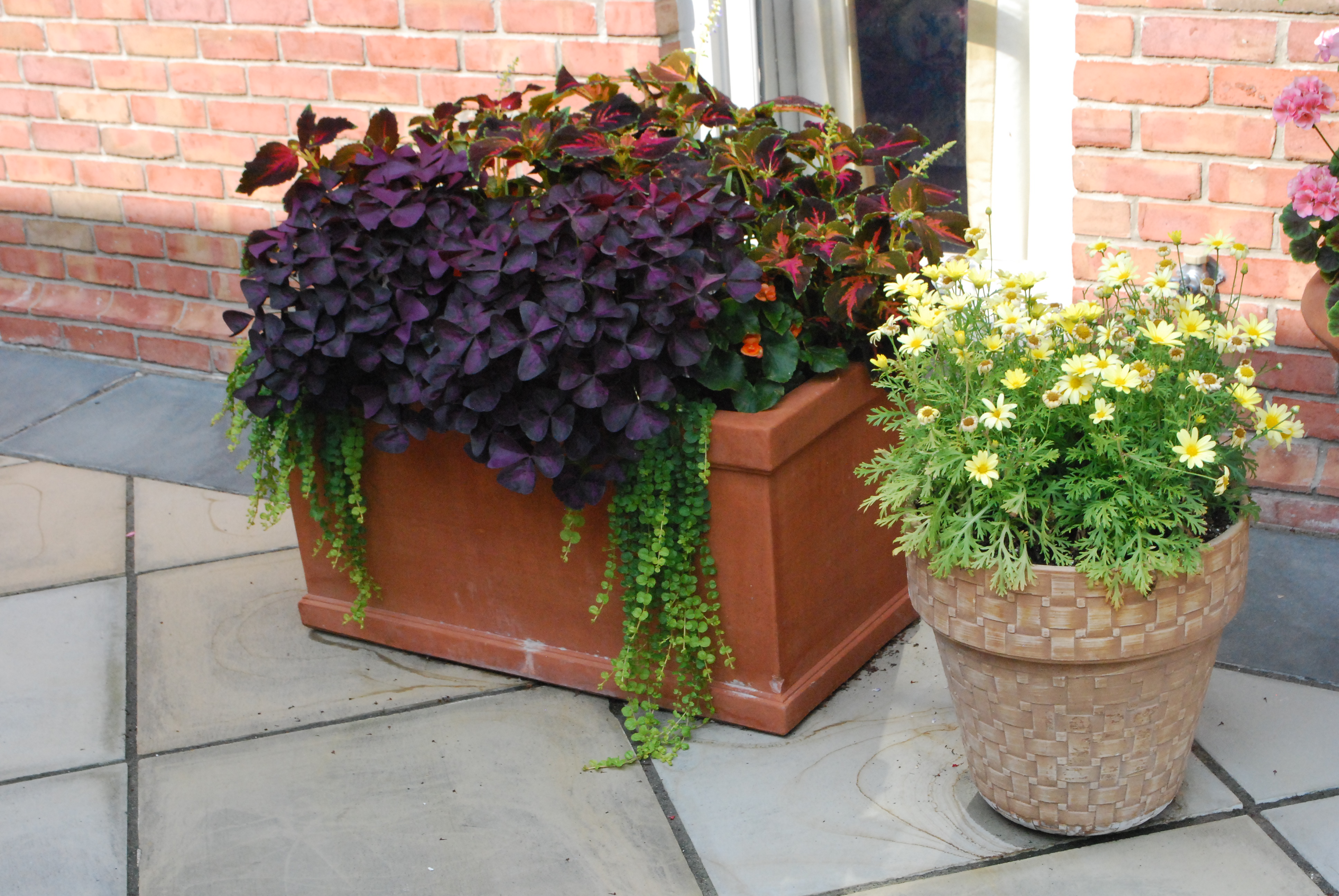
terra cotta planters

terra cotta boxes