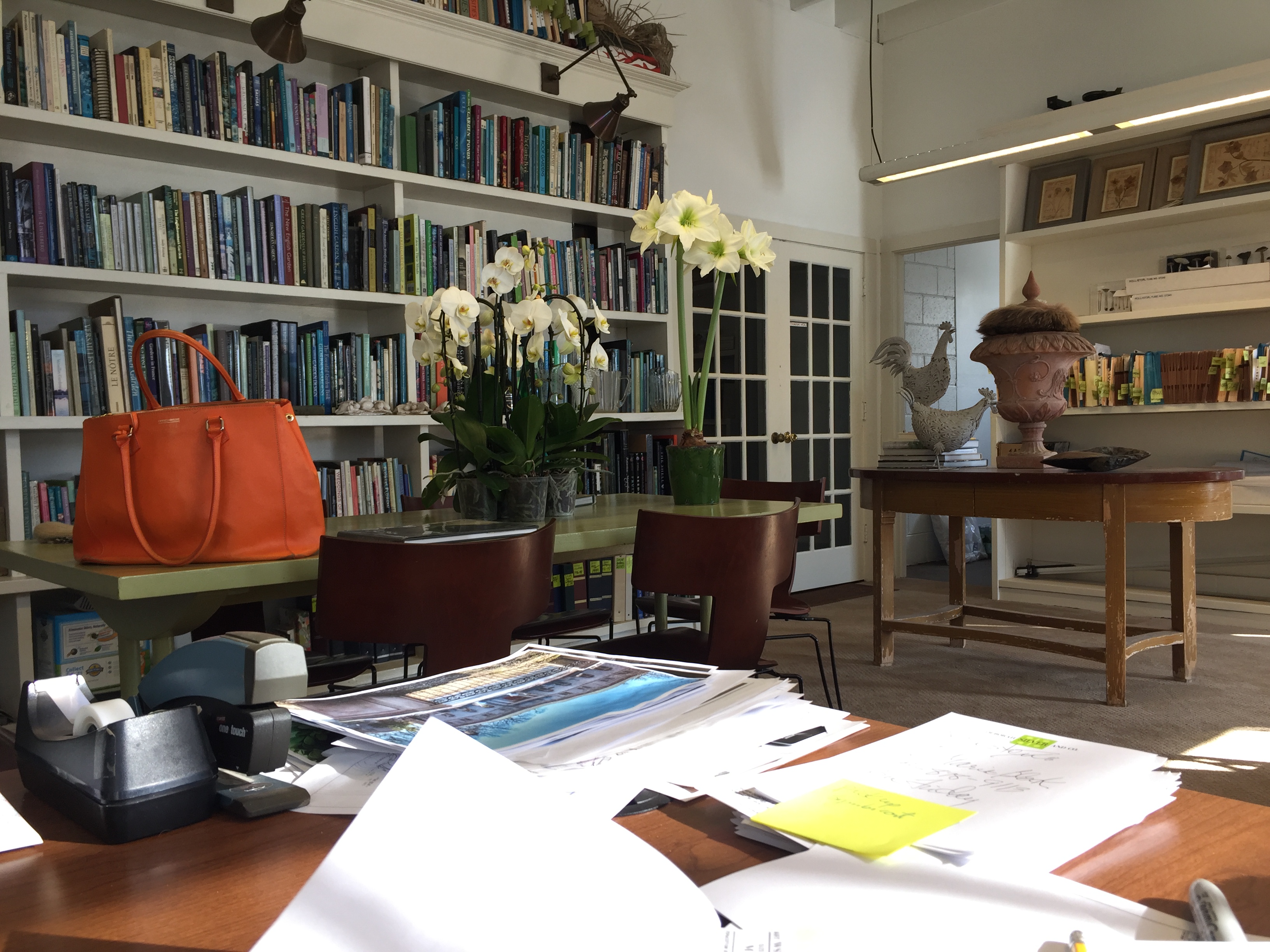
 February in a northern garden designer’s life ought to be snoozy. 25 years ago, my landscape design work finished up in mid November, and did not resume until the snow and cold looked to be waning the following March. I can’t remember what I did with those winters now, so it couldn’t have been much. How fun, to not have much to do. Oh to have those quiet winter baby days back. Now there are requests for design year round. Some late 2017 projects are inching slowly towards the drawing board now, as I reserve the right to indulge in a little bit of horsing around. Even though the engine is running, the parking brake is on.
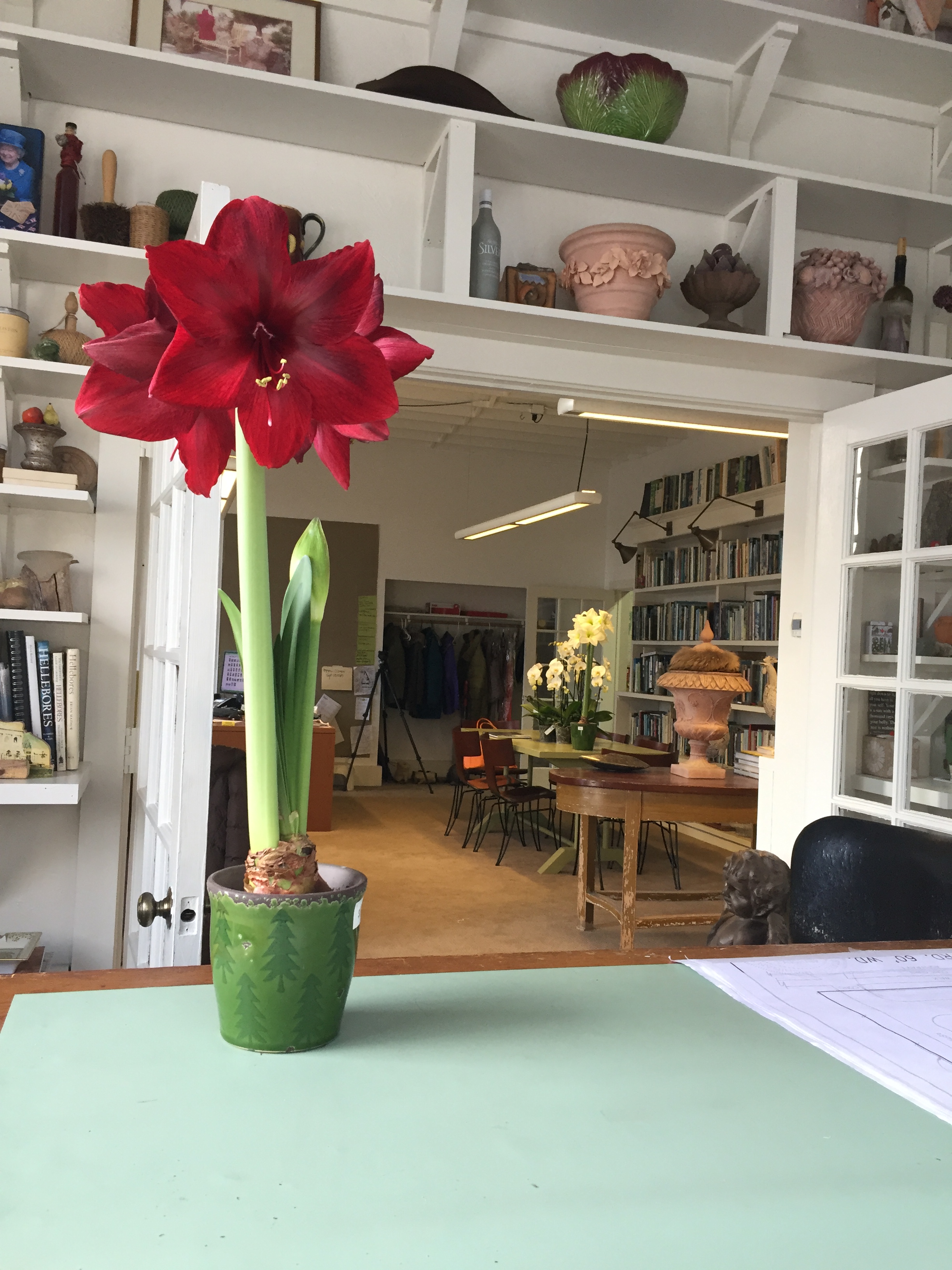 It takes an entire winter to re imagine Detroit Garden Works for the season to come. That process is still in process. If you follow Rob’s instagram page DetroitGarden you know the walls, fixtures and floors in the largest part of the store are swathed in painter’s plastic. Wayne is here spray painting the ceilings, a job that was last done in 1995. Yes, they were due. Moving everything our of those rooms, dusting and scraping the loose paint, and repainting all of the shelves and trim took most of January. Two containers from overseas have arrived. A container from France should be docking in NY shortly, and two more will arrive from Belgium and Vietnam towards the end of the month. The shop is due to reopen March 1. February is a busy time, ready or not.
 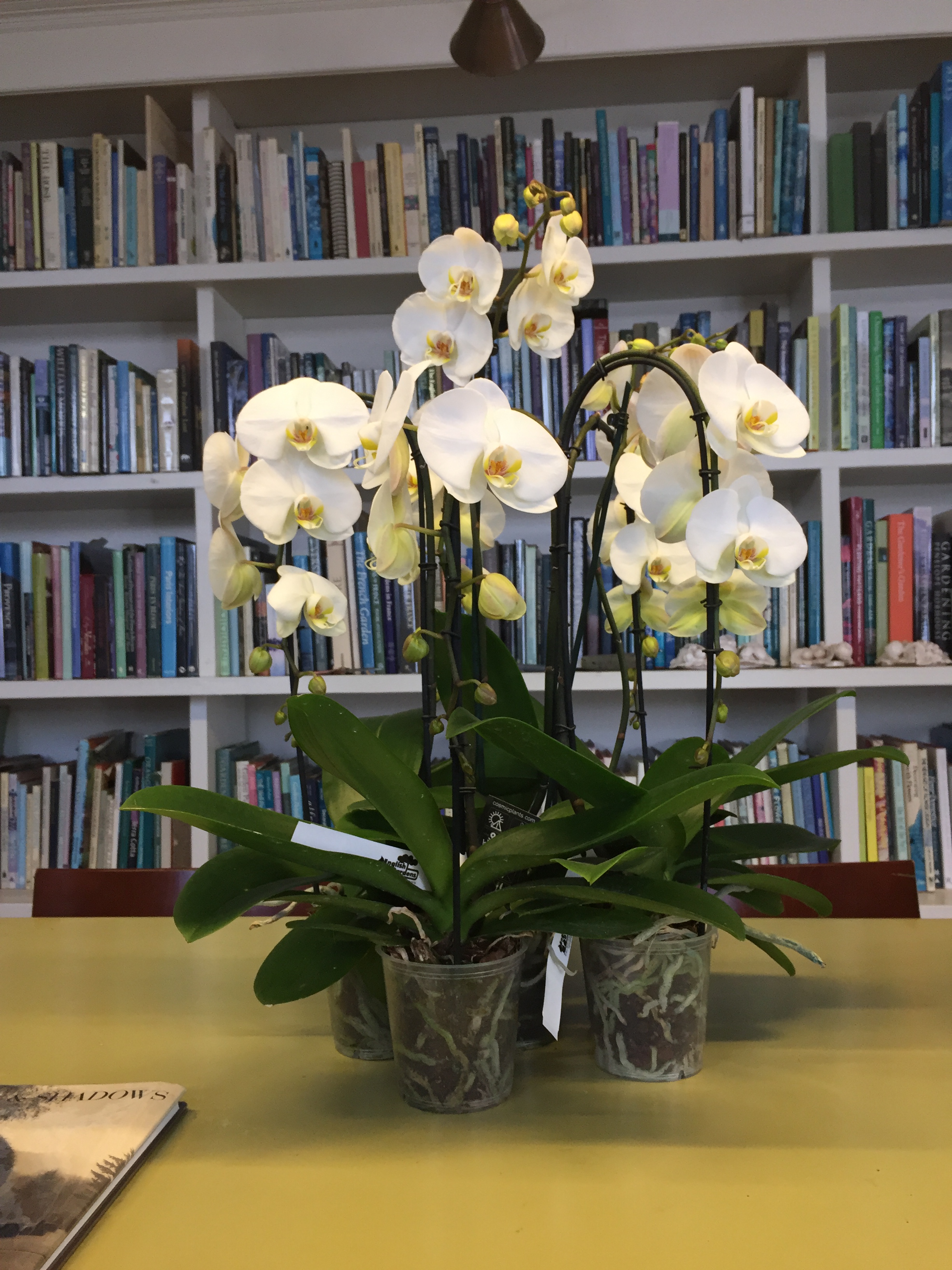 Most annoyingly, part of my winter has involved some involuntary babysitting. If you read this journal regularly, you know I am not a fan of plants in the house. I love having a plant free season. Like most houses, I have a house which is notable for a lack of natural light in the winter. My house is dark (by plant standards), hot and the air is dry- an environment that plants don’t want. Well I don’t want them either. The bugs and dirt don’t bother me. Nor the fact that tropical plants hardly look like they belong inside a house in Michigan. I could live with those things. The fact that they need regular care and attention leaves me cold. Enough of my time gets absorbed by the needs of the plants for a good portion of the year. I like the time off from that group of living things that have no problem dying on you despite a huge effort to keep them happy and healthy. The phalaenopsis orchids pictured above are a gift scheduled to be delivered the end of the week. That I can live with, as the end of my responsibility for them is near. After having them for one day, a new bud is withering. I can’t get rid of them fast enough.
 The amaryllis are another story. Rob sells scads of them in the shop at the holidays. Invariably, there are a few left over. Some bare root bulbs I gave away to good customers when no one was watching. I knew anything left over would come to me, as my office is warm. Karen potted up and watered them liberally, and moved them to the utility room near my office. Then she went on break. There they sat. I have a little frig for my milk and a spot for cereal, so every morning making breakfast I had to look at them. Not one was making any move to come on. Not one was looking like it was shriveling or dying. They were in a state of suspended animation.
 After three weeks of scowling at them every time I walked in that room, I looked up their culture on line. I did not read anything that I did not already know. Popular lore suggests that after potting and watering, the bulb so be left alone until it puts forth growth, either in the form of flowers or leaves. By mid January these bulbs had been watered only once in the 6 months since they arrived. Another article (which of course I cannot find now) suggested that watering the bulbs normally, but sparingly in advance of any growth was fine.
 Tired of looking at their expectant bulb faces, I had a decision to make. I had to either throw them away, or see if I could get them to grow. I knew I would feel guilty, and face ridicule from Rob if I didn’t try to grow them on. So I soaked the pots thoroughly, and moved them to an all plastic Rubbermaid tabouret in my drawing studio. The tabouret has tall sides, so I could slosh the water and dirt around with impunity. The industrial windows are 6 feet tall, and face south. At least if we had no sun, there was still plenty of light. The tabouret also has wheels, so I could move them away from the windows when the temperatures dropped into the single digits.
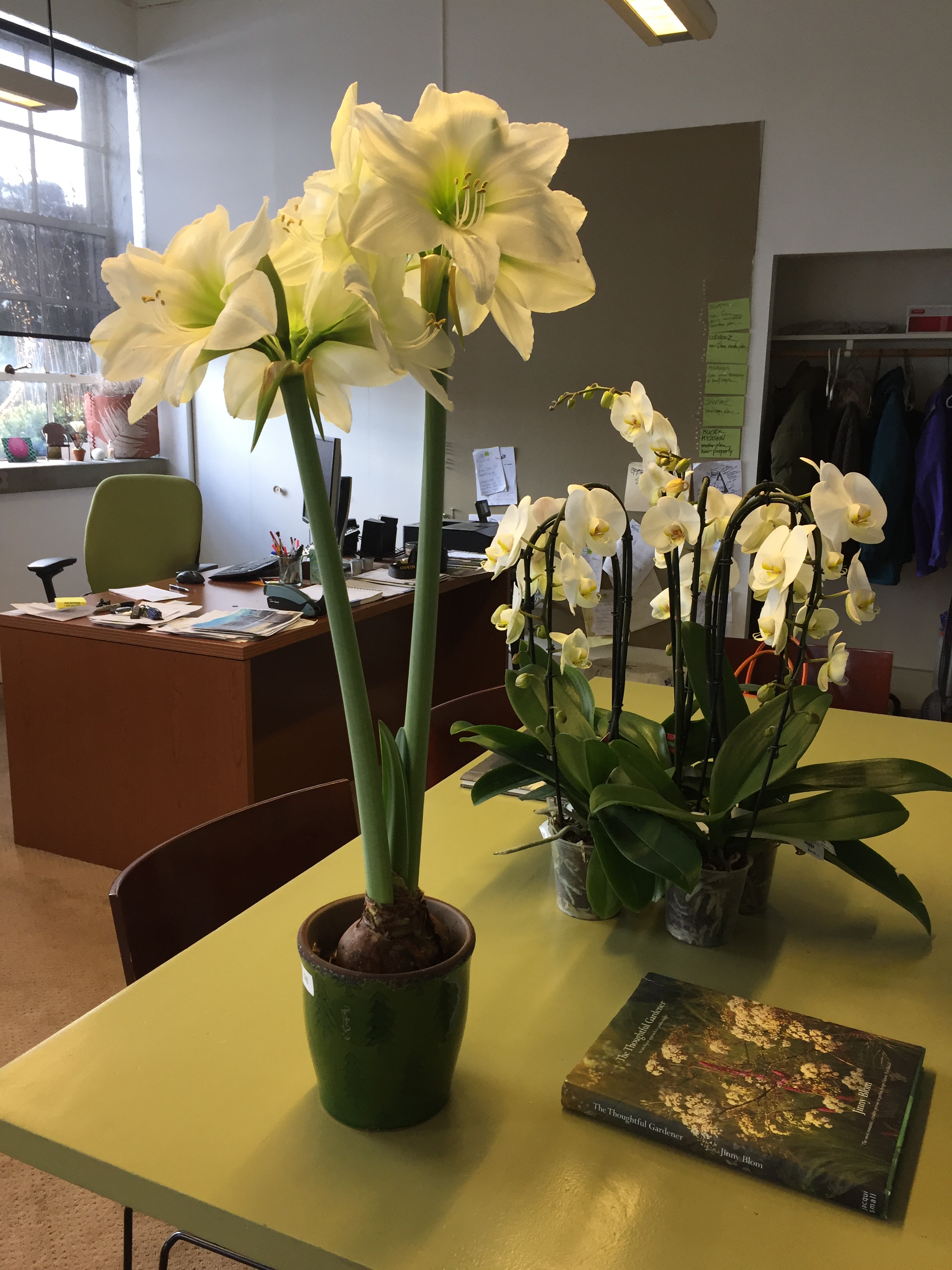
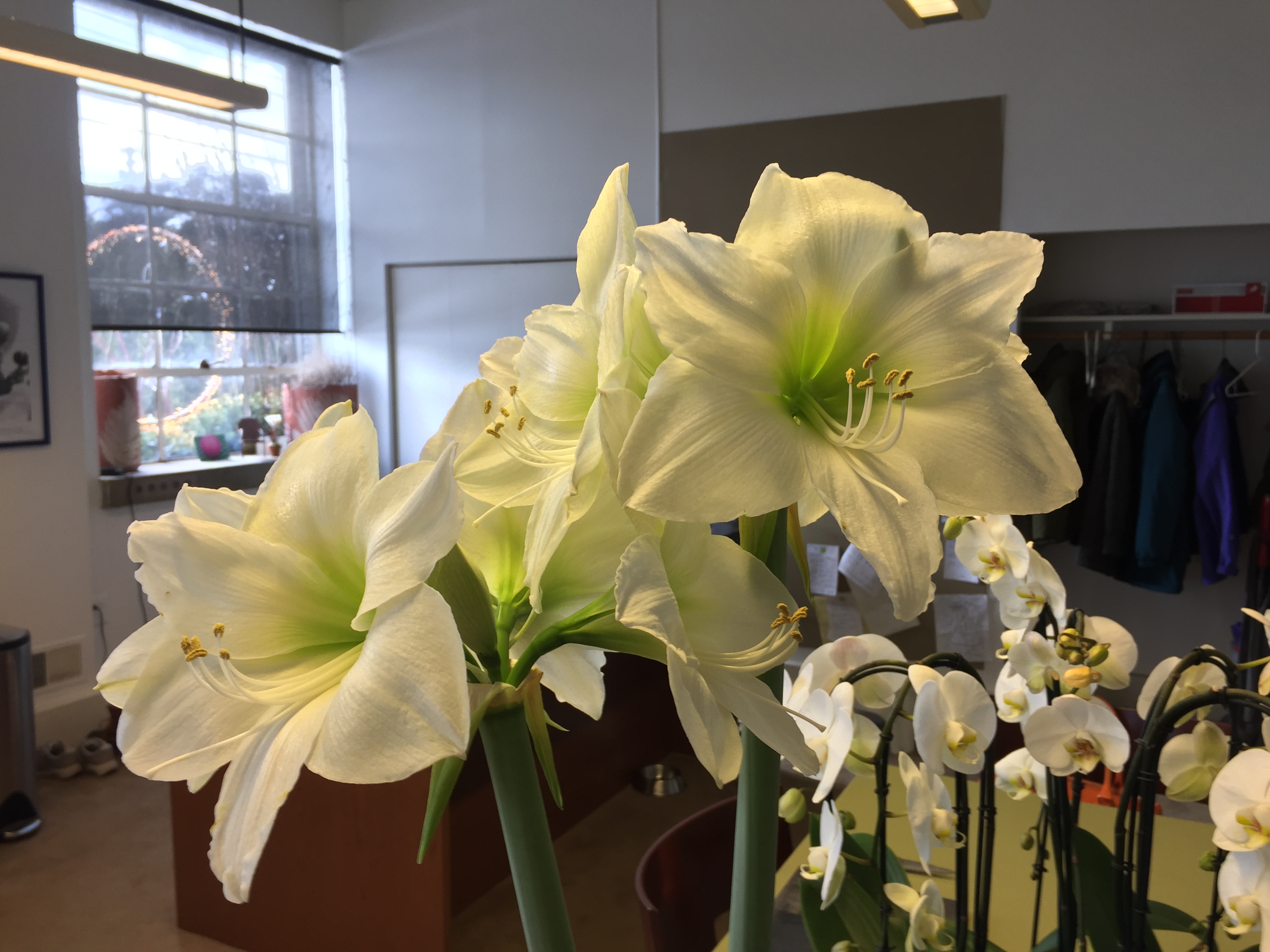
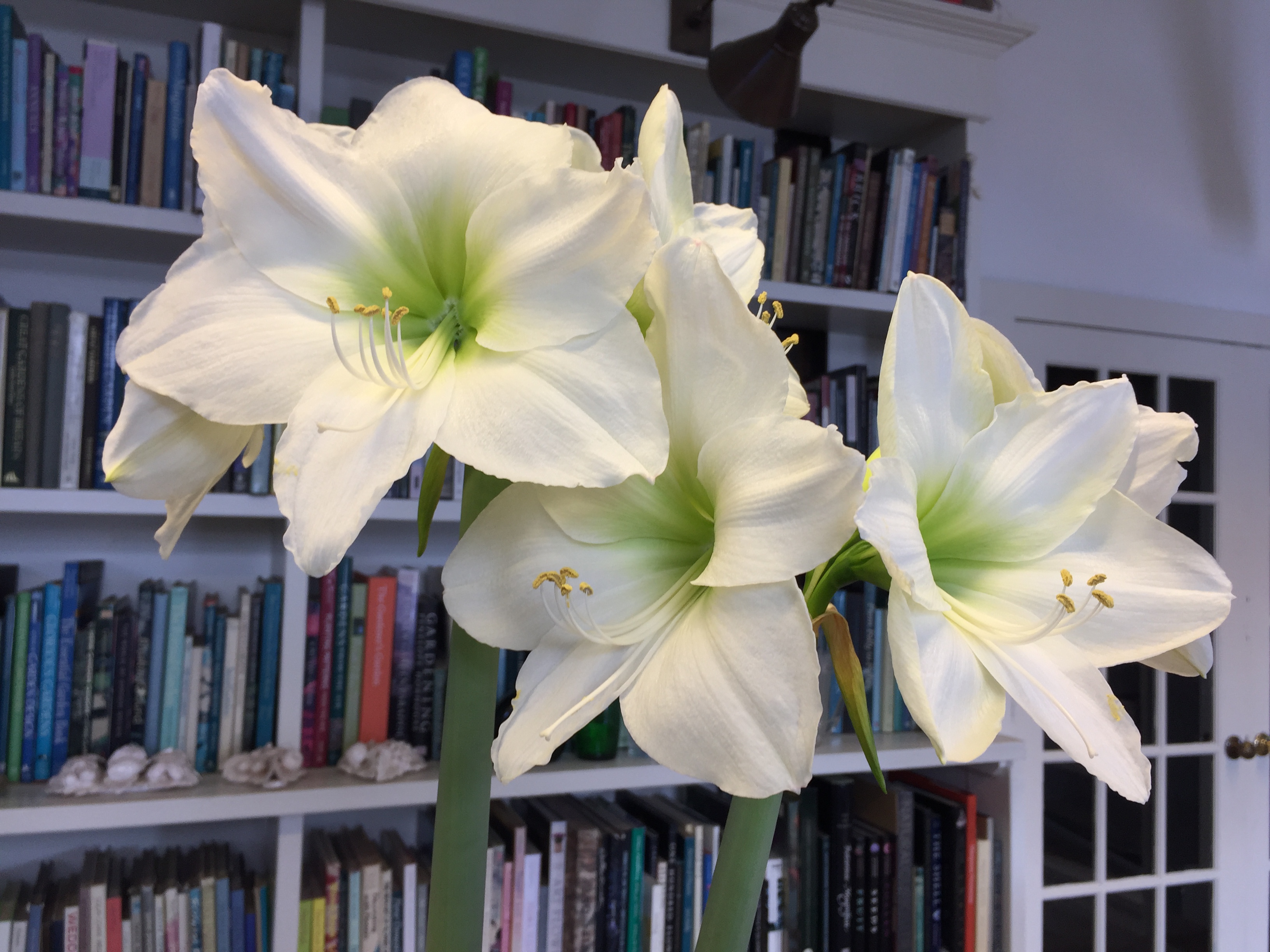
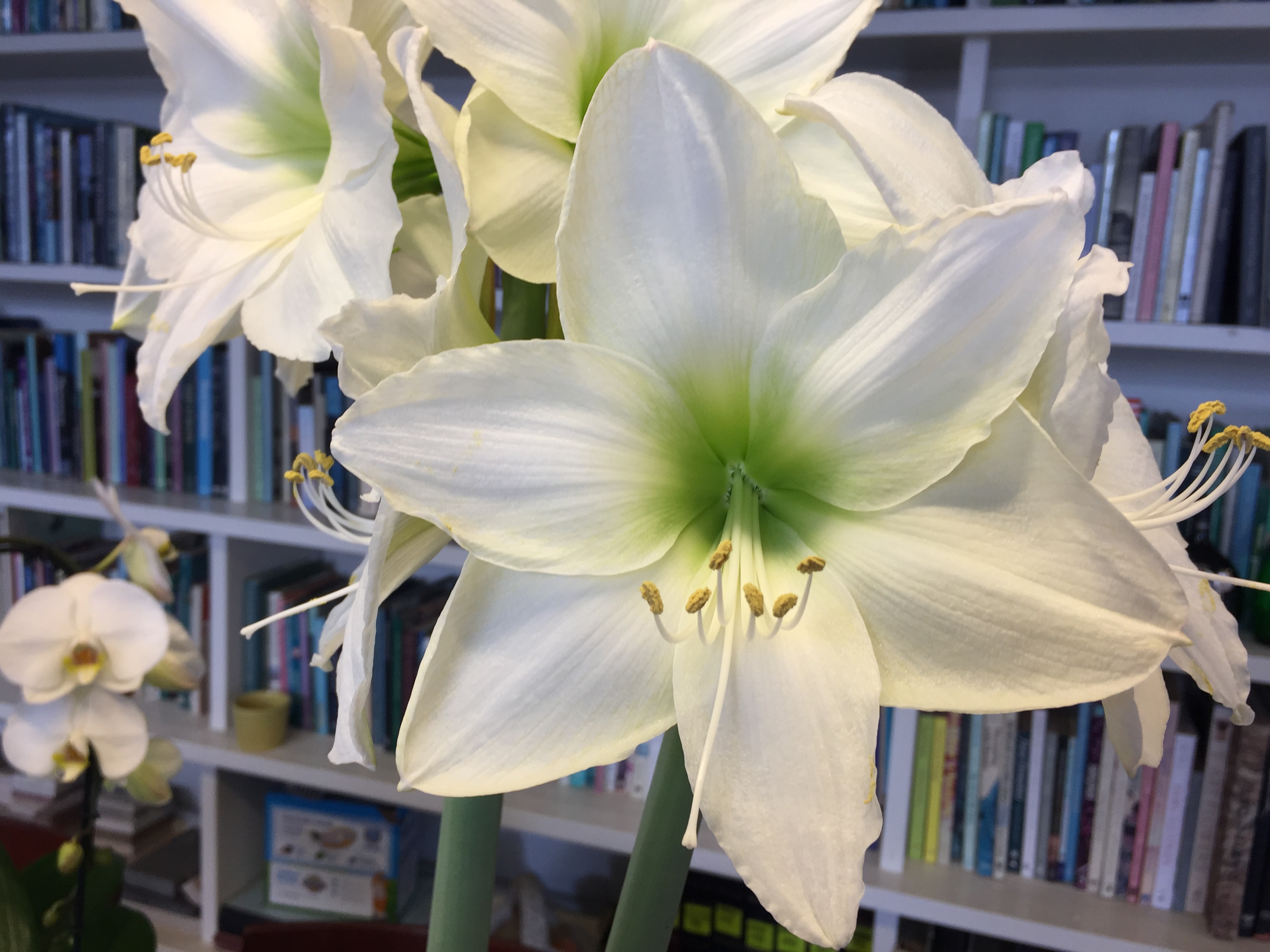 You see what was happening here? My carefree February became an obsession to get those bulbs to break dormancy, grow and bloom. I scrutinized them every day. I had to come in on Sunday to be sure they didn’t need anything. I was certain that the bulbs that had been potted in non-draining jardinieres would rot if I wasn’t especially careful with the water. And the one’s planted to larger fiber pots would come blind from having been over potted. None of this happened. One by one, they began to grow. One bulb threw a pair of stalks at once, and is in full bloom on my conference table right now. I have to admit The big showy white flowers are a welcome contrast to that other kind of white blanketing the entire landscape.
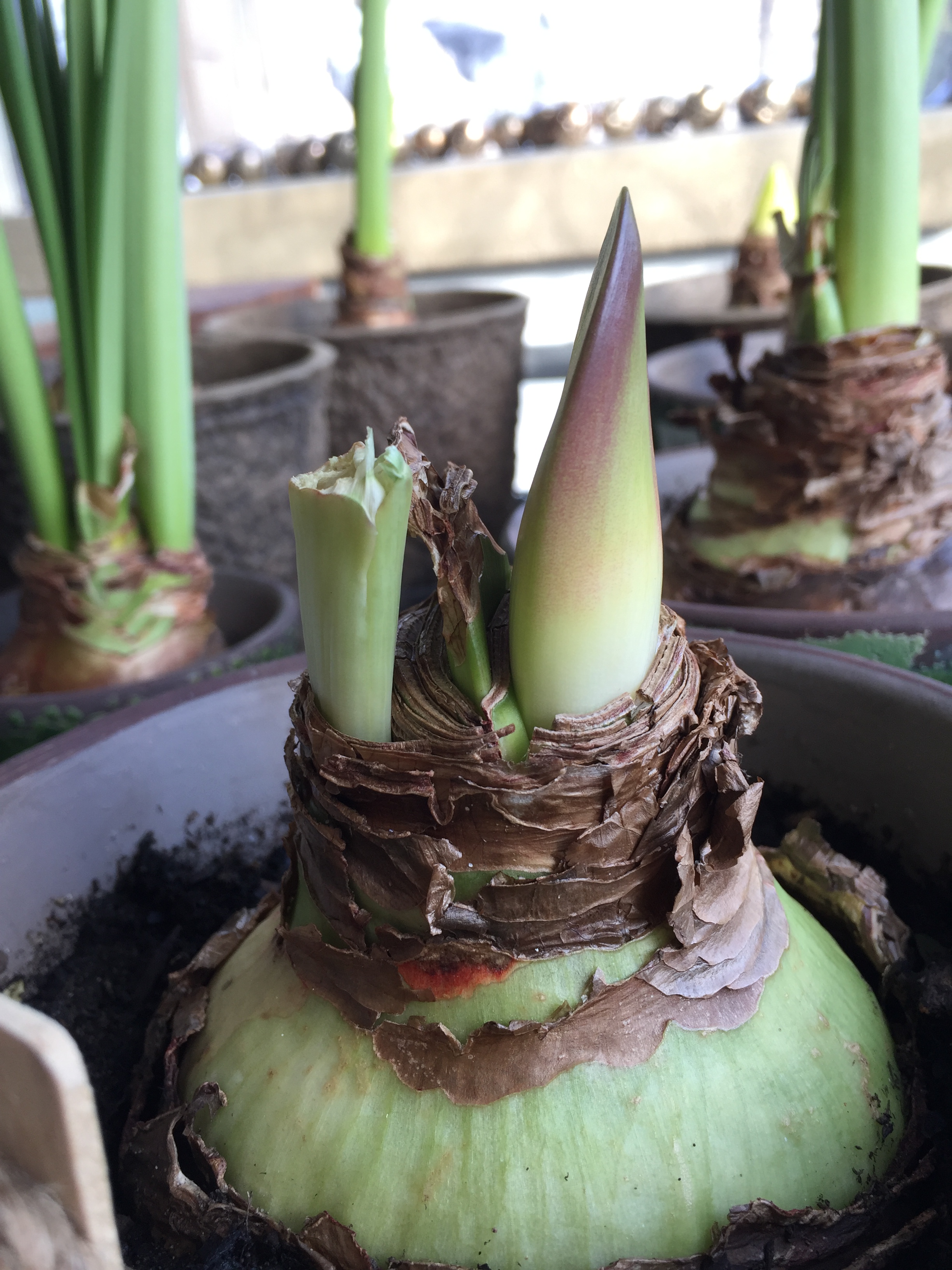 One hapless bulb had been left behind by shoppers as it one bloom stalk withered and rotted from the cold in the greenhouse. So I cut it back, and watched to see if another bloom stalk would emerge. After sulking for a few weeks, I could tell something was afoot. It is February, so I had time to turn the flowering stalks leaning towards the light away from the window.
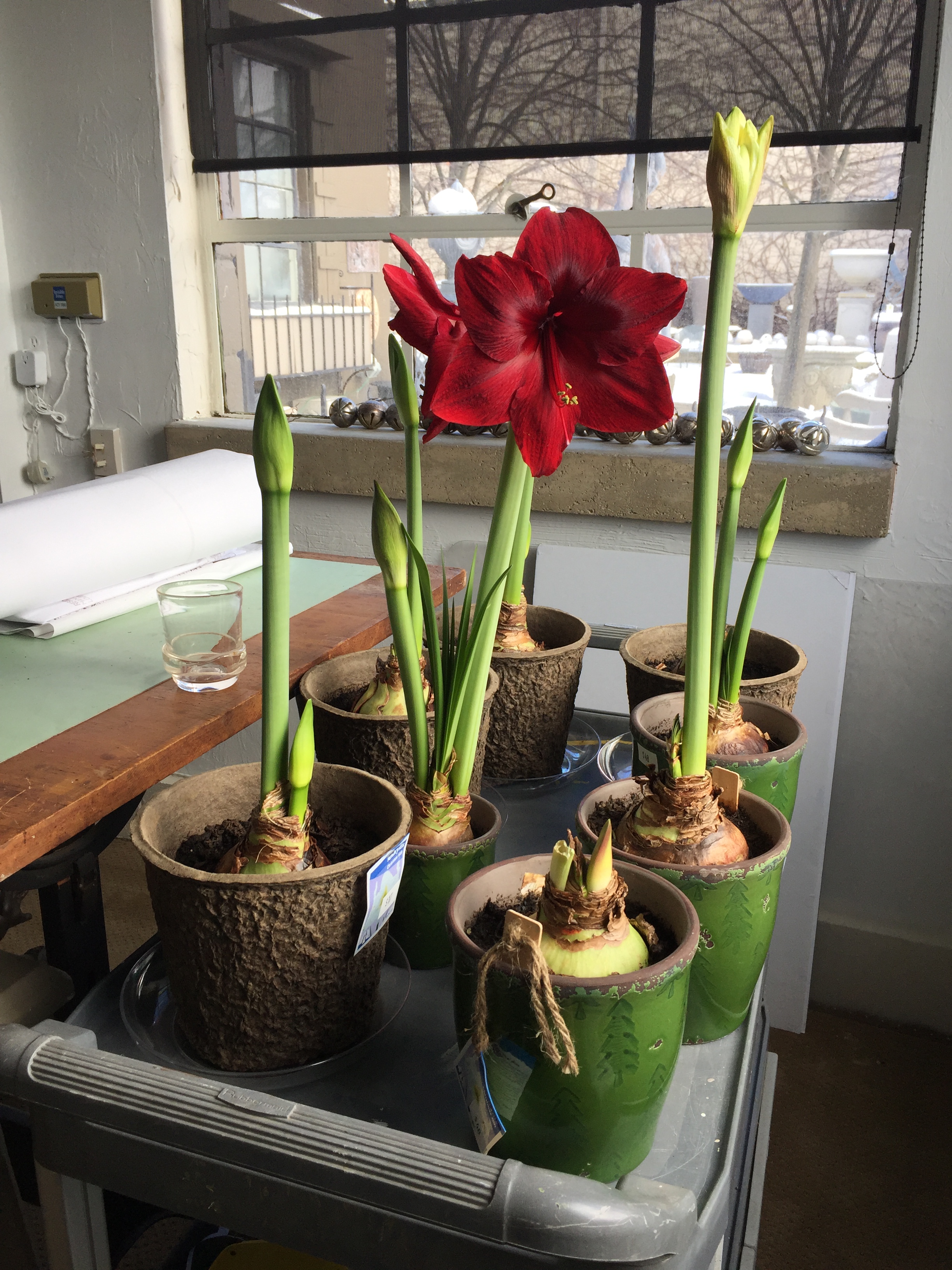 My amaryllis crop, which I never sought or wanted, had me in its grip. The attention it took had expanded to an alarming amount of time. I was going in there 4 times a day just to look things over.
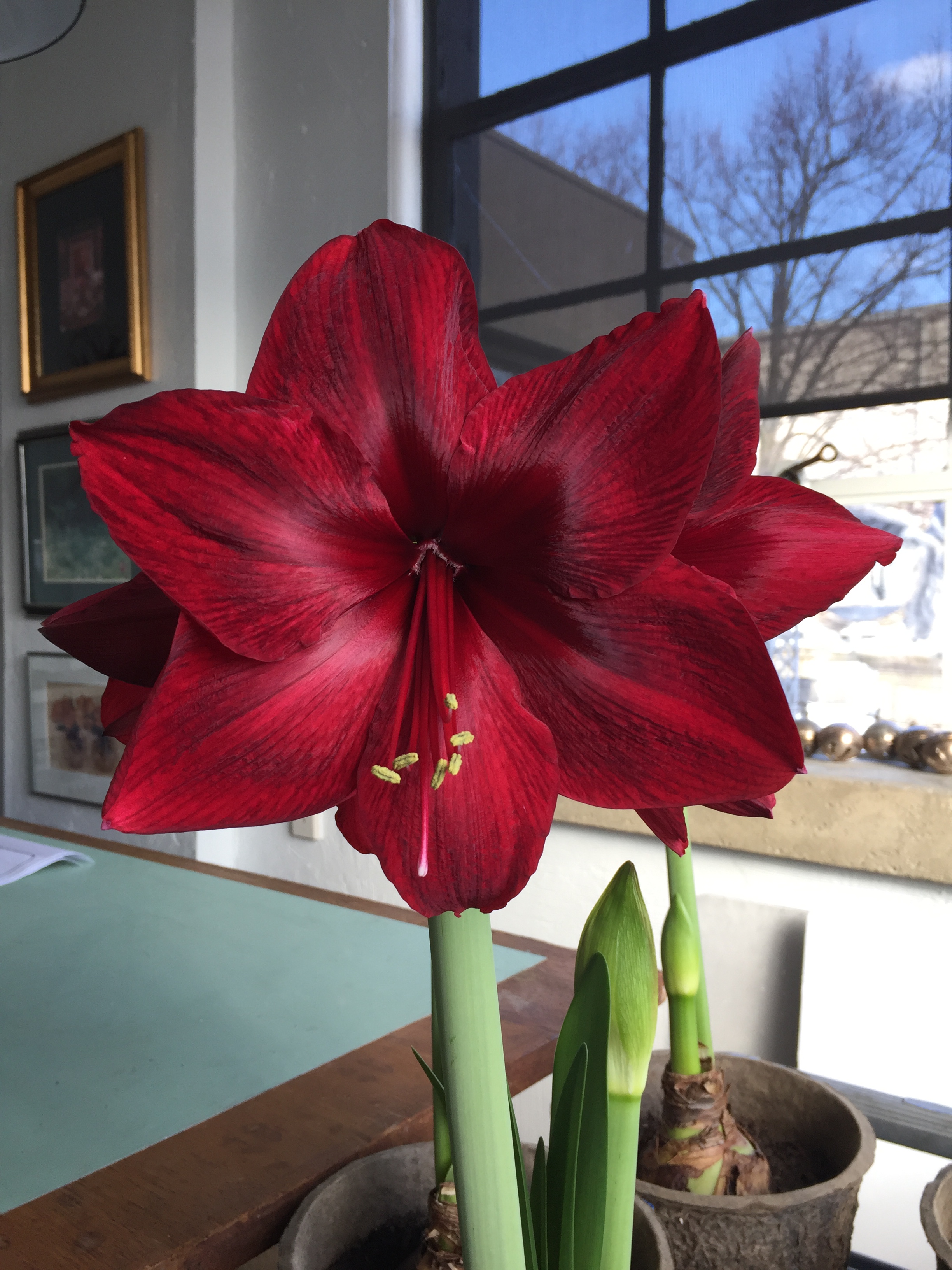
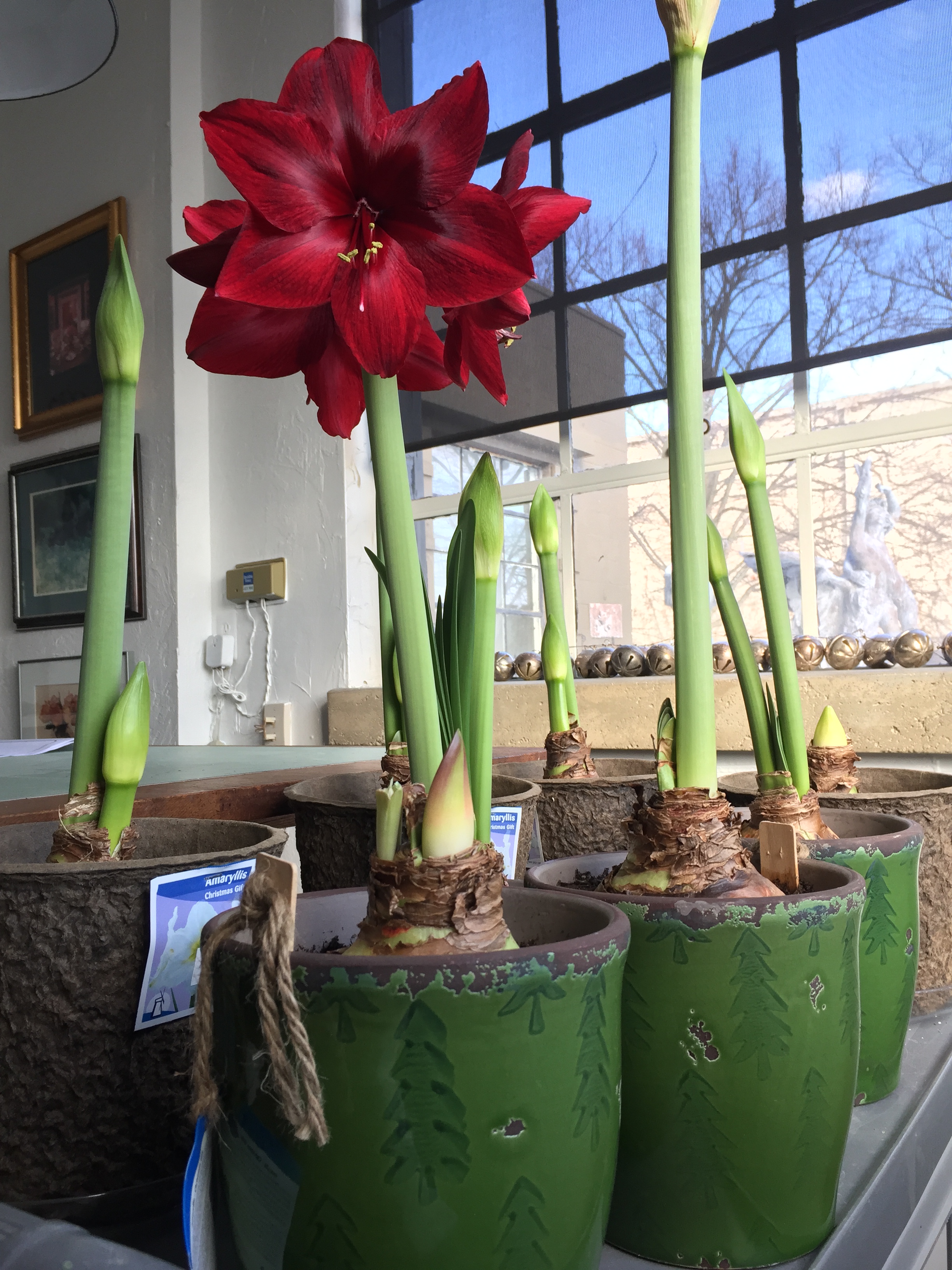 The second bulb to bloom had red flowers – not my favorite. So I took it in to Dave and Heather so they could enjoy it. Now I have 3 stops to make every day, checking on the amaryllis. And to make matters that much worse, I have made a list of suppliers of unusual amaryllis bulbs and the varieties I like available to Rob, as well as a source of heat mats so we can provide them with the heat they want and need to come on. And finally, the time it took to take pictures and write this post-hours more.
 Now you know why I do not like having plants in the house.