Archives for 2013

Garden Designers Roundtable: Mistaken

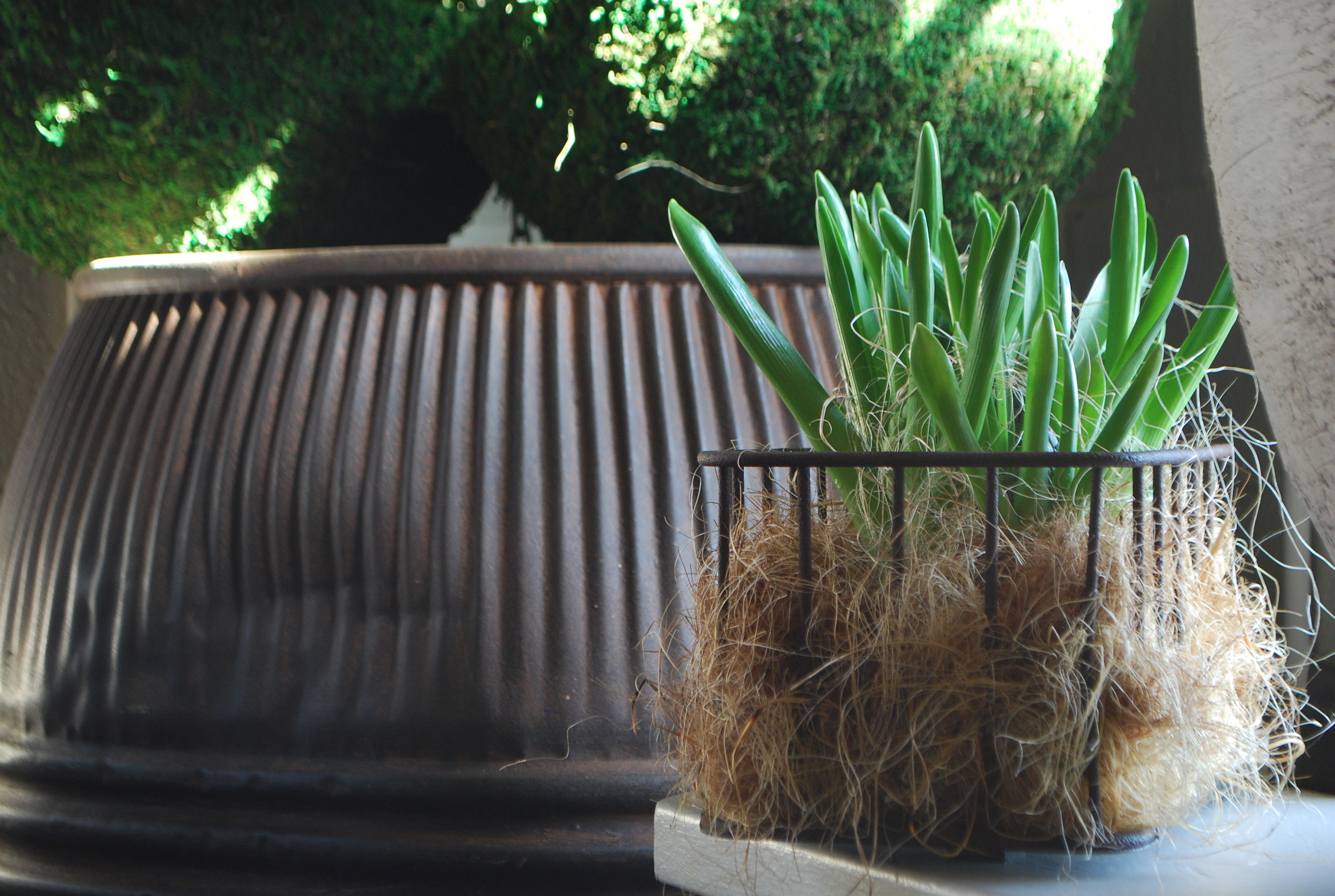
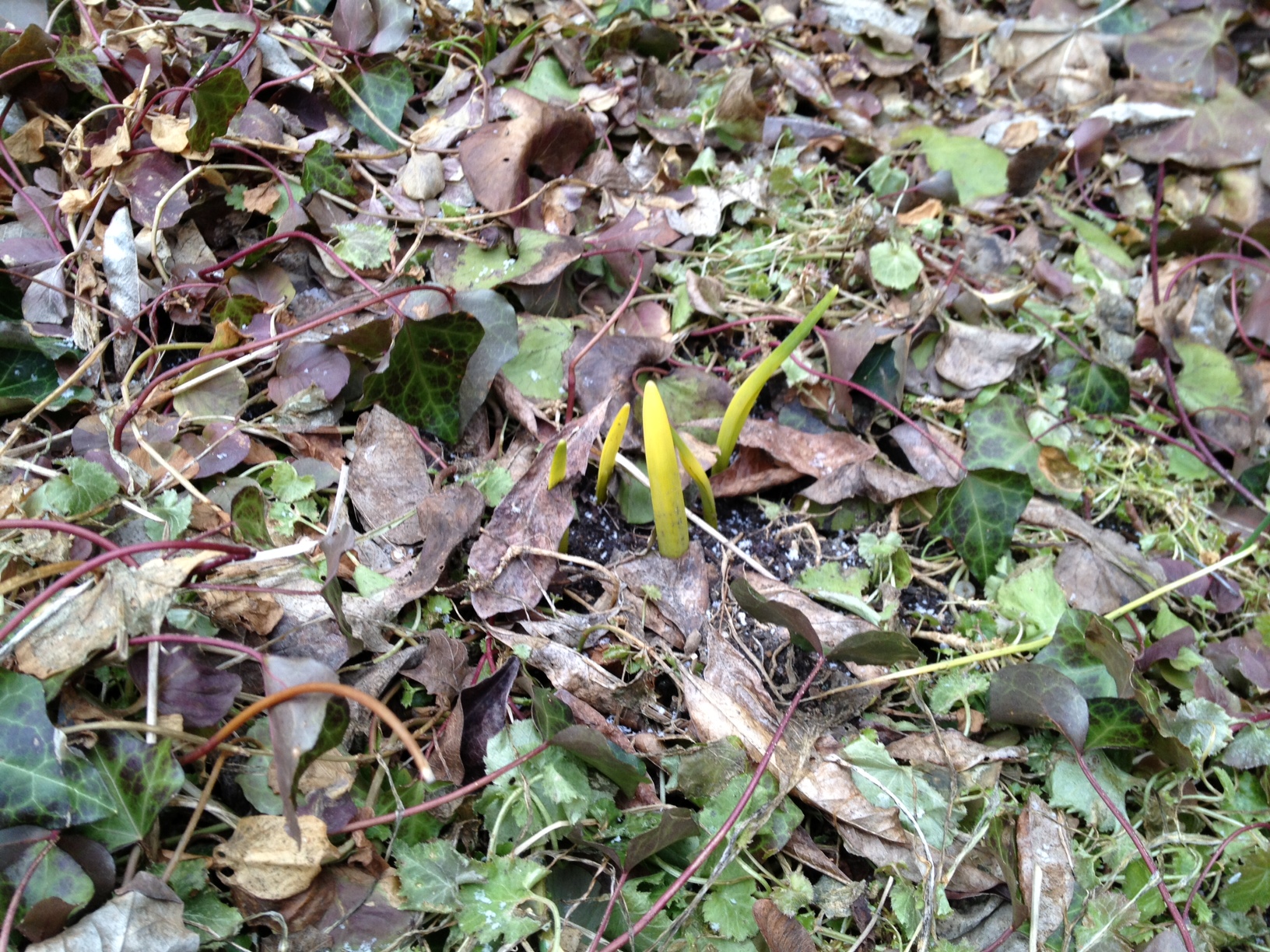
daffodil-shoots.jpg

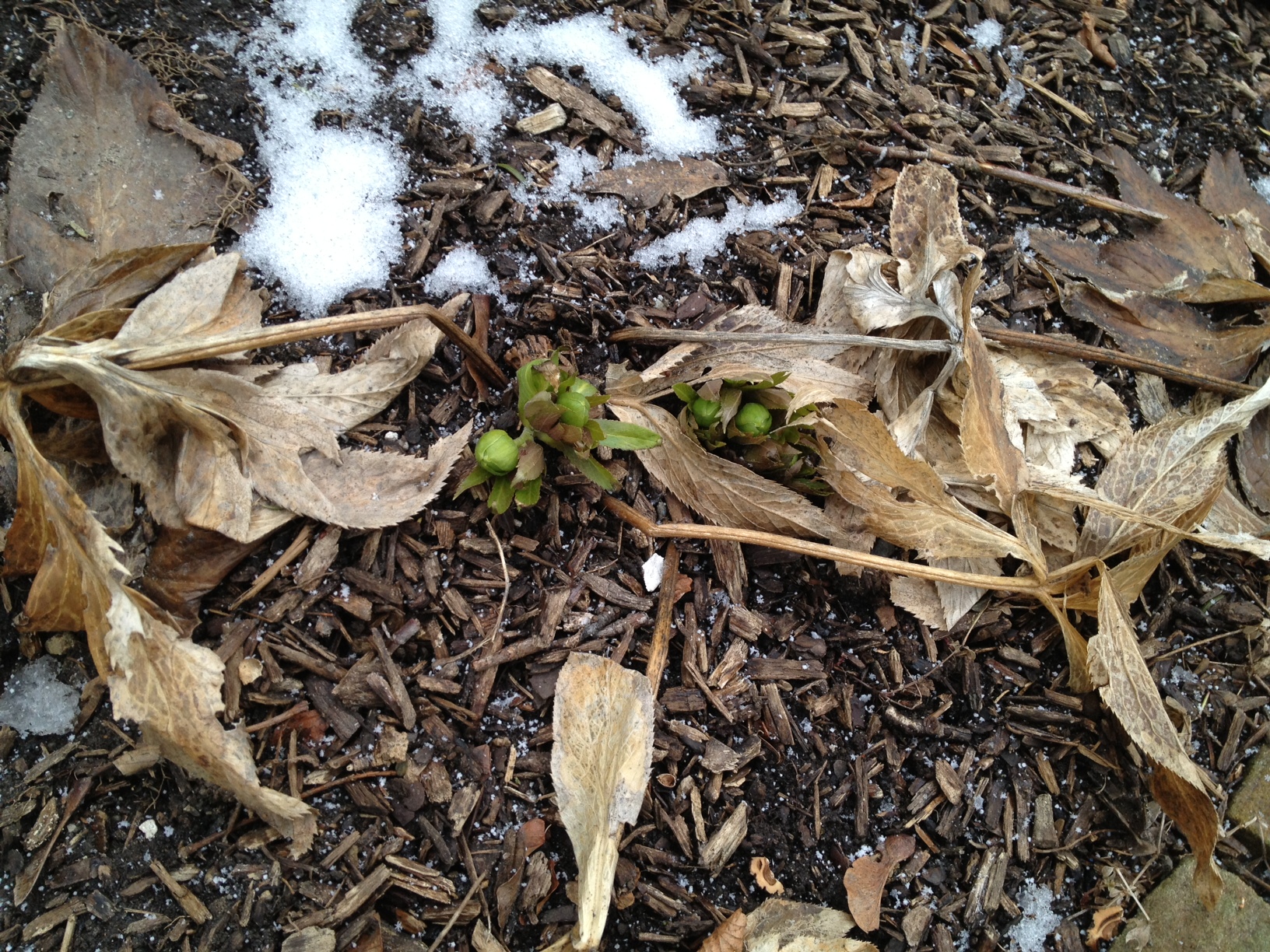
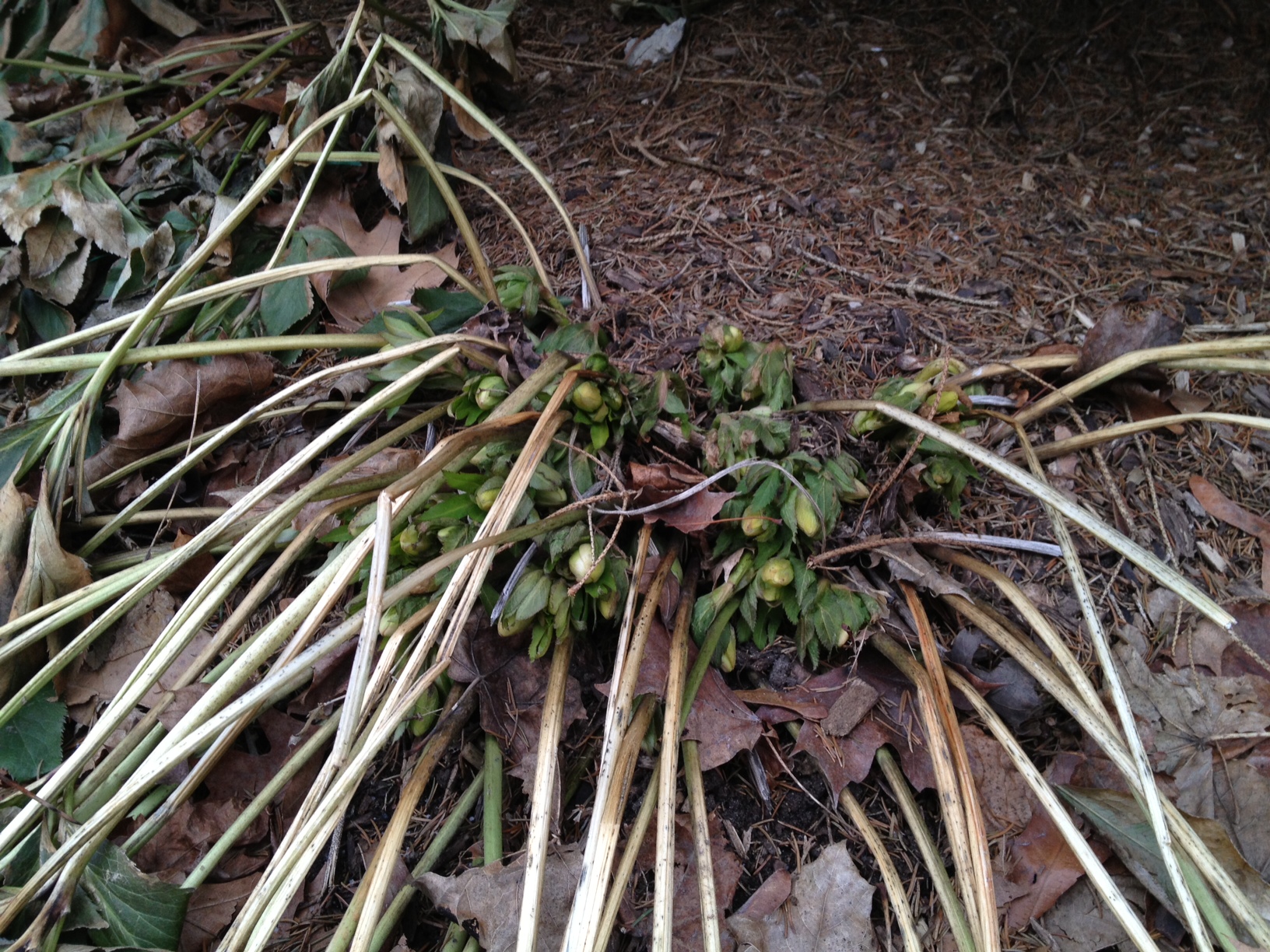
The topic for the Garden Designers Roundtable-mistakes.  I appreciate the timing of this topic, as blunder season is just about here. I invariably misinterpret nature’s intent with regard to spring.  I am sure that spring has arrived, always weeks in advance of the real thing.  I am anxiously poking around, looking for the crocus and the hellebores.  If I am lucky, that poking will not damage tender shoots just emerging from the ground.    The true meaning of misstep?  Tulip leaves when they first emerge in my zone are the same color as the muddy soil.  Given that I never remember where I have planted them, I am as likely to smash them flat as not.  Every step I make on soil that is soaking wet from the thaw forces the life giving oxygen out of the soil.  Plants thrive in friable soil, and generally dislike compacted soil.  Why am I milling about in the garden when I know better?  The leaves of the hellebores are limp and brown now-and crying for a cleanup.  I am sure the number of emerging flowers I have snipped off thinking they were leaf stalks is appallingly high.  Were I to endure the mess for another week, the difference between leaf stalks and flower stalks would be obvious.  Yet here I am, in error.  Franklin P Jones put it so eloquently:   Experience is that marvelous thing that enables you to recognize a mistake when you make it again.
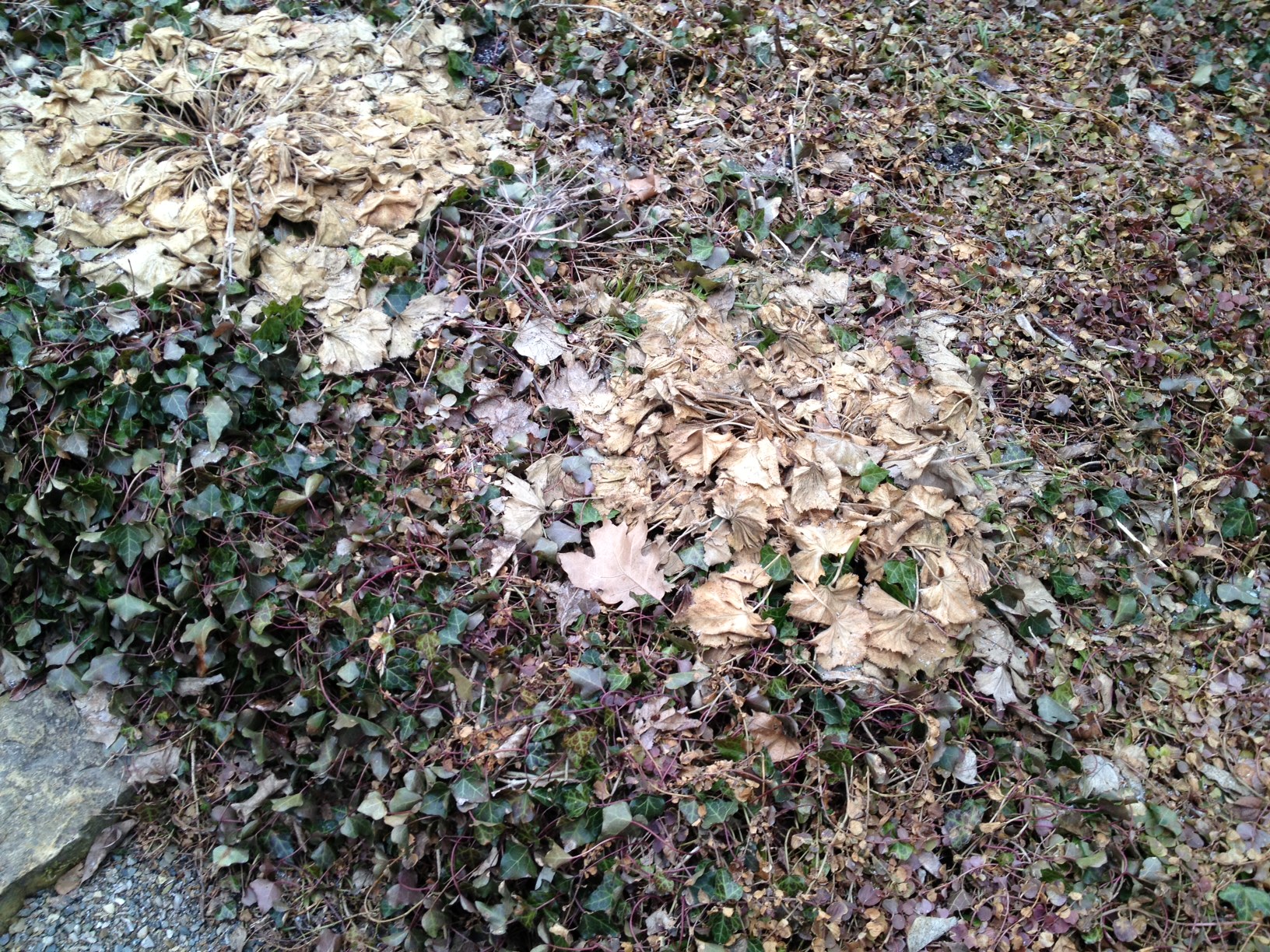
dormant-lady's-mantle.jpg

Once the perennials begin to emerge, the bare spaces that would be perfect for spring bulbs are painfully obvious.  Spots for snowdrops-how is it that I failed to see them 5 months ago, when I could have planted?  The chionodoxa I did plant at the edge of a path as the spot was easy to get to-could I really have forgotten the edge of this path is part of the Corgi path?  Was that outcome not as obvious last fall as it is right now?  It will be months before my small perennial garden will be anything to look at. I could have tulips and daffodils on the way.  Phlox divaricata-every year I long for it.  Every year I do not plant it. A lost opportunity is one thing, but a lost opportunity that repeats itself year after year-a whopper blooper.
clematis-on-the-bench.jpg

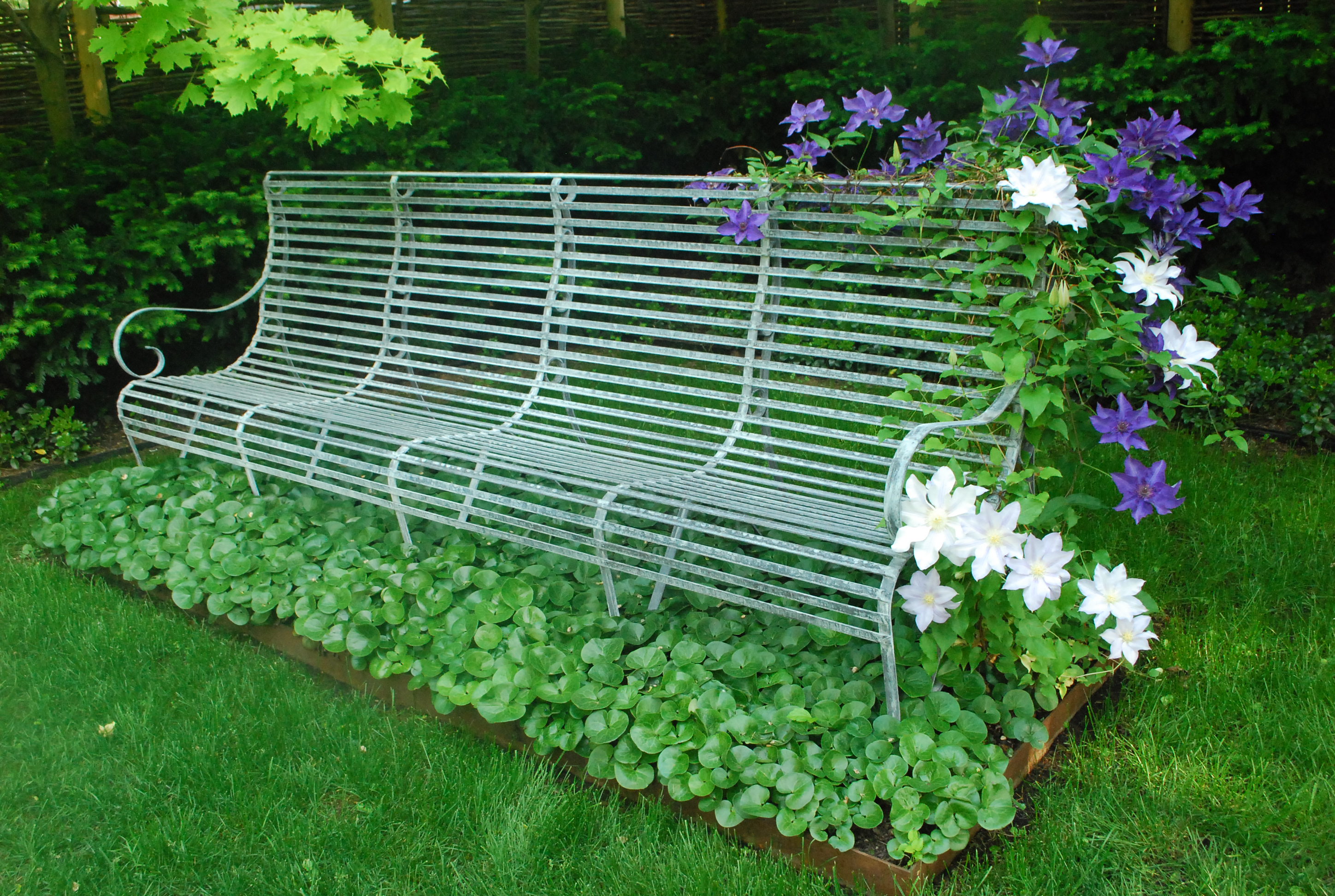
Later I will find those mistakes that simply represent deficient knowledge.  Plants are very specific about what they want.  When they don’t get what they want, they have that listless and unenthusiastic look about them.  Or they die.  Wanting that catmint to thrive in a slightly too shady spot in slightly too heavy soil-that want washes over me all the time.  What would prosper in that spot, I don’t want.  The idea that the nature will suspend disbelief just for me-what is that?  Off sides is off sides.  I would conservatively estimate that my plant reference library has 50 volumes.  And I have a computer that works.  In spite of that, I persist in putting plants in the wrong place. On rare occasions, I get lucky.  I had to have a clematis growing on my garden bench-the romance of tat idea was irresistible. Though the spot had failure written all over it, I planted anyway.  Turns out, there is enough sun 4 feet off the ground to keep that clematis happy.  I know a certain gardener with a gift for making a mistake seem like a brilliant choice.  From Henry James,  She had an unequalled gift… of squeezing big mistakes into small opportunities.
hellebore-flowers-emerging.jpg

Gardeners derive satisfaction from many different things.  Some gardeners choose to grow food.  Others like tropical plants in pots.  Others want to grow plants and sell them.  Others swoon over conifers, or rock garden plants.  Others intend to reforest a city.  A relationship with nature is not necessarily a garden-it could be a wild place untouched by designing hands.  Entertaining outdoors, putting up lights at the holidays, and camping.-these are as much an experience of gardening as the parterres at Vaux Le Vicomte.  Given that the sky is the limit, that the opportunity for self expression is always there,  I think it is a mistake-not to garden.  Gardening is good for people.  Your garden should be just that-yours.  From Oscar Wilde, “Be yourself; everyone else is already taken”.
older-hellebore.jpg

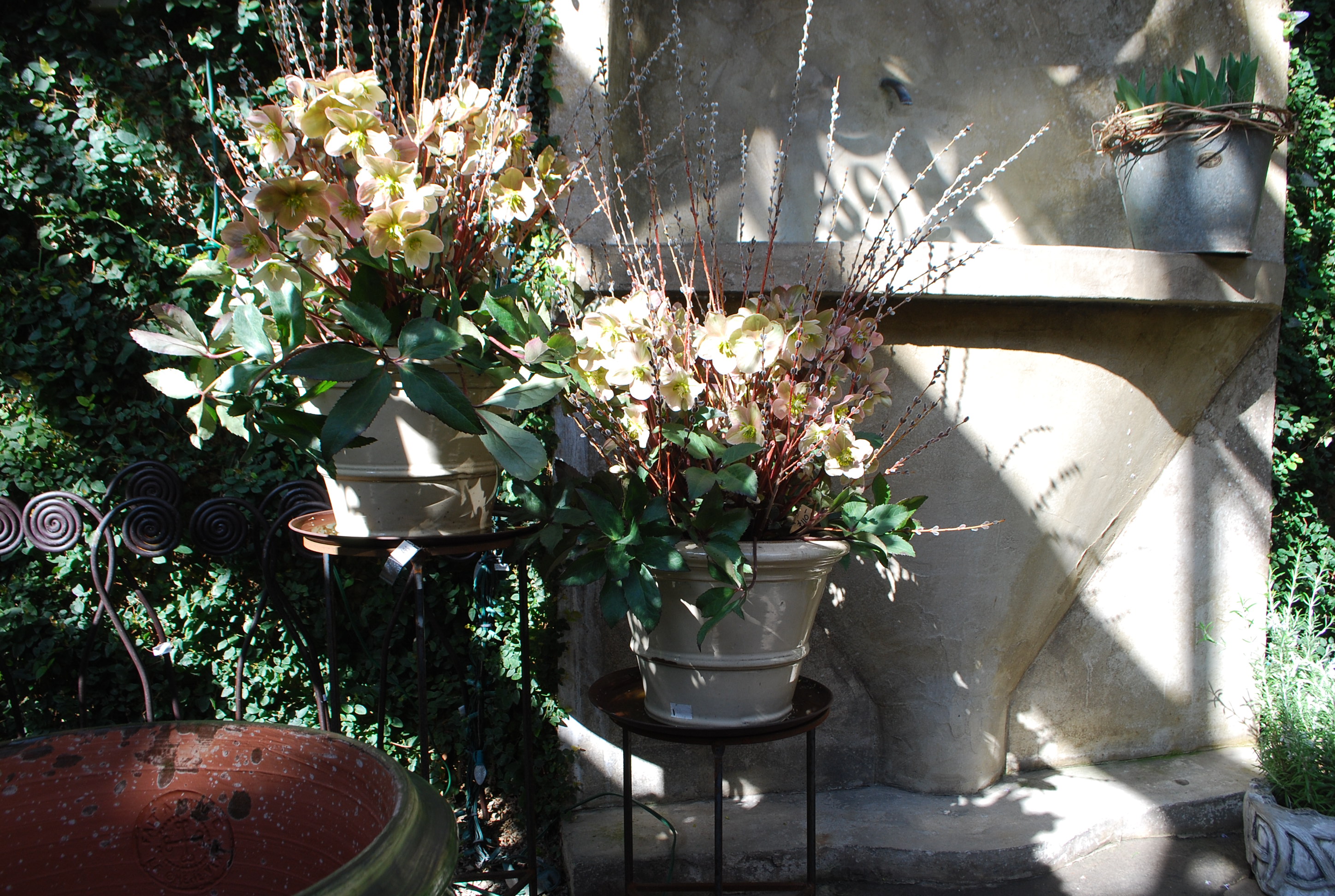
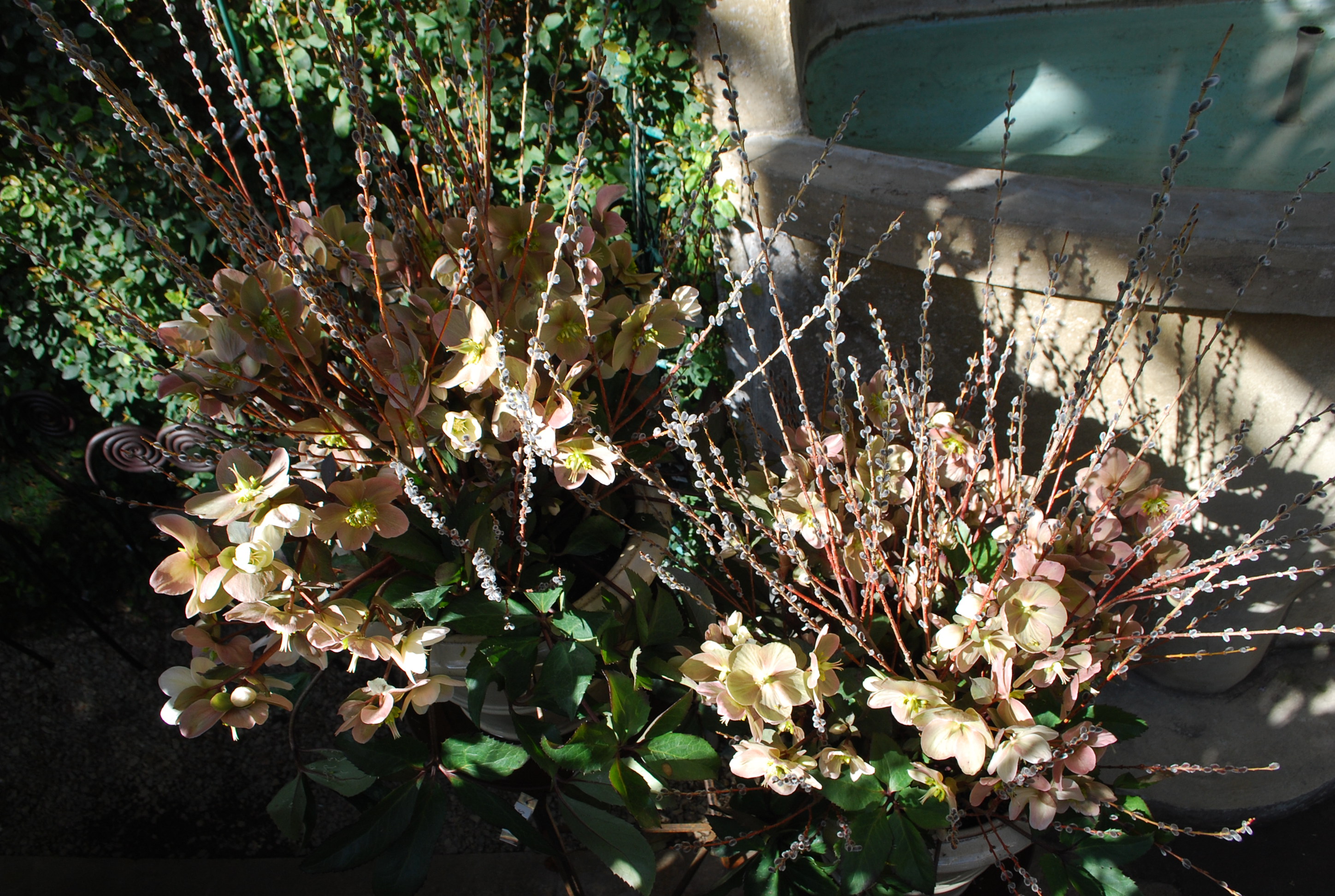
The most grievous error I see gardeners make is to give up a dream of having a garden environment  because they could not have it all at once.  The best part about plants is that they grow.  A bareroot tree planted in the spring and looked after will grow.  Yes, the mighty oak from the little acorn grew.  A slew of boxwood cuttings, placed in and grown on in a nursery bed, can one day become the most gorgeous knot garden imaginable.  Hellebores are gorgeous-but notoriously slow growing.  Large plants are pricey, for just that reason.  But little hellebores are readily available, and will grow into specimen sized beauties before you know it.  Now is a very good time to plant one.  From Edmund Burke:  Nobody made a greater mistake than he who did nothing because he could do only a little.

The other members of the Roundtable no doubt will have their own views on mistakes-please read on!

Mary Gallagher Gray : Black Walnut Dispatch : Washington, D.C.

Debbie Roberts : A Garden of Possibilities : Stamford, CT

David Cristani:  The Desert Edge:  New Mexico


Sunday Opinion: The Narrative

The posts of the past several weeks have a theme.  The winter season is holding on for all it’s worth.  Don’t believe me?  We have snow in our forecast for the next 2 days.  My last post, entitled “Holed Up” garnered a comment from Tara Dillard.  She is a person I have never met.  She is a landscape designer in Georgia who writes a blog-I read her blog, (taradillard.blogspot.com)  and she reads mine.  I leave comments for her every so often-she posts comments for me too.  This constitutes a relationship of a certain sort.  Though we have never met, I appreciate and am interested in her point of view.  I believe she has an interest in mine.  This is what I would call a narrative-a story.  Not a fancy story, not a dramatic or life changing story-just a simple story about two people who have a passion for the same thing.

She commented on my most recent post:

It’s ridiculous but the bench with the cat on it, and another underneath, melts my heart.

Most gardens never reach this level of narrative.

XO T

A photograph I posted of an English stoneware cat basking in a sunny spot in our greenhouse space prompted her to write.  Gardens and narratives-I have been thinking about this all day, thanks to her. A narrative is a story.  The beginning story of this post is about how a landscape designer in Michigan and a landscape designer in Georgia have an exchange of ideas.  This is a very modern, internet driven story.  I suspect that we are very different, and have very different opinions about a lot of things.  It is possible that we would have never made the effort to continue to talk, had we met in person.  But the internet has enabled us to meet, and exchange ideas.   Having made a commitment to write a blog on landscape and garden design,  I was not expecting back talk.  That said, the back talk is my favorite part of the writing.  Tara’s backtalk is of the most interesting sort.

There is a second story here.  Tara’s comment about gardens and narratives-provocative.  I have her to thank for explaining how interested I am in narrative driven design.  The land tells a story.  The plants tell their stories.  A client tells a story.  I have a story. I do believe that the most beautiful landscape and garden designs are generated by a story.  Should I have a concept that I wish to explain to a client, I create a story.  That story is a bridge between two very different people.  That bridge is a place where designer and client might meet, on occasion.

A garden or landscape that tell a story is a very powerful garden, indeed.  The story may be about a love for plants, or a love for a passel of children, or a love of design, or a love for nature.  The constant?  The story.  If I am able to encourage a relationship with a client that becomes a narrative, I know we will forge a relationship.

Thank you Tara. The landscape design that traces the narrative, creates a narrative, is a good design.  A design worth considering.   Every landscape should work.  Should grow.  Should prosper.  But every landscape of note tells a story.

Holed Up

wintry-spring.jpg
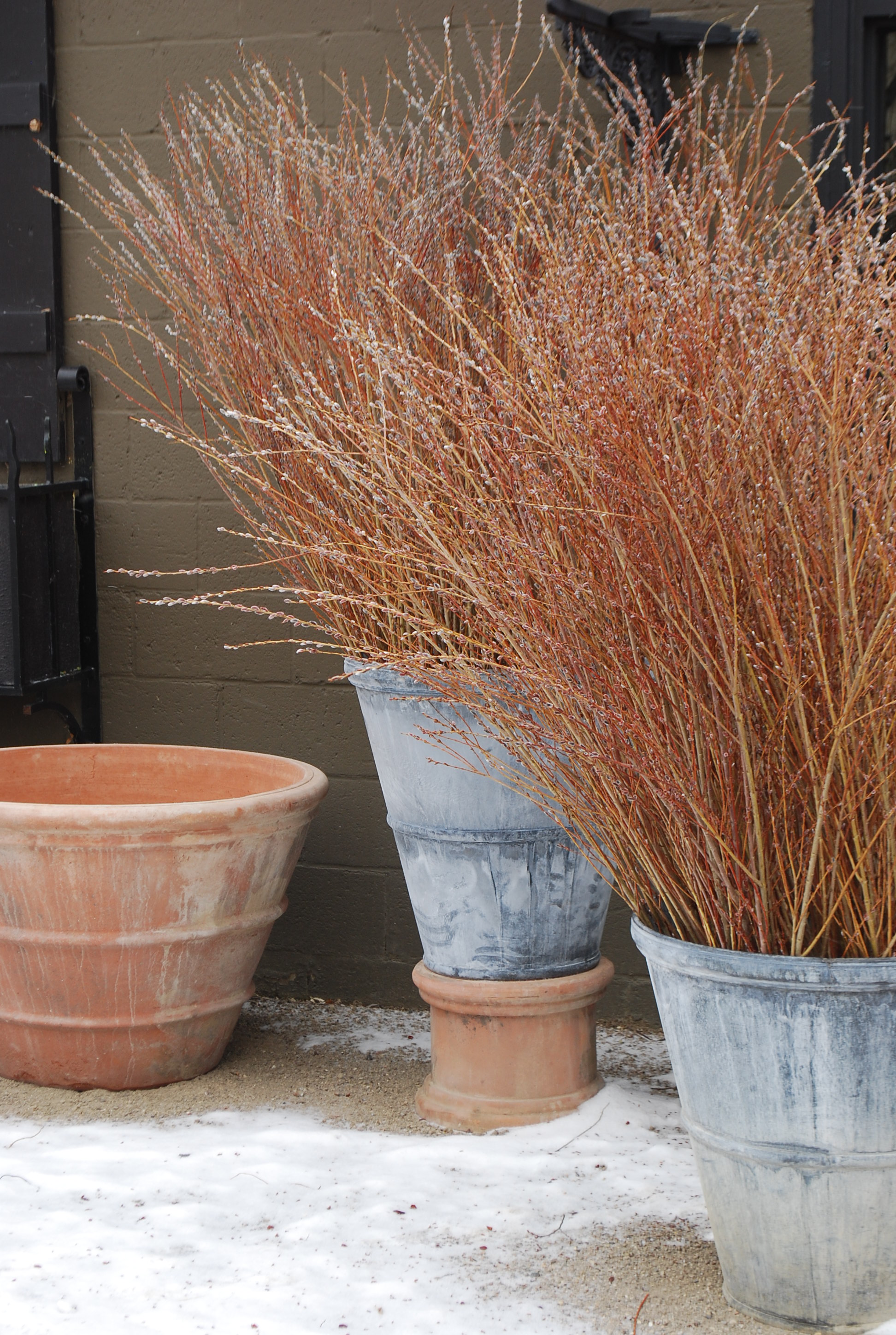
I expected to feel exasperated-but this scene made me laugh. The cut pussy willows are representing for all the world as if it were spring.  At their feet, the remnants of hard packed snow and frozen ground tell a different story.  Though it is late March, our weather is quite February-like.  This is the late winter hand we have been dealt.  We have not been able to do so much outside the shop, as everything is frozen to the ground.  Some espaliers breaking bud when the arrived went in the garage.  Other, unquestionably dormant, we placed outside-and we hope for the best.

prairie-willow.jpgPrairie willow-I am confident it is tough as nails.  It grows in the prairies-this means that weather extremes are the norm.  I had no problem placing the bunches outdoors; they will shrug off the cold.  But what would anyone do with them?  Pots, and the soil in them, are still frozen solid.  A vase full of prairie willow inside-that would not only be beautiful, it’s just about all we can do.  The prairie willow may be fine outside given night temperatures in the teens, but we are holed up, pending a shift of the season.  Plants and animals have great mechanisms for dealing with untoward weather.  The bears hibernate.  The bats congregate deep in caves.  The plants go dormant, and stay that way.  Lichens go dull in color when dormant.  A heavy rain brings them roaring back to an interactive life.  Some pine cone seeds will not germinate, unless there is a fire. Other seeds will not germinate unless they have a cold period, or a good soaking.  The perennials die back to the ground.  They endure the winter, their life on hold- underground.

spring-plants.jpg
The first truly warm day of spring-insects hatch, and swarm. The grass puts on a green outfit. The bulbs, long silent underground, push up towards the sun.  The process by which the natural world wakes up after a winter is an extraordinary event to witness.  Who knows what day will signal sweet release from the dormant season.  No doubt, every northern gardener is waiting. Given that people do not hibernate, they are witness to every moment of the winter.

Wardian-case.jpg

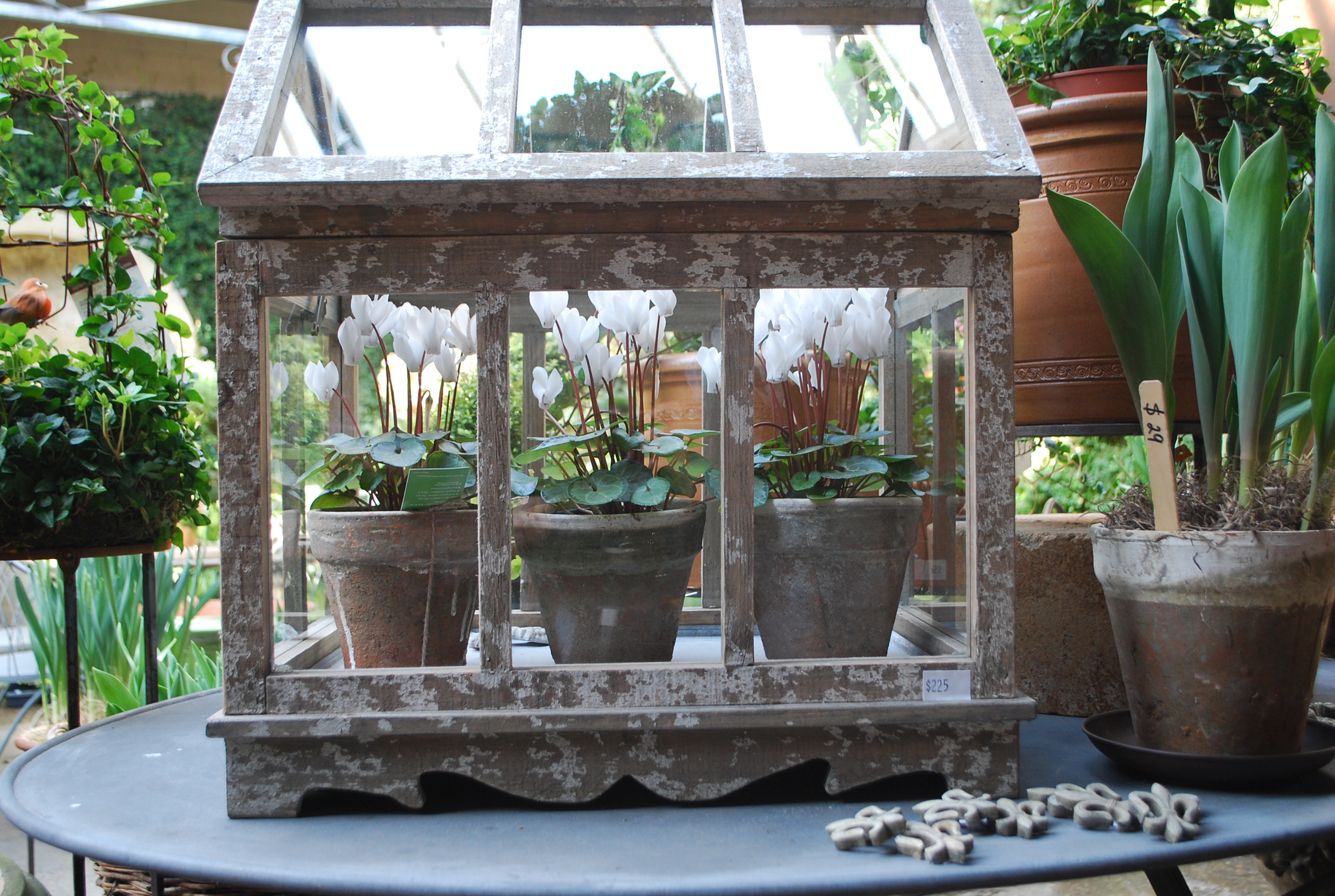
I am a natural organism that does not go dormant.  My winter life involves heat and shelter.  This means I live through the winter, like it or not. I am not a skier or a snow shoe afficianado-I endure.  My experience of the dormant season involves lots of winter gear-coat, boots, gloves, and hat.  And the time it takes to get dressed.  No doubt, I am a hothouse variety.  In Victorian times, miniature greenhouses known as Wardian cases would protect tropical plants from any hint of cold.  Rob’s placement of these cyclamen in a Wardian case-his dry and subtle humor at work.  Cyclamen cleave to the cold. No need to heat them up.   What really needs a place in this Wardian case-all of us gardeners living in northern climates.

greenhouse-space.jpg

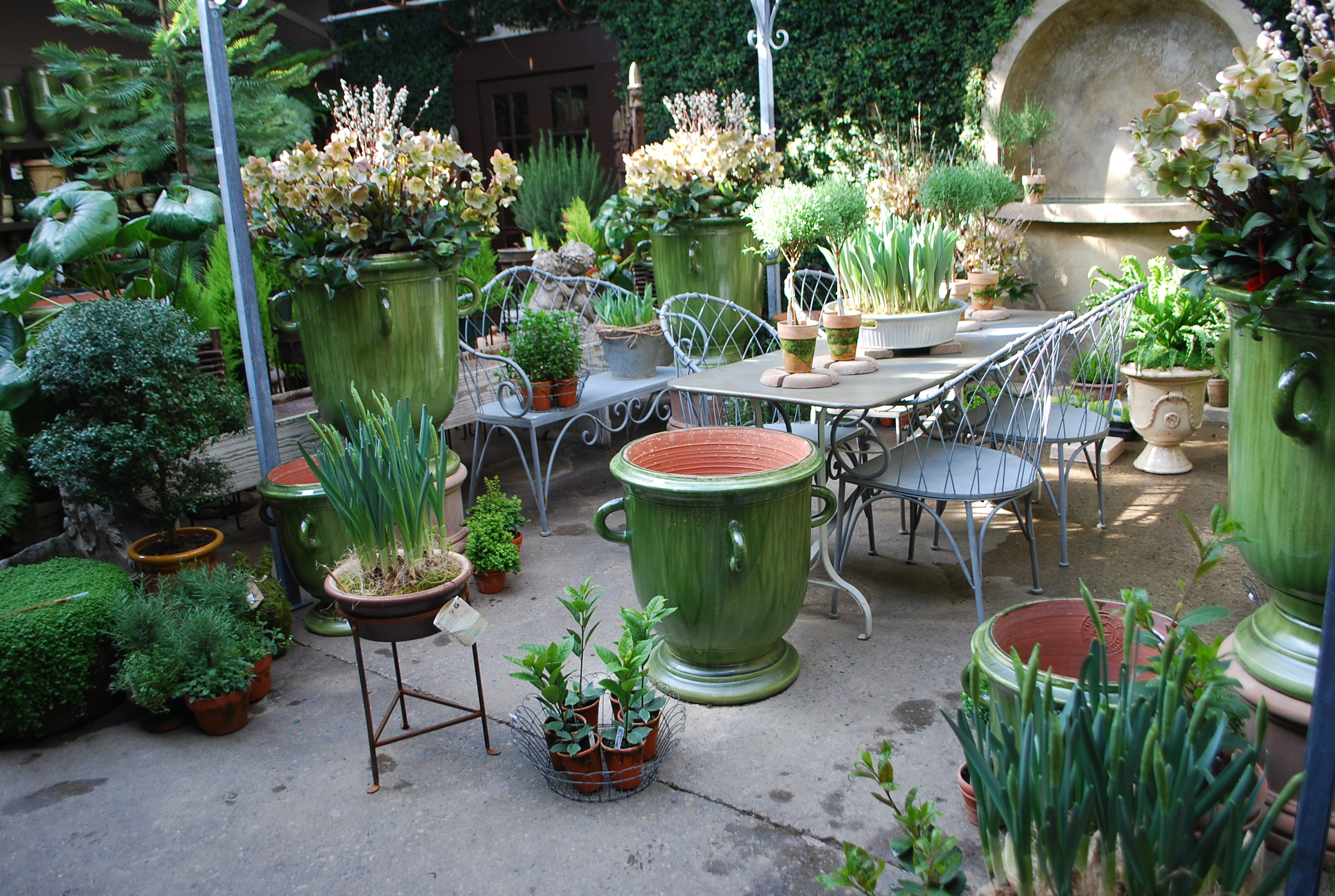
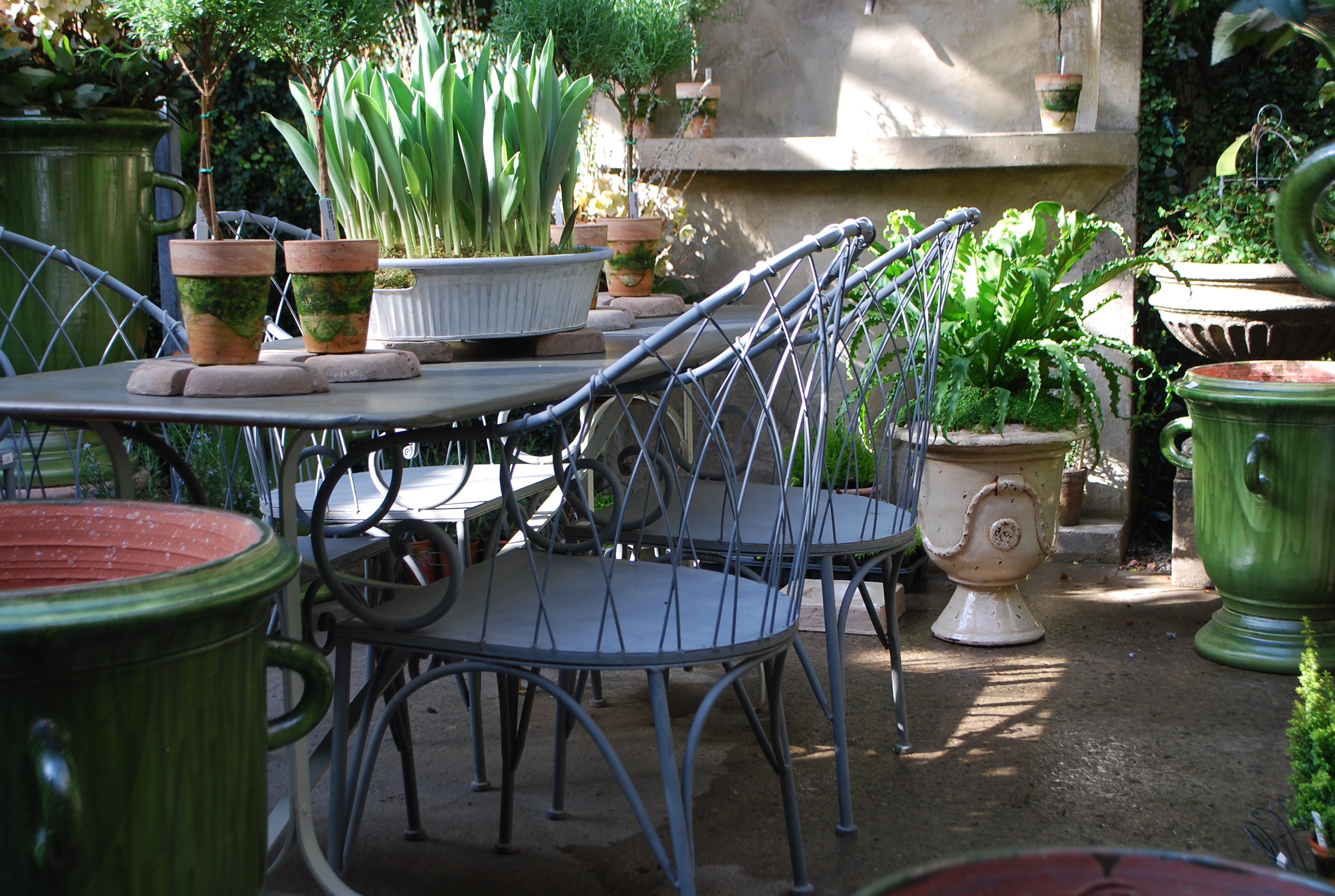
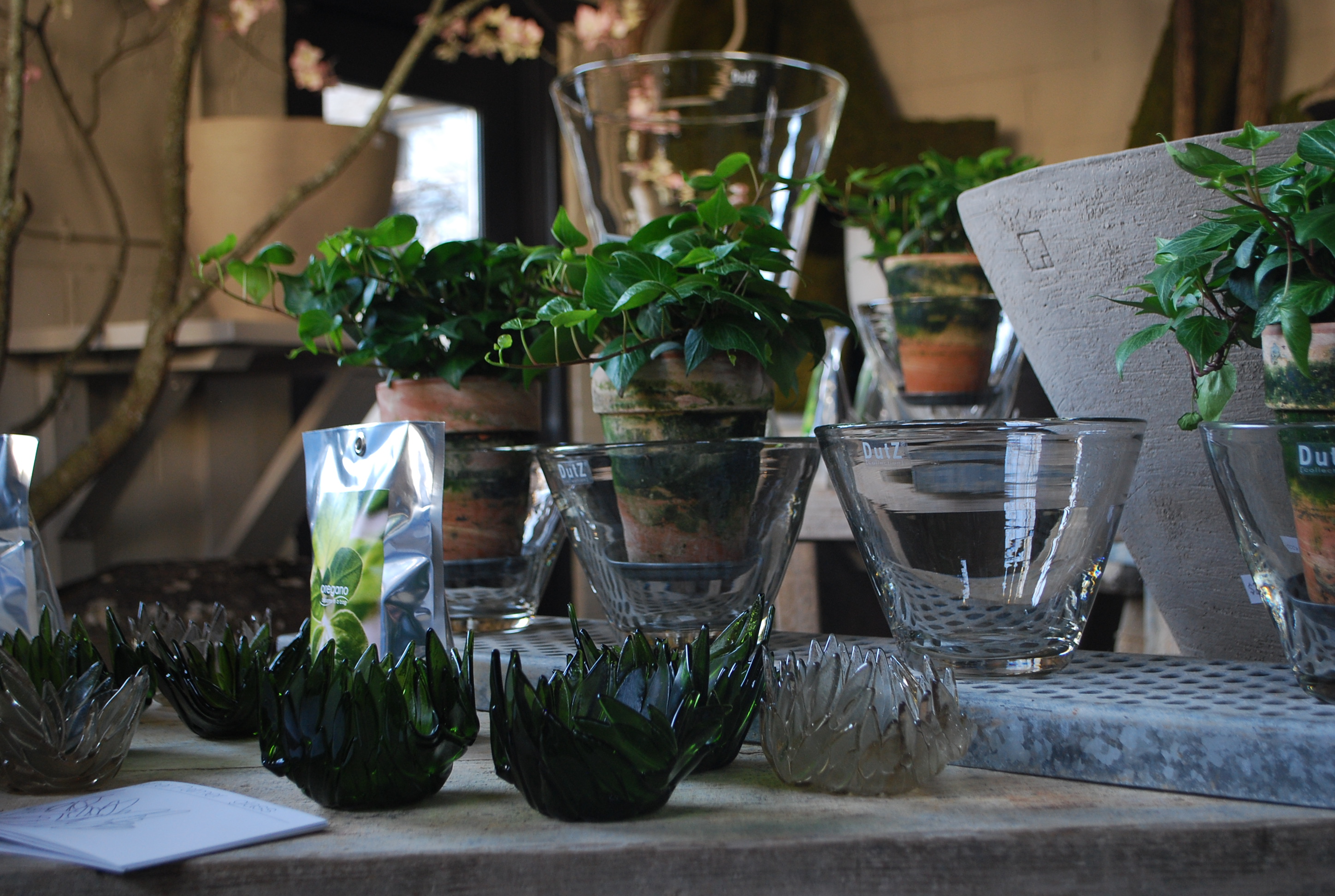
The late winter weather aside, we have plants.  Potted bulbs.  Hellebores.  Delivered just today, topiary plants, big and small.  Bulb pans overflowing with angelina.  Tiny euonymus topiaries.  We have had to make a place for the plants under glass, and inside.  We heat this space to 50 degrees.  Any amount of sunshine will quickly warm it up.  From now until the middle of May, this room will be stuffed with plants.  The moment the winter weather breaks, every gardener will be looking for plants.

greenhouse-space.jpgThe plants make the space smell great.  The hyacinths blooming fill the entire space with their fragrance.  Rob washes down the floor almost every day.  The resulting humidity is a welcome break from the dry winter air.

stoneware-cats.jpg

Even this stoneware cat has an aura opf contentment, given a sunny spot on a bench.

topiaries.jpg
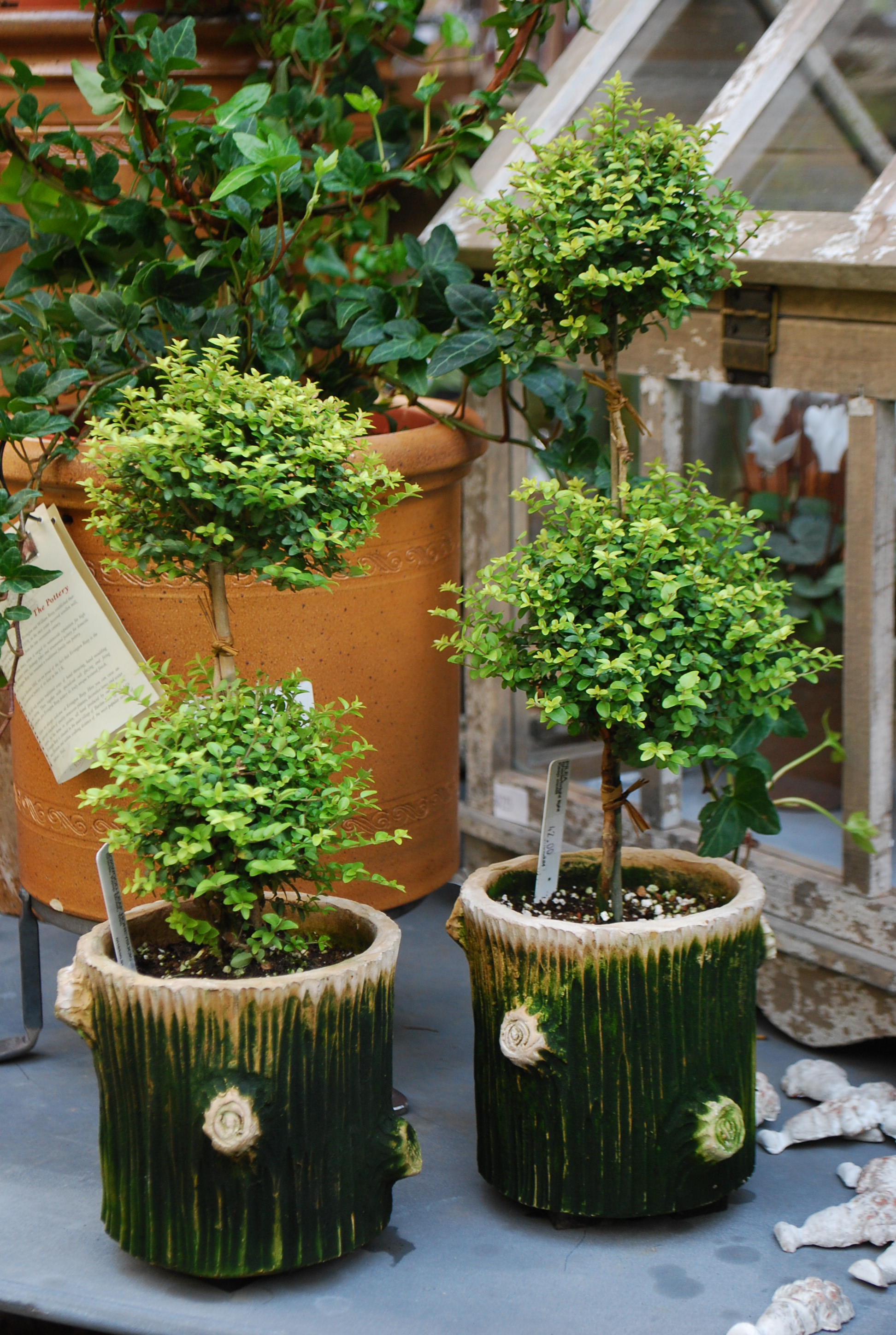
These double ball boxwood-leaved honeysuckle topiaries are charming in their stump pots.  The moss on the surface tells the story.  These plants have been grown with heat, water, and some shade.

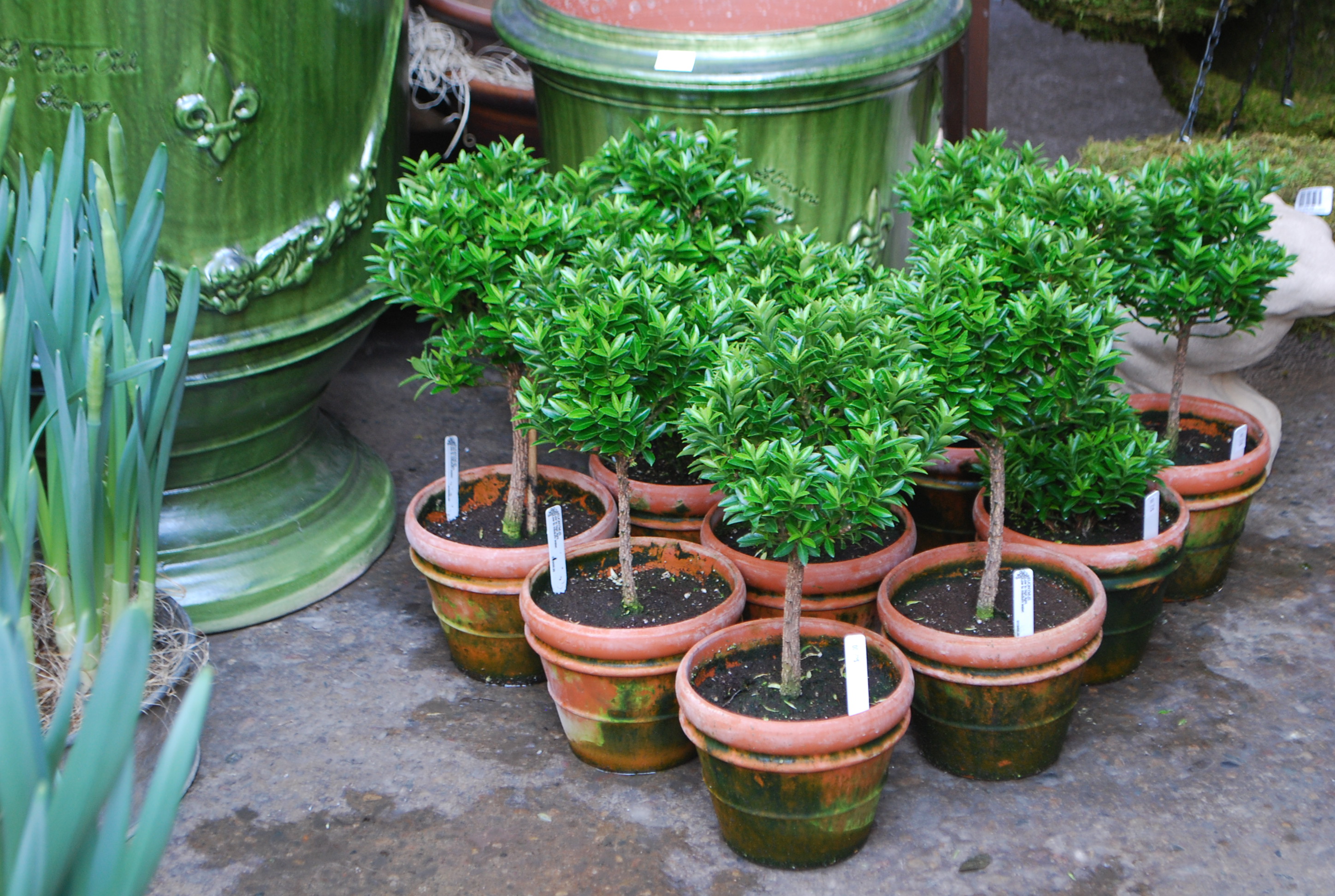
topiaries-in-pots.jpgEuonymus trained into a topiary standard is a great plant for a small space.  It is the most luscious shade of green imaginable.

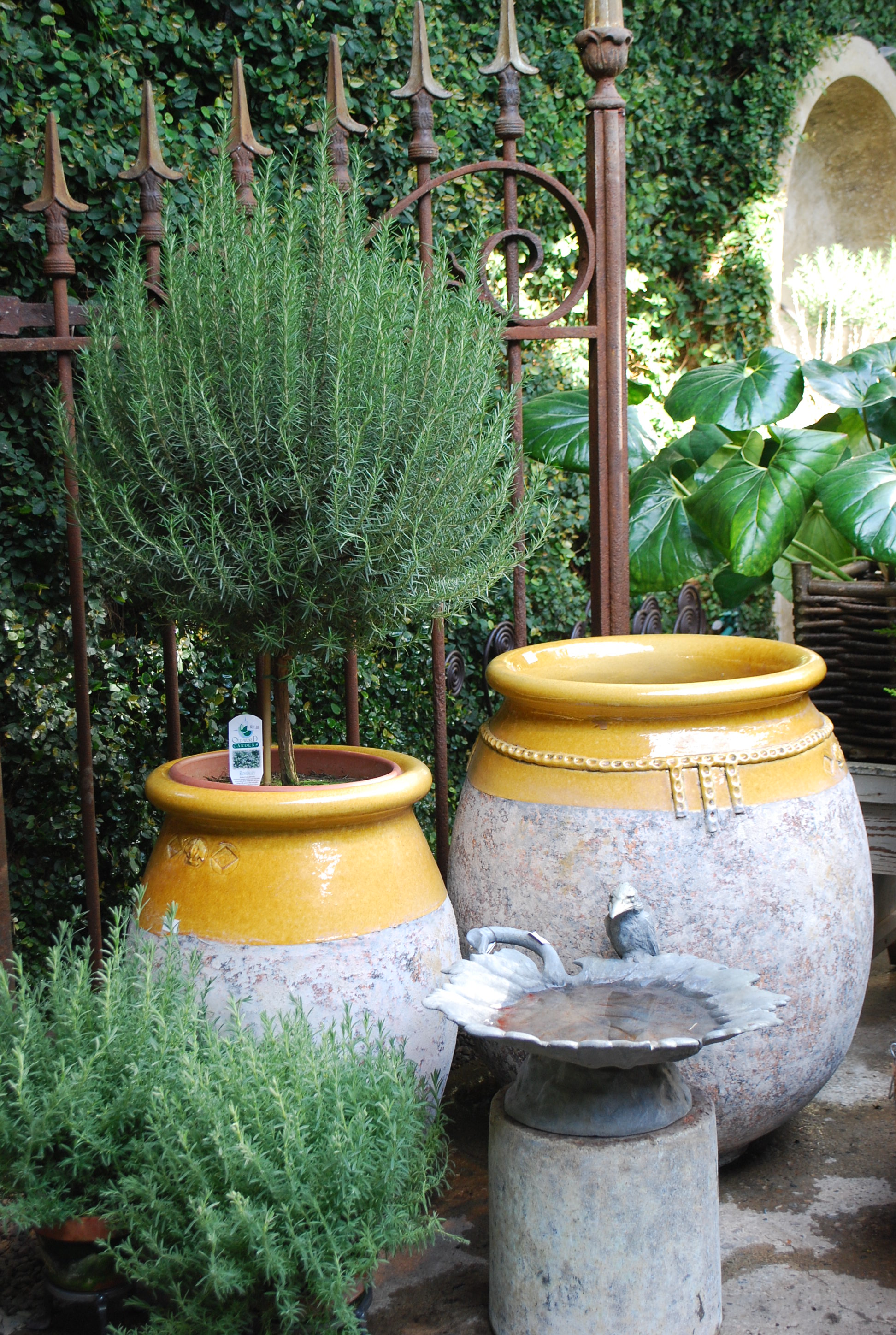
rosemary-topiary.jpgRosemary on standard, and tubs of lavender have that warm Mediterranean look-not to mention the fragrance.

rhubarb-and-lemon-cypress.jpgRob starts rhubarb in pots early-they make such great centerpieces in spring pots.  The large leaves atop red stalks-you can’t miss them.  Nothing could be further in color and texture from rhubarb than a lemon cypress. This lime foliaged version of an Italian cypress is not hardy in our zone, though it will tolerate fairly low temperatures.  They also look great in spring containers.  Plants wintered in a space that stays above freezing grow fast.

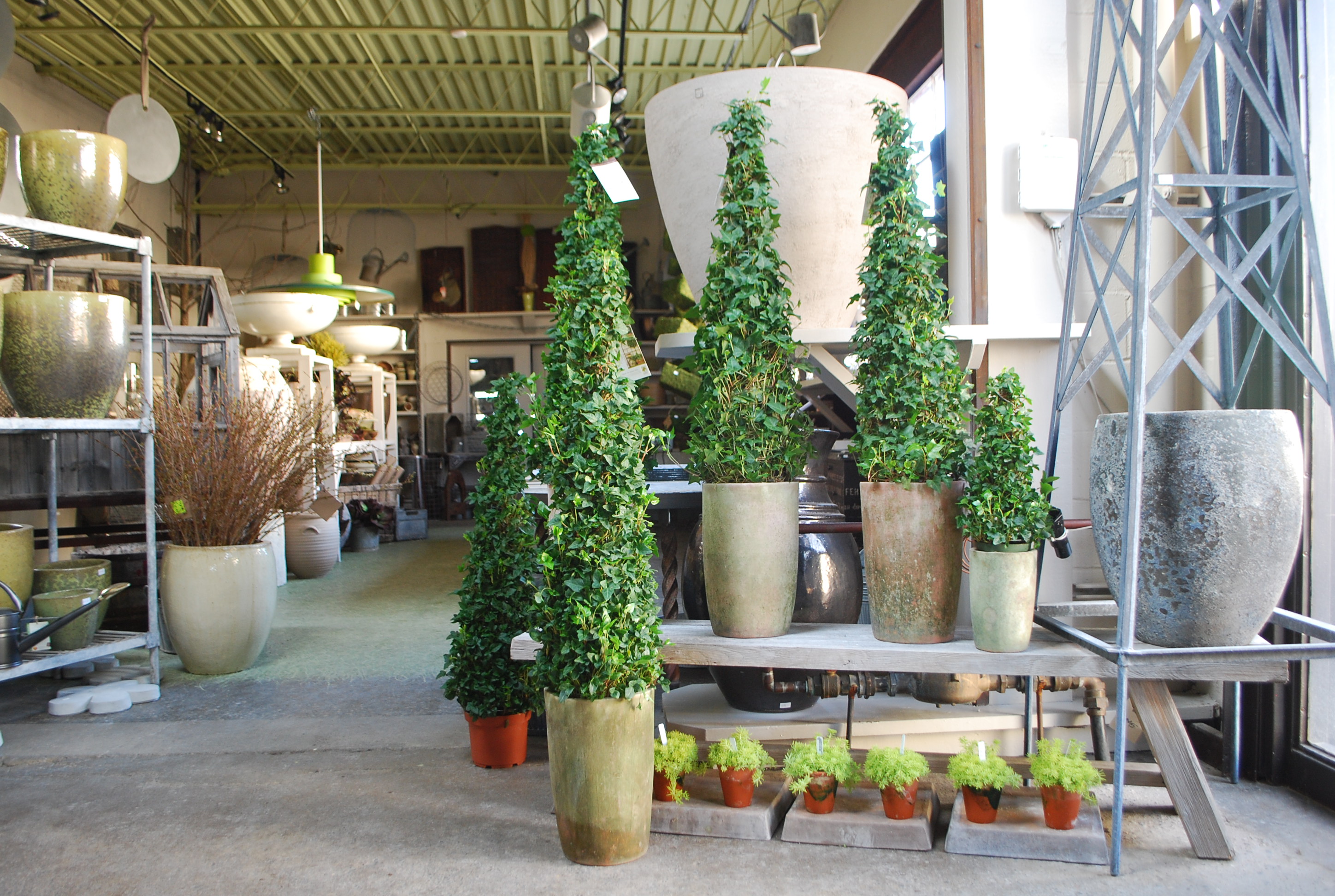
ivy-topiaries.jpgIvy topiaries are great for shady locations outdoors, and they are fairly easy to winter indoors.  The vines grow fast if they are happy.  Regular snipping to hold the shape is one of those garden chores that is actually a pleasure.  How Rob has paired them will simple terra cotta cylinders is handsome.

bulbs-in-a-basket.jpgThe shop has a few other places that get good light, and a fair amount of sun on a sunny day.  Forced bulbs are good for low light spots indoors.  They come already programmed to bloom.  If the light is too low, the green of the foliage will fade, and the leaves will stretch and flop over.  It’s only natural that plants seek the light-it is essential to their well being.

ivy-pots.jpgEven low light tolerant plants will struggle if that low light goes on for too long.  We rotate our plants in and out of low light areas, in a effort to keep them happy.  Plants placed in the dark too long look as grumpy as gardeners who are stuck indoors.

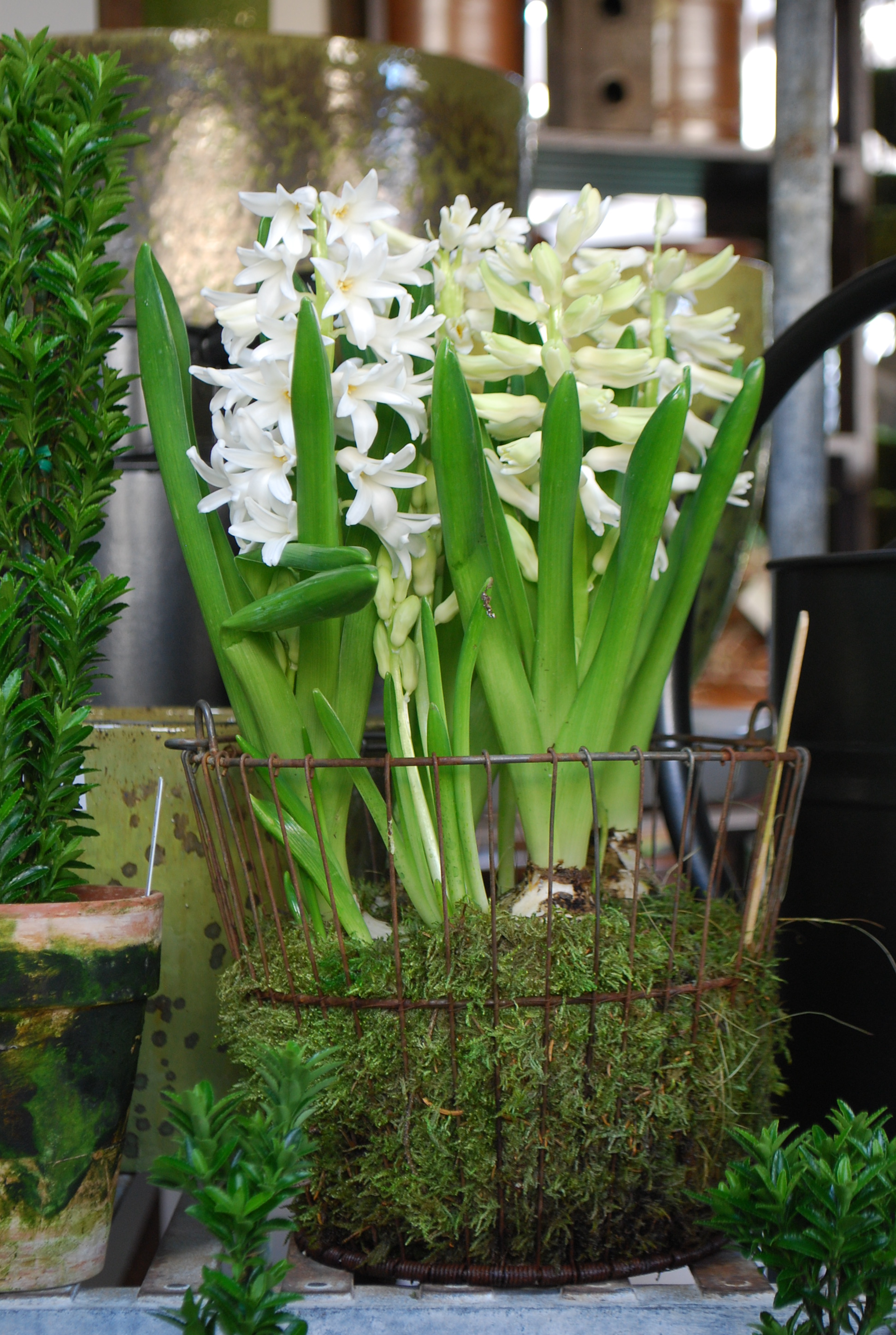
white-hyacinths.jpgHyacinths forced in pots provide a lot of late winter pleasure.  The leaves are good looking.  The buds are good looking.  The flowers will last quite a while, provided they have a well lit spot that is not too hot.  Potting them low in a container provides a little support for the big leaves and large flowering stalks.

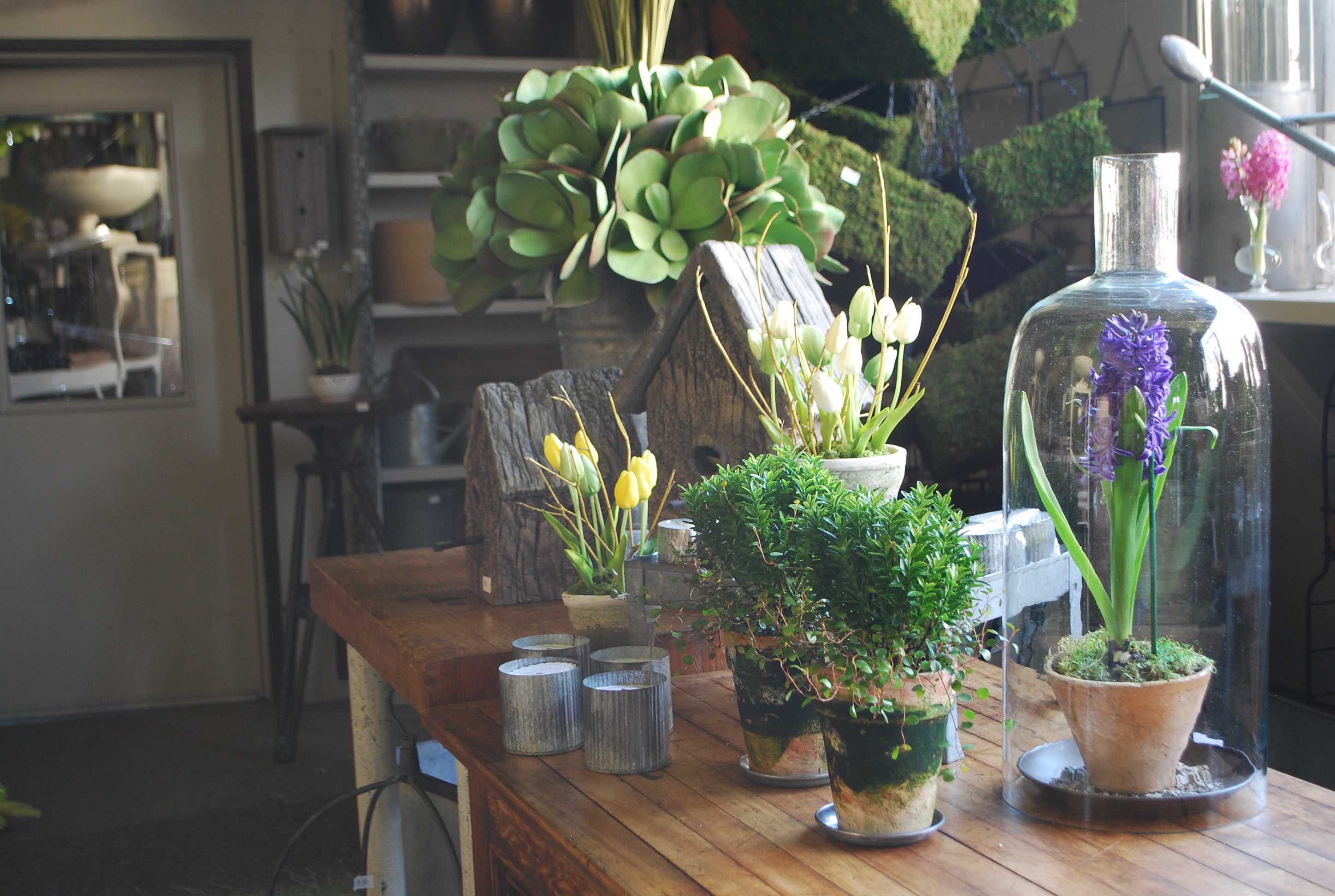
spring-plants.jpgSpring plants indoors-a way to make the best of the worst of it.


At A Glance: Perspective

perspective.jpg

perspective.jpg

hellebores.jpg

hellebores.jpg

haws-cans.jpg

haws-cans.jpg

wood-bench.jpg

wood-bench.jpg

pots.jpg

pots.jpg

baskets.jpg

baskets.jpg

grass.jpg

grass.jpg