I envy new gardeners, just starting out. There is so much information available to new gardeners, via the internet. Have a question? Want an opinion? Want a reference? Want a list of places that sell clematis? Want a stone supplier? Need a landscape designer? Need a garden center near you that sells trees? mulch? potting soil? Orchids? Have a question? Write that question in the search line, and be prepared to have to edit the flood of answers.
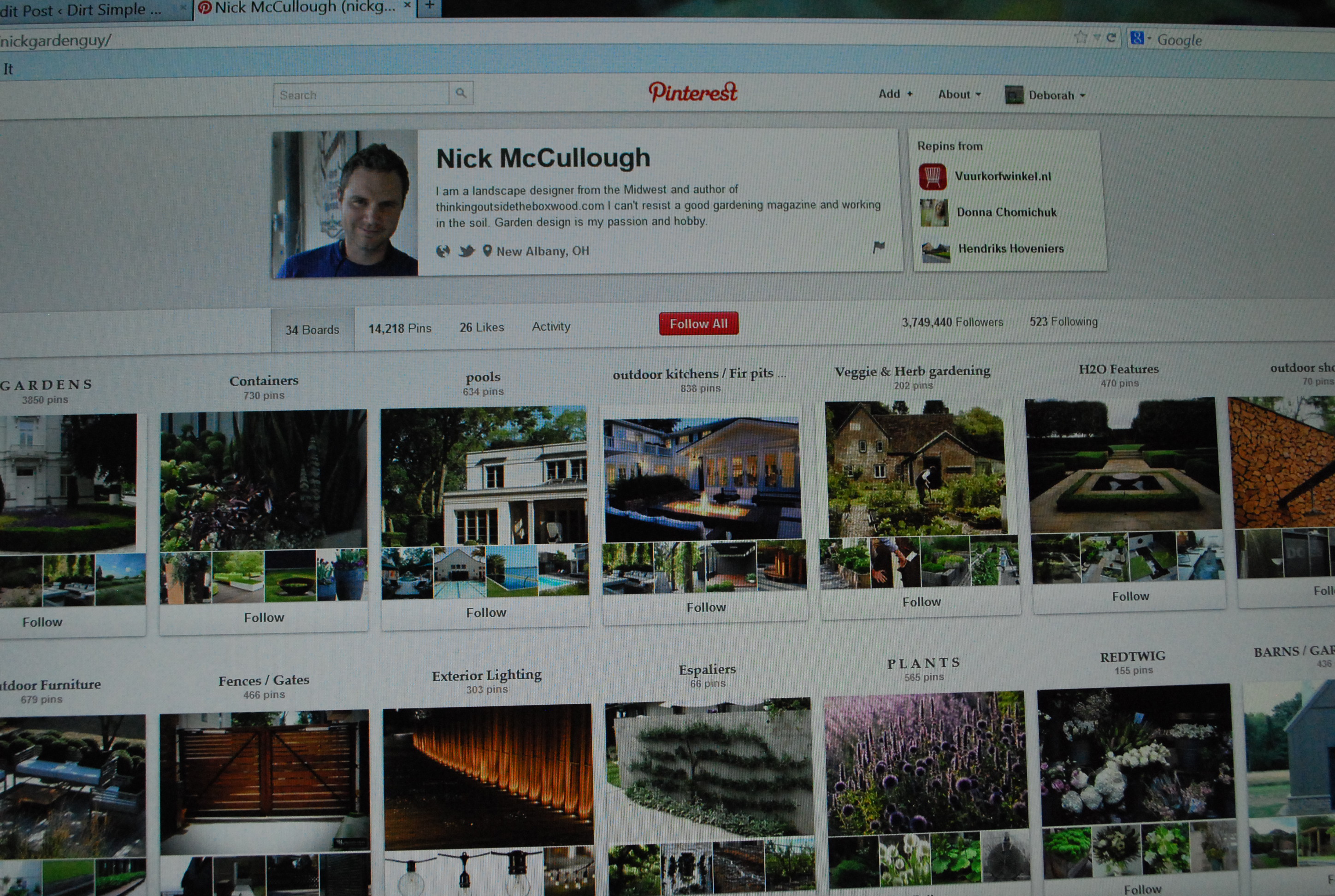
Have a vision? Search Google images for a face to put to that vision. Houzz.com has no end of pictures of landscape design projects. I rather admire how easy and satisfying a resource they are. Pinterest? If you are a visual person, there is more there to see than you could ever possibly absorb. The internet is the equivalent of the Encyclopedia Britannica, times many millions. If you have a question, there is probably someone taking a stab at it out there. If you have a tricky question, you will find opinions galore out there.
Such was not so, when I was in my twenties. I had a handful of gardening catalogs that I read over and over again. I had access to a local library. The Dewey decimal system-are you too young to know about that? Never mind-it was a colossal bore. I did the best I could without much counsel, and took my lumps. I learned by doing. What didn’t work out led me to the next step. I have a distinct memory of moving one clematis 5 times before it was happy.

The Encyclopedia Britannica was better on the subject of World War II, than the successful cultivation of Dutchman’s Breeches, or columbines. How I wanted to grow columbines. My failure to keep them going-routine and boring. I killed an embarrassing number of plants before I caught on. I had a few friends-most of them were close by. Nurseries and garden centers were one of the best sources of information. Today I have gardening friends whom I have never met face to face. Worlds away. A sympathetic gardener in New Zealand may inform how I approach a problem in my garden. This is extraordinary.
Today you could with but a few keystrokes learn how to make an omelet, grow tomatoes from seed, or graft a rose. Given enough time and work, you could look over every company worldwide that sells doorknobs. You could see pictures and videos of the great gardens of the world. You could know the temperature today in Florence Italy, or get a list of hotels in Iceland. Just type whatever comes to mind. How the internet is engirneered to respond to questions-astonishing.
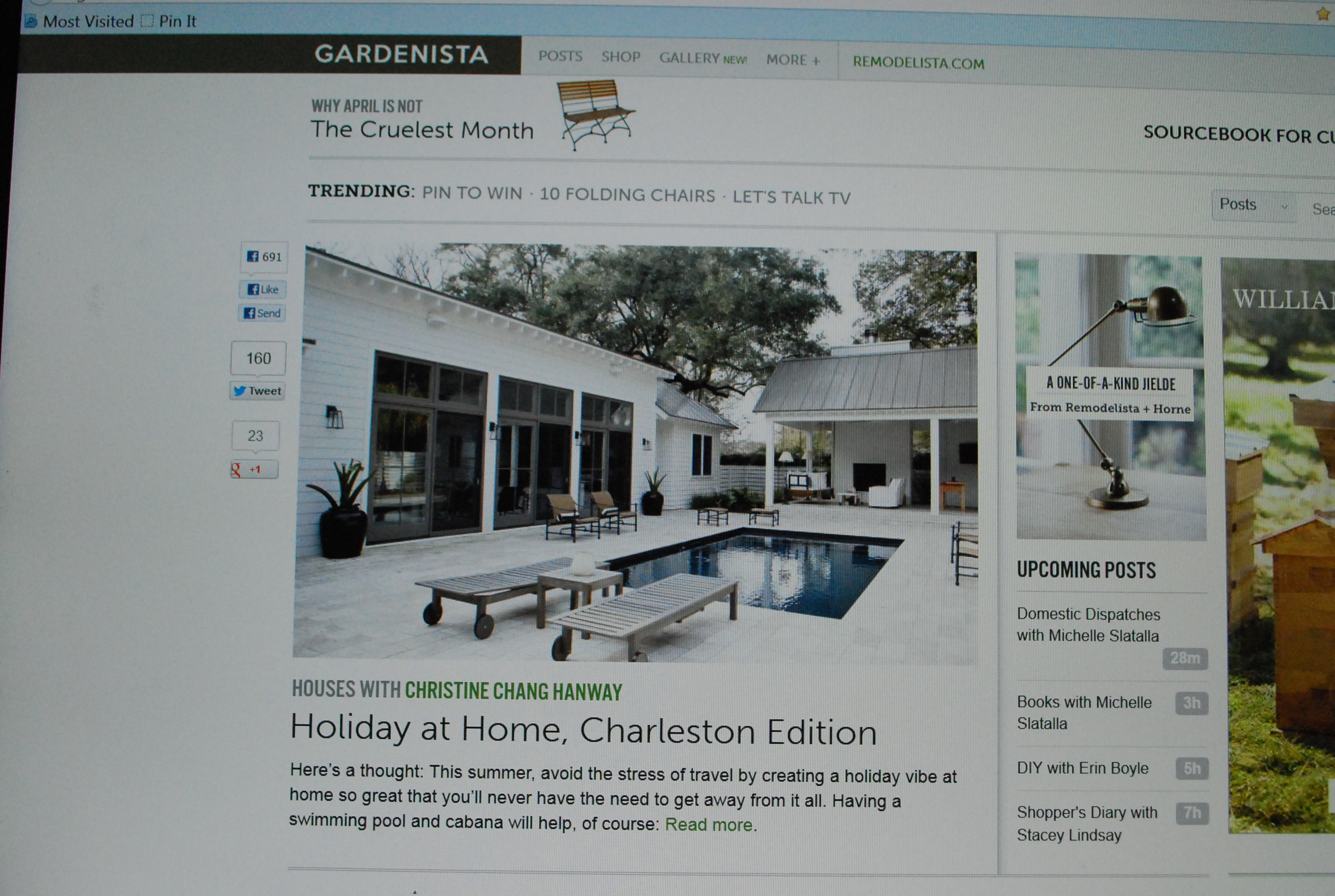
I use the internet for research. Those plants that tolerate black walnuts. Great stone yards. Deer repellants. Great breeders of hellebores. Contemporary garden furniture. The cultivation of orchids, daisies and sunflowers. Good garden benches. The perfect vase. How to use string. The science behind the production of chlorophyll. The weather-at home, in Paris, or in Madrid. The history of the garden. The exhibitors at this year’s Chelsea flower show. How to select and grow great hydrangeas. Type in your question, and read on. French, Italian, Spanish, Portuguese, Belgian, Dutch, Mexican, Scottish, Icelandic, American, Icelandic, British, Polish, German-gardens all around the world. Though I would never give up my books, I can get help with a question in seconds.
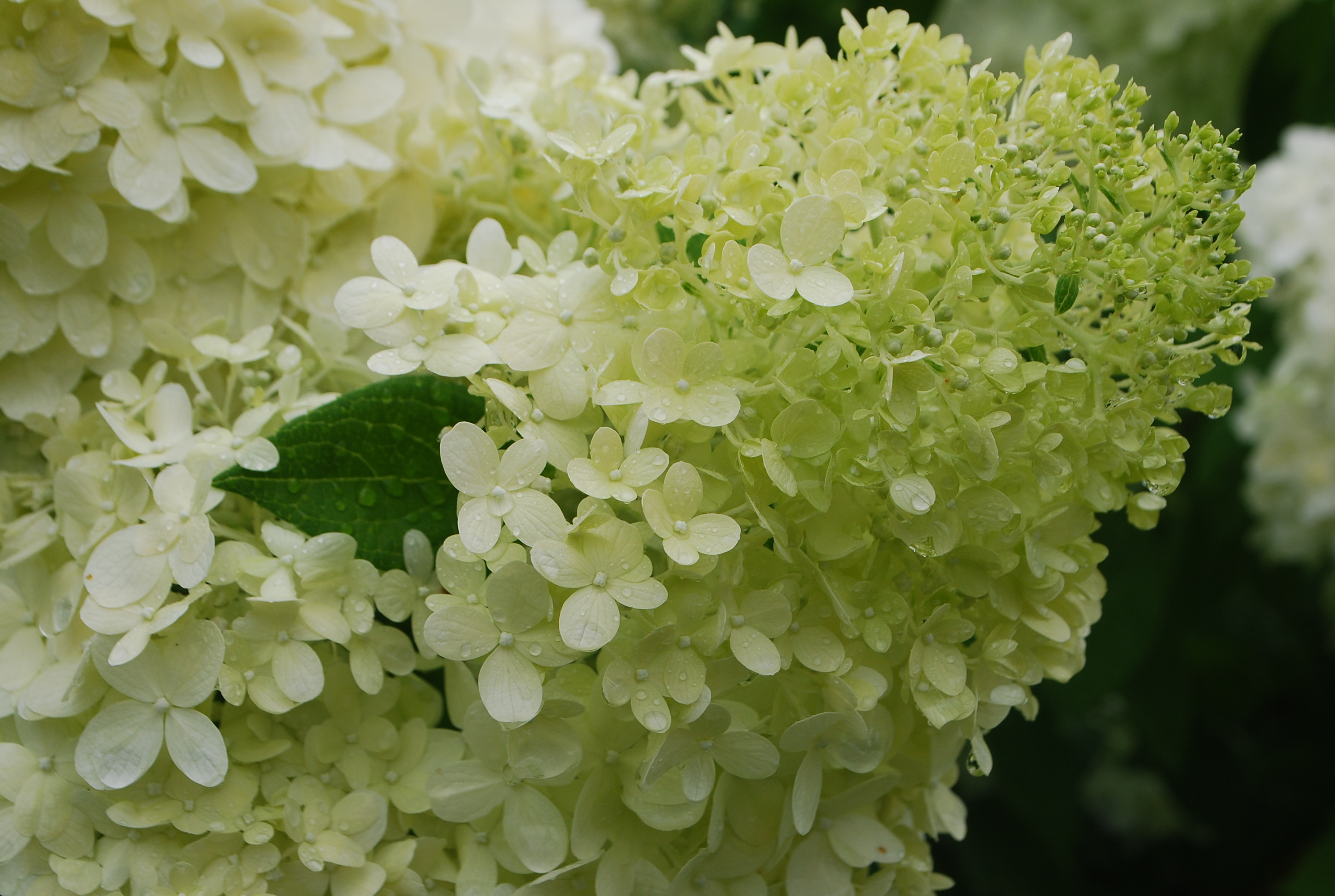
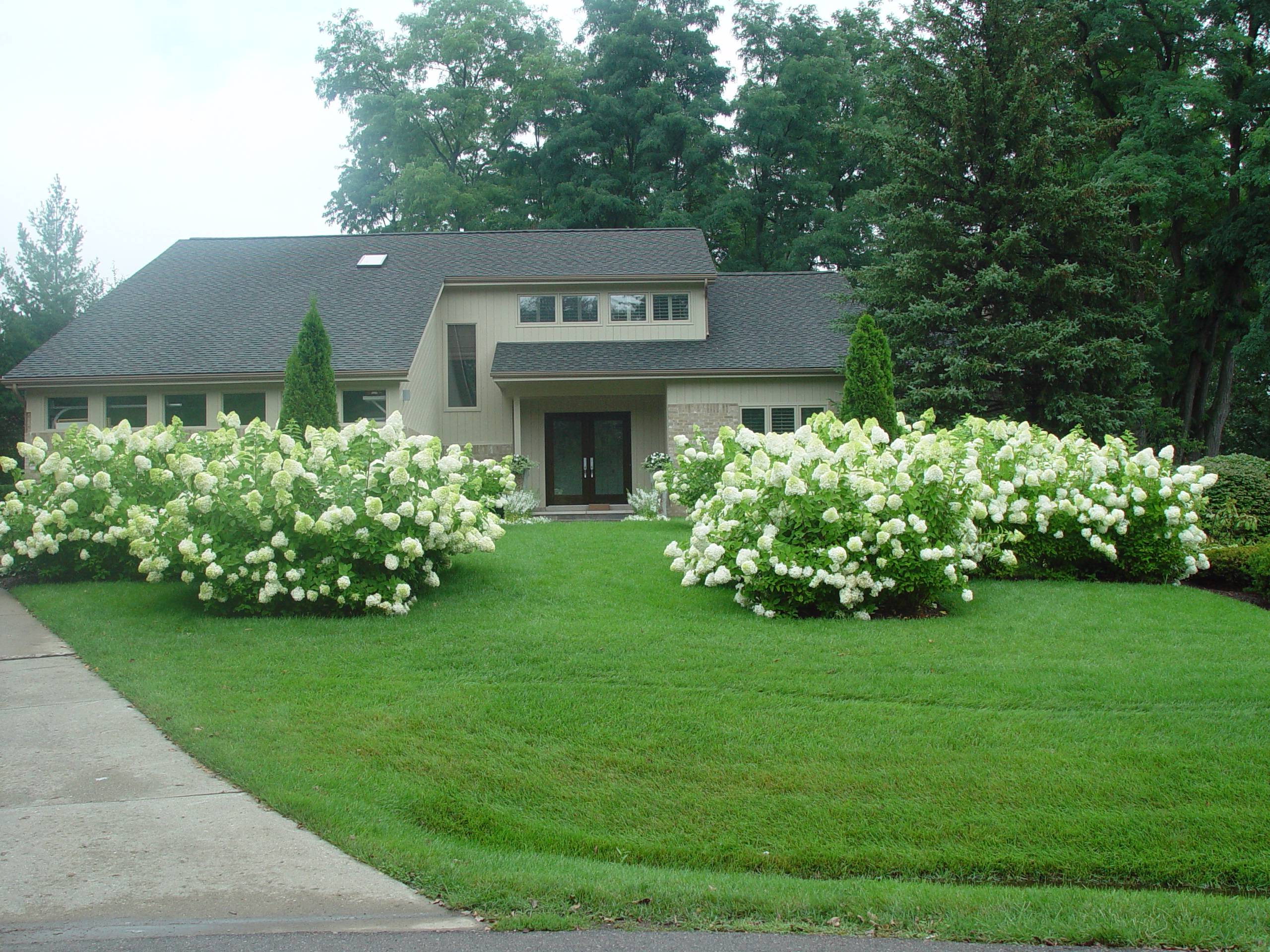
Why am I writing about this? An image of a hedge of Limelight hydrangeas I posted on Pinterest has prompted a flood of questions. As to where one could purchase Limelights in northern Texas-I am not the right person to ask. A local nursery or garden center will have the answer to this. As to whether Limelights will prosper in dry shade, I could only answer for my zone. But I am willing to bet there is a resource out there with all kinds of information about growing hydrangeas in Texas-and any place else, for that matter.